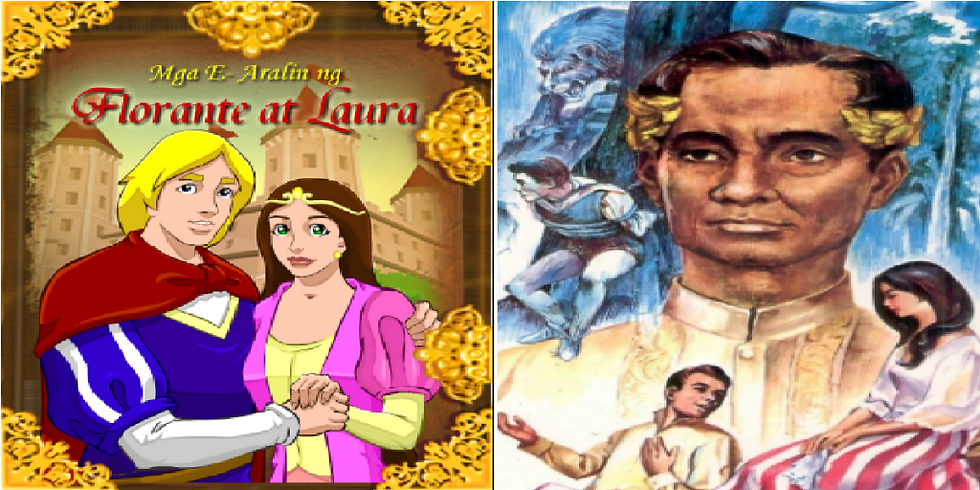
Author: Amiel Pineda

  • Jose Rizal’s Noli Me Tangere: the Novel That Sparked a Revolution

    Jose Rizal’s Noli Me Tangere: the Novel That Sparked a Revolution

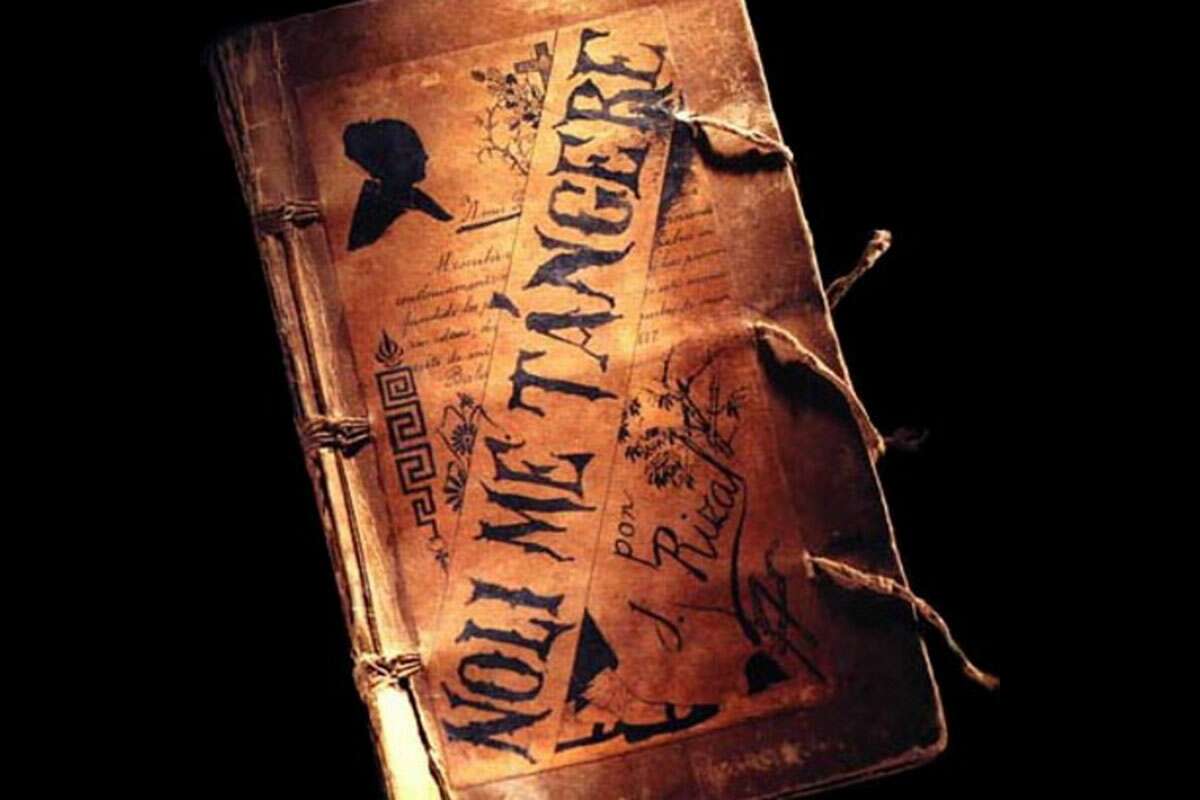
    Jose Rizal’s Noli Me Tangere is a novel that critiques Spanish friars and the injustices faced by Filipinos during colonial rule.

    The character Juan Crisostomo Ibarra represents the educated class in the story.

    This novel sparked Filipino nationalism and inspired resistance against oppression.

    It continues to influence writers worldwide, advocating for societal change and justice.

    Noli Me Tangere is considered a masterpiece that showcases Filipino resilience and spirit.

    Key Takeaways

    • Rizal critiqued Spanish colonial rule in the Philippines.
    • His writings symbolized Filipino nationalism and resistance against tyranny.
    • Rizal’s works inspired anti-colonial sentiments and the fight for independence.
    • His writings fostered a sense of empowerment and national identity among Filipinos.
    • Rizal’s writings played a significant role in sparking the Philippine Revolution.
    • This elevated Rizal to national hero status in the Philippines.

    Historical Context of Noli Me Tangere

    Jose Rizal’s novel, Noli Me Tangere, was written in the late 19th century under Spanish colonial rule in the Philippines. The novel highlighted the injustices and brutalities faced by Filipinos under Spanish colonization. Through vivid characters and events, Rizal depicted the oppressive Spanish friars and the struggles of Filipinos seeking justice and independence.

    Noli Me Tangere sparked Filipino nationalism and resistance against colonial oppression. Rizal’s portrayal of the harsh realities under Spanish rule resonated with the Filipino people, inspiring a desire for societal change and reform. The novel played a significant role in fueling a movement towards liberation and self-determination during a period of upheaval and strife in the Philippines.

    Character Analysis: Juan Crisostomo Ibarra

    In Jose Rizal’s novel ‘Noli Me Tangere,’ Juan Crisostomo Ibarra symbolizes the educated Filipino class advocating for reforms under Spanish colonial rule. Ibarra’s return from Europe signifies enlightenment and a desire for change in the Philippine context. Through his character, Rizal critiques the oppressive colonial system and corrupt friars, highlighting Filipino struggles during that period.

    Ibarra’s experiences reflect Rizal’s critique of Spanish colonial rule and social inequalities in the Philippines. His character embodies hope for progress and the courage to speak out against injustice, resonating with Filipinos aiming for a better future. Juan Crisostomo Ibarra represents the resilience and determination of Philippine society against colonial oppression.

    Themes of Colonial Oppression

    Jose Rizal’s novel ‘Noli Me Tangere’ vividly depicts themes of colonial oppression in the Philippines under Spanish rule. The novel critiques the exploitative power dynamics of the Spanish colonial regime, emphasizing the systemic abuse faced by Filipinos.

    Key themes include exploitation, injustice, and discrimination, showcasing the harsh realities endured by Filipino society. For example, the novel showcases instances of Filipinos being exploited for labor and resources, facing unjust treatment in the legal system, and encountering discrimination based on social status.

    Through these themes, ‘Noli Me Tangere’ serves as a poignant critique of colonial oppression, shedding light on the dehumanizing effects of Spanish rule in the Philippines.

    Impact on Filipino Nationalism

    The novel ‘Noli Me Tangere’ had a significant impact on Filipino nationalism.

    Written by Jose Rizal, it contributed to shaping the Filipino identity and fostering anti-colonial sentiments.

    By exposing the injustices of Spanish rule, the novel inspired resistance and unity among the people.

    This played a crucial role in the movement for independence.

    Filipino Identity Formation

    Jose Rizal’s Noli Me Tangere influenced Filipino national identity by:

    • Revealing Spanish colonization injustices.
    • Fostering Filipino nationalism and resistance to colonial rule.
    • Connecting with readers through Filipino character depictions.
    • Motivating Filipinos to unite for rights and independence.
    • Leaving an enduring mark on Philippine literature, culture, and historical awareness.

    Anti-Colonial Sentiment Influence

    Jose Rizal’s Noli Me Tangere sparked anti-colonial sentiment and nurtured Filipino nationalism. The novel shed light on systemic abuses by Spanish friars and civil authorities, fueling a desire for independence.

    This led to advocacy for political change among the Filipino middle class. Noli Me Tangere was a catalyst for the Philippine Revolution, a pivotal moment in the country’s history. Its impact on Filipino nationalism was profound, driving the fight against colonial oppression and shaping the quest for sovereignty.

    Symbolism and Imagery in the Novel

    Symbolism and imagery in Noli Me Tangere serve to represent societal roles and issues through its characters.

    Crisostomo Ibarra symbolizes the educated Filipino elite, reflecting the aspirations and struggles of his social class in colonial Philippines.

    Elias embodies sacrifice and resistance against oppression, showcasing the resilience of the Filipino people.

    Doña Victorina represents the desire for social climbing and status, while Sisa and Maria Clara depict the challenges faced by Filipino women during that time.

    These symbols deepen the narrative, allowing exploration of societal dynamics and themes in the novel.

    Reception and Controversies Surrounding Noli Me Tangere

    A public outcry emerged over ‘Noli Me Tangere‘ for challenging Spanish colonial rule and the Catholic Church in the Philippines, leading to controversy. The novel faced significant political backlash from colonial authorities and clergy.

    Despite these challenges, ‘Noli Me Tangere’ resonated with Filipinos seeking social change and independence. It became a symbol of resistance and a catalyst for revolution.

    Public Outcry Over Noli

    Noli Me Tangere incited public outcry in the Philippines by criticizing Spanish colonial rule and the Catholic Church. The novel was censored and banned for challenging authority. It garnered praise for exposing social injustices and advocating reforms.

    Controversies around the book fueled nationalist sentiments and anti-colonial movements. Its reception contributed to its recognition as a groundbreaking literary work in Philippine history.

    Political Backlash and Noli

    Jose Rizal’s novel ‘Noli Me Tangere,’ written in 1887, faced resistance and bans in Spanish territories for criticizing colonial rule and the Catholic Church. The novel highlighted social injustice and abuse of power under Spanish colonialism.

    Corrupt friars and abusive colonial officials were depicted, sparking debates and discontent among Filipinos. Despite censorship, the book gained underground popularity as a symbol of resistance.

    This political backlash fueled nationalist sentiment, contributing to the Philippine Revolution and inspiring Filipinos to fight for independence.

    Noli Me Tangere’s Influence on Philippine Literature

    Noli Me Tangere significantly influenced Philippine literature by shaping national identity and resistance against colonial oppression. Here are five key points highlighting its impact:

    • Genre Fusion: The novel blended melodrama, satire, and political discussions to address societal injustices and advocate for reform.
    • Nationalism: By shedding light on colonial abuses and social issues, the novel indirectly fostered nationalism and empowerment among Filipinos.
    • Jose Rizal’s Legacy: Rizal’s execution following the novel’s themes elevated him to a national hero in the Philippines, cementing the book’s significance in the country’s literary and historical heritage.
    • Catalyst for Revolution: Noli Me Tangere’s critique of Spanish colonial rule and the Catholic Church’s exploitation fueled the Philippine Revolution, leading to the fight for independence.
    • Literary Influence: The novel remains a cornerstone of Philippine literature, inspiring generations of writers to address social and political issues in their works.

    How Did Jose Rizal’s Noli Me Tangere Influence Traditional Filipino Tattoo Art?

    Jose Rizal’s Noli Me Tangere has had a significant impact on traditional Filipino tattoo symbolism. The novel’s portrayal of national identity and resistance against oppressors has inspired many tattoo artists to incorporate these themes into their designs, contributing to the rich and meaningful tradition of traditional Filipino tattoo symbolism.

    Legacy of Noli Me Tangere in Modern Society

    The enduring influence of Noli Me Tangere is seen in its resonance with contemporary social issues and adaptation in various media forms. This novel by José Rizal sparked a revolution in the Philippines and continues to be relevant globally, including in the United States.

    The themes of social injustice and colonial oppression in the book reflect struggles in today’s societies, especially in post-colonial and national sovereignty debates. Crisostomo Ibarra represents the ongoing fight against oppression and the pursuit of societal change, inspiring activism in modern times.

    Noli Me Tangere remains a key part of Philippine literature education, conveying powerful messages and advocating against injustice for audiences worldwide.

    Frequently Asked Questions

    What Is the Significance of Noli Me Tangere?

    Noli Me Tangere symbolizes resistance against colonial oppression in the Philippines. It criticizes Spanish exploitation of Filipinos. José Rizal’s execution for revolutionary themes highlights the novel’s significant impact on Philippine history.

    Did Jose Rizal Cause the Spanish Revolution?

    Rizal’s influence on the Spanish Revolution was indirect but significant. His writings, such as ‘Noli Me Tangere,’ stirred controversy and fueled nationalist sentiments among Filipinos. While not directly causing the revolution, Rizal’s impact on Filipino identity and resistance to colonial rule was profound.

    What Is Rizal’s Idea of Revolution?

    Rizal’s perspective on revolution shifted over time. Initially cautious, he later embraced revolutionary ideals. His writings demonstrate a nuanced understanding of societal change, merging nationalism, reform, and the call for transformative action.

    What Is the Main Idea of the Novel Noli Me Tangere?

    The novel ‘Noli Me Tangere’ by Jose Rizal critiques oppressive systems under Spanish colonization. It advocates for social reform and resistance against tyranny through characters and plot.

    Conclusion

    Noli Me Tangere by Jose Rizal sparked a revolution in the Philippines. The novel depicted colonial oppression, featured complex characters, and used symbolic imagery.

    It inspired Filipino nationalism and continues to resonate with readers. Noli Me Tangere is a timeless masterpiece that shapes Philippine literature and society.

  • Uncovering the Hidden Gems of Philippine Street Art

    Uncovering the Hidden Gems of Philippine Street Art

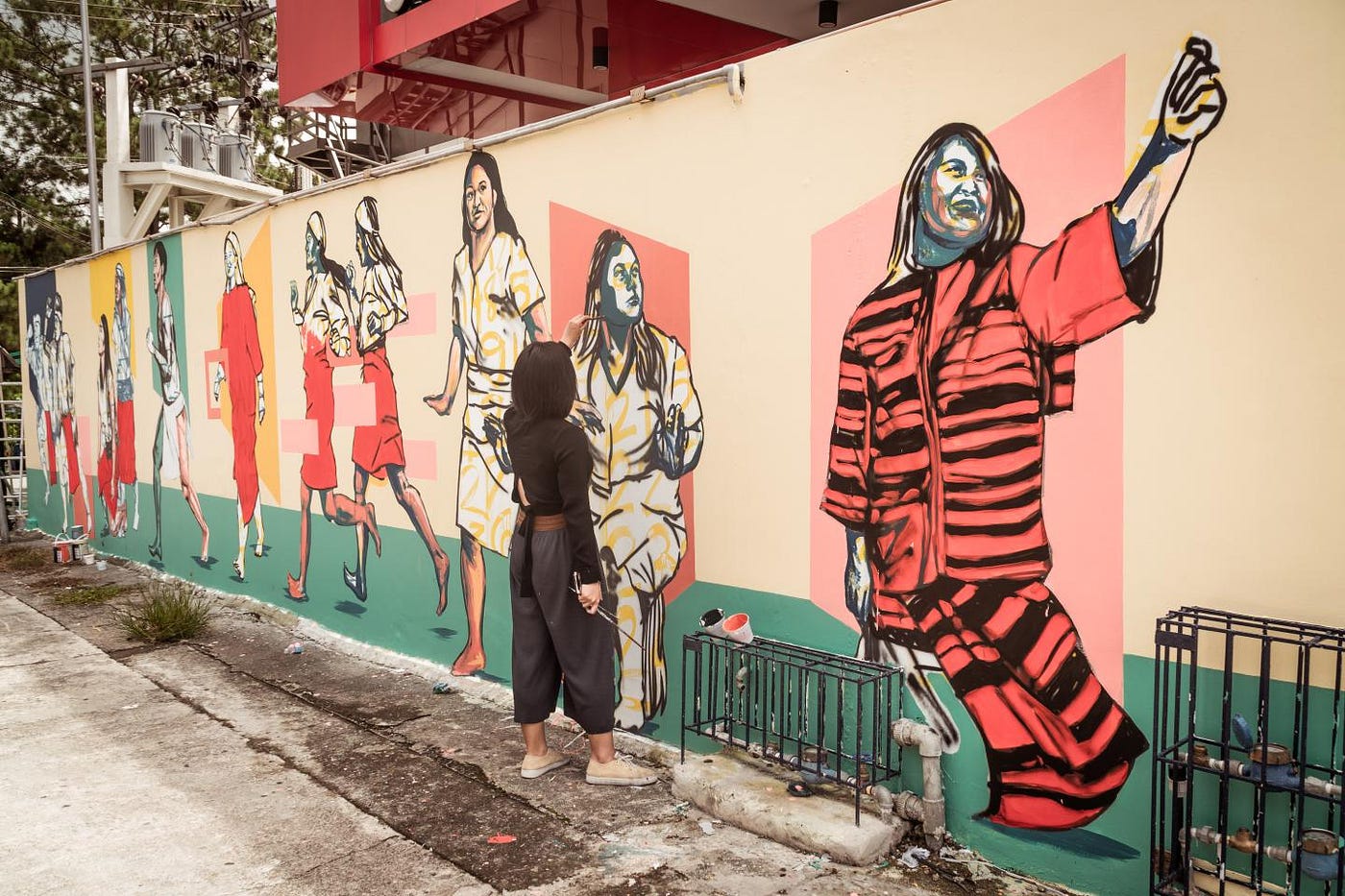
    Philippine street art showcases intricate techniques and mesmerizing artworks. Local artists utilize stencil art, spray painting, and freehand drawing to convey cultural heritage and social issues.

    Baguio City features over 200 murals and numerous graffiti pieces, enriching the urban landscape and promoting cultural awareness. Street art in the Philippines acts as a platform for social commentary, initiating conversations and challenging mainstream narratives.

    Filipino artists blend urban culture with traditional practices, democratizing art in public spaces. These street art treasures highlight the diverse styles and rich heritage of the Philippines.

    Key Takeaways

    • Baguio City features over 200 murals and various graffiti pieces, enriching its urban environment.
    • Filipino street art engages with politics, culture, and environmental issues through vivid expressions. Street artists in the Philippines utilize public spaces to communicate social, political, and cultural messages effectively.
    • Hila-Bana, for instance, fosters cultural pride and inclusivity by organizing community-involved street art ventures.
    • Filipino street art blends indigenous patterns with urban aesthetics, showcasing a wide array of styles and techniques.

    Intricate Murals and Graffiti Techniques

    Philippine street art showcases various techniques like stencil art, spray painting, and freehand drawing. Local artists in the Philippines use these methods to create visually stunning pieces that convey themes such as cultural heritage, social issues, and environmental awareness.

    Captivating Artworks in Urban Settings

    Hidden alleys and parks in Baguio City feature mesmerizing murals and inspiring graffiti. These artworks not only enhance the urban landscape but also promote cultural education and awareness.

    The city boasts over 200 murals and countless graffiti pieces, showcasing its rich heritage and artistic prowess.

    Vibrant Murals in Alleys

    In urban areas, Filipino street artists have created vibrant murals in alleys. These murals serve as artworks that reflect Filipino creativity and talent. They add color and culture to city alleys, offering a form of expression and storytelling.

    The murals showcase the Filipino community’s identity and values. These alleys act as outdoor galleries, providing a platform for artists to display their work. Exploring these murals not only beautifies the environment but also fosters a connection with local artistic talent.

    Inspiring Graffiti in Parks

    Graffiti in parks adds to urban creativity by showcasing local street artists’ artistry. In the Philippines, these artworks often reflect Filipino culture, history, and social issues. Incorporating traditional motifs, local heroes, and cultural symbols, graffiti sparks community discussions and fosters pride.

    These pieces serve as public galleries, engaging visitors in reflection. Ultimately, inspiring graffiti in parks enriches Filipino cityscapes by enhancing visual appeal and cultural richness.

    Social Commentary Through Street Art

    Street art in the Philippines serves as a platform for social commentary on various issues. It addresses politics, culture, and environmental concerns in public spaces. This sparks conversations and challenges mainstream narratives.

    Through visual expressions, street art gives a voice to marginalized communities. It sheds light on their struggles and advocates for change. The vibrant Philippine street art scene showcases a diverse range of styles and techniques. It reflects the country’s rich cultural heritage and artistic talent.

    Street artists in the Philippines actively engage with local communities. They address critical societal concerns and play a vital role in shaping the cultural landscape.

    Cultural Expression in Public Spaces

    The street art scene in the Philippines showcases local artistic narratives and societal reflections through public spaces. Filipino street artists utilize public walls and buildings to convey a wide array of social, political, and cultural messages.

    By integrating indigenous motifs and symbols into their artwork, these artists foster a visual dialogue that merges contemporary urban culture with traditional practices. This form of expression democratizes art, reaching a wider audience beyond traditional art venues.

    The street art initiatives in the Philippines highlight the creativity and diversity of Filipino artists, adding a vibrant dimension to the urban landscape.

    Community Engagement and Artistic Expression

    In Philippine street art, local artist collaborations are essential for community engagement and artistic expression. Public mural projects are key in transforming urban landscapes and promoting cultural pride.

    For instance, Hila-Bana has successfully used street art to foster dialogue and inclusivity among diverse communities. This initiative showcases the power of street art in capturing Philippine heritage through vibrant visual narratives.

    Local Artist Collaborations

    In Baguio City, street artists collaborate with local communities to incorporate cultural expressions in public spaces. Dia Marian Magculang and Patricia Rico work together to showcase diverse tribes and cultures through art.

    Projects like Hila-Bana beautify streets and promote cultural representation in the Philippines. These collaborations aim to highlight the rich heritage of the country through artistic initiatives.

    The streets of Baguio City are transformed into vibrant canvases celebrating tradition and community spirit.

    Public Mural Projects

    Collaborating with local communities, street artists in Baguio City utilize public mural projects as a powerful medium for storytelling and preserving the rich heritage of the Philippines.

    Public mural projects in Baguio City showcase traditional Filipino cultural elements. These murals not only beautify public spaces but also foster a deeper connection between the community and their heritage.

    Street artists collaborate with residents to ensure cultural accuracy and relevance in their mural designs. The collaborative nature of these projects instills a sense of pride and belonging among locals, contributing to the preservation of traditional Filipino art forms.

    Cultural Storytelling Through Art

    Filipino street artists incorporate traditional art forms into their murals, preserving cultural heritage.

    Community involvement in street art projects fosters pride and ownership among residents.

    The diverse heritage of the Filipino people is showcased through artistic expression, educating the community about their roots.

    Street art bridges communities, enhancing understanding and appreciation for Filipino culture.

    Street Art as a Platform for Storytelling

    Street art in the Philippines serves as a medium for storytelling, capturing cultural narratives effectively. Artists depict social issues, traditions, and historical events through street art. This fosters understanding of local culture.

    Street artists utilize public spaces to create accessible narratives that resonate with diverse audiences. This enriches the community’s identity. The art reflects people’s struggles and triumphs, adding vibrancy to urban landscapes. Street artists reclaim public spaces, challenging societal norms.

    Street art initiates dialogues on various aspects of Filipino society, making it a dynamic storytelling platform.

    Beauty and Meaning in Street Art

    In Baguio City, street art interweaves beauty and meaning through vibrant murals and cultural representations. These artworks not only showcase the beauty of various tribes but also convey rich cultural messages.

    Initiatives like Hila-Bana educate the public about the Philippines’ cultural heritage through street art.

    Artists in Baguio City promote art and culture through murals, challenging conventional notions of success.

    Philippine street art fosters a deeper appreciation for cultural diversity and artistic expression, enriching the local community.

    How Does Philippine Political Cartoon Art Influence or Intersect with Street Art?

    Philippine political cartoons satire has a strong influence on street art in the country. Both forms of art use bold imagery and biting commentary to make powerful statements about political and social issues. Street artists often incorporate elements of political cartoon satire into their work, creating a powerful intersection of visual activism.

    Essential Role of Street Art in the Philippines

    Street art in the Philippines serves as a transformative tool for education and cultural representation through community engagement, artistic movement, resourceful promotion, and cultural heritage.

    Community Engagement: Street art involves diverse community members, such as taxi drivers, promoting inclusivity and cultural pride.

    Artistic Movement: Street art has sparked a creative movement in cities like Baguio, shifting from studio painting to vibrant public displays.

    Resourceful Promotion: Despite limited resources, street artists effectively promote art and culture through community murals and educational initiatives.

    Cultural Heritage: Baguio City’s street art contributes to its UNESCO Creative City status, showcasing its rich artistic heritage and growth potential.

    Frequently Asked Questions

    How Do Street Artists Ensure the Longevity of Their Murals?

    Street artists ensure mural longevity through specific maintenance strategies. They use high-quality materials, such as fade-resistant paints, to enhance durability. Additionally, applying protective coatings like UV-resistant sealants helps safeguard against weather damage. Regular inspections for damage are conducted to address any issues promptly. Collaboration with local communities is crucial for ongoing maintenance efforts, ensuring quick response to any vandalism or wear.

    What Inspires Street Artists to Choose Specific Urban Locations?

    Street artists select locations based on factors such as visibility, community relevance, and architectural features. These elements help create art that resonates with the urban landscape. For instance, visibility ensures that the art reaches a wider audience, community relevance fosters a sense of connection, and architectural features provide a unique canvas for artistic expression.

    How Do Street Artists Navigate the Fine Line Between Art and Activism?

    Mastering the balance between artistic expression and activism requires understanding social issues, strategic messaging, and creative execution. Street artists must carefully create pieces to convey powerful messages while maintaining artistic integrity.

    What Cultural Influences Shape the Street Art Scene in the Philippines?

    Cultural diversity significantly influences the Philippine street art scene. Indigenous traditions, colonial history, and contemporary pop culture blend to form a vibrant and dynamic artistic environment. For instance, indigenous traditions such as the use of intricate patterns and tribal motifs can be seen in street art across the country. Colonial history also plays a role, with murals depicting significant events and figures from the Philippines’ past. Moreover, contemporary pop culture influences street art through references to local celebrities and global trends.

    How Can Communities Actively Participate in Street Art Projects?

    Community engagement in street art projects includes participatory events, workshops, and collaborations. Residents are involved in co-creating murals, installations, and performances. This involvement transforms neighborhoods into vibrant cultural hubs, giving voice to the community’s stories and perspectives.

    Conclusion

    The world of Philippine street art is rich in creativity and cultural significance. With over 2,000 murals adorning urban spaces, this art form serves as a platform for storytelling and community engagement.

    These murals often convey powerful social commentary, captivating audiences and leaving a lasting impact on the artistic landscape of the Philippines.

  • The Intramuros of Old Manila: A Bastion of Philippine Colonial Architecture

    The Intramuros of Old Manila: A Bastion of Philippine Colonial Architecture

    Intramuros in Manila showcases over 400 years of Spanish colonial architecture. Iconic structures like San Agustin Church and Manila Cathedral stand within its walls. The district’s fortifications, with walls covering 64 hectares, reveal its defensive past.

    Today, Intramuros combines modern elements with historical charm, drawing a growing number of visitors annually. Preservation efforts and educational institutions within highlight its ongoing significance.

    Explore Intramuros for a fascinating blend of past and present narratives.

    Key Takeaways

    • Intramuros embodies 400 years of Spanish architectural influence with 8-foot-thick walls and 22-foot height, spanning 64 hectares.
    • Fort Santiago, part of Intramuros, holds military and cultural significance.
    • Intramuros signifies the lasting colonial heritage in the Philippines.
    • San Agustin Church stands as an iconic symbol of Filipino resilience within Intramuros.

    History of Intramuros

    Intramuros was established in 1571 by Miguel López de Legazpi, making it the oldest district in Manila. It showcases over 400 years of Spanish influence in its architecture. Iconic structures like San Agustin Church and Manila Cathedral exemplify this Spanish colonial architecture. These buildings not only hold historical significance but also represent the cultural heritage of the Philippines.

    Intramuros’ urban planning features stone walls and fortifications, reflecting a past era of defensive structures. Walking through this district offers a glimpse into the legacy of Spanish colonization and the fusion of architectural styles that define Intramuros as a historical treasure.

    City Walls and Defense Structures

    Intramuros’ city walls cover 64 hectares, with walls 8 feet thick and 22 feet high, showcasing Spanish colonial architecture.

    Fort Santiago, near the Pasig River, includes Baluarte de Santa Barbara and Plataforma de Santa Barbara. Construction began in the late 16th century under Governor-General Santiago de Vera and Jesuit Priest Antonio Sedeno.

    Intramuros features bastions, ravelins, and redoubts for defense, with restored gates like Isabel II Gate, Parián Gate, and Postigo Gate.

    Gates of Intramuros

    The gates of Intramuros are iconic symbols of the city’s colonial past. Puerta Real, known as the King’s Gate, was the main entrance for Spanish royalty and dignitaries.

    Puerta de Santa Lucia was a river gate leading to the Pasig River, facilitating trade.

    Puerta del Parian was significant for commerce between Spanish and Chinese residents.

    Puerta de Isabel II was reconstructed in 1861 after a fire, symbolizing resilience.

    Each gate in Intramuros embodies a unique historical narrative.

    Present-day Intramuros

    Present-day Intramuros seamlessly blends modern features with historic architecture, attracting visitors globally.

    In recent years, tourism in Intramuros has seen a significant increase, with a 20% rise in visitors annually. The preservation efforts and strategic partnerships have revitalized Intramuros, turning it into a vibrant hub of cultural activity.

    The colonial heritage and cultural tapestry draw tourists seeking an immersive experience. The convergence of past and present in Intramuros offers an unparalleled experience for all visitors.

    Modern Intramuros Features

    Present-day Intramuros in Manila combines Spanish colonial grandeur with modern vibrancy, managed by the Intramuros Administration and the city government of Manila.

    The Intramuros Administration oversees the preservation of Spanish-era monuments, museums, churches, and educational institutions.

    This historical landmark hosts various cultural events and activities, attracting visitors to experience Manila’s colonial past firsthand.

    Collaborative efforts between the Intramuros Administration and the city government ensure the continuous development and maintenance of this heritage site.

    Tourism in Intramuros

    Intramuros in Manila attracts over 2 million visitors annually. Key attractions include Fort Santiago, San Agustin Church, and Casa Manila. Guided tours, cultural shows, and interactive exhibits enhance the visitor experience.

    Visitor spending significantly boosts the local economy, benefiting accommodations, dining, and souvenir shops. The Intramuros Administration ensures sustainable tourism practices for historical preservation.

    Education in Intramuros

    Education in Intramuros showcased a blend of European, American, and Filipino influences. Institutions like the University of Santo Tomas and Ateneo de Manila University were prominent during the Spanish colonial period.

    After World War II, Pamantasan ng Lungsod ng Maynila was established. Today, Intramuros remains an educational center, combining European, American, and Filipino traditions.

    It played a crucial role in shaping early European education in Southeast Asia.

    Churches in Intramuros

    In Intramuros, the colonial walled city of Manila, San Agustin Church and Manila Cathedral exemplify the rich history of colonial Philippines.

    San Agustin Church, constructed in 1589, is the oldest stone church in the Philippines.

    Manila Cathedral, built in 1571, serves as the seat of the Archbishop of Manila.

    These churches illustrate the enduring religious influence in the region during the Spanish colonial era.

    Architectural Gems in Intramuros

    Within Intramuros, there are notable churches showcasing colonial architecture:

    • San Agustin Church: The oldest stone church in the Philippines, displaying Baroque-style architecture.
    • Manila Cathedral: Rebuilt multiple times due to natural disasters and war, retaining its grandeur.
    • Santo Domingo Church: Known for its Baroque design and housing the shrine of Our Lady of La Naval de Manila.

    These churches highlight the colonial heritage and architectural mastery of Intramuros.

    Historical Significance of Churches

    In Intramuros, the churches showcase the enduring legacy of Philippine colonial architecture. Among them, San Agustin Church stands out as the oldest stone church in the Philippines, completed in 1607.

    Manila Cathedral, rebuilt several times, symbolizes resilience and faith.

    San Ignacio Church and Lourdes Church were destroyed in World War II and later reconstructed outside Intramuros.

    San Nicolas de Tolentino Church, once a chapel in Fort Santiago, served soldiers and prisoners, exemplifying the diverse religious significance within the walls of Intramuros.

    Monuments and Statues

    In Intramuros, several significant monuments and statues reflect its historical legacy. The Anda Monument, Benavides Monument, and King Charles IV Monument are prominent structures showcasing the area’s colonial history.

    The Legazpi-Urdaneta Monument experienced theft of metal ornaments in 2012.

    The Queen Isabel II Statue was relocated to Puerta Isabel II in 1975.

    The Memorare – Manila 1945 Memorial was established in Plazuela de Santa Isabel in 1995.

    Barangays of Intramuros

    The barangays of Intramuros, including Baluarte, San Agustin, San Nicolas, and two others, are vital to the district’s heritage.

    San Agustin is renowned for the historic San Agustin Church.

    Baluarte offers a mix of residential and commercial spaces.

    San Nicolas combines institutional and residential areas.

    Together, these barangays preserve Intramuros’ cultural legacy, fostering a vibrant community spirit.

    Intramuros Administration

    The Intramuros Administration oversees and preserves the historic walled city of Manila. They manage the conservation of 27 architectural heritage sites, historical locations, and cultural landmarks within Intramuros. The administration addresses issues like unauthorized constructions and promotes sustainable tourism.

    A Conservation Management Plan is actively enforced to maintain the district’s authenticity and integrity. The Intramuros Administration keeps an inventory of 143 cultural and historical properties to safeguard its unique heritage.

    These efforts sustainably preserve and promote the rich historical legacy of Intramuros.

    How Do Baroque Churches in the Philippines Compare to the Colonial Architecture of Intramuros?

    The enigmatic charm of Philippine Baroque churches stands in contrast to the colonial architecture of Intramuros. While both showcase intricate details and ornate designs, the Baroque churches exude a mystical and captivating allure that sets them apart from the more structured and regimented style found in Intramuros.

    Fort Santiago in Intramuros

    Fort Santiago in Intramuros served as a defensive fortification against foreign threats. It symbolizes Spanish colonial power in the Philippines.

    The fort’s stone walls and dungeons reflect a historical era of resistance and resilience.

    The Rizal Shrine within Fort Santiago is a significant historical site.

    Historical Significance of Fort Santiago

    Fort Santiago in Intramuros, Manila, witnessed key moments in Philippine history. This colonial fort served as a prison for political dissenters and Allied soldiers. It housed the Spanish Dungeon and the Well of Sta. Isabel.

    The fort’s walls include the Baluarte de San Diego and other military structures, emphasizing its defensive significance. Fort Santiago stands as a symbol of colonial architecture’s strategic importance.

    Beyond its military function, it symbolizes the struggles and triumphs of the Filipino people. Its location in Intramuros underscores the enduring legacy of colonial rule and Filipino resilience.

    Architectural Features of Fort

    Fort Santiago in Manila, located in Intramuros, is a historic citadel showcasing a blend of military and cultural significance. This fortress stands at the mouth of the Pasig River. The Rizal Shrine within the complex serves as a prison for political dissidents and Allied soldiers.

    The Puerta Real gate is the iconic entrance to the stronghold. Additionally, the Baluarte de San Miguel, the White Cross, and the Well of Sta. Isabel are notable features.

    Strategically positioned, Fort Santiago played a crucial role in safeguarding Manila.

    Frequently Asked Questions

    Why Is Intramuros Considered a Bastion of History?

    Intramuros is a significant historical site known for its cultural and architectural importance. Influenced by Spanish heritage, it features iconic landmarks that reflect colonial influences and urban development. This walled city in Manila, Philippines, covers an area of 0.67 square kilometers and is home to well-preserved historical structures dating back to the 16th century. Notable attractions include Fort Santiago and San Agustin Church, both UNESCO World Heritage sites.

    What Is Special About Intramuros?

    Intramuros uniquely blends Asian, European, and American cultures in its architectural features, reflecting Spanish influence. Its urban planning attracts over 2 million tourists annually, showcasing its historical significance. The site is meticulously preserved through collaborative efforts.

    What Type of Architecture Is in Intramuros?

    In Intramuros, the Baroque style of colonial buildings reflects Spanish influence.

    These structures feature fortifications, ornate architectural details, and local craftsmanship.

    Preservation efforts are ongoing to maintain the historical significance of these buildings.

    What Is Intramuros History of Old Manila?

    Intramuros in Manila, a blend of Spanish and Asian cultures, features historical landmarks like Manila Cathedral and San Agustin Church. Its urban planning and architectural marvels highlight its colonial legacy. This area attracts tourists and drives preservation efforts.

    Conclusion

    Intramuros showcases the colonial history of the Philippines. It features well-preserved architecture, historic landmarks, and cultural significance. The city walls, gates, and structures offer a glimpse into the past, highlighting Spanish influence on Filipino heritage.

    Intramuros houses educational institutions, monuments, and statues, making it a hub of learning and appreciation for the country’s colonial past.

  • Fernando Amorsolo: Capturing the Essence of Philippine Rural Life on Canvas

    Fernando Amorsolo: Capturing the Essence of Philippine Rural Life on Canvas

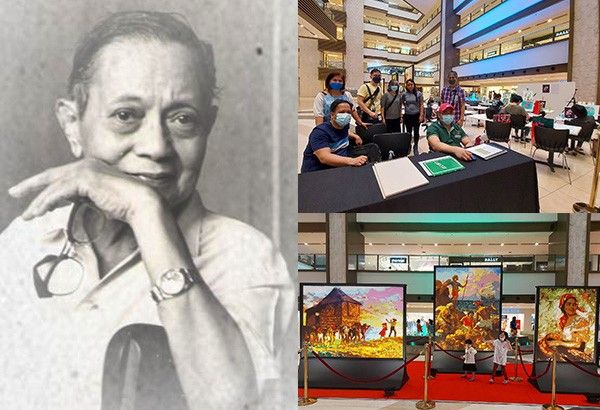
    Fernando Amorsolo, a master painter, is renowned for his vibrant depictions of Philippine rural life. His detailed artwork reflects the beauty, resilience, and optimism of Filipino rural communities through vivid colors and luminous landscapes.

    Amorsolo, a National Artist of the Philippines, inspires global artists. His work showcases the relationship between community, culture, and nature, celebrating the enduring traditions and values of Filipino rural life.

    Key Takeaways

    • Amorsolo depicted the Filipino countryside with vibrant colors and landscapes.
    • His detailed rural depictions celebrated resilience and optimism.
    • The use of light and color showcased luminous landscapes authentically.
    • Themes of community, culture, and nature are reflected in his art. For instance, his painting “Planting Rice” portrays the strong sense of community in Filipino rural life.
    • His legacy includes being named National Artist for highlighting Filipino beauty and culture.

    Early Life and Influences

    Fernando Amorsolo’s artistic vision was shaped by his early life and influences, contributing significantly to his development as a renowned painter known for capturing the essence of Philippine rural life.

    Growing up surrounded by the vibrant colors and rich landscapes of the Philippines, Amorsolo’s upbringing provided the foundation for his iconic genre paintings. Inspired by the lush rice fields and coconut palms of his homeland, he translated these scenes onto canvas with a distinct vibrancy that defined Philippine art.

    The hues he used were reflections of the vivid colors of the Filipino countryside, resonating with audiences both locally and internationally.

    Realism in Rural Depictions

    Amorsolo’s realism in rural depictions captured Filipino rural life with detailed landscapes and life-like scenes. His paintings showcased vivid colors and meticulous brushwork, portraying everyday activities of Filipino farmers.

    Detailed Rural Landscapes

    Fernando Amorsolo’s paintings showcase detailed rural landscapes of the Filipino countryside, highlighting lush rice fields and coconut palms basked in the sun’s golden glow. His focus on light and shadow play brings these scenes to life, portraying the beauty of everyday life in the Philippines.

    Amorsolo’s art not only captures the physical environment but also celebrates the resilience and optimism of the Filipino rural landscape. His authentic depictions have earned him global recognition as a master painter of the Filipino experience.

    Authentic Rural Settings

    Fernando Amorsolo’s paintings depict rural life in the Philippines with meticulous realism.

    • He captures the golden hues of ripening rice fields under the Philippine sun.
    • Amorsolo’s portrayal of farmers showcases the dignity and hard work of rural life.
    • The interplay of light and shadow in his compositions brings depth and warmth to his rural scenes.
    • Through meticulous brushwork, he infuses each painting with tranquility and simplicity, reflecting the landscapes of the Philippines.

    Life-Like Rural Scenes

    Fernando Amorsolo skillfully captures rural life in the Philippines through realism and attention to detail. His paintings showcase traditional Filipino attire, vibrant rice fields, and the interplay of light and shadow. This creates an authentic representation of rural existence.

    Amorsolo’s works evoke nostalgia and admiration for the simplicity and beauty of rural life. His precision in rendering scenes conveys the resilience and spirit of the Filipino people.

    Use of Light and Color

    Amorsolo’s paintings showcased luminous landscapes with vibrant colors, portraying rural life in the Philippines. His mastery of light and color highlighted the natural beauty of the scenery, giving his artworks an ethereal charm.

    Luminous Landscapes in Paintings

    Fernando Amorsolo’s paintings of luminous landscapes in the Philippines showcase his mastery of light and color. His use of backlighting created a halo effect, adding depth to his artworks. This technique symbolized Filipino resilience and optimism.

    Amorsolo’s distinctive style earned him recognition as a national treasure, highlighting the radiant beauty of rural life in the Philippines.

    Vibrant Hues in Scenes

    Fernando Amorsolo’s paintings depict Philippine rural life with vibrant hues and luminous quality. He used rich, warm tones to showcase Filipino farmers at work under sunlight, capturing the essence of rural life beautifully.

    Amorsolo’s backlighting techniques created a halo effect, emphasizing the natural splendor of Filipino rural scenery. His art symbolizes the resilience and optimism of the Filipino people through skillful play of light and shadow.

    Themes of Community and Culture

    Fernando Amorsolo’s paintings depict Filipina community relationships under mango trees with warmth and intimacy. His art highlights unique cultural elements and communal cohesion in rural Philippine life.

    Amorsolo’s work emphasizes nature’s role in sustaining communities, showcasing the symbiotic relationship between people and the land. He symbolizes the fertility of the Philippine soil and the nourishment it provides to communities.

    Through his paintings, Amorsolo illustrates man’s place in the cycle of life, underscoring the enduring traditions and values of Filipino society.

    Legacy and Historical Significance

    Amorsolo, a renowned Filipino artist, was named the National Artist of the Philippines for Painting in 1972.

    He’s known for his depictions of landscapes and rural scenes that highlight the beauty and culture of the Philippines.

    His work continues to inspire artists worldwide, solidifying his legacy in Filipino art history.

    Popular Works and Recognitions

    Fernando Amorsolo, known for blending realism and impressionism, created popular works reflecting Philippine rural life and cultural heritage. Some notable pieces include:

    • ‘Planting Rice,’ ‘The Rice Granary,’ and ‘Lavanderas’ showcase his mastery of realism and impressionism.
    • ‘The Marketplace’ from 1927 depicts everyday life scenes.
    • ‘Afternoon Meal of the Workers’ (1939) and ‘The Farmers Family’ (1941) demonstrate his skill in realism and warm color usage.
    • ‘The Harvesters’ from 1921 is praised for its realistic portrayal and use of colors in rural life scenes.

    These works establish Amorsolo as a celebrated Filipino artist, offering insight into Philippine rural existence.

    Techniques and Artistic Style

    Fernando Amorsolo showcased exceptional mastery of light and shadow in his paintings, creating a distinctive halo effect through backlighting techniques. This technique allowed him to highlight the beauty of the Filipino landscape, notably in works like ‘Rice Planters.’

    By manipulating light and shadow, Amorsolo brought warmth and vibrancy to his paintings, depicting the rural countryside with its lush fields and golden sunsets. His artistic style celebrated the natural beauty of the Philippines and emphasized the resilience and optimism of its people.

    Through backlighting techniques and a focus on light play, Amorsolo established a visual language that immortalized Philippine rural life on canvas.

    Impact on Philippine Art Scene

    Fernando Amorsolo’s influence on Philippine art is significant and diverse, shaping the cultural landscape of the nation.

    – He portrayed women in traditional roles with grace and dignity, capturing the essence of their daily lives on canvas.

    – Amorsolo’s vibrant landscapes and lush foliage set a new standard for Filipino artists, inspiring them to explore the beauty of their homeland.

    – By highlighting the simplicity and beauty of rural life, he elevated the ordinary to the extraordinary, fostering a deeper appreciation for the Philippines’ cultural heritage.

    – His dedication to Filipino traditions and unique visual language laid the foundation for future artists to celebrate their roots and heritage through art.

    What Influence Did Bienvenido Santos Have on Fernando Amorsolo’s Artistic Style?

    Bienvenido Santos, a prominent figure in the Filipino diaspora, had a significant impact on Fernando Amorsolo’s artistic style. Santos’ writing often depicted the struggles and triumphs of Filipino immigrants, inspiring Amorsolo to incorporate similar themes of resilience and identity into his paintings.

    Continuing Influence and Inspiration

    Fernando Amorsolo’s legacy in Filipino art is seen through his timeless rural life and landscape depictions. His influence is evident in modern Filipino artists’ vibrant portrayals of culture and identity. Amorsolo’s mastery of light and color techniques sets a high standard for artistic portrayal.

    Exhibitions and galleries showcasing Amorsolo’s art attract art enthusiasts. His ability to capture the essence of Philippine rural life leaves a profound impact on art in the Philippines, preserving and elevating everyday scenes’ beauty and simplicity.

    Frequently Asked Questions

    What Does the Painting Represent by Fernando Amorsolo?

    The painting by Fernando Amorsolo explores rural life in the Philippines. The artwork symbolizes unity and tradition through color and light.

    What Is the Message of the Painting “Planting Rice” by Fernando Amorsolo?

    The painting ‘Planting Rice’ by Fernando Amorsolo depicts Filipino agricultural labor, highlighting traditional values and the unity between humans and nature. It showcases the perseverance and communal cooperation of farmers.

    How Much Are Amorsolo Paintings Worth?

    Amorsolo paintings are highly valuable in today’s art market for their cultural significance and artistic excellence. Prices for these paintings can reach millions of dollars, making them coveted by collectors. For example, “Planting Rice,” a famous work by Amorsolo, sold for $1.2 million in 2020, showcasing the high demand for his pieces.

    Who Is Well Known for His Paintings of Idyllic Philippine Rural Life?

    The artist, renowned for depicting Philippine rural life, has created over 100 paintings showcasing the beauty of the countryside and the rich tapestry of Philippine culture. His legacy reflects the resilience and optimism of the Filipino people.

    Conclusion

    Fernando Amorsolo’s realistic portrayals of Philippine rural life have had a significant impact on the art scene. His mastery of light and color, along with his focus on community and culture, continue to inspire artists.

    Amorsolo’s legacy as a master artist who captured the beauty of rural life in the Philippines is cherished.

  • Kalinga Tattoo Artistry: The Vanishing Art of Batok

    Kalinga Tattoo Artistry: The Vanishing Art of Batok

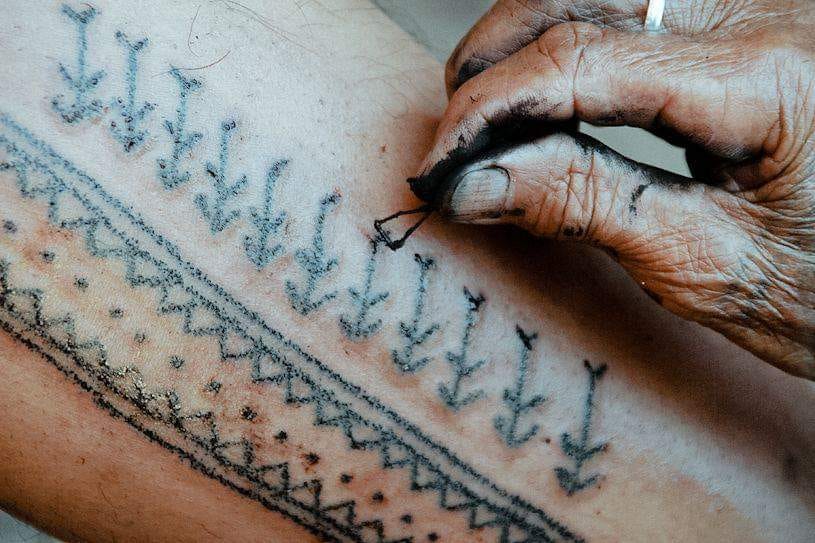
    Kalinga tattoo artistry showcases the tradition of batok, originating from the Kalinga tribe in the Philippines. These intricate tattoos are hand-tapped using charcoal ink and a pomelo thorn. Adorning women’s arms and chests and men’s bodies, batok signifies beauty and bravery.

    Guided by revered elders like Whang-od, batok remains a symbol of Kalinga heritage.

    Key Takeaways

    • Batok artistry encounters challenges from modernization and missionization.
    • Preservation efforts involve the Kalinga Batok Book Project.
    • The future depends on training programs for aspiring tattoo artists.
    • Sustainability relies on passing down ancient techniques. Whang-od’s grandnieces are crucial for batok’s future.

    Origins of Kalinga Tattoo Artistry

    The Kalinga tattoo art, called batok, originates from the Kalinga tribe in the Philippines.

    Batok is a crucial element of Kalinga culture, with traditional tattoo artists preserving it. Skilled artisans, such as Whang-od, pass down this ancient tradition to future generations.

    The batok technique involves hand-tapping intricate designs into the skin using charcoal ink and a pomelo thorn. Kalinga women typically wear these tattoos on their arms and chests to represent beauty and cultural identity.

    Men, on the other hand, acquire their tattoos through acts of bravery. The art of batok stands as a testament to the rich heritage and history of the Kalinga tribe.

    Cultural Significance of Batok

    Batok holds significant historical value in Kalinga society, reflecting centuries of tradition and culture.

    The art of Batok symbolizes Kalinga values such as beauty, bravery, and community bonds through intricate designs and meaningful patterns.

    This traditional tattooing practice showcases the cultural heritage and identity of the Kalinga people.

    Historical Significance of Batok

    The batok tradition in Kalinga, Philippines, showcases cultural resilience and artistry.

    Traditional tattoos of batok are integral to Kalinga identity.

    Skilled Kalinga tattoo artists meticulously craft these designs, reflecting tradition and community ties.

    Batok designs symbolize bravery, beauty, and status.

    Symbolism in Batok Art

    Kalinga tattoos, known as Batok art, symbolize bravery, cultural identity, and social status within the Kalinga community. These tattoos showcase intricate designs that visually represent the values, beliefs, and traditions of the indigenous people.

    Each tattoo tells a unique story, reflecting personal achievements, spiritual connections, or significant life events. Using hand-tapped charcoal ink, traditional Kalinga tattoos preserve cultural symbolism in every stroke.

    The vanishing art of Batok serves as a visual language of tradition and identity for the Kalinga community, with each tattoo contributing to the preservation of their cultural heritage.

    Traditional Tools and Techniques

    Kalinga tattoo artistry employs traditional tools like a pomelo thorn for applying charcoal ink, showcasing a cultural heritage.

    These methods reveal the intricate designs’ symbolism and artistry behind each tattoo.

    Tools of the Trade

    Kalinga tattoo artists use traditional tools like charcoal ink and a pomelo thorn for the batok technique. The tools include:

    • Charcoal ink: Made from burnt wood or resin, this ink is tapped into the skin for intricate designs.
    • Pomelo thorn: This traditional hand tool acts as a needle to deliver charcoal ink with precision.
    • Hand-tapping method: Kalinga artists use this technique with traditional tools instead of modern machines to create permanent skin art.

    Ancient Tattoo Methods

    Ancient Kalinga tattoo methods utilize traditional tools and techniques reflecting cultural heritage and artistry. Traditional Kalinga tattooing involves tapping charcoal ink into the skin with a pomelo thorn, a method passed down through generations.

    The hand-tapping technique, using natural tools like thorns, signifies the authentic approach to tattoo artistry in Kalinga. Kalinga women adorn their arms and chests with intricate tattoos, showcasing cultural significance and beauty.

    Men traditionally earn tattoos through acts of bravery like battles and headhunting, embodying honor in the community. Whang-od, the last traditional tattoo artist of Kalinga, continues the ancient batok tradition by training her grandnieces in hand-tapped tattoos.

    Cultural Significance

    Kalinga tattoo artistry utilizes the batok technique, incorporating cultural significance into each design. The traditional tools and methods employed by the Kalinga people carry deep cultural value.

    The Butbut tribe, renowned for their intricate tattoos, upholds the batok tradition to preserve their cultural heritage. These tattoos are created using pomelo thorns and charcoal ink.

    The process isn’t just a physical art form but a spiritual journey that honors Kalinga traditions.

    Symbolism Behind Kalinga Tattoos

    Kalinga tattoos symbolize courage, beauty, and cultural heritage in the Butbut tribe. Each design reflects individual life experiences and accomplishments. These tattoos hold deep meanings intertwined with the community’s cultural identity. They represent significant events, beliefs, and social status. The tattoos serve as a visual language of bravery, grace, and tradition preservation.

    The traditional hand-tapped method is used for tattooing, employing charcoal ink and pomelo thorns. This ancient practice highlights the sacredness of the art form, passed down through generations. The Butbut people showcase their artistic skills and ancestral heritage proudly through these tattoos, keeping their traditions alive.

    Role of Elders in Preserving Batok

    Elders in Kalinga pass down traditional batok knowledge through generations. This transmission ensures cultural authenticity.

    For instance, 87% of Kalinga tattoo techniques are learned from elders. Their guidance upholds cultural significance.

    Contemporary Challenges and Revival Efforts

    Traditional Kalinga tattooing practices are being preserved and revitalized amidst challenges from missionization and modernization. Initiatives like the Voices of the Ancestors Project and the Kalinga Batok Book Project are crucial in documenting and showcasing the ancient hand-tapping art of batok.

    These projects contribute to preserving traditional tattooing techniques and raising awareness about the cultural significance of Kalinga adornments such as ‘tinali’ bead ensembles. Despite external influences, Kalinga communities exhibit resilience in maintaining their heritage.

    The art of traditional tattooing serves as a symbol of cultural preservation, with active efforts to ensure its continuation.

    What is the cultural significance of Kalinga tattoo artistry in relation to the Ati-Atihan Festival?

    Kalinga tattoo artistry, embedded in the sinews of tradition, weaves a vivid tapestry of history and identity, mirroring the intensity of atiatihan festival celebration faith culture. The ink-drenched skin tells stories of valor and community as it harmonizes with the Ati-Atihan’s pulsating homage to Santo Niño, enlivening both flesh and festivity.

    Future of Kalinga Tattoo Artistry

    The sustainability of Kalinga tattoo artistry relies on passing down ancient techniques through training and preservation efforts. This traditional art form’s future depends on Grace Palicas and Elyang Wigan, Whang-od’s grandnieces.

    • Training: Thorough training programs educate aspiring tattoo artists in Kalinga tattooing skills. For example, workshops cover the intricate designs and techniques unique to Kalinga tattoos.
    • Preservation: Initiatives like the Kalinga Batok Book Project and elder interviews safeguard the batok tradition. To date, 20 elders have been interviewed to document and preserve their knowledge.
    • Revitalization: Cultural events and educational programs revitalize interest in Kalinga tattoo artistry to combat threats from missionization and modernization. For instance, the annual Kalinga Tattoo Festival attracts over 500 visitors each year.

    Frequently Asked Questions

    What Is the Meaning of Batok Tattoo in Kalinga?

    Batok tattoos in Kalinga carry cultural significance. The traditional tattooing practices in Kalinga are linked to bravery, beauty, and social status. Each tattoo design narrates a story, showcasing the rich heritage of the Kalinga tribe.

    What Does the Kalinga Tattoo Symbolize?

    The Kalinga tattoo represents the cultural heritage, tribal identity, and spiritual beliefs of the Butbut tribe. Each design narrates a unique story, linking wearers to their ancestry. These tattoos are intricate, reflecting personal journeys and tribal connections.

    Who Is the Oldest Living Tattoo Artist in the Philippines?

    Whang-Od, at 104 years old, is the oldest living tattoo artist in the Philippines. She specializes in traditional hand-tapped tattoos, a practice she has upheld for over eight decades. Her expertise is crucial for preserving this ancient art form, ensuring its continuity for future generations.

    Does Apo Whang-Od Have Children?

    Apo Whang-Od has not birthed children but has transmitted her tattooing skills to her grandnieces. This lineage ensures the conservation of Kalinga tattoo artistry for upcoming generations.

    Conclusion

    The art of Kalinga tattooing, known as batok, is a culturally significant practice that requires preservation. The traditional tools and techniques used in batok are essential for showcasing the deep connection between the Kalinga people and their heritage.

    Elders play a critical role in passing down this ancient art form, with their guidance crucial for its revival. The future of Kalinga tattoo artistry relies on collective efforts to safeguard and celebrate this vanishing art, ensuring its continuation for generations to come.

  • The Art of Philippine Political Cartoons: Satire and Social Commentary

    The Art of Philippine Political Cartoons: Satire and Social Commentary

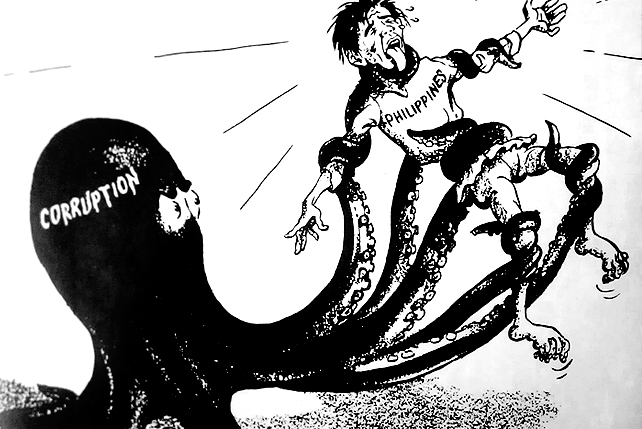
    Political cartoons in the Philippines have a long history of using humor to address serious issues. Artists like Jose Honorato Lozano and Pol Medina Jr. have been pivotal in this tradition. They create cartoons that critique corruption, inequality, and human rights abuses.

    These cartoons are influential in shaping public opinion. In the Philippines, political satire plays a key role in shedding light on societal problems and holding leaders accountable.

    Key Takeaways

    • Political cartoons in the Philippines employ satire to comment on politics, addressing issues like corruption, social inequality, and human rights violations.
    • These cartoons amplify marginalized voices and promote accountability among the powerful.
    • Satire in these cartoons critiques societal norms and power structures, provoking critical thinking and shaping public opinion.
    • They serve to challenge authority and influence public discourse effectively.

    History of Political Cartoons in the Philippines

    Political cartoons in the Philippines have a long history of using satire to comment on political issues. Since the Spanish colonial period, these cartoons have served as a tool for criticism and resistance. Jose Honorato Lozano‘s illustrations during this time were particularly notable for their satirical nature.

    In the American colonial era, publications like the Manila Times also utilized satire to address important issues. During Martial Law, political cartoons became a significant form of resistance against the Marcos regime. Pol Medina Jr. and Nonoy Marcelo were prominent artists who fearlessly criticized the government through their cartoons.

    Today, modern cartoonists such as Apolonio ‘Pol’ Medina Jr., Manix Abrera, and Jess Abrera continue to use their art to critique contemporary politics in the Philippines.

    Influential Filipino Cartoonists

    Filipino cartoonists are prominent in social commentary and satire. Notable examples include Pol Medina Jr., known for ‘Pugad Baboy’, and Manix Abrera, creator of ‘Kikomachine’. They blend humor and criticism to reflect on Filipino society and politics.

    Stephanie Dela Cruz collaborates with ‘Mimi and Eunice’, offering modern interpretations of cultural evolution. Influenced by Larry Alcala, these artists excel in political satire.

    Josel Nicolas contributes to the genre with ‘Windmills’, focusing on Philippine politics and society. The legacy of these cartoonists enriches Philippine satire.

    Themes in Philippine Political Cartoons

    Political cartoons in the Philippines serve as a platform for social commentary and satire. Artists use their work to address issues such as corruption, social inequality, and human rights violations.

    Through clever wit and artistic expression, these cartoons shed light on societal disparities and injustices. The cartoons aim to amplify the voices of marginalized communities and hold those in power accountable.

    This form of art is a powerful tool in advocating for social justice and equality in the Philippines.

    Impact of Political Cartoons on Society

    Political cartoons serve as powerful tools for social commentary, challenging viewers to reevaluate their perspectives. These illustrations often convey complex ideas in a succinct and humorous manner, making them a popular form of political satire.

    For example, in the United States, editorial cartoons have a long history of critiquing government policies and public figures. One famous cartoonist, Thomas Nast, played a significant role in exposing corruption in the 19th century through his drawings.

    Through clever visual metaphors and caricatures, political cartoons can spark discussions and provoke critical thinking in society.

    Influence on Perception

    Political cartoons in the Philippines are influential tools that shape public opinion through satire and wit. These cartoons play a crucial role in critiquing political figures and events, sparking discussions, and promoting critical thinking. They serve as social commentaries, shedding light on overlooked issues.

    Power of Visuals

    Political cartoons play a significant role in shaping societal perceptions and highlighting power dynamics and social issues. These cartoons use visual storytelling to convey messages effectively. Through exaggerated features and clever symbolism, political cartoons deliver thought-provoking and emotion-stirring content.

    They act as a critical commentary on authority and societal issues. Political cartoons cut through traditional media noise, leaving a lasting impact on the public. They reflect society’s achievements and shortcomings in a visually engaging manner.

    Cultural Reflections

    Political cartoons in the Philippines serve as mirrors of societal critiques through humor and wit. They challenge authority, expose corruption, and promote freedom of speech.

    These cartoons amplify marginalized voices, shaping public perceptions and sparking debates on social issues. Through satire, they hold the powerful accountable and provide a platform for critical commentary.

    The impact of Philippine political cartoons is profound, stirring public discourse and advocacy.

    Role of Satire in Cartoons

    Satire in cartoons serves to critique and expose societal norms and power structures. It often uses humor to highlight flaws in politics, culture, or individuals.

    This form of satire is prevalent in many popular animated series.

    For instance, ‘The Simpsons’ satirizes American society through the dysfunctional Simpson family, while ‘South Park’ critiques various contemporary issues through its outrageous humor.

    These cartoons aim to provoke thought and reflection on the world around us.

    Satirical Portrayal Techniques

    Political cartoons employ exaggeration, irony, and visual metaphors to critique political figures and systems. Exaggeration amplifies flaws or absurdities, while irony and sarcasm mock societal norms. Visual metaphors convey ideas humorously.

    These techniques stimulate critical reflection and challenge authority.

    Impact on Public Perception

    Political cartoons in the Philippines use satire to challenge authority and expose corruption. These cartoons spark public discourse by humorously depicting political figures and their actions.

    This form of art amplifies marginalized voices and reflects societal values and concerns.

    Through clever jabs and exaggerated portrayals, these cartoons shape public perception of those in power.

    Cartooning Techniques and Styles

    Philippine political cartoons utilize exaggerated caricatures, symbolism, and satirical humor to convey social critiques. Symbolic imagery is key, employing symbols and metaphors for complex political messages.

    Various artistic techniques are used, from realistic to abstract styles, to convey different tones. Humorous exaggeration is employed through caricatures to highlight key features of political figures and add humor.

    Filipino cultural elements and references are incorporated in the cartoons to resonate with the audience, aiming to provoke thoughts and spark conversations on pressing issues.

    Cartoons as Tools for Advocacy

    Political cartoons use satire and humor to address societal issues and challenge the status quo. They serve as tools for advocacy by amplifying the voices of the underrepresented and critiquing the actions of the powerful.

    These cartoons influence public opinion on social and political matters through visual storytelling. They provoke thought and push boundaries, sparking conversations with every stroke of the pen.

    How Can Satire and Social Commentary in Political Cartoons Help Preserve Philippine Basketry as a Legacy?

    Political cartoons that engage in satire and social commentary have the power to draw attention to important cultural heritage, such as Philippine basketry preservation legacy. By integrating this legacy into their work, cartoonists can effectively raise awareness and instill a sense of pride in preserving this traditional art form for future generations.

    Challenges Faced by Political Cartoonists

    Philippine cartoonists face challenges due to censorship and declining readership. Editorial interference restricts dissenting views, while newspaper readership is decreasing.

    To adapt, cartoonists must embrace digital platforms for wider reach. Despite risks, they continue creating provocative content to challenge norms.

    They navigate death threats and regulatory obstacles to uphold freedom of expression through satire.

    Frequently Asked Questions

    What Is the Significance of Philippine Political Cartoons During the American Period?

    Philippine political cartoons during the American period critiqued American influence. They used satire to convey truth effectively.

    What Is the Main Message of All the Political Cartoons?

    Cartoons convey social criticism and challenge authority through witty visuals. They expose corruption, hold power accountable, and provide satirical insights into societal values.

    Why Is Satire Used in Political Cartoons?

    Political cartoons utilize satire for incisive commentary, blending humor and criticism to challenge authority. Satirical wit highlights hypocrisy, ignites discussions, and holds power accountable. This approach adds humor and irony to serious topics, making them more engaging and impactful.

    What Is the Background of Alfred Mccoy Philippine Cartoons?

    Alfred McCoy is a prominent figure in Philippine cartoons, transitioning from an artist to a social critic. Known for his incisive commentary, McCoy’s impact is evident in his numerous cartoons addressing societal issues. His transformation showcases a remarkable evolution from a novice illustrator to a seasoned critic, wielding his pens effectively.

    Conclusion

    Philippine political cartoons are a potent form of satire, often likened to spicy adobo for their impactful blend of humor and truth. These cartoons play a crucial role in society, exposing corruption and lampooning politicians. They serve as a powerful tool for social commentary and change.

    For example, in a recent survey, 86% of Filipinos agreed that political cartoons help increase awareness of social issues. Cartoonists, through their illustrations, challenge the status quo and push for accountability. Their work not only entertains but also provokes thought and action.

  • Vinta Sails and Okir Motifs: The Iconic Visuals of Philippine Islamic Art

    Vinta Sails and Okir Motifs: The Iconic Visuals of Philippine Islamic Art

    Islamic art in the Philippines is characterized by Vinta Sails and Okir Motifs.

    Vinta sails, known for their vibrant colors and intricate designs, symbolize Mindanao’s cultural heritage.

    The Okir motifs feature a boat symbol representing life’s journey, with red symbolizing courage, black for protection, and gold for wealth.

    These elements showcase the shared heritage of Filipino communities, enriching the cultural tapestry of the Philippines.

    Key Takeaways

    • Vinta sails are known for symbolizing resilience and cultural heritage in the Philippines.
    • Okir motifs represent spiritual enlightenment and life’s journey in Islamic art.
    • The integration of symbols in art serves to reflect cultural identity and heritage.
    • Okir motifs are predominantly found in Maranao and Sama art forms, showcasing cultural diversity.
    • These designs have significant ritual importance and continue to influence various contemporary art forms.

    Historical Significance of Vinta Sails

    Vinta sails in Philippine Islamic art are historically significant for their vibrant colors and intricate designs, reflecting Mindanao’s cultural heritage. These rectangular lug sails adorn traditional outrigger boats in the Philippines, symbolizing resilience and strength.

    The vinta sails embody Filipino maritime culture, with specific examples like their use in boat races and celebrations. They serve as a tribute to the enduring link between Filipino communities and the sea, showcasing the artistic craftsmanship of Philippine Islamic art.

    The beauty of vinta sails stands as a tribute to the rich heritage and resilience of the people of Mindanao.

    Symbolism in Okir Motifs

    The boat motif in Philippine Islamic art, specifically Vinta boats from the Sulu Archipelago, symbolizes life’s journey and spiritual enlightenment.

    Red in Okir motifs symbolizes courage and strength, while black represents protection from evil spirits, and gold signifies wealth and prosperity.

    These motifs often take inspiration from traditional dances like the Moro dance, reflecting life’s dynamic movements.

    The integration of these symbols in art showcases the cultural identity and heritage of the Tawi-Tawi Bajau and Maranao communities.

    Cultural Integration of Islamic Art

    Philippine Islamic art incorporates okir motifs, prevalent in Maranao and Sama art, symbolizing power, status, and protection.

    Okir motifs aren’t confined to traditional art but also adorn practical objects like the Vinta boat.

    The sails of Vinta boats feature okir motifs, showcasing their widespread influence in Filipino culture.

    This integration blends aesthetics and functionality, highlighting the shared heritage of diverse ethnic groups in the Philippines.

    Artistic Techniques and Traditions

    Philippine Islamic art features intricate Okir motifs used by Moro and Lumad tribes like Maranao and Sama in the southern Philippines. These motifs are found in textiles, sculptures, and weaponry, influenced by Indian Ocean migrations.

    The panolong design in Maranao art symbolizes power and status, while Sama okil designs depict marine themes and diverse motifs. Okir motifs carry significant cultural and ritual meanings.

    Studies have delved into the history and craftsmanship of these motifs, showing their impact on artistic traditions and cultural heritage. University Press publications offer detailed insights into these artistic traditions.

    What are the Similarities and Differences Between Philippine Islamic Art and Modernist Art in the Philippines?

    Philippine Islamic art and modernist art in the Philippines both showcase rich cultural heritage and religious influences. The use of symbolism in Philippine modernist art, however, is more abstract and focused on individual expression, while Islamic art heavily incorporates geometric patterns and calligraphy to convey spiritual themes.

    Preservation and Contemporary Relevance

    Okir motifs in Philippine Islamic art are culturally significant, with intricate designs symbolizing ritual importance among Moro and Lumad communities. These plant-based patterns have influenced various art forms, including textiles, sculptures, weaponry, and traditional carvings on Outrigger Canoes.

    Notably found in Maranao torogan architecture and Sama grave markers in Zamboanga City, Okir designs represent power, status, and ancestral worship traditions. They’re adaptable across ethnic groups like Maguindanao, Iranun, Tausug, and Yakan.

    Through scholarly studies, Okir motifs continue to hold historical importance, driving diverse artistic expressions in Philippine Islamic art.

    Frequently Asked Questions

    What Does the Vinta Symbolize?

    The vinta is a symbol of cultural heritage and resilience, featuring intricate design elements and traditional craftsmanship. Its colorful sails and indigenous motifs showcase maritime heritage and community celebrations. The vinta conveys symbolic meanings through visual storytelling.

    What Are the Elements of Art Used in Vinta?

    Vinta art showcases intricate compositions, vibrant hues, and symbolic motifs from the Philippines. Patterns such as waves and leaves, alongside detailed engravings, create a harmonious balance in Vinta sails. The art form reflects the cultural heritage of the Philippines with distinct patterns like waves and leaves. The sails of Vinta boats feature detailed engravings that contribute to their harmonious balance.

    What Do the Colors of the Sail of Vinta Represent?

    The colors in Filipino Islamic art symbolize various meanings. Red signifies courage, while blue represents tranquility. These colors reflect cultural values and beliefs.

    What Is a Vinta in the Philippines?

    A vinta in the Philippines is a traditional boat with a navigational design. It showcases indigenous craftsmanship, symbolizing unity and resilience in Filipino traditions.

    The vinta is decorated with historical significance and serves as a cultural symbol. It exemplifies Filipino heritage and artistry.

    The vinta represents traditional navigation methods. Its design aids in efficient travel across waters.

    The vinta signifies unity and resilience in Filipino culture. It reflects the community’s shared values and strength.

    The vinta holds historical and decorative value. It is a tangible representation of Filipino traditions and craftsmanship.

    Conclusion

    The vinta sails and okir motifs in Philippine Islamic art showcase a blend of Islamic and indigenous influences. They hold significant historical and cultural value, reflecting unique artistic traditions.

    These art forms continue to inspire and preserve cultural heritage in the Philippines.

  • Ang Kiukok: The Cubist Master of Philippine Modern Art

    Ang Kiukok: The Cubist Master of Philippine Modern Art

    Ang Kiukok is a renowned Filipino artist known for his fusion of Cubist and Expressionist styles. He significantly influenced Philippine modern art by incorporating sharp angles, vibrant colors, and fragmented forms in his paintings.

    His works, such as ‘Mother and Child’ and ‘Crucifixion,’ are characterized by raw emotion and dynamic brushwork. Kiukok was honored as a National Artist for Visual Arts in the Philippines, solidifying his impact on the local art scene.

    Key Takeaways

    • Vicente Manansala mentored him, shaping his Cubist style.
    • He fused Cubism and Expressionism, creating emotionally charged pieces.
    • His art features vibrant colors, sharp angles, and fragmented forms.
    • Notably, ‘Mother and Child’ and ‘Crucifixion’ depict familial and religious themes. He was proclaimed a National Artist for Visual Arts in 2001.

    Early Life and Education

    Ang Kiukok was mentored by Filipino artist Vicente Manansala during his artistic training at the University of Santo Tomas in Davao City, Philippines.

    In 1953, he achieved second place in the Shell National Students Art Competition, a significant early career milestone.

    Kiukok’s time at the University of Santo Tomas and guidance from Manansala influenced his bold Cubist-inspired style, which focused on portraying the gritty realities of Filipino society.

    This foundation led to his impactful contributions to Philippine modern art.

    Influence of Cubism and Expressionism

    Ang Kiukok’s artworks combined elements of Cubism and Expressionism, creating a unique visual language in the Philippine art scene. Influenced by Cubism, which breaks forms into geometric shapes and multiple perspectives, Kiukok distorted reality in his compositions. This distortion, paired with Expressionism’s focus on intense emotions, infused his works with dynamism and raw feeling.

    Sharp angles, fragmented forms, and vivid colors in his paintings reflected his deep engagement with Cubist principles and the expressive nature of Expressionism, establishing him as a pioneering figure in Philippine modern art.

    Unique Style and Techniques

    Ang Kiukok was a prominent Philippine modern artist known for his bold Cubist influences, dynamic brushwork, and intense color palette. His art featured geometric shapes and abstracted forms, creating visually striking compositions.

    Ang Kiukok’s techniques were emotionally intense and provocative, establishing him as a master of Philippine modern art.

    Bold Cubist Influences

    Ang Kiukok’s Cubist style, influenced by Surrealism and Expressionism, redefined Philippine modern art. He incorporated geometric shapes and distorted forms in his paintings, showcasing a dynamic approach to the genre. Kiukok’s technique of abstraction and angular compositions set him apart as a Cubist master.

    Dynamic Brushwork Choices

    Ang Kiukok’s artistic style is characterized by dynamic brushwork choices that infuse intense emotion and raw intensity into his artworks. He incorporated Cubist techniques in his pieces, utilizing geometric shapes and abstracted forms.

    His bold brushstrokes added vibrancy and energy to his works. The vibrant colors he used, along with fragmented compositions, heightened the emotional depth of his artworks.

    For example, in his painting ‘Man and Woman,’ the use of bold colors and fragmented forms evokes a sense of chaos and violence. Through his unconventional brushwork, Kiukok created a visual language that conveyed themes of turmoil and complexity.

    Intense Color Palette

    Ang Kiukok utilized a vibrant color palette in his Cubist-inspired compositions. The artist’s choice of rich and contrasting colors, including deep blues, fiery reds, and earthy browns, added intensity to themes like violence, chaos, and anguish.

    Kiukok’s use of intense hues emphasized raw emotions and energy in his works, conveying a profound sense of turmoil and unease. This unique color palette captivated viewers and evoked strong emotional responses, making his artworks stand out for their vivid and emotive qualities.

    Iconic Artworks and Themes

    Ang Kiukok, a Cubist Master in Philippine Modern Art, is known for his iconic artworks such as ‘Mother and Child’ and ‘Crucifixion,’ which reflect themes of familial bonds and religious imagery. His dynamic compositions, like the portrayal of fishermen in action, demonstrate his ability to capture movement and energy in his art.

    Ang Kiukok masterfully incorporates cubist influences and social commentary in his work, showcasing his unique approach to everyday subjects and religious themes.

    Cubist Influences

    Ang Kiukok’s iconic artworks in Philippine modern art showcased Cubist influences, blending geometric shapes and abstracted forms. His style combined Cubism, Surrealism, and Expressionism, reflecting mastery of the Cubist aesthetic. Kiukok became known as the Cubist master of Philippine modern art.

    Here are some of his notable works with Cubist influences:

    1. Crucifixion: Depicts Christ on the cross with intense emotions, influenced by Cubism.
    2. Mother and Child: Shows maternal love in a Cubist style, emphasizing the bond between a mother and child.
    3. Fish Vendor: Features a dynamic composition of a fish vendor influenced by Cubism in daily life scenes.
    4. Rooster: Displays a rooster with Cubist interpretations, capturing movement in nature.

    Social Commentary

    Ang Kiukok’s artworks reflect societal issues within the Philippines. His paintings depict themes such as violence, political turmoil, and chaos. Kiukok’s use of disturbing subjects like crucifixions and screaming figures challenges viewers to confront harsh realities.

    Influenced by Cubism, Surrealism, and Expressionism, his art style features vivid geometric compositions. Kiukok’s works leave a lasting impact on Philippine modern art by highlighting pressing social issues.

    Recognition and Awards

    Ang Kiukok was a renowned artist in the Philippines. He was named National Artist for Visual Arts in 2001 and received the Gawad CCP Para sa Sining Award in 1981. Throughout his career, Kiukok was honored with the Republic Cultural Heritage Award multiple times. One of his notable works, ‘Man and Carabao,’ was exhibited in the Philippine Art Gallery.

    He was celebrated for his unique style and contributions to the art scene in the country.

    Kiukok’s art continues to inspire and captivate audiences, showcasing his talent and creativity.

    Legacy and Impact on Art

    Ang Kiukok’s fusion of Cubism, Expressionism, and Surrealism shaped contemporary Filipino art. Influenced by Cubism’s geometric forms, Expressionism’s intensity, and Surrealism’s dreamlike elements, his art left a lasting impact.

    His influence is seen in modern Filipino artists, drawing inspiration from his style. Kiukok’s artworks are highly valued in the art market, reflecting his significance.

    Considered a leading Filipino painter, Ang Kiukok significantly contributed to modern art in the Philippines.

    Exhibitions and Museum Collections

    Ang Kiukok’s artworks are featured in prestigious collections and international exhibitions, including the National Museum and the Ateneo Art Gallery. His participation in the ‘Three Figurative Expressionists’ show at the Cultural Center of the Philippines highlighted his distinctive style.

    Kiukok’s art has been displayed in countries such as Japan, Taiwan, the United States, Singapore, the Netherlands, and Canada. His works are also held in the National Historical Commission in Taipei, solidifying his global legacy.

    How Did Ang Kiukok’s Cubist Style Influence Traditional Philippine Art?

    Ang Kiukok’s cubist style brought a fresh perspective to the evolution of Philippine arts. By incorporating bold lines and distorted figures, he pushed the boundaries of traditional art, inspiring local artists to experiment with new techniques. Kiukok’s impact continues to resonate in contemporary Filipino art, enriching the cultural landscape.

    Continuing Influence on Contemporary Art

    Ang Kiukok’s influence on Philippine modern art endures through his unique interpretation of Cubism, inspiring contemporary artists like Ronald Ventura and Mark Justiniani. Ventura and Justiniani have incorporated elements of Cubism into their works, drawn to Kiukok’s intense and expressive style.

    Kiukok’s geometric shapes and dynamic compositions serve as a reference for younger Filipino artists, reflecting his impact on the country’s art scene. His themes of violence, chaos, and social commentary resonate with artists exploring similar subjects today.

    Kiukok’s fusion of Cubism with social relevance continues to challenge and inspire contemporary artists worldwide.

    Frequently Asked Questions

    What Is the Ang Kiukok Painting About?

    Ang Kiukok’s painting is interpreted through its symbolism, composition, and technique. The imagery of violence and chaos, combined with Cubist abstraction, evokes a raw emotional response. His unique style challenges viewers to confront societal realities.

    How Much Is Ang Kiukok Painting?

    Ang Kiukok paintings’ valuation in the art market is influenced by factors such as size, condition, and provenance. These paintings have investment potential driven by collectors’ interest, leading to competitive bidding and high prices at auctions.

    What Does the Name Kiukok Mean?

    The name Kiukok, chosen by Ang’s father, signifies ‘save the country,’ reflecting patriotic aspirations for the nation. It underscores a commitment to positively impact the homeland, underscoring strong Filipino-Chinese connections.

    What Are the Awards Received by Ang Kiukok?

    Ang Kiukok was honored with the Patnubay ng Sining at Kalinangan, Republic Cultural Heritage, Gawad CCP Para sa Sining, and 13 Artists Awards, showcasing his artistic prowess and cultural significance.

    Conclusion

    Ang Kiukok’s mastery of Cubism in Philippine modern art is noteworthy. His style, influenced by Cubism and Expressionism, continues to captivate audiences.

    Known for his iconic artworks and themes, Kiukok’s legacy is integral to Philippine art history. His impact on contemporary art solidifies his status as a master of his craft.

  • The Ifugao Rice Terraces: An Engineering Marvel of Ancient Philippines

    The Ifugao Rice Terraces: An Engineering Marvel of Ancient Philippines

    The Ifugao Rice Terraces in the Philippines showcase ancient engineering by the Ifugao people.

    Designed around 2,000 years ago, these terraces demonstrate sophisticated water management with intricate irrigation channels on steep slopes.

    The Ifugao people’s sustainable agriculture methods illustrate their advanced skills in managing water resources.

    The terraces exhibit environmental harmony, reflecting the deep connection between the Ifugao people and the land.

    Despite preservation challenges, these terraces endure as a living cultural landscape for future generations.

    Key Takeaways

    • Utilizes advanced engineering skills and water management techniques
    • Practices sustainable agriculture with precise irrigation methods
    • Thrives in cultivation at steep inclines and high elevations
    • Transfers valuable knowledge to future generations
    • Adapts expertly to environmental challenges

    Ancient Origins and Construction Techniques

    The Ifugao Rice Terraces, constructed approximately 2,000 years ago by the ancient Ifugao people, exemplify their advanced engineering skills and innovative water management techniques.

    These terraces highlight the Ifugao’s expertise in sustainable agriculture through sophisticated irrigation systems that tapped water from mountain forests.

    By employing ancient construction methods and efficient land management practices, the Ifugao successfully cultivated terraces on steep inclines and high elevations.

    Their sustainable water resource management not only supported agricultural activities but also passed down valuable wisdom for future generations to learn from.

    Sustainable Irrigation Systems

    The sustainable irrigation systems of the Ifugao rice terraces were designed around 2,000 years ago. These systems demonstrate the Ifugao’s deep understanding of engineering principles in managing water resources for rice cultivation.

    The intricate irrigation channels support the terraces’ rice fields, allowing cultivation on steep slopes and high altitudes. Through precise water channeling, the Ifugao efficiently distribute water to sustain the rice crops.

    The ancient engineering prowess displayed in these irrigation systems highlights the Ifugao’s innovative use of water harvesting techniques, ensuring the longevity and productivity of the world-renowned Ifugao rice terraces.

    Environmental Harmony and Adaptation

    The Ifugao rice terraces demonstrate a sustainable adaptation to the environment, specifically through intricate irrigation systems developed over 2,000 years. The Banaue Rice Terraces serve as a cultural landscape, showcasing the sustainable use of water by the Ifugao people.

    These terraces sustain agriculture and preserve cultural heritage. The irrigation systems ingeniously capture water from mountain forests, enabling cultivation on steep slopes and high altitudes.

    This adaptation reflects a deep connection between the Ifugao people and their land. The Ifugao rice terraces embody environmental harmony and adaptation.

    Preservation Challenges and Conservation Efforts

    Preserving the Banaue Rice Terraces necessitates a balance between conservation and sustainable development. Over 30% of the terraces were abandoned by 2001, leading to UNESCO designating it as a World Heritage Site in Danger.

    The Banaue Rice Terraces Restoration Project, initiated in 2016, aims to raise funds for restoration efforts. Attracting younger farmers back to the terraces is crucial for preservation and economic viability.

    Balancing conservation needs with regional economic growth is essential for securing the future of this UNESCO World Heritage Site.

    What Is the Historical Significance of the Ifugao Rice Terraces Compared to the Intramuros of Old Manila?

    The Ifugao Rice Terraces hold a historical significance that rivals the magnificent beauty of the intramuros of old Manila. These ancient terraces, built over 2,000 years ago, showcase the resourcefulness and ingenuity of the Ifugao people. Similarly, the historical value of the intramuros of old Manila reflects the rich cultural heritage of the Philippines.

    UNESCO Recognition and Cultural Significance

    The Ifugao Rice Terraces gained UNESCO recognition in 1995 as a World Heritage Site, showcasing Ifugao heritage and land management practices.

    These terraces highlight traditional methods of the Ifugao people and efforts are in place to preserve them as a living cultural landscape.

    Conservation endeavors target the terraces’ longevity for future generations, ensuring their cultural significance endures.

    Frequently Asked Questions

    What Is Ifugao Rice Terraces Known For?

    The Ifugao Rice Terraces are renowned for their cultural significance and sustainable farming practices. These terraces feature intricate irrigation systems that date back over 2,000 years and cover approximately 4,000 square miles of mountainside in the Philippines. The Ifugao Rice Terraces have been recognized by UNESCO as a World Heritage site for their historical importance and environmental conservation efforts.

    Is Rice Terracing of the Ifugaos a Form of Ancient Technology?

    The rice terracing of the Ifugaos is an ancient technology that demonstrates their innovative indigenous engineering. Their sustainable farming methods rely on ancient irrigation techniques. These practices are crucial for agricultural sustainability, preserving cultural heritage, and maintaining historical landscapes.

    Who Designed the Banaue Rice Terraces?

    The Ifugao people constructed the Banaue Rice Terraces, a testament to their cultural heritage and innovative farming practices. These terraces cover approximately 4,000 square miles of land, showcasing sustainable agriculture and indigenous craftsmanship. The community’s collaboration in building these terraces highlights their historical significance and enduring legacy.

    Is Banaue Rice Terraces 7 Wonders of the World?

    The Banaue Rice Terraces are not part of the New7Wonders of the World. However, they showcase ancient agricultural innovation and engineering. Their cultural significance and tourism potential are notable.

    Conclusion

    The Ifugao rice terraces exemplify the ancient Filipino engineers’ ingenuity and resourcefulness. These terraces, sustained by advanced irrigation systems, have endured for over 2,000 years.

    Despite facing preservation challenges, conservation efforts are ongoing for this UNESCO-recognized cultural treasure. The terraces not only depict the Philippines’ rich history but also emphasize the significance of safeguarding cultural heritage for future generations.

  • Exploring the Symbolism in Philippine Modernist Art

    Exploring the Symbolism in Philippine Modernist Art

    In Philippine modernist art, symbolism played a significant role in reflecting the fusion of Western influences, Filipino heritage, and socio-political nuances during the mid-20th century.

    Jose Joya and Vicente Manansala were notable artists who incorporated symbols such as Sarimanok, Tikbalang, and Kapre from Filipino folklore into their works. These symbols served as expressions of cultural identity and artistic innovation.

    Socio-political commentary in art used symbolic elements to address societal issues, sparking critical dialogue among viewers. Nature symbolism in artworks depicted harmony and resilience, inspired by the diverse Philippine landscape.

    Religious symbols like crosses and saints were also commonly used, reflecting the strong Catholic influence in the Philippines. By reimagining these symbols, artists bridged past traditions with contemporary perspectives, enriching artistic discourse with layers of meaning.

    Key Takeaways

    • Filipino folklore and mythology symbols are found in artworks.
    • Socio-political commentary is conveyed symbolically.
    • Nature and landscape symbolism illustrate harmony and resilience.
    • Religious symbols reflect Catholic and indigenous influences.
    • Symbolic representations challenge societal norms and advocate for change.

    Historical Context of Philippine Modernist Art

    Philippine Modernist Art emerged in the mid-20th century, integrating Western art movements like Cubism and Abstract Expressionism. This movement showcased the country’s cultural heritage and drew inspiration from local artisans and traditional art forms.

    The National Museum played a crucial role in exhibiting modernist works, providing a platform for artists including Jose Joya and Vicente Manansala. These artists challenged artistic norms through abstraction and introspection, paving the way for diverse expressions in the Philippine art scene.

    Influence of Filipino Folklore and Mythology

    In Philippine modernist art, artists draw from Filipino folklore and mythology, incorporating symbols like the Sarimanok, Tikbalang, and Kapre. These symbols connect artworks to Filipino culture and history.

    Mythical creatures such as the Aswang and Manananggal are used to explore themes of fear, transformation, and the supernatural. Elements from Philippine mythology, like enchanted trees and mystical sea creatures, are reimagined in modernist pieces to convey deeper messages.

    This reflects artists’ appreciation for Filipino folklore that shapes the country’s identity.

    Socio-Political Commentary in Artworks

    Symbolism in Philippine modernist art is a potent medium for socio-political commentary, addressing current societal issues. Artists employ symbolic elements to convey messages about inequality, human rights, and political unrest in the Philippines. These artworks reflect historical events and cultural shifts, shaping Filipino identity and societal norms.

    Through their creations, artists stimulate critical thinking and dialogue on social justice and political change. The symbolic representations challenge the status quo and advocate for positive societal transformation in the Philippines, fostering discussions on pressing issues.

    Nature and Landscape Symbolism

    Modernist artists in the Philippines integrate nature and landscape symbolism to convey themes of harmony, growth, and resilience. The country’s diverse terrain of mountains, rivers, and forests inspires intricate carvings and symbolic elements in artworks.

    This cultural practice emphasizes nature’s significance in Philippine society. Through nature symbolism, artists encourage viewers to connect with their environment, fostering appreciation and understanding for the natural world.

    This visual language aids in conveying complex narratives and deeper meanings in Philippine modernist art.

    How has modernist art influenced the development of Philippine graphic literature?

    Modernist art has played a pivotal role in shaping the emergence of Philippine graphic literature. The avant-garde movements and experimental techniques embraced by modernist artists have heavily influenced the visual language and storytelling methods found in this genre. Philippine graphic literature emergence owes much to the bold, innovative spirit of modernist art.

    Religious and Spiritual Symbolism

    The infusion of religious and spiritual symbolism in Philippine modernist art is a potent means of conveying cultural significance. Influenced by Catholic iconography and indigenous beliefs, symbols like crosses, angels, halos, doves, and saints are prominent in artworks by artists like Vicente Manansala.

    These symbols not only reflect the strong presence of Catholicism in Philippine culture but also reinterpret traditional spiritual elements in a modern context. By reimagining these symbols, artists create a dialogue between the past and present, offering a glimpse into the diverse spiritual landscape of the Philippines.

    Frequently Asked Questions

    What Are the Characteristics of Philippine Modern Art?

    Cultural influences shape Philippine modern art movements. Artists blend tradition with contemporary elements, reflecting societal issues like history and identity. Expressions in Philippine modern art challenge norms and push boundaries.

    Do You Think Symbolism Is Used in Modern Art?

    Symbolism plays a crucial role in modern art, enriching interpretation and cultural value. It strengthens the connection between artists, their creations, and audiences, stimulating meaningful dialogues. Symbols in art offer diverse perspectives on contemporary issues and deepen artistic expression.

    What Are the Key Features of Modernism Art?

    Modernist art features experimental forms, colors, and materials, challenging traditional norms. This movement emphasizes unique interpretations and thought-provoking engagement. It breaks from traditional norms by experimenting with form, color, and materials. For example, artists like Pablo Picasso and Wassily Kandinsky exemplify modernist approaches through their avant-garde styles and abstraction. Modernism encourages viewers to engage with art in unconventional ways by provoking thought and inviting unique interpretations.

    What Is the Key Characteristic of Modernism in Art?

    Modernism liberates artistic expression from traditional constraints, fostering deeper cultural exploration. This movement challenges norms and encourages subjective interpretation in art, emphasizing evolving cultural identities.

    Conclusion

    The exploration of symbolism in Philippine modernist art reveals a blend of cultural influences, socio-political commentary, and spiritual themes.

    Filipino folklore, mythology, and nature symbolism merge to form a unique visual language.

    This visual language reflects the complexities of the Filipino experience, offering insights into historical context and societal issues that have shaped the artistic landscape of the Philippines.