Author: Amiel Pineda

  • The Enchanting Melodies of the Philippine Rondalla

    The Enchanting Melodies of the Philippine Rondalla

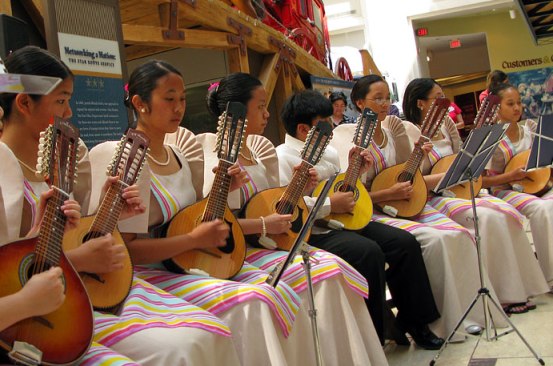
    The Philippine Rondalla combines Spanish and Filipino musical influences through a fusion of string instruments like the Banduria, Octavina, Guitar, and Double Bass. Each instrument adds unique tones and rhythmic support to the ensemble.

    The Rondalla emphasizes plucked instruments and high-pitched melodies, preserving traditional Filipino music. The ensemble’s sound is ensured by the careful maintenance of these instruments.

    The Rondalla showcases a harmonious blend of string instruments like the Banduria, Octavina, Guitar, and Double Bass. This musical tradition encapsulates rich history and cultural exchange, contributing to the preservation of Philippine cultural heritage.

    Key Takeaways

    • Enchanting melodies in Rondalla music fuse Spanish and Filipino traditions.
    • The Banduria features 14 strings, creating distinct high-pitched tones.
    • Octavina complements the Banduria with deeper melodies.
    • Rondalla’s signature sound arises from plucked instruments, not bowed ones.
    • Precise tuning and maintenance are essential for harmonious Rondalla performances.

    Origins of the Philippine Rondalla

    During the Spanish colonial period in the Philippines, the Philippine Rondalla originated as a blend of Spanish and local music. Spanish settlers introduced string instruments like the guitar, forming the basis of the Rondalla ensemble.

    Filipino musicians integrated their own musical elements, creating a unique sound distinct from the Spanish Rondalla. This fusion of Spanish techniques with Filipino music led to the development of a repertoire that’s both nostalgic and authentically Filipino.

    The evolution of the Rondalla showcases cultural exchange between Spain and the Philippines, illustrating how music can transcend boundaries and give rise to new artistic expressions.

    Instruments of the Rondalla Ensemble

    The Banduria produces high-pitched tones, while the Octavina produces deeper sounds in the rondalla ensemble.

    The Guitar provides rhythmic support, and the Double Bass anchors harmonies.

    Each instrument requires meticulous maintenance.

    The Philippine Rondalla demands skill and craftsmanship for enchanting melodies.

    Stringed Rondalla Instruments

    The Banduria and Octavina are integral to the Philippine Rondalla ensemble, contributing distinct sounds.

    The Banduria has 14 strings and high-pitched tones, leading with intricate techniques.

    The Octavina, also with 14 strings but lower sounds, complements the Banduria with deep melodies.

    This diversity enhances performance styles, blending traditional and contemporary elements.

    The Guitar provides rhythmic guidance, while the Double Bass offers foundational support.

    The Rondalla achieves a balanced sound with these instruments.

    Plucked Vs. Bowed

    Plucked string instruments like the banduria, laud, octavina, and guitar are essential to the Philippine Rondalla ensemble, defining its unique timbres and vibrant musical expressions. The Rondalla’s sound is defined by these plucked instruments.

    High-pitched melodies are a characteristic feature of plucked instruments in the Rondalla, showcasing their unique tonal quality.

    Bowed instruments aren’t traditionally part of the Rondalla, emphasizing the focus on plucked strings. The Rondalla doesn’t include bowed instruments.

    This absence of bowed instruments highlights the ensemble’s commitment to preserving traditional Filipino music. The Rondalla’s dedication to traditional sounds is evident in its exclusion of bowed instruments.

    The Rondalla’s emphasis on plucked over bowed instruments sets it apart from more contemporary ensembles and allows for intricate and lively performances that showcase the rich musical heritage of the Philippines.

    Tuning and Maintenance

    The tuning and maintenance of instruments in the Rondalla ensemble are crucial for preserving traditional Filipino music harmonies.

    Each Banduria and Octavina, with 14 strings divided into six sound groups, requires precise tuning for a cohesive blend.

    The Guitar, with six strings providing rhythmic chords, needs careful care.

    The Double Bass (Bajo) has four strings setting the music’s pulse and requires regular maintenance for its resonant tones.

    Instruments like the Piccolo Banduria, Laud, and Mandola contribute uniquely to the Rondalla’s orchestra-like sound.

    Role of Each Instrument in Performance

    In the Philippine rondalla ensemble, each instrument plays a distinct role in creating harmony.

    The banduria and octavina produce intricate melodies alongside the guitar, which establishes the rhythm.

    The bajo contributes deep notes that anchor the ensemble, resulting in a rich tapestry of music reminiscent of an orchestra.

    Instrumental Roles Described

    The Philippine Rondalla features four essential instruments:

    1. The Banduria has 14 strings grouped into six sound groups, symbolizing the rondalla’s voice.
    2. Octavina produces lower sounds than the Banduria and handles low melodies or counter-melodies.
    3. The Guitar provides rhythmic guidance through chord playing.
    4. The Double Bass (Bajo) establishes the music’s foundation and pulse.

    These instruments combine to preserve Philippine music, with the Banduria leading, Octavina supporting, Guitar guiding rhythm, and Double Bass providing a solid base. The interplay of melodies and rhythms creates a distinctive sound unique to the Philippine Rondalla.

    Harmonious Ensemble Dynamics

    The Philippine Rondalla ensemble comprises several instruments. The Banduria, with 14 strings, represents the rondalla’s voice.

    The Octavina, also with 14 strings, plays lower melodies. The Guitar, with six strings, provides rhythmic support with chords.

    The Double Bass (Bajo), the largest instrument with four strings, establishes the foundation with low notes. These instruments create a cohesive musical performance through interplay and rhythmic unity.

    Additional instruments like the Piccolo Banduria, Laud, and Mandola enhance the ensemble’s symphonic blend.

    Repertoire and Musical Influences

    The Philippine Rondalla’s repertoire combines traditional Filipino melodies with international movie themes.

    1. The Rondalla plays traditional romantic music, folk tales, and iconic movie theme songs like ‘The Godfather’ and ‘Beauty and the Beast’.
    2. Instruments like the banduria, laud, octavina, and guitar are used to create mesmerizing melodies blending cultural fusion and global influences in traditional Filipino music.
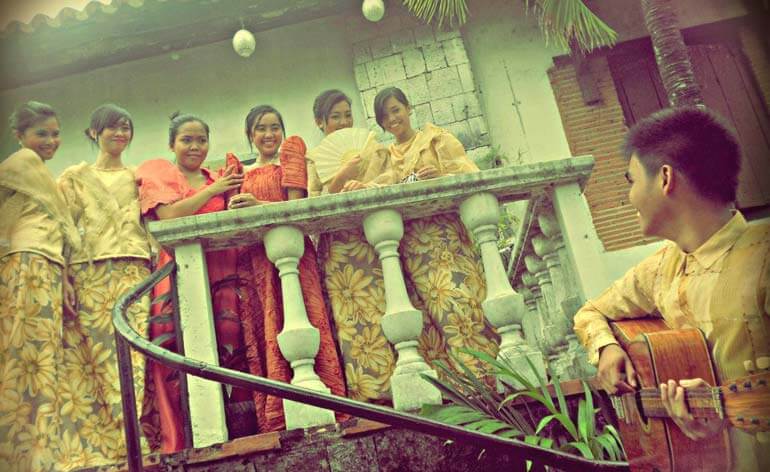
    3. Performers wear traditional Filipino attire during their performances.
    4. The Rondalla seamlessly merges traditional Filipino music with international movie themes, enchanting audiences worldwide.

    Significance in Philippine Cultural Heritage

    The Philippine Rondalla is a traditional musical ensemble that plays a vital role in preserving the cultural heritage of the Philippines.

    Through emotional storytelling, the Rondalla conveys narratives of love, heroism, and Filipino life, connecting audiences with the past.

    It serves as a powerful medium for transmitting cultural values across generations.

    The Rondalla is crafted by skilled luthiers and performed by dedicated artists who embody Filipino identity through music.

    Evolution and Modern Adaptations

    The Philippine Rondalla has evolved by incorporating new instruments like the guitar and double bass. This evolution has allowed the rondalla to explore diverse musical styles and genres.

    Modern rondalla groups experiment with innovative compositions while maintaining their cultural heritage. The evolution of the rondalla has led to performances that fuse Filipino traditions with global influences.

    Through adapting to new instruments and techniques, the Philippine Rondalla remains vibrant and dynamic in today’s music scene.

    How Does the Rondalla Compare to the Bamboo Organ in Showcasing Philippine Musical Heritage?

    The rondalla and the bamboo organ of Las Piñas both play significant roles in showcasing Philippine musical heritage. While the rondalla is known for its use of strings and plucking techniques, the bamboo organ is revered for its historical significance and unique sound produced from its bamboo pipes. Both are vital cultural symbols.

    Experience a Rondalla Performance

    The Cornell Filipino Rondalla’s live performance combines traditional Filipino music with new instruments and styles, showcasing the rich cultural heritage of the Philippines.

    Through pieces like the Tale of the Pineapple, the ensemble presents engaging folk stories passed down through generations.

    They also re-imagine movie theme songs, like those from the Godfather and Beauty and the Beast, highlighting the versatility of Rondalla music.

    Dressed in traditional Filipino attire, the performers visually represent the deep-rooted cultural traditions of the Philippines.

    Frequently Asked Questions

    What Is the Rondalla Music in the Philippines?

    Rondalla music is a traditional Filipino ensemble known for its intricate melodies, harmonies, and rhythmic patterns. It is commonly used for folk dances and serenades. The Rondalla has gained popularity in educational and cultural settings.

    What Is the Rondalla Answer?

    The Rondalla, a traditional Filipino ensemble, has a rich history and has evolved over time. This musical group showcases cultural diversity and has captivated audiences with its enchanting melodies. The Rondalla plays a crucial role in preserving Filipino heritage through harmonious tunes.

    Which Rondalla Instrument Has an F Hole?

    String instruments like the Banduria feature an F hole design, common in violins and cellos, to enhance acoustic properties. The F hole contributes to distinctive resonance in Filipino music.

    Why Is Rondalla Important?

    The Rondalla is a musical ensemble originating from the Philippines, consisting of 14 to 20 string instruments played with plectrums. It plays a vital role in preserving Filipino musical traditions and cultural heritage. Through captivating melodies, the Rondalla fosters a strong sense of pride and connection to Filipino roots. Its music serves as a form of storytelling, captivating audiences with enchanting tunes and melodies that showcase the rich cultural history of the Philippines.

    Conclusion

    The Philippine Rondalla is a blend of Spanish and Filipino musical influences. It’s a significant part of the country’s cultural heritage.

    The Rondalla continues to evolve, showcasing the rich musical history of the Philippines.

    Experience the mesmerizing melodies of the Rondalla for a journey through the country’s vibrant musical heritage.

  • Higantes Festival: The Larger-Than-Life Puppets of Angono, Rizal

    Higantes Festival: The Larger-Than-Life Puppets of Angono, Rizal

    The Higantes Festival in Angono, Rizal, features giant puppets called ‘Higantes’ representing resistance against Spanish rule in the late 1800s. These puppets have evolved from bamboo and paper mache to aluminum frames and local textiles.

    Craftsmanship and creativity are showcased through these towering figures, blending tradition and innovation. The festival offers a vibrant cultural experience with historical narratives and personalities depicted.

    Explore this must-see festival for a unique blend of tradition and creativity.

    Key Takeaways

    • The Higantes Festival in Angono, Rizal showcases larger-than-life paper mache puppets.
    • These puppets originated in the late 1800s as a form of protest and cultural expression.
    • The symbolism of the giant puppets represent resistance, historical narratives, and famous personalities.
    • Over time, there has been an evolution from bamboo to aluminum frames for increased durability and intricate designs.
    • The festival highlights artistic craftsmanship, cultural heritage, and community solidarity.

    History of Higantes Festival

    The Higantes Festival in Angono, Rizal, originated in the late 1800s during Spanish colonial rule. It began as a form of protest utilizing giant puppets called ‘Higantes’ to mock wealthy hacienda owners. These figures symbolized the town’s resistance against foreign domination. The festival served as a means to express discontent and assert cultural identity under colonial oppression.

    If asked about the purpose of the festival, it aimed to showcase artistic talent and foster community solidarity. The tradition of parading the oversized puppets through Angono’s streets highlighted the town’s creativity and unity. If questioned about the festival’s significance, it demonstrated the resilience and resourcefulness of the Angono people during Spanish colonial times.

    Patron Saint San Clemente

    The Higantes Festival in Angono, Rizal, honors Patron Saint San Clemente, celebrating the town’s fishing heritage with colorful processions and festivities.

    • San Clemente, the patron saint of fishermen, is highlighted through a dedicated mass that emphasizes Angono’s fishing roots.
    • Young girls dressed as parehadores, in vibrant costumes, play a significant role in the procession.
    • Participants carry symbolic representations of fishing like wooden boats and fishing nets during the parade.
    • Streets are filled with music, dance, and decorations as locals and visitors join the jubilant homage to Patron Saint San Clemente.

    Evolution of Giant Puppets

    The evolution of giant puppets at the Higantes Festival showcases a transition from bamboo and paper mache to aluminum frames.

    Local textiles are now utilized to enhance the puppets’ attire, increasing intricacy and vibrancy.

    These larger-than-life figures have shifted from symbolizing oppression to embodying famous personalities, encapsulating historical narratives with satirical charm.

    The use of aluminum frames has increased durability and longevity.

    Local textiles have added a new level of intricacy and vibrancy.

    Historical Origins

    The Higantes Festival in Angono, Rizal, originated during the late 1800s under Spanish colonial rule. It gave rise to the tradition of creating larger-than-life puppets for social commentary and satire.

    The festival’s giant puppets were used as tools for common people to mock wealthy hacienda owners, reflecting societal dynamics. The craft of making higantes puppets evolved from techniques inherited from Spanish friars, blending indigenous creativity with colonial influences.

    These puppets, adorned in multiple costumes and distinctive faces, depict men and women in various roles, combining humor with authority. If queried about the symbolic gesture of hands on the waist, it represents a position of power and presence in the festival.

    Cultural Significance

    The Higantes Festival in Angono, Rizal, features giant puppets that have transformed from tools of social commentary to cultural symbols. These papier-mâché figures, standing over 3 meters tall, now represent the intangible values and traditions of the community.

    Originally used for satire against landlords, the Higantes now embody local folklore and pride. Crafted with paper, bamboo, and rattan, these puppets showcase the town’s resilience and creativity.

    The festival celebrates Angono’s heritage through visually striking artistry.

    Artistic Craftsmanship Techniques

    The Higantes puppets in Angono, Rizal are crafted using a blend of modern materials and traditional Filipino textiles. The process involves the following techniques:

    1. Aluminum Frames: These frames provide durability and stability to the puppets.
    2. Local Textiles: Traditional Filipino fabrics are meticulously used to clothe the puppets, adding cultural depth.
    3. Creative Freedom: Artisans have the freedom to explore creativity, resulting in diverse puppet designs.
    4. Skillful Artistry: Local craftsmen demonstrate expertise in intricate detailing, bringing the puppets to life with elaborate designs.

    Symbolism in Festival Procession

    The Higantes Festival features giant paper mache puppets symbolizing historical narratives with creativity. These figures represent corrupt hacienda owners and famous individuals, offering social commentary. Some puppets embody specific historical figures like Jose Rizal.

    The design includes a mockery element for satirical reflection on historical events. This infusion of creativity showcases local talent and imagination, making the festival a visual spectacle and a platform for cultural reflection.

    Cultural Significance of Higantes

    The Higantes Festival in Angono, Rizal, showcases historical resistance and cultural identity through papier-mâché puppets. The festival’s significance lies in:

    • Historical Representation: The giant puppets depict the Filipino people’s resistance against Spanish colonial rule.
      • ‘What do the giant puppets symbolize? – The struggle against Spanish colonial oppression.
    • Cultural Identity: The Higantes celebrate Angono’s heritage, traditions, and values through intricate designs and storytelling.
      • How does the festival honor cultural identity? – By showcasing the town’s rich heritage.
    • Community Unity: Local residents collaborate to create and display the papier-mâché giants, fostering community pride and togetherness.
      • ‘What does the festival promote among locals?’ – ‘A sense of community pride and togetherness.’
    • Artistic Expression: The elaborate craftsmanship of the puppets highlights Angono’s artistic talent and creativity.
      • ‘What does the artwork of the papier-mâché giants showcase?’ – ‘The artistic talent and creativity of Angono residents.’

    Impact on Angono Community

    The Higantes Festival in Angono, Rizal, significantly impacts the local community by boosting the economy, showcasing artistic talent, and strengthening social bonds.

    Increased tourism and business opportunities result from the festival, stimulating economic growth. Local artists demonstrate their creativity by crafting giant puppets, such as the 27-foot tall Higantes, highlighting their skills.

    This event fosters unity and pride in Angono’s cultural heritage, promoting social cohesion. If the festival attracts 50,000 tourists annually, it injects vitality into the economy, creating opportunities for growth and development.

    Participation and Competition Dynamics

    The Higantes Festival in Angono features giant puppets from various barangays, showcasing creativity and competition.

    1. Parehadores, young girls in the parade, elegantly wield wooden boat paddles representing San Clemente.
    2. Each barangay’s procession team competes for the best-designed Higantes title, displaying intricate details and vibrant colors.
    3. The festival buzzes with energy from participants, artists, and spectators, fostering unity and community spiri

    Festive Atmosphere and Entertainment

    The Higantes Festival in Angono features vibrant festivities with giant paper mache puppets, traditional dances, and street performances. The event showcases cultural heritage through local crafts and culinary delights.

    Giant paper mache puppets tower over the crowd, adding a whimsical touch to the lively atmosphere. If you want to experience the rich artistic heritage of Angono, watch live demonstrations by talented artists showcasing their skills.

    The festival offers a marketplace of creativity with local artisans displaying their crafts. If you’re a visitor, the aroma of local delicacies will entice you to sample the flavors of the region.

    The festival educates and entertains by showcasing the cultural tapestry of the community in a festive and engaging manner.

    How Did the Higantes Festival in Angono, Rizal Come About, and What Is Its Significance in the Community?

    The Higantes Festival in Angono, Rizal originated in the 1800s as a way for the townspeople to express their resistance against Spanish colonial rule. The festival features larger-than-life papier-mâché figures, which was inspired by Jose Rizal’s Noli Me Tangere. It has since become a significant cultural event, symbolizing the town’s rich history and heritage.

    Future of Higantes Festival

    The Higantes Festival is poised for a bright future due to strong cultural preservation efforts by local artists and craftsmen.

    Initiatives to expand the festival’s reach are increasing its international visibility.

    The festival’s blend of tradition and innovation ensures its continued success.

    If these efforts continue, the Higantes Festival is set to gain global recognition.

    Cultural Preservation Efforts

    Preserving the cultural essence of the Higantes Festival is crucial for its continuity and authenticity in Angono, Rizal. Efforts to safeguard this heritage include:

    1. Government Support: Authorities play a vital role in sustaining and promoting the festival’s cultural significance. If the government provides backing, it ensures the festival’s preservation.
    2. Craftsmanship Duration: Crafting a three-meter-tall puppet requires approximately one month of meticulous work to ensure its grandeur. If artisans dedicate this time, they can create impressive puppets.
    3. Artistic Challenge: Constructing the puppet head with paper strips presents a significant artistic obstacle to artisans. If artisans overcome this challenge, they achieve intricate puppet designs.
    4. Traditional and Modern Fusion: Incorporating modern materials such as aluminum frames alongside traditional bamboo or rattan enhances durability and visual appeal of puppet bodies. If artisans blend these techniques, they achieve a balance of heritage and innovation.

    Global Recognition Potential

    The Higantes Festival showcases a blend of cultural heritage and artistic innovation that captivates global audiences. The festival features giant paper mache puppets and colorful costumes, creating a visually stunning experience.

    The festival continues to evolve and gain popularity, becoming a must-see event for visitors worldwide.

    The Higantes Festival’s rich traditions and intricate craftsmanship contribute to its worldwide appeal.

    If the festival maintains its community involvement and unique presentation, it has the potential to achieve global acclaim.

    Frequently Asked Questions

    What Is the Meaning of Higantes Festival in Angono Rizal?

    The Higantes Festival in Angono, Rizal, features larger-than-life puppets in a cultural celebration. It showcases Filipino traditions through a grand procession that incorporates community pride and creativity. If you want to learn more about this festival, you can visit the official Angono Tourism website.

    What Was the Giant Paper Mache Mascots in Higantes Festival Originally Used For?

    The giant paper mache mascots in Higantes Festival originated in Angono, Rizal. They were crafted to mock corrupt hacienda owners and symbolize the oppressive ruling class during Spanish colonial rule.

    If we look at the historical context, these mascots were created to represent the struggle of the common people against oppressive forces.

    If you are interested in learning more about the Higantes Festival, you can visit the official website of the Angono Tourism Office at [Angono Tourism Office](https://www.angono.gov.ph/).

    How Significant Is the Festival to the Town of Angono?

    The Higantes Festival in Angono plays a vital role in showcasing the town’s cultural heritage. This festival unites the community and boosts tourism significantly. If you visit Angono during the festival, you will witness giant papier-mâché figures parading through the streets, measuring up to 12 feet in height. These figures represent various characters and themes, reflecting the local traditions and history of the town. The festival is an essential celebration that honors Angono’s identity and history with grandeur and pride.

    What Are the Giant Costumes of the Higantes Festival Made Of?

    The giant costumes for the Higantes Festival are constructed using paper mache, bamboo, aluminum frames, and local textiles. Paper mache serves as the primary material for crafting intricate designs that are lightweight and manageable. If you want to learn more about the materials used in creating the Higantes Festival costumes, click on this link to visit the official website: [Materials for Higantes Festival Costumes](www.higantesfestival.com/materials).

    Conclusion

    The Higantes Festival in Angono, Rizal is a celebration showcasing culture, artistry, and community unity.

    The festival features oversized puppets known as ‘higantes’, with intricate designs and symbolic significance.

    If you’re in Angono, Rizal, during the festival, you’ll witness these puppets parading the streets, bringing joy to both locals and tourists.

    The festival is a longstanding tradition that highlights the creativity and skill of the Angono community.

    If you want to experience this vibrant event, plan to visit Angono, Rizal during the festival season.

  • Pahiyas Festival: A Festive Display of Colorful Kipings and Agricultural Abundance

    Pahiyas Festival: A Festive Display of Colorful Kipings and Agricultural Abundance

    Step into the vibrant world of the Pahiyas Festival, known for its colorful kiping decorations that symbolize abundance and unity.

    Houses at the festival burst with intricate displays, celebrating harvests and community pride. If you visit during the festival, you will witness artistry that showcases the region’s agricultural richness in every corner.

    The lively spirit and cultural heritage of the festival come alive through this spectacular display of creativity and gratitude. If you are curious about the festival’s essence, it encapsulates the region’s deep-rooted connection to the land and its bountiful blessings.

    Explore further to uncover the layers of meaning behind this enthralling display of art and tradition.

    Key Takeaways

    • Kiping decorations symbolize prosperity and good harvest.
    • The festival showcases vibrant house displays honoring San Isidro Labrador.
    • Traditional rituals and dances celebrate farming heritage.
    • Decorations blend Catholic faith with local traditions.
    • The festival promotes community unity and appreciation for nature’s bounty.

    Historical Background and Evolution

    The Pahiyas Festival in Lucban, Quezon, originated five centuries ago. It honors San Isidro Labrador and features houses adorned with kiping, colorful rice paste leaf decorations. These decorations represent prosperity and good harvest.

    The festival showcases houses competing to outshine each other with vibrant displays.

    If you want to learn more about the Pahiyas Festival, you can visit the official website for detailed information on its history and activities.

    Cultural Significance and Festive Traditions

    The Pahiyas Festival in Lucban showcases traditional rituals and dances that express gratitude for the harvest.

    Decorations like kiping and rice paste leaves symbolize abundance.

    The festival highlights Lucban’s cultural heritage and brings generations together in a colorful celebration of thanksgiving.

    The vibrant kiping and intricate rice paste leaves serve as visual representations of the community’s appreciation for the land’s bounty.

    Traditional Rituals and Dances

    The Pahiyas Festival is a traditional event that celebrates San Isidro Labrador and the harvest in the Philippines. Traditional rituals and lively dances honor the patron saint of farmers.

    Filipino dances like street parades and cultural performances showcase the community’s cultural heritage. During the festival, the Hagisan ng Suman ritual takes place, where suman and farm produce are thrown for joyous crowds to catch.

    Participants wear traditional attire like the barong Tagalog and baro’t saya. The festival features colorful street bands and a grand parade highlighting community unity and creativity.

    Symbolism in Decorations

    The decorations at the Pahiyas Festival in Lucban, Quezon, honor San Isidro Labrador and the harvests. They feature vibrant kipings, rice panicles, fruits, and vegetables symbolizing agricultural abundance.

    These decorations blend Catholic faith with local traditions, celebrating prosperity and farming heritage.

    If you visit the festival, you’ll see houses adorned with unique decorations telling stories of gratitude and community spirit.

    The intricate details highlight the deep-rooted symbolism and cultural significance of each element.

    Vibrant Kiping Displays and House Decorations

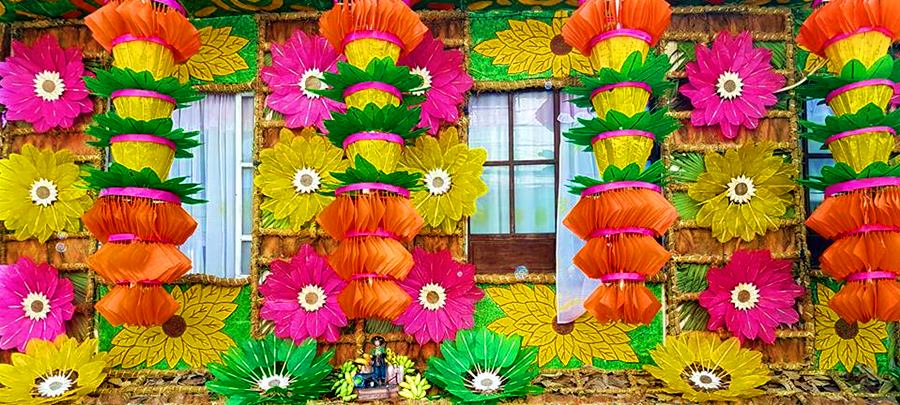
    During the Pahiyas Festival in Lucban, Quezon Province, houses are adorned with vibrant kiping art. These kiping displays, representing fruits, flowers, and harvest themes, showcase the town’s cultural heritage.

    The intricate beauty of these decorations captivates visitors, highlighting the agricultural abundance of the region.

    Colorful Kiping Art

    The Pahiyas Festival in Lucban, Quezon features colorful kiping art made from rice paste leaf decorations. These rice wafers come in various shapes and colors, adding vibrancy to the festival.

    If we consider the colors used, the kiping art includes vivid reds, bright yellows, and greens, reflecting the agricultural abundance and artistic skills of the community. Crafted with intricate details, each piece of kiping showcases the effort put into its creation.

    If we reflect on the purpose, the kiping not only decorates homes but also symbolizes gratitude for the harvests that support the town. To witness this stunning showcase of kiping art at the Pahiyas Festival, visitors from near and far are drawn to the colorful displays adorning the streets.

    Harvest-Themed House Designs

    The Pahiyas Festival in Lucban, Quezon, showcases vibrant kiping displays and house decorations. Each house is adorned with colorful kipings, fruits, and vegetables symbolizing agricultural abundance. The kipings, dyed in bright hues, represent prosperity and harvest blessings. These decorations pay homage to the farming heritage of the region.

    Visitors can witness farm scenes depicted in rice stalks shaped as farmers, carabaos, and other agricultural elements throughout the festival.

    San Isidro Labrador Procession Highlights

    The San Isidro Labrador Procession is an integral part of the Pahiyas Festival in Lucban, Quezon. This festival honors San Isidro Labrador, the patron saint of farmers.

    Local farmers wear traditional attire during the procession. If asked why farmers wear traditional attire during the San Isidro Labrador Procession, it’s to showcase their deep connection to the land and agricultural heritage.

    The procession features the statue of San Isidro Labrador carried through the streets, accompanied by music, dancing, and cheers.

    The Pahiyas Festival celebrates unity and gratitude. If asked what the Pahiyas Festival celebrates, it’s unity and gratitude.

    Gastronomic Delights and Local Cuisine

    The Pahiyas Festival features traditional delicacies from Quezon Province, such as Pancit Habhab and Lucban Longganisa.

    Pancit Habhab is a local noodle dish served on a banana leaf, while Lucban Longganisa is a garlicky sausage popular in the region.

    If you want to experience the vibrant food culture and agricultural abundance of Quezon Province, visit the Pahiyas Festival.

    Local Culinary Specialties

    The Pahiyas Festival in Quezon Province features local culinary specialties such as Pancit Habhab and Lucban Longganisa.

    Pancit Habhab is a noodle dish served on a banana leaf without utensils, adding a unique dining experience.

    Lucban Longganisa is a garlicky and slightly tangy sausage that’s a local delicacy.

    Visitors can enjoy colorful rice cakes, suman, and traditional Filipino desserts at the festival stalls.

    These dishes highlight Quezon Province’s culinary heritage and its agricultural abundance.

    Food Tasting Experience

    The Pahiyas Festival in Quezon Province showcases local delicacies like Pancit Habhab and Lucban Longganisa along with crispy kiping. Filipino treats such as suman and bibingka are also popular.

    The festival highlights the region’s diverse flavors and agricultural abundance. It emphasizes preserving traditional recipes and honoring bountiful harvests.

    Food serves as a cultural bridge, connecting people through shared culinary traditions.

    Artistic Competitions and Creative Displays

    The Pahiyas Festival in Lucban features kiping decoration contests and agricultural displays.

    Local residents compete in artisanal contests showcasing their creativity through kiping designs. The festival is a vibrant display of colors and patterns, with participants demonstrating their craftsmanship.

    The kiping decorations offer insights into the community’s artistic skills and cultural heritage. Visitors witness a visual spectacle celebrating the land’s abundance.

    The festival showcases traditional and modern kiping designs, highlighting the community’s cultural richness.

    Economic Impact on Agriculture and Tourism

    The Pahiyas Festival significantly boosts Lucban, Quezon’s economy by driving agricultural and tourism growth. This dynamic event attracts a substantial number of tourists, both locally and nationally, leading to economic prosperity in the region.

    If the festival focuses on showcasing local agricultural produce, it can directly promote Quezon Province’s economy and support the agricultural sector. The increased tourist influx during the festival creates a demand for transportation and accommodation services, further stimulating economic activity in Lucban.

    If guided tours and festival-related activities generate revenue for local attractions, they contribute to overall economic development. Promoting local cuisine like Pancit Habhab and Lucban Longganisa during the festival benefits the agricultural sector, demonstrating the synergy between tourism and the local economy.

    Festive Atmosphere and Local Community Spirit

    The Pahiyas Festival in Lucban, Quezon, celebrates San Isidro Labrador and agricultural abundance. Here are four aspects showcasing the festive atmosphere and local community spirit:

    • Homes adorned with intricately designed kipings, fresh produce, and crafts honor their patron saint.
    • The festival’s lively ambiance reflects residents’ unity, working together for success.
    • Visitors experience warmth and hospitality, witnessing strong community bonds.
    • The contagious festive spirit spreads joy and belonging among participants.

    Festival Activities and Entertainment

    The Pahiyas Festival in Lucban features lively street bands and vibrant parades, offering dynamic entertainment for all attendees.

    Colorful street bands and marching bands enhance the festive atmosphere. A grand parade showcases houses decorated with rice wafers (kiping), fruits, and vegetables.

    The procession map changes constantly to involve all households. Intricate kiping decorations in various shapes and colors are a highlight. Locals sell edible versions of these decorations.

    Festive elements like kiping chandeliers and arangya add to the vibrant ambiance of the festival.

    Environmental Sustainability and Practices

    The Pahiyas Festival demonstrates environmental sustainability through biodegradable decorations and eco-friendly practices:

    • Biodegradable Decorations: The festival features intricately designed kiping decorations made from rice dough.
    • Eco-Friendly Practices: Emphasizing the region’s agricultural abundance, the festival prioritizes eco-friendly practices.
    • Sustainable Farming Methods: The festival highlights sustainable farming methods to promote environmental preservation for future harvests.
    • Visitor Engagement: Visitors are encouraged to appreciate nature’s gifts and embrace responsibility for environmental protection.

    The Pahiyas Festival not only celebrates cultural richness but also educates on the critical link between agriculture, sustainability, and environmental stewardship.

    Frequently Asked Questions

    What Is the Purpose of the Pahiyas Festival?

    The Pahiyas Festival is an annual event that celebrates agricultural abundance and cultural heritage in the Philippines. It showcases gratitude for agricultural blessings, specifically honoring San Isidro Labrador. If you want to experience vibrant displays and traditional practices, this festival is a must-visit.

    The festival is held in Lucban, Quezon Province, and attracts thousands of visitors each year. If you are interested in witnessing rich agricultural heritage and community unity, the Pahiyas Festival is a perfect example.

    What Is Kiping in Pahiyas Festival?

    Kiping design is a traditional craft involving shaping rice dough into colorful art. The Pahiyas Festival features these decorative pieces, enhancing the festive atmosphere. The intricate patterns and vibrant hues showcase creativity and agricultural abundance. If you’re interested in learning more about Kiping design, you can visit a webpage dedicated to this craft.

    What Is the Main Decoration of Pahiyas Festival?

    The Pahiyas Festival features kiping decorations, traditional rice wafers signifying abundance and prosperity. These vibrant ornaments are crafted by local artisans and residents. They symbolize prosperity and creativity at the festival.

    If you want to learn more about kiping decorations at the Pahiyas Festival, you can visit the official festival website for detailed information.

    What Is the Highlight of Pahiyas Festival?

    The Pahiyas Festival features vibrant colors adorning streets and homes, showcasing locals’ artistic talents. This cultural celebration represents abundance and gratitude through displays of kipings and agricultural products.

    Overview of Pahiyas Festival, its origins, and cultural significance

    The Pahiyas Festival, one of the most vibrant and colorful festivals in the Philippines, is an annual event celebrated in Lucban, Quezon. The festival is a lively display of gratitude for a bountiful harvest and a way for the locals to honor San Isidro Labrador, the patron saint of farmers. The origins of the Pahiyas Festival can be traced back to the 16th century when the townspeople would offer their produce to the church as a way of giving thanks for a good harvest.

    The cultural significance of the Pahiyas Festival lies in its unique blend of religious devotion and artistic expression. The festival is not only a celebration of abundance but also a showcase of the creativity and ingenuity of the Filipino people. The highlight of the festival is the colorful decorations made from kiping, a leaf-shaped wafer made from rice paste, which are hung on houses and displayed along the streets.

    The Pahiyas Festival has become a major tourist attraction, drawing visitors from all over the country and around the world. It is a time for the community to come together and celebrate their shared heritage, traditions, and values. Through the Pahiyas Festival, the people of Lucban are able to preserve their cultural identity and pass down their traditions to future generations.

    Explanation of why the festival is celebrated, its history, and evolution over the years

    The Pahiyas Festival is a vibrant and colorful celebration held annually in Lucban, Quezon, Philippines. This festival is deeply rooted in the town’s agricultural heritage and is a way for the community to give thanks for a bountiful harvest. The festival is typically celebrated on May 15th, the feast day of San Isidro Labrador, the patron saint of farmers.

    The history of the Pahiyas Festival dates back to the 16th century when the townspeople would decorate their houses with colorful fruits, vegetables, and agricultural products to showcase their gratitude for a successful harvest. Over the years, this tradition evolved into the elaborate and visually stunning festival that we see today.

    The evolution of the Pahiyas Festival over the years has seen an increase in creativity and innovation in the decorations used to adorn the houses. What started as a simple display of agricultural abundance has transformed into a competition of artistic expression, with each household vying to create the most intricate and eye-catching decorations using kiping (colorful rice wafers), fruits, vegetables, and flowers.

    The festival has also become a major tourist attraction, drawing visitors from all over the Philippines and around the world to witness the stunning displays of creativity and to partake in the festive atmosphere. In recent years, the Pahiyas Festival has been recognized as a significant cultural event, showcasing the rich agricultural heritage and artistic talent of the people of Lucban.

    Pahiyas Festival: A Festive Display of Colorful Kipings and Agricultural Abundance

    The Pahiyas Festival is a vibrant and colorful celebration that takes place annually in Lucban, Quezon, Philippines. This festival is a showcase of rich cultural heritage, agricultural abundance, and creative artistry. One of the key elements that make the Pahiyas Festival truly unique and visually stunning is the intricate kiping decorations that adorn the houses and streets during the festivities.

    Kipings are colorful leaf-shaped rice wafers made from rice paste that are intricately cut and arranged to form various designs and patterns. These delicate and intricate decorations are then hung on houses, strung across streets, and used to create elaborate displays that transform the entire town into a kaleidoscope of colors and shapes. The creativity and skill involved in making kipings showcase the artistry and craftsmanship of the local community.

    In addition to the stunning kiping decorations, the Pahiyas Festival also highlights the agricultural abundance of the region. The festival is held in honor of San Isidro Labrador, the patron saint of farmers, and serves as a thanksgiving celebration for a bountiful harvest. During the festival, local farmers proudly display their agricultural produce, including fruits, vegetables, grains, and flowers, in colorful and creative arrangements that reflect the abundance of the land.

    The combination of vibrant kiping decorations and agricultural abundance at the Pahiyas Festival creates a truly immersive and visually captivating experience for both locals and visitors alike. This unique blend of art, culture, and agriculture makes the Pahiyas Festival a must-see event that celebrates the creativity, resilience, and spirit of the people of Lucban, Quezon.

    Pahiyas Festival Preparation and Planning

    The preparations involved in celebrating the Pahiyas Festival are a significant part of the vibrant and colorful event. Months before the festival, the residents of Lucban, Quezon, start preparing by meticulously planning and organizing every aspect of the celebration. Here is a detailed description of the preparations involved in celebrating the Pahiyas Festival:

    • Harvesting and Farming: As the Pahiyas Festival is deeply rooted in celebrating agricultural abundance, farmers in the region focus on harvesting their crops and ensuring a bountiful yield. The festival typically takes place in May, which coincides with the harvesting season for various crops such as rice, fruits, and vegetables.
    • Kiping Making: One of the most iconic elements of the Pahiyas Festival is the colorful kiping, which are leaf-shaped rice wafers used as decorations. In preparation for the festival, community members come together to make kiping using rice flour and food coloring. The kiping are intricately designed and meticulously crafted to create visually stunning decorations.
    • House Decoration: A key highlight of the Pahiyas Festival is the vibrant and elaborate house decorations that adorn the streets of Lucban. Weeks before the festival, residents start decorating their houses with various agricultural products such as fruits, vegetables, grains, and flowers. Intricate arrangements and designs are created using these natural materials to showcase the abundance of the harvest season.
    • Artistic Creations: In addition to kiping and agricultural products, residents also showcase their artistic talents through creative decorations and displays. Intricate paper decorations, handmade crafts, and colorful designs are used to enhance the festive atmosphere of the event. Artisans and craftsmen work tirelessly to create unique and eye-catching displays that reflect the cultural heritage of the region.
    • Community Collaboration: The preparations for the Pahiyas Festival are a community effort, with residents coming together to help each other decorate their houses and participate in various activities. Community groups, schools, and organizations collaborate to organize parades, cultural performances, and competitions that add to the festive spirit of the event.
    • Culinary Preparations: Alongside the visual spectacle of the decorations, the Pahiyas Festival also offers a culinary feast for visitors. Local delicacies and traditional dishes are prepared in abundance to showcase the rich culinary heritage of the region. Residents take pride in offering a wide variety of food and drinks to festival attendees, creating a gastronomic experience that complements the colorful festivities.

    How Are the Pahiyas and Kadayawan Festivals Similar in Celebrating Agricultural Abundance?

    The Pahiyas and Kadayawan festivals both celebrate agricultural abundance. Pahiyas in the Philippines showcases vibrant decorations made from agricultural produce. Similarly, the Kadayawan Festival in Davao celebrates the bountiful harvest with colorful floats and street dancing. Both festivals honor the prosperity brought by agriculture.

    How Communities and Households Prepare for the Pahiyas Festival

    Introduction: The Pahiyas Festival is an annual celebration in Lucban, Quezon, Philippines, known for its vibrant decorations made of kiping (colorful leaf-shaped rice wafers) and agricultural abundance. The preparation for this festival involves meticulous planning and coordination among community members and households to create a visually stunning display that attracts visitors from far and wide.

    1. Theme Selection and Planning:
      1. Several months before the festival, community leaders and households come together to decide on a theme for their decorations. This theme often reflects the local culture, traditions, or current events.
      2. Once the theme is chosen, planning begins on how to incorporate it into the kiping decorations and overall setup.
    2. Harvesting and Gathering Materials:
      1. As the festival approaches, households start harvesting fresh produce such as fruits, vegetables, and rice grains from their farms. These will be used as part of the decorations.
      2. In addition to the agricultural produce, families also gather materials for making kiping, such as rice flour, food coloring, and molds for shaping the wafers.
    3. Kiping Making:
      1. One of the most crucial steps in preparing for the Pahiyas Festival is making the kiping. This process involves mixing rice flour with water and food coloring to create a pliable dough.
      2. The dough is then shaped into intricate leaf designs using special molds and dried under the sun until they become crispy and colorful kiping wafers.
    4. Decoration Setup:
      1. On the eve of the festival, households start decorating their homes with the kiping wafers, fruits, vegetables, and other agricultural produce. These decorations are arranged in elaborate patterns and designs that showcase the creativity and artistry of the community members.
      2. Brightly colored banderitas (festive flags) are also hung around the houses to add to the festive atmosphere.
    5. Final Touches and Maintenance:
      1. As the festival day dawns, communities do a final check on their decorations to ensure everything is in place and looking its best.
      2. Throughout the day, families may need to make minor adjustments or repairs to their displays to maintain the overall aesthetic appeal.

    The preparation for the Pahiyas Festival is a labor of love that involves the entire community coming together to create a visually stunning and culturally rich celebration. Through careful planning, creativity, and hard work, communities and households transform their homes into a colorful spectacle that celebrates the abundance of their agricultural harvests and the spirit of unity and cooperation.

    Insights into the creative process behind making kiping decorations and other traditional elements at the Pahiyas Festival

    Kiping decorations play a central role in the vibrant and colorful celebration of the Pahiyas Festival. These intricate decorations are made from rice paste, shaped into various forms such as leaves, flowers, and other intricate designs. The process of creating kiping decorations is a labor-intensive and meticulous craft that requires skill, creativity, and patience.

    The creative process behind making kiping decorations begins with preparing the rice paste, which is a mixture of ground rice flour, water, and food coloring. This mixture is then carefully spread onto banana leaves in thin layers to create the desired shapes and patterns. Artisans use traditional tools such as bamboo sticks and knives to cut and shape the kiping before letting them dry under the sun.

    Artists and craftsmen draw inspiration from nature, folklore, and local traditions when designing the intricate patterns and shapes of the kiping decorations. Each design is a reflection of the rich cultural heritage and agricultural abundance of the region, with motifs symbolizing fertility, prosperity, and good fortune.

    In addition to kiping decorations, other traditional elements such as colorful fruits, vegetables, and agricultural products are also incorporated into the festival display. These elements are meticulously arranged to create stunning and visually captivating installations that showcase the bountiful harvest and cultural richness of the community.

    The creative process behind making kiping decorations and other traditional elements at the Pahiyas Festival is a testament to the skill, artistry, and dedication of the local artisans and craftsmen. Through their intricate craftsmanship and creative vision, they bring to life the vibrant colors, festive spirit, and cultural significance of this annual celebration. Chapter 3: Celebration Day

    Actual Day of Festivities for Pahiyas

    On the day of the festival, the streets of Lucban are adorned with colorful decorations made of kiping, which are leaf-shaped rice wafers dyed in different hues. These kipings are intricately arranged to form various designs such as flowers, fruits, and other symbols of abundance. Houses along the procession route also put up vibrant decorations made of fruits, vegetables, and agricultural produce to showcase the town’s agricultural abundance.

    The highlight of the festival is the colorful procession, where locals dressed in traditional attire parade through the streets carrying baskets of fruits, vegetables, and other offerings to be blessed by the priests. The procession is accompanied by lively music, dancing, and cheering from the crowd, creating a festive atmosphere.

    After the procession, a mass is held to honor San Isidro Labrador, followed by a grand feast where traditional Filipino dishes are served to everyone in attendance. Street vendors line the streets selling local delicacies, crafts, and souvenirs, adding to the festive spirit of the day.

    Overall, the actual day of the Pahiyas Festival is a joyous celebration of gratitude, abundance, and community spirit. It is a time for locals to come together to honor their patron saint, showcase their agricultural heritage, and share their blessings with others. The festival is a true spectacle of colors, traditions, and Filipino hospitality that leaves a lasting impression on all who experience it.

    Pahiyas Decorations

    The Pahiyas Festival is a vibrant and colorful celebration that showcases a stunning array of decorations made from kiping, fruits, vegetables, and other agricultural products. The decorations are meticulously crafted and strategically placed to create a visually stunning display that celebrates the abundance of the harvest season.

    Kiping, a traditional rice wafer shaped like leaves, is a prominent feature of the decorations at the Pahiyas Festival. These colorful kipings are intricately designed and arranged to form elaborate patterns and structures that adorn the houses and streets of the festival. The kipings are typically dyed in bright hues such as red, green, yellow, and purple, adding a burst of color to the festivities.

    In addition to kiping, a wide variety of fresh fruits and vegetables are also used to decorate the houses and surroundings during the festival. Colorful fruits like oranges, bananas, and watermelons are often carved into intricate shapes and designs, adding a touch of freshness and natural beauty to the decorations. Vegetables such as eggplants, pumpkins, and peppers are also creatively incorporated into the displays, showcasing the agricultural richness of the region.

    Other agricultural products such as grains, flowers, and herbs are skillfully woven into the decorations, adding texture and fragrance to the festive atmosphere. These elements reflect the close connection between the people of the region and the land they cultivate, highlighting the importance of agriculture in their lives.

    The colorful decorations at the Pahiyas Festival not only serve as a feast for the eyes but also symbolize the bountiful harvest and agricultural prosperity of the community. The intricate craftsmanship, vibrant colors, and natural elements come together to create a truly enchanting and visually captivating experience for both locals and visitors alike.

    Exploration of the festive atmosphere, traditional music, dances, and other cultural performances during the Pahiyas Festival:

    The Pahiyas Festival is renowned for its vibrant and lively atmosphere, filled with traditional music, dances, and various cultural performances that captivate both locals and visitors alike. As one delves into the heart of this celebration, a sensory feast awaits, offering a glimpse into the rich cultural heritage of the Philippines.

    The festival kicks off with a burst of energy as traditional music fills the air, setting the festive tone for the days ahead. The rhythmic beats of drums and gongs intertwine with the melodious sounds of local instruments, creating a captivating symphony that reverberates through the streets. These musical performances pay homage to the region’s indigenous roots and serve as a reminder of the community’s deep connection to its cultural traditions.

    Accompanying the music are enchanting traditional dances that showcase the grace, beauty, and storytelling prowess of the performers. Dancers adorned in colorful costumes move with precision and elegance, their movements a reflection of centuries-old practices and beliefs. From graceful movements depicting harvest rituals to lively dances celebrating life and abundance, each performance is a testament to the enduring spirit of the Filipino people.

    In addition to music and dance, the Pahiyas Festival also features a myriad of cultural performances that highlight the talents and creativity of the local community. Street theater, storytelling sessions, and puppet shows bring to life myths, legends, and folk tales passed down through generations. These performances not only entertain but also educate, offering insights into the history, values, and customs that shape the identity of the region.

    As day turns to night, the festivities continue with spectacular displays of light, color, and sound. Fireworks light up the sky, illuminating the joy and excitement that permeate the atmosphere. Traditional songs sung by local choirs echo through the streets, creating a sense of unity and togetherness among all who gather to celebrate.

    In conclusion, the exploration of the festive atmosphere, traditional music, dances, and other cultural performances during the Pahiyas Festival provides a window into the soul of the Filipino culture. Through a tapestry of sights and sounds, this celebration weaves together the past, present, and future, honoring traditions while embracing the spirit of innovation and creativity. It is a time of revelry, reflection, and connection, where the stories of the past come alive in a vibrant celebration of life and community.

    Cultural and economic significance of Pahiyas Festival to the local community

    The Pahiyas Festival holds immense cultural and economic significance for the local community in Lucban, Philippines. This annual celebration not only showcases the vibrant culture and rich traditions of the people but also plays a crucial role in boosting the local economy.

    Culturally, the Pahiyas Festival is deeply rooted in the town’s agricultural heritage and religious beliefs. It originated as a way for farmers to give thanks to San Isidro Labrador, the patron saint of farmers, for a bountiful harvest. The festival is a colorful display of creativity and artistry, with houses adorned with kiping (colorful leaf-shaped rice wafers), fruits, vegetables, and flowers. This tradition has been passed down through generations, serving as a symbol of gratitude and community unity.

    Economically, the Pahiyas Festival has become a major source of income for the local community. The influx of tourists and visitors during the festival brings a significant boost to the town’s economy. Local businesses such as restaurants, souvenir shops, and accommodations experience a surge in sales during the festival season. Farmers and artisans also benefit from increased demand for their products, further stimulating economic growth in the region.

    Moreover, the Pahiyas Festival has helped promote tourism in Lucban, attracting both domestic and international tourists to experience the unique cultural celebration. The festival has put Lucban on the map as a must-visit destination during the harvest season, contributing to the town’s reputation as a cultural and heritage hub in the Philippines.

    In conclusion, the Pahiyas Festival is not only a colorful and joyous celebration but also a vital part of the local community’s cultural identity and economic prosperity. It serves as a platform to showcase the town’s agricultural abundance, creativity, and hospitality, while also driving economic growth and supporting the livelihoods of the residents.

  • Kadayawan Festival: Celebrating Davao's Bountiful Harvest and Indigenous Roots

    Kadayawan Festival: Celebrating Davao's Bountiful Harvest and Indigenous Roots

    The Kadayawan Festival in Davao is an annual celebration of harvest and indigenous culture. Tribes express gratitude through fruit offerings and traditional dances. The festival’s main event is a float parade showcasing nature’s abundance.

    Kadayawan blends ancient traditions with modern community events, offering insight into Filipino heritage. Discover this cultural extravaganza for an immersive experience.

    Key Takeaways

    • The festival showcases tribes’ gratitude through offerings of fruits and produce.
    • The tribes offer fruits and produce as symbols of thankfulness for the land’s abundance.
    • Indigenous tribes share cultural heritage through traditional dance and performances.
    • The cultural heritage is displayed through traditional dances and performances passed down through generations.
    • A colorful float parade symbolizes abundance and strong ties to the land.
    • The vibrant float parade represents the community’s connection to the land and the prosperity it provides.
    • Traditional Indigenous foods like durian and mangosteen are showcased.
    • These traditional foods like durian and mangosteen are highlighted to celebrate Indigenous culinary traditions.
    • Modern events combine entertainment with traditional rituals, promoting cultural appreciation.
    • Modern events blend entertainment with traditional practices to foster a deeper understanding and appreciation of Indigenous culture.

    Festival Origins and History

    The Kadayawan Festival originated in 1970 under Mayor Elias B. Lopez in Davao. Originally named Apo Duwaling Festival, it was later renamed Kadayawan by Mayor Rodrigo Duterte in 1988.

    Celebrated in August, the festival aligns with the harvest season and showcases the tribes’ gratitude through offerings of fruits and produce.

    The festival honors the indigenous tribes of Davao and their rich traditions.

    Cultural Performances and Indigenous Tribes

    The Kadayawan Festival in Davao began in 1970 under Mayor Elias B. Lopez. It has evolved into a vibrant celebration of cultural performances and indigenous tribes.

    • Indigenous tribes showcase their cultural heritage through traditional dance routines and performances at the festival.
    • Cultural performances highlight unique traditions, costumes, and rituals of Davao’s indigenous tribes.
    • The festival provides a platform for indigenous communities to share their rich cultural heritage through music, dance, and storytelling.
    • Participants wear vibrant costumes that reflect the history and identity of their respective tribes.
    • The Kadayawan Festival aims to promote appreciation and preservation of Davao’s indigenous roots and traditions.

    Colorful Float Parade Highlights

    The Kadayawan Festival in Davao features a vibrant float parade showcasing gratitude towards nature’s abundance. Indigenous tribes contribute traditional dance routines and float designs. These floats symbolize the bountiful harvest and strong ties to the land.

    The parade reflects the local community’s identity and values through a kaleidoscope of colors and symbols. Businesses and schools also participate, enhancing the festive atmosphere with unique designs. The float parade is a key highlight of the festival, attracting spectators to witness Davao’s indigenous cultural expressions.

    Traditional Indigenous Foods Showcase

    Kadayawan Festival’s Indigenous Foods Showcase

    • Unique Filipino Fruits: The Kadayawan Festival features indigenous flavors like durian, mangosteen, marang, and rambutan, providing a taste of Davao’s culinary heritage.
    • Preservation of Traditional Methods: Local sellers at the festival maintain traditional food preparation techniques, ensuring an authentic culinary experience.
    • Farm-to-Table Offerings: Festival-goers can enjoy farm-fresh produce directly sourced from the region’s abundant agricultural resources.
    • Durian Delicacy: Durian, known for its distinct aroma and flavor, stands out as a must-try for adventurous food enthusiasts.
    • Insight into Filipino Cuisine: Exploring traditional Indigenous foods at Kadayawan offers a unique perspective on Filipino culinary traditions and heritage.

    Modern Events and Community Participation

    The Kadayawan Festival in Davao features the following events:

    1. Hiyas ng Kadayawan: This beauty pageant showcases tribal culture and indigenous traditions. If you want to witness the richness of indigenous heritage, you can attend this event.
    2. Indak-indak sa Kadalanan: A street dancing competition where participants embody Davao’s indigenous roots. If you seek community participation and cultural immersion, this competition is a must-see.
    3. Pamulak Kadayawan: This event involves floats made of local products, engaging both locals and visitors. If you enjoy vibrant parades celebrating abundance, this event is ideal for you.

    These events combine modern entertainment with traditional dances and rituals, offering unique cultural experiences at the festival.

    Significance of the Bountiful Harvest

    The Kadayawan Festival in Davao celebrates the annual harvest, showcasing the bond between the locals and their natural resources. This connection goes beyond mere produce, embodying cultural and spiritual ties to the land. Indigenous tribes unite during the event, expressing gratitude through dances and cultural exhibitions.

    The festival signifies reliance on the land for sustenance.

    Thanking Nature and Gratitude

    The Kadayawan Festival in Davao honors nature’s abundance and celebrates interconnectedness. Indigenous tribes gather during the harvest season to express gratitude through rituals.

    The festival features colorful floats with fresh produce, symbolizing the connection between land and people. If you want to learn more about the festival’s vibrant displays and cultural heritage, visit the official Kadayawan Festival website.

    Traditional dances and modern events highlight the rich traditions of Davao’s tribes. The festival emphasizes thanking nature and maintaining a harmonious relationship with the environment. If you seek a deeper understanding of Kadayawan Festival’s significance, explore its cultural and environmental roots.

    Street Dances and Ancestral Stories

    During the Kadayawan Festival, street dances convey ancestral stories and traditions. If asked, the participants’ rhythmic movements and attire bring oral histories to life. If questioned about the performances, they preserve cultural dance traditions.

    If inquiring about the essence of community storytelling, it includes celebrating interconnectedness between people and nature.

    Cultural Dance Traditions

    The Kadayawan Festival in Davao showcases indigenous tribes‘ cultural dance traditions. Participants express their heritage through unique dance routines, narrating ancestral stories.

    Street dancing competition is a highlight, emphasizing rhythmic movements and colorful costumes. These dances preserve and share ancestral stories, celebrating Davao’s rich cultural tapestry.

    The festival demonstrates gratitude for nature’s blessings, uniting communities through vibrant performances.

    Oral History Preservation

    The street dances at the Kadayawan Festival in Davao incorporate choreography and traditional music to convey ancestral stories through the movements of dancers. These performances, notably during the Indak-Indak sa Kadalanan competition, allow participants to showcase their cultural narratives and legends. The festival serves as a platform for indigenous tribes to express their heritage through dance. The dances highlight the indigenous communities in Mindanao, with participants wearing traditional costumes that symbolize their connection to ancestral roots. The festival is a vibrant celebration of indigenous identity and tribal storytelling through movement.

    What is the significance of the street dances at the Kadayawan Festival?

    • The street dances at the Kadayawan Festival serve as a powerful medium for indigenous tribes to share their cultural narratives and legends through choreography and traditional music.

    How do the dancers bring to life the heritage of their indigenous communities?

    • The dancers bring to life the rich heritage and beliefs of their indigenous communities in Mindanao through intricate choreography and symbolic gestures during the performances.

    What role do traditional costumes play in the street dances?

    • The traditional costumes worn during the street dances emphasize the deep connection between the present generation and their ancestral roots, showcasing the enduring legacy of tribal storytelling through movement.

    Community Storytelling Events

    The Kadayawan Festival features Indak Indak sa Kadalanan street dances that showcase indigenous tribal heritage through unique choreography and music.

    Participants in the street dancing competition express their heritage through storytelling dances. Vibrant costumes, music, and dance performances depict ancestral narratives during the festival.

    These street dances serve as a form of community storytelling, preserving and sharing cultural traditions. Indigenous roots are celebrated through dance, connecting generations and honoring ancestral legacies.

    Indak Indak sa Kadalanan highlights ancestral stories and traditions of indigenous tribes.

    Creative Floral Float Designs

    The floral float designs at the Kadayawan Festival in Davao showcase gratitude for nature’s abundance and celebrate the bountiful harvest.

    These floats are adorned with a variety of fresh produce and flowers, serving as a colorful showcase of the region’s agricultural richness. If businesses and schools pour creativity into designing the floats, eye-catching displays symbolizing the community’s connection to the land are created.

    The floral float parade becomes a visual feast during the festival, highlighting the artistry and craftsmanship of local communities. If you want to witness Davao’s rich agricultural heritage and cultural identity vividly represented, the Kadayawan Festival is a must-see event.

    How are Indigenous Roots and Traditional Music Celebrated in the Philippines?

    Indigenous roots and traditional music in the Philippines are celebrated through soulful love songs that reflect Filipino culture and heritage. These timeless melodies and poetic lyrics speak to the deep emotions and traditions of the Filipino people, keeping their rich musical heritage alive and thriving.

    Inclusive Atmosphere and Festive Spirit

    The Kadayawan Festival in Davao blends Indigenous traditions with modern revelry, fostering a unifying and vibrant celebration that brings together diverse communities.

    • Indigenous people and Davao residents join in festivities.
    • The festival highlights abundant harvests and local community identities.
    • Tribal villages provide insights into pre-colonial Philippine history and culture.
    • Competitions, parades, and cultural showcases showcase Filipino heritage.
    • Colorful parades, traditional dances, and a lively atmosphere embody the festival’s spirit.

    Frequently Asked Questions

    What Is the Kadayawan Festival Celebrating For?

    The Kadayawan Festival in Davao celebrates culture, harvest festivities, and indigenous traditions. This vibrant event honors nature’s abundance and showcases the rich heritage of Davao. If you want to experience this cultural celebration, visit the official Kadayawan Festival website for event schedules and activities.

    What Is the Origin Cultural Background of Kadayawan Festival?

    The Kadayawan Festival traces its roots to indigenous traditions. This festival honors nature’s abundance, showcases Davao’s agricultural richness, and celebrates the diverse heritage of indigenous tribes through traditional events. If you would like to learn more about the history and significance of the Kadayawan Festival, you can visit the official website of the [Kadayawan Festival](https://www.kadayawan.com/).

    What Is the Festival Celebration of the Bountiful Harvest of Tropical Fruits in Davao City?

    The Davao City festival celebrates tropical fruits abundance. Davao City showcases its rich cultural heritage during this event. Traditional farming practices and indigenous roots are highlighted, emphasizing the connection to nature. Vibrant experiences are offered to attendees.

    If asked about the festival’s focus, it centers on tropical fruits.

    If asked about the significance of the event, it showcases the rich cultural heritage of Davao City.

    If asked about the connection highlighted, it is between indigenous roots, nature, and traditional farming practices.

    Is Kadayawan Festival Religious or Not?

    The Kadayawan Festival in Davao City, Philippines, is rooted in cultural heritage and traditional rituals rather than being purely religious. It highlights the community spirit and gratitude for nature’s abundance through various festivities. If you’re curious about the indigenous roots of the festival, you can explore more about the Lumad and Moro tribes that play a significant role in its celebration.

    Conclusion

    The Kadayawan Festival in Davao showcases the local culture, history, and traditions. The festival celebrates Davao’s bountiful harvest and indigenous roots.

    Colorful performances and indigenous foods are key highlights. The event promotes gratitude towards nature and diversity.

    Honoring heritage and cherishing diversity are essential.

  • Dinagyang Festival: A Showcase of Iloilo's Rich Cultural Heritage

    Dinagyang Festival: A Showcase of Iloilo's Rich Cultural Heritage

    Dinagyang Festival is an annual cultural event in Iloilo that combines faith, tradition, and modernity.

    The festival pays tribute to the Ati tribe‘s legacy through vibrant costumes, intricate face paint, and synchronized movements. If you attend the festival, you can witness lively dances, colorful patterns, and traditional beats that showcase talent and skill.

    Modern developments blend seamlessly with age-old traditions at Dinagyang, captivating audiences with contemporary art collaborations.

    The festival promotes unity, cultural exchange, and tourism impact, weaving a tapestry of history and tradition in Iloilo.

    Immerse yourself in Iloilo’s cultural tapestry at the Dinagyang Festival.

    Key Takeaways

    • The Dinagyang Festival originated in 1968, blending faith and heritage.
    • The festival showcases the Ati tribe’s vibrant costumes and synchronized movements.
    • Colorful competitions at the festival feature intricate designs and traditional beats.
    • Modern developments have integrated contemporary art and technological innovations into the festival.
    • The festival celebrates unity, cultural exchange, and boosts tourism through vibrant performances.

    Historical Roots of Dinagyang

    The Dinagyang Festival in Iloilo traces its origins to 1968 when Malay settlers arrived in Panay Island, introducing customs that influenced the festival’s creation. Inspired by the Ati-Atihan festival and dedicated to honoring Santo Niño, Dinagyang represents a blend of faith and heritage.

    This festival celebrates Iloilo’s cultural identity through colorful street performances and rhythmic drum beats. The Ati-Atihan competition showcases choreographed dances and Ati warrior motifs, symbolizing unity and resilience.

    Santo Niño and Cultural Influence

    The Santo Niño devotion significantly influences the Dinagyang Festival in Iloilo.

    This fusion of religious and cultural elements shapes a compelling experience for attendees.

    If we consider the specific examples, such as intricate dances, music, and re-enactments, we see a vivid display of faith and tradition.

    This synergy captivates both locals and tourists alike, showcasing the rich cultural heritage of Iloilo.

    Santo Niño Devotion

    The Santo Niño devotion is prominently displayed during the Dinagyang Festival in Iloilo City, showcasing the fusion of religious and cultural traditions.

    • Elaborate dances, music, and performances express reverence for Santo Niño during the festival.
    • The festival highlights the deep-rooted connection to Santo Niño de Cebu, a replica of the original statue.
    • Santo Niño symbolizes the acceptance of Roman Catholicism in Filipino culture since 1521.

    Cultural Fusion Impact

    The Dinagyang Festival in Iloilo City combines religious symbolism and indigenous culture. It merges the reverence for the Santo Niño with Ati Tribe traditions. This fusion represents Iloilo’s cultural heritage.

    Participants honor both Ati culture and devotion to the Santo Niño through dances and music. The festival dates back to the introduction of Roman Catholicism in the Philippines. Attire and re-enactments during the festival highlight respect for history and spirituality.

    Symbolism in Tribal Representations

    The Dinagyang Festival showcases vibrant costumes and intricate face paint designs that bring the Ati tribe’s history to life.

    Performers don attire mirroring Ati warriors, with face paint designs emulating warrior motifs for authenticity.

    If you observe the festival, you’ll witness synchronized movements that honor the legacy of the Ati people.

    These movements pay tribute to the Ati tribe’s rich heritage through a visually engaging display.

    Colorful Ati Tribe Competition

    The Colorful Ati Tribe Competition features:

    • Costumes: Intricate designs and colorful patterns inspired by traditional Ati attire.
    • Dance: Synchronized movements and lively dances.
    • Music: Traditional beats and melodies enhancing the festive atmosphere.
    • Choreography: Well-coordinated routines showcasing performers’ talent and skill.
    • Cultural Authenticity: Honoring indigenous Ati culture while celebrating tradition and history.

    Vibrant Dinagyang Street Dancing

    The Dinagyang Street Dancing in Iloilo features thousands of performers, showcasing vibrant costumes and intricate face paint.

    The Ati-Atihan competition, a highlight of the event, presents tribes’ choreography and traditional performances.

    The event educates and entertains through dynamic street performances, immersing viewers in Iloilo’s rich cultural heritage.

    Evolution of Festival Innovations

    The Dinagyang Festival has showcased festival innovations, including the Carousel Performance featuring simultaneous tribe displays. Mobile Risers have enhanced dance choreography, enabling intricate movements with precision.

    Incorporating Dinagyang Pipes has introduced unique auditory elements, enriching performance experiences. These innovations have transformed the festival landscape, captivating audiences with synchronized displays and immersive soundscapes.

    Creative Performance Formats

    Dinagyang Festival has innovated its performances with carousel showcases and modern elements like mobile risers and unique instruments. The carousel format features multiple tribes performing concurrently, enhancing the viewer experience.

    Mobile risers elevate choreography with varying heights and improve audience visibility. The festival incorporates distinct instruments like the Dinagyang pipes for a unique auditory experience.

    These adaptations demonstrate the event’s fusion of tradition and modernity, cementing its status as a leader in cultural festivities.

    Technological Enhancements

    Evolution in the Dinagyang Festival has incorporated technological enhancements to redefine cultural celebrations. A carousel performance now showcases simultaneous tribe performances, enhancing entertainment value. If multiple tribes perform at once, the carousel performance mesmerizes audiences with unity and skill.

    Mobile risers have improved dance choreography precision and visual appeal. If dance routines are performed on mobile risers, the precision and visual impact are heightened.

    Dinagyang pipes introduce traditional sounds, enriching the festival’s atmosphere. If Dinagyang pipes are played, they bring a unique auditory element to the celebrations.

    The festival mascot ‘Dagoy’ embodies merrymaking and camaraderie during the festivities. If ‘Dagoy’ participates, it enhances the overall festive experience.

    These technological advancements have influenced cultural events across the Philippines. If other cultural events adopt similar enhancements, they may elevate their celebrations as well.

    Cultural Fusion Influences

    The fusion of Aklanon cultural elements has significantly impacted the Dinagyang Festival:

    • Incorporated traditional Aklanon dance movements: This integration enhances the festival’s choreography with authenticity.
    • Introduced unique musical instruments: These instruments are inspired by Aklanon traditions, contributing to Dinagyang’s distinct sound.
    • Collaborated with local artisans: This collaboration results in costumes and props that blend modern aesthetics with Aklanon heritage, showcasing a harmonious fusion of old and new visuals.

    Impact on Iloilo’s Economy

    The Dinagyang Festival significantly boosts Iloilo’s economy through increased tourism, local spending, and business activity.

    During the festival, hotels, restaurants, and souvenir shops experience a notable surge in business. If you’re interested, you can visit the Iloilo hotel occupancy rates during the festival.

    Local artisans and vendors benefit from selling their crafts and products to attendees, supporting small businesses. If you want to know more about the impact on local artisans, you can check out the sales data during the festival.

    The festival also creates job opportunities in event management, hospitality, and transportation sectors, contributing to the local economy. If you’re curious, you can explore the job creation statistics during the festival.

    This economic impact extends beyond the festival week, leading to long-term benefits for Iloilo’s economic development. If you want to learn more about the long-term economic effects, you can delve into the post-festival economic growth data in Iloilo.

    Cultural Identity and Global Appeal

    The Dinagyang Festival in Iloilo showcases the fusion of Ati Tribe traditions with modern performances. This celebration captivates both locals and visitors, highlighting Iloilo’s rich heritage and devotion to Santo Niño.

    If you attend the festival, you’ll witness vibrant costumes and synchronized movements that bring the streets of Iloilo to life. These elements contribute to the festival’s widespread popularity, making it a must-visit event that bridges tradition and modernity.

    Modern Developments in Dinagyang

    Dinagyang Festival has integrated modern developments seamlessly, incorporating cutting-edge technology and enhancing urban infrastructure. This collaboration with contemporary artists has rejuvenated traditional performances, captivating local and global audiences. These advancements demonstrate the festival’s adaptability and forward-thinking nature in preserving its cultural heritage.

    This blend of tradition and innovation has elevated Dinagyang Festival’s appeal and relevance, attracting a diverse audience.

    Technological Innovations Integration

    The Dinagyang Festival has been enhanced by mobile risers and innovative sound technologies, transforming traditional dance performances.

    Mobile risers have improved choreography by allowing for dynamic movements during performances. If the introduction of Dinagyang Pipes has enriched the auditory experience by creating unique sounds and rhythms.

    The carousel performance at the festival features simultaneous tribe presentations, showcasing dynamic energy in a visually captivating way. If the festival mascot ‘Dagoy’ embodies jollification and friendship, blending tradition with modernity seamlessly.

    These technological innovations haven’t only enhanced the festival experience but have also set a benchmark for other festivals in the Philippines, inspiring further integration of modern developments.

    Urban Infrastructure Enhancements

    The Dinagyang Festival in urban areas has upgraded infrastructure to meet changing demands.

    Roads, street lighting, and sanitation facilities have been improved to accommodate the increasing number of visitors.

    Event venues now feature enhanced sound systems and stage setups for better performance quality.

    Security measures like CCTV cameras and increased police presence ensure a safe environment.

    Efficient crowd control strategies have been implemented.

    These enhancements streamline the event operation and enhance the overall experience for all involved.

    Contemporary Art Collaborations

    Collaborating with contemporary artists has enhanced the Dinagyang Festival, blending modern and traditional art forms. This fusion has revitalized the festival, attracting a younger audience.

    Modern art installations have been seamlessly incorporated into the event, showcasing a mix of innovation and tradition. The festival performances now offer a captivating visual experience that highlights its adaptability and evolution.

    Dinagyang now boasts a vibrant mix of contemporary art elements, enriching the cultural celebration. The infusion of modern art has elevated Dinagyang’s cultural significance.

    How Does the Dinagyang Festival Compare to the MassKara Festival in Celebrating Cultural Heritage?

    The Dinagyang Festival and the MassKara Festival both showcase the rich cultural heritage of the Philippines. While the Dinagyang Festival celebrates with energetic street dances and religious processions, the MassKara Festival stands out for its vibrant masks. Both events feature smiling faces behind vibrant masks, creating a lively and joyous atmosphere.

    Community Unity and Cultural Exchange

    The Dinagyang Festival in Iloilo City celebrates heritage and tradition, fostering unity and camaraderie among locals. This annual event attracts visitors globally, promoting cultural exchange and mutual understanding.

    The festival showcases Ilonggo culture through vibrant performances and immersive displays. If you were to visit, you’d experience infectious energy and warm hospitality.

    The festival leaves a lasting impact by promoting local heritage and boosting tourism.

    If you’re curious about the festival’s history and significance, you can learn more on the official Dinagyang Festival website.

    Frequently Asked Questions

    What Is the Cultural Significance of Dinagyang Festival?

    The Dinagyang Festival is a cultural celebration rooted in tradition. It showcases traditional dances, indigenous rituals, and the spirit of the Ati Tribe. If you want to learn more about the festival’s history and significance, visit a reliable source like “Dinagyang Festival History and Significance.”

    Which Festival Showcases the Rich Heritage?

    Dinagyang Festival is a cultural event that highlights rich heritage. The festival features traditional dances, music, street performances, and food. If you are interested in attending this festival, you can experience parade floats and colorful costumes that showcase vibrant traditions. It is a celebration that honors our cultural roots.

    What Are the Highlights of the Dinagyang Festival?

    The Dinagyang Festival is a popular cultural event in the Philippines. It features lively street dancing performances, vibrant costumes, and rhythmic drum beats. If you want to experience this festival, head to Iloilo City every fourth weekend of January. The festival originated in the 1960s to honor the Santo Niño and celebrate the arrival of Malay settlers in Panay Island. If you attend, you’ll witness energetic choreography that tells stories of history and faith. The festival attracts over 200,000 local and foreign tourists annually. If you’re there, don’t miss trying local delicacies like batchoy and pancit molo. These dishes showcase the rich culinary heritage of the region. If you immerse yourself in the festivities, you’ll feel the vibrant and joyful atmosphere that characterizes the Dinagyang Festival. It’s a true celebration of culture and community spirit.

    What Is the Theme of Dinagyang?

    The theme of Dinagyang is celebrating unity through vibrant performances and colorful costumes. It emphasizes community spirit, cultural pride, and artistic expression. This fusion creates a dynamic showcase of Iloilo’s rich heritage. If you want to experience this cultural extravaganza, visit the official Dinagyang Festival website.

    Conclusion

    The Dinagyang Festival in Iloilo showcases the region’s rich cultural heritage. It is a vibrant celebration that unites communities through cultural exchange.

  • Moriones Festival: Reliving the Passion of Christ Through Mask and Costume

    Moriones Festival: Reliving the Passion of Christ Through Mask and Costume

    The Moriones Festival is an annual event held in Marinduque, Philippines, during Holy Week, culminating on Easter Sunday. The festival originated in the 18th century and features elaborate masks and costumes depicting the story of Longinus and the passion of Christ.

    The festival spans the entire Holy Week, starting from Palm Sunday to Easter Sunday.

    The Moriones Festival is known for its intricate mask designs that transport participants and spectators back to ancient times. If you attend the festival, you can witness street processions and performances showcasing a blend of faith and artistry. These masks are carefully crafted to represent the Roman soldiers searching for Longinus, the soldier who pierced the side of Jesus on the cross.

    The festival is a cultural experience like no other, blending history, tradition, and artistry in a vibrant celebration. The Moriones Festival has been passed down through generations, preserving its historical significance and unique traditions. The festival attracts both locals and tourists alike, offering a glimpse into the rich cultural heritage of the Philippines.

    To learn more about the Moriones Festival and its traditions, visit the official festival website [here](https://www.marinduque.gov.ph/moriones-festival/).

    Key Takeaways

    • The Moriones Festival in the Philippines honors Longinus, a Roman centurion from Christ’s time.
    • Participants wear intricate masks and costumes resembling Roman soldiers.
    • The festival spans Holy Week and culminates in reenactments of Christ’s passion.
    • Masks symbolize historical accuracy, enhancing the festival’s cultural significance.
    • The Moriones Festival blends artistry with faith, portraying biblical events through vibrant displays.

    Festival Overview

    The Moriones Festival honors Longinus, a Roman centurion, during Holy Week in Marinduque. Participants, known as Morions, wear Roman-inspired attire and intricate masks resembling ancient soldiers. The festival spans from Holy Monday to Easter Sunday, transforming Santa Cruz’s streets into a vibrant display.

    The festival culminates on Easter Sunday with lively activities, enhancing the cultural and religious celebration.

    Historical Background

    The Moriones Festival originated in the 18th century in Marinduque, Philippines, inspired by the story of Longinus, a Roman centurion. Participants wear intricate masks resembling Roman soldiers and enact significant biblical events.

    If asked about the festival’s main focus, one can highlight the reenactments of biblical narratives and the representation of Longinus’ conversion to Christianity.

    This festival emphasizes themes of faith and redemption through its symbolic performances. If further details are needed, it can be mentioned that the festival occurs annually during the Holy Week, with participants engaging in processions and theatrical displays.

    Festival Origins

    The Moriones Festival originated in the 18th century in Mogpog, Marinduque, under the direction of Fr. Dionisio Santiago, the parish priest.

    Fr. Santiago aimed to visually represent the story of Longinus, the Roman centurion who pierced Jesus’ side with a spear.

    The festival runs from Holy Monday to Easter Sunday, with participants wearing vibrant Roman soldier costumes.

    The main event features a reenactment of Longinus’ beheading on Easter Sunday.

    Through elaborate attire and theatrical displays, the Moriones Festival vividly portrays the biblical tale, offering an engaging experience for all in Marinduque.

    Meaning Behind Masks

    The Moriones Festival in Marinduque recreates the story of Longinus. The masks worn by participants symbolize the helmets and armor of Roman soldiers during Christ’s time.

    These masks are crafted with historical accuracy, reflecting the soldiers’ attire during Christ’s Passion. They are made from wood, papier-mâché, or fiberglass.

    The masks play a vital role in the festival, allowing participants to embody Roman soldiers. They transport wearers and spectators back in time to the events of Christ’s crucifixion.

    Significance of Morion Masks

    The Morion masks worn during the Moriones Festival symbolize the event’s historical and cultural significance. These masks are crafted to represent Roman soldiers and honor the festival’s religious roots.

    Intricate designs and skilled craftsmanship bring the characters to life during the celebrations.

    The Moriones Festival showcases these masks through various events and performances. The masks play a central role in portraying the soldiers’ personas.

    If you want to learn more about the Moriones Festival and its Morion masks, visit the official festival website [here](https://www.morionesfestival.com/).

    Symbolism Behind Masks

    Morion masks symbolize Roman soldiers from the crucifixion story, prominently featured in the Moriones Festival.

    These masks exhibit shields, spears, and attire, representing Longinus’ conversion to Christianity. If participants wear these masks during the reenactment, they embody characters from the biblical narrative.

    The intricate craftsmanship of Morion masks enhances drama and authenticity in performances, showcasing Marinduque’s cultural traditions. The festival pays homage to Longinus’ tale and highlights the region’s artistic heritage through these masks.

    They serve as potent symbols linking the festival to historical events.

    Historical Evolution of Masks

    The Morion masks in the Moriones Festival are crafted with intricate designs and cultural significance, showcasing skilled artisans’ expertise. These masks are essential for biblical reenactments portraying Longinus and Christ’s passion.

    Materials like wood, papier-mâché, or fiberglass are used to create Morion masks with meticulous details, bringing characters to life. These masks play a crucial role in transporting wearers and spectators to ancient times during the festival.

    The historical significance of Morion masks lies in their ability to immerse participants in the traditions of the Moriones Festival. The elaborate decorations on the masks symbolize the commitment of participants to embody the festival’s spirit, preserving its cultural heritage.

    Costume Design and Symbolism

    The costumes of the Moriones Festival accurately portray Roman soldiers with shields, spears, and cloaks. The Morion masks, made from wood, papier-mâché, and fiberglass, enhance the soldiers’ depiction.

    Symbolizing Longinus in Christ’s narrative, these costumes add drama to the passion reenactments. Vibrant tunics and accessories complement the Morion masks, intensifying the visual impact.

    The festival effectively conveys Longinus and Christ’s story through meticulous costume and mask design, enriching the experience for all involved.

    Street Processions and Performances

    Moriones Festival Overview

    The Moriones Festival showcases vibrant processions and dynamic performances that reenact biblical moments related to the Passion of Christ.

    Roman Soldier March

    Participants dressed as Roman soldiers march, embodying key characters in the crucifixion events.

    Longinus Search Performance

    Scenes depict the search for Longinus, the Roman centurion, and his conversion to Christianity, adding drama to the festival.

    Town Parades

    Various Marinduque towns host Morion parades with diverse themes and interpretations. For example, Boac features a unique artistic perspective on the Passion of Christ.

    Immersive Experience

    These street processions and performances deeply engage attendees in the historical and religious significance of the Moriones Festival.

    Religious Reenactments

    The masks worn during the Moriones Festival religious reenactments symbolize Roman soldiers and convey messages about faith, sacrifice, and redemption. These masks play a crucial role in the festival’s cultural significance.

    The masks represent Roman soldiers, embodying themes of faith, sacrifice, and redemption. They serve as a visual representation of the biblical events being reenacted.

    The historical accuracy of the costumes enhances the authenticity of the reenactments. The costumes are meticulously crafted to reflect the attire of Roman soldiers from biblical times. This attention to detail immerses participants and spectators in the vivid retelling of these events.

    The costumes are historically accurate, creating an immersive experience for all involved.

    Symbolic Mask Significance

    The Moriones masks are meticulously crafted by skilled artisans for the Moriones Festival, embodying the soldiers who tormented Jesus during his Passion.

    1. Soldiers Representation: The masks symbolize the soldiers who enacted cruelty upon Jesus, enhancing the authenticity of the reenactments.
    2. Artistic Craftsmanship: Crafted with wood, papier-mâché, or fiberglass, these masks showcase artisanal talent and dedication.
    3. Enhancing Symbolism: Participants wearing these masks bring to life the story of Longinus and Christ’s Passion, creating a visually striking and emotionally engaging experience for spectators.

    Historical Costume Accuracy

    The Moriones costumes in religious reenactments combine Spanish and biblical influences. The oval-shaped helmets with flowery decorations worn by the Mogpog Morions reflect Spanish conquistadors and Jewish soldiers. The design may have been influenced by Fr. Santiago’s Spanish background.

    Children referred to Morions as ‘hudyo’ (Jew), possibly due to their resemblance to Jewish soldiers. This fusion of influences creates a captivating portrayal of Christ’s Passion during the festival.

    Cultural Traditions and Practices

    The Moriones Festival in Marinduque features the reenactment of Longinus, a Roman centurion, through intricate masks and costumes. Participants, called Morions, wear detailed Roman soldier attire made by skilled artisans using materials like wood, papier-mâché, or fiberglass.

    If you visit towns like Mogpog during the festival, you can witness mask-making competitions that showcase the exceptional creativity and artistry of the local community. These competitions further highlight the cultural significance and vibrancy of the event.

    Community Participation and Impact

    The Marinduque community strengthens cultural bonds and heritage by actively crafting Moriones masks and costumes for the festival. Local artisans create intricate designs on the masks, passed down through generations, showcasing cultural significance.

    If residents engage in the festival, they foster unity and belonging. Through this participation, the Marinduque community reinforces its unique identity and heritage pride.

    Travel Guide to Moriones Festival

    Exploring Marinduque during Holy Week at the Moriones Festival offers a cultural immersion experience.

    1. Festival Dates: The Moriones Festival in Marinduque spans from Holy Monday to Easter Sunday, lasting for a week.
    2. Costumes and Re-enactments: Elaborate and colorful costumes are showcased during re-enactments of Christ’s passion and Longinus’s story at the Moriones Festival.
    3. Transportation Options: In Marinduque, transportation during the festival includes jeepneys, tricycles, and rental cars or motorcycles for easy navigation to festival events and processions.

    Tips for Immersive Experience

    To understand the Moriones Festival fully, engaging in local traditions and actively participating in events is essential. Learn from artisans about crafting Morion masks using various materials like wood, papier-mâché, or fiberglass.

    Experience the festival’s vibrancy by joining mock battles and street interactions with the Morions. Appreciate the festival’s spirituality by witnessing solemn religious processions.

    Understand the cultural blend of faith and artistry through unique costumes, masks, and tunics worn by the Morions. See the community bonds through families passing down heirloom Moriones attires.

    • Engage with local artisans: Learn about crafting Morion masks.
    • Participate in mock battles: Experience the festival’s vibrancy.
    • Witness religious processions: Understand the festival’s spirituality.
    • Explore cultural blend: Appreciate the mix of faith and artistry.
    • Observe family traditions: See the passing down of Moriones attires.

    Frequently Asked Questions

    What Is the Costume of Moriones Festival?

    The Moriones Festival showcases detailed Roman soldier attire. Participants wear masks symbolizing mockers of Jesus. They don colorful tunics, shields, spears, and helmets. The festival’s costumes include intricate Roman soldier attire. If you want to learn more about the Moriones Festival costumes, you can visit the official festival website.

    What Is the Purpose of Celebrating Moriones Festival?

    The Moriones Festival is a religious event in the Philippines. It combines religious devotion, historical reenactment, and cultural celebration.

    The festival serves as a vow and blends faith with artistry. It commemorates Christ’s passion and the conversion of Longinus.

    If you seek more information on the Moriones Festival, visit the official webpage of the Moriones Festival.

    Whose Story Is Moriones a Festival Reenactment Of?

    The Moriones Festival is a religious reenactment in Filipino culture. It portrays the story of Longinus, a Roman centurion. Longinus touched Jesus Christ’s blood and converted to Christianity. He was later beheaded for his faith.

    How did Longinus convert to Christianity? Longinus converted to Christianity after touching Jesus Christ’s blood.

    How did Longinus met his fate? Longinus was beheaded for his faith.

    What Is the Difference Between Moriones Festival and Masskara Festival?

    In comparing Moriones Festival and Masskara Festival, distinct cultural differences emerge. Moriones Festival in Marinduque showcases masked performers embodying characters from the Passion of Christ. If you seek religious and solemn celebrations, Moriones Festival is a remarkable choice.

    On the other hand, Masskara Festival in Bacolod highlights vibrant masks and lively street dances.

    Moriones Festival in the Philippines: An In-Depth Look

    The Moriones Festival is a famous cultural and religious event held annually in the Philippines, specifically on the island of Marinduque. It is a unique and colorful celebration that combines elements of faith, folklore, and tradition. The festival is centered around the reenactment of the story of Longinus, a Roman centurion who pierced the side of Jesus Christ during the Crucifixion.

    One of the most distinctive features of the Moriones Festival is the use of intricately crafted masks and costumes worn by participants known as “Moriones.” These masks are typically made of wood or papier-mâché and are painted in vibrant colors. The Moriones costumes are equally elaborate, featuring armor, helmets, and other accessories that create a striking visual impact.

    The festival takes place during Holy Week, with the climax falling on Good Friday. During the week-long celebration, locals and tourists alike gather to witness street performances, processions, and other cultural activities. The highlight of the festival is the Moriones parade, where participants don their costumes and masks to portray the Roman soldiers searching for Longinus.

    Aside from the religious aspect, the Moriones Festival also serves as a way to promote tourism and showcase the rich cultural heritage of Marinduque. It has become a major draw for visitors looking to experience a unique blend of history, art, and spirituality. The festival’s popularity has grown over the years, attracting both local and international attention.

    Overall, the Moriones Festival is a fascinating and visually captivating event that offers a glimpse into the traditions and customs of the Philippines. It is a testament to the enduring influence of religion and folklore on the country’s cultural landscape, making it a must-see for anyone interested in exploring the diverse heritage of the Philippines.

    Historical background and origins of the festival

    The Moriones Festival is a popular religious event in the Philippines that takes place during Holy Week, specifically in the province of Marinduque. The festival is known for its striking costumes and masks worn by participants, which are inspired by the Roman soldiers (known as “Moriones”) who played a role in the crucifixion of Jesus Christ.

    The origins of the Moriones Festival can be traced back to the Spanish colonial period in the Philippines, dating back to the 1800s. It is said that the festival was introduced by Spanish missionaries as a way to teach the story of the Passion of Christ to the local population. Over time, the festival evolved into a unique blend of religious devotion, cultural tradition, and artistic expression.

    The name “Moriones” itself refers to the Roman soldiers who were tasked with guarding Jesus during his crucifixion. According to the biblical account, one of these soldiers, Longinus, was said to have pierced the side of Jesus with a spear, leading to his conversion to Christianity. This story is reenacted during the Moriones Festival, with participants wearing elaborate costumes and masks to portray the soldiers involved in the crucifixion.

    The festival has since become a significant cultural event in Marinduque, drawing both local residents and tourists from around the world. It is a time for the community to come together to commemorate the suffering and sacrifice of Jesus Christ, while also celebrating their unique heritage and traditions.

    Overall, the Moriones Festival is a colorful and meaningful event that showcases the rich history and religious fervor of the Filipino people, as well as their creativity and artistry in bringing to life the story of Christ’s passion and resurrection.

    How Does the Moriones Festival Compare to the Giant Lantern Festival in terms of Cultural Significance?

    The Moriones Festival and the Giant Lantern Festival illuminate Filipino cultural significance in distinct ways. The Moriones Festival draws from religious tradition, while the giant lantern festival illuminates Filipino Christmas with its stunning displays. Both festivals showcase the rich and diverse cultural heritage of the Philippines in their own unique ways.

    Significance of the festival in Filipino culture and religious traditions

    The Moriones Festival is a significant event in Filipino culture and religious traditions, deeply rooted in the country’s history and faith. This section explores the festival’s importance and its impact on the Filipino people.

    1. Religious Significance: The Moriones Festival is held annually during Holy Week in the Philippines, specifically in the province of Marinduque. It is a reenactment of the story of Longinus, a Roman centurion who pierced the side of Jesus Christ during the Crucifixion. The festival serves as a way for Filipinos to commemorate the passion, death, and resurrection of Jesus Christ, emphasizing themes of sacrifice, redemption, and faith.
    2. Cultural Heritage: The Moriones Festival is a cultural heritage event that has been celebrated for centuries in Marinduque. It showcases the unique blend of Filipino religious beliefs and indigenous traditions, reflecting the country’s rich cultural diversity. The festival’s elaborate costumes, masks, and performances are a testament to the creativity and artistry of the Filipino people.
    3. Community Spirit: The Moriones Festival brings together communities in Marinduque and attracts visitors from across the country and around the world. It fosters a sense of unity and camaraderie among participants and spectators, creating a shared experience of faith and tradition. The festival also provides economic opportunities for local businesses and promotes tourism in the region.
    4. Spiritual Reflection: For many Filipinos, the Moriones Festival is a time for spiritual reflection and renewal. It offers a chance to deepen one’s faith, meditate on the teachings of Christ, and connect with fellow believers. The festival’s rituals and performances serve as a powerful reminder of the suffering and sacrifice endured by Jesus, inspiring devotees to live a life of love, compassion, and service.

    In conclusion, the Moriones Festival holds great significance in Filipino culture and religious traditions, serving as a vibrant expression of faith, heritage, and community. It embodies the enduring spirit of the Filipino people and continues to inspire awe and reverence among all who participate in or witness its powerful reenactments. The Making of Moriones Masks and Costumes The creation of Moriones masks and costumes is a meticulous and labor-intensive process that requires skillful craftsmanship and attention to detail. The following is a detailed insight into the process of creating these iconic masks and costumes for the Moriones Festival:

    1. Design Concept: The creation of Moriones masks and costumes starts with a design concept that typically draws inspiration from the traditional Roman soldier attire. The designs are often elaborate and feature intricate details such as feathers, beads, and colorful embellishments.
    2. Material Selection: The materials used for making Moriones masks and costumes vary but commonly include materials like wood, paper mache, wire, fabric, and paint. Each material is carefully selected to ensure durability and authenticity in capturing the essence of the Roman soldier aesthetic.
    3. Mask Carving: The first step in creating a Moriones mask is carving the base shape out of wood or sculpting it out of paper mache. Skilled artisans meticulously carve and shape the mask to achieve the desired expression and character. Details such as facial features, expressions, and decorative elements are carefully added during this stage.
    4. Painting and Decoration: Once the mask is carved, it is painted with vibrant colors and intricate designs that reflect the traditional Moriones style. Artisans use a combination of paint, beads, feathers, and other embellishments to bring the mask to life. Each mask is unique, with its own distinct design and personality.
    5. Costume Construction: In addition to the mask, the Moriones costumes are an integral part of the festival’s visual appeal. The costumes typically consist of tunics, capes, armor, and accessories that are crafted with attention to detail. Fabrics are chosen for their quality and authenticity, with embellishments such as metallic accents and decorative trims adding to the overall grandeur of the costume.
    6. Final Touches: Once the masks and costumes are complete, final touches are added to ensure that every detail is perfect. Artisans may add finishing touches such as weathering effects, aging techniques, and additional accessories to enhance the authenticity and visual impact of the Moriones ensembles.

    Materials Used in Crafting the Masks and Costumes

    The Moriones Festival is a colorful and vibrant celebration that brings to life the passion of Christ through elaborate masks and costumes. The crafting of these intricate masks and costumes involves the use of various materials that contribute to the visual splendor of the festival. Here are some of the key materials commonly used in creating the masks and costumes for the Moriones Festival:

    1. Wood: Wood is a primary material used in crafting the distinctive Moriones masks. Artisans carefully carve and shape wooden blocks to create the intricate facial features and details of the masks. The use of wood allows for intricate designs and detailed expressions to be captured in the masks, adding to their dramatic effect.
    2. Paint: Once the wooden masks are carved, they are meticulously painted with vibrant colors and intricate patterns. Paint is an essential material in bringing the masks to life, adding depth and dimension to the facial features and overall design. The use of bold colors and striking patterns enhances the visual impact of the masks during the festival.
    3. Fabric: The costumes worn by participants in the Moriones Festival often feature a combination of fabrics, such as cotton, satin, and tulle. These fabrics are used to create the flowing robes and garments that complement the masks and help complete the overall look of the characters. The use of different fabrics adds texture and movement to the costumes as participants reenact scenes from the passion of Christ.
    4. Metal: Some of the masks and costumes for the Moriones Festival incorporate metal elements, such as studs, chains, and ornaments. These metal accents add a touch of authenticity and richness to the costumes, reflecting the traditional craftsmanship and artistry of the festival. Metal details also enhance the regal and ornate appearance of certain characters portrayed in the festival.
    5. Feathers: In some cases, feathers are used to embellish the masks and costumes, adding a whimsical and decorative element to the overall design. Feathers are often incorporated into headdresses or headpieces worn by participants, creating a striking visual contrast against the wooden masks and fabric costumes. The use of feathers adds a sense of movement and grace to the characters as they move and perform during the festival.

    Overall, the materials used in crafting the masks and costumes for the Moriones Festival play a crucial role in capturing the essence and spirit of the event. Through the skilled use of wood, paint, fabric, metal, and feathers, artisans create visually stunning and evocative pieces that bring to life the passion of Christ in a vivid and captivating manner.

    Artistic techniques and craftsmanship involved in making each piece unique

    The creation of the intricate masks and costumes for the Moriones Festival involves a combination of artistic techniques and skilled craftsmanship to ensure that each piece is unique and visually striking. The artisans and craftsmen behind these creations employ a variety of traditional methods and contemporary approaches to bring to life the characters and themes of the festival.

    One of the key artistic techniques used in making the masks and costumes is carving. Skilled carvers meticulously shape and sculpt wooden masks to create the distinct facial features and expressions of the characters portrayed in the Moriones Festival. Each mask is carefully designed to reflect the emotions and personalities of the figures from the Passion of Christ, such as Jesus, Pontius Pilate, and the Roman soldiers.

    In addition to carving, the artisans also utilize painting techniques to enhance the visual appeal of the masks and costumes. Vibrant colors and intricate patterns are meticulously applied to each piece to bring out the details and symbolism associated with the characters and stories depicted in the festival. The use of bold colors and striking designs helps to create a sense of drama and spectacle, capturing the attention of spectators and adding to the overall immersive experience of the Moriones Festival.

    Furthermore, the craftsmanship involved in creating the costumes for the festival is equally impressive. Skilled seamstresses and tailors work with a variety of fabrics, textures, and materials to craft elaborate garments that complement the masks and bring the characters to life. Intricate embroidery, beadwork, and embellishments are often incorporated into the costumes to add richness and depth, showcasing the dedication and artistry of the craftsmen involved.

    Symbolism and Meaning Behind Moriones Masks and Costumes

    Exploration of the symbolism behind the different masks and costumes

    The Moriones Festival is a deeply rooted tradition in the Philippines, particularly in the province of Marinduque, where it is celebrated during Holy Week as a way to commemorate the martyrdom of Saint Longinus.

    One of the key aspects of the Moriones Festival is the elaborate masks worn by participants, which are intricately designed to depict the Roman soldiers who were present during the crucifixion of Jesus Christ. These masks serve as a visual representation of the soldiers who played a role in the Passion of Christ, adding a layer of authenticity and solemnity to the reenactment.

    The costumes worn by participants in the Moriones Festival are also significant in their symbolism. The attire typically consists of brightly colored garments adorned with various ornaments and accessories. These costumes often feature elements such as beads, feathers, and intricate embroidery, each carrying its own symbolic meaning.

    The use of vibrant colors in the costumes can symbolize different aspects of the festival, such as joy, celebration, and hope. At the same time, the intricate details and designs in the costumes can represent the dedication and craftsmanship of the participants in honoring the religious tradition.

    Furthermore, the combination of masks and costumes in the Moriones Festival serves to create a visually striking and immersive experience for both participants and spectators. The symbolic elements incorporated into the masks and costumes help to bring to life the story of the Passion of Christ in a way that is both reverent and engaging.

    Religious and cultural significance of specific designs and colors

    Religious and cultural significance play a crucial role in the designs and colors featured in the Moriones Festival. The festival is deeply rooted in the Catholic faith, specifically in the reenactment of the Passion of Christ. As such, the designs and colors of the masks and costumes worn by the participants hold profound symbolism that reflects both religious and cultural elements.

    1. Red: Red is a color commonly associated with martyrdom and sacrifice in the Catholic tradition. In the context of the Moriones Festival, the color red may symbolize the blood shed by Jesus Christ during his crucifixion, emphasizing the theme of sacrifice and redemption. Participants wearing red costumes or masks may represent figures such as Roman soldiers or other characters involved in the events leading up to the crucifixion.
    2. White: White is often used to symbolize purity, innocence, and divine light in Christian symbolism. In the Moriones Festival, white may be employed to represent the righteousness and holiness of Jesus Christ, particularly during pivotal moments like his resurrection. Participants adorned in white costumes or masks could embody angels, saints, or other celestial beings associated with the resurrection narrative.
    3. Black: Black is a color traditionally linked to mourning, penance, and solemnity in Christian customs. In the Moriones Festival, black may signify the darkness and despair surrounding the crucifixion of Jesus Christ, underscoring the somber aspects of the Passion narrative. Individuals dressed in black attire or masks might portray characters like Judas Iscariot or mourners lamenting the death of Christ.
    4. Gold: Gold is often utilized in religious contexts to symbolize divinity, glory, and transcendence. Within the Moriones Festival, gold could represent the majesty and sovereignty of Jesus Christ as the Son of God. Participants adorned in gold garments or masks may depict characters like Jesus himself, exuding a sense of divine radiance and authority.
    5. Green: Green is associated with growth, renewal, and hope in various cultural and religious traditions. In the Moriones Festival, green might symbolize the promise of new life and spiritual rebirth through the resurrection of Jesus Christ. Individuals wearing green costumes or masks could embody themes of regeneration, vitality, and the triumph of life over death.

    Interpretation of how each mask and costume represents a character or aspect of the Passion of Christ:

    In the Moriones Festival, each intricately designed mask and costume serves as a visual representation of a specific character or aspect of the Passion of Christ. The festival participants meticulously craft these masks and costumes to convey the emotional depth and symbolic significance associated with the characters they represent. Let’s dive into the interpretation of how each mask and costume embodies a unique facet of the Passion narrative:

    1. Jesus Christ: The central figure in the Passion story, Jesus Christ is typically depicted with a serene expression and a crown of thorns. The costume worn by the actor portraying Jesus often features bloodstains and torn garments to symbolize the suffering and sacrifice of the crucifixion.
    2. Judas Iscariot: Judas, the betrayer of Jesus, is characterized by a mask with a conflicted expression, representing his inner turmoil and guilt. The costume worn by the actor playing Judas may include elements like a bag of silver coins or a rope symbolizing the act of betrayal and subsequent suicide.
    3. Pontius Pilate: The Roman governor responsible for sentencing Jesus to crucifixion, Pontius Pilate is portrayed with a stern, authoritative mask. The costume of Pilate may feature imperial Roman attire, signifying his role as a representative of Roman power and justice.
    4. Mary, Mother of Jesus: Mary is often depicted with a sorrowful expression, reflecting her grief and anguish at witnessing her son’s crucifixion. The costume of Mary may include traditional robes and a veil, symbolizing her purity and maternal love.
    5. Simon of Cyrene: Simon, who helped Jesus carry the cross to Golgotha, is represented with a compassionate expression on his mask. The costume of Simon may feature rugged clothing and a crossbeam, highlighting his act of selfless assistance to Jesus.
    6. Roman Soldiers: The soldiers who carried out the crucifixion are typically depicted with menacing masks and armor, symbolizing their role as enforcers of Roman authority. The costumes of Roman soldiers may include helmets, shields, and spears, emphasizing their militaristic presence in the Passion narrative.
    7. The Thieves: The two thieves crucified alongside Jesus are often portrayed with masks reflecting their contrasting attitudes – one repentant and one defiant. The costumes of the thieves may include tattered garments and symbolic props like a cross or a crown of thorns, illustrating their respective fates and responses to Jesus’ sacrifice.

    Overall, the masks and costumes used in the Moriones Festival play a crucial role in bringing the characters and themes of the Passion of Christ to life, allowing participants and spectators to engage with the profound spiritual and emotional journey of Easter.

    Experience and Impact of Moriones Festival on Participants and Spectators

    Personal stories and experiences of individuals who participate in the Moriones Festival offer a unique insight into the deep spiritual significance and cultural richness of the event. For many participants, taking part in the festival is not merely a performance but a profound expression of their faith and devotion to the Passion of Christ.

    One common theme among the participants is the sense of solemnity and reverence that pervades the entire experience. Many individuals speak of the intense emotions they feel while portraying characters from the Passion narrative, such as the Roman soldiers or the penitent centurions. This immersion in the story of Christ’s suffering serves as a powerful reminder of the sacrifice he made for humanity, leading to a heightened spiritual connection for those involved.

    Moreover, the act of wearing the iconic Moriones masks and costumes holds a special significance for the participants. The elaborate masks, with their intricate designs and exaggerated expressions, are not just accessories but symbols of transformation and anonymity. Behind the mask, individuals are able to embody a character from the biblical narrative and lose themselves in the role, allowing for a deeper exploration of their own faith and identity.

    For many participants, the festival is also a time of communal bonding and shared experiences. The process of preparing for the event, from creating the costumes to rehearsing the dramatic scenes, fosters a sense of camaraderie and unity among the participants. These shared moments of dedication and collaboration strengthen the bonds of the community and create lasting memories that are cherished for years to come.

    Overall, the personal stories and experiences of individuals who participate in the Moriones Festival reveal a profound spiritual journey marked by devotion, reverence, and community. Through their roles in the reenactment of Christ’s Passion, participants find a deeper connection to their faith and a sense of fulfillment in bringing to life this centuries-old tradition.

    Impact of the festival on the local community and tourism

    The Moriones Festival holds a significant impact on both the local community and tourism in the region where it takes place. The festival’s rich cultural and religious significance attracts thousands of visitors each year, contributing to the economic growth of the area and fostering a sense of pride among locals.

    One of the key impacts of the Moriones Festival on the local community is the boost it provides to the economy. The influx of tourists during the festival period stimulates various sectors such as hospitality, transportation, and local businesses. Hotels, restaurants, souvenir shops, and tour operators experience increased revenue, creating job opportunities and income for many residents. This economic injection not only benefits businesses directly involved in tourism but also has a ripple effect on the wider community, supporting livelihoods and improving the overall standard of living.

    Moreover, the festival plays a vital role in preserving and promoting the cultural heritage of the region. Through the elaborate masks, costumes, and reenactments of the Passion of Christ, the Moriones Festival celebrates centuries-old traditions and religious customs. Local artisans and craftsmen are given the opportunity to showcase their talents and skills, passing down traditional techniques to future generations. The sense of cultural identity and pride instilled in the community through the festival helps preserve and protect local heritage, ensuring its continuity and relevance in contemporary society.

    In terms of tourism, the Moriones Festival serves as a major draw for both domestic and international visitors. The unique and immersive experience offered by the festival attracts cultural enthusiasts, history buffs, and curious travelers seeking authentic encounters. The increased visibility and popularity of the Moriones Festival contribute to the overall tourism appeal of the region, putting it on the map as a must-visit destination during the festival season. This, in turn, boosts the region’s reputation as a cultural hotspot and enhances its attractiveness for future tourism development and investment.

    Reflections on how the Moriones Festival brings people together to relive and commemorate the Passion of Christ

    Reflections on how the Moriones Festival brings people together to relive and commemorate the Passion of Christ

    The Moriones Festival is a vibrant and colorful celebration that takes place annually in the Philippines during Holy Week. This festival is deeply rooted in religious tradition and serves as a powerful way for people to come together to relive and commemorate the Passion of Christ. Through the use of masks and costumes, participants in the Moriones Festival reenact the story of the Roman soldier Longinus, who converted to Christianity after witnessing the crucifixion of Jesus.

    One of the most striking aspects of the Moriones Festival is how it brings people from different backgrounds and communities together in a shared experience of faith and reflection. Participants and spectators alike are united in their reverence for the story of Christ’s sacrifice and the message of redemption and forgiveness that it conveys. This collective experience fosters a sense of unity and solidarity among those who take part in the festival, creating a deep sense of connection and community that transcends individual differences.

    The Moriones Festival also provides a space for introspection and contemplation, as participants immerse themselves in the solemnity and significance of the events being reenacted. By donning masks and costumes that depict characters from the biblical narrative, participants are able to step into the shoes of those who played a role in the Passion of Christ, allowing them to empathize with the emotions and struggles faced by these figures. This process of reenactment can be a powerful form of spiritual reflection, inviting participants to consider the themes of sacrifice, redemption, and forgiveness in their own lives.

    In addition to its religious significance, the Moriones Festival also serves as a cultural celebration that showcases the artistry and creativity of the Filipino people. The intricate masks and costumes worn by participants are a testament to the craftsmanship and skill of local artisans, who work tirelessly to bring these characters to life. Through their dedication to preserving and honoring this tradition, participants in the Moriones Festival pay homage to their cultural heritage and ensure that the stories of the Passion of Christ continue to be passed down from generation to generation.

  • Giant Lantern Festival: Illuminating the Filipino Christmas Spirit

    Giant Lantern Festival: Illuminating the Filipino Christmas Spirit

    The Giant Lantern Festival in San Fernando, Philippines features intricate and colossal lanterns, some up to 20 feet tall. These lanterns showcase a 7-minute synchronized light show set to music that symbolizes the essence of Christmas in the Philippines. The festival has earned the title ‘Christmas Capital of the Philippines’ due to its stunning displays.

    If asked about the impact on the community, it is substantial. The festival boosts tourism and local economy, attracting thousands of visitors each year.

    If wondering about sustainability efforts, the festival has incorporated energy-efficient LED lights in recent years, reducing environmental impact.

    If curious about future innovations, the festival continues to evolve its designs and technology to enhance the visitor experience.

    For further information about the Giant Lantern Festival, visit the official website [here](https://examplelink.com).

    Key Takeaways

    The Giant Lantern Festival in San Fernando features colossal lanterns in a 7-minute light show. Lantern-making blends traditional and modern techniques, embodying Filipino Christmas traditions. If asked, the festival promotes community unity, local pride, and boosts the economy and tourism. The evolution of lantern designs showcases Filipino talent, creativity, and sustainability practices. Technological advancements enhance the visual experience, ensuring the festival’s longevity and environmental awareness.

    History of Giant Lantern Festival

    The Giant Lantern Festival in San Fernando, Philippines, has been celebrated for over a century, showcasing intricate and colossal lanterns that light up the December skies. The festival earned the title of the Christmas Capital of the Philippines due to its dazzling display.

    Teams compete annually to create lanterns reaching up to 20 feet tall, adorned with approximately 10,000 bulbs each. These lanterns not only provide a visual spectacle but also perform a captivating 7-minute light show synchronized to music.

    The competition’s elimination rounds draw thousands of spectators to witness this impressive display of engineering and creativity.

    Symbolism Behind Giant Lanterns

    The Giant Lantern Festival in San Fernando, Philippines showcases elaborate lanterns that symbolize the essence of Christmas in the country.

    The festival features intricately designed lanterns that emit a vibrant glow and play synchronized music.

    If you’re interested in learning more about the festival, you can visit the official website of the [Giant Lantern Festival](https://www.giantlantern.ph/).

    Craftsmanship and Techniques Involved

    The Giant Lantern Festival of San Fernando, Philippines showcases lanterns with intricate designs and patterns crafted with a blend of traditional methods and modern techniques. Each lantern can hold up to 10,000 light bulbs and is a marvel of engineering and creativity.

    The synchronization of lights with background music enhances the visual and auditory experience for spectators. The festival harmonizes traditional Filipino parols with contemporary techniques, symbolizing the essence of Christmas in the Philippines.

    The craftsmanship and dedication of local artisans bring this festival to life, highlighting the fusion of lights and sounds.

    Impact on Local Community

    The Giant Lantern Festival in Pampanga showcases craftsmanship and creativity, promoting unity and collaboration among local communities. This event elevates Pampanga as the Christmas Capital, attracting a substantial number of tourists each year. The festival fosters a strong sense of pride among residents and has a significant impact on the local community.

    Through lantern-making, villages come together, reinforcing bonds and highlighting Filipino talent and dedication. Lanterns like Teddy Aguilar’s winning creation draw crowds with captivating displays, showcasing the community’s collaborative efforts and the true spirit of Christmas in Pampanga.

    If asked, The Giant Lantern Festival in Pampanga promotes unity and collaboration among local communities.

    Evolution of Lantern Designs

    The evolution of lantern designs in the Giant Lantern Festival shows a transition from traditional parols to modern, illuminated marvels. These lanterns can reach up to 20 feet in diameter and are adorned with around 10,000 light bulbs each.

    The shift towards contemporary lanterns demonstrates a fusion of traditional craftsmanship with innovative designs. This transformation showcases intricate patterns and synchronized light displays. Filipino communities showcase their dedication to celebrating Christmas with creativity and cultural pride through these grand lanterns.

    If someone asks about the size of the lanterns in the Giant Lantern Festival, you can tell them that the lanterns can reach up to 20 feet in diameter.

    Creative Lantern Innovations

    The Giant Lantern Festival in the Philippines showcases a fusion of traditional craftsmanship and modern innovation. Lantern makers have incorporated intricate patterns and themes into their designs.

    Modern lanterns feature advanced lighting technology and synchronized music shows. Filipino artisans experiment with new materials and techniques to produce unique lanterns. The contemporary lanterns pay tribute to the rich artistic heritage of the Philippines.

    The festival evolves, reflecting the dynamic nature of Filipino craftsmanship.

    Traditional Vs. Modern

    The Giant Lantern Festival in the Philippines showcases a fusion of tradition and innovation in lantern designs. Traditional Filipino parols made of bamboo and papel de japon have evolved into modern giant lanterns in Pampanga. These new lanterns are crafted with steel and thousands of bulbs, featuring intricate patterns.

    From star-shaped parols, the lanterns have transformed into synchronized light shows with music, showcasing advanced engineering and creativity.

    Q: What’re some key differences between traditional parols and modern giant lanterns at the Giant Lantern Festival in the Philippines?

    A: Modern giant lanterns are made of steel and thousands of bulbs, featuring intricate patterns and synchronized light shows with music.

    Modern giant lanterns are meticulously crafted by skilled teams for public competitions. They incorporate LED lights and computerized programming to create visually stunning displays.

    These lanterns symbolize the Christmas spirit, community pride, and creativity on a grand scale.

    Q: How are modern giant lanterns at the Giant Lantern Festival different from traditional parols in terms of craftsmanship and purpose?

    A: Modern giant lanterns are meticulously crafted by skilled teams for public competitions and incorporate LED lights and computerized programming for visually stunning displays. They symbolize the Christmas spirit, community pride, and creativity on a grand scale.

    Cultural Symbolism in Designs

    The Giant Lantern Festival showcases Filipino artistry and Christmas spirit through evolving lantern designs. Key aspects of cultural symbolism include:

    • Intricate Patterns: Lanterns feature elaborate patterns reflecting Filipino craftsmanship.
    • Synchronized Lighting Effects: Modern designs incorporate synchronized lighting for an enchanting experience.
    • Unique Designs: Each lantern boasts a distinct design, showcasing cultural diversity.
    • Harmonization of Lights and Sounds: Lanterns combine lights and sounds for a festive symphony.
    • Fusion of Tradition and Innovation: Designs blend traditional themes with innovative techniques for a visually stunning celebration.

    Cultural Significance of the Festival

    The Giant Lantern Festival is a significant event in Filipino culture, showcasing Christmas traditions and community unity through vibrant lights.

    The festival symbolizes creativity and collective spirit.

    If you’re curious about the festival’s impact, around 11 villages participate annually, like the ones in San Fernando, Pampanga.

    The lanterns, with their intricate designs, not only light up the night sky but also bring joy and celebration to both locals and visitors.

    This event is a testament to Filipino artistry and togetherness.

    Symbolism in Traditions

    The Giant Lantern Festival in the Philippines showcases giant lanterns representing the essence of Filipino Christmas. These lanterns symbolize community creativity and cultural pride, embodying the festive spirit of the holiday season.

    The intricate designs and synchronized lights demonstrate the craftsmanship and creativity of Filipino communities.

    If asked about the significance of traditional parols, it can be stated that these lanterns adorn Filipino homes during Christmas, adding to the festive atmosphere.

    The giant lantern competition in Pampanga celebrates cultural pride and tradition associated with these illuminated creations.

    If inquired about the impact of lantern-making on community engagement, it can be noted that teamwork and dedication are required for creating these lanterns, fostering collaboration and involvement within communities.

    Community Bonding Through Lights

    The Giant Lantern Festival in Pampanga is a vibrant display of community unity and festive spirit during the Christmas season.

    This festival showcases the artistic talents of the locals and fosters community bonding. If each community collaborates to create their giant lantern, a spirit of cooperation and teamwork is ignited.

    The intricate lanterns require collaboration and coordination, bringing people together in a shared purpose. When the giant lanterns illuminate the night sky in a synchronized dance of colors and patterns, it symbolizes the harmonious relationships among community members.

    This creates a beautiful display of unity through lights.

    Festivities and Entertainment at the Event

    The Giant Lantern Festival in San Fernando, Philippines is a vibrant celebration showcasing illuminated artistry and festive energy. The event features outdoor markets offering traditional Filipino treats and crafts.

    Live music performances enhance the festive ambiance, while lanterns light up the city, creating a magical atmosphere. Competing teams present intricate designs and technical skills, showcasing months of hard work and dedication.

    Visitors witness a sense of community as they admire the lantern teams’ efforts. For more information about the Giant Lantern Festival, you can visit the official website [here](https://www.giantlantern.ph/).

    Tourist Attractions and Economic Boost

    The Giant Lantern Festival in Pampanga boosts local economy and tourism. It attracts thousands of tourists annually, increasing revenue for the area.

    The festival features intricate designs and synchronized light shows of giant lanterns, showcasing Filipino artistic talent. If you’re wondering about the festival’s impact, consider that it fosters community engagement and teamwork among the ten participating villages.

    The labor-intensive process of making giant lanterns highlights meticulous craftsmanship and dedication. If you’re curious about the festival’s significance, it serves as a beacon of tourism and economic growth in Pampanga.

    Sustainability Practices in Lantern Making

    Pampanga’s artisans in lantern making prioritize sustainability by utilizing LED bulbs and sustainable materials like recycled steel and biodegradable components. They have reduced waste and adopted eco-friendly production methods, contributing to environmental preservation.

    Additionally, some artisans engage in community clean-up activities to promote environmental stewardship. Education programs on sustainable practices help raise awareness among artisans, ensuring a more eco-conscious approach to crafting lanterns.

    How Does the Giant Lantern Festival Compare to the Higantes Festival in terms of Cultural Significance?

    The Giant Lantern Festival in Pampanga is known for its stunning display of oversized lanterns, showcasing the craftsmanship and creativity of the local community. In contrast, the Higantes Festival in Angono celebrates the town’s rich cultural heritage with larger-than-life papier-mâché puppets parading through the streets, reflecting the town’s unique traditions. Both festivals hold significant cultural importance in their respective regions.

    Future of the Giant Lantern Festival

    The future of the Giant Lantern Festival will see lantern designs evolve to captivate spectators with innovative visuals.

    Advancements in technology will introduce new possibilities for enhanced effects and interactivity, elevating the festival experience.

    If implemented effectively, sustainability efforts can ensure the festival’s longevity and environmental consciousness.

    Evolving Lantern Designs

    The Giant Lantern Festival teams are advancing lantern designs with innovation and creativity. Key trends shaping these designs include:

    1. Incorporation of energy-efficient LED lights: LED lights are used for vibrant and sustainable illumination. If LED lights are energy-efficient, they’re a popular choice for lantern designs.
    2. Experimentation with new materials and techniques: Teams explore cutting-edge designs through new materials and techniques. If teams experiment with new materials and techniques, they can achieve unique lantern designs.
    3. Integration of advanced programming: Advanced programming enables dynamic and interactive elements in lanterns. If advanced programming is integrated, lanterns can offer interactive experiences.
    4. Exploration of multimedia components: Multimedia components enhance the visual experience of lanterns. If multimedia components are integrated, lanterns become more captivating for audiences.
    5. Emphasis on pushing design limits: Designers create larger-than-life lanterns to astonish spectators. If designers push design limits, they can create impressive and memorable lantern displays.

    Technology Integration Possibilities

    The integration of cutting-edge LED technology at the Giant Lantern Festival can enhance the visual experience for visitors. By incorporating advanced LED technology, the luminous glow of the lanterns can be elevated to new heights, mesmerizing spectators with vivid colors and intricate patterns.

    If mobile app-controlled lighting sequences are introduced, visitors can actively participate in shaping the luminous spectacle, creating a truly immersive experience. Interactive elements like mobile app-controlled lighting sequences can allow visitors to actively participate in shaping the luminous spectacle.

    Implementing sustainable energy sources like solar panels can enhance the eco-friendliness of the giant lanterns. By incorporating sustainable energy sources like solar panels, the Giant Lantern Festival can become more environmentally conscious.

    Collaborating with artists and technologists to explore 3D mapping projections on the lanterns can add a dynamic and mesmerizing dimension to the visual showcase. Collaborating with artists and technologists to explore 3D mapping projections on the lanterns can add a dynamic and mesmerizing dimension to the visual showcase.

    Sustainability Efforts for Event

    Incorporating sustainable practices and innovative technologies, the Giant Lantern Festival is transitioning towards a more eco-conscious and community-focused future.

    • Energy-Efficient Lighting: LED bulbs are being adopted to decrease energy consumption significantly.
    • Renewable Energy Sources: Exploring sustainable power options for illuminating the lanterns.
    • Community Collaboration: Close partnership with local communities and experts ensures eco-friendly operations.
    • Waste Management Programs: Implementing recycling initiatives to reduce the festival’s carbon footprint.
    • Environmental Conservation: Committed to prioritizing sustainability and environmental conservation in the future of the Giant Lantern Festival.

    Frequently Asked Questions

    What Is the Traditional Filipino Christmas Lantern?

    The traditional Filipino Christmas lantern, known as ‘parol,’ is a star-shaped decoration crafted from bamboo and paper. It signifies the Star of Bethlehem and brings a festive ambiance to homes and communities. If you want to learn more about the significance and history of parol lanterns, visit a website like [Filipino Christmas Lanterns – Parol](https://www.examplewebsite.com/filipino-christmas-lanterns-parol).

    What Is the Purpose of the Giant Lantern Festival in the Philippines?

    The festival showcases intricate lantern craftsmanship, with teams competing to create stunning displays using thousands of bulbs. The event merges music and light to draw crowds celebrating Christmas. If you are interested in learning more about the festival, you can visit the official website of the event.

    What Do Lanterns Symbolize in the Philippines?

    The Lantern Symbolism in the Philippines signifies hope, joy, and community unity. These beacons of light are integral to our festive traditions, providing warmth and creativity during the holiday season. In Filipino culture, lanterns serve as a representation of our shared heritage and spirit.

    If asked about the significance of lanterns in the Philippines:

    Lanterns in the Philippines are a symbol of hope, joy, and community unity.

    If asked about the role of lanterns in festive traditions:

    Lanterns illuminate festive traditions in the Philippines, guiding people through the holiday season with warmth and creativity.

    If asked about the symbolism of lanterns in Filipino culture:

    Lanterns symbolize the shared heritage and spirit of the Filipino people.

    What Is the Purpose of the Lantern Festival?

    The lantern festival in the Philippines is a cultural event that brings communities together and celebrates traditions. It honors Filipino culture by showcasing intricate lantern designs. The lantern symbolism goes beyond decoration, representing values like hope and togetherness. The festival typically takes place in December, with various regions hosting their own unique lantern-making competitions.

    Conclusion

    The Giant Lantern Festival in the Philippines showcases intricate craftsmanship, cultural significance, and festive spirit during the Christmas season. The festival highlights local artisans’ talent and creativity and fosters community unity through light and joy. Each year, the festival mesmerizes attendees, leaving a lasting impression.

    How does the Giant Lantern Festival celebrate Filipino Christmas traditions?

    The Giant Lantern Festival in the Philippines celebrates Filipino Christmas traditions through intricate craftsmanship, cultural significance, and a festive spirit.

    What impact does the Giant Lantern Festival have on attendees?

    The Giant Lantern Festival captivates hearts and minds, leaving a lasting impact on all who experience its magic.

    Are there specific details that highlight the festival’s significance?

    The festival showcases the talent and creativity of local artisans, bringing communities together in a celebration of light and joy.

  • Panagbenga Festival: A Blooming Tribute to Baguio City's Floral Wonders

    Panagbenga Festival: A Blooming Tribute to Baguio City's Floral Wonders

    The Panagbenga Festival in Baguio City is an annual event that started in 1996 to celebrate the region’s flower industry and cultural heritage. Over 30 flower floats parade through the city, showcasing creativity and artistry.

    If you attend, you can witness indigenous cultural displays, environmental conservation efforts, and culinary experiences. Explore the Panagbenga Festival to immerse yourself in the vibrant beauty of Baguio City and discover its floral wonders.

    Key Takeaways

    • The Baguio Flower Festival showcases the city’s vibrant flower industry and culture.
    • Over 30 flower floats are featured in the festival.
    • It celebrates indigenous communities and nature, highlighting their customs and traditions.
    • Culinary delights at the festival blend local and international flavors, offering a diverse gastronomic experience.
    • If you are interested in learning more about the Baguio Flower Festival, you can visit the official website for detailed information.

    Festival Origins and Significance

    The Panagbenga Festival in Baguio City began in 1996 to celebrate the city’s flower industry and cultural heritage. It showcases the connection between the Cordillera region’s indigenous communities and nature.

    The festival features vibrant floral displays on city streets, reflecting the community’s creativity and appreciation for nature.

    Panagbenga Festival is a colorful botanical extravaganza that symbolizes Filipino culture.

    Floral Float Parade Spectacle

    The Panagbenga Festival in Baguio City features the Floral Float Parade with over 30 flower floats showcasing vibrant blooms and intricate designs. Each float highlights competitors’ creativity through elaborate floral arrangements.

    The parade route winds through Baguio City, captivating spectators with a colorful display of floral artistry. The Grand Float Parade, a festival highlight, attracts thousands of tourists and locals to witness the breathtaking floral displays firsthand.

    The Floral Float Parade exemplifies the beauty and creativity of the Panagbenga Festival in Baguio City.

    Indigenous Cultural Showcases

    The Indigenous Cultural Showcases at the Panagbenga Festival highlight the customs and heritage of Cordillera’s indigenous communities.

    These showcases feature traditional dances, music, and skilled artisan craftsmanship.

    If attendees engage with these displays, they will witness performances that promote environmental conservation efforts and indigenous pride.

    Traditional Dances and Music

    Panagbenga Festival showcases Cordillera heritage through traditional dances and music performances.

    • Bendian and Banga dances represent ancestral stories.
    • Gong ensembles, bamboo instruments, and vocal harmonies create a cultural symphony.
    • Dancers in colorful attire embody tribal customs.
    • Panagbenga Festival promotes diverse traditions.

    Handicraft Demonstrations

    The Panagbenga Festival features Handicraft Demonstrations showcasing indigenous artisans’ skills in traditional weaving, wood carving, and beadwork from Cordillera communities. These demonstrations highlight the artistry and cultural traditions passed down through generations.

    Each handmade product tells a story of heritage and creativity, offering insight into the rich tapestry of indigenous peoples in the Cordillera region. The Handicraft Demonstrations capture the essence of craftsmanship and tradition at the heart of the festival.

    If asked, ‘What skills are showcased during the Handicraft Demonstrations at the Panagbenga Festival?’

    • The Handicraft Demonstrations at the Panagbenga Festival showcase traditional weaving, wood carving, and beadwork skills of indigenous artisans from Cordillera communities.

    Storytelling and Legends

    The Indigenous Cultural Showcases at the Panagbenga Festival highlight the legends and folklore of the Cordillera region.

    Performances depict stories of bravery, love, and nature’s wonders.

    Costumes worn by indigenous tribes showcase intricate designs representing their heritage.

    These showcases aim to preserve the diverse indigenous traditions of the Cordillera people.

    They serve as a platform for sharing wisdom and values embedded in their stories.

    Environmental Conservation Initiatives

    The Panagbenga Festival showcases environmental conservation efforts through green space preservation, waste reduction programs, and biodiversity conservation support.

    Educational programs focus on plant care and eco-friendly practices, fostering community appreciation for Baguio City’s natural resources.

    Flower exhibits and landscaping contests promote environmental stewardship in an engaging manner.

    If asked: What’re the key environmental conservation initiatives at the Panagbenga Festival?

    The key environmental conservation initiatives at the Panagbenga Festival include green space preservation, waste reduction programs, and biodiversity conservation support.

    Green Spaces Preservation

    Green Spaces Preservation in Baguio City

    Baguio City’s green spaces preservation prioritizes environmental sustainability and community involvement. Sustainable practices are integral to maintaining a healthy ecosystem. If sustainable practices are implemented effectively, they can significantly enhance environmental quality. For instance, water conservation measures reduce resource depletion.

    Community engagement plays a crucial role in fostering environmental stewardship. If communities are actively engaged, they’re more likely to prioritize environmental conservation. For example, community clean-up drives instill a sense of responsibility for the environment.

    Biodiversity conservation is a central focus of green spaces preservation efforts in Baguio City. If biodiversity is preserved, it contributes to ecosystem resilience. For instance, tree planting programs help maintain a diverse range of flora and fauna.

    Environmental education initiatives are key in raising awareness about nature conservation. If environmental education is widespread, it can lead to greater public support for green initiatives. For example, workshops on waste management educate residents on proper disposal methods.

    Waste Reduction Programs

    The waste reduction programs at Panagbenga Festival focus on environmental conservation by implementing waste segregation, recycling, and composting initiatives. If these efforts are successful, they can minimize the festival’s ecological footprint significantly. Educational campaigns are crucial in raising awareness about proper waste management and environmental protection. If collaboration with local communities and organizations is prioritized, the festival can enhance its waste reduction endeavors effectively. These strategies not only contribute to the festival’s green image but also positively impact Baguio City’s environmental conservation efforts.

    Waste Reduction Programs at Panagbenga Festival
    Waste Segregation Recycling
    Composting
    Educational Campaigns
    Collaboration with Local Communities

    Biodiversity Conservation Efforts

    The Panagbenga Festival in Baguio City highlights environmental conservation efforts, focusing on preserving the diverse ecosystem that sustains its rich biodiversity. During the festival, there’s an emphasis on promoting sustainable practices and raising awareness about biodiversity.

    If visitors participate in the festival, they can engage in educational programs that underscore the significance of protecting Baguio City’s flora and fauna. These initiatives aim to advocate for environmental stewardship and encourage eco-friendly practices to safeguard Baguio’s natural heritage.

    Community Unity and Pride

    The Panagbenga Festival highlights the cultural heritage of the Cordillera region through vibrant festivities. This celebration promotes community unity by showcasing indigenous craftsmanship and traditions.

    If you’re curious about the festival’s impact, it attracts over 1 million visitors annually.

    Traditional dances and music performances honor Baguio City’s diverse heritage. The festival also emphasizes environmental conservation efforts, reinforcing the importance of preserving the surroundings.

    If you wish to learn more about the Cordillera communities, the festival serves as a platform to showcase and honor their rich cultural traditions.

    Market Encounter Delights

    Market Encounter is a local event in Baguio that showcases craftsmanship and flavors. The event features traditional textiles and handmade jewelry. Visitors can explore interactive floral workshops and enjoy local delicacies from various food stalls.

    If you’re interested in traditional textiles, Market Encounter offers a variety of options, including handwoven fabrics and embroidered pieces.

    If you want to experience handmade jewelry, Market Encounter presents intricate designs crafted by local artisans.

    If you enjoy local delicacies, Market Encounter provides a range of options, such as native snacks and traditional dishes.

    If you wish to engage in interactive floral workshops, Market Encounter allows visitors to participate in floral arrangement classes and flower crafting sessions.

    For more information about Market Encounter, you can visit the official event page on the [Market Encounter website](https://www.marketencounter.com/).

    Local Artisan Crafts

    The Market Encounter at Panagbenga features 4 types of locally crafted wonders:

    • Handcrafted jewelry reflecting indigenous designs.
    • Intricately woven baskets showcasing traditional techniques.
    • Eco-friendly home decor made from recycled materials.
    • Delicate hand-painted ceramics inspired by nature.

    If you’re interested in locally crafted wonders, don’t miss the vibrant market atmosphere at Panagbenga.

    Culinary Delights Showcase

    Experience a blend of traditional and modern flavors at the Culinary Delights Showcase during the Panagbenga Festival.

    Market Encounter Delights offer a diverse selection of dishes, including Local Filipino Cuisine and International Favorites. Visitors can enjoy Creative Culinary Creations crafted by local chefs and vendors.

    Sample a variety of dishes, from local delicacies to innovative creations, while immersing yourself in the festive atmosphere. The Market Encounter highlights Baguio City’s gastronomic scene with a rich tapestry of flavors and cultural influences.

    Interactive Floral Workshops

    Experience Floral Workshops and Demonstrations at Panagbenga Market Encounter

    • Learn flower arranging techniques: Participants at Panagbenga Market Encounter can acquire skills in flower arrangement through interactive workshops. If you join the workshops, you can learn about different floral designs and techniques from expert artisans.
    • Local artisans showcase craftsmanship: Skilled local craftsmen exhibit their expertise in creating captivating floral arrangements. If you attend the demonstrations, you’ll see stunning floral creations crafted by these artisans.
    • Engage in hands-on activities: Visitors have the opportunity to create their floral masterpieces under professional guidance. If you participate in the hands-on activities, you can craft your own unique floral arrangements.
    • Appreciate floral artistry: The Market Encounter provides a vibrant and interactive space to appreciate the beauty of flower arrangement. If you visit the Market Encounter, you’ll gain a deeper appreciation for the art of floral design.

    Session Road Blooms

    Session Road Blooms is a highlight of the Panagbenga Festival in Baguio City. The event showcases creative flower arrangements by local landscapers and gardeners.

    The festival lasts for a week and attracts thousands of visitors. If you attend, you’ll see intricate floral designs and colorful decorations along Session Road.

    The event creates a lively and enchanting ambiance. The festival’s main attraction is the stunning floral displays that showcase the beauty and artistry of blooming flowers.

    The air is filled with a sweet floral scent, enhancing the festive atmosphere. If you visit, you’ll experience bursts of color that bring the street to life.

    Session Road Blooms adds to the overall festive spirit of Panagbenga.

    Artistic Floral Landscaping

    During the Panagbenga Festival in Baguio City, skilled landscapers and designers create intricate floral displays that adorn the streets and parks.

    The landscape competition showcases participants’ artistry and innovation, with breathtaking floral masterpieces on display.

    Visitors can admire diverse floral designs throughout the city, enhancing its natural charm.

    This artistic floral landscaping adds a vibrant and festive atmosphere to Baguio City, attracting tourists and locals alike.

    Fireworks Extravaganza

    The Panagbenga Festival features a fireworks display as its grand finale, captivating spectators with a celestial symphony of colors. The fireworks show marks the conclusion of the month-long celebration in Baguio City. If you’re looking for a dazzling spectacle, this event isn’t to be missed.

    The fireworks add magic and splendor to the closing ceremonies, creating an unforgettable experience for both locals and tourists. The vibrant display lights up the night sky with dazzling colors and vibrant hues. If you enjoy visual spectacles, the Panagbenga Festival fireworks extravaganza is a must-see.

    The fireworks show follows the Grand Float Parade, where intricately designed floats adorned with fresh blooms parade through the streets of Baguio City. The combination of the float parades and the fireworks extravaganza creates an enchanting conclusion to the festival. If you appreciate artistry and celebration, this event offers a unique experience.

    How Does the Panagbenga Festival Compare to the Dinagyang Festival in terms of Cultural Significance?

    The Panagbenga Festival in Baguio and the Dinagyang Festival in Iloilo both hold cultural significance in the Philippines. While Panagbenga celebrates the blooming of flowers in the Cordilleras, Dinagyang Festival showcases Iloilo’s heritage through lively street dances and rituals. Both festivals are vibrant and deeply rooted in local traditions.

    Festival Impact and Legacy

    The Panagbenga Festival in Baguio City is an annual event that showcases vibrant flowers, boosting tourism and the local economy. The festival features floats decorated with colorful blooms, attracting over 1 million tourists annually.

    If the festival promotes local artisans and flower growers, this stimulates demand for accommodations and transportation services. Local businesses benefit from the festival, creating around 2,000 job opportunities in the hospitality sector.

    If the event highlights the rich cultural heritage of the Cordillera region through traditional dances and music, it fosters community pride and unity. The festival plays a vital role in environmental conservation efforts in the region.

    Frequently Asked Questions

    What Is the Essence of Panagbenga Festival?

    Panagbenga Festival: A Celebration of Nature and Culture

    The Panagbenga Festival celebrates nature and cultural heritage. Elaborate floral floats, vibrant dances, and lively festivities pay tribute to the season of blooming. Over 1 million visitors experience this fusion of beauty, spirit, and creativity annually.

    If you are looking for more information about the Panagbenga Festival, visit the official website for details on event schedules and highlights.

    What Is Panagbenga Festival That Is Celebrated in Baguio City Is Also Known As?

    The Panagbenga Festival in Baguio City is known as the ‘Season of Blooming’ in the Kankanaey language. It celebrates the floral wonders of Baguio City through vibrant displays and events. Panagbenga Festival showcases over 2,000 flower species native to the region. If looking for a cultural festival that highlights the floral diversity of the Philippines, Panagbenga Festival is a must-see event.

    What Is the Flower Festival Celebrated in Baguio City?

    Baguio City hosts an annual flower festival known as Panagbenga. The festival features a grand floral parade that showcases the rich traditions and cultural significance of the region. If you want to experience this vibrant event, you can witness over 20 floats adorned with thousands of fresh flowers parading through the streets. This festival is a colorful celebration of the region’s floral wonders and is considered a cherished tradition in Baguio City.

    What Does Panagbenga Festival Symbolize?

    The Panagbenga Festival is an annual event in the Philippines that celebrates flowers, community, culture, and economic prosperity. It attracts over 1.5 million visitors each year, boosting local tourism and businesses. If you are interested in learning more about this vibrant festival, you can visit the official Panagbenga Festival website.

    Conclusion

    The Panagbenga Festival in Baguio City showcases vibrant floral floats, cultural displays, and environmental projects. It annually attracts around 1.5 million visitors who witness the city’s floral wonders and participate in community-driven events.

    If you want to learn more about this festival, visit the official website of the [Panagbenga Festival](https://www.panagbengafestival.com).

  • MassKara Festival: The Smiling Faces Behind the Vibrant Masks

    MassKara Festival: The Smiling Faces Behind the Vibrant Masks

    The MassKara Festival is an annual event celebrated in Bacolod City, Philippines. The festival features vibrant masks that symbolize joy, resilience, and cultural unity.

    If you are interested in the intricate designs and colors of the masks, you will find them adorned with rich symbolism.

    The festival plays a vital role in the local community by boosting the economy and preserving cultural heritage. This event showcases a blend of tradition and innovation.

    If you attend the MassKara Festival, you will witness a convergence of music, dance, and diverse cultural influences.

    For more information about the festival, you can visit the official [MassKara Festival webpage](insert link here).

    Key Takeaways

    • Masks at MassKara represent joy, resilience, and unity.
    • If we consider the festival’s theme, it reflects the community’s spirit.
    • Intricate designs at MassKara demonstrate creativity and tradition.
    • If we analyze the masks closely, we can see a blend of modern and traditional patterns.
    • The MassKara Festival unites the Bacolod community, instilling pride.
    • If we gauge the impact, it brings locals together in a shared celebration.
    • The festival celebrates diverse cultures, emphasizing unity in diversity.
    • If we explore further, various cultural performances showcase this unity.
    • Music and dance at MassKara fuse tradition with modern beats.
    • If we attend the events, we’ll experience a mix of traditional rhythms and contemporary music styles.

    History of the MassKara Festival

    The MassKara Festival originated in the early 1980s in Bacolod during a period of crisis. The community organized the festival to uplift spirits and showcase cultural roots. This marked the festival’s beginning, growing to symbolize hope and unity.

    The festival’s community impact is profound. It attracts thousands of locals and tourists who witness elaborate masks and costumes adorning the streets. This artistic craftsmanship is a major draw.

    Symbolism of the Vibrant Masks

    The MassKara Festival features vibrant masks with deep symbolic significance, reflecting a rich cultural heritage. The masks symbolize themes like joy, resilience, unity, and tradition.

    The intricate designs and colors showcase creativity, with each mask telling a unique story. Bright hues represent optimism, while intricate patterns symbolize resilience.

    The masks convey community spirit and celebration, highlighting cultural pride and resilience.

    Evolution of Mask Designs

    The mask designs at the MassKara Festival showcase a blend of tradition and innovation. Traditional masks feature intricate patterns and vibrant colors that reflect Bacolod City’s cultural heritage. Modern designs incorporate contemporary influences like geometric shapes and abstract motifs to appeal to a diverse audience. The masks draw cultural influences from indigenous art and global trends. The festival adapts and evolves while staying true to its roots.

    The MassKara Festival masks demonstrate a fusion of traditional and modern design elements. Traditional designs are rooted in the festival’s history and feature intricate patterns and vibrant colors. Modern mask designs showcase contemporary influences like geometric shapes and abstract motifs. The masks appeal to a diverse audience by blending tradition with innovation.

    The MassKara Festival masks reflect a rich cultural heritage. Traditional designs feature intricate patterns and vibrant colors that highlight Bacolod City’s history. Modern mask designs incorporate elements like geometric shapes and abstract motifs to appeal to a diverse audience. The masks draw cultural influences from indigenous art and global trends, showcasing the festival’s ability to adapt and evolve while staying true to its roots.

    Impact on Bacolod City Community

    The MassKara Festival in Bacolod City fosters community unity by bringing together residents and visitors in a cultural celebration.

    This festival significantly boosts the local economy, with a recorded increase in tourism and business activity during the event.

    It also plays a crucial role in preserving and promoting Bacolod City’s cultural heritage, showcasing its vibrant spirit globally.

    Community Unity Through Festival

    The MassKara Festival in Bacolod City showcases the cultural fusion of traditional dances, music, and arts from various ethnic groups.

    Cultural Fusion: It merges different cultural elements into a harmonious celebration. If asked about the festival’s cultural significance, it represents a blend of diverse heritages in a vibrant display.

    The inclusive atmosphere of the festival welcomes everyone to participate in the festivities.

    Inclusive Atmosphere: It promotes participation regardless of background. If inquiring about the festival’s inclusivity, it allows for a diverse range of individuals to engage in the celebrations.

    The festival strengthens the social fabric of Bacolod City by fostering empathy, understanding, and togetherness among residents.

    Strengthened Social Fabric: It promotes unity and cohesion within the community. If questioning the festival’s impact on social bonds, it promotes a stronger sense of community among its residents.

    Economic Boost for Locals

    The MassKara Festival in Bacolod City drives economic growth by boosting local businesses and livelihoods.

    Street vendors sell traditional delicacies, and artisans showcase crafts, attracting residents and visitors.

    This economic surge creates opportunities for small businesses to flourish and generates job openings.

    The festival’s impact on the city’s economy is substantial, fostering pride and unity within the community.

    Cultural Pride and Heritage

    The MassKara Festival in Bacolod City showcases traditional dances, music, and art forms, preserving the city’s cultural heritage.

    This event unites residents, fostering community spirit and pride.

    It reinforces cultural identity and encourages the continuation of local customs for future generations.

    Cultural Significance of the Festival

    The MassKara Festival in Bacolod City showcases cultural traditions with deep historical roots. Vibrant masks and elaborate costumes symbolize unity and resilience in community celebrations.

    The festival highlights Filipino resilience and optimism in challenging times. It also promotes cultural heritage, contributing to Bacolod’s identity.

    This event is a source of pride for its inhabitants.

    Behind the Scenes of Mask Making

    In the world of mask making for the MassKara Festival, artisans employ intricate techniques. The process showcases meticulous craftsmanship and artistic vision. These masks hold cultural significance and serve as ornamental pieces.

    The masks are crafted with precision and care, reflecting the festival’s celebratory spirit.

    If you’re interested in learning more about the MassKara Festival masks, you can visit the official festival website for detailed information.

    Mask Design Techniques

    Mask design techniques at the MassKara Festival showcase a blend of traditional and modern methods, highlighting intricate craftsmanship and creative flair.

    1. Traditional Techniques: Artisans follow age-old practices like hand-carving intricate patterns on wooden bases or molding clay for facial features. For example, skilled artisans carve detailed patterns on wooden bases passed down through generations.
    2. Modern Innovation: Alongside traditional methods, modern techniques like 3D printing and laser cutting are integrated. If artisans use 3D printing, they can experiment with new materials and designs. For instance, laser cutting allows artists to create intricate details with precision.
    3. Painting and Embellishments: Skilled painting techniques give life to masks with vibrant colors and intricate detailing. If combined with airbrushing, traditional brushwork achieves stunning effects. For example, artisans use a combination of airbrushing and traditional brushwork to create vibrant colors and intricate details on the masks.

    Artisans’ Creative Process

    The masks at the MassKara Festival are meticulously crafted by artisans using a blend of artistic techniques and traditional craftsmanship.

    • Artistic Techniques: The artisans start by sketching intricate designs on paper to create a blueprint for the masks. If asked how they begin the creative process, the artisans sketch intricate designs on paper.
    • Traditional Craftsmanship: They mold the base of the mask with materials like clay or papier-mâché, shaping it with precision. If inquired about the base material for the masks, clay or papier-mâché is used.
    • Materials: Vibrant colors are meticulously painted onto the mask to bring it to life, using paints and other embellishments. If questioned about the painting process, vibrant colors are meticulously applied to the masks.

    This combination of techniques results in masks that aren’t just accessories but pieces of art embodying the festival’s spirit.

    Cultural Significance of Masks

    Masks are intricate cultural artifacts with deep symbolic significance. They visually narrate stories of triumph, love, and loss through elaborate patterns. For example, African tribal masks often depict ancestral tales through their designs.

    Colors on masks carry specific meanings, symbolizing emotions or virtues. For instance, red may represent courage, while green symbolizes fertility. If a mask features blue hues, it might signify peace or calmness.

    Artisans blend traditional techniques with modern designs, preserving historical legacy. If a mask incorporates beadwork, it likely reflects a traditional method passed down through generations. If the design includes a mix of ancient and contemporary motifs, it showcases a fusion of heritage and innovation.

    Unity in Diversity: Festival Participants

    The MassKara Festival features participants wearing colorful masks that reflect a blend of cultures and traditions. The festival showcases a diverse group of participants celebrating unity in diversity.

    If you walk through the festival grounds, you’ll see a mix of influences in the costumes, dances, and performances. Participants wear a range of attire, from traditional Filipino clothing to modern cultural interpretations.

    Each participant contributes a unique element to the festivities. The MassKara Festival is an immersive experience that highlights a rich tapestry of cultures.

    Music and Dance at MassKara

    Local artists at MassKara blend traditional tunes with modern beats, creating a dynamic musical fusion.

    If you want to experience the visual spectacle at MassKara, vibrant costumes worn by dancers amplify the performances.

    If you seek a joyous and exciting festival atmosphere, the music and dance performances at MassKara deliver just that.

    Economic Benefits for Bacolod

    The MassKara Festival significantly boosts local businesses in Bacolod.

    The event creates a thriving market for food vendors and souvenir shops.

    If we consider the impact on tourism, the festival draws in a surge of tourists, leading to a notable increase in tourism revenue for the city.

    This increase in tourism revenue helps sustain the city’s economy throughout the year.

    Boosting Local Businesses

    The MassKara Festival in Bacolod significantly boosts the local economy by attracting a large number of tourists and increasing consumer spending. Local businesses experience a substantial increase in revenue during the festival. If tourist footfall rises, businesses benefit from heightened consumer spending.

    The festival highlights local craftsmanship, particularly through the display of intricate masks and traditional crafts. Artisans showcase their talent through various handmade items. If artisans present intricate masks and traditional crafts, they contribute to the festival’s cultural richness.

    Entrepreneurial opportunities flourish as businesses meet the demand for festival merchandise, including colorful masks and souvenir trinkets. Businesses capitalize on the surge in demand for unique products. If businesses offer a variety of festival merchandise, they cater to the diverse preferences of visitors.

    Small enterprises thrive during this period by offering products that appeal to the influx of visitors seeking a piece of Bacolod’s vibrant culture. Small businesses play a crucial role in meeting the needs of festival attendees. If small enterprises provide unique products, they stand out in the market.

    The festival not only celebrates the city’s artistic heritage but also injects energy into the local economy, fostering growth and prosperity for businesses in the community. The MassKara Festival contributes to the economic development of Bacolod. If the festival energizes the local economy, it benefits businesses and residents alike.

    Tourism Revenue Increase

    The MassKara Festival in Bacolod significantly boosts tourism revenue, benefiting the local economy.

    During the festival, visitor numbers increase substantially.

    If you’re curious about the economic impact, local businesses experience a surge in sales, with shops, restaurants, and hotels thriving.

    If you wonder about the cultural exchange, tourists immerse themselves in the vibrant celebrations, fostering cultural interactions.

    The festival serves as a showcase of Bacolod’s heritage and traditions, attracting travelers seeking unique experiences.

    If you want to know the effect on Bacolod’s promotion, the increased tourism revenue helps in positioning the city as a must-visit destination.

    What is the significance of masks and costumes in the MassKara Festival?

    The MassKara Festival is a vibrant celebration in Bacolod, Philippines, where masks and costumes play a significant role. The colorful and elaborate outfits worn by participants reflect the joy and liveliness of the festival, similar to the moriones festival passion of Christ in Marinduque. This event is a testament to the Filipino tradition and cultural heritage.

    Future of the MassKara Festival

    The future of the MassKara Festival involves key aspects for its evolution and sustainability:

    1. Festival Sustainability: The festival aims to reduce waste and carbon footprint through eco-friendly practices. If implemented successfully, this will ensure the festival’s longevity without harming the environment.
    2. Cultural Innovation: Embracing new art forms, music genres, and performance styles is crucial for keeping the festival appealing to a diverse audience. For example, incorporating contemporary dance routines or interactive art installations can attract younger attendees while maintaining the festival’s traditional elements.
    3. Community Engagement: Strengthening ties with local residents is essential. If residents are involved in decision-making processes and feel a sense of ownership, the festival will remain a cherished tradition for generations. An example could be organizing community-led workshops or forums to gather input and foster a sense of belonging among participants.

    Frequently Asked Questions

    How Long Does It Take to Create a Single Intricate Mask for the Festival?

    Mask-making for festivals involves employing diverse techniques, requiring time management and artistic proficiency. Skilled artisans typically take several days to create a single detailed mask. If an artisan is adept at mask-making, they can efficiently produce intricate masks. The cultural significance of these masks is evident in their design and craftsmanship. If an artisan lacks experience, the process may take longer to complete. Time management is crucial in this intricate craft. If an artisan is organized and focused, they can streamline the mask-making process.

    Are There Any Special Rituals or Ceremonies Associated With the Mask Making Process?

    Mask making is a traditional practice rooted in cultural heritage. Intricate designs and artistic techniques are used to create these masks. Special rituals and ceremonies accompany the mask making process. Each mask is infused with significance through these practices. For example, the Yup’ik people of Alaska use masks in ceremonial dances to honor their ancestors and tell stories. If you are interested in learning more about mask making traditions, you can visit the webpage on Cultural Heritage and Art.

    What Are the Criteria for Selecting Participants to Join the Festival?

    Cultural significance is a crucial factor in the selection process for festivals. Criteria typically include talent, commitment, and understanding of traditions. Participants must embody the spirit and essence of the event. If a festival values traditional dance, for instance, participants must demonstrate expertise in specific regional dances. The selection process ensures that chosen individuals reflect the cultural values and heritage of the festival.

    How Has Modern Technology Influenced the Traditional Mask Designs Over the Years?

    Innovative techniques in mask design have transformed traditional styles, merging heritage with modernity. This blend celebrates cultural roots while embracing technological progress. The evolution demonstrates a seamless integration of tradition and innovation in craftsmanship.

    If asked, the fusion of traditional and modern elements in mask design is exemplified in the work of contemporary artists like XYZ.

    If asked, how technology has impacted mask making, advancements such as 3D printing have streamlined production processes and enabled intricate designs.

    For further information on this topic, please visit the webpage on [Mask Design Innovations](insertlinkhere).

    Can Visitors Participate in Mask-Making Workshops During the Festival?

    During the festival, participants can engage in mask-making workshops for a hands-on artistic experience. This activity promotes cultural immersion and community involvement. If visitors participate, they can craft their unique masks, combining creativity and tradition.

    Conclusion

    The MassKara Festival in Bacolod City features vibrant masks, lively music, and spirited dances annually. This celebration showcases the cultural heritage of the region with over 20,000 participants.

    The masks symbolize unity in diversity, reflecting the festival’s spirit.

    If you want to learn more about the festival, visit the official website of the MassKara Festival: [MassKara Festival](https://www.masskarafestival.com/).

  • Sinulog Festival: Dancing to the Beat of Devotion

    Sinulog Festival: Dancing to the Beat of Devotion

    The Sinulog Festival is a cultural event in the Philippines that combines indigenous rituals with Catholic practices. This vibrant festival features a colorful parade with traditional dances and intricate costumes, showcasing the country’s heritage.

    The syncopated drumbeats at the festival blend ancient rhythms with modern beats, guiding movements in a captivating display. Visitors can engage in cultural workshops to learn about the festival’s customs and participate in photography tips to capture vibrant memories.

    The festival offers a unique journey into Filipino devotion and cultural expression.

    What is the Sinulog Festival?

    • The Sinulog Festival is a cultural event in the Philippines that fuses indigenous rituals with Catholic practices.
    • Visitors can witness a colorful parade with traditional dances and intricate costumes, showcasing the country’s heritage.
    • The syncopated drumbeats at the festival blend ancient rhythms with modern beats, guiding movements in a captivating display.
    • Visitors can engage in cultural workshops to learn about the festival’s customs and participate in photography tips to capture vibrant memories.

    Key Takeaways

    • Sinulog Festival merges indigenous rituals with Catholic practices, embodying cultural heritage.
    • If asked, “What does the Sinulog Festival symbolize?” The Sinulog Festival symbolizes the blend of indigenous rituals and Catholic practices.
    • Vibrant traditional dances and colorful costumes demonstrate deep-rooted faith in Santo Niño.
    • If asked, “What aspects of the festival showcase faith in Santo Niño?” Vibrant traditional dances and colorful costumes showcase faith in Santo Niño.
    • Drumming traditions fuse ancient rhythms with modern beats, shaping the festival’s spirit.
    • If asked, “How are drumming traditions incorporated into the festival?” Drumming traditions mix ancient rhythms with modern beats.
    • Cultural workshops provide hands-on experiences in learning dances and craft-making.
    • If asked, “What can visitors experience in cultural workshops?” Cultural workshops offer hands-on experiences in learning dances and craft-making.
    • Document memories through candid shots, unique angles, and exploration of local traditions.
    • If asked, “How can visitors capture memories of the festival?” Visitors can document memories through candid shots, unique angles, and exploration of local traditions.

    Historical Origins of Sinulog Festival

    The Sinulog Festival originated in the pre-colonial era in the Philippines and is deeply connected to the introduction of Christianity by Spanish colonizers.

    It blends indigenous pagan rituals with Catholic practices, symbolizing the country’s cultural heritage.

    If you want to learn more about the history of Sinulog, you can visit the [Sinulog Festival History](https://www.sinulog.ph/history) webpage.

    Significance of Santo Niño Devotion

    The Santo Niño Devotion originated in the Philippines, blending indigenous pagan rituals with Catholic practices. It holds cultural and spiritual significance during the Sinulog Festival.

    The devotion fosters community unity and religious fervor. Elaborate Santo Niño processions with vibrant colors and music are common. These processions involve fervent prayers and offerings, reflecting deep-rooted faith in the Santo Niño. Filipino culture emphasizes spirituality and togetherness through these traditions.

    Festive Parade Routes and Schedule

    The Sinulog Festival in Cebu City features a dynamic parade with vibrant traditional dances, colorful costumes, and lively music. The parade routes are meticulously planned, with changes annually to enhance the spectator experience and accommodate the growing number of attendees.

    The festival schedule includes a diverse lineup of performances, including local talents, international acts, and religious processions. Visitors can expect a seamless flow of events, from the grand opening parade to the grand finale, ensuring a continuous display of devotion and festivity throughout the festival.

    Traditional Dances and Costumes

    The Sinulog Festival features traditional dances and costumes that highlight the cultural heritage of the Philippines.

    The festival showcases lively dance forms that pulsate with energy.

    Costumes are meticulously designed with intricate details and vivid colors, adding splendor to the festivities. If you want to see examples of these costumes, you can check out images on the official Sinulog Festival website.

    What type of designs can you expect to see at the Sinulog Festival?

    Vibrant Dance Forms

    In the Sinulog Festival, dance competitions highlight skilled performers showcasing intricate choreography.

    Cultural fusion is evident, blending Spanish and indigenous Philippine influences.

    Performers wear colorful costumes that reflect the vibrancy of the Philippines, enhancing the visual spectacle of the festival.

    Intricate Costume Designs

    The Sinulog Festival showcases intricate costume designs for traditional dances, blending historical significance with contemporary flair. Each costume reflects the rich cultural heritage of the Philippines through vibrant colors and intricate patterns.

    Elaborate craftsmanship is a key feature of these costumes. The fusion of traditional craftsmanship with modern design techniques results in costumes that resonate with present-day audiences.

    These costumes tell stories through their symbolism, representing different aspects of Filipino history and traditions. If you’re interested in learning more about the Sinulog Festival costumes, you can visit the official Sinulog Festival website.

    Music and Drumbeats at Sinulog

    At the Sinulog Festival, drumming traditions blend ancient rhythms with modern beats, creating a unique sound that resonates with the festival’s spirit.

    The syncopated drumbeats guide movements, inspiring participants to sway, twirl, and dance in harmony with the music. If the drums are the heartbeat of the festival, traditional instruments like the kulintang and agong add depth and authenticity to the performances.

    These instruments complement the drumming, enriching the cultural expressions seen during the vibrant festivities.

    Street Food and Local Delicacies

    Sinulog Festival Street Food in Cebu

    During the Sinulog Festival in Cebu, street food stalls offer a variety of culinary delights. Lechon, a roasted whole pig, is a must-try. Bibingka, a rice cake baked in banana leaves, is also a popular choice. If you’re feeling adventurous, try Balut, a duck embryo boiled and eaten in the shell. Cebu Chorizo, a sweet and spicy sausage, is definitely worth sampling. For a refreshing treat, indulge in Mango Float, a layered dessert with graham, cream, and mangoes.

    1. Lechon: Roasted whole pig
    2. Bibingka: Rice cake baked in banana leaves
    3. Balut: Duck embryo boiled and eaten in the shell
    4. Cebu Chorizo: Sweet and spicy sausage
    5. Mango Float: Layered dessert with graham, cream, and mangoes

    If you’re looking for a vibrant tapestry of flavors that reflect the rich cultural heritage of the Philippines, Cebu’s street food scene offers an array of dishes blending indigenous ingredients with Spanish, Chinese, and American influences.

    Must-See Attractions in Cebu City

    In Cebu City, key attractions embody its history and culture. Magellan’s Cross and Basilica Minore del Santo Niño stand as iconic landmarks.

    If seeking vibrant festivities, attend the Sinulog Festival. This event showcases the fusion of history, religion, and celebration. Each year, over 2 million attendees join the festivities.

    These sites and events illuminate Cebu’s significance in the Philippines, offering a deeper cultural understanding.

    Top Landmarks in Cebu

    Cebu City’s top landmarks showcase a blend of history, culture, and architectural wonders.

    1. Magellan’s Cross: Marks where Ferdinand Magellan placed the cross in 1521. Signifies the start of Christianity in the Philippines.
    • Location: Cebu City
    • Year Established: 1521
    1. Cebu Metropolitan Cathedral: Spanish colonial architecture example with intricate design and religious significance.
    • Architectural Style: Spanish Colonial
    • Significance: Religious
    1. Taoist Temple: Offers city views, reflecting Cebu’s diverse cultural influences.
    • View: Panoramic
    • Cultural Influence: Diverse

    These landmarks delve into the city’s historical and religious facets. Visitors can enjoy local cuisine after exploring, immersing in Cebu’s vibrant culture.

    Cultural Events to Attend

    Cebu City hosts several cultural events that showcase its heritage and traditions.

    Sinulog Festival features a grand parade in honor of the Santo Niño, with street dancing and vibrant costumes.

    Kadaugan sa Mactan commemorates the Battle of Mactan through historical reenactments and food stalls.

    Gabii sa Kabilin is a Night of Heritage highlighting museums and sites, offering cultural performances and guided tours.

    Sugbo Mercado is a weekend market with local delicacies, food stalls, and live music.

    These events provide insight into Cebu City’s culture, merging history, tradition, and modernity seamlessly.

    Tips for Festival Survival

    The Sinulog Festival demands adequate hydration and comfortable footwear for survival. Follow these essential guidelines for optimal enjoyment:

    1. Hydration: Drink ample water to sustain energy levels during the festival’s lively dancing and warm climate.
    • If in doubt, aim to consume at least 8-10 cups (2-2.5 liters) of water daily to combat dehydration.
    1. Footwear: Opt for supportive shoes to prevent discomfort and blisters from prolonged standing.
    • If unsure, select cushioned sneakers or sandals with arch support for all-day comfort.
    1. Attire: Dress in lightweight, colorful garments to merge with the festive ambiance and ensure unrestricted movement.
    • If seeking inspiration, consider wearing traditional Filipino attire like the Barong Tagalog or colorful Maria Clara dresses.

    Prioritize hydration, footwear, and attire to maximize enjoyment at the Sinulog Festival.

    Cultural Workshops and Activities

    The Sinulog Festival offers engaging cultural workshops and activities for participants.

    Dance workshops provide a chance to learn traditional Sinulog dances, such as the lively steps integral to the festival. If interested, attendees can join experienced instructors for insights into dance history and significance.

    Craft-making sessions allow exploration of the artistry behind costumes and props.

    -How Does the Sinulog Festival Compare to the Panagbenga Festival in Terms of Cultural Significance?

    The Sinulog Festival and the Panagbenga Festival in Baguio both hold significant cultural importance in the Philippines. While Sinulog in Cebu celebrates the Santo Niño, Panagbenga in Baguio highlights the blooming of flowers in the region. Both festivals display vibrant dances, colorful costumes, and traditional music, showcasing the rich cultural heritage of the Philippines.

    Capturing Memories at Sinulog

    When photographing the Sinulog Festival, consider the following tips:

    1. Utilize Natural Light: During daytime parades, use natural light for vibrant shots.
    2. Focus on Candid Moments: Capture genuine emotions and interactions between participants.
    3. Experiment with Angles: Try different perspectives for unique images.

    If you want to wind down after a day of photography, explore local cuisine and souvenir shopping. These experiences provide insights into Sinulog’s rich traditions.

    Frequently Asked Questions

    How Do I Secure a Front Row Spot During the Parade?

    To secure a prime viewing spot at the parade, arrive early. If possible, consider VIP access or reservations for guaranteed front row placement. Following crowd control guidelines is essential. Planning ahead ensures a seamless experience.

    Are There Any Age Restrictions for Participating in Cultural Workshops?

    Age requirements for cultural workshops vary. Check workshop availability and age restrictions beforehand. Some workshops may have specific age limits due to complexity or content. Contact organizers for detailed information.

    What Are Some Hidden Gems in Cebu City Worth Visiting?

    Cebu City’s notable attractions include Fort San Pedro, Tops Lookout, and Carbon Market. Fort San Pedro, constructed in 1565, is the oldest triangular bastion fort in the Philippines. Tops Lookout provides a panoramic view of Cebu City and neighboring islands, attracting over 100,000 visitors annually. Carbon Market, the oldest and largest farmer’s market in Cebu City, offers a vibrant mix of local produce and goods.

    Can I Bring My Own Musical Instrument to Join the Drumbeats?

    Yes, you can bring your own musical instruments to participate in the drumbeats at the Sinulog Festival. If you plan to join the drumming, ensure your instrument is well-suited for outdoor performances. Musical collaborations enrich the festival’s atmosphere, celebrating cultural diversity through rhythmic expressions. If you wish to engage in collaborations, coordinate with other musicians beforehand. Instrumental gatherings contribute to the vibrant ambiance of the festivities. If you want to join these gatherings, be prepared to share your musical talents with others.

    Is There a Specific Etiquette for Taking Photos During Sinulog?

    When it comes to photography etiquette, respecting cultural norms is vital. Seek permission before capturing people’s images to ensure you adhere to the cultural values. If attending events like Sinulog Festival, maintain a balance between taking photos and engaging in cultural immersion. This will help you appreciate the event while being respectful to the traditions.

    Conclusion

    The Sinulog Festival in Cebu City is a cultural celebration that merges history, tradition, and devotion. The event features a vibrant parade, traditional dances, and lively music, attracting millions of spectators annually.

    Sinulog Festival showcases the religious beliefs and lively spirit of the Filipino people, emphasizing the beauty of faith and community.

    If you want to learn more about the Sinulog Festival, visit the official website for detailed information.