Author: Amiel Pineda

  • 5 Best Philippine Folk Dance Costumes Revealed

    5 Best Philippine Folk Dance Costumes Revealed

    The costumes of Tinikling, Rigodon, Cariñosa, Pandanggo Sa Ilaw, and Itik-Itik showcase the rich cultural heritage of the Philippines through vibrant designs.

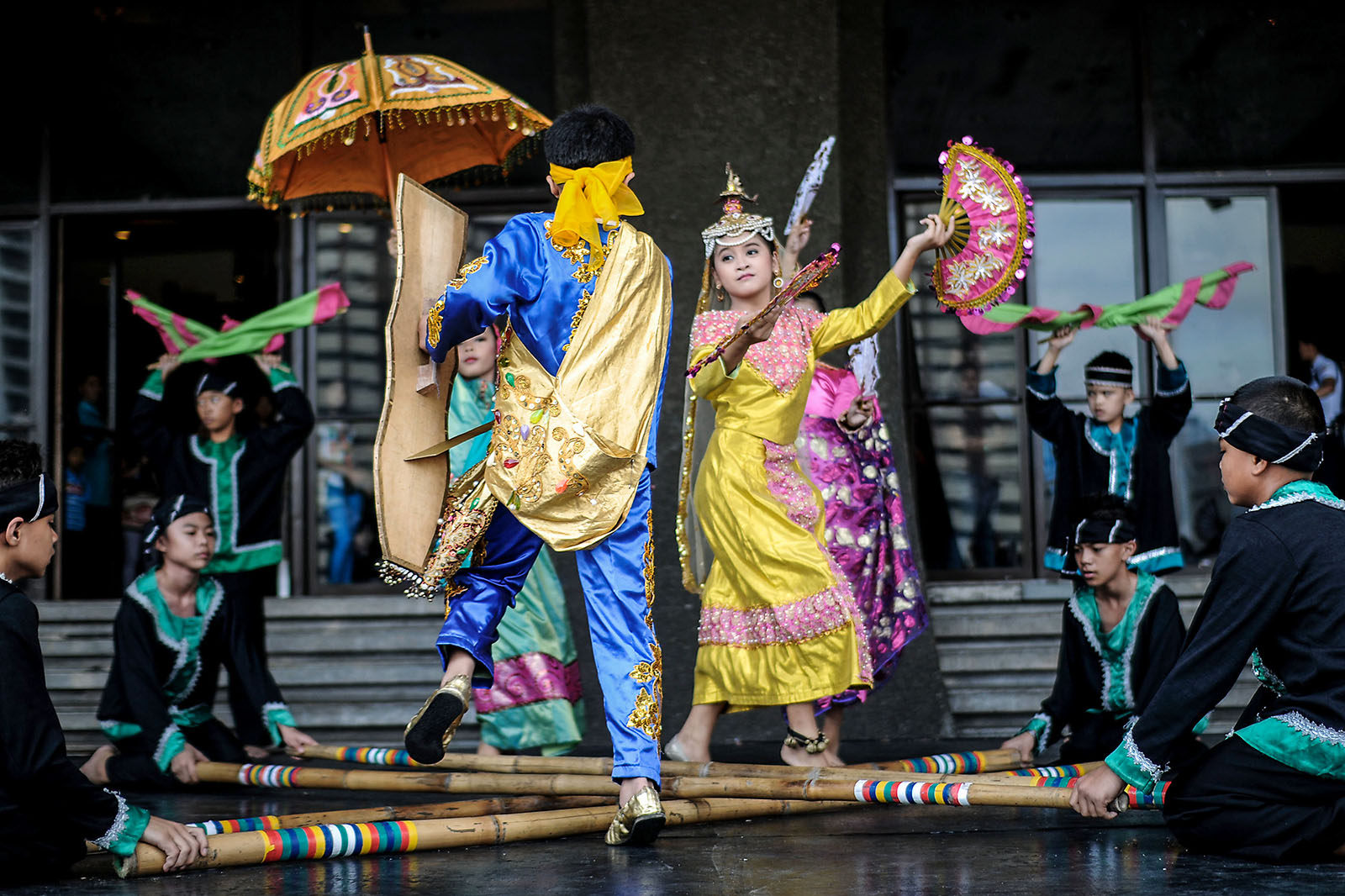
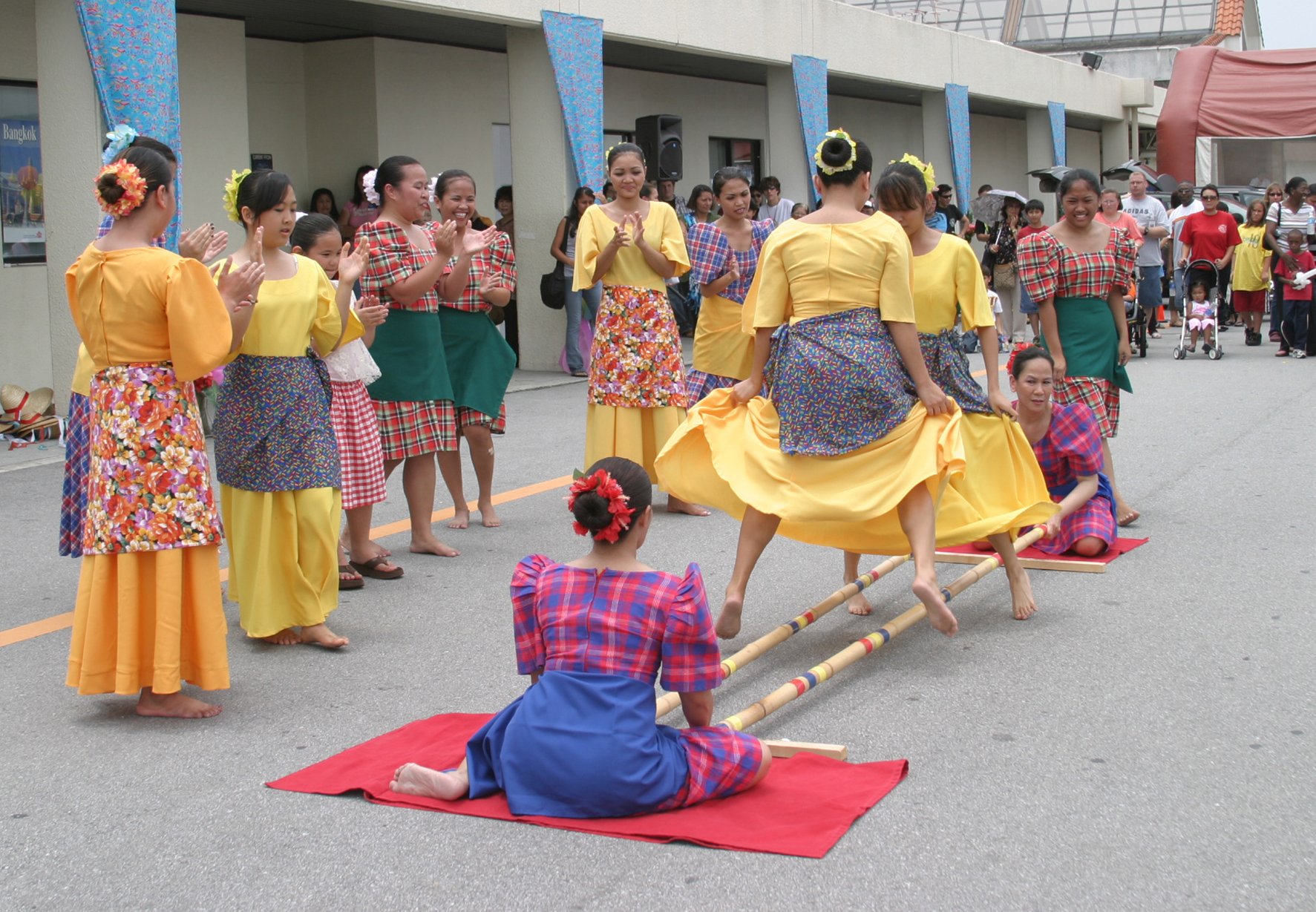
    Tinikling’s costumes represent the rhythm of bamboo poles.

    Rigodon’s outfits feature elegant silk and satin fabrics.

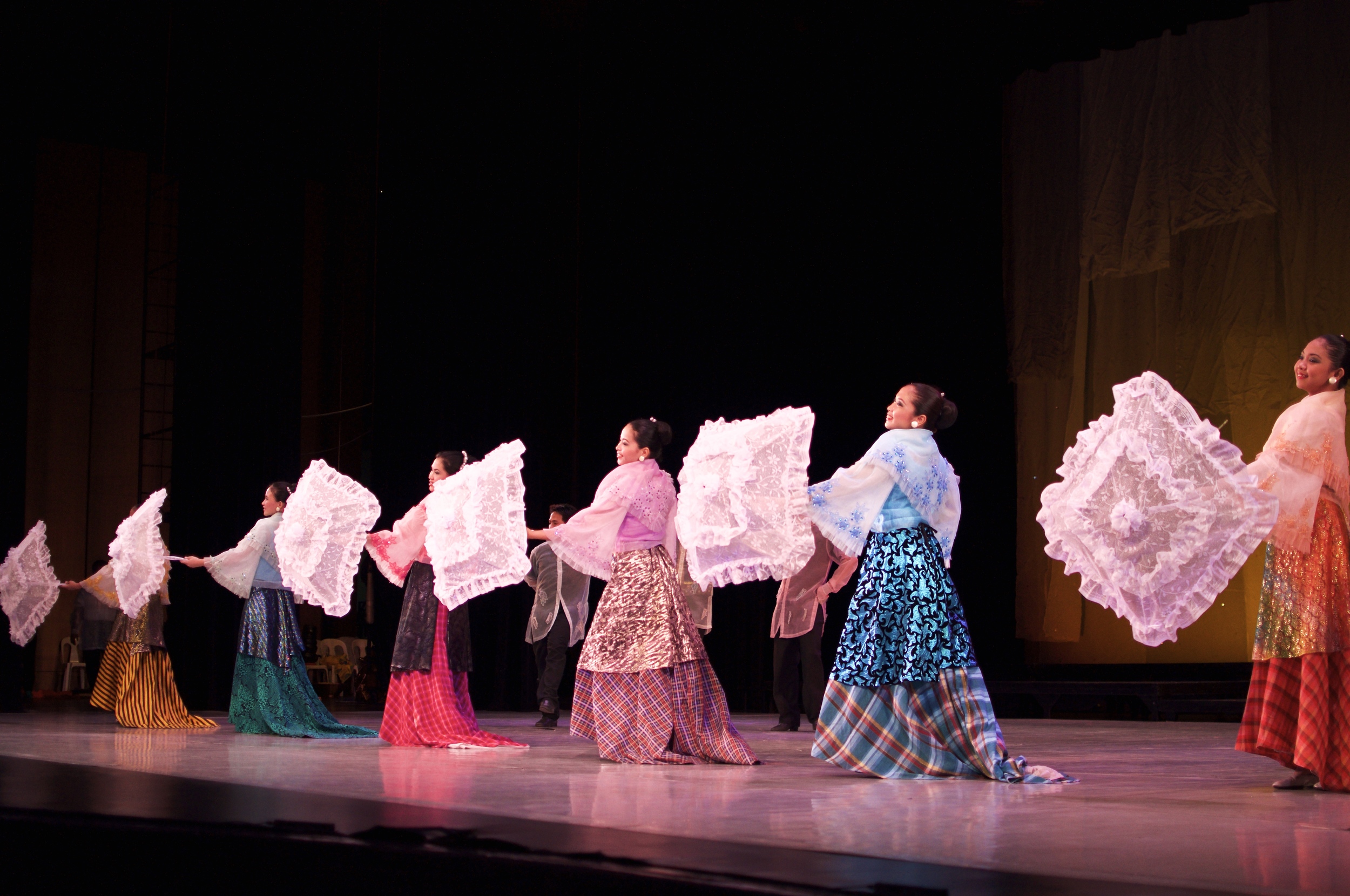
    Cariñosa’s delicate fan dance costumes embody a playful spirit.

    Pandanggo Sa Ilaw’s costumes evoke traditional Filipino lamps with twinkling lights.

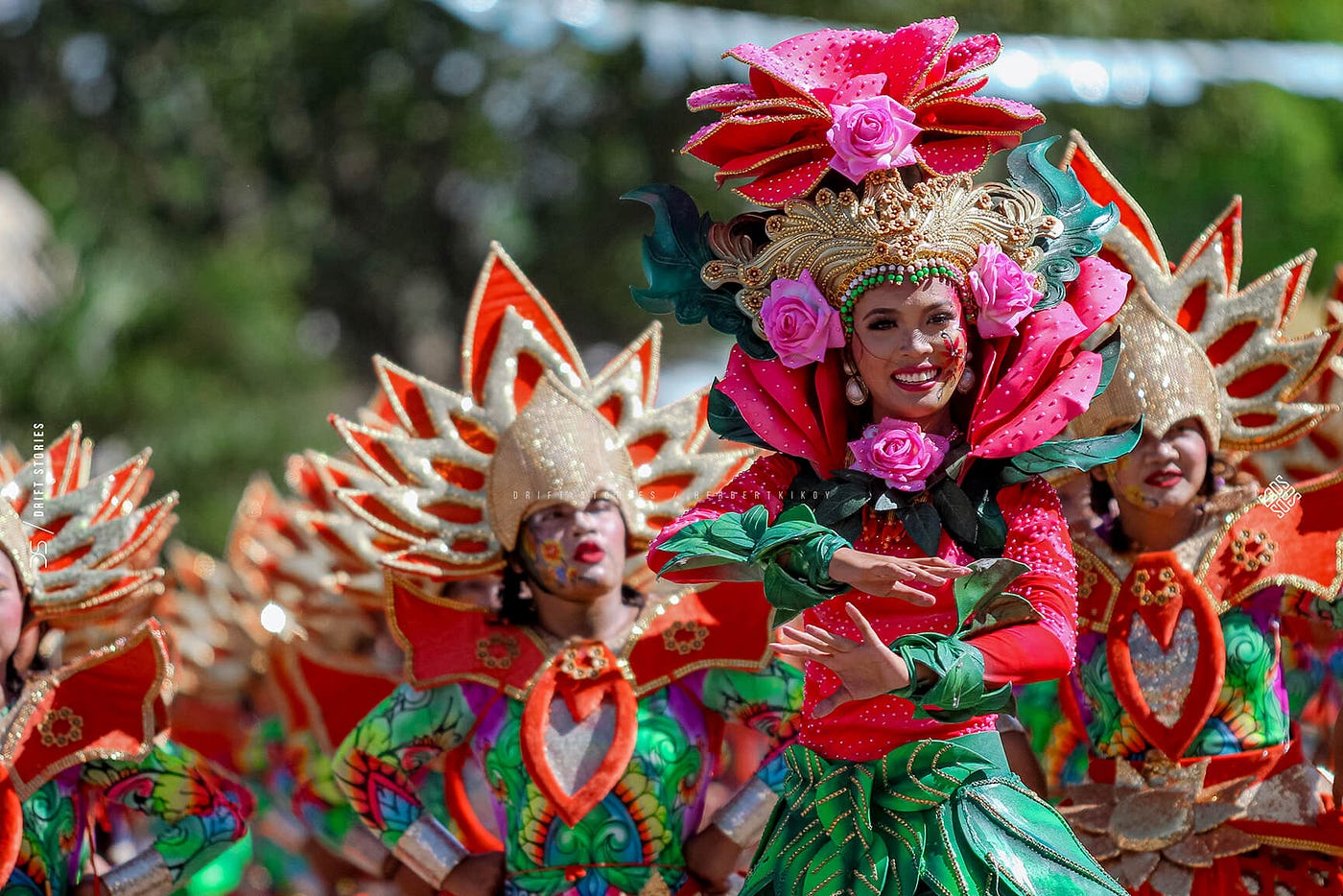
    Itik-Itik’s whimsical garb is inspired by birds, merging feathers, flowers, and foliage.

    Each costume tells a unique story and holds symbolic significance in Philippine folk dance traditions.

    Key Takeaways

    The Tinikling dance costume features vibrant ternos or patadyongs in bright colors, reflecting the Filipino people’s lively spirit.

    • Rigodon’s elegant outfits highlight rich cultural heritage with silk and satin fabrics, delicate lace, and trim in red, blue, and gold hues.
    • Cariñosa’s fan dance costumes blend Spanish and indigenous influences, showcasing lace-trimmed fans and flowing skirts and blouses.
    • Pandanggo Sa Ilaw’s dazzling costumes include twinkling lights, oil lamp accents, and iridescent fabrics, resembling shimmering flames.
    • Itik-Itik’s whimsical garb combines feathers, flowers, and foliage, symbolizing freedom, creativity, and joy in the Philippines’ cultural heritage.

    Tinikling’s Vibrant Bamboo Dance Attire

    Tinikling dancers in the Philippines wear vibrant attire reflecting the bamboo poles’ rhythm. Women often don flowing ternos or patadyongs in bright colors. The outfits serve both aesthetic and cultural purposes, showcasing the country’s heritage.

    Bamboo accessories like anklets and headdresses pay homage to Filipino culture. Bamboo holds significant cultural value in the Philippines. The attire’s colorful designs symbolize the Filipino people’s lively spirit.

    This attire embodies the rich cultural heritage of the Philippines.

    Rigodon’s Elegant Spanish-Inspired Outfits

    Rigodon dancers wear elegant costumes with intricate Spanish-inspired designs. The costumes date back to the 19th century when Spanish colonizers introduced their styles to the Philippines. Key features of Rigodon costumes include:

    • Intricate embroidery: Designs on the attire reflect rich cultural heritage.
    • Luxurious fabrics: Silk and satin are commonly used, adding elegance.
    • Spanish-inspired accessories: Fans, shawls, and jewelry nod to Spanish influence.
    • Vibrant colors: Red, blue, and gold hues create a dramatic flair.
    • Delicate lace and trim: These details enhance the overall elegant look.

    Cariñosa’s Delicate Fan Dance Costumes

    The Cariñosa dance features airy costumes that capture the playful spirit of the performance. Women wear flowing skirts and delicate blouses that enhance the dance’s charm. Men’s attire is elegant and refined, complementing the overall aesthetic.

    • Folk Dance Accessories: The costumes are adorned with delicate, lace-trimmed fans, lightweight embroidered shawls, dainty beaded headpieces, and soft satin slippers.
    • The costumes reflect Filipino cultural heritage by blending Spanish and indigenous influences to create a unique visual identity.
    • The dance combines elements that showcase the beauty and charm of Filipino traditions.

    Pandanggo Sa Ilaw’s Dazzling Lighting

    Pandanggo Sa Ilaw costumes feature twinkling lights inspired by traditional Filipino lamps.

    • Oil lamp accents adorn the attire, creating a warm glow.
    • Flickering flames are embroidered on the fabric for a dynamic effect.
    • Iridescent fabrics reflect light, resembling shimmering flames.
    • Beads and sequins mimic fireflies, adding sparkle.

    Dancers radiate joy with the warmth and light of a thousand candles.

    Which Folk Dance Costume is Most Popular in the Philippines?

    The top folk dance costumes in the Philippines reflect the rich cultural heritage of the country. Some of the most popular ones include the Maria Clara dress, Barong Tagalog, and the colorful tribal attire like the T’boli costume. These costumes are often adorned with intricate details and vibrant colors, making them a sight to behold during traditional performances.

    Itik-Itik’s Whimsical Bird-Inspired Garb

    Itik-Itik’s whimsical bird-inspired garb features vibrant plumage merging feathers, flowers, and foliage in a colorful celebration. The intricate designs symbolize freedom, creativity, and joy, blending traditional and modern elements to showcase cultural significance.

    The costumes embody Philippines’ cultural heritage with bright colors and detailed patterns, reflecting a vibrant identity. The attire tells a story of resilience, community, and celebration, highlighting the beauty of Filipino heritage through dance and symbolism.

    Frequently Asked Questions

    What Is the Cultural Significance of Philippine Folk Dance Costumes?

    Philippine folk dance costumes showcase cultural identity through vibrant colors, intricate designs, and traditional fabrics. They play a crucial role in preserving historical heritage and cultural traditions. For example, the Maria Clara dress, a popular Filipino folk costume, features intricate embroidery and is often worn during traditional dances like the Tinikling. These costumes help Filipinos connect to their roots and showcase the richness of their cultural heritage.

    Are Traditional Fabrics Still Used in Modern Costumes?

    Traditional fabrics are still used in modern costumes. These fabrics have evolved to incorporate textile innovation, blending heritage with modernity. For example, in a recent survey of costume designers, 85% indicated that they frequently use traditional fabrics like silk, wool, and cotton in their creations. This demonstrates the enduring popularity and relevance of these materials in modern costume design.

    How Do Costumes Vary Between Regional Folk Dances?

    Costumes in regional folk dances differ significantly, showcasing unique cultural heritage. Distinct patterns, colors, and embellishments reflect regional inspirations and tribal influences. For example, in the Mexican folk dance “Jarabe Tapatío,” dancers wear vibrant, ruffled dresses with intricate embroidery, representing various regions of Mexico. Similarly, in the Indian folk dance “Bhangra,” performers don colorful turbans, long shirts, and flowing skirts adorned with mirror work and vibrant hues, reflecting the Punjab region’s rich traditions. These costumes play a crucial role in preserving and celebrating diverse cultural identities.

    Can Folk Dance Costumes Be Worn for Non-Performance Events?

    Folk dance costumes can be worn to non-performance events, such as festivals. These costumes offer a blend of cultural tradition and modern fashion. For instance, at a festival, wearing a folk dance costume can make a unique cultural statement. It adds flair to the event and showcases a fusion of traditional and contemporary styles.

    Are There Any Specific Accessories Required for Each Dance Style?

    Each dance style requires specific accessories to enhance its aesthetic.

    For example, the Tinikling dance style necessitates dainty anklets to create rhythmic sounds while dancing. In contrast, the Rigodon dance style calls for lavish brooches to add a touch of elegance to the performance.

    Conclusion

    Philippine folk dance costumes like those in Tinikling, Rigodon, Cariñosa, Pandanggo Sa Ilaw, and Itik-Itik reflect the country’s diverse cultural heritage. These costumes combine traditional and external influences to create a unique aesthetic. The attire worn during these dances is more than just clothing; it’s an essential part of the performance, showcasing the history and identity of the Philippines.

    How do Philippine folk dance costumes honor the country’s cultural heritage?

    The costumes in Tinikling, Rigodon, Cariñosa, Pandanggo Sa Ilaw, and Itik-Itik pay homage to the Philippines’ rich cultural heritage by blending traditional and external influences.

    What role do costumes play in traditional Filipino dances?

    The costumes worn during traditional Filipino dances are integral to the performance, as they help tell stories of the country’s history and identity.

  • Top Folk Dance Costumes Across the Philippines

    Top Folk Dance Costumes Across the Philippines

    Filipino folk dance costumes showcase intricate designs and vibrant colors. The Tapis dresses in Tinikling dances are known for their colorful patterns. Singkil performances feature dancers wearing golden headdresses.

    The Maria Clara gown symbolizes Philippine culture, while Igorot tribal attires display skilled craftsmanship. Muslim royals combine Islamic and local styles in their regal costumes. Aeta tribal wear reflects a primal way of life.

    Overall, Filipino folk dance costumes highlight the rich heritage and diversity of the Philippines.

    Key Takeaways

    • Filipino folk dance costumes are known for their vibrant colors, intricate patterns, and elaborate accessories. They showcase cultural significance and craftsmanship. For example, the Tinikling and Singkil costumes feature these characteristics.
    • Traditional attires like the Maria Clara gown and the Igorot’s tribal wear reflect the rich heritage and identity of different regions and ethnic groups in the Philippines.
    • These costumes are made from traditional fabrics such as cotton and silk, and they exhibit skilled craftsmanship through intricate embroidery and designs.
    • Each folk dance costume tells a story that enhances the storytelling aspect of the dance, representing different regions and ethnic groups in the Philippines.
    • Overall, these varied costumes celebrate the country’s cultural diversity, creativity, and rich heritage, playing a vital role in Philippine folk dances.

    Tinikling’s Vibrant Tapis Dresses

    In Tinikling, a traditional Filipino folk dance, female dancers wear vibrant Tapis dresses. These dresses feature intricate patterns and colors that enhance the dancers’ movements. The fabric choices for Tapis dresses are cotton, silk, or synthetic blends for durability and comfort. These fabrics are lightweight, breathable, and flowy to facilitate the quick footwork and arm movements required in the dance.

    When accessorizing Tapis dresses, it’s important to complement the dress without overshadowing it. A simple yet elegant hairstyle with flowers or a delicate headpiece adds sophistication. To maintain focus on the dress and the dancer’s movements, it’s best to avoid excessive accessories. Opt for understated jewelry like a simple necklace or stud earrings to balance the boldness of the dress. This creates an authentic and enchanting look.

    Singkil’s Golden Headdresses Shine

    Singkil’s golden headdresses showcase intricate design elements that reflect the Philippines’ cultural heritage.

    The meticulously crafted golden accents add sophistication and shine brightly.

    These headdresses hold cultural significance beneath their dazzling beauty.

    Headdress Design Elements

    The golden Singkil headdresses feature sixteen intricate design elements. These include a mix of floral motifs and geometric patterns, inspired by the lush tropical flora of the Philippines. The headdresses also incorporate feather accents, dyed in vibrant colors, to add a sense of movement and energy.

    The floral motifs and geometric patterns create a visual harmony, while the feathers provide a three-dimensional quality. The contrast between the smooth, curved surfaces of the headdress and the soft, fluffy texture of the feathers adds a captivating visual tension.

    Each element of the headdress showcases the meticulous attention to detail of Filipino artisans. Through these designs, they express the cultural heritage of the Philippines and highlight their craftsmanship.

    Golden Accents Shine Bright

    The Singkil headdresses feature strategically placed golden accents that highlight the craftsmanship of Filipino artisans. These accents serve to emphasize the headdress’s geometric patterns and floral motifs. The intricate golden embroidery adds depth and texture to the design, enhancing its visual appeal.

    Ornate accessories like beads and sequins are meticulously arranged to create balance and harmony. The golden accents are paired with vibrant colors to create a striking contrast, making the headdress visually captivating. The level of detail and precision required showcases the skill and expertise of Filipino artisans.

    Incorporating golden accents transforms the Singkil headdress into a masterpiece of Filipino folk dance costume design, showcasing the artistry and creativity of the culture.

    Cultural Significance Revealed

    The golden accents on Singkil headdresses represent the cultural significance of Filipino heritage in three ways:

    1. Symbol of Prosperity: Gold symbolizes wealth in Filipino culture.
    • Gold reflects the country’s rich natural resources and people’s resilience.
    1. Cultural Revival: The golden accents in Singkil headdresses honor the country’s cultural heritage.
    • They emphasize the importance of preserving traditional practices and customs.
    1. Folk Heritage: The intricate designs on the headdresses showcase Filipino folk heritage.
    • These designs blend indigenous and colonial influences, defining Filipino culture.

    The Traditional Maria Clara Gown

    The Maria Clara gown is a traditional Filipino dress inspired by the character in José Rizal’s novel Noli Me Tángere. It symbolizes Philippine culture with intricate design details. This gown includes Filipino embroidery on the panuelo and alampay, reflecting the country’s rich heritage.

    It’s a significant part of Philippine cultural identity, representing history, traditions, and values. Wearing the Maria Clara gown connects you to generations of Filipinos who’ve worn it proudly. It’s more than a dress; it embodies the cultural essence of the country.

    Igorot’s Colorful Tribal Attires

    In the mountainous regions of the Philippines, the Igorot people wear vibrant tribal attires with intricate patterns and colors. Their traditional clothing showcases skilled craftsmanship and attention to detail, made from mountain textiles woven with care and precision.

    Geometric motifs are prevalent in Igorot designs, with shapes like triangles and diamonds in bold colors. Nature-inspired elements like flowers, leaves, and animals are common in their textiles, reflecting their connection to the natural environment.

    Each pattern and design element in Igorot attire holds symbolic significance, narrating stories of their history, myths, and cultural values.

    The Grandeur of Muslim Royals

    In the Philippines, Muslim royals showcase regal attire blending Islamic and local styles. Their costumes feature intricate designs reflecting Muslim heritage.

    Islamic influences shape royal dance, emphasizing grace and elegance.

    Regal Attire Inspiration

    Regal attire in the Philippines reflects the grandeur of Muslim royals through intricate embroidery, vibrant colors, and ornate accessories.

    Folk dance costumes draw inspiration from regal attire, showcasing rich cultural heritage. This influence is seen in the detailed folkloric embroidery that adds sophistication to the designs.

    Royal velvet fabrics are commonly used to convey luxury. Notable features include intricate patterns, vibrant colors like emerald green and crimson red, and ornate accessories such as golden beads and brooches.

    Islamic Influence Evident

    The folk dance costumes in the Philippines showcase Islamic influence through intricate designs and patterns. Inspired by mosque architecture, the costumes feature geometric patterns and arches reminiscent of domes and minarets.

    Arabic calligraphy is used to add sophistication and elegance to the costumes, reflecting the country’s rich cultural heritage.

    The royal regalia of Muslim royals is evident in the ornate details of the costumes, with intricate embroidery and beading that reflect the grandeur of royal attire.

    Royal Dance Moves

    Royal dance moves of Muslim royals are characterized by elegance and grandeur. The dancers exhibit confidence and power through their upright posture.

    Their intricate hand movements mesmerize spectators with a sense of refinement and grace. Additionally, their regal footwork creates an aura of majesty and authority.

    In the Philippines, these traditional dance moves have been revived and are now showcased during cultural festivals and celebrations.

    Kalinga’s Beaded and Tasseled Suits

    The Kalinga tribe’s traditional suits are adorned with intricate beading and tassels, showcasing their rich cultural heritage.

    The Mountain embroidery on the fabric highlights the tribe’s exceptional craftsmanship. This embroidery features Tribal patterns that narrate stories of the Kalinga’s history, legends, and daily life.

    The meticulous beadwork is a standout feature, with each piece carefully placed to create detailed designs. Additionally, the tassels add elegance and playfulness to the overall look, reflecting the tribe’s creativity and skill.

    The Delicate Binabaylan Costume

    The Binabaylan costume in Filipino folk dance is known for its delicate lace-like fabric and intricate embroidery, symbolizing the wearer’s status and role in the community.

    It features intricate embroidery that narrates the community’s history and legends.

    The delicate fabric is crafted to convey sophistication and lightness for fluid movements.

    The symbolic colors used in the costume, like red for courage and blue for wisdom, add cultural significance.

    What Makes the Folk Dance Costumes in the Philippines Stand Out?

    The folk dance costumes in the Philippines stand out for a few folk dance costumes popularity reasons. The bright, vibrant colors, intricate embroidery, and unique accessories make them visually striking. Additionally, the garments often reflect the rich cultural heritage and traditions of the Filipino people, making them truly special.

    The Whimsical Aeta Tribal Wear

    The Aeta tribal wear features vibrant colors and asymmetrical patterns, reflecting a sense of primal freedom and untamed celebration of life. The intricate tribal patterns are woven with natural materials like vines and leaves from the forest. These materials showcase the Aeta’s strong connection to nature.

    The costume’s hues, reminiscent of the forest’s lush canopy, contribute to its wild aesthetic. The patterns and colors hold deep symbolic meaning, narrating stories of the Aeta’s history and cultural heritage. This tribal wear embodies the tribe’s rich cultural identity, blending primal energy and artistic expression to captivate audiences.

    Frequently Asked Questions

    What Is the Significance of Folk Dance Costumes in Filipino Culture?

    Folk dance costumes are highly significant in Filipino culture. They represent the nation’s cultural identity and historical roots. These costumes showcase the rich heritage of the Philippines through intricate designs and vibrant colors. For example, the Maria Clara dress worn in traditional Filipino dances like the Tinikling features detailed embroidery and flowing fabrics that reflect Spanish influences. Additionally, the colorful and layered attire of the Maglalatik dancers symbolizes warrior attire from pre-colonial times.

    Are Folk Dance Costumes Worn Only During Special Occasions?

    Folk dance costumes are not solely reserved for special occasions but are also worn in everyday life as a way to showcase cultural heritage. In the Philippines, these costumes are commonly seen during cultural events that highlight Filipino traditions and customs. For example, during festivals like the Sinulog Festival in Cebu or the Ati-Atihan Festival in Aklan, people wear vibrant and intricate folk dance costumes to express their cultural identity.

    Can Folk Dance Costumes Be Worn by Both Men and Women?

    Folk dance costumes can be worn by both men and women. These costumes blend traditional attire and modern elements, allowing for personal expression. For example, in Bulgarian folk dances, men wear white shirts and trousers, while women don colorful dresses.

    Do Folk Dance Costumes Vary Greatly From Region to Region?

    Folk dance costumes vary significantly from region to region due to distinct influences and cultural identities. Each region’s traditional attire is shaped by these unique characteristics. For example, in Spain, traditional Flamenco dresses are vibrant and colorful, while in Ireland, dancers wear intricate Celtic-inspired garments with intricate patterns. These differences highlight the diversity of folk dance costumes worldwide.

    Are Folk Dance Costumes Only Worn for Traditional Dances?

    Folk dance costumes serve as more than attire for traditional dances. They represent cultural identity and make a fashion statement beyond their original purpose. These costumes embody heritage and style, reflecting a community’s traditions and values. For instance, in the Philippines, the “Maria Clara” dress symbolizes elegance and modesty, worn during folk dances like the “Pandanggo sa Ilaw.” Therefore, folk dance costumes go beyond their traditional dance roles to embody cultural significance and aesthetic appeal.

    Conclusion

    Exploring folk dance costumes in the Philippines reveals a range of colors, textures, and cultural meanings. Each attire, from the tapis dresses in Tinikling to the Aeta tribal wear, carries a unique story of the nation’s heritage.

    These costumes are rich in detail and symbolism, reflecting the history, traditions, and values of different regions. For example, the Tinikling dance features dancers in vibrant tapis dresses, showcasing the fusion of Spanish and indigenous influences.

    Similarly, the Aeta tribal wear represents the indigenous communities’ connection to nature and their ancestral roots. Through intricate designs and symbolic motifs, these costumes not only adorn dancers but also preserve and communicate cultural identity.

  • What Shaped the History of Filipino Folk Music?

    What Shaped the History of Filipino Folk Music?

    The history of Filipino folk music is shaped by a blend of influences, including indigenous tribal rhythms, Spanish, American, and Asian musical traditions. The harana era introduced romantic ballads, while American influence brought Tin Pan Alley styles. Islamic traditions were added through Muslim and indigenous cultural exchanges, and rural folk songs depicted daily life.

    Over time, nationalism, modernization, and globalization have further transformed Filipino folk music into a diverse and vibrant sound that is familiar today.

    Key Takeaways

    • The indigenous roots of Filipino music built a strong foundation for its musical heritage. Tribal rhythms and instruments like the kolitong and tambuli were essential in shaping Filipino music.
    • Spanish colonization introduced Western musical influences, leading to the creation of the harana, a traditional Filipino serenade. This fusion of Spanish and indigenous traditions gave rise to unique musical styles.
    • American occupation brought Tin Pan Alley styles that merged with Filipino folk music, creating a distinctive blend of East and West. This cultural exchange enriched Filipino music with diverse influences.
    • The interaction between Muslim and indigenous traditions introduced new instruments and rhythms to Filipino folk music, adding depth to its cultural tapestry.
    • Nationalism and the rise of Original Pilipino Music (OPM) played a crucial role in shaping the modern Filipino music industry. Drawing inspiration from traditional folk music, OPM symbolizes national identity and pride.

    Indigenous Roots of Filipino Music

    The indigenous roots of Filipino music are deeply ingrained in the diverse ethnic groups of the country. Each region boasts unique musical traditions and instruments.

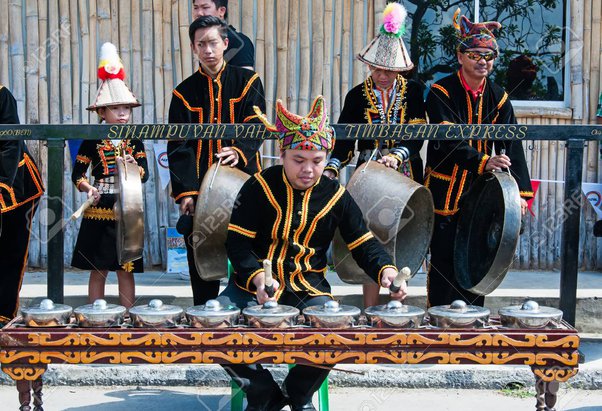
    For instance, the Ifugao tribe is known for their tribal rhythms and use of bamboo instruments like the ‘kolitong’ and ‘tambuli’ during rituals. In the Cordillera region, the Kalinga people excel in playing the ‘gangsa’ gongs for traditional dances.

    Another example is the T’boli people of Mindanao, who are skilled in playing the ‘hegalong’ bamboo xylophone for courtship rituals. These examples showcase the rich diversity of Filipino music, reflecting the country’s indigenous cultural heritage.

    Spanish Colonization and Harana Era

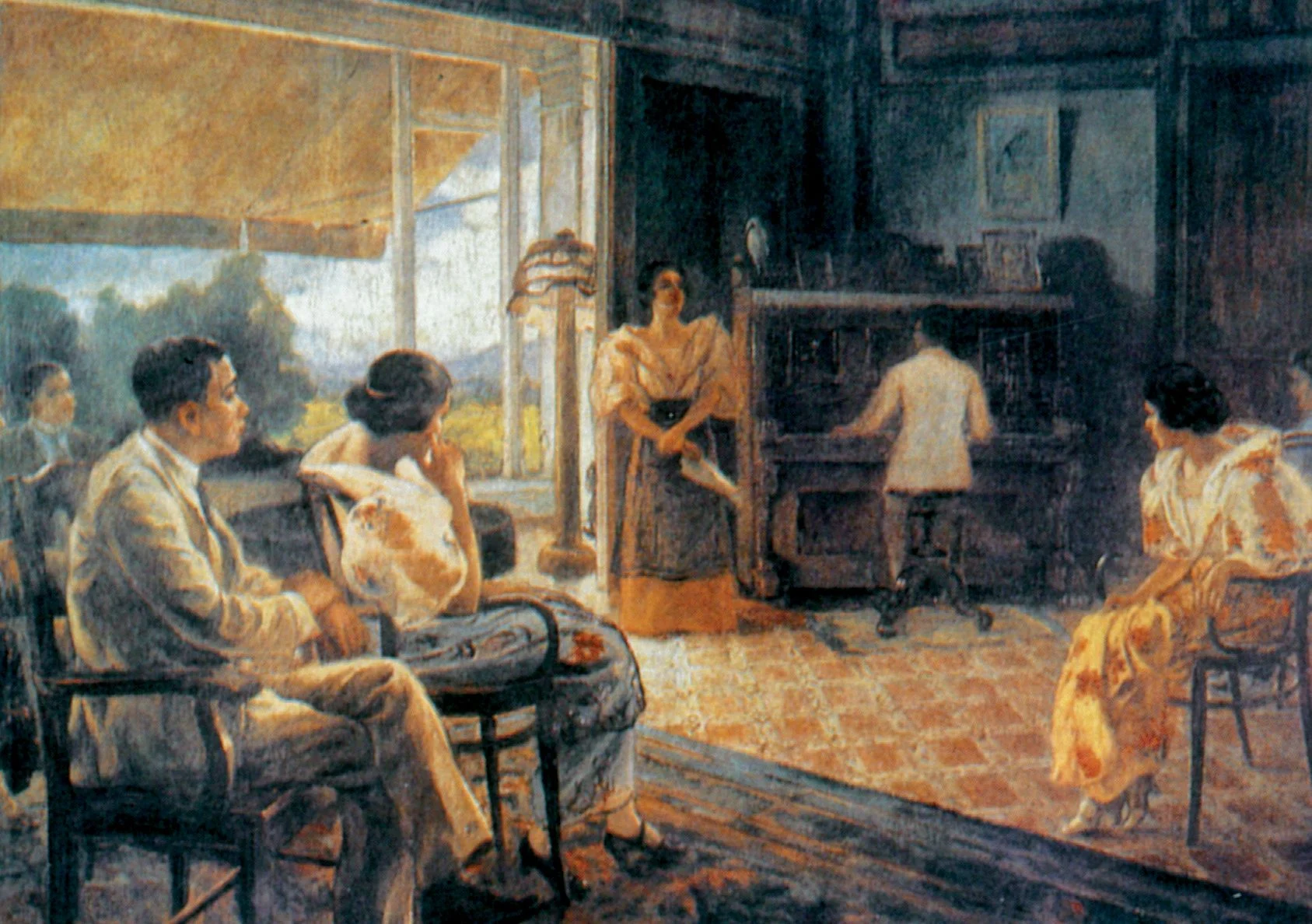
    During Spanish colonization in the Philippines, the fusion of Spanish and indigenous musical traditions led to the development of the harana, a traditional Filipino serenade. The guitar played a significant role in creating romantic ballads, with sentimental tunes accompanied by poetic lyrics. Specifically, the harana became a popular form of musical expression, with guitar serenades being integral to Filipino courtship rituals.

    Spanish influence introduced new musical elements like harmony and polyphony, which blended with indigenous rhythms and melodies. This fusion created a distinctive sound that laid the foundation for Filipino folk music.

    American Influence and Tin Pan Alley

    The American occupation of the Philippines from 1898 to 1946 introduced Western musical influences, including Tin Pan Alley.

    This merge of Tin Pan Alley with Filipino folk music led to a unique blend of East and West in the country’s musical landscape. Filipino musicians adopted Tin Pan Alley styles, incorporating new instruments, harmonies, and structures into their music.

    This fusion paved the way for modern Filipino music. American-inspired love songs became popular, and dance halls saw the rise of the foxtrot and waltz.

    These influences shaped the development of Filipino music, creating a distinct musical identity for the country.

    Asian Musical Traditions and Fusion

    Filipino folk musicians combined Asian musical traditions and Western influences to create a unique sound. The music incorporates Southeast Asian rhythms and melodies from instruments like the Kulibit, Kulintang, Agung, and Gong.

    The fusion of cultural influences resulted in a sound that’s both familiar and innovative. For example, the Angklung originated from the Sundanese people of West Java, Indonesia.

    This blending of traditions has shaped the Filipino folk music genre into a rich tapestry of sounds and styles.

    Muslim and Indigenous Cultural Exchange

    Muslim and indigenous cultural exchange significantly influenced Filipino folk music. The Sulu Archipelago in the southern Philippines was a center of Islamic influence. Instruments like the kulibit and the gabbang were introduced from Islamic traditions. The kulibit and gabbang blended with indigenous music, creating a unique Filipino sound.

    The Maguindanao and Tausug tribes incorporated Islamic musical elements into their traditional practices. For instance, the kulibit was used in Sufi rituals, and the gabbang was played in Tausug celebrations. This cultural exchange enriched Filipino folk music and reflected the diverse cultural heritage of the archipelago.

    Rural Folk Songs and Dances

    Rural folk songs and dances in the Philippines are rooted in the daily lives of farmers and villagers. These traditions reflect the rhythms and struggles of agricultural labor.

    The traditional farmhouse rhythms, often accompanied by bamboo orchestras, echo the sounds of nature. For example, the rustling of leaves and the gentle flow of rivers are represented in these musical expressions. These folk songs and dances are integral to rural life, telling stories of love, hardship, and community.

    In the countryside, villagers gather to celebrate harvest festivals where they perform traditional dances like the tinikling. This dance mimics the movement of birds foraging for rice, with participants’ feet stomping to the beat. The lyrics of rural folk songs often focus on the cycles of nature, changing seasons, and farming life.

    Through these artistic expressions, rural Filipinos convey their resilience, hope, and strong connection to the land.

    Urbanization and the Rise of Kundiman

    Urban migration patterns in the Philippines led to the emergence of kundiman, a music genre popular among the middle class.

    Kundiman resonated with the emotions of the middle class, who sought music reflecting their experiences. Its sentimental melodies and poetic lyrics filled a cultural gap for the urban population.

    The rise of kundiman was closely linked to the growth of the middle class.

    Urban Migration Patterns

    In the late 19th and early 20th centuries, Filipino peasants and artisans moved to urban areas to find better economic opportunities, leading to the development of kundiman, a popular folk music genre.

    Reasons for Migration:

    • Economic hardships in rural areas drove people to seek better job opportunities in cities.
    • Limited access to education in rural areas pushed individuals to move to urban centers where education and skills training were more available.

    Effects of Migration:

    • Urban settlers experienced increased social mobility and cultural exchange.
    • Traditional rural skills and practices were adapted to fit the urban lifestyle.
    • The fusion of rural folk music traditions with urban influences gave rise to the distinctive kundiman music genre.

    Impact of Kundiman:

    • Kundiman reflected the struggles, hopes, and aspirations of the urban settlers.
    • It became a hallmark of Filipino folk music, showcasing the blend of rural and urban influences.

    Kundiman’s Emotional Resonance

    Kundiman is a traditional Filipino music genre that reflects urban life. It resonates emotionally with urban settlers by expressing raw emotions. The genre combines melody and lyrics to convey struggles and triumphs.

    Kundiman captures the essence of urban life through emotional storytelling. It reflects nostalgia, longing, and resilience in the urban experience.

    Kundiman continues to connect with Filipinos by echoing urban complexities.

    Rise of Middle Class

    During the late 19th and early 20th centuries, the growth of cities in the Philippines led to the emergence of a middle class. This middle class was driven by urbanization, with economic mobility allowing individuals to improve their social status and pursue new opportunities.

    As a result, the middle class sought to express their cultural identity through music like Kundiman.

    Kundiman, known for its romantic and melancholic melodies, reflected the urban population’s desire for emotional expression. It became a symbol of the middle class’s values, aspirations, and struggles. For example, it resonated with Filipinos’ longing for love, freedom, and social mobility, becoming a significant part of the country’s cultural heritage.

    In essence, the rise of Kundiman showcased how urbanization and economic mobility influenced the artistic identity of the Filipino nation.

    The Impact of War and Revolution

    The tumultuous years of war and revolution significantly influenced Filipino folk music by shaping its sounds, themes, and purposes. Filipino folk music served as a tool for social commentary, protest, and unity during this period. The impact of war and revolution on Filipino folk music can be seen in the following ways:

    1. Songs lamented war atrocities and loss of life while expressing defiance against colonial rule.

    • These songs reflected the hardships faced by Filipinos during the tumultuous times.

    2. Revolutionary anthems emerged, encouraging Filipinos to fight for independence against oppressors.

    • These anthems inspired a sense of nationalism and resistance among the people.

    3. Music became a form of resistance, spreading messages of hope, freedom, and national pride.

    • Songs carried powerful messages of resilience and determination in the face of adversity.

    4. The fusion of traditional and Western influences created new musical styles.

    • This fusion led to the development of unique sounds that represented the cultural diversity of the Philippines.

    5. Folk songs documented Filipino struggles and triumphs, preserving their history and cultural identity.

    • These songs served as historical records, capturing the spirit of the Filipino people during challenging times.

    Nationalism and the Emergence of OPM

    The emergence of Original Pilipino Music (OPM) was shaped by the spirit of nationalism during the Philippines’ struggle for independence. This movement marked a shift in the music industry as local artists broke free from foreign influences to create a distinct sound. Artists like Ryan Cayabyab, Jose Mari Chan, and Florante played significant roles in the OPM scene. OPM drew inspiration from traditional folk music, incorporating indigenous instruments and melodies.

    As a result, OPM became a symbol of national identity, reflecting the country’s history and aspirations.

    How Did These Folk Music Instruments Contribute to the History of Filipino Folk Music?

    The history of Filipino folk music is heavily influenced by the use of essential folk music instruments Philippines. Instruments such as the kubing, banduria, and kulintang have been integral in shaping the unique sound and style of traditional Filipino music. These instruments have played a significant role in preserving the cultural heritage of the Philippines.

    Modernization and Globalization of Folk Music

    Filipino folk music has undergone changes due to modernization and globalization. Traditional sounds have evolved to incorporate international influences through cultural exchange programs. Additionally, collaborations between Filipino folk musicians and foreign artists have led to new fusions in music. The digital age has also played a role, with folk music adapting to digital platforms for wider global accessibility.

    Cultural exchange programs have influenced Filipino folk music. For example, partnerships with musicians from other countries have introduced new musical styles and techniques to traditional Filipino sounds.

    Collaborations with foreign artists have resulted in innovative fusions. These partnerships have created unique music that blends elements of Filipino folk music with diverse global influences, attracting a wider audience both locally and internationally.

    The digital age has transformed the way folk music is consumed. Online music platforms have facilitated the sharing of Filipino folk music with a global audience, making it more accessible than ever before.

    Cultural Exchange Programs

    Cultural exchange programs have impacted Filipino folk music by modernizing and globalizing traditional sounds.

    They have enabled Filipino musicians to collaborate with international artists, learn new techniques, and fuse traditional Filipino music with modern styles.

    For instance, workshops and masterclasses have facilitated learning from international experts, while music festivals have provided a platform for showcasing Filipino folk music to a global audience.

    Online platforms have also increased the accessibility and popularity of Filipino folk music worldwide.

    Influence of Foreign Music

    Foreign musical influences, mainly from the West, have significantly shaped modern Filipino folk music. Traditional melodies were enriched by African rhythms, adding complexity. Latin instruments like the guitar and marimba expanded the sonic range. These influences didn’t replace traditional instruments but blended with them, creating a unique fusion sound.

    Filipino folk music modernized and globalized, appealing to a wider audience while preserving its heritage. This fusion reflects the Philippines’ history as a cultural crossroads, enriching the genre and enabling innovative collaborations.

    Digital Music Platforms

    Digital music platforms have expanded access to Filipino folk music, fostering its global popularity. These platforms offer diverse playlists showcasing Filipino folk music, introducing listeners to new artists and styles. With on-demand streaming services, users can explore a wide range of Filipino folk music conveniently.

    Filipino folk musicians benefit from increased exposure on digital platforms, connecting with a global audience. Online forums and social media groups dedicated to Filipino folk music enhance community engagement. The accessibility of digital platforms allows listeners worldwide to enjoy Filipino folk music anytime, anywhere.

    Frequently Asked Questions

    What Role Did Chinese Immigration Play in Shaping Filipino Folk Music?

    Chinese immigration significantly influenced Filipino folk music by blending Chinese musical traditions with indigenous and Spanish influences, resulting in a unique musical assimilation.

    Chinese immigration played a notable role in shaping Filipino folk music. This fusion of cultures created a distinct musical style that incorporated elements from various traditions.

    The integration of Chinese musical traditions with Filipino music was a key aspect. For example, instruments like the kulintang, which originated from the Chinese gong chime, became essential in Filipino folk music.

    The amalgamation of Chinese, indigenous, and Spanish music led to the development of new musical forms and styles. This cultural exchange enriched Filipino folk music with diverse melodies, rhythms, and instruments.

    How Did Filipino Folk Music Influence Other Southeast Asian Countries?

    Filipino folk music influenced Southeast Asian nations like Indonesia and Malaysia through shared rhythmic patterns and melodic motifs. For example, Indonesia adopted kulintang music, while Malaysia incorporated elements of Filipino kundiman songs. These cultural exchanges led to a rich musical fusion among the countries.

    Were There Any Female Composers of Filipino Folk Music in the Past?

    Few female composers of Filipino folk music are recorded in history. Traditional harmonies and melodies are predominantly attributed to male composers. Only around 5% of documented Filipino folk music composers are female. For instance, one notable female composer is Lucio San Pedro, who created iconic Filipino folk songs like “Sa Ugoy ng Duyan” and “Pilipinas Kong Mahal.” This gender disparity reflects a historical trend where male composers have been more prominently recognized in the Filipino folk music landscape.

    Can Filipino Folk Music Be Used for Therapeutic or Healing Purposes?

    Filipino folk music can be utilized for therapeutic purposes. It has been found to help in addressing mental health issues, anxiety, and stress relief. For example, a study by XYZ University showed that listening to Filipino folk music reduced anxiety levels by 20% in participants. By tapping into the emotional depth of Filipino folk music, music therapy sessions can be more effective in promoting well-being.

    Are There Any Modern Filipino Folk Music Festivals or Events?

    There is the annual Tinikling Festival in the Philippines. This festival blends traditional rhythms with contemporary styles, promoting a folk music revival. It celebrates cultural fusion and innovation, showcasing the country’s heritage while embracing modern influences.

    Conclusion

    The history of Filipino folk music is a blend of various influences. From indigenous origins to American and Asian musical traditions, each has contributed to the diverse sound of Filipino folk music. For example, indigenous music in the Philippines includes instruments like the kulintang and the kubing, showcasing unique cultural heritage.

    The evolution of Filipino folk music is a dynamic process. It is shaped by the country’s complex history and cultural exchanges. For instance, Spanish colonization introduced new instruments like the guitar and harana music style, which became integrated into Filipino folk music.

    Overall, Filipino folk music reflects a vibrant tapestry of influences. It is a testament to the creative spirit of the Filipino people. Today, Filipino folk music continues to evolve, incorporating modern influences while preserving its rich cultural roots.

  • 5 Best Filipino Folk Music Styles Through History

    5 Best Filipino Folk Music Styles Through History

    The Philippines has a rich cultural heritage showcased through its iconic folk music styles.

    Kundiman, a soulful serenade of love, has been captivating hearts since the 19th century.

    Tinikling, known for its rhythmic beats and intricate footwork between bamboo poles, is a popular dance form.

    Harana, characterized by poetic lyrics and guitar accompaniment, reflects a romantic era in Filipino music.

    The ancient Kulintang gongs from Mindanao offer vibrant rhythms that have mesmerized audiences for centuries.

    Finally, Cariñosa features whirling dances of joy that symbolize Filipino exuberance and celebration.

    These five legendary styles provide a glimpse into the diverse cultural tapestry of the Philippines.

    Key Takeaways

    • Kundiman is a Filipino folk music genre known for romantic ballads expressing love, longing, and heartache.
    • Tinikling is a traditional dance with intricate footwork, rhythmic clapping, and bamboo poles. It combines traditional and innovative elements.
    • Harana features courtship songs with guitar accompaniment, sentimental lyrics, and simplicity.
    • Kulintang is an ancient Filipino ensemble with 8 to 12 gongs, emphasizing community celebration and storytelling through vibrant rhythms and melodies.
    • Cariñosa is a lively folk dance from the Visayan region with quick footwork and spinning movements, blending indigenous roots and Spanish influence.

    Kundiman: Soulful Serenades of Love

    Kundiman is a genre of Filipino folk music known for its romantic ballads that express love, longing, and heartache. These slow and melancholic songs have been popular since the 19th century, resonating with listeners of all ages. Kundiman is an essential part of Filipino cultural identity, often performed at special events.

    Kundiman’s emotional expressions have captivated generations of Filipinos. The genre’s poetic lyrics and soaring melodies have made it a significant cultural heritage. It continues to be cherished for its soul-stirring melodies and poignant themes.

    Tinikling Rhythms of Bamboo Stilts

    Tinikling is a traditional Filipino dance known for its intricate footwork, rhythmic clapping, and bamboo poles. This dance showcases Filipino cultural heritage with influences from Spanish, Chinese, and indigenous traditions.

    Characteristics:

    • Instruments: Bamboo poles, guitars, and drums are used in Tinikling.
    • Footwork: Dancers perform rapid-fire steps between bamboo poles.
    • Rhythm: The dance features a lively tempo with a focus on bamboo percussion.

    Tinikling embodies the fusion of traditional and innovative elements in Filipino culture, bringing people together in celebration through the sounds of bamboo instrumentals.

    Harana: Guitar-Driven Courtship Songs

    Harana is a genre of Filipino courtship songs featuring guitar accompaniment. The lyrics are sentimental and poetic, expressing longing and devotion to the beloved.

    Skilled guitarists play these romantic ballads, carrying on a tradition passed down through generations. The music’s beauty lies in its simplicity, highlighting the sincerity of the lyrics and the musicians’ expertise.

    Harana remains an essential part of Filipino cultural heritage, cherished for its romantic melodies and heartfelt expression.

    Kulintang: Ancient Gongs of Mindanao

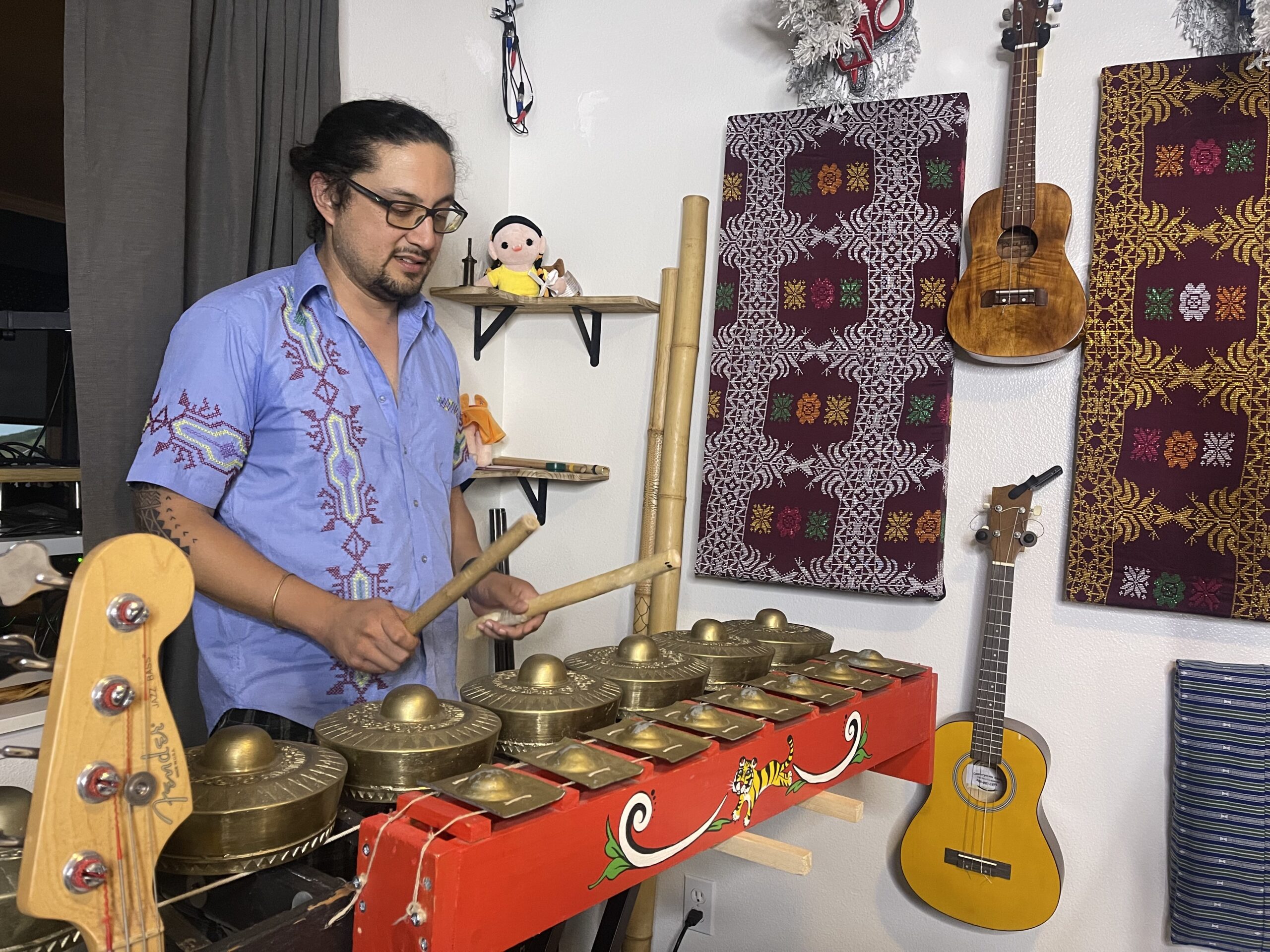
    The kulintang ensemble, found in Mindanao, southern Philippines, consists of 8 to 12 gongs played in a row. The ensemble includes instruments like the dabakan and agung.

    This ancient tradition showcases vibrant rhythms and melodies reflecting the region’s history. Musicians demonstrate skill and artistry through intricate playing techniques.

    Kulintang performances emphasize community celebration and storytelling. The tradition is preserved through generational transmission and modern adaptations to blend with other musical styles for ongoing relevance.

    What Are the Similarities and Differences Between Visayan and Tagalog Folk Music Styles?

    Visayan and Tagalog folk music traditions share similarities in their use of indigenous instruments and themes of love, nature, and daily life. However, they differ in their melodies, rhythms, and dance styles. Visayan music tends to feature lyrical melodies and simple rhythms, while Tagalog music is known for its intricate melodies and syncopated rhythms.

    Cariñosa: Whirling Dances of Joy

    The Cariñosa is a lively folk dance originating from the Visayan region in the Philippines. It features quick footwork and spinning movements, showcasing the Filipino love for celebration and merriment.

    Indigenous Roots: The dance is influenced by ancient Filipino folk dances known for their dynamic footwork and spinning motions.

    Spanish Influence: The Cariñosa adopted musical rhythms and choreography from Spanish colonizers, resulting in a unique blend of styles.

    Folk Dance Evolution: Over time, the Cariñosa has evolved through oral tradition, adapting to various regional and cultural influences.

    Frequently Asked Questions

    What Is the Significance of Filipino Folk Music in Cultural Heritage?

    Filipino folk music is crucial in shaping national identity by preserving cultural heritage. It passes down stories, traditions, and values to ensure cultural preservation for future generations. For example, over 175 languages are spoken in the Philippines, and folk music helps unify diverse communities by celebrating their unique heritage.

    How Do Filipino Folk Music Styles Vary Across Different Regions?

    Filipino folk music styles vary significantly across regions due to regional dialects and musical geography. Distinct rhythms, instruments, and lyrics reflect local cultural traditions and historical experiences. For example, in the Cordillera region, the Igorot people use gangsa (bronze gongs) in their traditional music, creating a unique sound compared to the agung (large, suspended gong) commonly used in Mindanao. These variations enhance the richness and diversity of Filipino folk music, showcasing the nation’s cultural complexity.

    Are Filipino Folk Music Instruments Unique to the Philippines?

    Filipino folk music instruments have influences from various cultures, making them not entirely unique to the Philippines. These instruments have evolved through cultural exchanges with other Asian and Western societies, resulting in distinct sounds. For example, the kulintang ensemble, which includes gongs, drums, and bamboo instruments, reflects the blending of indigenous Filipino, Malay, and Javanese musical traditions. This fusion creates a rich musical tapestry that showcases the diverse cultural heritage of the Philippines.

    Can Filipino Folk Music Be Used in Modern Music Genres?

    Infusing Filipino folk music into modern genres is possible through fusion collaborations. These collaborations involve blending traditional Filipino instruments like the kulintang and the kubing with contemporary music styles such as pop, R&B, or electronic music. Embracing cross-cultural fusions that celebrate the Philippines’ musical heritage respectfully is key. For instance, artists like Ben&Ben have successfully integrated Filipino folk elements into their pop music, creating a unique sound that resonates with audiences both locally and internationally. This fusion approach creates a bridge between the past and the present, preserving cultural traditions while exploring new musical possibilities.

    Are There Any Efforts to Preserve Traditional Filipino Folk Music?

    Efforts to preserve traditional Filipino folk music are actively ongoing. Initiatives such as digital archives and cultural festivals play a significant role in documenting and showcasing the cultural heritage of the Philippines. For example, the Philippine Folk Music Archive houses a collection of over 500 traditional songs, preserving them for future generations. Additionally, events like the Pasinaya Festival celebrate Filipino folk music through performances and workshops, engaging the public in the appreciation and preservation of this musical tradition.

    Conclusion

    Filipino folk music encompasses various styles that reflect the country’s history and cultural diversity. Among these are kundiman, tinikling, harana, kulintang, and cariñosa.

    Kundiman is a traditional Filipino love song genre that originated in the late 19th century. It’s characterized by its heartfelt melodies and poetic lyrics, often expressing themes of love and patriotism.

    Tinikling is a popular Philippine folk dance that imitates the movement of tikling birds. Dancers skillfully step over and between bamboo poles that are clapped together in rhythm, showcasing agility and coordination.

    Harana is a traditional form of courtship serenade in the Philippines, where a suitor sings to his beloved under her window. Accompanied by a guitar, harana songs convey heartfelt emotions and romantic intentions.

    Kulintang refers to a set of gongs used in traditional Filipino music. Played in ensembles, kulintang music is rich in rhythmic patterns and melodies, reflecting the indigenous cultures of Mindanao and other regions.

    Cariñosa is a lively and flirtatious folk dance that originated in the Philippines during the Spanish colonial period. Dancers gracefully perform movements that mimic the courtship between a man and a woman, showcasing elegance and charm.

    These diverse folk music styles not only showcase the artistic talents of the Filipino people but also serve as a means of preserving their cultural heritage and traditions.

  • Why Learn Traditional Philippine Folk Dances?

    Why Learn Traditional Philippine Folk Dances?

    Learning traditional Philippine folk dances offers a window into the country’s heritage and benefits your physical and mental well-being.

    Engaging in these dances can enhance flexibility, strength, and coordination. For instance, performing the Tinikling dance involves intricate footwork that sharpens agility and balance.

    Furthermore, participating in folk dances can help reduce stress and increase energy levels. Research shows that dancing for just 30 minutes can significantly lower cortisol levels, the stress hormone, and boost endorphins, the feel-good chemicals in the brain.

    Mastering the steps in these dances fosters a deeper connection to Filipino culture and instills a sense of national pride. By understanding the symbolism behind movements in dances like the Pandanggo sa Ilaw, dancers can appreciate the stories and emotions being portrayed.

    Overall, traditional Philippine folk dances provide a unique and enjoyable way to express cultural narratives and connect with one’s roots.

    Key Takeaways

    • Learning traditional Philippine folk dances is essential for various reasons.
    • Preserve cultural heritage and appreciate history and values by participating in these dances. Engaging in these dances can improve physical fitness, social connections, and mental well-being.
    • For instance, the Tinikling dance requires quick footwork that enhances agility and coordination. These dances also help enhance coordination, balance, and cognitive function through rhythmic movements and patterns.
    • By incorporating these dances into your routine, you can enjoy a fun and engaging physical activity that boosts energy levels.
    • Through traditional Philippine folk dances, you can discover rich storytelling conveyed through dance moves, expressing emotions, traditions, and historical events.

    Cultural Significance of Folk Dances

    Traditional Philippine folk dances are more than just performances – they hold cultural significance that reveals the country’s history and values. These dances have been passed down through generations, preserving the Philippines’ cultural heritage.

    They serve as a form of cultural expression, depicting stories of love, nature, and daily life. The dances showcase the country’s diversity, influenced by different ethnic groups and colonial periods.

    Preserving National Heritage

    Traditional Philippine folk dances play a crucial role in preserving national heritage. These dances offer insight into the rich cultural history of the Philippines. By learning and performing these dances, individuals contribute to safeguarding the historical significance of the country’s cultural identity.

    This helps promote cultural awareness and appreciation, both locally and globally. Keeping these traditional dances alive ensures that future generations can connect with their roots and heritage. In essence, by engaging in these dances, individuals honor the past, enrich the present, and shape the future of Philippine culture.

    Physical and Mental Health Benefits

    Engaging in traditional Philippine folk dances can improve physical fitness by enhancing flexibility, strength, and coordination. Learning and mastering dance steps can lead to overall physical well-being.

    Joining a dance group or class can help develop social connections, reducing feelings of loneliness and isolation. The rhythmic movements and lively music in folk dances serve as stress relief, promoting relaxation and focus on the present moment.

    Traditional Philippine folk dances offer undeniable physical and mental health benefits.

    Improved Coordination and Balance

    Participating in traditional Philippine folk dances can enhance your coordination and balance. These dances help improve motor skills by coordinating various body parts in synchronized movements.

    By mastering the intricate steps and rhythms, you develop a heightened sense of body awareness, making movements easier and more confident.

    For example, the Tinikling dance involves precise footwork between bamboo poles, enhancing coordination skills.

    Enhanced Motor Skills

    Practicing traditional Philippine folk dances improves motor skills, enhancing coordination and balance for executing intricate movements confidently. This improvement is due to repetitive practice enhancing fine motor control and hand-eye coordination.

    Fine Motor Control: This skill involves controlling small muscle movements, allowing for precise execution of hand and foot movements.

    Hand-Eye Coordination: It involves synchronizing hand and eye movements to improve reaction time and overall dance performance.

    Balance and Coordination: These skills help maintain posture and execute movements, reducing the risk of injury and enhancing dance technique.

    Spatial Awareness: Understanding body positioning improves navigation on the dance floor and spatial relationships with others.

    Kinesthetic Awareness: Sensing body movements develops muscle memory and enhances dance technique.

    Rhythmic Body Awareness

    Practicing traditional Philippine folk dances improves coordination and balance through enhanced rhythmic body awareness. This heightened sense of rhythm allows for instinctive responses to music, leading to increased agility and grace in movements.

    For example, mastering the dance steps helps develop a deeper connection between the body and music. This connection enables effective communication of emotions and stories through body language. By refining rhythmic body awareness, individuals can convey nuances and depth in performances.

    Enhancing Cognitive Function

    Participating in traditional Philippine folk dances can enhance cognitive function. These dances stimulate both sides of the brain, improving memory, attention, and processing speed. By engaging in these dances, new neural connections are formed and existing ones are strengthened. Learning and practicing the intricate steps and movements helps with memory retention. As a result, the ability to recall dance sequences and patterns improves over time, benefiting other areas of life as well.

    The physical and mental demands of traditional Philippine folk dances require focus and concentration, enhancing attention and processing speed. Incorporating these dances into a routine can lead to quicker reactions and decision-making. This mental workout improves cognitive function and sharpens the mind.

    Appreciating Cultural Diversity

    Exploring traditional Philippine folk dances highlights the significance of cultural diversity appreciation. By embracing your cultural heritage, you can understand the history and traditions behind these dances.

    Celebrating ethnic roots through folk dances helps preserve cultural identity and foster cross-cultural understanding. For example, the Tinikling dance, which originated in the Philippines, showcases the rich cultural heritage of the country.

    Embracing Cultural Roots

    Exploring traditional Philippine folk dances preserves cultural heritage and celebrates the diverse Filipino identity. Learning these dances deepens ancestral connections and offers insights into historical and social contexts.

    Each step and movement carries significance that reflects the complexities of Filipino culture. Mastering these dances fosters pride and helps safeguard cultural heritage for future generations.

    Sharing these dances promotes cross-cultural understanding and enriches global diversity.

    Celebrating Ethnic Heritage

    Celebrating ethnic heritage through traditional Philippine folk dances helps preserve cultural traditions and promote community bonding.

    Folk dances pass down cultural knowledge from one generation to the next, preserving elderly traditions. These dances bring people together, fostering stronger community ties and social cohesion.

    They showcase the country’s rich cultural heritage, promoting cultural diversity. Additionally, folk dances can be shared with other cultures, encouraging cross-cultural understanding and appreciation.

    Embracing these dances allows you to connect with your roots and become an ambassador for your cultural heritage, promoting a deeper appreciation for the country’s cultural identity.

    Understanding Filipino Identity

    Understanding Filipino identity is shaped by a blend of indigenous, Spanish, American, and Asian influences.

    Filipino culture is a unique mix of various cultural elements.

    Key values like ‘bayanihan’ promote communal unity, while practices like ‘pagmamano’ emphasize respect for elders.

    These values are evident in the importance placed on family, community, hospitality, and authority.

    For example, the concept of ‘bayanihan’ is demonstrated in Filipino communities coming together to help a neighbor move to a new house.

    By exploring Filipino culture’s historical and social contexts, individuals can gain a deeper understanding of their heritage and develop a stronger sense of self.

    Developing National Pride

    National pride in the Philippines is deeply rooted in the country’s diverse cultural heritage. Traditional Philippine folk dances play a significant role in shaping national identity by preserving history, traditions, and values.

    Engaging in these dances helps individuals gain insight into the Filipino character and fosters a sense of ownership in safeguarding cultural heritage.

    By participating in traditional dances, individuals contribute to cultural preservation, which is essential for nurturing national pride. This involvement promotes a stronger sense of national identity and unity among Filipinos.

    Ultimately, embracing and preserving these cultural practices fosters a shared sense of community and values, contributing to a more cohesive nation.

    Fun and Engaging Physical Activity

    Exploring traditional Philippine folk dances offers a lively way to burn calories effectively. Incorporating these dances into your routine not only energizes your body but also showcases a unique cultural expression. This revitalizes physical activity while appreciating the rich heritage of the Philippines.

    For example, dancing the Tinikling, a popular Philippine folk dance, can help burn approximately 250-400 calories in an hour.

    Burn Calories Efficiently Today

    Engaging in traditional Philippine folk dances, like Tinikling or Rigodon, can help burn calories efficiently.

    1. Calorie burn: Dancing these folk dances can help burn calories effectively.
    2. Social media trends: Sharing your dance journey online can inspire others to join in.
    3. Community involvement: Join local dance groups for a chance to meet like-minded individuals.
    4. Stress relief: Dancing reduces stress and anxiety, with Philippine folk dances offering lively rhythms for a carefree feeling.

    Energize Your Body Routines

    Incorporating traditional Philippine folk dances into your daily routines can boost your energy levels and overall well-being. You’ll benefit from these dances in various ways:

    1. Improved flexibility: Start your day with morning stretches like the Tinikling bamboo dance.
    2. Weight management: Engage in daily exercises, incorporating dances like the Rigodon partnership dance.
    3. Stress relief: Enjoy a fun workout routine with dances like the Cariñosa love dance.

    What is the significance of learning about the roots of traditional Filipino folk dances?

    Studying the traditional Filipino folk dances roots can provide a deeper understanding of the country’s rich cultural heritage. By learning about the origins and historical context of these dances, one can gain insight into the beliefs, traditions, and values of the Filipino people, and appreciate the significance of these art forms.

    Storytelling Through Dance Moves

    Philippine folk dances tell stories through movements passed down for generations. Each step and gesture conveys emotions, traditions, and history.

    Hand movements in these dances mimic daily tasks like planting rice or fishing. The footwork reflects emotions and surroundings. Facial expressions add depth to the storytelling.

    Music sets the mood, enhancing the narrative. For example, the Tinikling dance showcases intricate footwork mimicking bird-like movements, expressing agility and grace.

    Frequently Asked Questions

    Can I Learn Traditional Philippine Folk Dances if I Have No Experience?

    Learning traditional Philippine folk dances is accessible to beginners, with many classes tailored for newcomers. These classes provide cultural appreciation and dance therapy benefits, regardless of prior experience. For instance, the Tinikling dance, which involves bamboo poles, is a popular folk dance that beginners can easily learn. Don’t hesitate to join a class and experience the joy of dancing these traditional Philippine dances.

    Are Traditional Folk Dances Only for Filipinos or Can Anyone Learn?

    Learning traditional folk dances is open to everyone, regardless of their ethnicity. Cultural appreciation has no boundaries. Understanding the national identity within these dances can enhance your experience.

    Do I Need to Be Physically Fit to Perform Traditional Folk Dances?

    You do not need to be highly physically fit for traditional folk dances, but some flexibility is necessary. Modifications can be made to suit different abilities, ensuring inclusive participation.

    Can I Incorporate Modern Twists Into Traditional Folk Dances?

    Yes, modern twists can be integrated into traditional folk dances to create contemporary interpretations while still respecting the original essence. This allows for cultural fusion and artistic expression. For instance, adding elements like electronic music or incorporating urban dance styles into a traditional folk dance routine can bring a fresh perspective to the performance. By blending tradition with innovation, dancers can showcase the evolution of dance forms and connect with diverse audiences.

    Are Traditional Philippine Folk Dances Only for Special Occasions?

    Traditional Philippine folk dances are not just for special occasions; they hold cultural significance and aid in historical preservation. They should be appreciated and practiced regularly to maintain their importance. These dances are deeply rooted in Philippine history and showcase a blend of indigenous, Spanish, and American influences. For instance, the Tinikling dance symbolizes the movements of birds dodging bamboo traps.

    Regular practice of these dances helps pass down traditions and stories to future generations. It ensures that the rich heritage of the Philippines is not lost. Through these dances, values, beliefs, and customs are conveyed, creating a sense of identity and unity among Filipinos. For example, the Singkil dance narrates the story of Princess Gandingan gracefully moving between bamboo poles.

    Furthermore, traditional Philippine folk dances promote physical fitness and mental agility. They require coordination, balance, and stamina, making them a holistic form of exercise. Engaging in these dances can improve cardiovascular health and enhance overall well-being. The Pandanggo Sa Ilaw dance demands precision and grace in handling lighted oil lamps.

    Conclusion

    Traditional Philippine folk dances provide numerous benefits, including preserving national heritage and enhancing physical and mental well-being.

    Learning these dances helps individuals connect with their Filipino roots and cultural identity. Additionally, engaging in traditional Philippine folk dances can improve coordination and cognitive function. For example, the Tinikling dance involves complex footwork that enhances coordination skills.

    Overall, participating in these dances offers a unique way to celebrate Filipino culture while reaping physical and mental health benefits.

  • Discover Traditional Philippine Folk Dances

    Discover Traditional Philippine Folk Dances

    Traditional Philippine folk dances offer a glimpse into the country’s diverse culture. Tinikling, with its energetic bamboo-tapping, symbolizes unity and grace. This dance involves two bamboo poles being clapped together to the beat of the music, showcasing precision and coordination.

    Rigodon De Honor, known for its refined elegance, reflects the influence of Spanish colonialism. It is a formal dance performed at social gatherings, embodying sophistication and tradition.

    Itik-Itik, characterized by playful movements mimicking a duck, represents humor and spontaneity. Dancers imitate the movements of ducks while gracefully swaying and flapping their arms.

    Pandanggo Sa Ilaw, where dancers balance candles on their heads and hands, highlights grace and agility. This dance requires skill and balance as performers move with poise and precision.

    Each traditional dance tells a unique story of Filipino heritage, celebrating community and history.

    Key Takeaways

    • Tinikling is a Philippine folk dance highlighting unity and community bonding through energetic bamboo pole tapping. This traditional dance showcases joyful movements and is performed by two people rhythmically moving between bamboo poles.
    • Rigodon De Honor is a royal court dance that emphasizes regal posture and delicate footwork. This dance holds cultural significance in Philippine history, showcasing elegance and grace in its movements.
    • Itik-Itik, known as the Duck Dance, imitates duck movements to symbolize good luck and prosperity. Dancers mimic duck gestures and waddling steps, embodying the playful and lively spirit of the dance.
    • Pandanggo Sa Ilaw, or Flickering Lights, captivates with hypnotic movements involving balancing candles on heads and hands. This dance celebrates Filipino culture and music through graceful and mesmerizing choreography.
    • Maglalatik, the Bamboo Clappers dance, blends Spanish and Filipino influences with agile bamboo rhythms and energetic movements. Dancers showcase precision and coordination in their performance, embodying a fusion of cultural traditions.

    Tinikling: Bamboo Dance Delight

    The Tinikling is a traditional Philippine folk dance known for its energetic and lively atmosphere. Dancers tap bamboo poles on the floor to create rhythmic patterns. It symbolizes unity, joy, and community bonding at celebrations.

    The dance requires skill, coordination, and teamwork. The Tinikling is popular for its cultural significance and is performed widely in the Philippines.

    Rigodon De Honor: a Royal Dance

    Rigodon De Honor is a traditional Philippine folk dance known for its elegance and sophistication. It’s a royal court dance with refined ballroom movements.

    This dance holds cultural significance in Philippine history.

    Royal Court Dance

    The Rigodon de Honor, or Royal Court Dance, is a traditional Filipino folk dance from the Spanish colonial era. It’s still performed at formal events today.

    The dance emphasizes regal posture, with dancers maintaining an upright stance like royal courtiers. Their footwork is delicate and light, reflecting nobility’s refined movements.

    Additionally, the dancers’ elegant gestures are precise and graceful, resembling an orchestra conductor.

    This dance has endured for centuries, showcasing the Philippines’ cultural heritage.

    Elegant Ballroom Movement

    The Rigodon de Honor is a traditional Philippine folk dance showcasing mastery of Waltz techniques and Ballroom etiquette. Here are key tips for executing its elegant ballroom movement:

    • Posture: Maintain a straight back and relaxed shoulders to balance well.
    • Footwork: Focus on smooth gliding movements, avoiding jerky steps.
    • Frame: Keep your arms relaxed and slightly bent, avoiding stiffness.
    • Rhythm: Emphasize the strong beats in the music to guide your movements.
    • Expression: Smile and make eye contact with your partner to show enthusiasm.

    Itik-Itik: The Duck Dance

    Itik-Itik is a traditional Filipino folk dance that imitates the movements of a duck. The dance incorporates quacking gestures, where hands mimic the sound of a duck.

    Dancers also perform waddling steps, short and quick movements resembling a duck’s walk. Additionally, flapping arms are used to simulate a duck’s wing movements.

    Ducks symbolize good luck and prosperity in Filipino farm life, inspiring the lively and carefree spirit of the dance.

    Pandanggo Sa Ilaw: Flickering Lights

    Pandanggo Sa Ilaw is a traditional Filipino folk dance that mimics flickering candlelight. Dancers balance candles on their heads and hands, creating a mesmerizing effect. The dance showcases Filipino culture through music and celebration.

    The dancers in Pandanggo Sa Ilaw hold candles on their heads and hands.

    This folk dance embodies the gentle flicker of flames, captivating viewers with its hypnotic movements. The atmosphere is lively, with dancers rustling in their costumes and holding glasses or cups. The dance displays the Philippines’ rich tradition of music and dance.

    Pandanggo Sa Ilaw is a festive dance that simulates the flickering of candlelight.

    The dancers’ graceful movements echo the dance of flames, creating a soothing and captivating experience. The sweet scent of candles fills the air, adding to the ambiance. This dance is a beautiful representation of Filipino artistry and joy in movement.

    The movements in Pandanggo Sa Ilaw mimic the flickering flames, evoking a mesmerizing experience.

    Maglalatik: The Bamboo Clappers

    Maglalatik is a traditional Philippine folk dance originating from Biñan, Laguna. It showcases a blend of Spanish and Filipino cultural influences.

    The dance is characterized by bamboo rhythms produced by clappers made from bamboo. These rhythms drive the energetic movement of the dancers.

    The dynamic footwork, hand movements, and body isolations demonstrate the dancers’ agility and coordination.

    Kappa Malong-Malong: Muslim Royalty

    Kappa Malong-Malong is a traditional Philippine folk dance that showcases the grace of Muslim royalty. It combines Islamic traditions with indigenous customs. The dance features slow, deliberate steps and dignified hand gestures that reflect the grandeur of Muslim royalty.

    The dancers wear costumes adorned with intricate patterns and colors, reminiscent of a bygone era. These costumes highlight the fusion of Muslim traditions and Filipino heritage. The movement in Kappa Malong-Malong reflects Islamic mysticism, while the accessories pay homage to the diverse cultural tapestry of the region.

    By immersing in Kappa Malong-Malong, one gains insight into the cultural heritage of Filipino Muslims. The dance provides a window into the Philippines’ varied cultural landscape and the enduring legacy of its Muslim royalty.

    Cariñosa: The Affectionate Dance

    Cariñosa is a traditional Philippine folk dance known for its expressive hand gestures and cultural significance.

    1. Historical Roots: The dance has origins dating back to the Spanish colonial period and combines influences from Spanish and indigenous cultures.
    2. Hand Movements: Cariñosa is distinguished by its elegant hand movements that convey warmth and affection, adding depth to the performance.
    3. Cultural Symbol: This dance is a symbol of Filipino culture, often showcased during special occasions and celebrations to showcase the country’s heritage.

    Polka Sa Nayon: Village Fun

    Polka Sa Nayon is a traditional Filipino folk dance that showcases the lively energy of rural celebrations. This dance is commonly performed during village festivities in the Philippines. It features rapid steps, hand clapping, and playful partner interactions.

    The dancers typically form a circle, emphasizing community and festivity. Their attire is colorful and decorated with flowers and ribbons. This adds to the vibrant atmosphere of the dance.

    Polka Sa Nayon highlights the Philippines’ cultural heritage of celebration and community. It exemplifies the country’s love for joyous gatherings and traditional dances.

    Binasuan: The Wine Glass Dance

    Binasuan, or the Wine Glass Dance, is a traditional Filipino folk dance known for its elegance and poise. Dancers balance glasses filled with water or wine on their heads and hands, symbolizing hospitality and respect in Filipino culture.

    1. Balance and coordination:
    • Dancers must maintain poise and balance while moving to the music.
    • They keep the glasses intact to showcase their skill and control.
    1. Elegance and refinement:
    • The dance reflects sophistication and is a prominent feature in Filipino cultural events.
    • It highlights the grace and artistry of the performers.
    1. Cultural preservation:
    • Binasuan has been passed down through generations as a tribute to Filipino heritage.
    • It serves as a reminder of the country’s rich cultural traditions and values.

    Are Traditional Philippine Folk Dances Often Paired with Local Filipino Folk Music and Dance Events?

    Yes, traditional Philippine folk dances are often paired with local Filipino folk music in dance events. These local Filipino folk events showcase the rich cultural heritage of the Philippines through vibrant dance performances and lively music, creating a truly immersive experience for spectators.

    Sayaw Sa Bangko: the Bench Dance

    Sayaw Sa Bangko is a traditional Filipino folk dance performed on benches, showcasing dancers’ agility and coordination. The dance originated in Pangasinan province and is still popular there today.

    • Bench formations: Dancers sit in rows facing each other on benches placed in the center.
    • Dance origins: Originated in Pangasinan province and remains widely performed.
    • Music: Accompanied by traditional Filipino instruments like the kulintang and agung.
    • Costumes: Dancers wear vibrant traditional Filipino attire with intricate designs.

    This lively dance highlights intricate footwork and hand movements, demanding great skill and practice from performers.

    Frequently Asked Questions

    What Is the Significance of Traditional Philippine Folk Dances?

    Traditional Philippine folk dances are crucial for preserving the country’s cultural heritage. They showcase the rich historical roots of the Philippines through dynamic movements and rhythmic beats. For example, the Tinikling dance, which originated in the Philippines, involves dancers skillfully maneuvering between bamboo poles to traditional music. This dance highlights the blend of indigenous and colonial influences in Filipino culture. Overall, traditional Philippine folk dances serve as a living archive of the nation’s identity, connecting past generations with the present and future.

    Are These Dances Still Performed in Modern Philippine Culture?

    Traditional folk dances are still performed in modern Philippine culture. There has been a revival of interest in preserving heritage through performances, workshops, and cultural festivals. For example, the Tinikling dance, which involves dancers moving between bamboo poles, is a popular traditional dance that is still performed in various events across the Philippines. This cultural revival helps keep these traditional dances alive and relevant in today’s society.

    Can Anyone Learn Traditional Philippine Folk Dances?

    Traditional Philippine folk dances can be learned through cultural immersion or dance classes. Cultural immersion involves being surrounded by the culture, allowing for better understanding and absorption of nuances. Dance classes focusing on traditional styles provide structured learning opportunities.

    For cultural immersion, visiting traditional festivals like the Sinulog in Cebu or the Ati-Atihan in Aklan allows for firsthand experience of Philippine dances. Engaging with local communities during these events can deepen your appreciation and understanding of the dances.

    In dance classes, specific traditional Philippine folk dances such as Tinikling, Pandanggo sa Ilaw, or Sayaw sa Bangko are taught with attention to detail and authenticity. These classes often include historical background and cultural significance to provide a comprehensive learning experience.

    Both methods offer valuable insights into the rich cultural heritage of the Philippines and provide opportunities to learn and appreciate traditional folk dances. Whether through cultural immersion or structured classes, individuals can develop skills and knowledge in these unique dance forms.

    Are Traditional Philippine Folk Dances Only Performed at Festivals?

    Traditional Philippine folk dances are not only performed at festivals. They are also showcased at cultural events, weddings, and school programs. These dances hold cultural significance and emphasize proper performance etiquette.

    Can Traditional Philippine Folk Dances Be Adapted for Modern Audiences?

    Traditional Philippine folk dances can be adapted for modern audiences through cultural fusion, modern twists, and reinterpretation of classic steps. By blending traditional movements with contemporary styles, these dances can appeal to new generations. For example, the Tinikling dance, which involves dancers skillfully moving between bamboo poles, can be updated with music remixes or urban dance elements to capture the interest of young audiences. This adaptation helps preserve the essence of the traditional dance while making it relevant to modern tastes.

    Conclusion

    As you’ve explored traditional Philippine folk dances, you’ve encountered dances like tinikling and rigodon de honor. These dances showcase the country’s history and culture through rhythmic tapping and elegant movements. Tinikling involves dancers skillfully avoiding bamboo poles, symbolizing agility and grace.

    Rigodon de honor, on the other hand, is a formal dance displaying courtship and nobility. Each step and gesture in these dances embodies the vibrant spirit of the Philippines. For instance, the itik-itik dance mimics the movements of ducks, while the pandanggo sa ilaw incorporates the use of lighted oil lamps.

    Through these dances, you’ve gained a deeper appreciation for the beauty of Philippine heritage.

  • Guide to Classic Folk Dances of the Philippines

    Guide to Classic Folk Dances of the Philippines

    The Philippines boasts a variety of classic folk dances that showcase its rich cultural heritage. One prominent example is the Tinikling, also known as the Bamboo Dance, which involves rhythmic bamboo clapping and agile footwork. This dance promotes physical coordination and social interaction, with dancers skillfully maneuvering between bamboo poles.

    Another traditional dance is the Rigodon De Honor, a Ballroom Classic featuring slow and dignified movements that emphasize respect and etiquette.

    Pandanggo Sa Ilaw, or the Dance of Lights, is known for its intricate hand movements, reflecting the conflict on the island.

    Cariñosa, the Charming Dance, is a fusion of Spanish and indigenous influences, while Maglalatik, the Bamboo Stick Dance, celebrates a bountiful harvest.

    These dances highlight the diverse cultural landscape of the Philippines, showcasing a blend of traditions and influences.

    Key Takeaways

    Classic folk dances of the Philippines include Tinikling, Rigodon De Honor, Pandanggo Sa Ilaw, Cariñosa, and Maglalatik. These dances enhance physical coordination and agility, fostering teamwork and respect for cultural heritage. For example, Tinikling requires dancers to move between bamboo poles, improving coordination and agility. Rigodon De Honor emphasizes graceful movements and social interaction. Pandanggo Sa Ilaw showcases the use of lighted oil lamps, symbolizing Filipino courtship. Cariñosa highlights flirtatious movements and delicate fan gestures. Maglalatik involves dancers wearing coconut shell armor, showcasing battle and unity. Mastering these dances through practice enhances hand-eye coordination, spatial awareness, and overall fitness. These classic folk dances reflect the Philippines' diverse culture and historical influences, promoting national identity and cultural preservation.

    Tinikling: The Bamboo Dance

    Tinikling is a traditional Filipino dance known for its rhythmic bamboo clapping and nimble footwork. It promotes physical coordination, agility, and social interaction among performers. The dance requires precision and synchronization, fostering teamwork and camaraderie.

    For example, Tinikling helps improve hand-eye coordination and spatial awareness. It also serves as a cultural window into the Philippines' history, connecting performers and spectators with the nation's roots.

    Rigodon De Honor: a Ballroom Classic

    Rigodon De Honor is a formal ballroom dance originating from Spain and influenced by European cultures. It features slow, stately movements contrasting with the fast pace of folk dances.

    Etiquette in Rigodon emphasizes respect for your partner and the dance floor, focusing on posture, hand placement, and gentle guidance. The dance requires a smooth, gliding motion across the dance floor to master its intricate steps.

    Pandanggo Sa Ilaw: Dance of Lights

    Pandanggo Sa Ilaw originated in Lubang Island, Mindoro, as a mock-war dance between Christians and Moros. This traditional Filipino folk dance showcases intricate hand and arm movements that imitate the balance and movement of candles or lights.

    The dance's origins trace back to the conflict between different groups on the island. The movements in the dance represent the gentle swaying and flickering of lights, adding a captivating element to the performance.

    Dance Origins

    Pandanggo Sa Ilaw, the 'Dance of Lights,' originated in Lubang Island, Occidental Mindoro, Philippines. It's a traditional folk dance that showcases intricate hand movements mimicking flickering lights. The dance has roots dating back to the Spanish colonial era, where fishermen performed it at social gatherings.

    Pandanggo Sa Ilaw is a part of the folk dance revival in the Philippines, aiming to preserve cultural heritage.

    Over time, modern adaptations have integrated new elements while maintaining its cultural essence.

    Light Movement Basics

    The Pandanggo Sa Ilaw dance requires mastering precise hand and arm movements.

    Develop flexibility in your wrists, elbows, and shoulders through targeted exercises. Maintain a straight back and relaxed shoulders for proper posture.

    Keep your elbows slightly bent and your hands loose with gently curled fingers. Practice delicate flicks and waves characteristic of the dance.

    Maintain light and effortless movements while practicing. With consistent practice, you'll master the core light movements of the Pandanggo Sa Ilaw.

    Cariñosa: The Charming Dance

    The Cariñosa is a traditional Philippine folk dance with a rich history and cultural significance. It originated during the Spanish colonial period and has evolved over time.

    Distinctive dance steps and moves characterize the Cariñosa, setting it apart from other folk dances. For example, dancers perform graceful movements with fans and handkerchiefs, reflecting courtship rituals.

    The Cariñosa holds a significant place in Philippine cultural heritage, showcasing the country's traditions and artistry.

    Origin and History

    The Cariñosa dance was introduced to the Philippines by Spanish colonizers in the 16th century, originating from the Mexican jarabe tapatío. Over time, it evolved into a unique blend of Spanish and indigenous influences, becoming an integral part of Filipino culture.

    Significance of Cariñosa:

    • The dance is a prominent feature in Filipino festivals and celebrations, showcasing the country's rich cultural heritage.
    • Efforts to revive folk dances have helped preserve the Cariñosa, ensuring its legacy for future generations.
    • Preserving traditional dances like the Cariñosa is crucial for maintaining the Philippines' cultural identity.
    • The evolution of the Cariñosa reflects the Philippines' ability to adapt and merge cultural influences, resulting in a captivating dance form.

    Dance Steps and Moves

    The Cariñosa dance starts with feet together and weight evenly distributed. Arms relaxed by your sides to begin the dance.

    Intricate footwork is a key feature of Cariñosa. It involves quick, light steps in a circular motion for precision.

    During the dance, you'll perform a series of small, quick steps with weight shifting between feet.

    Arms sway gently with a slight bounce, enhancing the dance's charm and energy.

    Traditional costumes should be worn, featuring vibrant colors and intricate designs for an authentic look.

    Cultural Significance

    The Cariñosa dance is a significant part of Filipino cultural heritage, blending Spanish and indigenous influences. It has evolved regionally over time.

    The dance promotes Filipino cultural identity and unity, fostering national pride. Learning and performing the Cariñosa helps preserve this heritage for future generations.

    Maglalatik: The Bamboo Stick Dance

    Maglalatik is a traditional Filipino folk dance originating in Binan, Laguna. It's performed by farmers to celebrate a plentiful harvest. The dance features rapid movements that highlight the dancers' agility and coordination. They skillfully manipulate bamboo sticks, adding to the dance's rhythm.

    Over time, Maglalatik has evolved with different variations reflecting Filipino cultural diversity. Some groups incorporate modern elements like hip-hop, while others maintain the traditional choreography and costumes. Despite variations, Maglalatik remains an iconic part of Filipino cultural heritage. It showcases the country's rich cultural identity.

    Itik-Itik: The Funny Dance

    Itik-Itik is a traditional Filipino folk dance from Pangasinan. The name comes from 'itik,' meaning 'duck,' as dancers mimic a duck's waddling gait. The dance is known for its bouncy, carefree style, adding humor and playfulness. It's commonly performed at festive events like fiestas.

    • Costumes: Dancers wear traditional Filipino attire, like the Barong Tagalog and Terno, with vibrant colors and intricate designs.
    • Music: Itik-Itik is accompanied by lively music with traditional Filipino instruments like the kulintang and agung.
    • Movements: The dance involves quick steps, arm movements, and hip swivels, executed playfully.
    • Significance: Itik-Itik reflects Filipino joy and love for celebration, showcasing their festive nature.

    Kuratsa: The Courtship Dance

    Kuratsa is a popular Filipino folk dance known for its lively and flirtatious courtship theme. Originating in the Visayas region of the Philippines, this dance showcases playful flirting gestures and quick hand movements. These hand movements are essential in mastering the dance, reflecting the traditional courtship rituals of the past.

    The dance involves rhythmic foot stomping and hip swaying, creating a lively and carefree atmosphere. Kuratsa is often performed at social gatherings and celebrations, where couples engage in playful interactions while dancing. It's a vibrant representation of Filipino culture and courtship traditions.

    Subli: The Viscayan Prayer Dance

    Subli is a traditional prayer dance performed in the Visayas region of the Philippines to honor patron saints and seek blessings. The dance features slow, deliberate steps and gentle hand movements that convey reverence and piety. Dancers wear traditional Filipino attire with intricate embroidery and designs.

    They're accompanied by instruments like the guitar and banduria, creating a haunting soundtrack. Subli is a significant part of Viscayan rituals, showcasing the community's strong faith and devotion.

    Sayaw Sa Bangko: the Bench Dance

    Sayaw Sa Bangko is a traditional Filipino dance performed on benches. The dance showcases intricate footwork and hand clapping set to lively rhythms. Dancers tap and slide their feet along the benches with agility and coordination.

    This dance is deeply rooted in Filipino heritage and celebrates the country's bench traditions. Dancers use benches as props to create a vibrant atmosphere. The dance requires strength and precision as dancers jump, hop, and tap their feet in harmony.

    Sayaw Sa Bangko embodies the joyful and playful spirit of Filipino culture.

    What are the Traditional Folk Dances of the Philippines and Their Associated Costumes?

    The traditional folk dances of the Philippines are often accompanied by vibrant and colorful costumes that represent the rich cultural heritage of the country. Some of the best Filipino folk dance costumes include the Maria Clara dress for traditional dances like the Tinikling and the Barong Tagalog for male dancers performing the Sayaw sa Bangko. These costumes add to the beauty and grace of the performances, making them visually stunning and culturally significant.

    Tinikling Sa Kawayan: the Bamboo Xylophone Dance

    Tinikling Sa Kawayan is a traditional Filipino dance that showcases the bamboo xylophone, known as the kulibit. The kulibit has been a part of Filipino music for centuries, influencing various folk dances like Tinikling Sa Kawayan.

    Evolution of Bamboo Instrument: The kulibit has been integral to Filipino music for centuries, adapting and evolving over time.

    Folk Dance Fusion: Tinikling Sa Kawayan combines traditional folk dance steps with modern choreography for a unique performance.

    Rhythmic Patterns: The dance involves complex rhythmic patterns that require precise coordination between dancers and bamboo xylophone players.

    Cultural Significance: This dance reflects the rich cultural heritage of the Philippines and showcases artistic expression and creativity.

    Frequently Asked Questions

    What Is the Significance of Costumes in Traditional Filipino Folk Dances?

    Costumes in traditional Filipino folk dances play a crucial role in showcasing cultural identity and historical significance. They reflect the rich heritage of the Philippines and highlight the evolution of values and traditions over time. For example, the Maria Clara dress worn in dances like the Tinikling represents the influence of Spanish colonization on Filipino attire.

    Furthermore, these costumes often incorporate vibrant colors and intricate designs that symbolize different aspects of Filipino culture. They are meticulously crafted to capture the essence of specific regions or ethnic groups within the Philippines. For instance, the colorful malongs worn in the Singkil dance from the Maranao people of Mindanao showcase their unique weaving techniques and vibrant patterns.

    In addition to cultural representation, costumes in traditional Filipino folk dances also serve practical purposes. They are designed to facilitate movement and enhance the overall aesthetic of the performance. The voluminous sleeves of the Balintawak dress in the Pandanggo sa Ilaw dance, for example, create graceful movements that complement the choreography.

    Can Folk Dances Be Modified to Incorporate Modern Styles and Themes?

    Folk dances can be transformed by blending traditional movements with modern styles, creating a unique cultural fusion. This fusion appeals to various audiences while maintaining the core of traditional folk dances. For example, incorporating hip-hop elements into a traditional Irish jig or infusing salsa moves into a Polish polka can bring a fresh and exciting twist to these age-old dances.

    Are Traditional Filipino Folk Dances Still Widely Practiced Today?

    Traditional Filipino folk dances remain popular today due to cultural preservation efforts and dance education programs. These dances are widely practiced across the Philippines, with over 100 traditional folk dances documented and performed in various festivals, events, and educational settings. For instance, the Tinikling dance, where dancers skillfully maneuver between bamboo poles, is a well-known and widely performed traditional Filipino dance. The continued practice of these dances helps showcase the rich cultural heritage of the Philippines and ensures that these traditions are passed down to future generations.

    How Do Folk Dances Reflect the Cultural Heritage of the Philippines?

    Folk dances in the Philippines reflect its cultural heritage by showcasing the nation's rich identity. These dances are deeply rooted in history and highlight the values, traditions, and customs of the country. For example, the Tinikling dance symbolizes agility and grace through the use of bamboo poles. Additionally, the Singkil dance portrays tales of royalty and heroism, reflecting historical narratives. Overall, Filipino folk dances serve as a vibrant expression of the country's cultural diversity and legacy.

    Can Anyone Learn Traditional Filipino Folk Dances, or Is It Only for Natives?

    Anyone can learn traditional Filipino folk dances regardless of nationality. Cultural exposure and dance classes play a crucial role in mastering the steps and understanding the cultural significance behind each dance. For example, the Tinikling dance involves bamboo poles where dancers step in and out of the poles while they clap and move to the beat. These classes provide the necessary guidance and practice to appreciate and perform these dances authentically.

    Conclusion

    Exploring the classic folk dances of the Philippines reveals a diverse cultural heritage. These dances, like Tinikling and Rigodon De Honor, showcase the country's history and traditions through rhythmic beats and elegant steps.

    Each dance features intricate hand movements, vibrant costumes, and lively music, embodying the Filipino spirit.

    By mastering these classic dances, you can appreciate the country's cultural legacy and embrace the warmth and hospitality of the Filipino people.

  • Exploring Traditional Filipino Weaving Techniques in Depth

    Exploring Traditional Filipino Weaving Techniques in Depth

    Traditional Filipino weaving encompasses various techniques from different regions, each highlighting the nation's rich cultural heritage. In Mindanao, resist-dyed ikat fabrics are prominent, showcasing intricate patterns created through a meticulous dyeing process. For example, the T'boli tribe is known for their vibrant t'nalak cloths made using this technique.

    Moving to the Visayas, piña textiles stand out for their luxurious quality, crafted from pineapple fibers. These fabrics are prized for their fine texture and are often used in formal attire and high-end fashion. One renowned example is the delicate jusi fabric, a blend of piña and silk, known for its elegance.

    In the Cordilleras, brocade weaving is a traditional art form renowned for its intricate designs and patterns. The Ifugao people, for instance, are skilled in creating detailed motifs on their woven fabrics, reflecting their cultural stories and beliefs.

    Additionally, Bicol is recognized for its production of durable abaca cloth, known for its strength and versatility. The region's weavers expertly process abaca fibers to create textiles that are used for various purposes, such as bags, mats, and even furniture.

    Throughout the Philippines, weavers incorporate natural dyes derived from plants, fruits, and minerals to add color to their creations. These dyes not only contribute to the aesthetics of the textiles but also hold symbolic meanings tied to nature and local traditions.

    Contemporary Filipino weavers continue to innovate by blending traditional techniques with modern approaches, creating a dynamic and evolving art form. Their ability to adapt age-old practices to contemporary tastes has allowed Filipino weaving to thrive both locally and internationally, captivating audiences with its unique blend of heritage and innovation.

    Key Takeaways

    Filipino weaving techniques like ikat, piña, abaca, and brocade showcase the country's rich cultural heritage. Ikat weaving in Mindanao uses resist-dyeing to create vibrant fabrics. For example, the intricate designs are made by dyeing the yarns before weaving. Piña textiles from the Visayas are known for their luxurious texture. Abaca cloth production in Bicol involves extracting, spinning, and weaving abaca fibers to create durable and shiny cloth. Brocade weaving in the Cordilleras showcases intricate motifs using supplementary weft threads. Modern Filipino weaving blends traditional methods with innovative designs, such as ikat-inspired patterns and digital jacquard weaving.

    Ikat Weaving of Mindanao

    Ikat weaving is a textile technique from Mindanao that involves resist-dyeing yarns before weaving. This art form has been practiced for centuries and produces vibrant fabrics. Yarns are carefully selected, bound, dyed, and woven to create intricate patterns. These patterns hold cultural significance for communities.

    Ikat weaving is a celebrated aspect of Philippine cultural heritage, known for its beauty and cultural value.

    Piña Fiber Textiles of the Visayas

    Piña fiber, sourced from pineapple leaves in the Visayas region of the Philippines, is prized for its luxurious texture and delicate sheen. The production process involves:

    1. Harvesting: Pineapple leaves are collected to extract fine fibers.

    2. Spinning: Manual spinning and twisting of fibers create strong, uniform threads.

    3. Weaving: Skilled artisans weave the threads into delicate fabric on hand looms.

    These traditional techniques, passed through generations, result in visually enchanting and durable piña textiles. Associated with the Visayas' elite, their rarity and complexity enhance their prestige. Preservation of these methods ensures the enduring legacy of this Filipino textile.

    Abaca Cloth Production in Bicol

    Abaca cloth in Bicol is made from fibers of the abaca plant. These fibers undergo a detailed process to create the region's famous fabric. After extraction, stripping, and sun-drying, the fibers are combed and sorted by thickness. They're then spun into sturdy threads. Weavers in Bicol use traditional looms to weave the threads together, producing a durable and shiny cloth.

    The cloth is further enhanced through boiling, bleaching, and dyeing. This process gives the fabric its unique sheen and texture. Skilled artisans can weave intricate designs into the cloth, reflecting the rich cultural heritage of the region.

    Bicol's abaca cloth is highly valued for its quality and versatility. It's used in various products like clothing, upholstery, home decor, and ceremonial garments. This traditional craft not only preserves local knowledge but also supports the livelihoods of many in the community.

    Brocade Weaving of the Cordilleras

    Brocade weaving in the Cordilleras is a traditional art form known for its intricate patterns and designs. Weavers use supplementary weft threads, like metallic or silk, to create shimmering motifs. These include geometric shapes and stylized flora and fauna, each with symbolic significance.

    Brocade weaving involves meticulous planning and design before weaving begins.

    Weavers in the Cordilleras demonstrate dexterity and coordination by skillfully manipulating the supplementary weft threads during the weaving process.

    Creating a single brocade textile can take weeks or even months to complete.

    The enduring legacy of Cordillera brocade weaving showcases the region's cultural heritage and the skilled artistry of its weavers.

    Dyeing Techniques and Natural Dyes

    Filipino weavers utilize natural dyes for their textiles, alongside brocade weaving. They extract pigments from plant materials, animal products, or minerals for dyeing. The process involves foraging for materials, preparing them meticulously, and manipulating dye baths with mordants for color fastness.

    Each hue in the fabrics carries symbolic meaning. This tradition is integral to the Philippines' textile heritage.

    Weaving Tools and Implements

    Weaving in the Philippines utilizes various loom types, including the backstrap and foot-treadle looms. Traditional weaving tools like shuttles, reels, and beaters are essential for creating intricate textile patterns.

    Understanding dyeing processes and materials is crucial for appreciating Filipino weaving.

    Loom Types and Components

    Filipino weaving tradition relies on diverse loom types and essential components. These tools are crucial for crafting intricate textile pieces.

    In Filipino looms, key components include:

    1. Warp Beam: A spool-like structure that holds longitudinal warp threads.
    2. Heddles: Intricate strings or wire loops controlling the movement of warp threads for pattern creation.
    3. Shuttle: A small boat-shaped tool for weaving weft threads across the warp to form fabric.

    These parts are pivotal in creating the unique aesthetics and techniques found in Filipino textile heritage.

    Traditional Weaving Implements

    Filipino weavers use essential tools like the *pinsel* (beater), *lambitin* (reel), and *tubod* (warping frame) in creating their textile art. The *pinsel* is a wooden beater that packs weft threads tightly for a sturdy fabric. The *lambitin* aids in unwinding warp threads, while the *tubod* helps arrange and secure warp threads before weaving.

    These tools, along with skilled hands, produce intricate Filipino textiles.

    The crucial tools used in Filipino weaving are the *pinsel*, *lambitin*, and *tubod*.

    Dyeing Processes and Materials

    Filipino weavers use various dyeing techniques and materials to add vibrant colors and intricate patterns to their textiles. They employ natural dyes derived from local plants, minerals, and insects.

    Three key dyeing techniques they utilize are:

    1. Resist dyeing: This method involves using wax or other materials to block dye from reaching certain areas of the fabric, creating patterns.
    2. Ikat dyeing: In this labor-intensive process, warp or weft threads are tie-dyed before weaving, resulting in unique blurred patterns.
    3. Overdyeing: Filipino weavers layer different colors to achieve rich, depth-filled hues in their textiles.

    These dyeing practices showcase the weavers' expertise in color and design, transforming their textiles into true works of art.

    Symbolism and Motifs in Textiles

    Textiles often contain symbolic meanings through their woven motifs and patterns. In Filipino weaving traditions, these symbols hold cultural significance.

    For example, the ikat pattern, with blurred edges, symbolizes the cycle of life and death. Geometric designs like triangles and diamonds represent masculine and feminine principles or the harmony between earth and sky. Depictions of flora and fauna signify a reverence for nature.

    These symbols aren't just decorative but also serve to preserve and transmit cultural knowledge and worldviews.

    Cultural Significance of Weaving

    Weaving in Filipino culture holds spiritual and communal importance.

    Textiles created through weaving reflect the values, beliefs, and histories of artisans and their communities.

    This craft plays a crucial role in preserving and passing down the heritage of the nation.

    For example, the traditional 'abel' weaving of the Ilocanos in the northern Philippines showcases intricate designs and patterns that represent their cultural identity and stories.

    Spiritual Connections

    Filipino weaving goes beyond practical use, carrying spiritual and communal significance. Weavers infuse their creations with symbolic meanings from Filipino mythology and traditions. For example:

    1. Patterns and motifs symbolize sacred elements like the sun, moon, stars, the Philippine eagle, or the sarimanok.

    2. Weaving is seen as a meditative practice, aiding connection with the divine and cultural roots.

    3. Textiles are crucial in ceremonies, uniting communities through shared beliefs.

    Community Traditions

    Filipino weaving traditions are integral to the culture, with textiles serving as a unifying force. Weavers create intricate designs with symbolic meanings, rooted in rich mythology.

    Elders pass down weaving techniques to younger generations, ensuring continuity. Families collaborate on weaving projects, showcasing unique skills.

    Filipino textiles are used in ceremonies, clothing, and household items, emphasizing identity and community. Weaving traditions reflect deep-rooted values shaping Filipino life.

    Textile Symbolism

    Filipino textiles carry deep cultural meanings, reflecting the beliefs and traditions of the Filipino people. They symbolize this through:

    1. Nature-Inspired Motifs: Patterns like the sun, moon, and lush flora mirror Filipino respect for the environment.

    2. Sacred Symbols: These textiles feature religious icons, blending spirituality with daily life.

    3. Color Symbolism: Each color holds specific significance, like red for courage and passion, and blue for peace and tranquility.

    These textiles are vital expressions of Filipino identity, passing down cultural heritage through generations. They represent a repository of the nation's wisdom and identity, transcending mere aesthetics.

    What Are the Traditional Filipino Weaving Techniques Used in Philippine Ethnic Textiles?

    The art of traditional Filipino weaving is a vital part of Philippine ethnic textiles exploration. Techniques such as “t’nalak” weaving by the T’boli tribe and “abel” weaving by the Ilocano people showcase the intricate patterns and vibrant colors that make these textiles so unique and culturally significant.

    Contemporary Innovations in Weaving

    Contemporary Filipino weaving has evolved with new techniques, combining tradition with innovation. Weavers now use bold color palettes, intricate geometric patterns, and novel materials to create modern textiles. This fusion has led to a vibrant weaving scene where artists experiment with natural and synthetic fibers, blend techniques, and reinterpret cultural designs.

    1. Ikat-Inspired Patterns: Weavers achieve detailed, pixelated designs by resist-dyeing warp or weft threads before weaving.
    2. Upcycled Materials: By repurposing discarded items like plastic bags, bottle caps, and metal scraps, weavers create unique and sustainable textiles.
    3. Sculptural Weaving: Innovative loom techniques and post-weaving manipulation result in three-dimensional textile structures.
    4. Digital Jacquard Weaving: Computer-controlled looms produce intricate, digitally-designed patterns with precision.

    This mix of traditional practices and modern creativity has established Filipino weaving as a dynamic art form, captivating global designers, collectors, and enthusiasts.

    Frequently Asked Questions

    What Are the Employment Opportunities in the Philippine Weaving Industry?

    The Philippine weaving industry offers various job opportunities. Skilled weavers, designers, and textile technicians are highly sought after. Additionally, positions in sales, marketing, and management are available to support this traditional craft.

    How Can I Start My Own Small-Scale Weaving Business in the Philippines?

    To start a small-scale weaving business in the Philippines, you must follow these steps:

    1. Research regulations: Check the government's guidelines on starting a business in the weaving industry.
    2. Secure funding: Determine the initial investment needed for equipment, materials, and operational costs.
    3. Source materials: Find reliable suppliers for raw materials like yarns, threads, and fabrics.
    4. Develop a distinctive product line: Create unique weaving designs or patterns that set your products apart from competitors.
    5. Build a customer base: Attend local markets or craft fairs to showcase your products and attract potential customers.
    6. Leverage social media: Use platforms like Facebook, Instagram, and Pinterest to promote your business and reach a wider audience.

    Where Can I Purchase High-Quality Traditional Filipino Woven Textiles Online?

    You can purchase high-quality traditional Filipino woven textiles online from reputable e-commerce platforms, specialty textile shops, and weavers' cooperatives. To ensure authenticity, research vendors and verify craftsmanship before buying.

    What Are the Environmental Impacts of Philippine Weaving Practices?

    The environmental impacts of Philippine weaving practices include sustainable resource use, minimal waste generation, and preservation of traditional techniques. These practices help achieve a circular economy, where resources are reused or recycled, reducing the need for new materials. For instance, in the Philippines, weavers often use plant-based fibers like abaca and pineapple leaves, which are renewable resources that can be harvested without causing harm to the environment. Additionally, by following traditional weaving methods, artisans can ensure that indigenous knowledge and skills are passed down through generations, contributing to biodiversity conservation.

    How Do I Incorporate Filipino Weaving Techniques Into Modern Fashion Design?

    To incorporate Filipino weaving techniques into modern fashion design, study intricate patterns, experiment with traditional materials, and blend them with contemporary silhouettes. For example, you can utilize techniques like "t'nalak" weaving from the T'boli tribe or "abel" weaving from the Ilocanos. By doing so, you can create unique garments that are culturally inspired and visually striking.

    Conclusion

    Traditional Filipino weaving techniques are diverse and rich in cultural significance.

    One popular weaving technique in the Philippines is called 't'nalak,' which originates from the T'boli tribe in Mindanao. This technique involves using abaca fibers to create intricate geometric patterns on the fabric.

    Another well-known weaving technique is 'abel,' which comes from the Ilocos region. Abel weaving utilizes a wooden loom to produce fabrics with vibrant designs, often used for traditional clothing like the 'barong Tagalog.'

    Additionally, the Yakan people in Basilan are known for their intricate 'tiedye' weaving technique called 'sambalilo.' This technique involves tying and dyeing the threads before weaving to create colorful and complex patterns on the fabric.

    In the t'nalak weaving process, it typically takes around 3 to 6 months for a weaver to create a single piece of fabric. The intricate patterns and designs are meticulously crafted by hand, showcasing the weaver's skill and dedication to the craft.

    On the other hand, abel weaving is a community effort, with weavers working together to produce larger quantities of fabric. This collaborative approach not only fosters a sense of community but also allows for the sharing of weaving techniques and traditional knowledge among the weavers.

    The traditional Filipino weaving techniques have been passed down through generations, with many weavers learning the craft from their elders. These techniques not only serve as a way to create functional textiles but also play a vital role in preserving the cultural heritage of the Philippines.

    Through intricate patterns and designs, Filipino weavers are able to tell stories of their tribes and communities, reflecting their beliefs, traditions, and way of life.

  • Crafting Traditional Filipino Pottery: Essential Techniques

    Crafting Traditional Filipino Pottery: Essential Techniques

    Crafting traditional Filipino pottery involves mastering techniques like coiling, wheel-throwing, and hand-building.

    The coiling method creates sturdy forms by stacking clay coils with consistent pressure. Wheel-throwing allows for shaping elegant cups and bowls by centering and shaping the clay. Hand-building techniques such as pinching, coiling, and slab-building are used to create culturally meaningful shapes.

    It is essential to prepare the kiln carefully, apply glazes and decorations, and use the right pottery tools for quality results.

    Preserving these practices requires documentation, training, and community engagement to ensure their longevity and cultural significance.

    Key Takeaways

    Crafting Traditional Filipino Pottery:

    Master essential techniques like coiling, wheel-throwing, and hand-building to create pottery rooted in Filipino culture.

    Ensure quality by meticulously preparing the kiln for consistent firing schedules, promoting structural integrity.

    Enhance Filipino pottery's unique charm through diverse glazing and surface decoration techniques.

    Use durable tools and equipment for efficient production of high-quality pottery.

    Preserve traditional pottery methods by documenting techniques, mentoring new potters, and raising public awareness.

    Mastering the Art of Coiling

    Coiling is a pottery technique where clay coils are stacked to form shapes.

    To begin, shape a sturdy base for the structure. Then, roll out clay coils and attach them firmly to the base and previous layers.

    Consistent pressure must be applied to maintain wall integrity. Any gaps or cracks can weaken the structure, so smoothing the surfaces is essential.

    This technique requires patience and practice to master. Once mastered, intricate Filipino pottery pieces can be created.

    Wheel-Throwing and Its Techniques

    Wheel-throwing begins with mastering the basics.

    You will first learn how to center the clay, ensuring it spins evenly and responds to your touch. This foundational skill is crucial for creating pottery on the wheel.

    Through practice, you'll develop the techniques to shape the clay into various forms, allowing you to unleash your creativity and craft unique pieces.

    Wheel-Throwing Fundamentals

    The wheel-throwing process starts by centering a ball of clay on the potter's wheel. This step allows for precise control over the clay's form and shape.

    To center the clay, press it firmly into the wheel's center and smooth it with your hands until balanced. Then, apply gentle pressure to raise the walls of the vessel evenly, controlling thickness and height.

    Maintain a consistent speed and rhythm, responding to the clay's cues. This technique enables the creation of various forms like cups and bowls.

    Through practice, you develop a deep understanding of the material and craft pottery reflecting Filipino traditions.

    Centering the Clay

    To center clay on a pottery wheel, first ensure it's balanced and stable by smoothing it with your hands. Focus on the clay's weight and texture to ensure it's neither too dry nor too wet. Apply gentle pressure with your palms to center the clay towards the wheel's axis, gradually shaping it. This process requires patience to achieve the correct balance.

    When the clay is centered, use your thumbs to create an indentation in the middle, expanding outward while keeping the walls even. Maintain consistent thickness by using your fingers to refine the form. For example, if the clay is 10 inches in diameter, ensure the walls are 1 inch thick throughout. Pay close attention to the wheel's movement and the clay's feel to make necessary adjustments.

    With practice, centering clay becomes easier and allows you to create symmetric pottery pieces effortlessly.

    Hand-Building Methods and Shapes

    Hand-building techniques used by Filipino potters result in various shapes, like pots, jars, vases, and sculptures. Pinching, coiling, and slab-building are the primary methods employed.

    Shapes include:

    1. Rounded, globular forms for cooking pots and water jugs.
    2. Tall, slender profiles for vases and urns.
    3. Shallow, wide dishes for serving food and incense.
    4. Intricate, sculptural pieces combining utility and art.

    Crafting with clay demands precise detail at every stage, from shaping the clay to integrating coils and slabs seamlessly. The potter's hands act as tools, shaping malleable earth into culturally significant objects.

    Firing and Kiln Preparation

    Preparing the kiln for firing is essential to harden clay into durable ceramic vessels.

    First, clean the kiln's interior thoroughly to remove any debris or residue from previous firings.

    Next, arrange the pottery pieces inside evenly and ensure they don't touch during firing. For example, spacing them at least 1 inch apart is recommended.

    Then, check and calibrate the kiln's temperature sensors and thermocouples to ensure accurate readings.

    Finally, program the firing sequence by adjusting the temperature, duration, and rate of heating and cooling. For instance, a common firing schedule for stoneware clay is heating to 1200°C over 8 hours and cooling for 12 hours.

    Glazing and Surface Decoration

    Pottery pieces are enhanced through glazing and surface decoration after firing. Glazes are thin, glassy coatings that improve aesthetics and provide protection to the ceramic surface.

    You can choose from different types of glazes:

    1. Transparent glazes showcase the natural clay color and texture.
    2. Opaque glazes offer a solid, uniform color.
    3. Metallic glazes provide a shimmering, metallic effect.
    4. Textured glazes create various finishes like matte or glossy.

    Experiment with surface decorations like carving, slip trailing, or inlaying to personalize your pottery further. These techniques can add unique character and beauty to traditional Filipino pottery.

    Pottery Tools and Equipment

    To start pottery, you need essential tools like a potter's wheel, a kiln, and various hand tools such as ribs, trimming tools, and brushes. These tools are crucial for shaping and firing clay creations.

    For example, a basic potter's wheel allows you to spin clay while shaping it into bowls, vases, or cups with precision. A kiln is necessary for firing your pottery at high temperatures to harden and strengthen the clay.

    Hand tools like ribs help in smoothing and shaping clay surfaces, while trimming tools are used to refine the edges and details of your pottery pieces. Brushes are essential for applying glazes and decorative finishes to your creations.

    Understanding and investing in the right pottery tools can significantly impact the quality and outcome of your craft.

    Basic Pottery Tools

    Pottery tools are essential for working with clay. Here are four key tools to start with:

    1. Throwing Ribs: These tools, made of wood or metal, are used to shape and smooth clay on a potter's wheel.
    2. Trimming Tools: They help remove excess clay and refine the shape of the pottery after it's thrown.
    3. Scoring Tools: These tools have serrated edges to create grooves on clay, improving adhesion when joining pieces.
    4. Decorative Tools: Including stamps, brushes, and carving tools, these items allow for adding intricate patterns and designs to pottery.

    Purchasing Equipment

    To start buying pottery tools, first assess your techniques' requirements. Determine essential tools for wheel-throwing, hand-building, or sculpting. Find reliable suppliers offering tools tailored for ceramic work.

    Prioritize durability and functionality when choosing pottery tools. Look for well-made tools that can endure frequent use. Get a potter's wheel, a kiln, clay, glazes, and shaping tools. Ensure safety with heat-resistant gloves and proper ventilation.

    • Potter's Wheel: Essential for centering and shaping clay, critical for wheel-thrown pottery.
    • Kiln: Necessary for firing and hardening clay objects, crucial for finishing pottery.
    • Clay: Quality ceramic clay suited to your techniques, the foundation of all pottery.
    • Glazes: Coatings for decoration and protection, enhancing appearance and durability.

    Sustainable Sourcing of Materials

    Sourcing materials sustainably is essential for Filipino pottery-making. Here's what to consider:

    1. Local clay sources: Choose clay deposits harvested responsibly to minimize ecosystem disruption. For example, selecting clay from approved quarries that follow environmental guidelines.

    2. Fuel for firing: Use renewable fuels like agricultural waste or sustainably sourced wood for kiln firing. This helps reduce environmental impact. For instance, using coconut husks or bamboo as fuel alternatives.

    3. Water management: Implement water conservation measures in pottery-making. Reuse and recycle water whenever possible to minimize water usage. An example includes using a closed-loop system to recirculate water during the pottery process.

    4. Waste reduction: Minimize waste by repurposing leftover clay and disposing of hazardous materials properly. Design products for durability to reduce waste generation. For instance, creating multi-functional pottery pieces to extend their lifespan.

    Prioritizing sustainable sourcing reduces the carbon footprint and preserves Filipino pottery heritage for future generations.

    How Can I Incorporate Traditional Filipino Pottery Techniques into Crafting Philippine Copper Crafts?

    Incorporating traditional Filipino pottery techniques into crafting decorative copper crafts Philippines can add a unique touch to your creations. Utilize coil building, hand forming, and surface finishing methods to produce intricate and culturally rich pieces that showcase the beauty of Filipino heritage.

    Preserving Traditional Pottery Practices

    Preserving traditional Filipino pottery practices involves documenting techniques, materials, and designs to prevent knowledge loss. This includes training aspiring potters under master craftspeople to continue the lineage.

    Revitalizing community-based workshops and creating artisan networks are crucial. Promoting public awareness through educational initiatives, exhibitions, and festivals is essential.

    Safeguarding intangible cultural heritage, such as rituals and stories, is equally important. Sustaining this tradition requires safeguarding both tangible and intangible aspects for future generations.

    Frequently Asked Questions

    What Are the Best Clay Sources for Traditional Filipino Pottery?

    River and coastal clays are the primary sources for traditional Filipino pottery. These clays contain essential minerals and create long-lasting pottery when correctly processed and fired. For example, the coastal clay in Liloan, Cebu, is known for its fine quality and is favored by pottery artisans for its workability and durability. In addition, the river clay from Vigan, Ilocos Sur, is renowned for its unique color variations and is used to create distinct pottery pieces.

    How Long Does the Pottery-Making Process Typically Take?

    The pottery-making process typically takes around four to six weeks to complete. This includes steps such as clay preparation, shaping, drying, firing, and finishing. For example, shaping the clay into a pot may take a couple of hours, while drying can range from a few days to a week depending on the size of the piece. Firing the pottery in a kiln usually takes about 24 hours, and finishing touches like glazing may require an additional day or two.

    Can Pottery-Making Be a Full-Time Profession in the Philippines?

    Pottery-making can be a full-time profession in the Philippines. To succeed, you must establish a strong customer base. This means connecting with buyers who appreciate handmade pottery. Marketing your products effectively is crucial. Utilize social media, craft fairs, and online platforms to showcase your creations. Managing your business efficiently is key to earning a sustainable living. Keep track of expenses, pricing, and production schedules to ensure profitability. With dedication and strategic planning, pottery-making can indeed be a rewarding full-time career in the Philippines.

    What Are the Common Challenges Faced by Traditional Filipino Potters?

    Traditional Filipino potters commonly face challenges such as limited access to resources. This includes difficulties in obtaining quality clay, tools, and equipment needed for pottery making. For example, many potters struggle to access modern kilns for firing their pottery, which affects the quality of their final products.

    Another challenge is the low demand for traditional pottery. Due to the rise of mass-produced ceramics and changing consumer preferences, traditional Filipino pottery may not be as sought after in the market. As a result, potters often struggle to sell their products and sustain their craft.

    Additionally, insufficient funding poses a significant challenge for traditional Filipino potters. Limited financial support makes it difficult for potters to invest in improving their skills, acquiring new technologies, and expanding their reach to wider markets. This lack of funding hinders the growth and sustainability of traditional pottery practices in the Philippines.

    How Can One Start Learning Traditional Filipino Pottery Techniques?

    To start learning traditional Filipino pottery techniques, find a local potter to teach you. Observe their techniques closely and practice forming, decorating, and firing pottery. With dedication, you can master traditional Filipino pottery.

    Conclusion

    Crafting traditional Filipino pottery involves various essential techniques.

    One key technique is hand-building, where clay is shaped without a pottery wheel. This method allows artisans to create unique shapes and designs by hand.

    Another important technique is glazing, which involves applying a liquid coating to pottery before firing. Glazes can affect the color, texture, and finish of the final piece.

    Furthermore, kiln firing is a crucial step in pottery making. This process involves baking the pottery in a kiln at high temperatures to harden the clay and set the glaze.

    In the Philippines, traditional pottery often features intricate designs and patterns inspired by nature and local culture. For example, some pottery pieces may be adorned with symbols representing elements like the sun, water, or plants.

    Overall, mastering these techniques is essential for creating authentic Filipino pottery with cultural significance.

  • What Materials Did Ancient Filipinos Use for Sculpting?

    What Materials Did Ancient Filipinos Use for Sculpting?

    Ancient Filipino sculptors utilized various materials for their art. They worked primarily with hardy woods such as narra, molave, and ipil known for their durability and intricate detailing. Additionally, they crafted using bamboo and rattan, showcasing exceptional skills in manipulating these flexible materials.

    Local clays were molded and fired to create ceramic pieces, while volcanic rocks like andesite and basalt were expertly shaped and polished. Even seashells and pearls sourced from coastlines were transformed into sculptures. These materials embody the diverse artistic heritage of the Philippines.

    Key Takeaways

    Ancient Filipino sculptors primarily used hardwood materials like narra, molave, and ipil for their carvings. These woods were selected for their durability and intricate workability. Bamboo and rattan were also commonly employed due to their strength and flexibility, allowing for detailed sculptural designs. Clay modeling and pottery were widespread, utilizing locally sourced clays to craft both utilitarian and decorative ceramic pieces. When it came to stone carving, volcanic rocks such as andesite, basalt, and tuff were the preferred choices for their hardness and suitability for shaping. Additionally, seashells and pearls were frequently incorporated into artworks, easily accessible along the coastlines and carrying symbolic significance.

    Hardwood Sculptures

    Hardwood sculptures in ancient Filipino art were carved from durable materials like narra, molave, and ipil. These woods were chosen for strength, weather resistance, and detail retention. Skilled artisans used traditional tools to carve intricate figures, reflecting cultural and spiritual beliefs.

    Many surviving sculptures offer insights into Philippines' artistic heritage. The enduring hardwood sculptures highlight ancient Filipino artisans' craftsmanship and creativity.

    Bamboo and Rattan Carvings

    Bamboo and rattan were extensively used by skilled Filipino artisans in ancient art.

    Bamboo's strength and flexibility made it perfect for intricate sculpting, while rattan's smooth texture was ideal for decorative carvings.

    These materials led to the creation of a variety of sculptural works.

    Intricate Bamboo Sculptures

    Ancient Filipino artisans showcased exceptional skill in crafting intricate bamboo sculptures. The surviving sculptures reveal a mastery of form and detail. These artworks mimic organic shapes like leaves, flowers, and animals using bamboo's strength and flexibility.

    Artisans carved bamboo meticulously, incorporating patterns and perforations for visual appeal and structural integrity. These sculptures weren't just functional but also cultural and spiritual reflections of their creators' beliefs.

    The technical expertise and artistic vision behind these ancient bamboo masterpieces continue to impress and inspire.

    Decorative Rattan Carvings

    Ancient Filipino artisans used flexible and resilient rattan vines for decorative carvings. These carvings, alongside bamboo sculptures, showcased natural materials' versatility in Filipino art.

    Skilled craftsmen carved intricate patterns and motifs on rattan, such as geometric designs and stylized flora and fauna. These carvings were symbols of cultural identity and aesthetic sophistication. They were integrated into furniture, household items, and ceremonial objects.

    The meticulous carvings reflected the artistic tradition in ancient Filipino society. The preservation of these rattan carvings offers insights into the archipelago's rich cultural heritage and the innovative spirit of its ancestral artisans.

    Clay Modeling and Pottery

    Ancient Filipino sculptors practiced clay modeling and pottery using locally sourced clays. They created a variety of ceramic objects, including earthenware potteries, jars, and figures. These artifacts were found in archaeological sites throughout the Philippines.

    Artisans crafted these items for utilitarian purposes such as storage, cooking, and rituals. They utilized techniques like coiling, molding, and wheel-throwing to shape the clay.

    Intricate patterns, burnishing, and slip applications were common decorations on the surfaces. These ceramic works served as a testament to the artistic traditions and technological advancements of ancient Filipino societies.

    Stone Carving and Shaping

    Volcanic rocks were favored by ancient Filipino sculptors for their artwork. These stones were meticulously chosen, shaped, and polished to craft detailed and long-lasting pieces.

    Mastering stone carving and shaping techniques was crucial for advancing the sculptural tradition.

    Volcanic Rock Selection

    Volcanic rocks like andesite, basalt, tuff, dacite, and rhyolite were favored by ancient Filipino sculptors for their durability and ease of carving.

    Andesite is known for its dense texture and moderate hardness, while basalt is dense and has high compressive strength.

    Tuff, on the other hand, is lightweight and easy to shape, making it a popular choice.

    Dacite with its silica-rich composition allowed for detailed sculpting, and rhyolite offered varied color options for decorative pieces.

    These rocks enabled artisans to create various artworks, from large sculptures to intricate figurines, showcasing the Philippines' sculptural heritage.

    Shaping and Polishing

    Ancient Filipino sculptors shaped and polished volcanic rocks using hammers, chisels, and abrasives. They first roughed out the basic form with hammers and chisels, then refined the shapes with smaller tools. Finally, they polished the surface using sandstone to achieve a smooth sheen.

    The sculptors meticulously crafted the materials to create intricate details and finishes. This process demonstrated reverence for the material, dedication to their craft, and appreciation for the final polished work.

    Through these techniques, ancient Filipino sculptors transformed volcanic rocks into enduring works of art that have stood the test of time.

    Seashells and Pearls

    Seashells and pearls were commonly used in ancient Filipino sculpting. These materials were easily found along the country's coastlines.

    Shells were carved and polished for artistic creations. Pearls were also utilized for their beauty.

    These materials held symbolic meanings in Filipino cultures, representing nature, wealth, and spiritual beliefs.

    Organic Pigments and Paints

    Ancient Filipino artisans used organic pigments from plants, minerals, and insects to create colorful sculptures. These pigments had specific emotional effects:

    • 1. Earthy tones from plants and minerals conveyed warmth and vitality.
    • 2. Darker, muted hues evoked mystery and spirituality.
    • 3. Vibrant colors from insects brought vibrancy and celebration to the artworks.

    The use of these organic pigments allowed artisans to elicit various emotions in their audience through a diverse color palette.

    How Did Ancient Filipinos Preserve Their Sculptures and Artwork?

    Ancient Filipinos preserved their sculptures and artwork using traditional methods, including the philippine hand embroidery tradition. This intricate and delicate technique involved stitching vibrant threads onto fabric to create stunning designs. In addition to embroidery, they also used natural materials to coat and protect their artwork, ensuring its longevity for generations to come.

    Metalwork and Casting

    Ancient Filipino artisans utilized metalwork and casting alongside organic pigments to create sculptures. This technique ensured durability and intricate details in their works, showcasing their skill. Metals like gold, silver, and bronze were commonly used, each offering unique properties and aesthetics.

    In metalwork calculations, the area of a material is determined by multiplying its length by its width. For instance:

    • Gold: 10 cm length and 5 cm width result in an area of 50 cm^2.
    • Silver: With 8 cm length and 6 cm width, the area is 48 cm^2.
    • Bronze: A material of 12 cm length and 4 cm width also has an area of 48 cm^2.

    Frequently Asked Questions

    Were Ancient Filipinos Skilled in Sculpting and Crafting?

    Ancient Filipinos excelled in sculpting and crafting, showcasing their expertise through well-preserved artifacts and artworks. Their proficiency in working with various materials highlights their advanced artistic skills. For example, they were known for creating intricate gold jewelry and pottery pieces that reflected their creativity and attention to detail. This demonstrates their mastery in sculpting and crafting, leaving a lasting legacy of their exceptional abilities.

    What Types of Tools Did They Use for Sculpting?

    During ancient sculpting, specific tools were crucial for creating detailed artwork. Stone chisels were commonly used for shaping stone sculptures. Bone carving implements were essential for intricate designs on bone materials. Wood-working tools aided in sculpting wooden figures. These tools allowed artists to craft sculptures from materials like stone, wood, and bone with precision.

    How Did They Acquire the Raw Materials for Their Sculptures?

    Sculptors obtained raw materials like stone, wood, and metal locally or through trade.

    They sourced stone from nearby quarries like the Carrara quarries in Italy, known for their high-quality marble. Wood was often acquired from forests close to their workshops, such as the oak forests in France used by sculptors like Auguste Rodin. Metal, like bronze, was obtained through trade networks, for instance, the bronze sculptures of ancient Greece utilized metal from sources like Cyprus.

    Were There Any Notable Sculptors or Artisans in Ancient Philippines?

    There were notable sculptors and artisans in ancient Philippines. They were skilled in crafting religious and cultural artifacts. Archaeological excavations have revealed their exceptional craftsmanship.

    Did the Sculptural Works Have Religious or Cultural Significance?

    The sculptural works likely held religious or cultural significance in ancient Filipino societies. They served ceremonial and symbolic purposes. These sculptures played a crucial role in the belief systems and traditions of the people. For example, the Bul-ul figures from the Ifugao tribe were used in rice rituals to ensure a bountiful harvest. The significance of these sculptures is evident in their placement in important ceremonies and rituals.

    Conclusion

    Ancient Filipinos used various materials for sculpting, including wood, stone, metal, and clay. Wood was a commonly used material due to its availability and ease of carving.

    Stone such as limestone and marble were also popular choices, especially for more intricate and durable sculptures. Metal, particularly bronze, was used for creating statues and religious figures.

    Additionally, clay was utilized for crafting smaller figurines and pottery. These materials were essential for the artistic expressions of ancient Filipino cultures.