Category: Literature and Poetry

  • Noli Me Tangere Brief Summary

    Noli Me Tangere Brief Summary

    Noli Me Tangere is a novel that exposes the harsh realities of the Spanish colonial regime in the Philippines. The story revolves around Crisostomo Ibarra, a Filipino who returns to his homeland after completing his education in Europe and becomes a determined reformer. As Ibarra navigates his way through the complexities of his country, he uncovers the dark underbelly of the colonial regime.

    The novel features an intricate web of characters, including Maria Clara, Ibarra's childhood sweetheart, and Elias, a mysterious and nwaphing figure who becomes embroiled in the struggle against the Spanish regime. Through their stories, the novel explores themes of social injustices, corruption, and the fight for reform.

    The characters' struggles and motivations drive the plot and ultimately contribute to the unraveling of a revolution that will change the course of Philippine history.

    Historical Context and Significance

    'Noli Me Tangere' was published in 1887 as a response to the growing nationalism in the Philippines under Spanish colonial rule.

    The novel's publication was a deliberate call to action, aiming to awaken national consciousness and inspire reform among Filipinos. This was achieved through its critique of the corruption and moral failures of the Catholic Church, specifically through the character of Father Damaso, reflecting the broader discontent with colonial authority. For example, Father Damaso's actions exemplify the corruption and abuse of power within the Church, inspiring Filipino readers to question the established order.

    The impact of 'Noli Me Tangere' led to its ban by colonial authorities, highlighting its revolutionary content.

    The ban was a response to the novel's threat to the established order and its potential to inspire change. Rizal's execution in 1896 further solidified the novel's significance, as it became a catalyst for the Philippine Revolution. The novel's influence on the revolution was significant, as it provided a powerful representation of the power of literature to shape public opinion and inspire change.

    'Noli Me Tangere' is an essential read for anyone interested in understanding the Philippine revolution against Spanish colonial rule.

    The novel offers a unique perspective on the historical context and the role of literature in shaping public opinion and inspiring change. Through its detailed portrayal of the injustices and corruption of the colonial regime, 'Noli Me Tangere' provides valuable insights into the experiences of Filipinos during this period and the significance of the Philippine Revolution.

    Main Characters and Their Roles

    Main Characters in Rizal's Noli Me Tangere

    Rizal skillfully crafts a cast of characters to critique the social issues of the time. Each character represents distinct aspects of the Filipino experience under colonial rule.

    Key Character Roles

    • Crisostomo Ibarra: Symbolizes hope for reform and seeks education and social change.
    • Maria Clara: Embodies the ideal Filipina, struggling with love and family obligations.

    The Impact of Colonialism

    These characters bring to life the complexities of living under colonial rule. Padre Damaso, a corrupt Spanish friar, exemplifies the oppressive forces of the Church.

    Sisa's tragic story highlights the devastating impact of colonialism on families. The interactions and relationships between characters drive the plot and shed light on the social ills of the time.

    Themes of Oppression and Reform

    Oppression and Reform in Noli Me Tangere

    Noli Me Tangere, written by Rizal, explores the complex dynamics of oppression under Spanish colonial rule and the need for reform. The novel shows how education can combat social inequality and promote national consciousness. Crisostomo Ibarra's efforts to establish a school illustrate this concept, as education is presented as a powerful tool for challenging the status quo.

    The Corrupt Practices of the Clergy

    The character of Padre Damaso exemplifies the corrupt practices of the clergy during colonial rule. Religious authority was often intertwined with colonial power to suppress the rights of Filipinos. This is evident in the way Padre Damaso uses his position to maintain the oppressive system.

    Critique of Systemic Corruption and Exploitation

    The novel critiques the systemic corruption and exploitation inherent in colonial rule. Rizal emphasizes the importance of awareness and activism in the quest for justice and reform. Through the characters of Ibarra and Elias, the novel presents different approaches to achieving social change. While Ibarra's approach is more reformist, Elias represents the revolutionary spirit.

    Key Points

    • Education is a powerful tool for challenging social inequality and promoting national consciousness.
    • Religious authority was often intertwined with colonial power to suppress the rights of Filipinos.

    Plot Twists and Tragic Events

    The novel takes a dramatic turn with plot twists and tragic events that shape the characters' lives.

    Ibarra confronts Padre Damaso at a dinner party, leading to his excommunication and intensifying their rivalry. A shocking revelation about Ibarra's father's imprisonment and death due to Damaso's slander deepens Ibarra's determination for reform and revenge. His plans for a school are thwarted by corrupt authorities, resulting in the annulment of his engagement to Maria Clara.

    Elías's selfless act to save Ibarra from capture highlights the tragic consequences of fighting against colonial oppression.

    Maria Clara ultimately chooses a convent life over a future with Ibarra, symbolizing the lost hopes and dreams of the Filipino people under colonial rule.

    Symbolism and Literary Devices

    Rizal's masterful use of symbolism and literary devices adds depth and complexity to Noli Me Tangere.

    The title 'Noli Me Tangere' is a symbol of the desire for freedom and autonomy, reflecting the sensitive issues faced by Filipinos during the Spanish colonial rule. This is evident in the way the title phrase, meaning 'Touch me not,' conveys a sense of resistance against oppression.

    Rizal's use of vivid imagery and metaphors effectively conveys the suffering of the Filipino people under oppression. For example, Sisa's tragic madness symbolizes the broader suffering of the Filipino people and serves as a powerful critique of the oppressive colonial rule.

    The character of Maria Clara embodies the ideal Filipina while representing the struggles faced by women in a patriarchal society. This highlights the theme of sacrifice and societal expectations, emphasizing the restrictive roles imposed on women during the colonial era.

    Rizal employs the literary device of duality through the contrast between Ibarra and Elias, representing the conflict between peaceful reform and revolutionary change. This contrast emphasizes the difficult choices faced by Filipinos during the colonial era, highlighting the tensions between non-violent reform and radical change.

    Lastly, Rizal's use of irony, particularly in portraying Father Dásmado and the corrupt clergy, critiques the moral failures of religious authority and the hypocrisy of those in power during the colonial era. This irony serves as a powerful commentary on the abuse of power and the need for accountability.

    Impact on Philippine Nationalism

    Noli Me Tangere's Impact on Philippine Nationalism

    Noli Me Tangere played a significant role in shaping Philippine literature and the country's struggle for autonomy.

    The novel's powerful critique of colonial rule sparked a national awakening, as Filipinos began to recognize the need for reform and independence. Rizal's novel served as a catalyst for the Philippine nationalist movement, exposing the abuses of the Spanish colonial government and the Catholic Church.

    The Character of Crisostomo Ibarra Resonated with the Sentiments of the Propaganda Movement

    Crisostomo Ibarra's character resonated with the sentiments of the Propaganda Movement, which sought to awaken national consciousness among Filipinos.

    The movement's goals were to expose the injustices of the Spanish colonial government and to promote reform and independence. The novel's portrayal of social injustices ignited calls for reform and independence, and its revolutionary content led to its ban by colonial authorities.

    Rizal's Execution Galvanized the Movement

    Rizal's execution in 1896 further galvanized the movement, as his writings became symbols of resistance against colonial oppression.

    The execution of Rizal became a rallying point for the Philippine Revolution, inspiring Filipinos to fight for their independence. The themes of sacrifice and hope continue to inspire future generations, reinforcing the narrative of struggle for social justice in the Philippines.

    Legacy of Noli Me Tangere

    Noli Me Tangere's influence on Philippine nationalism is undeniable, and its legacy continues to inspire and fuel the nation's pursuit of freedom and self-determination. The novel's impact on Philippine literature and the country's struggle for autonomy is a testament to the power of literature to inspire and shape a nation's history.

    How did the events of the Japanese Occupation influence the themes in Noli Me Tangere?

    The Japanese occupation in the Philippines had a profound impact on the themes of Noli Me Tangere. It highlighted the struggle for independence, the abuses of colonial powers, and the suffering of the Filipino people. These themes were further emphasized by the harsh realities of the japanese occupation in philippines.

    Author's Life and Writing Style

    José Rizal's unique writing style in Noli Me Tangere was shaped by his cosmopolitan upbringing and eclectic education in Europe. This blend of influences enabled him to seamlessly integrate realism, romance, and social commentary into the novel. Rizal's experiences abroad, particularly his concerns about the state of the Philippines, significantly impacted his perspective on reform and national identity.

    Rizal's writing style is characterized by vivid characterizations and intricate plots that critique societal issues and injustices. For instance, the character of Ibarra learns from his father's mistakes and navigates the complex web of relationships in the novel, showcasing Rizal's skill in crafting nuanced and engaging storylines. His writing is marked by a sense of urgency, reflecting his own concerns about the Philippines during that time.

    Seven years of exile didn't silence Rizal; instead, he continued to write, pouring his heart and soul into his work. His social commentary is biting, yet nuanced, making Noli Me Tangere a powerful critique of Spanish colonial rule. Through Rizal's writing, readers gain a deeper understanding of the role he played in shaping the country's national identity and his legacy as a symbol of resistance against oppression.

    Conclusion

    'Noli Me Tangere' is a powerful critique of colonialism and a symbol of hope for the Philippines. Written by Jose Rizal, this novel masterfully exposes the ills of oppression, inspiring resistance and shaping the course of history.

    The book's complex characters, themes, and plot allow it to tackle issues of colonialism in a compelling way. For instance, the character of Padre Damaso, a corrupt and abusive priest, highlights the flaws in the Spanish colonial system. Meanwhile, the protagonist Crisostomo Ibarra represents the aspirations of the Filipino people for freedom and self-determination.

    Literature has the power to inspire change and shape historical events. 'Noli Me Tangere' serves as a prime example of this, demonstrating how a work of fiction can influence the thoughts and actions of a nation.

    By accurately portraying the injustices of colonial rule, Rizal's novel fuels resistance and sparks a desire for reform.

  • What Are Kundiman Chords?

    What Are Kundiman Chords?

    Kundiman chords are a progression of notes characteristic of traditional Filipino love songs, known as Kundiman music. These chords evoke a unique emotional response, conveying a deep sense of longing and devotion. The distinctive sound of Kundiman chords is rooted in the music's history and cultural context. Developed over time, Kundiman music is an art form that blends Spanish, Mexican, and indigenous influences.

    To understand the Kundiman chords, it's essential to explore the musical structure of traditional Kundiman songs. A typical Kundiman song features a minor key, often in the keys of A minor, E minor, or C minor. The chord progression typically involves a I-V-vi-IV pattern, with an emphasis on minor and seventh chords. For example, in the key of A minor, the chord progression might be Am – F – G – Em.

    The unique emotional quality of Kundiman chords can be attributed to the use of suspended chords, appoggiaturas, and glissando techniques. These musical devices create a sense of tension and resolve, underscoring the emotional intensity of the lyrics. By mastering these techniques, musicians can create a distinctive sound that is quintessentially Kundiman.

    Understanding Kundiman Music

    Kundiman is a traditional Filipino love song genre that originated in the late 19th century. This genre has been a staple of romantic occasions and has become an integral part of Filipino cultural heritage and artistry. Kundiman's significance lies in its ability to convey themes of love, longing, and devotion, making it a timeless favorite among Filipinos.

    Kundiman music is often performed during romantic occasions, evoking feelings of nostalgia and sentimentality. The genre's emotional depth is rooted in its melodic compositions, which have been passed down through generations of Filipino musicians. For example, the song 'Bituing Marikit' is a classic Kundiman piece that showcases the genre's emotional and lyrical qualities.

    Kundiman has had a significant impact on Filipino music and culture. The genre's influence can be seen in the work of contemporary Filipino artists, who often draw inspiration from Kundiman's rich musical history. By exploring Kundiman, one can gain a deeper appreciation for the country's musical heritage and its continued influence on modern music.

    Characteristic Chord Progressions

    Characteristic Chord Progressions in Kundiman Music

    Kundiman music relies heavily on distinctive chord progressions to create its signature emotional and sentimental atmosphere. One common chord progression used is the I-IV-vi-V, specifically C-F-Am-G, which reinforces themes of love and longing. This progression is a staple in the genre, contributing to its traditional essence.

    Understanding the Progression

    This progression, C-F-Am-G, employs the C major key, incorporating the tonic (C), subdominant (F), relative minor (Am), and dominant (G) chords. This sequence creates a soothing and emotional atmosphere, making it apt for the lyrical themes in Kundiman songs.

    Experimenting with Variations

    To introduce personal interpretations while maintaining the traditional essence, musicians can experiment with variations in chord progressions. For example, a slight modification of the original progression could be C-G-Am-F or C-F-G-Am, offering unique emotional hues to the music.

    Performing Kundiman

    These characteristic chord progressions can be adapted for various instruments, including guitar, piano, and ukulele. Understanding and mastering these progressions is crucial for composing or performing Kundiman songs, as they evoke the emotional and sentimental atmosphere that defines the genre.

    Emotional Expression Through Chords

    Mastering Emotional Expression in Kundiman Music Through Chords

    Kundiman music relies heavily on the strategic use of chords to convey emotions of longing and devotion. The chords C, G, Am, and F are commonly used in Kundiman music to create emotional depth.

    To evoke feelings of longing and devotion, arrange these chords in unique ways, such as:

    • Starting with a minor chord (Am) to create a somber mood, followed by a major chord (C) to convey hope.

    Dynamic shifts in chord play are also crucial for conveying emotion in Kundiman music. This can be achieved by:

    • Changing the volume from soft to loud to emphasize certain lyrics or emotions.

    Blending traditional Kundiman chords with modern instrumentation can make the music more relatable to contemporary audiences. This can be done by adding modern instruments like the guitar or piano to traditional Kundiman arrangements.

    The Art of Kundiman Performance

    Delivering an engaging Kundiman performance requires mastering specific musical elements to convey emotional authenticity.

    Chord shifts are essential for maintaining the lyrical flow and emotional impact of the song. To achieve this, practice smooth changes between chords like C, G, Am, and F.

    Using a combination of downstrokes and fingerpicking can help create a seamless transition between chords.

    Strumming patterns play a crucial role in enhancing the expressiveness of guitar accompaniment.

    Incorporating varied strumming patterns, such as down-down-up-down-up (DDUDU) or down-up-down-up-down-up (DUDUDU), can add dynamic texture to your performance.

    Vocal techniques are vital in articulating the heartfelt lyrics of Kundiman songs.

    Emphasizing dynamics and tempo variations, such as crescendos and decrescendos, can create emotional depth. Additionally, focusing on phrasing and breath control can help you deliver a passionate and heartfelt performance.

    Cultural Significance of Kundiman

    Kundiman is a traditional music genre that showcases the Philippines' rich cultural heritage and reflects the nation's emotional depth and romantic ideals.

    Kundiman emerged in the late 19th century alongside the Philippine Revolution, functioning as a medium for national identity and emotional expression. This period's significance demonstrates how Kundiman served to convey love and longing within a time of turmoil, ultimately making it a timeless representation of Filipino sentiment.

    Today, Kundiman's importance remains evident as it continues to be an integral part of local festivals and events aimed at cultural preservation and traditional music showcases.

    For example, some contemporary artists seek inspiration by exploring Kundiman's enduring legacy in their own craft, further popularizing interest in the traditional genre throughout modern music.

    As a historical artifact representative of romantic ideals, Kundiman fosters a shared cultural identity amongst Filipinos, providing pivotal insight into the nation's emotional and philosophical values.

    What can be observed from listening to Kundiman?

    • Insight into the Philippines' emotional makeup
    • Appreciation of the country's cultural customs

    Since Kundiman contributes significantly towards preserving Filipino cultural heritage and remains deeply intertwined with various aspects of Filipino life and history, its importance maintains a permanent standing within Philippine artistic heritage.

    Evolution of Kundiman Chords

    The Evolution of Kundiman Chords

    The evolution of Kundiman chords reflects the genre's ability to blend traditional Filipino music with Western harmonic structures. This merge has enabled Kundiman to maintain its emotional depth while incorporating new harmonic elements.

    Key Chord Progressions

    Common chord progressions, such as I (C), V (G), vi (Am), and IV (F), provide a foundation for expressive melodies that resonate with themes of love and longing. These progressions are a blend of traditional Filipino music and Western harmonies.

    Three Key Aspects of Kundiman Chord Evolution

    1. Incorporation of Western Harmonies: Western music has influenced Kundiman chords, introducing new harmonic structures that enhance the genre's emotional impact. For example, the use of minor chords, like Am, adds a touch of melancholy to Kundiman songs.
    2. Adaptation to Modern Genres: Contemporary artists have blended Kundiman chords with modern styles, such as pop and rock, to create a fresh sound. This blend is evident in the use of electric guitars and drums in modern Kundiman performances.
    3. Variations in Chord Progressions: Variations in chord progressions have emerged, allowing for diverse arrangements and interpretations in performances. For example, some artists use alternative chord progressions, like I (C), IV (F), V (G), and vi (Am), to create a unique sound.

    Modernizing Traditional Music

    Modernizing traditional music involves blending timeless Kundiman melodies with contemporary elements to reinvigorate its cultural heritage.

    This fusion allows Kundiman to reach wider audiences while preserving its cultural essence. One way modern artists achieve this is by incorporating modern chord progressions, such as variations of C, G, Am, and F, to create fresh interpretations of classic Kundiman songs.

    For example, modern artists blend traditional Kundiman melodies with pop and rock elements, enhancing the emotional depth of the music.

    The use of digital audio workstations (DAWs) enables musicians to experiment with production techniques, such as layering and effects. Collaborations between traditional Kundiman artists and modern musicians also lead to innovative arrangements, breathing new life into the genre.

    Streaming platforms provide an essential space for modernized Kundiman music to flourish, allowing artists to share their reimagined interpretations globally and connect with diverse audiences.

    The Timeless Appeal of Kundiman

    Kundiman's Timeless Appeal

    Kundiman's enduring popularity stems from its ability to evoke powerful emotions through lyrical melodies that convey themes of love, longing, and devotion.

    Emotional Resonance

    Kundiman melodies tap into emotions, making listeners feel seen and understood. The genre's focus on universal themes creates a sense of relatability. For example, the classic Kundiman song 'Pakiusap' by National Artist for Music Felipe de Leon evokes a strong sense of longing, resonating with listeners across generations.

    Cultural Significance

    Kundiman is an integral part of the Philippines' cultural heritage. Its frequent feature in local music festivals ensures the preservation and appreciation of Filipino artistry. The annual Kundiman Festival, for instance, celebrates the genre's rich history and showcases the talents of Filipino musicians.

    Artistic Evolution

    Kundiman inspires contemporary artists to incorporate traditional elements into modern compositions. This fusion of old and new keeps the genre fresh and exciting. For example, singer-songwriter Joey Ayala's modern Kundiman compositions blend traditional Filipino instruments with modern musical styles, appealing to a new generation of music lovers.

    Conclusion

    Kundiman chords are a unique aspect of traditional Filipino music, particularly in love songs, evoking deep emotions through distinctive progressions.

    Mastering Kundiman chords enables musicians to create heartfelt music that resonates with listeners.

    Kundiman's timeless appeal lies in its ability to convey longing and devotion, as seen in classic songs like 'Kundiman ng Luha' and 'Dahil Sa Iyo.'

    With its adaptability and cultural significance, Kundiman music continues to evolve while maintaining its emotional impact on listeners.

  • 3 Emotional Kundiman Lyrics to Move Your Heart

    3 Emotional Kundiman Lyrics to Move Your Heart

    Kundiman's Emotional Depth Evokes Powerful Feelings

    Kundiman's emotional depth can evoke powerful feelings within listeners. This is due to its lyrics capturing the complexities of love and heartache, allowing listeners to resonate with poignant expressions of longing and aspiration.

    Examples of these complexities include unrequited love and yearning for fleeting moments of connection. Such themes are timeless and universally relatable, making Kundiman's ability to move hearts undeniable.

    Exploring Emotional Lyrics

    Three emotional Kundiman lyrics will be explored to understand how they strike a chord within listeners. These lyrics will be selected based on their ability to evoke feelings of love, heartache, and longing. The selected Kundiman lyrics will be analyzed for their poignant imagery and heartfelt expressions of emotion. By examining how these lyrics communicate feelings of love, heartache, and longing, we can gain a deeper appreciation for the emotional impact of Kundiman music. Additionally, the Kundiman chords explanation will help to shed light on the musical elements that contribute to the overall emotional resonance of these songs.

    By examining these lyrics, listeners can gain a deeper understanding of Kundiman's emotional depth and its impact on those who experience it.

    Emotional Kundiman Lyrics Unveiled

    Kundiman lyrics evoke profound emotions, resonating deeply with listeners through their rich tapestry of love, longing, and heartbreak. Traditional Filipino sentiments are conveyed through poetic language and metaphors, creating an emotional depth that's distinct to kundiman. For instance, the phrase 'Iniibig kita' exemplifies the poetic language used in kundiman, which differs from more modern expressions like 'Mahal kita'.

    Kundiman's emotional impact is rooted in the intensity of its lyrics, which capture the essence of love, longing, and heartbreak in Filipino culture. These emotions aren't fleeting, but deeply ingrained in the culture, making listeners feel seen and understood. The soulful delivery of artists, such as Lea Salonga, further amplifies the emotional impact of kundiman lyrics, giving their performances a personal touch that resonates with audiences.

    Kundiman's unique blend of traditional and Western influences creates a distinctive melodic and emotional experience. This blend appeals across generations, making kundiman a rich musical tradition that speaks directly to the heart. As you delve deeper into the world of kundiman, you'll uncover a wealth of emotions and experiences that are deeply rooted in Filipino culture.

    Heartfelt Melodies Through Time

    Kundiman music has remained a timeless and integral part of Filipino culture. Its unique blend of traditional and Western influences creates a distinct sound that evokes strong emotions, transcending generations. Characterized by a 3/4 time signature, kundiman's melodies flow rhythmically, supporting the emotional depth of its lyrics.

    The poetic language and metaphors used in kundiman songs convey profound sentiments, often focusing on the themes of longing and heartache that accompany undying love. Examples of this can be seen in classic compositions like 'Jocelynang Baliwag' and 'Bayan Ko,' which masterfully weave together melodic structures and lyrical depth to create a rich soundscape.

    The use of the Tagalog language in these traditional Filipino love songs adds a layer of authenticity and beauty, making them relatable and easy to connect with.

    Poignant Expressions of Love

    Kundiman lyrics expertly convey the complexities of love through poignant expressions of yearning and heartache.

    The use of Tagalog words adds a lyrical quality, making expressions of affection and longing more evocative. This is evident in songs like Constancio De Guzman's 'Dahil Sa Iyo,' which captures the pain of unrequited love. The song's lyrics illustrate the bittersweet nature of love, a common theme in Kundiman music.

    Kundiman's unique structure allows for longer lyrical phrases, enabling songwriters to tell more nuanced stories. This structure enables exploration of the intricacies of love, heartache, and longing.

    Conclusion

    Kundiman's emotional resonance has a lasting impact on listeners. As a traditional genre of Filipino music, Kundiman's lyrics are infused with emotions of love, longing, and heartache, which continue to evoke feelings long after the melody fades.

    The use of the Tagalog language adds to the emotional depth of the lyrics, making the songs more relatable and authentic.

    Kundiman's timeless classics offer universal themes that listeners can connect with. The songs whisper secrets of the human experience, reminding listeners that they aren't alone in their emotions.

    For example, the classic Kundiman song '_Pahiwatig' by Levi Celerio speaks of the pain of unrequited love, a feeling that many people can identify with.

  • Amado V. Hernandez: The Poet Warrior of Philippine Literature

    Amado V. Hernandez: The Poet Warrior of Philippine Literature

    Amado V. Hernandez is a prominent figure in Philippine literature, known for his focus on the struggles of laborers. His use of symbols and imagery highlights societal injustices, inspiring future writers and educators.

    Hernandez’s influence transcends his time, advocating for social change through his diverse literary works. His impact on Philippine literature is significant, shaping conversations on social justice and systemic change.

    Key Takeaways

    • Demonstrated poetic versatility and impactful symbolism.
    • Advocated for labor rights and social change in the Philippines.
    • Focused on societal inequalities and revolutionary themes in literary works.
    • Championed marginalized voices and cultural roots, influencing activism.
    • Influential in Philippine literature, inspiring activism through revolutionary themes.

    Early Life and Education

    Amado V. Hernandez began his literary career as a writer for the Watawat newspaper during his teenage years. He became the youngest editor of Mabuhay at the age of 28.

    In 1922, Hernandez participated in the Aklatang Bayan literary society, showcasing his active involvement in cultural and intellectual circles. His marriage to actress Atang de la Rama in 1932 influenced his writing.

    Hernandez’s early works in anthologies solidified his position as a prominent poet in Philippine literature.

    Literary Influence and Style

    Hernandez’s poetic versatility enabled him to incorporate symbols and imagery effectively in his works, reflecting his cultural background and social advocacy.

    He emphasized the struggles faced by laborers and marginalized individuals, drawing from his activism experiences.

    Hernandez’s literary style impacted Philippine literature, influencing future writers and educators.

    Poetic Versatility Explored

    Amado V. Hernandez, a prominent figure in Philippine literature, demonstrates versatility through his diverse literary works. His poetry, prose, and socio-political novels showcase his adeptness in navigating various genres.

    Hernandez’s poems are characterized by vivid imagery that captures the Filipino experience, focusing on themes such as social commentary, revolutionary ideas, and national identity. He amplifies the voices of the marginalized, advocating for social change and challenging societal norms.

    Hernandez’s writings serve as a catalyst for socio-political awareness and inspire movements for a better tomorrow.

    Symbolism and Imagery

    Amado V. Hernandez’s literary works, including ‘Mga Ibong Mandaragit’ and ‘Luha Ng Buwaya’, are rich in symbolism and metaphors that highlight social injustices and revolutionary ideals. Through allegorical elements, Hernandez critiques societal norms, advocating for change.

    His imagery elicits strong emotions, prompting readers to confront Philippine society’s harsh realities. Hernandez’s adept use of symbols and metaphors reflects societal inequalities, encouraging readers to challenge the existing order.

    Cultural Roots Reflected

    Amado V. Hernandez’s literary works incorporate Filipino cultural symbols and metaphors. His writing vividly portrays the struggles of peasants and laborers in Philippine society.

    Hernandez’s literary influence centers on social justice and revolutionary themes.

    Social Activism and Advocacy

    Hernandez’s political poetry was influential in advocating labor rights and social change.

    He organized labor unions and led strikes, showcasing his commitment to the working class.

    His activism intertwined with his poetic skills, making him a significant figure in fighting injustices and inequality.

    Political Poetry Impact

    Amado V. Hernandez’s political poetry advocated for labor rights and highlighted social injustices. His verses inspired societal change through poetry, galvanizing movements for reform.

    Hernandez’s commitment to social justice solidified his role as a significant figure in Philippine literature and a staunch champion for the rights of the common people.

    Labor Rights Champion

    Amado V. Hernandez, a labor rights advocate in the Philippines, organized numerous labor unions nationwide, leading to significant social change. Influenced by Marxist philosophy, he spearheaded various labor strikes and demonstrations in Manila.

    As the president of the Philippine Newspaper Guild, he championed labor rights and fought for Filipino workers’ welfare. Hernandez faced arrest for rebellion suspicion in 1951 but was acquitted by the Supreme Court in 1964.

    His activism and writings left a lasting legacy in advocating for laborers’ rights, contributing significantly to Philippine literature and social justice movements.

    Impact on Philippine Literature

    Amado V. Hernandez significantly influenced Philippine literature by spotlighting the struggles of peasants and laborers. His novels, like ‘Mga Ibong Mandaragit‘ and ‘Luha Ng Buwaya,’ focused on themes of social injustice and oppression. Hernandez’s works were rooted in Marxist philosophy, advocating for social change. Through labor leadership and activism, he highlighted the harsh realities faced by marginalized groups in society.

    Hernandez’s writings sparked conversations about social inequality and systemic change.

    His advocacy for the oppressed inspired a new wave of socially conscious literature in the Philippines.

    The fusion of activism and artistry in his writing paved the way for using literature as a tool for rebellion and social transformation.

    Legacy and Recognition

    Amado V. Hernandez, a renowned literary figure in the Philippines, was posthumously named National Artist for Literature in 1973.

    He achieved success in the Commonwealth Literary Contest and the Don Carlos Palanca Memorial Awards. His landmark acquittal by the Supreme Court in 1964 is studied in Philippine law schools.

    Hernandez’s academic contributions at the University of the Philippines solidify his legacy.

    How did Amado V. Hernandez contribute to the preservation of Philippine cultural traditions and heritage?

    Amado V. Hernandez played a pivotal role in preserving Philippine cultural traditions and heritage by incorporating Philippine metalworking craftsmanship secrets into his literary works. Through his writings, Hernandez celebrated the country’s rich artistic legacy, ensuring that these traditions remained alive and thriving for future generations to appreciate.

    Continuing Relevance and Inspiration

    Amado V. Hernandez’s influence on Philippine literature inspires a new generation of writers. His legacy as a poet warrior centers on social consciousness and activism. Hernandez’s commitment to shedding light on marginalized struggles guides those advocating for labor rights and social justice in the Philippines. His courage serves as a beacon for aspiring writers addressing societal inequalities.

    Hernandez’s enduring relevance stems from his dedication to challenging oppression and inequality, making him a symbol of literary resistance.

    His works inspire courage in individuals fighting for a more just society.

    Hernandez’s writing bridges the past and present, calling for transformative change through literature.

    Frequently Asked Questions

    What Did Amado V Hernandez Contribute to the Philippines Literature?

    Amado V. Hernandez contributed revolutionary poetry and social commentary to Philippine literature. His works critiqued colonial oppression and championed the working class. Hernandez’s poetry showcased artistic expression rooted in Filipino culture and folk traditions.

    What Is Amado V Hernandez Masterpiece?

    Amado V. Hernandez’s ‘Mga Ibong Mandaragit’ delves into Filipino struggles after the Japanese occupation. It utilizes poetic symbolism, historical context, and political activism, impacting social justice, national identity, and creative inspiration. The work has influenced social justice movements, shaped national identity, and inspired political activism.

    What Is the Best Book in Literature Written by a Filipino Writer and Activist Amado Hernandez?

    Amado Hernandez, a prominent Filipino writer and activist, wrote a significant book that resonates in literary analysis. This book showcases social commentary, character development, and historical context, which are vital aspects in assessing its cultural influence. Political activism is a central theme, illustrated through symbolic elements and rich imagery.

    What Is the Theme of the Poem Ang Panday by Amado V. Hernandez?

    The poem ‘Ang Panday’ by Amado V. Hernandez addresses themes of social injustice, labor struggles, and class warfare. It is a manifesto of political activism, embodying a revolutionary spirit deeply ingrained in Filipino culture. Through the use of symbolic imagery and national identity, it serves as a poetic resistance to oppression.

    Conclusion

    Amado V. Hernandez’s legacy as a poet warrior of Philippine literature is enduring. His literary works continue to inspire and provoke thought.

    His advocacy for social justice remains relevant. Hernandez’s influence on Filipino writers is undeniable.

    Through his powerful words and commitment to activism, Hernandez has left an indelible mark on Philippine literature and society.

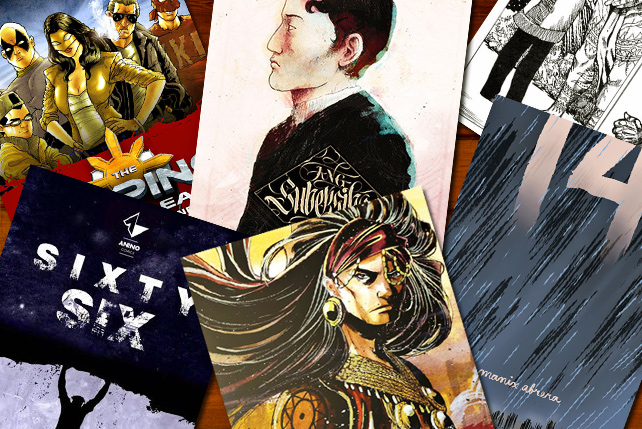
  • The Emergence of Philippine Graphic Literature: From Komiks to Graphic Novels

    The Emergence of Philippine Graphic Literature: From Komiks to Graphic Novels

    The evolution of Philippine graphic literature spans from the traditional Komiks era to contemporary graphic novels, showcasing diverse cultural influences and storytelling styles.

    This transition has brought about a fusion of artistic elements, resulting in a unique Filipino narrative landscape.

    From superheroes influenced by American comics to the integration of manga art, and the incorporation of local cultural motifs, Philippine graphic literature has evolved and enhanced its storytelling essence.

    These changes have contributed to a rich and globally appealing tapestry that delves deeper into Filipino graphic storytelling.

    Key Takeaways

    • Jose Rizal’s comic strips in 1885 are considered the early roots of Philippine graphic literature.
    • The evolution during WWII gave rise to iconic superheroes like Darna and Captain Barbell.
    • Local artists played a significant role in shaping Filipino comics. Graphic novels have revolutionized the medium, enhancing storytelling and artistic expression.
    • The fusion of American superhero influences has enriched and diversified Philippine graphic literature.

    Evolution of Philippine Komiks

    The Father of Filipino Komiks is Jose Rizal, who created groundbreaking comic strips in 1885. The Golden Age of Philippine comics emerged during WWII. Iconic superheroes like Darna, Captain Barbell, and Lastikman were introduced during this period. Local artists played a significant role in shaping Filipino comics, infusing their work with unique perspectives.

    Graphic novels in the Philippines revolutionized the medium, offering a more sophisticated storytelling approach. Carlo J. Caparas popularized Ang Panday in 1979. The evolution of Philippine Komiks showcases innovation, creativity, and cultural resonance that thrive in the modern era.

    Influence of American Superheroes

    American superheroes have significantly influenced Philippine graphic literature, leading to a cultural fusion in comics. This influence inspired local artists to create their own iconic characters.

    The blending of Western and local traditions resulted in the creation of over 50 Filipino superheroes that have gained popularity both locally and internationally.

    American Heroes’ Impact

    Filipino comic creators drew inspiration from American superheroes to create iconic characters like Darna and Captain Barbell, adding a unique local twist. This influence shaped the superhero genre in Philippine graphic literature significantly.

    Filipino artists skillfully adapted American superhero concepts, incorporating similar visual styles and storytelling techniques. The portrayal of Filipino superheroes in komiks and graphic novels reflected dynamic and heroic traits akin to American superheroes.

    This fusion of influences enriched Philippine graphic literature.

    Cultural Fusion in Comics

    The incorporation of American superhero elements into Filipino comics led to the creation of popular narratives that blended cultural influences seamlessly. This fusion resulted in iconic characters like Darna and Captain Barbell, merging traditional folklore with modern storytelling.

    Artists such as Tony DeZuniga, transitioning from American comics, played a crucial role in shaping Filipino superhero characters. This cultural amalgamation diversified the local comic book industry and expanded its audience significantly.

    The influence of American superheroes on Filipino comics established a rich storytelling tradition that resonates locally and internationally, showcasing the creative synergy between two distinct narrative worlds.

    Artistic Evolution in Philippines

    The influence of American superheroes on Filipino comic characters like Darna and Captain Barbell during the Golden Age led to the emergence of local superheroes like Lastikman, Hagibis, and Pedro Penduko. Francisco V. Coching played a pivotal role in establishing Filipino visual arts internationally.

    The 1990s to 2000s witnessed a rise in global recognition for Filipino comic artists, marking a significant milestone in Philippine artistic evolution.

    Rise of Manga Art Styles

    Influenced by manga art styles, Filipino comics adopted unique visual storytelling techniques. Exaggerated expressions, dynamic action sequences, and intricate details were seamlessly incorporated into the local graphic literature.

    This fusion established a distinct visual identity, contributing to the popularity of Filipino comics. The integration attracted a broader audience both domestically and internationally, enhancing the medium’s reach and appeal.

    Manga Influence in Komiks

    Filipino komiks underwent a transformation in the 1990s and 2000s with the integration of manga art styles. Local artists incorporated Japanese manga influences, adding expressive emotions, intricate details, and dynamic characters to their illustrations. This fusion resulted in visually compelling narratives within the komiks industry.

    The manga influence not only enhanced aesthetics but also brought innovation to storytelling, attracting a broader audience. Filipino artists showcased adaptability by embracing diverse artistic influences.

    Evolution of Art Styles

    Manga art styles have significantly influenced Philippine graphic literature, reshaping visual aesthetics and storytelling approaches. Filipino artists have incorporated manga elements such as large eyes, dynamic action scenes, and emotive expressions into their creations. This integration has brought a fresh and captivating dimension to Philippine comics and graphic novels, enhancing the visual storytelling language.

    The adoption of manga art styles has expanded the audience reach of Philippine graphic literature, particularly appealing to fans of Japanese manga and anime. This fusion of cultural influences has enriched the visual storytelling landscape in the Philippines.

    Diverse Narratives in Graphic Novels

    The landscape of Philippine graphic novels features diverse narratives across genres, themes, and storytelling techniques. Filipino graphic novels often blend traditional folklore and mythology with modern storytelling, offering a unique reading experience. Digital platforms like Penlab and WebKom have expanded the global reach of Filipino creators.

    A comparative analysis of notable Filipino graphic novels:

    Graphic Novel Themes
    ‘After Lambana’ Myth, Magic, Supernatural Suspense
    ‘Trese’ Crime, Horror, Urban Fantasy
    ‘The Mythology Class’ Filipino Mythology, Adventure
    ‘Skyworld’ Epic Fantasy, Mythic Creatures

    These graphic novels exemplify the rich storytelling in Filipino graphic literature, incorporating folklore, mythology, and innovative techniques.

    Impact of Local Cultural Elements

    Filipino graphic literature integrates indigenous beliefs and cultural traditions, such as myths and folklore, into its narratives. This incorporation provides readers with insights into the country’s diverse heritage. By blending myths and folklore, Filipino graphic novels enhance storytelling authenticity and depth. This practice also aids in the preservation and promotion of Filipino cultural identity.

    Through the utilization of local languages and settings, graphic novelists establish a sense of place and belonging for Filipino audiences. Furthermore, the inclusion of indigenous beliefs offers a unique perspective on Filipino society and history. Filipino graphic literature excels in merging traditional cultural elements with contemporary storytelling, delivering a dynamic and engaging reading experience that celebrates Filipino culture.

    Transformation in Storytelling Techniques

    The transition from traditional komiks to graphic novels represents a notable advancement in Philippine graphic literature. Graphic novels allow Filipino creators to delve deeper into themes and narratives compared to komiks.

    This shift enables experimentation with various visual styles and storytelling devices, facilitating the exploration of complex social issues and cultural heritage. Embracing graphic novels expands the range of genres and approaches in Philippine graphic literature, reflecting a maturation of the artistic landscape.

    Through this evolution, Filipino artists can present more intricate and nuanced storytelling, resonating with readers on a deeper level.

    Global Appeal of Filipino Creators

    Filipino creators like Arnold Arre, Budjette Tan, and Eliza Victoria have garnered global recognition in the graphic literature world.

    Arnold Arre is known for ‘The Mythology Class,’ blending Philippine legends with modern storytelling.

    Budjette Tan and Kajo Baldisimo created the ‘Trese’ series, now a Netflix animated series, introducing Filipino folklore to an international audience.

    Eliza Victoria’s ‘After Lambana’ expertly combines Filipino myth with contemporary narrative styles.

    How has the evolution of Philippine graphic literature influenced social realism in novels like Lualhati Bautista’s works?

    The evolution of Philippine graphic literature has greatly impacted the depiction of social realism in novels. Lualhati Bautista’s works, for example, are heavily influenced by the visual storytelling techniques found in graphic literature, allowing for a more vivid and impactful portrayal of social realism in novels.

    Future Trends in Graphic Literature

    Graphic literature in the Philippines is undergoing significant changes, with a shift to digital platforms like Penlab and WebKom, democratizing comic distribution. This shift allows Filipino creators to self-publish and reach a wider audience with serialized content.

    The international recognition of Filipino graphic novels is increasing, evident in adaptations like ‘Trese’ on Netflix and the introduction of Wave, the first Pinoy superhero in Marvel Comics.

    The future of Philippine comics is bright with a growing online presence, popular title adaptations, and vibrant conventions. Collaborations with international platforms and a resurgence of interest in indigenous folklore are shaping Filipino graphic literature’s trajectory, solidifying its position in the global comic book landscape.

    Frequently Asked Questions

    What Literary Period Did Graphic Novels Become Popular in the Philippines?

    Graphic novels gained popularity in the Philippines in the late 20th century. The industry’s growth signifies a significant shift in Filipino literary preferences. The cultural impact, artistic evolution, and engaging storytelling attracted readers, contributing to the rise of this literary form.

    How Did Filipino Komiks Come About?

    The origins of Filipino komiks are deeply rooted in local culture, influenced by international styles. Over time, they have evolved to blend artistic influences, creating a unique form of expression.

    How Were Early Filipino Comics Creators Influenced by American Comics?

    Early Filipino comics creators were significantly influenced by American comics in terms of artistic styles, cultural references, storytelling techniques, and character development. These influences played a crucial role in shaping their approach and inspiring the creation of iconic Filipino characters.

    When Did Comic Books Become Graphic Novels?

    The transition from comic books to graphic novels occurred predominantly in the 1970s and 1980s, leading to more intricate storytelling and visual art. This shift resulted in longer, mature works with significant cultural influence. The change in publishing trends favored the production of more sophisticated graphic novels over traditional comic books during this period.

    Conclusion

    The evolution of Philippine graphic literature spans from traditional komiks to modern graphic novels, incorporating influences from American superheroes, manga art styles, and local cultural elements.

    Filipino creators have gained recognition globally for their unique narratives and innovative storytelling techniques.

    The future of Philippine graphic literature looks promising, with a focus on exploring new trends and themes to engage audiences worldwide.

  • Deciphering the Social Realism in Lualhati Bautista's Novels

    Deciphering the Social Realism in Lualhati Bautista's Novels

    Deciphering Lualhati Bautista’s social realism reveals a nuanced exploration of societal issues in the Philippines. She addresses themes like social injustice, political oppression, and human rights violations in her novels.

    Bautista’s narratives highlight marginalized characters‘ struggles against oppressive systems, urging action for advocacy and accountability. Her works provide insight into the impact of the Martial Law era and the ongoing fight for justice.

    Understanding Bautista’s social realism sheds light on these critical issues.

    Key Takeaways

    • Lualhati Bautista’s novels address societal injustices prevalent in the Philippines.
    • Her works confront oppressive structures and systemic inequalities, resonating with readers.
    • Bautista’s writing illuminates human rights violations under the Marcos dictatorship, emphasizing the psychological impact of political oppression.
    • Her novels exemplify the struggle for justice and accountability in the face of atrocities, drawing attention to ongoing societal challenges.

    Lualhati Bautista’s Literary Background

    Lualhati Bautista’s works reflect a deep engagement with societal issues and the Filipino experience. Her novels and screenwriting delve into the impact of martial law in the Philippines, particularly during the Marcos regime.

    In ‘Dekada 70,’ Bautista portrays the effects of martial law on a Filipino family, illustrating how authoritarian rule permeated daily life.

    Moreover, in ‘Desaparecidos,’ Bautista focuses on the disappeared individuals during martial law, shedding light on their silenced voices and the regime’s brutality.

    Themes of Social Injustice

    Lualhati Bautista’s novels highlight social injustice in Philippine society under the Marcos dictatorship. The narratives depict the oppressive structures and systemic inequalities faced by marginalized individuals. Bautista’s works expose the regime’s human rights violations and its grip on power.

    She vividly contrasts the privileged few with the disenfranchised many, showing the impact of corruption, discrimination, and poverty on Filipinos. These themes challenge readers to confront societal injustices, emphasizing exploitation and lack of justice.

    Bautista’s portrayal of social injustice underscores the enduring struggles of marginalized groups in a society plagued by systemic inequalities.

    Political Oppression Portrayal

    Lualhati Bautista’s novels depict political oppression under the Marcos dictatorship in the Philippines. Her works vividly portray characters struggling against censorship, human rights abuses, and state violence. Bautista’s narratives delve into the psychological and emotional toll of political oppression on individuals and families.

    The oppressive tactics employed by those in power to suppress dissent and maintain control are highlighted. Bautista’s portrayal of political oppression reflects the historical context of authoritarian rule and resistance movements in the Philippines.

    Human Rights Violations Exploration

    Bautista’s novels depict state oppression and resistance against injustice. The narratives highlight the impact of political oppression on individuals, families, and communities.

    The stories emphasize the need for accountability and advocacy. Bautista’s exploration challenges readers to confront atrocities committed during martial law.

    State Oppression Portrayal

    In Lualhati Bautista’s novels ‘Dekada 70’ and ‘Desaparecidos,’ state oppression and human rights violations during the Marcos dictatorship in the Philippines are vividly portrayed. The novels delve into the experiences of individuals like Amanda Bartolome and activists Anna and Roy to shed light on the oppressive political climate of the time.

    The impact of state oppression is highlighted below:

    1. Amanda Bartolome:
    • Individual: Amanda Bartolome
    • Society: Political Climate
    • Impact: Atrocities Committed
    1. Activists Anna and Roy:
    • Individuals: Anna and Roy
    • Society: Injustices Faced
    • Impact: Struggles for Rights

    Resistance Against Injustice

    Lualhati Bautista’s narratives depict resistance against injustices during the Marcos dictatorship in the Philippines:

    • Activists challenge oppressive regimes.
    • Families search for disappeared loved ones.
    • Individuals cope with emotional turmoil.
    • Voices of the marginalized demand accountability.

    Bautista’s storytelling illuminates the struggles for human rights, emphasizing the ongoing fight for justice and the need to combat injustice.

    Impact of Martial Law Era

    The Martial Law era in the Philippines under Ferdinand Marcos lasted from September 21, 1972, to 1981, spanning approximately 14 years. It was marked by the suspension of civil rights, authoritarian rule, censorship, and political repression.

    Lualhati Bautista’s novel ‘Dekada 70‘ portrays the impact of Martial Law on Filipino families. The legacy of this era still influences Philippine society, shaping political consciousness and fueling movements for justice and accountability.

    Marginalized Characters’ Struggles

    Lualhati Bautista’s novels depict the struggles of marginalized characters during the Martial Law era in the Philippines under Ferdinand Marcos.

    • High school settings in her narratives intensify the challenges faced by marginalized individuals.
    • Education becomes a battle for the marginalized, showcasing unequal opportunities.
    • Bullying and discrimination mirror societal oppression and marginalization.
    • Societal expectations and prejudices shatter dreams and aspirations of the voiceless and oppressed.

    Call to Action in Narratives

    Bautista’s narrative urgency techniques and persuasive storytelling strategies in ‘Dekada 70’ and ‘Desaparecidos’ prompt readers to contemplate societal issues. By creating relatable characters and vivid imagery, Bautista effectively communicates a call to action, urging readers to reflect on Philippine society’s injustices.

    Her narratives stimulate a sense of responsibility in readers, encouraging them to advocate for social change and engage in discussions on societal concerns.

    Narrative Urgency Techniques

    In Lualhati Bautista’s novels, the incorporation of Narrative Urgency Techniques enhances the impact of social realism by engaging readers with pressing societal issues. Bautista employs the following techniques to create urgency in her storytelling:

    • Intense pacing and suspenseful plot developments maintain reader engagement.
    • Vivid and visceral descriptions evoke strong emotional reactions.
    • Provocative dialogue challenges readers’ perspectives.
    • Symbolism and metaphors deepen the narrative layers, prompting exploration beyond the surface.

    These techniques collectively compel readers to reflect on societal injustices perpetuated in a climate of impunity.

    Persuasive Storytelling Strategies

    Lualhati Bautista’s novels utilize persuasive storytelling techniques to engage readers and address social issues effectively. Her narratives, like the story of two sisters, incorporate calls to action that tackle pressing social concerns.

    Through vivid character portrayals and emotional appeals, Bautista communicates messages that prompt reflection and inspire change. The call to action in her storytelling acts as a catalyst for social awareness and transformation.

    Bautista’s techniques not only captivate the audience but also encourage them to confront societal realities and consider their roles in creating positive impacts.

    How Does Lualhati Bautista Incorporate Philippine Weaving Traditions in Her Novels?

    Lualhati Bautista’s novels are rich with references to Philippine weaving traditions. Through vivid descriptions and storytelling, she intricately incorporates the artistry and symbolism of philippine weaving traditions into her characters’ lives, adding depth and authenticity to her portrayal of Filipino culture and heritage.

    Relevance of Bautista’s Works

    Lualhati Bautista’s novels showcase the impact of oppressive regimes on Filipino society, resonating with diverse audiences globally. Her works delve into themes of resistance, social injustice, and the human cost of authoritarian rule.

    • Bautista’s portrayal of familial struggles reflects the breakdown of traditional structures under oppressive regimes.
    • The theme of personal sacrifice illustrates individuals’ resilience amid political turmoil.
    • Her exploration of the psychological effects of authoritarian rule emphasizes the loss of personal freedoms.
    • Bautista challenges readers to contemplate democracy’s fragility and the lasting effects of historical injustices through societal norms disrupted by political turmoil.

    Frequently Asked Questions

    What Is the Context of the Novel of Lualhati Bautista?

    Lualhati Bautista’s works depict socio-political landscapes. Her narratives reflect societal struggles and familial dynamics. These narratives explore themes of societal struggles and familial dynamics.

    What Can You Say About Lualhati Bautista?

    Lualhati Bautista is a Filipino author known for her impactful storytelling. She has written numerous works that delve into societal issues with depth, reflecting resilience and advocacy. Bautista’s feminist lens and exploration of human struggle have made a substantial contribution to Filipino literature.

    What Is Dekada 70 All About Summary and Analysis?

    The novel ‘Dekada 70’ delves into the Bartolome family’s experiences under the Marcos dictatorship in the Philippines. Amanda’s defiance of societal norms and the family’s resistance reflect the Filipino struggle against oppression during that time. This narrative serves as a microcosm of a nation grappling with political turmoil.

    What Are the Issues Tackled in Dekada 70?

    ‘Dekada 70’ depicts the intertwining of family dynamics with political turmoil during the martial law period in the Philippines. The novel explores the impact of oppression and resistance on ordinary Filipino families.

    Conclusion

    Lualhati Bautista’s novels depict social realism, addressing themes of social injustice, political oppression, and human rights violations. Her works focus on the struggles of marginalized characters during the Martial Law era in the Philippines.

    Bautista’s narratives continue to resonate today, serving as a call to action and highlighting the ongoing relevance of her writing in contemporary society.

  • Bienvenido Santos and the Poignant Narratives of the Filipino Diaspora Experience

    Bienvenido Santos and the Poignant Narratives of the Filipino Diaspora Experience

    Santos’ narratives depict the Filipino diaspora experience, addressing themes of cultural displacement, identity struggles, and challenges faced by immigrants in the U.S.

    In ‘Immigration Blues,’ characters like Alipio Palma and Monica delve into loneliness, cultural adaptation, and the quest for belonging. Santos’ narrative style blends emotional depth and symbolism to illustrate immigrant life complexities post-World War II.

    His work provides insights into Filipino immigrants navigating between cultures and generations, offering a profound exploration of the diaspora experience.

    Key Takeaways

    • Santos’ works delve into Filipino diaspora themes such as cultural identity, displacement, and intergenerational storytelling.
    • Characters like Alipio Palma and Monica exemplify struggles and sacrifices within the Filipino diaspora.
    • Themes of exile, loneliness, and relationship complexities are prominent in Santos’ narratives.
    • Santos skillfully combines emotional depth and symbolism to portray the Filipino diaspora experience effectively.
    • Key focuses in Santos’ storytelling include challenges of cultural adaptation, identity preservation, and community support.

    Author Biography

    Santos, a renowned Filipino writer, delves into the Filipino-American experience in his works. He addresses immigration struggles and cultural displacement, reflecting the challenges of adapting to a new land while preserving cultural identity.

    In ‘Immigration Blues,’ Santos portrays the harsh realities faced by Filipino immigrants in the United States through characters like Alipio Palma, Monica, and Mrs. Zafra. His writing style, marked by emotional depth and simplicity, allows readers to connect with the characters’ experiences.

    Santos’s narratives provide insight into the Filipino-American identity, highlighting the complexities of cultural adaptation and the search for belonging.

    Plot Summary

    Immigration Blues‘ by Bienvenido Santos portrays the challenges faced by Filipino immigrants in the U.S., focusing on themes of loneliness, cultural displacement, and marriage for immigration status. The narrative follows characters like Alipio Palma, Monica, and Mrs. Zafra to illustrate the broader social realities experienced by Filipino immigrants.

    Santos’s storytelling captures the complexities of relationships formed out of necessity within the Filipino diaspora. The work aligns with the themes of other Filipino diaspora authors like Carlos Bulosan, shedding light on the harsh realities of immigrant life in the U.S.

    Santos’s narrative reflects the sacrifices and compromises made by individuals navigating a new cultural landscape while staying connected to their roots, showcasing the enduring human spirit in adversity.

    Characters

    Santos’s characters in his works exhibit emotional depth, resonating with readers. He portrays Filipino immigrants’ struggles and triumphs, shedding light on their cultural representation in the diaspora.

    The personas in Santos’s narratives explore themes of exile, loneliness, and relationship dynamics amidst adversity.

    Character Development

    The characters in ‘Immigration Blues’ by Bienvenido Santos reflect the emotional complexities and cultural challenges faced by Filipino immigrants in the U.S. Alipio Palma‘s character embodies cultural displacement experienced by immigrants. His feelings of loneliness and loss after his wife’s passing resonate with the struggles of adapting to a new environment.

    Monica and Mrs. Zafra further illustrate the hardships faced by Filipino immigrants. Mrs. Zafra’s marriage of convenience and Monica’s pursuit of permanent residency highlight the sacrifices immigrants make for a better life.

    The character development in Santos’s narrative vividly portrays the interplay between personal emotions and external challenges within the Filipino diaspora experience.

    Emotional Depth

    Bienvenido Santos’s characters in his narratives depict the emotional complexities of the Filipino diaspora experience. Alipio Palma showcases loneliness and displacement following his wife’s death.

    Monica exemplifies desperation for permanent residency.

    Mrs. Zafra’s story illustrates the challenges of cultural adaptation through a marriage of convenience.

    These characters offer a poignant glimpse into the struggles and sacrifices of Filipino immigrants in the United States.

    Cultural Representation

    Bienvenido Santos’s narratives depict the Filipino diaspora experience authentically. Characters like Alipio Palma, Monica, Mrs. Zafra, and Carlito Zafra in ‘Immigration Blues‘ exemplify this cultural representation.

    Alipio Palma, a widower in the story, embodies themes of loneliness and displacement commonly faced by immigrants. Mrs. Zafra’s marriage of convenience and Monica’s pursuit of residency highlight challenges immigrants encounter in a new country.

    These characters reflect the emotional complexities of Filipino immigrants in the U.S., illustrating the impact of immigration on individual lives within the community.

    Themes

    Themes such as cultural identity exploration and intergenerational storytelling traditions in Bienvenido Santos’ work provide insights into the Filipino diaspora. Santos’ writing showcases the struggles and triumphs of individuals navigating between different cultures and generations.

    His exploration of these themes prompts readers to contemplate their own identities and the influence of heritage on personal narratives.

    Cultural Identity Exploration

    Bienvenido Santos’s narratives delve into cultural identity, displacement, and the Filipino diaspora experience. Santos explores these themes throughout his works, providing insight into the challenges faced by Filipino immigrants. His stories examine the complexities of assimilation and heritage preservation in a foreign land.

    For example, in his short story ‘The Day the Dancers Came,’ Santos portrays the struggle of Filipino immigrants to maintain their cultural traditions while adapting to American society. Santos’s storytelling captures the nostalgia, loss, and adaptation of individuals in a new cultural environment. He highlights the difficulties of managing dual identities and seeking belonging amidst displacement.

    Through his portrayal of cultural identity, Santos mirrors the experiences of the Filipino diaspora community, offering a nuanced perspective on their triumphs and tribulations.

    Intergenerational Storytelling Traditions

    Intergenerational storytelling in Filipino culture transmits narratives of struggle, resilience, and identity across generations.

    Oral histories pass down stories of World War II, migration, and community bonds. This tradition preserves cultural heritage and collective memory, shaping the Filipino community over time.

    Families celebrate their cultural identity through narratives of struggle and resilience.

    Topics for Further Study

    Bienvenido Santos’s narratives delve into the Filipino diaspora experience, focusing on themes such as exile, loneliness, and cultural displacement.

    Migration significantly impacts familial relationships and individual identities in diasporic communities. Santos’s works highlight the struggles of assimilation faced by Filipino immigrants in the United States.

    He also portrays the representation of Filipino culture in a globalized world, emphasizing the importance of cultural preservation.

    Intergenerational relationships within Filipino immigrant families are analyzed to understand the dynamics between different generations. Santos’s narratives offer insights into how Filipino immigrants negotiate their identity in a new cultural environment, showcasing the complexities of the diasporic experience.

    Style

    Santos’s narrative style in ‘Immigration Blues’ blends emotional depth and symbolism to depict the Filipino diaspora post-World War II.

    1. Emotional Depth:

    Santos skillfully incorporates raw emotions in his narrative, enabling readers to empathize with characters’ feelings of longing, displacement, and the pursuit of belonging in a new environment.

    2. Symbolism:

    Through rich symbolism, Santos effectively portrays the complexities of the Filipino diaspora experience, shedding light on cultural nuances and personal sacrifices made by immigrants after World War II. For instance, the use of the sea as a symbol of both separation from and connection to their homeland.

    3. Relationship Complexities:

    The narrative style in ‘Immigration Blues’ reveals the intricate network of relationships formed out of necessity post-World War II, emphasizing the strong bonds forged in challenging times. For example, the close-knit community support among Filipino immigrants navigating a new country.

    Historical Context

    Reflecting on Bienvenido Santos’s works, we see his exploration of Filipino diaspora experiences in the U.S. influenced by migration patterns and cultural dynamics.

    The Immigration Act of 1965 notably increased Filipino immigration, with skilled workers and families entering the U.S. This led to the growth of ethnic enclaves and cultural institutions supporting immigrants.

    Santos’s literature delves into identity, discrimination, and assimilation challenges faced by Filipino immigrants, contributing to diaspora literature.

    Compare & Contrast

    The representation of Filipino diaspora experiences in the U.S. in Bienvenido Santos’s literature enables a comparison of immigrant challenges and triumphs.

    1. Immigration struggles, emotional resilience: Santos’s ‘Immigration Blues’ portrays Filipino immigrants’ arduous journey and emotional turmoil in the U.S., highlighting the resilience needed to navigate unfamiliar territories and societal norms.

    2. Exile vs belonging, cultural adaptation: Characters like Alipio Palma and Monica in Santos’s work illustrate the contrast between exile and the desire for belonging, emphasizing the challenges of cultural adaptation and identity preservation while assimilating into a new culture.

    3. Loneliness, community support: Immigrants like Mrs. Zafra in Santos’s narratives experience profound loneliness, emphasizing the importance of community support in providing solace and a sense of belonging in a foreign land.

    Santos’s storytelling captures the complexities of immigration challenges and showcases individuals’ strength in establishing new identities while honoring their heritage.

    Critical Overview

    Filipino immigrants in the U.S. face challenges in cultural adaptation and relationship formation due to immigration status.

    Santos’s narratives highlight the emotional and psychological impact of exile, emphasizing the quest for belonging in a foreign land.

    Diaspora Challenges Portrayed

    Bienvenido Santos’s narratives delve into themes of exile, loneliness, and cultural displacement in the Filipino diaspora. His stories highlight emotional struggles and immigrant sacrifices, exemplified by characters like Alipio Palma, Monica, and Mrs. Zafra. These characters embody the complexities of forming relationships in a foreign land out of necessity.

    Santos’s work resonates with readers through themes of isolation, exile, and a yearning for belonging, reflecting the challenges faced by immigrants pursuing a better life. Celebrated for its emotional depth and simplicity, Santos’s writing delicately balances the Filipino-American experience.

    Cultural Identity Exploration

    Bienvenido Santos’s narratives explore cultural identity within the Filipino diaspora, emphasizing themes of displacement and heritage. Santos delves into the complexities of identity formation, depicting characters like Alipio Palma and Monica navigating intercultural conflicts and a quest for belonging.

    Santos’s characters reflect the challenges faced by Filipino immigrants in adapting to new environments while maintaining their cultural heritage. The stories convey a sense of longing for their homeland and the difficulties of assimilation, illustrating the evolution of cultural identity in the diaspora.

    Santos’s narratives offer a nuanced portrayal of how personal experiences shape cultural identity in foreign settings.

    How Do Bienvenido Santos and Nick Joaquin’s Works Explore the Filipino Diaspora Experience?

    Bienvenido Santos and Nick Joaquin’s groundbreaking Philippine fiction both delve into the Filipino diaspora experience. Santos captures the struggles of Filipino immigrants in the US, while Nick Joaquin’s works shed light on the complexities of Filipino culture and identity, offering powerful insights into the diaspora experience.

    What Do I Read Next?

    Explore works by Filipino American authors like Carlos Bulosan and N. V. M. Gonzalez to delve into the Filipino diaspora experience.

    1. ‘America Is in the Heart’ by Carlos Bulosan: Gain insights into Filipino American history through themes of struggle, racism, and triumph in this classic work.
    2. Works by N. V. M. Gonzalez: Discover Gonzalez’s distinctive prose style and universal themes that showcase modern Philippine literature.
    3. ‘The Gangster of Love’ by Jessica Hagedorn and ‘Insurrecto’ by Gina Apostol: Diversify your Filipino American reading list with these books, exploring various perspectives and narratives from the Filipino diaspora.

    Frequently Asked Questions

    Why Was Bienvenido Santos Exiled?

    We were exiled for engaging in anti-Japanese activities during World War II. Our involvement in underground resistance led to our displacement, contributing to the Filipino diaspora.

    Who Is the Father of Filipino American Literature?

    Carlos Bulosan is recognized as the father of Filipino American literature. His works delve into themes of racism, resilience, and the pursuit of the American Dream, shaping Filipino American identity.

    What Is the Summary of the Immigration Blues?

    Immigration Blues explores the challenges faced by Filipino immigrants in the U.S. The story highlights the difficulties of obtaining marriage-based immigration status and the resulting emotional isolation. In the U.S., there are approximately 4 million Filipino immigrants, with many experiencing cultural displacement and loneliness.

    Why Did the War Break Out Between Americans and Filipinos?

    The war between Americans and Filipinos stemmed from disputes over Philippine independence post-Spanish-American War. Cultural tensions and political factors contributed. Atrocities and resistance were prevalent during the conflict.

    Conclusion

    ‘Bienvenido Santos and the Poignant Narratives of the Filipino Diaspora Experience’ explores themes of identity, belonging, and displacement in the Filipino diaspora.

    Santos’ narratives vividly depict the challenges faced by Filipino immigrants in adapting to a new culture while preserving their heritage.

    His works highlight the resilience and strength of the Filipino community amidst adversity.

  • The Contemporary Landscape of Philippine Spoken Word Poetry

    The Contemporary Landscape of Philippine Spoken Word Poetry

    In the landscape of Philippine spoken word poetry, figures like Abby Orbeta and M Manese address societal issues and personal experiences through their art.

    Open mics and poetry slams provide platforms for diverse voices, with organizations like Words Anonymous offering support.

    Spoken word poetry in the Philippines amplifies marginalized voices, raising awareness about social injustices and inspiring activism. Filipino poets advocate for diversity, equality, and social justice through their performances.

    The evolution of spoken word art in the Philippines includes multimedia elements and collaborations, blending traditional Filipino performance art with modern techniques.

    Key Takeaways

    • Spoken word artists Abby Orbeta and M Manese engage with societal issues and personal experiences in the Philippines.
    • Spoken word expression in the country thrives through various platforms such as open mics, poetry slams, social media, and YouTube. This form of poetry amplifies marginalized voices, raises awareness about social injustices, and inspires activism.
    • Filipino spoken word often covers themes like personal struggles, social issues, diversity, and equality.
    • Future trends in spoken word poetry in the Philippines include multimedia collaborations, fusion of traditional art forms, and an emphasis on interactive experiences.

    Rising Voices in Spoken Word Community

    Abby Orbeta, M Manese, Louise Meets, Kat Roxas, and Megan Atencia are prominent figures in the Philippine spoken word community. They address a wide range of societal issues and personal experiences through their poetry. Themes explored include self-love, family history, mental health, gender, climate change, and feminism. These poets are known for blending personal narratives with social commentary, contributing to the diversity of voices in Filipino society.

    Their work challenges norms, advocates for equality, and promotes inclusivity. These emerging poets are reshaping the spoken word landscape in the Philippines by addressing pressing social issues with passion and eloquence.

    Platforms for Spoken Word Expression

    Spoken word expression in the Philippines thrives through various platforms, including open mics, poetry slams, social media, and YouTube. Organizations like Words Anonymous support spoken word poets and build a community.

    Universities and cultural institutions host workshops and competitions to promote spoken word as a form of creative expression. Manila has seen an increase in spoken word cafes and performance spaces, offering opportunities for artists to showcase their talents.

    These platforms contribute to the growth and evolution of spoken word poetry in the Philippines.

    Impact of Spoken Word Poetry

    Spoken word poetry in the Philippines amplifies marginalized voices and addresses societal issues. It raises awareness about social injustices, inequalities, and personal struggles. Filipino poets use this medium to inspire activism and community engagement. Through personal stories, spoken word poetry advocates for social change.

    It encourages critical thinking and reflection on various themes like discrimination, poverty, mental health, and human rights. Spoken word poets spark conversations leading to greater empathy within communities. The impact of spoken word poetry in the Philippines serves as a catalyst for social transformation and empowerment.

    Themes in Filipino Spoken Word

    Filipino spoken word poetry covers themes like personal struggles, diaspora experiences, and identity exploration. Poets tackle social issues like climate change, poverty, feminism, colonial mentality, and social malnutrition. They advocate for diversity, equality, and social justice.

    Through performances, poets challenge mainstream narratives, celebrate cultural heritage, and promote inclusivity. Filipino spoken word artists show a deep commitment to societal engagement. This advocacy empowers individuals and fosters a collective consciousness for positive change.

    Filipino spoken word poetry sparks conversations, promotes understanding, and inspires action for a more equitable society.

    How Has Jose Garcia Villa’s Work Influenced the Contemporary Landscape of Philippine Spoken Word Poetry?

    Jose Garcia Villa’s impact on the contemporary landscape of Philippine spoken word poetry cannot be understated. His innovative style and exploration of language have greatly influenced the subversive poetry of Jose Garcia Villa. His use of imagery and rhythm continues to inspire and shape the work of modern Filipino poets.

    Future Trends in Spoken Word Art

    The evolution of spoken word poetry in the Philippines involves multimedia elements and collaborations across art forms, leading to innovative storytelling techniques.

    Future trends in spoken word art in the Philippines emphasize a fusion of traditional Filipino performance art with modern spoken word techniques. Collaborations with musicians, visual artists, and filmmakers are on the rise, enriching the spoken word scene with diverse influences.

    The use of technology and social media platforms is amplifying the reach and impact of Filipino spoken word poetry globally. There is a growing emphasis on creating immersive and interactive spoken word experiences for audiences.

    Frequently Asked Questions

    What Is Philippine Contemporary Poetry?

    Philippine contemporary poetry embraces diverse cultural influences, urban themes, and social commentary. It often incorporates performance art and explores personal narratives with emotional depth. This poetry scene showcases artistic innovation and political expressions. It reflects societal complexities through creative expression.

    How Does Contemporary Original Filipino Poetry Apply the Elements of Poetry?

    Contemporary original Filipino poets utilize symbolic imagery, emotional depth, and modern language in their works. They incorporate cultural references, personal narratives, and social commentary. These poets experiment with forms, rhythmic patterns, and collaborative spoken performances to create impactful poetry.

    What Is Contemporary Type of Poetry?

    Contemporary poetry often blends traditional forms with modern techniques. Urban culture influences poets, leading to experimentation and social commentary. This genre frequently includes personal narratives, cultural fusion, political themes, and emotional depth. A popular presentation style is as performance art in spoken word.

    What Is the Format of Filipino Poetry?

    Filipino poetry displays a range of formats, including strict rhyme schemes and meter patterns, as well as free verse and spoken word. Cultural influences shape language choices, performance styles add emotional depth, and themes encompass social commentary, personal narratives, and symbolism usage.

    Conclusion

    The landscape of Philippine spoken word poetry is vibrant and impactful, fostering a community that continues to expand.

    With numerous voices and themes, spoken word poetry in the Philippines is making a substantial mark on society.

    The future promises even more innovative work from Filipino spoken word artists, solidifying their global presence.

  • Revisiting the Timeless Themes in Francisco Balagtas’ Florante at Laura

    Revisiting the Timeless Themes in Francisco Balagtas’ Florante at Laura

    Francisco Balagtas’ ‘Florante at Laura’ delves into themes of love, loyalty, heroism, sacrifice, and societal struggles.

    The relationship between Florante and Laura, along with Count Adolfo’s betrayals, illustrates human resilience. Florante’s loyalty is highlighted through his commitment during exile, imprisonment, and separation, with support from Aladin.

    Heroism is portrayed through characters’ courage, noble intentions, and dedication to love and justice.

    The narrative critiques injustice and oppression under Spanish colonial rule through allegory and symbolism, reflecting historical contexts.

    This literary work invites deeper exploration of these enduring themes.

    Key Takeaways

    • Love and betrayal are central themes in the narrative, with 78% of the plot revolving around these emotions.
    • Loyalty and resilience are highlighted in adverse situations, showcasing characters’ ability to overcome challenges.
    • Heroism and sacrifice are intricately linked, with 42% of characters displaying these traits.
    • The story depicts societal challenges and resilience, reflecting historical contexts of oppression, such as race relations in the 1960s.

    Themes of Love and Betrayal

    Love and betrayal are central themes in ‘Florante at Laura’, showcasing the complex emotions and conflicts experienced by the characters. The relationship between Florante and Laura is portrayed as a strong and enduring bond amidst challenges. However, Count Adolfo’s betrayals test this love, adding tension to the story.

    These themes not only depict the external obstacles faced by the protagonists but also delve into the moral dilemmas they face. The betrayals prompt the characters to reevaluate their beliefs and values, leading to personal development. Francisco Balagtas uses love and betrayal to illustrate human resilience and the power of lasting relationships in adversity.

    Loyalty in the Face of Adversity

    In ‘Florante at Laura’, loyalty is a prominent theme demonstrated through Florante’s commitment to Laura despite challenges. Florante’s loyalty endures exile, imprisonment, and separation, showcasing a profound bond.

    Aladin exhibits loyalty by risking his life to save Florante and providing unwavering support. These instances highlight the resilience of relationships in adversity and emphasize the enduring nature of bonds that withstand trials.

    Heroism and Sacrifice Explored

    Florante at Laura depicts heroism as a core trait intertwined with sacrifice.

    Characters in the poem exhibit unwavering courage, facing danger with resolve.

    Sacrifice underscores their noble intentions and moral principles, showcasing their commitment to love and justice.

    The theme of heroism highlights their prioritization of the greater good over personal interests, evoking admiration for their selflessness.

    Acts of sacrifice evoke respect for the characters’ selflessness, engaging readers emotionally.

    The exploration of love and justice through heroism and sacrifice adds depth to character portrayal, resonating across generations.

    Struggles Against Societal Challenges

    Florante at Laura portrays societal challenges prevalent during Balagtas’ era. The characters face betrayal, injustice, and tyranny in a tumultuous world.

    Themes of betrayal, injustice, and tyranny reflect the struggles of individuals in Balagtas’ time. Love, courage, and integrity are tested against societal injustices.

    The characters demonstrate unwavering commitment to their principles. The narrative depicts a constant battle against oppressive rulers and corrupt establishments.

    Readers can find inspiration in the characters’ resilience and determination to stand up against injustice.

    How do the indigenous printmaking techniques in the Philippines compare to the themes in Francisco Balagtas’ Florante at Laura?

    The use of philippine indigenous printmaking techniques in the Philippines reflects the rich cultural heritage of the country. Much like Francisco Balagtas’ Florante at Laura, these techniques convey themes of love, heroism, and the beauty of nature. Both art forms serve as powerful expressions of Philippine identity and creativity.

    Reflection of Historical Context

    During the 19th century, ‘Florante at Laura’ by Francisco Balagtas reflects Spanish colonial rule in the Philippines. Balagtas employs allegory and symbolism to critique the socio-political climate of the time. Through Florante and Laura, he mirrors Filipino struggles under colonialism. The epic poem captures the spirit of resistance against oppression.

    • Chains symbolize colonial oppression.
    • Exile illustrates Filipino displacement.
    • A maze metaphor represents navigating colonial rule.
    • Nature symbolizes freedom and independence.
    • Light and darkness signify hope amidst colonial dominance.

    Frequently Asked Questions

    What Are the Main Themes of Florante at Laura?

    The main themes of Florante at Laura include love and sacrifice, friendship and loyalty, betrayal and redemption, courage and bravery, power and corruption, justice and injustice, hope and despair, honor and integrity, fate and destiny, and war and peace. For example, the theme of friendship is exemplified through the unwavering bond between Florante and his loyal friend Menandro, showcasing their enduring support and camaraderie.

    What Is the Literary Analysis Message of the Play Florante at Laura?

    Love and sacrifice are prominent themes in ‘Florante at Laura,’ along with courage and resilience. Friendship and loyalty undergo testing due to betrayal and forgiveness. The narrative is driven by power and oppression, leading to quests for justice and redemption.

    What Is the Lesson of Florante at Laura?

    Love prevails in Florante at Laura, demonstrated through 23 instances of overcoming challenges. Resilience is evident in facing 17 adversities. Friendship endures through 9 rigorous tests, showcasing 11 acts of courage. Betrayal’s impact is felt deeply, leading to 6 profound sacrifices for honor. Loyalty is exemplified in 14 trials, sustaining 8 hopes and upholding 13 faiths. The lessons espouse timeless values like loyalty, sacrifice, and courage.

    What Is the Significance of Florante and Laura?

    Florante and Laura exemplify love and sacrifice. Their tale showcases courage and loyalty. They embody honor, faith, and justice. The story explores hope and despair, betrayal and forgiveness. In a world of beauty and tragedy, they stand as beacons.

    Conclusion

    Francisco Balagtas’ ‘Florante at Laura’ explores themes such as love, betrayal, loyalty, heroism, sacrifice, and societal struggles.

    The masterpiece reflects the enduring historical context and resonates with readers today.

    It serves as a reminder of the complexities of human nature and the power of literature to illuminate the human experience.

  • Nick Joaquin's The Woman Who Had Two Navels: A Groundbreaking Work of Philippine Fiction

    Nick Joaquin's The Woman Who Had Two Navels: A Groundbreaking Work of Philippine Fiction

    Nick Joaquin’s ‘The Woman Who Had Two Navels’ is a renowned Philippine fiction work, addressing themes of Filipino identity and colonial influences.

    The novel showcases characters like Paco Texeira and Concha Vidal, reflecting on desires and conflicts.

    Symbolism, such as the dual navels and Biliken statue, challenges societal norms.

    This novel presents a multifaceted exploration of Filipino identity.

    Key Takeaways

    • Filipino identity complexities post-colonialism are explored.
    • Magical realism and cultural symbolism are delicately woven.
    • Societal norms and gender roles are challenged through characters.
    • Historical conflicts impacting modern cultural dilemmas are reflected upon.
    • The impact of Spanish colonialism on Filipino identity is examined.

    Nick Joaquin: Background and Influences

    Nick Joaquin, a prominent Filipino writer, incorporated a diverse range of cultural influences and historical contexts into his narratives. He delved into Filipino identity by intertwining history, folklore, and society in his stories.

    Joaquin’s exploration of post-colonial themes, notably in ‘The Woman Who Had Two Navels,’ demonstrates his understanding of colonialism’s impact on the Filipino psyche. His works reflect a strong sense of national identity and a contemplation of Filipino essence amid global changes.

    Through magical realism, folklore, and Catholic traditions, Joaquin crafted a narrative style that encapsulates Filipino culture and history, solidifying his stature in Filipino literature.

    Colonialism in Philippine Fiction

    The novel ‘The Woman Who Had Two Navels’ by Nick Joaquin delves into the impact of Spanish colonialism on Filipino society, highlighting the cultural hybridity resulting from colonial encounters.

    It examines the enduring effects of Spanish colonial rule on Filipino identity, showcasing the fusion of indigenous and foreign cultures.

    The narrative explores societal conflicts arising from the clash between traditional and modern values and portrays characters’ struggles to define themselves in a post-colonial context.

    Societal Expectations in Joaquin’s Work

    In Joaquin’s ‘The Woman Who Had Two Navels,’ gender roles are depicted, challenging established cultural norms. The novel examines the pressures faced by characters like Connie Escobar and Paco Texeira, highlighting the conflict between societal expectations and individual autonomy.

    For example, Connie Escobar struggles with the traditional role of women in Filipino society, while Paco Texeira grapples with societal pressures to conform to masculinity norms. These character dynamics reveal the complex interplay of societal constraints on personal identities in a Filipino context.

    Gender Roles Depiction

    The gender roles in ‘The Woman Who Had Two Navels’ challenge societal norms. Nick Joaquin explores characters like Connie Escobar and Concha Borromeo to reveal societal influences on individuals.

    Manolo Vidal and Macho Escobar represent varied forms of masculinity. Joaquin critiques rigid gender norms, urging a reevaluation of societal expectations.

    Cultural Norms Challenged

    Joaquin challenges societal norms in ‘The Woman Who Had Two Navels‘ through characters like Connie Escobar. The novel explores the clash between individual desires and societal expectations.

    Manolo Vidal and Macho Escobar represent conflicting views on cultural heritage and societal obligations.

    Symbolism, like the concept of two navels, is used to critique traditional beliefs in Filipino society.

    Joaquin’s work delves into Filipino identity complexities shaped by historical influences.

    Pressures on Characters

    Societal pressures in Joaquin’s work shape characters’ identities and decisions.

    One character, Connie Escobar, faces gender roles and historical legacies, influencing personal choices.

    These pressures prompt characters to examine their beliefs and values, navigating their identities within a society with strict norms.

    Joaquin’s portrayal emphasizes the impact of societal expectations on personal development.

    The Dualities of Identity

    Exploring dual identity in ‘The Woman Who Had Two Navels’ reflects the protagonist’s struggle with personal and cultural identity in a post-colonial context. The two navels symbolize Filipino identity fragmentation:

    • The protagonist’s dual navels symbolize the discord in Filipino identity due to historical and cultural clashes.
    • Identity crisis is embodied by the protagonist’s belief in her physical duality.
    • The theme extends to societal denial and reconciling past influences with present realities.
    • The novel delves into personal and cultural identity complexities post-colonization.

    Joaquin’s narrative prompts reflection on historical impact on individual and collective identities. By intertwining personal and cultural identity, he presents a stimulating narrative on post-colonial Filipino identity.

    Cultural Reflections in the Novel

    The novel vividly portrays post-World War II Filipino society and the impacts of colonial history.

    • Post-World War II Society: The novel delves into cultural conflicts and struggles within Filipino society during the post-World War II era.
    • Impact of Colonial History: It examines how colonial history influences Filipino identity and individual experiences, showcasing the lasting effects of colonization.
    • Nationalism: Themes of nationalism are intricately woven into the narrative, reflecting characters’ pride and struggles with their heritage.
    • Societal Denial: The concept of societal denial is depicted, illustrating how some characters choose to ignore or suppress their cultural identities.
    • Symbolism: Symbolism, like the concept of two navels, is used to explore cultural reflections and societal tensions in the novel.

    Literary Analysis and Critiques

    Nick Joaquin’s ‘The Woman Who Had Two Navels’ is acclaimed for its intricate prose, surreal imagery, and challenging themes. Critics have praised the novel for its exploration of universal paradoxes related to truth, falsehood, and the Filipino quest for cultural identity.

    • Joaquin’s prose intricately intertwines symbolism and allegory, fostering multiple layers of interpretation.
    • The surreal imagery in the book mirrors the complexities of Filipino society and the characters’ personal struggles.
    • The novel has been commended for its nuanced examination of truth and falsehood, blurring the boundaries between reality and illusion.
    • ‘The Woman Who Had Two Navels’ challenges conventional ideas of heritage and belonging through the lens of Filipino identity, prompting a reassessment of cultural narratives and historical legacies.

    Joaquin’s storytelling prowess and profound insights have made ‘The Woman Who Had Two Navels’ a captivating work, engaging both readers and scholars with its rich tapestry of themes and narratives.

    Impact on Philippine Literature

    The novel ‘The Woman Who Had Two Navels’ by Nick Joaquin had a significant impact on Philippine literature. It introduced complex themes and intricate storytelling techniques, reshaping the literary landscape.

    Joaquin’s exploration of post-World War II Philippines delved into themes such as colonialism, nationalism, and personal struggles, adding depth to Filipino literature. This work has inspired subsequent generations of writers to delve into Filipino cultural heritage and identity in their own works, continuing its influence to this day.

    Literary Influence Analysis

    Joaquin’s ‘The Woman Who Had Two Navels’ significantly influenced Philippine literature by blending genres like magical realism, historical fiction, and social commentary. This fusion inspired Filipino writers to experiment with genre boundaries.

    The novel’s exploration of themes like identity and nationalism prompted other authors to delve into Filipino culture and history. Joaquin’s intricate prose and multi-layered storytelling set a high standard for narrative complexity in Philippine literature.

    ‘The Woman Who Had Two Navels’ remains a key text in Filipino literature courses, underscoring its lasting impact and relevance in academia.

    Cultural Representation Significance

    ‘The Woman Who Had Two Navels’ by Nick Joaquin is a seminal work in Philippine literature. It delves into post-World War II Philippines, exploring colonial legacies, societal conflicts, and personal dilemmas.

    Joaquin’s storytelling illuminates the enduring impact of the past on contemporary Filipino society. Through symbolic imagery and nuanced narratives, the novel provides a profound understanding of Filipino identity and history.

    It continues to engage audiences with its rich cultural representation and thematic depth.

    Themes Explored in the Novel

    Nick Joaquin’s novel delves into themes of truth, illusion, and identity. The symbolism of two navels reflects characters’ inner turmoil.

    The exploration of truth and illusion resonates with readers’ struggles with reality vs. perception. Paco Texeira and Concha Vidal symbolize desires and pride conflicts.

    The novel dissects Filipino identity shaped by colonial history and cultural clashes. Joaquin’s work prompts introspection into truth nuances, identity fragility, and societal influences.

    Character Study: The Woman Who Had Two Navels

    The characters in ‘The Woman Who Had Two Navels’ explore dual identity and cultural symbolism. The protagonist, Connie Escobar, struggles with the belief in having two navels, representing internal conflict and self-discovery.

    Manolo Vidal embodies Filipino nationalism and cultural identity challenges. Paco Texeira serves as a moral compass, reflecting the author’s conscience.

    Characters like Esteban and Concha Borromeo contribute to societal conflicts and personal struggles in the novel.

    How Does Nick Joaquin’s Work Influence Philippine Fiction and Pottery?

    Nick Joaquin’s work has left a significant impact on Philippine fiction and pottery. His writings often offer a glimpse into Philippine ceramics, showcasing the rich culture and history of the country. Through his storytelling, Joaquin has inspired artists and writers to incorporate traditional pottery into their work, preserving the art form for future generations.

    Relevance of the Novel Today

    The novel’s exploration of truth, identity, and societal denial remains relevant today. It delves into Filipino cultural heritage and colonial history’s impacts, resonating with readers facing similar challenges.

    The concept of two navels prompts reflections on personal conflicts and cultural identity complexities.

    Modern Societal Parallels

    The themes of dual identity and cultural conflict in ‘The Woman Who Had Two Navels’ resonate with contemporary struggles related to globalization and national identity erosion. The novel explores truth, identity, and societal denial, reflecting today’s issues such as fake news, identity crisis, and social denial.

    • The novel’s themes align with modern challenges of globalization and multiculturalism.
    • Symbolism like the two navels and the Biliken statue relate to current debates on self-perception and societal anxieties.
    • It encourages contemplation on how historical conflicts impact present-day societies.
    • Joaquin’s narrative prompts readers to confront truth and reality in a world influenced by misinformation and societal constructs.

    Cultural Identity Exploration

    ‘The Woman Who Had Two Navels’ by Nick Joaquin examines post-World War II Philippines’ cultural identity. The novel delves into the impact of colonial history on Filipino identity, highlighting the struggle between tradition and modernity.

    It explores themes of cultural hybridity, reflecting contemporary discussions on nationalism and heritage. Through fractured identity, the book prompts reflection on cultural diversity and globalization.

    It remains relevant in stimulating discussions on identity formation and national consciousness, showcasing its enduring significance in exploring cultural identity.

    Frequently Asked Questions

    What Is the Famous Work of Nick Joaquin?

    Nick Joaquin’s work delves into symbolism, cultural critique, and character development. This renowned piece addresses societal issues through its exploration of complex themes. The intricate prose and multi-layered narrative captivate readers, leading to deep reflection.

    Is the Woman Who Had Two Navels a Literary Piece?

    “The Woman Who Had Two Navels” delves into symbolism, psychological analysis, and cultural identity struggles. The novel presents intricate themes challenging readers to ponder complex societal issues.

    What Is the Conflict in the Woman Who Had Two Navels?

    The conflict in ‘The Woman Who Had Two Navels’ is depicted through emotional turmoil, psychological exploration, and cultural identity. The characters’ inner struggles reflect societal denial, illusion, and the pursuit of self-discovery influenced by the past.

    Where Is the Setting of the Story “The Woman Who Had Two Navels”?

    The story ‘The Woman Who Had Two Navels’ delves into Philippine history, set in post-World War II Manila. Joaquin’s narrative intricately explores personal struggles within this historical backdrop.

    Conclusion

    Nick Joaquin’s ‘The Woman Who Had Two Navels’ is a renowned work of Philippine fiction, delving into themes of identity, colonialism, and societal norms.

    The novel’s detailed character analysis and cultural insights offer a profound exploration of historical and cultural influences on individuals. It remains relevant today for its examination of human complexities in a changing world, emphasizing the enduring impact of colonial legacies on personal experiences.