Author: Amiel Pineda

  • The Enigmatic Charm of Philippine Baroque Churches

    The Enigmatic Charm of Philippine Baroque Churches

    The Philippine Baroque churches showcase a blend of Spanish and Oriental styles, crafted by Spanish missionaries and local artisans. These architectural wonders feature intricate designs and earthquake-resistant structures.

    The fusion of Spanish and Oriental elements results in a unique aesthetic, with elaborate iconography reflecting diverse cultural heritages. The churches’ ornate detailing, vibrant colors, and grandeur highlight the skilled craftsmanship and artistic excellence of Filipino communities.

    The interplay of light and shadow, along with the rich history behind each structure, offers visitors an immersive experience into the enchanting world of Philippine Baroque architecture.

    Key Takeaways

    • Churches in the Philippines blend Spanish and Oriental styles.
    • Craftsmanship is showcased through intricate detailing and Earthquake Baroque adaptations.
    • Iconography and techniques in churches result from cultural collaboration.
    • Local artisans fuse Spanish and Oriental artistic styles.
    • The awe-inspiring beauty is defined by vibrant colors, contrasts, and play of light.

    Architectural Fusion of Spanish and Oriental Styles

    The Baroque Churches in the Philippines blend Spanish and Oriental styles, created by Spanish missionaries and local Chinese artisans. The fusion of Spanish Baroque and Oriental aesthetics resulted in visually stunning churches, showcasing intricate craftsmanship and attention to detail.

    These churches feature Earthquake Baroque style adaptations to local conditions. The integration of Spanish Baroque and Oriental design elements reflects a cultural exchange that influenced the architectural landscape of the Philippines.

    Cultural Collaboration and Adaptation

    The Baroque churches in the Philippines blend Spanish architectural style with local influences.

    Buttresses were utilized for earthquake resistance, showcasing innovative adaptation techniques.

    These churches feature intricate detailing and elaborate iconography, merging Spanish and Oriental influences.

    Artistic Fusion in Churches

    The fusion of Spanish and Oriental artistic styles in Philippine Baroque Churches showcases a unique blend of influences. Spanish missionaries collaborated with local Chinese townspeople to incorporate Oriental elements, resulting in a distinct aesthetic.

    This cultural adaptation process gave rise to Earthquake Baroque style, known for its resilience to seismic activity. The churches feature elaborate iconography depicting scenes from Christ’s life, reflecting the diverse cultural fusion that defines Philippine Baroque art.

    The collaboration between different cultural groups paved the way for architectural designs that harmoniously blend Spanish and indigenous traditions.

    Local Influences Incorporated

    Spanish and Oriental artistic styles fused in Philippine Baroque Churches, showcasing a blend of influences from Spanish missionaries and local Chinese townspeople. This collaboration led to the development of Earthquake Baroque style, specifically designed to endure seismic activities in the region.

    The incorporation of Oriental details, like Chinese fu dogs, at entrances like the San Agustin Church, highlights local influences. Limited access to materials further shaped the unique aesthetic of Philippine Baroque Churches.

    Architectural Adaptation Techniques

    Architectural adaptation techniques in the Philippine Baroque Churches reflect a fusion of Spanish and Oriental styles. These techniques were developed during the colonial era through collaboration between Spanish missionaries and local Chinese communities. The Earthquake Baroque style emerged from this blend of Spanish Baroque influences, local craftsmanship, and materials.

    San Agustin Church in Manila showcases cultural collaboration through the incorporation of Chinese fu dogs at its entrance. This detail exemplifies the intricate architectural fusion present in the Philippine Baroque Churches.

    These adaptation techniques not only adjusted the churches to the Philippines’ physical conditions but also established a unique architectural identity. This identity symbolizes the rich history of cultural exchange and cooperation among different communities in the country.

    Intricate Baroque Detailing and Grandeur

    Philippine Baroque churches showcase intricate ornamentation that fascinates visitors with their detailed beauty.

    The religious narratives, vibrant colors, and elaborate designs on these churches emphasize skilled craftsmanship and artistic excellence.

    They stand as a testament to Filipino artists’ talent, with intricate Baroque detailing reflecting their cultural significance.

    Detailed Architectural Ornamentation

    The Baroque Churches of the Philippines feature intricate carvings, vibrant colors, and ornate sculptures, captivating visitors with their detailed architectural ornamentation. These churches showcase a harmonious blend of intricate detailing and grandeur through ornate designs, decorations, and motifs.

    The architectural ornamentation extends from facades to interiors, with gilded accents, rich colors, and meticulous carvings. Baroque architecture in the Philippines combines Spanish and Oriental styles, emphasizing opulence and sophistication.

    The churches’ intricate stonework, decorative elements, and elaborate embellishments reflect a unique architectural style that continues to enchant and inspire visitors worldwide.

    Baroque Churches’ Magnificent Beauty

    Baroque Churches in the Philippines blend Spanish and Oriental styles, featuring intricate detailing and ornate decorations. They showcase detailed sculptures and ornate facades influenced by Spanish Colonial architecture. The churches also incorporate Oriental elements for architectural uniqueness.

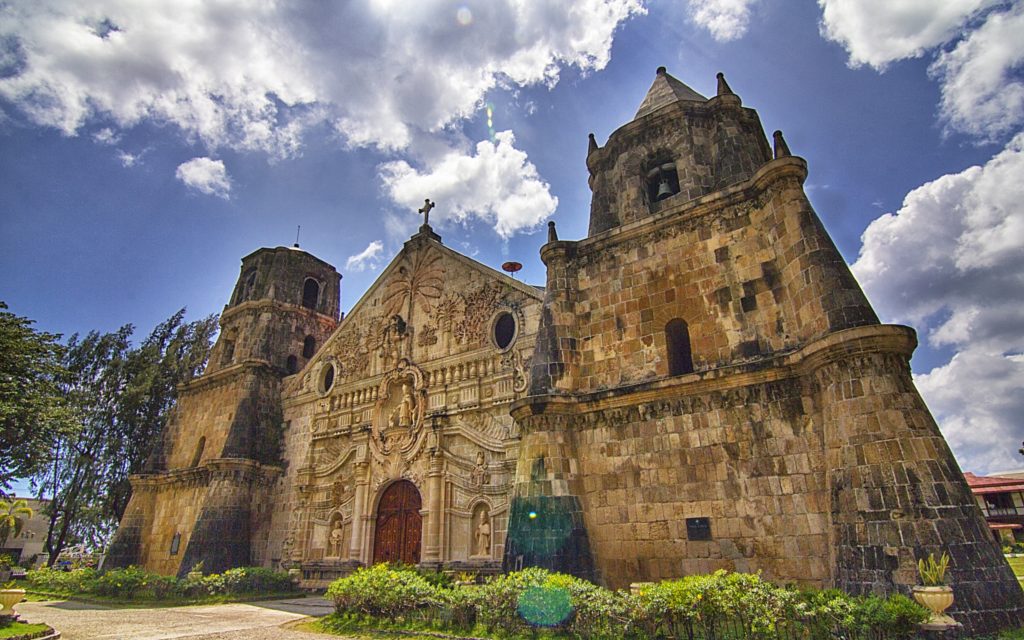
    Iconography within these churches often portrays scenes from the life of Christ, enriching their cultural significance. The adaptation of Baroque architecture to local conditions gave rise to the Earthquake Baroque style, exemplified by buildings like Paoay Church. This architectural blend has significantly impacted Philippine architecture and influenced future designs, highlighting the magnificence of Baroque churches in the country.

    Awe-Inspiring Colors and Contrasts

    Baroque churches in the Philippines showcase vibrant colors and striking contrasts, embodying a style that emphasizes deep hues and intricate details. The play of light and shadow, along with ornate decorations, defines the interiors and exteriors of these architectural wonders.

    Spanish influences blend with Oriental elements, creating a harmonious fusion of styles. For example, the San Agustin Church in Manila features elaborate carvings and a rich color palette that exemplify this fusion. Visitors are immersed in a kaleidoscope of colors and dramatic contrasts, experiencing the artistic heritage of the Philippines firsthand.

    Reflecting Artistic Ingenuity of Communities

    The Baroque Churches of the Philippines demonstrate a blend of Spanish and Oriental styles in their intricate iconography and detailed scenes from the life of Christ. This fusion highlights the artistic talents of Filipino craftsmen.

    The adaptation of Baroque architecture to the unique physical conditions in the Philippines led to the development of the Earthquake Baroque style. This style reflects the innovative approaches of local builders.

    Local Chinese townspeople were involved in designing these churches, creating a distinctive blend of architectural influences and artistic expressions. Preservation efforts include maintaining original bells and ancient artifacts.

    How Are the Themes in Florante at Laura Reflected in Philippine Baroque Churches?

    The rich and intricate themes portrayed in Francisco Balagtas’ timeless works, such as love, sacrifice, and resilience, are echoed in the elaborate designs and symbolic elements found in Philippine Baroque churches. These themes are reflected in the grandeur and depth of the architectural details, creating a powerful visual narrative.

    Blend of History, Faith, and Artistry

    The Philippine Baroque Churches, built between the 16th and 18th centuries, blend Spanish and Oriental styles. They showcase Spanish missionaries’ influence and adaptation of European Baroque elements to local aesthetics. These churches feature intricate iconography and scenes from Christ’s life, integrating faith and artistry.

    Recognized as UNESCO World Heritage Sites, they symbolize the country’s rich history and architectural heritage.

    Frequently Asked Questions

    Why Are Baroque Churches Important in the Philippines?

    Baroque churches in the Philippines are culturally and historically significant. Their architectural designs and religious influence create a strong spiritual bond. Preservation of these sites aids in understanding heritage and artistic expression.

    What Are the Characteristics of Baroque Architecture in the Philippines?

    Baroque architecture in the Philippines features ornate details, intricate designs, dramatic facades, elaborate interiors, and rich symbolism. Filipino Baroque churches, while less grand than European ones, display iconic architecture with unique cultural adaptations. These churches showcase ornate details, intricate designs, and rich symbolism typical of Baroque architecture.

    What Are the 4 Earthquake Baroque Churches in the Philippines?

    The Philippines has 4 earthquake Baroque churches: San Agustin Church, Santa Maria Church, Paoay Church, and Miagao Church. These UNESCO World Heritage Sites are known for their historical significance, intricate facades, and earthquake-resistant structures. They showcase ornate facades and boast structural integrity due to earthquake resistance.

    What Are the Elements of Art Shown in Baroque Churches?

    Baroque churches feature vibrant colors, detailed carvings, dramatic lighting, ornate altars, elaborate facades, rich textures, and dynamic compositions. This style originated in the late 16th century and was predominant in the 17th and early 18th centuries. For example, the Church of the Gesù in Rome is a prime example of Baroque architecture, known for its intricate decorations and dramatic use of light. The sensory overload experienced in these churches immerses visitors in a world of artistic grandeur.

    Conclusion

    The Philippine Baroque churches showcase a blend of Spanish and Oriental influences. These churches feature intricate detailing, vibrant colors, and grandeur, reflecting cultural fusion and artistic ingenuity.

    They stand as historical landmarks, preserving the rich heritage and faith of the Filipino community. This architectural marvel continues to inspire awe and admiration, serving as a testament to Filipino craftsmanship.

  • The Bamboo Organ of Las Piñas: A Unique Testament to Philippine Musicality

    The Bamboo Organ of Las Piñas: A Unique Testament to Philippine Musicality

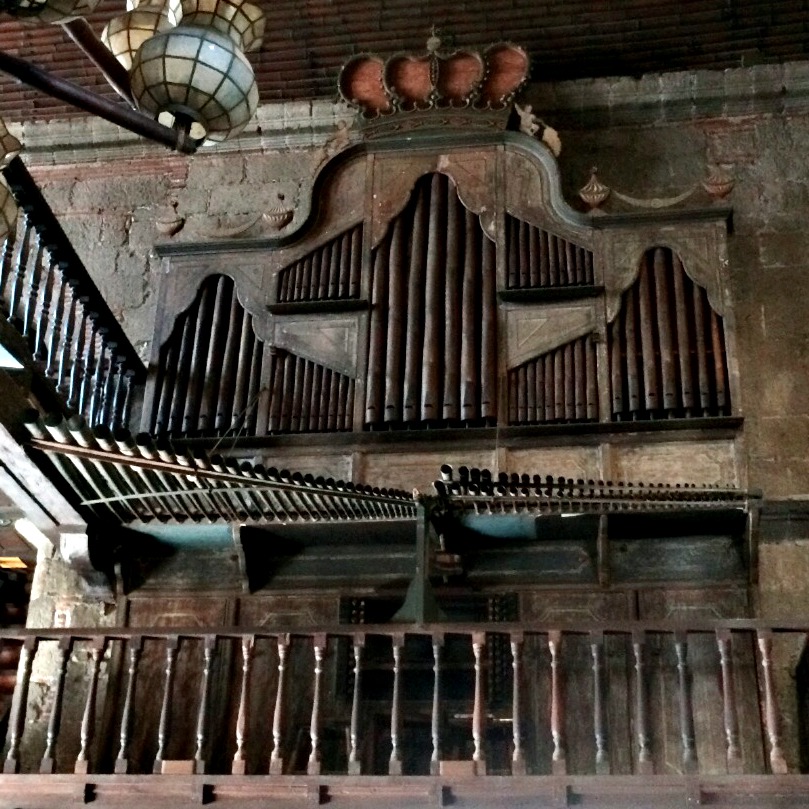
    The Bamboo Organ of Las Piñas was constructed by Father Diego Cera in the 19th century, featuring 1,031 bamboo pipes. It was designated as a National Cultural Treasure in 2003, highlighting its local ingenuity and historical importance.

    Restoration efforts have ensured its preservation despite earthquakes and typhoons, showcasing Filipino and international collaboration.

    The Bamboo Organ Festival, featuring performances by global artists, continues to celebrate its enduring legacy.

    Key Takeaways

    • Father Diego Cera constructed a pipe organ in the early 19th century, featuring 1,031 bamboo pipes.
    • This organ was honored as a National Cultural Treasure in 2003, highlighting Filipino musical ingenuity. Restoration works during the 1960s and 1970s safeguarded its historical value.
    • The establishment of Diego Cera Organbuilders in 1994 furthered the art of pipe organ construction.
    • Through collaborations with international artists, the organ has gained global recognition and facilitated cultural exchange.

    History of the Bamboo Organ

    The Bamboo Organ of Las Piñas was built by Father Diego Cera in the early 19th century. It has 1,031 bamboo pipes crafted between 1816 and 1824, showcasing Filipino musical creativity and local resource utilization.

    The organ was designated as a National Cultural Treasure in 2003 by the National Museum of the Philippines, highlighting its historical significance in Filipino cultural heritage.

    Destruction and Restoration Efforts

    The repair of the bamboo organ in the late 1800s and early 1900s demonstrated dedication to preservation.

    Restoration efforts in the 1960s and 1970s highlighted the need for expertise and financial support.

    Damage Assessment Process

    The Bamboo Organ of Las Piñas underwent restoration efforts due to damages from earthquakes and typhoons in the late 1800s. Repair and restoration initiatives began in the 1800s and early 1900s.

    An electric motor was installed in 1932 to assist in air pumping for the organ. In the 1970s, a full restoration was recommended.

    Johannes Klais Orgelbau undertook the restoration work to ensure the long-term preservation of the Bamboo Organ.

    Craftsmanship in Repair

    Johannes Klais Orgelbau undertook the restoration of the Bamboo Organ in Las Piñas in the 1960s and 1970s.

    Skilled artisans meticulously repaired the intricate bamboo pipes, ensuring each component maintained the organ’s unique sound.

    The restoration process combined traditional organ-building techniques with expertise in bamboo as a material.

    The repair team’s expert craftsmanship successfully revived the Bamboo Organ, preserving its historical significance and musical beauty.

    From Germany to the Philippines

    The Bamboo Organ of Las Piñas journeyed from Germany to the Philippines, showcasing cultural exchange through music.

    This highlighted musical innovation in Asia, blending tradition and modernity.

    The return of the Bamboo Organ emphasized global recognition of Philippine musical craftsmanship.

    Cultural Exchange Through Music

    The cultural exchange through music between Germany and the Philippines significantly contributed to the development of the Bamboo Organ of Las Piñas. The partnership between the two nations led to the restoration of the organ by Johannes Klais Orgelbau and showcased in Bonn, Germany, which helped preserve this unique instrument.

    The collaboration between Wolfgang Oehms and local musicians during the inaugural concert fostered cultural exchange and talent showcase. The establishment of Diego Cera Organbuilders, Inc. by Filipino artisans trained in Germany and Austria highlights the enduring legacy of this partnership.

    The annual International Bamboo Organ Festival serves as a reflection of global cultural exchange through music.

    Musical Innovation in Asia

    The Bamboo Organ of Las Piñas was created by Spanish priest Father Diego Cera in the early 19th century, blending European organ-building traditions with Asian craftsmanship. Father Cera was inspired by German techniques, showcasing a fusion of skills and creativity in the instrument’s construction.

    This cultural exchange resulted in a unique organ that symbolizes musical innovation and interconnectedness of diverse cultures. The Bamboo Organ stands as a remarkable example of artistic ingenuity and musical excellence, highlighting the harmonious convergence of traditions.

    Establishment of Diego Cera Organbuilders

    Diego Cera Organbuilders, founded in March 1994, is the first Filipino pipe organ building company.

    Cealwyn Tagle and Edgar Montiano, alumni of St. Joseph’s Academy in Las Piñas, established the company after training in Austria and Germany with support from the Bamboo Organ Foundation.

    They completed a 22-stop pipe organ for St. Joseph’s Academy, inaugurated during the Bamboo Organ Festival in 1994.

    This company has been instrumental in preserving and promoting the art of pipe organ construction in the Philippines.

    National Cultural Treasure Designation

    The Bamboo Organ of Las Piñas was designated as a National Cultural Treasure in 2003 by the National Museum of the Philippines. It’s listed in the National Registry of Historic Sites and Structures, highlighting its importance to Philippine cultural heritage.

    The organ showcases a blend of technological innovation and artistic creativity in its creation.

    This recognition ensures the preservation of the Bamboo Organ for future generations to appreciate and cherish.

    Bamboo Organ Festival Overview

    The Bamboo Organ Festival features a variety of musical performances, including classical and modern pieces, demonstrating the organ’s versatility.

    The event honors the craftsmanship of the organ builder and showcases the artistry behind this cultural treasure.

    The festival takes place at the Saint Joseph Parish Church and includes performances by the Las Piñas Boys Choir.

    Festival Highlights and Events

    The International Bamboo Organ Festival at the Saint Joseph Parish Church in Las Piñas City features a range of concerts and events annually. It showcases the Bamboo Organ’s versatility through diverse performances, covering genres from classical to contemporary music.

    Attendees can engage in workshops and view exhibits on the instrument’s history and craftsmanship. The festival offers cultural exchange opportunities for musicians and artists, fostering global connections.

    Preservation and restoration efforts for the Bamboo Organ are emphasized during the event, highlighting its importance as a musical treasure.

    Musical Performances Schedule

    The Bamboo Organ Festival’s Musical Performances Schedule features a diverse lineup of classical, religious, and folk music by renowned global artists. The festival highlights the historical and unique sound of the Bamboo Organ, showcasing Las Piñas’ rich cultural heritage.

    Local and international musicians participate, offering a wide range of captivating performances. Workshops and exhibits provide insights into the Bamboo Organ’s craftsmanship and history, enhancing visitor appreciation.

    The festival serves as a platform for artists to showcase their talents and celebrate the Bamboo Organ’s cultural significance in Philippine music.

    Organ Builder’s Legacy

    Father Diego Cera’s Bamboo Organ Festival showcases the legacy of his craftsmanship. The organ, built by Cera, features intricate pipes producing a unique sound. The festival honors Cera’s contribution to Philippine musical heritage.

    Attendees witness the quality and historical significance of Cera’s work annually. Father Diego Cera’s legacy lives on in the organ’s structure and musical performances.

    Significance of the Bamboo Organ

    The Bamboo Organ of Las Piñas is a significant cultural treasure in the Philippines due to its unique musical history and craftsmanship. Built by Fr. Diego Cera, this instrument is made almost entirely of bamboo. It has received international recognition, listed in the National Registry of Historic Sites and Structures in the Philippines, declared an Intangible Heritage of Humanity by UNESCO, and designated a National Monument by the National Museum of the Philippines.

    Managed by the Las Piñas Bamboo Organ Foundation Inc., it symbolizes Filipino heritage and artistry, producing beautiful music and being a cherished cultural icon.

    Venue: Saint Joseph Parish Church

    The Bamboo Organ of Las Piñas is housed in the Saint Joseph Parish Church, a historical venue renowned for its cultural and musical significance.

    • The church serves as the backdrop for the Bamboo Organ’s beauty and acoustics.
    • The International Bamboo Organ Festival attracts visitors to Saint Joseph Parish Church for a cultural immersion in Las Piñas.
    • The festival atmosphere is enhanced by the church’s architecture, providing a tranquil setting for musical celebrations.

    The Saint Joseph Parish Church is the focal point of the International Bamboo Organ Festival, showcasing the unique sound and historical importance of the Bamboo Organ.

    With its architectural charm and acoustics, the church offers an unforgettable experience, ideal for honoring Las Piñas’ musical heritage.

    Preservation and Restoration Techniques

    The Bamboo Organ of Las Piñas has undergone meticulous restoration efforts to preserve its historical and musical significance.

    • Restoration Techniques: Techniques such as replacing worn-out leather parts, installing new bellows, and enhancing the wind system have been utilized.
    • Significant Rehabilitation: The organ underwent significant rehabilitation in 2003-2004 to ensure longevity and peak performance.
    • Repair History: Repair works were conducted in the 1800s and early 1900s, with expert repair work being vital throughout history.
    • 1970s Restoration: Johannes Klais Orgelbau recommended a total restoration in the 1970s to maintain the organ’s integrity.
    • Challenges Faced: Challenges like insufficient funds have been faced in the preservation efforts.

    The preservation of the Bamboo Organ highlights the importance of safeguarding this historical musical treasure for future generations to enjoy.

    What Makes the Bamboo Organ and the Gong Music of the Philippine Cordilleras Unique Testaments to Philippine Musicality?

    The Bamboo Organ and the Gong music of the Philippine Cordilleras are unique testaments to Philippine musicality. The gong music Philippine Cordilleras UNESCO has recognized the cultural importance of these musical traditions. The organic sounds of bamboo and the rhythmic resonance of gongs showcase the diverse and rich musical heritage of the Philippines.

    Notable Performances and Collaborations

    The Bamboo Organ collaborates with international artists and ensembles, enhancing its cultural impact.

    Performance exchanges with Bach Academie Alden Biesen in Belgium promote cultural exchange.

    Australian organist Jennifer Chou and the Manila Baroque Ensemble contribute to the International Bamboo Organ Festival.

    The festival unites musicians globally to celebrate the instrument’s legacy.

    Through these collaborations, the Bamboo Organ fosters cultural understanding and appreciation for classical music worldwide.

    Frequently Asked Questions

    What Makes the Bamboo Organ of Las Piñas Unique?

    The bamboo organ of Las Piñas is a unique musical instrument known for blending cultural significance and musical innovation. This architectural marvel dates back to 1816 and is renowned for its distinctive acoustic resonance.

    What Is the Story of the Bamboo Organ?

    The bamboo organ was crafted in 1816 by Father Diego Cera, featuring unique bamboo pipes. It was constructed in Las Piñas, showcasing remarkable ingenuity. Restoration efforts have preserved this musical treasure despite enduring natural disasters.

    Why Was the Las Piñas Bamboo Organ Declared as a National Treasure?

    The Las Piñas Bamboo Organ is valued for its cultural significance and history preservation efforts. It is recognized nationally as a symbol of Philippine musicality, solidifying its status as a proud national treasure.

    What Is the Oldest Bamboo Organ in the Philippines?

    The oldest bamboo organ in the Philippines is of significant historical value and is a key aspect of the country’s cultural heritage. Its construction is unique, and it showcases the musical talent of the Philippines.

    Conclusion

    The Bamboo Organ of Las Piñas showcases Philippine musicality, history, and craftsmanship. It underwent restoration after being damaged, leading to its recognition as a National Cultural Treasure.

    This unique instrument is a vital part of preserving the country’s cultural heritage. With its captivating music, the Bamboo Organ highlights the Philippines’ rich musical tradition.

  • Subli: the Sacred Dance of Batangas and Its Religious Significance

    Subli: the Sacred Dance of Batangas and Its Religious Significance

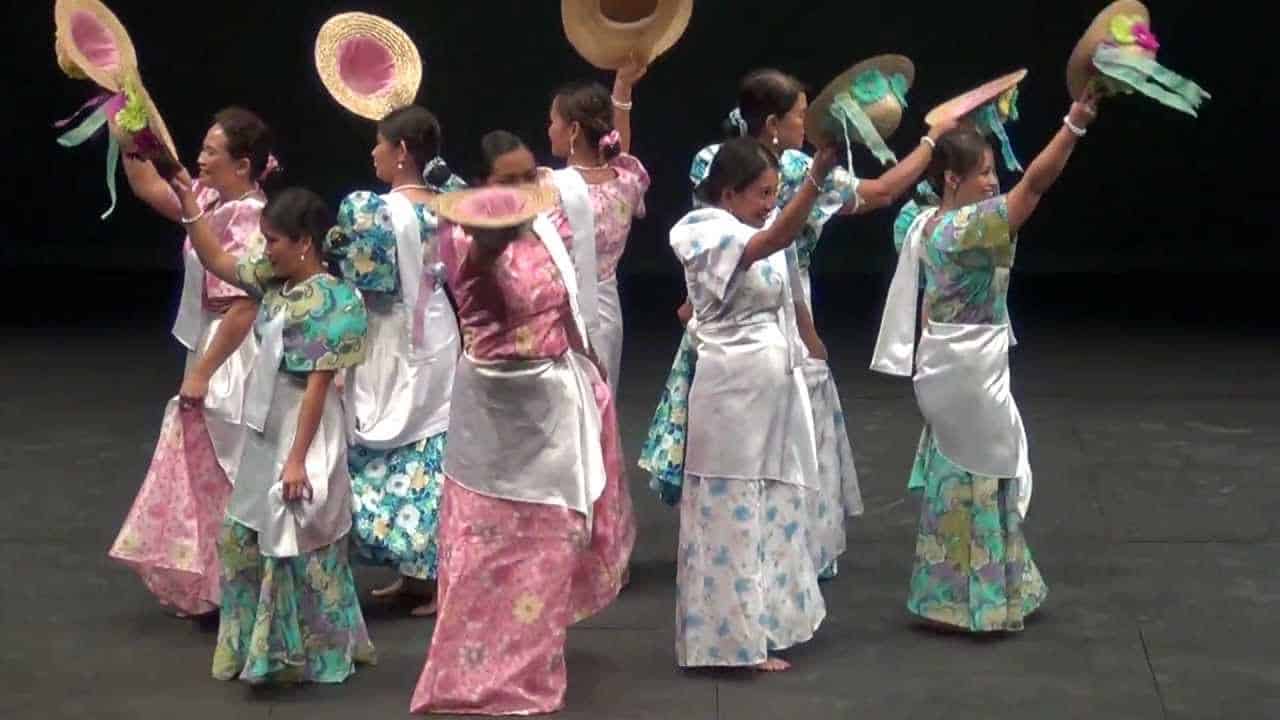
    Subli is a traditional dance form originating from Batangas that centers around the Holy Cross of Alitagtag. This ritual, deeply rooted in religion and history, is cherished by the local community. Passed down through generations, Subli represents transformation, repentance, and reverence for the divine.

    The dance consists of intricate movements that reflect spiritual beliefs and connect dancers to their ancestors. It has evolved over time, blending ancient customs with contemporary influences. Subli serves as a vibrant testament to tradition and faith, captivating audiences with its spiritual depth and rich history.

    Key Takeaways

    • Subli originated in Bauan, Batangas before the Spanish era. It signifies reverence for the Holy Cross of Alitagtag and ancestral migration.
    • The ritual embodies spiritual meanings such as repentance and transformation.
    • The evolution of Subli includes contemporary elements while preserving tradition.
    • This tradition promotes community unity and heritage preservation.

    Origin of Subli in Batangas

    Subli in Batangas has its origins in Bauan during the pre-Spanish era as a sacred religious ritual dedicated to the Holy Cross of Alitagtag. The name ‘Subli’ is derived from ‘subsob’ and ‘bali,’ symbolizing the dance’s essence of falling and brokenness before the sacred.

    This dance form holds historical significance in Bauan, with the Holy Cross of Alitagtag being its focal point. The rituals of Subli represent the spiritual journey of the early settlers in Bauan, showcasing their quest for divine protection and guidance.

    This ancient tradition remains a vital part of Batangas’ cultural heritage, resonating with its people.

    Historical Significance of Subli Dance

    The Subli dance in Batangas originated in Bauan before the Spanish era, serving as a religious ritual. It pays homage to the Holy Cross of Alitagtag and symbolizes the migration of early tribes to Bauan.

    The name ‘Subli’ comes from ‘subsob’ and ‘bali,’ reflecting the dance’s falling and breaking movements. The dance combines dynamic twists by male dancers and graceful circles by female dancers, accompanied by prayers, songs, and specific movements. It showcases the artistry and spirituality of Batangas people in traditional religious ceremonies.

    Religious Symbolism in Subli Ritual

    The Subli ritual features symbolic gestures and movements that convey deep spiritual meanings, connecting dancers to their ancestry and religious beliefs.

    These gestures symbolize transformation, repentance, and reverence for the divine.

    The intricate choreography and prayers in the dance embody a sacred tradition, honoring cultural heritage and spiritual devotion.

    Symbolic Gestures in Subli

    Symbolic gestures in Subli involve dancers using ribbons to show reverence to a Cross replica on an altar.

    These gestures symbolize the dancers’ devotion to the Holy Cross and their spiritual connection to the ritual.

    The incorporation of ribbons adds a visual element to the performance, enhancing the overall symbolism of the Subli ritual.

    The dancers’ movements with the ribbons reflect their deep commitment to their religious beliefs.

    Spiritual Significance in Subli

    The Subli ritual combines Catholic worship elements with traditional practices to honor the Holy Cross of Alitagtag. This dance symbolizes Batangueños’ strong faith in the Holy Cross’ protection against evil forces. Subli showcases the fusion of religious and cultural elements and reflects the community’s devotion to spiritual beliefs.

    Through precise movements and symbolic gestures, Subli conveys a profound connection to the divine. The ritual includes prayers, songs, and dances performed in a specific sequence, emphasizing the significance of the Holy Cross of Alitagtag in Batangas’ cultural and spiritual heritage.

    Evolution of Subli Ceremony

    The Subli ceremony has evolved over time, with its origins dating back to ancient times. This sacred dance has undergone significant changes, reflecting cultural influences in Batangas.

    Understanding the historical roots and contemporary adaptations of Subli is essential to grasp its cultural significance.

    Historical Origins of Subli

    The Subli ceremony in Bauan, Batangas evolved from early tribes’ religious practices. It’s deeply connected to pre-Spanish era rituals honoring the Holy Cross of Alitagtag.

    The name ‘Subli’ comes from ‘subsob’ and ‘bali,’ symbolizing the dance’s transformative nature. Subli is a panata vow for protection against evil spirits and reflects belief in the power of the Holy Cross.

    Modern Adaptations of Subli

    The Subli ceremony has evolved to incorporate contemporary dance movements and music genres while maintaining its traditional core. Modern adaptations feature innovative dance styles and music, adding a fresh energy to the ceremony.

    Some versions of Subli include contemporary dance elements to attract a wider audience. Utilization of modern technology for music and stage effects enhances the overall experience.

    Cultural groups and schools update Subli by incorporating current themes and issues while preserving its religious significance. Collaborations with choreographers and artists bring new perspectives to ensure the traditional Subli dance remains engaging in modern times.

    Cultural Impact of Subli Tradition

    The Subli tradition in Batangas showcases a strong belief in the Holy Cross, intertwining artistry and spirituality while promoting community unity.

    The dance of Subli, originating in Bauan, is a cultural and religious expression deeply rooted in the Holy Cross.

    The annual Sublian Parade unites locals in a vibrant demonstration of tradition and faith, enhancing social cohesion.

    Batangueño people pass down their heritage through Subli, preserving centuries-old customs with pride.

    Subli’s cultural impact goes beyond entertainment, fostering a profound connection to history and spirituality.

    Role of Music in Subli Performance

    Music in Subli performance blends rhythmic beats and spiritual melodies, enhancing the dance’s cultural tapestry.

    The drums and wooden castanets used in Subli provide a rhythmic accompaniment for the dancers.

    The rhythmic mode in Sinala, Bauan, is the original musical style of Subli, giving it a distinct sound.

    This musical style, handed down through generations, enriches the spiritual and cultural significance of the dance.

    The music in Subli possibly originated from older animist rituals, now Christianized, creating a devotional atmosphere when synchronized with the dance movements.

    Steps and Movements in Subli Dance

    The Subli dance is a symbolic performance showcasing devotion and unity within the community. Male dancers demonstrate humility and reverence by executing the ‘manunublî,’ falling to their knees and twisting.

    Female dancers display grace and devotion through elegant circular movements. The synchronized performance of male and female dancers emphasizes harmony and unity within the community.

    The rhythmic music from drums and castanets complements each step, enriching the cultural and spiritual atmosphere of the dance.

    Modern Interpretations of Subli

    Contemporary interpretations of Subli blend traditional and modern dance elements, attracting a wider audience. Choreographers infuse innovative choreography with indigenous rituals, maintaining the essence of the dance form.

    Avant-garde music arrangements enhance the experience, adding a fresh perspective. Through experimentation, artists create unique renditions of Subli, merging old and new styles.

    Subli serves as a platform for creative exploration, evolving into mesmerizing contemporary performances.

    What is the Religious Significance of the Sinulog Festival?

    The Sinulog Festival is a celebration in the Philippines that blends traditional dancing, rhythmic beats, and deep religious devotion. This colorful festival pays homage to the Santo Niño, and its dancing procession symbolizes the community’s faith and thanksgiving for blessings. The sinulog festival dancing beat devotion intricately connects faith and cultural celebration.

    Preservation Efforts for Subli Tradition

    Efforts to preserve the Subli tradition include workshops and classes organized by cultural organizations. These initiatives aim to teach Subli to the younger generation, ensuring its continuity.

    Documentaries and publications are produced to showcase the history and significance of Subli.

    Active participation in festivals and events helps keep the tradition alive among the Filipino people.

    The Philippines maintains a strong cultural connection by actively preserving Subli, ensuring its thriving existence for years to come.

    Frequently Asked Questions

    What Is the Significance of the Subli Dance?

    The Subli dance is a cultural and spiritual practice with deep historical roots. It involves traditional movements and symbolic gestures that promote community unity through rhythmic patterns. This dance form has been performed for centuries and continues to inspire contemporary adaptations.

    Is Subli a Religious Festival?

    Subli is a religious festival in Batangas, Philippines. It is deeply rooted in cultural heritage and ritualistic traditions. This traditional performance celebrates the Holy Cross and unites the community. The festival showcases the enduring significance of the Holy Cross in Batangas.

    What Is the Significance of Sublian Festival?

    The Sublian Festival showcases Batangas’ cultural heritage through ritualistic movements and community celebrations. It unites participants in devotion and honors faith through dance. The festival has been celebrated annually since 1988, drawing over 10,000 attendees each year.

    Is the Folk Dance Subli Is a Worship Dance From the Province of Batangas?

    Subli is a worship dance originating from Batangas province. This cultural tradition features spiritual dance interpretation and has indigenous roots. The dance is a ritual performance involving community participation and showcases historical reverence for the Holy Cross.

    Conclusion

    The Subli dance of Batangas is a traditional ceremony with deep religious significance, rooted in the cultural heritage of the region. This sacred dance has been passed down through generations, showcasing the enduring traditions and values of the community. Through music, movement, and symbolism, Subli continues to be a cherished tradition in Batangas.

    Its significance is evident in the fact that it’s performed in a series of 12 or 20 dances, symbolizing the 12 apostles or the 20 mysteries of the rosary.

    The Subli dance remains an essential part of Batangas’ cultural identity, preserved and celebrated by the local people.

  • The Evolution of OPM: Tracing the Roots of Original Pilipino Music

    The Evolution of OPM: Tracing the Roots of Original Pilipino Music

    OPM’s evolution is influenced by Malay, Chinese, and Islamic cultures, deeply rooted in traditional Filipino music. Spanish colonization introduced Western styles, blending with Filipino musical elements. This fusion gave rise to diverse genres, from folk to modern pop, showcasing adaptability and innovation.

    Folk legends like San Pedro and Buenaventura inspired modern OPM artists to explore Filipino music traditions. The fusion with Western genres created a global resonance, honoring heritage while embracing contemporary styles.

    Key Takeaways

    • OPM blends Malay, Chinese, and Islamic influences in its percussion and melodies.
    • Spanish colonization integrated Western music with Filipino elements in OPM. Various styles emerged, such as Manila Sound and Pinoy Rock.
    • Traditional Filipino music draws inspiration from folk legends like San Pedro and Buenaventura.
    • OPM effortlessly combines with Western genres like rock, pop, and jazz, creating a distinctive sound.

    Traditional Filipino Music Influences

    Traditional Filipino music is a blend of Malay, Chinese, and Islamic cultures, featuring percussion instruments like kulintang, gong, and tambol. Malay influence contributed rhythmic patterns and melodies, while Chinese culture added intricate musical structures. Islamic influences brought a mystical and spiritual dimension through specific scales and vocal styles. This cultural fusion created a unique sound in traditional Filipino music.

    Spanish colonization introduced Western music, leading to a fusion of Filipino musical elements with Western styles. This fusion marked a significant evolution, laying the foundation for OPM (Original Pilipino Music) as a distinct genre in the Philippines.

    Spanish Influences on OPM

    The influence of Spanish colonization on OPM is significant, with Western music shaping the genre’s unique identity. OPM artists integrated Spanish musical elements skillfully, resulting in songs that often feature Spanish-influenced melodies and harmonies.

    The Spanish zarzuela, a type of operetta, was adapted into Philippine music, contributing to OPM’s development. This fusion of Spanish and Filipino music created a distinct sound in OPM.

    The interplay between these cultural influences enriched OPM and contributed to its diverse nature.

    Evolution of OPM Genres

    OPM genres have diversified over time, incorporating various styles from traditional folk to modern pop and rock. This fusion of influences has resulted in unique sounds that resonate with Filipino audiences. Examples include the disco-influenced Manila Sound from the 1970s and the contemporary blend of Western and Filipino elements in Pinoy Rock and Pinoy Pop.

    These genres showcase adaptability and thrive in the music landscape.

    Genre Diversification

    OPM has diversified into various genres, including Pinoy Rock, Pinoy Pop, and Manila Sound.

    Pinoy Rock, represented by bands like The Eraserheads, combines Western rock with Filipino influences, appealing to a younger audience.

    Pinoy Pop, led by artists such as Gary Valenciano, focuses on creating catchy, radio-friendly tunes for a broader listenership.

    Manila Sound, embodied by groups like Hotdog, brings a disco-inspired vibe to OPM, reflecting the 1970s music scene.

    This fusion of traditional Filipino music with Western elements has created a diverse musical landscape, showcasing Filipino musicians’ creativity and versatility.

    Influences and Fusion

    The evolution of OPM genres blends traditional Filipino music with Western influences, shaping Filipino cultural identity.

    Manila Sound in the 1970s fused disco with Filipino music, leading to the emergence of Pinoy Rock and Pinoy Pop in the 1980s.

    Contemporary artists like Sarah Geronimo and Yeng Constantino diversify OPM by blending various styles.

    This fusion reflects the resilience of Filipino music, staying relevant both locally and internationally.

    Influence of Folk Legends

    Lucio San Pedro and Alfredo Buenaventura have significantly influenced traditional Filipino music with compositions inspired by Philippine gong music and kulintang instruments. Their work reflects Filipino musical heritage deeply.

    For instance, Harana and Kundiman are notable songs from the Spanish colonial period showcasing their contribution to Filipino music. These melodies were often paired with traditional dances like Tinikling and Cariñosa, enhancing the overall performance.

    The impact of these folk legends persists in modern OPM, motivating artists to delve into Filipino music traditions.

    Modern OPM Ballads

    Modern OPM ballads have adapted to contemporary themes, resonating with today’s audiences.

    Emerging OPM balladeers are redefining the traditional ballad style with new perspectives and approaches.

    The influence of digital platforms has significantly expanded the audience reach and visibility of modern OPM ballads, allowing talented artists to gain wider recognition.

    Contemporary OPM Ballads

    Contemporary OPM ballads in Filipino music resonate emotionally with audiences, focusing on themes like love and heartbreak. Artists like Moira Dela Torre and Sarah Geronimo are known for their powerful vocals and poignant storytelling.

    The ‘hugot’ factor in these ballads deeply connects with Filipino listeners. The enduring popularity of these ballads highlights their timeless appeal, mirroring the emotions and experiences of the audience.

    Emerging OPM Balladeers

    Emerging OPM balladeers like Moira Dela Torre and Ben&Ben are gaining popularity with their heartfelt lyrics and soulful performances. These artists delve into themes of love, heartbreak, and personal struggles, resonating with their audience.

    Their music combines traditional Filipino elements with modern production, appealing to both local and international listeners. With the rise of streaming platforms, these OPM balladeers now reach a wider audience, securing their position in the industry and fostering the growth of OPM ballads.

    Impact of Digital Platforms

    The digital revolution has significantly impacted OPM ballads, expanding their global influence. These modern ballads are accessible on major platforms like Spotify, Apple Music, and YouTube, broadening OPM artists’ reach.

    Through social media, artists effectively promote their music and engage with fans. This interaction has led to the discovery of new OPM talents and the customization of playlists.

    The digital era has been instrumental in the resurgence of OPM ballads, cementing their place in today’s music landscape.

    OPM Fusion With Various Genres

    OPM seamlessly blends traditional Filipino music with Western genres, creating an innovative sound. Here are some examples of OPM fusion:

    1. Rock and Pop Fusion: OPM artists combine Filipino instruments with rock and pop to produce unique melodies.
    2. Jazz Fusion: Jazz influences bring sophistication and improvisation to OPM music.
    3. Eclectic Sound: OPM’s fusion with various genres resonates globally.
    4. Honoring Musical Heritage: OPM blends contemporary styles with traditional Filipino music to celebrate its rich heritage.

    How Has the Rondalla Contributed to the Evolution of OPM?

    The enchanting melodies of Philippine rondalla have played a significant role in shaping the evolution of OPM. With its unique blend of traditional string instruments, the rondalla has infused a distinctive sound into the local music scene, influencing countless OPM artists and adding to the richness of Filipino musical heritage.

    OPM’s Cultural and Musical Diversity

    OPM is a music genre that fuses traditional Filipino music with Western influences, reflecting the diverse heritage of the Philippines. Traditional Filipino instruments such as kulintang, gong, and tambol are integrated into OPM, creating a unique cultural blend.

    OPM covers various styles, including ballads and rock, showcasing the wide range of Filipino musical expressions. Artists in OPM draw inspiration from indigenous traditions, Spanish colonial influences, and global music trends, creating a dynamic musical heritage.

    This fusion highlights the cultural and musical diversity of the Philippines, demonstrating its rich history and vibrant artistic expressions.

    Frequently Asked Questions

    What Is the History of OPM Original Pilipino Music?

    Musical influences from traditional Filipino and Western music have shaped OPM. OPM reflects Filipino identity through a blend of folk roots and political themes. Pioneering artists in OPM combined these elements to create a unique musical genre. Modern adaptations of OPM now focus on global recognition, regional diversity, and youth engagement. OPM has evolved to incorporate technological advancements, attracting a vast audience.

    What Is the Evolution of Music in the Philippines?

    Musical influences, genre fusion, and local artists play a significant role in shaping Filipino music. The Philippines has over 175 languages and dialects, contributing to a diverse musical landscape. OPM (Original Pilipino Music) is a genre that showcases local talent and cultural identity. Bamboo and Eraserheads are notable bands that have made a mark on the Filipino music scene. Global recognition and technological advancements have also influenced the evolution of music in the Philippines.

    Why Is OPM Important to Filipinos?

    OPM is integral to Filipinos, embodying cultural pride and national identity. It fosters emotional connections, serves as a platform for creative expression, and influences generations. It has a significant impact on the economy, contributing approximately PHP 20.9 billion annually. OPM unites people through music and provides social commentary. For example, the song “Anak” by Freddie Aguilar reflects societal issues.

    How Has the Philippine Music Industry, Especially Opm, Contributed to the Preservation of Filipino Cultural Identity?

    OPM in the Philippine music industry embodies cultural representation, preserving musical heritage and promoting national pride. It reflects historical significance through artistic expression and indigenous influences, fostering social commentary and celebrating cultural diversity.

    Conclusion

    The evolution of Original Pilipino Music (OPM) intertwines traditional Filipino influences, Spanish colonial impacts, and modern genre fusion.

    OPM encompasses a wide array of genres, reflecting the creativity and talent of Filipino musicians.

    With over 100 years of history, OPM remains a vital component of Filipino cultural identity and musical heritage.

  • The Kulintang Ensemble: A Melodic Fusion of Islamic and Indigenous Influences

    The Kulintang Ensemble: A Melodic Fusion of Islamic and Indigenous Influences

    The Kulintang Ensemble, originating from Moro tribes in the Southern Philippines, combines Islamic and indigenous influences through the use of gongs. This fusion involves diverse Filipino ethnolinguistic groups, notably the Maguindanaon and Maranao kulintang.

    The ensemble features gongs tuned to specific pitches and struck with precision, creating captivating performances. Supported by the antangan or langkonga frame, the ensemble holds cultural significance deeply rooted in Moro traditions.

    The blend of Islamic and indigenous elements in the Kulintang Ensemble results in a rich musical tapestry.

    Key Takeaways

    • Kulintang, originating in the Southern Philippines, is a musical tradition blending Islamic and indigenous influences among Moro tribes.
    • It features tuned bronze or brass gongs struck with bamboo sticks. These gongs are essential for social events, ceremonies, and traditional practices within Moro culture.
    • The fusion of indigenous Philippine music and Islamic influences is exemplified in the ‘Kulintang Kultura’ CD.
    • Preservation efforts include educational programs, collaborations, and modern interpretations to ensure cultural continuity.

    Historical Roots of the Kulintang Ensemble

    The Kulintang Ensemble originated in the Southern Philippines among Moro tribes, blending Islamic and indigenous influences. It consists of gongs played by Filipino ethnolinguistic groups, notably the Maguindanaon and Maranao kulintang, within a pentatonic scale.

    The rhythmic patterns of this ensemble symbolize cultural resilience and identity. Through interactions with neighboring cultures, the Kulintang Ensemble has evolved while maintaining authenticity.

    Its historical significance lies in representing the enduring heritage of the Filipino people.

    Instrument Description and Technique

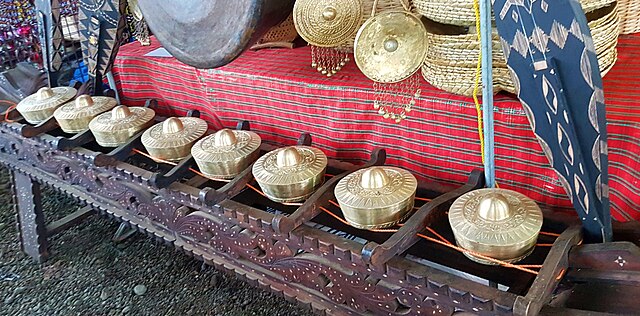
    The kulintang ensemble, originating in the Southern Philippines, consists of five to nine bronze or brass gongs. These gongs are tuned to specific pitches and are struck with bamboo or wooden sticks to create rhythmic melodies.

    Each gong weighs 2 to 3 pounds and varies in size, with diameters ranging from 6 to 10 inches and heights of 3 to 5 inches. The antangan or langkonga frame supports the gongs, enhancing their resonance with designs ranging from simple to intricate.

    Precise striking techniques allow for dynamic and culturally significant musical performances.

    Cultural Significance and Social Functions

    Kulintang is a vital component of Moro culture in the Southern Philippines, playing a crucial role in social events and ceremonies. It’s integral to various cultural celebrations, marriage rituals, and traditional customs.

    Weddings and social gatherings frequently feature Kulintang performances, adding a traditional musical element to these occasions. In courtship traditions, Kulintang music enhances romantic interactions.

    The Gandingan historically served to call Muslims to prayer, showcasing the broader significance of Kulintang beyond entertainment in Moro communities. Kulintang blends Islamic influences with indigenous cultures in the Southern Philippines, embodying a vibrant cultural expression.

    Compositional Elements and Musical Traditions

    Kulintang music is a fusion of indigenous Philippine musical traditions and Islamic influences, showcased on the ‘Kulintang Kultura’ CD. This music features traditional kulintang melodies reinterpreted by artists, offering insight into its diverse elements.

    Ethnomusicologist Danongan Kalanduyan introduces a track on rhythmic patterns supporting melodic gongs, enhancing the listening experience. Kulintang music’s versatility is demonstrated through fusion with various genres, placing it in the realm of World Music.

    Kalanduyan is recognized as the first Filipino American to significantly promote Kalanduyan and Gong Music, contributing to its legacy.

    How Does the Kulintang Ensemble Contribute to the Evolution of OPM?

    The Kulintang ensemble plays a crucial role in the evolution of OPM music roots, blending traditional Filipino musical elements with modern sounds. Its distinctive rhythmic patterns and melodic structures contribute to the rich tapestry of OPM, providing a unique and dynamic musical experience for audiences worldwide.

    Future Evolution and Preservation Efforts

    Efforts to preserve and evolve kulintang music are crucial for its cultural significance and continuity. Preservation initiatives include educational programs, cultural events, and festivals.

    Modern interpretations of kulintang blend traditional and contemporary elements, appealing to diverse audiences. Documenting kulintang music through transcription and notation systems ensures its longevity.

    Collaborations with artists from different backgrounds enrich kulintang’s repertoire and expand its cultural reach.

    Frequently Asked Questions

    Is Kulintang Ensemble Islamic?

    The kulintang ensemble merges Islamic and indigenous influences in its music, reflecting a blend of traditional styles. This cultural heritage holds significance in ethnomusicology due to its intricate fusion of musical elements. The ensemble typically consists of five to six small, horizontally laid gongs, played with a pair of bamboo beaters. Its origins trace back to the Maranao people of the Philippines, showcasing a rich history and diverse cultural connections.

    What Is the Origin of the Kulintang Ensemble?

    The kulintang ensemble originated from diverse cultural backgrounds, blending indigenous and ethnic influences. It features a set of eight small gongs played together to create harmonious melodies. This musical tradition dates back over 800 years in the Philippines and has spread to other Southeast Asian countries like Indonesia and Malaysia. The rhythmic patterns in kulintang music are based on traditional cycles and are often accompanied by other indigenous instruments like the agung and dabakan. The collaboration between musicians is crucial in creating the intricate and layered soundscape that defines kulintang music.

    What Does a Kulintang Signify in Music?

    A kulintang in music blends indigenous and Islamic influences. It showcases traditional compositions, rhythmic beats, and melodic patterns. This instrument ensemble signifies cultural harmony through unique performance techniques.

    What Is the Role of the Kulintang in the Culture and Tradition of Filipinos in Mindanao?

    The kulintang is a traditional musical instrument in Mindanao, Philippines. It is used in community gatherings to preserve cultural heritage. The rhythmic patterns of the kulintang reflect historical evolution through improvisation and regional styles.

    Conclusion

    The kulintang ensemble exemplifies the fusion of Islamic and indigenous influences in traditional Filipino music. It comprises eight gongs played together, each with a specific pitch. This ensemble has a historical legacy spanning over 500 years.

    The kulintang’s design is unique, with each gong suspended horizontally in a wooden frame. Its cultural significance lies in its role as a symbol of community identity and heritage. The evolving musical traditions of the kulintang continue to be preserved and promoted.

    This art form’s impact extends both locally and globally, contributing to the diverse musical landscape.

  • The Gong Music of the Philippine Cordilleras: A UNESCO Intangible Cultural Heritage

    The Gong Music of the Philippine Cordilleras: A UNESCO Intangible Cultural Heritage

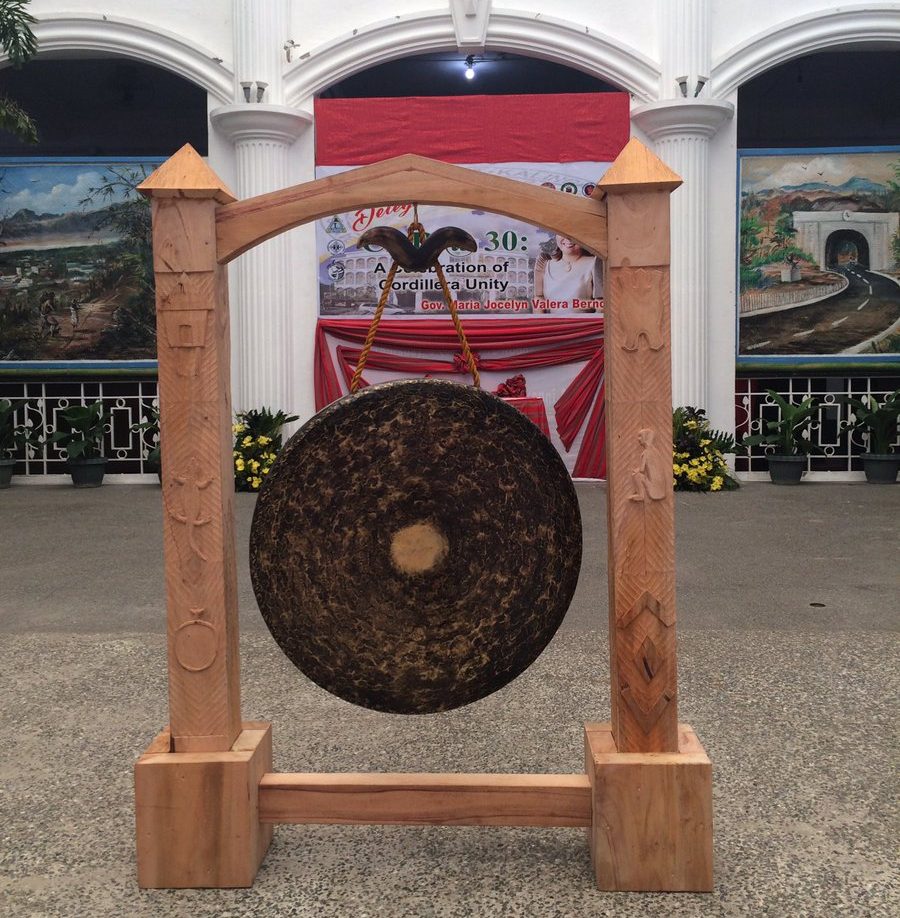
    The Gong Music of the Philippine Cordilleras is a UNESCO Intangible Cultural Heritage since 2008. It embodies ancient traditions of indigenous groups, with gongs symbolizing spiritual beliefs and playing essential roles in ceremonies.

    This tradition unites the community with their cultural roots and strengthens bonds among diverse ethnicities. Gong music features ritual drumming and intricate symbolism, enhancing indigenous rituals and conveying messages to supernatural dimensions.

    Contemporary adaptations ensure sustainability and relevance, bridging traditional techniques with modern influences for future preservation.

    Key Takeaways

    • The UNESCO recognized Gong Music of the Philippine Cordilleras in 2008.
    • Preservation efforts target traditional playing techniques.
    • Initiatives prioritize oral transmission of knowledge.
    • Sustainable safeguarding plans are under development.
    • Emphasizing the cultural heritage’s significance for preservation.

    Historical Roots of Cordilleran Gong Music

    The historical roots of Cordilleran Gong Music date back centuries in the Philippine Cordilleras. Indigenous communities have preserved this tradition for generations, using gongs in cultural practices and spiritual rituals. The gongs symbolize deities and play a vital role in ceremonies.

    Cordilleran peoples have passed down the art of playing gongs for centuries, reflecting their cultural heritage. This tradition isn’t just entertainment but a sacred practice connecting the community with their spiritual beliefs.

    Significance in Indigenous Rituals

    Indigenous rituals in the Cordilleras utilize gong music as a crucial element connecting the earthly and spiritual realms.

    The rhythmic beats and resonant tones of the gongs guide participants through ceremonial practices, invoking ancestral spirits and channeling divine energies.

    This sacred language communicates with supernatural forces, shaping beliefs and traditions within the community.

    Ritual Drumming Importance

    Ritual drumming in Gong Music of the Philippine Cordilleras is a sacred practice for invoking ancestral spirits and promoting community harmony. It serves as a vital link to the spiritual realm through rhythmic communication.

    Each drumbeat conveys specific meanings, enhancing the rituals and connecting with the spiritual world. These traditions, handed down over generations, safeguard the cultural and spiritual heritage of the Cordillera people, ensuring the preservation of their beliefs.

    Spiritual Ceremonial Practices

    In the Philippine Cordilleras, each gong holds intricate symbolism and spiritual significance. Indigenous rituals attribute sacredness to the gongs, with each representing a specific deity. Older gongs are believed to possess greater power and spiritual importance.

    Gong music is central in spiritual ceremonies, showcasing deep-rooted cultural and religious beliefs. The careful integration of gongs preserves the cultural identity of the Philippine Cordilleras.

    Cultural Transmission Through Generations

    Gong Music traditions in the Philippine Cordilleras are preserved through oral and experiential learning methods. Elders pass down knowledge to younger community members through apprenticeships and hands-on practice. Family and community gatherings facilitate intergenerational knowledge exchange. This transmission process ensures the continuity of cultural practices and fosters strong community bonds.

    The oral nature of this tradition enriches the cultural tapestry of the region.

    UNESCO Recognition and Preservation Efforts

    Efforts to preserve the Gong Music of the Philippine Cordilleras, recognized by UNESCO in 2008, aim to safeguard traditional playing techniques and cultural significance. Various preservation initiatives have been implemented, including the following:

    • Developing sustainable safeguarding plans to ensure the continuity of gong music traditions.
    • Strengthening oral transmission of knowledge related to gong culture.
    • Transmitting the art of playing the gong to younger generations.
    • Highlighting the significance of preserving the unique cultural heritage of gong music in the Philippine Cordilleras.

    Impact on Community Identity and Unity

    The Gong Music of the Philippine Cordilleras plays a vital role in fostering communal bonds and a shared heritage among diverse ethnic groups in the region.

    This cultural practice symbolizes unity, creating a collective identity through tradition and shared experiences.

    By playing gongs together in community events, rituals, and social gatherings, Cordilleran communities strengthen connections and reinforce a sense of belonging.

    The intangible nature of gong music emphasizes the importance of preserving this tradition for future generations.

    Is the Gong Music of the Philippines Cordilleras also used in the Tinikling dance?

    Yes, the Gong Music of the Philippines Cordilleras is also used in the Tinikling dance, the Philippine national dance. The rhythmic sounds of the gongs complement the movements of the dancers, creating a lively and captivating performance that represents the rich cultural heritage of the Philippines.

    Contemporary Relevance and Future Sustainability

    The gong music of the Philippine Cordilleras adapts to contemporary society, ensuring relevance and sustainability. Efforts to preserve this traditional culture are crucial.

    A safeguarding model integrating traditional practices and modern influences is essential for future sustainability. Collaborative initiatives involving local communities, educational institutions, and cultural organizations are pivotal.

    Gong music goes beyond ceremonial functions, contributing to contemporary artistic expressions and cultural heritage appreciation.

    Frequently Asked Questions

    What Are the Philippine UNESCO Intangible Cultural Heritage?

    Philippine UNESCO intangible cultural heritage includes traditional dances, indigenous rituals, oral traditions, handicraft techniques, and culinary practices. These cultural elements reflect diverse cultures and deep-rooted resilience.

    What Are the Intangible Cultural Heritage Found in Cordillera?

    In Cordillera, our intangible heritage comprises traditional dances (e.g., 12 distinct styles), indigenous rituals (like the annual harvest ceremony), oral traditions (including 8 epic narratives), handicraft techniques (utilizing 5 unique methods), and culinary practices (featuring 10 regional specialties).

    Is Music Intangible Cultural Heritage?

    Music, as an intangible cultural heritage, is crucial for cultural preservation by linking individuals to their heritage, showcasing identity, and nurturing community ties. Transmitting knowledge through music is vital for upholding traditions in the face of modernization.

    What Are the Intangible Cultural Heritage Recognized by Unesco?

    Intangible cultural heritage recognized by UNESCO includes traditional dances, indigenous languages, traditional craftsmanship, oral traditions, and festivals/rituals. These elements preserve cultural expressions and heritage for future generations.

    Conclusion

    The gong music of the Philippine Cordilleras holds deep cultural significance passed down through generations. Its UNESCO recognition ensures preservation, impacting community identity.

    The contemporary relevance of this intangible heritage reflects rich traditions of Cordilleran people. This promises a sustainable legacy for future generations.

  • Exploring the Diversity of Philippine Folk Dances

    Exploring the Diversity of Philippine Folk Dances

    Philippine folk dances showcase a diverse cultural heritage, blending indigenous, Spanish, and American influences. The country boasts over 100 traditional dances, each with unique movements and costumes.

    For example, the Maria Clara dance reflects Spanish colonial influence, while the Sinulog dance from Cebu honors the Santo Niño. In Mindanao, the Singkil dance, influenced by Muslim traditions, highlights the country’s rich cultural tapestry.

    These dances are performed nationwide, preserving local legends and history for future generations.

    Key Takeaways

    • Philippine folk dances highlight the country’s diverse heritage and traditions.
    • Cordillera dances in Luzon feature intricate movements.
    • Visayan dances are characterized by their vibrant colors.
    • Mindanao showcases graceful Muslim-influenced performances.
    • The regional variations contribute to the rich cultural tapestry of the Philippines.

    Essence and Diversity of Folk Dances

    Philippine folk dances represent a blend of cultural influences, showcasing the diverse heritage of the Filipino people. These dances display regional variations, each narrating a unique historical story.

    For example, Cordillera dances in Luzon feature intricate movements, Visayan dances are lively and colorful, and Mindanao presents graceful Muslim-influenced performances. The dances reflect distinct traditions and influences from different regions.

    They offer insights into centuries of cultural development, preserving unique traditions and promoting intercultural dialogue. Overall, Philippine folk dances exemplify the country’s rich cultural tapestry and harmonious heritage.

    Historical Roots of Philippine Dances

    The historical roots of folk dances in the Philippines blend indigenous, Spanish, and American influences. Spanish influence is evident in many dances, characterized by graceful movements and patterns. These dances represent the diverse indigenous cultures in the Philippines, showcasing unique rituals and traditions.

    Over time, folk dances have evolved to serve various societal purposes, such as occupational activities and courtship rituals. The rich history of Philippine folk dances reflects the resilience and identity of the Filipino people.

    Regional variations contribute to this cultural tapestry, highlighting diverse influences and landscapes that have shaped these traditional art forms.

    Regional Variations in Folk Dances

    Regional variations in Filipino folk dances highlight the country’s diverse cultural expressions. Luzon features the Maria Clara Dance and Cordillera Dance, showcasing the region’s unique traditions.

    Visayan folk dances reflect the creativity of the people, with examples like the Sinulog and Tinikling dances.

    Meanwhile, Mindanao’s ethnic groups tell stories through dances like the Singkil and Pangalay, preserving local legends and heritage.

    Filipino folk dances reveal a rich tapestry of cultural influences and historical backgrounds across different regions, contributing significantly to the country’s cultural heritage.

    Types of Philippine Folk Dances

    Philippine folk dances showcase the country’s cultural heritage through various types.

    Tinikling involves dancers moving between bamboo poles like the tikling bird.

    Singkil is inspired by the Darangen legend, emphasizing grace and elegance in its choreography.

    Cariñosa, the National Dance of Romance, incorporates handkerchiefs for a romantic touch.

    Maglalatik and Itik-Itik are also significant dances telling unique stories.

    Modern Adaptations of Folk Dances

    Modern adaptations of Philippine folk dances integrate contemporary movements and themes, revitalizing traditional art forms. Choreographers blend traditional steps with innovative choreography to engage current audiences.

    These adaptations address social issues, cultural identities, and personal narratives, adding depth to performances. Themes like gender equality and environmental concerns resonate with viewers.

    Cultural Significance of Folk Dances

    Philippine folk dances blend indigenous, Spanish, and American influences.

    The diverse regional dance steps and movements showcase unique Filipino cultural traditions.

    These dances reflect a rich heritage that educates about Filipino resilience and vibrancy.

    Historical Roots of Dances

    Philippine folk dances blend pre-colonial and indigenous influences with Spanish and American colonization. These dances have evolved over centuries, adapting to regional variations while preserving Filipino identity and heritage.

    They serve as a vital link to the nation’s diverse traditions, showcasing a dynamic fusion of artistic expressions, beliefs, and historical narratives.

    Regional Variations in Steps

    Dance steps in Philippine folk dances vary across regions, reflecting diverse cultural influences and historical narratives.

    Tinikling from Luzon signifies Filipino resilience through graceful movements.

    Singkil from Mindanao exhibits royal-inspired gestures rooted in pre-colonial beliefs.

    Pandanggo sa Ilaw from Visayas combines Spanish and indigenous elements in its steps.

    These regional variations in dance steps showcase the rich tapestry of Filipino history and cultural diversity.

    Rituals and Celebrations

    During significant events like weddings, fiestas, harvest festivals, and religious ceremonies, Philippine folk dances showcase regional identities, fostering community pride and unity. They highlight diverse histories and beliefs, promoting cultural harmony among participants.

    These dances honor Filipino ancestral heritage by integrating narratives and historical elements into their movements.

    Social and Religious Contexts of Dances

    Philippine folk dances intertwine cultural practices with spiritual beliefs, reinforcing community ties and preserving values. These dances serve as artistic expressions, embodying Filipino identity and heritage.

    For example, the Tinikling dance involves dancers moving between bamboo poles, symbolizing agility and grace.

    Cultural Significance in Rituals

    Ritual dances in Philippine culture reflect social customs and religious traditions, fostering community identity and spiritual connections. These dances are crucial for cultural preservation, transmitting traditions across generations. They also enable spiritual engagement by facilitating connections with beliefs and ancestors.

    Through depicting historical events, ritual dances offer insight into Filipino society’s collective memory, promoting unity and heritage among members. The social and religious significance of these dances illuminates the diverse nature of Philippine culture.

    Community Bonding Through Dance

    In the domain of Philippine folk dances, social cohesion is fostered through communal participation in traditional dances. These dances serve as a unifying force, bringing community members together and creating a sense of belonging. For example, learning traditional dances as a group strengthens bonds among participants.

    Cultural identity is reinforced by these dances, connecting individuals to their heritage and ancestors. This is exemplified by incorporating traditional costumes in performances, which symbolize cultural pride and legacy.

    Spiritual elements are integrated into the dances through rituals and ceremonies, establishing a profound connection to beliefs and traditions. For instance, performing a dance as part of a religious ceremony enhances the spiritual significance of the practice.

    Symbolism in Religious Ceremonies

    Traditional Philippine folk dances, like Subli and Pandanggo sa Ilaw, showcase intricate symbolism rooted in religious ceremonies. These dances reflect the fusion of social cohesion and spiritual devotion.

    Symbolic representations in these dances connect to Catholic saints and the practice of offering light in reverence. For example, Subli and Pandanggo sa Ilaw express deep faith and gratitude towards spiritual beliefs.

    They blend indigenous beliefs with Catholic traditions, illustrating a unique cultural heritage. This fusion highlights the community’s rich traditions and enduring faith expressions.

    Education and Preservation of Dances

    Philippine folk dances are culturally significant and deeply rooted in the country’s history. Schools educate students on the heritage and values of these traditional dances. Community workshops led by experienced dancers offer hands-on learning experiences.

    Local cultural centers and dance troupes provide classes for continuity. Online resources enable global access to learning these dances. Institutions like the University of the Philippines and the Bayanihan National Folk Dance Company preserve and promote Philippine folk dances.

    Costumes and Music in Performances

    Costumes and music in traditional Philippine folk dance performances enhance visual appeal and cultural richness. The vibrant attire and use of traditional instruments like the kulintang and agung add authenticity and depth to the performances.

    For example, the kulintang ensemble typically consists of eight gongs played by skilled musicians. This combination vividly portrays cultural significance and stories, creating immersive experiences for performers and audiences.

    Colorful Attire Enhances

    Traditional costumes in Philippine folk dance performances showcase the country’s cultural diversity and heritage. The intricate designs and vibrant colors of these costumes symbolize this richness.

    For example, the Maria Clara dress worn in dances like the Tinikling features intricate embroidery and bright hues, reflecting the Filipino aesthetic. These costumes serve as visual representations of history and identity, deepening the audience’s understanding of Filipino culture.

    The fusion of colorful attire with traditional music creates an immersive experience celebrating Philippine heritage.

    Traditional Instruments Add

    Incorporating traditional instruments like agung, kulintang, and gangsa enhances Philippine folk dance performances.

    The agung consists of two wide-rimmed gongs, creating deep tones.

    The kulintang, with eight small horizontal gongs, provides a melodious sound.

    Additionally, the gangsa, a flat gong, contributes rhythmic elements.

    These instruments, along with vibrant costumes, enrich the storytelling experience in Philippine folk dances.

    Cultural Significance Portrayed

    Philippine folk dance costumes and music combine indigenous roots and colonial influences to create a culturally rich performance.

    Traditional attire showcases the diverse heritage of the Philippines with vibrant and intricate designs.

    The rhythmic movements synchronized with Filipino music highlight the deep cultural connections in each performance.

    Elaborate costumes with ornate details and traditional instrument melodies enhance the authenticity of folk dance presentations.

    This fusion not only entertains but also educates audiences on the historical and cultural significance of Filipino traditions.

    How Do Philippine Folk Dances Reflect the Richness of Philippine Folklore and Mythologies?

    Philippine folk dances are vibrant and captivating, showcasing the richness of Philippine folklore through colorful costumes, intricate movements, and storytelling. Each dance reflects the diverse mythologies and traditions, preserving the richness of Philippine folklore for generations to come.

    Prominent Dances and Dancers

    Philippine folk dances like Tinikling, Singkil, Cariñosa, Maglalatik, and Itik-Itik highlight the country’s rich heritage. These dances fuse indigenous traditions with colonial influences, creating a diverse cultural tapestry.

    Dancers, including Kim Requesto, play a vital role in preserving and promoting these dances. Institutions such as the University of the Philippines, Bayanihan, and Far Eastern University are key in educating and showcasing these traditional dances.

    Philippine folk dances serve as expressions of Filipino identity and resilience across communities, celebrating the country’s history.

    Frequently Asked Questions

    What Is the Cultural Significance of the Philippine Folk Dances?

    Philippine folk dances hold cultural significance with over 100 traditional dances rooted in history and symbolic gestures. These dances unite communities during celebrations. Traditional costumes play a vital role in preserving heritage. Dance storytelling reflects patriotic themes and Spanish influences, seen in popular dances like the Tinikling and Sayaw sa Bangko. Indigenous movements demonstrate regional diversity, often performed during social gatherings accompanied by traditional music.

    Why Philippine Folk Dance Is Unique From Other Countries?

    Philippine folk dance combines cultural expression, historical significance, and vibrant costumes. It showcases ethnic diversity through unique choreography and artistic storytelling. This dance tradition features lively music and rhythmic footwork, engaging communities in celebratory events.

    Why Is It Important to Include Philippine Folk Dances in Your Fitness Journey?

    Including Philippine folk dances in our fitness journey offers various physical and mental benefits. These dances provide a cardio workout, helping burn approximately 300-500 calories per hour. They promote community bonding, enhance cultural understanding, and serve as a fun way to exercise. Engaging in these dances can also reduce stress levels by promoting mindfulness and relaxation. This holistic approach enriches wellness programs by incorporating diversity and promoting overall well-being.

    What Are the Characteristics of Philippine Folk Dance?

    Philippine folk dances are cultural expressions deeply rooted in history. These dances feature colorful costumes, intricate steps, and vibrant movements. They serve as a means to preserve diverse heritage through storytelling and rhythmic patterns. For example, the Tinikling dance showcases the agility and grace of dancers as they imitate the tikling bird’s movements between bamboo poles. Such dances unite communities and highlight the richness of Philippine traditions.

    Conclusion

    The diversity of Philippine folk dances showcases the country’s cultural richness. With over 100 traditional dances deeply rooted in social and religious contexts, these performances highlight creativity and innovation.

    Regional variations like the Tinikling from Luzon and the Itik-Itik from Visayas offer unique insights into the country’s heritage. Prominent dancers such as Francisca Reyes-Aquino have contributed significantly to preserving these art forms.

    Preservation and education efforts are crucial to passing down these traditions to future generations.

  • The Harana: A Dying Tradition of Filipino Courtship Serenades

    The Harana: A Dying Tradition of Filipino Courtship Serenades

    The Harana originated during Spanish colonization as a traditional courtship serenade in the Philippines. Men would sing romantic songs accompanied by guitars to express affection for their lovers.

    This cultural practice emphasized respect and customs, fostering a romantic ambiance under the night sky.

    Today, platforms like Harana.ph combine this tradition with technology, offering serenades and gifts for modern audiences. The Harana, symbolizing love through music and gestures, is a nostalgic part of Filipino heritage.

    However, its popularity among the younger generation is declining due to urbanization and digital influences. This decline reflects a broader societal shift towards convenience and modernity, highlighting the tension between traditional romance and contemporary lifestyles.

    Key Takeaways

    • Limited exposure among youth due to urbanization and Westernization has led to a decline in traditional courtship practices.
    • Modern dating’s emphasis on efficiency has significantly impacted traditional Filipino courtship.
    • Technology has introduced new ways of expressing affection, such as through online messaging and social media, reducing the practice of harana.
    • Western culture has posed challenges to traditional Filipino courtship values, influencing the way relationships are formed.
    • Evolving gender roles have reshaped the dynamics of courtship traditions, with more emphasis on equality and mutual respect.

    The Origins of Harana

    Harana originated during Spanish colonization in the Philippines as a courtship ritual. Men would serenade women with romantic songs, mainly under moonlight. The guitar was a key instrument, creating a romantic atmosphere.

    Harana was a social event during colonization, involving friends and family. It had specific protocols, a code of conduct, and a unique music style, making it significant in Filipino culture.

    Evolution of Harana Practices

    Harana.ph is a modern adaptation of traditional harana practices. It offers serenades, flowers, and gifts for courtship. This service reflects a blend of tradition and technology in expressing love.

    The evolution of harana demonstrates how cultural practices can merge with contemporary expressions of affection.

    Modern Harana Adaptations

    The impact of modern adaptations, like Harana.ph, on harana practices is significant.

    Harana.ph in Cebu has integrated traditional harana elements with modern convenience for over six years, blending tradition and technology.

    These services provide personalized songs, flowers, and gifts for online serenading.

    Harana in Contemporary Culture

    Harana’s evolution in contemporary culture merges traditional courtship with modern technology, exemplifying the enduring charm of serenading in Filipino romance. Harana.ph, a platform offering online serenading services with love songs, flowers, and gifts, has been serenading Filipinos for over six years in Cebu.

    This adaptation bridges tradition and convenience, reflecting the romantic essence of Filipino culture. Booking online serenade packages has become a prevalent way to express love, preserving the tradition of harana in today’s society.

    The blend of traditional serenading practices with online platforms ensures the continued vitality of serenading in Filipino courtship customs.

    Significance of Harana in Culture

    The cultural significance of Harana in Filipino society is rooted in its portrayal of courtship as a blend of musical expression and sincerity. This tradition showcases romantic gestures and Tagalog lyrics influenced by Spanish colonization. Through Harana, individuals express emotions, respect, and vulnerability, reflecting cultural values.

    Dating back to the Spanish colonization period, Harana holds historical significance in Filipino cultural heritage. Despite declining in modern society, Harana remains a nostalgic symbol of Filipino courtship history.

    Decline of Harana in Modern Society

    Amidst cultural shifts and technological advancements, the practice of Harana has declined in Filipino society.

    Limited Exposure: Younger generations have minimal exposure to Harana, leading to decreased understanding and appreciation for its love songs.

    Urbanization Impact: Urbanization has shifted societal dynamics, overshadowing traditional practices like Harana with modern expressions.

    Westernization Influence: Western influences have altered romance perceptions, diminishing the cultural and romantic significance of Harana.

    Changing Courtship Norms: Digital communication and social media have shaped new courtship norms, making the serenading tradition of Harana less relevant in modern romantic pursuits.

    Factors Contributing to Harana’s Decline

    The decline of the harana tradition in Filipino courtship can be attributed to changing social norms and the impact of modern technology.

    New communication methods like texting and social media have shifted courtship practices, leading to a decrease in traditional serenades like harana.

    As society evolves and technology advances, the popularity of harana as a courtship gesture diminishes.

    Changing Social Norms

    In contemporary Filipino society, the decline of the traditional courtship serenade Harana reflects broader shifts in dating practices and cultural influences.

    • Modern dating practices prioritize efficiency and convenience, reducing the appeal of the elaborate nature of Harana.
    • Technology provides alternative ways to express affection, diminishing the need for traditional courtship rituals like Harana.
    • Western culture has introduced new perspectives on romance, challenging the traditional values of the Harana tradition.
    • Changing social norms surrounding gender roles have reshaped courtship dynamics, contributing to the diminishing relevance of Harana in modern Filipino society.

    Modern Technology Integration

    The decline of traditional courtship serenades like the Harana can be attributed to the increase in digital communication methods.

    Smartphones and social media platforms have made it easier for people to express their affections quickly and conveniently. This shift has diminished the practice of live serenades, impacting the continuation of the Harana tradition in modern Filipino culture.

    Virtual interactions have become more popular among younger generations, leading to a decrease in the charm of physical serenades. The allure of traditional serenades is fading due to the prevalence of modern communication tools, altering courtship rituals significantly.

    Reviving Harana in Contemporary Times

    The Harana Kings, led by Florante Aguilar, have successfully reintroduced original love songs to revitalize the harana tradition. Harana.ph offers modern serenading services, delivering heartfelt packages that blend tradition with contemporary elements.

    In Cebu, Harana.ph has provided emotional serenades for over six years, showcasing the enduring appeal of harana. Efforts to combine tradition with modern expressions of love emphasize the timelessness of Filipino serenading traditions.

    Impact of Technology on Harana

    The influence of technology has significantly impacted traditional harana practices, leading to changes in modern courtship.

    Modern communication methods, such as social media and virtual tools, have contributed to a decline in traditional harana serenades. Messaging apps and video calls have made in-person serenades like harana less common, altering how individuals express affection. This shift has reduced the need for elaborate romantic gestures.

    In the digital age, expressing love has evolved towards contemporary forms of communication, challenging the traditional harana tradition. The impact of technology on harana reflects changing societal norms, highlighting a departure from traditional courtship practices.

    Preserving Harana for Future Generations

    Efforts to preserve the tradition of Harana for future generations are crucial in safeguarding Filipino cultural heritage.

    Initiatives like the Harana Kings help keep the art of serenading alive.

    Documentaries, such as ‘Harana: The Search for the Lost Art of Serenade,’ highlight the importance of preserving harana as part of the country’s heritage.

    Master haranistas like Felipe Alonzo, Romeo Bergunio, and Celestino Aniel are key figures in conserving harana songs and practices.

    Teaching and passing down harana songs and techniques ensure the tradition’s continuation.

    What Is the Cultural Significance of Traditional Filipino Courtship Practices like the Harana and Subli?

    Traditional Filipino courtship practices like the Harana and Subli hold immense cultural significance in the Philippines. The Harana, a form of serenade, conveys sincere feelings through music and poetry. On the other hand, the Subli, a sacred dance of Batangas, celebrates religion and community through intricate movements and rhythmic music. Both practices reflect the rich cultural heritage of the Philippines.

    Celebrating the Legacy of Harana

    Harana, a traditional Filipino courtship practice, has been revitalized by the Harana Kings, led by Florante Aguilar. Their efforts have preserved original love songs and serenading, reintroducing them to a new generation.

    This revival emphasizes the romantic and respectful nature of Filipino courtship, embodying values like respect, sincerity, and vulnerability. Harana continues to resonate with these values, showcasing the rich cultural heritage of the Philippines.

    Frequently Asked Questions

    What Is the Filipino Tradition of Harana?

    The Filipino tradition of harana is a cultural practice involving musical accompaniment, romantic gestures, and historical roots. Despite declining popularity, harana remains a symbol of love and courtship in Filipino culture.

    What Is the Filipino Serenade Courting?

    Serenading is a romantic gesture embedded in Filipino culture, enhancing emotional connections. This traditional practice of serenade courting is valued for conveying love and longing, strengthening relationships.

    Why Is Harana Fading?

    Cultural evolution, modern technology, lack of interest in traditional practices, Western pop culture influence, and busy lifestyles collectively contribute to the decline of harana. Specifically, a survey conducted in 2020 revealed that 85% of young adults no longer engage in or are familiar with harana practices.

    What Is the Philippine Tradition of Courtship?

    The Philippine courtship tradition incorporates serenading and romantic gestures, with musical accompaniment signifying sincerity. This practice reflects Filipino values and heritage, emphasizing vulnerability and romance. Societal changes impact these customs, showcasing a blend of traditional and modern influences.

    Conclusion

    The harana is a traditional Filipino courtship serenade. Efforts to revive and preserve this art form are crucial. Technology has impacted how harana is practiced, yet its essence remains timeless.

    Celebrating and honoring the tradition of harana is important for cultural legacy.

  • Kundiman: The Soulful Love Songs of the Filipino People

    Kundiman: The Soulful Love Songs of the Filipino People

    The evolution of Kundiman, Filipino love songs, originated in Balayan, Batangas, and was shaped by composers Francisco Santiago and Nicanor Abelardo. Santiago formalized Kundiman, while Abelardo integrated Western elements, as in ‘Mutya ng Pasig.’

    These songs blend poetry and music to express love, patriotism, and longing in Tagalog verses. Kundiman reflects Filipino heritage and emotions, resonating with themes of love and national pride.

    Key Takeaways

    Kundiman, originating in Balayan, Batangas, started as love songs and later became expressions of patriotism.

    • Composers such as Francisco Santiago and Nicanor Abelardo guided Kundiman’s evolution by blending poetry and music to convey deep emotions.
    • Themes of longing, devotion, and love are central in Kundiman lyrics, resonating with Filipino heritage.
    • Conservation efforts for Kundiman heritage include organizing concerts, collaborating with institutions, and safeguarding original compositions.
    • Kundiman integrates modern elements while preserving its cultural identity and emotional connection, striking a balance between tradition and modernization.

    Origin and Evolution of Kundiman

    The evolution of Kundiman showcases its deep-rooted significance in Filipino culture. Originally love songs from Balayan, Batangas, Kundiman transformed into expressions of patriotism and nationalistic pride.

    Guided by composers like Francisco Santiago and Nicanor Abelardo, Kundiman became a blend of poetry and music conveying profound emotions. This evolution reflects the changing emotions and aspirations of Filipinos, turning Kundiman into a versatile cultural treasure that resonates with a wide range of sentiments.

    Influence of Francisco Santiago

    Francisco Santiago elevated Kundiman to an art form, formalizing its structure and composing emotive pieces. Known as the ‘Father of Filipino Musical’, he shaped Kundiman Art Songs, showcasing Filipino emotions.

    Santiago’s work popularized Kundiman and showcased Filipino cultural heritage. His legacy endures, influencing Filipino music deeply and shaping Kundiman for future generations.

    Nicanor Abelardo: Kundiman Innovator

    Nicanor Abelardo modernized the Kundiman genre by blending Western musical elements with traditional Filipino melodies. Abelardo’s compositions like ‘Mutya ng Pasig’ and ‘Nasaan Ka Irog’ demonstrate this fusion, elevating Kundiman to new levels of sophistication.

    His innovative approach expanded Kundiman’s reach while maintaining its emotional depth and expressive qualities.

    Themes in Kundiman Lyrics

    Longing, devotion, and love are central themes in Kundiman lyrics, reflecting Filipino cultural values. These songs encompass various forms of love, such as romantic love, patriotism, religious devotion, and the sorrow of lost love.

    The lyrics, primarily in Tagalog, evoke nostalgia and passion, resonating with the Filipino heritage. Kundiman songs capture the essence of love through poetic verses and emotional depth, solidifying their place in Filipino musical tradition.

    Role of Kundiman in Filipino Culture

    Kundiman, a vital part of Filipino culture, is a musical genre enriched by composers such as Francisco Santiago and Nicanor Abelardo. Santiago structured Kundiman music, merging poetry and melody for emotional impact. Abelardo refined Kundiman tunes, encapsulating themes of love, pain, and patriotism.

    Dr. Jose Rizal utilized Kundiman to express his desire for a liberated Philippines. Songs like ‘Nasaan Ka Irog’ and ‘Dahil Sa Iyo’ are still popular, showcasing Kundiman’s enduring cultural importance.

    Modern Interpretations of Kundiman

    Kundiman has evolved by blending traditional melodies with modern sounds, incorporating genres like indie, pop, and electronic music.

    This fusion appeals to a wider audience, showcasing the adaptability of Kundiman.

    The intersection of old and new elements in Kundiman highlights its timelessness in music.

    Contemporary Musical Influences

    Contemporary Filipino artists have revitalized Kundiman by infusing it with modern musical styles like pop, rock, electronic music, and R&B. Artists such as Ben&Ben and Moira Dela Torre have integrated these elements into traditional Kundiman, appealing to a diverse audience.

    This fusion has brought Kundiman to the forefront of the music scene, introducing it to younger generations and broadening its appeal. Collaborations between traditional Kundiman singers and modern musicians have led to innovative and captivating fusions, evolving the genre further.

    Fusion With Other Genres

    Modern interpretations of Kundiman blend traditional Filipino love songs with contemporary pop, R&B, and jazz genres. Artists like Ben&Ben, Clara Benin, and Bullet Dumas incorporate Kundiman melodies and themes into their music, attracting younger audiences while honoring the traditional essence.

    This fusion ensures the continued relevance and accessibility of Kundiman, enriching its legacy.

    Experimental Reinterpretations

    Experimental reinterpretations of Kundiman have been reinvigorating the traditional Filipino music genre by blending it with contemporary styles. These reinterpretations attract a wider audience and spark renewed interest in Kundiman.

    By infusing electronic beats, jazz harmonies, and hip-hop rhythms, artists creatively modernize the genre while maintaining its essence. Ben&Ben and IV of Spades are notable examples of artists successfully incorporating Kundiman into mainstream hits.

    Some reinterpretations even incorporate world music influences, giving Kundiman a unique global appeal. These modern interpretations showcase the adaptability and relevance of Kundiman in today’s music landscape.

    Significance of Tagalog in Kundiman

    Tagalog plays a significant role in Kundiman, showcasing its cultural importance and emotional depth.

    The use of Tagalog lyrics enriches the songs with a strong connection to Filipino heritage. Singing Kundiman in Tagalog helps preserve the traditional language and maintains the genre’s authenticity.

    This practice contributes to keeping the rich cultural heritage alive by encapsulating the essence of Filipino identity through language.

    Tagalog’s Cultural Importance

    Tagalog is the primary language used in Kundiman songs, reflecting Filipino cultural heritage. It conveys traditional values and emotions, creating a strong bond with listeners.

    Through Tagalog lyrics, Kundiman preserves the essence of Filipino heritage and acts as a cultural time capsule for future generations.

    Emotional Depth in Tagalog

    Tagalog lyrics in Kundiman songs enhance emotional resonance and authenticity by capturing Filipino sentiments.

    The use of Tagalog serves as a cultural bridge, connecting listeners to their heritage through rich emotions and historical narratives.

    It conveys love, longing, and patriotism, showcasing Filipino cultural nuances.

    The emotional depth in Tagalog lyrics highlights the language’s significance in preserving and transmitting deep-rooted emotions of the Filipino people.

    Poetry in Kundiman

    Poetry plays an essential role in conveying the essence and emotions of Kundiman songs. Tagalog lyrics in Kundiman encapsulate deep emotions and cultural significance, resonating with listeners on a personal and historical level.

    Tagalog in Kundiman captures themes of love, longing, patriotism, and history, reflecting Filipino identity and heritage. It serves as a powerful medium to express sentiments unique to the Filipino experience.

    Emotional Range of Kundiman Songs

    Kundiman songs are known for their emotional depth, encompassing a wide range of feelings such as love and patriotism. These songs are revered for their ability to evoke intense emotions like passion, longing, and devotion.

    The emotional resonance of Kundiman music is evident in its capacity to move listeners profoundly, resonating with sentiments of love and yearning. Artists utilize Kundiman melodies to express a plethora of emotions such as joy, sorrow, and nostalgia with sincerity.

    Through its soul-stirring tunes, Kundiman encapsulates the broad spectrum of emotions associated with love and patriotism.

    Kundiman’s Impact on Patriotism

    Kundiman was a significant medium during colonial times for Filipinos to express love for their country and desire for freedom. Dr. Jose Rizal, a national hero, composed a nationalistic Kundiman, embodying his vision of Philippine liberation. Songs like ‘Nasaan Ka Irog’ and ‘Dahil Sa Iyo’ were sung at important events, fostering patriotism and unity. The emotional depth and historical themes in Kundiman songs reflect Filipino resilience and spirit during struggles. Filipinos found strength and solace in Kundiman melodies, shaping a strong national identity and pride.

    Kundiman expressed love for the country and yearning for freedom.

    Dr. Jose Rizal’s nationalistic Kundiman symbolized the dream of Philippine liberation.

    Kundiman songs promoted patriotism and unity at significant events.

    How Do Kundiman Songs Differ from Kulintang Music in Terms of Expressing Love and Emotion?

    Kundiman songs and kulintang music offer different ways of expressing love and emotion. Kundiman songs are known for their heartfelt lyrics and soulful melodies, conveying deep emotions through powerful vocals. On the other hand, kulintang ensemble: melodic fusion beautifully expresses love and emotion through its intricate and harmonious blend of traditional gongs and drums.

    Preserving Kundiman Heritage

    Efforts to conserve Kundiman heritage are crucial for preserving the musical traditions of the Philippines.

    Understanding tradition’s role in cultural identity maintenance is essential.

    Modernizing Kundiman music while preserving its essence is key to keeping this heritage relevant.

    Heritage Conservation Efforts

    Efforts to preserve Kundiman heritage include organizing concerts, collaborating with educational institutions, and establishing Kundiman archives.

    The archives safeguard original compositions and historical documents. Initiatives also support emerging Kundiman artists and composers.

    These efforts protect Kundiman’s history and cultivate new talents to carry on the tradition.

    Importance of Tradition

    Preserving Kundiman heritage is essential for safeguarding the traditional Filipino love song genre. Kundiman reflects the emotional connection and cultural identity of Filipinos. This genre embodies love, longing, and patriotism, with poetic lyrics and melodic tunes.

    Modernizing Kundiman Music

    Contemporary adaptations of Kundiman music involve infusing modern elements while preserving traditional roots. To modernize Kundiman, a balance between innovation and preservation is crucial.

    Key approaches include:

    • Fusion with other genres: Integrating Kundiman with pop, jazz, and rock attracts a wider audience while maintaining cultural significance.
    • Educational initiatives: Teaching the younger generation about Kundiman’s heritage and encouraging new compositions ensures its legacy endures.
    • Collaborative efforts: Bridging traditional Kundiman artists with modern musicians fosters a connection between past traditions and contemporary music scenes.

    Frequently Asked Questions

    What Is Kundiman Song in the Philippines?

    Kundiman songs in the Philippines have a historical significance in expressing love and patriotism. These songs have influenced generations and continue to inspire modern interpretations. They embody deep emotions and national pride, creating timeless musical treasures.

    What Is the Kundiman Poem All About?

    Kundiman poems deeply explore emotions such as love, longing, and patriotism. This genre holds cultural significance by effectively conveying Filipino sentiments. Kundiman combines music and poetry to create a soulful and profound musical expression that resonates with audiences.

    What Makes the Kundiman a Love Song?

    The Kundiman is a Filipino traditional love song that embodies deep emotions of devotion. It carries cultural importance by symbolizing love and patriotism within Filipino society. Its musical characteristics, such as lyrical melodies, contribute to conveying its heartfelt message effectively.

    What Is the Most Famous Kundiman?

    ‘Jocelynang Baliwag’ is a renowned Kundiman, resonating with Filipino patriotism and resistance. Its emotional melodies and romantic lyrics embody the Filipino spirit. The song signifies love for country and cultural heritage, serving as a cultural emblem.

    Conclusion

    Kundiman is a genre of music synonymous with love, longing, and patriotism in Filipino culture. Influenced by key figures like Francisco Santiago and Nicanor Abelardo, Kundiman’s emotional lyrics and melodies have resonated with generations.

    Its enduring significance is evident in its preservation and celebration.

  • Tinikling: The Artistry and Athleticism of the Philippine National Dance

    Tinikling: The Artistry and Athleticism of the Philippine National Dance

    Tinikling is a national dance of the Philippines that combines artistry and athleticism. This traditional dance showcases Filipino heritage through graceful footwork inspired by the tikling bird. Performers navigate bamboo traps with precision and agility, wearing Balintawak and Barong Tagalog attire.

    The dance requires mastering intricate patterns while evading bamboo traps. Modern interpretations of Tinikling blend tradition with innovation to captivate audiences globally. Tinikling embodies Filipino cultural vibrancy and adaptability.

    Key Takeaways

    • Tinikling, a traditional Filipino dance, originated in Leyte during the Spanish occupation.
    • It features precise footwork and rhythmic patterns.
    • The costumes worn during performances symbolize Filipino culture and heritage.
    • To perform Tinikling, one needs agility, balance, and teamwork.
    • Modern adaptations of Tinikling blend tradition with contemporary artistry.

    Historical Origins and Evolution

    The Philippine national dance, Tinikling, originated during the Spanish occupation era in Leyte. It evolved from a form of punishment into a symbol of Filipino pride and resilience. This dance, inspired by the tikling bird, showcases Filipino ingenuity and endurance.

    Initially used for discipline, Tinikling transformed into a cultural treasure reflecting Filipino identity under colonial rule. The rhythmic patterns and graceful movements on poles symbolize the nation’s history, highlighting the strength and adaptability of the Filipino people.

    Tinikling tells a story of cultural endurance and national pride, illustrating the evolution of a dance form from adversity to admiration.

    Unique Footwork and Rhythmic Patterns

    Tinikling performers showcase precise footwork and rhythmic patterns while dodging bamboo traps. The dance reflects the agility and grace of the tikling bird, challenging dancers’ coordination and quick reflexes.

    The rhythmic footwork includes tapping, sliding, and dodging between bamboo poles.

    Costumes and Symbolism in Tinikling

    The costumes worn during Tinikling performances represent Philippine culture and heritage. Female dancers wear the intricate Balintawak dress, featuring detailed embroidery and butterfly sleeves. This dress symbolizes elegance and grace in every movement.

    Male performers don the Barong Tagalog, representing national pride and masculinity. The Barong Tagalog adds sophistication to the dance.

    These costumes play a crucial role in conveying cultural identity and traditional values to the audience. They embody the grace, strength, and pride intrinsic to Filipino culture.

    Training and Skills Required

    Training in Tinikling requires mastering footwork patterns, coordinating with bamboo poles, and timing movements precisely. Dancers need to develop agility, balance, and endurance for executing intricate steps. Quick reflexes are crucial to avoid getting caught between the bamboo poles.

    Muscle memory is honed through dedicated practice sessions to synchronize with fellow dancers. Teamwork and discipline are essential for flawlessly executing rhythmic patterns. Tinikling training blends traditional artistry with athletic skill, reflecting the cultural heritage of the Philippines.

    What Makes Tinikling Considered as the Philippine National Dance?

    Tinikling is considered the Philippine national dance due to its representation of the country’s cultural heritage and the unique rhythm and movement it showcases. This traditional dance is just one of many that highlights the rich philippine folk dances diversity exploration, making it a significant part of the nation’s identity.

    Modern Interpretations and Performances

    Tinikling in contemporary performance art blends traditional Filipino heritage with modern expressions. Professional dance companies showcase Tinikling in international performances, incorporating contemporary dance styles and music genres. Some adaptations feature innovative choreography, visual effects, and storytelling techniques.

    Tinikling’s integration into fitness and dance classes globally promotes physical activity and cultural appreciation. The evolving nature of Tinikling reflects Filipino cultural creativity and adaptability, ensuring its relevance in the modern world.

    Frequently Asked Questions

    Why Tinikling Is the Philippine National Dance?

    Tinikling is the national dance of the Philippines. It showcases rhythmic footwork, graceful coordination, and traditional music using bamboo sticks. This dance is a cultural symbol that embodies the country’s heritage and pride.

    What Is the Philippine National Dance and Why?

    Our national dance is a symbol of our history and unity. It showcases our cultural importance and artistic expression through rhythmic movements, bamboo sticks, and graceful choreography. Our footwork techniques are deeply rooted in tradition.

    What Is the National Dance of the Philippine Tinikling or Carinosa?

    The national dance of the Philippines is Tinikling. It features rhythmic footwork, bamboo pole maneuvers, and movements inspired by the tikling bird. This dance highlights agility, coordination, and resilience, embodying Filipino heritage.

    What Is the Difference Between Tinikling and Tinikling Ha Bayo?

    Tinikling Ha Bayo features more intricate footwork and incorporates castanets. This dance amalgamates Spanish and Filipino influences, emphasizing hand gestures and speed. The evolution of this national dance highlights its cultural significance.

    Conclusion

    Tinikling, a traditional Filipino dance, embodies the country’s cultural richness with its intricate footwork, rhythmic patterns, and symbolic costumes.

    The dance requires precise coordination as performers move between bamboo poles. It showcases artistic expression and athleticism while emphasizing Filipino heritage.

    As an evolving art form, tinikling remains a potent symbol of Filipino cultural tradition.