Category: Values and Beliefs

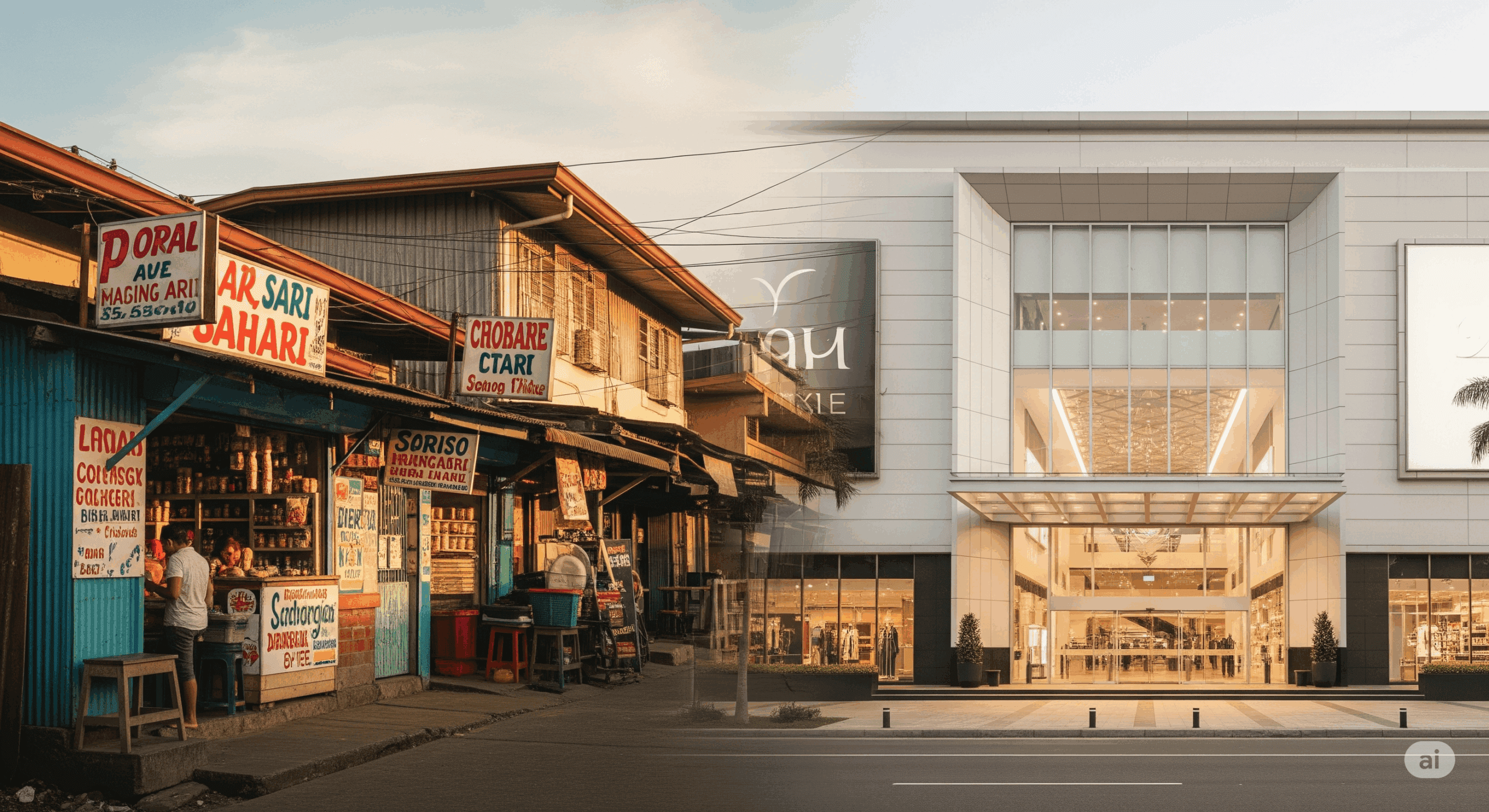
  • From Sari-Sari Store to Shopping Mall: The Evolution of Filipino Retail Culture

    From Sari-Sari Store to Shopping Mall: The Evolution of Filipino Retail Culture

    The Filipino commercial landscape is a vibrant tapestry woven with threads of ancient tradition, colonial influence, and modern innovation. From the humble, ubiquitous sari-sari store that dots nearly every neighborhood corner to the colossal, air-conditioned shopping malls that have become modern-day agoras, the way Filipinos buy, sell, and interact around commerce tells a profound story about our history, community, and evolving aspirations. This journey is not merely about changing storefronts; it’s about the transformation of Filipino lifestyle, social dynamics, and economic drive.

    The Genesis: Pre-Colonial Barter and Early Trade Networks

    Long before the arrival of Ferdinand Magellan in 1521, the islands that would become the Philippines were already bustling with sophisticated trade. Archaeological evidence and early chronicles point to extensive inter-island commerce and flourishing trade relationships with neighboring Austronesian peoples, as well as with Chinese, Japanese, Indian, Siamese, and Arab merchants. The primary mode of exchange was barter – goods for goods. Coastal communities traded sea salt, fish, and pearls for the agricultural products of inland settlements like rice, cotton, and root crops.

    These early Filipinos were skilled seafarers and navigators, utilizing boats like the balangay to traverse the archipelago and beyond. Ports like Butuan, Cebu, and Manila served as vital trading posts. Chinese traders, in particular, brought silk, porcelain, and iron, exchanging them for local products like gold, beeswax, tortoise shells, and civet cats. This pre-colonial period established the foundational elements of Filipino commercial spirit: resourcefulness, an understanding of supply and demand, and the ability to engage with diverse trading partners. There were no formal stores, but designated market areas (talipapa or tiangge in later terms) would emerge for these exchanges.

    The Spanish Imprint: Tiendas, Tiangges, and the Galleon Trade

    The Spanish colonization, beginning in the 16th century, dramatically reshaped the economic and social fabric of the islands. The introduction of a monetized economy, albeit one that initially favored the colonizers, gradually replaced widespread barter. The Spanish established Manila as the central hub of the famed Galleon Trade (Kalakalang Galyon) connecting Asia with the Americas (specifically, Acapulco, Mexico) and Europe. While this trade primarily benefited the Spanish elite and Chinese merchants who often acted as intermediaries, it transformed Manila into a cosmopolitan port city.

    During this era, more permanent trading structures began to appear. The tiangge (from the Mexican Spanish tianguis, derived from Nahuatl tiyānquiztli for “open-air market”) became more formalized, often located near churches or town plazas. These were typically open-air markets where agricultural produce, local crafts, and other goods were sold.

    Simultaneously, the tienda (Spanish for “shop” or “tent”) emerged. These were small, often family-run stores, sometimes attached to homes, selling a variety of goods. Many tiendas were operated by Chinese immigrants and mestizos, who played a crucial role as retailers and creditors. These early tiendas can be seen as precursors to the modern sari-sari store, offering basic necessities and small conveniences to the local populace. The Spanish also introduced more structured commercial districts, particularly in Intramuros and Binondo, which became Manila’s primary Chinese commercial center.

    The American Era: The Dawn of Department Stores and Modern Merchandising

    The arrival of the Americans at the turn of the 20th century ushered in a new wave of commercial modernization. American influence brought in new products, business practices, and a consumerist culture. Escolta Street in Binondo, Manila, blossomed as the premier shopping destination, often dubbed the “Queen of Streets.” It was here that the Philippines saw the rise of its first true department stores.

    Establishments like H.E. Heacock Co., known for its jewelry, watches, and luxury goods, and Beck’s Department Store, which offered a wider variety of imported American merchandise, became icons of this era. These stores introduced concepts like fixed pricing (a departure from the haggling common in tiangges), window displays, and a more sophisticated shopping experience. They catered to the growing Filipino middle and upper classes, as well as the American expatriate community, offering a taste of Western lifestyle and consumption.

    This period also saw the growth of infrastructure – roads, railways, and improved port facilities – which facilitated the movement of goods and further stimulated commerce across the archipelago. While these grand department stores represented the pinnacle of retail, the traditional palengke (public market) and the neighborhood tienda continued to be vital for everyday needs.

    The Enduring Icon: The Sari-Sari Store – A Microcosm of Filipino Life

    No discussion of Filipino retail culture is complete without paying homage to the sari-sari store. The term “sari-sari” itself, meaning “variety” or “assorted” in Filipino, perfectly encapsulates its nature. These small, often home-based convenience stores are a ubiquitous feature of the Philippine landscape, found in bustling city barangays and remote rural villages alike.

    The sari-sari store is more than just a place to buy goods; it’s a deeply ingrained socio-economic institution.

    • Accessibility and Convenience: They offer essential household items – from cooking oil, vinegar, and soy sauce (often sold in small, affordable single-use packets known as tingi), to snacks, candies, soft drinks, toiletries, and school supplies. Their proximity means residents don’t have to travel far for immediate needs.
    • The Tingi System: The practice of selling items in small portions (tingi) makes essential goods affordable for low-income households who may not be able to buy in bulk. A single cigarette, a small sachet of shampoo, a cup of rice – the sari-sari store caters to this micro-purchasing power.
    • Credit and Community (Lista): Many sari-sari store owners extend credit (utang or lista) to trusted neighbors, a system built on personal relationships and community trust. This informal credit line is crucial for families to tide them over until the next payday.
    • Social Hub: The store often serves as an informal gathering spot, a place where neighbors catch up on local news and gossip (chismis), play a game of chess, or simply pass the time. It’s a vital node in the community’s social network.
    • Micro-Entrepreneurship: Sari-sari stores provide a livelihood for millions of Filipino families. They are often run by stay-at-home mothers, supplementing the family income with minimal startup capital. According to various estimates, there are over a million sari-sari stores across the country, forming a significant part of the grassroots economy. The Department of Trade and Industry (DTI) often cites them as key players in the micro, small, and medium enterprise (MSME) sector.

    Despite the rise of larger retail formats, the sari-sari store has proven remarkably resilient, adapting to changing times by incorporating services like mobile phone e-loading, bill payments, and even acting as cash-in/cash-out points for digital wallets.

    The Palengke: The Beating Heart of Freshness and Local Commerce

    Alongside the sari-sari store, the palengke or public market remains a cornerstone of Filipino retail. These are typically larger, often government-owned or -regulated markets, where a wide array of fresh produce, meat, seafood, dry goods, and household items are sold by numerous individual vendors.

    The palengke is a sensory explosion: the vibrant colors of fruits and vegetables, the calls of vendors hawking their wares (suki, bili na!), the smell of fresh fish and spices, and the general hubbub of a community engaged in the daily ritual of sustenance. It’s where one can practice the art of tawad (haggling) to get the best price, and where strong relationships between vendors and regular customers (suki) are forged.

    For many Filipinos, especially those outside the major urban centers, the palengke is the primary source for fresh food. It supports local farmers and fishermen by providing a direct channel to consumers. While facing competition from supermarket wet markets, the palengke endures due to its lower prices, wider variety of local and indigenous ingredients, and the irreplaceable cultural experience it offers.

    The Rise of the Malls: Air-Conditioned Havens and Lifestyle Centers

    The post-World War II era saw gradual economic recovery and the emergence of a more defined middle class. By the 1970s and 1980s, the Philippines began to witness the dawn of a new retail phenomenon: the shopping mall. Early pioneers included Shoppesville in Greenhills, San Juan (opened in 1970s), a more specialized shopping center, and Ali Mall in Cubao, Quezon City (opened in 1976), one of the first fully enclosed, integrated, and air-conditioned shopping malls in the country.

    However, it was in the late 1980s and particularly the 1990s onwards that mall culture truly exploded, spearheaded by giants like SM (founded by Henry Sy Sr.), Ayala Malls, and Robinsons Malls. Several factors contributed to this “malling” phenomenon:

    • Climate: In a tropical country like the Philippines, the allure of a large, air-conditioned space offering respite from the heat and humidity is undeniable.
    • One-Stop Shop Convenience: Malls evolved beyond just retail stores. They integrated supermarkets, department stores, cinemas, food courts, restaurants, banks, service centers (for bill payments, government services like NBI clearance or passport renewal), and even chapels. This made them incredibly convenient.
    • Safety and Security: Malls offered a perceived sense of safety and cleanliness compared to crowded outdoor markets or streets.
    • Entertainment and Leisure: “Malling” became a popular Filipino pastime, a form of family entertainment and social activity. It wasn’t just about shopping; it was about strolling (pasyal), dining, watching movies, or simply hanging out.
    • Aspirational Lifestyle: Malls became symbols of modernity and progress, offering access to both local and international brands, catering to the aspirational desires of a growing consumer base.

    Today, the Philippines has some of the largest shopping malls in the world. These are no longer just commercial spaces; they are sprawling lifestyle centers, community hubs, and even tourist destinations. They host events, concerts, and provide a significant number of jobs.

    The Digital Shift: E-Commerce and the New Retail Frontier

    The 21st century, particularly the last decade, has introduced another transformative force: e-commerce. Platforms like Lazada, Shopee, and Zalora, along with countless independent online sellers utilizing social media platforms like Facebook and Instagram, have revolutionized how Filipinos shop.

    The COVID-19 pandemic acted as a massive accelerator for e-commerce adoption. With physical stores closed or operating under restrictions, consumers turned to online platforms for everything from groceries and medicines to gadgets and fashion. This shift has brought:

    • Unprecedented Convenience: Shopping from home, 24/7 access, and doorstep delivery.
    • Wider Selection: Access to a virtually limitless array of products from local and international sellers.
    • Competitive Pricing: Easy price comparison and frequent online sales and promotions.

    However, e-commerce in the Philippines also faces challenges:

    • Logistics and Infrastructure: In an archipelagic nation, efficient and reliable logistics can be difficult, especially outside major urban areas.
    • Digital Divide: Not everyone has stable internet access or is comfortable with digital transactions.
    • Payment Preferences: While digital payments are growing, cash-on-delivery (COD) remains a popular option, reflecting trust issues and the unbanked segment of the population.
    • Trust and Security: Concerns about scams, fake products, and data privacy persist.

    The Modern Filipino Retail Landscape: Coexistence and Hybridization

    Today’s Filipino retail culture is not about one form replacing another entirely; it’s about dynamic coexistence and hybridization.

    • Sari-sari stores are adapting by becoming community e-hubs, offering digital services. Some are even being aggregated into networks by tech startups to improve their supply chain and offer financial services.
    • Malls are enhancing experiential retail, offering more entertainment, unique dining concepts, and “Instagrammable” spaces to draw foot traffic in the age of online shopping. They are also integrating omnichannel strategies, with stores offering click-and-collect services.
    • Convenience stores like 7-Eleven and Ministop (now Uncle John’s) have proliferated, bridging the gap between sari-sari stores and supermarkets, offering 24/7 access to a curated selection of goods and services, including ready-to-eat meals and bill payments.
    • Franchising has become a significant driver of retail growth across various sectors – from food and beverages (Jollibee, Mang Inasal, various milk tea brands) to services (laundry shops, tutorial centers). This model allows for rapid expansion and provides entrepreneurial opportunities, leveraging established brand names and operational systems. Exploring a comprehensive resource like a franchise directory for the Philippines can reveal the sheer breadth of these opportunities that are shaping the modern retail scene.

    Conclusion: A Tapestry Ever-Evolving

    The evolution of Filipino retail from ancient barter systems and humble sari-sari stores to sprawling malls and the borderless world of e-commerce is a testament to the Filipino’s adaptability, entrepreneurial spirit, and deep-seated connection to community. Each iteration has not erased the past but rather added new layers to this complex commercial tapestry.

    The Filipino consumer today navigates this diverse landscape with ease, perhaps buying fresh produce from the palengke in the morning, grabbing a snack from a sari-sari store in the afternoon, enjoying a family dinner at a mall restaurant, and then Browse online deals before bed. This journey reflects not just changing economic tides, but the enduring Filipino quest for convenience, connection, and a better quality of life. As technology and consumer preferences continue to evolve, one thing is certain: Filipino retail culture will continue its dynamic transformation, always reflecting the unique spirit and ingenuity of its people.


  • The Filipino Family: Beliefs and Heritage

    The Filipino Family: Beliefs and Heritage

    Family is a fundamental aspect of Filipino society. The concept of “kapamilya” signifies a deep sense of belonging among family members. This sense of belonging is deeply ingrained in the culture and is often seen in three-generation households, where grandparents, parents, and children live together.

    This setup allows for close relationships and intergenerational bonding.

    Respect for elders is another essential value in Filipino culture. Younger members are expected to care for and show gratitude towards their elders through “utang na loob.” This cultural practice emphasizes the importance of caring for one’s elders in return for the sacrifices they made.

    For example, younger family members often take care of their elderly parents or grandparents, providing them with financial support, emotional care, and companionship.

    These values contribute to social harmony, familial stability, and a strong sense of community. Understanding these intricacies can provide insight into the Filipino cultural landscape.

    The Concept of Filipino Family

    filipino family cultural dynamics

    The Filipino family structure extends beyond the traditional nuclear unit. Frequently, it encompasses extended family members, including grandparents, aunts, uncles, and cousins. This expanded family dynamic fosters unity and cooperation among family members, and filial piety is a core value that underlies these relationships. Filial piety emphasizes the duty of younger family members to care for and respect their elders.

    The term “kapamilya” signifies a deep sense of belonging and solidarity among family members. This concept reflects the interconnectedness of familial relationships, highlighting the importance of family ties in shaping individual identities.

    In the Philippines, three-generation households are common, with grandparents playing a significant role in raising grandchildren and maintaining family cohesion. For example, grandparents often help with childcare and household chores, allowing parents to work and support the family.

    These family dynamics are influenced by cultural practices that reinforce the importance of family gatherings, such as celebrating milestones together.

    Importance of Family in Culture

    Family is a fundamental institution in Filipino society, playing a crucial role in shaping cultural values and individual identities. This importance of family in Filipino culture is evident in the concept of “kapamilya,” which emphasizes the deep bonds and solidarity among family members that extend beyond the nuclear family.

    The family serves as a cornerstone in Filipino culture, providing essential support and guidance throughout one’s life. One of the core cultural values in Filipino society is filial piety, where younger family members show respect and care for their elders, reflecting a strong sense of duty and gratitude.

    For example, children are expected to take care of their elderly parents and show respect through actions such as using honorific titles and providing financial support.

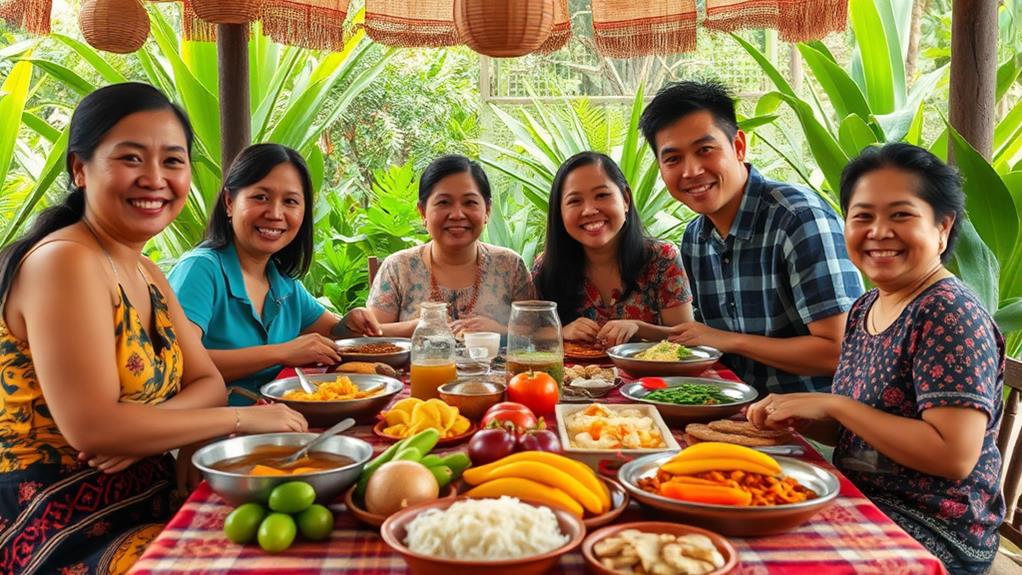
    Frequent family gatherings and celebrations also reinforce bonds and cultural traditions. Birthdays and holidays are often celebrated with family gatherings, where traditional foods are served, and cultural values are passed down to younger generations.

    These gatherings emphasize the importance of family and shared experiences in shaping cultural traditions and values.

    Recognizing the significance of family in Filipino culture provides a deeper understanding of the values and principles that guide individual and collective behavior. By understanding the importance of family in Filipino society, one can gain insight into the cultural values and traditions that shape the behavior and identity of individuals.

    Family Structure and Dynamics

    family roles and relationships

    Filipino Family Structure: A unique blend of traditional and modern elements characterizes Filipino family structures, with both immediate and extended family members playing significant roles in daily life.

    The typical Filipino family is bilaterally extended and residentially nuclear, meaning that immediate family members live together with extended family members, such as grandparents and cousins. This setup is often seen in Filipino households, where three generations live together, fostering strong intergenerational bonds and support systems.

    Family Structure Characteristics Description
    Family Composition Immediate and extended family members live together
    Intergenerational Bonds Three generations often live together
    Household Management The oldest female, usually the grandmother, manages income pooling and household responsibilities
    Roles Among Family Members Respect for elders is fundamental, with younger members expected to care for and honor aging relatives
    Concept of Utang na loob Emphasizes mutual obligation and gratitude among family members, reinforcing interconnectedness and loyalty

    In Filipino households, the head of the household plays a crucial role in managing the family’s daily life. The oldest female, usually the grandmother, manages income pooling and household responsibilities, ensuring the family’s needs are met. The concept of Utang na loob reinforces the loyalty and interconnectedness that are central to Filipino family dynamics, emphasizing mutual obligation and gratitude among family members.

    Role of Elders in Filipino Families

    Elders play a significant role in Filipino families, with grandparents often serving as primary caregivers for their grandchildren.

    In the Philippines, it’s common for three generations to live together, fostering a strong intergenerational bond. This close relationship enables grandparents to provide guidance, support, and care to their grandchildren, strengthening family ties across generations.

    Family members are expected to care for and show deference to older relatives, as respect for elders is deeply ingrained in Filipino culture.

    In Filipino families, elders typically hold authority and serve as decision-makers and moral guides. This value is reflected in family gatherings and celebrations, which often honor elders and showcase their importance in the family hierarchy and cultural traditions.

    Elders are also recognized as custodians of family history and values, with their contributions acknowledged through the cultural practice of “utang na loob.”

    The cultural practice of “utang na loob” involves expressing gratitude for the sacrifices made by older family members, which strengthens intergenerational ties and reinforces family relationships.

    Significance of Filial Piety

    importance of parental respect

    Respect for one’s elders is deeply ingrained in the Filipino culture, primarily through the concept of filial piety. Filial piety is a cultural value that emphasizes the importance of respecting and caring for one’s elders. This value is reflected in how younger family members prioritize caring for their aging parents or grandparents.

    Aspect Description Importance
    Caring for elders Providing physical and emotional care for aging parents or grandparents, such as helping with daily tasks or simply being present, demonstrates respect and gratitude towards family members. Demonstrates respect and gratitude towards family members
    Cultural practices Celebrations and traditions honoring parental figures and ancestors, such as All Souls’ Day or Family Day, reinforce family lineage and heritage. For example, Filipinos often visit their ancestors’ graves during All Souls’ Day to honor and pay their respects. Reinforces family lineage and heritage
    Utang na loob The obligation to repay good deeds received from family members strengthens filial piety and family ties. For instance, a child may take care of their aging parent as a way of repaying the care and support they received during their childhood. Strengthens filial piety and family ties

    | Social harmony | Upholding filial piety contributes to social harmony and familial stability, as it guides interactions within the family unit. By showing respect and care for their elders, family members can create a more harmonious and supportive environment. | Guides interactions within the family unit

    Family Relationships and Values

    In Filipino society, family relationships and values are deeply intertwined. The nuclear family is at the core, but relationships extend far beyond, encompassing a wide network of relatives. This network includes extended family members who provide a sense of belonging and reinforce strong family bonds.

    Each family member has a distinct role. Youth are expected to care for their elders, particularly aging parents and grandparents. This expectation is deeply rooted in the culture. For instance, younger family members often help with household chores and provide emotional support to their older relatives.

    Two key values, Utang na loob and Pakikisama, play a crucial role in Filipino family dynamics. Utang na loob emphasizes the importance of repaying good deeds and support received from family members. For example, if a family member receives financial assistance from a relative, they’re expected to repay this debt in some way, such as by providing emotional support or helping with household tasks.

    Pakikisama prioritizes social harmony and cooperation. This value encourages family members to work together and support one another. For instance, family members may pool their resources to help a relative in need or come together to celebrate special occasions.

    Impact on Community and Society

    community and society impact

    When it comes to shaping community dynamics, strong familial ties play a profound role in Filipino culture, contributing to social stability and cohesion. This impact is especially evident in the way family support systems function. You’ll notice that these support systems play a significant role in shaping the very fabric of community life.

    Community Aspect Family Influence
    Social Stability Family networks provide essential support systems
    Economic Development Family remittances significantly support local economies

    | Cultural Transmission | Family gatherings and celebrations preserve traditions

    Families and relationships within them have a profound effect on community dynamics. The emphasis on filial piety, for instance, encourages younger generations to care for their elders, fostering a culture of respect and responsibility. This emphasis on respect and responsibility strengthens community ties. Furthermore, values such as cooperation and mutual aid, rooted in family relationships, influence community dynamics and contribute to collective identity among Filipinos.

    Evolution of Family Traditions

    The evolution of family traditions in the Philippines is a result of cultural heritage, external influences, and socioeconomic changes. The shift from communal to nuclear family structures occurred due to colonialism and modernization. Despite this shift, celebrations such as birthdays, holidays, and weddings remain significant, reinforcing family bonds and cultural heritage among members.

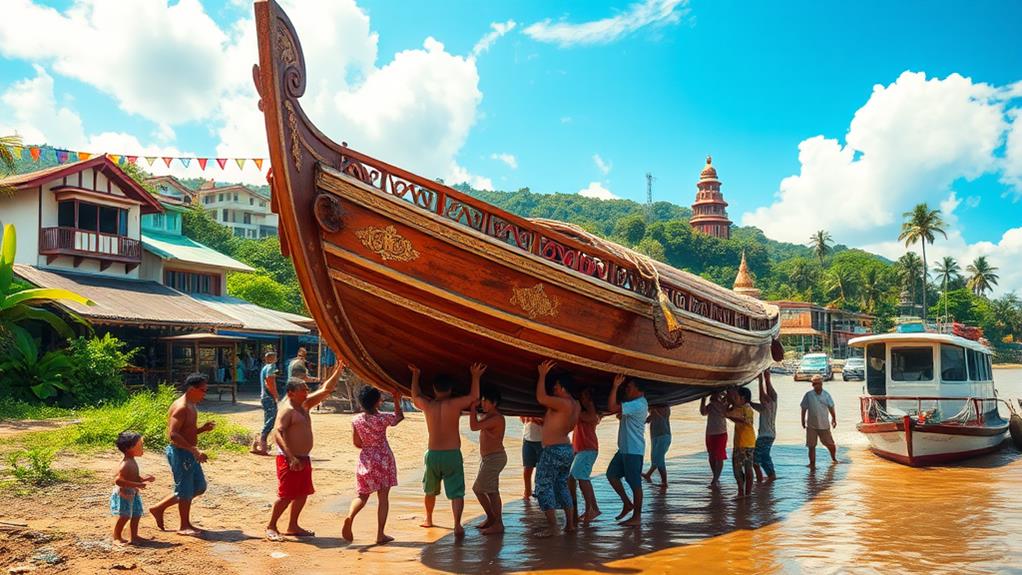
    Traditional practices like Bayanihan, or communal cooperation during significant life events, still exist in varying forms, particularly in urban contexts. In Bayanihan, families and neighbors come together to help with tasks, such as moving or building a house. This practice strengthens community ties and reinforces the importance of cooperation.

    The shift in traditional gender roles is another significant change in Filipino families. Women are increasingly taking on leadership roles in both the household and the workforce. For example, many Filipino women now work as professionals, entrepreneurs, or leaders in their communities.

    The impact of globalization and labor migration has also altered traditional support systems. Many Filipino families rely on remittances from overseas workers to support left-behind relatives. This change reflects the adaptability of the Filipino family in navigating changing societal expectations and economic demands.

    Challenges in Modern Filipino Families

    navigating contemporary family dynamics

    Modern Filipino families face numerous challenges that threaten their cohesion and stability. These challenges arise from changing societal norms and expectations.

    Changing family structures are redefining traditional roles and responsibilities. For instance, the rise of nuclear families, single-parent households, and blended families forces immediate family members to adjust to new roles and expectations. This shift often leads to confusion and conflicts, particularly when it comes to childcare, household chores, and financial responsibilities.

    Economic stress is another significant challenge faced by modern Filipino families. The pressure to provide for one’s family can create emotional stress and affect family dynamics. Many family members have to work multiple jobs or migrate to other countries in search of better job opportunities, leading to prolonged periods of separation and emotional distress.

    Shifting gender roles also pose a challenge to modern Filipino families. The increasing prevalence of dual-income households necessitates adjustments in expectations and responsibilities within the family. While this shift promotes more egalitarian relationships, it also requires family members to redefine their roles and expectations, often leading to conflicts and power struggles.

    Mental health concerns are another critical challenge faced by modern Filipino families. Growing awareness of mental health issues highlights the importance of healthy communication and support systems. Family members must prioritize open communication, emotional support, and empathy to address dysfunction and foster resilience within the family.

    To navigate these challenges, it’s essential to prioritize open communication, emotional support, and empathy within the family. By doing so, modern Filipino families can maintain a strong, close-knit family despite the challenges posed by changing societal norms.

    Preserving Family Ties and Heritage

    Frequent family gatherings in the Philippines play a crucial role in preserving cultural heritage and reinforcing family bonds. These gatherings often extend to distant relatives, showcasing the importance of extended family ties in Filipino culture. The term “kapamilya” emphasizes a deep sense of belonging and solidarity within the family unit.

    For instance, traditional crafts and textiles, such as intricate embroidery, are often featured during these gatherings, reflecting the country’s rich cultural heritage and passed down through generations.

    The family is a vital institution in preserving cultural heritage in the Philippines. Honoring ancestors and parental figures during celebrations is a key aspect of this heritage, highlighting the value placed on family lineage and respect.

    Utang na loob, or the practice of repaying good deeds, fosters a culture of gratitude within families, emphasizing the importance of maintaining strong familial relationships. This value is highly regarded in Filipino culture, and festivals serve as platforms for transmitting it, ensuring that family heritage is preserved and passed down through generations.

    Questions and Answers

    Why Is Family so Important in Filipino Culture?

    When examining the significance of family in Filipino culture, family is essential to their identity and sense of belonging. This emphasis on family is a result of historical and social factors that have led to the prioritization of family values and intergenerational relationships. Furthermore, the strong influence of Philippines religion and social justice has also contributed to the importance of family in Filipino culture. The predominant Catholic faith in the Philippines emphasizes the value of family cohesion and support, further reinforcing the significance of familial relationships. Additionally, in a society where social justice and community support are highly valued, the family unit serves as a source of strength and stability for individuals facing various challenges.

    In the Philippines, social support and communal living are deeply rooted in the culture. Close living arrangements between generations create opportunities for intergenerational bonding, with many families living together in extended family households.

    This close-knit environment allows for knowledge, traditions, and values to be passed down from one generation to the next, strengthening family ties and cultural identity.

    Family is also a source of security and comfort in Filipino culture. In the face of challenges, Filipinos often rely on their family for emotional and financial support.

    This support system is crucial in fostering a sense of security and belonging among family members. Ultimately, the importance of family in Filipino culture is reflected in the country’s social fabric and cultural identity.

    What Is Meant by the Family Is the Cornerstone of Society?

    When you consider the phrase ‘the family is the cornerstone of society,’ it implies that family serves as the fundamental unit upon which societal structures are built.

    This concept is evident in the way family values are passed down through generations. For instance, in many cultures, the family unit plays a significant role in shaping cultural identity and influencing social norms, such as teaching children about traditional practices and customs.

    Family also provides emotional bonding and social support, which strengthens community ties and fosters a sense of belonging. This, in turn, contributes to the overall stability of society.

    Who Is the Cornerstone of the Family?

    The cornerstone of a family is often a person who embodies the family’s values and holds it together. This person is typically a matriarch or patriarch. They provide parental guidance, such as helping children with their homework, resolving conflicts, and teaching life skills.

    They also foster sibling relationships by planning family activities and encouraging teamwork. For example, they might plan a family game night or a volunteer day.

    The cornerstone of a family also connects extended family members by hosting family gatherings and keeping in touch with relatives who live far away. They uphold cultural values by passing down traditions, such as cooking family recipes or celebrating cultural holidays. This makes them the glue that holds the family unit together.

    The cornerstone of a family influences family roles and relationships through their leadership and example. For instance, they might model respect for others, honesty, and hard work.

    What Is the Family Structure of the Philippines?

    When examining the family structure of the Philippines, you’ll notice a blend of traditional and modern elements. A nuclear family serves as the core in most cases. This core often extends to include grandparents, aunts, uncles, and cousins, forming a close-knit extended family.

    For example, grandparents may provide childcare or household assistance, while aunts and uncles may help with financial or emotional support.

    Family roles in the Philippines are clearly defined. Each member contributes to the household. Typically, parents work outside the home to earn a living, while children attend school.

    Older family members, such as grandparents, often care for younger children or assist with household chores.

    Regular family gatherings reinforce family values in the Philippines. Loyalty and obligation are deeply ingrained in Filipino culture.

    For instance, Filipino families often prioritize family needs over individual desires. This emphasis on family loyalty and obligation helps maintain strong family bonds.

  • Hospitality: A Hallmark of Filipino Culture

    Hospitality: A Hallmark of Filipino Culture

    Filipino Culture is Built on Hospitality

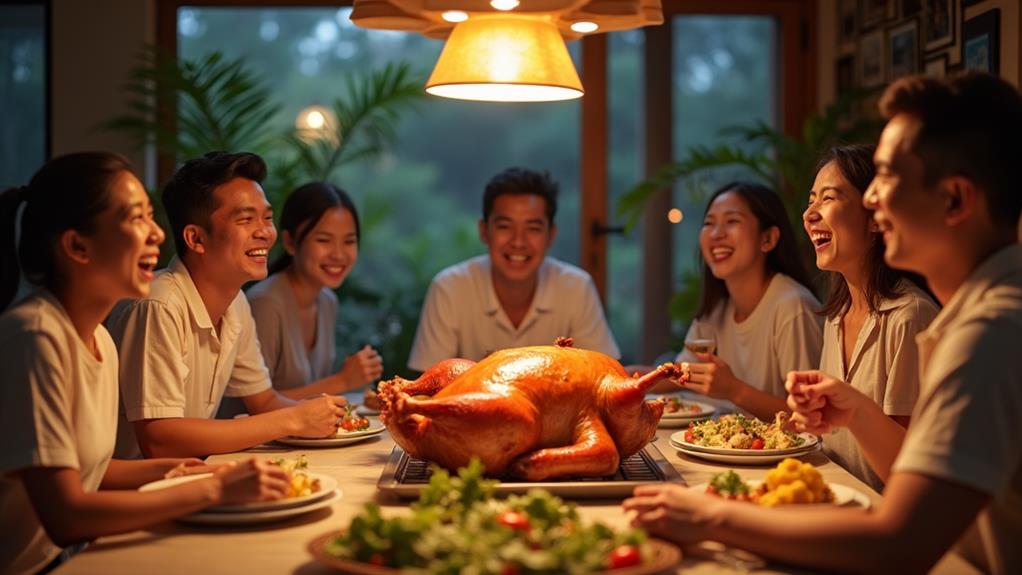
    In the Philippines, hospitality is a fundamental aspect of the culture, where strangers are welcomed as friends and guests are treated like family. This warm and inclusive atmosphere is rooted in the value of magiliw na pagtanggap, which translates to treating guests with kindness and generosity.

    When you visit a Filipino home, you can expect to be offered food and drinks, and your comfort is prioritized to make you feel valued and appreciated. This cultural hallmark is deeply ingrained in everyday life, reflecting the rich history and significance of Filipino hospitality.

    In Filipino culture, hospitality is not just a gesture, but a way of life. It's evident in the way people interact with each other, prioritizing relationships and building strong bonds.

    As you explore this beautiful culture further, you'll discover the many ways hospitality is woven into the fabric of Filipino society.

    Defining Filipino Hospitality

    warm welcoming generous spirit

    Filipino hospitality, or magiliw na pagtanggap, is a cultural value that embodies warmth, care, and respect towards guests. This attitude treats visitors like family, making them feel valued and prioritized.

    When entering a Filipino home, guests are immediately offered food and drinks, accompanied by the inviting phrase "Kain na", which means "Let's eat." This gesture demonstrates the importance of nourishment and togetherness in Filipino culture.

    Filipino hosts prioritize their guests' comfort by providing them with cozy accommodations, making them feel at home, just like the phrase "Dito ka na muna" suggests, which means "Stay here for a while." This emphasis on comfort and relaxation creates a sense of belonging, making guests feel seen and heard.

    Filipino hospitality is more than just a gesture; it's a deep-seated cultural value that permeates everyday life. It's evident in the way strangers become instant friends, and guests are treated with genuine care and respect.

    This value is woven into the fabric of Filipino culture, making visitors feel valued and appreciated.

    Historical Roots of Hospitality

    The Filipino tradition of hospitality has its roots in indigenous customs that predate colonial rule. These ancient practices emphasized sharing resources and celebrating the arrival of guests as a vital part of community life.

    The Spanish colonization of the Philippines introduced new customs and technologies that shaped local hospitality practices. For example, early interactions between Filipinos and foreign settlers, such as Malays, involved a culture of hospitality that celebrated sharing resources.

    This cultural exchange lasted for three centuries and had a lasting impact on Filipino identity.

    The influence of American and Japanese occupations added diverse cultural elements to Filipino hospitality. Despite historical challenges, such as economic degradation during colonial rule, the Filipino spirit of hospitality persisted.

    Filipinos maintained core values of generosity and warmth, blending them with modern practices to create a unique cultural identity.

    Cultural Significance of Hospitality

    importance of welcoming traditions

    Filipino Hospitality: A Reflection of Cultural Values

    When you enter a Filipino home, you're immediately enveloped in a sense of belonging, thanks to the warm welcome and aroma of freshly cooked meals. This is more than just a gesture – it's a reflection of the Filipino value of magiliw na pagtanggap, which emphasizes treating guests as family.

    Fostering Social Connection and Harmony

    Filipino hospitality creates an atmosphere that's both inviting and inclusive, fostering social connection and harmony. This is evident in the way Filipinos engage with their guests, making them feel valued and respected.

    Economic Significance

    The significance of hospitality in Filipino culture extends beyond the home, playing a crucial role in the country's tourism industry, which employed over 1.3 million people in 2022.

    This highlights the importance of hospitality in promoting economic growth and development.

    Global Recognition and Cultural Exchange

    The global recognition of Filipino hospitality enhances the country's image as a welcoming destination, attracting international visitors and promoting cultural exchange through authentic interactions.

    This exchange allows people from different cultures to learn from each other and appreciate their differences.

    A Way of Life

    Filipino hospitality is more than just a trait – it's a way of life that embodies warmth, generosity, and a deep appreciation for connection.

    It's a reflection of the Filipino values of respect, kindness, and generosity, which are deeply ingrained in the culture.

    Generosity Across Social Classes

    Filipino families from all social classes prioritize generosity and hospitality. Regardless of their wealth or poverty, they'll open their hearts and homes to guests. In humble bamboo huts, acts of kindness and generosity are a way of life, where sharing food and resources is commonplace.

    This spirit of generosity is expressed through the offering of meals to guests, showcasing a commitment to their comfort and satisfaction, even in times of scarcity. For example, a family may offer a guest a meal, even if it means they've to sacrifice their own food.

    This tradition of hospitality knows no socioeconomic bounds, as families from various backgrounds warmly welcome both locals and foreigners alike into their homes.

    This generosity reinforces the importance of strong family ties and community bonds, creating a supportive environment that serves as a source of strength during challenging times. By sharing resources and offering support, Filipino families demonstrate the value they place on unity and cooperation.

    Legacy of Filipino Hospitality

    filipino warmth and generosity

    Filipino Hospitality: A Timeless Legacy

    Filipino hospitality is a cultural treasure that has been passed down through generations, rooted in the value of magiliw na pagtanggap, or warm welcome. This genuine warmth promotes a sense of family ties, making guests feel like part of the family.

    Prioritizing Kindness and Generosity

    In the Philippines, treating guests with kindness and generosity is a top priority, regardless of socioeconomic status. This value is deeply rooted in cultural practices, where hosts go out of their way to provide comfort and care to their visitors.

    For example, offering a warm meal or refreshing drink is a common gesture of hospitality.

    Historical Influences and Cultural Expressions

    Historical influences, such as Spanish and American colonization, have shaped the evolution of hospitality practices in the Philippines. This blend of cultural expressions is unique and recognizable.

    For instance, the traditional Filipino greeting, "Selamat datang!" (Welcome!), reflects the country's Malay and Spanish heritage.

    National Pride and Tourism

    Filipino hospitality is globally recognized as a source of national pride, significantly contributing to the tourism industry and enhancing the country's image as a welcoming destination.

    The Bayanihan spirit, which embodies acts of kindness and generosity, showcases the community-oriented mindset that persists even in times of scarcity. This spirit reinforces social bonds and connections, making visitors feel at home.

    Expressions of Hospitality Today

    Filipino Hospitality: A Vibrant Tradition

    Filipino hospitality, or magiliw na pagtanggap, is a living tradition that continues to thrive today. It's about making guests feel valued and cared for.

    Warm Greetings

    When you experience Filipino hospitality, you'll be warmly greeted with phrases like "Kumusta po kayo?" (How are you?) and "Tuloy po kayo" (Come on in).

    Delicious Food and Drink

    You'll be treated to a variety of delicious dishes and refreshing drinks, such as Lumpia and Adobo.

    You'll often hear "Kain na" (Let's eat) and "Kumain ka na" (Eat already).

    Invitations to Stay and Share

    Filipinos will invite you to stay and share a meal together, saying "Dito ka na muna" (Stay here for a while) and "Tara, kain tayo" (Let's eat together).

    Acts of Kindness and Generosity

    Filipino hospitality goes beyond words, extending to acts of kindness and generosity that transcend socioeconomic barriers.

    Even in communities with limited resources, the spirit of sharing and caring for guests is very much alive.

    This cultural trait has created meaningful connections and lasting memories for countless visitors.

    Culinary Traditions in Hospitality

    culinary heritage in hospitality

    Filipino Hospitality and Culinary Traditions

    When you enter a Filipino home, the inviting aroma of sizzling food and freshly brewed coffee immediately makes you feel welcome. Food plays a vital role in Filipino culture, reflecting the strong family-oriented values of the Philippines. As a guest, you're offered a variety of dishes, such as crispy lumpia, savory adobo, and sweet treats like halo-halo, showcasing the Filipino people's culinary traditions.

    Sharing a meal is an integral part of Filipino culture, fostering connections and creating memories. The phrase "Kain na" or "Let's eat" signals the start of a shared dining experience, where relationships are built and warmth is exchanged.

    By sharing a meal, you're not just satisfying your hunger, you're experiencing the warmth of Filipino hospitality. Your hosts will often ask about your favorite meals, ensuring you feel satisfied and cared for.

    In Filipino culture, welcoming guests is an integral part of daily life, and culinary traditions are at the heart of it. As you sit down to enjoy a delicious home-cooked meal, you'll realize that food is more than just sustenance – it's a way to connect with others and experience the richness of Filipino culture.

    Comfort and Care for Guests

    Family-Oriented Hospitality

    Three generations of family members work together to ensure a remarkable stay. As a guest, you can expect exceptional comfort and care, with every detail meticulously attended to.

    Fresh towels, toiletries, and home-cooked meals demonstrate the thoughtful touches that make you feel at home.

    Filipino Hospitality Values

    Filipino hospitality is centered on making you feel valued and respected. Your hosts will treat you like family, offering traditional favorites like lumpia and adobo, and ensuring you have everything you need.

    They regularly check in on you, asking if you need anything, and genuinely care about your response.

    This kind of hospitality creates a welcoming atmosphere, making you feel grateful and at ease even after your visit is over.

    Warm Greetings and Friendly Nature

    welcoming attitude and kindness

    Warmth and Hospitality Define Filipino Culture

    Filipino culture is built on a foundation of warmth and genuine interest in others' well-being.

    When you enter a Filipino home, you're immediately greeted with warm gestures and friendly expressions that set the tone for a welcoming stay. These greetings are more than just formalities; they're genuine expressions of interest in your well-being.

    Filipinos ask questions like "Kumusta po kayo?" (How are you?) or invite you to "Tuloy po kayo" (Please come in) to create a sense of connection and belonging.

    These gestures make you feel valued and appreciated from the start. They go above and beyond to ensure you feel comfortable and at ease, inviting you to "Dito ka na muna" (Stay here for a while) and making you feel like part of the family.

    The friendly nature of Filipinos is infectious, making you feel at home in their company. Their hospitality ethos is centered around making you feel like you belong, which is what makes Filipino culture so endearing.

    How does the concept of hospitality in Filipino culture relate to the traditional social structure of barangay?

    Hospitality in Filipino culture is deeply rooted in the traditional social structure foundation of the barangay. The concept of “pakikisama” or communal unity is integral, where members prioritize the welfare of the community over individual needs. This reflects the core values of bayanihan and mutual cooperation within the barangay’s social structure foundation.

    Lasting Impressions and Future of Hospitality

    Filipino Hospitality: A Lasting Legacy

    The Philippines has established itself as a premier travel destination, thanks to the country's warm and gracious hospitality. This unique trait has created lasting friendships and a positive national image. The Filipino spirit, rooted in compassion for others, makes visitors feel welcome and valued.

    As the tourism industry continues to evolve, the future of Filipino hospitality will seamlessly blend traditional warmth with modern amenities. This fusion will ensure that the spirit of generosity remains at its core, upholding cultural pride and catering to the evolving expectations of visitors.

    For instance, hotels and resorts are incorporating local materials and designs into their infrastructure, while also providing state-of-the-art facilities and services.

    Maintaining an exceptional reputation for hospitality is crucial, as it supports the economy and job creation in the sector. By preserving and promoting this hallmark of Filipino culture, we contribute to a legacy that will leave a lasting impression on generations to come.

    As tourism drives cultural exchange, it's essential to uphold the global perception of Filipino hospitality as exceptional.

    Frequently Asked Questions

    Why Is Hospitality Important in Filipino Culture?

    Hospitality is a fundamental value in Filipino culture because it represents respect, kindness, and generosity. This value is deeply rooted in the country's history and social norms. For Filipinos, hospitality isn't just about being friendly; it's about building strong community bonds and upholding family values.

    Filipinos believe that hospitality helps create a sense of belonging. When they open their hearts and homes to guests, they foster lasting connections and memories that transcend borders.

    For example, in Filipino culture, it's common for families to host feasts and celebrations that bring together extended family and friends, strengthening social ties and preserving cultural traditions.

    By practicing hospitality, Filipinos demonstrate their respect for others. They believe that welcoming guests into their homes is a sign of respect and kindness.

    In return, guests are expected to show appreciation and gratitude for the hospitality they receive. This reciprocal respect is essential in Filipino culture, as it helps maintain social harmony and builds trust among community members.

    What Is the Hallmark of Being a Filipino?

    Filipino Culture is Built on Warmth and Generosity

    Being a Filipino is characterized by a strong sense of community and warmth. This is evident in the way Filipinos welcome one another at family gatherings and cultural celebrations.

    For example, the traditional "bayanihan", where neighbors help each other move to a new home, showcases the importance of collective effort and mutual support.

    Traditional Values are at the Heart of Filipino Identity

    Filipino culture places a high value on traditional values such as respect for elders, strong family ties, and generosity.

    These values are demonstrated in everyday life, such as when children are taught to address their elders with respect and deference, using titles such as "Tita" or "Tito".

    Additionally, the concept of "utang na loob", or debt of gratitude, emphasizes the importance of repaying kindness and generosity.

    A Sense of Belonging Defines the Filipino Experience

    At its core, being a Filipino is about feeling a sense of belonging to a community that looks out for one another.

    This sense of community support is evident in the way Filipinos come together to celebrate milestones, such as fiestas and weddings, and in times of need, such as during natural disasters.

    Where Do the Origin of Hospitality in the Philippines Starts?

    The origins of hospitality in the Philippines date back to pre-colonial times. In this era, indigenous practices welcomed foreign settlers with open arms and communal feasts. For instance, the Ifugao people of the Cordillera Mountains would host ceremonies called "cañaos" to celebrate special occasions, which included sharing food and drinks with guests.

    These traditional practices were rooted in cultural influences and historical roots. They varied across regions, but shared a common thread of warmth and generosity. For example, in the Visayas region, the concept of "barangay" emphasized community and cooperation, which extended to welcoming outsiders.

    Over time, these customs blended with new cultural influences. The arrival of Spanish colonizers introduced Western-style hospitality, which merged with existing practices. This blending of cultures shaped the unique hospitality seen in the Philippines today.

    Are Filipinos Kind and Hospitable?

    Filipinos are known for their kindness and hospitality. This is rooted in their cultural traditions that emphasize community bonding and generosity. For instance, when you're a guest in a Filipino home, you're often offered food and drinks, making you feel welcome and cared for.

    They treat you like family, providing a listening ear and genuine interest in your well-being.

    Filipino kindness is contagious, inspiring you to reciprocate with equal warmth. This is because their hospitality isn't just about providing material comforts, but also about making you feel valued and respected as a person.

    Filipinos are known for their warm smiles and genuine gestures, which make you feel at ease and appreciated.

  • Bayanihan: The Filipino Spirit of Cooperation

    Bayanihan: The Filipino Spirit of Cooperation

    Bayanihan is the spirit of cooperation and communal unity that drives the strong social bonds in Filipino culture. This spirit brings individuals together to overcome challenges and celebrate triumphs, fostering a sense of community and shared responsibility.

    In traditional Filipino communities, bayanihan is demonstrated through collective efforts to relocate homes, pool resources, and support local projects. For instance, when a family needs to move to a new home, the entire community comes together to help, sharing the workload and providing necessary resources.

    This collective action emphasizes the importance of helping others and promotes a sense of shared responsibility. Through bayanihan, Filipinos have been able to overcome challenges and achieve common goals, shaping the nation's history and inspiring its people today.

    Understanding Bayanihan Spirit

    embracing community collaboration values

    Bayanihan: A Spirit of Communal Unity and Cooperation

    Bayanihan is more than a cultural tradition; it's a way of life that embodies the Filipino spirit of cooperation. At its core, Bayanihan signifies a spirit of communal unity and cooperation in achieving common goals. This concept is deeply rooted in Filipino culture, reflecting values such as selflessness, hospitality, and solidarity.

    Traditionally, Bayanihan involved neighbors helping one another in tasks like relocating homes. This collective effort showcased the joy of working together towards a common goal.

    Today, the practice has evolved to encompass broader civil efforts that address social issues, emphasizing the importance of community support in contemporary society.

    The Bayanihan spirit encourages collective responsibility, highlighting the significance of unity and cooperation in overcoming modern challenges. By working together, individuals can achieve more than they could alone.

    For example, in times of natural disasters, Bayanihan spirit inspires communities to come together to provide aid and support to those affected.

    Understanding Bayanihan provides insight into the Filipino culture's emphasis on helping one another and the power of collective action. This spirit of cooperation is a beacon of hope, inspiring individuals to work together towards a common good.

    Expressions of Filipino Cooperation

    Bayanihan: A Vibrant Expression of Filipino Cooperation

    Bayanihan, the Filipino spirit of cooperation, is manifested in diverse and vibrant ways.

    When a community comes together to help a family relocate their house, it's a classic example of bayanihan in action. This collective effort not only achieves a practical goal but also creates a festive atmosphere, showcasing the spirit of communal unity.

    Bayanihan goes beyond physical labor. Community groups pool their resources to fund collective causes, demonstrating the spirit of unity in addressing shared challenges.

    For instance, community members may contribute to a common fund to support a local project or initiative. This collective approach fosters a sense of togetherness and cooperation among community members.

    Participation in communal activities like festivals and feasts reinforces bayanihan. These events bring community members together, fostering a sense of collective joy and shared identity.

    Traditional practices like singing and dancing during these events emphasize collective joy and shared identity. Even major projects in villages rely on bayanihan, where collective efforts lead to the successful completion of tasks that benefit the entire community.

    This highlights the importance of teamwork in Filipino culture.

    Bayanihan in Times of Crisis

    community support during adversity

    Bayanihan: The Filipino Spirit of Cooperation in Crisis

    In times of crisis, the Filipino spirit of bayanihan shines brightly, manifesting in selfless acts of unity and solidarity. When natural disasters strike, communities come together, putting aside differences to provide relief and support to those affected.

    Bayanihan in Action

    Volunteers and government agencies collaborate to facilitate recovery efforts, showcasing the resilience and strength of the Filipino community. For instance, during Typhoon Haiyan in 2013, local volunteers and international organizations worked together to distribute aid and rebuild damaged areas.

    The Spirit of Bayanihan

    Selfless assistance without expectation of reward is at the heart of bayanihan, emphasizing the importance of unity during challenging times. This spirit is rooted in Filipino cultural values of hospitality, togetherness, and solidarity, which are crucial for community recovery.

    Historical Examples

    Historical instances of bayanihan in crises highlight the Filipino cultural values of hospitality, togetherness, and solidarity. For example, during World War II, Filipino guerrilla fighters worked together with American forces to resist Japanese occupation.

    Long-term Impact

    The collective efforts during emergencies not only address immediate needs but also foster long-term relationships and trust among community members, enhancing future cooperative initiatives.

    By working together, communities build stronger bonds, making them more resilient in the face of adversity.

    Bayanihan: A Way of Life

    In times of crisis, bayanihan is more than just a concept – it's a way of life, a testament to the power of unity and cooperation in the face of adversity.

    Cultural Significance and Values

    Bayanihan: A Pillar of Filipino Cultural Values

    Bayanihan is a fundamental aspect of Filipino culture, extending beyond its role in times of crisis to shape community interactions and perceptions of collective responsibility.

    The concept is derived from the Filipino word "bayan," meaning community, and embodies a spirit of communal unity and cooperation.

    This cultural value promotes selflessness, emphasizing helping others without expecting material rewards.

    In practice, bayanihan is demonstrated when neighbors come together to assist a family in relocating, highlighting the importance of collective effort and support within the community.

    Beyond physical labor, bayanihan also involves moral and financial support through community funds for collective causes, showcasing its multifaceted nature.

    By embracing bayanihan, individuals become part of a community that prioritizes collective well-being over individualism, fostering a sense of belonging and social responsibility.

    Contemporary Relevance and Challenges

    modern issues and significance

    The Bayanihan Spirit: A Vital Anchor in Modern Times

    As the Philippines faces modern challenges like urbanization and individualism, the bayanihan spirit remains essential in promoting interdependence and collective responsibility.

    Countering the Crab Mentality

    The bayanihan spirit helps counter the Crab Mentality, which fosters selfishness and social fragmentation.

    By prioritizing community well-being over personal gain, individuals can work together to address social issues that affect them directly.

    Building Trust and Collaboration

    Bayanihan is crucial in building trust and collaboration among community members, which promotes mental health awareness and addresses systemic barriers to healthcare access.

    This collective effort leads to stronger, more cohesive communities.

    Inspiring Civic Efforts

    The bayanihan spirit inspires civic efforts and movements, encouraging individuals to engage in volunteerism and collective action.

    This leads to a stronger, more cohesive society where individuals work together to address social issues.

    Mobilizing Communities During Crises

    Bayanihan is essential in mobilizing communities quickly during crises like natural disasters, exemplifying resilience and solidarity.

    Reviving the Bayanihan Tradition

    Reviving Bayanihan: A Tradition of Unity and Cooperation

    The bayanihan spirit, a Filipino custom that promotes collective success, can be revitalized by looking to the past for inspiration.

    In the past, neighbors would come together to help a family relocate by carrying their house using bamboo poles. This tradition can be reinvigorated to counteract the negative effects of Crab Mentality, which prioritizes individual gain over collective success.

    Bayanihan promotes national pride and aspirations. Community events and initiatives that celebrate bayanihan can enhance national pride and aspirations, helping Filipinos to excel globally through unity and cooperation.

    Educational programs and grassroots movements can lead the revival of the bayanihan tradition, fostering a stronger, more cohesive society that values collective well-being over individualism.

    By embracing bayanihan, a sense of community and shared responsibility is created. This emphasizes teamwork and collective success, building a society that's more united, more cooperative, and more resilient in the face of challenges.

    How does the Filipino value of Pakikisama relate to the concept of Bayanihan?

    The Filipino value of pakikisama emphasizes the importance of harmonious relationships within a community. This value is closely related to the concept of Bayanihan, which highlights the spirit of communal unity and cooperation in achieving common goals. Both pakikisama and Bayanihan promote solidarity and mutual support among the members of the Filipino community.

    Path Forward for Filipino Society

    filipino society s future direction

    Bayanihan Spirit: A Path Forward for Filipino Society

    Harnessing Collective Power

    Filipino communities are poised to overcome challenges by reviving the bayanihan spirit, which harnesses collective power to drive progress.

    Benefits of Embracing Bayanihan

    By embracing bayanihan, Filipino communities can:

    Foster Respect and Tolerance

    Embracing bayanihan encourages collaboration among community members, fostering respect and tolerance in various aspects of life.

    For instance, neighborhood clean-up initiatives bring people together, promoting unity and understanding.

    Achieve Greater Success Through Teamwork

    Bayanihan emphasizes teamwork and mutual support, leading to greater achievements for all individuals.

    In a school setting, students working together on projects develop essential skills, such as communication and problem-solving, to achieve better results.

    Prioritize Cooperation Over Individualism

    By prioritizing cooperation over individualism, bayanihan enhances national pride and aspirations.

    For example, local businesses partnering with each other to support a community event promotes a sense of shared ownership and responsibility.

    Counter the Negative Effects of Crab Mentality

    Bayanihan counters the negative effects of the Crab Mentality, improving social trust and collaboration.

    Frequently Asked Questions

    What Is the Bayanihan Spirit in the Philippines?

    The Bayanihan spirit is a cultural heritage in the Philippines that embodies community support and mutual assistance.

    This spirit is about people coming together to help each other in times of need, showcasing the country's values of hospitality, solidarity, and community spirit.

    It's a beautiful display of selfless help, reinforcing resilience and cooperation among Filipinos.

    For instance, during natural disasters like typhoons or earthquakes, neighbors and community members come together to provide aid, shelter, and emotional support to those affected.

    This collective effort helps build a sense of unity and cooperation, enabling the community to overcome challenges more effectively.

    What Does the Bayanihan Symbolize?

    The Bayanihan spirit represents community support and collective action. This concept embodies the idea that individuals come together to help one another, prioritizing the well-being of the community over personal gain.

    In the Philippines, where the Bayanihan originated, it's a testament to the country's rich cultural heritage. By working together towards a common goal, individuals can achieve more than they could alone.

    For example, in times of disaster or crisis, the Bayanihan spirit enables communities to quickly respond and provide support to those in need.

    What Does Bayanihan Literally Mean?

    What does "Bayanihan" literally mean? It translates to "being in a bayan," where "bayan" means town, nation, or community. This phrase originates from the concept's roots, emphasizing communal unity.

    Historically, Bayanihan symbolized collective efforts, like neighbors helping each other relocate.

    Today, its modern applications extend beyond traditional practices, but its essence remains: people coming together to achieve common goals, fostering a strong sense of community and selflessness.

    Is Bayanihan a Filipino Value?

    Bayanihan is a Filipino value. This value reflects the cultural heritage of Filipinos, emphasizing community support and collective action to achieve common goals.

    In the Philippines, Bayanihan is demonstrated through various practices, such as neighborhood cooperation where individuals work together to accomplish tasks like moving houses or repairing roads.

    This sense of unity and cooperation has become an integral part of Filipino identity, shaping the way people interact and respond to challenges.

  • Mano Po: A Gesture of Respect for Elders

    Mano Po: A Gesture of Respect for Elders

    Mano Po: A Gesture of Respect for Elders

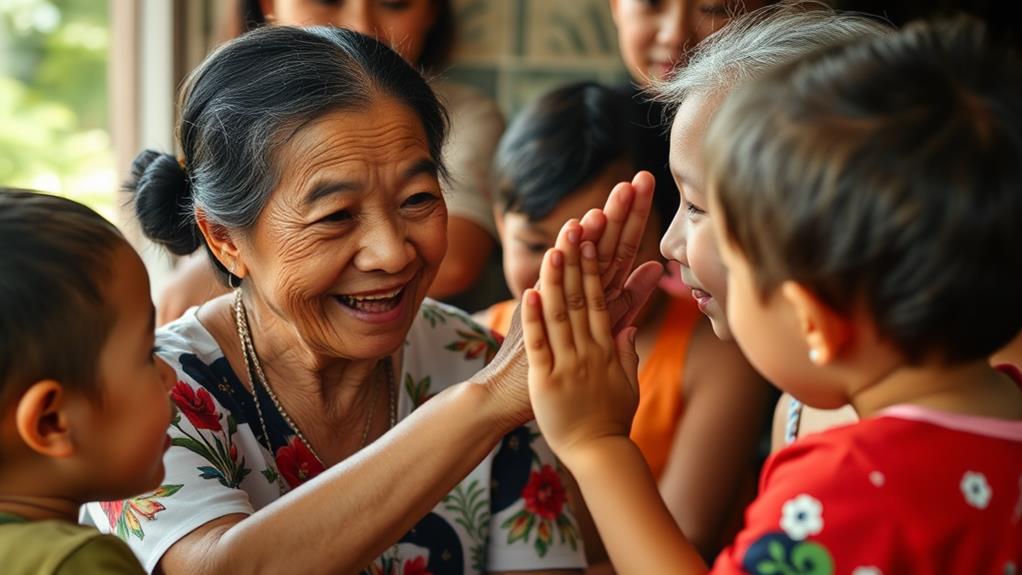
    When interacting with elders in the Philippines, you may encounter a traditional gesture of respect called mano po. This gesture involves extending one's hand, which the younger person presses to their forehead, accompanied by a respectful "mano po."

    Mano po is rooted in both Spanish colonization and Eastern customs, conveying reverence for an elder's wisdom and experience. By performing Mano po, you not only show respect but also acknowledge intergenerational bonds and familial loyalty, symbolizing appreciation and gratitude towards elders.

    This meaningful gesture holds significant cultural importance in Filipino tradition, highlighting the importance of respect for elders and their valuable life experiences.

    Definition of Mano Po

    traditional filipino gesture respect

    What is Mano Po?

    When entering an elder's home in the Philippines, you'll likely witness a traditional gesture of respect and deference called "mano po". This gesture involves taking an elder's hand and pressing it to your forehead to show respect and request blessings.

    Meaning of Mano Po

    The term "mano" translates to "hand" in Spanish, while "po" is a Filipino word indicating respect, together meaning "your hand please". This deliberate act conveys reverence and admiration for the elder's wisdom and experience.

    Cultural Significance of Mano Po

    As a gesture, "mano po" is a powerful expression of cultural values, emphasizing the importance of honoring one's elders.

    It's a deliberate display of respect initiated by younger individuals towards their elders, often accompanied by the phrase "mano po" itself. This highlights the value placed on familial loyalty and community respect in Filipino culture and social interactions.

    Cultural Significance in the Philippines

    Respect for Elders: The Significance of Mano Po in Filipino Culture

    In the Philippines, the mano po gesture is a deeply ingrained tradition that reflects the high value placed on honoring the wisdom and experience of elders. This traditional practice involves taking an elder's hand and pressing it to the forehead, seeking their blessings and respect.

    The mano po gesture is rooted in both Spanish colonization and Eastern customs, and has become an integral part of Filipino culture. When initiating the gesture, one says "Mano po," which translates to "your hand, please," and is typically performed with the right hand.

    While primarily practiced among family members, mano po can also extend to acquaintances, highlighting the broader cultural emphasis on respect within the community. This gesture is especially important when entering an elder's home, as it signifies a polite acknowledgment of their status and the cultural norm of familial loyalty.

    Through the mano po gesture, one can gain a deeper understanding of the importance of respect and reverence for elders in Filipino culture. By performing this gesture, individuals demonstrate their respect for the elder's wisdom, experience, and authority, and seek their guidance and blessings.

    Hand-Kissing Across Cultures

    cultural significance of hand kissing

    Hand-kissing is a gesture of respect that transcends cultural boundaries. Many cultures around the world have their unique ways of showing respect through hand-kissing.

    In the Philippines, hand-kissing is known as the "mano" gesture. This involves touching the elder's hand to your forehead to request blessings.

    Hand-kissing is also a common greeting in many Middle Eastern and Asian cultures. It's used to show respect to elders, reflecting social hierarchy and etiquette. Phrases like "Assalamu alaikum" or "Namaste" often precede the gesture.

    Traditionally, hand-kissing was seen as a chivalrous act performed by males towards females. However, contemporary interpretations allow for mutual exchange.

    When performed correctly, hand-kissing conveys sincerity and respect. This is achieved by maintaining gentle lip contact and eye contact.

    Hand-kissing is still observed in formal contexts today. It serves as a powerful symbol of respect and deference.

    Chivalrous Gestures and Etiquette

    Hand-kissing is a timeless expression of respect and admiration. This chivalrous gesture conveys respect and acknowledges the customs and traditions that have shaped it over time.

    To perform a proper hand-kiss, gently touch your lips to the person's hand while maintaining eye contact, which conveys sincerity and thoughtfulness.

    In some cultures, refusing a hand-kiss is considered impolite. In Central European cultures, such as Poland, Austria, and Hungary, hand-kissing is a deeply rooted tradition. Refusing a hand-kiss in these cultures is seen as a sign of disrespect.

    Hand-kissing is still practiced in formal events and diplomatic contexts. It's used as a way to convey respect and honor, particularly when showing deference to elders or individuals of high esteem.

    Religious and Pop Culture Significance

    cultural influence of religion

    The "mano po" gesture holds significant meaning in both religious and pop culture contexts.

    In the Catholic Church, the act of kissing the hand of a priest mirrors the Filipino "mano po," signifying respect and reverence towards authority figures within the faith community. This gesture is also commonly depicted in Filipino films and television shows to highlight family values and the importance of respecting elders.

    The "mano po" tradition has roots in both Spanish colonial practices and European customs of hand-kissing, illustrating a blend of cultural influences in religious and social contexts. For example, in certain Filipino religious ceremonies, the "mano po" gesture is performed to seek blessings from elders, similar to the ceremonial kiss of a Pope's ring, which is a symbol of respect and acknowledgment of spiritual authority.

    The cultural portrayal of "mano po" in media serves to educate younger generations about the significance of respect for elders, creating a dialogue around familial bonds and traditional values in contemporary society.

    When you perform the "mano po" gesture, you're not just showing respect to your elders, you're also acknowledging the rich cultural heritage behind it – a heritage that says "God bless" to those who came before us.

    The Importance of Elder Respect

    Respect for Elders is a Core Value in Filipino Culture

    In Filipino society, respect for elders is a fundamental value that's deeply ingrained in the culture. This value is reflected in the traditional practice of "pagmamano," where younger individuals extend their hand with the palm facing upwards, known as "mano po," as a sign of respect and acknowledgment of their elders' wisdom and experience.

    Elders are Revered for their Life Experiences and Wisdom

    Filipino elders are highly respected for their life experiences and the wisdom they've gained over the years. By performing the "mano po" gesture, individuals demonstrate their appreciation for their elders' guidance and the importance of their role in their lives.

    This gesture isn't limited to family members, but is also extended to acquaintances, emphasizing the significance of respectful interactions across generations.

    The "Mano Po" Gesture is a Meaningful Exchange of Respect

    When an individual presses their elder's hand to their forehead, they engage in a meaningful exchange of respect. This gesture reinforces the importance of elder respect in Filipino society, strengthening intergenerational bonds and familial loyalty.

    The "mano po" gesture is a powerful symbol of respect, appreciation, and gratitude towards elders.

    Practicing Mano in Modern Times

    modern mano practice techniques

    The Tradition of Mano Po

    Mano po, a gesture of respect, remains an integral part of Filipino culture. When greeting their elders, many young Filipinos still perform mano, a time-honored tradition that resonates deeply within the country's cultural fabric.

    Cultural Education and Continuation

    Cultural education plays a crucial role in the continuation of the mano tradition. Children learn to perform the gesture from their parents and grandparents, ensuring its significance is passed down through generations.

    Mano in Modern Settings

    Although mano might be less common in modern settings, its significance remains strong within families who value respect and connection with older relatives. This gesture reinforces familial loyalty and emphasizes the importance of respecting elders, a foundational value in Filipino culture.

    When and How

    Mano is typically initiated by younger individuals when entering an elder's home, often accompanied by the phrase "Mano po" to request a blessing. This gesture is a way to honor and show respect to elders upon greeting them.

    Family Dynamics and Elder Care

    Filipino families prioritize intergenerational unity and elder care. In the Philippines, it's common for elderly relatives to live with their children or grandchildren. This living arrangement reflects the cultural emphasis on family unity and ensures that the elderly receive the care and support they need.

    Family-based care is preferred over institutional care. Unlike in many Western cultures, nursing homes are rare in the Philippines. Instead, families take pride in caring for their elderly relatives in their own homes. This arrangement allows for a deeper sense of connection and respect between generations.

    The "mano" gesture is a symbol of respect and loyalty. Children learn to perform the "mano" gesture from a young age, taught by their parents as a way to show respect to their elders. This practice reinforces the importance of valuing the wisdom and experience of older generations.

    The "mano" gesture involves bending one's right hand to the forehead, a sign of respect and gratitude to one's elders. This practice is a key aspect of Filipino family dynamics, built on a foundation of respect and care.

    How Does the Mano Po Gesture Show Respect During the People Power Revolution?

    During the People Power Revolution in the Philippines, the Mano Po gesture was a common way to show respect towards elders and authority figures. This traditional gesture became a symbol of unity and respect, especially in a time of political unrest during martial law and people power revolution.

    Preserving Cultural Heritage

    cultural heritage preservation efforts

    Preserving Cultural Heritage through the "Mano Po" Gesture

    The "Mano Po" gesture is a vital part of Filipino cultural heritage, serving as a symbol of respect, gratitude, and cultural identity.

    When practicing "mano po," an individual not only shows respect to their elders but also acknowledges the wisdom and experience they've accumulated over the years.

    This gesture plays a significant role in preserving cultural heritage in three ways:

    It strengthens intergenerational bonds and reinforces the community's respect for elders. By performing "mano po," younger generations demonstrate their appreciation for the guidance and wisdom of their elders, fostering a sense of unity and respect within the community.

    It serves as a tangible connection to the country's rich cultural history and traditions. This gesture is a physical representation of the country's cultural heritage, providing a link to the past and preserving traditional values.

    It provides a sense of continuity and belonging, bridging the gap between past and present. By continuing to practice "mano po," Filipinos maintain a connection to their cultural roots, ensuring the preservation of their heritage for future generations.

    Frequently Asked Questions

    What Does Mano Po Symbolize?

    Mano po symbolizes respect, loyalty, and courtesy towards elders in Filipino tradition. This gesture emphasizes the importance of honoring elders and acknowledges their wisdom and life experience.

    By performing mano po, individuals reinforce a strong generational bond, bridging the gap between age groups and fostering a sense of community.

    In Filipino culture, this act highlights the value placed on intergenerational relationships.

    What Is the Pagmamano Gesture?

    The pagmamano gesture involves taking an elder's hand and pressing it to your forehead. This traditional practice holds deep cultural significance in Filipino culture, symbolizing respect, requesting blessings, and valuing wisdom.

    Historical origins are rooted in family traditions, where children would show respect to their elders by performing pagmamano.

    In modern times, this gesture has extended to acquaintances, showcasing respect for elders in the broader community.

    What Is the Mano Po Etiquette?

    The Mano Po Etiquette: A Gesture of Respect

    When greeting an elder, it's essential to know the mano po etiquette. This traditional gesture symbolizes respect for the elderly and a request for their blessings.

    To perform it correctly, say "Mano po" (your hand please) and then press their hand to your forehead. Failing to perform this gesture, especially with family members, is considered impolite.

    By doing so, you show respect for their wisdom and experience, and they'll likely respond with a blessing.

    This strengthens the bond between you and demonstrates your appreciation for their guidance.

    What Is the Mano Po in Spain?

    In Spain, there's no direct equivalent to the "mano po" gesture.

    This is because respect for elders is expressed through polite language and formal greetings, rather than a specific hand-kissing gesture.

    Across different regions in Spain, verbal respect is prioritized over physical displays.

    For example, in formal settings, people use formal titles such as "señor" or "señora" to show respect, rather than relying on physical gestures.

    This cultural emphasis highlights the unique influences that shaped the "mano po" tradition in the Philippines.

  • Funeral Rites in the Philippines: Honoring the Departed

    Funeral Rites in the Philippines: Honoring the Departed

    Funeral rites in the Philippines are a unique blend of Catholic and indigenous traditions. These traditions honor the departed with a deep sense of cultural significance and spiritual reverence.

    A key part of these rites is the wake, which lasts from three to nine days and serves as a gathering for sharing stories, honoring the deceased, and supporting grieving families.

    Regional customs add diversity to these funeral rites. For example, in Sagada, coffins are suspended from cliffs, while in Apayao, bodies are buried beneath kitchen floors.

    These rituals guide the soul's journey to the afterlife and are an integral part of the country's rich cultural heritage.

    Historical Roots of Filipino Funerals

    cultural significance of filipino funerals

    The Philippines had a rich cultural heritage of pre-Hispanic beliefs that shaped the country's funeral practices. These ancient beliefs centered on life after death and ancestral veneration, laying the groundwork for modern funeral customs. For example, the concept of life after death influenced the practice of offering food and drinks to the deceased during wakes.

    The introduction of Catholicism during Spanish colonization significantly influenced Filipino funeral customs. The merger of indigenous beliefs with Christian rituals resulted in unique funeral customs that honor the dead.

    Traditional funerals often involve extended wakes lasting several days, where family and friends come together to share stories and offer communal support.

    Regional variations in burial practices reflect local customs. Specific rites and rituals are integral to the cultural identity of different communities. For instance, in some regions, the deceased is buried with personal belongings and items needed for the afterlife.

    The 40-day period following a death is crucial for the soul's transition. Various observances are aimed at ensuring safe passage to the afterlife.

    During this period, families often hold novenas, a series of nine-day prayer rituals, to guide the soul through its transition.

    Traditional Funeral Practices

    Traditional Filipino Funerals: A Blend of Cultural Heritage and Spiritual Practices

    Traditional Filipino funerals are deeply rooted in the country's cultural heritage, with customs and practices that have been passed down through generations.

    The wake, which typically lasts several days, serves as a time for family and friends to gather, pay respects, and share stories about the deceased. During this period, the deceased is usually placed in an elaborately decorated coffin, accompanied by flowers and a framed photo.

    Key Aspects of Traditional Filipino Funerals

    The Wake: A gathering of family and friends to pay respects and share stories about the deceased, providing community support and connection.

    Spiritual Rituals: Reciting prayers and hymns, including the Rosary, to honor the deceased and seek comfort.

    Food: Relatives and friends bring dishes to share, fostering community support and connection.

    These customs blend indigenous beliefs and practices with Catholic influences, resulting in a unique and meaningful way to honor loved ones.

    Throughout the funeral rites, prayers and spiritual rituals play a central role, providing comfort and solace to the grieving family.

    Regional Burial Customs

    cultural funeral practices variations

    Regional Burial Customs in the Philippines

    The Philippines is home to a diverse array of regional burial customs, reflecting the country's rich cultural heritage.

    Hanging Coffins in Sagada

    In Sagada, the deceased are placed in hanging coffins at high altitudes to aid their journey to the afterlife.

    The coffin's attire and design reflect the deceased person's social class, showcasing the community's respect for the individual.

    Burial Under the Kitchen in Apayao

    In Apayao, the deceased is buried under the kitchen, symbolizing warmth and familial ties.

    Before burial, the family and community wash and dress the body, offering prayers and making offerings.

    Bilaan Burial Custom

    The Bilaan people wrap the deceased in tree bark and keep the body at home for three weeks before burying it in a carved tree trunk hung in the forest canopy.

    "Chair-Turner" Burial Custom in Benguet

    In Benguet, the deceased is blindfolded and tied to a chair, with elders chanting their biography to guide them to heaven.

    This unique custom is a testament to the community's emphasis on honoring the spirit of the dead.

    Funeral Customs in Cebu

    In Cebu, funeral customs include a nine-day rosary recitation, with superstitions surrounding mourning attire and household chores to prevent bad luck.

    These regional burial customs showcase the Filipino culture's emphasis on honoring the spirit of the dead and maintaining connections with the living.

    Cultural Significance of Death

    Death rituals in the Philippines reflect a unique blend of Catholic and indigenous traditions. This blend is evident in the emphasis on the spiritual journey of the deceased and the connection between the living and the dead.

    Filipino funeral traditions prioritize a nine-day mourning period, during which family members and friends come together to support each other in their grief. This communal space allows them to honor the deceased while guiding their spirit to the afterlife.

    Customs like lighting candles and conducting nightly prayers and rituals are essential to ensuring a safe passage for the deceased. These practices are believed to maintain spiritual harmony during mourning.

    Superstitions surrounding death, such as prohibiting sweeping and bathing in the presence of the deceased, highlight the importance of avoiding disruptions to this harmony.

    Festivals like All Souls' Day reinforce the significance of remembering and honoring departed loved ones. These collective remembrances strengthen community bonds and underscore the cultural importance of death in the Philippines.

    Mourning Rituals and Practices

    grieving traditions and customs

    Filipino Funeral Traditions: Mourning Rituals and Practices

    In Filipino funeral traditions, mourning rituals and practices play a vital role in honoring the deceased and supporting the grieving family. A wake lasting several days is a common practice, during which family and friends gather to pay respects, share stories, and engage in nightly prayers to honor the deceased.

    Cultural Practices to Avoid

    During the mourning period, certain activities are prohibited, such as bathing, combing hair, and sweeping, as these are believed to attract bad luck or disturb the spirit of the deceased.

    Signs of Respect

    Mourners often wear black clothing, neckerchiefs, and veils as a sign of respect for the deceased.

    Guiding Spirits to the Afterlife

    In some communities, specific customs like lighting bonfires are practiced to guide spirits to the afterlife.

    Duration of Mourning

    The duration of mourning varies by region, with some communities observing extended periods, like nine days, to connect the living with the spiritual realm.

    Food Offerings and Shared Meals

    During funeral services, food offerings and shared meals among attendees reflect the cultural value of hospitality even in times of grief.

    Historical Artifacts and Innovations

    Filipino Funeral Traditions: A Rich Cultural Heritage

    Filipino funeral traditions are deeply rooted in the country's history and cultural identity.

    Historical Artifacts

    Manunggul Jars are intricately designed pottery that symbolize a spiritual journey, featuring a cover with two men in a boat.

    Maitum Anthropomorphic Pottery are unique burial jars with head-shaped covers and detailed carvings that express various emotions.

    Burial Jars reflect the belief in life after death and continued existence.

    These artifacts highlight the cultural significance of burial customs in the Philippines. The use of anthropomorphic pottery and burial jars is distinct to Southeast Asia, demonstrating the rich historical interplay between indigenous burial practices and spiritual beliefs.

    Innovations in Burial Practices

    Over time, innovations in burial practices have included the transition from using natural materials like tree bark to more elaborate coffins and tombs, often reflecting the deceased's social status.

    The decline in traditional burial artifacts can be attributed to the spread of Catholic influence during Spanish colonization, which introduced new burial customs and religious practices.

    Regional Variations in Customs

    diverse local traditions explored

    Regional Variations in Filipino Funeral Traditions

    Filipino funeral traditions vary across regions, shaped by local beliefs and cultural identities. Each region has its unique twist on honoring the departed.

    In Apayao, the kitchen becomes a sacred space, where the deceased is buried beneath the kitchen floor to symbolize warmth and familial ties. This practice emphasizes the importance of family and the role of the kitchen as a gathering place.

    In Sagada, coffins are suspended on cliffs, a traditional practice known as Hanging Coffins. This is believed to assist the deceased's spirit in its journey to the afterlife. This unique method allows the deceased to be closer to the heavens and is a testament to the community's strong spiritual beliefs.

    In Benguet, the deceased is blindfolded and tied to a chair, a practice known as Dead Sitting Pretty. This emphasizes the ongoing connections between the living and the dead, ensuring the deceased remains a part of the community even in death.

    Other regional variations include the Bilaan people's preservation of the dead in tree bark, which serves as a natural coffin, and the Cebuano's blend of Catholic and indigenous beliefs, marked by reciting the rosary for nine days and prohibiting certain activities.

    These diverse customs showcase the richness of Filipino burial practices, each one honoring the departed in its own unique way.

    Cultural Practices Surrounding Death

    Death is a universal experience, but cultural practices surrounding it in the Philippines are unique and deeply rooted in the country's history and heritage.

    Funeral practices and burial customs are heavily influenced by Catholicism. For example, rituals often include prayers, hymns, and the recitation of the Rosary for nine days following the death.

    A wake is held, typically lasting from three to nine days, providing a communal space for family and friends to gather, share stories, and offer condolences to the bereaved relatives of the deceased.

    Superstitions play a significant role during the wake. For instance, there are prohibitions on bathing and combing hair in the deceased's presence, and avoiding sweeping the home to prevent bad luck.

    The forty-day period following a death is considered crucial for the soul's transition, with specific rituals conducted on the fortieth day to facilitate forgiveness and safe passage to the afterlife.

    Community support is paramount in Filipino funeral practices. Traditions like Abuloy, or financial donations, help alleviate the financial burdens of burial expenses for grieving families.

    Wake and Funeral Rituals

    ceremonial mourning practices explained

    Filipino Funeral Traditions: A Communal Farewell

    In Filipino culture, the wake is a vital transitional phase between life and death, where family and friends gather to pay respects and share memories of the deceased. The deceased's body is displayed in an elaborate coffin, typically placed in a prominent area of the home or funeral parlor, allowing mourners to visit and pay their respects.

    The Wake: A Time for Community and Reflection

    The wake typically lasts from three days to over a week, during which nightly prayers, including the recitation of the Rosary, are conducted to guide the spirit of the deceased towards the afterlife.

    Food plays a significant role in wake customs, with relatives and friends bringing dishes to share, fostering a sense of community support during mourning.

    From Wake to Funeral and Burial

    Once the wake concludes, a funeral Mass is held, culminating in burial.

    Regional burial customs influence the rituals performed, such as the sprinkling of holy water and flower offerings at the grave. These rituals demonstrate the strong sense of community and respect that Filipinos have for their dearly departed.

    What are the similarities and differences between Filipino funeral rites and wedding customs?

    Filipino funeral rites and wedding customs both hold significant cultural importance in the Philippines. Both ceremonies involve elaborate rituals and gatherings with family and friends. However, while funeral rites are solemn and mournful, Filipino wedding customs blend tradition with joyous celebrations, symbolizing the unity of two individuals.

    Perspective on Death and Afterlife

    In Filipino culture, death is viewed as a significant life event rather than an end. This perspective is deeply rooted in the country's cultural identity, shaped by both Catholic teachings and indigenous spiritual perspectives.

    The belief that the soul continues its journey after death is a cornerstone of funeral practices and burial.

    Spiritual connections are maintained between the living and the deceased through rituals and prayers that honor and remember the departed loved one. For example, reciting the Rosary for nine days is a common practice that reflects the belief in the soul's journey and the importance of communal prayers for the deceased.

    The fortieth day following a person's death is crucial, with rituals aimed at ensuring safe passage to the afterlife and forgiveness.

    Superstitions surrounding death highlight cultural beliefs about preventing negative spirits and ensuring respect for the departed. For instance, avoiding sweeping or bathing in the presence of the deceased is a common superstition that reflects these beliefs.

    Frequently Asked Questions

    What Do Filipinos Do to Honor the Dead?

    Honoring the dead is an essential part of Filipino culture. In the Philippines, families gather for memorial gatherings to pay respects to their deceased loved ones.

    They light candles to guide the soul's passage to the afterlife, believing it helps the spirit find its way.

    Prayer rituals, often accompanied by traditional music, are also held to honor the dead.

    Additionally, food offerings are made, such as preparing the deceased person's favorite dishes.

    Grave decorations are set up, with flowers, candles, and personal items.

    Personal tributes are created, like photo displays or memory books.

    These practices strengthen family bonds and keep memories alive, rooted in ancestor worship and cultural symbolism.

    How Does the Philippines Celebrate the Dead?

    The Philippines honors the dead with a vibrant celebration. This celebration, known as All Souls' Day, is a significant event where Filipino traditions come alive to pay respects to the departed.

    Spiritual beliefs are demonstrated through candle lighting, family gatherings, and memorial services.

    Family is at the heart of these celebrations. During this time, families gather together to share stories and memories of their loved ones who've passed away.

    Traditional dishes are prepared in honor of the deceased, a culinary ritual that brings families closer together.

    Grave visits are an essential part of the celebrations. Families visit the graves of their loved ones, cleaning and decorating them with flowers, candles, and food offerings.

    This practice serves as a poignant reminder of the cultural importance of keeping loved ones close, even in death.

    What Is the Philippine Funeral Etiquette?

    Philippine Funeral Etiquette

    When attending a Filipino funeral, it's essential to follow traditional customs to show respect and empathy.

    Dress Code

    Wear mourning attire, typically black or white, as a sign of respect for the deceased and their family.

    Wake and Prayer Rituals

    During the wake, participate in prayer rituals and share grief expressions with family gatherings. This is an essential part of the mourning process in Filipino culture.

    Memorial Services

    Memorial services often involve traditional wake traditions, showcasing cultural beliefs. These customs help families cope with their loss and honor their loved one.

    Death Superstitions

    Avoid sweeping floors during the wake, as it's believed to sweep away the soul of the deceased. Be mindful of other death superstitions to show respect for the family's beliefs.

    Condolence Practices

    Offer abuloy (a monetary gift) to support the family during this difficult time. This is a thoughtful gesture to help them with funeral expenses and other needs.

    What to Do in 40 Days After Death in the Philippines?

    In the Philippines, the 40 days after a loved one's passing are significant for mourning and remembrance. During this period, families participate in various rituals to honor the deceased and facilitate the grieving process.

    Memorial prayers, like the Rosary, are a crucial part of the 40-day rituals. These prayers provide spiritual guidance and comfort to the bereaved family and friends. They're often held at home, in a church, or at a funeral parlor, and may be led by a priest or a family member.

    Family gatherings are an essential aspect of the 40-day mourning period. These gatherings provide an opportunity for loved ones to come together, share stories, and remember the deceased.

    Food is often served during these gatherings, which helps to bring comfort and support to those grieving.

    Candle lighting is a significant tradition during the 40-day mourning period. This ritual symbolizes the soul's journey and is often accompanied by prayers and blessings.

    The lighting of candles is believed to guide the soul to its final resting place.

    Wearing mourning attire is a sign of respect and is commonly practiced during the 40-day mourning period. This attire, often black or dark-colored clothing, is worn to show respect for the deceased and to express grief.

    These 40-day rituals play a crucial role in the healing process. They provide emotional support, spiritual guidance, and cultural significance, helping families to cope with their loss and move forward.

  • Filipino Wedding Customs: A Blend of Tradition and Modernity

    Filipino Wedding Customs: A Blend of Tradition and Modernity

    Filipino wedding customs are a unique blend of indigenous, Spanish Catholic, and modern influences. The country's history and Catholicism have shaped its wedding traditions.

    Pre-colonial ceremonies and Catholicism are the historical roots of Filipino wedding customs. The Pamamanhikan, where the groom's family requests the bride's hand, is a significant part of the tradition.

    Another important part is the Despedida de Soltera, a farewell party for the bride.

    Traditional attire has evolved over time. The Barong Tagalog, a traditional men's garment, and the Maria Clara gown, a traditional women's garment, have modern twists.

    Symbolic elements, such as the Arras and Veil ceremonies, remain vital.

    Filipino wedding customs have a rich cultural heritage that inspires contemporary celebrations. This heritage continues to influence modern weddings, blending tradition and modernity.

    Historical Roots of Filipino Weddings

    cultural significance of weddings

    Filipino weddings are a unique blend of indigenous and Spanish Catholic influences. This blend is a result of over 300 years of colonization, which transformed the country's matrimonial traditions.

    Pre-colonial marriage ceremonies lasted three days and were officiated by a babaylan, a spiritual leader who performed rituals like blood mixing and blessings from ancestors.

    The introduction of Catholicism changed wedding practices, emphasizing the union of families and the importance of public ceremonies sanctioned by religious authorities.

    Traditional customs, such as the pamamanhikan, highlight the importance of familial respect and community involvement. During the pamamanhikan, the groom's family formally requests the bride's hand in marriage, demonstrating respect for the bride's family and community.

    Modern Filipino weddings reflect a fusion of historical traditions and contemporary elements.

    Rituals like the exchange of Arras coins and the Veil and Cord ceremony are still maintained, symbolizing unity and commitment.

    Western attire and practices have also been incorporated, making Filipino weddings a unique blend of old and new.

    Pre-Wedding Rituals and Traditions

    Filipino weddings typically involve a series of pre-wedding rituals and traditions that set the tone for the big day.

    Family involvement is a key aspect of these customs.

    The Pamamanhikan is a formal visit where the groom's family seeks the bride's family's permission for marriage, emphasizing respect and unity. This custom highlights the importance of family approval in Filipino culture.

    The Paalam ceremony marks a significant step in the engagement process, as the groom announces his marriage intentions to the bride's family. This tradition formalizes the groom's commitment to the bride and her family.

    Before the wedding, a Despedida de Soltera farewell party is often held to celebrate the bride's transition to married life. This gathering usually combines with family reunions, honoring her familial ties.

    The Pamanhikan sa Simbahan involves a visit to the church to discuss wedding arrangements with the officiant, highlighting the importance of religious blessings in Filipino marriages.

    In the Paninilbihan tradition, the groom showcases his commitment and respect for the bride's family by serving them before the wedding ceremony. This custom demonstrates the groom's willingness to take care of his new family.

    These pre-wedding rituals and traditions embody the essence of Filipino marriage customs, blending traditional practices with modern values.

    Evolution of Traditional Wedding Attire

    traditional wedding attire evolution

    Filipino Wedding Attire: A Blend of Tradition and Modernity

    The traditional Barong Tagalog and Maria Clara gown are iconic symbols of Filipino cultural identity and heritage in wedding attire. The Barong Tagalog, worn by grooms, is a symbol of cultural pride, while the Maria Clara gown, with its distinctive butterfly sleeves, embodies modesty and grace for brides.

    Evolution of the Terno

    The Terno, a traditional piece of attire, has undergone modern interpretations while maintaining its cultural significance. This evolution showcases Filipino artistry in wedding fashion, with designs that blend traditional and modern elements.

    For example, contemporary designs often incorporate intricate embroidery and vibrant colors, reflecting personal style and cultural pride.

    Sustainable Wedding Fashion

    Today, many Filipino weddings prioritize sustainability in their attire choices.

    Ethically-made and handcrafted garments are increasingly popular, as they celebrate Filipino craftsmanship while promoting environmental responsibility. This shift towards sustainable fashion honors the country's cultural heritage while embracing modern values.

    A Beautiful Blend of Tradition and Modernity

    Filipino wedding attire has evolved to beautifully blend tradition and modernity.

    This fusion of cultural identity, contemporary style, and sustainability results in unique and meaningful attire that reflects the couple's personality and values.

    Symbolic Ceremonial Elements

    Symbolic Ceremonial Elements in a Traditional Filipino Wedding

    In a traditional Filipino wedding, symbolic ceremonial elements play a significant role in reinforcing the couple's unity, commitment, and shared responsibilities.

    The Arras ceremony is a vital element, where the groom presents 13 coins to the bride, symbolizing his promise to provide for their future. This represents financial stewardship and commitment in the marriage.

    The Veil and Cord ceremony is another important ritual, where a veil is draped over the couple to symbolize their unity and protection. The cord, shaped in a figure-eight, represents their everlasting bond.

    During the wedding ceremony, the Unity Candle is often lit to symbolize the merging of the couple's lives and families, emphasizing the theme of togetherness.

    Principal and Secondary Sponsors play vital roles in these rituals, assisting in candle lighting and veil placement, thereby reinforcing the importance of community and family involvement in the celebration.

    Modern Twists on Traditional Practices

    innovative approaches to heritage

    Modern Filipino Weddings Blend Tradition and Innovation

    Filipino weddings have evolved to incorporate modern ideas while preserving traditional practices. Couples are blending traditional attire with contemporary fashion trends, resulting in unique and personalized wedding looks that maintain cultural significance.

    For example, the Barong Tagalog and Filipiniana gown are being paired with modern twists, such as bold colors or non-traditional fabrics.

    Wedding Ceremonies Reflect Individuality and Cultural Diversity

    Modern wedding ceremonies often incorporate diverse cultural elements and personalized touches. Unity ceremonies and personalized vows are becoming increasingly popular, reflecting a trend towards individuality and self-expression.

    Traditional rituals, such as the Arras and Veil ceremonies, are still observed, but couples are adding personal touches, like custom coins or unique veil designs, to make them more meaningful.

    Sustainable Practices Take Center Stage

    Filipino couples are also embracing sustainable practices to reduce their environmental impact. Eco-friendly venues, digital invitations, and locally sourced catering are gaining popularity, allowing couples to celebrate their heritage while minimizing their footprint.

    This shift towards sustainability reflects a growing awareness of the importance of environmental responsibility.

    Filipino Wedding Inspiration and Trends

    Filipino weddings now blend cultural heritage with modern style and social responsibility.

    Modern Filipino weddings incorporate sustainable fashion choices, such as ethically-made jewelry and accessories that highlight Filipino artistry. Traditional attire like the Barong Tagalog and Maria Clara gown gets a modern twist with contemporary design elements that retain cultural significance.

    Inclusivity is key in modern Filipino weddings. Couples use live-streaming technologies to ensure loved ones who can't attend in person can still share in the wedding experience.

    The revival of indigenous practices and traditional rituals, such as the exchange of Arras coins and the Cord and Veil ceremony, allows couples to reconnect with their cultural roots.

    Eco-friendly venues and digital invitations are gaining popularity. This trend reflects a commitment to environmental consciousness while honoring cultural heritage.

    Community Involvement and Celebrations

    local engagement and festivities

    Community Involvement in Filipino Weddings

    In Filipino weddings, community involvement plays a vital role in the celebrations and traditions.

    Family and friends are actively involved in various preparation tasks, such as cooking, decorating, and organizing ceremonies. This collective effort strengthens familial bonds and community ties.

    The Pamamanhikan: A Formal Meeting

    The Pamamanhikan, a formal meeting between the families of the bride and groom, serves not only to discuss wedding plans but also to strengthen familial bonds and community ties.

    This meeting reinforces the collective role of the community in the couple's new life.

    Traditional Practices at the Wedding Reception

    During the wedding reception, traditional practices like the Money Dance, where guests engage in supporting the couple financially, emphasize the collective role of the community in the couple's new life.

    Guests often contribute to the celebration by bringing traditional dishes, showcasing the rich culinary heritage of the Philippines and fostering a sense of community through shared meals.

    Cultural Celebrations and Symbols

    Cultural celebrations, such as the release of doves, symbolize community wishes for peace and harmony in the couple's married life, reinforcing collective support and family ties.

    How Do Filipino Wedding Customs and Traditions Reflect the Community’s Faith and Values?

    Filipino wedding customs and traditions are deeply rooted in the celebration of filipino faith and values. From the pamamanhikan to the exchange of coins and veils, each ritual symbolizes the couple’s commitment to each other and to their community. These customs highlight the importance of family, respect, and unity in the celebration of Filipino faith.

    Blending Heritage With Modernity

    Modern Filipino weddings blend heritage with modernity. This fusion is evident in the attire, where traditional pieces like the Barong Tagalog and Maria Clara gown are paired with modern elements, such as the bride wearing a white gown or the groom donning a tuxedo.

    Sustainable practices are incorporated into wedding planning. Eco-friendly elements, such as sustainable venues and digital invitations, are being used to reduce environmental impact. This shift showcases a growing awareness of the importance of protecting the environment.

    Traditional rituals are merged with modern practices. Ceremonies like the Veil ceremony and Arras are combined with modern elements, such as live-streaming the event for remote family and friends. This allows for greater inclusivity and accessibility.

    The role of Ninongs and Ninangs has evolved. While still maintaining their importance as sponsors, their involvement in wedding festivities has modernized, highlighting the importance of community support and adaptability.

    Filipino weddings today are unique celebrations of individuality and tradition. By blending cultural heritage with contemporary practices, couples create memorable and personalized weddings that honor their roots while embracing modernity.

    Frequently Asked Questions

    What Are the Customs of Marriage in the Philippines?

    Philippine Marriage Customs Combine Love, Family, and Community

    In the Philippines, marriage is a significant event that involves not only the couple but also their families and the community.

    The Pamamanhikan is a pre-wedding ritual where the groom's family visits the bride's family to formally ask for her hand in marriage. This custom emphasizes the importance of family involvement in the union.

    Financial Commitment is Represented by the Arras Ceremony

    During the wedding ceremony, the Arras ritual takes place, where the groom gives the bride 13 coins as a symbol of his commitment to provide for her financially.

    This tradition highlights the importance of financial responsibility in marriage.

    Unity is Emphasized Through the Veil and Cord

    Two important symbols of unity in a Filipino wedding are the Veil and Cord.

    The Veil represents the couple's union, while the Cord symbolizes the bond between them, which can't be broken. These symbols are incorporated into the wedding ceremony to emphasize the couple's commitment to each other.

    Family Involvement is a Key Aspect of Filipino Weddings

    From the pre-wedding preparations to the wedding feast, family members play a significant role in the celebration.

    This involvement strengthens family ties and emphasizes the importance of family in Filipino culture.

    What Happens in a Traditional Filipino Wedding?

    A traditional Filipino wedding is a grand celebration that showcases the couple's commitment to their heritage.

    The ceremony begins with a grand bridal procession, where the wedding party walks down the aisle. This is followed by the unity candle lighting, a symbolic act that represents the couple's bond.

    The wedding entourage, dressed in elegant attire, participates in the veil ceremony, where the bride's veil is placed over the groom's shoulder to symbolize their unity, and the rice ritual, where the bride and groom are showered with rice to ensure a prosperous marriage.

    After the church blessing, the celebration shifts to the reception, where the party atmosphere takes over. One of the highlights of the reception is the money dance, where guests pin money on the bride and groom as a symbol of good luck and prosperity.

    Throughout the celebration, family involvement is strongly emphasized, as the couple's commitment to their heritage is put on display.

    What Is the Concept of Marriage in the Philippines?

    The concept of marriage in the Philippines is deeply rooted in cultural significance. It emphasizes family involvement and communal ties, going beyond just two individuals.

    Marriage in the Philippines blends faith and spirituality with societal expectations. This is evident in engagement traditions like pamamanhikan, where the groom's family visits the bride's family to ask for her hand in marriage.

    Wedding rituals are steeped in tradition, with practices like dowry, where the groom's family gives gifts to the bride's family as a symbol of respect.

    Legal requirements for marriage in the Philippines include age and CENOMAR (Certificate of No Marriage Record). The age requirement is 18 years old for both men and women, while the CENOMAR ensures that neither party has been previously married.

    Filipino marriage is a rich tapestry of marital roles, faith, and cultural heritage. It emphasizes the importance of family, community, and spirituality in building a strong and lasting union.

    What Are Modern Weddings and Traditional Weddings?

    Modern weddings prioritize personalization and flexibility. They often incorporate technology to live-stream the event, allowing guests who can't attend in person to participate.

    Couples also have the freedom to choose unique venues and reception styles that reflect their individual taste. For example, a couple might opt for an outdoor ceremony or a reception with a non-traditional format, such as a food truck festival.

    Traditional weddings emphasize cultural significance and community bonding. They often showcase rich customs and cultural heritage, such as pre-wedding rituals and specific wedding attire.

    For instance, in a traditional Indian wedding, the bride may wear a sari and participate in a henna ceremony, while the groom may wear a turban and ride a horse during the baraat procession.

    Traditional weddings also place a strong focus on family involvement and community bonding, with many ceremonies involving extended family members and close friends.

  • Ati-Atihan: The Vibrant Festival of Kalibo

    Ati-Atihan: The Vibrant Festival of Kalibo

    The Ati-Atihan Festival: A Celebration of Cultural Heritage

    The Ati-Atihan Festival is a vibrant celebration held in Kalibo, Aklan, that honors Santo Niño and the indigenous Ati people.

    This festival blends pre-colonial and Catholic traditions in a unique cultural expression. Recognized by UNESCO as part of the Philippines' intangible cultural heritage, it symbolizes unity and respect for indigenous traditions.

    The Festival's Vibrant Atmosphere

    The streets of Kalibo come alive with lively street dancing, colorful costumes, and rhythmic drumbeats during the Ati-Atihan Festival.

    These elements create an immersive experience that showcases the rich cultural heritage of the region.

    Cultural Significance

    The Ati-Atihan Festival is more than just a celebration; it's a symbol of unity and respect for indigenous traditions.

    By blending pre-colonial and Catholic traditions, the festival promotes cultural understanding and appreciation.

    Unveiling the Ati-Atihan Festival

    celebrating ati atihan festival

    The Ati-Atihan Festival: A Vibrant Celebration of Faith and Culture

    The Ati-Atihan Festival is one of the most vibrant and culturally rich festivals in the Philippines, celebrated annually in Kalibo, Aklan. This festival honors Santo Niño (Infant Jesus) and the indigenous Ati people, showcasing a unique blend of faith and culture.

    The Festival's Rich History

    The Ati-Atihan Festival has its roots in the early 1200s, evolving from a local tradition to a vibrant cultural celebration.

    Today, it features lively street dancing, colorful costumes, and rhythmic drumbeats.

    A Symbol of Unity and Cultural Respect

    During the festival, participants paint their faces black, paying homage to the Ati people.

    This gesture symbolizes unity and cultural respect, rather than blackface.

    A Series of Vibrant Events

    The festival includes a series of events, such as a formal opening mass, processions, dance parades, and tribal competitions, culminating in a grand closing ceremony.

    UNESCO Recognition

    In 2012, the Ati-Atihan Festival was recognized by UNESCO as part of the Philippines' intangible cultural heritage.

    This recognition showcases the country's rich traditions and community spirit.

    Rich Cultural Heritage Revealed

    Immerse in the Rich Cultural Heritage of the Ati-Atihan Festival

    The Ati-Atihan Festival is a vibrant celebration of the Philippines' cultural diversity, showcasing the rich cultural heritage of the Ati people.

    Cultural Elements

    The festival combines indigenous customs, honoring the Ati people's traditions and way of life, with Catholic traditions, celebrating Santo Niño, a symbol of Catholic faith.

    The festival also acknowledges the historical connection to the 1200s when Malay settlers arrived on Panay Island.

    Cultural Expressions

    The festival features vibrant street dancing, traditional music, and colorful costumes, promoting cultural expressions that unite communities and celebrate regional diversity.

    A community mass also takes place, highlighting the importance of community bonding.

    UNESCO Recognition

    The Ati-Atihan Festival was recognized by UNESCO in 2012 as an integral part of the Philippines' intangible cultural heritage, showcasing the country's cultural diversity.

    Vibrant Celebrations and Events

    lively festivities and gatherings

    The Ati-Atihan Festival is a vibrant celebration that brings the rich cultural heritage of the Philippines to life.

    The festival begins with a formal opening mass, followed by a grand procession where thousands of devotees carry images of Santo Niño. This highlights the festival's religious significance and showcases the community's devotion to the Sto. Niño.

    Daily themed parades feature lively festivities, including snake dancing and vibrant performances at Magsaysay Park. These performances showcase the creativity and energy of the participants.

    The highlight of the festival is the tribal competitions, which attract both local and tourist attention. Prizes are awarded for the best performances, encouraging participants to push their creativity and skills to the limit.

    The festival's vibrant street dancing, colorful costumes, and rhythmic drumming fill the streets, creating an immersive atmosphere that invites community participation and interaction among attendees.

    As the sun sets, the evening festivities come alive with music and entertainment, further enhancing the festive mood.

    Exploring Ati-Atihan's Historical Roots

    The Ati-Atihan Festival's Historical Roots

    The Ati-Atihan Festival has a rich history that dates back to 1212 AD, when Malay chieftains from Borneo arrived on Panay Island and established a land agreement with the indigenous Ati people. This initial agreement marked the beginning of a cultural exchange between the two groups, which would eventually shape the festival's traditions.

    Evolution of the Festival

    Initially, the festival was a local tradition, but it evolved over the centuries, incorporating Christian elements introduced by Spanish colonizers in the 17th century.

    The Spanish influence led to the celebration of the Santo Niño, a significant figure in Christian tradition.

    Name and Significance

    The festival's name "Ati-Atihan" means "to be like the Atis", reflecting the homage paid to the indigenous Ati people through cultural practices and face painting.

    This unique blend of cultural influences has contributed to the Ati-Atihan Festival's significance, now recognized as part of the Philippine intangible cultural heritage.

    Festival Experience and Atmosphere

    vibrant event celebration vibes

    Immerse yourself in the vibrant atmosphere of the Ati-Atihan Festival, where rhythmic drumbeats and lively street festivities create an electrifying experience. The festival's engaging atmosphere is a perfect blend of joy, energy, and cultural homage.

    Daily themed parades are a key aspect of the festival's infectious energy. Over 80 performing groups take to the streets, showcasing elaborate costumes and rhythmic drumbeats that amplify the festival's lively ambiance.

    These parades feature a kaleidoscope of colors, sounds, and movements that draw you in.

    Traditional face paint is another significant element of the festival. Participants don dark face paint to emulate the Ati people, paying cultural homage and adding to the festive spirit.

    This unique tradition allows festival-goers to connect with the rich cultural heritage of the Ati people.

    Unique dance routines are a major highlight of the festival. Tribes compete with intense passion, displaying their one-of-a-kind dance routines and costumes that captivate the audience.

    These performances showcase the rich cultural diversity of the region and leave a lasting impression on the spectators.

    Evening events provide the perfect opportunity to fully immerse yourself in the rich cultural experience. Live music and interactive performances create an electrifying atmosphere that complements the festival's vibrant street festivities.

    Throughout the festival, you'll find yourself swept up in the vibrant street festivities, surrounded by the rhythmic drumbeats, elaborate costumes, and infectious energy of the Ati-Atihan Festival.

    Cultural Significance and Impact

    The Ati-Atihan Festival holds profound cultural significance for the Filipino people. It honors the indigenous Ati people and the Santo Niño, symbolizing the harmonious integration of pre-colonial traditions and Catholic beliefs in Filipino culture.

    By painting their faces black, participants show respect and dedication to preserving the festival's roots. This tradition demonstrates cultural respect for the Ati people.

    The festival's vibrant street dancing, colorful costumes, and traditional music express Filipino identity. These expressions promote awareness and appreciation of regional diversity in the Philippines.

    The Ati-Atihan Festival is a significant event in Philippine intangible cultural heritage, recognized by UNESCO in 2012. It plays a vital role in preserving and promoting local culture and traditions.

    Through this festival, visitors experience the rich cultural heritage of the Aklan region and the unity it fosters among locals and participants.

    How Does Ati-Atihan Festival Showcase the Cultural Diversity of the Philippines?

    The Ati-Atihan Festival is a vibrant celebration that showcases the cultural diversity of the Philippines. This event features colorful costumes, traditional music, and lively dances that highlight the rich heritage of the different regions in the country. It is a testament to the evolution of philippine democracy and the freedom to express cultural identity.

    Beyond Kalibo: Similar Festivals

    exploring festivals beyond kalibo

    Beyond Kalibo: Similar Festivals

    Regional Variations of the Ati-Atihan Festival

    Aside from Kalibo, several towns in Aklan observe their own versions of the Ati-Atihan Festival, each infused with unique local flavors and traditions.

    Ibajay, Lezo, Malinao, Makato, Batan, Altavas, and Malay (Boracay) all celebrate the festival in their own way, reflecting their distinct cultural identities.

    Similar Festivals in Nearby Provinces

    Beyond Aklan, similar festivals can be found in nearby towns in Antique and Capiz, contributing to a vibrant regional celebration of culture and community.

    Dinagyang in Iloilo shares similar themes of gratitude and community, reflecting the widespread cultural significance of the Santo Niño and indigenous heritage.

    Halaran in Capiz highlights local culture through unique customs, music, and dance, while Binirayan in Antique emphasizes the preservation of Philippine cultural heritage.

    Other regional festivals collectively promote regional tourism and celebrate the rich cultural heritage of the region.

    Cultural Significance and Preservation

    These festivals not only showcase the rich cultural diversity of the region but also contribute to the preservation of Philippine cultural heritage, making them a must-visit for anyone interested in experiencing the authentic spirit of the Ati-Atihan Festival.

    Frequently Asked Questions

    What Is the Ati-Atihan Festival Celebrated For?

    The Ati-Atihan Festival celebrates the arrival of Malay settlers on Panay Island and their integration with the indigenous Ati people.

    This significant event in history is commemorated through a vibrant cultural heritage festival.

    The festival showcases traditional costumes, dance rituals, and music influences, highlighting community involvement and cultural preservation.

    Who Won the Ati-Atihan Festival in 2024?

    The winners of the Ati-Atihan Festival in 2024 were announced during the grand closing ceremony.

    The top three contingents were awarded for their stunning costume designs and captivating dance performances.

    The first place winner was the Kalibo Dance Company, followed by the Aklan Performing Arts Group in second place, and the Boracay Cultural Troupe in third place.

    These contingents showcased a perfect blend of traditional and modern dance performances, highlighting the cultural significance of the event.

    What Is the Culture Behind the Ati-Atihan Festival in Kalibo Aklan?

    The Ati-Atihan Festival has its roots in the 1200s.

    This celebration honors the indigenous Ati people and showcases their influences on the culture.

    The festival's cultural significance is reflected in its vibrant traditional costumes, festival rituals, and mesmerizing music and dance performances. These artistic expressions are a testament to the community's involvement and historical background.

    The local cuisine and joyful atmosphere also play a significant role in this unique cultural heritage.

    The festival's origins date back to the 1200s, when the Ati people, the indigenous inhabitants of the island of Panay, welcomed the arrival of Malay settlers.

    This cultural exchange is still celebrated today through the festival's rituals and performances.

    Is the Ati-Atihan Festival Religious or Non Religious?

    The Ati-Atihan Festival is both religious and non-religious. This multifaceted celebration has spiritual significance and historical origins, but it also honors cultural heritage and indigenous roots.

    On one hand, the festival has religious elements, such as rituals and processions, which reflect its spiritual significance. These practices are rooted in the region's historical origins and local beliefs.

    On the other hand, the festival also involves community involvement and festive traditions, which are non-religious in nature. These aspects of the celebration focus on cultural expression and community bonding.

    Ultimately, the Ati-Atihan Festival is a unique blend of local beliefs, symbolism, and cultural expression, making it both religious and non-religious.

  • Sinulog: The Grand Festival of Cebu

    Sinulog: The Grand Festival of Cebu

    Sinulog: A Grand Celebration of Filipino Culture

    Sinulog, a vibrant and historic festival, attracts over a million visitors to Cebu each year. This grand festival honors Santo Niño de Cebu, the oldest Christian artifact in the Philippines, and symbolizes the acceptance of Roman Catholicism in the country.

    A Rich History

    Sinulog's roots date back to 1521, showcasing the rich Filipino culture and heritage. The festival features vibrant street dances, intricate choreography, and cultural events that highlight the country's artistic representations.

    Cultural Significance

    As you explore Sinulog, you'll discover its historical significance, cultural practices, and artistic representations that make it an unforgettable experience.

    The festival is a testament to the country's rich cultural heritage, bringing people together to celebrate their history and traditions.

    Historical Significance of Sinulog

    cultural heritage celebration festival

    Understanding the Historical Significance of Sinulog

    The Sinulog Festival has its roots in 1521 when Ferdinand Magellan arrived in Cebu, introducing Christianity to the Philippines and venerating the Santo Niño. This event marked the beginning of the country's acceptance of Roman Catholicism.

    The Baptism of Rajah Humabon and Queen Juana

    The historical baptism of Rajah Humabon and his wife, Queen Juana, symbolized the acceptance of Christianity. This significant moment in Philippine history is commemorated through the Sinulog Festival.

    Origin of the Name "Sinulog"

    The name "Sinulog" comes from the Cebuano word "sulog," meaning current, which reflects the traditional dance's flowing movements.

    The Evolution of the Sinulog Festival

    Although the first organized Sinulog Festival didn't take place until 1980, it has grown to become one of the largest cultural celebrations in the Philippines.

    It attracts over a million visitors annually.

    Cultural Practices and Celebrations

    The Sinulog Festival: A Celebration of Filipino Culture

    The Sinulog Festival is a vibrant celebration of Filipino culture, showcasing the country's rich heritage and traditions.

    The grand parade is a highlight of the festival, where street dancers wear colorful costumes and perform intricate choreography that mimics the movements of water currents, symbolizing the festival's origins.

    The Traslacion Procession: A Display of Devotion

    During the festival, thousands of devotees participate in the Traslacion procession, carrying the Santo Niño through the streets and demonstrating the Filipino people's deep devotion to their heritage.

    This traditional procession is a testament to the significance of the Santo Niño in Filipino identity.

    Cultural Events and Local Traditions

    Throughout the festival, cultural events and activities highlight local traditions and artistry.

    Modern representations of the Santo Niño are celebrated across the Philippines, reinforcing its importance in Filipino culture.

    The festival culminates in the Hubo rite, a ceremonial stripping of the Santo Niño's vestments by priests, symbolizing reverence and marking the end of the festival.

    A Glimpse into Filipino Devotion and Pride

    Through these practices, the Sinulog Festival provides a glimpse into the Filipino people's strong sense of devotion and cultural pride.

    The festival is a celebration of Filipino identity, showcasing the country's rich cultural heritage.

    Religious Context and Significance

    faith s role in society

    The Sinulog Festival: A Celebration of Faith and Tradition

    The Sinulog Festival is a grand celebration that honors Santo Niño de Cebu, the oldest Christian artifact in the Philippines. This artifact symbolizes the introduction of Christianity by Ferdinand Magellan in 1521.

    The festival features religious rituals, including novena masses and a solemn procession, which reflect the deep devotion of Filipino Catholics to the Santo Niño. The Santo Niño is believed to possess healing powers, which is a significant aspect of the festival.

    The Sinulog Festival showcases the intersection of indigenous and colonial religious practices, highlighting the country's rich cultural heritage. The significance of the Santo Niño is further affirmed by its canonical coronation by Pope Paul VI in 1965, solidifying its role as a national cultural treasure.

    Through the Sinulog Festival, you'll experience the vibrant cultural expressions of Cebu, where faith and tradition come alive in a celebration that's truly unique and unforgettable.

    Patronage and Recognition of Santo Niño

    The Santo Niño's patronage is deeply rooted in Cebu's history and culture. This significance extends beyond the Sinulog Festival, with its influence pervasive in the city's identity.

    In 2002, Our Lady of Guadalupe was declared the principal patroness, but the Catholic Church clarified that intercession comes from God, not saints, ensuring the Santo Niño's continued importance.

    The Santo Niño's image has been granted prestigious titles, including the military rank of Captain-General during the Spanish colonial era. Its current title is Celentísimo Capitán General de las Esfuerzas en Filipinas.

    The Catholic Church has also recognized the Santo Niño's importance through papal decrees. Pope Innocent XIII officially moved the feast date to the third Sunday of January, and Pope Paul VI canonically crowned the image on April 28, 1965.

    This devotion parallels the global veneration of the Infant Jesus of Prague, highlighting its significance in Catholicism beyond the Philippines.

    Contemporary Developments and Artistic Representation

    modern art trends evolving

    The Sinulog Festival's Evolution: A Blend of Tradition and Innovation

    The Sinulog Festival has adapted to modern times by incorporating technology and innovative artistic representations of the Santo Niño. Live broadcasts and social media have increased global participation and reach. This fusion of old and new is also reflected in the artistic interpretations of the Santo Niño, which now showcase unique regional styles and cultural identities.

    Visual Symbolism and Kinesthetic Movements

    The festival's rituals now emphasize spiritual experience and cultural agency through visual symbolism and kinesthetic movements. These elements enhance the participants' spiritual connection and cultural expression.

    Diverse Events and Cultural Significance

    Art exhibitions and digital content are now integral parts of the Sinulog celebrations, highlighting the festival's cultural importance and attracting sponsorships and partnerships.

    These events demonstrate the festival's significance and its ability to evolve while maintaining its cultural essence.

    Contemporary Performances and Traditional Rituals

    The integration of contemporary performances and traditional rituals has become a hallmark of the Sinulog Festival.

    This blend showcases the ongoing evolution of practices surrounding the Santo Niño and Filipino spirituality, ensuring the festival remains vibrant and relevant.

    Are There Similarities Between Sinulog and Ati-Atihan Festivals?

    The Sinulog and Ati-Atihan festivals share several similarities in terms of their vibrant celebration of culture and tradition. Both festivals feature lively street parades, colorful costumes, and rhythmic music that showcase the rich heritage of the Philippines. The vibrant festival of kalibo and Sinulog are both significant cultural events that attract thousands of visitors each year.

    Experiencing the Sinulog Festival

    Immerse yourself in the vibrant Sinulog Festival, a nine-day celebration that showcases the rich culture of Cebu Island.

    The festival's main attraction is the grand parade, which takes place on the third Sunday of January and draws over a million visitors.

    Before the grand parade, catch the Fluvial Parade at 6 AM, followed by the Solemn Procession, which reenacts the historical baptism.

    Throughout the festival, indulge in local delicacies like Lechon at food stalls and enjoy cultural performances, art exhibits, and concerts featuring local artists.

    Discover the Sinulog sa Kabataan, a youth-focused celebration that adds to the festival's vibrancy.

    As you take in the sights and sounds, you'll understand why the Sinulog Festival is a significant cultural event in the Philippines, boosting tourism and the local economy.

    Frequently Asked Questions

    What Is Sinulog Festival Celebrated For?

    The Sinulog Festival celebrates the cultural significance of the Santo Niño, a symbol of the Philippines' historical origins in Christianity.

    This celebration showcases religious devotion through vibrant parades and dance performances that highlight regional variations in artistic expressions.

    The festival features community involvement, with participants showcasing their stunning festival attire.

    Additionally, the festival boosts tourism, culminating in a joyous spiritual celebration.

    What Food Is Served at Sinulog Festival?

    Cebu Delicacies Abound at Sinulog Festival

    Traditional Dishes Take Center Stage

    At Sinulog Festival, you'll find a variety of traditional Cebu dishes, including Lechon, Puso, and Ngohiong.

    These iconic dishes are a staple of the festival, showcasing the city's culinary heritage.

    Festival Snacks and Street Food

    Festival snacks and street food are plentiful, offering a taste of local cuisine.

    You'll find food stalls and vendors serving up regional flavors, including sweet treats like Bibingka and Puto Maya.

    Festive Beverages

    To quench your thirst, try festive beverages that highlight the city's culinary traditions.

    From refreshing drinks to sweet treats, there's something for everyone to enjoy.

    Where Is Sinulog 2024 Held?

    Sinulog 2024 is held in Cebu City, Philippines.

    The festival takes place from January 11 to 26, 2024.

    The grand parade will be held along Osmeña Boulevard and the Cebu City Sports Complex.

    Key events are centered around the Basilica Minore del Santo Niño and Fuente Osmena Circle.

    The main event is scheduled on the third Sunday of January.

    How Is Sinulog Music Described?

    Sinulog music is characterized by its unique rhythms, mimicking the traditional dance steps. These rhythms are a result of combining traditional instruments like gongs and drums with modern ones, creating an energetic sound.

    The dance melodies are infused with cultural significance, making them festival anthems. For instance, the rhythmic beats of the drums and gongs are synchronized with the choreographed dance moves, evoking a sense of cultural pride.

    You'll hear them during street performances, where the festive atmosphere is palpable. During these performances, the music is amplified, and the crowd's energy is electric.

    Over time, the music has evolved, incorporating regional influences, while maintaining its core identity. For example, some Sinulog music incorporates guitar riffs or electronic elements, yet still retains its traditional roots.

  • Fiesta: A Celebration of Filipino Faith and Community

    Fiesta: A Celebration of Filipino Faith and Community

    Filipino Fiestas: A Celebration of Faith and Community

    A Filipino fiesta is a vibrant celebration that showcases the country's rich cultural heritage.

    At its core, a fiesta is a testament to the deep integration of Catholicism in Filipino traditions. These celebrations honor patron saints, highlighting the importance of faith in Filipino culture.

    Fiestas also emphasize the significance of social ties and community participation. They bring people together, fostering a sense of belonging and cultural identity.

    For example, during a fiesta, you'll often see streets filled with colorful parades, lively music, and traditional dances. These events encourage community involvement, with locals participating in the preparations and celebrations.

    A fiesta is also a celebration of Filipino values and practices. It's an opportunity to experience the country's vibrant culture, with its rich flavors, sights, and sounds.

    You'll find traditional Filipino cuisine, such as lechon and adobo, being served during the celebration. You'll also hear traditional music and see folk dances, like the tinikling, being performed.

    In summary, a Filipino fiesta is a celebration that showcases the country's rich cultural heritage, emphasizing faith, community, and tradition.

    It's a testament to the Filipino spirit, which values social ties, community participation, and cultural identity.

    Faith and Cultural Heritage

    cultural faith and tradition

    Faith and Cultural Heritage in the Philippines

    Your Filipino heritage is deeply rooted in your faith, which is predominantly Roman Catholicism. This connection is vibrantly showcased in the country's festive celebrations, known as fiestas.

    Fiestas primarily honor patron saints, reflecting the profound influence of Roman Catholicism in Filipino culture and spirituality. For example, the Sinulog Fiesta celebrates Santo Niño and marks the introduction of Christianity to the Philippines in 1521, embodying hope, faith, and community love.

    Through fiestas, you experience the rich cultural heritage of the Filipino people. Rituals like prayers, novenas, and processions highlight the significance of religious devotion and collective participation among community members.

    These celebrations also serve as a means of cultural expression, showcasing traditional dances, music, and cuisine that celebrate shared heritage and values.

    Many towns have unique fiestas that combine historical events with religious significance, illustrating the adaptation of pre-Hispanic traditions to align with Catholic teachings.

    Celebrating Community Togetherness

    Filipino fiestas are a celebration of community togetherness. At their core, these vibrant events bring people together, fostering stronger bonds and a spirit of unity.

    Families open their doors and share food with guests, regardless of their personal resources, showcasing the warm hospitality of every Filipino community.

    Weeks of collaboration among community members precede the festivities, with locals working together to prepare for the celebrations. During festivals like Sinulog and Ati-Atihan, collective activities like parades and traditional games bring people together, further strengthening communal ties.

    Shared meals featuring signature dishes like adobo and lumpia serve as a central element in building relationships and celebrating cultural heritage.

    Local organizations and volunteers work together to ensure successful celebrations and promote inclusivity, demonstrating community involvement at its best.

    Through these moments, it becomes clear that Filipino fiestas are, indeed, a celebration of community togetherness.

    Traditional Practices and Rituals

    cultural heritage and customs

    Traditional Practices and Rituals

    Filipino communities take pride in preserving their vibrant traditions and rituals, rooted in faith and heritage.

    Altar Adornments

    In every Filipino home, altars are adorned with statues of saints, candles, and rosaries, reflecting faith in daily life and during fiestas. This practice highlights the importance of prayer and devotion, especially during fiesta celebrations centered around patron saints.

    Panata

    Panata involves making votive offerings, representing deep-rooted traditions tied to family and faith. This ritual emphasizes the significance of devotion and commitment to one's faith and community.

    Community Rituals

    Filipino communities come together through donations and volunteering, emphasizing the collective spirit of giving and support.

    These community rituals foster a sense of unity and cooperation, showcasing the strong sense of faith and community that defines Filipino culture.

    Food, Festivities, and Fun

    Filipino Fiestas: A Celebration of Food, Community, and Joy

    In the Philippines, fiestas are vibrant celebrations that delight the senses, with traditional cuisine playing a starring role. The aromas and flavors of Filipino dishes bring people together, fostering a sense of community and togetherness.

    Traditional Filipino cuisine is a highlight of fiesta celebrations. Dishes like adobo, kare-kare, and lumpia are staples that unite people across generations. These dishes are often prepared with love and care by family members and friends, symbolizing the community spirit at the heart of every Filipino fiesta.

    Fiestas are also a time for entertainment and friendly competition. Karaoke sessions often turn into impromptu dance parties, while games and contests showcase local talents and bring out the competitive spirit in everyone.

    Food is more than just something to eat; it's a way to bond with others and strengthen community ties. In every Filipino community, fiestas are a time to come together, celebrate, and create unforgettable memories.

    A Glimpse Into Filipino History

    exploring filipino historical insights

    Filipino fiestas have a rich history that dates back to the Spanish colonial period.

    The history of Filipino fiestas originated from Spanish colonial influences, where missionaries adapted local customs to celebrate Roman Catholic feasts, particularly events in the lives of Jesus and Mary. For example, the Fiesta de Santo Niño honors the Infant Jesus and symbolizes the beginning of Christianity in the Philippines.

    Some Filipino fiestas, however, have pre-Hispanic roots. The Sinulog and Ati-Atihan festivals, for instance, originated from pre-Hispanic rituals. The Sinulog celebrates the Santo Niño (Infant Jesus) and honors the country's patron saint, while the Ati-Atihan commemorates the arrival of Malay settlers in the Philippines.

    Over time, Filipino fiestas have integrated elements from both indigenous practices and colonial influences, creating a unique cultural tapestry.

    A significant event that contributed to this blend of cultures is the gifting of the Santo Niño statue by King Philip of Spain to the Queen of Cebu. This integration has fostered community spirit and identity, making Filipino fiestas an essential part of the country's cultural heritage.

    Embracing Cultural Diversity

    Filipino fiestas showcase the country's rich cultural heritage, where diverse traditions and customs blend in vibrant celebration.

    Each region has a unique identity shaped by its individual history and cultural practices, which you can experience through these festivities.

    Festivals reflect the country's pre-Hispanic and Spanish colonial influences. For example, Sinulog and Ati-Atihan blend local customs with Roman Catholic traditions.

    The Filipino Fiesta of Sacramento, held every January, celebrates Filipino American heritage and brings together diverse cultural organizations.

    Through these celebrations, different cultural groups come together, sharing their traditions and fostering a sense of belonging and cultural pride among attendees.

    Fiestas Across the Philippines

    celebrations throughout philippine islands

    The Philippines is a country with a rich cultural heritage, and its numerous fiestas are a testament to this. Over 100 fiestas take place annually, each unique to its region. These vibrant celebrations primarily honor the patron saint of each city or province.

    Major fiestas like Sinulog in Cebu, Ati-Atihan in Aklan, and Pahiyas in Lucban showcase a blend of religious devotion and cultural heritage. These events attract thousands of attendees and feature parades, traditional dances, and communal feasting, reflecting the strong emphasis on community and togetherness in Filipino culture.

    Many fiestas have historical roots dating back to Spanish colonial influence, adapting indigenous practices to incorporate Christian elements.

    These fiestas bring people together and contribute to local economies through tourism and community participation, promoting local artists and businesses.

    How Does the Sinulog Festival Differ from other Filipino Fiesta Celebrations?

    The Sinulog Festival stands out from other Filipino fiesta celebrations due to its vibrant and energetic atmosphere. This grand festival of cebu features a unique dance ritual that honors the Santo Niño, setting it apart from the traditional religious processions and cultural performances typically seen in other fiestas across the Philippines.

    Passing on Cherished Values

    Fiestas: Preserving Filipino Culture and Values

    Beyond the vibrant colors and lively rhythms of the Philippines' numerous fiestas lies a deeper purpose: to pass on cherished values from one generation to the next. These celebrations play a significant role in promoting and preserving Filipino culture.

    Fiestas Emphasize Faith, Community Bonds, and Hospitality

    Fiestas often involve rituals and traditions that have been passed down through generations, such as panata (votive offerings) and the communal preparation and sharing of traditional dishes like adobo and lumpia. These practices highlight the importance of faith, community bonds, and hospitality.

    Key Aspects of Fiestas

    Events like the Sinulog Fiesta honor religious figures and serve as opportunities for families to come together and pass on cultural heritage to younger generations.

    Involvement in community activities, such as volunteering and participating in parades, fosters a sense of belonging and reinforces shared cultural values among attendees.

    The engagement of diverse cultural groups promotes collaboration and understanding while preserving Filipino traditions and spiritual beliefs.

    Frequently Asked Questions

    What Is Fiesta Celebration in the Philippines?

    Fiesta celebrations in the Philippines are rooted in cultural heritage and honor patron saints. These events reflect the country's Roman Catholic faith and rich cultural traditions.

    For instance, the Feast of Santo Niño in Cebu City is a significant fiesta that commemorates the arrival of Spanish conquistador Ferdinand Magellan in 1521. This celebration showcases colorful parades, traditional dances, and delicious local food, highlighting the country's cultural identity.

    Fiestas foster a sense of community and togetherness. During these celebrations, Filipino communities come together to socialize, share food, and participate in various activities.

    For example, the MassKara Festival in Bacolod City is a popular fiesta that features vibrant street dances, costumes, and masks, promoting unity and camaraderie among residents and visitors alike.

    What Is the Importance to Our Society of the Fiesta Philippines Celebration of Patrons?

    Fiesta Philippines celebrations of patrons play a vital role in maintaining cultural unity. By honoring patron saints, these festivities reinforce community bonds, collective devotion, and a sense of belonging.

    They foster social cohesion, allowing individuals to express gratitude, seek blessings, and strengthen relationships.

    For example, in Filipino diaspora communities, these celebrations help maintain cultural continuity by bridging gaps and nurturing a deeper connection with heritage.

    What Is the Objective of Fiesta Celebration?

    The objective of fiesta celebrations is to honor patron saints and showcase cultural heritage.

    These vibrant events pay homage to faith and celebrate a community's unique identity, traditions, and values. By participating in fiestas, people actively preserve their cultural legacy, ensuring its continuity for future generations.

    For instance, in Mexico, the Fiesta de la Vendimia honors the patron saint of grape harvesters, while in the Philippines, the MassKara Festival celebrates the city's patron saint and showcases the local culture.

    Why Do Catholics Celebrate Fiesta?

    Catholics celebrate fiestas to express their deep-rooted faith and cultural heritage.

    These vibrant events allow them to honor their patron saints, paying tribute to their community's history and strengthening their spiritual bonds.

    Fiestas serve as a time for reflection, gratitude, and renewal of faith, bringing families together in celebration of their shared cultural heritage.