Category: Traditional Arts and Crafts
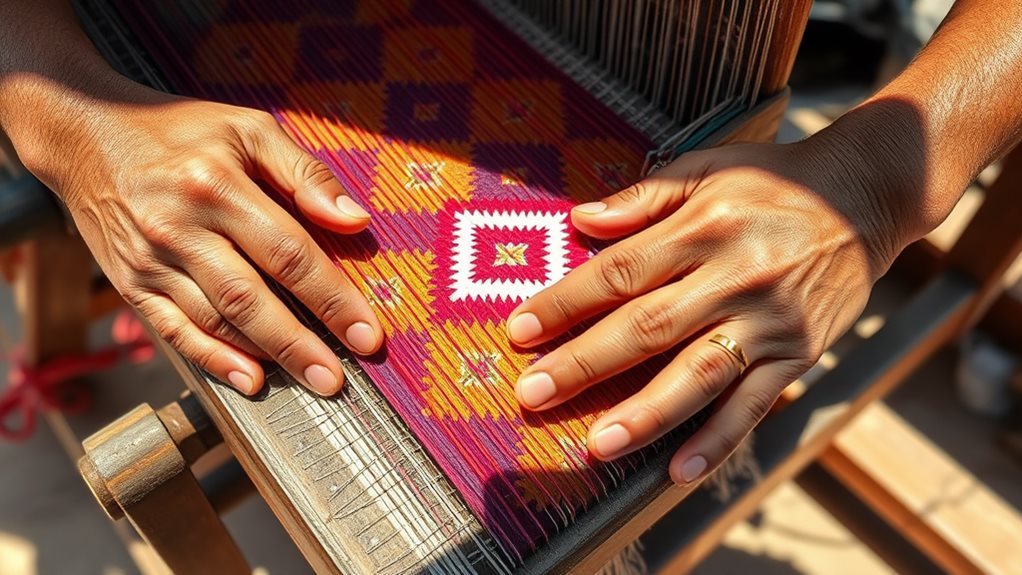
  • Hablon Textiles: Reviving Iloilo’s Ancient Weaving Tradition

    Hablon Textiles: Reviving Iloilo’s Ancient Weaving Tradition

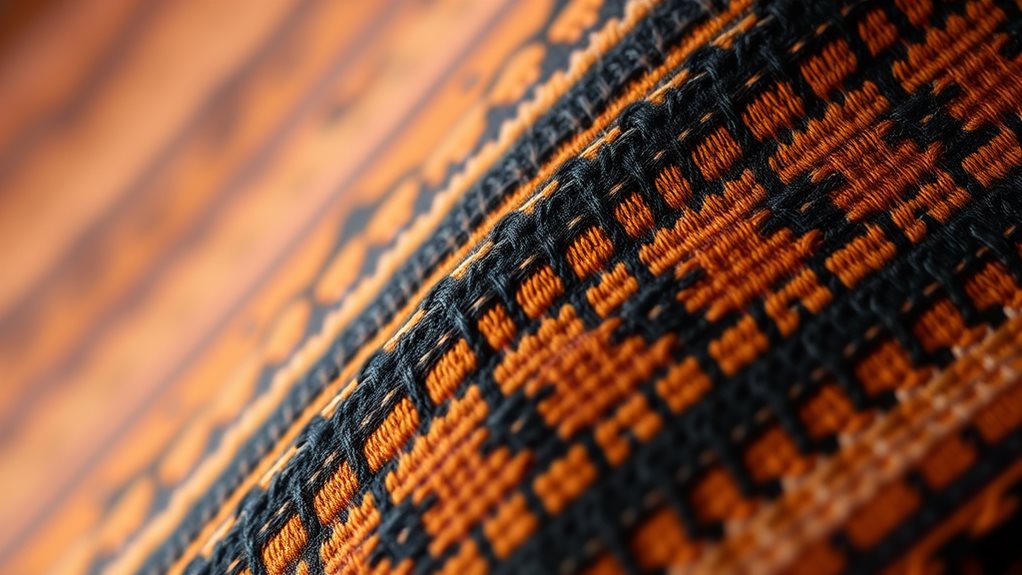
    You'll discover hablon textiles, a treasure from Iloilo, Philippines, boasting a heritage predating Spanish colonization. Artisans weave history into each piece. It's crafted using abaca, piña, and cotton. You'll see how hablon embodies Iloilo's cultural identity, reflecting ancestral pride and skill. Discover how the sugar industry caused decline, alongside current revival efforts, including government support and global collaborations. Contemporary designers are now integrating it into modern fashion. Sustainable practices are ensuring hablon aligns with eco-friendly trends and the market. There is even more to uncover!

    A Glimpse Into Hablon's Past

    Weaving its way through centuries, hablon has deep roots in Iloilo's history, which you'll find existed even before the Spanish arrived. Its story is woven with natural fibers like cotton, abaca, pineapple, and maguey, illustrating the ingenuity of early weavers.

    Imagine hablon's early days; its primary purpose was to create textiles for clothing and home use. You'll see "habol," the Hiligaynon origin that means "to weave," which reflects the essence of this craft. These textiles were also traditionally used to create mosquito nets for the home.

    As you delve into the 19th century, Iloilo became the "textile capital" of the Philippines, with hablon playing a crucial role. See the industry flourishing, driven by the extensive use of *weaving tools* and the adoption of *historical techniques*.

    You'll find hablon being exported, significantly boosting the local economy. Unfortunately, the later rise of both the sugar industry and also cheaper, machine-produced textiles then ushered in decline.

    Weaving faced serious challenges around the 1980s due to a shortage of weavers and changing economic dynamics.

    The Art of Hablon Weaving

    It's fascinating to observe how the art of hablon weaving involves intricate processes and tools to produce textiles with diverse patterns and designs.

    You'll see how natural fibers, like abaca, piña, and cotton, shape hablon's texture, though polyester yarns are sometimes used. The choice of materials can influence its quality and comfort, which highlights the importance of quality material. The quality and comfort of the hablon significantly hinges on material choice.

    Let's examine the process: warping involves setting threads, then beaming places them on the loom.

    See fabric emerge as the weft yarn passes through the warp. Traditional equipment, including the tiral and lansadera, supports these weaving techniques, using loom parts and bamboo pedals.

    Before weaving, designers plan textile patterns and color arrangements meticulously. You can differentiate between simple stripe designs and complex, hand-manipulated patterns, allowing for a wide array of culturally influenced motifs.

    Cultural Significance of Hablon

    Beyond its function as mere cloth, hablon embodies a profound cultural significance intricately woven into the heritage of Iloilo. It isn't just about making fabric; it represents Iloilo's cultural identity and weaving heritage.

    Hablon stands as a testament to the region's rich history, particularly felt in towns like Miagao. You'll see its impact in every thread, reminding you of:

    • The pride woven into each garment.
    • The joy it brings during cultural celebrations.
    • The memories of skilled ancestors honoring tradition.
    • The community's vibrant sense of belonging.

    The use of hablon in traditional clothing illustrates your community's deep respect for ancestral skills, doesn't it? This aligns with its origins dating back to the pre-Spanish period, highlighting its long-standing presence in Philippine culture.

    Once everyday wear, hablon now lives mostly in cultural events, a constant reminder of Iloilo's textile capital past. You can view hablon reflecting local pride, much like cherished food or language that connects you to Iloilo.

    Economic Impact Through the Years

    Iloilo's hablon industry reflects significant economic shifts over time. Back in the 1850s, you'd see textiles commanding over 50% of provincial exports, a testament to its economic power.

    However, the rise of sugar in Western Visayas shifted priorities, causing weaving's influence to fade. It's essential to see that even with the advent of machine-woven textiles, hablon has continued to support artisan livelihoods in Iloilo, offering job opportunities and income in local communities. The DOST-PTRI established RYPIC to promote local textile production, aiming to revitalize this sector by utilizing natural textile fibers.

    Think about the *economic resilience* shown by weavers! Now, hablon isn't just surviving; demand persists, spurred by corporate buyers and fashion designers, yet the industry has had to evolve, with many using synthetic fibers due to shortages.

    The establishment of Regional Yarn Production and Innovation Centers (RYPIC) can amplify *economic resilience*, while community involvement, coupled with partnerships, boosts sustainability.

    The Road to Revival

    Hablon's economic story doesn't end with shifts in exports and fiber scarcity; the groundwork for a renaissance began in the early 2000s through governmental backing and collaborations with local artisans.

    You'll see the Department of Tourism joining forces with communities, launching educational initiatives and events. One pivotal point is the Hablon Festival, emerging in 2014, a testament to cultural heritage and handloom patterns. The festival was paused during the COVID-19 pandemic, but resumed in 2022, showing its resilience.

    Innovation isn't being left behind; the Iloilo Science and Technology University established a Regional Yarn Production and Innovation Center in 2019, which is a real game changer.

    But It's more than just textiles; it's about:

    1. Seeing families weaving together again, preserving traditions one thread at a time.
    2. Knowing you're investing in a community's future with every purchase.
    3. Feeling pride in supporting sustainable practices.
    4. Witnessing cultural heritage thriving.

    Since 1991, the Indag-an Primary Multi-Purpose Cooperative has actively helped the hablon industry.

    We can't forget the effort for gender inclusivity and community workshops guided by master weavers.

    You're not just witnessing a comeback, you're witnessing a cultural renaissance.

    Hablon in Modern Fashion

    Designers are increasingly sourcing Iloilo hablon for use in modern fashion, as it holds deep cultural significance, symbolizes local traditions, and demonstrates aesthetic excellence.

    You'll find hablon gracing high-quality shawls, *patadyong*, and even formal wear. Contemporary trends blend hablon patterns with silhouettes to broaden market appeal. Hablon's fine texture lets producers command higher prices due to its craftsmanship. With custom orders starting at Php 500, hablon offers accessible luxury for designers.

    You see, textile innovation marries traditional weaving with modern techniques, creating competitive products. Iloilo's weavers are returning to natural fibers—abaca and piña—to enhance quality for sustainable fashion.

    Though polyester offers durability, compromising traditional appeal, handwoven hablon maintains its high-value status due to unique artistry, driving both local and international demand as cultural pride surges.

    Hablon production's economic influence on Miagao underscores its relevance.

    Hablon Around the Globe

    From luxury clothing to corporate uniforms, hablon's versatility underpins its burgeoning presence in the global marketplace. Iloilo's strategic port propelled hablon into international view back in the 1800s.

    Today, you'll find designers sourcing hablon for high-end creations. Hablon exhibitions showcase tradition, sparking interest worldwide. You see its use in shawls, barongs, and formal wear. The textile industry recognizes hablon as a handcrafted treasure. Many schools, recognizing its cultural and historical value, are now incorporating hablon into their uniforms and events.

    But hablon faces challenges. Consider the impact if:

    • Hablon weaving disappears, leaving only machine-made cloths.
    • Iloilo's women weavers lose their economic independence.
    • The Hiligaynon culture fades, taking hablon's history with it.
    • Future generations forget Iloilo's weaving legacy.

    Global collaborations with international designers will bolster hablon's appeal. Export markets increasingly seek unique textiles. The preservation of this art is in your hands now.

    Preserving Tradition, Embracing Innovation

    Weaving tradition with innovation, you'll find the enduring legacy of Iloilo's hablon rests on balancing the preservation of age-old techniques with the integration of contemporary designs.

    You must understand that Hablon weaving is rooted in Iloilo's pre-colonial past. These towns, like Miagao and Dueñas, carry the weight of textile history, which is now threatened. The rise of machine-made textiles led to a decline, threatening local weaving industries.

    Revitalization requires cultural adaptation. Look at how the Hablon Festival reignites community engagement, showcasing these heritage textiles.

    You're also seeing the rise of groups like Indag-an Multipurpose Cooperative, empowering weavers. However, preservation isn't enough; Innovative techniques are crucial moving forward.

    Material innovation has changed how hablon is made. The integration of materials like rayon with traditional piña makes softer, competitive products appealing to today's markets.

    The Future of Hablon

    Looking ahead, the future of Iloilo's hablon hinges on a multifaceted approach, balancing tradition with progress, as well as environmental impact and financial opportunity.

    Future trends show hablon moving beyond traditional uses, integrating into modern fashion and products. But, can traditional methods meet increasing demand without sacrificing authenticity? The Philippine Fiber Industry Development Authority initiated a Cotton Development Program.

    You'll see how modernization, like the Regional Yarn Production and Innovation Center, aids local yarn production, addressing supply chain gaps.

    Consider the emotional appeal:

    • The hands that pour their heritage into every thread.
    • The stories woven in the intricate designs.
    • The earth tones echoing Iloilo's land.
    • The feeling of wearing a piece of living history.

    Exploring sustainable practices is vital.

    Hablon's resurgence aligns with global demand for eco-friendly fashion. Can you visualize hablon, made with natural fibers, fulfilling European market standards, offering a greener alternative to synthetic textiles?

    You're a potential key player in the evolution through global trends and preserving this heritage by embracing it.

    Supporting Hablon's Legacy

    To truly support hablon's legacy, you must consider the historical roots entwined with modern opportunities, recognizing the vital threads connecting Iloilo's past as the Philippines' textile capital to its present resurgence.

    Especially how the rise of machine-woven fabrics and sugar plantations caused declines overcome through government initiatives, workshops, and now, international recognition. The fabric is often used to create formal attire, including gowns and Barong Tagalog, reflecting its adaptability.

    You're safeguarding a cultural treasure when you champion community initiatives. These projects empower weavers economically, fostering pride in their craft.

    You aid in skill transmission by promoting workshops and training. Consider how Hablon's revival generates income, preserving generational knowledge.

    Artisan collaborations are crucial. Purchasing hablon products directly supports weavers, ensuring fair wages.

    You're endorsing sustainable practices by advocating for local raw material production. Every action preserves hablon's cultural importance for Iloilo and the Philippines, ensuring it echoes through generations, as you safeguard history through conscious choices.

  • T’nalak Weaving: Sacred Patterns of the T’boli

    T’nalak Weaving: Sacred Patterns of the T’boli

    You'll discover T'nalak, the T'boli people's sacred cloth. Women of royal lineage traditionally weave it. You see their woven dreams inspired by Fu Dalu. Black represents soil, red signifies blood, and white embodies purity. The designs tell stories passed through generations. T'nalak holds social, economic, and spiritual significance. Weaving empowers women, preserving T'boli heritage. Various initiatives are vital amid replicas and economic challenges. Continue forward and more will be enlightened.

    The Origin of T'nalak

    T'nalak weaving is an ancient craft of the T'boli people that's traditionally been executed by women of royal lineage around Lake Sebu in South Cotabato, Philippines.

    You'll find it deeply embedded in T'boli culture and folklore, a reflection of their profound connection to nature and spiritual beliefs. Tnalak serves not only as an art form but as a medium of exchange within their barter economy.

    You begin to understand its significance when you consider how it figures prominently in vital events like births, marriages, and rituals. Cherished as a form of cultural expression, it preserves tribal traditions that have been passed down through generations.

    In essence, it's an intrinsic element of T'boli identity.

    You'll hear that T'nalak designs, according to T'nalak myths, originate from dreams. These dreams are seen as guided by Fu Dalu, the T'boli goddess of abaca, ensuring the patterns' authenticity.

    T'nalak legends highlight its importance as both a cultural and spiritual artifact, shaping the motifs you see, and the symbolism found within.

    The Sacredness of the Fabric

    A tapestry of deep spiritual importance, you'll find the fabric woven with the sacredness of T'boli cosmology, linking the natural and supernatural realms.

    You see, the designs aren't just patterns; they're gifts from divine sources. Fu Dalu, the goddess of abacá, inspires weavers through dreams, and they view the t'nalak as a tangible expression of their spiritual connection. These dream experiences makes the designs unique to each weaver.

    You observe patterns rooted in sacred geometry. They embody beliefs, myths, and the very religion binding the T'boli community.

    The colors speak volumes, too. Black represents the fertile soil, red, their ancestral blood, and white, purity. You understand, each t'nalak symbolizes T'boli identity, used in significant life events.

    Through respectful harvesting of abacá fibers, you learn that the T'boli demonstrates a deep respect for their land.

    T'nalak Production

    You'll find that meticulously creating t'nalak involves several complex steps, from preparing abacá fibers to post-weaving treatments, each reflecting the T'boli's deep understanding of their environment and resources.

    You source abacá from the plant's middle trunk. You strip the outer layer and shred the core into fine strands. To make *tembong*, abacá strands are linked end-to-end. Then you dry the threads.

    T'nalak's vibrant colors come from natural *dye techniques*. For black, *knalum* leaves are used. *Loko* roots provide red; annatto seeds, orange, and turmeric, yellow. You'll boil the threads with the dye for days. Lime protects the black dye during red dye preparation. Other colors come from various plants in the environment.

    Weaving happens on a *legogong*, a backstrap loom. A weaver might spend a month on a single cloth.

    Post-weaving, heated cowrie shells burnish the fabric—nut oil follows, adding luster. Hardwood clubs smooth out the T'nalak, giving it that shiny, refined touch.

    Decoding T'nalak Designs

    Having explored the intricate steps of t'nalak production, it's important to consider the depth of meaning woven into each textile.

    You'll find that understanding t'nalak entails unlocking a visual language, where design interpretation unveils the stories of the T'boli people. T'nalak designs, inspired by dreams and the natural environment of Lake Sebu, blend geometrical patterns with nature. You'll see animal symbols aren't merely decorative; they're vessels of cultural meaning. High-quality T'nalak has even been used as currency for livestock and gongs.

    The primary tri-colored palette includes black, red, and white. Shouldn't we consider this color scheme important? Black symbolizes stability, red highlights relief elements, and white represents purity.

    You'll learn that these patterns, inspired by Fu Dalo, aren't just patterns; they're visual storytelling. Diamond-shaped motifs frequently appear. Weavers are skillful. The patterns are unique; they reflect the weaver's visions.

    Motif symbolism is passed down through generations, preserving T'boli heritage.

    Cultural Significance

    As a central piece of T'boli culture, t'nalak holds multilayered significance manifest in social, economic, spiritual, and artistic domains; you'll find it celebrates life events, conveys status, and promotes community bonding through a maternal legacy that intertwines artistic expression with cultural identity.

    Weaving from abaca fibers isn't just a craft; it's a powerful form of cultural symbolism. T'nalak visually represents status, especially for warriors. The tri-color scheme strengthens community identity. It's more than just cloth; it's art, literature, and heritage woven together. T'nalak has even been recognized internationally for its cultural impact, further solidifying its importance.

    As skills pass from mothers to daughters, you're witnessing the continuity of traditions. The ikat dyeing technique creates intricate patterns that reflect the stories and experiences of the T'boli people.

    You're observing a profound cultural depth that defines them, reinforcing its place in their social fabric.

    Role in T'boli Life

    Beyond its cultural symbolism, T'nalak assumes multiple vital roles within T'boli life, deeply interwoven with their traditions and daily existence. You'll find it present at every stage, from birth to death.

    You will see T'nalak guiding ritual practices, connecting you to the spirit world. It's used during births for protection and in funerals to ensure safe passage. During weddings, it represents commitment. Through its motifs, T'nalak enhances communal gatherings. The creation itself fosters unity, men and women working together. T'nalak reinforces your values and cultural memory, inspired by Fu Dalu. The fabric is also prominently featured on the Philippine banknotes, showcasing its cultural importance on a national level.

    Role Significance
    Birth Symbolizes protection and blessing
    Marriage Represents commitment between families
    Funerals Guides the deceased's path to the afterlife
    Celebrations Honor traditions, deities, and ancestors

    Economic Impact

    T'nalak weaving significantly impacts the T'boli economy and offers both opportunities and challenges.

    You'll see that it's a stable income source, allowing T'boli women to contribute financially to their families. Local initiatives boost tourism and commerce, increasing the demand for authentic t'nalak. This weaving is integral to rural development, supporting local communities and preserving traditions. She established the Manlilikha ng Bayan Center to teach the craft to younger generations, fostering economic independence and cultural continuity. You also help preserve their cultural heritage when you purchase it.

    However, mass production threatens authentic craftsmanship. Fake t'nalak undercuts prices, making competition tough. You should know that quality control is crucial. Authentic t'nalak struggles to penetrate markets dominated by replicas, but you can help by recognizing the intrinsic value of T'boli weavings.

    There're market opportunities. T'nalak appears in high-end fashion and the growth in eco-tourism around Lake Sebu increases demand.

    Considering global market trends reflect a desire for economic sustainability. You can see that by supporting fair trade, t'nalak remains a source of income and cultural preservation.

    Women's Empowerment Through Weaving

    Focusing on T'nalak weaving reveals the layers of women's empowerment interwoven into the T'boli culture.

    You'll see how women aren't just weavers; they're leaders, artists, and keepers of ancient traditions. This art reinforces maternal lineage, as the skill passes from mother to daughter, solidifying this cultural continuity.

    Weaving empowerment shines through skill development; as women master complex techniques, they gain respect within their communities. Each design is believed to be inhabited by Fu Dalu, which emphasizes this concept and the spiritual aspect.

    You see women's leadership through preserving T'boli heritage, with T'nalak showcased in cultural festivals.

    Consider that:

    • Women gain community respect and strengthen their social positions through skillful weaving.
    • Weaving is more than a craft; weaving is a source of cultural leadership and inter-generational learning.
    • You notice women at the heart of cultural preservation, central to maintaining traditions.

    You see that T'nalak isn't just fabric; it's about women's evolving roles and women's empowerment within the T'boli community.

    Preservation Efforts

    You can observe that sustaining women's empowerment within the T'boli community requires preservation of T'nalak weaving. Organizations like HABI Initiative actively support local weavers. They're dedicated to cultural advocacy and education.

    The Lang Dulay Weaving Center also stands as a beacon, passing on Lang Dulay's legacy.

    You'll note the emphasis on community involvement. It's crucial in preserving T'nalak. Family members are involved in weaving and abaca harvesting. You see local artisans meticulously maintaining traditional processes. This reflects the community's role in ecological and cultural preservation. The designs of the Tnalak are based on dreams, often leading to the term "dream-weavers" to describe the Tboli women.

    Efforts extend globally, increasing international recognition of T'nalak's cultural significance. Collaborative projects thrive. They're typically in partnership with organizations like ANTHILL Fabrics, offering equitable wages.

    Community programs educate people about T'nalak and the need to preserve it. These programs ensure T'boli cultural identity safeguards their traditions.

    Challenges and the Future

    Despite ongoing preservation efforts, challenges persist that could influence the future of T'nalak weaving. You'll observe a complex interplay of factors impacting its sustainability.

    • Economic viability feels threatened by the labor-intensive process alongside globalization threats that allow machine-made replicas produced easily.
    • Authenticity challenges arise from commercial replication, undermining the value of hand-woven T'nalak. With cultural dilution and skill transfer becoming more difficult, that endangers the tradition. The intricate ikat dyeing technique, a hallmark of T'nalak, demands specialized knowledge passed down through generations, yet its continuation is uncertain.
    • Environmental sustainability faces difficulties, as T'boli culture's connection with nature must be maintained against external influences.

    Balancing technological innovations with cultural preservation is crucial.

    Community involvement is essential to resist cultural dilution. The emphasis on bartering practices and tourism creates opportunities, but you must protect your community against authenticity challenges.

    The future rests on how you navigate these challenges by promoting education, awareness, and supporting sustainable economic opportunities for weavers.

  • The Art of Philippine Lantern Making: From Parol to Modern Illuminations

    The Art of Philippine Lantern Making: From Parol to Modern Illuminations

    Philippine Lantern Making: A Rich Evolution

    The art of Philippine lantern making has undergone a significant transformation from simple bamboo structures to intricate masterpieces.

    From the Spanish era to modern times, parols have become an integral part of Filipino traditions, especially during Christmas. This evolution is marked by a shift from traditional materials like rice paper and capiz shells to modern designs featuring LED lights and contemporary techniques.

    Preserving Cultural Symbolism

    With each new generation, the craft is passed down, blending cultural symbolism with innovative twists.

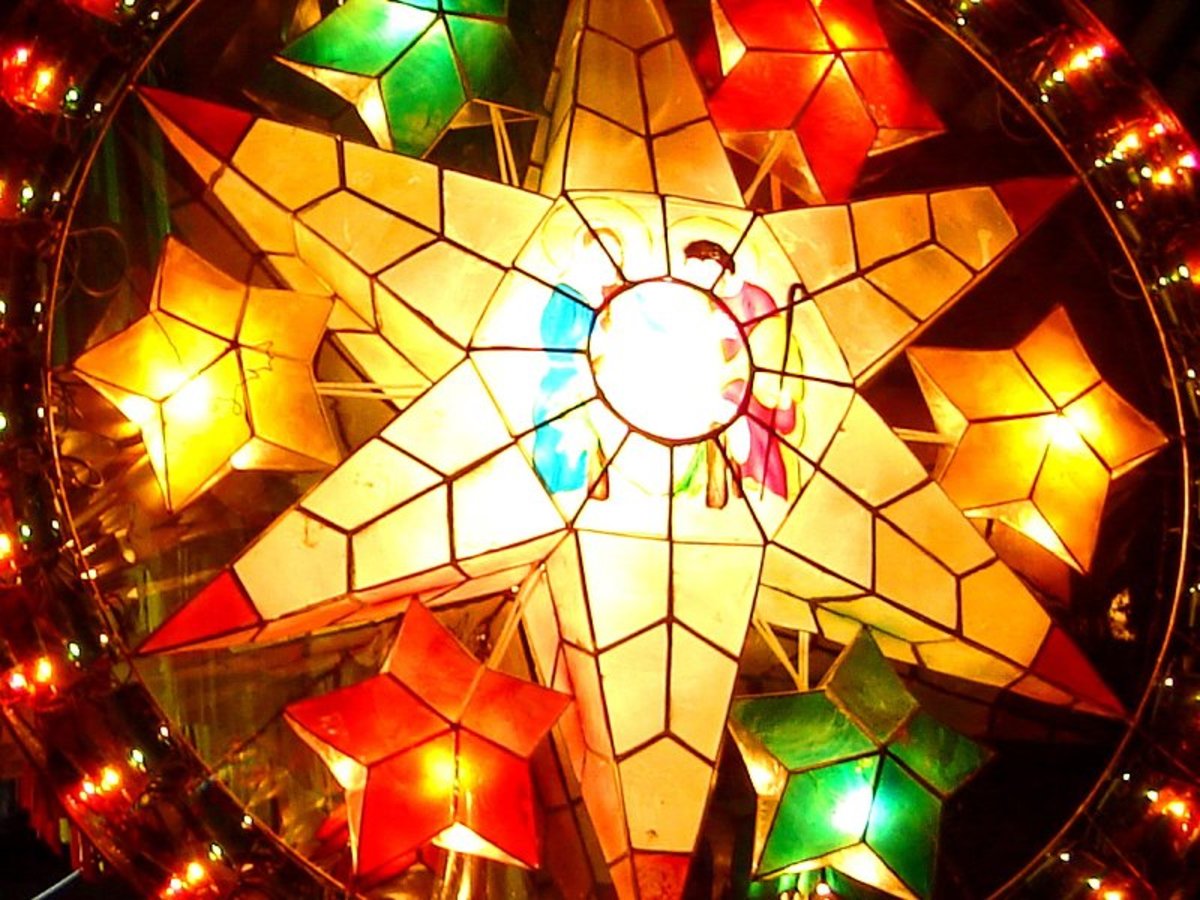
    The parol's geometric patterns and vibrant colors symbolize the Star of Bethlehem, guiding Filipino Christians during the holiday season. This fusion of traditional and modern elements ensures the continued relevance of parol making in contemporary Filipino culture.

    Innovative Techniques and Designs

    Modern parol makers have introduced new techniques, incorporating materials like LED lights, fabric, and recycled materials.

    These innovative designs have expanded the possibilities for parol makers, enabling them to create complex and intricate designs that showcase their craftsmanship. As a result, the art of parol making continues to thrive, captivating audiences with its beauty and cultural significance.

    Key Takeaways

    The Origin of Philippine Lantern Making

    The art of Philippine lantern making originated from the Spanish era, when lanterns were crafted for Simbang Gabi processions. The term 'parol' is derived from the Spanish word 'farol'.

    Traditional Parol-Making Materials and Techniques

    Traditional parol-making materials include rice paper, bamboo sticks, capiz shells, and wood. These materials are used to create the framework and design of the lantern. Family involvement is crucial for preserving cultural heritage, as techniques are passed down through generations.

    Global Celebration and Cultural Significance

    Filipino immigrants share the festive spirit of Christmas celebrations by displaying parols in homes, churches, and public spaces worldwide, showcasing Filipino artistry to international audiences. The parol symbolizes guidance, hope, joy, and resilience in Filipino culture.

    Modern Parol Designs and Innovations

    Modern parol designs blend traditional styles with innovative materials and lighting effects, such as LED lights, laser-cutting, and interactive elements. These modern designs showcase the creativity of Filipino artists, pushing the boundaries of traditional lantern making.

    History of Parol Making in Philippines

    The art of parol making in the Philippines originated from the Spanish era. During this time, lanterns were crafted to illuminate evening processions of Simbang Gabi, a cherished Filipino tradition. The term 'parol' is derived from the Spanish word 'farol', reflecting the lantern's origin and evolution in Filipino culture.

    Parols have become an integral part of Filipino traditions, particularly during the Christmas season. In the past, barrio folks used parols to enhance the festive and spiritual atmosphere during Misa de Gallo, a tradition that continues to this day.

    The intricate design and craftsmanship of parols have been shaped by the country's rich cultural heritage.

    From Rice Paper to Capiz Shells

    Traditional parol making materials have undergone a significant transformation. From rice paper to capiz shells, this shift has greatly influenced the crafting techniques used today.

    Rice paper, once the primary material, was fragile and prone to tearing.

    In contrast, capiz shells are more durable and versatile, allowing for intricate designs and patterns.

    This change in materials has led to the development of new techniques, such as layering and shaping, which have enhanced the overall aesthetic of modern parol making.

    Traditional Materials

    Traditional Materials Used in Parol-Making

    Traditional parols were originally crafted from humble materials like rice paper and bamboo sticks. These materials were readily available and cost-effective, making parol-making accessible to many.

    The rice paper, delicate and translucent, allowed for a soft, warm glow when illuminated, creating an enchanting ambiance during Christmas celebrations.

    The bamboo sticks, lightweight and flexible, provided a sturdy yet elegant framework for the lanterns.

    Evolution of Parol-Making

    As parol-making evolved, artisans began to experiment with new materials, including capiz shells. Hailing from the province of Capiz in the Philippines, these shells are prized for their translucency and versatility.

    When used in parol-making, capiz shells add an ethereal quality to the lanterns, casting a mesmerizing glow when lit.

    Wood is used to create more affordable options for parol enthusiasts, ensuring that this beloved tradition remains accessible to all.

    Crafting Techniques

    Crafting Techniques Evolution

    The traditional materials used in crafting parols have undergone a significant transformation. From delicate rice paper to durable capiz shells, modern parol making has shifted towards using these translucent shells. This shift is due to the unique glow and durability capiz shells provide, making them a popular choice.

    Capiz Shells: A Game-Changer

    The widespread availability of capiz shells in the Philippines has made them a go-to material for parol crafting. The use of capiz shells has made parols more affordable and accessible to a wider audience. Handcrafted parols incorporating capiz shells offer a traditional yet elegant look that appeals to many enthusiasts.

    Getting Started with Capiz Shells

    If you're interested in trying your hand at parol making, DIY tutorials and workshops are available to guide you in incorporating capiz shells into your designs. These resources showcase the craftsmanship and beauty of capiz shells in lantern making, allowing you to master the art of modern parol crafting.

    Parol Designs Through the Ages

    Parol designs have undergone significant transformations over the years.

    In the Philippines, traditional parol designs have given way to modern innovations, yet still reflect the country's rich cultural heritage.

    Early parols were influenced by Chinese paper lanterns, which were introduced to the Philippines through trade and cultural exchange.

    Over time, parol designs incorporated Western Christmas figures and natural elements.

    As a result, parols evolved from simple bamboo structures to intricate, illuminated masterpieces.

    Modern parols often feature a star-shaped frame, adorned with lights, tassels, and other decorations.

    Traditional Parol Styles

    Traditional Parol Styles Have Evolved Over Time

    Traditional parol styles have transformed significantly from their humble beginnings as simple bamboo and paper creations to elaborate masterpieces adorned with capiz shells and intricate patterns. This evolution showcases the creativity and craftsmanship of Filipino artisans.

    Regional Variations Abound

    Each region in the Philippines has its unique take on the traditional parol. For example, Pampanga is renowned for its elaborate and competitive Kapampangan styles, which highlight the region's exceptional craftsmanship and creativity.

    The Classic Star-Shaped Parol

    The classic star-shaped parol, a staple in Filipino Christmas celebrations, represents the Star of Bethlehem, guiding the way for the Three Kings to baby Jesus. This timeless design has been passed down through generations, symbolizing joy, guidance, hope, and the triumph of light over darkness.

    Evolution of Modern Designs

    The modern landscape of parol design has undergone a significant transformation, blending traditional styles with innovative materials, lighting effects, and creative themes to redefine the essence of Filipino Christmas celebrations.

    Modern parol designs have evolved from traditional bamboo and papel de japon to include materials like capiz shells, plastic, and fiberglass. These contemporary parols often feature LED lights or light bulbs, offering dynamic lighting effects and sequences.

    Key Features of Modern Parol Designs

    Modern Parol Feature: Ornate designs

    Description: Combine traditional Filipino craftsmanship with innovative elements

    Emotional Connection: Joy and wonder

    Modern Parol Feature: LED lights

    Description: Create dynamic lighting effects and sequences

    Emotional Connection: Excitement and magic

    Modern Parol Feature: Western Christmas figures

    Description: Introduce new characters into traditional parol designs

    Emotional Connection: Nostalgia and curiosity

    Modern Parol Feature: Natural elements

    Description: Incorporate patterns like snowflakes and angels, adding a touch of winter wonder

    Emotional Connection: Serenity and peace

    These modern parols symbolize joy, guidance, and the enduring spirit of Filipino Christmas celebrations, blending tradition with modern aesthetics. They evoke a sense of wonder, nostalgia, and excitement, redefining the essence of Filipino Christmas celebrations.

    Filipino Traditions in Modern Times

    Modern Filipino Culture and Parol-Making

    In modern Filipino culture, traditional practices like parol-making have adapted to incorporate contemporary materials and designs. This fusion of old and new has resulted in stunning parols that blend traditional craftsmanship with modern flair.

    For instance, today's parols feature intricate designs that combine Western Christmas figures, natural elements, and even dancing light sequences, all crafted using modern materials like capiz shells, LEDs, and light bulbs.

    Handcrafted Parols and DIY Options

    Handcrafted parols remain popular, offering unique designs and affordability starting at $165.

    For those interested in creating their own parols, DIY tutorials and workshops provide a chance to learn the art of parol-making using materials like tissue paper, bamboo, and glue.

    Additionally, community celebrations and workshops, such as the Eagle Rock Parol Festival, continue to showcase the significance of parol-making in Filipino culture and identity. These events bring people together, fostering a sense of community and pride in this beloved Filipino tradition.

    The Parol's Journey Around the World

    The Parol's Global Reach

    The Parol Spreads Beyond the Philippines

    Beyond the Philippines, the parol's radiant glow has illuminated the world. Filipino immigrants have carried this beloved tradition to distant shores, transcending cultural boundaries.

    A Global Filipino Community

    As you explore the global Filipino community, you'll discover parols adorning homes, churches, and public spaces, symbolizing the resilience of Filipino culture.

    Filipino immigrants have taken it upon themselves to share this cherished tradition with their adopted countries, spreading the joy and festive spirit of Christmas celebrations.

    Global Recognition

    Today, parols have gained global recognition, showcasing the beauty and craftsmanship of Filipino artistry to international audiences.

    From the United States to Canada, Australia, and Europe, Filipino communities proudly display their parols, connecting with their heritage and sharing it with their new homelands.

    An Ambassador of Filipino Culture

    As a result, the parol has become an ambassador of Filipino culture, bridging cultural divides and spreading festive cheer worldwide.

    Passing Down the Craft Tradition

    Philippine lantern making is a cherished tradition that relies heavily on the passing down of techniques and skills from one generation to the next. This craft requires a deep understanding of the methods and expertise that have been refined over time.

    Preserving family traditions is crucial to keeping this cultural heritage alive. In the art of parol making, the importance of family involvement is evident in the way skills are passed down from parents to children or from master craftsmen to apprentices.

    By embracing this traditional craft, individuals become part of a rich cultural heritage that inspires new generations of lantern makers.

    Mastering the Craft

    Becoming a Part of a Cherished Tradition

    When you learn the intricate art of parol making from a master craftsperson, you become part of a revered tradition that has been passed down through generations of Filipino families and communities.

    Learning from a Master

    As an apprentice, you'll learn the intricacies of parol making from a master parol maker who's spent years honing their skills and perfecting their craft. Through hands-on training and guidance, you'll master the techniques and designs that have been refined over time.

    Mastering the Craft

    The art of parol making is a delicate balance of skill, creativity, and cultural heritage, making it a cherished craft to be passed down. As you learn from your mentor, you'll not only acquire the technical skills but also the cultural significance and historical context of this beloved tradition.

    Preserving Cultural Heritage

    Preserving Family Traditions

    Preserving Family Traditions

    In many Filipino families, the tradition of parol making is a cherished legacy that's been passed down through generations.

    This tradition is significant because it allows parents and grandparents to teach their children and grandchildren the intricate art of crafting these iconic lanterns. By learning the intricacies of parol making from loved ones, individuals not only preserve a time-honored family tradition but also foster a sense of cultural identity and connection.

    The craft of parol making instills valuable skills and values in the younger generation.

    By passing down the craft tradition, individuals instill values of creativity, craftsmanship, and resilience in the younger generation. The process of making parols together strengthens family bonds and creates lasting memories during the holiday season.

    The importance of preserving cultural traditions can't be overstated.

    Community Celebrations and Workshops

    Preserving Tradition through Community Celebrations and Workshops

    Filipino cultural heritage is being preserved through community celebrations like the Eagle Rock Parol Festival, where traditional parol-making techniques are passed down to new generations.

    FilAm Arts organizes workshops to teach the art of parol making, introducing participants to the intricacies of this traditional craft. These workshops ensure the tradition stays alive in the Filipino-American community, as participants learn that parols symbolize Filipino identity and evoke a sense of cultural heritage and connection.

    Learning Parol Making Techniques

    In these workshops, participants discover the significance of parol making in Filipino culture.

    Through hands-on learning, they master the techniques of creating these intricate decorations. By understanding the art of parol making, participants realize that parols are more than just decorations; they represent Filipino identity and cultural heritage, even when displayed in America.

    Continuing the Tradition

    To further preserve this cultural heritage, DIY parol making tutorials and workshops are available. These resources enable individuals to create their own parols, infused with the spirit of Filipino culture, wherever they're in the world.

    Evolution of Lantern Making Techniques

    The Evolution of Lantern Making Techniques

    Filipino artisans have transformed the art of lantern making by blending traditional craftsmanship with modern innovations.

    Traditional Materials Give Way to Modern Ones

    Traditional parols, made from bamboo and paper, have been replaced by modern versions crafted from capiz shells, plastic, and fiberglass. This shift reflects the fusion of traditional Filipino craftsmanship with modern innovations.

    Notable Developments in Lantern Making Techniques

    Contemporary Parols with Modern Lighting: Modern parols are illuminated with LED lights or light bulbs, featuring dancing light sequences for a festive look.

    Ornate Designs and Cultural Symbolism: Ornate parols feature Western Christmas figures, natural elements, and intricate designs such as angels, Santa Claus, and snowflakes. Artisans blend cultural symbolism with contemporary aesthetics in their designs.

    Modern Materials and Techniques: Modern materials and techniques are used to create unique and complex designs, showcasing the creativity and adaptability of Filipino artists.

    A Dynamic Art Form

    The evolution of lantern making reflects the creativity and adaptability of Filipino artists, who continue to push the boundaries of this vibrant and dynamic art form, embodying the spirit of innovation and tradition.

    How are traditional Filipino arts and crafts preserving cultural heritage?

    Traditional Filipino arts and crafts play a crucial role in preserving the country’s rich cultural heritage. From intricate weavings to vibrant pottery, these artistic expressions reflect the traditions and values of the Filipino people. One particularly fascinating aspect is the Philippine tribal tattoos, which hold deep significance beyond Whangod, an iconic village known for its ancient tattooing techniques. These tattoos serve as powerful symbols of identity, spirituality, and protection, fostering a strong connection to ancestral roots and ensuring the preservation of cultural traditions for future generations.

    Parol's Symbolism in Filipino Culture

    The Parol: A Symbol of Guidance and Hope in Filipino Culture

    The parol, a traditional Filipino Christmas decoration, represents the Star of Bethlehem, symbolizing guidance and hope in Filipino culture.

    In traditional Filipino beliefs, the parol is often linked to the Three Kings, emphasizing its significance in the country's Christmas traditions.

    The Enduring Presence of the Parol

    Unlike other Christmas decorations, the parol remains on display until the feast of the Epiphany, underscoring its enduring significance throughout the Christmas season. This prolonged display period reinforces the parol's importance in Filipino culture.

    Evolution of the Parol

    Modern parols have evolved, now featuring intricate designs that symbolize joy and guidance. They're often illuminated with LED lights or light bulbs, making them a vibrant and captivating part of Filipino Christmas celebrations.

    The Parol's Cultural Significance

    The parol's symbolism is deeply ingrained in Filipino Christmas traditions, reflecting cultural values and spiritual beliefs. As a symbol of the victory of light over darkness, the parol inspires hope and resilience in the hearts of Filipinos. Its radiant beauty serves as a reminder of the importance of guidance and hope during the Christmas season.

    Innovative Twists on a Classic Craft

    Modernizing a Timeless Craft

    Artisans are reinvigorating the traditional Filipino parol by incorporating innovative materials and techniques, infusing this beloved craft with modern flair and sophistication.

    Modern parol designs no longer adhere to traditional norms, as artisans experiment with unconventional materials like sea shells, acrylic, and metal to create contemporary masterpieces.

    Innovative Twists on Traditional Techniques

    Dynamic Illumination: Artisans are using LED lights and programmable sequences to create mesmerizing light displays.

    Intricate Designs: The incorporation of laser-cutting, 3D printing, and digital projections enables the creation of complex designs with precision and accuracy.

    Interactive Elements: The integration of sound effects, mobile app integration, and interactive elements provides a unique user experience.

    Fusion of Traditional Craftsmanship and Modern Technology: Artisans are combining traditional techniques with cutting-edge technology and design trends to create innovative parol designs.

    These modern adaptations not only pay homage to the rich cultural heritage of the parol but also showcase the fusion of traditional craftsmanship with modern technology and design trends.

    The result is a fascinating blend of innovative twists and traditional techniques that redefine the art form.

    Conclusion

    The Evolution of Philippine Lantern Making

    Philippine lantern making has a rich history that spans centuries.

    The craft originated with rice paper lanterns, which have evolved over time to incorporate new materials and designs.

    Today, lanterns are an integral part of Filipino culture, symbolizing hope, resilience, and community.

    The Significance of Parol

    The parol, a traditional Filipino lantern, is more than just a decorative piece.

    It represents the country's rich heritage and is a testament to the artisans who continue to preserve traditional craftsmanship.

    Each parol is a reflection of the country's history and cultural identity.

    From Traditional to Modern Designs

    While traditional lanterns were made with rice paper, modern innovations have introduced new materials and designs.

    Artisans now use a variety of materials, including plastic, metal, and recycled materials, to create unique and intricate designs.

    This fusion of traditional and modern techniques has elevated the art of lantern making in the Philippines.

  • Philippine Mosaic Art: Creating Masterpieces From Shattered Tiles and Glass

    Philippine Mosaic Art: Creating Masterpieces From Shattered Tiles and Glass

    Philippine Mosaic Art: Transforming Shattered Tiles and Glass into Masterpieces

    Philippine mosaic art is a vibrant and textured art form that originated from ancient craftsmen and continues to thrive today.

    Artisans break and arrange tiles and glass into intricate designs, conveying stories, emotions, and cultural influences.

    The art form involves techniques like tile fragmentation and glass breaking, where artists masterfully weave together fragments to reveal profound designs.

    For example, a mosaic artwork may depict a traditional Filipino festival, with shattered tiles and glass forming vibrant costumes and dynamic movements.

    As you delve into the world of Philippine mosaic art, you'll discover the intricate details and symbolism behind these stunning artworks.

    The artworks often symbolize cultural heritage, with each piece telling a story of the country's rich history and traditions.

    With each fragment carefully arranged, the artworks transform shattered pieces into breathtaking masterpieces, showcasing the beauty that emerges from brokenness.

    Key Takeaways

    Ancient Roots of Philippine Mosaic Art

    Philippine mosaic art has a rich history, with ancient craftsmen laying the foundation for the country's thriving mosaic art scene today. These skilled artisans developed techniques that have been passed down through generations.

    Tile Fragmentation Techniques

    Tools like hammers and tile nippers are used to fragment tiles, a crucial step in creating intricate designs. By breaking tiles into smaller pieces, artists can arrange them to form beautiful patterns and images.

    Characteristics of Philippine Mosaic Art

    Philippine mosaic art is known for its harmonious color combinations and textured surfaces, which evoke emotions and reflect cultural influences. These unique characteristics make Philippine mosaic art distinct and captivating.

    Storytelling through Mosaic Art

    Mosaic art tells stories and conveys symbolism, showcasing narratives of history, spiritual beliefs, and community values. Through shattered pieces, artists can convey complex ideas and emotions, making mosaic art a powerful form of expression.

    Assembling a Masterpiece

    To create a mosaic masterpiece, artists carefully arrange and secure tesserae onto a surface using strong glue like E6000, ensuring durability and beauty. This meticulous process requires patience and attention to detail, resulting in stunning works of art.

    Origins of Philippine Mosaic Art

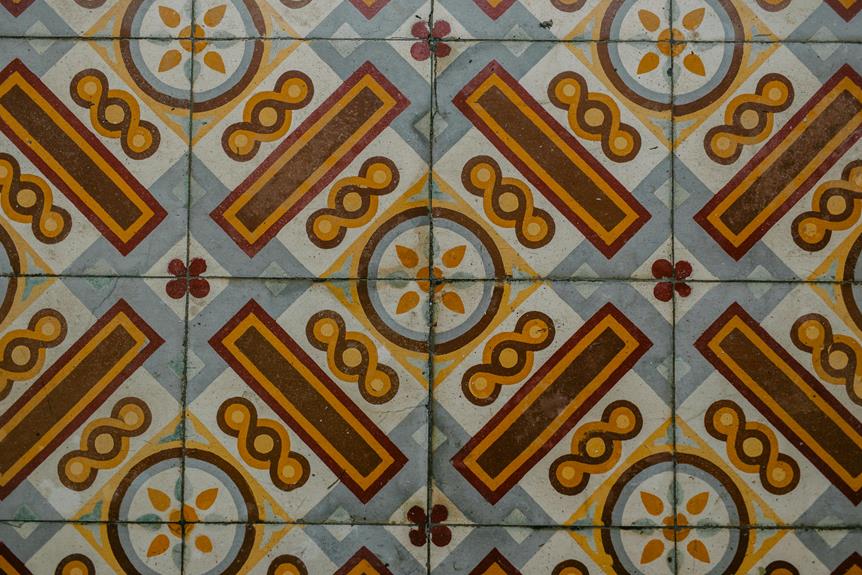
    Ancient craftsmen pioneered Philippine mosaic art, adorning floors and outdoor spaces with intricate mosaics that laid the foundation for the country's rich mosaic heritage. These early craftsmen demonstrated exceptional skill in creating stunning mosaics that not only added aesthetic value to buildings but also told stories through their intricate designs.

    Mosaic art involves arranging small pieces of materials like stained glass, tiles, or stone to create larger images. This art form has been a staple in Philippine culture for centuries. The use of stained glass added sophistication, allowing for a greater range of colors and textures.

    Early craftsmen paved the way for the country's thriving mosaic art scene today. Their contributions led to the development of a rich and vibrant mosaic art culture in the Philippines.

    Techniques of Tile Fragmentation

    Techniques of Tile Fragmentation

    Tile Fragmentation: A Crucial Step in Mosaic Art

    In mosaic art, tile fragmentation is the process of breaking tiles, glass, or ceramics into smaller pieces. These smaller pieces are then carefully arranged and adhered to a base to form patterns, images, or designs.

    Tools Used in Tile Fragmentation

    To fragment tiles, artists use tools like hammers, tile nippers, or scoring tools. These tools allow artists to break tiles into desired shapes and sizes with precision and control.

    Transforming Shattered Pieces into Art

    The process of tile fragmentation requires precision and creativity to transform shattered pieces into cohesive and beautiful mosaic artworks. By repurposing broken glass and tiles, artists can create stunning masterpieces that showcase their skill and craftsmanship.

    The Importance of Tile Fragmentation in Mosaic Art

    In Philippine mosaic art, tile fragmentation techniques play a pivotal role in bringing intricate designs to life. By mastering these techniques, artists can create stunning and intricate designs that showcase their skill and craftsmanship.

    Glass Breaking and Shaping

    Breaking Glass for Mosaic Art

    When breaking glass for mosaic art, it's essential to wrap each item in a towel to contain the shards and prevent them from scattering. This allows for better control over the breakage and helps achieve the desired shapes.

    To safeguard your hands from cuts, wear thin gardening gloves. This ensures a safe working environment.

    Breaking the Glass

    Use a small hammer to gently break the wrapped glass into the desired shapes for your mosaic mural. Be attentive to the small shards and dispose of them properly to maintain a safe workspace and avoid accidents.

    To guarantee your glass pieces adhere properly, apply Mod Podge or clear-drying glue to the base. For larger pieces, anchor them with E6000 adhesive for better adhesion.

    Color Palette and Texture Play

    Philippine mosaic art is characterized by harmonious color combinations, textured surfaces, and iridescent glass accents. These elements come together to create visually striking pieces that evoke emotions, tell stories, and convey specific moods.

    Artists balance colors and textures to achieve a desired emotional response, carefully selecting hues and materials to craft their masterpieces.

    For example, warm colors like orange and red can evoke feelings of energy and passion, while cool colors like blue and green can convey calmness and serenity.

    Harmonious Hue Combinations

    Philippine mosaic artists create stunning harmonious hue combinations by carefully selecting colors and textures to elevate the aesthetic appeal of their mosaic designs. This is achieved by balancing colors and textures to create cohesive and visually appealing designs.

    Soft pastels and iridescent glass evoke a sense of serenity and calmness.

    Vibrant blues and greens are reminiscent of the Philippine sea and lush landscapes.

    Warm earth tones and metallic accents add depth and sophistication to the mosaic design.

    Monochromatic schemes with varied textures create a sense of unity and visual interest.

    Bold contrasts and geometric patterns make a statement with dynamic, eye-catching designs.

    These harmonious hue combinations reflect the artist's attention to detail and mastery of color theory, ultimately enhancing the overall impact of the mosaic art piece.

    Textured Mosaic Surfaces

    Textured Mosaic Surfaces

    Textured mosaic surfaces are a dynamic, multisensory experience that invites viewers to engage with the artwork on multiple levels.

    Diverse materials and hues are intentionally combined to create this experience. In Philippine mosaic art, textured surfaces often feature a diverse color palette, ranging from vibrant hues to subtle tones, which creates visual interest.

    The strategic combination of materials adds depth and dimension. For example, glass, ceramic, and stone tesserae are combined to enhance the tactile experience. Renowned mosaic artist Gigi Campos has mastered the art of mixing textures to create fascinating pieces.

    Her first mosaic showcased her talent for balancing smooth and rough textures, creating dynamic contrasts that amplify the visual impact.

    Textured mosaic surfaces can evoke emotions and tell stories. The interplay of colors and textures engages viewers on multiple sensory levels. As you explore the world of Philippine mosaic art, you'll discover how textured surfaces transform into masterpieces that invite you to touch, feel, and explore.

    Iridescent Glass Accents

    Iridescent Glass Accents in Philippine Mosaic Art

    Iridescent glass accents revolutionize Philippine mosaic art by injecting vibrant hues and shimmering textures that captivate the viewer's senses. The incorporation of iridescent glass accents elevates the overall aesthetic and luminosity of mosaic artworks.

    These accents introduce a dynamic visual appeal, primarily through their vibrant color palette, which is dominated by blues, greens, and purples.

    The reflective and shimmering quality of iridescent glass creates a unique texture play, adding depth and dimension to mosaic designs. Additionally, the iridescent properties of glass accents change in appearance based on the angle of light, contributing to the dynamic and ever-changing nature of mosaic art.

    Incorporating iridescent glass accents creates a striking contrast with traditional tesserae, elevating the visual impact and intricacy of mosaic compositions. In Philippine mosaic art, artists often use iridescent glass accents to enhance the overall aesthetic and luminosity of their artworks, showcasing their mastery of color and texture.

    Cultural Influences on Design

    Philippine mosaic art is deeply rooted in the country's rich cultural heritage. This heritage is evident in the intricate designs, patterns, and colors used in the art form.

    Folklore influences are reimagined in modern interpretations, blending traditional stories with contemporary styles. For example, the mythological creature 'Aswang' is often depicted in modern mosaic art, showcasing the fusion of traditional folklore with modern design.

    Tribal motifs and religious iconography play a significant role in Philippine mosaic art, adding depth and meaning to each piece. The vibrant colors used in these artworks aren't mere aesthetics; they hold significant symbolism, reflecting the country's cultural fusion. For instance, the color red is often used to symbolize courage and strength, while the color yellow represents wealth and prosperity.

    Traditional Filipino textiles, such as the 'malong', influence the design and patterns in mosaic art. Additionally, traditional craftsmanship techniques, such as weaving and carving, are incorporated into the intricate patterns and textures seen in mosaic art pieces.

    This blending of traditional and modern elements creates a unique visual language that tells the story of the country's rich cultural heritage.

    Artistic Expressions and Symbolism

    Philippine Mosaic Art: Uncovering Hidden Meaning

    Philippine mosaic art is a unique form of artistic expression that conveys stories and symbolism through the careful arrangement of shattered pieces. Each piece is imbued with meaning, weaving together narratives of history, spirituality, and community.

    Uncovering Cultural Heritage

    Through Philippine mosaic art, Filipino artists convey the country's rich cultural heritage. This intricate tapestry of art reveals the history and artistic expressions that define the Philippines. For example, mosaic artworks may depict traditional Filipino clothing, such as the Barong Tagalog, or iconic landmarks like the Mayon Volcano.

    Storytelling Through Mosaic

    Mosaic storytelling is an essential aspect of Philippine mosaic art. Artists use small, shattered pieces to create a larger narrative, often reflecting the country's history, spiritual beliefs, and community values. For instance, a mosaic artwork may depict the Philippine Revolution, highlighting the country's struggle for independence.

    Fragmented Beauty Emerges

    Philippine Mosaic Art: Transforming Brokenness into Beauty

    A Masterful Blend of Fragments

    With each shard of broken tile, a narrative of transformation unfolds, as Philippine mosaic art masterfully weaves together fragments to reveal a beauty that's both unexpected and profound.

    This art form isn't just about creating something new, but about transforming the broken into something extraordinary.

    Intricate Designs and Patterns

    As you gaze upon these intricate designs, you'll notice:

    • Delicate shards of glass shimmering like diamonds against a backdrop of rich, earthy tones.

    • Tiny pieces of tile coalescing to form a majestic bird in mid-flight.

    • Iridescent hues dancing across a canvas, evoking the shimmer of a tropical sunset.

    • Geometric patterns unfolding like a kaleidoscope, revealing hidden symmetries.

    • Fragments of ceramic, once discarded, now reborn as a vibrant mosaic tapestry.

    Transformative Beauty and Symbolic Resilience

    Through this creative process, Philippine mosaic art embodies transformative beauty, showcasing symbolic resilience in the face of adversity.

    By piecing together shattered fragments, artists convey the message that from brokenness, new and beautiful creations can arise, reflecting life's transformations and the human spirit's capacity for rebirth.

    Shattered Pieces of Meaning

    Philippine Mosaic Art: Unraveling the Symbolic Meanings

    In the world of Philippine mosaic art, artists intentionally infuse symbolic meanings into their masterpieces by carefully selecting and arranging shattered tiles and glass. Each piece is a narrative waiting to be deciphered.

    Deciphering the Narrative

    As you gaze upon these artworks, you're invited to unravel the symbolic interpretations woven into each piece. Each shattered tile or glass fragment represents a piece of life, emotion, or experience, carefully crafted to convey emotional depth and transformative beauty.

    Transformative Beauty

    The artistic expressions themselves are a confirmation of the power of resilience, as brokenness is transformed into something new and beautiful. Through fragmented storytelling, artists convey profound messages, guiding viewers to find wholeness in the brokenness.

    Uncovering the Secrets

    The intricate designs are more than just aesthetically pleasing; they hold the secrets of the artist's vision, waiting to be uncovered.

    As you explore deeper into the world of Philippine mosaic art, you'll discover that the shattered pieces of meaning are, in fact, a reflection of the human experience – a beautiful, complex tapestry of brokenness and transformation.

    Mosaic Storytelling Unfolds

    Mosaic Storytelling Unfolds

    Mosaic artists create intricate narratives through the deliberate arrangement of tesserae, resulting in visual tapestries rich in symbolism and emotional resonance.

    Emotional Resonance Through Color

    Vibrant colors evoke emotions, transporting viewers to specific times and places. For instance, a mosaic depicting a sunset may evoke feelings of nostalgia, while a mosaic featuring a bright blue sky may evoke feelings of calmness.

    Symbolism and Patterns

    Delicate patterns and shapes convey themes, such as unity, transformation, and resilience. For example, a mosaic featuring interconnected circles may symbolize unity, while a mosaic featuring a butterfly may symbolize transformation.

    Visual Narratives

    Tesserae arranged in intricate designs serve as visual narratives, capturing the essence of personal journeys and cultural heritage. For instance, a mosaic depicting a family tree may represent a person's ancestry and cultural roots.

    The Artist's Personal Touch

    The artist's personal touch is evident in the choice of colors, symbols, and patterns, making each mosaic a unique reflection of their own story. For example, an artist may choose to use warm colors to represent their cultural heritage or personal experiences.

    Connecting with the Artwork

    As you explore the mosaic, you're encouraged to reflect on your own experiences, emotions, and cultural background, forging a deeper connection with the artwork. By doing so, you'll develop a deeper understanding of the artwork and its meaning.

    The Art of Mosaic Storytelling

    Every element in a mosaic is carefully considered, ensuring that the artwork communicates complex ideas and evokes emotions through the arrangement of tesserae. This deliberate arrangement allows mosaic artists to tell intricate narratives that resonate with viewers.

    Masterpiece Assembly and Adhesion

    Masterpiece Assembly and Adhesion

    To create a stunning mosaic artwork, you must carefully arrange and secure individual tesserae onto a surface, a process known as masterpiece assembly. This process requires meticulous attention to detail, as the placement and adhesion of each tessera play a vital role in the artwork's durability and visual appeal.

    Adhesion Techniques for Durability

    A strong adhesive glue, such as E6000, is essential in ensuring the tesserae remain in place, preserving the artistic integrity of the piece. Proper tesserae placement and bonding contribute to the overall strength and longevity of the mosaic, preventing individual pieces from detaching over time.

    Visual Cohesion through Tesserae Arrangement

    The careful arrangement of tesserae enhances the mosaic's visual cohesion, resulting in a stunning piece that showcases your artistic skill and attention to detail. By mastering the art of masterpiece assembly and adhesion, you'll create mosaic artworks that exude beauty, strength, and artistic excellence.

    Preservation and Restoration Methods

    Preservation and Restoration Methods for Mosaic Artwork

    To ensure the longevity of your mosaic masterpiece, effective preservation and restoration methods are crucial. This is especially important for historically significant mosaic art pieces, which require special care to maintain their original beauty and value.

    Methods for Preserving Mosaic Artwork

    Regular Cleaning: Cleaning the artwork regularly prevents dirt buildup, which can cause damage and deterioration.

    Repairing Damaged Tesserae: Repairing damaged tesserae maintains the original design and prevents further damage.

    Environmental Protection: Protecting the artwork from environmental factors such as humidity, temperature, and light exposure prevents damage and deterioration.

    Documentation: Documenting the artwork's condition, materials used, and restoration process provides a record of the artwork's history and ensures accountability.

    Collaboration with Experts: Collaborating with skilled conservators and restoration specialists guarantees the highest level of care for the artwork.

    What Materials are Used in Philippine Mosaic Art Compared to Mother-of-Pearl Craft?

    Philippine mosaic art typically uses a wide range of materials such as glass, pottery, and stone to create intricate designs. On the other hand, luminous mother-of-pearl craft from the Philippines primarily utilizes the inner layer of shells to form luminous and iridescent patterns, adding a unique touch to the artwork.

    Contemporary Mosaic Art Trends

    Contemporary Mosaic Art Trends

    Contemporary mosaic art combines traditional techniques with modern elements, resulting in innovative and dynamic visual statements.

    Artists are experimenting with unconventional materials, pushing the boundaries of this ancient art form.

    Unconventional materials include recycled glass, porcelain, and even found objects.

    Modern Mosaic Materials

    Glass tiles with iridescent coatings are a popular choice, adding an extra dimension to mosaic artworks.

    Natural materials like stone and wood are also being used to create intricate and textured designs.

    Innovative Art Forms

    Mixed media mosaics combine traditional mosaic techniques with painting, sculpture, and other art forms.

    Digital mosaics use computer software to create intricate designs and patterns.

    Dynamic Color Palettes

    Vibrant colors and bold contrasts are used to create striking visual effects.

    Monochromatic color schemes are also used to add depth and texture to mosaic artworks.

    Modern Mosaic Materials

    Modern Mosaic Materials

    Contemporary mosaic artists have expanded the traditional mosaic palette by incorporating a wide range of modern materials into their work. This blend of traditional techniques with unconventional elements results in visually striking and thought-provoking pieces.

    Unconventional Materials

    Some modern materials used in contemporary mosaic art include:

    • Stained glass, which adds a kaleidoscope of colors and textures.
    • Metal accents, which introduce industrial chic and modern sophistication.
    • Recycled plastics, which bring an eco-friendly twist to the art form.
    • Glass fusion, which creates intricate, layered designs.
    • Beads and shells, which add a tactile, three-dimensional quality.

    Exploring New Techniques

    Innovative Art Forms

    Innovative Art Forms in Contemporary Mosaic Art

    Contemporary mosaic art has evolved into a dynamic fusion of traditional craftsmanship and modern influences, yielding innovative art forms that redefine the boundaries of this ancient art form.

    Techniques and Examples

    Mixed Media: Combining traditional mosaic materials with modern elements, such as glass, metal, and digital components, creates unique and fascinating art pieces.

    3D Effects: Artists create three-dimensional illusions by using sculptural mosaics with raised patterns, adding depth and texture to their work.

    Abstract Design: Non-representational compositions, characterized by geometric patterns and expressive colors, allow artists to experiment with color and form.

    Unconventional Materials: Artists use recycled glass, fabric, or found objects to create innovative and environmentally conscious art pieces.

    Cultural Fusion: Merging cultural symbols with modern aesthetics, such as Filipino motifs with contemporary colors, results in visually striking and culturally rich art forms.

    In this domain of creative techniques and artistic innovation, contemporary mosaic artists are redefining the art form. They draw inspiration from diverse sources, such as nature, urban landscapes, and cultural symbols, resulting in innovative art forms that showcase the ever-evolving nature of mosaic art.

    Dynamic Color Palettes

    Contemporary Mosaic Art Trends: Dynamic Color Palettes

    Innovative techniques and unconventional materials have expanded the creative possibilities of mosaic art, but it's the vibrant, dynamic color palettes that truly set contemporary mosaic art apart.

    Characteristics of Dynamic Color Palettes

    These palettes blend traditional and modern hues, creating a unique visual impact that resonates with the viewer. Some striking color combinations used in contemporary mosaic art include:

    • Bold and contrasting colors that add depth and dimension to mosaic designs
    • Earthy tones mixed with bright colors to create a harmonious balance
    • Metallic accents and iridescent tiles that add a touch of shimmer and sophistication
    • Vibrant hues that evoke emotions and convey cultural influences
    • Experimentation with color psychology to evoke specific emotions and moods

    The Significance of Dynamic Color Palettes

    These dynamic color palettes not only reflect the artistic techniques and creative expression of the mosaic artist but also demonstrate a deep understanding of color theory. By carefully selecting and combining colors, mosaic artists can evoke emotions, convey cultural influences, and create a lasting visual impact.

    Artists' Stories and Inspirations

    Mosaic Artists' Inspirations and Creative Journeys

    As you delve into the world of mosaic art, you'll discover that artists' creative journeys are deeply rooted in diverse inspirations. Antoni Gaudi's intricate mosaic work inspires Gigi Campos, while emotional landscapes of human experience influence Pamela Mauseth's art.

    Artist Inspiration Creative Process
    Gigi Campos Antoni Gaudi's mosaic work Healing and inner peace through mosaic art
    Pamela Mauseth Emotional landscapes of human experience Provoking contemplation and inspiration
    Maria Isabel Lopez Unique style and cultural heritage Contributing to the growing popularity of mosaic art in the Philippines

    Each artist's story reflects the power of mosaic art to evoke emotional connections and inspire creative processes. For Gigi Campos, mosaic art is a therapeutic outlet, providing healing and inner peace. Pamela Mauseth's work illustrates her emotional connection to the human experience. As you explore further into their stories, you'll realize that the artists' inspirations are as varied as their creative processes, yet they all share a common theme – the passion to create something beautiful and meaningful.

    Conclusion

    Philippine mosaic art transforms fragments into masterpieces. Through a process of tile fragmentation and glass breaking, artists create intricate designs that reflect the country's cultural heritage.

    Colors and textures are carefully selected to create visually appealing designs. With precision, artists assemble and adhere the fragments to form stunning works of art that transcend time and trends.

  • The Dying Art of Philippine Kalesa Making: Preserving the Legacy of Horse-Drawn Carriages

    The Dying Art of Philippine Kalesa Making: Preserving the Legacy of Horse-Drawn Carriages

    Philippine Kalesa Making: A Rich Cultural Heritage

    Philippine kalesa making is a centuries-old craft that dates back to the 18th century.

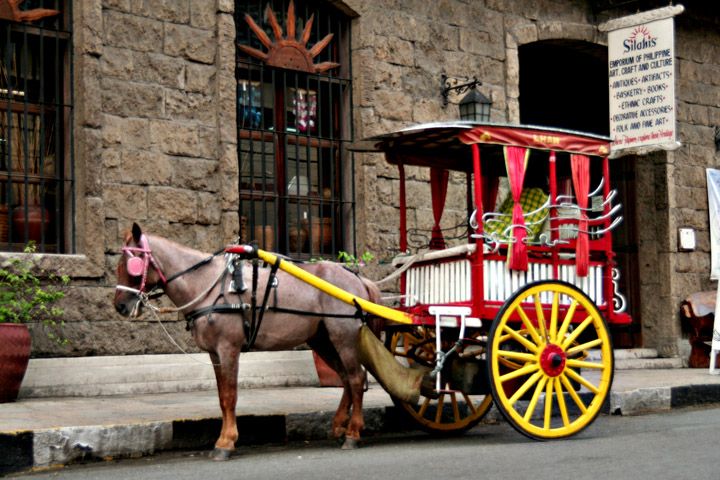
    During the colonial era, kalesas served as a status symbol, reflecting the country's blend of Filipino-Spanish culture.

    These intricately designed horse-drawn carriages showcase skilled craftsmanship, from the wooden frames to the ornate metal detailing.

    The Craft's Decline and Revival

    Although kalesa making faces decline, innovations are keeping this traditional art alive.

    Modern kalesa makers are incorporating new materials and techniques while preserving traditional craftsmanship.

    Despite the challenges, the story of kalesa making continues to unfold.

    Key Takeaways

    Kalesa making is a symbol of Filipino-Spanish cultural heritage and an integral part of Philippine history, introduced by the Spanish in the 18th century. This traditional craft has been passed down through generations, showcasing the country's rich cultural past.

    The traditional craft is declining due to the scarcity of raw materials and a shift towards modern transportation options. The scarcity of quality wood and leather, essential materials for kalesa making, contributes to the decline. Moreover, the increasing popularity of modern transportation options, such as cars and motorcycles, has reduced the demand for horse-drawn carriages.

    Fewer apprentices are learning the craft, threatening the preservation of this cultural legacy. With few young people interested in learning the craft, the future of kalesa making is uncertain. This lack of interest results in a scarcity of skilled craftsmen, further threatening the preservation of this cultural heritage.

    Efforts to innovate kalesa making, such as using eco-friendly materials and incorporating tech-savvy designs, aim to revitalize the industry. To appeal to modern consumers, kalesa makers are experimenting with eco-friendly materials and innovative designs. This modern twist can help increase the demand for horse-drawn carriages and attract a new generation of craftsmen.

    Preserving kalesa making is crucial for maintaining the cultural significance of horse-drawn carriages in contemporary society. By preserving this traditional craft, we can ensure that the cultural heritage and historical significance of kalesa making are preserved for future generations.

    History of Kalesa Making

    The Origins of Kalesa Making

    Kalesa making dates back to the 18th century, when the Spanish introduced horse-drawn carriages to the Philippines. During the colonial era, kalesas became a status symbol, reflecting the owner's wealth and social standing.

    Craftsmanship and Design

    Skilled craftsmen, known as karoserya, were responsible for manufacturing and customizing these elegant vehicles. They combined wood and metal materials to create durable and aesthetically pleasing kalesas that reflected the owner's prestige. The karoserya's attention to detail and dedication to their craft resulted in exquisite kalesas that were truly works of art.

    Understanding the Legacy

    Craftsmanship and Design

    Meticulous craftsmanship defines kalesas, showcasing the traditional skills of Filipino karoseros. The attention to detail in these horse-drawn carriages is evident in the intricate carvings, vibrant decorations, and personalized elements that adorn each kalesa.

    These design elements reflect the cultural significance and historical value of these beloved Filipino icons.

    Traditional Craft Techniques

    Traditional Craft Techniques

    A skilled karosero's workshop is a hub of activity, filled with the sounds of chiseling and hammering, and the scent of wood and metal. The air is thick with the smell of wood and metal. In this environment, traditional craft techniques are meticulously applied to create each kalesa by hand.

    The Art of Craftsmanship

    Karoseros employ precision and patience to shape and assemble wooden frames, crafting each component to ensure a sturdy and durable kalesa. Intricate designs demand attention to detail, as ornate carvings, decorative metalwork, and vibrant paint come together to create a masterpiece. The kalesa's design showcases a fusion of Spanish and Filipino influences in every aspect of its construction.

    The Legacy of Kalesa Making

    As you observe the karosero at work, you appreciate the dedication and skill required to create these beautiful, functional works of art. The traditional craft techniques employed by these skilled artisans are a tribute to the enduring legacy of kalesa making.

    Carriage Design Elements

    Kalesa Carriages: Masterpieces of Filipino Craftsmanship

    Every kalesa carriage is a testament to the exceptional craftsmanship of Filipino artisans. The intricate woodwork and ornate metal detailing are a tribute to the skill and dedication of the karoseros, who pour their heart and soul into crafting each carriage.

    Intricate Woodwork and Ornate Metal Detailing

    The carriage design elements showcase the artisans' expertise, with ornate carvings that dance across the wooden panels and decorative metalwork that adds a touch of elegance. The attention to detail is stunning, with sturdy canopies providing shelter for passengers and vibrant paint colors that seem to come alive in the light.

    Ornate Carvings and Decorative Metalwork

    Each kalesa is uniquely designed, reflecting the traditional artistry and cultural heritage of the Philippines. As you explore the intricate details, you'll appreciate the craftsmanship that's gone into creating these beautiful horse-drawn carriages.

    The Art of Wooden Carvings

    Understanding the Art of Wooden Carvings on Horse-Drawn Carriages

    The art of wooden carvings on horse-drawn carriages, also known as kalesas, is a testament to the craftsmanship and cultural heritage of a bygone era.

    Three key elements come together to create the stunning visual appeal of kalesas: design elements, intricate carving techniques, and wood selection.

    Design Elements:

    The design elements of kalesas are a perfect blend of form and function. Intricate patterns, curved lines, and ornate details come together to create a visually stunning vehicle. For instance, the ornate carvings on the carriage's exterior often feature floral patterns, which not only add aesthetic value but also showcase the craftsmanship of the artisans.

    Intricate Carving Techniques:

    The intricate carving techniques used in kalesa-making require great skill and patience. Artisans use various techniques, such as relief carving, intarsia, and marquetry, to create the intricate designs and patterns that adorn the carriage. These techniques involve careful manipulation of wood to create the desired design, making each kalesa a unique masterpiece.

    Wood Selection:

    The type of wood used in kalesa-making is critical to the overall appearance and durability of the carriage. Artisans often choose hardwoods, such as narra or kamagong, for their durability and aesthetic appeal. The wood selection process is meticulous, with artisans carefully selecting wood grains and textures to complement the design elements and carving techniques used.

    Design Elements Matter

    Skilled artisans transform kalesas into stunning works of art through exquisite wooden carvings. These carvings serve a purpose, contributing to the overall aesthetic of the kalesa. The wooden carvings, often featuring floral patterns, historical scenes, or religious motifs, are meticulously hand-carved onto the wood panels and pillars of the carriage. These design elements add a touch of elegance and reflect the craftsmanship and artistry of traditional kalesa makers.

    Each kalesa boasts unique carvings, reflecting the owner's personal preferences or cultural influences. For instance, a kalesa owner from a coastal region might choose carvings that depict sea creatures, while another from a rural area might prefer carvings of farm animals. The attention to detail in the wooden carvings demonstrates the level of craftsmanship that goes into creating these beautiful horse-drawn carriages.

    Intricate Carving Techniques

    Masterful Carvings in Kalesa Making

    Traditional tools in the hands of skilled artisans bring wooden kalesa components to life, showcasing the rich cultural heritage of Filipino craftsmen. The painstaking attention to detail in kalesa making is a testament to the artisans' dedication to their craft.

    Intricate Carving Techniques

    Wood carving techniques, passed down through generations, contribute to the unique beauty of each kalesa.

    Delicate Floral Patterns

    Delicate flowers, leaves, and vines are meticulously carved into wooden panels, showcasing the artisan's skill and patience.

    Ornate Details

    Rosettes, scrolls, and motifs are carefully crafted to adorn kalesa panels, adding an extra layer of elegance to these horse-drawn carriages.

    Intricate Filigree Work

    Intricate networks of interconnected patterns are carved into wooden components, demonstrating the level of craftsmanship involved in kalesa making.

    Through their intricate carvings, Filipino artisans leave an enduring mark on each kalesa, making every piece a tribute to their rich cultural heritage.

    Wood Selection Importance

    Selecting the Right Wood is Crucial for a Sturdy and Visually Stunning Kalesa

    When building a kalesa, choosing the right wood is essential because it determines the carriage's durability and aesthetic appeal. Durable and high-quality wood materials are necessary to withstand the test of time. Skilled artisans prioritize wood selection, opting for hardwoods like narra and molave, renowned for their strength and beauty.

    The Wood Selection Process is Vital

    The craftsmanship of traditional kalesa workshops relies heavily on the careful selection of wood, ensuring the longevity and structural integrity of the carriage.

    The wood selection process directly influences the overall aesthetics and durability of the kalesa. By choosing the right wood, artisans can showcase their mastery of intricate wooden carvings, a reflection of their dedication to preserving this traditional art form.

    Horse-Drawn Carriage Evolution

    The Evolution of Horse-Drawn Carriages

    The art of crafting horse-drawn carriages, like the traditional kalesa, has undergone a remarkable transformation since its introduction to the Philippines in the 18th century.

    Initial Introduction

    The Spanish introduced horse-drawn carriages to the Philippines in the 18th century, marking the beginning of a new era in transportation. This introduction allowed the elite to travel in style and comfort.

    Craftsmanship and Innovation

    Skilled artisans, known as karoseros, refined their craft, experimenting with designs and techniques to create unique and ornate carriages. For example, they developed intricate carvings, ornate metalwork, and vibrant paintwork, which became distinctive features of Filipino carriages.

    Decline and Revival

    The rise of motorized transportation led to a decline in the traditional craft, but modern efforts aim to revitalize and preserve the legacy of kalesa making. Efforts to revive the craft include workshops, exhibitions, and cultural festivals that showcase the art of horse-drawn carriage making.

    Legacy of Horse-Drawn Carriages

    Throughout its evolution, the horse-drawn carriage has remained an integral part of the country's heritage, with its traditional craft and legacy continuing to captivate audiences today. The kalesa, in particular, has become an iconic symbol of Filipino culture, representing the country's rich history and tradition.

    Cultural Significance in Philippines

    The kalesa embodies the Philippines' rich history and cultural heritage, symbolizing the nation's blend of Filipino and Spanish influences. This iconic horse-drawn carriage was once the primary mode of transportation for nobles, the rich, and high-ranking officials, showcasing their status and wealth. Historically, owning a kalesa was a status symbol, reflecting the owner's power and prestige.

    Today, the kalesa remains an important symbol of Philippine history and culture. In fact, National Artist for Literature Nick Joaquin described the kalesa as a 'symbol of the Filipino's soul.' In Intramuros, the historic walled city of Manila, kalesas are still used for guided tours, offering a glimpse into the country's rich past. Efforts are being made to preserve the legacy of kalesa making, ensuring that this valuable part of the country's heritage is passed down to future generations.

    The cultural significance of the Philippine kalesa lies in its representation of the nation's history, artistry, and traditions. By exploring the kalesa's cultural significance, you'll gain a deeper appreciation for the nation's history and cultural heritage.

    Decline of Kalesa Making Industry

    The kalesa making industry is in decline due to a combination of factors.

    Fewer apprentices are learning the traditional craft, which means the skills and techniques are at risk of being lost. For example, master craftsmen aren't being replaced as they retire, leaving a gap in knowledge and expertise.

    Additionally, the scarcity of raw materials is affecting the industry, as the quality and availability of wood and other essential components are dwindling.

    Furthermore, the shift towards modern transportation options is also contributing to the decline, as people opt for more convenient and efficient modes of transportation.

    Fewer Apprentices Learning

    Fewer Young People Are Interested in Learning Traditional Crafts

    Fewer young people are showing interest in learning traditional crafts like kalesa making, leaving many workshops without a clear successor to inherit their expertise. As a result, the number of apprenticeships has significantly decreased, and skilled craftsmen are becoming a rare breed.

    Three Key Factors Contributing to the Decline of Apprenticeships

    Lack of interest is a significant factor, as many young people prefer modern and lucrative careers over traditional crafts.

    Limited opportunities also play a role, as fewer workshops and master craftsmen are available to teach and guide apprentices.

    Additionally, the perceived lack of job security in the kalesa making industry discourages young people from pursuing it as a career.

    Consequences of the Decline

    The consequences of this decline are far-reaching, and it's essential to address this issue to preserve the art of kalesa making in the Philippines.

    Lack of Raw Materials

    The scarcity of quality wood and metal is threatening the traditional kalesa making industry in the Philippines. This shortage of essential raw materials is a significant obstacle for kalesa makers, who struggle to find decent wood and metal that can withstand the test of time and weather conditions.

    For instance, high-quality wood is necessary to ensure the durability of the kalesa's frame, while metal is required for the wheels and other moving parts. The scarcity of these raw materials is further complicated by the diminishing supply of skilled craftsmen who know the intricacies of traditional kalesa making.

    As a result, the industry is facing a severe shortage of essential materials, making it challenging to produce authentic and durable horse-drawn carriages. Additionally, high production costs and limited demand are exacerbating the decline of this cultural heritage.

    To preserve the authenticity and cultural significance of kalesa making, it's essential to address the issue of raw material scarcity.

    Changing Transportation Landscape

    The kalesa making industry has been severely impacted by the rise of modern transportation modes, leading to a decline in the demand for kalesas.

    Three key factors contribute to the decline of the kalesa making industry:

    The increased accessibility of personal transport has made motorized vehicles a more convenient and efficient option for people. With the rise of motorized vehicles, people have more options for transportation, leading to a decrease in the demand for kalesas.

    Changing consumer preferences have also played a significant role in the decline of the kalesa making industry. Modern consumers prioritize speed and comfort over traditional modes of transportation, making kalesas a less desirable option.

    The shift towards modernization has led to an increase in the popularity of cars, buses, and other motorized vehicles, further reducing the demand for kalesas.

    In the past, a kalesa driver could earn a comfortable living by providing transportation services to locals and tourists alike. However, with the changing transportation landscape, the kalesa making industry has struggled to adapt, leading to a decrease in its cultural significance.

    Preservation Efforts and Challenges

    Preservation Efforts

    Concerted heritage conservation programs and workshops on traditional carriage-making techniques are actively preserving the legacy of horse-drawn carriages. These initiatives include cultural festivals, educational campaigns, and museum exhibitions that raise awareness about the importance of kalesa preservation.

    Additionally, documenting kalesa history through research, oral histories, and archival materials is crucial in safeguarding this cultural heritage.

    Challenges

    Despite these efforts, preservation advocates face obstacles such as dwindling interest, lack of skilled craftsmen, and urban development pressures. Furthermore, funding constraints and changing societal values threaten the survival of kalesa craftsmanship.

    To overcome these challenges, it's essential to balance preservation with innovation, ensuring the long-term survival of this cultural heritage.

    Modern Applications and Innovations

    Modern kalesa preservation has evolved, with innovative craftsmen and designers blending traditional techniques with modern twists. Today, kalesa makers are pushing the boundaries of innovation, incorporating eco-friendly materials and cutting-edge technology to reimagine the classic horse-drawn carriage experience.

    Eco-friendly construction is a key development, where kalesas are built with sustainable materials, reducing their environmental footprint. For instance, some kalesa makers use reclaimed wood or recycled materials to minimize waste.

    Tech-savvy designs have also become a hallmark of modern kalesas. Advanced technology is being incorporated to enhance the passenger experience, such as GPS navigation and climate control. These features provide passengers with a comfortable and convenient ride.

    Furthermore, some kalesa makers are exploring electric and hybrid options, reducing emissions and minimizing their carbon footprint. This shift towards eco-friendly kalesas is a significant innovation in the industry.

    In this modern era of kalesa making, the possibilities are endless. With innovative craftsmen and designers at the helm, the traditional horse-drawn carriage experience is being reimagined for a new generation.

    How Can the Art of Kalesa Making and Feather Craft Preserve Philippine Cultural Heritage?

    The art of Kalesa making and feather craft is essential in preserving Philippine cultural heritage by creating intricate headdresses and accessories. These traditional crafts showcase the country’s rich history and cultural identity, passing down the skills and techniques to future generations. Maintaining these practices ensures that the Filipino heritage continues to thrive.

    Kalesa in Contemporary Society

    Preserving kalesas is crucial in contemporary society because they continue to hold cultural significance as a nostalgic mode of transportation in select tourist areas. In the walled city of Intramuros, kalesas are widely used for sightseeing tours, providing a comfortable living for many drivers and owners despite facing competition from modern transport modes.

    Efforts are being made to promote and preserve kalesas as a symbol of Filipino heritage. Advocacy groups are pushing for their preservation in urban centers despite the challenges.

    Modernizations and innovations in design and technology aim to sustain the legacy of kalesas in contemporary society. For instance, kalesas are being used in unique ways, such as in weddings and parades, allowing them to remain relevant and significant in some communities.

    Legacy of Traditional Craftsmanship

    Witnessing the Legacy of Traditional Filipino Craftsmanship

    In the Philippines, skilled artisans, known as karoseros, continue to handcraft kalesas, showcasing a legacy of traditional craftsmanship that dates back to the 1700s. Their meticulous attention to detail and dedication to their craft confirm the preservation of traditional craftsmanship.

    In their workshops, artisans hone their skills, passed down through generations, to create intricate wooden carvings, metalwork, and upholstery. This process requires patience, precision, and a deep understanding of the materials and techniques involved.

    Preserving Cultural Heritage through Traditional Kalesa Making

    1. Preserving Artisanal Techniques: Skilled artisans continue to refine their craft, ensuring techniques and methods developed over centuries aren't lost.

    2. Promoting Cultural Heritage: The kalesa, as a symbol of Filipino culture, serves as a reminder of the country's rich history and cultural identity.

    3. Legacy Preservation: By supporting these artisans, we can help preserve a crucial part of the country's legacy, ensuring its cultural heritage endures for generations to come.

    Conclusion

    Philippine Kalesa Making: A Fading Tradition

    Riding in a kalesa, a traditional horse-drawn carriage, is like stepping into the past. The gentle creaking of wooden wheels on cobblestone streets, the intricate carvings, and the rhythmic clip-clop of horses' hooves evoke a deep sense of nostalgia.

    This cultural heritage is in danger of disappearing.

    The Importance of Preservation

    Preserving the art of kalesa making is vital to connecting us to our cultural identity and heritage. By embracing innovation while honoring tradition, we can ensure the legacy of Philippine kalesa making continues to thrive. This requires a delicate balance between modernizing the craft and staying true to its roots.

    If we fail to preserve this tradition, we risk losing a valuable part of our cultural heritage.

    The Art of Kalesa Making

    Kalesa making is a complex process that requires great skill and attention to detail. From selecting the finest woods to meticulously carving intricate designs, each step demands patience, dedication, and a passion for the craft.

    The result is a masterpiece that combines form and function, a testament to the ingenuity and craftsmanship of the Filipino people.

  • Philippine Drift Wood Sculpture: Giving New Life to Nature's Castaways

    Philippine Drift Wood Sculpture: Giving New Life to Nature's Castaways

    Philippine Driftwood Sculpture: Transforming Nature's Discards into Masterpieces

    The Art of Driftwood Sculpture

    Philippine driftwood sculpture is an art form that breathes new life into discarded wood.

    Artists carefully select and combine driftwood pieces to uncover hidden treasures in each unique piece.

    This meticulous selection process determines the final shape and form of the sculpture.

    Celebrating Nature's Imperfections

    Filipino artists transform weathered wood into breathtaking art,

    celebrating the beauty found in nature's imperfections.

    This creative process not only showcases the artists' skills but also promotes environmental consciousness.

    Uncovering the Craftsmanship

    As you delve into the world of Philippine driftwood sculpture,

    you'll discover the intricate process, cultural heritage, and artisans' craftsmanship

    that come together to create these magnificent pieces.

    Key Takeaways

    Filipino artists breathe new life into discarded driftwood, transforming it into stunning sculptures that promote environmental consciousness and sustainable art practices. These unique pieces are created through a meticulous process of selecting, cleaning, and shaping driftwood to reveal its hidden beauty.

    Driftwood sculpting is an art form that celebrates nature's castaways. Each sculpture showcases the intricate textures and details of the wood, highlighting the elegance of coastal finds. This art form not only reduces waste but also promotes the value of reclaiming and reusing materials.

    Filipino craftsmen excel in blending traditional techniques with modern creativity. They preserve cultural heritage through exceptional skill and artisanal excellence, resulting in breathtaking sculptures that tell a story of sustainability and innovation.

    Through driftwood sculptures, artists raise environmental awareness and promote sustainable living. By giving new life to discarded materials, they inspire others to rethink their relationship with waste and the environment.

    Transforming Nature's Discarded Treasures

    Transforming Nature's Discarded Treasures

    Philippine Driftwood Sculptures: A Tribute to Local Artists

    Philippine driftwood sculptures aren't just works of art, but a testament to the ingenuity of local artists who transform nature's discarded treasures into stunning pieces.

    These artists take fragments of driftwood, once washed up on the shores, and breathe new life into them.

    Each driftwood sculpture is a unique creation, crafted with care and precision. The process of crafting these sculptures is a labor of love, as artists carefully select and arrange the pieces of wood to create enchanting forms.

    The Story Behind Each Sculpture

    Each driftwood sculpture tells a story of resilience and transformation.

    By giving new life to nature's castaways, these sculptures serve as a reminder of the power of art to elevate the ordinary into the extraordinary. The intricate details of the sculpture showcase the artist's skill and creativity, reminding us that even the most discarded pieces of wood can be transformed into something remarkable.

    The Art of Driftwood Sculpting

    Driftwood sculpting is a unique art form that transforms discarded natural materials into stunning works of art. This art form requires patience, creativity, and attention to detail. Driftwood sculptors like James Doran-Webb carefully select each piece of driftwood, considering its shape, texture, and character, before combining them to form intricate masterpieces.

    This art form requires patience, creativity, and attention to detail. Driftwood sculptors like James Doran-Webb carefully select each piece of driftwood, considering its shape, texture, and character, before combining them to form intricate masterpieces.

    The selection process is crucial in driftwood sculpting. Sculptors examine each piece of driftwood to identify its unique features, which will eventually determine the final shape and form of the artwork. For example, a piece of driftwood with a natural curve might be used to create the neck of a horse or the branch of a tree.

    Sculptors examine each piece of driftwood to identify its unique features, which will eventually determine the final shape and form of the artwork. For example, a piece of driftwood with a natural curve might be used to create the neck of a horse or the branch of a tree.

    Driftwood sculptures can take many forms and incorporate various materials. A majestic Driftwood Horse, with its twisted and curved wooden limbs, is a classic example of a driftwood sculpture. Some artists also incorporate other materials, like bronze, to add depth and complexity to their creations. This fusion of natural and synthetic materials results in unique and thought-provoking artworks.

    A majestic Driftwood Horse, with its twisted and curved wooden limbs, is a classic example of a driftwood sculpture. Some artists also incorporate other materials, like bronze, to add depth and complexity to their creations. This fusion of natural and synthetic materials results in unique and thought-provoking artworks.

    Driftwood sculpting isn't only about creating art but also about promoting environmental consciousness. By transforming discarded materials into beautiful works of art, driftwood sculptors highlight the importance of conservation and the beauty of nature. As you explore this art form, you'll appreciate the intricate details and the environmental message behind each masterpiece.

    Philippine Artists' Creative Vision

    Philippine driftwood sculpture artists breathe new life into discarded wood, transforming it into unique pieces of art that tell a story of transformation.

    Driftwood becomes a canvas for artists, where natural shapes and textures are enhanced to create stunning works of art. For instance, artists may highlight the wood's natural patterns, or add subtle colors to accentuate its features.

    Saltwater-weathered wood is carefully selected, cleaned, and transformed into breathtaking sculptures. Artists carefully choose driftwood pieces that have unique shapes or textures, and then carefully clean and prepare them for transformation into sculptures that showcase the beauty of the ocean's castaways.

    Some artists even cast their driftwood creations in bronze, ensuring that the fleeting beauty of the ocean's treasures is preserved for generations to come. This process allows the artists to create permanent and durable pieces of art that can be appreciated for years to come.

    The artists' creative vision gives new life to what was once discarded, and the resulting sculptures are truly breathtaking.

    Beachcombing for Unique Materials

    Beachcombing: The First Step in Creating Driftwood Sculptures

    To create stunning driftwood sculptures, you need to scour beaches to find unique materials. This process, called beachcombing, is essential in creating Philippine driftwood sculptures. As you walk along the shoreline, you'll develop techniques to find the perfect piece of weathered wood, honing your eye for the ideal driftwood shape.

    Beachcombing Allows Artists to Connect with Nature

    By collecting driftwood, artists connect with nature and showcase the beauty of reclaimed materials. This creative expression promotes sustainable practices by reducing waste and promoting eco-friendly sourcing. The environmental impact of beachcombing is minimal, making it an eco-friendly way to source materials.

    Driftwood Shapes Inspire Creativity

    As you gather materials, you'll find natural inspiration in the twisted, weathered shapes of the driftwood. This inspiration drives artists to create breathtaking sculptures that celebrate the beauty of nature.

    From Driftwood to Masterpiece

    Driftwood Sculpture: Transforming Discarded Wood into Masterpieces

    Driftwood sculpture is an art form that breathes new life into discarded wood, transforming it into stunning works of art.

    Artists uncover hidden treasures by searching for unique pieces of driftwood, often finding them on beaches, rivers, or forests.

    The process of creating a driftwood sculpture involves several steps.

    First, the artist selects the perfect piece of driftwood, considering its shape, size, and natural features.

    Next, they clean and prepare the wood, removing any dirt, debris, or imperfections.

    The artist's creativity and skill are reflected in the shaping and carving process, as they reveal the beauty within the wood.

    Through careful manipulation, the driftwood is transformed into a unique masterpiece, showcasing the artist's attention to detail and craftsmanship.

    Finding Hidden Treasures

    Driftwood Sculptures Transform Esquimalt Lagoon Beach Park

    While strolling along the beach, you might stumble upon unexpected treasures in the form of driftwood. In the skilled hands of an artist, these pieces can be transformed into stunning masterpieces. Local artist Paul Lewis has created intricate driftwood sculptures that elevate the scenic views of Esquimalt Lagoon beach park.

    Artistic Expression in Nature

    Driftwood sculptures encourage Artistic Exploration, highlighting the creative process behind these unique pieces. The sculptures add a touch of creativity to the coastal landscape, making the park a must-visit destination for nature lovers and art enthusiasts alike.

    The use of natural elements in the sculptures emphasizes the importance of Sustainable Art, inspiring a deeper appreciation for the beauty of nature.

    Three Ways Driftwood Sculptures Enhance the Coastal Landscape

    As you admire the 17 to 20 sculptures on display, you'll discover the magic of transforming coastal treasures into stunning works of art.

    Shaping Nature's Canvas

    Driftwood Sculpture: A Celebration of Nature and Sustainability

    Through meticulous selection and arrangement, artists breathe new life into discarded driftwood, crafting majestic sculptures that tell stories of the ocean's fury and the artist's creative vision. This unique art form showcases the beauty of nature and the power of coastal inspiration.

    Transforming Discarded Wood into Masterpieces

    The creative process is a testament to the environmental benefits of sustainable art practices. By repurposing discarded wood, artists reduce waste and promote eco-friendly art.

    Each masterpiece is a celebration of the environment, highlighting the importance of preserving our planet's natural wonders.

    Revealing Hidden Beauty

    Revealing Hidden Beauty

    You envision a majestic sculpture born from rough, weathered wood, telling a story of the ocean's fury and the artist's creative vision. As you delve into the world of Philippine driftwood sculptures, you uncover the hidden beauty within.

    Local artists, like James Doran-Webb, excel at revealing textures and hidden artistry within the reclaimed wood. Their creations showcase natural elegance, transforming nature's castaways into breathtaking masterpieces.

    Three standout features of Philippine driftwood sculptures are:

    Unique textures: Each piece of driftwood has a distinct character, revealing the ocean's fury and the artist's creative vision.

    Eco-friendly ethos: By repurposing natural elements, these sculptures promote sustainability and reduce waste.

    Storytelling: Every sculpture tells a story, from the ocean's fury to the artist's creative vision, making each piece a masterpiece.

    As you explore the world of Philippine driftwood sculptures, you'll discover the beauty in nature's castaways, transformed into majestic works of art that captivate and inspire.

    Environmental Awareness Through Art

    Filipino artists use driftwood to create sculptures that promote environmental responsibility. These sculptures not only showcase the artists' creativity but also convey a powerful message about the importance of preserving nature.

    By repurposing driftwood, the artists highlight the value of reclaiming and reusing materials. Each sculpture tells a unique story, capturing the essence of nature's resilience and creativity.

    The process of creating these sculptures has a profound environmental impact. The artists' use of reclaimed materials sparks a sense of responsibility in those who experience their work.

    The sculptures inspire viewers to appreciate and protect the natural world. By giving new life to nature's castaways, the Filipino driftwood sculptors showcase the beauty of conservation.

    The sculptures serve as a reminder that even discarded materials can become something remarkable. This creative transformation of driftwood inspires a sense of environmental awareness, urging viewers to rethink their impact on the planet.

    Celebrating Nature's Imperfections

    Embracing Imperfections in Philippine Driftwood Sculptures

    Philippine driftwood sculptures celebrate the beauty of imperfections by transforming natural flaws into unique art pieces.

    Nature's imperfections aren't flaws, but rather a source of abstract art. By embracing these imperfections, artists create one-of-a-kind sculptures that showcase the intricate beauty of nature.

    The Beauty of Uniqueness

    Each driftwood sculpture takes on a life of its own, revealing the hidden beauty of natural imperfections.

    The imperfections become the focal point, making each piece truly unique. This celebration of imperfections allows artists to craft sculptures that aren't only visually striking but also tell a story of nature's abstract art.

    Embracing Natural Flaws

    Embracing Natural Flaws

    Philippine driftwood sculptors transform discarded wood into stunning works of art, celebrating the beauty of imperfection. Each sculpture exudes character and charm, showcasing the natural elegance that shines through in each piece.

    Three essential reasons highlight the importance of embracing natural flaws in this art form:

    Uniqueness: Each piece of driftwood has its own distinct character, making every sculpture one-of-a-kind. For instance, a driftwood sculpture with an unusual shape or pattern becomes a unique piece of art that can't be replicated.

    Authenticity: By preserving the natural imperfections, the sculptures remain true to their original form, telling a story of resilience and transformation. For example, a driftwood sculpture with visible cracks or weathered surfaces showcases the wood's natural history.

    Beauty in flaws: The imperfections become an integral part of the sculpture's beauty, showcasing the artisans' creativity in working with weathered wood. A driftwood sculpture with knots or imperfections becomes a testament to the beauty of imperfection.

    Through their craft, Philippine driftwood sculptors promote a deeper connection with nature and its wonders, encouraging appreciation for the beauty in imperfection.

    Unique Beauty Unveiled

    Driftwood Sculptors Uncover Hidden Beauty

    Philippine driftwood sculptors transform nature's imperfections into stunning works of art.

    They celebrate the natural essence of each piece, embracing the imperfections in driftwood.

    The allure of driftwood lies in its weathered, worn appearance, which the artists skillfully transform into masterpieces.

    Through their artistic expression, they honor nature's creations, showcasing the beauty in natural imperfections.

    In the hands of these skilled craftsmen, nature's castaways are reborn as sculptural masterpieces.

    Each piece undergoes a sculptural transformation, where the imperfections aren't concealed but celebrated. The result is a tribute to the beauty that lies within nature's imperfections.

    The artistry of Philippine driftwood sculptors celebrates nature's beauty, where the ordinary becomes extraordinary.

    As you gaze upon these driftwood sculptures, you'll appreciate the unique charm that arises from the harmony of natural imperfections and human creativity.

    Nature's Abstract Art

    Nature's abstract art unfolds in the twisted, weathered forms of Philippine driftwood.

    Philippine artists transform discarded driftwood into mesmerizing works of art, celebrating the unique beauty of imperfection. As you explore these organic sculptures, you'll discover the intricate stories they tell about the coastal environment.

    Philippine driftwood sculptures stand out for three reasons:

    Unbridled creativity is showcased in the artistic potential of driftwood, highlighting the beauty in its imperfections. Artists in the Philippines bring out the hidden patterns and textures in the wood, creating unique pieces that resonate with the environment.

    Nature-inspired designs are born from the twisted, weathered forms of driftwood. The sculptures are transformed into unique, nature-inspired designs that reflect the coastal environment.

    Sustainable art is promoted through the repurposing of discarded materials. By transforming driftwood into art, Philippine artists reduce waste and celebrate the beauty of nature's castaways.

    These artistic driftwood sculptures not only showcase the Philippines' rich cultural heritage but also inspire a deeper appreciation for the beauty of imperfection.

    The Beauty of Weathered Wood

    The Transformation of Driftwood

    Weathered wood, often discarded by the sea, is transformed into stunning works of art, telling a tale of resilience and natural beauty.

    The power of nature's transformation is evident in the worn, weathered texture of the wood, revealing the story of its tumultuous journey from the sea to the artist's hands.

    Coastal Elegance

    Driftwood sculptures showcase the artist's mastery of coastal elegance, celebrating the environment.

    Each piece is a unique celebration of the beauty found in nature's castaways, giving new life to materials that would have otherwise been lost forever.

    Intricate Details and Textures

    As you explore these sculptures, you'll notice the intricate details and textures that tell a story of their own.

    The weathered wood seems to come alive, revealing the secrets of the sea and the power of nature's transformation. Each piece is a testament to the creativity and ingenuity of Filipino artists, validating the artistic revival of weathered woods.

    How is Philippine Bone Carving similar to Drift Wood Sculpture in terms of giving new life to natural materials?

    Both Philippine bone carving artistry and drift wood sculpture breathe new life into natural materials. Both art forms showcase the beauty and intricate details of the raw materials, transforming them into stunning works of art. Each piece reflects the rich cultural heritage and creativity of the artists behind them.

    Filipino Craftsmanship on Display

    Filipino Craftsmanship on Display

    In the world of Philippine driftwood sculpture, exceptional skill and cultural heritage preservation are on full display. Every driftwood piece is a testament to the ingenuity and creativity of Filipino craftsmen.

    Filipino craftsmen are known for their meticulous attention to detail and dedication to preserving cultural heritage. Their artisanal excellence is evident in every driftwood piece, which showcases their skilled hands and commitment to quality.

    Each driftwood piece is a one-of-a-kind creation, showcasing the craftsman's individuality and creativity. The unique shapes and forms of the driftwood, combined with the craftsman's skill, result in a truly distinctive piece of art.

    Skilled Hands at Work

    Skilled Hands at Work

    Discarded driftwood is transformed into intricate masterpieces by Filipino craftsmen, showcasing their exceptional artistry. Holding one of these sculptures, you can't help but marvel at the level of craftsmanship that has gone into creating it.

    Three reasons why Filipino craftsmen stand out:

    1. Mastery of artistic techniques: Filipino craftsmen demonstrate exceptional skill in various techniques, from carving to sanding, requiring high precision and attention to detail in every step of the creative process.

    2. Meticulous creative process: Each sculpture is carefully planned and executed to ensure every detail is perfect, resulting in a flawless final product.

    3. Highly skilled hands: Filipino craftsmen possess the dexterity and finesse to work with materials, reflecting their exceptional skill.

    As you explore Philippine driftwood sculptures, you'll discover the unique blend of nature and human artistry that makes each piece special.

    The beauty and essence of the Philippines' natural resources shine through in every sculpture, celebrating the country's rich cultural heritage.

    Cultural Heritage Preserved

    Philippine Driftwood Sculptures: A Celebration of Cultural Heritage

    Philippine driftwood sculptures showcase the country's rich cultural heritage, masterfully blending traditional techniques with modern creativity.

    Cultural Significance

    Preserving Traditional Techniques: Filipino craftsmanship shines through in these sculptures, highlighting the country's cultural significance and preserving traditions.

    Celebrating the Country's Heritage: Each piece reflects the skill and creativity of Filipino artisans, capturing the essence of Filipino culture.

    Showcasing Filipino Talent: By preserving traditions and blending art with nature, these sculptures embody the heart and soul of the Philippines.

    Artistic Expression

    Masterful Craftsmanship: The intricate details and masterful craftsmanship of Philippine driftwood sculptures showcase the country's cultural significance.

    Blending Art and Nature: Filipino artisans transform driftwood into stunning works of art, combining traditional techniques with modern creativity.

    Unique, Stunning Works of Art: Each piece is a harmonious blend of art and nature, reflecting the skill and creativity of Filipino artisans.

    As you gaze upon these stunning works of art, you're not only admiring the beauty of driftwood sculptures but also experiencing the essence of Filipino culture.

    Artisanal Excellence Shines

    Filipino Craftsmanship Shines in Driftwood Sculpture

    Filipino artisans are renowned for transforming discarded driftwood into stunning masterpieces that epitomize artisanal excellence. Each unique piece showcases the exceptional skill and creativity of Filipino artisans, blending artistic expression with sustainable practices.

    Three Key Factors that Set Filipino Driftwood Sculpture Apart

    1. Exceptional Attention to Detail: Filipino artisans meticulously craft each piece, demonstrating their dedication to their craft and unparalleled attention to detail. For instance, intricate patterns and delicate shapes are carefully carved into the driftwood, resulting in a breathtaking work of art.

    2. Environmental Consciousness: By repurposing reclaimed driftwood, Filipino artisans reduce waste and promote sustainability. This eco-friendly approach not only reduces the environmental impact of art production but also gives new life to discarded materials.

    3. Masterful Storytelling: Each driftwood sculpture tells a unique story, reflecting the rich cultural heritage and artistic expression of the Filipino people. For example, a sculpture of a mythical creature may symbolize courage and strength, while a sculpture of a natural landscape may evoke a sense of serenity.

    In the world of Philippine driftwood sculpture, every piece is a testament to the exceptional craftsmanship and creativity of the Filipino people.

    Nature's Castaways Reborn

    Philippine driftwood sculptures embody sustainable artistry and environmental stewardship. These sculptures are created from weathered woods rescued from obscurity and transformed into breathtaking works of art, exuding a sense of rebirth.

    Local artists, inspired by the ocean's fury and the coastal landscape, craft sculptures that showcase sustainable artistry and highlight the importance of coastal conservation. The intricate craftsmanship and attention to detail in each piece reflect a deep appreciation for nature's castaways and the ocean's power.

    By giving new life to driftwood, these artists promote a sense of responsibility towards the environment, encouraging viewers to rethink their relationship with the natural world.

    Conclusion

    Philippine driftwood sculptures showcase nature's discarded treasures reborn. Filipino artists transform weathered wood into masterpieces, celebrating its imperfections.

    Each piece is a tribute to the beauty of transformation, where beachcombed fragments become unique art forms.

    This art form's blend of nature and craftsmanship inspires a new appreciation for the beauty in castaways.

  • The Art of Philippine Doll Making: From Manika to Modern Collectibles

    The Art of Philippine Doll Making: From Manika to Modern Collectibles

    The Art of Philippine Doll Making

    Philippine doll making is a rich and diverse craft that spans centuries. From ancient traditions to modern innovations, this art form showcases the country’s cultural heritage.

    Evolution of Doll Making

    The craft of doll making has evolved significantly over time. In the pre-colonial era, artisans crafted intricate Manika dolls, showcasing the country’s ancient traditions. Today, modern designers blend cultural heritage with contemporary flair, creating unique and innovative designs.

    Role of Women and Family Traditions

    In the Philippines, women have played a vital role in preserving this craft, passing down techniques and designs from generation to generation. Family traditions are also essential in preserving this cultural heritage, as mothers and grandmothers teach their daughters and granddaughters the art of doll making.

    Cultural Significance

    Doll making holds significant cultural value in the Philippines. Dolls are often used to tell stories and pass down cultural traditions, serving as a symbol of the country’s rich heritage. This craft also brings families together, fostering a sense of community and cultural pride.

    The Vibrant Tapestry of Filipino Doll Making

    Philippine doll making is a vibrant and diverse craft, blending traditional techniques with modern innovations. From the intricate designs of the Manika dolls to modern collectibles, this art form showcases the country’s rich cultural heritage, creativity, and innovation. The Manika dolls, in particular, are known for their intricate headdresses and accessories, which reflect the unique traditional attire from different regions of the Philippines. These handmade dolls are not only cherished as toys but also as decorative pieces and cultural representations. The combination of skillful craftsmanship and attention to detail makes each doll a work of art, preserving the beauty and heritage of Philippine culture.

    Key Takeaways

    Traditional Manika dolls originated in the pre-colonial era and were crafted from wood, clay, and bamboo, representing deities, ancestors, or folklore characters. These dolls were significant cultural artifacts, showcasing the country’s rich heritage.

    Filipino artisans blend traditional techniques with modern materials and designs, creating unique dolls that reflect the country’s cultural heritage. For instance, they use natural fibers like abaca and bamboo to create modern dolls that still evoke a sense of tradition.

    The craft of doll making is deeply rooted in Filipino tradition and identity, with women playing a crucial role in preserving cultural heritage through local materials and techniques. Women artisans have been instrumental in passing down traditional techniques from generation to generation.

    The evolution of Philippine doll making showcases adaptability and creativity, with artisans experimenting with new materials and techniques to create modern collectibles. For example, some artisans use recycled materials like paper maché and fabric scraps to create eco-friendly dolls.

    The preservation of traditional dolls is crucial, with proper care and storage ensuring the longevity of these cultural artifacts for future generations. This involves storing dolls in a cool, dry place, away from direct sunlight, and handling them with care to prevent damage.

    Origins of Traditional Manika Dolls

    Traditional Manika dolls in the Philippines originated in the pre-colonial era. They were crafted from local materials like wood, clay, and bamboo, showcasing the resourcefulness and creativity of Filipino artisans. These dolls were more than just toys; they often represented deities, ancestors, or characters from folklore, serving as talismans or symbols of cultural heritage.

    The craftsmanship of traditional Manika dolls showcased intricate details, highlighting the artistic skills of Filipino artisans. Each doll was carefully crafted to tell a story, conveying the cultural significance and values of the Filipino people. For example, a doll depicting a diwata (fairy) from Filipino mythology highlighted the importance of respecting nature.

    Traditional Manika dolls were an integral part of Filipino tradition and identity. The use of local materials demonstrated the resourcefulness of Filipino artisans and their ability to create something beautiful from readily available resources. The attention to detail and craftsmanship invested in each doll underscored the importance of preserving cultural heritage and artistic traditions.

    Evolution of Philippine Doll Making

    The evolution of Philippine doll making reflects the country’s adaptability and creativity.

    From humble beginnings with indigenous materials, Filipino artisans have innovated and pushed the boundaries of this traditional craft. They initially used clay, wood, and fabric to create traditional ‘manika’ dolls, but have since experimented with new materials and techniques.

    Contemporary doll artists are now creating unique pieces that blend tradition with modernity.

    The emergence of new materials and techniques has led to the creation of more intricate and detailed designs. For instance, modern doll makers are using resin, porcelain, and other materials to create dolls with finer features and more realistic expressions.

    Filipino doll artists are gaining global recognition for their craftsmanship and creativity.

    Their work is being showcased on the global stage, earning recognition and accolades for the country’s rich cultural heritage. This exposure hasn’t only promoted Philippine doll making but also inspired new generations of artisans to learn and innovate within the tradition.

    The art form continues to thrive with new generations of artisans learning and innovating.

    As a result, Philippine doll making remains a vibrant and dynamic craft, with new generations of artisans learning from their predecessors and pushing the boundaries of the art form. This ensures the tradition will continue to evolve and flourish, showcasing the country’s rich cultural heritage to the world.

    Artisanal Techniques and Materials

    Traditional craftsmanship is essential in Philippine doll making. The creation of these intricate pieces requires immense skill and patience, as seen in the hand-painted details of the dolls’ faces.

    Natural fibers like jusi, piña, sinamay, and abaca are used in the dolls’ costumes, adding an extra layer of authenticity to these miniature masterpieces.

    Traditional Craftsmanship

    Traditional Philippine Doll Making: A Testament to Cultural Heritage

    In traditional Philippine doll making, artisans employ meticulous techniques like hand-sewing, hand-painting, and intricate detailing to craft unique and exquisite pieces.

    These artisans receive recognition for their skill and dedication, as their craft is deeply rooted in the country’s cultural heritage.

    The dolls are made from indigenous materials, which not only add a touch of authenticity but also pay homage to the country’s rich cultural traditions.

    These materials include jusi, piña, sinamay, and abaca.

    Some notable features of traditional Philippine dolls include:

    • Hand-painted details that showcase the artisan’s skill and patience
    • Intricately designed costumes made from indigenous fabrics
    • Delicate facial features that capture the essence of Filipino beauty

    Hand-painted Details Matter

    Hand-painted Details Matter

    The level of intricacy achieved through hand-painting is striking, requiring a high degree of precision and control. Filipino doll artists meticulously paint resin faces and limbs crafted from clay molds, bringing each doll to life.

    The attention to detail is evident in the delicate features, from the faintest of eyebrows to the subtlest of smiles.

    Skilled artisans carefully apply oil paints to achieve lifelike features, demonstrating their mastery of traditional techniques.

    Each brushstroke is deliberate, ensuring that every doll is unique and authentic. The result is a doll that exudes character and personality.

    Stay updated on the latest developments in Philippine doll making by following us. By subscribing, you’ll gain access to exclusive content, behind-the-scenes insights, and expert interviews.

    Explore further into the world of artisanal doll making and discover the intricate details that set these masterpieces apart.

    Natural Fibers Used

    In traditional Philippine doll making, natural fibers play a crucial role in crafting authentic costumes. Filipino artisans rely on natural fibers like jusi, piña, sinamay, and abaca to create intricate and detailed attire that reflects the cultural heritage of the Philippines.

    Natural fibers add cultural authenticity to the dolls, as they’re deeply rooted in the country’s cultural heritage. For instance, jusi, a type of silk, is often used to create delicate and intricate designs that showcase the artistry of Filipino doll making.

    The use of natural fibers also allows artisans to create unique textures through meticulous handcrafting. Sinamay, a type of woven fiber, is often used to create intricate patterns and designs that add depth and dimension to the dolls’ costumes.

    Moreover, incorporating natural fibers in doll costumes preserves traditional craftsmanship. By using abaca, a type of fiber derived from a specific type of banana plant, artisans are able to create durable and long-lasting costumes that reflect the traditional craftsmanship of the Philippines.

    Cultural Significance of Doll Making

    Doll making in the Philippines embodies a profound cultural significance that reflects the nation’s rich heritage and storytelling traditions. This significance is reflected in the intricate craftsmanship and meticulous attention to detail invested in each doll. As a result, each piece is a reflection of the country’s diverse cultural influences and artisanal expertise.

    The art of doll making in the Philippines is deeply rooted in tradition. Artisans continue to push the boundaries of creativity and craftsmanship by blending traditional techniques with modern design elements.

    These artists tell stories that are quintessentially Filipino through their dolls. For example, they share tales of love, family, and community, offering a glimpse into the country’s rich cultural heritage.

    Through doll making, Filipino artisans preserve the nation’s artistic legacy. By exploring the world of Philippine doll making, one can appreciate the significance of this art form and its role in preserving the nation’s cultural heritage.

    From Traditional to Modern Designs

    Philippine doll making has undergone a significant transformation from traditional designs to modern creations. This evolution has resulted in unique designs that blend cultural heritage with contemporary flair.

    Filipino doll makers are incorporating modern materials and techniques into traditional designs, creating innovative pieces that reflect the country’s rich cultural identity. For instance, traditional dolls made from wood or clay are now being redesigned with modern materials like recycled paper or fabric, giving them a fresh and modern look.

    This fusion of styles has led to the creation of truly one-of-a-kind pieces that showcase the country’s cultural heritage in a modern context.

    Cultural Fusion Designs

    Cultural Fusion Designs in Philippine doll making combine traditional and modern elements to create unique, enchanting creations that showcase the country’s rich cultural heritage. These designs blend the best of both worlds, merging traditional Filipino clothing, accessories, and cultural motifs with modern materials and craftsmanship.

    Cultural Fusion Designs incorporate traditional textiles, such as delicate embroidery, intricate patterns, and vibrant colors inspired by traditional Filipino garments like the ‘Baro’t Saya’ or ‘Terno’.

    Modern twists on traditional motifs are also a key feature, with contemporary interpretations of cultural symbols, such as the ‘jeepney’ or ‘barong tagalog’, reimagined for the modern era. For instance, a doll might wear a modern outfit inspired by the traditional ‘Barong Tagalog’ but with a contemporary twist.

    Innovative materials and techniques are used, including high-quality materials, cutting-edge manufacturing techniques, and meticulous attention to detail.

    This fusion of traditional and modern elements results in unique and enchanting creations that showcase the country’s rich cultural heritage.

    Contemporary Style Evolution

    Philippine doll making has undergone a remarkable transformation, evolving from traditional, handmade dolls to sleek, modern collectibles that reflect the country’s cultural adaptability. Today’s doll artists blend intricate details, diverse materials, and innovative designs to create unique pieces that showcase the country’s cultural evolution.

    For instance, modern doll artists are incorporating global influences and current trends into their designs, pushing boundaries and exploring new styles.

    The shift towards modern designs highlights the adaptability and creativity of local artists, who are continuously seeking new ways to express themselves. The result is a stunning array of modern collectibles that not only pay homage to the country’s cultural heritage but also reflect its dynamic, ever-changing landscape.

    As a thriving art form, contemporary Philippine doll making is constantly evolving and innovating.

    The Role of Women in Doll Making

    In traditional Philippine doll making, women have been the driving force behind the craft, skillfully passing down their expertise from generation to generation. As you explore the history of Manika, you’ll discover that women artisans have been instrumental in shaping this unique craft.

    Their dedication to preserving cultural heritage is evident in the intricate craftsmanship of traditional Filipino dolls.

    Women play a vital role in preserving cultural heritage by using local materials and traditional techniques to create unique and culturally significant dolls that reflect the country’s rich cultural diversity. For example, they use indigenous materials such as abaca, rattan, and cotton to create dolls that showcase the country’s cultural identity.

    Women’s artistic talents are showcased through the art of doll making, providing them with a platform to express their creativity and attention to detail. This is evident in the intricate designs, vibrant colors, and careful craftsmanship that go into creating each doll.

    Expertise is passed down through generations as women artisans share their skills and knowledge with younger generations, ensuring the craft continues to thrive. This has allowed the traditional craft of doll making to survive and evolve over time, preserving an important part of the country’s cultural heritage.

    Doll Making as a Family Tradition

    Philippine doll making is a cherished family tradition that has been passed down through generations. In this tradition, skills are carefully taught by parents to children, ensuring that techniques and cultural heritage are preserved.

    This tradition contributes significantly to the rich cultural tapestry of the Philippines.

    Family Heirloom Traditions

    Preserving Cultural Heritage through Family Traditions

    Philippine doll making families have successfully preserved their cultural heritage by passing down skills and techniques through generations. This tradition fosters a sense of continuity and cultural preservation.

    Many Filipino doll makers today continue this tradition, infusing modern techniques and styles into their creations. Families often specialize in different aspects of doll making, such as crafting faces, costumes, or accessories. This collaborative effort among family members, each contributing their expertise, is a tribute to this tradition.

    Key Characteristics of Filipino Doll Making

    • Skills and techniques are passed down through generations, preserving cultural heritage.
    • Each family member contributes their expertise, making it a collaborative effort.
    • Modern Filipino doll makers infuse traditional techniques with modern styles and materials.

    This tradition highlights the importance of preserving cultural heritage and the value of family traditions.

    As you explore the world of Filipino dolls, you’ll appreciate the love, care, and dedication that goes into crafting each piece, making them truly unique and special.

    Passing Down Skills

    The art of doll making is often a cherished family tradition in the Philippines. This tradition is more than just a craft; it’s a way to preserve cultural heritage and family legacy.

    Families play a crucial role in maintaining the legacy of Philippine doll making. Parents teach their children the intricate art of doll making, preserving traditional techniques that have been refined over the years. This passing down of skills guarantees the continuity of the craft, allowing each new generation to build upon the foundations laid by their ancestors.

    Family workshops and studios are the backbone of this tradition. These intimate settings allow for a more personal and hands-on approach to learning, fostering a sense of heritage and craftsmanship that’s hard to find elsewhere.

    Preserving Cultural Heritage

    Family Traditions Preserve Cultural Heritage

    Through generations, family traditions have played a vital role in preserving cultural heritage. In the world of Filipino dolls, artisans often learn the craft from their parents or grandparents. This family-based approach ensures that traditional methods and cultural significance are maintained in each creation.

    Authenticity is Maintained Through Family Traditions

    Techniques, styles, and designs are handed down within families to maintain authenticity. Family-based doll making guarantees that traditional methods and cultural significance are maintained in each creation. This approach ensures that each Filipino doll is infused with a sense of history and cultural significance.

    Preserving Cultural Heritage Through Doll Making

    The practice of doll making as a family tradition helps preserve cultural heritage and craftsmanship. By preserving cultural heritage through doll making, Filipino artisans are able to share a piece of their culture with the world. This tradition not only preserves cultural heritage but also allows artisans to share their culture with a broader audience.

    Modern Filipino Doll Artists Today

    Modern Filipino Doll Artists Today

    Among modern Filipino doll artists, Paulette Cui is a standout for her innovative approach to doll making. Her collaboration on the Ninay Collection showcases her expertise, where she created resin faces and limbs from clay molds.

    The Ninay Collection is a demonstration of the artistry of Filipino doll makers. Intricate tableaus depict scenes of everyday Filipino life, courtship, and religious processions. The dolls’ costumes are meticulously crafted from traditional Filipino fabrics like piña, jusi, sinamay, and abaca, reflecting the country’s rich cultural heritage. Renowned painter Romulo Galicano’s artistic touch adds another layer of depth to the collection.

    As the Ninay Collection continues to grow, it aims to expand its offerings with new doll sets, utilize better materials, and establish doll museums for Filipino cultural preservation. These modern Filipino doll artists aren’t only preserving cultural heritage but also pushing the boundaries of doll making as an art form.

    How Do Philippine Doll Making and Tortoiseshell Craft Connect in Filipino Culture?

    Philippine doll making and tortoiseshell craft are rooted in Filipino culture, but the controversy surrounding Philippine tortoiseshell craft has brought attention to the ethical implications. The connection lies in the preservation of traditional Filipino craftsmanship, while also addressing the concerns surrounding wildlife conservation and sustainable practices.

    Collecting and Preserving Dolls

    Collecting and preserving dolls requires a deep understanding of the materials and conditions necessary to maintain their quality over time. Different dolls have unique needs, and understanding these needs is crucial for proper preservation.

    Material selection is critical, as it determines a doll’s durability. For instance, porcelain dolls, like those from Germany, can withstand the test of time, while vinyl dolls require specific storage conditions to prevent discoloration.

    Environmental control is essential for maintaining the quality of dolls. Protection from sunlight is vital for vinyl dolls, and careful storage practices are necessary for doll preservation. For example, storing dolls in a room with a consistent temperature between 60°F to 70°F (15°C to 21°C) and relative humidity below 60% can help prevent damage.

    Doll collecting has evolved over time, with even Barbie dolls, once considered toys, now being highly sought-after collector’s editions for adults. This shift reflects the changing landscape of doll collecting.

    When it comes to collecting and preserving Filipino dolls, understanding these factors is crucial. Proper care and storage are vital for maintaining the quality of these dolls. By recognizing the significance of proper care and storage, you can ensure your Filipino doll collection remains a treasured possession for years to come.

    The Future of Philippine Doll Making

    Elevating Traditional Craftsmanship

    Artisans and entrepreneurs are committed to elevating traditional Philippine doll making by introducing innovative materials, diverse designs, and creative marketing strategies.

    They are enhancing the artistry of their dolls by using more suitable materials and adding unique details. This innovation promises to promote cultural appreciation and education.

    Making Dolls More Accessible

    To make Philippine doll making more accessible to a broader audience, entrepreneurs are introducing more affordable options, such as Nenita dolls.

    A new set of Ninay dolls is set to launch, showcasing the ongoing creativity and innovation in the field.

    Reaching a Wider Audience

    Artisans are leveraging exhibitions as a key marketing strategy to reach a wider audience.

    They are using online platforms to share their craft with the world.

    As the industry evolves, it’s clear that Philippine doll making is poised for a bright and exciting future.

    Conclusion

    The Art of Philippine Doll Making: From Manika to Modern Collectibles

    The art of Philippine doll making has undergone significant evolution, showcasing innovation and cultural preservation.

    From traditional Manika dolls to modern collectibles, the craft has adapted to changing times while retaining its essence.

    Traditional Techniques Meet Modern Creativity

    Philippine doll making has traversed generations, blending traditional techniques with modern creativity.

    For instance, modern doll makers incorporate indigenous materials like abaca and rattan, while integrating contemporary designs and styles.

    A Bright Future Ahead

    The future of Philippine doll making looks promising, with its cultural significance secure.

    As traditional techniques meet modern creativity, the art form’s relevance and beauty are ensured.

  • Philippine Recycled Art: Turning Waste Into Thought-Provoking Masterpieces

    Philippine Recycled Art: Turning Waste Into Thought-Provoking Masterpieces

    Philippine Recycled Art: Turning Waste Into Thought-Provoking Masterpieces

    A Creative Revolution in the Philippines

    In the Philippines, a creative revolution is underway as artists transform waste into thought-provoking masterpieces that challenge traditional notions of art. Leeroy New and Gilbert Angeles are pioneers in this field, repurposing materials like plastic, bamboo, and wood into vibrant pieces that spark important conversations about ecological issues.

    Raising Environmental Awareness

    Through innovative techniques and styles, these artists raise awareness about waste's impact and inspire viewers to rethink their relationship with waste. For example, Leeroy New's 'Colonial Crinoline' series uses plastic waste to create extravagant costumes that comment on the impact of colonialism and consumerism. Similarly, Gilbert Angeles' sculptures made from discarded wood and other materials highlight the importance of sustainable practices.

    Redefining the Boundaries of Art

    As you explore this unique art form, you'll uncover the cultural identity, environmental awareness, and sustainable practices woven throughout. Philippine recycled art is redefining the boundaries of art, challenging traditional notions of creativity and pushing the limits of innovation.

    Key Takeaways

    Filipino Artists Promote Sustainability Through Recycled Art

    Filipino artists Leeroy New and Gilbert Angeles create thought-provoking installations using unconventional materials to raise ecological awareness. By transforming discarded materials into intricate sculptures, they push boundaries in art and sustainability. Their techniques, including cutting, molding, and melting, breathe new life into waste materials.

    Recycled Art Fosters Cultural Identity and Sustainability

    Recycled art promotes cultural identity and sustainability by encouraging creativity, community engagement, and environmental consciousness. It inspires change by highlighting the need for responsible waste disposal practices, sparking conversations about consumerism and sustainability.

    Innovative Use of Recycled Materials Reinvigorates Cultural Heritage

    The innovative use of recycled materials reinvigorates cultural heritage, inspiring eco-conscious choices and promoting a sustainable future. By doing so, artists encourage viewers to rethink their relationship with waste and the environment.

    Unconventional Materials Unleashed

    Artists are transforming waste into thought-provoking installations that spark critical discussions about the environment.

    Artists like Leeroy New are using unconventional materials, often discarded as waste, to create powerful works of art that challenge our perceptions and encourage critical thinking about the environment. For example, Leeroy New incorporates recycled materials like bamboo and waste plastic into his art to tackle pressing environmental concerns. By doing so, he encourages viewers to rethink their relationship with waste and its impact on the planet.

    Leeroy New's art sparks essential conversations about the role of art in addressing ecological issues.

    Through his innovative use of materials, Leeroy New's installations encourage viewers to realize that materials once destined for landfills can be reimagined into something thought-provoking and beautiful. By reimagining waste as art, Leeroy New inspires viewers to reconsider their role in reducing waste and promoting sustainability.

    Waste as a Canvas

    Waste as a Canvas presents a unique perspective on art, where unconventional materials become the medium. Filipino artist Gilbert Angeles is a prime example of this innovative approach.

    By utilizing discarded materials like plastic, old paint, and construction wood, Angeles transforms trash into vibrant, thought-provoking pieces.

    This unconventional art form challenges traditional notions of art, prompting viewers to reevaluate their relationship with waste.

    Unconventional Art Materials

    Transforming Waste into Masterpieces

    Artists in the Philippines are converting discarded materials like plastic, metal, paper, and glass into thought-provoking artworks that challenge our perception of consumer culture and environmental responsibility.

    These unconventional materials become a canvas, conveying powerful messages about the impact of waste on the environment.

    By applying techniques such as cutting, molding, melting, and assembling, artists breathe new life into discarded objects, giving them a new significance.

    The integration of natural and organic materials adds another layer of meaning, highlighting the delicate balance between human consumption and environmental sustainability.

    For instance, an artist might combine plastic bottles with natural fibers to create a sculpture that showcases the tension between human waste and nature.

    These artworks redefine what constitutes art, pushing the boundaries of creativity and challenging our perspective on waste.

    By experimenting with unconventional materials, artists force us to confront the consequences of our daily consumption habits and the role we play in environmental degradation.

    As we gaze upon these recycled masterpieces, we're compelled to reflect on our individual impact on the environment.

    Trash as Medium

    Transforming Trash into Art

    In the Philippines, a unique form of art is emerging, where discarded materials are transformed into a powerful medium for creative expression. This innovative approach not only promotes sustainable practices but also raises awareness about waste management.

    Redefining Art with Waste Materials

    Plastic bottles are being transformed into intricate sculptures, showcasing the versatility of recycled art.

    Glass fragments are being used to create vibrant mosaics, adding a touch of elegance to waste materials.

    Metal scraps are being molded into abstract installations, highlighting the beauty in discarded metals.

    Fabric scraps are being stitched together to form whimsical collages, giving old fabrics a new life.

    Paper waste is being crafted into delicate paper art, demonstrating the potential of recycled paper.

    This innovative approach to art not only promotes sustainability but also inspires a new perspective on waste management.

    Environmental Awareness Through Art

    Gilbert Angeles: Transforming Trash into Environmental Awareness

    Filipino artist Gilbert Angeles uses recycled materials to create vibrant art, raising awareness about plastic pollution and responsible waste disposal.

    Artistic Innovation

    Angeles incorporates recycled materials like shredded plastic and old paint into his paintings, highlighting the importance of recycling and sustainable practices.

    Environmental Advocacy

    His environmental campaign is supported by Green Artz, a group promoting recycling in art and sustainable practices. Angeles' artwork has received positive feedback for its beauty and environmental message, inspiring viewers to take action.

    Art for a Cause

    Since 2019, Angeles has created over two dozen paintings, displayed in galleries and sold for $600 to $3,000. The proceeds support his environmental initiatives, demonstrating the impact of art on environmental awareness.

    Inspiring Change

    Angeles encourages artists to incorporate recycled waste into their work, showcasing the transformation of waste materials into art and promoting recycling. His artistry and commitment to environmental awareness have sparked a movement, inspiring others to rethink their relationship with waste and the importance of recycling.

    Filipino Artists Leading the Way

    Filipino artists are pioneering innovative and environmentally conscious art forms. These creative expressions not only promote environmental awareness but also celebrate the country's cultural identity. Through their works, artists highlight the importance of sustainability and redefine the boundaries of art.

    For instance, some artists use recyclable materials to create sculptures, paintings, and installations that raise awareness about environmental issues. These art pieces inspire individuals to take action and make a positive impact on the environment.

    Innovative Art Forms

    Innovative Art Forms Revolutionize the Art World

    Filipino artists are leading a creative revolution, pushing the boundaries of art with their innovative use of recycled materials. Aruga by Ferdinand Sanchez, a stunning steampunk artwork crafted from repurposed packaging materials, took top honors at the Reuse with Watsons exhibit.

    This exhibit showcased the ingenuity of 31 artists who transformed discarded materials into thought-provoking masterpieces. The creativity on display is remarkable, with examples including:

    Intricate pieces crafted from shampoo sachets and medicine blister packs, which demonstrate the artists' attention to detail and ability to rethink waste materials.

    School-project-looking artworks that challenge your perceptions, which encourage viewers to rethink their assumptions about art and its role in sparking important conversations.

    Lotion bottles transformed into marine life-inspired sculptures, highlighting the impact of plastic pollution on our oceans and sparking important discussions about our relationship with plastic.

    Cartons and packaging materials repurposed into vibrant, larger-than-life installations, showcasing the artists' ability to think big and create impactful art from discarded materials.

    Hair care bottles reborn as delicate, intricate flowers, which demonstrate the artists' ability to find beauty in unexpected places.

    These innovative art forms not only reduce waste but also spark important conversations about our relationship with plastic and the environment.

    Environmental Awareness Rises

    Filipino Artists Lead the Way in Environmental Awareness through Creative Recycling

    Filipino artists are taking the lead in raising environmental awareness through creative recycling.

    Artists like Leeroy New and Gilbert Angeles are using recycled materials to raise awareness about the devastating impact of plastic waste on our planet.

    They transform trash into thought-provoking masterpieces, inspiring others to rethink the impact of plastic waste on the environment and promote eco-friendly practices.

    Recycled Materials Turned into Visually Striking Pieces

    Using recycled materials like waste plastic, these artists create visually striking pieces that highlight the urgent need for responsible waste disposal practices and sustainable living.

    Their artworks don't just raise awareness; they inspire action.

    As you gaze upon their creations, you're forced to confront the consequences of our throwaway culture and the importance of adopting environmentally conscious habits.

    Paving the Way for a More Sustainable Future

    By leading the way in recycled art, Filipino artists are paving the way for a more sustainable future.

    Through their innovative approach, they're encouraging you to think creatively about waste reduction and join the fight against plastic pollution.

    Cultural Identity Shines

    Through their innovative use of recycled materials, artists like Leeroy New and Gilbert Angeles aren't only raising environmental awareness but also showcasing a unique aspect of Filipino cultural identity.

    In Philippine recycled art, sustainability is a key aspect of Filipino cultural identity. Filipino artists emphasize the importance of responsible waste disposal and recycling, highlighting the country's commitment to environmental sustainability. For instance, artists use recycled materials to create art pieces that promote eco-friendliness and raise awareness about the impact of human actions on the environment.

    Resourcefulness is another trait that shines through in recycled art. By repurposing discarded materials, artists showcase the Filipino trait of being resourceful and making the most of what's available. For example, artists transform old tires into functional planters or create jewelry from discarded bottle caps, demonstrating the Filipino ability to turn trash into treasure.

    The use of recycled materials in art encourages creativity, reflecting the Filipino people's innate creativity and adaptability. Artists think outside the box to come up with unique pieces that not only promote sustainability but also showcase their artistic skills. For instance, an artist might create a sculpture from recycled metal scraps or design a dress made entirely from plastic bags.

    Community is a vital aspect of Filipino culture, and recycled art often involves community engagement. Artists work with local communities to collect recyclable materials, promote environmental awareness, and create art pieces that reflect the community's values and identity. This collaboration underscores the importance of bayanihan (communal unity) in Filipino culture.

    The Power of Repurposing

    The Power of Repurposing

    When artists transform discarded materials into stunning works of art, they demonstrate the potential of repurposing to reduce waste and promote environmental sustainability. At the Sustainability Exhibit hosted by Watsons Philippines, 31 artists showcased their talents in upcycling and repurposing, revealing the power of creative transformation.

    For instance, Ferdinand Sanchez's Aruga, a steampunk artwork made from recycled packaging materials, exemplifies the creative potential of repurposing.

    As you explore the exhibit, you notice the attention to detail in each artwork. Artists like Inigo Acua and Astrid Anabo have mastered the art of turning trash into treasure, inspiring a reevaluation of our relationship with waste. By using recycled materials in their artworks, these artists emphasize the impact of human actions on the environment.

    Upcycling and repurposing encourage sustainable practices, reducing waste and promoting environmental sustainability.

    Innovative Techniques and Styles

    Innovative techniques and styles are central to Philippine recycled art. Artists are experimenting with mixed media, upcycling materials in unconventional ways, and adopting sustainable practices that redefine the art world.

    For instance, some artists use discarded plastic bottles to create intricate sculptures, while others transform old newspapers into unique paper mache pieces. By examining these innovative approaches, you'll gain a deeper understanding of how creativity and environmental awareness intersect.

    Mixed Media Mastery

    Mixed Media Mastery

    The exhibited artworks showcase a striking mastery of mixed media techniques, as artists repurpose discarded materials like bottles, cartons, and packaging materials into intricate, thought-provoking pieces.

    Each artwork tells a unique story, demonstrating the artists' creativity and resourcefulness in repurposing recycled materials.

    Diverse Creativity

    The exhibit features innovative styles that range from intricate steampunk artwork to school-project-looking pieces, demonstrating the diverse creativity of the artists.

    Raising Awareness

    The exhibit coincides with Ocean Month in June, raising awareness about the effects of plastic pollution through thought-provoking masterpieces. Notable artists like Inigo Acua and Astrid Anabo showcase their ingenuity in repurposing materials, inspiring others to upcycle and repurpose.

    Creative Repurposing

    Contemporary pieces made from hair care and lotion bottles demonstrate creativity in turning everyday items into thought-provoking masterpieces.

    The exhibit focuses on raising awareness about plastic pollution, encouraging viewers to rethink their relationship with recycled materials and repurposing.

    Appreciation for Repurposing

    Through this exhibit, you'll gain a deeper appreciation for the art of repurposing and the impact it can have on our environment.

    Upcycled Material Experimentation

    Artists Pioneer Innovative Techniques in Upcycled Material Experimentation

    Artists Leeroy New and Gilbert Angeles are pushing the boundaries of traditional art forms by developing innovative techniques and styles that redefine the possibilities of upcycled material experimentation.

    They combine discarded materials in unexpected ways, such as merging bamboo frames with reused plastic to create surreal, creature-like sculptures. These unique pieces blend sci-fi, mythology, and environmental themes, showcasing the versatility of upcycled materials.

    Experimentation with Techniques and Materials

    Leeroy New and Gilbert Angeles aren't only experimenting with materials but also with techniques. They constantly challenge themselves to work with reclaimed and repurposed materials, pushing the limits of what's possible.

    By doing so, they inspire others to explore alternative materials and promote sustainability through art. Their creative styles are thought-provoking, encouraging viewers to rethink their relationship with waste and the environment.

    Redefining the Possibilities of Upcycled Material Experimentation

    Through their innovative techniques and styles, Leeroy New and Gilbert Angeles are redefining the possibilities of upcycled material experimentation in Philippine art.

    They're paving the way for a new generation of artists to explore alternative materials and promote sustainability through art.

    Sustainable Art Practices

    Sustainable Art Practices

    Artists are pioneering sustainable art practices that reduce waste and inspire viewers to rethink their relationship with the environment.

    They are masters of upcycling, transforming discarded materials into thought-provoking masterpieces.

    Repurposing Everyday Items

    Artists creatively reuse bottles, cartons, and packaging materials to create artworks that spark conversations about waste and sustainability.

    For instance, an artist might transform an old plastic bottle into a sculpture, highlighting the impact of single-use plastics on the environment.

    Upcycling with Creativity

    By ingeniously using materials like medicine blister packs, artists showcase their resourcefulness and commitment to reducing waste.

    For example, an artist might turn blister packs into a mosaic, demonstrating the potential of upcycling to create stunning and meaningful art.

    Rethinking Beauty and Functionality

    Contemporary art pieces made from hair care and lotion bottles demonstrate the potential of upcycling to create stunning and meaningful art.

    A sculpture created from recycled lotion bottles can inspire viewers to rethink their daily choices and their impact on the environment.

    Inspiring Change

    The exhibition aims to motivate viewers to rethink their own relationship with waste and consider the impact of their daily choices on the environment.

    By showcasing sustainable art practices, the exhibition inspires viewers to make environmentally conscious choices in their daily lives.

    Promoting Sustainability

    By embracing upcycling and sustainability, these artists are paving the way for a more environmentally conscious art world.

    Their innovative techniques and styles promote a culture of sustainability, encouraging others to follow in their footsteps.

    Challenging Consumerism Through Art

    Filipino artists challenge consumerism through recycled art

    In a society driven by consumerism, artists transform waste materials into thought-provoking artworks that spark introspection. By repurposing discarded objects, they expose the darker side of consumption, where disposability and waste reign supreme.

    Through innovative techniques like cutting, molding, and assembling, artists breathe new life into discarded materials. They create visually stunning artworks from materials that would otherwise end up in landfills. This creative process reduces waste and serves as a commentary on the unsustainable nature of consumerism.

    For example, an artist might use plastic bottles to create a sculpture, highlighting the impact of single-use plastics on the environment.

    Recycled art sparks a conversation about sustainability. By using recycled materials, artists encourage a shift towards sustainability and responsible consumption practices. Viewers are compelled to rethink their relationship with consumerism and the environment, sparking a much-needed conversation about the true cost of their actions.

    Challenging consumerism through art promotes change. By transforming discarded objects into meaningful pieces, artists force viewers to confront the consequences of their daily choices. This creative approach not only reduces waste but also inspires a change in consumer behavior. As a result, viewers are motivated to adopt sustainable practices, reducing their environmental footprint and promoting a more responsible approach to consumption.

    The Beauty of Discarded Items

    Discarded Items Transformed into Art

    Gilbert Angeles, a talented artist, takes discarded items and transforms them into breathtaking works of art. He sources his materials from his Manila neighborhood or through donations, promoting responsible waste disposal.

    Key Aspects of Angeles' Art

    • Recycled Materials: Angeles uses plastic, wood, and other discarded items to create stunning visual effects in his paintings.
    • Vibrant Colors: His artwork features vibrant colors that evoke emotions and spark conversations about sustainability.
    • Transformation of Waste: Angeles turns discarded items into valuable pieces of art, challenging our perception of waste.
    • Environmental Responsibility: Through his organization, Green Artz, Angeles promotes environmental responsibility and supports eco-friendly initiatives.
    • Supporting a Cause: The sale of his paintings supports environmental initiatives and promotes eco-awareness.

    The Impact of Angeles' Art

    Angeles' artwork serves as a powerful reminder that even the most discarded items can be transformed into something beautiful and meaningful. His art encourages us to rethink our relationship with the environment and promotes a more sustainable future.

    How Can Recycled Art Contribute to Environmental Conservation in the Philippines?

    Recycled art plays a significant role in environmental conservation in the Philippines. By incorporating the art of glass blowing, artists can transform discarded glass into stunning creations, reducing waste and promoting sustainability. This creative approach brings awareness to the importance of recycling and its impact on the environment.

    Cultural Heritage in Recycled Form

    Philippine cultural heritage is creatively reinterpreted through recycled materials. This innovative approach breathes new life into traditional Filipino art forms. Filipino artists repurpose traditional elements using recycled materials to showcase the country's cultural heritage.

    The use of recycled materials adds a layer of depth to the art pieces. This is because they're imbued with a sense of sustainability and environmental consciousness. For example, traditional Filipino textiles are reimagined using recycled fabric scraps, giving rise to unique and enthralling works of art.

    Filipino artists celebrate and preserve the country's cultural heritage through recycled art. This fusion of old and new results in thought-provoking masterpieces that reflect the rich history and diverse cultural influences of the Philippines. For instance, recycled metal sculptures depict traditional Filipino mythological creatures, showcasing the country's rich cultural heritage.

    Through recycled art, the country's cultural heritage isn't only preserved but also reinvigorated. This ensures its relevance for generations to come. As a result, Filipino artists play a significant role in promoting cultural awareness and appreciation through their innovative and creative works of art.

    Art for a Sustainable Future

    Art for a Sustainable Future

    Art can play a significant role in inspiring a sustainable future. Filipino artists are contributing to this effort through their innovative use of recycled materials, which raises awareness about the importance of sustainability and promotes eco-friendly practices.

    By repurposing waste materials, Filipino artists are reducing the amount of plastic and other pollutants that end up in landfills and oceans. For instance, artists like Inigo Acua and Astrid Anabo are transforming discarded materials into thought-provoking masterpieces, demonstrating the potential of upcycling and repurposing materials.

    Exhibits like the Sustainability Exhibit by Watsons Philippines raise awareness about the importance of upcycling and repurposing materials. These exhibits showcase the creative possibilities of using recycled materials, inspiring others to rethink their relationship with waste and the environment.

    Through their art, Filipino artists are promoting sustainable practices and encouraging others to take action against the climate crisis. By turning trash into art, they're demonstrating that even the most mundane materials can be transformed into something beautiful and meaningful, inspiring others to adopt eco-friendly habits.

    Filipino artists are inspiring others to rethink their relationship with waste and the environment, promoting sustainable practices, and encouraging others to take action against the climate crisis.

    Through their innovative use of recycled materials, Filipino artists are contributing to a more sustainable future.

    Conclusion

    Philippine Recycled Art: A Powerful Tool for Change

    Philippine recycled art is more than just turning trash into treasure. It's a medium that sparks important conversations about consumerism, environmental degradation, and cultural heritage. By transforming discarded items into thought-provoking masterpieces, Filipino artists challenge the status quo and promote sustainability.

    By demonstrating that even the most unlikely materials can be transformed, artists inspire us to rethink our relationship with waste and the world around us. For example, plastic bottles can become vibrant sculptures, and old newspapers can be woven into baskets. These creations encourage us to adopt a more sustainable lifestyle.

    Through their work, artists show us that waste can be valuable and that our daily choices have a significant impact on the environment. By using recycled materials, they promote sustainability, inspire change, and encourage us to take action.

  • The Dying Art of Philippine Goldsmithing: Preserving the Legacy of Pre-Colonial Treasures

    The Dying Art of Philippine Goldsmithing: Preserving the Legacy of Pre-Colonial Treasures

    Philippine goldsmithing is a centuries-old craft facing threats from the erosion of traditional techniques and lack of support for modern Filipino goldsmiths.

    In this ancient craft, artisans are reviving techniques like filigree work and metal casting, incorporating pre-colonial designs into their creations. The cultural significance of gold adornments is undeniable, as they symbolize power, status, and identity.

    The legacy of pre-colonial treasures is delicate and requires preservation efforts to safeguard this heritage.

    To preserve this cultural heritage, it is essential to understand the intricate web of techniques, tools, and inspirations that shape the art of Philippine goldsmithing.

    By exploring this world, you'll uncover the importance of preserving traditional techniques and supporting modern Filipino goldsmiths to ensure the legacy of pre-colonial treasures continues.

    Key Takeaways

    Filipino artisans are reviving traditional goldsmithing techniques to preserve pre-colonial cultural heritage. These artisans are using techniques like filigree work and metal casting to create intricate designs and patterns. This preservation of traditional techniques and tools is crucial for honoring the rich cultural heritage of pre-colonial jewelry making in the Philippines.

    Gold adornments symbolize power, status, and serve as a form of identity. In pre-colonial times, gold ornaments were worn by chiefs and nobles to signify their rank and status. The preservation of these gold adornments is vital for cultural and historical significance, as they provide a window into the past.

    Spanish colonization introduced new designs and materials, influencing goldsmithing techniques and altering the significance and symbolism of gold adornments. The introduction of new materials like silver and copper led to a shift in the significance of gold adornments, from symbolizing power and status to becoming a symbol of wealth and prosperity.

    Modern Filipino goldsmiths face challenges like limited access to resources, rising costs, and declining demand, threatening the preservation of pre-colonial treasures. These challenges make it difficult for artisans to continue traditional goldsmithing techniques, putting the preservation of pre-colonial cultural heritage at risk.

    Ancient Craftsmanship Revival

    Philippine artisans are reviving ancient goldsmithing techniques to preserve the country's rich cultural heritage. This revival is crucial for honoring and continuing the legacy of pre-colonial jewelry making. By reintroducing traditional methods like filigree work and metal casting, craftsmen are safeguarding the cultural and historical significance of these treasures.

    Mastering ancient goldsmithing techniques requires meticulous attention to detail. These techniques have been passed down through generations, and their revival is essential for keeping the legacy of pre-colonial treasures alive.

    Contemporary designers are incorporating pre-colonial designs and techniques into modern gold jewelry pieces, ensuring the continuation of a cherished part of the country's cultural identity.

    The significance of preserving this ancient art form can't be overstated. By doing so, artisans aren't only preserving the cultural and historical significance of pre-colonial treasures but also ensuring the continuation of a vital part of the country's heritage.

    The revival of ancient craftsmanship in Philippine goldsmithing is a vital step in honoring the country's rich cultural heritage.

    Goldsmithing Techniques and Tools

    Goldsmithing Techniques and Tools

    Philippine goldsmiths employ a range of techniques and tools to craft exquisite pieces. Intricate filigree work, skillful gemstone setting, precise metal engraving, and traditional metal casting are some of the techniques used to create intricate designs. To achieve these designs, goldsmiths utilize traditional tools such as hammers, chisels, molds, and specialized pliers for intricate filigree work.

    Techniques for Intricate Designs

    Goldsmiths also employ techniques like granulation, repoussé, and loop-in-loop wire weaving to create intricate designs. Granulation involves creating patterns using small balls of metal, while repoussé involves hammering and shaping metal from the reverse side to create a design. Loop-in-loop wire weaving is a technique used to create intricate wire designs.

    Enhancing the Beauty of Gold Creations

    To enhance the beauty and shine of their intricate gold creations, goldsmiths utilize fine metal polishing techniques. These techniques involve using specialized tools and materials to remove imperfections and bring out the natural beauty of the metal.

    Preserving Cultural Heritage

    The use of traditional tools and techniques in Philippine goldsmithing has been passed down through generations, preserving the legacy of pre-colonial treasures. By mastering these goldsmithing techniques and tools, Philippine goldsmiths continue to create stunning pieces that showcase the country's rich cultural heritage.

    Pre-Colonial Gold Artifacts Inspiration

    Filipino goldsmiths draw inspiration from their ancestors' opulent adornments, which are reflected in the exquisite pre-colonial gold artifacts unearthed in the Philippines. These artifacts, dating back to 1000 BC, showcase advanced technical skills and intricate designs that reflect the cultural exchanges and influences of that era.

    For instance, the intricate carvings and motifs on these artifacts reveal the impact of Hindu-Buddhist ideas and other Southeast Asian cultures on the ancient Philippine societies.

    In these ancient societies, men of high rank were heavily adorned with gold jewelry, symbolizing prestige and status. The gold artifacts from this era depict cultural exchanges and influences, featuring mythological figures and symbolic representations.

    For example, some artifacts feature the mythical creature, the Naga, which symbolizes water and fertility.

    The public and private sectors have made efforts to document and preserve the legacy of these treasures, ensuring the vibrancy of this rich cultural heritage. By studying these pre-colonial gold artifacts, we can appreciate the significance of preserving our cultural heritage.

    Cultural Significance of Gold Adornments

    Gold adornments symbolized power and status, reflecting the elite's prestige and influence.

    In ancient societies, these ornate pieces were integral to rituals and spiritual beliefs, connecting the wearer to a higher domain.

    For instance, in ancient Egypt, gold jewelry was reserved for pharaohs and high-ranking officials, signifying their divine right to rule.

    By examining these adornments, you'll uncover how they served as a form of identity, conveying social standing, cultural heritage, and spiritual affiliations.

    For example, the intricate designs and symbols on African gold jewelry often represented tribal affiliation, ancestry, and spiritual beliefs.

    Symbol of Power Status

    In pre-colonial Philippines, gold adornments symbolized power, status, and prestige. These gold ornaments distinguished the elite from the rest of society, showcasing their wealth, social standing, and influence. For instance, during significant ceremonies, intricate gold jewelry, meticulously crafted with advanced technical skills, showcased the elite's power and status.

    Gold artifacts reflected cultural significance and symbolism of power. They highlighted the importance of gold in pre-colonial Philippine societies. Gold adornments played a crucial role in life events, from birth to death, emphasizing their cultural importance.

    The use of gold in ceremonial and symbolic contexts underscored the legacy of pre-colonial treasures. This demonstrated the elite's ability to harness the power of gold to solidify their position in society. The cultural significance of gold adornments reveals an intricate relationship between gold, power, and status in pre-colonial Philippine societies.

    Rituals and Spiritual Beliefs

    In pre-colonial Philippines, gold adornments played a significant role in rituals and spiritual beliefs, serving as potent symbols of power, prestige, and spiritual connections.

    During important ceremonies and life events, gold jewelry was worn to reflect the cultural significance and spiritual beliefs of the society. The intricate designs and craftsmanship of gold adornments showcased the spiritual connections and sacredness attributed to these pieces.

    These gold adornments were believed to have talismanic properties, offering protection and blessings to the wearer in accordance with spiritual beliefs.

    The use of gold in rituals and ceremonies highlighted the spiritual importance of these adornments, emphasizing their role in cultural traditions and beliefs. The cultural significance of gold adornments had a profound impact on the spiritual lives of pre-colonial Filipinos, showcasing their importance in the society.

    Adornments as Identity

    Gold Adornments as Identity in Pre-Colonial Philippines

    In pre-colonial Philippines, gold adornments played a significant role in showcasing an individual's social standing, cultural heritage, and identity during significant life events and ceremonies.

    These adornments symbolized more than just wealth and status. They embodied the fusion of Hindu-Buddhist, Spanish, and local influences, reflecting the complex cultural heritage of the archipelago.

    Elite individuals wore kilograms of gold to flaunt their prestige and power during ceremonies and rituals. Even in death, gold artifacts were buried with high-ranking individuals, serving as symbols of their enduring legacy.

    The art of goldsmithing in pre-colonial Philippines reflected the intricate craftsmanship and cultural significance of these adornments, which played a crucial role in shaping the identity of pre-colonial Filipinos.

    These gold adornments embodied the rich cultural heritage and identity of pre-colonial Filipinos.

    Spanish Colonization's Impact on Goldsmithing

    Spanish Colonization's Impact on Goldsmithing

    The Spanish colonization of the Philippines led to a significant loss of traditional goldsmithing techniques as European influences dominated local practices.

    Traditional Filipino goldsmithing techniques were overshadowed by Western methods, resulting in a homogenization of styles.

    During this era, the focus on commercialization further eroded the cultural significance of gold adornments, threatening the very legacy of pre-colonial goldsmithing.

    Gold, which was once a symbol of status and power, became a commercial commodity. Local artisans were forced to adapt to new techniques and styles, leading to a decline in the unique Filipino goldsmithing traditions.

    Lost Techniques Forgotten

    Spanish Colonization's Impact on Filipino Goldsmithing

    The onset of Spanish colonization in the Philippines had a profound impact on the country's goldsmithing traditions.

    Traditional Filipino goldsmithing techniques were gradually eroded as foreign influences took center stage.

    The Shift in Focus

    Prior to colonization, traditional Filipino goldsmithing was renowned for its intricate filigree work. However, with the arrival of Spanish colonizers, the focus shifted from crafting exquisite gold pieces to creating religious artifacts for the Catholic Church.

    This shift led to the abandonment of traditional practices.

    Lost Techniques

    Many pre-colonial goldsmithing techniques were lost or forgotten during the Spanish colonial period. The introduction of new styles and designs by Spanish colonizers further contributed to the decline of traditional Philippine goldsmithing.

    What Was Lost?

    The lost techniques included the unique fusion of gold with local materials, delicate craftsmanship, and the cultural significance attached to these pre-colonial treasures.

    These lost techniques were an integral part of the country's cultural heritage, and their disappearance has left a void in the country's rich cultural tapestry.

    Imposed Foreign Influences

    Spanish Colonization's Impact on Filipino Goldsmithing

    Imposition of Foreign Influences

    Spanish colonization brought about a significant shift in Filipino goldsmithing practices. The introduction of new techniques and designs led to a decline in traditional practices, which were deeply rooted in the country's indigenous culture. As a result, Filipino goldsmiths were forced to adapt to the Spanish colonizers' preferences, leading to a gradual supplanting of traditional styles.

    Incorporation of New Techniques and Designs

    The introduction of foreign influences during Spanish colonization altered the course of Philippine goldsmithing. Filipino goldsmiths began to incorporate new techniques and designs, such as intricate filigree and ornate decorations, which overshadowed traditional goldsmithing practices. For instance, the use of filigree, a decorative metalwork technique, became a prominent feature in goldsmithing during this period.

    Loss of Cultural Heritage

    The impact of Spanish colonization on goldsmithing was profound, leading to a decline in traditional practices and a loss of cultural heritage. As a result, traditional goldsmithing techniques, which were once an integral part of pre-colonial traditions, began to fade away. This loss of cultural heritage had a lasting impact on the country's goldsmithing legacy and preservation.

    Modern Filipino Gold Jewelry Designs

    Modern Filipino gold jewelry designs showcase a rich cultural heritage by seamlessly merging traditional techniques with contemporary styles.

    Filipino gold jewelry designers combine traditional techniques like filigree, wire weaving, tambourine making, and handcrafted details with modern styles to create unique, wearable works of art.

    Traditional Techniques:

    Filigree, a technique that involves twisting and shaping metal threads into intricate designs, is still used today to create delicate patterns. Wire weaving, a method that involves weaving metal wires into intricate designs, is also used to create modern pieces. Tambourine making, a centuries-old technique that involves hammering and shaping metal into intricate designs, is still used to create unique pieces. Handcrafted details, such as engravings and etchings, are also used to add a personal touch to modern Filipino gold jewelry.

    Modern Twists:

    These traditional techniques are merged with modern styles to create unique, contemporary pieces.

    Geometric patterns and minimalist designs are combined with traditional techniques to create statement earrings and delicate necklaces. Bold color combinations are also used to add a modern twist to traditional designs. Nature-inspired motifs, such as flowers and leaves, are used to create intricate brooches and chunky bracelets.

    Contemporary Pieces:

    Today, Filipino gold jewelry designers continue to innovate and blend traditional and modern styles to create wearable masterpieces.

    Brands like AMAMI are preserving the legacy of pre-colonial treasures while infusing modern aesthetics, resulting in truly unique, handcrafted gold jewelry. These contemporary pieces reflect the country's rich cultural heritage and are highly sought after globally.

    Preserving Traditional Gold Filigree Techniques

    Traditional Gold Filigree Techniques are a Crucial Part of Filipino Cultural Heritage

    The art of gold filigree, which involves weaving fine threads of gold into intricate patterns, is a testament to the exceptional skill of Filipino goldsmiths.

    This intricate art form requires precision, patience, and mastery. Filipino artisans continue to practice gold filigree, blending traditional methods with modern designs to create unique pieces.

    Preserving Traditional Techniques is Essential

    Upholding traditional gold filigree techniques is crucial to maintain the cultural heritage and legacy of pre-colonial Philippine goldsmithing.

    By safeguarding these techniques, we can promote the continued appreciation and celebration of Philippine Gold's rich cultural significance.

    This preservation also guarantees the transmission of this valuable cultural heritage to future generations, allowing them to appreciate the exceptional craftsmanship and beauty of traditional Philippine Gold.

    The Role of Gold in Filipino Culture

    Gold's significance in Filipino culture is multifaceted, reflecting the country's rich heritage and values.

    In the Philippines, gold has been a symbol of status, heritage, and cultural identity for centuries. Pre-colonial gold artifacts showcase intricate craftsmanship and symbolic motifs, demonstrating the metal's importance in traditional practices.

    Gold plays a significant role in life events and ceremonies, where it's often used to signify success, prestige, and spiritual beliefs. For instance, gold jewelry is often worn during special occasions like weddings and festivals to display social status and wealth.

    Traditional goldsmithing techniques, such as filigree work and gemstone setting, have been passed down through generations, highlighting the country's rich cultural heritage. These techniques require great skill and attention to detail, making Filipino goldsmiths renowned for their craftsmanship.

    The economic significance of goldsmithing in the Philippines can't be overstated. Job creation, export of fine jewelry, and investment value of gold pieces all contribute to the country's economy. The gold industry provides employment opportunities for many Filipinos, and the export of gold jewelry generates revenue for the country.

    How Does the Dying Art of Goldsmithing in the Philippines Compare to the Sustainable Art of Recycled Art?

    The dying art of goldsmithing in the Philippines may pique interest, but the sustainable art of philippine recycled art masterpieces has caught attention. While goldsmithing requires traditional skills, recycled art emphasizes creativity and environmental consciousness. Both arts tell different stories of Filipino craftsmanship and creativity.

    Filipino Goldsmiths' Modern Challenges

    Limited access to resources hinders Filipino goldsmiths' ability to preserve traditional techniques. This is because they often lack the necessary tools, equipment, and materials to practice their craft. For instance, many goldsmiths struggle to obtain high-quality gold, which is essential for creating intricate designs and patterns.

    The decline of traditional skills threatens the very foundation of this ancient craft. As older generations of goldsmiths retire or pass away, their skills and knowledge aren't being adequately passed down to younger generations. This is partly due to the lack of formal training programs and apprenticeships that would allow younger goldsmiths to learn from experienced masters. As a result, many traditional techniques are at risk of being lost forever.

    Addressing these challenges simultaneously is crucial to safeguarding the preservation of this cultural heritage. By providing Filipino goldsmiths with access to resources and training, we can help ensure the continuation of this ancient craft. This may involve establishing formal training programs, providing access to high-quality materials, and promoting the work of Filipino goldsmiths to a wider audience.

    Limited Access to Resources

    Filipino goldsmiths face significant challenges in preserving their traditional craft due to limited access to high-quality materials and tools. This limitation is primarily caused by the rising costs of gold and other precious metals, making it difficult for goldsmiths to afford the necessary materials for traditional goldsmithing techniques.

    The cost of materials is a significant obstacle for Filipino goldsmiths. For instance, 24K gold costs between 3,500 to 4,000 PHP per ounce, which is a substantial expense for many goldsmiths. Sterling silver is more affordable, priced between 1,200 to 1,500 PHP per ounce, but still a challenge for many. Copper is the most abundant and affordable option, priced between 500 to 700 PHP per ounce. However, even with copper, the cost can add up quickly, making it difficult for goldsmiths to create high-quality pieces.

    The scarcity of high-quality materials and tools forces Filipino goldsmiths to compromise on the quality of their work, ultimately threatening the legacy of pre-colonial treasures in the Philippines. This limitation not only affects the goldsmiths but also the cultural heritage of the country.

    Decline of Traditional Skills

    Traditional goldsmithing skills in the Philippines are rapidly declining. This decline is attributed to a combination of factors, including modernization, shifting consumer preferences, and a lack of formal training opportunities.

    The demand for handcrafted jewelry has significantly decreased, replaced by cheaper, mass-produced alternatives. This shift in consumer preference has made it challenging for artisans to sustain their businesses. Economic pressures and competition from imported jewelry have further exacerbated the problem.

    The lack of formal training opportunities means that the craft isn't being transmitted to younger generations, putting the very survival of traditional goldsmithing at risk.

    Preserving the legacy of Filipino goldsmiths is vital to safeguarding the country's cultural heritage. Supporting and promoting these artisans is necessary to ensure the continuation of this dying art form.

    Preserving the Legacy of Gold Heritage

    Preserving the Legacy of Gold Heritage

    Pre-colonial gold artifacts hold the key to unraveling the intricate narratives of the Philippines' rich heritage. By safeguarding these treasures, experts can reveal the advanced technical skills and cultural significance of the country's pre-colonial past.

    Why Preserve Pre-Colonial Gold Heritage?

    Cultural Significance: Pre-colonial gold was used in significant life events, such as ceremonies and rituals, illustrating its importance in ancient Philippine societies. For example, gold ornaments were worn by chiefs and dignitaries to signify their status and power.

    National Pride: Preserving pre-colonial gold artifacts secures the historical and artistic value of national treasures for future generations. These artifacts are a testament to the country's rich cultural heritage and showcase the skills of Filipino craftsmen.

    Technical Mastery: Pre-colonial gold artifacts demonstrate advanced technical skills, highlighting the Philippines' rich cultural heritage. The intricate designs and craftsmanship of gold ornaments, such as the golden Tara of Butuan, showcase the expertise of Filipino goldsmiths.

    Historical Link: The legacy of pre-colonial gold serves as a direct connection to the country's heritage, reflecting cultural influences and historical achievements. These artifacts provide a glimpse into the lives of ancient Filipinos and their cultural practices.

    Conclusion

    Preserving Traditional Techniques is Crucial

    The art of Philippine goldsmithing is dying, and preserving traditional techniques is essential to reclaiming the nation's cultural heritage shaped by pre-colonial treasures. This delicate balance between innovation and tradition is crucial, as modern Filipino goldsmiths navigate the challenges of reviving an ancient craft.

    By embracing the past, modern Filipino goldsmiths can forge a new future, where the allure of gold continues to symbolize the nation's rich cultural identity. For instance, the T'boli people of Mindanao are known for their intricate gold filigree jewelry, which requires great skill and precision. By learning from these traditional techniques, modern goldsmiths can create new and innovative designs that still honor the cultural heritage of the Philippines.

    Reviving an ancient craft like goldsmithing isn't without its challenges. Modern goldsmiths must navigate the complexities of sourcing high-quality materials, understanding traditional techniques, and adapting to modern tastes and preferences.

    For example, finding goldsmiths who can teach traditional techniques is becoming increasingly difficult, making it essential to document and preserve these skills for future generations.

  • Philippine Corn Husk Craft: Weaving Creativity With Natural Materials

    Philippine Corn Husk Craft: Weaving Creativity With Natural Materials

    Philippine Corn Husk Craft: A Sustainable Blend of Tradition and Innovation

    Traditional Craftsmanship Meets Eco-Friendliness

    In the Philippines, artisans combine traditional techniques with sustainable practices to create unique crafts from corn husks. They harvest corn husks using environmentally friendly methods and employ natural dyeing techniques to preserve the natural beauty of the material.

    Intricate Designs and Cultural Significance

    Artisans weave, braid, and fold the husks into intricate designs, which are often used in ceremonial symbols. These crafts showcase the country’s rich cultural heritage, highlighting the importance of preserving traditional practices.

    From Tradition to Modern Applications

    Corn husk crafts have evolved, incorporating modern designs and applications. This fusion of traditional techniques and modern creativity results in unique, handmade pieces that tell a story of cultural heritage and innovation.

    Uncovering the Stories Behind Each Piece

    As you explore the world of Philippine corn husk craft, you’ll discover the intriguing stories and creative genius behind each handmade piece. From the artisans’ skillful hands to the finished products, every step of the process is a testament to the country’s rich cultural heritage.

    Key Takeaways

    Filipino artisans expertly craft unique products from corn husks, blending traditional techniques with innovative designs.

    These craftspeople use natural, biodegradable materials and responsible sourcing practices to promote sustainability. Filipino corn husk crafts are eco-friendly and reduce waste.

    Traditional techniques like natural dyeing, braiding, and twisting are used to create cultural and symbolic pieces. For example, artisans use natural dyes from plants and fruits to add vibrant colors to their crafts.

    Corn husk crafts hold significant cultural value in Filipino ceremonies and symbolism, preserving cultural heritage. In Filipino culture, corn husk crafts are often used in traditional ceremonies to honor ancestors and celebrate special occasions.

    Modern applications of corn husk craft prioritize eco-friendly design choices, reducing environmental footprint and promoting a circular economy. Designers incorporate corn husk into modern products, such as bags, hats, and jewelry, reducing the need for synthetic materials.

    Corn Husk Harvesting Traditions

    Corn Husk Harvesting: A Time-Honored Tradition

    Harvesting corn husks is a long-standing tradition in the Philippines, deeply rooted in the country’s agricultural practices. Farmers carefully collect corn husks during the harvest season, removing them from the cobs with precision to preserve their integrity for crafting purposes. This labor-intensive process ensures that the husks remain in pristine condition, perfect for weaving and crafting.

    Maximizing the Use of Corn Plants

    Harvesting corn husks is a sustainable practice that maximizes the use of the entire corn plant, reducing waste and promoting eco-friendly materials. The husks, rich in plant fiber, are then sun-dried to preserve their natural properties, making them ideal for crafting.

    Fostering Community and Cultural Heritage

    This traditional practice brings communities together, fostering a sense of cooperation and cultural heritage preservation. Collective corn husk harvesting activities allow communities to come together to celebrate their agricultural roots and creative traditions.

    Natural Dyeing Techniques Used

    Natural Dyeing Techniques in Corn Husk Crafting

    In corn husk crafting, natural dyeing techniques are a crucial aspect, allowing artisans to create unique and vibrant colors while promoting sustainability.

    Artisans like Elizabeth James Perry advocate for the use of natural dyes due to their non-toxic properties, making them an eco-friendly alternative.

    Traditional Wampanoag Weaving and Natural Dyes

    Traditional Wampanoag weaving involves using natural dyes from plants, roots, and minerals to color corn husks.

    Black walnut husks are a popular source for producing beautiful dyes.

    For example, sunflower petals can be used to create a warm, golden hue, while blueberries can produce a rich, purple shade.

    Berries, petals, and roots can also be used to create a diverse range of colors.

    Weaving Processes and Designs

    Corn Husk Craft: Weaving Techniques and Designs

    Skilled artisans transform corn husks into intricate patterns and designs, showcasing their creativity and technical expertise.

    Weaving Techniques and Their Applications

    Three primary weaving techniques are used to create unique textures and structures:

    Weaving Technique Description Example Designs
    Braiding Entwining corn husks to create a sturdy, textured fabric Geometric patterns, baskets
    Twisting Twisting individual husks to form a rope-like structure Macrame-inspired designs, wall hangings
    Folding Folding and shaping husks to create intricate forms Ornate decorations, figurines

    Combining Techniques and Enhancing Designs

    Artisans combine these weaving processes to produce unique textures and structures. The natural color of the corn husks adds an earthy charm to the final products, which can be further enhanced with natural dyes. The creativity and skill invested in each piece reflect the artisan’s personality and cultural influences.

    Cultural Significance of Corn Husk

    Corn husk holds significant cultural importance in the Philippines, particularly in traditional Filipino practices and rituals.

    In these ceremonies, corn husks are used to create symbolic objects that represent fertility, abundance, and gratitude.

    For instance, in some Filipino communities, corn husks are used to create decorative arches and ornaments during harvest festivals, symbolizing the community’s appreciation for a bountiful harvest.

    Traditional Filipino Practices

    Traditional Filipino Practices: Preserving the Art of Corn Husk Weaving

    Traditional Craftsmanship

    Corn husk weaving is an integral part of Filipino practices that has been passed down through generations. This traditional craft showcases the resourcefulness and creativity of Filipino artisans.

    Filipino artisans have refined their weaving techniques over time, highlighting their ingenuity and craftsmanship.

    Sustainable Materials

    Corn husks, an abundant agricultural by-product in the Philippines, are the primary material used for weaving.

    Using corn husks ensures sustainable and eco-friendly practices. This approach reduces waste and promotes environmental responsibility.

    Preserving Cultural Heritage

    By embracing corn husk weaving, you’re not only preserving traditional practices but also celebrating the country’s agricultural roots.

    This craft serves as a meaningful connection to the past, allowing you to appreciate the beauty of traditional Filipino practices.

    Significance in Filipino Culture

    Corn husk weaving holds significant cultural value in the Philippines.

    It is essential to preserve this craft for future generations, ensuring the continuation of traditional Filipino practices.

    Husks in Ritual Ceremonies

    Corn Husks Hold Deep Significance in Filipino Ritual Ceremonies

    In the Philippines, corn husks play a vital role in various ritual ceremonies, particularly in indigenous communities. They symbolize abundance, prosperity, and fertility, making them a significant addition to ceremonies honoring ancestors, marking special occasions, and expressing gratitude for the harvest.

    During these ceremonies, corn husks are carefully woven into intricate designs, often adorning the ear of corn, which represents abundance. This practice reflects the importance of agriculture and the value placed on natural materials in Filipino culture.

    Filipino Artisans’ Skill and Creativity

    Filipino artisans excel in traditional weaving techniques, expertly working with natural fibers to create stunning pieces of art. Their exceptional skill and creativity shine through in every intricate detail.

    In Philippine corn husk craft, artisans masterfully weave corn husks into beautiful and functional items, showcasing their artisanal excellence.

    Traditional Weaving Techniques

    Traditional Weaving Techniques

    Filipino artisans meticulously craft intricate patterns, vibrant color combinations, and unique designs using traditional weaving techniques that have been passed down through generations.

    These techniques showcase exceptional craftsmanship and rich cultural heritage.

    Historical techniques are woven into every item, demonstrating the artisans’ mastery of traditional methods.

    For example, the careful manipulation of corn husks results in functional and decorative items that tell a story.

    Innovative designs blend seamlessly with time-honored techniques, giving rise to truly unique pieces that reflect the artisans’ creativity.

    Every aspect of the weaving process is a tribute to the artisans’ expertise, as evident in the precision of their stitches and attention to detail.

    From the intricate patterns to the vibrant colors, each handcrafted item showcases the artisans’ skill, creativity, and passion.

    Mastering Natural Fibers

    Filipino artisans masterfully transform natural fibers like corn husks into intricate designs, showcasing their skill and creativity.

    These artisans expertly manipulate the fibers to create eco-friendly and sustainable handicrafts that highlight their cultural heritage and contribute to environmental sustainability.

    The versatility and durability of corn husk fibers are evident in the various products they create, from functional items to decorative pieces.

    For instance, artisans use corn husks to craft baskets, bags, and other functional items that are both durable and sustainable.

    By mastering natural fibers, Filipino artisans reflect a deep connection to the environment and a commitment to preserving traditional crafting techniques.

    Their creative weaving skills are a testament to their cultural heritage preservation, ensuring that this traditional craft continues to thrive for generations to come.

    Artisanal Excellence Shines

    Filipino Artisans’ Exceptional Skill

    Filipino artisans showcase their mastery of traditional techniques and innovative designs in crafting corn husk novelty products. Their expertise in weaving corn husks into intricate designs reflects a rich tradition of craftsmanship, where attention to detail and precision result in high-quality, eco-friendly creations. In addition to corn husk products, Filipino artisans also demonstrate their skill in creating stunning artworks using the traditional paper cutting art known as papercutting. This intricate and delicate art form involves meticulously cutting designs into paper to create stunning patterns and images. With their dedication to preserving traditional techniques and incorporating modern designs, Filipino artisans continue to showcase their talent and creativity in producing unique and beautiful handmade products.

    Mastery of Artisanal Traditions

    Filipino artisans have perfected the art of weaving corn husks, blending traditional techniques with contemporary designs. This blending of old and new techniques results in unique and intricate designs.

    Creative Expressions

    Their unique blend of skills and imagination gives rise to one-of-a-kind, eco-friendly creations that showcase their artistic flair. For example, artisans create decorative figurines, ornaments, and other novelty items that are both functional and visually appealing.

    Attention to Detail

    Artisans’ precision and meticulousness ensure that every product is of the highest quality. This attention to detail is evident in the intricate patterns and designs that adorn each product.

    Sustainable Practices

    By using natural materials and promoting eco-friendly creations, Filipino artisans contribute to sustainable practices. This focus on sustainability ensures that their craft not only preserves traditional techniques but also supports environmental conservation.

    Cultural Heritage Preservation

    Through their artistry, Filipino artisans help preserve the country’s cultural heritage, promoting artisanal traditions for future generations. By keeping traditional techniques alive, artisans ensure that the cultural heritage of the Philippines continues to thrive.

    Sustainable Materials in Craftsmanship

    Sustainable Materials in Craftsmanship: The Eco-Friendly Choice of Corn Husks

    Embracing Eco-Friendliness in Craftsmanship

    In the world of craftsmanship, sustainable materials are essential, and corn husks stand out as a remarkable eco-friendly choice. This natural material offers a unique blend of durability and aesthetic appeal.

    The Benefits of Corn Husks

    Corn husks provide a renewable and biodegradable alternative to synthetic materials. Sourced from corn leaves, these husks guarantee strength and resilience in the final products, making them a practical choice for everyday use.

    Traditional Weaving Techniques Meet Modern Design

    Traditional weaving techniques are combined with modern design sensibilities to create unique, functional pieces that promote waste reduction and minimize plastic usage. Each handcrafted piece showcases attention to detail and dedication to sustainability.

    The Philippine Corn Husk Craft: A Model of Artisanal Sustainability

    The Philippine corn husk craft is a prime example of artisanal sustainability, where skilled artisans weave magic with natural materials. By choosing corn husks, you’re supporting a more environmentally friendly approach to craftsmanship.

    Unique Features of Corn Husk Products

    Unique Features of Corn Husk Products

    Corn husk products boast a range of distinctive features that set them apart from other sustainable crafts. These products showcase a perfect blend of eco-friendliness and aesthetic appeal.

    Innovative Designs

    Corn husk products feature intricate weaving techniques that highlight the natural beauty and versatility of corn husks. For instance, skilled artisans use various weaving patterns to create unique and beautiful designs.

    Eco-Friendly Creations

    Corn husk products utilize a renewable resource, making them an environmentally friendly choice. This eco-friendly feature reduces waste and promotes sustainable living.

    Artistic Expressions

    Unique color variations can be achieved through dyeing processes using natural materials like plant extracts. This adds an extra layer of creativity to each piece, making every product truly unique.

    Cultural Significance

    Corn husk novelty items often feature traditional Filipino designs and patterns. This cultural touch adds an extra layer of meaning and significance to the craftsmanship.

    Durability and Versatility

    The durability and texture of corn husk products make them ideal for a wide range of practical and decorative purposes. For example, they can be used as decorative items, functional items, or even as gifts.

    These unique features combine to create truly one-of-a-kind products that promote sustainable living and showcase the creativity of Filipino artisans.

    Preserving Cultural Heritage Through Craft

    Cultural Heritage Preservation Through Craft

    The intricate designs and patterns woven into corn husk crafts proudly preserve Filipino cultural heritage, keeping traditional techniques and symbols alive for generations to come. Filipino artisans have mastered the art of corn husk weaving, a skill passed down through generations in indigenous communities. This traditional craftsmanship maintains cultural identity and ensures the continuation of artistic traditions.

    Cultural Symbols and Designs

    Craftsmen and artisans incorporate cultural symbols and designs into their creations, reflecting local traditions and showcasing the rich history of the Philippines.

    For example, the ‘Tinikling’ design, inspired by the traditional Filipino dance, is often woven into corn husk crafts. This fusion of cultural heritage and craftsmanship promotes the Philippines’ cultural diversity and artistic heritage.

    Preserving Cultural Identity

    Each craft piece serves as a reflection of the country’s cultural preservation efforts, highlighting the importance of traditional craftsmanship and generational skills.

    By promoting corn husk weaving, the Philippines celebrates its cultural diversity and artistic heritage, ensuring the continuation of traditional techniques and cultural identity.

    How Can Corn Husk Craft and Coco Coir Art Showcase Filipino Creativity With Natural Materials?

    Corn husk craft and coco coir art are perfect examples of showcasing Filipino creativity with natural materials. Using traditional techniques, artisans create beautiful items like baskets, hats, and even philippine coco coir planters, highlighting the rich cultural heritage and resourcefulness of the Filipino people.

    Natural Resources in Craftsmanship

    Natural Resources in Craftsmanship

    Philippine Corn Husk Craft relies heavily on natural resources. Renewable materials are essential in this craft, and sustainable harvesting methods are crucial to minimize environmental impact. Eco-friendly design choices also play a vital role in promoting a greener future.

    Sustainable Materials

    In Philippine Corn Husk Craft, corn husks are the primary material. Harvested from corn plants, these husks are biodegradable and renewable, making them an ideal sustainable resource.

    Sustainable Harvesting Methods

    To ensure the long-term availability of corn husks, responsible harvesting practices are essential. This includes selective harvesting, which involves collecting only the mature husks, leaving the immature ones to grow. This method helps maintain the health of the corn plants and prevents over-harvesting.

    Eco-Friendly Design Choices

    Craftsmen can make eco-friendly design choices by minimizing waste and reusing materials. For instance, they can use leftover husks to create smaller crafts or upcycle them into new products.

    Renewable Material Options

    Renewable Material Options

    Corn husks, a byproduct of corn harvesting, offer a readily available, eco-friendly material option for crafters. As a natural resource, corn husks provide a sustainable solution for crafting, reducing the need for synthetic materials and plastics.

    Benefits of Using Corn Husks in Crafts

    Corn husks provide a natural, earthy feel to creations due to their durable and unique textures. By choosing corn husks, crafters can reduce their carbon footprint and promote sustainable living. This eco-friendly alternative also reduces waste and supports environmental consciousness.

    Advantages of Corn Husks in Crafting

    • Creative possibilities: The versatility of corn husks allows for endless design possibilities.
    • Traditional craftsmanship: Corn husks have been used for centuries in traditional crafts, making it a great way to connect with heritage and culture.

    Sustainable Harvesting Methods

    Sustainable Harvesting Methods Ensure Environmentally Friendly Crafts

    When crafting with corn husks, it’s crucial to ensure that the harvesting methods used are sustainable to prevent harm to the environment and corn plants.

    Handpicking mature leaves after corn harvest is a sustainable approach that prioritizes respect for nature and preserves corn plant integrity. This method involves selecting healthy and intact corn husks for weaving, which contributes to the circular economy by utilizing agricultural by-products in creative and eco-friendly ways.

    Ethical Sourcing is Key

    Prioritizing sustainable harvesting methods is essential to achieve eco-conscious practices and innovative solutions.

    Traditional methods often prove to be the most effective way to ensure ethical sourcing. The synergy between sustainability and craftsmanship is vital, as it guarantees that final products aren’t only beautiful but also environmentally friendly.

    Prioritizing Sustainability

    By adopting sustainable harvesting methods, you can enjoy your corn husk crafts while supporting a more sustainable future.

    Prioritizing sustainable harvesting methods ensures that the final products are environmentally friendly. This approach supports a circular economy and promotes eco-friendly practices.

    Eco-Friendly Design Choices

    Embracing Eco-Friendly Design Choices

    By choosing natural materials like corn husks in crafts, you’re actively reducing your environmental footprint and promoting sustainable design. This conscious decision supports eco-friendly practices and decreases reliance on synthetic materials.

    Benefits of Natural Materials

    Eco-friendly innovations arise from using corn husks, which showcase sustainable design choices that reduce waste and promote environmentally-friendly practices. For instance, using corn husks in crafts reduces the amount of waste sent to landfills.

    Organic material choices, such as corn husk weaving, highlight the beauty of utilizing organic resources in artisanal products, supporting environmental consciousness. This approach promotes the use of renewable resources and reduces the demand for synthetic materials.

    Creative craftsmanship is demonstrated through weaving creativity with corn husks, showcasing the potential of natural resource utilization in craftsmanship. This approach encourages artisans to explore innovative ways to repurpose natural materials.

    Reduced carbon footprint is a direct result of choosing natural materials, contributing to a decrease in greenhouse gas emissions and promoting eco-friendly design choices. By opting for natural materials, you’re reducing the carbon footprint associated with synthetic materials.

    Increased consumer appeal is a result of eco-conscious consumers appreciating the eco-friendly design choices made possible through corn husk craft, making products more appealing to this demographic. As consumers become more environmentally aware, the demand for eco-friendly products increases, making sustainable design choices a valuable asset.

    Modern Applications of Corn Husk Craft

    Modern Applications of Corn Husk Craft

    Corn husk craft has evolved, transforming this traditional material into eco-friendly novelty items that appeal to environmentally conscious consumers. Innovative designs include coasters, placemats, and wall decorations that not only reduce waste but also add a touch of natural beauty to your home. These sustainable designs are a result of artisanal techniques adapted to produce contemporary creations.

    Natural dyes enhance the aesthetic appeal of each handmade item, showcasing the biodegradable beauty of corn husk crafts. From functional items to decorative pieces, the versatility of this traditional material is impressive. Eco-friendly innovations lead the way, allowing you to indulge in sustainable living without compromising on style.

    Whether you’re looking for a unique gift or a way to spruce up your home, corn husk craft offers creative possibilities.

    Conclusion

    Philippine Corn Husk Craft: Weaving Tradition and Sustainability

    The Philippine corn husk craft is a traditional art form that showcases the creativity and resourcefulness of Filipino artisans. This craft promotes sustainability by utilizing natural and biodegradable materials, reducing waste, and preserving cultural heritage.

    Transforming Natural Materials into Unique Treasures

    Filipino artisans skillfully weave corn husks into various products, such as baskets, bags, and decorative items. These unique pieces not only reflect the artisans’ craftsmanship but also highlight the versatility of natural materials. For instance, corn husk baskets are durable, water-resistant, and can be used for daily tasks.

    Preserving Cultural Heritage and Promoting Eco-Friendly Practices

    By embracing the Philippine corn husk craft, we aren’t only preserving cultural heritage but also promoting eco-friendly practices. This craft encourages the use of sustainable materials, reduces the demand for synthetic products, and supports local communities. By supporting this craft, we’re contributing to a more environmentally conscious lifestyle.

    Immerse Yourself in the Fascinating World of Corn Husk Craft

    As you explore the world of Philippine corn husk craft, you’ll discover the stories of dedicated artisans and the significance of this traditional art form. By appreciating and supporting this craft, we can make a positive impact on the environment and cultural preservation.