Category: Traditional Arts and Crafts
  • The Art of Philippine Marquetry: Creating Intricate Designs With Wood Veneers

    The Art of Philippine Marquetry: Creating Intricate Designs With Wood Veneers

    Philippine Marquetry: A Unique Blend of Techniques

    Philippine marquetry is a remarkable art form that combines European techniques with indigenous craftsmanship. Artisans skillfully merge traditional methods with modern innovations to create intricate designs that reflect the country's rich cultural heritage.

    Selecting the Right Wood Veneer

    With over 3,000 tree species to choose from, selecting the right wood veneer is crucial for achieving harmony in color, texture, and durability. Artisans carefully choose veneers that complement each other in terms of color, grain, and texture to create stunning designs.

    Intricate Designs and Techniques

    Philippine marquetry involves intricate cutting techniques to create complex designs. Artisans use a variety of techniques, including cutting, arranging, and assembling veneers to form intricate patterns and designs. From traditional techniques to modern innovations, Philippine marquetry is a testament to the country's vibrant cultural identity.

    Uncovering the Exceptional

    As you delve deeper into the world of Philippine marquetry, you'll discover the intricate details that make this art form truly exceptional. From the careful selection of wood veneers to the meticulous assembly of designs, every step of the process requires skill, patience, and attention to detail.

    Key Takeaways

    Philippine marquetry combines European techniques with indigenous craftsmanship, showcasing cultural exchange and artistic innovation. This unique blend of styles allows for the creation of distinctive and intricate designs.

    Wood veneers in the Philippines exhibit unique grain patterns influenced by the cut, offering diverse designs and textures. The varied grain patterns of the wood veneers provide artisans with a wide range of design possibilities.

    Traditional marquetry techniques require skill, patience, and precision cutting, with hand-cut veneer designs being a hallmark of Philippine marquetry. The painstaking process of cutting and arranging the veneers requires a great deal of time and effort.

    Skilled artisans create intricate designs through meticulous cutting and inlay techniques, incorporating nature-inspired motifs and cultural icons. For example, artisans may incorporate traditional Filipino motifs such as the 'sarimanok' (a mythical bird) or 'okir' (an intricate geometric pattern). These designs promote Filipino cultural identity and preserve cultural heritage through intricate patterns and traditional symbols.

    Origins of Marquetry in Philippines

    The origins of marquetry in the Philippines date back to the Spanish colonial period. During this time, Filipino artisans were introduced to European marquetry techniques, which they combined with their own indigenous craftsmanship to create a unique style.

    The fusion of European techniques with local craftsmanship marked a pivotal moment in the evolution of marquetry in the Philippines.

    New tools and techniques were introduced during the colonial period. One essential process that remains crucial in traditional Philippine marquetry is the use of hot sand to dry and flatten wood veneers.

    Early Filipino marquetry artists, such as the de la Cruz family, exemplified the blending of European and indigenous styles. Their work laid the groundwork for future generations, who continued to refine and innovate upon these techniques.

    The history of Philippine marquetry reveals a rich narrative of cultural exchange and artistic innovation. This unique and captivating art form has been shaped by the blending of European and indigenous styles.

    Characteristics of Philippine Wood Veneers

    Philippine wood veneers are characterized by their unique wood grain patterns, which are significantly influenced by the type of veneer cut. This is because the cut, whether it's a plain slice, quarter slice, or rift cut, affects the appearance of the grain pattern.

    For instance, a plain slice cut produces a consistent, cathedral-like pattern, while a quarter slice cut yields a more irregular, wavy pattern. Understanding the relationship between veneer cuts and wood grain patterns enables you to select the perfect veneer for your marquetry project, showcasing the unique beauty of Philippine wood.

    Types of Veneer Cuts

    Understanding Veneer Cuts in Philippine Marquetry

    When working with Philippine wood veneers, three primary cutting methods are commonly used: flat cut, quarter cut, and rift cut. Each method yields distinct grain patterns and characteristics that significantly impact the aesthetic of your marquetry project.

    Flat Cut Veneers

    Flat cut veneers showcase the natural cathedral or crown patterns of the wood, creating unique patterns that add visual interest to your design. This cut is ideal for designs that require a touch of elegance and sophistication.

    Quarter Cut Veneers

    Quarter cut veneers display straight grain lines with a more uniform appearance, making them ideal for designs that require a sense of order and symmetry. This cut is perfect for creating a clean and modern look.

    Rift Cut Veneers

    Rift cut veneers have a linear grain pattern, often used for a more modern or uniform look in marquetry designs. This cut is suitable for designs that require a bold and contemporary aesthetic.

    Choosing the Right Veneer Cut

    Understanding the characteristics of different veneer cuts is essential for creating harmonious and visually striking compositions in Philippine marquetry. Selecting the right veneer cut can make informed design choices that enhance the visual impact of your project.

    Wood Grain Patterns

    The Philippines is home to over 3,000 tree species, offering a vast array of wood grain patterns in Philippine wood veneers. Each species has its unique characteristics and aesthetic appeal, making them suitable for various design applications.

    When selecting wood veneers for marquetry, consider the color variations, texture exploration, and figure intricacies of each species.

    For example, teak and acacia wood veneers feature beautiful natural designs like burls and crotches, ideal for creating detailed designs.

    Kamagong wood veneers showcase striking figure variations, adding depth and visual interest to artwork.

    Traditional Marquetry Techniques Used

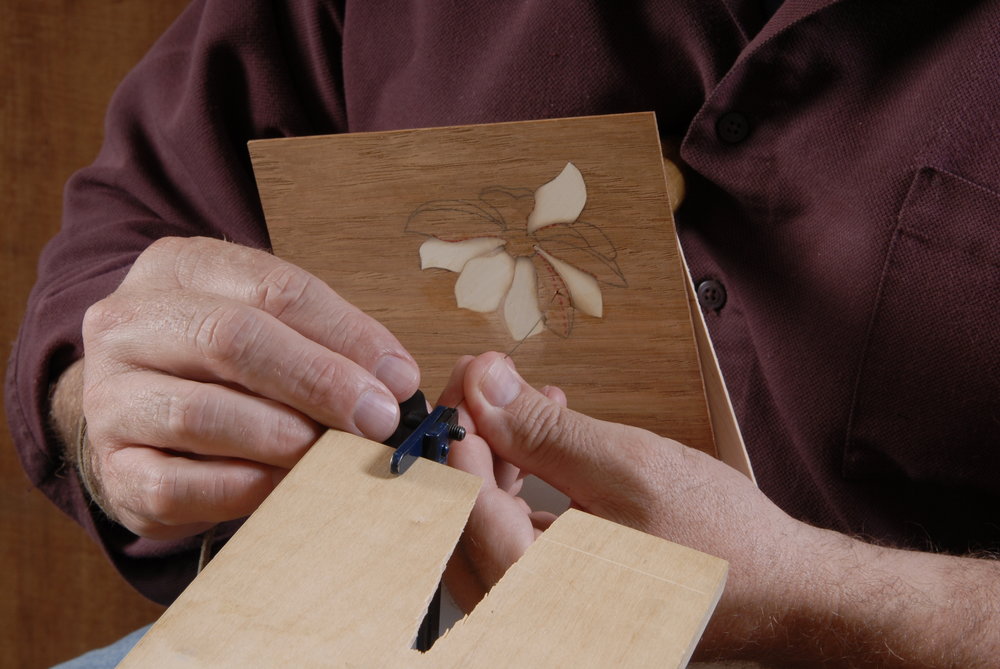
    Traditional marquetry techniques require immense skill and patience. Hand-cut veneer designs are a hallmark of Philippine marquetry, where artisans carefully cut and arrange thin slices of wood to create intricate patterns.

    Mastering inlay techniques is essential, as it allows artisans to create complex designs by inserting small pieces of wood into a larger design.

    Hand-Cut Veneer Designs

    Hand-Cut Veneer Designs in Philippine Marquetry

    In traditional Philippine marquetry, skilled artisans create intricate hand-cut veneer designs through a labor-intensive process of meticulously cutting and assembling wood veneers to produce stunning visuals.

    Inspiration from Nature

    Philippine marquetry artists often draw inspiration from the natural world. For example, they incorporate motifs from flora and fauna into their designs, such as leaves, flowers, and birds. This inspiration from nature results in unique and beautiful designs.

    Cultural Influences

    Hand-cut veneer designs in Philippine marquetry reflect the country's rich cultural heritage. Artisans incorporate traditional motifs and symbols into their work, such as the 'sarimanok,' a mythical bird that symbolizes good fortune and prosperity.

    Precision Cutting

    The precision required to cut and assemble wood veneers is unparalleled. Artisans hone their skills over years of practice to achieve the level of precision required to create intricate designs. This precision cutting is what sets hand-cut veneer designs apart from other art forms.

    Artistic Expression

    Hand-cut veneer designs offer a unique platform for artistic expression. Artisans can showcase their creativity and skill by experimenting with different wood veneer colors, patterns, and designs, resulting in one-of-a-kind pieces of art.

    Inlay Techniques Mastery

    Mastering Inlay Techniques for Traditional Philippine Marquetry

    To create intricate designs characteristic of traditional Philippine marquetry, one must master the art of inlay techniques. This involves advanced techniques, precision cutting, and skill development to craft unique and visually stunning wood veneer designs.

    Traditional Marquetry Techniques

    Traditional Philippine marquetry employs several techniques to produce intricate designs and patterns. These techniques include:

    Technique Description
    Double Bevel Method Precise cutting and fitting of veneer pieces to ensure seamless joints and a polished finish.
    Inlay Techniques Mastery of intricate patterns and designs, requiring precision and attention to detail.
    Advanced Cutting Precision cutting for intricate designs, involving the use of specialized tools and techniques.
    Cultural Motifs Incorporating traditional designs and patterns, showcasing the cultural heritage of the Philippines.

    | Skill Development | Refining skills for advanced marquetry techniques, enabling artisans to push the boundaries of design and creativity.

    Selecting Wood Veneers for Design

    When creating a marquetry design, carefully selecting wood veneers is crucial to ensure a visually appealing and durable piece.

    To achieve a stunning design, consider the following key factors:

    Color Harmony and Texture:

    Choose veneers with harmonious colors and textures that create a visually appealing contrast. For instance, combining a dark wood with a light wood can create a striking contrast.

    Grain Patterns and Durability:

    Select veneers with grain patterns that complement each other, ensuring the piece's durability and structural integrity. For example, combining straight-grained wood with curly-grained wood can create a beautiful contrast.

    Sustainable Practices:

    Opt for responsibly harvested wood veneers, supporting eco-friendly practices and reducing the environmental impact. Look for certifications like FSC (Forest Stewardship Council) to ensure sustainable sourcing.

    Artistic Expression:

    Combine veneers to create a unique and intricate design that showcases your artistic vision. Experiment with different patterns, shapes, and colors to create a one-of-a-kind piece.

    Art of Pattern Making and Design

    Crafting Intricate Patterns in Philippine Marquetry

    With your wood veneers carefully selected, you can now focus on crafting intricate patterns that showcase the unique beauty of Philippine marquetry. This is where your creativity shines, as you bring together design inspirations, color theory, and creative expression to create stunning designs.

    Understanding Traditional Filipino Patterns

    The rich heritage and diverse influences of the Philippines' history often reflect in the patterns of traditional Filipino marquetry. Incorporate vibrant colors and geometric shapes to add depth and visual interest to your design.

    Design Ideas to Explore

    Floral Motifs: Inspired by local flora, these motifs add a touch of elegance to your design. For example, you can use the shape of the Sampaguita flower, the national flower of the Philippines, to create a beautiful floral pattern.

    Geometric Shapes: Combine triangles, squares, and circles to create visually striking patterns. Try combining different shapes to create a unique and intricate design.

    Cultural Icons: Incorporate traditional Filipino symbols, such as the jeepney or tapis, to add cultural significance to your design. For example, you can use the image of a jeepney, a popular mode of transportation in the Philippines, to add a touch of cultural heritage to your design.

    Nature-Inspired Scenes: Depict scenes of Philippine landscapes, such as beaches or mountains, to evoke a sense of place. Try creating a design that features the iconic Mayon Volcano, a famous landmark in the Philippines.

    Balancing Creativity with Technical Precision

    Remember to balance creativity with technical precision. The art of Philippine marquetry requires attention to detail and a deep understanding of color theory to bring your vision to life.

    The Role of Skilled Artisans in Marquetry

    Skilled artisans are the backbone of Philippine marquetry. They've spent years honing their skills through rigorous training and mastering techniques passed down through generations.

    Their expertise in artisanal skill development and preservation of traditional techniques significantly contribute to the rich cultural heritage of Philippine marquetry.

    Artisanal Skill Development

    Philippine Marquetry: A Testament to Artisanal Skill Development

    Skilled artisans in Philippine marquetry have honed their craft through years of rigorous training, mastering the intricacies of wood veneer manipulation. Their artisanal techniques, rooted in cultural preservation, have been refined through generations of traditional artistry.

    Key Aspects of Artisanal Skill Development

    Extensive Training: Artisans spend years perfecting their craft, learning traditional techniques passed down through generations. This extensive training enables them to master the delicate process of cutting and assembling wood veneers to form stunning patterns.

    Cultural Heritage: The art of marquetry in the Philippines showcases a rich cultural heritage, reflecting the artistic traditions of the region. This cultural significance is evident in the intricate designs and motifs found in Philippine marquetry pieces.

    Precision Craftsmanship: Skilled artisans demonstrate exceptional precision in creating intricate designs with wood veneers. This precision is a testament to their extensive training and dedication to mastering their craft.

    Intricate Motifs: The expertise of these artisans is evident in the fine details and intricate motifs found in Philippine marquetry pieces. These motifs are a reflection of the artisans' skill and attention to detail.

    Through their skill development, artisans preserve traditional artistry while pushing the boundaries of precision craftsmanship, resulting in truly remarkable works of art.

    Traditional Techniques Preserved

    Skilled artisans in the Philippines preserve traditional marquetry techniques, carefully handing down the delicate art of cutting and assembling wood veneers to create intricate designs. These artisans are masters of heritage preservation, dedicated to keeping the cultural craftsmanship of marquetry alive.

    Their artisanal techniques, passed down through generations, involve meticulously hand-cutting and assembling wood veneers to create intricate patterns. Local woods like narr, molave, and kamagong are often used, adding a touch of authenticity to their creations.

    As you explore further into the art of Philippine marquetry, you'll discover a rich cultural heritage, with designs inspired by nature, folklore, and religious symbolism. The intricate detailing in each piece is a confirmation of the artisans' traditional skills, honed over years of practice and dedication.

    By preserving these traditional techniques, Philippine artisans make sure that the art of marquetry remains a vibrant part of the country's cultural identity.

    Crafting Intricate Designs and Patterns

    Crafting Intricate Designs and Patterns

    Philippine marquetry is an art form that showcases exceptional skill and attention to detail through intricate designs and patterns created by carefully selecting and combining various wood species.

    Color Combinations

    Skilled artisans select wood species with distinct colors and grains to create visually stunning compositions. For instance, they might combine the dark, wavy grain of ebony with the light, straight grain of ash to create a striking contrast.

    Design Inspiration

    Traditional Filipino marquetry designs often feature nature-inspired motifs, geometric patterns, and cultural symbols, which serve as inspiration for modern designs. For example, artisans might incorporate the anahaw leaf pattern, a traditional Filipino design element, into their work.

    Creative Process

    The art of Philippine marquetry involves meticulous cutting, shaping, and assembling of veneers to form elaborate compositions. This process requires precision and patience, as artisans must carefully arrange and glue each piece of veneer to create the desired design.

    Attention to Detail

    Craftsmen in the Philippines demonstrate exceptional craftsmanship in producing marquetry pieces with intricate detailing and vibrant colors. Every detail matters, from the selection of wood species to the final assembly of the design, to create a stunning work of art.

    Symbolism in Philippine Marquetry Designs

    Philippine marquetry artisans incorporate symbolic elements into their designs, infusing their work with cultural significance.

    Symbol Meaning
    Sampaguita flower Purity and simplicity
    Sarimanok Good fortune and protection
    Anahaw leaves Resilience and strength

    The use of iconic symbols like the sun and stars represents freedom, hope, and guidance in Philippine culture. Traditional motifs, such as the nipa hut, symbolize community and traditional values. By incorporating these symbolic elements, Philippine marquetry artisans create more than just beautiful designs – they craft a window into the country's rich cultural heritage.

    How Can Wood Veneers and Drift Wood Sculptures be Used Together in Art?

    Wood veneers can be used as a canvas for intricate designs, while Philippine drift wood sculptures can add texture and depth to the art piece. Combining the two creates a unique blend of natural materials, enhancing the overall aesthetic appeal of the artwork.

    Preserving Cultural Heritage Through Marquetry

    Through the meticulous art of marquetry, Filipino artisans safeguard their nation's cultural legacy, ensuring the rich heritage of traditional woodworking techniques and iconic designs is preserved for generations to come.

    Marquetry preserves cultural heritage in four significant ways:

    1. Preservation of traditional techniques: Filipino artisans employ traditional woodworking methods passed down through generations, ensuring the continuation of these techniques. For instance, they use hand-cutting and hand-fitting techniques to create intricate designs.

    2. Promotion of cultural identity: Marquetry designs often incorporate Filipino motifs, such as the 'sarimanok' (a mythical bird) and 'okir' (intricate foliage patterns), promoting the country's rich cultural heritage and artistic traditions.

    3. Conservation of cultural symbols: Marquetry artisans meticulously arrange wood veneers to recreate iconic Filipino designs, preserving the cultural significance of these symbols. For example, they recreate the 'taka' (a traditional Filipino headdress) and 'barong' (a traditional Filipino garment).

    4. Transmission of cultural knowledge: Through marquetry, artisans share their skills and knowledge with apprentices, ensuring the continuation of cultural heritage for future generations.

    Modern Applications of Marquetry in Decor

    Modern Applications of Marquetry in Decor

    Marquetry has evolved to incorporate intricate designs on furniture, walls, and decorative objects, blending traditional craftsmanship with modern aesthetics. Today, wood veneers are carefully selected and cut to form complex patterns and images in contemporary marquetry pieces. This ancient art form has found new life in modern applications, adding elegance and sophistication to interior design.

    Evolution of Marquetry

    In the Philippines, contemporary marquetry artists combine traditional techniques with innovative approaches to create stunning and personalized decor pieces. Commissioned pieces reflect unique styles, from intricate patterns to cultural motifs. Modern interpretations of traditional designs result in unique and breathtaking works of art. Marquetry infuses spaces with a distinct cultural flair, blending the old with the new.

    Philippine Marquetry Artists

    As you explore the world of modern marquetry, you'll discover the perfect blend of traditional craftsmanship and innovative applications, redefining the boundaries of interior design.

    Conclusion

    Philippine Marquetry: A Delicate Art Form

    Philippine marquetry is a highly intricate art form that involves creating elaborate designs and patterns using carefully selected wood veneers. Each piece requires meticulous attention to detail, which is reflected in the cultural heritage embedded in every design.

    Mastering Marquetry Preserves Cultural Identity

    As you master the art of marquetry, you'll not only create stunning works of art but also help preserve an essential piece of Philippine cultural identity. This art form is a significant part of the country's cultural heritage, and by learning it, you'll contribute to its preservation.

    Understanding Marquetry Techniques

    To create intricate designs, marquetry artists use various techniques, such as cutting and arranging wood veneers into complex patterns. These patterns can range from simple to extremely intricate, showcasing the artist's skill and attention to detail.

  • Philippine Straw Art: From Bags to Intricate Figurines

    Philippine Straw Art: From Bags to Intricate Figurines

    Philippine Straw Art: A Blend of Tradition and Innovation

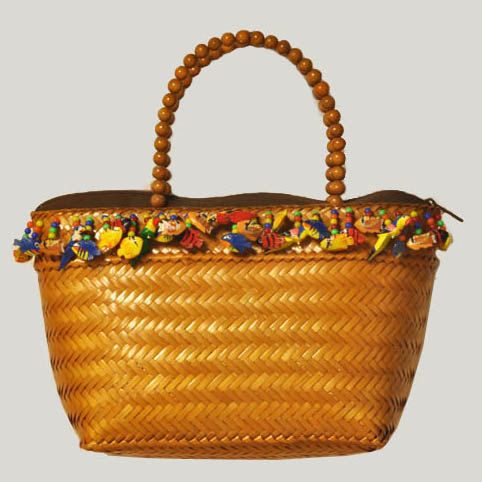
    Philippine straw art is a vibrant cultural expression that transforms simple straw into intricate masterpieces. Artisans merge traditional craftsmanship with modern design to create unique, eco-friendly products. These products range from stylish handbags and hats to delicate figurines and sculptures, showcasing the artisans' skill and creativity.

    Skilled artisans dedicate themselves to preserving cultural heritage through intricate designs, sustainable materials, and time-honored techniques. For instance, they use natural fibers like straw, bamboo, and palm leaves to create durable and functional items. These sustainable materials reduce waste and promote environmental conservation.

    The fusion of traditional techniques and modern design creates a rich tapestry of creativity and innovation. As you explore the world of Philippine straw art, you'll discover a vibrant culture that honors its heritage while embracing innovation and sustainability.

    Key Takeaways

    Philippine Straw Art: A Blend of Tradition and Innovation

    Philippine straw art is a unique form of craftsmanship that transforms ordinary straw into intricate masterpieces, showcasing exceptional skill and creativity. This traditional craft has been passed down through generations, with skilled artisans preserving cultural heritage through traditional straw weaving techniques.

    Sustainable Materials and Techniques

    Artisans use sustainable materials to create eco-friendly products, ensuring that the production process is environmentally friendly. By combining traditional techniques with modern designs, artisans are able to create innovative and functional items.

    Innovative Designs and Figurines

    Modern innovations in straw art have led to the creation of intricate figurines and sculptures that reflect Filipino values and history. These masterpieces tell stories of cultural heritage and traditions, showcasing the rich history of the Philippines.

    Eco-Friendly Fashion and Home Decor

    Philippine straw art offers a range of eco-friendly fashion and home decor options, blending functionality, sustainability, and cultural heritage. From bags to decorative items, each piece is a testament to the creativity and skill of Filipino artisans.

    Evolution of Philippine Straw Art

    The Evolution of Philippine Straw Art

    Philippine straw art has undergone a remarkable transformation from its humble beginnings as functional items to intricate, elaborate masterpieces.

    Initially, straw was used to create practical items like bags, which were worn casually over the right shoulder.

    Today, artisans create a wide range of straw art, including handbags, hats, figurines, and home decor pieces.

    This transformation showcases the exceptional craftsmanship and creativity of Filipino artisans, who've successfully combined traditional techniques with modern designs.

    As a result, unique, eco-friendly products have been created, appealing to both local and international markets, including the United States.

    The evolution of Philippine straw art demonstrates the skill and adaptability of Filipino artisans,

    who have transformed a traditional craft into a thriving industry.

    Traditional Straw Weaving Techniques

    Traditional Straw Weaving Techniques in the Philippines

    Skilled Artisans and Timeless Techniques

    In the Philippines, skilled artisans continue to master traditional straw weaving techniques, meticulously crafting intricate patterns and designs that have been passed down through generations.

    Key Aspects of Traditional Straw Weaving Techniques

    Sustainable Materials

    Artisans use natural fibers, showcasing the country's commitment to eco-friendly production practices. This approach reduces waste and promotes environmental sustainability.

    Hand-Weaving Methods

    Skilled artisans employ labor-intensive techniques passed down through generations to craft unique and durable straw products. Each piece is carefully crafted, reflecting the artisan's skill and dedication.

    Intricate Designs

    Weavers incorporate geometric patterns, creative embellishments, and artistic flair, reflecting the cultural heritage of the Philippines. Intricate designs make each piece a true work of art.

    Versatile Products

    From handbags to hats and decorative items, straw weaving results in stylish and functional pieces. These products showcase the versatility and craftsmanship of traditional straw weaving.

    Cultural Significance

    Straw weaving is a labor of love, highlighting the nation's rich cultural heritage and its people's craftsmanship. This traditional technique preserves the country's cultural identity.

    Modern Twists on Classic Designs

    Modern Twists on Classic Designs

    Philippine straw art is undergoing a transformation, as artists break free from traditional constraints and explore new possibilities.

    They're incorporating innovative materials, colors, and patterns to create unique pieces that blend the old with the new.

    This fusion has led to a refreshing departure from traditional designs, resulting in exciting modern twists on classic straw art.

    Modern Materials Used

    Modern Philippine Straw Art: A Blend of Tradition and Sustainability

    In the Philippines, artisans are revitalizing traditional straw art by incorporating eco-friendly materials, making it appealing to environmentally conscious consumers.

    This modern approach not only prioritizes aesthetics but also promotes sustainability.

    Eco-Friendly Materials

    Modern Philippine straw art uses eco-friendly alternatives to traditional materials, making it an excellent choice for sustainable fashion enthusiasts.

    Straw and wood are the primary materials used, ensuring a commitment to cultural heritage and eco-conscious production.

    Artistic Expression

    Artistic expression is a key aspect of modern Philippine straw art, where natural fibers meet unique and intricate designs.

    The use of straw and wood results in chic accessories with a contemporary twist, perfect for those who want to make a statement.

    Craftsmanship

    Handcrafted details and durable craftsmanship define modern Philippine straw art, making it a valuable addition to any accessory collection.

    Each piece is carefully crafted to ensure longevity and sustainability.

    Artistic Freedom Found

    Philippine Straw Art Evolves with Creative Freedom

    Philippine straw art is experiencing a creative explosion, as artisans boldly redefine traditional designs with innovative twists and modern flair. This evolution showcases the adaptability and creativity of local craftsmen.

    Modern interpretations of straw art blend traditional craftsmanship with modern aesthetics, resulting in unique creations that honor heritage while bringing a modern spin.

    Artisans are pushing boundaries by experimenting with new forms and styles that showcase their artistic expression. This fusion of classic designs with fresh, creative interpretations has given rise to intricate figurines, innovative home decor, and other unique pieces that reflect the artisans' artistic freedom.

    This newfound creative liberty has led to a new wave of straw art that's both contemporary and rooted in tradition.

    As you explore the world of Philippine straw art, you'll appreciate the nuances of this age-old craft and the innovative spirit of its modern practitioners. The artistic expression is palpable, and the creative interpretations are proof of the craft's ability to evolve while remaining true to its roots.

    Intricate Figurines and Sculptures

    Filipino artisans craft intricate figurines and sculptures that showcase the country's rich heritage and exceptional craftsmanship.

    These artistic creations are made by weaving together straw and other materials to create stunning representations of local flora, fauna, and cultural symbols.

    The artisans' meticulous work showcases the rich heritage of the Philippines.

    Exploring Philippine straw art reveals a world of intricate designs and craftsmanship.

    • Straw animal sculptures come to life with intricate details and textures, making them seem lifelike.
    • Nature-inspired designs transport you to the lush forests and vibrant landscapes of the Philippines, capturing the country's natural beauty.
    • Custom figurine commissions allow you to personalize your own unique piece of art, giving you the freedom to create something special.
    • Delicate and lifelike representations of local flora, from flowers to trees, showcase the artisans' skill and attention to detail.
    • Cultural symbols and motifs woven into each piece tell stories of the country's history and traditions, making each piece a window into the Philippines' rich cultural heritage.

    These intricate figurines and sculptures are more than just decorative pieces – they're a reflection of the artistic talent and dedication of Filipino artisans.

    Functional Items From Straw

    Philippine Straw Art: Combining Functionality and Sustainability

    Philippine straw art isn't just about decorative figurines and sculptures; it also includes a range of functional items that blend style, sustainability, and cultural heritage.

    Straw Hats and Bags: A Fashionable and Eco-Friendly Choice

    One of the most iconic functional items is the straw hat, a staple summer trend that's both stylish and eco-friendly.

    When paired with handwoven straw bags, these accessories make a bold fashion statement while promoting sustainable living.

    Handwoven Baskets: Sustainable Storage Solutions

    Handwoven baskets offer sustainable storage solutions for your daily needs.

    These intricately designed baskets not only add a touch of cultural flair to your home but also help reduce waste.

    The craftsmanship of Philippine straw art reflects the country's artisanal tradition and cultural heritage, making each piece a unique blend of function and art.

    Functional Straw Items for Everyday Use

    Whether you're heading to the beach or just running errands, these functional straw items serve as versatile accessories for everyday use.

    By choosing Philippine straw art, you're not only making a fashion statement but also supporting sustainable practices and preserving cultural traditions.

    Artisans and Their Craft

    Philippine Straw Art: A Testament to Artisanal Excellence

    Behind each intricately woven straw bag or beautifully crafted straw hat lies the skilled hands of artisans who've dedicated their lives to preserving the traditional craft of Philippine straw art.

    Mastering Traditional Techniques

    Philippine straw artisans have mastered traditional techniques passed down through generations, blending cultural influences with modern twists. For instance, they use the traditional 'paglilihi' technique, which involves weaving and knotting straw fibers to create intricate designs.

    Artistic Expression and Innovation

    Their artistic expression honors time-honored traditions while embracing innovation, resulting in unique and vibrant designs. By experimenting with different colors, patterns, and shapes, artisans create one-of-a-kind pieces that appeal to modern tastes.

    Eco-Friendly Practices

    Philippine straw artisans prioritize sustainability, minimizing their environmental footprint through eco-friendly practices. They use locally sourced, biodegradable materials and adopt energy-efficient production methods, reducing waste and conserving natural resources.

    Transforming Simple Materials

    Artisans transform simple straw into stunning works of art through their exceptional craftsmanship. By carefully selecting and preparing raw materials, they create durable, long-lasting pieces that showcase their mastery of traditional techniques.

    Deep Connection to Cultural Heritage

    Philippine straw artisans have a deep connection to the country's rich cultural heritage, reflected in every stitch and weave. Their work is a testament to the country's thriving artisanal tradition, preserving traditional techniques and cultural influences for future generations.

    Dedication to Preserving Traditional Techniques

    As you appreciate the beauty of Philippine straw art, remember the skilled artisans behind each piece. Their dedication to preserving traditional techniques, while innovating for the future, is a tribute to the country's thriving artisanal tradition.

    Cultural Significance of Straw Art

    Philippine straw art is a reflection of the country's values and history. This unique art form embodies traditional craftsmanship, symbolizes Filipino resilience, and showcases a heritage of resourcefulness.

    Traditional craftsmanship is evident in the meticulous process of weaving and shaping straw into intricate designs, which requires patience, skill, and attention to detail.

    Filipino resilience is reflected in the ability to create something beautiful from discarded materials, demonstrating the resourcefulness and adaptability of the Filipino people.

    The heritage of resourcefulness is showcased in the use of straw, a readily available and sustainable material, highlighting the Filipino ability to make the most of what's available.

    Traditional Craftsmanship Revival

    In the Philippines, a resurgence of traditional craftsmanship is underway, with straw art emerging as a powerful symbol of cultural heritage and sustainable practices. As you explore the world of Philippine straw art, you'll uncover a domain of eco-friendly creations that not only showcase artisanal craftsmanship but also promote environmentally conscious living.

    Traditional craftsmanship is experiencing a revival due to several factors. Eco-friendly materials are used in straw art pieces, reducing waste and promoting sustainability. For instance, natural fibers are used to create handbags, figurines, and other accessories, offering a unique alternative to fast fashion and mass-produced items.

    Sustainable accessories are another reason for the revival. Straw art offers a unique alternative to fast fashion and mass-produced items. For example, handbags made from straw are a sustainable alternative to leather or synthetic materials.

    Artisanal craftsmanship is a significant factor in the revival. Each piece is carefully crafted by skilled artisans, preserving traditional techniques and cultural heritage. This ensures that each piece is unique and showcases the artisan's skill.

    Cultural significance plays a vital role in the revival. Straw art reflects the Philippines' commitment to preserving its cultural identity and promoting eco-friendly practices. This cultural significance is evident in the unique designs and craftsmanship of each piece.

    Unique designs are another reason for the revival. Straw art pieces boast one-of-a-kind designs, making them stand out as trendy and versatile accessories. Each piece is carefully crafted to ensure that it's both functional and aesthetically pleasing.

    Symbol of Filipino Resilience

    Philippine Straw Art: A Testament to Filipino Resilience

    Philippine straw art embodies the essence of Filipino resilience, showcasing the nation's ability to transform humble natural materials into vibrant expressions of cultural identity.

    Transforming Adversity into Art

    Through straw art, Filipinos demonstrate their innate ability to thrive amidst adversity. They weave together threads of tradition, innovation, and environmental consciousness, creating intricate designs and patterns that reflect their cultural heritage.

    Mastering Natural Resources

    Filipino artisans have mastered the art of turning natural resources into stunning works of art. This cultural symbolism is deeply rooted in the nation's history, reflecting a deep connection to nature and traditional craftsmanship.

    Upholding Sustainability

    By embracing nature-inspired creations, Filipino artisans not only showcase their artistic prowess but also uphold the values of sustainability and eco-friendliness. This commitment to environmental responsibility is a hallmark of Philippine straw art.

    A Rich Tapestry of Cultural Significance

    As you explore the world of Philippine straw art, you'll uncover a rich tapestry of cultural significance, where resilience through art meets environmental responsibility.

    Heritage of Resourcefulness

    The resourcefulness of Filipino artisans is deeply rooted in their cultural heritage, where transforming humble materials like straw into exquisite works of art has been a hallmark of their creative identity.

    This heritage of resourcefulness showcases the Filipino people's ability to turn simple materials into beautiful and functional pieces of art.

    In the world of Philippine straw art, you'll discover that it embodies more than just aesthetic appeal.

    It represents a cultural significance that highlights the importance of several key aspects.

    Artistic innovations are evident in the continuous experimentation with new designs and techniques by Filipino artisans. For instance, they've developed unique weaving patterns and styles that have been passed down through generations.

    The use of natural materials like straw promotes sustainability focus, reducing waste and emphasizing eco-friendly designs. This approach minimizes the environmental impact of art production.

    Resourceful craftsmanship is showcased in the intricate pieces of art created from straw, demonstrating the artisans' skill and patience. The process of transforming straw into art requires meticulous attention to detail and a great deal of time.

    Cultural heritage is preserved through the tradition of straw art, which is passed down through generations. This ensures the country's rich cultural identity is maintained and celebrated.

    Creative expressions are reflected in straw art, which serves as a medium for self-expression. The Filipino people's deep connection to nature and their surroundings is reflected in the artwork, showcasing their unique perspective.

    Preserving Traditional Skills

    Mastering traditional skills is crucial to preserving the Philippines' rich cultural heritage. By supporting artisans who continue to hone their craft, you're contributing to the preservation of Filipino cultural traditions. These generational skills, passed down through families, are a tribute to the country's cultural legacy.

    Intricate designs and durable craftsmanship are a result of years of perfecting traditional techniques. The art of straw craftsmanship, for instance, showcases the level of expertise achieved through dedication and practice. By keeping these skills alive, you're helping to safeguard the nation's heritage for future generations.

    Preserving cultural heritage is a way to honor the past while embracing the present. When you appreciate the beauty of Philippine straw art, you're not just admiring a product – you're supporting a cultural movement.

    By choosing to own a piece of straw art, you're investing in the preservation of heritage, ensuring that this cultural legacy continues to thrive.

    What are the similarities and differences between Philippine Leather Crafts and Straw Art?

    When comparing Philippine leather crafts and straw art, both showcase the country’s rich artistic tradition. However, Philippine leather crafts typically involve intricate carving and embossing on leather, while straw art focuses on weaving intricate patterns with dried straw. To learn more about Philippine leather crafts, check out this informative philippine leather crafts article.

    How Is Philippine Doll Making Related to the Traditional Art of Straw Art in the Philippines?

    The art of doll making in the Philippines is closely related to the traditional art of straw art. Both crafts require intricate handiwork and attention to detail. The skills and techniques passed down through generations have allowed these art forms to thrive and continue to be an integral part of Filipino culture.

    Innovative Straw Art Applications

    Philippine straw art offers a versatile medium for creative expression. This traditional art form can be transformed into various innovative applications, showcasing its adaptability and eco-friendly nature.

    Reusable products, such as bags, containers, and accessories, can be crafted from straw, reducing waste and promoting sustainability.

    Unique home decor pieces, like woven baskets, wall hangings, and centerpieces, can add a touch of cultural flair to any space.

    Moreover, sustainable fashion designs, including hats, jewelry, and attire, can be created using straw, making a stylish statement while minimizing environmental impact.

    Straw Reusable Products

    Filipino artisans reduce waste by repurposing straw into reusable products, combining functionality with artistic flair.

    These innovative products showcase the artisans' ingenuity and creativity, resulting in a wide range of eco-friendly items.

    Straw tote bags and purses combine style with sustainability, offering a fashionable alternative to single-use plastics.

    Unique sculptures and figurines double as eco-friendly gifts, making them a thoughtful and environmentally conscious present.

    Artistic straw home decor adds a touch of natural elegance to any room, providing a sustainable alternative to traditional decorative items.

    Functional creations like straw baskets and containers are perfect for storing daily essentials, reducing the need for single-use plastics.

    Sustainable fashion accessories like straw hats and jewelry make a statement, promoting eco-conscious practices and traditional craftsmanship.

    By choosing straw reusable products, consumers support eco-friendly practices and preserve the rich cultural heritage of Philippine straw art.

    These innovative straw products reduce waste, promote artistic expression, and preserve traditional craftsmanship.

    Artistic Home Decor

    Philippine straw art brings natural elegance to your living space with its intricate figurines and sculptures that make for stunning artistic home decor. By incorporating straw art into your home, you're not only adding a unique touch but also supporting artisans who showcase their creativity using sustainable materials.

    Straw art offers a wide range of options for incorporating natural elements into your home decor, including woven wall hangings and decorative centerpieces.

    The use of traditional weaving techniques and eco-friendly materials demonstrates a commitment to sustainable practices in artistic expression. By choosing Philippine straw art, you're embracing a form of artistic expression that's not only beautiful but also environmentally conscious.

    Sustainable Fashion Designs

    Straw Art Revolutionizes Sustainable Fashion

    Incorporating straw art into fashion designs is a conscious effort to reduce environmental footprint, and Philippine artisans are leading the way with their innovative creations.

    Straw art is a game-changer in sustainable fashion. It adds a touch of elegance while promoting a greener lifestyle. Here's how:

    Eco-friendly fashion: Straw art accessories reduce waste and promote a greener lifestyle. They're a stylish alternative to synthetic materials.

    Sustainable accessories: Handcrafted straw handbags, hats, and jewelry offer a unique blend of style and sustainability. For instance, straw handbags are a popular alternative to plastic or synthetic bags.

    Trendy straw designs: Straw art is redefining the fashion landscape with its versatility and charm. From bohemian-inspired totes to chic hats, straw art is trendy and stylish.

    Natural fibers: Straw's natural texture and earthy tone bring authenticity to fashion pieces. This natural look is highly sought after in sustainable fashion.

    Artisanal craftsmanship: Each straw art piece is carefully crafted by skilled artisans, ensuring that every item is a one-of-a-kind masterpiece. This craftsmanship adds value to the sustainable fashion movement.

    Future of Philippine Straw Art

    The future of Philippine straw art looks promising due to its inherent sustainability, which resonates with the growing market of environmentally conscious buyers.

    As consumers prioritize eco-friendliness, artisans are driving sustainable innovations by incorporating modern designs and techniques into traditional straw art. This fusion of old and new appeals to environmentally aware consumers and expands the market reach of Philippine straw art globally.

    Collaborations with designers and brands introduce this traditional craft to new audiences, solidifying its contemporary relevance.

    Philippine straw art showcases its adaptability and potential for further creative exploration, from bags to intricate figurines. With continued support for local craftsmanship and heritage preservation, the tradition of Philippine straw art is poised to thrive for generations to come.

    Conclusion

    Philippine straw art has evolved significantly over time. This evolution is a testament to the creativity and craftsmanship of Filipino artisans.

    Traditional techniques have been combined with modern twists, resulting in a thriving art form.

    The art form has survived and thrived, showcasing the ingenuity and resourcefulness of Filipino artisans.

    As the art form continues to evolve, new and innovative applications are emerging, further elevating this ancient art form.

  • The Dying Art of Philippine Sword Making: Preserving the Legacy of Kampilan and Kris

    The Dying Art of Philippine Sword Making: Preserving the Legacy of Kampilan and Kris

    Philippine Sword Making: A Cultural Legacy

    The majestic Kampilan and Kris swords have been an integral part of the Philippines’ rich cultural heritage for centuries. These swords played a vital role in resisting Spanish colonization, symbolizing power and status.

    The intricate designs on both swords hold deep cultural significance, enriching ceremonies, cultural practices, and folklore. The Kampilan, a single-edged sword with a curved blade, was used by warriors in battles, while the Kris, a double-edged sword with a wavy blade, was a symbol of royalty and wealth.

    The art of sword making involves precision and craftsmanship. Traditional techniques involve folding and hammering steel to create a strong and flexible blade, while modern innovations incorporate new materials and designs.

    As you explore the world of Philippine sword making, you’ll discover the legacy of Kampilan and Kris is still unfolding, with secrets waiting to be revealed in the intricate designs and craftsmanship of these masterpieces.

    Key Takeaways

    The Kampilan and Kris: Preserving Filipino Cultural Heritage

    The Kampilan and Kris are iconic Filipino swords that symbolize power, status, and Filipino resilience against Spanish colonization. These swords hold deep cultural and historical importance in the Philippines.

    Reviving Traditional Sword Making

    Traditional Filipino sword making is experiencing a revival, with modern craftsmen blending ancient techniques with modern innovations to preserve cultural heritage. This fusion of old and new techniques ensures the preservation of cultural heritage while making it relevant to modern times.

    Preservation Efforts

    Preservation efforts include workshops, apprenticeships, and collaborative initiatives to train the next generation of sword makers and safeguard cultural heritage. These initiatives help to pass on the traditional craft to young artisans, ensuring the continuation of this cultural legacy.

    Challenges in Preservation

    However, the scarcity of skilled artisans and economic constraints hinder traditional craft preservation, making it unsustainable without modern adaptations. The lack of skilled craftsmen and limited financial resources pose significant challenges to preserving this cultural heritage.

    Balancing Cultural Heritage with Modern Relevance

    Modern craftsmen are revitalizing ancient techniques using traditional materials to balance cultural heritage with modern relevance and authenticity. This blend of old and new techniques ensures that the cultural heritage of the Kampilan and Kris is preserved while making it appealing to modern audiences.

    Uncovering the Kampilan’s History

    The Kampilan: A Symbol of Bravery and Resistance

    The Kampilan, a powerful sword, played a significant role in the Philippines’ struggle against Spanish colonization.

    Brave warriors wielded the Kampilan to fight against foreign rule, showcasing the Filipino people’s bravery and resilience.

    A Cultural Artifact with a Rich History

    The Kampilan is more than just a weapon; it’s a cultural artifact that holds the secrets of the past.

    Its significance extends beyond the battlefield, with its cultural importance and mythical power woven into the fabric of Filipino mythology.

    The Kampilan’s history is a testament to the country’s rich cultural heritage, highlighting the importance of preserving its legacy.

    Uncovering the Kampilan’s Influence

    The Kampilan’s presence in Philippine history is a proof of the bravery and resilience of the Filipino people.

    Its influence can be seen in the country’s turbulent past, where it was forged in the heat of battle and tempered by the country’s struggles.

    Design Elements of the Kris

    The Kris’s blade geometry is a masterclass in precision, with each curve and bend carefully crafted to create a unique silhouette. The blade’s design elements are a result of careful craftsmanship, with each curve and bend serving a specific purpose. For example, the curved shape of the Kris allows for a more efficient slashing motion, while the narrow point enables precise thrusting.

    The ornate hilts of the Kris are adorned with intricate carvings and designs, signifying power and status. The intricate designs on the hilt reflect the owner’s prestige and authority, with different designs often indicating the owner’s social status or position of power. For instance, a hilt adorned with gold or precious gems may indicate that the owner is of high social standing.

    Blade Geometry Matters

    The Kris’s unique blade geometry is a result of deliberate design and craftsmanship. The wavy pattern on the Kris blade, forged through the ancient technique of pattern welding, holds significant cultural and historical importance.

    The undulating patterns symbolize bravery and honor, making the Kris a treasured symbol of Filipino heritage.

    The craftsmanship of the Kris blades is a testament to the skill and artistry of Filipino craftsmen. The layers of iron, carefully forged and folded, create a unique pattern that tells a story of the sword’s history and significance.

    The careful folding and forging process allows the craftsmen to control the carbon content, resulting in a strong and durable blade.

    The deliberate design elements of the Kris blade have contributed to its mystique. The intricate designs are more than just aesthetically pleasing; they hold significant cultural and historical importance.

    The Kris has become an iconic symbol of Filipino culture, cherished and revered for generations.

    Ornate Hilts Signify Power

    Ornate Hilts Signify Power

    The intricate design elements of a Kris’s ornate hilt reveal the status and power of its owner, as the symbolic motifs and carvings woven into the hilt tell a story of cultural significance.

    Cultural Significance of Kris Hilts

    In Filipino culture, the hilt of a Kris sword symbolizes the status and power of its owner. Craftsmen meticulously craft the ornate hilts, often carving unique designs that depict cultural stories, mythical creatures, or historical events.

    Key Aspects of Kris Hilt Design

    Regional Variations: The design of the hilt can vary based on region, maker, and intended use, making each Kris sword unique.

    Symbolic Motifs: Intricate carvings on Kris hilts often feature symbolic motifs that hold cultural significance, such as mythical creatures or historical events.

    Meticulous Craftsmanship: Craftsmen spend hours perfecting the intricate designs on Kris hilts, showcasing their skill and attention to detail.

    Filipino Warrior’s Weapon of Choice

    Filipino Warrior’s Weapon of Choice

    In the heat of battle, Filipino warriors relied on their trusted swords, the Kampilan and Kris, which had been passed down through generations.

    These swords symbolized Filipino bravery and strength, as well as the country’s rich cultural heritage.

    The Kampilan, characterized by its distinctive waved section near the tip, represented Filipino bravery and strength.

    The Kris, with its wavy blade achieved through pattern welding, showcased the artistry and craftsmanship of Filipino sword makers.

    Both swords held deep cultural and historical importance, representing bravery, honor, and the rich heritage of the Philippines.

    Holding one of these swords isn’t just holding a weapon; it’s holding a piece of Filipino history and cultural identity.

    The Kampilan and Kris are more than just swords; they’re symbols of a nation’s pride and strength.

    The Art of Sword Making Revival

    The Art of Sword Making Revival

    Traditional Filipino sword making is experiencing a revival, combining ancient techniques with modern innovations. This fusion of old and new is crucial for preserving the legacy of iconic swords like the Kampilan and Kris.

    Innovative Approaches to Sword Making

    Modern swordsmiths are adopting innovative methods to create high-quality swords while maintaining traditional techniques. Computer-aided design and 3D printing are being used to create intricate designs and patterns, ensuring precision and consistency.

    Preserving Traditional Methods

    To preserve the traditional methods, master swordsmiths are training the next generation in the art of sword making. This knowledge transfer ensures that the cultural significance of Filipino swords is preserved and passed down.

    The Significance of Sword Making in Filipino Culture

    Sword making is an integral part of Filipino culture, representing strength, courage, and honor. The revival of traditional sword making isn’t only about preserving ancient techniques but also about honoring the country’s rich cultural heritage.

    Modernizing Ancient Techniques

    In the Philippines, traditional sword making techniques are being modernized. Skilled craftsmen are combining ancient methods with modern innovations to create exquisite Kampilan and Kris swords.

    Traditional techniques are being preserved by blending heritage with contemporary practices. This approach ensures the quality and efficiency of sword production while remaining faithful to the country’s heritage.

    In this revival, collaborations thrive. Experienced artisans are partnering with younger generations to transfer knowledge and skills necessary for sword making.

    Initiatives abound, with workshops and educational programs educating enthusiasts and the public on the intricate process of crafting these historic weapons.

    Cultural preservation is a key aspect of this revival. By blending heritage with modern practices, the significance of the Kampilan and Kris swords in martial traditions is being highlighted. This, in turn, contributes to the cultural preservation and appreciation of these iconic swords, proudly showcasing the Philippines’ rich martial heritage.

    Preserving Traditional Methods

    Preserving Traditional Methods

    In the Philippine workshops, skilled artisans are meticulously reviving traditional sword-making methods. They’re carefully preserving the intricate techniques that have defined the craftsmanship of Kampilan and Kris swords for centuries.

    Artisans dedicate themselves to preserving traditional methods, evident in every step of the process, from selecting the finest materials to executing intricate carvings and pattern welding.

    The cultural significance and craftsmanship of these swords are being preserved for future generations through workshops, apprenticeships, and cultural initiatives.

    The art of sword making is being passed down to new generations of craftsmen through collaborative projects between craftsmen, cultural institutions, and enthusiasts.

    As you explore the world of Philippine sword making, you’ll discover the meticulous attention to detail and the passion that goes into preserving this dying art.

    Skilled artisans spend years mastering the craft, ensuring the preservation of traditional methods.

    Swordsmiths of the Future

    Modern Swordsmiths Preserving Traditional Techniques

    A new generation of skilled artisans is emerging, dedicated to preserving the heritage of Kampilan and Kris sword making.

    These modern swordsmiths aren’t only mastering traditional techniques but also innovating to create unique pieces that honor Filipino culture.

    Securing the Legacy of Sword Making

    To ensure the continuation of this cultural practice, initiatives are underway to train the next generation of sword makers.

    Mentorship programs pair experienced swordsmiths with apprentices to pass on their knowledge and skills.

    Cultural exchange programs facilitate collaboration between Filipino swordsmiths and international artisans to share techniques and ideas.

    Workshops and training sessions provide hands-on training and education to aspiring sword makers.

    Symbolism in Sword Design

    Symbolism in Sword Design: Unraveling the Cultural Significance

    The intricate designs on the Kampilan and Kris swords, traditional Filipino blades, hold deep cultural significance. Each element, no matter how small, is imbued with symbolic meaning that resonates with Filipino cultural identity.

    The waved section near the tip of the Kampilan represents the ebb and flow of life, while the wavy blades of the Kris symbolize the twists and turns of fate.

    These symbolic elements are woven into the fabric of Filipino heritage, reflecting the country’s rich cultural tapestry.

    In ceremonies, cultural practices, and folklore, the symbolism in sword design plays an essential role, enriching the legacy and mystique of the Kampilan and Kris.

    As you explore the world of Philippine sword making, you’ll uncover the profound significance of these symbols, highlighting the importance of preserving this cultural heritage for generations to come.

    The Kampilan in Modern Times

    The Kampilan’s Legacy in Modern Times

    The Kampilan, a traditional Filipino sword, faces the challenge of preserving its traditional craftsmanship in modern times. Modern craftsmen are working to overcome this obstacle by revitalizing ancient techniques to guarantee the Kampilan’s legacy endures. For instance, they’re using traditional materials, such as tampered steel, to craft the sword’s distinctive curved blade.

    Preserving Traditional Craftsmanship

    Managing Representation in Contemporary Culture

    The Kampilan also faces the challenge of managing its representation in contemporary culture. This involves balancing cultural heritage with modern relevance. For example, modern artists and designers are incorporating the Kampilan’s unique design elements into their work, such as in fashion and graphic design. This helps to keep the Kampilan’s cultural significance relevant in modern times.

    Managing Representation in Contemporary Culture

    Overcoming Obstacles

    By examining the Kampilan in modern times, it’s clear that balancing cultural heritage with modern relevance is key. Modern craftsmen and artists are working together to overcome the obstacles faced by the Kampilan, ensuring its legacy endures for future generations.

    Overcoming Obstacles

    Modern Craftsmanship Challenges

    The Art of Kampilan Making Faces Unprecedented Challenges

    Today, it’s more likely to find a mass-produced replica of a Kampilan than a genuine, handcrafted piece. This is due to the dwindling number of skilled artisans and the economic hurdles that stand in the way of traditional sword making.

    Skilled Artisans Are Scarce

    Fewer apprentices are taking up the craft, leading to a scarcity of skilled craftsmen. This scarcity is a major obstacle to preserving the traditional craft of Kampilan making.

    Economic Constraints Hinder Sustainability

    The high cost of materials and production makes traditional sword making unsustainable. The economic burden of creating a genuine Kampilan discourages many artisans from pursuing the craft.

    Mass-Produced Replicas Threaten Authenticity

    Mass-produced, cheaper replicas threaten the authenticity and value of handcrafted Kampilans. These replicas undermine the traditional craft, making it harder for genuine artisans to survive.

    Preserving the Legacy of Kampilan Making

    The traditional craft of Kampilan making is struggling to survive. To guarantee its survival, we must promote awareness, support craftsmen, and foster appreciation for this ancient art. By doing so, we can ensure that the art of Kampilan making continues to thrive for generations to come.

    Kampilan in Contemporary Culture

    The Kampilan’s Enduring Legacy in Contemporary Filipino Culture

    The Kampilan, a traditional Filipino sword, continues to inspire and influence various aspects of contemporary Filipino culture.

    Cultural Events and Martial Arts

    The Kampilan is a staple in cultural events, martial arts demonstrations, and historical reenactments, allowing new generations to appreciate its grandeur. For instance, during the annual Philippine Independence Day celebrations, cultural groups showcase the Kampilan as a symbol of national pride.

    Artistic Innovations

    Modern Filipino artisans are blending age-old techniques with innovative designs, breathing new life into the traditional craft. Designer Raymond Valera, for example, incorporates Kampilan-inspired motifs into his fashion designs, blending traditional craftsmanship with modern aesthetics.

    Artistic Inspirations

    The Kampilan’s iconic shape and symbolism have also captured the imagination of contemporary Filipino artists, designers, and filmmakers. Filmmaker Mikhail Red, for instance, drew inspiration from the Kampilan’s majesty in his award-winning film, ‘Birdshot.’

    Martial Arts and Global Reach

    Martial arts schools worldwide are incorporating Kampilan techniques into their training programs, keeping the sword’s legacy alive. The International Kampilan Federation, based in the United States, promotes the study and practice of Kampilan martial arts globally.

    Symbol of Bravery and Heritage

    In modern times, the Kampilan remains an enduring symbol of Filipino bravery and heritage, resonating with pride and cultural identity. The National Historical Commission of the Philippines recognizes the Kampilan as a national cultural treasure, further solidifying its significance in contemporary Filipino culture.

    Reviving Traditional Techniques

    Reviving Traditional Techniques

    With the resurgence of interest in Filipino martial arts, modern craftsmen are meticulously reviving traditional techniques to create authentic Kampilan swords that meet the high standards of their ancestors.

    Preserving Cultural Heritage

    Contemporary artists are blending ancient methods with modern tools to craft high-quality Kampilans.

    Three key approaches are used to achieve this:

    1. Apprenticeships and Workshops:

    Skilled craftsmen pass down their knowledge to the next generation through hands-on training and workshops, ensuring the preservation of traditional techniques.

    2. Merging Ancient Methods with Modern Tools:

    Craftsmen combine traditional techniques with modern materials and tools to create unique and durable Kampilans.

    3. Maintaining Traditional Techniques:

    By adhering to ancient methods, craftsmen maintain the preservation of the Kampilan’s legacy in modern times.

    The revival of traditional techniques isn’t only about creating authentic swords but also about preserving the cultural heritage of the Philippines.

    Preserving Traditional Craftsmanship

    Preserving Traditional Craftsmanship

    Skilled artisans meticulously craft Kampilan and Kris swords, preserving the ancient art of traditional Filipino sword making. Each sword is a masterpiece, with high-quality steel and intricate carvings that tell stories of the past. Using traditional methods passed down through generations, these artisans also incorporate motherofpearl crafting techniques to create stunning embellishments on the sword handles. Each sword is not only a symbol of Filipino heritage, but also a testament to the skill and dedication of these master craftsmen. The result is a truly unique and beautiful weapon that captures the essence of Filipino culture and history.

    To preserve traditional craftsmanship, various efforts are made:

    Preservation Efforts Impact
    Workshops and Apprenticeships Passing down techniques to the next generation
    Collaborative Initiatives Supporting craftsmen in promoting traditional methods
    Teaching Traditional Techniques Ensuring the legacy of Kampilan and Kris endures
    Promoting Cultural Significance Honoring the cultural importance of these symbols

    | Sustaining Legacy | Preserving the art for future generations

    Preserving traditional craftsmanship is crucial because it allows us to honor the past, cherish the present, and secure the future of Filipino cultural heritage. The artisans’ dedication to their craft is a testament to the importance of preserving traditional techniques, ensuring that the legacy of these cultural symbols endures for generations to come.

    The Kris in Filipino Culture

    The Kris: A Symbol of Filipino Culture and Identity

    The Kris, a sword steeped in myth and legend, embodies the essence of Filipino culture and identity. It transcends its physical form as a weapon, carrying deep cultural and historical significance.

    Reflection of Filipino Values

    The Kris reflects Filipino values such as honor and bravery, reflecting the resilience and determination of the Filipino people. This is evident in the Kris’s association with courage, which is deeply rooted in Filipino culture.

    Cultural Heritage and Identity

    The Kris is a symbol of cultural heritage, showcasing the intricate craftsmanship and unique design that defines Filipino cultural identity. The sword’s distinctive features, such as its wavy blade and ornate hilt, are a testament to the country’s rich cultural legacy.

    Connection to Mythology and Folklore

    The Kris is deeply rooted in mythology and folklore, reflecting the rich storytelling tradition of Filipino culture. Legends and myths surrounding the Kris have been passed down through generations, highlighting the sword’s significance in Filipino history and culture.

    Preservation of Filipino Heritage

    Efforts to preserve Kris crafting and wielding by skilled artisans guarantee the continuation of this aspect of Filipino heritage. This ensures that the Kris remains an integral part of Filipino culture, symbolizing the country’s rich history and cultural identity.

    How Can We Preserve Traditional Filipino Crafts and Skills in the Face of Decline?

    Preserving Philippine boat building tradition is essential to safeguarding the country’s cultural heritage. To save traditional Filipino crafts and skills from decline, efforts must focus on education, documentation, and promotion. Establishing workshops, providing resources, and encouraging younger generations to learn these skills are crucial for their continuity.

    Forgotten Sword Making Techniques

    Forgotten Sword Making Techniques: Uncovering the Art of Filipino Sword Craftsmanship

    The traditional Filipino sword making techniques used to create Kampilan and Kris swords are rooted in a rich cultural heritage. Skilled artisans mastered the art of layering different steel grades to create distinctive blades. This intricate process involves layering, forging, tempering, and shaping the blades to achieve unique designs and functional qualities.

    The craftsmanship of creating these swords demands precision, patience, and expertise passed down through generations. Artisans use traditional tools and methods to achieve the desired results. Each step requires a deep understanding of the materials and techniques involved. The attention to detail is meticulous, with artisans carefully controlling the process to produce high-quality swords.

    Reviving the Legacy of Swords

    Reviving the Legacy of Swords

    Efforts are underway to preserve the traditional craftsmanship of Kampilan and Kris swords, ensuring these iconic weapons continue to symbolize bravery and honor in Filipino history. Skilled artisans are dedicating themselves to preserving the legacy of these ancient swords using traditional techniques passed down through generations.

    Promoting the Art of Sword Making

    To promote the art of sword making, workshops, exhibitions, and educational seminars are organized. These events educate people about the cultural significance of Kampilan and Kris swords and provide a platform for artisans to showcase their skills.

    Three Ways the Legacy of Kampilan and Kris Swords Is Being Revived

    1. Traditional Craftsmanship

    Skilled artisans are using age-old techniques to craft these swords, ensuring the cultural heritage of the Philippines is preserved. They meticulously follow traditional methods to create these magnificent weapons, preserving the cultural legacy of the country.

    2. Cultural Education

    Workshops and seminars educate people about the history and significance of Kampilan and Kris swords in Filipino culture. These educational events provide a deeper understanding of the cultural importance of these swords, promoting appreciation and respect for the country’s heritage.

    3. Preserving History

    The revival of sword making traditions guarantees the cultural significance of these swords is preserved for future generations to appreciate. By preserving traditional techniques and educating people about the history of Kampilan and Kris swords, the cultural heritage of the Philippines is safeguarded for years to come.

    Conclusion

    The kampilan and kris, iconic Philippine swords, hold a rich history and cultural significance. These swords were once crucial in battles and ceremonial events, symbolizing power and strength.

    The art of sword making, a revered tradition in the Philippines, is now at risk of disappearing. Only a few skilled craftsmen remain, dedicated to preserving this dying art. Their dedication ensures the legacy of these iconic swords continues to thrive, paying tribute to the nation’s cultural heritage.

    Will you be one of the few to keep this dying art alive? By supporting these craftsmen, you can help preserve the art of kampilan and kris making, safeguarding a vital part of Philippine history and culture.

  • Philippine Wax Resist Dyeing: The Mesmerizing Patterns of Batik and Bandhani

    Philippine Wax Resist Dyeing: The Mesmerizing Patterns of Batik and Bandhani

    Batik and Bandhani: A Rich Cultural Heritage

    Philippine wax resist dyeing has a rich history and cultural significance, with Batik and Bandhani being two prominent techniques. Introduced to the Philippines through Indonesian and Malaysian exchanges, Batik's intricate designs have been woven into the country's fabric for centuries. Meanwhile, Bandhani's ancient Indian roots have influenced local textile art.

    The Batik Technique

    The batik technique involves a meticulous process of applying wax to specific areas of the fabric, which resist dye and create intricate patterns. With each layer, the wax application techniques create a unique design, blending tradition with innovation.

    The Bandhani Method

    Bandhani, also known as tie-dye, involves tying sections of the fabric to resist dye penetration, creating unique patterns. The tie-dyeing method in Bandhani requires great skill and precision, resulting in mesmerizing designs.

    Unraveling the Secrets

    As you explore Philippine wax resist dyeing, you'll unravel the secrets of these mesmerizing patterns, discovering how they continue to inspire modern adaptations. By understanding the batik and Bandhani techniques, you'll appreciate the cultural significance and artistic beauty of these traditional crafts.

    Key Takeaways

    Philippine Wax Resist Dyeing: A Cultural Blend

    Philippine wax resist dyeing combines the ancient Indian technique of Bandhani with Indonesian and Malaysian influences.

    Traditional Techniques

    Batik and Bandhani involve meticulous processes of wax application, dyeing, and removal to create intricate patterns on fabric. For instance, in Batik, hot wax is applied to specific areas of the fabric, which are then dyed, and the wax is removed to reveal the pattern.

    Cultural Significance

    Traditional fabrics like hablon and piña are used in Philippine batik, which holds cultural significance and emphasizes sustainability in preserving cultural heritage. These fabrics are often used to create garments and textiles that are worn during special occasions, highlighting the importance of cultural preservation.

    Designs and Patterns

    Designs and patterns in Philippine wax resist dyeing often feature nature-inspired and cultural symbols, with geometric patterns and motifs. These designs are not only visually appealing but also carry deep cultural meaning and significance.

    Modern Adaptations

    Modern adaptations of traditional dyeing techniques blend with modern aesthetics, preserving cultural heritage and sharing it with the world. This fusion of traditional and modern techniques has led to the creation of unique and innovative designs, ensuring the cultural heritage of Philippine wax resist dyeing continues to thrive.

    History of Wax Resist Dyeing

    Wax Resist Dyeing in the Philippines: A Rich Cultural Heritage

    The Philippines' wax resist dyeing techniques have a rich history shaped by the country's strategic location at the crossroads of Southeast Asia, where cultural exchange and trade have enriched its cultural tapestry.

    Influence of Foreign Techniques

    The introduction of batik, a wax resist dyeing technique, through Indonesian and Malaysian cultural exchanges, has had a profound impact on the evolution of Filipino wax resist dyeing. This exchange has resulted in the creation of unique patterns and designs that are distinct to the Philippines.

    Traditional Techniques

    Bandhani, a type of wax resist dyeing, has been practiced in the Philippines for centuries, particularly in regions like Mindanao. This traditional technique involves applying wax to specific areas of the fabric to resist dye, creating intricate geometric patterns and vibrant colors characteristic of traditional Filipino wax resist dyeing.

    Cultural Significance

    The intricate geometric patterns and vibrant colors characteristic of traditional Filipino wax resist dyeing are a reflection of the country's rich cultural heritage. This ancient art form is a testament to the country's history of cultural exchange, trade, and artistic expression.

    The Art of Batik Technique

    Mastering the Art of Batik Technique

    As a batik artist, you embark on a meticulous process that demands precision, creativity, and a deep understanding of this ancient wax-resist dyeing technique.

    Each delicate application of hot wax to fabric is a deliberate step towards crafting a work of art that tells a story.

    The art of batik technique involves a series of deliberate steps, each one building upon the last to create a stunning visual narrative.

    Wax Resist: The Foundation of Batik

    Applying hot wax to specific areas of the fabric is the foundation of batik.

    This process resists dye penetration, allowing for intricate patterns and vibrant colors.

    For example, applying wax to create a pattern of flowers or leaves enables the artist to achieve distinct colors and designs.

    Dyeing: Setting the Colors

    Immersing the fabric in hot water sets the colors, and careful monitoring of temperature and timing is crucial to achieve the desired hues.

    The dyeing process requires precision to ensure the colors are vibrant and consistent.

    For instance, a temperature of 180°F (82°C) is ideal for setting the colors.

    Removal: The Final Reveal

    Gently removing the wax reveals the final design, requiring patience and a steady hand.

    The removal process is a delicate step that demands care to avoid damaging the fabric.

    A steady hand and gentle touch are essential to prevent fabric damage.

    Through the art of batik, you can express your creativity, cultural heritage, and storytelling traditions on fabric.

    Every brushstroke weaves a tale of beauty, tradition, and innovation.

    Bandhani's Ancient Indian Roots

    Bandhani's Ancient Indian Roots

    The art of Bandhani originated in ancient India, where textile artisans perfected the intricate process of tying and dyeing fabric to create unique, vibrant pieces. These artisans developed a deep understanding of fabric and mastered the technique of tying and dyeing to create intricate designs and patterns. Each tie-dyed fabric tells a story, as the artisans poured their hearts into every knot and thread.

    Cultural Significance

    Bandhani is more than just a textile art form; it holds significant cultural importance in Indian tradition. The craft has been passed down through generations, with each artisan adding their own twist to the traditional technique.

    Influence on Textile Art

    Bandhani's influence on modern textile art is undeniable. The craft has inspired artists worldwide, encouraging them to experiment with traditional techniques and create innovative designs.

    Preserving the Craft

    As we explore Bandhani's ancient Indian roots, we appreciate the artisans' dedication to preserving this traditional craft. Their mastery of the intricate process has led to the creation of stunning, one-of-a-kind pieces that tell stories of their own.

    Ancient Indian Textile Art

    Bandhani: An Ancient Indian Textile Art

    The roots of Bandhani, an ancient Indian textile art, stretch back an astonishing 5,000 years to the regions of Gujarat and Rajasthan in India. This traditional art form has been perfected over the centuries, with artisans honing their skills to create exquisite fabrics.

    Intricate Patterns

    Bandhani patterns often feature dots, squares, and waves, reflecting the rich cultural heritage of India. These patterns are a testament to the art form's enduring legacy, showcasing the cultural significance of Bandhani fabrics.

    Tie-Dyeing Technique

    The art of tie-dyeing involves carefully tying and untying threads to create unique, intricate designs. This labor-intensive process requires great skill and patience, resulting in vibrant and detailed designs.

    Cultural Significance

    Bandhani fabrics are still used today in traditional Indian garments, such as sarees and dupattas. This continued use of Bandhani fabrics highlights the art form's enduring legacy and importance in Indian culture.

    Traditional Tie-Dye Methods

    Traditional Tie-Dye Methods in Indian Culture

    Traditional tie-dye methods like Bandhani have been an integral part of Indian culture for centuries. Bandhani involves tying small sections of fabric with thread before dyeing to create intricate patterns. This ancient Indian tie-dye method gets its name from the Sanskrit word 'bandha', meaning 'to tie', reflecting the technique's process of tying and dyeing fabric.

    Bandhani: An Ancient Indian Tie-Dye Technique

    Regional Variations and Natural Dyes

    Artisans in regions like Gujarat and Rajasthan use natural dyes and tie-dye techniques to produce vibrant and detailed patterns. What's fascinating is that different regions in India have distinctive styles of Bandhani, with variations in tying techniques, colors, and motifs that represent local cultural influences.

    Unique Textiles and Craftsmanship

    The result is a stunning array of textiles that showcase the craftsmanship and symbolism that Bandhani embodies.

    Sacred Symbolism Unveiled

    Bandhani: Unraveling the Symbolism

    With a rich history spanning over 5,000 years, Bandhani's ancient Indian roots are deeply rooted in mythology, folklore, and spiritual symbolism, reflecting the cultural heritage of a nation that has long revered the art of tie-dye.

    Colors with Meaning

    Bandhani designs often feature vibrant colors like red, symbolizing passion and energy, yellow, representing knowledge and wisdom, and green, signifying nature and harmony. Each color represents different aspects of life, ceremonies, or emotions.

    Tied to Tradition

    The word 'Bandhani' originates from the Sanskrit word 'bandh,' meaning 'to tie,' reflecting the method of creating intricate patterns by tying small portions of fabric. This traditional Indian tie-dye technique is a testament to the country's rich cultural identity.

    Regional Nuances

    Different regions in India have their unique styles of Bandhani, with patterns varying from small dots to elaborate motifs like peacocks and elephants. Each region's distinct style reflects the local culture and history.

    As you delve into the intricacies of Bandhani, you'll uncover a world of symbolic significance, where every thread, every knot, and every color tells a story of India's rich cultural heritage. This ancient tie-dye technique is more than just a craft – it's a window into the country's soul.

    The Wax Resist Dyeing Process

    The Wax Resist Dyeing Process

    Applying Wax:

    To begin the wax resist dyeing process, you need to master the art of wax application. This involves carefully applying hot wax to your fabric to create the desired patterns and designs. For example, you can use a tjanting tool to apply wax in intricate patterns or use a brush to create bold designs.

    Dyeing the Fabric:

    Once the wax is applied, you'll immerse the wax-coated fabric in a dye bath. The wax will resist the dye, allowing you to achieve precise control over the final design. This means that the areas with wax will remain the original color of the fabric, while the areas without wax will take on the color of the dye.

    Removing the Wax:

    Wax Application Techniques

    Mastering Wax Application Techniques for Philippine Wax Resist Dyeing

    When applying hot wax onto fabric, the wax application process is crucial in achieving intricate designs and patterns. To produce stunning results, mastering the techniques is necessary.

    Temperature Control is Key

    The ideal temperature for the wax is between 160°C to 180°C, allowing for smooth, even application. This temperature range ensures the wax flows consistently, making it easier to create precise designs.

    Selecting the Right Tool

    Choose a tjanting or foam brush that suits your design, ensuring precise control over the wax flow. The right tool helps achieve the desired pattern and prevents mistakes.

    Work in Small Sections for Accuracy

    Divide your fabric into manageable areas, focusing on one section at a time to maintain accuracy and prevent mistakes. This approach helps you concentrate on the details and ensures a flawless design.

    Dyeing the Fabric

    Dyeing the Fabric

    To dye fabric, start by immersing it in a hot water bath with a sufficient amount of dye in a well-ventilated area.

    Make sure the water is at a comfortable temperature to allow the dye to bind with the fabric fibers.

    Gently stir the mixture to prevent uneven color distribution.

    Submerge the fabric in the dye bath and let it sit for a specified time, depending on the type of dye and fabric used.

    During this process, wax-covered areas will resist the dye, creating intricate patterns and designs.

    This wax-resist technique allows for unique patterns to emerge.

    Once the dyeing process is complete, a stunning piece of art with unique designs will be revealed.

    The next step will be to remove the wax, revealing the final product.

    Removing the Wax

    Removing excess wax from fabric is an essential step in wax resist dyeing. This process reveals the intricate patterns created through batik or bandhani.

    To remove the wax, a combination of techniques is necessary.

    Ironing between paper layers melts off excess wax.

    Dissolving the wax with a special spray breaks down remaining wax.

    Scraping and agitating involves using cardboard to scrape off excess wax, then agitating the fabric in hot water to remove remaining residue.

    After wax removal, the fabric must be washed multiple times with water and dish soap to ensure all wax is removed. This is crucial, as remaining wax can clog pipes and affect the finished piece's quality.

    Fabric Preparation and Design

    Pre-washing and Preparing Fabric

    Pre-washing fabric is crucial to remove any sizing or impurities that may affect the wax resist dyeing process. This step ensures the fabric is clean and free of substances that might interfere with the wax resist. Take the time to carefully pre-treat your fabric, and you'll set the stage for a successful batik experience.

    Designing Your Batik Piece

    Use a wax stick or tjanting to draw designs directly onto the fabric. Traditional batik designs often feature geometric patterns and nature-inspired motifs, but feel free to experiment with your own unique style.

    Remember to work with a steady hand and attention to detail for precise results.

    Creating Intricate Patterns and Motifs

    Creating Intricate Patterns and Motifs in Philippine Batik

    Philippine batik is renowned for its intricate patterns and motifs, which showcase the country's rich cultural heritage. Traditional designs are inspired by nature, culture, and history, and are meticulously crafted to tell a story.

    When creating intricate patterns and motifs, consider the following key elements:

    Nature-Inspired Designs

    Draw inspiration from the natural world, incorporating elements like leaves, flowers, and birds into your designs. For example, you can use stylized leaf patterns or depictions of birds like the Philippine eagle to add a touch of nature to your batik.

    Cultural Symbols

    Incorporate symbols with deep cultural significance, such as the 'sarimanok' (a mythical bird) or 'kinabuti' (a type of flower), to add depth and meaning to your designs. These symbols can represent prosperity, good fortune, or other cultural values.

    Geometric Patterns

    Experiment with geometric shapes like triangles, squares, and circles to create visually striking patterns. You can combine these shapes to create complex designs that showcase your creativity.

    Dyeing and Removing the Wax

    The success of your batik fabric depends on mastering the dyeing and wax removal process. To achieve this, you need to carefully apply wax to your fabric, ensuring that the intricate patterns and motifs you've created are preserved.

    The wax application process is critical because it determines the final design of your batik fabric.

    During the wax removal process, it's essential to be gentle to avoid damaging the fabric. The wax removal process requires patience and care to reveal the desired design.

    Wax Application Methods

    Mastering Wax Application Methods for Unique Patterns

    To achieve intricate, high-contrast patterns in Philippine wax resist dyeing projects, it's essential to master various wax application methods.

    The wax acts as a barrier, preventing dye from reaching certain areas of the fabric during the coloring process.

    Freehand Drawing

    Use foam brushes to create free-flowing designs and patterns. This method allows for expressive and dynamic designs.

    Stamping

    Carve your own stamps or use found objects to create intricate textures and patterns. For example, a carved wooden stamp can create a repetitive, geometric pattern.

    Tjanting Tools

    Use these traditional tools to create fine lines and delicate patterns. Tjanting tools are ideal for creating intricate, lace-like designs.

    Precision and Care

    Precision and care in wax application are essential for achieving crisp, defined patterns in wax resist dyeing projects.

    With practice and patience, you can master these techniques and reveal a world of unique patterns and designs.

    Removing the Wax

    Removing wax from your fabric is a crucial step in the Philippine wax resist dyeing process.

    To ensure a thorough and eco-friendly removal process, a combination of techniques is necessary.

    One effective technique is to iron your fabric between newspaper sheets, which absorbs excess wax.

    For remaining residue, Dissolve it spray or scraping off excess wax with cardboard pieces can be used.

    After initial ironing, agitating and simmering the fabric in a pot helps to further eliminate wax.

    Alternatively, you can try a DIY wax removal solution by rinsing the fabric with water and dish soap multiple times to ensure complete elimination of wax before final washing.

    Dyeing the Fabric

    Dyeing the Fabric

    With your wax-resist design applied, you're ready to dye your fabric. This process is where the magic of Philippine wax resist dyeing unfolds. As you dip your fabric into the dye, the wax-resist areas remain untouched, while the rest of the fabric absorbs the color, creating a beautiful contrast of hues.

    To achieve the best results, follow these essential tips:

    Tips for Successful Dyeing

    Choose the Right Dye: Select a dye that complements your fabric type and desired color palette. For example, if you're working with cotton fabric, choose a dye specifically designed for cotton.

    Control the Dyeing Time: Adjust the dyeing time to achieve the desired shade intensity. If you want a lighter shade, dip the fabric for a shorter time. For a darker shade, dip it for a longer time.

    Test the Fabric: Always test a small fabric sample before dyeing to secure the desired results. This step ensures the dye doesn't damage the fabric and gives you the desired color.

    Types of Fabrics Used Traditionally

    Traditional Fabrics in Philippine Batik

    In the Philippines, traditional batik artisans typically use cotton fabrics that provide a unique canvas for wax resist dyeing techniques.

    Cotton fabrics like piña, abaca, and jusi are favored for their distinctive textures and durability.

    Piña Fabric

    The delicate piña fabric, made from the leaves of the red Spanish pineapple plant, is a popular choice for its soft, smooth texture. This fabric is often used in traditional Filipino textiles due to its unique feel and durability.

    Abaca Fabric

    Abaca fabric, also known as Manila hemp, is prized for its durability, making it a staple in traditional Filipino textiles. Its strength and versatility make it an ideal choice for batik artisans.

    Jusi Fabric

    Jusi fabric, a blend of banana fibers and silk, offers a luxurious canvas for batik. The combination of natural fibers and silk creates a unique texture that showcases the artisan's skill.

    Cultural Significance and Sustainability

    The use of these traditional fabrics not only provides a unique artistic expression but also showcases the textile diversity of the Philippines. Additionally, the use of sustainable fabrics like piña and abaca promotes creative innovation and environmentally friendly practices. By choosing these fabrics, artisans can create stunning batik pieces that honor the country's rich cultural heritage.

    How Did Ancient Filipinos Use Wax Resist Dyeing in their Art and Textiles?

    Ancient Filipino sculpture materials were not only used for sculpting, but also for wax resist dyeing in their art and textiles. The process involved applying wax onto fabric, then dyeing it and removing the wax to reveal intricate patterns. This technique was employed in creating vibrant and detailed textiles in ancient Filipino culture.

    Modern Twists on Traditional Designs

    Modern Philippine batik combines traditional techniques with contemporary flair, resulting in a unique blend of cultural heritage and modern aesthetics.

    Contemporary adaptations of traditional designs infuse bold color combinations with cultural fusion, yielding unique and striking patterns. For instance, local artisans combine batik with indigenous weaving techniques to create culturally rich creations.

    Innovative designs showcase artistic expressions, blending traditional techniques with modern fashion trends. Filipino designers, for example, incorporate batik and bandhani into modern fashion pieces, highlighting the versatility of these traditional techniques in the fashion industry.

    Creative interpretations push the boundaries of textile evolution, resulting in one-of-a-kind creations that are both modern and culturally rich. The fusion of traditional Philippine dyeing techniques with modern aesthetics elevates the art of batik and bandhani to new heights.

    Preserving Cultural Heritage Through Art

    The Philippines preserves its cultural heritage through traditional techniques of batik and bandhani, showcasing the country's artistic craftsmanship and rich history.

    The country's cultural significance is maintained by safeguarding these traditional dyeing techniques, which have been meticulously preserved and passed down through generations.

    The intricate patterns created through batik and bandhani aren't only visually stunning but also carry deep cultural meaning, reflecting the country's history and identity.

    By continuing to practice and promote these dyeing techniques, the Philippines honors its cultural roots and celebrates its artistic heritage.

    The preservation of these traditional techniques allows the country to share its cultural significance with the world, providing a unique glimpse into its rich cultural history.

    Conclusion

    Philippine Wax Resist Dyeing: Preserving Cultural Heritage

    Philippine wax resist dyeing is a traditional technique that has been passed down through generations.

    Batik and bandhani are two ancient techniques that have stood the test of time, carrying the essence of cultural heritage.

    The Significance of Batik and Bandhani

    Batik is a wax resist dyeing technique originating from Indonesia, while bandhani is an ancient Indian technique of resist dyeing.

    Both techniques require meticulous effort and patience, involving the application of wax or other resist agents to specific areas of the fabric, followed by dyeing.

    This process results in unique, intricate patterns and designs that tell stories of the past.

    Preserving Tradition Through Art

    By mastering the art of wax resist dyeing, one becomes a guardian of tradition, ensuring the beauty of the past endures.

    This sacred dance between art and culture weaves a tapestry of stories, preserving the essence of cultural heritage.

    Through the creation of these intricate patterns, artists pay homage to their ancestors, keeping their cultural legacy alive.

    In Conclusion

    Philippine wax resist dyeing is a testament to the country's rich cultural heritage.

    By embracing this ancient technique, artists not only master an art form but also become custodians of tradition, preserving the beauty of the past for future generations.

  • The Art of Philippine Repoussé: Creating Intricate Designs on Metal

    The Art of Philippine Repoussé: Creating Intricate Designs on Metal

    Discover the Ancient Art of Philippine Repoussé

    Philippine Repoussé is a centuries-old metalwork art form that requires exceptional skills passed down through generations of Visayan ancestors.

    Mastering the Craft

    To master repoussé, you need the right tools, such as hammers and chisels, and techniques like annealing metal for flexibility.

    Annealing involves heating metal to make it flexible and easier to shape.

    Intricate Designs Inspired by Nature and Culture

    Philippine Repoussé designs are inspired by nature, indigenous myths, and cultural influences.

    For example, designs may feature plants, animals, or mythical creatures from Filipino folklore.

    Techniques for Creating Texture and Shape

    To create intricate designs, you'll learn techniques for shaping metal and adding texture.

    For instance, you can use hammers and chisels to create patterns and designs on the metal surface.

    Preserving Traditional Craftsmanship

    As you progress, you'll uncover the secrets of Philippine Repoussé, revealing the complexity and beauty of this metalwork art.

    By mastering these techniques, you'll help preserve traditional craftsmanship and cultural heritage.

    Key Takeaways

    The Origins of Philippine Repoussé

    Philippine repoussé originates from Visayan ancestors, showcasing intricate gold artifacts that date back centuries. The Visayan ancestors' craftsmanship is a testament to their advanced metalworking skills, which have been passed down through generations.

    Mastering the Craft

    Mastering repoussé requires the right tools, such as hammers and chisels, and techniques like annealing metal for flexibility. Proper annealing involves heating metal to a specific temperature and slow cooling, making it easier to shape and mold.

    Design and Technique

    Metal thickness selection is crucial for achieving desired designs. Intricate designs in Philippine repoussé blend indigenous and colonial influences, featuring nature-inspired motifs that reflect rich cultural heritage. Techniques like cutting out patterns, various hammering methods, and mastering the chasing hammer are essential for creating intricate metal designs.

    Let me know if this meets your requirements!

    Origins of Philippine Repoussé

    The Origins of Philippine Repoussé

    Philippine repoussé, an ancient art form, has its roots in the exceptional metalwork skills of the Visayan ancestors, which date back centuries.

    Intricate Gold Artifacts

    The Visayans' mastery of metalwork is evident in the intricate gold artifacts they created, showcasing their expertise in shaping and molding metal into exquisite pieces of art.

    These gold artifacts demonstrate the Visayans' exceptional craftsmanship and attention to detail.

    Repoussé in Traditional Tattoos

    This traditional art form has been passed down through generations, with the Visayans using repoussé to adorn various objects, including traditional tattoos.

    The intricate designs and patterns on these tattoos tell stories of the Visayans' rich cultural heritage.

    The Art of Repoussé

    As an art form, repoussé requires great skill and patience, involving the careful hammering and shaping of metal to create intricate designs.

    The Visayans' expertise in repoussé has significantly contributed to the Philippines' rich cultural heritage.

    Tools of the Trade

    Tools for Repoussé Art

    To craft intricate designs, repoussé artists in the Philippines rely on a set of essential tools. These tools include hammers, chisels, and pitch bowls. In some cases, artists even fashion their own homemade tools to suit their unique needs.

    Safety Precautions

    Safety is vital when working with metal. Safety glasses and hearing protection are necessary to shield yourself from hazards.

    The Pitch Bowl

    The pitch bowl is a critical component of the repoussé process. It serves as a base for the metal sheet, allowing artists to shape and mold it with precision. Traditional techniques involve heating the pitch to secure the metal, enabling artists to create intricate designs. This technique showcases the rich Culture and the Arts of the Philippines.

    Mastering Repoussé

    With the right tools at your disposal, you'll be well on your way to mastering the art of repoussé, an ancient craft that continues to thrive in the Philippines.

    Shaping Metal Sheets

    Metal thickness is crucial in shaping metal sheets. The right gauge selection is essential to achieve the desired design. For instance, a thicker gauge is ideal for creating structural components, while a thinner gauge is suitable for decorative elements.

    Accurate cutting is vital. To cut out your design, use a method that preserves intricate details, such as laser cutting or waterjet cutting. These methods ensure precision and minimize material waste.

    Annealing is necessary for metal flexibility. To achieve the required flexibility for hammering and shaping, anneal the metal to relieve internal stresses.

    Proper annealing involves heating the metal to a specific temperature and then slowly cooling it. This process demands precision and control to avoid damaging the metal.

    Metal Thickness Matters

    Metal Thickness Matters in Repoussé Art

    Shaping metal sheets into intricate designs requires careful consideration of metal thickness, a crucial factor that greatly impacts the final look and feel of the repoussé artwork.

    Understanding Metal Thickness

    Thicker Metal (18-20 gauge): Provides more resistance and depth for intricate designs, making it suitable for larger designs. For instance, thicker metal is ideal for creating large, elaborate designs that require more structure and stability.

    Medium Metal (21-22 gauge): Offers a balance between flexibility and structure, making it ideal for moderate-sized designs. This medium thickness allows for a good balance between detail and stability.

    Thinner Metal (23-24 gauge): Allows for fine details and delicate patterns, making it perfect for smaller, intricate designs. Thinner metal is ideal for creating small, detailed designs that require precision and finesse.

    Extremely Thin Metal (<23 gauge): Difficult to work with, often prone to tearing or breaking. This metal thickness isn't recommended for repoussé art, as it can be too fragile to work with.

    Preserving Philippine Cultural Heritage

    The National Commission for Culture recognizes the significance of repoussé in Philippine cultural heritage, and metal thickness plays a crucial role in preserving this traditional art form. By understanding the importance of metal thickness, you'll be able to create stunning repoussé artworks that showcase the beauty of Philippine culture.

    Cutting Out Designs

    Cutting Out Designs: A Crucial Step in Repoussé Artwork

    With metal sheets prepared to the ideal thickness, the next step is to cut out intricate patterns and shapes, a process that demands precision and accuracy to achieve the desired level of detail in repoussé artwork.

    Cutting Tools and Techniques

    Cutting out designs is a critical step in preparing metal sheets for repoussé and chasing techniques in metalworking. To achieve unique shapes and intricate details, metal cutting tools like shears, snips, or jeweler's saw are used. The cutting process requires artistic precision and skilled hands to make clean and precise cuts.

    Essential Considerations

    • Different metal thicknesses require specific cutting tools and techniques for clean and precise cuts.
    • Precision and accuracy are vital when shaping metal sheets for repoussé work.
    • Cutting out designs allows for the creation of detailed patterns and shapes in the metal.
    • Custom designs offer creative freedom to bring your artistic vision to life.
    • Skilled hands and artistic precision are necessary to achieve intricate details and unique shapes.

    Annealing for Flexibility

    Annealing for Flexibility

    To achieve intricate designs, metal sheets must be annealed, a process involving careful heating to a specific temperature, followed by slow cooling. This heat treatment, known as metal annealing, makes the metal softer and more malleable, allowing for more detailed and complex designs.

    Benefits of Annealing

    Benefits Description
    Increased Flexibility Metal becomes softer and more pliable, enabling more intricate designs.
    Reduced Cracking Risk Annealing prevents breaking or cracking during shaping, ensuring a smoother process.
    Improved Workability The metal becomes easier to shape and mold into complex designs.
    Enhanced Durability Annealing increases metal's resistance to wear and tear, resulting in a longer lifespan.

    | Better Design Accuracy | This process allows for more precise and detailed designs, ensuring higher quality results.

    Ancient Designs and Patterns

    Ancient Designs and Patterns

    In the world of Philippine repoussé, ancient designs and patterns reflect the country's rich cultural heritage, showcasing a unique blend of indigenous Filipino artistry and Spanish Colonial influences.

    Geometric Shapes and Patterns

    Intricate geometric shapes and patterns inspired by pre-Hispanic gold artifacts are a notable feature of ancient designs and patterns in Philippine repoussé. These designs are reminiscent of the country's rich cultural past, preserving traditional narratives and traditions.

    Nature-Inspired Motifs

    Nature-inspired motifs, such as flora and fauna, reflect the country's lush natural environment. These motifs are often used to create intricate designs that blend indigenous and colonial influences, reflecting the country's complex cultural heritage.

    Symbolic Interpretations

    Symbolic interpretations of mythological deities and cultural symbols convey deeper meanings in ancient designs and patterns. These interpretations highlight the country's vibrant cultural narrative, showcasing a unique blend of indigenous Filipino artistry and Spanish Colonial influences.

    Intricate Designs

    Intricate designs that blend indigenous and colonial influences are a hallmark of ancient designs and patterns in Philippine repoussé. These designs reflect the country's complex cultural heritage, preserving traditional narratives and traditions.

    Nature-Inspired Motifs

    Nature-Inspired Motifs in Philippine Repoussé

    Philippine repoussé, a traditional metalworking technique, features nature-inspired motifs that reflect the country's rich cultural heritage and connection to its environment.

    Floral patterns with intricate leafy accents are a distinct characteristic of these designs, adding texture and depth to the metalwork.

    Whimsical wings of birds and delicate tendrils of vines are also intricately woven into the designs, showcasing the artisans' exceptional skill.

    These motifs hold significant cultural importance, representing the Philippines' deep connection to its natural environment.

    Floral Patterns Emerge

    In Philippine repoussé, floral patterns are a vital element, inspired by the country's lush flora, yielding intricate metalwork designs that burst with energy and liveliness.

    Floral patterns in Philippine repoussé symbolize growth, beauty, and the interconnectedness of all living things, reflecting the cultural significance of nature in Philippine art. These patterns are often inspired by the country's diverse flora, including the sampaguita flower and anahaw leaves.

    Artisans skillfully depict delicate details and textures of various flowers through hammering and shaping metal. This process requires advanced craftsmanship techniques to create intricate floral designs that showcase their creative process.

    The use of floral patterns reflects the reverence and appreciation for nature in Philippine culture and art. By incorporating floral patterns, repoussé artisans celebrate nature's beauty and the country's rich biodiversity.

    Floral patterns in Philippine repoussé serve as a form of artistic expression, highlighting the importance of nature in Philippine art.

    Leafy Accents Abound

    Leafy Accents Abound

    In Philippine repoussé, nature-inspired motifs often feature intricate leafy accents, drawing inspiration from the Philippines' lush flora. These designs showcase the artistic skill of repoussé artists, who craft detailed leaves and vines on metal surfaces with precision. The use of leafy accents adds a touch of organic beauty to the metalwork, symbolizing growth, vitality, and the interconnectedness of nature.

    Design Element Description
    Leaf Motifs Symbolize growth, vitality, and interconnectedness of nature
    Vine Accents Add organic elegance to metalwork designs
    Floral Patterns Combine with leafy accents to create intricate designs
    Nature-Inspired Motifs Draw inspiration from the Philippines' lush flora

    Through their mastery of craftsmanship, repoussé artists bring botanical beauty to life on metal surfaces. The intricate details and organic elegance of leafy accents create a sense of nature's influence in every piece of art.

    Whimsical Wings Soar

    Beyond the lush foliage, Philippine repoussé artists masterfully craft whimsical wings, symbolizing freedom, transformation, and spirituality, as they explore intricate metalwork designs. As you immerse yourself in the world of Philippine repoussé, you'll discover that these nature-inspired motifs are more than just aesthetically pleasing – they hold deep cultural significance and spiritual interpretations.

    Whimsical wings embody the connection between nature and spirituality in Filipino culture, reflecting the country's rich biodiversity and spiritual beliefs. Artists like Jandy Carvajal showcase their creativity by incorporating whimsical wings into their repoussé creations, adding a sense of movement and grace to the metalwork.

    Intricate details of wings in repoussé art highlight the craftsmanship and skill required to bring these nature-inspired designs to life. The process of crafting whimsical wings involves masterfully shaping and molding metal to create intricate designs that symbolize freedom, transformation, and spirituality.

    Whimsical wings in Philippine repoussé art pay homage to the country's rich cultural heritage and spiritual beliefs intertwined with nature. These wings not only add an element of beauty to the metalwork but also serve as a reminder of the country's deep connection with nature and spirituality.

    Folklore and Mythology

    Philippine Repoussé Art: A Blend of Folklore and Intricate Metalwork

    Philippine repoussé artisans often draw inspiration from the country's rich cultural heritage, particularly from folklore and mythology.

    These ancient stories and legends greatly influence the intricate designs that characterize this traditional art form.

    In Philippine repoussé art, mythological creatures like the Sarimanok and Bakunawa are commonly depicted, taking center stage in intricate metalwork designs.

    These creatures, inspired by traditional myths and folklore, add cultural significance to the art form. The fusion of folklore and metalwork elevates the cultural importance of each piece, as

    artists skillfully weave symbolism from folklore and mythology into their artistic interpretations.

    Through their art, Philippine repoussé artisans bring mythical creatures to life, preserving the country's rich cultural heritage for generations to come.

    Indigenous Cultural Influences

    Philippine repoussé is deeply rooted in indigenous cultural influences. These influences are visible in the intricate designs, where tribal patterns emerge and ancient symbolism lives on through traditional motifs.

    For instance, the use of the sarimanok, a mythical bird in Filipino folklore, is a common motif in repoussé art. Island mythology also plays a significant role, inspiring a unique blend of cultural and artistic expressions.

    Tribal Patterns Emerge

    Tribal Patterns Emerge

    In the intricate metalwork of Visayan ancestors, tribal patterns emerged as a distinctive feature of Philippine repoussé, reflecting the rich cultural heritage of the indigenous communities.

    Tribal patterns served as a powerful form of cultural expression and identity for Filipino communities. These patterns showcased the skilled craftsmanship and attention to intricate details of indigenous Filipino artisans. For instance, the intricate designs in repoussé metalwork demonstrated the artistic expression and creativity of indigenous Filipino communities.

    Tribal patterns featured symbols and motifs from indigenous cultures, highlighting the cultural significance of repoussé art. The designs often included symbols and motifs from indigenous cultures, emphasizing the importance of preserving traditional art forms and storytelling in the Philippines.

    Repoussé metalwork played a significant role in preserving traditional art forms and storytelling in the Philippines. Tribal patterns in repoussé art helped to strengthen community identity and heritage preservation. By showcasing the cultural heritage of indigenous communities, repoussé metalwork became a vital part of preserving the country's rich cultural diversity.

    Ancient Symbolism Lives

    Ancient Symbolism Lives

    Philippine repoussé is an intricate art form that showcases the country's rich cultural heritage through its designs and patterns.

    Every motif and pattern tells a story of the country's history and traditions. The Visayan ancestors, known for their exceptional skills in repoussé, have passed down significant meanings and symbolism through generations.

    The intricate designs on metal not only showcase exceptional craftsmanship but also carry cultural significance.

    They blend historical narratives from pre-Hispanic gold artifacts and Spanish Colonial traditions. These designs preserve and celebrate indigenous cultural influences, creating a unique and meaningful artistic expression.

    In modern applications, artistic interpretations of these symbolic designs have given rise to contemporary adaptations that celebrate the country's historical roots.

    By investigating the symbolic interpretations and cultural significance behind each design, you'll uncover the rich tapestry of the Philippines' cultural heritage.

    Island Mythology Inspires

    Island Mythology Inspires Philippine Repoussé Art

    Philippine repoussé art is deeply rooted in island mythology, which influences the intricate designs and motifs that characterize this art form.

    Mythical figures, legends, and folklore from Philippine island mythology are often portrayed in repoussé artworks.

    The unique designs and motifs in Philippine repoussé art are also shaped by indigenous cultural influences from Visayan ancestors.

    The fusion of indigenous beliefs and Spanish Colonial traditions has resulted in a culturally rich and unique aesthetic.

    Several key elements in Philippine repoussé art reflect the influence of island mythology:

    Mythical creatures, such as the Sarimanok, a bird-like creature with vibrant plumage, symbolize good fortune and prosperity.

    Legendary heroes, like the brave warrior Lapu-Lapu, who defeated Spanish conquistador Ferdinand Magellan, are also depicted.

    Symbolic storytelling is another key element, where intricate designs convey stories of creation, nature, and the cosmos.

    Folkloric characters, like the Tikbalang, a mischievous creature with a penchant for playing tricks on humans, are also featured.

    Ancient symbols, such as the okir, which represents the cycles of life and death, are also incorporated.

    These elements, inspired by island mythology, have become an integral part of Philippine repoussé art, showcasing the country's rich cultural heritage.

    Techniques for Texture Creation

    Techniques for Texture Creation in Philippine Repoussé

    Skilled artisans use various hammering techniques to create intricate textures and patterns in metal. Varying the force and angle of hammer strikes allows for a range of textures, from smooth surfaces to ridged patterns. This technique is crucial in achieving design intricacies in Philippine repoussé.

    Mastering Hammering Techniques

    Tool Manipulation for Pattern Creation

    Tool manipulation is key to pattern creation. Artisans use chisels, punches, and other tools to shape and mold metal into intricate designs. Wielding these tools with precision and control is essential to achieve artistic details that elevate the overall aesthetic of the piece.

    Mastering Metal Texturing

    Metal texturing is an art form that requires precision and control to achieve artistic details. By mastering various techniques, artisans can create stunning works of art that showcase their skill and creativity.

    How Can Seashell Craft Be Incorporated Into the Art of Philippine Repoussé?

    Incorporating the art of Philippine repoussé can involve transforming seashell crafts into decorative patterns and designs. By using traditional metalworking techniques to emboss and decorate the seashells, artisans can create unique and intricate pieces that showcase the beauty of both the seashells and the repoussé art form.

    Mastering the Chasing Hammer

    Mastering the Chasing Hammer: Key to Intricate Metal Designs

    The chasing hammer is a specialized tool used in the ancient metalworking technique of repoussé to shape and refine intricate patterns on metal surfaces.

    Its rounded face is designed for striking metal to create raised designs.

    To master the chasing hammer, focus on the following key aspects:

    Develop a range of hammer techniques to achieve varying levels of precision and control. For instance, practice striking with different forces and angles to create distinct patterns.

    Practice precision strikes to refine your design and create intricate patterns. This can be achieved by striking the metal at specific points to build up layers of detail.

    Experiment with different striking angles to achieve unique textures and effects. For example, striking at a 45-degree angle can create a more subtle texture, while striking at a 90-degree angle can produce a more dramatic effect.

    Combine the chasing hammer with other tools to achieve metalworking mastery. By using the chasing hammer in conjunction with other tools, such as punches and chisels, you can create complex and detailed designs.

    Refine your creative process through repetition and experimentation, leading to design refinement and artistic growth. The more you practice with the chasing hammer, the more confident you'll become in your ability to create intricate designs.

    Preserving Traditional Craftsmanship

    Preserving Traditional Craftsmanship in the Philippines

    Mastering traditional metalwork techniques, such as repoussé, is crucial in preserving the Philippines' rich cultural heritage and artistic legacy.

    Preserving traditional craftsmanship is vital in honoring the country's history and religious influences, reflected in the intricate designs on metal.

    Why Preserve Traditional Craftsmanship?

    It upholds cultural identity by continuing the legacy of skilled artisans and honoring the country's history.

    It secures artistic continuity by ensuring that traditional techniques are passed down through generations.

    It reflects the country's history, showcasing the country's cultural and artistic evolution.

    Key Benefits of Preserving Traditional Craftsmanship

    Traditional Craftsmanship Importance
    Preserving metalwork traditions Upholds cultural identity
    Skilled artisans continuing the legacy Secures artistic continuity
    Honoring cultural heritage Reflects the country's history

    Conclusion

    Mastering the Art of Philippine Repoussé Requires Precision and Skill

    Creating intricate designs on metal through Philippine repoussé demands a great deal of patience, skill, and attention to detail. The process involves shaping metal sheets and creating textures using a chasing hammer, requiring precision in every step. For instance, to create a design, the metal sheet must be shaped into the desired form, and then the chasing hammer is used to add textures and patterns.

    Preserving Traditional Techniques and Cultural Heritage

    Philippine repoussé is an ancient craft that honors indigenous influences and cultural heritage. To preserve traditional techniques, artisans must study and master the traditional methods passed down through generations. By doing so, they can create unique pieces that tell a story of their cultural heritage. For example, a repoussé piece can depict a traditional Filipino myth or legend, showcasing the artisan's skill and connection to their cultural roots.

    Breathing Life into Metal

    With each strike of the hammer, artisans breathe life into metal, creating a connection to the past while shaping the future of this timeless art form. As they work, they aren't only creating a piece of art but also honoring their ancestors and cultural traditions.

  • Philippine Copper Crafts: From Decorative Pieces to Functional Cookware

    Philippine Copper Crafts: From Decorative Pieces to Functional Cookware

    Philippine Copper Crafts: A Tradition of Excellence

    Philippine copper craftsmanship is an ancient tradition that has been perfected by skilled artisans over generations. These artisans have mastered the art of shaping and molding copper into exquisite decorative pieces and functional cookware.

    The craftsmanship is a reflection of the country's rich cultural heritage, evident in the intricate designs and patterns on each piece. Examples include ornate vases, intricately patterned pots, and elegant cookware.

    This traditional craft not only preserves the country's cultural heritage but also showcases innovation. The unique decorative accents and functional cookware are testaments to the artisans' skill and creativity.

    Key Takeaways

    Philippine Copper Crafts: A Testament to Cultural Preservation

    Philippine copper crafts have been a hallmark of cultural preservation, with skilled artisans mastering the craft for generations. These artisans have perfected the art of creating intricate decorative pieces and functional cookware.

    Filipino copper craftsmen are renowned for their exceptional skill, attention to detail, and passion for their craft. Their unique, durable decorative pieces feature intricate patterns that showcase their mastery.

    Copper patina techniques are used to achieve a range of colors and textures, from warm earthy tones to vibrant metallic hues. This range of colors and textures reflects the cultural significance of copper craftsmanship.

    Copper crafts, such as ornate vases and pots, are not only functional but also exquisite works of art. They combine functionality with artistic expression, making them a testament to the nation's diverse history and indigenous traditions.

    Philippine copper crafts can elevate home ambiance, introducing sophistication and warmth with decorative accents, functional cookware, and artistic expressions. These crafts tell a story of the nation's rich cultural heritage.

    Copper Craftsmanship and Heritage

    Philippine Copper Craftsmanship: A Rich Cultural Heritage

    The Philippines boasts a rich cultural heritage in copper craftsmanship, dating back to pre-colonial times.

    Skilled artisans have mastered the art of producing intricate decorative pieces and functional cookware for generations.

    This centuries-old tradition has been nurtured and refined, showcasing exceptional cultural preservation in the country.

    Filipino Copper Craftsmen: Renowned for Their Skill

    Filipino copper craftsmen are renowned for their exceptional skill, attention to detail, and passion for their craft.

    Their creations reflect the country's vibrant cultural identity, blending indigenous, Spanish, and Chinese influences.

    Traditional Filipino Copper Crafts: Functional Art

    Traditional Filipino copper crafts, such as ornate vases, pots, and utensils, aren't only functional but also exquisite works of art.

    These handcrafted treasures have earned global recognition, with collectors and enthusiasts appreciating the artistry and quality of these unique pieces.

    The Art of Hand-Hammered Copper

    Hand-Hammered Copper: A Testament to Filipino Artistry

    Skilled Filipino artisans meticulously shape and texture copper sheets to create unique, durable, and long-lasting decorative pieces with intricate patterns. The artisans' expertise is evident in the copper patina techniques used to achieve a range of colors and textures, from warm, earthy tones to vibrant, metallic hues.

    These artisans' process is a labor of love, requiring patience, skill, and attention to detail. Each piece is a reflection of the cultural significance of copper craftsmanship in the Philippines, showcasing the country's rich heritage and traditions.

    Each item, whether it's a vase, pot, or decorative accent, is a work of art that combines functionality with artistic expression. With every piece, you'll experience the beauty of traditional craftsmanship passed down through generations of Filipino artisans.

    Decorative Accents for the Home

    Explore the world of Philippine copper crafts to elevate your home's ambiance. You'll discover a variety of decorative accents that can add a touch of Filipino elegance to any room.

    Copper wall art is one example, which can be used to create a unique and sophisticated look.

    Intricately crafted figurines are another option, offering a beautiful way to infuse your space with cultural sophistication and artistic expression.

    Copper Accents Everywhere

    Copper Accents Elevate Ambiance

    Copper accents can instantly elevate the ambiance of any room, introducing a sense of sophistication and warmth. This is because copper accents can add a touch of elegance and personality to a space.

    Types of Copper Accents

    There are various types of copper accents that can be used to enhance a room's ambiance. Vases and candle holders can add a touch of elegance and warmth, instantly elevating the ambiance of a room.

    Wall art pieces can bring a unique artistic flair, showcasing craftsmanship and sophistication.

    Sculptures and figurines can add personality to a room, showcasing the skill of Filipino artisans.

    Copper-framed mirrors and clocks can offer a stylish and trendy touch, modernizing the decor.

    Incorporating Copper Accents

    Copper accents can be incorporated into a room's design in various ways. Intricately designed wall art can add sophistication to a room.

    Handcrafted sculptures can showcase the skill of artisans.

    Trendy lighting fixtures, such as copper lanterns and lamps, can create a cozy and inviting atmosphere.

    Endless Possibilities

    The possibilities for incorporating copper accents into a room's design are endless, and the result is always breathtaking. By incorporating copper accents, anyone can create a sophisticated and inviting space that exudes warmth and elegance.

    Copper Artistic Expressions

    Incorporating Philippine Copper Crafts into Your Home Decor

    Incorporating Philippine copper crafts into your home decor allows you to bring a piece of the country's rich cultural heritage into your living space, as each intricately designed decorative accent tells a story of the nation's diverse history and indigenous traditions.

    Discovering Unique Pieces

    As you explore the world of Philippine copper crafts, you'll discover unique pieces that blend traditional techniques with contemporary styles.

    You might find a beautifully embossed wall art piece, adorned with cultural symbolism and indigenous motifs, adding a touch of elegance to your living room.

    Alternatively, you could find a handcrafted copper vase, showcasing the skilled artisan's attention to detail and connection to the country's heritage.

    Or, you might stumble upon a stunning copper lamp, featuring intricate designs that reflect the nation's diverse history and cultural flair.

    Adding Sophistication and Cultural Significance

    These copper artistic expressions not only add a touch of sophistication to your home decor but also serve as a tribute to the country's rich cultural heritage.

    Functional Cookware With a Twist

    Philippine Copper Crafts: Elevating Cookware with Artisanal Flair

    Philippine copper crafts offer a unique twist on traditional cookware, combining functionality with artistic flair.

    These handcrafted pans, pots, and kettles showcase the skilled craftsmanship of Filipino artisans. Not only are they practical for cooking, but they also add an element of elegance to meal preparation.

    The versatility of these copper pieces allows for various cooking techniques, making them suitable for both seasoned chefs and culinary enthusiasts.

    Their intricate detailing and unique designs bring a touch of sophistication to the kitchen, making cooking with style effortless.

    By owning Philippine copper cookware, you're not only upgrading your kitchen but also supporting local artisans and preserving traditional craftsmanship.

    This cookware is a statement piece for your kitchen, offering a blend of functional beauty and artisanal craftsmanship.

    Copper's Natural Antimicrobial Properties

    Copper's Natural Antimicrobial Properties Enhance Kitchen Safety

    Cooking with copper utensils and cookware not only adds a touch of artisanal craftsmanship to your kitchen, but it also harnesses the natural antimicrobial properties of copper to create a safer and healthier cooking environment.

    Copper's oligodynamic effect, where ions disrupt cell membranes and proteins of microbes, makes it an excellent choice for kitchenware. This means you can reduce the risk of cross-contamination during food preparation, ensuring a hygienic cooking experience.

    Copper's Benefits in the Kitchen

    Copper utensils and cookware are self-sanitizing, reducing the risk of bacterial growth and minimizing the need for harsh chemicals.

    This sustainable design promotes a healthier you by reducing the risk of cross-contamination and ensuring a cleaner cooking environment.

    Designing With Copper in Mind

    Designing with Copper in Mind

    When incorporating copper into your design, consider the aesthetic principles guiding your choices, such as the style and tone you're aiming for. Select the right type of copper material for your project, taking into account factors like durability and maintenance. For instance, if you're designing an outdoor copper fixture, you may want to choose a copper alloy that's more resistant to corrosion.

    Understanding copper fabrication techniques is crucial to bringing your design vision to life. For example, knowing how to weld, bend, and shape copper can help you create a stunning copper statement piece or even an entire copper-infused space. By mastering these techniques, you can turn your design ideas into reality.

    Copper Aesthetic Principles

    Incorporating Copper Accents Creates a Warm Atmosphere

    When designing a space with copper in mind, incorporating copper accents in unexpected ways creates a warm and inviting atmosphere that sets the tone for a unique and sophisticated kitchen.

    Ways to Bring Copper into Your Kitchen Design

    Use Copper Cookware as Decorative Elements

    Use copper cookware as both functional tools and decorative elements, adding a touch of warmth and character to your kitchen. This approach allows copper to be a focal point in the kitchen, creating a warm and inviting atmosphere.

    Complement with Copper Lighting Fixtures and Hardware

    Consider copper lighting fixtures and hardware to complement the overall aesthetic, creating a cohesive and polished look. This combination adds depth and visual interest to the space.

    Mix Copper with Other Materials for Balance

    Mix copper pieces with other materials like wood and stone for a balanced design that adds depth and visual interest. This approach prevents the space from feeling too overwhelming or heavy-handed with the copper accents.

    Copper Material Selection

    Copper Material Selection: Key Considerations

    When selecting copper materials, purity level is crucial, with 99.9% pure copper being the standard for crafting purposes. This high purity level ensures the desired properties and characteristics of copper.

    Thickness of Copper Sheets Matters

    The thickness of copper sheets varies depending on the intended use. For delicate decorative pieces, 0.02-inch thick copper sheets are suitable, while sturdy cookware requires thicker sheets, typically 0.125 inches.

    Copper Alloys: Adding Variety to Design

    Copper alloys, such as brass and bronze, offer different color tones and can be combined with pure copper to create unique design possibilities. These alloys can enhance the aesthetic appeal of copper-based products.

    Malleability: A Key Advantage

    Copper's malleability allows for intricate designs to be shaped easily, making it a versatile material for both decorative and functional items. This property enables the creation of complex shapes and designs with relative ease.

    Antimicrobial Properties: A Functional Benefit

    Copper's natural antimicrobial properties make it a hygienic choice for kitchenware, adding a functional aspect to its aesthetic appeal. This property makes copper-based kitchenware a popular choice for those seeking a combination of form and function.

    Copper Fabrication Techniques

    Mastering Copper Fabrication Techniques

    Copper fabrication techniques allow craftsmen to create intricate decorative pieces and functional cookware that showcase their unique design vision. To achieve this, one must master the fundamentals of metalworking.

    Shaping Copper

    Skilled craftsmen shape copper into curved or angular forms using hammers and anvils. This technique enables the creation of complex designs and structures.

    Creating Patterns and Textures

    Craftsmen create intricate patterns and textures by hammering and embossing copper. This process brings copper creations to life by adding depth and visual interest.

    Joining Copper Pieces

    To form complex designs and structures, craftsmen join copper pieces together. This technique allows for the creation of intricate and complex copper designs.

    Copper Care and Maintenance Tips

    Preserve Copper's Beauty with Regular Polishing

    Regular polishing is essential to maintain the beauty of your copper pieces. Neglecting this step can lead to tarnishing and a dull appearance.

    By polishing regularly, you'll preserve the beautiful copper patina that develops over time, adding character to your decorative pieces and functional cookware.

    Gentle Cleaning Methods

    When cleaning copper, opt for eco-friendly methods that are gentle on the surface. A mixture of lemon juice and salt or a commercial copper cleaner can effectively restore your pieces to their former glory.

    Avoid using abrasive cleaners or harsh chemicals, as they can damage the copper's surface and lead to discoloration.

    Proper Storage is Key

    Store your copper items in a dry place to prevent moisture from causing tarnish and discoloration. Proper storage is essential to maintain the beauty and longevity of your copper pieces.

    The Versatility of Copper Cookware

    Copper Cookware Offers Unparalleled Performance

    Copper cookware has been prized by cooks for its exceptional heat conductivity and even heat distribution. It allows for precise control over cooking temperatures, ensuring perfectly cooked dishes. Whether you're a professional chef or an avid home cook, copper pots and pans will elevate your culinary game.

    Superior Heat Distribution

    Copper cookware excels at distributing heat evenly, allowing for consistent cooking results. For example, when searing a steak in a copper skillet, the pan distributes heat with precision, ensuring a perfectly cooked crust.

    Enhanced Flavors

    Copper reacts with acidic ingredients to enhance flavors, making it an ideal choice for simmering sauces. When cooking a rich, flavorful sauce in a copper saucepan, the copper reacts with the acidity to bring out the flavors.

    Aesthetically Pleasing

    Copper cookware isn't only functional but also visually stunning. A beautifully crafted copper frying pan, with its artisanal design and luxurious feel, makes cooking a true pleasure.

    Long-Lasting Performance

    With proper care, copper pots and pans will provide years of exceptional performance and aesthetic appeal. By following simple care instructions, your copper cookware will become a trusted companion in the kitchen.

    How are Philippine Copper Crafts and the Art of Repoussé Related in Creating Functional Cookware and Decorative Pieces?

    Philippine Copper Crafts and the art of metal designs are closely related in creating functional cookware and decorative pieces. The traditional technique of repoussé, used in Philippine copper crafts, involves shaping metal by hammering from the reverse side, resulting in intricate designs for both practical and ornamental purposes.

    A Touch of Elegance in the Kitchen

    Philippine Copper Crafts: Elevating Kitchen Elegance

    As you enter the kitchen, the warm glow of Philippine copper crafts immediately catches your eye, infusing the space with refinement and sophistication. These handcrafted pieces add a touch of elegance to your kitchen, giving it a modern twist.

    Philippine copper crafts are not only beautiful but also durable and functional, making them a popular choice among interior designers and homeowners. Four primary types of copper crafts can enhance your kitchen:

    Craft Description Benefits
    Copper Pots Handcrafted with intricate designs Durable, heat conductive, and visually stunning
    Copper Utensils Functional art for everyday use Adds a touch of elegance to kitchen tasks
    Copper Wall Art Timeless decor with a modern twist Creates a sophisticated atmosphere
    Copper Sculptures Unique, handcrafted pieces Adds a luxurious feel to the kitchen
    Copper Cookware Combines functionality with aesthetics Perfect for cooking and display

    By incorporating these crafts into your kitchen decor, you'll create a sophisticated and luxurious atmosphere perfect for entertaining or everyday use.

    Preserving Traditional Craftsmanship

    Traditional Craftsmanship in the Philippines

    Skilled Filipino artisans are preserving their rich cultural legacy by mastering time-honored techniques, resulting in unique copper crafts that tell a story of dedication and passion.

    The Significance of Copper Crafts

    Copper crafts are more than just decorative pieces; they embody the artistic tradition of Filipino copper crafting, showcasing handmade excellence that transcends generations.

    Each handmade piece contributes to cultural preservation, heritage conservation, and the promotion of artisan craftsmanship.

    Examples of Filipino Copper Crafts

    • Copper Cookware: Imagine the gentle glow of copper cookware hanging from a kitchen rack, radiating warmth and inviting aromas.
    • Copper Vases: Picture the intricate designs etched onto a copper vase, telling tales of Filipino folklore and mythology.
    • Functional Works of Art: Envision the skilled hands of artisans shaping and molding copper into functional works of art, bridging the gap between tradition and innovation.

    Supporting Filipino Artisans

    By supporting these artisans, you're not only acquiring a beautiful piece of copper craftsmanship but also

    playing a role in preserving the rich cultural heritage of the Philippines.

    Conclusion

    Philippine copper crafts are a testament to the country's rich cultural heritage. Each piece is a result of meticulous craftsmanship, showcasing the skills of Filipino artisans.

    Philippine copper crafts are versatile, ranging from decorative accents that add elegance to any room to functional cookware that brings warmth to the dining table. The hammered marks and careful folds in each piece are a testament to the artisans' dedication and passion.

    In essence, Philippine copper crafts embody tradition, simplicity, and human touch.

  • The Dying Art of Philippine Stone Carving: From Limestone to Adobe

    The Dying Art of Philippine Stone Carving: From Limestone to Adobe

    Philippine Stone Carving: A Fading Art Form

    Philippine stone carving is a centuries-old tradition that is slowly disappearing. This ancient art form is rooted in the cultural heritage of the Ifugao and Mangyan tribes, who are renowned for their intricate limestone masterpieces.

    The Challenges Faced by Traditional Craftsmen

    The cost of traditional materials, such as limestone, is rising, making it difficult for craftsmen to sustain their trade. Furthermore, younger generations are losing interest in this labor-intensive craft, preferring more lucrative and modern pursuits.

    The Emergence of Adobe Alternatives

    In response to the rising costs of traditional materials, craftsmen are turning to adobe as a more affordable alternative. However, this shift raises questions about the preservation of the artisanal craft.

    Can adobe alternatives preserve the traditional techniques and cultural significance of Philippine stone carving?

    Innovative Approaches to Revitalize the Dying Art

    To revitalize this dying art, innovative approaches are being explored. For instance, modern designers are combining traditional techniques with contemporary styles, creating unique fusion pieces.

    By blending languages and styles, can this fusion of old and new revitalize Philippine stone carving?

    Key Takeaways

    The Future of Philippine Stone Carving is Uncertain

    Philippine stone carving is facing significant challenges that threaten its survival. A lack of interest from younger generations and the increasing cost of traditional materials are major obstacles.

    The decline of traditional craftsmanship is largely attributed to modernization, which has led to a decrease in demand for stone carvings and fewer artisans practicing the craft. This trend is alarming, as local artisans play a crucial role in preserving cultural heritage sites, and their contributions are essential in maintaining the country's cultural identity.

    To address these challenges, efforts to revive and innovate stone carving are underway. These initiatives include sharing skills with the younger generation, promoting stone carving initiatives, and incorporating modern materials and techniques. For instance, some artisans are experimenting with alternative materials like adobe, which is more affordable and sustainable.

    The future of Philippine stone carving looks promising, thanks to collaborative efforts and innovative approaches. By embracing change and adapting to modern times, the art form is likely to thrive and continue to play a vital role in preserving the country's cultural heritage.

    History of Philippine Stone Carving

    Philippine Stone Carving: A Rich Cultural Heritage

    Stone carving has been an integral part of the Philippines' history, dating back to pre-colonial times. The Ifugao and Mangyan tribes mastered the art of carving intricate designs on limestone, weaving their language, rich in myth and legend, into their work. These carvings told stories of ancient gods and mythical creatures.

    With Spanish colonization, European techniques and religious themes were introduced, resulting in the creation of ornate church facades and religious sculptures. The fusion of languages and styles gave birth to a unique cultural identity that still resonates today.

    Over time, the language of stone carving has evolved, adapting to changing times while remaining true to its roots. As you walk through the streets, you'll notice how the art form has transformed, showcasing the country's artistic prowess. The intricate designs, mastery of limestone, and blending of cultures all come together to form a rich cultural tapestry.

    Limestone: The Original Material

    Limestone: A Timeless Material

    Limestone is a versatile material that has been prized for its softness and workability, making it ideal for intricate carvings. Its gentle texture and subtle weight evoke the rich cultural heritage of the Philippines, where skilled artisans have mastered the art of coaxing beauty from this material for centuries.

    A Tradition of Craftsmanship

    Generations of skilled craftsmen have honed their skills in working with limestone, passing down techniques and traditions that reflect the country's rich cultural heritage. The durability and versatility of limestone have made it the material of choice for centuries, and its use continues to be a reflection of the country's rich cultural identity.

    A Legacy of Beauty

    When you run your fingers over the intricate carvings, you can feel the history and craftsmanship that has gone into creating these masterpieces. The softness and workability of limestone allow artisans to bring religious motifs, cultural symbols, and patterns to life.

    As you admire these beautiful carvings, you can't help but wonder what the future holds for this ancient craft, especially with the rise of alternative materials.

    The Rise of Adobe Alternatives

    The Rise of Adobe Alternatives

    The demand for Adobe alternatives is increasing due to the need for eco-friendly building options.

    Sustainable materials and innovative construction methods are being explored to reduce the environmental footprint of various industries, including Philippine stone carving.

    This shift helps preserve cultural heritage while promoting a responsible and forward-thinking approach.

    Eco-Friendly Building Options

    Eco-Friendly Building Options

    When exploring sustainable building practices, three eco-friendly alternatives to traditional adobe stand out: rammed earth, cob, and compressed earth blocks. Each has its unique benefits.

    Rammed Earth

    Rammed earth offers excellent thermal mass and insulation, making it an attractive option for energy-efficient buildings. This means it can absorb and release heat, regulating the building's temperature and reducing the need for heating and cooling.

    Cob

    Cob is a versatile material that can be shaped into various forms, providing a natural, rustic aesthetic. Its flexibility allows for creative freedom in design, making it an appealing choice for builders and architects.

    Compressed Earth Blocks

    Compressed earth blocks reduce the need for traditional bricks and concrete, significantly decreasing carbon emissions in construction. This eco-friendly alternative offers a sustainable solution for building structures while minimizing environmental impact.

    Sustainable Material Sourcing

    Sustainable Material Sourcing in the Philippines

    The Philippines is facing a significant decline in its limestone reserves. As a result, stone carvers are turning to sustainable materials, and adobe is emerging as a promising alternative.

    Adobe, a mixture of clay, sand, and straw, is becoming the go-to choice for sculptors and builders seeking environmentally friendly options. This versatile material is abundant, affordable, and eco-friendly, making it an ideal substitute for limestone.

    As stone carvers adapt their techniques to work with adobe, they're pushing the boundaries of artistic expression. The shift towards adobe isn't only preserving the artisanal craft but also promoting sustainable practices in the construction and art industries.

    The Adobe Stock website offers a wealth of resources for those exploring sustainable material sourcing. With these resources, the possibilities for sustainable art and construction seem endless.

    The rise of adobe alternatives marks a significant step towards a more sustainable future for Philippine stone carving. By embracing sustainable materials, the industry can reduce its environmental impact while preserving traditional craftsmanship.

    Innovative Construction Methods

    Innovative Construction Methods

    Adobe, a sustainable and versatile building material, is transforming the construction industry in the Philippines. This eco-friendly alternative is enabling architects to redefine the language of building design, pushing the boundaries of creativity and flexibility.

    Sustainable Storytelling

    Adobe's eco-friendly credentials allow architects to craft narratives around sustainability, redefining the language of building design.

    By using adobe, architects can reduce the carbon footprint of buildings, creating a more environmentally friendly urban landscape.

    Versatile Vocabulary

    Adobe's adaptability gives rise to innovative architectural features, broadening the visual vocabulary of Philippine stone carving.

    For instance, adobe can be molded into complex shapes, allowing architects to create unique and intricate designs.

    Cultural Connections

    Adobe enables architects to tap into the Philippines' rich cultural heritage, forging new connections between traditional craftsmanship and modern design.

    By incorporating adobe into their designs, architects can pay homage to the country's cultural roots while creating modern, sustainable buildings.

    Material Mastery

    As builders master the art of working with adobe, they discover new possibilities for complex shapes, textures, and forms, reshaping the language of stone carving.

    With adobe, builders can create intricate carvings, ornate facades, and complex structures that showcase their mastery of the material.

    In this new era of construction, the possibilities are endless, and the future of Philippine stone carving has never looked brighter.

    Traditional Techniques Fading Away

    The Traditional Art of Stone Carving is Fading Away

    As you walk through the quiet streets of Filipino towns, you may still hear the faint sound of chiseling on stone, but it's a sound that's growing fainter. The traditional art of stone carving is slowly disappearing from the cultural landscape.

    Several factors contribute to this decline.

    One major factor is the lack of interest from younger generations, resulting in fewer apprentices to learn traditional techniques. This leads to a decline in skilled artisans.

    Another factor is the economic factor, where the increased cost of traditional materials has led to a shift to modern building materials. Additionally, changing tastes in architecture have resulted in a decreased demand for stone carvings, leading to fewer commissions for artisans.

    Conservation efforts are also limited, resulting in a lack of preservation of traditional techniques. This leads to the loss of cultural heritage. Furthermore, modernization has led to an increased use of modern materials and techniques, resulting in a decreased value of traditional craftsmanship.

    The consequences of this decline are significant.

    As the art of stone carving continues to fade, the intricate craftsmanship and cultural significance of this tradition are at risk of being lost forever. It's essential to revive interest in Philippine stone carving and preserve this valuable part of the country's cultural heritage.

    Modernization's Impact on Craftsmanship

    Modernization's Impact on Craftsmanship

    As modernization transforms the urban landscape, the traditional craftsmanship of stone carving is slowly disappearing. In the midst of Manila's bustling streets, the echoes of chiseling on stone are growing fainter.

    The decline of traditional craftsmanship is a direct result of modernization. Fewer artisans practice the ancient art of stone carving as modern construction materials gain popularity. The shift towards concrete and steel reduces the need for intricate stone carvings, impacting the livelihoods of skilled stone carvers.

    The demand for stone carvings is decreasing. With the increased use of modern construction materials, the need for skilled stone carvers is dwindling. As a result, many stone carving workshops have closed down or diversified their offerings to adapt to changing market demands.

    The lack of interest in stone carving techniques is alarming. The younger generation shows less interest in learning stone carving techniques, opting for more lucrative modern professions. This lack of interest in traditional craftsmanship threatens the cultural heritage of the Philippines.

    Preserving Cultural Heritage Sites

    The Philippines' cultural heritage sites are at risk of deterioration and require preservation to uphold the country's rich history and artistic legacy.

    These sites, such as the Baroque Churches of the Philippines, a UNESCO World Heritage site, are a testament to the country's intricate past, with delicate stone carvings that depict religious themes and historical events.

    Skilled artisans are essential in preserving these cultural heritage sites.

    Armed with traditional techniques passed down through generations, they work tirelessly to restore and protect the detailed stone carvings. The preservation process involves careful cleaning, stabilizing, and repairing to prevent further damage and decay.

    By preserving these cultural heritage sites, we help ensure that the Philippines' rich history and artistic legacy are appreciated by future generations.

    This preservation is crucial in maintaining the country's cultural identity and allowing future generations to understand and appreciate their heritage.

    The Role of Local Artisans Today

    Preserving Cultural Heritage Through Philippine Stone Carving

    Local artisans in the Philippines continue to play a vital role in preserving the country's cultural heritage through stone carving. Each intricately designed piece is a testament to their skill and craftsmanship, showcasing their passion and dedication to the craft.

    Artisans' Contributions to Stone Carving

    Local artisans are crucial in keeping this centuries-old tradition alive. They contribute in the following ways:

    Preserving Traditional Techniques

    Artisans are committed to passing down time-honored methods and skills to the next generation, ensuring the continuation of traditional stone carving techniques.

    Innovating with Modern Twists

    Some artisans incorporate contemporary designs and techniques to appeal to changing tastes and preferences, allowing the craft to evolve while remaining true to its roots.

    Creating Promotional Content

    Efforts are made to showcase the beauty and significance of Philippine stone carving, encouraging people to appreciate and support local artisans.

    Supporting Local Communities

    By promoting and supporting local artisans, we can help secure the survival and revival of this unique cultural heritage, contributing to the economic growth of local communities.

    As you delve deeper into the world of Philippine stone carving, you'll discover a rich tapestry of history, culture, and creativity waiting to be explored.

    Challenges in Passing on Skills

    Preserving Philippine Stone Carving: The Challenges of Passing on Skills

    The preservation of Philippine stone carving is threatened by the difficulty of passing on this traditional craft to the next generation. The decline in apprenticeships and lack of formal training programs create a significant obstacle to preserving this ancient art form.

    Lack of Apprenticeships

    The absence of apprenticeships limits opportunities for young artisans to learn from experienced carvers. Without guidance, skills may be lost forever.

    Aging Experienced Carvers

    The decline in the number of experienced carvers means fewer mentors for the next generation. This leads to the loss of traditional techniques, which are essential to preserving the craft.

    Decreased Demand

    Low demand for hand-carved stone products results in low wages and unstable work, making it an unattractive profession for young artisans.

    Changing Preferences

    The shift towards machine-made products has decreased the value placed on hand-carved pieces. This decreased value discourages individuals from pursuing stone carving.

    Economic Factors

    Economic constraints discourage individuals from pursuing stone carving as a career. Limited new blood in the craft threatens the survival of this traditional art form.

    The combination of these challenges makes it difficult to attract and retain young artisans, threatening the survival of Philippine stone carving.

    The fate of this ancient art form hangs in the balance, and its future is uncertain.

    How does the tradition of stone carving in the Philippines compare to the tradition of knife making?

    The tradition of stone carving in the Philippines has deep cultural significance, often manifested in intricate sculptures and structures. Conversely, the dying art of Filipino knives reflects a different craft, rooted in the meticulous and skilled practice of creating functional tools. Both traditions reflect the rich heritage and craftsmanship of Filipino artisans.

    Efforts to Revive the Craft

    Philippine Stone Carving Revival

    Despite the challenges facing Philippine stone carving, dedicated artisans and local organizations are working together to revitalize this ancient craft.

    Artisans are sharing their skills with the younger generation, ensuring the craft's survival. Through workshops and training programs, the traditional techniques are being passed down to the next generation, guaranteeing the craft's continuity.

    Promotional initiatives showcase the beauty and cultural significance of Philippine stone carvings in local and international markets. This increased exposure helps to raise awareness about the craft's historical value and significance in Philippine heritage.

    Art exhibits and cultural events are being held to raise awareness about the historical value of stone carving in Philippine heritage. These events provide a platform for artisans to showcase their work, share their skills, and promote the cultural significance of stone carving.

    Efforts are being made to adapt stone carving to contemporary design trends and consumer preferences. By incorporating modern tools and techniques, artisans are modernizing traditional techniques, making the craft more appealing to a wider audience.

    Through these collaborative efforts, the rich cultural heritage of Philippine stone carving is being revived, and its significance is being promoted to a wider audience.

    A Future for Philippine Stone Carving

    In the hands of a new generation of artisans, the ancient craft of Philippine stone carving is poised to carve out a vibrant future, one that seamlessly blends traditional techniques with modern twists and innovative designs.

    Traditional techniques are still highly valued, with artisans continuing to use hand-carved designs and limestone and adobe as their primary materials. These traditional methods are deeply rooted in ancestral traditions, resulting in intricate patterns and designs that showcase the country's rich cultural heritage.

    However, modern influences are also being incorporated, with the use of 3D-printed molds, recycled stone, and glass as alternative materials. This fusion of old and new has given rise to abstract, geometric shapes, inspired by contemporary art movements.

    As a result, the art form is reaching a broader audience, extending beyond local communities to global collectors and galleries. This increased exposure has sparked a renewed interest in Philippine stone carving, with exhibitions, galleries, and cultural events celebrating the beauty and craftsmanship of this traditional art form.

    The rich history and cultural significance of Philippine stone carving are being highlighted to raise awareness and appreciation, ensuring its legacy continues to thrive. With collaborative efforts and innovative approaches, the future of Philippine stone carving looks brighter than ever, ready to carve its mark on the world.

    Conclusion

    The Philippine stone carving tradition is at risk of disappearing.

    The art of Philippine stone carving, which was once a thriving industry, is now on the verge of extinction. This traditional craft, which dates back centuries, was renowned for its intricate designs and masterful craftsmanship. However, with the advent of modern technology and changing cultural values, the demand for stone carvings has significantly decreased, leading to a decline in the number of skilled artisans.

    The main challenge facing the industry is the lack of skilled craftsmen.

    The majority of skilled stone carvers are aging, and few young people are interested in learning the trade. This lack of succession planning has resulted in a significant shortage of skilled craftsmen, making it difficult to sustain the industry. Furthermore, the absence of formal training programs and apprenticeships has exacerbated the problem.

    Innovative approaches are necessary to revive the industry.

    To revive the Philippine stone carving tradition, innovative approaches are necessary. This can be achieved by incorporating modern techniques and materials while maintaining the traditional essence of the craft. Additionally, promoting the industry through cultural festivals, exhibitions, and online platforms can help increase its visibility and appeal to a wider audience.

  • Philippine Gourd Art: Crafting Functional and Decorative Pieces From Nature

    Philippine Gourd Art: Crafting Functional and Decorative Pieces From Nature

    Philippine Gourd Art: A Timeless Tradition

    Philippine gourd art is a centuries-old tradition that transforms natural gourds into functional and decorative masterpieces, reflecting the country’s rich cultural heritage and deep connection to nature.

    This ancient craft has evolved over time, with intricate techniques passed down through generations, emphasizing sustainable and eco-friendly practices.

    Artisans use various types of gourds, crafting techniques, and natural materials to create unique, functional pieces and stunning ornaments.

    For example, they may use calabash gourds to craft beautiful vases or decorate ornamental boxes with natural dyes and patterns.

    Each handcrafted piece holds rich cultural significance and symbolism.

    In Philippine culture, gourds symbolize abundance, fertility, and good fortune.

    As you explore further, you’ll discover how these pieces bring nature’s beauty into everyday life, making them a testament to the country’s deep connection with the natural world.

    Key Takeaways

    Philippine gourd art has a rich history, spanning thousands of years. This ancient craft has been passed down through generations, with techniques refined over time.

    Various types of gourds are used in Philippine gourd art. These gourds have distinct characteristics, such as shape, size, and texture, which are leveraged to create unique pieces. The gourds are crafted using techniques like sanding, carving, and dyeing to bring out their natural beauty.

    Gourd art pieces serve multiple purposes. They can be functional items like bowls and storage containers, as well as decorative pieces like vases and sculptures. This versatility showcases the creativity and resourcefulness of Filipino artisans.

    Sustainable practices are employed in Philippine gourd art. By using natural materials and minimizing waste, artisans blend traditional craftsmanship with modern design sensibilities. This approach ensures that the craft remains environmentally friendly.

    Gourd art holds significant cultural value in Filipino life. It symbolizes abundance, prosperity, and unity, reflecting the interconnectedness of nature and spirituality. This cultural significance is a testament to the importance of preserving traditional crafts.

    History of Philippine Gourd Art

    Philippine Gourd Art: A Rich Cultural Heritage

    Ancient Roots

    Philippine gourd art has a long history, dating back thousands of years. Gourds were initially used as functional items, such as containers and utensils, showcasing the versatility of this natural material.

    Evolution of a Craft

    Over time, the craft evolved, with intricate carving, painting, and embellishing techniques being passed down through generations. This transformation of gourds into beautiful pieces of art demonstrates the resourcefulness and creativity of the Filipino people.

    Cultural Significance

    Philippine gourd art holds rich cultural significance, reflecting a deep connection to nature and a creative expression of cultural identity. This art form is built on sustainable and eco-friendly practices, highlighting the importance of preserving traditional crafts while respecting the environment.

    Types of Gourds Used

    Types of Gourds Used in Philippine Gourd Art

    Philippine gourd art employs various gourd species, each chosen for its unique characteristics.

    Bottle gourds (Lagenaria siceraria) are a popular choice, prized for their smooth surface and versatility. They’re ideal for crafting bowls, vases, and birdhouses.

    Calabash gourds are valued for their round shape and hard shell, making them perfect for creating containers, musical instruments, and decorative pieces.

    Local varieties like upo and patola offer distinct shapes and textures, adding character to artwork.

    The type of gourd chosen ultimately depends on the intended function and aesthetic appeal of the final piece.

    Crafting Techniques and Tools

    Craftsmen use various techniques to transform raw gourds into unique pieces of art. Sanding, carving, burning, dyeing, painting, and decorating are some of the techniques employed to achieve this. To bring their vision to life, craftsmen utilize a range of tools and materials.

    Essential tools and materials include:

    1. Wood saws and sanding tools, used for shaping and smoothing the gourd surface. These tools help create a smooth surface for further decoration.
    2. Carving and burning tools are used to create intricate designs and patterns. By carefully carving and burning the gourd, craftsmen can create unique and complex designs.
    3. Dyeing and painting tools add vibrant colors and intricate designs to the gourd. These tools allow craftsmen to add an extra layer of creativity to their craft.
    4. Natural materials, such as stones and feathers, are incorporated to add texture and visual interest to the gourd.

    Innovative techniques like gourd carving are used to create intricate designs and patterns. Sustainable crafting practices are employed to minimize environmental impact. Colorful dyeing and intricate painting techniques add an extra layer of creativity to the craft.

    With these techniques and tools, artisans are able to bring out the full potential of the gourd, creating functional and decorative pieces that showcase their skill and craftsmanship.

    Functional Pieces From Gourds

    Transforming Gourds into Functional Pieces

    Gourds can be transformed into durable and waterproof items like bowls, baskets, and drums that serve practical purposes while showcasing artistic and cultural significance.

    For example, artisans can create storage containers and musical instruments from gourds due to their versatility in shape and size. This craftsmanship not only creates practical innovations but also highlights the artistic and cultural significance of this traditional art form.

    Gourd Artistry Beyond Decorative Elements

    Gourd artistry extends beyond decorative elements to create items that are both aesthetically pleasing and serve practical functions in everyday life.

    Artisans demonstrate their skill and creativity by crafting functional pieces from gourds, which embody artistic functionality, combining form and function to produce unique and useful items.

    These nature-inspired creations showcase a rich cultural heritage that seamlessly blends practical innovations with artistic expression, resulting in functional pieces that are both beautiful and functional.

    Decorative Items and Ornaments

    Transform Gourds into Unique Decorative Items

    Gourds can be turned into stunning decorative items that showcase intricate designs and patterns, adding a natural touch to any space. Intricate designs and patterns can be achieved through gourd crafting, which blends artistry with natural elements.

    Gourds can be transformed into various decorative pieces, such as:

    Intricately Carved Vases: Gourds can be carved with cultural motifs to create elegant vases that add a touch of sophistication to any room.

    Nature-Inspired Ornaments: Gourd painting techniques can be used to create ornaments that evoke the beauty of the outdoors.

    Seasonal-Themed Sculptures: Gourds can be transformed into sculptures that capture the essence of spring, summer, autumn, or winter.

    Personalized Embellishments: Gourds can be personalized with embellishments that reflect one’s personality, making each piece truly special.

    Sustainable and Eco-Friendly Aspects

    Philippine gourd art embodies sustainable and eco-friendly practices that minimize environmental impact. This unique craft form utilizes gourds, which are biodegradable and reduce the need for plastic or synthetic materials.

    Gourd cultivation requires minimal resources like water and fertilizers compared to other crops, making it an environmentally friendly choice.

    By utilizing gourds in art, you’re supporting sustainable practices that promote the use of renewable resources from nature. This creative expression not only results in eco-friendly creations but also contributes to waste reduction through upcycling and repurposing of natural materials.

    The artistic innovation in Philippine gourd art combines environmental benefits with nature-inspired designs, showcasing the potential of sustainable practices in the world of art.

    Preserving Traditional Craftsmanship

    Philippine Gourd Art: A Testament to Traditional Craftsmanship

    In the Philippines, artisans have refined their skills over centuries, masterfully preserving traditional craftsmanship in gourd art. This intricate art form showcases a deep connection to nature and cultural heritage through meticulous attention to detail and passion.

    Intricate Designs

    Delicate patterns and shapes are carefully etched onto the gourd’s surface, telling stories of the country’s rich cultural heritage. Intricate designs reflect the Philippines’ cultural past, with each piece serving as a testament to the artisans’ skill and patience.

    Vibrant Colors

    Bright hues and earthy tones bring the gourds to life, reflecting the Philippines’ love for vibrant celebrations and community rituals. Vibrant colors evoke the country’s festive spirit, with artisans carefully selecting colors that reflect the nation’s warm and lively culture.

    Skilled Hands

    Artisans’ hands move deftly, guided by generations of traditional knowledge, as they coax beauty from the humble gourd. Generations of traditional knowledge shape the artisans’ skills, ensuring that each piece is imbued with a sense of history and cultural significance.

    Nature-Inspired Forms

    Gourds are shaped into vessels, instruments, and ornaments that echo the country’s lush landscapes and artistic traditions. Nature-inspired forms reflect the Philippines’ natural beauty, with artisans drawing inspiration from the country’s diverse flora and fauna.

    Modern Twists on Traditional Designs

    Innovative Elements Meet Traditional Techniques in Philippine Gourd Art

    Philippine gourd art has evolved to incorporate modern twists on traditional designs.

    Sustainable design elements are now integrated to appeal to environmentally conscious consumers.

    This fusion of old techniques with innovative elements has led to a cultural revival, making the traditional craft fresh and exciting for a new generation.

    Fusion of Old Techniques

    Filipino artisans merge traditional gourd crafting with modern design sensibilities, resulting in innovative pieces that blend cultural heritage with contemporary flair. This fusion of old techniques with modern design concepts showcases the evolution of Filipino craftsmanship.

    Three key characteristics define the world of Philippine gourd art:

    1. Evolutionary techniques: Artisans combine traditional gourd crafting styles with new materials and tools to create functional and decorative pieces. For example, they may use modern paint finishes to enhance the natural beauty of the gourds.

    2. Contemporary fusion: Modern design elements are merged with traditional techniques to produce innovative, one-of-a-kind creations. This fusion is evident in the use of bold colors and geometric patterns on traditional gourd shapes.

    3. Innovative crafting: Filipino artisans push the boundaries of traditional gourd crafting by experimenting with new forms, shapes, and designs. They may create gourd sculptures or incorporate other materials, such as wood or metal, to create unique pieces.

    4. Cultural heritage preservation: The fusion of old techniques with modern design concepts promotes the preservation of cultural heritage while embracing innovative approaches. This ensures that traditional craftsmanship is preserved while allowing for creative growth.

    This contemporary fusion of traditional techniques and modern design sensibilities has given rise to a new generation of Filipino gourd artisans, who are redefining the boundaries of this ancient craft.

    Sustainable Design Elements

    Philippine gourd artisans are incorporating sustainable design elements into their craft, blending traditional techniques with modern twists to create innovative, eco-friendly pieces.

    Nature-inspired creativity involves incorporating natural materials and organic shapes to evoke a sense of earthiness. For instance, artisans use natural dyes and embellishments to create unique, earthy designs.

    Contemporary adaptations blend traditional techniques with modern aesthetics to create unique pieces. This fusion is evident in the use of modern materials, such as recycled metals, to create gourd-inspired jewelry.

    Sustainable craftsmanship uses eco-friendly materials and practices to minimize environmental impact. Artisans opt for locally sourced materials, reduce waste, and implement energy-efficient practices to reduce their carbon footprint.

    Traditional modern fusion combines traditional gourd crafting methods with modern design principles. This fusion is seen in the creation of modern, sleek designs that still incorporate traditional gourd crafting techniques.

    Artistic upcycling transforms discarded materials into functional and decorative pieces. For example, artisans turn old gourds into planters, vases, or even functional items like bowls and utensils.

    Cultural Revival Efforts

    Philippine Gourd Art: A Cultural Revival

    In the Philippines, a cultural revival is underway in the domain of gourd art, as modern artists reinterpret traditional designs, infusing heritage with contemporary creativity to produce unique, culturally rich pieces.

    Modern Artists Draw Inspiration from Indigenous Designs

    Modern gourd artists in the Philippines draw inspiration from indigenous designs, reviving ancient patterns in functional and decorative gourd pieces.

    Examples of Cultural Revival Efforts

    Innovative Motifs: Traditional Filipino motifs, such as the ‘sarimanok’ (a mythical bird), are reinterpreted using modern gourd crafting techniques.

    Evolved Aesthetics: The fusion of traditional Filipino aesthetics with modern gourd crafting methods showcases the evolution of Philippine gourd art in cultural preservation efforts.

    Heritage-Infused Designs: Artists infuse traditional Filipino symbols and techniques into gourd art, preserving cultural identity through innovative crafting techniques.

    Contemporary Craftsmanship: By incorporating traditional Filipino designs and techniques, gourd artists contribute to the cultural revival movement, celebrating heritage through art.

    Preserving Cultural Heritage

    Through artistic innovation, cultural evolution, and heritage preservation, Philippine gourd art is experiencing a cultural revival, ensuring the preservation of traditional Filipino culture for future generations.

    Can Gourds be Used to Create Sungka Game Boards in Philippine Gourd Art?

    Gourds can be utilized in crafting the perfect sungka board, a popular game in Filipino culture. The unique texture and shape of gourds make them ideal for creating intricate designs that enhance the overall aesthetic of the game board. Philippine gourd art embraces the tradition of using natural materials in crafting functional pieces.

    Caring for Gourd Art Pieces

    Proper Environment and Maintenance

    To ensure the longevity of your gourd art pieces, it’s essential to provide them with a suitable environment and regular maintenance.

    Dusting your gourd art with a soft cloth or brush is crucial to preserve its beauty. Avoid displaying your pieces in areas with high humidity or extreme temperature changes, as this can cause damage.

    Cleaning and Preservation

    Gentle cleaning techniques are necessary to avoid scratching the surface. To preserve the colors and finish of your gourd art, apply a protective sealant like varnish or wax. This will help protect your pieces from fading and damage.

    Storage Solutions

    When storing your gourd art, keep them in a cool, dry place to prevent cracking or warping. Avoid exposing them to direct sunlight, which can cause fading and damage.

    Filipino Cultural Significance

    Philippine gourd art is deeply rooted in the country’s cultural heritage. This unique craft is a testament to the nation’s rich artistic traditions. Each intricately crafted piece of gourd art serves as a proof of the country’s history, myths, and values. For instance, some gourd art pieces depict mythological creatures, such as the ‘aswang,’ a vampire-like creature from Filipino folklore, while others showcase traditional Filipino designs, like the ‘tinikling’ pattern, which is inspired by the country’s national dance.

    The cultural significance of gourd art lies in its ability to preserve cultural heritage. By creating these intricate pieces, Filipino artists are able to pass down their cultural traditions to future generations. Gourd art is also a form of symbolic expression, as it allows artists to convey emotions, tell stories, and share values. For example, a gourd art piece featuring a ‘barong tagalog,’ the national dress of the Philippines, may symbolize national pride and cultural identity.

    Gourd art is a unique form of artistic expression that showcases the creativity and skill of Filipino artists. By combining traditional techniques with modern designs, these artists are able to create one-of-a-kind pieces that are both functional and decorative. The intricate designs and patterns on each gourd art piece require great skill and patience, making each piece a true masterpiece of Filipino craftsmanship.

    Cultural Heritage Preservation

    Philippine Gourd Art: Preserving Cultural Heritage

    The humble gourd has played a significant role in shaping the Philippines’ artistic identity. Filipino artisans are committed to safeguarding this cultural heritage for future generations.

    Preservation Methods

    To guarantee the preservation of gourd art, Filipino artisans employ various methods, including:

    Passing Down Techniques: Master artisans teach apprentices traditional carving, painting, and decorating techniques to ensure the continuation of this cultural practice.

    Documenting Traditional Practices: Artisans document their designs, techniques, and stories behind each piece, creating a digital archive of their cultural heritage.

    Community Involvement: Local communities organize workshops, where artisans share their skills and knowledge with younger generations, promoting community involvement and cultural preservation.

    Cultural Festivals: Communities celebrate their cultural heritage through festivals, showcasing gourd art and promoting its significance in Filipino culture.

    Reproducing Historical Pieces: Filipino artisans create reproductions of historical gourd art pieces, ensuring the preservation of this cultural heritage.

    The combination of these preservation methods ensures the artistic evolution and safeguarding of Philippine gourd art for future generations.

    Symbolism in Filipino Life

    Exploring the Symbolism of Gourds in Filipino Life

    Philippine gourd art is a rich tapestry of symbolism, showcasing the cultural significance of gourds in Filipino life. Gourds hold a special place in Filipino culture, often used in traditional ceremonies and rituals. They represent abundance, prosperity, and protection, and are integrated into traditional crafts and art forms, demonstrating the deep-rooted symbolism in everyday life.

    The Symbolism of Gourds

    Symbolism Meaning
    Shapes and sizes Fertility, family, and community
    Abundance and prosperity Protection and good fortune
    Nature-inspired designs Interconnectedness of nature, spirituality, and daily existence

    Gourds in Filipino Communities

    Philippine gourd art reflects the strong bonds within Filipino communities, where gourds are often used to adorn homes and public spaces, promoting a sense of unity and shared cultural heritage. By understanding the symbolism behind Philippine gourd art, one can develop a deeper appreciation for the cultural significance of gourds in Filipino life.

    Artistic Expression Roots

    Filipino artisans infuse traditional gourd art with symbolic motifs and intricate designs, reflecting their ancestral roots and connection to the natural world.

    The artistic expression roots of Filipino gourd art are deeply rooted in the country’s rich cultural heritage. Indigenous patterns inspired by the country’s history and traditions are a key element. These patterns reflect the country’s history and traditions. For example, the ‘tinikling’ design, inspired by the traditional Filipino dance, is often featured in gourd art.

    Nature-inspired designs are another essential element.

    Filipino artisans draw inspiration from the natural world, incorporating elements like leaves, flowers, and vines into their designs. This is evident in the use of leaf patterns and floral motifs, which are reminiscent of the country’s lush tropical environment.

    Symbolic motifs hold spiritual and historical significance.

    Gourd art often features symbols that preserve ancestral knowledge and stories. For instance, the ‘anito’ symbol, which represents the ancestral spirits, is commonly used in gourd art.

    Eco-friendly practices are also emphasized.

    The emphasis on sustainability and eco-friendliness highlights the importance of preserving the natural world for future generations. Filipino artisans use natural materials and sustainable methods to create their art, ensuring a minimal impact on the environment.

    Conclusion

    Philippine gourd art is a unique cultural heritage that showcases the ingenuity of Filipino artisans. This traditional craft involves transforming organic gourds into functional and decorative pieces, combining traditional methods with modern twists. Some of the techniques used in Philippine gourd art include etching, carving, and painting to create intricate and vibrant designs. In addition to gourds, artisans also incorporate other natural materials such as corn husk weaving to add texture and dimension to their artwork. This craftsmanship has been passed down through generations, and continues to be an important part of Filipino culture and identity.

    The process begins with the selection of high-quality gourds, which are then cleaned, dried, and prepared for crafting. Skilled artisans employ intricate techniques, such as carving, painting, and etching, to create exquisite designs and patterns.

    The fusion of traditional methods with modern twists ensures the preservation of this cultural heritage. By embracing this unique art form, Filipino artisans continue to showcase their creativity and skill, producing stunning pieces that are both functional and decorative.

  • The Intricate Designs of Philippine Tribal Beadwork

    The Intricate Designs of Philippine Tribal Beadwork

    Philippine tribal beadwork is a rich cultural heritage woven into each intricately designed piece. Glass beads provide insights into migration patterns and historical developments, as they symbolize social status, wealth, and serve as heirlooms.

    Traditional techniques mastered by ethnic groups like the Yakan create complex motifs reflecting cultural identity, history, and values. Animal symbols represent strength, while geometric patterns symbolize balance.

    Each beadwork piece tells a story, reflecting the artisans' mastery and the significance of beads in rituals.

    The blend of traditional styles with modern influences has led to unique and diverse beadwork designs.

    Key Takeaways

    Philippine tribal beadwork is a testament to the country's rich cultural heritage, conveying history, identity, and social status through intricate designs and patterns. The beadwork of the Yakan ethnic group is particularly renowned for its mastery of complex weaving and stitching techniques, which have been passed down through generations.

    Beadwork motifs have deep symbolic meanings, symbolizing cultural identity, history, and values. These motifs feature animal symbols, geometric patterns, and ancient jewelry motifs, each with its own unique significance.

    Each beadwork piece is a showcase of unique artistic style, heritage, and craftsmanship. The social status of artisans is determined by their mastery of techniques, with more complex designs and patterns signifying higher status.

    Contemporary artists are driving innovation and creativity by blending traditional techniques with modern influences. This blend of old and new is preserving cultural heritage and artistic traditions while pushing the boundaries of beadwork artistry.

    Cultural Significance of Beadwork

    Philippine tribal beadwork is a reflection of the country's rich cultural heritage. This cultural significance is deeply rooted in the indigenous artisans' traditional techniques, passed down through generations.

    For instance, the Yakan tribal beadwork is renowned for its intricate designs that represent animals and symbols, telling stories of the tribe's history and identity.

    The beads themselves hold significant value, symbolizing social status, wealth, and serving as heirlooms for generations to come.

    The use of glass beads provides valuable insights into migration patterns and historical developments, highlighting their significance in the cultural heritage of the Philippines.

    Traditional Beadwork Techniques

    Philippine tribal beadwork is a vital part of the country's cultural heritage, preserving the history and traditions of indigenous communities.

    Traditional beadwork techniques play a crucial role in conveying the cultural identity of indigenous groups. For instance, the Yakan ethnic group in Mindanao, Philippines, has mastered the art of intricate weaving and stitching methods to craft beadwork onto various mediums.

    Each piece of beadwork reflects the unique artistic style and heritage of the Yakan people.

    The level of intricacy and attention to detail in Philippine tribal beadwork is a testament to the artisans' skill and dedication.

    The use of varied bead sizes, colors, and patterns creates complex motifs that represent animals, symbols, and cultural significance.

    In Philippine tribal beadwork, the social status of an artisan is often determined by their mastery of these techniques.

    More experienced artisans command respect and admiration within their communities.

    Tribal Beadwork Motifs and Symbols

    Philippine tribal beadwork is a rich tapestry of motifs and symbols that reflect the cultural identity of indigenous groups and serve as a window into their history, mythology, and values.

    In Yakan tribal beadwork, motifs often represent animals, symbols, and cultural stories. These intricate patterns showcase the craftsmanship and artistic skills of the Yakan ethnic group.

    Motifs and Symbols

    Animal symbols in Yakan beadwork represent strength, wisdom, and resilience.

    Geometric patterns symbolize balance, harmony, and unity.

    Cultural stories preserve history, mythology, and values.

    Yakan beadwork is renowned for its detailed designs, which can be found in painting, cloth, and other decorative pieces. The beading styles in the Philippines also show influences from other tribal groups, highlighting cross-cultural connections. These symbols and motifs hold cultural and historical significance, representing tribal identity and storytelling through art.

    Philippine tribal beadwork is a rich cultural heritage that's woven into every thread and bead.

    Indigenous Filipino Jewelry Traditions

    Indigenous Filipino jewelry traditions are rooted in a rich cultural heritage. These traditions encompass a variety of techniques, motifs, and styles that reflect the country's diverse cultural influences.

    Tribal beadwork techniques have been passed down through generations, showcasing the ingenuity of Filipino artisans. For instance, the T'boli people of Mindanao are renowned for their intricate beadwork, which is often used to adorn traditional clothing and accessories.

    Ancient jewelry motifs hold deep symbolic meaning, such as the sarimanok motif, which represents good fortune and prosperity. Traditional adornment styles, like the Ifugao people's use of copper and brass, highlight the resourcefulness of Filipino artisans.

    Tribal Beadwork Techniques

    Indigenous Filipino jewelry traditions rely on intricate beadwork techniques passed down through generations. These techniques involve traditional methods like hand-weaving and embroidery, which require great skill and patience. For example, artisans use hand-weaving to create complex patterns inspired by nature, animals, and cultural symbols.

    The intricate designs showcase unique patterns that tell stories and convey cultural significance.

    The beadwork incorporates natural elements, such as leaves, flowers, and birds, which hold symbolic meanings in indigenous cultures. For instance, a leaf pattern may represent growth, while a bird design may symbolize freedom.

    These natural elements are carefully selected to convey messages about the community, their beliefs, and their connection to the natural world.

    The craftsmanship of tribal beadwork reflects the rich cultural heritage and artistic traditions of the Philippines. The attention to detail and precision of the beadwork techniques demonstrate the artisans' dedication to preserving their cultural legacy.

    Each piece tells a story, conveying messages about the community, their beliefs, and their connection to the natural world.

    Ancient Jewelry Motifs

    Ancient Jewelry Motifs in Indigenous Filipino Cultures

    The rich cultural heritage of indigenous Filipino communities is reflected in their ancient jewelry motifs, which feature symbolic designs that have been passed down through generations.

    Symbolic Motifs

    Two significant motifs, the bulul (statue) and sarimanok (mythical bird), symbolize cultural heritage and beliefs. These motifs are often used in jewelry pieces, showcasing the importance of cultural identity.

    Historical Influences on Beadwork Techniques

    Historical influences have shaped the evolution of beadwork techniques in indigenous Filipino jewelry traditions. For example:

    • Islamic influences are evident in the use of brass, featuring motifs like the gadur (vessel) and intricate designs inspired by traditional Islamic fashion.
    • Glass beads, valued for their durability, served as symbols of wealth, status, and cultural identity in indigenous Filipino communities.
    • Nature-inspired patterns, showcasing the rich artistic traditions of indigenous communities, often incorporate animals, ancestral stories, and natural elements into the designs.

    Significance of Jewelry

    These ancient motifs not only reflect the cultural heritage of indigenous Filipino communities but also demonstrate the significance of jewelry in their daily lives. Beads were more than just decorative; they held symbolic meanings, passed down as heirlooms and used in rituals like weddings and funerals, emphasizing the importance of jewelry in indigenous Filipino cultures.

    Traditional Adornment Styles

    Traditional Filipino Jewelry: A Window to Cultural Heritage

    Traditional Filipino jewelry is characterized by intricate beadwork designs that showcase cultural symbols, animals, and storytelling elements, reflecting the rich cultural heritage of Philippine tribal communities.

    These designs aren't just aesthetically pleasing, but also serve as a means of symbolic storytelling.

    The intricate designs often feature nature-inspired motifs, such as leaves, flowers, and animals, which hold significant cultural meaning.

    For example, the T'boli people of Mindanao use beadwork to depict the mythical bird, Sarimanok, which symbolizes good fortune and prosperity.

    Tribal beadwork in the Philippines often incorporates brass elements alongside glass beads, adding an extra layer of complexity to the designs.

    Through their beadwork, indigenous Filipino communities express their tribal identity and heritage, showcasing their unique cultural practices and traditions.

    The Art of Tboli Brass-Casting

    The Tboli Community's Ancient Art of Brass-Casting

    Deep in the heart of the Philippines, the Tboli indigenous community has mastered the ancient art of brass-casting, a traditional craft passed down through generations of skilled artisans known as 'tau temwel'.

    Traditional Techniques

    Tboli artisans, or 'tau temwel', use the temwel method to create exquisite brass pieces, showcasing their indigenous craftsmanship. This method involves melting and molding brass into intricate designs, demonstrating their expertise in metalworking.

    Cultural Significance

    The brass-casting process is a reflection of the Tboli community's cultural heritage, highlighting their artistic skills and metalworking expertise. This ancient art form is an integral part of their cultural identity, showcasing their creativity and attention to detail.

    Preservation Efforts

    Community enterprises like Sesotunawa upcycle brass materials to uphold the traditional craft, ensuring the continuation of this ancient art form. These efforts preserve the Tboli community's cultural heritage and artistic traditions.

    Through their intricate designs and precise techniques, Tboli artisans have perfected the art of brass-casting, making it an integral part of their cultural identity.

    Ancient Beadwork in the Philippines

    Ancient Beadwork in the Philippines Unveils Cultural Significance

    In prehistoric times, beads served as symbols of wealth and status in the Philippines. This significance is evident in the use of beads in ancient rituals and ceremonies. For instance, in the Cordillera region, beads were used to adorn the clothes of tribal leaders, signifying their power and influence.

    Beads as Symbols of Wealth and Status

    The origins of tribal beadwork in the Philippines can be traced back to the indigenous people's skillful craftsmanship. They used beads to create intricate designs and patterns, often depicting nature-inspired motifs. For example, the Ifugao people's traditional clothing features beadwork that resembles the patterns found in nature, such as the flow of rivers and the arrangement of leaves.

    Origins of Tribal Beadwork

    Beads played a significant role in the cultural practices of ancient Filipinos. They were used as offerings to the gods, symbols of status, and tokens of love and gratitude. In the T'boli tribe, beads were used to create elaborate headdresses that were worn during ceremonial dances, showcasing the tribe's rich cultural heritage.

    Early Beadwork Traditions

    Ancient Filipinos, particularly indigenous tribes, showcased remarkable craftsmanship and artistry through their intricate beadwork, which dates back to pre-colonial times.

    Materials used in early beadwork traditions included:

    Glass beads, which were used for adornment and as a symbol of social status. For instance, the Ifugao tribe used glass beads to signify wealth and power.

    Seeds and shells, which were used to create intricate patterns and designs that reflected the rich cultural heritage of Filipino communities. The Tboli tribe, for example, used seeds to create geometric patterns that represented their connection to nature.

    Metals, which were used to create bold, eye-catching pieces that told stories of indigenous symbolism and cultural meanings. The Yakan tribe, for instance, used metals to create elaborate headdresses that symbolized strength and courage.

    These early techniques, passed down through generations, have been preserved and continue to thrive in modern times.

    Beads in Ancient Rituals

    Beads played a significant role in ancient Filipino rituals. Archaeologists have found evidence of this in sites like the Tabon caves and Manunggul Cave Chamber A. These beads were an integral part of ancient Filipino traditions, holding ritualistic significance in their ceremonies. The intricate designs on these beads not only showcase the craftsmanship of ancient Filipinos but also provide a window into their spiritual practices.

    Ancient Filipinos had a deep understanding of beadwork. For example, glass beads from Ille Cave in Palawan feature intricate Neolithic-type organic beads.

    Bead exchanges revealed historical connections and trade relationships with neighboring regions. For instance, bead trade routes like Sungai Mas in Malaysia and the Pandanan Shipwreck reveal a network of trade relationships that spanned across South-east Asia. The presence of glass beads in Ankorian Jars in Cambodia and the Cardamom Mountains highlights the extensive trade links between regions, including the Philippines.

    Tribal Beadwork Origins

    Philippine Tribal Beadwork Origins

    Philippine tribal beadwork has its roots in prehistoric times, with glass beads being used for adornment and cultural significance, reflecting the rich cultural heritage of the Filipino people. Archaeological finds in the Tabon caves and Manunggul Cave Chamber A, where beads have been unearthed, showcase the historical importance of beadwork in the Philippines.

    Beadwork Evolution

    The use of glass beads in prehistoric times marks the beginning of a long evolution of beadwork in the Philippines. Techniques and designs were refined over time, resulting in the intricate beadwork seen today.

    Cultural Influences

    The bead trade connections between South-east Asian populations and India influenced the development and distribution of intricate beadwork designs in the Philippines. This cultural exchange is evident in the unique designs and techniques used in Filipino beadwork.

    Intricate Designs

    The discovery of unique glass beads in Ille Cave in Palawan and Cambodia's Cardamom Mountains provides valuable insights into the ancient craftsmanship and trade networks of Filipino beadwork. These ancient beads showcase the skill and craftsmanship of Filipino beadworkers.

    These factors have contributed to the rich cultural heritage of Philippine tribal beadwork, which continues to thrive today.

    Southeast Asian Bead Trade History

    Glass beads have been a vital part of Southeast Asian trade for centuries, with archaeological evidence dating back to at least 400 BCE. This rich history of bead exchange and cultural connection in the region is evident in the intricate networks that facilitated the exchange of glass beads.

    Trade routes played a crucial role in the flow of beads across the region. For example, the Sungai Mas in Malaysia and the Pandanan Shipwreck reveal the extensive connections that enabled the exchange of beads. These routes were instrumental in shaping the cultural identity of Southeast Asian societies.

    Unique compositions and production techniques reflect the diversity of bead trade in the region. Historical bead influences can be seen in the beads discovered in archaeological sites in the Philippines and Cambodia, showcasing the cultural exchanges that took place.

    These cultural exchanges not only facilitated the exchange of bead-making techniques but also symbolized social status, wealth, and played a significant role in various rituals.

    Types of Beads in Tribal Jewelry

    Bead Significance in Tribal Jewelry

    In the realm of tribal beadwork, each type of bead holds its own significance.

    Bead Materials and Symbolism

    Glass beads symbolize trade connections and cultural exchanges in Southeast Asia.

    In contrast, natural materials like seeds and shells are used to represent nature and the environment.

    For instance, in some African tribes, cowry shells are used as a symbol of prosperity and fertility.

    Beadwork Patterns and Techniques

    Indigenous artisans employ traditional techniques passed down through generations to create intricate patterns that reflect their cultural beliefs and artistic traditions.

    For example, the Native American Ojibwe tribe uses a technique called 'lane stitching' to create complex designs that represent their spiritual connection to nature.

    Bead Trade and Cultural Exchange

    The use of different beads in tribal jewelry reflects the rich cultural heritage and artistic traditions of indigenous communities, shaped by centuries of trade and cultural exchange.

    For instance, the Filipino T'boli tribe uses beads obtained from Chinese traders to create intricate jewelry pieces that showcase their cultural identity.

    How Are Tribal Beadwork and Horn Craft Similar in the Philippines?

    Tribal beadwork and horn craft in the Philippines share similarities in creating intricate carabao designs. Both art forms demonstrate meticulous attention to detail and cultural significance. These traditional crafts showcase the country’s rich heritage and the skilled craftsmanship of indigenous artisans.

    Preserving Indigenous Beadwork Heritage

    Preserving the cultural heritage of Philippine tribal beadwork is vital to maintaining the cultural diversity and artistic traditions of indigenous communities. This is evident in the rich heritage of the Yakan ethnic group in Mindanao, who've a distinct cultural identity showcased through their indigenous beadwork.

    Storytelling through beads is a significant aspect of Yakan culture, where they convey their history, myths, and legends through intricate designs and patterns. These designs symbolize their tribal identity and are passed down through generations, creating a sense of generational legacy.

    The artisan craftsmanship in Philippine tribal beadwork highlights the skill and creativity of indigenous artisans, making heritage preservation crucial to celebrating traditional craftsmanship.

    Preserving the heritage of Philippine tribal beadwork is essential to celebrating the cultural traditions of indigenous communities and promoting their continued survival. By doing so, we're supporting the preservation of indigenous creativity and promoting cultural diversity.

    Modern Interpretations of Tribal Beadwork

    Modern Interpretations of Tribal Beadwork

    Contemporary artists blend traditional techniques with modern influences to create unique and innovative designs. This fusion of styles redefines the boundaries of indigenous artistry, showcasing the dynamic nature of Filipino craftsmanship.

    Traditional styles are infused with fresh perspectives, resulting in striking pieces that blend old and new. For example, some artists use traditional beadwork patterns but incorporate modern materials like recycled plastic or metal beads.

    The fusion of traditional styles and modern influences allows Filipino craftsmanship to evolve with changing times. This blending of styles not only preserves traditional techniques but also makes them relevant to contemporary tastes.

    Contemporary Beadwork Artists

    Contemporary Beadwork Artists: Redefining Tribal Beadwork

    Contemporary beadwork artists are revolutionizing traditional Yakan tribal beadwork by infusing it with modern elements, resulting in unique, Afrofuturistic, and nature-inspired jewelry pieces.

    Experimentation and Innovation

    These artists aren't afraid to experiment, combining traditional techniques with modern twists. For example, artists like Avatar and Tiawa Meow combine Filipino clothing with beautiful native beadwork, showcasing modern interpretations of traditional designs at events like the Kaamulan Festival.

    Cross-Cultural Inspirations

    Contemporary beadwork artists incorporate futuristic elements, blending Afrofuturistic styles with nature-inspired motifs, resulting in truly unique handmade jewelry pieces. Additionally, online platforms like Tumblr celebrate the fusion of old internet energy with contemporary beadwork, offering a space for artistic expressions.

    Preserving Cultural Heritage

    Through their innovative creations, contemporary beadwork artists highlight the creativity, craftsmanship, and adaptability of indigenous artistry to modern fashion trends. By promoting cultural exchange, supporting indigenous artisans, and preserving traditional craftsmanship, these artists secure the continued relevance and beauty of Philippine tribal beadwork.

    Fusion of Traditional Styles

    Fusion of Traditional Styles Leads to Artistic Innovation

    The fusion of traditional styles has resulted in a fascinating blend of cultural fusion and evolution of style. This fusion reflects a dynamic cultural exchange, where traditional meets modern, and the result is a stunning display of artistic progression.

    Contemporary Interpretations of Tribal Beadwork

    Contemporary interpretations of tribal beadwork showcase the adaptability of indigenous art forms.

    Traditional designs aren't diluted by modern elements, but rather enhanced to appeal to a broader audience. For example, modern tribal beadwork incorporates new materials and techniques, making traditional designs more relatable and accessible to a wider range of people.

    Cultural Fusion in Modern Tribal Beadwork

    As you explore modern tribal beadwork, you'll discover a rich tapestry of cultural fusion.

    Traditional techniques and modern styles come together in perfect harmony. This fusion is evident in the use of modern materials, such as glass beads, alongside traditional techniques, like weaving and stitching. The result is a unique blend of traditional and modern styles that appeals to a broader audience.

    Conclusion

    Delving into Philippine Tribal Beadwork

    Philippine tribal beadwork is an ancient art form that showcases intricate designs and symbolism. These designs are woven into each piece using traditional techniques, which have been passed down through generations of indigenous Filipino artisans.

    Symbolism plays a significant role in Philippine tribal beadwork. Motifs and symbols are used to convey cultural and spiritual meanings, such as fertility, prosperity, and protection. For instance, the Tboli people of Mindanao use brass-casting art to create intricate jewelry pieces that symbolize their connection to nature and their ancestors.

    The rich heritage of Southeast Asian bead trade history is reflected in the diverse beadwork traditions of the Philippines. The country's strategic location made it a significant hub for the ancient Southeast Asian bead trade, which influenced the development of local beadwork techniques and designs.

  • Philippine Seashell Craft: Transforming Nature's Gifts Into Decorative Masterpieces

    Philippine Seashell Craft: Transforming Nature's Gifts Into Decorative Masterpieces

    Philippine Seashell Craft: Transforming Nature's Gifts Into Decorative Masterpieces

    Philippine seashell craft is a traditional art form that showcases the country's marine biodiversity.

    Skilled artisans transform shells into stunning works of art, elevating home decor with sustainable, one-of-a-kind pieces.

    Coastal-Inspired Decor and Unique Jewelry

    Artisans create decorative masterpieces, such as mirrors, vases, and centerpieces, that bring the serene beauty of the ocean into any room. They also craft unique jewelry pieces, like pendants, earrings, and necklaces, that celebrate the country's marine life.

    Eco-Friendly Craft

    This traditional craft is eco-friendly, as it utilizes natural materials and promotes sustainability.

    Artisans collect shells from the ocean floor, carefully clean and preserve them, and then transform them into beautiful decorative pieces.

    Uncovering the Artistry

    As you explore Philippine seashell craft, you'll uncover the artistry behind these natural wonders.

    Artisans' skillful hands carefully arrange shells to create intricate designs, patterns, and shapes, resulting in stunning works of art that showcase the beauty of the ocean.

    Key Takeaways

    Filipino artisans skillfully transform seashells into unique decorative pieces. They employ various techniques, including painting, jewelry making, and intricate decor creation, to craft one-of-a-kind items. These techniques allow artisans to showcase their remarkable craftsmanship and attention to detail.

    Seashell crafts promote an environmentally conscious lifestyle. By utilizing seashells that would otherwise be discarded, artisans reduce waste and celebrate marine biodiversity. This eco-friendly approach highlights the importance of preserving the ocean's beauty and its inhabitants.

    Philippine seashell crafts are culturally significant and exquisitely crafted. Artisans combine seashells with other natural materials to create unique, eco-friendly decor items that bring the ocean's beauty indoors. For example, artisans might pair seashells with driftwood or woven fibers to create stunning decorative pieces.

    With patience and skill, artisans can elevate seashell crafts into stunning masterpieces. By understanding the materials and their properties, artisans can carefully select and arrange seashells to create personalized decorative items. These masterpieces not only showcase the artisans' skills but also serve as a testament to the beauty of nature.

    The Art of Seashell Crafting

    Seashell Crafting: A World of Creative Possibilities

    Seashell crafting is an art form that transforms ordinary seashells into stunning works of art. With imagination and creativity, these natural wonders can be turned into high-quality decorative pieces, jewelry, and accessories that reflect your unique style.

    Techniques to Explore

    Whether you're a seasoned crafter or a beginner, seashell crafting offers a range of techniques to investigate. These include painting, jewelry making, and creating intricate decor items. You can start with simple projects and find inspiration online.

    Sustainable and Eco-Friendly

    One of the best aspects of seashell crafting is its sustainable and eco-friendly nature. By working with natural materials, you're not only creating something beautiful, but you're also reducing waste and promoting a more environmentally conscious lifestyle.

    Seashell Decor for Any Room

    Seashell Decor: Bringing the Ocean into Your Home

    Incorporating seashell decor into your home allows you to capture the serene beauty of the ocean and create a unique atmosphere in any room. Seashell decor is a versatile and creative way to bring the ocean into your daily life.

    Adding a Touch of Coastal Charm

    Hang a seashell garland above your mantel or staircase to add a whimsical touch to your decor. This is a simple yet effective way to introduce a coastal element into your living room.

    Creating a Beach-Inspired Bathroom

    Use seashell-adorned mirrors, soap dishes, and other decorative accents to create a beach-themed bathroom. This will transport the serenity of the ocean into your bathroom.

    Crafting a Seashell Wind Chime

    Craft a seashell wind chime to hang on your porch or patio, filling the air with the soothing sounds of the ocean. This is a creative way to bring the ocean into your outdoor living space.

    Customizing Your Decor

    The best part about seashell decor is that you can customize it to fit your unique style and taste. With endless possibilities, you can get creative and bring a little bit of the beach into your home.

    Sustainable Home Decor Options

    Sustainable Home Decor Options

    Elevate your home decor while promoting eco-friendliness by opting for sustainable options like Philippine seashell crafts, which reduce waste and celebrate the country's rich marine biodiversity. By choosing seashell crafts, you're supporting eco-friendly practices that promote seashell sustainability.

    These natural, intricate designs bring a touch of the ocean into your living space, adding a unique flair to your decor. Philippine seashell crafts showcase the natural beauty of the sea, carefully transformed into decorative masterpieces. Each piece is a tribute to the country's traditional artistry and marine biodiversity.

    By repurposing seashells, you'll create personalized and one-of-a-kind decor items that reflect your personal style. With seashell crafts, you can achieve a unique touch that sets your space apart.

    Opting for sustainable, eco-friendly options helps reduce waste and promotes environmental responsibility.

    Philippine Seashell Craft Techniques

    Filipino artisans transform seashells into stunning works of art using traditional techniques passed down through generations.

    In the skilled hands of these artisans, seashells become masterpieces showcasing intricate techniques. The level of craftsmanship and attention to detail is remarkable.

    Techniques used in Philippine seashell craft include:

    Shell painting: Artisans meticulously hand-paint intricate designs onto the shells, creating one-of-a-kind masterpieces.

    Weaving techniques: Seashells are carefully woven together to create stunning home decor pieces, such as wall hangings or centerpieces.

    Combining materials: Seashells are combined with other natural materials, like wood or rattan, to create unique and functional pieces, like decorative boxes or vases.

    These techniques require patience, skill, and a deep understanding of the materials.

    Local artisans have perfected these techniques over the years, and their work is truly breathtaking. As you explore the world of Philippine seashell craft, you'll discover a world of beauty and creativity, where nature's gifts are transformed into decorative masterpieces.

    Transforming Shells Into Jewelry

    Transforming Shells into Jewelry: A Blend of Culture, Innovation, and Sustainability

    The delicate patterns on a shell pendant are a testament to the skill of Filipino artisans who transform seashells into wearable works of art. As you delve into the world of Philippine seashell jewelry, you'll discover a realm of innovative designs, cultural significance, and eco-friendly practices.

    Seashell Jewelry Trends

    Statement pieces with bold colors and minimalist designs with natural hues are two prominent trends in Philippine seashell jewelry. These unique, handcrafted pieces often feature intricate details that showcase the artisan's skill.

    Cultural Significance

    Philippine seashell jewelry is a reflection of the country's rich marine biodiversity. The traditional craftsmanship involved in creating these pieces has been passed down through generations, honoring the cultural heritage of the Filipino people.

    Environmental Impact

    The use of seashells as a primary material makes this type of jewelry sustainable and eco-friendly. The reduction of waste and carbon footprint, along with the promotion of responsible fashion, are key benefits of this industry.

    Nature-Inspired Photo Frames

    Philippine Seashell Craftsmanship Meets Home Decor

    Philippine seashell craftsmanship extends beyond adornment to home decor, where nature-inspired photo frames beautifully showcase the ocean's splendor in a unique and functional way.

    Display Cherished Memories with a Tropical Twist

    You can now display your cherished memories in a frame that exudes tropical vibes, reminiscent of a beach wedding or a relaxing getaway. Each handcrafted frame is a masterpiece, featuring intricately arranged seashells that reflect the beauty of Philippine marine life.

    Incorporating Seashell Frames into Your Home Decor

    Add Coastal Charm: Use a seashell-adorned frame to add a touch of coastal charm to your bathroom accents.

    Create a Beach-Inspired Gallery Wall: Feature frames with varying shell patterns and designs to create a stunning gallery wall.

    Use as a Centerpiece: Use a nature-inspired photo frame as a unique centerpiece for your coffee table or mantle.

    A Unique Gift or Decor Item

    Philippine seashell photo frames make excellent gifts or home decor items, perfect for anyone who loves the ocean. With their unique blend of functionality and aesthetics, they're sure to be a conversation starter in any room.

    Philippine Seashell Art Designs

    Philippine Seashell Art Designs: A Testament to Cultural Heritage

    Philippine seashell art designs are a vibrant expression of the country's rich cultural heritage.

    Skilled artisans combine traditional techniques with indigenous materials to create intricate patterns and vibrant colors inspired by local marine life. Each piece is a masterpiece that showcases the beauty of local marine life, which serves as the primary artistic inspiration.

    Intricate Details Reflect Artisans' Skill

    The colorful patterns and intricate details of each piece are a reflection of the artisans' skill and attention to detail.

    From wall hangings to figurines and jewelry, every item is crafted with precision and care. The use of capiz shells, mother of pearl, and cowrie shells adds an extra layer of authenticity to these unique designs.

    Cultural Significance of Seashell Artistry

    Philippine seashell art designs have been passed down through generations, and their cultural significance can't be overstated.

    This traditional craft is a testament to the country's rich cultural heritage, where seashell artistry is deeply rooted in tradition. As you explore the world of Philippine seashell art designs, you'll appreciate the cultural significance of this traditional craft.

    Decorating With Seashell Accents

    Incorporating Seashell Accents into Your Decor

    When decorating with seashell accents, you can create a coastal-inspired atmosphere in your home.

    Scatter shell embellishments across various decorative items, such as picture frames, vases, and mirrors, to achieve a beachy vibe. This approach allows you to surround yourself with the soothing, seaside atmosphere you desire.

    By incorporating natural seashells into your decor, you can add a touch of coastal chic to any room.

    For example, you can fill a decorative bowl or vase with an assortment of shells, creating a beautiful centerpiece for your coffee table or dining table. Alternatively, attach shells to a mirror or picture frame to create a unique, ocean-inspired piece of wall art.

    Coastal Chic Inspiration

    Seashell Accents: Bringing the Coast to Your Home

    Seashell accents can instantly evoke the carefree, sun-kissed essence of the coast in your home, transporting you to a tranquil seaside oasis.

    By incorporating seashell decor, you can bring a touch of nature indoors and add a unique, beachy feel to your living spaces.

    Incorporating seashell accents into your decor can be done in various ways.

    Use seashell-inspired accessories, such as vases, candle holders, or picture frames, to add a coastal touch to your shelves and tables.

    For instance, a beautiful seashell-adorned vase can be placed on a coffee table or side table to create a coastal ambiance.

    Seashell accents can also be incorporated into your wall art, mirrors, or even furniture to create a beachy interior design.

    For example, a mirror with a seashell-encrusted frame can add a touch of the ocean to your bathroom or bedroom.

    Additionally,

    using seashell accents in DIY projects, such as decoupage or mosaics, can create one-of-a-kind pieces that reflect your personal style.

    For instance, you can create a unique piece of wall art by decoupaging seashells onto a canvas or wooden board.

    Shell Embellishments Everywhere

    Add Whimsy to Any Room with Shell Embellishments

    You can create a coastal vibe in any room by incorporating shell embellishments into your decor. Philippine seashell crafts offer an elegant and playful way to bring the beach into your home.

    For example, you can adorn your walls with creative seashell sculptures or accessorize with seashell fashion accessories that make a statement. You can even add a personal touch to your correspondence with seashell-inspired stationery designs.

    Get Creative with Shell Embellishments

    The versatility of shell embellishments allows you to add a pop of color and texture to various decorative pieces. For instance, you can use them to enhance vases, mirrors, or picture frames.

    You can also incorporate them into your furniture, such as a seashell-encrusted mirror or a shell-adorned side table. The natural beauty of seashells adds a unique and tropical flair to any space, perfect for those who love the beachy look.

    How Can I Transform Natural Materials Into Decorative Pieces Like Seashell Crafts?

    Transforming natural materials into decorative pieces like seashell crafts requires creativity and patience. Start by sourcing seashells and other materials like driftwood or beach glass. Then, use crafting tools and techniques to bring your vision to life. With dedication, you can create stunning, crafting functional gourd art pieces for your home or as gifts.

    Seashell Craft for Special Occasions

    Elevate Your Special Occasions with Seashell Craft

    Transform your special occasions into unforgettable beach-inspired celebrations by incorporating seashell craft into every detail.

    Seashell decorations can add a touch of elegance and whimsy to your event.

    To create unique and personalized decorations, consider the following ideas:

    Seashell Centerpieces: Create stunning centerpieces for your beach wedding by combining seashells with candles, starfish, and driftwood for a romantic ambiance.

    Personalized Ornaments: Design personalized ornaments as party favors or gifts for your guests, adorned with their names or initials in shimmering shells.

    Seashell Bouquets: Craft breathtaking seashell bouquets or boutonnieres for your tropical wedding, adding a touch of exotic beauty to your special day.

    Mastering Seashell Craftsmanship

    Mastering Seashell Craftsmanship Requires Essential Tools and Materials

    To create stunning seashell pieces, you'll need a set of basic tools, including a strong adhesive, a hot glue gun, wire cutters, and a work surface. The right materials are also crucial, such as various types of seashells, decorative items like beads or sequins, and a surface to attach the shells to, like a picture frame or a mirror.

    Basic Shaping Techniques Transform Raw Shells

    Cutting and shaping shells is a fundamental skill in seashell craftsmanship. To cut shells, use wire cutters or a jeweler's saw, depending on the shell's hardness. To shape shells, use a file or sandpaper to smooth out the edges and refine the shape.

    Mastering Fundamentals Leads to Advanced Design Principles

    By grasping these basic techniques, you'll be ready to move on to advanced design principles, such as creating patterns, using color schemes, and combining shells with other materials. These principles will elevate your craft to new heights, allowing you to create complex and beautiful pieces.

    Essential Tools and Materials

    Essential Tools and Materials for Seashell Crafting

    Having the right tools and materials is crucial for exploring the world of seashell crafting. To get started, you'll need:

    Bonding and Finishing Tools:

    • Hot glue guns for strong bonding
    • Clear sealant sprays for a professional finish

    Shaping and Detailing Tools:

    • Wire cutters for precise cutting
    • Pliers for shaping and detailing

    Safety Essentials:

    • Gloves and eye protection to ensure your safety during the crafting process

    With these essential tools and materials, you can bring your design inspirations to life. Feel free to experiment with different material variations, such as combining seashells with beads, ribbons, or decorative accents, to create unique and enchanting pieces. Always work in a well-ventilated area and don't be afraid to try new things.

    Basic Shaping Techniques

    Mastering Seashell Shaping Techniques

    Refining Edges and Shapes

    To refine the edges of your seashells, use sandpaper, files, and drills to create unique shapes and sizes. By mastering these basic shaping techniques, you can combine different shapes and sizes to create intricate patterns and motifs.

    Personalizing Designs

    Drilling Techniques: Add holes to your seashells for hanging or stringing them together to form unique jewelry or decorative accents. This creative drilling technique allows you to personalize your designs.

    Adding Color and Protection

    Painting and Dyeing: Experiment with painting or dyeing techniques to add vibrant colors and personalized touches to your creations.

    Sealing with Varnish or Clear Coat: Protect your seashells from damage and preserve their natural beauty by sealing them with varnish or clear coat.

    Advanced Design Principles

    Advanced Design Principles for Seashell Creations

    Achieving Balance and Harmony

    To create visually appealing seashell arrangements, it's essential to understand the principles of balance and harmony.

    Balance is achieved when the visual weight of each element is distributed evenly, creating a sense of stability and cohesion. This can be achieved by using symmetrical or asymmetrical compositions, depending on the desired effect.

    Creating Focal Points

    A well-designed seashell arrangement should have a clear focal point, drawing the viewer's attention to a specific area.

    To create a focal point, use a prominent or unusual shell, and place it in a strategic location, such as the center or off-center, to guide the viewer's eye.

    Mastering Proportion and Scale

    Proportion and scale are critical in seashell design, as they can greatly impact the overall aesthetic.

    To achieve a cohesive look, ensure that each element is proportional to the others, and that the scale of each shell is balanced and harmonious. This can be achieved by grouping similar shells together or using a mix of large and small shells to create visual interest.

    Adding Depth and Texture

    To add depth and dimension to your seashell arrangement, experiment with layering and texture manipulation.

    This can be achieved by layering shells of different shapes, sizes, and textures, or by incorporating other materials, such as decorative rocks or glass beads.

    Conclusion

    Behind every exquisite seashell craft lies a story of meticulous artistry and patience. When you hold one in your hands, you're not just admiring a decorative piece – you're witnessing the transformation of natural treasures into masterpieces.

    Philippine seashell craftsmen carefully select and intricately arrange each shell, showcasing the beauty of this traditional craft.