Category: Traditional Arts and Crafts
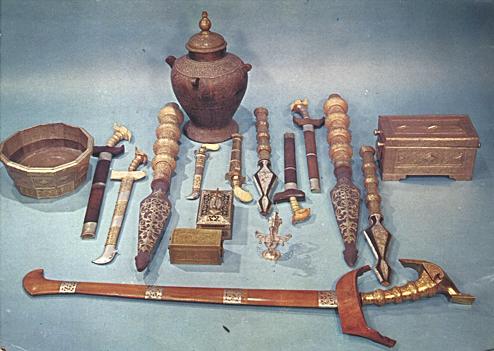
  • Unveiling the Secrets of Philippine Metalworking Craftsmanship

    Unveiling the Secrets of Philippine Metalworking Craftsmanship

    Uncover the hidden marvels of Philippine metalworking craftsmanship, where artisans of old fused gold, copper, and artistry. The dance of fire, hammers, and anvils birthed intricate jewelry, weapons, and tools, shaped by centuries of culture and tradition. Filipino metalworking, a rich tapestry woven with indigenous influences, Spanish colonial flair, and global inspiration, continues to thrive through the ages. From the rhythmic symphony of hammer against metal to the intricate fusion of tradition and innovation, each piece tells a tale of heritage and skill. Explore this world where craftsmanship meets creativity and tradition transcends time.

    The History of Metalworking in the Philippines

    Explore the rich tapestry of metalworking history in the Philippines, a legacy woven with innovation and craftsmanship passed down through generations. The story begins centuries ago when Filipino artisans honed their skills in working with gold, copper, and other metals.

    These craftsmen created intricate jewelry, weapons, and tools that showcased their expertise and creativity. Over time, metalworking techniques evolved, influenced by various cultures that interacted with the archipelago. From the Spanish colonial period to the American occupation, each era left a mark on Filipino metalworking craftsmanship.

    Today, this tradition continues to thrive, blending traditional methods with modern technologies, keeping alive the spirit of creativity and excellence that defines Philippine metalworking.

    Traditional Techniques and Tools Used

    Immerse yourself in the intricate world of Philippine metalworking craftsmanship by delving into the traditional techniques and tools used by master artisans. The artisans employ age-old methods passed down through generations, blending precision with artistry.

    One of the primary techniques involves the skillful manipulation of fire to heat and shape metal, a process that demands patience and expertise. Tools such as hand-forged hammers, anvils, and tongs are wielded with finesse, each serving a specific purpose in the creation of intricate metalwork.

    The rhythmic sound of hammer meeting metal resonates in the workshop, a symphony of craftsmanship in motion. These traditional techniques and tools not only shape the metal but also embody a deep-rooted cultural heritage, preserving the essence of Philippine metalworking for generations to come.

    Influences From Indigenous Cultures

    Embark on a journey through the rich tapestry of Philippine metalworking craftsmanship as you uncover the profound influences drawn from indigenous cultures, infusing each piece with a story as vibrant and diverse as the artisans themselves.

    Indigenous tribes like the Igorots and Lumads have passed down intricate metalworking techniques through generations, shaping the design aesthetics seen in contemporary Filipino metalwork. The use of symbols inspired by nature, ancestral beliefs, and tribal traditions adds a unique cultural depth to each creation.

    From the intricate patterns reminiscent of tribal tattoos to the incorporation of sacred motifs, the influence of indigenous cultures is palpable in every hammered metal piece. These rich cultural influences not only showcase the artistry of Filipino metalworkers but also preserve the heritage and traditions of the indigenous peoples.

    Spanish Colonial Era Metalwork

    Delve into the intricate world of Spanish Colonial Era metalwork, where craftsmanship intertwines with history to create exquisite pieces that reflect a fusion of cultures and artistry.

    During this period, Spanish influence brought new techniques and designs that blended with the local craftsmanship of the Philippines. Skilled artisans crafted ornate religious objects such as candlesticks, crucifixes, and monstrances, showcasing intricate filigree work and elaborate detailing.

    The use of precious metals like gold and silver added a touch of luxury to these pieces, reflecting the opulence of the Spanish colonial period. Spanish Colonial Era metalwork not only served a functional purpose but also stood as a symbol of the blending of artistic traditions, creating unique and captivating pieces that continue to mesmerize art enthusiasts today.

    Evolution of Metalworking Designs

    Witness the captivating journey of metalworking designs as they evolve through time, showcasing a blend of innovation and tradition that continues to inspire awe and admiration in the world of craftsmanship.

    From the intricate filigree work of the Spanish colonial era to the modern fusion of indigenous motifs with contemporary styles, Philippine metalworking has undergone a remarkable transformation. Designs have evolved to incorporate a wide array of influences, including Chinese, Islamic, and Western aesthetics, yielding a unique and diverse range of metalwork pieces.

    The evolution of metalworking designs in the Philippines reflects the rich cultural tapestry of the nation, with each piece telling a story of craftsmanship, heritage, and creativity. As you delve into the history of Philippine metalworking, you'll witness the seamless integration of tradition and innovation, creating masterpieces that stand the test of time.

    Master Metalworkers of the Philippines

    The exceptional craftsmanship of the Master Metalworkers in the Philippines shines brightly, showcasing intricate techniques and unparalleled skill in the art of metalworking. These master artisans possess a deep-rooted understanding of traditional methods passed down through generations, combined with a keen eye for innovation.

    Their ability to transform raw materials into exquisite pieces of functional art is truly awe-inspiring. Each hammer strike, each delicate curve, and each precise weld is a testament to their dedication and expertise. With unwavering passion and meticulous attention to detail, these master metalworkers breathe life into their creations, infusing them with a unique blend of heritage and contemporary flair.

    Their work not only reflects the rich cultural heritage of the Philippines but also sets a standard of excellence in the world of metalworking.

    Modern Innovations in Metalworking

    In the realm of metalworking, innovation has become the heartbeat of creativity, pushing boundaries and reshaping the very essence of craftsmanship. Modern metalworking techniques blend traditional skills with cutting-edge technology, resulting in extraordinary pieces that captivate the eye.

    From advanced laser cutting and 3D printing to computer-aided design software, artisans now have a vast array of tools at their disposal to bring intricate designs to life. The fusion of age-old methods with contemporary processes has led to the creation of sleek, durable, and visually stunning metalwork that pushes the boundaries of what was once thought possible.

    Embracing these innovations allows metalworkers to continuously evolve, ensuring that the artistry of metalworking remains vibrant and relevant in today's ever-changing world.

    How Does the Metalworking Craftsmanship in the Philippines Compare to the Woodworking Craftsmanship?

    The metalworking craftsmanship in the Philippines is highly respected, but it pales in comparison to the masterful woodworkers of the Philippines. While both showcase exceptional skill and attention to detail, the woodworking craftsmanship in the country is renowned for its intricate designs and unparalleled artistry.

    Sustainability Practices in Metalwork

    Amid the intricate dance of metal and flame, sustainability intertwines with craftsmanship, shaping a future where innovation meets environmental stewardship in the realm of metalwork.

    In the Philippines, artisans are embracing sustainable practices to preserve both their craft and the planet. By using recycled metals and implementing energy-efficient techniques, they minimize waste and reduce their environmental impact. These craftsmen prioritize sourcing materials locally, supporting communities, and reducing carbon footprints.

    Additionally, they employ traditional methods alongside modern technologies to create pieces that aren't only beautiful but also sustainable. Through their dedication to sustainability, these metalworkers aren't just creating art; they're paving the way for a more environmentally conscious future in the world of metalwork.

    Preserving Filipino Metalworking Heritage

    Preserving the rich tapestry of Filipino metalworking heritage requires a delicate balance of tradition and innovation. Weaving together centuries of craftsmanship with modern techniques is essential to ensure its legacy endures.

    It's crucial to pass down the intricate techniques and cultural significance embedded in Filipino metalworking to future generations. By documenting traditional methods, encouraging apprenticeships, and promoting workshops, the essence of Filipino metalworking can be safeguarded.

    Embracing sustainability practices and eco-friendly materials is also key to preserving this heritage for the long haul. Through a deep appreciation for the artistry and skill of Filipino metalworkers, we can ensure that this vibrant heritage continues to shine brightly in the global craftsmanship landscape.

    Conclusion

    As you uncover the secrets of Philippine metalworking craftsmanship, you're transported through a rich history of traditional techniques, cultural influences, and modern innovations.

    The master metalworkers of the Philippines have preserved their heritage with skill and passion, creating intricate designs that showcase their talent and dedication.

    From sustainability practices to Spanish colonial era influences, the evolution of metalworking in the Philippines is a testament to the country's enduring artistry and creativity.

  • Pottery Perfection: a Glimpse Into the World of Philippine Ceramics

    Pottery Perfection: a Glimpse Into the World of Philippine Ceramics

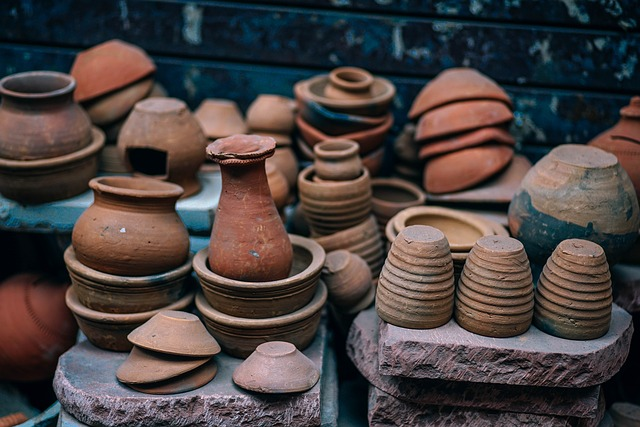
    Explore the world of Philippine ceramics, where each piece tells a story of resilience and creativity. From pre-colonial roots to modern innovations, pottery reflects a fusion of cultural influences. Traditional techniques shape clay into intricate designs, carrying the echoes of heritage and tradition. Influenced by Chinese, Spanish, and American styles, Filipino ceramics showcase a vibrant tapestry of artistic evolution. Symbolizing nature, folklore, and spirituality, pottery bridges generations, fostering cultural pride. Contemporary ceramic art pushes boundaries, blending tradition with modern aesthetics. Dive into the intricate artistry and cultural significance of Philippine ceramics, a captivating journey of artistic expression.

    History of Philippine Ceramics

    During the pre-colonial period in the Philippines, the art of pottery-making played a significant role in the daily lives and cultural practices of the indigenous communities. Pottery served various functions beyond mere utilitarian purposes; it was intricately linked to spiritual beliefs, social structures, and economic activities.

    The craftsmanship of pottery reflected the creativity and skill of the artisans, with each piece telling a story of the community it belonged to. These pottery items weren't only practical vessels but also served as symbolic objects in rituals and ceremonies.

    The intricate designs and patterns found on these ceramics often held deep cultural meanings, showcasing the rich heritage and artistic expressions of the indigenous peoples in the Philippines.

    Traditional Pottery Techniques

    Utilizing a combination of locally-sourced materials and time-honored techniques, traditional pottery-making in the Philippines embodies a meticulous craft passed down through generations. Clay, the primary material, is often sourced from specific regions known for their quality. Artisans first gather the clay and then proceed to prepare it by removing impurities and kneading it to achieve the desired consistency.

    Hand-building techniques, such as coiling or slab construction, are commonly employed to shape the pottery. After the initial shaping, the pieces are left to dry slowly to prevent cracking. Firing, a crucial step, involves placing the pottery in a kiln at high temperatures to harden the clay permanently. The final touch often includes intricate designs or glazes that reflect the rich cultural heritage of the Philippines.

    Influences on Filipino Ceramics

    The evolution of Filipino ceramics has been profoundly shaped by a myriad of cross-cultural exchanges and artistic influences over centuries. From the pre-colonial period influenced by Chinese and Southeast Asian styles to the Spanish colonization introducing new forms and techniques, Filipino ceramics have undergone a rich tapestry of influences.

    Chinese blue and white porcelain inspired the creation of traditional Filipino pottery like the 'Santo Niño' jars, blending indigenous designs with foreign aesthetics. During the American period, modern machinery and Western design trends further impacted the local ceramic industry.

    Today, Filipino ceramics reflect a harmonious fusion of indigenous craftsmanship, Spanish colonial artistry, and global contemporary influences, showcasing the diverse and dynamic nature of pottery in the Philippines.

    Cultural Significance in Pottery

    Pottery in Filipino culture serves as a profound symbol of heritage and tradition, embodying intricate narratives of identity and societal values through its craftsmanship and design.

    Each piece of pottery reflects the rich history and diverse cultural influences that have shaped the Philippines. Traditional pottery techniques passed down through generations carry with them stories of resilience, creativity, and connection to the land.

    The intricate patterns and symbols used in Filipino pottery often depict themes of nature, folklore, and spirituality, providing a glimpse into the beliefs and customs of the Filipino people. By preserving these artistic traditions, Filipino pottery not only celebrates the past but also serves as a bridge between generations, fostering a sense of continuity and cultural pride.

    How are Pottery and Terraces Connected in Philippine Culture and History?

    Pottery and terraces are both integral parts of Philippine culture and history. The ifugao rice terraces engineering marvel has been a symbol of the sustainable agricultural practices of the Ifugao people, while pottery has played a crucial role in their daily lives, serving as household items and cultural artifacts.

    Evolution of Contemporary Ceramic Art

    With the advent of innovative techniques and contemporary influences, the world of ceramic art has undergone a remarkable transformation, pushing boundaries and redefining traditional perceptions of the craft.

    Contemporary ceramic artists are experimenting with new materials, forms, and firing methods, creating pieces that challenge conventional norms. The evolution of ceramic art has seen a fusion of traditional craftsmanship with modern aesthetics, resulting in a diverse range of artistic expressions.

    Artists are exploring themes such as sustainability, identity, and globalization, using ceramics as a medium to convey powerful messages. Techniques like slip casting, digital printing on clay, and mixed-media approaches are gaining popularity, allowing artists to break free from traditional constraints and explore the limitless possibilities of ceramic art in the contemporary world.

    Celebrating Filipino Ceramic Artists

    Celebrating the exceptional talent and creativity of Filipino ceramic artists unveils a rich tapestry of cultural influences and artistic innovation within the realm of contemporary ceramics.

    Filipino ceramic artists like Jon Pettyjohn, Hadrian Mendoza, and Lanelle Abueva-Fernando have gained international recognition for their unique styles and techniques. Pettyjohn's intricate pottery designs are inspired by nature, while Mendoza's work often reflects social commentary and historical narratives. Abueva-Fernando's pieces showcase a fusion of traditional Filipino motifs with modern aesthetics.

    These artists not only master the technical aspects of ceramic art but also infuse their creations with a deep sense of Filipino identity and heritage. By celebrating these Filipino ceramic artists, we acknowledge their significant contributions to the global art scene and honor their dedication to preserving and evolving ceramic traditions.

    Conclusion

    As you explore the world of Philippine ceramics, you gain a deeper appreciation for the rich history, traditional techniques, and cultural influences that have shaped this art form.

    The evolution of contemporary ceramic art in the Philippines showcases the creativity and talent of Filipino artists, highlighting the importance of preserving and celebrating this unique aspect of Filipino culture.

    Embrace the beauty and significance of Philippine ceramics as a reflection of the country's vibrant artistic heritage.

  • The Art of Kut-kut: Philippine Indigenous Printmaking Techniques

    The Art of Kut-kut: Philippine Indigenous Printmaking Techniques

    Discover the artistry of Kut-kut, an ancient Philippine printmaking technique born from indigenous tribal traditions. This intricate process involves incised woodblocks and the precise use of the kudlit tool for carving detailed designs on banana leaves. Artists skillfully apply natural inks made from soot and water, using brushes of animal hair or plant fibers. With a keen eye for adaptability, Kut-kut masters print on various surfaces like paper, fabric, and banana leaves, showcasing their expertise in color theory and techniques. Uncover the profound cultural significance and centuries of heritage embedded in each Kut-kut masterpiece.

    Origins of Kut-kut Technique

    The origins of the Kut-kut technique can be traced back to the ancient traditions of Philippine indigenous tribes, showcasing a rich history of printmaking innovation. Kut-kut, a method involving incised woodblocks, represents a crucial development in the history of Philippine art.

    These intricate woodblocks were meticulously carved by skilled artisans, reflecting not only artistic prowess but also cultural significance. The process of creating Kut-kut prints was labor-intensive, requiring precision and expertise to ensure the final product's quality.

    This technique played a vital role in preserving narratives, myths, and traditions within the indigenous communities, serving as a visual record of their heritage. The intricate designs and motifs found in Kut-kut prints offer a glimpse into the artistic sophistication of these ancient tribes, highlighting their attention to detail and craftsmanship.

    Tools and Materials Used

    Originating from the ancient traditions of Philippine indigenous tribes, the tools and materials used in Kut-kut printmaking techniques reflect a blend of cultural heritage and artistic ingenuity.

    The primary tool employed in Kut-kut printmaking is the kudlit, a pointed metal stylus used for intricate designs on the surface of a banana leaf. Artists also utilize natural materials such as soot mixed with water to create the ink for printing.

    Additionally, a flat piece of metal or bone is utilized to press the paper against the inked leaf, transferring the design onto the paper. The simplicity and efficacy of these tools highlight the resourcefulness and skill of the artists practicing Kut-kut printmaking.

    Carving Intricate Designs

    Utilizing intricate carving techniques in Philippine Indigenous Printmaking, artists skillfully etch detailed designs onto banana leaves using the traditional kudlit tool.

    The process involves a high level of precision and expertise, as the artists carefully carve out intricate patterns and shapes onto the surface of the banana leaves. Each line and curve is meticulously crafted, showcasing the artist's skill and attention to detail.

    The intricate designs created through this carving process are crucial as they form the foundation of the final artwork. The artists' ability to manipulate the kudlit tool with finesse results in stunning and elaborate motifs that are characteristic of Kut-kut printmaking.

    This meticulous carving process is essential in producing the unique and visually captivating prints that define Philippine Indigenous Printmaking.

    Ink and Painting Process

    Moving from the intricate carving process onto the next stage, the ink and painting process in Philippine Indigenous Printmaking involves a meticulous application of colors to bring the carved designs to life on the surface of the banana leaves.

    Artists use natural pigments derived from plants, minerals, and charcoal mixed with water to create vibrant hues. The process demands precision and expertise to ensure that the colors are applied evenly and with the right intensity. Brushes made from soft animal hair or plant fibers are used to delicately paint inside the carved lines, enhancing the intricate details of the design.

    This step requires a steady hand and a deep understanding of color theory to achieve the desired visual impact on the final print.

    Printing on Various Surfaces

    Printing on various surfaces requires a keen understanding of the material properties and adaptability of indigenous printmaking techniques to ensure successful reproduction of intricate designs. Kut-kut artists in the Philippines are adept at printing on a variety of surfaces, including paper, cloth, and even specially treated materials such as banana leaves.

    Each surface demands a different approach due to variations in texture, absorbency, and durability. For instance, when printing on fabric, artists must consider the fabric's weave and thickness to ensure the ink adheres properly without bleeding. Similarly, printing on paper requires attention to the paper's weight and texture to achieve crisp lines and vibrant colors.

    Mastery of these nuances allows artists to bring out the best in Kut-kut's intricate designs across diverse surfaces.

    What Indigenous Techniques are Used in Philippine Textile Art?

    The fascinating world of Philippine textiles is rich with indigenous techniques such as ikat weaving, backstrap loom weaving, and natural dyeing. These traditional methods have been passed down through generations and continue to be used by skilled artisans to create beautiful and intricate textile art pieces.

    Symbolism and Cultural Significance

    Understanding the symbolism and cultural significance embedded in Philippine indigenous printmaking techniques unveils a rich narrative tapestry that intertwines history, beliefs, and artistic expression.

    Kut-kut prints often feature intricate patterns and motifs that hold deep meanings within Filipino culture. These symbols can represent elements of nature, ancestral spirits, or significant events in the community's history. For example, the use of specific colors like red might symbolize bravery or courage, while patterns resembling waves could signify the importance of water and abundance.

    Through these symbolic representations, kut-kut prints serve as visual storytellers, preserving traditions and passing down cultural knowledge from generation to generation. The intricate designs not only showcase the artistic prowess of the creators but also serve as a reflection of the interconnectedness between art and culture in the Philippines.

    Preservation and Future of Kut-kut

    Preserving the intricate art of kut-kut printmaking in the Philippines requires a dedicated effort to safeguard traditional techniques and foster future generations of artists.

    The delicate process of creating kut-kut prints, with its intricate designs and historical significance, faces challenges in modern times. To ensure its preservation, it's crucial to document and transmit the techniques from master artists to young apprentices.

    Additionally, establishing educational programs and workshops focused on kut-kut can help raise awareness and interest in this unique art form. Collaborations between institutions, artists, and the government can also play a vital role in securing funding and support for the continued practice and promotion of kut-kut printmaking, ensuring its legacy for generations to come.

    Conclusion

    In conclusion, the art of Kut-kut is a unique and intricate printmaking technique that holds great cultural significance in the Philippines.

    The process of carving intricate designs, using specific tools and materials, and printing on various surfaces showcases the artistry and skill of the indigenous craftsmen.

    As efforts are made to preserve and promote this traditional art form, the future of Kut-kut looks promising, ensuring that this ancient technique continues to be appreciated and celebrated for generations to come.

  • Exploring the Symbolism in Traditional Filipino Tattoo Art

    Exploring the Symbolism in Traditional Filipino Tattoo Art

    Immerse yourself in the world of traditional Filipino tattoo art, where symbols convey deep stories of identity, heritage, and spiritual ties. Each design mirrors cultural beliefs and a rich historical tapestry, passed down through generations. Tribal markings hold profound meanings, from bravery to personal journeys, connecting wearers to their roots. Today, Filipino tattoo art blends old practices with modern influences, preserving a legacy of status, courage, and cultural identity. Tattoos in Filipino society serve as visual markers of history, connecting individuals to their roots and traditions. Discover more layers of symbolism in these intricate designs.

    Origins of Filipino Tattoo Art

    Delve into the rich history of Filipino tattoo artistry, tracing its origins back to ancient indigenous practices that held deep cultural significance.

    In the Philippines, tattoos weren't only seen as mere body decorations but were also imbued with meanings that reflected the wearer's identity, status, and beliefs. The traditional art of tattooing in Filipino culture was a sacred ritual passed down through generations, symbolizing rites of passage, bravery in battle, and connections to ancestral spirits.

    These intricate designs weren't only aesthetically pleasing but also served as a visual language, telling stories of courage, resilience, and cultural heritage. The roots of Filipino tattoo art run deep, intertwining with the country's rich tapestry of traditions and beliefs.

    Cultural Significance in Tattoo Designs

    In exploring the origins of Filipino tattoo art, one can't overlook the profound cultural significance embedded within the intricate designs of these tattoos. Filipino tattoo designs often reflect the rich heritage and beliefs of the indigenous communities.

    These tattoos serve as markers of identity, representing a person's tribe, social status, and life experiences. The symbols used in Filipino tattoo art are deeply rooted in tradition and history, each carrying layers of meaning that connect the individual to their cultural roots. From patterns inspired by nature to symbols that embody courage and protection, every element in Filipino tattoo designs tells a story.

    Therefore, getting a traditional Filipino tattoo isn't just about art but also about honoring one's culture and heritage.

    Symbolism of Traditional Tribal Markings

    Let's unravel the deep cultural meanings and symbolism behind traditional tribal markings in Filipino tattoo art. These tribal markings, passed down through generations, hold significant meaning in Filipino culture.

    Each symbol represents a unique aspect of the wearer's identity, such as bravery, honor, or strength. The intricate patterns and designs of these tribal markings often tell a story of the wearer's heritage, lineage, or personal journey.

    Symbols like the sarimanok, representing the mythical bird of the Maranao people, or the buaya, symbolizing protection and guidance, are commonly found in traditional tribal markings. These tattoos serve as a visual language, speaking volumes about the wearer's connection to their cultural roots and the values they hold dear.

    Evolution of Tattoo Art in the Philippines

    The evolution of tattoo art in the Philippines reflects a dynamic fusion of traditional techniques with contemporary influences, showcasing a rich tapestry of cultural heritage and artistic innovation. Historically, tattoos in the Philippines were primarily associated with tribal rituals, symbolizing status, bravery, and cultural identity.

    However, in recent years, there's been a resurgence of interest in traditional Filipino tattooing methods among a new generation of artists and enthusiasts. This revival has led to a renaissance in the art form, blending age-old techniques with modern styles and themes.

    Today, Filipino tattoo artists are incorporating elements from various indigenous tribes, as well as drawing inspiration from global tattoo trends, creating a diverse and vibrant landscape of tattoo art in the Philippines.

    Role of Tattoos in Filipino Society

    Tattoos in Filipino society serve as intricate visual narratives that weave together cultural histories, personal identities, and societal connections. In the Philippines, tattoos have played a significant role in various aspects of life. They aren't merely decorations but symbols of one's heritage, beliefs, and affiliations.

    Tattoos are used to showcase tribal affiliations, social status, and even accomplishments. They serve as a way to connect individuals to their roots, carrying on traditions and stories through generations. Moreover, tattoos in Filipino society can also be markers of rites of passage, signifying important milestones in one's life.

    These intricate designs aren't just skin deep; they're reflections of a rich cultural tapestry that binds communities together.

    What is the significance of traditional Filipino tattoo art in Kalinga tattoo artistry?

    Traditional Filipino tattoo art holds great significance in the culture and heritage of the Kalinga people. The Kalinga tattoo artistry vanishing art is a powerful form of self-expression and a way to honor their ancestors. These intricate designs represent stories of bravery, identity, and tribal connections, keeping their heritage alive.

    Spiritual Meanings Behind Tattoo Symbols

    In traditional Filipino tattoo art, the intricate symbols hold deep spiritual meanings that connect individuals to their beliefs and ancestral traditions. Each symbol carries a unique significance, reflecting the wearer's personal journey, cultural heritage, and spiritual connections.

    For example, the 'Babaylan' symbol represents the ancient priestesses who were revered for their spiritual wisdom and healing powers. The 'Sarimanok' motif symbolizes courage, protection, and guidance, often worn by warriors for strength and resilience.

    These spiritual meanings behind tattoo symbols serve as a powerful reminder of the values, traditions, and spirituality that have been passed down through generations in Filipino culture. Embracing these symbols through tattoos is a way to honor and preserve the rich spiritual heritage of the Filipino people.

    Preservation of Filipino Tattoo Heritage

    Exploring the rich tapestry of Filipino tattoo art reveals a profound connection to cultural identity and the enduring spirit of ancestral traditions. The preservation of Filipino tattoo heritage is crucial in maintaining the authenticity and significance of these ancient art forms. By safeguarding traditional tattoo practices, we ensure that future generations can continue to learn about their cultural roots and appreciate the artistry embedded in each design.

    Initiatives such as documenting indigenous tattoo techniques, supporting skilled tattoo artists, and educating the public on the historical importance of Filipino tattoos are essential in preserving this unique heritage. Through these efforts, we honor the legacy of our ancestors and celebrate the beauty and symbolism encapsulated in Filipino tattoo art.

    Conclusion

    As you delve into the world of traditional Filipino tattoo art, you uncover a rich tapestry of symbolism and cultural significance. Each design tells a story, reflecting the history, beliefs, and values of the Filipino people.

    From ancient tribal markings to modern interpretations, these tattoos serve as a powerful reminder of heritage and identity. By exploring the spiritual meanings behind each symbol, we can continue to preserve and honor the unique artistry of Filipino tattoo heritage.

  • The Intricate Beauty of Philippine Weaving Traditions

    The Intricate Beauty of Philippine Weaving Traditions

    Unravel the intricate beauty of Philippine weaving traditions, where skillful artisans have woven a tapestry of cultural richness for centuries. Indigenous communities' mastery in backstrap, pedal, and handloom techniques has birthed unique designs across regions, each thread telling a story of heritage and creativity. Patterns and colors speak volumes, with symbolic shapes and vibrant hues reflecting unity, joy, and connection to the land. This art form intertwines deeply with Filipino life, from clothing to religious ceremonies, passing down ancestral wisdom. Sustainability practices embrace eco-friendly methods, preserving tradition and the environment. Discover the depth of Philippine weaving's influence and significance.

    History of Philippine Weaving

    Explore the intricate tapestry of Philippine weaving history, tracing back centuries to the indigenous communities that first mastered the art.

    The rich tradition of weaving in the Philippines is a testament to the skill and creativity of its people. Passed down through generations, weaving techniques have evolved, reflecting the diverse cultures and influences that have shaped the country.

    The use of natural materials like abaca, pineapple, and cotton showcases the deep connection to the land and its resources. Patterns and designs vary from region to region, each telling a unique story of heritage and craftsmanship.

    From the vibrant textiles of the Cordillera region to the intricate pis syabit of the T'boli tribe, Philippine weaving is a true embodiment of artistry and cultural identity.

    Traditional Weaving Techniques

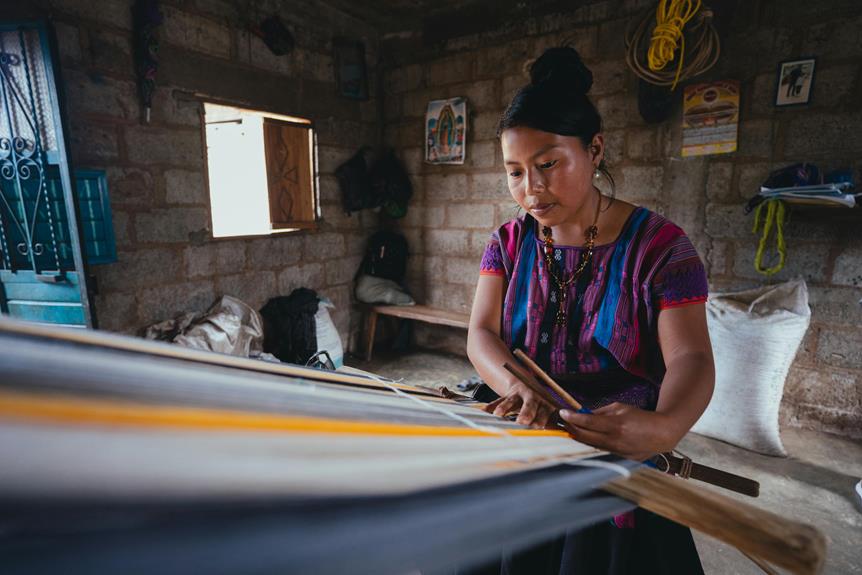
    Tracing back through the history of Philippine weaving, one can witness the intricate and varied traditional weaving techniques that have been honed and passed down through generations. The Filipino weavers employ techniques such as backstrap loom weaving, pedal loom weaving, and handloom weaving, each requiring skillful coordination and a deep understanding of the craft.

    Backstrap loom weaving involves attaching one end of the loom to a fixed object and the other end to the weaver's body, allowing for intricate patterns and designs. Pedal loom weaving utilizes foot pedals to control the raising and lowering of threads, enabling the creation of larger and more complex textiles.

    Handloom weaving, on the other hand, is a labor-intensive process where the weaver manually interlaces threads to produce intricate fabrics.

    Significance of Patterns and Colors

    Delve into the cultural significance embedded in the intricate patterns and vibrant colors woven into Philippine textiles, revealing a tapestry of stories and traditions passed down through generations. Each pattern and color holds a deep meaning, reflecting the rich history and diverse cultural heritage of the Philippines.

    The geometric shapes symbolize unity and strength, while floral motifs represent beauty and growth. Bold, earthy tones signify connection to the land, while vibrant hues express joy and celebration. These patterns and colors aren't merely decorative but serve as a visual language, communicating values, beliefs, and societal roles within Filipino communities.

    Role of Weaving in Filipino Culture

    Weaving in Filipino culture intertwines with everyday life, weaving together stories, customs, and identities through the intricate threads of tradition. In the Philippines, weaving isn't merely a craft but a deeply embedded cultural practice that connects generations.

    It plays a significant role in various aspects of Filipino society, from clothing and textiles to religious ceremonies and social gatherings. Weaving patterns and techniques are passed down from ancestors, carrying with them the history and heritage of Filipino communities.

    The art of weaving is a form of expression, reflecting the creativity and skill of the artisans who meticulously craft each piece. Through weaving, Filipinos celebrate their cultural diversity and uphold traditions that have withstood the test of time.

    Sustainability Practices in Weaving

    Embracing sustainable practices in the art of weaving is crucial for preserving the rich heritage and environmental integrity of Filipino craftsmanship. Many weaving communities in the Philippines are now incorporating eco-friendly techniques into their traditional processes.

    By using natural dyes sourced from plants, fruits, and insects, weavers are reducing their reliance on synthetic chemicals, thus minimizing their environmental impact. Additionally, some communities are implementing recycling programs to repurpose old fabrics and minimize waste.

    These sustainable practices not only benefit the environment but also ensure that the art of weaving continues to thrive for future generations. Supporting these initiatives not only helps to preserve cultural traditions but also promotes a more sustainable and ethical approach to craftsmanship.

    Evolution of Weaving Tools

    As weaving techniques have evolved over time, the tools used in the process have also undergone significant transformations, reflecting the ingenuity and adaptability of Filipino artisans.

    Traditional weaving tools such as the backstrap loom, bamboo beaters, and spindle sticks have been modernized to increase efficiency and productivity. Backstrap looms, once manually operated, now integrate foot pedals for smoother weaving. Bamboo beaters have been replaced by metal reed hooks for more precise fabric compression. Spindle sticks have been upgraded to spinning wheels for faster thread production.

    These advancements not only streamline the weaving process but also preserve the authenticity of Philippine weaving traditions by blending heritage with innovation. The evolution of weaving tools showcases the resilience and creativity of Filipino weavers in adapting to modern demands while honoring their cultural heritage.

    Influence of Weaving on Fashion

    Fashion designers across the globe draw inspiration from the intricate patterns and vibrant colors of Philippine weaving, incorporating these traditional elements into contemporary clothing collections. The rich history and cultural significance of Philippine weaving techniques have captivated the fashion industry, leading to a surge in popularity for garments that feature these unique fabrics.

    From high-end runway shows to casual streetwear, pieces influenced by Philippine weaving can be seen in various fashion markets worldwide. Designers often highlight the craftsmanship of Filipino weavers by seamlessly blending traditional motifs with modern silhouettes, creating a harmonious fusion of past and present. This fusion not only adds a touch of cultural flair to outfits but also serves as a testament to the enduring beauty of Philippine weaving traditions.

    How Does Philippine Weaving Traditions Reflect the Cultural Heritage of the Philippines?

    Philippine weaving traditions are deeply rooted in the cultural heritage of the country. The art of weaving is passed down through generations, preserving the rich history and traditions of the Filipino people. The intricate patterns and designs of traditional textiles reflect the intricate and meaningful aspects of the Filipino courtship serenades tradition.

    Preservation Efforts for Weaving Traditions

    Efforts to preserve Philippine weaving traditions have gained momentum in recent years as communities recognize the cultural significance and craftsmanship embedded in these age-old practices. Various initiatives focus on training the younger generation in traditional weaving techniques, organizing workshops to educate people about the history and importance of weaving, and establishing weaving centers where weavers can gather to exchange knowledge and skills.

    Additionally, there are programs dedicated to providing financial support to weavers, ensuring that they can sustain their livelihoods while continuing their craft. Through these preservation efforts, not only are the weaving traditions being safeguarded for future generations, but the weavers themselves are empowered to carry on their heritage with pride and dignity.

    Global Impact of Philippine Weaving

    With its intricate designs and rich cultural heritage, Philippine weaving has captivated global audiences, making a profound impact on the world stage. The artistry and craftsmanship displayed in Filipino textiles have gained recognition worldwide, leading to collaborations with international fashion designers and luxury brands.

    Through these partnerships, traditional Filipino weaving techniques have been showcased on prestigious runways in major fashion capitals, bringing attention to the unique artistry of Philippine weavers. Additionally, the global demand for ethically sourced and sustainable fashion has further propelled the popularity of Philippine woven products, highlighting the importance of preserving this cultural heritage.

    As a result, Philippine weaving continues to inspire and influence trends in the global fashion industry, creating opportunities for local artisans to showcase their talent on a worldwide platform.

    Conclusion

    As you delve into the intricate beauty of Philippine weaving traditions, you can't help but be captivated by the rich history, traditional techniques, and vibrant patterns and colors.

    The role of weaving in Filipino culture is undeniable, with sustainability practices and preservation efforts ensuring its continuation for generations to come.

    From the evolution of weaving tools to its influence on fashion, Philippine weaving has a global impact that showcases the artistry and craftsmanship of its weavers.