Author: Amiel Pineda

  • Traditional Filipino Vocal Techniques: A Comprehensive Guide

    Traditional Filipino Vocal Techniques: A Comprehensive Guide

    Traditional Filipino vocal techniques involve a combination of fundamental skills and regionally diverse styles. This blend of skills is crucial for mastering Filipino music. Proper posture and diaphragmatic breathing are essential skills in Filipino vocal techniques. These skills are combined with regionally diverse styles, such as the *Hudhud* chants from the northern mountains and the *Kulintang* music of the southern Philippines.

    Filipino vocal techniques are influenced by various cultures. These influences include indigenous traditions, Spanish, Islamic, and Chinese elements. For example, the *kundiman* genre, which originated during the Spanish period, is characterized by soulful and emotive melodies.

    Mastering specific techniques is crucial for performing certain genres. Techniques like vibrato and trills are essential for performing genres such as *kundiman* and *harana*. Vibrato, which involves slightly varying the pitch, adds emotional depth to the music. Trills, which involve rapidly alternating between two notes, add a decorative touch to the melody.

    Community singing plays a vital role in Filipino culture. It fosters cultural preservation and emotional impact. Community singing brings people together, promoting a sense of unity and shared heritage. It also helps to preserve traditional music and pass it down to future generations.

    Vocal Techniques Fundamentals

    fundamentals of vocal techniques

    Mastering traditional Filipino vocal techniques begins with understanding fundamental principles. Proper posture is essential for supporting breathing and vocal production. To maintain this posture, stand upright and avoid any back collapse. This optimal body alignment optimizes respiratory and vocal functions, crucial for vocal health.

    Effective breathing techniques are vital for sustaining airflow. To expand lung capacity, inhale through your nose or mouth and expand your rib cage during inhalation. Avoid rib cage collapse when releasing air slowly, as this sustains airflow. Diaphragmatic breathing provides stable vocal support, enhancing vocal endurance through deep, sustained breaths.

    Articulation and diction require specific exercises. Start with lip trills to warm up your facial muscles, followed by tongue stretches to improve flexibility. Practice smiling and stretching to relax your face. Vowel sounds ensure proper placement and resonance in your resonance training.

    Vocal warm-ups are crucial for long-term vocal health. Begin with low notes and gradually ascend and descend, integrating kinetic movements to connect physical and vocal expression. Diaphragmatic support is essential for sustaining notes and pitches, avoiding throat strain.

    Combine small air releases with vocal techniques to prepare your vocal mechanism.

    Regional Vocal Traditions

    The Philippines' rich cultural heritage is reflected in its unique vocal traditions.

    The country's diverse geography and history have given rise to numerous distinct vocal traditions. These traditions often reflect the specific cultural heritage of a region.

    In the Cordillera region, rich Indigenous narratives are primarily transmitted orally. This is demonstrated by the *Hudhud* and *Ullalim* epic chants, performed during significant life events such as harvests and funerals. These chants showcase the profound solemnity of funeral chants** and the festive atmosphere of harvest recitations**.

    The chants are often accompanied by *Gangsa* and bamboo instruments, highlighting the intricate interplay of individual rhythmic patterns that create complex melodies. Specific vocal styles, like the *ba-diw* and *alim*, feature techniques such as trills, vibrato, and glottal stops.

    Community singing is a vital part of Cordillera culture, with elders passing down songs and dances through observation. This oral tradition has allowed Indigenous narratives to be preserved across generations, demonstrating the longevity of oral tradition in preserving cultural heritage.

    The tradition also showcases the powerful emotional resonance of community singing**** within the Cordilleran context.

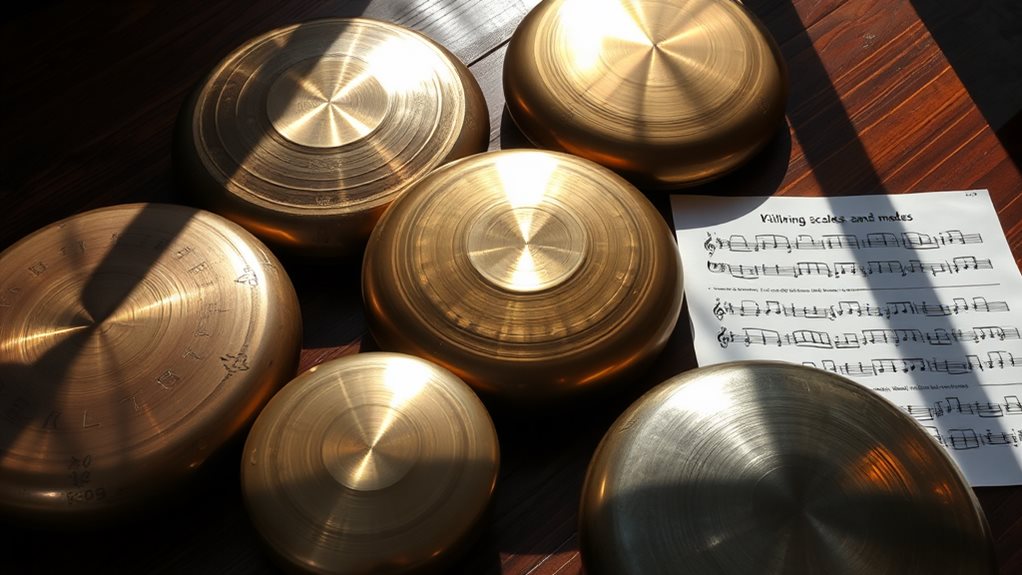
    In contrast, the southern Philippines is home to the vibrant Kulintang traditions. These ancient musical practices are central to Muslim and animist communities****, featuring bossed gongs played in ensembles.

    The Maguindanaon and Maranao have their unique styles, which accompany rituals and dances. The Kulintang's resonant tones create a breathtaking interplay of sound and movement in performances.

    The Philippines' vocal traditions are integral facets of cultural identity and practice, deeply woven into the fabric of daily life. These regional variations demonstrate the breadth and depth of Filipino vocal artistry, showcasing the country's rich cultural heritage.

    Melodic Structures and Styles

    musical composition techniques explained

    Filipino vocal music is characterized by diverse melodic structures and styles. To understand this diversity, it's essential to examine the different genres. For example, the *harana* is typically sung in a 2/4 meter, while the *kundiman* is often in a 3/4 meter. The *kundiman* also features a dynamic melodic structure, often starting in a minor key and shifting to a major key.

    Ornamentation techniques enrich the melodic fabric. Techniques such as trills, vibrato, slides, and glottal stops are used to enhance the melody. These techniques contribute to the wide stylistic spectrum of Filipino vocal music, which ranges from syllabic and speech-like to highly melismatic.

    Different genres have distinct melodic structures. Solo singing is common in children's songs and serenades. The Ibaloy *ba-diw*, on the other hand, features call-and-response patterns between groups. The Visayan *balitaw* creates dramatic musical exchanges through vocal dialogues.

    Shamanic singing, such as the *sanghiyang*, gradually shifts from speech-like patterns to more melodic vocalizations.

    Regional distinctions are evident in Filipino vocal music. The Kalinga *oggayam* is distinct from the Tagalog *huluna*. Different regions also have unique ornamentation techniques and melody variations, adding to the complexity and diversity of Philippine vocal music.

    These stylistic variations aren't only found in the melodies themselves but also in the cultural and ritual contexts in which these songs are performed.

    Ensemble and Group Singing

    Filipino Ensemble Singing Emphasizes Community Spirit****

    Filipino musical traditions feature a rich variety of ensemble and group singing practices that showcase the country's communal nature. This style of singing is deeply ingrained in various cultural contexts, including religious ceremonies and festive gatherings. In these events, achieving group harmony is crucial, requiring coordination and a shared understanding of melodic structures.

    Regional Variations in Ensemble Singing

    Different regions in the Philippines have their unique forms of ensemble singing. In the Cordillera, the Kalinga and Ifugao showcase distinctive styles with unique instrumental accompaniments.

    The Visayas feature the balitaw, a poetic exchange through song, while Southern Philippines showcase kulintang traditions, involving complex rhythmic interplay between gongs and voices. These variations highlight the rich diversity within Filipino musical practices.

    Structured and Spontaneous Approaches in Group Singing

    The roles within group singing are equally fascinating. In some traditions, a structured approach is used, with designated leaders guiding the group to maintain rhythmic accuracy and melodic consistency.

    In others, communal participation is more spontaneous, focusing on collective expression. Group singing plays a significant role in various social functions, including healing ceremonies and courtship rituals, underscoring the importance of communal bonds.

    Emotional Impact of Group Singing

    The emotional impact of group singing is immense. Dozens of voices blending in perfect harmony during a significant cultural event create a profound sense of unity and connection.

    Participating in a healing ceremony where group singing is central can be deeply moving and therapeutic. The use of various instruments further enhances the richness of Filipino group singing, contributing to the overall sonic texture and cultural significance.

    Foreign Cultural Influences

    global cultural exchange dynamics

    Filipino group singing is deeply rooted in community and reflects centuries of interaction with other cultures. This interaction is evident in the cultural exchange between indigenous practices and foreign influences, resulting in musical fusion. For instance, the Spanish colonial era introduced stringed instruments like the guitar and harp, shaping lyrical forms like the harana and kundiman. The habanera rhythm in harana contrasts with the pre-colonial 3/4 time signature in kundiman, showcasing the complex interplay between old and new.

    The Spanish influence extended beyond instruments to musical forms themselves. This blending of indigenous and Western aesthetics created a unique sound. The use of flat *chau* gongs, influenced by Chinese culture, contributed to the development of gong music in various regions. This cultural exchange may have also influenced the evolution of kulintang music.

    Islamic influences are strongly present in the southern Philippines. This is particularly evident in the kulintang music, which demonstrates melodic autonomy and is used in ceremonies like the kapagipat. The distinct bossed gongs of Muslim and animist groups further highlight this cultural diversity.

    Western and Christian influences interwoven with pre-existing traditions created new forms like the awit. This long narrative song is a prime example of musical fusion. The Pasyon chants exemplify the preservation of indigenous vocal styles within a Christian context.

    The rich legacy of musical fusion has shaped Filipino vocal traditions through centuries of cultural exchange and the sophisticated integration of diverse musical elements.

    Cultural Significance of Song

    Filipino Traditional Songs: More Than Just Entertainment

    Traditional songs in the Philippines play a vital role in the country's cultural life. They're an integral part of cultural rituals, preserving history, and shaping community dynamics****. These songs aren't just melodies, but living testaments to Filipino identity.

    In ceremonies like the Maguindanao's *kapagipat*, songs blend with movement, creating a powerful, holistic expression**. The vocal techniques used in these songs reflect each community's unique musical character. For example, the Maguindanao's *kapagipat* involves trills, vibrato, and slides that are specific to their culture. These songs are conduits to the spiritual realm, connecting with ancestors and preserving precolonial beliefs**.

    Traditional songs also reflect the social fabric, illuminating community dynamics. The Kalinga's *gangsa* playing and the Ifugao's *gangha* aren't just musical acts, but expressions of social roles and responsibilities. The music itself signifies status and participation within the community. For instance, in Kalinga gatherings, the *gangsa* resonates, marking social roles and responsibilities.

    The lyrics of these songs often prioritize deeper meaning over technical skill. They contain collective experiences and values, reflecting the community's history and struggles. The *Hudhud*, a traditional song, preserves generational knowledge, struggles, and triumphs. It is a crucial link between past, present, and future.

    Preserving Vocal Heritage

    protecting musical traditions

    Preserving Vocal Heritage Requires Documentation and Community Engagement****.

    To effectively preserve a nation's diverse vocal traditions, a multifaceted approach is necessary. Comprehensive recording methods are crucial. High-quality audio recordings capture the nuances of vocal techniques, including trills, vibrato, and characteristic melodic structures. These recordings should be accompanied by detailed ethnographic notes, contextualizing the performances within their specific ritual or ceremonial contexts.

    For example, in the Philippines, regional vocal styles can be recorded and documented. Detailed notes on improvisation are essential. Documenting how performers create and adapt melodic themes is vital to understanding the complexity of each style. This documentation not only serves as an archive but also as a resource for future generations.

    Community engagement is essential for preservation. Community workshops provide a platform for transmitting knowledge and skills across generations. These interactive spaces allow younger individuals to learn from master performers, practicing complex vocal techniques and learning about the cultural significance of each style.

    Active participation strengthens community bonds and fosters a sense of ownership over the vocal heritage. By combining meticulous documentation with vibrant community engagement, the rich traditions of Filipino vocal artistry can continue to thrive.

    Modern Applications of Styles

    Traditional Filipino Vocal Techniques in Modern Applications****

    Traditional Filipino vocal techniques have found vibrant expression in contemporary contexts, enriching various aspects of modern life. These techniques are now used in Original Pilipino Music (OPM), theatre, and educational programs.

    In OPM, artists blend traditional styles with modern production, resulting in a unique sound. The incorporation of techniques like trills and vibrato enhances emotional depth and authenticity. Traditional instruments like the kulintang often accompany these songs, further enriching the cultural experience.

    In theatre and performance arts, traditional vocal techniques are used to create a powerful and captivating atmosphere. The sanghiyang's stylized speech seamlessly transitions into melodic vocalizations, creating a mystical atmosphere. Adaptations of epics like the Ifugao's Hudhud and Mansaka's Manggob showcase storytelling through music, adding depth and cultural context.

    Educational programs actively preserve and promote traditional Filipino vocal techniques. Workshops teach styles like the Kalinga oggayam and Tagalog huluna, fostering cultural awareness and encouraging vocal innovation. These programs ensure the transmission of traditional techniques to future generations.

    The emotional power of traditional Filipino vocal techniques is evident in three key areas:

    1. Modern OPM songs incorporating traditional vocal techniques evoke heart-wrenching beauty.
    2. Theatrical performances utilizing unique vocal styles create a captivating mystique.
    3. Educational programs focused on traditional vocal techniques preserve cultural heritage.

    These modern applications showcase the versatility and enduring relevance of traditional Filipino vocal techniques.

    Resources for Further Learning

    additional learning materials available

    Delving into Filipino Vocal Traditions Requires Diverse Resources

    Exploring the richness of Filipino vocal traditions requires access to various scholarly resources and experiential learning opportunities. Key readings include books and academic journals on ethnomusicology and Philippine music history.

    Specific regional styles, such as the Kalinga *oggayam* and the Tagalog *huluna*, offer insights into distinct vocal techniques, including the use of trills and vibrato.

    Indigenous oral traditions, like the *Hudhud* and *Manggob* epics, provide valuable information on social and ceremonial contexts shaping vocal performance.

    These works contain historical and cultural significance, allowing for a deeper understanding of vocal traditions.

    Online courses specializing in Philippine music and vocal techniques are also essential. Universities and cultural institutions offer digital learning experiences covering various facets of Filipino musical heritage.

    These courses provide supplementary knowledge on historical influences, from pre-colonial practices to the impact of colonization and Christianization.

    Recordings of traditional performances can enhance learning.

    Listen to interplay between vocalists and instrumentalists, such as the *kulintang* and *kudyapi*, and observe kinetic movements that often accompany vocal delivery.

    Questions and Answers

    What Instruments Accompany Filipino Vocal Music?

    Filipino vocal music is often accompanied by a variety of instruments. Instruments such as flutes, lutes, drums, gongs, and xylophones are commonly featured. These instruments can be found in traditional ensembles, which vary by region.

    How Do Vocal Techniques Differ by Age Group?

    Vocal techniques differ significantly across age groups.

    Youth techniques, typically applied to singers under the age of 18, focus on establishing strong foundational skills. This includes developing proper breathing, posture, and pitch accuracy. Effective youth vocal techniques also prioritize vocal safety, as young voices are more susceptible to injury. For example, vocal coaches often emphasize gentle warm-ups and cool-downs to prevent vocal strain in young singers.

    In contrast, senior styles, often applied to singers over the age of 40, prioritize vocal health and preservation. As singers age, their vocal cords naturally become less flexible, and their breathing capacity may decrease. To compensate, senior vocal techniques focus on efficient breathing, relaxed vocal placement, and careful pitch selection. This approach helps maintain vocal quality and prevent further wear on the vocal cords. Additionally, senior singers often focus on interpreting traditional repertoires, using their life experience and emotional depth to add nuance to their performances.

    Are There Specific Vocal Styles for Healing?

    Healing chants are an integral part of specific healing rituals and hold significant cultural significance.

    These chants are more than just songs; they're deeply rooted in cultural beliefs and practices. For example, Tibetan chanting is used in Buddhist meditation to promote healing, balance, and inner peace. Similarly, Native American chanting is used in traditional healing ceremonies to connect with nature and the spirit world. In these cultures, chanting is believed to have the power to heal physical, emotional, and spiritual ailments.

    How Has Technology Impacted Filipino Vocal Music?

    The digital transformation of Filipino vocal music has significantly impacted its distribution, consumption, and creation. Virtual performances have become common, allowing artists to reach a wider audience. For instance, many Filipino singers have leveraged social media platforms like YouTube, Facebook, and TikTok to share their music and connect with fans worldwide.

    AI-assisted production has also revolutionized the music creation process. With software like Amper Music and AIVA, musicians can now compose and produce music more efficiently. These tools use algorithms to generate beats, melodies, and harmonies, enabling artists to focus on other aspects of music creation.

    In addition, online music education has made learning more accessible. Websites like MasterClass and Skillshare offer online courses and tutorials on vocal techniques, music theory, and songwriting. These resources have democratized music education, allowing aspiring singers to develop their skills without geographical constraints.

    Where Can I Find Filipino Vocal Music Recordings?

    Filipino vocal music recordings can be found in various recording sources. You can explore digital archives such as the International Music Score Library Project (IMSLP) and the National Library of the Philippines' digital collections. Online platforms like Spotify, YouTube Music, and Apple Music also offer a wide range of Filipino vocal music recordings. In the Philippines, libraries like the UP Diliman Main Library and the Cultural Center of the Philippines Library provide access to these recordings. Additionally, cultural centers like the Bahay Nakpil-Bautista and the Museo ng Maynila also have collections of Filipino vocal music recordings.

  • The Influence of American Jazz on Filipino Music: 1920s-1950s

    The Influence of American Jazz on Filipino Music: 1920s-1950s

    The arrival of American jazz in the Philippines in the 1920s was a pivotal moment in the country's music history. American servicemen and musicians like Teddy Weatherford introduced jazz to the Philippines. This exposure led to the fusion of American and Filipino styles, exemplified by Luis Borromeo's work in "bodabil," a unique blend of jazz and traditional Filipino music.

    Several Filipino artists experimented with jazz, incorporating it into their music. Katy de la Cruz and Angel Peña successfully blended jazz with Filipino folk music, creating distinctive sounds. The vibrant jazz scene in Manila, with its numerous hotel ballrooms and cabarets, provided a thriving environment for this cultural fusion to flourish.

    The impact of American jazz on Filipino music was profound and far-reaching. The fusion of jazz and Filipino styles spread throughout Southeast Asia****, leaving a lasting legacy. Today, the effects of this cultural exchange continue to be felt, with a deeper understanding of its significance still emerging.

    Arrival of Jazz in the Philippines

    jazz music s philippine emergence

    Jazz music arrived in the Philippines through American influence in the 1910s and 1920s**. This was made possible by African American musicians and the exposure to American popular music. The arrival of jazz wasn't a single event, but a gradual process of cultural exchange**.

    Passenger liners played a key role in introducing jazz to the Philippines. American ballads, blues, and ragtime were introduced to Filipinos through these liners, laying the groundwork for a more profound interaction with jazz origins.

    Teddy Weatherford, a renowned stride pianist, significantly popularized jazz across Asia, including the Philippines.

    Filipino musicians actively contributed to the spread of jazz. Musicians like Angel Peña and Bert del Rosario blended their own musical traditions with the sounds of jazz. This wasn't a passive reception, as Filipino musicians were instrumental in spreading jazz throughout Asia.

    Jazz performances took place in various venues. International hotels and ballrooms provided sophisticated settings, while bodabil shows and town fiestas offered a more informal atmosphere.

    The rise of dedicated jazz cabarets and nightclubs in Manila and other Asian capitals further solidified jazz's place within the region's entertainment landscape.

    Filipino orchestras also helped spread jazz to other regions. By performing on Pacific Ocean liners, these orchestras were able to introduce jazz to other parts of the world, further solidifying its global presence.

    The King of Jazz: Luis Borromeo

    Luis Borromeo was a pivotal figure in the widespread dissemination of jazz throughout the Philippines. He successfully integrated jazz into the local entertainment circuit by forming a band and performing in various venues.

    Borromeo, a Cebu native, gained acclaim in American and Canadian jazz halls in the early 20th century before returning to the Philippines in 1920. Upon his return, he renamed himself Borromeo Lou and formed a band that would eventually become a repertory company. This company, "Borromeo Lou & Co., Ltd.," included magicians, dancers, acrobats, comedians, singers, and musicians.

    Borromeo's Innovations was a unique blend of American and Filipino entertainment. He introduced "bodabil," a Filipinized vaudeville, captivating audiences with high-energy jazz performances. His shows featured a diverse cast, including Miss Toytoy, Datu Mandi, and the Japanese Twins Hayoki and Maruki San. This blend of cultures and talents showcased the fusion of American and Filipino entertainment.

    Borromeo's impact extended beyond musical performance. He played a crucial role in shaping national consciousness through his performances at high society functions. His jazz collaborations weren't limited to musicians; he featured a diverse cast in his shows, including magicians, dancers, acrobats, comedians, singers, and musicians.

    Aspect Detail Significance
    Early Career American success in the early 20th century Laid the groundwork for his Philippine fame.
    Borromeo's Innovations Filipinized Vaudeville ("Bodabil") Unique blend of American and Filipino entertainment.
    Jazz Collaborations Diverse cast in his shows Showcased a fusion of cultures and talents.
    Impact on Society High society events and social commentary Elevated jazz's status in Philippine society.
    Legacy "King of Jazz" title Solidified his place in Filipino musical history.

    Borromeo's legacy is about cultural fusion, entertainment entrepreneurship, and his significant role in shaping Filipino identity through popular culture. His influence resonates even today.

    Other Key Filipino Jazz Figures

    notable filipino jazz artists

    Beyond Luis Borromeo, other Filipino musicians significantly shaped the nation's jazz landscape and its global reach. Katy de la Cruz, known as the "Queen of Filipino Jazz," was renowned for her powerful renditions of classics like "St. Louis Blues" that captivated audiences. Her legacy continues through "Katy the Musical," a testament to her impact on bodabil and jazz.

    Filipino musicians also made a significant impact abroad. In India, musicians like Nick Ampier, Mervyn Francisco, and Ivan Evangelista contributed to the Indian jazz scene during the 1920s and beyond, making notable collaborations with local artists. Their participation showcases the far-reaching influence of Filipino musicians.

    In the Philippines, pioneering figures like Angel Peña experimented with jazz fusion, blending Filipino folk elements into their improvisations. This innovative spirit continued with later musicians like Eddie Munji and Ryan Cayabyab**. The inclusion of female improvisers like Katy de la Cruz** highlights the diverse contributions within Filipino jazz.

    Other notable Filipino jazz musicians include Bob Aves, known for his ethno-infused style, and the Radioactive Sago Project, known for their spoken-word fusions. These musicians further diversified the unique musical landscape of the Philippines.

    Filipino jazz musicians weren't confined to the Philippines; their influence extended to Thailand, Shanghai, and beyond. Mon David's success in the London International Jazz Competition cemented this global recognition.

    Popular Jazz Performance Spaces

    Filipino jazz musicians significantly impacted the development of vibrant jazz scenes in various Asian urban centers. These musicians performed in hotel ballrooms of international hotels in Shanghai, Manila, and other Asian port cities. The ballrooms, often lavish spaces, attracted middle- and upper-class audiences who enjoyed both the music and associated dances.

    The cabaret culture in Shanghai, in particular, boasted a higher concentration of jazz performance spaces than anywhere else in Asia during the 1920s-1940s. These venues included large dance halls and smaller, intimate clubs that accommodated both local and foreign musicians, fueling the exchange of musical ideas.

    Vaudeville and variety shows also featured Filipino musicians, who blended different styles to create a unique sound. Luis Borromeo's innovative approach, combining vaudeville with classical and Filipino folk music, showcased the versatility of jazz. These acts, prevalent in Manila and Cebu, helped establish a Filipino style of popular art, incorporating music, dance, and theater.

    Port cities like Manila, Tokyo, and Bombay served as crucial hubs for the distribution of jazz across Asia. These locations facilitated the exchange of musical influences, allowing Filipino jazz bands to share their talents with audiences worldwide.

    The presence of Westerners in these ports created consistent demand, solidifying the importance of these spaces in the evolution of Filipino jazz.

    Manila's Jazz Scene

    vibrant manila jazz culture

    Manila's jazz scene flourished during the American colonial period and beyond. Local talent and international influences drove this growth. One notable figure was Ping Joaquin, known as the "King of Jazz Piano," whose band played on Pacific liners, introducing Manila's improvisational style to Asia. Federico Elizalde, a Filipino-Spanish bandleader, led influential big bands that showcased sophisticated jazz collaborations.

    Nemesio Regalado, Pidong Alava, and Narding Aristorenas also contributed significantly to the scene's vibrancy during its golden age. These musicians were part of a network that extended beyond Manila. Initially, local bands covered American and European works, but by the early 1950s, Filipino folk elements were incorporated into jazz music. A notable example of this fusion is Angel Pena's groundbreaking "Igorot Jazz Fantasy."

    The bodabil company, led by Luis Borromeo, played a key role in popularizing jazz and laying the foundation for later innovations. The University of the Philippines' Upsilon Sigma Phi fraternity organized early experimental jazz concerts, demonstrating a commitment to the genre's development.

    Bodabil theaters, department stores, and shopping streets provided performance spaces**. The rise of events like "Jazz I" in 1956 officially marked the emergence of "Pinoy Jazz," solidifying the genre's local identity through original compositions**. International exposure through collaborations and performances on passenger liners also helped shape Manila's distinctive jazz sound.

    Dance and Jazz Culture

    Manila's American Jazz Influence Extended Beyond Music

    The introduction of American jazz in Manila led to the development of a vibrant dance culture. Two popular dance styles that emerged during this period were ragtime and the foxtrot****. These styles were quickly adopted and adapted by locals, resulting in the creation of Filipino foxtrot and tango-foxtrot variations.

    The Role of Filipino Composers in Shaping Dance Culture

    Filipino composers, such as Francisco Santiago and Jose Estella****, played a significant role in shaping the dance culture by creating local adaptations of international dance styles. Their compositions showcased the unique blend of American jazz and Filipino music.

    Additionally, Luis Borromeo's performances blended vaudeville and classical music, further highlighting the cultural fusions of the time.

    The Diffusion of Dance Crazes in Manila

    These dance crazes weren't limited to elite circles. They spread to various locations, including:

    1. International hotels and ballrooms that hosted local and international dance performances.
    2. Jazz cabarets and nightclubs that emerged as hubs for the dissemination of these dances.
    3. Department stores, such as those along Escolta in Manila, which promoted "Filipino Dance Records," indicating the commercial success and widespread popularity of these dance adaptations.

    The Impact of Jazz Dances on Filipino Society

    The popularity of these dance styles reflected the creativity and adaptability of Filipino musicians and dancers. The creation of hybrid genres, such as the Himno One-Step, demonstrated the innovative cultural fusions of the time.

    The rapid uptake of jazz dances by the general public underscored their popularity and integration into Filipino society. The presence of these dances in carnivals and tours across Southeast Asia displayed the expanding reach of this uniquely Filipino interpretation of American jazz culture.

    American Jazz Musicians' Impact

    influence of jazz legends

    The Introduction of American Jazz in the Philippines

    The arrival of American jazz in the Philippines, facilitated by the American occupation, led to a dynamic interaction between American musicians and the local music scene. This interaction resulted in a vibrant cultural exchange where American jazz musicians performed in hotels and nightclubs, increasing the popularity of jazz records. Filipino musicians didn't just imitate American jazz; they actively integrated jazz elements into their existing styles, creating unique blends.

    Evolution of Filipino Music

    The integration of jazz into Filipino music led to a fascinating evolution. Luis Borromeo masterfully fused jazz with vaudeville and classical influences, resulting in hits like "Jazzy Jazzy Sound in Old Chinatown." Similarly, composers like Francisco Santiago and Jose Estella incorporated jazz into their compositions, modernizing the Filipino musical landscape. This blending of styles wasn't limited to studio work; it also manifested itself on stage.

    Key Filipino Musicians and Their Contributions

    Several Filipino musicians played a crucial role in shaping the country's jazz scene. Luis Borromeo was a pioneering figure of Filipino jazz, known for his hits like "Jazzy Jazzy Sound" and "My Beautiful Philippines." Francisco Santiago and Jose Estella also made significant contributions by incorporating jazz elements into traditional Filipino music. Angel Peña further blended local and American styles in the 1950s, creating a unique fusion of Filipino folk and jazz.

    The Rise of Filipino Dance Styles

    The influence of American jazz rhythms also led to the rise of uniquely Filipino dance styles. The "himno one-step" and "Filipino foxtrot" were directly influenced by American jazz rhythms. Filipino jazz musicians toured Southeast Asia, spreading their blended style and showcasing the impact of early jazz collaborations.

    Key Style Integrations and Their Impact

    Filipino Musician Style Integration Impact Key Works/Performances
    Luis Borromeo Jazz, Vaudeville, Classical Pioneering figure of Filipino jazz "Jazzy Jazzy Sound," "My Beautiful Philippines"
    Francisco Santiago Jazz elements into traditional Filipino music Modernization of Filipino musical landscape Various compositions incorporating jazz elements
    Jose Estella Jazz elements into traditional Filipino music Modernization of Filipino musical landscape Various compositions incorporating jazz elements
    Angel Peña Filipino folk with jazz in the 1950s Further blending of local and American styles Works from the 1950s showcasing jazz fusion

    Teddy Weatherford's Influence

    Jazz's popularity in the Philippines was largely influenced by American occupation and American musicians' performances. This impact, however, wasn't limited to direct American presence. The influence of jazz extended beyond the Philippines, and Teddy Weatherford played a significant role in Asian jazz integration.

    Weatherford began his journey in New Orleans and eventually made his way to Asia, shaping the region's musical landscape. His influence can be seen in both his performances and mentorship. Weatherford's unique style, a blend of stride piano reminiscent of Fats Waller, resonated across Asia.

    After leaving the US in 1926, Weatherford became a central figure in Shanghai's jazz scene. He made significant contributions to Asian jazz, including:

    1. Recruiting American musicians, like Buck Clayton and his Harlem Gentlemen, to bring American jazz styles to Asia.
    2. Educating local musicians in Japan and India, laying the groundwork for future Asian jazz artists.
    3. Performing in high-profile venues across Asia, exposing diverse audiences to American jazz.

    Weatherford's impact goes beyond his performances; he played a crucial role as a cultural ambassador and educator.

    Although he didn't directly influence the Filipino jazz scene, his contributions to Asian jazz integration provided a crucial link in the spread and development of the genre. Weatherford's legacy is one of cross-cultural exchange, significantly impacting the trajectory of jazz in Asia.

    Blending Filipino and Jazz Styles

    filipino jazz fusion music

    The Philippines' unique blend of jazz and local musical styles was a result of the country's early adoption of jazz during the American occupation. This blend of Afro-American styles with existing Hispano-Filipino musical traditions led to the creation of new fusion genres.

    Pioneering musicians like Luis Borromeo integrated ragtime and foxtrot into Filipino tango-foxtrots, showcasing the adaptability of local dance styles to jazz's rhythmic patterns. Examples of these early fusion genres include the "himno one-step" and "Filipino foxtrot."

    Filipino folk music also significantly influenced the development of jazz in the Philippines. By combining folk elements with jazz harmonies and improvisational techniques, musicians like Angel Peña and Eddie Munji created a distinct sound.

    Later artists like Ryan Cayabyab continued this tradition, further enriching the musical melting pot.

    The theatrical forms of zarzuela and kundiman also impacted jazz compositions with their distinctive melodies and emotional depth. Local instruments, such as the kulintang and the rondalla, added unique timbres to jazz music, creating a recognizable Pinoy jazz sound.

    This integration of Filipino elements with jazz fundamentals reshaped both jazz and Filipino musical traditions, creating new musical identities.

    The interaction between jazz and Filipino musical traditions wasn't just additive; it was transformative. Rhythmic patterns became a key point of interaction between the two musical traditions, leading to the creation of new fusion genres.

    New Musical Genre Creations

    New Musical Genres Emerged in the Philippines in the 1920s.

    The fusion of musical styles in the Philippines during the 1920s led to the creation of entirely new genres. This fusion was characterized by the blending of jazz with classical influences, resulting in the birth of hybrid genres.

    Dance Styles Were Among the First to Emerge.

    One of the earliest manifestations of this fusion was the emergence of dance styles like the "himno one-step," "Filipino foxtrot," and "Filipino tango-foxtrots." These styles combined jazz with classical influences and were popularized by Luis Borromeo through performances and recordings.

    Borromeo's work captivated Manila's middle and upper classes, showcasing the appeal of these new styles.

    Musical Fusion Extended to Vaudeville and Musical Theater.

    Borromeo's innovative approach also extended to vaudeville and musical theater, combining vaudeville's energy with classical concert elements.

    This integration of jazz into these forms seeded the development of uniquely Filipino musical theater. This fusion wasn't limited to dance; it represented a complete cultural shift.

    Filipino Big Bands Gained International Recognition.

    The rise of Filipino big bands significantly impacted the musical landscape. These ensembles, often led by figures like Federico Elizalde, gained international recognition by performing in Shanghai, London, and other major cities.

    Their success can be attributed to three key factors:

    • A diverse mix of Filipino, American, and international musicians.
    • Performances in high-profile venues like international hotels and jazz cabarets.
    • Successful popularization of jazz amongst both Western and Filipino audiences.

    These Big Bands Reflected the Innovative Spirit of Filipino Musicians.

    The creation of these hybrid genres reflects not simply the adoption of jazz, but its transformative integration into the Filipino musical identity.

    The innovative spirit of Filipino musicians was showcased through the emergence of local jazz scenes and the success of big bands like those led by Elizalde.

    Incorporating Local Musical Elements

    integrating regional music styles

    The integration of Filipino musical elements into jazz was facilitated by several key factors.

    The blending of Filipino folk music with jazz resulted in a vibrant musical fusion. Traditional Filipino instruments, such as the rondalla, were incorporated into jazz performances, adding a unique local flavor. For example, jazz dances like the foxtrot and tango were adapted to include Filipino dance styles, resulting in unique hybrids such as the "himno one-step" and "Filipino tango-foxtrots."

    Tagalog lyrics and themes became prevalent, connecting with audiences on a deeper level and making the music more accessible.

    The Spanish colonial legacy played a significant role in shaping Filipino jazz. Classical music traditions, introduced during this era, influenced the evolving Filipino jazz sound.

    Composers like Francisco Santiago and Jose Estella demonstrated this fusion, expertly weaving classical elements into their jazz compositions. American jazz standards were also adapted and evolved with local twists.

    The fusion of jazz with other theatrical forms and international collaborations enriched the musical landscape. Vaudeville and variety shows, popularized by figures like Luis Borromeo, blended jazz with other forms of entertainment.

    Recording companies like Parlophone disseminated this unique musical fusion, while international collaborations with musicians such as Benny Goodman and Buck Clayton showcased the diverse influences shaping Filipino jazz.

    Zarzuela's Influence on Jazz

    Zarzuela's Impact on Filipino Jazz****

    Zarzuela, a 17th-century Spanish art form, significantly influenced the development of Filipino jazz. Its influence was indirect, creating a musical environment that allowed jazz to flourish. Filipino musical theater, shaped by zarzuela, became a fertile ground for the adaptation of jazz.

    Key Ways Zarzuela Influenced Filipino Jazz

    1. Zarzuela's blend of musical styles paved the way for jazz fusion. Filipino composers naturally incorporated jazz improvisations into existing zarzuela structures. This blending of styles was evident in the works of Filipino musicians, who seamlessly combined jazz with traditional and Western music.
    2. Zarzuela's rhythmic and melodic complexities laid the groundwork for jazz. The familiarity with sophisticated musical arrangements made it easier for Filipino jazz musicians to assimilate jazz's harmonic and rhythmic subtleties. For example, Filipino jazz musicians often incorporated complex time signatures and polyrhythms into their music.
    3. Zarzuela's use of spoken dialogue and musical numbers influenced Filipino jazz vocal styles. The interplay between singing and speaking in zarzuela created a unique stylistic blend that was later adopted in Filipino jazz. This blend can be heard in the vocal styles of Filipino jazz musicians, who often incorporated spoken word and scat singing into their performances.

    Conclusion

    While zarzuela didn't directly influence Filipino jazz, its pre-existing framework and techniques significantly prepared the ground for the flourishing of Filipino jazz fusion. The blending of musical styles, rhythmic complexities, and unique vocal styles in zarzuela created a musical environment that allowed Filipino jazz to thrive.

    Legacy of Filipino Jazz

    celebrating filipino jazz heritage

    Filipino jazz has a rich history that extends beyond its origins during the American occupation**. The genre's evolution is characterized by a unique blend of ragtime, Filipino folk elements, and dance genres like the "himno one-step." This fusion is evident in the works of pioneers like Luis Borromeo**, also known as the "King of Jazz," and his contemporaries, such as Angel Peña and Bert del Rosario.

    One notable example of this fusion is Luis Borromeo's song "Jazzy Jazzy Sound in Old Chinatown". This composition showcases Borromeo's innovative approach to combining different musical styles. This blending of styles wasn't unique to the Philippines.

    Filipino jazz musicians significantly contributed to the spread of jazz throughout Asia. For instance, they collaborated with international artists and dominated the Shanghai scene. Additionally, Federico Elizalde's success in Britain further solidified the global impact of Filipino jazz.

    Collaborations between Filipino musicians and international artists, including African American musicians like Teddy Weatherford, enriched the Filipino sound and resulted in a vibrant cross-cultural musical dialogue****. This dialogue is evident in the diverse musical styles that emerged during this period.

    In the Philippines, Manila's jazz clubs and venues, particularly in Escolta, fostered a thriving local scene. These spaces catered to diverse audiences and facilitated the dissemination of "Filipino Dance Records." This local infrastructure played a vital role in the preservation and propagation of Filipino jazz.

    The genre's resurgence in the late 1990s, marked by the integration of Filipino folk music into jazz by artists like Ryan Cayabyab, demonstrates its enduring appeal and continued evolution****. This evolution is evident in the lasting influence of Filipino jazz on modern pop music across Asia.

    The creative legacy of Filipino jazz musicians can be seen in the diverse musical styles that have emerged in the region.

    Spreading Jazz Across Southeast Asia

    Filipino musicians played a significant role in spreading jazz across Southeast Asia. They weren't just passive participants in the local jazz scene but actively contributed to its growth and dissemination throughout the region.

    Manila, with its international hotels and cabarets, was a crucial launching pad for these musicians. From there, they traveled to other major cities like Shanghai, Hong Kong, and Tokyo****, carrying with them their unique jazz adaptations.

    Filipino musicians forged their own path in jazz by:

    • Blending Western jazz with local musical elements, creating a distinct Southeast Asian sound.
    • Collaborating with musicians from diverse backgrounds, including African Americans, resulting in a rich cross-cultural musical fusion.
    • Adapting their performances to suit local tastes, ensuring a wide appeal and fostering local adoption and adaptation of the genre.

    The impact of these collaborations was significant, shaping the musical landscapes of numerous Southeast Asian cities.

    Although the mass exodus from Shanghai in 1949 disrupted the vibrant jazz scene, the seeds of Filipino jazz had already taken root, leaving a lasting legacy in the region's musical heritage.

    Jazz's Lasting Influence on Music

    enduring legacy of jazz

    Jazz has had a lasting impact on the Philippines' music scene. This influence can be seen in the integration of jazz with local music genres, creating unique fusion styles. One such example is the "himno one-step" and "Filipino tango-foxtrots," which blended jazz elements with Filipino folk music.

    Even classical composers, like Francisco Santiago and Jose Estella, incorporated jazz into their works.

    The rise of jazz cabarets and nightclubs in Manila and Cebu contributed to the development of a distinct Filipino jazz scene. This scene led to the growth of Filipino jazz bands that performed internationally, showcasing their unique blend of styles.

    The Manila Sound, a genre that mixed local languages with Western musical styles, is one example of jazz's impact on popular music. Another example is the fusion of folk music and various cultural influences within Filipino rock.

    Jazz's adaptability and fusion with local music styles have fundamentally changed the texture of Filipino music. Artists like Sharon Cuneta and Freddie Aguilar exemplify this diverse musical landscape shaped by jazz.

    This cultural exchange has left a lasting impact on the identity and trajectory of Filipino music.

    Questions and Answers

    How Did World War II Affect Filipino Jazz?

    World War II significantly impacted the Filipino jazz scene. Many jazz venues were forced to close due to the war, leading to a decline in live performances and opportunities for musicians to showcase their talents. The displacement of musicians, who either fled the country or were killed during the war, further weakened the music scene. Wartime performances were often restricted and censored, limiting the ability of jazz musicians to express themselves and improvise freely. Additionally, economic hardship caused by the war made it difficult for musicians to sustain themselves, and government censorship stifled the growth of jazz in the Philippines.

    What Instruments Were Most Common in Filipino Jazz Bands?

    Pianos, trumpets, clarinets, and saxophones were the staples of Filipino jazz bands. These instruments formed the core of most jazz ensembles in the Philippines. Trumpets, in particular, were known for their unique styles, often featuring complex phrasing and melodic patterns. Drums and other percussion instruments were also essential components, providing the rhythmic foundation and driving the music forward with intricate patterns and time signatures.

    Were There Any Female Jazz Musicians in the Philippines?

    Yes, there were prominent female jazz musicians in the Philippines. Female musicians have significantly impacted Philippine jazz history. One notable example is Katy de la Cruz, a renowned jazz vocalist who made a lasting impression on the country's jazz scene.

    How Did Filipino Jazz Influence Other Genres?

    Filipino jazz has significantly influenced other genres by infusing improvisation techniques into various styles of music. This fusion resulted in the creation of unique sounds, such as jazz-rock and classical-jazz. For instance, Filipino musicians incorporated jazz techniques into traditional zarzuela, a form of Spanish-influenced musical theater, creating a new and distinct sound. Jazz fusion broadened the appeal and development of various genres by allowing for experimentation and innovation.

    Did Filipino Jazz Face Censorship?

    Filipino jazz did not face direct censorship. There is no evidence of specific jazz regulations in the Philippines. The genre's association with Western influence, rather than nationalist movements, shaped its reception. This Western influence, however, did not directly lead to censorship.

  • Understanding the Rhythms of Pangasinan Folk Music

    Understanding the Rhythms of Pangasinan Folk Music

    Pangasinan folk music features a diverse array of rhythms that reflect the daily lives and cultural events of the Pangasinan people. The rhythms range from gentle lullabies to energetic work songs**. Traditional instruments** like the *dabakan* drum and *agung* gong create distinctive rhythmic textures. For example, the *tambayo* is used to play gentle lullabies, while the *dabakan* drum and *agung* gong are used to create more energetic beats in work songs.

    The interplay between traditional instruments and modern influences shapes the evolving soundscape of Pangasinan folk music. This blend of old and new creates a unique sound that is characteristic of the Pangasinan people. Further exploration of this rich musical tradition reveals the importance of musical rhythms in Pangasinan culture, from serenades to religious ceremonies.

    Pangasinan Folk Song Types

    pangasinan folk song varieties

    Pangasinan folk music is composed of several distinct song types that reflect the unique aspects of the region's culture and history. These song types include tambayo, which are lullabies sung to children, often with soothing melodies and lyrics about sleep and dreams. tambayo plays a significant role in comforting the young.

    The petek, also known as harana, is a serenade traditionally sung by men at night to express love or admiration. This song type is often accompanied by string instruments and has a romantic nature. For example, the petek is commonly sung under a loved one's window, expressing love and affection.

    The dangoan, or cansion, is a broader term that encompasses songs on diverse themes such as love, nature, and daily life. These songs reflect the cultural and social fabric of the region. For instance, the song "Malinak lay Labi" showcases the region's connection to its environment through nature-inspired lyrics.

    Religious songs, known as himno, are integral to local practices and are sung during ceremonies to express spiritual devotion. These song types often overlap with other themes, such as love and nature. For example, love is a prevalent theme expressed in serenades and songs like dangoan.

    Daily life is also reflected in work songs and planting songs, which preserve traditional practices. Community and social life are celebrated through songs performed at festivals, strengthening community bonds.

    These songs are predominantly sung in Pangasinan, preserving the region's linguistic heritage and cultural identity. Regional influences are evident, yet Pangasinan folk songs retain their unique characteristics, reflecting both local traditions and the broader Filipino cultural landscape.

    Musical Instruments Used

    Pangasinan folk music is accompanied by a variety of musical instruments, many of which are used throughout the broader Philippine archipelago. Four main categories of instruments are used: aerophones, chordophones, membranophones, and idiophones****.

    Aerophones, which produce sound from vibrating air columns, include various flutes like the bulungudyong, palendag, tongali, tumpong, and tulali. Each flute has unique characteristics and cultural significance. For example, the bulungudyong is a flute made from bamboo, while the palendag is a flute made from a single piece of wood.

    Chordophones, which produce sound from vibrating strings, also play a significant role. Examples include the litguit, a three-stringed bamboo violin, the faglong, a two-stringed lute, and the kudyapi, a boat lute. Each instrument's construction contributes to its distinct sound.

    Membranophones, which produce sound from vibrating stretched membranes, feature prominently in Pangasinan folk music. Examples include drums like the dabakan, gandang, libbbit, and sulibao, each with its own shape, size, and cultural context. The dabakan is a small drum, while the gandang is a larger drum.

    Idiophones, which produce sound from the vibration of the instrument itself, are also used in Pangasinan folk music. Examples include the agung, a large gong, the kulintang, a set of tuned gongs, the gabbang, a bamboo xylophone, and the tongatong, stamping tubes. These instruments often serve important ceremonial roles. The kulintang is used in traditional ceremonies, while the agung is used to signal important events.

    These instruments contribute to the rich sonic landscape of Pangasinan folk music, highlighting the interwoven cultural significance of musical practices in the region.

    Community Performances

    local arts engagement events

    Pangasinan's community performances are a vital part of the region's cultural identity. These performances often showcase the region's vibrant musical instruments in festivals like Pista'y Dayat and the Bangus Festival.

    These festivals promote strong community engagement through activities like parades, street dances, and cultural performances. They also feature community participation in diverse activities such as beach cleanups and sand sculpting contests, adding to the overall festival experience.

    Festival participation isn't limited to passive observation. Community members actively engage in the festivities by joining in traditional folk dances like the "Pandanggo sa Ilaw" and "Malong Dance."

    These dances play a key role in preserving cultural heritage and strengthening community bonds. The skillful "Binasuan," or wine glass dance, is another notable performance often featured, showcasing the region's rich history and cultural vibrancy.

    The annual nature of festivals like the Bangus Festival and Pista'y Dayat reinforces their importance. These events provide a platform for local artists and performers to showcase their creativity, boosting the local economy through tourism.

    Community engagement initiatives during these festivals also help younger generations connect with and appreciate their cultural heritage. This ensures the traditions continue for years to come, preserving the cultural identity of Pangasinan.

    Common Song Themes

    Pangasinan folk music's common themes are largely centered around emotions and experiences.

    Love, Longing, and Affection Are Key Components of These Songs. They often take the form of serenades or metaphorical songs celebrating romantic love and patriotism. For example, "Malinak lay labi" can be interpreted as both a love serenade and a patriotic song. These songs explore complex emotions using poetic language.

    Nature and Environment Play a Crucial Role in Inspiring Pangasinan Folk Music****. The songs beautifully depict the natural beauty of Pangasinan, using nature as a backdrop to contemplate life and love. "Managsigay" and "Dumaralos" are excellent examples of this theme. They capture the unhurried rhythm of daily life in the region.

    Daily Life and Activities Are Also Common Themes in Pangasinan Folk Music. These songs portray the daily routines and activities of the Pangasinan people, from farming and fishing to community gatherings. They often include humor and satire, providing a glimpse into the everyday lives of the Pangasinan people.

    Cultural and Historical Significance Are Also Reflected in Pangasinan Folk Music. Songs like "Malinak lay labi" express patriotic sentiments, showcasing love for the homeland and its rich history. They preserve historical figures and legends, passing down cultural knowledge and values.

    Songs' Emotional Range

    musical expression of feelings

    Pangasinan folk songs exhibit a wide emotional range, drawing from everyday life experiences. These songs express various emotions, including happiness, joy, sadness, loneliness, and anger, making them relatable to listeners. The emotional storytelling is deeply rooted in lived experiences and reflects the full spectrum of human feelings.

    The use of straightforward language in the lyrics emphasizes the sincerity of the emotions conveyed. Metaphors are employed sparingly to enhance the emotional impact without obscuring the message's core. This can be seen in love songs, which celebrate the romantic nature of Filipino culture and emphasize simple, heartfelt emotions. These songs aren't just expressions of individual sentiment but also reflect broader cultural resonance, connecting listeners to shared experiences.

    The emotional impact of Pangasinan folk songs isn't solely dependent on the lyrics but also on the context of performance. For example, lullabies are designed to soothe, while passionate serenades express longing and courtship. Religious songs and hymns convey spirituality and devotion, while other folk songs explore everyday struggles and values embedded in Pangasinan life. This variety ensures that the music resonates with listeners on multiple levels, offering emotional depth and cultural relevance.

    The songs' emotional range acknowledges the full complexity of human experience, creating a powerful emotional narrative that lasts through generations. The emotional depth achieved through direct and poetic lyrics and diverse contexts contributes significantly to the songs' lasting cultural resonance.

    Cultural Contexts of Songs

    Pangasinan folk songs hold significant cultural importance, reflecting the community's history and values in various social functions.

    The cultural significance of these songs is evident in their association with traditional occasions. Traditional songs are categorized into types such as lullabies, serenades, work songs, and celebratory songs. For example, *tambayo* are lullabies that reflect everyday life, while *petek* or *harana* are serenades that express romantic sentiments. These songs play a crucial role in marking life's milestones and strengthening community bonds.

    The lyrical content of Pangasinan folk songs is heavily influenced by livelihood and daily life. Songs like "Kansyon na Dumaralos" and "Kansyon na Sumisigay" reflect the importance of farming and fishing. Work songs, such as "Diad Kapasolan," detail the challenges of farm life, illustrating the cultural significance of the people's relationship with nature and their work.

    The cultural landscape of Pangasinan folk songs is also shaped by cultural exchange and historical influences. The songs show an interplay of Ilocano, colonial, and postcolonial influences, as well as Austronesian roots and interactions with Chinese and Japanese cultures. These interactions have enriched the cultural significance of the songs, adding layers of meaning to their performance and interaction.

    Community gatherings, cancionan singing traditions, and turbaan performances amplify the social functions of these songs.

    Religious Song Traditions

    sacred melodies and practices

    Religious Songs in Pangasinan Folk Music

    Religious songs play a significant role in Pangasinan folk music. These songs reflect a rich tapestry of traditions and influences, showcasing the community's diverse cultural and spiritual heritage.

    Variety of Religious Songs

    There are various types of religious songs in Pangasinan folk music. Traditional *himno* and Christian songs in Pangasinan are prominent examples. These songs often have English origins, but have been adapted to fit the local culture. Additionally, hymn adaptations from English originals are also common. These songs are typically sung communally in churches and gatherings, focusing on spiritual themes and prayers.

    Instrumentation and Performance Context

    The musical landscape of Pangasinan folk music is equally varied. Native instruments, such as the *kulintang*, and introduced instruments, like the guitar, are used. Simple, harmonious melodies and traditional rhythmic patterns are adapted for religious contexts. Choral accompaniment is common, enhancing the communal aspect of performance.

    Significance of Religious Songs

    Religious songs in Pangasinan folk music are not just musical pieces; they transmit religious values, stories, and provide an emotional outlet for faith. These songs foster a shared sense of identity and spiritual connection within the community. Studying these songs provides insight into Pangasinan's rich cultural and spiritual heritage.

    Key Features of Religious Songs

    Category Example Significance
    Song Type *Himno*, Christian OPM adaptations Reflects diverse religious influences and practices
    Instrumentation Native & introduced instruments Shows cultural exchange and adaptation
    Performance Context Church services, community gatherings Reinforces communal identity and spiritual bonding

    | Themes | Spiritual themes, prayers, hymns | Expresses faith, hope, and religious values

    Festival Song Performances

    Pangasinan boasts a rich cultural heritage, with a vibrant festival culture expressed through diverse musical performances. Festival highlights often showcase a blend of local and national artists, fostering exciting artist collaborations****.

    The Asinan Music and Arts Festival 2024, part of the Pista'y Dayat (Sea Festival) celebrations, exemplifies this trend. The festival's lineup underscores the province's commitment to showcasing a wide range of musical talent, with a diverse roster of performers.

    Local bands like Paul's Alarm, Avant Band, and Pastel Sky represented the region's burgeoning music scene. Indie artist Toneejay and Filipino rock band Dilaw added a national flavor to the event. The inclusion of drag queen Taylor Sheesh broadened the festival's appeal and artistic scope.

    The final act, featuring music icon Bamboo alongside artists like Flow-G and Skusta Clee, attracted a massive audience.

    These performances took place across various venues, from the Capitol Beach Park in Lingayen to the Narciso Ramos Sports and Civic Center. The festival's reach extended beyond physical attendance, with live streaming on the province's Facebook page. This demonstrates the province's approach to community engagement and its innovative use of technology to enhance access to cultural events.

    The organization of the Asinan Music and Arts Festival, under the leadership of Governor Guico III and the First Lady, highlights the collaborative effort between the government and local artists in promoting Pangasinan's rich cultural heritage through music.

    Key Musical Forms

    essential music structure types

    Pangasinan folk music features diverse traditional song categories, each with its unique purpose and style**. These categories include lullabies (Tambayo), general songs (Dangoan/Cansion), serenades (Petek/Harana), hymns (Himno), and songs reflecting the natural world (Kabayawasan songs). The rhythmic patterns** in these songs often reflect the tempo and instrumentation, such as gentle rhythms in lullabies and faster tempos in celebratory songs.

    The melodic structures in Pangasinan folk music adapt to the song's purpose. For instance, romantic songs often employ more elaborate melodic structures than work songs. The use of traditional instruments like the kulibit and kolitong significantly contributes to the overall sound and rhythmic complexity. The kulibit, a percussion instrument, adds a distinct rhythmic pattern to the songs, while the kolitong, a string instrument, adds a melodic layer.

    Pangasinan folk songs often focus on specific themes. These themes include farming, fishing, nature, and romance. Didactic songs aim to teach moral lessons, while others simply express emotions. For example, harvest songs have a distinct rhythmic pattern that differs from love songs. The rhythmic patterns and melodic structures in these songs reflect the rich cultural context and diverse experiences of the Pangasinan people.

    Traditional instruments play a crucial role in Pangasinan folk music. Percussion and strings are commonly used, creating a unique blend of sounds and rhythms. The use of these instruments contributes to the overall sound and rhythmic complexity of the songs. This blend of sounds and rhythms is a distinctive characteristic of Pangasinan folk music.

    Impromptu Song Creation

    Pangasinan folk music features a unique form of spontaneous composition called *turbaan*, also known as *panagturba*. This type of music involves creating songs on the spot through witty exchanges between singers, often male and female.

    Witty exchanges and verbal jousts** are central to *turbaan* performances. Singers engage in quick-witted responses and playful banter, resulting in humorous verbal exchanges. These performances are common in social gatherings** and celebrations, showcasing the dynamic nature of Pangasinan musical traditions.

    The *panagturba* dynamics involve rapid improvisation of lyrics and melodies, often incorporating humorous elements and romantic themes. The tempo and pace shift dramatically, reflecting the ebb and flow of the verbal exchange. Musical accompaniment, ranging from indigenous percussions to introduced string instruments, adds to the excitement.

    The key elements of *turbaan* include:

    1. Spontaneous composition of songs without prior planning.
    2. Witty exchanges between singers, featuring quick-witted responses and playful banter.
    3. Musical accompaniment, which provides a dynamic backdrop to the vocal improvisation.
    4. Varied tempo, which fluctuates according to the interaction between singers.

    *Panagturba* isn't just a form of entertainment, but a reflection of community life, values, and emotional expression. It showcases the creativity and dynamism inherent in Pangasinan folk music.

    This unique musical tradition highlights the importance of creativity, adaptability, and community in Pangasinan culture.

    Oral Tradition & Preservation

    cultural heritage through storytelling

    Oral Tradition Plays a Crucial Role in Preserving Pangasinan Folk Music****

    Pangasinan folk music's survival relies heavily on its oral tradition, passed down through generations by word of mouth. For example, songs like "Malinac lay Labi" and "Walay Manok kon Taraz" are transmitted orally in informal settings such as under guava trees or during fieldwork.

    Community gatherings, harvests, and bonfires also serve as essential venues for oral storytelling, ensuring the continuation of this rich heritage. These songs reflect the daily lives and environment of the Pangasinan people, preserving traditional knowledge and customs.

    Community Participation is Key to Preserving Pangasinan Folk Music

    Community participation is essential to preserving this musical legacy. Festivals like the Bangus Festival and Pistay Dayat**** showcase folk music, bringing the community together.

    Local events, including *baile* and *bansal*, also offer opportunities for collective singing and performances, strengthening the bond between music and community. Schools and cultural organizations further contribute through workshops and performances, ensuring the continuity of this invaluable art form.

    Indigenous Instruments Add to the Cultural Authenticity of Pangasinan Folk Music

    The use of indigenous instruments adds to the cultural authenticity of Pangasinan folk music. Instruments such as the kulintang and suling**** can be found in various settings, from fiestas to funeral wakes, enriching the musical heritage.

    The blend of traditional and introduced instruments demonstrates a dynamic evolution without sacrificing the core cultural identity.

    Scholarly Research & Impact

    Scholarly research enhances our understanding of Pangasinan folk music's cultural significance. Researchers like Perla S. Nelmida, Lydia Ico, and Ma. Crisanta Nelmida-Flores have made substantial contributions.

    Nelmida-Flores' work on "Kabayawasan songs" is particularly noteworthy. Similarly, Arabela Ventenilla Arcinue's "Lingayen: Memories of Times Past" provides valuable insights into Pangasinan folk songs like "Diad Kapasolan". The Ulupan na Pansiansiay Salitan Pangasinan (UPSP) has also furthered research through publications of dictionaries and folk literature.

    Pangasinan folk music encompasses diverse forms. These include:

    1. *Tambayo* (lullabies)
    2. *Dangoan* or *cansion* (generic songs)
    3. *Petek* or *harana* (serenades)
    4. *Himno* (hymns and religious songs)

    These diverse forms reflect the daily lives and beliefs of the Pangasinan people. For example, songs like "Kansyon na Dumaralos" and "Kansyon na Sumisigay" directly reference agricultural and fishing livelihoods.

    The songs' lyrical content often reflects the deep connection between the music and its social context**. Moreover, the songs showcase a wide emotional range**, from joy in celebratory pieces to poignant longing in romantic songs like those of the "Rosing" genre.

    Performance styles like *cancionan* and *turbaan* also showcase established and impromptu musical expression.

    Questions and Answers

    What Instruments Are Rarely Used?

    Pangasinan music is characterized by the absence of certain rare instruments. These instruments include the kulintang, suling, and kudyapi. The limited use of these instruments highlights the region's distinct musical traditions and cultural identity. For example, the kulintang is a set of gongs commonly used in Southeast Asian music but is rarely used in Pangasinan music.

    How Are Songs Composed?

    Pangasinan songs are composed based on traditional themes and diverse lyrical structures. This is evident in their unique blend of rhythms and styles. For instance, some songs may focus on historical events or local legends, while others may describe everyday life in the region.

    These compositions can be categorized into two main types: structured songs with specific themes and lyrical patterns and impromptu songs that reflect daily life. The structured songs often adhere to traditional themes and lyrical structures, providing a sense of cohesion and cultural identity. On the other hand, impromptu songs are created spontaneously, capturing the essence of everyday life in Pangasinan.

    Which Songs Are Most Popular?

    The most popular songs are often traditional and regionally varied. "Pagatin," "Ina Ya Maaro," and "Malinak Lay Labi" consistently top the list due to their timeless themes and regional diversity.

    How Has Globalization Impacted Songs?

    Globalization has significantly influenced the music scene, including traditional songs from Pangasinan.

    The cultural exchange resulting from globalization has led to a musical fusion of traditional styles with modern influences. This blend is evident in the evolution of Pangasinan songs, which have incorporated contemporary elements. For instance, traditional Pangasinan melodies are now often accompanied by Western instruments, creating a unique sound. However, this fusion has sometimes resulted in the loss of original meanings and cultural significance associated with the traditional songs.

    The impact of globalization on Pangasinan songs has also led to the emergence of new genres. These genres combine traditional music with modern styles, such as rock or pop, appealing to a wider audience. Nevertheless, this shift has also contributed to the decline of traditional forms of Pangasinan music, as younger generations tend to favor modern styles over traditional ones.

    Who Are the Most Famous Singers?

    Pangasinan singers are not nationally famous. However, traditional influences and modern adaptations can be explored through local artists and YouTube channels. For instance, local artists create music reflecting the unique cultural heritage of Pangasinan, while YouTube channels showcase their talents and provide a platform for discovery.

  • Contemporary Filipino Classical Musicians Making Waves Globally

    Contemporary Filipino Classical Musicians Making Waves Globally

    The contemporary Filipino classical music scene is a thriving and innovative field that combines traditional and modern elements. Filipino composers like Ramon Santos and Francisco Feliciano are gaining international recognition for their unique blend of indigenous rhythms and Western techniques.

    These composers draw from the country's rich musical heritage to create distinctive sounds. For example, Ramon Santos incorporates traditional Filipino instruments and melodies into his compositions. This blending of styles has resonated with global audiences and helped establish a distinctly Filipino voice in classical music.

    In addition to individual composers, Filipino classical music ensembles are also achieving international success. The Manila Symphony Junior Orchestra has won several awards at prestigious competitions. This recognition highlights the talent and dedication of Filipino musicians and demonstrates the growing influence of Filipino classical music worldwide.

    Leading Filipino Composers

    prominent filipino music creators

    The Philippines boasts a rich legacy of composers who've shaped the nation's musical identity.

    Filipino composers have been contributing to the country's musical heritage since the early 20th century. Pioneer composers, such as Antonio Molina, often referred to as the "Claude Debussy of the Philippines," have made significant contributions.

    The "Triumvirate" – Felipe de Leon, Francisco Santiago, and Lucrecia Kasilag**** – blended European styles with indigenous elements, creating a unique sound.

    One notable composer, Lucrecia Kasilag, championed cultural fusion by incorporating traditional instruments into orchestral works.

    Another composer, Ramon Santos, further advanced this fusion by blending chromaticism with Philippine sounds and electronic components.

    Contemporary composers have continued this legacy.

    Ryan Cayabyab, also known as "The Maestro," has made significant contributions to both contemporary and classical music.

    Jose Maceda's expertise in ethnomusicology**** has profoundly influenced Philippine musical studies.

    Other notable composers include Jonas Baes, known for experimenting with unusual instruments, and Miguel Velarde Jr., a pioneer of Philippine jazz.

    The impact of Filipino composers extends beyond the Philippines.

    Josefino Toledo's international acclaim highlights the growing recognition of Filipino artistry.

    Jerry Dadap's performance at Carnegie Hall**** showcases the global reach of Filipino classical music.

    Alfredo Buenaventura's accolades further demonstrate the impact of Filipino composers on the international stage.

    Global Showcases of Talent

    The Manila Symphony Junior Orchestra (MSJO) has achieved international success, showcasing Filipino musical talent on a global stage. The MSJO earned top honors at prestigious competitions, including a near-perfect score at the Bratislava International Music Festival and a first-place win at the Summa Cum Laude International Music Festival in Vienna.

    These performances took place in renowned venues such as Vienna's Musikverein and Prague's Smetana Hall, featuring both Western classical pieces and uniquely Filipino compositions, which were entirely memorized.

    Standard Insurance sponsored the MSJO's European tour, highlighting growing support for Filipino artistry**. This success isn't limited to classical music; it's also reflected in the global performances of Filipino pop artists**.

    Cultural collaborations are becoming increasingly common, bridging musical boundaries. Filipino pop artists, such as SB19, Ben&Ben, and James Reid, have achieved international success through partnerships.

    For example, Pink Sweat$ and Arthur Miguel's collaboration demonstrates the fusion of R&B and Filipino pop styles, gaining traction globally. Similarly, AJ Rafael and Tori Kelly's collaboration showcases the increasing popularity of Filipino artists.

    Another notable example is No Rome and The 1975's collaboration, highlighting the success of indie pop and electronic genre blends.

    These global performances and cultural collaborations contribute to the growing international recognition of Filipino musical talent. This recognition is a testament to the nation's rich cultural heritage and the artists' dedication.

    Filipino music is transcending geographical boundaries, connecting with diverse audiences worldwide.

    A Musical Renaissance

    revival of musical arts

    Contemporary Filipino classical music is undergoing a vibrant evolution, marked by a dynamic interplay between tradition and innovation. Filipino composers are seamlessly blending indigenous rhythms with modern compositions, creating unique soundscapes.

    This blending of traditional and modern elements is evident in the use of traditional instruments, such as the kulintang, kudyapi, and banduria, in concert halls worldwide. These instruments, once confined to traditional settings, are now being used to create innovative scores.

    The integration of old and new is also seen in the use of traditional time signatures, such as 2/4 and 4/4, in modern compositions. For example, Filipino composers are combining traditional melodies with European harmonies, as seen in Lucrecia Kasilag's "Fil-asiana."

    This cultural fusion isn't limited to music alone. Filipino folklore and thematic references are enriching the narrative of contemporary compositions, showcasing a renewed appreciation for the aesthetic values inherent in Filipino music.

    Filipino musicians are also engaging in international collaborations, influencing global musical trends and using music as a medium for storytelling and cultural exchange. Examples of this include collaborations between Filipino musicians and international artists, resulting in the creation of new and innovative sounds.

    This musical renaissance is shaping the future of Filipino music, with a focus on preserving the past while creating new and innovative sounds. The result is a vibrant and diverse musical landscape, with Filipino musicians playing a significant role in shaping global musical trends.

    Defining Filipino Classical Music

    Filipino classical music is a unique blend of diverse influences**. Its roots can be found in the European art music tradition, spanning from the Baroque to Post-Romantic eras. However, centuries of Spanish and American influence have profoundly shaped its identity. Before colonization, local musical forms existed and contributed to the nation's cultural identity**.

    The introduction of zarzuela and opera marked significant milestones in this musical evolution. These Western styles were integrated with local expressions, resulting in a distinct fusion of Western techniques with indigenous traditions. This fusion is evident in the works of composers who used Western musical idioms to express national events and identity. For example, the incorporation of folk elements in pieces like Abelardo's *Panoramas* and San Pedro's *Lahing Kayumanggi* showcase this blend.

    Filipino classical music encompasses various forms, including sonatas, symphonies, concertos, operas, and zarzuelas. The kundiman, a genre of art songs infused with folk influences, is often considered a classical love song.

    Semi-classical music, which includes stylized folk songs, hymns, and marches, further enriches the landscape. The influence of Western dance forms, such as the fandango, jota, and waltz, can be seen in secular music.

    The popularity of opera and orchestral music among the educated elite reflects the musical evolution of the Philippines. The establishment of music conservatories solidified this cultural identity, training musicians and promoting the heritage.

    International Acclaim

    global recognition and prestige

    Ramon P. Santos and Francisco F. Feliciano are two Filipino composers who've gained international recognition for their award-winning compositions.

    Ramon P. Santos' talent has reached a global audience through his work with various renowned orchestras. He has conducted the Moscow State Symphony Orchestra, Chicago Symphony Orchestra, and New Zealand Symphony Orchestra**. Additionally, Santos has led the Philippine Philharmonic Orchestra**, Japan Shensei Symphony Orchestra, and Korea National Orchestra, showcasing his mastery and elevating Filipino musical artistry on a global stage.

    Francisco F. Feliciano's choral compositions, such as "Pokpok Alimpako" and "Pamugon," have garnered significant praise for their rhythmic vitality and intricate structure. His works, demanding technically, rival those of Western masters, placing Filipino music in the forefront of international discourse.

    Feliciano's use of traditional kundiman in compositions like "Sisikat ang Araw" further demonstrates his sensitivity to Filipino musical heritage.

    Both composers' works showcase a unique blend of Western and non-Western influences, resulting in a distinctive sound that resonates globally. Their innovative approaches and incorporation of indigenous instruments and vocal styles enrich the global music landscape.

    The legacy of Santos and Feliciano isn't just in their award-winning compositions and global performances, but also in their propagation of a new musical language reflecting Filipino and Asian cultures.

    Questions and Answers

    What Instruments Are Commonly Used?

    Traditional instruments commonly used include the kulintang and kutiyapi. In addition to these traditional instruments, modern adaptations of Western classical instruments are also frequently used, such as pianos, cellos, and violins.

    How Is Filipino Music Taught?

    Filipino music education combines traditional techniques with Western classical styles. This blend of cultural influences allows students to appreciate the country's rich musical heritage.

    Specifically, the curriculum covers both Filipino and Western music forms. This dual approach aims to emphasize nationalistic ideals and provide historical context. For instance, students may learn about traditional Filipino instruments like the 'kulintang' or 'tambuli,' while also studying Western classical styles like opera or symphonic music.

    Are There Famous Filipino Opera Singers?

    Yes, famous Filipino opera singers exist. One prominent example is Evelyn Mandac, a renowned Filipino soprano known for her exceptional vocal techniques. Her notable performances showcase her exceptional skill and have left a lasting legacy in the world of opera.

    What Are the Biggest Challenges Faced?

    Balancing cultural identity with global competition is a significant challenge. This challenge arises because many organizations struggle to maintain their unique cultural identity while competing in a global market. For instance, a company may need to adapt its products or services to suit different cultural preferences, which can be difficult to balance with its core identity.

    Limited international exposure hinders progress. One reason for this limited exposure is the lack of opportunities to showcase products or services on a global stage. For example, a small business may not have the resources to participate in international trade shows or conferences, making it harder to gain recognition and attract global customers.

    Insufficient funding is a major obstacle. Many organizations lack the financial resources needed to invest in global marketing, research, and development. For example, a startup may not have the funds to hire a team of international marketers or conduct market research in different countries, limiting its ability to expand globally.

    Global recognition remains elusive due to these challenges. As a result, many organizations struggle to gain recognition and establish a strong reputation in the global market. For instance, a company may have a strong reputation in its local market, but it may be unknown in other parts of the world, making it harder to attract global customers and partners.

    How Is Funding Secured for Musicians?

    Musicians secure funding through various avenues. Funding opportunities for musicians include government grants, sponsorship deals, crowdfunding campaigns, and international foundations.

    Government grants, such as the National Endowment for the Arts, provide financial support for musicians to pursue their artistic projects. Sponsorship deals with private entities, like instrument manufacturers or music streaming services, can also be a viable option.

    Crowdfunding campaigns allow musicians to raise funds from a large number of people, typically through online platforms like Kickstarter or Patreon. International foundations, such as the International Music Managers Forum, offer funding and resources to support musicians in their careers.

  • The Role of Dance in Filipino Courtship Rituals

    The Role of Dance in Filipino Courtship Rituals

    Dance played a significant role in traditional Filipino courtship rituals, serving as a crucial means of communication.

    Filipino courtship dances conveyed emotions and intentions through subtle movements and props. The Cariñosa, for example, utilized fans and handkerchiefs to express flirtation. Regional variations, such as the playful Kuratsa and the more formal Pantomina, reflected unique cultural nuances and social structures, allowing participants to express their feelings and intentions in a socially acceptable manner.

    These dances actively involved communities in validating relationships and transmitting cultural values**. The symbolism within the movements and props further enriched their communicative power, allowing participants to convey complex emotions and intentions. The Kuratsa, for instance, symbolized a couple's courtship journey, while the Pantomina represented the couple's commitment to marriage. By understanding these intricacies, one can gain a deeper appreciation for the significance of dance** in Filipino courtship rituals and their role in shaping the country's cultural heritage.

    Traditional Courtship Dances

    cultural rituals of romance

    Traditional Filipino Courtship Dances Reflect Unique Regional Customs****

    Filipino courtship traditions are richly expressed through various dances, each reflecting unique regional customs and styles. The Kuratsa, Cariñosa, Pantomina, and Taduk are four notable examples of these dances.

    The Kuratsa: A Playful Visayan Dance****

    The Kuratsa originates from the Visayas and is a playful dance showcasing flirtatious movements and energetic steps. This dance reflects the vibrant culture of the region, typical of Visayan social gatherings.

    The Cariñosa: A Spanish-Influenced Dance****

    The Cariñosa, introduced by the Spaniards, means "loving one." This dance depicts colonial-era courtship**** with fans and handkerchiefs, utilizing hide-and-seek movements that highlight the subtle nature of courtship.

    Regional influences are apparent in the subtle variations and interpretations across different Visayan communities.

    The Pantomina: A Bicolano Wedding Dance****

    The Pantomina, originally a Bicolano wedding dance, is also performed in Mindanao. This dance involves intricate steps and gestures, mimicking the courtship of doves, and traditionally involves the tossing of coins.

    Its evolution reflects shifting cultural influences, as it was known as "Salampati" during the Spanish occupation.

    The Taduk: A Traditional Isneg Tribe Dance****

    The Taduk, from the Isneg tribe of Apayao, highlights traditional gender roles. This dance features men playing gongs while skipping, accompanied by unmarried women in a circular formation.

    Its preservation reveals the importance of indigenous courtship rituals within a specific tribal context.

    Regional Influences and Cultural Significance****

    These dances offer glimpses into diverse cultural practices and beliefs surrounding courtship in the Philippines. They reflect the adaptation and evolution of courtship traditions****, highlighting the unique characteristics of each region.

    Philippine Dance Variations

    Regional Variations in Philippine Dance****

    Philippine dance is characterized by a rich tapestry of regional styles. One such style is the Visayan style, which is marked by lively energy and playful gestures****. This style is a blend of indigenous and Spanish influences, often performed during festive occasions. The Visayan style combines traditional Filipino movements with Spanish-inspired steps, resulting in a unique form of rhythmic expression.

    Mindanao's dances display intricate hand movements and footwork, showcasing a blend of indigenous Muslim and Christian traditions with Spanish and American influences. Traditional instruments like the agong and kulintang are often incorporated alongside Spanish guitar and American jazz rhythms. For example, the dance Panglay sa Agong exemplifies the region's unique dance storytelling, portraying narratives of courtship and competition.

    Tribal dances offer a glimpse into the rich cultural heritage of various indigenous groups. The Yakan's Tahing Baila is a dance that imitates fish movements, showing rhythmic expression.

    Another example is the Pangsak dance, which features complicated hand and foot movements and painted faces, showcasing a different form of dance storytelling. Other tribal dances include the Binaylan, which emulates a hen, her chicks, and a hawk, and the Bagobo Rice Cycle dance, which portrays agricultural rituals.

    Regional variations in Philippine dance are numerous. Examples include the Bendayan from Benguet and the Manmanok from Bago.

    These dances utilize unique movements as a primary form of storytelling, enriching the diversity of Philippine dance.

    Luzon Island's Dances

    traditional dances of luzon

    Luzon Island is home to a diverse collection of traditional dances that reflect its rich cultural heritage and history.

    These dances often feature courtship themes, such as the flirtatious Carinosa, where fans mimic a playful, hard-to-get romance. Another example is the La Jota Moncadena, a blend of Spanish and Filipino styles that incorporates castanets and bamboo poles, often within a courtship context. The Jotabal, a lively festival dance stemming from the Jota and Valse, also sometimes incorporates courtship rituals.

    The evolution of Luzon's dances is evident in the variety of styles. For instance, the Maglalatik is a mock-war dance that showcases the area's cultural heritage, while the Banga is a contemporary Kalinga performance. Dances like the Sayaw sa Bangko, which requires exceptional balance, and the Bindian, a victory dance, are part of broader cultural celebrations that sometimes include courtship.

    Other notable dances include the Pandanggo sa Ilaw and Binasuan, which demonstrate incredible balance and skill and often appear in festive occasions that might involve courtship.

    The diversity of Luzon's dances highlights the interplay of artistic expression, social interaction, and unique courtship practices in the region.

    These traditional dances often feature in social gatherings and celebrations, such as the Balse, a waltz that appears in social gatherings, including courtship, particularly following religious processions. The Chotis, a ballroom dance adapted by the Bicolano people, also appears in social settings where courtship might occur.

    The unique courtship practices and cultural heritage of Luzon's diverse communities are reflected in these traditional dances.

    The evolution of Luzon's dances is a testament to the region's rich cultural history and the importance of artistic expression in its communities.

    Visayas's Dance Traditions

    The Visayas' Rich Dance Traditions

    The Visayas is home to a diverse array of dance traditions, reflecting a blend of indigenous practices, Spanish colonial influences, and evolving societal norms. This blend of influences is evident in the region's various dance forms.

    Dance Storytelling

    Dance storytelling plays a significant role in Visayan culture, conveying narratives of daily life, rituals, and romantic pursuits. Examples of narrative dances include *Itik-Itik*, which mimics ducks' movements, and *Mananguete*, which depicts coconut wine production. Other dances like *Ohong-Ohong* and *Mananagat* offer glimpses into Visayan life and traditions.

    Visayan Courtship Dances

    Visayan courtship is often expressed through elegant, symbolic movements. Dances like *Kuratsa*, which imitates rooster and hen courtship, and *Alkamfor*, which uses a camphor-laced handkerchief for flirtatious interaction, directly address courtship. The *Cariñosa*, of Hispanic origin, employs hide-and-seek movements, while the *Surtido Cebuano* incorporates elements of romance. Additionally, *Kinaransa* features an intimate embrace, further illustrating the dynamic of Visayan courtship.

    Types of Visayan Dances

    Visayan dances can be categorized into four main types:

    Dance Type Example Dance(s) Description
    Courtship Dances Kuratsa, Alkamfor, Cariñosa Depict flirtation, pursuit, and romantic gestures.
    Mimetic & Narrative Itik-Itik, Mananguete, Mananagat Mimic natural phenomena, occupations, or storytelling through movement.
    Ritual & Worship Sinulog, Troupe Sinulog Integrated into religious and cultural ceremonies.

    | Cultural Influences | Surtido Cebuano, Lawiswis Kawayan | Blend indigenous, Spanish, and other influences.

    Mindanao's Dance Expressions

    mindanao cultural dance showcase

    Mindanao's Dance Traditions: A Reflection of Cultural Diversity****

    Mindanao's diverse cultural landscape is reflected in its rich tapestry of dance traditions. Each dance expresses unique stories and cultural values, showcasing intricate traditional movements and rich symbolism.

    Storytelling through Dance

    Mindanao dances are more than performances; they're integral to social gatherings and community identity. The Karasaguyon dance, for example, depicts the pursuit of a polygamous man by four sisters, highlighting gender portrayals within courtship narratives.

    Similarly, the Kadal Heroyon, performed by T'boli girls, imitates bird movements, symbolizing beautification and courtship.

    Dance and Community

    Dances like the Panglay ha Pattong, a Badjao dance, and the Panglay sa Agong, performed by the Tausug tribe, strengthen social bonds and reinforce cultural values.

    The Panglay ha Pattong uses bamboo poles to mimic boat movements, showcasing skillful balance, while the Panglay sa Agong showcases warriors competing for a woman's attention using gongs.

    Symbolism and Cultural Significance****

    Dances often incorporate spiritual practices and supplications, further enriching their cultural significance. The Dinuyya, performed by the Bagobo tribe, uses animal movements to symbolize community well-being.

    These dances serve as powerful vehicles for transmitting local legends, history, and values across generations.

    Performances and Props

    Costumes and musical accompaniment enhance the performances, adding layers to the already complex interplay of movements and stories.

    Each dance is a unique blend of movement, music, and symbolism, showcasing the rich cultural heritage of Mindanao.

    Ilocos Region's Courtship

    Ilocano Courtship: A Blend of Tradition and Modernity

    The Ilocos Region's courtship tradition is a unique blend of time-honored customs and modern influences. This tradition encompasses various practices beyond cultural dances.

    Traditional Ilocano Courtship Practices

    Traditionally, an Ilocano man would serenade his beloved (harana) and perform acts of servitude (panag-serbi) for her family. He would also provide material support, love letters, and gifts to solidify his commitment. Family approval was paramount, as it played a crucial role in the courtship process.

    The Role of Technology in Modern Ilocano Courtship

    Modern Ilocano courtship has integrated technology, with texting and social media becoming essential tools. Despite this shift, respect for elders and traditional practices like parental consent remains integral. This blend of old and new creates a dynamic courtship process that can range from casual dating to years-long engagements.

    Key Aspects of Ilocano Courtship

    The following table highlights the key aspects of Ilocano courtship:

    Traditional Practices Modern Adaptations Family & Parental Roles
    Harana (Serenade) Online communication (chatting) Parental consent is crucial
    Panag-serbi (Servitude) Maintaining traditional values Dowry and wedding finances
    Material support (gifts) Social media courtship Formal announcements (panagpudno)
    Love letters Combining old and new methods Setting wedding dates

    The Enduring Strength of Family and Community

    While technology has altered communication, the core values of respect, family involvement, and material security endure in Ilocano courtship. The process, whether traditional or modern, culminates in a wedding sanctioned by both families, underlining the enduring strength of family and community in Ilocano life.

    Cebuano Courtship Customs

    traditional cebuano dating practices

    Cebuano Courtship Customs: A Blend of Music, Dance, and Tradition

    Cebuano courtship customs are a unique blend of musical and dance traditions, woven together with customary practices. A key element is Cebuano serenading, or balak, where romantic songs are sung to the intended woman. This musical expression is often accompanied by intermediaries who deliver Cebuano love letters, adding another layer to the courtship process.

    In Cebuano courtship, gifts are exchanged not only with the woman but also with her family, highlighting the importance of family involvement and approval. Additionally, Cebuano love potions may be used, similar to practices in other regions.

    Cebuano courtship rituals are deeply rooted in cultural significance. Formal requests, often involving musicians, mark a significant progression in the courtship. These formal visits demonstrate respect and seriousness of intent, showcasing the importance of community approval.

    The elaborate dances themselves aren't just entertainment but also subtle displays of affection, skill, and social standing.

    Symbolism in Dance

    Filipino courtship dances utilize symbolism to convey deeper meanings beyond mere entertainment.

    The use of symbolism in these dances reflects cultural motifs and societal values. In the Cariñosa dance, elegant gestures and swaying movements represent flirtatious interactions and the careful dance of courtship. Accessories like fans and handkerchiefs add another layer of symbolic meaning, representing romantic scenarios and subtle communication.

    Costumes play a crucial role in Filipino courtship dances, symbolizing national identity and cultural fusion. The Maria Clara gown, for example, represents both nationalism and the Spanish colonial influence. The Barong Tagalog for men similarly represents the cultural amalgamation of the era.

    Dance Element Symbolism Example Dance
    Movements Courtship rituals, affection, respect Cariñosa
    Costumes National identity, cultural fusion Cariñosa, Asik
    Community Participation Social bonding, community approval Asik
    Music & Instruments Emotions, intentions, cultural expression Asik

    The Asik dance, for example, showcases the Kalinga people's unique traditions through its synchronized movements and the use of traditional instruments. These rhythmic patterns convey emotions and intentions, integral to the dance's storytelling. The public nature of the Asik dance emphasizes its social significance: a public declaration of intent and a strengthening of community bonds.

    Filipino courtship dances are not merely performances but powerful expressions of cultural identity, social values, and romantic aspirations. Understanding this dance symbolism provides a deeper appreciation of Filipino courtship traditions.

    Dance Props and Meanings

    symbolism in dance props

    Filipino courtship dances rely heavily on props to convey their symbolic narrative. The props are integral to the dance's meaning, and their significance isn't just decorative.

    In the Cariñosa dance, for example, the fan represents shy and modest behavior, while the handkerchief symbolizes playful hide-and-seek elements. The fan, wielded by the female dancer, and the handkerchief, held by the male dancer, add to the overall narrative of the dance. Bamboo castanets may also be used to add rhythmic emphasis****.

    The costumes, typically vibrant Maria Clara gowns and Barong Tagalog, represent cultural heritage and Spanish colonial influence****.

    The use of props in these dances serves as a form of nonverbal communication. The subtle movements of the props convey emotions and intentions that words can't fully capture. For instance, a flirtatious wave of the fan or a furtive peek behind a handkerchief can convey the emotions and intentions of the dancers.

    Regional variations of these dances may incorporate local props, but the core prop significance remains consistent: a playful and subtle expression of romantic interest****.

    Performance and Participation

    Filipino courtship dances showcase a rich cultural tradition through performance styles and participatory traditions. These dances aren't merely performances; they're vehicles for expressing emotions and intentions. The partner dynamics are central, reflecting the courtship's progression. For example, the Binasuan demonstrates coordination and control through skillful balancing acts, while the energetic movements of the Sinulog display vibrant cultural pride.

    The level of participation in Filipino courtship dances varies greatly. Some dances, like the Pantomina, directly engage couples and their families, transforming the performance into a shared celebration. This inclusion of family members adds another layer of meaning to the dance interactions, highlighting the importance of kinship in Filipino culture. For instance, the Pantomina involves the couple and their families, demonstrating the significance of family involvement in courtship.

    Dances also symbolize the affections, negotiations, and bonding of a couple. The movements themselves mirror partner dynamics, showcasing a rich cultural tradition through movement and shared experience. The Carinosa, for example, features flirtatious movements, while the Habanera Botolena showcases intricate footwork, highlighting the diverse dance interactions in Filipino courtship.

    Community Dance Involvement

    engaging local dance community

    Community involvement plays a crucial role in Philippine courtship dances**, influencing the way couples interact and shaping social dynamics. In these traditional dances, community engagement isn't just about witnessing the performance; it's an active participation that reinforces social validation** and strengthens community bonds.

    The community's active role in observing and responding to the dance is a key aspect of this involvement. For example, in the dance Pantomina, community members toss coins to reinforce social validation and strengthen community bonds**. This active participation transforms the dance into a form of public declaration, subjecting the couple's actions to collective scrutiny** and approval.

    The public nature of these dances ensures that the couple's actions conform to established social expectations**. The community's presence during the dance serves as a reminder of the cultural norms and expectations that the couple must adhere to. This, in turn, ensures the couple's actions are guided by the community's values**.

    Community involvement in Philippine courtship dances also serves as an educational tool. Younger generations learn about courtship rituals, social norms, and cultural heritage**** by witnessing these dances. This collective participation underscores the significance of these dances, not just for the couple, but for the entire social fabric.

    The multifaceted community engagement in Philippine courtship dances is crucial for social cohesion and cultural transmission. These dances aren't merely romantic expressions but essential components of the community's social structure.

    Cultural Dance Significance

    Filipino traditional dances reflect and shape the country's culture through a rich interplay between indigenous traditions and cultural exchange. This interplay is evident in the evolution of dances, which showcases diverse regional styles and historical influences.

    Filipino dances have a diverse regional background, as shown in the table below:

    Dance Region Theme Significance
    Kuratsa Visayas Playful courtship Lively, flirtatious interaction between partners
    Salidsid Luzon (Kalinga) Rooster and hen courtship Imitates animal courtship rituals, symbolizing male-female relationships
    Pantomina Bicol Dance of the doves Simulates bird courtship and showcases courtship rituals
    Soryano Palawan Anxious male pursuit Portrays male persuasion tactics and anxiety in relationships

    These dances often symbolize courtship rituals and emotions like love and anxiety through movement. For example, the Kuratsa and Pantomina directly express these emotions, while the Kadal Heroyon and Pangalay mirror bird movements, highlighting nature's influence.

    The evolution of Filipino dances reflects both continuity and change. While some dances retain ancient symbolism, others show the impact of cultural exchange, particularly with Spain. The incorporation of Spanish influences, evident in dances like La Jota Moncadeña, speaks to the complex historical interactions shaping Filipino identity.

    These dances represent a living cultural legacy, passed down through generations and continuously reinterpreted. They are not merely entertainment but also play a significant role in the community, underscoring the importance of family and societal approval in courtship.

    Preserving Filipino Heritage

    cultural heritage preservation efforts

    Preserving Filipino traditional dances requires a multifaceted approach. It involves community involvement, formal education, and widespread public engagement to ensure the continuation of these cultural traditions.

    Continued practice within families and communities is crucial for preserving traditional dances. Teaching these dances to younger generations is a form of cultural storytelling that keeps the legacy alive. For example, families can practice traditional dances together during celebrations and special events.

    Structured learning environments play a vital role in preserving traditional dances. Schools and dance companies provide these environments, where students can learn and appreciate the significance of traditional dances. Educational programs in schools integrate traditional dances into the curriculum, teaching students about their cultural importance.

    Documenting traditional dances is also essential for preservation. Systematic documentation creates a lasting archive of the dances. This includes recording the steps, music, and costumes associated with each dance. For instance, dance companies can create instructional videos and books that detail the steps and history of each dance.

    National and regional festivals offer a platform for showcasing traditional dances. Participating in these events helps preserve the traditions. By supporting and engaging with these events, individuals contribute to the preservation of Filipino heritage.

    A holistic approach is necessary for the preservation of traditional dances. This approach combines education, community involvement, and performance to ensure the continuation of these cultural traditions. For example, schools can partner with local dance companies to provide students with opportunities to learn and perform traditional dances.

    Courtship Rituals and Dances

    Filipino traditional dances often serve as elaborate courtship rituals, encoding complex social interactions and cultural values through movement. These dances convey emotions and intentions beyond words through a combination of gestures and expressions. For example, the Cariñosa uses elegant movements to represent subtle courtship, showcasing trust and respect between partners through intricate steps and gentle pressure.

    Regional variations of Filipino dances reflect diverse cultural nuances. The Pantomina, also known as the "Dance of the Doves," simulates avian courtship, while the Kuratsa, from the Visayas, is known for its lively and flirtatious interactions. The Singkil, a Maranao dance, incorporates precise footwork around bamboo poles, symbolizing the challenges and grace in courtship.

    The characteristics of these dances can be summarized as follows:

    Dance Region Key Characteristics
    Cariñosa Nationwide Elegant, flirtatious movements, subtle cues
    Pantomina Varies Simulates bird courtship, often at weddings
    Kuratsa Visayas Lively, playful interactions between partners

    These dances are not just performances but active participations in cultural heritage. They are often performed at weddings, emphasizing social bonding. Traditional music and costumes enhance the symbolic nature of the courtship rituals. Modern adaptations have ensured the continued relevance of these dances, bridging tradition and contemporary expression.

    These traditional dances have become integral to Filipino culture's identity and history, serving as a powerful testament to courtship rituals over generations.

    Serenading and Other Customs

    musical traditions and practices

    Traditional Filipino Courtship and the Significance of Serenading****

    In traditional Filipino courtship, serenading, known as *harana*, plays a vital role in the relationship-building process. The primary significance of *harana* lies in its ability to convey deep emotions through music and lyrics.

    A typical *harana* takes place at night, under the moonlight, outside the woman's window. The guitar is the preferred instrument, providing an intimate soundscape for the serenade. The songs are often in the kundiman form and use archaic Tagalog to express the suitor's feelings. Before the serenade, the suitor may seek permission from the woman or her family, demonstrating respect for their wishes.

    In some cases, the suitor may hire skilled musicians, known as *haranistas*, to ensure a successful serenade. These musicians would orchestrate the event in stages, including a call, a proposal, and a farewell. The woman's response to the serenade is crucial, as opening her window may be an invitation for the suitor to enter her home. The woman's family also plays a significant role in the process, observing and providing support.

    The *harana* tradition has been influenced by Spanish culture, evident in its rhythmic structure. It flourished in the 1930s, incorporating various regional styles. Despite its decline, modern revivals have kept the *harana* alive, highlighting its enduring cultural impact.

    The *harana* is more than just a musical performance; it's a formalized process reflecting cultural values and social expectations. It showcases the expressive power of music in courtship rituals and the role of community in shaping romantic relationships.

    Questions and Answers

    How Has Modern Dating Changed Courtship Dances?

    Modern dating has changed courtship dances by incorporating informality and cultural adaptation.

    Courtship dances have traditionally been formal and ritualistic. However, with the rise of modern dating, these dances have evolved to become less formal. This shift in formality has led to a decrease in the frequency of traditional courtship dances.

    Despite this decrease, the cultural significance of courtship dances persists. For example, the waltz, a traditional European courtship dance, is still performed at weddings and formal events. However, its style and theme have adapted to blend with contemporary styles.

    For instance, modern couples often incorporate popular music and choreography into their wedding dances, making them more personal and unique. This blending of traditional and contemporary styles allows courtship dances to remain relevant in modern dating.

    Are These Dances Still Taught to Younger Generations?

    These traditional dances are indeed still taught to younger generations. They are passed down through various channels, including educational institutions, community programs, and family gatherings. This transmission ensures the dances' survival and highlights their ongoing cultural significance. For instance, schools often incorporate traditional dance lessons into their physical education or cultural studies curricula. Similarly, community centers and cultural organizations offer classes and workshops where younger generations can learn these dances from experienced instructors and family members.

    What Are the Biggest Challenges to Preserving These Dances?

    Preserving traditional dances is threatened by several key challenges. Cultural appropriation is one major issue, where these dances are often adopted by other cultures without proper understanding or credit. For instance, traditional Native American dances have been misused in various contexts, such as music videos and fashion shows, without acknowledging their cultural significance.

    Another challenge is dwindling community engagement, where younger generations are less interested in learning and practicing these dances. This can be seen in the decline of traditional dance classes and workshops in many communities.

    Limited funding is also a significant obstacle, as many organizations and communities lack the resources to promote and preserve these dances. This can result in a lack of opportunities for dancers to learn and perform these dances.

    Lastly, globalization's homogenizing effects can lead to the loss of cultural diversity and traditional dances. As global cultures become more interconnected, local traditions may be overshadowed by more dominant cultural influences.

    Do Any Dances Focus on Same-Sex Courtship?

    In traditional Filipino dances, same-sex courtship is not depicted.

    Filipino dances traditionally focus on opposite-sex relationships and do not include same-sex expressions. This is evident in the cultural significance of their dances, which are centered around heterosexual relationships and courtship.

    Which Dance Is Easiest to Learn for Beginners?

    Pantomina is the easiest dance to learn for beginners. This dance is characterized by basic steps and a slow rhythm, making it beginner-friendly. For example, its steps are often a combination of a series of slow, swaying movements that are easy to follow. Additionally, Kuratsa's waltz is also considered an accessible dance for beginners, with a waltz-inspired rhythm that is simple to learn and master.

  • Filipino Music Production: From Tribal to Digital

    Filipino Music Production: From Tribal to Digital

    The Philippines has a rich musical heritage****, shaped by various cultures and historical events.

    The country's indigenous musical roots can be seen in instruments like the kulintang, a set of eight gongs used by the Maguindanao people. Another example is the rondalla, a type of ensemble music influenced by Spanish culture.

    American influence introduced jazz, which shaped the development of Pinoy Pop. This genre eventually led to the emergence of Original Pilipino Music (OPM), a style showcasing the country's national identity.

    The rise of Pinoy rock further contributed to the country's diverse musical landscape. Pinoy rock bands like APO Hiking Society and The Dawn gained popularity in the 1980s and 1990s.

    In recent years, the adoption of digital production tools**** has revolutionized the Filipino music industry. Independent artists can now produce and distribute their music more easily, contributing to the growth of the P-Pop phenomenon.

    Streaming platforms have also played a significant role in sharing Filipino music worldwide. Platforms like Spotify and YouTube have made it possible for artists to reach a global audience, further shaping the country's musical landscape.

    Indigenous Filipino Music

    cultural heritage of philippines

    The Philippines is rich in indigenous musical traditions, with diverse ethnolinguistic groups creating unique sounds. Traditional instruments like the kulintang, a set of gongs, and the kudyapi, a two-stringed lute, are key examples. These instruments, along with agung gongs, bamboo instruments, and idiophones like buzzer and slit drums, add to the rhythmic complexity of indigenous music.

    Pentatonic scales are commonly used in melodic patterns, reflecting the country's diverse cultural heritage. Rhythmic complexity is also striking, often syncopated and highly rhythmic, showcasing communal music-making. Regional variations exist, with distinct patterns in areas like the Cordillera and Mindanao. These musical forms are passed down through oral traditions, ensuring the continuity of indigenous heritage.

    Indigenous music isn't just entertainment; it's deeply embedded in people's lives, marking life events from birth to death. It's often used in healing rites, weddings, and even daily work songs.

    The cultural diversity is truly remarkable, with each ethnolinguistic group possessing its own unique musical expressions. Songs are often sung in different languages and dialects, demonstrating linguistic variations within shared musical frameworks.

    Spanish Colonial Influence

    Spanish Colonization Shaped Filipino Music****

    Spanish colonization profoundly impacted Filipino music from 1565 to 1898. Missionaries used music for evangelization, introducing sacred music and Western musical forms. This resulted in a vibrant musical syncretism, blending indigenous traditions with Spanish influences.

    Introduction of New Instruments and Musical Forms

    The Spanish introduced instruments like the guitar and bandurria, shaping ensembles like the rondalla. European musical forms, such as loas, villancicos, and zarzuelas, were also brought to the Philippines.

    These new instruments and musical forms influenced the development of Filipino music.

    Integration of Spanish Liturgical Practices****

    Spanish liturgical practices were integrated into Filipino religious life, with Filipinos learning Latin or Spanish responses.

    Filipino church musicians gained social standing due to their musical skills. This integration led to the rise of cantores, who played a significant role in Filipino church music.

    Adaptation and Negotiation in Musical Syncretism

    The musical syncretism that occurred wasn't a simple overlay of Spanish and indigenous traditions.

    It involved a complex process of negotiation and adaptation**. Sacred music became a focal point for cultural exchange**, with European instruments prioritized in the church. This led to the development of unique Filipino musical styles that reflected both Spanish and indigenous traditions.

    Lasting Impact of Spanish Colonial Music

    The lasting influence of Spanish colonial music remains significant, showcasing a fascinating example of musical syncretism.

    This exchange had a lasting impact on modern Filipino music, leaving a rich legacy.

    American Period Sounds

    historical american audio recordings

    American occupation significantly altered the Philippine soundscape**. This change was fueled by the introduction of American musical genres like blues and jazz, which spread through jukeboxes and radio. The jazz evolution in the Philippines blended Afro-American sounds with Filipino traditions, resulting in a unique rhythm fusion. For example, the blues influence contributed to the development of Pinoy jazz**, a genre that combined American blues with Filipino sensibilities.

    The American period saw a significant cultural exchange** in the Philippines, with the introduction of rhythm and blues shaping both musical production and popular culture. This led to the emergence of Pinoy Pop (P-Pop), a blend of American pop and Filipino sensibilities. Taglish music, which mixed Tagalog and English lyrics, became popular, reflecting the changing national identity. The fusion of traditional genres like kundiman with Western styles demonstrated a unique musical synthesis. For instance, the song "Dahil Sa Iyo" by Mike Velarde Jr. is a classic example of kundiman** influenced by Western music.

    Music became a medium for cultural resistance** during the American period, particularly during times of political instability. This is evident in the songs of Asin**, a Filipino folk rock band that used music as a form of protest.

    The American musical influence in the Philippines wasn't merely imitative; it spurred creativity and the formation of distinctly Filipino sounds**. The blending of musical styles and lyrical approaches shows the multifaceted impact of this period on Philippine music**.

    The Rise of OPM

    Original Pilipino Music (OPM) is a vibrant and multifaceted genre deeply rooted in the Philippines' rich musical heritage. It originated from government-sponsored efforts during the Marcos era to promote Filipino identity through music, a cultural fusion stemming from traditional Filipino music and influences ranging from Malay and Chinese to Islamic cultures.

    The term "OPM" was coined in the 70s and 80s, succeeding the Manila Sound era. This period saw the popularization of upbeat, disco-influenced tunes, catapulting artists like Rico J. Puno to stardom. OPM's development involved a conscious effort to promote the Tagalog language through annual songwriting competitions, solidifying its role in shaping national identity.

    OPM's impact is undeniable, with over 10 billion streams on Spotify, proving its enduring appeal. The genre is characterized by a blend of ballads, novelty tunes, and rap, with unique lyrical themes reflecting both everyday life and socio-political realities.

    Indigenous elements like the kundiman**** are smoothly integrated into Western musical conventions, showcasing OPM's cultural fusion. This cultural fusion continues to evolve, with lyrical themes remaining diverse and reflecting the experiences and perspectives of Filipino artists and their audiences across generations.

    The genre's enduring success showcases the power of music in forging a national identity and celebrating a shared cultural experience.

    Pinoy Rock and Pop

    filipino music scene evolution

    The evolution of Pinoy rock and pop is deeply rooted in the socio-political climate and artistic growth of the Philippines. Pinoy rock originated in the 1970s**, emerging during a time of social unrest. Bands like the Juan de la Cruz Band pioneered a unique sound by combining local influences with blues-rock elements. This genre was often nationalistic in nature**, using Tagalog lyrics to reflect and echo the counterculture movements of the time.

    The 1980s saw the peak of Pinoy rock, with bands like The Dawn and Razorback dominating the scene. These bands incorporated heavier genres like metal and punk, making Pinoy rock the soundtrack of protests**** and solidifying its place in Filipino identity.

    The genre continued to evolve in the 1990s, with bands like Eraserheads, Rivermaya, and Parokya ni Edgar achieving mainstream success by blending alternative and pop elements. This made Pinoy rock more accessible**** and paved the way for further diversification.

    The sound of Pinoy rock was further diversified by the emergence of all-female bands and solo artists. The 2000s onwards saw the rise of indie rock, with bands like Up Dharma Down and Slapshock leading the charge. Emo and alternative rock also gained traction during this time.

    Today, contemporary bands seamlessly blend indie, pop, and traditional OPM elements****, showcasing the lasting impact of Pinoy rock on the Filipino music landscape.

    P-Pop's Arrival

    P-pop's evolution is a blend of cultural influences and innovative production****. This blend can be seen in the shift from the folk-rock sounds of artists like Hotdog to the polished productions of modern groups. The P-pop evolution is a reflection of the changing cultural identity in the Philippines.

    P-pop's journey as a distinct genre began with a mix of Western and Filipino elements****. Groups like SB19 have successfully blended Western pop sensibilities with distinctly Filipino elements, creating a sound that resonates both locally and internationally.

    This blend has contributed to the global success of P-pop, with SB19's success on Billboard charts marking a turning point for the genre.

    The rise of online platforms like YouTube and Spotify has allowed P-pop to reach a global audience. This increased exposure has led to the creation of strong fan bases and encouraged original compositions through songwriting competitions.

    P-pop's adaptability is also evident in the introduction of the idol group format by MNL48, which showcases the genre's ability to evolve and incorporate new styles.

    The modern P-pop sound is distinctly Filipino, despite being influenced by K-pop and J-pop. This unique sound is a testament to the genre's ability to blend global trends with local expressions.

    P-pop's dynamic fusion of global trends and local expressions continues to shape its identity and contribute to its growing global popularity.

    Digital Music Production

    creative audio engineering techniques

    Digital Music Production: A Comprehensive Guide for Aspiring Artists****

    Digital music production is an essential skill for aspiring artists, revolutionizing the music creation process. This guide will cover the entire process, from songwriting and arranging to tracking and mixing, using digital tools.

    Understanding Digital Audio Workstations (DAWs)

    A DAW is the central hub for multi-track projects, allowing artists to record, edit, and mix music. Examples of popular DAWs include Ableton Live, FL Studio, and Logic Pro X.

    Artists can experiment with virtual instruments, expanding their sonic palette beyond traditional instruments. For instance, a digital piano can be used to create a grand piano sound without the need for an actual instrument.

    Mastering Production Techniques

    Layering sounds is a key technique to add depth and richness to a track. This can be achieved by combining multiple virtual instruments or recording multiple tracks of the same instrument.

    Sampling and loops can also be used to create creative textures. For example, a hip-hop producer might use a sample of a jazz song to create a unique drum pattern.

    Sound Design and Audio Engineering****

    Sound design involves using plugins and effects to shape audio. Artists can use EQ and frequency management techniques to balance their mixes.

    EQ techniques include boosting low frequencies for bass-heavy sounds and cutting high frequencies for smooth vocals. Advanced techniques like parallel compression and sidechain compression can elevate productions.

    Parallel compression involves blending a compressed copy of an audio signal with the original signal, while sidechain compression involves ducking one audio signal when another signal is present.

    Collaboration and Communication

    Digital music production offers exciting possibilities for creative collaboration. Artists can easily share projects and collaborate remotely.

    Effective communication strategies include using project management tools, setting clear goals, and establishing a common language****. Understanding technical aspects, such as file formats and software compatibility, is also crucial for smooth teamwork.

    Elevating Your Music Production Process

    By mastering the use of digital tools and refining production techniques, artists can simplify their music production process and elevate the standard of their creative work.

    Key takeaways include experimenting with virtual instruments, layering sounds, and using EQ and frequency management techniques. With practice and dedication, aspiring artists can produce high-quality music that showcases their unique sound.

    Independent Artists Rise

    The Philippine music scene is witnessing a significant rise in independent artists, who are successfully competing with major labels like Star Music and Viva Records. Independent artists are securing significant chart positions alongside major label acts, showcasing their growing influence across diverse genres.

    The shift in Filipino music consumption is attributed to the growing demand for unique sounds and authentic storytelling. Listeners are actively seeking music that reflects their diverse cultural experiences. This trend is seen in various genres, including hip-hop and pop, where independent artists are making a mark.

    The rise of streaming platforms like Spotify has played a crucial role in the success of independent artists. Streaming platforms have increased local music consumption, providing independent artists with exposure to a broader audience. This has fostered a collaborative environment where artists support each other and push creative boundaries.

    Notable independent artists like TJ Monterde are consistently charting, demonstrating the power of independent releases. TJ Monterde's chart success is a testament to the impact of independent music in the Philippine market.

    Independent artists are leveraging platforms to showcase their unique cultural storytelling, reaching both local and international audiences. Platforms provide a space for artists to share their authentic experiences and connect with listeners worldwide.

    Despite economic challenges, independent artists in the Philippines demonstrate resilience and creativity in their work. Their ability to adapt and innovate has contributed to the growth of the independent music scene.

    The independent movement isn't just about chart success; it's about cultural impact. It signifies a growing appreciation for diverse voices and the strength of independent artistry in the Philippines. This movement is characterized by a powerful blend of authentic expression and innovative music-making, resonating deeply with Filipino listeners.

    Global P-Pop Impact

    worldwide p pop influence

    P-pop, or Philippine Pop, has made a significant impact globally, driven by cultural fusion and genre blending. This fusion of traditional Filipino music with contemporary Western influences creates a unique sound.

    The Philippine music scene has been characterized by a surge in independent music and P-pop evolution. This evolution has led to international recognition, with artists like SB19 and BGYO earning nominations at prestigious awards shows.

    Several key factors have contributed to P-pop's global success:

    • Global collaborations have increased P-pop's international reach, with artists working with international musicians to create new sounds.
    • Music streaming platforms like Spotify and Apple Music have played a crucial role in spreading P-pop globally.
    • Strong online fan engagement has driven the genre's international popularity, with social media platforms being used to connect with fans worldwide.
    • Cultural fusion has created a unique sound, blending Filipino and Western musical styles.

    The rise of P-pop showcases the power of cultural fusion. The use of Tagalog lyrics and Filipino themes represents a powerful form of identity expression****, drawing international fans while celebrating Filipino culture.

    Global collaborations have enhanced the genre's reach and creative depth, showcasing Filipino talent to a worldwide audience.

    The P-pop evolution is a testament to the talent, dedication, and ever-evolving sound of Philippine Pop. Skillful marketing and genuine artistic merit have built a global fanbase****, solidifying P-pop's place on the global music scene.

    Filipino Music's Legacy

    Four centuries of history and cultural exchange have shaped the rich tapestry of Filipino music. This musical journey reflects a continuous process of cultural preservation and musical evolution.

    The Spanish colonization introduced new instruments and musical forms, blending with existing traditions to create something uniquely Filipino. This fusion is evident in the country's music scene today. For example, the guitar, introduced by the Spanish, has become a staple instrument in many Filipino music genres. This blend of influences has contributed to the nation's resilience and musical diversity.

    The impact of American influence on Filipino music is undeniable. American genres like blues and rock and roll were absorbed and adapted, resulting in the creation of a distinct Filipino rock scene**. This process highlights the dynamic interplay between global influences and local creativity. For instance, Filipino musicians incorporated American music styles into their work, producing artists like Juan de la Cruz and their iconic song "Himno."**

    Filipino music has also been used as a powerful tool for social and political commentary. Songs like "Bayan Ko" served as anthems of national unity**. Artists like Freddie Aguilar used folk music to tackle social issues, such as poverty and inequality**.

    The Manila Sound blended various genres into a distinctly Filipino sound, addressing social issues and promoting national unity. This legacy of musical activism and innovation underlines the importance of cultural preservation.

    Contemporary artists continue to build upon this rich history, seamlessly merging traditional and modern elements into their music. This musical heritage reflects not just a nation's past, but also its enduring spirit and ongoing cultural evolution.

    Questions and Answers

    What Instruments Are Used in Modern P-Pop?

    Traditional instruments like kulintang and agung are used in modern P-pop. These instruments are often blended with modern elements, such as synthesizers and electronic drums, to create unique fusion sounds.

    How Has Music Tech Changed Filipino Music?

    Filipino music has undergone significant changes with the rise of music tech. Advances in digital technology have revolutionized the music industry, affecting various aspects of music creation, sharing, and consumption.

    One key impact is on music production. Software applications like FL Studio and Ableton Live have made it easier for artists to produce high-quality music. These digital audio workstations (DAWs) provide a wide range of tools and plugins that enable musicians to record, edit, and mix their tracks with greater ease and precision. For example, Filipino artists like Moira Dela Torre and IV of Spades have used these software applications to produce chart-topping hits.

    Music tech has also transformed the way music is distributed and consumed. Streaming platforms like Spotify and YouTube Music have made it easier for artists to reach a wider audience. These platforms allow users to access millions of songs, discover new artists, and create personalized playlists. In the Philippines, streaming platforms have helped popularize local music genres like OPM (Original Pilipino Music) and Pinoy hip-hop.

    Furthermore, music tech has enabled the creation of new hybridized sounds. The fusion of traditional Filipino music with modern electronic and digital elements has resulted in innovative genres like electronic OPM and Pinoy trap. For instance, Filipino artists like Quest and Loonie have incorporated elements of electronic dance music (EDM) and hip-hop into their tracks, resulting in a unique sound that blends traditional and modern styles.

    Who Are Some Notable Filipino Music Producers?

    Notable Filipino music producers work across various genres.

    Filipino music producers are known for integrating their cultural influences into their production styles. This integration often results in unique genre fusions, showcasing the diversity of Filipino music. For example, producers like Wilbert Ross and Jonathan Ong combine elements of OPM (Original Pilipino Music) with international styles to create distinct sounds. Some notable Filipino music producers include Francis Magalona, known for his work in OPM, and APO Hiking Society's Boboy Garovillo, who has produced music for various Filipino artists.

    How Much Does It Cost to Produce a Filipino Song?

    Producing a Filipino song can cost anywhere from P5,000 to P35,000 or more, depending on several factors. The expenses for recording and desired production quality significantly influence the total cost. Recording expenses include studio rental fees, equipment costs, and engineer fees, which can vary greatly. Desired production quality also affects the cost, as higher quality productions often require additional instruments, backup vocalists, and sound engineers, increasing the overall cost.

    Has AI Impacted Filipino Music Creation?

    Filipino music creation is being slowly influenced by AI.

    Artificial intelligence (AI) is gradually impacting the music industry in the Philippines. This emerging trend is seen in AI collaborations with Filipino artists and the growing role of AI in songwriting.

    AI collaborations in Filipino music involve the use of algorithms to create beats, melodies, and even entire songs. For example, some local artists have used AI-powered tools to produce music, such as the AI-generated single "Hello, Love Goodbye" by Filipino artist Janine Teñoso. AI collaboration can help artists experiment with new sounds and styles.

    AI songwriting is also becoming more prominent in the industry. AI algorithms can analyze patterns in popular songs and generate new lyrics and melodies based on that data. This can aid songwriters in creating catchy and commercially viable songs. However, there are concerns that over-reliance on AI might lead to a loss of originality and creativity in music.

    The future of the Filipino music industry is likely to be shaped by AI. AI can help artists reach a wider audience and increase their online presence. Additionally, AI can assist in music production, making it more efficient and cost-effective. However, it is essential for the industry to find a balance between AI-generated content and human creativity to maintain the unique sound and character of Filipino music.

  • Regional Variations of the Tinikling: Beyond the Basic Steps

    Regional Variations of the Tinikling: Beyond the Basic Steps

    The Tinikling dance has regional variations that add complexity to the core steps. Four poles are used instead of two in some areas, creating more intricate patterns. For example, in certain regions of the Philippines, dancers use the additional poles to create crisscross patterns and weave between them.

    The music also varies across regions. Traditional folk tunes are used in some areas, while others feature modern pop music. This difference in music style affects the overall tempo and rhythm of the dance.

    Regional variations in choreography are also notable. Some versions feature intricate turns and circular movements**, which are not seen in other versions of the Tinikling dance. For instance, dancers in one region may incorporate rapid turns**, while others may focus on fluid, circular movements.

    These regional differences reflect the Philippines' diverse cultural heritage and the rich tapestry of the Tinikling dance.

    Tinikling's Humble Beginnings

    tinikling s traditional cultural roots

    The Origins of Tinikling Dance****

    Tinikling dance originated in the Philippines, specifically on the island of Leyte, during the Spanish colonial era. The dance is named after the *tikling* bird, known for its agility and long legs. The dance mimics the bird's movements, showcasing a connection to the natural world.

    The origins of tinikling also have a darker side, with legends suggesting it emerged as a punishment for slow workers or those who defied Spanish orders. These workers were forced to avoid clapping bamboo poles, a challenging task that required quick reflexes.

    However, this harsh origin story highlights the transformative power of folk traditions. What started as a survival tactic evolved into a vibrant artistic expression.

    The Evolution of Tinikling Dance

    The dance has shown remarkable adaptability, transitioning from a punitive act to a celebrated part of Filipino festivals and school events. This shift demonstrates how oppression can unintentionally nurture cultural resilience.

    Tinikling has also spread globally, particularly to the United States, showcasing its enduring appeal. The dance's ability to thrive despite its humble beginnings is a testament to Filipino ingenuity and the power of folk traditions.

    Cultural Resilience

    Cultural resilience isn't just about surviving; it's about thriving. Tinikling dance embodies this concept, transforming hardship into a vibrant artistic expression.

    The dance's evolution showcases the Filipino spirit, highlighting the ability to turn adversity into a symbol of cultural strength. This resilience is a key aspect of Filipino culture, allowing traditions like tinikling to endure and flourish.

    Traditional Tinikling Attire

    Traditional Tinikling Attire Reflects Filipino Culture****

    Tinikling's rich visual tradition is reflected in the dancers' attire, which holds significant cultural meaning. The attire is deeply rooted in Filipino culture and isn't just a costume, but an expression of national pride.

    Women's Attire

    Women traditionally wear either the Balintawak dress, a vibrant, knee-length garment with distinctive butterfly sleeves, or the Patadyong, a checkered skirt paired with a thin-fibered blouse.

    The Balintawak dress features arched sleeves and bright colors, while the Patadyong's checkered pattern adds visual interest.

    Men's Attire

    Men wear the Barong Tagalog, the country's national outfit, which is a light, long-sleeved embroidered shirt.

    It's usually worn untucked with red trousers, showcasing intricate embroidery that speaks to Filipino craftsmanship.

    Importance of Attire

    The choice of attire carries significant weight, representing cultural values and traditions.

    Both men and women perform barefoot, emphasizing their connection to the earth.

    The absence of footwear grounds the dancers and connects them to the dance's origins.

    The vibrant colors, intricate embroidery, and distinctive styles all contribute to the overall aesthetic, making the attire a powerful visual representation of Filipino heritage.

    Mastering Basic Tinikling Steps

    learning tinikling dance basics

    Mastering Basic Tinikling Steps

    Mastering basic Tinikling steps requires practice and coordination. The foundational steps spring from a deceptively simple pattern.

    Initial Foot Placement and Basic Footwork****

    Begin with your feet positioned to the right of the poles. The basic footwork techniques involve a sequence: right foot in, left foot in, right foot out to the right; then left foot in, right foot in, left foot out to the left. The foot that's up on the third beat remains up, maintaining the rhythm.

    Rhythm Synchronization

    Rhythm synchronization is crucial. The tappers, using poles or jump bands, follow a distinct pattern: apart, apart, together. They slide the poles together without lifting them, creating a rhythmic pulse. You must step in and out in perfect sync**. For safety, only one dancer at a time should perform over the moving poles**.

    Equipment and Safety

    Use two parallel poles – bamboo traditionally, but PVC pipes are a viable alternative. Space the poles about two feet apart, using gym floor lines as a guide. Add 2x4s or cabinet handles to the pole ends for a secure grip. Maintain ample space between pole sets to prevent collisions.

    Progressive Practice

    Practice should be progressive. Begin with gym lines, advancing to jump bands before finally utilizing poles. Master the basic steps before tackling more advanced moves**. Prioritize student organization** and safety when grouping and performing.

    Leyte's Unique Tinikling Styles

    Leyte's unique Tinikling styles can be attributed to the dance's origins in the region. The Leyte rhythms are noticeably faster and more complex compared to other regional styles. These variations reflect the energy and spirit of the local community, characterized by quicker, sharper steps that showcase a higher level of technical proficiency.

    The dancers' movements, mimicking the agile tikling birds, are influenced by the dance's historical context. The footwork in Leyte's style is distinct, with dancers' feet moving rapidly and precisely between the bamboo poles, emphasizing agility and speed****. This precision is a result of the dance's possible origins as a challenging test of skill and dexterity.

    Regional influences have shaped the dance's style, resulting in subtle differences in steps and overall energy. The local culture is reflected in the unique emphasis on footwork, where dancers' feet move rapidly and precisely between the bamboo poles.

    Leyte's Tinikling is a captivating spectacle, showcasing the dance's evolution under the influence of local traditions. Comparing Leyte's interpretations with others highlights the unique regional variations within the broader context of the Tinikling dance.

    Tinikling Variations Across the Islands

    island specific tinikling styles

    Tinikling's Regional Variations Reflect the Philippines' Cultural Diversity****

    The traditional Philippine folk dance, Tinikling, has a rich array of regional variations that reflect the unique cultural landscape of each island. While the fundamental movements of the dance remain consistent, regional adaptations significantly diversify the dance techniques.

    The Basic Structure and Regional Adaptations

    The basic two-pole structure, originating in Leyte and Samar, is the foundation of Tinikling. However, in some regions, this structure expands to incorporate four poles, arranged in a tic-tac-toe or cross pattern.

    This increase in poles dramatically alters the dance's complexity, demanding greater agility and precision from the performers.

    Choreography and Regional Influences

    While the traditional version relies heavily on hopping and jumping movements, mirroring the tikling bird's agility, some regional versions introduce intricate turns and circular patterns****, adding layers of visual complexity.

    These regional adaptations often reflect local traditions and cultural influences.

    Regional Differences in Music

    The accompanying music also varies by region. Traditional versions maintain a connection to folk songs focusing on rice cultivation and trap-setting.

    In contrast, modern interpretations frequently integrate pop music, maintaining the dance's relevance to contemporary audiences. The music's tempo and rhythm continue to play a pivotal role, dictating the speed and intensity of the dancers' movements.

    The Interplay Between Tradition and Innovation****

    The evolution of Tinikling exemplifies the continuous interplay between tradition and innovation.

    This interplay highlights the vibrant adaptability of Tinikling across the Philippine archipelago, creating a captivating spectacle that reflects both its history and enduring popularity.

    Beyond Bamboo: Alternative Tools

    While bamboo remains the traditional material for Tinikling, alternatives are being explored due to its limitations in accessibility and durability.

    PVC pipes are a durable and cost-effective solution**. They typically range from 7 to 12 feet in length, accommodating dancers of various heights. Adding cabinet handles improves grip and control. For safety, place them on parallel** lines on the floor.

    Wooden dowels offer another alternative, readily available from local lumber yards. These come in varying lengths, but 8 to 18 feet is a common range. They provide a different feel compared to PVC, offering a potentially more natural, though potentially less durable, experience.

    Jump bands provide a complete departure from poles. These elastic bands, operated by foot, offer a safer and more accessible alternative****, particularly for beginners. Dancers move rhythmically in and out of the bands.

    To enhance safety, regardless of the material used:

    • Place 2x4s under the poles to protect your hands.
    • Use carpeting samples or tape marks to protect floors and guide pole placement.
    • Ensure poles are parallel and at a safe distance to prevent accidents.
    • Consider the material's weight and sturdiness to avoid injuries.

    Selecting the right alternative material involves balancing accessibility, cost, durability, and safety enhancements. Each option provides a unique experience, allowing you to explore the nuances of Tinikling beyond traditional bamboo.

    Global Interpretations of Tinikling

    cultural variations of tinikling

    Tinikling, a traditional Filipino dance, has evolved through its global adaptations.

    Tinikling's expansion worldwide has resulted in diverse interpretations, transforming the dance into a vibrant reflection of its adopted homes. Cultural adaptations are apparent in music choices, with pop music or other genres replacing traditional Filipino tunes, reflecting modern influences.

    The dance itself has also evolved, incorporating more dancers or bamboo poles, increasing complexity. For example, in schools across the U.S., Tinikling is integrated into physical education or cultural enrichment programs, showcasing its adaptability.

    Modern choreography blends contemporary dance moves with traditional Tinikling, creating unique styles. The use of synchronized lighting or digital backgrounds in performances adds another layer to the dance, highlighting the impact of technological integration.

    These adaptations reflect how cultural exchange and modern technology affect the interpretation and execution of the dance. Tinikling's multifaceted presence is showcased in its use in school curricula, community events, fitness programs, and cross-cultural workshops around the globe.

    The dance's incorporation into visual art, literature, photography, and theater further expands its reach and emphasizes its enduring cultural significance. Artistic interpretations reveal not only the dance's physicality but also its deeper symbolic meaning, such as its representation of cultural identity and community.

    Through these various adaptations, Tinikling transcends its origins, becoming a global phenomenon while retaining its core identity.

    Tinikling's Cultural Impact

    The Tinikling dance is a vibrant expression of Filipino culture, boasting a rich history interwoven with social, political, and artistic significance.

    Its origins in Leyte date back to the country's colonial past, reflecting both hardship and resilience as it mimicked the tikling bird's evasion of bamboo traps.

    The dance has a significant impact on national identity, as it's recognized alongside the Cariñosa as a national dance, representing key Filipino traits.

    These traits include resilience and joy, which are showcased through the lively spirit of Filipinos during festive occasions.

    Tinikling fosters community bonding through its participatory nature, embodying the bayanihan spirit of collaborative effort.

    This cooperation is reflected in the synchronized movements, requiring teamwork and coordination among the dancers.

    The dance isn't purely indigenous; it showcases a blend of indigenous and Spanish influences****, reflecting the complex cultural heritage of the Philippines.

    Its rhythm has similarities to the Fandango, demonstrating how cultural exchange shapes artistic expressions.

    Tinikling is taught in schools, promoting physical fitness and cultural understanding.

    It serves as a vibrant link between generations, preserving national heritage for future generations to experience.

    Preserving Tinikling's Legacy

    tinikling cultural heritage preservation

    Preserving Tinikling's Legacy

    The preservation of cultural heritage, such as the Tinikling dance, requires a multifaceted approach that involves both formal education and community engagement. One effective method is through the incorporation of Tinikling into university curricula, as seen in the University of the Philippines.

    By including Tinikling in their programs, universities foster the dance's cultural significance and ensure its transmission to future generations. This approach is then reinforced through collaborations with cultural groups and workshops.

    Community-based preservation efforts also play a vital role in maintaining the dance's cultural significance. Vibrant Tinikling performances during traditional Visayan festivals**** showcase the dance's enduring appeal and engage the community.

    Community centers and cultural organizations further contribute by hosting workshops and volunteer programs that actively involve the youth in preserving the dance.

    Documenting variations of the Tinikling dance, such as the Tinikling Tabango and Tinikling ha Bayo, is essential for preserving its cultural significance. This not only involves recording the dance steps but also the traditional costumes, music, and historical narratives associated with the dance.

    While modern adaptations of Tinikling may dilute some traditional aspects, they also broaden the dance's reach and strengthen its cultural significance by engaging a wider audience.

    A concerted effort from both formal education and community participation is vital for safeguarding Tinikling's legacy.

    Questions and Answers

    What Music Is Traditionally Used for Tinikling?

    Tinikling traditionally uses music from a rondalla, a string ensemble. A rondalla is an ensemble of string instruments typically consisting of a guitar, bandurria, laud, and octavina. It creates a lively, fast-paced 3/4 rhythm, which is characteristic of traditional Tinikling music.

    How Many Dancers Are Typically Involved?

    A typical dance performance involves three to four dancers. This number allows for precise dancer coordination and varying formations, which are essential in creating visually appealing performances. In contrast, a solo dancer's role focuses on individual expression and technique, differing from the group dynamic.

    Are There Age Restrictions for Dancers?

    There are no age restrictions for dancers in the dance community. Dance forms like Tinikling, a traditional Filipino dance, can be performed by people of all ages, from children to elders. This inclusive nature is a testament to the cultural significance and enduring appeal of dance.

    What Are Common Injuries Sustained While Dancing?

    Dancers often experience lower extremity injuries. This is particularly true for the ankles and feet, where improper foot placement can lead to a variety of problems. For instance, ankle sprains and strains can occur from landing incorrectly from jumps or turns. Additionally, insufficient warm-up routines can increase the risk of strains, sprains, and stress fractures by not adequately preparing the muscles for physical activity. However, using proper technique can minimize these issues.

    How Long Does It Take to Learn Basic Steps?

    The time it takes to learn Tinikling's basic steps varies depending on individual learning pace. Effective practice methods play a significant role in mastering these steps quickly. For example, using jump bands before moving on to poles can significantly reduce the learning time.

  • The Mathematics of Kulintang Music: Understanding Traditional Patterns

    The Mathematics of Kulintang Music: Understanding Traditional Patterns

    Kulintang music's structure is based on rhythmic modes, not fixed compositions. These modes, such as the babandil, provide a framework for improvisation, allowing musicians to create unique compositions within established guidelines.

    A numerical notation system is used to transcribe the complex patterns played on the eight-gong set. For example, each gong has a specific pitch and is assigned a corresponding number, making it easier to record and study the patterns.

    The origins of kulintang music date back to pre-colonial Philippines, with its spread influenced by trade and cultural exchange. This historical context has contributed to the development of the unique sound and style of kulintang music.

    The interplay of instruments, including the kulintang, gangdang, and agung, creates a dynamic soundscape. The kulintang is the main melodic instrument, while the gangdang and agung provide rhythmic accompaniment. This interplay is essential to understanding the nuances of kulintang music.

    Mastery of kulintang music involves understanding both the mathematical precision and the cultural context. Mathematical precision refers to the intricate patterns and rhythms, while cultural context involves understanding the historical and social significance of the music. By grasping these two aspects, one can develop a deeper appreciation of the music's complexities.

    A Unique Notation System

    distinctive symbolic representation method

    A Unique Cipher Notation System for Kulintang Music****

    A recently developed cipher notation system facilitates the transcription of kulintang music, a tradition previously transmitted solely through oral instruction. This system employs numbers to represent the gongs in a kulintang set. For example, an eight-gong set is numbered 1 to 8, with 1 being the lowest-pitched gong. This numerical approach directly addresses the notation challenges inherent in capturing the nuances of this oral tradition.

    Representing Rhythmic Complexities****

    The numerical approach also represents rhythmic complexities. A single number indicates a single gong strike on the beat. Two aligned numbers signify two gongs struck simultaneously. A horizontal line above two numbers denotes two strokes within a beat, typically of equal duration. A boxed dot represents a silence equivalent to one beat. These symbols provide a concise yet detailed representation of the music, enabling accurate reading and performance.

    Adaptability and Variations

    Kulintang tuning isn't standardized, and each set possesses unique characteristics that impact pitch. However, melodic contours remain surprisingly consistent across different sets. The notation system accounts for these variations, offering a flexible framework for transcribing diverse kulintang traditions, such as Maguindanao, Maranao, or Tausug.

    This system successfully overcomes notation challenges prevalent in traditional music transcription, offering a valuable tool for both preservation and pedagogy.

    The Kulintang Ensemble

    The kulintang ensemble is a traditional Philippine musical group consisting of multiple instruments.

    The kulintang ensemble comprises several instruments working together to produce a rich soundscape. The ensemble's core is formed by the kulintang, a row of graduated pot gongs, which creates the main melody. Supporting instruments include the gangdang, a cylindrical drum that provides the rhythmic drive, and the agung, large suspended gongs that contribute resonant tones. The number of agung can vary across regions, with Maguindanao tradition featuring one player and Maranao tradition employing two.

    The ensemble's instrumentation and playing styles vary significantly across regions.

    The kulintang ensemble features distinct regional variations in instrumentation and playing styles. In Maguindanao, the music plays a vital role in courtship and musical competitions, showcasing virtuosity.

    Maranao traditions, often referred to as "kolintang," feature distinct agung playing styles. Other groups, like the Tausug, Sama, and Yakan, have their own unique kulintang traditions, often playing on the floor.

    The kulintang ensemble's evolution reflects centuries of cultural exchange.

    The ensemble's evolution reflects centuries of blending ancient practices with external influences while maintaining a unique artistic identity. This blending of cultures has resulted in the diverse musical forms seen across the ethnolinguistic groups of the Southern Philippines.

    Rhythmic Modes Explained

    understanding rhythmic patterns

    Kulintang's Rhythmic Modes: A Foundation for Musical Improvisation****

    Kulintang's rhythmic modes form the musical backbone of the traditional five-instrument ensemble. These modes aren't rigid compositions but rather flexible frameworks that provide a foundation for rhythmic variations and improvisation. Each mode has a core theme that musicians embellish with intricate ornamentation and variations, giving the music its unique character.

    The core of kulintang's rhythmic modes lies in their cultural significance, deeply rooted in the traditions of the various cultural groups of Mindanao. A slight change in rhythm within a mode significantly alters the overall feel, creating drastically different musical experiences.

    Dynamic and Responsive to Creativity

    Kulintang's rhythmic modes are dynamic and responsive to the player's creativity, allowing for personal expression within the established framework. Improvisation plays a crucial role, as it enables musicians to express themselves while adhering to the patterns and structures that define the rich musical system.

    Regional Variations and Characteristics

    Kulintang's rhythmic modes vary across different regions, each with its unique characteristics. For example:

    • Maguindanaon: Often used in ceremonial contexts, with genres like Duyug, Sinulog, Tidtu, and Binalig.
    • Maranao: Characterized by intricate rhythmic interplay, with genres like Kapromayas, Kapagonor, and Katitik.
    • Sulu/Tausug: Reflects the maritime traditions of the region, with genres like Kuriri, Sinug, and Lubak-Lubak.
    • Yakan: Characterized by unique melodic and rhythmic styles, with genres like Tini-id and Kuriri.
    • Modern: Marked by speed and powerful rhythmic drive, with genres like Kagungudan and Bago.

    The Art of Improvisation

    The ability to improvise within these rhythmic modes highlights the player's skill and understanding. The resulting musical texture is often polyphonic, rich, and complex, showcasing the cultural significance and enduring artistry of kulintang music.

    Rhythmic variations are integral elements that define the character and emotional impact of each piece.

    Cultural and Historical Roots

    Kulintang's rich cultural and historical roots date back to pre-colonial times in the Philippines.

    Kulintang's historical significance lies in its existence before major religious and Western influences in the Philippines. Early accounts from 16th-century European explorers hint at its existence around this time. However, its precise origins remain debated. Some theories suggest the bronze gong originated in Southeast Asia, possibly arriving in the Philippines via China centuries ago. Others propose its development was later, tied to evolving Javanese traditions.

    Kulintang is deeply intertwined with the lives of various Philippine tribes, particularly the Maranao and Maguindanao.

    Its role in social life is extensive. For example, kulintang accompanies significant life events like weddings and harvests. It also features prominently in healing ceremonies and rituals, and serves as a vital element of state functions. This widespread use highlights its historical significance and enduring cultural relevance.

    Kulintang's geographic spread reflects a rich history of cultural exchange via Islamic trade networks.

    Its spread across Southeast Asia, encompassing the Southern Philippines, Indonesia, Malaysia, and Brunei, showcases the dynamic nature of cultural transmission throughout the region. Different tribes adapted and interpreted the music, resulting in unique styles. For instance, the incorporation of knobbed gongs from Sunda and the influence of Islamic musical concepts further shaped its evolution.

    Improvisation in Kulintang

    kulintang improvisation techniques explained

    Improvisation is the core of kulintang music**. This traditional Philippine musical genre doesn't have set compositions, instead relying on rhythmic modes to govern the performance. Within these modes, players can improvise using various techniques such as variations in ornamentation**, repetition, extension, insertion, suspension, and transposition.

    The kulintang player is both the melody carrier and the conductor, responsible for dictating the length and rhythm of the piece. A single rhythm change can transform the entire musical landscape. This skill isn't acquired through sheet music but through oral tradition and extensive practice****.

    Kulintang players employ various improvisation techniques, including striking the gongs, utilizing double strokes, playing two notes simultaneously (sabay), incorporating grace notes, and dampening the gongs.

    Modern additions to these techniques include twirling or juggling beaters, rearranging gongs, and employing rapid-fire strokes. The ability to manipulate musical segments, inserting repetitions, extensions, and rhythmic variations, is crucial for creating kulintang's dynamic soundscape****.

    The kulintang player must improvise within the mode's parameters, adding a personal touch to the music. This involves shifting the rhythm at will, speeding up or slowing down based on interpretation and the specific piece. A deep understanding of traditional rhythms is essential for effective improvisation. Years of practice and listening to numerous examples hone the player's skills.

    The kulintang player's role extends beyond playing the instrument; they also direct the entire ensemble. The interplay with instruments like the agung, gandingan, and dabakan creates interlocking rhythmic parts, producing a fast-paced rhythmic frenzy through improvisation.

    The Role of the Babandil

    The babandil is a crucial component in kulintang music, providing the rhythmic framework for improvisation.

    It is a small gong that sets the tempo and foundation for the other instruments to build upon. The babandil's rhythmic pattern can be replicated by tapping the agung's rim, demonstrating its adaptability. This pattern isn't just mechanical, but integral to the musical narrative, signifying transitions and punctuating the rhythmic cycle.

    The babandil's rhythmic pulse interacts deeply with the dabakan, creating the music's driving force. It shapes the musical experience, going beyond mere timekeeping.

    Key aspects of the babandil's role include:

    • The babandil's rhythmic patterns vary across regions and specific pieces.
    • Its rhythmic patterns are learned through observation and practice, often beginning in youth.
    • The babandil plays a significant role in social and ceremonial events, reflecting its cultural importance.

    In Maguindanao and other Southern Philippine cultures, the babandil holds profound significance. Its use embodies the fusion of indigenous and Islamic traditions, highlighting the rich cultural heritage it represents.

    The babandil is an integral part of celebrations, including weddings, festivals, and courtship rituals. Mastering the babandil techniques reveals both the music's technical precision and its deep cultural roots.

    Evolution of Kulintang Music

    cultural development of kulintang

    The kulintang's evolution reveals a rich history shaped by indigenous practices and external influences. Its origins likely stem from a simple system of social signaling, using bronze gongs that possibly arrived from China 2-3 millennia ago. This early function as a messaging system predates its role in cultural expression.

    The kulintang's development wasn't isolated; it was heavily influenced by cultural exchange. Islamic traders played a key role in its dissemination across Mindanao and Sulu. Additionally, influences from Javanese and Sundanese gong traditions in the 15th century further shaped its character. Later, Western and Hispanized influences were absorbed without erasing its indigenous roots.

    Regional variations of the kulintang abound. Different Moro tribes, such as the Tausug, Maguindanaon, and Maranao, developed unique kulintang traditions, each with its unique repertoire of family- and region-specific songs. Its use spread from the Southern Philippines to Eastern Indonesia, Eastern Malaysia, Brunei, and Timor.

    The ensemble expanded to incorporate instruments like the agung and dabakan.

    The kulintang remains a vibrant and evolving musical tradition. Efforts to preserve it, global recognition, and modern competitions ensure its continued relevance. These factors contribute to the dynamic musical landscape of Southeast Asia.

    Mathematical Ratios in Tuning

    Kulintang Tuning Diverges from Western Systems****

    Kulintang music has a unique approach to tuning that differs significantly from Western systems, primarily due to its emphasis on aural perception over mathematical ratios. Unlike Western music, which relies on precise mathematical ratios for tuning, kulintang tuning is flexible and adjustable.

    Pentatonic Scales without Mathematical Ratios

    Kulintang melodies are based on the pentatonic scale, consisting of five notes. However, the intervals between these notes aren't rigidly defined by mathematical ratios like those found in Pythagorean or just intonation systems. Instead, the intervals are adjusted to achieve a pleasing melodic contour, guided by the player's ear and experience.

    Traditional Tuning Process

    The tuning process for kulintang is traditional and non-mathematical. Players fine-tune the gongs by hammering their bosses, allowing for flexibility in the tuning system. This process contributes to the distinctive sound of kulintang music and its rich musical tradition.

    Key Characteristics of Kulintang Tuning

    • Unique musical identity: Each kulintang set has a unique tuning, influenced by factors such as gong size, shape, and metal composition.
    • Prioritizing melodic contour: The tuning prioritizes melodic contour and aesthetic appeal over precise mathematical ratios.
    • Dynamic and evolving: The tuning process relies heavily on the player's skill and experience, making it a dynamic and evolving musical practice.

    Contributing to a Unique Sound

    The combination of unique musical identity, prioritizing melodic contour, and the dynamic tuning process contributes to the vibrant and distinctive sound of the kulintang.

    This unique sound is a result of the emphasis on aural perception over strict adherence to mathematical ideals.

    Analyzing Rhythmic Patterns

    examining beat structures

    Kulintang Music Structure

    Kulintang music relies on rhythmic modes rather than fixed compositions to shape the musical interaction within the ensemble. These modes dictate the musical unit binding the five-instrument ensemble. Different regions have unique genres, such as the Maguindanao's Duyug and the Maranao's Kapromayas, which reveal complex polyrhythmic structures.

    Improvisation in Kulintang Music

    Improvisation is key in kulintang music, where a musician is both the melody carrier and conductor. They weave variations and ornamentation within the framework of the rhythmic mode, resulting in a rhythmic frenzy characteristic of kulintang music.

    Instrumental Interplay

    The babandil, a small gong, sets the tempo with its repeated pattern. The agung, larger gongs, create interlocking rhythmic parts that punctuate the cycle, while the dabakan, a skin drum, provides the rhythmic drive. This interaction generates dense, rapid playing with minimal rests.

    Instrumental Roles and Patterns

    Instrument Role Characteristic Rhythmic Pattern
    Babandil Tempo setter Repeated, consistent
    Agung Punctuation, ornamentation Interlocking, syncopated
    Dabakan Rhythmic drive Driving, forceful
    Gandingan Secondary melody Contrasting, melodic

    Tempo and Musical Flow

    The tempo can shift, driven by the performer's interpretation and interaction with fellow musicians. The rapid decay of the gong's sound influences the musical flow, contributing to the overall polyrhythmic structures and the rhythmic frenzy experience.

    The Kangungudan Style

    The Kangungudan Style: A Dynamic Departure in Kulintang Music****

    Emerging in the 1950s, the Kangungudan style represents a significant departure from traditional kulintang music. This style is characterized by a faster tempo and increased rhythmic complexity**** compared to the kamamatuan style.

    Key Instrumentation and Roles

    The core instrumentation includes the kulintang, agung, dabakan, gandingan, and babandil. The kulintang player acts as both melodic lead and conductor, subtly adjusting the tempo and guiding the improvisation.

    The agung and dabakan provide the rhythmic foundation, their interlocking patterns creating a driving percussive energy. The gandingan offers a contrasting melodic line, adding depth and texture to the overall sound.

    Defining Features

    The Kangungudan style emphasizes the interplay between the kulintang's melodic role and the percussive drive of the agung and dabakan. This style also features constant rhythmic variation through improvisation, showcasing the musicians' ability to shape the music in real time.

    Additionally, the ensemble's collaborative nature**** is highlighted, where each instrument contributes to the overall musical narrative.

    Examples of Kangungudan Pieces

    Notable pieces in the Kangungudan style include the binalig, sinulog, and tidtu. These pieces are vibrant and dynamic, showcasing the style's unique blend of melodic and percussive elements.

    Cultural Significance

    The Kangungudan style, unique to the Magindanao people, reflects a blend of cultural influences and showcases the dynamic evolution of kulintang music.

    This style demonstrates the enduring power of traditional music to adapt and thrive.

    Contemporary Kulintang Music

    modern kulintang music scene

    Kulintang Music in the Contemporary Era****

    Kulintang music has undergone a significant transformation since the late 20th century, blending traditional elements with modern influences.

    The integration of gong tunings into modern instruments like guitars and keyboards has created a unique sonic landscape**. For instance, traditional kulintang has been blended with synthesizers, resulting in soundtracks reminiscent of *Akira*. Additionally, wooden gandingan versions offer a distinct timbre**, while spontaneous elements like beatboxing and unexpected sounds add dynamism to the music.

    Global Collaborations and Digital Adaptations****

    Kulintang music has gained international recognition through global collaborations and digital adaptations.

    Performances at festivals like Wavelength and SummerWorks have propelled kulintang onto international stages. Collaborations with bands like Phèdre and features on albums by DATU have further increased its global appeal. Digital adaptations, including online learning resources and digital/vinyl releases, have extended its reach, fostering cultural preservation and innovation.

    Fusion with Other Musical Genres and Instruments

    Kulintang music has been fused with other Filipino musical genres like kundiman and Ilocano folk songs.

    The integration of kulintang with poetry and personal storytelling has become a vehicle for contemporary musical narratives. Additionally, kulintang has been blended with Western instruments like piano, bass, saxophone, and guitar, resulting in unique sounds.

    Filipino American musicians have actively promoted and innovated the art form, connecting with Filipino culture both in the Philippines and beyond.

    Cultural Preservation and Innovation

    Kulintang music has become a bridge between cultures, with its presence in international compilations and events like Gongster's Paradise showcasing its growing global appeal.

    The fusion of kulintang with classical and jazz in staged performances like *Sirena* has further pushed its cultural boundaries**. Through these innovations, kulintang music** continues to evolve, preserving its traditional roots while embracing modern influences.

    Questions and Answers

    How Are Kulintang Gongs Tuned?

    Kulintang gongs are tuned using the tongkol process. This method involves adjusting the pitch of the gongs by hammering. The tuning techniques used for kulintang gongs rely on ear and experience rather than standardized pitches, resulting in unique harmonic intervals.

    What Materials Are Kulintang Gongs Made From?

    Traditional kulintang gongs are made from bronze, showcasing rich gong craftsmanship and cultural significance. This material choice is rooted in the history and techniques of the craft.

    Post-war shortages led to the use of brass as an alternative material. This shift in materials has impacted the sound produced by the gongs.

    Where Can I Learn to Play Kulintang?

    Kulintang can be learned through various institutions and resources. Schools with a focus on traditional or cultural arts often offer Kulintang classes. For instance, universities in the Philippines and Malaysia offer courses on traditional music and instruments, including Kulintang.

    Cultural groups and communities also provide learning opportunities. Many organizations dedicated to preserving cultural heritage offer workshops, classes, or apprenticeships for those interested in learning Kulintang. These groups often have experienced instructors who can teach the traditional techniques and history behind the instrument.

    Online resources are also available for learning Kulintang. Websites, YouTube channels, and online courses offer tutorials, lessons, and instructional videos on playing Kulintang. These resources can be especially helpful for those who do not have access to local schools or cultural groups that offer Kulintang classes.

    Apprenticeships with experienced Kulintang players can provide hands-on learning. Working with an experienced Kulintang player can provide personalized instruction and feedback, helping learners to improve their skills more quickly.

    What Are the Typical Sizes of Kulintang Gongs?

    Kulintang gongs typically measure between 6-10 inches in diameter and 3-5 inches in height. These dimensions are not fixed and may vary in different traditional variations.

    Are There Kulintang Music Schools?

    There are no formal "kulintang music schools" in the traditional sense. Traditional kulintang learning takes the form of informal apprenticeships, where students learn from experienced musicians and community members. This approach allows learners to develop a deeper understanding of kulintang history and cultural significance. For example, in the Philippines, kulintang is often taught through community programs and cultural events, where learners can observe and participate in traditional music-making practices.

  • Filipino Dance Therapy: Traditional Movements in Modern Healing

    Filipino Dance Therapy: Traditional Movements in Modern Healing

    Traditional Filipino Dance as a Form of Healing****

    Traditional Filipino dance offers a unique approach to healing, combining indigenous and Spanish influences. Filipino dance incorporates physical movement, emotional expression, and communication, promoting overall well-being. Two notable examples of traditional Filipino dances used in dance therapy are the Tinikling and Singkil.

    The Tinikling Dance

    The Tinikling dance involves intricate footwork and hand movements, mimicking the steps of a bird. This dance improves coordination, balance, and physical health. By mastering the Tinikling dance, individuals can develop better motor skills and cognitive function.

    The Singkil Dance

    The Singkil dance is a traditional Filipino dance that tells the story of a princess and her journey through a forest. This dance promotes emotional expression and communication, allowing individuals to convey their feelings through movement. By participating in the Singkil dance, individuals can improve their emotional intelligence and develop stronger relationships with others.

    Benefits of Dance Therapy

    Dance therapy using traditional Filipino dances offers several benefits, including stress reduction, self-discovery, and community building****. By connecting with their cultural heritage, individuals can develop a stronger sense of identity and belonging.

    Integration with Modern Healthcare****

    The integration of traditional Filipino dance therapy within modern healthcare reveals a promising approach to wellness. By incorporating dance therapy into treatment plans, healthcare professionals can provide a more holistic approach to patient care. This ancient wisdom offers a path to wellness, and its integration within modern healthcare can lead to better patient outcomes.

    Traditional Filipino Dance Moves

    cultural heritage dance techniques

    Three key aspects define traditional Filipino dance moves: historical context, choreography and steps, and props and costumes**. These dance styles originated during the Spanish colonial era**, blending indigenous traditions with Spanish influences.

    Regional variations exist, reflecting the diverse cultures of Luzon, Visayas, and Mindanao. For example, the Singkil dance showcases pre-colonial heritage with its tribal roots.

    Diverse choreography and steps are hallmarks of traditional Filipino dances. The Tinikling dance requires precise footwork and coordination, with challenging rhythmic patterns.

    In contrast, the Sakuting dance involves the use of sticks, creating a unique visual and rhythmic experience. Additionally, dances like Pangalay mimic nature with intricate hand and foot movements, showcasing fluidity and precision.

    Props and costumes play a vital role in traditional Filipino dance performances. Objects like bamboo poles, sticks, oil lamps, and the malong are used to create a rich visual landscape.

    The malong, in particular, is versatile and is used in various ways within certain dance styles. Fans and scarves add to the expressive potential of the dance, enhancing the storytelling and emotional impact of each performance.

    Popular Filipino Folk Dances

    Filipino Folk Dances Offer a Glimpse into the Country's Rich History and Diverse Traditions****

    Filipino folk dances are a vibrant tapestry of cultural expression. They offer a captivating glimpse into the archipelago's rich history and diverse traditions. Filipino folk dances can be broadly categorized into three main regions: Luzon, Visayas, and Mindanao.

    In Luzon, dances like the Pandanggo sa Ilaw, where performers balance lamps while moving to the music, showcase grace and skill. The Binasuan, with its wine-filled glasses, tests balance and coordination, often performed in dance competitions. Maglalatik's mock war, using coconut shells, creates incredible rhythms. The elegant Rigodon, with its complex patterns, is perfect for formal events.

    In the Visayas region, you'll discover the playful Itik-Itik, mimicking a duck's movements, often seen at folk dance festivals. Tinikling, the national dance, challenges performers with its bamboo poles. The courtship dance Kuratsa unfolds in three stages, culminating in a happy ending. Pantomina, the "Dance of the Doves," playfully portrays bird courtship.

    Mindanao boasts its unique dances. Singkil's intricate footwork avoids clashing bamboo poles, narrating an epic tale. Kappa Malong-Malong showcases the versatility of the malong garment. The Pangalay, with its fluid arm movements, reflects the grace of nature, often featured in social gatherings.

    Regional Folk Dance Festivals and Competitions

    These dances can be witnessed in many regional folk dance festivals and dance competitions across the country. Each festival offers a unique cultural experience, allowing you to explore and celebrate the stories and movements behind these traditional dances.

    Cultural Significance and Origins

    cultural roots and importance

    Filipino Dance Therapy Origins

    Filipino dance therapy has its roots in the nation's rich shamanic traditions. Pre-colonial shamanic practices, led by female shamans known as *babaylan* and *balian*, played a crucial role in community life. These individuals facilitated communication with spirits and nature, using herbalism and healing in their rituals.

    The Impact of Spanish Colonialism****

    The Spanish colonial period significantly impacted these shamanic practices. The Catholic church's arrival led to the persecution of *babaylan*, forcing many practices underground. This resulted in a shift in gender roles within the practice and a suppression of many traditional elements of this cultural heritage.

    Modern Dance Movement Therapy in the Philippines

    Modern dance movement therapy (DMT) in the Philippines draws upon this rich history. DMT utilizes traditional Filipino rhythmic movements, connecting the past to the present.

    This holistic approach aligns with shamanic practices' emphasis on emotional and spiritual expression, making therapy more accessible and effective. By recognizing the inherent value of cultural heritage within healing, DMT builds on existing cultural practices and knowledge.

    Tribal and Regional Dances

    The Philippines is home to a diverse array of traditional dances, each with its unique characteristics and symbolism.

    Regional dances reflect the country's rich cultural heritage and its various influences.

    In Mindanao, the Singkil dance of the Maranao people showcases royal heritage through its intricate steps and costumes.

    Another dance from the region is the Pangalay of the Tausug, characterized by fluid arm movements that resemble the grace of birds.

    The Sagayan, a fierce warrior dance, and the Pangsak of the Yakan, with its painted faces and intricate costumes, also contribute to the island's dance diversity.

    In Luzon, various dances can be found, including the Pandanggo sa Ilaw, which involves a delicate balancing act with lamps and symbolizes hope.

    The Maglalatik, a mock battle dance using coconut shells, highlights themes of conflict and reconciliation.

    The Cariñosa**, a courtship dance, reflects the Spanish influence on Filipino culture, while the Binasuan**, with its wine-glass balancing act, requires exceptional coordination and showcases movement therapy.

    Dance Therapy Applications

    healing through movement expression

    Dance Therapy Improves Physical and Mental Well-being

    Dance therapy offers a unique approach to improving physical and mental health. Improved muscle tone, balance, and coordination are common results, particularly beneficial for individuals with arthritis or age-related limitations.

    For example, a study found that older adults with arthritis experienced a significant reduction in pain and stiffness after participating in a dance therapy program.

    Emotional Expression and Stress Reduction****

    Dance therapy provides a powerful outlet for emotional expression, allowing individuals to safely explore and release pent-up emotions. This facilitates stress reduction and anger management****, which is especially beneficial for victims of trauma.

    A study found that survivors of domestic violence experienced a significant decrease in symptoms of anxiety and depression after participating in a dance therapy program.

    Interpersonal and Social Applications

    Dance therapy also strengthens family bonds and facilitates communication for individuals with speech or learning disabilities. Through shared movement and creative expression, individuals connect with others, building community and fostering a sense of belonging.

    For example, a study found that children with autism spectrum disorder experienced improved social skills and communication after participating in a dance therapy program with their parents.

    Therapeutic Benefits and Emotional Stability****

    Dance therapy extends to improved emotional stability, fostering personal growth and self-discovery. It reduces symptoms of depression and anxiety by regulating emotional states.

    A study found that individuals with mild cognitive impairment experienced improved cognitive function, including memory and attention, after participating in a dance therapy program.

    Group Sessions and Collective Growth

    Group sessions, whether with couples or larger groups, offer a supportive space for collective exploration and therapeutic growth. These sessions facilitate community building and interpersonal connections, which are essential for overall well-being.

    A study found that group dance therapy sessions improved social skills and reduced symptoms of anxiety and depression in individuals with mental health disorders.

    Preserving Cultural Heritage

    Preserving Cultural Heritage through Hilot, a Traditional Filipino Healing Art****

    Hilot is an enduring traditional Filipino healing art with roots dating back to pre-colonial times. This healing practice has been passed down through generations of Manghihilot, local healers deeply embedded in Filipino communities. Hilot is more than just massage; it's a vital part of the country's shamanic practices, blending physical and spiritual healing.

    Key Components of Hilot

    Hilot techniques incorporate local herbal remedies and coconut oil, as well as prayers and rituals integral to the cultural fabric. This holistic approach addresses mind, body, and spirit, going beyond physical manipulation. The use of local remedies reflects the community's resourcefulness and deep understanding of natural healing methods.

    Therapeutic Benefits and Cultural Significance****

    The therapeutic benefits of Hilot are well-documented, as seen in works like "The Healing Dance." These benefits include pain relief and a pathway to holistic well-being. Hilot is deeply embedded in daily life and traditions, with the community respecting the Manghihilot for their knowledge and skills.

    Preserving Hilot techniques is crucial to the continuity of Filipino shamanic practices and the nation's cultural identity.

    The Importance of Preserving Hilot

    The younger generation's increasing interest in Hilot ensures its continuation. However, preserving Hilot isn't just about maintaining a tradition; it's about protecting a legacy woven into the very essence of Filipino identity. By safeguarding Hilot techniques, we're protecting a rich cultural heritage that's unique to the Filipino culture.

    Questions and Answers

    What Are the Benefits of Dance Therapy?

    Benefits of Dance Therapy

    Dance therapy has been proven to have numerous benefits for individuals. Improved mood is one of the most significant advantages, as it enables participants to express and manage their emotions effectively. For instance, studies have shown that dance therapy can reduce symptoms of anxiety and depression by releasing endorphins, also known as 'feel-good' hormones.

    Dance therapy also promotes emotional expression, allowing individuals to convey their feelings through movement. This, in turn, can lead to stress reduction, as people are able to release pent-up emotions and tensions. Furthermore, dance therapy has been shown to foster self-esteem by encouraging participants to take risks, challenge themselves, and develop a sense of accomplishment.

    In addition to its emotional benefits, dance therapy also promotes cultural connection. By exploring different dance styles and traditions, individuals can develop a deeper appreciation for various cultures and communities. Moreover, dance therapy can contribute to physical well-being by improving flexibility, balance, and overall physical fitness.

    Is Dance Therapy Suitable for All Ages?

    Dance therapy is suitable for individuals of all ages. It supports movement expression for all ages, adapting to individual needs and abilities throughout one's lifespan. This adaptability allows dance therapy to be applied effectively in various settings, from children's development programs to senior centers, by tailoring exercises and activities to meet diverse needs and abilities.

    How Long Does a Typical Session Last?

    A typical therapy session lasts between 30 minutes to several hours. The duration of your session depends on your needs and the therapy environment. For example, some therapists may offer shorter sessions for check-ins or follow-ups, while others may require longer sessions for in-depth discussions or intensive therapy.

    Where Can I Find a Qualified Dance Therapist?

    Finding a qualified dance therapist requires research, but it can be done through various online resources. You can start by visiting the American Dance Therapy Association (ADTA) website, which offers a therapist directory. This directory allows you to search for dance therapists in your area and filter the results based on their qualifications and expertise.

    Another option is to search online for dance therapy organizations or associations in your country or region. For example, the Dance Therapy Association of Australia (DTAA) has a directory of registered dance therapists. These organizations often have lists of qualified dance therapists who have met certain standards and requirements.

    Does Insurance Cover Dance Therapy?

    Dance therapy can be covered by insurance policies. Insurance coverage for dance therapy varies depending on the policy and provider. Some health insurance plans, including those that cover alternative therapies or mental health services, may include dance therapy as a covered treatment. Specific coverage options depend on the insurance plan. For example, coverage might be available for dance therapy sessions as part of physical rehabilitation, stress management, or as a complementary therapy for mental health conditions.

    To determine if your insurance plan covers dance therapy, review your policy details or contact your insurance provider directly. Additionally, professional liability insurance is available for dance therapists, providing protection in case of accidents or injuries during sessions.

  • Lost Songs of the Philippine Revolution: Musical Heritage of 1896

    Lost Songs of the Philippine Revolution: Musical Heritage of 1896

    The Philippine Revolution of 1896 was fueled by more than just arms; music played a significant role in the fight for independence.

    Composers, such as Julio Nakpil, created anthems that rallied revolutionaries. For example, Nakpil's "Marangal na Dalit ng Katipunan" blended indigenous styles with European influences, reflecting the complex cultural context of the time. This musical fusion is characteristic of the period, showcasing the nation's diverse heritage.

    The rediscovery of "lost" songs from the revolution reveals a sophisticated musical landscape. These songs not only showcased the revolutionary spirit but also highlighted the nation's emerging identity. The fact that many of these songs survived against the odds speaks to their enduring power and significance in Philippine history.

    The story of these "lost" songs is a testament to the nation's rich musical heritage and its role in shaping the country's struggle for independence.

    The 1896 Revolution's Dawn

    dawn of 1896 revolution

    The Philippines' 1896 Revolution marked a pivotal moment in the country's struggle for independence from Spain. Decades of oppressive Spanish colonial rule fueled the revolution. This oppressive system stifled Filipino aspirations for centuries, creating widespread resentment.

    The opening of the Suez Canal introduced Filipinos to liberal ideas, which fueled the revolutionary spirit. José Rizal's novels, such as *Noli Me Tángere*, became powerful symbols of resistance. These novels showcased the injustices of the colonial regime, shaping a collective consciousness and inspiring Filipinos to fight for their rights.

    The formation of the Katipunan, a secret revolutionary society led by Andrés Bonifacio, marked a decisive shift towards armed struggle. The rapid growth of the Katipunan demonstrated the widespread desire for freedom****, transforming the nascent revolutionary spirit into a powerful force.

    This clandestine organization fostered a unique cultural expression, creating a shared identity built on resistance and mutual support.

    The 'Cry of Pugad Lawin' was a significant event in the revolution. It represented a profound rejection of colonial authority and a declaration of self-determination****. The tearing of the *cédulas* was a powerful cultural expression of discarding the shackles of a repressive system.

    This act symbolized Filipino defiance against Spanish rule and their desire for independence.

    The subsequent armed struggle, although initially met with Spanish force, signified the birth of a new era**. Filipinos actively fought for their right to self-governance, fueled by an unwavering revolutionary spirit**.

    The initial battles, though not always victorious, solidified the revolutionary spirit and paved the way for a future independent nation.

    Musical Voices of Revolt

    The Philippine Revolution expressed its patriotic spirit through music. Composers like Julio Nakpil created stirring pieces that served as symbols of revolutionary spirit and unity. His works, such as "Pasig-Pantayanin," "Biak na Bato," and "Balintawak," weren't just marches, but expressions of national pride, bravery, and a yearning for freedom.

    Folk adaptations played a significant role in the revolution's musical landscape. Nakpil's integration of native folksongs into piano works like "Lulay" and "Recuerdos de Cápiz" highlights this aspect. These adaptations were acts of cultural reclamation, using familiar melodies to convey messages of national identity and defiance under colonial rule.

    This approach enabled the music to communicate revolutionary ideals across social strata.

    The "Marangal na Dalit ng Katipunan" was a prime example of patriotic expression. Commissioned by Andres Bonifacio, the Katipunan anthem served as a rallying cry and symbol of unity amongst Katipuneros.

    It emphasized their commitment to purity and their scorn for Spanish oppression****. The revolution's musical legacy extended to theatrical productions like the 1896 musical, which brought the stories of Bonifacio, Aguinaldo, and other heroes to life through song.

    This musical showcased poignant portrayals of struggle and sacrifice.

    Composers of the Struggle

    musical voices of resistance

    The Philippines Revolution's musical landscape was shaped by a diverse group of composers** who skillfully blended indigenous styles with European influences**. This blend of styles was evident in the works of prominent figures like Andres Bonifacio, whose patriotic poems were later set to music.

    For example, Jose Rizal wrote the song "Alinmang lahi," which further enriched the musical evolution.

    Composers like Julio Nakpil also played a significant role in shaping the revolution's musical heritage. Nakpil's "Marangal na Dalit ng Katipunan" became the Katipunan's anthem****, cementing his place in history.

    Another notable composer, Julián Felipe, wrote "Trece martires," a song that initially had Spanish lyrics, highlighting the bilingual compositions of the era.

    In addition to prominent composers, many anonymous works, such as "Naghihintay" and "Ako'y pinabayaan," also survive, showcasing the widespread participation in revolutionary music-making.

    These songs often utilized local instruments like the kutiyapi, basal, and babarak, alongside European influences.

    The preservation efforts, including archival research and publications like "Mga awit ng himagsikan," have helped unveil the depth and complexity of this musical legacy.

    Foreign Influences' Impact

    The Impact of Foreign Influences on Filipino Music****

    Filipino music was significantly shaped by foreign musical traditions, particularly those from Spain and the United States. Centuries of Spanish colonization led to the adoption of Spanish musical idioms and techniques, resulting in cultural assimilation**. This is evident in the localization of the zarzuela, a traditional Spanish musical genre. Filipino composers adapted and blended Hispanic practices with existing Filipino styles, creating a unique musical fusion**.

    However, this cultural exchange came at a cost, as indigenous practices declined.

    American Influence on Filipino Music

    The American occupation introduced American blues, folk, and rock and roll to the Philippines. American neoclassicism influenced composers like Lucrecia Kasilag and Eliseo Pajaro. American march music also inspired Filipino compositions, while Filipino rock emerged, adapting Tagalog lyrics to American styles.

    Jazz experienced a unique fusion, blending Afro-American and Hispano-Filipino elements. This blend of Western and local traditions allowed Filipino composers to negotiate artistic freedom and create a distinctive musical heritage.

    Other Foreign Influences on Filipino Music

    In addition to Spanish and American influences, other Spanish colonies, like Cuba and Argentina, also contributed to the rich musical tapestry of the Philippines. Filipino composers cleverly adapted foreign styles, creating a unique national identity****.

    This is evident in the emergence of genres like the "Filipino foxtrot," which showcases musical fusion and creative adaptation. Through this complex interplay of cultural assimilation and musical fusion, a vibrant and distinctive musical heritage developed in the Philippines.

    Rediscovering Lost Melodies

    reviving forgotten musical heritage

    The Rediscovery of the Lost National Anthem****

    The rediscovery of "Marangal na Dalit ng Katagalugan" sheds light on the musical landscape of the Philippine Revolution. This anthem was the official song of the Tagalog Republic's revolutionary government**. It was composed by Julio Nakpil** at Andres Bonifacio's request and first performed at Bonifacio's Balara camp.

    The anthem's history is marked by displacement and resilience. The rise of Emilio Aguinaldo's government led to its replacement by "Lupang Hinirang". However, the song persisted in some regions, fueled by the cultural revival amongst Bonifacio's supporters, including Macario Sakay.

    The original score's destruction in 1945 didn't silence the anthem entirely. Julio Nakpil's reconstruction from memory ensured its survival. His later instrumental work, "Salve, Patria," further testifies to the enduring power of the composition.

    The Julio Nakpil Project is one of the initiatives that have contributed to the anthem's rediscovery. Through meticulous historical musicological research, the project has brought this lost melody back into the light. This effort has fostered a deeper understanding of the revolutionary period and preserved a vital piece of Filipino musical heritage.

    The rediscovery of "Marangal na Dalit ng Katagalugan" allows us to delve into a crucial expression of Filipino national identity. By tracing the anthem's legacy, we can appreciate the cultural revival that underscores the ongoing legacy of Bonifacio's revolution.

    Questions and Answers

    Where Are Original Musical Scores Kept?

    The University of the Philippines-Diliman College of Music's archival collections house original manuscripts. These musical scores are preserved within the college's collections to maintain their integrity and significance.

    How Were Songs Secretly Distributed?

    Revolutionary songs were secretly distributed through hidden networks and coded messages.

    To avoid detection, people used clandestine meetings to share songs with one another. These secret gatherings allowed individuals to exchange information and music without being caught.

    Coded lyrics were used to conceal the true meaning of the songs.

    In some cases, songwriters used coded lyrics to hide the revolutionary message within their songs. For example, a song might seem to be about love, but it actually contained a hidden message about freedom or rebellion.

    Oral transmission played a significant role in the secret distribution of songs.

    People relied on word of mouth to share songs and messages with one another. This method allowed them to spread information quickly and efficiently, without leaving a paper trail that could be detected by authorities.

    Did Revolutionaries Sing in Battle?

    Historical records show that music played a significant role in boosting battle morale during the American Revolution. Revolutionary anthems, such as "The Liberty Song" and "Chester," were sung by soldiers to unite and motivate them before and during battles. While there is no conclusive evidence that soldiers sang constantly in battle, the impact of music on their fighting spirits is undeniable. For example, "Yankee Doodle" was a popular tune that became a symbol of American patriotism and was often sung by soldiers to raise their morale and intimidate their enemies.

    What Instruments Were Commonly Used?

    Traditional instruments played a crucial role in the revolutionary period's musical landscape. Bamboo and kulintang were two significant examples, as they held deep cultural significance in the region. The use of these instruments was not only a reflection of the local heritage but also a symbol of resistance against foreign influences.

    In contrast, violins and pianos were also commonly used during this time, reflecting the impact of Western influences on the local music scene. This blend of traditional and Western instruments resulted in a unique musical complexity that defined the revolutionary period.

    Were Any Songs Specifically for Children?

    There is no evidence of songs specifically created for children during this era. The main focus of the music during this time was on mobilizing adults rather than entertaining children. As a result, no records of children's anthems or lullabies from the revolution have been found.