Author: Amiel Pineda

  • Understanding Filipino Dance Notation: A Guide for Performers

    Understanding Filipino Dance Notation: A Guide for Performers

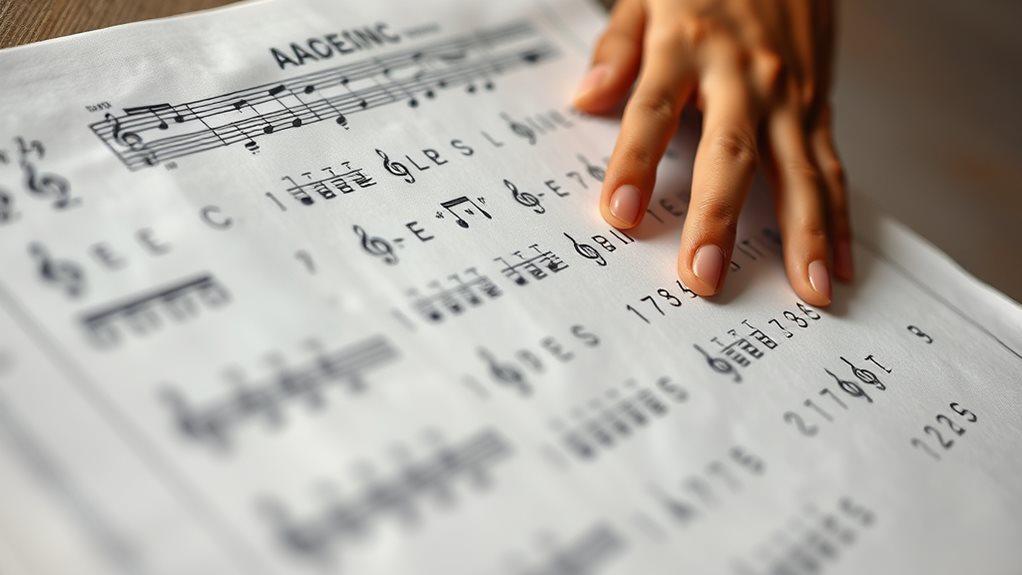
    Filipino dance notation combines historical methods with modern systems to capture the nuances of traditional dances. Labanotation and Benesh are two modern systems used to notate Filipino dances.

    These systems help detail steps such as *hakbang* and *inhak* in dances like *Tinikling* and *Singkil*. For example, *Tinikling* is a traditional dance that involves tapping bamboo poles on the ground and against each other, while *hakbang* refers to a specific step pattern in the dance.

    Linaw-Tiwarik is a system specifically designed for Filipino dances. This system helps preserve the cultural significance of traditional dances by providing a standardized way of notating and analyzing them. By using these notation systems, performers can accurately recreate and teach traditional dances, as well as analyze their historical and cultural significance.

    Understanding these notation systems is essential for appreciating the artistry and history embedded in each movement. For instance, the intricacies of *Tinikling* and *Singkil* reveal themselves through closer investigation of their notation systems.

    A Rich History

    cultural heritage and legacy

    The Evolution of Filipino Dance Notation: A Historical Perspective

    The evolution of Filipino dance notation was shaped by two significant factors: the pre-colonial absence of a unified system and the introduction of foreign methods during colonization.

    Prior to colonization, Filipino dances weren't documented using a standardized system. The arrival of the Spanish introduced European dance forms and notation techniques, fundamentally altering the landscape of dance evolution. This cultural influence laid groundwork for future notation, primarily based on systems like the Feuillet method.

    Early efforts to record Filipino folk dances relied heavily on adapting foreign systems. For example, Pierre Beauchamp's system, primarily for Baroque dance, and Stepanov's anatomical notation were influential.

    The American colonial period saw further adaptation, often combining movement descriptions with Western musical notation. Aligning steps with the music's timing facilitated the documentation and teaching of traditional dances.

    The Bayanihan Philippine National Folk Dance Company played a vital role in this dance evolution. Their efforts to document and preserve traditional dances, supported by Republic Act 8628, helped establish a more standardized approach.

    Educational institutions and cultural organizations contributed to the preservation and transmission of cultural influences in dance. National Artists like Leonor Orosa Goquingco significantly aided in cataloging ethnic dance traditions.

    Modern technology has enhanced the process of documenting and analyzing Filipino dances. Digital notation offers new avenues for the meticulous study and analysis of traditional dances, ensuring their preservation for future generations.

    Popular Filipino Dances

    The Philippines is home to a diverse array of traditional dances that reflect the country's rich cultural heritage. Filipino dances are deeply rooted in the country's history and regional variations.

    In Luzon, several iconic dances can be found. The Tinikling is a notable dance that involves bamboo poles****. Dancers expertly maneuver their feet between the fast-moving poles.

    Pandanggo sa Ilaw is another well-known dance where dancers balance oil lamps on their heads and hands. This dance showcases the dancers' balance and coordination.

    The Visayas region is also home to many traditional dances. The Itik-Itik is a popular dance that mimics the movements of a duck. Dancers use their arms and legs to simulate the movements of a duck.

    The Pantomina, or "Dance of the Doves," simulates bird courtship and is a showcase of the dancers' agility and flexibility.

    In Mindanao, dances with strong cultural influences can be found. The Singkil is a dance that involves bamboo poles and is inspired by the Ramayana and Darangen epics. Dancers use their feet to tap out a rhythm on the bamboo poles.

    The Kappa Malong-Malong is a dance with strong Muslim influence and showcases the versatility of the malong garment.

    Each dance in the Philippines has its unique cultural significance and regional variation. Understanding these dances requires appreciating their regional differences and the stories they convey.

    Essential Dance Steps

    fundamental dance techniques explained

    Mastering Fundamental Dance Steps is Crucial for Filipino Dance Mastery

    A dancer's understanding of fundamental steps is essential for mastering Filipino dances. These foundational techniques form the basis of more complex movements. Precision in execution is paramount, as slight variations can drastically alter the dance's meaning and aesthetic.

    Three Essential Footwork Techniques

    Three essential footwork techniques are the building blocks for various Filipino dance styles: *hakbang* (step), *inhak* (slide), and *talon* (jump). Each step requires attention to weight transfer, foot placement, and fluid movement.

    Step Description Variation
    *Hakbang* A simple step, forward or sideways. Weight transfer is critical.
    *Inhak* A sliding step, smooth and controlled. Speed and direction control the movement.
    *Talong* A jump, light and graceful. Height and landing techniques are essential.

    Refining Technique through Practice

    Understanding the nuances of each step is where you'll refine your technique. Repetition reinforces muscle memory and improves flow. Practice incorporating these essential steps into your routine to improve your overall performance.

    Cultural Significance and Expression

    These essential steps aren't mere technical exercises; they're the foundation upon which you'll build emotion and expression. Each step carries cultural significance and embodies Filipino artistry. Your commitment to precise execution contributes to a meaningful performance.

    Musical Accompaniments

    Understanding Musical Accompaniments in Filipino Dance****

    Mastering Filipino dance requires a deep understanding of its diverse and vibrant musical accompaniments. These accompaniments are an integral part of the dance and are as varied as the dances themselves.

    Diverse Musical Instruments****

    Filipino dances feature a wide range of musical instruments, including the rondalla's guitar-like strings in dances such as Sakuting, and the resonant gongs of the gangsa in dances like the Kalinga's Banga.

    Moro dances utilize the agong and kulintang, with intricate rhythmic patterns that reflect the dancers' complex hand and arm movements. Drums provide lively beats for dances like Burung Talo, while the unexpected sound of drinking glasses (baso) accompanies the Binasuan.

    Influences on Musical Styles

    The musical styles in Filipino dances reflect diverse influences, blending Chinese and Spanish backgrounds with indigenous traditions****.

    For example, in Sakuting, you'll notice staccato inflections and rhythmic tapping, which reflect the dance's indigenous roots. The music itself can be upbeat and happy, driving the cheerful nature of Sakuting, or fast-paced, as in Sayaw sa Bangko.

    Integral to Choreography

    The music in Filipino dances isn't just background; it's integral to the choreography.

    In Sakuting, stick tapping accompanies mock fights and singing, guiding marching and shuffle steps, even influencing the theatrical combat dance steps and ballet-like movements.

    Similarly, the rhythmic patterns in dances like Singkil dictate the precise timing of fan and hand movements. Understanding these intricate relationships between movement and music is key to authentic performance.

    Traditional Costumes

    cultural heritage clothing showcase

    Filipino dance costumes are an integral part of the performance, enhancing the storytelling and aesthetic impact of each dance.

    These vibrant expressions of cultural heritage reflect the archipelago's diverse regions and cultures. Each costume tells a story, often linked to historical events or regional traditions. For instance, the national dress of Filipinas, the baro't saya, showcases 400 years of history influenced by Spanish colonization. Its variations, like the Maria Clara dress, further enrich the visual landscape.

    Men traditionally wear the Barong Tagalog, often made from natural fabrics like piña.

    Filipino dance costumes feature diverse use of natural fabrics and regional designs. The use of natural fabrics like banana, jusi, and pineapple is common in many costumes. Regional dances, such as the Tinikling, showcase unique costume designs.

    The Singkil and Pangalay dances from Mindanao feature elaborate headpieces and metallic accessories. Indigenous costumes, such as those from the Kalinga and T'boli tribes, incorporate woven fabrics and natural materials.

    Group performances often highlight the festive nature of the dance through coordinated, vibrant costumes. Understanding these diverse costumes is key to appreciating the depth and breadth of Filipino dance.

    Labanotation and Benesh

    Preserving Filipino Dance: The Importance of Notation Systems****

    Recording choreography is crucial for preserving Filipino dances for future generations. Two systems, Labanotation and Benesh Movement Notation, are valuable tools for this purpose.

    Labanotation, developed by Rudolf von Laban in the 1920s, uses graphic symbols to record movement from the dancer's perspective. This system effectively captures the nuances of Filipino folk dances, such as the sadiow's swaying hips and stamping feet.

    For example, Labanotation symbols can document the kuddol's knee bends and integrate the social meanings embedded within these movements.

    Benesh Movement Notation, developed by Rudolf and Joan Benesh in 1956, offers a different approach. This system uses a unique written script to represent the entire body in a vertical column, detailing body part positions and movements.

    Although lacking readily available Filipino dance examples, Benesh's approach allows for highly accurate reconstruction of complex sequences.

    For instance, Benesh's detailed script can depict the intricate footwork, jumps, and hand movements defining specific steps.

    Both systems have distinct advantages. Labanotation is useful for documenting the nuances of Filipino folk dances, while Benesh Movement Notation provides a more detailed approach for complex sequences.

    Historical Notation Systems

    ancient writing methods explained

    Historical Notation Systems Paved the Way for Modern Dance Notation.

    Before the development of Labanotation and Benesh, several systems emerged to record dance choreography. Each system reflected the technical demands and aesthetic values of its time. Understanding these historical systems provides valuable context for appreciating modern notation.

    Early Systems Faced Notation Challenges.

    Pierre Beauchamp's system, published by Raoul Auger Feuillet in 1700, was an early attempt to document Baroque dances. However, it faced significant notation challenges.

    Vladimir Ivanovich Stepanov's system, developed in 1892, proved crucial for preserving the Imperial Russian Ballet's repertoire, including Petipa's masterpieces.

    Historical Comparisons Reveal the Evolution of Notation.

    Comparing historical systems reveals the evolution of notation, from simple depictions to more complex systems.

    For example:

    • Beauchamp-Feuillet's system focused on floor patterns, limiting three-dimensional movement representation.
    • Stepanov's system, while detailed, required specialized training to understand.
    • Other systems, like Saint-Léon's *La Sténochorégraphie*, showcased the diversity of methods.

    Specialized Notations Emerged Across Dance Genres.

    The development of systems like those by Schillinger and Kahn highlighted the need for specialized notations across dance genres.

    Nationally specific systems, such as Vasilescu's (Romanian) and U Chang-sop's (Korean) notations, also emerged.

    Historical Efforts Laid the Groundwork for Future Developments.

    Despite limitations, these historical efforts laid the groundwork for future developments.

    They highlight the ongoing quest to accurately capture the dynamism and intricacies of dance in a written form, a process fraught with its own unique set of notation challenges.

    Modern Notation Efforts

    Modern dance notation has undergone significant advancements. The integration of digital innovations has revolutionized how dance is recorded and shared. One example of this is the use of computerized notation systems, such as the DOM system, which first offered an animated representation of dance on early computers. This foundation has been built upon by modern software, allowing for effortless creation, editing, and global dissemination of dance notations.

    These advancements have greatly improved the preservation of choreographic works**. The integration of motion capture technology** has increased precision in dance notation. Additionally, modern software facilitates the global dissemination of dance notations, ensuring that countless choreographic works are preserved.

    Cultural adaptations have also played a crucial role in modern notation efforts. For instance, the Benesh system, originally developed for ballet, has been successfully adapted for Turkish folk dances. This demonstrates the versatility of notation systems and highlights the importance of adapting to specific styles.

    Examples of this include the Chamo system for Korean dance and the Tango Notation, which demonstrate a responsiveness to diverse cultural needs.

    The influence of international styles promotes a global exchange of knowledge. Notation systems tailored to specific styles acknowledge unique cultural expressions and promote cross-cultural understanding.

    Effective notation must account for the nuances of individual dance traditions. These modern efforts significantly improve the accuracy and accessibility of dance notation, enriching the field and ensuring the preservation of dance heritage worldwide.

    The Bayanihan's Role

    community spirit and cooperation

    Bayanihan's Preservation of Filipino Folk Dances****

    The Bayanihan, Philippine National Folk Dance Company, plays a vital role in preserving and promoting Filipino folk dances as a performer, educator, and innovator. Their extensive repertoire showcases the nation's diverse regional styles, solidifying the Bayanihan legacy. As cultural ambassadors, they introduce international audiences to Filipino artistry.

    Authenticity in Performances

    Bayanihan's commitment to authenticity is evident in every performance. They painstakingly recreate traditional steps, music, and costumes, ensuring accurate representation of each dance's cultural context. For example, their performances of traditional dances like Tinikling and Cariñosa showcase vibrant energy and skilled execution.

    The rich sounds of traditional instruments like the gangsa and kulintang accompany each movement, creating captivating storytelling experiences.

    Education and Legacy

    Bayanihan educates performers and the public through workshops and training, ensuring the continuation of these dances and passing down intricate movements to new generations. Their dedication is crucial in sustaining the legacy of these dances.

    By attending their performances, spectators experience the history and cultural significance behind each dance, enriching their understanding and appreciation.

    Documentation and Legacy

    Despite facing challenges due to the lack of a standardized notation system, Bayanihan's commitment to documentation remains a cornerstone of their mission. Their work ensures the continuation of this invaluable artistic heritage for years to come, leaving an enduring Bayanihan legacy.

    By preserving cultural traditions and passing them down to future generations, Bayanihan solidifies its role as a guardian of Filipino folk dances.

    Preserving Authenticity

    Preserving the authenticity of Filipino folk dances is crucial for cultural preservation**. This requires meticulous attention to detail and accurate representation of the dances. Documenting these dances** using various methods, such as Aquinotation, Benesh, or Labanotation, helps preserve their authenticity.

    Accurate notation is essential for capturing the nuances of each dance. Notation should include the spirit, feeling, and essence of the movement, in addition to recording exact steps and rhythms. This requires collaboration with local communities, cultural experts, and master dancers, who possess invaluable knowledge passed down through generations.

    Involving local communities and experts in the documentation process ensures that the dances are represented accurately. Their input helps capture the symbolism and significance of the dances, which reflect ancestral lives and social structures.

    Teaching and preservation efforts in educational settings, such as Bachelor of Physical Education programs, play a vital role in promoting and preserving these dances. Physical education teachers can use notated manuscripts and videos to ensure accurate transmission to future generations****. Community-based organizations also contribute to the preservation of these dances through performances and cultural events.

    Effective documentation methods include video recording with careful camera angles and editing to avoid misinterpretations. Transcription of steps and music, accompanied by detailed descriptions of style, quality, and timing, is also crucial.

    By using a combination of these methods, the authenticity of Filipino folk dances can be preserved for future generations.

    Notation's Importance

    significance of mathematical notation

    Dance notation is crucial in preserving the authenticity of Filipino folk dances. This is because notation systems provide a detailed record of steps, rhythms, and stylistic nuances, allowing for accurate recreation and performance. The evolution of notation systems specifically for Filipino dances reflects a growing understanding and appreciation of their complexity.

    Notation serves as a powerful educational tool. It facilitates the learning and teaching of complex movements, enabling dancers to analyze specific dance styles and appreciate the historical context of each dance. Notation also standardizes instruction across different environments and facilitates comparison of various dance forms.

    For example, the Linaw-Tiwarik notation system, developed by Francisca Reyes Aquino, is a notable example of a system specifically designed for Filipino dances. This system allows for a detailed record of steps and rhythms, enabling accurate recreation and performance.

    The importance of notation extends to cultural transmission and preservation. It ensures that vibrant traditions aren't lost to time by providing a permanent record of historical choreography. By studying notation, individuals can actively participate in the ongoing dialogue surrounding Filipino dance and its place in the nation's cultural identity.

    For instance, the Bayanihan Philippine Dance Company has used notation to preserve and promote Filipino folk dances, allowing these traditions to be transmitted across generations.

    Key benefits of notation in Filipino folk dances include:

    • Improved learning and teaching of complex movements.
    • Detailed analysis of specific dance styles.
    • A deeper appreciation for the historical context of each dance.
    • Standardization of instruction across different environments.
    • Facilitated comparison of various dance forms.

    Questions and Answers

    How Can I Learn Filipino Dance Notation?

    Filipino dance notation can be learned through observation, practice, and understanding its cultural significance. To master notation techniques, you will need to dedicate time to studying the dance's history and techniques.

    Start by observing Filipino dance performances and noting the movements and patterns. For example, Tinikling, a traditional Filipino dance, involves intricate footwork and rhythmic movements that can be broken down and notated.

    Practice is essential to mastering Filipino dance notation. As you learn the dance movements, focus on understanding the cultural context and significance behind each dance. This will help you appreciate the nuances of the notation system.

    Immersion in Filipino culture and dance history is also crucial. Study the history of Filipino dance and its various forms, such as folk, modern, and contemporary. This will help you understand the evolution of dance notation and its significance in Filipino culture.

    Pursue additional resources and training to further develop your skills in Filipino dance notation. This may include taking dance classes, attending workshops, or working with experienced dance instructors.

    Are There Online Resources for Notation?

    Online resources for notation provide detailed information on its history and cultural significance. These resources can be found in digital archives. Digital archives offer insights into traditional notations and their evolution over time. For instance, they may include historical records of Filipino dance notations, which have been used to document and preserve traditional dances.

    What Software Helps With Dance Notation?

    Software options for dance notation include KineScribe, Benesh software, and DOM.

    When choosing a dance notation software, consider the unique strengths of each system. KineScribe is a digital tool that uses symbols and diagrams to record and analyze movement. Benesh software, on the other hand, utilizes a specific notation system that emphasizes the spatial relationships between body parts. DOM, or Dance Open Movement, is a more flexible system that allows users to create their own notation symbols and syntax.

    The best software for dance notation depends on your specific needs and goals.

    Which Notation System Is Best for Filipino Dances?

    There is no single "best" notation system for Filipino dances.

    The complexity of Filipino dance movements and their rich cultural significance make it challenging to find a suitable notation system. To effectively capture the nuances of these dances, it may be necessary to adapt existing systems or create a new one.

    For example, the Labanotation system, widely used for recording Western dance movements, may not be sufficient for documenting the intricate footwork and hand gestures found in traditional Filipino dances like Tinikling or Karatong. A notation system tailored to these specific dance styles would be more effective in conveying the intricate movements and rhythms.

    Adapting existing systems or creating a new one can help capture nuanced movements accurately.

    Where Can I Find Notated Filipino Dances?

    Notated Filipino dances can be found in various resources. Academic databases such as JSTOR and Google Scholar provide scholarly articles and research papers on Filipino dance. These databases often include notated dance steps and choreographies.

    Cultural centers and institutions like the Philippine Cultural Center and the National Commission for Culture and the Arts (NCCA) also offer notated Filipino dances. These centers usually have archives and libraries with dance notations, scores, and choreographies.

    Online archives such as the International Dance Council (CID) and the Dance Heritage Coalition also provide access to notated Filipino dances. These websites often feature digital collections of dance notations, scores, and videos.

    Community groups and dance companies, such as the Bayanihan Philippine National Folk Dance Company, also offer notated Filipino dances. These groups often share their dance notations and choreographies through workshops, performances, and online platforms.

  • The Evolution of Filipino Musical Theater: 1900s to Present

    The Evolution of Filipino Musical Theater: 1900s to Present

    The evolution of Filipino musical theater is marked by significant transformations, influenced by various cultural and historical factors.

    Filipino musical theater originated from pre-colonial traditions and Spanish-influenced sarswela. The American colonial era introduced Western theatrical forms, but it also imposed censorship that shaped narratives. Despite these restrictions, the period saw the emergence of local storytelling.

    Post-war, original Filipino works flourished, showcasing the country's unique experiences. This was evident in the works of notable Filipino composers, such as Leopoldo Yabes and Felipe de Leon, who incorporated traditional folk music into their compositions.

    Today, Filipino musical theater is characterized by a vibrant mix of traditional folk music and contemporary genres. This blend of styles reflects the diverse experiences of the Filipino people. The rise of Original Pilipino Music (OPM) and digital platforms has further expanded the reach of Filipino musical theater, allowing it to transcend geographical boundaries.

    The future of Filipino musical theater holds exciting potential for international collaboration and the exploration of new narratives. This will enable Filipino artists to engage with global audiences and share their unique perspectives on the world.

    Early Influences and Beginnings

    foundational experiences and origins

    The Philippines' Pre-Colonial Theatrical Traditions Evolved with Spanish Influence****

    The Philippines' pre-colonial theatrical traditions involved ritualistic mimetic dances and community-based performances. The arrival of the Spanish in 1565 significantly impacted the development of Filipino musical theater. Spanish theater, with its emphasis on religious and secular plays, became a powerful tool for evangelization.

    Spanish Theater's Impact on Filipino Culture

    Friars utilized these performances to draw natives into the pueblo and promote Catholicism. This resulted in the blending of Spanish theatrical forms with existing Indigenous rituals, creating unique hybrid genres like the *komedya* and *sinakulo*.

    These performances became intertwined with town fiestas and Catholic liturgical feasts, showcasing a fascinating synthesis of cultures.

    Indigenous Rituals and Secular Plays Coexisted

    Alongside these religious works, secular plays also flourished, providing entertainment for the community. Indigenous rituals continued to thrive, showcasing distinct traditions like the *kinabayo*, *palo-palo*, and *sayaw*.

    These maintained their separate identities rooted in local customs and beliefs despite the introduction of Spanish theater.

    The Emergence of Sarswela in Filipino Musical Theater

    The late 19th century witnessed the introduction of the *sarswela*, a form of musical theater that would become incredibly popular. This genre quickly gained prominence, blending music, drama, and dance.

    The sarswela showcased Filipino stories and was composed in Tagalog and other local languages, marking a significant stride toward the emergence of a distinctly Filipino musical theater tradition.

    American Era and Resistance

    The American colonial era significantly impacted Filipino musical theater, shaping its trajectory through both direct influence and indirect resistance. This period began with the recruitment of Filipino performers for American expositions, where they showcased American songs and dances alongside Western theatrical forms like vaudeville.

    The Sedition Act of 1901 forced artists to utilize theatrical symbolism and coded messages within their productions. For instance, plays like 'Tanikalang Guinto' and 'Kahapon, Ngayon at Bukas' employed flags, costumes, and character names to subtly critique American occupation. Characters and props symbolically represented the Philippine flag and revolutionary emblems, which were prohibited from public display.

    Historical themes, such as the Philippine-American War, became central to narratives, reflecting the complex relationship between both nations. Productions like 'Shoo Fly Regiment' highlighted this dynamic. Other plays addressed labor and social issues within the Filipino community, showcasing the plight of the people under American rule.

    Despite facing censorship and repression, Filipino artists ingeniously utilized theatrical symbolism to express their discontent. This period saw a subtle yet potent form of resistance, ultimately demonstrating the enduring power of cultural resilience in the face of colonial dominance**. The use of subtle messaging**, historical themes, and symbolic performances allowed Filipino artists to maintain their national identity while navigating a complex political landscape.

    American cultural elements were introduced into the Filipino theatrical landscape during this period. However, the response manifested as a subtle yet potent form of resistance. This resistance ultimately allowed Filipino artists to maintain their cultural identity and express their discontent with American rule.

    Post-War Resurgence and Fusion

    revival and cultural integration

    After World War II, Filipino musical theater experienced a resurgence. The restoration of damaged theaters and the production of both Broadway musicals and original Filipino works marked this resurgence. The Manila Metropolitan Theater's reopening in 1978, after a four-month restoration, highlighted the importance of reviving cultural spaces.

    The staging of Broadway musicals by Filipino actors showcased local talent's ability to tackle quintessential American stories. The 1952 performance of "South Pacific" by Filipino actors demonstrated this ability.

    Professional theater companies like Repertory Philippines produced both Broadway classics and original works, building a foundation for future generations of Filipino artists. These productions, often held in venues like the PhilamLife Auditorium, helped fuel the growth of musical theater.

    The Marcos administration invested significantly in the arts, including the Metropolitan Theater's restoration spearheaded by Imelda Marcos. This cultural restoration initiative spurred the growth of musical theater, despite being born from a specific political context.

    However, the decline in government support post-Marcos impacted accessibility. Despite this, theater continued to reflect socio-political realities, especially themes of national identity and independence. The works of Brecht and Boal influenced these themes, showcasing the power of theater to engage with and influence the ongoing national dialogue.

    Contemporary Styles and Innovation

    The Evolution of Filipino Musical Theater****

    The socio-political reflections in Filipino musical theater have continued to evolve, influenced by artists like Brecht and Boal. This evolution has shaped the distinct sounds and styles of contemporary Filipino music. For example, Manila Sound's upbeat disco and Pinoy Rock's Western influences have become popular genres.

    Additionally, Pinoy Pop's catchy melodies and Pinoy Jazz's fusion of folk with jazz elements have contributed to the country's diverse musical landscape.

    Influence of Western and Indigenous Elements****

    Western classical music, jazz, and rock have significantly influenced Filipino musical theater. However, indigenous elements such as the kulintang, gong, and tambol continue to represent traditional sounds.

    The cultural impacts of Malay, Chinese, and Islamic influences are also woven into the musical fabric, creating a unique sound. This fusion of styles has been adapted and localized from theatrical forms like zarzuela and bodabil.

    The Role of Technology****

    The recording industry's arrival popularized Filipino music, while television and radio broadened its reach.

    Digital platforms have expanded accessibility, complementing live performances and music festivals. This has enabled a new generation of artists to emerge, building upon the groundwork of their predecessors and showcasing diverse musical styles.

    Musical collaborations are increasingly common, further enriching the tapestry of contemporary Filipino music. These collaborations haven't only enriched the soundscape but also created innovative and diverse musical content.

    How Have Lesser-Known Filipino Musical Instruments Influenced the Evolution of Filipino Musical Theater?

    In recent years, Filipino musical theater has seen a resurgence of traditional sounds, largely influenced by exploring rare and nearly extinct instruments. These unique creations not only enhance the storytelling through their distinct tones but also connect audiences to the rich cultural heritage of the Philippines, deepening the theatrical experience.

    Modern OPM and Global Impact

    contemporary opm global influence

    The Evolution of OPM: A Journey to Global Recognition

    Original Pilipino Music (OPM) has transformed into a globally recognized genre through a blend of cultural fusion and digital accessibility.

    From the Manila Sound of the 70s to its current diverse landscape, OPM's evolution has been fueled by the fusion of traditional Filipino melodies with Western pop influences****. This transformation hasn't only shaped Filipino identity but also resonated internationally.

    The rise of digital platforms, such as Spotify and YouTube, has broadened OPM's reach, connecting Filipino artists with global audiences.

    For instance, OPM artists like Lea Salonga and apl.de.ap have achieved global recognition, showcasing the genre's versatility and appeal. The accessibility of digital platforms allows for a deeper understanding and appreciation of Filipino culture.

    The emotional touchstones of OPM include:

    • Nostalgic power: Classic OPM hits can transport listeners back to cherished memories.
    • National pride: Hearing a Filipino song on international radio can evoke a sense of pride.
    • Energetic performances: Live OPM concerts can unite people through music.
    • Discovery of new artists: Finding a new OPM artist can introduce listeners to contemporary sounds and stories.

    OPM's continued evolution is marked by embracing new genres and styles while retaining its unique Filipino heart.

    This dynamic blending of tradition and innovation ensures its enduring global impact, making it a testament to Filipino creativity and resilience****. The modern OPM scene is a vibrant mixture of cultural influences, and its accessibility through digital platforms ensures its continued growth and reach across geographical boundaries.

    Questions and Answers

    What Roles Did Women Play in Early Musical Theater?

    Women played integral roles in shaping early musical theater. They acted as performers, writers, and composers, influencing the development of diverse forms and content. In the 19th and early 20th centuries, female performers began to break down barriers in the entertainment industry. For example, Olive Gilbert was a notable figure, known for writing and composing her own musicals. Women like Anna Cora Mowatt adapted styles, incorporating various genres and themes into their work. This not only showcased their talents but also contributed to the rich cultural representation in early musical theater.

    How Did Censorship Affect Theatrical Productions?

    Censorship significantly impacted theatrical productions. It shaped narratives by forcing playwrights to write around sensitive topics or use symbolism to convey their messages. For example, in Lope de Vega's play 'Fuente Ovejuna', the characters' struggles against an oppressive system were veiled in metaphors to avoid censorship.

    Censorship limited expression by restricting the discussion of certain topics, such as politics, religion, or social issues. This led to the development of coded language and subtle hints to convey the playwright's intended message.

    The effects of censorship had profound cultural implications, as it influenced the way people perceived and engaged with art. In some cases, censorship forced artists to go underground, leading to the emergence of alternative art movements. For instance, the existence of underground theater groups in Eastern Europe during the Cold War allowed artists to express themselves freely, despite the strict censorship laws.

    Did Musical Theater Influence Philippine Film?

    Musical theater had a significant influence on Philippine film. This influence can be seen in the numerous musical adaptations that were produced, showcasing the country's rich cultural heritage. For example, the iconic Filipino musical "Tinikling" has been adapted into several films, featuring traditional dances and music that are deeply rooted in Philippine culture.

    The cultural exchange between musical theater and Philippine film also shaped the aesthetics and narrative styles of films in the country. Many filmmakers drew inspiration from the vibrant colors, elaborate costumes, and dramatic storytelling of musical theater productions. This is evident in films like "Sana Maulit Muli" (1995), which features a blend of drama, romance, and music.

    The influence of musical theater on Philippine film is a testament to the country's rich cultural diversity and its ability to absorb and adapt different artistic influences.

    What Is the Future of Filipino Musical Theater?

    The future of Filipino musical theater is marked by increased audience engagement and diverse cultural representation. This growth is driven by innovative productions that cater to a wider range of audiences.

    As a result, we can expect to see more experimental and modern musical productions, such as combining traditional Filipino music with contemporary styles and themes. This fusion of old and new will attract a broader audience and provide a fresh take on classic Filipino stories.

    The strengthening of national identity is also a key aspect of Filipino musical theater's future. By showcasing the country's rich cultural heritage, these productions promote a sense of pride and unity among Filipinos. For example, musicals that highlight the Philippines' history, folklore, and traditions will continue to resonate with audiences and inspire a new generation of artists.

    How Has Technology Impacted Opm's Reach?

    Original Pilipino Music (OPM) has significantly expanded its global reach through digital platforms and social media.

    This increased accessibility has led to the growth of international fan bases and collaborations, ultimately impacting both music consumption and creation. For instance, social media platforms such as YouTube, Facebook, and TikTok have allowed Filipino artists to share their music with a broader audience worldwide. The use of these digital platforms has also facilitated international collaborations between Filipino artists and artists from other countries, further increasing OPM's global presence. The rise of digital music streaming platforms like Spotify and Apple Music has also contributed to the growth of OPM's international fan base.

  • How to Make Traditional Filipino Bamboo Instruments: A DIY Guide

    How to Make Traditional Filipino Bamboo Instruments: A DIY Guide

    Selecting the Right Bamboo is Crucial for Traditional Filipino Instruments****

    Three types of bamboo are commonly used: buho, kawayan tinik, and kawayan kiling. The choice of bamboo depends on the specific instrument being made. Nodes are essential, as they provide the necessary structure and resonance for the instruments.

    Basic Tools Required

    A bolo (knife), drill, and sandpaper are the fundamental tools needed to craft these instruments.

    Crafting Specific Instruments

    To make a kubing, carve a frame and lamella from the selected bamboo. For a bungkaka, attach varying lengths of bamboo tubes to a frame. Gabbang keys are cut from mature bamboo culms and fitted into a wooden frame. Diwas tubes, typically 10-20 inches long, are closed at one end. Smooth all edges to ensure the instruments produce a clear sound.

    Finishing Techniques

    Proper finishing techniques, including the use of dyes and resins, can enhance both the sound and cultural significance of the instruments.

    Gathering Your Materials

    collecting necessary supplies

    Crafting a Filipino bamboo instrument begins with careful material selection**. The type of bamboo used is crucial, as it directly affects the instrument's sound and longevity. For instruments like the *kubing*, buho bamboo is preferred due to its durability and hollow structure**.

    When selecting bamboo, choose stalks that are 45 cm to over a meter long and 3.5 cm in diameter, depending on the instrument's design. Nodes are essential for creating closed ends or unique sound features.

    Beyond bamboo, other materials are necessary for crafting certain instruments. Hardwood is required for handles or frames in instruments such as the *bungkaka*. Rattan or twine is used to secure multiple bamboo pieces, as seen in the *bungkaka* or *patteteg*.

    Abaca fiber is used for stringing the *Isneg onabir* violin, while steel wire or pineapple fiber may serve as strings for other instruments. Leather is also needed for mouthpieces or straps.

    Sustainable bamboo sourcing from local forests or plantations is essential. Always choose fresh, straight, intact bamboo for the best results.

    Careful planning in material selection ensures that you have everything needed before starting the intricate crafting process.

    Crafting the Kubing

    Crafting the Kubing: A Traditional Filipino Instrument****

    To initiate kubing construction, two crucial steps are required: selecting the right bamboo and shaping the instrument's frame**. Understanding the kubing's history is essential in choosing the right bamboo, as specific types favored by groups like the Maguindanaon contribute to the instrument's unique tonal qualities**.

    Choosing the Right Bamboo

    The right bamboo is essential for the kubing's sound production. Traditionally, the Maguindanaon people favored specific bamboo types for their kubing. These types of bamboo contribute to the instrument's unique tonal qualities.

    Shaping the Instrument's Frame

    Using a sharp knife, carefully carve the frame to the specified dimensions: approximately 25 cm in length, with a 1-inch-wide handle.

    The dimensions of the frame directly influence the instrument's pitch**. The lamella**, around 4.5 inches long, is integral to the kubing techniques involved in sound production. It's carved directly into the frame, fixed at one end to allow for flexible vibration.

    Finishing the Frame

    Precision is paramount in kubing construction. The frame and lamella's dimensions directly influence the instrument's pitch. Smooth the edges with a file or sandpaper for a comfortable playing experience.

    Cultural Significance of the Kubing

    The kubing's cultural significance extends beyond its musical function. It's used in courtship and ceremonies, underscoring its importance in Filipino traditions****.

    The kubing, also known as kobing or kolibau depending on regional variations, embodies centuries of crafting expertise passed down through generations.

    Making the Bungkaka

    crafting the traditional bungkaka

    The Bungkaka is a percussion instrument native to the Philippines, composed of multiple bamboo tubes of varying lengths and diameters. Its unique sound is achieved by binding these tubes together, creating a percussive instrument essential to Filipino musical heritage.

    To make a bungkaka, carefully select bamboo tubes of varying lengths and diameters, considering their role in achieving the desired tonal range. Bungkaka variations exist across different regions, reflecting local preferences and available materials.

    Attach the tubes to a handle or frame using adhesive or twine**, ensuring they're securely fastened** and evenly spaced.

    Refining the instrument's sound involves adjusting tube lengths to fine-tune pitch and resonance, crucial for achieving a clear, vibrant sound.

    Smoothen any rough edges to ensure a comfortable and safe playing experience.

    Playing techniques involve striking the tubes with hands or mallets, producing diverse sounds and rhythms integral to the instrument's cultural context. Experiment with different striking techniques to master the bungkaka's unique voice.

    Constructing the Gabbang

    Constructing a gabbang requires careful attention to detail and traditional techniques. Bamboo sourcing is the first step, where you'll select mature culms of the right diameter and density for the keys. The choice of bamboo species is crucial, as some are traditionally preferred for their tonal qualities.

    To create the keys, cut and shape each one to the correct length and profile, ensuring consistent thickness for even resonance. This process helps to achieve a balanced sound in the finished instrument.

    The next step is to construct the wooden frame**, shaping it into the characteristic coffin-like form. This shape contributes to the instrument's resonating properties, making it essential for producing the desired sound. Securely attach the carefully tuned bamboo keys** to the frame, ensuring they're properly aligned and spaced.

    You'll also need to incorporate bamboo or wooden nodes to strengthen the structure and close the ends of the frame.

    For the mallets, attach rubber strips to sturdy handles. These strips soften the impact on the bamboo keys, producing a richer, mellower tone. Proper tuning is crucial, as each key must be precisely adjusted to create harmonious intervals****. This step is essential for bringing out the instrument's distinctive sound, which is deeply connected to Mindanao's musical traditions.

    When the gabbang is complete, it's a testament to meticulous craftsmanship and cultural heritage. The finished instrument is ready to play, with its unique sound and traditional characteristics.

    Creating the Diwas

    celebrating cultural heritage together

    Creating a Diwas: A Step-by-Step Guide****

    Constructing a diwas requires selecting the right materials and understanding the instrument's sonic properties. The diwas is made from hollow tubes or segments of bamboo or wood, which are arranged to produce distinct tones. Each tube corresponds to a specific pitch, creating a pan-flute-like effect.

    Selecting and Cutting the Materials

    To start, you'll need to select bamboo or wood with optimal sonic properties. You'll also need various lengths of hollow tubes or segments and bamboo nodes for closing one end. Measurements for the tubes generally range from 10-20 inches.

    Cut the bamboo to the required lengths using sharp cutting tools for precision. Then, smooth and shape the tubes using traditional techniques to enhance sound resonance.

    Assembling the Diwas

    Closing one end of each tube with a bamboo node is crucial for creating the necessary resonance.

    Attach the tubes to a frame or handle, ensuring even spacing. Precision is key in achieving the desired sound quality. Fine-tuning is achieved through careful selection of bamboo with optimal density, precise cutting to achieve accurate lengths, and application of specific tuning techniques to adjust pitch.

    Testing and Maintaining the Diwas

    Test the instrument to make necessary adjustments and achieve the correct pitch.

    Play the diwas by blowing into the open ends, each tube producing a unique melodic note****. Regular cleaning maintains sound quality, and storing it in a dry place prevents damage from moisture. Periodically inspect the diwas for any wear or cracking.

    The Significance of the Diwas

    The diwas is a testament to Filipino ingenuity, blending nature's sound with human craftsmanship. Its unique sound and construction make it a valuable part of the country's cultural heritage.

    Assembling the Tongatong

    The tongatong is a percussion instrument that showcases Filipino ingenuity through its unique sound production. To assemble a tongatong, arrange bamboo poles vertically, taking into account their varying lengths, as longer poles produce lower pitches and shorter poles produce higher pitches. This arrangement enables the instrument to produce complex rhythmic patterns.

    Accurate cutting is crucial for precise pitch alignment, which is necessary for harmonious ensemble playing. Traditionally, the tongatong is played in groups, and the overall sound should be considered when arranging the poles. To play the instrument, strike the poles against the ground to create resonant tones. Experimenting with striking different sections of the poles can help modulate the sound.

    There are no set tuning techniques for the tongatong; instead, the focus is on achieving the desired tonal balance within an ensemble. To add texture to the rhythmic patterns, partially muffle the sound with your hand.

    Understanding the physics of sound and the cultural significance of the instrument is essential to assembling the tongatong. Ensure the setup is stable yet easy to manipulate when playing. This will result in an instrument capable of generating an exciting array of percussive sounds.

    Essential Tools

    critical resources required

    Selecting the Right Bamboo is Crucial for Assembling a Filipino Bamboo Instrument****

    Assembling a Filipino bamboo instrument begins with selecting straight, mature stalks of *kawayan tinik* or *kawayan kiling*. To do this, identify stalks with minimal knots and cracks. Harvesting during the dry season ensures optimal moisture content. The diameter of the bamboo will vary depending on the instrument's specific parts.

    A Comprehensive Cutting Tools Guide is Essential

    A sharp bolo or machete is necessary for initial cuts, while a miter box ensures accuracy in creating specific lengths.

    A sharp bolo or machete is used for precise cutting of bamboo to desired lengths and shapes. Sandpaper or a file smoothens rough edges. For hollowing, an adze or drill is used.

    The Essential Toolkit****

    The essential toolkit for assembling a Filipino bamboo instrument includes:

    1. A sharp bolo or machete for precise cutting of bamboo to desired lengths and shapes.
    2. A drill with various sized bits for creating accurately sized holes for fingerings, stringing, and internal partitions.
    3. Sandpaper and files for refining edges and smoothing surfaces for a polished, professional finish.

    Creating Holes and Nodes Requires Precision

    Creating holes and nodes requires precision.

    A drill or a sharp object is used for precise hole placement****. These are critical for fingerings, stringing, and the instrument's resonant properties. Node positions must be adjusted for accurate tuning.

    Attaching strings often involves using bamboo pins, nails, or traditional adhesives. Tuning pegs can be made from wood or bamboo.

    Decorative Finishes

    Filipino Decorative Finishes: Exploring Natural Materials and Techniques

    Filipino decorative finishes often utilize natural materials to achieve unique colors and textures. Plant-based dyes, such as indigo and turmeric, are commonly used to create a range of colors. For example, indigo can produce shades of blue, while turmeric can create hues of yellow and orange. Additionally, natural stains from coconut husks or mango bark can add texture and subtle hues to the instrument.

    Protective Finishes and Natural Materials

    A protective and glossy finish can be achieved by applying tree resins or beeswax. Tree resins, derived from sap, enhance the bamboo finishes and add a layer of durability. Similarly, beeswax can provide a natural barrier against the elements. Mixing natural dyes with organic materials can create unique shades and patterns, which can be further enhanced by sun exposure and smoke.

    Intricate Carving Techniques and Cultural Symbolism****

    Intricate carving techniques using sharp tools allow artists to add tribal patterns and cultural symbols to the instrument. Incorporating bamboo nodes and natural knots into designs can create unique and meaningful patterns. Carving animal shapes or mythological figures can imbue the instrument with cultural symbolism, as long as the carvings don't compromise functionality.

    Traditional Paints and Lacquers

    Traditional paints, made from clay, charcoal, and plant extracts, can add vibrant color to the instrument, reflecting its heritage. Protective lacquers, derived from tree sap, enhance the bamboo finishes and add a layer of durability. Layering paints can create a glossy sheen, and choosing colors with cultural significance can add depth to the instrument's design.

    Decorative Embellishments

    Decorative beads, crafted from seeds, shells, or wood, can enhance the visual and rhythmic appeal of the instrument. Adding feather decorations or other organic materials can create a unique and meaningful design. Stringing small bells or rattles can add musical accents, while woven fibers and threads can create intricate patterns. Incorporating metal pieces, like brass or copper, can further embellish the instrument.

    Instrument Care Tips

    proper instrument maintenance guidelines

    Proper Storage for Handcrafted Filipino Bamboo Instruments****

    Proper storage for handcrafted Filipino bamboo instruments is essential for preserving their longevity and cultural significance.

    Store the instrument in a dry, cool place, away from direct sunlight and protected within a hard case. This helps prevent damage from environmental factors.

    When handling the instrument, use soft cloths to prevent oil transfer from your skin, which can cause damage over time.

    Gentle Cleaning Methods

    Cleaning handcrafted Filipino bamboo instruments requires gentle methods to avoid damage.

    Use a soft, dry cloth for dusting. For deeper cleaning, use a mild soap solution and a soft-bristled brush, ensuring thorough drying afterward.

    Avoid soaking the instrument, as it can cause irreparable damage. Regular inspection for cracks or splits is vital, and applying a small amount of natural oil, such as coconut or olive oil, can help maintain its condition.

    Tuning Techniques

    Tuning techniques vary depending on the instrument, but always proceed carefully.

    For stringed instruments, replace strings periodically to maintain sound quality.

    When tuning, follow these key points:

    • Tune in a quiet space to ensure accurate tuning.
    • Consult traditional methods for your specific instrument to avoid damage.
    • Avoid abrupt adjustments, as they can cause damage to the instrument.

    Performance Practices

    Performance practices are integral to preserving both the instrument and its cultural significance.

    Warm up the instrument before playing to prevent damage. Use proper techniques to avoid damage and maintain sound quality.

    Avoid overplaying, as it can cause wear and tear on the instrument. Respect for tradition dictates mindful use, ensuring future generations can appreciate these beautiful instruments.

    Questions and Answers

    Where Can I Source Bamboo?

    Bamboo can be sourced from local farms, retailers, or even your own garden.

    Consider sourcing bamboo from local farms that practice sustainable and environmentally responsible harvesting methods. This approach helps reduce carbon footprint and supports the local economy. Retailers who specialize in bamboo products may also have a variety of options available, including sustainably sourced materials.

    If you have the space and climate, consider growing your own bamboo in your garden. This not only provides a readily available source of bamboo but also helps reduce your environmental impact.

    What Type of Bamboo Is Best?

    The best bamboo type depends on the specific instrument being made. When selecting a bamboo type, consider the desired properties of strength, straightness, node spacing, and thickness. For example, instruments requiring strong and straight bamboo, such as flutes, benefit from species with these characteristics. Philippine bamboo species are often ideal due to their suitable properties. Assessing bamboo properties beforehand is crucial to ensure the chosen type meets the instrument's requirements.

    How Durable Are These Instruments?

    Instrument durability is heavily influenced by construction techniques and materials. The quality of craftsmanship and the choice of materials significantly impact an instrument's lifespan. For instance, a violin made from high-quality woods and crafted with precision can last for centuries, whereas a poorly constructed instrument may have a much shorter lifespan.

    Proper care is essential to maintaining sound quality. Regular maintenance tasks, such as polishing, cleaning, and adjusting the instrument, can help preserve its sound quality and overall condition. By following a routine maintenance schedule, musicians can help extend the life of their instrument.

    Instruments can be quite resilient with diligent maintenance. With proper care and attention, many instruments can last for generations. For example, a well-maintained piano can remain in excellent condition for over 50 years, while a violin can last for centuries with regular maintenance and repairs.

    Can I Use Synthetic Materials?

    Using synthetic materials can affect the sound quality and cultural authenticity of an instrument. Traditional materials are preferred because they provide better resonance and maintain historical significance. For example, a guitar made from synthetic materials may lack the rich tone and warmth produced by a guitar made from natural wood. This is due to the unique properties of natural materials, such as the grain pattern and density of the wood, which contribute to the instrument's distinct sound.

    How Do I Repair a Broken Instrument?

    To repair a broken instrument, proper assessment and precise techniques are essential. First, evaluate the extent of the damage to identify the broken components and the necessary materials for repair. This assessment will help you determine whether you can fix the instrument yourself or if professional assistance is required.

    Gather the necessary materials and tools, such as replacement strings, glue, or specialized equipment, depending on the type of instrument and the nature of the damage. For example, if a string on your guitar is broken, you will need a replacement string of the same gauge and type. If the bridge of your violin is damaged, you may need specialized adhesive and clamps to reattach it.

    Meticulously repair the broken components, following established techniques and guidelines for your specific instrument. For instance, when repairing a cracked violin body, apply a small amount of adhesive to the affected area and clamp it securely to prevent further damage. When restringing a guitar, ensure that the new strings are properly seated and tuned to avoid damage to the instrument or injury to yourself.

    Ensure proper reassembly and tuning after completing the repairs. This may involve consulting the instrument's manual or seeking guidance from a professional if you are unsure about the correct procedure. For example, when reassembling a clarinet, make sure that all the keys and pads are properly aligned and functioning correctly before tuning the instrument.

  • Traditional Mindanao War Dances: Beyond the Sagayan

    Traditional Mindanao War Dances: Beyond the Sagayan

    Traditional Mindanao war dances showcase the region's rich cultural heritage and martial traditions**. These dances, often performed before battles, not only demonstrate unique footwork** and gestures but also highlight the community's history and values.

    The Subanon's Sohten is a pre-battle ritual dance that emphasizes unique footwork. This dance is characterized by its intricate steps, which are meant to prepare the warriors for combat.

    The T'boli's Kuntaw simulates combat with powerful gestures, showcasing the community's martial skills. This dance is a testament to the T'boli people's expertise in hand-to-hand combat.

    The Tausug's Burung-Talo is a dance that depicts a hawk and cat fight, showcasing acrobatic self-defense techniques. This dance highlights the community's adaptability and resourcefulness in combat situations.

    The Tausug's Maglangka is an elegant dance performed by Tausug girls, symbolizing their warrior spirit. This dance is a celebration of the community's female warriors and their contributions to the region's martial traditions.

    Each dance offers a window into Mindanao's diverse cultural heritage and martial traditions. However, the preservation of these dances faces ongoing challenges.

    Mindanao's Fiercest War Dances

    mindanao s traditional war dances

    Mindanao's Fiercest War Dances****

    Mindanao is home to several fierce war dances that showcase the region's rich martial history and traditions. The Sagayan is one such dance, performed by the Maguindanao, Maranao, and Iranun tribes.

    This dance depicts the legendary battles of Prince Bantugan****. Dancers execute intricate footwork and acrobatic gestures, mimicking combat maneuvers while wielding shields and kampilans.

    The Tausug people of Sulu have their own war dance, the Burung Talo, which dramatizes a hawk and cat fight****. The dance is characterized by acrobatic movements and intense facial expressions, accompanied by the rhythmic pounding of gongs and drums.

    This dance reflects the Tausug's deep-rooted warrior traditions and refined martial arts skills.

    Another Tausug dance, the Panglay sa Agong, depicts a contest between two warriors vying for a woman's attention. The rhythmic banging of gongs emphasizes their courage and skill, showcasing their agility and martial prowess.

    This dance offers a glimpse into the royal court's traditions.

    The Kuntaw dance, originating from the T'boli tribe, is a martial arts dance that simulates combat. The name "Kuntaw" comes from the Malay word for "fist," and the dance features powerful gestures of the fist, jumps, kicks, and knee bends.

    This dance is a physical representation of Mindanao's warrior traditions and a testament to the region's rich martial heritage.

    Beyond the Sagayan: Binanog

    The Binanog: A Rich Cultural Heritage from Panay Island****

    The Binanog is a vibrant dance from the Panay-Bukidnon community of Panay Island, representing the rich heritage of this community that persevered through colonization. This dance holds significant cultural significance and showcases the community's resilience.

    The Binanog features unique dance techniques, a captivating blend of storytelling and movement, which is essential to its cultural identity.

    Three Main Forms of the Binanog****

    The Binanog has three main forms: Binanugan, Inagong Sayaw-Sayaw, and Dinagmay.

    Binanugan mimics the majestic flight of the Philippine Eagle. Inagong Sayaw-Sayaw transforms the eagle into a potential threat, showcasing the dance's dramatic shifts.

    Dinagmay is a courtship dance that blends elements of combat and romance, reflecting the complexity of human relationships.

    Traditional Instruments and Costumes

    The dancers use traditional musical instruments such as gongs, drums, and bamboo to create a rhythmic foundation for their performance.

    The costumes, often made with vibrant silks and rooster feathers, add to the visual spectacle.

    The intricate needlework, known as Tubok, further highlights the craftsmanship and cultural depth embedded in the Binanog.

    The Binanog Festival****

    The annual Binanog Festival in Lambunao, Iloilo, provides a platform to witness the dance's full splendor.

    The festival is a week-long celebration that showcases not only the dance but also the community's music, drama, and other traditions.

    The Binanog's adaptation for stage performances maintains its traditional core while incorporating contemporary elements****, ensuring the continuation of its cultural significance for future generations.

    Subanon's Sohten Ritual Dance

    subanon cultural dance tradition

    The Sohten is a traditional war dance of the Subanon people, originating from Margo Sa Tubig, Zamboanga del Norte. It's an all-male ritual performed before battle to plead for protection and victory from the gods. This dance reflects the strength and stoicism of Subanon men, showcasing their cultural identity.

    The performance techniques of the Sohten are unique, with no set step count, as footwork responds to the agong's beat. Dancers wield shields and cut palm leaves, exhibiting movements that are soaring, combative, and ritualistic. Group formations vary during the performance.

    The Sohten holds significant cultural value as a pre-battle ritual, connecting deeply to Subanon spiritual practices. It strengthens social bonds within the community and preserves cultural heritage. The dance has been adapted for cultural events, introducing Subanon traditions to wider audiences.

    However, costume modifications have occurred due to modern influences, highlighting the need for consultation with local authorities to preserve authenticity.

    Cultural masters like Gauden Sindod Sireg and Nilda B. Mangilay play crucial roles in transmitting the Sohten dance to future generations, ensuring its continued cultural relevance.

    The Sohten also offers educational value, providing unique insights into Subanon culture and history.

    Tausug's Burung-Talo and Pangalay

    The Burung-Talo and Pangalay: Two Traditional Tausug Dances****

    The Tausug people of the Philippines have a rich cultural heritage, with two distinct war dances, the Burung-Talo and the Pangalay, showcasing their martial and cultural traditions. The Burung-Talo is a martial dance that depicts a fight between a hawk and a cat.

    The Burung-Talo originated from the Tausug tribe in Sulu and is deeply rooted in Tausug martial arts. It showcases acrobatic movements and intense facial expressions, set to the rhythm of drums and gongs. This dance reflects the Tausug warrior culture, preserving traditional combat techniques within a dynamic performance.

    Historically, the Sultan's soldiers performed the Burung-Talo as a display of self-defense skills, highlighting the cultural significance of their martial heritage.

    In contrast, the Pangalay is a courtship dance that offers a different perspective on Tausug identity. It is a celebration of beauty, femininity, and a tribute to the Sultan and their cultural heritage. Women, often adorned with janggay (brass fingernails), perform intricate hand movements and gestures, showcasing elegance and grace.

    The janggay, reserved for ceremonial purposes, add to the dance's spiritual depth.

    Both the Burung-Talo and the Pangalay are integral to understanding the rich cultural landscape of the Tausug people. These traditional dances provide a glimpse into the Tausug's history, cultural practices, and values, highlighting the importance of preserving their martial and cultural heritage.

    Maglangka: Elegance in Motion

    elegance in motion defined

    Maglangka: A Traditional Tausug Dance****

    The Maglangka is a traditional Muslim dance originating from Jolo, Sulu, which literally means "to dance." It's an essential part of Tausug cultural expressions and is traditionally used to cultivate poise and elegance in adolescent girls.

    Origins and Cultural Significance

    Unlike the war dances *Burung-Talo* and *Pangalay*, the Maglangka showcases elegance and refinement. It's a key aspect of Tausug cultural heritage and plays a significant role in shaping Tausug identity. The dance is often performed at social gatherings and celebrations.

    Dance Movements and Symbolism****

    The Maglangka involves precise movements that mimic the fluidity of nature.

    Dancers imitate the flight of birds, the gentle swim of fish, or the sway of branches. The dance also features intricate steps executed within the confines of a square cloth, requiring intense concentration. The movements are characterized by mincing steps, controlled knee bends, and expressive hand placements.

    Costumes and Aesthetics

    Traditionally, the Maglangka features elaborate Tausug attire, often complemented by colorful reed mats or Arabian carpets.

    Intricate designs and decorative accessories enhance the dancer's visual appeal, contributing to the overall aesthetic. Modern interpretations may simplify the scarf's role, but the elegance of the traditional garments remains.

    Performance and Purpose

    The Maglangka's performance transcends mere entertainment; it's a cultural expression showcasing the dancer's skill and the rich artistic traditions of the Tausug people.

    Questions and Answers

    What Instruments Accompany Binanog?

    Binanog dances are accompanied by traditional music instruments, including agongs, kulintang, bamboo slit drums, and cut bamboos. These instruments work together to create the rhythmic pulse that drives the dance.

    How Old Is the Maglangka Tradition?

    The age of the Maglangka tradition cannot be precisely determined. The origins of Maglangka are unclear, but its cultural significance within Tausug traditions indicates that it has been around for a long time.

    Are Sagayan Costumes Always Brightly Colored?

    Sagayan costumes are not always brightly colored. Costume variations exist, incorporating both vibrant hues and earthy tones. The use of vibrant hues in Sagayan costumes is symbolic, but earthy tones also play a significant role in reflecting the culture's rich heritage.

    What Materials Are Used in Pangalay Costumes?

    Pangalay costumes are made from a variety of materials, primarily natural fibers. Silks and cottons are the most commonly used materials in pangalay costumes. These materials hold great significance in the costumes, as they symbolize the dancer's cultural heritage and spiritual connection. The choice of material often reflects the dancer's roots and values, showcasing their tradition and customs through their attire.

    Where Is the Sohten Dance Usually Performed?

    The Sohten dance is usually performed at cultural events and festivals. These venues allow the Subanon people to showcase their heritage and share it with others. One notable example is the Cultural Center of the Philippines (CCP), which often hosts performances of the Sohten dance as a way to celebrate and preserve the Subanon's cultural traditions.

  • The Impact of K-Pop on Filipino Dance Culture

    The Impact of K-Pop on Filipino Dance Culture

    The Rise of K-Pop in the Philippines Transformed Filipino Dance Culture

    K-pop's popularity in the Philippines led to an increase in dance cover groups, who initially replicated idol choreographies. This sparked a cultural exchange between Korean and Filipino styles, giving birth to a unique fusion of dance movements.

    The Emergence of P-Pop and Its Impact

    The blending of Korean and Filipino dance styles resulted in the creation of P-pop, a genre that showcases this fusion. P-pop has not only increased the visibility of the local dance scene but also had a significant economic impact. The rise of P-pop has created opportunities for Filipino dancers and choreographers, providing them with a platform to showcase their talents.

    Strong Fan Engagement Amplified the Influence of K-Pop on Filipino Dance Culture

    The strong fan engagement with K-pop and P-pop has created a vibrant community around dance in the Philippines. This community has played a crucial role in amplifying the influence of K-pop on Filipino dance culture, leading to the evolution of the local dance scene. For instance, dance competitions and events have become increasingly popular, with many Filipino dancers competing and performing to K-pop and P-pop songs.

    The Evolution of Filipino Dance Culture

    The influence of K-pop on Filipino dance culture has resulted in a more diverse and dynamic dance scene. Filipino dancers now have the opportunity to learn from and be inspired by various dance styles, including Korean and Western styles. This has led to the creation of new and innovative dance movements, further enriching the Filipino dance culture.

    K-Pop's Arrival in the Philippines

    k pop s philippine cultural impact

    Korean culture's presence in the Philippines was established before K-pop's rise to fame. Korean missionaries arrived in the country in the 1970s, while early settlers and war brides also made the Philippines their home.

    The 1990s saw increased economic migration and the expansion of Korean businesses, laying the groundwork for a more substantial Korean community.

    The early 2000s marked a turning point in K-Pop history in the Philippines. The Hallyu, or Korean Wave, swept across the country, introducing K-dramas, K-pop, K-movies, and other forms of Korean media.

    Social media's rise amplified this phenomenon, creating a vibrant online community and fostering an intense Filipino fandom. For example, fans were drawn to the music, style, and personalities of artists like TVXQ and Super Junior.

    The growth of K-pop created a market for Korean goods and services in the Philippines. Korean restaurants and shops catering specifically to Filipino fans opened, further integrating Korean culture into daily life.

    The success of K-pop wasn't just a shift in musical tastes; it was a catalyst for cultural exchange. The Philippines became a significant player in the global K-pop scene, as evidenced by the massive success of early concerts featuring artists like Rain and Girls' Generation.

    The arrival of K-pop in the Philippines led to a deeper interconnection between both cultures. The country's engagement with K-pop shaped the landscape of Filipino fandom and paved the way for future cultural exchange.

    This connection was evident in the thousands of fans who attended K-pop concerts and events, such as the Dream Concert in 2013 and the Mnet Asian Music Awards in 2014.

    Dance Cover Groups' Rise

    Filipino Dance Cover Groups Emerge Alongside K-Pop's Rise****

    The rapid growth of K-pop's popularity led to the emergence of Filipino dance cover groups. These groups showcased impressive skills and creativity by meticulously recreating their favorite idols' routines. Fans honed their dance techniques and mastered complex choreography styles, demonstrating precision and synchronization characteristic of K-pop's demanding dance style.

    Dedicated Performers Gain Widespread Popularity Through Social Media****

    The widespread popularity of these dance cover groups was largely driven by social media. These platforms enabled groups to share their performances, connect with fans, and gain widespread recognition****.

    Fan clubs and conventions further fueled this trend by providing opportunities for these groups to showcase their talents.

    Impact on the Entertainment Industry

    The rise of these dance cover groups also had a significant impact on the entertainment industry. These groups provided aspiring performers with a highly visible platform to showcase their talents.

    As a result, many dance groups found themselves featured in music videos and concerts, boosting their popularity and the industry's growth.

    Their dedication to replicating intricate choreography styles and advanced dance techniques of K-pop acts demonstrated a deep engagement with the genre, creating new opportunities and a visible pathway for talent.

    Cultural Exchange's Influence

    impact of cultural exchange

    Cultural exchange between South Korea and the Philippines has had a significant impact on Filipino society and culture. The Philippine Kpop Convention, Inc. is a notable example of a fan club and convention that connects fans and fosters the Korean Wave. This convention, along with others, has contributed to the growth of K-pop in the Philippines.

    Social media platforms have played a crucial role in the rapid dissemination of Korean culture, creating person-to-person connections amongst Filipino fans. Student exchange programs have further immersed fans in Korean culture, deepening their understanding and appreciation. These programs have enabled students to experience Korean culture firsthand, promoting a deeper understanding of the culture.

    Local TV channels have also contributed to the popularity of K-pop by airing Korean dramas since 2005. The airing of these dramas has paved the way for K-pop's explosive popularity in the Philippines. This hasn't only promoted K-pop but also broader Korean cultural understanding, strengthening Philippines-Korea ties.

    The influence of K-pop extends beyond entertainment, with a significant impact on social values. K-pop has promoted respect and fostered stronger community bonds among Filipino fans. The hybrid influences of K-pop have resonated with Filipino fans, who see cultural similarities due to existing interactions with Korean immigrants in Manila.

    K-pop has also influenced traditional Filipino dance elements, which have been incorporated into modern K-pop-inspired routines. This has created unique hybrid influences and showcased Filipino cultural heritage. Additionally, the popularity of Korean cuisine has increased, with many Filipino restaurants now offering Korean dishes.

    The cultural exchange driven by K-pop has spurred educational and cultural collaborations between the Philippines and South Korea. This has enriched both societies, promoting a deeper understanding of each other's cultures. The impact of K-pop on the Philippines is a testament to the power of cultural exchange in promoting understanding and appreciation between nations.

    P-Pop Dance Covers Emerge

    P-pop dance covers have emerged as a distinct genre, showcasing a creative fusion of styles. Initially, many Filipino groups replicated K-pop choreography to hone their skills and build a fanbase.

    However, these groups eventually shifted towards incorporating traditional Filipino influences into their dance routines.

    This shift led to the incorporation of traditional dances like tinikling, pandanggo sa ilaw, and carinosa**** into contemporary styles such as hip-hop and street dance.

    The result was a unique fusion that blended traditional and modern elements seamlessly.

    Groups like SB19, BGYO, Alamat, BINI, and Bituin exemplify this trend.

    SB19 integrated tinikling into their song "Alab," while BGYO incorporated pandanggo sa ilaw and carinosa into "The Light."

    These modifications reflect a creative evolution in P-pop dance covers, celebrating Filipino identity and showcasing the artistry and versatility of P-pop dancers.

    The incorporation of traditional influences into P-pop fusion dance has contributed to a uniquely Filipino aesthetic.

    This aesthetic is characterized by vibrant energy and cultural authenticity, reflecting a shift towards greater cultural authenticity in P-pop dance covers.

    How Has Filipino Hip-Hop Evolved in Response to the Influence of K-Pop on Dance Culture?

    The evolution of hiphop music in the philippines reflects a vibrant fusion of local and global influences, notably the rise of K-Pop. Filipino artists have embraced intricate dance styles and catchy melodies, blending traditional elements with contemporary flair, ultimately reshaping the hip-hop landscape and captivating a diverse audience.

    Industry and Fan Impact

    influence on sports culture

    K-pop has significantly influenced the Philippine entertainment industry and its fans.

    The rise of numerous dance cover groups on social media platforms reflects the industry's response to the burgeoning K-pop fandom. For instance, the popularity of dance cover groups has fueled the growth of Hallyu clubs in the Philippines. The country has shown exceptional numbers, demonstrating the substantial growth of K-pop fan communities. Sold-out K-pop concerts have also become a common occurrence, showcasing the high demand and substantial economic benefits generated by this phenomenon.

    K-pop's impact extends beyond music, influencing local businesses and entertainment options by promoting Korean culture**. This has led to the creation of Korean-themed cafes**, restaurants, and shops in the Philippines.

    Furthermore, K-pop has encouraged the production of local content inspired by Korean dramas and music.

    Fan engagement is crucial to K-pop's success, with Filipino fans displaying dedication and creativity through social media and fan clubs. Fans actively participate in creating dance covers, attending concerts and conventions, and engaging in online discussions.

    This level of fan dedication fuels the economic benefits seen across the entertainment and retail sectors. The strong fan engagement fosters strong social connections, increasing favorable views towards Korea and boosting cultural exchange.

    Questions and Answers

    What Are the Economic Benefits of K-Pop Fandom?

    The K-pop industry generates significant economic benefits through various channels. Merchandise sales are a substantial contributor, with fans purchasing items such as clothing, accessories, and collectibles featuring their favorite artists' logos or images. For instance, BTS's merchandise sales alone have been reported to exceed $1 billion annually.

    Lucrative fan events also play a crucial role in the industry's economic growth. Fan meetings and conventions draw large crowds, generating revenue from ticket sales, sponsorships, and on-site merchandise sales. These events provide a platform for fans to connect with each other and their favorite artists, fostering a sense of community and loyalty.

    Concert tourism is another significant contributor to the K-pop industry's economic benefits. Fans travel from around the world to attend concerts and music festivals, boosting local economies through hotel bookings, dining, and other tourism-related activities. The economic impact of K-pop concerts is substantial, with some events generating millions of dollars in revenue.

    Lastly, substantial streaming revenue fuels the industry's growth. K-pop fans worldwide stream their favorite artists' music on platforms such as Spotify, Apple Music, and YouTube, generating significant revenue from royalties and advertisements. This revenue stream has been instrumental in promoting K-pop globally and supporting the industry's continued growth.

    How Has K-Pop Influenced Filipino Fashion Trends?

    K-Pop has significantly influenced Filipino fashion trends, resulting in a noticeable shift in styles and preferences. Bold colors and vibrant hues have become increasingly popular, as seen in the likes of K-Pop groups such as BTS and Blackpink, who often incorporate bright colors into their music videos and performances. Filipino fashion has also adopted gender-neutral styles, allowing individuals to express themselves freely without adhering to traditional gender norms. Streetwear has become a staple in Filipino fashion, with brands such as H&M and Uniqlo collaborating with K-Pop idols to promote their latest collections. Fashion collaborations between K-Pop groups and local designers have further solidified this trend's prominence, showcasing the blending of Korean and Filipino styles.

    What Challenges Do P-Pop Groups Face?

    P-Pop Groups Face Significant Challenges in the Industry

    One of the primary challenges P-pop groups encounter is intense competition. With numerous groups vying for attention, it can be difficult for new groups to stand out and gain a loyal fan base. For instance, groups like SB19, BINI, and MNL48 have already established themselves in the market, making it harder for newer groups to compete.

    Another challenge P-pop groups face is demanding training difficulties. These groups often undergo rigorous training sessions to perfect their singing and dancing skills, which can be physically and mentally exhausting. This intense training regimen can also lead to injuries and burnout if not managed properly.

    In addition to competition and training difficulties, P-pop groups must also navigate cultural adaptation. As a fusion of Filipino and Korean pop culture, P-pop groups must balance their local roots with international influences, which can be a delicate task. For example, adapting to different cultural norms and expectations can be overwhelming for some groups, especially those that are just starting out.

    Lastly, securing sufficient industry support remains a significant challenge for P-pop groups. Many groups struggle to find adequate funding, management, and resources to help them produce high-quality music and performances. This lack of support can hinder their growth and success in the industry.

    Are There Any Negative Impacts of K-Pop's Influence?

    K-pop's influence has a negative side. Two main concerns associated with K-pop's influence are cultural appropriation and extreme fan behavior.

    Cultural appropriation occurs when K-pop groups adopt cultural elements from other countries without understanding or respecting their significance. For example, groups may incorporate traditional African or Native American clothing into their music videos or performances without proper knowledge or credit. This can be perceived as disrespecting the cultural heritage of the communities from which these elements originate.

    K-pop's impact on mental health is also a concern. Extreme fan behavior, such as obsessive stanning, can lead to mental health issues like anxiety and depression. Additionally, the pressure to maintain a perfect image and constantly produce content can take a toll on the mental health of K-pop idols themselves.

    Furthermore, K-pop can also have a significant financial impact on fans. Fans may spend large amounts of money on merchandise, concert tickets, and other K-pop-related items, leading to financial burdens. This can be particularly problematic for fans who are not financially stable or who prioritize K-pop expenses over essential needs.

    How Has K-Pop Impacted Filipino Social Values?

    K-pop has significantly influenced Filipino youth identity, leading to a cultural exchange between the two nations. This cultural exchange has been driven by the popularity of K-pop groups such as BTS and Blackpink, which have gained massive followings in the Philippines. As a result, Filipino youth have been exposed to a new wave of cultural values that often blend traditional and modern elements.

    The influence of K-pop has shifted traditional Filipino social norms. For instance, K-pop's emphasis on self-expression and individuality has inspired many Filipino youth to be more confident in their own identities. This shift is evident in the growing popularity of K-pop dance groups and cover performances in the Philippines, where young people can express themselves freely.

    K-pop has created new forms of cultural capital in the Philippines. Cultural capital refers to the social assets that give individuals an advantage in society. In the Philippines, being knowledgeable about K-pop can be a valuable form of cultural capital, especially among young people. For example, K-pop fans in the Philippines often participate in online forums and social media groups to discuss their favorite groups and share their knowledge with others. This shared passion for K-pop has created a sense of community and belonging among Filipino youth.

  • Filipino Lullabies: Regional Variations and Their Meanings

    Filipino Lullabies: Regional Variations and Their Meanings

    Filipino lullabies are not uniform and vary by region. The Visayan lullaby "Ili, Ili, Tulog Anay" is distinct from "Katurog na, Nonoy" from the Bicol region, and "Wiyawi" from the Kalinga region. These regional variations reflect the unique cultural practices and environments of each area.

    Regional lullabies often convey themes of love, longing, and loss. For example, "Ili, Ili, Tulog Anay" expresses a mother's love and longing for her child to sleep, while "Katurog na, Nonoy" conveys a sense of reassurance and comfort. These lullabies serve as important tools for cultural preservation and education****, transmitting values and fostering a sense of identity.

    The soothing melodies of these lullabies offer comfort and security, while enriching a child's development. By singing these lullabies, parents and caregivers pass on cultural values and traditions to the next generation, enriching their understanding of Filipino culture****.

    A Cradle of Melodies

    musical harmony in creation

    Four distinct examples of Filipino lullabies showcase regional diversity**. These lullabies include "Katurog na, Nonoy" (Bicolano), "Wiyawi" (Kalinga), "Ili, Ili, Tulog Anay" (Visayan), and "Aba-aba" (Southern Mindanao). Each lullaby reflects unique cultural practices and environments, highlighting the diversity of melodic storytelling**.

    "Katurog na, Nonoy" depicts a child's yearning for sleep****. This common theme is woven into melodic storytelling, and its publication in various formats highlights its enduring appeal.

    The lullaby's widespread publication contributes to lullaby evolution****.

    "Wiyawi" uses melodic storytelling to describe a traditional Cordilleran home****. This Kalinga lullaby showcases the warmth and comfort of babywearing.

    Dr. Felicidad Prudente's transcription preserves this tradition, highlighting the importance of ethnomusicological research in documenting lullaby evolution.

    "Ili, Ili, Tulog Anay" offers a glimpse into daily family life**. This Visayan lullaby highlights the mother's absence** and the child's need for comfort.

    Its publication in "Folk Songs: Songs of the Visayas" cemented its place in the study of lullaby evolution.

    Tagalog Lullabies

    Tagalog lullabies are an essential part of the Philippines' musical heritage, characterized by their evocative melodies and poignant lyrics. They deeply reflect familial bonds and cultural identity**. The history of Tagalog lullabies** is rich and complex, encompassing both traditional forms and more contemporary interpretations.

    These lullabies often reflect profound emotions, exploring themes of love, loss, and nostalgia. For example, the song "Sa Ugoy ng Duyan" by Lucio San Pedro and Levi Celerio masterfully captures the genre's artistic heights**. The musical arrangements vary widely, from intimate solo performances to full orchestral renditions. Their enduring appeal lies in their ability to evoke powerful memories and emotions**.

    Tagalog lullabies often capture the essence of everyday life. For instance, the song "Hele" reflects the simple joys and struggles of families. These lullabies have also been adapted in films and documentaries, enhancing their cultural reach and impact. Furthermore, their presence in educational settings highlights their significance in transmitting cultural values and promoting musical appreciation.

    Tagalog lullabies aren't static; they adapt and evolve. Regional variations, field recordings, and collaborative efforts underline a continuous process of preservation and innovation****. Their performance across various regions demonstrates their enduring appeal and adaptive nature.

    Bicolano Lullabies

    bicolano traditional lullabies collection

    Bicolano Lullabies Reflect the Region's Unique Cultural Heritage****

    Bicolano lullabies are an essential part of the Bicol Region's musical traditions. They blend Spanish, American, and indigenous influences, reflecting the region's geography and climate. For example, the lullaby *Katurog na, Nonoy* is specifically designed to lull children to sleep, while *Lubi-Lubi* includes Bicolano verses, often used as educational tools.

    Musical Structure and Instrumentation

    The musical structure of Bicolano lullabies is typically simple and free-flowing, aligning with the region's broader folk song tradition. The melodies are gentle and rhythmic, designed to calm. Many versions incorporate Bicolano musical instruments, such as the *kubing* (jaw harp) or *rondalla* (ensemble), adding another layer of cultural depth.

    Lyrics and Preservation

    The lyrics of Bicolano lullabies often weave narratives, moral lessons, and geographical references, reflecting daily life and community struggles. They are preserved and promoted through modern arrangements and digital platforms, such as Spotify. Collections like "Himig Himbing: Mga Heleng Atin" make these lullabies accessible to a wider audience.

    Modern adaptations, along with accompanying music videos and documentaries, expand their reach and impact.

    Insight into Bicolano Culture

    Through these lullabies, we gain insight into the nurturing aspects of Bicolano culture. Familial love and strong community bonds are highlighted, showcasing the importance of family and community in Bicolano society.

    Kalinga Lullabies

    The Significance of Kalinga Lullabies****

    Kalinga lullabies are an essential part of the region's cultural heritage, offering a glimpse into the daily lives and traditions of its people. Typically sung by caretakers, often Cordilleran fathers, these lullabies serve as a form of cultural storytelling. Research by Dr. Felicidad Prudente and Kalinga expert Benicio Sokkong provides valuable insights into these songs.

    The Rich Tapestry of Kalinga Lullabies

    Kalinga lullabies are a diverse collection of sounds and meanings. They can be categorized into different types, each serving a distinct purpose.

    For example:

    • Wiyawi: This lullaby references warm weather or traditional babywearing. Phrases like "Adi ka pay manibi, Ebananta mapudot Wiyawiyawi ebi" are commonly used.
    • Salidumay: Although lacking a direct translation, this phrase offers a unique glimpse into Kalinga celebrations.
    • Mambayu: Sung while pounding rice, this lullaby imitates the rhythmic sounds of labor, connecting the song to daily life.

    Preserving Kalinga Lullabies

    The Cultural Center of the Philippines' (CCP) *Himig Himbing* project highlights the importance of Kalinga lullabies. A music video for "Wiyawi," featuring Bullet Dumas, is available on the CCP Facebook page.

    This project showcases the lullabies' continuing relevance and their contribution to language preservation and cultural education.

    Kalinga lullabies provide young parents with a fresh collection of indigenous songs, making them a vital element of the Philippines' rich cultural heritage.

    Southern Mindanao Lullabies

    melodic southern mindanao traditions

    Southern Mindanao's indigenous lullabies are a rich tapestry of diverse musical traditions. These lullabies are documented through field recordings available at the UP Center for Ethnomusicology, which provides crucial archival access to this cultural heritage. For example, Subanon lullabies, such as the Aba-aba, can be found in these field recordings, showcasing the cultural significance that remains strong even in modern interpretations.

    The musical characteristics of these lullabies vary as much as the ethnic groups themselves. The Yakans use chant styles, while others incorporate kudyapi rhythms and kulintang melodies. Additionally, the use of pentatonic scales and bamboo instruments reflects ancient influences and the region's resources.

    These lullabies aren't isolated but are woven into everyday life, reflecting women's roles in the community and shared traditions across different ethnic groups.

    Documentaries, such as those by Jose Buenconsejo, showcase these musical traditions through field research funded by the National Research Council of the Philippines. These documentaries provide crucial archival materials and highlight the educational value of preserving these lullabies.

    The importance of these lullabies extends beyond preservation, offering a window into the cultural and economic activities that form the backdrop for these songs.

    Visayan Lullabies

    Visayan lullabies are a vital part of the Philippines' cultural heritage, reflecting the region's history and traditions. They originated in the central Philippines, specifically in the Visayas region****. These lullabies are typically sung in various Visayan dialects, such as Hiligaynon, and have simple melodies that are easy to learn and hum.

    The themes of Visayan lullabies often revolve around family life and separation. This is evident in the poignant atmosphere created by the lyrics, which frequently address parental absence. For example, the famous lullaby "Ili, Ili, Tulog Anay" conveys a sense of longing and comfort, highlighting the emotional connections between family members.

    Visayan lullabies play a significant role in preserving cultural heritage. They serve as powerful tools for community bonding, fostering a sense of shared identity and preserving cultural practices. The emotional connections forged through these lullabies are deeply rooted in the Visayan cultural landscape.

    Another example, "Pinalangga Ko," illustrates the diverse emotional range of these lullabies and their ability to bring people together.

    Key aspects of Visayan lullabies include their regional origin, language, themes, and role in preserving cultural heritage. By analyzing these factors, we can better understand the significance of Visayan lullabies and their impact on the community.

    These lullabies have been documented in various forms, ensuring their continued relevance in a changing world.

    Ilocano and Bohol Lullabies

    cultural lullabies from philippines

    Ilocano Lullabies: A Rich Musical Heritage

    Ilocano lullabies, or *duwayya*, are a significant part of Filipino musical heritage. These lullabies are often brief, consisting of four quatrains, and feature mild, tender melodies to express parental love****. They're sung by various caregivers and reflect Ilocano themes, using local dialect in a conversational manner.

    For example, "Dungdungwen Kanto," or "Lullaby of Love," is a *duwayya* that emphasizes tender care. Another example, "Maturog, Duduayya," encourages sleep and obedience, using local imagery to create a soothing atmosphere.

    Boholano Lullabies: A Need for Further Research****

    In contrast to Ilocano *duwayya*, Boholano lullabies are scarce and poorly documented. While specific examples are lacking, it's likely that Boholano lullabies reflect local traditions and cultural values****. This assumption is based on the fact that lullabies in other parts of the Philippines often mirror the everyday life and cultural values of their respective regions.

    The absence of readily available information on Boholano lullabies highlights the need for further research and documentation. This research will help uncover the hidden musical heritage of Bohol and contribute to a better understanding of the diversity of Filipino lullabies.

    Cultural Preservation

    Cultural preservation of Filipino lullabies is essential for safeguarding cultural heritage. These traditional practices hold immense cultural significance, acting as a vibrant thread connecting generations. Their importance extends beyond simple entertainment, as they're vital for preserving cultural knowledge and values.

    Documentation and education are key components in preserving Filipino lullabies. Supporting initiatives that document and archive regional lullabies is crucial. For instance, the Philippine National Library and the Cultural Center of the Philippines have taken steps to document and archive traditional Filipino lullabies.

    Additionally, integrating these songs into family routines and school curricula can help transmit cultural values to future generations.

    Collaboration and creative reinterpretation can ensure the longevity of Filipino lullabies. Encouraging schools to include Filipino lullabies in their curricula and promoting collaborations between artists and researchers can help create modern interpretations of these traditional songs.

    For example, a project that combines traditional Filipino lullabies with contemporary music styles can make these songs more accessible and appealing to a wider audience.

    Preserving Filipino lullabies is crucial for maintaining cultural identity. The scarcity of traditional Filipino lullabies in modern education underscores the urgency of preserving these songs.

    By actively supporting their preservation, individuals can play a significant role in ensuring the continuation of this rich cultural legacy.

    Preserving Filipino lullabies isn't just about safeguarding music; it's about preserving a crucial aspect of Filipino cultural identity and traditional practices.

    Educational Lullabies

    soothing learning melodies

    Filipino Lullabies Offer Educational Benefits: Filipino lullabies aren't just soothing sounds but also valuable educational tools that enrich a child's development in diverse ways. They expose infants to indigenous languages, fostering linguistic diversity and strengthening cultural identity. For instance, lullabies in Ilocano, Cebuano, or Tagalog help develop speech and language skills, encouraging the use of native tongues.

    Cultural Education and Emotional Intelligence**: Through lyrics and melodies, Filipino lullabies provide a cultural education by introducing regional customs and the rich history of various ethnic groups. They convey love and protection, reinforcing familial bonding** and a sense of security. This nurturing of emotional intelligence is particularly evident in lullabies that emphasize the importance of family and community.

    Appreciation for Musical Diversity and Local Folklore****: These songs also foster an appreciation for musical diversity and local folklore. For example, the lullaby "Hulog ng Langit" showcases the musical traditions of the Ilocano region, while "Dandansoy" highlights the folk music of the Visayas. By exposing children to different musical styles and genres, Filipino lullabies become a bridge between generations, transmitting cultural knowledge and values.

    Artistic Expression and Critical Thinking**: Filipino lullabies offer opportunities for artistic expression** and creative adaptations. By incorporating them into music and arts education, children can develop critical thinking skills through the analysis of lyrics and melodies.

    For example, studying the lyrics of "Malinak Lay Labi" can help children understand the cultural significance of the song and its historical context.

    Soothing Sounds

    Filipino lullabies have a unique ability to calm and comfort infants, which can be attributed to several key elements.

    One key element is gentle and repetitive melodies. These melodies create a sense of predictability and security for the infant. For example, the lullaby "Sa Ugoy ng Duyan" features a slow and simple melody that helps soothe the baby.

    Another element is consistent rhythmic patterns. These patterns often mimic the gentle rocking motion associated with soothing a baby. The lullaby "Wiyawi" is a great example of this, with its rhythmic sway that complements the melodic components.

    Repetitive lyrics also play a crucial role in calming the baby. The repetitive nature of the lyrics creates a hypnotic effect, helping the baby drift off to sleep. "Ili, Ili, Tulog Anay" is a great example of this, with its Repetitive lyrics that create a soothing atmosphere.

    The cultural context of the lullabies is also important. The cultural significance embedded within the lyrics adds an emotional depth, fostering a sense of connection and belonging. "Tingkatulog" is a great example of this, with its lyrics that reflect the cultural values and traditions of the Philippines.

    Shared Heritage

    cultural legacy preservation efforts

    Filipino lullabies are a vital part of the country's shared cultural heritage. These songs represent a connection between generations through music and storytelling, shaping cultural identity and strengthening familial bonds. They're sung in various indigenous languages, showcasing regional diversity and reinforcing national unity.

    Lullabies are powerful tools for transmitting values, stories, and traditions. Each song carries the weight of history and cultural heritage. For example, "Sa Ugoy ng Duyan" (in Tagalog) and "Wiyawi" (in Kalinga) are two lullabies that have been passed down through generations. They build a bridge between parents and children, creating strong familial bonds through shared experience and emotional connection.

    Filipino lullabies often teach about daily life and introduce children to aspects of the culture. "Bahay Kubo" is a lullaby that depicts rural living and emphasizes the importance of family. This song helps to create a sense of cultural identity and belonging among children.

    Preserving these lullabies is crucial for safeguarding Filipino cultural identity. Projects like "Himig Himbing" document and reintroduce these lullabies, ensuring their survival in a rapidly changing world.

    Questions and Answers

    How Are Lullabies Passed Down Through Generations?

    Lullabies are passed down through generations through oral tradition. This method of preservation allows the songs to be shared and learned by family members and communities, ensuring their continued existence. For example, a grandmother may sing a traditional lullaby to her grandchild, who then learns and sings the same song to their own children in the future. This oral tradition fosters cultural preservation and emotional bonding between generations.

    What Instruments Are Typically Used in Lullabies?

    Instruments commonly found in lullabies include the guitar, bamboo flute, and traditional percussion instruments.

    These instruments are frequently used due to their soothing and calming qualities, which help create a peaceful atmosphere for the child. For example, gentle guitar melodies can produce a sense of serenity, while the soft sounds of the bamboo flute can create a calming ambiance. Similarly, traditional percussion instruments, such as soft drums or chimes, can add a sense of rhythm and structure to the lullaby.

    Do Lullabies Influence a Child's Language Development?

    Lullabies significantly impact language development in children. Research has shown that singing lullabies to children enhances their cognitive abilities and strengthens emotional bonding between the child and caregiver. This, in turn, fosters language acquisition and comprehension.

    The cognitive benefits of lullabies can be attributed to their rhythmic patterns and repetitive melodies, which make it easier for children to recognize and mimic sounds and words. For example, lullabies often feature repeated phrases or refrains, allowing children to anticipate and predict the next word or phrase. This repetition helps children develop phonological awareness and vocabulary skills.

    Furthermore, the emotional bonding that occurs during lullaby singing also plays a crucial role in language development. When caregivers sing to their children, it creates a sense of security and trust, making children more receptive to learning and communicating. As a result, children who are exposed to lullabies tend to have better language skills and a stronger foundation for future language development.

    Are There Lullabies Specific to Certain Family Events?

    Some lullabies are tied to family celebrations and hold cultural significance.

    Examples of these event-specific lullabies include traditional wedding lullabies, where the bride is lulled to sleep on her wedding night, and lullabies sung during baby showers to welcome a newborn.

    Not all lullabies are specifically linked to particular events. However, these lullabies still carry deep cultural meaning and are often passed down through generations as a way to connect with heritage and tradition.

    How Have Modern Influences Impacted Lullabies?

    Modern influences have significantly impacted the way lullabies are shared and experienced. One notable example is the rise of cultural adaptations through music videos and online platforms. For instance, traditional lullabies are now being reimagined and performed in various genres, such as pop and hip-hop, and shared on social media sites like YouTube and TikTok.

    Technological advancements have also played a crucial role in the dissemination of lullabies. With the availability of digital recordings, lullabies can now be easily accessed and shared across different regions and cultures. This has led to a wider exposure of traditional lullabies and the creation of new, modern adaptations.

  • The Art of Kulintang Tuning: A Comprehensive Guide

    The Art of Kulintang Tuning: A Comprehensive Guide

    You begin the intricate process of kulintang tuning by adjusting the size and thickness of gongs to achieve a specific pentatonic scale, enhancing melodic interplay unique to this gong-chime instrument from the Philippines. Musicians use ear training and traditional methods, sometimes heating gongs over a flame to expand metal. Each kulintang ensemble consists of eight gongs made from bronze or brass, each with a distinct pitch. Tuning practices vary among regions, reflecting diverse cultural influences and preferences. Regular maintenance, including checking gongs and cleaning beaters, ensures the quality of sound and longevity of the instrument. Exploring further, you'll uncover how these practices serve cultural significance and identity among indigenous communities.

    Historical Context

    significant past influences examined

    Kulintang, a gong-chime musical instrument, originated in the Philippines, deeply rooted in the gong culture of Southeast Asia, reflecting significant historical ties to indigenous musical practices.

    You'll find it classified as an idiophone percussion type, featuring small gongs struck with wooden beaters. Played for centuries across the Philippines, Indonesia, Malaysia, Brunei, and East Timor, the kulintang holds a crucial place in cultural ceremonies and social gatherings.

    Historical documentation emphasizes its role in expressing Filipino identity and heritage. This instrument's evolution mirrors the diverse cultural influences and musical traditions of the regions it spans, preserving the rich heritage of the communities that practice it.

    Performances of kulintang music have historically been linked to communal bonding, storytelling, and the transmission of cultural narratives across generations, highlighting its importance in the cultural fabric of Mindanao.

    Through these oral traditions and cultural practices, the kulintang continues to serve as a powerful symbol of cultural identity among indigenous communities.

    Tuning Techniques

    Originating in the heart of Southeast Asia, the instrument has evolved beyond its historical context to be a central element in various cultural expressions.

    Tuning kulintang gongs involves adjusting their size and thickness, ensuring that a pentatonic scale is achieved. This scale facilitates melodic interplay among the gongs, contributing to the cultural richness of indigenous music.

    Musicians rely on a combination of ear training and traditional methods to tune the gongs accurately, often using striking techniques to compare pitches. Heating the gongs over a flame to expand the metal and adjusting them before cooling is a refined practice.

    Each ensemble may have its unique tuning system, reflecting regional practices and preferences, thus adding to the diversity of kulintang music across different communities.

    Instrument Components

    musical equipment parts

    A typical kulintang ensemble includes eight graduated gongs laid out horizontally, each designed to produce a distinct pitch and form a core part of its melodic structure.

    These gongs, made from bronze or brass, vary in size and thickness to influence their tonal quality and resonance. Each gong acts as a tuned gong, adding its unique sound to the ensemble's overall musical tapestry.

    To play the kulintang, you use two wooden mallets, enabling you to create a range of dynamic expressions and intricate rhythms.

    Besides the kulintang, a rhythmic ensemble often includes the agung, the largest gong, and the gandingan, a set of hanging gongs, each contributing to the ensemble's rich sound.

    This ensemble, grounded in a pentatonic scale, allows for diverse melodic possibilities, enhancing the cultural expressiveness of your performances.

    Cultural Importance

    Understanding the profound role of kulintang music becomes crucial when recognizing how it serves as a vital expression of your identity, particularly among Muslim communities in Mindanao, reflecting cultural heritage and social status.

    Kulintang music is an integral part of various celebrations and rituals, such as weddings and harvests, strengthening bonds within social gatherings. Storytelling and dance often accompany these performances, preserving oral traditions like Danongan Kalanduyan across generations.

    The unique tuning and arrangement of gongs create distinct melodic and rhythmic patterns that are emblematic of traditional Filipino music.

    As a symbol of resistance against colonial influences, kulintang embodies the historical narrative of the Moro people's struggle for cultural preservation and identity.

    Maintenance Practices

    effective equipment care strategies

    Checking and adjusting the Kulintang's gongs regularly ensures they maintain their intended pitch and resonance. This practice, part of essential maintenance practices for traditional musical instruments made of metal, is crucial for preserving sound quality.

    Start by cleaning the gongs with a soft, dry cloth to remove dust and moisture that can dampen sound and cause corrosion. Store the kulintang in a cool, dry place away from direct sunlight to prevent warping and damage to its metal and wooden components.

    Keep an eye on the wooden beaters for wear and tear, replacing them as needed to maintain optimal striking efficiency and protect the gongs from further damage. Finally, periodically consult with experienced kulintang players or artisans for professional advice, which helps preserve the instrument's quality and longevity.

    Questions and Answers

    What Is the Tuning System of Kulintang?

    You learn kulintang tuning through techniques that create a pentatonic scale, influencing melodic structure with regional differences, scale variations, and cultural significance impacting performance practice and historical context.

    Is Kulintang Islamic?

    Kulintang history intertwines Islamic elements, yet its cultural significance transcends religion. As part of musical traditions, it varies regionally, engages communities, presents spiritual connections, and faces tuning challenges distinctly.

    What Is the Difference Between Kulintang and Gamelan?

    Kulintang history ties to Moro communities; instruments are 8 tuned gongs; techniques emphasize rhythmic patterns; performances feature traditional dances; culturally significant, with regional variations; music theory based on pentatonic scale; composers create unique pieces; celebrated in festivals.

    What Does Kulintang Symbolize?

    Kulintang symbolizes cultural significance and musical heritage, expressing community identity through traditional practices and spiritual connections at social gatherings as an artistic expression featuring regional variations and historical roots.

  • Modern Filipino Wedding Dances: Blending Tradition With Contemporary Styles

    Modern Filipino Wedding Dances: Blending Tradition With Contemporary Styles

    You experience a dynamic fusion of Tinikling rhythms and hip-hop beats at modern Filipino weddings, seamlessly blending cultural heritage with contemporary styles. Traditional dances like Pandanggo sa Ilaw and Itik-Itik become vibrant then-contemporary choreographed performances. Guest participation in Money Dance adds a modern twist, while professional dancers enhance the spectacle. Cultural significance and community ties remain strong, reflecting unique identities through timeless and evolving elements. If you explore further, you'll uncover more about the intricate balance between tradition and innovation in these celebrations.

    Historical Roots

    origins of historical context

    Starting from the earliest traditions of the islands, one can trace a rich tapestry of communal dancing in pre-colonial Filipino wedding celebrations, where every step and rhythm carried profound cultural meaning and storytelling.

    These dances, deeply rooted in your cultural heritage, reflected the close connection to nature and community. Historical roots expose how traditional folk dances, such as the Tinikling and Pandanggo sa Ilaw, were integrated into wedding ceremonies, symbolizing joy and the unity of families.

    With the onset of Spanish colonization, these ancient practices intertwined with European influences, introducing formal ballroom styles that highlighted social status and elegance.

    Your modern Filipino weddings now preserve these historical roots while embracing contemporary styles, blending traditional folk dances with modern music and choreography, allowing younger generations to celebrate cultural heritage through vibrant, dynamic performances.

    Pre-Wedding Rituals

    Amidst the vibrant dance of traditions in your wedding celebrations, the preparatory rituals of today's Filipino weddings play a pivotal role in strengthening family and community bonds, much like the historical dances once did.

    The Pamamanhikan, a formal pre-wedding ritual, brings the groom's family to the bride's home to formally ask for her hand, discuss wedding plans, and cement familial bonds. This act is closely followed by the Paalam ceremony, marking the groom's commitment to his future spouse and her family.

    The Despedida de Soltera, a farewell party celebrating your transition into married life, gathers close family and friends, serving as a symbolic step into the new phase of your life.

    In the Pamanhikan sa Simbahan, both parties visit the church to meet with the officiant and finalize wedding arrangements, emphasizing your religious commitment.

    Community involvement throughout these rituals underscores the collective support and shared experiences central to cultural heritage and wedding traditions.

    Traditional Dances

    cultural heritage dance forms

    In your wedding celebrations, traditional Filipino dances like Tinikling and Itik-Itik offer a dynamic glimpse into your rich cultural heritage, with each step and gesture mirroring the community's unity and the couple's joy.

    Performing Tinikling, you witness agile teamwork as dancers step rhythmically between clapping bamboo poles, a symbol of adaptability and community bonds.

    Itik-Itik, a folk dance imitating duck movements, adds fun and grace during wedding festivities, often engaging bridesmaids or flower girls.

    The Money Dance further enriches these celebrations, with guests pinning monetary support onto you and your partner, enhancing the honoring of Filipino cultural identity.

    These traditional dances aren't just performances but meaningful rituals that strengthen ties and celebrate your union with authenticity and celebration.

    Contemporary Styles

    Modern Filipino wedding dances often blend a myriad of contemporary styles like hip-hop and jazz, allowing you to express personal flair while honoring your cultural roots. The traditional Money Dance has evolved, with modern music and choreography enhancing the experience for guests. Couples showcase heritage by blending folk dances with contemporary routines, attracting younger audiences. Choreographed dance performances by the bridal party add to the entertainment, fostering a lively atmosphere. Interactive dance segments invite guests to participate in popular trends, enhancing camaraderie.

    Traditional Element Contemporary Twist Cultural Significance
    Money Dance Modern music & choreography Engages guests with vibrant, personalized entertainment
    Tinikling, Itik-Itik Mixed with hip-hop, jazz Highlights heritage while appealing to a modern audience
    Bridal Party Choreographed performances Enhances celebration, promotes unity and joy
    Guest Interaction Popular dance segments Fosters camaraderie, makes attendees feel involved and valued
    Personal Expression Adaptable dance styles Allows couples to showcase individuality while staying true to heritage

    Fusion Performances

    blending artistic expression seamlessly

    Fusion performances at Filipino weddings transform traditional dances like Tinikling and Itik-Itik into vibrant spectacles by blending them with contemporary music styles, creating an atmosphere that celebrates both your heritage and the modern spirit.

    By hiring professional dancers, you bring a level of expertise that combines cultural heritage with innovative choreographed dance routines featuring hip-hop, jazz, or popular tunes. This not only keeps the wedding dynamic and engaging but also highlights the diverse and rich history of Filipino traditions.

    Interactive segments offer opportunities for guests to participate actively, enhancing their experience through community and celebration, all while maintaining a connection to the cultural storytelling embedded in each dance.

    Integrating these elements ensures that your wedding resonates with everyone, celebrating your unique identity through a blend of timeless and current aesthetics.

    Community Involvement

    By weaving together traditional dances with contemporary beats, your guests become part of a dynamic celebration that honors both heritage and innovation.

    Community involvement is integral to Filipino weddings, where family and friends actively participate in preparation tasks like cooking and decorating.

    During the wedding reception, traditional practices such as the Money Dance encourage financial contributions, fostering a sense of shared responsibility for the couple.

    The Pamamanhikan, a formal meeting between families, reinforces community connections and unity, symbolizing the endorsement of family values.

    Guests often bring traditional dishes, showcasing culinary heritage and promoting community through shared meals that highlight local flavors.

    • Strengthen familial bonds and social ties through active participation.
    • Reinforce community connections and unity during the Pamamanhikan.
    • Foster a sense of collective responsibility and support for the newlyweds through traditional practices.

    Symbolic Ceremonies

    ritualistic cultural celebrations

    A ceremony woven with deep symbolic meaning, the Arras, Veil and Cord, and Unity Candle rituals bring together hearts and spirits, sealing eternal vows with gestures rich in tradition.

    During the Arras ceremony, you exchange 13 gold or silver Arras coins, symbolizing your commitment to providing for the family and reflecting mutual partnership. This act not only honors Filipino heritage but also strengthens family ties through tangible expressions of support.

    The Veil and Cord ceremony then follows, as a veil is placed over both you and your partner, symbolizing unity and protection, with the cord securing your bond and illustrating your spiritual and emotional alignment.

    In the Unity Candle ritual, guiding lights are lit, representing the merging of two lives and families into one, symbolizing a shared future.

    Principal and Secondary Sponsors play crucial roles, offering blessings and prayers that reinforce the unity and strengthen your connection with the community around you.

    Traditional elements like sweeping coins after the Arras ceremony not only add cultural depth but also underscore the belief in prosperity and partnership, emphasizing your dedication to building a successful marriage.

    Sustainable Practices

    After honoring your commitment and the spiritual bond through the Arras, Veil and Cord, and Unity Candle rituals, you may want to consider the environmental impact of your wedding.

    Embracing sustainable practices not only benefits the planet but also aligns with a deeper cultural respect for nature. Choose eco-friendly decorations using biodegradable materials and locally sourced flowers to add a touch of Filipino craftsmanship.

    Opt for digital invitations to minimize paper waste, and in catering, select organic food to support local farmers while reducing your carbon footprint.

    Ethically-made wedding attire that reflects traditional values while adhering to sustainable standards is another way to integrate cultural and ecological consciousness.

    Green certifications and natural settings for venues ensure that your wedding space promotes sustainability and beauty in harmony.

    • Reflecting on your role in reducing environmental impact
    • Celebrating cultural heritage through ethical and sustainable choices
    • Supporting local communities and ecosystems with your wedding plans

    Questions and Answers

    What Is the Dance of Filipino Wedding Traditions?

    The dance of Filipino wedding traditions embodies celebration themes through wedding rituals, cultural significance, folk dances, and song selections, varying regionally with modern interpretations encouraging guest participation and diverse choreography styles.

    What Is Traditional Vs Contemporary Wedding?

    Traditional vs contemporary weddings balance cultural significance with modern influences, blending wedding rituals, music selection, and dance styles while evolving attire, family involvement, celebration themes, reception activities, and guest participation across generations.

    What Is the Filipino Wedding Coin Tradition?

    The Filipino wedding coins symbolize financial stewardship, with historical roots in religious significance. Modern interpretations blend tradition, emphasizing shared responsibilities and familial support.

    What Is Traditional Filipino Wedding Attire?

    Exploring traditional Filipino wedding attire, you wear a barong tagalog history-infused groom's shirt. You choose between a Maria Clara gown or a terno dress, both symbolizing grace. Symbolism of fabrics like piña speaks to heritage, while modern twists, regional styles, vibrant colors, cultural attire variations, and elaborate accessories flourish, sharing significance with guests.

  • The Role of Music in Filipino Martial Arts Training

    The Role of Music in Filipino Martial Arts Training

    You engage with traditional Kulintang rhythms to enhance timing and coordination in Filipino Martial Arts training, connecting your practice to rich cultural heritage and tribal traditions. Music historically guided movements and strategies, reinforcing Filipino identity. Live drumming simulates combat dynamics, sharpening your timing and coordination skills. Specific techniques benefit from rhythmic training, improving agility and flow. Drums and Kulintang align rhythms with combat techniques, fostering focus and community pride. Playlists with popular songs like “Oye Como Va” can boost engagement and motivation. Sparring to energetic beats enhances performance and enjoyment. Community discussions showcase the importance of music in FMA, blending martial arts with cultural expression. Engaging with these musical traditions deepens your understanding and appreciation of Filipino history and identity.

    Historical Music Use

    In the heart of Filipino Martial Arts training, traditional music plays a pivotal role, enhancing timing and rhythm. Integrate live drumming into your sessions to sharpen your coordination and reflexes.

    Tribal rhythms and Kulintang music, in particular, strengthen your connection to ancestral roots. These sounds have historically guided movements and strategies, much like how music once accompanied martial demonstrations and practices.

    By following these rhythms, you train your body to respond instinctively. Embrace these rhythmic elements to develop your timing, reaction skills, and overall performance.

    Music in Filipino Martial Arts training isn’t just a background noise; it’s a tool that harnesses your full potential, drawing from the historical roots where martial arts were intertwined with cultural performance and storytelling.

    Cultural Significance

    Embracing the cultural tapestry of Filipino Martial Arts involves weaving music into your training for more than just rhythmic accompaniment; by integrating traditional Kulintang rhythms and other historical musical elements, you honor and deepen your connection to the rich heritage that shaped these combat techniques, fostering a sense of community and preserving cultural identity.

    Exploring the blend of indigenous Filipino sounds with Spanish influences through kulintang music helps you understand the diverse historical factors that have contributed to FMA. This integration enhances your timing and coordination, mirroring movements in traditional dances, reinforcing the artistic and cultural dimensions of your practice.

    Engaging with these musical traditions not only strengthens your bond with fellow practitioners but also acts as a modern day link to preserving Filipino cultural identity, ensuring that the soul and spirit of FMA endure through each training session.

    Rhythm in Training

    rhythm enhances learning experience

    With rhythmic movements ingrained into your FMA training, you enhance your coordination and timing, mirroring the intricate steps of traditional dance, and thereby improving your overall effectiveness in Filipino Martial Arts. Timing is critical in martial arts, as Bruce Lee emphasized, and rhythmic training sharpens your ability to execute techniques precisely and counter opponents accurately. Incorporating live drumming into your FMA training sessions can significantly boost your timing skills and simulate the dynamic nature of combat. This method not only improves engagement but also aids in enhancing reaction times during sparring. Rhythmic training, akin to dance classes, contributes to a well-rounded understanding of movement, further refining your performance.

    Technique Rhythmic Benefits
    Stick Iridoan Improved footwork, agility
    Escrima footwork Enhanced coordination, speed
    Kali Live Sparring Quick reaction, better flow

    Music Preferences

    Building on rhythmic training, understanding your music preferences can take your Filipino Martial Arts training to the next level.

    Start by exploring popular choices like “Oye Como Va” by Carlos Santana and “Petrified” by Fort Minor, whose energetic beats can enhance your sessions.

    Don’t overlook “Bring the Pain” by Method Man and “Body Movin’” by Beastie Boys for their lively rhythms during practice.

    Traditional Kulintang rhythms are also highly favored, honoring the cultural heritage of the Philippines.

    Incorporating rhythmic music into training improves timing, coordination, and focus, crucial for martial arts mastery.

    Adjust your playlist based on what keeps you most engaged and motivated, ensuring your music preferences support, not distract from, your practice goals.

    Community Engagement

    active local participation initiative

    How does engaging with your community about training music enhance your Filipino Martial Arts practice? By participating in community engagement, you tap into a wealth of resources and insights that can elevate your training sessions.

    Forums like MartialTalk host active discussions with over 870 views, showcasing community interest in music’s role. Sharing and listening to personal experiences and song recommendations fosters a collaborative environment, making training more effective and enjoyable.

    Songs such as “Oye Como Va” by Carlos Santana and “Petrified” by Fort Minor are popular for their energetic beats, aiding focus and rhythm. Music in FMA training reflects cultural pride, underpinning the heritage of the martial art form.

    Community engagement around music preferences illustrates interconnectedness among practitioners, reinforcing shared identity and enhancing collective learning. Dive into these conversations, and you’ll not only find inspiration but also integrate valuable feedback to refine your practice.

    Timing Enhancement

    A critical element in your Filipino martial arts (FMA) practice, timing is essential for executing techniques effectively by anticipating and responding to an opponent’s movements.

    Utilize training music, such as traditional Kulintang rhythms, to enhance your timing skills by synchronizing your movements with a rhythmic environment.

    Disrupting an opponent’s rhythm is integral to FMA, and rhythmic drills can improve your reaction times, enabling more effective counter techniques during sparring.

    Engage in live drumming during practice sessions to simulate real combat scenarios, helping you develop a timing sense that’s crucial for success in both training and actual combat.

    Practicing FMA with a focus on rhythmic elements can lead to improved coordination and timing.

    Draw parallels with dance training to foster a deeper understanding of movement dynamics, ensuring your techniques aren’t just powerful but executed precisely at the right moment.

    Cultural Expression

    artistic representation of identity

    Harmony fuels your Filipino martial arts (FMA) training, connecting your movements to your cultural roots and enhancing the dynamic atmosphere of practice.

    When you hear the beats of traditional Kulintang rhythms, you not only sharpen your timing but also forge a link to the ancient musical heritage of the Philippines. This music isn’t just background noise; it’s a vocal acknowledgment of your cultural identity and the history that shaped FMA.

    To further this expression, consider visual symbols like the Philippine flag at your training venue, reminding you and your fellow practitioners of the country’s fight for freedom and unity.

    Playing popular training songs like “Oye Como Va” and “Bring the Pain” also imbues your sessions with a sense of national pride and collective spirit, reinforcing the idea that FMA is more than just combat skill—it is a cultural expression.

    Using Music in this way not only motivates but integrates a deeper understanding of Philippine culture into every strike and block, making your training an act of reverence and celebration of your heritage.

    Traditional Influences

    Traditional Filipino martial arts training often features live drumming to sharpen your timing and rhythm, reflecting the deep cultural ties between music and combat in the Philippines. This traditional practice enhances your coordination and reinforces the cultural identity of martial arts practitioners. The rhythmic movements you learn in FMA are influenced by traditional Filipino dance and music, emphasizing the interconnectedness of these cultural expressions. Tribal beats and rhythms are integrated into training sessions, fostering not only better combat skills but also a stronger cultural awareness. Historical ties between music and martial arts are evident in community demonstrations, where performances combine martial techniques with musical elements to educate and entertain audiences. Here’s an overview of traditional influences:

    Aspect of Training Traditional Influence
    Live drumming Sharpen timing and rhythm
    Rhythmic movements Influenced by Filipino dance and music
    Kulintang (gong ensemble) Provides unique musical backdrop during FMA
    Community demonstrations Combine martial techniques with musical elements
    Tribal beats and rhythms Aid coordination, timing, and cultural identity

    Musical Instruments

    variety of sound makers

    Why might you find yourself moving to the steady beat of drums during Filipino martial arts training? The purpose of incorporating musical instruments like drums extends beyond mere accompaniment. Engaging with these rhythmic sounds enhances your timing skills and simulates real combat scenarios, making your movements more fluid and precise.

    The kulintang, known for its intricate gong patterns, plays a pivotal role in this process by aligning specific rhythms with combat techniques.

    • Refines your coordination, similar to dance training
    • Connects you to cultural heritage through traditional instruments
    • Improves focus and engagement during practice sessions

    How Has Music in Filipino Martial Arts Influenced Filipino Musical Theater?

    The fusion of music in Filipino Martial Arts has significantly shaped the history of filipino musical theater. Traditional rhythms and melodies from martial practices infuse dramatic storytelling, enhancing emotional depth and cultural resonance. This unique blend enriches performances, creating a vibrant connection between the martial arts and theatrical expressions in Filipino culture.

    Personal Experiences

    As you step into the dojo, the rhythmic beat of the kulintang fills the air, guiding your movements with a sense of purpose and cultural heritage.

    In Los Angeles, finding a martial arts school that integrates music into training sessions can transform your practice. Every strike and block responds to the kulintang’s melody, sharpening your timing skills.

    You might also start sparring to the driving beats of “Oye Como Va” by Carlos Santana or the powerful rhythms of “Petrified” by Fort Minor, pushing yourself to perform at your peak.

    Live drumming sessions in Los Angeles engage your senses, simulating real combat scenarios and enhancing your focus.

    This approach, deeply rooted in Filipino culture, makes training not just a physical activity but an immersive journey into the soul of the art.

    Engaging with music during your training in Los Angeles not only refines your martial abilities but also reinforces the cultural tapestry of Filipino martial arts.

    Questions and Answers

    What Is the Mixture of Martial Arts Dance and Music?

    You blend martial arts dance with music by focusing on rhythmic flow, syncing choreographed movements to musical beats, enhancing coordination, timing, and cultural engagement in training.

    What Is the Origin of Filipino Martial Arts?

    Explore your cultural heritage by tracing Filipino martial arts origins back to resistance against Spanish occupation, blended with influences from Majapahit, Sri Vijayan, and Indian warriors, shaping diverse yet fluid techniques.

    Why Is Filipino Martial Arts Considered a Complete Fighting Art?

    Understand why Filipino Martial Arts is considered a complete fighting art by integrating Cultural Heritage through its diverse weapon techniques, emphasizing counter-for-counter methods, and offering a unique skill set across over 200 styles.

    What Do Filipino Martial Arts Teach?

    Filipino martial arts teach a blend of weapon-based and empty-hand techniques, emphasizing safety, fluidity, speed, strategic positioning. Incorporating cultural expression, you’ll master over 200 styles ensuring practical self-defense proficiency.

  • Forgotten Dances of the Ivatan: Preserving Batanes Movement Heritage

    Forgotten Dances of the Ivatan: Preserving Batanes Movement Heritage

    You explore the restoration of the Ivatan people's traditional dances, symbols of their agrarian and maritime heritage, through dedicated preservation efforts in Batanes. The Ivatan Cultural Foundation collaborates with local elders to ensure authenticity. Children engage in educational outreach, integrating dance into school curricula and promoting traditions online. Traditional dances convey ancestral narratives and cultural identity. Events like the annual cultural exchange highlight these dances, blending ballet and local traditions. Ballet Philippines introduces over 180 Ivatan children to ballet, fostering cultural appreciation. Such initiatives emphasize respect for ancestors and community values, introducing diverse dance forms and their significance. By following the workshops and cultural sessions, you gain a deeper appreciation of Ivatan movement heritage.

    Ivatan Cultural Foundation

    preserving ivatan heritage traditions

    A foundation dedicated to preserving the rich heritage of the Ivatan people, the Ivatan Cultural Foundation focuses on safeguarding traditional dances that encapsulate their history and social identity.

    These folk dances are deeply embedded within the cultural practices of the indigenous community, reflecting their agrarian and maritime traditions through thusly depicted movements and themes.

    The Ivatan language, particularly Basco Ivatan, serves as a narrative framework, with many traditional dances accompanied by songs that explicitly articulate stories from their past.

    Collaborative endeavors with local elders and community members ensure that these dances are accurately preserved and remain authentic as they're passed on through generations.

    Notably, the Ivatan Cultural Foundation extends its efforts to educational outreach and workshops, engaging Ivatan children in learning about and participating in these cultural expressions.

    Through this methodical approach, the foundation not only preserves these dances but also fosters a deep appreciation among younger members of the community.

    Dances of Respect

    Within the heart of Ivatan culture, dances of respect, gratitude, and reverence towards nature and ancestors weave through community gatherings and rituals, encapsulating values and social structures that convey themes of honor and respect through storytelling movements, reflecting historical practices and ensuring cultural narratives shape identity across generations.

    Participating in these folk dances requires a deep understanding and embodiment of the emotions and stories associated with the cultural heritage. The Palu Palu, for instance, embodies your community's values and social structure, illustrating the importance of respect and honor through historical practices.

    Across different parts of the country, these dances aren't merely forms of entertainment but serve as a means to instill respect for your ancestors, nature, and the collective history.

    Folk dances like these foster a deeper appreciation for Ivatan traditions, reinforcing the social and cultural ties that bind the community together and maintaining the respect for cultural narratives that shape your identity.

    Heritage Preservation Methods

    cultural heritage conservation techniques

    Heritage preservation methods for the Ivatan dances involve collaborating with local elders to ensure accurate representation of traditional movements and stories. Elder collaboration strategies include regular meetings where detailed discussions about dance forms, rituals, and cultural nuances take place. Dance documentation practices such as video recordings and written descriptions serve as crucial tools for preserving these cultural legacies. Youth engagement techniques focus on integrating dance into school curricula through workshops and educational outreach programs, fostering a sense of cultural pride among the younger generation. Integration of modern technology like social media and online platforms also plays a key role in promoting and preserving these dance traditions.

    Preservation Method Description
    Elder Collaboration Strategies Regular meetings to discuss dance forms and cultural nuances
    Dance Documentation Practices Use of video recordings and written descriptions to document dances
    Youth Engagement Techniques Integrating dance into school curricula with workshops and outreach programs
    Promotion through Modern Technology Utilizing social media and online platforms to raise awareness

    Storytelling Through Dance

    Through the centuries, traditional dances have served as a vital medium for storytelling in Ivatan culture, conveying ancestral narratives and community experiences through expressive movement. This ensures that social and spiritual expressions are preserved and transmitted across generations.

    You explore dance narratives that reflect the historical and mythological facets of Batanes life, incorporating elements from the natural environment into choreography. You witness how expressive movement immortalizes these tales, bringing ancient stories to life in a dynamic form that connects contemporary audiences with their roots.

    You engage with the practice of cultural transmission as it's embedded in the structured steps and rhythm, given that dancers openly communicate with elders, seeking to understand the depth of each story accurately. You observe that this method fosters a strong sense of cultural identity and appreciation in the youth, prompting them to carry on these traditions.

    • Folk dances imitate nature and social interactions.
    • Elder communication ensures accurate representation.
    • Youth engagement preserves these traditions.
    • Expressive movement conveys cultural emotions.

    Community Engagement Initiatives

    active community participation programs

    In Batanes, as part of annual cultural exchange events, you see community engagement initiatives take form through workshops that not only teach local Ivatan children traditional dances but also introduce them to ballet, serving as a bridge between preserving roots and embracing international artistry.

    The dance workshops impact participants by fostering a deeper appreciation for their cultural heritage while opening their minds to diverse artistic expressions. With over 180 Ivatan children participating in Ballet Philippines workshops during National Heritage Month, these youth engagement strategies demonstrate a strong community interest in celebrating and preserving local dance traditions.

    Collaborative performances, such as the traditional Palu Palu Dance, highlight the success of these initiatives in promoting community tradition revival through shared artistic experiences. These efforts are crucial for maintaining the vibrancy and continuity of Batanes' movement heritage.

    Cultural Empowerment Programs

    Cultural empowerment programs in Batanes seek to engage local communities in the active preservation and display of traditional dances like the Palu Palu Dance, reinforcing cultural identity.

    These efforts include several key strategies:

    • Heritage education: Orientation sessions provide in-depth knowledge about the historical significance and narratives behind each dance.
    • Youth involvement: Workshops and festivals target young individuals, fostering appreciation for Ivatan heritage and encouraging them to learn and perform traditional dances.
    • Collaborative events: Partnerships with groups like Ballet Philippines facilitate the exchange of artistic expressions, enhancing community bonds and cultural understanding.
    • Integration of modern sensibilities: Efforts combine contemporary approaches with traditional practices to keep younger generations interested in preserving and evolving Ivatan movement heritage.

    Future Vision for Dances

    envisioning dance s future evolution

    The future vision for Ivatan dances envisions engaging every younger generation to actively participate in and preserve their cultural heritage through structured workshops and educational programs, ensuring these forgotten dances aren't lost to time.

    Collaborative efforts between local communities and cultural organizations are essential for documenting and revitalizing these dances, maintaining their historical integrity.

    Dance evolution through the integration of modern influences can help attract youth involvement, making the dances more relevant to contemporary tastes without compromising their traditional essence.

    Increased visibility through cultural festivals and performances fosters community pride and wider appreciation.

    Ongoing research and documentation initiatives underpin this vision, capturing the nuances of Ivatan dance forms and their significance within Philippine cultural identity.

    Ballet Philippines Expedition

    Having conducted a transformative workshop in Batanes on May 11, 2024, Ballet Philippines engaged over 180 Ivatan children in ballet and cultural exchange activities, aiming to introduce ballet as a form of movement and expression while celebrating the unique cultural heritage of the Ivatan community.

    Local Ivatan youth performed the traditional Palu Palu Dance, a mock battle dance, allowing Ballet Philippines dancers to learn and experience local traditions. The event coincided with National Heritage Month in the Philippines, underscoring the importance of cultural appreciation and unity among diverse dance forms.

    The collaboration highlighted the commitment of Ballet Philippines to fostering local dance culture and bridging communities through ongoing cultural exchanges and workshops.

    • Ballet techniques were integrated to enhance physical dexterity and artistic expression, providing children with foundational skills in ballet.
    • Dance fusion was explored through collaborative performances, blending ballet with Ivatan traditional dances to create a unique movement vocabulary.
    • Movement storytelling was developed, encouraging children to convey narratives through dance, merging the communicative power of ballet with the emotive traditions of Batanes.
    • The expedition demonstrated the potential for cross-cultural dialogue through dance, promoting mutual understanding and appreciation of different movement traditions.

    Children's Dance Workshops

    youth movement learning sessions

    In a landscape where each step holds a story, you participated in a series of dance workshops in Batanes on May 11, 2024, where ballet techniques and Ivatan traditions interwove, engaging over 180 children amidst the bustle of a farming day.

    These workshops, part of Ballet Philippines' dance education initiative, aimed to nurture movement exploration and artistic expression. Despite the community's busy schedule, toddlers to teenagers learned ballet fundamentals, discovering the fluidity and grace of movement.

    Simultaneously, traditional Ivatan dances, like the Palu Palu Dance, were introduced, blending contemporary techniques with local heritage.

    This cultural immersion highlighted the significance of preserving and appreciating diverse dance forms, fostering unity and empowerment among the children through their engagement with artistic expression.

    Cultural Exchange Sessions

    During cultural exchange sessions, dancers from Ballet Philippines learned and performed traditional Ivatan dances, fostering a deeper appreciation for local heritage among participants.

    The Ivatan community showcased their traditional Palu Palu Dance, a mock battle dance, allowing visiting artists to experience the rich storytelling embedded in their movements.

    Evening celebrations highlighted traditional dances shared by Ivatan community elders, emphasizing the importance of oral history and cultural transmission through performance.

    The collaboration between Ballet Philippines and the Ivatan youth resulted in a unique blend of artistic expressions that celebrated both ballet and indigenous Ivatan dance forms.

    Community engagement during these sessions encouraged local youth to explore their cultural identity while promoting awareness and respect for Batanes' movement heritage.

    • You explored traditional choreography, uncovering the intricate movements of Ivatan dances.
    • You expanded your movement vocabulary by integrating Ivatan steps with ballet techniques.
    • Artistic collaboration emerged, as both groups shared expertise to create innovative performances.
    • Engaged community members provided insights, ensuring cultural authenticity and significance.

    Significance of May

    may s cultural and historical importance

    National Heritage Month, celebrated each May, underscores the importance of cultural appreciation and preservation, offering multiple opportunities to explore and celebrate the unity of diverse dance forms and cultural traditions across the Philippines. During this month, events highlight the resilience and unique practices of local communities, such as the Ivatan people of Batanes. The timing of these activities in May provides a platform to showcase traditional performances that emphasize local heritage significance. Community involvement is crucial, fostering ties and encouraging participation in artistic experiences that reflect cultural richness.

    Aspect Details
    Heritage Significance Events celebrate the unity of diverse dance forms, underscoring cultural traditions and the resilience of Ivatan culture.
    Cultural Appreciation Activities promote awareness and appreciation for unique practices and dances of the Ivatan people, enhancing understanding and respect.
    Community Involvement Fosters strong community ties, encouraging active participation and support for preserving local heritage through artistic and cultural events.

    Legacy of Ballet Brigade

    A Ballet Brigade, organized by Ballet Philippines, introduces you to a cultural exchange initiative in Batanes, where over 180 Ivatan children participated in ballet workshops during Mother's Day weekend in May 2024.

    This event aimed to blend ballet impact with Ivatan identity, using Movement expression as a bridge between two distinct cultures.

    • Over 180 children engaged in ballet training, gaining new perspectives on dance.
    • Local performances of the Palu Palu Dance highlighted Ivatan heritage.
    • Ballet dancers learned traditional Ivatan dances, fostering mutual understanding.
    • Community involvement, spearheaded by John Jesus Asa, ensured grassroots support.

    Through this collaboration, the event reinforced the role of dance in cultural preservation and community building across the Philippines.

    Questions and Answers

    What Is the Traditional Dance of Batanes?

    The traditional dance of Batanes, involving the Palu Palu Dance, reflects community history and cultural practices. Ivatan heritage preservation through traditional dance revival highlights Batanes' cultural significance.

    What Does Filipino Folk Dance Have to Do With Culture and National Identity?

    Filipino folk dance serves as cultural expression, fostering identity formation and community bonding, reinforcing national identity through regional traditions and local heritage appreciation.

    What Is One of the Oldest Traditional Filipino Dances?

    Explore Tinikling history for one of the oldest traditional Filipino dances, focusing on Dance preservation and its Cultural significance in reflecting agility, balance, and national pride.

    What Are the Four Movements of Philippine Folk Dances?

    You explore the four movements in Philippine folk dances—walk, run, hop, skip—each holding cultural significance, evolving with dance evolution, and varying in regional styles.