Author: Amiel Pineda

  • Sagayan Festival: The Colorful Mock War Dance of Maguindanao

    Sagayan Festival: The Colorful Mock War Dance of Maguindanao

    The Sagayan Festival: A Vibrant Celebration of Maguindanao's Cultural Heritage

    The Sagayan Festival is an annual celebration that showcases the traditional sagayan war dance, inspired by the Darangen epic. This dance is a recreation of epic battles, where warriors adorned in colorful costumes and props demonstrate their agility and strength.

    Rhythmic drumming and chanting set the pace for the dynamic performances, which promote unity and cultural pride among the community. The festival provides an opportunity to experience the rich cultural significance behind this mesmerizing celebration.

    The sagayan war dance is rooted in the Darangen epic, a testament to the region's cultural heritage. By witnessing the festival, you'll gain insight into the cultural significance and history behind this vibrant celebration.

    Origins of the Sagayan Festival

    The Sagayan Festival originated in 2010 as an annual event, celebrating the rich cultural heritage of the Maguindanao and Maranao tribes.

    This vibrant festival is deeply rooted in the history and traditions of the Maguindanao and Maranao people, who reside in Lanao del Norte.

    The Darangen epic, a rich cultural narrative passed down through generations, inspires the festival.

    At its core, the festival showcases the sagayan war dance, a cultural dance steeped in tradition and significance.

    The sagayan war dance is a celebration of the tribes' bravery, honor, and rich heritage.

    Over time, the festival has evolved to include enriched performances, youth involvement, and community engagement, solidifying its place as a beloved annual event.

    Cultural Significance of the Dance

    The Sagayan Festival is deeply rooted in cultural significance, reflecting the values and history of the Maguindanao and Maranao people. This traditional war dance is more than just a performance; it embodies the community's spirit and heritage.

    Inspired by the heroic adventures of Datu Bantugan from the Darangen epic, the Sagayan dance symbolizes community protection and the promotion of peace between kingdoms. By officially adopting it as a cultural dance, Lanao del Norte has acknowledged its importance in preserving Filipino cultural traditions.

    The festival showcases the vibrant representation of Filipino cultural diversity through its rich heritage in dance, music, attire, weapons, and literature. The Sagayan Festival has become an integral part of the community's identity, promoting unity and pride among the Maguindanao and Maranao communities in the Philippines through youth involvement and annual celebrations.

    The Art of Mock Warfare

    The Sagayan Festival: A Celebration of Mock Warfare

    The Sagayan Festival in the Philippines showcases the vibrant culture of the Maguindanao tribe through its dynamic mock war dance.

    The Dance Performance

    The dance is a recreation of the epic battles of the Darangen, a legendary tale of the Maguindanao people. The dancers, clad in traditional earth-toned clothing adorned with brass bells, wield kampilan swords and klung shields as they perform intricate arm movements, stomping, and jumping.

    The dance depicts the art of mock warfare, showcasing strength, agility, and precision.

    The Significance of Costumes and Props

    The dancers' traditional clothing reflects the earthy tones of the Maguindanao tribe's cultural heritage.

    The brass bells on their clothing symbolize the tribe's rich cultural identity.

    The kampilan swords and klung shields used as props represent strength and protection in the face of adversity.

    The Rhythmic Beats

    The tagunggo ensemble provides the rhythmic beats that synchronize with the dancers' movements, creating an electrifying atmosphere that immerses the audience in the dynamic performance.

    Promoting Peace and Unity

    The Sagayan Festival's mock war dance is a testament to the rich cultural heritage of Lanao del Norte, promoting peace and unity among the ethnic groups in the region.

    Colorful Costumes and Adornments

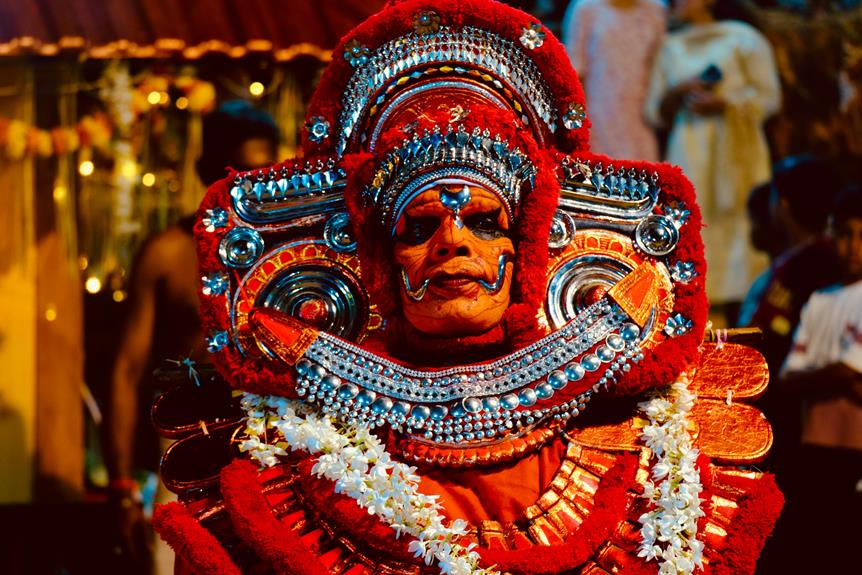
    The vibrant costumes and adornments of the Sagayan Festival dancers reflect the rich cultural heritage of Maguindanao and set the tone for the dynamic performance. The traditional attire and adornments symbolize the rich cultural traditions and history of Maguindanao.

    Earthy tones are prominent in the dancers' costumes, reflecting the vibrant cultural heritage of Maguindanao. The bright colors with earthy tones are a testament to the rich cultural heritage of Maguindanao.

    The dancers' costumes are adorned with brass bells, creating a symphony of sounds as they perform the rhythmic Sagayan war dance. The brass bells add an auditory dimension to the performance, enhancing the overall experience.

    Traditional props are used to enhance the visual spectacle of the traditional dance. The colorful props and backdrops used in the Sagayan Festival add depth and vibrancy to the performance.

    The performers embody the bravery and valor depicted in the Darangen epic by holding kampilan swords and klung shields. These traditional weapons are an integral part of the Sagayan Festival, highlighting the rich cultural heritage of Maguindanao.

    The Sagayan Festival's colorful costumes and adornments are a testament to the rich cultural heritage of Maguindanao, and they play a vital role in bringing the traditional dance to life.

    Rhythmic Drumming and Chanting

    Rhythmic Drumming and Chanting Set the Pace

    The Sagayan Festival's rhythmic drumming and chanting create an electrifying atmosphere, drawing you into the intense, captivating performance of the mock war dance.

    The beats of the drums and traditional chants add to the energy and excitement, making it a truly immersive experience.

    Drumming Guides the Dancers

    The rhythm of the drumming guides the dancers as they showcase their intricate steps, creating a dynamic and engaging cultural experience.

    The combination of drumming, chanting, and dance steps is truly mesmerizing, drawing you into the world of Maguindanao's rich cultural heritage.

    Immersive Experience

    As you're enveloped by the pulsating drumbeats and chanting, you'll feel the energy and passion of the performers, making the Sagayan Festival an unforgettable experience.

    Preserving Maguindanao Heritage

    By embracing the Sagayan Festival, Lanao del Norte is actively safeguarding its cultural legacy, ensuring the rich heritage of Maguindanao is passed down to future generations. This festival is more than just a celebration – it's a testament to the region's commitment to preserving its cultural identity.

    The Sagayan Festival showcases traditional cultural dance. The festival features the traditional mock war dance, a unique blend of Maranao and Maguindanao traditions.

    The festival honors ancestral heroes. It celebrates the heroic adventures of Datu Bantugan from the Bumbaran kingdom, as told in the Darangen epic.

    The festival empowers youth. By involving young performers, the festival ensures the continuation of Maguindanao's cultural heritage.

    The festival preserves traditional attire. The colorful costumes, complete with brass bells, kampilan swords, and klung shields, are a stunning display of traditional Maguindanao attire.

    Through the Sagayan Festival, Lanao del Norte isn't only celebrating its cultural heritage but also ensuring its preservation for generations to come.

    The Role of Warriors in Sagayan

    The Warriors' Dynamic Performance

    At the Sagayan Festival, the warriors' dynamic dance moves and vibrant attire bring to life the epic tale of Prince Bantugan's bravery.

    The Traditional War Dance

    The warriors perform the traditional war dance, showcasing their agility and strength as they stomp, jump, roll, kick, and move their arms with precision.

    Warrior's Attire and Symbolism

    The warriors' colorful costumes are based on descriptions from the epic Darangen.

    Their attire symbolizes bravery and skill.

    • Kampilan swords symbolize bravery and skill.
    • Shields with shell noisemakers add to the dynamic dance moves.
    • Intricate arm movements depict the heroic steps of Prince Bantugan.
    • Props like kampilan swords and klung shields enhance the storytelling and visual impact.

    The warriors' vibrant costumes, kampilan swords, and shields with shell noisemakers create a visually stunning performance, making the Sagayan Festival an unforgettable experience.

    Traditional Instruments and Music

    Traditional Instruments Bring Maguindanao's Cultural Heritage to Life

    The rhythmic pulse of the tagunggo ensemble is the backbone of the Sagayan Festival, transporting you to the heart of Maguindanao's rich cultural heritage.

    The tagunggo ensemble consists of indigenous musical instruments, which create the dynamic atmosphere of the festival.

    The Instruments:

    • Gongs provide a resonant and powerful sound.
    • Drums add a pulsing energy to the performance.
    • Bamboo instruments bring a unique, earthy tone to the music.
    • Other traditional instruments add depth and complexity to the overall sound.

    The Music:

    The music sets the energetic pace for the dancers, enhancing the storytelling of the mock war dance from the Darangen epic. Each beat and rhythm of the music complements the movements of the dancers, creating a dynamic and engaging performance.

    The combination of traditional instruments and music adds depth and authenticity to the cultural experience of the Sagayan Festival, reflecting the rich musical heritage of the Maguindanao and Maranao people in Lanao del Norte.

    Immersive Experience:

    As you immerse yourself in the festival, you'll find that the traditional instruments and music are an integral part of the cultural experience, transporting you to a world of vibrant rhythms and dynamic performances.

    The Festival's Impact on Community

    The Sagayan Festival's Impact on Community Unity and Cultural Pride

    The Sagayan Festival has a profound impact on the community of Lanao del Norte, fostering unity and cultural pride among its residents. This is achieved through the festival's encouragement of youth engagement, as young people actively participate in preserving and promoting their cultural heritage.

    The festival's evolution has led to the incorporation of colorful props and backdrops, enriching the overall experience. As a result, community involvement is heightened, with residents taking pride in their cultural identity.

    The Sagayan Festival has become an integral part of the community's fabric, promoting unity and cultural pride among its residents.

    What is the significance of traditional dances in cultural festivals?

    The Obando fertility festival dancing holds great significance in cultural festivals as it celebrates the traditions and beliefs related to fertility. These traditional dances are a way for the community to honor their cultural heritage and to come together in celebration. The ritualistic movements and music create a powerful sense of unity and connection among the participants.

    Modernization of the Sagayan Dance

    The Sagayan dance has undergone significant modernization over the years, incorporating vibrant props and backdrops to elevate its performances.

    Modernization Elements:

    The modernization of the Sagayan dance is evident in its use of colorful props, such as fans, scarves, and ribbons, which add a pop of color to the performance, making it more engaging and lively.

    The incorporation of elaborate backdrops that reflect the theme of the festival enhances the overall visual appeal of the dance.

    Youth Involvement and Evolved Dance Steps:

    The involvement of young performers has injected new energy into the dance, bringing fresh ideas and perspectives to the traditional mock war dance.

    The dance steps of Sagayan have evolved to include a variety of movements, such as stomping, jumping, rolling, kicking, and intricate arm movements, making it more dynamic and captivating.

    Enduring Popularity:

    The modernization of the Sagayan dance hasn't only enhanced its performances but has also contributed to its enduring popularity.

    The perfect blend of tradition and innovation has made it a beloved cultural icon of Maguindanao.

    Frequently Asked Questions

    What Is the Sagayan Festival in Maguindanao?

    The Sagayan Festival is a vibrant celebration of Maguindanao's rich cultural heritage. This festival is rooted in ancient traditions, showcasing folkloric dance that promotes community bonding and highlights historical roots in traditional practices.

    What Is the Significance of Sagayan Dance?

    The significance of Sagayan dance lies in its preservation of cultural identity. This traditional dance form helps to maintain the cultural heritage of the Maguindanao people, an indigenous tribe in the Philippines. It showcases martial roots through performance art, highlighting the tribe's historical significance as skilled warriors. The dance also promotes community unity, as it is often performed during important cultural events and celebrations, bringing the community together in a shared experience.

    What Is the Famous Dance in Maguindanao?

    The famous dance in Maguindanao is the Singkil, a traditional Philippine dance that showcases the rich cultural heritage of the Maguindanao people. This dance is deeply rooted in cultural significance, originating from the Maranao and Iranun tribes. It is characterized by intricate footwork, hand movements, and rhythmic beats, which are accompanied by traditional attire and ancient musical instruments. The Singkil dance is a vibrant expression of the Maguindanao people's folkloric roots, ethnic pride, and tribal heritage.

    What Is the Costume Used in Sagayan Dance?

    The Sagayan dance costume features vibrant, intricately embroidered tribal patterns. These costumes are inspired by the traditional attire of Maguindanao warriors, showcasing their rich cultural heritage. The dancers wear vibrant headdresses, colorful sashes, and exotic accessories, which reflect the traditional dress of the Maguindanao people.

    Conclusion

    The Sagayan Festival is a celebration of the Maguindanao people's cultural heritage and bravery. This festival showcases their rich traditions and strong sense of community.

    By balancing modernization with preservation of tradition, the Sagayan Festival continues to thrive. This ensures that future generations can celebrate their unique identity.

  • Kaamulan Festival: A Showcase of Bukidnon’s Vibrant Indigenous Culture

    Kaamulan Festival: A Showcase of Bukidnon’s Vibrant Indigenous Culture

    Kaamulan Festival: A Celebration of Bukidnon's Indigenous Culture

    The Kaamulan Festival is a vibrant celebration of Bukidnon's seven tribal groups, rooted in ancient tribal gatherings that honor indigenous peoples and their traditions. This festival showcases the region's rich cultural heritage through traditional dances, music, and local delicacies, offering a glimpse into the history and identity of Bukidnon's Lumad and highland tribes.

    During the festival, you can experience the colorful traditional attire of the tribes, authentic handicrafts, and local delicacies that reflect the region's cultural diversity. The festival also features traditional dances, such as the Tinuldan, which is performed by the Talaandig tribe, and music played on traditional instruments like the Kulibit, a type of drum.

    As you immerse yourself in the festival, you'll gain a deeper understanding of the history and traditions of Bukidnon's indigenous peoples. You'll learn about the customs and practices of the tribes, such as the importance of ancestral lands and the significance of traditional clothing. The festival provides a unique opportunity to engage with the tribes and learn about their way of life.

    The Kaamulan Festival is a fascinating cultural showcase that offers a glimpse into the rich cultural heritage of Bukidnon's indigenous peoples. By attending the festival, you'll not only experience the vibrant culture of the region but also gain a deeper appreciation for the traditions and customs of the tribes.

    Understanding Kaamulan Festival's Roots

    The Kaamulan Festival's roots date back to ancient tribal gatherings in Bukidnon, where the region's indigenous people would come together to celebrate milestones and strengthen community bonds. These gatherings were pivotal in shaping the cultural legacy of Bukidnon, as they brought together various tribes to share customs and traditions.

    The festival's name, 'Kaamulan,' means 'to gather' in the Binukid language, reflecting this spirit of unity and celebration. Today, the Kaamulan Festival proudly showcases the rich cultural heritage of Bukidnon's seven tribal groups, featuring traditional costumes, music, and dance.

    Understanding the festival's roots is essential to appreciating its significance, which honors the region's indigenous peoples and their vibrant cultural traditions. By experiencing the Kaamulan Festival, you'll be immersed in a world of colorful traditions, warm hospitality, and a deep sense of community, which has been woven into the fabric of Bukidnon's history.

    Festival Highlights and Events

    Experience the Rich Indigenous Culture of Bukidnon

    The Kaamulan Festival celebrates the vibrant cultural traditions of Bukidnon's seven tribal groups. Vibrant street dancing competitions showcase their unique customs and traditions. The festival's program features a range of exciting events, including:

    • Civic Parade: A colorful procession showcasing the province's heritage.
    • Ethnic Dance Clinic: Learn traditional dances from the region's Indigenous people.
    • Laga Ta Bukidnon beauty pageant: A celebration of beauty and talent.

    Explore Traditional Crafts and Local Delicacies

    • Traditional crafts: Discover unique handicrafts and souvenirs.
    • Local delicacies: Savor the flavors of Bukidnon's traditional cuisine.

    Showcasing the Region's Heritage

    • Dance Performances: Highlighting the province's rich cultural heritage.
    • Agri Fair: Featuring the region's agricultural products.
    • Livestock Show: Showcasing the region's livestock.
    • Ethnocultural Music Festival: Celebrating the region's cultural diversity.

    Thrilling Events and Activities

    • Grand opening at the Capitol Grounds: A grand celebration to kick off the festival.
    • Rodeo Competition: A thrilling display of cowboy skills.
    • Motocross and Adventure Races: Adrenaline-pumping action for thrill-seekers.

    The Kaamulan Festival offers a glimpse into the lives of Bukidnon's Indigenous people and their rich cultural legacy.

    Cultural Significance of Kaamulan

    The Kaamulan Festival holds profound cultural significance by celebrating the identity and history of Lumad and highland tribes in Bukidnon.

    The festival recognizes the region's rich heritage and its importance in modern times, showcasing centuries-old cultural traditions unique to the region.

    By promoting tourism and business opportunities, the festival raises awareness about indigenous cultures and their significance in today's society.

    The festival fosters pride and cultural continuity among the tribes, facilitating cross-cultural exchange among attendees.

    It highlights the importance of cultural preservation in Bukidnon, emphasizing the need to protect and promote the region's vibrant indigenous heritage.

    As the festival preserves the cultural traditions of the Lumad and highland tribes,

    it ensures their rich heritage continues to thrive for generations to come.

    Must-Try Local Cuisine Delights

    Must-Try Local Cuisine Delights

    During the Kaamulan Festival, you'll have the chance to indulge in a variety of mouthwatering local dishes that showcase the rich culinary heritage of Bukidnon. Classic Filipino dishes and local favorites await you, offering a mix of savory and tangy flavors.

    Adobo: A Staple of Filipino Cuisine

    Try the beloved Adobo, featuring tender meat marinated in a savory blend of vinegar, soy sauce, and spices.

    Lechon: A Crispy Delight

    Don't miss the succulent Lechon, with its crispy skin and tender meat.

    Sinigang: A Comforting Soup

    Indulge in the comforting Sinigang, a tangy soup made with tamarind and vegetables.

    The Kaamulan Festival's communal feasting offers a unique opportunity to experience the best in Filipino cooking and local flavors.

    Savor the traditional flavors of Bukidnon's indigenous culture and enjoy the warm hospitality of the locals as you indulge in these mouthwatering dishes.

    Traditional Dances and Music

    Immerse Yourself in Bukidnon's Rich Cultural Heritage

    Bukidnon's traditional dances and music take center stage at the Kaamulan Festival, showcasing the region's rich cultural heritage.

    The Tinikling, a bamboo dance, highlights agility and coordination, while the Pangampo ritual dance symbolizes thanksgiving and unity among the tribes.

    Indigenous Music Performances

    The indigenous music performances feature instruments like the kulintang, a set of gongs played by skilled musicians. These rhythmic patterns transport you to a world of cultural narratives and traditions. The music is often accompanied by chants, songs, and storytelling elements, conveying the cultural significance of these performances.

    Visual Spectacle

    The dancers' intricate costumes, adorned with colorful beadwork, feathers, and traditional fabrics, add to the visual spectacle.

    As you immerse yourself in the festival's vibrant atmosphere, you'll appreciate the richness of Bukidnon's indigenous culture, proudly showcased through its traditional dances and music.

    Indigenous Tribe Showcase

    The Indigenous Tribe Showcase: A Celebration of Bukidnon's Rich Cultural Heritage

    At the heart of the Kaamulan Festival lies the Indigenous Tribe Showcase, where seven distinct tribes from Bukidnon proudly exhibit their unique customs and traditions. This vibrant celebration showcases the rich cultural heritage of Bukidnon's indigenous tribes.

    The tribes showcase their traditions through intricate performances, including dancing, chanting, and ancient rituals. These performances are a representation of their rich cultural legacy, which is preserved and passed down through generations.

    Seven tribes participate in the showcase, each with their unique traditions. For instance, the Talaandig tribe performs the Pangampo ritual, a ceremony to appease the spirits. The Higaonon tribe honors their leader through the Tagulambong hu Datu ceremony. The Manobo tribe showcases their traditional wedding ceremony, Panumanod.

    During the festival, participants adorn themselves in intricately woven costumes, traditional jewelry, and elaborate headpieces. The Indigenous Tribe Showcase serves as a platform to authentically represent and celebrate the rich cultural legacy of Bukidnon's indigenous tribes.

    Street Dancing Competition

    Experience the Vibrant Cultural Diversity of Bukidnon

    The Street Dancing Competition is the highlight of the Kaamulan Festival, showcasing the rich cultural diversity of Bukidnon's seven indigenous tribes. Each tribe performs unique cultural dances and music, dressed in their traditional attire, weaving a tapestry of vibrant cultural dances that will leave you breathless.

    Rhythmic Performances that Captivate

    The air is electric with the rhythmic performances, as dancers use traditional instruments like agong, gimbal, and kulintang to create mesmerizing rhythms and movements. Intricate dance routines convey stories, folklore, and heritage through synchronized movements, striking spectators with their energy and beauty.

    A Visual Feast of Colors and Patterns

    The Street Dancing Competition is a visual feast of colors, patterns, and energy, celebrating the rich cultural diversity of Bukidnon. This unforgettable experience will leave you with a deeper appreciation for the cultural heritage of the region.

    Workshops and Cultural Activities

    Immersive Workshops and Cultural Activities

    The Kaamulan Festival offers a range of immersive workshops and cultural activities that delve deeper into the rich cultural heritage of Bukidnon's indigenous tribes.

    Hands-on workshops allow participants to learn traditional crafts like weaving and basketry, providing a unique chance to develop new skills while gaining insight into the customs and practices of the indigenous communities.

    Cultural Activities

    The festival features cultural activities that showcase the region's heritage.

    Demonstrations of indigenous games and rituals give participants a deeper understanding of the local culture.

    Cultural presentations provide valuable insights into the customs and traditions of the indigenous tribes.

    Essential Festival Tips for Visitors

    Plan Ahead for a Comfortable Stay

    Book your accommodations in Malaybalay City or nearby towns early to ensure a comfortable base for exploring the Kaamulan Festival.

    Dress for the Weather

    Pack light, cool clothing to combat the hot and humid weather typical during the festival period.

    Immerse Yourself in Cultural Experiences

    During the festival, immerse yourself respectfully in cultural rituals, performances, and workshops to gain a deeper understanding of Bukidnon's heritage. Be mindful of local traditions and customs, and engage with the indigenous culture with sensitivity and respect.

    Support the Local Community

    Support local vendors by purchasing handicrafts and products, contributing to the community's economic growth during the festival. Take advantage of opportunities to learn from the local community and participate in cultural experiences that showcase the region's rich heritage.

    How Does the Kaamulan Festival Compare to the Bulawan Festival in Celebrating Indigenous Culture?

    The Kaamulan Festival showcases the rich indigenous culture of the Bukidnon people in the Philippines, while the Bulawan Festival is a golden harvest celebration in the esteemed province of Compostela Valley. Both festivals honor indigenous traditions through vibrant performances, colorful costumes, and meaningful rituals, preserving cultural heritage for future generations to experience and enjoy.

    Preserving Bukidnon's Heritage

    Preserving Bukidnon's Heritage

    The Kaamulan Festival is more than just a celebration; it's a platform for recognizing and appreciating the unique cultural legacy of Bukidnon. The festival plays a vital role in preserving the cultural heritage of the indigenous tribes. By showcasing the traditions and practices of the seven indigenous tribes, the festival bridges the past and present, celebrating Bukidnon's cultural richness.

    The festival's events, such as the Ethnocultural Music Festival and Street Dancing Competition, highlight the importance of preserving traditional practices and cultural legacy. These events allow the indigenous tribes to share their customs and traditions with the world, ensuring their cultural heritage is preserved for future generations.

    As a participant in the festival, you are contributing to the preservation of Bukidnon's heritage. By immersing yourself in the cultural experiences and traditions, you're helping to keep the cultural legacy of Bukidnon alive.

    Frequently Asked Questions

    What Is the Significance of Kaamulan Festival?

    The Kaamulan Festival celebrates cultural identity by showcasing the traditions and customs of the indigenous people of Bukidnon. This festival preserves folk traditions by featuring traditional dances, music, and food of the region. It honors indigenous roots by recognizing the history and heritage of the Lumad people, the original inhabitants of Mindanao. The festival fosters community bonding by bringing together people from different tribes and communities to celebrate their shared cultural heritage. It holds historical significance as it commemorates the founding of Bukidnon as a province.

    What Is the Highlight of Kaamulan Festival?

    The highlight of the Kaamulan Festival is the grand street dancing competition. In this event, tribes showcase their cultural heritage through vibrant costumes, folk performances, and indigenous games.

    What Are the 7 Tribes of Bukidnon and Its Culture?

    The 7 tribes of Bukidnon are: the Talaandig, Higaonon, Bukidnon, Manobo, Matigsalug, Tigwahanon, and Umayamnon.

    Each tribe has distinct tribal traditions rooted in their indigenous roots. For instance, the Talaandig tribe is known for their expertise in traditional healing practices, while the Higaonon tribe is skilled in woodcarvings and crafts.

    These tribes foster cultural exchange by participating in annual festivals, such as the Kaamulan Festival, which celebrates the customs and traditions of the Bukidnon tribes.

    The tribes preserve traditional practices that shape their ethnic identity. For example, the Manobo tribe is known for their traditional dance, the "Tinulugan," which is performed during special occasions.

    These traditional practices are built upon ancient customs that define their rich cultural heritage. The Tigwahanon tribe, for instance, has a rich tradition of storytelling, which is passed down from generation to generation.

    Who Won the Kaamulan Street Dancing?

    The Lumad tribe won the Kaamulan Street Dancing Competition. They impressed the judges with their mesmerizing dance routines, stunning costume designs, and flawless execution, meeting the competition rules and judging criteria.

    Conclusion

    The Kaamulan Festival showcases the rich indigenous culture of Bukidnon.

    This vibrant celebration features traditional street dancing, music, and local cuisine, all of which highlight the province's heritage.

    By participating in the festival, you have contributed to the preservation of the region's time-honored traditions.

    As you depart, remember the importance of cultural diversity and preservation, and carry the memories of the Kaamulan Festival with you.

  • Sandugo Festival: Commemorating the Blood Compact in Bohol

    Sandugo Festival: Commemorating the Blood Compact in Bohol

    The Sandugo Festival commemorates the historic blood compact between Datu Sikatuna and Miguel López de Legazpi in 1565. This celebration showcases Bohol's rich cultural heritage through traditional dances, music, and artifacts.

    The festival reenacts the blood compact, symbolizing unity and friendship between the Spanish and Filipinos.

    Street dancing competitions and cultural showcases highlight the province's cultural identity, with participants adorned in traditional costumes.

    This pivotal moment in Philippine history holds significance today, demonstrating the importance of cooperation and mutual respect.

    Historical Significance Unveiled

    The Sandugo Festival commemorates a pivotal event in Philippine history: the historic blood compact between Datu Sikatuna and Miguel López de Legazpi in 1565. This symbolic gesture of friendship and unity marked the beginning of Spanish colonization in the Philippines. The blood compact ceremony, a traditional method to seal alliances and diplomatic relations, was a deliberate act to establish a treaty of friendship between the Spaniards and Filipinos.

    The significance of the blood compact extends beyond a symbol of friendship. It paved the way for the Spanish colonization of the Philippines, making it a critical moment in the country's history. The Sandugo Festival honors this momentous occasion through re-enactments, cultural presentations, and festivities, recognizing the unity and friendship forged between Datu Sikatuna and Miguel López de Legazpi.

    The festival provides a rich cultural heritage experience, offering a glimpse into the country's history. By exploring the Sandugo Festival, you'll uncover the significance of the blood compact and its impact on the Philippines.

    Vibrant Street Dancing Competition

    Experience the Vibrant Sandugo Street Dancing Competition

    The Sandugo Street Dancing Competition is the ultimate showcase of Boholano culture and artistic expression, taking center stage at the festival.

    This highly anticipated event brings together participants from schools, local governments, and Boholano organizations, all vying for top honors.

    The Competition Route

    The competition kicks off at City Pier, parading through major streets, and culminates at Pres. Carlos P. Garcia Sports Complex, drawing in massive crowds of spectators.

    High Stakes and Rich Heritage

    The stakes are high, with substantial cash prizes up for grabs, adding to the excitement and motivation for participants.

    This celebration of Bohol's cultural heritage is a testament to the province's rich history and commitment to unity.

    Fusion of Traditional and Modern Elements

    As you watch the vibrant street dancing, you'll witness the fusion of traditional and modern elements, showcasing the best of Bohol's artistic expression.

    The Sandugo Street Dancing Competition is a must-see highlight of the festival, commemorating the Blood Compact and honoring Bohol's rich cultural legacy.

    Cultural Heritage on Display

    The Sandugo Festival showcases Bohol's cultural heritage through traditional dances, music, and historical artifacts. This festival masterfully weaves together the threads of Bohol's unique identity, immersing visitors in the province's distinct customs and traditions.

    The festival grounds feature exhibits that highlight the region's history and traditions. One of the main attractions is the Blood Compact Shrine, a historic site that commemorates the iconic agreement between the Spanish and the native Boholanos. This pivotal moment in Bohol's past continues to shape the island's cultural identity.

    The festival celebrates Bohol's rich heritage through vibrant performances and competitions. Visitors can enjoy traditional music and dance performances, which highlight the province's diversity.

    The cultural displays and historical artifacts transport visitors to a bygone era, showcasing the depth and richness of Bohol's cultural heritage.

    The Blood Compact Reenactment

    The Blood Compact Reenactment: A Testament to Unity and Cooperation

    During the Sandugo Festival, the rich cultural heritage of Bohol takes center stage, with the Blood Compact reenactment being the highlight of the celebration.

    This poignant ritual commemorates the historic treaty of friendship between Datu Sikatuna and Miguel López de Legazpi in 1565.

    The reenactment symbolizes the alliance between the two leaders, showcasing the ceremonial exchange of blood as a gesture of unity and cooperation.

    The ceremony recreates the 1565 event where Sikatuna and Miguel López de Legazpi formed a bond of friendship, marking the beginning of peaceful relations between the Filipinos and the Spaniards.

    The Blood Compact paved the way for a harmonious coexistence between the two cultures. As you watch the ceremony, you'll appreciate the cultural significance of this historical event, which has become an integral part of Bohol's heritage.

    The Blood Compact reenactment serves as a reminder of the importance of unity and mutual respect.

    Traditional Costumes and Symbolism

    As the performers take to the stage, their vibrant traditional costumes immediately capture your attention, showcasing the rich cultural heritage of Bohol and the fusion of Filipino and Spanish influences.

    The costumes tell a story of cultural significance through their intricate details. These details include:

    • Vibrant colors that reflect the island's natural beauty and maritime traditions. For example, the blue hues represent the sea that surrounds the island, while the green tones symbolize the lush forests.
    • Intricate beadwork and indigenous patterns that symbolize the island's rich cultural heritage. These patterns are inspired by the traditional textiles of the indigenous people of Bohol.
    • Headdresses adorned with feathers, shells, and beads, echoing the spirit of the historic blood compact event. This event marked a pivotal moment in Bohol's history, and the headdresses serve as a reminder of the island's rich history.
    • Symbols of unity, friendship, and peace incorporated into the designs, reflecting the spirit of the festival. These symbols promote the values of harmony and cooperation that are at the heart of the festival.
    • Each detail, from the fabrics to the accessories, carrying deep cultural significance and storytelling elements. Every aspect of the costumes has a specific meaning and contributes to the overall narrative of the performance.

    These traditional costumes are more than just aesthetically pleasing; they're a testament to the island's rich cultural heritage and its history. As you watch the performers, you can't help but be drawn into the vibrant colors and intricate details, and appreciate the cultural significance behind each element.

    Indigenous Music and Dance

    Immersive Cultural Experience

    At the Sandugo Festival, the indigenous music and dance performances showcase the rich cultural expressions of the Boholano people. The traditional dances, accompanied by the pulsing sounds of gongs and drums, evoke a deep sense of cultural heritage and community.

    Traditional Dances and Instruments

    The Boholano people have a rich cultural heritage, reflected in their traditional dances and instruments.

    Tinikling, a traditional dance, is performed with bamboo poles and gongs, representing the rich cultural heritage of Bohol.

    Kuratsa, another traditional dance, is accompanied by drums and guitars, symbolizing the creative talents of the Boholano people.

    Sinulog, a festive dance, is performed with drums and trumpets, commemorating the historical Blood Compact.

    Karatong, a vibrant dance, is accompanied by gongs and drums, showcasing the rhythmic beats and colorful costumes of Boholano culture.

    Preserving Cultural Identity

    These artistic presentations highlight the importance of preserving and celebrating Bohol's cultural identity. Through indigenous music and dance, the Sandugo Festival honors the traditional practices and cultural expressions of the Boholano community.

    Festive Activities and Events

    The Sandugo Festival is a vibrant celebration of Bohol's rich cultural heritage, featuring a mix of traditional and contemporary festivities.

    The festival commemorates the Treaty of Friendship between Datu Sikatuna and Miguel Lopez de Legazpi, symbolizing unity, friendship, and the historic treaty. This blend of Filipino-Spanish relations and cultural celebrations showcases the province's unique cultural identity.

    Some of the festive activities and events include:

    • Reenactments of the Blood Compact, which showcase the historic treaty.
    • A Beauty Pageant, highlighting the beauty and talent of local participants.
    • Music and dance performances, featuring traditional Filipino and Spanish rhythms.
    • Local businesses showcasing their products and services, offering a taste of Bohol's rich cultural heritage.
    • Tigum Bol-anon, a cultural presentation that takes you Around the World in one night, featuring music, dance, and costumes from different countries.

    Culinary Delights of Bohol

    Experience the Flavors of Bohol at the Sandugo Festival

    During the Sandugo Festival, visitors can indulge in a culinary adventure, exploring the rich flavors of Bohol through its traditional dishes and local specialties.

    Traditional Boholano dishes like Ubi Kinampay, Puto Balanghoy, and Linasan showcase the island's unique culinary heritage. These dishes can be found at various food stalls and pop-up markets throughout the festival grounds.

    Vendors share more than just recipes; they share stories and traditional cooking methods passed down through generations. By trying the local flavors, visitors can embark on a sensorial journey that goes beyond the visual and auditory spectacles of the festival.

    Savor the smoky flavors of Lechon, the freshness of Grilled Squid, and the sweetness of Bibingka. With each bite, visitors can gain a deeper appreciation for Bohol's rich culinary heritage.

    Economic and Cultural Impact

    The Sandugo Festival has a significant economic impact, generating revenue for local businesses and contributing to the local economy. The festival boosts tourism, which in turn supports local entrepreneurs and stimulates economic growth.

    The festival fosters community pride and unity, promoting a deeper appreciation for Bohol's cultural heritage among Boholanos. It preserves and promotes Bohol's cultural identity by showcasing traditional dances, music, and historical exhibits. Local businesses benefit from the festival, as it provides a platform for them to showcase their products and services.

    The Sandugo Festival contributes to the preservation of Philippine history and culture, educating visitors about Bohol's rich cultural heritage.

    How are the Sandugo Festival and Shariff Kabunsuan Festival different in their cultural significance and traditions?

    The Sandugo Festival and Shariff Kabunsuan Festival are different in their cultural significance and traditions. The Shariff Kabunsuan Festival honors the arrival of Shariff Muhammad Kabungsuwan in the Philippines, marking the spread of Islam in Mindanao. Meanwhile, the Sandugo Festival commemorates the blood compact between Miguel Lopez de Legazpi and Datu Sikatuna, symbolizing peace and friendship.

    Personal Stories of Participation

    The Significance of Personal Stories in the Sandugo Festival

    The Sandugo Festival holds great cultural and emotional significance for its participants, as reflected in their personal stories of participation.

    Cultural Significance

    The festival celebrates the historic Blood Compact between Spanish explorer Miguel López de Legazpi and local chieftain Rajah Sikatuna, which is a crucial part of Bohol's identity.

    Preserving cultural heritage and celebrating the Blood Compact are essential themes in participants' stories.

    Emotional Connection

    Through their stories, participants express a strong sense of unity, pride, and cultural immersion.

    These emotions are linked to their active participation in the festival, which strengthens their connection to Boholano culture.

    Festival Experience

    Participants' stories often feature their experiences with street dancing, re-enactments, and cultural presentations, which showcase Bohol's rich heritage and traditions.

    These activities allow participants to engage with their cultural roots and share them with others.

    The Lasting Impact

    By sharing their stories, participants highlight the importance of being part of the Sandugo Festival.

    They cherish the memories of their active participation in preserving and promoting Boholano culture.

    The festival has a profound impact on the lives of those who've experienced it, as it fosters a sense of community and cultural pride.

    Frequently Asked Questions

    What Is Sandugo Festival in Bohol?

    The Sandugo Festival is a celebration of Bohol culture, Filipino heritage, and rich traditions.

    This vibrant festival features colorful costumes and lively street dances, showcasing local customs and traditional music. The festival also includes food festivals and cultural exchange activities, providing an opportunity to experience the rich cultural heritage of Bohol.

    What Is the Significance of the Sandugo Blood Compact?

    The Sandugo Blood Compact represents a historic agreement between Spanish explorer Miguel López de Legazpi and local chieftain Rajah Sikatuna in 1565.

    This pact symbolized a bond between two cultures, marking a significant event in Philippine history. The blood compact signified a mutual agreement of friendship and alliance between the Spanish and the native Filipinos. This ritual was a symbolic gesture of unity, demonstrating the willingness of both parties to work together peacefully. The ceremony involved the mixing of blood from both parties, which was then drunk as a seal of their commitment. This ancient ritual sealed a sacred pact, fostering cultural fusion and leaving a lasting legacy of eternal vows and tribal traditions.

    What Does the Sandugo Symbolize?

    The Sandugo symbolizes a powerful bond of brotherhood, embodying cultural identity, historical significance, and tribal unity. This symbolic act forged an eternal friendship and lasting alliance through ancient traditions, such as the blood compact between Spanish explorer Miguel López de Legazpi and local chieftain Rajah Sikatuna in 1565. This historic event showcased the unity and cooperation between the two leaders, marking the beginning of a long-lasting friendship and peaceful coexistence.

    What Is the Blood Compact Ritual?

    The Blood Compact ritual is an ancient ceremonial practice that symbolizes alliances, cultural exchange, and friendship.

    This ritual is rooted in tribal traditions where ceremonial acts held significant historical meaning as a symbolic gesture of unity and cooperation. In this ritual, participants would make a small incision in their arms, and then mix their blood together as a symbol of their commitment to one another.

    Conclusion

    The Sandugo Festival is a celebration of Bohol's rich history and cultural heritage. This annual event commemorates the Blood Compact, a significant event in Philippine history.

    The festival features vibrant street dancing, cultural displays, and a reenactment of the Blood Compact, showcasing Bohol's resilience and pride.

    Preserving cultural traditions and community bonding are essential to the festival's significance. By immersing oneself in the festive atmosphere, one can appreciate the importance of these values.

  • Pintados Festival: Celebrating the Tattooed Warriors of Tacloban

    Pintados Festival: Celebrating the Tattooed Warriors of Tacloban

    The Pintados Festival celebrates the legacy of the heavily tattooed warriors of Tacloban.

    In the streets of Tacloban, grand street parades, ritual dances, and vibrant body paintings showcase the region's rich cultural heritage. The performers, adorned with intricate designs, reflect the region's history and values.

    The tattoos symbolized courage, strength, and social rank, and each pattern and color has significant meaning.

    The festival honors the bravery and beauty of the Pintados, who once roamed the streets of Tacloban. Today, the festival allows visitors to uncover the significance of every pattern and color, and discover more about the Pintados' enduring spirit.

    Origins of the Pintados Tradition

    The Pintados Tradition Originated in Tacloban and Surrounding Areas

    During the Spanish colonization of the Visayas region, a unique phenomenon emerged: heavily tattooed warriors who embodied the essence of courage and beauty. These warriors, known as the Pintados, originated from Tacloban and surrounding areas.

    Their bodies were intricately adorned with symbols of their victories and accomplishments, serving as a visual representation of their bravery and accomplishments.

    Tattoos Symbolized Courage, Beauty, and Strength

    The tattoos symbolized the Pintados' courage, beauty, and strength, earned through acts of war and conquest. These tattoos weren't just mere decorations; they told stories of their history, traditions, and values.

    Celebrating Victories and Harvests with Grand Festivals

    The native warriors celebrated their victories and harvests with grand festivals, showcasing their tattooed bodies with pride.

    Today, the Pintados tradition is an integral part of Tacloban's cultural heritage, highlighting the rich history and unique customs of the Visayan people.

    Legendary Tattooed Warriors of Leyte

    The Legendary Pintados Warriors of Leyte

    The Pintados, legendary tattooed warriors of Leyte, embodied strength, bravery, and cultural pride. Their tattoos symbolized courage, beauty, and social rank, reflecting their warrior lifestyle and status in the community.

    Celebrating Victories and Harvests

    The Pintados celebrated their victories and bountiful harvests with elaborate festivals, showcasing their bravery and cultural heritage. These celebrations featured colorful performances, traditional dances, and intricate body paintings that paid homage to their bravery and strength.

    The Pintados Festival Legacy

    Today, the Pintados Festival in Tacloban City commemorates the legacy of these tattooed warriors and their significant role in Leyte's history. The festival continues to showcase the rich cultural heritage of Leyte, inspired by the bravery and strength of the legendary Pintados warriors.

    Body Art as a Symbol

    Body Art as a Symbol

    In the Pintados Festival, body art plays a crucial role in symbolizing the courage, beauty, and strength of the legendary tattooed warriors of Leyte. This art form isn't just a decorative element, but a representation of the cultural heritage of the Pintados people.

    Symbolism in Body Art

    The body art in the festival serves as a visual representation of the ancestral traditions and beliefs of the Pintados people.

    Courage is represented through intricate armor-like patterns on the dancers' bodies.

    Beauty is showcased through vibrant colors and designs inspired by nature.

    Strength is depicted through tattoos that highlight achievements in battles.

    Cultural Heritage is reflected in traditional designs inspired by the pre-Spanish era.

    The intricate designs and patterns adorning the dancers' bodies showcase the rich cultural heritage of the region.

    Vibrant Street Parades and Dances

    Vibrant Street Parades and Dances

    The city of Tacloban comes alive with vibrant street parades and dances that showcase the region's rich cultural heritage.

    The Festive Procession

    The rhythmic beats of native instruments entice you to join the festive procession, where dancers, painted in intricate armor-like designs, take to the streets of Tacloban.

    The parade traditionally starts at Balayuan Towers, marking the beginning of the festive procession of dancing colors. As you follow the colorful parade, you'll crisscross through Tacloban city avenues, getting a glimpse of the rich cultural heritage of the region.

    Ritual Dance Presentation

    The Dance Presentation of Pintados is a testament to the region's rich heritage, showcasing the vibrant energy of the festival.

    You'll be treated to a vibrant display of colorful costumes and lively movements, celebrating the traditions of the pre-Spanish era.

    With every step and every beat, you'll feel the infectious energy of the festival, drawing you into the celebration of the tattooed warriors of Tacloban.

    Cultural Significance of Tattoo Designs

    The Cultural Significance of Tattoo Designs

    Beyond their visual appeal, the tattoo designs in the Pintados Festival hold a deeper meaning, reflecting the cultural identity and values of the native warriors of Tacloban. These designs symbolize courage, rank, and strength, paying homage to the pre-Spanish history of Leytenos and their rich cultural heritage.

    Tattoo Designs and Their Meanings

    Tattoo DesignCultural SignificanceRepresentation
    Armor-like body paintBravery and resilienceValor and traditions of the indigenous Pintados people
    Traditional patternsRank and strengthCultural identity and values of native warriors
    Intricate body paintingsCourage and resilienceRich cultural heritage of Leytenos

    The Significance of These Designs

    These tattoo designs are not just decorative; they're a visual representation of the history and traditions of the Pintados people. As you experience the Pintados Festival, remember that the tattoo designs you see are a testament to the cultural significance of the festival, celebrating the tattooed warriors of Tacloban.

    The Art of Traditional Tattooing

    Traditional Tattooing: A Reflection of Cultural Identity

    In traditional tattooing, the Pintados warriors of Tacloban, Philippines, crafted intricate body art that reflected their cultural identity, showcasing strength, beauty, and courage. These tattoos weren't just aesthetically pleasing; they symbolized rank earned through war and bravery in battle.

    Preserving Traditional Tattooing Practices

    The Pintados Foundation, a non-profit organization, has been instrumental in preserving and promoting traditional tattooing practices. The Foundation celebrates the rich cultural heritage of Tacloban through festivals like the Pintados Festival, featuring native instruments, traditional dances, and the art of traditional tattooing. This festival provides a deeper understanding of the significance of tattoos in the Pintados culture and their influence on modern tattooing practices.

    Festival Highlights and Attractions

    Immerse in the Rich Cultural Heritage of Tacloban

    The Pintados Festival is a vibrant celebration of Tacloban's cultural identity. The festival's highlights and attractions showcase the region's rich heritage through a variety of performances and events.

    Folk Dances: Preserving Pre-Spanish Era Traditions

    Traditional dances are presented in colorful costumes, showcasing the region's rich cultural heritage. These folk dances are inspired by pre-Spanish era traditions, highlighting the region's history and customs.

    Grand Parade: A Spectacle of Festive Garbs

    The Grand Parade is a vibrant street parade featuring performers dressed in festive garbs inspired by ancient warrior tattoos. This spectacle is a testament to the region's cultural identity and heritage.

    Kasadyaan Festival: Celebrating Heroic Pintados Warriors

    The Kasadyaan Festival is a grand celebration of music, dance, and art that honors the brave and heroic Pintados warriors. This festival culminates the Pintados Festival, preserving and honoring the history and traditions of the tattooed warriors of Tacloban.

    Colors and Patterns of the Pintados

    Vibrant Colors and Patterns Bring Ancient Warriors to Life

    The Pintados Festival's dancers wear intricate, armor-like designs that recreate the traditional tattoos of ancient Pintados warriors.

    Each dancer's body is a canvas of vibrant colors and patterns, symbolizing the courage and strength of the warriors. These body paintings evoke a sense of power and resilience.

    Intricate Designs Require Craftsmanship

    The dancers' bodies are adorned with intricate designs that require a high level of detail and craftsmanship to create.

    The level of detail in these designs is striking, making the dancers' bodies a testament to the region's rich cultural heritage.

    Celebrating Cultural Traditions

    The Pintados Festival is a celebration of the region's cultural traditions.

    The colors and patterns on display are a testament to the region's rich history. The festival showcases the region's vibrant cultural heritage through the dancers' intricate body paintings.

    The Spirit of the Warrior Dance

    The Warrior Dance: A Celebration of Courage and Strength

    The Warrior Dance at the Pintados Festival is a mesmerizing display of martial prowess and cultural heritage, transporting spectators back in time to an era of fearless warriors and rich cultural pride.

    Costumes: A Testament to Cultural Heritage

    The vibrant, intricate designs on the dancers' costumes showcase the rich cultural heritage of the indigenous people of Tacloban.

    These costumes embody the cultural pride of the warriors, reflecting their strong sense of identity and community.

    Body Paintings: Symbols of Courage and Strength

    The traditional, symbolic patterns on the dancers' bodies bring to life the courage and strength of the warriors.

    These body paintings symbolize the warriors' bravery, honor, and loyalty, which were essential values in their culture.

    Music: Indigenous Rhythms

    The indigenous rhythms that accompany the Warrior Dance evoke the martial prowess of the warriors.

    The rhythms are reminiscent of the beating of drums during battles, instilling fearlessness and strength in the warriors.

    Gestures: Symbolic Movements and Expressions

    The symbolic movements and expressions of the dancers embody the warrior spirit.

    The gestures convey the warriors' agility, strength, and strategic thinking, which were essential for their survival.

    Through the Warrior Dance, spectators experience the martial prowess and cultural heritage of the indigenous warriors of Tacloban, celebrating their courage, strength, and rich cultural pride.

    What is the significance of the tattoos in the Pintados Festival compared to the colorful celebration in the Dinagsa Festival?

    The significance of tattoos in the Pintados Festival, compared to the colorful celebration in the Dinagsa Festival, is that they both showcase the rich cultural heritage and traditions of the Philippines. The celebration of Cadiz City embodies the spirit of unity and pride through these unique and vibrant festivals.

    Preserving Heritage Through Art

    Through the vibrant tapestry of art forms, the Pintados Festival weaves a rich narrative of cultural preservation, breathing new life into the storied heritage of Tacloban's tattooed warriors. The festival's artistic expressions evoke the warrior spirit, transporting you to an era where body paintings and tattoos told stories of courage and honor.

    The Pintados Festival preserves the heritage of Tacloban's tattooed warriors through art in several ways.

    Body paintings mirror the intricate designs of the tattooed warriors, showcasing the unique patterns and bold markings that adorned their bodies. The colorful garbs worn by performers are reminiscent of the armor-like tattoos of the Pintados warriors, highlighting the significance of these designs in their cultural heritage.

    Street performances and parades bring to life pre-Spanish era traditions, giving spectators a glimpse into the rich cultural practices of the past. The music and dances performed during the festival honor the history and heritage of Leyte Province's tattooed warriors, ensuring their stories and traditions are kept alive.

    Vibrant tapestries weave a rich narrative of cultural preservation, showcasing the intricate designs and patterns that are an integral part of the Pintados warriors' heritage.

    Frequently Asked Questions

    What Is the Festival of Tattooed Warriors in Tacloban?

    The Festival of Tattooed Warriors in Tacloban celebrates the bravery and strength of ancient warriors who wore tattoos as symbols of their rank and courage. Tattoos served as a visual representation of a warrior's accomplishments and status. This festival showcases the cultural heritage and warrior legacy of Tacloban, highlighting the significance of tattoos in their history.

    What Is the Meaning of the Pintados Festival Tattoo?

    The Pintados Festival Tattoo embodies cultural significance, representing tribal identity and ancient symbolism. This significance is rooted in the warriors' lifestyle and traditions, where the tattoo signifies courage, rank, and strength. In the warriors' culture, these values were deeply ingrained, and the tattoo served as a visual representation of their status and accomplishments.

    Why Do People Celebrate the Pintados Festival?

    You celebrate the Pintados Festival to connect with your cultural identity by honoring the warrior ancestors who wore tattoos as a symbol of bravery and strength. This celebration acknowledges the historical significance of these tattooed warriors, who played a crucial role in the region's history. Fostering community bonding is another key aspect of the festival, which is achieved through traditional music, dances, and rituals that strengthen solidarity and shared heritage.

    Who Are the Pintados Warriors?

    The Pintados warriors were ancient Filipino fighters with a distinct warrior ethos rooted in tribal customs.

    Their warrior culture was characterized by intricate tattoos that symbolized courage, beauty, and rank among the warriors. These tattoos were not just decorative; they told stories of the warriors' bravery, achievements, and social standing within their tribes.

    Conclusion

    The Pintados Festival celebrates the cultural heritage of Tacloban through vibrant parades, dances, and designs. This festival is a testament to the resilience of Tacloban's cultural legacy, where body art tells stories of strength, courage, and identity.

    The tattooed warriors of Tacloban are honored through this celebration, which highlights the importance of preserving cultural heritage. By embracing this heritage, the people of Tacloban ensure that the spirit of the warrior lives on, connecting the community and inspiring future generations.

  • Turumba Festival: A Rhythmic Celebration of Faith in Pakil, Laguna

    Turumba Festival: A Rhythmic Celebration of Faith in Pakil, Laguna

    The Turumba Festival in Pakil, Laguna, is a centuries-old celebration that showcases the community's rich cultural heritage. It honors the Blessed Virgin Mary with a unique dance procession and traditional Filipino costumes.

    Dating back to the 18th century, Turumba has evolved into a testament to the town's commitment to preserving cultural identity. The festival's history is deeply rooted in the community's faith, with rituals and traditions that have been passed down through generations.

    As you delve deeper into the festival's significance, you'll discover a rich tapestry of faith, tradition, and community. The festival's cultural significance lies in its ability to bring the community together, celebrating their shared heritage and devotion to the Blessed Virgin Mary.

    History of Turumba Festival

    The Turumba Festival's roots date back to the late 18th century when fishermen in Laguna de Bay discovered an image of the Virgin Mary. This chance discovery sparked a devotion to the Virgin of Turumba, which would eventually give rise to the Turumba Festival.

    The festival's origins are closely tied to the commemoration of the seven sorrows of the Blessed Virgin Mary.

    The festival evolved to include a unique dance procession accompanied by the Awit ng Turumba, a traditional song that marks the end of each novena booklet's lupi.

    Today, the Turumba Festival is celebrated seven times a year, between April and May, with festivities culminating on Pentecost Sunday.

    The festival is a rich tapestry of faith, culture, and tradition that continues to captivate and inspire participants and observers alike.

    Cultural Significance of Turumba

    The Turumba Festival embodies the rich cultural significance of a community's heritage. This significance is evident in the seamless blend of spirituality, tradition, and community engagement.

    The festival's cultural importance lies in its ability to unite people, celebrating their shared faith and cultural identity.

    The Turumba Dance is a testament to the community's faith, where participants hold statues of the Virgin Mary, honoring her seven sorrows. This unique dance reflects the community's deep connection to their faith and heritage.

    The festival's cultural significance extends beyond celebration, serving as a testament to the community's resilience and devotion to their heritage. Every element of the festival, from colorful costumes to rhythmic beats, showcases the community's passion and dedication to preserving their cultural traditions.

    The Turumba Festival is a living embodiment of the community's history, values, and beliefs, making it a truly unforgettable experience.

    The Miraculous Virgin of Turumba

    The Miraculous Virgin of Turumba: A Beacon of Hope and Solace

    The Miraculous Virgin of Turumba, a revered icon, has been a source of comfort and strength for devotees since her discovery in 1788.

    Fishermen in Laguna de Bay found the iconic image, which inspired a wooden statue crafted in Spain, portraying Mater Dolorosa, Nuestra Señora de los Dolores de Turumba.

    Devotees believe in the intercession and miracles attributed to Nuestra Señora de los Dolores de Turumba, finding solace in honoring the Virgin Mary's suffering. For many, the Virgin of Turumba is a source of comfort and strength.

    The significance of Nuestra Señora de los Dolores de Turumba was solidified in 2021 when she was granted Pontifical Coronation, recognizing her ecclesiastical and civil importance.

    During the Turumba Festival, Nuestra Señora de las Virgen remains a central figure in the lives of the people of Pakil, Laguna.

    Dance Steps and Routines

    The Turumba Dance: A Ritual of Devotion

    The Turumba dance is a ritual that honors the Virgin Mary through synchronized rhythmic steps and movements. Dancers carry statues of the Virgin Mary while moving in a prayerful manner, showcasing the community's strong faith and devotion. This dance is deeply rooted in Filipino religious traditions and cultural practices.

    During the Turumba Festival, participants perform intricate dance steps accompanied by rhythmic movements that exude a sense of spiritual expression. The dance serves as a form of devotion, where participants believe in the healing powers of the dance. Historically, sick individuals have joined the procession, hoping to receive blessings and healing.

    As you observe the dance, you'll notice the synchronized movements, which are a testament to the community's unity and faith. The Turumba dance is a powerful expression of spirituality, where devotees come together to honor the Virgin Mary. Through their dance steps and routines, they convey their reverence and gratitude, creating a truly unique and captivating experience.

    Traditional Filipino Costumes

    Traditional Filipino Costumes at the Turumba Festival

    During the Turumba Festival, participants wear traditional Filipino costumes that showcase the country's rich cultural heritage. These costumes are more than just attire; they're a testament to the country's vibrant culture and history.

    Traditional Costumes

    The Maria Clara is an elegant dress with butterfly sleeves and flowing skirts, often worn by women during the festival. Men, on the other hand, wear the Barong Tagalog, a formal embroidered shirt made of pineapple or abaca fibers.

    Additional Elements

    To complete their traditional attire, participants often add Native Hats, which add a touch of cultural flair to the outfit. Fans and Jewelry with vibrant colors and unique designs complement the traditional attire. Accessories such as embroidered shawls, scarves, and other adornments reflect the country's cultural heritage.

    Celebrating Filipino Culture

    As you walk through the festival grounds, you'll notice participants taking pride in wearing these traditional costumes, honoring their history and adding to the festive atmosphere of the event.

    The intricate embroidery, vibrant colors, and unique designs of the costumes reflect the country's rich cultural heritage, making the Turumba Festival a true celebration of Filipino culture.

    The Virgin of Turumba, also known as the Lady of Sorrows, is often depicted in these traditional costumes, further emphasizing the significance of faith in the festival.

    Holy Week Celebrations

    The Turumba Festival's Holy Week Celebrations

    The Turumba Festival's Holy Week celebrations span seven days, showcasing a vibrant mix of spirituality and cultural heritage. Faith and tradition intertwine as the community comes together to pay tribute to Nuestra Señora de las Angustias, the patroness of Pakil, Laguna.

    A Unique Blend of Spirituality and Culture

    This annual celebration is a unique blend of spirituality, music, dance, and community participation. The festival's Holy Week celebrations commemorate the seven sorrows of the Blessed Virgin Mary through a dance procession. The novena booklet, marked with lupi, guides participants through the sorrowful events of Holy Week.

    Traditional Music and Song

    The rhythmic beats of the Awit ng Turumba, a traditional song, resonate throughout the procession route. The song narrates the Virgin Mary's story, further enriching the experience.

    Community and Devotion

    Throughout the celebration, a strong sense of community and devotion defines the Turumba Festival's Holy Week celebrations.

    Turumba Festival 2024 Schedule

    Turumba Festival 2024 Schedule

    Mark your calendars for the Turumba Festival 2024, taking place from April 8th to 10th in Pakil, Laguna. This three-day celebration honors the Virgin of Turumba, the patron saint of Pakil, and is held at the Peter of Alcantara Parish.

    Festival Highlights

    The festival offers a diverse range of activities, including competitions, cultural shows, and food offerings. Expect a lively atmosphere filled with energy, contests, local cuisine, and a spiritual ambiance.

    Special Contests

    Arco de Turumba Festival Arch Contest and Skateboarding Competition offer cash prizes and fun opportunities for participants.

    Culminating Event

    The festival will culminate on April 10, 2024, with the Zumbagong Saya sa Pakil event at the Festival Ground, promising a memorable conclusion to the celebrations.

    Why Attend?

    The Turumba Festival 2024 is an event that combines faith, culture, and entertainment, making it an experience not to be missed.

    Importance of Faith and Prayer

    At the core of the Turumba Festival lies a profound expression of faith and prayer, where devotees seek comfort, solace, and spiritual growth through their devotion to the Blessed Virgin Mary.

    Faith is a vital aspect of the festival, as devotees express their devotion to the Blessed Virgin Mary, which provides solace and strength in times of need. This devotion is evident in the various rituals and processions that take place during the festival.

    Prayer plays a significant role in the Turumba Festival, as devotees engage in various devotions and rituals that foster spiritual growth and connection with the divine. These prayers and rituals bring the community together, promoting unity and spiritual connection among the devotees.

    The festival honors the seven sorrows of the Blessed Virgin Mary, which emphasizes spiritual reflection and empathy. This is evident in the way devotees reflect on the sorrows of Mary, empathizing with her experiences and seeking to learn from them.

    Through the Turumba Festival, the importance of faith and prayer in the lives of the devotees is evident. These elements bring the community together, fostering a sense of unity and spiritual connection among the devotees.

    Cultural Exchange and Influence

    The Turumba Festival in Pakil, Laguna, showcases a unique cultural fusion of Filipino and Mexican influences. This cultural blend is evident in the traditional prayer dance, which reflects the historical exchange between the Philippines and Mexico. The dance's rhythmic beats and elegant movements demonstrate the significant Hispanic influence on Filipino culture.

    The dance is a testament to the historical exchange between the Philippines and Mexico. The Turumba Festival is a living example of how different communities can come together in celebration and prayer. During the festival, you may catch a glimpse of the Señora de las Antiguas, a revered oil painting of the Virgin Mary, which is often carried during the procession.

    The cultural exchange is also evident in the language. Filipino words like 'turumba' bear similarities to Mexican phrases. This cultural fusion is a beautiful example of how different communities can come together and celebrate their unique cultural heritage.

    How does the Turumba Festival in Pakil, Laguna compare to the Pagtaltal Festival in San Juan, Batangas in terms of cultural significance and traditions?

    The Turumba Festival in Pakil, Laguna and the Pagtaltal Festival in San Juan, Batangas are both deeply rooted in cultural significance and traditions. While the Turumba Festival celebrates the town’s patroness, Our Lady of Turumba, the pagtaltal festival in San Juan pays homage to the passion and death of Jesus Christ. Both festivals showcase vibrant cultural performances and religious rituals that reflect the unique heritage and traditions of their respective communities.

    Preserving Filipino Heritage

    Preserving Filipino Heritage through the Turumba Festival

    The Turumba Festival in Pakil, Laguna, is a vibrant celebration that showcases the richness of Filipino heritage.

    This festival is a testament to the town's commitment to preserving Filipino heritage, where the community comes together to celebrate their cultural identity.

    The Turumba Festival is a unique blend of faith, tradition, and community, highlighting the best of Filipino culture. The festival features a rhythmic dance procession, which showcases the community's deep connection to their heritage.

    The dance procession is a vital part of the festival, demonstrating the community's strong cultural practices.

    The festival's emphasis on prayer and offering to the Virgin Mary reflects the nation's strong Catholic roots. Moreover, the Turumba dancers believe in the healing properties of the dance, highlighting the country's rich cultural practices.

    By participating in the festival, you'll gain a deeper appreciation for the importance of preserving Filipino heritage.

    The Turumba Festival is a living testament to the power of cultural heritage, making it an unforgettable experience.

    Frequently Asked Questions

    What Is Turumba Festival in Pakil Laguna?

    The Turumba Festival in Pakil, Laguna is a vibrant celebration rooted in 18th-century history. This festival blends rich cultural significance with deep historical roots, honoring faith and tradition.

    What Is the Story Behind Our Lady of Turumba?

    Our Lady of Turumba's Origins Date Back to 1788

    The story of Our Lady of Turumba begins in 1788, when fishermen discovered an image of the Virgin Mary in the Philippines. This miraculous event sparked devotion and tales of divine intervention. Miraculous apparitions solidified her sacred significance, making her a revered figure in Filipino Catholicism.

    What Is the Longest Religious Festival in the Country of Pakil?

    The longest religious festival in Pakil, Laguna, is the Feast of the Turumba, which boasts a rich festival history. This festival embraces profound cultural significance and enduring faith traditions, weaving a vibrant tapestry of devotion and celebration.

    What Is Turumba Dance?

    The Turumba Dance is a traditional Filipino prayer dance rooted in folkloric roots. This dance is characterized by traditional costumes and symbolizes devotion and faith.

    Conclusion

    The Turumba Festival is a vibrant celebration that showcases the intersection of faith and culture.

    This festival, held in Pakil, Laguna, is more than just a spectacle – it's a testament to the power of devotion and tradition.

    The people of Pakil, Laguna, proudly uphold their rich heritage, demonstrating that traditional rhythms can still harmonize with modern times.

  • The Art of Philippine Lantern Making: From Parol to Modern Illuminations

    The Art of Philippine Lantern Making: From Parol to Modern Illuminations

    Philippine Lantern Making: A Rich Evolution

    The art of Philippine lantern making has undergone a significant transformation from simple bamboo structures to intricate masterpieces.

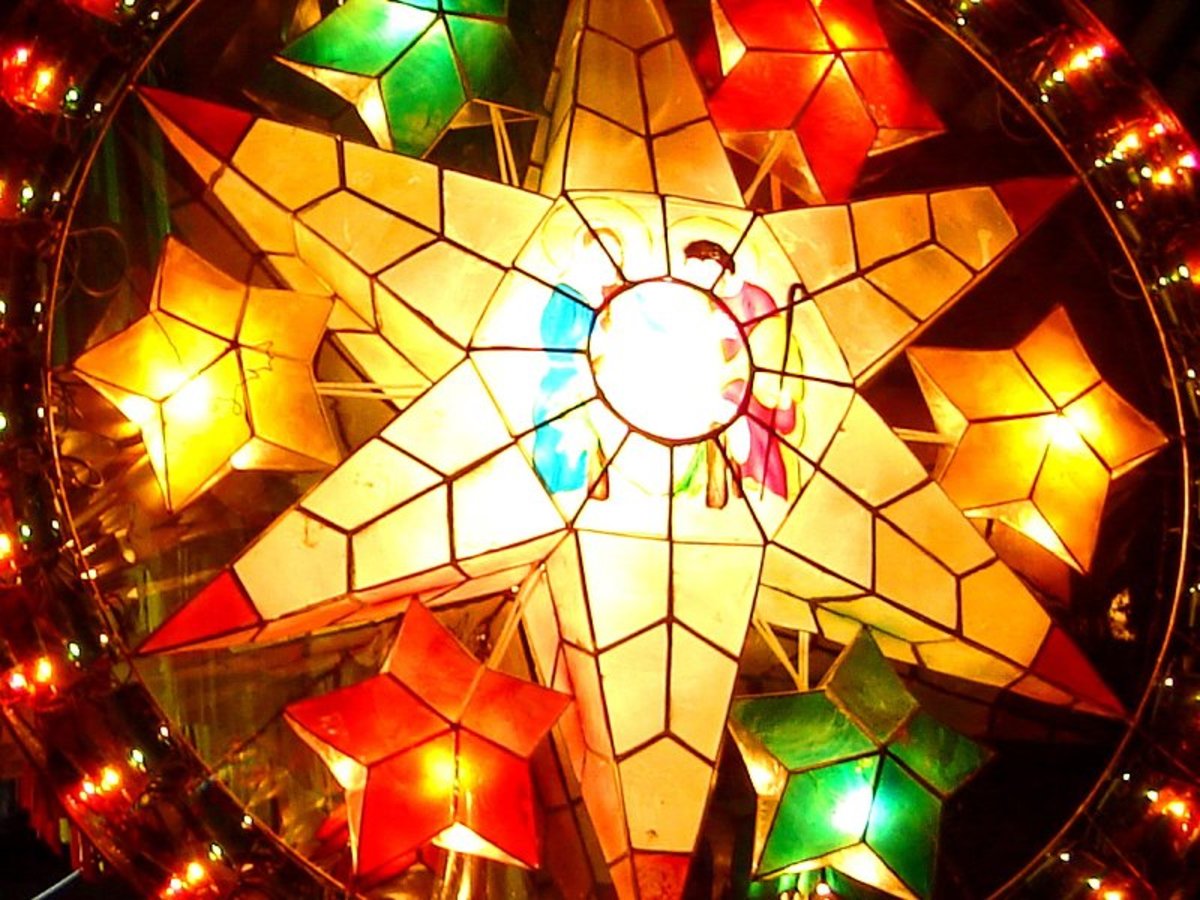
    From the Spanish era to modern times, parols have become an integral part of Filipino traditions, especially during Christmas. This evolution is marked by a shift from traditional materials like rice paper and capiz shells to modern designs featuring LED lights and contemporary techniques.

    Preserving Cultural Symbolism

    With each new generation, the craft is passed down, blending cultural symbolism with innovative twists.

    The parol's geometric patterns and vibrant colors symbolize the Star of Bethlehem, guiding Filipino Christians during the holiday season. This fusion of traditional and modern elements ensures the continued relevance of parol making in contemporary Filipino culture.

    Innovative Techniques and Designs

    Modern parol makers have introduced new techniques, incorporating materials like LED lights, fabric, and recycled materials.

    These innovative designs have expanded the possibilities for parol makers, enabling them to create complex and intricate designs that showcase their craftsmanship. As a result, the art of parol making continues to thrive, captivating audiences with its beauty and cultural significance.

    Key Takeaways

    The Origin of Philippine Lantern Making

    The art of Philippine lantern making originated from the Spanish era, when lanterns were crafted for Simbang Gabi processions. The term 'parol' is derived from the Spanish word 'farol'.

    Traditional Parol-Making Materials and Techniques

    Traditional parol-making materials include rice paper, bamboo sticks, capiz shells, and wood. These materials are used to create the framework and design of the lantern. Family involvement is crucial for preserving cultural heritage, as techniques are passed down through generations.

    Global Celebration and Cultural Significance

    Filipino immigrants share the festive spirit of Christmas celebrations by displaying parols in homes, churches, and public spaces worldwide, showcasing Filipino artistry to international audiences. The parol symbolizes guidance, hope, joy, and resilience in Filipino culture.

    Modern Parol Designs and Innovations

    Modern parol designs blend traditional styles with innovative materials and lighting effects, such as LED lights, laser-cutting, and interactive elements. These modern designs showcase the creativity of Filipino artists, pushing the boundaries of traditional lantern making.

    History of Parol Making in Philippines

    The art of parol making in the Philippines originated from the Spanish era. During this time, lanterns were crafted to illuminate evening processions of Simbang Gabi, a cherished Filipino tradition. The term 'parol' is derived from the Spanish word 'farol', reflecting the lantern's origin and evolution in Filipino culture.

    Parols have become an integral part of Filipino traditions, particularly during the Christmas season. In the past, barrio folks used parols to enhance the festive and spiritual atmosphere during Misa de Gallo, a tradition that continues to this day.

    The intricate design and craftsmanship of parols have been shaped by the country's rich cultural heritage.

    From Rice Paper to Capiz Shells

    Traditional parol making materials have undergone a significant transformation. From rice paper to capiz shells, this shift has greatly influenced the crafting techniques used today.

    Rice paper, once the primary material, was fragile and prone to tearing.

    In contrast, capiz shells are more durable and versatile, allowing for intricate designs and patterns.

    This change in materials has led to the development of new techniques, such as layering and shaping, which have enhanced the overall aesthetic of modern parol making.

    Traditional Materials

    Traditional Materials Used in Parol-Making

    Traditional parols were originally crafted from humble materials like rice paper and bamboo sticks. These materials were readily available and cost-effective, making parol-making accessible to many.

    The rice paper, delicate and translucent, allowed for a soft, warm glow when illuminated, creating an enchanting ambiance during Christmas celebrations.

    The bamboo sticks, lightweight and flexible, provided a sturdy yet elegant framework for the lanterns.

    Evolution of Parol-Making

    As parol-making evolved, artisans began to experiment with new materials, including capiz shells. Hailing from the province of Capiz in the Philippines, these shells are prized for their translucency and versatility.

    When used in parol-making, capiz shells add an ethereal quality to the lanterns, casting a mesmerizing glow when lit.

    Wood is used to create more affordable options for parol enthusiasts, ensuring that this beloved tradition remains accessible to all.

    Crafting Techniques

    Crafting Techniques Evolution

    The traditional materials used in crafting parols have undergone a significant transformation. From delicate rice paper to durable capiz shells, modern parol making has shifted towards using these translucent shells. This shift is due to the unique glow and durability capiz shells provide, making them a popular choice.

    Capiz Shells: A Game-Changer

    The widespread availability of capiz shells in the Philippines has made them a go-to material for parol crafting. The use of capiz shells has made parols more affordable and accessible to a wider audience. Handcrafted parols incorporating capiz shells offer a traditional yet elegant look that appeals to many enthusiasts.

    Getting Started with Capiz Shells

    If you're interested in trying your hand at parol making, DIY tutorials and workshops are available to guide you in incorporating capiz shells into your designs. These resources showcase the craftsmanship and beauty of capiz shells in lantern making, allowing you to master the art of modern parol crafting.

    Parol Designs Through the Ages

    Parol designs have undergone significant transformations over the years.

    In the Philippines, traditional parol designs have given way to modern innovations, yet still reflect the country's rich cultural heritage.

    Early parols were influenced by Chinese paper lanterns, which were introduced to the Philippines through trade and cultural exchange.

    Over time, parol designs incorporated Western Christmas figures and natural elements.

    As a result, parols evolved from simple bamboo structures to intricate, illuminated masterpieces.

    Modern parols often feature a star-shaped frame, adorned with lights, tassels, and other decorations.

    Traditional Parol Styles

    Traditional Parol Styles Have Evolved Over Time

    Traditional parol styles have transformed significantly from their humble beginnings as simple bamboo and paper creations to elaborate masterpieces adorned with capiz shells and intricate patterns. This evolution showcases the creativity and craftsmanship of Filipino artisans.

    Regional Variations Abound

    Each region in the Philippines has its unique take on the traditional parol. For example, Pampanga is renowned for its elaborate and competitive Kapampangan styles, which highlight the region's exceptional craftsmanship and creativity.

    The Classic Star-Shaped Parol

    The classic star-shaped parol, a staple in Filipino Christmas celebrations, represents the Star of Bethlehem, guiding the way for the Three Kings to baby Jesus. This timeless design has been passed down through generations, symbolizing joy, guidance, hope, and the triumph of light over darkness.

    Evolution of Modern Designs

    The modern landscape of parol design has undergone a significant transformation, blending traditional styles with innovative materials, lighting effects, and creative themes to redefine the essence of Filipino Christmas celebrations.

    Modern parol designs have evolved from traditional bamboo and papel de japon to include materials like capiz shells, plastic, and fiberglass. These contemporary parols often feature LED lights or light bulbs, offering dynamic lighting effects and sequences.

    Key Features of Modern Parol Designs

    Modern Parol Feature: Ornate designs

    Description: Combine traditional Filipino craftsmanship with innovative elements

    Emotional Connection: Joy and wonder

    Modern Parol Feature: LED lights

    Description: Create dynamic lighting effects and sequences

    Emotional Connection: Excitement and magic

    Modern Parol Feature: Western Christmas figures

    Description: Introduce new characters into traditional parol designs

    Emotional Connection: Nostalgia and curiosity

    Modern Parol Feature: Natural elements

    Description: Incorporate patterns like snowflakes and angels, adding a touch of winter wonder

    Emotional Connection: Serenity and peace

    These modern parols symbolize joy, guidance, and the enduring spirit of Filipino Christmas celebrations, blending tradition with modern aesthetics. They evoke a sense of wonder, nostalgia, and excitement, redefining the essence of Filipino Christmas celebrations.

    Filipino Traditions in Modern Times

    Modern Filipino Culture and Parol-Making

    In modern Filipino culture, traditional practices like parol-making have adapted to incorporate contemporary materials and designs. This fusion of old and new has resulted in stunning parols that blend traditional craftsmanship with modern flair.

    For instance, today's parols feature intricate designs that combine Western Christmas figures, natural elements, and even dancing light sequences, all crafted using modern materials like capiz shells, LEDs, and light bulbs.

    Handcrafted Parols and DIY Options

    Handcrafted parols remain popular, offering unique designs and affordability starting at $165.

    For those interested in creating their own parols, DIY tutorials and workshops provide a chance to learn the art of parol-making using materials like tissue paper, bamboo, and glue.

    Additionally, community celebrations and workshops, such as the Eagle Rock Parol Festival, continue to showcase the significance of parol-making in Filipino culture and identity. These events bring people together, fostering a sense of community and pride in this beloved Filipino tradition.

    The Parol's Journey Around the World

    The Parol's Global Reach

    The Parol Spreads Beyond the Philippines

    Beyond the Philippines, the parol's radiant glow has illuminated the world. Filipino immigrants have carried this beloved tradition to distant shores, transcending cultural boundaries.

    A Global Filipino Community

    As you explore the global Filipino community, you'll discover parols adorning homes, churches, and public spaces, symbolizing the resilience of Filipino culture.

    Filipino immigrants have taken it upon themselves to share this cherished tradition with their adopted countries, spreading the joy and festive spirit of Christmas celebrations.

    Global Recognition

    Today, parols have gained global recognition, showcasing the beauty and craftsmanship of Filipino artistry to international audiences.

    From the United States to Canada, Australia, and Europe, Filipino communities proudly display their parols, connecting with their heritage and sharing it with their new homelands.

    An Ambassador of Filipino Culture

    As a result, the parol has become an ambassador of Filipino culture, bridging cultural divides and spreading festive cheer worldwide.

    Passing Down the Craft Tradition

    Philippine lantern making is a cherished tradition that relies heavily on the passing down of techniques and skills from one generation to the next. This craft requires a deep understanding of the methods and expertise that have been refined over time.

    Preserving family traditions is crucial to keeping this cultural heritage alive. In the art of parol making, the importance of family involvement is evident in the way skills are passed down from parents to children or from master craftsmen to apprentices.

    By embracing this traditional craft, individuals become part of a rich cultural heritage that inspires new generations of lantern makers.

    Mastering the Craft

    Becoming a Part of a Cherished Tradition

    When you learn the intricate art of parol making from a master craftsperson, you become part of a revered tradition that has been passed down through generations of Filipino families and communities.

    Learning from a Master

    As an apprentice, you'll learn the intricacies of parol making from a master parol maker who's spent years honing their skills and perfecting their craft. Through hands-on training and guidance, you'll master the techniques and designs that have been refined over time.

    Mastering the Craft

    The art of parol making is a delicate balance of skill, creativity, and cultural heritage, making it a cherished craft to be passed down. As you learn from your mentor, you'll not only acquire the technical skills but also the cultural significance and historical context of this beloved tradition.

    Preserving Cultural Heritage

    Preserving Family Traditions

    Preserving Family Traditions

    In many Filipino families, the tradition of parol making is a cherished legacy that's been passed down through generations.

    This tradition is significant because it allows parents and grandparents to teach their children and grandchildren the intricate art of crafting these iconic lanterns. By learning the intricacies of parol making from loved ones, individuals not only preserve a time-honored family tradition but also foster a sense of cultural identity and connection.

    The craft of parol making instills valuable skills and values in the younger generation.

    By passing down the craft tradition, individuals instill values of creativity, craftsmanship, and resilience in the younger generation. The process of making parols together strengthens family bonds and creates lasting memories during the holiday season.

    The importance of preserving cultural traditions can't be overstated.

    Community Celebrations and Workshops

    Preserving Tradition through Community Celebrations and Workshops

    Filipino cultural heritage is being preserved through community celebrations like the Eagle Rock Parol Festival, where traditional parol-making techniques are passed down to new generations.

    FilAm Arts organizes workshops to teach the art of parol making, introducing participants to the intricacies of this traditional craft. These workshops ensure the tradition stays alive in the Filipino-American community, as participants learn that parols symbolize Filipino identity and evoke a sense of cultural heritage and connection.

    Learning Parol Making Techniques

    In these workshops, participants discover the significance of parol making in Filipino culture.

    Through hands-on learning, they master the techniques of creating these intricate decorations. By understanding the art of parol making, participants realize that parols are more than just decorations; they represent Filipino identity and cultural heritage, even when displayed in America.

    Continuing the Tradition

    To further preserve this cultural heritage, DIY parol making tutorials and workshops are available. These resources enable individuals to create their own parols, infused with the spirit of Filipino culture, wherever they're in the world.

    Evolution of Lantern Making Techniques

    The Evolution of Lantern Making Techniques

    Filipino artisans have transformed the art of lantern making by blending traditional craftsmanship with modern innovations.

    Traditional Materials Give Way to Modern Ones

    Traditional parols, made from bamboo and paper, have been replaced by modern versions crafted from capiz shells, plastic, and fiberglass. This shift reflects the fusion of traditional Filipino craftsmanship with modern innovations.

    Notable Developments in Lantern Making Techniques

    Contemporary Parols with Modern Lighting: Modern parols are illuminated with LED lights or light bulbs, featuring dancing light sequences for a festive look.

    Ornate Designs and Cultural Symbolism: Ornate parols feature Western Christmas figures, natural elements, and intricate designs such as angels, Santa Claus, and snowflakes. Artisans blend cultural symbolism with contemporary aesthetics in their designs.

    Modern Materials and Techniques: Modern materials and techniques are used to create unique and complex designs, showcasing the creativity and adaptability of Filipino artists.

    A Dynamic Art Form

    The evolution of lantern making reflects the creativity and adaptability of Filipino artists, who continue to push the boundaries of this vibrant and dynamic art form, embodying the spirit of innovation and tradition.

    How are traditional Filipino arts and crafts preserving cultural heritage?

    Traditional Filipino arts and crafts play a crucial role in preserving the country’s rich cultural heritage. From intricate weavings to vibrant pottery, these artistic expressions reflect the traditions and values of the Filipino people. One particularly fascinating aspect is the Philippine tribal tattoos, which hold deep significance beyond Whangod, an iconic village known for its ancient tattooing techniques. These tattoos serve as powerful symbols of identity, spirituality, and protection, fostering a strong connection to ancestral roots and ensuring the preservation of cultural traditions for future generations.

    Parol's Symbolism in Filipino Culture

    The Parol: A Symbol of Guidance and Hope in Filipino Culture

    The parol, a traditional Filipino Christmas decoration, represents the Star of Bethlehem, symbolizing guidance and hope in Filipino culture.

    In traditional Filipino beliefs, the parol is often linked to the Three Kings, emphasizing its significance in the country's Christmas traditions.

    The Enduring Presence of the Parol

    Unlike other Christmas decorations, the parol remains on display until the feast of the Epiphany, underscoring its enduring significance throughout the Christmas season. This prolonged display period reinforces the parol's importance in Filipino culture.

    Evolution of the Parol

    Modern parols have evolved, now featuring intricate designs that symbolize joy and guidance. They're often illuminated with LED lights or light bulbs, making them a vibrant and captivating part of Filipino Christmas celebrations.

    The Parol's Cultural Significance

    The parol's symbolism is deeply ingrained in Filipino Christmas traditions, reflecting cultural values and spiritual beliefs. As a symbol of the victory of light over darkness, the parol inspires hope and resilience in the hearts of Filipinos. Its radiant beauty serves as a reminder of the importance of guidance and hope during the Christmas season.

    Innovative Twists on a Classic Craft

    Modernizing a Timeless Craft

    Artisans are reinvigorating the traditional Filipino parol by incorporating innovative materials and techniques, infusing this beloved craft with modern flair and sophistication.

    Modern parol designs no longer adhere to traditional norms, as artisans experiment with unconventional materials like sea shells, acrylic, and metal to create contemporary masterpieces.

    Innovative Twists on Traditional Techniques

    Dynamic Illumination: Artisans are using LED lights and programmable sequences to create mesmerizing light displays.

    Intricate Designs: The incorporation of laser-cutting, 3D printing, and digital projections enables the creation of complex designs with precision and accuracy.

    Interactive Elements: The integration of sound effects, mobile app integration, and interactive elements provides a unique user experience.

    Fusion of Traditional Craftsmanship and Modern Technology: Artisans are combining traditional techniques with cutting-edge technology and design trends to create innovative parol designs.

    These modern adaptations not only pay homage to the rich cultural heritage of the parol but also showcase the fusion of traditional craftsmanship with modern technology and design trends.

    The result is a fascinating blend of innovative twists and traditional techniques that redefine the art form.

    Conclusion

    The Evolution of Philippine Lantern Making

    Philippine lantern making has a rich history that spans centuries.

    The craft originated with rice paper lanterns, which have evolved over time to incorporate new materials and designs.

    Today, lanterns are an integral part of Filipino culture, symbolizing hope, resilience, and community.

    The Significance of Parol

    The parol, a traditional Filipino lantern, is more than just a decorative piece.

    It represents the country's rich heritage and is a testament to the artisans who continue to preserve traditional craftsmanship.

    Each parol is a reflection of the country's history and cultural identity.

    From Traditional to Modern Designs

    While traditional lanterns were made with rice paper, modern innovations have introduced new materials and designs.

    Artisans now use a variety of materials, including plastic, metal, and recycled materials, to create unique and intricate designs.

    This fusion of traditional and modern techniques has elevated the art of lantern making in the Philippines.

  • Philippine Mosaic Art: Creating Masterpieces From Shattered Tiles and Glass

    Philippine Mosaic Art: Creating Masterpieces From Shattered Tiles and Glass

    Philippine Mosaic Art: Transforming Shattered Tiles and Glass into Masterpieces

    Philippine mosaic art is a vibrant and textured art form that originated from ancient craftsmen and continues to thrive today.

    Artisans break and arrange tiles and glass into intricate designs, conveying stories, emotions, and cultural influences.

    The art form involves techniques like tile fragmentation and glass breaking, where artists masterfully weave together fragments to reveal profound designs.

    For example, a mosaic artwork may depict a traditional Filipino festival, with shattered tiles and glass forming vibrant costumes and dynamic movements.

    As you delve into the world of Philippine mosaic art, you'll discover the intricate details and symbolism behind these stunning artworks.

    The artworks often symbolize cultural heritage, with each piece telling a story of the country's rich history and traditions.

    With each fragment carefully arranged, the artworks transform shattered pieces into breathtaking masterpieces, showcasing the beauty that emerges from brokenness.

    Key Takeaways

    Ancient Roots of Philippine Mosaic Art

    Philippine mosaic art has a rich history, with ancient craftsmen laying the foundation for the country's thriving mosaic art scene today. These skilled artisans developed techniques that have been passed down through generations.

    Tile Fragmentation Techniques

    Tools like hammers and tile nippers are used to fragment tiles, a crucial step in creating intricate designs. By breaking tiles into smaller pieces, artists can arrange them to form beautiful patterns and images.

    Characteristics of Philippine Mosaic Art

    Philippine mosaic art is known for its harmonious color combinations and textured surfaces, which evoke emotions and reflect cultural influences. These unique characteristics make Philippine mosaic art distinct and captivating.

    Storytelling through Mosaic Art

    Mosaic art tells stories and conveys symbolism, showcasing narratives of history, spiritual beliefs, and community values. Through shattered pieces, artists can convey complex ideas and emotions, making mosaic art a powerful form of expression.

    Assembling a Masterpiece

    To create a mosaic masterpiece, artists carefully arrange and secure tesserae onto a surface using strong glue like E6000, ensuring durability and beauty. This meticulous process requires patience and attention to detail, resulting in stunning works of art.

    Origins of Philippine Mosaic Art

    Ancient craftsmen pioneered Philippine mosaic art, adorning floors and outdoor spaces with intricate mosaics that laid the foundation for the country's rich mosaic heritage. These early craftsmen demonstrated exceptional skill in creating stunning mosaics that not only added aesthetic value to buildings but also told stories through their intricate designs.

    Mosaic art involves arranging small pieces of materials like stained glass, tiles, or stone to create larger images. This art form has been a staple in Philippine culture for centuries. The use of stained glass added sophistication, allowing for a greater range of colors and textures.

    Early craftsmen paved the way for the country's thriving mosaic art scene today. Their contributions led to the development of a rich and vibrant mosaic art culture in the Philippines.

    Techniques of Tile Fragmentation

    Techniques of Tile Fragmentation

    Tile Fragmentation: A Crucial Step in Mosaic Art

    In mosaic art, tile fragmentation is the process of breaking tiles, glass, or ceramics into smaller pieces. These smaller pieces are then carefully arranged and adhered to a base to form patterns, images, or designs.

    Tools Used in Tile Fragmentation

    To fragment tiles, artists use tools like hammers, tile nippers, or scoring tools. These tools allow artists to break tiles into desired shapes and sizes with precision and control.

    Transforming Shattered Pieces into Art

    The process of tile fragmentation requires precision and creativity to transform shattered pieces into cohesive and beautiful mosaic artworks. By repurposing broken glass and tiles, artists can create stunning masterpieces that showcase their skill and craftsmanship.

    The Importance of Tile Fragmentation in Mosaic Art

    In Philippine mosaic art, tile fragmentation techniques play a pivotal role in bringing intricate designs to life. By mastering these techniques, artists can create stunning and intricate designs that showcase their skill and craftsmanship.

    Glass Breaking and Shaping

    Breaking Glass for Mosaic Art

    When breaking glass for mosaic art, it's essential to wrap each item in a towel to contain the shards and prevent them from scattering. This allows for better control over the breakage and helps achieve the desired shapes.

    To safeguard your hands from cuts, wear thin gardening gloves. This ensures a safe working environment.

    Breaking the Glass

    Use a small hammer to gently break the wrapped glass into the desired shapes for your mosaic mural. Be attentive to the small shards and dispose of them properly to maintain a safe workspace and avoid accidents.

    To guarantee your glass pieces adhere properly, apply Mod Podge or clear-drying glue to the base. For larger pieces, anchor them with E6000 adhesive for better adhesion.

    Color Palette and Texture Play

    Philippine mosaic art is characterized by harmonious color combinations, textured surfaces, and iridescent glass accents. These elements come together to create visually striking pieces that evoke emotions, tell stories, and convey specific moods.

    Artists balance colors and textures to achieve a desired emotional response, carefully selecting hues and materials to craft their masterpieces.

    For example, warm colors like orange and red can evoke feelings of energy and passion, while cool colors like blue and green can convey calmness and serenity.

    Harmonious Hue Combinations

    Philippine mosaic artists create stunning harmonious hue combinations by carefully selecting colors and textures to elevate the aesthetic appeal of their mosaic designs. This is achieved by balancing colors and textures to create cohesive and visually appealing designs.

    Soft pastels and iridescent glass evoke a sense of serenity and calmness.

    Vibrant blues and greens are reminiscent of the Philippine sea and lush landscapes.

    Warm earth tones and metallic accents add depth and sophistication to the mosaic design.

    Monochromatic schemes with varied textures create a sense of unity and visual interest.

    Bold contrasts and geometric patterns make a statement with dynamic, eye-catching designs.

    These harmonious hue combinations reflect the artist's attention to detail and mastery of color theory, ultimately enhancing the overall impact of the mosaic art piece.

    Textured Mosaic Surfaces

    Textured Mosaic Surfaces

    Textured mosaic surfaces are a dynamic, multisensory experience that invites viewers to engage with the artwork on multiple levels.

    Diverse materials and hues are intentionally combined to create this experience. In Philippine mosaic art, textured surfaces often feature a diverse color palette, ranging from vibrant hues to subtle tones, which creates visual interest.

    The strategic combination of materials adds depth and dimension. For example, glass, ceramic, and stone tesserae are combined to enhance the tactile experience. Renowned mosaic artist Gigi Campos has mastered the art of mixing textures to create fascinating pieces.

    Her first mosaic showcased her talent for balancing smooth and rough textures, creating dynamic contrasts that amplify the visual impact.

    Textured mosaic surfaces can evoke emotions and tell stories. The interplay of colors and textures engages viewers on multiple sensory levels. As you explore the world of Philippine mosaic art, you'll discover how textured surfaces transform into masterpieces that invite you to touch, feel, and explore.

    Iridescent Glass Accents

    Iridescent Glass Accents in Philippine Mosaic Art

    Iridescent glass accents revolutionize Philippine mosaic art by injecting vibrant hues and shimmering textures that captivate the viewer's senses. The incorporation of iridescent glass accents elevates the overall aesthetic and luminosity of mosaic artworks.

    These accents introduce a dynamic visual appeal, primarily through their vibrant color palette, which is dominated by blues, greens, and purples.

    The reflective and shimmering quality of iridescent glass creates a unique texture play, adding depth and dimension to mosaic designs. Additionally, the iridescent properties of glass accents change in appearance based on the angle of light, contributing to the dynamic and ever-changing nature of mosaic art.

    Incorporating iridescent glass accents creates a striking contrast with traditional tesserae, elevating the visual impact and intricacy of mosaic compositions. In Philippine mosaic art, artists often use iridescent glass accents to enhance the overall aesthetic and luminosity of their artworks, showcasing their mastery of color and texture.

    Cultural Influences on Design

    Philippine mosaic art is deeply rooted in the country's rich cultural heritage. This heritage is evident in the intricate designs, patterns, and colors used in the art form.

    Folklore influences are reimagined in modern interpretations, blending traditional stories with contemporary styles. For example, the mythological creature 'Aswang' is often depicted in modern mosaic art, showcasing the fusion of traditional folklore with modern design.

    Tribal motifs and religious iconography play a significant role in Philippine mosaic art, adding depth and meaning to each piece. The vibrant colors used in these artworks aren't mere aesthetics; they hold significant symbolism, reflecting the country's cultural fusion. For instance, the color red is often used to symbolize courage and strength, while the color yellow represents wealth and prosperity.

    Traditional Filipino textiles, such as the 'malong', influence the design and patterns in mosaic art. Additionally, traditional craftsmanship techniques, such as weaving and carving, are incorporated into the intricate patterns and textures seen in mosaic art pieces.

    This blending of traditional and modern elements creates a unique visual language that tells the story of the country's rich cultural heritage.

    Artistic Expressions and Symbolism

    Philippine Mosaic Art: Uncovering Hidden Meaning

    Philippine mosaic art is a unique form of artistic expression that conveys stories and symbolism through the careful arrangement of shattered pieces. Each piece is imbued with meaning, weaving together narratives of history, spirituality, and community.

    Uncovering Cultural Heritage

    Through Philippine mosaic art, Filipino artists convey the country's rich cultural heritage. This intricate tapestry of art reveals the history and artistic expressions that define the Philippines. For example, mosaic artworks may depict traditional Filipino clothing, such as the Barong Tagalog, or iconic landmarks like the Mayon Volcano.

    Storytelling Through Mosaic

    Mosaic storytelling is an essential aspect of Philippine mosaic art. Artists use small, shattered pieces to create a larger narrative, often reflecting the country's history, spiritual beliefs, and community values. For instance, a mosaic artwork may depict the Philippine Revolution, highlighting the country's struggle for independence.

    Fragmented Beauty Emerges

    Philippine Mosaic Art: Transforming Brokenness into Beauty

    A Masterful Blend of Fragments

    With each shard of broken tile, a narrative of transformation unfolds, as Philippine mosaic art masterfully weaves together fragments to reveal a beauty that's both unexpected and profound.

    This art form isn't just about creating something new, but about transforming the broken into something extraordinary.

    Intricate Designs and Patterns

    As you gaze upon these intricate designs, you'll notice:

    • Delicate shards of glass shimmering like diamonds against a backdrop of rich, earthy tones.

    • Tiny pieces of tile coalescing to form a majestic bird in mid-flight.

    • Iridescent hues dancing across a canvas, evoking the shimmer of a tropical sunset.

    • Geometric patterns unfolding like a kaleidoscope, revealing hidden symmetries.

    • Fragments of ceramic, once discarded, now reborn as a vibrant mosaic tapestry.

    Transformative Beauty and Symbolic Resilience

    Through this creative process, Philippine mosaic art embodies transformative beauty, showcasing symbolic resilience in the face of adversity.

    By piecing together shattered fragments, artists convey the message that from brokenness, new and beautiful creations can arise, reflecting life's transformations and the human spirit's capacity for rebirth.

    Shattered Pieces of Meaning

    Philippine Mosaic Art: Unraveling the Symbolic Meanings

    In the world of Philippine mosaic art, artists intentionally infuse symbolic meanings into their masterpieces by carefully selecting and arranging shattered tiles and glass. Each piece is a narrative waiting to be deciphered.

    Deciphering the Narrative

    As you gaze upon these artworks, you're invited to unravel the symbolic interpretations woven into each piece. Each shattered tile or glass fragment represents a piece of life, emotion, or experience, carefully crafted to convey emotional depth and transformative beauty.

    Transformative Beauty

    The artistic expressions themselves are a confirmation of the power of resilience, as brokenness is transformed into something new and beautiful. Through fragmented storytelling, artists convey profound messages, guiding viewers to find wholeness in the brokenness.

    Uncovering the Secrets

    The intricate designs are more than just aesthetically pleasing; they hold the secrets of the artist's vision, waiting to be uncovered.

    As you explore deeper into the world of Philippine mosaic art, you'll discover that the shattered pieces of meaning are, in fact, a reflection of the human experience – a beautiful, complex tapestry of brokenness and transformation.

    Mosaic Storytelling Unfolds

    Mosaic Storytelling Unfolds

    Mosaic artists create intricate narratives through the deliberate arrangement of tesserae, resulting in visual tapestries rich in symbolism and emotional resonance.

    Emotional Resonance Through Color

    Vibrant colors evoke emotions, transporting viewers to specific times and places. For instance, a mosaic depicting a sunset may evoke feelings of nostalgia, while a mosaic featuring a bright blue sky may evoke feelings of calmness.

    Symbolism and Patterns

    Delicate patterns and shapes convey themes, such as unity, transformation, and resilience. For example, a mosaic featuring interconnected circles may symbolize unity, while a mosaic featuring a butterfly may symbolize transformation.

    Visual Narratives

    Tesserae arranged in intricate designs serve as visual narratives, capturing the essence of personal journeys and cultural heritage. For instance, a mosaic depicting a family tree may represent a person's ancestry and cultural roots.

    The Artist's Personal Touch

    The artist's personal touch is evident in the choice of colors, symbols, and patterns, making each mosaic a unique reflection of their own story. For example, an artist may choose to use warm colors to represent their cultural heritage or personal experiences.

    Connecting with the Artwork

    As you explore the mosaic, you're encouraged to reflect on your own experiences, emotions, and cultural background, forging a deeper connection with the artwork. By doing so, you'll develop a deeper understanding of the artwork and its meaning.

    The Art of Mosaic Storytelling

    Every element in a mosaic is carefully considered, ensuring that the artwork communicates complex ideas and evokes emotions through the arrangement of tesserae. This deliberate arrangement allows mosaic artists to tell intricate narratives that resonate with viewers.

    Masterpiece Assembly and Adhesion

    Masterpiece Assembly and Adhesion

    To create a stunning mosaic artwork, you must carefully arrange and secure individual tesserae onto a surface, a process known as masterpiece assembly. This process requires meticulous attention to detail, as the placement and adhesion of each tessera play a vital role in the artwork's durability and visual appeal.

    Adhesion Techniques for Durability

    A strong adhesive glue, such as E6000, is essential in ensuring the tesserae remain in place, preserving the artistic integrity of the piece. Proper tesserae placement and bonding contribute to the overall strength and longevity of the mosaic, preventing individual pieces from detaching over time.

    Visual Cohesion through Tesserae Arrangement

    The careful arrangement of tesserae enhances the mosaic's visual cohesion, resulting in a stunning piece that showcases your artistic skill and attention to detail. By mastering the art of masterpiece assembly and adhesion, you'll create mosaic artworks that exude beauty, strength, and artistic excellence.

    Preservation and Restoration Methods

    Preservation and Restoration Methods for Mosaic Artwork

    To ensure the longevity of your mosaic masterpiece, effective preservation and restoration methods are crucial. This is especially important for historically significant mosaic art pieces, which require special care to maintain their original beauty and value.

    Methods for Preserving Mosaic Artwork

    Regular Cleaning: Cleaning the artwork regularly prevents dirt buildup, which can cause damage and deterioration.

    Repairing Damaged Tesserae: Repairing damaged tesserae maintains the original design and prevents further damage.

    Environmental Protection: Protecting the artwork from environmental factors such as humidity, temperature, and light exposure prevents damage and deterioration.

    Documentation: Documenting the artwork's condition, materials used, and restoration process provides a record of the artwork's history and ensures accountability.

    Collaboration with Experts: Collaborating with skilled conservators and restoration specialists guarantees the highest level of care for the artwork.

    What Materials are Used in Philippine Mosaic Art Compared to Mother-of-Pearl Craft?

    Philippine mosaic art typically uses a wide range of materials such as glass, pottery, and stone to create intricate designs. On the other hand, luminous mother-of-pearl craft from the Philippines primarily utilizes the inner layer of shells to form luminous and iridescent patterns, adding a unique touch to the artwork.

    Contemporary Mosaic Art Trends

    Contemporary Mosaic Art Trends

    Contemporary mosaic art combines traditional techniques with modern elements, resulting in innovative and dynamic visual statements.

    Artists are experimenting with unconventional materials, pushing the boundaries of this ancient art form.

    Unconventional materials include recycled glass, porcelain, and even found objects.

    Modern Mosaic Materials

    Glass tiles with iridescent coatings are a popular choice, adding an extra dimension to mosaic artworks.

    Natural materials like stone and wood are also being used to create intricate and textured designs.

    Innovative Art Forms

    Mixed media mosaics combine traditional mosaic techniques with painting, sculpture, and other art forms.

    Digital mosaics use computer software to create intricate designs and patterns.

    Dynamic Color Palettes

    Vibrant colors and bold contrasts are used to create striking visual effects.

    Monochromatic color schemes are also used to add depth and texture to mosaic artworks.

    Modern Mosaic Materials

    Modern Mosaic Materials

    Contemporary mosaic artists have expanded the traditional mosaic palette by incorporating a wide range of modern materials into their work. This blend of traditional techniques with unconventional elements results in visually striking and thought-provoking pieces.

    Unconventional Materials

    Some modern materials used in contemporary mosaic art include:

    • Stained glass, which adds a kaleidoscope of colors and textures.
    • Metal accents, which introduce industrial chic and modern sophistication.
    • Recycled plastics, which bring an eco-friendly twist to the art form.
    • Glass fusion, which creates intricate, layered designs.
    • Beads and shells, which add a tactile, three-dimensional quality.

    Exploring New Techniques

    Innovative Art Forms

    Innovative Art Forms in Contemporary Mosaic Art

    Contemporary mosaic art has evolved into a dynamic fusion of traditional craftsmanship and modern influences, yielding innovative art forms that redefine the boundaries of this ancient art form.

    Techniques and Examples

    Mixed Media: Combining traditional mosaic materials with modern elements, such as glass, metal, and digital components, creates unique and fascinating art pieces.

    3D Effects: Artists create three-dimensional illusions by using sculptural mosaics with raised patterns, adding depth and texture to their work.

    Abstract Design: Non-representational compositions, characterized by geometric patterns and expressive colors, allow artists to experiment with color and form.

    Unconventional Materials: Artists use recycled glass, fabric, or found objects to create innovative and environmentally conscious art pieces.

    Cultural Fusion: Merging cultural symbols with modern aesthetics, such as Filipino motifs with contemporary colors, results in visually striking and culturally rich art forms.

    In this domain of creative techniques and artistic innovation, contemporary mosaic artists are redefining the art form. They draw inspiration from diverse sources, such as nature, urban landscapes, and cultural symbols, resulting in innovative art forms that showcase the ever-evolving nature of mosaic art.

    Dynamic Color Palettes

    Contemporary Mosaic Art Trends: Dynamic Color Palettes

    Innovative techniques and unconventional materials have expanded the creative possibilities of mosaic art, but it's the vibrant, dynamic color palettes that truly set contemporary mosaic art apart.

    Characteristics of Dynamic Color Palettes

    These palettes blend traditional and modern hues, creating a unique visual impact that resonates with the viewer. Some striking color combinations used in contemporary mosaic art include:

    • Bold and contrasting colors that add depth and dimension to mosaic designs
    • Earthy tones mixed with bright colors to create a harmonious balance
    • Metallic accents and iridescent tiles that add a touch of shimmer and sophistication
    • Vibrant hues that evoke emotions and convey cultural influences
    • Experimentation with color psychology to evoke specific emotions and moods

    The Significance of Dynamic Color Palettes

    These dynamic color palettes not only reflect the artistic techniques and creative expression of the mosaic artist but also demonstrate a deep understanding of color theory. By carefully selecting and combining colors, mosaic artists can evoke emotions, convey cultural influences, and create a lasting visual impact.

    Artists' Stories and Inspirations

    Mosaic Artists' Inspirations and Creative Journeys

    As you delve into the world of mosaic art, you'll discover that artists' creative journeys are deeply rooted in diverse inspirations. Antoni Gaudi's intricate mosaic work inspires Gigi Campos, while emotional landscapes of human experience influence Pamela Mauseth's art.

    Artist Inspiration Creative Process
    Gigi Campos Antoni Gaudi's mosaic work Healing and inner peace through mosaic art
    Pamela Mauseth Emotional landscapes of human experience Provoking contemplation and inspiration
    Maria Isabel Lopez Unique style and cultural heritage Contributing to the growing popularity of mosaic art in the Philippines

    Each artist's story reflects the power of mosaic art to evoke emotional connections and inspire creative processes. For Gigi Campos, mosaic art is a therapeutic outlet, providing healing and inner peace. Pamela Mauseth's work illustrates her emotional connection to the human experience. As you explore further into their stories, you'll realize that the artists' inspirations are as varied as their creative processes, yet they all share a common theme – the passion to create something beautiful and meaningful.

    Conclusion

    Philippine mosaic art transforms fragments into masterpieces. Through a process of tile fragmentation and glass breaking, artists create intricate designs that reflect the country's cultural heritage.

    Colors and textures are carefully selected to create visually appealing designs. With precision, artists assemble and adhere the fragments to form stunning works of art that transcend time and trends.

  • The Dying Art of Philippine Kalesa Making: Preserving the Legacy of Horse-Drawn Carriages

    The Dying Art of Philippine Kalesa Making: Preserving the Legacy of Horse-Drawn Carriages

    Philippine Kalesa Making: A Rich Cultural Heritage

    Philippine kalesa making is a centuries-old craft that dates back to the 18th century.

    During the colonial era, kalesas served as a status symbol, reflecting the country's blend of Filipino-Spanish culture.

    These intricately designed horse-drawn carriages showcase skilled craftsmanship, from the wooden frames to the ornate metal detailing.

    The Craft's Decline and Revival

    Although kalesa making faces decline, innovations are keeping this traditional art alive.

    Modern kalesa makers are incorporating new materials and techniques while preserving traditional craftsmanship.

    Despite the challenges, the story of kalesa making continues to unfold.

    Key Takeaways

    Kalesa making is a symbol of Filipino-Spanish cultural heritage and an integral part of Philippine history, introduced by the Spanish in the 18th century. This traditional craft has been passed down through generations, showcasing the country's rich cultural past.

    The traditional craft is declining due to the scarcity of raw materials and a shift towards modern transportation options. The scarcity of quality wood and leather, essential materials for kalesa making, contributes to the decline. Moreover, the increasing popularity of modern transportation options, such as cars and motorcycles, has reduced the demand for horse-drawn carriages.

    Fewer apprentices are learning the craft, threatening the preservation of this cultural legacy. With few young people interested in learning the craft, the future of kalesa making is uncertain. This lack of interest results in a scarcity of skilled craftsmen, further threatening the preservation of this cultural heritage.

    Efforts to innovate kalesa making, such as using eco-friendly materials and incorporating tech-savvy designs, aim to revitalize the industry. To appeal to modern consumers, kalesa makers are experimenting with eco-friendly materials and innovative designs. This modern twist can help increase the demand for horse-drawn carriages and attract a new generation of craftsmen.

    Preserving kalesa making is crucial for maintaining the cultural significance of horse-drawn carriages in contemporary society. By preserving this traditional craft, we can ensure that the cultural heritage and historical significance of kalesa making are preserved for future generations.

    History of Kalesa Making

    The Origins of Kalesa Making

    Kalesa making dates back to the 18th century, when the Spanish introduced horse-drawn carriages to the Philippines. During the colonial era, kalesas became a status symbol, reflecting the owner's wealth and social standing.

    Craftsmanship and Design

    Skilled craftsmen, known as karoserya, were responsible for manufacturing and customizing these elegant vehicles. They combined wood and metal materials to create durable and aesthetically pleasing kalesas that reflected the owner's prestige. The karoserya's attention to detail and dedication to their craft resulted in exquisite kalesas that were truly works of art.

    Understanding the Legacy

    Craftsmanship and Design

    Meticulous craftsmanship defines kalesas, showcasing the traditional skills of Filipino karoseros. The attention to detail in these horse-drawn carriages is evident in the intricate carvings, vibrant decorations, and personalized elements that adorn each kalesa.

    These design elements reflect the cultural significance and historical value of these beloved Filipino icons.

    Traditional Craft Techniques

    Traditional Craft Techniques

    A skilled karosero's workshop is a hub of activity, filled with the sounds of chiseling and hammering, and the scent of wood and metal. The air is thick with the smell of wood and metal. In this environment, traditional craft techniques are meticulously applied to create each kalesa by hand.

    The Art of Craftsmanship

    Karoseros employ precision and patience to shape and assemble wooden frames, crafting each component to ensure a sturdy and durable kalesa. Intricate designs demand attention to detail, as ornate carvings, decorative metalwork, and vibrant paint come together to create a masterpiece. The kalesa's design showcases a fusion of Spanish and Filipino influences in every aspect of its construction.

    The Legacy of Kalesa Making

    As you observe the karosero at work, you appreciate the dedication and skill required to create these beautiful, functional works of art. The traditional craft techniques employed by these skilled artisans are a tribute to the enduring legacy of kalesa making.

    Carriage Design Elements

    Kalesa Carriages: Masterpieces of Filipino Craftsmanship

    Every kalesa carriage is a testament to the exceptional craftsmanship of Filipino artisans. The intricate woodwork and ornate metal detailing are a tribute to the skill and dedication of the karoseros, who pour their heart and soul into crafting each carriage.

    Intricate Woodwork and Ornate Metal Detailing

    The carriage design elements showcase the artisans' expertise, with ornate carvings that dance across the wooden panels and decorative metalwork that adds a touch of elegance. The attention to detail is stunning, with sturdy canopies providing shelter for passengers and vibrant paint colors that seem to come alive in the light.

    Ornate Carvings and Decorative Metalwork

    Each kalesa is uniquely designed, reflecting the traditional artistry and cultural heritage of the Philippines. As you explore the intricate details, you'll appreciate the craftsmanship that's gone into creating these beautiful horse-drawn carriages.

    The Art of Wooden Carvings

    Understanding the Art of Wooden Carvings on Horse-Drawn Carriages

    The art of wooden carvings on horse-drawn carriages, also known as kalesas, is a testament to the craftsmanship and cultural heritage of a bygone era.

    Three key elements come together to create the stunning visual appeal of kalesas: design elements, intricate carving techniques, and wood selection.

    Design Elements:

    The design elements of kalesas are a perfect blend of form and function. Intricate patterns, curved lines, and ornate details come together to create a visually stunning vehicle. For instance, the ornate carvings on the carriage's exterior often feature floral patterns, which not only add aesthetic value but also showcase the craftsmanship of the artisans.

    Intricate Carving Techniques:

    The intricate carving techniques used in kalesa-making require great skill and patience. Artisans use various techniques, such as relief carving, intarsia, and marquetry, to create the intricate designs and patterns that adorn the carriage. These techniques involve careful manipulation of wood to create the desired design, making each kalesa a unique masterpiece.

    Wood Selection:

    The type of wood used in kalesa-making is critical to the overall appearance and durability of the carriage. Artisans often choose hardwoods, such as narra or kamagong, for their durability and aesthetic appeal. The wood selection process is meticulous, with artisans carefully selecting wood grains and textures to complement the design elements and carving techniques used.

    Design Elements Matter

    Skilled artisans transform kalesas into stunning works of art through exquisite wooden carvings. These carvings serve a purpose, contributing to the overall aesthetic of the kalesa. The wooden carvings, often featuring floral patterns, historical scenes, or religious motifs, are meticulously hand-carved onto the wood panels and pillars of the carriage. These design elements add a touch of elegance and reflect the craftsmanship and artistry of traditional kalesa makers.

    Each kalesa boasts unique carvings, reflecting the owner's personal preferences or cultural influences. For instance, a kalesa owner from a coastal region might choose carvings that depict sea creatures, while another from a rural area might prefer carvings of farm animals. The attention to detail in the wooden carvings demonstrates the level of craftsmanship that goes into creating these beautiful horse-drawn carriages.

    Intricate Carving Techniques

    Masterful Carvings in Kalesa Making

    Traditional tools in the hands of skilled artisans bring wooden kalesa components to life, showcasing the rich cultural heritage of Filipino craftsmen. The painstaking attention to detail in kalesa making is a testament to the artisans' dedication to their craft.

    Intricate Carving Techniques

    Wood carving techniques, passed down through generations, contribute to the unique beauty of each kalesa.

    Delicate Floral Patterns

    Delicate flowers, leaves, and vines are meticulously carved into wooden panels, showcasing the artisan's skill and patience.

    Ornate Details

    Rosettes, scrolls, and motifs are carefully crafted to adorn kalesa panels, adding an extra layer of elegance to these horse-drawn carriages.

    Intricate Filigree Work

    Intricate networks of interconnected patterns are carved into wooden components, demonstrating the level of craftsmanship involved in kalesa making.

    Through their intricate carvings, Filipino artisans leave an enduring mark on each kalesa, making every piece a tribute to their rich cultural heritage.

    Wood Selection Importance

    Selecting the Right Wood is Crucial for a Sturdy and Visually Stunning Kalesa

    When building a kalesa, choosing the right wood is essential because it determines the carriage's durability and aesthetic appeal. Durable and high-quality wood materials are necessary to withstand the test of time. Skilled artisans prioritize wood selection, opting for hardwoods like narra and molave, renowned for their strength and beauty.

    The Wood Selection Process is Vital

    The craftsmanship of traditional kalesa workshops relies heavily on the careful selection of wood, ensuring the longevity and structural integrity of the carriage.

    The wood selection process directly influences the overall aesthetics and durability of the kalesa. By choosing the right wood, artisans can showcase their mastery of intricate wooden carvings, a reflection of their dedication to preserving this traditional art form.

    Horse-Drawn Carriage Evolution

    The Evolution of Horse-Drawn Carriages

    The art of crafting horse-drawn carriages, like the traditional kalesa, has undergone a remarkable transformation since its introduction to the Philippines in the 18th century.

    Initial Introduction

    The Spanish introduced horse-drawn carriages to the Philippines in the 18th century, marking the beginning of a new era in transportation. This introduction allowed the elite to travel in style and comfort.

    Craftsmanship and Innovation

    Skilled artisans, known as karoseros, refined their craft, experimenting with designs and techniques to create unique and ornate carriages. For example, they developed intricate carvings, ornate metalwork, and vibrant paintwork, which became distinctive features of Filipino carriages.

    Decline and Revival

    The rise of motorized transportation led to a decline in the traditional craft, but modern efforts aim to revitalize and preserve the legacy of kalesa making. Efforts to revive the craft include workshops, exhibitions, and cultural festivals that showcase the art of horse-drawn carriage making.

    Legacy of Horse-Drawn Carriages

    Throughout its evolution, the horse-drawn carriage has remained an integral part of the country's heritage, with its traditional craft and legacy continuing to captivate audiences today. The kalesa, in particular, has become an iconic symbol of Filipino culture, representing the country's rich history and tradition.

    Cultural Significance in Philippines

    The kalesa embodies the Philippines' rich history and cultural heritage, symbolizing the nation's blend of Filipino and Spanish influences. This iconic horse-drawn carriage was once the primary mode of transportation for nobles, the rich, and high-ranking officials, showcasing their status and wealth. Historically, owning a kalesa was a status symbol, reflecting the owner's power and prestige.

    Today, the kalesa remains an important symbol of Philippine history and culture. In fact, National Artist for Literature Nick Joaquin described the kalesa as a 'symbol of the Filipino's soul.' In Intramuros, the historic walled city of Manila, kalesas are still used for guided tours, offering a glimpse into the country's rich past. Efforts are being made to preserve the legacy of kalesa making, ensuring that this valuable part of the country's heritage is passed down to future generations.

    The cultural significance of the Philippine kalesa lies in its representation of the nation's history, artistry, and traditions. By exploring the kalesa's cultural significance, you'll gain a deeper appreciation for the nation's history and cultural heritage.

    Decline of Kalesa Making Industry

    The kalesa making industry is in decline due to a combination of factors.

    Fewer apprentices are learning the traditional craft, which means the skills and techniques are at risk of being lost. For example, master craftsmen aren't being replaced as they retire, leaving a gap in knowledge and expertise.

    Additionally, the scarcity of raw materials is affecting the industry, as the quality and availability of wood and other essential components are dwindling.

    Furthermore, the shift towards modern transportation options is also contributing to the decline, as people opt for more convenient and efficient modes of transportation.

    Fewer Apprentices Learning

    Fewer Young People Are Interested in Learning Traditional Crafts

    Fewer young people are showing interest in learning traditional crafts like kalesa making, leaving many workshops without a clear successor to inherit their expertise. As a result, the number of apprenticeships has significantly decreased, and skilled craftsmen are becoming a rare breed.

    Three Key Factors Contributing to the Decline of Apprenticeships

    Lack of interest is a significant factor, as many young people prefer modern and lucrative careers over traditional crafts.

    Limited opportunities also play a role, as fewer workshops and master craftsmen are available to teach and guide apprentices.

    Additionally, the perceived lack of job security in the kalesa making industry discourages young people from pursuing it as a career.

    Consequences of the Decline

    The consequences of this decline are far-reaching, and it's essential to address this issue to preserve the art of kalesa making in the Philippines.

    Lack of Raw Materials

    The scarcity of quality wood and metal is threatening the traditional kalesa making industry in the Philippines. This shortage of essential raw materials is a significant obstacle for kalesa makers, who struggle to find decent wood and metal that can withstand the test of time and weather conditions.

    For instance, high-quality wood is necessary to ensure the durability of the kalesa's frame, while metal is required for the wheels and other moving parts. The scarcity of these raw materials is further complicated by the diminishing supply of skilled craftsmen who know the intricacies of traditional kalesa making.

    As a result, the industry is facing a severe shortage of essential materials, making it challenging to produce authentic and durable horse-drawn carriages. Additionally, high production costs and limited demand are exacerbating the decline of this cultural heritage.

    To preserve the authenticity and cultural significance of kalesa making, it's essential to address the issue of raw material scarcity.

    Changing Transportation Landscape

    The kalesa making industry has been severely impacted by the rise of modern transportation modes, leading to a decline in the demand for kalesas.

    Three key factors contribute to the decline of the kalesa making industry:

    The increased accessibility of personal transport has made motorized vehicles a more convenient and efficient option for people. With the rise of motorized vehicles, people have more options for transportation, leading to a decrease in the demand for kalesas.

    Changing consumer preferences have also played a significant role in the decline of the kalesa making industry. Modern consumers prioritize speed and comfort over traditional modes of transportation, making kalesas a less desirable option.

    The shift towards modernization has led to an increase in the popularity of cars, buses, and other motorized vehicles, further reducing the demand for kalesas.

    In the past, a kalesa driver could earn a comfortable living by providing transportation services to locals and tourists alike. However, with the changing transportation landscape, the kalesa making industry has struggled to adapt, leading to a decrease in its cultural significance.

    Preservation Efforts and Challenges

    Preservation Efforts

    Concerted heritage conservation programs and workshops on traditional carriage-making techniques are actively preserving the legacy of horse-drawn carriages. These initiatives include cultural festivals, educational campaigns, and museum exhibitions that raise awareness about the importance of kalesa preservation.

    Additionally, documenting kalesa history through research, oral histories, and archival materials is crucial in safeguarding this cultural heritage.

    Challenges

    Despite these efforts, preservation advocates face obstacles such as dwindling interest, lack of skilled craftsmen, and urban development pressures. Furthermore, funding constraints and changing societal values threaten the survival of kalesa craftsmanship.

    To overcome these challenges, it's essential to balance preservation with innovation, ensuring the long-term survival of this cultural heritage.

    Modern Applications and Innovations

    Modern kalesa preservation has evolved, with innovative craftsmen and designers blending traditional techniques with modern twists. Today, kalesa makers are pushing the boundaries of innovation, incorporating eco-friendly materials and cutting-edge technology to reimagine the classic horse-drawn carriage experience.

    Eco-friendly construction is a key development, where kalesas are built with sustainable materials, reducing their environmental footprint. For instance, some kalesa makers use reclaimed wood or recycled materials to minimize waste.

    Tech-savvy designs have also become a hallmark of modern kalesas. Advanced technology is being incorporated to enhance the passenger experience, such as GPS navigation and climate control. These features provide passengers with a comfortable and convenient ride.

    Furthermore, some kalesa makers are exploring electric and hybrid options, reducing emissions and minimizing their carbon footprint. This shift towards eco-friendly kalesas is a significant innovation in the industry.

    In this modern era of kalesa making, the possibilities are endless. With innovative craftsmen and designers at the helm, the traditional horse-drawn carriage experience is being reimagined for a new generation.

    How Can the Art of Kalesa Making and Feather Craft Preserve Philippine Cultural Heritage?

    The art of Kalesa making and feather craft is essential in preserving Philippine cultural heritage by creating intricate headdresses and accessories. These traditional crafts showcase the country’s rich history and cultural identity, passing down the skills and techniques to future generations. Maintaining these practices ensures that the Filipino heritage continues to thrive.

    Kalesa in Contemporary Society

    Preserving kalesas is crucial in contemporary society because they continue to hold cultural significance as a nostalgic mode of transportation in select tourist areas. In the walled city of Intramuros, kalesas are widely used for sightseeing tours, providing a comfortable living for many drivers and owners despite facing competition from modern transport modes.

    Efforts are being made to promote and preserve kalesas as a symbol of Filipino heritage. Advocacy groups are pushing for their preservation in urban centers despite the challenges.

    Modernizations and innovations in design and technology aim to sustain the legacy of kalesas in contemporary society. For instance, kalesas are being used in unique ways, such as in weddings and parades, allowing them to remain relevant and significant in some communities.

    Legacy of Traditional Craftsmanship

    Witnessing the Legacy of Traditional Filipino Craftsmanship

    In the Philippines, skilled artisans, known as karoseros, continue to handcraft kalesas, showcasing a legacy of traditional craftsmanship that dates back to the 1700s. Their meticulous attention to detail and dedication to their craft confirm the preservation of traditional craftsmanship.

    In their workshops, artisans hone their skills, passed down through generations, to create intricate wooden carvings, metalwork, and upholstery. This process requires patience, precision, and a deep understanding of the materials and techniques involved.

    Preserving Cultural Heritage through Traditional Kalesa Making

    1. Preserving Artisanal Techniques: Skilled artisans continue to refine their craft, ensuring techniques and methods developed over centuries aren't lost.

    2. Promoting Cultural Heritage: The kalesa, as a symbol of Filipino culture, serves as a reminder of the country's rich history and cultural identity.

    3. Legacy Preservation: By supporting these artisans, we can help preserve a crucial part of the country's legacy, ensuring its cultural heritage endures for generations to come.

    Conclusion

    Philippine Kalesa Making: A Fading Tradition

    Riding in a kalesa, a traditional horse-drawn carriage, is like stepping into the past. The gentle creaking of wooden wheels on cobblestone streets, the intricate carvings, and the rhythmic clip-clop of horses' hooves evoke a deep sense of nostalgia.

    This cultural heritage is in danger of disappearing.

    The Importance of Preservation

    Preserving the art of kalesa making is vital to connecting us to our cultural identity and heritage. By embracing innovation while honoring tradition, we can ensure the legacy of Philippine kalesa making continues to thrive. This requires a delicate balance between modernizing the craft and staying true to its roots.

    If we fail to preserve this tradition, we risk losing a valuable part of our cultural heritage.

    The Art of Kalesa Making

    Kalesa making is a complex process that requires great skill and attention to detail. From selecting the finest woods to meticulously carving intricate designs, each step demands patience, dedication, and a passion for the craft.

    The result is a masterpiece that combines form and function, a testament to the ingenuity and craftsmanship of the Filipino people.

  • Philippine Drift Wood Sculpture: Giving New Life to Nature's Castaways

    Philippine Drift Wood Sculpture: Giving New Life to Nature's Castaways

    Philippine Driftwood Sculpture: Transforming Nature's Discards into Masterpieces

    The Art of Driftwood Sculpture

    Philippine driftwood sculpture is an art form that breathes new life into discarded wood.

    Artists carefully select and combine driftwood pieces to uncover hidden treasures in each unique piece.

    This meticulous selection process determines the final shape and form of the sculpture.

    Celebrating Nature's Imperfections

    Filipino artists transform weathered wood into breathtaking art,

    celebrating the beauty found in nature's imperfections.

    This creative process not only showcases the artists' skills but also promotes environmental consciousness.

    Uncovering the Craftsmanship

    As you delve into the world of Philippine driftwood sculpture,

    you'll discover the intricate process, cultural heritage, and artisans' craftsmanship

    that come together to create these magnificent pieces.

    Key Takeaways

    Filipino artists breathe new life into discarded driftwood, transforming it into stunning sculptures that promote environmental consciousness and sustainable art practices. These unique pieces are created through a meticulous process of selecting, cleaning, and shaping driftwood to reveal its hidden beauty.

    Driftwood sculpting is an art form that celebrates nature's castaways. Each sculpture showcases the intricate textures and details of the wood, highlighting the elegance of coastal finds. This art form not only reduces waste but also promotes the value of reclaiming and reusing materials.

    Filipino craftsmen excel in blending traditional techniques with modern creativity. They preserve cultural heritage through exceptional skill and artisanal excellence, resulting in breathtaking sculptures that tell a story of sustainability and innovation.

    Through driftwood sculptures, artists raise environmental awareness and promote sustainable living. By giving new life to discarded materials, they inspire others to rethink their relationship with waste and the environment.

    Transforming Nature's Discarded Treasures

    Transforming Nature's Discarded Treasures

    Philippine Driftwood Sculptures: A Tribute to Local Artists

    Philippine driftwood sculptures aren't just works of art, but a testament to the ingenuity of local artists who transform nature's discarded treasures into stunning pieces.

    These artists take fragments of driftwood, once washed up on the shores, and breathe new life into them.

    Each driftwood sculpture is a unique creation, crafted with care and precision. The process of crafting these sculptures is a labor of love, as artists carefully select and arrange the pieces of wood to create enchanting forms.

    The Story Behind Each Sculpture

    Each driftwood sculpture tells a story of resilience and transformation.

    By giving new life to nature's castaways, these sculptures serve as a reminder of the power of art to elevate the ordinary into the extraordinary. The intricate details of the sculpture showcase the artist's skill and creativity, reminding us that even the most discarded pieces of wood can be transformed into something remarkable.

    The Art of Driftwood Sculpting

    Driftwood sculpting is a unique art form that transforms discarded natural materials into stunning works of art. This art form requires patience, creativity, and attention to detail. Driftwood sculptors like James Doran-Webb carefully select each piece of driftwood, considering its shape, texture, and character, before combining them to form intricate masterpieces.

    This art form requires patience, creativity, and attention to detail. Driftwood sculptors like James Doran-Webb carefully select each piece of driftwood, considering its shape, texture, and character, before combining them to form intricate masterpieces.

    The selection process is crucial in driftwood sculpting. Sculptors examine each piece of driftwood to identify its unique features, which will eventually determine the final shape and form of the artwork. For example, a piece of driftwood with a natural curve might be used to create the neck of a horse or the branch of a tree.

    Sculptors examine each piece of driftwood to identify its unique features, which will eventually determine the final shape and form of the artwork. For example, a piece of driftwood with a natural curve might be used to create the neck of a horse or the branch of a tree.

    Driftwood sculptures can take many forms and incorporate various materials. A majestic Driftwood Horse, with its twisted and curved wooden limbs, is a classic example of a driftwood sculpture. Some artists also incorporate other materials, like bronze, to add depth and complexity to their creations. This fusion of natural and synthetic materials results in unique and thought-provoking artworks.

    A majestic Driftwood Horse, with its twisted and curved wooden limbs, is a classic example of a driftwood sculpture. Some artists also incorporate other materials, like bronze, to add depth and complexity to their creations. This fusion of natural and synthetic materials results in unique and thought-provoking artworks.

    Driftwood sculpting isn't only about creating art but also about promoting environmental consciousness. By transforming discarded materials into beautiful works of art, driftwood sculptors highlight the importance of conservation and the beauty of nature. As you explore this art form, you'll appreciate the intricate details and the environmental message behind each masterpiece.

    Philippine Artists' Creative Vision

    Philippine driftwood sculpture artists breathe new life into discarded wood, transforming it into unique pieces of art that tell a story of transformation.

    Driftwood becomes a canvas for artists, where natural shapes and textures are enhanced to create stunning works of art. For instance, artists may highlight the wood's natural patterns, or add subtle colors to accentuate its features.

    Saltwater-weathered wood is carefully selected, cleaned, and transformed into breathtaking sculptures. Artists carefully choose driftwood pieces that have unique shapes or textures, and then carefully clean and prepare them for transformation into sculptures that showcase the beauty of the ocean's castaways.

    Some artists even cast their driftwood creations in bronze, ensuring that the fleeting beauty of the ocean's treasures is preserved for generations to come. This process allows the artists to create permanent and durable pieces of art that can be appreciated for years to come.

    The artists' creative vision gives new life to what was once discarded, and the resulting sculptures are truly breathtaking.

    Beachcombing for Unique Materials

    Beachcombing: The First Step in Creating Driftwood Sculptures

    To create stunning driftwood sculptures, you need to scour beaches to find unique materials. This process, called beachcombing, is essential in creating Philippine driftwood sculptures. As you walk along the shoreline, you'll develop techniques to find the perfect piece of weathered wood, honing your eye for the ideal driftwood shape.

    Beachcombing Allows Artists to Connect with Nature

    By collecting driftwood, artists connect with nature and showcase the beauty of reclaimed materials. This creative expression promotes sustainable practices by reducing waste and promoting eco-friendly sourcing. The environmental impact of beachcombing is minimal, making it an eco-friendly way to source materials.

    Driftwood Shapes Inspire Creativity

    As you gather materials, you'll find natural inspiration in the twisted, weathered shapes of the driftwood. This inspiration drives artists to create breathtaking sculptures that celebrate the beauty of nature.

    From Driftwood to Masterpiece

    Driftwood Sculpture: Transforming Discarded Wood into Masterpieces

    Driftwood sculpture is an art form that breathes new life into discarded wood, transforming it into stunning works of art.

    Artists uncover hidden treasures by searching for unique pieces of driftwood, often finding them on beaches, rivers, or forests.

    The process of creating a driftwood sculpture involves several steps.

    First, the artist selects the perfect piece of driftwood, considering its shape, size, and natural features.

    Next, they clean and prepare the wood, removing any dirt, debris, or imperfections.

    The artist's creativity and skill are reflected in the shaping and carving process, as they reveal the beauty within the wood.

    Through careful manipulation, the driftwood is transformed into a unique masterpiece, showcasing the artist's attention to detail and craftsmanship.

    Finding Hidden Treasures

    Driftwood Sculptures Transform Esquimalt Lagoon Beach Park

    While strolling along the beach, you might stumble upon unexpected treasures in the form of driftwood. In the skilled hands of an artist, these pieces can be transformed into stunning masterpieces. Local artist Paul Lewis has created intricate driftwood sculptures that elevate the scenic views of Esquimalt Lagoon beach park.

    Artistic Expression in Nature

    Driftwood sculptures encourage Artistic Exploration, highlighting the creative process behind these unique pieces. The sculptures add a touch of creativity to the coastal landscape, making the park a must-visit destination for nature lovers and art enthusiasts alike.

    The use of natural elements in the sculptures emphasizes the importance of Sustainable Art, inspiring a deeper appreciation for the beauty of nature.

    Three Ways Driftwood Sculptures Enhance the Coastal Landscape

    As you admire the 17 to 20 sculptures on display, you'll discover the magic of transforming coastal treasures into stunning works of art.

    Shaping Nature's Canvas

    Driftwood Sculpture: A Celebration of Nature and Sustainability

    Through meticulous selection and arrangement, artists breathe new life into discarded driftwood, crafting majestic sculptures that tell stories of the ocean's fury and the artist's creative vision. This unique art form showcases the beauty of nature and the power of coastal inspiration.

    Transforming Discarded Wood into Masterpieces

    The creative process is a testament to the environmental benefits of sustainable art practices. By repurposing discarded wood, artists reduce waste and promote eco-friendly art.

    Each masterpiece is a celebration of the environment, highlighting the importance of preserving our planet's natural wonders.

    Revealing Hidden Beauty

    Revealing Hidden Beauty

    You envision a majestic sculpture born from rough, weathered wood, telling a story of the ocean's fury and the artist's creative vision. As you delve into the world of Philippine driftwood sculptures, you uncover the hidden beauty within.

    Local artists, like James Doran-Webb, excel at revealing textures and hidden artistry within the reclaimed wood. Their creations showcase natural elegance, transforming nature's castaways into breathtaking masterpieces.

    Three standout features of Philippine driftwood sculptures are:

    Unique textures: Each piece of driftwood has a distinct character, revealing the ocean's fury and the artist's creative vision.

    Eco-friendly ethos: By repurposing natural elements, these sculptures promote sustainability and reduce waste.

    Storytelling: Every sculpture tells a story, from the ocean's fury to the artist's creative vision, making each piece a masterpiece.

    As you explore the world of Philippine driftwood sculptures, you'll discover the beauty in nature's castaways, transformed into majestic works of art that captivate and inspire.

    Environmental Awareness Through Art

    Filipino artists use driftwood to create sculptures that promote environmental responsibility. These sculptures not only showcase the artists' creativity but also convey a powerful message about the importance of preserving nature.

    By repurposing driftwood, the artists highlight the value of reclaiming and reusing materials. Each sculpture tells a unique story, capturing the essence of nature's resilience and creativity.

    The process of creating these sculptures has a profound environmental impact. The artists' use of reclaimed materials sparks a sense of responsibility in those who experience their work.

    The sculptures inspire viewers to appreciate and protect the natural world. By giving new life to nature's castaways, the Filipino driftwood sculptors showcase the beauty of conservation.

    The sculptures serve as a reminder that even discarded materials can become something remarkable. This creative transformation of driftwood inspires a sense of environmental awareness, urging viewers to rethink their impact on the planet.

    Celebrating Nature's Imperfections

    Embracing Imperfections in Philippine Driftwood Sculptures

    Philippine driftwood sculptures celebrate the beauty of imperfections by transforming natural flaws into unique art pieces.

    Nature's imperfections aren't flaws, but rather a source of abstract art. By embracing these imperfections, artists create one-of-a-kind sculptures that showcase the intricate beauty of nature.

    The Beauty of Uniqueness

    Each driftwood sculpture takes on a life of its own, revealing the hidden beauty of natural imperfections.

    The imperfections become the focal point, making each piece truly unique. This celebration of imperfections allows artists to craft sculptures that aren't only visually striking but also tell a story of nature's abstract art.

    Embracing Natural Flaws

    Embracing Natural Flaws

    Philippine driftwood sculptors transform discarded wood into stunning works of art, celebrating the beauty of imperfection. Each sculpture exudes character and charm, showcasing the natural elegance that shines through in each piece.

    Three essential reasons highlight the importance of embracing natural flaws in this art form:

    Uniqueness: Each piece of driftwood has its own distinct character, making every sculpture one-of-a-kind. For instance, a driftwood sculpture with an unusual shape or pattern becomes a unique piece of art that can't be replicated.

    Authenticity: By preserving the natural imperfections, the sculptures remain true to their original form, telling a story of resilience and transformation. For example, a driftwood sculpture with visible cracks or weathered surfaces showcases the wood's natural history.

    Beauty in flaws: The imperfections become an integral part of the sculpture's beauty, showcasing the artisans' creativity in working with weathered wood. A driftwood sculpture with knots or imperfections becomes a testament to the beauty of imperfection.

    Through their craft, Philippine driftwood sculptors promote a deeper connection with nature and its wonders, encouraging appreciation for the beauty in imperfection.

    Unique Beauty Unveiled

    Driftwood Sculptors Uncover Hidden Beauty

    Philippine driftwood sculptors transform nature's imperfections into stunning works of art.

    They celebrate the natural essence of each piece, embracing the imperfections in driftwood.

    The allure of driftwood lies in its weathered, worn appearance, which the artists skillfully transform into masterpieces.

    Through their artistic expression, they honor nature's creations, showcasing the beauty in natural imperfections.

    In the hands of these skilled craftsmen, nature's castaways are reborn as sculptural masterpieces.

    Each piece undergoes a sculptural transformation, where the imperfections aren't concealed but celebrated. The result is a tribute to the beauty that lies within nature's imperfections.

    The artistry of Philippine driftwood sculptors celebrates nature's beauty, where the ordinary becomes extraordinary.

    As you gaze upon these driftwood sculptures, you'll appreciate the unique charm that arises from the harmony of natural imperfections and human creativity.

    Nature's Abstract Art

    Nature's abstract art unfolds in the twisted, weathered forms of Philippine driftwood.

    Philippine artists transform discarded driftwood into mesmerizing works of art, celebrating the unique beauty of imperfection. As you explore these organic sculptures, you'll discover the intricate stories they tell about the coastal environment.

    Philippine driftwood sculptures stand out for three reasons:

    Unbridled creativity is showcased in the artistic potential of driftwood, highlighting the beauty in its imperfections. Artists in the Philippines bring out the hidden patterns and textures in the wood, creating unique pieces that resonate with the environment.

    Nature-inspired designs are born from the twisted, weathered forms of driftwood. The sculptures are transformed into unique, nature-inspired designs that reflect the coastal environment.

    Sustainable art is promoted through the repurposing of discarded materials. By transforming driftwood into art, Philippine artists reduce waste and celebrate the beauty of nature's castaways.

    These artistic driftwood sculptures not only showcase the Philippines' rich cultural heritage but also inspire a deeper appreciation for the beauty of imperfection.

    The Beauty of Weathered Wood

    The Transformation of Driftwood

    Weathered wood, often discarded by the sea, is transformed into stunning works of art, telling a tale of resilience and natural beauty.

    The power of nature's transformation is evident in the worn, weathered texture of the wood, revealing the story of its tumultuous journey from the sea to the artist's hands.

    Coastal Elegance

    Driftwood sculptures showcase the artist's mastery of coastal elegance, celebrating the environment.

    Each piece is a unique celebration of the beauty found in nature's castaways, giving new life to materials that would have otherwise been lost forever.

    Intricate Details and Textures

    As you explore these sculptures, you'll notice the intricate details and textures that tell a story of their own.

    The weathered wood seems to come alive, revealing the secrets of the sea and the power of nature's transformation. Each piece is a testament to the creativity and ingenuity of Filipino artists, validating the artistic revival of weathered woods.

    How is Philippine Bone Carving similar to Drift Wood Sculpture in terms of giving new life to natural materials?

    Both Philippine bone carving artistry and drift wood sculpture breathe new life into natural materials. Both art forms showcase the beauty and intricate details of the raw materials, transforming them into stunning works of art. Each piece reflects the rich cultural heritage and creativity of the artists behind them.

    Filipino Craftsmanship on Display

    Filipino Craftsmanship on Display

    In the world of Philippine driftwood sculpture, exceptional skill and cultural heritage preservation are on full display. Every driftwood piece is a testament to the ingenuity and creativity of Filipino craftsmen.

    Filipino craftsmen are known for their meticulous attention to detail and dedication to preserving cultural heritage. Their artisanal excellence is evident in every driftwood piece, which showcases their skilled hands and commitment to quality.

    Each driftwood piece is a one-of-a-kind creation, showcasing the craftsman's individuality and creativity. The unique shapes and forms of the driftwood, combined with the craftsman's skill, result in a truly distinctive piece of art.

    Skilled Hands at Work

    Skilled Hands at Work

    Discarded driftwood is transformed into intricate masterpieces by Filipino craftsmen, showcasing their exceptional artistry. Holding one of these sculptures, you can't help but marvel at the level of craftsmanship that has gone into creating it.

    Three reasons why Filipino craftsmen stand out:

    1. Mastery of artistic techniques: Filipino craftsmen demonstrate exceptional skill in various techniques, from carving to sanding, requiring high precision and attention to detail in every step of the creative process.

    2. Meticulous creative process: Each sculpture is carefully planned and executed to ensure every detail is perfect, resulting in a flawless final product.

    3. Highly skilled hands: Filipino craftsmen possess the dexterity and finesse to work with materials, reflecting their exceptional skill.

    As you explore Philippine driftwood sculptures, you'll discover the unique blend of nature and human artistry that makes each piece special.

    The beauty and essence of the Philippines' natural resources shine through in every sculpture, celebrating the country's rich cultural heritage.

    Cultural Heritage Preserved

    Philippine Driftwood Sculptures: A Celebration of Cultural Heritage

    Philippine driftwood sculptures showcase the country's rich cultural heritage, masterfully blending traditional techniques with modern creativity.

    Cultural Significance

    Preserving Traditional Techniques: Filipino craftsmanship shines through in these sculptures, highlighting the country's cultural significance and preserving traditions.

    Celebrating the Country's Heritage: Each piece reflects the skill and creativity of Filipino artisans, capturing the essence of Filipino culture.

    Showcasing Filipino Talent: By preserving traditions and blending art with nature, these sculptures embody the heart and soul of the Philippines.

    Artistic Expression

    Masterful Craftsmanship: The intricate details and masterful craftsmanship of Philippine driftwood sculptures showcase the country's cultural significance.

    Blending Art and Nature: Filipino artisans transform driftwood into stunning works of art, combining traditional techniques with modern creativity.

    Unique, Stunning Works of Art: Each piece is a harmonious blend of art and nature, reflecting the skill and creativity of Filipino artisans.

    As you gaze upon these stunning works of art, you're not only admiring the beauty of driftwood sculptures but also experiencing the essence of Filipino culture.

    Artisanal Excellence Shines

    Filipino Craftsmanship Shines in Driftwood Sculpture

    Filipino artisans are renowned for transforming discarded driftwood into stunning masterpieces that epitomize artisanal excellence. Each unique piece showcases the exceptional skill and creativity of Filipino artisans, blending artistic expression with sustainable practices.

    Three Key Factors that Set Filipino Driftwood Sculpture Apart

    1. Exceptional Attention to Detail: Filipino artisans meticulously craft each piece, demonstrating their dedication to their craft and unparalleled attention to detail. For instance, intricate patterns and delicate shapes are carefully carved into the driftwood, resulting in a breathtaking work of art.

    2. Environmental Consciousness: By repurposing reclaimed driftwood, Filipino artisans reduce waste and promote sustainability. This eco-friendly approach not only reduces the environmental impact of art production but also gives new life to discarded materials.

    3. Masterful Storytelling: Each driftwood sculpture tells a unique story, reflecting the rich cultural heritage and artistic expression of the Filipino people. For example, a sculpture of a mythical creature may symbolize courage and strength, while a sculpture of a natural landscape may evoke a sense of serenity.

    In the world of Philippine driftwood sculpture, every piece is a testament to the exceptional craftsmanship and creativity of the Filipino people.

    Nature's Castaways Reborn

    Philippine driftwood sculptures embody sustainable artistry and environmental stewardship. These sculptures are created from weathered woods rescued from obscurity and transformed into breathtaking works of art, exuding a sense of rebirth.

    Local artists, inspired by the ocean's fury and the coastal landscape, craft sculptures that showcase sustainable artistry and highlight the importance of coastal conservation. The intricate craftsmanship and attention to detail in each piece reflect a deep appreciation for nature's castaways and the ocean's power.

    By giving new life to driftwood, these artists promote a sense of responsibility towards the environment, encouraging viewers to rethink their relationship with the natural world.

    Conclusion

    Philippine driftwood sculptures showcase nature's discarded treasures reborn. Filipino artists transform weathered wood into masterpieces, celebrating its imperfections.

    Each piece is a tribute to the beauty of transformation, where beachcombed fragments become unique art forms.

    This art form's blend of nature and craftsmanship inspires a new appreciation for the beauty in castaways.

  • The Art of Philippine Doll Making: From Manika to Modern Collectibles

    The Art of Philippine Doll Making: From Manika to Modern Collectibles

    The Art of Philippine Doll Making

    Philippine doll making is a rich and diverse craft that spans centuries. From ancient traditions to modern innovations, this art form showcases the country’s cultural heritage.

    Evolution of Doll Making

    The craft of doll making has evolved significantly over time. In the pre-colonial era, artisans crafted intricate Manika dolls, showcasing the country’s ancient traditions. Today, modern designers blend cultural heritage with contemporary flair, creating unique and innovative designs.

    Role of Women and Family Traditions

    In the Philippines, women have played a vital role in preserving this craft, passing down techniques and designs from generation to generation. Family traditions are also essential in preserving this cultural heritage, as mothers and grandmothers teach their daughters and granddaughters the art of doll making.

    Cultural Significance

    Doll making holds significant cultural value in the Philippines. Dolls are often used to tell stories and pass down cultural traditions, serving as a symbol of the country’s rich heritage. This craft also brings families together, fostering a sense of community and cultural pride.

    The Vibrant Tapestry of Filipino Doll Making

    Philippine doll making is a vibrant and diverse craft, blending traditional techniques with modern innovations. From the intricate designs of the Manika dolls to modern collectibles, this art form showcases the country’s rich cultural heritage, creativity, and innovation. The Manika dolls, in particular, are known for their intricate headdresses and accessories, which reflect the unique traditional attire from different regions of the Philippines. These handmade dolls are not only cherished as toys but also as decorative pieces and cultural representations. The combination of skillful craftsmanship and attention to detail makes each doll a work of art, preserving the beauty and heritage of Philippine culture.

    Key Takeaways

    Traditional Manika dolls originated in the pre-colonial era and were crafted from wood, clay, and bamboo, representing deities, ancestors, or folklore characters. These dolls were significant cultural artifacts, showcasing the country’s rich heritage.

    Filipino artisans blend traditional techniques with modern materials and designs, creating unique dolls that reflect the country’s cultural heritage. For instance, they use natural fibers like abaca and bamboo to create modern dolls that still evoke a sense of tradition.

    The craft of doll making is deeply rooted in Filipino tradition and identity, with women playing a crucial role in preserving cultural heritage through local materials and techniques. Women artisans have been instrumental in passing down traditional techniques from generation to generation.

    The evolution of Philippine doll making showcases adaptability and creativity, with artisans experimenting with new materials and techniques to create modern collectibles. For example, some artisans use recycled materials like paper maché and fabric scraps to create eco-friendly dolls.

    The preservation of traditional dolls is crucial, with proper care and storage ensuring the longevity of these cultural artifacts for future generations. This involves storing dolls in a cool, dry place, away from direct sunlight, and handling them with care to prevent damage.

    Origins of Traditional Manika Dolls

    Traditional Manika dolls in the Philippines originated in the pre-colonial era. They were crafted from local materials like wood, clay, and bamboo, showcasing the resourcefulness and creativity of Filipino artisans. These dolls were more than just toys; they often represented deities, ancestors, or characters from folklore, serving as talismans or symbols of cultural heritage.

    The craftsmanship of traditional Manika dolls showcased intricate details, highlighting the artistic skills of Filipino artisans. Each doll was carefully crafted to tell a story, conveying the cultural significance and values of the Filipino people. For example, a doll depicting a diwata (fairy) from Filipino mythology highlighted the importance of respecting nature.

    Traditional Manika dolls were an integral part of Filipino tradition and identity. The use of local materials demonstrated the resourcefulness of Filipino artisans and their ability to create something beautiful from readily available resources. The attention to detail and craftsmanship invested in each doll underscored the importance of preserving cultural heritage and artistic traditions.

    Evolution of Philippine Doll Making

    The evolution of Philippine doll making reflects the country’s adaptability and creativity.

    From humble beginnings with indigenous materials, Filipino artisans have innovated and pushed the boundaries of this traditional craft. They initially used clay, wood, and fabric to create traditional ‘manika’ dolls, but have since experimented with new materials and techniques.

    Contemporary doll artists are now creating unique pieces that blend tradition with modernity.

    The emergence of new materials and techniques has led to the creation of more intricate and detailed designs. For instance, modern doll makers are using resin, porcelain, and other materials to create dolls with finer features and more realistic expressions.

    Filipino doll artists are gaining global recognition for their craftsmanship and creativity.

    Their work is being showcased on the global stage, earning recognition and accolades for the country’s rich cultural heritage. This exposure hasn’t only promoted Philippine doll making but also inspired new generations of artisans to learn and innovate within the tradition.

    The art form continues to thrive with new generations of artisans learning and innovating.

    As a result, Philippine doll making remains a vibrant and dynamic craft, with new generations of artisans learning from their predecessors and pushing the boundaries of the art form. This ensures the tradition will continue to evolve and flourish, showcasing the country’s rich cultural heritage to the world.

    Artisanal Techniques and Materials

    Traditional craftsmanship is essential in Philippine doll making. The creation of these intricate pieces requires immense skill and patience, as seen in the hand-painted details of the dolls’ faces.

    Natural fibers like jusi, piña, sinamay, and abaca are used in the dolls’ costumes, adding an extra layer of authenticity to these miniature masterpieces.

    Traditional Craftsmanship

    Traditional Philippine Doll Making: A Testament to Cultural Heritage

    In traditional Philippine doll making, artisans employ meticulous techniques like hand-sewing, hand-painting, and intricate detailing to craft unique and exquisite pieces.

    These artisans receive recognition for their skill and dedication, as their craft is deeply rooted in the country’s cultural heritage.

    The dolls are made from indigenous materials, which not only add a touch of authenticity but also pay homage to the country’s rich cultural traditions.

    These materials include jusi, piña, sinamay, and abaca.

    Some notable features of traditional Philippine dolls include:

    • Hand-painted details that showcase the artisan’s skill and patience
    • Intricately designed costumes made from indigenous fabrics
    • Delicate facial features that capture the essence of Filipino beauty

    Hand-painted Details Matter

    Hand-painted Details Matter

    The level of intricacy achieved through hand-painting is striking, requiring a high degree of precision and control. Filipino doll artists meticulously paint resin faces and limbs crafted from clay molds, bringing each doll to life.

    The attention to detail is evident in the delicate features, from the faintest of eyebrows to the subtlest of smiles.

    Skilled artisans carefully apply oil paints to achieve lifelike features, demonstrating their mastery of traditional techniques.

    Each brushstroke is deliberate, ensuring that every doll is unique and authentic. The result is a doll that exudes character and personality.

    Stay updated on the latest developments in Philippine doll making by following us. By subscribing, you’ll gain access to exclusive content, behind-the-scenes insights, and expert interviews.

    Explore further into the world of artisanal doll making and discover the intricate details that set these masterpieces apart.

    Natural Fibers Used

    In traditional Philippine doll making, natural fibers play a crucial role in crafting authentic costumes. Filipino artisans rely on natural fibers like jusi, piña, sinamay, and abaca to create intricate and detailed attire that reflects the cultural heritage of the Philippines.

    Natural fibers add cultural authenticity to the dolls, as they’re deeply rooted in the country’s cultural heritage. For instance, jusi, a type of silk, is often used to create delicate and intricate designs that showcase the artistry of Filipino doll making.

    The use of natural fibers also allows artisans to create unique textures through meticulous handcrafting. Sinamay, a type of woven fiber, is often used to create intricate patterns and designs that add depth and dimension to the dolls’ costumes.

    Moreover, incorporating natural fibers in doll costumes preserves traditional craftsmanship. By using abaca, a type of fiber derived from a specific type of banana plant, artisans are able to create durable and long-lasting costumes that reflect the traditional craftsmanship of the Philippines.

    Cultural Significance of Doll Making

    Doll making in the Philippines embodies a profound cultural significance that reflects the nation’s rich heritage and storytelling traditions. This significance is reflected in the intricate craftsmanship and meticulous attention to detail invested in each doll. As a result, each piece is a reflection of the country’s diverse cultural influences and artisanal expertise.

    The art of doll making in the Philippines is deeply rooted in tradition. Artisans continue to push the boundaries of creativity and craftsmanship by blending traditional techniques with modern design elements.

    These artists tell stories that are quintessentially Filipino through their dolls. For example, they share tales of love, family, and community, offering a glimpse into the country’s rich cultural heritage.

    Through doll making, Filipino artisans preserve the nation’s artistic legacy. By exploring the world of Philippine doll making, one can appreciate the significance of this art form and its role in preserving the nation’s cultural heritage.

    From Traditional to Modern Designs

    Philippine doll making has undergone a significant transformation from traditional designs to modern creations. This evolution has resulted in unique designs that blend cultural heritage with contemporary flair.

    Filipino doll makers are incorporating modern materials and techniques into traditional designs, creating innovative pieces that reflect the country’s rich cultural identity. For instance, traditional dolls made from wood or clay are now being redesigned with modern materials like recycled paper or fabric, giving them a fresh and modern look.

    This fusion of styles has led to the creation of truly one-of-a-kind pieces that showcase the country’s cultural heritage in a modern context.

    Cultural Fusion Designs

    Cultural Fusion Designs in Philippine doll making combine traditional and modern elements to create unique, enchanting creations that showcase the country’s rich cultural heritage. These designs blend the best of both worlds, merging traditional Filipino clothing, accessories, and cultural motifs with modern materials and craftsmanship.

    Cultural Fusion Designs incorporate traditional textiles, such as delicate embroidery, intricate patterns, and vibrant colors inspired by traditional Filipino garments like the ‘Baro’t Saya’ or ‘Terno’.

    Modern twists on traditional motifs are also a key feature, with contemporary interpretations of cultural symbols, such as the ‘jeepney’ or ‘barong tagalog’, reimagined for the modern era. For instance, a doll might wear a modern outfit inspired by the traditional ‘Barong Tagalog’ but with a contemporary twist.

    Innovative materials and techniques are used, including high-quality materials, cutting-edge manufacturing techniques, and meticulous attention to detail.

    This fusion of traditional and modern elements results in unique and enchanting creations that showcase the country’s rich cultural heritage.

    Contemporary Style Evolution

    Philippine doll making has undergone a remarkable transformation, evolving from traditional, handmade dolls to sleek, modern collectibles that reflect the country’s cultural adaptability. Today’s doll artists blend intricate details, diverse materials, and innovative designs to create unique pieces that showcase the country’s cultural evolution.

    For instance, modern doll artists are incorporating global influences and current trends into their designs, pushing boundaries and exploring new styles.

    The shift towards modern designs highlights the adaptability and creativity of local artists, who are continuously seeking new ways to express themselves. The result is a stunning array of modern collectibles that not only pay homage to the country’s cultural heritage but also reflect its dynamic, ever-changing landscape.

    As a thriving art form, contemporary Philippine doll making is constantly evolving and innovating.

    The Role of Women in Doll Making

    In traditional Philippine doll making, women have been the driving force behind the craft, skillfully passing down their expertise from generation to generation. As you explore the history of Manika, you’ll discover that women artisans have been instrumental in shaping this unique craft.

    Their dedication to preserving cultural heritage is evident in the intricate craftsmanship of traditional Filipino dolls.

    Women play a vital role in preserving cultural heritage by using local materials and traditional techniques to create unique and culturally significant dolls that reflect the country’s rich cultural diversity. For example, they use indigenous materials such as abaca, rattan, and cotton to create dolls that showcase the country’s cultural identity.

    Women’s artistic talents are showcased through the art of doll making, providing them with a platform to express their creativity and attention to detail. This is evident in the intricate designs, vibrant colors, and careful craftsmanship that go into creating each doll.

    Expertise is passed down through generations as women artisans share their skills and knowledge with younger generations, ensuring the craft continues to thrive. This has allowed the traditional craft of doll making to survive and evolve over time, preserving an important part of the country’s cultural heritage.

    Doll Making as a Family Tradition

    Philippine doll making is a cherished family tradition that has been passed down through generations. In this tradition, skills are carefully taught by parents to children, ensuring that techniques and cultural heritage are preserved.

    This tradition contributes significantly to the rich cultural tapestry of the Philippines.

    Family Heirloom Traditions

    Preserving Cultural Heritage through Family Traditions

    Philippine doll making families have successfully preserved their cultural heritage by passing down skills and techniques through generations. This tradition fosters a sense of continuity and cultural preservation.

    Many Filipino doll makers today continue this tradition, infusing modern techniques and styles into their creations. Families often specialize in different aspects of doll making, such as crafting faces, costumes, or accessories. This collaborative effort among family members, each contributing their expertise, is a tribute to this tradition.

    Key Characteristics of Filipino Doll Making

    • Skills and techniques are passed down through generations, preserving cultural heritage.
    • Each family member contributes their expertise, making it a collaborative effort.
    • Modern Filipino doll makers infuse traditional techniques with modern styles and materials.

    This tradition highlights the importance of preserving cultural heritage and the value of family traditions.

    As you explore the world of Filipino dolls, you’ll appreciate the love, care, and dedication that goes into crafting each piece, making them truly unique and special.

    Passing Down Skills

    The art of doll making is often a cherished family tradition in the Philippines. This tradition is more than just a craft; it’s a way to preserve cultural heritage and family legacy.

    Families play a crucial role in maintaining the legacy of Philippine doll making. Parents teach their children the intricate art of doll making, preserving traditional techniques that have been refined over the years. This passing down of skills guarantees the continuity of the craft, allowing each new generation to build upon the foundations laid by their ancestors.

    Family workshops and studios are the backbone of this tradition. These intimate settings allow for a more personal and hands-on approach to learning, fostering a sense of heritage and craftsmanship that’s hard to find elsewhere.

    Preserving Cultural Heritage

    Family Traditions Preserve Cultural Heritage

    Through generations, family traditions have played a vital role in preserving cultural heritage. In the world of Filipino dolls, artisans often learn the craft from their parents or grandparents. This family-based approach ensures that traditional methods and cultural significance are maintained in each creation.

    Authenticity is Maintained Through Family Traditions

    Techniques, styles, and designs are handed down within families to maintain authenticity. Family-based doll making guarantees that traditional methods and cultural significance are maintained in each creation. This approach ensures that each Filipino doll is infused with a sense of history and cultural significance.

    Preserving Cultural Heritage Through Doll Making

    The practice of doll making as a family tradition helps preserve cultural heritage and craftsmanship. By preserving cultural heritage through doll making, Filipino artisans are able to share a piece of their culture with the world. This tradition not only preserves cultural heritage but also allows artisans to share their culture with a broader audience.

    Modern Filipino Doll Artists Today

    Modern Filipino Doll Artists Today

    Among modern Filipino doll artists, Paulette Cui is a standout for her innovative approach to doll making. Her collaboration on the Ninay Collection showcases her expertise, where she created resin faces and limbs from clay molds.

    The Ninay Collection is a demonstration of the artistry of Filipino doll makers. Intricate tableaus depict scenes of everyday Filipino life, courtship, and religious processions. The dolls’ costumes are meticulously crafted from traditional Filipino fabrics like piña, jusi, sinamay, and abaca, reflecting the country’s rich cultural heritage. Renowned painter Romulo Galicano’s artistic touch adds another layer of depth to the collection.

    As the Ninay Collection continues to grow, it aims to expand its offerings with new doll sets, utilize better materials, and establish doll museums for Filipino cultural preservation. These modern Filipino doll artists aren’t only preserving cultural heritage but also pushing the boundaries of doll making as an art form.

    How Do Philippine Doll Making and Tortoiseshell Craft Connect in Filipino Culture?

    Philippine doll making and tortoiseshell craft are rooted in Filipino culture, but the controversy surrounding Philippine tortoiseshell craft has brought attention to the ethical implications. The connection lies in the preservation of traditional Filipino craftsmanship, while also addressing the concerns surrounding wildlife conservation and sustainable practices.

    Collecting and Preserving Dolls

    Collecting and preserving dolls requires a deep understanding of the materials and conditions necessary to maintain their quality over time. Different dolls have unique needs, and understanding these needs is crucial for proper preservation.

    Material selection is critical, as it determines a doll’s durability. For instance, porcelain dolls, like those from Germany, can withstand the test of time, while vinyl dolls require specific storage conditions to prevent discoloration.

    Environmental control is essential for maintaining the quality of dolls. Protection from sunlight is vital for vinyl dolls, and careful storage practices are necessary for doll preservation. For example, storing dolls in a room with a consistent temperature between 60°F to 70°F (15°C to 21°C) and relative humidity below 60% can help prevent damage.

    Doll collecting has evolved over time, with even Barbie dolls, once considered toys, now being highly sought-after collector’s editions for adults. This shift reflects the changing landscape of doll collecting.

    When it comes to collecting and preserving Filipino dolls, understanding these factors is crucial. Proper care and storage are vital for maintaining the quality of these dolls. By recognizing the significance of proper care and storage, you can ensure your Filipino doll collection remains a treasured possession for years to come.

    The Future of Philippine Doll Making

    Elevating Traditional Craftsmanship

    Artisans and entrepreneurs are committed to elevating traditional Philippine doll making by introducing innovative materials, diverse designs, and creative marketing strategies.

    They are enhancing the artistry of their dolls by using more suitable materials and adding unique details. This innovation promises to promote cultural appreciation and education.

    Making Dolls More Accessible

    To make Philippine doll making more accessible to a broader audience, entrepreneurs are introducing more affordable options, such as Nenita dolls.

    A new set of Ninay dolls is set to launch, showcasing the ongoing creativity and innovation in the field.

    Reaching a Wider Audience

    Artisans are leveraging exhibitions as a key marketing strategy to reach a wider audience.

    They are using online platforms to share their craft with the world.

    As the industry evolves, it’s clear that Philippine doll making is poised for a bright and exciting future.

    Conclusion

    The Art of Philippine Doll Making: From Manika to Modern Collectibles

    The art of Philippine doll making has undergone significant evolution, showcasing innovation and cultural preservation.

    From traditional Manika dolls to modern collectibles, the craft has adapted to changing times while retaining its essence.

    Traditional Techniques Meet Modern Creativity

    Philippine doll making has traversed generations, blending traditional techniques with modern creativity.

    For instance, modern doll makers incorporate indigenous materials like abaca and rattan, while integrating contemporary designs and styles.

    A Bright Future Ahead

    The future of Philippine doll making looks promising, with its cultural significance secure.

    As traditional techniques meet modern creativity, the art form’s relevance and beauty are ensured.