Author: Amiel Pineda

  • Philippine Recycled Art: Turning Waste Into Thought-Provoking Masterpieces

    Philippine Recycled Art: Turning Waste Into Thought-Provoking Masterpieces

    Philippine Recycled Art: Turning Waste Into Thought-Provoking Masterpieces

    A Creative Revolution in the Philippines

    In the Philippines, a creative revolution is underway as artists transform waste into thought-provoking masterpieces that challenge traditional notions of art. Leeroy New and Gilbert Angeles are pioneers in this field, repurposing materials like plastic, bamboo, and wood into vibrant pieces that spark important conversations about ecological issues.

    Raising Environmental Awareness

    Through innovative techniques and styles, these artists raise awareness about waste's impact and inspire viewers to rethink their relationship with waste. For example, Leeroy New's 'Colonial Crinoline' series uses plastic waste to create extravagant costumes that comment on the impact of colonialism and consumerism. Similarly, Gilbert Angeles' sculptures made from discarded wood and other materials highlight the importance of sustainable practices.

    Redefining the Boundaries of Art

    As you explore this unique art form, you'll uncover the cultural identity, environmental awareness, and sustainable practices woven throughout. Philippine recycled art is redefining the boundaries of art, challenging traditional notions of creativity and pushing the limits of innovation.

    Key Takeaways

    Filipino Artists Promote Sustainability Through Recycled Art

    Filipino artists Leeroy New and Gilbert Angeles create thought-provoking installations using unconventional materials to raise ecological awareness. By transforming discarded materials into intricate sculptures, they push boundaries in art and sustainability. Their techniques, including cutting, molding, and melting, breathe new life into waste materials.

    Recycled Art Fosters Cultural Identity and Sustainability

    Recycled art promotes cultural identity and sustainability by encouraging creativity, community engagement, and environmental consciousness. It inspires change by highlighting the need for responsible waste disposal practices, sparking conversations about consumerism and sustainability.

    Innovative Use of Recycled Materials Reinvigorates Cultural Heritage

    The innovative use of recycled materials reinvigorates cultural heritage, inspiring eco-conscious choices and promoting a sustainable future. By doing so, artists encourage viewers to rethink their relationship with waste and the environment.

    Unconventional Materials Unleashed

    Artists are transforming waste into thought-provoking installations that spark critical discussions about the environment.

    Artists like Leeroy New are using unconventional materials, often discarded as waste, to create powerful works of art that challenge our perceptions and encourage critical thinking about the environment. For example, Leeroy New incorporates recycled materials like bamboo and waste plastic into his art to tackle pressing environmental concerns. By doing so, he encourages viewers to rethink their relationship with waste and its impact on the planet.

    Leeroy New's art sparks essential conversations about the role of art in addressing ecological issues.

    Through his innovative use of materials, Leeroy New's installations encourage viewers to realize that materials once destined for landfills can be reimagined into something thought-provoking and beautiful. By reimagining waste as art, Leeroy New inspires viewers to reconsider their role in reducing waste and promoting sustainability.

    Waste as a Canvas

    Waste as a Canvas presents a unique perspective on art, where unconventional materials become the medium. Filipino artist Gilbert Angeles is a prime example of this innovative approach.

    By utilizing discarded materials like plastic, old paint, and construction wood, Angeles transforms trash into vibrant, thought-provoking pieces.

    This unconventional art form challenges traditional notions of art, prompting viewers to reevaluate their relationship with waste.

    Unconventional Art Materials

    Transforming Waste into Masterpieces

    Artists in the Philippines are converting discarded materials like plastic, metal, paper, and glass into thought-provoking artworks that challenge our perception of consumer culture and environmental responsibility.

    These unconventional materials become a canvas, conveying powerful messages about the impact of waste on the environment.

    By applying techniques such as cutting, molding, melting, and assembling, artists breathe new life into discarded objects, giving them a new significance.

    The integration of natural and organic materials adds another layer of meaning, highlighting the delicate balance between human consumption and environmental sustainability.

    For instance, an artist might combine plastic bottles with natural fibers to create a sculpture that showcases the tension between human waste and nature.

    These artworks redefine what constitutes art, pushing the boundaries of creativity and challenging our perspective on waste.

    By experimenting with unconventional materials, artists force us to confront the consequences of our daily consumption habits and the role we play in environmental degradation.

    As we gaze upon these recycled masterpieces, we're compelled to reflect on our individual impact on the environment.

    Trash as Medium

    Transforming Trash into Art

    In the Philippines, a unique form of art is emerging, where discarded materials are transformed into a powerful medium for creative expression. This innovative approach not only promotes sustainable practices but also raises awareness about waste management.

    Redefining Art with Waste Materials

    Plastic bottles are being transformed into intricate sculptures, showcasing the versatility of recycled art.

    Glass fragments are being used to create vibrant mosaics, adding a touch of elegance to waste materials.

    Metal scraps are being molded into abstract installations, highlighting the beauty in discarded metals.

    Fabric scraps are being stitched together to form whimsical collages, giving old fabrics a new life.

    Paper waste is being crafted into delicate paper art, demonstrating the potential of recycled paper.

    This innovative approach to art not only promotes sustainability but also inspires a new perspective on waste management.

    Environmental Awareness Through Art

    Gilbert Angeles: Transforming Trash into Environmental Awareness

    Filipino artist Gilbert Angeles uses recycled materials to create vibrant art, raising awareness about plastic pollution and responsible waste disposal.

    Artistic Innovation

    Angeles incorporates recycled materials like shredded plastic and old paint into his paintings, highlighting the importance of recycling and sustainable practices.

    Environmental Advocacy

    His environmental campaign is supported by Green Artz, a group promoting recycling in art and sustainable practices. Angeles' artwork has received positive feedback for its beauty and environmental message, inspiring viewers to take action.

    Art for a Cause

    Since 2019, Angeles has created over two dozen paintings, displayed in galleries and sold for $600 to $3,000. The proceeds support his environmental initiatives, demonstrating the impact of art on environmental awareness.

    Inspiring Change

    Angeles encourages artists to incorporate recycled waste into their work, showcasing the transformation of waste materials into art and promoting recycling. His artistry and commitment to environmental awareness have sparked a movement, inspiring others to rethink their relationship with waste and the importance of recycling.

    Filipino Artists Leading the Way

    Filipino artists are pioneering innovative and environmentally conscious art forms. These creative expressions not only promote environmental awareness but also celebrate the country's cultural identity. Through their works, artists highlight the importance of sustainability and redefine the boundaries of art.

    For instance, some artists use recyclable materials to create sculptures, paintings, and installations that raise awareness about environmental issues. These art pieces inspire individuals to take action and make a positive impact on the environment.

    Innovative Art Forms

    Innovative Art Forms Revolutionize the Art World

    Filipino artists are leading a creative revolution, pushing the boundaries of art with their innovative use of recycled materials. Aruga by Ferdinand Sanchez, a stunning steampunk artwork crafted from repurposed packaging materials, took top honors at the Reuse with Watsons exhibit.

    This exhibit showcased the ingenuity of 31 artists who transformed discarded materials into thought-provoking masterpieces. The creativity on display is remarkable, with examples including:

    Intricate pieces crafted from shampoo sachets and medicine blister packs, which demonstrate the artists' attention to detail and ability to rethink waste materials.

    School-project-looking artworks that challenge your perceptions, which encourage viewers to rethink their assumptions about art and its role in sparking important conversations.

    Lotion bottles transformed into marine life-inspired sculptures, highlighting the impact of plastic pollution on our oceans and sparking important discussions about our relationship with plastic.

    Cartons and packaging materials repurposed into vibrant, larger-than-life installations, showcasing the artists' ability to think big and create impactful art from discarded materials.

    Hair care bottles reborn as delicate, intricate flowers, which demonstrate the artists' ability to find beauty in unexpected places.

    These innovative art forms not only reduce waste but also spark important conversations about our relationship with plastic and the environment.

    Environmental Awareness Rises

    Filipino Artists Lead the Way in Environmental Awareness through Creative Recycling

    Filipino artists are taking the lead in raising environmental awareness through creative recycling.

    Artists like Leeroy New and Gilbert Angeles are using recycled materials to raise awareness about the devastating impact of plastic waste on our planet.

    They transform trash into thought-provoking masterpieces, inspiring others to rethink the impact of plastic waste on the environment and promote eco-friendly practices.

    Recycled Materials Turned into Visually Striking Pieces

    Using recycled materials like waste plastic, these artists create visually striking pieces that highlight the urgent need for responsible waste disposal practices and sustainable living.

    Their artworks don't just raise awareness; they inspire action.

    As you gaze upon their creations, you're forced to confront the consequences of our throwaway culture and the importance of adopting environmentally conscious habits.

    Paving the Way for a More Sustainable Future

    By leading the way in recycled art, Filipino artists are paving the way for a more sustainable future.

    Through their innovative approach, they're encouraging you to think creatively about waste reduction and join the fight against plastic pollution.

    Cultural Identity Shines

    Through their innovative use of recycled materials, artists like Leeroy New and Gilbert Angeles aren't only raising environmental awareness but also showcasing a unique aspect of Filipino cultural identity.

    In Philippine recycled art, sustainability is a key aspect of Filipino cultural identity. Filipino artists emphasize the importance of responsible waste disposal and recycling, highlighting the country's commitment to environmental sustainability. For instance, artists use recycled materials to create art pieces that promote eco-friendliness and raise awareness about the impact of human actions on the environment.

    Resourcefulness is another trait that shines through in recycled art. By repurposing discarded materials, artists showcase the Filipino trait of being resourceful and making the most of what's available. For example, artists transform old tires into functional planters or create jewelry from discarded bottle caps, demonstrating the Filipino ability to turn trash into treasure.

    The use of recycled materials in art encourages creativity, reflecting the Filipino people's innate creativity and adaptability. Artists think outside the box to come up with unique pieces that not only promote sustainability but also showcase their artistic skills. For instance, an artist might create a sculpture from recycled metal scraps or design a dress made entirely from plastic bags.

    Community is a vital aspect of Filipino culture, and recycled art often involves community engagement. Artists work with local communities to collect recyclable materials, promote environmental awareness, and create art pieces that reflect the community's values and identity. This collaboration underscores the importance of bayanihan (communal unity) in Filipino culture.

    The Power of Repurposing

    The Power of Repurposing

    When artists transform discarded materials into stunning works of art, they demonstrate the potential of repurposing to reduce waste and promote environmental sustainability. At the Sustainability Exhibit hosted by Watsons Philippines, 31 artists showcased their talents in upcycling and repurposing, revealing the power of creative transformation.

    For instance, Ferdinand Sanchez's Aruga, a steampunk artwork made from recycled packaging materials, exemplifies the creative potential of repurposing.

    As you explore the exhibit, you notice the attention to detail in each artwork. Artists like Inigo Acua and Astrid Anabo have mastered the art of turning trash into treasure, inspiring a reevaluation of our relationship with waste. By using recycled materials in their artworks, these artists emphasize the impact of human actions on the environment.

    Upcycling and repurposing encourage sustainable practices, reducing waste and promoting environmental sustainability.

    Innovative Techniques and Styles

    Innovative techniques and styles are central to Philippine recycled art. Artists are experimenting with mixed media, upcycling materials in unconventional ways, and adopting sustainable practices that redefine the art world.

    For instance, some artists use discarded plastic bottles to create intricate sculptures, while others transform old newspapers into unique paper mache pieces. By examining these innovative approaches, you'll gain a deeper understanding of how creativity and environmental awareness intersect.

    Mixed Media Mastery

    Mixed Media Mastery

    The exhibited artworks showcase a striking mastery of mixed media techniques, as artists repurpose discarded materials like bottles, cartons, and packaging materials into intricate, thought-provoking pieces.

    Each artwork tells a unique story, demonstrating the artists' creativity and resourcefulness in repurposing recycled materials.

    Diverse Creativity

    The exhibit features innovative styles that range from intricate steampunk artwork to school-project-looking pieces, demonstrating the diverse creativity of the artists.

    Raising Awareness

    The exhibit coincides with Ocean Month in June, raising awareness about the effects of plastic pollution through thought-provoking masterpieces. Notable artists like Inigo Acua and Astrid Anabo showcase their ingenuity in repurposing materials, inspiring others to upcycle and repurpose.

    Creative Repurposing

    Contemporary pieces made from hair care and lotion bottles demonstrate creativity in turning everyday items into thought-provoking masterpieces.

    The exhibit focuses on raising awareness about plastic pollution, encouraging viewers to rethink their relationship with recycled materials and repurposing.

    Appreciation for Repurposing

    Through this exhibit, you'll gain a deeper appreciation for the art of repurposing and the impact it can have on our environment.

    Upcycled Material Experimentation

    Artists Pioneer Innovative Techniques in Upcycled Material Experimentation

    Artists Leeroy New and Gilbert Angeles are pushing the boundaries of traditional art forms by developing innovative techniques and styles that redefine the possibilities of upcycled material experimentation.

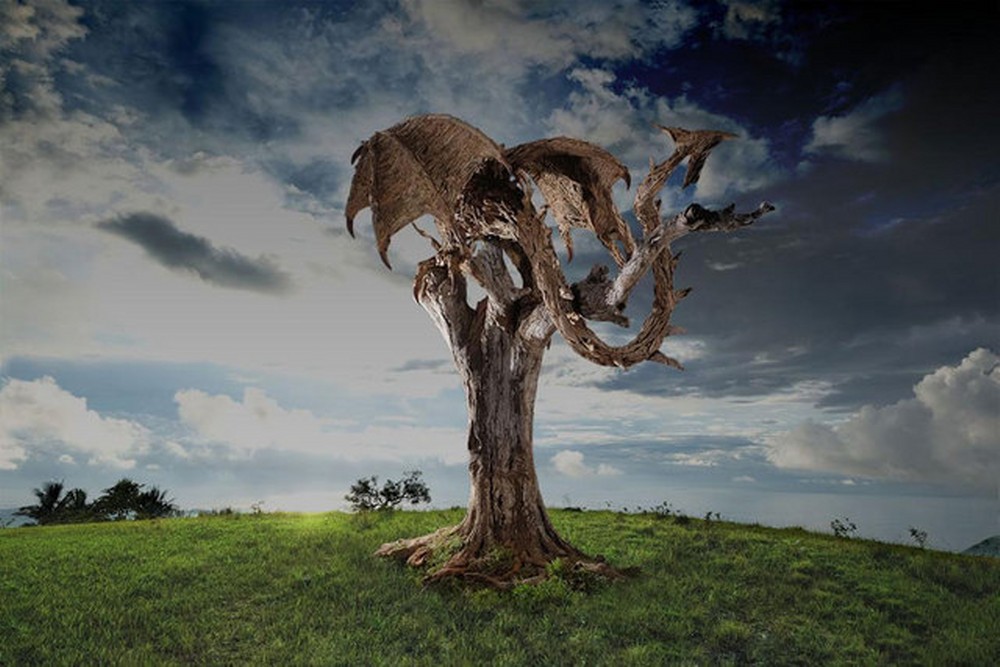
    They combine discarded materials in unexpected ways, such as merging bamboo frames with reused plastic to create surreal, creature-like sculptures. These unique pieces blend sci-fi, mythology, and environmental themes, showcasing the versatility of upcycled materials.

    Experimentation with Techniques and Materials

    Leeroy New and Gilbert Angeles aren't only experimenting with materials but also with techniques. They constantly challenge themselves to work with reclaimed and repurposed materials, pushing the limits of what's possible.

    By doing so, they inspire others to explore alternative materials and promote sustainability through art. Their creative styles are thought-provoking, encouraging viewers to rethink their relationship with waste and the environment.

    Redefining the Possibilities of Upcycled Material Experimentation

    Through their innovative techniques and styles, Leeroy New and Gilbert Angeles are redefining the possibilities of upcycled material experimentation in Philippine art.

    They're paving the way for a new generation of artists to explore alternative materials and promote sustainability through art.

    Sustainable Art Practices

    Sustainable Art Practices

    Artists are pioneering sustainable art practices that reduce waste and inspire viewers to rethink their relationship with the environment.

    They are masters of upcycling, transforming discarded materials into thought-provoking masterpieces.

    Repurposing Everyday Items

    Artists creatively reuse bottles, cartons, and packaging materials to create artworks that spark conversations about waste and sustainability.

    For instance, an artist might transform an old plastic bottle into a sculpture, highlighting the impact of single-use plastics on the environment.

    Upcycling with Creativity

    By ingeniously using materials like medicine blister packs, artists showcase their resourcefulness and commitment to reducing waste.

    For example, an artist might turn blister packs into a mosaic, demonstrating the potential of upcycling to create stunning and meaningful art.

    Rethinking Beauty and Functionality

    Contemporary art pieces made from hair care and lotion bottles demonstrate the potential of upcycling to create stunning and meaningful art.

    A sculpture created from recycled lotion bottles can inspire viewers to rethink their daily choices and their impact on the environment.

    Inspiring Change

    The exhibition aims to motivate viewers to rethink their own relationship with waste and consider the impact of their daily choices on the environment.

    By showcasing sustainable art practices, the exhibition inspires viewers to make environmentally conscious choices in their daily lives.

    Promoting Sustainability

    By embracing upcycling and sustainability, these artists are paving the way for a more environmentally conscious art world.

    Their innovative techniques and styles promote a culture of sustainability, encouraging others to follow in their footsteps.

    Challenging Consumerism Through Art

    Filipino artists challenge consumerism through recycled art

    In a society driven by consumerism, artists transform waste materials into thought-provoking artworks that spark introspection. By repurposing discarded objects, they expose the darker side of consumption, where disposability and waste reign supreme.

    Through innovative techniques like cutting, molding, and assembling, artists breathe new life into discarded materials. They create visually stunning artworks from materials that would otherwise end up in landfills. This creative process reduces waste and serves as a commentary on the unsustainable nature of consumerism.

    For example, an artist might use plastic bottles to create a sculpture, highlighting the impact of single-use plastics on the environment.

    Recycled art sparks a conversation about sustainability. By using recycled materials, artists encourage a shift towards sustainability and responsible consumption practices. Viewers are compelled to rethink their relationship with consumerism and the environment, sparking a much-needed conversation about the true cost of their actions.

    Challenging consumerism through art promotes change. By transforming discarded objects into meaningful pieces, artists force viewers to confront the consequences of their daily choices. This creative approach not only reduces waste but also inspires a change in consumer behavior. As a result, viewers are motivated to adopt sustainable practices, reducing their environmental footprint and promoting a more responsible approach to consumption.

    The Beauty of Discarded Items

    Discarded Items Transformed into Art

    Gilbert Angeles, a talented artist, takes discarded items and transforms them into breathtaking works of art. He sources his materials from his Manila neighborhood or through donations, promoting responsible waste disposal.

    Key Aspects of Angeles' Art

    • Recycled Materials: Angeles uses plastic, wood, and other discarded items to create stunning visual effects in his paintings.
    • Vibrant Colors: His artwork features vibrant colors that evoke emotions and spark conversations about sustainability.
    • Transformation of Waste: Angeles turns discarded items into valuable pieces of art, challenging our perception of waste.
    • Environmental Responsibility: Through his organization, Green Artz, Angeles promotes environmental responsibility and supports eco-friendly initiatives.
    • Supporting a Cause: The sale of his paintings supports environmental initiatives and promotes eco-awareness.

    The Impact of Angeles' Art

    Angeles' artwork serves as a powerful reminder that even the most discarded items can be transformed into something beautiful and meaningful. His art encourages us to rethink our relationship with the environment and promotes a more sustainable future.

    How Can Recycled Art Contribute to Environmental Conservation in the Philippines?

    Recycled art plays a significant role in environmental conservation in the Philippines. By incorporating the art of glass blowing, artists can transform discarded glass into stunning creations, reducing waste and promoting sustainability. This creative approach brings awareness to the importance of recycling and its impact on the environment.

    Cultural Heritage in Recycled Form

    Philippine cultural heritage is creatively reinterpreted through recycled materials. This innovative approach breathes new life into traditional Filipino art forms. Filipino artists repurpose traditional elements using recycled materials to showcase the country's cultural heritage.

    The use of recycled materials adds a layer of depth to the art pieces. This is because they're imbued with a sense of sustainability and environmental consciousness. For example, traditional Filipino textiles are reimagined using recycled fabric scraps, giving rise to unique and enthralling works of art.

    Filipino artists celebrate and preserve the country's cultural heritage through recycled art. This fusion of old and new results in thought-provoking masterpieces that reflect the rich history and diverse cultural influences of the Philippines. For instance, recycled metal sculptures depict traditional Filipino mythological creatures, showcasing the country's rich cultural heritage.

    Through recycled art, the country's cultural heritage isn't only preserved but also reinvigorated. This ensures its relevance for generations to come. As a result, Filipino artists play a significant role in promoting cultural awareness and appreciation through their innovative and creative works of art.

    Art for a Sustainable Future

    Art for a Sustainable Future

    Art can play a significant role in inspiring a sustainable future. Filipino artists are contributing to this effort through their innovative use of recycled materials, which raises awareness about the importance of sustainability and promotes eco-friendly practices.

    By repurposing waste materials, Filipino artists are reducing the amount of plastic and other pollutants that end up in landfills and oceans. For instance, artists like Inigo Acua and Astrid Anabo are transforming discarded materials into thought-provoking masterpieces, demonstrating the potential of upcycling and repurposing materials.

    Exhibits like the Sustainability Exhibit by Watsons Philippines raise awareness about the importance of upcycling and repurposing materials. These exhibits showcase the creative possibilities of using recycled materials, inspiring others to rethink their relationship with waste and the environment.

    Through their art, Filipino artists are promoting sustainable practices and encouraging others to take action against the climate crisis. By turning trash into art, they're demonstrating that even the most mundane materials can be transformed into something beautiful and meaningful, inspiring others to adopt eco-friendly habits.

    Filipino artists are inspiring others to rethink their relationship with waste and the environment, promoting sustainable practices, and encouraging others to take action against the climate crisis.

    Through their innovative use of recycled materials, Filipino artists are contributing to a more sustainable future.

    Conclusion

    Philippine Recycled Art: A Powerful Tool for Change

    Philippine recycled art is more than just turning trash into treasure. It's a medium that sparks important conversations about consumerism, environmental degradation, and cultural heritage. By transforming discarded items into thought-provoking masterpieces, Filipino artists challenge the status quo and promote sustainability.

    By demonstrating that even the most unlikely materials can be transformed, artists inspire us to rethink our relationship with waste and the world around us. For example, plastic bottles can become vibrant sculptures, and old newspapers can be woven into baskets. These creations encourage us to adopt a more sustainable lifestyle.

    Through their work, artists show us that waste can be valuable and that our daily choices have a significant impact on the environment. By using recycled materials, they promote sustainability, inspire change, and encourage us to take action.

  • The Dying Art of Philippine Goldsmithing: Preserving the Legacy of Pre-Colonial Treasures

    The Dying Art of Philippine Goldsmithing: Preserving the Legacy of Pre-Colonial Treasures

    Philippine goldsmithing is a centuries-old craft facing threats from the erosion of traditional techniques and lack of support for modern Filipino goldsmiths.

    In this ancient craft, artisans are reviving techniques like filigree work and metal casting, incorporating pre-colonial designs into their creations. The cultural significance of gold adornments is undeniable, as they symbolize power, status, and identity.

    The legacy of pre-colonial treasures is delicate and requires preservation efforts to safeguard this heritage.

    To preserve this cultural heritage, it is essential to understand the intricate web of techniques, tools, and inspirations that shape the art of Philippine goldsmithing.

    By exploring this world, you'll uncover the importance of preserving traditional techniques and supporting modern Filipino goldsmiths to ensure the legacy of pre-colonial treasures continues.

    Key Takeaways

    Filipino artisans are reviving traditional goldsmithing techniques to preserve pre-colonial cultural heritage. These artisans are using techniques like filigree work and metal casting to create intricate designs and patterns. This preservation of traditional techniques and tools is crucial for honoring the rich cultural heritage of pre-colonial jewelry making in the Philippines.

    Gold adornments symbolize power, status, and serve as a form of identity. In pre-colonial times, gold ornaments were worn by chiefs and nobles to signify their rank and status. The preservation of these gold adornments is vital for cultural and historical significance, as they provide a window into the past.

    Spanish colonization introduced new designs and materials, influencing goldsmithing techniques and altering the significance and symbolism of gold adornments. The introduction of new materials like silver and copper led to a shift in the significance of gold adornments, from symbolizing power and status to becoming a symbol of wealth and prosperity.

    Modern Filipino goldsmiths face challenges like limited access to resources, rising costs, and declining demand, threatening the preservation of pre-colonial treasures. These challenges make it difficult for artisans to continue traditional goldsmithing techniques, putting the preservation of pre-colonial cultural heritage at risk.

    Ancient Craftsmanship Revival

    Philippine artisans are reviving ancient goldsmithing techniques to preserve the country's rich cultural heritage. This revival is crucial for honoring and continuing the legacy of pre-colonial jewelry making. By reintroducing traditional methods like filigree work and metal casting, craftsmen are safeguarding the cultural and historical significance of these treasures.

    Mastering ancient goldsmithing techniques requires meticulous attention to detail. These techniques have been passed down through generations, and their revival is essential for keeping the legacy of pre-colonial treasures alive.

    Contemporary designers are incorporating pre-colonial designs and techniques into modern gold jewelry pieces, ensuring the continuation of a cherished part of the country's cultural identity.

    The significance of preserving this ancient art form can't be overstated. By doing so, artisans aren't only preserving the cultural and historical significance of pre-colonial treasures but also ensuring the continuation of a vital part of the country's heritage.

    The revival of ancient craftsmanship in Philippine goldsmithing is a vital step in honoring the country's rich cultural heritage.

    Goldsmithing Techniques and Tools

    Goldsmithing Techniques and Tools

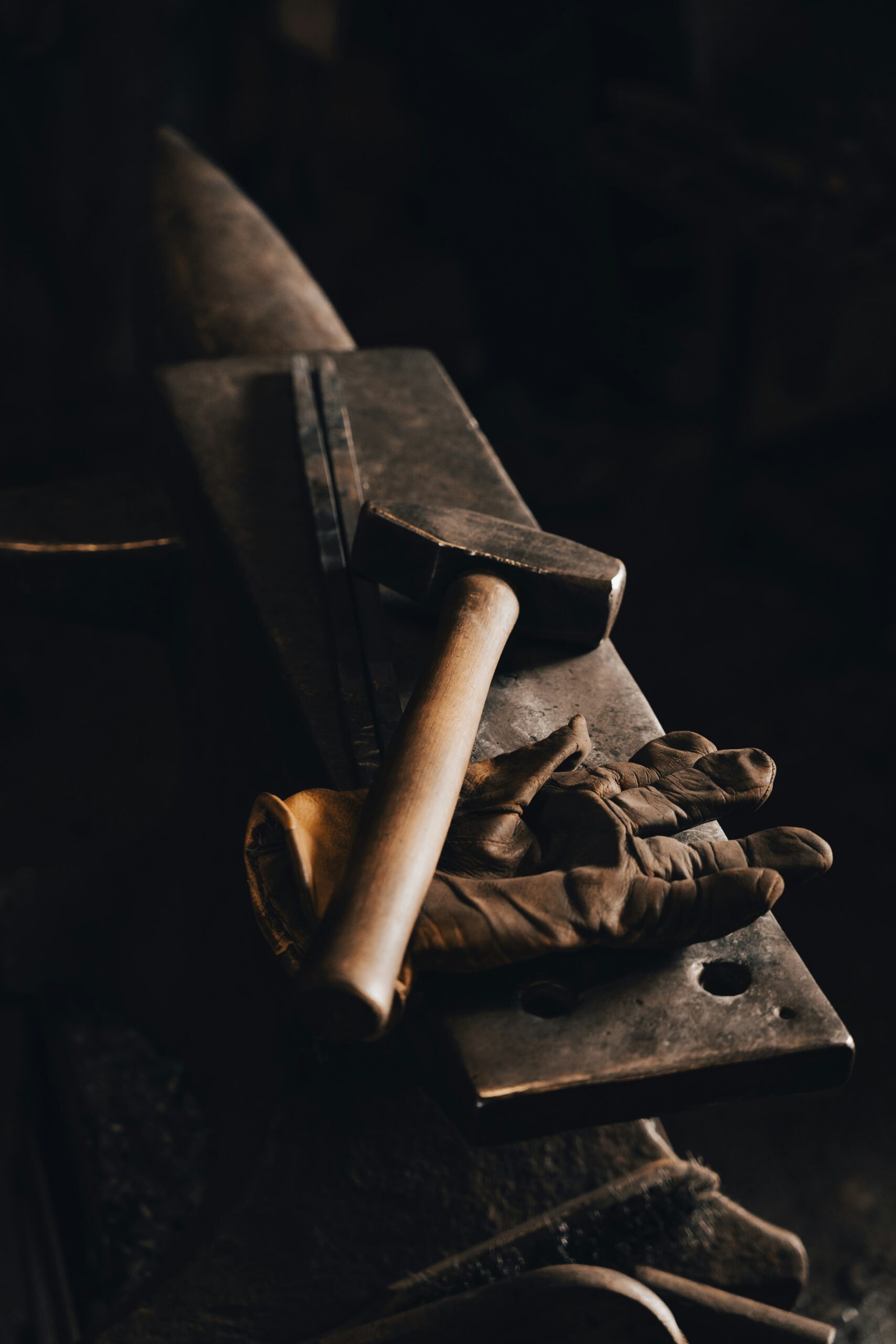
    Philippine goldsmiths employ a range of techniques and tools to craft exquisite pieces. Intricate filigree work, skillful gemstone setting, precise metal engraving, and traditional metal casting are some of the techniques used to create intricate designs. To achieve these designs, goldsmiths utilize traditional tools such as hammers, chisels, molds, and specialized pliers for intricate filigree work.

    Techniques for Intricate Designs

    Goldsmiths also employ techniques like granulation, repoussé, and loop-in-loop wire weaving to create intricate designs. Granulation involves creating patterns using small balls of metal, while repoussé involves hammering and shaping metal from the reverse side to create a design. Loop-in-loop wire weaving is a technique used to create intricate wire designs.

    Enhancing the Beauty of Gold Creations

    To enhance the beauty and shine of their intricate gold creations, goldsmiths utilize fine metal polishing techniques. These techniques involve using specialized tools and materials to remove imperfections and bring out the natural beauty of the metal.

    Preserving Cultural Heritage

    The use of traditional tools and techniques in Philippine goldsmithing has been passed down through generations, preserving the legacy of pre-colonial treasures. By mastering these goldsmithing techniques and tools, Philippine goldsmiths continue to create stunning pieces that showcase the country's rich cultural heritage.

    Pre-Colonial Gold Artifacts Inspiration

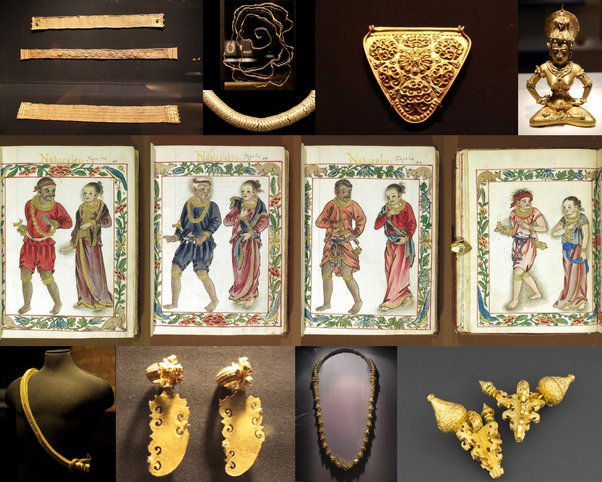
    Filipino goldsmiths draw inspiration from their ancestors' opulent adornments, which are reflected in the exquisite pre-colonial gold artifacts unearthed in the Philippines. These artifacts, dating back to 1000 BC, showcase advanced technical skills and intricate designs that reflect the cultural exchanges and influences of that era.

    For instance, the intricate carvings and motifs on these artifacts reveal the impact of Hindu-Buddhist ideas and other Southeast Asian cultures on the ancient Philippine societies.

    In these ancient societies, men of high rank were heavily adorned with gold jewelry, symbolizing prestige and status. The gold artifacts from this era depict cultural exchanges and influences, featuring mythological figures and symbolic representations.

    For example, some artifacts feature the mythical creature, the Naga, which symbolizes water and fertility.

    The public and private sectors have made efforts to document and preserve the legacy of these treasures, ensuring the vibrancy of this rich cultural heritage. By studying these pre-colonial gold artifacts, we can appreciate the significance of preserving our cultural heritage.

    Cultural Significance of Gold Adornments

    Gold adornments symbolized power and status, reflecting the elite's prestige and influence.

    In ancient societies, these ornate pieces were integral to rituals and spiritual beliefs, connecting the wearer to a higher domain.

    For instance, in ancient Egypt, gold jewelry was reserved for pharaohs and high-ranking officials, signifying their divine right to rule.

    By examining these adornments, you'll uncover how they served as a form of identity, conveying social standing, cultural heritage, and spiritual affiliations.

    For example, the intricate designs and symbols on African gold jewelry often represented tribal affiliation, ancestry, and spiritual beliefs.

    Symbol of Power Status

    In pre-colonial Philippines, gold adornments symbolized power, status, and prestige. These gold ornaments distinguished the elite from the rest of society, showcasing their wealth, social standing, and influence. For instance, during significant ceremonies, intricate gold jewelry, meticulously crafted with advanced technical skills, showcased the elite's power and status.

    Gold artifacts reflected cultural significance and symbolism of power. They highlighted the importance of gold in pre-colonial Philippine societies. Gold adornments played a crucial role in life events, from birth to death, emphasizing their cultural importance.

    The use of gold in ceremonial and symbolic contexts underscored the legacy of pre-colonial treasures. This demonstrated the elite's ability to harness the power of gold to solidify their position in society. The cultural significance of gold adornments reveals an intricate relationship between gold, power, and status in pre-colonial Philippine societies.

    Rituals and Spiritual Beliefs

    In pre-colonial Philippines, gold adornments played a significant role in rituals and spiritual beliefs, serving as potent symbols of power, prestige, and spiritual connections.

    During important ceremonies and life events, gold jewelry was worn to reflect the cultural significance and spiritual beliefs of the society. The intricate designs and craftsmanship of gold adornments showcased the spiritual connections and sacredness attributed to these pieces.

    These gold adornments were believed to have talismanic properties, offering protection and blessings to the wearer in accordance with spiritual beliefs.

    The use of gold in rituals and ceremonies highlighted the spiritual importance of these adornments, emphasizing their role in cultural traditions and beliefs. The cultural significance of gold adornments had a profound impact on the spiritual lives of pre-colonial Filipinos, showcasing their importance in the society.

    Adornments as Identity

    Gold Adornments as Identity in Pre-Colonial Philippines

    In pre-colonial Philippines, gold adornments played a significant role in showcasing an individual's social standing, cultural heritage, and identity during significant life events and ceremonies.

    These adornments symbolized more than just wealth and status. They embodied the fusion of Hindu-Buddhist, Spanish, and local influences, reflecting the complex cultural heritage of the archipelago.

    Elite individuals wore kilograms of gold to flaunt their prestige and power during ceremonies and rituals. Even in death, gold artifacts were buried with high-ranking individuals, serving as symbols of their enduring legacy.

    The art of goldsmithing in pre-colonial Philippines reflected the intricate craftsmanship and cultural significance of these adornments, which played a crucial role in shaping the identity of pre-colonial Filipinos.

    These gold adornments embodied the rich cultural heritage and identity of pre-colonial Filipinos.

    Spanish Colonization's Impact on Goldsmithing

    Spanish Colonization's Impact on Goldsmithing

    The Spanish colonization of the Philippines led to a significant loss of traditional goldsmithing techniques as European influences dominated local practices.

    Traditional Filipino goldsmithing techniques were overshadowed by Western methods, resulting in a homogenization of styles.

    During this era, the focus on commercialization further eroded the cultural significance of gold adornments, threatening the very legacy of pre-colonial goldsmithing.

    Gold, which was once a symbol of status and power, became a commercial commodity. Local artisans were forced to adapt to new techniques and styles, leading to a decline in the unique Filipino goldsmithing traditions.

    Lost Techniques Forgotten

    Spanish Colonization's Impact on Filipino Goldsmithing

    The onset of Spanish colonization in the Philippines had a profound impact on the country's goldsmithing traditions.

    Traditional Filipino goldsmithing techniques were gradually eroded as foreign influences took center stage.

    The Shift in Focus

    Prior to colonization, traditional Filipino goldsmithing was renowned for its intricate filigree work. However, with the arrival of Spanish colonizers, the focus shifted from crafting exquisite gold pieces to creating religious artifacts for the Catholic Church.

    This shift led to the abandonment of traditional practices.

    Lost Techniques

    Many pre-colonial goldsmithing techniques were lost or forgotten during the Spanish colonial period. The introduction of new styles and designs by Spanish colonizers further contributed to the decline of traditional Philippine goldsmithing.

    What Was Lost?

    The lost techniques included the unique fusion of gold with local materials, delicate craftsmanship, and the cultural significance attached to these pre-colonial treasures.

    These lost techniques were an integral part of the country's cultural heritage, and their disappearance has left a void in the country's rich cultural tapestry.

    Imposed Foreign Influences

    Spanish Colonization's Impact on Filipino Goldsmithing

    Imposition of Foreign Influences

    Spanish colonization brought about a significant shift in Filipino goldsmithing practices. The introduction of new techniques and designs led to a decline in traditional practices, which were deeply rooted in the country's indigenous culture. As a result, Filipino goldsmiths were forced to adapt to the Spanish colonizers' preferences, leading to a gradual supplanting of traditional styles.

    Incorporation of New Techniques and Designs

    The introduction of foreign influences during Spanish colonization altered the course of Philippine goldsmithing. Filipino goldsmiths began to incorporate new techniques and designs, such as intricate filigree and ornate decorations, which overshadowed traditional goldsmithing practices. For instance, the use of filigree, a decorative metalwork technique, became a prominent feature in goldsmithing during this period.

    Loss of Cultural Heritage

    The impact of Spanish colonization on goldsmithing was profound, leading to a decline in traditional practices and a loss of cultural heritage. As a result, traditional goldsmithing techniques, which were once an integral part of pre-colonial traditions, began to fade away. This loss of cultural heritage had a lasting impact on the country's goldsmithing legacy and preservation.

    Modern Filipino Gold Jewelry Designs

    Modern Filipino gold jewelry designs showcase a rich cultural heritage by seamlessly merging traditional techniques with contemporary styles.

    Filipino gold jewelry designers combine traditional techniques like filigree, wire weaving, tambourine making, and handcrafted details with modern styles to create unique, wearable works of art.

    Traditional Techniques:

    Filigree, a technique that involves twisting and shaping metal threads into intricate designs, is still used today to create delicate patterns. Wire weaving, a method that involves weaving metal wires into intricate designs, is also used to create modern pieces. Tambourine making, a centuries-old technique that involves hammering and shaping metal into intricate designs, is still used to create unique pieces. Handcrafted details, such as engravings and etchings, are also used to add a personal touch to modern Filipino gold jewelry.

    Modern Twists:

    These traditional techniques are merged with modern styles to create unique, contemporary pieces.

    Geometric patterns and minimalist designs are combined with traditional techniques to create statement earrings and delicate necklaces. Bold color combinations are also used to add a modern twist to traditional designs. Nature-inspired motifs, such as flowers and leaves, are used to create intricate brooches and chunky bracelets.

    Contemporary Pieces:

    Today, Filipino gold jewelry designers continue to innovate and blend traditional and modern styles to create wearable masterpieces.

    Brands like AMAMI are preserving the legacy of pre-colonial treasures while infusing modern aesthetics, resulting in truly unique, handcrafted gold jewelry. These contemporary pieces reflect the country's rich cultural heritage and are highly sought after globally.

    Preserving Traditional Gold Filigree Techniques

    Traditional Gold Filigree Techniques are a Crucial Part of Filipino Cultural Heritage

    The art of gold filigree, which involves weaving fine threads of gold into intricate patterns, is a testament to the exceptional skill of Filipino goldsmiths.

    This intricate art form requires precision, patience, and mastery. Filipino artisans continue to practice gold filigree, blending traditional methods with modern designs to create unique pieces.

    Preserving Traditional Techniques is Essential

    Upholding traditional gold filigree techniques is crucial to maintain the cultural heritage and legacy of pre-colonial Philippine goldsmithing.

    By safeguarding these techniques, we can promote the continued appreciation and celebration of Philippine Gold's rich cultural significance.

    This preservation also guarantees the transmission of this valuable cultural heritage to future generations, allowing them to appreciate the exceptional craftsmanship and beauty of traditional Philippine Gold.

    The Role of Gold in Filipino Culture

    Gold's significance in Filipino culture is multifaceted, reflecting the country's rich heritage and values.

    In the Philippines, gold has been a symbol of status, heritage, and cultural identity for centuries. Pre-colonial gold artifacts showcase intricate craftsmanship and symbolic motifs, demonstrating the metal's importance in traditional practices.

    Gold plays a significant role in life events and ceremonies, where it's often used to signify success, prestige, and spiritual beliefs. For instance, gold jewelry is often worn during special occasions like weddings and festivals to display social status and wealth.

    Traditional goldsmithing techniques, such as filigree work and gemstone setting, have been passed down through generations, highlighting the country's rich cultural heritage. These techniques require great skill and attention to detail, making Filipino goldsmiths renowned for their craftsmanship.

    The economic significance of goldsmithing in the Philippines can't be overstated. Job creation, export of fine jewelry, and investment value of gold pieces all contribute to the country's economy. The gold industry provides employment opportunities for many Filipinos, and the export of gold jewelry generates revenue for the country.

    How Does the Dying Art of Goldsmithing in the Philippines Compare to the Sustainable Art of Recycled Art?

    The dying art of goldsmithing in the Philippines may pique interest, but the sustainable art of philippine recycled art masterpieces has caught attention. While goldsmithing requires traditional skills, recycled art emphasizes creativity and environmental consciousness. Both arts tell different stories of Filipino craftsmanship and creativity.

    Filipino Goldsmiths' Modern Challenges

    Limited access to resources hinders Filipino goldsmiths' ability to preserve traditional techniques. This is because they often lack the necessary tools, equipment, and materials to practice their craft. For instance, many goldsmiths struggle to obtain high-quality gold, which is essential for creating intricate designs and patterns.

    The decline of traditional skills threatens the very foundation of this ancient craft. As older generations of goldsmiths retire or pass away, their skills and knowledge aren't being adequately passed down to younger generations. This is partly due to the lack of formal training programs and apprenticeships that would allow younger goldsmiths to learn from experienced masters. As a result, many traditional techniques are at risk of being lost forever.

    Addressing these challenges simultaneously is crucial to safeguarding the preservation of this cultural heritage. By providing Filipino goldsmiths with access to resources and training, we can help ensure the continuation of this ancient craft. This may involve establishing formal training programs, providing access to high-quality materials, and promoting the work of Filipino goldsmiths to a wider audience.

    Limited Access to Resources

    Filipino goldsmiths face significant challenges in preserving their traditional craft due to limited access to high-quality materials and tools. This limitation is primarily caused by the rising costs of gold and other precious metals, making it difficult for goldsmiths to afford the necessary materials for traditional goldsmithing techniques.

    The cost of materials is a significant obstacle for Filipino goldsmiths. For instance, 24K gold costs between 3,500 to 4,000 PHP per ounce, which is a substantial expense for many goldsmiths. Sterling silver is more affordable, priced between 1,200 to 1,500 PHP per ounce, but still a challenge for many. Copper is the most abundant and affordable option, priced between 500 to 700 PHP per ounce. However, even with copper, the cost can add up quickly, making it difficult for goldsmiths to create high-quality pieces.

    The scarcity of high-quality materials and tools forces Filipino goldsmiths to compromise on the quality of their work, ultimately threatening the legacy of pre-colonial treasures in the Philippines. This limitation not only affects the goldsmiths but also the cultural heritage of the country.

    Decline of Traditional Skills

    Traditional goldsmithing skills in the Philippines are rapidly declining. This decline is attributed to a combination of factors, including modernization, shifting consumer preferences, and a lack of formal training opportunities.

    The demand for handcrafted jewelry has significantly decreased, replaced by cheaper, mass-produced alternatives. This shift in consumer preference has made it challenging for artisans to sustain their businesses. Economic pressures and competition from imported jewelry have further exacerbated the problem.

    The lack of formal training opportunities means that the craft isn't being transmitted to younger generations, putting the very survival of traditional goldsmithing at risk.

    Preserving the legacy of Filipino goldsmiths is vital to safeguarding the country's cultural heritage. Supporting and promoting these artisans is necessary to ensure the continuation of this dying art form.

    Preserving the Legacy of Gold Heritage

    Preserving the Legacy of Gold Heritage

    Pre-colonial gold artifacts hold the key to unraveling the intricate narratives of the Philippines' rich heritage. By safeguarding these treasures, experts can reveal the advanced technical skills and cultural significance of the country's pre-colonial past.

    Why Preserve Pre-Colonial Gold Heritage?

    Cultural Significance: Pre-colonial gold was used in significant life events, such as ceremonies and rituals, illustrating its importance in ancient Philippine societies. For example, gold ornaments were worn by chiefs and dignitaries to signify their status and power.

    National Pride: Preserving pre-colonial gold artifacts secures the historical and artistic value of national treasures for future generations. These artifacts are a testament to the country's rich cultural heritage and showcase the skills of Filipino craftsmen.

    Technical Mastery: Pre-colonial gold artifacts demonstrate advanced technical skills, highlighting the Philippines' rich cultural heritage. The intricate designs and craftsmanship of gold ornaments, such as the golden Tara of Butuan, showcase the expertise of Filipino goldsmiths.

    Historical Link: The legacy of pre-colonial gold serves as a direct connection to the country's heritage, reflecting cultural influences and historical achievements. These artifacts provide a glimpse into the lives of ancient Filipinos and their cultural practices.

    Conclusion

    Preserving Traditional Techniques is Crucial

    The art of Philippine goldsmithing is dying, and preserving traditional techniques is essential to reclaiming the nation's cultural heritage shaped by pre-colonial treasures. This delicate balance between innovation and tradition is crucial, as modern Filipino goldsmiths navigate the challenges of reviving an ancient craft.

    By embracing the past, modern Filipino goldsmiths can forge a new future, where the allure of gold continues to symbolize the nation's rich cultural identity. For instance, the T'boli people of Mindanao are known for their intricate gold filigree jewelry, which requires great skill and precision. By learning from these traditional techniques, modern goldsmiths can create new and innovative designs that still honor the cultural heritage of the Philippines.

    Reviving an ancient craft like goldsmithing isn't without its challenges. Modern goldsmiths must navigate the complexities of sourcing high-quality materials, understanding traditional techniques, and adapting to modern tastes and preferences.

    For example, finding goldsmiths who can teach traditional techniques is becoming increasingly difficult, making it essential to document and preserve these skills for future generations.

  • Philippine Corn Husk Craft: Weaving Creativity With Natural Materials

    Philippine Corn Husk Craft: Weaving Creativity With Natural Materials

    Philippine Corn Husk Craft: A Sustainable Blend of Tradition and Innovation

    Traditional Craftsmanship Meets Eco-Friendliness

    In the Philippines, artisans combine traditional techniques with sustainable practices to create unique crafts from corn husks. They harvest corn husks using environmentally friendly methods and employ natural dyeing techniques to preserve the natural beauty of the material.

    Intricate Designs and Cultural Significance

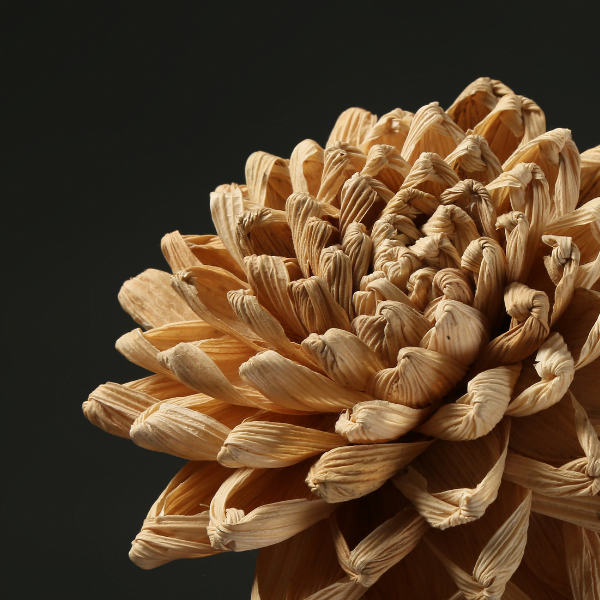
    Artisans weave, braid, and fold the husks into intricate designs, which are often used in ceremonial symbols. These crafts showcase the country’s rich cultural heritage, highlighting the importance of preserving traditional practices.

    From Tradition to Modern Applications

    Corn husk crafts have evolved, incorporating modern designs and applications. This fusion of traditional techniques and modern creativity results in unique, handmade pieces that tell a story of cultural heritage and innovation.

    Uncovering the Stories Behind Each Piece

    As you explore the world of Philippine corn husk craft, you’ll discover the intriguing stories and creative genius behind each handmade piece. From the artisans’ skillful hands to the finished products, every step of the process is a testament to the country’s rich cultural heritage.

    Key Takeaways

    Filipino artisans expertly craft unique products from corn husks, blending traditional techniques with innovative designs.

    These craftspeople use natural, biodegradable materials and responsible sourcing practices to promote sustainability. Filipino corn husk crafts are eco-friendly and reduce waste.

    Traditional techniques like natural dyeing, braiding, and twisting are used to create cultural and symbolic pieces. For example, artisans use natural dyes from plants and fruits to add vibrant colors to their crafts.

    Corn husk crafts hold significant cultural value in Filipino ceremonies and symbolism, preserving cultural heritage. In Filipino culture, corn husk crafts are often used in traditional ceremonies to honor ancestors and celebrate special occasions.

    Modern applications of corn husk craft prioritize eco-friendly design choices, reducing environmental footprint and promoting a circular economy. Designers incorporate corn husk into modern products, such as bags, hats, and jewelry, reducing the need for synthetic materials.

    Corn Husk Harvesting Traditions

    Corn Husk Harvesting: A Time-Honored Tradition

    Harvesting corn husks is a long-standing tradition in the Philippines, deeply rooted in the country’s agricultural practices. Farmers carefully collect corn husks during the harvest season, removing them from the cobs with precision to preserve their integrity for crafting purposes. This labor-intensive process ensures that the husks remain in pristine condition, perfect for weaving and crafting.

    Maximizing the Use of Corn Plants

    Harvesting corn husks is a sustainable practice that maximizes the use of the entire corn plant, reducing waste and promoting eco-friendly materials. The husks, rich in plant fiber, are then sun-dried to preserve their natural properties, making them ideal for crafting.

    Fostering Community and Cultural Heritage

    This traditional practice brings communities together, fostering a sense of cooperation and cultural heritage preservation. Collective corn husk harvesting activities allow communities to come together to celebrate their agricultural roots and creative traditions.

    Natural Dyeing Techniques Used

    Natural Dyeing Techniques in Corn Husk Crafting

    In corn husk crafting, natural dyeing techniques are a crucial aspect, allowing artisans to create unique and vibrant colors while promoting sustainability.

    Artisans like Elizabeth James Perry advocate for the use of natural dyes due to their non-toxic properties, making them an eco-friendly alternative.

    Traditional Wampanoag Weaving and Natural Dyes

    Traditional Wampanoag weaving involves using natural dyes from plants, roots, and minerals to color corn husks.

    Black walnut husks are a popular source for producing beautiful dyes.

    For example, sunflower petals can be used to create a warm, golden hue, while blueberries can produce a rich, purple shade.

    Berries, petals, and roots can also be used to create a diverse range of colors.

    Weaving Processes and Designs

    Corn Husk Craft: Weaving Techniques and Designs

    Skilled artisans transform corn husks into intricate patterns and designs, showcasing their creativity and technical expertise.

    Weaving Techniques and Their Applications

    Three primary weaving techniques are used to create unique textures and structures:

    Weaving Technique Description Example Designs
    Braiding Entwining corn husks to create a sturdy, textured fabric Geometric patterns, baskets
    Twisting Twisting individual husks to form a rope-like structure Macrame-inspired designs, wall hangings
    Folding Folding and shaping husks to create intricate forms Ornate decorations, figurines

    Combining Techniques and Enhancing Designs

    Artisans combine these weaving processes to produce unique textures and structures. The natural color of the corn husks adds an earthy charm to the final products, which can be further enhanced with natural dyes. The creativity and skill invested in each piece reflect the artisan’s personality and cultural influences.

    Cultural Significance of Corn Husk

    Corn husk holds significant cultural importance in the Philippines, particularly in traditional Filipino practices and rituals.

    In these ceremonies, corn husks are used to create symbolic objects that represent fertility, abundance, and gratitude.

    For instance, in some Filipino communities, corn husks are used to create decorative arches and ornaments during harvest festivals, symbolizing the community’s appreciation for a bountiful harvest.

    Traditional Filipino Practices

    Traditional Filipino Practices: Preserving the Art of Corn Husk Weaving

    Traditional Craftsmanship

    Corn husk weaving is an integral part of Filipino practices that has been passed down through generations. This traditional craft showcases the resourcefulness and creativity of Filipino artisans.

    Filipino artisans have refined their weaving techniques over time, highlighting their ingenuity and craftsmanship.

    Sustainable Materials

    Corn husks, an abundant agricultural by-product in the Philippines, are the primary material used for weaving.

    Using corn husks ensures sustainable and eco-friendly practices. This approach reduces waste and promotes environmental responsibility.

    Preserving Cultural Heritage

    By embracing corn husk weaving, you’re not only preserving traditional practices but also celebrating the country’s agricultural roots.

    This craft serves as a meaningful connection to the past, allowing you to appreciate the beauty of traditional Filipino practices.

    Significance in Filipino Culture

    Corn husk weaving holds significant cultural value in the Philippines.

    It is essential to preserve this craft for future generations, ensuring the continuation of traditional Filipino practices.

    Husks in Ritual Ceremonies

    Corn Husks Hold Deep Significance in Filipino Ritual Ceremonies

    In the Philippines, corn husks play a vital role in various ritual ceremonies, particularly in indigenous communities. They symbolize abundance, prosperity, and fertility, making them a significant addition to ceremonies honoring ancestors, marking special occasions, and expressing gratitude for the harvest.

    During these ceremonies, corn husks are carefully woven into intricate designs, often adorning the ear of corn, which represents abundance. This practice reflects the importance of agriculture and the value placed on natural materials in Filipino culture.

    Filipino Artisans’ Skill and Creativity

    Filipino artisans excel in traditional weaving techniques, expertly working with natural fibers to create stunning pieces of art. Their exceptional skill and creativity shine through in every intricate detail.

    In Philippine corn husk craft, artisans masterfully weave corn husks into beautiful and functional items, showcasing their artisanal excellence.

    Traditional Weaving Techniques

    Traditional Weaving Techniques

    Filipino artisans meticulously craft intricate patterns, vibrant color combinations, and unique designs using traditional weaving techniques that have been passed down through generations.

    These techniques showcase exceptional craftsmanship and rich cultural heritage.

    Historical techniques are woven into every item, demonstrating the artisans’ mastery of traditional methods.

    For example, the careful manipulation of corn husks results in functional and decorative items that tell a story.

    Innovative designs blend seamlessly with time-honored techniques, giving rise to truly unique pieces that reflect the artisans’ creativity.

    Every aspect of the weaving process is a tribute to the artisans’ expertise, as evident in the precision of their stitches and attention to detail.

    From the intricate patterns to the vibrant colors, each handcrafted item showcases the artisans’ skill, creativity, and passion.

    Mastering Natural Fibers

    Filipino artisans masterfully transform natural fibers like corn husks into intricate designs, showcasing their skill and creativity.

    These artisans expertly manipulate the fibers to create eco-friendly and sustainable handicrafts that highlight their cultural heritage and contribute to environmental sustainability.

    The versatility and durability of corn husk fibers are evident in the various products they create, from functional items to decorative pieces.

    For instance, artisans use corn husks to craft baskets, bags, and other functional items that are both durable and sustainable.

    By mastering natural fibers, Filipino artisans reflect a deep connection to the environment and a commitment to preserving traditional crafting techniques.

    Their creative weaving skills are a testament to their cultural heritage preservation, ensuring that this traditional craft continues to thrive for generations to come.

    Artisanal Excellence Shines

    Filipino Artisans’ Exceptional Skill

    Filipino artisans showcase their mastery of traditional techniques and innovative designs in crafting corn husk novelty products. Their expertise in weaving corn husks into intricate designs reflects a rich tradition of craftsmanship, where attention to detail and precision result in high-quality, eco-friendly creations. In addition to corn husk products, Filipino artisans also demonstrate their skill in creating stunning artworks using the traditional paper cutting art known as papercutting. This intricate and delicate art form involves meticulously cutting designs into paper to create stunning patterns and images. With their dedication to preserving traditional techniques and incorporating modern designs, Filipino artisans continue to showcase their talent and creativity in producing unique and beautiful handmade products.

    Mastery of Artisanal Traditions

    Filipino artisans have perfected the art of weaving corn husks, blending traditional techniques with contemporary designs. This blending of old and new techniques results in unique and intricate designs.

    Creative Expressions

    Their unique blend of skills and imagination gives rise to one-of-a-kind, eco-friendly creations that showcase their artistic flair. For example, artisans create decorative figurines, ornaments, and other novelty items that are both functional and visually appealing.

    Attention to Detail

    Artisans’ precision and meticulousness ensure that every product is of the highest quality. This attention to detail is evident in the intricate patterns and designs that adorn each product.

    Sustainable Practices

    By using natural materials and promoting eco-friendly creations, Filipino artisans contribute to sustainable practices. This focus on sustainability ensures that their craft not only preserves traditional techniques but also supports environmental conservation.

    Cultural Heritage Preservation

    Through their artistry, Filipino artisans help preserve the country’s cultural heritage, promoting artisanal traditions for future generations. By keeping traditional techniques alive, artisans ensure that the cultural heritage of the Philippines continues to thrive.

    Sustainable Materials in Craftsmanship

    Sustainable Materials in Craftsmanship: The Eco-Friendly Choice of Corn Husks

    Embracing Eco-Friendliness in Craftsmanship

    In the world of craftsmanship, sustainable materials are essential, and corn husks stand out as a remarkable eco-friendly choice. This natural material offers a unique blend of durability and aesthetic appeal.

    The Benefits of Corn Husks

    Corn husks provide a renewable and biodegradable alternative to synthetic materials. Sourced from corn leaves, these husks guarantee strength and resilience in the final products, making them a practical choice for everyday use.

    Traditional Weaving Techniques Meet Modern Design

    Traditional weaving techniques are combined with modern design sensibilities to create unique, functional pieces that promote waste reduction and minimize plastic usage. Each handcrafted piece showcases attention to detail and dedication to sustainability.

    The Philippine Corn Husk Craft: A Model of Artisanal Sustainability

    The Philippine corn husk craft is a prime example of artisanal sustainability, where skilled artisans weave magic with natural materials. By choosing corn husks, you’re supporting a more environmentally friendly approach to craftsmanship.

    Unique Features of Corn Husk Products

    Unique Features of Corn Husk Products

    Corn husk products boast a range of distinctive features that set them apart from other sustainable crafts. These products showcase a perfect blend of eco-friendliness and aesthetic appeal.

    Innovative Designs

    Corn husk products feature intricate weaving techniques that highlight the natural beauty and versatility of corn husks. For instance, skilled artisans use various weaving patterns to create unique and beautiful designs.

    Eco-Friendly Creations

    Corn husk products utilize a renewable resource, making them an environmentally friendly choice. This eco-friendly feature reduces waste and promotes sustainable living.

    Artistic Expressions

    Unique color variations can be achieved through dyeing processes using natural materials like plant extracts. This adds an extra layer of creativity to each piece, making every product truly unique.

    Cultural Significance

    Corn husk novelty items often feature traditional Filipino designs and patterns. This cultural touch adds an extra layer of meaning and significance to the craftsmanship.

    Durability and Versatility

    The durability and texture of corn husk products make them ideal for a wide range of practical and decorative purposes. For example, they can be used as decorative items, functional items, or even as gifts.

    These unique features combine to create truly one-of-a-kind products that promote sustainable living and showcase the creativity of Filipino artisans.

    Preserving Cultural Heritage Through Craft

    Cultural Heritage Preservation Through Craft

    The intricate designs and patterns woven into corn husk crafts proudly preserve Filipino cultural heritage, keeping traditional techniques and symbols alive for generations to come. Filipino artisans have mastered the art of corn husk weaving, a skill passed down through generations in indigenous communities. This traditional craftsmanship maintains cultural identity and ensures the continuation of artistic traditions.

    Cultural Symbols and Designs

    Craftsmen and artisans incorporate cultural symbols and designs into their creations, reflecting local traditions and showcasing the rich history of the Philippines.

    For example, the ‘Tinikling’ design, inspired by the traditional Filipino dance, is often woven into corn husk crafts. This fusion of cultural heritage and craftsmanship promotes the Philippines’ cultural diversity and artistic heritage.

    Preserving Cultural Identity

    Each craft piece serves as a reflection of the country’s cultural preservation efforts, highlighting the importance of traditional craftsmanship and generational skills.

    By promoting corn husk weaving, the Philippines celebrates its cultural diversity and artistic heritage, ensuring the continuation of traditional techniques and cultural identity.

    How Can Corn Husk Craft and Coco Coir Art Showcase Filipino Creativity With Natural Materials?

    Corn husk craft and coco coir art are perfect examples of showcasing Filipino creativity with natural materials. Using traditional techniques, artisans create beautiful items like baskets, hats, and even philippine coco coir planters, highlighting the rich cultural heritage and resourcefulness of the Filipino people.

    Natural Resources in Craftsmanship

    Natural Resources in Craftsmanship

    Philippine Corn Husk Craft relies heavily on natural resources. Renewable materials are essential in this craft, and sustainable harvesting methods are crucial to minimize environmental impact. Eco-friendly design choices also play a vital role in promoting a greener future.

    Sustainable Materials

    In Philippine Corn Husk Craft, corn husks are the primary material. Harvested from corn plants, these husks are biodegradable and renewable, making them an ideal sustainable resource.

    Sustainable Harvesting Methods

    To ensure the long-term availability of corn husks, responsible harvesting practices are essential. This includes selective harvesting, which involves collecting only the mature husks, leaving the immature ones to grow. This method helps maintain the health of the corn plants and prevents over-harvesting.

    Eco-Friendly Design Choices

    Craftsmen can make eco-friendly design choices by minimizing waste and reusing materials. For instance, they can use leftover husks to create smaller crafts or upcycle them into new products.

    Renewable Material Options

    Renewable Material Options

    Corn husks, a byproduct of corn harvesting, offer a readily available, eco-friendly material option for crafters. As a natural resource, corn husks provide a sustainable solution for crafting, reducing the need for synthetic materials and plastics.

    Benefits of Using Corn Husks in Crafts

    Corn husks provide a natural, earthy feel to creations due to their durable and unique textures. By choosing corn husks, crafters can reduce their carbon footprint and promote sustainable living. This eco-friendly alternative also reduces waste and supports environmental consciousness.

    Advantages of Corn Husks in Crafting

    • Creative possibilities: The versatility of corn husks allows for endless design possibilities.
    • Traditional craftsmanship: Corn husks have been used for centuries in traditional crafts, making it a great way to connect with heritage and culture.

    Sustainable Harvesting Methods

    Sustainable Harvesting Methods Ensure Environmentally Friendly Crafts

    When crafting with corn husks, it’s crucial to ensure that the harvesting methods used are sustainable to prevent harm to the environment and corn plants.

    Handpicking mature leaves after corn harvest is a sustainable approach that prioritizes respect for nature and preserves corn plant integrity. This method involves selecting healthy and intact corn husks for weaving, which contributes to the circular economy by utilizing agricultural by-products in creative and eco-friendly ways.

    Ethical Sourcing is Key

    Prioritizing sustainable harvesting methods is essential to achieve eco-conscious practices and innovative solutions.

    Traditional methods often prove to be the most effective way to ensure ethical sourcing. The synergy between sustainability and craftsmanship is vital, as it guarantees that final products aren’t only beautiful but also environmentally friendly.

    Prioritizing Sustainability

    By adopting sustainable harvesting methods, you can enjoy your corn husk crafts while supporting a more sustainable future.

    Prioritizing sustainable harvesting methods ensures that the final products are environmentally friendly. This approach supports a circular economy and promotes eco-friendly practices.

    Eco-Friendly Design Choices

    Embracing Eco-Friendly Design Choices

    By choosing natural materials like corn husks in crafts, you’re actively reducing your environmental footprint and promoting sustainable design. This conscious decision supports eco-friendly practices and decreases reliance on synthetic materials.

    Benefits of Natural Materials

    Eco-friendly innovations arise from using corn husks, which showcase sustainable design choices that reduce waste and promote environmentally-friendly practices. For instance, using corn husks in crafts reduces the amount of waste sent to landfills.

    Organic material choices, such as corn husk weaving, highlight the beauty of utilizing organic resources in artisanal products, supporting environmental consciousness. This approach promotes the use of renewable resources and reduces the demand for synthetic materials.

    Creative craftsmanship is demonstrated through weaving creativity with corn husks, showcasing the potential of natural resource utilization in craftsmanship. This approach encourages artisans to explore innovative ways to repurpose natural materials.

    Reduced carbon footprint is a direct result of choosing natural materials, contributing to a decrease in greenhouse gas emissions and promoting eco-friendly design choices. By opting for natural materials, you’re reducing the carbon footprint associated with synthetic materials.

    Increased consumer appeal is a result of eco-conscious consumers appreciating the eco-friendly design choices made possible through corn husk craft, making products more appealing to this demographic. As consumers become more environmentally aware, the demand for eco-friendly products increases, making sustainable design choices a valuable asset.

    Modern Applications of Corn Husk Craft

    Modern Applications of Corn Husk Craft

    Corn husk craft has evolved, transforming this traditional material into eco-friendly novelty items that appeal to environmentally conscious consumers. Innovative designs include coasters, placemats, and wall decorations that not only reduce waste but also add a touch of natural beauty to your home. These sustainable designs are a result of artisanal techniques adapted to produce contemporary creations.

    Natural dyes enhance the aesthetic appeal of each handmade item, showcasing the biodegradable beauty of corn husk crafts. From functional items to decorative pieces, the versatility of this traditional material is impressive. Eco-friendly innovations lead the way, allowing you to indulge in sustainable living without compromising on style.

    Whether you’re looking for a unique gift or a way to spruce up your home, corn husk craft offers creative possibilities.

    Conclusion

    Philippine Corn Husk Craft: Weaving Tradition and Sustainability

    The Philippine corn husk craft is a traditional art form that showcases the creativity and resourcefulness of Filipino artisans. This craft promotes sustainability by utilizing natural and biodegradable materials, reducing waste, and preserving cultural heritage.

    Transforming Natural Materials into Unique Treasures

    Filipino artisans skillfully weave corn husks into various products, such as baskets, bags, and decorative items. These unique pieces not only reflect the artisans’ craftsmanship but also highlight the versatility of natural materials. For instance, corn husk baskets are durable, water-resistant, and can be used for daily tasks.

    Preserving Cultural Heritage and Promoting Eco-Friendly Practices

    By embracing the Philippine corn husk craft, we aren’t only preserving cultural heritage but also promoting eco-friendly practices. This craft encourages the use of sustainable materials, reduces the demand for synthetic products, and supports local communities. By supporting this craft, we’re contributing to a more environmentally conscious lifestyle.

    Immerse Yourself in the Fascinating World of Corn Husk Craft

    As you explore the world of Philippine corn husk craft, you’ll discover the stories of dedicated artisans and the significance of this traditional art form. By appreciating and supporting this craft, we can make a positive impact on the environment and cultural preservation.

  • The Art of Philippine Coco Coir: From Doormats to Eco-Friendly Planters

    The Art of Philippine Coco Coir: From Doormats to Eco-Friendly Planters

    Philippine Coco Coir: A Sustainable Resource

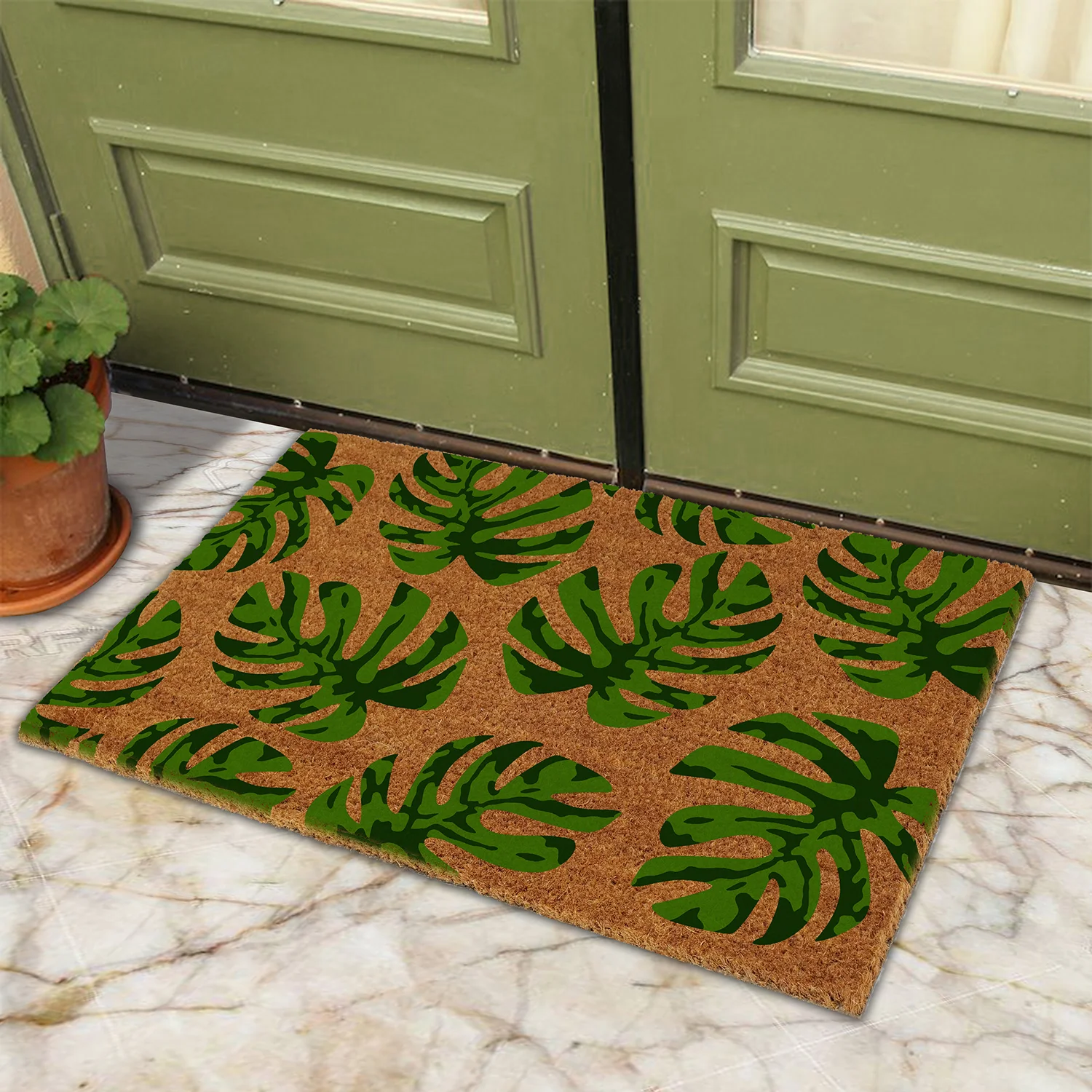
    Philippine coco coir, once considered waste, has transformed into a versatile material used in innovative applications.

    From doormats to eco-friendly planters, coco coir is making a significant impact on daily life and the environment.

    Elevating Filipino Craftsmanship

    The art of Philippine coco coir is not only promoting sustainable practices but also empowering local communities through community development.

    This remarkable material is showcasing Filipino craftsmanship globally, inspiring a greener and more sustainable lifestyle.

    Environmental Benefits

    The use of Philippine coco coir has several environmental benefits.

    Reducing waste by utilizing a previously discarded material, coco coir helps minimize the environmental impact of traditional materials.

    Additionally, promoting eco-friendly products encourages individuals to adopt a more sustainable lifestyle.

    A World of Possibilities

    As you explore the art of Philippine coco coir, you'll discover a world of possibilities and potential.

    Innovative applications and community development are just the beginning.

    This remarkable material is poised to make a significant impact on the environment and everyday life.

    Key Takeaways

    Philippine Coco Coir: A Sustainable Material

    Philippine coco coir is a sustainable and eco-friendly material used in various applications. It is used to make doormats, planters, and building materials, showcasing its versatility.

    Supporting Rural Communities

    The use of coco coir empowers rural communities economically by providing fair trade employment and fostering economic growth and skill development.

    Eco-Friendly Designs

    Coco coir promotes environmentally conscious construction and reduces waste, supporting a sustainable future. It is used to make eco-friendly planters and other products that blend style and sustainability.

    Promoting Sustainability

    From textiles to building materials, coco coir promotes environmentally conscious construction and reduces waste, supporting a sustainable future.

    Unveiling the Potential of Coco Coir

    Coco Coir: A Sustainable Material with Multiple Benefits

    Coco coir, a versatile material extracted from coconut husks, is gaining popularity as a sustainable alternative for various products.

    This eco-friendly material is used to create a range of products, from doormats to planters, offering a unique blend of functionality and sustainability.

    The use of coco coir supports fair trade practices in the Philippines, promoting a positive social impact.

    The production process of coco coir creates employment opportunities for women artisans, empowering them to create unique and durable planters.

    By utilizing coconut coir waste, consumers reduce environmental impact while promoting sustainability.

    The benefits of coco coir are multifaceted: it's versatile, eco-friendly, and supports social benefits.

    Its versatility makes it an ideal material for various products, from home decor to gardening accessories.

    As consumers become more eco-conscious, coco coir is emerging as a preferred choice for sustainable living.

    From Waste to Wealth Creation

    Transforming Waste into Valuable Products

    The concept of 'From Waste to Wealth Creation' is revolutionizing the coco coir industry by breathing new life into recycling coconut husks.

    Coconut husk recycling can generate valuable products, such as coco peat, a natural and biodegradable growing medium, and coco chips, a sustainable alternative to wood chips.

    Stimulating Growth and Development

    By adopting sustainable practices and creative entrepreneurship, the coco coir industry can flourish.

    Transforming waste into valuable products stimulates growth and development by creating new business opportunities, jobs, and revenue streams. For instance, entrepreneurs can develop innovative products from coconut husks, such as eco-friendly packaging materials, fuel briquettes, or even construction materials.

    Flourishing through Sustainable Practices

    The coco coir industry can thrive by adopting sustainable practices, such as reducing waste, conserving natural resources, and promoting eco-friendly products.

    Coconut Husk Recycling

    Coconut Husk Recycling Transforms Waste into Valuable Products

    In the Philippines, coconut husks, once considered waste, are now being transformed into valuable products, revolutionizing the concept of recycling. This innovative approach reduces waste and promotes sustainable practices in the country.

    Eco-Friendly Products

    The recycling of coconut husks has given rise to eco-friendly products like:

    Product Description
    Doormats Durable, biodegradable, and water-resistant
    Planters Eco-friendly, breathable, and ideal for plant growth
    Grow Bags Biodegradable, reusable, and perfect for gardening

    Economic Benefits

    As a result of coconut husk recycling, local communities benefit from wealth creation and economic opportunities. The versatility of coconut husks allows for the creation of durable and biodegradable products, making them an attractive option for environmentally conscious consumers.

    Sustainable Future

    Coco Coir Industry Growth

    Indonesia produces approximately 1 million tons of coco coir annually, showcasing the industry's vast potential for growth. This growth is driven by the versatility of coco coir, which caters to various industrial and agricultural needs.

    For instance, Mat/Yarn coir and Bristle coir are two types of coco coir repurposed for sustainable uses, reducing waste and promoting eco-friendliness.

    The increasing demand for sustainable coco coir products fuels the industry's growth. Coco coir is a biodegradable, nutrient-rich, and water-retentive material, making it an ideal choice for eco-conscious consumers.

    Sustainable coco coir products, such as growth mediums for gardening and erosion control, are in high demand. Furthermore, coco coir waste is now managed through innovative applications, including agricultural uses, industrial production, and household furniture manufacturing.

    As the industry continues to grow, innovative uses for coco coir will further solidify its position as a valuable resource in the sustainable economy.

    Innovative Applications Abound

    Philippine coco coir offers a multitude of innovative applications. By utilizing coco coir, individuals can create sustainable home decor that transforms living spaces while promoting eco-friendliness.

    For instance, coco coir can be used to create natural, biodegradable carpets and doormats. Additionally, coir-based building materials are being developed, providing a sustainable alternative to traditional construction materials.

    Sustainable textile innovations are also emerging, with coco coir being reimagined into durable, eco-friendly fabrics.

    Eco-Friendly Home Decor

    Coco Coir Planters: A Sustainable Choice for Eco-Friendly Home Decor

    Coco coir planters are a popular choice for homeowners seeking eco-friendly solutions for their indoor spaces.

    Handcrafted from coconut coir, these planters add a touch of natural elegance to your home decor.

    Each planter is unique due to the handmade production process, ensuring that no two planters are alike.

    Benefits of Coco Coir Planters

    Coco coir planters are an excellent choice for indoor display because they support fair trade practices and are sustainable and environmentally friendly.

    By choosing coir planters, you're supporting a more eco-conscious lifestyle. They're perfect for showcasing your favorite succulents or plants, adding a touch of greenery to your indoor space.

    With coir planters, you can create a warm and inviting atmosphere that's both stylish and sustainable.

    Coir-Based Building Materials

    Coir-based building materials offer a sustainable solution for eco-friendly construction projects. Made from coconut husks, these materials are durable, biodegradable, and sustainable.

    What are the different types of coir-based building materials?

    Coir-based building materials come in various forms, each with its unique applications.

    Coco Coir Boards are ideal for insulation, soundproofing, and creating wall panels.

    Coir Mats are perfect for erosion control and landscaping projects.

    Coir Ropes are suitable for landscaping, gardening, and decorative uses.

    Coco Coir Blocks can be used as building blocks for walls and partitions.

    Coir Panels are effective as acoustic panels and decorative wall coverings.

    How can coir-based building materials benefit the environment?

    By choosing coir-based building materials, you can reduce your carbon footprint and create sustainable structures that benefit the environment. These innovative materials can be used to create eco-friendly buildings, planters, and even decorative elements. They are biodegradable, durable, and sustainable, making them an ideal choice for environmentally conscious construction projects.

    Are coir-based building materials freely available for use?

    Yes, coir-based building materials are available for use under the Creative Commons Attribution license. You are free to share and adapt these materials to suit your construction needs, supporting sustainable practices that prioritize the health of our planet.

    Sustainable Textile Innovations

    Coconut Coir: A Sustainable Textile Innovation

    Coconut coir is being utilized in a wide range of innovative textile applications, offering sustainable solutions for eco-conscious consumers.

    Coir fibers are transformed into biocomposite fabrics with enhanced properties, perfect for diverse applications. This innovative approach promotes environmental sustainability and resource efficiency by utilizing coconut waste in textile production.

    Durable and Sustainable Materials

    Coir fibers are being used to create durable and sustainable materials, perfect for those looking to reduce their environmental footprint. The versatility of coconut coir allows for the development of innovative textiles, such as eco-friendly planters and grow bags. These sustainable materials not only reduce waste but also provide a natural, renewable alternative to traditional textiles.

    Meeting the Demand for Sustainable Materials

    As consumers become more environmentally conscious, the demand for sustainable materials is on the rise. Coconut coir is a natural, biodegradable, and renewable resource that's stepping up to meet this demand. With its innovative applications and eco-friendly benefits, coconut coir is revolutionizing the textile industry, one sustainable innovation at a time.

    Sustainable Practices in Action

    Sustainable Practices in Action

    In the Philippines, skilled artisans carefully handcraft coco coir into unique planters, exemplifying sustainable practices that minimize environmental impact while promoting fair trade principles.

    This handmade production process reduces waste and provides employment opportunities for women artisans, contributing to community development and empowerment.

    By choosing eco-friendly planters made from coco coir, you support fair trade practices that ensure artisans receive a fair income for their work, enabling them to improve their livelihoods.

    This sustainable approach reduces the environmental impact of coconut coir waste, which would otherwise end up in landfills.

    Embracing these eco-friendly planters promotes a cycle of sustainability that benefits both the environment and the community.

    As you bring these unique planters into your home, you're not only adding a touch of nature but also promoting a more sustainable future.

    Coir Doormats for a Greener Home

    Coir Doormats: A Sustainable and Eco-Friendly Option

    Skilled Filipino artisans transform coconut husks into durable and eco-friendly coir doormats, offering a sustainable solution for homes. This process reduces waste by repurposing coconut husks, promoting a greener home.

    Natural, Durable, and Water-Resistant

    Coir doormats are made from natural coconut husks, providing a sustainable and eco-friendly option for entranceways. The natural fibers in coir doormats are durable, water-resistant, and perfect for high-traffic areas.

    Effective Dirt and Debris Trappers

    Coir doormats effectively trap dirt, mud, and debris, keeping indoor spaces cleaner and healthier. By choosing coir doormats, you're contributing to a cleaner and healthier home environment.

    Philippines: A Leading Producer of Coir Doormats

    The Philippines, a leading producer of coir doormats, showcases its expertise in utilizing coconut coir. Coir doormats are a stylish and functional addition to any home, promoting eco-friendliness.

    Versatile and Complementary Designs

    Whether you're looking for a modern or traditional design, coir doormats are versatile and will complement your home's aesthetic. Coir doormats come in various designs, making them easy to incorporate into any home decor.

    Planters for a Sustainable Future

    Filipino artisans craft unique, eco-friendly coconut coir planters that promote sustainable living.

    These planters are handmade with attention to detail, showcasing the artisans' skill and individuality.

    The Art of Coconut Coir Weaving

    Coconut coir weaving is a traditional craft that transforms coconut fibers into durable and eco-friendly products.

    The process begins with the extraction of coconut fibers, which are then woven into various items using different techniques.

    Skilled artisans use techniques such as coiling, knotting, and braiding to create functional products.

    Coconut coir products range from doormats to planters, showcasing the versatility of this sustainable material.

    These products aren't only eco-friendly but also durable, making them a popular choice for environmentally conscious consumers.

    The art of coconut coir weaving is valuable due to its environmental benefits and the craftsmanship involved.

    Coconut Fiber Extraction

    Coconut Fiber Extraction: A Step-by-Step Guide

    Coconut fiber extraction is a crucial process that transforms coconut husks into a versatile material for crafting unique products. The extraction process involves separating the outer husk from the coconut to obtain the fibrous material, which is essential for producing high-quality coir.

    The extraction process consists of four key steps:

    Separation: The first step is to remove the outer husk from the coconut, allowing access to the fibrous material. This step is crucial in obtaining the valuable fibers.

    Cleaning: Next, dirt and impurities are removed from the fibers to ensure the quality of the coir. This step is vital in producing high-quality coir.

    Carding: The fibers are then aligned to create a rope-like strand, preparing the coir for weaving. This step is essential in creating a uniform and strong coir.

    Drying: Finally, the coir is dried to remove excess moisture, preserving it for future use. This step is critical in maintaining the quality and shelf life of the coir.

    Coir Weaving Techniques

    Coir Weaving: A Testament to Philippine Craftsmanship

    Coir weaving is a traditional craft in the Philippines that showcases the country's rich cultural heritage.

    Skilled artisans transform coconut coir fibers into functional works of art, demonstrating their mastery of techniques like twining, looping, and knotting. These techniques enable the creation of durable and versatile products.

    Coir weaving is an eco-friendly craft that transforms a byproduct into functional art.

    The natural beauty and sustainability of coconut coir are showcased in products like doormats and eco-friendly planters. Each piece requires attention to detail and creativity, making every item unique.

    Preserving Cultural Heritage and Promoting Sustainability

    In the Philippines, coir weaving is more than just a craft – it's a way to preserve cultural heritage and promote eco-friendly practices.

    Designing Coir Products

    Designing coir products allows you to explore your creativity and bring unique ideas to life.

    You can create various patterns, shapes, and sizes to cater to different tastes and needs. This eco-friendly material has been used for generations, and skilled artisans have mastered coir weaving techniques to craft a wide range of products, from doormats to planters.

    When designing coir products, you have the freedom to experiment with different patterns, shapes, and sizes to meet specific needs.

    For example, you can create larger planters for indoor gardens or smaller baskets for storing small items. The possibilities are endless, and the art of coconut coir weaving showcases the sustainable and versatile nature of this natural material.

    Designing coir products not only allows you to express your creativity but also contributes to a more eco-friendly lifestyle.

    Coir is a natural, biodegradable, and renewable resource that reduces waste and promotes sustainability. By working with coir, you're supporting a more environmentally conscious way of living.

    Revitalizing Rural Communities Through Coir

    Coir Production Empowers Rural Communities

    In rural Philippines, coir production has become a vital source of employment, enabling local communities to break free from poverty cycles.

    Coir production provides employment opportunities for rural communities, supporting fair trade practices that benefit local artisans.

    This industry not only sustains livelihoods but also contributes to economic growth and skill development in rural regions.

    Coir Processing Centers Foster Growth

    Coir processing centers in rural areas play a significant role in this growth, enabling artisans to showcase their creativity and craftsmanship.

    These centers provide a platform for artisans to develop their skills and create high-quality coir products.

    Coir Handicrafts Reflect Rural Ingenuity

    Coir handicrafts, such as eco-friendly planters, are a reflection of the ingenuity of rural Filipino communities.

    By supporting coir production, you're helping to revitalize rural communities, breaking the cycle of poverty and empowering local artisans to thrive.

    How is the process of creating intricate designs with wood veneers similar to the process of creating eco-friendly planters with coco coir?

    The process of creating intricate wood designs and eco-friendly planters with coco coir both require attention to detail and precision. Both utilize natural materials and involve shaping and layering to achieve the desired result. Both processes result in beautiful, sustainable products that showcase the natural beauty of the materials used.

    Environmental Benefits of Coir Products

    Coir products offer a sustainable alternative to traditional materials, reducing plastic waste and supporting eco-friendly practices. By choosing coir products, you contribute to a more environmentally conscious lifestyle.

    Coir products are biodegradable, reducing the staggering amount of plastic waste that harms our planet. Traditional plastic products take hundreds of years to decompose, whereas coir products break down naturally, minimizing waste.

    Coir planters provide excellent water drainage and aeration, creating an ideal environment for plants to thrive. Unlike traditional planters, coir planters promote healthy plant growth by allowing for optimal water and air circulation.

    Coir mats are durable and resistant to mold, making them perfect for both indoor and outdoor use. Their durability and resistance to mold ensure coir mats remain functional and clean in various environments.

    By utilizing coir products, you support sustainable practices and reduce your environmental impact. By choosing coir products, you contribute to the circular economy, where waste is minimized and resources are valued, promoting a more eco-friendly future.

    Elevating Filipino Craftsmanship Globally

    Filipino artisans are revolutionizing the global market with their innovative designs and exceptional craftsmanship. This is evident in the growing popularity of Philippine coco coir planters.

    While traditional doormats made from coconut coir are familiar, the industry has evolved significantly. Today, Filipino craftsmen create stunning, eco-friendly planters in high demand worldwide.

    The shift from traditional products to modern, eco-conscious designs highlights the versatility of Philippine coco coir materials. By combining sustainable practices with skilled craftsmanship, Filipino artisans gain recognition on the international stage.

    As consumers become more environmentally aware, the demand for eco-friendly products like Philippine coco coir planters continues to rise.

    These planters offer a unique blend of style and sustainability, reducing waste and promoting environmentally responsible practices. Filipino craftsmanship is hailed as a model for sustainable innovation, paving the way for a more eco-friendly future.

    Conclusion

    The significance of Philippine coco coir lies in its sustainability and versatility. It's a symbol of Filipino ingenuity, transforming from a humble material used in doormats to a valuable resource for eco-friendly planters.

    By utilizing coco coir, you support rural communities, reduce waste, and promote environmentally friendly practices. The coconut husk, once considered waste, is now a valuable resource contributing to a greener future.

  • Philippine Mother-of-Pearl Craft: Creating Luminous Masterpieces

    Philippine Mother-of-Pearl Craft: Creating Luminous Masterpieces

    Philippine Mother-of-Pearl Craft: A Testament to Cultural Heritage

    The Philippine mother-of-pearl craft is a meticulous art form that transforms iridescent shells into stunning masterpieces. Skilled artisans shape, polish, and arrange delicate mother-of-pearl shards to evoke oceanic beauty, showcasing their dedication to craftsmanship. Each piece is a tribute to the country’s rich cultural heritage, reflecting a deep connection to nature.

    The Craftsmanship Behind the Masterpieces

    Artisans meticulously craft each piece, arranging delicate shards into intricate designs that tell a story of dedication, creativity, and passion. Every design is a testament to the country’s legacy of craftsmanship, passed down through generations.

    Uncovering the Story Behind the Craft

    As you explore the world of Philippine mother-of-pearl craft, you’ll uncover stories of craftsmanship, culture, and nature. With every intricate design, you’ll discover a piece of the country’s rich cultural heritage, reflecting a deep connection to the ocean and the natural world.

    Key Takeaways

    Filipino artisans masterfully craft mother-of-pearl into intricate designs, showcasing the country’s rich cultural heritage and artistic legacy. They meticulously create these masterpieces using high-quality mother-of-pearl sourced from mollusk shells in regions like Cebu and Palawan.

    Skilled craftsmen employ cutting, shaping, and polishing techniques to precision. This process highlights the iridescence of nacre, a key component of mother-of-pearl, in their creations. For instance, craftsmen use cutting techniques to remove excess shell material, shaping to refine the design, and polishing to bring out the nacre’s luminous quality.

    Each piece is a testament to the artisan’s skill, patience, and dedication. Every mother-of-pearl masterpiece is unique and highly prized due to the time and effort invested in its creation. This uniqueness stems from the artisan’s individual skill level, attention to detail, and creative vision.

    By combining traditional techniques with modern innovations, Filipino artisans redefine mother-of-pearl crafts. They create breathtaking works of art that tell a unique story. For example, artisans might incorporate modern materials or technologies to enhance the mother-of-pearl’s natural beauty, resulting in innovative and captivating designs.

    Unveiling the Art of Mother-of-Pearl

    Mother-of-Pearl Craft: An Ancient Art Form

    The Philippines is home to a centuries-old craft that transforms the iridescent nacre of mollusk shells into stunning works of art. This craft is known as mother-of-pearl craftsmanship.

    Sourcing the Material

    Artisans in the Philippines, particularly in regions like Cebu and Palawan, source the nacre from mollusk shells. They then shape and polish the material to create masterpieces that shimmer and glimmer in the light.

    The Value of Mother-of-Pearl

    The resulting material is highly prized for its beauty and rarity. Antique mother-of-pearl pieces are especially coveted, featuring intricate carvings and designs that showcase the artisan’s skill and craftsmanship.

    The Art of Mother-of-Pearl Craftsmanship

    This ancient art form requires patience, dedication, and passion. Every piece is a tribute to the artisan’s skill, with each creation taking time and effort to produce.

    As you explore this craft, you’ll uncover the secrets of mother-of-pearl craftsmanship, where every piece is truly extraordinary.

    History of Philippine Pearl Jewelry

    The Rich History of Philippine Pearl Jewelry

    Philippine pearl jewelry is an integral part of the country’s rich cultural heritage and exceptional craftsmanship. Pearls have been a symbol of nationalism and resistance in Filipino culture.

    Golden South Sea Pearls

    The Philippines is renowned for cultivating golden South Sea pearls, among the largest and rarest in the world. These pearls are highly prized for their exceptional size and rarity.

    Natural Pearls

    The Philippines is also home to some of the largest natural pearls ever discovered. Three of the largest natural pearls were discovered in the Philippines. Natural pearls are extremely rare and valuable due to the presence of an iridescent substance known as nacre.

    Pearl of the Orient Seas

    Dr. Jose Rizal, a national hero, nicknamed the Philippines the ‘Pearl of the Orient Seas’. This reflects the country’s connection to pearls and their cultural significance.

    Pearl Jewelry

    Pearl jewelry is a symbol of nationalism and resistance in Filipino culture. It often features mother-of-pearl accents, adding to its cultural significance.

    Pearl Industry

    The Philippines is a significant player in the global pearl industry. The southernmost tip of the country is a pearl hub, with many pearl farms and traders operating in the region.

    As you delve deeper into the world of Philippine pearl jewelry, you’ll discover the rich history and cultural significance behind these luminous masterpieces.

    Cultural Significance of Mother-of-Pearl

    Mother-of-Pearl: A Cherished Material in Filipino Culture

    Mother-of-pearl, a luminous material, has been an integral part of Philippine heritage, reflecting a deep connection to nature and a rich cultural legacy.

    Symbolism

    Mother-of-pearl represents beauty, purity, and prosperity in Filipino traditions. This symbolism is evident in various art forms, such as intricately designed jewelry pieces and decorative items, which showcase its cultural significance.

    Association

    Mother-of-pearl is often linked with religious artifacts, intricate jewelry pieces, and traditional decor. For instance, it’s commonly used in the creation of ornate rosaries, demonstrating its importance in Filipino religious practices.

    Celebration

    The iridescent beauty of mother-of-pearl is celebrated in Filipino culture. It’s integrated into various art forms, from jewelry to architectural elements, highlighting its unique appeal. For example, mother-of-pearl is often used to adorn traditional Filipino clothing, adding an extra layer of elegance and sophistication.

    Filipino Artisans’ Skilled Hands

    Filipino artisans are renowned for their exceptional skill in crafting Philippine mother-of-pearl. Their skilled hands masterfully shape and craft intricate designs, showcasing delicate craftsmanship techniques refined over generations.

    These artisans employ precise techniques, including cutting, shaping, and polishing, to bring out the luminous beauty of mother-of-pearl. For instance, they carefully cut the material into thin sheets, which are then shaped into intricate forms, and finally polished to a high shine.

    Delicate Craftsmanship Techniques

    Delicate Craftsmanship Techniques

    Filipino artisans meticulously shape and carve mother-of-pearl into intricate designs, coaxing out its luminous beauty. The world of Philippine mother-of-pearl craft showcases the delicate craftsmanship techniques that bring out the natural elegance of this precious material.

    Cutting-edge techniques: Filipino artisans employ precise cutting and shaping methods to reveal the nacre’s iridescence, creating intricate patterns and designs that shimmer with luminosity. For instance, they use specialized tools to carefully cut and shape the mother-of-pearl, showcasing its iridescent colors.

    Skilled hands: Skilled artisans meticulously smooth and polish the mother-of-pearl, highlighting the delicate artistry that transforms raw material into stunning jewelry pieces. This process requires great patience and attention to detail, as artisans carefully remove imperfections and bring out the pearl’s natural beauty.

    Timeless elegance: The result of this craftsmanship is a reflection of the artisanal intricacies and timeless elegance of Philippine mother-of-pearl creations, showcasing the craftsmanship secrets that have been passed down through generations.

    The intricate designs and patterns created by Filipino artisans are a testament to their skill and attention to detail, resulting in stunning pieces that exude elegance and sophistication.

    Skilled Hands at Work

    Filipino artisans expertly craft mother-of-pearl into stunning pieces. Guided by generations of knowledge and tradition, they transform raw mother-of-pearl into breathtaking masterpieces.

    Their skilled hands shape, carve, and inlay mother-of-pearl into intricate designs, demonstrating artisanal precision and technique honed through years of practice and dedication.

    Meticulous craftsmanship brings mother-of-pearl to life in the form of stunning jewelry, accessories, and decorative items. Each piece reflects the artisans’ commitment to preserving the art of mother-of-pearl crafting in the Philippines.

    Every creation radiates an inner light, showcasing the beauty of mother-of-pearl, and demonstrates the artisans’ pride and passion for their craft.

    Iridescent Beauty of Shells

    The Iridescent Beauty of Shells

    You hold in your hand a delicate, shimmering treasure, the iridescent beauty of shells enchanting your senses as the light dances across its luminous surface. The Philippines, renowned for its rich sources of nacre, particularly from shells found in Cebu and Palawan, is a haven for these natural wonders.

    The Composition of Mother-of-Pearl

    The secret to mother-of-pearl’s shimmering elegance lies in its composition of calcium carbonate and conchiolin, giving it an unparalleled lustrous quality. These two components work together to create the iridescent effect.

    Skilled Craftsmanship

    Skilled craftsmen extract, shape, and polish mother-of-pearl meticulously to reveal its full potential, unveiling the mysteries of this organic material. This process requires great skill and patience to bring out the beauty of the shell.

    The Essence of the Ocean

    Shells, an embodiment of the ocean’s beauty, hold within them the essence of the sea, waiting to be transformed into stunning masterpieces. The shells’ luminescence is a true wonder of nature, captivating the senses.

    As you gaze upon the shimmering surface, you can’t help but be mesmerized by the shell’s luminescence.

    Transforming Nature’s Elegance

    Philippine mother-of-pearl craft involves transforming nature’s elegance into stunning masterpieces. This intricate process begins with artisans carefully harvesting and sourcing the finest mother-of-pearl materials.

    Artisans infuse classic design elements with modern flair to create unique pieces.

    Precision and patience are essential in every step of the crafting process. From the initial selection of pearlescent materials to the final polishing touches, artisans must work meticulously to bring out the beauty of nature’s elegance.

    Harvesting Natural Beauty

    Unveiling the Art of Harvesting Natural Beauty

    Artisans meticulously extract the luminous inner layer of mollusk shells, revealing the secrets of nature’s elegance. This intricate process transforms raw shells into stunning masterpieces.

    Sustainable Sourcing in the Philippines

    In the Philippines, sustainable sourcing and ethical practices are at the heart of mother-of-pearl craft. Artisans select shells from Cebu and Palawan, known for their rich nacre deposits. This ensures environmentally friendly harvesting and supports local communities.

    What Makes Philippine Mother-of-Pearl Craft Unique

    Cultural Significance: Mother-of-pearl items reflect the Philippines’ heritage of skilled craftsmanship and artistic tradition.

    Historical Roots: The craft is deeply rooted in the country’s history, with mother-of-pearl being a symbol of elegance and sophistication.

    Artistic Expression: Artisans draw inspiration from nature’s beauty, translating it into intricate designs and patterns that showcase their creative process.

    Discovering Timeless Masterpieces

    As you explore the world of Philippine mother-of-pearl craft, you’ll discover the beauty of transforming nature’s elegance into timeless masterpieces.

    Pearlescent Material Sourcing

    Artisans and Mother-of-Pearl Sourcing

    Artisans transform raw shells into luminous masterpieces by sourcing mother-of-pearl from regions like Cebu and Palawan in the Philippines. The ideal material for crafting exquisite jewelry comes from nacre-rich shells. The sourcing process involves shaping, cleaning, and polishing the mother-of-pearl by hand to enhance its natural beauty.

    Sourcing Methods and Environmental Impact

    Region Sourcing Method Environmental Impact
    Cebu Hand-diving for shells Minimal, sustainable practices
    Palawan Shore-based collection Ethical sourcing, local community involvement
    Philippines Nacre-rich shell harvesting Cultural significance, environmental stewardship

    Preserving Nature’s Elegance

    Through sustainable practices and ethical sourcing, artisans ensure that their craft not only celebrates the beauty of nature but also preserves it for future generations. By using artisanal techniques and handcrafted perfection, they create unique works of art that showcase the iridescent beauty of mother-of-pearl.

    Elegant Design Elements

    Nature’s Elegance in Philippine Mother-of-Pearl Craft

    Philippine artisans transform nature’s elegance into breathtaking accessories by carefully arranging delicate mother-of-pearl shards to evoke the shimmering beauty of the ocean’s depths. Their intricate designs radiate timeless elegance and sophistication.

    Three Key Elements of Exceptional Craftsmanship

    Nature-inspired motifs are meticulously crafted to capture the essence of nature’s luminescent beauty. Delicate flowers, leaves, and waves are carefully shaped to create intricate designs.

    Iridescent beauty is achieved by carefully shaping, cleaning, and polishing mother-of-pearl to create luminous accessories with an otherworldly glow.

    Artisanal craftsmanship is reflected in each piece, showcasing the dedication and artistry of Philippine craftsmen who pour their hearts into creating elegant, one-of-a-kind creations.

    Wearable Works of Art

    When adorned with these stunning pieces, you’ll feel the essence of the ocean’s depths infused with the timeless elegance of handcrafted accessories. The result is a wearable work of art that exudes refinement and poise, perfect for anyone seeking to make a statement with understated sophistication.

    Masterpieces of Filipino Heritage

    Filipino Mother-of-Pearl Masterpieces: A Reflection of Cultural Heritage

    Filipino mother-of-pearl masterpieces showcase the country’s rich cultural legacy, where tradition meets innovation.

    Each piece is a testament to the artisan’s meticulous craftsmanship and attention to detail, deeply rooted in the country’s cultural heritage.

    Intricate Designs and Timeless Elegance

    Filipino mother-of-pearl craft is renowned for its intricate designs that exude timeless elegance.

    From ornate jewelry to decorative items, every piece is a work of art that tells a story of the country’s rich history and craftsmanship.

    The artisans’ dedication to their craft is evident in the precise and delicate details that adorn each masterpiece, making them truly unique and highly sought after globally.

    Radiant Beauty and Cultural Significance

    The radiant beauty of these mother-of-pearl masterpieces embodies the essence of Filipino heritage.

    As you explore these luminous creations, you’ll appreciate the country’s rich cultural heritage, reflected in the timeless elegance and intricate designs that have made Filipino mother-of-pearl craft a true marvel.

    The Story Behind Each Piece

    Each piece of Philippine mother-of-pearl craft holds a story of dedication and precision. The skilled artisans who create these pieces pour their hearts into every curve and line, resulting in stunning works of art.

    Behind every craft lies a tale of artisanal expertise. These craftsmen and women possess a deep understanding of their craft, which is evident in the intricate designs and flawless execution.

    The harmony of artisanal hands and inspired design is what sets these pieces apart. The fusion of traditional techniques and innovative ideas results in unique and breathtaking creations.

    Artisanal Hands at Work

    The Art of Mother-of-Pearl Craftsmanship

    Behind every exquisite mother-of-pearl piece lies a story of dedication, where skilled artisans meticulously shape, polish, and perfect every intricate detail.

    The Craftsmanship Behind Each Piece

    You’re not just admiring a beautiful object when you hold a mother-of-pearl piece in your hands – you’re experiencing the culmination of years of experience, passion, and commitment to craftsmanship.

    What Makes Each Piece a Masterpiece?

    Intricate Details: Artisans meticulously shape, clean, and polish mother-of-pearl to bring out its natural elegance. For instance, they carefully remove imperfections and scratches to reveal the material’s natural beauty.

    Labor-Intensive Process: Creating mother-of-pearl crafts involves skilled hands and a deep appreciation for the material’s beauty. Artisans must carefully cut, shape, and polish the material to bring out its natural luminescence.

    One-of-a-Kind Creations: Artisans’ hands at work bring out the unique beauty of mother-of-pearl, making each piece a one-of-a-kind masterpiece. No two pieces are alike, ensuring that each one is a unique work of art.

    The Artisans Behind the Craft

    As you appreciate the beauty of Philippine mother-of-pearl craft, remember the skilled artisans behind each piece, pouring their hearts and souls into creating luminous masterpieces that will be treasured for generations to come. As you admire the intricate designs and shimmering colors of these mother-of-pearl creations, it’s important to also acknowledge the rich tradition of Philippine doll making. Just like the mother-of-pearl craft, doll making in the Philippines is a labor of love, with artisans meticulously crafting each doll with exquisite detail and care. Both of these traditional art forms are a testament to the enduring skills and creativity of Filipino artisans.

    Inspiration Behind Design

    May Samson’s Inspiration

    May Samson’s jewelry pieces are infused with the rich cultural essence of the Philippines. Her passion for elegance and attention to detail come together to craft luminous accessories that tell a story.

    Nature’s Influence

    May’s artistic inspiration is deeply rooted in nature’s influence, reflected in the intricate patterns and shapes that evoke the beauty of the Philippine landscape. For example, the mother-of-pearl pieces feature organic shapes reminiscent of seashells, coral, and other natural elements.

    Crafting Process

    The design evolution is a slow and deliberate one, with each piece undergoing a meticulous process of shaping, cleaning, and polishing by hand. This process ensures a personal touch that’s evident in every design.

    Cultural Significance

    Each piece is imbued with cultural symbolism that speaks to the country’s rich heritage. For instance, the use of mother-of-pearl, a material commonly found in the Philippines, pays homage to the country’s natural resources.

    When you wear one of these luminous accessories, you’re carrying a piece of the Philippines with you, crafted with love and care to tell a story that’s uniquely yours.

    How is Mother-of-Pearl Used in Philippine Lantern Making?

    Mother-of-pearl is an essential element in Philippine lantern making art. This iridescent substance is carefully crafted into intricate designs on the lanterns, adding a touch of elegance and a unique shine. The use of mother-of-pearl elevates the beauty and cultural significance of traditional Philippine lanterns.

    Preserving Traditional Craftsmanship

    Preserving Traditional Craftsmanship

    Philippine artisans meticulously preserve centuries-old techniques to create stunning mother-of-pearl masterpieces, ensuring the continuation of the country’s rich cultural heritage and artistic legacy.

    Mastering Traditional Techniques

    Skilled artisans in the Philippines have perfected the intricate carving and inlay work required to create exquisite mother-of-pearl pieces. These artisans have spent years honing their skills to achieve perfection in their craft.

    Honoring Cultural Heritage

    By continuing to produce stunning mother-of-pearl pieces, Philippine artisans are preserving an essential part of their country’s cultural identity. This cultural heritage is a vital part of the Philippines’ history and identity.

    Creating Intricate Designs

    The precision and beauty of Philippine mother-of-pearl craftsmanship are unparalleled, making each piece a true masterpiece. Each piece is crafted with precision, showcasing the artisan’s skill and attention to detail.

    As you gaze upon these luminous creations, you can’t help but appreciate the artisans’ commitment to preserving traditional craftsmanship. Every delicate curve, every intricate pattern, and every shimmering mother-of-pearl inlay is a tribute to the country’s artistic legacy.

    Innovation in Modern Designs

    Innovative Filipino Artisans Redefine Mother-of-Pearl Crafts

    Traditional techniques meet modern designs in the world of Philippine mother-of-pearl crafts, where artisans combine classic motifs with innovative styles to create distinctive and engaging pieces. By infusing contemporary interpretations with traditional techniques, artisans produce striking designs that showcase their adaptability and creativity.

    Experimentation and Fusion of Styles

    Artisans are pushing boundaries, experimenting with shapes, colors, and textures to create modern aesthetics that are both elegant and bold. The fusion of tradition and modernity gives birth to unique masterpieces that exude sophistication and style. Designers continually innovate, incorporating new materials and techniques to create luminous and enchanting pieces.

    A Blend of Heritage and Innovation

    In modern mother-of-pearl craftsmanship, heritage meets innovation, resulting in breathtaking works of art. The evolution of modern designs is a testament to the Filipino artisans’ ability to adapt, innovate, and create remarkable works of art.

    Conclusion

    Philippine Mother-of-Pearl Craft: A Timeless Tradition

    Holding a Philippine mother-of-pearl craft is like holding a piece of history. This centuries-old tradition showcases the country’s rich cultural heritage. Each piece is a testament to the artisans’ skilled hands and the iridescent beauty of the shells.

    The Artisans’ Skillful Hands

    The artisans’ expertise is evident in every intricate design and delicate curve. Their skilled hands carefully craft each piece, blending traditional techniques with modern flair. The result is a true masterpiece of Filipino craftsmanship.

    The Iridescent Beauty of the Shells

    The mother-of-pearl shells used in these crafts are renowned for their shimmering beauty. The shells’ iridescence is due to the way they reflect light, creating a mesmerizing effect. This natural beauty is carefully preserved and showcased in each piece.

    A Story Behind Each Piece

    Every Philippine mother-of-pearl craft tells a story. Each piece is a reflection of the artisan’s creativity, skill, and dedication. The story behind each piece is a testament to the country’s rich cultural heritage, shining bright for generations to come.

  • The Dying Art of Philippine Blacksmithing: From Farming Tools to Decorative Ironwork

    The Dying Art of Philippine Blacksmithing: From Farming Tools to Decorative Ironwork

    Philippine Blacksmithing: A Century-Old Craft

    Philippine blacksmithing is a centuries-old craft that has transformed from creating essential farming tools to producing intricate decorative ironwork.

    From pre-colonial roots to modern resurgence, this art form has adapted to industrialization, cultural influences, and changing demands.

    Unique Techniques Refined Over Generations

    Philippine blacksmiths use techniques such as drawing down and punching to create their products. These techniques have been refined over generations, showcasing the rich cultural heritage of traditional skills meeting modern designs.

    A Dying Art's Revival

    Despite being a dying art, Philippine blacksmithing is experiencing a resurgence.

    Innovative Filipino blacksmiths are driving this revival, combining traditional skills with modern designs to create unique products.

    Key Takeaways

    Philippine blacksmithing, a traditional craft, faces significant challenges. The lack of interest among young people and the competition from mass-produced items threaten its survival.

    Traditional blacksmithing techniques are being preserved through decorative ironwork. As the demand for farming tools declines, Filipino blacksmiths have adapted by creating decorative iron pieces, ensuring the craft's survival. For instance, they now create intricate ironworks, such as ornate gates and balconies, that showcase their skill and artistry.

    The craft has evolved significantly over time. From ancient forging methods to modern practices, advancements in heating methods and materials have driven this evolution. For example, modern blacksmiths now use electric furnaces and high-carbon steel to create stronger and more durable products.

    Filipino blacksmiths are innovating and pushing boundaries. By blending traditional techniques with modern artistic expressions, they are creating unique and innovative designs. One such example is the fusion of traditional Filipino motifs with modern abstract designs, resulting in stunning and distinctive ironworks.

    Efforts are underway to preserve Philippine blacksmithing. To revitalize this dying art form, cultural heritage is being promoted, and a new generation of blacksmiths is being fostered. This will ensure the craft's survival and continued relevance in modern society.

    History of Philippine Blacksmithing

    Philippine Blacksmithing: A Cultural Heritage

    The history of Philippine blacksmithing dates back to pre-colonial times, when local smiths crafted tools and weapons for agriculture and warfare. These skilled craftsmen created various instruments, such as rice threshers, spearheads, and swords, showcasing their ingenuity and skill.

    The arrival of Spanish colonization brought significant changes to the craft. European influences merged with traditional methods, resulting in a unique blend of techniques and designs. For instance, decorative ironwork became a hallmark of Philippine blacksmithing during this period.

    However, the introduction of modern manufacturing methods and imported goods marked the beginning of the decline of traditional blacksmithing in the Philippines. The craft, which was once a cornerstone of the country's cultural identity, slowly faded into the background.

    Fortunately, in recent years, Philippine blacksmithing has experienced a resurgence. Artisans are now focusing on creating decorative ironwork that blends traditional techniques with contemporary designs. This revival is a reflection of the country's efforts to preserve and promote Philippine blacksmithing as a cultural heritage, ensuring its significance isn't lost to the sands of time.

    Evolution of Blacksmithing Techniques

    The evolution of blacksmithing techniques reveals a significant transformation from ancient forging methods to modernized craft practices. This transformation was driven by advancements in heating methods and materials.

    Ancient civilizations, such as the Egyptians and Greeks, used coal-fired forges, which were later replaced by more efficient coal and coke-fueled forges during the Industrial Revolution. These advancements enabled blacksmiths to work with harder, more durable metals like steel, which revolutionized the craft.

    The introduction of electricity in the 19th century further modernized the craft, allowing for more precise temperature control and the use of new materials like aluminum and titanium.

    Ancient Forging Methods

    Ancient Forging Methods in the Philippines

    In ancient Philippines, blacksmiths developed unique forging methods that combined traditional techniques with local materials to create essential tools and decorative pieces that reflected the country's rich cultural heritage.

    Techniques and Materials

    Ancient Filipino blacksmiths employed techniques like drawing down, bending, and punching to shape and mold metals into functional and artistic creations. They worked with indigenous metals like iron, bronze, and copper, which were abundant in the region.

    Applications and Style

    These ancient forging methods allowed blacksmiths to craft farming tools, household implements, and ornate decorations that showcased the country's cultural identity. The fusion of traditional techniques with local materials gave rise to a unique style that was distinctly Filipino.

    Legacy and Evolution

    The ancient forging methods laid the foundation for the modern craft, and their evolution is a tribute to the resourcefulness and creativity of Filipino artisans.

    Modernization of Craft

    Modern Filipino blacksmiths have successfully merged traditional techniques with modern innovations. This blend of old and new has resulted in a more efficient and effective craft. Modern heating methods, including propane, natural gas, coal, and induction heating, have streamlined the blacksmithing process.

    Basic forging operations remain essential skills in a blacksmith's toolkit, including drawing down, shrinking, bending, upsetting, swaging, punching, and forge welding. Welding methods have evolved to include forge welding, oxyacetylene welding, and arc welding, allowing for precise metal joining.

    Finishing techniques are crucial for achieving the desired aesthetic and durability. These techniques include heat treatment, case-hardening, and surface treatments like painting, varnishing, oiling, and waxing.

    Understanding metal properties is vital for successful forging, with metals such as wrought iron, mild steel, bronze, copper, brass, aluminum, and titanium each having unique characteristics.

    Traditional Filipino Blacksmithing Tools

    Traditional Filipino Blacksmithing Tools

    Filipino blacksmiths have crafted iconic tools for generations, serving as the backbone of agricultural practices in rural areas. These tools, including bolo knives, plows, sickles, and bolos, are still used today, showcasing the enduring craftsmanship of Filipino blacksmiths. The art of crafting these tools reflects a blend of cultural influences, with techniques and designs inspired by Spanish, Chinese, and indigenous traditions.

    Notable features of traditional Filipino blacksmithing tools include:

    • Handcrafted with precision and care, ensuring durability and effectiveness in the field
    • Designed to meet the specific needs of Filipino farmers, with tools tailored to the local climate and soil conditions
    • Adorned with intricate designs and patterns, reflecting the cultural heritage of the Philippines

    The cultural significance of traditional Filipino blacksmithing tools lies in their connection to the country's agricultural traditions.

    However, with modernization and the decline of interest among the younger generation, the art of crafting these tools is facing an uncertain future.

    Rise of Decorative Ironwork Art

    The Rise of Decorative Ironwork Art in the Philippines

    In the Philippines, a significant shift is occurring in the world of ironwork, as skilled blacksmiths transition from traditional functional pieces to decorative ironwork art. This new focus on aesthetics marks a departure from the primary concern of functionality that once dominated the craft.

    From Function to Self-Expression

    In this modern Filipino aesthetic, ironwork has evolved into a canvas for creative expression, blending artistry with craftsmanship. Blacksmiths now use ironwork as a means of self-expression, creating unique pieces that reflect their individuality.

    This transformation has led to the emergence of a vibrant decorative ironwork art scene in the Philippines.

    Ironwork as Self-Expression

    Decorative Ironwork as a Form of Self-Expression

    In the Philippines, a resurgence of decorative ironwork has emerged as a powerful medium for self-expression. Skilled blacksmiths are transforming traditional farming tools into intricate and ornate pieces that showcase their craftsmanship and reflect their cultural heritage.

    Cultural Heritage and Artistic Craftsmanship

    Through their work, Filipino blacksmiths express themselves in ways that go beyond mere functionality. They create intricate ironwork pieces that reflect their cultural heritage, such as ornate decorations and symbolic motifs that tell stories of their ancestors. They also create ornate ironwork pieces that highlight their artistic craftsmanship, demonstrating their skill and attention to detail.

    Personalized Ironwork as a Form of Identity

    Filipino blacksmiths create personalized ironwork pieces that narrate a story of identity and self-expression. These unique pieces convey the blacksmith's personality, values, and experiences, making each piece a one-of-a-kind reflection of the creator.

    A Celebration of Filipino Spirit

    This resurgence of decorative ironwork art isn't only a reflection of the evolution of blacksmithing but also a celebration of the Filipino spirit. As you explore the world of decorative ironwork, you'll encounter a world where heritage and identity come alive through artistic creations.

    Modern Filipino Aesthetics

    Modern Filipino Aesthetics in Decorative Ironwork

    Filipino blacksmiths are revolutionizing the art of decorative ironwork by blending traditional techniques with modern artistic expressions. This fusion has given rise to a distinct modern Filipino aesthetic that showcases the country's rich cultural heritage.

    Incorporating Cultural Motifs

    Blacksmiths are incorporating cultural motifs, patterns, and symbols into their craftsmanship to pay homage to the Philippines' cultural roots. For example, tribal symbols and Islamic calligraphy are being used to create intricate designs that reflect the country's diverse cultural influences.

    Contemporary Styles

    Modern Filipino aesthetics in decorative ironwork also incorporate contemporary styles, such as abstract expressions, minimalist approaches, and industrial chic aesthetics. These styles are often combined with traditional techniques to create unique and innovative designs.

    Nature-Inspired Motifs

    Nature-inspired motifs, such as floral designs and leaf patterns, are also being used to create decorative pieces that reflect the country's natural beauty. These motifs are often combined with geometric patterns and intricate scrollwork to create visually striking designs.

    Sustainable Materials and Digital Fabrication

    Filipino blacksmiths are also experimenting with sustainable materials and digital fabrication to create decorative ironwork that's both environmentally friendly and technologically advanced. This fusion of traditional craftsmanship and modern technology has given rise to a new era of decorative ironwork art in the Philippines.

    Filipino Blacksmiths' Craftsmanship

    Filipino Blacksmiths' Craftsmanship: A Testament to Cultural Heritage

    Filipino blacksmiths have mastered the art of crafting an array of farming tools, from bolo knives and sickles to scythes, with precision and attention to detail. Their craftsmanship is a proof of their rich cultural heritage, blending traditional techniques with modern methods to produce high-quality metalwork.

    Key Aspects of Their Craftsmanship:

    Intricate Decorative Ironwork: Filipino blacksmiths showcase their skill in creating gates, grilles, and ornamental pieces that are both functional and aesthetically pleasing. These intricate designs demonstrate their expertise in combining form and function.

    Indigenous Designs: By incorporating indigenous designs, Filipino blacksmiths add a unique touch to their creations, reflecting their deep connection to their cultural roots. This fusion of traditional and modern elements results in distinctive metalwork pieces.

    Preserving Traditional Craft: Despite challenges and declining interest, Filipino blacksmiths are committed to preserving their craft and passing it on to future generations. This dedication ensures the continuation of this traditional craft.

    Passion for Cultural Heritage: Filipino blacksmiths' dedication to their craft is a testament to their passion for preserving their cultural heritage. Their perseverance in the face of adversity ensures the continued thrive of this traditional craft.

    Impact of Industrialization on Blacksmithing

    Industrialization's Impact on Traditional Blacksmithing

    The rise of industrialization has significantly impacted traditional blacksmithing in the Philippines.

    Mass-produced tools and machinery have flooded the market, reducing the demand for handcrafted farming tools and everyday objects from Filipino blacksmiths. As a result, the demand for traditional blacksmithing has steadily declined.

    The Shift to Factory-Made Products

    The shift towards factory-made products has reduced the need for custom tools and repairs from blacksmiths.

    Modernization and mechanization in agriculture and industry have decreased the reliance on blacksmiths. The introduction of cheaper, mass-produced alternatives has had a substantial impact on the livelihood and cultural significance of Filipino blacksmiths.

    Adapting to Change

    In response to these changes, many blacksmiths have adapted by shifting their focus from utilitarian tools to decorative ironwork and artistic pieces.

    This pivot has helped them stay afloat, but it's undeniable that industrialization has taken a toll on the traditional craft.

    Revitalizing a Dying Art Form

    Filipino blacksmiths are revitalizing a dying art form by adapting to the decline of traditional farming tools. This resurgence of creative energy is fueling a modern renaissance in decorative ironwork, where ancient techniques meet innovative design.

    Traditional skills and cultural heritage are being preserved in a modern context.

    Filipino artisans are ensuring the preservation of their cultural heritage by incorporating traditional blacksmithing skills into contemporary artistic pieces.

    Modern adaptations are breathing new life into this ancient craft.

    The shift towards decorative ironwork allows blacksmiths to experiment with innovative design concepts, blending traditional craftsmanship with modern aesthetics.

    For example, blacksmiths are creating unique pieces of art that showcase a blend of traditional techniques and modern adaptations, giving this dying art form a new lease on life.

    Modern Filipino Blacksmithing Designs

    Modern Filipino blacksmithing designs often combine traditional craftsmanship with modern trends. This fusion has led to the creation of unique pieces that adorn homes, gardens, and public spaces.

    Intricate patterns, floral motifs, and cultural symbols are thoughtfully integrated into decorative ironwork, showcasing the creativity of Filipino blacksmiths.

    The blend of old and new has gained popularity, attracting both local and international attention, and putting Filipino blacksmithing on the global map.

    These designs not only possess visual appeal but also tell stories of the country's rich cultural heritage. By exploring modern Filipino blacksmithing, you'll discover the significance of these designs and the stories they convey.

    How Does the Dying Art of Goldsmithing Compare to the Dying Art of Blacksmithing in the Philippines?

    The dying art of goldsmithing in the Philippines is comparable to the dying art of blacksmithing in terms of preserving precolonial goldsmithing legacy. Both crafts face challenges in passing down traditional techniques and skills to the next generation. Efforts are being made to keep these valuable cultural practices alive.

    Preserving Cultural Heritage Through Craft

    Preserving Cultural Heritage Through Craft

    Philippine blacksmithing is a traditional craft that plays a vital role in preserving the country's cultural heritage. This craft is deeply rooted in history and tradition, reflecting the country's rich cultural identity.

    Preserving Cultural Identity

    Philippine blacksmithing showcases the unique artistic expression of the culture through intricate designs and skilled craftsmanship. Blacksmiths in the Philippines are known for their exceptional craftsmanship, which is a testament to the country's rich cultural heritage.

    Evolution of the Craft

    The shift from producing traditional farming tools to decorative ironwork signifies a move towards safeguarding the artistry and cultural significance of Philippine blacksmithing. By adapting to modern demands and incorporating traditional techniques, Philippine blacksmiths are actively working to guarantee the preservation of their craft and cultural heritage.

    Future of Philippine Blacksmithing

    The future of Philippine blacksmithing is uncertain due to the decline of interest among the youth in learning traditional skills.

    As modernization and industrialization continue to shape the country's landscape, the art of Philippine blacksmithing may struggle to thrive in a rapidly changing society.

    The lack of apprentices and successors in this field is a pressing concern, as it threatens the continuity of this traditional craft.

    If the current trend persists, the traditional skills of Philippine blacksmithing may not be passed down to future generations.

    This would be a significant loss, not only for the craft itself but also for the cultural heritage it represents.

    The survival of Philippine blacksmithing depends on its ability to adapt to the changing times.

    Will it be able to survive the onslaught of modernization and industrialization, or will it become a relic of the past?

    It's up to the current generation to secure its continuity.

    Conclusion

    Philippine blacksmithing, a centuries-old craft, is on the verge of extinction. Once a thriving tradition, it's now struggling to survive.

    Filipino blacksmiths were skilled craftsmen who made essential farming tools. They produced hoes, plows, and other equipment necessary for agriculture.

    Today, Filipino blacksmiths are adapting their skills to create decorative ironwork. They combine traditional techniques with modern designs to produce unique pieces.

    Examples include intricate gates, ornate furniture, and decorative fixtures.

    The fate of Philippine blacksmithing depends on the next generation. If young Filipinos learn the craft, it may survive.

    Otherwise, this traditional art form may disappear forever.

  • Philippine Tortoiseshell Craft: The Controversial Beauty of Kariton

    Philippine Tortoiseshell Craft: The Controversial Beauty of Kariton

    Philippine Tortoiseshell Craft: The Controversial Beauty of Kariton

    A Timeless Art Form with a Troubled Past

    Philippine tortoiseshell craft, known as kariton, has been a testament to Filipino artisans' skill and creativity for centuries.

    Intricate designs dance across the polished surface, showcasing the country's rich cultural heritage and artistic expression.

    A Craft Steeped in Tradition

    Skilled Filipino artisans have transformed tortoiseshell into breathtaking works of art, reflecting the country's rich cultural heritage and artistic expression.

    Each piece is a testament to the artisans' meticulous attention to detail and dedication to their craft.

    A Devastating Environmental Impact

    However, the beauty of kariton comes with a devastating price: the devastating impact of turtle shell harvesting on endangered marine turtles.

    The harvesting of turtle shells has contributed significantly to the decline of marine turtle populations, highlighting the need for sustainable and environmentally conscious practices.

    A Complex Truth Revealed

    As we delve deeper into the craft's history, cultural significance, and environmental concerns, we uncover the complex truth behind this controversial beauty.

    The allure of kariton's beauty must be weighed against the environmental cost of its production.

    Key Takeaways

    Kariton Craftsmanship: A Cultural Heritage with a Dark Past

    The art of kariton, a traditional Philippine craft, has transformed tortoiseshell into intricate designs, becoming a hallmark of Philippine cultural heritage. Filipino artisans excel in kariton, meticulously carving intricate designs that reflect the country's rich cultural heritage and artistic expression.

    The Devastating Consequences of Tortoiseshell Harvesting

    The traditional method of harvesting tortoiseshell has devastating consequences for endangered marine turtles. The craft industry's reliance on tortoiseshell contributes to habitat destruction, bycatch, and entanglement in fishing gear, posing threats to sea turtles.

    Sustainable Alternatives for Kariton's Future

    Innovative materials like resin and plastic replicate the beauty of tortoiseshell without harming endangered species, ensuring the preservation of kariton artistry. These alternatives ensure the preservation of kariton artistry while protecting marine turtles.

    History of Kariton Craftsmanship

    The Origins of Kariton Craftsmanship

    Skilled Filipino artisans pioneered the art of kariton craftsmanship during the Spanish colonial era. They transformed tortoiseshell into intricate, ornate designs that became a hallmark of Philippine cultural heritage.

    The Golden Age of Kariton

    Kariton craftsmanship flourished in the 18th and 19th centuries. During this period, kariton pieces became highly sought after for their exquisite beauty and craftsmanship. This led to Filipino artisans exporting their masterpieces to countries like the United States, where they were highly prized by collectors and enthusiasts.

    A Symbol of Expertise

    Kariton artisans often wore a small, ornate box on their right shoulder, symbolizing their expertise and pride in their craft. This unique tradition showcased their mastery of the art form.

    Enduring Legacy

    The intricate designs and delicate patterns created by these skilled artisans continue to mesmerize people to this day. Kariton craftsmanship remains an integral part of Philippine cultural identity.

    Turtle Shell Harvesting Methods

    The environmental impact of turtle shell harvesting is undeniable and has devastating consequences for endangered marine turtles. The traditional methods of extracting and shaping turtle shells involve killing turtles, contributing to the decline of turtle populations and threatening their survival. Despite regulations, illegal harvesting and smuggling persist, fueling the demand for turtle shell craft.

    The use of turtle shells in craftwork perpetuates the harm inflicted on these endangered species. This raises significant ethical implications and highlights the need for sustainable alternatives. Artisan techniques can be adapted to use eco-friendly materials, addressing conservation challenges while preserving traditional craftsmanship.

    Finding sustainable alternatives that don't compromise community livelihoods is imperative. By acknowledging the harsh realities of turtle shell harvesting, we can work towards a more responsible and environmentally conscious approach to this ancient craft.

    It's time to rethink the true cost of beauty and prioritize the well-being of our planet's precious species.

    Filipino Artistry and Technique

    Filipino artisans exemplify exceptional craftsmanship in the traditional Philippine craft of kariton, a tortoiseshell inlay technique. They meticulously carve and inlay intricate designs onto tortoiseshell material with precision and skill.

    Using traditional tools like knives and chisels, artisans carefully craft each piece, imbuing it with artistic expression and craftsmanship.

    The intricate designs that emerge aren't only aesthetically pleasing but also carry cultural motifs and symbolic meaning.

    Each piece tells a story, reflecting the rich cultural heritage of the Philippines. For example, kariton jewelry and decorative items often feature traditional Filipino designs, such as the 'sarimanok' (a mythical bird) or 'kimona' (a traditional Filipino dress).

    The meticulous process involved in creating these beautiful, intricate pieces showcases the best of Filipino artistry and technique. By understanding the craftsmanship behind kariton, one can appreciate the skill and creativity of Filipino artisans.

    Cultural Significance of Kariton

    The Cultural Significance of Kariton

    Kariton embodies the country's rich cultural heritage, showcasing the mastery of traditional techniques and the country's artistic legacy.

    Cultural Tradition

    Kariton reflects the country's rich cultural heritage, preserving the traditions and customs of the past. This cultural treasure is a testament to the country's history and identity.

    Artisanal Expertise

    The mastery of traditional techniques is evident in each piece of kariton, demonstrating the artisan's skill and attention to detail. This expertise has been refined over generations, ensuring the continuation of this traditional craft.

    Symbolic Craftsmanship

    Kariton is a symbol of the country's artistic legacy, honoring the creativity and skill of Filipino artisans. This craftsmanship is a tribute to the country's cultural heritage, showcasing the best of Filipino artistry.

    Generational Creativity

    Skilled craftsmanship has been passed down through generations, ensuring the continuation of this traditional craft. Each piece of kariton is a testament to the creativity and expertise of Filipino artisans.

    Attention to Detail

    Intricate designs and patterns showcase the artisan's expertise, demonstrating the attention to detail and precision required to create each piece. This level of craftsmanship is a hallmark of kariton.

    Through kariton, you'll experience the cultural tradition of the Philippines, where artisanal expertise meets attention to detail. This traditional craft is a tribute to the country's artistic legacy, showcasing the symbolic craftsmanship that has been refined over generations.

    Impact on Marine Conservation

    The Kariton craft industry's reliance on tortoiseshell contributes to habitat destruction of sea turtles' natural habitats. This is because tortoiseshell is often sourced from sea turtles' shells, leading to the destruction of their habitats.

    Bycatch and entanglement in fishing gear, which often occur in tandem with tortoiseshell sourcing, pose significant threats to sea turtles. For instance, when fishing nets and lines are discarded or lost at sea, they can entangle and trap sea turtles, causing injury or death. Similarly, bycatch, or the catching of non-target species, can also harm sea turtles.

    Understanding these interconnected issues is crucial to grasping the far-reaching consequences of the Kariton craft industry on marine ecosystems.

    Habitat Destruction Threat

    Habitat destruction poses a significant threat to marine conservation, primarily driven by the demand for tortoiseshell products. This demand has led to the degradation of coral reefs and seagrass beds, essential habitats for hawksbill turtles. Unsustainable harvesting practices haven't only threatened the existence of this critically endangered species but also disrupted the delicate balance of marine ecosystems.

    To combat habitat destruction, conservation strategies must prioritize community engagement. Raising awareness about the ecological impact of tortoiseshell crafts is crucial. Supporting alternative, sustainable livelihoods for communities involved in tortoiseshell crafting can help reduce the pressure on hawksbill turtle populations and their habitats.

    Eco-tourism, for instance, can provide a viable economic alternative. Effective policy implementation is pivotal in regulating the trade and promoting conservation efforts.

    Bycatch and Entanglement

    Bycatch and Entanglement: A Threat to Hawksbill Turtles

    Bycatch, or the catching of non-target species, is a major threat to hawksbill turtles in Philippine waters. 15% of hawksbill turtles die due to bycatch, which often results in devastating consequences for these endangered creatures.

    Statistics on Bycatch:

    • 50% of bycatch is attributed to small-scale fishing, highlighting the need for targeted conservation efforts.
    • 80% of hawksbill turtles are caught accidentally, emphasizing the importance of reducing bycatch.
    • 90% of bycatch isn't reported, demonstrating the need for improved monitoring and enforcement.
    • 100% of hawksbill turtles are protected by law, but enforcement measures must be strengthened to combat illegal trade.

    Combating Bycatch and Entanglement:

    To reduce bycatch and entanglement, stricter regulations on fishing gear are necessary. Community-based conservation initiatives can also play a crucial role in reducing entanglement.

    Furthermore, awareness campaigns on the impact of tortoiseshell craft can help curb demand and promote sustainable practices. Collaboration with local fishermen is essential in reducing bycatch, and enforcement measures must be strengthened to protect the hawksbill population.

    Efforts Towards Sustainability

    Sourcing eco-friendly materials is crucial in reducing the environmental footprint of the Philippine tortoiseshell craft industry. This is because traditional materials can harm the environment. For instance, some materials used in the craft may be sourced from endangered species or contribute to deforestation.

    Opting for sustainable materials helps minimize the industry's ecological impact.

    Reducing waste generation is vital in minimizing the craft's ecological footprint. The craft industry generates waste, including scraps of tortoiseshell and other materials.

    Proper waste management and recycling practices can significantly reduce waste generation. Implementing recycling programs and reusing materials can help reduce the industry's waste output.

    Certification and compliance play a significant role in ensuring the sustainability of the Philippine tortoiseshell craft. To ensure sustainability, craftspeople must comply with environmental regulations and obtain certifications, such as eco-labels or sustainable tourism certifications.

    These certifications guarantee that the craft is produced sustainably, reducing its ecological impact.

    Eco-Friendly Materials Sourcing

    Sustainable Materials Sourcing

    Innovative materials like resin and plastic are being used to replicate the intricate beauty of tortoiseshell, eliminating the need to harm endangered species.

    This shift towards eco-friendly materials sourcing is crucial in preserving the art form while protecting marine biodiversity.

    Local artisans and craftsmen are adopting sustainable alternatives, combining traditional methods with modern materials.

    Artisan collaboration is key, as craftsmen work together to develop eco-conscious sourcing practices that prioritize conservation efforts.

    Ethical craftsmanship is at the heart of this movement, ensuring that the beauty of tortoiseshell is preserved without compromising the welfare of endangered species.

    By adopting sustainable materials and practices, you're contributing to a larger conservation effort that safeguards the future of Philippine tortoiseshell craft.

    Every piece created is a tribute to the power of sustainable innovation.

    Reducing Waste Generation

    Reducing Waste Generation in Philippine Tortoiseshell Craft

    By adopting eco-friendly practices, artisans are minimizing waste generation in Philippine tortoiseshell craft. Upcycling methods breathe new life into discarded materials, reducing the need for virgin resources. This approach not only preserves the art form but also helps reduce waste.

    Artisans are collaborating with environmental organizations to raise awareness about the devastating impact of illegal wildlife trade on sea turtle populations. This awareness drives the adoption of sustainable alternatives, ensuring that the beauty of kariton is no longer tainted by the suffering of these magnificent creatures.

    Certification and Compliance

    Certified tortoiseshell crafts ensure ethical sourcing and conservation efforts. These crafts undergo rigorous verification to guarantee that the materials used aren't sourced from endangered species like hawksbill turtles. This certification promotes sustainable practices and prioritizes the protection of marine biodiversity.

    Artisan certification programs prevent the illegal trade of tortoiseshell products. These programs educate artisans about the importance of compliance with regulations, ensuring that their crafts meet compliance standards.

    By choosing certified tortoiseshell crafts, you contribute to the preservation of marine ecosystems and promote environmentally-friendly practices. The certification process involves a thorough verification of the materials used, ensuring that they're sourced sustainably and don't harm endangered species.

    By supporting certified artisans, you help protect marine biodiversity and promote a culture of sustainability.

    Evolution of Kariton Designs

    The Evolution of Kariton Designs

    As Filipino artisans merged indigenous techniques with Spanish colonial influences, Kariton designs emerged, characterized by intricate patterns and motifs on tortoiseshell canvases. This blend of traditional craftsmanship and European styles is evident in the ornate details and curved lines, showcasing Spanish influences, and the intricate patterns and symbolic motifs, reflecting indigenous artistry.

    Environmental Concerns and Cultural Significance

    However, as Kariton designs evolved, concerns about the environmental impact of using tortoiseshell grew. The craft's reliance on this material contributed to the decline of endangered species. Despite this, Kariton remains an integral part of Philippine cultural heritage, demonstrating the country's rich artistic traditions and its ability to adapt to changing times.

    A Complex Tapestry of Cultural Exchange

    As you explore the world of Kariton, you'll discover a complex tapestry of cultural exchange, artistic innovation, and environmental responsibility. This rich cultural heritage showcases the country's ability to adapt to changing times while preserving its artistic traditions.

    The Role of Kariton in Filipino Culture

    Kariton: A Symbol of Prestige and Tradition in Filipino Culture

    In Filipino society, Kariton is a revered craft that represents prestige and tradition, thanks to its intricate designs and exceptional craftsmanship. Skilled artisans dedicate themselves to creating beautiful pieces that showcase their craftsmanship and cultural significance.

    Kariton's cultural significance is deeply rooted in Filipino heritage. Artisans combine tortoiseshell, wood, and metal to craft exquisite pieces that tell stories of Filipino history and tradition. This ancient craft has become an integral part of Filipino cultural identity, with Kariton products serving as social symbols of status, wealth, and refinement.

    The craftsmanship tradition behind Kariton is a reflection of the country's rich cultural heritage. Each piece requires meticulous attention to detail and a deep understanding of the materials used. As a result, Kariton has become a symbol of Filipino culture and tradition, showcasing the country's rich artistic expression and cultural significance.

    Is Philippine Tortoiseshell Craft Considered Controversial Like Philippine Straw Art?

    Philippine tortoiseshell craft is not as controversial as Philippine straw art figurines, which often sparks debates on ethical sourcing. While tortoiseshell crafting has its own conservation concerns, it is not as widely discussed in the same way. Both art forms are beautiful and culturally significant in the Philippines.

    Balancing Tradition and Ethics

    Balancing Tradition and Ethics in Kariton

    The traditional art of Kariton, which uses hawksbill turtle shells, faces a significant challenge: preserving cultural heritage while ensuring the long-term survival of the endangered hawksbill turtle species.

    Challenges and Solutions

    Overhunting of Hawksbill Turtles

    Implementing sustainable harvesting practices can help reduce the impact of overhunting on hawksbill turtle populations.

    Unregulated Trade of Turtle Shells

    Establishing international trade restrictions can help prevent the illegal trade of turtle shells and reduce the demand for hawksbill turtle products.

    Loss of Traditional Craftsmanship

    Providing training and resources for artisans can help preserve traditional craftsmanship and promote sustainable Kariton production.

    Conflicting Cultural and Conservation Values

    Fostering dialogue between stakeholders, including artisans, conservationists, and policymakers, can help resolve conflicts between cultural and conservation values.

    Limited Awareness of Conservation Concerns

    Educating consumers about sustainable Kariton production can increase awareness of conservation concerns and promote responsible consumer behavior.

    Preserving the Art of Kariton

    Master craftsmen are crucial to preserving the traditional craft of kariton. These skilled artisans employ time-honored techniques to create intricate pieces that reflect the country's rich cultural heritage.

    Their expertise ensures the continuation of this traditional craft, allowing future generations to appreciate and learn from it.

    Master Craftsmen

    Master Craftsmen of Kariton

    Skilled artisans have dedicated their lives to perfecting the intricate art of Kariton, a traditional craft in the Philippines. These master craftsmen have honed their skills over years, mastering traditional techniques passed down through generations.

    Their artisan techniques pay tribute to the Philippines' rich cultural heritage. By working with tortoiseshell material, they create intricate designs in various forms, showcasing their attention to detail and precision.

    Each piece is a testament to their skill and dedication to preserving the art of Kariton.

    Their artisan techniques pay tribute to the Philippines' rich cultural heritage. By working with tortoiseshell material, they create intricate designs in various forms, showcasing their attention to detail and precision.

    Each piece is a testament to their skill and dedication to preserving the art of Kariton.

    In the hands of these master craftsmen, tortoiseshell is transformed into breathtaking works of art.

    Each piece is a reflection of the artisan's dedication to their craft, with intricate designs and exceptional craftsmanship.

    As you gaze upon these exquisite pieces, you'll appreciate the level of craftsmanship that has gone into creating them.

    Traditional Techniques Used

    Skilled artisans use traditional techniques to carve and shape hawksbill turtle shells into intricate designs. These artisans employ specialized tools like chisels, knives, and sandpapers to create detailed designs on the tortoiseshell. Their expertise is evident in every curve and line, showcasing their attention to detail and precision. This level of craftsmanship requires patience, expertise, and a deep respect for nature, reflecting the cultural significance of this traditional craft.

    The art of Kariton raises ethical controversies surrounding the use of hawksbill turtle shells. However, valuing the skillful craftsmanship and cultural heritage of Kariton supports artisan techniques that prioritize both beauty and sustainability. As you appreciate the design intricacies of Kariton, consider the environmental impact of this craft and the need for responsible sourcing.

    Preserving Cultural Heritage

    Preserving Cultural Heritage through Kariton

    The art of Kariton requires a delicate balance between cultural heritage preservation and responsible sourcing to ensure its survival for future generations. This balance is crucial, as it guarantees the craft's continuation.

    Uncovering the Craftsmanship of Kariton

    As you explore the world of Kariton, you'll discover the intricate craftsmanship and attention to detail that has been passed down through generations of artisans. The Philippines' rich cultural heritage is deeply rooted in Kariton.

    Conservation through Responsible Sourcing

    By supporting local artisans and promoting cultural preservation, you can contribute to the revival of this ancient craft. This not only helps preserve the artisan heritage but also conserves traditional techniques and craftsmanship.

    Embracing the Beauty of Kariton

    As you appreciate the historical legacy of Kariton, you'll realize the importance of responsible sourcing and sustainable practices in preserving this cultural treasure. By embracing the beauty of Kariton, you'll be part of the artistic revival that will ensure the craft's survival for years to come.

    Conclusion

    The Kariton: A Cultural Icon with a Tainted Beauty

    The kariton, a traditional Filipino craft, is a stunning work of art that reflects the country's rich cultural heritage.

    This intricately crafted tortoiseshell object is a testament to the Filipino people's creativity and skill. However, the beauty of kariton is tainted by the controversy surrounding turtle shell harvesting.

    The controversy stems from the fact that turtle shells are obtained from endangered species. This raises concerns about the environmental impact of harvesting turtle shells and the ethical responsibility that comes with it.

    The value of kariton lies not only in its aesthetic appeal but also in the stories it tells about the Filipino people and their complex relationship with the natural world.

    Preserving tradition and ethical responsibility are two sides of the same coin. While kariton is an important part of Filipino cultural heritage, it's essential to consider the environmental cost of preserving this tradition.

    Ultimately, the true value of kariton lies in the stories it tells about the Filipino people and their relationship with nature.

  • The Art of Philippine Saddle Making: Crafting Functional Works of Art

    The Art of Philippine Saddle Making: Crafting Functional Works of Art

    Philippine saddle making is a centuries-old craft rooted in Spanish colonial times. It combines local materials with exceptional skill to create high-quality saddles that balance form and function. Accurate measurements are crucial, as they ensure a comfortable fit for both the horse and rider. Precise stitching is also essential, as it provides added strength and durability to the saddle.

    Mastering leather working essentials is vital in Philippine saddle making. Artisans must select the right tools and materials to craft a saddle that is both functional and aesthetically pleasing. Innovative materials and technologies are also incorporated, allowing artisans to stay up-to-date with the latest techniques and trends.

    The cultural significance of Philippine saddle making cannot be overstated. This traditional craft has been passed down through generations, with each artisan adding their own unique touch to the process. Every detail reflects the artisan's expertise, from the selection of materials to the final stitching.

    By understanding the intricacies of this ancient craft, we can appreciate the craftsmanship and dedication that goes into creating functional works of art.

    Key Takeaways

    Philippine Saddlery: A Rich Cultural Heritage

    Philippine saddlery has a rich cultural heritage, with roots in Spanish colonial times. This heritage is reflected in the traditional techniques and local materials used by master saddle makers to create unique, functional works of art.

    Crafting High-Quality Saddles

    Accurate measurements, precise tool selection, and exceptional stitching and shaping techniques are essential skills for crafting high-quality saddles. For instance, master saddle makers use precise measurements to ensure a perfect fit for the horse, and select tools that are tailored to specific tasks, such as cutting, shaping, and stitching leather.

    Balancing Form and Function

    The design process balances form and function, incorporating artistic elements that reflect the country's cultural heritage and traditional techniques. Artistic elements, such as intricate stitching patterns and ornate designs, are carefully integrated into the saddle's design to create a functional work of art.

    Preserving Traditional Techniques

    The preservation of traditional techniques and the dedication of skilled artisans are crucial for the continuation of this vital part of Philippine cultural heritage. By passing on their skills and knowledge to the next generation, master saddle makers ensure the survival of this traditional craft.

    History of Philippine Saddlery

    The history of Philippine saddlery dates back to Spanish colonial times. During this period, saddles played a crucial role in transportation and agriculture.

    The traditional arts of saddle making have been deeply rooted in Filipino culture. Each region developed its unique style and technique, reflecting a blend of indigenous techniques, Spanish influence, and the practical needs of Filipino horsemen and farmers.

    Local materials were used to create distinct saddle styles. For example, the Visayan carabao saddle, the Luzon abel Iloco saddle, and the Mindanao horse saddle were crafted using carabao leather, abaca fibers, and intricate embroidery techniques.

    These traditional arts have been passed down through generations. They preserve cultural heritage and showcase the skill and creativity of Filipino artisans.

    The meticulous attention to detail in Philippine saddlery highlights the importance of preserving this cultural tradition.

    Saddle Making Techniques

    Accurate Measurements Are Crucial:

    When crafting a Philippine saddle, precise measurements are essential to ensure a comfortable fit for the horse. To achieve this, select the right tools for the job, and double-check your measurements to avoid errors.

    Mastering Stitching and Shaping Techniques:

    Stitching and shaping the leather requires attention to detail to produce a durable and functional saddle. Pay close attention to stitching patterns and leather thickness to ensure a sturdy and comfortable saddle.

    Tool Selection Matters

    Tool Selection is Crucial

    Choose the right tools to ensure precision and reliability in your saddle making. As a saddle maker, you'll work with various materials, including leather, canvas, felt, and specialized hardware.

    Leather Cutting Tools: For cutting through thick, tough hides, you'll need sharp, precision-ground blades designed specifically for this purpose.

    Stitching Tools: For stitching, you'll need heavy-duty needles, waxed thread, and a sturdy sewing machine capable of handling thick leather.

    Edge Finishing Tools: To refine the saddle's edges and create a polished look, you'll need bevelers and edge creasers.

    Specialized Tools: Don't forget awls, punches, and mallets for shaping and forming metal and other materials.

    The Right Tools Ensure Quality: By selecting the right tools, you'll secure precision, accuracy, and attention to detail in your craft, ultimately creating a saddle that's both functional and visually stunning.

    Measuring for Fit

    Measuring for Fit

    Measuring for fit is a critical step in Philippine saddle making that requires meticulous attention to detail to ensure a comfortable and secure fit for the horse.

    Skilled Filipino saddle makers use specialized tools like flexible measuring tapes, contour gauges, and wither sticks to gather accurate measurements for custom-fit saddles.

    When measuring for fit, consider the following key factors:

    Horse's back length is measured from the wither (the highest point of the horse's shoulder) to the last lumbar vertebra to determine the ideal saddle length.

    Back width and shape are captured using a contour gauge to secure a precise fit and prevent pressure points.

    Wither and spine clearance require measuring the wither's height and the horse's spine shape to ensure the saddle clears these areas, preventing discomfort and rubbing.

    Stitching and Shaping

    Mastering the Art of Saddle Making

    To craft a sturdy and comfortable saddle, you'll need to master various leatherworking techniques, focusing on precise stitching and shaping methods.

    Stitching Techniques

    By manipulating leatherworking tools like needles, thread, and awls, you'll master intricate stitching techniques essential for securing the various components of the saddle.

    Precise tension and even spacing are crucial to prevent weak points and maintain the saddle's structural integrity.

    Shaping and Designing the Saddle

    Wet molding shapes leather around the saddle tree, providing structure and shape.

    Hand-tooling creates intricate designs and patterns, enhancing aesthetics and functionality.

    Hand-stitching secures components with thread, ensuring durability and stability.

    Measuring takes precise measurements for cutting, guaranteeing a snug fit and comfort.

    Hand-carving shapes leather pieces for assembly, allowing for custom fit and design.

    Crafting a Custom-Made Saddle

    As you shape the leather around the saddle tree, you'll employ techniques like wet molding and hand-tooling to create a comfortable and functional saddle.

    Attention to detail and craftsmanship will result in a custom-made saddle that conforms to the horse's back and the rider's needs.

    Artisanal Craftsmanship

    Philippine saddles showcase exceptional artisanal craftsmanship, where skilled craftsmen merge traditional techniques with functional designs. The attention to detail is unparalleled, as each saddle is carefully crafted to guarantee both beauty and durability.

    Skilled artisans hand-select premium materials, such as supple leather, sturdy canvas, and durable felt, to create a saddle that's both aesthetically pleasing and functional. Intricate hand-tooling and precision stitching showcase the craftsmanship that goes into each saddle, making every piece a unique work of art.

    The artisan's touch is evident in every stitch, every curve, and every detail, resulting in a saddle that's both a tribute to tradition and a masterpiece of innovation. Every element, from the carefully chosen materials to the precise stitching, is a validation of the skill and dedication of the craftsmen who've honed their craft over generations.

    As you examine a Philippine saddle, you can't help but appreciate the artisanal craftsmanship that has gone into its creation.

    Designing Functional Art

    Designing a Philippine Saddle: A Balance of Form and Function

    When crafting a Philippine saddle, artisans must balance aesthetics and practicality to create a functional work of art that serves both the rider and the horse. The saddle must prioritize the rider's comfort, the horse's well-being, and its overall aesthetic appeal.

    To achieve this balance, artisans draw inspiration from traditional techniques passed down through generations of Philippine saddle makers. These techniques incorporate intricate patterns, vibrant colors, and ornate details, blending seamlessly with functional elements like sturdy leather, robust wood, and durable metal components.

    The design process involves careful consideration of the saddle's functional elements, including the type of leather used, the shape and size of the saddle, and the placement of metal components. For example, the leather must be durable enough to withstand regular use, while the saddle's shape and size must provide optimal support and comfort for the rider.

    The artistic elements of the saddle are equally important, as they reflect the country's rich cultural heritage. Intricate patterns and vibrant colors are used to tell a story of tradition, craftsmanship, and beauty. With each stroke of the brush, each cut of the leather, and each hammer strike, the artisan breathes life into a functional work of art that not only serves its purpose but also showcases the country's cultural heritage.

    Leather Working Essentials

    Selecting the Right Leather

    To craft a high-quality Philippine saddle, you need to choose the finest leathers.

    Leather quality is evaluated based on its thickness, intended use, and overall quality.

    For a durable and aesthetically pleasing saddle, you must select leathers that meet these criteria.

    Essential Tools for Leather Working

    A detailed tool kit is crucial for leather working.

    You'll need tools like cutting mats, awls, and stitching chisels to craft a Philippine saddle.

    These tools will help you measure, cut, and shape the leather accurately.

    Mastering Basic Stitching Techniques

    Mastering basic stitching techniques is vital for a durable and elegant saddle.

    You'll need to learn various stitching patterns and techniques to ensure a strong and visually appealing saddle.

    Leather Selection Criteria

    Selecting the Right Leather for Philippine Saddle Making

    When creating a Philippine saddle, the first step is to choose the right leather, which is crucial for ensuring the durability, flexibility, and aesthetic appeal of the final product.

    Key Factors to Consider

    To select the ideal leather, evaluate the following key factors:

    Thickness: The ideal thickness depends on the specific saddle part. Thicker leather is used for structural components, while thinner leather is used for decorative elements.

    Texture: The texture of the leather affects the overall look and feel of the saddle. Smooth leather provides a sleek appearance, while rougher leather offers a more rustic look.

    Finish: The finish of the leather enhances or detracts from the saddle's appearance. Options range from matte to glossy, and the chosen finish will impact the overall aesthetic of the saddle.

    Tool Kit Essentials

    Tool Kit Essentials for Philippine Saddle Making

    To craft high-quality, functional, and decorative saddle pieces, you need a well-stocked tool kit. The right tools are vital for precision and attention to detail in your work.

    Cutting Knives: These are used for precision cutting of leather pieces.

    Stitching Tools: These are necessary for sewing and stitching leather parts together.

    Edge Finishers: These tools are used for smoothing and shaping leather edges.

    Rivets & Snaps: These are used for securing leather parts and adding decorative details.

    A well-stocked tool kit is key to producing high-quality, functional, and decorative saddle pieces that showcase your skills as a Philippine saddle maker.

    Basic Stitching Techniques

    Mastering Basic Stitching Techniques

    To create strong, durable, and visually appealing leather constructions, you must develop proficiency in basic stitching techniques. These techniques form the foundation of Philippine saddle making and require specialized tools like needles, awls, and stitching irons.

    Stitching Techniques for Saddle Making

    To secure leather components together, you'll need to master three essential stitching techniques:

    Saddle Stitch: a strong and versatile stitch used to join two pieces of leather together.

    Running Stitch: a simple yet effective stitch for sewing leather pieces together quickly.

    Backstitch: a sturdy stitch used to reinforce seams and edges.

    Philippine Saddle Styles

    Philippine Saddle Styles: A Reflection of Cultural Heritage

    Traditional Philippine saddle styles showcase the country's rich cultural heritage and diverse regional influences.

    Each region in the Philippines boasts its own distinct saddle styles, shaped by local materials, craftsmanship, and cultural practices.

    Materials and Craftsmanship

    Some saddles are made of wood, featuring intricate carvings and ornate details that showcase the artisan's skill. Others are crafted from durable materials like abaca and leather, often adorned with vibrant embellishments and functional elements tailored to specific needs.

    Indigenous Filipino Saddle Styles

    Indigenous Filipino saddle styles stand out for their exceptional craftsmanship. The attention to detail in weaving techniques, decorative patterns, and sturdy construction ensures each saddle is both aesthetically pleasing and functional.

    Whether used for farming, transportation, or cultural events, Philippine saddles embody the country's cultural heritage and practical ingenuity.

    Diverse Regional Styles

    As you explore further into the world of Philippine saddle making, you'll discover a rich tapestry of styles, each one a testimony to the artisans' dedication to preserving traditional craftsmanship and cultural identity.

    Innovative Saddle Designs

    Innovative saddle designs blend traditional craftsmanship with modern aesthetics, catering to individual preferences, riding disciplines, and unique tastes.

    Intricate patterns and vibrant colors are incorporated into saddle designs, showcasing artisans' creativity and artistry. For instance, skilled saddle makers use traditional Filipino motifs, cultural symbols, and regional influences to create unique embellishments.

    Cultural influences play a significant role in saddle designs, reflecting the country's rich cultural heritage. Traditional Filipino motifs, cultural symbols, and regional influences are often featured, making each saddle a testament to the country's diverse cultural landscape.

    Customized designs cater to individual preferences, riding disciplines, and aesthetic preferences, ensuring a perfect fit for you and your horse. From dressage to trail riding, customized saddle designs accommodate various riding styles and disciplines.

    Saddle Making Tools

    Selecting the Right Tools for Saddle Making

    When setting up a workshop for saddle making, carefully selecting the right tools is crucial. This involves considering factors like durability, precision, and versatility.

    Essential Hand Tools

    In addition to specialized machinery, essential hand tools are necessary. These include a hammer, anvil, and various cutting and shaping tools like scissors, knives, and awls.

    Specialized Machinery

    Specialized machinery is required for tasks like cutting, shaping, and stitching leather. This may include a leather cutter, edge beveler, and industrial sewing machine.

    Combining Tools and Machinery

    Tool Selection Criteria

    Selecting the right tools for saddle making is crucial to create a high-quality saddle. To ensure excellence in craftsmanship, consider the following essential criteria when choosing tools:

    Material compatibility is vital, as it determines whether a tool can effectively work with various leather types, as well as other materials like bone, Micarta, or horn. For instance, a tool that can cut through thick leather may not be suitable for delicate work on softer leathers.

    Precision and control are essential for achieving precise cuts, stitches, and embellishments. A tool with adjustable settings or ergonomic handles can provide the necessary precision and control, ensuring a high level of craftsmanship.

    Versatility is also a key consideration, as it can minimize the number of tools needed. A tool that can perform multiple tasks, such as cutting, shaping, and assembling, can streamline the saddle-making process.

    Essential Workshop Machinery

    Essential Machinery for Crafting High-Quality Philippine Saddles

    To craft high-quality Philippine saddles, you'll need a range of specialized machinery to ensure precision and efficiency in the saddle-making process.

    Leather Cutting Tools

    Leather cutting tools, such as strap cutters and edge creasers, enable you to cut and shape leather with precision. These tools allow you to accurately cut leather pieces to the desired shape and size.

    Stitching Machines

    Stitching machines, like sewing machines, help you sew leather pieces together with accuracy and speed. These machines enable you to consistently sew strong and durable seams.

    Edge Finishing Tools

    Edge finishing tools, including skiving machines and burnishing tools, allow you to refine and smooth out edges. These tools enable you to create clean, polished edges that enhance the overall appearance of the saddle.

    Riveting Equipment

    Riveting equipment, like punch sets, help you secure leather pieces together securely. These tools enable you to create strong and durable bonds between leather pieces.

    Hand Tools

    Hand tools like mallets, hammers, punches, and edgers are vital for detailed craftsmanship. These tools enable you to add fine details and make precise adjustments to the saddle.

    How does the art of kalesa making compare to the art of saddle making in the Philippines?

    The art of Philippine kalesa making legacy preservation holds a unique place in the country’s cultural heritage. While saddle making in the Philippines also requires intricate craftsmanship, kalesa making involves a distinct set of skills and techniques, passed down through generations. Both traditions contribute to the rich artistic legacy of the Philippines.

    Preserving Tradition

    Preserving Tradition

    The time-honored tradition of Philippine saddle making is carefully preserved through the meticulous hands of skilled Filipino artisans, ensuring the cultural heritage and craftsmanship of the nation's ancestors continue to thrive.

    Skilled Artisans

    Each saddle is handcrafted by skilled artisans who've spent years perfecting their craft, ensuring that every stitch, every curve, and every detail is a reflection of their expertise. These artisans are the backbone of this traditional craftsmanship, dedicating their lives to mastering the art of saddle making.

    Traditional Techniques

    Filipino saddle makers use time-honored techniques that have been refined over the years, resulting in saddles that are both functional and beautiful. These techniques have been passed down through generations, with each new generation refining and perfecting the craft.

    Cultural Significance

    By preserving this traditional craftsmanship, Filipino saddle makers honor their cultural heritage and contribute to the preservation of traditional crafts. This cultural heritage is a vital part of the nation's identity, and its preservation is crucial for future generations.

    As you explore the world of Philippine saddle making, you'll appreciate the dedication and passion that goes into crafting each saddle, preserving a tradition that's truly a work of art.

    Modern Saddle Innovations

    Modern Saddle Innovations

    Philippine saddle makers are embracing innovative materials and technologies to create high-performance saddles that redefine comfort, durability, and sustainability. Advanced materials like synthetic fibers and lightweight metals are being incorporated into saddle designs, enhancing durability and performance.

    Innovative Materials and Technologies

    Ergonomic designs and adjustable features are being experimented with to cater to the comfort and needs of both riders and horses. The integration of technology, such as 3D modeling and printing, allows for customized and precision-fit saddles.

    Ergonomic Designs and Customization

    Sustainability is a key focus, with eco-friendly materials and practices being adopted to reduce environmental impact. Collaborations with sports scientists and equestrian professionals contribute to the development of cutting-edge saddle designs that prioritize biomechanics and performance.

    Conclusion

    Mastering the Art of Philippine Saddle Making

    Understanding the Craft

    Philippine saddle making is a delicate balance of functional art and precision craftsmanship.

    Every aspect, from stitching to curve design, contributes to a durable and aesthetically pleasing masterpiece.

    Honoring Tradition and Innovation

    To create exceptional saddles, it's essential to balance traditional techniques with innovative approaches.

    By doing so, you'll craft saddles that not only showcase your skill but also preserve cultural heritage and embody artistic excellence.

  • Philippine Feather Craft: Creating Intricate Headdresses and Accessories

    Philippine Feather Craft: Creating Intricate Headdresses and Accessories

    Philippine Feather Craft: A Cultural Treasure

    A Rich History

    Philippine feather craft dates back to pre-colonial times, symbolizing power, status, and spirituality. This ancient craft has been an integral part of Filipino culture, conveying social hierarchy and cultural identity.

    Skilled Craftsmanship

    Skilled craftsmen carefully select exotic bird feathers, meticulously arranging them on woven rattan or fabric bases. Each piece requires precision and attention to detail, showcasing the artisan’s expertise.

    Symbolic Meanings

    Colors play a significant role in Philippine feather craft, conveying specific meanings. Red symbolizes courage, blue represents wisdom, and yellow signifies beauty. Each piece tells a story, reflecting the cultural heritage of the Filipino people.

    Intricate Techniques

    Artisans employ various techniques to create intricate designs, from weaving to layering feathers. The ‘layering’ technique involves placing smaller feathers on top of larger ones, creating a multi-dimensional effect. This level of craftsmanship is a testament to the artisans’ skill and patience.

    Cultural Significance

    Philippine feather craft is more than just a decorative art form; it’s a representation of Filipino cultural identity. Each piece is a reflection of the country’s rich history, social hierarchy, and spiritual values.

    Key Takeaways

    Philippine feather craft has a rich history dating back to pre-colonial times. This traditional craft showcases cultural identity and social hierarchy through intricate designs. In Filipino culture, feathers symbolize power, status, and spirituality, with different types and colors representing various meanings. For example, red feathers signify courage and bravery, while blue feathers represent peace and harmony.

    Skilled artisans carefully select and arrange vibrant feathers on bases like woven rattan or fabric. They employ techniques like weaving and embroidery to create stunning pieces. Weaving involves interlacing feathers with thread, while embroidery involves sewing feathers onto fabric.

    Filipino feather craft is evolving by combining traditional techniques with modern materials and designs. This fusion results in innovative and luxurious pieces. Modern materials like beads and sequins add a touch of glamour, while traditional designs like the “sarimanok” motif pay homage to Filipino heritage.

    Wearing feather craft is a powerful way to express cultural heritage and artistic flair. Different pieces are suitable for various occasions, from traditional Filipino attire for cultural festivals to luxurious accessories for formal events.

    History of Philippine Feather Craft

    Philippine Feather Craft: A Rich Cultural Heritage

    The history of Philippine feather craft dates back to pre-colonial times, when feathers were intricately woven into traditional attire and accessories that signified status and cultural significance.

    Feathers were used to create stunning and elaborate designs, showcasing the resourcefulness and creativity of indigenous tribes. Ancient techniques, such as weaving and embroidery, were used to create intricate headdresses, capes, and jewelry that told stories of cultural identity and social hierarchy.

    The Cultural Significance of Feather Craft

    The historical significance of Philippine feather craft is undeniable, with each piece reflecting the country’s complex cultural narrative.

    The introduction of colonial influences, particularly from Spain, brought new techniques and styles that blended with local traditions, resulting in a unique fusion of East and West. This blend of cultural influences has contributed to the rich tapestry of Philippine feather craft, making it an essential part of the country’s cultural heritage.

    Traditional Materials and Techniques

    Traditional Materials and Techniques

    In Philippine feather craft, artisans carefully select and combine vibrant feathers from exotic birds like the Philippine eagle and peacock to create unique pieces that showcase the country’s rich cultural heritage. Native materials are chosen to honor the country’s natural resources and ensure the craft’s authenticity.

    Artisans employ intricate weaving techniques, meticulously selecting, sorting, and arranging feathers to achieve stunning color combinations and patterns. They then hand-stitch individual feathers onto bases such as woven rattan or fabric for durability and flexibility. This painstaking process requires great skill and patience. The results are truly breathtaking, showcasing the level of craftsmanship and attention to detail that goes into creating each piece.

    As you delve into the world of Philippine feather craft, you’ll appreciate the artistry and cultural heritage preserved with every stitch and weave.

    Symbolism in Feather Designs

    Feather designs in Philippine crafts convey symbolic meanings that reflect the country’s rich cultural heritage.

    These vibrant feathers carry spiritual connections, conveying concepts like freedom, spirituality, and cultural heritage.

    The choice of feather colors is deliberate, as different hues represent distinct meanings, such as wisdom, courage, or protection, rooted in traditional Filipino symbolism.

    For example, red feathers symbolize bravery and courage, while white feathers represent purity and innocence.

    The arrangement of feathers in headdresses and accessories also holds significance, conveying social status, tribal affiliations, or ceremonial significance.

    Local bird species are often incorporated into designs, each carrying its own symbolism and connection to nature.

    For instance, eagle feathers symbolize strength and power, while peacock feathers represent beauty and pride.

    As you explore further, you’ll uncover intricate feather patterns and arrangements that hold deep cultural and spiritual meanings in Filipino traditions.

    Understanding the symbolism behind these feathers appreciates the craftsmanship and cultural significance that goes into creating these exquisite pieces.

    Crafting the Perfect Headdress

    Designing the Framework of Your Headdress

    To craft the perfect headdress, start by designing a sturdy framework that provides the foundation for your masterpiece.

    This framework determines the overall shape, size, and weight of your headdress.

    When planning the structure, consider the type of feathers you’ll be using, as well as the weight and size of the embellishments you’ll add later.

    A well-designed framework ensures that your headdress is comfortable to wear and can support the weight of your chosen decorations.

    Designing the Framework

    Designing a sturdy yet flexible framework is crucial for a comfortable and secure fit of the headdress. A well-designed framework allows the wearer to move freely without compromising the structural integrity of the headdress.

    To achieve this, consider the following essential factors:

    Framework flexibility is crucial, as it ensures the framework adapts to the wearer’s head shape and size, providing comfort and support. For instance, using a flexible material like wire or plastic headbands allows for adjustments to fit different head shapes and sizes.

    Customized framework sizes and shapes are necessary, as they ensure a snug and comfortable fit. Design the framework to fit the wearer’s head, taking into account varying head shapes and sizes. For example, a framework designed for a smaller head shape would be more compact, while a larger head shape would require a more expansive framework.

    Material selection is vital, as it provides the necessary structure and flexibility. Choose materials that offer both strength and flexibility, such as wire or plastic headbands. These materials allow for adjustments and provide the necessary support for the headdress.

    Balance and proportion are essential, as they create a harmonious and visually appealing design. Balance the framework’s size and shape with the intended embellishments to achieve a proportional design. For instance, a larger framework would require more substantial embellishments, while a smaller framework would require more delicate decorations.

    Adorning With Feathers

    Designing a Harmonious Headdress

    To create a beautiful and culturally significant headdress, you need to carefully select and arrange feathers.

    Selecting Feathers for a Visually Appealing Design

    Choose a variety of feather types, such as ostrich, peacock, and parrot, to add texture and color. Consider color coordination to achieve a cohesive look.

    Experiment with different arrangement techniques to create a unique design. Mixing feathers with different lengths, widths, and shapes adds depth and visual interest.

    Crafting a Durable and Long-Lasting Design

    When adorning your headdress with feathers, pay meticulous attention to detail and craftsmanship.

    Take your time and carefully secure each feather to ensure a durable and long-lasting design. With patience and practice, you’ll create a stunning piece that showcases your skills and honors the rich cultural heritage of Philippine feather craft traditions.

    Cultural Significance of Feathers

    Feathers hold immense cultural significance in the Philippines, particularly in ancient rituals, tribal wars, and modern symbolism.

    In ceremonial garb, feathers adorned the clothing of Filipino ancestors, symbolizing power, status, and spirituality.

    During tribal wars, feathers were used in battle regalia, signifying strength, courage, and bravery.

    In modern times, feathers have evolved to represent freedom, beauty, and creativity.

    Examining the meanings behind each feather type reveals the multifaceted significance of feathers in Filipino traditions.

    For instance, the majestic eagle feather symbolizes strength and courage, while the peacock feather represents beauty and creativity.

    Ancient Ritual Significance

    In ancient Philippine rituals, feathers held significant importance as symbols of power, spirituality, and connection to nature, playing a pivotal role in ceremonies and rituals that shaped the cultural identity of indigenous communities.

    Feathers embodied the spiritual connection between humans and the natural world, reflecting a deep respect for nature and its creatures.

    Tribal leaders and shamans wore feathered headdresses, signifying their authority and spiritual connection to the divine. These headdresses were worn during important ceremonies, showcasing the leaders’ status and spiritual power.

    Feathers were chosen for specific rituals, as different bird feathers were believed to possess unique qualities. For instance, eagle feathers were used in rituals for strength and bravery, while peacock feathers were used for rituals related to beauty and prosperity.

    Feathers represented a connection to nature, reflecting a deep respect for the natural world and its creatures. This respect was demonstrated through the careful selection and use of feathers in rituals, highlighting the importance of living in harmony with nature.

    Feathers showcased artistic skill and cultural heritage, with intricate craftsmanship evident in traditional feathered accessories. These accessories, such as headdresses and ceremonial costumes, were often passed down through generations, preserving cultural heritage and traditional craftsmanship.

    Through the use of feathers in ancient rituals, we gain a deeper understanding of the cultural significance of feather symbolism and its impact on the cultural heritage of indigenous Philippine communities.

    Feathers in Tribal Wars

    Tribal Warriors and Their Feathers

    In tribal wars, feathers played a crucial role as a badge of honor, conveying a warrior’s bravery, social status, and spiritual connections.

    Feathers signified cultural beliefs and traditions. A warrior’s attire was a visual representation of their cultural beliefs and traditions. The feathers they wore told a story of their lineage, achievements, and spiritual connections.

    Different bird species’ feathers signified varying qualities and characteristics. For example, eagle feathers represented strength and courage, while owl feathers symbolized wisdom and intuition.

    Warriors carefully selected feathers to reflect their prowess in battle, showcasing their strength and courage. Enemies recognized the intricate weave of feathers on a warrior’s headdress or clothing as a symbol of their reputation as a formidable opponent.

    A warrior’s feathered attire was a validation of their cultural significance, commanding respect and intimidation. In the heat of battle, feathers were more than just a decoration – they were battle accessories that intimidated enemies and inspired allies.

    Symbolism in Modern Times

    Feathers in Modern Filipino Culture

    Feathers continue to hold significant cultural symbolism in the Philippines, often representing freedom, spirituality, and connection to nature. In modern times, feathers are used in intricate headdresses and accessories, blending traditional meanings with contemporary fashion.

    Preserving Traditional Beliefs

    Feathers are used to honor traditional beliefs and practices while adapting to current fashion trends.

    For example, the T’boli people of Mindanao use feathers in their traditional clothing to symbolize spiritual connection and spiritual growth.

    Innovative Designs

    Local artisans carefully select feathers based on color, size, and texture to create unique designs that embody the cultural significance of the craft.

    In the Philippines, artisans use brightly colored feathers to create vibrant headdresses that reflect the country’s rich cultural heritage.

    Fashion Fusion

    Feathers are blended with modern materials and styles to create wearable art that reflects the cultural identity of the Philippines.

    For instance, Filipino designers combine traditional feathers with modern fabrics to create stunning fashion pieces that showcase the country’s cultural diversity.

    Cultural Storytelling

    Each feather accessory tells a story of the country’s rich cultural heritage and the artistry of local craftsmen.

    The intricate designs and colors of the feathers convey the history and traditions of the Filipino people.

    Artisans Behind the Craft

    Philippine Feather Craft: A Testament to Artisanal Expertise

    The exquisite Philippine feather craft is a culmination of the meticulous efforts of skilled artisans, who dedicate themselves to creating intricate pieces that showcase their cultural heritage.

    These artisans, often from indigenous communities, bring their cultural heritage to life in every thread, every feather, and every stitch.

    Their creative process is a tribute to their dedication and expertise, combining traditional techniques with innovative designs to weave together feathers, fabrics, and other materials.

    The result is stunning, one-of-a-kind pieces that marvel with intricate patterns, vibrant colors, and attention to detail.

    As you delve into the world of Philippine feather craft, you’ll gain insight into the artisans’ creative process, deeply rooted in their cultural heritage.

    Understanding the artisans behind the craft reveals the beauty, significance, and craftsmanship that goes into each exquisite piece.

    Feather Craft in Modern Times

    Philippine feather craft has evolved to cater to modern tastes and styles. Today, artisans combine traditional techniques with contemporary materials and designs, resulting in unique accessories and statement pieces.

    For instance, they incorporate modern materials like synthetic fibers and recycled materials into their designs, while still maintaining the traditional techniques passed down through generations.

    This fusion of old and new results in innovative feather craft designs that blend cultural heritage with modern aesthetic sensibilities.

    Feather Craft Evolution

    Feather Craft Evolution

    The traditional roots of feather craft have evolved into a vibrant art form that combines cultural heritage with modern style and sophistication. This evolution is evident in the way feather craft has adapted to modern times.

    Modern Applications: Feather craft has moved beyond its traditional uses in rituals and ceremonies, embracing modern applications in fashion and accessories. For instance, feather craft is now used to create stylish hats, bags, and jewelry.

    Fusion of Traditional and Contemporary Aesthetics: The fusion of traditional craftsmanship with contemporary aesthetics showcases the evolution of feather craft, appealing to a wide audience of fashion enthusiasts and art lovers. This fusion is evident in the use of traditional techniques to create modern designs that cater to diverse tastes and preferences.

    Development Trends: Contemporary feather craft artists incorporate a variety of feathers, colors, and textures to create unique and stylish accessories. This trend is driven by the demand for fashionable and exotic accessories that reflect individuality and personal style.

    Contemporary Interpretations: The versatility of feather craft allows for the creation of both traditional and innovative designs, highlighting the art form’s capacity to evolve and thrive in modern times. For example, feather craft is used to create modern art pieces that blend traditional techniques with contemporary themes and styles.

    Feather craft’s evolution is a reflection of the dynamic nature of cultural heritage, where traditional roots meet modern style and sophistication.

    Modern Materials Used

    Modern Materials Used in Contemporary Feather Craft

    In modern feather craft, artists are experimenting with unconventional materials to create unique and captivating designs.

    For instance, popsicle sticks are being used to add a whimsical touch to headdresses and accessories. These innovative materials, combined with traditional feathers, result in one-of-a-kind artistic creations.

    Illustration boards are being used as a base for intricate designs, which are then embellished with feathers, rhinestones, and other unique embellishments.

    The use of rhinestones adds a touch of glamour to these artistic creations, making them truly unforgettable.

    Contemporary Design Trends

    Contemporary Philippine feather craft designs are bold and eclectic, blending traditional techniques with modern twists. This fusion of old and new creates a unique aesthetic that’s both innovative and enchanting.

    Notable trends in contemporary feather craft include:

    Feather fusion, which combines different types of feathers to create intricate, layered designs that add depth and volume to the final product. For example, combining peacock feathers with turkey feathers creates a stunning, multi-colored effect.

    Unconventional materials are also being used to add texture and visual interest. Illustration boards, rhinestones, and even popsicle sticks are being incorporated into designs to create a unique look.

    Volume eyes is a technique that involves layering feathers to create a three-dimensional effect, adding an extra layer of realism to the design. This technique is often used to create realistic animal features, such as eyes or beaks.

    Glamorous finishing touches, such as adding rhinestones or other decorative elements, give the final product a touch of luxury and glamour. This adds an extra layer of sophistication to the design, making it perfect for fashion and accessories.

    These contemporary design trends have elevated Philippine feather craft to new heights, making it a sought-after commodity in the world of fashion and accessories.

    Popular Feather Craft Designs

    Filipino artisans create stunning feather craft designs that showcase intricate patterns and vibrant colors.

    These designs aren’t only visually appealing but also hold significant cultural importance. In Filipino culture, feathers symbolize strength, courage, and beauty, reflecting the country’s rich cultural heritage.

    Popular feather craft designs often feature vibrant colors and intricate patterns, which are carefully crafted to adorn traditional accessories like headdresses, earrings, and necklaces. These exquisite pieces are often embellished with beads and shells, adding an extra layer of elegance.

    The skill and craftsmanship behind these creations have been passed down through generations, preserving traditional Filipino techniques and cultural heritage.

    How Does the Philippine Corn Husk Craft Compare to the Feather Craft in Terms of Creativity and Natural Materials?

    The Philippine corn husk weaving showcases the ingenuity of using natural materials to create beautiful crafts. Compared to feather craft, it offers a unique approach to creativity with its sustainable and versatile medium. Both crafts highlight the beauty of natural materials, but Philippine corn husk weaving brings a distinct cultural touch.

    Preserving Traditional Techniques

    Preserving Traditional Techniques

    The true mastery of Philippine feather craft lies in the meticulous techniques that have been preserved and passed down through generations. The essence of this traditional art form lies in its meticulous techniques, which are a testament to the country’s rich cultural heritage.

    Sustainable Practices

    Filipino artisans prioritize sustainable practices, ensuring the long-term preservation of traditional techniques and the environment. This commitment to sustainability guarantees the continued availability of natural resources, allowing artisans to maintain their craft without harming the environment.

    Cultural Preservation

    By preserving traditional techniques, the Philippines showcases its rich cultural traditions and artistic prowess. This preservation allows the country to maintain its cultural identity and share it with the world.

    Artistic Expression

    Traditional techniques enable artisans to express their creativity, resulting in unique and stunning pieces that reflect the country’s cultural identity. Through their craft, artisans can convey emotions, tell stories, and showcase their skills.

    Heritage Conservation

    Preserving traditional techniques ensures the conservation of the country’s cultural heritage for future generations. This conservation allows future generations to appreciate and learn from the past, ensuring the continuation of the country’s rich cultural traditions.

    Wearing Feather Craft With Pride

    Wearing Feather Craft with Pride

    Wearing intricately designed feather craft headdresses and accessories is a powerful way to express your cultural heritage and artistic flair. By adorning yourself with these exquisite pieces, you’re not only showcasing your personal style but also celebrating the craftsmanship and creativity of Filipino artisans. Feathers have long been recognized as a versatile material for hats, and the art of feather crafting has been passed down through generations in the Philippines. Each feather is carefully selected, dyed, and woven into intricate patterns, creating unique and stunning pieces that make a bold fashion statement. Whether you’re wearing a feather craft headdress for a special event or incorporating feather accessories into your everyday wardrobe, you’re honoring a rich cultural tradition and adding a touch of elegance to your look.

    Different feather craft pieces are suited for various occasions.

    Types of Feather Craft Pieces

    • Headdresses with ibon adorno are perfect for traditional Filipino dances, featuring delicate feathers and beads that create a stunning centerpiece.
    • Pair of tiklo earrings are suitable for everyday wear, boasting intricate feather patterns and seed beads that make a stylish statement.
    • Handheld fans with feather trim add a touch of elegance to festivals and celebrations.
    • Feathered belts with tassels create a bold statement, making them ideal for cultural performances.
    • Feathered headbands with flowers exude a romantic, whimsical look, perfect for weddings and special occasions.

    Conclusion

    Philippine Feather Craft: Preserving Cultural Heritage

    When you wear a Philippine feather craft, you’re not just making a fashion statement – you’re carrying on a rich cultural tradition. This ancient craft has been passed down through generations, with skilled artisans meticulously crafting each piece to tell a story of history, symbolism, and beauty.

    The Significance of Feathers

    In Philippine culture, feathers symbolize strength, courage, and wisdom. The intricate designs and patterns woven into each headdress and accessory are more than just aesthetically pleasing – they convey the wearer’s status, rank, and accomplishments.

    A Testament to Skilled Artisans

    The craftsmanship of Philippine feather artisans is a testament to their patience, dedication, and mastery of technique. Each stitch, each carefully selected feather, and every delicate detail is a reflection of the artisan’s skill and attention to detail.

    Wearing Tradition with Pride

    When you don a Philippine feather craft, you’re honoring the cultural heritage of the Philippines. You’re not just wearing a beautiful piece – you’re carrying on a tradition that weaves together history, symbolism, and beauty.

  • The Intricate Designs of Philippine Tribal Tattoos: Beyond Whang-Od

    The Intricate Designs of Philippine Tribal Tattoos: Beyond Whang-Od

    Philippine tribal tattoos convey stories of bravery, spirituality, and cultural heritage through intricate designs on the human canvas.

    Beyond Whang-Od, the iconic Kalinga tattoo artist, lies a rich cultural heritage of traditional tattoos that symbolize achievements and social status. For instance, in traditional Manobo and Matigsalug-Manobo communities, unique tattooing practices are preserved and passed down through generations.

    Modern Filipino tribal tattoos blend traditional techniques with contemporary styles, as seen in the work of dedicated artists and cultural advocates. These advocates work tirelessly to preserve ancestral practices and promote the cultural significance of tribal tattoos.

    As you delve deeper, you'll discover a rich tapestry of cultural significance, where every design element has a story to tell.

    From the bold lines and geometric patterns to the vibrant colors and symbolic motifs, each element is a testament to the rich cultural heritage of the Philippines.

    Key Takeaways

    Philippine tribal tattoos convey stories of bravery, achievements, and status through intricate designs and symbolic motifs. These tattoos hold deep cultural significance, with the placement of the tattoo on the body conveying specific meanings and importance. For instance, tattoos on the chest may symbolize courage and strength, while those on the arms may represent agility and swiftness.

    Geometric patterns in tribal tattoos symbolize unity, balance, and connection to the spiritual world. The precise placement and combination of these patterns carry cultural significance. For example, a spiral design may represent the connection between the physical and spiritual worlds, while a repeating pattern of triangles may symbolize the balance between good and evil.

    Animal motifs, such as serpents and eagles, represent cultural beliefs and spiritual connections. Each symbol has a unique story and meaning. For instance, a serpent tattoo may represent healing and transformation, while an eagle tattoo may symbolize strength and courage.

    Hand-tapped tattoos, like those mastered by Whang-Od, require immense skill and concentration. These traditional tattoos use authentic materials and tools to create unique, culturally significant designs. The process involves carefully tapping the design onto the skin using a small hammer and a series of needles, requiring great precision and control.

    Ancient Roots of Tribal Tattoos

    Philippine tribal tattoos have ancient roots that date back to pre-Hispanic times. During this period, indigenous tribes adorned themselves with intricate ink designs that conveyed more than just aesthetics. These traditional designs were an integral part of the tribes' cultural identity, holding significant meaning and purpose. They told stories of bravery, achievements, and status within the community.

    The placement of these tattoos on the body held deep cultural significance. Specific designs and symbols reflected spiritual beliefs and societal roles. A warrior's tattoos might symbolize their victories in battle, while a shaman's tattoos might represent their connection to the spirit world.

    The rituals surrounding tattooing in Filipino tribes were equally fascinating, involving prayers, chants, and ceremonies to invoke protection, fertility, and connection with ancestors.

    Today, revival efforts are underway to preserve these traditional designs, blending ancient practices with contemporary techniques. The ancient roots of these tattoos are a tribute to the ingenuity and creativity of the indigenous tribes, and their legacy continues to inspire and captivate people around the world.

    Forgotten Filipino Tattoo Traditions

    Forgotten Filipino Tattoo Traditions

    In the Philippines, some indigenous communities have maintained their distinct cultural identities through tattooing practices. The Manobo and Matigsalug-Manobo communities are examples of groups that have preserved their unique traditions.

    These communities have managed to keep their tattooing practices hidden from the world for centuries, preserving lost art forms that are waiting to be rediscovered and appreciated. Their isolation has allowed them to maintain their cultural heritage, untouched by external influences.

    Preserving Unique Cultural Identities

    Lost Art Forms

    In the remote villages of North Cotabato, the Manobo communities are fighting to keep their traditional tattooing practices alive, where intricate designs and sacred symbols are etched onto skin with soot and prayer.

    The Manobo's traditional tattooing practices are a tribute to their rich cultural heritage. These fading practices are characterized by skilled individuals using soot and a puncturing method to create unique designs that vary by locality. Tattoos are considered sacred and a tribal affiliation mark, accompanied by a prayer to Manama before the tattooing process.

    Matigsalug-Manobo women have rare belly tattoos symbolizing strength and womanhood. These tattoos reflect the fading traditional tattoo practices among the youth. The impact of tourism on traditional Manobo tattoo practices remains uncertain, contrasting with the popularity and preservation efforts of Kalinga tattoos among tourists.

    As the world of Philippine tribal tattoos is explored further, the appreciation for intricate designs and sacred symbols grows. The Manobo communities' efforts to preserve their traditional tattooing practices are a tribute to their resilience and dedication to their cultural heritage.

    Tattooing in Isolation

    In the remote villages of the Philippines, forgotten tattoo traditions thrive, whispering stories of a rich cultural heritage.

    The Manobo and Matigsalug-Manobo tribes preserve traditional tattooing practices, where skilled individuals use soot and puncturing methods to create durable and clear designs on both men and women.

    These tattoos serve as identifying marks of indigenous identity, with designs varying by locality and holding deep spiritual and cultural significance.

    For the Manobo tribe, tattooing is a sacred practice, rooted in their ancient culture. Before the process, a prayer to Manama is required. However, elderly tribe members struggle to keep pang-o-tub tattooing alive, facing challenges due to fading interest among the youth and the impact of tourism.

    The Manobo tribe's tattoos are more than just decorative marks – they're a tribute to their rich cultural heritage and a symbol of their indigenous identity.

    Symbolism Behind Tribal Designs

    Filipino Tribal Designs: A Visual Language of Cultural Heritage

    Each intricate pattern and symbol in Filipino tribal tattoos holds a rich, deeper meaning that speaks to the country's cultural heritage and spiritual identity.

    The Tatak ng Apat na Alon: A Symbol of Balance and Harmony

    The Tatak ng Apat na Alon, or Mark of the Four Waves, symbolizes the four elements: earth, air, fire, and water, which are believed to bring balance and harmony to the wearer.

    Animals and Nature: Strength, Courage, and Guidance

    Crocodiles and other animals in Filipino tribal designs represent strength, courage, and protection, while stars and leaves signify guidance and spiritual growth.

    Designs for Men and Women: Societal Status, Marriage, and Spiritual Beliefs

    Specific designs for men and women in Filipino tribal tattoos reflect societal status, marriage, and spiritual beliefs, showcasing the importance of these tattoos as a form of non-verbal communication.

    The Apat na Alon design, for instance, is reserved for individuals who've achieved great things, such as successful headhunters or warriors.

    Tattoos as Storytellers

    These symbols aren't just decorative; they tell stories of valor, prestige, and cultural significance. Filipino tribal tattoos are a visual language that communicates more than just aesthetic appeal, providing a window into the country's rich cultural heritage.

    Tribal Tattooing Practices Today

    Modern Philippine tribal tattoos blend traditional techniques with contemporary styles. This fusion is evident in modern tattoo parlors, where artists combine ancestral designs with modern aesthetics. For instance, some tattoo artists in Manila and Cebu are incorporating traditional Visayan and Kalinga designs into their work.

    Tribal communities are driving revival efforts to preserve their ancestral practices. The Kalinga and Butbut tribes, for example, are actively reviving their traditional tattooing practices to preserve their cultural heritage. These communities are working to document and teach their ancestral methods to younger generations.

    Dedicated artists and cultural advocates are working to document and teach ancient tattooing methods. These individuals are ensuring the survival of traditional tattooing techniques by conducting workshops and documenting the practices of elderly tattoo artists. For instance, the Lane Wilcken-led initiative, 'Tatak Ng Apat Na Alon,' is dedicated to documenting and preserving the traditional tattoos of the Philippines.

    Modern Tattoo Parlors

    Modern Filipino Tattoo Artists Preserve Cultural Heritage

    In modern tattoo parlors across the Philippines, skilled artists are merging traditional tribal tattooing techniques with modern equipment to create unique, high-quality designs that honor Filipino cultural heritage.

    Preserving Traditional Techniques

    These artists are skilled in traditional tribal tattooing practices, expertly recreating intricate designs inspired by indigenous Filipino tribes. For example, they use traditional hand tools, such as bamboo tattoos, to create unique designs that resonate with the country's rich cultural heritage.

    Personalized Designs

    With a deep understanding of symbolic meanings, these artists help clients choose designs that resonate with their personal stories.

    By combining ancient techniques with modern equipment, they create custom designs that reflect each client's individuality.

    Modern Parlors Blend Old and New

    In modern parlors, the hum of modern machines harmonizes with the rhythmic tapping of traditional hand tools.

    This blend of old and new creates a unique atmosphere where clients can discover a new appreciation for the vibrant, living tradition of Philippine tribal tattoos.

    Tribal Revival Efforts

    Filipino Tribal Tattoos Experience a Vibrant Resurgence

    In the heart of Manila, a quiet revolution is unfolding, where Filipino tribal tattoos are experiencing a vibrant resurgence. This revival is driven by a new generation of artists and enthusiasts determined to reclaim their cultural heritage.

    Preserving Cultural Heritage

    The Tatak ng Apat na Alon tribe, for instance, is actively promoting Filipino heritage through their commitment to ancestral practices. These efforts are crucial in preserving the cultural significance of traditional tattoos.

    Modern Twist on Traditional Motifs

    Modern Filipino tattoo artists are blending traditional tribal motifs with contemporary designs, creating a unique fusion that's both visually stunning and culturally significant. This fusion is breathing new life into traditional tattoo practices.

    Culturally Significant Tattoos

    The rise in popularity of culturally significant tattoos reflects a growing interest in preserving original Filipino tattooing techniques. These techniques encompass deep-rooted cultural and spiritual meanings, making each design element tell a story deeply rooted in Philippine heritage.

    Uncovering Cultural Significance

    As you investigate this revival, you'll uncover a rich tapestry of cultural significance. Every design element tells a story that's deeply rooted in Philippine heritage.

    Preserving Ancient Techniques

    Filipino tribal tattoo artists are painstakingly preserving ancient techniques amidst modernization's pull.

    In the world of tribal tattooing practices, traditional tattooing involves using soot and puncturing methods to create durable, clear designs that vary by locality and preference.

    The Manobo tribe considers tattoos a sacred practice, deeply rooted in their culture and serving as an important tribal affiliation mark.

    Elderly Manobo tribe members are dedicated to continuing the pang-o-tub tradition, despite facing challenges in preserving the fading practice among the youth.

    For example, traditional tattooing among the Matigsalug-Manobo women includes belly tattoos symbolizing strength and womanhood, done during pregnancy decades ago.

    Tribal tattooing practices involve using soot and a puncturing method for intricate designs, reflecting the tribe's rich cultural heritage.

    The pang-o-tub tradition remains an integral part of the Manobo tribe's identity, with efforts focused on preserving ancient techniques for future generations.

    Meanings of Geometric Patterns

    Geometric Patterns in Philippine Tribal Tattoos

    In Philippine tribal tattoos, geometric patterns are more than just visually appealing designs – they hold deep symbolic meanings that reflect the tribe's connection with nature and the spiritual world.

    Elements of Nature

    Geometric patterns often represent elements of nature, such as mountains, rivers, and stars. These designs can symbolize unity, balance, harmony, or connection to the spiritual world.

    Symbolism Behind Geometric Patterns

    Each geometric pattern has its own unique symbolism:

    Pattern Symbolism Cultural Significance
    Triangles Unity, Balance Connection to the spiritual world
    Circles Protection, Strength Resilience in the face of adversity
    Zigzags Nature's rhythms Harmony with the natural world
    Chevrons Spiritual growth Ascent to higher planes
    Spirals Cycles of life Eternal renewal and transformation

    Cultural Significance of Geometric Patterns

    In Philippine tribal tattoos, the precise placement and combination of geometric shapes hold deep cultural and spiritual significance. Each geometric pattern tells a unique story or conveys specific meanings within the indigenous community.

    Animal Motifs in Tribal Tattoos

    Animal motifs in tribal tattoos convey cultural beliefs and spiritual connections.

    In Philippine tribal tattoos, serpent symbols represent renewal and transformation, while eagle motifs embody strength and courage.

    These animal motifs hold significant meaning in tribal tattoos, and understanding their significance can uncover the mysteries behind them.

    Serpent Symbols Unveiled

    Serpent Symbols in Filipino Tribal Tattoos

    Serpents Represent the Connection Between Worlds

    Serpent motifs in Filipino tattoos symbolize the connection between the earthly and spiritual worlds, embodying transformation and rebirth. These designs reflect the unique artistic traditions of different tribes, varying in intricacy and style.

    Serpents as Guardians

    In tribal beliefs, serpents are seen as guardians, watching over the living and guiding them through life's journey. They're associated with ancestral spirits, guardianship, and the cycle of life.

    Serpent Motifs Convey Cultural Narratives

    As a visual storytelling element, serpent motifs convey cultural narratives, beliefs, and connections to the natural world, making them a significant symbol in tattoo art. These designs weave together the threads of mythology, spirituality, and identity.

    Uncovering Cultural Heritage

    Through serpent symbols, Filipino tribal tattoos showcase the artistic prowess of indigenous cultures and uncover the rich cultural heritage of the Philippines, where serpents slither through the dimensions of the physical and spiritual.

    Feathered Guardians

    Feathered Guardians: Symbols of Protection and Nature

    Beyond the serpentine symbols, the feathered guardians emerge as a powerful domain of tattoos, showcasing the significance of animal motifs in Philippine tribal tattoos.

    These majestic creatures, often depicted as eagles or hawks, embody protection, strength, and a deep connection to nature.

    As spiritual guides for the wearer, each feathered guardian is meticulously designed, exhibiting the skilled artistry of tribal tattoo artists. The attention to detail, precision, and cultural richness invested in these designs are evident in every intricate detail.

    The feathered guardians symbolize the wearer's connection to the natural world and their spiritual journey. They serve as a reminder of the importance of respecting and honoring the land, the ancestors, and the spirits that guide us.

    The Art of Hand-Tapped Tattoos

    The Art of Hand-Tapped Tattoos

    Hand-tapped tattoos, also known as batok, are a centuries-old tradition mastered by Whang-Od, a Filipino tattoo artist from the Butbut tribe. This ancient art form symbolizes protection, beauty, and cultural heritage through intricate designs.

    Authentic Materials and Tools

    Whang-Od uses ash-based ink and traditional tools like bamboo sticks and thorns, adding authenticity to each design. These materials and tools are essential to creating traditional hand-tapped tattoos.

    The Painstaking Process

    The process of hand-tapped tattoos involves tapping ink into the skin one dot at a time, requiring immense skill and concentration. This laborious process demands precision and patience.

    Influence on Modern Tattoo Art

    Hand-tapped tattoos have inspired a new generation of tattoo artists, ensuring the tradition continues to thrive. This ancient art form has influenced modern tattoo art, keeping the tradition alive.

    Global Recognition

    Hand-tapped tattoos have gained global recognition, attracting tourists seeking a unique cultural experience and connection to Filipino tribal heritage. This sacred art form has become a cultural ambassador, promoting Filipino heritage worldwide.

    Appreciating Hand-Tapped Tattoos

    As you delve into the world of hand-tapped tattoos, you'll appreciate the dedication, skill, and cultural significance that goes into creating each unique design. Each design is a testament to the artist's skill and the cultural heritage it represents.

    Cultural Significance of Tattoos

    Filipino tribal tattoos hold deep cultural significance, symbolizing more than just beauty. These intricate designs serve as markers of identity, societal roles, and spiritual beliefs that are deeply ingrained in the daily lives of indigenous communities.

    Traditional Filipino tattoos are rooted in animistic beliefs, reflecting connections to ancestors and the afterlife. The designs often symbolize accomplishments, prestige, and protection.

    For example, in indigenous tribes like the Manobo and Kalinga, tattoos hold sacred significance beyond mere decoration. They serve as extensions of clothing that enhance beauty and reflect cultural heritage.

    Tattoos represent one's identity, societal status, and spiritual beliefs. For instance, in some tribes, tattoos signify bravery, strength, or spiritual power.

    How are Philippine Tribal Tattoos and Pottery Wheel Throwing Connected in Philippine Culture?

    Philippine tribal tattoos and pottery wheel throwing are connected in Philippine culture through the shared importance of tradition and symbolism. In both practices, artisans draw on their heritage and beliefs to create meaningful art that preserves their cultural identity. The art of philippine pottery wheel throwing, much like tribal tattoos, reflects the rich tapestry of Philippine culture.

    Tribal Tattoo Revival in Philippines

    Filipino Tribal Tattoos Experience a Cultural Revival

    In recent years, a growing interest in traditional Filipino tribal tattoos has sparked a cultural revival, breathing new life into the country's rich cultural heritage.

    Preserving Cultural Significance

    The Tatak ng Apat na Alon tribe is actively promoting Filipino heritage through the revival of original tattoo designs. Efforts are being made to encourage research on meaningful Filipino tattoo designs to preserve cultural significance.

    Blending Tradition with Modernity

    Many Filipinos are blending traditional tribal motifs with modern tattoo designs to create unique and culturally rich art. This fusion of old and new is allowing the cultural heritage to stay relevant in modern times.

    Importance of Documenting Indigenous Knowledge

    The resurgence of traditional Filipino tattooing is a confirmation of the importance of documenting and passing down indigenous knowledge. This revival isn't just about aesthetics; it's about reconnecting with the country's roots and celebrating its rich cultural heritage.

    As you explore the world of Filipino tribal tattoos, you'll discover a vibrant tapestry of traditional tattoo practices, culturally significant tattoos, and a deep sense of pride in one's heritage.

    Preserving Ancestral Tattoo Legacy

    The Manobo tribe is working to preserve their ancestral tattoo legacy. Through the careful hands of elderly tribe members, traditional tattoo practices are being kept alive. The intricate designs, achieved through the ancient pang-o-tub technique, convey strength and cultural identity.

    Each tattoo is a confirmation of the tribe's connection to their ancestors. Before the tattooing process, prayers to Manama are said, emphasizing the significance of these markings as a symbol of tribal affiliation and cultural identity.

    The challenge lies in passing down these traditions to the younger generation. Elderly tribe members are shouldering the responsibility to ensure the ancestral tattoo legacy continues to thrive.

    Preserving traditional practices is essential to maintaining the cultural heritage of the Manobo people. By doing so, the tribe can preserve their unique cultural identity and pass it down to future generations.

    Conclusion

    Unveiling the Rich Heritage of Philippine Tribal Tattoos

    Beyond the legendary Whang-Od, the world of Philippine tribal tattoos is a treasure trove of intricate designs waiting to be explored.

    These designs aren't just aesthetically pleasing; they hold the secrets of an ancient tradition. As you delve deeper, the whorls and patterns come alive, sharing stories of a forgotten past.

    The Revival of Tribal Tattoos: A Testament to Heritage

    The resurgence of tribal tattoos in the Philippines is a powerful demonstration of the importance of preserving cultural heritage.

    Each hand-tapped design is a testament to the country's rich cultural legacy, waiting to be rediscovered and cherished. By embracing these ancient designs, we can reconnect with our roots and honor the traditions of our ancestors.