Author: Amiel Pineda

  • Sarakiki-Hadang Festival: Celebrating the Triumph of Igorot Warriors in Calbayog City

    Sarakiki-Hadang Festival: Celebrating the Triumph of Igorot Warriors in Calbayog City

    Experience the Triumph of Igorot Warriors at the Sarakiki-Hadang Festival

    The Sarakiki-Hadang Festival in Calbayog City celebrates the bravery and valor of Igorot warriors through vibrant cultural performances.

    Traditional Music and Dance

    The festival features rhythmic beats of traditional instruments, accompanied by energetic dance performances that reenact the bravery and valor of fearless fighters.

    Colorful Costumes and Community Unity

    The event showcases colorful costumes that shimmer under the lights, reflecting the unity of the community through joyous smiles and rhythmic movements.

    Discover Calbayog City's Cultural Heritage

    By participating in the festival, you'll uncover the richness of Calbayog City's cultural heritage and discover more about the proud traditions that make this celebration unforgettable.

    Origins of the Sarakiki-Hadang

    The Sarakiki-Hadang Festival's origins lie in pre-colonial religious beliefs, where the Igorot warriors revered nature and spirits. This reverence is rooted in a profound respect for the natural world and its deities.

    The festival honors the spirits through dance and offerings, incorporating ancient traditions and rituals of the Igorot warriors. The Hadang, a ritual dance, is a pivotal element, symbolizing gratitude and seeking divine favor.

    In ceremonies, black and white feathered chickens are used as sacrifices, a testament to the festival's deep roots in pre-colonial practices.

    The Sarakiki-Hadang Festival celebrates the harmonious relationship between nature, spirits, and society.

    Honoring the Lady of Nativity

    In Calbayog City, the Sarakiki-Hadang Festival honors the revered Lady of Nativity, blending faith and culture in perfect harmony.

    A celebration of faith and culture is showcased through various elements, including:

    Vibrant costumes, which are a dazzling array of traditional attire, featuring a kaleidoscope of colors and patterns that reflect the rich cultural heritage of Calbayog City.

    Soothing melodies fill the air, as traditional instruments transport visitors to a world of serenity and devotion.

    Fragrant offerings of fresh flowers, incense, and local delicacies are carefully prepared to honor the Lady of Nativity, creating a sensory experience.

    Inspirational performances mesmerize the audience, as creative talents showcase their skills in dance, music, and ritual performances, all dedicated to the Lady of Nativity.

    Vibrant Ritual Performances

    Vibrant Ritual Performances

    During the Sarakiki-Hadang Festival, vibrant ritual performances bring Calbayog City's rich cultural heritage to life. The performances are a fusion of vibrant colors, rhythmic beats, and energetic movements.

    The Hadang Dance, Sarakiki Fire Dancers, Ybabbaonon Rooster Dancers, Talutang Warriors, and Young Hadang Performers take center stage, showcasing their unique routines and movements inspired by traditional Waray customs.

    Their colorful costumes shimmer and shine under the lights, embodying the spirit of the festival with energetic and lively displays. Traditional musical instruments, such as drums and guitars, accompany the dancers, enhancing the cultural richness of the performances.

    The atmosphere is electric with excitement, and the rhythm of the music is infectious.

    As the performances come to a close, you're left with an unforgettable experience, eager to immerse yourself further in the vibrant cultural tapestry of Calbayog City.

    Showcasing Igorot Warrior Traditions

    Experience the Rich Cultural Heritage of Igorot Warriors

    In the heart of the Cordillera Mountains, the Sarakiki-Hadang Festival brings vivid reenactments of Igorot warrior traditions to life. This festival showcases the rich cultural heritage of the Igorot warriors through their traditional arts.

    Energetic Dance Performances

    The festival features energetic dance performances that demonstrate the warriors' strength and agility. These performances are set against the majestic backdrop of the Cordillera Mountains, creating an unforgettable experience.

    Vibrant Costumes

    The warriors wear vibrant costumes adorned with intricate patterns and colors, reflecting their bravery and honor. These costumes are an integral part of the festival, showcasing the warriors' rich cultural heritage.

    Traditional Ceremonies

    The festival includes traditional ceremonies that pay homage to the ancestors. These ceremonies are accompanied by the rhythmic beating of drums and the sweet scent of native incense, creating a captivating atmosphere.

    Symbolic Rituals

    The festival features symbolic rituals that reenact the warriors' triumphs. These rituals are complete with authentic props and meticulous attention to detail, providing a glimpse into the warriors' rich cultural heritage.

    Through these captivating performances and rituals, the Sarakiki-Hadang Festival masterfully showcases the Igorot warrior traditions, inviting you to experience the essence of their rich cultural heritage.

    Unique Cultural Heritage

    The Sarakiki-Hadang Festival is a vibrant celebration of the Igorot people's unique cultural heritage. The festival showcases the Igorot warriors' bravery, strength, and resilience through their traditional dances, drumbeats, and ceremonial gestures.

    Every dance step and drumbeat weaves a rich tapestry of traditions and legends.

    The festival is a testament to the rich history and traditions of the Igorot people. It reflects their triumphs and victories in the face of challenges, showcasing their unwavering spirit and unrelenting determination.

    Intricate movements, colorful costumes, and traditional ceremonies are all part of the festival, offering a glimpse into the essence of Igorot warrior culture.

    The Sarakiki-Hadang Festival is a tribute to the Igorot people's legacy. From the rhythmic beats of the drums to the elaborate attire, every detail is a testament to the Igorot warriors' unshakeable resolve and their unyielding commitment to their traditions.

    As you explore the festival, you'll uncover the secrets of the Sarakiki, a celebration that honors the Igorot warriors' bravery and strength.

    Community Unites Through Dance

    Unity Through Dance

    The Sarakiki-Hadang Festival is a vibrant celebration of unity and cultural pride, where the community comes alive through dance, honoring the spirit of the Igorot warriors.

    Vibrant Colors

    The dancers wear traditional attire adorned with intricate patterns and symbols, telling the stories of the Igorot warriors. These vibrant colors showcase the richness of their cultural heritage.

    Rhythmic Beats

    The festival pulsates with the rhythmic beats of traditional instruments like drums and gongs, echoing through the streets and drawing you into the infectious energy of the celebration. The rhythmic beats set the tone for the lively performances.

    Energetic Movements

    The dancers' energetic movements bring the stories of the Igorot warriors to life, their bodies swaying and twirling in perfect harmony. Each step and gesture is a testament to their cultural pride.

    Joyful Smiles

    The participants' joyful smiles radiate pride and joy, as they come together to honor their cultural heritage. These smiles are a reflection of the community's unity and shared history.

    Through dance, the community converges, celebrating their shared history and cultural identity. The Sarakiki-Hadang Festival is a testament to the power of unity and cultural pride.

    Celebrating Bravery and Valor

    Honoring the Bravery of Igorot Warriors

    The Sarakiki-Hadang Festival is a celebration of the bravery and valor of the Igorot warriors, who fearlessly fought to protect their land and people.

    These fearless fighters showcased unwavering courage and strength, which is now commemorated through traditional dance performances.

    The Historical Significance of Igorot Warriors

    The festival pays homage to the historical significance of Igorot warriors in Calbayog City's culture and heritage.

    Their bravery and strength are showcased through energetic and vibrant performances, highlighting their rich history and traditions.

    Immersing in the Festival

    As you immerse yourself in the festival, you'll be struck by the rich history and traditions of the Igorot warriors, proudly portrayed in every dance step, every beat of the drum, and every colorful costume.

    The Sarakiki-Hadang Festival is a celebration of bravery, strength, and honor – a true tribute to the triumphs of the Igorot warriors.

    Local Artists Take Center Stage

    During the Sarakiki-Hadang Festival, local artists take center stage, radiating energy and passion as they bring the rich cultural heritage of Calbayog City to life through mesmerizing performances.

    Vibrant costumes adorned with intricate patterns and colors are a testament to the region's rich cultural identity. These costumes reflect the artists' attention to detail and pride in their cultural heritage.

    Energetic dances are a hallmark of the festival, with performers' dynamic movements and rhythmic beats drawing the audience in. The infectious rhythms and energetic movements will have you tapping your feet and swaying to the rhythm.

    Haunting melodies from traditional instruments transport you to a world of cultural richness and diversity. The sweet, soulful sounds evoke a sense of cultural appreciation and respect.

    Infectious energy is palpable as the artists' passion and enthusiasm draw you into the celebration, making you feel like you're part of the community. This energy is contagious, and you can't help but be swept up in the excitement.

    Through their performances, these local artists pay tribute to the bravery and valor of Igorot warriors and the cultural traditions of Calbayog City. As you watch, you can't help but feel a deep sense of appreciation for the region's vibrant cultural heritage.

    Reaching Calbayog City, Samar

    Reaching Calbayog City, Samar

    Calbayog City, the host of the Sarakiki-Hadang Festival, is accessible via Calbayog Airport, a convenient gateway to this cultural extravaganza.

    The airport connects you to the city, making it easy to reach the festival grounds.

    As you arrive, the excitement builds, and you can't help but feel the energy of the upcoming festivities.

    Getting to Calbayog City

    Calbayog City is a treasure trove of cultural riches, waiting to be discovered.

    The city's warm and welcoming atmosphere sets the tone for an unforgettable experience.

    With the city's rich history, stunning landscapes, and warm hospitality, you're in for a treat that will leave you enriched, inspired, and eager to return.

    The convenient airport connection and the city's welcoming atmosphere make it easy to immerse yourself in the vibrant performances, rich cultural heritage, and unique experiences that this festival has to offer.

    What is the significance of celebrating traditional festivals in the Philippines?

    Traditional festivals in the Philippines hold great significance in preserving cultural heritage and fostering community spirit. They showcase the rich history, diverse traditions, and values of the Filipino people. These celebrations highlight various aspects of Filipino life, from religious devotion to the display of thrilling horseback riding skills, creating a deep sense of pride and belonging among participants and spectators.

    Preserving Cultural Identity

    The Sarakiki-Hadang Festival celebrates the bravery and resilience of Igorot warriors by preserving their cultural identity. This festival showcases the rich cultural heritage of the Igorot people, and participants can immerse themselves in the festivities to experience it firsthand.

    Traditional attire is a key aspect of the festival, where participants wear traditional Igorot clothing adorned with intricate designs and vibrant colors, transporting visitors to a bygone era.

    The festival features indigenous music, with traditional instruments echoing the rhythms of the Igorot ancestors, filling the air with nostalgic sounds.

    Rituals and offerings are an integral part of the festival, where sacred rituals and offerings are made to honor the spirits and ancestors, showcasing the Igorot people's deep respect for their heritage.

    The festival also showcases local delicacies, where visitors can savor the flavors of traditional Igorot cuisine, carefully prepared to showcase the region's unique culinary heritage.

    Frequently Asked Questions

    Why Is the Sarakiki Hadang Festival Celebrated?

    The Sarakiki Hadang Festival is celebrated to honor the Tribal Valor of Igorot warriors. This festival commemorates their bravery and triumph in battles, showcasing their rich cultural heritage and resilience.

    What Is the Festival in Samar?

    The Festival in Samar is the Warrior Culture Festival. This festival is a celebration of the rich heritage of the Igorot people, an ethnic group from the Cordillera Mountains in the Philippines. It showcases their bravery, strength, and triumphant spirit through colorful rituals and ceremonies.

    Conclusion

    Immerse yourself in the vibrant rituals and warrior traditions of the Sarakiki-Hadang Festival. This celebration honors the Lady of Nativity and commemorates the bravery of Igorot ancestors.

    The festival's energy is palpable, with the beat of drums, the rustle of traditional attire, and the proud smiles of locals.

    The triumphant spirit of Igorot warriors is palpable, echoing through the festivities.

  • Kinabayo Festival: A Thrilling Display of Horseback Riding Skills in Dapitan City

    Kinabayo Festival: A Thrilling Display of Horseback Riding Skills in Dapitan City

    The Kinabayo Festival in Dapitan City is a vibrant celebration that showcases exceptional horseback riding skills, rich cultural heritage, and historical reenactments.

    Skilled horsemen perform daring stunts, including death-defying jumps and sharp turns, while dressed in elaborate costumes and accessories that symbolize the city's cultural identity. These equestrian stunts require immense balance and agility, leaving spectators on the edge of their seats.

    The festival's historical reenactments and cultural displays provide a unique opportunity to discover more about the celebration of St. James the Greater.

    History Behind the Kinabayo Festival

    The Kinabayo Festival's Rich Heritage

    The Kinabayo Festival in Dapitan City has a complex and rich history, tracing back to the Spanish colonization of the Philippines.

    The festival is a local adaptation of the Spanish adoration of Saint James, the patron saint of Spain. This influence is evident in the festival activities, particularly the reenactment of the Battle of Covadonga, which symbolizes the struggle between the Christians and the Moors.

    The Historical Significance of the Moro-Moro Play

    The moro-moro play is a thrilling display of horseback riding skills, reenacting the historical struggle between the Christians and the Moors.

    This play is a testament to the city's rich cultural heritage, showcasing the blending of Spanish and Filipino cultures.

    The Sinug Procession and Its Significance

    During the festival, participants carry parpagayo leaves in the sinug procession.

    This procession is a vibrant display of the city's cultural identity, blending Spanish and Filipino traditions.

    The Revival of the Kinabayo Festival

    The Kinabayo Festival was revived in 1998 to promote tourism in the area.

    By embracing its rich history, the city aims to showcase its cultural heritage to a wider audience.

    Festival Highlights and Attractions

    During the Kinabayo Festival, you'll be captivated by the vibrant spectacle of horseback riders, moro-moro plays, and sinug processions that showcase the city's rich cultural heritage.

    Festival Highlights and Attractions

    The Kinabayo Festival features various attractions that showcase the city's vibrant culture.

    Street dancing is a key highlight, where locals and visitors take to the streets to dance and celebrate the festival's spirit.

    Moro-moro plays are another attraction, reenacting a historical struggle that symbolizes the bravery and resilience of the Filipino people.

    The sinug procession is a colorful parade of participants adorned with parpagayo leaves, adding to the festival's unique charm.

    Horseback riding exhibitions also take center stage, showcasing the skill and precision of horseback riders as they perform daring stunts and tricks.

    With its rich cultural heritage and thrilling displays of horseback riding skills, the Kinabayo Festival is an unforgettable experience that will leave you in awe.

    Horsemen's Skilled Riding Techniques

    Horsemen's Skilled Riding Techniques

    At the Kinabayo Festival, the horsemen's mastery of skilled riding techniques takes center stage. Their exceptional balance, agility, and coordination are on full display as they navigate through challenging obstacles with finesse. With precision control over their horses, riders perform intricate maneuvers and stunts that leave a lasting impression.

    Their deep connection with the horses is evident as they work in harmony to create a thrilling display of horsemanship.

    The festival showcases the traditional equestrian prowess of the participants, highlighting their mastery of horse riding in all its glory. Every precise movement showcases their exceptional skill, honed to perfection through dedication and practice.

    The horsemen's skilled riding techniques are a true highlight of the Kinabayo Festival, leaving spectators in awe of their expertise.

    Colorful Costumes and Accessories

    Vibrant Costumes and Accessories Bring the Kinabayo Festival to Life

    The Kinabayo Festival is a visual spectacle, with participants wearing elaborate costumes and accessories that showcase the rich cultural heritage of Dapitan City.

    Intricate Accessories Add to the Spectacle

    Riders wear headdresses adorned with feathers, beads, and sequins, which shimmer in the light. Their capes are embroidered with traditional designs, flowing behind them like colorful clouds. Traditional jewelry, crafted with precision and care, sparkles with every movement.

    Elaborate Costumes Showcase Artistic Craftsmanship

    The costumes themselves are elaborate and intricately designed, showcasing the artistic craftsmanship of the local community. These vibrant costumes and accessories are more than just aesthetically pleasing – they symbolize the historical significance of the Kinabayo tradition and its connection to the local community.

    Attention to Detail Reflects Pride and Dedication

    The attention to detail and craftsmanship that goes into preparing these costumes is a testament to the pride and dedication of the participants.

    As you take in the visual spectacle, you can't help but feel a sense of awe and appreciation for the cultural significance of the Kinabayo Festival.

    Battle Reenactments on Horseback

    Experience the Thrill of Battle Reenactments on Horseback

    As you enter the Kinabayo Festival grounds, the thunder of horse hooves and the clang of swords signal the start of the battle reenactments. This is where skilled riders showcase their impressive horseback riding skills in the moro-moro play, a testament to the festival's unique blend of Spanish influence and local flair.

    Skilled Riders Showcase Their Expertise

    You can't help but be mesmerized by the equestrian skills on display, as riders expertly navigate their horses through intricate maneuvers. Their horseback prowess is on full show, as they demonstrate their ability to control their horses with precision and agility.

    A Journey Through Time

    The traditional reenactments transport you to a bygone era, where heroes and villains clash in a swirl of color and sound. The air is electric with excitement, and you're swept up in the infectious energy of the crowd. This unforgettable experience leaves you breathless and yearning for more.

    Celebrating St. James the Greater

    Celebrating St. James the Greater

    The Kinabayo Festival honors St. James the Greater, the patron saint, with a rich tapestry of devotion.

    The Festival's Cultural Significance

    The celebration is a testament to the city's cultural significance, blending historical and cultural elements in its festivities.

    Festival Highlights

    The festival features several unique elements, including:

    • The Moro-Moro Play: a historical reenactment showcasing the struggle between Christians and Moors, adding depth to the festival.
    • The Sinug Procession: a traditional ritual featuring parpagayo leaves, adding an air of mystique to the celebrations.
    • Local Adaptation of the Spanish Adoration: revived in 1998 to boost tourism, showcasing the city's adaptation of the Spanish tradition.
    • Horseback Riding Skills and Traditional Rituals: a unique blend of horseback riding skills and traditional rituals, making the Kinabayo Festival a one-of-a-kind experience.

    The Kinabayo Festival Experience

    The Kinabayo Festival is a vibrant celebration that weaves together history, culture, and devotion, creating an unforgettable experience for all who participate.

    Dapitan City's Rich Cultural Heritage

    Dapitan City's Rich Cultural Heritage

    Dapitan City's cultural heritage is a unique blend of history, faith, and tradition, showcased in the Kinabayo Festival.

    This festival is a testament to the city's ability to adapt and preserve its cultural identity. The celebration features a mix of horseback riding skills and time-honored rituals, allowing visitors to immerse themselves in the city's cultural traditions.

    The Kinabayo Festival's Cultural Significance

    The festival's highlights include the Sinug procession, where parpagayo leaves create a visually stunning and symbolic experience.

    The moro-moro play, a reenactment of a historical struggle, demonstrates the city's cultural depth. These events have been instrumental in attracting tourists since the local government revived the festival in 1998.

    Uncovering Dapitan City's Cultural Heritage

    As you explore Dapitan City's cultural heritage, you'll uncover the intricate tapestry of its history, faith, and traditions.

    The Kinabayo Festival is a must-experience event that will leave you in awe of the city's rich cultural identity.

    Equestrian Stunts and Maneuvers

    Equestrian Stunts and Maneuvers Take Center Stage at the Kinabayo Festival

    During the Kinabayo Festival, skilled horseback riders showcase their exceptional equestrian skills, performing daring stunts and maneuvers that will keep you on the edge of your seat. Their precision and agility will mesmerize you as they demonstrate complex horseback riding skills and coordination.

    Some of the thrilling displays you can expect to see include:

    • Death-defying jumps and sharp turns, showcasing the riders' mastery of equestrian training techniques.
    • High-speed horseback riding competitions, pushing the riders' skills to the limit.
    • Historical battle reenactments on horseback, adding an extra layer of excitement to the event.
    • Interactive spectator engagement opportunities, allowing you to get up close and personal with the horses and riders.

    As you watch these daring stunts and maneuvers, you'll be treated to a visual feast of horse riding skills and coordination.

    Whether you're an equestrian enthusiast or just a fan of thrilling performances, the Kinabayo Festival's equestrian stunts and maneuvers are sure to leave you breathless.

    Horse Care and Handling Tips

    Proper Grooming Essentials

    Regular grooming is crucial for your horse's health and appearance.

    Brush your horse regularly to remove dirt, tangles, and mats from their coat.

    Bathe your horse occasionally, but avoid frequent bathing as it can strip their coat of natural oils.

    Trim your horse's coat regularly to prevent overgrowth and tangling.

    Hoof Care

    Clean your horse's hooves regularly to prevent infections and discomfort. Remove dirt and debris from the hooves, and trim them regularly to prevent overgrowth.

    Nutrition and Exercise

    Provide a balanced diet that includes quality hay, grains, and supplements to support your horse's overall well-being.

    Establish a regular exercise routine that includes activities like trail riding, jumping, and playtime in the pasture to keep your horse physically and mentally stimulated.

    Building a Strong Bond

    Spend quality time with your horse through consistent care and positive interactions to build a strong bond.

    Develop trust by being gentle, patient, and understanding.

    Reward good behavior with treats and praise to reinforce positive habits.

    What is the cultural significance of the Kinabayo Festival compared to the Sayaw Sa Kasingkil festival?

    The Kinabayo Festival holds great cultural significance in the Philippines, particularly in the town of Dapitan. It celebrates the Spanish defeat by the Moors and the conversion of its ruler to Christianity. In contrast, the Sayaw Sa Kasingkil festival is a traditional dance that originated from the Maranao people and showcases graceful movements and intricate footwork. Both festivals highlight different aspects of Filipino culture and history.

    Planning Your Festival Visit

    Planning Your Kinabayo Festival Visit

    To make the most out of your Kinabayo Festival experience, consider the following essentials:

    Book Your Accommodations Early:

    Festive accommodations in Dapitan City range from cozy bed-and-breakfasts to luxurious hotels. Reserve your spot early, as rooms fill up quickly during the festival.

    Plan Your Transportation:

    Research buses, taxis, and ride-hailing services in advance. You can also consider renting a car or motorcycle for a more convenient commute.

    Indulge in Local Cuisine:

    Savor the local cuisine, featuring a mix of Filipino and Spanish flavors. Be sure to try traditional dishes and sweet treats that will delight your taste buds.

    Plan Your Itinerary:

    Check the festival schedule to ensure you don't miss out on thrilling events, including horseback riding skills, moro-moro play, and sinug procession.

    Frequently Asked Questions

    What Is Kinabayo Festival in Dapitan City?

    The Kinabayo Festival in Dapitan City is a vibrant celebration deeply rooted in historical roots and local traditions. This festival embodies rich cultural significance through its unique blend of history, culture, and religion. It commemorates the arrival of Spanish conquistador Ferdinand Magellan in 1521, marking a significant event in Philippine history. The festival's cultural significance is reflected in its unique blend of history, culture, and religion, showcasing the city's rich heritage.

    Who Is the Religious Figure of Kinabayo Festival?

    The revered religious figure of Kinabayo Festival is Saint James the Greater. This saint is often depicted on horseback, symbolizing strength and courage.

    What Is the Festival of Zamboanga Del Norte?

    The Festival of Zamboanga del Norte is a celebration of the region's rich cultural heritage. This festival showcases the local traditions and spirit of the region, which is deeply rooted in its storied past. The festival features a vibrant display of music, dance, and art, highlighting the unique identity of Zamboanga del Norte.

    What Is Megayon Festival?

    The Megayon Festival is a cultural celebration in Dapitan City, Philippines, honoring St. James the Greater.

    This festival is a vibrant display of rich origins, cultural significance, and folk traditions. It comes alive through street dances, parades, and festivities.

    Conclusion

    The Kinabayo Festival is an unforgettable experience that showcases the rich cultural heritage of Dapitan City.

    Leaving the city, the excitement of the festival still resonates with you, thanks to the thunder of horse hooves, the flash of colorful costumes, and the precision maneuvers of skilled riders.

    The festival provides a glimpse into the city's history and traditions, leaving a lasting impression long after the event.

  • Kalivungan Festival: Showcasing the Rich Cultural Heritage of North Cotabato

    Kalivungan Festival: Showcasing the Rich Cultural Heritage of North Cotabato

    The Kalivungan Festival celebrates the rich cultural heritage of North Cotabato, where 13 indigenous tribes unite to showcase their unique traditions.

    The festival's origins date back to 1974, demonstrating the region's ability to adapt and thrive.

    The event features traditional dances, modern twists, and a treasure trove of cultural practices, cuisine, and musical artistry. This vibrant celebration highlights the significance of unity and diversity among the region's Muslim, indigenous, and Christian groups.

    The festival embodies the spirit of cultural preservation and appreciation, bringing together diverse groups to celebrate their differences and similarities.

    By experiencing the Kalivungan Festival, you'll gain a deeper understanding of the region's cultural practices and appreciate the significance of unity in diversity.

    Origins of Kalivungan Festival

    The Kalivungan Festival originated in 1974 in Kidapawan City on May 8. This marked a significant cultural milestone. The term 'Kalivungan' comes from the Manobo word, meaning 'gathering', which reflects the festival's purpose of bringing people together to celebrate their cultural heritage.

    The festival was initially known as Hinugyaw. Over the years, it has undergone transformations. After a pause from 1984, it was revived in 1996, revitalizing the cultural scene. The Mindanao Highlanders Associations Inc. played a significant role in introducing similar festivals, enriching the region's cultural landscape.

    The Kalivungan Festival's evolution showcases the region's ability to adapt and thrive. As you explore the festival's history, you'll discover a rich tapestry of cultural influences. Understanding the festival's origins provides a deeper appreciation for the cultural heritage it represents.

    Rich Cultural Heritage of Cotabato

    Cotabato's rich cultural heritage is a vibrant tapestry woven from diverse ethnic groups, including Muslims, Christians, Lumad, and migrants from Visayas and Luzon.

    The province's cultural diversity is showcased during the Kalivungan Festival, which celebrates the unique blend of traditions, customs, and practices of its ethnic groups.

    Cultural AspectEthnic GroupDescription
    Traditional DanceLumadThe Lumad perform indigenous dance forms like the 'Tinikling', which is a traditional Filipino dance that involves tapping bamboo poles on the ground and dancing in between them.
    MusicMuslimRich melodies and rhythmic beats are characteristic of Muslim music, which is often played during celebrations and rituals.
    CuisineChristianChristian cuisine in Cotabato is a fusion of Spanish and Filipino dishes, such as Adobo, which is a popular Filipino dish made with meat or seafood cooked in vinegar, soy sauce, and spices.

    The Kalivungan Festival's cultural presentations reflect the province's rich cultural heritage, bringing together indigenous peoples and other ethnic groups to promote unity and understanding. As you explore Cotabato's cultural landscape, you'll uncover a wealth of traditions, customs, and practices that make this province a treasure trove of cultural heritage.

    13 Indigenous Tribes Unite

    Unity Among Indigenous Tribes

    During the Kalivungan Festival, 13 indigenous tribes from North Cotabato come together to celebrate their cultural diversity and heritage. This festival showcases the power of unity among indigenous peoples.

    Leaders Unite

    Tribal leaders from the 13 tribes gather to discuss issues and promote unity among the indigenous peoples. This gathering strengthens their bond and promotes a sense of community.

    Cultural Display

    The festival features a vibrant display of ethnic dances and cultural performances that showcase the rich heritage of the tribes living in North Cotabato. This celebration highlights the diversity of the indigenous tribes.

    Addressing Challenges

    The festival includes a forum that addresses the challenges faced by Indigenous Peoples in the region, providing a platform for their voices to be heard. This platform allows them to discuss their concerns and work towards solutions.

    Celebrating Diversity

    The Kalivungan Festival celebrates the diversity of the indigenous tribes, promoting unity among them and preserving their cultural heritage. This celebration promotes understanding and appreciation of their unique cultural practices.

    Through the Kalivungan Festival, you'll gain a deeper understanding of the importance of unity among indigenous peoples and the richness of their cultural heritage.

    Kavurunan Festival Highlights

    The Kavurunan Festival: A Celebration of Unity and Cultural Diversity

    The Kavurunan Festival is a significant event that brings together tribal leaders and Indigenous Peoples in Carmen Municipality, promoting unity and harmony among the tri-people of Cotabato.

    This gathering serves as a platform for discussion and collaboration, addressing pressing issues affecting the region.

    During the festival, esteemed panelists, including the Army Commander and Education Supervisor, share their insights on critical topics.

    This exchange of ideas fosters a deeper understanding among the tribes, echoing Governor Taliño-Mendoza's vision for harmony.

    The festival also showcases the region's vibrant cultural diversity.

    In 2014, the search for Mutya ng Kavurunan winner from Carmen Municipality added an extra layer of excitement to the celebration.

    The Kavurunan Festival highlights the importance of unity among the ethnic tribes, celebrating the region's unique cultural identity and promoting a deeper understanding among the tribes.

    Kulentangan Extravaganza Features

    Experience the Rich Cultural Heritage of North Cotabato

    The Kulentangan Extravaganza is a mesmerizing musical showcase of Muslim and Lumad tribes' artistry, celebrating the harmony and rhythm of indigenous music and cultural expressions.

    Traditional Musical Instruments

    The extravaganza features a vibrant display of traditional musical instruments, including:

    1. Kulintang: a set of gongs that resonates with the rhythm of the region.

    2. Agong: a large gong that adds depth to the harmony.

    3. Gandingan: a drum that beats with the pulse of the people.

    Other Indigenous Instruments: that weave together to create a unique cultural expression.

    A Celebration of Cultural Diversity

    The Kulentangan Extravaganza is more than just a musical performance – it's a celebration of the rich cultural heritage of North Cotabato. You'll be captivated by the elaborate choreography and vibrant costumes that represent the diverse ethnic groups of the region.

    This extravaganza showcases the artistry and creativity of the Muslims and Lumad tribes, highlighting their unique cultural expressions.

    Street Dancing Showdown Details

    Experience the Vibrant Street Dancing Showdown

    As you navigate the lively streets of North Cotabato, the rhythmic beats of drums and the vibrant colors of costumes signal the start of the highly anticipated Street Dancing Showdown. This event is a highlight of the Kalivungan Festival, celebrating the rich cultural heritage of North Cotabato.

    Diverse Tribes, Unique Performances

    The Street Dancing Showdown features five dance groups, each showcasing a traditional dance with a contemporary twist:

    • T'boli Tribe: Fusing traditional T'boli dance with modern hip-hop.
    • Manobo Tribe: Incorporating LED costumes into their ancient Manobo ritual dance.
    • Bagobo Tribe: Infusing traditional Bagobo war dance with contemporary ballet.
    • Blaan Tribe: Blending their traditional courtship dance with electronic music.
    • Tagabawa Tribe: Adding urban breakdancing to their traditional harvest dance.

    A Celebration of Unity and Diversity

    The Street Dancing Showdown is a testament to the unity and diversity of North Cotabato's cultural tapestry, attracting thousands of spectators each year.

    The event showcases vibrant performances, a kaleidoscope of ethnic costumes, and the rhythmic beats of drums and music.

    Festival Schedule of Activities

    Kalivungan Festival Schedule

    From August 25 to September 1, the Kalivungan Festival celebrates the rich cultural heritage of North Cotabato. The festival brings together various ethnic groups to showcase their unique cultures and traditions.

    Art Exhibit and Trade Fair

    The Provincial Capitol Grounds will host an Art Exhibit and Trade Fair, featuring vibrant art pieces and local products on display.

    Himig, Sayaw at Kultura

    Himig, Sayaw at Kultura will showcase the colorful and traditional dances of the region, highlighting the cultural diversity of North Cotabato.

    Mutya ng Cotabato Pageant

    The Mutya ng Cotabato Pageant will crown the festival's queen, awarding the title to the most talented and charismatic contestant.

    Kavurunan Festival

    The Kavurunan Festival will immerse you in the vibrant cultural heritage of the indigenous communities, featuring traditional music, dance, and crafts.

    These activities and more will provide an unforgettable experience in North Cotabato during the Kalivungan Festival.

    Getting to Cotabato Made Easy

    Getting to Cotabato Made Easy

    Reaching Cotabato is convenient, with multiple travel options available.

    You can fly into Cotabato City Airport, providing a hassle-free journey.

    Alternatively, bus trips from various points in Mindanao are available, offering an alternative transportation option.

    For any inquiries or questions, contact the festival organizers through their email at kalivunganfestival@gmail.com.

    To stay updated on the latest festival news and updates, follow their social media accounts on Facebook and Twitter.

    For official information and details, visit the province's website at cotabatoprov.gov.ph.

    With these convenient transportation options and accessible contact information, you'll be all set to experience the rich cultural heritage of North Cotabato at the Kalivungan Festival.

    Celebrating Unity and Diversity

    Celebrating Unity and Diversity

    The Kalivungan Festival in North Cotabato showcases the region's rich cultural heritage, embracing unity and diversity through vibrant cultural presentations, ethnic dances, and music. The festival promotes unity and celebrates diversity in several ways:

    Traditional games represent cultural heritage. The festival features traditional games that symbolize the diverse cultures of North Cotabato, highlighting the region's rich cultural heritage.

    Unity among ethnic groups is emphasized. The festival highlights the importance of unity among Muslim, indigenous, and Christian groups, promoting peace, harmony, and economic development in North Cotabato.

    Cultural exchange and appreciation thrive. The festival serves as a platform for cultural exchange, appreciation, and celebration of the diverse cultures and traditions in the province.

    Peace and harmony are promoted. Through rituals, dances, and music, the Kalivungan Festival promotes peace, harmony, and economic development in North Cotabato, showcasing the province's commitment to unity and diversity.

    What Similar Cultural Heritage Features Can Be Found in the Kalivungan Festival?

    In the Kalivungan Festival, similar cultural heritage features to the Adivay Festival: Benguet cultural heritage can be found. Both festivals celebrate indigenous traditions, dances, and music. They also showcase traditional arts and crafts, as well as local cuisine. These shared cultural elements create a sense of unity and pride among the communities.

    Preserving Cultural Identity

    The Kalivungan Festival: A Celebration of Cultural Identity

    The Kalivungan Festival in North Cotabato is a deliberate effort to preserve cultural identity.

    This cultural extravaganza showcases the region's diverse ethnic music, dance, and rituals.

    The festival brings together 13 indigenous tribes through the Kavurungan Festival, celebrating their shared heritage and unique traditions.

    For example, the Kulentangan Extravaganza features the musical artistry of Muslims and Lumad groups.

    The Street Dancing Showdown is another highlight, blending traditional and modern elements to reimagine ancestral dances for a new generation.

    By celebrating cultural richness, the Kalivungan Festival reinforces the importance of preserving cultural identity.

    This cultural preservation promotes unity, peace, and economic development, ensuring the region's cultural heritage remains vibrant and relevant for generations to come.

    Frequently Asked Questions

    What Are the Festivals in North Cotabato?

    North Cotabato's Cultural Festivals

    North Cotabato celebrates a diverse range of festivals, showcasing its rich cultural heritage. The Kapagana Festival is a significant Tribal Celebration, blending cultural fusion with folk dances, ethnic traditions, and harvest festivities. This festival reflects the region's cultural diversity, featuring a vibrant mix of traditions.

    What Is North Cotabato Known For?

    North Cotabato is known for its lush coffee plantations, which are a major agricultural product of the region. The province is also home to majestic mountain ranges, offering breathtaking scenery and opportunities for outdoor adventure. Additionally, North Cotabato is home to ancient tribal villages, which provide a glimpse into the rich cultural heritage of the area. The province is also famous for its vibrant fruit harvesting traditions, with a variety of fruits being grown and harvested throughout the year. Lastly, North Cotabato is home to ancient artifacts waiting to be uncovered, which are a testament to the region's rich history and cultural significance.

    What Is September 1 North Cotabato?

    September 1 marks North Cotabato's founding anniversary. This date commemorates the province's establishment in 1914. It holds significant cultural importance, reflecting the province's pride in its rich heritage and municipal legacy.

    What Is the Festival in South Cotabato?

    The festival in South Cotabato celebrates the region's cultural diversity. This vibrant celebration showcases the rich heritage of the region through a fusion of cultural revival and folk traditions. It honors the indigenous roots and ancient rituals of the local tribes. By doing so, the festival promotes a deeper understanding and appreciation of the region's unique cultural identity.

    Conclusion

    The Kalivungan Festival showcases the rich cultural heritage of North Cotabato. This annual celebration brings together 13 indigenous tribes, highlighting the region's diversity and resilience.

    The festival features vibrant celebrations, including the energetic beats of the Kavurungan and the rhythmic melodies of the Kulentangan. These cultural expressions are a testament to the importance of preserving cultural identity.

    Cultural identity is a precious treasure worth preserving, and the Kalivungan Festival is a shining example of that.

  • Bonok-Bonok Festival: a Colorful Celebration of Surigao Del Sur's Harvest Season

    Bonok-Bonok Festival: a Colorful Celebration of Surigao Del Sur's Harvest Season

    The Bonok-Bonok Festival is a 10-day celebration of Surigao del Sur's harvest season, showcasing the region's rich cultural heritage. Indigenous dance rituals are deeply rooted in the region's culture, and the festival features vibrant ethnic dance performances. The celebration also includes novena and pontifical mass, honoring St. Nicholas of Tolentino.

    Traditional costumes and masks, handcrafted with natural materials, are an essential part of the festival. These costumes and masks are a testament to the region's abundant harvest and rich cultural heritage. The festival also highlights the warm community spirit of Surigao del Sur.

    During the festival, you can explore the region's abundant harvest and experience the rich cultural heritage firsthand. The celebration is a perfect opportunity to discover the region's culture and meet the warm community of Surigao del Sur.

    History of the Festival

    The Bonok-Bonok Festival originated in 1984 after a devastating typhoon, Nitang, hit Surigao City. The community came together to celebrate their resilience and gratitude.

    The festival's name, Bonok-Bonok, is derived from the term 'bonok,' meaning downpour, symbolizing the blessings received by the city.

    The festival honors St. Nicholas of Tolentino, the city's patron saint. It is deeply rooted in indigenous dance rituals, showcasing the city's rich cultural heritage. These traditional dances form the core of the festival's religious activities.

    The Bonok-Bonok Festival has grown into a vibrant celebration of Surigao City's harvest season, attracting visitors from all over. It's a testament to the city's strength and unity in the face of adversity.

    Celebrating Surigao City's Charter Day

    Surigao City Celebrates Its Charter Day

    On August 31, Surigao City commemorates its Charter Day, marking the city's transformation from a humble town in 1655 to a thriving urban center today. This public holiday honors the city's historical significance and progress.

    A Celebration of Growth and Heritage

    The city government organizes various activities and events to showcase Surigao City's rich history and heritage. These festivities coincide with the vibrant Bonok-Bonok Festival, adding to the cultural celebrations.

    Highlights of the Charter Day Celebration

    Surigao City's Journey: The celebration highlights the city's journey from a small town to a bustling urban center.

    Historical Milestones: The city commemorates its establishment as a town in 1655 and later as a district in 1901.

    Growth and Development: The celebration showcases the city's growth and development through the years.

    Cultural Heritage: The event displays the city's historical significance and cultural heritage.

    Fun-Filled Activities: The celebration includes a fun-filled day of activities and events for the whole family to enjoy.

    Traditional Costumes and Masks

    The Bonok-Bonok Festival showcases the rich cultural heritage of Surigaonons through traditional costumes and masks. These vibrant costumes and masks are a testament to the artistic heritage of the region, featuring intricate designs and cultural symbols that reflect the community's artistic skills.

    The masks worn by performers represent ancestral spirits, animals, and deities from indigenous beliefs. Skilled artisans handcraft these masks using natural materials like wood, leaves, and fibers, highlighting the community's resourcefulness and creativity.

    The traditional attire and masks play a significant role in preserving and showcasing Surigao del Sur's cultural identity during the festival. Beads, feathers, and shells adorn the costumes, adding vibrancy to the performances.

    Giving Thanks for the Harvest

    During the Bonok-Bonok Festival, Surigaonons gather to express their heartfelt gratitude for the bounty of the harvest season, celebrating the abundance of their land and the blessings they've received.

    Cultural Performances: The festival features vibrant cultural performances, rituals, and traditions that showcase the community's deep appreciation for the fruits of their labor. Colorful attire and intricately designed masks adorn the performers, adding to the festive atmosphere. Indigenous dances are performed to honor the land's bounty and to express gratitude for the harvest.

    Rituals of Thanksgiving: Participants come together to give thanks for the blessings they've received, honoring the city's patron saint, St. Nicholas of Tolentino.

    Harvest Displays: Abundant harvests are showcased, highlighting the region's rich agricultural produce.

    Community Celebration: Surigaonons come together, united in their gratitude for the harvest season, celebrating with feasts, games, and merriment.

    In Surigao del Sur, the Bonok-Bonok Festival is a joyous celebration of the harvest season, where the community comes together to give thanks for the blessings they've received.

    Rituals and Ceremonies Unveiled

    Rituals and Ceremonies Unveiled

    The Bonok-Bonok Festival in Surigao del Sur is a 10-day celebration of gratitude and faith, honoring the city's patron saint, San Nicolas de Tolentino. The festival is a unique blend of religious and cultural practices.

    Rituals and Ceremonies Schedule

    Ritual/CeremonyDescriptionWhen
    Novena and MassKicks off the festival, expressing gratitude for blessings receivedDay 1
    Indigenous Dance RitualsVenerating San Nicolas de Tolentino through ethnic dance performancesDays 2-5
    Pontifical MassCulminating event, led by high-ranking clergyDay 10

    The Bonok-Bonok Festival is a celebration of Surigao City's rich cultural heritage. The rituals and ceremonies are an integral part of the festival, paying homage to the city's ancestral roots. The atmosphere is filled with vibrant ethnic dance performances, street dance competitions, and ancestral festivities. The sense of community and gratitude is palpable as the city comes together to celebrate the harvest season.

    Street Dances and Music

    Immerse yourself in the vibrant streets of Surigao City during the Bonok-Bonok Festival, where the pulsating rhythms and kaleidoscope of colors from the street dances will captivate your senses.

    The street dances are a highlight of the festival, featuring:

    Colorful costumes that showcase the rich cultural heritage of Surigao del Sur, with intricate designs and vibrant colors that reflect the region's history and traditions.

    Traditional Mamanua dance moves are performed, reflecting the indigenous culture of the region and showcasing the unique cultural identity of Surigao del Sur.

    Lively music combines tribal beats, modern rhythms, and festive melodies, creating an infectious energy that draws you into the celebration.

    Intricate choreography tells the story of the region's history and traditions, with each step and movement carefully crafted to share the story of Surigao del Sur.

    Energetic performances exude cultural pride and community spirit, with performers radiating joy and enthusiasm as they celebrate the harvest season.

    As you watch the street dances, you'll be struck by the infectious energy and joy of the performers, and you can't help but move to the rhythm of the music.

    Search for Rayna Nan Bonok-Bonok

    Discover the Glamour of Rayna Nan Bonok-Bonok

    Rayna Nan Bonok-Bonok is a prestigious beauty pageant that showcases the beauty, poise, and cultural flair of Surigao Del Sur's loveliest ladies. This esteemed competition is an integral part of the Bonok-Bonok Festival, adding a touch of glamour to the celebration.

    Cultural Significance of Rayna Nan Bonok-Bonok

    Promoting peace in Mindanao is the core cultural significance of Rayna Nan Bonok-Bonok. This beauty pageant highlights the importance of peace in the region, aligning with the festival's message.

    Contestant Qualities

    To participate in Rayna Nan Bonok-Bonok, contestants must possess beauty, grace, and cultural awareness. These qualities represent the festival's values, making the contestants ambassadors of the Bonok-Bonok Festival.

    The Role of Festival Queens

    The winner of Rayna Nan Bonok-Bonok will carry the statuette of the town's religious saint, playing a vital role in the festival. As the ambassador of the festival, the winner will spread awareness about the cultural significance of the Bonok-Bonok Festival.

    Pageant Theme

    The theme of Rayna Nan Bonok-Bonok is spreading awareness for peace in Mindanao, aligning with the festival's message. This theme emphasizes the importance of peace in the region, promoting unity and harmony.

    Elegance and Glamour

    Rayna Nan Bonok-Bonok adds glamour to the cultural and religious celebration, enhancing the overall festival experience. The pageant's elegance and sophistication elevate the Bonok-Bonok Festival, making it a unique and memorable event.

    Getting to Surigao City Made Easy

    Getting to Surigao City is convenient and accessible through various transportation options.

    You can fly from Manila to Surigao Airport for a direct and convenient journey. Alternatively, you can take a ferry from various locations in Visayas and Mindanao for a scenic route or opt for a cost-effective bus trip within Mindanao for a land-based adventure.

    Additionally, you can ride a van or bus from nearby cities like Butuan or Davao for a shorter journey. For a more personalized trip, you can book a private charter or rent a car.

    Surigao City celebrates its Charter Day on August 31, making it an ideal time to visit and experience the festivities.

    The Bonok-Bonok Festival, a vibrant celebration of the harvest season, is a must-experience event that showcases the region's rich cultural heritage.

    With easy access to Surigao City, you can now immerse yourself in the city's vibrant celebration and discover its rich cultural significance.

    Bonok-Bonok's Cultural Significance

    Immersive Cultural Experience

    The Bonok-Bonok Festival is a vibrant celebration that delves into the rich cultural heritage of Surigao City, showcasing the region's history and traditions through colorful costumes, traditional dances, and captivating performances.

    Cultural Significance

    The festival is deeply rooted in the city's tribal culture and traditions, which are showcased through the celebration. The Bonok-Bonok Festival is a testament to the city's rich cultural heritage, making it a must-visit destination.

    Origins and Celebrations

    The Bonok-Bonok Maradjaw Karadjaw Festival originated from indigenous dance rituals and is held in veneration of St. Nicholas of Tolentino. The festival also celebrates the bountiful harvest, marking the harvest season.

    Cultural Aspects

    Cultural AspectDescription
    Tribal CultureRich cultural heritage of Surigao City
    Feast DayCelebration of St. Nicholas of Tolentino
    Bountiful HarvestCelebration of the harvest season

    Through the festival, you'll experience the city's cultural significance and immerse yourself in the vibrant celebration, making it an unforgettable experience.

    What are the similarities and differences between the Bonok-Bonok Festival and the Pintados Festival?

    The Bonok-Bonok Festival and the Pintados Festival are both vibrant cultural celebrations in the Philippines. They share the common theme of celebrating the tattooed warriors of the region, showcasing traditional dances, music, and colorful costumes. However, the Bonok-Bonok Festival is specific to Surigao while the Pintados Festival is in Leyte.

    Festival Highlights and Memories

    Step into the Vibrant Bonok-Bonok Festival

    The Bonok-Bonok Festival in Surigao City is a celebration of Surigao del Sur's rich cultural heritage during the harvest season. This festival is a true showcase of the region's vibrant culture.

    Highlights of the Festival

    • Colorful Costumes and Props: The festival features a kaleidoscope of colorful costumes and huge props that dazzle the senses.
    • Traditional Dances: Traditional dances showcase the region's rich cultural heritage, telling stories of traditions and culture.
    • Mesmerizing Performances: The festival boasts mesmerizing performances that highlight the region's vibrant culture.
    • Awards and Recognition: Awards are given for the best festival queen, musicality, costume, choreography, and street dancing.
    • Gathering of Tourists and Celebrities: The festival attracts tourists, celebrities, and political figures who come to experience Surigao's vibrant culture.

    Unforgettable Memories

    The Bonok-Bonok Festival is an event you won't want to miss. With its vibrant culture, rich cultural heritage, and infectious energy, it's an experience that will leave you with unforgettable memories.

    Frequently Asked Questions

    Which Festival Takes Place Annually on 9 September in Surigao Del Norte?

    The Bonok-Bonok Festival takes place annually on 9 September in Surigao Del Norte. This festival showcases the best of Northern Delights and Provincial Pride, bringing annual celebrations and a festive atmosphere. It proudly displays Filipino traditions, allowing attendees to immerse in the vibrant Surigao culture.

    What Are the Rituals and Activities in Bonok Bonok Festival?

    Rituals and activities in Bonok Bonok Festival include:

    During the celebration, you can participate in Harvest Dances, which showcase the rich cultural heritage of the community. The festival also features Cultural Exhibits, which display traditional art, craft, and artifacts.

    In addition, the festival offers Food Fairs, where you can savor local delicacies and drinks. Street Parades are another highlight, with colorful floats, music, and dancing.

    Furthermore, the festival includes Traditional Games, which provide entertainment and socialization opportunities for attendees. Folk Performances, featuring traditional music and dance, are also an integral part of the celebration.

    Conclusion

    The Bonok-Bonok Festival is a vibrant celebration of Surigao Del Sur's harvest season. This festival showcases the city's warm hospitality, rich cultural heritage, and gratitude for the harvest season.

    The festival's significance resonates deeply, as it's a testament to the city's resilience and joy.

  • Ibalong Festival: Reliving the Epic Tales of Bicol's Mythical Heroes

    Ibalong Festival: Reliving the Epic Tales of Bicol's Mythical Heroes

    Experience the Epic Tales of Bicol's Mythical Heroes

    The Ibalong Festival is a vibrant celebration of Bicol's rich cultural heritage, bringing to life legendary figures like Baltog, Handyong, and Bantong through captivating performances.

    These legendary heroes are showcased through mesmerizing performances, street theater competitions, and dance presentations, which recreate the epic battles between heroes and monsters. The festival's performances highlight the triumph of good over evil, as depicted in Bicol's epic tales.

    As you explore the festival, you'll uncover the cultural significance of Ibalong through colorful costumes, energetic dances, and heartfelt songs.

    The Ibalong Festival is a window into Bicol's rich heritage, waiting to be discovered.

    Origins of the Ibalong Epic

    The Ibalong Epic: A Cornerstone of Bicol's Cultural Heritage

    The Ibalong epic, a 60-stanza poem, is attributed to Franciscan friar Bernardino de Melendreras de la Trinidad and serves as the foundation of Bicol's legendary narrative.

    This epic poem is the cornerstone of Bikol's mythical heritage, weaving a rich tapestry of stories that have been passed down through generations.

    Heroic Tales of Legendary Heroes

    At the heart of the Ibalong epic lie the heroic tales of Baltog, Handyong, and other legendary heroes who bravely battled fearsome monsters like Tandayag, Oriol, and Rabot.

    These epic conquests have become an integral part of Bicol's cultural identity, reflecting the region's resilience and courage in the face of adversity.

    Significance Beyond Entertainment

    The Ibalong epic's significance extends beyond mere entertainment, offering a window into the history and values of the Bikol people.

    As you explore the origins of the Ibalong epic, you'll gain a deeper understanding of the cultural context that has shaped the region's rich mythological heritage.

    The Legendary Heroes of Bicol

    Bicol's Legendary Heroes

    In the realm of Bicol's mythical heroes, three legendary figures stand out: Baltog, Handyong, and Bantong. Their bravery, strength, and resilience in the face of adversity have become synonymous with the region's cultural heritage.

    Baltog's Exploits

    Baltog's bravery is celebrated in his slaying of the giant wild boar Tandayag. This heroic feat demonstrates his courage and strength in the face of danger.

    Handyong's Conquests

    Handyong's conquests include vanquishing the menacing she-serpent Oriol. This victory showcases his ability to overcome formidable foes and bring peace to the land.

    Bantong's Triumph

    Bantong's triumph over the monstrous Rabot brought peace and prosperity to the land of Ibalong. This achievement highlights his resilience and determination to protect his people.

    The Ibalong Epic's Legacy

    The Ibalong epic's portrayal of these legendary figures continues to captivate audiences, showcasing the enduring legacy of Bicol's mythical past. Through their heroic exploits, these mythical heroes embody the spirit of Bicol's rich cultural legacy, inspiring modern interpretations of heroism and leadership.

    Conquering Monsters and Wilderness

    In the mythical wilderness of Ibalong, legendary heroes battled fearsome monsters to bring order to the ancient land of Bicol.

    The epic battles between heroes and monsters are reenacted during the Ibalong Festival, where the streets of Legazpi City come alive with street theater and cultural presentations.

    Heroes like Baltog, Handyong, and Bantong fought against terrifying creatures like Tandayag, Rabot, and the serpent-like Oryol.

    These heroes demonstrated bravery and heroism as they vanquished the forces of evil, restoring peace to the land.

    The festival's vibrant performances and activities showcase the triumph of good over evil in the mythical realm of Bicol's epic tales.

    Through the festivities, you'll experience the rich cultural heritage of Bicol, where legendary heroes continue to inspire and captivate audiences.

    The Cultural Significance of Ibalong

    The Ibalong Festival celebrates the cultural significance of Bicol's mythical heritage. Through a vibrant tapestry of performances, parades, and cultural presentations, the festival showcases the region's rich cultural heritage.

    This celebration has a profound impact on the local community, highlighting the resilience and heritage of the Bicolanos and their ability to thrive in the face of adversity.

    The festival preserves and promotes the pre-Hispanic history and traditions of the Bicol region. It serves as a platform to share the epic tales of mythical heroes like Baltog, Handyong, and Bantong, whose bravery and wisdom have been etched in the region's folklore.

    By celebrating these mythical heroes, the festival celebrates Bicol's cultural roots and heritage. It fosters community pride and unity, ensuring the preservation of the region's cultural significance for future generations.

    Reliving the Epic Through Festival

    Experience the Epic Ibalong Festival

    The Ibalong Festival is a vibrant celebration of Bicol's mythical heroes and rich cultural heritage.

    Three legendary heroes – Baltog, Handyong, and Bantong – come alive through cultural presentations and performances.

    In Legazpi City, participants from all over Bicol gather to showcase their artistic talents and reenact scenes from the legendary Ibalong epic.

    Street Theater Competitions and Dance Performances

    The festival features street theater competitions and dance performances that bring to life the rich folklore and heritage of the Bicol region.

    You'll witness fragments of the Bikol Folk Epic, a testament to the region's rich cultural heritage.

    Vibrant Street Parade

    A vibrant street parade is a highlight of the festival, featuring colorful costumes and lively music.

    The Ibalong Festival is a true celebration of Bicol's mythical past, and you're invited to be a part of it.

    Colors of Ibalong Festival Parade

    The Ibalong Festival Parade: A Kaleidoscope of Colors and Creativity

    The Ibalong Festival Parade is a vibrant display of creativity and cultural heritage, where mythical heroes from the Bicol region's epic tales come alive through elaborate costumes and lively performances. Each outfit is meticulously crafted to reflect the region's rich cultural significance. The parade showcases the epic's mythical heroes, such as Baltog, Handyong, and Bantong, through intricate and elaborate costumes that highlight the region's heritage.

    A Visual Feast of Colors, Music, and Dancing

    As you watch the parade, you'll be treated to a stunning display of colors, music, and dancing. The vibrant costumes, inspired by the epic tales of bravery and triumph, will leave you in awe. The parade celebrates the Bicol region's rich heritage, immersing you in the magic of the mythical heroes as they parade through the streets.

    Sports Competitions and Events

    The Ibalong Festival's sports competitions and events offer an exhilarating experience, combining athleticism, cultural celebrations, and entertainment.

    The festival features a diverse range of sports events that cater to different interests and levels of athleticism. Dragon boat racing injects a thrilling dose of adrenaline, while the Mayon Trail Run challenges participants' endurance.

    Golf enthusiasts can participate in tournaments on lush green courses, and beach volleyball enthusiasts can showcase their skills on the sun-kissed shores. Adventure-seekers can test their limits in the rugged terrain of the Mayon Trail Run.

    The Ibalong Festival's sports competitions and events provide an electric atmosphere, combining athleticism, camaraderie, and cultural celebrations. Cheering on participants creates an unforgettable experience for sports enthusiasts and spectators alike.

    Traditional Performances and Shows

    Immerse in Traditional Performances and Shows

    During the Ibalong Festival, you'll experience a vibrant tapestry of traditional performances and shows that bring to life the epic tales of Bicol's mythical heroes. These performances showcase the region's rich cultural heritage and folklore.

    Street Theater Reenactments

    Epic scenes from the Ibalong legend come alive through street theater performances, transporting you to a world of mythical heroes and legendary exploits. These performances reenact the epic battles and heroic deeds of Bicol's mythical heroes, such as Baltog, Handyong, and Bantong.

    Cultural Shows

    Traditional music, dance, and storytelling bring the mythical heroes to life, giving you a glimpse into the region's vibrant cultural heritage. These shows highlight the region's folklore and mythology, showcasing the rich cultural identity of Bicol.

    Fusion of Modern and Traditional Storytelling

    Local artists and performers blend modern theatrical techniques with traditional storytelling methods, creating a unique and engaging experience that celebrates Bicol's folklore and heritage. This fusion of modern and traditional storytelling brings a fresh perspective to the region's epic tales.

    Through these vibrant performances, you'll gain a deeper appreciation for the region's cultural identity and its rich oral tradition.

    Commemorating the Legendary Exploits

    The Ibalong Festival: Celebrating Bicol's Mythical Heroes

    The Ibalong Festival is a vibrant celebration that commemorates the legendary exploits of Bicol's mythical heroes.

    These heroes, including Baltog, Handyong, and Bantong, have left an indelible mark on the region's collective memory.

    Through street theater competitions and cultural presentations, participants reenact scenes from the Ibalong epic, bringing the heroic tales to life.

    The festival's packed schedule of activities highlights the heroes' legendary exploits.

    Sports competitions, concerts, and cultural shows are just a few examples of the events that pay tribute to the region's rich cultural heritage.

    The grand parade, Mayon Trail Run, and Mutya ng Ibalong pageant are standout events that showcase the region's pride.

    As you explore the festival, you'll discover the significance of Bicol's mythical heroes and their enduring impact on the region's identity.

    Are the Epic Tales of Bicol’s Mythical Heroes Similar to the Triumph of Igorot Warriors?

    The epic tales of Bicol’s mythical heroes and the triumph of Igorot warriors both showcase the courage and bravery of their respective cultures. These stories are honored and celebrated during the sarakikihadang festival celebration Igorot warriors and continue to inspire and captivate audiences with their timeless themes of heroism and valor.

    Celebrating Bicol's Rich Heritage

    Discover Bicol's Rich Heritage at the Ibalong Festival

    The Ibalong Festival is a celebration of Bicol's vibrant cultural tapestry, showcasing the region's pre-Hispanic culture and history.

    Through epic tales of mythical heroes like Baltog, Handyong, and Bantong, you'll experience the region's rich heritage.

    Immerse in Vibrant Performances

    Colorful costumes, energetic dances, and heartfelt songs bring Bicol's cultural identity to life. You'll witness the region's cultural richness through these performances.

    Explore Cultural Exhibits

    The Ibalong Cultural Center is home to exhibits that showcase Bicol's rich history, from ancient artifacts to contemporary art. You'll gain insight into the region's cultural roots through these exhibits.

    Take in the Stunning Scenery

    The majestic Mayon Volcano provides a breathtaking backdrop to the festival's outdoor events and activities. You'll be surrounded by the region's natural beauty.

    Gain a Deeper Appreciation for Bicol's Epic Heritage

    Through the Ibalong Festival, you'll develop a deeper understanding of Bicol's epic heritage, its mythical heroes, and the community's passion for preserving their cultural roots.

    Frequently Asked Questions

    What Is the Story Behind the Ibalong Festival?

    The Ibalong Festival celebrates the region's cultural heritage and folklore. This celebration has its roots in 1992, when local authorities decided to revive the region's traditional festivities and honor its legendary heroes. The festival is anchored in the Ibalong Epic, a collection of stories passed down through generations that tell the story of three legendary heroes: Handiong, Onga, and Bantong. These heroes are said to have brought prosperity and progress to the region, and their stories have been woven into the fabric of the local culture. By celebrating the Ibalong Festival, the locals aim to preserve their cultural identity and share their rich heritage with the world.

    What Is the Story of the Epic of the Ibalong?

    The Epic of Ibalong is a legendary tale from the Bicol region in the Philippines.

    This ancient epic tells the story of three heroes: Baltog, Handyong, and Bantong, who came from a far-off land to help the people of Ibalong defeat the monsters and beasts that plagued their land.

    The epic is divided into three parts, each highlighting the bravery and strength of each hero.

    In the first part, Baltog fights and defeats the one-eyed giant, Rabot, and later, he kills the fierce bird, Ongo.

    In the second part, Handyong battles and defeats the giant, Sarimao, and later, he conquers the snake, Olocan.

    In the third part, Bantong defeats the giant, Yapay, and later, he kills the monster, Asuang.

    **The Epic of Ibalong is a testament to the bravery and strength of the heroes who saved the people of Ibalong from the monsters that terrorized their land.

    Who Are the Heroes of Ibalon?

    The Heroes of Ibalon are brave warriors from ancient times.

    These heroes, including Baltog, Handyong, and Bantong, are celebrated for their legendary feats and ancient wisdom. Their bravery and wisdom have been passed down through generations, making them an integral part of the region's folklore.

    What Is the Story of the Bicol Epic?

    The Bicol Epic: A Window into Ancient Legends

    The Bicol epic is a collection of mythical stories that originate from the Bicol region in the Philippines. These stories are rooted in ancient legends and folklore, showcasing the rich cultural heritage of the Bicolanos.

    In the epic, folklore heroes embark on a perilous journey, battling legendary creatures like the giant wild boar Tandayag. Tandayag, a fearsome creature, symbolizes the bravery and resilience of the Bicolano people. The epic quest is a testament to the cultural significance of ancient legends in Bicol's folklore heritage.

    Conclusion

    Immerse yourself in the Ibalong Festival, a celebration of Bicol's mythical heroes. This festival brings to life the legendary exploits of Handiong, Bantong, and Oryol through vibrant performances, sports competitions, and traditional shows.

    The region's rich cultural heritage is reignited, highlighting the bravery and resilience of Bicol's ancestors.

    As the festivities unfold, you become part of a timeless narrative, where myth and reality blend seamlessly, echoing the eternal spirit of Bicol.

  • Masskara Festival: The Smiling Faces Behind Bacolod's Vibrant Masks

    Masskara Festival: The Smiling Faces Behind Bacolod's Vibrant Masks

    Discover the Vibrant Spirit of Bacolod through the Masskara Festival

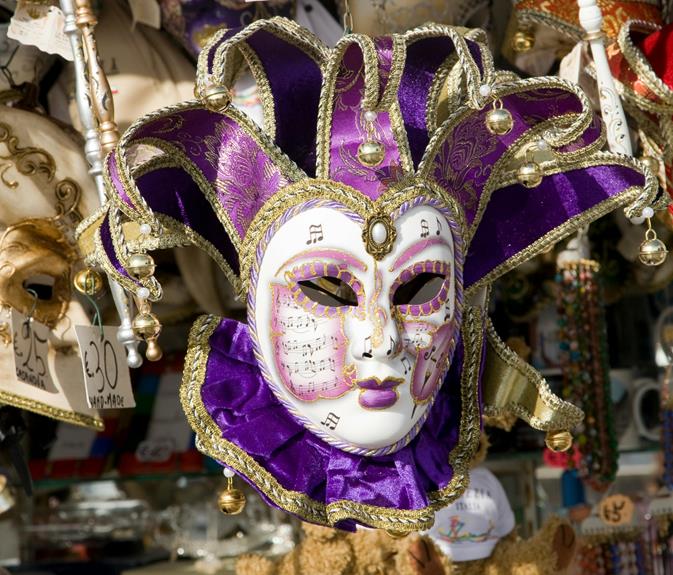
    The Masskara Festival is a celebration of Bacolod's rich history and cultural heritage, where thousands of smiling faces, adorned with exuberant masks, come together to rejoice. Behind each mask lies a story of resilience, artistry, and tradition.

    Uncover the Symbolism behind the Masks

    The masks worn during the festival are more than just colorful decorations. Each mask is a symbol of the city's history and culture, with intricate designs and vibrant colors that reflect the city's story. As you explore the festival, you'll learn about the symbolism behind the masks and the significance of each design element.

    Indulge in Traditional Cuisine and Cultural Performances

    The Masskara Festival offers a wide range of traditional cuisine that showcases the city's culinary heritage. From local delicacies to cultural performances, the festival is a sensory experience that will leave you wanting more. Must-do activities include watching the street dance competitions, participating in the mask-making workshops, and trying out the local food stalls.

    Uncover the Secrets behind the Smiling Faces

    As you delve deeper into the festival, you'll uncover the secrets behind the smiling faces and discover the true essence of Masskara. Learn about the history of the festival, the people behind the masks, and the significance of the celebration. By the end of the festival, you'll have a deeper understanding of what Masskara truly means.

    Unveiling Bacolod's Vibrant Tradition

    Bacolod's Vibrant Tradition: The Masskara Festival

    Immersive Experience

    As you enter Bacolod, you're surrounded by the vibrant atmosphere of the Masskara Festival, a celebration deeply rooted in the city's identity. The festival's kaleidoscope of colors, sounds, and rhythms creates an electric atmosphere that's hard to resist.

    The Iconic Masks

    The colorful, handcrafted masks are the most iconic symbol of the festival, showcasing the city's creativity and artistic talent. Each mask tells a story, reflecting the city's cultural heritage and resilience.

    Street Dance Competition

    The Street Dance Competition is a highlight of the festival, featuring dancers in elaborate costumes and masks performing to the rhythm of lively drums and trumpets. The infectious energy of the competition is palpable, filling the streets with joy, unity, and pride.

    The Spirit of Masskara

    The festival embodies the Spirit of Masskara, celebrating the city's resilience and cultural heritage. Every mask, every step, and every rhythm contributes to this vibrant celebration, making it an unforgettable experience.

    History and Cultural Significance

    The Masskara Festival: Uncovering its History and Cultural Significance

    The Masskara Festival in Bacolod, the 'City of Smiles,' holds a profound history and cultural significance that's deeply rooted in the city's past.

    In 1980, a crisis hit the province, and the Masskara Festival was born as a response to this crisis.

    Today, the festival has become an integral part of Bacolod's cultural heritage, showcasing the artistic talents and cultural richness of the locals.

    The festival features a kaleidoscope of parading street dancers and musicians wearing bright, elaborate masks, embodying the city's resilience and joy.

    This vibrant atmosphere has made the Masskara Festival a significant tourism event, attracting visitors from around the world. By experiencing the festival, you'll not only be immersed in Bacolod's cultural heritage but also contribute to its thriving tourism industry.

    Symbolism Behind the Masks

    The Vibrant Masks of the Masskara Festival

    The Masskara Festival is renowned for its dazzling array of masks, each one showcasing the city's unwavering spirit and creativity. These masks symbolize resilience and joy in the face of challenges.

    Each intricately crafted mask tells a unique story, highlighting the creativity of the artisans who handcraft them using traditional materials like paper mache and feathers. These masks represent the cultural pride and identity of the Bacolod community.

    The masks aren't just mere decorations; they're a visual representation of the community's unity and spirit. By wearing these masks, the performers celebrate Bacolod's cultural significance. The infectious energy of the festival is palpable, making it impossible not to be captivated by the masks' significance.

    The masks embody the essence of the Masskara Festival, making them more than just decorative pieces. As you immerse yourself in the festival, you'll realize the significance of these vibrant masks.

    Festival Events and Attractions

    Experience the Vibrant Masskara Festival

    The Masskara Festival is a kaleidoscope of colors, sounds, and energy, featuring a diverse range of events and attractions.

    Street Dancing Competitions

    Local troupes don vibrant costumes and masks, showcasing their choreographed moves in street dancing competitions that delight the crowd.

    Live Music and Cultural Shows

    Live music performances, beauty pageants, and cultural shows captivate audiences as they make their way through the streets.

    Electric Masskara

    A dazzling display of dancers on colorful floats parading through the streets, Electric Masskara is a true spectacle to behold.

    Arena Competitions

    At Panaad Stadium, local troupes compete for top honors in arena competitions, providing thrilling action for spectators.

    Carnival Atmosphere

    As the sun sets, Bacolod's main plaza transforms into a hub of carnival atmosphere, where visitors can soak up the infectious energy of the festival.

    Cultural Performances and Music

    Immerse yourself in the vibrant atmosphere of the Masskara Festival, where cultural performances and music take center stage.

    The rhythmic beats and lively melodies of these performances envelop you, transporting you to a world of rich heritage and celebration.

    The cultural performances showcase a mix of traditional and contemporary music, blending seamlessly to create an infectious atmosphere.

    This blend is evident in the range of music, from traditional Filipino tunes to modern beats, captivating your senses.

    The performances often weave in elements of storytelling, history, and local traditions, making the experience even more immersive.

    The energetic music and performances are the heartbeat of the Masskara Festival, pulsing with energy and joy.

    As you sway to the rhythm, you can't help but be drawn into the lively and celebratory ambiance.

    Artistry and Craftsmanship Display

    The Art of Mask-Making: A Reflection of Bacolod's Cultural Heritage

    Behind the vibrant masks worn by Masskara Festival revelers lies a world of intricate artistry and craftsmanship. Each mask is a testament to the artisans' precision and creativity, showcasing the rich cultural heritage of Bacolod.

    Materials and Techniques

    The masks are crafted using a variety of materials, including paper mache, feathers, fabric, and paint. Skilled artisans employ techniques such as hand-painted designs, intricate layering, and delicate stitching to bring these materials to life.

    The Story Behind Each Mask

    Each mask tells a unique story, passed down through generations of skilled mask makers. The artisans' craftsmanship is a testament to Bacolod's rich cultural heritage, with each mask serving as a window into the city's soul. By donning a mask, one becomes a part of this storytelling tradition, carrying on the legacy of Bacolod's cultural heritage.

    Practical Festival Information

    Plan Your Trip to the Masskara Festival

    The Masskara Festival, a vibrant celebration of Bacolod's cultural heritage, takes place during the third weekend of October. To make the most of your trip, consider the following practical festival information:

    When to Go

    The Masskara Festival is typically held during the third weekend of October.

    What to Expect

    The festival showcases the resilience and cultural heritage of the Bacolod people through vibrant masks, ornate costumes, and high-energy street dancing competitions that fill the streets.

    Preparation is Key

    Book your accommodations and transportation in advance, as the festival attracts a large crowd.

    Travel and Accommodation Tips

    Book Your Accommodation in Advance

    To ensure a comfortable and convenient stay during the Masskara Festival, book your hotel reservations well in advance. This is crucial because popular hotels like LFisher Hotel tend to get booked quickly during the festival. By planning ahead, you can avoid the last-minute scramble and ensure a smooth experience in Bacolod City.

    Explore Bacolod City with Ease

    With your accommodation taken care of, you can focus on exploring Bacolod City, which is known for its safe and welcoming streets. Take a stroll down Lacson Street, where you'll find a variety of food and festive activities during the festival. This will allow you to soak up the vibrant atmosphere of the Masskara Festival and immerse yourself in the local culture.

    Plan Ahead for a Smooth Experience

    Traditional Cuisine and Delights

    Bacolod's Culinary Delights

    Bacolod's traditional cuisine is a fusion of flavors that will leave you craving for more. Chicken Inasal, a local favorite grilled chicken dish, is a staple in every Bacolodnon's gathering. This dish is a must-try, with its smoky flavor that will tantalize your taste buds.

    Seafood lovers will rejoice in Bacolod, as fresh catches like prawns, crabs, and fish are abundant in local restaurants. These seafood delicacies are waiting to be devoured, and you won't want to miss them.

    Piaya, a flat, unleavened bread filled with sweetened molasses, is a must-try dessert. Its sweet and crispy taste will satisfy your sweet tooth.

    To quench your thirst, try tuba, a coconut wine that's uniquely Bacolod. This refreshing drink is the perfect accompaniment to your meal.

    Bacolod is also known for its abundance of fresh tropical fruits like mangoes, bananas, and pineapples. These fruits will make your taste buds dance with joy, and they're the perfect way to end your meal.

    What is the significance of the masks in the Masskara Festival compared to the celebration of mangoes in the Manggahan Festival?

    The significance of masks in the Masskara Festival is to symbolize resilience and optimism in the face of hardship. In contrast, the manggahan festival celebration Guimaras mangoes honors the abundance and sweetness of the local mango harvest, with various activities and events centered around this beloved fruit.

    Planning and Participating in MassKara

    Plan Ahead for the Masskara Festival

    To ensure a comfortable and enjoyable experience at the Masskara Festival, book your hotel rooms well in advance, as popular spots like LFisher Hotel tend to fill up quickly.

    Experience the Vibrant Atmosphere

    The Masskara Festival transforms the streets of Bacolod into a kaleidoscope of colors, music, and laughter.

    Explore the main walking streets, like Lacson Street, where the festival's energy is palpable, and the aromas of local delicacies will tantalize your taste buds.

    Witness the Arena Competition

    Watch local troupes showcase their talents and colorful costumes up close at the Panaad Stadium.

    Immerse in Local Culture

    Let the city's streets transform into a kaleidoscope of colors, music, and laughter.

    The Masskara Festival is a celebration of the city's vibrant culture, and by immersing yourself in it, you'll experience the true essence of Bacolod.

    Frequently Asked Questions

    What Is the Meaning of the Mask in Masskara Festival?

    The mask in the Masskara Festival symbolizes resilience and joy in the face of challenges. This is evident in the city's cultural identity, which is deeply rooted in the festival's history. The vibrant masks worn by revelers represent the community's ability to come together and celebrate despite adversity. Through artistic expression and historical significance, the mask embodies symbolic power that unites the community.

    What Did the Mask Symbolize for the People in Bacolod?

    The mask symbolizes resilience and joy in Bacolod, reflecting the city's cultural identity, historical significance, and emotional expression. This representation of resilience and joy fosters community unity in the face of adversity, as seen in the city's vibrant culture and festivities.

    Why Is Bacolod Called the City of Smile?

    Bacolod is called the City of Smiles because of its friendly locals, rich cultural heritage, and historical significance. These factors contributed to the city's economic boom, earning it a reputation for joy and warmth.

    What Is the Story of the Masskara Festival?

    The Masskara Festival originated from a crisis in 1980, when a tragic maritime accident, the sinking of MV Don Juan, claimed the lives of hundreds of people, including many from Bacolod City. In response to this tragedy, the local government and residents of Bacolod City came together to create a festival that would bring hope and joy to the community.

    The festival's name, Masskara, comes from the English word "mask" and the Spanish word "kara," meaning "face." This name was chosen to symbolize the masks worn by the performers, which hide their faces but reveal their smiles. The festival's theme revolves around wearing colorful masks and costumes, which reflect the city's rich cultural heritage.

    The Masskara Festival honors the city's cultural heritage by showcasing its history, traditions, and arts. The festival features street dancing, live music, and food fairs, which attract millions of tourists and locals alike. The festival's historical significance is rooted in its ability to bring people together and celebrate the city's resilience and strength in the face of adversity.

    The Masskara Festival has a significant economic impact on Bacolod City, generating revenue from tourism, job creation, and local business growth. The festival has become a major driver of the city's economy, with many businesses and industries benefiting from the influx of tourists.

    Conclusion

    The MassKara Festival leaves a lasting impression on visitors, with the smiling faces behind the vibrant masks etched in their memories.

    This iconic festival embodies the city's infectious energy and resilience.

    Having experienced Bacolod's rich history and cultural significance, you're now equipped to share the story of this vibrant festival with the world.

  • Tuna Festival: Celebrating General Santos City's Bountiful Tuna Industry

    Tuna Festival: Celebrating General Santos City's Bountiful Tuna Industry

    General Santos City: The Tuna Capital of the Philippines

    Located in the southern part of the Philippines, General Santos City is renowned for its thriving tuna industry. The city celebrates its bountiful tuna harvest with the annual Tuna Festival, a vibrant celebration that showcases the city's rich heritage and the unsung heroes of the tuna industry, its fishermen.

    During the festival, visitors can indulge in a variety of flavorful tuna dishes, each one showcasing the city's culinary expertise. From grilled tuna to tuna sashimi, the festival offers a culinary adventure that will tantalize your taste buds.

    The festival features cultural performances, including traditional dances and music, which add to the festive atmosphere. Vibrant street parades, complete with colorful costumes and lively music, are a highlight of the festival, drawing in crowds from all over the city.

    The Tuna Festival also pays tribute to the fishermen who are the backbone of the tuna industry. Their bravery and skill in navigating the high seas to bring in the tuna catch are recognized and celebrated during the festival.

    The Tuna Festival is a celebration of the city's spirit and its people. By attending the festival, visitors can experience the warm hospitality of the locals and get a glimpse into the city's rich cultural heritage.

    Celebrating the Tuna Industry

    General Santos City: The Tuna Capital of the Philippines

    Located in the heart of General Santos City is a thriving tuna industry, earning it the reputation as the Tuna Capital of the Philippines.

    This city is a major hub for tuna production, with six out of eight tuna canneries in the country situated here. The city's tuna industry is a significant contributor to the global market due to its skilled labor, modern facilities, and competitive costs.

    The General Santos Fish Port ensures the quality of the tuna catch by implementing strict food safety policies, making the city's tuna products globally competitive.

    This thriving industry is celebrated through the Tuna Festival, a tribute to the city's fishing industry that showcases the best of the sea through culinary events and dishes made from the freshest tuna catch.

    History of the Tuna Festival

    The Origins of the Tuna Festival

    The Tuna Festival's roots date back to the 1980s, when General Santos City's tuna industry was thriving. The city's visionaries sought to capitalize on this economic momentum by creating a celebration that would put the city on the tourism map.

    The Purpose of the Festival

    The Tuna Festival was established to promote tourism and celebrate the local fishermen who contribute to the city's economy. Over the years, the festival has evolved into a significant annual event that recognizes General Santos City as the Tuna Capital of the Philippines.

    The Significance of the Festival

    The Tuna Festival has become a symbol of community pride, showcasing the city's rich heritage and economic significance in the tuna industry. The festival attracts both local and international tourists who come to experience the vibrant celebration of the city's tuna industry, providing a tourism boost.

    Additionally, the festival has capitalized on the city's economic momentum, further establishing General Santos City as a major player in the tuna industry, resulting in economic momentum.

    What to Expect at the Festival

    Immerse Yourself in the Vibrant Tuna Festival

    The Tuna Festival in General Santos City is a celebration of the city's thriving tuna industry. This event showcases a kaleidoscope of colors, sounds, and flavors through vibrant tuna parades, cultural shows, and sports competitions.

    Indulge in a Feast for the Senses

    The festival offers a variety of tuna dishes that will tantalize your taste buds. Street parades and electrifying energy will keep you engaged throughout the day.

    Witness Unique Designs and LED-Adorned Floats

    On the festival's opening night, the Lawihan Tuna Float Parade features unique designs and LED-adorned floats, a truly mesmerizing sight.

    Join the Excitement with Notable Guests

    Mayor Lorelie Geronimo Pacquiao leads the ceremonial tuna slicing, marking the beginning of the festival. You may even get to meet notable guests like former Senator Manny Pacquiao and Senator Jinggoy Estrada at the grand opening ceremony.

    Tuna Festival Events and Highlights

    The Tuna Festival in General Santos City is a vibrant celebration of the thriving tuna industry, offering a diverse range of events and activities that cater to different interests.

    Culinary Delights: The festival features tuna cooking contests where local chefs showcase their culinary skills and creativity in preparing delectable tuna dishes.

    Cultural Extravaganza: The event showcases cultural performances that highlight the rich heritage of General Santos City, mesmerizing the audience with vibrant displays of music, dance, and art.

    Street Parades: The festival includes street parades featuring colorful floats and lively music, providing a fun and exciting experience for attendees.

    The grand opening ceremony is a highlight of the festival, with notable guests such as former Senator Manny Pacquiao and Senator Jinggoy Estrada in attendance. Mayor Lorelie Geronimo Pacquiao leads the ceremonial tuna slicing to officially kick off the festival.

    With the PFDA Top Management collaborating with Mayor Pacquiao, the event ensures a safe and enjoyable experience for all attendees.

    Delicious Tuna Dishes to Try

    Experience the Flavorful World of General Santos City's Tuna Cuisine

    General Santos City is renowned for its tuna industry, and its cuisine is a testament to the city's creativity and love for seafood.

    Delicious Tuna Dishes to Try

    The city offers a variety of tuna dishes that showcase its passion for tuna and commitment to using all parts of the fish.

    Dish Description
    Kinilaw na Tuna Raw tuna marinated in vinegar, calamansi juice, and spices
    Tinolang Tuna Savory tuna soup made with ginger, vegetables, and tender tuna meat
    Tortang Talong with Tuna Eggplant omelet with flavorful tuna flakes, highlighting seafood-rich cuisine
    Tuna Sisig Spicy tuna flakes with onions and calamansi, adding a zesty kick to your meal
    Tuna Panga Grilled tuna cheek delicacy, celebrating sustainable practices in the industry

    These dishes celebrate General Santos City's bountiful tuna industry, offering a culinary adventure that will leave you craving for more.

    The Significance of Tuna Costumes

    The Significance of Tuna Costumes

    During the Tuna Festival, the dazzling tuna costumes catch everyone's attention with their intricate designs and radiant colors, proudly representing General Santos City's identity as the Tuna Capital of the Philippines. These costumes aren't just a spectacle, but a vital part of the festival, showcasing the city's creative and festive spirit.

    Creative Expression: Tuna costumes demonstrate the city's creativity, with participants pouring their hearts into designing and crafting these elaborate outfits. For instance, some costumes feature glittering scales, while others have elaborate fins or tuna-shaped hats.

    Vibrant Showcase: The costumes add to the festive atmosphere of the festival, making it a visual feast that's hard to forget. With their bright colors and intricate designs, the tuna costumes create a lively ambiance that complements the festival's energetic vibe.

    Identity Pride: By wearing tuna-inspired costumes, participants proudly showcase General Santos City's identity as the Tuna Capital of the Philippines, underscoring the city's rich tuna industry heritage. This sense of pride is evident in the meticulous attention to detail and the joy with which participants wear their costumes.

    As you walk through the festival grounds, you can't help but be mesmerized by the vibrant colors and intricate designs of the tuna costumes. They're an integral part of the Tuna Festival, adding to the overall excitement and festive atmosphere of the celebration.

    The City's Thriving Tuna Industry

    General Santos City is the Tuna Capital of the Philippines, producing an impressive 64% of the country's tuna. The city's thriving tuna industry is the backbone of its economy, driving growth and development in the region.

    To ensure responsible fishing practices, private companies and government agencies collaborate, prioritizing sustainability and fresh seafood for the local economy.

    The city hosts events like the National Tuna Congress, which brings together stakeholders to showcase its expertise. Despite challenges, General Santos City maintains high-level tuna production, attracting tourists and boosting food tourism.

    To support its thriving industry, the city has invested in infrastructure projects like airports and ports, solidifying its position as the premier economic hub in the region.

    Fun Activities and Competitions

    The Tuna Festival in General Santos City offers a dynamic atmosphere with various fun activities and competitions for participants and spectators alike.

    Sports Competitions: Show off your athletic skills or cheer on your favorite teams in events like basketball, volleyball, and more.

    The Thrilling Bancarera Race is a must-watch, where teams demonstrate their speed and teamwork in a heart-pumping competition.

    Get an adrenaline rush with Exciting Water Sports, such as jet-skiing, parasailing, and more.

    Beyond the thrill of competition, indulge in the Pamahaw ug Pasalamat Feast, where you can savor local flavors and mingle with fellow festival-goers.

    You might even spot renowned personalities like Manny Pacquiao!

    With so much to see and do, the Tuna Festival is the perfect place to soak up the festive spirit and cultural significance of General Santos City.

    Cultural Significance of the Festival

    The Cultural Significance of the Tuna Festival

    The Tuna Festival in General Santos City is deeply rooted in the city's cultural heritage, celebrating the profound impact of the tuna industry on the local economy and community identity.

    The festival's cultural significance lies in its ability to foster community unity, honoring the local fishermen who have contributed to the city's identity as the Tuna Capital of the Philippines. It achieves this through various aspects:

    Aspects of the Festival Cultural Significance
    Honoring local fishermen Community unity and pride
    Promoting sustainable fishing Environmental stewardship
    Showcasing economic impact Local economy and identity
    Cultural shows and events Filipino resilience and resourcefulness

    Through the festival, you'll experience the city's vibrant culture, witness the economic impact of the tuna industry, and appreciate the importance of sustainable fishing practices. The Tuna Festival is a celebration of General Santos City's cultural heritage.

    A Day in the Life of Tuna Fishermen

    A Day in the Life of Tuna Fishermen

    Stepping into the shoes of a tuna fisherman in General Santos City means embracing a world of grueling labor and high stakes, where the day begins before dawn and the sea's bounty is the ultimate prize.

    As a tuna fisherman, you'll venture into the bountiful waters of the Celebes Sea, armed with traditional handline fishing methods and a deep understanding of tuna behavior. Your expertise will guide you to the best fishing spots, where you'll wait patiently for a bite.

    Tuna fishermen are the backbone of General Santos City's thriving tuna industry. Three key reasons support this claim:

    1. Tireless efforts: Fishermen brave the open sea, battling harsh weather conditions and unpredictable waters to bring in the day's catch. For instance, they often face strong winds, high waves, and extreme temperatures.
    2. Skilled craftsmen: With years of experience, tuna fishermen have honed their skills, using their knowledge of tuna behavior to outsmart their prey. They can identify the best fishing spots and adapt their fishing methods according to the tuna's migration patterns.
    3. Pride of the Tuna Capital: The dedication and hard work of tuna fishermen play a vital role in sustaining General Santos City's reputation as the Tuna Capital of the Philippines. Their efforts contribute significantly to the city's economy and provide a livelihood for many.

    After a long day at sea, you'll return to shore, where your catch will be processed and distributed to local markets and canneries. Your labor of love will soon become a delicious meal for many, and your contribution to the city's economy will be felt far and wide.

    Frequently Asked Questions

    What Festival Is Celebrated in General Santos City?

    The Tuna Festival is celebrated in General Santos City. This festival showcases City Pride with Food Delights, featuring a variety of food options. It also highlights Cultural Fusion, combining different cultural traditions. Additionally, the festival shares Fish Tales, stories and experiences related to the tuna industry.

    What Is Tuna Festival in Gensan?

    The Tuna Festival in Gensan is a celebration of the city's tuna industry.

    This festival showcases the rich tuna history of General Santos City, also known as Gensan. Gensan is known as the Tuna Capital of the Philippines due to its thriving tuna industry. The festival highlights the contributions of fishermen, explores industry trends, and promotes the city's cultural significance. It also emphasizes the importance of sea conservation to ensure the sustainability of the tuna industry.

    During the festival, visitors can indulge in mouth-watering tuna dishes, promoting the city's tourism. The festival features various activities, including tuna cooking contests, street dancing, and live music performances. These events showcase the city's rich culture and heritage. By promoting the tuna industry, the festival also contributes to the local economy.

    How Do You Celebrate the Tuna Festival?

    Celebrate the Tuna Festival with a variety of activities!

    To immerse yourself in the Tuna Festival, start by savoring seafood delicacies at the Tuna Feast, where you can enjoy a range of dishes featuring fresh tuna and other seafood.

    Next, enjoy Cultural Dance performances, which showcase traditional dances that highlight the local culture and heritage.

    Following the performances, join in the vibrant Street Parade, where you can watch or participate in a colorful procession featuring floats, costumes, and music.

    To cap off the day, indulge in a Food Frenzy, featuring a variety of food stalls offering local and international cuisine. You can also participate in Fishing Games, which include fun and competitive activities related to fishing.

    Why Is General Santos City Known as the Tuna Capital of the Philippines?

    General Santos City is known as the Tuna Capital of the Philippines because of its thriving tuna industry. This title is well-deserved, considering the city's modern Fish Port, which serves as a hub for the country's tuna fishing industry. The city's rich fishing culture and history also contribute to its reputation as a seafood hub, where the community harnesses its marine wealth and proudly celebrates its fishing heritage.

    Conclusion

    The Tuna Festival: A Celebration of General Santos City's Thriving Tuna Industry

    As the Tuna Festival comes to a close, the city's rich tuna heritage lingers. You've experienced the pride of General Santos City's fishermen, who brave the seas to bring in the freshest catch.

    You've indulged in the delectable tuna dishes, showcasing the city's culinary creativity. The festival's energy still resonates, a testament to the city's thriving tuna industry.

    With memories of the vibrant celebrations, you'll surely return for another taste of the city's bounty. The allure of General Santos City's tuna has hooked you, and you'll be back for more.

  • Parada Ng Lechon: a Mouthwatering Showcase of Balayan's Roasted Pigs

    Parada Ng Lechon: a Mouthwatering Showcase of Balayan's Roasted Pigs

    Experience the Flavors of Parada Ng Lechon

    In Balayan, Batangas, the Parada Ng Lechon is a vibrant celebration of the region's signature roasted pigs. This festival showcases over 1000 creatively dressed lechons paraded through the streets, highlighting the rich culinary heritage and traditions of the Filipino people.

    Savor the Flavors of Traditional Dishes

    During the festival, visitors can indulge in roasted pig samples and savor the flavors of traditional Batangueño dishes. The atmosphere is lively, filled with playful antics and creative costumes.

    Uncover the Cultural Significance

    As you explore this festival, you'll uncover the rich cultural significance behind the roasted pig tradition. This flavorful journey offers more than just a taste of the region's cuisine; it's an immersive experience that reveals the heart of Filipino culture.

    A Celebration of Filipino Cuisine

    Experience the Flavors of Filipino Cuisine

    In the vibrant streets of Balayan, you'll discover a culinary celebration that showcases the rich flavors and traditions of Filipino cuisine.

    The Parada ng Lechon, a beloved Lechon festival, is a testament to the country's love for food and merriment. This iconic celebration highlights the star of the show: the roasted pig, or lechon, which symbolizes prosperity and festivity.

    Over 1000 pigs are cooked to perfection using different styles and recipes, showcasing the sheer variety of lechon preparations. The air is filled with the enticing aromas of traditional Batangueño dishes, and your taste buds will dance with joy as you sample the local delicacies at the food stalls.

    The highlight of the festival is the Roasted Pig Parade, where creatively dressed lechons, often dressed as characters, are paraded through the streets, adding to the festive atmosphere.

    Get ready to indulge in a culinary adventure like no other!

    The Art of Lechon Roasting

    The Art of Lechon Roasting

    The art of lechon roasting is a centuries-old tradition that requires patience, attention to detail, and a deep understanding of open-flame cooking. This traditional cooking method involves a series of precise steps that result in a mouthwatering, crispy-skinned lechon.

    The Tradition of Lechon Roasting

    The lechon roasting process involves four crucial steps: selection, preparation, roasting, and presentation.

    Selection

    The first step in lechon roasting is selecting the right pig and ingredients. This is crucial for flavor and texture. The finest spices and plumpest pigs are chosen to ensure the best results.

    Preparation

    Next, the pig is marinated and seasoned to enhance flavor and aroma. The right blend of spices and seasonings is essential to bring out the unique flavor of lechon.

    Roasting

    The pig is then cooked over an open flame, which develops the signature crispy skin. The open flame cooking method requires skill and attention to achieve the perfect crispiness.

    Presentation

    Finally, the lechon is creatively dressed for display, adding a touch of whimsy and fun. The presentation is an essential part of the lechon roasting tradition, making the dish visually appealing.

    The Festival of Lechon Roasting

    During the festival, around 1000 lechons are roasted each year, showcasing a variety of recipes and cooking styles. Whether you're a foodie or just a curious observer, the art of lechon roasting is sure to leave you in awe.

    Parading Deliciousness Through Streets

    Experience the Vibrant Parada ng Lechon Festival

    In Balayan, Batangas, hundreds of creatively dressed lechons are paraded through the town, showcasing the community's pride in their roasted pig tradition. The air is filled with the savory aroma of roasting pigs, creating an exciting atmosphere.

    Savor the Flavor

    Delicious samples of roasted pig are available for spectators to enjoy as they watch the procession through the town.

    Playful Antics and Creative Costumes

    Spectators often toss water or beer over the lechons, adding a playful touch to the parade. The lechons are decorated with creative costumes, showcasing the community's creativity. To prevent pranks, participants cover their lechons with barbed wire to ensure their safety.

    Festive Atmosphere

    The festival coincides with the feast of St. John the Baptist on June 24th, creating a lively atmosphere. The Parada ng Lechon is a beloved tradition in Balayan, celebrating their roast pig heritage.

    It's an invitation to join in on the fun!

    The Rich Culinary Heritage

    The Parada ng Lechon festival is deeply rooted in a rich culinary heritage that showcases the community's passion for traditional Filipino cuisine. This heritage is reflected in the festival's central highlight, the lechon, a culinary icon in Filipino culture.

    Over 1000 succulent roasted pigs are prepared annually, showcasing various recipes and cooking styles. The festival celebrates the historical significance of lechon, symbolizing prosperity, festivity, and community unity.

    Traditional Batangueño dishes, street food, and cooking competitions are an integral part of the festival. These offerings allow visitors to experience the rich flavors and aromas of Batangas' culinary heritage.

    The festival is a true celebration of the region's gastronomic traditions, and visitors are invited to savor every bite of it.

    A Festival of Flavors and Colors

    Immerse Yourself in the Vibrant Parada ng Lechon Festival

    As you stroll through the lively streets of Balayan, the enticing aroma of sizzling lechons and the kaleidoscope of colors from the decorated floats will captivate your senses, setting the tone for a festive celebration of flavors and hues.

    A Feast for the Senses

    The Parada ng Lechon festival is a true sensory delight, offering a variety of culinary treats and a riot of colors on display.

    Vibrant floats adorned with flowers, fruits, and other decorative elements showcase the town's creativity and flair.

    Sizzling lechons cooked to perfection highlight the region's rich culinary heritage.

    Cultural performances pay tribute to the town's history and traditions, while traditional displays celebrate the town's patron saint, St. John the Baptist, and the community's spirit.

    A Glimpse into the Heart of Balayan

    As you take in the sights and sounds of the festival, you'll get a glimpse into the heart and soul of Balayan, where the Lechon Parade is an integral part of the feast of St. John the Baptist.

    With its kaleidoscope of colors, mouthwatering aromas, and joyful atmosphere, the Parada ng Lechon is an unforgettable experience.

    The Lechon Dress-Up Tradition

    The Lechon Dress-Up Tradition

    In the Parada ng Lechon, participants showcase their creativity by dressing up roasted pigs in various themes. These themes transform the lechons into unique characters, highlighting the imagination and creativity of the participants.

    Profession Theme

    Lechons are dressed as professionals, such as drivers, students, cooks, or athletes. This theme showcases the participants' ability to think creatively and create humorous connections between the lechon and the profession.

    Superhero Theme

    In this theme, lechons are transformed into superheroes, complete with capes and masks. This creative interpretation adds a touch of humor and playfulness to the parade.

    Foodie Theme

    Lechons are adorned with fruits, vegetables, and other food items in this theme. This creative display highlights the participants' ability to think outside the box and create visually appealing displays.

    Music Theme

    In this theme, lechons are dressed as musicians, complete with instruments. This theme showcases the participants' creativity in transforming the lechon into a musical character.

    Sports Theme

    Lechons are dressed as athletes, showcasing different sports in this theme. This display highlights the participants' ability to think creatively and create humorous connections between the lechon and the sport.

    The highlight of the parade is the visually captivating display of creatively dressed lechons, adding to the festive spirit of the Parada ng Lechon in Balayan.

    Savoring the Flavors of Batangas

    Discover the Flavors of Batangas

    In Batangas, the culinary heart of the Philippines, you can experience a rich gastronomic adventure. The Parada ng Lechon festival offers a treasure trove of traditional dishes and local delicacies, showcasing the authentic flavors of Batangas, deeply rooted in its history and culture.

    Savor the Aroma of Roasted Pigs

    Expertly prepared by local chefs using secret recipes passed down through generations, the aroma of roasted pigs is a highlight of the festival.

    Taste Traditional Batangueño Dishes

    The festival features traditional dishes such as adobo, sinigang, and more, each with its unique twist and flair. These dishes are deeply rooted in the region's history and culture.

    Experience the Festive Ambiance

    The festival offers a lively atmosphere, complete with water dousing and playful water battles, adding to the festive ambiance.

    Feast on Local Delicacies

    The festival showcases a variety of local delicacies, from sweet treats to savory snacks, highlighting the region's culinary diversity.

    The Parada ng Lechon festival is a celebration of the feast of St. John the Baptist, honoring the patron saint of Balayan. The festival reflects the region's love for good food, warm hospitality, and vibrant culture.

    A Glimpse Into Filipino Culture

    Parada ng Lechon: A Glimpse into Filipino Culture

    Celebrating Faith, Food, and Festivities

    Parada ng Lechon is a traditional festival in Balayan, Batangas, that honors the feast day of St. John the Baptist. This celebration blends Catholic traditions with Filipino customs, creating a unique cultural experience.

    A Spectacle of Creativity and Joy

    The parade is a highlight of the festival, featuring participants dressing up their lechons as various characters, adding a playful touch to the event. The creative lechon costumes, lively music, and joyful atmosphere come together to showcase the country's rich cultural heritage.

    A Window into Filipino Values

    The combination of faith, food, and merriment makes Parada ng Lechon a unique window into Filipino culture, where community spirit and hospitality take center stage. This celebration showcases the Filipino values of unity, gratitude, and joy, which are essential to the country's cultural identity.

    The Roasted Pig Parade Route

    The Roasted Pig Parade Route

    As you make your way along the parade route, the vibrant atmosphere and enticing aromas of roasting pigs envelop you, setting the tone for a thrilling celebration. The whole pig, creatively dressed and decorated, is the star of the show, showcasing the people of Balayan's passion for their cultural heritage.

    Creatively dressed lechons are a highlight of the parade, with imaginative designs and costumes adorning the pigs, such as drivers, students, cooks, and athletes. These elaborate costumes add to the festive atmosphere and showcase the people of Balayan's creativity.

    Savory aromas of roasting pigs waft through the air, teasing your taste buds and building your appetite. The mouthwatering scents of roasting pigs are a hallmark of the celebration, making your mouth water in anticipation.

    Tasty treats are offered to spectators along the route, adding to the festive atmosphere and giving you a taste of the celebration. These lechon pieces allow you to experience the flavors and textures of the roasted pig firsthand.

    The community spirit is palpable as the people of Balayan come together to celebrate this beloved tradition. The excitement and pride of the community are evident in their enthusiastic participation and joyful atmosphere.

    As you continue along the parade route, the sights, sounds, and aromas will leave you in awe of this unique and delightful celebration.

    How Does the Parada Ng Lechon Compare to the Udyakan Festival in Terms of Showcasing Local Culture and Traditions?

    The Parada Ng Lechon and the Udyakan Festival both play significant roles in showcasing local culture and traditions. While the Parada Ng Lechon highlights the tradition of roasting and sharing lechon (roast pig), the Udyakan Festival celebrates Tuba’s cultural heritage through music, dance, and various cultural activities. Both events contribute to preserving and promoting the rich local traditions and customs.

    The Culinary Pride of Balayan

    The Parada ng Lechon: A Celebration of Balayan's Culinary Pride

    The Parada ng Lechon is an annual festival in Balayan, Batangas, that showcases the town's agricultural abundance and creativity through its beloved roasted pig dish, lechon. This symbol of prosperity and festivity in Filipino culture is celebrated in June.

    A Festival of Flavors

    The festival features around 1,000 lechons, each creatively dressed in imaginative themes like drivers, students, cooks, or athletes, adding a fun and festive touch to the event. Traditional Batangueño dishes and street food are also available for visitors to enjoy.

    A Visual Feast

    The Parada ng Lechon is a true celebration of Balayan's culinary pride, highlighting the town's rich agricultural heritage and creativity. The lechon is a staple of Filipino celebrations, and this festival showcases why Balayan is renowned for its culinary excellence.

    Frequently Asked Questions

    What Is Parada Ng Lechon?

    Parada ng Lechon is a traditional celebration in the Philippines. This festive event showcases roasted pigs, which symbolize cultural significance and prosperity. It highlights the country's rich heritage and festive spirit, demonstrating the Filipino people's love for celebration and good food.

    What Is the History of the Lechon Festival in Batangas?

    The Lechon Festival in Batangas originated during the Spanish colonial era. This festive celebration was born out of gratitude, symbolizing cultural significance, unity, and faith. With its rich history dating back centuries, the Lechon Festival has become an integral part of Batangas' cultural heritage.

    What Is the Grand Parade of Succulent Roasted Pigs?

    The Grand Parade of Succulent Roasted Pigs is a cultural event in Batangas, Philippines.

    This event showcases creatively dressed-up lechons, which are whole roasted pigs, a traditional Filipino dish. The parade features these lechons, each uniquely decorated and presented in a festive atmosphere. The aromas of roasting meat fill the air, teasing the senses and building anticipation for the feast to come. The lively atmosphere is electric, leaving attendees craving more of the cultural experience.

    What Is Filipino Roast Pig Called?

    Lechon is the term for Filipino roast pig. This national dish has variations, such as Cebu-style and Manila-style, each with its unique twist.

    Conclusion

    The Parada ng Lechon leaves a lasting impression, with the aroma of roasted pig lingering long after the festival.

    Witnessing the art of lechon roasting is a unique experience, allowing you to savor the flavors of Batangas and appreciate the rich culinary heritage of the Philippines.

    The vibrant colors, lively streets, and mouthwatering dishes provide a glimpse into Filipino culture.

    The memory of this festival will stay with you, a reminder of the country's warm hospitality and delectable cuisine.

  • Bangus Festival: Celebrating Dagupan's Prized Milkfish Harvest

    Bangus Festival: Celebrating Dagupan's Prized Milkfish Harvest

    Dagupan City's Bangus Festival: A Celebration of Aquatic Heritage

    As you enter Dagupan City, the enticing aroma of grilled bangus fills the air, drawing you into a vibrant celebration that showcases the city's proud aquatic heritage and its prized milkfish harvest. This festival highlights the city's rich cultural identity through colorful costumes, masks, and art exhibits that weave together history, culture, and identity.

    Discovering the Prized Milkfish Harvest

    Savoring Traditional and Modern Bangus Dishes

    The festival offers a culinary journey, featuring traditional bangus dishes and modern twists that tantalize your taste buds. Witness the excitement of the bangus grilling contest, where locals showcase their culinary skills.

    Unraveling the Story of Dagupan's Bangus Industry

    As you immerse yourself in the festive atmosphere, you'll uncover the intricate story of Dagupan's bangus industry, where tradition meets innovation, and the future of sustainable practices awaits discovery.

    History of Bangus in Dagupan

    Dagupan City: The Bangus Capital of the Philippines

    Dagupan City's fertile waters and ideal climate have made it the perfect breeding ground for bangus, with a legacy dating back to the early 20th century. Today, the city produces 70% of the country's bangus supply, cementing its reputation as the bangus capital of the Philippines.

    The city's unique combination of natural resources and innovative farming practices has allowed it to thrive as a major bangus producer. The city's dedication to preserving its rich aquatic heritage is evident in its passion for bangus, which led to the establishment of the Bangus Festival to celebrate this beloved fish.

    Preparing for the Festival

    Festival Preparations

    As the Bangus Festival approaches, the city of Dagupan is filled with excitement. Participants craft elaborate costumes and masks inspired by the bangus fish, which will be showcased during the street parade.

    Food fairs are set up, offering unique delicacies like bangusine and pansit habhab, allowing visitors to indulge in the local flavors.

    Cultural Heritage

    Art exhibits and cultural shows are prepared, showcasing Dagupan's cultural heritage. These exhibits highlight the city's rich history and traditions, giving visitors a glimpse into its cultural significance.

    Local Products

    Local products are displayed, including bagoong and alaminos longganisa, which are available for purchase. This provides an opportunity for visitors to take a piece of Dagupan's culture back home.

    City Decorations

    The city is decorated with vibrant colors and a festive atmosphere, setting the tone for the celebrations. The streets are filled with vibrant colors, creating an electric atmosphere that complements the excitement of the festival.

    As the festival approaches, the energy is palpable. Street dancing performances are rehearsed, transforming the city into a vibrant celebration of the bangus harvest.

    Get ready to immerse yourself in the sights, sounds, and flavors of the Bangus Festival!

    Culinary Delights of Bangus

    Discover the Flavors of Dagupan's Bangus Festival

    The Bangus Festival in Dagupan is a culinary celebration that showcases the city's prized milkfish harvest. This festival is a haven for food enthusiasts, where they can indulge in a diverse range of bangus dishes that highlight the city's rich culinary heritage.

    Traditional Bangus Dishes

    The festival features a variety of traditional bangus dishes that are sure to tantalize your taste buds.

    Smoked bangus, infused with a savory flavor, is both tender and juicy.

    Bangus sisig, a sizzling plate of chopped milkfish, onions, and chili peppers, will awaken your senses.

    Bangus relleno, a stuffed milkfish dish filled with flavorful ingredients, will leave you wanting more.

    Modern Twists on Classic Bangus

    In addition to traditional dishes, the festival also features modern twists on classic bangus recipes. Local chefs showcase their creative cooking skills by preparing innovative bangus dishes that are sure to impress.

    A Culinary Experience Not to Be Missed

    The Bangus Festival is a must-visit event for food enthusiasts and anyone who loves good food. With its diverse range of bangus dishes, the festival offers a unique culinary experience that you won't want to miss.

    Cultural Significance of Bangus

    The Bangus Festival: A Celebration of Culture and Identity

    The Bangus Festival is more than just a celebration – it's a declaration of Dagupan's unwavering spirit and dedication to its prized milkfish harvest.

    The festival weaves together the threads of Dagupan's history, culture, and identity, all of which are intricately tied to the bangus industry.

    The Bangus Industry: Lifeblood of Dagupan

    The bangus industry is the lifeblood of Dagupan, playing a crucial role in the city's economy and identity.

    The vibrant street parades, art exhibits, and traditional shows all pay tribute to the iconic fish that has shaped Dagupan's character.

    Pride and Creativity on Display

    Locals take immense pride in their heritage, showcasing their creativity and talent through lively performances and elaborate costumes inspired by the bangus.

    The festival is a testament to the city's resilience and adaptability, highlighting the crucial role the bangus industry plays in Dagupan's economy and identity.

    A Celebration of Spirit and Dedication

    As you soak up the festive atmosphere, you'll realize that the Bangus Festival is more than just a celebration – it's a declaration of the city's unwavering spirit and dedication to its prized milkfish harvest.

    Economic Impact of Bangus Industry

    The economic landscape of Dagupan is shaped by the bangus industry's complex market forces. Prices of bangus in Pangasinan markets range from P120 to P200 per kilo, higher than in Ilocos Norte, indicating a thriving industry. However, small-scale fish cage operators struggle to access markets dominated by larger operators, making it difficult for them to compete.

    Three key factors affect the economic impact of bangus production:

    Market competition hinders small-scale fish growers from competing on price, as larger operators dominate the market.

    Price stabilization efforts, such as the DA-BFAR's Kadiwa program and the growth of the processed/bottled bangus industry, aim to stabilize prices and reduce volatility.

    High fish production levels can lead to lower prices for both cultured and wild-caught fish, affecting the livelihood of small-scale fish growers.

    The economic impact of the bangus industry is multifaceted, with both opportunities and challenges. The delicate balance between supply and demand has a direct impact on the livelihood of those involved in bangus production.

    Festival Highlights and Activities

    Dagupan City's Bangus Festival: A Vibrant Celebration

    The Bangus Festival in Dagupan City is a two-week celebration that showcases the city's pride and joy – its prized milkfish harvest.

    Colorful Street Dance Competition

    One of the festival's main attractions is the street dance competition, which features colorful costumes, lively music, and energetic dance performances inspired by the Bangus fish. This highly anticipated event draws in huge crowds and plenty of excitement.

    Other Festival Highlights

    In addition to the street dance competition, the festival also features:

    • Art exhibits showcasing local artists' work
    • Cultural shows highlighting the city's rich traditions
    • Street parades offering a glimpse into the city's spiritual heritage and community thanksgiving

    Experience the Flavors and Sights of Dagupan City

    As you explore the festival, you'll experience the sights, sounds, and flavors of Dagupan City's Bangus industry.

    Bangus Grilling Contest Rules

    Bangus Grilling Contest Rules

    The Bangus Grilling Contest is a competition where top grill masters showcase their skills in creating the most mouth-watering, expertly cooked milkfish dishes.

    Contest Requirements

    To participate, you must grill a minimum of 50 bangus fish, each weighing at least 400 grams. All necessary grilling equipment and materials will be provided.

    Judging Criteria

    Your dish will be evaluated based on taste, presentation, and overall preparation.

    Rewards

    Winners will receive cash prizes and recognition during the festival.

    Dagupan's Bangus Farming Practices

    Dagupan's bangus farming practices have been refined over generations, taking advantage of the city's unique aquatic environment where saltwater, freshwater, and brackish water converge. This ideal setting enables optimal growth and exceptional quality. The city's bangus farms showcase a meticulous blend of traditional techniques and modern innovations, resulting in a bountiful fish harvest.

    Dagupan is the milkfish capital of the Philippines, accounting for over 70% of the country's milkfish supply. The city's bangus industry dominates the market due to the exceptional quality and taste of the bangus harvested in the region. The waters and algae in Dagupan contribute to the exceptional quality and taste of the bangus.

    Bangus farming is deeply rooted in the community, where fish farming isn't just a livelihood but a way of life.

    Environmental Impact of Bangus Farming

    The environmental impact of bangus farming is a pressing concern. The pollution from fish waste and excess feed can contaminate the water, harming the delicate ecosystem. Efforts are being made to implement proper waste management and water treatment systems to mitigate this.

    Water pollution is a significant concern. The excess feed and fish waste can lead to a buildup of pollutants in the water, harming aquatic life. For instance, when fish are overcrowded in cages, their waste can accumulate, causing ammonia levels to rise and deplete oxygen in the water.

    Oxygen depletion is another issue. Overcrowding in fish cages can cause oxygen levels to drop, leading to disease outbreaks and even death in fish populations. This can have devastating effects on the entire ecosystem.

    The introduction of non-native species can lead to ecosystem imbalance, disrupting the natural balance of the ecosystem and causing long-term consequences. For example, when non-native species are introduced, they can outcompete native species for food and habitat, leading to a decline in biodiversity.

    To ensure sustainable aquaculture practices, it's crucial to monitor water quality and ecosystem health. By adopting integrated multitrophic aquaculture and other eco-friendly methods, the environmental impact of bangus farming can be minimized, preserving the beauty and bounty of Dagupan's waters for generations to come.

    What is the significance of celebrating the cultural diversity through festivals like Bangus and Hinugyaw?

    Celebrating cultural diversity through festivals like Bangus and Hinugyaw is crucial for promoting unity and understanding among different communities. The hinugyaw festival celebrations provide a platform for showcasing unique traditions, food, music, and art, while also fostering mutual respect and appreciation for the richness of various cultures.

    Future of Bangus Industry in Dagupan

    The Bangus industry in Dagupan is shifting towards sustainability, prioritizing environmentally friendly practices to ensure the long-term viability of Bangus farming. This shift is crucial for the industry's continued growth and success.

    Government agencies, farmers, and industry stakeholders are collaborating to implement sustainable practices and reduce the environmental impact of Bangus farming.

    Diversifying markets and exploring new export opportunities is essential for the industry's growth. By expanding into new markets, Dagupan's Bangus products can reach a broader audience.

    Sustainable practices and environmental conservation are top priorities for the future development of the Bangus industry in Dagupan.

    Ongoing efforts to enhance production and promote sustainability will ensure the industry's continued success. Innovative farming techniques and cutting-edge technology are being harnessed to propel production forward. With a strong commitment to preserving the environment, the future of the Bangus industry looks bright.

    Frequently Asked Questions

    What Is the Significance of Bangus Festival?

    The Bangus Festival is a celebration that embodies the cultural identity of Dagupan, highlighting the city's renowned milkfish harvest. This festival not only showcases the city's prized commodity but also has a significant economic impact, fostering community pride and unity.

    What Festival Is Celebrated in Dagupan Pangasinan for Their Milkfish Industry?

    The Bangus Festival is celebrated in Dagupan, Pangasinan, to honor its thriving milkfish industry. This festival showcases the region's rich traditions and delicious seafood delights, highlighting the city's cherished cultural heritage.

    Why Bangus Is Famous in Dagupan?

    Bangus is famous in Dagupan because of the city's unique environment. Dagupan's pristine waters and algae-rich surroundings create an ideal breeding ground for high-quality milkfish. As a result, the city's bangus dominates the market, earning it the title of "Fisherman's pride" and "Dagupan's crown."

    Is the Bangus Festival Religious or Not?

    The Bangus Festival has strong religious undertones. It honors St. John the Evangelist with vibrant celebrations.

    Conclusion

    The Bangus Festival: A Celebration of Dagupan's Pride

    The Bangus Festival showcases the pride of Dagupan's people, who come together to celebrate their prized milkfish harvest.

    The festival highlights the city's rich cultural heritage and its thriving bangus industry.

    As you experience the festival, the aroma of grilled milkfish fills the air, and the sounds of laughter and chatter create a lively atmosphere.

    The event is a testament to the city's passion for its prized harvest, which has been a staple of Dagupan's economy for years.

    While the future of bangus farming may be uncertain, the festival is a joyous celebration of the city's treasured milkfish.

    Every bite and every moment is a tribute to the city's beloved bangus industry.

  • Panagbenga Festival: A Blooming Tribute to Baguio City's Floral Wonders

    Panagbenga Festival: A Blooming Tribute to Baguio City's Floral Wonders

    Discover the Vibrant Panagbenga Festival in Baguio City

    The Panagbenga Festival is a month-long celebration that showcases Baguio City's stunning beauty and rich cultural heritage. This festival was first held in 1995 to promote the city's floral wonders and boost tourism.

    Marvel at the Festive Highlights

    The festival features an intricate flower float parade, where vibrant flowers are arranged to create stunning designs on floats.

    You'll also enjoy mesmerizing traditional dance performances, which showcase the city's rich cultural heritage.

    Additionally, you can admire exceptional indigenous craftsmanship on display, highlighting the region's unique artistry.

    Sustainability in Action

    The festival prioritizes eco-friendly practices, ensuring that the celebration is environmentally responsible. This focus on sustainability makes the festival truly bloom.

    Explore the City's Attractions

    As you wander through Baguio City's picturesque attractions, you'll uncover the rich cultural heritage of the Cordillera region. This is just the beginning of the beauty that awaits you.

    Origins of Panagbenga Festival

    The Panagbenga Festival originated in 1995, when Damaso E. Bangaoet, Jr., a visionary lawyer, spearheaded its creation in Baguio City.

    The festival was inspired by the city's natural beauty, particularly its stunning flowers. Initially named the Baguio Flower Festival, it was later renamed Panagbenga, which means 'season of blooming.' This name change reflects the festival's focus on the city's breathtaking flora.

    The main purpose of the festival is to showcase Baguio's unique charm and beauty.

    Today, the Panagbenga Festival is a month-long celebration that kicks off in February and culminates in early March. During this time, the city comes alive with vibrant colors, lively performances, and infectious energy.

    Cultural Significance of Flowers

    Flowers Hold Profound Significance in Filipino Culture

    In the Philippines, flowers represent more than just beauty; they symbolize purity, resilience, and strength, reflecting the country's cultural heritage and its people's connection to nature.

    Flowers in Traditional Practices

    Flowers are an integral part of Filipino traditions, particularly in the Cordillera region, where indigenous communities use them in rituals, ceremonies, and traditional attire. For example, the Baguio Flower Festival, also known as the Panagbenga Festival, showcases the city's cultural heritage and its people's connection to nature.

    Symbolism of Flowers in Filipino Culture

    • Beauty and Purity: Used in traditional attire and ceremonies.
    • Resilience and Strength: Symbolism in indigenous rituals and storytelling.
    • Connection to Nature: Inspiration for Filipino textiles and arts.
    • Vibrancy and Joy: Adding color and fragrance to festivals and celebrations.
    • Cultural Identity: Reflecting the country's rich cultural heritage.

    Experiencing the Significance of Flowers

    At the Panagbenga Festival, you'll experience the beauty and significance of flowers in Filipino culture. Flowers are more than just a decoration; they represent the country's cultural heritage and its people's connection to the natural world.

    History of the Festival

    The Panagbenga Festival's Humble Beginnings

    In 1995, Lawyer Damaso E. Bangaoet, Jr. proposed the Panagbenga Festival, sparking a revolutionary idea to revitalize Baguio City's tourism during its slow period.

    The festival was initially launched in February 1996 as a modest floral parade.

    Evolution into a Month-Long Celebration

    Over time, the festival evolved into a month-long extravaganza celebrating the flower industry and cultural heritage of Baguio City.

    In 1996, the festival was renamed Panagbenga, featuring activities such as landscape competitions, cultural shows, street dancing, and float parades.

    Growth and Temporary Halt

    The festival continued to grow, attracting more tourists and showcasing the city's vibrant culture. However, the pandemic brought a temporary halt to the celebrations, with festivities cancelled in 2020 and 2021.

    Resilience and Revival

    Despite the setback, the festival bounced back in 2022 with limited events.

    Flower Float Parade Highlights

    Experience the Vibrant Flower Float Parade

    The Flower Float Parade is a signature event of the Panagbenga Festival, showcasing participants' creativity and artistry. Intricate designs and vibrant colors characterize the floats, each a masterpiece of floral artistry. The parade features a diverse range of creative displays, including majestic flower-adorned dragons and whimsical fairy tale characters, all crafted from thousands of fresh flowers.

    Float Categories and Judging Criteria

    Float CategoryDescriptionJudging Criteria
    Best in Floral ArrangementFloats featuring intricate flower arrangementsOriginality, color harmony, and creativity
    Best in Theme InterpretationFloats that best depict the festival's themeAdherence to theme, overall impact, and creativity
    People's Choice AwardFloats chosen by the audience as their favoriteAudience appeal, entertainment value, and overall impact
    Best in Float DesignFloats with the most impressive and creative designOriginality, craftsmanship, and visual appeal

    Appreciating the Craftsmanship

    As you marvel at the stunning displays, you'll appreciate the hours of dedication and creativity that go into crafting each float. Whether you're a flower enthusiast, an art lover, or simply looking for a fun and festive experience, the Flower Float Parade is an unforgettable highlight of the Panagbenga Festival.

    Traditional Dance Performances

    Traditional Dance Performances Celebrate Cultural Heritage

    The traditional dance performances at the Panagbenga Festival showcase the rich cultural heritage of the Cordillera region. These captivating performances feature vibrant traditional attire adorned with beads, feathers, and colorful fabrics, setting the stage for an unforgettable experience.

    Intricate Costumes and Rhythmic Beats

    The dancers' intricate costumes shine with every movement, mesmerizing the audience. The air is electric with anticipation as the performers prepare to showcase their indigenous dances, each telling a unique story and significance.

    Traditional Dances Passed Down Through Generations

    The performances feature traditional dances such as the tayaw, bangibang, and bendian, which have been passed down through generations. These dances are characterized by rhythmic beats and graceful movements, entrancing the audience.

    Celebrating Unity, Pride, and Cultural Heritage

    The traditional dance performances embody the spirit of unity, pride, and cultural heritage. The energy of the crowd is palpable as they join in the celebration of local traditions and cultural preservation.

    Indigenous Craftsmanship on Display

    Indigenous Craftsmanship on Display

    In the heart of the Panagbenga Festival, artisans from indigenous communities in the Cordillera region proudly showcase their exceptional craftsmanship, weaving a tapestry of creativity and cultural heritage.

    Traditional Crafts

    Three types of traditional crafts are on display: floral arrangements, traditional costumes, and decorations. Each showcases the artisans' exceptional skills and attention to detail.

    CraftDescriptionArtisanal Touch
    Floral ArrangementsDelicate flowers woven into majestic floatsIntricate weaving techniques
    Traditional CostumesVibrant attire adorned with beads and embroideryRich cultural heritage
    DecorationsStunning props and backdrops handcrafted with precisionLocal artisans' creativity

    Appreciating the Craftsmanship

    As you explore the festival grounds, you'll witness the intricate beadwork, weaving techniques, and embroidery that reflect the rich cultural heritage of the region. The indigenous craftsmanship adds a unique and authentic touch to the festival, celebrating the artistry and creativity of local artisans. Attention to detail and dedication to preserving traditional techniques are truly remarkable.

    Exceptional Skills on Display

    You'll be mesmerized by the stunning flower floats, elaborate headpieces, and beautiful decorations that showcase the exceptional skills of local weavers, woodcarvers, and metalworkers.

    Environmental Conservation Efforts

    The Panagbenga Festival is deeply rooted in environmental conservation efforts. Beyond showcasing beautiful flowers, the festival testifies to the city's commitment to preserving its natural beauty.

    Waste management programs are implemented to minimize the festival's environmental impact. This is achieved through waste segregation and recycling programs.

    The festival uses eco-friendly materials for float decorations, reducing waste and promoting sustainable practices. These materials are sustainable and reduce the festival's carbon footprint.

    Biodiversity preservation is undertaken through tree planting activities and conservation efforts. This helps protect Baguio City's floral wonders and preserve its biodiversity.

    The festival raises awareness about the importance of preserving nature and supporting local ecosystems. This contributes to a greater understanding of environmental conservation.

    Community Unity and Pride

    Community Unity and Pride in Baguio City

    The Panagbenga Festival in Baguio City is a vibrant celebration of community unity and pride, showcasing the city's rich cultural heritage.

    Residents and visitors come together to celebrate their cultural identity, fostering a sense of belonging through traditional dances and cultural performances. These performances highlight the region's diversity, promoting unity among the Cordillera region's indigenous communities.

    Local artisans are showcased, promoting indigenous craftsmanship and preserving cultural heritage. The festival serves as a platform for unity and diversity, celebrating the unique traditions and customs of the region's indigenous communities.

    Baguio City residents take pride in their community spirit, making the Panagbenga Festival a truly special event.

    Tourist Attractions and Delights

    Discover the Natural Charm of Baguio City

    Baguio City's cool climate and thriving flower industry create a unique atmosphere, making it an ideal destination for an unforgettable adventure.

    Must-Visit Attractions

    Burnham Park offers picturesque gardens and a serene atmosphere, perfect for a leisurely stroll.

    Botanical Garden showcases stunning flora and fauna on display.

    Mines View Park provides breathtaking panoramic views of the city.

    Tam-awan Village allows you to immerse yourself in indigenous art and culture.

    Panagbenga Festival

    During the month-long Panagbenga Festival, experience the vibrant Grand Float Parade and the energetic Street Dance Competition.

    Why Visit Baguio City?

    With its rich history, outdoor activities, and cultural scene, Baguio City is an attractive destination for tourists and settlers alike. Whether you're looking for adventure or relaxation, this city has something for everyone.

    How Does the Panagbenga Festival Compare to the Sandugo Festival in Terms of Cultural Significance?

    The Panagbenga Festival in Baguio City showcases vibrant and elaborate flower floats, while the Sandugo Festival in Bohol celebrates the historical blood compact between the Spanish and Filipinos. Both festivals hold great cultural significance, with Panagbenga highlighting the region’s floral abundance and Sandugo honoring a pivotal moment in Filipino history.

    Celebrating Cordillera Heritage

    Celebrating Cordillera Heritage

    In the heart of Baguio City, the Panagbenga Festival showcases the rich cultural heritage of the Cordillera region.

    This festival celebrates the region's traditional practices, music, dance, and craftsmanship.

    Preserving Cultural Significance

    The Grand Street Dance is a highlight of the festival, featuring colorful costumes and energetic performances that display the region's cultural heritage.

    The festival promotes environmental conservation in the City of Pines through the region's craftsmanship.

    Honoring Indigenous Communities

    The Panagbenga Festival serves as a platform to honor and preserve the traditional practices and customs of the indigenous communities.

    By attending the festival, you support boosting tourism in Baguio City, which benefits the local community.

    Deepening Appreciation for Cordillera Culture

    Through cultural presentations and exhibits, you'll gain a deeper understanding of the Cordillera region's cultural significance and contributions.

    Get ready to experience the vibrant celebration of Cordillera heritage!

    Frequently Asked Questions

    What Is the Essence of Panagbenga Festival?

    The essence of Panagbenga Festival lies in three key aspects: cultural significance, community spirit, and environmental awareness.

    The cultural significance of Panagbenga Festival is celebrated through traditional celebrations that honor the history and heritage of Baguio City. This is evident in the festival's rituals, music, and dance, which are all deeply rooted in the city's cultural identity.

    Fostering community spirit is another vital aspect of the festival, which brings together locals and tourists alike to participate in the festivities. This sense of community is strengthened through various activities, such as street dancing, flower exhibitions, and cultural shows.

    Promoting environmental awareness is a crucial element of the festival, which highlights the importance of preserving Baguio City's natural beauty, particularly its floral wonders. This is achieved through environmental-themed activities and exhibitions that educate participants about the need to protect the city's natural resources.

    What Is Panagbenga Festival That Is Celebrated in Baguio City Is Also Known As?

    The Panagbenga Festival is also known as the 'Festival of Flowers'. This annual celebration takes place in Baguio City, the Summer Capital of the Philippines. It highlights City Celebrations, Cultural Heritage, and the beauty of the Mountain Province.

    What Is the Flower Festival Celebrated in Baguio City?

    The Panagbenga Festival is the flower festival celebrated in Baguio City. This vibrant celebration showcases the city's cultural heritage, featuring stunning flower arrangements, seasonal blooms, and other tourist attractions. Held annually in February, the festival highlights the city's beauty and creativity through flower-themed floats, street dancing, and cultural performances.

    What Does Panagbenga Festival Symbolize?

    The Panagbenga Festival symbolizes a vibrant Cultural Revival, Environmental Stewardship, and Community Unity.

    This festival proudly showcases Baguio City's traditional heritage through a kaleidoscope of colors and festivities.

    Conclusion

    The Panagbenga Festival leaves a lasting impression as you depart, with the vibrant colors and sweet scents of Baguio City's floral wonders lingering in your memory.

    This celebration honors the city's pride and joy, showcasing its beauty through a display of colorful flowers and vibrant costumes.

    The festival's magic stays with you, serving as a reminder of the power of community and tradition.

    Take with you the memories of the flower-filled streets, and let the spirit of Panagbenga bloom in your heart forever.