Author: Amiel Pineda

  • Sustainable Tourism in the Philippines

    Sustainable Tourism in the Philippines

    Sustainable Tourism in the Philippines

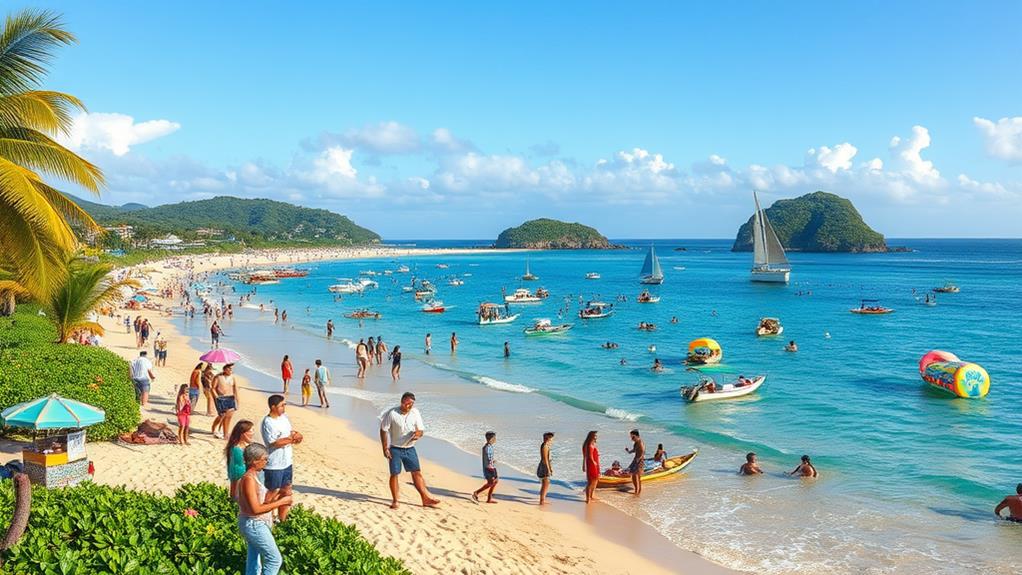
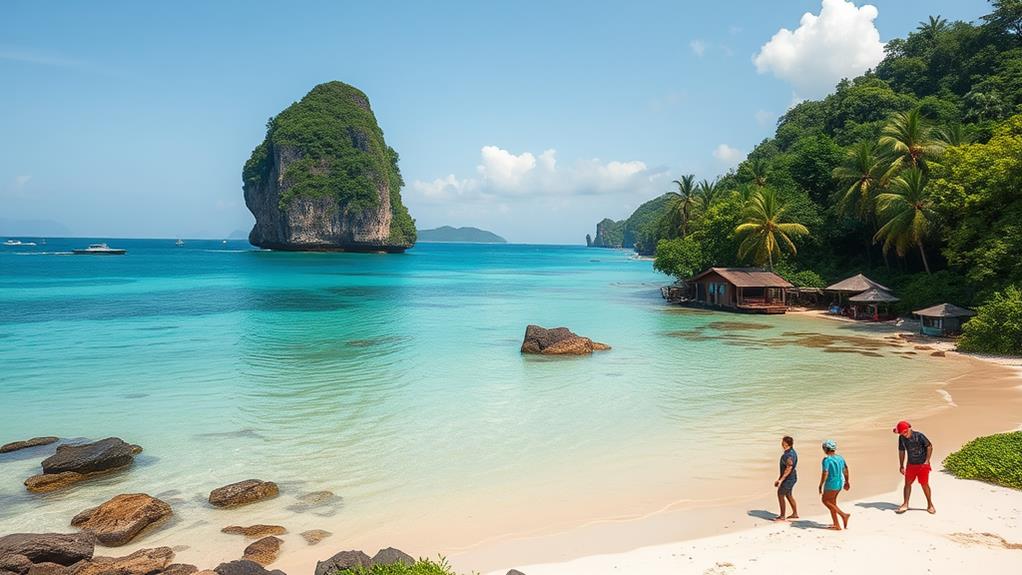
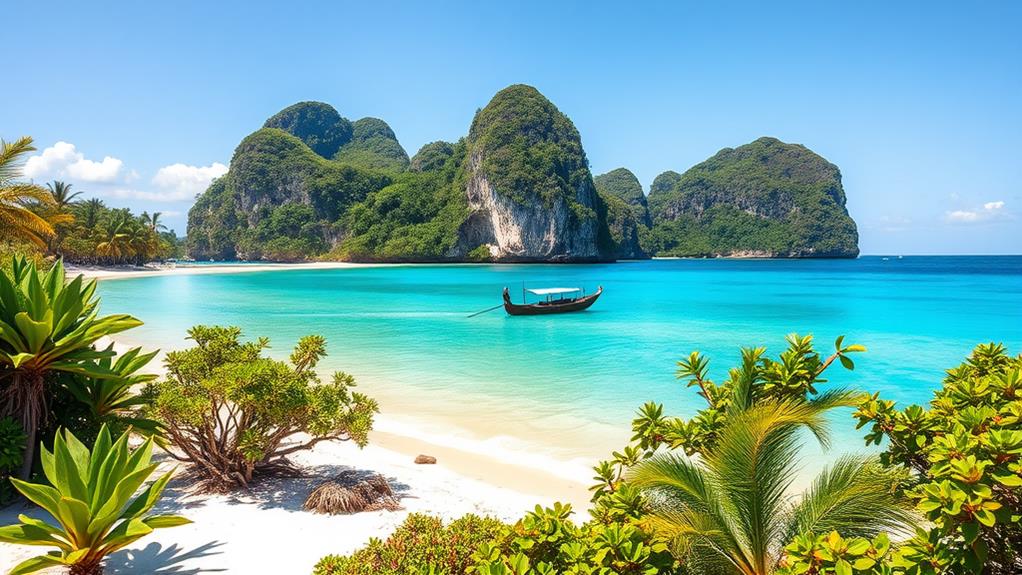
    When visiting the Philippines, it's essential to adopt sustainable tourism practices to preserve the country's rich biodiversity and cultural heritage. These practices ensure the protection of natural resources, such as Palawan's coral reefs, through strict regulations and community-based initiatives that support local economies.

    However, challenges like overcrowding and environmental degradation, as seen in Boracay, highlight the need for balanced policies. To address these issues, eco-friendly accommodations and local engagement are key practices.

    For example, choosing hotels that implement recycling programs and reduce energy consumption helps minimize waste. Additionally, participating in local tours and buying from local markets supports the local economy.

    Consistent enforcement and stakeholder collaboration are crucial for long-term viability. This means that the government, tourism operators, and local communities must work together to implement and enforce sustainable tourism policies.

    By supporting sustainable tourism, you help maintain the Philippines' natural treasures for future generations.

    Importance of Sustainable Tourism

    Sustainable Tourism in the Philippines

    Why Sustainable Tourism Matters

    Sustainable tourism is essential in the Philippines because it helps preserve the country's rich biodiversity and vibrant cultural heritage. As a responsible traveler, you play a vital role in ensuring that the natural and cultural treasures of the Philippines are protected for future generations.

    The Consequences of Unsustainable Tourism

    Without sustainable practices, popular destinations like Boracay can suffer from severe environmental degradation and overcrowding. In 2018, Boracay was closed for rehabilitation due to the negative impacts of mass tourism.

    Unsustainable tourism can harm the environment, as seen in the degradation of coral reefs in Palawan.

    The Benefits of Sustainable Tourism

    Sustainable tourism supports local economies by promoting community-based initiatives like homestays and locally run tour operations. This approach not only diversifies local economies but also ensures that cultural heritage is preserved authentically.

    For example, in Palawan, sustainable tourism helps maintain the delicate ecosystem of the coral reefs by enforcing strict regulations on waste management and responsible tourism guidelines.

    The Impact on Local Communities

    Sustainable tourism benefits local communities economically by providing them with a stable source of income. By choosing sustainable tourism, you help create a balanced and resilient tourism sector that benefits both local communities and the environment.

    Challenges in Sustainable Tourism

    Managing Tourism to Preserve the Environment and Culture

    The Philippines faces significant challenges in balancing tourism with environmental and cultural preservation.

    Overdevelopment is a primary issue, leading to pollution, habitat loss, and landscape degradation. For example, Boracay Island, a popular tourist destination, suffered severe environmental damage due to overcrowding and inadequate waste management, resulting in a temporary closure for rehabilitation.

    Accreditation and Compliance Challenges

    The adoption of accreditation and consistent enforcement of regulations are hindered by low compliance rates and high costs.

    Inconsistent enforcement and unfair competition make it difficult for tourism enterprises to adhere to sustainability standards.

    Social and Economic Disparities

    Rapid policy interventions often lack social dialogue mechanisms, leading to distrust among local residents and limited socio-economic support measures.

    This underscores the need for a holistic approach to sustainable tourism, balancing economic growth with environmental protection and social justice.

    Addressing these challenges is crucial for ensuring that tourism development benefits both the environment and local communities.

    Eco-Friendly Practices in Destinations

    Implementing Environmental Standards

    To protect the natural beauty of tourism destinations, stringent environmental standards must be implemented and enforced. The Philippines has set a good example, with several destinations adopting sustainable practices.

    For instance, Palawan has become a model for sustainable tourism by enforcing strict regulations on waste management and responsible tourism guidelines. These measures have helped preserve the pristine beaches and coral reefs, ensuring their integrity for future generations.

    Community-Based Tourism

    Community-based tourism initiatives have been successfully implemented in places like Batanes. These initiatives allow visitors to experience local culture while contributing to the economic development of these communities.

    This approach not only preserves traditional practices but also ensures that cultural heritage isn't compromised by tourism activities.

    Eco-Friendly Practices in Hotels and Resorts

    Eco-friendly hotels and resorts have integrated sustainable practices into their operations.

    For example, they've adopted organic farming, tree planting, and rainwater recycling to reduce their environmental impact. These practices have contributed to a significant decrease in their ecological footprint.

    Community-Based Tourism Initiatives

    Community-based tourism initiatives are essential for preserving local cultures and supporting economic development in the Philippines. These initiatives involve actively engaging local communities in the tourism process, ensuring they benefit directly from tourism activities and take an active role in managing and conserving their own resources.

    Local residents become stakeholders in community-based tourism, fostering a sense of ownership and responsibility. For example, local communities can develop and manage their own tourism products and services, such as homestays, guided tours, and traditional craft workshops. This not only generates income but also helps preserve cultural heritage and traditional practices, such as weaving, pottery, and traditional cooking.

    Effective community-based tourism requires coordination among local government, private enterprises, and the community itself. This collaboration ensures that policies and regulations are implemented to protect the environment and cultural resources, while also meeting the needs of visitors and supporting sustainable development.

    Regulations and Enforcement Strategies

    Effective Regulations and Enforcement Strategies are Crucial for Sustainable Tourism

    Implementing effective regulations and enforcement strategies is essential for sustaining the long-term viability of community-based tourism in the Philippines.

    The government has established the Tourism Act of 2009 (Republic Act No. 9593), which mandates the Department of Tourism to enforce standards for tourism enterprises, ensuring they meet minimum and progressive levels of operating quality.

    Promoting Sustainable Tourism through Ecotourism Strategies

    The National Ecotourism Development Council (NEDC) was formed to develop and implement ecotourism strategies.

    These strategies include protecting natural and cultural heritage areas, fostering community participation, and promoting environmental education and ethics. This ensures that tourism activities don't harm the environment and local communities.

    Enforcement Strategies for Sustainable Tourism

    To ensure sustainable tourism, the Philippine National Police established a Tourism Security Force to maintain peace and order in high tourism areas.

    The Department of Tourism works with local government units and law enforcement agencies to issue timely advisories on travel safety and viability.

    Compliance with Environmental Laws

    Compliance with environmental laws is strictly enforced.

    These laws include the Ecological Solid Waste Management Act, the Philippine Clean Water Act, and the Wildlife Resources Conservation and Protection Act. These laws protect the country's water bodies, wildlife, and habitats, ensuring that tourism activities don't harm the environment.

    Case Studies and Success Stories

    Successful sustainable tourism initiatives in the Philippines often rely on stringent regulations and effective enforcement. Puerto Princesa City is a prime example, transforming from an environmentally degraded area into a major ecotourism site. This transformation is attributed to the city's strong local governance and the implementation of policies such as City Ordinance No. 163-91 and 640, which focus on cleanliness and waste management.

    The city's effectiveness in sustainable tourism is due to three key factors: its transformation from degradation to a model for sustainable tourism, the benefits it brings to local communities, and its long-term success. Puerto Princesa City's journey showcases how effective policies can change the fate of a city.

    The economic development and improved living conditions of the communities around tourist destinations demonstrate the positive impact of sustainable tourism practices. The city's ability to maintain its best practices for over two decades underscores the importance of sustained political will and commitment to environmental conservation.

    Another notable example is the Savoy Hotel Manila, which is committed to reducing its operational impacts and aims to be carbon neutral by 2030. This goal aligns with the Glasgow Declaration.

    These case studies highlight the potential for sustainable tourism to contribute significantly to economic development while preserving natural resources.

    Conclusion

    Conclusion:

    Sustainable tourism is vital in the Philippines to preserve natural resources and cultural heritage. Despite facing challenges like over-tourism and inadequate infrastructure, the country has seen positive impacts from initiatives in Palawan and Batanes. Community-based tourism empowers local communities, allowing them to manage tourism activities and reap the benefits. Additionally, regulations like those in Boracay help manage visitor numbers, ensuring that tourist destinations do not suffer from overcrowding. The Philippines can learn from successful sustainable tourism models in Bali and Chiang Mai, balancing economic growth with environmental and social sustainability to ensure a resilient tourism sector for future generations.

  • Adventure Tourism in the Philippines: Hiking, Diving, Etc

    Adventure Tourism in the Philippines: Hiking, Diving, Etc

    Adventure tourism in the Philippines offers a wide range of thrilling experiences for outdoor enthusiasts. One popular adventure destination in the Philippines is Boracay, known for its beautiful beaches and diverse water sports. Despite the temporary closure in 2018 and boracay’s rehabilitation progress, the island continues to attract tourists with activities such as snorkeling, kiteboarding, and cliff diving. The efforts to restore its natural beauty have only enhanced the adventure tourism opportunities, making it an even more appealing destination for travelers seeking adrenaline-pumping experiences.

    Hiking is a popular activity, with trails leading to stunning summits like Mount Pulag, which boasts breathtaking cloud and sea views. Another option is Mount Daraitan, featuring scenic trails with waterfalls and caves.

    The Philippines is also a diver's paradise, with vibrant sites like Tubbataha Reef, home to whale sharks and manta rays. Coron, Palawan, is famous for WWII wreck diving, offering a unique experience.

    For rock climbing, Cantabaco, Cebu, and Atimonan, Quezon, provide spots suitable for all skill levels.

    To maximize dive time, liveaboard trips are available, while organized tours include activities like canyoneering and ATV adventures.

    These unforgettable experiences await discovery in the Philippines.

    Best Hiking Spots

    Best Hiking Spots

    The Philippines offers several exhilarating hiking spots, each with its unique charm and challenges.

    Mount Pulag, the third-highest peak in the Philippines, is a hiker's paradise located at the border of Benguet, Ifugao, and Nueva Vizcaya provinces. It offers stunning cloud and sea views, with the hike taking about 5-6 hours to complete.

    Mount Pinatubo is famous for its crater lake and is easily accessible from Manila. Hikers can choose either a short trek or the more challenging Sapang Uwak Delta V-trail.

    Mount Daraitan, part of the Sierra Madre mountain range, is ideal for moderate to advanced hikers. It offers stunning views and encounters with wildlife and natural wonders like waterfalls and stalagmite caves.

    For beginners, Mount Batulao in Nasugbu is a great option, with its rolling slopes and scenic routes, taking about 4 hours to reach the summit.

    Each of these hikes promises an unforgettable experience, testing your limits while rewarding you with unparalleled natural beauty.

    Diving Destinations

    Diving in the Philippines

    Diving in the Philippines offers an unparalleled experience with numerous sites catering to all skill levels. The country boasts over 7,000 islands, providing a diverse range of marine life and dive sites due to its location in the Coral Triangle.

    Top Dive Destinations

    The Philippines features various top dive destinations that offer unique experiences.

    Tubbataha Reefs: Highest biodiversity, whale sharks, manta rays, and big pelagics can be found in Tubbataha Reefs. This destination is accessible via liveaboard from March to June.

    Puerto Galera: Puerto Galera offers diverse dives, wrecks, macro critters, and stunning coral reefs. It can be dived all year round.

    Coron, Palawan: Coron, Palawan is known for WWII wreck diving, thresher sharks, and unique muck dives.

    These destinations provide something for every diver, from pristine coral reefs and incredible marine biodiversity to historical shipwrecks and diverse diving opportunities.

    The Philippines is a paradise for scuba diving enthusiasts due to its friendly locals, budget-friendly travel options, and year-round diving possibilities.

    Trekking Trails and Routes

    The Philippines offers a diverse range of trekking trails and routes that cater to all levels of hikers, from beginner to advanced.

    Mount Pulag is a must-try trek, known as the 'Playground of God.' Located in Luzon, it offers breathtaking views of clouds and sea. The 17.4 km trail takes 5-6 hours to complete, and temperatures can drop to zero, so dress accordingly.

    Another notable trek is Mount Pinatubo, located just a few hours from Manila. It boasts a serene crater lake and stunning landscape views. Hikers can choose between a short trek or the more challenging Sapang Uwak Delta V-trail.

    Mount Daraitan, located in the Sierra Madre mountain ranges, offers a moderate to advanced hike with stunning mountain views, wildlife encounters, and access to waterfalls and caves.

    The highest peak in the Philippines, Mount Apo, located near Davao City, offers several trails of varying difficulty. Be prepared for a challenging hike through thick moss-covered trails, rewarded by views of lakes and countryside.

    Each of these treks provides unique experiences and breathtaking scenery, making them essential components of any adventure tour in the Philippines.

    Rock Climbing Locations

    Rock Climbing in the Philippines

    The Philippines offers a range of rock climbing locations catering to different skill levels. Atimonan in Quezon is a popular spot, featuring 40 to 80 foot limestone sport routes with difficulties ranging from 5.7 to 5.12b (French 5a to 7b). Its well-maintained routes and scenic surroundings make it an ideal destination for climbers from Manila, despite the 5-hour journey.

    Cantabaco in Cebu is often referred to as the mecca of rock climbing in the Philippines, boasting over 60 routes on an imposingly beautiful limestone cliff. This location is suitable for both novice and hardcore climbers.

    For those near Manila, Montalban (Rodriguez) in Rizal is a top choice, featuring the Uling Wall with routes from 6a to 8a. As the first site developed for sport climbing in the country, it offers a rich climbing history.

    Other notable destinations include Sagada in Mt. Province and Nagtipunan in Quirino, offering unique climbing experiences with stunning natural scenery and varying difficulty levels.

    Liveaboard Diving Trips

    In the Philippines, liveaboard diving trips provide an unparalleled way to explore the country's vast underwater world. These trips allow you to immerse yourself in the marine life and scenery without the hassle of daily shore-based commutes, giving you more time to dive and relax.

    Diverse Marine Life is a hallmark of liveaboard diving trips in the Philippines. You can experience encounters with whale sharks, sea turtles, and an array of colorful fish species, especially in locations like Moalboal and Tubbataha Reef.

    Shipwreck Exploration is another exciting aspect of liveaboard diving trips. You can dive into the history of World War II with visits to shipwrecks like those found in Coron, Palawan, known for its well-preserved wrecks and vibrant marine life.

    The Philippines is home to stunning coral reefs, which can be discovered in various regions, such as those in Visayas and Palawan, renowned for their health and biodiversity.

    Remote Dive Sites are also accessible on liveaboard trips, such as those in the Tubbataha Reef National Park, a UNESCO World Heritage Site and one of the best diving destinations globally.

    These liveaboard trips are perfect for serious divers who want an in-depth experience of the Philippines' incredible underwater world.

    Onboard amenities and expert guides ensure a memorable and exhilarating adventure.

    Organized Adventure Tours

    The Philippines is an adrenaline junkie's paradise due to its diverse natural wonders and array of organized adventure tours.

    Water-based adventures cater to enthusiasts who crave excitement on the water. For instance, the Underground River Day Trip from Puerto Princesa City takes you through stunning rock formations and lush mangrove forests.

    Another option is Whale Shark Snorkeling and Canyoneering in Oslob, where you'll swim alongside gentle giants and explore Cebu's rugged landscapes.

    Land-based adventures offer thrill-seekers alternative excitement. The ATV SkyDrive by Mount Mayon in Albay provides an exhilarating ride through volcanic ruins and forests, with breathtaking views of the iconic Mayon Volcano.

    For hiking enthusiasts, Mount Purro Nature Reserve in Antipolo offers serene trails and a chance to recharge in a tranquil mountain setting.

    From wakeboarding in Camarines Sur to hiking in Mt. Pulag, the Philippines is a destination where every adventure tour promises an unforgettable experience, blending excitement with natural beauty.

    Conclusion

    The Philippines offers a diverse range of adventure activities for thrill-seekers. Hiking is a popular option, with trails like Mt. Pulag and Mt. Apo providing scenic routes for exploration. Diving is another exciting experience, with Anilao and Moalboal boasting rich marine life.

    Beyond hiking and diving, trekking through jungles and waterfalls is possible in Kibungan, while climbing active volcanoes like Mt. Mayon provides an adrenaline rush. To make the most of these adventures, organized tours and liveaboard diving trips are available, ensuring that each experience is unforgettable.

  • Traditional Filipino Games: Sungka, Patintero, Sipa

    Traditional Filipino Games: Sungka, Patintero, Sipa

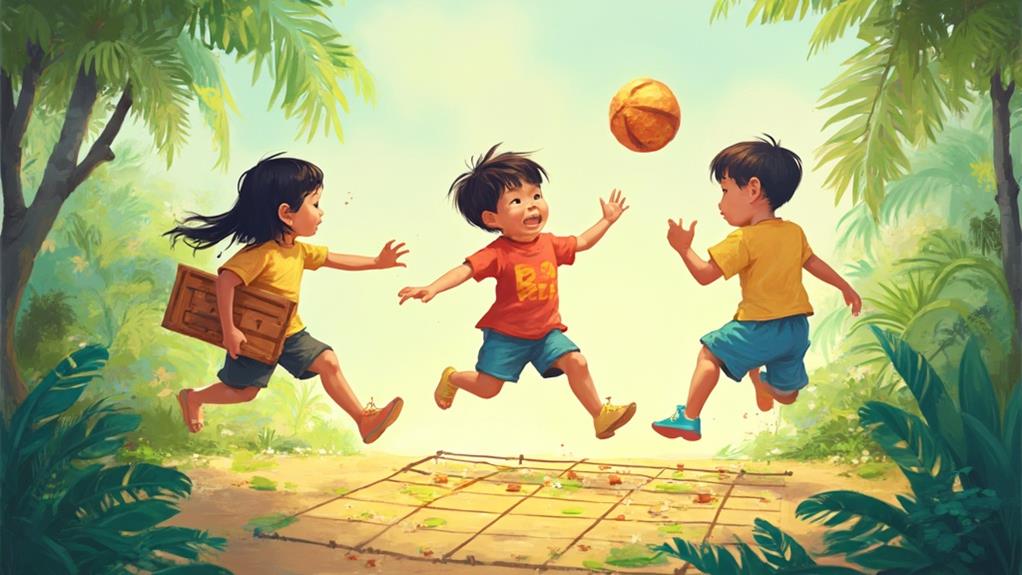
    Traditional Filipino games like Sungka, Patintero, and Sipa are important parts of the country's cultural heritage. These games have been passed down through generations, teaching cultural values and preserving cultural identity. They also educate children about history and folklore, and bridge generational gaps.

    Sungka is a game that requires strategy and critical thinking. Players must think carefully about their moves to win, making it an excellent way to develop problem-solving skills.

    In Sungka, players move stones or shells around a board, trying to capture more pieces than their opponent. This game is often played by adults and children together, promoting family bonding and social interaction.

    Patintero is a high-energy game that requires teamwork and quick thinking. Players must work together to tag each other while avoiding being tagged themselves.

    In Patintero, two teams of players stand in lines, trying to tag each other while avoiding being tagged themselves. This game is an excellent way to promote physical fitness and coordination.

    Sipa is a game that requires agility and coordination. Players must hit a small object with their feet, similar to hacky sack.

    In Sipa, players hit a small rattan ball with their feet, trying to keep it in the air as long as possible. This game is an excellent way to promote physical fitness and hand-eye coordination.

    These traditional Filipino games continue to play a vital role in community bonding and cultural expression. They bring people together, promote social interaction, and preserve cultural heritage.

    By playing these games, people can learn about Filipino culture and history, and develop important skills like critical thinking and teamwork.

    Cultural Significance of Games

    Traditional Filipino games hold significant cultural value. These games, such as Sungka, Patintero, and Sipa, are more than just entertainment; they play a crucial role in instilling cultural values and promoting a sense of community among players.

    The blend of indigenous and colonial influences in these games showcases the diversity and richness of Filipino heritage.

    Engaging in traditional games helps children learn about their history and folklore, which helps preserve cultural identity. For example, Sungka, a game of shells, teaches children about the importance of strategy and critical thinking.

    Social interaction fostered by these games encourages teamwork and cooperation, essential skills for community building. In Patintero, a game of tag, children learn to work together to outmaneuver their opponents.

    Traditional games serve as a bridge between generations, allowing elders to pass down cultural knowledge and practices to the youth. This transmission of cultural values helps to preserve cultural knowledge and traditions.

    In conclusion, traditional Filipino games aren't just fun activities, but also a means of transmitting cultural values and preserving cultural knowledge.

    Types of Traditional Filipino Games

    Traditional Filipino games can be categorized into three main types: Larong Bahay, Street Games, and Festival Games. These categories reflect distinct social contexts and play environments.

    Larong Bahay refers to indoor games played at home, often requiring minimal equipment. Sungka, a popular Filipino board game, is an example of a Larong Bahay game. It involves moving stones or beads around a wooden board, requiring strategy and skill.

    Street Games are outdoor games played in public spaces, such as streets, parks, or playgrounds. Patintero, a high-energy game, is a classic example of a Street Game. It involves two teams trying to outmaneuver each other, with one team attempting to cross the opponent's territory without getting caught.

    Festival Games are played during local festivities and cultural events. These games often involve community participation and showcase Filipino culture. Examples of Festival Games include Pinoy Henyo, a guessing game, and Trip to Jerusalem, a musical chair game.

    Game Classification Systems

    Traditional Filipino games can be categorized into three main classification systems, each reflecting the country's diverse cultural heritage and offering unique gameplay experiences.

    Larong Bahay games are typically played indoors and require strategy and skill. Examples of these games include Sungka and Dama, which involve clever thinking and problem-solving, making them a great way to develop critical thinking.

    Street Games are played outdoors and emphasize physical activity, teamwork, and community interaction. Examples of these games include Patintero and Luksong Tinik, which promote social bonding and physical fitness by utilizing available materials.

    Festival Games are often played during local fiestas and celebrations, highlighting cultural traditions and community spirit. Examples of these games include Palo Sebo and Tug of War, which showcase the cultural significance of traditional Filipino games.

    Outdoor Play Variations

    Beyond indoor games, traditional Filipino outdoor play variations offer a unique brand of excitement and entertainment.

    These games often involve team dynamics, requiring players to work together and think strategically.

    Patintero is a notable example, where players must cross lines while avoiding being tagged by defenders, promoting agility and quick thinking.

    Another example is Sipa, the national sport, which involves kicking a washer or rattan ball to keep it airborne, emphasizing agility and coordination in a competitive setting.

    Tumbang Preso is another outdoor game that incorporates elements of strategy and physical skill, where players hit a tin can with slippers while racing to a designated base.

    Luksong Tinik requires players to jump over obstacles created by others, promoting physical fitness and teamwork.

    Even Sungka, typically played indoors, can be adapted for outdoor settings, where players capture more seeds than the opponent using strategic placement and moves.

    Sungka: Game Mechanics and Strategies

    sungka gameplay strategies explained

    Game Overview

    The Sungka board consists of a wooden slate with 14 holes, divided into two rows of seven holes called "bahay." The game starts with 49 small pebbles or shells distributed evenly between the two rows. The objective is to capture more seeds than your opponent by strategically moving them around the board.

    Game Mechanics

    The game is played in turns, with each player scooping seeds from one hole and distributing them counter-clockwise. The goal is to land the last seed in your bahay, which allows you to capture the seeds in that hole. The game ends when all seeds are captured.

    Strategies

    To win, anticipate your opponent's next move and calculate your moves to land in your bahay. Adapt your strategy based on your opponent's moves, and use critical thinking to outmaneuver them.

    Regularly playing Sungka enhances mathematical skills, such as counting and basic arithmetic.

    Gameplay and Benefits

    Sungka is typically played by two players but can be adapted for more players, making it an excellent addition to family gatherings or community events.

    Playing Sungka develops critical thinking and mathematical skills, making it an engaging and educational traditional Filipino game.

    Patintero: Game Overview and Variations

    Patintero: A Traditional Filipino Game of Strategy and Speed

    In Patintero, two teams compete in a classic Filipino outdoor game that requires speed, strategy, and cunning. The game takes place on a rectangular grid marked on the ground, with two parallel lines serving as the boundary for the defenders.

    Key Skills for Success

    To succeed in Patintero, players must employ various tactics to evade tagging, including:

    Feints and Misdirection: Quick movements are used to deceive opponents and create opportunities to cross the grid. For example, a player might pretend to move in one direction, then suddenly change course to evade a defender.

    Teamwork and Communication: Players must coordinate with their teammates to distract opponents and create openings. This can be achieved by having one player create a diversion while another player makes a break for the other side of the grid.

    Adapting to Variations: Players must be prepared to adjust their strategy based on local rules and modifications that can alter gameplay dynamics. For instance, some variations may allow players to use obstacles to evade tagging, while others may have additional rules for scoring points.

    Benefits of Playing Patintero

    Playing Patintero develops essential skills like teamwork, communication, and physical fitness, making it an integral part of Filipino cultural heritage.

    This outdoor game has been enjoyed by Filipino children for generations, promoting a sense of community and camaraderie.

    Sipa: History and Cultural Impact

    sipa s historical cultural significance

    Sipa's Rich Cultural Heritage

    Sipa, a traditional Filipino game, holds a special place in the country's cultural heritage. Its origins date back to pre-colonial times, showcasing the Filipino community's creativity in utilizing available materials for play, such as using a washer or rattan ball.

    Reflecting Cultural Heritage and History

    Sipa reflects the country's rich cultural heritage and history of indigenous games. The game emphasizes agility and coordination through kicking, promoting physical fitness and overall well-being.

    Fostering Community and Social Interaction

    Engaging in Sipa fosters a sense of community as players engage in teamwork and shared experiences, enriching their understanding of cultural expression.

    The game encourages social interaction and teamwork, making it a popular choice among children and communities during outdoor gatherings.

    Preserving Cultural Significance

    Sipa's cultural impact is further solidified by its adaptation into various formats, including competitive tournaments, which help preserve its cultural significance and promote physical fitness among the youth.

    Traditional Games for Physical Fitness

    Traditional Filipino Games for Physical Fitness

    Engaging in traditional Filipino games like Sungka, Patintero, Sipa, and Luksong Tinik is a fun and interactive way to improve physical fitness. These games require strategic movements, hand-eye coordination, and cardiovascular endurance, making them an excellent way to celebrate cultural heritage and promote a sense of community among participants.

    Improved Physical Fitness

    Traditional Filipino games can improve physical fitness in three ways:

    1. Enhanced Coordination and Agility

    Games like Patintero and Sungka require quick reflexes and rapid movements, which can improve hand-eye coordination and agility. For instance, Patintero involves dodging and catching balls, enhancing reaction time and fine motor skills.

    2. Increased Cardiovascular Endurance

    Outdoor games like Luksong Tinik and Sipa involve running, jumping, and kicking, which can boost cardiovascular endurance and overall fitness level. Luksong Tinik, for example, requires players to jump over a series of lines, increasing heart rate and improving cardiovascular health.

    3. Improved Lower Body Strength

    Playing Sipa, which involves kicking a washer, can strengthen lower body muscles, including legs and glutes. Regularly playing Sipa can lead to improved muscle tone and overall lower body strength.

    Social Benefits

    These traditional games promote teamwork and cooperation, encouraging players to work together to achieve a common goal.

    This social aspect can motivate individuals to engage in physical activity more regularly, leading to a healthier lifestyle. By playing together, individuals can develop a sense of camaraderie and accountability, making physical fitness more enjoyable and sustainable.

    Strategy and Guessing Games

    tactical play and prediction

    Traditional Filipino strategy and guessing games require skill, wit, and social interaction, providing entertainment and reflecting the country's rich cultural heritage. Pitik-Bulag is a classic example, where players must use keen observation and deduction to identify who flicked them. In this game, players are blindfolded and must rely on their sense of touch to figure out who touched them, promoting social interaction and clever guessing techniques.

    In contrast, games like Bulong-Pari emphasize teamwork and clever tactics. In this game, one player whispers a message to another, and the other players must work together to uncover the identity of the whispered player. This game requires strategic thinking, effective communication, and problem-solving skills.

    Guessing Techniques

    Traditional Filipino games often involve guessing techniques, which challenge players to think critically and strategically. These games require players to think on their feet, making them an excellent way to develop problem-solving skills and reflexes.

    To excel in these games, players must employ various guessing techniques. Observation is one technique, where players pay attention to subtle cues, like body language and tone of voice, to gain an advantage. For example, in Patay Patayan, players observe their opponents' reactions to guess who's the "killer".

    Deductive reasoning is another technique, where players use logic to eliminate possibilities and narrow down options. In Pitik-Bulag, players use deductive reasoning to figure out who's the "stone" by process of elimination.

    Pattern recognition is also essential, where players identify patterns in their opponents' behavior to anticipate their next move. In Jack n Poy, players recognize patterns in their opponents' throwing styles to guess where the ball will land.

    Games like Agawan Base and Langit-Lupa also require strategy and guessing, as players must navigate to safety while avoiding being tagged by their opponents.

    Bulong-Pari Strategies

    Bulong-Pari Strategies

    Effective Communication is Key

    In the traditional Filipino guessing game Bulong-Pari, strategic thinking and clever communication between teammates are essential to win. To succeed, teammates must decide how to convey hints and interpret the clues given by each other.

    Balancing Information Sharing

    When playing Bulong-Pari, it is crucial to balance the level of information shared with your team against the risk of revealing too much to the opposing team.

    Employing Clever Strategies

    To outsmart opponents, players can employ various strategies, including:

    Strategy Description Effectiveness
    Bluffing Mislead the opposing team by providing false clues High
    Code Breaking Use patterns and associations to decipher clues Medium
    Elimination Systematically eliminate possibilities to narrow down options Low

    Benefits of Playing Bulong-Pari

    Bulong-Pari is an excellent way to foster social interaction, enhance cognitive skills, and promote strategic thinking.

    Teks Game Variations

    The Teks Game, a traditional Filipino card game, offers various modifications that cater to different player preferences and skill levels.

    Scoring System Variations alter the game's pace and strategy. Assigning different point values to cards or areas of the playing surface is one way to change the scoring system. For example, players can assign higher points to rare cards or specific areas of the playing surface.

    Card Combination Variations introduce new challenges and opportunities. Using multiple decks, removing certain cards, or introducing special "wild" cards are ways to experiment with different card combinations. This variation encourages strategic thinking and adaptability.

    Gameplay Variations change the environment and rules of the game. Playing the game outdoors, like Sipa, or modifying rules to promote hand-eye coordination and quick thinking are examples of gameplay variations. These variations promote social interaction, creativity, and quick thinking.

    These variations enhance the Teks Game experience by promoting strategic thinking, social interaction, and creativity among players.

    Tag and Team-Based Games

    Traditional Filipino games promote physical activity, strategy, and social interaction. These tag and team-based games are often played during community gatherings and festivities, showcasing the vibrant culture of the Philippines.

    Patintero is a team-based game that requires strategy and quick thinking. In this game, one team tries to block the other from crossing their lines while avoiding being tagged.

    Agawan Base is a popular tag game that demands agility and clever tactics. Players exchange places and must avoid being tagged by the opposing team while trying to secure their base.

    Luksong Tinik requires agility and jumping skills. In this game, players must jump over a base formed by two players' feet and hands, increasing in difficulty as more players join in.

    Lagundi promotes agility and quick reflexes. This team-based tag game involves passing a ball to touch opponents' heads.

    Langit-Lupa requires speed and strategy. Players can run on the ground or climb over objects to avoid being tagged, with the tagger limited to tagging those on the ground only.

    These tag and team-based games offer numerous benefits. They're an excellent way to stay active, develop teamwork skills, and have fun with friends and family.

    What is the significance of traditional Filipino games to the culture, similar to the impact Manny Pacquiao has had on Filipino culture through boxing?

    Traditional Filipino games hold a special place in the culture, reflecting the community spirit and values of Filipinos. Similarly, manny pacquiao’s boxing legacy has had a profound impact, inspiring and uniting people across the nation. Both showcase the resilience and unity that are deeply rooted in Filipino culture.

    Outdoor and Target Games

    recreational sports and activities

    Filipino Outdoor and Target Games: Building Skills and Community

    Traditional Filipino outdoor and target games, like Kalahoyo and Siklot, are designed to develop essential skills such as accuracy and hand-eye coordination using simple materials like stones and holes.

    These games require physical activity, strategic thinking, and teamwork to achieve a common goal, reflecting cultural practices and values.

    Popular Outdoor and Target Games in the Philippines

    Tumbang Preso is a game that promotes teamwork and strategy, where players need to knock down a tin can with slippers while trying to reach a designated base.

    Luksong Tinik is another popular game that involves jumping over a base formed by two players' feet and hands, increasing in difficulty as you advance.

    Palosebo, a popular festival game, challenges players to climb a greased bamboo pole to reach a prize, showcasing physical strength and agility.

    Games like Tinikling, which involves dancing between clapping bamboo poles, require coordination and rhythm to avoid getting caught, thus enhancing physical fitness and social interaction.

    These traditional Filipino games provide entertainment while developing important skills that benefit many areas of life.

    Preserving Cultural Heritage Through Play

    Traditional Filipino games preserve cultural heritage through play. These games impart cultural values, foster community, and promote collaborative play. By participating in these games, you promote cultural expression through movement, reflecting the diverse influences of Filipino history.

    Games like Sungka, which uses native materials like shells or pebbles, encourage resourcefulness and creativity. This links players to their cultural heritage and preserves indigenous practices and storytelling, often accompanied by songs and local lore, enhancing cultural identity.

    Traditional games provide opportunities for social interaction and teamwork, crucial for developing socio-emotional skills in Filipino children. They reinforce community bonds, helping to ensure that these practices remain relevant for future generations, and that the cultural heritage of the Filipino people continues to thrive.

    Conclusion

    Traditional Filipino games hold significant cultural value. Beyond entertainment, games like Sungka, Patintero, and Sipa embody cultural values, social norms, and historical context. Sungka, for instance, promotes strategic thinking and math skills, as players move stones or beads around a wooden board, requiring calculation and problem-solving. Patintero, on the other hand, emphasizes teamwork and communication, as two teams of players try to outmaneuver each other, highlighting the importance of cooperation and coordination. Sipa, a traditional Filipino game similar to sepak takraw, values physical fitness and agility, as players hit a rattan ball with their feet, promoting physical activity and coordination. By engaging with these games, individuals not only have fun but also preserve cultural heritage and foster a deeper understanding of the Filipino identity.

  • Other Popular Sports in the Philippines: Volleyball, Football, Etc

    Other Popular Sports in the Philippines: Volleyball, Football, Etc

    Other popular sports in the Philippines have gained significant traction in recent years.

    Volleyball has become a leading sport, especially among women. The sport has evolved with prominent players and collegiate leagues promoting teamwork and physical fitness.

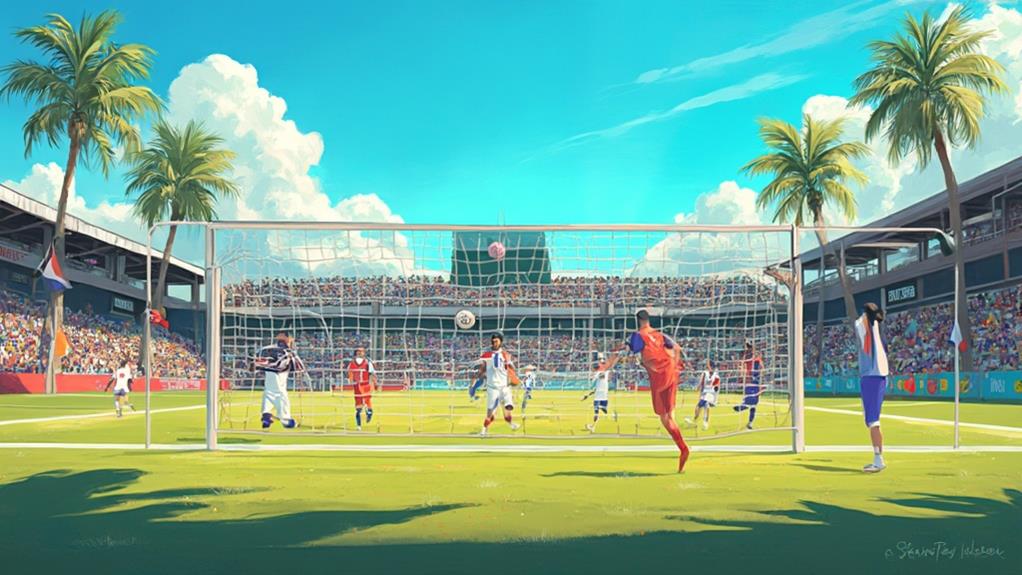
    Football’s popularity surged after the women’s team qualified for the FIFA Women’s World Cup 2023. This achievement ignited national pride and interest in the sport.

    Traditional Filipino sports like Arnis, Dumog, and Sipa hold cultural value and foster community bonding.

    These sports have been part of the country’s heritage and continue to be played and enjoyed by many Filipinos.

    Volleyball’s Rise to Popularity

    Volleyball’s Rise to Popularity in the Philippines

    Volleyball’s popularity in the Philippines began in 1910 and has since evolved into one of the country’s most popular sports, particularly among women.

    This growing interest in volleyball parallels the increasing appreciation for cultural activities, such as traditional Philippine folk dances, which also foster teamwork and community engagement.

    The Philippine National Volleyball Federation oversees the sport, organizing major events like the University Athletic Association of the Philippines (UAAP) and National Collegiate Athletic Association (NCAA) volleyball tournaments.

    These tournaments draw large crowds and viewership.

    The women’s team has significantly contributed to the sport’s growing popularity, especially after their qualification for the 2023 FIVB Volleyball World Championship.

    Household names like Alyssa Valdez and Jaja Santiago have contributed to the sport’s visibility and popularity through their performances and social media presence.

    With a growing number of recreational leagues and grassroots programs, volleyball is increasingly seen as a means to promote physical fitness and teamwork among the youth in the country.

    Volleyball has become an integral part of the country’s sporting landscape.

    Football’s Growing Fan Base

    Football’s popularity is surging in the Philippines, with its fan base growing rapidly across the country. This significant shift in interest can be attributed to the national women’s team’s historic qualification for the FIFA Women’s World Cup in 2023, which sparked nationwide enthusiasm for the sport.

    Football is fostering a sense of community among fans and players alike, similar to cultural events like the Kadayawan Festival, which celebrates unity and cultural heritage.

    Youth engagement programs and grassroots initiatives are taking root, ensuring football’s long-term presence in the Philippines’ sports scene.

    Rise of Football Fans

    Rise of Football Fans in the Philippines

    The Philippines is experiencing a rapid growth in football popularity, driven by a combination of local and international factors. One significant contributor to this growth is the historic achievement of the national women’s team qualifying for the FIFA Women’s World Cup 2023, sparking interest and pride among Filipinos.

    National Team’s Success

    The women’s team’s achievement has encouraged more people to follow the sport. This success has instilled a sense of national pride, motivating fans to support the team and increasing interest in the sport.

    Philippine Football League (PFL)

    Established in 2017, the PFL has created a more structured and professional landscape, drawing in local fans and increasing participation at the grassroots level.

    This has led to a more organized and competitive league, which has attracted more fans and encouraged youth engagement.

    International Influence

    The global popularity of football, combined with the influence of international leagues and tournaments, has contributed to the growing fan base in the Philippines.

    International competitions, such as the English Premier League and the UEFA Champions League, have increased football’s exposure and appeal to Filipino audiences.

    Youth Engagement and Social Media

    Grassroots programs and leagues have encouraged youth engagement, while social media and digital platforms have expanded football’s reach, enabling fans to connect with international teams and access live match coverage.

    This has made it easier for fans to follow their favorite teams and players, increasing their enthusiasm for the sport.

    These factors have combined to create a vibrant football community in the Philippines, with a rapidly expanding fan base that’s eager to support local clubs and the national team.

    Growing Popularity Nationwide

    Football’s popularity has surged nationwide in the Philippines, driven by a significant increase in fan engagement and participation.

    The establishment of the Philippine Football League (PFL) in 2017 has fostered local talent and competition, contributing to this growth. Additionally, the Philippine women’s national football team’s historic qualification for the FIFA Women’s World Cup 2023 has boosted interest and support for the sport nationwide.

    Several factors have contributed to this surge in popularity. The PFL has led to local talent development and increased competition.

    Grassroots programs have increased youth participation, leading to a growing fan base. Moreover, the women’s national team’s historic World Cup qualification has boosted national interest.

    The growing fan base is reflected in increasing attendance at local matches and the rise of football academies, which aim to develop the skills of aspiring young athletes.

    Media coverage and sponsorship deals have also improved, with matches being broadcasted on various platforms, further engaging fans and elevating the profile of football in the Philippines.

    As a result, football fever is on the rise across the country.

    Youth Engagement Programs

    Youth engagement programs have been instrumental in cultivating a strong foundation for football in the Philippines. These initiatives have been crucial in promoting the sport among young people, fostering a growing fan base.

    Programs like the “Grassroots Football Program” introduce football to children in schools and communities, fostering a love for the game from an early age. This contributes to the growth of local talent and increased participation in competitive leagues and tournaments.

    The Department of Education has integrated football into its physical education curriculum, helping to cultivate skills and passion for the sport among students nationwide. This integration has played a significant role in promoting football among young people.

    The Philippine women’s national football team, known as the Malditas, qualified for the FIFA Women’s World Cup 2023, significantly inspiring youth participation and interest in football. This achievement has motivated young people to engage in the sport.

    Various football leagues and tournaments for youth, such as the Philippine Football Federation (PFF) Under-13 and Under-15 leagues, provide competitive opportunities for young players to develop their abilities and gain experience. These leagues have helped to increase youth participation in football.

    The Philippine Football League (PFL) provides a platform for local talent to shine, increasing the sport’s visibility and appeal to young fans. This platform has contributed to the growth of football’s popularity among young people.

    Traditional Filipino Sports Disciplines

    Traditional Filipino Sports Disciplines

    The Philippines boasts a rich cultural heritage, encompassing a diverse range of traditional sports disciplines that have been an integral part of the country’s identity for centuries.

    Martial Arts

    Arnis, recognized as the national martial art since 2009, is a traditional martial art that focuses on weapon-based combat, promoting Filipino heritage.

    Another traditional wrestling form, Dumog, emphasizes control and technique, utilizing various methods to pull and pin opponents in a display of skill.

    Festive Games

    In festive celebrations, participants engage in Palo-sebo, a climbing game where they attempt to scale a greasy bamboo pole to retrieve a reward bag at the top.

    Sikaran, originating from Rizal, is a unique martial arts discipline that utilizes kicking techniques, specifically targeting the opponent’s head with the Biakid kick.

    Traditional Games

    Sipa, a traditional game similar to sepak takraw, was played long before Spanish colonization. It involves kicking a metal washer or ball, showcasing agility and speed.

    These sports disciplines not only reflect the country’s history and culture but also highlight the Filipino people’s athleticism and competitive spirit.

    Notable Individual Sports Achievements

    The Philippines has a rich sports landscape marked by notable individual achievements.

    In boxing, Filipino champions like Manny Pacquiao and Nonito Donaire have symbolized bravery and resilience, bringing pride to the nation with their numerous championship titles.

    Figure skating has also seen significant milestones, with athletes like Michael Christian Martinez competing in the Winter Olympics and reflecting the rich cultural heritage of the Philippines.

    Rugby league has recently emerged as a new sport, further diversifying the country’s sports culture.

    Traditional practices like tattooing hold deep cultural significance, reminding us of the country’s rich history.

    These achievements haven’t only brought pride to the nation but have also inspired a new generation of athletes to strive for excellence.

    Boxing Champions’ Legacy

    The Philippines has a rich history of producing world-class boxing champions, leaving a lasting impact on the sport.

    The country has produced over 40 boxing world champions, with many more aspiring to follow in their footsteps. This impressive record is a testament to the nation’s boxing prowess.

    The Amateur Boxing Association of the Philippines plays a crucial role in governing amateur boxing and aims to secure the country’s first Olympic gold medal in the sport. This goal is a driving force behind the development of young Filipino boxers.

    Filipino boxers have made their mark on the international stage, sanctioned by the International Boxing Association (AIBA). This recognition has provided opportunities for Filipino boxers to compete against the best in the world.

    The legacy of Filipino boxing champions has significantly contributed to the sport’s popularity in the country, fostering national pride and inspiring a new generation of athletes.

    The achievements of champions like Manny Pacquiao and Nonito Donaire have cemented the Philippines’ reputation as a powerhouse in boxing, motivating others to strive for excellence.

    Figure Skating Milestones

    The Philippines has achieved significant milestones in figure skating, a winter sport.

    One notable achievement is Michael Christian Martinez becoming the first Southeast Asian figure skater to qualify for the Winter Olympics, competing in the 2014 Sochi Games.

    The Philippine Championship serves as the national competitive event for figure skating, showcasing the talent of local skaters and promoting the sport within the country.

    Despite limited ice skating rinks in the Philippines, primarily located in Metro Manila shopping malls, figure skating has grown as a niche sport.

    The opening of the first Olympic-sized ice rink at SM Mall of Asia has provided a venue for aspiring figure skaters to train and compete.

    Filipino figure skaters have participated in various international competitions, with athletes like Martinez inspiring a new generation of skaters in the country.

    Rugby League Emergence

    Rugby League Emergence in the Philippines

    By 2012, rugby league had finally arrived in the Philippines, marking the emergence of a new team sport in the country.

    The Philippine National Rugby League (PNRL) oversees the development and competitions of rugby league in the country.

    International Participation

    The national team, the Philippine Tamaraws, has been participating in international tournaments, showcasing local talent on the global stage. This exposure has helped to raise the profile of rugby league in the Philippines.

    Grassroots Development

    Grassroots initiatives and local leagues have contributed to the sport’s growth in schools and communities. These efforts have helped to increase participation and develop local talent.

    Support from the Philippine Rugby Football Union

    The Philippine Rugby Football Union (PRFU) supports the development of rugby league alongside rugby union, promoting both codes of the sport within the country. This support has been instrumental in the growth of rugby league in the Philippines.

    New Opportunities for Filipino Athletes

    Rugby league has been making strides in sport development, providing new opportunities for Filipino athletes to excel. The sport has opened doors for athletes to compete at the national and international levels.

    Dedication and Passion

    The sport’s emergence has been driven by the dedication and passion of its players, coaches, and fans. This enthusiasm has helped to create a strong foundation for the sport in the Philippines.

    Team Sports and Domestic Leagues

    competitive teamwork in leagues

    Domestic Leagues Drive Team Sports in the Philippines

    Team sports are a vital part of the Philippines’ sports landscape, and domestic leagues play a crucial role in fostering a strong following and nurturing local talent. Volleyball, Football, and Basketball are the most popular team sports in the country.

    League and Federation Overview

    Sport League/Federation Notable Achievements
    Volleyball Philippine National Volleyball Federation Collegiate competitions, national team tournaments
    Football Philippine Football League National women’s team qualified for FIFA Women’s World Cup 2023
    Basketball Philippine Basketball Association (PBA) Asia’s oldest professional league, Gilas Pilipinas men’s national team
    Basketball Gilas Pilipinas Competed in Summer Olympics since 1936, hosted FIBA World Cup 2023
    Multi-Sport Palarong Pambansa, Philippine National Games Promotes grassroots participation, talent development for youth and amateur athletes

    Contribution to the Country’s Sporting Culture

    These domestic competitions and leagues have contributed to the country’s rich sporting culture, providing opportunities for athletes to develop their skills and represent the Philippines on the international stage.

    International Sports Participation Highlights

    The Philippines has made significant strides in international sports participation.

    The country has qualified for the FIFA World Cup and competed in the AFC Asian Cup through its national football team, the Azkals. Additionally, the women’s team made history by qualifying for the FIFA Women’s World Cup in 2023.

    The Philippines has participated in the Asian Volleyball Championships and the FIVB Volleyball World Championship. Local clubs often represent the nation in these competitions.

    Gilas Pilipinas, the Philippine men’s national basketball team, has competed in multiple FIBA World Cup tournaments. The team consistently participates in the Southeast Asian Games.

    The Philippine Rugby Football Union governs a national team that competes in the Asia Rugby Championship and international tournaments like the Rugby World Cup.

    These achievements demonstrate the Philippines’ growing presence in international sports, showcasing the country’s athletic talent and dedication to various sports disciplines.

    Cultural Significance of Local Sports

    local sports cultural importance

    Local sports hold significant cultural value in the Philippines. Volleyball, Football, and Arnis are prominent examples of sports that are deeply rooted in the country’s heritage.

    Volleyball is a staple in local competitions, with leagues like the UAAP and NCAA drawing in massive crowds.

    Football has historical significance, with the Azkals representing the country in international competitions.

    Engaging in these sports promotes physical health, community, and social engagement. Traditional games like Sipa reflect the country’s rich cultural history and are often played during local festivals, fostering community bonding and social interaction.

    The integration of sports like Sepak Takraw into school curriculums highlights their cultural significance and promotes physical activity among youth.

    By embracing local sports, Filipinos celebrate their heritage. These sports are an integral part of the Philippines’ identity, shaping the nation’s character and values.

    Prominent Filipino Athletes and Their Impact

    Filipino athletes have made a significant impact in international competitions, inspiring a nation with their remarkable achievements.

    The passion for sports in the Philippines is deeply rooted in cultural traditions. Sports have become an integral part of Filipino culture, just like folk music. This passion has led to the emergence of notable athletes who’ve brought pride to the Philippines.

    Alyssa Valdez, a volleyball sensation, has significantly elevated the popularity of women’s volleyball in the country. Her exceptional skills and leadership in local and international tournaments have made her a household name.

    Eugene Amano, a notable football player, has contributed to the growth of football in the Philippines. His experience playing in the NFL has inspired many young athletes to pursue the sport.

    Carlos Yulo, a rising star in gymnastics, has made history by winning multiple medals in World Cup Series and Championships. His achievements have showcased the potential of Filipino athletes in international competitions.

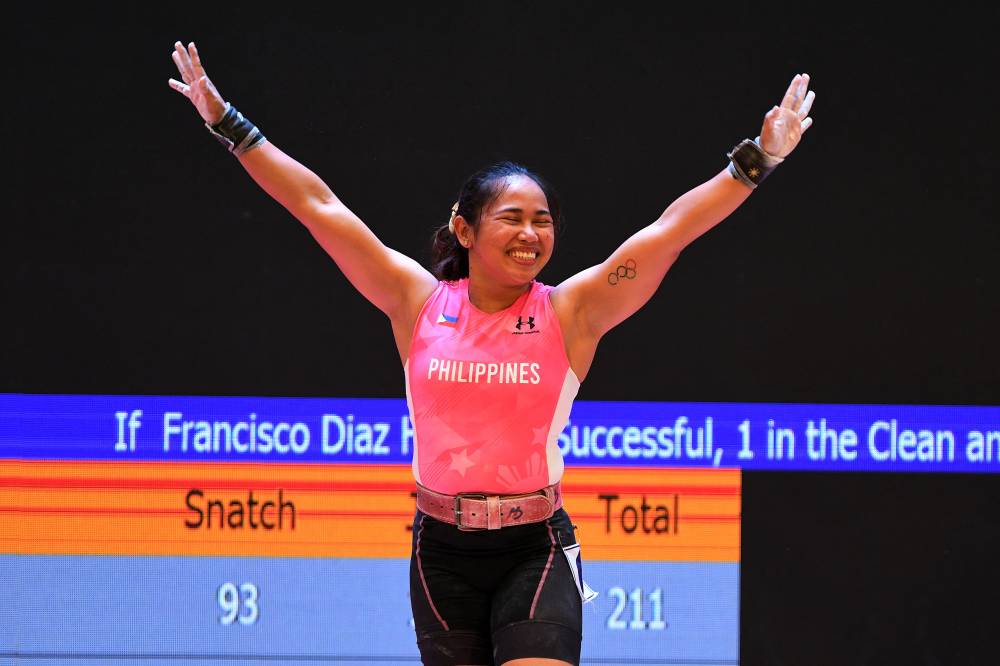
    Hidilyn Diaz, a weightlifter, made headlines as the first Filipino to win an Olympic gold medal in 2020. Her victory has inspired a new generation of athletes to strive for excellence in sports.

    These athletes haven’t only excelled in their respective sports but have also inspired a nation, paving the way for future generations to follow in their footsteps.

    Other Popular Sports in the Philippines

    basketball volleyball boxing soccer

    Volleyball’s Rich History

    Volleyball has been a popular sport in the Philippines since 1910. In collegiate leagues like the UAAP and NCAA, community engagement and teamwork are at the forefront. These leagues have played a significant role in promoting volleyball in the country.

    Celebrating Filipino Culture

    Traditional Filipino culture is often celebrated through various forms of artistic expression, including traditional dances. These dances enhance community spirit and involvement, showcasing the country’s rich cultural heritage.

    Football’s Rise to Prominence

    Football is gaining traction in the Philippines, with the women’s national team making history by qualifying for the FIFA Women’s World Cup 2023. This achievement has increased interest and participation in the sport.

    Sepak Takraw: A Unique Sport

    Sepak Takraw, a traditional sport that combines elements of kicking and volleyball, is recognized for its skill and agility. The Philippines actively participates in international competitions governed by the International Sepaktakraw Federation.

    Athletics: A Rich History

    Athletics is ranked as the eighth most popular sport in the Philippines, with a rich history of notable athletes like Lydia de Vega contributing to the country’s track and field accomplishments on the international stage.

    Promoting Community Engagement

    The Philippine Sports Commission continues to support these sports, promoting community engagement and national team development.

    As a result, these sports have become an integral part of the country’s sporting landscape, with many Filipinos participating in local and international competitions.

    Conclusion

    The Philippines has a diverse sports landscape with various disciplines gaining popularity. Volleyball has surged in popularity, with the Philippine Super Liga and the Premier Volleyball League drawing in large crowds and television audiences. Football, on the other hand, has a growing fan base, with the Philippines Football League and the national team competing in international tournaments.

    Traditional sports like arnis, a martial art that is the national sport of the Philippines, and sepak takraw, a Southeast Asian game that combines elements of volleyball and soccer, still thrive in the country. Filipino athletes have also made their mark in international competitions, with boxer Manny Pacquiao and golfer Yuka Saso being notable examples. These athletes inspire the next generation, highlighting the importance of sports in Filipino society. Sports play a vital role in the country, promoting community and competition.

  • Hidilyn Diaz: The First Filipina Olympic Gold Medalist

    Hidilyn Diaz: The First Filipina Olympic Gold Medalist

    Hidilyn Diaz is a trailblazing weightlifter who made history as the first Filipina Olympic gold medalist.

    Born in Zamboanga City, Philippines, in 1991, she began her competitive career at the age of 13. Through her hard work and dedication, she rose to prominence, representing the Philippines in multiple Olympic Games.

    Her perseverance paid off at the Tokyo 2020 Olympics, where she secured the Philippines’ first Olympic gold medal in the women’s 55kg weightlifting category.

    She achieved this remarkable feat with a total lift of 224 kg, breaking records and inspiring a nation.

    Early Life and Career

    Early Life and Career

    Hidilyn Diaz was born in 1991 in Zamboanga City, Philippines, as the fifth of six children. Her cousin, Allen Jayfrus Diaz, introduced her to weightlifting, sparking her interest in the sport. She began training using makeshift equipment.

    At 13, Diaz competed in the 2002 Batang Pinoy, marking the start of her competitive career. She joined the national weightlifting team, and her dedication paid off.

    While pursuing her passion for weightlifting, she also pursued her education, earning a business management degree from De La Salle-College of Saint Benilde in July 2023.

    Diaz’s early life and career were filled with hard work and determination, laying the foundation for her future success in the Olympic Games.

    She even enlisted in the Philippine Air Force in 2013, rising to the rank of Staff Sergeant following her Olympic success.

    Her early life and career set the stage for her historic achievement as the first Filipina Olympic gold medalist.

    Road to Olympic Gold

    Hidilyn Diaz’s Olympic journey began at a young age, when she started competing in weightlifting at the 2002 Batang Pinoy.

    At 13, she joined the national team, marking the start of her professional career.

    Filipino folk music has played a significant role in Hidilyn’s journey, serving as a form of resistance and expression of national pride throughout history, especially during challenging times.

    This mirrors Hidilyn’s own dedication and resilience in the face of adversity.

    Hidilyn made her Olympic debut at the 2008 Beijing Olympics, becoming the first female weightlifter from the Philippines to compete.

    Throughout her career, she faced numerous challenges, including Covid-19 disruptions that forced her to adapt her training methods.

    Despite these obstacles, she maintained her performance levels, ultimately achieving her goal of winning an Olympic gold medal.

    Olympic Journey Begins

    Hidilyn Diaz’s Olympic Journey Begins

    Hidilyn Diaz’s path to becoming the first Filipina Olympic gold medalist started when she joined the national weightlifting team at 13 years old, following her competition in the 2002 Batang Pinoy.

    This marked the beginning of her Olympic journey.

    Diaz’s Olympic Debut

    In 2008, Hidilyn Diaz made her Olympic debut at the Beijing Olympics, becoming the first female weightlifter to represent the Philippines. She achieved a total lift of 192 kg.

    This wasn’t her only Olympic appearance.

    Consecutive Olympic Appearances

    In 2012, Hidilyn Diaz competed in her second Olympics at the London Games, where she served as the flagbearer for the Philippines.

    This made her the first Filipina to compete in two consecutive Olympic Games.

    Early Life Lessons

    Hidilyn Diaz’s early life lessons played a significant role in shaping her future as an elite athlete. At 13, she joined the national weightlifting team, marking the beginning of her competitive career. This early exposure sparked her journey towards becoming an Olympic gold medalist.

    Diaz’s early life was filled with determination and resilience. She started training with makeshift equipment and learned the basics of weightlifting from her cousins and local programs. Her strong faith also played a crucial role, often wearing a Miraculous Medal during competitions.

    These early life lessons taught her the importance of mental and spiritual strength.

    Diaz earned a sports scholarship at Zamboanga A.E. Colleges and later graduated from De La Salle-College of Saint Benilde in 2023 with a business management degree.

    Gold Medal Pursuit

    Hidilyn Diaz Makes History at the Tokyo 2020 Olympics

    Hidilyn Diaz stepped onto the Tokyo 2020 Olympics stage, determined to make history in the women’s 55kg weightlifting category.

    She faced fierce competition from top athletes Liao Qiuyun and Zulfiya Chinshanlo, but her skill and determination propelled her to the top.

    Diaz’s Total Lift of 224 kg Secures the Philippines’ First Olympic Gold

    With a total lift of 224 kg, Diaz won the first-ever Olympic gold medal for the Philippines, ending the country’s 20-year Olympic medal drought.

    Her remarkable achievement was made possible by her adaptability during the COVID-19 lockdowns, where she used makeshift equipment to maintain her training regimen. This resilience paid off, and her emotional win was celebrated nationwide.

    Diaz Becomes a Symbol of National Pride

    Diaz’s historic win made her a symbol of national pride and a source of inspiration for future athletes in the Philippines.

    Her determination and skill have set a new standard for Filipino athletes, proving that with hard work and perseverance, anything is possible.

    Weightlifting Achievements

    Hidilyn Diaz’s Olympic Medal Journey

    Hidilyn Diaz’s journey to Olympic gold is marked by significant milestones.

    She transitioned from the 53 kg to the 55 kg weight class. This transition showcases her dedication and skill, much like Philippine folk dances.

    Her Record-Breaking Gold Medal Performance

    Diaz’s hard work and determination culminated in a record-breaking gold medal performance at the Tokyo 2020 Olympics.

    Olympic Medal Journey

    Hidilyn Diaz: A Trailblazing Olympic Champion

    Hidilyn Diaz made history by becoming the first Filipina athlete to win an Olympic gold medal in the women’s 55kg weightlifting category at the Tokyo 2020 Olympics. She achieved this feat with a total lift of 224 kg, including a 127 kg lift in the clean and jerk, setting an Olympic record.

    Before her historic gold medal win, Diaz earned a silver medal at the 2016 Rio Olympics, becoming the first female weightlifter to represent the Philippines in two consecutive Olympic Games.

    Her journey to the top also included winning a gold medal in the women’s 53 kg category at the 2018 Asian Games and securing bronze medals at the 2017 and 2019 World Championships.

    Hidilyn Diaz’s remarkable achievement has inspired increased participation and interest in weightlifting across the Philippines, paving the way for a new generation of athletes.

    Weight Class Transition

    Hidilyn Diaz’s Weight Class Transition: A Testament to Resilience and Adaptability

    After making history as the first Filipina Olympic gold medalist, Hidilyn Diaz faced a new challenge: adapting to a higher weight class. This transition tested her resolve and pushed her to new heights.

    Competing at the Highest Level

    Hidilyn Diaz transitioned from the 55kg weight class to the 59kg weight class, competing in top-tier competitions like the Asian Games and World Championships.

    She placed 4th and 7th in these competitions, respectively, demonstrating her ability to continue performing at the highest level.

    Inspiring a New Generation

    Hidilyn Diaz’s resilience and determination inspired a new generation of Filipino weightlifters,

    leading to increased participation in the sport.

    Her journey showcased the importance of mental resilience and adaptability in competitive sports.

    Pushing Beyond One’s Comfort Zone

    Hidilyn Diaz’s experience serves as a testament to the challenges and rewards of pushing beyond one’s comfort zone.

    Her story demonstrates that even in the face of adversity, a strong work ethic and unwavering dedication can lead to continued success.

    Gold Medal Performance

    Hidilyn Diaz’s Historic Gold Medal Performance

    Diaz Ends the Philippines’ 97-Year Olympic Gold Medal Drought

    Hidilyn Diaz made history by winning the gold medal in the women’s 55kg category at the Tokyo 2020 Olympics, ending the Philippines’ 97-year Olympic gold medal drought.

    She achieved this feat by showcasing her exceptional strength and technique, earning her the top spot on the podium.

    Diaz’s Outstanding Performance

    Competing against elite athletes, including Liao Qiuyun from China and Zulfiya Chinshanlo from Kazakhstan, Diaz secured her victory with a total lift of 224 kg, setting an Olympic record with her clean and jerk lift of 127 kg.

    Impact on Philippine Weightlifting

    This historic feat not only marked Diaz as the first Filipino athlete to win an Olympic gold medal but also showcased the country’s potential in weightlifting on the global stage.

    Her gold medal performance has set new benchmarks for future Filipino athletes in weightlifting and has inspired increased interest in the sport within the Philippines, cementing her legacy as a pioneer in Philippine weightlifting.

    Media and Public Impact

    Media Coverage of Hidilyn Diaz’s Victory

    Hidilyn Diaz’s historic Olympic gold medal win received unprecedented media coverage in the Philippines and around the world. Every major news outlet in the Philippines and many globally clamored to tell her story, catapulting her to national hero status overnight. Her face was plastered on newspapers, magazines, and online news sites, solidifying her status as a national icon.

    The Significance of Media Coverage

    The media played a significant role in amplifying Diaz’s achievement. The celebration of her victory resonated with the same cultural pride that events like the Dinagyang Festival showcase, highlighting the national identity and heritage of Filipinos.

    Key Aspects of Media and Public Impact

    Extensive media coverage highlighted Diaz’s journey and the significance of her achievement for the Philippines. Major news outlets, including CNN, ABS-CBN, and GMA News, celebrated her victory, enhancing her public profile as a national hero and role model.

    The media spotlight on Diaz increased interest in weightlifting as a sport in the Philippines, inspiring a new generation of athletes. Documentaries and features were produced after her victory, showcasing her dedication and sacrifices, further amplifying her impact on sports culture.

    Social Media Response

    Social media buzz surrounding Diaz’s win reflected national pride, with many Filipinos expressing admiration for her accomplishments and contributions to the country’s sports history.

    Future Plans and Legacy

    vision for lasting impact

    Hidilyn Diaz’s Future Plans and Legacy

    Hidilyn Diaz is shifting her focus to nurturing the next generation of Filipino athletes and cementing her lasting legacy in the world of sports.

    She plans to develop local talent in weightlifting through the Hidilyn Diaz Weightlifting Academy after the Paris 2024 Olympics. This commitment is inspired by the spirit of unity and cultural pride seen in events like the Kadayawan Festival, where local talents showcase their heritage and skills.

    Diaz is dedicated to supporting aspiring athletes and building community through sports initiatives, encouraging discipline and hard work.

    Her legacy already includes inspiring a new generation of athletes in the Philippines, particularly young girls, to pursue sports with determination and resilience. She’ll continue to break records at the Southeast Asian Games while pursuing her competitive career post-Olympics.

    Diaz’s achievements have spurred increased investments in Philippine sports programs, highlighting the importance of her role in national sports development.

    Her future plans will undoubtedly have a lasting impact on the world of weightlifting and beyond.

    Reflections and Inspiration

    Hidilyn Diaz’s Olympic Gold Medal Victory Inspires a Nation

    Hidilyn Diaz’s remarkable journey to winning the Philippines’ first Olympic gold medal serves as a powerful catalyst for inspiration, propelling countless young athletes to pursue their dreams in sports.

    Her story embodies the values of perseverance and dedication that are deeply rooted in the Filipino identity.

    Reasons to Be Inspired

    Perseverance Through Challenges: Hidilyn Diaz’s perseverance through numerous challenges, including training disruptions due to the pandemic, is a testament to the importance of resilience and dedication.

    Strong Catholic Beliefs: Her vocal attribution of her success to her strong Catholic beliefs inspires many of her supporters and fans.

    Nurturing Local Talent: The establishment of the Hidilyn Diaz Weightlifting Academy aims to nurture and support local talent, fostering a new generation of athletes.

    Role Model and National Pride: Her story has been widely covered in media, showcasing her as a role model and emphasizing the impact of her achievement on national pride and sports development in the Philippines.

    Beacon of Inspiration: As the first Filipina to win an Olympic gold medal, Hidilyn Diaz’s achievement serves as a beacon of inspiration for many young athletes, encouraging them to chase their dreams and strive for excellence.

    Conclusion

    Hidilyn Diaz’s Historic Achievement

    Hidilyn Diaz is the first Filipina to win an Olympic gold medal. This historic feat was achieved in Tokyo 2020, where she competed in the women’s 55kg category of weightlifting.

    Inspiring a Nation

    Diaz’s gold medal has inspired a nation and broken barriers for Filipino athletes. Her success has motivated many young Filipinos to pursue their passion for sports, and her achievement has raised the country’s profile in the international sports community.

    The Key to Her Success

    Diaz’s perseverance, dedication, and passion for weightlifting were crucial to her success. She trained tirelessly for years, overcoming numerous challenges and setbacks to reach the top of her sport.

    A Lasting Legacy

    Hidilyn Diaz’s legacy will continue to motivate future generations of Filipino athletes. Her achievement will be remembered as a defining moment in Philippine sports history, inspiring others to strive for excellence.

  • Manny Pacquiao: The Filipino Boxing Icon

    Manny Pacquiao: The Filipino Boxing Icon

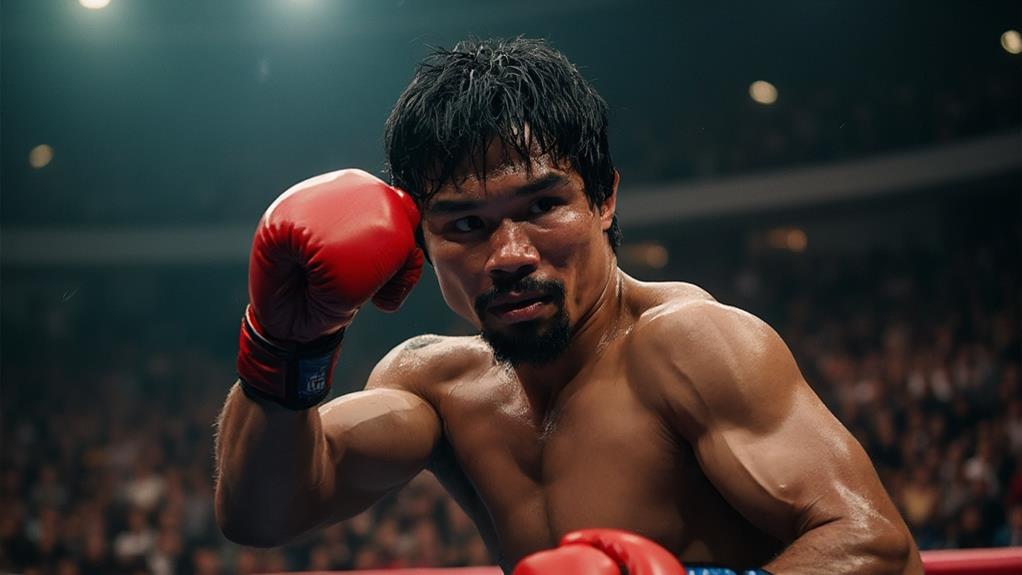
    Manny Pacquiao is a Filipino boxing icon who has rewritten the record books.

    Born in 1978 in the Philippines, Pacquiao faced poverty and homelessness before turning to boxing at 14.

    He has racked up an impressive professional record of 62 wins, 8 losses, and 2 draws, with 39 knockouts. Additionally, he has won world titles in eight different weight divisions.

    Pacquiao’s impact extends beyond the ring.

    He has had a successful entertainment career and stint in politics.

    However, controversies, criticism, and mixed public perceptions have also followed him.

    Early Life and Background

    Manny Pacquiao was born on December 17, 1978, in Kibawe, Bukidnon, Philippines, as Emmanuel Dapidran Pacquiao.

    Growing up in poverty, his parents separated during his childhood, forcing him to face harsh realities.

    At 14, Manny moved to Manila, where he experienced homelessness and worked as a construction worker to support himself.

    Despite these challenges, he didn’t let his circumstances define him. He demonstrated resilience and creativity, traits that helped him overcome obstacles.

    Manny dropped out of high school but later earned his diploma in 2007, demonstrating his commitment to education.

    Boxing was always on the horizon for him. He began his boxing career at a young age, lying about his age to secure a professional license, claiming to be 18 instead of 16.

    This bold move marked the beginning of his journey to becoming a world-renowned boxer.

    Boxing Career Overview

    Manny Pacquiao’s boxing career is a testament to his remarkable transformation from a troubled youth to a boxing legend. Stepping into the ring, he unleashed a ferocity that earned him a reputation as one of the greatest boxers of all time.

    His professional record boasts an impressive 62 wins, 8 losses, and 2 draws, with a staggering 39 knockouts.

    What sets him apart is his unprecedented achievement as the first boxer to win world titles in eight different weight divisions, accumulating a total of twelve major world titles throughout his career.

    Pacquiao’s remarkable skills have earned him recognition as the greatest southpaw fighter, and he’s been ranked number one in DAZN’s top 10 boxers of the last 30 years.

    As an eight-division world champion, Pacquiao’s boxing career has generated approximately $1.3 billion in revenue from pay-per-view bouts, making him one of the highest-grossing boxers in history.

    His most recent achievement saw him become the oldest welterweight champion at 40 years and 215 days, capturing the WBA title.

    Political Career and Advocacy

    public service and activism

    Manny Pacquiao’s political career began in 2010 when he became the representative of Sarangani.

    He served in this role until 2016, when he was elected as a senator, a position he held until 2022. Through his political journey, Pacquiao aimed to address various social issues in the Philippines.

    Some notable highlights of his political career and advocacy include:

    Pacquiao filed a total of 31 bills during the 17th Congress, although none of them passed beyond the committee level.

    One of his proposed bills was the establishment of a Philippine Boxing Commission, which aimed to promote sports and youth development.

    In 2021, Pacquiao declared his candidacy for President of the Philippines, but he lost the election to Bongbong Marcos.

    During the COVID-19 pandemic, Pacquiao facilitated the donation of 50,000 testing kits and other medical supplies, demonstrating his commitment to public service.

    How has Manny Pacquiao overcome challenges in his boxing career?

    Manny Pacquiao has demonstrated the resilience of filipino athletes by overcoming numerous challenges in his boxing career. From growing up in poverty to facing tough opponents in the ring, he has shown determination and perseverance. His ability to bounce back from setbacks showcases the resilience of Filipino athletes in the face of adversity.

    How has Manny Pacquiao impacted traditional Filipino sports and games?

    Manny Pacquiao’s influence on traditional filipino games is undeniable. As a national icon, his success has brought attention to these games, inspiring a new generation to embrace their cultural heritage. By showcasing his Filipino pride, Pacquiao has helped preserve and promote traditional Filipino games for future generations to enjoy.

    How Did Manny Pacquiao’s Filipino Heritage Influence His Boxing Career?

    Manny Pacquiao’s Filipino heritage played a significant role in shaping his boxing career. As a proud Filipino, Pacquiao’s fighting spirit and resilience can be traced back to the galleon trade connection philippines, which exposed the country to various cultures and influences. This historical link undoubtedly impacted Pacquiao’s mindset and determination in the ring.

    Entertainment Career and Impact

    Manny Pacquiao’s entertainment career extends beyond boxing, showcasing his creative side through various pursuits.

    In 2005, Pacquiao made his acting debut in the film “Lisensyadong Kamao” (Licensed Fist), which reflects the rich cultural heritage of the Philippines.

    Similarly, Original Pilipino Music (OPM) combines diverse influences to represent Filipino identity.

    Pacquiao is a talented musician, with multiple PARI-certified platinum music albums. One of his singles peaked at number 19 on Billboard’s Adult Contemporary chart. His musical talent is also featured in his entrance songs for boxing matches, including the popular hit “Para Sayo ang Laban Na To.”

    Pacquiao’s impact extends beyond sports, earning him a spot on *Time* magazine’s 100 most influential people in 2009. His cultural significance is further solidified by his appearance as a character in mobile games like *Mobile Legends: Bang Bang*.

    Through his entertainment career, Pacquiao continues to inspire and entertain fans worldwide.

    debate and disapproval issues

    Conclusion

    Manny Pacquiao’s journey showcases a multifaceted figure who has gone beyond the boxing ring. He has had a storied career, ventured into politics and entertainment, and demonstrated a commitment to advocacy. These accomplishments have solidified his status as a Filipino icon. Pacquiao’s journey from a young boy fighting his way out of poverty to a world-renowned athlete, politician, and entertainer has captured the hearts of people around the world. In addition to his boxing career, he also ventured into basketball and even took up coaching. His determination and drive have made him an inspiration to many, as he continues to make an impact in various arenas. In fact, he has even been compared to fellow Filipino icon Hidilyn Diaz, the famous olympic weightlifter. Pacquiao’s foray into politics has also allowed him to advocate for the role of sports in shaping the youth and promoting healthy lifestyles. His position as a Senator in the Philippines has given him a platform to champion various causes, including education and sports development. Through his various ventures, Pacquiao continues to exemplify the transformative power of sports and its ability to uplift individuals and communities.

    While controversies have surrounded him, Pacquiao’s impact on the sport and beyond is undeniable. His legacy is a testament to the power of perseverance and determination.

  • Basketball: The Most Popular Sport in the Philippines

    Basketball: The Most Popular Sport in the Philippines

    Basketball has been the most popular sport in the Philippines for over a century. The country's national team achieved early international success, with roots dating back to the early 1900s. In recent years, the Philippines has also seen a growth in basketball tourism, with fans from around the world visiting to experience the passion and energy of the local basketball culture. To take advantage of this growing trend, the government has implemented sustainable tourism initiatives aimed at preserving the natural beauty and cultural heritage of the country while also promoting basketball as a major part of the travel experience. These initiatives include the development of eco-friendly sports facilities and the organization of basketball-themed tours that showcase both the sport and the country’s rich history and diverse landscapes.

    The establishment of the Philippine Basketball Association (PBA) in 1975 solidified basketball's prominence in Philippine sports culture.

    Today, basketball is a national pride symbol with professional leagues, grassroots programs, and infrastructure in place to nurture young talent.

    The sport unites communities and inspires national pride, as seen in the widespread support for the national team and the popularity of local leagues.

    The country's investment in basketball infrastructure has led to the development of top-notch facilities, further boosting its popularity.

    The cultural significance of basketball in the Philippines is undeniable, with the sport playing a significant role in shaping the country's identity and sense of community.

    From humble beginnings to international recognition, Philippine basketball has come a long way, and its impact on the nation's culture and society is undeniable.

    Historical Roots of Basketball

    Basketball was introduced to the Philippines in the early 1900s through YMCA programs and schools during the American colonial period. This introduction sparked a rapid growth in the sport's popularity, leading to the formation of the country's first men's national basketball team in the 1910s.

    The team's success was evident in its gold medal win at the Far Eastern Championship Games in 1913, marking the Philippines' early achievement in international basketball.

    The sport not only provided entertainment but also fostered community and social engagement, much like traditional Philippine folk dances promote cultural awareness and unity.

    The establishment of the National Collegiate Athletic Association (NCAA) in 1924, with basketball as its primary sport, solidified the game's prominence in the country's sports culture.

    By the 1950s, basketball became a symbol of national pride, with the Philippines winning its first gold medal in basketball at the 1951 Asian Games.

    Moreover, basketball transcended socioeconomic barriers in the Philippines, becoming a national pastime with street courts prevalent in both urban and rural areas, fostering community engagement across diverse populations.

    Professional Leagues and Competitions

    Professional Leagues and Competitions in the Philippines

    The Philippine Basketball Association (PBA), founded in 1975, is a pioneer in Asian professional basketball. It has played a vital role in the country's basketball development, shaping the sport's growth in the Philippines.

    The PBA's influence is reflected in local cultural events, such as the Barangay fiestas, where communities come together to celebrate sports and traditional culture.

    The men's national team, Gilas Pilipinas, has achieved significant international successes, making the country proud.

    Gilas Pilipinas has won several titles, including the FIBA Asia Championship and the Southeast Asian Games. These achievements have contributed to the country's reputation as a basketball powerhouse in Asia.

    PBA's Founding Years

    The Philippine Basketball Association (PBA) was founded in April 1975 with eight pioneering teams, marking the birth of Asia's first professional basketball league. These teams included notable franchises like Crispa Redmanizers and Toyota Tamaraws, which became key competitors in the league's early years.

    As the PBA gained popularity, it significantly contributed to the rise of basketball culture in the Philippines. Large crowds were drawn to games, and a passionate fan base was fostered.

    The league introduced innovations such as a playoff system and a multi-conference format, enhancing its competitiveness.

    Over the years, the PBA has produced numerous standout players and legendary teams, solidifying its status as a cornerstone of Philippine sports and contributing to the country's rich basketball heritage.

    Today, the PBA remains a testament to the power of professional basketball in the Philippines.

    Men's National Team

    Gilas Pilipinas' International Achievements

    The Philippine men's national basketball team, Gilas Pilipinas, has represented the country well in international competitions. They won a silver medal at the 2013 FIBA Asia Championship and qualified for the FIBA World Cup in 2014, 2019, and 2023.

    Development of Local Talent

    Gilas Pilipinas' success can be attributed to the development of local talent, thanks to the Philippine Basketball Association (PBA).

    Established in 1975, the PBA is Asia's first professional basketball league, providing lucrative career opportunities for players to hone their skills and compete at the highest level.

    Philippine Basketball History

    The Philippines has a rich basketball history dating back to the early 1900s.

    The country formed its first national team, which competed in the 1936 Olympic Games, finishing fifth.

    Additionally, the Philippine national team won gold at the 1951 Asian Games and captured a bronze medal at the 1954 FIBA World Championship, the best finish for an Asian country in that competition.

    Major Achievements

    The Philippines has a rich basketball history, marked by significant achievements in professional leagues and competitions. The Philippine Basketball Association (PBA), established in 1975, is the first professional basketball league in Asia. This league has played a crucial role in developing basketball talent in the country.

    On the international stage, the Philippines has made its mark with a gold medal at the 1951 Asian Games, its first major achievement in basketball. The Philippine national team also secured a bronze medal at the 1954 FIBA World Championship, the best finish for any Asian country in the tournament's history.

    More recently, Gilas Pilipinas, the country's national team, has qualified for the FIBA World Cup in 2019 and 2023, showcasing the country's growing competitiveness.

    Additionally, the Maharlika Pilipinas Basketball League (MPBL), launched in 2017, aims to promote local talent and develop grassroots basketball across the nation.

    These achievements demonstrate the Philippines' passion and dedication to the sport.

    Governance and Restructuring

    leadership and organizational change

    The Philippines' basketball governance has undergone significant restructuring, transforming from a crisis-ridden past to a more robust system.

    Recognition by FIBA marked a crucial turning point in 2007, as the Samahang Basketbol ng Pilipinas (SBP) gained recognition, ending the leadership crisis within the Basketball Association of the Philippines (BAP).

    The establishment of the national team, Gilas Pilipinas, in 2007 has enabled the country to represent itself in international competitions, qualifying for the FIBA World Cup multiple times.

    Local League Development has also been a key aspect of the restructuring, with the inauguration of the Maharlika Pilipinas Basketball League (MPBL) in 2017. This has enhanced local basketball governance and provided more competitive opportunities for players outside of professional leagues.

    Furthermore, Grassroots Initiatives have emerged, including the National Basketball League (NBL), VisMin Super Cup, and Pilipinas Super League (PSL), which have diversified the landscape in Philippine basketball governance alongside the Philippine Basketball Association (PBA).

    These developments have contributed to a more robust governance structure, paving the way for the growth of professional and grassroots basketball in the Philippines.

    Infrastructure and Grassroots Development

    The Philippines has an extensive network of basketball courts, with both public and private facilities providing ample opportunities for people to engage in the sport. This network allows for community participation, similar to traditional folk dances, where people come together to enjoy the activity.

    Schools and universities have invested in state-of-the-art facilities, giving aspiring athletes the chance to develop their skills. For example, the University of Santo Tomas has a modern basketball court with professional-grade equipment, allowing its students to train and compete at a high level.

    Grassroots programs are being implemented to nurture young talent, ensuring the country's passion for basketball continues to grow. For instance, the Philippine Basketball Association's (PBA) "PBA Jr." program provides training and development opportunities for young players, helping to identify and develop future talent.

    Court Accessibility Nationwide

    Court Accessibility Nationwide

    The widespread availability of basketball courts has been instrumental in the sport's widespread adoption in the Philippines. This accessibility has contributed to the growth of the basketball community, providing opportunities for players to hone their skills and participate in the sport they love.

    Thousands of Courts Nationwide

    Thousands of basketball courts are scattered throughout the country, catering to both urban and rural areas. This widespread distribution ensures that players of all levels have easy access to facilities.

    Government Support

    Local government units frequently fund the construction and maintenance of basketball courts, ensuring that communities have facilities for regular play. This support enables communities to have access to quality facilities, promoting regular play and skill development.

    School and University Facilities

    Schools and universities have invested in sports facilities that meet international standards, promoting training and skill development for aspiring athletes.

    For example, the University of Santo Tomas has a state-of-the-art sports complex that hosts regional and national basketball tournaments.

    Grassroots Development Programs

    Grassroots development programs actively work to improve basketball skills and provide opportunities for youth participation, further solidifying basketball's position as a national pastime.

    The National Basketball Training Center, for instance, offers training programs and camps for young players, helping to develop their skills and passion for the sport.

    Developing Youth Talent

    The Philippines has a strong foundation for developing young basketball talent. With a basketball court in nearly every corner of the country, young athletes have ample opportunities to hone their skills.

    Schools and universities are investing in top-notch sports facilities that meet international standards, providing quality training environments for aspiring young athletes.

    Grassroots development programs are in place to enhance basketball skills among youth. These programs focus on accessibility and quality of training to nurture talent from a young age. This investment in youth development has led to the growth of leagues like the Women's National Basketball League (WNBL), which indicates a growing interest and support for female athletes.

    Elite basketball clinics and training sessions, such as those led by USA Basketball coaches, aim to elevate the skill level of young Filipino players.

    The country's investment in youth talent development is paying off, and it's an exciting time for young basketball enthusiasts in the Philippines. With these facilities and programs in place, young athletes can develop their skills and become one of the many talented Filipino basketball players.

    Global Presence and Achievements

    worldwide impact and success

    Global Recognition in Basketball

    The Philippines has made significant strides in the global basketball scene, earning recognition and respect through its notable achievements.

    The nation's growing competitiveness on the global stage is evident in its FIBA World Cup qualifications in 2019 and 2023. Filipino players are also making their mark in international leagues, with notable figures like Kai Sotto signing with the Orlando Magic for the 2023 Summer League.

    The Philippines has achieved a historic bronze medal at the 1954 FIBA World Championship, marking the best finish for an Asian country in the tournament's history. This accomplishment showcases the nation's capability to compete at the highest level.

    The country's strong fanbase is another significant factor in its global presence. In 2023, record engagements on localized NBA social media in the Philippines reached 923 million, highlighting the immense popularity of basketball in the country.

    These achievements demonstrate the Philippines' commitment to developing its basketball team and increasing its global presence, solidifying its position as a popular sport in the country.

    NBA Popularity in the Philippines

    The NBA's immense popularity in the Philippines is undeniable. The country has a significant following, ranking second in Asia-Pacific for NBA League Pass subscribers.

    Filipino fans have the third-largest average global audience for live NBA games, demonstrating their deep engagement with the sport.

    The NBA's social media presence in the Philippines is remarkable. The NBA's Facebook page has over 6 million followers.

    In 2023, the NBA recorded 923 million engagements on its localized social media accounts in the country, underscoring the passion of Filipino fans.

    The NBA has become an integral part of the country's basketball culture. The opening of the second NBA Store in Metro Manila at SM Mall of Asia further signifies the growing retail and brand presence of the NBA in the Philippines.

    Filipino Basketball Culture Unites

    basketball unites filipino culture

    Filipino Basketball Culture Unites

    Filipinos share a deep passion for basketball, which has become an integral part of the country's cultural fabric. Basketball is more than just a sport – it's a way of life.

    Widespread Accessibility

    Basketball courts are found in both urban and rural areas, making the sport accessible to people from all walks of life. This widespread accessibility allows individuals from different backgrounds to come together and share a common interest.

    National Pride and Community Unity

    The Philippine Basketball Association (PBA) has significantly contributed to the development of local talent and community pride. Major events like the FIBA World Cup and Asian Games unite communities and foster national pride.

    Grassroots Engagement

    Local leagues like the Maharlika Pilipinas Basketball League (MPBL) enhance community engagement and strengthen ties among players and fans of all ages. These leagues provide a platform for people to connect and share their love for basketball.

    Global Presence

    Filipino players participating in international leagues, such as the B. League and NBL, inspire local youth and highlight the global presence of Filipino basketball. This global presence has a profound impact on the country's identity.

    Filipinos' love for basketball is evident in the way players play with passion and dedication. The sport has become an integral part of the country's identity, and its impact is felt far beyond the court.

    How has the popularity of basketball in the Philippines influenced the role of sports in Filipino entertainment and popular culture?

    Basketball’s popularity in the Philippines has greatly impacted the role of sports in filipino entertainment. The sport has become a major part of popular culture, with basketball games often drawing large crowds and becoming a focal point of community events. It has become a significant aspect of Filipino entertainment.

    Why are sports like volleyball and football gaining popularity in the Philippines alongside basketball?

    In the Philippines, basketball has long been the top sport, but volleyball and football are also becoming popular sports in philippines. These sports are gaining popularity due to the increase in exposure through international competitions and the rise of local leagues and tournaments dedicated to volleyball and football.

    Local Impact and Community Engagement

    Basketball's Unifying Force in Filipino Communities

    Basketball has a profound impact on local life in the Philippines, serving as a unifying force that brings people together across urban and rural areas. With thousands of public and private courts, the infrastructure is in place to foster daily engagement.

    Local leagues and tournaments, such as the Maharlika Pilipinas Basketball League (MPBL), strengthen community ties and encourage teamwork among players of various backgrounds.

    Community Bonding and Cultural Pride

    The popularity of basketball is akin to traditional folk dances, which also promote community bonding and cultural pride.

    The Philippine Basketball Association (PBA), established in 1975, plays a crucial role in developing talent and providing lucrative career opportunities, further embedding basketball into the local culture.

    Celebrating Cultural Pride and Community Visibility

    Notable events and competitions, like the USFBA tournament, celebrate cultural pride and enhance community visibility, bringing together players from diverse age groups and backgrounds.

    Through basketball programs and clinics, young athletes can grow personally and collectively within their communities, inspired by mentorship opportunities.

    Conclusion

    Basketball's widespread popularity in the Philippines stems from its rich history, professional leagues, and grassroots development. The sport's governance has undergone significant restructuring, leading to improved infrastructure and increased global presence.

    The NBA's massive following in the country has contributed to its widespread appeal. In fact, the NBA has been broadcasted in the Philippines since the 1980s, making it a household name.

    Basketball has become an integral part of Filipino culture, uniting people across the nation. For instance, many Filipino families bond over watching NBA games together or playing basketball in local courts.

    With its local impact and community engagement, it's clear that basketball will remain the Philippines' most beloved sport for years to come. The sport's influence can be seen in the numerous local leagues, tournaments, and basketball courts that have sprouted across the country.

  • Noli Me Tangere Brief Summary

    Noli Me Tangere Brief Summary

    Noli Me Tangere is a novel that exposes the harsh realities of the Spanish colonial regime in the Philippines. The story revolves around Crisostomo Ibarra, a Filipino who returns to his homeland after completing his education in Europe and becomes a determined reformer. As Ibarra navigates his way through the complexities of his country, he uncovers the dark underbelly of the colonial regime.

    The novel features an intricate web of characters, including Maria Clara, Ibarra's childhood sweetheart, and Elias, a mysterious and nwaphing figure who becomes embroiled in the struggle against the Spanish regime. Through their stories, the novel explores themes of social injustices, corruption, and the fight for reform.

    The characters' struggles and motivations drive the plot and ultimately contribute to the unraveling of a revolution that will change the course of Philippine history.

    Historical Context and Significance

    'Noli Me Tangere' was published in 1887 as a response to the growing nationalism in the Philippines under Spanish colonial rule.

    The novel's publication was a deliberate call to action, aiming to awaken national consciousness and inspire reform among Filipinos. This was achieved through its critique of the corruption and moral failures of the Catholic Church, specifically through the character of Father Damaso, reflecting the broader discontent with colonial authority. For example, Father Damaso's actions exemplify the corruption and abuse of power within the Church, inspiring Filipino readers to question the established order.

    The impact of 'Noli Me Tangere' led to its ban by colonial authorities, highlighting its revolutionary content.

    The ban was a response to the novel's threat to the established order and its potential to inspire change. Rizal's execution in 1896 further solidified the novel's significance, as it became a catalyst for the Philippine Revolution. The novel's influence on the revolution was significant, as it provided a powerful representation of the power of literature to shape public opinion and inspire change.

    'Noli Me Tangere' is an essential read for anyone interested in understanding the Philippine revolution against Spanish colonial rule.

    The novel offers a unique perspective on the historical context and the role of literature in shaping public opinion and inspiring change. Through its detailed portrayal of the injustices and corruption of the colonial regime, 'Noli Me Tangere' provides valuable insights into the experiences of Filipinos during this period and the significance of the Philippine Revolution.

    Main Characters and Their Roles

    Main Characters in Rizal's Noli Me Tangere

    Rizal skillfully crafts a cast of characters to critique the social issues of the time. Each character represents distinct aspects of the Filipino experience under colonial rule.

    Key Character Roles

    • Crisostomo Ibarra: Symbolizes hope for reform and seeks education and social change.
    • Maria Clara: Embodies the ideal Filipina, struggling with love and family obligations.

    The Impact of Colonialism

    These characters bring to life the complexities of living under colonial rule. Padre Damaso, a corrupt Spanish friar, exemplifies the oppressive forces of the Church.

    Sisa's tragic story highlights the devastating impact of colonialism on families. The interactions and relationships between characters drive the plot and shed light on the social ills of the time.

    Themes of Oppression and Reform

    Oppression and Reform in Noli Me Tangere

    Noli Me Tangere, written by Rizal, explores the complex dynamics of oppression under Spanish colonial rule and the need for reform. The novel shows how education can combat social inequality and promote national consciousness. Crisostomo Ibarra's efforts to establish a school illustrate this concept, as education is presented as a powerful tool for challenging the status quo.

    The Corrupt Practices of the Clergy

    The character of Padre Damaso exemplifies the corrupt practices of the clergy during colonial rule. Religious authority was often intertwined with colonial power to suppress the rights of Filipinos. This is evident in the way Padre Damaso uses his position to maintain the oppressive system.

    Critique of Systemic Corruption and Exploitation

    The novel critiques the systemic corruption and exploitation inherent in colonial rule. Rizal emphasizes the importance of awareness and activism in the quest for justice and reform. Through the characters of Ibarra and Elias, the novel presents different approaches to achieving social change. While Ibarra's approach is more reformist, Elias represents the revolutionary spirit.

    Key Points

    • Education is a powerful tool for challenging social inequality and promoting national consciousness.
    • Religious authority was often intertwined with colonial power to suppress the rights of Filipinos.

    Plot Twists and Tragic Events

    The novel takes a dramatic turn with plot twists and tragic events that shape the characters' lives.

    Ibarra confronts Padre Damaso at a dinner party, leading to his excommunication and intensifying their rivalry. A shocking revelation about Ibarra's father's imprisonment and death due to Damaso's slander deepens Ibarra's determination for reform and revenge. His plans for a school are thwarted by corrupt authorities, resulting in the annulment of his engagement to Maria Clara.

    Elías's selfless act to save Ibarra from capture highlights the tragic consequences of fighting against colonial oppression.

    Maria Clara ultimately chooses a convent life over a future with Ibarra, symbolizing the lost hopes and dreams of the Filipino people under colonial rule.

    Symbolism and Literary Devices

    Rizal's masterful use of symbolism and literary devices adds depth and complexity to Noli Me Tangere.

    The title 'Noli Me Tangere' is a symbol of the desire for freedom and autonomy, reflecting the sensitive issues faced by Filipinos during the Spanish colonial rule. This is evident in the way the title phrase, meaning 'Touch me not,' conveys a sense of resistance against oppression.

    Rizal's use of vivid imagery and metaphors effectively conveys the suffering of the Filipino people under oppression. For example, Sisa's tragic madness symbolizes the broader suffering of the Filipino people and serves as a powerful critique of the oppressive colonial rule.

    The character of Maria Clara embodies the ideal Filipina while representing the struggles faced by women in a patriarchal society. This highlights the theme of sacrifice and societal expectations, emphasizing the restrictive roles imposed on women during the colonial era.

    Rizal employs the literary device of duality through the contrast between Ibarra and Elias, representing the conflict between peaceful reform and revolutionary change. This contrast emphasizes the difficult choices faced by Filipinos during the colonial era, highlighting the tensions between non-violent reform and radical change.

    Lastly, Rizal's use of irony, particularly in portraying Father Dásmado and the corrupt clergy, critiques the moral failures of religious authority and the hypocrisy of those in power during the colonial era. This irony serves as a powerful commentary on the abuse of power and the need for accountability.

    Impact on Philippine Nationalism

    Noli Me Tangere's Impact on Philippine Nationalism

    Noli Me Tangere played a significant role in shaping Philippine literature and the country's struggle for autonomy.

    The novel's powerful critique of colonial rule sparked a national awakening, as Filipinos began to recognize the need for reform and independence. Rizal's novel served as a catalyst for the Philippine nationalist movement, exposing the abuses of the Spanish colonial government and the Catholic Church.

    The Character of Crisostomo Ibarra Resonated with the Sentiments of the Propaganda Movement

    Crisostomo Ibarra's character resonated with the sentiments of the Propaganda Movement, which sought to awaken national consciousness among Filipinos.

    The movement's goals were to expose the injustices of the Spanish colonial government and to promote reform and independence. The novel's portrayal of social injustices ignited calls for reform and independence, and its revolutionary content led to its ban by colonial authorities.

    Rizal's Execution Galvanized the Movement

    Rizal's execution in 1896 further galvanized the movement, as his writings became symbols of resistance against colonial oppression.

    The execution of Rizal became a rallying point for the Philippine Revolution, inspiring Filipinos to fight for their independence. The themes of sacrifice and hope continue to inspire future generations, reinforcing the narrative of struggle for social justice in the Philippines.

    Legacy of Noli Me Tangere

    Noli Me Tangere's influence on Philippine nationalism is undeniable, and its legacy continues to inspire and fuel the nation's pursuit of freedom and self-determination. The novel's impact on Philippine literature and the country's struggle for autonomy is a testament to the power of literature to inspire and shape a nation's history.

    How did the events of the Japanese Occupation influence the themes in Noli Me Tangere?

    The Japanese occupation in the Philippines had a profound impact on the themes of Noli Me Tangere. It highlighted the struggle for independence, the abuses of colonial powers, and the suffering of the Filipino people. These themes were further emphasized by the harsh realities of the japanese occupation in philippines.

    Author's Life and Writing Style

    José Rizal's unique writing style in Noli Me Tangere was shaped by his cosmopolitan upbringing and eclectic education in Europe. This blend of influences enabled him to seamlessly integrate realism, romance, and social commentary into the novel. Rizal's experiences abroad, particularly his concerns about the state of the Philippines, significantly impacted his perspective on reform and national identity.

    Rizal's writing style is characterized by vivid characterizations and intricate plots that critique societal issues and injustices. For instance, the character of Ibarra learns from his father's mistakes and navigates the complex web of relationships in the novel, showcasing Rizal's skill in crafting nuanced and engaging storylines. His writing is marked by a sense of urgency, reflecting his own concerns about the Philippines during that time.

    Seven years of exile didn't silence Rizal; instead, he continued to write, pouring his heart and soul into his work. His social commentary is biting, yet nuanced, making Noli Me Tangere a powerful critique of Spanish colonial rule. Through Rizal's writing, readers gain a deeper understanding of the role he played in shaping the country's national identity and his legacy as a symbol of resistance against oppression.

    Conclusion

    'Noli Me Tangere' is a powerful critique of colonialism and a symbol of hope for the Philippines. Written by Jose Rizal, this novel masterfully exposes the ills of oppression, inspiring resistance and shaping the course of history.

    The book's complex characters, themes, and plot allow it to tackle issues of colonialism in a compelling way. For instance, the character of Padre Damaso, a corrupt and abusive priest, highlights the flaws in the Spanish colonial system. Meanwhile, the protagonist Crisostomo Ibarra represents the aspirations of the Filipino people for freedom and self-determination.

    Literature has the power to inspire change and shape historical events. 'Noli Me Tangere' serves as a prime example of this, demonstrating how a work of fiction can influence the thoughts and actions of a nation.

    By accurately portraying the injustices of colonial rule, Rizal's novel fuels resistance and sparks a desire for reform.

  • What Are Kundiman Chords?

    What Are Kundiman Chords?

    Kundiman chords are a progression of notes characteristic of traditional Filipino love songs, known as Kundiman music. These chords evoke a unique emotional response, conveying a deep sense of longing and devotion. The distinctive sound of Kundiman chords is rooted in the music's history and cultural context. Developed over time, Kundiman music is an art form that blends Spanish, Mexican, and indigenous influences.

    To understand the Kundiman chords, it's essential to explore the musical structure of traditional Kundiman songs. A typical Kundiman song features a minor key, often in the keys of A minor, E minor, or C minor. The chord progression typically involves a I-V-vi-IV pattern, with an emphasis on minor and seventh chords. For example, in the key of A minor, the chord progression might be Am – F – G – Em.

    The unique emotional quality of Kundiman chords can be attributed to the use of suspended chords, appoggiaturas, and glissando techniques. These musical devices create a sense of tension and resolve, underscoring the emotional intensity of the lyrics. By mastering these techniques, musicians can create a distinctive sound that is quintessentially Kundiman.

    Understanding Kundiman Music

    Kundiman is a traditional Filipino love song genre that originated in the late 19th century. This genre has been a staple of romantic occasions and has become an integral part of Filipino cultural heritage and artistry. Kundiman's significance lies in its ability to convey themes of love, longing, and devotion, making it a timeless favorite among Filipinos.

    Kundiman music is often performed during romantic occasions, evoking feelings of nostalgia and sentimentality. The genre's emotional depth is rooted in its melodic compositions, which have been passed down through generations of Filipino musicians. For example, the song 'Bituing Marikit' is a classic Kundiman piece that showcases the genre's emotional and lyrical qualities.

    Kundiman has had a significant impact on Filipino music and culture. The genre's influence can be seen in the work of contemporary Filipino artists, who often draw inspiration from Kundiman's rich musical history. By exploring Kundiman, one can gain a deeper appreciation for the country's musical heritage and its continued influence on modern music.

    Characteristic Chord Progressions

    Characteristic Chord Progressions in Kundiman Music

    Kundiman music relies heavily on distinctive chord progressions to create its signature emotional and sentimental atmosphere. One common chord progression used is the I-IV-vi-V, specifically C-F-Am-G, which reinforces themes of love and longing. This progression is a staple in the genre, contributing to its traditional essence.

    Understanding the Progression

    This progression, C-F-Am-G, employs the C major key, incorporating the tonic (C), subdominant (F), relative minor (Am), and dominant (G) chords. This sequence creates a soothing and emotional atmosphere, making it apt for the lyrical themes in Kundiman songs.

    Experimenting with Variations

    To introduce personal interpretations while maintaining the traditional essence, musicians can experiment with variations in chord progressions. For example, a slight modification of the original progression could be C-G-Am-F or C-F-G-Am, offering unique emotional hues to the music.

    Performing Kundiman

    These characteristic chord progressions can be adapted for various instruments, including guitar, piano, and ukulele. Understanding and mastering these progressions is crucial for composing or performing Kundiman songs, as they evoke the emotional and sentimental atmosphere that defines the genre.

    Emotional Expression Through Chords

    Mastering Emotional Expression in Kundiman Music Through Chords

    Kundiman music relies heavily on the strategic use of chords to convey emotions of longing and devotion. The chords C, G, Am, and F are commonly used in Kundiman music to create emotional depth.

    To evoke feelings of longing and devotion, arrange these chords in unique ways, such as:

    • Starting with a minor chord (Am) to create a somber mood, followed by a major chord (C) to convey hope.

    Dynamic shifts in chord play are also crucial for conveying emotion in Kundiman music. This can be achieved by:

    • Changing the volume from soft to loud to emphasize certain lyrics or emotions.

    Blending traditional Kundiman chords with modern instrumentation can make the music more relatable to contemporary audiences. This can be done by adding modern instruments like the guitar or piano to traditional Kundiman arrangements.

    The Art of Kundiman Performance

    Delivering an engaging Kundiman performance requires mastering specific musical elements to convey emotional authenticity.

    Chord shifts are essential for maintaining the lyrical flow and emotional impact of the song. To achieve this, practice smooth changes between chords like C, G, Am, and F.

    Using a combination of downstrokes and fingerpicking can help create a seamless transition between chords.

    Strumming patterns play a crucial role in enhancing the expressiveness of guitar accompaniment.

    Incorporating varied strumming patterns, such as down-down-up-down-up (DDUDU) or down-up-down-up-down-up (DUDUDU), can add dynamic texture to your performance.

    Vocal techniques are vital in articulating the heartfelt lyrics of Kundiman songs.

    Emphasizing dynamics and tempo variations, such as crescendos and decrescendos, can create emotional depth. Additionally, focusing on phrasing and breath control can help you deliver a passionate and heartfelt performance.

    Cultural Significance of Kundiman

    Kundiman is a traditional music genre that showcases the Philippines' rich cultural heritage and reflects the nation's emotional depth and romantic ideals.

    Kundiman emerged in the late 19th century alongside the Philippine Revolution, functioning as a medium for national identity and emotional expression. This period's significance demonstrates how Kundiman served to convey love and longing within a time of turmoil, ultimately making it a timeless representation of Filipino sentiment.

    Today, Kundiman's importance remains evident as it continues to be an integral part of local festivals and events aimed at cultural preservation and traditional music showcases.

    For example, some contemporary artists seek inspiration by exploring Kundiman's enduring legacy in their own craft, further popularizing interest in the traditional genre throughout modern music.

    As a historical artifact representative of romantic ideals, Kundiman fosters a shared cultural identity amongst Filipinos, providing pivotal insight into the nation's emotional and philosophical values.

    What can be observed from listening to Kundiman?

    • Insight into the Philippines' emotional makeup
    • Appreciation of the country's cultural customs

    Since Kundiman contributes significantly towards preserving Filipino cultural heritage and remains deeply intertwined with various aspects of Filipino life and history, its importance maintains a permanent standing within Philippine artistic heritage.

    Evolution of Kundiman Chords

    The Evolution of Kundiman Chords

    The evolution of Kundiman chords reflects the genre's ability to blend traditional Filipino music with Western harmonic structures. This merge has enabled Kundiman to maintain its emotional depth while incorporating new harmonic elements.

    Key Chord Progressions

    Common chord progressions, such as I (C), V (G), vi (Am), and IV (F), provide a foundation for expressive melodies that resonate with themes of love and longing. These progressions are a blend of traditional Filipino music and Western harmonies.

    Three Key Aspects of Kundiman Chord Evolution

    1. Incorporation of Western Harmonies: Western music has influenced Kundiman chords, introducing new harmonic structures that enhance the genre's emotional impact. For example, the use of minor chords, like Am, adds a touch of melancholy to Kundiman songs.
    2. Adaptation to Modern Genres: Contemporary artists have blended Kundiman chords with modern styles, such as pop and rock, to create a fresh sound. This blend is evident in the use of electric guitars and drums in modern Kundiman performances.
    3. Variations in Chord Progressions: Variations in chord progressions have emerged, allowing for diverse arrangements and interpretations in performances. For example, some artists use alternative chord progressions, like I (C), IV (F), V (G), and vi (Am), to create a unique sound.

    Modernizing Traditional Music

    Modernizing traditional music involves blending timeless Kundiman melodies with contemporary elements to reinvigorate its cultural heritage.

    This fusion allows Kundiman to reach wider audiences while preserving its cultural essence. One way modern artists achieve this is by incorporating modern chord progressions, such as variations of C, G, Am, and F, to create fresh interpretations of classic Kundiman songs.

    For example, modern artists blend traditional Kundiman melodies with pop and rock elements, enhancing the emotional depth of the music.

    The use of digital audio workstations (DAWs) enables musicians to experiment with production techniques, such as layering and effects. Collaborations between traditional Kundiman artists and modern musicians also lead to innovative arrangements, breathing new life into the genre.

    Streaming platforms provide an essential space for modernized Kundiman music to flourish, allowing artists to share their reimagined interpretations globally and connect with diverse audiences.

    The Timeless Appeal of Kundiman

    Kundiman's Timeless Appeal

    Kundiman's enduring popularity stems from its ability to evoke powerful emotions through lyrical melodies that convey themes of love, longing, and devotion.

    Emotional Resonance

    Kundiman melodies tap into emotions, making listeners feel seen and understood. The genre's focus on universal themes creates a sense of relatability. For example, the classic Kundiman song 'Pakiusap' by National Artist for Music Felipe de Leon evokes a strong sense of longing, resonating with listeners across generations.

    Cultural Significance

    Kundiman is an integral part of the Philippines' cultural heritage. Its frequent feature in local music festivals ensures the preservation and appreciation of Filipino artistry. The annual Kundiman Festival, for instance, celebrates the genre's rich history and showcases the talents of Filipino musicians.

    Artistic Evolution

    Kundiman inspires contemporary artists to incorporate traditional elements into modern compositions. This fusion of old and new keeps the genre fresh and exciting. For example, singer-songwriter Joey Ayala's modern Kundiman compositions blend traditional Filipino instruments with modern musical styles, appealing to a new generation of music lovers.

    Conclusion

    Kundiman chords are a unique aspect of traditional Filipino music, particularly in love songs, evoking deep emotions through distinctive progressions.

    Mastering Kundiman chords enables musicians to create heartfelt music that resonates with listeners.

    Kundiman's timeless appeal lies in its ability to convey longing and devotion, as seen in classic songs like 'Kundiman ng Luha' and 'Dahil Sa Iyo.'

    With its adaptability and cultural significance, Kundiman music continues to evolve while maintaining its emotional impact on listeners.

  • 3 Emotional Kundiman Lyrics to Move Your Heart

    3 Emotional Kundiman Lyrics to Move Your Heart

    Kundiman's Emotional Depth Evokes Powerful Feelings

    Kundiman's emotional depth can evoke powerful feelings within listeners. This is due to its lyrics capturing the complexities of love and heartache, allowing listeners to resonate with poignant expressions of longing and aspiration.

    Examples of these complexities include unrequited love and yearning for fleeting moments of connection. Such themes are timeless and universally relatable, making Kundiman's ability to move hearts undeniable.

    Exploring Emotional Lyrics

    Three emotional Kundiman lyrics will be explored to understand how they strike a chord within listeners. These lyrics will be selected based on their ability to evoke feelings of love, heartache, and longing. The selected Kundiman lyrics will be analyzed for their poignant imagery and heartfelt expressions of emotion. By examining how these lyrics communicate feelings of love, heartache, and longing, we can gain a deeper appreciation for the emotional impact of Kundiman music. Additionally, the Kundiman chords explanation will help to shed light on the musical elements that contribute to the overall emotional resonance of these songs.

    By examining these lyrics, listeners can gain a deeper understanding of Kundiman's emotional depth and its impact on those who experience it.

    Emotional Kundiman Lyrics Unveiled

    Kundiman lyrics evoke profound emotions, resonating deeply with listeners through their rich tapestry of love, longing, and heartbreak. Traditional Filipino sentiments are conveyed through poetic language and metaphors, creating an emotional depth that's distinct to kundiman. For instance, the phrase 'Iniibig kita' exemplifies the poetic language used in kundiman, which differs from more modern expressions like 'Mahal kita'.

    Kundiman's emotional impact is rooted in the intensity of its lyrics, which capture the essence of love, longing, and heartbreak in Filipino culture. These emotions aren't fleeting, but deeply ingrained in the culture, making listeners feel seen and understood. The soulful delivery of artists, such as Lea Salonga, further amplifies the emotional impact of kundiman lyrics, giving their performances a personal touch that resonates with audiences.

    Kundiman's unique blend of traditional and Western influences creates a distinctive melodic and emotional experience. This blend appeals across generations, making kundiman a rich musical tradition that speaks directly to the heart. As you delve deeper into the world of kundiman, you'll uncover a wealth of emotions and experiences that are deeply rooted in Filipino culture.

    Heartfelt Melodies Through Time

    Kundiman music has remained a timeless and integral part of Filipino culture. Its unique blend of traditional and Western influences creates a distinct sound that evokes strong emotions, transcending generations. Characterized by a 3/4 time signature, kundiman's melodies flow rhythmically, supporting the emotional depth of its lyrics.

    The poetic language and metaphors used in kundiman songs convey profound sentiments, often focusing on the themes of longing and heartache that accompany undying love. Examples of this can be seen in classic compositions like 'Jocelynang Baliwag' and 'Bayan Ko,' which masterfully weave together melodic structures and lyrical depth to create a rich soundscape.

    The use of the Tagalog language in these traditional Filipino love songs adds a layer of authenticity and beauty, making them relatable and easy to connect with.

    Poignant Expressions of Love

    Kundiman lyrics expertly convey the complexities of love through poignant expressions of yearning and heartache.

    The use of Tagalog words adds a lyrical quality, making expressions of affection and longing more evocative. This is evident in songs like Constancio De Guzman's 'Dahil Sa Iyo,' which captures the pain of unrequited love. The song's lyrics illustrate the bittersweet nature of love, a common theme in Kundiman music.

    Kundiman's unique structure allows for longer lyrical phrases, enabling songwriters to tell more nuanced stories. This structure enables exploration of the intricacies of love, heartache, and longing.

    Conclusion

    Kundiman's emotional resonance has a lasting impact on listeners. As a traditional genre of Filipino music, Kundiman's lyrics are infused with emotions of love, longing, and heartache, which continue to evoke feelings long after the melody fades.

    The use of the Tagalog language adds to the emotional depth of the lyrics, making the songs more relatable and authentic.

    Kundiman's timeless classics offer universal themes that listeners can connect with. The songs whisper secrets of the human experience, reminding listeners that they aren't alone in their emotions.

    For example, the classic Kundiman song '_Pahiwatig' by Levi Celerio speaks of the pain of unrequited love, a feeling that many people can identify with.