Author: Amiel Pineda

  • Haunting Beauty of Banton Burial Cloths: A Glimp

    Haunting Beauty of Banton Burial Cloths: A Glimp

    Unraveling the Ancient Secrets of Banton Burial Cloths

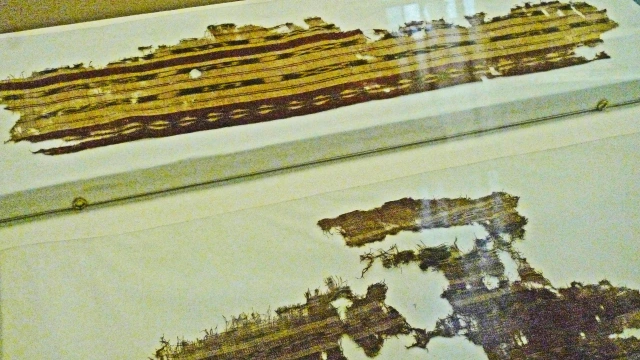
    The Banton Burial Cloths are a testament to the rich textile heritage of Southeast Asia, with their intricate designs and labor-intensive production process. Dating back to the 14th-15th centuries, these vibrant textiles feature a distinctive color palette of red, black, and whitish hues, achieved through the ancient warp ikat weaving technique.

    The Intricate Patterns and Their Significance

    The intricate patterns on the Banton Burial Cloths symbolize ancestral spirits, mythical creatures, and natural elements, offering a glimpse into the lives of their creators. Every thread and pattern tells a story, revealing the craftsmanship and attention to detail of the weavers.

    A Glimpse into the Lives of the Creators

    As you explore the Banton Burial Cloths, you'll uncover the lives and traditions of the people who created them. The textiles are not just beautiful works of art, but also windows into the past, offering insights into the cultural and spiritual practices of the region.

    Ancient Warp Ikat Techniques

    Warp Ikat: A Labor-Intensive Ancient Technique

    Warp ikat is an ancient technique that has been a part of Southeast Asian textile tradition for centuries. This traditional method involves dyeing only the warp fibers before weaving, creating complex and mesmerizing designs on the cloth.

    The Banton Burial Cloth is the oldest surviving warp ikat textile in Southeast Asia. This ancient cloth showcases the technique in its simple yet striking patterns.

    Examining the cloth reveals the labor-intensive process of warp ikat weaving, which requires great skill and patience.

    The meticulous attention to detail and intricate patterns woven into the cloth demonstrate the importance of textiles in ritual contexts.

    Warp ikat weaving is a significant part of Southeast Asian textile heritage and has had a lasting impact on the region's cultural identity.

    Colors of the Past Unveiled

    Unveiling the Vibrant Colors of the Past

    The Banton burial cloths boast a vibrant color palette that has endured for centuries, featuring hues of red, black, and natural whitish tones. These colors were achieved through the ancient warp ikat technique, a testament to the ingenuity of the weavers who crafted these textiles.

    The intricate designs on the cloths feature stripes and simple patterns, elevated by the rich color palette. These hues, dating back to the 14th-15th centuries, offer a glimpse into ancient dyeing practices in the Philippines.

    As some of the oldest surviving textiles in the country, the Banton burial cloths hold remarkable cultural and artistic value. The remarkably preserved colors provide a window into the past, showcasing the mastery of the weavers who created these stunning works of art.

    Weavers' Skill and Devotion

    The Banton Burial Cloths showcase exceptional craftsmanship.

    The intricate designs and delicate patterns on the cloths demonstrate the skilled hands of the weavers.

    Each thread was carefully crafted to create a masterpiece, showcasing the weavers' exceptional skill and devotion to their craft.

    Delicate Patterns Emerge

    Delicate Patterns Emerge

    Upon closer inspection, intricate designs featuring regular and inverted S shapes, Xs, and triangular shapes, become visible on Banton Burial Cloths. These designs showcase the exceptional skill and devotion of ancient weavers. They demonstrate a high level of weaving expertise.

    The weavers utilized the warp ikat technique, dyeing only the warp fibers in shades of red, black, and natural whitish colors to create the striking patterns. This technique, known for its complexity, required great skill and patience.

    The vibrant colors and detailed patterns on the cloth highlight the weavers' mastery and the importance of textiles in ritual contexts. The weavers' devotion to their craft is undeniable, and their work continues to inspire wonder and awe.

    Skilled Hands at Work

    Skilled Hands at Work

    The ancient weavers of the Banton Burial Cloths demonstrated exceptional skill and devotion to their craft. Each thread was carefully crafted to showcase their meticulous attention to detail.

    The Weaving Process

    The weavers' expertise is evident in the precise dyeing and weaving process, which involved the intricate warp ikat technique. This technique involves dyeing specific warp threads to create intricate patterns.

    Weaving Techniques

    TechniqueDescription
    Warp IkatInvolves dyeing specific warp threads to create intricate patterns
    Weft IkatInvolves dyeing specific weft threads to create intricate patterns
    Plain WeaveInvolves interlacing warp and weft threads to create a simple fabric

    Timeless Masterpieces

    These skilled hands created timeless pieces of art that provide insights into ancient weaving traditions. The weavers' dedication to their craft is reflected in the preservation and study of these noteworthy cultural heritage pieces. The Banton Burial Cloths are a tribute to the exceptional skill and commitment of ancient weavers, who carefully wove weft threads to create intricate patterns that continue to awe us today.

    Intricate Designs Unfold

    Intricate Designs Unfold

    The Banton Burial Cloths showcase the exceptional skill and devotion of ancient weavers in the Philippines, with delicate threads of creativity weaving together to form intricate designs.

    These ancient textiles feature intricate patterns, highlighting the weavers' mastery of warp ikat techniques.

    The patterns that adorn the cloths include regular and inverted S shapes, Xs, and triangular shapes, which dance across the fabric, demonstrating the weavers' exceptional skill.

    Vibrant colors and intricate patterns on the burial cloths are a testament to the weavers' patience and dedication to creating these timeless pieces of art.

    The designs on the Banton Burial Cloths offer a glimpse into the early stages of design development in Philippine textiles, illustrating the evolution of artistic expression in the region.

    These oldest examples of Philippine textiles are a treasure trove of cultural heritage, providing a window into the past and the lives of the people who created them.

    Southeast Asian Textile Traditions

    Southeast Asian textile traditions are a testament to the region's rich cultural heritage. For generations, weaving techniques, motifs, and cultural significance have been passed down, showcasing the ingenuity and craftsmanship of the people.

    Textiles have long been an integral part of cultural identity in Southeast Asia, with each community boasting its unique weaving traditions. The region's textile heritage is characterized by diverse techniques, motifs, and cultural significance.

    The warp thread is a cornerstone of Southeast Asian textile traditions. In the case of the Banton Burial Cloths, the intricate warp ikat technique involves dyeing only the warp fibers before weaving. This labor-intensive process requires great skill and patience, resulting in stunning striped patterns featuring red, black, and natural whitish colors.

    The use of warp threads has been a hallmark of Southeast Asian weaving traditions, with each region boasting its unique twist on this ancient technique.

    Unraveling the Secrets of Ikat

    Unraveling the Secrets of Ikat

    The Banton Burial Cloth, an ancient textile, owes its vibrant patterns to a traditional dyeing technique called ikat. Ikat involves resist-dyeing, where specific sections of the fabric are bound or tied to resist the dye, creating unique patterns.

    Cultural Significance

    The intricate patterns on the cloth aren't just aesthetically pleasing; they hold deep cultural meaning. The designs often symbolize ancestral spirits, mythical creatures, and natural elements, showcasing the rich cultural heritage of the community.

    Ancient Dyeing Techniques

    Ikat: An Ancient Dyeing Technique

    Ikat is an ancient dyeing technique that has been used for centuries to create unique and intricate patterns on fabrics.

    In the Banton Burial Cloth, ikat was used to dye only the warp fibers in red, black, and natural whitish colors. The resulting patterns feature stripes of varying widths, showcasing simple and striking designs, including regular and inverted S shapes, Xs, and triangular shapes. This technique requires great skill and craftsmanship, as the warp fibers must be carefully dyed before weaving.

    The Banton Burial Cloth is a rare and precious artifact that provides a glimpse into the cultural and ritual significance of ikat cloth as a prestige object. Unfortunately, the tradition of ikat cloth production has been lost in Romblon, and the Banton Burial Cloth is one of the few remaining examples of this ancient weaving tradition.

    Ikat dyeing is a labor-intensive process that requires great attention to detail and precision. The fact that ancient weavers were able to achieve such intricate patterns is a testament to their skill and craftsmanship.

    Patterns of Significance

    The Banton Burial Cloth: A Treasure Trove of Cultural Significance

    The intricate patterns on the Banton Burial Cloth reveal a rich cultural narrative, showcasing the region's rich textile heritage.

    The design features a unique blend of geometric shapes and motifs, including regular and inverted S shapes, Xs, and triangular shapes.

    These patterns are reminiscent of warp ikat textiles from the southern Philippines, suggesting regional connections and exchange.

    The similarity in design implies a shared cultural identity that transcends geographical boundaries.

    The cloth's prestige is evident in its discovery alongside blue and white pottery, a testament to its cultural significance.

    The intricate patterns and dyeing techniques provide a window into the early stages of design development in Philippine textiles.

    The Banton Burial Cloth is a significant artifact that holds secrets of the region's rich cultural tapestry, waiting to be uncovered.

    Banton Burial Cloths' Rich History

    The Banton Burial Cloths: Unveiling a Rich Cultural Heritage

    The discovery of the Banton Burial Cloths in a cave on Banton Island, Romblon, has uncovered a rich cultural heritage dating back to the 14th-15th centuries, shedding light on the earliest known warp ikat textiles in Southeast Asia.

    Textile Composition and Design

    The Banton Burial Cloths are made from abaca fibers and feature intricate designs in red, black, and natural whitish colors. These designs include stripes, S shapes, Xs, and triangular shapes, which may reflect a lost ancient weaving tradition in Romblon.

    Significance and Implications

    The discovery of the Banton Burial Cloths has important implications for our understanding of early weaving techniques and cultural practices in the Philippines. These ancient textiles are more than just relics of the past; they offer valuable insights into the lives of the people who created them.

    National Museum of the Philippines

    The National Museum of the Philippines is a treasure trove of cultural artifacts, showcasing the country's rich heritage.

    The museum's extensive collections and exhibits offer a glimpse into the nation's vibrant cultural tapestry.

    One notable exhibit is the Banton Burial Cloths, which demonstrate the country's rich cultural legacy.

    Exhibiting Cultural Heritage

    Exhibiting Cultural Heritage

    At the National Museum of the Philippines, visitors can witness a significant piece of cultural heritage, the Banton Burial Cloth. This ancient textile is a testament to the country's rich cultural legacy, proudly exhibited for the world to appreciate.

    Museum Highlights

    FeatureDescription
    AgeDating back to the 14th-15th centuries
    Size81 x 21 cm
    TechniqueWarp ikat
    ColorsRed, black, and natural whitish
    SignificanceOldest warp ikat textile in Southeast Asia

    The intricately patterned Banton Burial Cloth offers insight into ancient weaving techniques and cultural practices. The National Museum of the Philippines' careful curation of this artifact allows visitors to appreciate its beauty and significance. By exhibiting this cultural treasure, the Museum showcases the country's rich cultural heritage, inspiring a deeper appreciation for the nation's history and traditions.

    Preserving Historical Artifacts

    The National Museum of the Philippines is dedicated to preserving historical artifacts, ensuring the country's cultural legacy for future generations. This endeavor is crucial in safeguarding the Philippines' cultural heritage. Located in the historic district of Intramuros, Manila, the museum is committed to collecting and preserving Filipino heritage.

    One of the museum's prized possessions is the Banton Burial Cloth, a notable artifact that showcases the cultural and artistic richness of the Philippines. This ancient cloth is a testament to the country's cultural heritage. By preserving historical artifacts like the Banton Burial Cloth, the museum guarantees that future generations can appreciate and learn from the Philippines' rich cultural history.

    The museum's efforts to conserve historical artifacts provide a deep understanding of Philippine history and culture. By displaying the Banton Burial Cloth alongside other important artifacts, the museum offers a comprehensive view of the country's cultural heritage.

    Visitors can witness the museum's commitment to preservation firsthand by visiting the exhibit, where the Banton Burial Cloth is proudly displayed. This dedication to preserving historical artifacts is a crucial step in protecting the country's cultural identity and promoting national pride.

    Resilience of Artisanal Crafts

    The Enduring Legacy of Artisanal Crafts

    The traditional weaving techniques of the Banton Burial Cloths have withstood the test of time, defying cultural erosion and preserving ancient cultural practices.

    These burial cloths are a testament to the skill, patience, and dedication of ancient Filipino weavers.

    The survival of these artisanal crafts underscores the high cultural significance attached to textiles in ritual contexts.

    The Banton Burial Cloths provide valuable insights into the early stages of design development and weaving traditions in the Philippines.

    Resilience Factors:

    AspectResilience Factor
    Cultural SignificanceHigh
    Skill and TechniqueHigh
    Timeless ArtistryHigh

    Housed in the National Museum of the Philippines, these cloths serve as a reminder of the timeless artistry of Filipino artisans.

    The Banton Burial Cloths are a reflection of the power of traditional crafts to transcend time and cultural changes.

    Windows to the 16th Century

    The Banton Burial Cloths: A Window to the 16th Century

    The Significance of the Cloths

    The Banton Burial Cloths are a remarkable example of intricate textile traditions that thrived in the Philippines in the 16th century. These fabrics showcase the exceptional craftsmanship of Filipino artisans from centuries ago.

    The Craftsmanship Behind the Cloths

    The cloths' intricate designs and vibrant colors are a reflection of the skillful use of resist dyeing techniques, which involved hand-weaving cotton warp threads and silk weft threads. This technique was highly valued in the 16th-17th century Philippines and was used for various items like clothing and household textiles.

    The Unique Warp Ikat Method

    The cloths feature a unique warp ikat method, which was highly popular in the 16th-17th century Philippines. This technique was used to create textiles, and the Banton Burial Cloths are, in fact, the oldest examples of warp ikat textiles in Southeast Asia, making them a treasured national heritage.

    The Current Location of the Cloths

    Today, you can find these remarkable artifacts on display at the National Museum of the Philippines, where they continue to captivate visitors with their haunting beauty and rich historical significance.

    What is the Connection Between Banton Burial Cloths and Damian Domingo’s Tipos Del Pais?

    The Banton burial cloths are intricately woven pieces showcasing the connection between life and death in Filipino culture. Meanwhile, Damian Domingo’s Tipos Del Pais captures the whimsical world of tipos del pais, portraying the diverse and colorful characters of Philippine society through his artwork. The striking connection lies in their celebration of Filipino traditions and heritage.

    Timeless Beauty of Ikat Art

    Ikat art's timeless beauty lies in its intricate, handwoven designs that transport viewers to a bygone era, where every thread and pattern tells a story of cultural heritage and tradition.

    Intricate designs are a hallmark of ikat art. The labor-intensive process of weaving ikat patterns results in unique and complex designs that are both aesthetically pleasing and culturally important. For instance, the Banton Burial Cloth showcases intricate patterns and shapes that seem to dance across the fabric.

    Ikat textiles hold significant cultural significance. They provide a window into the cultural heritage of the past, offering insights into the traditions and customs of ancient civilizations. The Banton Burial Cloth, for example, is a proof to the skill and craftsmanship of the weavers who created it centuries ago.

    Ikat art's timeless appeal is undeniable. Despite being created centuries ago, ikat art continues to captivate audiences with its beauty and craftsmanship, transcending time and cultural boundaries.

    Artistic expression is at the heart of ikat art. It's a powerful form of artistic expression, conveying the stories, myths, and values of the people who created it. The intricate designs and patterns woven into ikat textiles convey the cultural identity of the people who created them.

    In the world of ikat art, you'll discover a rich tapestry of cultural heritage, woven with every thread and pattern.

    Frequently Asked Questions

    What Is the Burial Cloth of Banton?

    The Burial Cloth of Banton is a 14th-15th century abaca textile. It measures 81 x 21 cm and features unique patterns, showcasing an ancient weaving tradition from Romblon.

    What Makes the Banton Burial Cloth Significant to the History of the Philippines?

    The Banton Burial Cloth is a significant cultural legacy in Philippine history, showcasing ancient weaving techniques and ritual contexts. This cloth provides valuable insights into the country's rich cultural heritage and traditional practices. For instance, the intricate designs and patterns on the cloth reveal the creative skills of ancient Filipinos, while the ritual context in which it was used offers a glimpse into the spiritual beliefs of the time. The cloth is a tangible representation of the country's cultural identity, making it a vital part of Philippine history.

    What Is the Oldest Known Warp Ikat Textile in Southeast Asia?

    The oldest known warp ikat textile in Southeast Asia is the Banton Burial Cloth, dating back to the 14th-15th centuries. This ancient textile showcases the region's rich weaving traditions.

    What Is the Population of Banton?

    The population of Banton is approximately 10,934 residents. This number is based on the 2020 census. The island municipality in the Philippines is primarily inhabited by indigenous Mangyan people.

    Conclusion

    Banton burial cloths are revered for their haunting beauty and historical significance. These textiles, created using intricate warp ikat techniques, showcase vibrant colors and weavers' devotion.

    They are more than just artifacts; they're windows to the 16th century. The Banton burial cloths demonstrate the resilience of artisanal crafts and the timeless beauty of ikat art.

  • Symbolic Motifs in Yakan Weaving Traditions

    Symbolic Motifs in Yakan Weaving Traditions

    Yakan Weaving Traditions: A Tapestry of Symbolic Motifs

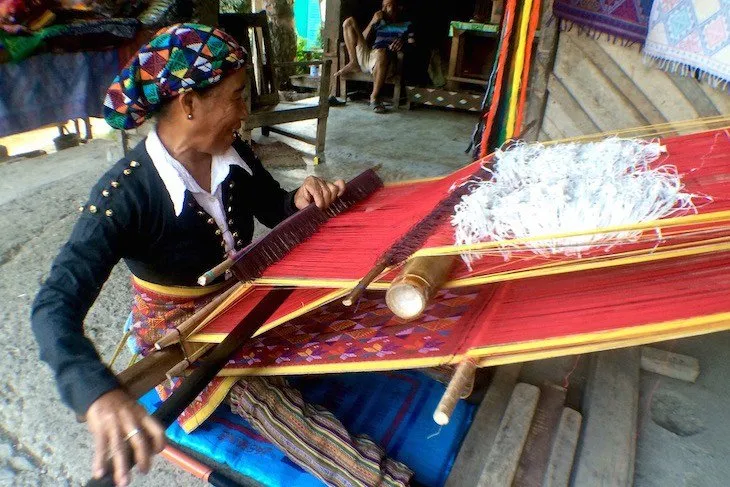
    Yakan weaving traditions are characterized by a rich array of symbolic motifs that convey community values, cultural identity, and a deep connection to nature.

    These motifs depict ancestral ties, showcasing interconnectedness between generations. For instance, the Inalaman motif represents unity and harmony, while geometric shapes symbolize rice grains and wealth. Additionally, nature-inspired motifs signify abundance and prosperity, highlighting the community's ties to the land.

    Every thread and color choice in Yakan textiles conveys values and beliefs. The use of specific colors, such as red, which represents bravery and strength, and blue, which symbolizes peace and tranquility, adds depth to the narrative.

    The intricate patterns and designs on Yakan textiles weave together to tell stories and convey meanings. By examining these motifs, one can unravel the intricate stories and values hidden within these vibrant fabrics.

    The Language of Patterns

    The Language of Patterns

    In the intricate world of Yakan textiles, every thread tells a story about the community's values, traditions, and cultural identity.

    The Yakan people have mastered the art of storytelling through weaving, where every motif holds significance.

    The diamonds in Yakan patterns, for example, represent rice grains, symbolizing abundance and fertility.

    Stars, on the other hand, indicate plentiful harvests, reflecting the community's reliance on agriculture.

    The punoh-punoh patterns, which depict mountains, embody strength and stability. Additionally, animal and plant motifs showcase the community's harmony with nature. These symbolic motifs are woven together to create intricate patterns that convey the Yakan people's cultural identity.

    As you explore the world of Yakan weaving, you'll discover that every thread, every pattern, and every motif tells a story of community, togetherness, and self-expression.

    The language of patterns is, indeed, a powerful tool for understanding the Yakan culture, and the stories it tells are waiting to be unraveled.

    Ancestral Connections Through Design

    Yakan Textiles: A Visual Language of Ancestral Connections

    Beyond symbolic motifs, Yakan textiles hold a deeper layer of ancestral connections. Intricate patterns and motifs convey culturally meaningful messages. These patterns and motifs aren't just culturally significant, but also carry important cultural meaning.

    Interconnectedness and Cultural Heritage

    • Detailed patterns represent the interconnectedness between past, present, and future generations.
    • Symbols like diamonds for wealth, stars for bountiful harvests, and mountains for strength reflect ancestral ties.
    • Intricate motifs serve as a visual language, preserving cultural heritage and ancestral narratives within each thread.

    Nature-Inspired Designs and Traditional Beliefs

    Yakan weaving combines nature-inspired designs and traditional beliefs to form a rich tapestry of ancestral connections. The weavers' use of realistic motifs, infused with animals and plants, reflects the community's deep connection to nature.

    Through their weaving, the Yakans convey their cultural heritage, wealth symbolism, and traditional beliefs, creating a visual language that speaks to their ancestors and their cultural identity.

    Nature's Inspiration in Yakan Fabrics

    Nature's Inspiration in Yakan Fabrics

    Yakan weaving is deeply rooted in the natural world, with motifs inspired by animals, plants, and landscapes that reflect the community's connection to the environment.

    Stars, diamonds, and mountains symbolize abundance, wealth, and prosperity, reflecting the community's reliance on agriculture. For instance, stars forming diamond shapes signify an upcoming bountiful harvest.

    Yakan weavers skillfully incorporate realistic flora, such as rice grains, and mountains (punoh-punoh) into their designs, highlighting the community's close ties to the land. These intricate designs not only showcase the weavers' expertise but also tell a story of the community's connection to the natural world.

    Through Yakan weaving, you'll discover a rich tapestry of nature-inspired motifs that reflect the community's values and way of life.

    Symbolism in Color and Thread

    In Yakan weaving, threads of vibrant hues hold deep symbolic meanings. These colors, carefully chosen and intertwined, convey the community's values and beliefs. For instance, red embodies courage, while yellow represents wealth.

    Each thread color carries symbolic significance, reflecting the weavers' storytelling through art.

    The combination of colors and threads conveys profound cultural meanings and values. This showcases the community's connection to nature, community, and spirituality. Specific thread colors symbolize elements of daily life, such as black for harmony and balance.

    The intricate weaving traditions of the Yakan people reflect their rich cultural heritage. Every thread and color choice is imbued with meaning, showcasing the community's deep values and cultural identity.

    Through their textiles, Yakan weavers share their stories, beliefs, and values, weaving a tapestry of symbolic motifs.

    The Story of the Inalaman Motif

    The Inalaman Motif: A Window into Yakan Identity

    The Inalaman motif is a traditional design worn by Yakan women over their trousers. This iconic motif is more than just a beautiful pattern; it's a symbol of the Yakan community's identity, history, and beliefs.

    The intricate design is characterized by geometric shapes and nature-inspired elements, each carrying rich symbolism and meaning.

    Geometric Shapes: Representing Unity and Harmony

    The geometric shapes in the Inalaman motif represent unity and harmony among the Yakan people. The interconnected patterns symbolize the community's strong social bonds and their connection to one another.

    Nature-Inspired Elements: Reflecting the Yakan's Connection to Nature

    The nature-inspired elements in the Inalaman motif reflect the Yakan people's deep connection to their natural environment. The motifs of leaves, flowers, and vines symbolize the community's respect for nature and their dependence on it for survival.

    Origins of Inalaman

    The inalaman motif is deeply rooted in Yakan weaving traditions, where intricate geometric patterns told stories of their heritage and identity.

    These patterns are more than just aesthetically pleasing; they represent the Yakan cultural identity.

    Some pivotal aspects of the inalaman motif include:

    Geometric patterns are woven together to convey stories and values within the Yakan community.

    Inalaman textiles are worn by Yakan women as a symbol of cultural pride and heritage during momentous events and ceremonies.

    Inalaman textiles showcase the craftsmanship and artistry of Yakan weavers, reflecting the rich cultural heritage and symbolism of the Yakan people.

    The inalaman motif has its roots in the traditional garments worn by Yakan ancestors.

    Symbolism and Meaning

    The inalaman motif is a rich tapestry of symbolism, telling a story of the Yakan people's deep connection to nature and their community values. The intricate patterns and design elements represent wealth and abundance, specifically the richness of rice grains.

    The stars woven into the design signify a bountiful harvest, declaring prosperity for the community. The flowing designs, resembling rivers or mountain ranges, reflect the Yakan people's harmony with nature and their reliance on agriculture.

    Every element of the inalaman motif speaks to the community's connection with the natural world and their values. In Yakan weaving, the inalaman motif is more than just a design; it's an affirmation of the people's deep respect for the land and their commitment to living in harmony with nature.

    Bunga Sama's Hidden Meanings

    Unraveling the Symbolism in Bunga Sama Textiles

    Every motif in Bunga Sama textiles holds a secret language. These intricate designs, from floral patterns to symbolic petals, reveal the Yakan community's deep connection to nature and prosperity.

    For instance, the floral patterns symbolize fertility and abundance, while the symbolic petals represent spiritual growth and wisdom.

    Floral Patterns Unraveled

    The Bunga Sama Motif: Unraveling the Story of Growth and Abundance

    In the intricate tapestry of Yakan weaving, the Bunga Sama motif reveals a rich narrative of growth, fertility, and abundance.

    Every delicate petal and curvaceous vine conveys a story of harmony, peace, and prosperity within the community.

    The Bunga Sama motif is more than just a beautiful design;

    it's a symbol of the community's connection to agriculture and the environment.

    The intricate floral patterns woven into the textiles narrate the community's values and beliefs.

    Three fundamental elements of Bunga Sama weaving are:

    • Flowers like sakurab and kulep, which symbolize beauty and nature's bounty.

    These flowers are intricately woven into the textiles to represent the community's appreciation for nature's beauty and abundance.

    • Vines and leaves, which represent growth and fertility.

    The use of vines and leaves in the Bunga Sama motif signifies the community's connection to the natural world and their dependence on the land for survival.

    • Colors, which evoke sentiments of abundance and prosperity.

    The colors used in Bunga Sama weaving are carefully chosen to evoke feelings of prosperity and abundance, highlighting the community's values of hard work and gratitude.

    Symbolism Behind Petals

    Behind the Symbolism of Bunga Sama Petals

    The intricate designs on Bunga Sama petals hold a wealth of symbolism, reflecting the unity and harmony that are core values in Yakan culture.

    Each petal represents a distinct aspect of Yakan life, including family, nature, and spirituality. These elements are interconnected, showcasing the interconnectedness of Yakan culture.

    The arrangement of petals in Yakan textiles conveys stories, values, and cultural beliefs, revealing the significance of traditional symbolism.

    Skilled weavers carefully craft these intricate designs, reflecting the deep-rooted meanings in Yakan textiles.

    Hidden Meanings Revealed

    Unraveling the Secrets of Bunga Sama Textiles

    Beyond the intricate patterns, Bunga Sama textiles conceal a rich tapestry of hidden meanings, where every motif and design element reveals a deeper significance in Yakan culture.

    Uncovering the Symbolism

    These textiles tell a story of community togetherness and cultural heritage through symbolic motifs woven into the fabric of Yakan weaving traditions.

    Diamond patterns symbolize wealth and rice grains, reflecting the community's connection to the land and their agricultural abundance.

    Deciphering the Motifs

    • Stars within the diamond patterns signify an approaching abundant harvest, further emphasizing the importance of nature's influence.
    • Mountains depicted as punoh-punoh represent the community's reverence for nature and its role in their lives.

    The Language of Weaving

    These motifs serve as a visual language, expressing the richness of Yakan heritage and the community's connection to the natural world.

    Through their weaving traditions, the Yakan people convey a sense of cultural symbolism, emphasizing their values and way of life.

    Weaving Cultural Identity

    Yakan Weaving: A Rich Tapestry of Cultural Identity

    Yakan weaving is a vibrant representation of the community's cultural identity, intricately woven with symbolic motifs that reflect their connection to the natural world.

    Motifs Reflecting Cultural Values

    These motifs convey wealth, abundance, and community values, reflecting the community's connection to nature, agriculture, and social dynamics.

    The intricate designs serve as a visual language, communicating the history, beliefs, and values of the Yakan people.

    Preserving Cultural Heritage

    By weaving cultural identity through symbolic motifs, the Yakan weavers reinforce the heritage and traditions passed down through generations.

    This visual language is a testimony to the community's historical significance, preserving their cultural identity for future generations.

    More Than Just a Piece of Art

    Through Yakan weaving, you're not just looking at a beautiful piece of art; you're experiencing a rich cultural narrative that's been woven with love, care, and intention.

    The Significance of Geometric Shapes

    Geometric Shapes in Yakan Weaving Hold Deep Cultural Significance

    Intricate geometric shapes are woven into Yakan textiles, conveying profound cultural meanings that reflect the community's connection with nature and values. These shapes aren't just aesthetically pleasing, but also carry symbolic motifs deeply rooted in Yakan culture.

    Geometric Shapes and Their Meanings

    • Diamonds symbolize rice grains and wealth, representing the community's reliance on agriculture.
    • Stars formed by geometric patterns signify an upcoming bountiful harvest.
    • Mountains depicted as punoh-punoh resemble natural landscapes and symbolize stability and strength.

    Symmetry and Craftsmanship

    The use of symmetrical geometric shapes in Yakan weaving showcases the weavers' attention to detail and craftsmanship in creating intricate patterns. The incorporation of shapes like triangles, squares, and diamonds reflects the community's connection with nature and their values. Through their weaving, the Yakans demonstrate their deep understanding of the natural world and their place within it.

    Unity and Harmony in Design

    Unity and Harmony in Yakan Weaving Traditions

    Yakan weaving traditions showcase intricate designs and symbolic motifs that convey a powerful message of unity and harmony. This reflects the community's deep-seated values of cooperation and interconnectedness.

    Each thread, pattern, and symbolic motif is woven together to emphasize the importance of unity and harmony within the community. The intricate designs highlight the interconnectedness of individuals, showcasing the collaboration and togetherness that defines Yakan weaving traditions.

    These symbolic motifs convey a sense of belonging, emphasizing that every individual is part of a larger cultural heritage. The balance and harmony depicted in the designs reflect the community's connection with nature, underscoring the importance of living in harmony with the environment.

    Through Yakan weaving, you're not just looking at a beautiful piece of cloth; you're experiencing the community's values, traditions, and cultural heritage.

    What do the symbolic motifs in Kalinga tattooing tradition signify in comparison to Yakan weaving traditions?

    The symbolic motifs in Kalinga tattooing tradition hold deep meanings related to strength, courage, and tribal identity. In comparison, Yakan weaving traditions incorporate similar motifs to represent their cultural heritage and stories through intricate patterns and designs. Both traditions showcase the rich history and identity of their respective communities.

    Preserving Heritage Through Fabric

    Preserving Cultural Heritage Through Yakan Weaving Traditions

    When you wear a vibrant Yakan textile, you're not only adorned with a stunning piece of fabric, but you're also wearing a tribute to the community's rich cultural heritage. This heritage is painstakingly woven into every thread and symbolic motif.

    Authenticity and Preservation

    Yakan weaving traditions preserve heritage through intricate fabric designs inspired by nature and community symbolism.

    The textiles feature symbolic motifs like diamonds representing wealth, stars symbolizing plentiful harvests, and mountains reflecting nature's influence.

    Key Aspects of Heritage Preservation

    Maintaining authenticity is crucial, which includes traditional dyeing techniques and intricate weaving patterns.

    Collaborative initiatives with government, NGOs, and entrepreneurs help showcase Yakan weaving traditions to a wider audience.

    Preserving cultural significance of symbolic motifs in modern and authentic Yakan fabrics conveys timeless appeal and cultural significance.

    Thriving Heritage

    Through these efforts, Yakan weaving traditions continue to thrive, honoring the community's rich cultural heritage and showcasing the beauty of intricate fabric designs, nature-inspired patterns, and community symbolism.

    Frequently Asked Questions

    What Are the Characteristics of Yakan Fabric?

    Yakan fabrics are characterized by vibrant colors. These vibrant colors are achieved through precise dye techniques that ensure a rich, deep hue. Intricate weave patterns are another distinctive feature. These patterns are created by expertly blending materials, resulting in a high thread count that adds to the fabric's durability. The fabric's texture is varied, ranging from soft and smooth to slightly coarse, depending on the specific weave and materials used. The durability of Yakan fabric is exceptional, making it a popular choice for clothing and textiles that need to withstand regular use.

    What Is the Yakan Pattern?

    The Yakan pattern is a traditional textile design originating from the Yakan people of the Philippines.

    The Yakan pattern is characterized by vibrant colors and geometric forms, which hold significant cultural meaning. These designs reflect the community's traditional roots and artistic expression. The intricate weaving techniques used to create the pattern are a testament to the community's rich textile heritage.

    Where Did the Traditional Yakan Art of Weaving Originate?

    The traditional Yakan art of weaving originated in Basilan, an island province in the Philippines. This province's unique cultural exchange, migration patterns, and trade routes shaped the art form. The island's geographical isolation and ancient influences contributed to the development of this indigenous tradition.

    What Is the Distinct Feature Design of Yakan Fabric?

    Yakan fabric's distinct feature design is characterized by vibrant colors and intricate geometric patterns. These patterns showcase symbolic geometry that reflects cultural identity, traditional aesthetics, and ethnic motifs. This unique blend of elements is woven together to create a rich textile heritage.

    Conclusion

    Yakan fabrics are more than just pieces of cloth; they represent the tribe's history, culture, and identity.

    Each intricate pattern and motif woven into the fabric tells a story. These stories often revolve around their ancestors, the natural world, and the community's values.

    For instance, the 'let nga' motif, which resembles a curl, symbolizes the cycles of life and the interconnectedness of all living things. Similarly, the 'binalang' motif, featuring a spiral design, represents the tribe's connection to the natural world and their ancestors.

    Every stitch in a Yakan fabric is a testament to the tribe's rich heritage.

    The fabrics are vibrant tapestries that reflect the collective soul of the Yakan people. By examining these fabrics, we can gain a deeper understanding of the tribe's history, culture, and values.

  • Intricate Woodcarvings of the Ifugao People

    Intricate Woodcarvings of the Ifugao People

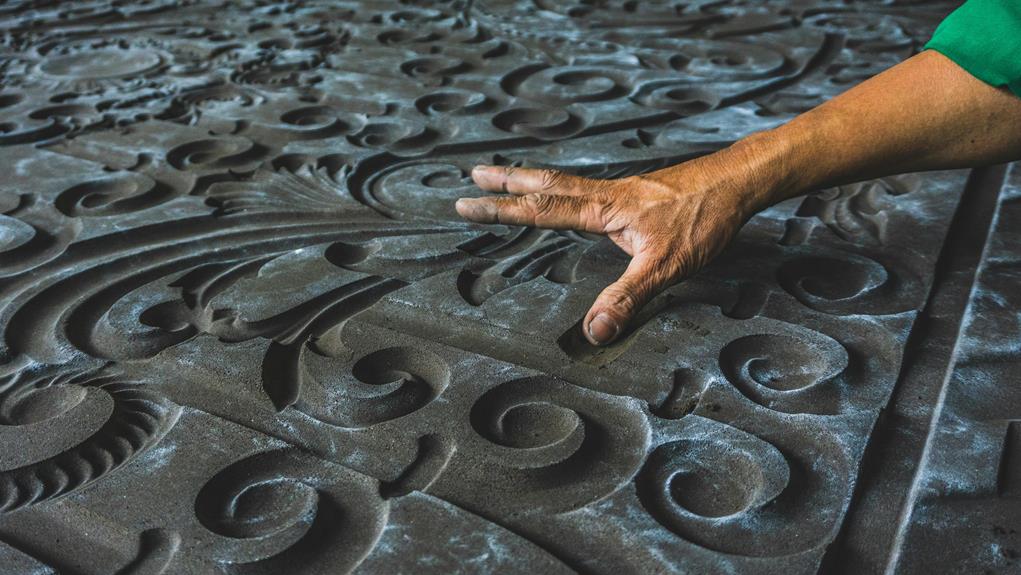
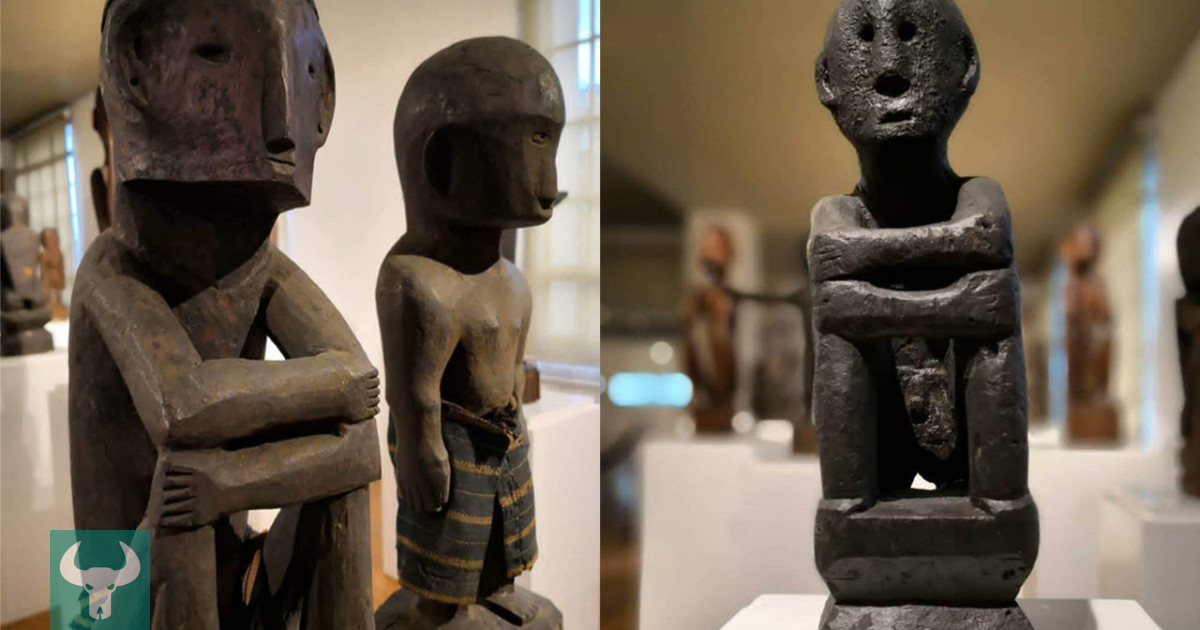
    The Ifugao people's intricate woodcarvings showcase their rich cultural heritage. These masterpieces, adorned with symbolic motifs and geometric patterns, serve as sacred vessels that connect the mortal world with ancestral spirits.

    The wooden figures evoke a deep sense of spirituality, as every symbol and pattern tells a story of the community's connection with the natural world.

    The carvings reflect the community's values and traditions. Ancestral figures and mythical creatures are common subjects, each one representing a part of the community's cultural identity.

    For example, the carvings often feature natural elements, such as leaves and flowers, which symbolize the community's connection to the land.

    By examining these intricate works of art, we can gain insight into the Ifugao people's cultural legacy. Their woodcarvings reveal a world where spirituality and nature entwine, offering a unique window into their values and traditions.

    Ifugao Woodcarvings: A Cultural Legacy

    Ifugao Woodcarvings: A Cultural Legacy

    The Ifugao people's woodcarving skills have been refined over centuries, resulting in stunning creations that showcase their rich cultural heritage.

    These masterpieces are characterized by intricate details and symbolic richness, woven into the fabric of Ifugao culture for generations. From the majestic Bulul figures to the intricately designed Hagabi benches, each piece reflects the community's craftsmanship and attention to detail.

    Each wood sculpture serves a purpose beyond aesthetics, playing a meaningful role in rituals, ceremonies, and agricultural traditions.

    The carvings themselves are a reflection of the community's beliefs, depicting human figures, animals, and ancestral spirits in exquisite detail.

    The Bulul figures, for example, are ritualistic wooden figures that embody the community's spiritual connection to their ancestors. Hagabi benches, on the other hand, are intricately carved wooden benches used during rituals and ceremonies.

    It's clear that Ifugao woodcarvings are more than just beautiful objects – they're a window into the community's soul, a tribute to their cultural legacy.

    Symbolism in Ifugao Art

    Symbolism in Ifugao Art Unveils Cultural Significance

    In Ifugao art, intricate carvings convey the deep spiritual roots of the Ifugao people. The art is filled with ancestral spirits, mythical creatures, and human figures, which represent the connection between the physical and spiritual worlds. These symbols are woven throughout the designs, revealing the importance of spirituality in Ifugao culture.

    The symbols in Ifugao art hold significant meaning in rituals and ceremonies, such as the rice harvest festival, where they're used to invoke ancestral spirits for a bountiful harvest.

    In everyday life, these symbols adorn homes and agricultural tools, serving as reminders of the spiritual connection to the land and ancestors.

    Ancestral Spirits in Art

    Ancestral Spirits in Art

    Intricately carved wooden figures serve as vessels for the ancestral spirits that continue to guide and influence the daily lives of the Ifugao people. These figures are adorned with symbolic motifs that hold deep spiritual significance.

    Symbolic Motifs and Their Significance

    The Ifugao people use various symbolic motifs to represent different aspects of their spiritual heritage.

    Snakes symbolize rebirth and renewal, connecting the people to their ancestral wisdom.

    Geometric patterns represent balance and harmony, reflecting the spiritual balance the people strive to maintain in their daily lives.

    Human figures embody the ancestral presence, providing guidance and protection to the community.

    Honoring Ancestors Through Art

    The Ifugao people use these wooden figures to honor and communicate with their ancestors, maintaining a deep connection to their cultural roots and spiritual beliefs.

    The ancestral spirits, symbolically represented in the intricate carvings, reflect the interplay between the physical world and the spiritual domain.

    Through these woodcarvings, the Ifugao people demonstrate their reverence for their ancestors and the significant role they play in their daily lives.

    Mythical Creatures Depicted

    Mythical creatures are an integral part of Ifugao woodcarvings, symbolizing the spiritual connection between daily life and the natural world. These carvings often feature the bul-ul, a mythical creature that embodies ancestral spirits and protection.

    The bul-ul serves as a guardian of the rice terraces, ensuring bountiful harvests and connecting the Ifugao people to their land. The depiction of mythical creatures in Ifugao art showcases the rich folklore and spiritual traditions of the indigenous culture.

    These creatures reflect the deep connection between the Ifugao people and their natural environment. In their woodcarvings, mythical creatures bridge the gap between the spiritual and physical worlds, highlighting the Ifugao people's profound respect for nature.

    By incorporating mythical creatures into their art, the Ifugao people celebrate their unique cultural heritage and connection to the land.

    Rituals and Ceremonies

    In Ifugao rituals and ceremonies, wood carvings serve as sacred vessels connecting the mortal world with ancestral spirits and deities. These carvings are infused with symbolism, conveying the importance of rituals and ceremonies in Ifugao culture. For instance, they often depict agricultural practices, traditional beliefs, and ancestral spirits.

    Ifugao woodcarvings frequently feature deities and spirits, highlighting the people's deep connection with the spiritual dimension. These carvings play a crucial role in Ifugao rituals, acting as conduits for communication with the divine.

    Every detail, from the curves of the wood to the patterns etched into the surface, holds significance in communicating messages related to cultural practices and spiritual beliefs.

    Exploring the symbolism in Ifugao art provides insight into the people's rich cultural heritage and their connection with the environment. Ifugao woodcarvings are more than just beautiful creations – they are vessels for storytelling, cultural preservation, and spiritual connection.

    Traditional Carving Techniques

    Traditional Carving Techniques in Ifugao Woodcarvings

    Traditional Ifugao woodcarvings are created using traditional hand tools like chisels and knives, which are meticulously wielded to produce intricate masterpieces that reflect the community's rich cultural heritage. Each carved wooden piece is a testament to the carver's skill and attention to detail.

    Passing Down Techniques

    The techniques used have been passed down through generations, with elders teaching younger generations the intricacies of traditional carving. This ensures the preservation of cultural knowledge and skills.

    Selecting the Right Wood

    The wood selection process is vital, with narra hardwood being a preferred choice for its durability. This selection process is crucial in creating high-quality woodcarvings that can withstand the test of time.

    Intricate Designs and Symbolism

    The designs are meticulously planned and executed, showcasing the carver's expertise and attention to detail. Traditional carving techniques involve intricate patterns, symbols, and motifs that hold cultural significance for the Ifugao people. These designs aren't just aesthetically pleasing but also tell stories and convey important cultural messages.

    More Than Just a Work of Art

    Each carved piece isn't just a work of art, but a window into the community's history and traditions. By exploring these woodcarvings, you'll gain a deeper understanding of the Ifugao people's rich cultural heritage.

    Bulul: The Rice God

    Bulul: The Sacred Rice God in Ifugao Woodcarvings

    In the rich cultural heritage of Ifugao, Bulul figures hold a revered position. These intricate wooden sculptures represent the rice god, a deity deeply rooted in tradition and spiritual significance.

    Origins of Bulul

    The origins of Bulul date back to the ancient Ifugao people, who believed in the rice god's power to ensure a bountiful harvest. The name 'Bulul' itself is derived from the Ifugao term 'bulol,' meaning 'rice.'

    Ritual Significance Today

    In modern times, Bulul figures continue to play a vital role in Ifugao rituals, particularly in the traditional rice harvest festival. During this celebration, Bulul figures are displayed prominently, symbolizing gratitude for the harvest and prayers for a prosperous future.

    Symbolism and Meaning

    The intricate carvings on Bulul figures convey significant meanings. The rice god is often depicted with a large belly, symbolizing abundance and fertility. Additionally, the carvings may feature other motifs, such as snakes, which represent renewal and transformation.

    Origins of Bulul

    Origins of Bulul

    The origins of Bulul, the revered rice god, are rooted in the ancient traditions and myths of the Ifugao people. Carved from the finest Ifugao wood, these wooden sculptures embody the spirit of the rice god, believed to guarantee bountiful harvests and protect the rice fields.

    Characteristics of Bulul

    CharacteristicsMale BululFemale Bulul
    PurposeGuarantees bountiful harvestsProtects rice fields from pests
    Physical DescriptionStrong, muscular featuresDelicate, nurturing features
    SignificanceRepresents fertility and abundanceEmbodies nurturing and care

    Cultural Significance

    The Ifugao people's reverence for Bulul is a testament to their deep connection with nature and their reliance on the land for survival. These wooden figures are more than just decorations; they hold a sacred significance in the daily lives of the Ifugao people.

    Ritual Significance Today

    In the heart of Ifugao villages, Bulul figures symbolize the enduring power of tradition. These intricately carved wooden sculptures, representing the rice god, continue to play a crucial role in the daily lives of the Ifugao people.

    Bulul figures are venerated in Ifugao households, passed down through generations as a symbol of ancestral spirits. They're believed to safeguard bountiful harvests and protect rice fields, reflecting the deep spiritual connection of the Ifugao people to their land and traditions. The Bulul's enduring presence confirms the people's commitment to preserving their cultural heritage.

    Today, Bulul figures remain an integral part of Ifugao rituals and ceremonies, a confirmation of the enduring power of tradition.

    Symbolism and Meaning

    The Bulul figure in Ifugao mythology represents the guardian of fertility and abundance. This significance is reflected in its presence in woodcarvings, which evoke a profound sense of spiritual connection to the land and its rhythms.

    The Bulul figure symbolizes prosperity and good harvests. In Ifugao culture, the male and female Bulul figures, often depicted side by side, represent the harmony and balance that bring forth life and abundance.

    The intricate carvings on the wood sculpture reflect the craftsmanship and spiritual beliefs of the Ifugao people. The Bulul's significance extends beyond its aesthetically pleasing appearance; it is a reflection of the people's deep connection with the natural world and their reverence for the land that sustains them.

    The Bulul's cultural significance goes beyond its symbolism. Investigating the symbolism of the Bulul allows us to appreciate the richness of Ifugao culture and the importance of preserving their traditions.

    Ifugao Priests and Rituals

    Ifugao Priests: Weavers of Spiritual Tapestry

    In the mist-shrouded mountains of Ifugao, the revered mumbaki, or Ifugao priests, play a vital role in the community by conducting rituals and ceremonies that connect with the spirit world.

    Rituals and Ceremonies

    The mumbaki lead rituals and ceremonies to communicate with ancestral spirits, seeking guidance and blessings for the community.

    These rituals involve offerings to spirits and deities for bountiful harvests and protection.

    Through these sacred rituals, the mumbaki ensure the well-being of the community, guaranteeing a prosperous harvest and protection from harm.

    Wood Sculptures: Symbols of Spiritual Beliefs

    Intricate woodcarvings of the Ifugao people often depict scenes and symbols related to these spiritual rituals, showcasing the importance of the mumbaki in their daily lives.

    Wood sculptures play a significant role in showcasing the spiritual beliefs and practices of Ifugao priests and their rituals.

    Crucial Aspects of Ifugao Priests and Their Rituals

    Rituals led by mumbaki involve offerings to spirits and deities for bountiful harvests and protection.

    Mumbaki communicate with ancestral spirits to seek guidance and blessings for the community.

    Wood sculptures play a significant role in showcasing the spiritual beliefs and practices of Ifugao priests and their rituals.

    Ancestral Figures and Idols

    Ancestral Figures and Idols in Ifugao Culture

    In Ifugao culture, ancestral figures and idols are intricately carved wooden sculptures that embody the spirits of the past, guiding rice cultivators towards bountiful harvests.

    These wooden idols, such as the revered Bulul, symbolize protection and prosperity in rice cultivation.

    The Ifugao people meticulously craft these idols from wood, showcasing exceptional craftsmanship and profound spiritual beliefs.

    The intricate carvings on these idols reflect the deep connection between the people and their agricultural livelihood.

    In Ifugao rituals and ceremonies, these wooden sculptures are integral, embodying ancestral spirits and deities.

    Passed down through generations, these ancestral figures play a pivotal role in maintaining cultural practices and traditions.

    Wood is a vital material in these intricate carvings,

    paying tribute to the Ifugao people's profound respect for their ancestors and the natural world.

    As you explore further, you'll uncover the significance of these ancestral figures in Ifugao culture.

    Ceremonial Objects and Tools

    The Ifugao people's ceremonial objects and tools are steeped in cultural significance. These objects are characterized by intricate woodcarvings that hold deep meaning.

    For instance, ritual figures are carved with precision, while wooden ancestral images evoke a sense of reverence.

    Additionally, decorative adze heads showcase the community's exceptional craftsmanship.

    Each of these objects tells a story of the Ifugao's rich cultural heritage, revealing the community's values and traditions.

    Ritual Figures Carved

    Ritual Figures Carved with Precision and Artistry

    Intricately carved ritual figures, like the revered Bulul, play a crucial role in ensuring a bountiful harvest and safeguarding the fertile fields of the Ifugao people. These ceremonial objects, passed down through generations and venerated by households in Ifugao communities, symbolize prosperity, fertility, and spiritual connections.

    Reflecting Deep Cultural and Spiritual Beliefs

    These ritual figures are crafted with precision and artistry, reflecting the deep cultural and spiritual beliefs of the Ifugao people. They're crafted to embody the connection between the natural and spiritual worlds, often depicted as human figures.

    Crucial in Traditional Practices and Ceremonies

    These ritual figures are crucial in traditional practices and ceremonies, playing an important role in ensuring a good harvest and protecting the land. They're used to invoke the gods and ancestors to ensure a bountiful harvest.

    More than Just Beautiful Pieces of Art

    These ritual figures hold the secret to a bountiful harvest and a thriving community. They're more than just beautiful pieces of art; they're symbols of the Ifugao people's connection to their land and their spiritual beliefs.

    Wooden Ancestral Images

    Wooden Ancestral Images: Bridging the Spiritual and Physical Realms

    Intricately carved wooden ancestral images, like the Bulul figures, play a vital role in Ifugao culture, serving as ceremonial objects and tools that connect the spiritual and physical domains.

    Skilled Craftsmanship

    These ancestral images are meticulously crafted by skilled Ifugao woodcarvers, who pour their heart and soul into creating delicate curves and lines that reflect the importance of tradition and cultural heritage.

    Conduit to the Ancestors

    These wooden sculptures serve as a conduit between the living and the ancestral spirits, allowing the Ifugao people to seek blessings for bountiful harvests and protection for their rice fields.

    Rituals and Ceremonies

    In rituals and ceremonies, these wooden images come alive, maintaining the delicate balance of the community's spiritual harmony and reminding us of the Ifugao people's profound reverence for their ancestors and their deep connection to the land and their heritage.

    Decorative Adze Heads

    Decorative Adze Heads: Preserving the Rich Heritage of Ifugao Woodcarvers

    The intricately carved decorative adze heads of the Ifugao people are more than just tools; they're acknowledgments to their mastery of woodworking.

    These decorative adze heads are made from durable hardwoods like ironwood or kamagong and feature elaborate geometric patterns, symbolic motifs, and ancestral designs that reflect the cultural and spiritual significance of the Ifugao community.

    Some notable features of these decorative adze heads include:

    Intricate carvings that represent themes of fertility, protection, and prosperity, aligning with the Ifugao people's agricultural practices and spiritual beliefs.

    Elaborate designs that showcase the exceptional craftsmanship and artistry of the Ifugao carvers.

    Symbolic motifs that reflect the Ifugao people's deep connection with their ancestors and the natural world.

    Today, these decorative adze heads serve as valuable artifacts and art pieces, preserving the rich heritage and traditional skills of the Ifugao woodcarvers for future generations to appreciate.

    Ifugao Art in Modern Times

    Ifugao Art Evolves with Modernity

    As modernity influences the Ifugao people, their ancient woodcarving traditions aren't only preserved but also infused with fresh perspectives. Contemporary Ifugao artists blend traditional techniques with modern styles, creating unique and innovative wood sculptures that captivate audiences worldwide.

    Global Interest and Opportunities

    The growing global interest in Ifugao art has led to opportunities for Ifugao carvers to showcase their craft on a larger scale. Exhibitions and cultural programs provide a platform for Ifugao carvers to display their work. Efforts are being made to preserve and promote Ifugao woodcarving traditions through workshops and exhibitions, ensuring the continuation of this cultural heritage.

    Fusion of Tradition and Innovation

    The fusion of traditional Ifugao woodcarving techniques with modern influences reflects the resilience and creativity of the Ifugao people in preserving their heritage. This dynamic interplay between tradition and innovation allows the intricate woodcarvings of the Ifugao people to thrive.

    Preserving Cultural Heritage

    Preserving Cultural Heritage

    The Ifugao people are dedicated to safeguarding their cultural heritage, ensuring the intricate woodcarvings that represent their history, myths, and traditions remain vibrant and relevant for generations to come.

    Importance of Preservation

    Preserving cultural heritage is essential, especially in the face of modernization, which threatens to erase the traditional ways of the Ifugao people.

    The Ifugao people's rich cultural heritage is deeply rooted in their agricultural traditions, particularly rice farming, which has been an integral part of their daily lives for centuries.

    Initiatives for Preservation

    To combat the threat of modernization, various initiatives have been put in place to promote and preserve Ifugao woodcarving traditions. These include:

    • Workshops and cultural programs that teach the art of woodcarving to the younger generation, ensuring the continuation of traditional skills.
    • Exhibitions that showcase the intricate woodcarvings, highlighting their significance in Ifugao culture and promoting cultural awareness.
    • Collaborations between local and international organizations to support conservation efforts, providing resources and expertise for preservation.

    By preserving their cultural heritage, the Ifugao people can continue to thrive, passing on their traditions to future generations.

    This preservation is crucial for the Ifugao people to maintain their identity and cultural significance.

    How are the Intricate Woodcarvings of the Ifugao People connected to their Hudhud chants and weaving traditions?

    The intricate woodcarvings of the Ifugao people are deeply connected to their hudhud chants and weaving traditions. These carvings often depict scenes from the hudhud chants and showcase the skills and stories passed down through generations, reflecting the cultural significance of ifugao hudhud weaving traditions.

    The Art of Storytelling

    The Art of Storytelling through Ifugao Woodcarvings

    The Ifugao people's rich cultural heritage is showcased through their intricate woodcarvings, which convey stories of their ancestors, myths, and traditions with remarkable precision and beauty. Each woodcarving is a reflection of the people's deep connection with the mountains of northern Luzon, where they reside.

    These carvings serve as a visual narrative, depicting daily life, spiritual connections, and ancestral traditions.

    Symbolic Patterns and Figurative Motifs

    The woodcarvings feature symbolic patterns and figurative motifs that represent specific aspects of Ifugao life, from rituals to agricultural practices. For instance, a carving of a rice grain might symbolize the importance of agriculture in their daily lives.

    Each carving is a testament to the people's history and beliefs.

    Preserving Ifugao Culture and Traditions

    The art of storytelling through woodcarvings is an essential part of preserving Ifugao culture and traditions. Through detailed craftsmanship, the woodcarvings convey the history and beliefs of the Ifugao people, allowing us to grasp the intricacies of their culture.

    Frequently Asked Questions

    What Is the Famous Wood Carving in Ifugao?

    The famous wood carving in Ifugao is the Tikwi. This renowned wood carving showcases intricate, ornate sculptures depicting mythical scenes and figures, exemplifying exceptional craftsmanship and artistry.

    What Are the Traditional Things of Ifugao?

    Ifugao's Cultural Heritage

    Ifugao is a province in the Philippines known for its rich cultural heritage, where Tribal Practices are still thriving.

    Traditional Treasures

    The province is home to iconic Hagabi benches, which are traditional benches carved with intricate designs. Another traditional treasure is the Bulul figures, wooden statues that are believed to have spiritual powers. Punamhan mortars, traditional mortars used for pounding rice, are also a testament to the people's exceptional craftsmanship. Additionally, the province is famous for its Hiwang village houses, which are traditional houses made of wood and thatch.

    These traditional treasures showcase the people's exceptional craftsmanship and artistry.

    What Are the Arts and Crafts in Ifugao?

    Ifugao's arts and crafts are characterized by vibrant textile traditions. These traditions are evident in intricately patterned and colored woven blankets, clothing, and accessories. The region's rich cultural heritage and creative spirit are reflected in these textiles.

    Who Is the God Kinabigat?

    Kinabigat is the revered god of warriors and hunters in Ifugao mythology, embodying Divine Strength. This powerful deity is revered by the Ifugao people for blessings in battles and hunting expeditions, symbolizing courage, protection, and power.

    Conclusion

    Intricate Woodcarvings of the Ifugao People

    Holding a piece of history:

    When you hold an intricately carved Ifugao wood piece, you're holding a tangible piece of history. The delicate curves and symbols etched into the wood tell stories of a rich cultural heritage, with each stroke of the carver's tool infusing a part of the Ifugao soul into the wood.

    Cultural Significance:

    The Ifugao people, indigenous to the mountains of northern Luzon in the Philippines, have a rich cultural heritage that's reflected in their woodcarvings. Their carvings often depict ancestral figures, mythical creatures, and geometric patterns, which are significant in their spiritual beliefs and traditions.

    Ancient Rituals and Myths:

    The woodcarvings hold secrets of ancient rituals and myths that have been passed down through generations. The intricate designs and symbols represent the Ifugao people's deep connection with nature and their ancestors. Each carving is a testament to their rich cultural heritage and their ability to preserve their traditions.

    A Window to the Past:

    The Ifugao woodcarvings offer a glimpse into the past, providing a unique window into the lives and traditions of the Ifugao people. By studying these carvings, we can gain a deeper understanding of their history, beliefs, and values.

  • Paper-Mache Creations of Paete, Laguna

    Paper-Mache Creations of Paete, Laguna

    Paper-Mache Creations of Paete, Laguna

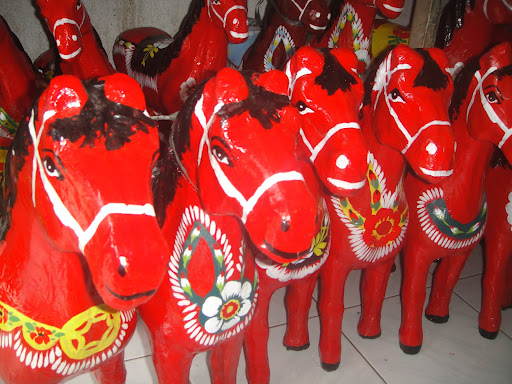
    In Paete, Laguna, a thriving community of artisans has transformed traditional paper-mache craft into a unique Filipino folk art form. This evolution is evident in the intricate designs inspired by Mexican piñatas and European influences, which have been adapted to appeal to a broader audience. Skilled artisans meticulously shape paper-mache layers, and then hand-paint vibrant designs, preserving traditional techniques passed down through generations.

    Taka, a symbol of Filipino folk art, holds significant cultural importance. It reflects the community's artistic expression and identity.

    As you explore this world of paper-mache, you'll uncover the cultural significance of takas, which have evolved to captivate a wider audience.

    Origins of Paper-Mache Craft

    The Origins of Paper-Mache Craft in Paete, Laguna

    In the town of Paete, Laguna, artisans created a lighter alternative to wooden sculptures, giving birth to the paper-mache craft. This innovation led to the development of a unique form of folk art. Initially, paper-mache was used to create decorations for local festivals, but it soon evolved into a recognized folk art form.

    The Influence of Mexican Pinatas

    The designs of Paete's paper-mache creations show a clear influence from Mexican pinatas, adding an international flair to this Filipino tradition. This blend of cultural influences has contributed to the distinct character of Paete's paper-mache craft.

    A Symbol of Filipino Folk Art

    Paete's paper-mache craft is more than just a novelty; it's a symbol of Filipino folk art and a part of Philippine art history. The artisans of Paete have mastered the art of creating intricate, hand-painted paper-mache creations, known as 'takas.' These creations are now sold alongside woodcarvings in the town.

    Fusion of Traditional Craftsmanship and Innovative Materials

    The combination of traditional craftsmanship and innovative materials has resulted in a distinctive style that showcases the creativity and resourcefulness of Paete's artisans. This unique style has contributed to the rich cultural heritage of Filipino folk art.

    Traditional Taka-Making Techniques

    Traditional Taka-Making Techniques

    Crafting the Takaan

    Artisans begin by creating a carved wooden sculpture called a takaan, which serves as a mold for their paper-mache creations. This wooden sculpture provides a smooth surface for the paper-mache layers to adhere to.

    Applying Paper-Mache Layers

    Layers of paper are carefully applied to the takaan, each one meticulously shaped and smoothed to achieve a flawless finish. The final layer of export taka is made from brown craft paper, giving the piece a smooth, refined appearance.

    The Painting Process

    The painting process is intricate, with vibrant primary colors, delicate floral motifs, and repetitive lines coming together to create intricate designs. Some takas receive a luxurious gold finish, thanks to the use of gilded paper, which adds an extra layer of elegance to the final product.

    Mastering Traditional Techniques

    Through their skilled hands and attention to detail, taka artists bring these paper-mache creations to life, showcasing their mastery of traditional taka-making techniques.

    Artisans of Paete's Paper-Mache

    Meet the Master Artisans of Paete's Paper-Mache

    In the world of Paete's paper-mache, skilled craftsmen have mastered traditional techniques passed down through generations. These talented artisans create stunning works of art that showcase their expertise.

    Generations of Traditional Techniques

    These master artisans have honed their skills through years of practice and dedication. Traditional techniques are passed down from generation to generation, ensuring the craft remains vibrant and thriving.

    The Art of Crafting

    Traditional Techniques Meet Creativity

    The artisans of Paete are renowned for their exceptional mastery of traditional techniques, which they skillfully combine with creativity and attention to detail to handcraft unique paper-mâché creations. Each creation is a testament to their dedication to preserving this traditional craft.

    In Paete's vibrant market, you'll discover intricate takas, hand-painted with vibrant colors, showcasing the artisans' expertise. The art of crafting takas has been passed down through generations in Paete, reflecting the town's rich cultural heritage.

    Attention to Detail

    Each paper-mâché creation is carefully crafted, with attention to detail evident in every curve and contour. The artisans' expertise is evident in the way they bring their designs to life, from concept to completion. These masterpieces are then sold to nearby towns, spreading Paete's artistic flair beyond its borders.

    Appreciating Craftsmanship

    As you hold one of these delicate creations in your hands, you can't help but appreciate the craftsmanship and love that goes into each piece. The artisans of Paete have perfected the art of crafting takas, making each one a demonstration of their skill and creativity.

    Paete's Master Artisans

    Paete's Master Artisans: Elevating Paper-Mache Craftsmanship

    Paete's master artisans have refined paper-mache craftsmanship over generations, perfecting their skills to create intricate and vibrant designs from humble paper and glue. Their expertise has led to the development of a unique blend of traditional techniques and modern designs.

    Generations of Experience

    These skilled artisans craft a wide range of paper-mache items, from figurines to decorative pieces, with precision and attention to detail. Their unmatched expertise has earned recognition both locally and internationally.

    Exceptional Skill and Attention to Detail

    Paete's paper-mache creations are characterized by intricate designs and vibrant colors. The artisans' skill and creativity are showcased in hand-painted masterpieces, such as the taka, which exemplify the pride and passion that goes into crafting these unique works of art.

    Intricate Designs and Vibrant Colors

    The mastery of Paete's artisans is evident in every piece they create, demonstrating their exceptional skill and artistry. As you explore the world of Paete's paper-mache creations, you'll appreciate the beauty and craftsmanship that goes into each unique piece.

    Traditional Techniques Passed

    Traditional Techniques Passed Down

    In Paete, Laguna, artisans have carefully guarded and passed down traditional paper-mache techniques for generations, refining their craft to create intricate and vibrant designs.

    Skilled artisans in Paete utilize specific techniques to achieve smooth finishes on their paper-mache creations. They use carved wooden sculptures as molds, which allow them to create intricate paper-mache designs.

    Hand-painting with vibrant colors brings their creations to life, and achieving smooth finishes requires specific techniques.

    These traditional techniques have been refined over time, allowing Paete's artisans to create truly unique and breathtaking pieces of Philippine art. Each piece is a testament to the passion, dedication, and skill of the artisans who craft them.

    Evolution of Taka Designs

    The Evolution of Taka Designs

    As taka designs evolved, traditional Filipino subjects were replaced by a diverse array of motifs, reflecting the artisans' adaptability to changing tastes and markets. European-influenced designs emerged, catering to the export market. This shift in design was a response to the changing demands of the market.

    The Rise of Miniature Taka

    The miniature taka craze took off, with tiny versions of these paper-mache creations becoming popular toys. This trend showcased the artisans' ability to adapt to changing consumer preferences.

    Influences from Abroad

    Surprisingly, the concept of taka horses was inspired by traditional Mexican decorations, adding a unique touch to taka designs. Paete residents, exposed to diverse influences, created a wide variety of taka subjects beyond traditional Filipino themes. This exposure led to the creation of innovative designs that appealed to a broader audience.

    Meeting the Demand of Different Markets

    Today, taka designs have adapted to meet the demand of different markets, showcasing the flexibility and creativity of Paete's artisans. From traditional to modern, taka designs have evolved to capture the hearts of people from all walks of life.

    Cultural Significance of Taka

    The Cultural Significance of Taka

    Taka, vibrant paper-mâché creations, are more than just decorative trinkets – they're a reflection of Paete's artistic expression and historical roots. These beloved Filipino folk art pieces are an integral part of the community's identity. By examining the cultural significance of taka, you'll gain a deeper appreciation for the craftsmanship and tradition that goes into creating them.

    Reflecting the Community's Identity

    Taka reflects the community's artistic expression, showcasing the town's rich cultural heritage. The craftsmanship and tradition behind these paper-mâché creations are a testament to the community's artistic identity. The historical roots of taka are deeply rooted in Paete's culture, making them an essential part of the town's identity.

    Taka's Cultural Heritage

    Taka's Cultural Significance in Paete

    In Paete, Laguna, the traditional art form of taka-making is deeply rooted in the town's cultural heritage, having been passed down through generations. Takas are more than just paper-mache creations; they symbolize Filipino folk art, often sold alongside woodcarvings in Paete.

    Traditional Craft

    Taka-making has been a traditional craft in Paete, contributing to the town's cultural identity and artistic heritage. This traditional craft has been preserved and passed down through generations, making it an integral part of Paete's cultural heritage.

    Vibrant Colors and Intricate Designs

    The vibrant colors and intricate designs of takas reflect the artistic talent and creativity of Paete's residents. The designs often feature colored paper and other materials, showcasing the town's rich cultural heritage.

    Community Pride

    Takas have become a source of pride for the community, often showcased in elaborate displays during festivals. This highlights the town's rich cultural heritage and reinforces the significance of taka-making in Paete.

    Taka's Artistic Expression

    Discovering the Art of Takas

    The vibrant colors and intricate designs of takas showcase the artistic expression of Paete's residents, highlighting their creativity and skill in this traditional paper-mâché art form.

    Characteristics of Takas

    Taka FeatureDescriptionCultural Significance
    Intricate DesignsDelicate patterns and shapesReflects the artisan's attention to detail and creativity
    Vibrant ColorsBright hues and bold color schemesRepresents the town's festive and lively atmosphere
    Hand-painted DetailsMeticulous painting and craftsmanshipShowcases the artisan's skill and patience
    Functional DesignTakas serve as decorative toysHighlights the functionality and practicality of the art form
    SymbolismRepresents Filipino creativity and cultural heritageEmbodies the town's rich artistic heritage

    In the world of takas, each piece is a reflection of the artisan's skill and creativity, guiding you on a journey of discovery and appreciation for this traditional paper-mâché art form.

    Taka's Historical Roots

    Taka's Historical Roots

    Paete, a town in Laguna, is home to a rich cultural heritage, and taka, a traditional paper-mâché art form, is an integral part of its identity. This craft originated in Paete as a creative alternative to wooden sculptures, pioneered by Maria Piday using papier-mâché.

    Three essential aspects of taka's historical roots are:

    1. Influence of Mexican piñatas: Takas were initially inspired by Mexican piñatas, introduced to the Philippines during the Spanish colonial era. This influence is evident in the vibrant colors and festive nature of takas.

    2. Evolution from local festivals: Takas were initially created for local festivals, but they eventually evolved into a recognized folk art form in Paete. Over time, takas became an integral part of the town's cultural identity.

    3. Hand-painted and sold: Takas are hand-painted with vibrant colors and were sold alongside woodcarvings, showcasing the artistic talent of Paete's residents. This unique blend of artistry and commerce helped establish takas as a staple of Paete's cultural heritage.

    Today, takas have become a symbol of Filipino folk art, showcasing the artistic talent of Paete's residents.

    The art of taka-making is a traditional craft passed down through generations, contributing to Paete's cultural identity and heritage.

    Masterpieces of Paper-Mache Art

    Masterpieces of Paper-Mache Art

    The masterpieces of paper-mâché art from Paete, Laguna, showcase the town's rich cultural heritage. These vibrant and intricately crafted creations demonstrate the artisans' exceptional skill and creativity.

    Vibrant Creations

    The taka sculptures, a staple of Paete's paper-mâché artistry, depict traditional subjects like animals, people, and folklore characters. These subjects are intricately designed and crafted with precision, showcasing the artisans' talent.

    Traditional Subjects

    Paete's artisans have evolved their craft, incorporating modern designs and materials while retaining the traditional charm that has made their art famous. This blend of traditional and modern elements adds a unique touch to these masterpieces.

    Evolution of Craft

    The attention to detail, precision, and passion that go into crafting these paper-mâché artworks are truly remarkable. Each piece is a testament to the artistic talent and creativity of the artisans.

    Artistic Talent

    The vibrant colors, intricate designs, and cultural significance of these pieces will leave you in awe. As you explore these masterpieces, you'll appreciate the artistic talent and creativity that goes into each and every piece.

    Preserving the Art of Taka

    Immersing yourself in the world of taka reveals a rich cultural heritage that's waiting to be preserved and passed down to future generations. The traditional papier-mâché art form from Paete, Laguna, is a treasure trove of colorful and intricate designs that tell stories of the town's history and creativity.

    Efforts are being made to safeguard this cultural gem. To guarantee the art of taka-making continues to thrive, three key strategies are in place:

    Preserving traditional techniques: Skilled artisans are sharing their knowledge with younger generations, ensuring that the traditional techniques and methods aren't lost over time.

    Making taka-making accessible: DIY taka workshop kits, curated by a local family, provide a hands-on experience for enthusiasts to learn the art of taka-making and appreciate the craftsmanship of Paete's artisans.

    Promoting taka creations: By showcasing taka art pieces in exhibitions and festivals, the art form is being promoted, and its significance is being highlighted, ensuring its preservation for years to come.

    Through these efforts, the art of taka is being preserved, and its cultural significance is being shared with the world.

    Paper-Mache in Modern Times

    Modern Paper-Mache Art in Paete

    Paete's traditional paper-mache art has evolved, blending classic Filipino characters with modern icons like Santa Claus and giraffes. This fusion of old and new has revitalized the art form, appealing to a broader audience.

    Expanded Subject Matter

    The traditional subjects of manok (rooster), kabayo (horse), kalabaw (water buffalo), and dalaga (lady) have been expanded to include a wide range of figures, catering to diverse markets and tastes.

    Preserving the Art

    To preserve the art of taka-making, a do-it-yourself papier-mache workshop kit has been created, allowing enthusiasts to learn and master the craft.

    Improved Techniques

    Modern taka-making techniques have improved, with artisans employing specific methods to achieve smooth finishes and intricate designs.

    Taka-Making as a Family Tradition

    Taka-making is a family tradition in Paete, Laguna, where techniques are carefully passed down from one generation to the next.

    In this traditional craft, family members work together to create intricate paper-mache creations.

    Through this shared creative process, families in Paete strengthen their bonds and preserve their cultural heritage.

    Taka-Making Techniques

    Taka-Making Techniques

    In Paete, Laguna, generations of families come together to create vibrant paper-mache creations, known as taka. This collaborative process strengthens family bonds and preserves cultural heritage.

    Techniques Used in Taka-Making

    Intricate Hand-Painting: Family members take turns to add their personal touch, creating vibrant and detailed designs. Each contributor brings their unique style, making every taka a true family affair.

    Layering and Shaping: Paper-mache layers are carefully applied and shaped to create the desired form. This process requires patience and precision, as each layer must be perfectly aligned to achieve the desired shape.

    Finishing Touches: Delicate details and embellishments are added in the final stages, requiring a steady hand and an eye for detail. This meticulous process brings the taka to life.

    Preserving Cultural Heritage

    Taka-making is more than just crafting beautiful paper-mache creations; it's about preserving a cultural heritage and strengthening family bonds. As each generation contributes to the art form, it evolves while remaining rooted in tradition and family values.

    Family Bonding Through Craft

    Fostering Togetherness Through Craft

    In Paete, Laguna, families bond over traditional crafts, creating taka, a testament to their cultural heritage. As they gather around tables laden with paper, glue, and paint, they experience a sense of togetherness and shared creativity.

    Preserving Cultural Heritage

    This cherished family tradition, passed down through generations, serves as a way for families to connect, share stories, and preserve cultural heritage. Children learn traditional techniques from their elders, mastering each step with excitement and pride.

    Instilling Creativity and Belonging

    Taka-making strengthens family bonds, creating a sense of community and pride. With every delicate fold and brushstroke, family members experience love and connection, instilling creativity, craftsmanship, and a sense of belonging.

    Preserving Traditional Skills

    Preserving Traditional Skills in Paete, Laguna

    As a member of a long line of families in Paete, Laguna, you're part of a legacy that has mastered the intricate art of taka-making, preserving traditional skills passed down through generations. This cultural practice is a testament to the dedication of families in Paete, who've kept the art form alive by engaging in taka-making as a family tradition.

    Dedicated Workspaces

    Families in Paete have designated spaces in their homes for taka-making, ensuring the tradition continues. These dedicated workspaces allow family members to work together, sharing their skills and techniques.

    Family Workshops

    Taka-making workshops and kits have been developed to encourage families to participate in this traditional craft together. These workshops provide a platform for families to bond over their cultural heritage, learning and mastering techniques from each other.

    Mastering Techniques

    The intricate taka-making process involves using specific techniques and materials to create unique paper-mâché artworks. These techniques are passed down through generations, with family members learning from each other and refining their skills over time.

    What is the significance of traditional Filipino art in Paete, Laguna as compared to the ancient petroglyphs in Angono?

    Traditional Filipino art in Paete, Laguna holds great significance in preserving the country’s rich cultural heritage. The intricate wood carvings and religious sculptures showcase the unique craftsmanship of the Filipino people. In comparison, the petroglyphs of Angono: ancient Philippine art highlight the early artistic expressions of pre-colonial Filipinos, providing a glimpse into their beliefs and way of life.

    The Future of Paete's Taka

    Traditional Filipino craft meets modern innovation in Paete's taka artistry. As a result, this art form is securing its place as a vital symbol of Philippine art and culture.

    The evolution of Paete's taka is characterized by the blending of traditional techniques with modern trends. DIY taka workshop kits, for instance, are an inventive way to engage new audiences and sustain interest in taka-making.

    Paete's talented artists are exploring diverse subjects and styles to cater to evolving market demands, ensuring the craft remains relevant and fresh. The recognition and appreciation of Filipino artists significantly contribute to the ongoing development and promotion of taka art.

    Community engagement and cultural pride play an essential role in shaping the future of Paete's taka as a symbol of Philippine art and culture. Taka art continues to captivate audiences worldwide, thriving as a vibrant art form.

    Frequently Asked Questions

    What Is the Famous Paper Mache in Paete Laguna?

    Paete, Laguna is renowned for its exceptional paper mache creations, which embody the town's rich cultural heritage. The town's paper mache is a vibrant representation of its artistic identity, showcasing colorful and intricate designs that reflect its cultural roots.

    In What Type of Craft Is Paete Laguna Famous For?

    Woodcarving is the unique craft that Paete, Laguna is famous for. The town's skilled craftsmen have honed their skills over generations, creating intricate and beautifully crafted wooden decorations, statues, and other items that reflect the town's rich cultural heritage.

    What Place in Luzon Is Known for Paper Mache and Wood Carving?

    Paete, Laguna is the place in Luzon known for its exceptional paper mache and wood carving. This town proudly showcases its rich cultural legacy through vibrant festivals and a bustling handicraft scene on Kesada Street.

    Where Did Paper Mache Originate?

    Paper mache originated in ancient China, where paper was first invented. From there, it spread to other parts of the world, influencing various art forms. For instance, it influenced the creation of Mexico's piñatas and Paete's vibrant paper mache art.

    Conclusion

    Paete's Paper-Mache Legacy

    As you depart Paete, the vibrant streets and skilled artisans linger in your memory.

    The artisans' expertise and the evolution of designs have shaped the cultural significance of paper-mache craft in Paete.

    Preserving the Art Form

    You now carry the torch to preserve this art form.

    The future of Paete's taka rests in your hands and those of the next generation of artisans.

    It's up to you to ensure the craft's survival and growth.

    Shaping the Future

    The next generation of artisans is waiting to learn and master the art of paper-mache.

    They will shape, mold, and bring to life new creations, ensuring the continuation of Paete's paper-mache legacy.

  • Enigmatic Symbolism in Cordillera Bulul Figures

    Enigmatic Symbolism in Cordillera Bulul Figures

    Cordillera Bulul figures embody the spiritual essence of the Ifugao people. These ancient wooden statues symbolize harmony and balance in agricultural practices, nurturing energy for a bountiful rice crop and protecting rice fields for successful harvests.

    They connect the spiritual world, agriculture, and community well-being, and are associated with fertility and abundance.

    Rituals and ceremonies surrounding these figures involve a richer understanding of the intricate web of symbolism and significance that underlies these enigmatic statues, leading to a deeper understanding of Cordilleran culture.

    Unveiling the Mystique of Bulul

    Unveiling the Mystique of Bulul

    The Bulul figures, ancient wooden statues, have been shrouded in mystery for centuries.

    These enigmatic statues embody the spiritual essence of the Ifugao people.

    The Bulul figures, often depicted in male and female forms, symbolize the harmony and balance that underpin the community's agricultural practices.

    The female Bulul is believed to possess a nurturing energy, ensuring a bountiful rice crop.

    It's believed that these ancestral spirits, embodied in the Bulul, watch over the rice fields, protecting them from malevolent forces and guaranteeing a successful harvest.

    In the domain of rituals, blood offerings and prayers are performed to awaken their protective powers.

    The Bulul's mystical aura extends to the rituals, where these offerings are made to ensure a successful harvest.

    The Ifugao people's connection to the land and their rice crop is defined by their intricate web of spirituality, fertility, and agricultural practices.

    Agricultural Spirits and Deities

    The Ifugao people of the Philippines create agricultural deities to ensure a bountiful harvest. These deities, carved into wooden statues called Bulul figures, embody the essence of fertility and abundance.

    The Bulul figures represent ancestral spirits believed to bring power, protection, and fertility to rice crops.

    Traditionally, Bulul figures are carved from narra or ipil wood. They're often depicted in male and female pairs, symbolizing fertility and abundance. By invoking the spirit of the Bulul, Ifugao farmers believe they can harness the power of their ancestors to nurture their crops and secure a prosperous harvest.

    The Ifugao people rely on these agricultural deities to guarantee a bountiful harvest and protection from malevolent forces. Through the Bulul statues, the Ifugao people have created a tangible connection between their spiritual world, agricultural practices, and community well-being.

    Rituals and Ceremonial Significance

    Rituals and Ceremonial Significance

    The Cordillera Bulul figures hold significant importance in ancestral spirit offerings.

    In these offerings, Bulul statues are treated with care to prevent ancestral spirits from bringing sickness to the community. This is because the community believes that the ancestral spirits can cause harm if the statues aren't treated with respect.

    The Sacred Mountain Rites are another significant ceremony where the Bulul statues play a crucial role.

    In these ceremonies, the statues are used to safeguard the community's well-being. The community believes that the statues possess spiritual power, and by using them in the ceremonies, they can ensure the well-being of their community.

    By examining these rituals, it becomes clear that the Bulul figures hold a deeper symbolic meaning.

    The statues represent the connection between the living and the ancestral spirits, and the community's respect for their ancestors.

    Ancestral Spirit Offerings

    Ancestral spirit offerings play a vital role in Cordillera's spiritual practices. These offerings ensure the well-being of the community and the success of rice harvests. In this process, the alwen bulul ceremony is a central ritual performed by a priest.

    The carved bulul figures are believed to be inhabited by ancestral spirits. The community thinks that these spirits have the power to bring either prosperity or sickness, depending on their disposition. To appease them, ritual offerings are made. Often, these offerings involve the tunod ritual, where blood from chickens or pigs is used to ritually touch the bulul figures.

    The placement of these figures with rice signifies abundance and prosperity in the harvest season. By performing these rituals, the community secures the ancestral spirits' favor, which in turn guarantees a bountiful rice harvest.

    This intricate web of beliefs and practices underscores the significance of ancestral spirit offerings in Cordillera's spiritual landscape.

    Sacred Mountain Rites

    Sacred Mountain Rites: The Heart of Ifugao Culture

    In the Cordillera region, sacred mountain rites play a vital role in ensuring the protection and prosperity of rice crops. These elaborate rituals, performed by Ifugao priests, imbue Bulul figures with spiritual power, ultimately guaranteeing the well-being of the community.

    The Alwen Bulul rite, for instance, empowers Bulul statues to bring abundance and prosperity. During this ritual, chickens or pigs are offered to the ancestral spirits.

    Another essential rite is the Sacred Mountain Rite, which protects the rice crops through offerings made to the ancestral spirits.

    The Ritual of Abundance, on the other hand, ensures prosperity with food and drink offerings.

    These sacred mountain rites are deeply ingrained in Ifugao culture, maintaining the spiritual connection between the people and their ancestral traditions. As protectors and guardians of the rice crops, the Bulul figures play a crucial role in the community's survival.

    Symbolism in Carved Wooden Figures

    Carved Wooden Figures Convey Rich Symbolism

    The carved wooden Bulul figures are rich in symbolism, where every detail conveys a specific meaning. Their simplified but powerful shapes represent strength and resilience.

    The male and female pairings of the Bulul figures symbolize the balance of masculine and feminine energies, emphasizing the importance of harmony in the natural world.

    Female Bulul Figures Embody Fertility and Abundance

    The female Bulul figure is a potent symbol of fertility and abundance, often carved with exaggerated features to emphasize its nurturing qualities.

    These features highlight the importance of fertility in ensuring a bountiful harvest.

    Ceremonial Significance of Carved Wooden Figures

    The carved wooden figures are used for ceremonial purposes, such as the alwen bulul ritual.

    During this ritual, the figures are treated with care to harness ancestral power for protection and abundance in rice harvests.

    The choice of wood, such as narra or ipil, is also imbued with meaning and is carefully selected for its spiritual significance.

    Ancestral Spirits and Sickness

    Bulul figures are vessels for ancestral spirits, whose displeasure can manifest as sickness and misfortune in the community. The Cordillera people believe that these ancestral spirits bring prosperity to rice crops, but only if they're treated with care and respect. If they're neglected, the spirits can become displeased, leading to sickness and misfortune.

    Rituals like the alwen bulul ceremony are performed to imbue the figures with power, guaranteeing the ancestral spirits remain benevolent. During these rituals, bulul statues are placed with rice offerings to secure abundant harvests and blessings from the spirits.

    For instance, the tunod ritual involves touching the bulul figures with the blood of animals like chickens or pigs, creating a spiritual connection between the community and the ancestral spirits.

    This connection is crucial for the community's well-being and prosperity.

    Sex-Related Symbols and Inheritance

    Male and female Bulul figures embody the harmony of masculine and feminine energies, representing the significance of fertility and reproductive abundance in Cordillera culture. These figures often feature sex-related symbols, such as phallic or breast-like protrusions, which represent generative powers and reproductive abundance. This emphasis on fertility and reproduction reflects the importance of these aspects in the culture of the mountain tribes.

    Bulul figures are passed down to the first child of a family, ensuring the continuation of ancestral connections and spiritual protection. This traditional practice highlights the significance of family and lineage in Cordillera society.

    The Veneration of Owls and Kinship

    Owl Deities Shape Spiritual Beliefs

    In Cordilleran culture, owl deities in mythology play a crucial role in shaping the community's spiritual beliefs. These owl deities are revered as messengers between the spirit world and the living, serving as a connection to ancestral guidance.

    Ancestral guidance systems are deeply rooted in the reverence for owls, emphasizing the significance of owls in Cordilleran spiritual practices.

    Nocturnal Symbols in Kinship Dynamics

    The use of nocturnal symbols, like owls, in kinship dynamics reveals the intricate web of relationships and spiritual connections within Cordilleran society.

    These symbols represent the bond between the living and the spirit world, underscoring the importance of ancestral ties in shaping community dynamics.

    Owl Deities in Mythology

    Owl Deities in Cordilleran Mythology

    In Cordilleran mythology, owl deities are revered as powerful symbols of wisdom, protection, and kinship. The Ifugao people believe these deities safeguard their community and ensure bountiful harvests.

    Owl Deities and Agriculture

    These deities are intricately carved into Bulul figures, highlighting the connection between the spiritual world and the Ifugao people's agricultural practices. Owl deities are believed to bring protection and wisdom to the rice crops, emphasizing the importance of nature in tribal rituals.

    Nocturnal Wisdom and Protection

    In Cordilleran mythology, owls are revered for their nocturnal wisdom and their role in safeguarding the community against malevolent spirits. The depiction of owl deities in Bulul figures showcases the blend of spiritual beliefs, agricultural traditions, and reverence for nature in Cordilleran culture.

    Understanding Cordilleran Culture

    Ancestral Guidance Systems

    The Ifugao people's veneration of owls in Bulul figures establishes a spiritual connection with their ancestors, ensuring guidance and protection for their descendants.

    This connection is rooted in the owl's symbolism, which represents wisdom and foresight. By revering owls in these sculptures, the Ifugao people acknowledge the importance of ancestral guidance.

    The owl's presence in Bulul art signifies the spiritual connection between the living and the ancestral domain, ensuring blessings and prosperity for the community.

    This veneration also honors kinship ties, representing the interconnectedness and continuity of family lineage.

    By examining the owl's symbolism in Bulul figures, we gain insight into the Ifugao people's deep respect for their ancestors and their desire to maintain harmony between the living and the ancestral sphere.

    Kinship Through Nocturnal Symbols

    In Cordilleran societies, owls symbolize kinship ties and ancestral guidance. These nocturnal creatures embody mystical powers associated with the spirit world, guiding Cordillerans through life's challenges.

    The depiction of owls in Bulul figures emphasizes the significance of kinship connections. These figures feature owl imagery, highlighting the role of protective spirits in maintaining harmony within communities.

    Owls symbolize wisdom and fertility in rituals and ceremonies. They're crucial for a bountiful harvest, just like the rice mortar that sustains daily life.

    Male and female figures in these sculptures often feature owl imagery, emphasizing the importance of balanced relationships within the community.

    By venerating owls, Cordillerans acknowledge ancestral guidance that nurtures their kinship ties. This fosters a sense of unity and cooperation, honoring the protective spirits that safeguard their communal bonds and ensuring the well-being of their people.

    Ifugao Priests and Granary Deities

    Ifugao Priests Infuse Bulul Figures with Protective Power

    Ifugao priests perform the alwen bulul ritual to imbue bulul figures with protective power. This highlights the significance of these granary deities in Ifugao culture.

    The ritual involves touching the bulul figures with the blood of chickens or pigs, adding to their spiritual significance.

    Bulul Figures are Treated with Care

    Bulul figures are treated with utmost care to prevent ancestral spirits from causing illness.

    They are often carved from narra or ipil wood and are passed down to the first child of a family for preservation.

    Physical Characteristics of Bulul Figures

    Older bulul statues may exhibit beetle holes from being stored in granaries, adding to their mysterious allure.

    These physical characteristics demonstrate the importance of granary deities in Ifugao culture.

    Chimeras and Hybrid Creatures

    Chimeras and Hybrid Creatures in Cordilleran Culture

    Hybrid creatures in Bulul sculptures symbolize the interconnectedness of spiritual and physical domains. These intricate figures combine human, animal, and supernatural elements, revealing the complex spiritual worldview of the Ifugao people. For example, a Bulul figure might depict a human body with wings, signifying the connection between the earthly and divine spheres.

    The diverse elements in Bulul figures reflect the layered spiritual worldview of the Ifugao people. They believe that the natural and supernatural worlds are intertwined, and these hybrid creatures serve as conduits for communication between the two realms. A figure with both human and animal features, for instance, may represent the balance between nature and humanity.

    The combination of different forms in Bulul figures conveys rich symbolism and deep spiritual significance. By examining these hybrid creatures, we gain insight into the Ifugao people's understanding of the interconnectedness of the spiritual and physical domains. The unique blending of elements in these sculptures reveals a sophisticated spiritual worldview, underscoring the significance of these enigmatic figures in Cordilleran culture.

    How do the symbolic motifs in Moro weapons and armor compare to the enigmatic symbolism in Cordillera Bulul figures?

    The symbolic motifs in Moro weapons are often intricate designs that hold deep cultural significance, reflecting bravery and spirituality. In comparison, the enigmatic symbolism in Cordillera Bulul figures represents ancestral spirits and fertility, embodying the beliefs and traditions of the indigenous people. Both carry rich symbolism in their respective cultures.

    Beyond the Idol: Cultural Significance

    Beyond the Idol: Cultural Significance

    Bulul figures hold profound cultural significance in Ifugao society, embodying the community's deep spiritual connection with agriculture and fertility.

    Protectors of the harvest:

    Bulul figures are believed to safeguard and multiply the rice crops, guaranteeing a bountiful harvest for the Ifugao people. This belief is rooted in the community's reliance on agriculture for survival.

    Guardians of fertility:

    These statues represent ancestral spirits, embodying the community's connection to the land. This connection is essential for the Ifugao people's survival, as they rely on the land for food and livelihood.

    Ritualistic significance:

    Bulul figures are central to rituals performed to secure a successful harvest and community well-being. During these rituals, the Ifugao people invoke the powers of the ancestral spirits to ensure a bountiful harvest.

    Spiritual connection:

    The ritualistic care and placement of Bulul statues are vital for invoking the powers of the ancestral spirits. This highlights the deep spiritual bond between the Ifugao people and their agricultural practices.

    Frequently Asked Questions

    What Does the Cordillera Bulul Symbolize?

    The Cordillera Bulul symbolizes ancestral spirits in Ifugao culture, representing power, protection, and fertility. This symbolic representation connects the community to their collective history, embodying ancient legends, cultural identity, and tribal heritage.

    What Does the Bulul Sculpture Represent?

    The Bulul sculpture represents a male rice deity. This ancient figurine embodies ancestral wisdom, tribal identity, and cultural heritage. Specifically, it symbolizes the Ifugao people's deep connection with their land, ancestors, and rice cultivation traditions.

    What Is a Pagan Statue of the People in Cordillera?

    Pagan statues in Cordillera hold cultural significance, reflecting the tribal heritage of the Ifugao people. These wooden deities are revered for fertility, protection, and prosperity.

    What Type of Traditional Art and Description Is a Standing Bulul?

    A standing Bulul is a traditional art form that represents an ancestral portrait. It is a wooden icon, carved from a single piece of wood, depicting ancestral spirits that embody power and protection.

    Conclusion

    Unraveling the Symbolism of Cordillera Bulul Figures

    The Cordillera bulul figures are intricate wooden carvings that embody a rich cultural heritage, reflecting the Ifugao people's deep connection with the land, ancestors, and the mysteries of life and death.

    Each figure represents various aspects of Ifugao culture, including agricultural spirits that ensure a bountiful harvest and ancestral veneration, which honors the memory and wisdom of their forebears. These symbols demonstrate a sophisticated understanding of the natural and spiritual domains.

    The significance of these figures lies in their ability to convey complex ideas and values.

    For instance, the bulul figures' facial expressions often depict a serene or enigmatic smile, symbolizing the balance and harmony the Ifugao people strive to maintain with nature and their ancestors.

    By examining these figures, we gain insight into the Ifugao's profound connection with the land, their ancestors, and the mysteries of life and death.

    The intricate carvings and symbols etched onto the figures serve as a testament to the Ifugao people's rich cultural heritage and their deep understanding of the world around them.

  • Baroque Splendor of Paoay Church: A Fusion of Eastern and Western Architecture

    Baroque Splendor of Paoay Church: A Fusion of Eastern and Western Architecture

    The Paoay Church is a unique blend of Eastern and Western architectural styles. This 17th-century church in Ilocos Norte, Philippines, showcases a fusion of Romanesque elements and Oriental motifs.

    The intricate carvings on the church's walls are inspired by Javanese design.

    The church's structure is robust and resilient. The coral stone walls, massive buttresses, and Gothic-inspired bell tower have withstood natural disasters.

    This architectural masterpiece reflects the country's rich heritage and historical significance.

    The story behind the Paoay Church reveals the nuances of cultural exchange and resilience. The church's unique design is a testament to the cultural fusion that occurred during the 17th century.

    As you explore the church, you'll uncover the fascinating story of its history and significance.

    Historical Roots of Paoay Church

    The Paoay Church's Historical Roots Date Back to the 17th Century

    The construction of the Paoay Church began in 1694, when Augustinian friars built the church as a mission. This marked the beginning of the church's rich history as a blend of Spanish colonial and Javanese architectural influences. The church's foundation was a testament to the friars' dedication to spreading Christianity in the Philippines.

    Paoay Church's Unique Structure Was Designed to Withstand Natural Disasters

    The church's impressive structure, featuring 24 massive buttresses made of coral stones and bricks, was designed to withstand the region's seismic conditions. This unique design has allowed the church to stand the test of time, playing a crucial role in the country's tumultuous history.

    Paoay Church's Significance in Philippine History

    During the Filipino-American War, the church served as a fortress. Today, the church is recognized as a National Cultural Treasure and UNESCO World Heritage Site, a testament to its blend of faith, history, and resilience.

    Fusion of Eastern and Western Styles

    The Paoay Church's architecture reflects a unique fusion of Eastern and Western styles. This blend is evident in the church's ornate details, where Romanesque elements, such as arches and columns, coexist with Oriental motifs, like intricate carvings and ornate decorations.

    This cultural synthesis is a result of the historical context in which the church was built, with Spanish colonizers introducing Western architectural styles, while local craftsmen incorporated traditional Oriental designs.

    Oriental Motifs Emerge

    Paoay Church's Unique Blend of Architectural Styles

    Paoay Church's facade is a fascinating blend of Eastern and Western architectural styles, where intricate carvings and geometric patterns inspired by Asian aesthetics coexist with Spanish Baroque features.

    Eastern Influences

    The church's exterior features intricate carvings reminiscent of Javanese design elements, adding an exotic flair to the facade. Geometric patterns inspired by Asian aesthetics are also prominent, showcasing the cultural exchange that occurred during the colonial period.

    Western Influences

    In contrast, Spanish Baroque features are also evident in the church's design, highlighting the Western influences that shaped the country's architectural identity.

    Cultural Significance

    This unique blend of Eastern and Western styles reflects the cultural exchange and adaptation of architectural influences that occurred during the colonial period. The incorporation of Oriental motifs in Paoay Church's design showcases the rich cultural history and influences present in Filipino colonial architecture.

    Romanesque Influences Persist

    Romanesque Influences Persist

    Paoay Church's architecture seamlessly blends Romanesque influences with local design elements, creating a unique fusion of Eastern and Western styles. This fusion is a testament to the cultural exchange that occurred during the Spanish colonial era.

    Earthquake-Resistant Design

    The church's structure incorporates massive buttresses, a distinct feature of Romanesque architecture that provides added stability against seismic activity. This design element allows the church to withstand natural disasters.

    Incorporation of Local Elements

    The church's design reflects a unique adaptation to local conditions, combining traditional Spanish Baroque with Javanese influences. For example, the use of local materials and ornamentation showcases the blending of different cultures.

    Fusion of Styles

    The blending of Romanesque and Oriental design elements highlights the cultural exchange during the Spanish colonial era. This cultural exchange is evident in the church's architectural style, which combines European and Asian influences.

    Architectural Significance

    Paoay Church's historical significance lies in its ability to withstand natural disasters and its representation of the blending of different architectural styles. This cultural fusion is a testament to the church's importance as a historical landmark.

    Unique Architectural Features Explained

    Paoay Church's Unique Blend of Styles

    Paoay Church showcases a masterful blend of architectural styles, combining Gothic, Baroque, and Oriental elements. This unique fusion is evident in the church's design, which emphasizes seismic stability and resilience.

    Structural Stability

    The church's 24 massive coral stone and brick buttresses provide seismic stability, underscoring the structure's emphasis on resilience. These buttresses, strategically placed to counter seismic forces, demonstrate the ingenuity of the church's architects.

    The Bell Tower

    The three-storey coral bell tower serves both functional and decorative purposes, adding to the church's distinctive character. The bell tower is an excellent example of the church's emphasis on structural stability and seismic resilience.

    Coral Stones and Robustness

    The coral stones used in the church's construction contribute to its robustness. These stones, often used in the church's construction, have allowed the structure to withstand natural disasters throughout its history.

    Architectural Features

    Paoay Church's architectural features showcase the skillful blend of Eastern and Western styles. The church's design is a testament to the ingenuity of its architects, who successfully combined different styles to create an iconic landmark.

    The Role of Spanish Colonization

    The Spanish colonization of the Philippines had a profound impact on the architectural style of Paoay Church, facilitating a cultural exchange between Spanish colonizers and Filipino craftsmen. This exchange led to the fusion of Eastern and Western influences, resulting in a distinct Baroque style that's both ornate and functional.

    Paoay Church's design reflects the adaptation to seismic conditions, with massive buttresses and a distinctive three-storey coral bell tower. This adaptation was vital, given the Philippines' location in a seismically active region.

    Fusion of architectural styles was a significant aspect of Spanish colonization's influence on Paoay Church. The church's design combines Spanish Baroque, Oriental, and Javanese influences, creating a unique blend of Eastern and Western styles.

    The cultural exchange between Spanish colonizers and Filipino craftsmen facilitated the exchange of ideas and techniques, leading to the development of a distinct architectural style. This collaboration allowed for the blending of styles, resulting in a unique and functional design.

    The church's design takes into account the Philippines' seismically active environment, with features such as massive buttresses and a sturdy bell tower. This adaptation was crucial, given the region's history of powerful earthquakes and typhoons.

    Paoay Church stands as a symbol of Filipino resilience, surviving powerful earthquakes and typhoons over its 300-year history.

    Asian Craftsmanship and Influence

    Asian Craftsmanship Shaped Paoay Church's Unique Style

    The architectural style of Paoay Church is a testament to the significant role of Asian craftsmanship in its design.

    The church's intricate carvings and ornate details showcase the skilled hands of Asian artisans.

    The design combines elements from Javanese architecture, highlighting the cultural exchange and influences that have shaped Philippine architecture.

    The Fusion of Eastern and Western Styles

    The church's design seamlessly blends Eastern and Western styles, giving it a distinct character.

    The ornate details, such as the intricate carvings, demonstrate the skilled craftsmanship of Filipino and Asian builders.

    This blending of styles is a reflection of the cultural exchange that has occurred in the Philippines, and Paoay Church is a striking example of this cultural fusion.

    A Testament to Asian Craftsmanship

    The noteworthy contribution of Asian craftsmanship to Paoay Church's Baroque splendor is undeniable.

    The church's architecture is a testament to the skill and craftsmanship of Asian artisans.

    As you explore the church, you'll appreciate the significant role of Asian craftsmanship in shaping its unique style.

    Restoration Efforts Over Time

    After centuries of withstanding the test of time, Paoay Church has undergone a series of restoration efforts to preserve its architectural grandeur. The church's history is marked by numerous challenges, including devastating earthquakes in 1865 and 1885, which led to notable damages and prompted the need for restoration projects to guarantee its preservation.

    Imelda Marcos initiated a restoration project in the 1970s to preserve the historical integrity of Paoay Church. This project marked the beginning of ongoing conservation efforts to maintain the church's architectural significance, balancing conservation and tourism demands.

    Collaboration with heritage conservation groups has been pivotal in the preservation of Paoay Church, ensuring that its cultural and historical significance is protected. These collaborative efforts have enabled the church to withstand natural disasters and other challenges.

    In 2011, a major restoration project aimed to safeguard Paoay Church against natural disasters while balancing conservation and tourism demands. Through these restoration efforts, Paoay Church continues to stand as a symbol of the region's rich cultural heritage, its architectural significance, and the importance of preservation and conservation.

    The Significance of Coral Stone Walls

    The Unique Building Material of Coral Stone Walls

    The Paoay Church's coral stone walls are constructed from a blend of coral stones and bricks. Coral stones, which are formed from the skeletal remains of coral polyps, provide exceptional durability against natural threats like earthquakes. This unique building material sets the Paoay Church apart from other architectural wonders.

    Enhanced Aesthetic Appeal

    The coral stone walls of the Paoay Church also offer an enhanced aesthetic appeal. The combination of coral stones and bricks creates a visually striking exterior that showcases the church's cultural and historical significance. The walls' unique texture and color add to the church's beauty, making it a notable attraction.

    Unique Building Material

    Paoay Church's sturdy walls, comprising a unique blend of coral stones and bricks, have withstood the test of time and natural calamities, thanks to the ingenuity of its 18th-century builders. The church's grounds showcase the distinctive building material that gives Paoay Church its unique character.

    The use of coral stones reflects the local availability of materials in Ilocos Norte, showcasing the resourcefulness of the church's builders. This decision allowed the builders to utilize readily available resources, reducing the need for costly imports.

    The coral stones provide exceptional structural strength, enabling the church to withstand earthquakes and other natural disasters. This strength is due to the stones' natural durability and ability to bear heavy loads.

    The coral stones have proven to be incredibly durable, enduring the test of time and harsh weather conditions. This is evident in the church's ability to withstand natural calamities, such as earthquakes and typhoons.

    The fusion of coral stones and bricks contributes to the unique architectural style of Paoay Church, blending Eastern and Western influences. This blend of materials and styles has resulted in a building that isn't only visually striking but also remarkably resilient.

    Durability Against Nature

    Durability Against Nature

    The remarkable 300-year resilience of Paoay Church's coral stone walls against earthquakes testifies to the ingenious use of local materials in its construction. This durability is attributed to the unique blend of coral stones and bricks, which provides unparalleled strength and resilience.

    The combination of coral stones and bricks in the church's walls offers three key benefits:

    MaterialPropertyBenefit
    Coral StonesHigh compressive strengthProvides durability against seismic activities
    BricksHigh tensile strengthAdds stability to the structure
    Combination of bothSynergistic effectEnhances overall durability and resilience

    The construction techniques employed in Paoay Church's walls showcase the innovative spirit of its builders. By combining coral stones and bricks, they created a structure that can withstand the forces of nature, ensuring the church's longevity and endurance.

    Aesthetic Appeal Enhanced

    The coral stone walls of Paoay Church are a testament to the ingenuity and craftsmanship of the builders. The rugged and refined texture of the walls exudes a sense of timelessness, blending seamlessly with the structure's Baroque architecture.

    The coral stone walls, comprising bricks and coral stones, add a unique touch to the church's aesthetic appeal. Four key factors contribute to their significance:

    Durability and earthquake resistance: The coral stones contribute to the church's structural integrity, making it more resilient against natural disasters.

    Unique fusion of materials: The combination of bricks and coral stones showcases the craftsmanship and attention to detail in the construction.

    Architectural style: The coral stone walls enhance the church's distinct architectural style, blending Eastern and Western influences.

    Timeless beauty: The coral stone walls have stood the test of time, symbolizing the resilience and enduring beauty of the historic structure.

    As you gaze upon the walls, you can't help but appreciate the harmonious blend of form and function, which has withstood the challenges of time.

    Intricate Details and Symbolism

    Paoay Church's Architectural Mastery

    As you enter the majestic Paoay Church, you'll discover a masterful blend of architectural styles and symbolic elements that have withstood the test of time. The church's 24 massive buttresses, made of coral stones and bricks, showcase a fusion of Gothic, Baroque, and Oriental designs. This unique blend is evident in the three-story detached bell tower, which served as an observational post and adds a distinct touch to the church's European Baroque redesign.

    Intricate Details and Symbolism

    The church's redesign is notable for its structural stability, adapted to withstand earthquakes and typhoons. The walls, a combination of brick and coral stones, display influences from Javanese architecture alongside Spanish colonial elements. These intricate details and symbolic elements come together to create a powerful symbol of Filipino resilience and faith.

    Structural Stability and Adaptation

    The church has survived powerful natural disasters and witnessed over 300 years of history, making it a tribute to the country's rich cultural heritage. As you explore the church, you'll uncover the rich tapestry of Eastern and Western architectural influences that make Paoay Church a true masterpiece.

    A Testament to Cultural Heritage

    Paoay Church: A Testament to Cultural Heritage

    Standing at the crossroads of history, Paoay Church embodies the country's rich cultural heritage, its stones whispering tales of resilience and faith that have withstood the proof of time.

    Unique Architecture

    Paoay Church is one of the four Baroque Churches in the Philippines, showcasing a unique blend of Eastern and Western architectural styles. This blend of styles is a testament to the country's cultural heritage.

    Historical Significance

    Located in Ilocos Norte, Paoay Church played a strategic role during the Filipino-American War, reflecting its historical importance. The church's historical significance is a validation to the country's cultural heritage.

    Earthquake-Resistant Design

    The church's 24 massive buttresses, made of coral stones and bricks, were designed to withstand earthquakes, a validation to the ingenuity of its builders. This innovative design has allowed the church to stand the test of time.

    UNESCO Recognition

    Paoay Church's cultural significance has been recognized by UNESCO, solidifying its place as a cultural treasure. This recognition is a testament to the church's importance in the country's cultural heritage.

    As you explore Paoay Church, you'll uncover the rich cultural heritage that has shaped the country's identity.

    How Does the Fusion of Eastern and Western Architecture Reflect in Baroque Splendor of Paoay Church?

    The fusion of Eastern and Western architecture is evident in the baroque splendor of Paoay Church, with its intricate details and ornate facade. The incorporation of papermache creations in Paete further adds to the unique blend of cultural influences, creating a visual masterpiece that is truly one-of-a-kind.

    Timeless Beauty and Lasting Legacy

    Paoay Church's lasting beauty is a testament to the skill and devotion of its builders. Its majestic facade showcases a seamless blend of Eastern and Western architectural styles, a true tribute to the region's rich cultural heritage.

    The church's architectural features include:

    Architectural FeatureDescription
    Baroque StyleCharacterized by ornate, dramatic, and full of movement designs.
    Earthquake-Resistant DesignFeatures thick walls, massive buttresses, and a strong foundation to withstand natural disasters.
    Detached Bell TowerA three-storey, iconic, and functional structure.
    Eastern InfluenceIncorporates native materials and techniques.
    Historical SignificanceServed as a witness to the Filipino-American War.

    Paoay Church's timeless beauty reflects the Filipino people's resilience, faith, and craftsmanship. Built in 1694, it has withstood powerful typhoons and earthquakes, standing strong to this day. The church's unique blend of Eastern and Western styles, coupled with its historical significance, makes it a true masterpiece of Church Architecture.

    Frequently Asked Questions

    What Is the Architecture of the Paoay Church?

    Paoay Church's architecture is a masterclass in earthquake resistance. This is achieved through its masonry construction, featuring brick and coral stone walls. The church's design showcases architectural harmony by combining ornate decorations with thoughtful building materials, resulting in a cultural fusion.

    Why Do You Think Paoay Church Adopted Baroque Style Out of Many Architectural Designs?

    Paoay Church adopted the Baroque style due to cultural fusion of European influence and local adaptation.

    This unique blend of styles reflects the colonial legacy of missionary zeal, which led to a distinct artistic expression of cultural exchange. The Baroque style was a natural fit for the church, as it was a popular architectural style in Europe during the 18th century when the church was built. The missionaries who built the church incorporated local materials and techniques, such as the use of coral stones and volcanic rocks, into the Baroque design, resulting in a distinctive and culturally rich architectural style.

    What Were the Key Characteristics of Baroque Church Architecture During the Spanish Colonial Period in the Philippines?

    Characteristics of Baroque Church Architecture in the Philippines During the Spanish Colonial Period

    Baroque church architecture in the Philippines during the Spanish colonial period was characterized by Colonial influences, which blended European styles with local materials and craftsmanship. This unique blend of East and West resulted in a distinct architectural style.

    Architectural grandeur was a hallmark of Baroque churches, featuring large-scale structures with imposing facades and ornate decorations. For example, the Paoay Church in Ilocos Norte, built in 1710, boasts a massive structure with 24 buttresses that support its coral stone walls.

    Ornate decorations were a key feature of Baroque churches, showcasing intricate carvings, gilded altarpieces, and ornate plasterwork. The San Agustin Church in Manila, built in 1607, is adorned with ornate decorations, including intricate carvings and gilded details.

    Symmetrical facades were a common feature of Baroque churches, creating a sense of balance and harmony. The Santa Maria Church in Ilocos Sur, built in 1769, features a symmetrical facade with a central nave and two bell towers.

    Dramatic lighting was used to create a sense of drama and awe in Baroque churches. The use of large windows, clerestory windows, and ornate chandeliers created pools of light and shadow, adding to the dramatic effect.

    Religious symbolism was a key element of Baroque church architecture, with symbols and motifs used to convey religious themes and ideals. The Tumauini Church in Isabela, built in 1783, features a facade with intricate carvings and symbols, including the Holy Trinity and the Passion of Christ.

    What Is the Baroque Architecture of the Philippines?

    The Philippines' Baroque architecture is a distinct fusion of Catholic traditions, Spanish influences, and Asian elements. This unique blend reflects the country's Colonial legacy and has shaped the Filipino identity and cultural heritage. The Spanish colonization of the Philippines from 1521 to 1898 introduced Catholicism and European architectural styles, which merged with the existing Asian cultural practices. Examples of this blend can be seen in churches and buildings, such as the Paoay Church in Ilocos Norte, which features a Baroque-style facade with intricate stone carvings and ornate decorations.

    Conclusion

    Paoay Church: A Blend of Eastern and Western Styles

    Paoay Church is a unique example of a building that combines Eastern and Western architectural styles. This fusion is the result of Spanish colonization and Asian craftsmanship in the 18th century.

    The church's coral stone walls and intricate details showcase this blend of styles. Symbolic motifs, such as the Chinese-influenced ornate carvings and Spanish-style arches, are also present throughout the building.

    This cultural fusion has resulted in a rich cultural heritage that's still visible today. Paoay Church stands as a testament to the enduring legacy of a bygone era.

  • Visionary Artworks of Macario Vitalis: A Pioneer of Philippine Modernism

    Visionary Artworks of Macario Vitalis: A Pioneer of Philippine Modernism

    Macario Vitalis: A Pioneer of Philippine Modernism

    Born in 1898 in the Philippines, Macario Vitalis was a trailblazer of Philippine modernism. His artistic style evolved through his exposure to modernist painters in Paris, where he fused Cubism, Impressionism, and Pointillism to create a unique prismatic style.

    He captured the essence of coastal landscapes and fishing villages through his exploration of styles, techniques, and inspirations. This distinctive style earned him international recognition and acclaim.

    A True Philippine Modernist Master

    Vitalis' artistic voice was shaped by his exploration of styles, techniques, and inspirations. Ahead, discover the fascinating story of a true Philippine modernist master.

    Early Life and Artistic Influences

    Macario Vitalis was born in 1898 in Lapog, Ilocos Sur, Philippines. His upbringing in a rural town later influenced his artistic style, blending traditional Filipino culture and experiences abroad.

    The vibrant colors and rustic landscapes of his childhood likely inspired his later works.

    In 1917, Vitalis moved to the United States, where he attended art school in San Francisco and worked as an elevator boy to support himself. His artistic influences expanded through his studies at the Pennsylvania Academy of Fine Arts in 1924 and the Academie de Montmartre in Paris.

    In Paris, he interacted with influential modernist painters, absorbing the avant-garde energies of pre-war Parisian artistic circles. The cosmopolitan atmosphere of Paris left a lasting impact on Vitalis' artistic style.

    The Evolution of Vitalis' Style

    Macario Vitalis' early style was a fusion of Cubism and Impressionism. During this experimental period, his artwork combined the fragmented forms of Cubism with the soft, dreamy quality of Impressionism.

    He gradually transitioned towards a pointillism-oriented approach, characterized by small dots of color that created vibrant, shimmering effects.

    This transformative period laid the foundation for his distinctive prismatic style, marked by its use of tiny, facets of color that refract and reflect light.

    Early Experimentation Years

    Macario Vitalis' artistic style underwent a transformative shift during his early experimentation years. He merged cubist fragmentation with impressionist softness, creating a distinctive prismatic aesthetic that became a hallmark of his work.

    His time in Paris exposed him to avant-garde movements, influencing his incorporation of pointillism techniques, which added complexity to his art.

    Vitalis' experimentation with Cubism and Impressionism led to a unique blend of styles, reflecting his time in Paris and inspiration from artists like Plestin.

    Critics praised the consistency and joy evident in Vitalis' art, as he developed a distinctive and recognizable artistic voice.

    Through his exploration of various styles and techniques, Vitalis refined his prismatic style, which became a defining feature of his oeuvre.

    This period of experimentation was pivotal in shaping Vitalis' artistic identity, paving the way for his future innovations.

    Breaking Free From Tradition

    Vitalis' Artistic Evolution

    Vitalis' artistic style underwent a significant transformation as he moved away from traditional techniques. He combined cubism and impressionism, eventually exploring pointillism, which freed his art from conventional constraints. This fusion of styles is evident in his prismatic works, influenced by modernist hubs like Plestin and Paris.

    A Commitment to Innovation

    Throughout his career, Vitalis consistently pursued innovation, earning recognition for his unique artistic voice. In the late 1960s, his paintings shifted focus to marine landscapes and coastal villages, evoking a sense of serenity. This change in subject matter reflects Vitalis' artistic progression, as he drew inspiration from diverse locations, demonstrating his commitment to exploration.

    Breaking Free from Tradition

    Vitalis broke free from traditional art forms, embracing modernism and pointillism to create a distinctive style. His artistic growth serves as a guiding light, inspiring future generations to push boundaries and challenge conventions.

    Inspirations From Filipino Art Critics

    Filipino art critics played a significant role in shaping Macario Vitalis' artistic development.

    Their critiques not only influenced his vision but also guided his approach to painting, resulting in a unique blend of Filipino artistic identity and pointillism techniques.

    The fusion of these styles is evident in Vitalis' work, showcasing the impact of Filipino art critics on his artistic evolution.

    Filipino Artistic Identity

    Filipino art critics played a crucial role in shaping Macario Vitalis' artistic identity. Their insightful analyses helped Vitalis develop a unique vision and style that reflects his Filipino heritage.

    Filipino culture and heritage are woven into the fabric of his art, making his works a fascinating fusion of international influences and Filipino perspectives.

    Vitalis' artworks pay homage to his heritage by incorporating elements of Filipino culture, contributing to the rich tapestry of Philippine modernism. For example, his use of vibrant colors and bold patterns reflects the country's festive atmosphere and love for celebration.

    Filipino art critics' analyses helped shape Vitalis' artistic identity, leading to a distinctive style that's both globally relevant and quintessentially Filipino.

    Vitalis' oeuvre showcases his artistic growth, with each piece building upon the last to create a cohesive and innovative body of work. By exploring his artworks, it becomes clear that Filipino art critics' analyses had a profound impact on Vitalis' artistic development, allowing him to create a unique and recognizable style that celebrates his Filipino roots.

    Critical Acclaim Matters

    Critical acclaim played a significant role in shaping Macario Vitalis' artistic direction. Filipino art critics' reviews and analyses served as a catalyst for his creative growth, as their constructive feedback and praise influenced his artistic style.

    Vitalis' unique prismatic style garnered significant acclaim from local art critics, particularly for his visionary artworks that combined elements of Cubism and Impressionism. For instance, his 1969 paintings, such as 'A marina' and 'Boats in front of the fishing village,' showcased his evolution towards a pointillism technique.

    The themes of marine and coastal landscapes, as well as representations of fishing villages, were prominent in Vitalis' highly acclaimed artworks from 1963 to 1969. These reviews solidified Vitalis' position as a pioneer of Philippine modernism and encouraged him to continue pushing the boundaries of his art.

    Consistency and joy are hallmarks of Vitalis' distinct and recognizable artistic voice, as noted by critics. As you explore Vitalis' oeuvre, you'll notice these characteristics throughout his art.

    Cultural Influence Shapes

    Filipino Art Critics' Influence on Macario Vitalis' Artistic Direction

    Filipino art critics played a crucial role in shaping Macario Vitalis' artistic direction, contributing to his shift towards a prismatic style that combined Cubism and Impressionism.

    Technique Feedback and Evolution

    Filipino art critics' feedback on technique led Vitalis to experiment with pointillism, adding a new layer of depth to his art.

    This evolution towards pointillism was a significant development in his artistic journey.

    Exploration of New Subjects

    Critics' encouragement to explore new subjects led Vitalis to investigate marine and coastal landscapes, diversifying his artworks.

    This exploration resulted in a broader range of subjects in his art.

    Recognition of Unique Voice

    The critics' recognition of Vitalis' unique voice and artistic vision reinforced his confidence, resulting in artworks that exuded joy and originality.

    The convergence of Filipino art critics' influences and Vitalis' creative genius marked the beginning of a new era of modernism in Philippine art.

    Plestin and Paris: Artistic Inspiration

    Macario Vitalis' Artistic Vision

    Macario Vitalis' artistic style was deeply influenced by the dual impacts of Plestin and Paris.

    His work combines the fragmented forms of Cubism with the soft, dreamy quality of Impressionism.

    Coastal Landscapes and Fishing Villages

    Vitalis' paintings reflect the coastal landscapes and fishing villages of Plestin.

    He used Cubist forms to depict the rugged coastal landscapes, and

    his Impressionist-inspired dreamy quality captures the essence of the fishing villages.

    Technique and Themes

    The influence of Plestin and Paris led Vitalis to adopt a pointillism technique, adding complexity to his work.

    He explored marine themes and coastal scenes, showcasing his fascination with the sea.

    Marine and Coastal Landscapes

    Marine and Coastal Landscapes

    Vitalis' passion for the sea is reflected in his marine and coastal landscapes, showcasing his post-impressionist style. These artworks dominate his oeuvre and transport viewers to the shores of the Philippines through vibrant colors and textures. For instance, his paintings of fishing villages and seascapes reveal a deep connection to nature and the sea, reflecting his love for the marine environment.

    In Vitalis' coastal landscapes, a masterful blend of colors and forms is evident. The dynamic color palettes evoke a sense of energy and movement, capturing the ever-changing moods of the sea. His exploration of marine themes demonstrates his artistic evolution and versatility, as he experiments with different techniques to convey the beauty and power of the ocean.

    For example, his use of bold brushstrokes and vivid hues creates a sense of movement and energy in his seascapes.

    Vitalis' marine and coastal landscapes contribute a unique perspective to Philippine modernism. His artworks celebrate the beauty of the sea and its significance in Filipino culture. Through his art, Vitalis highlights the importance of the marine environment and its impact on Filipino daily life.

    Pointillism and Color Theory

    Macario Vitalis' Artistic Transformation through Pointillism

    In the late 1960s, Macario Vitalis' artistic style underwent a significant transformation with his adoption of pointillism. This style is characterized by the application of small, distinct dots of color to create vibrant and dynamic compositions.

    Mastering Pointillism

    Vitalis' mastery of pointillism is evident in his painting 'Crucifixion' (1968), which showcases intricate details and a rich color palette. His exploration of pointillism in capturing marine landscapes and coastal scenes is also noteworthy, as seen in 'A marina' and 'Boats in front of the fishing village' (1969).

    Key Aspects of Vitalis' Pointillism and Color Theory

    Vitalis used distinct dots of color to create vibrant, dynamic compositions. His style evolved by combining pointillism with cubism and impressionism. Pointillism marked a new phase in his artistic development, showcasing his growth as an artist.

    The 1969 Artistic Breakthrough

    Macario Vitalis's 1969 artistic breakthrough marked a significant shift in his style.

    This transformation is characterized by a radical color palette, geometric forms, and expressive brushstrokes.

    These elements combine to create a unique visual language that showcases Vitalis's artistic growth.

    For instance, his use of vibrant colors and geometric shapes in his 1969 works, such as 'Untitled 1' and 'Composition 5,' exemplify this new visual language.

    Radical Color Palette

    Vitalis's Radical Color Palette

    Vitalis's 1969 canvas is characterized by vibrant, clashing hues, a radical departure from his earlier work's conventional color schemes. This shift marked an important evolution in Vitalis' style, characterized by bold and unconventional color choices.

    Innovative Color Choices

    In 1969, Vitalis's innovative approach to post-impressionism and pointillism techniques led to a truly visionary use of color. His radical color palette emphasized his unique artistic voice and experimental spirit.

    Key Features of Vitalis's Radical Color Palette

    • Vibrant and clashing hues: Dominating his 1969 canvas, these colors departed from traditional schemes.
    • Innovative color choices: Vitalis's use of color reflected his experimental spirit and unique artistic voice.
    • Emphasis on post-impressionism and pointillism: Vitalis's color palette was deeply rooted in these techniques, showcasing his mastery of modernist styles.

    Impact on Philippine Modernism

    This radical color palette not only redefined Vitalis's artistic style but also solidified his position as a pioneer of Philippine modernism.

    Geometric Forms Emerge

    Vitalis's Artistic Breakthrough

    In 1969, Vitalis's artistic style underwent a significant transformation, marked by the emergence of geometric forms. This breakthrough revolutionized his visual language, imbuing his marine and coastal landscapes with a newfound sense of dynamism and fragmentation.

    Influence of Pointillism Technique

    Vitalis's shift towards pointillism is evident in artworks like 'Crucifixion' and 'A Marina'. This transformation was influenced by a Filipino art critic, who inspired Vitalis to blend cubism, impressionism, and pointillism in a unique way.

    The resulting artworks showcase a prismatic style, where geometric forms intersect and overlap, creating a sense of movement and energy.

    Impact on Marine and Coastal Landscapes

    In his marine and coastal landscapes, Vitalis depicts scenes of fishing villages, but now with a more fragmented and dynamic approach.

    His use of geometric forms adds a new layer of complexity, depth, and visual interest to his compositions. This artistic breakthrough not only marked a crucial milestone in Vitalis's career but also contributed to the development of modern Filipino art.

    Legacy of Vitalis's Artistic Breakthrough

    Expressive Brushstrokes Unleashed

    A Pivotal Year: 1969

    In 1969, Vitalis's artistic style underwent a significant transformation. Expressive brushstrokes and a kaleidoscope of colors characterized his marine and coastal landscapes, imbuing them with a newfound liveliness.

    Prismatic Technique Emerges

    A closer examination of his 1969 works reveals a prismatic technique, marked by vibrant, fragmented colors that dance across the canvas. This innovative approach is exemplified in paintings like 'Crucifixion' and 'Boats in front of the fishing village', which showcase Vitalis's artistic liberation.

    Notable Aspects of Vitalis's Breakthrough

    A successful exhibition marked a milestone in Vitalis's career, with all paintings sold.

    A Filipino art critic's influence played a crucial role in shaping his artistic direction.

    Diverse subject matter, including marine landscapes and coastal scenes, was explored in works like 'A marina' and 'Hôtel des Côtes d'armor'.

    International Recognition and Accolades

    International Recognition

    By the early 1960s, Macario Vitalis's unique blend of Cubism and Pointillism earned him international recognition.

    His 1962 exhibition in Manila, where all his paintings were sold, marked a significant milestone in his career.

    This success was a testament to the growing appreciation for his visionary artworks, which combined modernism with a unique prismatic style influenced by both Plestin and Paris.

    Artistic Development (1963-1969)

    Between 1963 and 1969, Vitalis's technique shifted towards a more Pointillism-oriented style, evident in paintings like 'Crucifixion' and 'A Marina'.

    Critics praised Vitalis for the consistency, joy, and unique artistic voice evident in his 1969 paintings, such as 'Boats in front of the fishing village'.

    Legacy

    Vitalis's international recognition was a culmination of his pioneering work in Philippine modernism, which continues to inspire and influence artists today.

    Art Market and Auction Prices

    Macario Vitalis's Paintings Command High Prices at Auctions

    Macario Vitalis's paintings consistently fetch high prices at auctions, confirming his significance in the art market. For instance, his painting 'Bridge at the Bottom of a Breton Valley' was estimated to sell for £400,000 to £520,000.

    Vitalis's Art Market Presence

    Some notable aspects of Vitalis's art market presence include:

    • Estimated prices for his artworks at auctions range from £100,000 to £130,000.
    • Authenticity certificates issued by notable individuals in the art world, such as Comité Vitalis, confirm the authenticity of his artworks, like 'Portrait de jeune femme au fichu' and 'L'orchestre'.
    • Consistently high auction prices demonstrate the art market's confidence in Vitalis's artistic value.

    These factors contribute to Vitalis's prominence in the art market, making his paintings highly sought after by collectors and art enthusiasts.

    As a pioneer of Philippine Modernism, Vitalis's art market presence reflects his innovative style and lasting impact on the art world.

    How Did Macario Vitalis’ Visionary Artworks Influence or Connect with Maranao Okir in Philippine Art?

    Macario Vitalis’ visionary artworks drew inspiration from Maranao Okir, incorporating mesmerizing geometric patterns in Philippine Islamic art. Through vibrant colors and intricate designs, Vitalis connected with the rich heritage of Maranao culture, influencing the contemporary art scene with his unique fusion of traditional and modern elements.

    Legacy in Philippine Modernism

    Macario Vitalis's Contributions to Philippine Modernism

    Macario Vitalis was a pioneer in Philippine Modernism, known for his vibrant and innovative artworks that blended Cubism, Impressionism, and Pointillism. His use of color and composition set him apart in the domain of Philippine art.

    Artistic Style and Influences

    Vitalis's artistic style was characterized by a unique blend of styles. He masterfully combined Cubism, Impressionism, and Pointillism to create a distinctive Filipino touch in his modernist works. His paintings, such as 'A Marina' (1969) and 'Boats in front of the fishing village' (1969), exemplify his innovative style.

    Exploration of Coastal Landscapes and Fishing Villages

    Vitalis's exploration of coastal landscapes and fishing villages added a distinct Filipino touch to his modernist works. His paintings showcased his visionary style in Philippine Modernism. For instance, his 'Coastal Landscape' and 'Fishing Village Scene' paintings demonstrate his ability to capture the essence of Filipino culture through his art.

    Legacy in Philippine Modernism

    Vitalis's innovative use of color and composition has left a lasting legacy in Philippine Modernism. His pioneering spirit continues to inspire future generations of artists. His artworks remain a testament to his contribution to the development of modern art in the Philippines.

    Frequently Asked Questions

    Who Is the Father of Philippine Modern Art?

    Macario Vitalis is the father of Philippine modern art, not Fernando Amorsolo, the renowned National artist. Vitalis' artistic rebellion against traditional norms shaped the country's cultural identity and Filipino heritage.

    Is Macario Vitalis Filipino?

    Yes, Macario Vitalis is Filipino. His Filipino heritage has significantly influenced his artistic style, reflecting his cultural roots and national identity.

    Who Is the Father of Modern Western Art?

    Paul Cézanne is considered the father of modern Western art. He paved the way for modernist pioneers in the European avant-garde, shaping art historical narratives. His innovative style and techniques influenced many artists, including Pablo Picasso, who is often associated with the Cubist Revolution.

    Conclusion

    Macario Vitalis pioneered Philippine modernism with his innovative artworks.

    His artistic style was shaped by Filipino art critics and international artistic influences.

    In 1969, Vitalis achieved a breakthrough in his art, cementing his status as a master of modern Filipino art.

    This milestone solidified his legacy in the history of Philippine modernism.

  • Intricate Mother-of-Pearl Inlays in Philippine Furniture

    Intricate Mother-of-Pearl Inlays in Philippine Furniture

    Philippine furniture is renowned for its intricate mother-of-pearl inlays, showcasing exceptional craftsmanship and luxury. These inlays are a testament to the artisans' meticulous attention to detail, as seen in the delicate curves and subtle patterns that adorn each piece.

    The combination of mother-of-pearl inlays with hand-carved wood results in masterpieces of luxury handicrafts. These pieces exude timeless elegance and durability, refining any space with their presence.

    The cultural heritage and artisanal excellence behind these designs are a testament to the unparalleled artistic expression of Philippine furniture.

    Exquisite Craftsmanship of Mother of Pearl

    Intricate Mother-of-Pearl Inlays: A Testament to Filipino Craftsmanship

    The exquisite mother-of-pearl inlays found in Philippine furniture are a tribute to the skilled artisans' mastery of detailed hand-carving techniques.

    Every delicate curve and subtle pattern is a reflection of their meticulous craftsmanship, showcasing their exceptional skill and attention to detail.

    The Art of Mother-of-Pearl Inlays

    The skilled artisans' mastery of mother-of-pearl inlays is evident in the intricate patterns and designs that adorn the furniture.

    The mother-of-pearl inlays add a touch of luxury and elegance to traditional pieces, making them truly exceptional.

    The attention to detail and precision required to create these intricate designs demonstrate the artisans' exceptional skill and craftsmanship.

    A Hallmark of Filipino Cultural Heritage

    The exquisite mother-of-pearl inlays are a hallmark of the Philippines' rich cultural heritage and exceptional craftsmanship.

    As you explore the world of Philippine furniture, you'll discover that these intricate designs are a testament to the country's rich cultural heritage.

    Durability and Timeless Elegance

    Philippine furniture adorned with intricate mother-of-pearl inlays is valued for its stunning beauty and remarkable durability. These exquisite pieces continue to stand as a tribute to Filipino craftsmanship for generations to come.

    The timeless elegance of mother-of-pearl inlays adds a touch of luxury and sophistication to any space. This is because the meticulous craftsmanship of Filipino artisans ensures that each piece is built to last, with intricate designs and patterns that will continue to impress for generations.

    The durability of mother-of-pearl inlays is unmatched, withstanding the test of time and maintaining their beauty despite the wear and tear of daily use.

    As a result, Philippine furniture with mother-of-pearl inlays becomes a cherished family heirloom, passed down through generations as a tribute to the craftsmanship and sophistication of Filipino artisans.

    Aesthetic Appeal of Inlays

    The Aesthetic Appeal of Inlays

    The stunning hand-carved designs on furniture showcase the meticulous craftsmanship of Filipino artisans through intricate mother-of-pearl inlays. These inlays demonstrate a high level of detail and precision, evoking a sense of luxury and sophistication in any space.

    Intricate Designs and Craftsmanship

    The aesthetic appeal of these inlays lies in their delicate patterns and detailed craftsmanship. The mother-of-pearl inlays add a touch of elegance to the furniture, making it a true masterpiece of Philippine craftsmanship.

    Delicate Patterns and Elegance

    The beauty of mother-of-pearl inlays in Philippine furniture reflects the rich cultural heritage of the region, making each piece a true work of art. The traditional artistry and intricate detailing that goes into creating these stunning pieces of furniture are a testament to the region's cultural heritage.

    Cultural Significance of Philippine Furniture

    Philippine furniture holds significant cultural value, as it showcases the country's rich cultural legacy.

    The intricate mother-of-pearl inlays, often found in traditional Filipino furniture, represent a revival of traditional craftsmanship and a preservation of cultural heritage. These inlays are meticulously handcrafted by Filipino artisans, demonstrating their exceptional skill and attention to detail.

    By examining these exquisite pieces, we gain a deeper understanding of the importance of preserving traditional techniques and cultural heritage.

    Traditional Craftsmanship Revived

    Traditional Craftsmanship Revived

    Artisans are meticulously infusing modern pieces with the timeless beauty of mother-of-pearl inlays, bridging the past and present through exquisite craftsmanship. In the world of Philippine furniture, meticulous attention to detail has been passed down through generations of Filipino artisans.

    Mastery of technique is a hallmark of traditional craftsmanship in Philippine furniture. Filipino artisans have perfected the art of mother-of-pearl inlays, showcasing their expertise in intricate designs and patterns. For instance, a single piece of furniture can take months to complete, with artisans painstakingly arranging tiny pieces of mother-of-pearl to create intricate patterns.

    The use of mother-of-pearl inlays adds a touch of luxury and elegance to each piece, making it a true masterpiece. This level of sophistication and refinement is unmatched in modern furniture, making traditional craftsmanship a coveted treasure.

    The revival of traditional techniques is a demonstration of the country's rich cultural heritage, preserving the cultural significance of Philippine furniture. This cultural heritage is woven into each piece of furniture, telling a story that weaves together the past and present.

    Unique storytelling is a hallmark of traditional craftsmanship in Philippine furniture. Each piece of furniture tells a story, with intricate mother-of-pearl inlays that reflect the country's rich cultural heritage. For example, a beautifully crafted chair can evoke memories of a bygone era, while a stunning table can reflect the country's rich cultural diversity.

    Through the revival of traditional craftsmanship, Philippine furniture has become a symbol of luxury, elegance, and cultural significance, making it a true treasure to behold.

    Cultural Heritage Preserved

    Philippine Furniture: A Testament to Rich Cultural Heritage

    Philippine furniture adorned with intricate mother-of-pearl inlays is a testament to the country's rich cultural heritage. These pieces showcase the nation's artistic legacy, meticulously preserving it for generations to come. Local artisans bring skilled artistry and attention to detail to each piece, highlighting the country's unique cultural identity.

    Mother-of-Pearl Inlays: A Quintessential Philippine Design Element

    The mother-of-pearl inlays often feature distinctive designs and patterns that are quintessentially Philippine, reflecting the country's history and traditions. The use of mother-of-pearl, a natural resource abundant in the Philippines, validates the country's artisanal traditions.

    Intricate Craftsmanship: A Visual Representation of Cultural Identity

    The intricate mother-of-pearl inlays on Philippine furniture are more than just decorative elements – they're a visual representation of the country's cultural identity and artistic legacy. By preserving traditional craftsmanship, these pieces ensure that the country's cultural heritage remains vibrant and alive for generations to come.

    Luxury Handicrafts and Quality

    Luxury Handicrafts and Quality

    The exceptional quality of Philippine furniture is exemplified in its meticulous craftsmanship and attention to detail in mother-of-pearl inlay work, elevating each piece to a masterpiece.

    Characteristics of Philippine Mother-of-Pearl Inlay Furniture

    Philippine mother-of-pearl inlay furniture is distinguished by:

    • Exquisite attention to detail in the inlay work, resulting in intricate designs and patterns that reflect the country's cultural heritage.
    • Meticulous artistry that ensures each piece is a masterpiece of luxury handicrafts.
    • The use of high-quality materials, including mother-of-pearl, to create a truly exceptional piece of furniture.
    • The ability of these luxury handicrafts to add an air of elegance and sophistication to any room.

    Unique Value Proposition

    These luxury handicrafts from the Philippines are truly one-of-a-kind, and their exceptional quality and attention to detail make them highly sought after by those who appreciate the finer things in life.

    Versatility in Interior Design

    Philippine Furniture: A Masterclass in Versatility

    Philippine furniture, adorned with intricate mother-of-pearl inlays, effortlessly complements a wide range of interior design styles, from sleek modernity to rich traditionalism.

    This versatility is attributed to the inlays' ability to blend seamlessly with various design elements. For instance, a chest or table with mother-of-pearl inlays can effortlessly transition from a modern living room to a traditional dining room.

    Crafted with hand-carved wood and detailed mother-of-pearl inlays, Philippine furniture stands out for its unique design elements.

    The intricate designs on Philippine furniture, originating from the early 20th century, showcase a rich cultural heritage and exceptional craftsmanship. The meticulous craftsmanship and attention to detail invested in each piece make them a testament to the country's rich cultural heritage.

    By incorporating Philippine furniture with mother-of-pearl inlays into your interior design, you can add a touch of elegance and sophistication to any living space. Whether you're aiming for a modern minimalist look or a traditional opulent atmosphere, mother-of-pearl inlay furniture can effortlessly blend in and elevate your space.

    The cultural heritage and exquisite craftsmanship of Philippine furniture make it an excellent choice for those seeking to create a unique and refined interior design.

    Masterpieces of Mother of Pearl Inlay

    Masterpieces of Mother of Pearl Inlay

    Philippine furniture is renowned for its exquisite mother-of-pearl inlays, showcasing the country's rich cultural heritage through intricate, hand-carved designs that exude elegance and sophistication.

    The notable features of these masterpieces include:

    • Traditional Filipino designs and motifs, carefully integrated into each piece of furniture, such as the 'sarimanok' (a mythical bird) and 'anahaw' (palm leaf) patterns.
    • Delicate, hand-carved details, showcasing the artisan's precision and skill, like the intricate patterns and shapes that adorn the furniture.
    • A blend of modern and traditional techniques, resulting in unique and stunning pieces, such as combining mother-of-pearl inlays with other materials like wood or metal.
    • A focus on quality and attention to detail, ensuring each piece is a true work of art, as seen in the precise fitting and polishing of the inlays.

    The use of mother-of-pearl inlay in Philippine furniture is a testament to the country's deep appreciation for traditional techniques and materials.

    As you explore these masterpieces, you'll be struck by the level of craftsmanship and artistry that goes into each piece, making them true masterpieces of Filipino design.

    Unparalleled Artistic Expression

    Philippine furniture is renowned for its exceptional use of mother-of-pearl inlays, elevating the craft to an unparalleled level of artistic expression. This unique incorporation is a testament to the country's rich cultural heritage.

    Each intricately designed piece showcases the country's craftsmanship and attention to detail. The exquisite mother-of-pearl inlays, combined with hand-carved wood, create stunning masterpieces. Intricate corrugated designs on the bottom edges add an air of elegance and heritage, evoking a sense of traditional craftsmanship.

    Each piece of pearl inlay furniture is a labor of love, combining time-honored techniques with precise hand-done details. The artisans' skill and dedication are evident in every delicate inlay, showcasing their passion for preserving the country's cultural legacy.

    The result is a reflection of the Philippines' unique blend of traditional craftsmanship and innovative design, making each piece a true work of art.

    Rarity and Exclusivity of Pieces

    Philippine furniture with intricate mother-of-pearl inlays is rare and exclusive, making it highly coveted by collectors and enthusiasts.

    Limited production runs contribute to their scarcity, as artisans typically create these pieces in small batches.

    Elusive craftsman expertise is another factor, as skilled craftsmen with the necessary skills and knowledge to create these intricate designs are hard to find.

    The unique significance of each piece, often featuring one-of-a-kind designs and craftsmanship, adds to their exclusivity.

    These factors combine to elevate these pieces to true masterpieces of Filipino craftsmanship.

    Limited Production Runs

    Furniture Masterpieces Born from Limited Production Runs

    Limited production runs of exquisite furniture pieces have made them highly sought after by collectors and connoisseurs. These pieces boast intricate mother-of-pearl inlays, showcasing the exceptional craftsmanship of skilled artisans who dedicate countless hours to hand-carving and inlaying each design.

    The Rarity of these Pieces

    Only a few pieces can be produced at a time due to the labor-intensive process of creating mother-of-pearl inlays. This limited production ensures that each item is a rare find, prized for its craftsmanship and artistry.

    The Art of Hand-Carving and Inlaying

    Skilled artisans dedicate countless hours to hand-carving and inlaying each piece, making every item truly unique. This meticulous process guarantees that each piece is a masterpiece.

    The Allure of Scarcity

    The scarcity of these pieces adds to their allure, making them highly coveted by collectors and enthusiasts. The intricate designs and precision craftsmanship involved in creating these pieces make them true masterpieces.

    A True Work of Art

    As a result, these exceptional pieces are highly prized, and collectors are willing to go the extra mile to get their hands on one, knowing that they'll be the proud owner of a true work of art.

    Elusive Craftsman Expertise

    The Expertise Behind Exquisite Pieces

    The mastery of mother-of-pearl inlays is what sets these exceptional pieces apart. Skilled craftsmen have perfected this intricate art form, passed down through generations. This level of expertise is rare and highly sought after by collectors.

    A Testament to Cultural Heritage

    Each piece reflects the meticulous work of skilled artisans and the rich cultural heritage of the Philippines. The rarity and exclusivity of these furniture pieces contribute to their value and desirability in the market.

    A Piece of History

    As you examine the intricate mother-of-pearl inlays, you're not just looking at a beautifully crafted piece of furniture; you're experiencing the culmination of elusive craftsman expertise. The precision, patience, and dedication required to create these masterpieces are what make them truly unique.

    You're holding a piece of history, and that's what makes these pieces truly priceless.

    Unique Piece Significance

    Rarity and Uniqueness

    These exquisite pieces are highly coveted by collectors and enthusiasts due to their rarity. The uniqueness of each piece lies in the intricate mother-of-pearl inlays, carefully hand-carved into the wood, creating a true masterpiece. This level of craftsmanship is a reflection of the skill and patience of the artisans who created them.

    Factors Contributing to Rarity and Exclusivity

    High-quality Mother-of-Pearl: Only the finest mother-of-pearl is selected for its iridescence and beauty, making each piece truly exceptional.

    Intricate Inlay Floral Patterns: Meticulously crafted to create a sense of movement and elegance, these patterns showcase the artisans' skill and attention to detail.

    Ornate Wood Designs: The carved wood itself features ornate designs and patterns that add to the overall aesthetic, further enhancing the piece's uniqueness.

    Time-Consuming Hand-Crafting Process: Each piece is hand-crafted, ensuring that every item is truly one-of-a-kind and a testament to the artisans' dedication and craftsmanship.

    Cultural Significance and Vintage Craftsmanship

    The combination of these factors, along with the cultural significance and vintage craftsmanship, makes each piece a true treasure. Whether you're a collector, enthusiast, or simply someone who appreciates the beauty of intricate design, these unique pieces are sure to captivate and inspire.

    What Is the Cultural Significance of Mother-of-Pearl Inlays in Philippine Furniture Compared to Woodcarvings of the Ifugao People?

    Mother-of-pearl inlays in Philippine furniture hold a significant cultural value, symbolizing wealth and social status. On the other hand, the intricate woodcarvings of Ifugao people represent their rich heritage and storytelling traditions. Both art forms showcase the creativity and craftsmanship of their respective cultures.

    Artisanal Excellence and Heritage

    Philippine furniture makers are renowned for their exceptional attention to detail, which is evident in the intricate mother-of-pearl inlays that have become a hallmark of the country's artisanal excellence and rich cultural heritage.

    The craftsmanship isn't just about aesthetics; it's a tribute to the country's heritage. The hand-carved wood and detailed mother-of-pearl designs are a reflection of the artisans' skilled hands, which have been honed over generations.

    The mother-of-pearl inlays are a masterclass in artisanal excellence, often featuring unique and culturally meaningful motifs. These inlays require a high level of precision and attention to detail, making each piece a true masterpiece.

    The result is a fusion of functionality and beauty, making Philippine furniture adorned with mother-of-pearl inlays a true treasure to behold.

    As you experience the craftsmanship firsthand, you'll appreciate the rich heritage that goes into creating each piece.

    Frequently Asked Questions

    What Is Inlaid Mother of Pearl?

    Inlaid mother of pearl is a decorative technique that uses shell dynamics to create intricate designs. It involves setting iridescent pearl pieces into wood surfaces with meticulous precision. This technique is used to create beautiful, shimmering patterns on various objects, such as furniture, jewelry boxes, and other decorative items.

    What Is the History of the Mother of Pearl Inlay?

    Mother of pearl inlay has a rich history that spans thousands of years. This ornate art form originated in ancient civilizations, where skilled artisans developed techniques that were passed down through generations. In ancient China, mother of pearl inlay was used to adorn furniture and decorative objects as early as the Han Dynasty (206 BCE – 220 CE). The art form was also practiced in other cultures, including ancient Egypt and Greece, where it was used to create intricate designs on jewelry, furniture, and other objects. Over time, master craftsmen refined their techniques, perfecting the art of mother of pearl inlay.

    What Does a Mother of Pearl Shell Look Like?

    A mother of pearl shell is characterized by its iridescent colors and shimmering patterns. When examining the shell, you'll notice a kaleidoscope of colors, including shimmering whites, soft pinks, and radiant blues. These colors dance across its surface, creating an exquisite display of natural beauty.

    How Is Mother of Pearl Inlay Done?

    Mother of pearl inlay requires meticulous craftsmanship. Artisans carefully select materials and carve intricate patterns, filling them with delicate mother of pearl fragments that exude elegance.

    Conclusion

    Intricate Mother-of-Pearl Inlays in Philippine Furniture Showcase Exceptional Craftsmanship

    The intricate mother-of-pearl inlays in Philippine furniture demonstrate exceptional craftsmanship and attention to detail.

    Each piece requires meticulous handwork, showcasing the artisan's skill and dedication.

    These inlays aren't only aesthetically pleasing but also celebrate the country's cultural heritage.

  • Symbolic Motifs in Moro Weapons and Armor

    Symbolic Motifs in Moro Weapons and Armor

    Moro weapons and armor feature symbolic motifs that reflect the cultural and religious heritage of the Moro people.

    Islamic influences are evident in intricate calligraphy, geometric patterns, and arabesque motifs, showcasing sophistication and paying tribute to the Islamic faith. The crescent moon and star symbolize Islamic identity and purity, while swords represent righteousness and moral principles.

    Colors hold significance, with red representing aggression and white symbolizing purity.

    These symbolic motifs reveal the collective narrative of the Moro people, showcasing their stories, values, and beliefs.

    Islamic Influences on Moro Craftsmanship

    Islamic Influences on Moro Craftsmanship

    The Moro people's cultural and religious heritage is deeply rooted in Islamic traditions, which is reflected in the ornate designs and motifs that adorn their weapons and armor. Intricate calligraphy, geometric patterns, and arabesque motifs are woven together to create a unique visual language that's both beautiful and meaningful.

    These Islamic influences not only add a layer of sophistication to the craftsmanship but also serve as a tribute to the Moro people's connection to their Islamic faith.

    The incorporation of Islamic elements in Moro weaponry and armor highlights the fusion of artistry, tradition, and religious significance in their craftsmanship. Every detail, every symbol, and every motif tells a story of the Moro people's history, culture, and spiritual beliefs.

    Crescent Moon and Star Symbolism

    The Crescent Moon and Star: Symbols of Islamic Identity and Purity in Moro Culture

    The crescent moon and star symbols hold significant importance in Moro weaponry and armor, reflecting the culture's deep connection to Islamic identity and purity.

    Astrological and Religious Significance of the Crescent Moon

    The white crescent moon, in particular, represents the Moro people's connection to early Islamic history and religious purity.

    The crescent moon symbolizes the Moro people's commitment to their faith, as it's reminiscent of the early Islamic era.

    The white color of the crescent moon also connotes grief, mourning, and purity, further enhancing its symbolic importance.

    The Combination of the Crescent Moon and Star

    The combination of the crescent moon and star reflects common Islamic/Jihadist symbolic systems, reinforcing the Moro people's cultural ties to their Islamic heritage.

    The star symbolizes divine guidance, while the crescent moon represents the people's connection to their faith.

    By incorporating the crescent moon and star into their weaponry and armor, the Moro people assert their commitment to their faith and cultural heritage.

    Cultural Expression and Identity

    The use of the crescent moon and star symbols in Moro weaponry and armor showcases the intricate relationship between Islamic identity, purity, and cultural expression.

    These symbols serve as a testament to the Moro people's strong Islamic identity and their commitment to their cultural heritage.

    Swords as Symbols of Righteousness

    Moro Swords Represent Virtue and Honor

    Moro swords often feature symbols of virtue on their blades, reflecting the significance of moral character in Moro warrior culture.

    The intricate designs on the sword's form and combat stance convey a sense of honor, highlighting the connection between physical prowess and moral uprightness. These designs typically depict honesty, bravery, and discipline, emphasizing the importance of these virtues in a warrior's life.

    Analyzing the Moral Code on Moro Swords

    By examining the moral code engraved on these swords, we can uncover the nuances of Moro ethics and the significance of righteousness in their martial tradition.

    For instance, the symbol of a lion may represent courage, while an image of a scale may signify fairness and justice. These symbols serve as reminders to Moro warriors of the importance of upholding moral principles in their daily lives and in combat.

    Virtue in Blade Design

    Moro Swords: Embodiments of Virtue

    In Moro weaponry, intricate designs on swords, adorned with symbolic motifs, reflect the warrior's moral compass. These designs serve as a constant reminder of the virtues that define their code of conduct.

    Virtue and Symbolic Motif

    VirtueSymbolic MotifRepresentation
    CourageLion's headBravery in the face of adversity
    HonorCrescent moonLoyalty and dedication to one's people
    RighteousnessKite-shaped guardProtection of the innocent and justice

    The Connection Between Physical Strength and Moral Character

    These symbolic motifs emphasize the connection between physical strength and moral character in battle. Moro swords and knives are not just weapons, but tangible representations of the warrior's moral compass. The intricate designs serve as a constant reminder of the virtues that define their code of conduct, guiding the warrior's actions in the heat of battle. By incorporating these symbolic motifs, Moro warriors embody the principles of courage, honor, and righteousness, making their swords an extension of their moral character.

    Honor in Combat Form

    The Moro Sword Embodies Honor and Righteousness

    The Moro sword is a symbol of honor and righteousness in combat, reflecting a warrior's commitment to moral and ethical principles.

    This symbol of righteousness is passed down through generations, carrying the legacy of valor and integrity.

    Intricate Design Conveys Moral Principles

    The intricate design of Moro swords incorporates motifs that convey messages of courage, loyalty, and dedication to one's community.

    These designs serve as a visual representation of the warrior's commitment to justice, protection, and upholding traditional values.

    The Sword as an Extension of Honor

    In the heat of battle, the sword becomes an extension of the warrior's honor, guiding their actions and decisions.

    With each strike, the warrior reaffirms their dedication to the Moral Code, upholding the principles of their ancestors.

    The Moro Struggle and Cultural Identity

    The Moro sword also serves as a reminder of the Moro struggle, where warriors fought to protect their ancestral lands and cultural identity.

    This legacy is carried on through the sword, symbolizing the warrior's commitment to their people and their heritage.

    Moral Code Engraved

    The Moro sword's intricate engravings of moral codes transform it into a powerful symbol of righteousness.

    These engravings serve as a constant reminder of the values upheld by Moro warriors, emphasizing honor, integrity, and adherence to cultural norms. By highlighting the significance of ethical behavior in warfare and daily life, the engravings convey a sense of duty, respect, and adherence to a strict moral code among the warriors.

    The symbolic motifs on Moro swords convey a powerful message, transcending the battlefield to influence daily life and social interactions.

    For instance, the engravings on the sword emphasize the importance of upholding a strong moral fabric within the community, as seen in the context of the armor of the Philippine.

    Colors of War and Spirituality

    The Significance of Red and White in Moro Culture

    The intentional use of red and white hues in Moro weaponry reflects the profound duality of war and spirituality in Moro culture.

    Red symbolizes aggression and strength, while white represents purity, piety, and Islamic identity. These colors, rooted in Islamic tradition, hold considerable cultural and religious meaning.

    In the Philippine context, the use of red and white is particularly striking, highlighting the complex interplay between belligerence and spirituality.

    White, associated with grief, mourning, and shrouds, adds a layer of solemnity to Moro weapons. The historical and ideological connections to early Islamic history and traditions are evident in the deliberate use of these colors.

    The significance of red and white becomes increasingly apparent as you explore Moro weaponry, revealing the intricate tapestry of Moro culture.

    Martyrdom and the Legacy of Heroes

    Martyrdom and the Legacy of Heroes in Moro Culture

    In Moro culture, the veneration of martyrs and heroes is a powerful symbol of resistance against colonial powers.

    Intricate designs on weapons and armor serve as expressions of their enduring legacy.

    These symbolic motifs inspire pride and identity among the Moro people, serving as a visual representation of the ideals of martyrdom and heroism.

    They pay tribute to historical figures and events that embody the spirit of sacrifice and bravery in Moro culture.

    The use of symbolic motifs in Moro weapons reflects the deep cultural and historical significance attached to these concepts in Moro society.

    For Muslim tribes, these symbols serve as a powerful reminder of their ancestors' bravery and sacrifice in the face of colonial oppression.

    Geometric Patterns and Divine Order

    Geometric Patterns Reflect the Moro People's Quest for Cosmic Order

    The intricate geometric patterns on Moro weapons and armor symbolize the people's quest for divine balance and cosmic order. These designs reflect the Moro people's deep understanding of the universe and their place within it. The patterns aren't just aesthetically pleasing; they hold deep cultural significance and carry symbolic meanings.

    Harmonizing with Nature and the Spiritual Sphere

    In the Philippine Islands, the Moro people have long believed in the importance of harmonizing with nature and the spiritual sphere. The intricate designs on their armor serve as protective talismans against harm and evil forces, showcasing the Moro people's artistic expression and spiritual connection.

    A Rich Tapestry of Cultural Heritage

    As you examine the geometric patterns, you'll discover a rich tapestry of cultural heritage, woven from the threads of Moro mythology and spirituality. The Moro people's quest for divine order is palpable in every carefully crafted design, a proof of their enduring legacy in the Philippine Islands.

    Calligraphy and the Word of God

    Calligraphy and the Word of God in Moro Warfare

    In Moro culture, the art of calligraphy intertwines with the power of scripture, as Quranic verses are meticulously hand-carved or etched onto blades and hilts.

    This integration embodies the profound connection between faith and warfare in Moro society.

    The Significance of Quranic Verses on Moro Weapons

    The United States National Museum showcases an impressive collection of Moro weapons, highlighting the craftsmanship and attention to detail invested in each piece.

    The Quranic verses inscribed on these weapons serve as a reminder of the spiritual dimension of Moro warfare, where faith and combat are inextricably linked.

    The Role of Calligraphy in Moro Warfare

    By adorning their weapons with sacred scripture, Moro warriors sought to invoke divine protection and blessings, imbuing their martial pursuits with a sense of sacred purpose.

    In the context of Moro warfare, calligraphy becomes an instrument of empowerment, bridging the gap between the physical and spiritual dimensions.

    Animal Motifs in Moro Heraldry

    Serpent Symbolism in Moro Heraldry

    In Moro culture, serpent symbolism represents rebirth and renewal. This significance is reflected in the use of serpent motifs in Moro heraldry, where they often adorn weapons and armor.

    Crocodile Emblems and Their Significance

    Crocodile emblems are commonly found on Moro weapons and armor, embodying power and ferocity. The use of these emblems convey the importance of strength and courage in Moro culture.

    Serpent Symbolism Unveiled

    Serpent Symbolism in Moro Heraldry

    In Moro heraldry, the serpent motif holds significant cultural and spiritual meaning.

    Serpent symbols on Moro armor and weapons represent power, protection, agility, rebirth, transformation, and wisdom.

    Precision and Speed

    On Moro armor, snake imagery signifies the ability to strike with precision and speed, making the warrior a formidable opponent in battle.

    Connection to Nature and Spirituality

    The use of serpent motifs in Moro heraldry reflects a deep connection to nature and spiritual beliefs, highlighting the importance of respecting and honoring the natural world.

    Mythological and Religious Significance

    Serpent symbols on Moro weapons may allude to mythological or religious beliefs, adding a layer of mystique and power to the warrior's arsenal.

    Crocodile Emblems Analyzed

    Crocodile Emblems in Moro Warrior Culture

    In Moro warrior culture, crocodile emblems were a common feature on weapons and armor, reflecting the high esteem in which these ancient creatures were held.

    Crocodiles symbolize power, strength, and protection, qualities embodied by Moro warriors in battle, making them a fitting emblem.

    The use of crocodile motifs highlights the Moro people's connection to nature and the spiritual realm.

    By adorning their weapons with crocodile symbols, Moro warriors could intimidate their adversaries, instilling fear and showcasing their strength. This form of psychological warfare was a crucial aspect of Moro warfare.

    The prevalence of crocodile emblems in Moro heraldry demonstrates a deep cultural reverence for animals and their symbolic meanings.

    This reverence is rooted in the Moro people's intricate understanding of nature and their place within it. Analyzing these emblems reveals a rich cultural heritage that showcases the Moro people's connection to the natural world.

    The Significance of Metals and Materials

    The Strategic Selection of Metals and Materials in Moro Weapons and Armor

    The creation of Moro weapons and armor requires a deliberate selection of metals and materials, ensuring durability and reflecting the cultural identity and expertise of Moro blacksmiths.

    Metals for Durability and Strength

    Metals like steel, brass, and iron are chosen for their durability and strength, ensuring that weapons can withstand intense battles in the jungle terrain of the Philippines.

    Materials for Functionality and Aesthetic Appeal

    The incorporation of materials like wood, bone, and leather adds an organic touch, symbolizing the connection between the Moro people and their natural environment. These materials also enhance functionality and aesthetic appeal.

    Cultural Influences and Symbolism

    The influence of North African trade and cultural exchange is evident in the intricate designs and motifs engraved or inlaid on metal surfaces, reflecting the Moro people's cultural beliefs and spiritual connections.

    What are the common symbolic motifs found in Moro weapons and armor?

    Moro weapons and armor often feature symbolic motifs in t’boli dreamweaving. These motifs, rooted in traditional indigenous designs, hold deep cultural significance for the Moro people. From geometric patterns to intricate animal and plant imagery, these motifs serve as powerful symbols of identity, protection, and heritage in Moro weaponry and armor.

    Unveiling the Cultural Narrative

    Unveiling the Cultural Narrative

    The intricate designs on Moro weapons and armor are more than just aesthetic; they convey stories of bravery, heritage, and identity. Each motif carries deep meaning, reflecting the rich history and traditions of the Moro tribes.

    These designs often feature animals, geometric patterns, religious symbols, and ancestral references, which are passed down through generations, preserving the cultural narrative of the Moro people. By examining these symbols, you'll gain insight into the Moro people's worldview, values, and beliefs.

    The visual language of Moro weapons and armor serves as a window into their collective identity, showcasing their cultural narrative. The complex web of cultural beliefs, tribal affiliations, and spiritual connections define the Moro people's sense of self.

    Frequently Asked Questions

    What Role Did Spanish Colonization Play in Shaping Moro Weaponry?

    Spanish colonization significantly impacted Moro weaponry. The colonial powers introduced new materials and manufacturing techniques, which led to the development of hybrid weapons that combined traditional and Western-style designs. This fusion marked a distinct shift in Moro arms under colonial influence. For instance, the introduction of metalworking techniques enabled the creation of more durable and sophisticated blades, such as the kris, which became a hallmark of Moro weaponry. Additionally, the Moros adopted Western-style firearms, which they modified to suit their unique cultural and combat needs.

    How Did Moro Warriors Balance Spirituality With Martial Ferocity?

    Moro warriors balanced spirituality with martial ferocity by embracing a concept of 'Spiritual Ferocity'.

    This unique approach merged fierce combat skills with a deep sense of spiritual devotion and ancestral reverence. In Moro warfare, spiritual beliefs fueled their martial ferocity, making them formidable opponents on the battlefield. Their spiritual practices, such as performing rituals and reciting prayers, prepared them for combat and granted them strength and courage.

    Were Moro Swords Used Primarily for Battle or Ceremonial Purposes?

    Moro swords served dual purposes. They were wielded in fierce battles and also played a central role in sacred battle ceremonies. This dual role blurs the lines between martial ferocity and spiritual reverence.

    Can Moro Metalwork Be Considered a Form of Sacred Art?

    Moro metalwork can be considered a form of sacred art. This is because Moro artisans infuse spiritual essence into every intricately designed piece, transcending mere aesthetics. Each piece honors the Moro people's rich cultural heritage, making it more than just a beautiful object.

    How Did Moro Warriors Adorn Their Armor With Symbolic Motifs?

    Moro warriors adorned their armor with symbolic motifs to convey meaning and significance. These adornments featured a range of icons, each with a specific meaning. The sarimanok bird, for instance, symbolized good fortune and bravery. Another common motif was the okir design, which represented protection and strength. The strategic placement and repetition of these icons on the armor held deep significance, conveying the warrior's values and personality.

    Conclusion

    The symbolic motifs in Moro weapons and armor hold significant cultural and historical importance. These motifs reflect the Moro people's Islamic heritage and their struggle for identity.

    Crescent moon and star motifs symbolize the Moro people's Islamic faith. They're often inscribed on swords, shields, and armor, signifying the warriors' devotion to their religion.

    Swords, a popular motif, represent bravery and honor. In Moro culture, swords are revered as symbols of courage and strength. They're often adorned with intricate designs and calligraphy, emphasizing their significance.

    Colors, such as red and gold, hold specific meanings. Red represents courage and sacrifice, while gold symbolizes wealth and nobility. These colors are frequently used in Moro weapons and armor, conveying the wearer's status and values.

    Animal motifs, like the sarimanok, convey mythological significance. The sarimanok, a mythical bird, represents good fortune and prosperity. It's often depicted on Moro armor, signifying the warrior's aspiration for a prosperous afterlife.

    Calligraphy and materials used also carry symbolic meanings. Arabic calligraphy is commonly used on Moro weapons and armor, reflecting the Islamic influence on Moro culture. The use of materials like brass, copper, and steel signifies the warrior's strength and resilience.

    Through these symbolic motifs, the Moro people's narrative of heroism, martyrdom, and spirituality is revealed. The intricate designs and motifs on Moro weapons and armor offer a glimpse into their unique cultural identity and historical significance.

  • Manunggul Jar: Unraveling the Mysteries of Ancient Philippine Pottery

    Manunggul Jar: Unraveling the Mysteries of Ancient Philippine Pottery

    Uncovering the Secrets of Ancient Philippine Pottery

    The Manunggul Jar, a 2,000-year-old National Cultural Treasure, holds the key to understanding pre-colonial Filipino beliefs, traditions, and craftsmanship.

    This ancient artifact reveals the significance of the afterlife, secondary burial, and ancestor veneration through its intricate designs and symbolism.

    Crafted from clay and sand soil, the jar showcases the technical prowess of ancient potters. The jar's craftsmanship is a testament to the advanced skills of ancient Filipino potters.

    The use of clay and sand soil highlights their resourcefulness in using available materials to create a masterpiece.

    As we delve deeper into the mysteries of the Manunggul Jar, we unravel the complexities of ancient Philippine culture and discover the rich heritage that lies within.

    Uncovering the History of Tabon Cave

    Uncovering the History of Tabon Cave

    Tabon Cave: A 50,000-Year-Old Human Settlement

    Tabon Cave, located in Palawan, Philippines, is an important archaeological site that has been inhabited by early humans for at least 50,000 years, making it one of the oldest known human settlements in Asia.

    Archaeological Findings

    The cave's archaeological exploration has uncovered a wealth of prehistoric artifacts, including pottery, tools, and human skeletal remains. These findings have greatly contributed to our understanding of the Philippines' complex history and cultural evolution.

    The Manunggul Jar: A National Cultural Treasure

    The cave's significance is further emphasized by the discovery of the Manunggul Jar, a National Cultural Treasure that provides a glimpse into the lives of ancient Filipinos.

    Importance of Archaeological Research

    As you explore Tabon Cave, you'll gain a deeper appreciation for the country's rich cultural heritage and the importance of archaeological research in uncovering its secrets.

    Ancient Philippine Burial Practices

    Death and the afterlife held significant importance in pre-colonial Filipino culture. Ancient Filipinos believed in an afterlife, and their burial practices reflected this belief.

    The Manunggul Jar, a burial jar, symbolized the soul's journey to the afterlife. This jar, discovered in Palawan, is a prime example of the intricate pottery and burial practices of ancient Filipinos.

    Burial Rites and Rituals

    Ancient Philippine Burial Practices: Unveiling Symbolic Rituals

    When examining the ancient Philippine burial practices, you'll discover that the rituals surrounding death were steeped in symbolism. The use of burial jars, like the Manunggul Jar, held great importance in the journey of the soul to the afterlife. These cultural practices reflected the spiritual beliefs of the ancient Filipinos, who believed that the burial process was a critical step in the passage to the next dimension.

    Symbolic Significance of Burial Practices

    Aspect of Burial PracticesSymbolic Significance
    Secondary burial in jarsRepresented the soul's journey to the afterlife
    Missing paddle on the steersman's oarSymbolized the shift from life to the next dimension
    Artistic style and symbolism of jarsRevealed cultural beliefs about death and the afterlife

    The Role of Symbolic Artifacts

    In these rituals, symbolic artifacts like the Manunggul Jar played an important role. They were not buried themselves but rather served as a vessel for the soul's journey. The intricate designs on these jars, such as the missing paddle on the steersman's oar, further emphasized their importance in the burial customs. By examining these cultural practices and symbolic artifacts, we can gain a deeper understanding of the spiritual beliefs and values of ancient Philippine societies.

    Death and the Afterlife

    Death and the Afterlife in Ancient Philippines

    The Manunggul Jar, a secondary burial jar, holds secrets to the spiritual passages of ancient Filipinos.

    Ancient Beliefs on Death and the Afterlife

    The Manunggul Jar, with its missing paddle and mast, represents the ancestral journey to the afterworld.

    The jar's artistic style reflects the cultural beliefs about death and the afterlife in pre-colonial Philippines.

    The practice of secondary burial, where only bones were placed in the jar, symbolizes the shift to the next dimension.

    The jar's design showcases the rich cultural heritage and spiritual beliefs of ancient Filipinos regarding death and the afterlife.

    Through the Manunggul Jar, you'll gain insight into the ancient Philippine's spiritual beliefs and cultural symbolism surrounding death and the afterlife.

    Symbolism in Manunggul Jar Design

    The Manunggul Jar's design holds significant symbolism in ancient Philippine culture. The intentional omission of the paddle on the steersman's oar and mast conveys the vessel's role in facilitating the soul's journey to the afterlife. The jar itself wasn't buried, highlighting its symbolic significance in representing the passage from life to the afterlife.

    The steersman's position in the design adds layers of symbolism and depth to its representation of the journey to the afterlife. The design elements, including the missing paddle, convey the idea that the soul is being guided towards the afterlife. This symbolism is further reinforced by the fact that, in secondary burial practices, only bones were placed in the Manunggul Jar, emphasizing its role in the passage to the next world.

    The intricate details of the jar's design demonstrate the cultural significance of the vessel in ancient Philippine society. The artistic style of the Manunggul Jar reflects cultural beliefs about death and the afterlife prevalent in ancient Philippine society.

    The Art of Pre-Colonial Pottery

    The art of pre-colonial pottery in the Philippines is a testament to the rich cultural heritage of ancient Filipino civilizations.

    Unique pottery traditions shaped the design and craftsmanship of burial jars. For instance, the Sa-huynh-Kalanay style influenced the artistic evolution of ancient Filipino potters.

    Intricate symbolic motifs added layers of meaning to the overall artistic composition. The figures on the Manunggul Jar's lid, for example, reflected cultural beliefs about the soul's journey.

    Pottery techniques were mastered by ancient potters, who employed various methods to create intricate designs.

    Cultural beliefs about death and the afterlife were reflected in the exquisite craftsmanship and symbolic significance of pre-colonial pottery, offering a glimpse into the rich cultural heritage of ancient Filipino civilizations.

    Excavation and Discovery of the Jar

    In 1962, Dr. Robert B. Fox and Miguel Antonio discovered the Manunggul Jar in Palawan, Philippines, alongside the remains of Tabon Man.

    This seminal artifact is more than just a stunning piece of pottery – it's a window into the past, offering valuable insights into the lives of ancient Filipinos. The archaeological significance of the Manunggul Jar lies in its ability to provide a glimpse into the cultural and spiritual practices of the time.

    The intricate designs and symbols on the jar's surface hold the secret to understanding its purpose and the people who created it. These elements, such as the scroll-like patterns and anthropomorphic figures, offer valuable clues about the jar's significance.

    The discovery of the Manunggul Jar has greatly expanded our knowledge of pre-colonial Philippine pottery, and its importance can't be overstated. This artifact provides a unique understanding of the craftsmanship, symbolism, and cultural significance of ancient Filipino pottery.

    Unraveling the Meaning of Symbols

    Unraveling the Meaning of Symbols

    The intricate design of the Manunggul Jar reveals the ancient Filipinos' profound understanding of the afterlife and their cultural connections with neighboring regions. This understanding is reflected in the jar's symbols, which hold notable cultural importance.

    The symbols on the jar can be broken down into several key elements:

    The steersman's oar and mast symbolize the journey of the soul to the afterlife, highlighting the jar's role in the passage to the next world.

    Sea-waves on the lid reflect cultural beliefs about death and the afterlife, showcasing the jar's significance in Philippine pre-colonial art.

    Figures at the top handle represent crucial symbolic elements, enriching the jar's importance and adding to its cultural significance.

    The jar's design places it within the Sa-huynh-Kalanay pottery tradition of Southern Vietnam, highlighting its cultural connections with neighboring regions.

    Ancient Filipino Beliefs and Traditions

    Ancient Filipino beliefs emphasized the significance of the afterlife, which is reflected in the design of the Manunggul Jar. This jar, an ancient Philippine pottery, showcases the passage from life to the next dimension in Filipino cultural beliefs.

    The jar's symbolism highlights the importance of the soul's voyage, revealing that ancient Filipinos held a profound belief in the journey of the soul to the afterlife.

    Ancient Filipino beliefs were deeply intertwined with their cultural traditions, and the Manunggul Jar serves as a testament to this connection. The intricate details and symbolic elements on the jar demonstrate the artistic expression of ancient Filipino beliefs and traditions.

    These designs provide a glimpse into their rich cultural heritage, offering insights into the lives of ancient Filipinos.

    The Manunggul Jar's unique design showcases the passage from life to the next dimension, emphasizing the significance of the afterlife in ancient Filipino beliefs. The jar's symbolism emphasizes the importance of the soul's voyage, which was deeply ingrained in their cultural traditions and practices.

    The Significance of Secondary Burial

    Ancient Filipinos believed in a complex afterlife where the deceased underwent a transformation. This perspective is reflected in the significance of secondary burial, where the deceased was buried twice: once immediately after death, and again after the flesh had decomposed.

    Ancestors played a vital role in guiding the living, and the Manunggul Jar's unique design and symbolism reinforce this cultural importance.

    The Manunggul Jar's design and symbolism are rich in cultural significance. The jar's intricate details, such as the pair of eyes and a nose-like protrusion, represent the importance of death rituals and the veneration of ancestors. By examining the jar's intricate details, we can uncover the rich cultural heritage of ancient Filipino societies and their intricate beliefs about mortality and the afterlife.

    Death and the Afterlife

    In the ancient Philippine practice of secondary burial, the rituals surrounding death and the afterlife come into sharp focus, revealing a complex web of beliefs and customs that underscore the significance of the Manunggul Jar as a vessel for the soul's journey.

    The Manunggul Jar was more than just a burial container. It symbolized the soul's journey to the next world. The jar's design elements, such as the steersman's position and lid decoration, reflect cultural beliefs about death and the afterlife.

    The absence of a paddle on the steersman's oar and mast on the jar symbolize the passage from life to the next world. This highlights the cultural significance of death and the afterlife.

    The jar's role as a vessel for the soul's journey is emphasized by the fact that only bones were placed inside. This underscores its importance in the ancient Philippine burial practices.

    Through its symbolic design and purpose, the Manunggul Jar offers insights into ancient Filipino beliefs and rituals surrounding death and the afterlife, providing a window into their cultural transformation.

    Rituals and Ancestors

    The Significance of Ancestors in Ancient Filipino Culture

    The ritual of secondary burial in ancient Filipino culture highlights the importance of ancestors as intermediaries between the living and the spiritual domain.

    In this ritual, only the bones of the deceased were placed inside the Manunggul Jar, emphasizing the spiritual journey of the soul to the afterlife. The jar's design symbolizes the shift from the physical world to the domain of the ancestors.

    AspectSymbolismSignificance
    Absence of paddle and mastShift from physical to spiritual domainEmphasis on the soul's journey to the afterlife
    Only bones placed in the jarFocus on the spiritual essenceAncestral reverence and honoring the dead
    Jar kept above groundSymbolic vessel for the soul's journeyReflects beliefs about the afterlife

    The Manunggul Jar provides insight into the spiritual and ritual practices of ancient Filipino societies, showcasing their reverence for ancestors and the journey to the afterlife.

    Clay and Sand Soil Craftsmanship

    The Manunggul Jar's sturdy structure and intricate details are a result of the deliberate blending of clay and sand soil, demonstrating the craftsmen's mastery of traditional pottery-making techniques. This ancient Filipino pottery masterpiece showcases the skill and creativity of its artisans, blending traditional techniques with innovative designs.

    Material selection is crucial in clay and sand soil craftsmanship. The choice of clay and sand soil reflects the availability of natural resources in the region. In the case of the Manunggul Jar, the artisans selected materials that were readily available in their area.

    The blending of clay and sand soil demonstrates the technical prowess of the craftsmen. This blending requires a high level of technical expertise, as it involves combining the right proportions of clay and sand soil to achieve the desired consistency and strength.

    The mixture of clay and sand soil allows for artistic fusion, enabling artisans to add intricate details and artistic flourishes to the design. This is evident in the Manunggul Jar, which features intricate designs and patterns.

    The craftsmanship involved in creating the jar showcases the cultural significance of ancient Philippine pottery traditions. The jar is a testament to the cultural craftsmanship of ancient Filipino artisans, highlighting their skill and creativity.

    The Manunggul Jar is a proof of the artistic fusion of traditional techniques and innovative designs, highlighting the cultural craftsmanship of ancient Filipino artisans.

    How were Mother-of-Pearl Inlays Used in Ancient Philippine Pottery?

    Ancient Philippine pottery often featured intricate mother-of-pearl inlays. These delicate designs were meticulously carved and placed to enhance the beauty of the pottery. In modern times, this technique is still used to create stunning furniture pieces in the Philippines, showcasing the country’s rich artistic heritage.

    Preserving the National Cultural Heritage

    Preserving the National Cultural Heritage is Crucial

    The Manunggul Jar, a national treasure designated by the National Museum of the Philippines, holds immense significance in understanding the country's rich history and cultural identity.

    This artifact reflects the country's artistic and cultural heritage, showcasing intricate designs and craftsmanship made from clay with sand soil. The jar serves as a tangible link to ancient Philippine traditions and customs.

    Preservation is Imperative for Future Generations

    Preserving this national cultural heritage is vital for future generations to appreciate the country's rich cultural legacy.

    Cultural preservation efforts will educate and inspire Filipinos about their cultural roots. By protecting and promoting cultural artifacts like the Manunggul Jar, we can guarantee the continued appreciation and understanding of the country's cultural identity.

    This will ensure the preservation of the Philippines' rich cultural heritage for generations to come.

    Frequently Asked Questions

    What Is the Significance of the Manunggul Jar Among the Ancient Filipinos?

    The Manunggul Jar symbolizes the soul's journey to the afterlife. This ancient Filipino artifact, discovered in Palawan, Philippines, reflects the cultural identity of the ancient Filipinos through their rituals and beliefs about death and the afterlife. The jar's intricate design and symbolism reveal the significance of the afterlife in ancient Filipino culture.

    Is Manunggul Jar an Example of Pottery?

    The Manunggul Jar is an example of pottery. This ceramic piece showcases exceptional craftsmanship and intricate designs that tell a story of ancient Filipino artistry.

    What Is the Value of Manunggul Jar?

    The Manunggul Jar holds immense value due to its cultural significance. This significance is reflected in its depiction of ancient Filipino beliefs. For instance, the jar's design and symbols showcase the artistic style of the pre-colonial era in the Philippines.

    The jar is also historically important, symbolizing the rich artistic heritage of the pre-colonial era in the Philippines. As an artifact from the 12th to 15th centuries, it provides a unique window into the lives and traditions of ancient Filipinos.

    Which Design of Manunggul Jar of Palawan Evidently Supports the Idea That Our Ancestors Believe in Life After Death?

    The design featuring a steersman and a boat on the Manunggul Jar of Palawan clearly indicates that our ancestors believed in life after death. This design symbolizes the soul's journey to the afterlife.

    Conclusion

    The Manunggul jar is a significant artifact of ancient Philippine pottery. This jar, discovered in the Tabon Cave, showcases the country's rich cultural heritage.

    The jar's design is steeped in symbolism, reflecting the ancient Filipino beliefs that shaped it. The craftsmanship that went into its creation demonstrates the artistic skills of ancient Filipinos.

    The jar's discovery and preservation are crucial for future generations to understand and appreciate the country's cultural legacy.