Category: Tourism and Travel

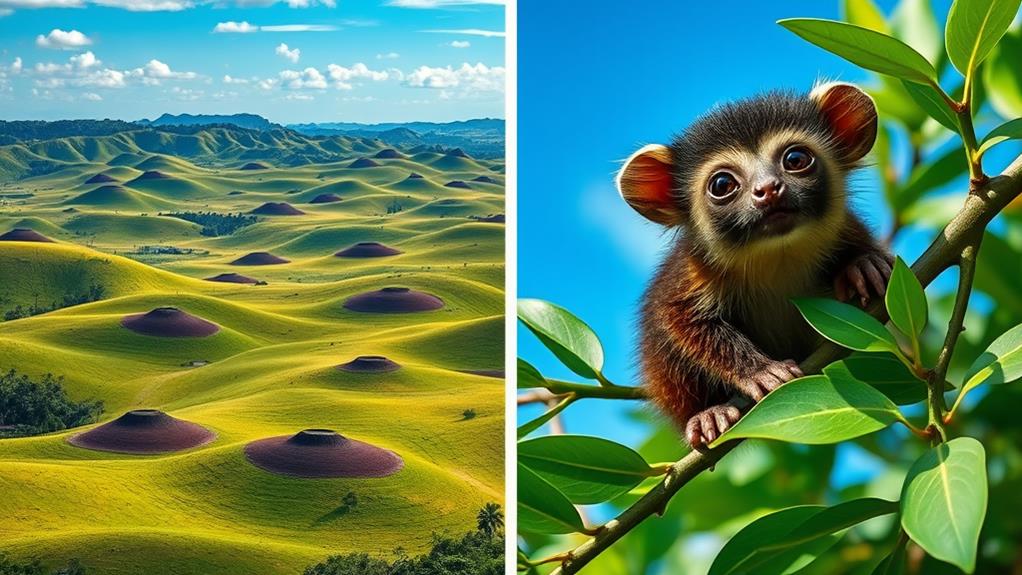
  • Bohol: Home to the Chocolate Hills and Tarsier Sanctuaries

    Bohol: Home to the Chocolate Hills and Tarsier Sanctuaries

    Bohol's Natural Wonders

    Bohol is home to the remarkable Chocolate Hills, a geological formation of 1,200 symmetrical hills that change color from lush green to cocoa brown, especially during sunrise or sunset.

    These hills are a marvel of nature, perfect for nature lovers and adventure seekers alike.

    Conservation Efforts and Tarsier Sanctuaries

    The island is also home to tarsier sanctuaries, where conservation efforts protect the unique habitat of one of the world's smallest primates, the Philippine tarsier.

    In these sanctuaries, visitors can spot these tiny creatures up close.

    Exploring Bohol

    Beyond its natural wonders, Bohol offers lush landscapes to explore, thrilling activities to engage in, and local delicacies to savor.

    With so much to discover, Bohol is a destination that has something for everyone.

    Overview of Bohol

    Bohol: A Treasure Trove of Natural Beauty and Rich Heritage

    Bohol, a stunning island province in the Philippines, boasts a unique combination of diverse landscapes and wildlife. The island is home to 1,563 square kilometers of lush countryside, pristine beaches, and rolling hills.

    This natural beauty is complemented by a rich cultural heritage, which is evident in its historical landmarks like the famous Baclayon Church, one of the oldest stone churches in the country.

    The warm and welcoming locals are eager to share stories about their traditions and the island's fascinating history. The island's history dates back to the 16th century, with influences from Spanish, Chinese, and American cultures.

    Visitors can immerse themselves in the natural beauty of Bohol's turquoise waters, perfect for snorkeling or diving, and its rolling hills, ideal for hiking.

    Bohol is famous for its sweet and juicy mangoes, which are a must-try delicacy. The island offers a range of experiences, from relaxation to adventure, making it an ideal destination for everyone.

    With its stunning landscapes and rich biodiversity, Bohol provides countless opportunities for exploration and relaxation.

    The Chocolate Hills

    The Chocolate Hills: A Unique Geological Wonder

    Rising dramatically from the landscape, the Chocolate Hills create an awe-inspiring spectacle that draws visitors from around the globe. There are approximately 1,200 of these unique geological formations, which vary in size and shape, standing tall with their symmetrical, cone-like structures.

    Seasonal Transformations

    During the dry season, the hills turn a rich brown hue, resembling mounds of chocolate, while the lush greenery of the rainy season transforms them into vibrant emeralds.

    Exploring the Area

    Several viewpoints offer breathtaking panoramas of this natural wonder. The most popular viewpoint is at the Chocolate Hills Complex, where you can climb steps to a lookout tower and enjoy a sweeping view of the undulating terrain.

    The experience is even more magical at sunrise or sunset when the hills bask in golden light.

    Capturing the Moment

    Don't forget to capture stunning photos that showcase the rolling hills against the vast sky. While wandering through this UNESCO World Heritage site, you'll appreciate the formation's natural beauty and the fascinating local legends that surround them.

    An Unforgettable Adventure

    A visit to the Chocolate Hills is an unforgettable adventure, offering a glimpse into one of nature's most captivating creations.

    Tarsier Sanctuaries

    Tarsiers are one of the world's smallest primates, known for their enormous eyes and delicate features. These tiny creatures capture the hearts of everyone who encounters them.

    The Tarsier Sanctuaries in Bohol provide a serene environment designed to protect their habitat. As you walk through the sanctuaries, you'll appreciate the conservation efforts in place. You can also learn about the traditional woodcarving tradition of the local community, which is an important part of their cultural heritage. The Tarsier Sanctuaries not only serve to protect the endangered tarsiers, but also to preserve the rich cultural practices of the region. Visitors can witness skilled artisans at work, creating intricate and beautiful woodcarvings that are an integral part of the Bohol identity.

    Tarsiers have unique behaviors, such as leaping gracefully among the branches, showcasing their agility. It's essential to observe these creatures quietly and respectfully, as they're nocturnal and can be easily startled.

    Guided tours ensure a safe distance while providing fascinating insights into their lives.

    The sanctuaries focus on conservation, educating visitors about the threats tarsiers face in the wild.

    Habitat loss and poaching have endangered them, and your visit supports their protection. By learning about these threats, you'll feel a deeper connection to these remarkable beings and a commitment to preserving their future.

    Adventure Activities

    Bohol is a playground for thrill-seekers, offering a range of exhilarating activities that'll get your heart racing. River cruises, zip-lining, and more are just a few examples of the many adventures waiting to be had.

    River Tubing lets you float down the Loboc River, surrounded by lush greenery and vibrant local culture. This relaxing activity takes place on the Loboc River.

    Zip-lining gives you breathtaking views as you soar above the Chocolate Hills. You'll experience an adrenaline rush like no other as you glide through the air.

    ATV Riding allows you to navigate through rugged terrains while exploring the countryside. This activity takes place near the Chocolate Hills, offering a unique perspective on the area.

    Scuba Diving lets you dive into the crystal-clear waters of Panglao Island, teeming with marine life. You'll discover a whole new world beneath the surface.

    Stand-Up Paddleboarding is a great way to glide quietly on the calm waters, enjoying the scenic views. You can experience this on the Loboc River.

    Whether you're gliding through the air or riding the waves, Bohol promises unforgettable adventures that'll create memories to last a lifetime.

    Cultural Heritage Sites

    Bohol's cultural heritage sites offer a glimpse into the island's rich history and traditions.

    The iconic Baclayon Church is a stunning example of Spanish colonial architecture, built in the 16th century.

    Its coral stone walls and intricate altars reflect the weight of history.

    The Blood Compact Shrine commemorates the historic treaty between Spanish explorer Miguel López de Legazpi and Bohol's chieftain, Datu Sikatuna.

    This site symbolizes friendship and peace, highlighting the island's past.

    The Loboc Church features a beautiful baroque façade and a vibrant community surrounding it.

    Additionally, centuries-old watchtowers along the coast once protected the island from pirate invasions.

    These sites blend faith and history seamlessly, reflecting Bohol's deep-rooted heritage.

    As you explore these landmarks, you'll appreciate their architectural beauty and develop a deeper connection to the island's unique identity.

    Marine Life and Beaches

    Bohol's Marine Life is Teeming with Biodiversity

    Bohol's stunning marine life and pristine beaches offer a vibrant underwater world filled with biodiversity. Crystal-clear waters invite exploration, revealing colorful coral reefs and an array of tropical fish, including clownfish and parrotfish, while snorkeling or scuba diving in places like Balicasag Island.

    Beaches are Breathtaking

    The beaches themselves are picturesque, with powdery white sands stretching along the coastline. Alona Beach, a popular spot, offers a lively atmosphere filled with beach bars and water activities.

    Meanwhile, Dumaluan Beach provides a more tranquil escape, allowing for relaxation in serene surroundings.

    Explore Nearby Islands for Unique Encounters

    Taking a boat tour to explore nearby islands offers the chance to spot majestic sea turtles gliding through the water and playful dolphins frolicking in the waves.

    Each moment spent in Bohol's marine paradise is an opportunity to connect with nature and marvel at its beauty.

    Travel Tips for Bohol

    Timing Your Visit

    When planning your trip to Bohol, avoid peak tourist seasons (June to October) for a more relaxed experience.

    Instead, consider visiting during the months of November to April for pleasant weather, or opt for the shoulder seasons of May or October for fewer crowds and better prices.

    Packing Essentials

    Bring comfortable footwear to explore the Chocolate Hills and trek through the lush forests.

    Don't forget your camera to capture the picturesque landscapes and unique tarsiers.

    Getting Around and Trying Local Culture

    You can easily get around with tricycles or rent a scooter for a more adventurous ride.

    Try the local delicacies at eateries, such as the famous Boholano peanut kisses.

    Practical Tips

    Download maps and essential apps ahead of time, as some areas may lack reliable internet.

    Always carry cash, as many local shops may not accept cards.

    Respecting the Environment

    Follow guidelines at the tarsier sanctuaries and other eco-parks to preserve Bohol's stunning environment.

    This will ensure the protection of the natural beauty and wildlife for future generations.

    Questions and Answers

    What Is the Best Time to Visit Bohol?

    The best time to visit Bohol is during the dry season, from November to April. This period offers sunny days and pleasant temperatures, ideal for exploring the island's landscapes and attractions.

    To avoid crowds, consider visiting in the shoulder months of November and April. These months provide a more peaceful experience, allowing you to appreciate Bohol's beauty without the hustle and bustle.

    Remember to pack sunscreen and stay hydrated as the tropical sun can be intense during this time.

    Are There Any Local Delicacies to Try in Bohol?

    Local Delicacies to Try in Bohol

    Bohol offers a variety of local delicacies that showcase the island's unique flavors and ingredients.

    Kalamay, a sweet rice cake made from glutinous rice and coconut milk, is a must-try.

    Another popular dish is lechon, a mouthwatering roasted pig that's often served during fiestas.

    For a refreshing drink, try sikwate, a traditional hot chocolate brewed from local cacao.

    Binignit, a warm, sweet soup made of coconut milk, bananas, and sweet potato, is another local favorite.

    Each of these delicacies provides a unique taste experience that showcases Bohol's culinary heritage.

    Is It Safe to Travel Around Bohol?

    Yes, it's generally safe to travel around Bohol. The island is home to friendly locals who are willing to assist visitors in navigating its beautiful landscapes.

    To ensure a safe and enjoyable trip, stick to well-trodden paths and be aware of your surroundings, especially in less populated areas.

    Public transportation is reliable, making it a convenient option for getting around the island.

    However, renting a motorbike can give you more flexibility. If you choose to rent a motorbike, wear a helmet and follow local traffic rules to ensure a secure adventure.

    What Language Do Locals Speak in Bohol?

    The primary language spoken by locals in Bohol is Cebuano, also known as Bisaya. This language is rich in expressions and cultural nuances.

    While English is widely understood, especially in tourist areas, learning a few Cebuano phrases can enhance your experience.

    Locals appreciate the effort to communicate in their language, leading to warmer interactions.

    Are There Any Cultural Festivals in Bohol?

    Bohol hosts several vibrant cultural festivals. One of the most notable festivals is the Sandugo Festival, which commemorates the historic blood compact between the Spanish and Filipino leaders.

    This festival features lively parades, street dancing, and colorful costumes that bring the island's history to life.

    Another significant festival is the Pahinungod Festival, which showcases local arts, music, and food.

    Final Thoughts

    Bohol's Natural Wonders

    Bohol's unique landscapes and rich biodiversity make it an ideal destination for exploration. The Chocolate Hills, a geological wonder of over 1,000 conical hills, are a must-see attraction. These hills, which turn brown during the dry season, are a result of centuries of erosion.

    Home to the Elusive Tarsier

    Bohol is also home to the world's smallest primate, the tarsier. Tarsier sanctuaries, such as the Philippine Tarsier Sanctuary, provide a safe habitat for these nocturnal creatures. Visitors can observe these tiny animals up close and learn about conservation efforts.

    Diverse Activities and Cultural Experiences

    Beyond its natural wonders, Bohol offers a range of activities and cultural experiences. Scuba diving and snorkeling in crystal-clear waters allow visitors to explore the island's vibrant marine life. The island is also home to a rich cultural heritage, with historic landmarks and traditional festivals waiting to be discovered.

    A Memorable Experience

    Bohol's unique combination of natural beauty, cultural significance, and exciting activities makes it an unforgettable destination. With its warm local culture and breathtaking landscapes, Bohol is sure to leave a lasting impression on visitors.

  • Cebu: a Historical and Cultural Hub With Stunning Coastlines

    Cebu: a Historical and Cultural Hub With Stunning Coastlines

    Cebu is a vibrant blend of history and culture set against breathtaking coastlines.

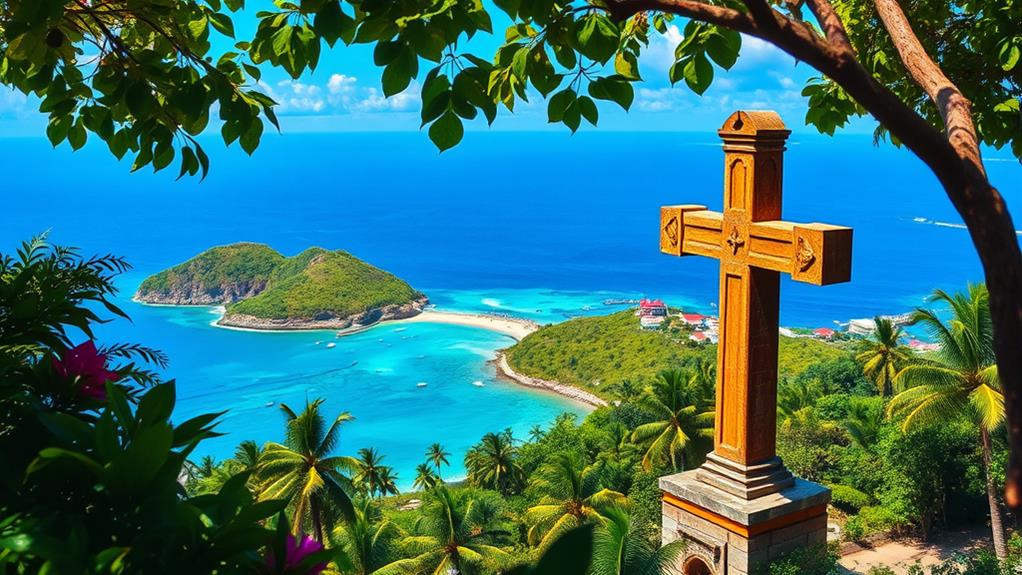
    The legacy of Magellan can be seen at historical sites like Magellan's Cross and the Basilica del Santo Niño, which reflect deep-rooted Catholic traditions. These sites showcase the rich history of the island, where the first Filipino-Roman Catholic Mass was held in 1521.

    Cebu's cultural heritage is also celebrated through colorful festivals like the Sinulog, which honors the Santo Niño. This festival is a vibrant display of Cebu's rich cultural identity.

    Indulge in culinary delights, such as the famous lechon and comforting sinigang, which are staples of Cebu's gastronomic scene.

    Beyond its history and culture, Cebu boasts stunning beaches like Alona Beach and Bantayan Island, perfect for relaxation and sun-kissed adventures.

    Active travelers can enjoy snorkeling, diving, and trekking, making Cebu a destination that caters to all types of travelers. Each experience in Cebu connects you to this unique island's essence, making it a destination that truly has something for everyone.

    The Arrival of Magellan

    Magellan's Expedition Arrives in Cebu

    In 1521, Ferdinand Magellan's expedition arrived in Cebu, marking a significant moment in the island's history. This event marked the first time European explorers set foot in the Philippines.

    Initial Encounter

    Magellan's arrival sparked curiosity and interest among the locals. The Cebuanos were eager to learn about the strange newcomers, and the expedition's presence led to a mixing of cultures.

    The locals wore vibrant attire, and the atmosphere was filled with excitement and trade.

    The Expedition's Goal

    Magellan's expedition aimed to find a westward route to the Spice Islands. However, their arrival inadvertently opened a gateway to new possibilities for Cebu, connecting the island to distant lands through maritime trade.

    Historical Remnants

    As you explore the area, you'll find remnants of that era, including historical sites and landmarks that tell stories of adventure and bravery.

    These sites include the Magellan's Cross, a symbol of the initial encounter between Magellan and the locals. This initial encounter set the stage for profound changes that would forever alter the course of Cebu's history and identity.

    Spanish Colonial Influence

    Spanish colonial influence has profoundly shaped Cebu's cultural and social landscape. The iconic Basilica del Santo Niño stands as a testament to the deep Catholic roots established during the Spanish era. Local festivals like the Sinulog celebrate not just indigenous heritage but also the influence of Spanish traditions, blending music, dance, and devotion into a vibrant display.

    Traditional dances performed during these festivals often showcase Spanish-influenced dance forms, such as the rigodon and fandango, which reflect the historical significance of this heritage.

    Spanish rule transformed the local economy, introducing new agricultural practices and trade routes. This laid the groundwork for Cebu's status as a commercial hub in the Philippines.

    The fusion of Spanish cuisine with local flavors resulted in delightful dishes, such as lechon and adobo, still loved today.

    As you explore the local markets, you can recognize the craftsmanship passed down through generations. Intricate wood carvings, vibrant textiles, and other crafts reflect how Spanish colonial influence is woven into the very fabric of Cebu's identity.

    Each piece tells a story of resilience and adaptation, showcasing the cultural exchange between the Spanish and the locals.

    Indigenous Traditions and Customs

    Cebu's Cultural Identity

    Cebu's rich cultural heritage isn't solely defined by its Spanish influence; indigenous traditions and customs have played a vital role in shaping the island's identity. These traditions have flourished over centuries, and when you explore Cebu, you'll encounter vibrant expressions of indigenous life.

    Vibrant Festivals and Rituals

    The island's cultural identity is showcased through colorful festivals and traditional rituals that reflect deep spiritual beliefs. For example, the lively street dances, such as Tinikling and Sinulog, demonstrate the community's close-knit bonds and cultural pride.

    The Sinulog Festival, in particular, is a captivating custom that honors the Santo Niño, blending indigenous spirituality with Christian elements.

    Intricate Craftsmanship

    Local artisans are known for their intricate craftsmanship, creating beautiful woven textiles and pottery that tell stories of their ancestry. Each piece is a testament to the community's rich cultural heritage.

    Family and Community

    Family and community are at the heart of Cebuano culture, where gatherings often revolve around shared meals featuring local delicacies like lechon and kinilaw.

    Oral traditions are also essential, as elders pass down stories and folklore, keeping their rich history alive.

    Immersing in Indigenous Traditions

    Historical Landmarks to Explore

    Cebu is a living museum, where historical landmarks await discovery, revealing the island's rich past.

    Must-visit historical landmarks in Cebu include:

    Magellan's Cross, a symbol of Christianity in the Philippines, marking the arrival of Spanish explorer Ferdinand Magellan.

    Basilica Minore del Santo Niño, home to the oldest religious relic in the Philippines, is a pilgrimage site that embodies spirituality and history.

    Fort San Pedro, a military defense structure, offers insights into Cebu's colonial past and features beautiful gardens.

    The Yap-Sandiego Ancestral House, one of the oldest houses in the Philippines, showcases Spanish-era architecture and provides a glimpse into local life during that time.

    Each historical landmark in Cebu tells a story, offering a glimpse into the events and cultures that shaped the island.

    Vibrant Festivals and Celebrations

    Cebu's Vibrant Festivals and Celebrations

    Cebu is renowned for its vibrant festivals and celebrations, which showcase the island's rich culture and heritage. These events pulse with life and color throughout the year, offering visitors an unforgettable experience.

    Sinulog Festival

    The Sinulog Festival is a must-see event held every January. This week-long celebration honors the Santo Niño, featuring lively street dancing and elaborate floats that fill the air with infectious energy.

    Visitors can join in the festivities, feeling the rhythm of the drums and the warmth of the locals.

    Pahiyas Festival

    The Pahiyas Festival in Lucban is another remarkable event. Creatively decorated houses adorned with rice, fruits, and colorful crafts are a feast for the eyes, showcasing the locals' creativity and devotion.

    Kadaugan sa Mactan

    The Kadaugan sa Mactan festival commemorates the historic victory of Lapu-Lapu over Magellan. This event combines reenactments, cultural performances, and a sense of pride in Cebuano heritage, offering visitors a unique glimpse into the island's history.

    Connecting with the Local Community

    Cebu's festivals provide an opportunity to connect with the local community in a truly unique way.

    Whether dancing in the streets or admiring the artistry, visitors can experience the heart and soul of Filipino culture.

    Each celebration invites visitors to immerse themselves in the local culture, creating unforgettable memories.

    Culinary Delights of Cebu

    Cebu's culinary scene is a treasure trove of flavors that reflect the island's unique culture.

    The local cuisine blends indigenous ingredients with influences from Spanish and Chinese cooking, creating an exquisite dining experience.

    Must-try dishes in Cebu include:

    Lechon, a famous roasted pig known for its crispy skin and tender meat, is the star of any celebration.

    Sinigang, a hearty tamarind soup, offers a perfect balance of sour and savory, making it comfort food at its best.

    Pancit, a flavorful noodle dish, is often served during special occasions, symbolizing long life and prosperity.

    Chorizo de Cebu, a spicy, garlicky sausage, packs a punch and is often enjoyed with rice or as part of a larger spread.

    Each bite of Cebu's culinary delights transports you deeper into the island's history, making your food journey as enriching as it's delicious.

    Breathtaking Beaches and Coastlines

    Cebu's beaches and coastlines offer a diverse range of experiences for visitors. The island's shores boast powdery white sands, crystal-clear waters, and vibrant marine life, making them a paradise for divers and snorkelers.

    For example, Malapascua Island's crystal-clear waters invite visitors for a refreshing dip, while its vibrant marine life makes it a popular spot for underwater exploration.

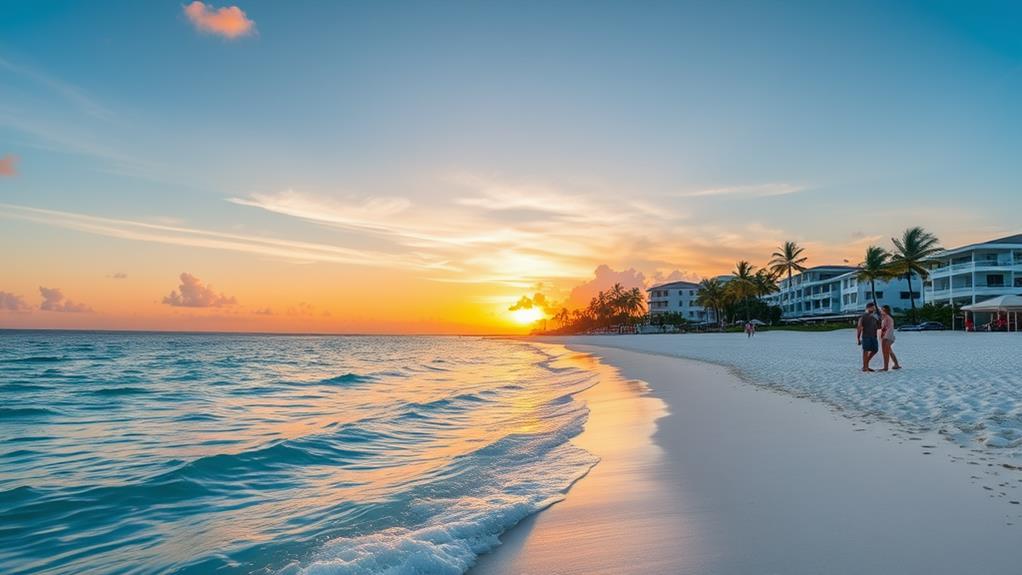
    Bantayan Island is renowned for its stunning sunsets, which paint the sky in hues of orange and pink. The island's tranquil shores provide the perfect setting for relaxation, with the gentle sea breeze adding to the calming atmosphere.

    Moalboal offers adventure seekers a range of activities, including swimming with sardine runs and exploring hidden waterfalls nearby. The coastline is dotted with charming resorts, allowing visitors to unwind after a day of exploration.

    Kawasan Falls is a picturesque destination, where turquoise water cascades into natural pools, perfect for a refreshing swim.

    With its diverse landscapes and activities, Cebu's beaches and coastlines cater to all types of visitors, ensuring an unforgettable experience.

    Questions and Answers

    What Is the Best Time to Visit Cebu for Tourists?

    The best time to visit Cebu is from November to April when the weather is dry and sunny.

    During this period, the island experiences pleasant temperatures and clear skies, making it ideal for outdoor activities and exploration.

    If you prefer avoiding crowds, consider visiting during the shoulder months of November or April.

    These periods offer a more relaxed atmosphere, allowing you to fully appreciate Cebu's stunning beaches, vibrant culture, and delicious cuisine without the peak tourist season rush.

    Are There Any Local Customs Tourists Should Be Aware Of?

    Respect Local Customs in Cebu

    When visiting Cebu, it's crucial to respect local customs to avoid unintentionally offending the locals.

    Filipinos value hospitality and politeness, so it's essential to greet them with a friendly smile and a warm "hello."

    Remove Shoes When Entering Homes or Churches

    When entering homes or churches, remove your shoes as a sign of respect. This is a common practice in many Asian cultures, including the Philippines.

    Be Mindful of Personal Space

    Avoid pointing at people or things, as this is considered rude in Filipino culture. Instead, use an open palm to gesture or point.

    Engage in Conversation About Family and Traditions

    To connect deeper with the culture, engage in conversation about family and traditions. This will show your interest in their way of life and help you build stronger relationships with the locals.

    How Can I Get Around Cebu City Easily?

    Getting around Cebu City is easy and convenient. You can use public transportation like jeepneys, which are a popular mode of transport in the Philippines.

    For a more direct route, taxis are widely available and can be hailed on the street or booked in advance.

    Ride-sharing apps like Grab provide an alternative to traditional taxis and can be requested through your mobile device.

    If you prefer to drive yourself, renting a scooter is an option that gives you flexibility and independence.

    However, be aware that traffic in Cebu City can be heavy during peak hours, so plan your route accordingly.

    What Are the Popular Shopping Areas in Cebu?

    Popular shopping areas in Cebu offer a range of experiences for visitors.

    Ayala Center Cebu is a must-visit, featuring a mix of high-end shops like Rustan's and local brands such as Penshoppe. This upscale mall provides a unique blend of international and domestic shopping options.

    SM City Cebu, one of the largest malls in the region, offers an extensive range of products, from fashion items at stores like SM Department Store to electronics at retailers like SM Appliance Center.

    For a more authentic experience, Carbon Market is a great destination, where visitors can find fresh produce and unique souvenirs like handmade crafts and local delicacies.

    This bustling market provides a glimpse into Cebu's local culture.

    Are There Any Eco-Tourism Activities Available in Cebu?

    Yes, Cebu offers various eco-tourism activities.

    You can explore Cebu's natural wonders, such as lush waterfalls like Kawasan, where you can experience canyoneering, involving hiking, swimming, and jumping into crystal-clear pools.

    Oslob is another must-visit destination, where you can responsibly swim with whale sharks.

    Additionally, you can venture into the hills for trekking and discover the unique flora and fauna.

    Final Thoughts

    Cebu's Rich History and Culture

    Cebu is a destination where history and culture converge with stunning natural beauty. The island's historical significance dates back to the arrival of Spanish explorer Ferdinand Magellan in 1521, marking the beginning of Spanish colonization in the Philippines. This historical event is commemorated through various landmarks and festivals, showcasing the island's vibrant past.

    Indigenous Traditions and Festivals

    Cebu's cultural heritage is deeply rooted in its indigenous traditions, which are celebrated through lively festivals. The Sinulog Festival, held every January, is a prime example, honoring the island's patron saint, Santo Niño. This festive celebration features colorful street parades, traditional dances, and vibrant costumes, offering a glimpse into Cebu's rich cultural tapestry.

    Gastronomic Delights and Breathtaking Beaches

    In Cebu, you can savor mouthwatering local dishes while basking on breathtaking beaches, such as Alona Beach in Panglao and Nalusuan Island. The island's cuisine is a fusion of Spanish, Chinese, and local flavors, offering a unique gastronomic experience. Some popular dishes include lechon, sinigang, and adobo, which are sure to tantalize your taste buds.

    Historical Landmarks and Festive Atmosphere

    Cebu is home to numerous historical landmarks, including Magellan's Cross, a symbol of the island's rich history, and the Basilica del Santo Niño, a centuries-old church. The island's festive atmosphere is palpable, with vibrant markets, colorful jeepneys, and lively street performances. Whether exploring historical landmarks or immersing yourself in the local culture, Cebu promises an unforgettable experience.

  • Batanes: Experiencing the Unique Charm of the Northernmost Islands

    Batanes: Experiencing the Unique Charm of the Northernmost Islands

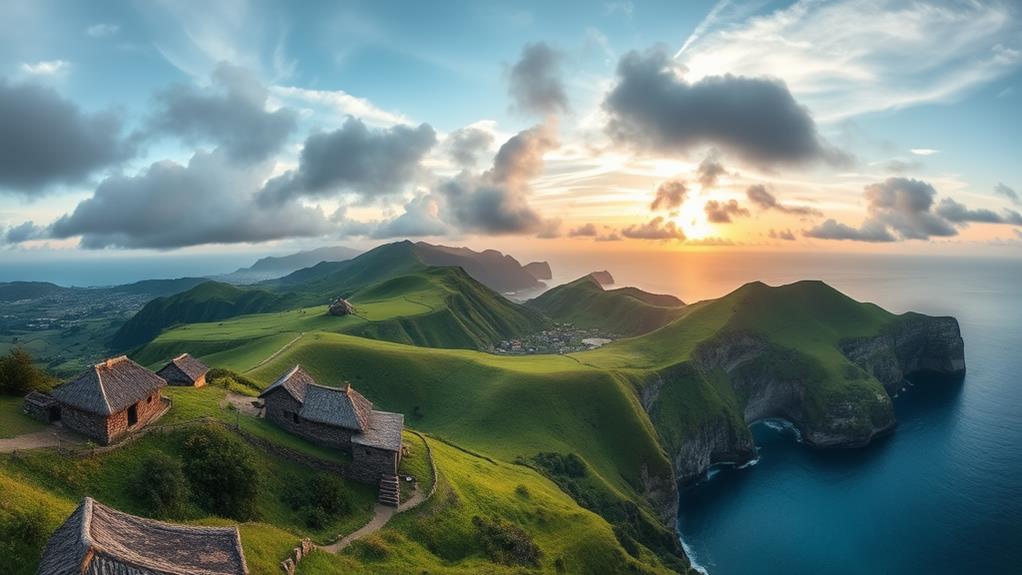
    Batanes, the northernmost province of the Philippines, is a unique destination that offers a mix of stunning landscapes and rich cultural heritage. Its rolling green hills are dotted with traditional stone houses, showcasing the province's architectural heritage.

    The charming white lighthouses standing tall against the rough seas are a sight to behold, reflecting the resilience of the Ivatan people.

    The local cuisine is a must-try, with unique dishes such as uvud, a dish made from flying fish, and vunes, a type of dried fish.

    The warm locals embody resilience and community spirit, making visitors feel welcome and at home.

    The North Batan Tour offers breathtaking views, allowing visitors to take in the stunning landscapes of the province.

    Sabtang Island, on the other hand, invites visitors to experience its pristine beaches and traditional architecture, giving them a glimpse into the traditional way of life of the Ivatan people.

    Geographic Location and Climate

    Geographic Location

    Batanes, the northernmost province of the Philippines, is situated approximately 162 kilometers north of the Luzon mainland. It's strategically located between the Pacific Ocean and the South China Sea, separated from Taiwan by the Bashi Channel and from the Babuyan Islands by the Balintang Channel. This unique positioning sets it apart from the rest of the country.

    Topography

    The island group consists of ten tiny islands and islets, characterized by a distinct topography. Almost half of Batanes is composed of hills and mountains, with the main islands of Batan, Itbayat, and Sabtang featuring rolling hills, steep cliffs, and boulder-lined shores.

    Climate

    Batanes has a tropical climate, classified as Köppen climate classification Am. The average yearly temperature is 26.0 °C (78.8 °F), with temperatures ranging from 22.0 °C (71.6 °F) in January to 28.5 °C (83.3 °F) in July.

    Precipitation is abundant throughout the year, with August being the rainiest month and April the driest. The coldest months are November to February, offering an almost temperate climate during this period.

    Typhoons

    Despite its reputation, Batanes is not constantly battered by typhoons. It merely serves as a reference point for all typhoons entering the Philippine area due to its northernmost weather station.

    Natural Landscapes and Features

    Batanes: A Realm of Natural Beauty and Ferocity

    Batanes, an archipelago of ten islands in the northernmost part of the Philippines, is known for its unique convergence of natural beauty and rugged terrain. Three of the islands are inhabited: Batan, Itbayat, and Sabtang.

    The landscape of Batanes is predominantly hilly and mountainous, with nearly 80% of the terrain consisting of rolling hills to steep and very steep lands. This unique geography is visually striking, featuring whimsical dark-grey rock formations embedded into endless green rolling hills.

    The islands are also home to huge cows grazing in lush meadows, and traditional thatched-roof houses made of coral and limestone blending seamlessly into the surroundings.

    Batanes is dotted with sparkling white lighthouses, a signature feature of the archipelago. The meandering roads often require drivers to blow their horns due to their winding nature.

    The islands also boast wave-cut cliffs, cave-like outcrops, and secluded white sand beaches, making it one of the last remaining areas with such distinct natural features in the Philippines.

    This unique combination of natural beauty and rugged terrain makes Batanes a visually and culturally rich destination, unlike any other in the country.

    Cultural Heritage of the Ivatan

    Ivatan Culture: A Testament to Resilience

    The Ivatan people, indigenous to the Batanes-Babuyan island groups, have developed a unique culture shaped by the harsh weather conditions of their homeland.

    Their traditional cuisine features simple yet healthy dishes, such as salted small fish (bagun a yuyunu), dried young gabi stalks mixed with fish or meat (vunes), and steamed young gabi leaves with ginger and garlic (chinavules).

    Ivatan Architecture: Built to Withstand the Elements

    The Ivatans' houses are designed to withstand strong winds and typhoons, featuring thick walls of limestone and mortar and roofs made from layers of cogon grass.

    Additionally, their traditional headgear, the vakul, made from palm or banana leaves, protects them from the sun and rain.

    Their basketry, such as the batulang and yuvuk, showcases their ingenuity in crafting utility items from nito (bamboo strips).

    Oral Tradition and Cultural Heritage

    The Ivatans have a strong oral tradition, which includes legends (kabbata), lyric folk songs (lagi), and working songs (kalusan), passed down through generations.

    The influence of Spanish Catholicism is evident in their religious art, including statues and paintings that remain integral to their cultural heritage.

    This blend of traditional and foreign influences makes Ivatan culture a fascinating blend of resilience and creativity.

    Traditional Stone Houses

    Traditional Stone Houses of Batanes

    Walking through the quaint streets of Batanes, you're surrounded by sturdy stone houses that have withstood the forces of nature for centuries. These traditional stone houses, known as Savidug Stone Houses, are a hallmark of the Ivatan culture and a testament to the ingenuity and resilience of the island's inhabitants.

    Characteristics of Traditional Stone Houses

    The traditional stone houses of Batanes are built to endure the harsh climate, with specific features designed to withstand typhoons and earthquakes.

    Thick Walls

    The walls of these houses are made of cobbles and mortar, reaching up to 80 cm to 1 meter thick. This thickness protects against strong winds and typhoons.

    Roofs

    The roofs are made of cogon grass, fishing nets, or bamboo trellis, with two sloped sections. This design helps to withstand heavy rains and strong winds.

    Durable Materials

    The houses are built using stone, lime, wood, and cogon grass. These materials ensure durability and a long lifespan.

    Community Effort

    The villagers work together to maintain and replace the roofs, fostering community cooperation and tradition.

    These traditional stone houses are a remarkable example of the Ivatan people's resourcefulness and community spirit.

    The cogon grass roofs, which last up to 30 years, are replaced collectively by the villagers, exemplifying the Ivatan tradition of Bayanihan, or community cooperation.

    Iconic Lighthouses and Farolas

    Batanes' Iconic Lighthouses and Farolas

    Standing atop the rugged terrain of Batanes, you'll notice a series of iconic structures that punctuate the landscape: the lighthouses and farolas. These beacons aren't just navigational aids but also integral parts of the island's charm and history.

    The Basco Lighthouse is a 6-story structure that offers panoramic views of Batan Island, including Mount Iraya and the distant Sabtang and Itbayat Islands. This lighthouse is a prime example of the island's rich maritime history and its strategic importance in the Philippines' northernmost province.

    In Mahatao, you might come across two smaller, historic structures often mistaken for lampposts. These are the original Mahatao Lighthouses, built in the 1700s, which once guided boats through the treacherous waters using a tandem lighting system.

    However, modern usage often refers to the newer Tayid Lighthouse, built on the opposite side of Batan Island, as "Mahatao Lighthouse."

    Sabtang Island boasts its own unique lighthouse, perched on a rugged cliff, offering a 360-degree view of the sea and surrounding landscapes. These farolas not only ensure safe navigation but also serve as postcard-worthy icons, reflecting the enduring beauty and resilience of Batanes.

    North Batan Tour Highlights

    The North Batan Tour is a half-day excursion that showcases the unique charm of Batanes Island, featuring breathtaking landscapes and historically significant sites.

    Scenic Landscapes

    The tour takes you to Vayang Rolling Hills, where lush green hills stretch towards the West Philippine Sea. The scenery is reminiscent of a picturesque rural landscape, complete with grazing cows and strong winds.

    Iconic Landmarks

    The Basco Lighthouse and Naidi Hills offer a panoramic view of Basco town proper and the surrounding hills. This spot is particularly popular for sunset views.

    Another notable landmark is the Mt. Carmel Chapel (Tukon Church), built in 2008, which features boulder walls and stunning stained glass windows. It's a popular spot for weddings and offers a tranquil atmosphere.

    Natural Wonders

    The Valugan Boulder Beach is a must-visit, known for its boulders spewed out by Mt. Iraya's volcanic activities. The rugged landscape and wild waves make it an ideal spot to chill and observe the natural beauty of Batanes.

    These attractions provide a glimpse into the rich history, culture, and natural beauty that Batanes has to offer, making the North Batan Tour an unforgettable experience.

    Exploring South Batan and Sabtang

    Exploring South Batan and Sabtang

    South Batan and Sabtang Island offer a unique blend of natural beauty and cultural heritage, waiting to be discovered.

    South Batan Attractions

    Chawa Viewing Deck is a must-visit, offering panoramic views of the West Philippine Sea.

    The Mahatao Shelter Port is a historic port area featuring an old Spanish Lamphouse and San Carlos Borromeo Church.

    The Honesty Coffee Shop is a self-service coffee shop that relies on patrons' honesty, making it a unique experience.

    In South Batan, you'll find charming spots like the Chawa Viewing Deck, which provides breathtaking views of the West Philippine Sea.

    The Mahatao Shelter Port and the historic San Carlos Borromeo Church showcase the island's rich history.

    The Honesty Coffee Shop is a standout, where trust is essential.

    Sabtang Island

    Sabtang Island is known for its rugged landscapes and picturesque beaches.

    Morong Beach, with its white sands and Nakabuang Arch, is a standout.

    The stone houses in Sinakan and Chavayan villages highlight traditional Ivatan architecture, while the Chamantad-Tinyan Viewpoint offers stunning vistas.

    Each location on these islands promises an unforgettable experience, blending natural beauty with deep cultural heritage.

    Practical Information and Tips

    Practical Information and Tips

    Weather Preparation

    Batanes has a temperamental climate. Pack layers, including waterproof gear, as sudden rain can surprise you. This will ensure you're prepared for any unexpected weather conditions.

    Transportation Options

    Familiarize yourself with local transport. Renting a bike or hiring a tricycle can be a great way to explore at your own pace. This will give you the freedom to discover the islands at your own speed.

    Cash is King

    ATMs are scarce in Batanes. Carry enough cash to cover your expenses. Additionally, many local vendors don't accept cards, so it's essential to have sufficient cash on hand.

    Respect Local Customs

    Batanes has a close-knit community. Be mindful of local traditions and engage positively with residents. This will help you build connections with the locals and have a more authentic experience.

    How Did the Post-War Era Impact the Unique Charm of Batanes?

    The post-war era in the Philippines had a profound impact on Batanes, shaping the unique charm of the region. As part of the postwar philippines rebuilding nation, Batanes experienced a revival of its culture and traditions, leading to the preservation of its distinct heritage and customs.

    Questions and Answers

    What Is the Best Time to Visit Batanes?

    The best time to visit Batanes is during the dry season, from March to May.

    During this period, visitors can enjoy clear skies and mild temperatures, ideal for exploring the islands' stunning landscapes and immersing themselves in the local culture.

    If you're interested in experiencing the islands' vibrant festivals, plan your trip around the June festivities.

    Pack accordingly, as Batanes can be windy year-round.

    This will ensure a comfortable adventure as you soak in the unique charm of the islands.

    Are There Any Local Festivals in Batanes?

    Batanes hosts several vibrant local festivals that celebrate the island's unique culture and heritage.

    The Vatang Festival is one of the most notable, showcasing the Ivatan culture through colorful parades, traditional music, and delicious local cuisine. This festival provides an opportunity to experience the island's rich cultural traditions.

    The Panglagangan Festival is another significant event, highlighting the island's agricultural heritage and offering a glimpse into the daily lives of the locals.

    How Do I Get to Batanes From Manila?

    To get to Batanes from Manila, you need to catch a flight.

    Several airlines offer direct flights from Manila to Batanes, and the journey typically takes around 1 hour and 30 minutes. You can check the schedules of airlines such as Philippine Airlines, SkyJet, and others to find the best option for your travel plans.

    Once you land, you can explore the stunning landscapes and local culture.

    However, don't forget to book your accommodations in advance, especially during peak travel seasons, to ensure you have a cozy place to stay while you enjoy your adventure.

    What Are the Local Delicacies to Try in Batanes?

    Batanes' Local Delicacies

    When visiting Batanes, trying the local delicacies is a must. One of the unique dishes to try is uvod, a dish made from sea urchins.

    Another local favorite is vunes, sweet potatoes often paired with coconut milk.

    Lontong, a rice cake, is also a staple among locals.

    The surrounding marine life makes fresh seafood a highlight, with grilled fish being a popular option.

    Is It Safe to Travel to Batanes?

    Yes, it's generally safe to travel to Batanes.

    The islands are known for their friendly locals and low crime rates, creating a peaceful atmosphere for tourists.

    Weather conditions should be monitored, especially during typhoon season, as the area can experience severe weather.

    Follow local guidelines and respect the environment to minimize risks.

    Final Thoughts

    Batanes Leaves a Lasting Impression

    As you conclude your journey through Batanes, its unique charm lingers, thanks to its breathtaking landscapes and rich Ivatan culture. Traditional stone houses, iconic lighthouses, and serene shores are just a few examples of the treasures you've encountered. With practical tips in hand, you're now equipped to share the magic of these northernmost islands with others.

  • Palawan’s Hidden Gems: Beyond El Nido and Coron

    Palawan’s Hidden Gems: Beyond El Nido and Coron

    Beyond El Nido and Coron, Palawan is home to numerous hidden gems waiting to be discovered.

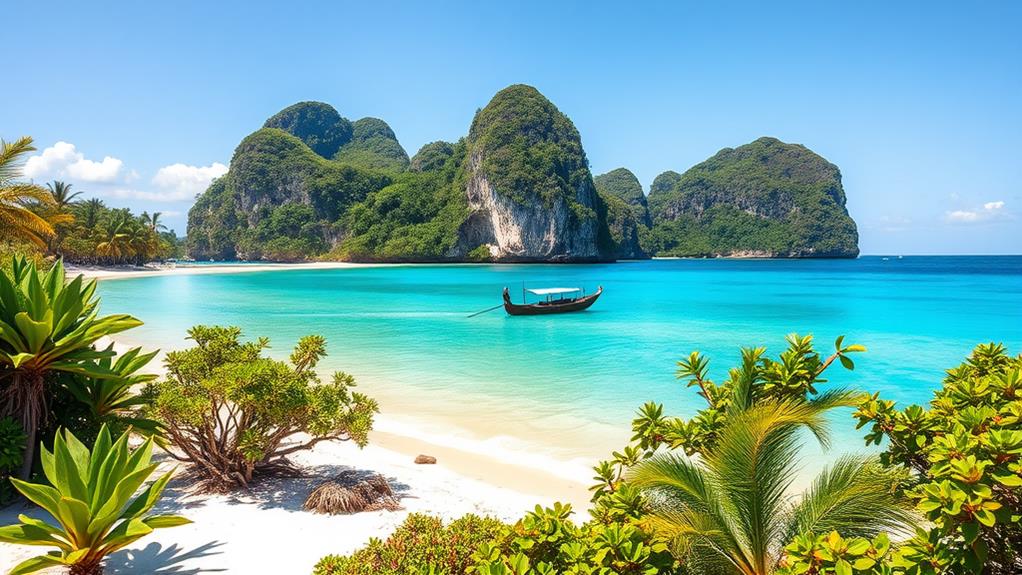
    Secluded beaches are scattered throughout the region, such as those found in Port Barton and Balabac, known for their crystal-clear waters and pristine white sand, earning Balabac the nickname "Maldives of the Philippines."

    Secret lagoons and coves can be explored via boat expeditions, like the Big Lagoon on Miniloc Island.

    Remote islands, such as Linapacan and Little Maosonon Island, offer opportunities for snorkeling, sunbathing, and jungle trekking.

    Quaint fishing villages, like Port Barton and Coron, provide authentic cultural experiences.

    For adventurous spirits, unexplored surfing spots like Duli Beach await discovery.

    As you venture deeper, you'll uncover more of these untouched wonders, each one a testament to Palawan's incredible natural beauty and vibrant local culture.

    Hidden Beaches of Palawan

    Hidden Beach: A Secluded Paradise in El Nido, Palawan

    Located in the picturesque town of El Nido, Palawan, Hidden Beach is one of the world's most breathtaking hidden gems. This stunning beach has been recently recognized as the third best beach globally, surpassing many other remarkable coastlines.

    Accessible only by boat and a brief swim, Hidden Beach is a true adventurer's delight. To reach the beach, visitors must swim through a small opening, which leads to a turquoise-blue lagoon framed by towering limestone cliffs adorned with lush greenery and swaying palms.

    The crystal-clear waters are shallow and calm, making it perfect for a relaxing swim or snorkeling adventure. The beach itself boasts pristine white sand, creating an idyllic setting that feels like stepping into a secluded paradise.

    Despite its remote location, Hidden Beach welcomes tourists year-round, thanks to its well-protected cove and pleasant average temperature of 27.2 degrees Celsius. If you're looking to avoid the crowds, consider visiting outside the peak summer months of March and April.

    Whether you're seeking an adventurous escapade or a serene retreat, Hidden Beach is an unparalleled destination that embodies the natural beauty and unique charm of Palawan.

    Secret Lagoons and Coves

    Palawan's coastline is home to numerous secret lagoons and coves waiting to be discovered. One of the most iconic and lesser-known spots is the Big Lagoon on Miniloc Island, a natural wonder that will leave you awestruck. This jade-colored lagoon, surrounded by towering limestone cliffs, offers a serene and secluded experience, perfect for snorkeling and exploring the depths of its crystal-clear waters.

    For those seeking an even more secluded adventure, the northern side of El Nido's peninsula conceals several hidden gems. These secret coves and lagoons can be accessed through boat expeditions or road trips that venture beyond the usual tourist trails.

    As you explore these untouched areas, you'll encounter pristine beaches, rice paddies, and a laid-back local culture that remains unspoiled by mass tourism.

    In these secret lagoons and coves, you'll have the opportunity to snorkel or dive into waters teeming with marine life or simply relax on secluded beaches with breathtaking views. Each spot offers a unique and unforgettable experience, showcasing the untouched beauty of Palawan's coastline.

    Remote Islands to Visit

    Discover the Hidden Gems of Palawan's Remote Islands

    As you explore Palawan, you'll find yourself drawn to the remote islands that dot the horizon, each one a treasure trove of untouched beauty and unique experiences. The Linapacan Group of Islands, located halfway between El Nido and Coron, offers an off-the-beaten-track adventure. Here, you can snorkel in pristine reefs, sunbathe on white powdery beaches, and trek through friendly jungle trails. After a day of exploration, you can relax by the shore and watch the sunset, accompanied by the soft melodies of traditional Filipino music, filling the air with emotional kundiman lyrics. The serene atmosphere of the Linapacan Group of Islands offers a perfect escape from the hustle and bustle of city life, allowing you to reconnect with nature and yourself. It’s a place where you can truly immerse yourself in the beauty of the Philippines.

    Balabac Island, the southernmost island of Palawan, is known for its pristine beaches and vibrant marine life. This island is a haven for those seeking solitude and an authentic island experience.

    For an even more secluded getaway, consider Little Maosonon Island (Takling Island) in the Linapacan Group, a small uninhabited island perfect for a true island escapade.

    To fully immerse yourself in the local culture, join an expedition to these remote islands, which often include staying in traditional beachfront kubos, dining on fresh local cuisine, and watching the sun set over the Sulu Sea.

    These remote islands of Palawan are a testament to the Philippines' untouched natural beauty, waiting to be discovered by adventurous travelers.

    Exotic Wildlife Encounters

    Palawan's Remote Islands: A Wildlife Sanctuary

    Palawan's remote islands are home to an extraordinary wildlife sanctuary, showcasing the Philippines' incredible biodiversity. The region is a haven for exotic and endemic species.

    Diving into Biodiversity

    At the Tubbataha Reefs Natural Park, you can dive among 600 species of fish and 360 species of coral. While exploring the park, you'll also encounter nesting hawksbill and green sea turtles.

    Encountering the Critically Endangered Katala

    On the island of Rasa, you have the unique opportunity to see the critically endangered katala, or red-vented cockatoo, in its natural habitat. This bird, known for its vibrant red and white plumage, is a symbol of Palawan's commitment to wildlife conservation.

    Wildlife Conservation Efforts

    The Palawan Wildlife Rescue and Conservation Center offers a glimpse into the rehabilitation efforts for endangered species, allowing you to witness firsthand the dedication to protecting these animals.

    As you explore these sanctuaries, you'll gain a deeper appreciation for the intricate ecosystems and the importance of preserving them.

    A True Tropical Paradise

    Each encounter with Palawan's exotic wildlife is a testament to the island's status as a natural wonder, making your journey an unforgettable adventure through a true tropical paradise.

    Quaint Fishing Villages

    Quaint Fishing Villages

    A quintessential fishing village is a tranquil scene of small, colorful boats bobbing gently in the water, with villagers going about their daily routines against a backdrop of crystal-clear seas and lush vegetation.

    Exploring Quaint Fishing Villages

    Three villages in Palawan embody this idyllic scene: Port Barton, El Nido, and Coron.

    Village Location Features
    Port Barton 3 hours north of Puerto Princesa Pristine, untouched beaches; serene evenings; snorkeling and diving spots
    El Nido Northern Palawan Local markets; beach bars run by expats; stunning Bacuit Bay and surrounding islands
    Coron Northern Palawan Traditional fishing community; access to hidden islands and secluded coves

    Port Barton offers a laid-back atmosphere, occasional power cuts encouraging a deeper connection with nature, and breathtaking sunset views. In El Nido, the fishing village transforms into a bustling hub for Banca boats, yet retains its wild charm. You can explore hidden streets, visit local markets, and enjoy beach bars run by expats in El Nido. Each village offers a unique glimpse into the local culture and lifestyle, making them must-visit destinations for any traveler seeking authentic experiences in Palawan.

    Unexplored Surfing Spots

    Unexplored Surfing Spots in Palawan

    Palawan, in the southern Philippines, is home to several unexplored and thrilling surfing spots. Duli Beach, located in the far north of Palawan, is one such gem. This secluded beach offers consistent waves from November to April, making it suitable for both beginners and advanced riders.

    With fewer crowds, Duli Beach provides a serene atmosphere, allowing surfers to enjoy the sport without the distractions of tourist hotspots.

    Nagtabon Beach, near Puerto Princesa, is another notable spot. It's known for its reliable waves, making it a favorite among local surfers.

    San Vicente's White Beach is also a must-visit, particularly in February when it hosts an annual surfing competition. The gentle waves at White Beach make it an ideal spot for beginners to learn and enjoy surfing.

    These unexplored surfing spots in Palawan offer a unique experience, blending the thrill of riding waves with the tranquility of untouched beaches.

    By visiting these spots, surfers can enjoy a peaceful atmosphere while honing their skills.

    Best Time to Visit

    The best time to visit Palawan is during the dry season, from November to May. This period offers optimal weather conditions, characterized by clear skies, warm temperatures, and minimal rainfall, making it ideal for outdoor activities like island-hopping, swimming, and diving.

    The peak months, from December to February, are the busiest. Locals and tourists flock to popular spots like El Nido and Coron during this time.

    If you prefer a more relaxed atmosphere, consider visiting in November or May, when the weather is still good but the crowds are smaller.

    Avoid the rainy season from June to October, as it can hinder outdoor activities due to rough seas and frequent rain.

    However, this period offers cheaper accommodations and a more solitary experience for those on a budget.

    Getting There and Around

    Getting Around Palawan

    To navigate Palawan's stunning landscapes, various transportation options are available to suit different preferences and budgets.

    From the Airport

    Van transfers are a popular choice for getting to your destination from Puerto Princesa International Airport.

    Private van transfers cost around 1,800 PHP one way, while public vans are more budget-friendly at 100-200 PHP per person.

    Astoria Palawan, located 60 kilometers from the airport, offers a shared shuttle service that can be arranged through their office near the airport.

    Short Distances

    For shorter distances, tricycles are a ubiquitous and affordable option, particularly in Puerto Princesa.

    These vehicles operate like shared taxis, with fares ranging from 50 to 300 PHP depending on the distance.

    Longer Journeys

    For longer journeys, such as traveling to El Nido, you can flag down vans along the highway or use the Backride Palawan app, which connects passengers with local drivers.

    Jeepneys and multicabs are also available for medium and long-distance rides, offering an economical way to explore the island.

    Off-the-Beaten-Path Adventures

    Beyond popular tourist spots, Palawan offers numerous off-the-beaten-path adventures for intrepid travelers seeking to escape the crowds.

    Port Barton is a laid-back fishing village located three hours north of Puerto Princesa, offering an alternative to El Nido. Pristine, untouched beaches, snorkeling, and diving opportunities, and serene sunset views await visitors.

    You can hire boatmen to explore surrounding islands like German Island and Exotic Island or visit snorkeling sites such as Wide and Twin Reefs.

    Balabac, a remote archipelago in southern Palawan, is known as the "Maldives of the Philippines." It features crystal-clear turquoise waters and white sand beaches, along with the historic Cape Melville lighthouse.

    This castaway paradise is ideal for encountering whale sharks, dolphins, and sea turtles.

    Araceli Island, a lesser-known destination, boasts pristine beaches and crystal-clear waters perfect for snorkeling and encountering marine life like lobsters and manta rays.

    Although the journey involves a two-hour bus ride and a four-hour boat trip from Roxas, the untouched beauty makes it worthwhile.

    Each of these destinations offers a unique and authentic experience, allowing visitors to delve deeper into Palawan's natural splendor and local culture.

    Is Noli Me Tangere Inspired by Any of Palawan’s Hidden Gems?

    Noli Me Tangere is not directly inspired by any of Palawan’s hidden gems. However, the lush landscapes and rich history of Palawan could have provided a backdrop for Jose Rizal’s masterpiece. In noli me tangere summary, the theme of social injustice and colonial oppression resonates with the struggles faced in many hidden corners of the world.

    Questions and Answers

    Is Palawan Safe for Tourists?

    Palawan is generally a safe destination for tourists. This is due to its low crime rates and high police visibility in popular areas like El Nido and Puerto Princesa.

    Locals are friendly and welcoming, making it an ideal destination for solo travelers. To ensure a safe and enjoyable trip, take usual precautions with your valuables.

    Additionally, be aware of occasional canine encounters on the roads.

    What Are the Best Accommodation Options in Palawan?

    In Palawan, various accommodation options cater to different preferences.

    Qi Palawan offers a rustic retreat with thatched cabanas surrounded by unspoilt nature, making it ideal for snorkeling and mountain biking.

    For a luxurious experience, Club Paradise in Coron features traditional wooden huts on a pristine beach, perfect for couples.

    If outdoor adventures are a priority, Miniloc Island provides thatch-roofed rooms and activities like diving and paddle boarding.

    How Long Should I Stay in Palawan to See the Highlights?

    At least 7-10 days is the recommended stay in Palawan to experience its highlights.

    This duration allows you to explore Puerto Princesa's vibrant city vibe and historic sites, such as the Underground River and Iwahig Prison and Penal Farm.

    You'll also have time to venture to El Nido's stunning lagoons and beaches, like Big Lagoon and Small Lagoon, and visit Coron's diving spots and picturesque islands, including Kayangan Lake and Twin Lagoon.

    This stay duration provides a balanced experience of culture, adventure, and breathtaking natural beauty.

    Can I Visit Southern Palawan Despite Travel Warnings?

    You can visit Southern Palawan despite travel warnings, but it's essential to be aware of the local situation. While general travel advisories often focus on Mindanao, Southern Palawan itself is considered safe.

    However, always check the latest updates and exercise caution.

    Southern Palawan offers a treasure trove of untouched natural beauty.

    Destinations like Balabac Island and Mount Victoria provide unforgettable experiences. To enhance your safety and enjoyment, consider hiring local guides and using private transportation.

    Are There Any Unique Local Dishes to Try in Palawan?

    Palawan offers a unique culinary experience with its exotic dishes. One of these dishes is Tamilok, a mollusk that tastes similar to oysters and is typically eaten raw with a splash of vinegar.

    Kinilaw is a must-try, the Filipino version of ceviche, which features the freshest seafood.

    For the adventurous, Crocodile Sisig provides a twist on a local favorite, offering a unique dining experience.

    Additionally, Lato, a type of crunchy seaweed, is a popular snack that pairs well with vinegar and chili.

    Final Thoughts

    Venturing beyond El Nido and Coron reveals Palawan's hidden gems, which are often overlooked by tourists. These hidden gems include secluded beaches, such as the picturesque Marofinas Beach in Sibaltan, which offers a serene atmosphere and powdery white sand. Secret lagoons, like the one in Honda Bay, near Puerto Princesa, provide a tranquil escape from the crowds and offer opportunities for snorkeling and swimming.

    Remote islands, such as Balabac Island, are home to exotic wildlife, including the Philippine cockatoo and the Palawan bearcat. These islands also offer unexplored surfing spots, like the reef breaks in San Vicente, which attract adventure-seekers. Quaint fishing villages, such as those found in Brooke's Point, provide a glimpse into the local culture and way of life.

    As you explore these hidden gems, you'll delve deeper into Palawan's vibrant culture by experiencing the warm hospitality of the locals and learning about their traditions. You'll also witness breathtaking landscapes, such as the stunning sunsets in Port Barton, which will create lasting memories.

  • Boracay: Rediscovering Paradise After Rehabilitation

    Boracay: Rediscovering Paradise After Rehabilitation

    Boracay's Transformation After Rehabilitation

    After a six-month closure in 2018, Boracay Island has undergone significant transformations to address severe environmental degradation. 900 establishments were demolished for violating regulations, particularly those within 30 meters of the shoreline, to enforce a 30-meter beach easement rule.

    Water Quality Improvement

    Upgrades to wastewater treatment facilities and the installation of new drainage systems have improved water quality and reduced flooding. These efforts have made a significant impact, leading to a cleaner and more sustainable environment.

    Stricter Tourism Regulations

    To manage visitor numbers and protect the environment, stricter tourism regulations have been put in place, including a tourist cap and prohibitions on smoking and drinking.

    These regulations aim to balance economic growth with environmental preservation, ensuring a sustainable future for the island.

    A Model for Sustainable Tourism

    As you explore Boracay, you'll find a model for sustainable tourism. The island's rehabilitation efforts serve as an example of how to balance economic growth with environmental preservation.

    However, new challenges have emerged, and it's essential to continue monitoring and adapting to ensure a thriving and sustainable future for Boracay.

    Environmental Rehabilitation Efforts

    The Rehabilitation of Boracay Island: A Model for Sustainable Tourism

    The Philippines' approach to sustainable tourism took a significant turn with the rehabilitation of Boracay Island. In April 2018, the island was closed to address severe environmental issues, including unchecked development, inadequate wastewater treatment, and overpopulation.

    Closure and Demolition

    The closure led to the demolition of 900 establishments that violated regulations, particularly those within 30 meters of the shoreline. This drastic measure was necessary to restore the island's ecological health.

    Environmental Upgrades

    Key efforts included upgrading wastewater treatment facilities, implementing strict environmental accreditation for hotels and resorts, and enforcing a 30-meter beach easement rule.

    The rehabilitation also involved the demolition of structures encroaching on the beach, with 89% of these establishments removed by April 2022.

    Infrastructure Improvements

    Additionally, road construction and drainage system improvements were undertaken to prevent flooding and enhance infrastructure.

    Sustainable Tourism Model

    These actions have resulted in improved water quality and a more sustainable tourism model.

    Smoking and alcohol are now prohibited on beaches and in public areas, and a tourist cap has been enforced to prevent overcrowding.

    These measures demonstrate a commitment to environmental protection and set a precedent for other destinations in the Philippines, such as Manila Bay and El Nido.

    Sewage and Water Treatment Improvements

    Upgrading Infrastructure for Sustainable Water and Wastewater Services

    Boracay's growing tourist population demands reliable and sustainable water and wastewater services to maintain the island's ecological balance. Boracay Water, a subsidiary of Manila Water Philippine Ventures, is investing significantly to upgrade its infrastructure.

    Compliant Sewage Treatment Plants

    Boracay Water is upgrading its Sewage Treatment Plants (STPs) in Barangay Balabag and Manoc-Manoc to comply with the DENR Administrative Order 2021-19, which includes updated effluent standards for parameters such as ammonia, fecal coliform, and phosphate.

    Free Mandatory Sewer Connections

    The company has allocated PHP108 million to provide free mandatory sewer connections to 1,860 households within 100 meters of the available sewer network, ensuring wastewater is treated before discharge.

    Reliable Water Supply

    Projects include the rehabilitation of Nabaoy and Caticlan pumping stations, Caticlan Water Treatment Plant, and continuous replacement of water pipes to ensure a 24/7 quality water supply.

    Environmental Sustainability

    Boracay Water's Highland to Ocean program aims to protect the Nabaoy River and watershed, with 40 hectares adopted for management and 33,320 trees committed for planting.

    Enhanced Infrastructure

    Additional investments include the construction of lift stations and the continuation of Project Monsoon, connecting more accounts to the sewer network.

    Stricter Tourism Regulations

    Stricter Regulations to Protect Boracay's Ecosystem

    To address the surge in tourist numbers, the Philippine government has implemented stricter regulations to ensure sustainable tourism practices in Boracay.

    The island's visitor capacity is capped at 19,200 at any given time, with a daily limit of 6,405 tourists to prevent overcrowding.

    New rules prohibit smoking and drinking alcohol in public places and beaches, except in designated areas, to reduce litter and protect the environment.

    Additionally, large-scale parties are banned, and activities like fire-eating, massage services, and photo-op sandcastles are no longer allowed on the beachfront.

    Water sports, aside from swimming, are temporarily banned to assess the island's marine life.

    Tourists are required to sign an oath promising to comply with these new regulations, emphasizing responsible tourism practices.

    These measures aim to balance economic growth with environmental protection, ensuring that Boracay remains a pristine destination for future generations.

    By adhering to these rules, tourists can help preserve the island's beauty and support its sustainable development.

    Impact on Local Economy and Jobs

    Implementing stricter tourism regulations in Boracay has a multifaceted impact on the local economy and jobs.

    Job Shifts: The shift from traditional livelihoods to tourism-related jobs makes workers vulnerable to changes in tourism policies.

    Many locals have transitioned from fishing to tourism jobs, which are now affected by the regulations.

    Economic Consequences: Stricter regulations lead to a decline in household income.

    The temporary closure of Boracay, for instance, resulted in a decline in household income, especially in sectors like restaurants and accommodations, where about one-third of the workers are employed.

    Local Business Impact: Stricter regulations can lead to the closure of non-compliant businesses.

    Small-scale entrepreneurs who often lack the resources to adapt to new standards are affected.

    Skills and Training: The lack of education and training facilities hinders local workers' ability to compete for better-paying jobs.

    Many are forced to opt for informal, low-paying roles due to the lack of education and training facilities.

    Community Participation: Effective implementation of regulations requires active collaboration between local communities, authorities, and private sectors.

    This collaboration ensures that the benefits of tourism are equitably distributed and that the needs of local residents are addressed.

    Ecological Recovery and Biodiversity

    Boracay's Ecological Recovery and Biodiversity

    Stricter Tourism Regulations for Sustainability

    The implementation of stricter tourism regulations in Boracay has significant implications for the island's ecological recovery and biodiversity.

    The island is now on a path to restoration after years of severe water pollution and biodiversity loss.

    Environmental Damage Caused by Unchecked Tourism

    The unchecked influx of tourists led to a 70.5% decline in coral cover and significant habitat destruction, including the loss of endemic species like the flying foxes.

    This damage was caused by the lack of proper waste management and overcrowding.

    Efforts to Improve Water Quality and Rehabilitate Coral Reefs

    Efforts are underway to improve water quality and rehabilitate coral reefs.

    Proper waste management, including the use of sewage treatment plants, is being enforced to prevent untreated wastewater from entering the ocean.

    Additionally, regulations on visitor numbers and new constructions aim to reduce overcrowding and prevent further habitat degradation.

    Balancing Tourism with Environmental Sustainability

    These measures are part of a broader strategy to balance tourism with environmental sustainability.

    Local communities, policymakers, and resorts are working together to implement environmentally friendly practices, such as using renewable energy, reducing plastic waste, and promoting eco-friendly amenities.

    This collaborative approach ensures that Boracay's ecological recovery also benefits the local community, fostering a more sustainable and responsible tourism industry.

    Infrastructure Enhancements

    To support Boracay's ecological recovery and sustainable tourism, significant infrastructure enhancements are necessary. These improvements are crucial for managing the island's growing tourist population without compromising its environmental integrity.

    Water Supply and Management is a key area of focus. Boracay Water has invested heavily in improving the island's water infrastructure, including the rehabilitation of the water treatment plant in Caticlan and the installation of a submarine water pipeline from the mainland.

    These projects have ensured a reliable 24/7 water supply, up from just 13 hours in 2010.

    Another critical infrastructure enhancement is Sewage and Wastewater Systems. The Boracay Environmental Infrastructure Project (BEIP) has focused on upgrading sewage treatment facilities, significantly reducing pollution and improving marine water quality.

    The Road Network has also undergone major improvements. The Department of Public Works and Highways completed major road improvements under the Boracay Circumferential Road project, reducing travel time and enhancing connectivity around the island.

    Transportation Facilities are also essential. Improvements in air and sea travel facilities are necessary to boost tourist arrivals.

    Upgrading ports and addressing issues such as long waiting times and crowded ticket counters are key to achieving this goal.

    Finally, Governance and Monitoring are vital to ensure that these infrastructure enhancements are managed sustainably and that the island stays within its carrying capacity.

    Effective governance and regular monitoring are necessary to maintain the island's ecological balance.

    Sustainable Tourism Practices

    Sustainable Tourism in Boracay

    Infrastructure and Environmental Conservation: Boracay's infrastructure enhancements highlight the importance of balancing tourism with environmental conservation.

    The island's rehabilitation emphasizes the need for sustainable tourism practices.

    Sustainable Accommodations: Choose eco-friendly hotels that adhere to sustainable standards. For instance, The District Boracay uses solar power, non-chemical cleaning products, and reusable water bottles and straws.

    Research your accommodations before arriving to ensure they follow sustainable practices.

    Individual Sustainable Actions: Take personal responsibility for sustainable tourism. Bring an eco-bag, a reusable water bottle, and refuse plastic straws.

    Respect local wildlife by not picking up shells or corals and avoiding loud noises.

    Collaborative Governance for Sustainability: A collaborative approach is necessary for sustainable tourism. The Boracay Initiative involves government agencies, local communities, and private stakeholders working together to enforce sustainable tourism practices.

    Initiatives include environmental education, ecological solid waste management, and low-carbon energy solutions.

    International Recognition and Tourism Growth

    Boracay Island's international recognition as a premier tourist destination has brought both benefits and challenges.

    Boracay has consistently ranked high in international travel publications, such as being named the Best Island in the World by Travel + Leisure in 2012 and featuring in Condé Nast Traveler's "Best Islands in the World" list in 2014.

    The influx of tourists led to overdevelopment, environmental degradation, and strain on local resources.

    In response, the Philippine government implemented stringent regulations and a six-month closure in 2018 to undertake major environmental rehabilitation projects.

    Despite challenges, Boracay welcomed over 2 million tourists in 2023, exceeding targets.

    However, the pandemic led to a shift from mainly foreign tourists to a higher proportion of domestic visitors.

    The decline in high-spending foreign tourists has impacted the island's revenue.

    To balance tourism growth with sustainability, new environmental regulations and infrastructure improvements aim to preserve Boracay's beauty for future generations.

    These efforts reflect a push towards sustainable tourism practices, ensuring that the island's natural resources are protected.

    Questions and Answers

    How Did the Local Community Participate in the Rehabilitation Process?

    Local community participation was essential in the rehabilitation of Boracay.

    Residents and businesses worked together with government entities to implement strict environmental regulations and infrastructure improvements.

    For instance, local workers were involved in clean-up drives and enforcement of new rules, such as smoking and alcohol bans on the beach.

    Their input ensured that rehabilitation efforts balanced environmental needs with community livelihoods, fostering a sense of ownership and responsibility for the island's sustainability.

    What Measures Were Taken to Support Displaced Workers?

    Financial Assistance for Displaced Workers

    The government provided financial support to displaced workers through the Department of Labor and Employment (DOLE).

    DOLE released P448 million to assist 17,735 registered workers, which was linked to active labor market programs. These programs included employment facilitation, training, and livelihood support to help workers get back on their feet.

    Additional Support from the Department of Social Welfare and Development

    The Department of Social Welfare and Development (DSWD) also provided support to displaced workers.

    DSWD disbursed P9.7 million to 4,129 displaced workers. Additionally, the department targeted 16,666 families under its Sustainable Livelihood program, which aimed to provide a stable source of income for these families.

    How Has the Rehabilitation Impacted Local Property Values?

    The rehabilitation of Boracay has likely increased local property values due to various improvements made to the island. The demolition of illegal structures and implementation of zoning regulations have enhanced the island's aesthetic appeal and ecological integrity.

    For instance, the removal of cluttered and makeshift buildings has restored the island's natural beauty, making it more attractive to residents and tourists.

    Additionally, investments in drainage systems and road improvements have increased the appeal and livability of the area. These upgrades have made the island a more desirable place to live and visit, which in turn has the potential to boost property values.

    Are There Plans to Expand the Rehabilitation Model to Other Islands?

    There are no explicit plans to expand the Boracay rehabilitation model to other islands.

    However, the success of Boracay's rehabilitation has set a precedent for sustainable tourism practices. The Philippine government has encouraged similar initiatives in other tourist destinations, emphasizing environmental protection and responsible tourism. Furthermore, Bohol’s iconic chocolate hills have become a focal point for sustainable development, with the local government implementing measures to preserve the natural beauty of the area while still allowing for tourism. This shift towards responsible tourism not only benefits the environment, but also enhances the overall visitor experience, as travelers can appreciate the natural wonders of the region for years to come. It is clear that the success of Boracay’s rehabilitation has ignited a movement towards more sustainable tourism practices across the Philippines.

    For instance, the government has promoted eco-friendly practices in popular destinations like Palawan and Cebu, encouraging tourists to respect local environments and communities.

    This approach could potentially be adopted in other islands, promoting a culture of environmentally conscious tourism across the Philippines.

    What Role Did International Organizations Play in the Rehabilitation Efforts?

    International organizations played a supportive but not directly leading role in Boracay's rehabilitation.

    The Global Sustainable Tourism Council (GSTC) framework, which was proposed in 2010, provided guidelines for sustainable tourism management.

    However, its implementation was delayed until the Philippine government's intervention in 2018.

    The actual rehabilitation was driven by the Philippine government's efforts, with local stakeholders and agencies taking the primary responsibility for the island's environmental restoration and sustainable development.

    Final Thoughts

    Boracay's Rehabilitation Yields Positive Results

    Improved Water Quality: After rehabilitation, Boracay has made significant strides in environmental protection. Improved sewage and water treatment facilities have enhanced water quality, making the island's waters cleaner and safer for tourists and marine life.

    Stricter Regulations Manage Tourist Numbers: To balance economic growth with ecological recovery, stricter regulations have been put in place to manage tourist numbers. This has prevented overcrowding, which was a major contributor to the island's environmental degradation.

    Sustainable Tourism Model: Boracay's success in balancing economic growth with ecological recovery has made it a model for sustainable tourism. The island's efforts to revitalize biodiversity and infrastructure serve as an example for other destinations to adopt similar practices, ensuring a healthier environment and economy for future generations.

  • Exploring the Natural Wonders of the Philippines: Beaches, Mountains, and More

    Exploring the Natural Wonders of the Philippines: Beaches, Mountains, and More

    The Philippines is home to over 240 protected areas, including 35 national parks, offering a diverse range of natural wonders to explore.

    Stunning beaches like Boracay and El Nido boast white-sand shores and crystal-clear waters, perfect for relaxation and vibrant nightlife.

    In contrast, the country's majestic mountains, such as Mount Apo, provide hiking opportunities with panoramic views.

    The Philippines is also known for its unique geological formations, including the Chocolate Hills and Tubbataha Reefs Natural Park, which showcase incredible diversity.

    Vibrant coral reefs and mysterious underground wonders like the Puerto Princesa Underground River are additional attractions.

    The historical rice terraces carved by the Ifugao people are another natural wonder worth exploring.

    These natural wonders offer endless adventures, from trekking and bird watching to exploring the country's diverse geological and biological landscapes.

    Pristine Beaches and Islands

    Pristine Beaches and Islands

    The Philippines is home to some of the world's most stunning beaches and islands. These destinations offer a unique and breathtaking experience, with each island boasting its own distinct characteristics.

    Boracay is famous for its white-sand beaches and crystal-clear waters, making it a paradise for beach lovers and adventure seekers alike. Its vibrant nightlife, water sports, and delectable seafood further enhance its appeal.

    El Nido in Palawan is known for its stunning limestone cliffs and turquoise lagoons. The area is perfect for canoeing, exploring hidden coves, and appreciating the pristine beauty of nature.

    Its diverse marine life makes it a haven for snorkelers and divers, with opportunities to spot colorful fish, coral reefs, and even sharks.

    Coron Island, also in Palawan, boasts attractions like Banol Beach and the Twin Lagoons, which are popular among travelers.

    The island is particularly famous for its Sunken Japanese Wrecks, surrounded by sea turtles, fish, and vibrant coral reefs.

    These destinations offer a range of activities that cater to every level of adventure and interest, from relaxation to exploration.

    Majestic Volcanoes and Mountains

    The Philippines' majestic volcanoes and mountains offer a unique experience for visitors. Mayon Volcano, located in Albay, is one of the most iconic and active volcanoes in the country. Its perfect conical shape and symmetrical appearance make it a fascinating site.

    Mayon Volcano has a history of eruptions dating back to 1616, making it an interesting site for scientists and tourists alike. The volcano's beauty is enhanced by its lush tropical surroundings, making it a breathtaking sight.

    Visitors can hike to the summit for panoramic views or explore nearby forests and hot springs. Mayon Volcano also holds significant cultural importance for the Bicolano people, who celebrate it in folklore, songs, and dances.

    Mount Apo, the highest peak in the Philippines, and Mount Pinatubo, famous for its devastating 1991 eruption, are other notable mountains. These natural wonders offer a range of activities, including hiking, trekking, and ATV rides, ensuring an adventurous experience amidst the country's unique geological landscape.

    Unique Geological Formations

    The Philippines is home to numerous unique geological formations that have been shaped by millions of years of geological activity.

    Chocolate Hills in Bohol are a striking example of these formations. These conical karst hills, numbering between 1,260 and 1,776, are comprised of Late Pliocene to Early Pleistocene limestone. During the dry season, the hills turn into a chocolate-like brown, hence their name. This unique landscape is the result of tectonic uplift and subsequent erosion by tropical rainfall.

    The Sulfur Hills of Pasil are another notable geological formation, characterized by their steaming, yellow-tinged landscape filled with sulfur-encrusted volcanic vents. This area highlights the Philippines' volcanic activity.

    Other unique geological formations in the Philippines include:

    Formation Location Description
    Chocolate Hills Bohol Conical karst hills made of limestone
    Sulfur Hills Pasil Sulfur-encrusted volcanic vents
    Vulcan Point Laguna de Bay Island in a lake, in a volcano, in a lake
    Mabua Pebble Beach Surigao City Beach made of multi-sized pebbles
    Sunken Cemetery Catarman Cemetery submerged due to volcanic activity

    Each of these formations provides a glimpse into the Philippines' rich geological history, making them must-see destinations for nature enthusiasts.

    Vibrant Coral Reefs

    The Philippines is home to some of the most vibrant and biodiverse coral reefs on the planet. Located within the Coral Triangle, the country boasts an incredible array of marine life.

    The Tubbataha Reefs Natural Park, a UNESCO World Heritage Site, is a prime example of this biodiversity. This site is home to over 600 species of fish, 360 species of coral, and 11 species of sharks.

    Apo Reef is another notable site, boasting the second-longest continuous coral reef in the world. Stretching 13 miles long in the South China Sea, this reef is a haven for marine life, including trigger fish and sea turtles.

    It is currently on UNESCO's tentative list for World Heritage Site status.

    Philippine coral reefs aren't just visually stunning but also crucial ecosystems. They serve as biodiversity hotspots, supporting a vast array of species that interact and depend on each other for survival.

    However, these reefs are facing significant threats from climate change, pollution, and destructive fishing practices. Conservation efforts are urgently needed to protect these ecosystems.

    Mysterious Underground Wonders

    Deep within Palawan lies the Puerto Princesa Underground River, a UNESCO World Heritage Site and one of the New Seven Wonders of Nature. This natural wonder is part of the Puerto Princesa Subterranean River National Park.

    To explore this subterranean world, visitors take a motorboat ride to the cave entrance, where smaller boats await to navigate the 8.2 km long underground section of the Cabayugan River.

    The journey reveals a breathtaking limestone karst landscape. This landscape features towering stalactites and stalagmites, as well as vast chambers like the Italian's Chamber, one of the largest cave rooms globally.

    The river system is a 'mountain-to-sea' ecosystem teeming with life. It flows from the Saint Paul Mountain Range into the West Philippine Sea and is home to bats, snakes, and birds.

    This underground wonder offers a glimpse into a unique ecosystem. The experience is both exhilarating and educational, showcasing the Philippines' rich geological and ecological diversity.

    It's a must-see for adventurers and nature enthusiasts.

    Historical Rice Terraces

    The Historical Rice Terraces of the Philippines are an ancient marvel carved into the mountainsides over 2,000 years ago. These terraces are a testament to the ingenuity and cooperation of the Ifugao people, who developed advanced engineering skills and innovative water management techniques.

    The rice terraces are an engineering feat that has stood the test of time, with:

    Extensive Coverage: Spanning approximately 4,000 square miles, with a total length of about 12,500 miles, making them a massive agricultural landscape.

    The rice terraces hold great cultural significance, as they are central to the Ifugao culture, involving communal efforts in planting, pest control, and harvesting, often tied to lunar cycles and religious rituals.

    The terraces have received international recognition, as they were designated as a World Heritage Site in 1995. Although they were once listed as in danger, they were removed from this list in 2012 after restoration efforts.

    The rice terraces demonstrate sustainable farming practices, using stone and mud walls to construct pond fields and intricate irrigation systems harvesting water from mountaintop forests.

    Today, sustainable tourism helps conserve these terraces, which have become a popular attraction and a vital source of income for the local community.

    Biodiverse National Parks

    The Philippines is home to over 240 protected areas, 35 of which are designated national parks. These biodiverse national parks are a treasure trove of natural wonders, showcasing a diverse array of ecosystems.

    The Northern Sierra Madre Natural Park is a prime example, featuring 12 major habitats and providing a home to 70 globally-threatened species. This lush rainforest is just one of the many unique landscapes found in the national parks.

    Mount Pulag National Park offers a breathtaking view of the Milky Way at dawn and hiking trails surrounded by a sea of clouds. Each park offers a unique adventure, such as trekking mountain peaks or exploring caves and underground rivers, like in Puerto Princesa Subterranean River National Park.

    Naujan Lake National Park is a haven for biodiversity, boasting 156 bird species and 319 plant species. These national parks aren't only natural wonders but also sacred land for indigenous peoples, blending nature and culture.

    How Does Batanes Compare to Other Natural Wonders in the Philippines?

    When it comes to natural wonders in the Philippines, experiencing batanes’ unique charm sets it apart from the rest. Its rugged cliffs, rolling hills, and stunning seascapes make it a standout destination. The rich Ivatan culture and picturesque landscapes make Batanes truly one of a kind in the Philippines.

    Questions and Answers

    What Is the Capital City of the Philippines?

    The capital city of the Philippines is Manila.

    Manila is a vibrant metropolis located on the eastern shore of Manila Bay. It was founded in 1571 and has served as the nation's capital for most of its history.

    As the heart of the country's economic, political, and cultural activities, Manila is a bustling city known for its rich history and dense population.

    The city's significant trade networks have shaped its status as a global city.

    What Are the Official Languages of the Philippines?

    The Philippines has two official languages: Filipino and English.

    Filipino, based on Tagalog, serves as the national language and a lingua franca, allowing communication across the country's diverse linguistic communities.

    It is the language used to bridge the gap between different ethnic groups.

    English, on the other hand, is widely used in government and education, making it an essential language for official transactions and academic pursuits.

    It is the language of business, education, and international communication.

    Together, these two languages enable effective communication across the Philippines' 7,641 islands, facilitating interaction among the country's diverse population.

    Who Is Considered the National Hero of the Philippines?

    Dr. Jose Rizal is considered the national hero of the Philippines. He's celebrated for his unwavering dedication to reform and independence from Spanish rule.

    His influential writings, such as "Noli Me Tangere" and "El Filibusterismo", exposed the social ills of the Philippines during the Spanish colonial period and sparked a sense of nationalism among Filipinos.

    His ultimate sacrifice, execution by firing squad in 1896, has made him a timeless icon, symbolizing the struggle for freedom and nationhood.

    What Is the Dominant Religion in the Philippines?

    Christianity is the dominant religion in the Philippines, with Roman Catholicism being the largest Christian denomination. The country's Catholic roots can be traced back to the Spanish colonial era, which has resulted in approximately 79% of Filipinos identifying as Catholics.

    Other Christian denominations, such as Protestant churches and independent groups, also have a significant presence in the country.

    This diverse religious landscape has a profound impact on the culture and daily life of the Filipino people, reflecting the country's complex history and diverse traditions.

    When Is Philippine Independence Day Celebrated?

    Philippine Independence Day is celebrated on June 12, commemorating the country's declaration of independence from Spain in 1898.

    This national holiday is marked with flag raisings and parades, showcasing the country's rich history and cultural heritage.

    On this day, Filipinos gather to honor their nation's resilience and unity, whether they're in the Philippines or abroad.

    Final Thoughts

    The Philippines is home to a diverse range of natural wonders, each with its own unique characteristics and features. Pristine beaches like Boracay and El Nido offer crystal-clear waters and powdery white sand, perfect for relaxation and recreation. For those interested in history and culture, there are the stunning rice terraces of Banaue and the ancient temples of Cebu. Cebu’s rich history can be traced back to the Spanish colonial period, with well-preserved landmarks such as the Magellan’s Cross and the Basilica Minore del Santo Nino. These attractions offer a window into the country’s past and a chance to explore its diverse heritage.

    The country is also home to majestic volcanoes like Mt. Mayon and Mt. Pulag, which showcase the Philippines' geological richness. Mt. Mayon, for instance, is famous for its perfect cone shape, while Mt. Pulag is the third-highest mountain in the country and a popular hiking destination.

    In addition to these natural marvels, the Philippines is also famous for its unique formations like the Chocolate Hills. These over 1,000 conical hills turn brown during the dry season, resembling chocolate drops, hence their name. Vibrant coral reefs can be found in the waters surrounding the islands, hosting a diverse array of marine life. Mysterious underground rivers, such as the Puerto Princesa Subterranean River, offer a glimpse into the country's fascinating geological history.

    The Philippines is also renowned for its historical rice terraces, which are a testament to the ingenuity and hard work of the Filipino people. These ancient structures have been designated as a UNESCO World Heritage Site and continue to be an important part of the country's cultural heritage. Biodiverse national parks, such as the Tubbataha Reef National Park, provide a habitat for a wide range of flora and fauna, many of which are found only in the Philippines.

  • The Future of Philippine Tourism

    The Future of Philippine Tourism

    The future of Philippine tourism is promising, with the sector expected to rebound strongly from the COVID-19 pandemic.

    8.21 million tourist arrivals are projected in 2024, surpassing pre-pandemic levels. This growth will be driven by increasing arrivals from key source markets like South Korea, China, and the US.

    The government’s initiatives, such as the Tourism Response and Recovery Plan and the upcoming VAT Refund Program for international visitors, aim to enhance infrastructure and attract more tourists.

    Significant investments are being made in tourism roads and airport services, making the Philippines a more accessible and enjoyable destination, and positioning it as a leading destination in Asia.

    As the industry continues to grow, it will have economic benefits, such as job creation and revenue generation.

    The government is also prioritizing sustainable tourism efforts, like eco-friendly practices and responsible travel, and cultural preservation strategies, such as protecting historical sites and promoting local traditions.

    COVID-19 Impact on Tourism

    COVID-19 Impact on Tourism

    The COVID-19 pandemic severely affected the Philippine tourism sector, causing widespread disruption and significant economic loss.

    The pandemic led to strict travel restrictions and quarantine measures worldwide, resulting in a sharp decline in travel demand and tourism-related activities. This, in turn, caused a significant drop in revenues and a surge in unemployment across the industry.

    Globally, international tourist arrivals plummeted by 74% in 2020, marking the worst year on record for travel. This drastic decline translated to a loss of $1.3 trillion in receipts and 1 billion fewer tourist arrivals compared to pre-pandemic levels.

    In the Philippines, tourism revenue decreased by 35% in the first quarter of 2020. The potential job losses ranged from 33,800 to 56,600 during this period.

    The pandemic’s impact was particularly severe in Asia and the Pacific, where international arrivals fell by 84%.

    The Philippines, which was among the first countries to impose a lockdown, suffered severely due to its stringent Enhanced Community Quarantine (ECQ) measures. These restrictions halted domestic demand, production, international trade, and exacerbated unemployment.

    Despite these challenges, prospects for recovery are improving with the easing of travel restrictions and accelerated mass vaccinations. Domestic tourism is expected to play a crucial role in the initial recovery phase, offering insights into effective strategies for reviving travel demand in the new normal.

    Government Recovery Initiatives

    Government Recovery Initiatives

    As the Philippines emerges from travel restrictions and vaccination rates increase, the government has launched various initiatives to revitalize the tourism sector.

    Enhanced Health and Safety Protocols

    The Department of Tourism (DOT) has implemented stringent health measures, including safety protocols for food preparation services and compliance checks for hotels and restaurants. This ensures a safe environment for travelers.

    Promotion of Domestic Tourism

    To support recovery, the DOT has focused on encouraging Filipinos to rediscover local destinations, such as Boracay, Baguio, and Ilocos. This includes educational campaigns and social media strategies to remind travelers of health and safety protocols.

    Innovative Digital Initiatives

    Local government units (LGUs) are leveraging digital platforms to boost tourism, including online event promotions, digital marketing strategies, and collaborations with social media influencers to highlight local attractions.

    Economic Support and Job Creation

    The government has introduced programs like the Small Business Wage Subsidy (SBSW) to support tourism-related enterprises and their employees, helping to stimulate the local economy and create jobs.

    These initiatives demonstrate a collaborative and data-driven approach, aiming to make the Philippine tourism industry more resilient and sustainable in the post-pandemic era.

    Infrastructure Challenges

    Rebuilding tourism infrastructure is crucial for the Philippines’ recovery. The country faces significant infrastructure challenges, including a lack of adequate roads, airports, and seaports, which hampers accessibility to tourist destinations.

    To address this, infrastructure development is a top priority for the current administration, with a focus on constructing tourism roads nationwide and improving airports and seaports.

    The government has allocated substantial funds for infrastructure projects, including P5 billion for new tourism roads and P10 billion for ongoing road construction in 2023.

    Since June 2022, over 158 kilometers of tourism roads have been built, and efforts are underway to add critical bridges and expand key airports like Laguindingan and Bohol.

    Improving air connectivity is also a key goal. The Department of Transportation is working to increase direct flights to the Philippines, addressing the connectivity issue that has long plagued the industry.

    Air Travel Limitations

    Air Travel Limitations in the Philippines

    Air travel in the Philippines faces significant challenges that can impact your travel plans. Understanding these limitations is crucial for a smooth journey.

    Limited International Flight Routes and Frequency

    The Philippines has fewer international flight routes compared to other major tourist destinations.

    Only a few key carriers, such as Philippine Airlines, Japan Airlines, and Singapore Airlines, operate select routes.

    Security Concerns and Restricted Areas

    Certain areas, including the Sulu Archipelago and Marawi City, are off-limits due to terrorism and civil unrest, which can affect air travel safety and availability.

    Mandatory Registration Requirements

    All travelers must register via the eTravel Portal within 72 hours of arrival, adding a layer of complexity to travel planning.

    Local Air Safety Standards

    Although the FAA has assessed the Philippine Civil Aviation Authority as compliant with ICAO standards, there are still concerns about local air safety and oversight.

    These limitations highlight the need for strategic planning and awareness of local conditions to ensure efficient and safe air travel to and within the Philippines.

    Health and Safety Concerns

    Regional Safety Concerns

    Avoid high-risk areas due to terrorist activities and kidnapping, such as the Sulu Archipelago and Mindanao.

    Health Risks

    Dehydration and heat-related illnesses are common in the Philippines’ tropical climate.

    Stay hydrated and wear appropriate clothing to mitigate these risks.

    Avoid close contact with stray animals and consider a pre-rabies vaccination if you plan to interact with animals.

    Water Activity Safety

    Coastal waters can be dangerous, and lifeguards may not be present.

    Seek local advice before swimming and avoid areas marked with red flags.

    Scuba diving safety is crucial.

    Use reputable operators with proper safety equipment and insurance to ensure a safe experience.

    Sustainable Tourism Efforts

    As you plan your trip to the Philippines, consider the country’s efforts to promote sustainable tourism, which not only enhance your travel experience but also contribute to the local communities and environment.

    The Philippines’ Commitment to Sustainable Tourism

    The Philippines has been working towards sustainable tourism development to ensure the long-term viability of its tourist destinations.

    Environmental Conservation Efforts

    Reducing plastic waste and promoting eco-friendly practices are key initiatives in the Philippines’ sustainable tourism efforts.

    For instance, on Bantayan Island, beach clean-up initiatives and sustainable waste management practices are being implemented to minimize environmental impact.

    Empowering Local Communities

    Sustainable tourism initiatives provide employment opportunities for local residents, allowing them to benefit directly from tourism and participate in decision-making processes.

    This empowers local communities to take ownership of their tourism development.

    Stakeholder Collaboration for Sustainability

    Concerted efforts among local government, private sector entities, and NGOs are crucial in implementing and enforcing sustainability measures.

    This collaboration ensures the successful implementation of capacity management policies and environmental guidelines.

    Regulatory Frameworks for Sustainable Tourism

    The Department of Tourism (DOT) plays a key role in rehabilitating destinations, enforcing regulations, and improving the quality of tourism products and services to support sustainable tourism.

    This regulatory framework provides a solid foundation for sustainable tourism practices in the Philippines.

    Economic Benefits of Tourism

    Tourism is a significant economic driver in the Philippines, generating substantial revenue and employment opportunities. In 2023, the sector contributed an estimated USD 7 billion, or approximately PHP 404.02 billion, in foreign visitor receipts, marking a 190% increase from the previous year. This surge is attributed to the easing of travel restrictions, such as quarantine waivers for vaccinated visitors, which has revitalized international tourism.

    The tourism sector supports over 5.35 million persons employed in related industries, including retail, food and beverage, and hospitality.

    For instance, in 2021, the sector’s GDP contribution reached USD 41 billion, a 129.5% increase from the previous year, making the Philippines the world’s fourth fastest-growing economy in terms of tourism GDP.

    The Philippine government’s collaborative efforts with the private sector are expected to further bolster the industry.

    Investments in infrastructure, such as the construction of tourism roads, enhancement of airport services, and expansion of cruise terminals, are strategic steps to enhance the tourist experience and drive economic growth.

    These initiatives signal a promising future for Philippine tourism, solidifying its role as a major economic driver. The government’s commitment to sustainable and responsible tourism practices will help ensure that the country’s natural beauty and cultural heritage continue to attract visitors for generations to come. In addition, the Philippines’ stunning scuba diving spots, such as the Tubbataha Reefs Natural Park and Apo Reef, offer unique and breathtaking experiences for adventure-seeking travelers from around the world. This diverse array of attractions will further contribute to the growth and prosperity of the tourism industry in the Philippines.

    Cultural Preservation Issues

    The Philippines’ Cultural Preservation Challenges

    The Philippines’ rich cultural heritage, a key attractor for tourists, faces significant preservation challenges as the tourism sector expands.

    Lack of Central Planning

    A lack of communication and central planning in tourism hotspots leads to the neglect of cultural heritage aspects.

    For example, Baguio’s promotion of a pan-indigenous cultural mishmash overlooks its colonial heritage.

    Conflict Over Heritage

    There is conflict over what constitutes heritage preservation.

    In Batad, the economic viability of the UNESCO World Heritage Ifugao Rice Terraces has led to their abandonment and degradation, threatening the very reason for tourism in the area.

    Government Priorities

    Government officials often prioritize economic incentives over cultural preservation.

    This has led to the commercialization of historical sites, where the needs of investors are prioritized over the nation’s cultural heritage.

    Resource Shortages

    A lack of budget and manpower for preserving and monitoring historical sites hampers conservation efforts.

    Despite laws like the National Cultural Heritage Act, implementation remains uneven.

    Addressing the Issues

    Addressing these issues requires a collaborative effort between government, private industry, and the community to balance economic development with cultural preservation.

    By promoting endangered sites as tourist attractions and providing incentives for preservation, you can help safeguard the Philippines’ cultural heritage for future generations.

    How Does Filipino Hospitality Impact the Future of Philippine Tourism?

    The unparalleled hospitality in filipino culture has a significant impact on the future of Philippine tourism. The genuine warmth and generosity of the Filipino people create a welcoming environment for visitors, leaving a lasting impression. This unique trait sets the stage for a thriving tourism industry, attracting more travelers and fostering positive word-of-mouth recommendations.

    Future Growth Projections

    The Philippine tourism sector is poised for significant growth despite challenges in preserving cultural heritage.

    The sector’s growth is driven by a projected surge in international tourist spending, which is expected to reach $12 billion in 2024, contributing to a national economy that could see a 25% year-on-year growth, surpassing the 2019 peak by 7.1%.

    The tourism industry is a significant employer in the Philippines, with 6.21 million Filipinos employed in 2023, already nearing the 6.3 million target for 2028. This employment growth, alongside a high 8.6% share of the country’s GDP, highlights the sector’s pivotal role in economic recovery and expansion.

    Total tourist arrivals are expected to increase, supporting a full recovery to pre-pandemic levels by 2025.

    The medium-term outlook (2024-2028) indicates continued expansion, driven by the Asia-Pacific region. The industry is forecasted to reach $34.47 billion by 2034, with a CAGR of 10.80% from 2024 to 2034, driven by promotional efforts and infrastructure development.

    This positive trajectory positions the Philippines as a leading tourism destination in Asia, with ongoing government and private sector initiatives aiming to enhance infrastructure, accessibility, and the overall tourist experience.

    Conclusion

    The future of Philippine tourism is promising. Despite being impacted by the COVID-19 pandemic, the industry is expected to bounce back strongly due to government initiatives like the Tourism Response and Recovery Plan. By 2024, tourist arrivals are projected to reach 8.21 million, surpassing pre-pandemic levels.

    To support this growth, infrastructure improvements are crucial. For instance, upgrading airports, seaports, and road networks will enhance the overall travel experience. Additionally, sustainable tourism efforts will play a vital role. This includes promoting eco-friendly practices, conserving natural resources, and supporting local communities.

    The economic benefits of tourism will continue to attract visitors and fuel local development. Tourism contributes significantly to the country’s economy, generating income and creating jobs. Moreover, it helps preserve cultural heritage by promoting the country’s rich history, traditions, and customs.

  • Sustainable Tourism in the Philippines

    Sustainable Tourism in the Philippines

    Sustainable Tourism in the Philippines

    When visiting the Philippines, it's essential to adopt sustainable tourism practices to preserve the country's rich biodiversity and cultural heritage. These practices ensure the protection of natural resources, such as Palawan's coral reefs, through strict regulations and community-based initiatives that support local economies.

    However, challenges like overcrowding and environmental degradation, as seen in Boracay, highlight the need for balanced policies. To address these issues, eco-friendly accommodations and local engagement are key practices.

    For example, choosing hotels that implement recycling programs and reduce energy consumption helps minimize waste. Additionally, participating in local tours and buying from local markets supports the local economy.

    Consistent enforcement and stakeholder collaboration are crucial for long-term viability. This means that the government, tourism operators, and local communities must work together to implement and enforce sustainable tourism policies.

    By supporting sustainable tourism, you help maintain the Philippines' natural treasures for future generations.

    Importance of Sustainable Tourism

    Sustainable Tourism in the Philippines

    Why Sustainable Tourism Matters

    Sustainable tourism is essential in the Philippines because it helps preserve the country's rich biodiversity and vibrant cultural heritage. As a responsible traveler, you play a vital role in ensuring that the natural and cultural treasures of the Philippines are protected for future generations.

    The Consequences of Unsustainable Tourism

    Without sustainable practices, popular destinations like Boracay can suffer from severe environmental degradation and overcrowding. In 2018, Boracay was closed for rehabilitation due to the negative impacts of mass tourism.

    Unsustainable tourism can harm the environment, as seen in the degradation of coral reefs in Palawan.

    The Benefits of Sustainable Tourism

    Sustainable tourism supports local economies by promoting community-based initiatives like homestays and locally run tour operations. This approach not only diversifies local economies but also ensures that cultural heritage is preserved authentically.

    For example, in Palawan, sustainable tourism helps maintain the delicate ecosystem of the coral reefs by enforcing strict regulations on waste management and responsible tourism guidelines.

    The Impact on Local Communities

    Sustainable tourism benefits local communities economically by providing them with a stable source of income. By choosing sustainable tourism, you help create a balanced and resilient tourism sector that benefits both local communities and the environment.

    Challenges in Sustainable Tourism

    Managing Tourism to Preserve the Environment and Culture

    The Philippines faces significant challenges in balancing tourism with environmental and cultural preservation.

    Overdevelopment is a primary issue, leading to pollution, habitat loss, and landscape degradation. For example, Boracay Island, a popular tourist destination, suffered severe environmental damage due to overcrowding and inadequate waste management, resulting in a temporary closure for rehabilitation.

    Accreditation and Compliance Challenges

    The adoption of accreditation and consistent enforcement of regulations are hindered by low compliance rates and high costs.

    Inconsistent enforcement and unfair competition make it difficult for tourism enterprises to adhere to sustainability standards.

    Social and Economic Disparities

    Rapid policy interventions often lack social dialogue mechanisms, leading to distrust among local residents and limited socio-economic support measures.

    This underscores the need for a holistic approach to sustainable tourism, balancing economic growth with environmental protection and social justice.

    Addressing these challenges is crucial for ensuring that tourism development benefits both the environment and local communities.

    Eco-Friendly Practices in Destinations

    Implementing Environmental Standards

    To protect the natural beauty of tourism destinations, stringent environmental standards must be implemented and enforced. The Philippines has set a good example, with several destinations adopting sustainable practices.

    For instance, Palawan has become a model for sustainable tourism by enforcing strict regulations on waste management and responsible tourism guidelines. These measures have helped preserve the pristine beaches and coral reefs, ensuring their integrity for future generations.

    Community-Based Tourism

    Community-based tourism initiatives have been successfully implemented in places like Batanes. These initiatives allow visitors to experience local culture while contributing to the economic development of these communities.

    This approach not only preserves traditional practices but also ensures that cultural heritage isn't compromised by tourism activities.

    Eco-Friendly Practices in Hotels and Resorts

    Eco-friendly hotels and resorts have integrated sustainable practices into their operations.

    For example, they've adopted organic farming, tree planting, and rainwater recycling to reduce their environmental impact. These practices have contributed to a significant decrease in their ecological footprint.

    Community-Based Tourism Initiatives

    Community-based tourism initiatives are essential for preserving local cultures and supporting economic development in the Philippines. These initiatives involve actively engaging local communities in the tourism process, ensuring they benefit directly from tourism activities and take an active role in managing and conserving their own resources.

    Local residents become stakeholders in community-based tourism, fostering a sense of ownership and responsibility. For example, local communities can develop and manage their own tourism products and services, such as homestays, guided tours, and traditional craft workshops. This not only generates income but also helps preserve cultural heritage and traditional practices, such as weaving, pottery, and traditional cooking.

    Effective community-based tourism requires coordination among local government, private enterprises, and the community itself. This collaboration ensures that policies and regulations are implemented to protect the environment and cultural resources, while also meeting the needs of visitors and supporting sustainable development.

    Regulations and Enforcement Strategies

    Effective Regulations and Enforcement Strategies are Crucial for Sustainable Tourism

    Implementing effective regulations and enforcement strategies is essential for sustaining the long-term viability of community-based tourism in the Philippines.

    The government has established the Tourism Act of 2009 (Republic Act No. 9593), which mandates the Department of Tourism to enforce standards for tourism enterprises, ensuring they meet minimum and progressive levels of operating quality.

    Promoting Sustainable Tourism through Ecotourism Strategies

    The National Ecotourism Development Council (NEDC) was formed to develop and implement ecotourism strategies.

    These strategies include protecting natural and cultural heritage areas, fostering community participation, and promoting environmental education and ethics. This ensures that tourism activities don't harm the environment and local communities.

    Enforcement Strategies for Sustainable Tourism

    To ensure sustainable tourism, the Philippine National Police established a Tourism Security Force to maintain peace and order in high tourism areas.

    The Department of Tourism works with local government units and law enforcement agencies to issue timely advisories on travel safety and viability.

    Compliance with Environmental Laws

    Compliance with environmental laws is strictly enforced.

    These laws include the Ecological Solid Waste Management Act, the Philippine Clean Water Act, and the Wildlife Resources Conservation and Protection Act. These laws protect the country's water bodies, wildlife, and habitats, ensuring that tourism activities don't harm the environment.

    Case Studies and Success Stories

    Successful sustainable tourism initiatives in the Philippines often rely on stringent regulations and effective enforcement. Puerto Princesa City is a prime example, transforming from an environmentally degraded area into a major ecotourism site. This transformation is attributed to the city's strong local governance and the implementation of policies such as City Ordinance No. 163-91 and 640, which focus on cleanliness and waste management.

    The city's effectiveness in sustainable tourism is due to three key factors: its transformation from degradation to a model for sustainable tourism, the benefits it brings to local communities, and its long-term success. Puerto Princesa City's journey showcases how effective policies can change the fate of a city.

    The economic development and improved living conditions of the communities around tourist destinations demonstrate the positive impact of sustainable tourism practices. The city's ability to maintain its best practices for over two decades underscores the importance of sustained political will and commitment to environmental conservation.

    Another notable example is the Savoy Hotel Manila, which is committed to reducing its operational impacts and aims to be carbon neutral by 2030. This goal aligns with the Glasgow Declaration.

    These case studies highlight the potential for sustainable tourism to contribute significantly to economic development while preserving natural resources.

    Conclusion

    Conclusion:

    Sustainable tourism is vital in the Philippines to preserve natural resources and cultural heritage. Despite facing challenges like over-tourism and inadequate infrastructure, the country has seen positive impacts from initiatives in Palawan and Batanes. Community-based tourism empowers local communities, allowing them to manage tourism activities and reap the benefits. Additionally, regulations like those in Boracay help manage visitor numbers, ensuring that tourist destinations do not suffer from overcrowding. The Philippines can learn from successful sustainable tourism models in Bali and Chiang Mai, balancing economic growth with environmental and social sustainability to ensure a resilient tourism sector for future generations.

  • Adventure Tourism in the Philippines: Hiking, Diving, Etc

    Adventure Tourism in the Philippines: Hiking, Diving, Etc

    Adventure tourism in the Philippines offers a wide range of thrilling experiences for outdoor enthusiasts. One popular adventure destination in the Philippines is Boracay, known for its beautiful beaches and diverse water sports. Despite the temporary closure in 2018 and boracay’s rehabilitation progress, the island continues to attract tourists with activities such as snorkeling, kiteboarding, and cliff diving. The efforts to restore its natural beauty have only enhanced the adventure tourism opportunities, making it an even more appealing destination for travelers seeking adrenaline-pumping experiences.

    Hiking is a popular activity, with trails leading to stunning summits like Mount Pulag, which boasts breathtaking cloud and sea views. Another option is Mount Daraitan, featuring scenic trails with waterfalls and caves.

    The Philippines is also a diver's paradise, with vibrant sites like Tubbataha Reef, home to whale sharks and manta rays. Coron, Palawan, is famous for WWII wreck diving, offering a unique experience.

    For rock climbing, Cantabaco, Cebu, and Atimonan, Quezon, provide spots suitable for all skill levels.

    To maximize dive time, liveaboard trips are available, while organized tours include activities like canyoneering and ATV adventures.

    These unforgettable experiences await discovery in the Philippines.

    Best Hiking Spots

    Best Hiking Spots

    The Philippines offers several exhilarating hiking spots, each with its unique charm and challenges.

    Mount Pulag, the third-highest peak in the Philippines, is a hiker's paradise located at the border of Benguet, Ifugao, and Nueva Vizcaya provinces. It offers stunning cloud and sea views, with the hike taking about 5-6 hours to complete.

    Mount Pinatubo is famous for its crater lake and is easily accessible from Manila. Hikers can choose either a short trek or the more challenging Sapang Uwak Delta V-trail.

    Mount Daraitan, part of the Sierra Madre mountain range, is ideal for moderate to advanced hikers. It offers stunning views and encounters with wildlife and natural wonders like waterfalls and stalagmite caves.

    For beginners, Mount Batulao in Nasugbu is a great option, with its rolling slopes and scenic routes, taking about 4 hours to reach the summit.

    Each of these hikes promises an unforgettable experience, testing your limits while rewarding you with unparalleled natural beauty.

    Diving Destinations

    Diving in the Philippines

    Diving in the Philippines offers an unparalleled experience with numerous sites catering to all skill levels. The country boasts over 7,000 islands, providing a diverse range of marine life and dive sites due to its location in the Coral Triangle.

    Top Dive Destinations

    The Philippines features various top dive destinations that offer unique experiences.

    Tubbataha Reefs: Highest biodiversity, whale sharks, manta rays, and big pelagics can be found in Tubbataha Reefs. This destination is accessible via liveaboard from March to June.

    Puerto Galera: Puerto Galera offers diverse dives, wrecks, macro critters, and stunning coral reefs. It can be dived all year round.

    Coron, Palawan: Coron, Palawan is known for WWII wreck diving, thresher sharks, and unique muck dives.

    These destinations provide something for every diver, from pristine coral reefs and incredible marine biodiversity to historical shipwrecks and diverse diving opportunities.

    The Philippines is a paradise for scuba diving enthusiasts due to its friendly locals, budget-friendly travel options, and year-round diving possibilities.

    Trekking Trails and Routes

    The Philippines offers a diverse range of trekking trails and routes that cater to all levels of hikers, from beginner to advanced.

    Mount Pulag is a must-try trek, known as the 'Playground of God.' Located in Luzon, it offers breathtaking views of clouds and sea. The 17.4 km trail takes 5-6 hours to complete, and temperatures can drop to zero, so dress accordingly.

    Another notable trek is Mount Pinatubo, located just a few hours from Manila. It boasts a serene crater lake and stunning landscape views. Hikers can choose between a short trek or the more challenging Sapang Uwak Delta V-trail.

    Mount Daraitan, located in the Sierra Madre mountain ranges, offers a moderate to advanced hike with stunning mountain views, wildlife encounters, and access to waterfalls and caves.

    The highest peak in the Philippines, Mount Apo, located near Davao City, offers several trails of varying difficulty. Be prepared for a challenging hike through thick moss-covered trails, rewarded by views of lakes and countryside.

    Each of these treks provides unique experiences and breathtaking scenery, making them essential components of any adventure tour in the Philippines.

    Rock Climbing Locations

    Rock Climbing in the Philippines

    The Philippines offers a range of rock climbing locations catering to different skill levels. Atimonan in Quezon is a popular spot, featuring 40 to 80 foot limestone sport routes with difficulties ranging from 5.7 to 5.12b (French 5a to 7b). Its well-maintained routes and scenic surroundings make it an ideal destination for climbers from Manila, despite the 5-hour journey.

    Cantabaco in Cebu is often referred to as the mecca of rock climbing in the Philippines, boasting over 60 routes on an imposingly beautiful limestone cliff. This location is suitable for both novice and hardcore climbers.

    For those near Manila, Montalban (Rodriguez) in Rizal is a top choice, featuring the Uling Wall with routes from 6a to 8a. As the first site developed for sport climbing in the country, it offers a rich climbing history.

    Other notable destinations include Sagada in Mt. Province and Nagtipunan in Quirino, offering unique climbing experiences with stunning natural scenery and varying difficulty levels.

    Liveaboard Diving Trips

    In the Philippines, liveaboard diving trips provide an unparalleled way to explore the country's vast underwater world. These trips allow you to immerse yourself in the marine life and scenery without the hassle of daily shore-based commutes, giving you more time to dive and relax.

    Diverse Marine Life is a hallmark of liveaboard diving trips in the Philippines. You can experience encounters with whale sharks, sea turtles, and an array of colorful fish species, especially in locations like Moalboal and Tubbataha Reef.

    Shipwreck Exploration is another exciting aspect of liveaboard diving trips. You can dive into the history of World War II with visits to shipwrecks like those found in Coron, Palawan, known for its well-preserved wrecks and vibrant marine life.

    The Philippines is home to stunning coral reefs, which can be discovered in various regions, such as those in Visayas and Palawan, renowned for their health and biodiversity.

    Remote Dive Sites are also accessible on liveaboard trips, such as those in the Tubbataha Reef National Park, a UNESCO World Heritage Site and one of the best diving destinations globally.

    These liveaboard trips are perfect for serious divers who want an in-depth experience of the Philippines' incredible underwater world.

    Onboard amenities and expert guides ensure a memorable and exhilarating adventure.

    Organized Adventure Tours

    The Philippines is an adrenaline junkie's paradise due to its diverse natural wonders and array of organized adventure tours.

    Water-based adventures cater to enthusiasts who crave excitement on the water. For instance, the Underground River Day Trip from Puerto Princesa City takes you through stunning rock formations and lush mangrove forests.

    Another option is Whale Shark Snorkeling and Canyoneering in Oslob, where you'll swim alongside gentle giants and explore Cebu's rugged landscapes.

    Land-based adventures offer thrill-seekers alternative excitement. The ATV SkyDrive by Mount Mayon in Albay provides an exhilarating ride through volcanic ruins and forests, with breathtaking views of the iconic Mayon Volcano.

    For hiking enthusiasts, Mount Purro Nature Reserve in Antipolo offers serene trails and a chance to recharge in a tranquil mountain setting.

    From wakeboarding in Camarines Sur to hiking in Mt. Pulag, the Philippines is a destination where every adventure tour promises an unforgettable experience, blending excitement with natural beauty.

    Conclusion

    The Philippines offers a diverse range of adventure activities for thrill-seekers. Hiking is a popular option, with trails like Mt. Pulag and Mt. Apo providing scenic routes for exploration. Diving is another exciting experience, with Anilao and Moalboal boasting rich marine life.

    Beyond hiking and diving, trekking through jungles and waterfalls is possible in Kibungan, while climbing active volcanoes like Mt. Mayon provides an adrenaline rush. To make the most of these adventures, organized tours and liveaboard diving trips are available, ensuring that each experience is unforgettable.