Author: Amiel Pineda

  • The Future of Philippine Sports: Challenges and Opportunities

    The Future of Philippine Sports: Challenges and Opportunities

    The Future of Philippine Sports: Challenges and Opportunities

    A Youthful Population Drives Sports Participation

    The Philippines has a young population, with over 50% of its citizens under the age of 25. This demographic trend contributes to the growing interest in sports, particularly in basketball, which is an integral part of the country's culture.

    Recent Successes and Emerging Trends

    The country's recent success in the Olympics and the rapid growth of its esports sector present promising opportunities for the future of Philippine sports.

    The Philippines won its first Olympic gold medal in 2021, and its esports industry is projected to reach $23 million by 2025.

    Infrastructure Gaps and Government Investment

    Despite these opportunities, the country faces significant challenges, particularly in terms of infrastructure gaps and the need for government investment.

    The Philippines ranks 95th out of 136 countries in terms of sports infrastructure, according to the Global Sports Index.

    Technology and Grassroots Programs

    To overcome these challenges, technology plays a vital role in improving performance, and grassroots programs are essential for nurturing talent.

    For example, the use of data analytics can help athletes optimize their training, while programs like the Philippine Sports Commission's "Sports for Peace" initiative aim to develop sports programs in rural areas.

    By understanding these factors, it is clear that the future of Philippine sports is dynamic and complex, with both challenges and opportunities waiting to be addressed.

    Demographic Insights and Market Potential

    market potential demographic insights

    Demographic Insights Shape the Philippine Sports Landscape

    The Philippines' youthful population, with over 50% of its 110 million citizens under the age of 25, drives significant engagement in both traditional sports and esports. This demographic creates a dynamic market potential that's hard to ignore.

    Sports Are Deeply Rooted in Filipino Culture

    Over 75% of Filipinos identify as basketball fans, underscoring the cultural significance of sports in this country. This enthusiasm can be tapped into to foster grassroots development, which is vital for nurturing talent and expanding participation across various sports.

    International Events and Government Support Open Opportunities

    The Philippines hosting international events like the FIBA Basketball World Cup 2023 puts the spotlight on local athletes and programs.

    The government's support for sports initiatives, combined with growing media coverage, opens doors for companies looking to invest in grassroots programs.

    Esports Presents a Fresh Avenue for Investment and Engagement

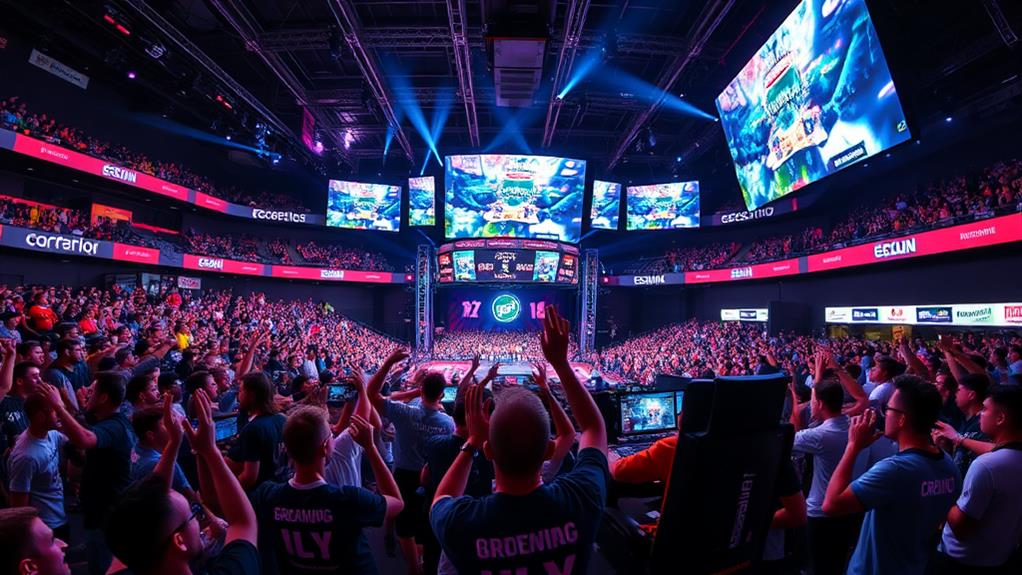
    With over 43 million active gamers, the burgeoning esports market signals a fresh avenue for investment and engagement.

    Basketball's Role in National Identity

    Basketball is an integral part of Filipino identity, transcending mere sport to become a cherished cultural phenomenon. With over 75% of Filipinos identifying as fans, it's clear that basketball isn't just a pastime; it's a unifying force that fosters community engagement.

    The Philippine Basketball Association (PBA), established in 1975 as Asia's first professional league, highlights the sport's prominence and serves as a platform for local talent.

    The NBA brand's near-universal awareness in the Philippines, approaching 99%, demonstrates the sport's immense popularity and influence on local culture.

    Grassroots initiatives and community events nurture local talent and create shared experiences that resonate deeply with Filipinos. Basketball embodies values like teamwork and resilience, reflecting a national identity that thrives on unity and passion.

    In the realm of sports, basketball stands as a vital pillar, connecting generations and inspiring hope for a brighter future in Philippine sports.

    The Philippines' commitment to basketball is further showcased through upcoming events, like the hosting of the FIBA Basketball World Cup 2023 group phase, promising to elevate its profile even higher.

    Achievements of Filipino Athletes

    filipino athletes remarkable accomplishments

    Filipino athletes have consistently showcased their remarkable talent and determination on both regional and global stages.

    Their achievements reflect not just individual brilliance but also the strength of grassroots programs that nurture young talent across the nation.

    For instance, at the Tokyo 2020 Olympics, the Philippines celebrated its historic success with four medals, including the groundbreaking gold medal in weightlifting by Hidilyn Diaz. This achievement marked a significant milestone, inspiring future generations to pursue sports.

    The Philippines ranked 4th in the medal standings at the SEA Games 2021, demonstrating the nation's growing competitiveness in regional sports.

    The women's football team made headlines by qualifying for the 2023 FIFA World Cup, signaling an important shift in the recognition and development of women's sports.

    Boxing remains a proud tradition, with Filipino boxers earning multiple world championship titles, further cementing the country's reputation in the sport.

    As you look at these achievements, it's clear that the dedication and hard work of Filipino athletes, combined with supportive grassroots initiatives, lay a solid foundation for future success in sports.

    Esports Growth and Opportunities

    The Philippines is Emerging as a Significant Player in the Global Esports Scene

    The country has a thriving esports industry, driven by a large and dedicated community of over 43 million active gamers. This has led to a 12.9% year-over-year increase in esports growth since 2017, making it an attractive market for investment.

    Several Factors are Contributing to this Rapid Growth

    Major international tournaments are being held in the Philippines, boosting its reputation in the global esports arena.

    Local esports organizations are emerging, providing a platform for talented gamers to gain recognition.

    Increasing sponsorships are offering financial support and resources to gamers and teams.

    Strong community engagement is also driving growth, with fans passionately supporting their favorite players and teams.

    This Growth Presents Lucrative Opportunities for Gamers and Investors

    The mobile gaming market in the Philippines is projected to reach $1.5 billion by 2025, making it an attractive market for investment.

    With the esports industry in the Philippines continuing to grow, gamers and investors alike can benefit from this trend.

    Infrastructure Needs and Development

    essential growth and improvement

    Building a robust sports infrastructure is crucial for the Philippines to unlock its full athletic potential. The government's increased budget for sports development highlights the need for more stadiums and parks, which can significantly enhance community engagement in sports activities.

    Investment in grassroots development and regional training centers is vital for nurturing young talent.

    Understanding the current landscape requires examining the following infrastructure needs:

    Advanced Training Academies: Provide athletes access to essential resources, such as expert coaches, modern equipment, and sports science facilities.

    Improved Sports Facilities: Ensure adequate venues for training and competition, including stadiums, tracks, and fields that meet international standards.

    Public-Private Partnerships: Fuel funding for grassroots programs by collaborating with private organizations to support sports development initiatives.

    Government Funding Initiatives: Increase support through PAGCOR and PCSO revenues, allocating a significant portion of the budget to sports development projects.

    The recent Supreme Court ruling significantly boosts funding for infrastructure development, but the pressing need for advanced training academies remains.

    By fostering public-private partnerships, the Philippines can enhance its overall sports infrastructure, ensuring that aspiring athletes have the resources they need to succeed.

    Addressing these infrastructure needs will pave the way for a brighter future in Philippine sports.

    Technology's Impact on Sports

    Technology is transforming the sports landscape in the Philippines by driving innovation, performance, and engagement. This shift is evident in training methods and competitive environments, where athletes are leveraging technology to enhance their skills.

    Data analytics plays a crucial role in refining performance and preventing injuries. For instance, athletes can analyze their game footage to identify areas for improvement and track their progress over time.

    Wearable technology is another key aspect, providing real-time feedback during training. Devices such as heart rate monitors and GPS trackers help athletes monitor their health metrics and optimize their performance.

    The growth of esports is a significant indicator of technology's impact on sports. The rapid expansion of the sector demonstrates its ability to engage younger audiences and provide new opportunities for athletes and fans alike.

    Virtual events have also become increasingly important, particularly during the pandemic. Online competitions have enabled sports to continue despite physical distancing measures, ensuring that athletes can still compete and fans can still engage with their favorite sports.

    Investing in technology for sports delivery is essential to appeal to the digitally savvy youth demographic and enhance training experiences.

    Community Engagement in Sports

    building connections through sports

    Community engagement in sports is vital for building unity and inclusivity in the Philippines. By participating in local initiatives, individuals help strengthen community ties and promote inclusivity.

    For instance, grassroots programs are essential for developing young talent, especially since many aspiring athletes lack access to resources and platforms to nurture their skills.

    Supporting community events and partnerships enhances fan engagement and creates supportive environments for athletes. This focus on community engagement emphasizes the importance of mental health and well-being, reminding us that sports can be a vital outlet for stress relief and social connection.

    The rise of virtual events has also helped maintain connections among sports participants, providing alternative avenues for competition during disruptions like the pandemic.

    Investment in community sports facilities, such as parks and training centers, is crucial. These facilities not only promote physical activity but also create numerous opportunities for residents to engage in sports, ultimately enriching the community and fostering a love for athleticism.

    How Can Developing Well-Rounded Individuals in Sports and Education Help Shape the Future of Philippine Sports?

    Developing well-rounded individuals in sports and education in the philippines can greatly impact the future of Philippine sports. By providing opportunities for young athletes to excel both academically and athletically, we can potentially produce more well-rounded and disciplined athletes who can represent the country on the international stage.

    Investment Importance and Strategies

    Investment in Philippine sports is crucial for creating a thriving athletic ecosystem that can succeed locally and internationally. With the Supreme Court ruling mandating increased remittances to the Philippine Sports Commission, an additional P19.5 billion is expected by year-end, highlighting the importance of investing in infrastructure and athlete development.

    Effective Coaching is Key. To improve athlete performance, allocate funds to enhance coaching quality, bridging existing gaps in athlete training. This can be achieved by providing coaching certifications, workshops, and training programs for local coaches.

    Grassroots Initiatives Drive Talent Development. Invest in local talent development to create pathways for young athletes. For instance, the proposed National Academy of Sports can provide training facilities, coaching, and mentorship to young athletes, helping them develop their skills and reach their full potential.

    Public-Private Partnerships Ensure Equitable Access. Collaborate with private sector stakeholders and local governments to ensure equal access to facilities and resources. This partnership can lead to the development of more sports facilities, equipment, and training programs, benefiting athletes from all backgrounds.

    Promoting Sports Engagement Fosters a New Generation of Champions. Increase funding for community sports programs to cultivate a new generation of enthusiasts and champions. This can be achieved by supporting school sports programs, community leagues, and sports clinics, making sports more accessible and enjoyable for all.

    Future Trends in Sports Participation

    evolving sports engagement patterns

    The Philippines' youthful demographic is driving a significant shift in sports participation. With an average age under 25, the nation's 110 million people are increasingly engaging in various sports and esports activities.

    The upcoming FIBA Basketball World Cup 2023 will amplify this trend. Over 75% of Filipinos are already passionate basketball fans, making the event a catalyst for further growth.

    Community events and inclusive programs are fostering a more diverse sports culture. At the grassroots level, initiatives like these are enhancing local engagement and encouraging participation among underrepresented groups.

    For instance, programs that provide access to sports facilities and training for disadvantaged youth are helping to bridge the gap.

    Technology will redefine training experiences. The use of virtual reality and data analytics will make sports more appealing to the digitally savvy youth.

    For example, virtual reality can simulate game scenarios, allowing athletes to practice and improve their skills in a more immersive and engaging way.

    Government support and strategic investments in sports infrastructure are crucial to sustaining these trends. By overcoming existing challenges, the Philippines can cultivate a thriving sports ecosystem that empowers young athletes and nurtures their talents.

    Investments in modern sports facilities, for instance, can provide athletes with access to better training equipment and conditions.

    The future of sports participation in the Philippines looks bright. With a focus on community development and embracing technology, the nation can unlock opportunities for growth and empower its young athletes to succeed.

    Questions and Answers

    What Are the Philippine Sports Issues and Controversies?

    Corruption Scandals Hinder Philippine Sports Development

    Philippine sports have been significantly impacted by corruption scandals. Delayed funding from PAGCOR and PCSO has left many sports federations struggling to nurture talent. For instance, the Philippine Olympic Committee (POC) has experienced delayed funding from PAGCOR, which has limited its ability to support athletes and teams.

    Furthermore, the lack of transparency in fund allocation raises concerns about accountability. This lack of transparency has led to questions about how funds are being used and whether they're being utilized effectively to support athletes.

    Consequences of Corruption Scandals

    These corruption scandals have far-reaching consequences. They hinder athlete development by limiting access to resources and support.

    Additionally, they deter youth participation in sports, as young athletes may be discouraged by the lack of opportunities and support. It's essential for stakeholders to address these challenges to foster a healthier sports environment that supports the growth and development of athletes.

    What Is the Importance of Sport in the Philippines?

    Sports play a vital role in shaping the cultural identity of the Philippines. They bring people together, fostering national pride and a sense of community.

    For instance, the achievements of Filipino athletes like Hidilyn Diaz, who won the country's first Olympic gold medal, inspire citizens and promote social cohesion.

    Sports also contribute to the holistic development of Filipino youth. They offer a platform for self-expression, teamwork, and physical activity.

    By participating in sports, young Filipinos can develop important life skills like discipline, perseverance, and communication.

    Moreover, sports help cultivate a vibrant local culture that values health and well-being. They promote physical activity, which is essential for maintaining a healthy lifestyle.

    In the Philippines, sports events and activities bring people together, encouraging them to adopt healthy habits and lifestyles.

    What Is the Philippines Most Successful Sport?

    Basketball is the Philippines' most successful sport. This is evident in the country's vibrant basketball culture, which is deeply ingrained in every level of society.

    From local barangay courts to the prestigious Philippine Basketball Association (PBA), basketball has become an integral part of Filipino life.

    The sport enjoys nearly 99% brand awareness of the NBA, indicating its immense popularity among Filipinos.

    This widespread enthusiasm fuels a strong sense of community spirit, as fans passionately support their teams.

    Basketball not only dominates the sports scene in the Philippines but also serves as a unifying force, instilling pride and identity among its people.

    What Is the #1 Sport in the Philippines?

    Basketball is the #1 sport in the Philippines. This is evident in the overwhelming popularity of the game, with over 75% of Filipinos identifying as fans.

    The Philippine Basketball Association (PBA) provides a platform for local talent to shine, while the NBA enjoys widespread recognition in the country.

    The excitement surrounding international basketball events, such as the FIBA Basketball World Cup 2023, further demonstrates the significant impact of basketball on Filipino culture.

  • Sports Tourism in the Philippines: Attracting Visitors and Boosting the Economy

    Sports Tourism in the Philippines: Attracting Visitors and Boosting the Economy

    Sports tourism in the Philippines is a growing industry that attracts international visitors and contributes significantly to the country's economy. The country's reputation as a premier sports destination is enhanced by hosting major events like the Southeast Asian Games (SEA Games) and the FIBA World Cup. These events not only generate revenue for local businesses but also create jobs and foster community pride.

    Investments in sports infrastructure have improved facilities, making it easier to host international competitions. For example, the Philippine Arena, a state-of-the-art sports venue, has hosted several international events, including the 2019 SEA Games.

    Furthermore, a focus on sustainable practices ensures minimal environmental impact, making sports tourism a more responsible and eco-friendly sector.

    This dynamic sector continues to evolve, offering exciting opportunities for growth and community engagement. The development of new sports facilities and the hosting of more international events are expected to create more jobs and stimulate local economies.

    As the sports tourism industry in the Philippines grows, it is likely to have a positive impact on the country's economy and communities.

    Definition of Sports Tourism

    travel for sporting events

    Sports tourism is a unique experience that combines travel with sporting events, generating significant economic impact and promoting community engagement.

    When people travel to participate in or watch sporting events, they create a boost in local economies. For instance, attending major events like the SEA Games or the FIBA World Cup increases spending on accommodations, food, and entertainment.

    In 2021, sports tourism generated over $90 billion in the U.S. alone, and approximately $600 billion globally.

    Positioning a destination as a sports tourism hub, like the Philippines in Asia, attracts international visitors and showcases its culture and hospitality through diverse sporting events.

    This not only generates revenue but also promotes physical activity among visitors, encouraging a healthier lifestyle. Local participation in events fosters community engagement, generating pride and unity among citizens.

    By understanding the definition of sports tourism, it's clear that it plays a dual role as a catalyst for economic growth and a promoter of community spirit.

    Current Trends in Sports Tourism

    The Philippines is emerging as a premier sports tourism destination. The country's successful hosting of prominent international sports events, such as the Southeast Asian Games and the FIBA World Cup, has significantly boosted tourist numbers and showcased its capabilities on the global stage.

    Infrastructure improvements and partnerships are key to the country's success. Local governments are actively engaging in infrastructure development and forming partnerships with the Philippine Sports Commission to enhance accessibility and community involvement in sports events. This proactive approach not only elevates the experience for visitors but also fosters a sense of pride among locals.

    The Philippine Sports Tourism Awards promotes excellence in the sector. The awards recognize over 50 enterprises and host cities for their excellence, promoting professionalism within the sector.

    This focus on sports tourism as a vital contributor to the overall tourism industry emphasizes its potential for economic impact.

    Sports tourism is driving sustainable growth in the Philippines' tourism landscape. By showcasing local culture and hospitality through sporting events, the country isn't just attracting visitors; it's paving the way for sustainable growth.

    In 2024, the Philippines will host 17 IRONMAN races, attracting thousands of participants and fans, further solidifying its status as a sports tourism hub.

    Economic Impact on Local Communities

    community economic development effects

    Sports tourism has a profound economic impact on local communities in the Philippines. It attracts thousands of visitors, generating substantial spending in host cities and benefiting local businesses, including restaurants and hotels.

    Infrastructure investments are crucial for hosting sports events. Local governments invest in improving sports facilities, such as baseball diamonds and football pitches, to enhance their capacity to host events. This not only fosters growth but also engages local residents in meaningful ways.

    Sports tourism creates jobs and stimulates local economies. The youth sports sector alone contributes over 635,000 jobs and brings in an estimated $12.9 billion in tax revenue.

    The recognition of locations like Clark Freeport Zone through the Philippine Sports Tourism Awards highlights the direct impact of sports tourism on job creation.

    The economic benefits of sports tourism are sustainable and long-lasting. By creating jobs and stimulating local businesses, sports tourism lays the groundwork for sustainable growth and development.

    Embracing this potential can lead to a flourishing sports tourism landscape, benefiting everyone involved.

    Key Sports Events in the Philippines

    The Philippines is a thriving sports tourism destination, largely shaped by various key sporting events that attract athletes and spectators from around the world.

    The SEA Games and FIBA World Cup have significantly boosted tourist arrivals, showcasing the nation as a competitive sports destination. These events create a vibrant atmosphere that enhances the local economy while promoting national pride.

    In 2024, the Philippines will host over 17 IRONMAN races, bringing together thousands of local and international athletes and solidifying its reputation in the sports tourism sector.

    The Philippine Sports Tourism Awards recognize over 50 enterprises and host cities for their contributions to this growing industry.

    Events like the Panagbenga Festival in Baguio City combine local culture with sports, enhancing the tourism experience and driving economic growth through sports-related activities.

    By positioning itself as an Asian hub for triathlon events, the Philippines capitalizes on its stunning natural landscapes and rich sports culture, attracting global participants and reinforcing its status within the international sports tourism arena.

    Community Engagement Through Sports

    sports driven community involvement

    Community Engagement Through Sports

    Sports have become a vital force for community development and pride in the Philippines, fostering connections among locals while enhancing tourism. Hosting significant sports events, such as the SEA Games and the FIBA World Cup, attracts visitors and invigorates local communities.

    Youth Involvement is a key aspect of community engagement through sports. Public sporting facilities encourage young people to participate in various sports, such as basketball and volleyball. For example, the Dumaguete City government, under Mayor Felipe A. Remollo, has developed sports facilities that provide opportunities for local youth to engage in sports activities.

    Community engagement through sports also provides an Economic Boost. Hosting events generates revenue for local businesses and creates jobs. For instance, the 2019 SEA Games generated an estimated PHP 10 billion in revenue for the Philippines.

    Infrastructure Development is another benefit of community engagement through sports. Improved facilities enhance the overall quality of life in communities. The Philippine government has invested in building modern sports facilities, such as the Philippine Sports Stadium, to host international events.

    Community engagement through sports also promotes Skill Development. Local youth can hone their athletic skills, fostering future champions. The Philippine Sports Commission provides training programs for young athletes, helping them to develop their skills and compete at the international level.

    Finally, community engagement through sports brings Recognition to local initiatives. Awards like the Philippine Sports Tourism Awards highlight successful local initiatives, encouraging other communities to follow their example.

    Through these efforts, community engagement through sports cultivates a sense of belonging and lays the groundwork for sustainable tourism, making sports a cornerstone of local identity and pride.

    Sustainable Practices in Sports Tourism

    Sustainable Practices in Sports Tourism

    Environmental Sustainability

    Incorporating sustainable practices into sports tourism safeguards the environment for future generations. Eco-friendly venues reduce waste and resource use, enhancing the visitor experience while minimizing environmental impact.

    For instance, using energy-efficient lighting and recycling programs in stadiums reduces carbon emissions and conserves natural resources.

    Cultural Preservation and Community Involvement

    Engaging local communities in sports tourism initiatives fosters cultural preservation and offers opportunities for community involvement, enriching the overall experience for visitors.

    Community engagement initiatives provide authentic cultural experiences, allowing visitors to immerse themselves in local traditions. This can be achieved through partnerships with local organizations, supporting community-led initiatives, and promoting local artisans.

    Conservation and Partnerships

    Partnerships with conservation organizations protect biodiversity and ecosystems, offering unique, eco-conscious tourism activities.

    These collaborations promote responsible tourism practices, ensuring the preservation of natural habitats and ecosystems. For example, partnering with conservation groups to develop eco-friendly trails or wildlife watching tours supports conservation efforts while providing visitors with unique experiences.

    Wellness Tourism and Economic Benefits

    The emphasis on wellness tourism within sports events promotes healthy lifestyles while minimizing carbon footprints associated with travel.

    Strategic planning that focuses on sustainability maximizes long-term economic benefits for local communities, aligning with multiple Sustainable Development Goals (SDGs).

    Infrastructure Development for Sports

    sports infrastructure development initiative

    Investing in sports infrastructure is crucial for the Philippines to become a premier destination for sports tourism. The government's commitment to infrastructure development has led to significant enhancements in local facilities, largely funded by resources like the Hotel Occupancy Tax.

    Enhanced facilities accommodate various sports events and foster community engagement. For instance, the construction of baseball diamonds and football pitches in Clark has provided a platform for both local and international teams to train and compete.

    Moreover, the collaboration between the Department of Tourism and local governments ensures that these facilities meet international standards.

    Hosting major events attracts tourists and supports local businesses. The Philippines has successfully hosted major events like the SEA Games and FIBA World Cup, drawing in tourists and generating revenue for local businesses.

    Facilities like the Clark Freeport Zone have become popular attractions, further boosting the local economy. By supporting local businesses during sports events, the government promotes sustainable economic growth.

    Opportunities for Investment

    Investment Opportunities in Sports Tourism

    The Philippines offers a lucrative landscape for investment in sports tourism, driven by the government's proactive approach to infrastructure development and event promotion.

    Government Support and Funding Mechanisms

    The government provides funding mechanisms such as the Hotel Occupancy Tax and municipal bonds to support the development of sports facilities.

    These investments not only enhance local sports infrastructure but also attract major events that drive significant tourism.

    Incentives for Excellence

    The Philippine Sports Tourism Awards (PSTA) incentivize excellence in the sector, encouraging innovative projects that elevate the country's profile in the global sports arena.

    Successful initiatives like the SEA Games and IRONMAN races have demonstrated a direct correlation between sports tourism and increased local spending.

    Regional Growth and Community Engagement

    Regions like Clark are experiencing improvements in facilities such as baseball diamonds and football pitches, expanding opportunities for community engagement and economic growth.

    With the government's support and growing interest in sports tourism, now is the perfect time to explore investment opportunities that can benefit both investors and the overall economic landscape of the Philippines.

    Future of Sports Tourism in the Philippines

    philippines sports tourism potential

    The Philippines is poised for a thriving sports tourism industry. The government's commitment to promoting sports tourism as a strategy for economic growth will enhance the country's appeal to international visitors. Hosting prestigious events like the SEA Games and FIBA World Cup has already boosted tourist arrivals and elevated local economies.

    Several factors will fuel the growth of sports tourism:

    Investment in improved sports facilities will provide world-class infrastructure for international events. For instance, the country will host multiple IRONMAN races and regional events in 2024, attracting top athletes and spectators.

    Recognition through the Philippine Sports Tourism Awards will acknowledge excellence in sports tourism, encouraging innovation and improvement.

    Enhanced infrastructure supporting community engagement will foster a culture of sports participation and appreciation.

    Focused marketing strategies targeting international athletes and tourists will promote the Philippines as a premier sports tourism destination.

    These developments won't only showcase the nation's sporting potential but also create substantial economic impact, benefiting local businesses and communities.

    The future of sports tourism in the Philippines looks bright, promising increased visitor influx and long-term economic benefits for the country.

    Questions and Answers

    What Are the Benefits of Sports Tourism in Philippines?

    Sports tourism in the Philippines combines adventure and cultural exchange, offering a unique travel experience. This blend of activities allows you to engage in thrilling sports like surfing and diving while immersing yourself in local traditions and festivals.

    For instance, you can explore the annual Sinulog Festival in Cebu, which showcases the country's rich cultural heritage.

    This experience fosters community connections and local pride. By participating in sports tourism, you contribute to the growth of local businesses, creating jobs and boosting infrastructure.

    For example, the surfing industry in Siargao Island has generated employment opportunities for local residents and stimulated the construction of new accommodations and amenities.

    Sports tourism also has significant economic benefits. The influx of visitors leads to increased revenue, which in turn, boosts the local economy.

    In 2020, the Philippine sports tourism industry generated approximately PHP 24.2 billion (around USD 480 million) in revenue. By participating in sports tourism, you contribute to a vibrant economy while enjoying unforgettable adventures and cultural experiences.

    How Tourism Contributes to the Economy in the Philippines?

    Tourism stimulates economic growth in the Philippines by generating revenue and creating jobs. When tourists visit, they support local businesses, such as hotels, restaurants, and souvenir shops, which in turn create employment opportunities for Filipinos.

    For instance, in 2020, the tourism industry employed around 5.7 million people, contributing to 13.5% of the country's total employment.

    Infrastructure development is also driven by tourism. As tourist numbers increase, the government invests in building better roads, airports, and amenities to accommodate visitors. This infrastructure development not only enhances the tourist experience but also attracts investors and stimulates economic growth.

    For example, the upgrade of the Clark International Airport has increased its capacity to handle more flights and passengers, making it easier for tourists to access popular destinations.

    The growth of tourism creates a sustainable cycle. Improved infrastructure, such as better roads and amenities, further encourages tourism, which in turn generates more revenue and creates more jobs.

    This cycle enriches the economy continuously, making tourism a vital contributor to the country's economic development.

    What Is the Economic Impact of Sports Tourism?

    Sports tourism has a significant impact on local economies.

    It generates revenue through visitor spending on accommodations, dining, and local attractions. For instance, when a major sporting event comes to town, local hotels and restaurants experience a surge in bookings and sales. This increased revenue has a ripple effect, boosting revenue for local businesses and enhancing community engagement.

    As visitor spending increases, jobs in hospitality and event management expand, leading to a healthier economy.

    For example, when a region hosts a major tournament, it may need to hire additional staff to manage the event, from ticketing and security to concessions and transportation.

    Improved infrastructure and facilities also become more appealing to potential visitors, ensuring sustained economic benefits.

    How Do Sporting Events Boost the Local Economy?

    Sporting events significantly boost the local economy. This is because they attract thousands of visitors who spend money on accommodations, meals, and entertainment. For instance, a major football championship can draw in over 50,000 spectators, resulting in a significant influx of cash for local hotels, restaurants, and entertainment venues.

    This influx of cash supports local businesses and creates jobs, which has a lasting impact on the community.

    Moreover, hosting major sporting events often leads to investments in improved infrastructure, such as upgraded stadiums, transportation systems, and communication networks.

    These infrastructure improvements provide long-term benefits to the community, even after the event has concluded. For example, a city that hosts the Olympics may build a new state-of-the-art stadium, which can then be used for future events, attracting more visitors and generating additional revenue.

  • The Role of Sports in Promoting National Unity and Pride

    The Role of Sports in Promoting National Unity and Pride

    Sports unify people across different backgrounds through shared experiences. When a team wins, people celebrate together, reinforcing their bonds and collective identity. For example, during the 2018 FIFA World Cup, people from different racial and ethnic groups in France came together to cheer on their national team, fostering a sense of unity and national pride.

    Major international sports events symbolize cultural values and historical narratives. The 1995 Rugby World Cup in South Africa, for instance, marked a significant moment in the country's transition to democracy, demonstrating the power of sports to bring people together and promote national unity.

    Local sports clubs strengthen community identity, while global competitions elevate national pride. The presence of local sports clubs in neighborhoods helps to build a sense of community, as people from the same area come together to support their team.

    On a larger scale, international competitions like the Olympics allow countries to showcase their athletic achievements and promote national pride.

    The relationship between sports and nationalism can be complex, influencing societal cohesiveness. While sports have the power to unite people, they can also be used to divide and exclude others.

    It is essential to recognize both the positive and negative impacts of sports on national unity and pride.

    The Impact of Sports on National Identity

    sports shaping national identity

    Sports play a crucial role in shaping national identity. When national teams compete internationally, they ignite a sense of national pride that transcends political and socioeconomic divides. This collective pride is evident in the celebrations that erupt after a hard-fought victory, fostering unity among citizens and strengthening national bonds.

    Sports embody a nation's cultural values and historical narratives. They reinforce a shared identity through performances that resonate deeply with the populace. For example, South Africa's 1995 Rugby World Cup victory symbolized a new era of unity following apartheid, demonstrating how success in sports can elevate national identity.

    Major sporting events provide platforms for nations to showcase their culture and values, enhancing their global image. The 2008 Beijing Olympics, for instance, allowed China to display its rich cultural heritage and values to a global audience.

    This visibility instills a sense of belonging among citizens, prompting increased civic engagement as they rally behind their athletes. As citizens come together to support their team, they contribute to social cohesion, reinforcing the idea that sports are vital threads in the tapestry of national identity.

    Sports as a Unifying Force

    Sports Unite People Across Differences

    Sports have the power to bring people together, fostering a sense of solidarity that transcends individual differences. International sporting events, like the FIFA World Cup and the Olympics, become platforms for national pride, where citizens celebrate their athletes' achievements and share a collective identity.

    The impact of sports on unity is evident in various events:

    Event Impact on Unity
    1995 Rugby World Cup United diverse ethnic groups in South Africa
    2008 Beijing Olympics Promoted statehood and national image
    FIFA World Cup Celebrated national achievements globally
    Local Sports Events Encouraged collaboration among communities
    Paralympics Highlighted inclusivity and diversity

    These events demonstrate how sports can break down barriers between communities, fostering a sense of belonging. The shared experience of cheering for a national team can bridge political and socioeconomic divides, uniting people in collective celebrations.

    Role of Clubs in Community Identity

    clubs shape community identity

    Clubs play a significant role in shaping community identity by reflecting the values, history, and aspirations of their local populations.

    Athletic Bilbao's policy of fielding only Basque players, for instance, reinforces Basque nationalism and fosters pride within the community.

    Similarly, the Old Firm derby in Glasgow highlights the deep-rooted Catholic and Protestant ties, showcasing how local clubs can mirror historical rivalries and social divisions.

    FC Barcelona, known as "Barça," serves as a potent symbol of Catalonian pride, with its motto "Més que un club" emphasizing its integral role in the region's cultural landscape.

    NK Dinamo Zagreb and Red Star Belgrade represent Croatian and Serbian nationalism, respectively, embodying the ethnic tensions that shape their communities.

    The Montreal Canadiens stand as a significant representation of Francophone identity in Quebec, with their storied history and rivalries enhancing the cultural fabric of French-speaking Canadians.

    In essence, local clubs aren't just about sport; they forge community identity, bridging unity amid social divisions, and fostering a sense of belonging that transcends mere athletic competition.

    How does Sportsmanship and Fair Play Contribute to National Unity and Pride in Sports?

    Sportsmanship is the cornerstone of fair play in sports. The importance of sportsmanship lies in its ability to cultivate national unity and pride in sports. When athletes uphold fair play, it fosters a sense of camaraderie and respect among competitors, ultimately contributing to a strong and unified national sports community.

    Global Sporting Events and National Pride

    Global Sporting Events Unite Nations

    Local sports clubs play a vital role in community identity, but global sporting events like the FIFA World Cup and the Olympic Games take national pride to a whole new level. These events unite citizens in support of their teams, transcending socio-political differences and fostering national solidarity.

    The FIFA World Cup is a prime example of this phenomenon. 80% of participants reported feeling a strong sense of national pride during the tournament. This is evident in the 1995 Rugby World Cup in South Africa, where the national team's victory became a cornerstone for collective identity, bridging ethnic divides and promoting national unity.

    The Olympic Games also serve as a platform for countries to showcase their cultural heritage. Athletes' achievements are celebrated as national milestones, highlighting the country's cultural identity. The 2008 Beijing Olympics, for instance, showcased China's rich cultural heritage to the world.

    Global sporting events have a profound impact on national pride:

    Event Key Impact Example
    FIFA World Cup Surge in national pride 1995 Rugby World Cup, SA
    Olympic Games Showcase of cultural identity 2008 Beijing Olympics
    Global Competitions Fostering national solidarity Various international events

    In essence, global sporting events celebrate athleticism while strengthening national bonds.

    Challenges of Nationalism in Sports

    nationalism s impact on sports

    Nationalism in sports can be a double-edged sword, fuelling both unity and conflict.

    While sports have the power to unite a nation, they can also be exploited for political gain, leading to tension and conflict. For instance, the intense cricket matches between India and Pakistan often spark unrest, overshadowing the importance of sports as a means of building relationships.

    Historical events have demonstrated how nationalism can disrupt international sporting events. The Olympic boycotts of 1980 and 1984 are prime examples of how nationalism can reflect broader geopolitical conflicts. Similarly, events like the Ashes series serve to intensify historical rivalries, with fans fostering a sense of superiority that can alienate rival supporters.

    Nationalism in sports can lead to the exclusion of minority groups. In Ireland, Gaelic sports have historically marginalized players from British origins.

    Even team sports can become battlegrounds for divisions, as seen in the Old Firm derby in Glasgow, where religious affiliations create intense community rivalries.

    Ultimately, nationalism in sports presents a duality that society must navigate carefully. While sports can promote unity, the challenges of nationalism often complicate this ideal, revealing a more complex reality.

    Questions and Answers

    What Is the Role of Sports in Unity?

    Sports foster unity by promoting community engagement and cultural exchange. When individuals participate in team sports, they share experiences that build social cohesion and create a collective identity.

    For instance, playing on a local soccer team can bring together people from different neighborhoods, fostering a sense of community and shared purpose.

    Team sports enhance emotional connections and strengthen local and national identity. As teammates work together towards a common goal, they develop strong bonds and a sense of belonging.

    This collective identity can also extend to national pride, as seen during international competitions like the Olympics or World Cup.

    Youth development through sports encourages global participation and collaboration. Programs like the Olympics' Youth Olympic Games or the FIFA World Youth Cup bring together young athletes from diverse backgrounds, allowing them to collaborate, learn from each other, and celebrate their achievements together.

    This helps strengthen bonds within communities and promotes global understanding.

    Sports ultimately strengthen community bonds and promote unity. By providing a platform for people to come together, share experiences, and celebrate achievements, sports play a crucial role in fostering unity and promoting social cohesion.

    What Is the Role of Games in National Unity?

    Games Foster National Unity

    Games play a vital role in fostering national unity by promoting community engagement and identity formation.

    They bring people together, encouraging cultural exchange and allowing diverse groups to connect through shared experiences, such as watching a national team compete in an international tournament.

    International Competitions Ignite Patriotism

    International competitions ignite patriotism, involving youth development and instilling values of teamwork and resilience.

    For example, the Olympics bring together athletes from different countries, promoting unity and national pride.

    Economic Impact and Health Benefits

    The economic impact of these events generates volunteer involvement and enhances social cohesion, all while offering health benefits that unite people in active participation and collective celebration.

    How Does Sport Unify Us?

    Sport Fosters Unity Through Shared Experiences

    Sport unifies us by creating shared experiences that bring people together, regardless of their individual differences. For instance, during international competitions, athletes and spectators from diverse backgrounds come together, promoting cross-cultural understanding and exchange. This shared experience strengthens community bonds and fosters a sense of togetherness.

    Emotional Connections and Inclusivity

    The emotional connection formed during games contributes to identity formation, as fans share joy and disappointment together.

    Healthy rivalry dynamics also promote inclusivity, as teams and fans from different backgrounds engage in respectful competition. This inclusivity factor helps break down social barriers, uniting people across different demographics.

    Youth Engagement and Sense of Belonging

    Youth engagement in sports plays a crucial role in nurturing future generations' sense of belonging. As young athletes participate in team sports, they develop a sense of identity and belonging, which is essential for their social and emotional development.

    Historical Significance and Unity

    The historical significance of sporting events strengthens ties among people, showcasing sport's unique ability to bring us together.

    For example, the Olympic Games have a long history of promoting international unity and understanding, bridging cultural and national divides.

    What Is the Relationship Between Sport and Peace?

    Sport plays a vital role in promoting peace by resolving conflicts and integrating societies. Through community engagement in sports, cultural exchange is fostered, enhancing international diplomacy.

    For instance, the Olympic Truce Foundation brings together nations to promote peaceful resolution of conflicts during the Olympic Games.

    Sport empowers youth and promotes gender equality, creating opportunities for all. The United Nations uses sports to engage youth in peacebuilding efforts, providing a platform for their voices to be heard.

    Additionally, organizations like Women Win promote gender equality through sports, empowering girls and women worldwide.

    Sports contribute to health promotion and economic development, providing educational opportunities for marginalized groups. The World Health Organization uses sports to promote physical activity, reducing the risk of chronic diseases.

    Furthermore, sports tourism generates revenue, creating jobs and stimulating local economies.

    By participating in sports, individuals help build bridges, reduce stereotypes, and nurture understanding, making a significant impact on peacebuilding efforts. Sports have the power to bring people together, fostering a sense of community and mutual respect.

  • Sports and Education in the Philippines: Developing Well-Rounded Individuals

    Sports and Education in the Philippines: Developing Well-Rounded Individuals

    Combining sports with education is crucial in the Philippines for developing well-rounded individuals. Engaging in physical activities has been proven to boost mental health, enhance concentration, and even improve academic performance. For instance, a study found that students who participated in sports had higher attendance rates and better grades compared to those who didn't.

    Unfortunately, most Filipino adolescents do not meet the recommended daily activity levels. According to the World Health Organization, only 15.4% of adolescents in the Philippines engage in at least 60 minutes of moderate to vigorous physical activity per day.

    Government initiatives and schools are working to address this issue. The Philippine government has implemented programs to integrate effective physical education into schools, while many schools offer a range of sports activities to encourage student participation.

    However, challenges persist. Insufficient facilities and limited data hinder the progress of these initiatives. For example, many public schools lack adequate sports facilities, making it difficult to implement comprehensive physical education programs.

    Investing in infrastructure and promoting collaboration are key to addressing these challenges. By providing better facilities and encouraging partnerships between schools, governments, and private organizations, we can inspire healthier lifestyles and better academic outcomes for Filipino youth.

    Importance of Sports in Education

    enhancing learning through athletics

    Sports are essential in education as they shape well-rounded individuals. Engaging in sports promotes physical activity, enhances mental well-being, and is vital for adolescent development. This importance is recognized by the Schools Physical Education and Sports Development Act of 1969, which emphasizes incorporating sports into educational programs to ensure students' overall growth.

    Participating in sports improves academic performance. Research shows that students who engage in sports tend to have better concentration and higher grades.

    However, the 2022 Philippine Report Card on Physical Activity reveals a concerning fact: only 15.4% of adolescents meet recommended activity levels. This highlights the need for comprehensive sports programs in Philippine schools to fill this significant gap.

    Current Physical Activity Status

    Physical Activity Status Among Filipino Youth is Alarming

    The 2022 Philippine Report Card on Physical Activity gave an overall grade of F for physical activity levels among children and adolescents, indicating a critical need for improvement.

    Low Physical Activity Levels

    Only 15.4% of adolescents meet the recommended 60 minutes of moderate-to-vigorous physical activity daily. This is a significant concern, as regular physical activity is essential for a healthy lifestyle.

    Inadequate Active Transportation

    The report assigned a grade of D for active transportation, with just 40% of adolescents in Cebu walking to school and less than 1% biking. This highlights the need to promote alternative modes of transportation that encourage physical activity.

    Excessive Sedentary Behavior

    48% of adolescents watch TV for two or more hours daily, earning a grade of B for sedentary behavior. Reducing screen time is crucial to fostering a healthier lifestyle.

    Insufficient Data on Organized Sports

    There is insufficient data on organized sports and other physical activities, creating gaps in understanding youth behaviors. This lack of data hinders the development of effective strategies to promote physical activity among Filipino youth.

    Addressing the Challenges

    It is essential to address these challenges to foster a well-rounded education.

    Overview of Educational Programs

    comprehensive educational program summary

    Physical Education in the Philippine Educational System

    The Philippine educational system has made significant efforts to integrate sports and fitness into the curriculum, recognizing the crucial role of physical education in youth development.

    Republic Act No. 5708 encourages schools to focus on athletic development, ensuring students engage in various sports activities.

    Department of Education's Sports Programs

    The Department of Education oversees educational programs designed to develop skills in a range of sports, including:

    • Aquatics: Swimming and lifesaving
    • Athletics: Track and field skills
    • Martial Arts: Self-defense techniques

    These programs combine theoretical knowledge with practical training, preparing students for competitive environments.

    Supporting Infrastructure and Resources

    Adequate training facilities and resources are provided to promote sustained engagement in physical activities.

    Financial provisions from Republic Act No. 5708 ensure ongoing sports development, enabling students to thrive in a well-rounded educational experience.

    Government Initiatives and Policies

    Government Support for Sports in Education

    The Philippine government has implemented various initiatives and policies to promote physical activity among youth through sports integration in education.

    The Schools Physical Education and Sports Development Act (Republic Act No. 5708) mandates the Department of Education to develop physical education programs in schools, ensuring effective planning, adequate facilities, and sustained financing.

    National Policies Promoting Active Lifestyles

    The 2022 Philippine Report Card on Physical Activity identified ten national policies that support active lifestyles among children, earning a grade of B for government initiatives.

    These policies focus on:

    Financial Sustainability: Financial provisions ensure that unexpended balances support ongoing sports development.

    Long-term Impact: A focus on sustainability ensures long-term effects on youth physical activity.

    Accountability: There's a call for stronger implementation and accountability mechanisms to ensure policy effectiveness.

    Effective Program Translation: The need for better translation of policies into effective programs is recognized.

    How Does the Palarong Pambansa Contribute to the Development of Well-Rounded Individuals in the Philippines?

    The Palarong Pambansa is an avenue where young filipino athletes showcase their skills and sportsmanship. This annual event promotes physical fitness, camaraderie, and teamwork among participants. Through sports, the Palarong Pambansa contributes to the holistic development of well-rounded individuals in the Philippines, nurturing both their athletic and personal growth.

    Challenges in Implementation

    implementation hurdles and obstacles

    Challenges in Implementing Sports and Physical Education Initiatives in the Philippines

    The Philippines faces significant obstacles in implementing effective sports and physical education initiatives. 84.5% of adolescents aren't sufficiently active, with only 15.4% meeting the recommended 60 minutes of physical activity daily, according to the 2022 Philippine Report Card on Physical Activity. This highlights the urgent need for improved programs to engage youth in physical activity.

    Lack of data on key indicators, such as Organized Sport and Active Play, hinders efforts to understand and address factors influencing physical activity levels.

    Although government policies received a grade of B, their impact is often diminished by ineffective implementation and lack of accountability.

    The absence of collaboration among various sectors and inadequate national surveillance mechanisms further complicate the landscape. These challenges hinder effective sports development and meaningful physical education.

    To overcome these hurdles, it's essential to foster partnerships, enhance data collection, and ensure policies translate into actions, paving the way for a healthier, more active generation.

    Future Directions for Improvement

    To create a more active and engaged youth population in the Philippines, strengthening government policies is crucial to support active lifestyles among adolescents. These policies must be effectively implemented and monitored to ensure their success.

    Enhanced collaboration among government bodies, schools, and community organizations is necessary to create comprehensive programs that increase opportunities for physical activity. For instance, schools can partner with local sports clubs to provide after-school sports programs, while community organizations can offer free fitness classes in public spaces.

    Establishing national surveillance mechanisms is vital for consistent data collection and monitoring of youth physical activity trends. This data can inform necessary policy adjustments, such as identifying areas with low physical activity rates and allocating resources to implement programs that promote physical activity.

    Addressing barriers like limited access to organized sports and active transportation is essential to make it easier for young people to engage in physical activity. For example, the government can invest in building bike lanes and pedestrian-friendly roads to encourage active transportation, while schools can offer sports programs that cater to different skill levels and abilities.

    Questions and Answers

    Why Is Sports Important in the Philippines?

    Sports Foster a Culture of Physical Fitness and Health

    In the Philippines, sports play a vital role in promoting physical fitness and health benefits.

    Regular physical activity helps reduce the risk of chronic diseases, such as heart disease and diabetes. By engaging in sports, individuals develop discipline skills, which translate to other areas of life, including academics and personal relationships.

    Sports Promote Youth Development and National Pride

    Participating in sports enhances youth development by building character, teaching valuable life skills, and providing opportunities for socialization.

    The Philippines' athletic achievements, such as winning medals in international competitions, inspire national pride and unity. This pride motivates the country to continue investing in sports programs, which ultimately benefits the nation as a whole.

    Sports Strengthen Community Bonds

    Community engagement in physical activities strengthens social bonds and fosters a sense of community.

    Local sports events and programs bring people together, promoting social integration and a healthier, more united society. By embracing sports, the Philippines can build stronger, more cohesive communities that benefit everyone.

    What Are the Specific Sports Developed in the Philippines?

    Traditional Sports

    The Philippines has a rich heritage of traditional sports that continue to thrive. Arnis, a form of martial arts, is the national sport, emphasizing hand-to-hand combat and stick fighting.

    Sipa, a game similar to sepak takraw, is another traditional sport that involves hitting a ball with the feet.

    Modern Sports

    Modern sports have also gained popularity in the Philippines. Basketball is a highly popular sport, with a professional league and a strong following.

    Volleyball is another favorite, with both indoor and beach variations being played.

    Football, although not as popular as basketball, has a growing fan base and a professional league.

    Martial Arts and Combat Sports

    Martial arts and combat sports are also prominent in the Philippines. Judo and Taekwondo are Olympic sports that have produced Filipino medalists.

    Boxing is another popular combat sport, with world-renowned boxers like Manny Pacquiao.

    Emerging Sports

    New and emerging sports are also gaining traction in the Philippines. Esports, or competitive video gaming, has a growing following and has been included in several international competitions.

    Obstacle course racing and trail running are also becoming popular, reflecting the nation's growing interest in outdoor activities and sports tourism.

    What Is the Purpose of Physical Education in the Philippines?

    The purpose of physical education in the Philippines is to foster holistic development through curriculum integration. This integration enables students to develop essential skills, values, and attitudes that benefit their overall well-being.

    Physical education emphasizes skill development, teamwork, and character building, which enhances social interaction and youth engagement. By participating in physical activities, students experience health benefits that contribute to lifelong fitness, ultimately improving their academic performance.

    Additionally, physical education highlights the cultural significance of sports, ensuring students appreciate both the physical and mental aspects of well-being, setting the foundation for a healthier lifestyle.

    How Did the Foundation of Physical Education and Sports in the Philippines Start?

    The Philippine government initiated physical education and sports programs to enhance youth development. In the early years, educational policies were shaped by cultural values that emphasized community engagement and collective responsibility.

    The first curriculum developments in physical education were influenced by American and Asian models, which introduced new sports and games to the country.

    Sports organizations played a crucial role in promoting participation and development. The Philippine Amateur Athletic Federation (PAAF), established in 1911, was one of the first organizations to oversee and govern sports in the country.

    The PAAF organized national competitions, trained athletes, and developed coaches, which helped to raise the profile of sports in the Philippines.

    Despite funding challenges and limited resources, the Philippines continued to participate in international competitions, such as the Southeast Asian Games and the Asian Games.

    International competitions motivated students to engage in physical activities and develop a healthy lifestyle, which benefited both individuals and society as a whole.

  • The Palarong Pambansa: Showcasing Young Filipino Athletes

    The Palarong Pambansa: Showcasing Young Filipino Athletes

    The Palarong Pambansa is the premier national sporting event in the Philippines, showcasing the talents of around 12,000 young Filipino athletes. This annual celebration highlights over 22 sports, including traditional favorites and exciting new additions like dance sports.

    Established in 1948, the Palarong Pambansa plays a vital role in promoting sportsmanship and inclusivity, thereby enhancing national pride.

    The event's primary objective is to nurture athletic skills, but it also places great emphasis on personal growth and character development.

    By participating in this event, young athletes are inspired to excel and strive for excellence in Filipino sports.

    As a result, the Palarong Pambansa has become a breeding ground for future generations of Filipino athletes, inspiring them to reach greater heights.

    Overview of Palarong Pambansa

    national sports competitions overview

    The Palarong Pambansa is an annual multi-sport event that showcases the talents of young Filipino athletes and promotes a spirit of competition and camaraderie.

    This year's event, held from July 11 to 15 in Cebu City, will gather around 12,000 participants, including athletes, coaches, and officials.

    The event features competitions across 22 regular sports, a demonstration sport, and four Para Games.

    For the first time, dance sports will be included as a regular event, marking a historic moment.

    In 2024, the Palarong Pambansa emphasizes inclusivity by welcoming athletes from the National Academy of Sports and Philippine Schools Overseas for the first time.

    With the theme "Beyond Sports," the event aims to promote holistic development among young athletes, highlighting the importance of not just athletic skills, but also personal growth and community engagement.

    The Palarong Pambansa goes beyond mere competition, fostering unity and collaboration among participants and their communities.

    The event plays a significant role in shaping the future of sports in the Philippines and nurturing the next generation of leaders.

    Historical Significance of the Event

    Palarong Pambansa: A Cornerstone of Athletic Development in the Philippines

    Established in 1948, Palarong Pambansa is a national sports event that has become a vital platform for young Filipino athletes to showcase their talents.

    This event holds historical significance as it promotes sports development across the nation and champions inclusivity and diversity.

    The event features competitions in 22 traditional sports, one demonstration sport, and four Para Games, ensuring that every athlete has a chance to participate.

    With around 12,000 participants over the years, Palarong Pambansa has fostered a strong sense of community and national pride.

    The event encourages youth participation, allowing young athletes to compete at a high level and discover their potential. For instance, the upcoming 2024 edition will introduce athletes from the National Academy of Sports and Philippine Schools Overseas, marking a significant expansion of representation.

    Palarong Pambansa has historically played a crucial role in identifying and nurturing future leaders in various athletic disciplines. By promoting sports development and inclusivity, it not only enriches the lives of young athletes but also strengthens the fabric of Filipino culture, ensuring that the spirit of competition and camaraderie thrives for generations to come.

    Celebrating Filipino Talent

    honoring filipino artistic excellence

    The Palarong Pambansa truly embodies the spirit of Filipino talent by serving as a platform for young athletes to showcase their diverse abilities.

    This prestigious event is more than just a competition; it's a celebration of sportsmanship and holistic athlete development. With around 12,000 participants expected, the Palarong Pambansa highlights the importance of fostering an environment where athletes can grow and thrive.

    The diversity of sports is a key element that showcases Filipino talent. The event features 22 regular sports, a demonstration sport, and four Para Games, providing a wide range of opportunities for athletes to shine.

    Inclusion is another important aspect, as the Palarong Pambansa welcomes inaugural contenders from the National Academy of Sports and Philippine Schools Overseas, promoting equal opportunities for all.

    Community engagement is essential in inspiring pride in Filipino athletes. The GalingDITO campaign emphasizes local talent, encouraging communities to support and celebrate their athletes.

    The Palarong Pambansa also focuses on the future, recognizing and nurturing the potential of young athletes to inspire future generations.

    This year's theme, "Beyond Sports," reinforces the idea that the Palarong Pambansa is about more than just competition; it's a platform for unity, growth, and showcasing the best of Cebu City Sports.

    Ultimately, it's an opportunity for young athletes to shine and for the nation to celebrate its vibrant talent pool.

    Community Engagement and Impact

    Community Engagement and Impact

    During the Palarong Pambansa, community engagement is crucial in fostering unity and pride among participants and local residents. The event brings together approximately 13,000 delegates, including young athletes from 17 regions, creating an atmosphere that encourages inclusivity and support.

    Local businesses in Cebu City benefit significantly from the influx of tourists, stimulating the economy and promoting grassroots sports initiatives.

    Volunteerism is essential, as residents actively participate in supporting the athletes, enhancing the overall spirit of the games. The Palarong Pambansa isn't just a sports event but a cultural celebration, showcasing the rich heritage and exceptional Filipino talent.

    Health and wellness initiatives are highlighted, promoting active lifestyles among both participants and locals.

    Engagement activities, such as DITO's GalingDITO booths and fan meets, strengthen community ties, allowing everyone to connect over shared experiences.

    How are Young Female Athletes Featured in the Palarong Pambansa?

    Young female athletes are gaining recognition in the Palarong Pambansa, reflecting the rise of female athletes in sports. They are showcased in various events such as track and field, swimming, and basketball, highlighting their incredible talent and perseverance. The Palarong Pambansa provides a platform for them to shine and inspire others.

    Highlights of the 2024 Event

    2024 event highlights overview

    Palarong Pambansa 2024: A Celebration of Youth Talent and Sportsmanship

    The Palarong Pambansa 2024, scheduled to take place from July 11 to 15, 2024, in Cebu City, promises to be a dynamic showcase of talent and camaraderie among young athletes.

    This year's event will feature around 13,000 participants across 35 competitive games, including traditional sports and four Para Games.

    Expanding Representation

    The event will debut new athlete groups, including participants from the National Academy of Sports and Philippine Schools Overseas, expanding representation and promoting diversity.

    Promoting Filipino Talent

    The GalingDITO Campaign, co-presented by DITO Telecommunity, aims to promote Filipino talent and excellence in sports.

    This initiative will highlight the country's rich sporting heritage and encourage young athletes to strive for excellence.

    Engaging the Community

    A fan meet with the popular Pinoy pop group ALAMAT on July 7, 2024, at SM City Cebu will energize local support and promote community engagement.

    This event will bring together athletes, fans, and families, fostering a sense of unity and excitement.

    Cultivating Sportsmanship

    The Palarong Pambansa 2024 aims to cultivate not just competition, but also integrity, teamwork, and respect among young athletes.

    By emphasizing sportsmanship, the event seeks to develop well-rounded athletes who value fair play and camaraderie.

    The Palarong Pambansa 2024 is poised to inspire and uplift Filipino talent, making it a must-see event this July in Cebu City.

    Inspiring Future Generations

    Inspiring Future Generations

    The Palarong Pambansa is a premier sporting event that brings together thousands of young athletes to showcase their talents and chase their dreams.

    Approximately 12,000 participants from various regions gather to promote Filipino talent and foster a culture of sportsmanship and teamwork.

    Beyond Winning: Holistic Athlete Development

    The Palarong Pambansa is more than just a competition; it's about developing athletes holistically.

    The 2024 theme, "Beyond Sports," emphasizes personal growth and community engagement, encouraging young athletes to strive for excellence both on and off the field.

    For instance, participants can draw inspiration from athletes like Ruffamae Bibat and the Eastern Visayas softball team, who exemplify resilience and dedication in their pursuits.

    Questions and Answers

    Who Are the Famous Filipino Athletes?

    Manny Pacquiao and Hidilyn Diaz are iconic Filipino athletes who've inspired national pride and empowered the youth through coaching programs.

    These sports legends have motivated young athletes to pursue their dreams, showcasing the country's grassroots development in sports.

    Filipino Olympians have excelled in international competitions, demonstrating the effectiveness of athletic scholarships and a vibrant sports media that supports aspiring athletes.

    For instance, Hidilyn Diaz's gold medal win in the 2020 Tokyo Olympics is a testament to the country's investment in sports development.

    Organizations offer athletic scholarships to nurture young talent, providing opportunities for aspiring athletes to hone their skills and compete at the international level.

    This support system enables Filipino athletes to reach their full potential and bring pride to the nation.

  • Traditional Filipino Games: Sungka, Patintero, Sipa – Keeping Culture Alive

    Traditional Filipino Games: Sungka, Patintero, Sipa – Keeping Culture Alive

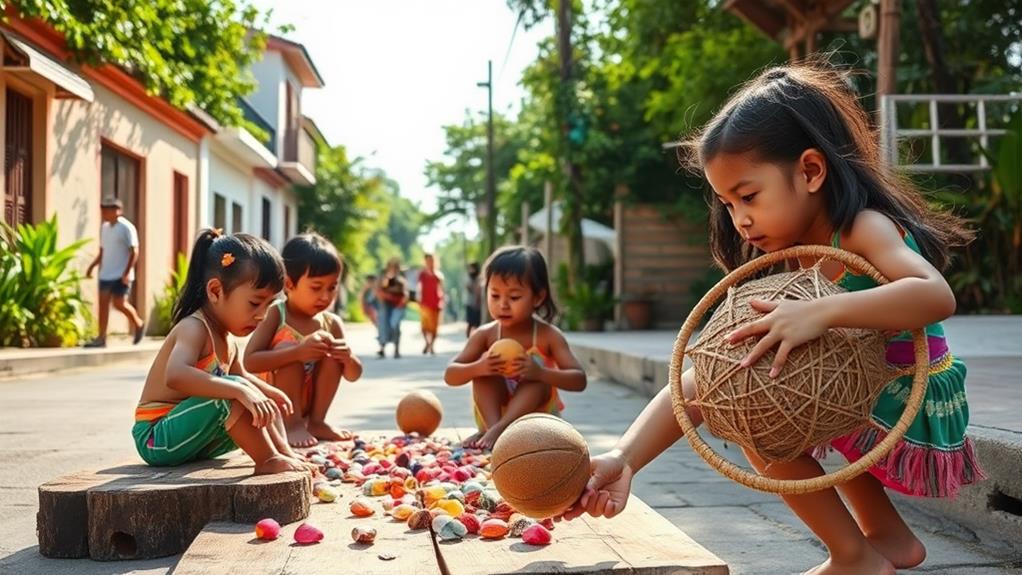
    Traditional Filipino games preserve cultural heritage. These games, such as Sungka, Patintero, and Sipa, foster community bonding and enhance social interaction among people of all ages, bridging the gap between generations. Furthermore, these traditional Filipino games are not just a form of entertainment, but also a way of preserving the legacy of kampilan, the traditional Filipino sword. Through these games, the values and skills necessary for the use of kampilan are passed down from one generation to the next, ensuring that this important aspect of Filipino heritage continues to thrive. Additionally, the popularity of these games also serves as a means of promoting cultural pride and identity among the Filipino people.

    Sungka promotes strategic thinking, while Patintero encourages teamwork, making these games both entertaining and enriching.

    Regional variations of these games reflect local traditions, adding to their cultural significance.

    However, urbanization and digital entertainment pose a threat to their relevance.

    Community advocacy and events are crucial in keeping these games alive, ensuring that a vital part of Filipino cultural identity remains vibrant and cherished.

    Cultural Importance of Traditional Games

    heritage through traditional games

    Traditional Filipino games are a vital part of the country's cultural heritage. These games, such as Sungka, Patintero, and Sipa, embody values that connect generations and communities, fostering community bonding and social interaction. By engaging in these games, players reinforce connections with one another and instill pride in their heritage.

    These games promote teamwork and resourcefulness. They often utilize locally sourced materials, reflecting the creativity inherent in Filipino culture and emphasizing the importance of indigenous practices passed down through generations.

    Events like Palaro ng Lahi ensure these games remain celebrated and relevant in today's society.

    Participating in traditional games contributes to physical fitness and cognitive development for children. The blend of physical activity and strategic thinking in games like Patintero and Sipa sharpens children's skills, making these games an essential aspect of holistic childhood development.

    By embracing these games, Filipinos are preserving a rich tapestry of storytelling and folklore, ensuring the vibrancy of Filipino culture continues to thrive.

    Overview of Popular Games

    Traditional Filipino games are more than just entertainment; they foster community bonding and showcase cultural identity.

    Sungka, a popular traditional game, requires strategic thinking as players maneuver shells or seeds across a wooden board to outsmart their opponents. This game embodies critical thinking and problem-solving skills.

    Patintero, another well-known game, emphasizes teamwork as players navigate designated lines while avoiding tags. This game fosters camaraderie and communication among participants.

    Sipa, a fast-paced game, showcases agility and coordination as players kick a rattan ball to keep it airborne. This game demonstrates quick reflexes and spatial awareness.

    What's remarkable about these traditional games is that they utilize simple, locally available materials, highlighting the ingenuity and resourcefulness inherent in Filipino culture.

    They reinforce cultural identity and create shared experiences that bond communities together. By participating in these games, players are preserving an important aspect of heritage, ensuring that the spirit of Filipino culture thrives across generations.

    Mechanics of Key Games

    game design fundamentals explained

    Traditional Filipino games embody strategic depth and social dynamics.

    In Sungka, a two-player game, strategy is key as players manipulate 49 shells across a board with 14 holes. To win, players must select holes to maximize their captures while anticipating their opponent's moves.

    Teamwork and agility are essential in Patintero.

    In this game, teams plot their approach to cross designated lines without being tagged by defenders. Success depends on devising clever maneuvers and coordinating with teammates to outsmart the opposing side.

    Sipa showcases agility and coordination.

    Players keep a washer or rattan ball airborne using their feet, displaying skill and competing with friends. Each kick requires precision, and maintaining control fosters a sense of friendly rivalry.

    The mechanics of these games reflect cultural values, emphasizing strategy, teamwork, and social interaction.

    Each game contributes to the rich tapestry of Filipino culture, embodying the essence of traditional Filipino games.

    Physical Activity and Social Interaction

    Filipino Games: Boosting Physical Fitness and Social Interaction

    Engaging in traditional Filipino games like Sungka, Patintero, and Sipa offers a unique combination of physical activity and social benefits. By participating in these games, individuals can enhance their physical fitness levels while fostering meaningful connections within their community.

    Benefits of Filipino Games

    Game Benefits
    Sungka Promotes social engagement and strategy
    Patintero Enhances communication and teamwork
    Sipa Improves coordination and community bonding

    Patintero: A Game of Strategy and Communication

    In Patintero, players must strategize and communicate effectively to succeed. This not only keeps players physically active but also promotes social interaction among teammates. Effective communication is key to winning the game, as players need to work together to outmaneuver their opponents.

    Sungka: Fostering Social Engagement

    Sungka encourages social gatherings, allowing players to share experiences and create lasting relationships. The game's social nature strengthens community bonds, as players often gather to play and socialize.

    Sipa: Building Community Bonds

    Sipa, often played in public spaces, cultivates community bonding by bringing people together to enjoy the challenge and excitement of the game. Playing Sipa in public spaces promotes a sense of community, as players and spectators alike come together to enjoy the game.

    The Communal Nature of Filipino Games

    The communal nature of these Filipino games reinforces cultural values, creating a sense of belonging that transcends mere competition. By engaging in these activities, individuals participate in a vital tradition that strengthens community ties and celebrates their shared heritage.

    Unique Regional Variations

    cultural distinctions across regions

    Regional Variations Enrich Traditional Filipino Games

    Traditional Filipino games are more than just physical activities and social interactions; they also showcase the country's rich cultural diversity.

    Each game adapts to its local context, creating unique regional variations that reflect community dynamics.

    Take Sungka, a popular counting game, for example. In certain regions, boards are crafted from different materials like seashells or stones, altering the gameplay experience.

    Patintero, a classic tag game, varies widely across regions. Local rules dictate the number of players, specific strategies for crossing lines, and even distinct tagging styles.

    In Sipa, a game similar to badminton, adaptations involve different types of balls or shuttlecocks, such as rattan or rubber, influencing play style and skill development.

    Games like Agawan Base emphasize local preferences through regional rules that change base locations and tagging methods.

    Even game names can differ, as Tumbang Preso might be called presohan in some areas, showcasing linguistic diversity.

    These regional variations not only enrich the cultural tapestry but also strengthen community bonds through shared yet unique experiences.

    Modern Challenges and Advocacy

    Traditional Filipino games face significant modern challenges that threaten their survival.

    These challenges manifest in several ways:

    • Urbanization and lifestyle changes have led to decreased outdoor play, as children spend more time indoors and in front of screens.
    • Digital entertainment competes for children's attention, distracting them from traditional games and outdoor activities.
    • Limited awareness of cultural heritage among younger generations means they may not understand the significance of these games.
    • Inadequate community spaces make it difficult for traditional games to thrive.

    Organizations like the Magna Kultura Foundation are working to combat these issues.

    They advocate for the integration of traditional games into educational programs and community events, ensuring that kids understand their cultural significance.

    For example, the Palaro ng Lahi initiative, launched in 1984, emphasizes the importance of these games in physical education, helping to revitalize interest in outdoor play.

    Social media campaigns and local festivals also play a crucial role.

    They foster a sense of pride in Filipino culture, encouraging more families to participate in traditional activities.

    Skill Development Through Play

    learning skills via play

    Traditional Filipino games are valuable tools for skill development. Playtime isn't just for entertainment; it's an opportunity to hone critical thinking skills, foster collaboration, and improve physical fitness.

    Critical thinking skills are developed through games like Sungka. When playing Sungka, you strategize to capture the most seeds, honing your analytical abilities essential for problem-solving in various aspects of life.

    Teamwork and collaboration are fostered through games like Patintero. In Patintero, you coordinate with teammates to navigate obstacles and avoid being tagged, strengthening your collaboration skills and teaching you the importance of communication and cooperation.

    Physical fitness and motor skills are improved through games like Sipa. Mastering Sipa, where you keep a rattan ball airborne, challenges your agility and coordination, improving your overall physical fitness.

    Similarly, playing Piko cultivates precision and spatial awareness, as you learn to toss your cue ball accurately onto designated squares.

    Emotional intelligence is developed through social interactions and shared experiences. Through these traditional games, you build relationships, developing emotional intelligence and shaping well-rounded individuals.

    How Does Traditional Filipino Games Compare to Mobile Legends: Bang Bang in terms of Keeping Culture Alive?

    Traditional Filipino games hold a significant place in Filipino culture, fostering values of teamwork, resilience, and sportsmanship. On the other hand, the impact of mobile legends on filipino gamers has introduced a new form of entertainment, possibly impacting the popularity of traditional games. However, both play a role in preserving the country’s rich cultural heritage.

    How Are Traditional Filipino Games Like Sungka and Patintero Connected to Philippine Mats and Weaving Traditions?

    Traditional Filipino games such as Sungka and Patintero are deeply connected to Philippine mats and weaving traditions. These games are often played on intricately woven mats, showcasing the skill and artistry of Filipino weavers. The intricate patterns of philippine mats are a reflection of the rich cultural heritage of the Philippines.

    Games for All Ages

    Traditional Filipino games like Sungka, Patintero, and Sipa bring people together across generations, creating a vibrant tapestry of community interaction. These games aren't limited to children; they foster intergenerational bonding, allowing everyone to participate and enjoy.

    Inclusivity is a key factor in their widespread appeal. These games welcome participants of varying ages, ensuring everyone can join in the fun. For example, Sungka can be played by both children and adults, promoting a sense of community and togetherness.

    Games like Sungka enhance critical thinking and mathematical skills, making them intellectually engaging for both kids and adults. This is because Sungka requires players to strategize and think critically to win.

    Patintero promotes cooperation, making it a hit during community gatherings, where teamwork becomes essential. Players must work together to block their opponents, developing essential communication and collaboration skills.

    Sipa encourages fitness and agility, appealing to families who enjoy active play. This traditional game involves hitting a ball with the feet, promoting physical activity and coordination.

    These games serve as more than just entertainment; they preserve cultural heritage by imparting values and customs. As you gather with friends and family to play, you're not only having fun but also keeping your community's rich traditions alive.

    Traditional Filipino games like these create lasting connections, bridging the gap between young and old while celebrating a shared cultural legacy.

    Efforts in Cultural Preservation

    cultural heritage conservation initiatives

    Efforts to preserve traditional Filipino games have gained significant momentum in recent years. Organizations like the Magna Kultura Foundation are leading this movement by promoting these games through community events and educational initiatives.

    For instance, they focus on preserving games such as Sungka, Patintero, and Sipa, ensuring they remain vibrant and relevant.

    The Palaro ng Lahi initiative integrates traditional games into physical education programs. Launched in 1984, this initiative fosters heritage awareness among youth.

    Local governments collaborate with cultural organizations to hold festivals and tournaments, celebrating these games and encouraging intergenerational participation.

    Schools are incorporating traditional Filipino games into their curricula. This approach reinforces the importance of cultural heritage while promoting physical activity.

    Additionally, digital platforms and social media campaigns enhance accessibility, modernizing traditional gameplay and reaching a wider audience.

    By participating in these activities, individuals contribute to the ongoing narrative of Filipino culture, ensuring its legacy thrives for future generations.

    Questions and Answers

    What Is the Cultural Significance of Sungka?

    Sungka's cultural significance stems from its unique blend of history and community engagement. The game has been a part of Filipino traditions for centuries, bringing people together and fostering social connections.

    As a game that encourages strategic thinking, sungka helps develop critical thinking skills and problem-solving abilities.

    Sungka reflects cultural heritage by showcasing historical origins and modern adaptations. The game's evolution over time demonstrates the dynamic nature of Filipino culture, adapting to changing times while preserving its roots.

    Through sungka, players learn about their cultural history and its significance in modern times.

    Sungka serves as a tool for skill development and educational benefits. The game teaches various math concepts, such as counting, addition, and subtraction, in an engaging and enjoyable way.

    Playing sungka helps children develop their math skills, making it an effective educational tool.

    Sungka fosters social interactions and community building. The game is often played in groups, promoting social bonding and friendly competition.

    Through sungka, players develop essential social skills, such as communication, teamwork, and sportsmanship.

    What Is the Traditional Game Sungka in the Philippines?

    What Is Sungka?

    Sungka is a traditional Filipino game played on a wooden board with two rows of holes filled with pebbles or shells.

    Objective and Strategies

    The objective of Sungka is to outsmart your opponent by developing strategies to collect more pebbles or shells than them.

    To achieve this, players must follow specific rules and think analytically to win.

    History and Popularity

    Sungka has a rich history and variations that have made it popular across different ages.

    It fosters community spirit through tournaments, connecting people to a vibrant cultural legacy shared by many players.

    Cognitive Benefits

    Engaging with Sungka not only sharpens analytical skills but also promotes strategic thinking and problem-solving abilities.

    What Is the Traditional Filipino Game Patintero?

    Patintero is a traditional Filipino game that emphasizes community engagement and strategy.

    In this game, players navigate lines while avoiding defenders, utilizing clever strategies to outsmart their opponents. The game requires players to think critically and make quick decisions to win.

    Patintero has a rich history, with various adaptations and rules that enhance its popularity at local tournaments.

    The game is often played in local communities, with each region having its own unique rules and variations. This adaptability has contributed to the game's enduring popularity.

    The equipment required to play Patintero is simple, often just chalk or string.

    The minimal equipment needed makes it accessible to people of all ages and backgrounds, allowing anyone to participate and enjoy the game.

    Playing Patintero has several benefits, including improved physical fitness and teamwork.

    The game requires players to be physically active, promoting overall fitness and health.

    Additionally, Patintero encourages teamwork and communication among players, fostering social bonds and camaraderie.

    What Are the Traditional Filipino Games or Indigenous Games in the Philippines Commonly?

    Traditional Filipino games offer a diverse range of activities that promote physical and mental skills.

    One popular game is Luksong Baka, where players take turns jumping over each other, promoting agility and coordination.

    Another game, Tumbang Preso, requires players to knock down a can with a slipper, developing hand-eye coordination and throwing skills.

    Games that challenge agility and strategy include Piko and Agawan Base.

    Piko Game requires players to hop on one foot while moving around a series of squares drawn on the ground, testing their balance and agility.

    Agawan Base, on the other hand, is a tag game that requires strategy and quick thinking to capture the opposing team's base.

    Games that focus on flexibility and coordination include Chinese Garter and Luksong Tinik.

    Chinese Garter involves players jumping over a garter while performing different movements, such as skipping and hopping.

    Luksong Tinik, a variation of tag, requires players to jump over a "tinik" (a small obstacle) while chasing each other.

    Other traditional Filipino games include Sipa Ball, Bati Cobra, and Pabitin Festival.

    Sipa Ball is a game that showcases coordination and throwing skills, where players hit a ball with their feet or knees.

    Bati Cobra adds excitement with its fast-paced gameplay, where players try to hit a ball with a long stick.

    Pabitin Festival is a festive celebration that features various games and activities, including Sipa Rung, a game that requires agility and coordination to hit a ball with a long stick.

  • Filipino Spirituality and Its Connection to Nature

    Filipino Spirituality and Its Connection to Nature

    Filipino spirituality is deeply rooted in nature, where reverence for ancestors meets environmental responsibility. This connection is evident in the belief in Anito, or spirits, that inhabit every aspect of the natural world and guide human interactions with it.

    For instance, community rituals before gathering or hunting emphasize gratitude and balance to maintain harmony with nature.

    Shamans, or Babaylan, play a vital role as intermediaries, nurturing the spiritual relationship between humans and nature. They facilitate rituals and ceremonies that promote respect and reciprocity with the natural world.

    Sacred sites like Mt. Banahaw hold significant meaning, demanding respect and care to maintain the delicate balance of nature.

    This holistic view of nature and spirituality fosters a communal identity that thrives on nature's wisdom and protection.

    By embracing this connection, Filipinos can promote environmental stewardship and preserve their cultural heritage.

    Overview of Filipino Spirituality

    exploration of filipino beliefs

    Filipino spirituality is deeply rooted in a connection to nature and ancestral spirits. This connection is evident in the significance given to every mountain, tree, and spring, which holds importance beyond its material value.

    The veneration of ancestral spirits, particularly the Anito, is a key aspect of Filipino spirituality. Anitos serve as intermediaries between the living and the divine, and rituals and sacrifices are performed to appease them and seek blessings.

    Indigenous spiritual practices, such as those of the Aetas, prioritize gratitude and respect for the environment. For example, the Aetas' Kagon ritual aims to exorcise negative influences and ensure harmony with the divine.

    Despite the influence of foreign religions, the reverence for Anitos hasn't diminished; instead, it has blended with Catholic beliefs, illustrating a syncretism that enriches Filipino spirituality.

    This blend highlights the intersection of nature and spirituality in Filipino culture, emphasizing that every ritual and offering is a profound acknowledgment of one's connection to the ancestral spirits that watch over the land.

    Spiritual Beliefs and Nature

    In the Philippines, indigenous communities share a profound spiritual connection with nature. This bond is rooted in animism, where every aspect of nature is believed to be inhabited by spirits known as Anitos.

    Spiritual leaders guide rituals that honor these spirits, reinforcing the idea that nature and the divine are intertwined.

    Rituals are essential acts of respect towards the Anitos. For groups like the Aetas, rituals performed before hunting or gathering aren't mere traditions; they ensure a fruitful harvest.

    Natural features like sacred springs, ancient trees, and towering mountains hold significant cultural value, as they're seen as homes to these spirits.

    Disturbing these spaces can lead to illness or disaster, reflecting a deep understanding of the interconnectedness of nature and community well-being.

    Mt. Pinatubo serves as a powerful symbol in this spiritual landscape. It's viewed as a resting place for ancestral souls and a site where the supreme being, Apo Malyari, influences daily life.

    Through rituals and offerings, indigenous Filipinos demonstrate reverence for nature and the Anitos that inhabit it.

    Role of Shamans in Communities

    shamans as community healers

    Shamans are the spiritual backbone of indigenous communities, maintaining cultural and spiritual continuity. In Indigenous Filipino societies, shamans act as mediums, connecting the physical world to the realm of spirits and deities. They possess expertise in various subtypes, such as healing, divination, and sorcery, allowing them to perform essential rituals that uphold community unity and wellness.

    Babaylan, a prominent type of shaman, facilitates communication within tribes, addressing spiritual needs and challenges. They counteract witchcraft and supernatural curses, redefining the negative connotations commonly associated with witchcraft in other cultures. By employing deep knowledge of rituals and spirituality, they restore balance and harmony.

    Rituals led by shamans often venerate ancestral spirits and nature deities, emphasizing the profound connection between Filipino spirituality and the natural environment.

    As communities gather for these ceremonies, shamans guide spiritual practices and reinforce cultural identity, ensuring that traditions are honored and passed down through generations. In this way, shamans remain pivotal in nurturing the spiritual landscape of Indigenous Filipino life.

    How Does Filipino Spirituality Incorporate Ancestral Spirits and Nature?

    Filipino spirituality holds the role of ancestral spirits in high regard, believing that they continue to influence the living. Ancestral spirits are thought to offer guidance and protection, making them an integral part of spiritual practices. Furthermore, nature is also revered, with the belief that natural elements are inhabited by spirits.

    Sacred Sites and Objects

    Sacred sites and objects hold significant spiritual importance in Indigenous communities, where nature and spirituality are deeply intertwined.

    These sacred sites often feature natural elements like mountains, springs, and trees. For example, Mt. Banahaw is considered a holy place by many devotees, and the Tagbanwa people believe their sacred mountains are inhabited by deities and ancestral spirits that guide their rituals and cultural practices.

    Certain objects, such as balete trees and anthills (punso), are revered in these communities because they're believed to house spirits that play crucial roles in daily life. The bulul, a rice deity figure, is crafted to ensure agricultural abundance, highlighting the deep connection between spirituality and nature in Filipino beliefs.

    The respect for these sacred sites and objects is paramount, as disturbing them is thought to invite negative consequences.

    This reverence underscores the intricate relationship between Indigenous communities and their environment, emphasizing that spiritual significance is deeply rooted in the natural world.

    Every mountain, tree, and ritual embodies a story of connection, respect, and shared existence with the spirits of nature.

    Environmental Stewardship and Practices

    sustainable environmental management strategies

    Indigenous Filipino Spirituality and Environmental Stewardship

    In Indigenous Filipino communities, a deep respect for nature is rooted in their spirituality, influencing daily environmental practices. The Aetas, for example, perform rituals and offerings to their anito spirits before hunting or gathering, demonstrating a commitment to balance and gratitude. This respect for the natural world is seen as sacred, reflecting a deep understanding of the interconnectedness between the spiritual and environmental realms.

    When disturbances occur, spiritual mediums intervene to appease the anito, highlighting the interconnectedness between the spiritual and environmental. This relationship isn't limited to the past; it continues to inspire community initiatives led by church leaders, who advocate for sustainable practices and reforestation.

    They recognize the moral imperative to care for creation, particularly in the face of climate change crises. The Catholic Church's growing emphasis on environmental stewardship parallels these indigenous practices, encouraging individuals to view themselves as caretakers of the Earth.

    By combining traditional and contemporary beliefs, Filipino spirituality fosters a holistic approach to environmental stewardship, urging communities to respect nature while adapting to modern challenges. This blend of indigenous practices and religious beliefs drives a deeper commitment to preserving the environment for future generations.

    Questions and Answers

    What Is the Filipino Nature Spirit?

    Filipino nature spirits are rooted in Anito beliefs, which recognize nature deities inhabiting sacred landscapes.

    These spirits play a crucial role in indigenous practices, embodying the connection between people and the environment.

    Rituals often aim to maintain harmony with these entities, ensuring respect for the land and its resources.

    For instance, the Tagalog people believe in the diwata, gentle spirits dwelling in forests and mountains, while the T'boli people of Mindanao revere the buwan, a moon spirit controlling the cycles of nature.

    Engaging with these traditions offers a holistic perspective on the intricate relationship between humans and the natural world.

    What Is the Spirituality of the Philippines?

    The spirituality of the Philippines is deeply rooted in cultural practices, emphasizing ancestral worship and indigenous beliefs. These beliefs are reflected in rituals honoring ancestors, which demonstrate a profound respect for lineage. For instance, in some Filipino communities, families gather to offer food and drink to their ancestors during the All Souls' Day celebration, believing that this will bring blessings and protection.

    This spirituality also promotes environmental stewardship. Many rituals connect the sacredness of nature with daily life, encouraging individuals to respect and care for the natural world.

    For example, some indigenous groups in the Philippines perform rituals to ensure a bountiful harvest, which involves offering prayers and sacrifices to the spirits of the land and their ancestors. By doing so, they recognize the interconnectedness of people, ancestors, and the natural world.

    What Are the Three Main Themes of Spirituality as Viewed by Filipinos?

    Three main themes of spirituality emerge in Filipino culture: cultural rituals, ancestral beliefs, and community connection.

    Cultural rituals play a significant role in strengthening bonds among individuals. For instance, the Filipino tradition of Simbang Gabi, a series of nine dawn Masses leading up to Christmas, brings families and friends together to celebrate their faith and cultural heritage.

    Ancestral beliefs guide daily actions and decisions in Filipino spirituality. The respect and reverence for ancestors are deeply ingrained in Filipino culture, influencing daily life and decision-making.

    For example, many Filipinos seek guidance from their ancestors when making important life choices, such as choosing a career or getting married.

    Community connection is a vital aspect of Filipino spirituality. This connection is fostered through a deep commitment to both the land and the community.

    Environmental respect is woven into this element, as Filipinos believe in living in harmony with nature. This holistic approach ensures that spiritual practices are passed down through generations, maintaining a vibrant cultural identity.

    What Is the Nature of Filipinos?

    Filipinos prioritize community values, which are deeply rooted in their culture. These values emphasize kinship and cooperation, encouraging individuals to work together for the greater good.

    For example, the concept of "bayanihan" (communal unity) is a common practice in rural areas, where neighbors help each other build homes or harvest crops.

    Their cultural heritage is rich in traditions, reflecting the wisdom of their ancestors. These traditions guide Filipinos in living ethically and being socially responsible.

    For instance, the tradition of "pagmamano" (respect for elders) teaches younger generations to value the wisdom and experience of their elders.

    Environmental stewardship is crucial to Filipinos, as they view the land as a shared resource. They believe in preserving natural resources for future generations.

    For example, the indigenous practice of "kaingin" (shifting cultivation) ensures that the land isn't overexploited, allowing it to replenish itself for future use.

    These interconnected beliefs shape the daily lives of Filipinos, fostering a holistic perspective that respects both the community and the natural world.

  • The Significance of Dreams in Filipino Culture

    The Significance of Dreams in Filipino Culture

    Dreams are sacred messages from ancestors and spiritual entities in Filipino culture. They provide crucial guidance and are often interpreted through community discussions, where elders share wisdom about symbols like water and flying.

    Water symbolizes emotions, while flying represents freedom and empowerment. These symbols carry deep emotional meanings, revealing subconscious thoughts and reflecting personal and collective experiences.

    Dreams play a significant role in health practices, linking spiritual experiences to physical well-being. For instance, dreams can diagnose illnesses and guide healing practices.

    This rich significance of dreams is underscored in cultural rituals and child development, highlighting their importance in Filipino culture.

    Cultural Perspectives on Dreams

    dreams across cultural contexts

    In Filipino culture, dreams are considered sacred messages from ancestors and deities. They aren't just nighttime visions but hold profound significance. It's common to discuss dreams in social settings, where people share and analyze them to gain spiritual insights. This communal approach fosters connection and serves as a means to seek guidance and reveal hidden truths that can help navigate life's challenges.

    Filipino dreams often feature specific motifs, such as flying, water, and animals, which carry specific meanings tied to the community's values and beliefs about spirituality. For example, flying might symbolize freedom or escape, while water can represent emotions or spiritual cleansing.

    Elders play a vital role in interpreting dreams, as their wisdom and understanding of ancestral knowledge are essential for grasping the deeper significance behind these nocturnal experiences. Engaging in these discussions can enrich your understanding of both your dreams and the cultural framework that shapes their interpretation, allowing you to appreciate the profound connections between the living and the spiritual realms.

    Psychological Interpretations of Dreams

    Dreams are a window into the subconscious, offering insights into our thoughts, feelings, and experiences. In Filipino culture, dreams are seen as a bridge between the sacred and the psychological, allowing individuals to explore their subconscious mind. This concept is supported by Sigmund Freud's theories, which suggest that dreams reveal hidden desires and fears, particularly when they involve deceased relatives.

    Dreaming of a departed loved one can prompt individuals to confront personal issues or foreshadow potential loss, illustrating the connection between psychological insight and cultural beliefs. For example, a dream about a deceased family member may lead someone to reflect on their own relationships or unresolved emotions, sparking personal growth and introspection.

    Nightmares can have a profound impact on an individual's psyche, as they can lead to the development of self-fulfilling prophecies based on fears, influencing daytime behaviors and mental health.

    In Filipino society, discussing and analyzing dreams is a common practice that fosters community support, allowing individuals to process emotional experiences collectively.

    The cultural acknowledgment of dreams' psychological significance enriches our understanding of emotions and experiences, highlighting the interplay between psychological interpretations of dreams and cultural beliefs. This perspective shapes our understanding of the profound impact dreams have on our psyche and social context, emphasizing the importance of exploring and understanding our dreams.

    Spirituality and Health in Dreaming

    dreaming s impact on health

    Dreams as a Bridge to the Spirit World

    In Filipino culture, dreams are believed to be a connection to the spirit world, offering insights into one's well-being. When you dream, you might be tapping into a realm where messages from ancestors or deities can guide you.

    The Connection Between Dreams and Health

    The absence of spirit-stuff during dreams can lead to health issues or even death. Folk healers often receive divine guidance through dreams, connecting spirituality with health practices.

    For instance, if a folk healer dreams about a specific herb, they may use it to treat a patient's illness. Dreams can reveal spiritual disturbances that manifest as physical ailments. For example, a dream about a snake may indicate a spiritual imbalance that's causing a person's illness.

    Communal Understanding of Dreams

    Communal discussions about dreams foster a collective understanding of their spiritual implications. This collective understanding shapes health practices significantly.

    When you interpret your dreams, you might find insights into your mental and physical state, prompting you to seek remedies.

    The Interplay of Dreaming, Spirituality, and Health

    In Filipino culture, the interplay of dreaming, spirituality, and health is profound, highlighting the importance of understanding your dreams as a pathway to holistic well-being.

    Child Development and Dreams

    Analyzing Dreams Fosters Emotional Growth in Children

    Dream analysis cultivates emotional growth and resilience in children within Filipino culture. By discussing their dream narratives, particularly those centered on conflict or fear, children can confront and overcome insecurities. This practice not only nurtures their emotional intelligence but also enhances their ability to communicate complex feelings.

    Collective Dream Analysis Fosters a Sense of Belonging

    In local communities, families and friends gather to interpret dreams together, creating a supportive environment. This collective engagement fosters a sense of belonging and helps children process their experiences more effectively. As they verbalize their dreams, they develop problem-solving skills, learning to navigate their emotions and situations in a constructive manner.

    The Significance of Dreams in Personal Development

    The cultural belief in the significance of dreams highlights their role in personal development. By encouraging children to articulate their dreams, we provide them with a valuable tool for emotional exploration.

    This process reinforces their confidence in sharing feelings and thoughts, essential skills for their growth. Ultimately, dream analysis becomes a vital practice that shapes not just individual resilience but also strengthens communal bonds within Filipino society.

    Modern Theories of Dreaming

    contemporary dream interpretation approaches

    Dreams as Windows to the Subconscious

    Researchers today explore how dreams serve as windows into our psychological landscapes. This concept is based on the idea that dreams can reveal hidden aspects of our minds.

    Approaches to Understanding Dreams

    Different approaches seek to unravel the complexities of our subconscious. Freudian interpretations suggest that dreams reveal hidden desires and fears. For example, a recurring dream about being chased might symbolize a fear of failure in waking life.

    Other methods focus on emotional processing and problem-solving, where dreams help us process and resolve emotional conflicts.

    Key Aspects of Contemporary Dream Theories

    Lucid dreaming is a state where you become aware of your dreams, allowing you to confront personal issues.

    Cultural anthropology examines how modern beliefs about dreams intersect with traditional views, such as those in Filipino culture, where dreams are believed to provide guidance from ancestors.

    Emotional growth is often facilitated through dreams, providing a medium for conflict resolution. For instance, a dream about resolving a past argument might help you develop empathy and understanding.

    Dream interpretation blends scientific methods with cultural narratives, emphasizing personal insights, such as identifying recurring themes or symbols in your dreams.

    The Significance of Dreams

    Dreams aren't just mere reflections of our thoughts but also essential tools for understanding and navigating our emotional landscape.

    Common Dream Symbols in Culture

    Cultural Dream Symbols in Filipino Culture

    In Filipino culture, dream symbols are closely tied to personal emotions and collective beliefs. Flying in dreams represents freedom and spiritual ascension, hinting at a connection to the spirit world.

    Dreams of water symbolize cleansing and purification, embodying the unknown and the potential for transformation in one's life.

    Animals in Dreams

    Animals also hold significant meaning in dream symbolism. A dog in a dream symbolizes loyalty and protection, reflecting one's relationships and feelings of security.

    On the other hand, a snake in a dream may indicate danger or deceit, prompting reflection on trust and caution in waking life.

    Food in Dreams

    Food in dreams connects to nourishment and abundance, echoing the importance of social connections and community ties.

    Interpreting Dream Symbols

    By interpreting these dream symbols, one gains a deeper understanding of their emotional state and relationship with the spiritual realm, reinforcing cultural values and beliefs.

    Dreams serve as a bridge between personal experiences and cultural narratives, offering profound insights into oneself and the world around them.

    Superstitions Surrounding Dreams

    dreams and their superstitions

    Dreams and Superstitions in Filipino Culture

    In Filipino culture, dreams are often believed to hold significance and are closely tied to life events, particularly misfortune or death.

    Interpreting Dreams of Misfortune

    Dreams of falling teeth symbolize impending misfortune or death. This belief reflects the connection between dreams and life events, guiding individuals' actions and decisions.

    Warning Signs in Dreams

    Seeing a voided face in your dreams serves as a warning. This dream is believed to prompt individuals to avoid certain places or take precautions to prevent misfortune.

    Sharing Dreams of Death

    Sharing dreams that involve death may invite more misfortune. This belief leads to a reluctance to discuss these experiences, as individuals fear that sharing their dreams may attract negative consequences.

    Protective Measures

    Engaging in protective measures, like biting wood after revealing ominous dreams, is common. This practice is believed to ward off negative consequences and misfortune.

    Understanding Filipino Superstitions

    Understanding these superstitions provides insight into the cultural fabric of Filipino society. They shape personal interpretations, foster community discussions, and reinforce shared beliefs and support systems.

    Recognizing the significance behind these dream interpretations reveals how dreams influence daily life, reflecting the concerns and values of Filipino folk.

    How Do Dreams Play a Role in Filipino Religious Practices and Beliefs?

    Dreams play a significant role in the role of religion in filipino community. Many Filipinos believe that dreams are a way for the divine to communicate with them. Some religious practices and beliefs are influenced by dreams, and they often seek guidance and interpretation from religious leaders.

    The Role of Dreams in Rituals

    Dreams serve as a connection between the material and spiritual realms in Filipino rituals. In pamamanata rituals, individuals make promises to spirits in exchange for blessings, and fleeting visions become vital, offering perceived communication with the supernatural.

    Dreams provide clarity and guidance, as seen in the panalangin sa panaginip ritual, where individuals seek guidance from dreams to navigate life's challenges.

    Elders play a crucial role in interpreting dreams during these rituals, reflecting a deep cultural reverence for ancestral wisdom. Their insights help the community understand dream messages, enriching their collective experience.

    Stories in rituals feature characters seeking spiritual guidance through dreams, reinforcing cultural narratives that bind individuals to their heritage.

    Discussing dreams in a communal setting fosters a shared understanding of their significance, allowing individuals to connect with others through personal experiences and interpretations.

    This exchange strengthens cultural beliefs and creates a sense of belonging. Ultimately, dreams in Filipino rituals serve not just as personal reflections but as communal touchstones, deepening ties to both the spiritual and cultural landscapes.

    Dream Weaving Traditions in Mindanao

    mindanao s dream weaving traditions

    Dream Weaving: A Profound Expression of Tboli Cultural Identity

    Among the Tboli people in Mindanao, dream weaving stands out as a profound expression of cultural identity and spiritual connection. This sacred practice transforms visions from the goddess Fu Dalu into intricate Tnalak textiles made from abacá fibers.

    The Dream-Weaving Process

    The dream-weaving process involves several key elements:

    Fabrication: Tboli women separate, dry, and dye abacá fibers to create the fabric for the Tnalak textiles.

    Symbolism is also crucial, as colors are used to represent purity (white), blood (red), and soil (black).

    Collaboration plays a significant role, as male community members assist in preparing the fibers.

    Finally, preservation efforts, such as the Lake Sebu School of Living Traditions, educate youth about Tboli culture and ensure the tradition's continuation.

    The Significance of Dream Weaving

    Dream weaving isn't just a personal experience, but a communal narrative woven into the fabric of Tboli identity.

    This collaborative effort emphasizes the importance of community involvement in preserving cultural heritage.

    As modernization threatens this tradition, the commitment to preserving dream weaving ensures that these rich cultural expressions continue to thrive, connecting generations through the threads of dreams.

    Questions and Answers

    What Is the Typical Filipino Dream?

    Filipino dreams often involve flying, which symbolizes freedom and spiritual growth. This is because flying is a common motif in Filipino culture, representing a desire for liberation and self-improvement.

    For example, dreaming of flying over mountains or oceans may indicate a need to overcome obstacles or explore new opportunities.

    Water is a recurring element, representing cleansing and mystery. In Filipino culture, water is associated with purification and renewal.

    Dreams involving water, such as swimming or bathing, may suggest a need for emotional cleansing or spiritual rejuvenation.

    Animals appear frequently, conveying loyalty and danger. Dogs, for instance, symbolize loyalty and protection, while snakes represent danger and caution.

    These animal symbols reflect deep-rooted cultural beliefs and values.

    Food is a common theme, signifying nourishment and community ties. In Filipino culture, food is a symbol of hospitality and community.

    Dreams involving food, such as feasting or cooking, may indicate a need for social connection or nourishment.

    These dreams serve as a form of communication, guiding individuals through life's challenges and connecting them to a broader spiritual realm.

    What Is the Cultural Significance of Dreaming?

    Dreaming holds deep cultural significance, as it often guides our understanding of life's mysteries and connects us with our inner selves and the wider community. Through dream interpretation, we seek wisdom from elders or family members, who help us decipher the messages, warning signs, or guidance that reflect our shared beliefs and values.

    Each dream carries a unique message, which can reveal insights into our personal and collective experiences.

    Sharing dreams strengthens communal ties, fostering a sense of belonging and continuity. For example, in many Indigenous cultures, dream sharing is a common practice that promotes social bonding and collective understanding.

    Dreams reveal cultural identity, as they often reflect our values, traditions, and historical experiences. By interpreting and sharing our dreams, we can gain a deeper understanding of ourselves and our place within our community.

    Dream interpretation is a valued skill, often passed down through generations. In some cultures, experienced dream interpreters are revered for their ability to provide guidance and wisdom.

    Dreams offer guidance and wisdom, helping us navigate life's challenges and make informed decisions. By paying attention to our dreams and seeking the wisdom of others, we can tap into a deeper understanding of ourselves and the world around us.

    What Is the Significance of Our Dreams?

    Dreams Reflect Your Subconscious Mind

    Your dreams hold significant meaning, often reflecting your subconscious thoughts and feelings. This is because your subconscious mind processes and consolidates memories, emotions, and experiences while you sleep, making dreams a window into your inner world.

    Dreams Provide Insights and Self-Awareness

    Through dream interpretations, you can uncover insights about your fears, desires, and experiences. For example, recurring nightmares may indicate underlying anxiety, while vivid dreams about success may reveal hidden ambitions.

    Engaging with these dreams allows you to connect deeper with yourself and navigate life's challenges.

    Dreams Can Guide Personal Growth

    What Do Filipinos Believe About the Spirits?

    Filipinos believe that spirits are ancestral souls that influence their lives. These spirits often communicate with them through dreams, providing guidance or warnings. For example, if a Filipino has a dream about a deceased loved one, they might interpret it as a warning to be cautious or a sign of good fortune.

    Respecting these spirits is essential, and many Filipinos consult with elders to interpret their dreams and understand the messages from their ancestors. This connection highlights the importance of maintaining harmony with the spiritual realm, as ancestors can offer wisdom and support during challenging times.

  • The Influence of Feng Shui on Filipino Homes and Businesses

    The Influence of Feng Shui on Filipino Homes and Businesses

    Feng Shui's Impact on Filipino Spaces

    Feng Shui has become an integral part of Filipino homes and businesses, as it creates spaces that radiate positive energy.

    By balancing the five elements – wood, fire, earth, metal, and water – individuals can invite serenity and prosperity into their lives. For instance, a strategically placed east-facing front door draws in natural sunlight and good fortune.

    The Bagua Map: A Design Guide

    The Bagua map is a valuable tool that guides design choices, ensuring each corner of a space exudes harmony.

    By dividing a space into nine areas, each corresponding to a different aspect of life, individuals can target specific areas for improvement. This ancient art seamlessly blends with local beliefs, creating a nurturing environment.

    Feng Shui in Businesses

    In businesses, thoughtful layouts can enhance customer experience and boost employee morale, paving the way for success.

    For example, a well-designed reception area can create a welcoming atmosphere, while a carefully planned workspace can increase productivity.

    By incorporating Feng Shui principles, businesses can create a competitive edge.

    Overview of Feng Shui Principles

    feng shui principles overview

    Feng Shui principles aim to harmonize Chi, or energy, in a space to promote well-being. This ancient practice balances the five elements – wood, fire, earth, metal, and water – to cultivate a flow of energy that enhances positive energy (Sheng Chi) and mitigates negative energy (Sha Chi).

    In Filipino homes, Feng Shui principles blend with local customs and beliefs. Strategic furniture placement isn't just about aesthetics; it's a way to invite harmony and connection. For example, placing a mirror opposite a door is believed to attract positive energy into the home.

    Decluttering is essential to allow energy to circulate freely without obstacles. This is why Filipinos often keep their homes tidy and organized.

    The Bagua map is used to align a space with the natural world. This map is superimposed over a floor plan or layout, guiding the placement of furniture and decor to maximize positive energy.

    Directional influences are respected by avoiding architectural features that disrupt harmony, such as doors facing each other. This is because it's believed to create conflict and stagnation in the home.

    Embracing Feng Shui principles can transform a living space into a sanctuary of positivity. By applying these principles, individuals can create a harmonious and balanced environment that supports their overall well-being.

    Impact on Home Design

    Feng Shui's Impact on Home Design

    Feng Shui transforms living spaces into tranquil and prosperous sanctuaries. Orienting your front door to face east invites sunlight and positive energy, enhancing your home's welcoming aura. This strategic placement also optimizes space and promotes the flow of Chi, or life energy, throughout your home.

    Color Selection Matters

    In Feng Shui, hues are chosen to foster a harmonious living environment, creating a balance that nurtures your spirit. Earthy tones ground you, while blues and greens evoke calmness.

    Door Alignment and Natural Elements

    Avoid direct alignment of interior and exterior doors, as this disrupts good luck and energy flow.

    Incorporating natural elements like water features or lush plants enriches your space, enhancing spiritual well-being and energy circulation.

    Creating a Balanced Home

    Ultimately, Feng Shui is about creating a home that reflects balance and serenity, allowing you to thrive in an atmosphere that feels just right.

    Location Considerations

    site selection factors

    Location plays a vital role in Feng Shui, as it influences the energy surrounding your home or business. The land's orientation, natural features, and layout can either enhance or disrupt the harmonious atmosphere you desire.

    Land Orientation is Crucial: The shape and orientation of the land significantly impact the energy flow. For instance, a property with a curved or irregular shape can create chaotic energy, while a rectangular shape can attract positive energy and increase property value.

    Natural Features Matter: Proximity to water and mountains is essential, as these elements contribute to the overall energy flow. Living near a river or ocean can bring prosperity and good fortune, while being close to mountains can provide stability and strength.

    Avoid Dead-End Lots: Dead-end lots are associated with financial misfortune and familial issues, disrupting the peaceful atmosphere. This is because they can trap and stagnate energy, leading to negative consequences.

    Be Cautious of Low Prices: If a property is suspiciously affordable, it may have a history of past tragedies that can affect future occupants negatively. This could be due to previous accidents, crimes, or other unfortunate events that have imprinted negative energy on the property.

    Feng Shui in Business Spaces

    Optimizing Business Spaces with Feng Shui

    In commercial spaces, the strategic arrangement of elements can significantly impact customer experience and business success.

    A well-designed layout can encourage purchasing behavior by creating a harmonious environment. For instance, placing cash registers and product displays in a way that facilitates easy navigation can influence the flow of energy, or Chi, and increase sales.

    Selecting Auspicious Dates for Business Events

    Consulting Feng Shui experts can help businesses choose auspicious dates for events like openings or promotions, maximizing positive energy and attracting good fortune. This practice can give businesses a competitive edge and set them up for success.

    Boosting Employee Morale and Productivity

    The arrangement of office spaces should focus on boosting employee morale and productivity. By incorporating symbols and decor that resonate with positive energy, businesses can create an environment that fosters growth and success.

    Real-World Applications of Feng Shui in Business

    Many successful companies in the Philippines have incorporated Feng Shui elements into their designs, leading to increased market interest and perceived value among consumers.

    By harmonizing their business spaces, these companies have set themselves up for prosperity and growth.

    By embracing Feng Shui principles, businesses can create an environment that supports their success.

    Cultural Significance and Adaptation

    cultural impact and evolution

    Cultural Significance of Filipino Feng Shui

    Filipino Feng Shui practices reflect a unique blend of ancient Chinese principles and indigenous beliefs, showcasing the country's rich cultural identity. This adaptation is a testament to the significant role of diverse cultural beliefs in everyday life.

    Incorporating Catholic Symbols

    Many Filipino Feng Shui practices merge faith and Feng Shui by incorporating Catholic symbols, such as the cross, to enhance spiritual energy.

    Local Superstitions and Beliefs

    Filipino Feng Shui often includes local superstitions that resonate with the community, such as the use of amulets and charms to ward off evil spirits.

    Cultural Amulets and Tools

    In addition to traditional Feng Shui tools, cultural amulets are used to enhance protection and luck, highlighting the significance of cultural beliefs in Filipino Feng Shui.

    Balancing the Five Elements

    The focus on chi harmonization ensures health and prosperity in living spaces by balancing the five elements: wood, fire, earth, metal, and water.

    Applying the Bagua Map

    The Bagua map is used to align homes and businesses to enhance Sheng Chi (positive energy) and mitigate Sha Chi (negative energy), promoting a deeper understanding of the importance of energy in daily life.

    Exploring Filipino Feng Shui

    Engaging in community workshops and reading articles provides opportunities to explore Filipino Feng Shui practices further, enriching one's experience and connection to the vibrant tapestry of Filipino culture.

    How Does Feng Shui Influence Religious Sites in the Philippines?

    In the Philippines, the practice of Feng Shui greatly influences the design and layout of religious sites. By incorporating Feng Shui principles, sacred sites are believed to enhance the flow of positive energy and create a harmonious environment for worshipers. Explore sacred sites in philippines to experience this unique blend of spirituality and ancient tradition.

    Enhancing Property Value

    Enhancing Property Value through Feng Shui

    Integrating Feng Shui principles into a home or commercial space creates an environment that exudes harmonious energy, making it more appealing to potential buyers. This approach resonates deeply with buyers who believe that balance and prosperity contribute to a more fulfilling lifestyle.

    In the Philippines, there is a growing demand for properties designed with Feng Shui in mind. People seek spaces that not only provide shelter but also uplift their spirits and enhance their well-being.

    Homes with thoughtful Feng Shui features attract buyers more effortlessly, often resulting in higher resale values.

    For commercial spaces, the successful application of Feng Shui can lead to improved business performance. Investors look for properties that promise not just aesthetic value but also potential financial success.

    By maintaining Feng Shui practices, property owners can position their property as a desirable asset in the real estate market, ensuring it stands out amidst the competition.

    Spiritual and Emotional Benefits

    holistic well being enhancement techniques

    When you apply Feng Shui principles to your home, you create a space that supports your spiritual and emotional well-being. This ancient practice promotes a nurturing environment that fosters emotional stability and spiritual growth.

    Improved mental clarity results from reducing clutter and strategically placing furniture, allowing you to think more clearly and focus. For instance, a clutter-free workspace can help you prioritize tasks and make decisions more efficiently.

    Increased peace and contentment are achieved by adhering to Feng Shui principles, which promote a sense of calm and enrich your overall quality of life. By creating a peaceful atmosphere, you can reduce stress and anxiety, leading to a more contented life.

    Balanced energy flow is achieved by incorporating elements like natural light and the five elements, fostering a nurturing atmosphere that supports your mental and emotional wellness. For example, placing plants in a room can help purify the air and create a calming ambiance.

    Stronger relationships are cultivated through spiritual harmony, as emphasized by Feng Shui, which promotes positive connections and a sense of community among those who share your space. By creating a harmonious environment, you can strengthen bonds with family and friends, leading to more meaningful relationships.

    Questions and Answers

    How Has Feng Shui Influenced Pinoy Architecture?

    Feng Shui principles have significantly influenced Pinoy architecture, transforming the way buildings are designed and constructed.

    Spatial arrangement now prioritizes harmony and energy flow, creating more inviting environments. Architects carefully consider door placements and orientations, ensuring they face directions that attract positivity and good fortune.

    For instance, in many Filipino homes, the front door faces east, believed to welcome prosperity and good health.

    Why Is Feng Shui Important in Business?

    Feng shui principles are essential for business success because they help optimize spatial arrangement to enhance energy flow.

    By thoughtfully positioning elements such as cash registers and decor, businesses can invite positive vibes and support customer engagement. For instance, placing a cash register in a commanding position, where employees can see the door but not directly in line with it, can increase customer trust and loyalty.

    This harmonious setup not only attracts clients but also boosts employee morale, creating a thriving environment that contributes to business prosperity.

    What Is the Impact of Feng Shui?

    Feng Shui principles can significantly impact the energy and atmosphere of a space. By arranging furniture and decor thoughtfully, you can enhance the flow of energy, or "chi," and create an environment that promotes positivity, well-being, and harmony. This is achieved by aligning the arrangement of a space with natural energies, such as the flow of sunlight and wind.

    Effective Feng Shui design can transform ordinary spaces into peaceful and prosperous environments. For example, placing a water feature, such as a small fountain, in a strategic location can attract positive energy and wealth.

    Additionally, using calming colors, such as blue and green, in a bedroom can promote relaxation and restful sleep.

    What Is the Cultural Significance of Feng Shui?

    Feng Shui is a culturally significant practice that originated in ancient China, blending historical roots with modern adaptations. This practice reflects community customs that aim to harmonize an individual's environment and spirit.

    Feng Shui is more than just arranging furniture; it embodies cultural beliefs that promote balance and prosperity.

    By integrating Feng Shui into daily life, individuals connect with a rich cultural heritage that guides them toward a more harmonious existence.

    Every element in Feng Shui is designed to enhance well-being and foster positive energy. For example, the strategic placement of a water feature, such as a small fountain, can stimulate wealth and abundance.

    Similarly, the use of specific colors, like red, can boost energy and vitality.

  • The Concept of “Kapalaran” (Destiny) in Filipino Beliefs

    The Concept of “Kapalaran” (Destiny) in Filipino Beliefs

    Kapalaran, or destiny, plays a significant role in shaping the Filipino worldview. This concept influences daily choices and communal connections, offering comfort amid uncertainty and helping individuals navigate life's challenges, particularly in love and career.

    Kapalaran can have both positive and negative effects. On the one hand, it fosters a sense of belonging and provides comfort in times of uncertainty. On the other hand, it can lead to a lack of accountability, causing individuals to rely on fate for personal outcomes rather than taking responsibility for their own actions.

    Rituals and practices reflect the importance of Kapalaran in Filipino culture. For example, wearing charm bracelets or consulting fortune tellers are common practices that intertwine spirituality and community customs.

    Understanding the implications of Kapalaran is crucial for personal growth and societal dynamics. It is essential to recognize that while relationships may be seen as destined, they still require active effort to succeed.

    By acknowledging the influence of Kapalaran, individuals can better navigate their personal and professional lives.

    Understanding Kapalaran in Filipino Culture

    exploring kapalaran s cultural significance

    Kapalaran: A Filipino Concept of Destiny

    In Filipino culture, Kapalaran is a deeply rooted belief that destiny plays a significant role in shaping an individual's life. This concept serves as a comfort in times of uncertainty, providing reassurance during significant life moments such as career changes or personal relationships.

    Kapalaran attributes life's events to divine orchestration, reinforcing a connection to higher powers. This belief suggests that forces beyond one's control shape their journey. By embracing Kapalaran, individuals can cope with challenges by rationalizing adversities as part of a larger plan.

    Kapalaran strengthens social ties through shared beliefs and practices. Rituals, superstitions, and traditions surrounding Kapalaran create a communal bond among Filipinos.

    Participating in these practices allows individuals to connect with their heritage and fellow community members. Understanding Kapalaran isn't just about fate, but about embracing a mindset that acknowledges the interplay between belief, destiny, and life's uncertainties.

    Kapalaran and Personal Responsibility

    Kapalaran Can Undermine Personal Responsibility

    Believing in Kapalaran can lead to a diminished sense of personal responsibility among individuals.

    When people attribute their successes and failures solely to destiny or fate, they may feel powerless to change their circumstances. This mindset of resignation can stifle personal growth and initiative.

    Accepting Kapalaran Without Question Can Hinder Progress

    Accepting Kapalaran without question can lead to overlooking the importance of accountability for one's decisions.

    This tendency can hinder both personal and community progress. Fatalistic beliefs in Kapalaran may discourage individuals from taking proactive steps to improve their situation or pursue their goals.

    Balancing Kapalaran with Personal Responsibility Is Key

    To truly thrive, individuals need to balance their belief in Kapalaran with a sense of personal responsibility.

    Recognizing that both destiny and personal choices impact life can foster a sense of agency. Embracing this balance encourages individuals to take ownership of their path, enabling personal growth and empowering them to shape their future.

    The Role of Fate in Relationships

    fate s influence on relationships

    Fate's Role in Relationships

    The Concept of Kapalaran

    In Filipino culture, kapalaran is the belief that certain partners are soulmates, destined to be together since birth. This concept instills a sense of urgency in love, compelling individuals to actively pursue their destined connection before it slips away.

    Fate's Influence on Perception

    Fate's influence is palpable; it shapes how we perceive romantic encounters, leading us to view them as significant and meaningful. The idea that our paths are intertwined often encourages a deeper commitment, as we might feel that the universe has conspired to bring us together.

    The Double-Edged Sword of Fate

    While the notion of soulmate connections adds a romantic allure to love, it can also lead to complacency in relationships. When challenges arise, it's tempting to attribute them to fate rather than addressing them directly.

    Personal responsibility is crucial to balance the notion of fate, ensuring proactive communication and effort in relationships.

    The Balance Between Fate and Personal Responsibility

    Love requires both fate and active participation to flourish. Embracing kapalaran can enhance our understanding of relationships, but it shouldn't replace proactive communication and effort.

    Cultural Practices Surrounding Destiny

    Filipino Culture Emphasizes the Role of Destiny

    In Filipino culture, destiny is viewed as a guiding force that shapes individual fortunes through predetermined circumstances. This belief is reflected in various rituals and practices, such as the use of charm bracelets or amulets during significant life events like weddings and births.

    These charms are worn to attract good fortune and ward off negative influences.

    Seeking Guidance from Elders and Fortune Tellers

    Filipinos often consult fortune tellers or seek wisdom from elders during pivotal moments in life, such as births, weddings, and business ventures. This guidance helps individuals understand the destiny associated with these milestones, reflecting a collective acknowledgment of fate's role in shaping individual paths.

    Community Celebrations and Storytelling

    Community celebrations like the "Pista ng Kapalaran" serve as platforms for fortune storytelling, where individuals share personal narratives and reinforce their beliefs in destiny.

    These celebrations foster a sense of community and shared understanding, emphasizing the importance of destiny in the Filipino worldview.

    Astrology and Numerology

    The intertwining of destiny with practices like astrology and numerology adds another layer, as many Filipinos seek insights into their futures based on celestial alignments.

    This cultural practice reflects personal beliefs and reinforces the importance of destiny in shaping individual paths.

    Kapalaran's Influence on Decision-Making

    fate s role in choices

    In Filipino culture, the belief in destiny, known as Kapalaran, significantly influences decision-making.

    This belief leads individuals to interpret events as preordained, which can affect their decision-making psychology. Instead of making rational choices, people might follow what feels fated. This perspective creates a paradox where individuals feel a sense of urgency to follow their destined path, yet they believe outcomes are beyond their control.

    In romantic relationships, Kapalaran can cloud judgment. For instance, people may view relationships as fated connections, leading them to dismiss partners who don't fit their narrative of destiny. This belief can bring comfort but also diminishes one's sense of agency.

    By attributing successes to Kapalaran, individuals might neglect the hard work and choices that led to their achievements.

    The interplay between Kapalaran and personal accountability complicates decision-making. By attributing outcomes solely to destiny, individuals risk overlooking the importance of proactive choices in shaping their lives. Embracing both fate and personal responsibility can empower individuals to navigate their path with greater clarity and intention.

    Fatalism and Its Societal Effects

    Fatalism's Grip on Society

    Many Filipinos believe in Kapalaran, a concept that often leads to a fatalistic outlook on life.

    This mindset can hinder personal growth and create a cycle of stagnation. When individuals attribute failures to fate rather than taking responsibility for their actions, they become less motivated to make changes. As a result, they may prioritize accepting their circumstances over taking proactive steps to improve their lives.

    The Consequences of Fatalism

    Fatalism's effects extend beyond individual lives, impacting collective efforts and harming community development.

    When people focus on their predetermined paths, collaboration and innovation suffer. Local development projects are often met with apathy, and economic stagnation becomes more likely. This is because individuals are less likely to support initiatives that could uplift their community.

    Breaking the Cycle

    To counter the effects of fatalism, it's essential to strike a balance between recognizing Kapalaran and embracing personal agency.

    Encouraging responsibility and collective action fosters unity and empowers communities to strive for a better future. By promoting a sense of personal accountability and proactive change, individuals and communities can work together to create positive change and progress.

    Positive and Negative Filipino Values

    filipino values positive negatives

    Filipino values are shaped by a mix of positive and negative traits that influence societal behavior.

    Positive traits include resilience, which enables individuals to bounce back from hardships while maintaining hope. This quality is often demonstrated through cultural hospitality, where Filipinos warmly welcome guests and make them feel at home.

    This kindness fosters community bonds and reinforces a sense of belonging.

    Familial generosity is another significant value, reflecting the deep commitment to supporting family members and prioritizing their welfare over personal interests. This strong family orientation creates a network of support that helps individuals navigate life's challenges.

    Respect for elders is a guiding principle, emphasizing the importance of valuing wisdom and guidance. However, these positive traits can sometimes mask negative aspects, such as a tendency to avoid confrontation or take on too much responsibility, leading to personal neglect.

    While these positive traits build a strong communal fabric, it's essential to recognize that they can also perpetuate a cycle of dependency or resignation, complicating the balance between personal agency and cultural expectations.

    The Balance of Hope and Despair

    The Filipino concept of "Kapalaran" represents a delicate balance between hope and despair. This duality influences an individual's personal journey, encouraging resilience and perseverance in the face of challenges.

    For instance, embracing risk-taking and persevering despite adversity demonstrates the spirit of katatagang-loob, which empowers individuals to navigate life's uncertainties with a sense of agency.

    However, Kapalaran can also lead to despair acceptance, where individuals resign themselves to suffering and mediocrity, stifling personal growth and initiative. The context of a situation greatly influences how Kapalaran is interpreted, determining whether it becomes a source of motivation or a reason to surrender.

    Finding a balance between hope and despair is crucial. This balance serves as a coping mechanism, urging individuals to trust in their ability to manage life's unpredictability while recognizing the pitfalls of passive resignation.

    How do Dreams Tie into the Belief of “Kapalaran” in Filipino Culture?

    In Filipino culture, “kapalaran” is deeply tied to the significance of filipino dreams. Many believe that dreams are a manifestation of one’s fate or destiny. These dreams are often interpreted as signs or messages from the supernatural world, guiding individuals towards their destined path in life.

    Spirituality and Kapalaran

    spirituality meets destiny insights

    Spirituality and Kapalaran: Finding Harmony in Life's Uncertainties

    The concept of kapalaran, or fate, is deeply rooted in Filipino culture, shaping one's spiritual journey and perception of life's events. In Filipino belief, kapalaran is a predetermined path, guided by a higher power, suggesting that everything happens for a reason. This understanding provides comfort and guidance in navigating life's complexities.

    Many Filipinos seek spiritual guidance through fate interpretation, especially during significant life events. For example, consulting fortune tellers or practicing destiny rituals helps individuals invoke blessings or gain insights into their destined path. These practices foster a sense of control over what feels predetermined, providing a deeper understanding of one's life journey.

    The integration of kapalaran with the Catholic faith enriches this spiritual journey. Experiences of suffering are often interpreted as divine will, viewed as essential parts of one's destiny. This perspective transforms challenges into opportunities for growth, instilling hope in the face of adversity.

    Embracing kapalaran can serve as a source of comfort and resilience. By trusting in one's fate, individuals can cultivate a deeper connection to spirituality, reminding themselves that even in moments of despair, there's a guiding force leading them toward purpose and understanding.

    This profound understanding enables individuals to find harmony between hope and despair, leading to a more fulfilling life.

    Community Impact of Kapalaran Beliefs

    Kapalaran beliefs significantly impact community dynamics, shaping how individuals perceive their roles within society. When individuals attribute their life circumstances to fate, they are less likely to take personal responsibility, leading to a lack of motivation for self-improvement. This mindset often results in societal stagnation, as individuals may feel discouraged from pursuing collective goals or initiatives that inspire change.

    The acceptance of kapalaran can weaken social bonds, causing individuals to prioritize their personal destiny over collaborative efforts that foster community unity. For instance, in a community that strongly believes in kapalaran, individuals may be less likely to participate in neighborhood clean-up initiatives or volunteer at local charities, as they may believe that their individual fate is more important than collective well-being.

    This emphasis on individual fate can stifle community resilience, leaving little room for innovation and adaptation.

    Kapalaran beliefs can perpetuate a cycle of resignation, fostering apathy towards challenges that require collective action. For example, if a community faces a natural disaster, individuals who believe in kapalaran may be less likely to take proactive steps to rebuild and recover, as they may believe that their fate is predetermined.

    In this context, the notion of kapalaran can hinder cultural evolution, stifling the collective ambition that drives communities forward.

    Recognizing the impact of kapalaran beliefs is crucial for nurturing a spirit of collaboration and encouraging a more engaged, resilient community. By understanding how these beliefs shape community dynamics, individuals can work together to create positive change and foster a more proactive, adaptive community.

    Questions and Answers

    How Does Kapalaran Influence Filipino Storytelling and Folklore?

    Kapalaran plays a significant role in shaping Filipino storytelling and folklore. This concept of fate is woven into mythical narratives, influencing the actions of heroes and guiding them through challenges.

    In these stories, fate is intertwined with personal choices, illustrating the delicate balance between destiny and individual agency. For example, in the legend of the Sarimanok, a mythical bird, its fate is determined by its own actions, highlighting the importance of personal responsibility.

    Filipino folklore often explores themes of resilience and hope. These stories show how characters can transform their lives by embracing their fate and making positive choices.

    The legend of the diwata, a forest spirit, demonstrates this theme, as it teaches people to respect and care for the environment, leading to a harmonious coexistence with nature. By examining these narratives, readers can connect with the rich cultural heritage of the Philippines, which emphasizes the interplay between individual agency and the forces of fate.

    Are There Specific Rituals to Change One's Kapalaran?

    Yes, certain rituals can help change one's kapalaran. These practices often involve offerings, prayers, or symbolic acts aimed at altering one's fate.

    For example, in some cultural practices, participants engage in ceremonies that promote healing and renewal, believing these actions can shift their life's trajectory.

    The ritual significance lies in their communal and spiritual aspects, which reinforce hope and resilience as you seek to change your kapalaran and embrace a brighter future.

    How Does Kapalaran Relate to Filipino Superstitions?

    Kapalaran is closely tied to Filipino superstitions, which heavily influence daily life.

    In the Philippines, people often consult fortune telling to gain insights into their future, believing it can shape their outcomes. For instance, some Filipinos visit fortune tellers to determine the best days for important life events, such as weddings or business launches.

    Additionally, many carry luck charms, like amulets or talismans, to attract positive energy and ward off negativity.

    These practices reflect a deeper connection to the belief that one's life path can be influenced by unseen forces of fate.

    Can Kapalaran Be Interpreted Differently in Various Filipino Regions?

    Kapalaran can be interpreted differently across Filipino regions. This variation is often a reflection of cultural differences shaped by local traditions and histories.

    For example, in the Ilocos Region, kapalaran is closely tied to the concept of "pana", which refers to the idea that one's fate is predetermined and influenced by the alignment of stars and planets at birth.

    In this region, people believe that their fate can be altered through rituals and offerings.

    In contrast, in the Visayas Region, kapalaran is often associated with the concept of "tadhana", which emphasizes the role of personal experiences and decisions in shaping one's destiny.

    Here, people believe that their fate isn't fixed and can be changed through their actions and choices.

    These diverse interpretations of kapalaran highlight the rich cultural heritage of the Filipino people and demonstrate the complex and nuanced nature of their beliefs about fate and destiny.

    What Role Does Family Play in Shaping One's Kapalaran Beliefs?

    Family plays a significant role in shaping one's kapalaran beliefs. As you grow, your relatives transmit cultural values that reinforce the idea of kapalaran through stories and traditions.

    For instance, your grandparents might share tales of overcoming poverty or migrating to a new country, which influence how you perceive your own fate. These narratives create a framework for understanding life's ups and downs, helping you navigate your path.

    Your family's perspectives mold your beliefs, intertwining personal experiences with broader cultural insights.