Author: Amiel Pineda

  • The Impact of the Pandemic on Philippine Sports

    The Impact of the Pandemic on Philippine Sports

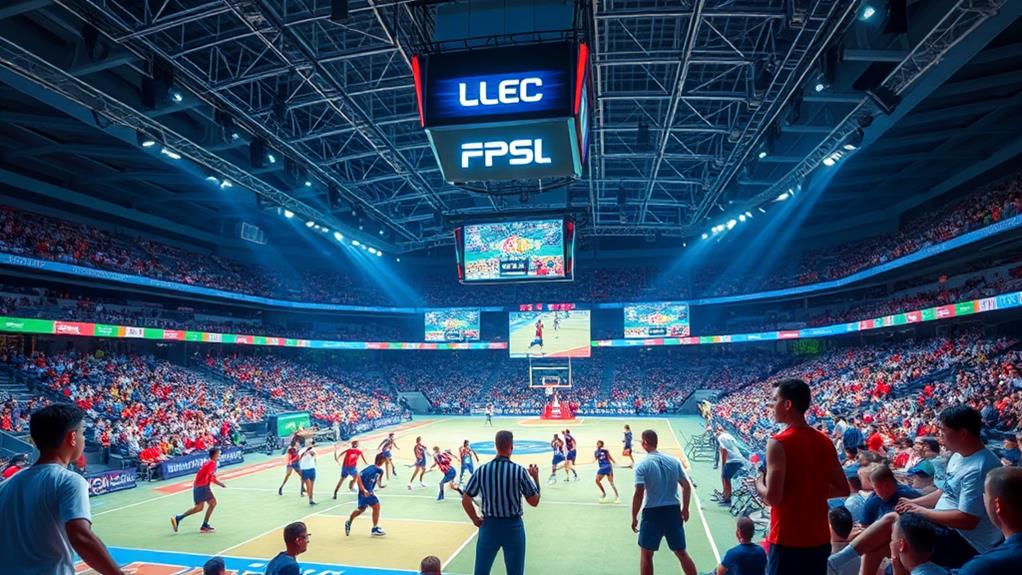
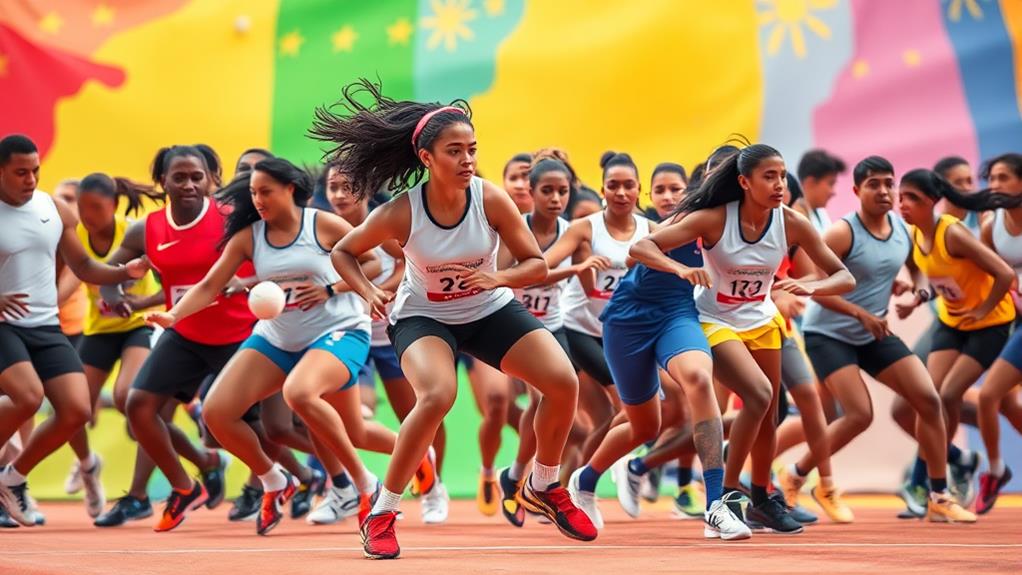
    The pandemic severely impacted Philippine sports. Major events were cancelled, and participation rates, especially among girls, dropped significantly.

    To adapt, leagues created bubble environments and focused on non-contact sports, but these measures couldn't replace lost training opportunities.

    The government prioritized safety, converting sports facilities into healthcare centers and reducing funding.

    This has long-term implications for athlete development and organizational capability.

    Teams are now exploring digital platforms to engage with fans and stay connected.

    The future of Philippine sports is uncertain, and recovery strategies are still being formed. However, it is clear that the landscape will be reshaped in unexpected ways.

    Cancellations and Postponements

    events rescheduled or cancelled

    The COVID-19 pandemic has severely impacted the Philippine sports landscape, leading to numerous cancellations and postponements.

    The Philippine Sports Commission (PSC) took drastic measures by canceling all sports events until December 2020, highlighting the severity of mass gathering prohibitions. This decision had a significant impact on athletes' competitive opportunities, particularly with the official cancellation of the 2020 ASEAN Para Games.

    Collegiate sports were also severely disrupted. NCAA Season 95 ended abruptly without an overall championship, leaving student-athletes without closure. Additionally, the Philippine Football Federation postponed the 2020 season of the Philippines Football League (PFL), and the Copa Paulino Alcantara was canceled outright.

    The cancellation of UAAP Season 83 on December 11, 2020, marked a significant interruption in university-level sports competitions.

    These cancellations and postponements reflect the broader consequences of the pandemic on the sports community, resulting in lost opportunities for athletes to showcase their talents and compete at their best.

    The ripple effect of these decisions underscores how deeply the pandemic has impacted sports events across the Philippines.

    Government Responses

    Government Responses to the Pandemic

    In response to the widespread cancellations and disruptions in Philippine sports, the government implemented several strategies to safeguard public health while attempting to sustain athletic activities.

    Conversion of Facilities: The government transformed sports stadiums into healthcare facilities, showcasing how public infrastructure can pivot to meet urgent health needs during the pandemic. This conversion allowed for the efficient use of existing infrastructure to support healthcare efforts.

    Event Cancellations: The Philippine Sports Commission (PSC) canceled all sports events until December 2020, adhering to mass gathering prohibitions and emphasizing public safety. This decision was crucial in protecting the community from the spread of COVID-19.

    Support for Athletes: Despite budget cuts, the PSC restored allowances for national athletes with help from other agencies, maintaining their morale and welfare during these trying times. This support ensured that athletes continued to receive the resources they needed to stay focused on their training.

    Additionally, the government permitted non-contact sports like golf and cycling, while establishing a no-play stance for non-professional sports through collaboration with the Games and Amusements Board (GAB) and the Department of Health (DOH).

    This balanced approach prioritized public health while allowing for some athletic activities to continue.

    Training and Competition Changes

    training and competition adjustments

    Pandemic-Induced Changes in Training and Competition

    The COVID-19 pandemic necessitated significant adjustments to training and competition formats for athletes in the Philippines.

    In March 2020, local-based track and field training came to a halt, with athletes waiting for its resumption in October 2021 in Baguio.

    Sports Organizations Adapted to New Environments

    The Philippine Basketball Association (PBA) modified its season format to fit a bubble environment, successfully resuming games in October 2020 after an extended suspension.

    Similarly, the Filipino national cricket team found new training grounds in Blacktown City, while the women's national baseball team shifted to online training tools, demonstrating the impact of restrictions on team dynamics and methodologies.

    Non-Contact Sports Thrived During Lockdowns

    Non-contact sports like golf and cycling continued to thrive during lockdowns, allowing athletes to maintain their training while adhering to health guidelines.

    The Importance of Resilience and Flexibility

    These changes highlight how the pandemic forced athletes and sports organizations to innovate, adapt, and evolve in both training and competition formats.

    Resilience and flexibility are key for future success in Philippine sports.

    Sport-Specific Impacts

    Athletes' experiences during the pandemic varied significantly across different sports. Each discipline adapted uniquely to unprecedented challenges, revealing the sports industry's tumultuous period.

    The Philippine Basketball Association (PBA) successfully resumed its season in a bubble format. The PBA suspended its season on March 10, 2020, but creatively resumed in October, prioritizing player safety while trying to salvage the season.

    In contrast, the Philippines Football League (PFL) faced indefinite postponements. The PFL's matches remained suspended due to health concerns, leaving players in limbo and affecting their readiness for future tournaments.

    Women's sports suffered significant setbacks. The women's national baseball team's preparations for the 2020 Women's Baseball World Cup were disrupted, creating challenges in training and competition readiness.

    Additionally, ALA Boxing's permanent closure after 35 years underscored the financial strain on many organizations.

    The Olympic Games highlighted the fragility of the Philippine sports landscape. This revealed the need for resilience and innovation in navigating such crises.

    Long-term Effects

    sustained impact over time

    Long-term Effects of the Pandemic on Philippine Sports

    The pandemic has brought about significant long-term effects on Philippine sports, reshaping its landscape in various ways.

    Athlete Development

    Delayed training and competition opportunities hinder growth. The cancellation of major events has cast doubts on athlete development, making it challenging for athletes to improve their skills and reach their full potential.

    Financial Losses

    Reduced funding affects operational capabilities. Sports organizations struggle to maintain competitive structures due to reduced participation and financial losses, making it difficult for them to operate efficiently.

    Shift to Virtual Platforms

    Online training enhances accessibility but may reduce engagement. As sports organizations pivot to virtual platforms, competitions are becoming more accessible, but the excitement of live events may be lost.

    Health and Safety Protocols

    Increased measures will redefine event formats and experiences. The new health and safety protocols are here to stay, prioritizing player and spectator safety, and will undoubtedly influence how sports are experienced and engaged with in the Philippines moving forward.

    Economic Recovery Strategies

    The Philippine sports industry must adopt innovative economic strategies to recover from the pandemic. To achieve this, focus on three key areas:

    Leveraging Digital Platforms is crucial for generating new revenue streams and maintaining fan engagement. For instance, online events and training can keep athletes connected with their audiences. This approach enables the industry to adapt to the new normal and ensures business continuity.

    Re-evaluating Sponsorships is essential to strengthen partnerships with sponsors. Emphasizing health and safety measures rebuilds trust and encourages increased investment in athlete welfare. This strategy helps to create a safe environment for athletes, which in turn attracts and retains sponsors.

    Fostering Community Engagement is vital for mobilizing local support networks. Providing food and financial assistance to those affected by the pandemic reinforces the sports organizations' commitment to community welfare. This approach creates a positive impact beyond sports and helps to build a more resilient sports landscape.

    Community Health and Development

    empowering community wellness initiatives

    Community Health and Development through Sports

    As the Philippine sports industry recovers economically, it's equally important to prioritize community health and development. Sports organizations have demonstrated a strong commitment to social responsibility during the pandemic. By providing food and financial assistance, they've made significant strides in supporting vulnerable populations.

    Initiatives and Their Impact

    Several initiatives have been launched to promote community health and development. For instance, the Philippine Sports Commission has distributed care packages to support youth and families in need.

    Financial assistance programs have been established to aid athletes affected by natural disasters, promoting community resilience.

    The "Rise Up! Shape Up!" series has been initiated to promote sports engagement and inclusivity, enhancing community development.

    Health guidelines have been developed in collaboration with government agencies to ensure safety in sports activities.

    Community involvement has been encouraged through various sports initiatives, fostering a sense of belonging.

    The Unifying Force of Sports

    These efforts showcase how sports can be a unifying force, enhancing community health while encouraging participation.

    The ongoing collaboration between sports organizations and local communities is crucial as we navigate recovery and aim for a healthier future.

    Media and Gender Equality

    Media coverage of women's sports has significantly decreased during the pandemic, exacerbating existing gender inequalities.

    To address this issue, it's essential to focus on the following key areas:

    Reduced Visibility: Women athletes face limited recognition due to media outlets prioritizing men's sports, resulting in a smaller audience for female talent.

    For instance, a study found that women's sports received only 4% of total sports media coverage in 2020.

    Leadership Gaps: The pandemic has disproportionately affected women in leadership roles within sports organizations, leading to a decline in female representation.

    According to a report, women held only 22% of senior leadership positions in sports organizations in 2020, down from 25% in 2019.

    Engagement Declines: The shift to remote learning has disrupted traditional sports education, particularly for girls, limiting their opportunities to develop as athletes.

    A survey revealed that 60% of girls reported a decrease in their sports participation during the pandemic.

    Despite these challenges, the pandemic has sparked discussions around gender justice in sports.

    Initiatives like the web series "Rise Up! Shape Up!" have emerged to empower women and promote equitable treatment.

    Organizations are now reassessing their funding and support strategies, recognizing the need for increased media coverage and investment in women's sports.

    Future of Philippine Sports

    philippine sports development outlook

    The future of Philippine sports is transforming significantly as organizations adapt to new safety protocols and hybrid event formats. This shift will result in a blend of physical and virtual participation, ensuring both athletes and spectators stay safe while engaging in sports activities.

    The focus will be on mental health and well-being, as many athletes have faced unprecedented challenges during the pandemic.

    Athlete development is crucial for a sustainable future. The Philippine Sports Commission and various leagues are exploring digital revenue streams to maintain financial stability while keeping fans engaged.

    This includes online tournaments, virtual training sessions, and e-sports competitions, which will help athletes develop their skills and sports organizations recover from COVID-19's impacts.

    Inclusivity and gender equality will take center stage in upcoming initiatives.

    Programs like the "Rise Up! Shape Up!" web series aim to promote participation among diverse communities, ensuring that everyone has a chance to play.

    These initiatives will provide access to sports facilities, training, and resources for underrepresented groups, fostering an environment where mental health, development, and inclusivity thrive.

    Questions and Answers

    How Has the Pandemic Affected Sports?

    The COVID-19 pandemic has significantly disrupted athlete training, leading to extended periods of inactivity. For instance, the 2020 Summer Olympics were postponed to 2021, causing athletes to adjust their training schedules and plans. This inactivity has resulted in a decline in athlete performance and overall fitness.

    The pandemic has also led to a void in fan engagement, leaving supporters disconnected from their favorite teams. The cancellation of major sporting events, such as the NCAA March Madness tournament, has deprived fans of the excitement and camaraderie that comes with live sports. This disconnection has resulted in a decline in fan loyalty and engagement.

    Furthermore, the pandemic has posed significant sponsorship challenges, as companies have reevaluated their investments in sports. With reduced revenues and increased uncertainty, many organizations have struggled to secure funding. For example, the NBA has reported a significant decline in sponsorship revenue due to the pandemic.

    In response to these challenges, innovative solutions are needed to maintain connections with fans and support athletes. Leagues and teams have had to adapt quickly, implementing virtual events and online engagement strategies to stay connected with fans.

    Additionally, organizations have had to find creative ways to support athletes, such as providing virtual training programs and mental health resources.

    What Did the Pandemic Do to the Philippines?

    The pandemic severely affected the Philippine economy, causing significant financial strain on local businesses and leading to increased unemployment rates.

    This economic downturn was further exacerbated by the restriction on gatherings, which not only limited social interactions but also halted community engagement.

    The pandemic also had a profound impact on mental health, as prolonged isolation took a toll on many individuals.

    This led to a surge in mental health issues, which became a major concern for the country.

    Furthermore, the sports infrastructure suffered significantly, with funding cuts and postponed events making it challenging for athletes to train and compete.

    This setback had long-term implications for the country's sports development.

    In summary, the pandemic reshaped various aspects of life in the Philippines, bringing about far-reaching consequences for the economy, social interactions, mental health, and sports development.

    What Did the Pandemic Impact?

    The pandemic significantly impacted athlete training, causing significant interruptions to their regular regimens. For instance, many athletes had to rely on virtual training sessions and individual workouts to maintain their fitness levels.

    The pandemic also led to decreased fan engagement, as numerous sports events were canceled or postponed. This resulted in lost revenue for teams and organizers, as well as a void in entertainment for fans.

    Sponsorship challenges arose as brands reevaluated their marketing strategies to adapt to the new circumstances. Many brands shifted their focus to digital marketing and social media campaigns to reach their target audiences.

    Furthermore, the pandemic raised concerns about mental health among athletes and fans. Social isolation and uncertainty took a toll on their mental wellbeing, highlighting the need for additional support systems.

    How Has COVID-19 Affected the Sports Industry in India?

    The COVID-19 pandemic has significantly impacted India's sports industry.

    Sports infrastructure has undergone a significant transformation, with organizations adapting to new health protocols to ensure a safe environment for athletes and spectators.

    For instance, stadiums are now equipped with thermal scanners, and players are required to maintain social distancing during training sessions.

    The mental health of athletes has become a top priority, as many struggle with the isolation and uncertainty caused by the pandemic.

    Studies have shown that athletes are more likely to experience anxiety and depression due to the lack of social interaction and competition.

    Fan engagement has also undergone a significant shift, with digital platforms becoming the primary means of keeping interest alive.

    Social media, in particular, has played a crucial role in maintaining fan engagement, with many sports organizations using it to share updates, behind-the-scenes footage, and interactive content.

    As the industry looks towards economic recovery,

    it is clear that resilience and innovation will be key factors in shaping the future of sports in India.

  • Sports and Corporate Sponsorships: A Mutually Beneficial Partnership

    Sports and Corporate Sponsorships: A Mutually Beneficial Partnership

    Sports and corporate sponsorships form a powerful partnership that benefits both parties. This partnership offers immense brand visibility and emotional connections with loyal fans, leading to increased sales and customer loyalty.

    In fact, 71% of fans recommend brands sponsoring their teams, making sponsorships a valuable investment.

    Effective sponsorships also offer networking opportunities that can lead to new business relationships and collaborations. Moreover, sponsorship success can be measured through Key Performance Indicators (KPIs), allowing companies to evaluate their return on investment.

    By aligning your brand with community initiatives, you can enhance public perception and foster goodwill. For example, sponsoring local charity events or youth sports programs can create a positive association with your brand.

    By doing so, you can maximize this mutually beneficial relationship and reap the rewards of sports and corporate sponsorships.

    Overview of Sports Sponsorship

    sports sponsorship overview insights

    Sports Sponsorship: A Strategic Avenue for Brand Visibility

    Companies invest in sports sponsorship to gain brand visibility and marketing leverage. This financial backing supports the operational needs of teams, enhances their performance, and increases fan engagement. In the United States, companies spend approximately $16.4 billion on sports sponsorships annually, recognizing the immense potential for brand exposure.

    Sports sponsorship creates a genuine emotional connection between fans and their favorite teams. This connection fosters brand loyalty, driving increased sales and brand awareness for sponsors. Effective sponsorships go beyond mere logo placements, often including community engagement initiatives that resonate with fans' values and interests, amplifying the partnership's impact.

    For instance, a sports drink brand might partner with a marathon event to provide hydration stations, engaging with runners and spectators alike.

    Measurable outcomes are essential in evaluating the success of sports sponsorships. By tracking key performance indicators (KPIs) like media coverage and social media engagement, businesses can quantify the return on investment (ROI) and determine how well their sponsorship aligns with their marketing objectives.

    This data-driven approach enables companies to refine their sponsorship strategies and optimize their ROI.

    Sports sponsorship emerges as a strategic avenue for businesses seeking to elevate their brand presence and community connection. By leveraging the emotional connection between fans and teams, companies can foster brand loyalty, increase brand awareness, and drive sales.

    Key Benefits for Companies

    Investing in sports sponsorship offers companies a multitude of key benefits. By partnering with popular sports teams, companies can tap into the approximately $16.4 billion spent annually on sponsorships, gaining substantial brand visibility through events and media coverage. This exposure enhances their corporate image and reputation, allowing them to connect with target audiences effectively.

    Sports sponsorship fosters emotional connections between fans and brands. When fans feel a bond with a company, they're more likely to exhibit customer loyalty and increased sales, translating into a strong competitive edge. For instance, a survey by the Sports & Fitness Industry Association found that 71% of fans are more likely to recommend a brand that sponsors their favorite team.

    Sponsorship deals present invaluable networking opportunities. Companies can connect with other business leaders and potential partners at sporting events, facilitating connections that can drive business growth and collaboration. For example, a company might meet a potential supplier or client at a VIP event hosted by the sponsored team.

    Companies can track measurable returns on investment. By monitoring metrics like social media engagement and increased sales, companies can optimize their sponsorship strategies, ensuring that their investment yields the best possible results. This data-driven approach helps companies refine their sponsorship efforts and maximize their ROI.

    Sports sponsorship is a strategic partnership that elevates brand presence and profitability. By leveraging the benefits of sports sponsorship, companies can increase brand visibility, foster emotional connections, and drive business growth, ultimately leading to a significant increase in brand presence and profitability.

    Types of Sponsorship Arrangements

    sponsorship arrangement types explained

    Sponsorship arrangements can significantly impact both brands and sports teams. One common form is financial support, where corporations provide essential funds for operations, travel, and talent acquisition. For instance, the global sports sponsorship market is valued at approximately $16.4 billion annually, making these arrangements crucial for sustaining athletic programs.

    In-kind sponsorship opportunities allow companies to exchange products or services instead of cash. This can include providing equipment, training materials, or promotional resources, enhancing a team's operations without direct financial transactions. For example, a sports drink company might provide its products to a team instead of giving them money.

    Strategic partnerships focus on mutual growth through community projects, sustainability initiatives, and promoting diversity and inclusion in sports. These arrangements create a platform for brands to showcase their commitment to social responsibility while gaining valuable brand exposure through team-related events and advertising.

    For instance, a brand might partner with a team to develop a youth sports program, promoting both the brand's values and the team's community engagement.

    The right sponsorship arrangements create a mutually beneficial relationship, allowing both parties to thrive while maximizing their resources and reach. By understanding these types of sponsorships, brands can strategically position themselves to take full advantage of the opportunities available in the world of sports.

    Negotiating Sponsorship Deals

    Timing is Crucial in Sponsorship Negotiations

    Timing plays a significant role in negotiating sponsorship deals. Aligning discussions with key events or seasons can amplify interest and engagement. For instance, approaching a sports brand during a major tournament or a holiday season can increase the likelihood of a successful partnership.

    Focus on Brands that Align with Your Values

    To maximize your chances of success, focus on brands that resonate with your values and target demographics. Understanding a brand's goals, such as boosting brand visibility or connecting with specific audiences, enables you to craft tailored proposals that meet both parties' needs. For example, if your organization promotes environmental sustainability, partnering with a brand that shares the same values can lead to a more effective collaboration.

    Key Considerations Action Steps
    Identify Brand Fit Research brand values and target demographics.
    Clarify Contract Terms Outline payment structures and obligations clearly.
    Leverage Market Insights Use data to showcase fair value and ROI potential.

    Flexibility is Key in Negotiations

    Flexibility in negotiations is essential; be willing to adapt terms to create mutually beneficial agreements. Thorough market research will provide you with leverage, ensuring that you can present compelling evidence during discussions. This enables you to negotiate fair terms that benefit both parties.

    Clear Contract Terms Prevent Misunderstandings

    Achieving contract clarity is crucial; ensure all terms are explicitly defined to prevent misunderstandings and foster a smooth partnership. By doing so, you can avoid potential disputes and ensure a successful collaboration. By employing these strategies, you'll position yourself for successful sponsorship negotiations that benefit everyone involved.

    Impact on Sports Organizations

    effect on athletic institutions

    Sponsorship deals provide significant financial and strategic benefits to sports organizations.

    Sponsorship deals bring in substantial financial resources, with approximately $16.4 billion spent annually on sports sponsorships. This financial backing enables sports teams to invest in talent and enhance facilities, ultimately improving their competitive edge.

    For example, a team can use sponsorship funds to build a state-of-the-art training facility, attracting top players and improving their performance.

    Sponsorship deals increase brand visibility and fan engagement.

    Major global events draw millions of viewers, creating vast exposure opportunities for both sponsors and sports organizations. When fans develop an emotional connection with sponsoring brands, it fosters customer loyalty, leading to increased ticket sales and merchandise revenue.

    For instance, a sports team partnering with a popular apparel brand can increase merchandise sales and create a loyal fan base.

    Successful sponsorship arrangements improve public perception and community engagement.

    Strategic partnerships can significantly boost a team's image within the community. For example, a healthcare sponsor promoting health initiatives alongside team support can enhance a team's reputation and build trust with fans.

    Additionally, sponsorship deals can provide in-kind support, such as equipment and services, enhancing operational capabilities and event quality.

    Evolving Trends in Sponsorship

    The sports sponsorship landscape has undergone a significant transformation in recent years, shifting from basic logo placements to dynamic, digital partnerships that deeply engage fans.

    Evolving Trends in Sports Sponsorships

    The focus of sports sponsorships has shifted to prioritize fan engagement, social responsibility, and technology integration.

    Sustainability Focus

    Brands are now aligning themselves with community initiatives, reflecting consumer expectations for socially responsible practices.

    For instance, companies like Patagonia and Reebok have made commitments to reduce their environmental impact, resonating with consumers who value eco-friendliness.

    Naming Rights Expansion

    High-profile deals, such as stadium naming rights, demonstrate the growing investment in sports marketing and the potential for increased visibility.

    The Los Angeles Lakers' stadium, for example, is named the Crypto.com Arena, highlighting the lucrative nature of such partnerships.

    Technology Partnerships

    Collaborations between sports teams and technology companies, like AWS and F1 teams, showcase how technology can enhance team performance and enrich fan experiences.

    AWS's partnership with the Formula 1 team, for instance, provides data analytics to improve racing strategies and enhance fan engagement through real-time statistics and insights.

    Measuring Sponsorship Success

    evaluating sponsorship program effectiveness

    Measuring Sponsorship Success

    To effectively evaluate the impact of your sponsorship investment, it is crucial to track key performance indicators (KPIs) that reveal the partnership's effectiveness.

    Critical KPIs for Sponsorship Measurement

    Four essential KPIs to measure sponsorship success are:

    KPI Measurement Method
    Brand Exposure Cost per Thousand Impressions (CPM)
    Audience Engagement Cost per Click (CPC)
    Return on Investment Sales Data Analysis
    Social Media Engagement Engagement Rate (Likes, Shares, Comments)

    Understanding Return on Investment (ROI)

    By adopting a data-driven approach, you can gain valuable insights into your ROI. Continuously tracking sales before, during, and after sponsorship activation can highlight the impact on revenue and consumer behavior. Benchmarking against industry standards provides context to your findings.

    Transparency in Reporting

    Transparency in reporting sponsorship outcomes fosters trust between you and the sports entities involved, ensuring better collaboration and improvement in future engagements. Measuring sponsorship success isn't just about numbers; it's about leveraging insights to maximize the effectiveness of your partnerships.

    Case Studies of Successful Partnerships

    Successful Sports Sponsorships Drive Brand Visibility and Engagement

    Strategic partnerships in sports sponsorship can significantly enhance brand visibility and consumer engagement.

    Coca-Cola's 90-year partnership with FIFA World Cup is a prime example, allowing the brand to connect with millions of people worldwide and increase brand exposure.

    Another successful partnership is Advent Health's sponsorship of various professional and collegiate teams.

    By tapping into the popularity of sports, Advent Health promotes its health initiatives to a broader target audience.

    Allianz Stadium's naming rights associate the brand with a top football club, providing extensive visibility through match-day events and media coverage.

    These successful sports sponsorships demonstrate how brands can harness the power of sports to engage with passionate fan bases, boosting exposure and connecting meaningfully with their target audience.

    Questions and Answers

    What Is the Difference Between Corporate Partnership and Sponsorship?

    Corporate partnerships and sponsorships differ in their focus and dynamics.

    Sponsorships primarily focus on financial support and brand visibility. For instance, a company might sponsor an event in exchange for brand promotion and advertising opportunities.

    In contrast, corporate partnerships emphasize deeper collaboration and strategic alignment between the partners.

    Partnerships require more complex contract negotiations.

    Unlike sponsorships, partnerships involve shared resources, mutual goals, and ethical considerations. For example, a partnership between a tech company and a non-profit organization might involve joint research projects, shared funding, and collaborative marketing efforts.

    Audience engagement is typically richer in partnerships.

    Partnerships are built on mutual goals, leading to more meaningful interactions with the target audience.

    In contrast, sponsorships often focus on promotional activities, which may not lead to the same level of engagement. For instance, a partnership between a sports team and a health food brand might involve joint community outreach programs, resulting in more authentic connections with the audience.

    Are Sponsorships Considered Partnerships?

    Sponsorships are a type of partnership. This is because they involve two parties working together to achieve mutual benefits. In a sponsorship, a brand partners with an event, team, or individual to increase brand awareness and reach a target audience.

    The brand provides financial support, and in return, the event, team, or individual promotes the brand through various means, such as logo placement or public appearances.

    Effective sponsorships require alignment of branding strategies. For example, a sports brand might partner with a professional athlete who embodies the brand's values and target audience.

    The athlete's endorsement increases the brand's credibility and reach, while the brand provides the athlete with financial support and resources.

    To ensure the partnership is successful, both parties must consider the financial implications and community engagement aspects. This includes discussing and agreeing upon the terms of the sponsorship, including the amount of financial support and the expected promotional activities.

    Trust and effective communication are crucial to navigating any challenges that may arise and achieving mutual goals.

    How Has Sports Been Influenced by Corporate Sponsorships?

    Corporate sponsorships have significantly impacted sports by increasing brand visibility and driving event marketing strategies.

    For instance, athlete endorsements have proven to elevate both the sport and the brand, fostering deeper consumer engagement. Nike's partnership with Colin Kaepernick is a prime example, where the brand's sales and brand image both benefited from the collaboration.

    Effective sponsorship activation amplifies a company's social responsibility and community outreach efforts, creating a positive image.

    The NBA's partnership with Kaiser Permanente is a great illustration of this, where the two entities worked together to promote health and wellness in local communities.

    This synergy not only boosts performance and fan loyalty but also positions sports as a powerful platform for brands to connect with audiences on a personal level.

    The FIFA World Cup's partnership with Coca-Cola is a testament to this, where the brand's activation campaigns have become an integral part of the tournament's experience.

    What Benefits Do Corporations Receive From Sponsorships?

    Corporations receive several benefits from sponsorships.

    Investing in sponsorships increases brand visibility, allowing companies to reach a wider audience and enhance consumer engagement.

    Targeted marketing enables companies to reach specific demographics, which fosters brand loyalty and community outreach. For instance, a company targeting young adults may sponsor music festivals or extreme sports events.

    Event activation showcases a company's commitment to social responsibility, aligning the brand with positive values that resonate with consumers.

    By sponsoring events or causes, companies demonstrate their values and ethics, which can lead to a positive brand image. For example, a company sponsoring a charity marathon demonstrates its commitment to health and wellness.

    Strategic partnerships create lasting connections that drive sales and deepen customer relationships.

    By partnering with events or organizations, companies can build trust with their target audience, leading to increased sales and customer loyalty.

    Ultimately, sponsorships can elevate a company's corporate image and lead to long-term business success.

  • The Role of Government in Supporting Philippine Sports

    The Role of Government in Supporting Philippine Sports

    The Philippine government plays a crucial role in supporting sports development through funding, infrastructure, and athlete support systems. It allocates around PHP 1.2 billion annually for development, which includes scholarships and cash incentives for medal winners.

    For instance, the government provides scholarships to talented young athletes, enabling them to pursue their sporting dreams. The establishment of the Philippine Sports Commission ensures effective oversight of athlete training and welfare, guaranteeing that athletes receive the necessary support to excel in their respective sports.

    Athlete support systems are essential for optimal performance, and the government recognizes the importance of health, psychological, and nutritional support. These support systems help athletes prepare physically and mentally, allowing them to perform at their best.

    Despite these efforts, challenges persist, such as budget cuts and inadequate facilities, which can affect athlete preparedness. To address these challenges, the government must continue to invest in sports infrastructure and provide sufficient funding for athlete development programs.

    Government Policies and Financial Support

    public funding and assistance

    The Philippine government plays a vital role in sports development through targeted policies and financial support.

    Each year, the government allocates approximately PHP 1.2 billion for sports funding, aiming to increase participation across various demographics. This investment is guided by Republic Act No. 6847, which establishes a framework for sports development and creates the Philippine Sports Commission (PSC) to oversee athlete development and program effectiveness.

    Government support is multifaceted, including scholarships and financial aid programs for athletes at different levels.

    These initiatives provide essential resources and offer cash rewards and bonuses for medal-winning athletes, motivating them to excel on national and international stages. For instance, the government offers financial aid to student-athletes, enabling them to pursue their education while developing their athletic skills.

    The government regularly reviews and adapts its policies to the evolving sports landscape.

    This ensures that national sports associations receive continuous support, allowing them to stay competitive and effective. Moreover, the government promotes active transport initiatives, encouraging healthier lifestyles alongside sports participation.

    By fostering a robust policy environment and providing financial backing, the Philippine government plays a crucial role in nurturing talent and encouraging community engagement in sports development.

    This support ultimately contributes to the nation's athletic success, as seen in the achievements of Filipino athletes in various international competitions.

    Infrastructure and Training Programs

    Government Investment in Sports Infrastructure

    The Philippine government allocates approximately PHP 1.2 billion annually to develop sports infrastructure and training programs. This significant investment enables the Philippine Sports Commission to establish national training camps for elite athletes, enhancing their skills and readiness for international competitions.

    Collaboration with the Private Sector

    The government partners with the private sector to ensure that sports facilities meet high standards. This collaboration leads to the construction of high-quality sports facilities, such as national training camps.

    Challenges in Educational Institutions

    Many educational institutions in the Philippines still lack adequate sports infrastructure, hindering opportunities for student-athletes. To address this, the government emphasizes community sports programs, aiming to boost participation and discover local talent.

    Current State of Sports Infrastructure and Training Programs

    National Training Camps: Established for elite athletes, with PHP 1.2 billion funding.

    Educational Institutions: Lacking adequate facilities, with encouragement to improve.

    Private Sector Involvement: Collaborates on facility construction, ensuring high-quality environments.

    Community Sports Programs: Invests to boost participation and talent, highlighting grassroots commitment.

    Health and Psychological Support

    mental health assistance program

    Athlete Well-being: A Comprehensive Approach

    Physical Health

    The Philippine government provides comprehensive healthcare and insurance coverage tailored for athletes, ensuring necessary medical attention during training and competitions.

    This coverage safeguards athletes' physical health.

    Mental Health and Resilience

    Psychological support services are implemented to tackle mental health challenges athletes may face.

    These services foster mental resilience, significantly influencing athletes' performance.

    Intervention programs for injured athletes facilitate effective rehabilitation, helping them transition smoothly back to competitive sports.

    Rehabilitation Program Evaluation

    The government evaluates these rehabilitation programs to ensure they enhance athlete recovery and promote adherence to treatment protocols.

    Such evaluations are essential for optimizing outcomes and refining approaches.

    Work-Life Balance and Post-Sport Careers

    Work-life balance initiatives are vital for athletes transitioning to post-sport careers.

    Robust support systems help ease their shift and maintain overall mental health.

    The combination of healthcare, psychological support, and work-life balance promotes a holistic approach to athlete well-being, ensuring athletes are equipped to excel both during and after their sporting career.

    Nutritional Guidance for Athletes

    Proper nutrition is essential for Filipino athletes to achieve optimal performance and recovery. A well-planned diet can significantly impact an athlete's success, and the government recognizes the importance of a balanced diet rich in essential nutrients to support overall health and athletic performance.

    Nutrient deficiencies are a common challenge many Filipino athletes face. To address these deficiencies, comprehensive nutritional education is vital. This includes providing access to diet consultations with qualified nutritionists and sports scientists who can create effective dietary guidelines tailored to the unique demands of various sports disciplines.

    Government support initiatives focus on equipping student-athletes with the knowledge and resources necessary for maintaining optimal diets during rigorous training and competition periods.

    Examples of these initiatives include providing access to sports nutritionists, educational workshops, and online resources that offer personalized dietary guidance.

    How Has the Pandemic Affected Government Support for Philippine Sports?

    The impact of pandemic on philippine sports has been substantial, with government support decreasing as financial resources are diverted to pandemic response. This has led to the cancellation of sporting events, reduced funding for athletes, and limited access to training facilities. Many athletes are struggling to continue their athletic careers due to these challenges.

    Challenges in Athlete Development

    athlete development challenges identified

    Financial constraints hinder athlete development in the Philippines. The proposed budget cut to P725 million in 2025, a significant decrease from P1.156 billion in 2024, will directly impact athlete development and their ability to compete in international sports.

    Delayed financial support affects athlete preparation. For instance, boxing qualifier Irish Magno experienced late allowances during the 2020 Tokyo Olympics, which affected her preparation. This delay in financial support can make a significant difference in an athlete's performance.

    Lack of training facilities increases costs and hinders development. Without standardized facilities, athletes face high travel costs, often reaching P1,000 for each training session. This added expense can be a significant burden for athletes and can limit their ability to train effectively.

    Historical neglect has created a cycle of underachievement. Past generations of athletes have also struggled, creating a cycle of underachievement in Philippine sports. This legacy of neglect must be addressed to ensure future generations of athletes have the support they need.

    Systemic issues and corruption restrict access to resources. Political exploitation and corruption within the Philippine Sports Commission (PSC) restrict access to essential resources, further hindering athlete development.

    Poor sports infrastructure hinders athlete progress. Inadequate facilities hinder athletes' progress and limit their potential for success. The government must address these challenges to ensure that Filipino athletes receive the support they need for proper development and to excel on international platforms.

    Future Directions for Philippine Sports

    Financial Support is Crucial for Philippine Sports

    The Philippine Sports Commission (PSC) is seeking a budget increase to P725 million in 2025 to address the financial challenges facing Philippine sports. This funding is essential for implementing comprehensive sports programs that enhance coaching, mentorship, and infrastructure.

    Grassroots Development is Key to Success

    Emphasizing grassroots sports development is vital for nurturing future talent and ensuring sustainable growth. Investing in local programs helps create a robust pipeline of athletes ready to represent the nation.

    For instance, the PSC can collaborate with local government units to establish sports programs in schools and communities, identifying and developing young athletes from a grassroots level.

    Public-Private Partnerships Can Alleviate Financial Burdens

    Collaboration between the government and the private sector is encouraged to secure sponsorships and partnerships, which can alleviate financial burdens on athletes and support overall sports development.

    This can include partnerships with sports brands, corporations, and philanthropic organizations to provide funding, equipment, and training opportunities for athletes.

    Legislative Measures Aim to Improve Athlete Welfare

    Proposed legislative measures aim to improve athlete welfare and institutional support, addressing the unique challenges faced by athletes, particularly those from low-income families.

    For example, these measures can provide financial assistance, education, and healthcare support to athletes, ensuring they've access to resources that help them succeed.

    A Multifaceted Approach is Needed for Success

    A multifaceted approach, including a focus on coaching and mentorship, is necessary to elevate athlete performance and promote a more inclusive and prosperous sports culture in the Philippines.

    This approach can include training programs for coaches, mentorship initiatives that pair experienced athletes with younger athletes, and sports science programs that provide athletes with access to cutting-edge technology and training methods.

    Questions and Answers

    How Does the Government Play a Role in Sports?

    The government plays a vital role in sports development through funding and infrastructure investments.

    The government provides essential funding for athlete development and grassroots programs, which helps to identify and nurture talented athletes from a young age. For instance, the US government invested over $40 million in the Olympic Committee in 2020 to support athlete development programs.

    Investments in sports infrastructure promote community engagement and health benefits.

    Government investments in sports infrastructure, such as building stadiums, tracks, and community centers, encourage community engagement and provide accessible facilities for people to engage in physical activity. This, in turn, enhances health benefits by promoting a culture of fitness and teamwork.

    Youth programs encourage participation in various sports, preparing athletes for international competitions.

    Through youth programs, the government encourages participation in various sports, helping to identify and develop talented athletes who can represent their country in international competitions. For example, the US government's "Let's Move!" initiative aims to reduce childhood obesity by increasing access to sports and physical activity programs for young people.

    Government support fosters a culture of fitness and teamwork, benefiting individuals and society.

    What Is the Role of Local Government in Sport?

    Local governments play a crucial role in promoting sports in their communities. They achieve this by organizing youth programs and events, which encourage community engagement and social interaction among residents.

    Additionally, local governments allocate funds for developing sports facilities, ensuring that residents have access to quality infrastructure for recreational and competitive activities.

    Local governments form partnerships with schools and organizations to enhance sports education and identify talented athletes. For instance, they may collaborate with schools to develop sports curricula or provide coaching clinics for students.

    These partnerships foster an environment that supports athletes' development, promoting active lifestyles and increased participation in sports at the grassroots level.

    What Is the Philippine Government's Regulatory Body for Professional Sports in the Country?

    The Philippine Sports Commission (PSC) is the Philippine government's regulatory body for professional sports.

    The PSC establishes a regulatory framework for sports governance, ensuring athlete representation and compliance standards. This framework includes licensing procedures for sports organizations, management of events, and direction of funding allocation to support talent development.

    For instance, the PSC oversees the licensing of professional sports leagues, such as the Philippine Basketball Association (PBA), to ensure they meet certain standards. Additionally, the PSC manages events like the Southeast Asian Games, allocating funds to support athlete training and development.

    What Is the Role of the Philippine Sports Commission?

    The Philippine Sports Commission (PSC) is responsible for funding and developing sports programs in the Philippines. The PSC allocates resources to grassroots programs, which encourage youth participation in sports. For instance, it supports programs that teach kids how to play basketball, volleyball, and other sports in schools and local communities.

    The PSC also focuses on preparing athletes for international competitions. To achieve this, it invests in enhancing sports facilities and coaching education. This enables athletes to train in world-class facilities and receive guidance from well-trained coaches.

    In addition, the PSC promotes the health benefits of active sports participation. By encouraging people to engage in sports, the PSC helps to combat health problems like obesity and diabetes. This, in turn, contributes to a healthier population.

    Despite facing challenges, the PSC remains crucial to advancing the country's sports landscape. Although it faces issues like budget cuts and governance problems, the PSC continues to play a vital role in developing sports in the Philippines.

  • The Importance of Sports Facilities and Infrastructure

    The Importance of Sports Facilities and Infrastructure

    Sports facilities and infrastructure are crucial for community health and economic vitality. They provide safe spaces for exercise and recreation, promoting physical activity and reducing the risk of chronic diseases. For instance, having access to local parks and playgrounds encourages children to engage in outdoor play, helping to combat obesity.

    These facilities enhance athlete development and foster local engagement. They offer a platform for athletes to train and compete, improving their skills and performance. Moreover, hosting local and international events attracts spectators, stimulating local economies through tourism and hospitality. For example, a well-maintained stadium can host concerts, festivals, and sports tournaments, generating revenue and creating jobs.

    Sports facilities have a significant economic impact. They create jobs, attract tourism, and increase property values, benefiting local businesses. According to a study, every dollar invested in sports infrastructure generates around $1.50 in economic returns. Additionally, sports facilities can increase property values by up to 10%, making surrounding areas more attractive to residents and businesses.

    Accessibility and maintenance are key considerations. It's essential to design sports facilities with accessibility in mind, ensuring they cater to diverse community needs. Regular maintenance and effective facility management are also vital to maximize usability and safety. This includes regular inspections, repairs, and upgrades to prevent injuries and ensure the facilities remain in good condition.

    In conclusion, sports facilities and infrastructure have a profound impact on community health and economic vitality. By understanding their broader impact, it's clear that these spaces are invaluable for social cohesion and economic growth in local communities.

    Importance of Sports Facilities

    essential for community health

    Sports facilities are crucial for building a healthy community. They provide safe and accessible spaces for people to exercise and engage in recreational activities, promoting physical activity and overall well-being. Regular exercise is essential for maintaining a healthy lifestyle, and sports facilities offer a convenient and enjoyable way to do so.

    Well-designed sports facilities enhance athlete development. They provide environments that support skill improvement and competitive performance. For example, a well-equipped track and field facility can help athletes improve their speed and agility, while a state-of-the-art swimming pool can enhance their swimming techniques.

    This, in turn, contributes to community engagement, as local events and training sessions bring people together and foster a sense of community.

    Sports facilities stimulate economic development. They attract events that generate tourism, creating job opportunities in related sectors like sports and hospitality. For instance, a modern stadium can host international sporting events, drawing in tourists and generating revenue for local businesses.

    This investment in sports infrastructure represents a long-term commitment to a community's well-being, promoting teamwork, sportsmanship, and a higher quality of life for all involved.

    Current Trends in Infrastructure

    Modern Sports Facilities Emphasize Accessibility and Inclusivity

    Today's sports facilities prioritize accessibility, ensuring that everyone, including individuals with disabilities, can fully engage in sports and recreational activities.

    For instance, wheelchair-accessible ramps, elevators, and adaptive equipment enable people with disabilities to participate alongside their able-bodied counterparts. This focus on community development enhances participation and encourages diverse groups to come together.

    Sustainable Construction Practices Are Now the Norm

    Sustainable construction practices are standard in modern sports facilities, featuring eco-friendly materials and energy-efficient systems.

    Many facilities use recycled materials, solar panels, and rainwater harvesting systems, reducing environmental impact and promoting a healthier planet for future generations.

    Multi-Purpose Designs Maximize Community Use

    Multi-purpose designs are becoming increasingly popular, allowing venues to host various events beyond traditional athletic competitions.

    For example, sports facilities may host concerts, festivals, or community events, fostering engagement through a variety of activities and maximizing community use.

    Advanced Technology Enhances the Spectator and Athlete Experience

    The integration of advanced technology, such as smart seating with real-time stats and virtual reality training, is transforming the spectator and athlete experience.

    This technology provides a more immersive experience for spectators and enhances athlete performance through data-driven training.

    Health and Safety Protocols Take Center Stage

    In response to recent global health challenges, health and safety protocols are a top priority.

    Enhanced sanitation measures, such as touchless entry systems and increased hand sanitizer stations, support social distancing and crowd management, ensuring a safe environment for all users.

    Design and Planning Considerations

    strategic design and planning

    Designing a Successful Sports Facility

    To create a successful sports facility, it is essential to conduct a thorough needs assessment that addresses the diverse requirements of various sports and user groups. This assessment should prioritize accessibility and inclusivity, ensuring that individuals with disabilities can fully engage with the facility. Adhering to ADA compliance is crucial in achieving this goal.

    Sustainability is Key

    Incorporating sustainable design elements is vital in minimizing environmental impact while reducing operational costs. This can be achieved by utilizing renewable materials and implementing energy-efficient designs. For example, using solar panels or wind turbines can reduce reliance on non-renewable energy sources.

    Multi-Purpose Facilities

    Designing multi-purpose facilities that can accommodate a variety of events beyond sports is increasingly favored. This approach maximizes usage and enhances community value throughout the year. For instance, a sports facility can also host concerts, festivals, or community events, making it a hub of activity.

    Strategic Site Selection

    Selecting a strategic site for the facility is critical. Consider factors such as accessibility for users, proximity to public transport, and alignment with local demographic needs. This ensures that the facility integrates seamlessly into the community and encourages higher usage rates.

    Maintenance and Safety Protocols

    Comprehensive Maintenance and Safety Protocols

    Regular Inspections Ensure Safety and Functionality

    Regular inspections are crucial for identifying potential safety issues and ensuring that sports facilities meet safety regulations.

    These inspections help detect worn-out equipment, damaged structures, and other hazards that can cause injuries. For instance, inspecting the condition of gym flooring, sports equipment, and lighting can help prevent accidents.

    Hygiene Protocols Protect Athletes and Spectators

    Maintaining health standards through consistent cleaning and sanitization is essential, especially in high-touch areas.

    This helps prevent the spread of diseases and illnesses. For example, regularly cleaning and disinfecting locker rooms, showers, and equipment can help reduce the risk of infection.

    Emergency Procedures Enhance Response Times

    Training staff on safety drills and emergency protocols ensures that everyone knows how to respond effectively during incidents.

    This includes knowing what to do in case of fires, injuries, or other emergencies. Having a clear plan in place can minimize response times and prevent further harm.

    By implementing these maintenance and safety protocols, sports facilities can minimize risks associated with injuries and enhance the overall experience for users.

    A proactive approach to maintenance and safety creates a positive impact on the community and ensures that sports facilities remain a safe haven for all.

    Role of Facility Management

    optimizing operational building efficiency

    Effective facility management is crucial for the smooth operation of sports facilities. It ensures that facilities operate efficiently, meeting the diverse needs of athletes and spectators. Facility managers oversee operational efficiency, scheduling, and resource allocation, allowing users to maximize their experiences.

    Safety is a top priority in facility management. Implementing safety protocols and compliance measures ensures the safety and well-being of everyone using the facility.

    Regular maintenance and timely repairs are vital to prolong the lifespan of sports infrastructure and minimize operational disruptions.

    Facility managers are responsible for budgeting and financial management. They secure funding for necessary upgrades, maintenance, and community outreach initiatives.

    This enhances the facility's value and contributes to a better environment for athletes and spectators alike.

    In summary, effective facility management is essential for thriving sports facilities. It fosters safety, satisfaction, and community engagement, ultimately leading to higher participation rates and increased community involvement in athletic activities.

    Community Engagement Strategies

    Effective Community Engagement Strategies

    Community engagement strategies are crucial for transforming sports facilities into vibrant hubs for local interaction and participation.

    By implementing these strategies, you can significantly enhance community involvement and pride.

    Outreach Programs

    Collaborating with local schools to create tailored sports activities can increase youth participation rates by up to 30%.

    For example, offering after-school sports programs can help target local youth and increase engagement.

    Affordability Initiatives

    Offering affordable ticket pricing and local discounts can boost attendance and foster a sense of belonging.

    Studies show that these efforts can increase local event attendance by as much as 25%.

    Multi-Use Spaces

    Designing facilities for diverse community events beyond traditional sports promotes inclusivity and can lead to a 40% rise in overall facility utilization.

    For instance, hosting concerts, farmers' markets, or community fairs can make the facility more welcoming to the community.

    When local governments implement these strategies, they create a thriving environment where community members can engage, celebrate, and connect, ultimately enhancing the emotional and social fabric of the area.

    How can sports facilities and infrastructure be designed to minimize environmental impact and promote sustainability?

    Designing sports facilities and infrastructure with a focus on sports sustainability impact minimization is crucial for promoting environmental responsibility. Utilizing eco-friendly materials, implementing energy-efficient technologies, and incorporating green spaces can all contribute to reducing the environmental impact of sports facilities while promoting sustainability for the future.

    Economic Impact of Sports Facilities

    sports facilities economic influence

    Sports Facilities: Engines for Economic Growth

    Recognizing the significant economic impact of sports facilities, local governments and stakeholders are investing in these venues to stimulate growth. These investments can generate millions in revenue through job creation, tourism, and hosting events, ultimately bolstering community funding.

    Economic Benefits of Sports Facilities

    Sports facilities create numerous jobs in maintenance, event staff, and other areas.

    Job creation is a significant economic benefit, as these jobs contribute to the local economy.

    Additionally, sports facilities attract visitors for games and events, generating revenue for local businesses such as hotels and restaurants. This influx of tourists stimulates local commerce, further boosting the economy.

    Sports facilities also enhance property values and local commerce, leading to urban revitalization. New businesses and housing developments often emerge, reshaping urban economic landscapes.

    Maximizing Economic Benefits through Public-Private Partnerships

    Public-private partnerships in sports infrastructure can further enhance these economic benefits, ensuring sustainable community investment.

    These partnerships maximize economic benefits and funding, allowing for collaborative projects that benefit the community.

    Real Estate Developments and Economic Segregation

    Real estate developments around sports facilities often counteract economic segregation, creating mixed-use spaces that promote economic activity.

    This leads to a more diverse and thriving local economy.

    Investing in Sports Facilities for Growth and Revitalization

    Research shows that major league sports facilities can act as catalysts for economic activity, driving demand for urban living spaces and increasing local commerce.

    Investing in sports facilities is a strategic move for any community striving for growth and revitalization.

    Future Directions in Sports Infrastructure

    As investments in sports facilities continue to drive economic growth, attention is shifting toward the future of sports infrastructure. The focus is on creating facilities that not only serve athletic needs but also benefit the community at large.

    Sustainable Construction: Sports facilities will be designed to minimize environmental impact. This is achieved by using renewable energy sources, such as solar or wind power, and adhering to green building standards to promote energy efficiency.

    For instance, the U.S. Bank Stadium in Minneapolis, Minnesota, uses 31,000 square feet of solar panels to generate electricity.

    Multi-Purpose Spaces: Future sports facilities will be designed to host a variety of events. This versatility enhances utility and financial sustainability.

    The Banc of California Stadium in Los Angeles, California, for example, hosts athletic competitions, concerts, and community gatherings, making it a hub of activity throughout the year.

    Accessibility and Community-Centric Approaches: Ensuring accessibility for individuals with disabilities is a top priority. Facilities are being designed with ADA compliance and inclusive features, such as wheelchair-accessible seating and amenities.

    Moreover, community-centric approaches are fostering local engagement through partnerships with schools and organizations, tailoring amenities to meet the unique cultural needs of the population.

    For example, the Little Caesars Arena in Detroit, Michigan, offers a sensory-friendly zone for guests with autism or other sensory sensitivities.

    Questions and Answers

    Why Are Sports Facilities Important?

    Sports facilities are essential for community development. They host events that bring people together, fostering a sense of community and social connection. For instance, local sports tournaments and charity runs attract people of all ages, promoting socialization and neighborhood cohesion.

    Sports facilities also have a significant impact on public health. Access to sports facilities encourages physical activity, reducing the risk of chronic diseases like obesity, diabetes, and heart disease. Regular exercise, made possible by these facilities, improves overall well-being and reduces healthcare costs.

    In terms of youth development, sports facilities provide a safe space for learning essential life skills. They teach teamwork, discipline, and perseverance, shaping young individuals into confident and responsible adults. For example, youth sports leagues and training programs help children develop coordination, communication, and problem-solving skills.

    Furthermore, sports facilities boost the local economy. They attract visitors, create jobs, and stimulate local businesses, generating revenue and growth. By hosting regional and national tournaments, sports facilities can bring in significant tourism dollars, benefiting local hotels, restaurants, and shops.

    Lastly, sports facilities promote social inclusion. They ensure everyone, regardless of ability, can participate in activities, fostering a culture of diversity and equality. Adaptive sports programs, for instance, provide opportunities for people with disabilities to engage in sports and recreational activities, promoting inclusivity and accessibility.

    What Is the Meaning of Infrastructure in Sport?

    Sports infrastructure refers to the essential facilities and systems that support athletic activities.

    These facilities include stadiums, training centers, and playing fields. For instance, a soccer stadium provides a dedicated space for players to compete, while a training center offers athletes a place to practice and improve their skills.

    Investing in quality sports infrastructure boosts community engagement and creates safer environments for athletes. When a community has access to well-maintained facilities, more people are likely to participate in sports, leading to a more active and healthy community.

    However, facility maintenance can pose challenges, and accessibility issues must be addressed. For example, ensuring that stadiums have ramps and elevators for athletes with disabilities is crucial.

    Funding challenges often arise, but overcoming these hurdles is vital for fostering an active, healthy community that thrives on sports participation.

    Governments, organizations, and individuals can work together to secure funding and resources to develop and maintain quality sports infrastructure.

    Why Providing Sports Facilities Is an Important Local Issue?

    Investing in sports facilities is vital for community building and youth development. These spaces bring people together, promote social inclusion, and provide a platform for residents to engage in physical activities.

    For instance, a local basketball court can host community tournaments, fostering a sense of belonging among participants and spectators alike.

    Sports facilities significantly impact the local economy. They create jobs, attract visitors, and stimulate economic growth.

    For example, a new stadium can generate revenue from ticket sales, concessions, and sponsorships, while also supporting local businesses like hotels and restaurants.

    Ensuring access to sports facilities is essential for building a healthier community. By providing these spaces, individuals can adopt a more active lifestyle, reducing the risk of chronic diseases and improving overall well-being.

    Moreover, sports facilities can serve as a hub for health education and awareness programs, further promoting a culture of wellness.

    In summary, investing in sports facilities is crucial for fostering community engagement, promoting youth development, and boosting the local economy.

    What Is the Importance of Facilities and Equipment When Playing?

    Quality facilities and equipment are essential for optimal performance and injury prevention in sports. They provide a safe environment, allowing athletes to focus on skill development without the risk of getting hurt. For instance, a well-maintained track with proper cushioning and drainage reduces the risk of falls and injuries, enabling runners to concentrate on their technique and speed.

    Access to modern gear boosts motivation, as it provides the necessary tools to improve performance and push limits. For example, having the latest golf clubs with advanced technology can help golfers improve their swing and accuracy.

    Well-maintained facilities promote community engagement, encouraging others to join in and creating a supportive atmosphere that fosters collective growth and healthier lifestyles among participants. A clean and well-equipped gym, for instance, attracts more members and encourages them to work out regularly, leading to a healthier community.

  • Sports and Sustainability: Minimizing Environmental Impact

    Sports and Sustainability: Minimizing Environmental Impact

    Sports events have a significant environmental impact, releasing millions of tonnes of CO2 into the atmosphere. This is mainly due to fan travel, facility construction, and energy consumption on match days. To mitigate this issue, innovative strategies are being employed.

    Venue reuse is a key approach. For instance, the Paris 2024 Olympics will be using existing venues, reducing the need for new construction and the associated emissions.

    Smart energy systems are also being implemented to minimize energy consumption.

    Effective waste management is crucial. This includes composting and recycling, which can significantly reduce waste. The Olympic Games, for example, aim to recycle 95% of waste generated during the event.

    Fan engagement is essential for long-term sustainability. By involving fans and local communities in sustainability initiatives, sports events can promote environmental awareness and encourage responsible behavior.

    Embracing sustainability has multiple benefits. It not only helps the environment but also enhances a venue's reputation and financial health.

    Carbon Footprint of Sports Events

    environmental impact of sports

    The carbon footprint of sports events is substantial. The 2022 FIFA World Cup emitted around 3.63 million tonnes of CO2 equivalent, highlighting the significant environmental impact of major sporting events. This is comparable to the entire country of Denmark's annual emissions, with the football industry alone generating over 30 million tonnes of CO2 annually.

    Fan travel is a major contributor to this carbon footprint, projected to account for 70% of transport emissions during UEFA EURO 2024. This is because thousands of fans travel to attend these events, resulting in a significant amount of CO2 emissions from transportation.

    The construction of venues also adds to carbon emissions. For example, the six permanent stadiums built for the 2022 World Cup generated an estimated 1.6 million tonnes of CO2 equivalent.

    Additionally, match days exacerbate the issue, with energy consumption increasing four to fivefold due to stadium and broadcasting facility usage.

    To reduce the carbon footprint of sports events, adopting sustainable practices is crucial. This can be achieved by embracing renewable energy sources, improving waste management, and encouraging fans to minimize travel.

    Environmental Challenges in Sports

    Environmental Challenges in Sports

    The sports industry faces significant environmental challenges, primarily due to the substantial carbon emissions and waste produced during major events.

    Massive Carbon Emissions

    Major sporting events generate massive carbon emissions. For instance, the 2022 FIFA World Cup produced approximately 3.63 million tonnes of CO2 equivalent emissions.

    Facility Construction and Energy Consumption

    The construction of sports facilities contributes significantly to carbon emissions. The six stadiums built for the World Cup, for example, generated an estimated 1.6 million tonnes of CO2 emissions.

    Additionally, stadium energy usage can spike four to five times on match days, leading to increased waste and pollution.

    Fan Travel Emissions

    Transporting fans to events is another significant contributor to emissions. In fact, fan travel accounts for a staggering 70% of the projected emissions for events like UEFA EURO 2024.

    To address these environmental impacts, it's essential to focus on waste reduction and energy efficiency in the sports sector.

    Innovative Solutions for Sustainability

    sustainable innovation strategies unveiled

    Sports events can be environmentally friendly. The Paris 2024 Olympics, for instance, aims to reduce carbon emissions by 50% by reusing 95% of existing venues and promoting eco-friendly transportation through 415km of cycle paths. This commitment sets a benchmark for future events.

    Stadiums can reduce energy consumption. Smart energy systems can lower energy usage by 20-30%, while switching to LED lighting can cut emissions by up to 65%.

    The Materials Passport System also tracks and promotes sustainable materials during venue development, enhancing waste reduction and recycling efforts.

    Renewable energy is being adopted. The NFL's Houston Texans, for example, use a solar panel system that offsets energy equivalent to 22 households annually. This shift towards innovative solutions prioritizes sustainability.

    Eco-friendly sportswear is becoming popular. Some brands are producing sportswear from recycled materials, reducing carbon emissions by up to 50% during production.

    Waste Management Strategies

    Effective Waste Management Strategies in Sports

    Sustainability in sports extends beyond energy efficiency and eco-friendly materials; it also requires implementing effective waste management strategies. Major sporting events generate substantial waste, making it crucial to minimize environmental impact.

    Composting: Turning organic waste into nutrient-rich compost reduces landfill contributions. For instance, composting food waste and paper products can create a natural fertilizer for landscaping and gardening.

    Recycling Initiatives: Strategically placing recycling bins encourages proper disposal. This approach can divert a significant amount of waste from landfills, reducing the environmental impact of sporting events.

    Engaging Fans: Educating attendees on recycling and composting practices fosters participation. By providing clear instructions and signage, fans can take an active role in reducing waste.

    Incentives for Recycling: Implementing reverse vending machines rewards fans for recycling drinks containers, making it a fun and engaging experience. This approach encourages fans to take responsibility for their waste and promotes a sustainable mindset.

    Notable examples demonstrate the potential of these strategies. The 2012 London Olympics recycled or reused an impressive 99% of its 61,000 tons of waste.

    The NC State Zero Waste Wolfpack program achieved a 41.2% landfill diversion rate, while the Atlanta Hawks' State Farm Arena stands out as the world's first zero-waste venue, diverting over 90% of its waste.

    Financial Benefits of Sustainability

    sustainable practices yield profits

    Sustainability is a financially savvy strategy for sports venues. By investing in energy-efficient lighting, venues can reduce operational costs by up to 45%, resulting in significant financial savings.

    For example, UK sports venues can save up to £100 million annually through energy efficiency measures alone.

    Implementing waste reduction and recycling programs also leads to cost benefits. These programs not only lower disposal costs but also enhance the organization's bottom line.

    Additionally, the trend towards carbon-neutral events, such as the Paris 2024 Olympics, can improve a venue's reputation and attract environmentally conscious sponsors, further boosting revenue.

    Investing in sustainable practices and technologies can create new revenue streams. By prioritizing sustainability, venues can foster innovation and position themselves as industry leaders, blending profitability with responsibility.

    Embracing sustainability isn't only good ethics, but also good business.

    Future Trends in Sports

    The future of sports is poised for a transformative shift as organizations increasingly prioritize sustainability and technological advancements.

    Stadiums will become more sustainable through the adoption of smart stadium technologies. These technologies leverage the Internet of Things (IoT) to optimize energy consumption and monitor waste, resulting in a significant reduction of carbon footprint and improved operational efficiency.

    Food options at sporting events will become greener as more events adopt plant-based catering. This shift won't only reduce food-related carbon emissions but also promote healthier eating habits among fans.

    Sportswear is going eco-friendly with the emergence of brands creating apparel from recycled materials. This commitment to sustainability can cut carbon emissions by up to 50%.

    Facilities will achieve carbon neutrality goals more easily with the help of digital twin technology. This technology allows for real-time modeling of sustainability initiatives, making it easier for facilities to track their progress and achieve their goals.

    As these trends unfold, sports organizations won't only enhance their sustainability initiatives but also engage communities in practices that promote a greener future.

    Community Engagement and Education

    empowering local voices together

    Community Engagement and Education: Key to Sustainable Sports

    Sports organizations are recognizing the importance of community engagement and education in their sustainability strategies.

    By involving fans in sustainability initiatives, teams can reduce their environmental footprint and promote eco-friendly practices. The Philadelphia Eagles' Go Green campaign is a prime example, demonstrating the impact of fan engagement on sustainability efforts.

    Grassroots involvement is a powerful tool in driving sustainability. Programs like NC State's Zero Waste Wolfpack, where 279 volunteers contributed 960 hours to waste management efforts, showcase the significant impact communities can have when working together.

    Initiatives that bring together grassroots and professional teams can foster a sense of community pride and promote sustainability. Planet Super League is one such initiative, encouraging local communities to participate in climate action.

    Education and advocacy are crucial in inspiring fans to adopt sustainable behaviors. When sports organizations raise awareness about climate issues, they motivate fans to take action.

    Collaborating with environmental groups amplifies sustainability efforts, driving meaningful change at the local level. By prioritizing community engagement and education, sports organizations can effectively leverage their influence, fostering a more sustainable future and enhancing their environmental impact.

    How Can Sports Events Minimize Their Environmental Impact While Also Providing Great Photo Opportunities?

    Sports events can minimize their environmental impact by using eco-friendly materials for signage and concessions. Additionally, utilizing digital platforms for ticketing and promoting sustainable transportation options can help reduce carbon emissions. Despite these efforts, the focus remains on capturing sports competition essence, creating memorable photo opportunities for fans and athletes alike.

    Role of Athletes in Advocacy

    Athletes are powerful advocates for environmental sustainability. By leveraging their influence, they drive positive change within their leagues and the broader community.

    Campaign Participation: Athletes participate in initiatives that focus on reducing carbon footprint. For example, the NFL's "Go Green" campaign aims to minimize the league's environmental impact.

    Influence on Consumer Behavior: 90% of Gen X consumers are willing to pay more for sustainable products. Athletes like LeBron James and Serena Williams promote eco-friendly practices, shaping their fans' purchasing decisions.

    Public Advocacy: Athletes use their platforms to raise awareness about climate change. Chris Paul and Megan Rapinoe actively speak out on the issue, emphasizing the need for collective action.

    Carbon Offsetting: Teams like the Philadelphia Eagles have offset 100% of their travel carbon emissions. This showcases how athlete engagement can drive sustainability.

    Through these efforts, athletes inspire fans to join in minimizing environmental impact, proving that their role extends beyond the field.

    Long-Term Impacts on the Environment

    sustainable environmental future considerations

    Athletes' advocacy for sustainability can lead to tangible long-term impacts on the environment, particularly during major sporting events.

    The environmental impact of sports is significant. For example, the 2022 FIFA World Cup produced around 3.63 million tonnes of carbon dioxide equivalent, largely due to fan travel and venue construction. Additionally, new sports organizations often disrupt local ecosystems, adding approximately 1.6 million tonnes of CO2 equivalent from just the venue construction.

    Energy consumption can spike significantly on match days. In fact, it can increase four to fivefold, exacerbating greenhouse gas emissions and long-term waste generation.

    However, sustainable sports practices can mitigate these effects. For instance, Paris 2024's commitment to using 95% existing stadiums illustrates how we can reduce the environmental impact of sporting events.

    Effective waste management strategies can significantly lower the long-term environmental footprint of sporting events. The 2012 London Olympics demonstrated this by recycling or reusing 99% of waste.

    Questions and Answers

    How Are Sports Teams Trying to Reduce Their Environmental Impact?

    Sports teams are taking significant steps to reduce their environmental impact. They're investing in green stadiums that utilize renewable energy sources like solar and wind power to reduce their reliance on fossil fuels. For example, the Philadelphia Eagles' Lincoln Financial Field has over 11,000 solar panels and 14 wind turbines, making it one of the most environmentally friendly stadiums in the NFL.

    Teams are also implementing carbon offset programs to compensate for the emissions they can't eliminate. These programs involve investing in projects that reduce greenhouse gas emissions, such as reforestation or renewable energy projects. The Seattle Seahawks, for instance, have a carbon offset program that offsets the emissions from their team travel and stadium operations.

    Many teams promote sustainable transportation options to reduce their fans' environmental impact. The Minnesota Vikings, for example, encourage fans to use public transportation or carpool to games by offering discounted tickets to those who do.

    Teams are also adopting waste reduction strategies to minimize their landfill contributions. The New England Patriots, for instance, have implemented a recycling program that diverts over 75% of their stadium waste from landfills.

    Through community engagement and environmental education, teams are raising awareness about resource conservation. The Chicago Cubs, for example, have a "Cubs Care" program that promotes environmental sustainability and encourages fans to take action to reduce their environmental impact.

    How Do Sports Relate to Sustainability?

    Sports organizations promote sustainability through eco-friendly initiatives. These initiatives focus on creating green stadiums and implementing sustainable practices. For instance, teams reduce their carbon footprint by integrating renewable energy sources, such as solar panels and wind turbines, to power their stadiums.

    Additionally, they implement effective waste management strategies, like recycling and composting, to minimize waste.

    Community engagement plays a crucial role in promoting sustainability. Eco-conscious athletes often lead environmental education efforts, inspiring fans to adopt greener lifestyles.

    How Does Sport Impact the Environment?

    Sport has a significant impact on the environment. This is largely due to the carbon footprint of sporting events, which is primarily caused by energy consumption and transportation emissions.

    For instance, when fans travel to attend events, their transportation contributes to pollution. Moreover, the construction of stadiums often leads to habitat destruction.

    Water usage and waste management are additional concerns. The amount of water used during sporting events can be substantial, and the waste generated per game can be staggering, with tons of waste produced.

    However, there are ways to mitigate these effects. Using eco-friendly materials and promoting wildlife conservation can help reduce pollution and contribute to a more sustainable future for sports.

    How Can Sustainable Activities Help the Environment?

    Sustainable activities significantly reduce environmental harm. By adopting eco-friendly practices, individuals can make a substantial impact. For instance, reducing waste through recycling and composting minimizes the amount of trash in landfills and oceans.

    Additionally, using green transportation such as electric or hybrid vehicles, bicycles, or public transport decreases air pollution and greenhouse gas emissions.

    Supporting renewable energy initiatives lowers carbon footprint. Investing in solar, wind, or hydroelectric power reduces reliance on fossil fuels, which contribute to climate change.

    Promoting water conservation efforts also helps preserve this vital resource by reducing unnecessary consumption.

    Using sustainable materials in projects protects biodiversity. For example, choosing materials sourced from sustainably managed forests or recycled materials helps preserve ecosystems and promotes eco-friendly construction practices.

    Community engagement is also fostered through sustainable activities, encouraging collective action to protect the environment.

  • The Future of Sports Technology in the Philippines

    The Future of Sports Technology in the Philippines

    The Future of Sports Technology in the Philippines is Promising

    The Philippines is poised to experience significant growth in sports technology, driven by the rapid expansion of mobile gaming and advancements in artificial intelligence (AI) and immersive virtual reality (VR) and augmented reality (AR) experiences.

    The country's gaming market is projected to reach $1.5 billion by 2025, with over 43 million active gamers.

    Data Analytics Will Enhance Player Performance

    The integration of data analytics will revolutionize player training and performance. For instance, data analytics can help coaches and trainers identify areas of improvement for athletes, track their progress, and develop personalized training programs.

    This will lead to improved overall performance and better decision-making during games.

    AI and Machine Learning Will Create Personalized Gameplay

    AI and machine learning will transform the gaming experience by creating personalized gameplay for each player.

    AI-powered systems will analyze player behavior and preferences, offering customized game modes, difficulty levels, and even personalized coaching. This will increase player engagement and enjoyment.

    Cross-Platform Play Will Foster Inclusive Community Participation

    Cross-platform play will enable gamers to play with others across different devices and platforms, promoting inclusive community participation.

    This will break down barriers and allow gamers to connect with others who share similar interests, regardless of the device they use.

    Collaboration Between Tech Firms and Sports Organizations Will Redefine the Landscape

    As advancements in sports technology continue, expect increased collaboration between tech firms and sports organizations.

    This partnership will lead to the development of innovative products and services, further blurring the lines between sports and technology. Stay tuned for more exciting developments in the future of sports technology in the Philippines.

    Evolution of Sports Technology

    advancements in athletic innovation

    The Evolution of Sports Technology in the Philippines

    The sports technology industry in the Philippines has undergone a significant transformation since the early 2000s, mirroring a global trend toward digital integration in athletic pursuits.

    From arcade and console gaming to mobile gaming, the industry has shifted its focus. By the mid-2000s, esports gained popularity, expanding the audience for competitive gaming significantly.

    Advancements in Artificial Intelligence (AI) and Machine Learning (ML) are revolutionizing sports games. Enhanced gameplay mechanics now offer adaptive systems that boost player engagement and replayability.

    For example, AI-powered systems can analyze a player's performance and adjust the game's difficulty level accordingly, making the gaming experience richer.

    The rise of mobile gaming has captured the attention of millions in the Philippines. With over 43 million active gamers, the market is projected to be worth $1.5 billion by 2025.

    Mobile gaming's accessibility and affordability have made it a preferred platform for gamers.

    Data analytics plays a vital role in transforming player performance evaluation. Real-time insights allow athletes and coaches to refine training regimens and develop effective strategies across various sports.

    For instance, data analytics can track a player's speed, distance, and acceleration, enabling coaches to create personalized training programs.

    This integration of sports technology not only elevates competitive play but also democratizes access for aspiring athletes.

    Impact of VR and AR

    The Impact of Virtual Reality and Augmented Reality on Sports Gaming in the Philippines

    The integration of Virtual Reality (VR) and Augmented Reality (AR) technologies is transforming the sports gaming industry in the Philippines, creating immersive experiences that captivate players.

    Enhanced Engagement

    VR and AR deliver realistic simulations that draw players in, increasing their interest and investment in sports games. For instance, VR games like NBA 2KVR allow players to practice their basketball skills in a virtual environment, making them feel like they're part of the game.

    Innovative Training Tools

    Beyond gaming, VR and AR technologies serve as effective training aids for athletes, allowing them to refine their skills and improve performance. For example, AR apps like STRIVR provide football players with immersive training simulations to enhance their decision-making skills.

    Community Building

    The integration of VR and AR fosters a more interactive gaming culture, aligning with the growth of Esports and mobile gaming, thus creating vibrant communities. In the Philippines, VR gaming arcades are becoming popular hangout spots, where gamers can socialize and compete with each other.

    As the sports gaming industry continues to grow in the Philippines, the potential applications for VR and AR are set to expand.

    Mobile Gaming Trends

    emerging mobile gaming insights

    The Philippines is experiencing a significant shift in how sports enthusiasts engage with their favorite activities through mobile gaming.

    The mobile gaming market is projected to reach $1.5 billion by 2025, driven by over 43 million active gamers, particularly from the youth demographic. This trend is fueled by sports-themed mobile games, which provide immersive experiences for users to connect with professional sports.

    Local game developers are seizing opportunities by creating mobile games that resonate with the nation's passion for basketball and esports. For example, games like "Mobile Legends" and "PBA Basketball Slam" have become extremely popular, enhancing player engagement and broadening the audience reach for sports organizations.

    This growth in competitive gaming culture fosters community collaboration, allowing users to participate in esports tournaments and events directly from their mobile devices.

    Mobile gaming is reshaping how users interact with sports. The interplay between mobile games and professional sports creates exciting opportunities, signaling a dynamic future for both sectors in the Philippines.

    Role of AI and ML

    AI and ML Revolutionize Mobile Gaming in the Philippines

    AI and ML technologies are transforming the mobile gaming landscape in the Philippines, elevating the gaming experience and changing how people interact with sports.

    Personalized Gameplay

    AI and ML algorithms analyze player behaviors and preferences, creating tailored experiences that keep players engaged.

    For instance, AI-powered game engines adjust difficulty levels, game modes, and rewards based on individual player performance, ensuring a unique gaming experience.

    Data-Driven Sports Analytics

    Advanced metrics, such as play type breakdowns and player tracking, enable teams to assess performance more effectively, allowing for strategic gameplay adjustments.

    This data-driven approach helps teams identify areas of improvement, optimize player roles, and refine game strategies.

    Immersive Esports Simulations

    Local developers are leveraging AI and ML to create more realistic sports simulations, significantly boosting innovation in the esports sector.

    For example, AI-powered simulations can replicate real-world sports environments, allowing players to experience realistic gameplay and physics.

    As AI and ML technologies continue to advance, expect even greater improvements in player engagement and gameplay realism.

    The future of sports gaming in the Philippines looks promising, with AI and ML at the forefront of this transformation.

    What Role Will Technology Play in the Future of Philippine Sports?

    Technology will revolutionize the future of philippine sports, with advancements in analytics and performance tracking. Athletes will benefit from virtual training programs and advanced equipment, while fans can enjoy immersive viewing experiences. The future of Philippine sports will be shaped by the innovative use of technology in training, competition, and fan engagement.

    Infrastructure and Development

    building for future growth

    Investing in infrastructure and development is crucial for the growth of sports in the Philippines. Establishing advanced training academies and state-of-the-art sports venues is essential for enhancing athlete performance and nurturing local talent.

    Access to top-notch facilities is vital for competing at higher levels.

    Collaboration with local governments and real estate developers can facilitate the construction of modern sports complexes, catering to the growing interest in traditional sports and emerging fields like esports.

    Public-private partnerships can significantly improve sports facilities and infrastructure, promoting community engagement and fostering a vibrant sports culture.

    Urban areas must strategically plan for dedicated sports complexes to meet the increasing participation rates in various sports. This approach not only enhances athlete training environments but also secures sustainable growth for the sports industry.

    Informed investments in infrastructure today will lay the groundwork for a thriving sports ecosystem that benefits everyone.

    Future Innovations and Trends

    The Philippines is poised for a sports revolution driven by cutting-edge innovations and emerging trends that will reshape the sports landscape.

    Machine Learning Integration will enhance gameplay mechanics. Adaptive AI systems will improve replayability and user engagement in sports games, particularly basketball. For instance, AI-powered systems can analyze player behavior and adapt game difficulty in real-time, creating a more immersive experience.

    The mobile gaming market is set to explode, reaching $1.5 billion by 2025. This will make sports gaming more accessible and engaging for fans and players alike. With the rise of mobile gaming, sports enthusiasts can expect more interactive and competitive experiences on-the-go.

    Virtual Reality and Augmented Reality will revolutionize training tools. Continued advancements in VR and AR will create immersive experiences that benefit both athletes and gamers. For example, VR training simulations can help athletes improve their skills and prepare for games in a more realistic and engaging way.

    As these innovations unfold, cross-platform play will become the norm, fostering inclusivity across devices.

    Moreover, the integration of data analytics and sports science will elevate gameplay realism and performance tracking, significantly enhancing player development and fan engagement.

    The future of sports technology in the Philippines is about creating a more connected and interactive community around sports.

    Questions and Answers

    What Future Technologies Are Being Used in the Philippines?

    Wearable devices are being used in the Philippines to track athlete performance. These devices provide real-time data analytics, enhancing training and strategy.

    For instance, athletes can wear smartwatches that monitor their heart rate, speed, and distance, allowing coaches to adjust their training programs accordingly.

    Virtual training is becoming popular. It offers immersive experiences for athletes and gamers alike.

    In the Philippines, virtual reality (VR) technology is being used to simulate game scenarios, allowing athletes to practice and improve their skills in a more realistic and engaging way.

    E-sports is driving fan engagement. Local developers are creating innovative platforms that connect fans directly with their favorite teams.

    For example, mobile apps are being developed to allow fans to vote for their favorite players, participate in fantasy leagues, and receive exclusive content from teams.

    What Is the Future Role of Technology in Sports?

    Technology will revolutionize the sports industry by enhancing performance, fan engagement, and overall experience.

    Data analytics will be crucial for strategy and player development. For instance, teams will utilize advanced statistics to identify areas of improvement, track player progress, and make informed decisions about game tactics. This data-driven approach will lead to more effective player development and improved team performance.

    Wearable devices will prioritize athlete health and safety by monitoring vital signs, detecting potential injuries, and providing personalized recommendations for injury prevention. This proactive approach will reduce the risk of injuries, allowing athletes to perform at their best.

    Virtual coaching will offer personalized training experiences tailored to individual needs and goals. With the help of AI-powered coaching tools, athletes will receive customized training regimens, real-time feedback, and adaptive guidance to optimize their performance.

    Immersive experiences will transform fan engagement. Advanced technologies like augmented reality, virtual reality, and 360-degree video will bring fans closer to the action, providing an unparalleled level of excitement and interaction.

    This will deepen the connection between fans and teams, creating a more dynamic and engaging sports experience.

    What Is the Future of the Sports Industry?

    The sports industry's future relies on data integration and analytics, which will significantly enhance athlete performance and coaching innovation.

    Teams will use data-driven insights to create customized training regimens, allowing them to optimize their athletes' strengths and weaknesses. For instance, a football team might analyze a player's speed and agility data to develop a personalized exercise routine that improves their overall performance.

    Fan engagement will also undergo a significant transformation, with immersive experiences and personalized content becoming the norm.

    Fans will have access to interactive platforms, such as virtual reality experiences that allow them to feel like they're part of the game. Additionally, teams will provide personalized content, such as customized highlight reels and real-time statistics, to cater to individual fans' preferences.

    As technology advances, analytics and entertainment will merge seamlessly, revolutionizing how fans experience and interact with sports.

    This integration will lead to more engaging and immersive experiences, making sports more captivating than ever before.

    How Advanced Is the Philippines in the Field of Technology?

    The Philippines has made significant strides in technology, particularly in the realm of artificial intelligence (AI) and sports analytics. AI-driven innovations have improved sports performance by providing detailed data analysis, enabling athletes and coaches to make informed decisions.

    For instance, digital infrastructure supports mobile applications that enhance user engagement and accessibility, making it easier for athletes to track their progress and adjust their strategies accordingly.

    The growth of esports in the Philippines is a testament to the country's commitment to integrating technology into various aspects of life. With over 43 million active gamers, the Philippines has become a significant player in the global esports scene.

    This growth has led to the development of new technologies, such as wearable devices that provide real-time data to athletes, helping them improve their performance and gain a competitive edge.

  • Sports Memorabilia and Collectibles: A Growing Market

    Sports Memorabilia and Collectibles: A Growing Market

    The sports memorabilia and collectibles market is experiencing rapid growth, with a projected value of USD 52.62 million by 2032, up from USD 16.52 million in 2023. This growth is driven by fans' emotional connections to sports and the nostalgia they evoke. For instance, a jersey worn by a favorite player or a signed photo of a childhood hero can evoke strong feelings of nostalgia and pride.

    Online platforms have made collecting sports memorabilia more accessible, allowing fans to browse and purchase items from anywhere in the world. Additionally, authentication services have been established to combat counterfeiting concerns, ensuring that collectors receive genuine items.

    In terms of regional interest, North America leads the way, but global interest is rising sharply, particularly in Asia-Pacific and Europe.

    As demand for unique items surges, the landscape is transforming, with new players entering the market and innovative business models emerging.

    Market Overview and Size

    market analysis and size

    Market Size and Growth

    The sports memorabilia market is valued at USD 16.52 million in 2023 and is expected to reach USD 52.62 million by 2032, with a compound annual growth rate (CAGR) of 13.74%.

    This growth is driven by the emotional connections fans have with their favorite teams and athletes.

    Key Product Categories

    The most coveted product categories include autographed jerseys, trading cards, and game-worn apparel, which are highly sought after by collectors eager to own a piece of sports history.

    Regional Impact

    North America plays a crucial role in the market's expansion due to its strong sports culture and significant consumer spending power.

    The convenience of online marketplaces has made it easier for enthusiasts to buy, sell, and trade, further driving demand for unique and rare collectibles.

    Market Opportunities

    The sports memorabilia market offers an exciting opportunity for collectors to connect with their passion, whether they're seasoned collectors or newcomers intrigued by the allure of global sports memorabilia collectibles.

    Market Trends and Dynamics

    The sports memorabilia market is experiencing significant growth, driven by emotional connections and nostalgia. The market is expected to reach USD 52.62 million by 2032, with a compound annual growth rate (CAGR) of 13.74%. This surge in demand is fueled by fans' desire for autographed jerseys, trading cards, and game-worn items that evoke memories and emotions.

    The rise of online marketplaces has made it easier for collectors to buy, sell, and trade memorabilia. Online platforms have greatly enhanced accessibility for collectors, allowing them to connect with a wider community and access a broader range of collectibles.

    However, as demand increases, concerns over authenticity have also grown. Authentication and certification have become paramount, ensuring that collectors invest in genuine items. This emphasis on authentication is reflected in recent acquisitions, such as Fanatics Collectibles' purchase of PWCC Marketplace, which highlights the market's shift toward authenticated and hand-signed memorabilia.

    Key trends shaping the sports memorabilia market include:

    • Market Growth: Expected to reach USD 52.62 million by 2032
    • Emotional Connections: Nostalgia drives demand for specific collectibles
    • Online Marketplaces: Enhanced accessibility for transactions
    • Authentication Focus: Increased emphasis on certified items
    • Trading Cards Popularity: Sought after due to emotional ties

    Geographic Market Insights

    regional market analysis overview

    Geographic Market Insights

    The sports memorabilia market exhibits distinct regional trends, with the Asia-Pacific region currently leading the collectibles market. This region's growth is driven by increasing disposable incomes, allowing individuals to invest in unique memorabilia. The enthusiasm for sports among consumers in this area contributes significantly to market expansion.

    North America is projected to experience the highest compound annual growth rate (CAGR) from 2024 to 2032. This region's strong sports culture and substantial spending power foster a robust collector base that actively seeks out various memorabilia. For instance, the demand for autographed jerseys and game-used equipment is particularly high in this region.

    In Europe, countries like the UK, Germany, and Italy are showing a rising interest in sports memorabilia. The growing collector base in this region is reshaping distribution channels, enhancing accessibility and availability of collectibles.

    As a result, more collectors are now able to access rare and unique items.

    Key Players in the Industry

    Key Players in the Sports Memorabilia Industry

    The sports memorabilia industry is driven by key players who are shaping its future through strategic initiatives and innovative offerings.

    Industry Giants

    Fanatics Collectibles has expanded its market presence by acquiring PWCC Marketplace, demonstrating its commitment to growth and consolidation.

    The Topps Company, Upper Deck, Leaf Trading Cards, and Panini Group are established players focusing on product development and strategic growth initiatives to enhance their market presence.

    Emphasis on Authenticity

    Companies are prioritizing authentication processes to combat counterfeiting, ensuring collectors can trust their investments.

    Authenticity Advocates are leading this effort, providing certified products that guarantee authenticity.

    Market Growth and Future

    The global sports memorabilia market is projected to grow from USD 16.52 million in 2023 to USD 52.62 million by 2032.

    The competitive landscape will be influenced by partnerships, innovative product launches, and a focus on authenticity.

    The role of key players becomes critical in navigating market growth and consumer trust, making the future of the sports memorabilia industry look promising.

    How Does the Growth of the Sports Memorabilia Market Impact Corporate Sponsorships?

    The growth of the sports memorabilia market has a significant impact on sports corporate sponsorships partnership. As the memorabilia market expands, it provides more opportunities for brands to connect with fans through sponsorships, leading to increased brand visibility and customer engagement within the sports community.

    Challenges and Opportunities Ahead

    future obstacles and possibilities

    The sports memorabilia industry is projected to grow significantly, from USD 16.52 million in 2023 to USD 52.62 million by 2032. This growth presents opportunities for collectors and investors, but also raises concerns about authenticity.

    Counterfeiting remains a significant threat to authenticity. To combat this, there's a growing demand for enhanced tracking methods, such as blockchain technology, which can ensure the legitimacy of memorabilia.

    The rise of digital collectibles and NFTs is revolutionizing ownership and fan engagement. For example, these digital items allow fans to explore new dimensions of memorabilia, such as interactive experiences and virtual ownership. This shift is pushing the industry towards valuing authenticated items, creating opportunities for businesses specializing in certification services.

    The growing emphasis on authenticity can bolster investment value. As the industry prioritizes authenticated items, collectors and investors can benefit from the increased value of their investments.

    Innovations like virtual reality experiences are enabling creative growth and deeper fan engagement. These experiences enrich the overall memorabilia experience, allowing fans to immerse themselves in their favorite sports and teams.

    Future Outlook and Projections

    The sports memorabilia industry is poised for remarkable growth, driven by factors catering to both nostalgia and collector demand.

    Market Growth: The global sports memorabilia market is expected to grow significantly, from USD 16.52 million in 2023 to USD 52.62 billion by 2032, at a CAGR of 13.74%. This rapid expansion is driven by increasing demand for unique and rare collectibles.

    The trading cards market is a significant contributor to this growth, projected to expand from USD 14.3 billion in 2023 to USD 51.3 billion by 2033. This surge is attributed to the nostalgic appeal and robust collector demand surrounding these items.

    To combat counterfeiting issues, investment in authentication services will increase, boosting buyer confidence and making the market more attractive to serious collectors.

    The entry of major players like Fanatics in 2026 is expected to reshape the industry landscape, driving significant revenue growth and industry expansion.

    Questions and Answers

    What Is the Future of Sports Memorabilia?

    The sports memorabilia market is poised for growth, driven by increasing fan engagement and new technologies.

    Trending athletes and vintage items are gaining value, making them attractive options for collectors. For example, items associated with popular athletes like LeBron James and Tom Brady are likely to appreciate in value over time.

    Digital collectibles, such as NFTs, are expanding the market and providing new opportunities for collectors.

    Platforms like NBA Top Shot and MLB Champions allow fans to buy, sell, and trade unique digital items, such as video clips and player cards. These digital collectibles are verified through blockchain technology, ensuring their authenticity.

    Auction platforms are increasing accessibility and transparency in the market.

    Websites like Heritage Auctions and Lelands provide a secure and trusted environment for collectors to buy and sell sports memorabilia. These platforms often feature items with provenance, which can increase their value.

    Celebrity endorsements are driving interest and creating new collecting culture dynamics.

    For instance, athletes like Steph Curry and Saquon Barkley have partnered with memorabilia companies to release exclusive items, such as autographed jerseys and game-used equipment. These partnerships can increase the value and appeal of these items.

    As the market expands, collectors must navigate the authentication process carefully and develop smart investment strategies.

    It is essential to research the provenance and authenticity of items before purchasing, and to consider factors like condition, rarity, and demand when making investment decisions.

    Authentication is critical, and collectors should only purchase from reputable dealers and auction houses.

    How Big Is the Sports Collectibles Industry?

    The sports collectibles industry has experienced massive growth, driven by increasing interest in trending athletes and vintage cards. This growth is evident in the thriving memorabilia fairs and online auctions, where collectors showcase their passion.

    Fan engagement drives demand, as enthusiasts seek unique items and experiences that bring them closer to their favorite athletes and teams. To ensure the value of these items, authentication services verify their authenticity, providing a level of assurance amidst market fluctuations.

    Celebrity endorsements also enhance the appeal of sports collectibles, with famous athletes and influencers promoting specific items or brands.

    Furthermore, the historical significance of items adds depth, as rare and vintage collectibles provide a tangible connection to sports history.

    Is Collecting Sports Memorabilia a Good Investment?

    Collecting sports memorabilia can be a profitable investment if done strategically. To succeed, it's essential to stay informed about market trends and understand collector demographics.

    For instance, popular items like trading cards can fetch high prices at auction houses, especially when graded by reputable services like Professional Sports Authenticator (PSA) or Beckett Grading Services (BGS). These grades verify the item's authenticity and condition, increasing its value.

    Long-term value and emotional satisfaction are potential benefits of collecting sports memorabilia. However, it's crucial to understand investment risks, such as market fluctuations and the possibility of fake or tampered items.

    Seeking expert opinions can guide your investment choices, ensuring you make informed decisions about pieces that will resonate with both nostalgia and future demand.

    Does Sports Memorabilia Increase in Value?

    Yes, sports memorabilia can increase in value significantly. This is because items like vintage cards and signed player jerseys often appreciate due to their autograph authenticity and connection to iconic moments. For instance, a signed jersey from a legendary player like Michael Jordan can increase in value over time due to its rarity and demand.

    Engaging with collector communities and utilizing grading services like Professional Sports Authenticator (PSA) or Beckett Grading Services (BGS) can enhance the value of your investment. These services verify the authenticity of autographs and provide a grade based on the item's condition, which can increase its value.

    Market trends play a significant role in determining the value of sports memorabilia. Keeping an eye on market trends and participating in memorabilia auctions or online marketplaces like eBay or Heritage Auctions can help you capitalize on demand. For example, if a player is having a remarkable season, their memorabilia may increase in value due to increased demand.

  • The Role of Sports in Filipino Entertainment and Popular Culture

    The Role of Sports in Filipino Entertainment and Popular Culture

    Sports are a unifying force in the Philippines, fostering national identity and pride. Basketball and volleyball are two of the most popular sports, captivating fans across the country. For instance, the Philippine Basketball Association (PBA) is one of the oldest and most popular professional leagues in Asia.

    The media plays a significant role in promoting sports by amplifying the stories of successful athletes. Manny Pacquiao, a world-renowned boxer, and Hidilyn Diaz, an Olympic gold medalist, are inspirations to many Filipinos. Their achievements are widely covered by local media, motivating future generations to pursue their own sporting dreams.

    Grassroots movements and community engagement connect diverse backgrounds through sports. The Palarong Pambansa, a national youth games event, highlights regional talent and promotes unity among young athletes.

    Such initiatives stimulate social change by breaking down cultural and socio-economic barriers.

    The intersection of sports, media, and community engagement creates a vibrant cultural tapestry that reflects both tradition and modernity.

    This dynamic landscape has much to offer, with opportunities for growth, development, and national pride.

    Importance of Sports in Filipino Culture

    sports as cultural identity

    Sports are an integral part of Filipino culture, serving as a unifying force that brings communities together and fosters a sense of national identity.

    Basketball is the most popular sport, played in neighborhoods, schools, and communities, creating a shared pastime that unites Filipinos. This communal engagement reflects the essence of Filipino culture, where sports aren't only entertainment but also a means of social interaction and bonding.

    Filipino athletes' international successes inspire national pride, as seen in the historic gold medal win in the 2020 Olympics. Such achievements enhance national identity and fuel collective pride, highlighting the significance of sports in national discourse.

    Traditional sports like arnis and cockfighting retain cultural significance, showcasing the historical roots of various communities.

    Grassroots sports events like the Palarong Pambansa promote local engagement and community pride, encouraging participation and celebrating regional achievements.

    The growing popularity of new sports like lawn bowls and petanque demonstrates Filipino adaptability, as they embrace diverse athletic pursuits.

    In essence, sports symbolize resilience, unity, and a dynamic cultural landscape that reflects the soul of the Filipino people.

    Popular Sports and Activities

    Basketball is the most popular sport in the Philippines, captivating fans and players across diverse communities. Its popularity transcends local boundaries, with overseas Filipino workers often forming leagues abroad.

    Volleyball has surged in popularity, particularly among women, with amateur and collegiate leagues thriving nationwide.

    Traditional sports like arnis and cockfighting are deeply rooted in Filipino culture. These activities not only entertain but also strengthen community ties. Arnis, the national sport, is a martial art that showcases agility and skill, while cockfighting is a centuries-old tradition that brings people together.

    New sports are gaining popularity in the Philippines, including lawn bowls and petanque. These emerging activities reflect Filipinos' adaptability to new athletic pursuits. The Philippine Sports Commission and various national sports associations play a pivotal role in promoting these sports, ensuring broad participation and competitive development.

    Sports bring Filipinos joy, camaraderie, and identity. As people engage with these athletic pursuits, they become part of a larger narrative that celebrates talent, passion, and the unifying power of sports in popular culture.

    Historical Influence on Sports

    impact of history on sports

    The Philippines' sports landscape is shaped by its rich cultural heritage. The country's sports scene has been influenced by various cultural forces, particularly Western colonizers.

    Basketball emerged as a dominant force in the early 20th century due to American cultural influence. This shift highlights how colonial influences shaped the sporting interests of Filipinos.

    Cultural exchanges during the Spanish and American periods introduced new sports. Football and volleyball were introduced, broadening the country's athletic repertoire.

    Arnis, a traditional Filipino martial art, gained recognition as the national sport in 2009. This blend of indigenous practices with colonial legacies showcases the country's unique sporting identity.

    The Philippines' participation in the Summer Olympics since 1924 signifies its engagement with global sports culture.

    Boxing and athletics have fostered national pride through achievements in these sports. While modern sports dominate the scene, traditional sports like cockfighting and local games continue to thrive. This emphasizes the nation's rich sporting heritage.

    Historical influences on sports in the Philippines reveal a complex relationship between identity, entertainment, and cultural pride. The country's sporting journey is one of adaptation, blending foreign influences with indigenous practices to create a unique sporting culture.

    Traditional Sports and Practices

    Traditional Sports and Practices in the Philippines

    The Philippines is home to a rich array of traditional sports and practices that showcase the country's cultural heritage and community spirit. Arnis, the national sport, is a prime example of Filipino martial arts' historical roots and significance. This sport not only promotes physical skill but also fosters cultural identity, with figures like Supreme Grandmaster Cacoy Caete elevating its global presence.

    Cockfighting, or sabong, is a cultural pastime that intertwines gambling with community engagement, drawing crowds and sparking lively discussions, particularly in Cebu. Wrestling and various local martial arts reflect the nation's athletic heritage, linking generations and emphasizing the importance of tradition in modern Filipino life.

    Traditional sports play a vital role in Filipino culture, and their significance can be seen in the following ways:

    Traditional Sport Cultural Significance Community Impact
    Arnis National sport, FMA focus Promotes cultural identity
    Cockfighting Gambling, social pastime Engages local communities
    Wrestling Historical roots, tradition Bonds generations
    Archery Heritage sport Encourages skill-building
    Horse-riding Cultural expression Celebrates local customs

    These traditional sports and practices strengthen communal ties, making them essential to the Filipino cultural landscape.

    Competitive Excellence in Athletics

    athletic performance and achievement

    The Philippines has established a strong reputation in athletics globally. Filipino athletes have consistently excelled in various sports, particularly in boxing, where the country has produced over 40 world champions. This impressive track record hasn't only elevated the sport's status locally but also garnered international recognition.

    The Philippines made history in the 2020 Olympic Games when weightlifter Hidilyn Diaz won the country's first-ever gold medal, showcasing the nation's competitive spirit.

    Additionally, the Philippine Rugby Football Union's rapid rise to the Rugby World Cup in under a decade demonstrates the growing interest and competitiveness in rugby, with the Philippine women's rugby team receiving early invitations to prestigious tournaments.

    Cebu has set multiple Guinness World Records in dancesport participation, highlighting the country's commitment to promoting athletic success across various sports.

    This blend of competitive excellence not only fuels national pride but also serves as a source of entertainment, weaving sports into the fabric of popular culture.

    These achievements demonstrate the dynamic role athletics play in shaping the Filipino identity on the world stage.

    Media Representation of Sports

    Sports in the Philippines receive widespread media coverage, which significantly influences public perception and fuels a passionate fan culture. Major English-language dailies, such as the Manila Bulletin and Philippine Daily Inquirer, dedicate substantial sections to sports, particularly basketball and boxing. These sports dominate television airtime and attract large audiences, making them cultural phenomena rather than just games.

    The Philippine Sports Commission and national sports associations utilize media platforms to promote various disciplines, increasing visibility for athletes and events. Celebrity athletes, like boxing champion Manny Pacquiao, exemplify how media representation can shape public perception. They become role models and brand endorsers, bridging the gap between sports and everyday life.

    The portrayal of sports in Filipino pop culture often intertwines with national identity. Major events like the Olympics evoke a profound sense of patriotism and communal pride, amplified through compelling media narratives.

    These stories define what it means to be Filipino in today's dynamic society, making sports more than just competitions.

    Community Engagement Through Sports

    sports as community catalyst

    Community Engagement Through Sports in the Philippines

    Fostering Unity and Social Connection

    Attending local sporting events in the Philippines is more than just watching a game – it's an opportunity to participate in a shared experience that brings people together across different backgrounds.

    Local leagues and amateur tournaments encourage participation, reinforcing a sense of belonging and collective identity deeply rooted in Filipino culture.

    Regional Talent and Local Pride

    Events like the Palarong Pambansa and Philippine National Games amplify community engagement by showcasing regional talent and igniting local pride.

    Basketball, in particular, has the power to unite Filipinos and overseas workers through their participation in local leagues, regardless of age or nationality.

    The excitement around these competitions enhances community spirit, as everyone rallies together to support their teams.

    Sports Rituals and Cultural Connections

    Sports rituals, such as tailgating or celebrating victories, are an integral part of Filipino traditions, enriching cultural connections.

    These rituals cultivate a shared narrative that strengthens community engagement, promotes inclusivity, and nurtures lasting friendships.

    Ultimately, sports become more than just games; they play a significant role in shaping social dynamics and cultural identity in the Philippines.

    How Does the Popular Culture Influence Sports Tourism in the Philippines?

    The influence of popular culture on sports tourism in philippines is undeniable. The country’s vibrant pop culture, particularly its love for basketball, has attracted sports tourists from around the world. The fusion of music, fashion, and sports has created a unique experience for visitors, making it a top destination for sports tourism in Philippines.

    Politics and Sports Intersection

    The basketball courts of the Philippines serve as a platform for political expression and social change.

    Sports and politics intersect in three key ways:

    Media Coverage: Major sporting events often coincide with political milestones, influencing public opinion and reflecting polarized views on governance. For instance, the 2019 Southeast Asian Games in the Philippines took place during a time of political controversy, with many athletes using the event to express their opinions on national issues.

    Grassroots Movements: Fans and athletes mobilize together to advocate for social change through community activism.

    The "Let's Volleyball for Change" campaign, led by Filipino volleyball players, raised awareness and funds for education and environmental causes. This demonstrates the power of sports to spark civic engagement and promote social change.

    Athletes as Advocates: Prominent sports figures use their platforms to address pressing social concerns, inspiring collective action.

    Gilas Pilipinas, the Philippine national basketball team, has spoken out against extrajudicial killings and advocated for human rights. By doing so, they challenge the status quo and bring attention to critical issues.

    In this dynamic landscape, sports become a vehicle for social commentary, enabling fans and players to voice their concerns and aspirations.

    The basketball court isn't just a space for competition; it reflects the pulse of a nation grappling with its identity and governance.

    Future of Sports in the Philippines

    philippines sports development outlook

    The future of sports in the Philippines looks promising, driven by youth development programs and innovative initiatives.

    The Philippine Sports Commission is prioritizing programs that identify and nurture emerging talent across various sports. This focus on youth development enhances the country's competitiveness in international events, inspiring national pride.

    The success of athletes like Hidilyn Diaz, who won the Philippines' first Olympic gold medal, motivates grassroots sports participation and inspires young athletes to pursue their dreams.

    The growing popularity of sports like rugby and American football promotes inclusivity in Filipino sports culture. Additionally, emerging sports such as petanque and lawn bowls attract a broader audience and participants.

    Integrating sports into education fosters active lifestyles among youth. Programs like Palarong Pambansa lay a strong foundation for future sports development.

    As these initiatives thrive, a vibrant ecosystem will emerge, where emerging talent and diverse athletic pursuits flourish. The potential for innovation and success is immense, making sports an integral part of the country's cultural identity.

    Questions and Answers

    What Is the Importance of Sport in the Philippines?

    Sports in the Philippines play a crucial role in community building and youth development. They bring people together, promoting unity and cultural identity. For instance, the annual Philippine Basketball Association (PBA) tournament attracts millions of fans, fostering a sense of community and national pride.

    Sports programs contribute to social cohesion and gender equality. By providing equal opportunities for participation, they help bridge social gaps and promote inclusivity. The Philippine Sports Commission's "Sports for All" program, for example, offers training and competitions for people with disabilities, ensuring everyone can engage in sports.

    The economic impact of sports is significant. Hosting international events like the Southeast Asian Games boosts tourism and creates jobs. In 2019, the Philippines generated over ₱8 billion (approximately $160 million) in revenue from hosting the SEA Games.

    International sports representation unites the nation and showcases Filipino talent. When Filipino athletes excel in global competitions, the nation comes together to celebrate their achievements. For example, Hidilyn Diaz's gold medal win in the 2020 Tokyo Olympics inspired a surge of national pride and motivated young Filipinos to take up weightlifting.

    How Sports Influence Popular Culture?

    Sports shape identities and foster community connections. For instance, sports celebrities like LeBron James and Cristiano Ronaldo become icons, driving trends in athletic fashion and engaging with youth through social media platforms like Instagram and Twitter.

    Major sports events spark local rivalries and enhance national pride. The Olympics, World Cup, and Super Bowl are examples of events that bring people together, fostering community spirit and national pride. These events often lead to local rivalries, where fans come together to support their teams.

    Sports influence entertainment and social issues. Endorsements and partnerships with athletes raise awareness about social issues, such as equality and education. For example, Colin Kaepernick's partnership with Nike sparked a national conversation about racial inequality.

    Sports tourism grows as fans seek experiences. Fans travel to attend major sporting events, visit stadiums, and participate in sports-themed activities. This growth in sports tourism contributes to local economies and promotes cultural exchange.

    Sports media amplifies narratives and intertwines athleticism with everyday life and culture. Sports channels like ESPN and Fox Sports broadcast games, analysis, and news, making sports a central part of popular culture.

    What Are the Sports in the Philippines Culture?

    Sports are an integral part of Filipino culture.

    In the Philippines, basketball is a highly popular sport, with local leagues and tournaments being a common sight in many communities. The National Collegiate Athletic Association (NCAA) and the University Athletic Association of the Philippines (UAAP) are two of the most prominent collegiate leagues in the country.

    Traditional games also play a significant role in Filipino culture, with sepak takraw, a game that combines elements of volleyball and soccer, being a popular example. These games not only promote physical activity but also serve as a way to celebrate the country's heritage and cultural identity.

    Sports icons, such as boxer Manny Pacquiao, inspire and motivate young athletes to strive for excellence. Youth programs and initiatives, such as the Philippine Sports Commission's (PSC) grassroots development program, aim to identify and develop talented young athletes, providing them with the necessary support and resources to succeed.

    Local rivalries and community events create a vibrant and energetic atmosphere, with sports competitions often being a central part of these events. The Philippine Basketball Association (PBA), the country's top professional basketball league, is a prime example of this.

    The Philippines also participates in international sports competitions, such as the Southeast Asian Games and the Asian Games, which showcase the country's athletic talent and attract sports sponsorships. These sponsorships help to further develop sports programs and infrastructure in the country.

    Cultural festivals, such as the Pintaflores Festival and the MassKara Festival, often feature sports competitions and activities, highlighting their importance in Filipino culture and identity. These events bring people together, promoting unity and a sense of community.

    What Sport Is Most Popular in the Philippines?

    Basketball is the most popular sport in the Philippines. The country's enthusiasm for basketball is evident in the energetic and engaging local tournaments, where communities come together to cheer on their teams.

    Although boxing and volleyball have their own followings, basketball's cultural significance in the Philippines remains unparalleled.

    The sport has produced notable international players, inspiring young Filipinos to participate and develop their skills. For instance, the Philippine national basketball team has competed in several international competitions, including the FIBA World Cup and the Asian Games.

    Additionally, the growth of esports has opened up new opportunities for sports engagement in the Philippines.

    However, basketball remains the most unifying and passionate sport in the country, both locally and internationally.

  • Sports Photography: Capturing the Essence of Competition

    Sports Photography: Capturing the Essence of Competition

    Sports photography captures the essence of competition by freezing adrenaline-fueled moments that resonate with athletes and fans.

    To achieve this, photographers use high-end cameras and telephoto lenses to shoot at lightning speed, ensuring no thrilling moment goes unnoticed.

    Techniques like panning and fast shutter speeds bring images to life, immersing viewers in the action. For instance, panning involves tracking a moving subject with the camera, creating a blurred background that emphasizes the athlete's movement. Fast shutter speeds, on the other hand, enable photographers to freeze fast-paced action, revealing details that would be impossible to see with the naked eye.

    Connecting with the sports community is crucial in telling authentic stories behind each shot. By understanding the athletes' perspectives, photographers can capture candid moments that reveal their emotions, struggles, and triumphs.

    This connection also helps photographers anticipate and prepare for key moments in the game, allowing them to capture the most compelling images.

    Definition and Importance of Sports Photography

    capturing dynamic athletic moments

    Sports photography is a unique blend of art and journalism that captures the energy and emotion of athletic competitions. It requires more than just taking pictures; it demands capturing the essence of the human spirit in moments of intense determination.

    To excel in this field, photographers must be prepared to seize split-second instances that tell powerful stories.

    The importance of sports photography lies in its ability to convey narratives that resonate with fans and participants. Each iconic shot has the potential to evoke emotions, such as the joy of victory or the agony of defeat.

    Advances in technology have enabled photographers to capture high-speed action with incredible clarity, preserving every detail for posterity.

    Sports photography has evolved significantly over time, from pioneers like Eadweard Muybridge to today's cutting-edge techniques.

    It shapes perceptions of athletes and immortalizes memorable moments in sports history, making it an essential part of the sporting world.

    Essential Equipment for Capturing Action

    Capturing Action with the Right Camera

    To capture the thrill of athletic events, a high-end camera is essential. DSLR or mirrorless cameras like the Canon EOS-1D X Mark III or Sony a9 II provide fast burst rates and accurate autofocus, allowing photographers to seize peak moments in action.

    Telephoto Lenses for Clarity

    Telephoto lenses are crucial for shooting distant athletes with clarity. Lenses like the Canon EF 70-200mm f/2.8L maintain focus during dynamic movements, ensuring photographers don't miss a second of the excitement.

    Using a monopod adds stability, especially when wielding heavy lenses throughout long events, to combat camera shake.

    High-Speed Memory Cards for Continuous Shooting

    High-speed memory cards are a must-have for continuous shooting. They allow photographers to shoot rapidly without lag and capture multiple frames in succession, ensuring they don't miss a moment of the action.

    Protective Gear for Outdoor Conditions

    Protective gear is vital for safeguarding equipment against unpredictable outdoor conditions. Weatherproof camera bags and lens covers ensure photographers are always ready to capture the action, rain or shine.

    Techniques for Stunning Sports Imagery

    captivating sports photography techniques

    Mastering Techniques for Stunning Sports Imagery

    Capturing the essence of a game requires more than just the right gear; it demands mastery of techniques that elevate your images. In sports photography, the panning technique is essential. By using a slower shutter speed while tracking a moving athlete, you create a sense of motion in the background, enhancing the dynamic feel of your shots.

    For example, when photographing a sprinter, a slower shutter speed will blur the background, emphasizing the athlete's speed and motion.

    Freezing action is crucial for capturing intensity. To achieve this, use a fast shutter speed of at least 1/1000th of a second. This ensures that every detail shines, from the determination etched on an athlete's face to the swift movements of their limbs.

    For instance, when photographing a football player making a tackle, a fast shutter speed will freeze the action, showcasing the intensity of the moment.

    Anticipation and positioning are key to capturing decisive moments. Studying the sport helps you predict key moments, allowing for those decisive captures that tell a story.

    Incorporating wide-angle shots showcases the action and immerses viewers in the environment and crowd, capturing the essence of the competition.

    Close-up details revealed by telephoto lenses highlight the emotional and physical intensity, making the viewer feel the thrill of the game.

    How Can Sports Photography Capture the Essence of Sports Memorabilia and Collectibles?

    Sports photography plays a crucial role in capturing the essence of sports memorabilia and collectibles. High-quality images showcasing rare items can significantly impact the sports memorabilia market. Through compelling visuals, photographers can evoke emotions, highlight details, and preserve the legacy of sports collectibles for enthusiasts and investors alike.

    The Evolution of Sports Photography

    The world of sports photography has undergone significant transformations since its inception, revolutionizing how we capture and experience athletic moments.

    Foundational Era: Late 19th Century

    In the late 19th century, pioneers like Eadweard Muybridge used advancements in camera technology to create the first dynamic captures of athletic events. This foundational work in sequential photography set the stage for understanding motion, enabling photographers to capture fast-paced action. Muybridge's innovations allowed for the creation of series of photographs that, when displayed in rapid succession, created the illusion of motion.

    Advancements Era: Late 20th Century and Early 21st Century

    As technology advanced, particularly in the late 20th and early 21st centuries, high-speed cameras and digital photography emerged. These innovations allowed photographers to freeze moments that were once incredibly challenging to capture. Iconic sports photographers like Neil Leifer and Walter Iooss defined the visual language of sports photography, elevating its cultural significance. Leifer's work in the 1960s and 1970s, for example, showcased his ability to capture intimate moments in sports, while Iooss's use of vibrant colors and unique perspectives redefined the genre.

    Digital Era: Current Era

    Today, the evolution of sports photography extends beyond traditional print media. Online platforms and social media provide the ability to share and disseminate iconic sports moments instantly, reaching a broader audience than ever before. This shift has enabled emerging artists to showcase their work and connect with a global audience.

    Era Key Innovations Notable Photographers
    Late 19th Century Sequential Techniques Eadweard Muybridge
    Late 20th Century High-Speed Cameras Neil Leifer
    Early 21st Century Digital Photography Walter Iooss
    Current Era Social Media Various Emerging Artists

    Engaging With the Sports Community

    connecting through sports engagement

    Connecting with the Sports Community

    Engaging with athletes, coaches, and fans helps photographers gain valuable insights into the sport, enabling them to capture authentic moments that resonate with viewers. For example, understanding the strategies and emotions involved in a game allows photographers to showcase the passion and intensity of competition.

    This connection can be achieved by attending local sporting events, which also provide opportunities to network with fellow photographers and learn from their experiences.

    Collaboration and Learning

    Participating in local sporting events facilitates collaboration with fellow photographers, allowing them to share techniques and experiences that enrich their craft.

    Social media platforms like Instagram and Twitter are essential for showcasing work and connecting with the sports community. Additionally, attending workshops and seminars focused on sports photography enhances technical knowledge and solidifies relationships within the community.

    Behind-the-Scenes Access

    By engaging with the sports community, photographers can gain behind-the-scenes access and unique perspectives that deepen their visual narratives.

    This allows them to create personalized stories that showcase the human side of sports.

    Immersing oneself in the sports world elevates photography and contributes to the vibrant tapestry of the community.

    Questions and Answers

    Is Sports Photography Competitive?

    Sports photography is an extremely competitive field. To succeed, you need to be prepared to capture the best shots of athlete emotions and pivotal moments in high-pressure situations.

    Event preparation is crucial, which means knowing the venue and the players inside out. This knowledge helps you anticipate and capture unique angles that set your work apart.

    Having the right camera gear and shooting techniques is essential. For instance, using a high-frame-rate camera and mastering techniques like panning and burst mode can help you freeze fast-moving action and capture dramatic moments.

    Staying sharp and innovative is vital, as the demand for stunning images is high, and editors and fans are always looking for fresh perspectives.

    What Should a Photographer Increase When Trying to Photograph a Sports Event?

    When photographing a sports event, increase your shutter speed to at least 1/1000th of a second to freeze fast-paced action effectively. This allows you to capture sharp images of athletes in motion.

    Choose the right lens, such as a telephoto lens with a focal length of 70-200mm or 100-400mm, to zoom in on distant plays and get up close to the action without physically being on the field.

    Adjust your camera settings according to lighting conditions, taking into account the time of day, weather, and stadium lighting.

    For example, in bright sunlight, use a lower ISO and a narrower aperture to avoid overexposure.

    Utilize composition techniques, such as the rule of thirds and leading lines, to create engaging frames that draw the viewer's attention to the action.

    Refine your timing strategy to capture split-second moments, anticipating key plays and being ready to shoot at a moment's notice.

    Practice panning, which involves following the action with your camera, to capture sharp images of moving subjects.

    What Is the Best Focus for Sports Photography?

    Mastering Focus Techniques is Crucial in Sports Photography

    To capture sharp images in sports photography, mastering focus techniques is essential. Continuous autofocus modes are particularly effective in tracking fast-moving subjects. This technique allows the camera to continuously focus on the subject as it moves, ensuring a sharp image.

    Lens Selection Matters

    A lens with a wide aperture, such as f/2.8, is ideal for sports photography. This aperture setting enables you to isolate your subject and blur the background, creating a professional-looking image.

    Shutter Speed is Critical

    Maintaining a high shutter speed is vital in sports photography to freeze fast action and ensure sharpness. A minimum shutter speed of 1/1000th of a second is recommended to capture sharp images of moving subjects.

    Adapting to the Dynamic Nature of the Event

    Experimenting with different autofocus modes is necessary to adapt to the dynamic nature of the event.

    Single-shot autofocus is suitable for static subjects, while continuous autofocus is better for tracking moving subjects. Understanding the strengths of each autofocus mode ensures you capture every crucial moment with precision and clarity.

    What Is Unique About Sports Photography?

    Sports photography is unique because it requires capturing fast-paced action while conveying athlete emotions in real-time.

    To achieve this, photographers face unique lighting challenges that demand smart equipment choices. For example, they often use high-speed DSLRs to freeze fast-moving subjects and telephoto lenses to get up close and personal with the action from a distance.

    Effective storytelling techniques are also crucial in sports photography. Photographers must weave together the intensity of the moment with the passion of the crowd to create a vivid narrative that resonates with viewers.

    This blend of action and emotion pulls viewers into the heart of the competition, making them feel like they're part of the game.

  • Sports Journalism in the Philippines: Covering the Action

    Sports Journalism in the Philippines: Covering the Action

    Sports journalism in the Philippines has transformed into an immersive platform. This evolution is largely attributed to the emergence of media outlets like ABS-CBN Sports and Action, which have significantly increased coverage of events such as UAAP tournaments and the PBA.

    Social media has amplified the experience, providing real-time updates and enabling direct interactions between fans and journalists.

    However, journalists in the Philippines face two primary challenges: limited access to events and financial constraints within their organizations.

    Despite these obstacles, young talents are emerging, bringing fresh perspectives and insights to the industry.

    As the industry adapts, these changes are reshaping the future of sports journalism in the Philippines.

    Evolution of Sports Journalism

    transforming sports news coverage

    The Evolution of Sports Journalism in the Philippines

    Expansion of Sports Coverage

    The launch of ABS-CBN Sports and Action in 2014 marked a significant turning point in sports journalism in the Philippines. This expansion increased sports coverage to 70% of its programming, significantly improving the visibility of Filipino athletes and events. As a result, sports fans developed a stronger connection with their favorite teams.

    Digital Transformation

    The rise of digital platforms and social media has further transformed the sports journalism landscape. Real-time updates and greater fan engagement are now possible across various channels. Sports fans can easily access the latest scores, player stats, and breaking news with just a click.

    Campus journalism initiatives like the Palarong Pambansa have also empowered young journalists to gain practical experience, ensuring a fresh wave of talent in sports reporting.

    Innovative Storytelling

    The growth of streaming services and innovative advertising strategies has pushed the boundaries of storytelling in sports journalism. Creative and interactive content is now being produced, enhancing the overall sports news experience.

    Despite challenges like regulatory constraints and international competition, the Philippine sports journalism community continues to adapt, ensuring that sports fans stay informed and engaged.

    Enhanced Sports News Experience

    Embracing these changes means sports fans can now enjoy a more dynamic and interactive sports news experience than ever before.

    Major Sports Events Covered

    Major Sports Events Covered in the Philippines

    The coverage of major sports events has become a significant aspect of sports journalism in the Philippines. The UAAP basketball and volleyball tournaments draw high media attention annually, showcasing the passion of young athletes. The Philippine Basketball Association (PBA) stands out as the country's premier professional basketball league, with extensive coverage on games, player performances, and league developments.

    International events like ONE Championship and the Maharlika Pilipinas Basketball League (MPBL) highlight Filipino athletes on global platforms. Local competitions such as the Philippine Volleyball League (PVL) and the Philippine Football League (PFL) reflect the growing popularity of these sports. Coverage of national teams in events like the Southeast Asian Games (SEA Games) and the World Chess Olympiad emphasizes both achievements and challenges faced by Filipino athletes.

    Breakdown of Major Sports Events Covered:

    Sports Event Key Highlights Media Attention Level
    UAAP Basketball & Volleyball High
    PBA Player Performances Very High
    ONE Championship Filipino Athletes Showcase High
    SEA Games National Team Competitions Very High

    Role of Social Media

    influencing communication and culture

    Social media has transformed sports journalism in the Philippines, enabling fans to engage with sports content in real-time. During major events like the US Open, platforms like Twitter and Instagram provide live updates, game analyses, and behind-the-scenes moments, enhancing the fan experience.

    Filipino sports journalists utilize social media to share insights, cover events, and connect directly with fans, broadening their reach and fostering lively discussions about favorite teams and athletes.

    High engagement rates demonstrate the eagerness of fans to participate in these conversations.

    Influencer partnerships and athlete endorsements have become powerful tools for promoting local sports and youth initiatives. These collaborations drive brand awareness and encourage community event participation.

    Ultimately, social media has revolutionized sports journalism in the Philippines, making it more interactive, accessible, and strengthening the connection to beloved sports.

    How Does the Growth of E-Sports in the Philippines Impact Sports Journalism?

    The rapid growth of the business of esports philippines investment has had a significant impact on sports journalism in the country. As esports continues to gain popularity, sports journalists are now covering more gaming tournaments and events, thus expanding their coverage to include this burgeoning industry.

    Challenges Faced by Journalists

    Challenges Faced by Journalists

    While social media has opened new avenues for engagement and interaction in sports journalism, it has also created challenges for journalists in the Philippines.

    Limited access to major sporting events restricts comprehensive coverage. For instance, journalists may have fewer opportunities to conduct interviews with athletes, which can limit the scope of their stories.

    The competitive media landscape leads to self-censorship. Journalists may hesitate to report negatively on athletes or events due to fear of losing valuable access. This can compromise journalistic integrity and lead to avoiding critical stories that need to be told.

    Financial constraints within media organizations affect the quality of reports. Limited resources hinder investigative journalism, resulting in fewer in-depth stories. This can lead to a lack of accountability in sports governance and other important issues.

    Journalists face threats to safety and freedom when tackling sensitive topics like corruption in sports governance.

    Harassment and intimidation are real risks that journalists may encounter when pursuing these stories.

    Fast-paced reporting demands can lead to pressure and potential errors. The need to prioritize speed over accuracy can result in inaccurate reporting and compromise the credibility of journalists.

    These challenges continue to shape the landscape of sports journalism in the Philippines, making it essential for journalists to navigate these obstacles to provide quality reporting.

    Future of Sports Journalism

    evolving landscape of coverage

    The future of sports journalism in the Philippines is undergoing a significant transformation. This change is driven by advancements in digital technology and evolving audience expectations.

    Digital platforms are revolutionizing news dissemination. Social media and streaming services enable quicker news dissemination and a wider audience reach. For instance, journalists can now engage fans in real-time, creating a more interactive experience.

    Investigative journalism is gaining importance. Reporters are focusing on critical issues like corruption and athlete welfare. This shift indicates a growing demand for transparency and accountability in sports governance.

    For example, reporters are investigating corruption in sports organizations, leading to a more transparent and accountable sports environment.

    Data analytics is becoming a crucial tool. It offers deeper insights into player performance and team strategies, enhancing the quality of sports coverage.

    Data analytics helps journalists provide detailed analysis of team performance, allowing fans to better understand the game.

    Training young journalists is essential. Programs like the Palarong Pambansa provide valuable hands-on experience.

    These programs emphasize ethical reporting and problem-solving skills, equipping aspiring journalists to tackle the challenges ahead.

    Ultimately, the landscape of sports journalism in the Philippines is evolving. This evolution promises a more informed, engaged, and responsible media environment.

    The future of sports journalism in the Philippines will be shaped by digital technology, investigative reporting, and data analytics.

    Questions and Answers

    What Law Protects Journalists in the Philippines?

    The 1987 Constitution safeguards press freedom in the Philippines, guaranteeing journalists' rights to report without undue interference.

    This constitutional protection ensures that journalists can perform their duties without fear of retribution or censorship.

    Republic Act No. 10175, the Cybercrime Prevention Act, shields journalists from online harassment.

    This law specifically targets online threats and intimidation, providing an added layer of protection for journalists who face digital threats.

    The Philippine Media Workers' Welfare Act aims to enhance workplace rights for media personnel.

    This law focuses on improving working conditions, job security, and benefits for journalists, ensuring they can work safely and without fear of exploitation.

    Despite these laws, challenges persist, highlighting the need for stronger enforcement to ensure journalists' safety in their vital roles.

    What Programs Are Shown by ABS CBN Sports and Action?

    ABS-CBN Sports and Action (S+A) broadcasts a range of sports programs.

    Live broadcasts of major events like the University Athletic Association of the Philippines (UAAP), Philippine Basketball Association (PBA) games, and ONE Championship are featured on the channel.

    In addition to these, S+A also airs local league games such as Maharlika Pilipinas Basketball League (MPBL) and ASEAN Basketball League (ABL) games.

    This commitment to showcasing diverse Filipino sports ensures that viewers can stay up-to-date with the latest action.

    Online content, including athlete highlights, is also provided by S+A, making it convenient for viewers to access sports updates anytime, anywhere.

    What Is Sports Journalism in the Media Industry?

    Sports journalism in the media industry involves reporting on athletic events, athletes, and the broader implications of sports.

    Accurate, fair, and responsible reporting is crucial, upholding media ethics by addressing issues like corruption and athlete welfare. For instance, exposing doping scandals or highlighting mental health concerns in athletes.

    Engaging storytelling not only informs the audience but also highlights the societal impact of sports. This can include exploring how sports bring people together, promote social change, or influence cultural identity.

    What Channel Is ABS CBN Sports On?

    Channel 23 is the primary channel for ABS-CBN Sports in the Philippines. This channel focuses on delivering extensive sports coverage, including major events like the University Athletic Association of the Philippines (UAAP) and the Philippine Basketball Association (PBA).

    For a high-definition experience, ABS-CBN Sports+Action HD is available.

    Additionally, an international feed is accessible, allowing viewers to stay updated on sports events regardless of their location.