Author: Amiel Pineda

  • The Impact of Social Media on Sports in the Philippines

    The Impact of Social Media on Sports in the Philippines

    Social media has revolutionized the sports landscape in the Philippines by connecting fans directly with athletes and teams, fostering a vibrant community. This connection is made possible by the high percentage of sports fans, 76%, who use social media platforms to stay updated on their favorite sports and teams.

    Social media platforms provide real-time updates and highlights, keeping fans engaged and informed about the latest developments in the sports world. Moreover, these platforms promote grassroots initiatives, helping local athletes gain visibility and sponsorships. For instance, social media campaigns can raise awareness about local sports events, attracting sponsors and spectators.

    The dynamic interaction between athletes and fans on social media also enhances athlete-fan relationships, allowing for meaningful conversations that influence brand partnerships.

    However, negative feedback can affect mental health, and athletes must be aware of this potential challenge.

    The impact of social media on sports in the Philippines is profound, and it will be interesting to see how these shifts will continue to reshape the sports landscape and influence the future of sports media and community engagement.

    Overview of Social Media Influence

    impact of social media

    Social Media's Impact on Philippine Sports

    97% of internet users in the Philippines engage with social media, significantly altering the sports landscape. This digital interaction enables athletes and fans to connect, forming a community centered around shared interests.

    Filipino athletes use social media to build relationships with followers, enhancing their public profiles and fostering a sense of belonging among fans.

    Social media is a vital tool for sports organizations. With 76% of sports fans using social media to follow teams and players, organizations can effectively promote local sports events, increasing attendance and viewership.

    Real-time updates and engaging highlights keep fans informed, making them feel like active participants in the sports they love.

    Grassroots sports promotion has gained momentum through social media. Local athletes and teams leverage social media to gain visibility, attracting sponsorships and support that were previously difficult to secure.

    Ultimately, social media profoundly influences engagement in Philippine sports, creating a dynamic interplay between athletes, fans, and organizations, enriching the sporting experience for everyone involved.

    Athlete-Fan Communication Dynamics

    Social media has transformed the way Filipino athletes interact with their fans, providing a direct line of communication that fosters a sense of community and engagement.

    Real-time updates on training and personal insights strengthen fan loyalty. When athletes share behind-the-scenes content, fans feel more connected and invested in their favorite athletes' journeys. For instance, a Filipino boxer might post a video of their intense workout routine, generating excitement and anticipation for their upcoming match.

    70% of Filipino sports fans actively follow their favorite athletes on social media, highlighting the significance of these platforms in fan engagement. This staggering figure indicates that fans are eager to stay updated on their idols' lives and careers.

    Athletes use social media to address social issues and promote grassroots sports initiatives. By leveraging their influence, athletes can raise awareness about important causes and inspire positive change.

    For example, a Filipino basketball player might use their platform to promote a charity basketball tournament, supporting underprivileged youth.

    Two-way conversations on social media enhance personal brand building, leading to sponsorship opportunities. When athletes engage with their fans directly, they build a loyal following and increase their marketability.

    This, in turn, can attract sponsors seeking to partner with popular and influential athletes.

    Social Media's Role in Recruitment

    recruitment through social media

    Social Media's Impact on Recruitment in Philippine Sports

    Social media has significantly reshaped recruitment in Philippine sports. Athletes with strong online presences are now prioritized by sports organizations, as they attract sponsors and boost visibility. This shift enables athletes to showcase their skills on platforms like Instagram and TikTok, increasing their marketability and translating to endorsement deals and sponsorship opportunities.

    Social Media Factors Influencing Recruitment

    Online Presence: A strong online presence attracts sponsors and fans. For example, athletes with large followings are more likely to secure sponsorship deals.

    Marketability: Social media increases endorsement opportunities for athletes. Brands seek popular athletes to promote their products or services.

    Engagement Metrics: Follower counts and interaction rates are critical in identifying potential recruits. A high engagement rate can make an athlete more attractive to sports organizations.

    Showcasing Skills: Social media allows athletes to demonstrate their abilities through videos of training or competition. This helps sports organizations assess an athlete's skills and potential.

    Connection with Teams: Social media fosters relationships between athletes and scouts. Direct messaging or tagging coaches can lead to recruitment opportunities.

    The Result: Social media's role in recruitment is transforming the Philippine sports landscape, aligning it with global trends.

    By leveraging social media, athletes can increase their visibility, marketability, and recruitment opportunities.

    Impact on Sports Participation

    The rise of social media has both positively and negatively impacted sports participation among youth in the Philippines. Increased exposure to sports media correlates positively with youth participation. However, the surge in screen time, especially during the COVID-19 pandemic, has led to a decline in physical activity.

    Traditional media, like newspapers and television, show a stronger correlation with youth engagement in sports compared to social media. This is because traditional media often feature in-depth stories and interviews with athletes, inspiring youth to participate in sports.

    Sports celebrities featured in media significantly shape youth attitudes, encouraging participation. For example, when a popular basketball player is featured in a commercial or interview, it can motivate young people to start playing basketball.

    However, there's a growing trend of youth consuming sports as spectators rather than participants. This affects overall sports participation rates and contributes to a sedentary lifestyle.

    Only 27.5% of children meet the WHO's recommended exercise levels, indicating a pressing need for strategies that promote physical activity.

    To maintain a healthier lifestyle, it's essential to balance sports consumption with active participation. This can be achieved by setting aside time for physical activity, joining sports teams or clubs, and encouraging friends to do the same.

    Revenue Generation Strategies

    maximizing profit through innovation

    Sports organizations in the Philippines are leveraging social media to generate revenue. This is evident in the way they use platforms like Facebook and Instagram to promote events and merchandise directly to fans.

    For example, the Philippine Basketball Association (PBA) has seen a significant 50% increase in engagement rates among younger audiences, leading to a boost in ticket sales.

    Sponsorship deals are shifting towards digital marketing strategies. Brands now prioritize athletes and teams with strong online followings, as visibility on social media platforms translates into lucrative partnerships.

    This trend is driven by the growing importance of online presence in the sports industry.

    Influencer collaborations are a new revenue stream. Athletes can connect with fans on platforms like TikTok and Instagram, generating income through sponsored content.

    This strategy has proven effective, with social media-driven merchandise sales surging by 30% during major sporting events, thanks to targeted ads.

    Cultural Considerations in Engagement

    Cultural Factors Driving Engagement in Filipino Sports

    In the Philippines, social media plays a significant role in enhancing fan interaction in sports, with 97% of Filipinos active on platforms like Facebook and Twitter. These channels connect fans with their favorite athletes and teams, fostering a vibrant online community that thrives during live sports events, especially PBA games.

    Community Spirit: The Filipino value of "Bayanihan" encourages collective support for teams and athletes, with fans coming together to cheer for their favorites. For instance, during PBA games, fans unite in their support, creating a sense of camaraderie and shared experience.

    Sports Celebrity Influence: Sports icons like Manny Pacquiao and Alyssa Valdez leverage their social media presence to share their stories, inspiring national pride among fans. Their influence extends beyond sports, as they use their platforms to promote social awareness and engage with their followers.

    Active Participation: Fans actively share content and engage in online campaigns, fostering deeper connections with athletes and teams. This participation creates a sense of ownership and encourages fans to take an active role in shaping the sports narrative.

    Social Awareness: Athletes use their social media platforms to address social issues, resonating with fans and promoting important conversations. By doing so, they raise awareness about critical topics and inspire positive change.

    What Role Does Social Media Play in Reporting and Covering Sports Events in the Philippines?

    The role of social media in sports journalism in the philippines cannot be understated. With the rise of platforms like Twitter and Facebook, journalists can reach a wider audience in real time, providing instant updates and analysis. It has also opened up new opportunities for citizen journalists to contribute to the coverage of sporting events.

    Challenges Faced by Athletes

    athlete performance and obstacles

    Social Media Pressure Affects Athletes' Mental Health

    Athletes face intense pressure from social media, with 58% reporting that negative comments impact their mental health. This scrutiny often results in anxiety and depression, especially during major sporting events where expectations soar.

    Public Expectations Create Stress

    About 70% of athletes experience significant stress due to public expectations amplified by social media. The constant demand to meet these standards can overshadow their performances, turning achievements into mere targets for criticism.

    For example, during competitions, athletes are bombarded with harsh feedback that distracts them from their focus and performance.

    Lack of Content Moderation Exacerbates the Problem

    The lack of effective content moderation on social media platforms creates a hostile environment that exacerbates these challenges.

    Athletes must navigate a digital landscape fraught with negativity, which affects not only their mental health but also their ability to perform at their best. This issue highlights the urgent need for greater support systems to help athletes manage the pressures of public engagement in an increasingly digital world.

    Future Trends in Sports Media

    The future of sports media in the Philippines is shifting towards digital platforms. As mobile internet access grows, fans are increasingly engaging with sports content on social media platforms, which has significant implications for sports marketing and fan base expansion, especially among younger audiences.

    Social media influencers are creating new marketing opportunities for brands. For instance, brands can partner with popular influencers to promote sports events and products, reaching a wider audience.

    Live streaming on platforms like Facebook and YouTube is revolutionizing the way fans experience sports. This allows fans to watch live sports events and interact with other viewers in real-time, creating a more immersive experience.

    The esports sector is booming, with a projected value of $1 billion by 2025. Social media plays a crucial role in promoting competitive gaming, with platforms like YouTube and Twitch providing live streams and updates on esports events.

    TikTok is increasingly being used for sports content, pushing brands to adapt their marketing strategies. Brands are now creating short, engaging videos to promote sports events and products, catering to TikTok's younger audience.

    The future of sports media in the Philippines will rely heavily on new media technologies. As fans turn to social platforms for real-time interaction and updates, there will be a shift in how sports events are marketed and consumed.

    Embracing these changes is essential for brands looking to connect with a passionate and engaged fan base.

    Questions and Answers

    What Is the Impact of Social Media on Sports?

    Social media significantly enhances fan engagement in sports by providing a platform for real-time discussions and debates.

    For instance, viral moments like stunning goals or incredible catches spark conversations and create a buzz around the sports world.

    Athletes utilize social media to build their personal brand, showcasing their skills, personalities, and interests.

    This increased visibility opens up new sponsorship opportunities, allowing athletes to partner with brands that align with their values and image.

    Social media also promotes grassroots sports initiatives, providing a platform for local talents to gain recognition.

    Through online interactions, fans become an integral part of a global sports culture that thrives on connection and shared experiences.

    What Is the Impact of Social Media in the Philippines?

    Social media has a profound impact on the Philippines, significantly influencing social trends and fan engagement. Athletes use social media platforms to build their personal brand, creating new sponsorship opportunities.

    For instance, Filipino boxer Manny Pacquiao has millions of followers on Twitter, allowing him to promote his brand and secure endorsement deals.

    Online discussions foster a sense of community around shared interests. Fans actively participate in online forums, creating a buzz around local sports events.

    Viral campaigns draw attention to local leagues, increasing their visibility and reach. For example, the Philippine Basketball Association (PBA) has leveraged social media to promote its games, resulting in increased attendance and viewership.

    Social media amplifies the visibility and reach of Filipino sports culture, making it more accessible to a global audience.

    This increased visibility has contributed to the growth of Filipino sports, allowing athletes to gain international recognition and compete at the global level.

    What Are the Sports Related Issues in the Philippines?

    Athlete Representation and Sponsorship Challenges

    In the Philippines, athlete representation and sponsorship are significant issues.

    For instance, many athletes struggle to find sponsors to support their training and competitions, hindering their ability to excel in their respective sports.

    Inadequate Infrastructure Development

    Youth participation in sports is low due to inadequate infrastructure development.

    Many schools lack quality sports facilities, limiting access to spaces where young people can engage in physical activities and develop their athletic skills.

    Need for Policy Advocacy and Grassroots Initiatives

    Policy advocacy is crucial to address these gaps, as it can lead to the allocation of more resources for sports development.

    Additionally, grassroots initiatives can spark local interest in sports, encouraging more young people to participate and potentially discover their athletic talents.

    Consequences of Inaction

    If these issues aren't addressed, the potential of young athletes may remain underutilized, ultimately stunting the country's overall sports development and success.

    What Is the Impact That All Forms of Media Have on Sports?

    Media significantly influences sports today. One way it does this is by driving fan engagement through content creation, making sports more accessible to a wider audience.

    For example, athletes use digital marketing to enhance their personal branding, reaching their audience directly and building a loyal following. This, in turn, opens up new sponsorship opportunities as brands recognize the value of connecting with passionate fans.

    The interplay of various media forms can boost participation and viewership in sports.

  • The Importance of Sportsmanship and Fair Play

    The Importance of Sportsmanship and Fair Play

    Sportsmanship and fair play are essential for a positive athletic experience. They help build respect, integrity, and resilience in athletes. For instance, when athletes show empathy and inclusivity towards their teammates, it fosters teamwork and cooperation, leading to personal growth.

    Accepting wins and losses with grace develops a strong character that extends beyond sports.

    Fair play ensures everyone has equal opportunities, promoting a positive environment. In a fair play environment, all athletes have an equal chance to participate and succeed, regardless of their background or abilities.

    This leads to improved self-esteem and stronger community bonds.

    Coaches and parents play a crucial role in modeling and reinforcing sportsmanship and fair play. By demonstrating these values, they set a positive example for athletes to follow.

    This, in turn, leads to improved self-esteem and stronger community bonds.

    Understanding Sportsmanship

    embracing fair play principles

    Sportsmanship is the foundation of a positive athletic experience. It emphasizes respect for opponents and adherence to rules, creating an environment where everyone can thrive.

    Empathy is a crucial aspect of good sportsmanship. By understanding and appreciating the diverse backgrounds and skill levels of fellow athletes, you create an inclusive atmosphere that encourages positive behavior.

    For example, acknowledging a teammate's struggle with a new skill can help them feel more comfortable and motivated to improve.

    Sportsmanship contributes significantly to character development. Accepting victories and defeats gracefully teaches resilience and humility. These traits extend beyond sports into everyday life, helping you bounce back from failures and stay grounded in success.

    Adhering to ethical conduct nurtures a sense of integrity, shaping you into a better individual with strong moral principles.

    Cultivating sportsmanship leads to long-term benefits. Improved self-esteem and stronger connections with others are direct results of prioritizing these values. By doing so, you help create a safer, more enjoyable experience for everyone involved, making sports a truly rewarding endeavor.

    Key Principles of Fair Play

    Fair Play: The Backbone of Competitive Sports

    Fair play is the foundation of competitive sports, promoting sportsmanship and reinforcing values like integrity and respect.

    It ensures equal opportunities for all athletes, treating every participant fairly regardless of their skill level or team affiliation.

    Accepting both victory and defeat with grace is a key aspect of fair play.

    This acceptance instills resilience and emotional maturity in athletes, discouraging unsportsmanlike conduct like cheating or aggression.

    By adhering to these principles, athletes not only improve their performance but also cultivate strong moral values that contribute to character development.

    Key Principles of Fair Play:

    Respect: Treating opponents and officials with dignity fosters positive relationships.

    For example, congratulating opponents on their win or thanking officials for their time demonstrates respect.

    Integrity: Adhering to rules and ethical standards builds trust and accountability.

    Following the rules, even when no one is watching, is a testament to an athlete's integrity.

    Emotional Maturity: Accepting outcomes gracefully enhances resilience and growth.

    When athletes lose, they can choose to learn from their mistakes and move forward, rather than becoming angry or aggressive.

    Benefits of Sportsmanship

    promotes teamwork and respect

    Good sportsmanship builds well-rounded individuals by extending beyond the playing field to enhance self-esteem, confidence, and personal growth. Respectful interactions and acknowledgment of efforts contribute significantly to this growth, as they promote a positive self-image and encourage athletes to strive for excellence.

    Sportsmanship fosters teamwork and cooperation, allowing athletes to improve their interpersonal skills. For instance, in team sports like basketball or soccer, players learn to work together towards a common goal, developing essential skills like communication, trust, and mutual respect.

    This supportive environment enables athletes to feel valued and connected, leading to stronger bonds and a more positive team dynamic.

    A culture of good sportsmanship cultivates unity and community by strengthening connections among athletes, teams, and spectators. This unity is evident in the way athletes from different teams or backgrounds come together to support a common cause or celebrate each other's achievements.

    By prioritizing sportsmanship, organizations can reduce aggression and conflict during competitions, creating a safer and more positive environment for all participants.

    Embracing sportsmanship principles enhances performance and character by teaching athletes valuable life skills like resilience, perseverance, and respect for others.

    These skills not only improve athletic performance but also contribute to a lasting positive impact on an individual's character and the community around them.

    Cultivating Positive Behavior

    Cultivating Positive Behavior in Sports

    Modeling respect, fairness, and empathy among all participants is crucial for fostering a positive environment in sports. This contributes to a culture of sportsmanship that enhances the overall enjoyment of the game.

    To promote positive behavior, consider the following strategies:

    Prioritize Teamwork by encouraging collaboration among teammates. This helps everyone understand the significance of working together. For instance, during a soccer game, teammates can work together to set up a goal, demonstrating the importance of unity in achieving a common objective.

    Provide Constructive Feedback that focuses on effort and improvement rather than just winning. This approach fosters self-reflection and personal growth. For example, after a tennis match, a coach can provide feedback on a player's technique, highlighting areas for improvement and offering suggestions for future development.

    Implement Conflict Resolution Skills to equip athletes with strategies to navigate challenges. This promotes emotional regulation and enhances positive interactions. In a team huddle, athletes can practice active listening and respectful communication to resolve conflicts and improve teamwork.

    Engage Parents and Coaches to ensure they set a consistent example of sportsmanship, reinforcing the values of fair play and respect. By doing so, they promote a positive environment that encourages athletes to adopt these values.

    For instance, parents can model respect for opponents and referees, demonstrating to athletes the importance of good sportsmanship.

    How Can Sportsmanship and Fair Play Contribute to Peace and Reconciliation in Conflict Areas?

    Sports for peace and reconciliation play a significant role in conflict areas. By promoting sportsmanship and fair play, individuals from different communities can come together in a spirit of unity and understanding. This fosters a sense of camaraderie and helps to break down barriers, contributing to peace and reconciliation efforts.

    Role of Coaches and Parents

    guidance in youth sports

    Coaches and parents play a crucial role in promoting sportsmanship in youth sports. Coaches set clear expectations for behavior during competitions and incorporate sportsmanship into training programs, guiding athletes to understand its importance. For instance, they emphasize respect for officials, opponents, and each other, instilling essential values for positive interactions on and off the field.

    Parents significantly influence their children's behavior by modeling good sportsmanship. When they demonstrate respect and positive behavior, they reinforce the lessons coaches teach, creating a unified message for young athletes.

    Open communication between coaches and parents is vital as it fosters a supportive environment, allowing athletes to express their thoughts and emotions freely.

    Research shows that teams with strong parental involvement in promoting sportsmanship experience fewer conflicts and less aggression. By focusing on athletes' personal growth and effort rather than just winning, both coaches and parents cultivate a culture of respect and integrity.

    This collaborative effort sets the foundation for a nurturing environment where young athletes can thrive, developing not only their skills but also their character.

    Real-World Applications

    Sportsmanship and fair play develop essential skills that extend beyond the sports field into academic and professional settings.

    Teamwork and Collaboration are crucial skills learned through sports. By working together with teammates, you develop strong partnerships that benefit group projects and workplace teams.

    For instance, in a marketing team, effective collaboration can lead to a successful product launch.

    Resilience and Integrity are fostered when facing challenges in sports. You learn to bounce back from setbacks, ensuring you maintain your integrity in difficult situations.

    For example, if you encounter a problem in a science project, you can draw on your sports experience to persevere and find a solution.

    Respect and Inclusivity are promoted when playing alongside diverse teammates. You appreciate different perspectives, which helps you develop an inclusive mindset in social and professional environments.

    In a business meeting, this mindset enables you to consider diverse opinions, leading to more effective decision-making.

    Leadership Skills and Positive Social Interactions are enhanced through sports. Whether leading a team or participating as a member, you develop the skills to lead and engage positively with others.

    For instance, as a team captain, you learn to motivate and guide your teammates, translating to leadership roles in academic or professional settings.

    Questions and Answers

    Why Is Sportsmanship so Important?

    Sportsmanship is essential because it promotes a positive and respectful environment in competitive activities.

    This is achieved by fostering team spirit and competitive integrity, which encourages healthy competition and ethical behavior. When athletes respect their rivals, they create a positive atmosphere that sets the tone for the entire game.

    This, in turn, encourages emotional resilience among teammates, helping them to better cope with the pressures of competition.

    Good sportsmanship also demonstrates leadership qualities, inspiring others to follow suit. By role-modeling positive behavior, athletes show that winning isn't the only goal, but also how the game is played.

    Mutual respect creates a supportive environment, allowing everyone involved to thrive and enjoy the experience, regardless of the outcome.

    Why Is It Important to Follow Rules and Show Sportsmanship?

    Following rules and showing sportsmanship is essential for a fair and enjoyable game experience.

    When players respect opponents and exhibit ethical conduct, they promote a teamwork spirit that enhances the experience for everyone involved.

    For example, in a soccer game, if a player is fouled, the opposing team's player may apologize and help the fouled player up, demonstrating respect and good sportsmanship.

    Adhering to rules develops player discipline and teaches lifelong lessons.

    By following rules, players learn important values such as respect, resilience, and the importance of fair competition.

    For instance, in a basketball game, a player who commits a foul and is called out by the referee learns to accept the call and move on, demonstrating respect for the rules and the game.

    What Are the Key Components of Fair Play and Why Is It Crucial in Sports?

    Fair play is essential in sports as it promotes a positive atmosphere and upholds integrity. It's built on respect for opponents and encourages ethical behavior among players.

    This leads to a competitive spirit and teamwork values, which are vital for a healthy sporting environment.

    Adopting a positive attitude is crucial in fair play, as it helps create an encouragement culture where players are accountable for their actions.

    Accountability measures, such as penalties for unsportsmanlike conduct, enhance player responsibility. By doing so, fair play enriches the sporting experience and strengthens bonds within the sporting community, making every competition more enjoyable and meaningful for everyone involved.

    What Is the Real Essence of Sportsmanship?

    The essence of sportsmanship is about maintaining athletic integrity while competing at a high level. This means upholding ethical behavior, even when it's challenging, and demonstrating respect for opponents, teammates, and officials.

    Embracing a competitive spirit involves striving to win, but not at the expense of fairness or respect for others.

    Mutual respect is a key aspect of sportsmanship. This means treating others with kindness, consideration, and dignity, regardless of the outcome. For example, shaking hands with opponents after a game or congratulating them on a good play demonstrates respect and admiration for their skills.

    Winning and losing with grace is also essential. Gracious losers acknowledge their mistakes, learn from them, and move forward, while respectful winners remain humble and avoid gloating or boasting about their achievements.

    Effective teamwork dynamics rely on individuals prioritizing ethical behavior and maintaining a positive attitude. When team members work together towards a common goal, they build trust, communicate effectively, and support each other, leading to better performance and outcomes.

    Ultimately, sportsmanship teaches valuable life lessons. By practicing sportsmanship, individuals develop emotional resilience, integrity, and respect for others, which are essential for success in all aspects of life.

  • Sports and Social Inclusion: Empowering Marginalized Groups

    Sports and Social Inclusion: Empowering Marginalized Groups

    Sports can empower marginalized groups and promote social inclusion by breaking down barriers and fostering a sense of community. When individuals engage in team activities, they build relationships, foster self-esteem, and enhance their overall well-being.

    Inclusive sports environments invite everyone to participate, regardless of age, gender, or ability, creating safe spaces for underrepresented individuals, such as women and LGBTQ+ athletes.

    However, financial, cultural, and accessibility challenges can hinder participation. For example, high costs associated with equipment, membership fees, and transportation can exclude low-income individuals.

    Cultural barriers, such as language differences or conflicting values, can also limit access. Additionally, inaccessible facilities or lack of adapted equipment can prevent individuals with disabilities from participating.

    Advocating for inclusive policies and support systems can address these challenges. This can include initiatives such as scholarships or financial aid, cultural sensitivity training for coaches and staff, and infrastructure modifications to ensure accessibility.

    By promoting inclusive sports environments, we can create a future where everyone feels they belong and can thrive.

    Overview of Social Inclusion

    promoting equal community participation

    Social inclusion is the foundation of a society where everyone feels they belong and can actively participate. It involves enhancing the opportunities and dignity of marginalized groups, ensuring they can engage meaningfully within their communities. This leads to a sense of belonging and acceptance, allowing individuals to embrace their identities while fulfilling valued roles.

    Involving diverse groups is crucial for social inclusion. When people from different cultural, linguistic, and religious backgrounds participate together, it breaks down barriers and fosters understanding. For instance, sports can serve as a powerful tool, promoting interaction and building social cohesion and integration among individuals from various backgrounds.

    Social inclusion is essential across demographics. Age, gender, ability, and socio-economic status all play a significant role in creating inclusive environments. Empowering marginalized groups through inclusive initiatives enables everyone to thrive.

    This enriches the community and highlights the beauty of diversity. Ultimately, social inclusion paves the way for a stronger, more vibrant society where everyone can participate and contribute to a collective future.

    Sports as a Catalyst

    Sports Unite Communities

    Sports have the power to transform communities by breaking down cultural, linguistic, and religious barriers. For instance, community-specific leagues, such as those for LGBTQ+ teams, bring diverse groups together through shared activities, enhancing social networks and fostering a sense of belonging among marginalized groups.

    Empowering Youth

    Engaging youth in after-school sports programs is crucial. It not only boosts participation rates in underserved neighborhoods but also cultivates a sense of community and active citizenship.

    These programs promote physical activity while developing valuable life skills, ultimately empowering marginalized youth.

    Promoting Social Cohesion

    Sports events and competitions serve as platforms for dialogue, promoting social cohesion and reconciliation, especially in conflict-affected areas.

    By creating safe spaces for interaction, sports address the barriers that often isolate individuals from their communities.

    Advocating for Change

    You have the power to advocate for and support initiatives that leverage sports as a catalyst for social inclusion.

    Sports have the potential to unite people, empower marginalized groups, and foster understanding, creating a more inclusive society where everyone thrives through the joy and connection that sports bring.

    Education and Empowerment

    knowledge is power empowerment

    Team activities lay a foundation for personal growth and educational success among youth. They offer more than just physical benefits, creating opportunities for marginalized youth to feel empowered and included in their communities. Programs like Play for Change integrate learning with physical activity, teaching essential life skills such as teamwork, discipline, and leadership.

    Participating in sports boosts self-esteem and confidence. When you participate in sports, you're not just building your athletic abilities; you're also improving your self-image. This confidence often translates into better academic performance, as evidence shows that young athletes tend to achieve higher educational success.

    Structured sports initiatives provide mentorship and resources, guiding youth toward improved social and educational opportunities.

    Community engagement through sports cultivates a supportive environment. Sports programs help bridge gaps for marginalized youth, providing a sense of belonging and purpose.

    By participating in these programs, youth enhance their own life skills and contribute to a supportive community. In essence, sports serve as a powerful tool for empowerment, enabling youth to overcome barriers and strive for a brighter future.

    Gender Equality in Sports

    Gender Equality in Sports: Breaking Down Barriers

    The fight for equal representation and resources in sports is gaining momentum, and opportunities for personal growth and empowerment are emerging. Inclusive sports environments foster diversity, allowing female athletes to thrive. However, barriers to participation persist, such as cultural expectations and financial constraints.

    Safe Environments for Girls

    Sports organizations are implementing policies and programs to create safe environments for girls. These initiatives encourage participation, enhance self-esteem, and develop leadership skills among young women, breaking down societal barriers that have long hindered their involvement.

    For example, the National Women's Soccer League has introduced programs to increase girls' participation in soccer.

    Challenges Remain

    Despite these advancements, female athletes still face significant challenges. They receive limited media coverage and sponsorship opportunities compared to their male counterparts. This disparity highlights the ongoing need for advocacy and support to improve the representation of women in sports.

    Broader Community Outcomes

    When you champion gender equality in sports, you contribute to broader community outcomes. It creates a ripple effect that benefits everyone, as seen in the increased participation of girls in sports and the development of leadership skills.

    Health and Well-being Benefits

    promoting wellness and vitality

    Participating in sports significantly improves health and well-being, especially for marginalized communities. Engaging in physical activity through organized sports reduces the risk of chronic diseases and promotes overall health.

    Regular exercise alleviates symptoms of anxiety and depression, leading to improved mental health outcomes.

    Community sports initiatives provide structured environments for social connections. These connections enhance emotional well-being and combat feelings of isolation. As you interact and collaborate with others, you'll notice a significant boost in self-esteem and confidence, particularly for those who've faced challenges related to identity and acceptance.

    Community sports programs serve as platforms for health education, raising awareness about nutrition and healthy lifestyle choices. By participating, you empower yourself and others, fostering a culture of well-being.

    The benefits of sports extend beyond physical fitness, creating a supportive community that uplifts marginalized groups and enhances overall quality of life. Your involvement in sports can be a transformative experience for both you and your community.

    Conflict Resolution Through Sports

    Sports Can Resolve Conflicts

    Sports have a profound impact on conflict resolution, going beyond their well-known health benefits.

    Organized sports programs can bridge divides in communities affected by conflict, fostering social cohesion among marginalized groups.

    Initiatives like "Peace and Sport" promote reconciliation by creating platforms for dialogue, enabling individuals from different backgrounds to engage in meaningful interactions.

    These sports events empower youth, enhancing their communication skills and fostering collaboration, essential for effective conflict resolution.

    Sports build relationships and a sense of community engagement, significantly reducing tensions and creating an environment conducive to understanding and peace.

    In post-conflict regions, sports have a profound impact, illustrating their effectiveness in promoting harmony.

    Embracing sports as a means of conflict resolution can lead to a more inclusive society, where empowerment and unity prevail over division and strife.

    By leveraging sports as a peace-building tool, we can create a more harmonious and united society.

    Sports have the power to bring people together, resolve conflicts, and promote understanding.

    How Does Sports Promote Social Inclusion and Empower Marginalized Groups?

    Sports, especially the importance of youth sports, serve as a platform for social inclusion and empowerment of marginalized groups. By providing opportunities for participation, teamwork, and skill development, sports help break down barriers and foster a sense of belonging and self-confidence among individuals who may feel marginalized in society.

    Challenges to Inclusion

    barriers to inclusive practices

    Financial Barriers to Inclusion

    Financial constraints prevent many marginalized groups from participating in sports.

    Registration fees and equipment costs can be prohibitively expensive, making it difficult for individuals from low-income backgrounds to engage in sports. For instance, the cost of hockey equipment can range from $1,000 to $2,000, making it inaccessible to many.

    Cultural Barriers to Inclusion

    A male-centric sports culture often discourages women and LGBTQ+ individuals from participating in sports.

    Women and LGBTQ+ individuals often feel unwelcome, leading to a lack of participation opportunities. For example, a study found that 80% of LGBTQ+ athletes reported feeling uncomfortable coming out to their teammates.

    Accessibility Barriers to Inclusion

    Aging infrastructures often lack accessibility features, limiting options for disabled athletes.

    Inadequate facilities for trans and non-binary athletes create unsafe environments, further deterring their participation. For instance, many locker rooms lack private areas for trans and non-binary athletes, making them feel uncomfortable.

    Solutions to Inclusion Challenges

    To empower marginalized groups, we must address these challenges.

    Advocating for better funding, comprehensive inclusivity training, and upgrading facilities to meet diverse needs can create inclusive sports environments. By doing so, we can ensure that everyone has the chance to participate and thrive in sports.

    Future Directions and Advocacy

    Advocating for Inclusive Sports Programs

    Addressing challenges to inclusion in sports is crucial for creating a more inclusive sporting world. To achieve this, advocacy efforts should focus on promoting community engagement, which helps build social networks that uplift marginalized groups, such as individuals with albinism and other underrepresented identities.

    Collaboration is Key

    Collaboration with local and international organizations is essential for securing resources and increasing participation in inclusive sports programs.

    Ongoing training and capacity-building initiatives, like the TAFISA Certified Leadership Course, equip stakeholders with the necessary skills to champion inclusive sports practices.

    Policies for a Safe Environment

    Developing and enforcing policies that protect participants from discrimination is crucial for ensuring safe environments for all athletes.

    Enforcing these policies requires engaging diverse leadership within sports organizations, driving cultural change, and fostering an atmosphere that welcomes individuals from all backgrounds and abilities.

    Creating a Future of Inclusion

    By working together, we can create a future where social inclusion is a reality, making sports a vehicle for empowerment and unity.

    To achieve this, we must take action and advocate for more inclusive sports programs, ensuring that everyone has access to participate and thrive.

    Questions and Answers

    How Can Social Inclusion Impact Sport?

    Social inclusion has a profound impact on sport, fostering community engagement and breaking down access barriers. This is achieved by creating equitable opportunities, allowing diverse participants to thrive and enrich cultural exchange.

    For instance, inclusive sports programs can bring together people from different racial, ethnic, and socioeconomic backgrounds, promoting mutual understanding and respect.

    Inclusive policies enhance youth development and skill building, as they provide opportunities for young athletes to develop their skills and reach their full potential. This, in turn, improves teamwork dynamics, as athletes learn to work together towards a common goal.

    Role models emerge in these environments, inspiring others to participate and promoting health benefits that extend beyond the playing field.

    When everyone is involved, sports become a powerful tool for connection and personal growth, benefiting individuals and communities alike.

    How Do Sports Promote Diversity and Inclusion?

    Sports promote diversity and inclusion by fostering team dynamics that celebrate diverse representation. This is achieved through cultural exchange, where athletes from different backgrounds engage with each other, building empathy and understanding.

    For example, when athletes from different countries or regions come together to compete in international tournaments, they share their unique cultural practices, traditions, and values, promoting cross-cultural understanding.

    Accessibility initiatives ensure everyone can participate. For instance, the Special Olympics organization provides opportunities for athletes with intellectual disabilities to participate in sports, promoting inclusivity and equality.

    Similarly, the National Wheelchair Basketball Association offers adaptive sports programs for athletes with physical disabilities.

    Inclusive coaching empowers athletes of all backgrounds. Coaches who value diversity and inclusion create a positive team environment, encouraging athletes to bring their unique perspectives and experiences to the game.

    This helps athletes feel valued and supported, leading to better performance and overall well-being.

    Community engagement encourages intergroup dialogue. Sports events often bring together people from different racial, ethnic, and socioeconomic backgrounds, promoting social cohesion and understanding.

    For example, community-based sports programs, such as the YMCA's Youth Sports Program, offer a safe space for children from diverse backgrounds to interact, build relationships, and develop social skills.

    Advocating for equity in sports helps create environments where all athletes feel valued and supported. By promoting diversity and inclusion, sports organizations can break down barriers and provide equal opportunities for all athletes, regardless of their race, gender, religion, or ability.

    This ultimately enriches the sporting experience for everyone involved.

    In What Ways Have Sports Played a Role in Social Integration in Canada?

    Sports Foster Community Engagement

    Sports in Canada play a vital role in social integration by fostering community engagement. For instance, local sports leagues and clubs bring people together, creating opportunities for cultural exchange and socialization. This helps build stronger, more cohesive communities.

    Accessibility Initiatives Promote Inclusion

    Accessibility initiatives ensure everyone can participate in sports, regardless of their abilities. For example, the Canadian Paralympic Committee provides opportunities for athletes with disabilities to participate in sports and compete at the national and international levels. This promotes inclusivity and breaks down social barriers.

    Sports Enhance Overall Well-being

    Participating in sports has numerous health benefits, which contribute to overall well-being. Regular physical activity reduces the risk of chronic diseases, such as heart disease and diabetes, and improves mental health.

    Team Dynamics Develop Leadership Skills and Identity

    Through team sports, individuals develop essential leadership skills, such as communication, teamwork, and problem-solving. This helps individuals form their identities and build confidence.

    For example, youth sports programs, like the YMCA's Youth Leadership Development program, focus on developing leadership skills through sports.

    Economic Opportunities and Volunteer Involvement

    Sports also create economic opportunities and encourage volunteer involvement. Professional sports teams generate revenue and create jobs, while volunteer coaches and officials contribute to the development of community sports programs.

    This helps build stronger, more vibrant communities.

    What Are Social Inclusion Groups?

    Social inclusion groups aim to enhance community engagement and empower marginalized populations.

    These groups achieve this goal by fostering cultural exchange and creating accessible environments. For instance, they organize disability sports and mentorship programs that bring people together and promote understanding.

    By offering volunteer opportunities, social inclusion groups strengthen team dynamics and grassroots movements, ultimately raising public awareness about the challenges faced by diverse communities.

    Getting involved with social inclusion groups helps build a more inclusive society, where individuals can thrive and connect meaningfully.

  • The Role of Sports in Community Development

    The Role of Sports in Community Development

    Sports Foster Inclusivity and Social Connections

    Engaging in local sports programs brings together individuals from diverse backgrounds, creating opportunities for friendship and mutual respect.

    For instance, a community soccer league can unite people of different ages, ethnicities, and socioeconomic statuses, promoting a sense of belonging and breaking down social barriers.

    Team Sports Develop Essential Life Skills

    Participating in team sports helps individuals develop critical life skills like collaboration, discipline, and communication.

    These skills are essential for success in both personal and professional life. For example, working together as a team to achieve a common goal in a sport like basketball can translate to effective teamwork in the workplace or classroom.

    Sports Boost Self-Esteem and Confidence

    Regular participation in sports can significantly enhance self-esteem and confidence.

    As individuals achieve their goals and receive recognition, they develop a more positive self-image, leading to increased motivation and overall well-being.

    Athletic Events Unite Communities

    Athletic events often rally communities around shared goals, sparking unity and social change.

    For example, a charity run can bring together people from different neighborhoods to support a common cause, fostering a sense of community and promoting social cohesion.

    Sports Transform Individuals and Neighborhoods

    By lifting marginalized voices and celebrating cultural diversity, sports have the power to transform individuals and neighborhoods.

    For instance, a community sports program can provide opportunities for underprivileged youth to develop their skills, build confidence, and gain access to educational and career opportunities.

    Community Connection Through Sports

    building bonds via athletics

    Sports: A Catalyst for Community Connection

    Sports programs serve as a strong catalyst for community connection, creating common ground for diverse groups to interact and engage. These interactions foster mutual respect, allowing individuals to see beyond cultural boundaries and build relationships that transcend race, religion, and socioeconomic status.

    For instance, local youth sports leagues bring together children from different backgrounds, promoting understanding and friendships.

    Participation in Sports Fosters Social Networks

    Participating in sports enhances social networks, promoting a sense of belonging and collective identity. When you join a local league or participate in a friendly competition, you're not just playing; you're forming connections that can last a lifetime.

    Community sports events, such as charity runs or basketball tournaments, facilitate the formation of new friendships and strengthen existing bonds among participants.

    Sports Promote Social Inclusion

    Engaging in sports activities is vital for social inclusion, especially for marginalized groups. Sports provide opportunities for marginalized groups to connect with others, improving representation within the community.

    For example, adaptive sports programs for individuals with disabilities promote social integration and break down barriers.

    The social impact of sports participation can't be overstated; it not only brings people together but also strengthens communities as a whole. By participating in sports, you're actively contributing to a more connected and inclusive environment for everyone.

    Promoting Inclusivity in Sports

    Inclusive sports communities are crucial for building stronger, more unified communities. When sports leagues and programs welcome individuals with disabilities, they foster a sense of unity that enhances community development.

    For example, adaptive sports leagues and unified programs not only increase participation rates but also create environments where everyone feels valued.

    Inclusive practices in youth sports initiatives have a significant impact on social skills and self-esteem. Research shows that prioritizing inclusivity in youth sports enhances social skills and self-esteem, benefiting participants from diverse backgrounds.

    This is because inclusive sports environments provide opportunities for children to interact with peers from different backgrounds, fostering empathy and understanding.

    Inclusive sports communities can boost overall participation rates. By adopting inclusive practices, community sports organizations can increase participation rates by up to 30%.

    This diversification enriches the sports culture, making it more representative of the community. For instance, events like the Special Olympics promote mutual understanding and acceptance amongst all participants, serving as a powerful reminder of the importance of inclusivity.

    Empowering women and girls through sports is essential for gender equity and community well-being. Girls involved in sports are 1.5 times more likely to pursue leadership roles in their communities, further enhancing overall well-being.

    By participating in inclusive sports, women and girls can develop leadership skills, build confidence, and become role models for others.

    This, in turn, contributes to a healthier, more unified community.

    Developing Life Skills via Sports

    building skills through sports

    Sports play a vital role in developing essential life skills that extend beyond the playing field. By participating in sports, individuals not only enhance their physical health but also cultivate important abilities that benefit their personal and professional life.

    Teamwork and Communication: When individuals participate in team sports, they learn to collaborate with others, communicate effectively, and understand different perspectives. For instance, in basketball, players need to work together to execute a play, which requires clear communication and mutual understanding.

    Discipline and Time Management: Balancing sports training and competition with other responsibilities, such as schoolwork or a part-time job, instills discipline and prioritization skills in daily life. For example, a student-athlete must manage their time wisely to attend practice, complete homework, and study for exams.

    Leadership and Resilience: Taking on leadership roles in sports teaches individuals how to motivate others and make decisions under pressure while overcoming challenges. A team captain, for instance, must motivate their teammates during a tough game and make strategic decisions to win.

    Engaging in sports fosters perseverance, enabling individuals to tackle obstacles in various aspects of life.

    Studies have shown that youth involved in sports exhibit higher self-esteem and confidence, which positively impacts their social interactions and overall mental health.

    By developing these life skills, individuals not only contribute to a stronger community but also position themselves for better health and success in future endeavors.

    Ultimately, sports empower individuals to navigate life's complexities with confidence and resilience.

    Economic Contributions of Sports

    Sports events have a profound impact on local economies. When major sports events occur, they attract visitors, generating significant tourism revenue. For example, the 2016 Rio Olympics brought in an estimated $3 billion in visitor spending. This influx not only boosts local businesses, such as restaurants and hotels, which can see a 20-30% increase in sales during major games, but also enhances community facilities.

    Sports infrastructure development creates job opportunities. The construction and maintenance of sports complexes lead to a reported 30% increase in local employment. Sports organizations often invest in infrastructure that benefits the community long-term, improving the overall quality of life.

    Regular sports events contribute to sustained economic growth, encouraging ongoing investment in local economies.

    Sports teams engage in charitable initiatives, directing portions of their revenue toward local nonprofits, which bolsters community development efforts.

    By supporting sports, you're investing in a healthier, more vibrant local economy.

    How Do Sports Facilities Contribute to Community Development?

    Sports facilities play a crucial role in the development of a community by providing a space for physical activity and social interaction. The importance of sports facilities in promoting healthy lifestyles, fostering a sense of community, and offering opportunities for skill development cannot be overstated. These facilities contribute to the overall well-being of a community.

    Social and Cultural Impacts

    community and identity formation

    Sports have a profound impact on society and culture, extending beyond their economic benefits. They unite communities, fostering social cohesion and creating bonds among diverse groups. This sense of unity and belonging stems from the power of inclusivity and teamwork that sports inherently promote.

    Sports celebrate cultural diversity by showcasing athletes from various backgrounds, promoting acceptance and representation. The Olympics, for example, bring together athletes from around the world, highlighting their unique backgrounds and promoting global understanding.

    Participating in sports has a positive impact on mental health by elevating community morale, instilling resilience, and reducing stress. This leads to improved mental health outcomes and a more positive community atmosphere.

    Local sports initiatives often target specific needs, enhancing social networks and providing opportunities for marginalized groups. These initiatives strengthen community engagement and promote social connections among participants and spectators alike.

    Friendly competitions and community sports events not only provide entertainment but also strengthen community identity and create lasting connections.

    Sports as a Tool for Empowerment

    Sports Empower Marginalized Groups

    Sports have the power to transform lives, especially for marginalized groups. Participating in sports fosters self-esteem and confidence among individuals, particularly girls and women. Sports programs like Women Win illustrate how sports can uplift disadvantaged girls, enabling them to challenge societal norms.

    These programs provide a platform for girls to develop valuable leadership skills that can translate into educational and professional success.

    Adaptive Sports Promote Independence and Self-Worth

    Adaptive sports programs empower individuals with disabilities, promoting independence and self-worth. These initiatives enable athletes to break barriers and showcase their abilities, inspiring awareness within the community about the capabilities of individuals with disabilities.

    By participating in adaptive sports, individuals with disabilities can develop a sense of accomplishment and confidence, challenging stereotypes and misconceptions.

    Sports Mobilize Communities for Social Change

    Sports have the power to mobilize communities around pressing social issues. Athletic events raise awareness and inspire collective action, promoting teamwork and inclusivity.

    Questions and Answers

    How Do Sports Impact the Community?

    Sports promote social inclusion and community engagement through youth athletic programs that bring people together. For example, local sports leagues provide opportunities for children to make new friends and develop teamwork skills.

    Community pride and a sense of belonging are fostered when local teams compete. This is evident when community members come together to cheer on their local teams, creating a shared sense of excitement and pride.

    Regular sports participation improves physical and mental well-being, contributing to a healthier population. For instance, playing sports regularly can reduce obesity rates, improve cardiovascular health, and alleviate symptoms of anxiety and depression.

    Sporting events stimulate economic growth by generating revenue for local businesses. For example, hosting a major sporting event can bring in millions of dollars in revenue from ticket sales, concessions, and hotel bookings.

    Additionally, these events provide volunteer opportunities, further enhancing community connections and resilience.

    What Is Community Development in Sports?

    Community development in sports involves fostering community engagement and social inclusion through various initiatives.

    Youth development is a key aspect, as sports programs often create volunteer opportunities and mentorship for young people, such as coaching, refereeing, or administrative roles.

    These activities promote health benefits by encouraging physical activity and healthy lifestyles, while also boosting the local economy by drawing participants and spectators to events, which can facilitate cultural exchange among diverse groups.

    For example, a sports tournament can attract visitors from different cultural backgrounds, promoting cross-cultural understanding and exchange.

    How Do Sports Bring Communities Together?

    Sports unite communities by creating a shared sense of purpose. When individuals participate in sports, either as players or spectators, they become part of a larger collective. This collective identity fosters a sense of belonging and encourages local engagement.

    Youth involvement in sports promotes social integration and cultural exchange. For example, when children from different backgrounds come together to play on the same team, they learn to appreciate and respect each other's differences. This exchange helps break down cultural barriers and promotes understanding.

    Sports also promote health and well-being. Regular physical activity improves overall fitness, reduces stress, and boosts self-esteem.

    Additionally, sports create volunteer opportunities that strengthen community ties. Many sports events and teams rely on volunteers to organize and operate successfully. These opportunities bring people together, fostering a sense of community and collective responsibility.

    Ultimately, shared sports experiences unite individuals and foster a collective identity. By participating in sports, individuals become part of something bigger than themselves, creating a sense of belonging and community pride.

    What Is the Role of Sports in Society?

    Sports Foster Athletic Identity and Social Cohesion

    Sports play a vital role in society by fostering athletic identity through participation in various sports teams and leagues. This identity helps individuals develop a sense of belonging and self-esteem.

    Moreover, sports promote social cohesion by bringing people together, regardless of their backgrounds, to cheer for their favorite teams or players.

    Sports Develop Teamwork Skills and Lasting Friendships

    Sports engage youth in various activities that encourage teamwork skills, such as communication, coordination, and mutual support.

    These skills are essential in building lasting friendships that extend beyond the playing field. For instance, teammates often develop strong bonds, which can lead to lifelong relationships.

    Sports Offer Significant Health Benefits

    Regular participation in sports reduces chronic disease risks, such as heart disease, diabetes, and obesity.

    Additionally, sports enhance overall well-being by improving mental health, increasing energy levels, and promoting better sleep.

    Sports Have a Substantial Economic Impact

    Sports generate significant revenue through local events, which drive visitor spending on accommodations, food, and merchandise.

    For example, hosting a major sports tournament can attract thousands of visitors, resulting in a substantial boost to the local economy.

    Sports Facilitate Cultural Exchange and Celebrate Diversity

    Sports provide a platform for cultural exchange, allowing athletes and spectators to share their experiences and traditions.

    This exchange enriches communities by promoting cross-cultural understanding and appreciation.

    Moreover, sports celebrate diversity by bringing together people from different backgrounds and nationalities to share their passion for a particular sport.

  • Sports and Fitness Trends in the Philippines: Yoga, Crossfit, Etc

    Sports and Fitness Trends in the Philippines: Yoga, Crossfit, Etc

    Fitness trends in the Philippines are shifting towards holistic and high-intensity workouts. Yoga has become increasingly popular, particularly among young adults, due to its benefits for flexibility, stress relief, and overall well-being.

    For instance, yoga studios have sprouted in major cities, offering various classes that cater to different skill levels and goals.

    CrossFit, with its community focus and high-intensity workouts, attracts a diverse range of participants. This fitness trend appeals to those who want to push their limits and achieve a higher level of fitness.

    CrossFit gyms, also known as "boxes," have become a hub for like-minded individuals who motivate and support each other.

    The rise of digital fitness solutions complements these trends, allowing individuals to engage in workouts from home or join virtual classes.

    This interconnected approach fosters a sense of community and motivation, making it easier for people to stay committed to their fitness goals.

    Overview of Sports Trends

    current sports trends analysis

    The sports and fitness landscape in the Philippines has undergone significant changes in recent years, driven by a growing emphasis on health and well-being. This trend is reflected in the increasing popularity of group fitness classes, such as yoga and CrossFit, which provide a sense of community that motivates many individuals to embark on their fitness journey. Additionally, there has been a surge in interest in traditional sports like basketball and volleyball, as well as non-traditional sports such as ultimate frisbee and rock climbing. This diversification of sports activities reflects the growing recognition of the diverse sports and health benefits that different activities can offer. As a result, the sports and fitness industry in the Philippines is experiencing a period of innovation and expansion, with more options available for individuals to pursue their health and wellness goals.

    The rise of digital fitness solutions has transformed the way people engage in workouts. Online classes and mobile apps have become the preferred option for younger demographics, especially those aged 18-35, who value the flexibility these platforms offer. This shift is expected to generate substantial revenues in the coming years.

    Boutique fitness studios are gaining popularity, catering to individuals seeking personalized training programs. This focus on tailored experiences not only enhances physical health but also supports mental health, promoting a holistic approach to well-being.

    Rise of Yoga in the Philippines

    The growing emphasis on health and well-being has led to the rise of yoga in the Philippines, particularly among younger individuals aged 18-35. This demographic seeks fitness options that improve both physical health and mental wellness.

    Yoga studios have flourished in urban areas, adapting to the pandemic by offering virtual classes, making it easier to join from home. Virtual classes have become a convenient option for many, allowing them to practice yoga in the comfort of their own homes.

    Yoga offers several benefits, including:

    Increased flexibility, which improves overall physical health.

    Stress relief, which enhances emotional well-being.

    Community support, which fosters connection and a sense of belonging.

    As the digital fitness market is projected to hit USD 365.90 million by 2024, yoga plays a crucial role in this growth.

    Social media platforms have amplified the trend, allowing practitioners to connect with each other and share their journeys.

    Many now use fitness trackers to monitor their yoga practice, contributing to a more engaged and health-conscious community.

    With these advancements, yoga is becoming a vital part of the lifestyle in the Philippines.

    It is no longer just a trend, but a way of life that promotes overall well-being.

    Popularity of CrossFit

    growing fitness trend phenomenon

    CrossFit's Mass Appeal

    CrossFit has taken the fitness scene by storm in the Philippines, drawing in a diverse crowd with its high-intensity workouts that blend functional movements.

    This appeal lies in its community-driven environment, where support and camaraderie foster a strong sense of belonging. This environment encourages participants to push their limits while building relationships, making it more than just a workout.

    Scalability and Inclusivity

    CrossFit is scalable, allowing participants to progress at their own pace, regardless of fitness level. Whether you're a beginner or an experienced athlete, you can participate and progress at your own pace.

    This inclusivity is key to its popularity, particularly among younger adults aged 18-35.

    Growing Demand and Accessibility

    The rise of CrossFit has led to the growth of boutique fitness studios across urban areas, offering specialized training programs that cater to various fitness levels.

    Competitive events and fitness challenges further enhance the allure, motivating participants to strive for personal bests while engaging with others.

    As demand for personalized training increases, many gyms are exploring technology to provide remote coaching and online classes, making CrossFit more accessible than ever.

    Digital Fitness Solutions

    Digital fitness solutions are revolutionizing the fitness landscape in the Philippines. The market is projected to reach approximately US$365.90 million by 2024, with user penetration expected to increase from 15.25% to 19.53% by 2029.

    Virtual fitness platforms offer personalized training programs tailored to individual goals, making workouts more effective. These programs provide:

    Feature Benefits
    Personalized Training Tailored programs for individual needs
    Gamified Workouts Engaging challenges to boost motivation
    Data Tracking Monitor progress and set goals
    Community Challenges Foster accountability and connection

    The pandemic accelerated the popularity of online classes, such as yoga and pilates, leading to increased engagement. FitTech innovations, like wearable fitness trackers, enable users to monitor their progress easily. These digital solutions not only enhance accessibility but also motivate users through community-driven challenges. As the trend continues to grow, it's an exciting time to explore how digital fitness can elevate your fitness journey in the Philippines.

    Community Engagement in Fitness

    fitness through community involvement

    Community Engagement Revolutionizes Fitness

    Community engagement has become a cornerstone of fitness culture in the Philippines, transforming how individuals connect and motivate each other. Digital platforms enable the sharing of tips, encouragement, and motivational comments, allowing participants to support one another. This online connectivity has fostered a strong sense of community among participants.

    Virtual Fitness Initiatives Enhance Motivation

    Virtual workout challenges and online fitness classes have made it easier for individuals to engage with others, enhancing motivation and accountability within fitness communities.

    Peer support networks have emerged as essential tools for maintaining consistency in workout routines. Regular reminders for exercise and nutrition shared within these community-driven initiatives help keep individuals on track.

    Home Quarantine Strengthens Community Ties

    During home quarantine, increased connectivity strengthened community ties, making newcomers feel welcomed and inspiring others through personal fitness stories.

    As engagement continues to grow, predictions suggest that hybrid events combining virtual and in-person elements will further enhance community connections in the future.

    Participating in Community Workout Events

    Home Workout Trends

    Home Workout Essentials

    As gym closures persisted during the pandemic, many people transformed their living spaces into personal fitness havens, leading to a surge in home fitness popularity.

    To maximize workout options, invest in versatile equipment like resistance bands, dumbbells, and a yoga mat. These essentials can be used for a variety of exercises, making them a worthwhile investment for your home gym.

    Organizing Your Fitness Space

    Designate a specific area in your home for workouts to create an inviting atmosphere. Keep this space clutter-free and stocked with your essentials to ensure a seamless workout experience.

    A well-organized fitness space helps maintain motivation and focus.

    Staying Motivated

    Set achievable fitness goals and incorporate virtual challenges to stay motivated. Engaging with online communities can bolster motivation and keep you accountable.

    Virtual challenges, such as fitness competitions or workout buddies, provide an added incentive to reach your goals.

    Digital Fitness Solutions

    Take advantage of online classes for yoga, Pilates, or bodyweight training. These resources have become a lifeline for many during the pandemic, offering convenience and flexibility.

    With online classes, you can work out from the comfort of your own home, at any time, and explore various fitness styles.

    The Future of Home Workouts

    With the projected revenue for digital fitness in the Philippines reaching US$365.90 million by 2024, it's clear that home workouts are here to stay.

    This trend allows individuals to maintain a healthy lifestyle from the comfort of their own homes.

    Fitness Technology Adoption

    embracing innovative health solutions

    The rise of digital fitness solutions in the Philippines is undeniable, with the market projected to reach US$365.90 million by 2024. This growth is driven by the increasing adoption of wearable technology, such as fitness trackers, which enable individuals to conveniently monitor their health and fitness progress at home.

    Easy access to digital fitness solutions is facilitated by rising internet penetration and smartphone usage, particularly among the tech-savvy youth.

    Fitness gamification is a key motivator, turning workouts into enjoyable challenges that encourage individuals to engage with their routines.

    Personalized experiences are revolutionized by the integration of AI in fitness apps, providing tailored recommendations based on specific goals. This level of customization enhances the fitness journey, making it both effective and enjoyable.

    Mobile health apps enable the tracking of various metrics, such as physical activity and nutrition, providing valuable insights that empower individuals to make informed decisions about their health and fitness.

    Outdoor Fitness Activities

    Outdoor fitness activities have become increasingly popular in the Philippines, offering a refreshing alternative to traditional gym workouts. Exercising in nature provides numerous benefits, including improved mental health and a reduced risk of chronic diseases.

    Hiking Trails are a great way to get a workout while exploring the outdoors. With varying levels of difficulty, trails cater to all fitness levels. For instance, beginners can start with short, easy trails and gradually move on to more challenging routes.

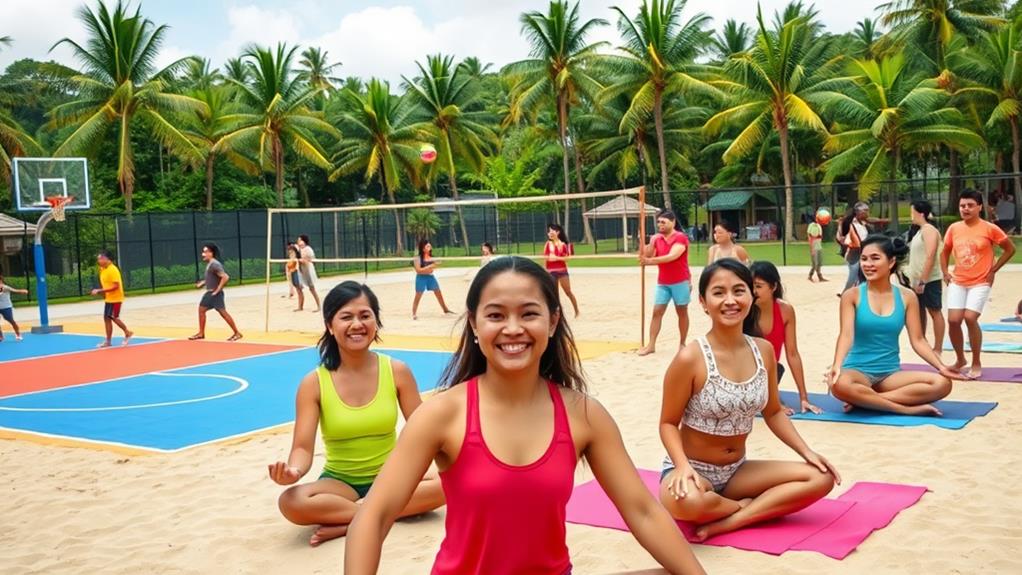
    Beach Workouts are another exciting outdoor fitness trend. Beach volleyball and circuit training are invigorating exercises that can be done on the sand. These activities not only provide a great workout but also offer a fun way to enjoy the beach.

    Family Fitness is an excellent way to promote a healthy lifestyle for everyone. Biking or jogging together are fun family activities that can be done outdoors. This not only strengthens family bonds but also sets a good example for children to prioritize fitness.

    Community Group Classes are a great way to stay motivated and connected with others. Joining local fitness groups in parks for yoga or HIIT sessions provides an opportunity to exercise with like-minded individuals. The camaraderie and accountability that come with group classes help individuals stick to their fitness routines.

    With the rise of home workouts, outdoor spaces have become essential for maintaining fitness routines.

    Technology has enhanced outdoor fitness experiences, with apps that track progress and keep individuals connected with others.

    How Will Emerging Sports and Fitness Trends Impact the Future of Sports Broadcasting in the Philippines?

    The evolving landscape of sports and fitness in the Philippines will undoubtedly shape the future of sports broadcasting in the country. As new sports and fitness trends continue to emerge, the future of sports broadcasting philippines will be influenced by the growing diversity of athletic competitions and the increasing demand for innovative and engaging coverage.

    Mental Wellness and Fitness

    holistic health and balance

    The Connection Between Physical Health and Mental Wellness

    The growing interest in outdoor fitness activities in the Philippines has led to a deeper understanding of the connection between physical health and mental wellness.

    Integrating mindfulness practices into fitness routines can significantly enhance emotional resilience. This is because mindfulness practices, such as meditation and deep breathing, help reduce stress and anxiety, leading to improved mental health outcomes.

    Virtual Fitness Platforms and Mental Wellness

    Digital fitness solutions have become increasingly popular, offering programs that combine physical exercise with mental wellness initiatives.

    Virtual classes provide a sense of community, fostering motivation and accountability. For example, participating in online yoga classes can lead to improved mental health outcomes, as these activities promote relaxation and personal growth.

    Market Demand for Mental Wellness Initiatives

    The market for digital fitness and well-being is projected to reach US$365.90 million by 2024, highlighting the increasing demand for mental wellness initiatives integrated into fitness regimes.

    Specialized retreats focusing on mindfulness and empowerment are becoming popular, emphasizing rejuvenation and support. These retreats provide a holistic approach to wellness, combining physical exercise with mindfulness practices to promote overall well-being and resilience.

    Prioritizing Physical and Mental Health

    By prioritizing both physical and mental health, individuals can cultivate a balanced lifestyle that enhances overall well-being and resilience.

    A balanced lifestyle can be achieved by integrating mindfulness practices into daily routines and engaging in regular physical exercise. This approach can lead to improved mental health outcomes and a reduced risk of chronic diseases.

    Future of Fitness in the Philippines

    The Future of Fitness in the Philippines

    Personalized Fitness Solutions: Advanced algorithms and user data will enable tailored workouts and nutrition plans based on individual goals and preferences.

    For instance, fitness apps will analyze a user's fitness level, dietary needs, and lifestyle to create a customized fitness plan.

    Gamified Fitness: Fitness apps will increasingly incorporate game-like elements to make workouts more engaging and motivating.

    Examples include virtual rewards for achieving fitness milestones, leaderboards to compete with friends, and social sharing to boost accountability.

    Sustainable Fitness Practices: Eco-friendly practices and sustainable fitness solutions will gain traction, promoting a healthier lifestyle for both individuals and the planet.

    This includes adopting eco-friendly fitness gear, reducing carbon footprint through virtual workouts, and supporting environmentally responsible fitness brands.

    Hybrid Fitness Models: The blend of in-person and virtual training will cater to diverse preferences, enhancing accessibility and convenience.

    For example, studios will offer virtual classes for those who prefer to work out at home, while also providing in-person sessions for those who thrive in a group setting.

    Growing Demand for Digital Fitness: The digital fitness market in the Philippines is projected to reach $365.90 million by 2024, with user penetration for online fitness solutions expected to rise significantly by 2029.

    Younger demographics, particularly those aged 18-35, will lead the charge, embracing technology in their fitness journeys.

    Community-Driven Fitness: Community-driven initiatives will further strengthen connections among participants, fostering motivation and accountability.

    This includes online fitness communities, social media groups, and local fitness events that promote a sense of belonging and shared goals.

    The Future of Fitness: The future of fitness isn't just about working out; it's about building a supportive and personalized wellness ecosystem.

    Questions and Answers

    What Is the New Trend Regarding Sports and Exercise?

    A shift towards holistic health is transforming the sports and exercise landscape.

    Functional training has become a dominant trend, focusing on movements that improve daily life activities. For instance, exercises that mimic carrying groceries or playing with children are now being incorporated into workout routines.

    This approach recognizes that fitness isn't just about physical appearance, but about enhancing overall well-being.

    Wellness retreats are gaining popularity, offering immersive experiences that combine fitness with relaxation.

    These retreats provide a holistic approach to health, often featuring yoga, meditation, and healthy meal planning in addition to physical exercise.

    By combining physical activity with mental relaxation, individuals can achieve a better work-life balance and reduce stress.

    Outdoor workouts are becoming increasingly popular, allowing individuals to connect with nature while staying fit.

    Activities such as hiking, kayaking, and cycling are becoming favored alternatives to traditional gym workouts.

    This trend not only promotes physical health but also encourages individuals to appreciate and respect the natural environment.

    What Is the Latest Fitness Craze?

    The latest fitness craze combines high intensity interval training (HIIT) with mindfulness meditation. This fusion helps you push your physical limits while focusing on mental clarity.

    For example, classes may include intense bursts of exercise followed by brief meditation sessions to calm the mind and recharge energy.

    Outdoor adventure races have also gained popularity, challenging participants to tackle nature's obstacles.

    These races often involve activities like trail running, rock climbing, and kayaking, which require both physical endurance and mental agility.

    Who Physical Activity in the Philippines?

    Physical activity in the Philippines emphasizes community engagement. This is evident in the popularity of group classes and community events, which not only motivate individuals to exercise but also foster social connections.

    Cultural influences shape the country's fitness landscape, with traditional practices blending with modern fitness trends. For example, Filipinos often incorporate indigenous dances like Tinikling into their workouts.

    Regular physical activity is crucial for maintaining physical and mental well-being, which is essential for many Filipinos' lifestyles.

    What Is Pinoy Fitness?

    Pinoy Fitness: A Local Fitness Community

    Pinoy Fitness is a platform that connects individuals with local athletes and enthusiasts, fostering a sense of community through virtual challenges and fitness events. These events promote holistic wellness, which encompasses physical and mental well-being.

    Accessible Fitness Coaching and Tracking

    Pinoy Fitness leverages technology to make fitness coaching and tracking accessible, enabling individuals to enhance their physical health and mental well-being. This is achieved through various Pinoy workouts, which are designed to engage users in a local fitness community.

    Join the Movement

  • Sports and Health in the Philippines: Promoting an Active Lifestyle

    Sports and Health in the Philippines: Promoting an Active Lifestyle

    Understanding the Importance of an Active Lifestyle

    Promoting an active lifestyle is crucial in the Philippines, where 82.7% of Filipino youth do not meet recommended physical activity levels, leading to significant health risks.

    Current Challenges and Efforts

    The government has initiated policies to enhance sports participation and create safe public spaces.

    However, many efforts lack accountability and inclusivity, especially for non-athletes.

    Fostering Healthier Habits

    To address this issue, engaging families, schools, and communities is key.

    This can be achieved by implementing programs that encourage physical activity and healthy habits from a young age.

    Key Recommendations

    Include non-athletes in sports programs to promote inclusivity and increase funding for sports infrastructure to create safe public spaces.

    Additionally, integrate physical education into school curricula to foster healthier habits from an early age.

    Importance of Active Lifestyles

    benefits of active living

    Active lifestyles are crucial for maintaining both physical and mental well-being, especially among young people. Engaging in at least 60 minutes of daily physical activity is essential for children and adolescents, as recommended by the World Health Organization (WHO).

    In the Philippines, however, a staggering 82.7% of 10- to 17-year-olds fail to meet these guidelines, revealing a significant public health concern.

    Regular physical activity serves as a preventive measure against non-communicable diseases (NCDs). NCDs are projected to account for 500 million new cases globally in the next decade, with an estimated economic burden of USD 27 billion.

    Establishing active habits early on leads to better health perceptions in adulthood. By reducing sedentary behavior and encouraging regular engagement in sports or exercise, individuals can help pave the way for a healthier future.

    Embracing active lifestyles is vital for the youth in the Philippines. This can be achieved by prioritizing physical activity and promoting regular exercise or sports participation.

    By doing so, individuals can ensure their long-term health and well-being.

    Government Initiatives and Policies

    Government initiatives significantly shape the landscape of physical activity in the Philippines. The Philippine government has launched various initiatives to promote physical activity, with 17 government policies earning an A- grade for effectiveness in the 2022 Philippine Physical Activity Report Card.

    47% of these initiatives focus on sports participation, while 23% prioritize active transport.

    One notable example is the Healthy Public Open Spaces Initiative, which involves eight national agencies working together to create safe public areas that encourage community engagement and support mental well-being.

    Additionally, a joint administrative order has led to the improvement or construction of over 500 km of bicycle lanes since 2021, promoting active transport among citizens.

    Despite these advancements, policy implementation and reporting structures need improvement. A significant issue is that 53% of policies lack explicit accountability measures, hindering their overall effectiveness.

    Proper implementation and accountability are crucial for sustainable progress. With continued focus and refinement, these initiatives can further energize communities across the Philippines.

    Current Physical Activity Statistics

    recent exercise participation trends

    Physical Activity Crisis Among Filipino Youth

    82.7% of Filipino youth aged 10-17 fail to meet the World Health Organization's physical activity recommendations of 60 minutes daily. This alarming trend contributes to rising rates of sedentary behavior and negatively impacts their health.

    For example, a lack of physical activity is linked to an increased risk of obesity, diabetes, and other health problems.

    Limited Physical Activity Policies for Children Under 5

    Only 10% of the Filipino population consists of children under 5, yet there are few targeted physical activity policies for this age group.

    This is concerning because early childhood is a critical period for developing healthy habits and physical literacy.

    Low Sports Participation Among Filipinos

    39% of the population is between 5 and 24 years old, making it crucial to implement effective government policies that promote sports participation and an active lifestyle.

    However, 41% of adults report insufficient physical activity, further increasing the risk of non-communicable diseases (NCDs).

    Urgent Need for Improved Physical Activity Initiatives

    The overall failing grade (F) assigned to youth physical activity underscores the pressing need for improved engagement and healthy lifestyle initiatives.

    Prioritizing physical activity and developing comprehensive strategies for all age groups is essential for fostering a healthier, more active nation.

    Influences on Youth Participation

    Family and peer support significantly influence physical activity levels among Filipino youth. These social networks can either encourage or discourage participation in physical activities, shaping individual preferences and opportunities. For instance, having family members or friends who engage in sports can motivate youth to do the same.

    Schools play a crucial role in promoting physical activity. Over half of the initiatives aimed at promoting sports and exercise occur within educational settings. However, only 17.3% of Filipino youth aged 10 to 17 meet the World Health Organization's (WHO) recommended physical activity levels, highlighting the need for more effective engagement strategies.

    Community resources and local government policies are essential for fostering an active lifestyle. Despite the focus on athletic youth, non-athletes and out-of-school youth, who comprise 5.5% of Filipinos aged 5 to 17, are often overlooked.

    To address this, targeted policies that include diverse youth populations are necessary to ensure everyone has access to physical activities. By aligning community resources with effective engagement strategies, we can increase youth participation and cultivate a healthier generation of Filipino youth.

    Addressing Policy Gaps

    filling policy framework gaps

    Addressing policy gaps is crucial for promoting physical activity among Filipino youth. Current policies primarily focus on organized sports, neglecting non-athletes and the 5.5% of out-of-school youth who lack targeted initiatives. This oversight is particularly concerning for children under five, who require early childhood engagement to develop healthy habits.

    Existing policies have scored only 7 out of 10 in evaluations, indicating a lack of comprehensive coverage. 53% of policies focus on schools and 41% on community settings, revealing an insufficient approach that fails to address the diverse needs of all youth.

    Without specific guidelines on reducing inactivity, the path to fostering an active lifestyle remains obstructed.

    A nationally representative study is essential to assess the impact of these policies across various demographics. By understanding how different groups respond to health promotion strategies, we can tailor initiatives that encourage youth participation in physical activity.

    It's time to expand our focus and create inclusive policies that support the physical well-being of all Filipino youth, ensuring a healthier future for everyone.

    Recommendations for Improvement

    Creating a Comprehensive National Physical Activity Plan

    To address the alarming inactivity of Filipino youth, a comprehensive national physical activity plan is essential. 82.7% of Filipino youth fail to meet recommended activity levels, making it crucial to tackle sedentary behavior. This plan should expand government policies to include informal play and active transport, encouraging participation among non-athletes and out-of-school youth, who currently lack targeted initiatives.

    Collaboration and Effective Health Policies

    Collaboration among government agencies, civil society, and NGOs is vital. By working together, these entities can advocate for effective health policies that promote physical activity and establish clear roles and responsibilities.

    For instance, they can develop policies that incorporate physical education into school curricula or create bike-friendly infrastructure.

    Improving data reporting mechanisms is crucial, as 53% of existing policies lack explicit reporting systems, hindering accountability and the evaluation of physical activity programs.

    Questions and Answers

    What Is the Importance of Sport in the Philippines?

    Sport is essential in the Philippines for several reasons.

    It fosters community engagement and youth development by providing a platform for people to come together, build relationships, and develop teamwork skills.

    For instance, the Philippine Sports Commission's grassroots programs have successfully promoted sports development in rural areas, empowering young athletes to become leaders in their communities.

    It helps build a sense of cultural identity by promoting national pride and unity.

    The country's passion for basketball, for example, has brought people together, transcending social classes and geographical boundaries.

    Sports can boost the economy through tourism and infrastructure development.

    The hosting of international sports events, such as the Southeast Asian Games, has generated significant revenue and created jobs for Filipinos.

    It promotes health benefits by encouraging physical activity and a healthy lifestyle.

    The government's "Sports for All" program has made sports accessible to people of all ages, reducing the risk of chronic diseases and improving overall well-being.

    Integrating education with sports prepares individuals for international competition and enhances personal and professional growth.

    The University of the Philippines' sports programs, for instance, have produced athletes who've excelled in international competitions, earning scholarships and securing careers in their chosen fields.

    Overall, sport is a powerful tool that shapes individuals and communities, driving positive change across various aspects of life.

    What Is the Healthy Lifestyle Society of the Philippines?

    The Healthy Lifestyle Society of the Philippines (HLS-PH) promotes a healthy lifestyle through community engagement and wellness initiatives. This organization focuses on two primary areas: fitness programs and nutrition education workshops.

    Fitness programs aim to foster active living among Filipinos, while nutrition education workshops provide knowledge on healthy eating habits.

    HLS-PH emphasizes youth involvement to combat lifestyle diseases and cultivate a fitness culture. This is achieved by organizing fitness programs and workshops specifically designed for the youth, empowering them to make informed choices about their health.

    Collaboration with various organizations is key to HLS-PH's success. By working together, they enhance public health and encourage healthier habits across communities, ultimately creating a vibrant, health-conscious society.

    What Are Philippine National Guidelines on Physical Activity?

    The Philippine National Guidelines on Physical Activity recommend at least 60 minutes of moderate-to-vigorous exercise daily. These guidelines prioritize youth participation in various activities, including sports education, to enhance health benefits.

    For instance, incorporating physical education in school curricula encourages children to engage in regular exercise. Additionally, promoting active transportation, such as walking or cycling to school, contributes to the recommended daily exercise duration.

    The government aims to facilitate lifestyle changes through community engagement and wellness programs. These initiatives help combat sedentary behavior by providing opportunities for people to engage in physical activities, such as sports tournaments, fitness classes, or outdoor recreational activities.

    What Are the Sports and Leisure in the Philippines?

    Sports and Leisure in the Philippines

    The Philippines boasts a rich cultural heritage in sports and leisure activities. Basketball is an extremely popular sport, with many Filipinos playing in local courts and following international leagues.

    Additionally, Arnis, a traditional martial art, is a staple in Philippine sports. This ancient form of self-defense isn't only a recreational activity but also a way to connect with the country's history and culture.

    Outdoor enthusiasts will find plenty of opportunities to engage in water sports and hiking in the Philippines' scenic regions. With over 7,000 islands, the country offers a diverse range of landscapes and seascapes perfect for outdoor adventures.

    Fitness trends are on the rise, driven by community events that encourage youth participation and promote active living. As a result, recreational facilities are expanding, providing more options for people to engage in sports and fitness activities.

    Engaging in these sports and leisure activities not only boosts physical health but also fosters community spirit and social connections.

  • The Business of E-Sports in the Philippines: Investment and Growth

    The Business of E-Sports in the Philippines: Investment and Growth

    The esports industry in the Philippines is a promising investment opportunity. It is expected to generate $25.1 million in revenue by 2024, with a robust growth rate of 7.02% projected until 2029.

    This growth is driven by a strong user base, which is expected to reach 11.1 million by 2029, indicating increasing participation, especially among young gamers.

    Esports betting is a significant contributor to this growth, set to contribute $17 million in 2024.

    Despite these opportunities, challenges persist, such as inadequate infrastructure and public misconceptions about the industry.

    However, prominent teams and initiatives like AcadArena are driving the local scene forward, providing a platform for young gamers to develop their skills and compete.

    Understanding the dynamics of the Philippine esports industry can provide valuable insights into its potential for growth and investment.

    Market Overview

    current economic landscape analysis

    The Esports market in the Philippines is poised for significant growth, with projected revenue reaching US$25.1 million by 2024 and a robust annual growth rate (CAGR) of 7.02% from 2024 to 2029. A key driver of this growth is Esports betting, which is expected to generate US$17.0 million in revenue in 2024.

    The user base is expanding rapidly, with a projected 11.1 million users by 2029, representing a user penetration rate of 7.5% in 2024. The average revenue per user (ARPU) stands at US$2.82, indicating a promising potential for monetization strategies.

    The rise of mobile gaming has made gaming more accessible to a broader audience, contributing to the surge in the Esports sector.

    Increased investments in local Esports tournaments and infrastructure are also playing a crucial role in shaping this landscape. These factors position the Philippines as an emerging powerhouse in the Esports market, inviting further exploration and engagement from gamers and investors alike.

    Global Market Comparison

    The global esports market is a diverse and competitive landscape, with the United States leading with a projected revenue of US$1,070.0 million in 2024. China is the largest market, while Germany also plays a significant role, highlighting the competitive nature of this sector.

    In contrast, the Philippines has a large potential for growth in its esports market, projected to reach US$25.1 million by 2024 with a CAGR of 7.02% until 2029. This growth is largely driven by the increasing number of mobile gamers, who are becoming crucial to the ecosystem.

    The esports betting segment in the Philippines is particularly noteworthy, expected to generate US$17.0 million in revenue by 2024, underscoring the market's potential.

    As international companies continue to invest and host esports events in the region, the Philippines is poised for tremendous growth in rising sports and esports, setting the stage for a vibrant future in this competitive landscape.

    Key Players and Dynamics

    critical participants and interactions

    Key Players Drive Esports Growth

    Prominent teams like ONIC Philippines, FaZe, and TSM are driving significant sponsorships and investments in the Philippine esports scene. The Philippine Esports Organization (PeSO), established in 2011, has been instrumental in promoting local esports growth and recognition nationally and internationally.

    Evolving Esports Ecosystem

    The Philippines' large and young population is eager to engage in competitive video gaming, rapidly evolving the esports ecosystem.

    AcadArena's $3.5 million funding reflects a commitment to enhancing local infrastructures and opportunities for aspiring players, vital for sustaining growth and broadening the talent pool.

    Lucrative Revenue Streams

    Esports betting revenue is projected to reach $17.0 million by 2024, indicating a lucrative segment within the industry.

    Major events like the M3 World Championship, which garnered a peak viewership of 3.1 million, showcase the increasing engagement and investment potential in this thriving sector.

    Investment Opportunities

    The Philippine esports market is poised for significant growth, presenting investment opportunities worth US$25.1 million in revenue by 2024. This growth is fueled by a compound annual growth rate (CAGR) of 7.02% through 2029.

    Esports betting is the largest market segment, expected to reach US$17.0 million in 2024. This rapid expansion makes it an attractive area for both local and foreign investors.

    For example, AcadArena's grassroots esports initiatives provide unique investment opportunities in amateur leagues and player development, fostering a new generation of talent.

    The Philippines has a large and growing gaming population, with 43 million active gamers and an anticipated user base growth to 11.1 million by 2029. Companies targeting this demographic will find lucrative prospects.

    The Philippine government's recognition of esports as a professional sport since 2017 further enhances the sector's attractiveness by opening doors for increased investment and sponsorship.

    Growth Potential

    future expansion opportunities

    The Philippine esports market holds significant growth potential, driven by increasing user engagement and diverse revenue streams. By 2024, the market is projected to reach US$25.1 million in revenue, with a 7.02% compound annual growth rate (CAGR) from 2024 to 2029.

    The user base is expected to expand, reaching 11.1 million active gamers by 2029, primarily consisting of a young demographic eager for esports content.

    Esports betting is the largest market segment, projected to generate US$17.0 million in 2024, presenting a lucrative investment opportunity.

    Mobile gaming is on the rise, forecasted to reach $1.5 billion by 2025, solidifying the Philippines' position in the Southeast Asian gaming landscape.

    Additionally, increased sponsorship and advertising revenues are driven by a growing number of local and international esports tournaments, further highlighting the expanding business opportunities within the esports ecosystem.

    What are the potential investment opportunities in the rapidly growing e-sports industry in the Philippines?

    The esports industry growth in philippines presents a multitude of potential investment opportunities. With the increasing popularity of competitive gaming in the country, there is a high demand for infrastructure development, sponsorships, and talent management. Investing in esports teams, event organization, or gaming facilities can yield substantial returns in this rapidly expanding market.

    Challenges and Barriers

    Infrastructure Limitations

    The Philippine esports industry lacks essential infrastructure, hindering its growth.

    Advanced training academies and improved sports venues are essential to nurture local talent and host competitive events. Without these facilities, the industry struggles to develop and attract top players.

    Public Misconceptions

    Public understanding of esports remains limited, often overshadowed by negative perceptions about gaming.

    Educational initiatives are necessary to elevate awareness and change these perceptions, ensuring the industry's continued growth.

    Regulatory Issues

    Inconsistent government support creates uncertainty, deterring potential investors.

    Clear regulations and government backing are crucial to attract investors, essential for the industry's growth.

    Talent Gap and Competition

    The talent gap in esports is a significant challenge.

    Skilled professionals in game development and management roles are scarce, while participation in esports surges.

    Local esports organizations also face fierce competition for sponsorship and advertising revenues, struggling to secure funding against established global brands.

    Overcoming Barriers

    Addressing these challenges is vital for the sustainable growth of esports in the Philippines.

    By overcoming these barriers, the industry can unlock its full potential.

    Future Trends

    emerging technologies and innovations

    The Philippine esports market is projected to grow at a CAGR of 7.02%, reaching a volume of US$35.3 million by 2029. This growth is largely fueled by the anticipated rise of mobile gaming, with the number of mobile gamers expected to hit 37 million by 2027.

    Private investments are driving the growth of local esports initiatives. For instance, AcadArena's grassroots development funding and Manny Pacquiao's Team Pacquiao GG demonstrate a growing recognition of the business potential within the gaming industry.

    The establishment of competitive amateur leagues will bolster the esports ecosystem. These leagues will attract local and international investors, and collaborations with educational institutions to develop esports programs will enhance skill development and talent identification.

    Advanced technology will elevate the competitive landscape and draw more spectators to esports events. As the industry matures, this integration will play a crucial role in shaping the future of esports in the Philippines.

    The Philippines is poised to become a promising hub for esports. The dynamic interplay of investment, growth, and community engagement positions the country for significant development in the industry.

    Questions and Answers

    How Big Is Esports in the Philippines?

    Esports in the Philippines is a rapidly growing industry. This growth is driven by the country's active gaming community and the popularity of local tournaments, which encourage youth participation. For example, the Philippine Pro Gaming League (PPGL) has become a premier esports competition, attracting thousands of participants and spectators.

    Mobile gaming is the dominant force in the Philippines' esports scene. This is due to the widespread use of mobile devices and the accessibility of mobile games. As a result, streaming platforms like Facebook Gaming and YouTube Live have become essential for esports athletes to gain exposure and interact with their fans.

    The Philippines is increasingly involved in international esports competitions, which has led to a rise in sponsorship opportunities. Brands like Globe Telecom and Smart Communications have invested heavily in esports, providing financial support to teams and players.

    This influx of funding has enabled esports athletes to pursue gaming as a full-time career, with some players earning up to ₱1 million (approximately $20,000 USD) per month.

    What Is the Growth Rate of the Esports Industry?

    The esports industry is growing rapidly, with a projected compound annual growth rate (CAGR) of 7.02% from 2024 to 2029. This growth is driven by the increasing popularity of mobile gaming and online streaming platforms, which are expanding the esports audience demographics.

    For instance, the number of esports viewers is expected to reach 646 million by 2023, up from 454 million in 2020.

    The growth of esports is also fueled by increasing tournament prize pools and the development of esports education programs. Tournament prize pools have been rising steadily, with The International 2021 Dota 2 tournament boasting a record-breaking prize pool of over $40 million.

    As a result, sponsorship opportunities are expanding, and grassroots gaming initiatives are contributing to the growth of the industry. For example, the NBA 2K League, a joint venture between the NBA and Take-Two Interactive, has partnered with major brands such as Coca-Cola and AT&T.

    How Much Money Is Invested in Esports?

    The esports industry has attracted significant investments across various revenue sources.

    Sponsorship deals and tournament funding have been a major draw for investors. For instance, brands like Coca-Cola and Mercedes-Benz have invested heavily in esports sponsorships. Additionally, gaming companies like Riot Games and Blizzard Entertainment have invested millions in tournament funding.

    Revenue from merchandise sales, fan engagement, and streaming platforms also contributes to the financial growth of the industry.

    Merchandise sales, such as team jerseys and gaming accessories, have become a lucrative revenue stream. Moreover, fan engagement through social media and live events has opened up new revenue opportunities. Streaming platforms like Twitch and YouTube Live have also generated substantial revenue through subscription fees and ad revenue.

    The industry's financial prospects are expected to continue growing, with projected investments reaching new heights.

    According to market projections, the esports industry is expected to reach $1.5 billion in revenue by 2025, up from $950 million in 2020. This growth is driven by increasing investor interest, rising viewership, and expanding revenue streams.

    How Much Do Esports Players Make in the Philippines?

    In the Philippines, professional gamers can earn a significant income.

    Player salaries vary widely depending on skill level and market demand. Top players can earn between $1,000 to $10,000 monthly from sponsorship deals and tournament winnings. For example, a skilled player who wins several tournaments can earn up to $10,000 in a month, while a less skilled player may only earn $1,000.

    Streaming revenue adds an extra layer of income. Many professional gamers in the Philippines also stream their gameplay online, earning money from subscriptions and donations. This can add hundreds or even thousands of dollars to their monthly income.

    Team contracts can provide a stable income. Professional gamers can also earn a salary from their teams. Elite players can earn up to $5,000 monthly from their team contracts, while less experienced players may start at around $500 per month.

    As the esports industry continues to grow, career longevity appears promising, and average earnings are projected to rise substantially. This means that professional gamers in the Philippines can expect to earn a higher income in the future.

  • The Rise of Filipino E-Sports Teams and Athletes

    The Rise of Filipino E-Sports Teams and Athletes

    The Filipino e-sports industry is growing rapidly, with a market growth rate of 12.9% annually. This growth is driven by popular games like Mobile Legends: Bang Bang, which dominates the scene. Filipino teams such as Blacklist International and Bren Esports have made a name for themselves in international competitions.

    Major e-sports events in the Philippines attract a large audience, with the MPL (Mobile Legends Professional League) drawing in over 950,000 viewers. This high level of engagement demonstrates the significant interest in e-sports in the country.

    Despite the growth, the industry still faces challenges. One major issue is the limited local support for e-sports, which hinders its development.

    Another challenge is the misconception that e-sports is a temporary trend, which affects its legitimacy and recognition.

    Investments and educational programs are key to overcoming these challenges. Strategic investments can help provide the necessary resources for teams and athletes to grow and compete.

    Emerging educational programs can also help change the perception of e-sports and provide a pipeline of skilled players and professionals.

    Overview of Filipino Esports

    filipino esports scene overview

    The Philippines has one of the fastest-growing esports markets, with an annual growth rate of 12.9% since 2017. This growth is driven by the popularity of games like Mobile Legends: Bang Bang, which has become a staple in the competitive scene.

    In fact, the Mobile Legends: Bang Bang Professional League (MPL) has reached over 950,000 viewers in its 2023 Season 11.

    Major esports organizations are leading the charge in this competitive landscape. Blacklist International, Bren Esports, and Omega Esports are among the prominent teams actively participating in both local and international tournaments.

    Their achievements have put Filipino teams on the global stage, with notable appearances in events like the VALORANT Champions Tour (VCT) and the Manila Major.

    The Philippine Esports Organization (PeSO) plays a crucial role in supporting this ecosystem, enabling professional players to secure athletic licenses and compete internationally.

    As a result, the Philippines is solidifying its position as a key player in the world of esports.

    Key Players and Teams

    Key Players and Teams in Filipino Esports

    The Philippines has produced several notable esports teams and players, achieving international recognition and acclaim.

    Top Performing Teams

    Blacklist International has established itself as a leading esports organization, garnering international recognition through its impressive tournament performances.

    Bren Esports made history by winning the M2 World Championship in Mobile Legends: Bang Bang, showcasing the country's depth of talent.

    Omega Esports has built a reputation as a formidable contender in both Mobile Legends and VALORANT, highlighting the versatility of Filipino esports teams.

    Dota 2 Powerhouses

    Execration and TNC Predator have consistently demonstrated their prowess in Dota 2, significantly contributing to the growth of the local and international Dota 2 community.

    Regulatory Support

    The Philippines Esports Organization (PeSO) plays a crucial role in regulating and promoting professional esports in the country.

    Growth Opportunities and Challenges

    navigating growth and challenges

    The growth of Filipino esports teams and athletes presents both opportunities and challenges. The Philippine esports market has experienced a consistent 12.9% annual growth rate since 2017, indicating a thriving environment for local teams. This growth is largely driven by the popularity of mobile gaming, particularly titles like Mobile Legends: Bang Bang, which has attracted 2.65 million daily active gamers.

    However, challenges persist. Local leagues struggle with limited viewer engagement, with fewer viewers tuning in compared to international competitions.

    Additionally, there is a lingering perception that esports is a fleeting trend, and the lack of dedicated esports venues and government support hinders the quality of competition and player experience.

    To overcome these challenges, collaboration among stakeholders and strategic investment in grassroots development are essential. This can create a more robust environment for local athletes and organizations, ultimately transforming challenges into opportunities for sustained growth in the esports arena.

    How Has Government Support Contributed to the Rise of Filipino E-Sports Teams and Athletes?

    The rise of Filipino e-sports teams and athletes can be attributed to the significant role of government in philippine sports. Through funding, infrastructure development, and training programs, the government has provided crucial support that has helped e-sports grow and flourish in the country, creating opportunities for talented individuals to excel.

    Major Tournaments and Events

    Major Tournaments and Events Drive Esports Growth in the Philippines

    The Philippine esports scene thrives on the excitement generated by major tournaments and events, which showcase local talent, foster community engagement, and draw international attention.

    These competitions highlight emerging talent and further enhance the country's reputation in the esports landscape.

    Key Tournaments Shaping the Philippine Esports Scene

    Several prominent tournaments have emerged as critical platforms for Philippine esports. These include:

    • Mobile Legends: Bang Bang Professional League (MPL), which features Mobile Legends: Bang Bang and has drawn over 950,000 viewers during its Season 11 peak.
    • The Nationals, a premier esports league in the country, featuring multiple game titles.
    • Philippine Pro Gaming League (PPGL), a platform for emerging talent and established teams, featuring various games.
    • PBA Esports Bakbakan, a unique crossover with the Philippine Basketball Association, featuring basketball-themed esports.

    The Importance of Esports Events

    These events are crucial for the growth and recognition of Filipino teams and athletes.

    They provide a platform for local talent to shine, foster community engagement, and draw international attention to the country's esports scene.

    Future of Esports in the Philippines

    philippines esports growth potential

    The Philippine esports market is projected to reach $1.5 billion by 2025, driven primarily by the popularity of mobile gaming. Titles such as Mobile Legends and VALORANT are contributing to this growth, captivating both audiences and players.

    Esports is now recognized as a legitimate sport in the Philippines, with the government providing pathways for professional players to obtain athletic licenses. This recognition not only increases the visibility of Filipino gamers but also enhances their career prospects, allowing them to compete internationally.

    Dedicated esports venues are emerging, providing essential infrastructure that elevates competition quality and player experiences. For instance, these venues offer better equipment, internet connectivity, and seating arrangements, creating a more immersive experience for players and spectators.

    Additionally, esports education programs, such as the Bachelor of Science in Esports at Lyceum of the Philippines University, are being established to nurture a new generation of esports professionals.

    Collaboration among stakeholders is crucial to maximize growth potential and create a sustainable esports ecosystem. This includes cooperation between the government, private investors, and esports organizations to provide resources, infrastructure, and support for the industry.

    The future of esports in the Philippines looks promising, with the country poised to make a significant mark on the global stage.

    Questions and Answers

    Why Are Esports Popular in the Philippines?

    Esports thrive in the Philippines due to a strong gaming culture. This culture is built on a competitive spirit and community building. Local tournaments, for example, the Philippine Pro Gaming League (PPGL), bring together young gamers who share a passion for competition.

    These events foster youth engagement and provide a platform for players to connect with each other.

    Streaming platforms play a significant role in enhancing social interaction. Fans can engage with their favorite gamers through live streams on platforms like Facebook Gaming and Twitch.

    This interaction helps build a loyal fan base and encourages participation in esports.

    Technological accessibility has made gaming more accessible. The widespread availability of affordable gaming PCs and internet has created a dynamic environment that fuels interest and participation in esports.

    As a result, esports have become a significant part of the Filipino entertainment landscape.

    What Caused the Rise of Esports?

    The rise of esports is attributed to the combination of competitive gaming and digital culture.

    Competitive gaming has become more accessible due to technological advancements, leading to increased youth engagement. For instance, the widespread adoption of high-speed internet and powerful gaming consoles has enabled smoother and more immersive gaming experiences. This, in turn, has made gaming more appealing to a younger audience.

    Social interaction is enhanced through streaming platforms, allowing players to connect and share experiences. Twitch, a popular streaming platform, has over 2 million streamers, providing a space for gamers to interact with each other and build communities. This social aspect of gaming has contributed significantly to the growth of esports.

    Increased accessibility of tournaments has boosted participation, with online platforms making it easier for gamers to participate in competitions. The proliferation of online tournaments has reduced barriers to entry, enabling gamers from diverse backgrounds to participate and compete against each other.

    Global recognition has elevated the status of esports, with many countries recognizing it as an official sport. The International Olympic Committee, for example, has considered including esports in the Olympic Games, further legitimizing its status as a competitive sport.

    This recognition has attracted more participants, spectators, and sponsors, contributing to the growth of the esports industry.

    Why Do a Lot of Filipinos Play Mobile Legends?

    Accessibility is a key reason many Filipinos play Mobile Legends. This is because the game is easily accessible on mobile devices, allowing players to join the gaming culture anywhere, anytime.

    The game's competitive spirit keeps players engaged, as they strive to climb the ranks and become better players. Additionally, local tournaments foster community engagement, bringing players together to compete and socialize.

    Mobile Legends also strengthens social connections with friends. Players can team up with friends to play together, making the game a social activity.

    Streaming platforms showcase gameplay, attracting youth involvement. Many professional players and streamers share their gameplay on platforms like YouTube and Facebook, inspiring younger players to join the game.

    Mobile Legends has become a cultural phenomenon in the Philippines. With over 43 million active gamers, the game has become an integral part of the country's gaming culture.

    It's not just a game; it's a way of life for many Filipinos.

    How Many Esports Players Are There in the Philippines?

    The Philippines has a large and growing esports community, with over 43 million Filipino gamers. This community is driven by online tournaments, where players compete against each other to gain recognition and showcase their skills.

    As top players emerge, they attract sponsorship deals that further boost the esports scene. These gaming communities focus on skill development, enhancing player performance and fostering camaraderie among aspiring esports athletes nationwide.

  • Mobile Legends: Bang Bang and Its Impact on Filipino Gamers

    Mobile Legends: Bang Bang and Its Impact on Filipino Gamers

    Mobile Legends: Bang Bang has revolutionized the gaming experience for Filipino gamers. It has transformed the way they socialize and compete, with over 41.2 million downloads.

    The game's real-time communication and teamwork features enhance the gaming experience, allowing players to work together seamlessly.

    The game's character design is deeply rooted in local culture, making it more relatable and engaging for Filipino players. This cultural connection has contributed to the game's massive popularity in the Philippines.

    The Mobile Legends Professional League (MPL-PH) has become a major esports platform, elevating the competitive spirit among Filipino gamers.

    This growth has not only boosted the local economy but also created a sense of community among players.

    As Mobile Legends: Bang Bang continues to evolve, its influence is expected to shape the gaming landscape even further.

    Overview of Mobile Legends: Bang Bang

    mobile legends game overview

    Mobile Legends: Bang Bang's Rise to Prominence

    Mobile Legends: Bang Bang (MLBB) has become a cornerstone in the gaming landscape, particularly among Filipino gamers. Launched in 2016 by Moonton, this multiplayer online battle arena (MOBA) game brings the excitement of 5v5 matches to mobile devices.

    Gameplay and Strategy

    The gameplay mirrors traditional PC MOBAs, allowing players to strategize and collaborate with teammates in real-time. This requires communication and coordination to achieve victory.

    Global Appeal and Diverse Heroes

    By November 2020, MLBB had surpassed 1 billion downloads, showcasing its global appeal and massive player base. The game features a diverse roster of over 100 heroes, each assigned specific roles like Tank, Marksman, Assassin, Fighter, Mage, and Support.

    These roles come with unique abilities that can significantly influence a team's strategy and success on the battlefield.

    Regular Updates and Competitive Esports Scene

    Regular updates, such as the Project NEXT update in June 2020, keep the game fresh by introducing new heroes and balance changes, enhancing the overall experience.

    Furthermore, MLBB boasts a competitive esports scene, with the Mobile Legends Professional League (MPL) acting as a qualifier for the prestigious Mobile Legends World Championships.

    This vibrant community engagement fuels the growth of esports, making Mobile Legends Bang Bang a key player in the gaming world.

    The Rise of Mobile Gaming

    Mobile gaming has experienced explosive growth in the Philippines, driven by improved internet connectivity and increased smartphone penetration. As a result, gaming has become more accessible than ever, with popular titles like Mobile Legends: Bang Bang (MLBB) achieving over 1 billion downloads by November 2020.

    Localized content is essential for mobile games, as it enhances user engagement and fosters a strong sense of community among Filipino gamers. This is evident in the success of multiplayer and social gaming experiences, which contribute to the growing popularity of mobile gaming.

    The esports market, including mobile gaming, has seen significant growth in Southeast Asia, generating $543.8 million in 2020 and expected to surpass $600 million in 2021.

    The rise of mobile gaming, exemplified by titles like Mobile Legends: Bang Bang, is reshaping entertainment and social interactions among Filipino players.

    Esports Growth in the Philippines

    philippines esports industry expansion

    The Philippines has experienced a significant surge in esports growth, largely driven by the popularity of mobile gaming.

    In 2018, the establishment of the Mobile Legends Professional League Philippines (MPL-PH) marked a major milestone, introducing organized esports competitions that attracted both local and international attention.

    The esports industry in Asia has seen substantial growth, generating $543.8 million in revenue by 2020. The Philippines is expected to share in this lucrative market, with projections indicating it will exceed $600 million in 2021.

    As the MPL-PH has evolved into Southeast Asia's largest esports competition, it has become a vibrant hub for Filipino gamers seeking to demonstrate their skills.

    Social media platforms such as Facebook, YouTube, and TikTok have revolutionized the way fans engage with esports competitions, making them more accessible than ever.

    The MPL-PH's social media reach increased by 1,655%, and its followers grew by 401%, within just four months, highlighting the immense interest in competitive gaming.

    This remarkable growth not only underscores the potential of esports in the Philippines but also paves the way for future developments in the gaming landscape.

    Community Engagement Strategies

    Community Engagement Strategies in Esports

    Fostering a Strong Connection with Filipino Gamers

    Engaging the community is crucial for the ongoing success of esports. The MPL-PH has implemented innovative strategies to connect with Filipino gamers. One notable initiative is the "Usapang MPL" theme, which encourages discussions on various esports-related topics.

    This approach creates a sense of belonging among players and fans.

    Localized Content for a Filipino Audience

    Creating content tailored specifically for the Filipino audience has proven highly effective.

    In just four months, the MPL-PH saw a 1,655% increase in reach and an 844% boost in engagement. This was achieved by showcasing popular community figures, which heightened excitement around the league and contributed to a 401% growth in social media followers.

    Shareable Content for Ongoing Conversations

    Using trendy and shareable content, such as memes, ensures that conversations continue beyond game days.

    This approach not only strengthens the MPL-PH's fanbase but also solidifies its standing in the esports ecosystem. By focusing on creating a vibrant community around Mobile Legends: Bang Bang Professional, the league is setting the stage for long-term success, making every gamer feel valued and connected.

    Content Creation and Interaction

    engaging digital content strategies

    Content creation is key to building a strong online community. In the case of Mobile Legends, creating trendy and shareable content like memes helped the MPL-PH engagement strategy resonate with Filipino gamers.

    For example, the Usapang MPL theme sparked community interactions about players, teams, and rivalries, fostering ongoing discussions. This approach solidified the MPL-PH fanbase, making it a central hub for discussions.

    Utilizing online groups and pages can significantly increase reach and engagement. The MPL-PH campaign achieved an astounding 1,655% increase in reach and an 844% increase in engagement within just four months.

    This was made possible by including popular community figures in content creation, which heightened excitement and encouraged fans to participate actively in conversations about Mobile Legends: Bang Bang.

    Relevant, localized content is crucial for building a vibrant community. The campaign's focus on such content led to a remarkable 401% follower growth, rising from 206,077 to 1,033,468 organically.

    This emphasizes how effective content creation can be in building a vibrant, interactive community, where fans eagerly engage and share their passion for Mobile Legends.

    Impact on Filipino Gamers

    Impact on Filipino Gamers

    Mobile Legends: Bang Bang (MLBB) has revolutionized the gaming experience for Filipinos, transforming the way they interact with games and each other. With over 41.2 million downloads in the Philippines, MLBB has become a cultural phenomenon that has reshaped the gaming landscape.

    Enhanced Communication Skills

    MLBB's real-time chat features have improved teamwork and strategy among players, allowing them to articulately express themselves and devise effective strategies. This has led to more effective communication and collaboration, resulting in better gaming outcomes.

    Competitive Opportunities

    MLBB has provided a platform for Filipino gamers to participate in local and international events, such as the MPL-PH, which showcases local talent on a global stage. This has opened up new opportunities for Filipino gamers to compete and gain recognition worldwide.

    Youth Engagement

    MLBB's popularity among young players has driven the demand for social gaming experiences, creating a new generation of gamers who crave interactive and engaging online experiences. This has led to a surge in youth engagement in the gaming community, fostering a sense of belonging and camaraderie among players.

    Economic Contribution

    MLBB has generated significant revenue, with $307 million coming from Southeast Asia alone, boosting the local economy and community growth. This has created new opportunities for businesses and entrepreneurs in the gaming industry, contributing to the country's economic development.

    Cultural Significance

    MLBB reflects a shift towards mobile gaming, creating a dedicated gaming community that shares a common passion for the game. This has led to a cultural phenomenon that goes beyond just gaming, with MLBB becoming a cultural touchstone for Filipino gamers.

    Key Characters and Lore

    essential figures and mythology

    A Rich Tapestry of Characters and Lore

    Mobile Legends: Bang Bang (MLBB) boasts a vast array of characters and lore that captivates players. The game features 112 heroes as of December 2021, up from 10 at launch, each with unique abilities and roles that enhance gameplay.

    Culturally Inspired Heroes

    Many heroes are inspired by Southeast Asian history and folklore. For instance, Lapu Lapu represents the Philippines, while Kadita is rooted in Indonesian mythology. These characters not only offer diverse gameplay strategies but also immerse players in a culturally rich narrative.

    Collaborations and Themed Skins

    Collaborations with franchises like SNK's The King of Fighters and Transformers bring themed skins that resonate with players. This enhances engagement and personal connection to the game. Cultural themes are further emphasized through unique skins and events, deepening the lore surrounding each hero.

    Heroes with Local Cultural Significance

    The introduction of Paquito, influenced by Filipino boxing legend Manny Pacquiao, demonstrates how local culture seamlessly integrates into MLBB's universe. This not only enriches the gaming experience but also fosters a sense of pride and identity among Filipino gamers, making the heroes resonate on a personal level.

    Challenges and Controversies

    Mobile Legends: Bang Bang has faced several challenges and controversies throughout its existence.

    Legal Issues: In 2017, Riot Games filed a lawsuit against Moonton, the game's developer, for copyright infringement. Although the lawsuit was dismissed, it highlighted the importance of originality in game development.

    Regional Ban: In 2020, Mobile Legends was banned in India due to geopolitical tensions. This ban significantly affected the game's player base and revenue.

    Championship Skin Controversy: In 2021, Blacklist International requested a custom skin, which sparked public backlash. Moonton initially agreed to the request but later reversed its decision due to the negative feedback.

    Cheating and Hacking: The game has struggled with cheating and hacking issues. To combat this, Moonton has implemented permanent bans for offenders.

    Monopolistic Practices in Esports: There have been accusations of monopolistic practices in the game's competitive gaming scene, with restrictions placed on teams. This has led to concerns about fair play and competition.

    These challenges and controversies not only impact the game's reputation but also affect the community's experience.

    Addressing these issues is crucial for Moonton to ensure a fair and enjoyable environment for all players.

    Future of Mobile Legends in the Philippines

    evolving esports landscape philippines

    Mobile Legends: Bang Bang (MLBB) is set to maintain its stronghold in the Filipino gaming scene, with projections indicating a bright future fueled by rising smartphone penetration and enhanced internet connectivity.

    The Mobile Legends Professional League – Philippines (MPL-PH) will likely expand, drawing more participants and viewership. This growth is expected to increase esports opportunities, providing a platform for Filipino gamers to compete and showcase their skills.

    Future updates and partnerships will enhance gameplay and keep the community engaged. For example, collaborations like the one with Manny Pacquiao will attract new players and retain existing ones, ensuring the game remains fresh and exciting.

    The game's popularity is set to rise as more players gain access to mobile technology. With over 41.2 million downloads, MLBB's user base is expected to grow, further solidifying its position in the local gaming industry.

    MLBB's revenue growth is projected to surpass $600 million in 2021, highlighting its significance in the Filipino esports landscape.

    As these factors converge, MLBB is poised for a promising and engaging future, ensuring its relevance in the vibrant Filipino gaming scene.

    Questions and Answers

    Why Do so Many Filipinos Play Mobile Legends?

    Mobile Legends has become a cultural phenomenon in the Philippines, attracting a large number of players. This is due to its engaging 5v5 gameplay, which allows players to team up with friends and family to compete against other teams.

    The game also offers a diverse selection of heroes, with over 100 unique characters to choose from, each with their own abilities and playstyles.

    The game's widespread accessibility is another key factor in its popularity. With most Filipinos owning a smartphone, the game is easily accessible to anyone with a mobile device.

    Additionally, improved internet connectivity in the country has made it easier for players to connect and play with others online.

    The game's competitive scene also plays a significant role in its popularity. Local leagues and tournaments are organized regularly, allowing top players to compete against each other and vie for prizes.

    This has created a sense of community among players, who gather to watch and cheer on their favorite teams and players.

    How Mobile Legends Affects Academic Performance of Students in the Philippines?

    Mobile Legends can negatively impact academic performance if not managed properly.

    Playing Mobile Legends can be a significant distraction from academic responsibilities. Spending too much time gaming reduces study hours, leading to decreased focus on critical learning tasks. For instance, if a student spends four hours playing Mobile Legends, they may only have one hour left to study and complete their homework. This can result in poor academic performance and low grades.

    On the other hand, managing gaming time effectively can enhance discipline and time management skills. By setting a specific time for gaming and sticking to it, students can balance their gaming interests and academic responsibilities.

    For example, a student can allocate two hours in the evening for gaming and dedicate the rest of their time to studying and completing assignments. This balance can lead to better overall performance in both gaming and academics.

    How Popular Is Mobile Legends in the Philippines?

    Mobile Legends is extremely popular in the Philippines, with millions of players captivated by the game.

    This popularity is reflected in the staggering number of downloads, making it one of the leading mobile games in the country.

    The game's competitive scene is fueled by the Mobile Legends Professional League, which further amplifies its appeal.

    The league has created a sense of community among players, with many Filipino gamers actively participating in tournaments and competitions.

    Vibrant community engagement and localized content are key factors contributing to the game's popularity.

    The game's developers have successfully created content that resonates with Filipino gamers, making it a cultural phenomenon in the country.

    What Is the Impact of Playing Mobile Legends?

    Social Interaction Skills Improve Through Real-Time Communication

    Playing Mobile Legends enhances social interaction skills by requiring real-time communication with teammates. This communication improves verbal and non-verbal skills, as players must convey strategies and coordinate actions to achieve shared goals.

    For instance, a player might alert their team to an enemy's position or coordinate an ambush, developing their ability to clearly convey information.

    Collaboration and Problem-Solving Abilities Strengthen

    The game's strategic nature demands teamwork, fostering collaboration and strengthening the ability to work with others towards shared goals.

    Players must adapt to different playstyles and learn to rely on each other's strengths.

  • E-Sports in the Philippines: A Rapidly Growing Industry

    E-Sports in the Philippines: A Rapidly Growing Industry

    E-sports in the Philippines is transforming into a thriving industry. With a massive community of 43 million active gamers, interest and investment are on the rise.

    The Mobile Legends Professional League is a prime example of this competitive spirit, showcasing local talent and driving enthusiasm.

    Challenges persist, however. The lack of dedicated venues and minimal government support hinder growth.

    Despite these obstacles, the future looks promising, particularly in mobile gaming, which is expected to reach $1.5 billion by 2025.

    As the landscape continues to expand, understanding the next steps will provide valuable insights into the opportunities that lie ahead.

    Historical Growth of Esports

    evolution of competitive gaming

    The Early Days of Esports in the Philippines

    Esports in the Philippines began to take shape in the early 2000s. During this time, internet cafes transformed into social gaming hubs where competitive gamers connected and honed their skills.

    These hubs played a crucial role in laying the groundwork for the country's esports scene.

    The Launch of the Mineski Pro-Gaming League

    The launch of the Mineski Pro-Gaming League in 2011 marked a significant milestone in the history of esports in the Philippines.

    This event established the country's first major esports tournament, attracting thousands of participants and spectators. The league set the stage for future esports events, further solidifying the country's position in the industry.

    The Rise of Streaming Platforms

    The 2010s saw the rise of streaming platforms such as Twitch and YouTube, which played a crucial role in popularizing esports.

    These platforms allowed gamers to watch and engage with gaming content, fostering a dedicated community around competitive gaming.

    By providing a platform for gamers to connect and share their experiences, streaming platforms contributed to the growth of esports in the Philippines.

    Esports Revenue and International Recognition

    By 2020, the Philippine video game market revenue soared to approximately $1.26 billion, reflecting a significant increase in interest and investment in esports.

    This growth culminated in international recognition for the national esports team, Sibol, which excelled at the Southeast Asian Games, winning multiple medals and showcasing the depth of talent in the Philippines.

    The national esports team's success at the Southeast Asian Games demonstrated the country's potential in the global esports arena.

    Current Landscape of Esports

    The Philippine esports market is thriving. This is evident in the presence of prominent esports teams like Smart Omega, Nexplay, and Bren Esports, which consistently participate in major esports tournaments.

    Competitive events such as the Mobile Legends: Bang Bang Professional League (MPL) and The Nationals attract considerable attention, reflecting the rising popularity of gaming among Filipinos.

    Four games dominate the Philippine esports scene: Mobile Legends: Bang Bang, Dota 2, League of Legends, and Valorant.

    The free-to-play model of these popular games has significantly lowered entry barriers, allowing more players to engage and compete within the esports ecosystem. This is particularly true for Mobile Legends: Bang Bang, which has become a staple in the Philippine gaming community.

    Grassroots development initiatives play a crucial role in player participation and skill cultivation. These initiatives ensure a steady influx of new talent, which contributes to the growth of the industry.

    As the infrastructure for competitive gaming continues to improve and developer support remains robust, the revenue of the Filipino esports industry is poised for substantial growth.

    The current landscape of esports in the Philippines is a thriving hub for innovation and collaboration, setting a precedent in Southeast Asia. It isn't just about competition, but also about fostering a community that promotes growth and development.

    Future Growth Opportunities

    emerging market expansion potential

    The Philippine esports landscape is poised for significant growth, driven by emerging opportunities that can redefine its future.

    Mobile gaming expansion will significantly boost the esports industry, with projections indicating a market value of $1.5 billion by 2025. This growth is fueled by the country's youthful population, with 75% of Filipinos under 25, who are driving engagement and participation in competitive gaming. In fact, the industry has already grown at an impressive annual rate of 12.9% since 2017.

    To capitalize on these trends, investments in dedicated esports venues are crucial. These venues can meet international standards, attracting major esports events and elevating the Philippines' profile on the global stage. For instance, a dedicated venue can host international tournaments, bringing in revenue streams and exposing local teams to global competition.

    Government initiatives are vital in establishing a well-defined esports ecosystem, paving the way for investments and clearer opportunities for players and teams. By providing support, the government can create an environment conducive to growth, enabling the industry to reach its full potential.

    The youth engagement in esports is a key driver of growth, ensuring continuous participation and fueling the industry's expansion. As the youth population continues to engage with competitive gaming, the industry will experience sustained growth.

    Growth Opportunities Impact on Esports Industry
    Mobile Gaming Expansion Increase in revenue streams
    Dedicated Venues Attraction of international events
    Government Initiatives Enhanced investment opportunities
    Youth Engagement Continuous growth in participation

    These elements combined can set the stage for a thriving esports future in the Philippines.

    How Will E-Sports Contribute to the Future of Sports Technology in the Philippines?

    E-sports will play a significant role in shaping future sports technology in the Philippines. As the popularity of e-sports continues to grow, so does the demand for advanced technology such as virtual reality, live streaming, and AI for player analytics. These advancements will undoubtedly impact the future sports technology philippines.

    Challenges Facing the Industry

    Challenges Facing the Esports Industry in the Philippines

    The esports industry in the Philippines faces significant obstacles that hinder its growth and sustainability. The lack of dedicated esports venues is a major issue, affecting the quality of competition and limiting the potential for hosting major events. This shortage also contributes to the underdevelopment of essential infrastructure, which minimal government support fails to address.

    The absence of a defined esports ecosystem makes it difficult for players and teams to navigate the competitive landscape and find opportunities. Local esports organizations are vulnerable due to their reliance on sponsorships, which are increasingly being redirected to social media influencers. This shift in sponsorship priorities leaves esports organizations struggling to secure financial backing.

    Furthermore, the Filipino esports scene faces stiff competition from successful international teams, which have mastered content creation to diversify their income streams. To remain competitive, the local esports industry must adapt strategically to match these larger entities.

    Addressing these challenges is critical for the Filipino esports industry to thrive. Securing better support, developing clearer structures, and finding innovative ways to engage sponsors are essential for enhancing competitiveness and growth.

    Prospects and Industry Evolution

    future growth and development

    The Filipino esports industry is poised for significant growth, driven by its large gamer base and rapid expansion. With over 43 million active gamers and a 12.9% annual growth rate since 2017, the Philippines is on the cusp of a major industry evolution.

    Sibol's success in international competitions has boosted national pride and interest in esports, paving the way for further growth.

    Investment opportunities are expanding, with the video game market projected to hit $2 billion by 2025. This influx of investment will foster better infrastructure and competitive environments, creating a more conducive ecosystem for esports.

    The potential of esports to become a sustainable industry is becoming clearer as more players engage. A growing demand for dedicated venues will help meet international standards, further solidifying the Philippines' position in the global esports scene.

    Corporate support is increasing, providing the necessary resources for the industry to thrive.

    As these elements converge, the Philippines can cultivate a thriving esports ecosystem that attracts talent and investment, ensuring a bright future for the industry.

    Questions and Answers

    How Big Is Esports in the Philippines?

    The Philippines has a thriving esports scene, with 43 million active gamers. This massive gaming community fuels professional leagues, which in turn attract tournament sponsorships.

    For instance, the Philippine Pro Gaming League (PPGL) is a prominent league that has partnered with prominent brands such as Globe Telecom and PLDT.

    Streaming platforms play a significant role in enhancing youth engagement. Platforms like Facebook Gaming, YouTube Live, and Twitch provide opportunities for young gamers to connect with their idols, learn new strategies, and participate in online tournaments.

    Mobile gaming is extremely popular in the Philippines, driving local competitions. Games like Mobile Legends, PUBG Mobile, and Clash of Clans have become cultural phenomena, with local tournaments and competitions sprouting up across the country.

    These competitions offer avenues for player development, allowing aspiring gamers to hone their skills and compete against the best.

    The growing esports scene in the Philippines provides international exposure and career opportunities. Filipino gamers can now compete in international tournaments, earning recognition and prizes.

    This, in turn, opens up career opportunities for aspiring gamers, including professional gaming, coaching, and streaming.

    What Is the Biggest Growing Industry in the Philippines?

    The biggest growing industry in the Philippines is the business process outsourcing (BPO) industry.

    The BPO industry has experienced rapid growth in recent years, driven by the country's large pool of skilled and English-proficient workers, favorable business environment, and lower labor costs compared to other countries.

    In 2020, the BPO industry generated over $28 billion in revenue, accounting for around 7% of the country's GDP. This growth has led to the creation of thousands of jobs, both directly and indirectly, contributing to the country's economic development.

    The Philippine government has also been supportive of the industry, providing incentives and infrastructure development to attract more foreign investors. For instance, the Philippine Economic Zone Authority (PEZA) offers tax holidays, exemptions, and other perks to BPO companies operating within special economic zones.

    This support has encouraged companies like Accenture, Convergys, and IBM to establish operations in the country.

    The growth of the BPO industry has also led to the development of related industries, such as infrastructure and real estate. As the demand for office spaces and housing for BPO workers increases, property developers and construction companies have responded by building new office buildings, residential complexes, and amenities like shopping centers and restaurants.

    Is Esports a Fast Growing Industry?

    Esports is a rapidly growing industry. This growth is driven by the increasing diversity of players and the rise of mobile esports. For example, the mobile game PUBG Mobile has over 500 million active players worldwide.

    Streaming platforms like Twitch and YouTube amplify engagement, allowing fans to watch and interact with their favorite players.

    Major brands are taking notice, with companies like Coca-Cola and Nike investing in esports sponsorships.

    Tournament structures are becoming more organized, leading to the growth of vibrant gaming communities. The Overwatch League, for instance, features 20 teams from around the world competing in a regular season and playoffs.

    Government support is increasing, with countries like South Korea and the United States recognizing esports as an official sport. This support has led to numerous career pathways opening up, including professional players, coaches, and team managers.

    What Caused the Rapid Growth of the Esports Industry?

    Accessibility to the internet has been a primary driver of the esports industry's rapid growth. The widespread adoption of the internet, especially among young people, has enabled the growth of a thriving gaming culture.

    Streaming platforms like Twitch have elevated engagement by providing a space for gamers to share their experiences, connect with others, and learn from professional players.

    Competitive tournaments, such as the League of Legends World Championship and The International, draw in large audiences and attract new participants to the esports scene.

    Sponsorship deals have boosted financial support for esports teams and events, allowing them to invest in infrastructure, talent, and marketing.

    The rise of mobile gaming has lowered barriers to entry, making it easier for people to start playing games and participating in esports.

    Community involvement has fostered local talent, which is influenced by global trends and technological advancements.

    This has created a vibrant ecosystem that propels the industry forward, with local and international events drawing in large crowds and generating significant revenue.