Author: Amiel Pineda

  • Top Festivals in the Philippines You Can’t Miss in 2024

    Top Festivals in the Philippines You Can’t Miss in 2024

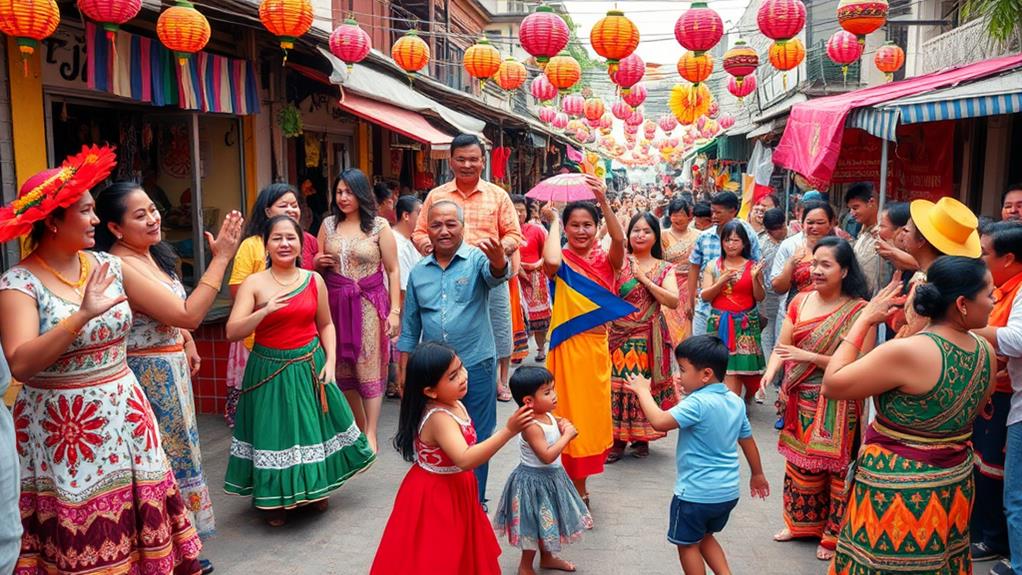
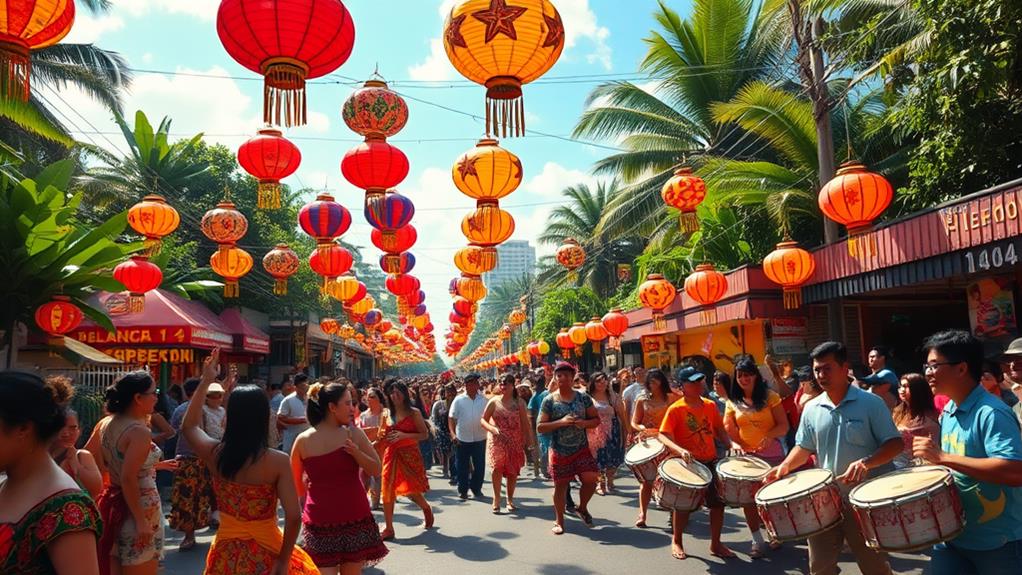
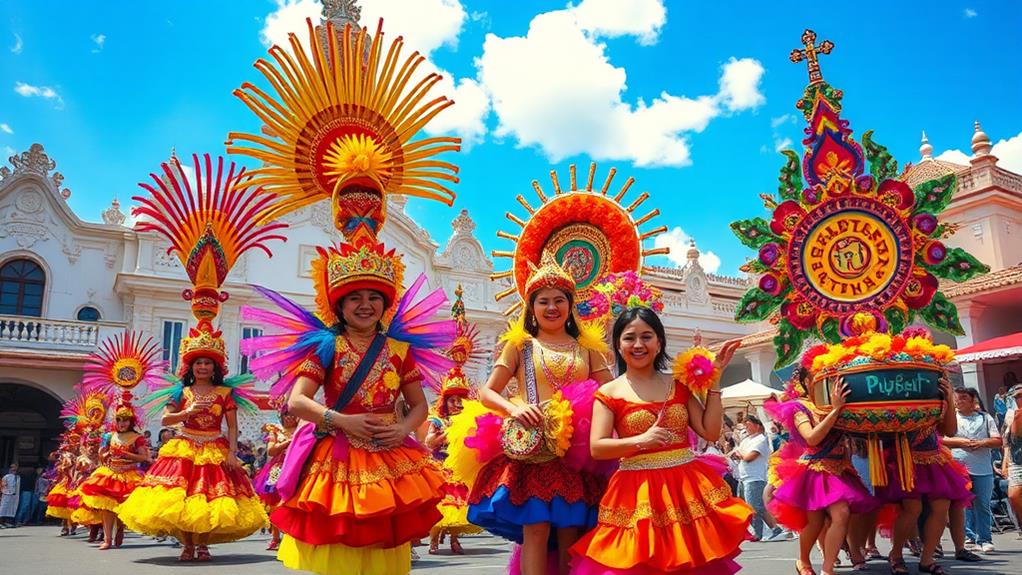
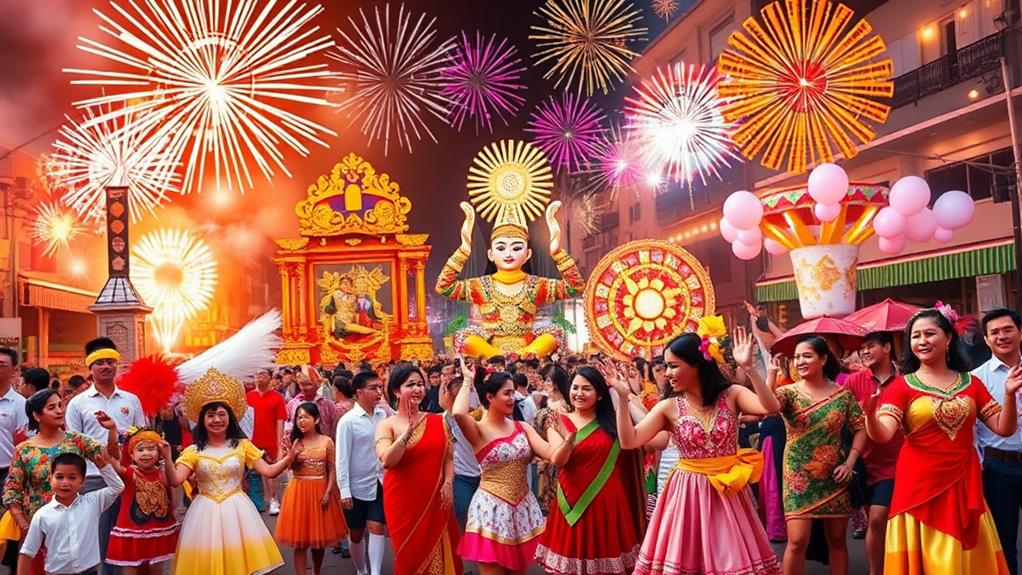
    The Philippines is home to numerous iconic festivals that showcase its rich heritage and traditions.

    These festivals, which take place throughout the year, offer a glimpse into the country's fascinating cultural diversity. Some of the top festivals in the Philippines include the Sinulog Festival, Pahiyas Festival, Dinagyang Festival, Ati-Atihan Festival, Panagbenga Festival, and Kadayawan Festival.

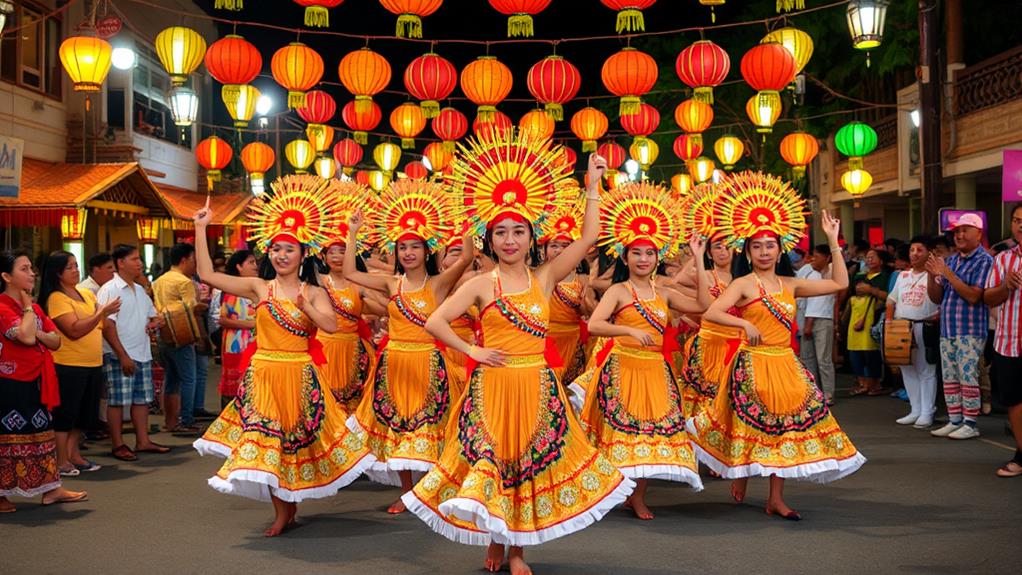
    The Sinulog Festival, held in Cebu, is known for its vibrant street performances and costumes. The festival features street dancing, music, and costumes that reflect the country's history and traditions.

    In Lucban, Quezon, the Pahiyas Festival is celebrated with colorful decorations and costumes. The festival showcases the town's rich cultural heritage through its vibrant decorations and traditional costumes.

    The Dinagyang Festival in Iloilo is a dynamic celebration that features street performances and music. The festival is a showcase of the city's rich cultural heritage and its people's creativity and resilience.

    The Ati-Atihan Festival in Kalibo, Aklan, is known for its street dancing and costumes. The festival features street dancing, music, and costumes that reflect the country's history and traditions.

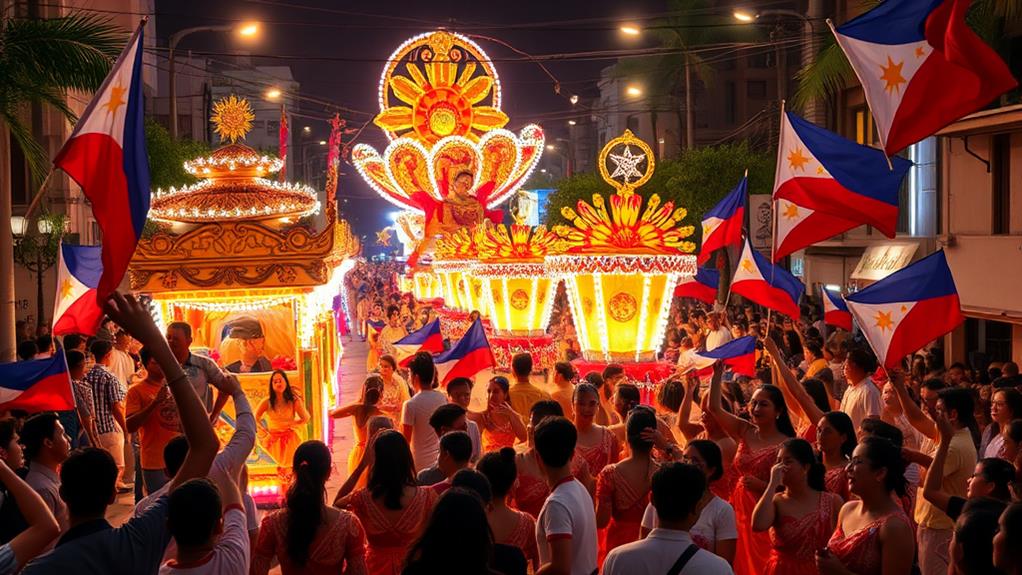
    In Baguio City, the Panagbenga Festival is celebrated with flower floats and street dancing. The festival showcases the city's rich cultural heritage through its flower floats and traditional costumes.

    The Kadayawan Festival in Davao City is a celebration of the city's cultural diversity. The festival features cultural parades, street dancing, and music that reflect the city's rich cultural heritage.

    Top Festivals in January

    january s vibrant festival highlights

    January is a significant month for festivals in the Philippines. Two major festivals, the Sinulog Festival and the Ati-Atihan Festival, are held during this time.

    The Sinulog Festival is held in Cebu on January 19. This grand festival honors Santo Niño through a grand parade and cultural performances, attracting over a million attendees each year. The event showcases Cebu's rich cultural heritage, highlighting the importance of community spirit and local artistry.

    The Ati-Atihan Festival takes place in Kalibo, Aklan, on the third Sunday of January. This week-long celebration features street dancing and cultural performances, with participants painting their faces with soot and engaging in lively displays. The festival culminates in a grand mass, highlighting the cultural heritage of 17 towns and drawing thousands of tourists.

    Both festivals promote cultural heritage and community spirit. They provide a platform for local artistry to shine, while also offering a glimpse into the rich cultural traditions of the Philippines.

    Festivals in Luzon Province

    Luzon Province is home to various vibrant festivals showcasing the Philippines' rich cultural heritage and community spirit.

    The Pahiyas Festival, held annually on May 15 in Lucban, Quezon, is one of the most iconic festivals in the region.

    This festival celebrates local culture, featuring homes adorned with colorful rice-based decorations and agricultural products that attract thousands of tourists.

    The Panagbenga Festival, also known as the "Flower Festival," is another fascinating festival in Luzon.

    Held in Baguio City, this month-long celebration showcases spectacular flower floats and street dancing, drawing over 1 million visitors each year.

    The Moriones Festival takes place during Holy Week on Marinduque Island.

    This festival combines cultural immersion with religious devotion, featuring participants dressed as Roman soldiers reenacting the story of Longinus, drawing many local and foreign tourists to experience the rich Filipino culture and traditions.

    While not specifically located in Luzon Province, the Ati-Atihan Festival is often celebrated in other parts of Luzon. It's originally celebrated in Kalibo, Aklan.

    Celebrations in the Visayas Region

    visayas region festive celebrations

    The Visayas Region in the Philippines is home to numerous vibrant festivals showcasing its rich cultural heritage. These celebrations highlight the region's traditions and local culture, providing unique experiences for visitors.

    Three major festivals take place in January: the Sinulog Festival in Cebu, the Ati-Atihan Festival in Kalibo, and the Dinagyang Festival in Iloilo City.

    The Sinulog Festival features vibrant costumes and street performances, while the Ati-Atihan Festival showcases traditional dances with participants painting their faces with black soot.

    The Dinagyang Festival is renowned for its dynamic street dancing and cultural heritage.

    Some festivals in the Visayas Region share similarities with the Pahiyas Festival, celebrated in Luzon, where homes are adorned with colorful decorations.

    A similar celebration in the Visayas Region is the MassKara Festival in Bacolod City, which features parades with colorful decorations and street dancing.

    Festivals in Mindanao Region

    The Mindanao region in the southernmost part of the Philippines is home to a diverse array of festivals that showcase the local people's cultural heritage. The region's cultural heritage is a unique blend of indigenous, Islamic, and Western influences.

    The Kadayawan Festival, celebrated in Davao City, is one of the most notable festivals in the region. This festival features colorful parades, street dance competitions, and food fairs that highlight the local culture. The festival is a celebration of the city's rich cultural heritage and is held annually in August.

    Another notable festival in the region is the Tuna Festival in General Santos City. This festival promotes local fisheries and attracts food enthusiasts from all over the country. It's a celebration of the city's status as the "Tuna Capital of the Philippines" and features a variety of tuna-based dishes.

    The Pintados Festival in Tacloban, though not in Mindanao, has a similar cultural significance. However, a festival that offers a glimpse into the region's tattooed warrior traditions is the Kaamulan Festival in Malaybalay City, Bukidnon. This festival features ritual dance presentations and grand parades that showcase the region's indigenous culture.

    The Maguindanaoan Festival in Cotabato City and the Kahimunan Festival in Butuan City are also worth experiencing. These festivals showcase the vibrant culture and traditions of the Maguindanao people and the Lumad and Muslim communities, respectively. They're testaments to the region's rich cultural heritage and are definitely worth visiting.

    What are the traditional festivals that I can experience in the Philippines in 2024?

    Experience the best traditional festivals philippines cities have to offer in 2024. From the vibrant Ati-Atihan Festival in Kalibo to the colorful Panagbenga Festival in Baguio, immerse yourself in the rich cultural heritage of the Philippines. Explore the unique traditions and celebrations that make each festival a one-of-a-kind experience.

    Unique Festival Traditions

    cultural celebration practices explored

    Philippine festivals showcase a rich cultural heritage through vibrant traditions. These unique events are characterized by elaborate costumes, festive decorations, and grand processions that set the Philippines apart from other countries.

    The Sinulog Festival is a prime example of these traditions, featuring a grand parade that celebrates the country's history and heritage.

    Another notable event is the Ati-Atihan Festival, which involves face-painting rituals that pay tribute to the region's indigenous culture.

    Some of the most captivating festivals in the Philippines include the Panagbenga Festival, which attracts over a million visitors to Baguio City with its grand flower floats and street dancing in February.

    The Pahiyas Festival in Lucban is also notable, with homes adorned with colorful rice, fruits, and vegetables, creating a visual spectacle that celebrates agriculture and community spirit.

    The Kadayawan Festival in Davao City is another standout event, featuring vibrant parades, street dance competitions, and food fairs that highlight the region's heritage and natural bounty.

    These festivals offer a distinct window into the local culture and way of life, allowing visitors to experience the country's rich heritage firsthand.

    By exploring the Philippines' unique festival traditions, visitors can gain a deeper understanding of the country's history, culture, and community spirit.

    Each festival provides a unique perspective on the local way of life, making them an essential part of any visit to the Philippines.

    Philippine Festivals by Season

    The Philippines Celebrates Vibrant Festivals Throughout the Year

    The Philippines' festival calendar is filled with various celebrations that showcase the country's culture, traditions, and history. Each city has its own unique festivals that take place throughout the year.

    Festivals in the First Quarter

    The first quarter of the year features the Sinulog Festival in Cebu, held in January, and the Panagbenga Festival in Baguio City, which takes place throughout February. These festivals attract thousands of tourists and showcase the country's rich heritage.

    Holy Week Festivals

    During Holy Week, many Philippine festivals take a more solemn tone, honoring the country's Christian heritage. This is a time for reflection and celebration of the country's faith.

    Summer Festivals

    In the summer months, the Pahiyas Festival in Lucban, Quezon, and the Kadayawan Festival in Davao City, which falls on the third week of August, take place. These festivals showcase the country's vibrant culture and traditions.

    Festivals in the Fourth Quarter

    In the fourth quarter, the MassKara Festival in Bacolod City, happening on the fourth Sunday of October, is a major celebration. This festival is known for its street dances and colorful masks that symbolize resilience and joy.

    Questions and Answers

    What Is the Top 1 Festival in the Philippines?

    The Sinulog Festival is the top festival in the Philippines. It attracts the largest attendance and showcases the most grandeur compared to other notable celebrations. The Sinulog Festival surpasses other prominent festivals, including the Ati Atihan, Pahiyas, Panagbenga, and Kadayawan festivals, in terms of attendance and grandeur.

    What Festival Is in the Philippines in January 2024?

    The Sinulog Festival is a notable festival in the Philippines in January 2024. It is a vibrant celebration held in Cebu.

    Which Is the Most Attended Festival Celebration in the Philippines?

    The Sinulog Festival is the Philippines' most attended celebration, drawing millions of attendees every year. This grand celebration showcases the country's rich cultural heritage through various local traditions, including traditional dances, costumes, and festival food. The festival's historical origins date back to the 16th century, when the Spanish conquistador Miguel López de Legazpi arrived in Cebu, marking the beginning of Christianity in the Philippines. Today, the Sinulog Festival is a must-experience event that highlights the strong community involvement and deep-rooted traditions of the Filipino people.

    What Is the Festival in the Philippines in March 2024?

    The Moriones Festival is a significant event in the Philippines in March 2024. It takes place on Marinduque Island and is closely tied to the Holy Week festivities. The festival has historical origins, dating back to the Spanish colonial period, and showcases the cultural significance of the island's heritage. Traditional dances, such as the Moriones and Senakulo, are performed during the festival, highlighting the local culture. Additionally, the festival features local delicacies, including traditional Filipino food and drinks.

  • Shockingly Easy Techniques to Enhance Your Sinulog Festival Experience

    Shockingly Easy Techniques to Enhance Your Sinulog Festival Experience

    To maximize your Sinulog Festival experience, immerse yourself in the rhythmic drum beats, vibrant street dancer colors, and communal joy of throwing colored powders and water-based paints.

    Familiarizing yourself with the area is crucial to avoid traffic disruptions. Arrive early at key locations such as Fuente Circle for excellent Grand Parade photo opportunities. Knowing the area allows you to plan your day more efficiently and capture the best moments.

    Engaging with local vendors is an essential part of the festival experience. Try traditional dishes such as Sinugba, Tinola, or Lechon to taste the local flavors. This allows you to experience the rich culture of the festival.

    Exploring post-parade locations is also a great way to enjoy the festival. Visit Magellan's Cross, Basilica del Santo Niño, or Cebu Taoist Temple to experience the rich history and culture of Cebu.

    Staying hydrated is vital to fully enjoy the sights, sounds, and flavors of the festival. Bring a refillable water bottle and take breaks in shaded areas to avoid dehydration.

    By embracing the Sinulog spirit and following these simple techniques, you'll be on your way to an unforgettable experience.

    Embracing the Sinulog Spirit

    celebrating sinulog festival spirit

    The Sinulog Festival is a vibrant celebration that showcases the rich history and culture of Cebu City.

    It is one of the largest and most popular festivals in the Philippines.

    The festival's spirit is characterized by rhythmic beats of drums and vibrant colors of street dancers, drawing attendees into the celebration.

    The shouts of "Pit Senyor" signal the start of the festivities.

    The Sinulog Festival features various street parties, where attendees throw colored powders and water-based paints, creating a kaleidoscope of colors and a sense of communal joy.

    The use of colored powders and paints is a way for attendees to express themselves and celebrate the festival.

    The Sinulog Grand Parade is a highlight of the festival, featuring elaborate costumes and cultural traditions that showcase the city's heritage.

    The parade showcases the city's history and culture through music, dance, and costumes.

    By embracing the Sinulog spirit, attendees connect with fellow festival-goers and locals, fostering a sense of community that's at the heart of this vibrant celebration.

    The sense of community is a key aspect of the Sinulog Festival, bringing people together to celebrate the city's heritage.

    Maximizing Your Festival Experience

    Maximize Your Sinulog Festival Experience

    To make the most of your time at the Sinulog Festival, plan ahead by familiarizing yourself with the area a few days before the event. This preparation will help you navigate the streets and avoid traffic disruptions caused by street closures.

    Choose the Best Viewing Spot

    For a relaxed viewing experience, position yourself at the Fuente Circle during the Grand Parade. This spot offers excellent photo opportunities of festival queens, street dancers, and vibrant floats.

    Engage with Local Culture

    Take breaks to engage with local vendors offering traditional dishes, such as lechon belly and spicy lechon sinigang. These interactions will allow you to experience the local culture and cuisine.

    Explore Popular Locations

    After the parade, head to popular locations like Baseline for post-parade street parties. You can also visit the Basilica Minore del Santo Niño to pay your respects and soak up the spiritual atmosphere.

    Stay Safe and Hydrated

    Stay hydrated by drinking lots of water, especially during key events. This simple precaution will help you fully immerse yourself in the sights, sounds, and flavors of the Sinulog Festival.

    Capturing Lasting Memories

    creating unforgettable experiences together

    Capturing the essence of the Sinulog Festival requires a thoughtful approach to photography.

    To capture the excitement and energy of the festival, arrive early at key viewing spots like Fuente Circle to photograph the colorful floats and street dancers during the Grand Parade.

    Utilizing a smartphone or camera with good low-light capabilities is essential to capture the breathtaking fireworks display that concludes the parade.

    Engage with festival participants by asking for posed photos, especially with beautifully dressed festival queens and dancers.

    Capturing spontaneous moments of joy and camaraderie can be achieved by attending the lively street parties.

    After the festival, visit historical landmarks like Magellan's Cross and the Basilica Minore del Santo Niño to document your cultural journey and create a comprehensive visual record of your Sinulog experience.

    What Similarities Do the Sinulog Festival and Flores De Mayo Festival Share in Terms of Experience Enhancement Techniques?

    The Sinulog Festival and Flores De Mayo Festival both enhance the visitor experience through vibrant cultural performances, colorful processions, and elaborate decorations. When you visit the philippines during flores de mayo, you’ll witness the same fervor and pageantry that make the Sinulog Festival a must-see event for tourists.

    Immersing in Local Culture

    Immersing in Local Culture: The Sinulog Festival

    The Sinulog Festival, celebrated every third Sunday of January, is a grand celebration that showcases the region's rich cultural heritage and strong faith.

    A Celebration of Faith and Culture

    The festival is a six-day celebration of vibrant colors and infectious rhythms that awaits you in Cebu.

    As you immerse yourself in the local culture, you'll discover the significance of Pit Señor and the acceptance of Christianity in Cebu.

    Historical Landmarks and Their Significance

    • Basilica Minore del Santo Niño: This is the oldest Roman Catholic church in the Philippines and houses the image of the Santo Niño, a symbol of the Sinulog Festival.
    • Magellan's Cross: This landmark commemorates the arrival of Spanish conquistador Ferdinand Magellan and represents the introduction of Christianity in the Philippines.
    • Cebu City Heritage Monument: This monument showcases the city's rich history and cultural heritage and serves as a backdrop for street dances and festivities.

    Experiencing the Festival

    To experience the true spirit of the Sinulog Festival, participate in the street dances and savor local delicacies like lechon belly and spicy lechon sinigang.

    Join in the street parties, where colorful powders and water-based paints add to the festive atmosphere.

    Navigating the Festival Scene

    exploring vibrant festival culture

    Navigating the Festival Scene

    The Sinulog Festival attracts hundreds of thousands of attendees, making it challenging to navigate. Arrive early to secure a good viewing spot for the Grand Parade, which starts at 9 AM.

    To view the parade without the crowds, position yourself at Fuente Circle, where you can take photos of parade queens, street dancers, and floats throughout the day. This spot offers a more relaxed viewing experience.

    Stay updated on the festival schedule by checking the official Facebook page or using Google Maps to navigate the area. This helps you make the most of your time at Sinulog.

    When joining street parties that take place before sunset, be prepared for large crowds. Lively venues like Baseline can be particularly crowded, where you can participate in playful activities with colored powders and water-based paints.

    Be mindful of the water current from the paint and water activities to stay safe.

    After a fun-filled day, head to Ayala Center Cebu to unwind before going home.

    Questions and Answers

    What Is Your Most Memorable Experience During Sinulog Festival?

    The Sinulog Festival is a significant cultural event in the Philippines. One of the most memorable experiences during the festival is dancing with newfound friends during the street party, which showcases the Filipinos' love for celebration and camaraderie. Additionally, the festival offers lechon belly, a traditional Filipino dish that is typically served during special occasions. The highlight of the festival is the Grand Parade, which features vibrant costumes that reflect the rich cultural heritage of the Philippines. These experiences make the Sinulog Festival an unforgettable celebration of cultural significance.

    What Makes Sinulog Festival Unique?

    The Sinulog Festival's uniqueness is rooted in its distinctive blend of history, culture, and tradition.

    The festival's rich history is a key aspect of its uniqueness. It dates back to the 16th century when Spanish conquistador Miguel López de Legazpi arrived in Cebu, marking the beginning of Christianity in the Philippines. This historical event is commemorated through the festival's various activities.

    The cultural significance of the Sinulog Festival also sets it apart. It is a celebration of Cebu's patron saint, the Santo Niño, which reflects the city's deep devotion to the Catholic faith. The festival showcases the blend of local traditions and Catholicism through vibrant dance performances and elaborate festival attire.

    The festival's vibrant dance performances are a major highlight. These performances feature colorful costumes, lively music, and energetic dance routines that showcase the Cebuano heritage. The dancers move to the beat of drums and other percussion instruments, creating an infectious energy that draws in spectators.

    The Sinulog Festival's community involvement is another distinctive aspect. The festival is a time for Cebuanos to come together and celebrate their heritage. It brings together people from all walks of life, fostering a sense of community and camaraderie. The festival's organizers and participants work together to create a memorable experience, making it a truly unique event.

    What Are the Highlights and Activities of Sinulog Festival?

    The Sinulog Festival showcases the city's rich history and cultural significance. This is evident through various aspects of the festival, including the attire, food, dance performances, street parties, and religious processions.

    The festival attire is a vital part of the celebration. Participants wear vibrant and colorful costumes, often adorned with feathers, beads, and other decorative items. These outfits are a representation of the city's heritage and are often inspired by the traditional clothing of the region.

    Traditional food offerings are another essential part of the Sinulog Festival. Various local dishes such as lechon, sinugba, and bibingka are prepared and offered to the participants and spectators. These dishes are not only delicious but also hold significant cultural value.

    Captivating dance performances are a highlight of the festival. The Sinulog dance is a traditional dance that is performed by participants wearing elaborate costumes. The dance is a representation of the city's history and cultural heritage.

    Lively street parties are a key aspect of the festival. These parties are held throughout the city and feature live music, dancing, and food. They are a great way for participants and spectators to come together and celebrate the festival.

    Meaningful religious processions are an integral part of the Sinulog Festival. The festival culminates in a grand procession, where participants carry statues of the Child Jesus and other saints through the streets of the city. This procession is a demonstration of the city's devotion to its faith.

    What Are the Forms and Practices Associated With the Sinulog?

    The Sinulog festival is a celebration deeply rooted in history and culture. It showcases the cultural significance of the conversion of the native Cebuanos to Christianity. This is reflected in various dance rituals, including the traditional two-step, which symbolizes the forward and backward steps of the Sto. Niño's dance.

    The traditional two-step dance ritual is a series of forward and backward steps performed to the beat of drums. This dance is a representation of the native Cebuanos embracing Christianity and their love for Sto. Niño. The ritual dance is typically performed in the streets during the Sinulog parade.

    Religious practices are an essential part of the Sinulog festival. The celebration revolves around the feast day of Sto. Niño, with the main event being a grand procession. The procession features floats, marching bands, and street dancers, all paying homage to Sto. Niño.

  • Little Known Tricks to Fully Immerse in Philippine Festivals

    Little Known Tricks to Fully Immerse in Philippine Festivals

    To fully immerse in Philippine festivals, actively participate in the celebrations. This can be achieved by participating in traditional dances, such as the Tinikling or the Carinosa, which showcase the country's rich cultural heritage.

    Engaging with locals through karaoke or basic Filipino phrases, like "Salamat" (thank you) or "Mabuhay" (cheers), can also help create meaningful connections.

    Trying authentic Filipino cuisine is essential to the festival experience. Savoring popular dishes like Lechon (roasted pig) and Adobo (meat stew) can provide insight into the country's culinary traditions.

    These flavors are often showcased in various festivals, such as the MassKara Festival, which celebrates the city of Bacolod's sugar industry.

    Exploring the Philippines' natural beauty and cultural activities can further enrich the experience. Island hopping or hiking can provide opportunities to discover hidden gems, such as the stunning beaches of Boracay or the scenic mountains of Baguio.

    Vibrant cultural activities, like street dancing competitions, can also offer a glimpse into local customs and traditions.

    Experience the Vibrant Culture

    explore dynamic cultural heritage

    The Philippines' vibrant culture is showcased through its many festivals, where dancing is an integral part of the celebrations.

    These festivals bring together locals and tourists, offering a glimpse into the country's rich heritage. Two examples of major festivals are Sinulog and Kadayawan. Sinulog celebrates the country's devotion to Christianity, while Kadayawan highlights the importance of agricultural abundance. By understanding these themes, you can gain a deeper appreciation of the cultural context that informs these festivals.

    Participating in local rituals and communal activities during Philippine festivals fosters unity and cooperation with the diverse communities that host these events.

    For instance, during these festivals, locals and tourists participate in traditional dances and music, allowing everyone to appreciate the local customs that underlie these celebrations. This collective participation enables you to experience firsthand the warmth and hospitality that the Philippines is known for.

    Savor Authentic Filipino Cuisine

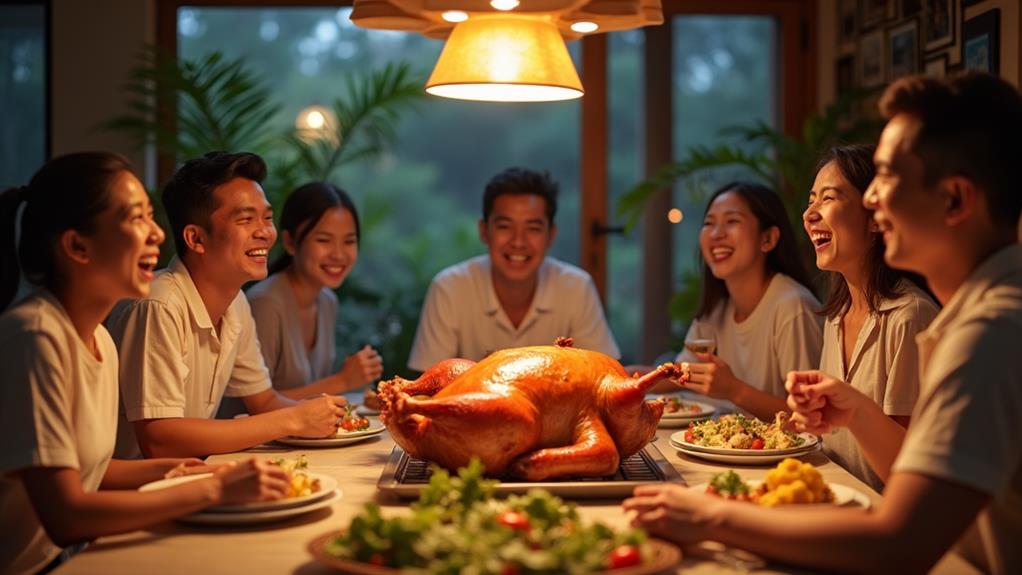
    The Philippines is home to a diverse range of authentic and mouth-watering dishes that showcase the country's culinary heritage. Lechon, a whole roasted pig, is often the highlight at many festivals. This traditional dish is a staple of Filipino celebrations, where it's typically served as the centerpiece of lavish banquets.

    Regional specialties also play a significant role in Filipino cuisine. Bicol express, a spicy pork dish cooked in coconut milk, is a reflection of local flavors in the Bicol region. This dish is just one example of the many regional specialties that can be found throughout the Philippines.

    Food stalls at festivals feature a variety of local delicacies, including adobo and sinigang, which are staple dishes in Filipino cuisine. These dishes give visitors an authentic taste of Filipino culture and community spirit.

    Festive treats like bibingka and puto bumbong, rice cakes typically enjoyed during Christmas festivals, embody Filipino holiday traditions.

    Participating in open house events during festivals allows visitors to experience the warmth of Filipino hospitality and the richness of their culinary offerings. Lavish banquets, often featuring a wide range of traditional dishes, are a hallmark of these events.

    This culinary journey is an integral part of experiencing the vibrant culture of Philippine festivals, making it a memorable and authentic experience.

    Connect With the Locals

    engage with local community

    Connecting with locals is key to unlocking unforgettable experiences during Philippine festivals. Engaging in conversations with locals allows you to gain valuable insights into the cultural significance of the celebrations. Filipinos are known for their friendliness and hospitality, making it easy to strike up a conversation.

    To connect with locals, participate in karaoke sessions, a common local pastime. This helps to bond with Filipinos and share joyful experiences during festival gatherings. Learning a few basic Filipino phrases can also foster goodwill and respect. Common phrases to learn include "Salamat" (thank you) and "Mabuhay" (cheers or long life).

    Building relationships with festival participants leads to memorable experiences and local insights into the best spots to enjoy food and festivities. For example, locals can recommend popular street foods, such as "lechon" (roasted pig) or "adobo" (a savory stew).

    Festival friendships also deepen your connection with the community, allowing you to experience the true essence of Philippine festivals.

    Connecting with locals provides a deeper understanding of the nation's rich cultural heritage. By engaging with the community, you'll gain insights into the history and significance of the festival.

    This can lead to community storytelling, where you learn about personal festival traditions and stories.

    Immerse in Traditional Dances

    Immersing yourself in traditional dances at Philippine festivals offers a unique window into the country's rich cultural heritage. Engaging with these dances provides insight into the cultural significance behind each performance. For instance, festivals like Sinulog and Ati-Atihan showcase vibrant costumes and rhythmic movements that represent Filipino community spirit.

    Participating in street dancing competitions is a great way to experience traditional dances firsthand. At festivals such as Kadayawan, local performers invite spectators to join in, encouraging audience participation. This allows you to experience the energy of the dance and learn the basic steps of tribal dances, which often feature rhythmic drum beats that promote cultural immersion.

    Attending dance workshops or demonstrations enhances your experience and provides cultural insight. These workshops offer insight into the significance and history of traditional dances, allowing you to appreciate the cultural expressions on a deeper level.

    For example, learning about the history of traditional dances helps you understand the cultural heritage of the Philippines and appreciate the vibrant festivals.

    By immersing yourself in traditional dances, you'll develop a greater appreciation for the cultural heritage of the Philippines. This hands-on experience will enrich your understanding of the country's vibrant festivals and allow you to enjoy the performances on a deeper level.

    Explore the Philippines' Natural Beauty

    discover philippines stunning landscapes

    The Philippines' Natural Beauty Offers a Diverse Range of Attractions

    The Philippines, with over 7,000 islands, offers a diverse range of natural attractions that draw visitors in with a sense of wonder and awe. These attractions include pristine beaches, lush mountains, and stunning waterfalls.

    Exploring the Philippines' Natural Wonders

    Visitors can explore the Philippines' natural wonders by participating in activities such as island hopping, hiking, and snorkeling and diving.

    Popular hiking destinations include Mount Pulag and the Banaue Rice Terraces, while Tubbataha Reefs and Apo Reef are ideal spots for snorkeling and diving.

    Promoting Sustainable Tourism

    Eco-tourism initiatives promote sustainable visits to the Philippines' natural attractions, ensuring that the country's natural beauty is preserved for future generations.

    Discover Hidden Gems and Tips

    The Philippines has many lesser-known festivals and celebrations beyond its well-known events. These hidden gems offer unique and intimate experiences, often showcasing local traditions that larger festivals may overlook. For instance, the MassKara Festival in Bacolod City and the Pintados Festival in Tacloban City are smaller town festivals that provide authentic experiences of local culture.

    Participating in community-led activities allows you to gain a deeper understanding of local culture. Joining traditional cooking classes, such as learning to make Adobo or Lechon, teaches you about local dishes and their cultural significance.

    Engaging with local artisans and craftsmen, like weavers from the T'nalak tribe, offers insights into Filipino heritage and craftsmanship through interactive demonstrations.

    Traditional craftsmanship showcases are a highlight of many festivals. These events allow you to appreciate the country's rich artisanal heritage, such as woodcarvings from the Ifugao people or textiles from the Cordillera region.

    Community-driven events, like traditional dance workshops or open house gatherings, provide unique festival experiences and opportunities to immerse yourself in local culture.

    Embracing the Fiesta Atmosphere

    celebrating vibrant festival spirit

    Immersing Yourself in Fiesta Traditions

    Participating in traditional dances and music during festivals allows you to grasp the essence of fiesta traditions. These traditions are deeply rooted in a country's culture and heritage.

    The vibrant costumes worn by dancers in festivals like Sinulog and Ati-Atihan reflect the rich cultural heritage and community spirit of the Philippines.

    Celebratory Atmosphere of Festivals

    Joining joyful parades and street parties helps you experience the excitement and energy of celebrations firsthand. Major festivals, such as the Panagbenga Festival, showcase the creativity and enthusiasm of the local community through elaborate events like flower floats.

    Participating in these events connects you with the local culture and community on a deeper level.

    Local Engagement and Cultural Immersion

    Participating in karaoke sessions, a popular pastime during festivals, enables you to connect with the local culture and community.

    This engagement allows you to understand the local customs and traditions more thoroughly.

    What are some unique ways to fully immerse in the festivals of the Philippines, including Samal and Sinulog?

    Experience the vibrant culture inside the philippines’ festivals by participating in unique activities such as joining the fluvial parade during the Samal Festival or taking part in the colorful street dancing of the Sinulog Festival. Immerse yourself in the local traditions, taste traditional food, and interact with friendly locals to truly embrace the festivities.

    Learn Local Customs and Traditions

    Understanding Local Customs and Traditions is Key to Appreciating Philippine Festivals

    To fully appreciate the essence of Philippine festivals, it's essential to delve into the local customs and traditions that underpin them. Familiarizing yourself with the unique rituals, cultural symbolism, and festive attire of each celebration can enrich your experience and foster a deeper connection with the local community.

    Learn about the Significance of Each Festival

    Learning about the significance of each festival is crucial to understanding the cultural context. For example, the Sinulog Festival is a tribute to Santo Niño, showcasing the community's deep faith and devotion.

    Participate in Traditional Activities

    Participating in traditional tribal dances and activities helps experience the energy and spirit of the local culture. The Ati-Atihan Festival, for instance, features vibrant costumes and lively performances that reflect the community's heritage.

    Engage with Locals to Learn about Unique Customs

    Engaging with locals provides valuable insights into unique customs, such as face painting and attire worn during festivals. This helps gain a deeper understanding of the community's heritage and cultural practices.

    Attend Events and Dress Respectfully

    Attending food-centered events and dressing respectfully, such as wearing modest attire during religious festivals, demonstrates appreciation for the local culture and traditions. This thoughtful approach helps build connections with the community and fosters a more meaningful experience.

    Create Unforgettable Memories

    cherish lasting life experiences

    Create Unforgettable Memories in the Philippines

    During your journey through the vibrant world of Philippine festivals, you'll have numerous opportunities to create unforgettable memories that will last a lifetime. To make the most of your experience, immerse yourself in traditional activities that foster a deeper connection with the culture and community spirit.

    Immerse in Traditional Activities

    Immersing yourself in traditional activities is key to creating unforgettable memories. Joining in tribal dances allows you to connect with the culture and community spirit. To participate, learn basic steps and showcase your moves. This will not only help you understand the dance but also earn you respect from the locals.

    Engage with Locals

    Engaging with locals is another way to create unforgettable memories. Join in their feasts during open house events, where food acts as a centerpiece, showcasing the warmth and hospitality integral to Filipino gatherings. Participating in local games also enhances cultural understanding and community bonding. Learn the rules and engage with locals to make the most of your experience.

    Capture the Vibrant Atmosphere

    To capture the vibrant atmosphere of the festivals, take festival photography tips into consideration. This will help you take memorable photos of the street parades and costume displays. Attending smaller, lesser-known festivals also provides a unique opportunity to experience local traditions and customs.

    Enrich Your Understanding of Filipino Heritage

    To enrich your understanding of Filipino heritage, attend unique local traditions and customs. Learn basic Filipino phrases and show respect to locals. This will encourage them to share cultural storytelling practices and local festival legends with you. By doing so, you'll gain valuable insights into cultural practices.

    Festival Experience Tips for Participation Expected Outcome
    Tribal dances Learn basic steps, join in, and showcase your moves Deeper connection with culture and community spirit
    Local games Engage with locals, learn rules, and participate Enhanced cultural understanding and community bonding
    Street parades and costume displays Capture vibrant atmosphere through festival photography tips Lasting memories of the festival's vibrant atmosphere
    Smaller, lesser-known festivals Attend unique local traditions and customs Enriched understanding of Filipino heritage

    | Cultural storytelling practices | Learn basic Filipino phrases, show respect, and encourage locals to share stories | Valuable insights into cultural practices and local festival legends

    Questions and Answers

    What Makes the Philippine Festival Unique?

    The Philippine festival's uniqueness lies in its blend of vibrant traditions and rich cultural heritage.

    This distinct blend is rooted in the country's history, customs, and hospitality. The festivals showcase the Philippines' diverse cultural influences, including Spanish, American, Chinese, and Malay traditions. Each festival is a reflection of the community's history and customs, such as the MassKara Festival's elaborate costumes and masks, which symbolize the city of Bacolod's resilience and creativity.

    The festivals also foster community bonding, as people come together to celebrate and participate in various activities. For example, the Sinulog Festival's street dancing and processions, which honor the country's patron saint, Santo Niño, bring people from different walks of life together. The festivals' emphasis on community and cultural heritage sets them apart from other celebrations worldwide.

    What Is the Essence of Festivals in the Philippines?

    The essence of festivals in the Philippines can be understood through their cultural significance, community bonding, and historical roots.

    Festivals in the Philippines are culturally significant because they showcase the country's rich heritage. For example, the Sinulog Festival in Cebu celebrates the country's Catholic faith and the conversion of the Filipino people to Christianity. Another example is the MassKara Festival in Bacolod, which highlights the city's sugar industry and the resilience of its people.

    These festivals also promote community bonding by bringing people together to celebrate and have fun. The Ati-Atihan Festival in Kalibo, for instance, features a street dance competition that showcases the creativity and talents of the participants. Similarly, the Pintados Festival in Tacloban features a street dance and costume contest that promotes unity and friendship among the participants.

    The historical roots of these festivals also contribute to their essence. Many of these festivals have been celebrated for centuries and have become an integral part of the country's culture and identity. For example, the Flores de Mayo festival has its roots in the Spanish colonial period, while the Kadayawan Festival in Davao celebrates the city's indigenous heritage.

    What Is the Most Impressive Festival in the Philippines?

    The Sinulog Festival in Cebu City is the most impressive festival in the Philippines. It is a showcase of vibrant parades that take place throughout the city, featuring elaborate costumes and choreographed dance routines. The festival holds rich cultural significance, as it commemorates the conversion of the native Cebuanos to Christianity and the arrival of Spanish conquistador Miguel López de Legazpi in 1565. A key aspect of the festival is the sampling of local cuisine, which offers a taste of traditional Filipino dishes such as lechon, sinugba, and kinilaw.

    What Do Festival in the Philippines Offer People a Chance to Exhibit?

    Festivals in the Philippines offer people a chance to exhibit cultural heritage and community unity.

    Festivals showcase traditional dances, music, and costumes, serving as a means to express cultural identity. For instance, the Sinulog Festival in Cebu features elaborate costumes and choreographed dances that celebrate the island's history and faith.

    Festivals also provide a platform to display local craftsmanship through various exhibits and activities. The MassKara Festival in Bacolod, for example, features a mask-making competition that highlights the city's artisanal skills.

    Furthermore, festivals allow locals to demonstrate their culinary expertise by offering traditional delicacies and regional specialties. The Pista sa Nayon in Laguna showcases local cuisine, such as steamed rice cakes and coconut-based desserts, which are representative of the region's gastronomic heritage.

  • The Filipino Family: Beliefs and Heritage

    The Filipino Family: Beliefs and Heritage

    Family is a fundamental aspect of Filipino society. The concept of “kapamilya” signifies a deep sense of belonging among family members. This sense of belonging is deeply ingrained in the culture and is often seen in three-generation households, where grandparents, parents, and children live together.

    This setup allows for close relationships and intergenerational bonding.

    Respect for elders is another essential value in Filipino culture. Younger members are expected to care for and show gratitude towards their elders through “utang na loob.” This cultural practice emphasizes the importance of caring for one’s elders in return for the sacrifices they made.

    For example, younger family members often take care of their elderly parents or grandparents, providing them with financial support, emotional care, and companionship.

    These values contribute to social harmony, familial stability, and a strong sense of community. Understanding these intricacies can provide insight into the Filipino cultural landscape.

    The Concept of Filipino Family

    filipino family cultural dynamics

    The Filipino family structure extends beyond the traditional nuclear unit. Frequently, it encompasses extended family members, including grandparents, aunts, uncles, and cousins. This expanded family dynamic fosters unity and cooperation among family members, and filial piety is a core value that underlies these relationships. Filial piety emphasizes the duty of younger family members to care for and respect their elders.

    The term “kapamilya” signifies a deep sense of belonging and solidarity among family members. This concept reflects the interconnectedness of familial relationships, highlighting the importance of family ties in shaping individual identities.

    In the Philippines, three-generation households are common, with grandparents playing a significant role in raising grandchildren and maintaining family cohesion. For example, grandparents often help with childcare and household chores, allowing parents to work and support the family.

    These family dynamics are influenced by cultural practices that reinforce the importance of family gatherings, such as celebrating milestones together.

    Importance of Family in Culture

    Family is a fundamental institution in Filipino society, playing a crucial role in shaping cultural values and individual identities. This importance of family in Filipino culture is evident in the concept of “kapamilya,” which emphasizes the deep bonds and solidarity among family members that extend beyond the nuclear family.

    The family serves as a cornerstone in Filipino culture, providing essential support and guidance throughout one’s life. One of the core cultural values in Filipino society is filial piety, where younger family members show respect and care for their elders, reflecting a strong sense of duty and gratitude.

    For example, children are expected to take care of their elderly parents and show respect through actions such as using honorific titles and providing financial support.

    Frequent family gatherings and celebrations also reinforce bonds and cultural traditions. Birthdays and holidays are often celebrated with family gatherings, where traditional foods are served, and cultural values are passed down to younger generations.

    These gatherings emphasize the importance of family and shared experiences in shaping cultural traditions and values.

    Recognizing the significance of family in Filipino culture provides a deeper understanding of the values and principles that guide individual and collective behavior. By understanding the importance of family in Filipino society, one can gain insight into the cultural values and traditions that shape the behavior and identity of individuals.

    Family Structure and Dynamics

    family roles and relationships

    Filipino Family Structure: A unique blend of traditional and modern elements characterizes Filipino family structures, with both immediate and extended family members playing significant roles in daily life.

    The typical Filipino family is bilaterally extended and residentially nuclear, meaning that immediate family members live together with extended family members, such as grandparents and cousins. This setup is often seen in Filipino households, where three generations live together, fostering strong intergenerational bonds and support systems.

    Family Structure Characteristics Description
    Family Composition Immediate and extended family members live together
    Intergenerational Bonds Three generations often live together
    Household Management The oldest female, usually the grandmother, manages income pooling and household responsibilities
    Roles Among Family Members Respect for elders is fundamental, with younger members expected to care for and honor aging relatives
    Concept of Utang na loob Emphasizes mutual obligation and gratitude among family members, reinforcing interconnectedness and loyalty

    In Filipino households, the head of the household plays a crucial role in managing the family’s daily life. The oldest female, usually the grandmother, manages income pooling and household responsibilities, ensuring the family’s needs are met. The concept of Utang na loob reinforces the loyalty and interconnectedness that are central to Filipino family dynamics, emphasizing mutual obligation and gratitude among family members.

    Role of Elders in Filipino Families

    Elders play a significant role in Filipino families, with grandparents often serving as primary caregivers for their grandchildren.

    In the Philippines, it’s common for three generations to live together, fostering a strong intergenerational bond. This close relationship enables grandparents to provide guidance, support, and care to their grandchildren, strengthening family ties across generations.

    Family members are expected to care for and show deference to older relatives, as respect for elders is deeply ingrained in Filipino culture.

    In Filipino families, elders typically hold authority and serve as decision-makers and moral guides. This value is reflected in family gatherings and celebrations, which often honor elders and showcase their importance in the family hierarchy and cultural traditions.

    Elders are also recognized as custodians of family history and values, with their contributions acknowledged through the cultural practice of “utang na loob.”

    The cultural practice of “utang na loob” involves expressing gratitude for the sacrifices made by older family members, which strengthens intergenerational ties and reinforces family relationships.

    Significance of Filial Piety

    importance of parental respect

    Respect for one’s elders is deeply ingrained in the Filipino culture, primarily through the concept of filial piety. Filial piety is a cultural value that emphasizes the importance of respecting and caring for one’s elders. This value is reflected in how younger family members prioritize caring for their aging parents or grandparents.

    Aspect Description Importance
    Caring for elders Providing physical and emotional care for aging parents or grandparents, such as helping with daily tasks or simply being present, demonstrates respect and gratitude towards family members. Demonstrates respect and gratitude towards family members
    Cultural practices Celebrations and traditions honoring parental figures and ancestors, such as All Souls’ Day or Family Day, reinforce family lineage and heritage. For example, Filipinos often visit their ancestors’ graves during All Souls’ Day to honor and pay their respects. Reinforces family lineage and heritage
    Utang na loob The obligation to repay good deeds received from family members strengthens filial piety and family ties. For instance, a child may take care of their aging parent as a way of repaying the care and support they received during their childhood. Strengthens filial piety and family ties

    | Social harmony | Upholding filial piety contributes to social harmony and familial stability, as it guides interactions within the family unit. By showing respect and care for their elders, family members can create a more harmonious and supportive environment. | Guides interactions within the family unit

    Family Relationships and Values

    In Filipino society, family relationships and values are deeply intertwined. The nuclear family is at the core, but relationships extend far beyond, encompassing a wide network of relatives. This network includes extended family members who provide a sense of belonging and reinforce strong family bonds.

    Each family member has a distinct role. Youth are expected to care for their elders, particularly aging parents and grandparents. This expectation is deeply rooted in the culture. For instance, younger family members often help with household chores and provide emotional support to their older relatives.

    Two key values, Utang na loob and Pakikisama, play a crucial role in Filipino family dynamics. Utang na loob emphasizes the importance of repaying good deeds and support received from family members. For example, if a family member receives financial assistance from a relative, they’re expected to repay this debt in some way, such as by providing emotional support or helping with household tasks.

    Pakikisama prioritizes social harmony and cooperation. This value encourages family members to work together and support one another. For instance, family members may pool their resources to help a relative in need or come together to celebrate special occasions.

    Impact on Community and Society

    community and society impact

    When it comes to shaping community dynamics, strong familial ties play a profound role in Filipino culture, contributing to social stability and cohesion. This impact is especially evident in the way family support systems function. You’ll notice that these support systems play a significant role in shaping the very fabric of community life.

    Community Aspect Family Influence
    Social Stability Family networks provide essential support systems
    Economic Development Family remittances significantly support local economies

    | Cultural Transmission | Family gatherings and celebrations preserve traditions

    Families and relationships within them have a profound effect on community dynamics. The emphasis on filial piety, for instance, encourages younger generations to care for their elders, fostering a culture of respect and responsibility. This emphasis on respect and responsibility strengthens community ties. Furthermore, values such as cooperation and mutual aid, rooted in family relationships, influence community dynamics and contribute to collective identity among Filipinos.

    Evolution of Family Traditions

    The evolution of family traditions in the Philippines is a result of cultural heritage, external influences, and socioeconomic changes. The shift from communal to nuclear family structures occurred due to colonialism and modernization. Despite this shift, celebrations such as birthdays, holidays, and weddings remain significant, reinforcing family bonds and cultural heritage among members.

    Traditional practices like Bayanihan, or communal cooperation during significant life events, still exist in varying forms, particularly in urban contexts. In Bayanihan, families and neighbors come together to help with tasks, such as moving or building a house. This practice strengthens community ties and reinforces the importance of cooperation.

    The shift in traditional gender roles is another significant change in Filipino families. Women are increasingly taking on leadership roles in both the household and the workforce. For example, many Filipino women now work as professionals, entrepreneurs, or leaders in their communities.

    The impact of globalization and labor migration has also altered traditional support systems. Many Filipino families rely on remittances from overseas workers to support left-behind relatives. This change reflects the adaptability of the Filipino family in navigating changing societal expectations and economic demands.

    Challenges in Modern Filipino Families

    navigating contemporary family dynamics

    Modern Filipino families face numerous challenges that threaten their cohesion and stability. These challenges arise from changing societal norms and expectations.

    Changing family structures are redefining traditional roles and responsibilities. For instance, the rise of nuclear families, single-parent households, and blended families forces immediate family members to adjust to new roles and expectations. This shift often leads to confusion and conflicts, particularly when it comes to childcare, household chores, and financial responsibilities.

    Economic stress is another significant challenge faced by modern Filipino families. The pressure to provide for one’s family can create emotional stress and affect family dynamics. Many family members have to work multiple jobs or migrate to other countries in search of better job opportunities, leading to prolonged periods of separation and emotional distress.

    Shifting gender roles also pose a challenge to modern Filipino families. The increasing prevalence of dual-income households necessitates adjustments in expectations and responsibilities within the family. While this shift promotes more egalitarian relationships, it also requires family members to redefine their roles and expectations, often leading to conflicts and power struggles.

    Mental health concerns are another critical challenge faced by modern Filipino families. Growing awareness of mental health issues highlights the importance of healthy communication and support systems. Family members must prioritize open communication, emotional support, and empathy to address dysfunction and foster resilience within the family.

    To navigate these challenges, it’s essential to prioritize open communication, emotional support, and empathy within the family. By doing so, modern Filipino families can maintain a strong, close-knit family despite the challenges posed by changing societal norms.

    Preserving Family Ties and Heritage

    Frequent family gatherings in the Philippines play a crucial role in preserving cultural heritage and reinforcing family bonds. These gatherings often extend to distant relatives, showcasing the importance of extended family ties in Filipino culture. The term “kapamilya” emphasizes a deep sense of belonging and solidarity within the family unit.

    For instance, traditional crafts and textiles, such as intricate embroidery, are often featured during these gatherings, reflecting the country’s rich cultural heritage and passed down through generations.

    The family is a vital institution in preserving cultural heritage in the Philippines. Honoring ancestors and parental figures during celebrations is a key aspect of this heritage, highlighting the value placed on family lineage and respect.

    Utang na loob, or the practice of repaying good deeds, fosters a culture of gratitude within families, emphasizing the importance of maintaining strong familial relationships. This value is highly regarded in Filipino culture, and festivals serve as platforms for transmitting it, ensuring that family heritage is preserved and passed down through generations.

    Questions and Answers

    Why Is Family so Important in Filipino Culture?

    When examining the significance of family in Filipino culture, family is essential to their identity and sense of belonging. This emphasis on family is a result of historical and social factors that have led to the prioritization of family values and intergenerational relationships. Furthermore, the strong influence of Philippines religion and social justice has also contributed to the importance of family in Filipino culture. The predominant Catholic faith in the Philippines emphasizes the value of family cohesion and support, further reinforcing the significance of familial relationships. Additionally, in a society where social justice and community support are highly valued, the family unit serves as a source of strength and stability for individuals facing various challenges.

    In the Philippines, social support and communal living are deeply rooted in the culture. Close living arrangements between generations create opportunities for intergenerational bonding, with many families living together in extended family households.

    This close-knit environment allows for knowledge, traditions, and values to be passed down from one generation to the next, strengthening family ties and cultural identity.

    Family is also a source of security and comfort in Filipino culture. In the face of challenges, Filipinos often rely on their family for emotional and financial support.

    This support system is crucial in fostering a sense of security and belonging among family members. Ultimately, the importance of family in Filipino culture is reflected in the country’s social fabric and cultural identity.

    What Is Meant by the Family Is the Cornerstone of Society?

    When you consider the phrase ‘the family is the cornerstone of society,’ it implies that family serves as the fundamental unit upon which societal structures are built.

    This concept is evident in the way family values are passed down through generations. For instance, in many cultures, the family unit plays a significant role in shaping cultural identity and influencing social norms, such as teaching children about traditional practices and customs.

    Family also provides emotional bonding and social support, which strengthens community ties and fosters a sense of belonging. This, in turn, contributes to the overall stability of society.

    Who Is the Cornerstone of the Family?

    The cornerstone of a family is often a person who embodies the family’s values and holds it together. This person is typically a matriarch or patriarch. They provide parental guidance, such as helping children with their homework, resolving conflicts, and teaching life skills.

    They also foster sibling relationships by planning family activities and encouraging teamwork. For example, they might plan a family game night or a volunteer day.

    The cornerstone of a family also connects extended family members by hosting family gatherings and keeping in touch with relatives who live far away. They uphold cultural values by passing down traditions, such as cooking family recipes or celebrating cultural holidays. This makes them the glue that holds the family unit together.

    The cornerstone of a family influences family roles and relationships through their leadership and example. For instance, they might model respect for others, honesty, and hard work.

    What Is the Family Structure of the Philippines?

    When examining the family structure of the Philippines, you’ll notice a blend of traditional and modern elements. A nuclear family serves as the core in most cases. This core often extends to include grandparents, aunts, uncles, and cousins, forming a close-knit extended family.

    For example, grandparents may provide childcare or household assistance, while aunts and uncles may help with financial or emotional support.

    Family roles in the Philippines are clearly defined. Each member contributes to the household. Typically, parents work outside the home to earn a living, while children attend school.

    Older family members, such as grandparents, often care for younger children or assist with household chores.

    Regular family gatherings reinforce family values in the Philippines. Loyalty and obligation are deeply ingrained in Filipino culture.

    For instance, Filipino families often prioritize family needs over individual desires. This emphasis on family loyalty and obligation helps maintain strong family bonds.

  • Sports as a Tool for Peace and Reconciliation

    Sports as a Tool for Peace and Reconciliation

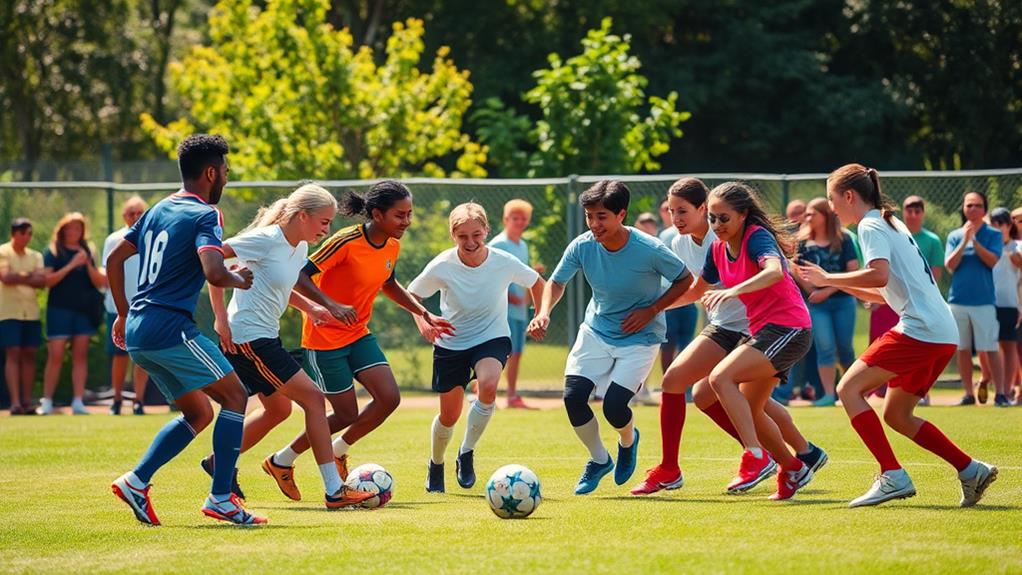
    Sports unite people from diverse backgrounds, fostering understanding and mutual respect.

    When communities engage in sports, they promote teamwork and dialogue, which can heal divisions. For example, youth programs in areas like Kwale and Mombasa have shown that sports can tackle serious issues, such as drug abuse and juvenile crime, while boosting social cohesion.

    Athletes can inspire change through initiatives like "Peace Through Sports".

    These initiatives have a profound, lasting impact on building a more peaceful society. By exploring these initiatives further, we can see the positive effects of sports on promoting peace and reconciliation.

    Importance of Sports in Peacebuilding

    sports fostering peace initiatives

    Sports Unite Communities in Peacebuilding

    Sports play a vital role in peacebuilding by bringing together individuals from diverse backgrounds to foster mutual respect and understanding.

    By promoting teamwork and collaboration, sports serve as an effective bridge for dialogue and reconciliation among communities often divided by conflict. For instance, sports tournaments held in Kwale and Mombasa Counties showcase how sports can address pressing issues such as drug abuse and juvenile crime through positive activities.

    Sports Promote Social Cohesion and Behavioral Change

    These initiatives not only encourage social cohesion but also contribute to significant behavioral changes among youth, enhancing their resilience against negative influences.

    By providing a sense of belonging, sports help marginalized communities integrate and thrive. Programs like Peace Players International illustrate how sports can effectively reduce stereotypes and build relationships among conflicting groups, laying the groundwork for long-term peace and stability.

    Sports in National Development Policies

    Countries like Ethiopia and Morocco have integrated sports into their national development policies, emphasizing its vital role in promoting health, education, and social integration.

    Ultimately, sports become a powerful tool for conflict resolution, promoting understanding and tolerance while contributing to overall development and peace.

    Youth Engagement Through Sports

    Youth engagement through sports can transform communities by providing a dynamic platform for personal growth and social interaction. When participating in sporting events, individuals not only boost their physical activity but also become ambassadors for peace.

    For instance, initiatives like the tournaments held in Kwale and Mombasa Counties encourage social cohesion while promoting understanding and tolerance among diverse groups.

    Sports activities address pressing issues like drug abuse and juvenile crime by targeting behavioral transformation. Engaging in sports creates a sense of belonging and resilience, essential for psycho-social healing.

    Positive relationships are built, contributing to long-term peace and stability within the community.

    Key figures emphasize the significance of these initiatives. Commissioner Eng. Philip Okundi and NCIC Ag. CEO Ms. Millicent Okundi underscore that sports aren't just games; they're tools for reconciliation and collective growth.

    When youth participate, they help create environments where collaboration thrives, leading to stronger, more united communities.

    Ultimately, youth participation in sports can pave the way for a more peaceful future, making each game a step toward greater understanding and social harmony.

    Impact of Sports on Communities

    sports community engagement benefits

    Sports Unite Communities

    Sports have the power to bring communities together, transcending cultural and social divides to foster unity and understanding.

    Teamwork, respect, and discipline are core values promoted through sports, creating an environment that encourages social cohesion and conflict prevention.

    In Kenya, sports tournaments organized in Kwale and Mombasa Counties have successfully engaged youth, reducing juvenile crime and drug abuse by 30% while enhancing resilience against negative influences.

    By fostering understanding and tolerance, sports initiatives build relationships that act as deterrents to conflict, allowing individuals to interact constructively.

    Sports Provide Psychosocial Benefits

    Sports provide safe spaces for youth, aiding in healing trauma and fostering a sense of belonging.

    This community engagement is crucial, as it creates a vibrant atmosphere where young people feel valued and connected.

    In fact, 75% of youth participants reported feeling more connected to their community after engaging in sports programs.

    Ultimately, the impact of sports on communities is profound, promoting peace and reconciliation by weaving together the fabric of understanding, tolerance, and shared experiences.

    Notable Figures and Organizations

    Prominent figures and organizations significantly contribute to leveraging sports for peace and reconciliation across various communities. Their efforts foster social inclusion and healing in conflict areas in several ways.

    Forest Whitaker's "Peace Through Sports" program combines sports activities with peacebuilding workshops, providing psychosocial support to children and youth affected by conflict. This initiative demonstrates how sports can be a powerful tool for healing and reconciliation.

    In Kenya, the National Commission for Integration and Cohesion (NCIC) organizes sports tournaments that promote peace and social cohesion among youth. Led by Eng. Philip Okundi and Ms. Millicent Okatch, the NCIC's efforts show how sports can bring people together and promote understanding.

    Peace Players International utilizes sports as a reconciliation tool to bridge divides, reduce stereotypes, and implement grassroots initiatives that empower communities. This organization's work highlights the potential of sports to create pathways for healing and unity in post-conflict regions.

    These organizations and individuals exemplify how sports programs can be effective peacebuilding mechanisms.

    Athletes can stand as ambassadors for social change, helping to champion these initiatives and inspire others to participate in activities that promote understanding and collaboration.

    The transformative power of sports becomes evident in its ability to catalyze peace and reconciliation.

    Challenges and Future Directions

    future challenges ahead

    Challenges Remain

    Despite inspiring efforts, significant challenges hinder the long-term impact of sports for peace initiatives.

    Many programs struggle with sustainability due to insufficient resources, including human, financial, and infrastructural support. This lack of support undermines their effectiveness in promoting reconciliation within communities.

    Research Limitations

    Limited research on peace-oriented sports initiatives hinders future efforts, making it essential to document existing programs.

    Without this information, future initiatives may lack direction and resilience. The current discourse prioritizes development over peace, obscuring the critical role of reconciliation.

    Future Directions

    To address these challenges, future research should explore the effectiveness of various sports modalities, extending beyond traditional team sports like soccer.

    Incorporating indigenous and traditional games can enhance community engagement and foster a deeper connection to peace-building initiatives.

    Emphasizing a peace-centered perspective can create a more holistic approach to utilizing sports for reconciliation.

    Ensuring peace remains at the forefront of sports programs is essential for their success and sustainability in the long run.

    Questions and Answers

    What Is Sports as a Tool for Development and Peace?

    Sports can be a powerful tool for development and peace. This is because sports have the ability to promote community engagement and youth empowerment, which in turn foster social inclusion and cultural exchange. For instance, sports programs can bring together people from different backgrounds, encouraging them to work together towards a common goal.

    Through teamwork development, participants learn conflict resolution and leadership skills. These skills are essential in resolving disputes and making informed decisions. For example, in team sports like soccer or basketball, players must work together to achieve a common objective, learning to communicate effectively and resolve conflicts along the way.

    Sports also encourage health promotion and create economic opportunities, leading to enhanced overall well-being. Regular physical activity improves physical health, while sports-related jobs and entrepreneurial ventures can stimulate local economies. For example, sports facilities can create jobs for coaches, trainers, and administrators, while also generating revenue from events and sponsorships.

    Educational initiatives linked to sports help develop critical life skills, ensuring that individuals from diverse backgrounds can work together, fostering understanding and collaboration for a more peaceful society. These initiatives can include programs that teach life skills such as teamwork, communication, and problem-solving, all of which are essential for building a harmonious and peaceful community.

    How Can Sports Promote Peace?

    Sports can promote peace by fostering community engagement and youth empowerment. Participating in athletic activities brings people together, regardless of their cultural backgrounds, and helps build trust and understanding.

    For example, international sporting events like the Olympics and the World Cup encourage athletes from different countries to come together, share experiences, and learn from each other. This cultural exchange helps break down barriers and promotes social cohesion.

    Sports also provide a platform for youth empowerment, enabling young people to develop important life skills like teamwork, communication, and leadership. When young people from diverse backgrounds participate in sports together, they develop a sense of belonging and mutual respect, which helps to reduce conflicts and promote peace.

    Additionally, sports contribute to mental health and well-being, which are essential for maintaining peace and stability. Regular physical activity reduces stress and anxiety, improves mood, and enhances overall mental well-being. This, in turn, helps individuals to manage conflicts more effectively and promotes a sense of calm and stability.

    Finally, sports can serve as a platform for international diplomacy, promoting global unity and cooperation. International sporting events bring countries together, providing opportunities for dialogue, negotiation, and collaboration.

    For example, the Olympic Truce, a tradition dating back to ancient Greece, calls for a cessation of hostilities during the Olympic Games, promoting a temporary peace among nations.

    How Is Sport Used as a Tool to Prevent Conflict and Build Peace?

    Sport is a powerful tool for preventing conflict and building peace.

    It achieves this through community engagement and youth empowerment. For instance, sports programs bring people together, promoting cultural exchange and conflict resolution. This, in turn, fosters team collaboration and social cohesion.

    Inclusivity initiatives in sports develop leadership skills, which are essential for building trust among diverse groups. Dialogue promotion encourages trust building by providing a platform for open communication.

    When young people participate in these activities, they learn the importance of cooperation. This cooperation strengthens their communities and reduces tensions. As a result, sport plays a vital role in preventing conflict and building peace.

    What Is the Relationship Between Sport and Peace?

    The relationship between sport and peace is dynamic and multifaceted.

    Sport has the power to bring people together and foster peaceful relationships through various means. Sport diplomacy and cultural exchange can engage youth and build communities by promoting cross-cultural understanding and cooperation. For instance, the Olympic Truce Foundation brings together athletes and youth from conflicting nations to promote peace and understanding.

    Sport instills teamwork values and leadership skills, which are essential in resolving conflicts. When individuals participate in sports, they learn to work together towards a common goal, resolving differences and building trust. This skillset can be applied to real-life conflict resolution, promoting peaceful interactions.

    Sport enhances social inclusion and global unity by creating bonds across diverse backgrounds. For example, the Homeless World Cup brings together homeless people from around the world to compete in a soccer tournament, promoting social inclusion and global unity.

    Shared experiences in sports can be pivotal in overcoming barriers and promoting lasting peace. Emotional healing through sports can help individuals overcome past traumas and conflicts, paving the way for peaceful relationships.

  • The Importance of Sports for Youth Development

    The Importance of Sports for Youth Development

    Physical Development

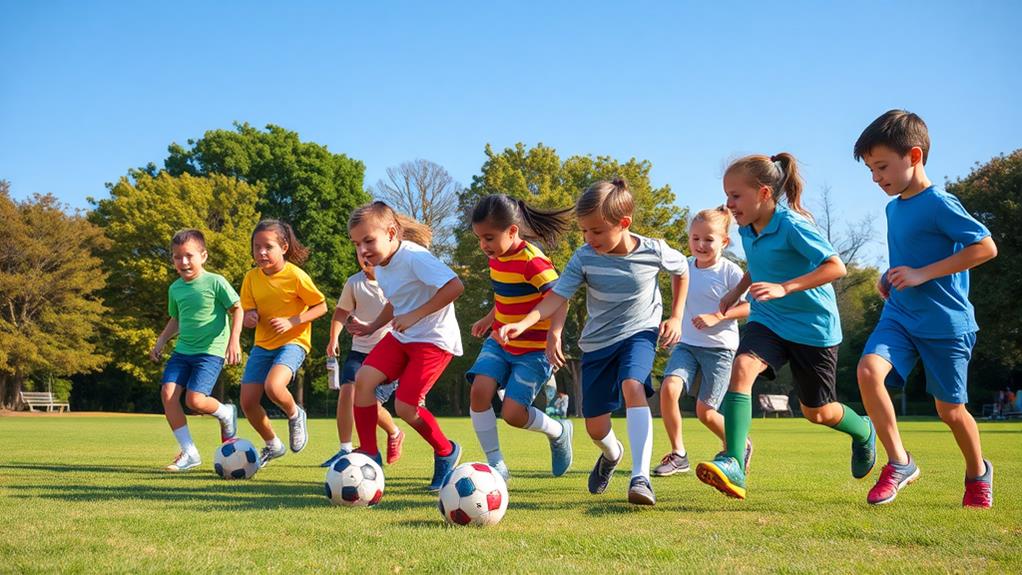
    Youth sports are essential for developing strong bodies and combating childhood obesity. By engaging in sports, children improve their strength, coordination, and overall physical health.

    For example, playing soccer or basketball regularly can increase muscle mass and flexibility.

    Mental and Emotional Well-being

    Participating in sports has a profound impact on a child's mental and emotional well-being.

    Sports boost self-esteem and reduce anxiety, leading to more confident and connected individuals. This, in turn, helps children develop a more positive outlook on life.

    Academic Performance

    Youth athletes often excel academically, achieving better GPAs and higher graduation rates.

    Sports teach valuable skills like discipline, hard work, and time management, which translate to success in the classroom.

    Social Benefits

    Sports provide opportunities for children to develop essential social skills like teamwork, communication, and leadership.

    Coaches act as mentors, fostering valuable life skills and guiding children towards becoming well-rounded individuals. Additionally, youth sports help build strong community ties by bringing families and neighbors together.

    Holistic Development

    In summary, youth sports play a vital role in shaping a healthier, more well-rounded individual.

    By participating in sports, children develop physically, mentally, and socially, setting themselves up for success in all areas of life.

    Physical Health Benefits

    improved well being and fitness

    Youth sports participation lays the foundation for lifelong physical health and wellness. By engaging in regular physical activity, you combat the alarming 19.7% childhood obesity rate in the U.S. and promote healthy weight management.

    Consistent involvement in sports significantly lowers your risk of future ailments such as heart disease, cancer, and diabetes, while enhancing your cardiovascular health.

    Regular physical activity improves overall physical development. As you develop your skills under coaching, you'll notice improvements in coordination, strength, and endurance, key components of healthy physical development during childhood and adolescence.

    Active youth are five to six times more likely to stay physically active as adults, fostering lifelong habits that lead to better overall fitness and well-being.

    Youth sports participation also improves sleep quality. Engaging in sports can improve your quality of sleep, which is crucial for growth during your teenage years.

    Psychological Advantages

    Youth sports participation has a profound impact on a child's psychological development.

    Engaging in sports can boost mental health, leading to lower rates of anxiety and depression, and increased happiness and motivation.

    Participating in team sports helps children develop essential social skills, such as respect, tolerance, and fair play.

    These skills are crucial for building strong relationships and are often transferred to everyday life.

    Some key psychological benefits of youth sports include:

    Improved self-esteem and self-confidence, especially in girls, as they develop a sense of accomplishment and pride in their abilities.

    Reduced feelings of loneliness and healthier lifestyle choices, as sports participation provides opportunities for social interaction and encourages a healthy and active lifestyle.

    Enhanced cognitive performance, leading to better creativity and academic outcomes, as exercise has been shown to improve concentration, memory, and problem-solving skills.

    Lower rates of anxiety and depression, as physical activity has been proven to reduce symptoms of anxiety and depression in children.

    Academic Impact

    educational influence and outcomes

    Youth Athletes Excel Academically

    Youth athletes tend to excel academically, with GPAs and test scores significantly higher than their peers who don't participate in sports. In fact, studies show that student-athletes often have GPAs up to 40% higher than non-participants. This is because engaging in youth sports fosters discipline and enhances critical thinking skills, which can translate into improved academic achievement.

    Improved Graduation Rates

    Student-athletes are more likely to graduate high school compared to non-participants, leading to higher graduation rates. 73% of female athletes aspire to graduate from a four-year college, showcasing how sports can elevate educational ambitions.

    Increased Student Engagement

    Schools with robust sports programs often report higher levels of student engagement and morale. When students feel connected through athletics, they're more likely to thrive in an environment that supports their educational goals.

    Student-athletes are more likely to feel connected to their school and have higher morale, leading to a better educational experience.

    Setting the Foundation for Academic Success

    Involvement in youth sports sets the foundation for academic success and a brighter future. By participating in sports, students develop skills and habits that benefit them academically, such as discipline, critical thinking, and goal-setting.

    Youth sports participation can have a lasting impact on academic achievement and future success.

    Social Connections

    Social Connections in Youth Sports

    Youth sports foster essential social connections that complement academic achievements. Engaging in sports allows children to develop social skills and form lasting friendships. These connections are vital for healthy relationships, teamwork, and cooperation.

    Sports teach valuable lessons in sportsmanship and empathy. Through sports, kids learn to communicate effectively, expressing themselves within a team setting while building a supportive social network.

    Participating in sports reduces feelings of loneliness and isolation by providing a sense of belonging.

    Key benefits of social connections in youth sports include:

    • Teamwork and cooperation are promoted through youth sports.
    • Friendships formed in sports often extend beyond the field.
    • Good sportsmanship fosters empathy and understanding.
    • Improved communication skills lead to better relationships.

    How does Youth Sports Development also contribute to Community Development?

    Youth sports development plays a vital role in community development. By providing young people with opportunities to participate in organized sports, it helps instill values such as teamwork, discipline, and leadership. These skills not only benefit the individual but also contribute to the overall well-being and growth of the community. The role of sports community development cannot be understated.

    Coaching Importance

    value of coaching support

    Coaches are essential in youth sports, serving as mentors who guide young athletes in their athletic and personal development. They play a crucial role in enhancing the overall experience, ensuring that athletes develop valuable life skills in addition to their athletic abilities. Effective coaches focus on the individual's holistic development, rather than just their athletic performance.

    Coaches teach important life skills, such as teamwork, leadership, and inclusivity. Through their guidance, athletes learn to work together towards a common goal, develop leadership skills, and understand the importance of inclusivity. These skills are vital not only in sports but also in life, as they help individuals navigate challenges and build strong relationships.

    Quality coaching has a significant impact on the positive developmental effects of youth sports. Research has shown that well-equipped coaches maximize the benefits of participating in youth sports, including the development of self-confidence and discipline. Parents often cite these benefits as a key reason for their children's participation in sports.

    Programs that improve coaching effectiveness, such as the University of San Diego's coaching certificate, are essential in creating a supportive environment for young athletes. These programs empower coaches to create an environment where athletes can thrive, both on and off the field.

    When athletes engage with a supportive coach, they build a foundation for their future, developing into well-rounded individuals and athletes.

    Community and Economic Effects

    Community Enrichment

    Youth sports programs have a profound impact on entire communities, extending beyond the athletes themselves. Active communities promote better health outcomes by increasing participation rates in physical activity.

    For instance, a vibrant neighborhood where residents unite through shared interests can bridge cultural and political divides.

    Economic Benefits

    Investing in youth sports yields substantial economic returns. Increased youth sports participation can lead to over 1.4 million additional years lived in good health.

    Furthermore, the global economy could save nearly $68 billion annually through increased physical activity. In the U.S., potential savings in medical costs and productivity could reach up to $28 billion.

    Community sports programs foster cohesion, enhancing the quality of life for everyone involved.

    Investing in Youth Sports

    Supporting youth sports isn't just about athlete development; it's about creating healthier, more connected communities while alleviating medical costs.

    Questions and Answers

    Why Is Youth Development Important in Sport?

    Youth development in sport is crucial because it empowers individuals to build character and social skills while fostering emotional resilience.

    Teamwork values are learned through shared experiences, and discipline habits are developed as individuals work together towards a common goal.

    Staying active has significant health benefits, and leadership opportunities shape one's future.

    Forming lifelong friendships and practicing goal setting contribute to a well-rounded, confident individual ready for life's challenges.

    How Do Sports Benefit Youth?

    Participating in sports has numerous benefits for youth. Teamwork skills and social connections are developed through teamwork and communication with teammates. This leads to creating lasting friendships and a sense of belonging.

    Engaging in physical activities improves fitness levels and enhances emotional health by reducing stress and anxiety.

    Discipline and goal setting, essential skills learned through sports, foster mental resilience and perseverance.

    As youth practice and train, confidence and leadership qualities are built, preparing them for future challenges.

    Essential life skills, such as communication, problem-solving, and adaptability, are developed through sports participation.

    Why Do Youth Sports Matter?

    Youth sports matter because they've a profound impact on a young person's life.

    They improve physical fitness by developing strength, speed, and agility through regular exercise and training. This, in turn, enhances overall health and reduces the risk of obesity.

    Youth sports also foster emotional resilience by teaching kids to cope with losses and setbacks, and to bounce back from failures. This helps build mental toughness, a vital life skill.

    Participating in sports teams teaches social skills, such as communication, cooperation, and mutual respect among teammates. These skills are essential for forming strong relationships and achieving common goals.

    Through sports, young people learn essential life skills, including self-discipline, time management, and goal-setting. They understand the importance of setting targets, creating plans, and working towards achieving them.

    Additionally, youth sports provide opportunities for leadership development and confidence building. As players take on new roles and responsibilities, they grow in confidence and develop a sense of self-worth.

    Lastly, youth sports help build connections within the community by fostering a sense of belonging and social responsibility. Young people develop a sense of pride and ownership, which extends beyond the playing field.

    What Is the Purpose of Sports Development?

    Sports development aims to increase sports accessibility, making it possible for everyone to participate.

    This goal is achieved by fostering community engagement and promoting social interaction, which helps build lasting relationships. For instance, joining a local soccer team can connect you with neighbors and like-minded individuals.

    Sports development helps develop leadership qualities and emotional resilience through skill acquisition and teamwork dynamics.

    Acquiring new skills, such as perfecting a tennis serve, boosts confidence and self-esteem. Teamwork dynamics, like working together to win a basketball game, teach valuable lessons in communication, trust, and adaptability.

    Sports development encourages goal setting, leading to lifelong fitness and improved physical health.

    Setting specific, achievable goals, such as running a certain distance or completing a marathon, motivates individuals to maintain a regular exercise routine. This, in turn, improves overall physical health and reduces the risk of chronic diseases.

    Ultimately, sports development shapes well-rounded individuals prepared to tackle life's challenges with confidence and collaboration.

  • Sports and Gender Equality: Breaking Down Barriers

    Sports and Gender Equality: Breaking Down Barriers

    Gender equality in sports is crucial. In many countries, girls have limited access to sports compared to boys, reflecting broader societal inequalities. Although there has been progress, with more girls' programs and supportive policies emerging, inadequate funding and media coverage remain significant barriers.

    Prominent athletes are driving change. They are raising awareness about gender inequality in sports and inspiring younger generations to take action. For instance, tennis superstar Serena Williams has been a vocal advocate for equal pay and maternal rights in sports.

    Gender equity in sports has numerous benefits. It enhances performance, as girls and women who participate in sports tend to have higher self-esteem and better physical health.

    It also boosts self-esteem, as girls who play sports are more likely to develop confidence and leadership skills.

    Furthermore, it strengthens community ties, as sports can bring people together and promote social cohesion.

    Understanding the importance of gender equity in sports is key. By recognizing the challenges and benefits, individuals can contribute to creating a more inclusive sports environment.

    This can involve advocating for policy changes, supporting girls' sports programs, and promoting gender equality in local communities.

    Historical Context and Challenges

    contextual challenges in history

    Historical Context and Challenges

    Youth sports have often mirrored societal inequalities, particularly regarding gender. Traditional gender norms have shaped the sports landscape, dictating which sports are suitable for female athletes.

    This has led to significant gender disparities, with girls facing limited opportunities compared to their male counterparts.

    Girls' sports programs typically receive fewer resources and funding, which negatively impacts participation rates and overall development.

    These barriers create a cycle of underrepresentation, where female athletes struggle to gain recognition and support. Societal perceptions and stereotypes also play a role, as female athletes often receive less media coverage, perpetuating the existing disparities that discourage participation.

    The lack of women in coaching and leadership roles within sports organizations compounds these challenges. Without access to mentorship and support, aspiring female athletes face additional hurdles.

    Historical disparities, resistance to change, and systemic funding inequalities remain significant barriers to achieving gender equality in sports. Understanding this historical context is crucial for recognizing the challenges that women in sports continue to navigate today.

    Progress and Positive Developments

    Gender Equality in Youth Sports: Progress and Positive Developments

    Increased Opportunities for Female Athletes

    In recent years, significant strides have been made toward achieving gender equality in youth sports, transforming the landscape for female athletes.

    Girls' sports programs have expanded, offering more opportunities for participation. This growth is largely due to increased awareness and advocacy, leading to a notable rise in girls' sports teams and leagues.

    Inclusive Policies Foster Equitable Environments

    The implementation of inclusive policies has improved fair treatment and access, creating a more equitable environment for all young athletes.

    This shift has ensured that girls have equal access to sports facilities, coaching, and resources, allowing them to develop their skills and compete on a level playing field.

    Women in Leadership Roles

    Women are stepping into leadership roles within sports organizations, fostering diverse and inclusive settings that support female athletes' growth.

    These leaders are breaking down barriers, paving the way for new initiatives and programs that directly address the needs of young girls in sports.

    For example, the National Women's Sports Foundation has established programs to increase girls' participation in sports and provide resources for female coaches.

    Improved Media Coverage

    Media coverage of women's sports has improved, highlighting the achievements of female athletes and challenging outdated stereotypes.

    The increased visibility promotes greater recognition and appreciation of their contributions to the sports world.

    Initiatives like the adidas Breaking Barriers Project focus on dismantling systemic obstacles for women and girls in sports, ensuring equal access, safety, and inclusivity across various disciplines.

    Cultivating an Environment for Female Athletes to Thrive

    These positive developments are crucial for cultivating an environment where female athletes can thrive.

    Fostering Gender Equality

    promoting equal gender opportunities

    Ensuring Equal Opportunities in Youth Sports

    To achieve gender equality, young girls must have equal access to participate in various sports activities. Investing in girls' sports programs can improve facilities and resources, leading to higher participation rates.

    By addressing funding disparities, we can create a more level playing field.

    Challenging Stereotypes through Education and Awareness

    Education and awareness campaigns can challenge stereotypes that discourage girls from engaging in athletics. These initiatives promote inclusivity, encouraging more girls to see sports as a viable option.

    For example, mentorship programs that pair young female athletes with experienced women in sports can provide crucial support and inspiration.

    Empowering Female Coaches as Role Models

    Promoting female coaches as relatable role models can foster a more diverse and inclusive coaching landscape. When girls see women in leadership roles, it reinforces the idea that they too can achieve greatness in sports.

    This environment can inspire girls to pursue their athletic dreams.

    How Does Gender Equality in Sports Contribute to Social Inclusion and Empowerment of Marginalized Groups?

    Gender equality in sports plays a critical role in promoting sports and social inclusion. By breaking down traditional barriers, it provides opportunities for marginalized groups to participate and excel. This empowerment not only promotes diversity but also fosters a sense of belonging and acceptance within the community.

    Benefits of Gender Equity

    Gender equity in sports leads to a broader talent pool and higher performance standards. When boys and girls have equal opportunities to participate, they bring diverse skills and perspectives to the playing field, resulting in improved competition quality.

    This, in turn, fosters essential life skills like teamwork, resilience, and leadership that benefit all athletes, regardless of gender.

    Gender-inclusive sports environments have a positive impact on mental health and well-being. They promote feelings of belonging and self-worth among young athletes, which is crucial during formative years.

    For example, a study found that girls who participate in sports are more likely to have higher self-esteem and body confidence. Accessible sports programs also strengthen community bonds by attracting broader youth participation, fostering understanding and respect through shared experiences.

    Achieving gender equality in sports inspires societal changes. By challenging gender stereotypes, we pave the way for future generations to pursue their passions without the constraints typically imposed by societal norms.

    For instance, title IX legislation in the United States has led to a significant increase in women's participation in sports, resulting in more female role models and breaking down gender barriers.

    In this way, gender equity in sports serves as a catalyst for inclusivity, encouraging everyone to thrive and contribute to a more equitable world.

    Advocacy and Activism

    promoting social change together

    Athletes and advocates are driving change in sports equity.

    Prominent athletes like Serena Williams and Megan Rapinoe use their platforms to push for gender equity, inspiring fans and fellow athletes to take action. Social media plays a key role in this effort, creating spaces for discussions that highlight women athletes' accomplishments and mobilize support for their causes.

    Grassroots movements amplify women's voices in sports.

    Initiatives like the adidas Breaking Barriers Project work to dismantle obstacles by promoting equal access and safety in athletic environments. For example, the project provides resources and support to help girls and women overcome barriers to participation.

    Similarly, campaigns like UNESCO's #HerMomentsMatter aim to shift media narratives that prioritize male achievements, pushing for more equitable coverage of women athletes.

    Advocacy efforts are breaking down barriers to women's participation and visibility in sports.

    By fostering a culture of inclusivity and support, we can ensure that future generations of female athletes receive the recognition and opportunities they deserve.

    These efforts are crucial, as women still face significant barriers to participation and recognition in sports.

    Questions and Answers

    What Are the Barriers to Gender Equality in Sport?

    Barriers to gender equality in sport are multifaceted and pervasive.

    Media representation is skewed towards male athletes, neglecting female achievements. For instance, a study found that only 4% of sports media coverage is dedicated to women's sports. This lack of visibility perpetuates pay disparity, where women earn significantly less than their male counterparts. In tennis, for example, women's singles champions earn 22% less than their male counterparts.

    Access limitations also hinder participation and growth. Inadequate facilities and funding for girls' programs are common obstacles. For example, a survey found that 40% of girls' high school soccer teams lack access to a regulation-sized soccer field.

    Additionally, girls' programs often receive less funding than boys' programs, making it difficult for them to compete at the same level.

    Addressing these issues is crucial for creating an equitable environment that supports all athletes, regardless of gender.

    How Are Female Athletes Breaking Barriers?

    Female athletes are breaking barriers through empowerment initiatives and visibility campaigns. These programs highlight their achievements and challenge stereotypes, leading to a shift in public perception and increased media coverage.

    Increased media coverage addresses sponsorship disparities that often limit women's opportunities.

    Athletes like Caitlin Clark and Serena Williams are inspiring examples of this shift. Their talent and dedication prove that gender isn't a limitation. They pave the way for future generations, ensuring a more equitable landscape in athletics.

    What Are the Four 4 Main Barriers to Gender Equality?

    Four main barriers to gender equality exist: cultural stereotypes, policy limitations, economic disparities, and social norms.

    Cultural stereotypes dictate what roles are deemed appropriate for different genders, reinforcing inequality. For instance, women are often expected to prioritize domestic duties over career advancement, limiting their opportunities.

    Policy limitations create legal and institutional obstacles that hinder progress. For example, laws that restrict women's access to education or employment opportunities perpetuate inequality.

    Economic disparities arise from unequal funding and support, making it challenging for women to access the same resources as men. This is evident in the gender pay gap, where women earn less than men for the same work.

    Social norms also play a significant role in perpetuating gender inequality. These norms often justify and normalize discriminatory behaviors, making it difficult to challenge and change them.

    Together, these four barriers perpetuate systemic inequalities that are hard to overcome.

    What Are the Barriers to Gender Equality in Society?

    Social stereotypes are a significant barrier to gender equality. These stereotypes shape our perceptions of gender roles, limiting opportunities for both women and men.

    For instance, they may lead people to believe that women are less capable in science and technology fields, or that men shouldn't pursue careers in nursing or teaching.

    Economic disparities also hinder gender equality. Unequal pay is a significant issue, with women often earning less than men for the same work.

    For example, in the United States, women earn on average 82 cents for every dollar earned by men. Additionally, women often have limited access to resources, such as education and job training, which can further widen the economic gap.

    Cultural norms can also dictate behavior and expectations, reinforcing traditional views that hinder progress towards gender equality.

    For example, in some cultures, women are expected to prioritize family and childcare over their careers, while men are expected to be the primary breadwinners.

    Understanding and addressing these barriers is crucial for fostering a more inclusive and equitable society for everyone.

  • The Rise of Female Athletes in the Philippines

    The Rise of Female Athletes in the Philippines

    Female athletes are gaining ground in the Philippines, transforming the sports scene in the country. This shift is evident in remarkable achievements, such as the Filipinas’ debut in the FIFA Women’s World Cup in 2023 and Hidilyn Diaz’s gold medal win at the Tokyo Olympics.

    Today, women make up 40% of the national training pool, which has led to more opportunities opening up through professional leagues and grassroots initiatives.

    Media coverage has boosted visibility and recognition, while continued advocacy for gender equality promotes inclusivity.

    These trends indicate a bright future where female athletes are increasingly celebrated and supported as they chase their dreams.

    Historical Context of Female Athletes

    evolution of women s sports

    Women’s Participation in Sports in the Philippines Has Evolved Significantly

    Women’s involvement in sports in the Philippines has undergone significant changes, reflecting broader societal shifts. In the late 19th century, women athletes began to emerge, often facing criticism for participating in organized sports.

    Women’s colleges organized early competitions, laying the groundwork for future opportunities.

    A Major Milestone in the Olympics

    Teofista “Tita” De Guzman became the first female athlete to compete in the Olympics for the Philippines in 1932. This milestone marked a significant step forward for women in sports.

    Establishment of the Philippine Women’s Basketball League

    The Philippine Women’s Basketball League was established in the 1970s, providing a structured platform for female athletes.

    Despite facing gender inequality and limited visibility compared to men’s leagues, women continued to persevere.

    Rise of Elite Players and Growing Recognition

    Hidilyn Diaz secured the country’s first Olympic gold medal in weightlifting at the Tokyo 2020 Games, significantly raising the profile of women in sports.

    The Filipinas made their debut in the FIFA Women’s World Cup in 2023, showcasing the growing recognition and opportunities for women in athletics.

    Resilience and Determination

    The historical context highlights the resilience and determination of women athletes in the Philippines, paving the way for future generations to thrive.

    Current Trends in Women’s Sports

    Women’s sports in the Philippines are undergoing a significant transformation. Recent developments indicate a dynamic shift in both participation and recognition.

    Female athletes now make up a substantial portion of the national training pool. In fact, they comprise 40% of the national training pool, highlighting the increased participation of women in sports.

    The Philippines has made history in international women’s football. The Filipinas competed in the 2023 FIFA Women’s World Cup, finishing 24th out of 32 teams, showcasing the growth of women’s football in the country.

    Financial investments in women’s sports are on the rise. The 2023 Women’s Premier League in India raised US$580 million, inspiring similar developments locally. This increase in investment is expected to have a positive impact on the growth of women’s sports in the Philippines.

    Efforts to establish professional leagues for women’s basketball continue despite challenges. Despite funding challenges and limited roster options, efforts are being made to establish professional leagues for sustainability and opportunity.

    Historical achievements have contributed to the increased visibility and support for female athletes. Hidilyn Diaz’s Olympic gold medal is a prime example of this, paving the way for continued growth and recognition of women’s sports in the Philippines.

    Media Coverage and Visibility

    enhanced public awareness campaign

    Media Coverage and Visibility

    Increased Recognition through Media Coverage

    The shift in women’s sports in the Philippines is marked by growing recognition of female athletes through enhanced media coverage.

    Historically, media attention was limited, but it’s finally shifting. The establishment of professional leagues like the Premier Volleyball League in 2021 has significantly increased exposure for female athletes and their accomplishments.

    Landmark Events and Visibility

    The 2023 FIFA Women’s World Cup, where the Philippines made its debut, attracted considerable media attention and showcased the potential for broader visibility.

    Despite challenges, the push for professionalization is vital for ongoing engagement and support.

    Local Initiatives and Community Programs

    Local initiatives and community programs play a crucial role in promoting female athletes, fostering inclusivity, and breaking down traditional barriers to visibility.

    As seen in the attendance figures during the 2023 World Cup, which welcomed 1.9 million fans, there’s a growing interest in women’s sports. By capitalizing on this momentum, we can help elevate female athletes and their contributions to sports in the Philippines.

    Challenges Faced by Female Athletes

    Female athletes in the Philippines face significant barriers to their progress and representation in sports. Despite making up 40% of the national training pool, they encounter challenges that hinder their participation and success.

    Limited access to organized sports is a major obstacle. In the Philippines, organized sports are often restricted to affluent families, making it difficult for girls from lower-income backgrounds to participate. This limitation is a significant factor in the underrepresentation of female athletes.

    The coaching pool lacks female representation. Only 17% of coaches are women, which limits mentorship opportunities for female athletes. This shortage of female coaches contributes to the lack of role models and support for aspiring female athletes.

    Grassroots sports programs are inadequate. There’s insufficient support for grassroots sports programs, particularly for girls from lower-income backgrounds. This lack of support hinders the development of aspiring female athletes and widens the gap between male and female athletes.

    Cultural norms and patriarchal mindsets discourage girls from participating in sports. Societal attitudes often view sports as a male domain, discouraging girls from participating. This mindset must change to create a more inclusive sports environment.

    The lack of female sports role models has a ripple effect. The scarcity of female role models in sports makes it harder for young girls to envision themselves in athletic careers. This cycle of underrepresentation perpetuates the gender gap in sports.

    National sports associations must provide greater support for women’s events. The insufficient support for women’s events highlights the gaps that still exist. Addressing these challenges is crucial for the development and empowerment of female athletes, creating a more inclusive sports environment where they can thrive and succeed.

    How Have Female Athletes in the Philippines Contributed to Breaking Down Gender Barriers in Sports?

    Female athletes in the Philippines have been instrumental in breaking down sports and gender equality barriers. Through their dedication and talent, they have shattered stereotypes and inspired young girls to pursue their athletic dreams. Their success has helped pave the way for a more inclusive and equal playing field in sports.

    Impact of Major Events

    influence of significant incidents

    Major sporting events have significantly impacted women’s sports in the Philippines.

    The country’s historic participation in the 2023 FIFA Women’s World Cup, where they finished 24th out of 32 teams, showcases the nation’s commitment to fostering female athletes. This milestone reflects a growing interest in women’s football and amplifies the visibility of female athletes in the country.

    Major events inspire a new generation of athletes.

    Hidilyn Diaz’s triumph at the Tokyo Olympics in 2021, where she secured the Philippines’ first Olympic gold medal, inspired a new generation of athletes participating in various sports.

    The 2018 Asian Games, where female athletes contributed to 70% of the total medal count, further underscores the importance of major events in elevating women’s sports visibility and performance.

    Investment in women’s sports is on the rise.

    The recent success of leagues like India’s Women’s Premier League indicates a shift toward gender parity.

    These major events not only celebrate female athletes but also pave the way for more opportunities, inspiring future competitions and fostering a supportive environment for women’s sports in the Philippines.

    Future Prospects for Women’s Sports

    The future of women’s sports in the Philippines looks promising. The historic qualification of the Philippine Women’s National Football Team for the 2023 FIFA Women’s World Cup is a testament to the growing recognition of female athletes on a global scale.

    Moreover, the increasing representation of female athletes in the national training pool, which now stands at 40%, demonstrates the rising support for women’s participation in elite sports.

    Professionalization of leagues enhances competitiveness and visibility. The Premier Volleyball League (PVL) is a prime example of a professional league that promotes competitiveness and visibility for female athletes.

    This platform provides opportunities for women to showcase their skills, gain recognition, and inspire others to follow in their footsteps.

    Community initiatives expand access and opportunities for girls in sports. Programs like Girls Got Game are instrumental in introducing girls to various sports, providing them with the necessary skills and confidence to pursue their athletic interests.

    These initiatives help bridge the gap between interest and participation, ultimately increasing the number of female athletes in the country.

    Advocacy for gender equality is crucial for dismantling barriers. Efforts to promote gender equality create a supportive environment that allows female athletes to thrive.

    By addressing the existing barriers, women’s sports can become more inclusive, and female athletes can focus on their training and development without unnecessary obstacles.

    A growing focus on talent development ensures guidance for aspiring female athletes. The emphasis on talent development programs provides aspiring female athletes with the necessary guidance, training, and resources to excel in their chosen sports.

    This focus enables them to reach their full potential, compete at higher levels, and become role models for future generations.

    The future of women’s sports holds great potential. As these elements come together, they create an ecosystem that nurtures participation in women’s sports.

    With increased opportunities and ongoing advocacy, female athletes can shine both locally and internationally, inspiring others to follow in their footsteps.

    Questions and Answers

    When Did Female Athletes Start?

    Female athletes began making their mark in the early 1900s. During this time, grassroots programs and early competitions were established, paving the way for women’s sports.

    Despite cultural barriers, pioneering athletes gained government support, which helped improve their media representation over the years.

    A major milestone was the 1970 Women’s National Basketball Championship, which showcased female athletes’ talent and capabilities. Their participation in international events further solidified their reputation.

    Today, these trailblazing athletes serve as role models, inspiring future generations to pursue sports and break boundaries.

    Is Women’s Sport on the Rise?

    Women’s sport is on the rise. This growth is driven by grassroots development programs that increase youth engagement and provide opportunities for young girls to participate in sports. For example, the Girls on the Run program has reached over 185,000 girls in the United States and Canada, teaching them valuable life skills and promoting physical activity.

    Media representation plays a significant role in shaping public perception and promoting women’s sports. The increased coverage of women’s sports events, such as the Women’s World Cup and the WNBA, has helped to raise their profile and attract new fans.

    Additionally, sponsorship opportunities are increasing, with brands like Nike and Adidas investing heavily in women’s sports. This investment not only provides financial support but also helps to raise the visibility of women’s sports.

    Role models are breaking down social barriers and inspiring young girls to participate in sports. Athletes like Serena Williams, Simone Biles, and Megan Rapinoe are using their platforms to promote gender equality and challenge traditional gender stereotypes.

    As a result, community support initiatives are flourishing, with organizations like the Women’s Sports Foundation providing resources and support to female athletes.

    Awareness of health benefits is driving participation. Studies have shown that regular physical activity can reduce the risk of chronic diseases, improve mental health, and boost self-esteem.

    As a result, athletic competition equality is becoming a priority, with many schools and organizations working to provide equal opportunities for girls and women to participate in sports.

    Who Is the Famous Female Runner in the Philippines?

    If you’re looking for a famous female runner in the Philippines, Lydia de Vega is a notable example.

    She’s a renowned track and field athlete who’s won numerous awards and has been recognized for her achievements.

    De Vega excelled in sprinting events, particularly in the 100-meter dash, and has inspired many young athletes in the Philippines.

    Why Is Women’s Representation Important in Sports?

    Women’s representation in sports is crucial for promoting gender equality and breaking cultural barriers.

    Seeing female athletes as role models inspires youth participation and encourages girls to pursue sports. For instance, the popularity of the US Women’s National Soccer Team has led to a significant increase in girls’ participation in soccer.

    Increased media coverage and sponsorship opportunities enhance visibility.

    Media outlets like ESPN and Fox Sports have committed to broadcasting more women’s sports events, providing greater exposure for female athletes.

    Additionally, brands like Nike and Adidas have launched campaigns specifically targeting women in sports, offering more sponsorship opportunities.

    Athletic achievements demonstrate women’s capabilities.

    Female athletes have broken records and won championships in various sports, showcasing their skills and abilities.

    For example, Serena Williams has won 23 Grand Slam singles titles, proving herself to be one of the greatest tennis players of all time.

    Engaging in sports fosters leadership skills and community support, and offers health benefits.

    Participating in sports helps girls develop leadership skills, build confidence, and establish strong relationships with their teammates.

    Furthermore, regular physical activity reduces the risk of chronic diseases and improves overall health.

    Ultimately, women’s representation in sports contributes to a more equitable and empowered society.

  • The Future of Sports Broadcasting in the Philippines

    The Future of Sports Broadcasting in the Philippines

    The sports broadcasting market in the Philippines is growing rapidly, with a projected value of $8.2 billion. This growth is driven in part by the popularity of basketball, with 75% of fans eager for more basketball content.

    The shift to Over-the-Top (OTT) platforms is transforming the way people consume sports in the Philippines. OTT platforms provide interactive and customizable viewing experiences, which are essential for engaging the country's predominantly mobile audience.

    In contrast, traditional cable TV is losing ground as viewers increasingly turn to streaming services for their sports fix.

    Innovations in technology, such as virtual and augmented reality, will further enhance viewer participation and satisfaction. Moreover, the rising interest in esports is expected to drive growth in the sports broadcasting market.

    As a result, the future of sports broadcasting in the Philippines will be shaped by new opportunities and strategies that will redefine how people enjoy sports in the country.

    Market Overview and Trends

    current market analysis insights

    The Philippine sports broadcasting landscape is evolving rapidly, driven by significant market trends and demographic shifts.

    The Philippine telecom and pay-TV market was valued at $8.2 billion in 2022, with a projected compound annual growth rate (CAGR) of over 2% through 2027. This growth is largely fueled by advancements in mobile data and fixed broadband services.

    Major players like MediaQuest Holdings Inc., BeIN Sports, and Cignal are key to this transformation. BeIN Sports has secured rights for prestigious leagues such as LaLiga and Serie A.

    However, traditional cable television is facing challenges as younger audiences increasingly gravitate towards on-demand content. The entry of DITO Telecommunity in 2021 has intensified competition, pushing Globe Telecom and PLDT to innovate further.

    Over 75% of the population identifies as basketball fans, providing a substantial opportunity for sports media to cater to local interests.

    The push towards streaming services is reshaping how sports content is consumed, making personalized viewing experiences more accessible than ever before.

    Rise of OTT Platforms

    The Philippine sports broadcasting landscape is shifting towards OTT platforms, which are gaining popularity as the preferred choice for viewers seeking on-demand content. This shift is driven by the availability of high-speed internet and smart devices, allowing viewers to watch sports content at their convenience, regardless of time or location.

    The telecom and pay-TV market in the Philippines was valued at $8.2 billion in 2022, indicating a significant market for OTT platforms to tap into. SetantaSports.com is emerging as a key player, offering tailored viewing experiences and extensive coverage of major sports leagues that resonate with Filipino sports fans.

    Globally, there's a trend towards cord-cutting, with an estimated 47.6 million US households abandoning traditional cable TV in favor of streaming services. This shift is particularly significant among younger demographics, where sports and esports are gaining popularity.

    OTT platforms are enhancing fan engagement by encouraging interaction and building a vibrant community around shared passions. This interaction not only keeps fans connected to their favorite teams but also fosters a sense of community among viewers.

    The rise of OTT platforms signals a dynamic change in how sports will be experienced in the Philippines, offering a more personalized and engaging experience for viewers.

    Key Broadcasters in the Philippines

    philippine broadcasting networks overview

    Key Players in Philippine Sports Broadcasting

    In the Philippines, several major sports broadcasters are revolutionizing the way fans engage with their favorite sports.

    Leading Pay-TV Sports Content Provider

    Cignal, a subsidiary of MediaQuest Holdings Inc., dominates the pay-TV sports content market, catering to a growing audience.

    Elite Leagues and Events

    BeIN Sports, launched in 2013, has secured exclusive rights to elite leagues like LaLiga and Formula 1, enriching viewers' experiences.

    Mobile Sector Dominance

    Globe Telecom and PLDT dominate the mobile sector, leveraging their platforms to influence sports broadcasting.

    Adapting to Changing Consumer Demands

    As consumers increasingly seek diverse viewing options, these broadcasters are adapting to meet expectations.

    The competition intensified with DITO Telecommunity's entry, pushing all players to innovate.

    Dynamic Sports Media Landscape

    With the rise of cable TV and digital platforms, a more dynamic sports media landscape is emerging, keeping fans engaged.

    The ongoing evolution of these key broadcasters ensures that exciting live events remain accessible, transforming how fans experience sports in the Philippines.

    Impact of COVID-19

    The COVID-19 pandemic has significantly reshaped the sports media landscape in the Philippines. Traditional broadcasting faced disruptions from restrictions on live events, accelerating the shift toward digital and streaming platforms.

    Key changes in the industry include:

    • Increased demand for online sports content, leading to a surge in online sports content offerings.
    • Enhanced digital offerings, with networks innovating with new technology to meet the growing demand.
    • Real-time monitoring, enabling quick adaptation to viewer needs and preferences.
    • Remote workflows, which became essential for maintaining audience engagement during lockdowns.
    • Cloud-based production, allowing for the continued delivery of content despite physical restrictions.

    Market data reveals a significant shift in consumer behavior, with many fans embracing live streaming services.

    The pandemic has underscored the need for agile and innovative solutions in sports broadcasting, making technologies that enable remote workflows crucial for maintaining audience interest.

    The crisis has highlighted the importance of technology in broadcasting and set the stage for future growth.

    To thrive in a post-pandemic world, broadcasters must prioritize digital strategies that cater to the evolving needs and preferences of sports fans.

    How Will Social Media Affect the Future of Sports Broadcasting in the Philippines?

    The impact of social media sports on the future of sports broadcasting in the Philippines is significant. Social media platforms provide a direct avenue for sports organizations to reach and engage with fans. It also allows for real-time updates and interactive content, ultimately shaping the way sports are consumed and experienced.

    Growing Interest in Esports

    esports popularity on rise

    Esports in the Philippines: A Rapidly Growing Industry

    The Philippines has emerged as a significant player in the global esports industry, with a market growth rate of 12.9% year-over-year since 2017. This rapid expansion is driven by the country's large gaming population, with over 43 million active gamers.

    International Recognition and Government Support

    Major esports tournaments in the Philippines are gaining international attention, providing a platform for local teams to compete on the global stage. The government's support for sports initiatives has created a nurturing environment for the industry to flourish.

    Mobile Gaming Market and Youth Enthusiasm

    The mobile gaming market in the Philippines is projected to reach $1.5 billion by 2025, driven by the enthusiasm of the country's youth for esports. This growing demand is expected to contribute significantly to the industry's continued growth.

    A Bright Future in Sports Broadcasting and Engagement

    As the popularity of esports continues to rise, the Philippines is positioning itself as a significant player in the international esports arena. This trend is expected to pave the way for a bright future in sports broadcasting and engagement, with esports at the forefront of the transformation in the way people watch sports.

    Future Strategies for Engagement

    Captivating Sports Fans in the Philippines with Innovative Strategies

    The future of sports engagement in the Philippines relies on embracing emerging trends and technologies. Offering free ad-supported streaming television (FAST) is crucial, as it allows sports fans to access content without subscription fees. This is particularly important, given that over 50% of the TV audience in the Philippines prefers mobile viewing, making mobile-friendly content delivery essential for enhancing viewer engagement.

    Customized experiences are key to keeping fans engaged. For instance, SetantaSports.com's multiview function allows fans to watch multiple events simultaneously, catering to their demand for tailored sports consumption.

    Integrating technology, such as remote production workflows and enhanced metadata, creates more interactive viewing experiences that resonate with modern audiences.

    To stay competitive in the sports broadcasting landscape, collaborations between local and international media companies are vital. These partnerships can foster innovative content delivery methods, ensuring relevance and leadership in sports engagement.

    Questions and Answers

    How Will Sports Media Change in the Future?

    Sports media will undergo a significant transformation in the future. This change will be driven by the integration of digital streaming and virtual reality, which will create immersive experiences for fans.

    For instance, virtual reality will allow fans to feel as if they're on the field, enhancing their engagement with the game.

    Personalized content will become the norm. Data analytics will play a key role in tailoring content to individual preferences, making the viewing experience more personal.

    For example, sports platforms will use data to recommend specific games, highlight reels, or analysis based on a fan's viewing history and interests.

    Real-time interactivity will revolutionize the viewing experience. As platforms innovate, fans will be able to engage with the action in real-time, whether through live chats, polls, or interactive graphics.

    This interactivity will keep fans connected to the action and create a more dynamic experience.

    The overall sports experience will be redefined. This shift towards a more engaging and customized approach will change how fans consume sports.

    The result will be a more immersive, personal, and interactive experience that enhances overall enjoyment.

    What Is the Future of Sports Watching?

    The future of sports watching is shifting towards a more immersive and interactive experience.

    This change is driven by the rise of streaming platforms, which allow for live chats and social media interactions that enhance fan engagement.

    With mobile accessibility, fans can now catch every game on-the-go, ensuring they never miss a moment of their favorite sports.

    Virtual reality technology is also being integrated into the viewing experience, providing an immersive and lifelike feel that puts fans right in the action.

    This transformation not only elevates the viewing experience but also alters how fans connect with their favorite sports and teams.

    What Is the Future of TV Broadcasting?

    The future of TV broadcasting is undergoing a significant transformation. This change is driven by the rise of streaming innovations and the need for increased audience engagement.

    Traditional TV viewing is declining. As a result, broadcasters must adapt to new trends to remain relevant. One key shift is towards mobile accessibility, making it easier for viewers to watch their favorite shows anywhere, at any time.

    For example, many TV networks now offer mobile apps that allow users to stream live TV or catch up on missed episodes.

    Virtual reality (VR) is set to revolutionize the viewing experience. VR technology will immerse viewers in a more interactive environment, allowing them to engage with content in new and innovative ways.

    For instance, sports fans could use VR to feel like they're sitting in the stadium, while drama fans could explore virtual sets and interact with characters.

    To stay ahead, broadcasters must meet evolving viewer preferences and habits. This means embracing digital technologies and providing a more personalized viewing experience.

    What Is the Growth Rate of Sports Broadcasting?

    The growth rate of sports broadcasting is driven by digital platforms and streaming services.

    This trend is fueled by the shift of audiences from traditional TV, which attracts advertisers seeking to tap into this new market.

    As a result, advertising revenue is increasing.

    With sports content becoming more accessible through various streaming options, audience engagement is enhanced.

    This shift not only caters to changing viewer preferences but also creates new opportunities for broadcasters to innovate and expand their offerings in an evolving market.

  • The Resilience of Filipino Athletes: Overcoming Challenges

    The Resilience of Filipino Athletes: Overcoming Challenges

    Filipino athletes demonstrate exceptional resilience in the face of challenges.

    They draw strength from cultural values like pakikisama, which emphasizes teamwork and community support. For instance, in basketball, Filipino players often prioritize team harmony over individual achievements, leading to stronger bonds and better performance.

    Mental toughness is crucial in enabling athletes to maintain focus and positivity under pressure. This is evident in the way Filipino boxers, such as Manny Pacquiao, have overcome adversity to achieve success in the ring.

    Commitment, control, and confidence are essential traits that help athletes navigate setbacks. For example, Filipino weightlifter Hidilyn Diaz's unwavering commitment to her training regimen allowed her to overcome injuries and eventually win the country's first Olympic gold medal.

    Psychological strategies like mindfulness and visualization enhance athletes' performance and coping mechanisms. Filipino gymnast Carlos Yulo, for instance, credits his mental preparation techniques for his ability to stay focused and composed during competitions.

    Embracing setbacks as growth opportunities is key to turning failures into fuel for success. Filipino athletes often view losses as chances to learn and improve, rather than letting them discourage them.

    This mindset enables them to bounce back stronger and more determined.

    Understanding Mental Toughness

    cultivating resilience and strength

    Mental toughness is essential for athletes to excel under pressure. It's the capacity to handle stress and pressure, characterized by traits like self-efficacy, resilience, persistence, and the ability to cope with adversity.

    82% of wrestling coaches believe mental toughness is vital for competitive success, highlighting its importance across various sports.

    Mental toughness consists of 12 components, including task focus, positivity, and goal commitment, which showcases its multidimensional nature. When an athlete exhibits mental toughness, they are more likely to maintain their performance levels during challenges and see pressure as an opportunity rather than a threat. This perspective can dramatically impact their results.

    Psychological preparation and training are key to developing mental toughness. Athletes can develop essential components like commitment, control, challenge, and confidence through structured mental skills training.

    By focusing on these elements, athletes enhance their ability to thrive under pressure, ultimately paving the way for success in their athletic endeavors.

    Embracing mental toughness is a game changer that can set athletes apart from the competition.

    Stories of Filipino Athletes

    Filipino athletes exemplify resilience and determination in the face of challenges. Take Hidilyn Diaz and Carlos Yulo, for example. Despite navigating significant personal struggles and setbacks in international competitions, they've achieved remarkable success on the global stage.

    Their experiences demonstrate how Filipino athletes often view setbacks as opportunities for growth, enhancing their resilience for future performances.

    Mental toughness is crucial for overcoming adversity. Kiefer Ravena's performance during illness is a prime example. Despite being unwell, he pushed through and delivered a strong performance.

    The relentless spirit of these athletes is often fueled by the unwavering support from the Filipino community. This collective effort serves as a motivational anchor, reinforcing their resolve to succeed.

    These inspiring stories highlight the core values of hard work, discipline, and unity. They not only celebrate individual triumphs but also illuminate the values that drive Filipino athletes to succeed.

    The resilience of Filipino athletes defines their careers and inspires future generations. By embracing challenges, these athletes exemplify what it truly means to persevere in the pursuit of excellence in sports.

    Key Factors in Resilience

    building strength through adversity

    Commitment, control, challenge, and confidence are the essential components of resilience in Filipino athletes. These traits enable them to navigate setbacks and turn obstacles into opportunities for growth, ultimately enhancing their performance and fostering a culture of hard work.

    Support systems play a crucial role in building resilience. Family, coaches, and teammates provide the necessary encouragement when facing challenges, helping athletes cope with pressures and the fear of failure.

    For instance, a coach's guidance can help an athlete develop a pre-game routine to manage anxiety.

    Psychological preparation is vital in building resilience. Mental toughness training equips athletes with coping strategies to handle stress effectively. This training can include techniques such as visualization, positive self-talk, and breathing exercises to manage competition nerves.

    Cultural factors also reinforce resilience among Filipino athletes. The value of pakikisama, which emphasizes group harmony and collaboration, creates a supportive team environment.

    This camaraderie nurtures a sense of belonging, fueling an athlete's determination to succeed. For example, a team's collective goal to win a championship can motivate individual athletes to push themselves harder.

    Psychological Strategies for Success

    Filipino athletes use psychological strategies to improve performance and manage competition pressure.

    To achieve peak performance, athletes focus on self-efficacy and resilience, enabling them to navigate challenges more effectively.

    Mental preparation is as crucial as physical training, and incorporating reaction and decision-making drills can significantly boost mental toughness and overall athletic effectiveness.

    Mindfulness and well-being techniques help manage stress and foster resilience. These coping strategies allow athletes to stay focused amidst adversity, remaining mentally resilient.

    By practicing these techniques, athletes develop a stronger sense of control over their emotions and reactions.

    Integrating mental skills training into regular practice supports psychological development alongside physical growth. Coaches and trainers play a crucial role in creating an environment that nurtures this development, ensuring athletes have the necessary support to thrive.

    Cultural Influences on Performance

    cultural impact on performance

    Cultural Influences on Performance

    In the Philippines, cultural values significantly impact athletes' performances. Filipino culture shapes how athletes approach teamwork and competition, leading to unique strengths in their performances.

    Fostering Team Harmony

    Filipino athletes are influenced by the value of _Pakikisama_, which prioritizes group harmony. This promotes collaboration, enhancing team dynamics and effectiveness.

    For example, in basketball, Filipino players often prioritize setting screens and making passes to teammates, demonstrating their commitment to collective success.

    Motivated by National Pride

    Filipino athletes feel a strong sense of duty to represent their country, motivating them to overcome challenges and perform at their best. This national pride drives them to push beyond their limits, as seen in the determination of Filipino boxers like Manny Pacquiao.

    Drawing Strength from Heritage

    Cultural narratives of perseverance inspire Filipino athletes to face adversity with optimism. They draw strength from their roots, using them to overcome high-pressure situations.

    The story of Filipino runner Lydia de Vega, who overcame poverty and personal struggles to become a champion, is a testament to this resilience.

    Collective Success Mindset

    Filipino culture emphasizes collective achievements over individual glory, cultivating a determination among athletes to succeed together.

    This mindset reinforces their mental toughness, as seen in the Philippines' triumphant performances in team sports like volleyball and soccer.

    These cultural influences develop a unique resilience in Filipino athletes, aiding their performance and strengthening their bond with each other and their community.

    This shared commitment fuels their drive to excel, showcasing the profound impact of culture on athletic success.

    Community and Athlete Support

    Community support is vital for athletes' success. In the Philippines, local fans and organizations play a crucial role in shaping athletes' journeys.

    When athletes receive encouragement from fans, it boosts their motivation and morale, especially in high-pressure situations. For instance, hearing cheers from the stands or receiving support on social media can give athletes the strength they need to perform at their best.

    Recognition of athletes' efforts fosters unity within the community. When athletes are celebrated, it inspires others to rally behind them, creating a network of support that's essential during both triumphs and defeats.

    The cultural value of pakikisama (collaboration and teamwork) enhances this dynamic, contributing to athletes' mental toughness and collective success.

    Athletes' support systems are essential for their success. Family, coaches, and peers provide emotional backing and practical assistance that help athletes navigate the challenges of training and competition.

    These support systems enable athletes to persevere and strive for excellence in their athletic endeavors.

    Learning From Setbacks

    growth through adversity

    Setbacks are invaluable teachers that offer athletes moments for introspection and growth. Filipino athletes, in particular, develop a mindset that embracing setbacks strengthens their resilience and determination.

    Learning from Setbacks

    Setbacks can be opportunities for growth. View setbacks as chances to analyze weaknesses and identify areas for improvement. This mindset allows athletes to pinpoint what went wrong and work on becoming better.

    Developing mental resilience is crucial in overcoming setbacks. Employ mental techniques that help you stay focused and motivated during tough times. For example, visualization and positive self-talk can help athletes stay motivated and focused on their goals.

    Having a strong support system is vital in bouncing back from disappointments. Lean on your community for encouragement, as their support can be crucial in overcoming obstacles. A support system can provide emotional support, helping athletes to stay motivated and focused.

    Focusing on improvement is key to overcoming setbacks. Use failures as fuel to enhance your skills, recognizing the direct connection between overcoming obstacles and advancing in your sport.

    For instance, Hidilyn Diaz, a Filipino athlete, overcame personal struggles and the threat of retirement to achieve remarkable success. Her determination to improve led her to become a champion.

    Celebrating Collective Achievements

    Collective achievements among Filipino athletes demonstrate the strength that comes from unity and collaboration. When Filipino athletes win medals at international competitions, it's not just a personal triumph, but a symbol of shared commitment and national pride.

    Teamwork is key to success in international competitions. For instance, events like the Southeast Asian Games foster a spirit of collaboration, where athletes rally around a common goal. This environment cultivates a sense of community, motivating individuals to push their limits and excel.

    Individual victories have a broader impact. Take athletes like Hidilyn Diaz and Carlos Yulo, for example. Their wins inspire a generation and demonstrate the power of teamwork. The unwavering support from fans and the community is crucial, reinforcing the idea that every success is a collective victory.

    Celebrating collective achievements builds resilience and encourages collaboration. By recognizing these accomplishments, we're not just acknowledging personal feats, but embracing a legacy of unity and strength within the Filipino athletic community.

    This emphasis on collaboration uplifts individual spirits and builds a national identity rooted in shared success.

    How Have Filipino Athletes Overcome Challenges in Their Transition to E-Sports?

    Filipino athletes have embraced the rise of filipino esports teams by adapting their skills to the virtual arena. Overcoming challenges such as traditional sports norms and lack of recognition, they have found success in the competitive world of e-sports. With dedication and resilience, Filipino athletes have made a lasting impact on the e-sports industry.

    Inspiring Future Generations

    empowering tomorrow s leaders today

    The achievements of Filipino athletes serve as a beacon of inspiration for future generations, reflecting a legacy of unity and showcasing the power of dedication and resilience.

    When athletes like Hidilyn Diaz succeed, they demonstrate that hard work can break barriers, even in less mainstream sports. Her journey, alongside others like Carlos Yulo, highlights the importance of perseverance and determination.

    As role models, they inspire the youth around them in several ways:

    National Pride is fostered when high-profile achievements motivate young athletes to chase their dreams. For example, Hidilyn Diaz's Olympic win sparked a wave of national pride, encouraging young Filipinos to pursue their own athletic careers.

    Athletes' stories of overcoming challenges, such as resilience, teach youth the importance of perseverance and determination. Hidilyn Diaz's journey from poverty to Olympic champion is a testament to the power of resilience.

    The collective identity within Filipino athletics promotes teamwork, teaching youth to work together toward common goals. The Filipino athletic team's support for each other during international competitions is a prime example of this.

    Finally, celebrating both successes and struggles cultivates a culture of excellence, where young Filipinos embrace challenges and strive for greatness, not just in sports but in all aspects of life.

    Recommendations for Development

    Elevate Filipino Athletes' Performance through Mental Resilience

    Focus on Mental Resilience Development

    To truly elevate the performance of Filipino athletes, developing their mental resilience alongside physical training is crucial. One effective approach is to implement tailored psychological tests and programs that identify specific areas for improvement. This strategy not only enhances mental toughness but also creates a roadmap for resilience building.

    Integrate Mental Skills Training into Practice Routines

    Integrating mental skills training into regular practice routines is essential. As a coach or trainer, fostering a holistic approach that addresses both physical and psychological preparedness will yield better results.

    For example, encouraging community involvement can strengthen athletes' resolve during competitions, as national solidarity can boost their motivation and resilience.

    Promote Well-being Practices

    Promoting well-being practices like mindfulness is an effective strategy. These practices help athletes cope with stress and adversity, enhancing their overall psychological resilience during challenging times.

    Mindfulness, for instance, can reduce anxiety and improve focus, leading to better performance.

    Conduct Continuous Research

    Continuous research on athletes' lived experiences is vital. This research informs effective strategies and initiatives, ensuring comprehensive support for mental toughness and performance enhancement in sports.

    By studying athletes' experiences and challenges, coaches and trainers can develop targeted programs to address specific needs.

    Questions and Answers

    What Is the Resilience of Being a Filipino?

    The resilience of being Filipino stems from cultural strength rooted in values like "pakikisama," which emphasizes community support. This value enables Filipinos to draw motivation from shared experiences and collective effort, resulting in a strong sense of unity.

    When faced with challenges, Filipinos transform setbacks into learning opportunities, adopting a growth mindset. This mindset allows them to rise above difficulties, learn from failures, and emerge stronger.

    Filipinos' pride in their heritage fuels their drive to overcome obstacles and achieve greatness. For instance, the Bayanihan spirit, which translates to "being a hero to one another," showcases the Filipino resilience in action.

    During natural disasters, Filipinos come together to support each other, demonstrating their ability to rise above adversity.

    This collective resilience inspires future generations to embody the same values, fostering a sense of community and national pride.

    How Do Athletes Overcome Challenges?

    Athletes overcome challenges by developing mental fortitude, which enables them to face setbacks with determination. This mental strength is built by viewing failures as opportunities for growth, rather than setbacks. For instance, a tennis player who loses a match can analyze their mistakes and work on improving their serves and volleys for the next competition.

    Support from coaches and teammates strengthens an athlete's resolve, providing encouragement and guidance during difficult times. A gymnast, for example, may receive feedback from their coach on how to perfect their routine, boosting their confidence and motivation.

    Mental strategies like mindfulness help athletes manage pressure. Mindfulness techniques, such as deep breathing and visualization, can calm an athlete's nerves and focus their mind on the task at hand. A football player, for instance, may use mindfulness to stay focused under the intense pressure of a championship game.

    Fostering a strong collective identity prioritizes teamwork, reinforcing an athlete's motivation to perform well for their team. When athletes feel a strong bond with their teammates, they're more likely to push themselves to achieve victory. For example, a soccer team that works together, supports each other, and celebrates each other's successes is more likely to win games.

    Ultimately, these elements combine to build resilience, empowering athletes to tackle any obstacle in their path. By developing mental fortitude, receiving support, using mental strategies, and prioritizing teamwork, athletes can overcome challenges and achieve success in their respective sports.

    How Do Athletes Show Resilience?

    Athletes demonstrate resilience through mental toughness, which enables them to recover from setbacks and maintain their performance under pressure. This mental toughness allows them to view challenges as opportunities for growth, focusing on the process rather than the outcome. For instance, when faced with an injury, a resilient athlete will focus on rehabilitation and recovery rather than dwelling on the setback.

    Self-efficacy and persistence are key components of resilience. Athletes who believe in their abilities and are willing to put in the effort required to overcome obstacles are more likely to succeed. For example, a tennis player who loses a set may draw on their self-efficacy to refocus and win the next set.

    Surrounding themselves with a supportive team and coaches enhances an athlete's resilience. Having a network of people who provide encouragement and guidance helps athletes navigate adversity. A soccer player who's a supportive coach and teammates is more likely to bounce back from a mistake during a game.

    Mindfulness practices help athletes manage stress and maintain a positive outlook. By staying present in the moment and focusing on their breathing, athletes can reduce stress and anxiety, allowing them to perform at their best. For instance, a golfer may use mindfulness to calm their nerves before a crucial shot.

    What Are the Struggles of Athletes?

    Athletes face numerous struggles that test their mental toughness. High expectations from coaches, fans, and themselves can create pressure to perform. For instance, a basketball player might feel the weight of their team's reliance on them to score points.

    Personal challenges, such as family issues, can also affect performance. A gymnast dealing with a family member's illness might find it difficult to focus on their routine.

    Setbacks and criticism can shake an athlete's confidence, making it tough to stay motivated. For example, a tennis player who loses a crucial match might doubt their ability to win future games.

    The pandemic added another layer of difficulty by disrupting training and competition schedules.

    To overcome these obstacles, athletes need to develop resilience, turning each struggle into a stepping stone for growth and improvement.