Category: Festivals and Celebrations
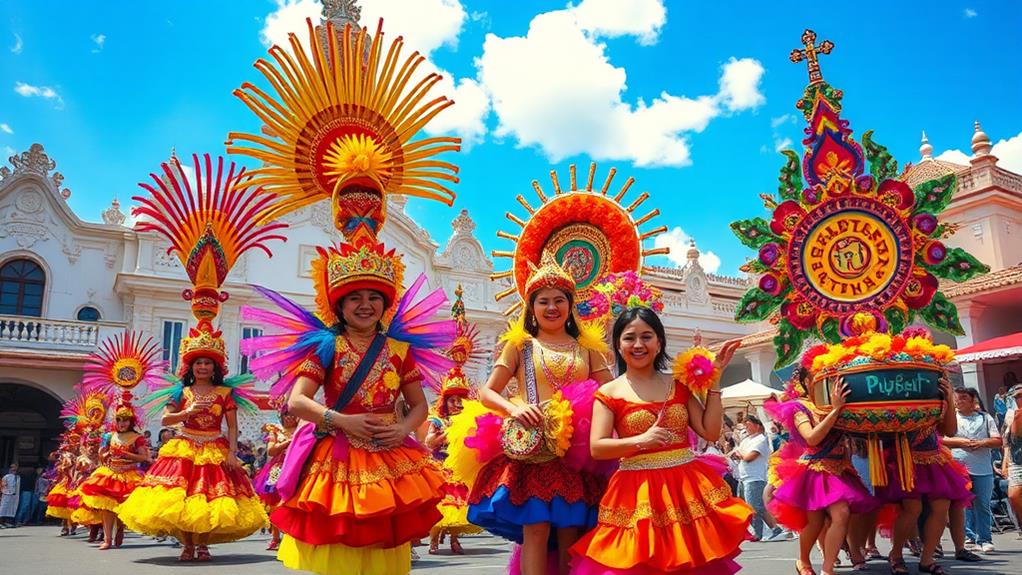
  • Best Cities in the Philippines to Experience Traditional Festivals

    Best Cities in the Philippines to Experience Traditional Festivals

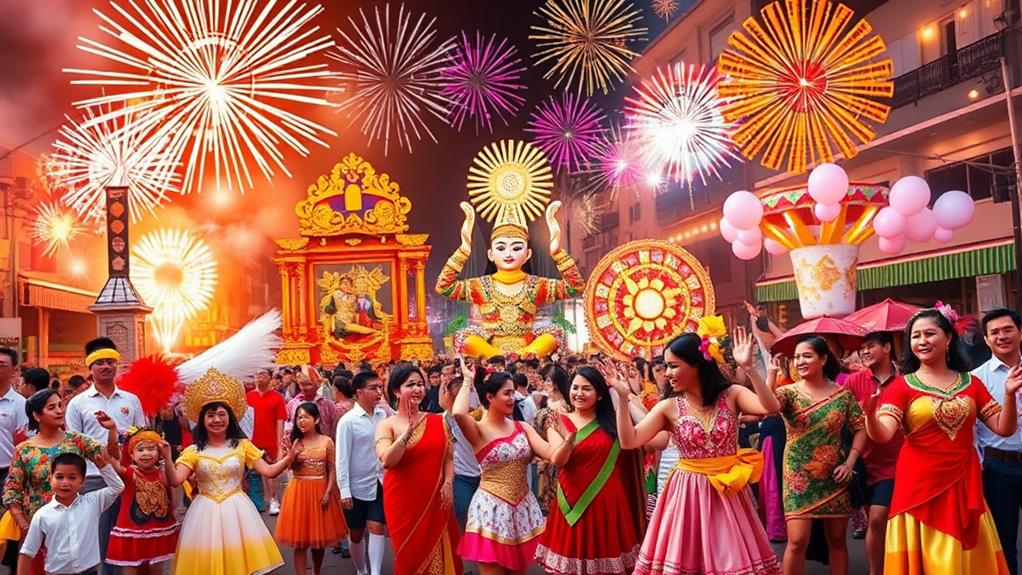
    The Philippines is home to numerous cities that showcase its vibrant cultural heritage through traditional festivals. Cebu, Kalibo, Baguio, Davao, and Iloilo are the top cities to experience these unique celebrations.

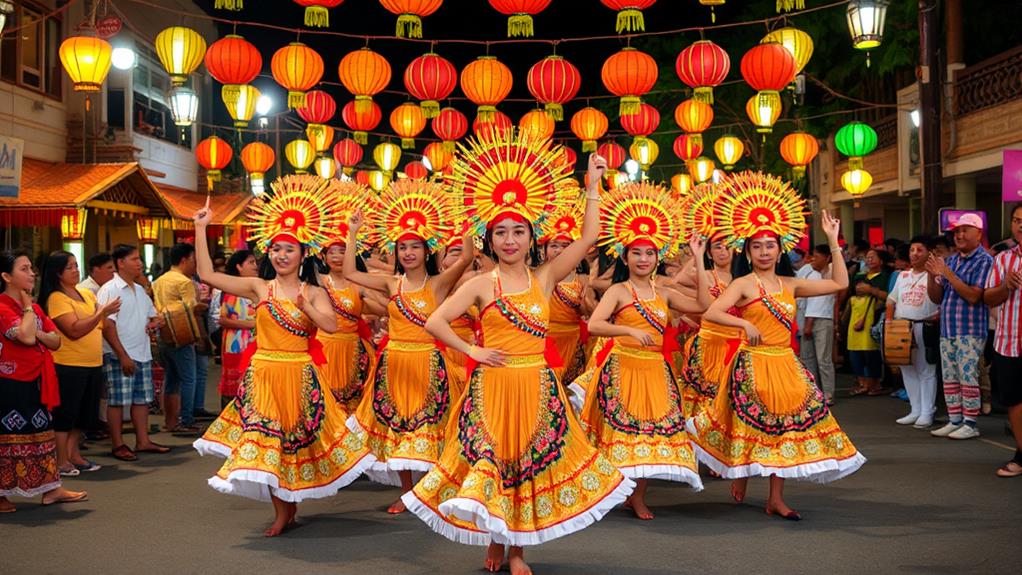
    In Cebu, the Sinulog Festival is a major event that honors Santo Niño, a significant figure in the country's history. This festival features street dancing and colorful costumes.

    Kalibo, on the other hand, hosts the Ati-Atihan Festival, which showcases face painting and street dancing. This event is a celebration of the city's history and cultural heritage.

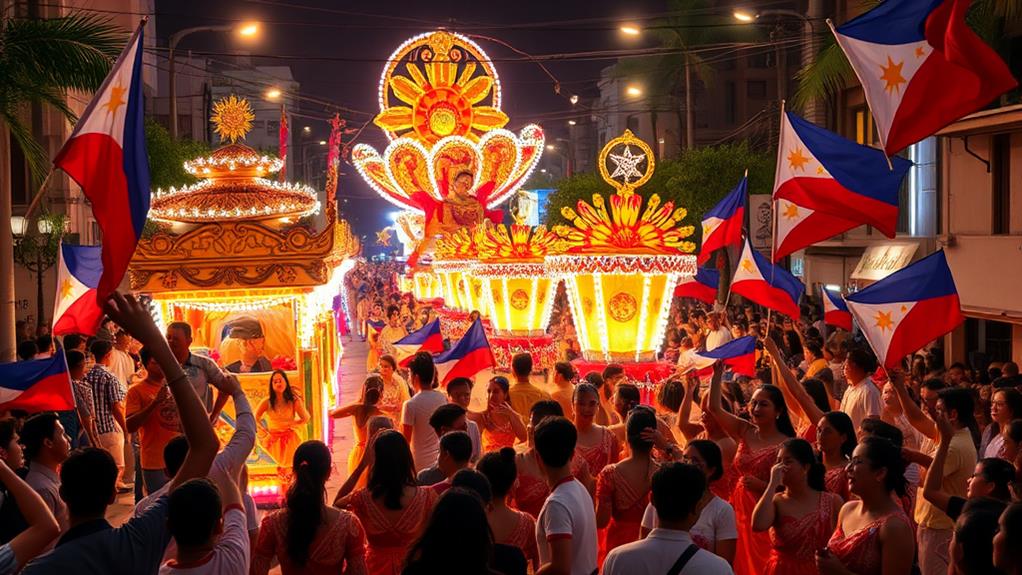
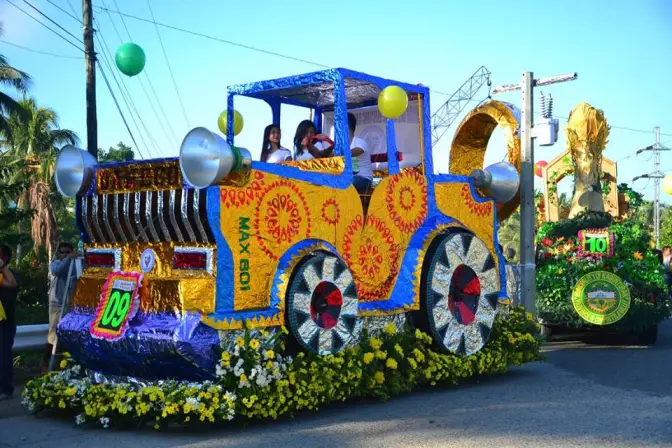
    In Baguio, the Panagbenga Festival is a highlight, featuring stunning flower floats that showcase the city's creativity and artistry.

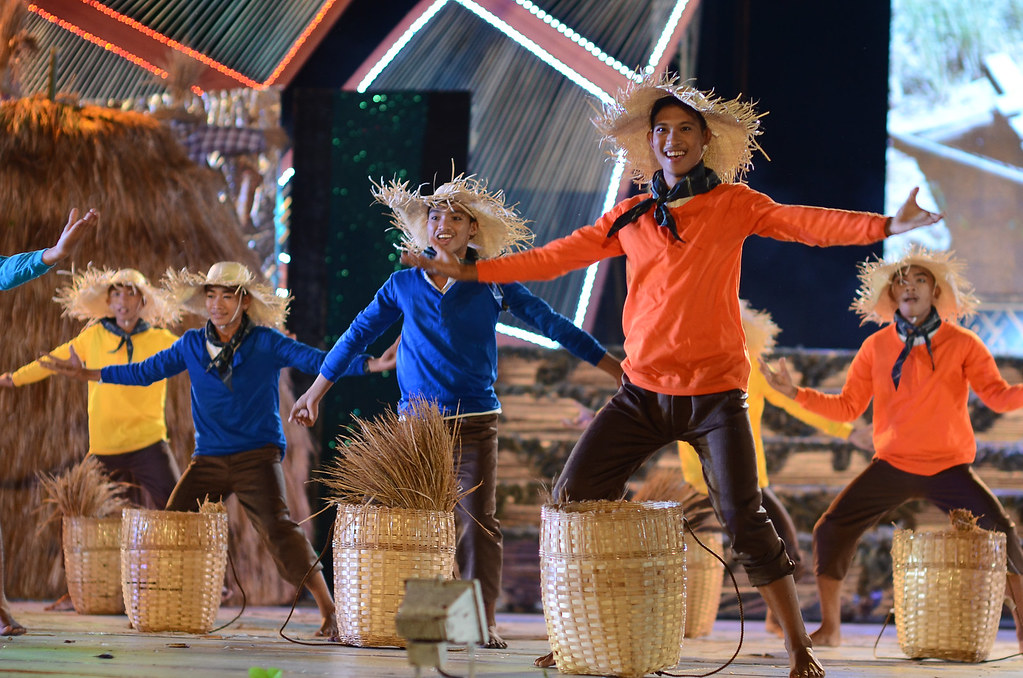
    Davao and Iloilo also have their own unique festivals. The Kadayawan Festival in Davao highlights indigenous culture and traditions, while Iloilo's Dinagyang Festival offers a glimpse into the city's rich heritage.

    Discovering Filipino Cultural Heritage

    exploring filipino cultural traditions

    The Philippines is home to a diverse array of cultural festivals, with over 42,000 major and minor celebrations taking place throughout the year.

    These festivals showcase the country's unique traditions and heritage, often featuring vibrant street dancing, colorful costumes, and traditional music. For example, the Sinulog Festival in Cebu and the Ati-Atihan Festival in Kalibo are two major festivals that pay homage to Santo Niño.

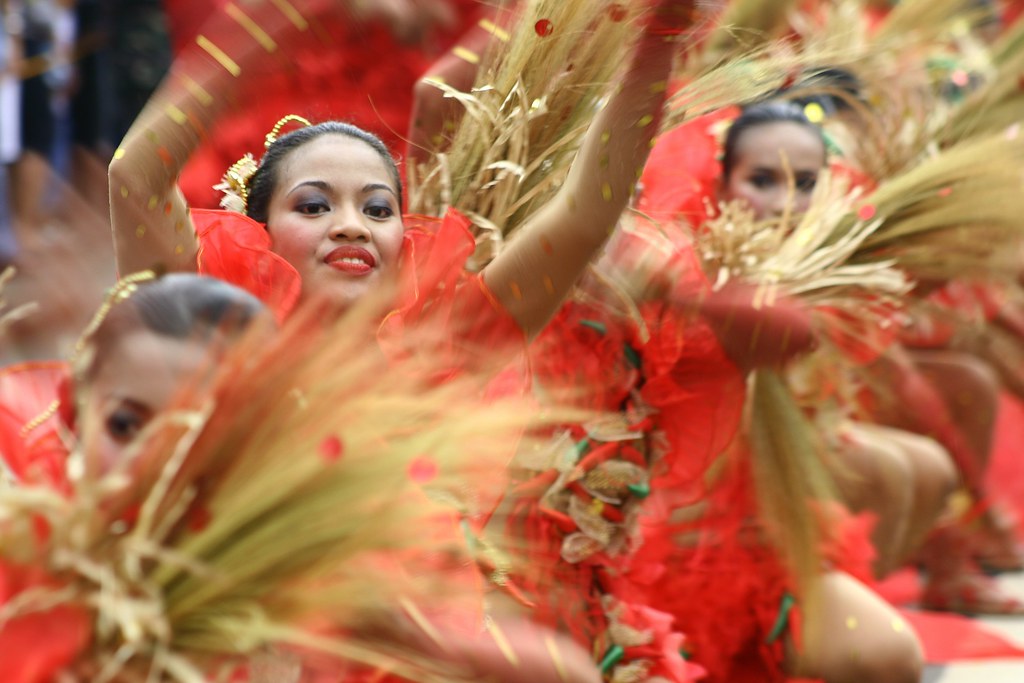
    The Pahiyas Festival in Lucban, Quezon, on the other hand, focuses on gratitude for bountiful harvests through homes decorated with rice and agricultural products.

    The Philippines' cultural festivals blend indigenous practices with Spanish colonial influences, resulting in a unique cultural identity. This blending of traditions is evident in the festivals, which often combine traditional music and dance with Spanish colonial-era influences.

    For instance, the use of Spanish-era costumes and props is common in many festivals, while traditional Filipino instruments, such as the kulintang, are often used to accompany the dancing.

    Attending these festivals provides a deeper understanding of the country's history, traditions, and values. By immersing oneself in these celebrations, one can gain insight into the country's rich heritage and the importance of community spirit and local arts and crafts.

    Top Festival Destinations in Philippines

    The Philippines' vibrant cultural festivals are concentrated in several key cities. These cities are top destinations for experiencing the country's rich heritage.

    One of the most notable festival destinations is Cebu City, which hosts the renowned Sinulog Festival. This grand festival draws over a million attendees each year. The Sinulog Festival features vibrant street performances and grand parades celebrating Santo Niño.

    Other notable festival destinations in the Philippines include cities that host unique and culturally significant events. Bacolod City is famous for the Masskara Festival, a celebration of the city's resilience. This festival is marked by colorful masks, street dances, and food stalls.

    Meanwhile, Baguio City's Panagbenga Festival showcases the city's vibrant culture through colorful flower floats and street dancing.

    These festivals offer a glimpse into the country's rich cultural heritage. Each festival provides a unique experience, from street dance performances to grand parades. This makes them a great way to immerse yourself in the country's cultural traditions.

    Cities to Experience Traditional Festivals

    explore traditional festival cities

    The Philippines is a country rich in cultural heritage, with each city hosting unique traditional festivals.

    Some top cities to visit for these festivals include:

    • Cebu City is home to the Sinulog Festival. This grand celebration takes place every third Sunday of January and features street dancing and vibrant parades that honor Santo Niño.
    • Iloilo City hosts the Dinagyang Festival. This celebration occurs from January 13-22 and features competitive street dancing and cultural performances that honor Santo Niño.
    • Baguio City celebrates the Panagbenga Festival in February. This festival is a stunning display of flower floats and street dancing that draws over a million visitors each year.
    • Davao City hosts the Kadayawan Festival in the third week of August. This festival highlights the region's rich indigenous heritage through colorful parades and street dance competitions.

    Each city offers a unique festival experience that showcases the country's vibrant culture and warm hospitality.

    Vibrant Parades and Street Performances

    The Philippines is home to numerous vibrant festivals featuring parades and street performances. These events showcase the country's rich cultural heritage and are a great way to experience its unique blend of indigenous and modern culture.

    The Sinulog Festival in Cebu City is a prime example, attracting up to a million people every third Sunday of January with its grand parade featuring traditional costumes and street performances. The festival's grand parade is a highlight, showcasing the city's cultural heritage.

    Similarly, the Masskara Festival in Bacolod City, celebrated every fourth Sunday of October, is known for its lively street dances featuring participants in colorful masks.

    Other notable festivals include the Kadayawan Festival in Davao City, the Ati-Atihan Festival in Kalibo, Aklan, and the Panagbenga Festival in Baguio City. These events offer a glimpse into the Philippines' rich cultural heritage through vibrant street dancing and colorful floats.

    For instance, the Kadayawan Festival features vibrant parades with flower floats and traditional street dance competitions during the third week of August.

    Exploring Rich Cultural Traditions

    cultural traditions exploration journey

    The Philippines' Vibrant Festivals Offer a Glimpse into Its Rich Cultural Traditions.

    Festivals in the Philippines are more than just lively parades and street performances; they provide a unique look into the country's history, customs, and traditions. Each city has its own distinct cultural heritage.

    Some notable cities celebrated for their cultural heritage include:

    • Cebu City's Sinulog Festival Honors Santo Niño with Vibrant Street Parades. The festival showcases the city's rich cultural heritage through colorful parades and street performances.
    • Kalibo's Ati-Atihan Festival Promotes Local Traditions and Community Spirit. This festival, one of the oldest in the Philippines, celebrates the city's heritage through music, dance, and costumes.
    • Bacolod City's Masskara Festival Features Colorful Masks and Lively Street Dancing. The festival symbolizes resilience and joy through its vibrant masks and street performances.
    • Davao City's Kadayawan Festival Showcases Indigenous Culture and Bountiful Harvests. The festival promotes local heritage and community engagement through colorful parades, food fairs, and cultural performances.

    Unique Festival Experiences in Philippines

    The Philippines is a country known for its vibrant festivals, which showcase its rich cultural heritage. These festivals offer a glimpse into the country's history, traditions, and values. Each festival has its unique character, from street parties to solemn processions, reflecting the country's creativity and resilience.

    Philippine festivals vary throughout the year, with different events taking place in different months. Some notable festivals include:

    Festival Date Description
    Sinulog Festival January A festival featuring vibrant street parades and cultural performances honoring Santo Niño
    Ati-Atihan Festival Third Sunday of January A lively dance and street party to celebrate the patron saint
    Pahiyas Festival May 15 Colorful decorations made from rice and agricultural products
    Panagbenga Festival February A grand float parade and street dancing to celebrate the blooming season
    Kadayawan Festival Third week of August Grand parades, floral floats, and food fairs to honor indigenous culture

    These festivals provide a unique experience for visitors, allowing them to immerse themselves in local culture and traditions. For example, the Sinulog Festival offers a vibrant street party, while the Ati-Atihan Festival provides a lively dance experience. The Philippines' festivals are a reflection of its rich heritage, attracting visitors from around the world.

    Must Visit Cities for Festival Lovers

    festival cities to explore

    The Philippines is a prime destination for festival lovers, boasting numerous cities that host unique and captivating celebrations.

    Four must-visit cities for festival enthusiasts are Cebu City, Kalibo, Baguio City, and Davao City.

    Cebu City hosts the Sinulog Festival, a vibrant event that attracts over a million attendees annually with its colorful parades and street dancing. This festival showcases the city's rich cultural heritage and is a significant event in the country's festival calendar.

    Kalibo, Aklan, is famous for its historic Ati-Atihan Festival, which features face painting and lively processions that highlight the city's cultural roots. This festival is a testament to the city's rich history and cultural diversity.

    Baguio City celebrates the Panagbenga Festival, a spectacular event that brings the city to life with flower floats and street dancing, drawing over a million visitors annually. This festival is a celebration of the city's vibrant culture and natural beauty.

    Davao City is known for its Kadayawan Festival, a joyous celebration that features parades, street dancing, and food fairs that attract both local and international tourists. This festival is a showcase of the city's rich cultural heritage and its warm hospitality.

    Immersing in Philippine Festival Culture

    Philippine Festivals Showcase the Country's Rich Cultural Heritage

    The Philippines is home to numerous vibrant festivals that reflect its diverse cultural landscape. Each celebration offers a unique glimpse into the country's traditions and customs.

    Unique Traditions and Customs

    The Sinulog Festival in Cebu City honors Santo Niño with parades and cultural performances. In contrast, the Ati-Atihan Festival in Kalibo, Aklan, showcases traditional dance and music.

    These festivals allow visitors to experience the country's diverse cultural heritage firsthand.

    Celebrations of Indigenous Culture

    The Kadayawan Festival in Davao City is a celebration of indigenous culture, featuring colorful parades and street dancing. Similarly, the Masskara Festival in Bacolod City features street dancers in colorful masks, symbolizing resilience and joy.

    These festivals promote a deeper understanding of the country's cultural heritage.

    Festivals as a Celebration of Life, Tradition, and Community

    The Panagbenga Festival in Baguio City, also known as the Flower Festival, boasts stunning flower floats and lively street performances.

    By attending these festivals, visitors gain a deeper understanding of the Philippines' rich cultural heritage and create unforgettable memories.

    Attending Philippine festivals is a celebration of life, tradition, and community.

    Questions and Answers

    What Is the Festival Capital of the Philippines?

    Cebu City is the Festival Capital of the Philippines. This title is attributed to the city's vibrant cultural heritage, showcased through various festivals.

    The Sinulog Festival is a prominent example, celebrated every third Sunday of January. This festival showcases the city's rich cultural heritage through street dancing and traditional attires.

    What Is the Top 1 Festival in the Philippines?

    The Sinulog Festival is the top festival in the Philippines. This festival outshines others in the country, including the Ati Atihan, Pahiyas, Panagbenga, Kadayawan, Obando, and Malasimbo festivals. The Sinulog Festival is known for its massive Grand Parade, which showcases the country's rich cultural heritage.

    What Is the Philippines Most Popular Cultural Venue?

    The Philippines' most popular cultural venue is the Sinulog Cultural Center in Cebu City.

    You'll find this cultural hub in Cebu City, which is known for its rich cultural heritage. The city offers a mix of vibrant traditional music, local cuisine, and lively folk dances, such as the Sinulog Festival dance, alongside art exhibitions and unique indigenous crafts near historical landmarks.

    Which City Is Known as the Queen of All Festivals in the Philippines?

    Cebu is known as the "Queen of All Festivals" in the Philippines. This title is primarily due to its vibrant Sinulog Festival, which attracts large crowds and showcases the city's rich cultural heritage. The Sinulog Festival rivals other major festivals in the Philippines, such as the Ati-Atihan Festival in Kalibo and the Pahiyas Festival in Lucban.

  • Top Festivals in the Philippines You Can’t Miss in 2024

    Top Festivals in the Philippines You Can’t Miss in 2024

    The Philippines is home to numerous iconic festivals that showcase its rich heritage and traditions.

    These festivals, which take place throughout the year, offer a glimpse into the country's fascinating cultural diversity. Some of the top festivals in the Philippines include the Sinulog Festival, Pahiyas Festival, Dinagyang Festival, Ati-Atihan Festival, Panagbenga Festival, and Kadayawan Festival.

    The Sinulog Festival, held in Cebu, is known for its vibrant street performances and costumes. The festival features street dancing, music, and costumes that reflect the country's history and traditions.

    In Lucban, Quezon, the Pahiyas Festival is celebrated with colorful decorations and costumes. The festival showcases the town's rich cultural heritage through its vibrant decorations and traditional costumes.

    The Dinagyang Festival in Iloilo is a dynamic celebration that features street performances and music. The festival is a showcase of the city's rich cultural heritage and its people's creativity and resilience.

    The Ati-Atihan Festival in Kalibo, Aklan, is known for its street dancing and costumes. The festival features street dancing, music, and costumes that reflect the country's history and traditions.

    In Baguio City, the Panagbenga Festival is celebrated with flower floats and street dancing. The festival showcases the city's rich cultural heritage through its flower floats and traditional costumes.

    The Kadayawan Festival in Davao City is a celebration of the city's cultural diversity. The festival features cultural parades, street dancing, and music that reflect the city's rich cultural heritage.

    Top Festivals in January

    january s vibrant festival highlights

    January is a significant month for festivals in the Philippines. Two major festivals, the Sinulog Festival and the Ati-Atihan Festival, are held during this time.

    The Sinulog Festival is held in Cebu on January 19. This grand festival honors Santo Niño through a grand parade and cultural performances, attracting over a million attendees each year. The event showcases Cebu's rich cultural heritage, highlighting the importance of community spirit and local artistry.

    The Ati-Atihan Festival takes place in Kalibo, Aklan, on the third Sunday of January. This week-long celebration features street dancing and cultural performances, with participants painting their faces with soot and engaging in lively displays. The festival culminates in a grand mass, highlighting the cultural heritage of 17 towns and drawing thousands of tourists.

    Both festivals promote cultural heritage and community spirit. They provide a platform for local artistry to shine, while also offering a glimpse into the rich cultural traditions of the Philippines.

    Festivals in Luzon Province

    Luzon Province is home to various vibrant festivals showcasing the Philippines' rich cultural heritage and community spirit.

    The Pahiyas Festival, held annually on May 15 in Lucban, Quezon, is one of the most iconic festivals in the region.

    This festival celebrates local culture, featuring homes adorned with colorful rice-based decorations and agricultural products that attract thousands of tourists.

    The Panagbenga Festival, also known as the "Flower Festival," is another fascinating festival in Luzon.

    Held in Baguio City, this month-long celebration showcases spectacular flower floats and street dancing, drawing over 1 million visitors each year.

    The Moriones Festival takes place during Holy Week on Marinduque Island.

    This festival combines cultural immersion with religious devotion, featuring participants dressed as Roman soldiers reenacting the story of Longinus, drawing many local and foreign tourists to experience the rich Filipino culture and traditions.

    While not specifically located in Luzon Province, the Ati-Atihan Festival is often celebrated in other parts of Luzon. It's originally celebrated in Kalibo, Aklan.

    Celebrations in the Visayas Region

    visayas region festive celebrations

    The Visayas Region in the Philippines is home to numerous vibrant festivals showcasing its rich cultural heritage. These celebrations highlight the region's traditions and local culture, providing unique experiences for visitors.

    Three major festivals take place in January: the Sinulog Festival in Cebu, the Ati-Atihan Festival in Kalibo, and the Dinagyang Festival in Iloilo City.

    The Sinulog Festival features vibrant costumes and street performances, while the Ati-Atihan Festival showcases traditional dances with participants painting their faces with black soot.

    The Dinagyang Festival is renowned for its dynamic street dancing and cultural heritage.

    Some festivals in the Visayas Region share similarities with the Pahiyas Festival, celebrated in Luzon, where homes are adorned with colorful decorations.

    A similar celebration in the Visayas Region is the MassKara Festival in Bacolod City, which features parades with colorful decorations and street dancing.

    Festivals in Mindanao Region

    The Mindanao region in the southernmost part of the Philippines is home to a diverse array of festivals that showcase the local people's cultural heritage. The region's cultural heritage is a unique blend of indigenous, Islamic, and Western influences.

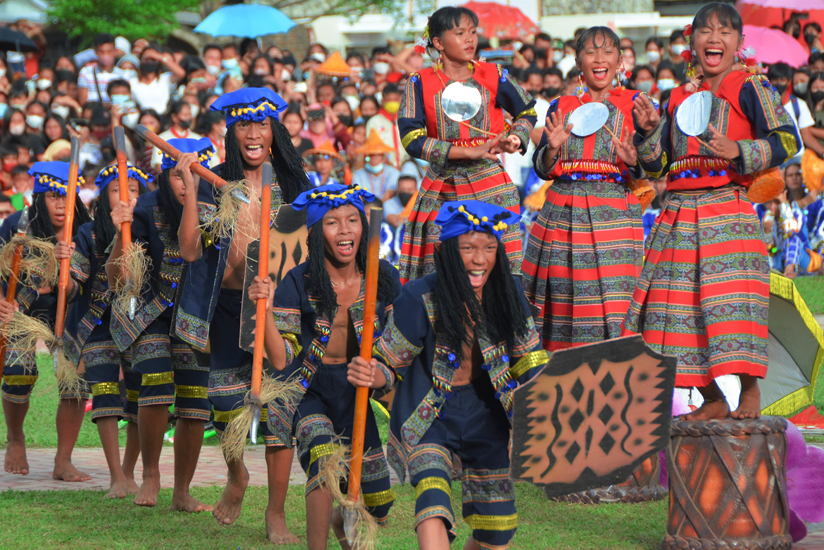
    The Kadayawan Festival, celebrated in Davao City, is one of the most notable festivals in the region. This festival features colorful parades, street dance competitions, and food fairs that highlight the local culture. The festival is a celebration of the city's rich cultural heritage and is held annually in August.

    Another notable festival in the region is the Tuna Festival in General Santos City. This festival promotes local fisheries and attracts food enthusiasts from all over the country. It's a celebration of the city's status as the "Tuna Capital of the Philippines" and features a variety of tuna-based dishes.

    The Pintados Festival in Tacloban, though not in Mindanao, has a similar cultural significance. However, a festival that offers a glimpse into the region's tattooed warrior traditions is the Kaamulan Festival in Malaybalay City, Bukidnon. This festival features ritual dance presentations and grand parades that showcase the region's indigenous culture.

    The Maguindanaoan Festival in Cotabato City and the Kahimunan Festival in Butuan City are also worth experiencing. These festivals showcase the vibrant culture and traditions of the Maguindanao people and the Lumad and Muslim communities, respectively. They're testaments to the region's rich cultural heritage and are definitely worth visiting.

    What are the traditional festivals that I can experience in the Philippines in 2024?

    Experience the best traditional festivals philippines cities have to offer in 2024. From the vibrant Ati-Atihan Festival in Kalibo to the colorful Panagbenga Festival in Baguio, immerse yourself in the rich cultural heritage of the Philippines. Explore the unique traditions and celebrations that make each festival a one-of-a-kind experience.

    Unique Festival Traditions

    cultural celebration practices explored

    Philippine festivals showcase a rich cultural heritage through vibrant traditions. These unique events are characterized by elaborate costumes, festive decorations, and grand processions that set the Philippines apart from other countries.

    The Sinulog Festival is a prime example of these traditions, featuring a grand parade that celebrates the country's history and heritage.

    Another notable event is the Ati-Atihan Festival, which involves face-painting rituals that pay tribute to the region's indigenous culture.

    Some of the most captivating festivals in the Philippines include the Panagbenga Festival, which attracts over a million visitors to Baguio City with its grand flower floats and street dancing in February.

    The Pahiyas Festival in Lucban is also notable, with homes adorned with colorful rice, fruits, and vegetables, creating a visual spectacle that celebrates agriculture and community spirit.

    The Kadayawan Festival in Davao City is another standout event, featuring vibrant parades, street dance competitions, and food fairs that highlight the region's heritage and natural bounty.

    These festivals offer a distinct window into the local culture and way of life, allowing visitors to experience the country's rich heritage firsthand.

    By exploring the Philippines' unique festival traditions, visitors can gain a deeper understanding of the country's history, culture, and community spirit.

    Each festival provides a unique perspective on the local way of life, making them an essential part of any visit to the Philippines.

    Philippine Festivals by Season

    The Philippines Celebrates Vibrant Festivals Throughout the Year

    The Philippines' festival calendar is filled with various celebrations that showcase the country's culture, traditions, and history. Each city has its own unique festivals that take place throughout the year.

    Festivals in the First Quarter

    The first quarter of the year features the Sinulog Festival in Cebu, held in January, and the Panagbenga Festival in Baguio City, which takes place throughout February. These festivals attract thousands of tourists and showcase the country's rich heritage.

    Holy Week Festivals

    During Holy Week, many Philippine festivals take a more solemn tone, honoring the country's Christian heritage. This is a time for reflection and celebration of the country's faith.

    Summer Festivals

    In the summer months, the Pahiyas Festival in Lucban, Quezon, and the Kadayawan Festival in Davao City, which falls on the third week of August, take place. These festivals showcase the country's vibrant culture and traditions.

    Festivals in the Fourth Quarter

    In the fourth quarter, the MassKara Festival in Bacolod City, happening on the fourth Sunday of October, is a major celebration. This festival is known for its street dances and colorful masks that symbolize resilience and joy.

    Questions and Answers

    What Is the Top 1 Festival in the Philippines?

    The Sinulog Festival is the top festival in the Philippines. It attracts the largest attendance and showcases the most grandeur compared to other notable celebrations. The Sinulog Festival surpasses other prominent festivals, including the Ati Atihan, Pahiyas, Panagbenga, and Kadayawan festivals, in terms of attendance and grandeur.

    What Festival Is in the Philippines in January 2024?

    The Sinulog Festival is a notable festival in the Philippines in January 2024. It is a vibrant celebration held in Cebu.

    Which Is the Most Attended Festival Celebration in the Philippines?

    The Sinulog Festival is the Philippines' most attended celebration, drawing millions of attendees every year. This grand celebration showcases the country's rich cultural heritage through various local traditions, including traditional dances, costumes, and festival food. The festival's historical origins date back to the 16th century, when the Spanish conquistador Miguel López de Legazpi arrived in Cebu, marking the beginning of Christianity in the Philippines. Today, the Sinulog Festival is a must-experience event that highlights the strong community involvement and deep-rooted traditions of the Filipino people.

    What Is the Festival in the Philippines in March 2024?

    The Moriones Festival is a significant event in the Philippines in March 2024. It takes place on Marinduque Island and is closely tied to the Holy Week festivities. The festival has historical origins, dating back to the Spanish colonial period, and showcases the cultural significance of the island's heritage. Traditional dances, such as the Moriones and Senakulo, are performed during the festival, highlighting the local culture. Additionally, the festival features local delicacies, including traditional Filipino food and drinks.

  • Shockingly Easy Techniques to Enhance Your Sinulog Festival Experience

    Shockingly Easy Techniques to Enhance Your Sinulog Festival Experience

    To maximize your Sinulog Festival experience, immerse yourself in the rhythmic drum beats, vibrant street dancer colors, and communal joy of throwing colored powders and water-based paints.

    Familiarizing yourself with the area is crucial to avoid traffic disruptions. Arrive early at key locations such as Fuente Circle for excellent Grand Parade photo opportunities. Knowing the area allows you to plan your day more efficiently and capture the best moments.

    Engaging with local vendors is an essential part of the festival experience. Try traditional dishes such as Sinugba, Tinola, or Lechon to taste the local flavors. This allows you to experience the rich culture of the festival.

    Exploring post-parade locations is also a great way to enjoy the festival. Visit Magellan's Cross, Basilica del Santo Niño, or Cebu Taoist Temple to experience the rich history and culture of Cebu.

    Staying hydrated is vital to fully enjoy the sights, sounds, and flavors of the festival. Bring a refillable water bottle and take breaks in shaded areas to avoid dehydration.

    By embracing the Sinulog spirit and following these simple techniques, you'll be on your way to an unforgettable experience.

    Embracing the Sinulog Spirit

    celebrating sinulog festival spirit

    The Sinulog Festival is a vibrant celebration that showcases the rich history and culture of Cebu City.

    It is one of the largest and most popular festivals in the Philippines.

    The festival's spirit is characterized by rhythmic beats of drums and vibrant colors of street dancers, drawing attendees into the celebration.

    The shouts of "Pit Senyor" signal the start of the festivities.

    The Sinulog Festival features various street parties, where attendees throw colored powders and water-based paints, creating a kaleidoscope of colors and a sense of communal joy.

    The use of colored powders and paints is a way for attendees to express themselves and celebrate the festival.

    The Sinulog Grand Parade is a highlight of the festival, featuring elaborate costumes and cultural traditions that showcase the city's heritage.

    The parade showcases the city's history and culture through music, dance, and costumes.

    By embracing the Sinulog spirit, attendees connect with fellow festival-goers and locals, fostering a sense of community that's at the heart of this vibrant celebration.

    The sense of community is a key aspect of the Sinulog Festival, bringing people together to celebrate the city's heritage.

    Maximizing Your Festival Experience

    Maximize Your Sinulog Festival Experience

    To make the most of your time at the Sinulog Festival, plan ahead by familiarizing yourself with the area a few days before the event. This preparation will help you navigate the streets and avoid traffic disruptions caused by street closures.

    Choose the Best Viewing Spot

    For a relaxed viewing experience, position yourself at the Fuente Circle during the Grand Parade. This spot offers excellent photo opportunities of festival queens, street dancers, and vibrant floats.

    Engage with Local Culture

    Take breaks to engage with local vendors offering traditional dishes, such as lechon belly and spicy lechon sinigang. These interactions will allow you to experience the local culture and cuisine.

    Explore Popular Locations

    After the parade, head to popular locations like Baseline for post-parade street parties. You can also visit the Basilica Minore del Santo Niño to pay your respects and soak up the spiritual atmosphere.

    Stay Safe and Hydrated

    Stay hydrated by drinking lots of water, especially during key events. This simple precaution will help you fully immerse yourself in the sights, sounds, and flavors of the Sinulog Festival.

    Capturing Lasting Memories

    creating unforgettable experiences together

    Capturing the essence of the Sinulog Festival requires a thoughtful approach to photography.

    To capture the excitement and energy of the festival, arrive early at key viewing spots like Fuente Circle to photograph the colorful floats and street dancers during the Grand Parade.

    Utilizing a smartphone or camera with good low-light capabilities is essential to capture the breathtaking fireworks display that concludes the parade.

    Engage with festival participants by asking for posed photos, especially with beautifully dressed festival queens and dancers.

    Capturing spontaneous moments of joy and camaraderie can be achieved by attending the lively street parties.

    After the festival, visit historical landmarks like Magellan's Cross and the Basilica Minore del Santo Niño to document your cultural journey and create a comprehensive visual record of your Sinulog experience.

    What Similarities Do the Sinulog Festival and Flores De Mayo Festival Share in Terms of Experience Enhancement Techniques?

    The Sinulog Festival and Flores De Mayo Festival both enhance the visitor experience through vibrant cultural performances, colorful processions, and elaborate decorations. When you visit the philippines during flores de mayo, you’ll witness the same fervor and pageantry that make the Sinulog Festival a must-see event for tourists.

    Immersing in Local Culture

    Immersing in Local Culture: The Sinulog Festival

    The Sinulog Festival, celebrated every third Sunday of January, is a grand celebration that showcases the region's rich cultural heritage and strong faith.

    A Celebration of Faith and Culture

    The festival is a six-day celebration of vibrant colors and infectious rhythms that awaits you in Cebu.

    As you immerse yourself in the local culture, you'll discover the significance of Pit Señor and the acceptance of Christianity in Cebu.

    Historical Landmarks and Their Significance

    • Basilica Minore del Santo Niño: This is the oldest Roman Catholic church in the Philippines and houses the image of the Santo Niño, a symbol of the Sinulog Festival.
    • Magellan's Cross: This landmark commemorates the arrival of Spanish conquistador Ferdinand Magellan and represents the introduction of Christianity in the Philippines.
    • Cebu City Heritage Monument: This monument showcases the city's rich history and cultural heritage and serves as a backdrop for street dances and festivities.

    Experiencing the Festival

    To experience the true spirit of the Sinulog Festival, participate in the street dances and savor local delicacies like lechon belly and spicy lechon sinigang.

    Join in the street parties, where colorful powders and water-based paints add to the festive atmosphere.

    Navigating the Festival Scene

    exploring vibrant festival culture

    Navigating the Festival Scene

    The Sinulog Festival attracts hundreds of thousands of attendees, making it challenging to navigate. Arrive early to secure a good viewing spot for the Grand Parade, which starts at 9 AM.

    To view the parade without the crowds, position yourself at Fuente Circle, where you can take photos of parade queens, street dancers, and floats throughout the day. This spot offers a more relaxed viewing experience.

    Stay updated on the festival schedule by checking the official Facebook page or using Google Maps to navigate the area. This helps you make the most of your time at Sinulog.

    When joining street parties that take place before sunset, be prepared for large crowds. Lively venues like Baseline can be particularly crowded, where you can participate in playful activities with colored powders and water-based paints.

    Be mindful of the water current from the paint and water activities to stay safe.

    After a fun-filled day, head to Ayala Center Cebu to unwind before going home.

    Questions and Answers

    What Is Your Most Memorable Experience During Sinulog Festival?

    The Sinulog Festival is a significant cultural event in the Philippines. One of the most memorable experiences during the festival is dancing with newfound friends during the street party, which showcases the Filipinos' love for celebration and camaraderie. Additionally, the festival offers lechon belly, a traditional Filipino dish that is typically served during special occasions. The highlight of the festival is the Grand Parade, which features vibrant costumes that reflect the rich cultural heritage of the Philippines. These experiences make the Sinulog Festival an unforgettable celebration of cultural significance.

    What Makes Sinulog Festival Unique?

    The Sinulog Festival's uniqueness is rooted in its distinctive blend of history, culture, and tradition.

    The festival's rich history is a key aspect of its uniqueness. It dates back to the 16th century when Spanish conquistador Miguel López de Legazpi arrived in Cebu, marking the beginning of Christianity in the Philippines. This historical event is commemorated through the festival's various activities.

    The cultural significance of the Sinulog Festival also sets it apart. It is a celebration of Cebu's patron saint, the Santo Niño, which reflects the city's deep devotion to the Catholic faith. The festival showcases the blend of local traditions and Catholicism through vibrant dance performances and elaborate festival attire.

    The festival's vibrant dance performances are a major highlight. These performances feature colorful costumes, lively music, and energetic dance routines that showcase the Cebuano heritage. The dancers move to the beat of drums and other percussion instruments, creating an infectious energy that draws in spectators.

    The Sinulog Festival's community involvement is another distinctive aspect. The festival is a time for Cebuanos to come together and celebrate their heritage. It brings together people from all walks of life, fostering a sense of community and camaraderie. The festival's organizers and participants work together to create a memorable experience, making it a truly unique event.

    What Are the Highlights and Activities of Sinulog Festival?

    The Sinulog Festival showcases the city's rich history and cultural significance. This is evident through various aspects of the festival, including the attire, food, dance performances, street parties, and religious processions.

    The festival attire is a vital part of the celebration. Participants wear vibrant and colorful costumes, often adorned with feathers, beads, and other decorative items. These outfits are a representation of the city's heritage and are often inspired by the traditional clothing of the region.

    Traditional food offerings are another essential part of the Sinulog Festival. Various local dishes such as lechon, sinugba, and bibingka are prepared and offered to the participants and spectators. These dishes are not only delicious but also hold significant cultural value.

    Captivating dance performances are a highlight of the festival. The Sinulog dance is a traditional dance that is performed by participants wearing elaborate costumes. The dance is a representation of the city's history and cultural heritage.

    Lively street parties are a key aspect of the festival. These parties are held throughout the city and feature live music, dancing, and food. They are a great way for participants and spectators to come together and celebrate the festival.

    Meaningful religious processions are an integral part of the Sinulog Festival. The festival culminates in a grand procession, where participants carry statues of the Child Jesus and other saints through the streets of the city. This procession is a demonstration of the city's devotion to its faith.

    What Are the Forms and Practices Associated With the Sinulog?

    The Sinulog festival is a celebration deeply rooted in history and culture. It showcases the cultural significance of the conversion of the native Cebuanos to Christianity. This is reflected in various dance rituals, including the traditional two-step, which symbolizes the forward and backward steps of the Sto. Niño's dance.

    The traditional two-step dance ritual is a series of forward and backward steps performed to the beat of drums. This dance is a representation of the native Cebuanos embracing Christianity and their love for Sto. Niño. The ritual dance is typically performed in the streets during the Sinulog parade.

    Religious practices are an essential part of the Sinulog festival. The celebration revolves around the feast day of Sto. Niño, with the main event being a grand procession. The procession features floats, marching bands, and street dancers, all paying homage to Sto. Niño.

  • Little Known Tricks to Fully Immerse in Philippine Festivals

    Little Known Tricks to Fully Immerse in Philippine Festivals

    To fully immerse in Philippine festivals, actively participate in the celebrations. This can be achieved by participating in traditional dances, such as the Tinikling or the Carinosa, which showcase the country's rich cultural heritage.

    Engaging with locals through karaoke or basic Filipino phrases, like "Salamat" (thank you) or "Mabuhay" (cheers), can also help create meaningful connections.

    Trying authentic Filipino cuisine is essential to the festival experience. Savoring popular dishes like Lechon (roasted pig) and Adobo (meat stew) can provide insight into the country's culinary traditions.

    These flavors are often showcased in various festivals, such as the MassKara Festival, which celebrates the city of Bacolod's sugar industry.

    Exploring the Philippines' natural beauty and cultural activities can further enrich the experience. Island hopping or hiking can provide opportunities to discover hidden gems, such as the stunning beaches of Boracay or the scenic mountains of Baguio.

    Vibrant cultural activities, like street dancing competitions, can also offer a glimpse into local customs and traditions.

    Experience the Vibrant Culture

    explore dynamic cultural heritage

    The Philippines' vibrant culture is showcased through its many festivals, where dancing is an integral part of the celebrations.

    These festivals bring together locals and tourists, offering a glimpse into the country's rich heritage. Two examples of major festivals are Sinulog and Kadayawan. Sinulog celebrates the country's devotion to Christianity, while Kadayawan highlights the importance of agricultural abundance. By understanding these themes, you can gain a deeper appreciation of the cultural context that informs these festivals.

    Participating in local rituals and communal activities during Philippine festivals fosters unity and cooperation with the diverse communities that host these events.

    For instance, during these festivals, locals and tourists participate in traditional dances and music, allowing everyone to appreciate the local customs that underlie these celebrations. This collective participation enables you to experience firsthand the warmth and hospitality that the Philippines is known for.

    Savor Authentic Filipino Cuisine

    The Philippines is home to a diverse range of authentic and mouth-watering dishes that showcase the country's culinary heritage. Lechon, a whole roasted pig, is often the highlight at many festivals. This traditional dish is a staple of Filipino celebrations, where it's typically served as the centerpiece of lavish banquets.

    Regional specialties also play a significant role in Filipino cuisine. Bicol express, a spicy pork dish cooked in coconut milk, is a reflection of local flavors in the Bicol region. This dish is just one example of the many regional specialties that can be found throughout the Philippines.

    Food stalls at festivals feature a variety of local delicacies, including adobo and sinigang, which are staple dishes in Filipino cuisine. These dishes give visitors an authentic taste of Filipino culture and community spirit.

    Festive treats like bibingka and puto bumbong, rice cakes typically enjoyed during Christmas festivals, embody Filipino holiday traditions.

    Participating in open house events during festivals allows visitors to experience the warmth of Filipino hospitality and the richness of their culinary offerings. Lavish banquets, often featuring a wide range of traditional dishes, are a hallmark of these events.

    This culinary journey is an integral part of experiencing the vibrant culture of Philippine festivals, making it a memorable and authentic experience.

    Connect With the Locals

    engage with local community

    Connecting with locals is key to unlocking unforgettable experiences during Philippine festivals. Engaging in conversations with locals allows you to gain valuable insights into the cultural significance of the celebrations. Filipinos are known for their friendliness and hospitality, making it easy to strike up a conversation.

    To connect with locals, participate in karaoke sessions, a common local pastime. This helps to bond with Filipinos and share joyful experiences during festival gatherings. Learning a few basic Filipino phrases can also foster goodwill and respect. Common phrases to learn include "Salamat" (thank you) and "Mabuhay" (cheers or long life).

    Building relationships with festival participants leads to memorable experiences and local insights into the best spots to enjoy food and festivities. For example, locals can recommend popular street foods, such as "lechon" (roasted pig) or "adobo" (a savory stew).

    Festival friendships also deepen your connection with the community, allowing you to experience the true essence of Philippine festivals.

    Connecting with locals provides a deeper understanding of the nation's rich cultural heritage. By engaging with the community, you'll gain insights into the history and significance of the festival.

    This can lead to community storytelling, where you learn about personal festival traditions and stories.

    Immerse in Traditional Dances

    Immersing yourself in traditional dances at Philippine festivals offers a unique window into the country's rich cultural heritage. Engaging with these dances provides insight into the cultural significance behind each performance. For instance, festivals like Sinulog and Ati-Atihan showcase vibrant costumes and rhythmic movements that represent Filipino community spirit.

    Participating in street dancing competitions is a great way to experience traditional dances firsthand. At festivals such as Kadayawan, local performers invite spectators to join in, encouraging audience participation. This allows you to experience the energy of the dance and learn the basic steps of tribal dances, which often feature rhythmic drum beats that promote cultural immersion.

    Attending dance workshops or demonstrations enhances your experience and provides cultural insight. These workshops offer insight into the significance and history of traditional dances, allowing you to appreciate the cultural expressions on a deeper level.

    For example, learning about the history of traditional dances helps you understand the cultural heritage of the Philippines and appreciate the vibrant festivals.

    By immersing yourself in traditional dances, you'll develop a greater appreciation for the cultural heritage of the Philippines. This hands-on experience will enrich your understanding of the country's vibrant festivals and allow you to enjoy the performances on a deeper level.

    Explore the Philippines' Natural Beauty

    discover philippines stunning landscapes

    The Philippines' Natural Beauty Offers a Diverse Range of Attractions

    The Philippines, with over 7,000 islands, offers a diverse range of natural attractions that draw visitors in with a sense of wonder and awe. These attractions include pristine beaches, lush mountains, and stunning waterfalls.

    Exploring the Philippines' Natural Wonders

    Visitors can explore the Philippines' natural wonders by participating in activities such as island hopping, hiking, and snorkeling and diving.

    Popular hiking destinations include Mount Pulag and the Banaue Rice Terraces, while Tubbataha Reefs and Apo Reef are ideal spots for snorkeling and diving.

    Promoting Sustainable Tourism

    Eco-tourism initiatives promote sustainable visits to the Philippines' natural attractions, ensuring that the country's natural beauty is preserved for future generations.

    Discover Hidden Gems and Tips

    The Philippines has many lesser-known festivals and celebrations beyond its well-known events. These hidden gems offer unique and intimate experiences, often showcasing local traditions that larger festivals may overlook. For instance, the MassKara Festival in Bacolod City and the Pintados Festival in Tacloban City are smaller town festivals that provide authentic experiences of local culture.

    Participating in community-led activities allows you to gain a deeper understanding of local culture. Joining traditional cooking classes, such as learning to make Adobo or Lechon, teaches you about local dishes and their cultural significance.

    Engaging with local artisans and craftsmen, like weavers from the T'nalak tribe, offers insights into Filipino heritage and craftsmanship through interactive demonstrations.

    Traditional craftsmanship showcases are a highlight of many festivals. These events allow you to appreciate the country's rich artisanal heritage, such as woodcarvings from the Ifugao people or textiles from the Cordillera region.

    Community-driven events, like traditional dance workshops or open house gatherings, provide unique festival experiences and opportunities to immerse yourself in local culture.

    Embracing the Fiesta Atmosphere

    celebrating vibrant festival spirit

    Immersing Yourself in Fiesta Traditions

    Participating in traditional dances and music during festivals allows you to grasp the essence of fiesta traditions. These traditions are deeply rooted in a country's culture and heritage.

    The vibrant costumes worn by dancers in festivals like Sinulog and Ati-Atihan reflect the rich cultural heritage and community spirit of the Philippines.

    Celebratory Atmosphere of Festivals

    Joining joyful parades and street parties helps you experience the excitement and energy of celebrations firsthand. Major festivals, such as the Panagbenga Festival, showcase the creativity and enthusiasm of the local community through elaborate events like flower floats.

    Participating in these events connects you with the local culture and community on a deeper level.

    Local Engagement and Cultural Immersion

    Participating in karaoke sessions, a popular pastime during festivals, enables you to connect with the local culture and community.

    This engagement allows you to understand the local customs and traditions more thoroughly.

    What are some unique ways to fully immerse in the festivals of the Philippines, including Samal and Sinulog?

    Experience the vibrant culture inside the philippines’ festivals by participating in unique activities such as joining the fluvial parade during the Samal Festival or taking part in the colorful street dancing of the Sinulog Festival. Immerse yourself in the local traditions, taste traditional food, and interact with friendly locals to truly embrace the festivities.

    Learn Local Customs and Traditions

    Understanding Local Customs and Traditions is Key to Appreciating Philippine Festivals

    To fully appreciate the essence of Philippine festivals, it's essential to delve into the local customs and traditions that underpin them. Familiarizing yourself with the unique rituals, cultural symbolism, and festive attire of each celebration can enrich your experience and foster a deeper connection with the local community.

    Learn about the Significance of Each Festival

    Learning about the significance of each festival is crucial to understanding the cultural context. For example, the Sinulog Festival is a tribute to Santo Niño, showcasing the community's deep faith and devotion.

    Participate in Traditional Activities

    Participating in traditional tribal dances and activities helps experience the energy and spirit of the local culture. The Ati-Atihan Festival, for instance, features vibrant costumes and lively performances that reflect the community's heritage.

    Engage with Locals to Learn about Unique Customs

    Engaging with locals provides valuable insights into unique customs, such as face painting and attire worn during festivals. This helps gain a deeper understanding of the community's heritage and cultural practices.

    Attend Events and Dress Respectfully

    Attending food-centered events and dressing respectfully, such as wearing modest attire during religious festivals, demonstrates appreciation for the local culture and traditions. This thoughtful approach helps build connections with the community and fosters a more meaningful experience.

    Create Unforgettable Memories

    cherish lasting life experiences

    Create Unforgettable Memories in the Philippines

    During your journey through the vibrant world of Philippine festivals, you'll have numerous opportunities to create unforgettable memories that will last a lifetime. To make the most of your experience, immerse yourself in traditional activities that foster a deeper connection with the culture and community spirit.

    Immerse in Traditional Activities

    Immersing yourself in traditional activities is key to creating unforgettable memories. Joining in tribal dances allows you to connect with the culture and community spirit. To participate, learn basic steps and showcase your moves. This will not only help you understand the dance but also earn you respect from the locals.

    Engage with Locals

    Engaging with locals is another way to create unforgettable memories. Join in their feasts during open house events, where food acts as a centerpiece, showcasing the warmth and hospitality integral to Filipino gatherings. Participating in local games also enhances cultural understanding and community bonding. Learn the rules and engage with locals to make the most of your experience.

    Capture the Vibrant Atmosphere

    To capture the vibrant atmosphere of the festivals, take festival photography tips into consideration. This will help you take memorable photos of the street parades and costume displays. Attending smaller, lesser-known festivals also provides a unique opportunity to experience local traditions and customs.

    Enrich Your Understanding of Filipino Heritage

    To enrich your understanding of Filipino heritage, attend unique local traditions and customs. Learn basic Filipino phrases and show respect to locals. This will encourage them to share cultural storytelling practices and local festival legends with you. By doing so, you'll gain valuable insights into cultural practices.

    Festival Experience Tips for Participation Expected Outcome
    Tribal dances Learn basic steps, join in, and showcase your moves Deeper connection with culture and community spirit
    Local games Engage with locals, learn rules, and participate Enhanced cultural understanding and community bonding
    Street parades and costume displays Capture vibrant atmosphere through festival photography tips Lasting memories of the festival's vibrant atmosphere
    Smaller, lesser-known festivals Attend unique local traditions and customs Enriched understanding of Filipino heritage

    | Cultural storytelling practices | Learn basic Filipino phrases, show respect, and encourage locals to share stories | Valuable insights into cultural practices and local festival legends

    Questions and Answers

    What Makes the Philippine Festival Unique?

    The Philippine festival's uniqueness lies in its blend of vibrant traditions and rich cultural heritage.

    This distinct blend is rooted in the country's history, customs, and hospitality. The festivals showcase the Philippines' diverse cultural influences, including Spanish, American, Chinese, and Malay traditions. Each festival is a reflection of the community's history and customs, such as the MassKara Festival's elaborate costumes and masks, which symbolize the city of Bacolod's resilience and creativity.

    The festivals also foster community bonding, as people come together to celebrate and participate in various activities. For example, the Sinulog Festival's street dancing and processions, which honor the country's patron saint, Santo Niño, bring people from different walks of life together. The festivals' emphasis on community and cultural heritage sets them apart from other celebrations worldwide.

    What Is the Essence of Festivals in the Philippines?

    The essence of festivals in the Philippines can be understood through their cultural significance, community bonding, and historical roots.

    Festivals in the Philippines are culturally significant because they showcase the country's rich heritage. For example, the Sinulog Festival in Cebu celebrates the country's Catholic faith and the conversion of the Filipino people to Christianity. Another example is the MassKara Festival in Bacolod, which highlights the city's sugar industry and the resilience of its people.

    These festivals also promote community bonding by bringing people together to celebrate and have fun. The Ati-Atihan Festival in Kalibo, for instance, features a street dance competition that showcases the creativity and talents of the participants. Similarly, the Pintados Festival in Tacloban features a street dance and costume contest that promotes unity and friendship among the participants.

    The historical roots of these festivals also contribute to their essence. Many of these festivals have been celebrated for centuries and have become an integral part of the country's culture and identity. For example, the Flores de Mayo festival has its roots in the Spanish colonial period, while the Kadayawan Festival in Davao celebrates the city's indigenous heritage.

    What Is the Most Impressive Festival in the Philippines?

    The Sinulog Festival in Cebu City is the most impressive festival in the Philippines. It is a showcase of vibrant parades that take place throughout the city, featuring elaborate costumes and choreographed dance routines. The festival holds rich cultural significance, as it commemorates the conversion of the native Cebuanos to Christianity and the arrival of Spanish conquistador Miguel López de Legazpi in 1565. A key aspect of the festival is the sampling of local cuisine, which offers a taste of traditional Filipino dishes such as lechon, sinugba, and kinilaw.

    What Do Festival in the Philippines Offer People a Chance to Exhibit?

    Festivals in the Philippines offer people a chance to exhibit cultural heritage and community unity.

    Festivals showcase traditional dances, music, and costumes, serving as a means to express cultural identity. For instance, the Sinulog Festival in Cebu features elaborate costumes and choreographed dances that celebrate the island's history and faith.

    Festivals also provide a platform to display local craftsmanship through various exhibits and activities. The MassKara Festival in Bacolod, for example, features a mask-making competition that highlights the city's artisanal skills.

    Furthermore, festivals allow locals to demonstrate their culinary expertise by offering traditional delicacies and regional specialties. The Pista sa Nayon in Laguna showcases local cuisine, such as steamed rice cakes and coconut-based desserts, which are representative of the region's gastronomic heritage.

  • Ani Festival: A Bountiful Celebration of San Jose, Batangas' Agricultural Roots

    Ani Festival: A Bountiful Celebration of San Jose, Batangas' Agricultural Roots

    Experience the Vibrant Ani Festival

    The Ani Festival is a joyful celebration of San Jose, Batangas' agricultural roots, showcasing the town's rich harvest through colorful street festivities, local delicacies, and heartfelt tributes to its dedicated farmers.

    A Showcase of Fresh Produce and Local Delicacies

    Streets are lined with fresh produce, fruits, and greens, offering a glimpse into the town's bountiful harvest.

    Fresh local flavors are available for visitors to savor, introducing them to unique crops and livestock. This celebration highlights the importance of farming in Batangas, allowing visitors to discover the rich cultural heritage and sense of community that make San Jose's agricultural roots truly special.

    A Celebration of Agricultural Heritage

    The festival features a parade of colorful floats and costumes, bringing the town's agricultural heritage to life.

    This vibrant celebration honors the dedicated farmers who work tirelessly to provide for the community. As visitors explore the festival, they will uncover the importance of farming in Batangas and its impact on the community.

    A Learning Experience

    The Ani Festival offers a unique opportunity to learn about unique crops and livestock, as well as the importance of farming in the region.

    Visitors will gain a deeper understanding of the town's agricultural roots and the role they play in the community.

    Celebrating San Jose's Rich Harvest

    Experience the Vibrant Ani Festival in San Jose, Batangas

    The Ani Festival in San Jose, Batangas, is a celebration of the town's rich harvest and agricultural heritage.

    This beloved festival showcases the bountiful harvest that brings prosperity to the community.

    During the festival, the streets are lined with an array of fresh produce, including vibrant fruits and lush greens, highlighting the fruits of the farmers' labor.

    This festival is a tribute to the town's farming traditions, honoring the hard work and dedication of the farmers who toil tirelessly to bring forth this abundance.

    The Ani Festival is a true celebration of San Jose's rich harvest, and visitors are invited to immerse themselves in the kaleidoscope of colors, sounds, and aromas that fill the air.

    The sense of celebration and gratitude is palpable, as the community comes together to give thanks for the land's generosity and the community's resilience.

    Parade of Colorful Floats and Costumes

    Experience the Vibrant Parade Celebrating San Jose, Batangas' Agricultural Heritage

    The parade of colorful floats and costumes brings the town's agricultural heritage to life in a spectacular display of creativity and community spirit. Each float is adorned with an array of agricultural products, such as fruits, vegetables, and grains, showcasing the town's rich farming heritage.

    The participants, dressed in costumes inspired by local agricultural products, like banana leaves and rice stalks, add to the festive atmosphere. The parade route is lined with enthusiastic spectators, creating a lively and engaging experience for both participants and onlookers.

    Each float is a masterpiece, with intricate designs and attention to detail, reflecting the creativity and dedication of the local community in celebrating their agricultural roots. This parade is a true celebration of San Jose, Batangas' bountiful harvest, and it showcases the town's pride in its agricultural heritage and its commitment to preserving its farming traditions.

    Fresh Produce and Local Delicacies

    Indulge in Fresh Produce and Local Delicacies

    During the Ani Festival, you can sample and purchase a wide range of fresh produce and local delicacies that showcase San Jose's agricultural offerings. These treats highlight the diversity and quality of the town's produce, featuring juicy fruits, crisp vegetables, sweet pastries, and savory dishes made from the freshest ingredients.

    Support Local Farmers and Artisans

    Local farmers and artisans proudly display their products, including artisanal goods that reflect the town's rich cultural heritage. You'll discover an array of local produce, such as vibrant fruits, leafy greens, fragrant herbs, and grains. By supporting these local farmers and artisans, you'll contribute to the promotion of sustainable farming practices and the growth of the local economy.

    Agricultural Traditions on Display

    Experience San Jose's Agricultural Heritage at the Ani Festival

    The Ani Festival is a celebration of San Jose's rich agricultural heritage, where local farmers and producers showcase their fresh produce, unique crops, and livestock.

    Explore the Festival Grounds

    As you walk through the festival grounds, you'll be surrounded by vibrant displays of fresh fruits, vegetables, and grains, showcasing the town's agricultural traditions.

    You'll see a variety of crops, including fruits, vegetables, and grains, each one a testament to the town's agricultural heritage.

    Learn About San Jose's Unique Crops and Livestock

    The festival offers an opportunity to learn about the unique crops and livestock that are specific to San Jose, and how they're cultivated and raised.

    You'll discover the different farming practices and techniques used by local farmers to produce high-quality crops and livestock.

    Educational Exhibits and Competitions

    The festival's exhibits, competitions, and presentations will educate you on San Jose's agricultural roots and practices, giving you a deeper appreciation for the hard work and dedication that goes into producing the food on your table.

    You'll learn about the importance of agriculture in the community's economy and livelihood.

    Celebrate San Jose's Agricultural Traditions

    By celebrating these agricultural traditions, the Ani Festival reinforces the importance of agriculture in the community's economy and livelihood.

    It highlights the significance of supporting local farmers and producers in maintaining a sustainable food system.

    Community Spirit and Unity

    Community Spirit and Unity

    The Ani Festival embodies the strong community spirit and unity of San Jose, Batangas, by celebrating the town's agricultural heritage and promoting a sense of togetherness.

    The festival brings together local residents, farmers, and producers, showcasing the importance of farming in the community.

    The community comes together to honor their agricultural roots, with people from all walks of life participating in the festival.

    Through collaborative efforts, the festival highlights the significance of agriculture in San Jose. By participating in the festival, residents demonstrate their commitment to preserving and promoting their agricultural heritage.

    Community engagement and cooperation are key elements of the Ani Festival, emphasizing the shared values and dedication of the people of San Jose towards their agricultural traditions.

    The festival fosters a sense of belonging and togetherness, defining the community spirit of San Jose, Batangas. The Ani Festival is a testament to the power of community spirit, showcasing the best of San Jose, Batangas.

    Cultural Heritage of San Jose

    San Jose, Batangas, proudly showcases its rich cultural heritage, deeply rooted in agriculture, through the vibrant Ani Festival, which honors the town's farming traditions and contributions.

    The Ani Festival celebrates San Jose's cultural heritage in four significant ways:

    Honoring the town's farming roots

    The festival pays tribute to the significance of Anihan, the Filipino term for farmers, highlighting the importance of farming in the town's history and economy.

    Preserving cultural traditions

    The Ani Festival showcases the town's rich cultural heritage through traditional music, dance, and games, giving visitors a glimpse into the town's history and customs.

    Promoting local products and economic growth

    The festival offers trade fairs and exhibitions, providing economic opportunities for the family of farmers and producers in San Jose, and promoting local products to a wider audience.

    Preserving heritage for future generations

    Through the Ani Festival, San Jose ensures the preservation of its cultural heritage, passing it down to future generations, and educating them about the importance of farming and agriculture in the town's history.

    The Importance of Farming in Batangas

    Farming is the backbone of Batangas' economy, with its fertile soil and ideal climate making it an agricultural haven. The region's rich soil and suitable climate make it an ideal place for crop cultivation, with a wide range of produce including coffee, cacao, sugarcane, and fruits.

    The agricultural industry in Batangas supports local livelihoods and sustains the economy through farming practices and crop cultivation. Farmers in the region utilize both traditional and modern techniques to maximize crop yields and ensure sustainable agriculture practices.

    The abundance of agricultural products from Batangas plays a crucial role in local markets, promoting food security and economic growth in the region.

    San Jose's Bountiful Harvest Festival

    Discover the Bountiful Harvest Festival in San Jose

    In the heart of San Jose, the Bountiful Harvest Festival celebrates the region's rich agricultural heritage with a vibrant display of fresh produce, local products, and traditional performances. The festival showcases the agricultural roots of San Jose, highlighting the region's rich bounty.

    Savor Fresh Local Flavors

    The festival offers an array of fresh fruits and vegetables, grown locally and harvested at the peak of freshness. Enjoy the flavors of the region, straight from the fields to your table.

    Explore Local Products

    Browse through the vibrant market stalls, featuring an array of locally crafted artisanal products, including handmade delicacies and unique souvenirs.

    Traditional Performances

    Be mesmerized by the rhythmic beats and colorful costumes of traditional dances and music performances, showcasing the region's rich cultural heritage.

    Meet the Farmers

    Connect with the dedicated local farmers who work tirelessly to bring you the freshest produce. Learn about their commitment to sustainable agriculture and the hard work that goes into bringing the region's bounty to your table.

    At the Bountiful Harvest Festival, experience the pride and joy of San Jose's agricultural community. Join in the celebration of the town's bountiful harvest and appreciate the hard work of local farmers who make it all possible.

    A Showcase of Local Talent

    Local Talent Takes Center Stage at the Ani Festival

    The Ani Festival in San Jose celebrates the city's rich cultural heritage by showcasing the talents of local artists.

    During the festival, local musicians, dancers, visual artists, and cultural performers take center stage to display their creative skills.

    These talented individuals from San Jose and nearby areas participate in various creative showcases, highlighting the diverse range of talents in the community.

    The festival features a kaleidoscope of performances and exhibitions.

    You'll experience the vibrant arts scene of San Jose through traditional folk dances, modern street art, and other cultural performances.

    The festival provides a platform for local talents to shine and express their creativity, giving a glimpse into the community's thriving cultural landscape.

    What are the Similarities and Differences Between Ani Festival and Kadayawan Sa Dabaw in Celebrating Agricultural and Indigenous Roots?

    Ani Festival and Kadayawan Sa Dabaw both focus on celebrating Davao’s indigenous roots. They showcase traditional dances, music, and crafts, and both honor the region’s agricultural heritage. While Ani Festival highlights the abundance of harvest, Kadayawan Sa Dabaw emphasizes the unity and diversity of Davao’s indigenous peoples.

    Preserving Agricultural Heritage

    Preserving Agricultural Heritage through the Ani Festival

    The Ani Festival celebrates the region's rich agricultural heritage by showcasing the bountiful harvest of crops, fruits, and vegetables from local farms. This festival plays a vital role in preserving the community's agricultural heritage and traditions.

    Local Produce on Display

    The festival features an array of fresh agricultural products, including crisp vegetables and juicy fruits, all sourced from local farms. This showcase allows the community to appreciate the richness and diversity of local produce.

    Sustainable Farming Practices

    The Ani Festival highlights the importance of environmentally friendly farming methods, ensuring a sustainable future for the community. By promoting sustainable practices, the festival contributes to a healthier environment and a more sustainable agricultural industry.

    Empowering Local Farmers

    The festival provides a platform for local farmers to showcase their products, supporting the local agricultural industry. This support enables farmers to connect with consumers, promoting a stronger sense of community and boosting the local economy.

    Preserving Traditional Practices

    The Ani Festival celebrates traditional farming methods, ensuring the community's agricultural heritage is preserved for future generations. By honoring traditional practices, the festival helps to maintain the community's cultural identity and connection to its agricultural roots.

    Frequently Asked Questions

    What Is the Meaning of Anihan Festival?

    The Anihan Festival is a celebration of farming traditions. It honors the harvest delights that fill the rural heritage of San Jose, Batangas. This food fiesta roots back to the community's cultural essence.

    What Is the Famous Festival in the Philippines?

    The Philippines is home to many vibrant festivals that showcase its rich cultural heritage.

    One of the most famous festivals in the Philippines is the MassKara Festival, which is known for its colorful masks. Another popular festival is the Sinulog Celebration, which features street dancing. The Pintados Festival is also well-known for its body painting, while the Tsinelas Festival is notable for its slippers. Additionally, the Dinagyang Festival features tribal performances. Each of these festivals highlights the country's diverse cultural traditions.

    What Festival Is Celebrated in the Month of July in the Philippines?

    The Kinis Festival is celebrated in the month of July in the Philippines. This festival is held in Nagcarlan, Laguna, and it showcases the local culture and harvest through street dancing and other activities.

    What Are the Most Common Celebrations During the Month of May in the Philippines?

    May is a vibrant month in the Philippines, filled with various celebrations that showcase the country's rich culture and heritage.

    Heritage Month is celebrated in May, a time when Filipinos come together to honor their cultural identity. Viva Vigan Binatbatan Festival is one of the notable festivals held during this month, which showcases the country's rich heritage through music, dance, and traditional clothing.

    Conclusion

    As you depart the Ani Festival, you carry with you the vibrant memories of San Jose's celebration of its agricultural roots.

    The town's rich harvest is evident in the abundance of fresh produce, showcasing the community's hard work and dedication to their craft.

    Savoring local delicacies, such as sweet turon and kakanin, allows you to experience the town's culinary heritage.

    The colorful floats and costumes that filled the streets are a testament to the community's creativity and passion for their agricultural heritage.

    The festival's success is a testament to the community's spirit and unity, highlighting the importance of preserving agricultural heritage for future generations.

  • Kaogma Festival: A Festive Display of Camarines Sur's Bountiful Harvest

    Kaogma Festival: A Festive Display of Camarines Sur's Bountiful Harvest

    Experience the Vibrant Atmosphere of Kaogma Festival

    The Kaogma Festival in Camarines Sur is a celebration of the province's rich cultural heritage and bountiful harvest.

    Traditional dances like the Pandanggo sa Ilaw are performed, showcasing the locals' graceful moves and colorful costumes.

    Local delicacies are served, offering a taste of the region's culinary traditions.

    Vibrant Costumes and Handicraft Exhibitions

    The festival features vibrant costumes and handicraft exhibitions, showcasing the locals' creativity and skill.

    These exhibitions provide a glimpse into the region's rich cultural heritage and the artisans' attention to detail.

    Festive Atmosphere and Entertainment

    The festival's atmosphere is electrifying, with live bands and celebrity concerts entertaining the crowd.

    Carnival rides add to the excitement, making the festival a fun-filled experience for all.

    Uncover the Stories Behind the Festival

    As you soak up the joyful spirit of Kaogma, you'll start to uncover the stories behind this festive display of Camarines Sur's bountiful harvest.

    Celebrating Camarines Sur's Rich Heritage

    Camarines Sur's Rich Heritage

    Camarines Sur's cultural tapestry is deeply rooted in its history, dating back to May 27, 1589, when the province was first established.

    The Kaogma Festival is a vibrant celebration of this heritage, showcasing the best of Camarines Sur's culture, talent, and creativity. This festival brings the community together, featuring energetic street dance performances with infectious rhythms and colorful costumes.

    The beauty pageant is another highlight, showcasing elegance, poise, and charm. The festival grounds offer a kaleidoscope of sights, sounds, and flavors, reflecting the province's rich history and traditions.

    A Vibrant Display of Local Culture

    Experience the Vibrant Culture of Camarines Sur

    The Kaogma Festival is a celebration of Camarines Sur's rich cultural heritage, featuring traditional dances, handicraft displays, and local cuisine. Immerse yourself in the vibrant spirit of the province as you explore the festival grounds.

    Traditional Dances and Performances

    Get ready to be mesmerized by the street dance competitions, where local talents showcase their energetic performances.

    Witness the coronation of Miss Kaogma, a beauty pageant that highlights the beauty, intelligence, and charm of the province's loveliest ladies.

    Discover Local Handicrafts and Cuisine

    As you wander through the festival grounds, you'll discover a treasure trove of local handicrafts, showcasing the creativity and skill of Camarines Sur's artisans.

    Savor the flavors of the region's authentic cuisine, which will tantalize your taste buds and leave you craving for more.

    Harvest Festival Highlights

    Experience the Vibrant Spirit of the Harvest Season

    The Kaogma Festival showcases the rich agricultural heritage of Camarines Sur, immersing visitors in the sights, sounds, and flavors of the province's bountiful harvest.

    Fresh Produce on Display

    • Freshly harvested rice, coconut, and abaca are proudly displayed, highlighting the region's agricultural prowess.

    Savor Local Delicacies

    • The sweet aroma of local delicacies wafts through the air, enticing visitors to try the unique flavors of Camarines Sur.

    Festive Atmosphere

    • Vibrant costumes and colorful decorations add to the festive atmosphere, reminiscent of a Mardi Gras celebration.
    • The historic Metropolitan Cathedral provides a stunning backdrop to the festivities, a testament to the province's rich history and culture.

    Celebrating Agricultural Abundance

    The Kaogma Festival is a true celebration of Camarines Sur's agricultural abundance, promoting and preserving the farming heritage and traditions of the province.

    Traditional Music and Dance Performances

    Immerse in the Vibrant Musical Heritage of Camarines Sur

    The Kaogma Festival brings to life the rhythmic beats of traditional music and dynamic steps of cultural dances, celebrating the rich musical heritage of Camarines Sur.

    Traditional Music Performances

    Local talents shine in traditional music performances, blending folk, pop, and OPM genres. Featured instruments include the Kulintang and Agung, which add a unique flavor to the performances.

    Cultural Dances

    The stage comes alive with cultural dances like Pandanggo sa Ilaw and Itik-Itik, reflecting the province's rich heritage. These traditional dances showcase the province's vibrant cultural identity.

    Modern Interpretations

    Contemporary flair is added to traditional dances, creating a unique fusion of old and new. This blend of traditional and modern elements creates a captivating celebration.

    Indigenous Instruments

    The Kulintang and Agung take center stage in traditional music performances, highlighting the importance of indigenous instruments in Camarines Sur's musical heritage.

    Collaborative Performance

    Local musicians and dancers come together to celebrate Camarines Sur's rich musical and dance traditions. This collaborative performance showcases the province's vibrant cultural identity.

    As you experience the Kaogma Festival's traditional music and dance performances, you'll be treated to a dynamic display of Camarines Sur's rich cultural heritage.

    Delicious Local Delicacies to Savor

    Discover the Flavors of Camarines Sur

    Camarines Sur offers a rich culinary landscape, blending flavors that will tantalize your taste buds. The region's gastronomic delights are a fusion of flavors, with a focus on coconut-based dishes.

    Must-Try Dishes

    • Laing: a spicy taro leaf dish cooked in coconut milk
    • Pinangat: a flavorful fish or shrimp dish wrapped in taro leaves
    • Bicol Express: a spicy pork stew that will leave you craving for more
    • Kinunot: a unique shark meat dish cooked in coconut milk

    Seafood Abundance

    The region's seafood abundance offers a wide range of dishes, showcasing the love for coconut-based flavors. Examples include:

    • Sinantolan: a grated santol fruit dish with shrimp or fish
    • Pili nuts: a sweet treat
    • Toasted coconut: a savory delight

    Culinary Journey

    Every bite in Camarines Sur is a culinary journey, reflecting the region's rich cultural heritage and agricultural abundance.

    Unity and Joy in the Community

    Unity and Joy in the Community

    The Kaogma Festival is a celebration that brings people together, fostering a sense of community and unity among locals and tourists alike.

    The festival features various activities that promote connection and togetherness.

    Street dancing, with its colorful costumes, infectious rhythms, and energetic moves, has a 9/10 joy factor.

    Beauty pageants offer a platform for friendly competition, glamour, and excitement, with a 8.5/10 joy factor.

    Sports events bring people together through friendly rivalries, cheering crowds, and athletic feats, scoring a 9.5/10 joy factor.

    Cultural performances, showcasing traditional dances, music, and vibrant costumes, have a 9.5/10 joy factor.

    Through these events, the community experiences a sense of togetherness and camaraderie. The Kaogma Festival serves as a platform for people to bond over festivities, create lasting memories, and celebrate their rich heritage.

    The community comes together, united in joy and celebration, making this festival truly unforgettable.

    The Significance of Kaogma Festival

    The Kaogma Festival: A Celebration of Camarines Sur's Rich History

    The Kaogma Festival is more than just a celebration – it's a testament to Camarines Sur's rich history and cultural heritage.

    This festive display of Camarines Sur's bountiful harvest marks the foundation day of Camarines Sur on May 27, 1569, making it a celebration of the province's birth.

    The festival's significance is deeply rooted in the province's historical value.

    Researchers like Prof. Danny Gerona, Dr. Primo Joaquin, and Dr. Juan Pablo confirm the festival's historical importance.

    Former Governor Luis R Villafuerte played a significant role in popularizing the festival, which has evolved from a one-day celebration to a 10-day extravaganza.

    The true meaning of 'kaogma' is derived from the Bicolano language, which embodies the joyful spirit of the festival.

    As you experience the festival's vibrant atmosphere, you'll come to appreciate the significance of this festive display of Camarines Sur's bountiful harvest.

    Preparing for the Harvest Season

    Farmers in Camarines Sur are preparing for the harvest season by tending to their rice paddies, coconut plantations, and abaca fields. They're diligently preparing the land, planting new crops, and nurturing the growth of their existing ones. This hard work is crucial as the success of this season will sustain their families and communities throughout the year.

    Traditional rituals and practices are an integral part of the harvest season. Farmers perform these rituals to ensure a good harvest, believing they'll bring forth a bounty of crops. Examples of these rituals include making offerings to the land, praying for a successful harvest, and performing traditional dances to appease the gods.

    These rituals add a touch of magic to the harvest season, making it a truly special time of year.

    Festive Atmosphere and Activities

    Immerse yourself in the vibrant festivities of the Kaogma Festival, which transforms the streets of Camarines Sur into a kaleidoscope of colors, sounds, and energy.

    The festival showcases the region's rich cultural heritage through street dance competitions and grand parades. Live bands and celebrity concerts pump up the energy, while carnival rides and games add a touch of thrill and excitement.

    Cultural expositions highlight the local talent and craftsmanship, and singing competitions showcase the region's vocal prowess.

    The Kaogma Festival is a true celebration of Camarines Sur's spirit, inviting you to join the party and experience the best of the region's culture, creativity, and community.

    How Does the Kaogma Festival Compare to the Bambanti Festival in Celebrating Bountiful Harvests?

    The Kaogma Festival and the Bambanti Festival celebration resilience Isabela’s scarecrows both highlight the bountiful harvests of their respective regions. While the Kaogma Festival in Camarines Sur features street dancing and beauty pageants, the Bambanti Festival in Isabela showcases scarecrow-making contests and agricultural trade fairs. Both festivals bring communities together to celebrate their fruitful harvests.

    Showcasing Agricultural Abundance

    Discovering Camarines Sur's Agricultural Abundance

    The Kaogma Festival is a celebration of Camarines Sur's thriving agricultural scene, which plays a vital role in the local economy. The province's agricultural riches take center stage, with vibrant displays of rice, coconut, and abaca crops showcasing the hard work and dedication of local farmers.

    Key Crops and Their Importance

    CropImportance
    RiceMain staple crop, provides food security
    CoconutMajor export product, supports local economy
    AbacaUsed in crafts, textiles, and paper production
    VegetablesFresh produce for local consumption
    FruitsSupports local food systems and economy

    Celebrating Agricultural Heritage

    The Kaogma Festival proudly showcases Camarines Sur's rich agricultural heritage at the Provincial Capitol grounds. Agricultural exhibitions and demonstrations offer valuable insights into the farming practices of the region, providing an opportunity to learn from local farmers and their experiences. The festival is a testament to the province's commitment to preserving its agricultural abundance for generations to come.

    Frequently Asked Questions

    What Is the Purpose of the Kaogma Festival?

    The purpose of the Kaogma Festival is threefold: to express Harvest Gratitude, spark a Cultural Revival, and foster Community Unity. Expressing Harvest Gratitude involves celebrating the region's bountiful harvest and thanking the farmers for their hard work. Spark a Cultural Revival means reviving and promoting the rich cultural heritage of Camarines Sur, showcasing its vibrant spirit and traditions. Fostering Community Unity brings the community together, strengthening bonds and promoting social cohesion among the people of Camarines Sur.

    What Is the Most Famous Festival in Camarines Sur?

    The most famous festival in Camarines Sur is the Kaogma Festival. This festival showcases the best of Camarines Sur's vibrant spirit by embracing festival fashion, celebrating cultural significance, and honoring local traditions.

    What Is the Meaning of Guipao Festival?

    The Guipao Festival celebrates the cultural heritage and faith of the locals. During the festival, locals wear traditional attire, showcasing their rich cultural identity. They perform lively folk dances, filling the air with music and enthusiasm. The festival honors the miraculous image of Our Lady of Guipao, a revered symbol of faith and devotion. The vibrant celebration is a testament to the strong bond between the community's cultural and religious traditions.

    What Is the Festival Celebrated in Bicol?

    The Kaogma Festival is the main festival celebrated in Bicol. It is a vibrant celebration that showcases Bicol Pride, immerses people in Festive Culture, and celebrates Regional Identity.

    Conclusion

    The Kaogma Festival is a vibrant celebration of Camarines Sur's rich heritage and bountiful harvest. This festive event showcases the region's cultural traditions and abundance of local produce.

    Traditional drums and local delicacies are an integral part of the festival, creating a lively atmosphere that resonates with visitors. As a result, attendees leave with a deeper appreciation for the region's heritage and a sense of joy.

  • Sambuokan Festival: Celebrating the Vibrant Culture of Maasin, Iloilo

    Sambuokan Festival: Celebrating the Vibrant Culture of Maasin, Iloilo

    Experience the Rich Cultural Heritage of Maasin, Iloilo at the Sambuokan Festival

    The Sambuokan Festival is a week-long celebration that preserves Maasin's cultural identity and fosters community engagement. Established in 2003, this festival showcases traditional dances, music, and costumes, highlighting the rich cultural heritage of Maasin, Iloilo.

    The festival features lively street dances, showcasing the town's cultural traditions. You'll also get to savor local cuisine, which is an essential part of the celebration.

    The festival includes cultural displays, exhibits, and artifacts, providing a deeper appreciation for Maasin's cultural identity. These displays showcase the town's history and cultural significance.

    The Sambuokan Festival has a significant economic impact on the region, benefiting the community long after the celebration ends. This impact is vital to the region's development and growth.

    History of the Sambuokan Festival

    The Sambuokan Festival: A Celebration of Cultural Heritage

    The Sambuokan Festival was established in 2003 as a result of the local government's efforts to revitalize Maasin's cultural heritage. The municipality recognized the importance of preserving and promoting its rich cultural identity, which led to the creation of this annual celebration.

    The festival showcases the community's commitment to preserving its cultural heritage through a vibrant display of traditional dances, music, and costumes that highlight local traditions and customs. Traditional drums and intricate designs of traditional attire are just a few examples of the municipality's cultural heritage that are showcased during the festival.

    The Sambuokan Festival is a celebration of Maasin's cultural identity, and it serves as a testament to the community's efforts to preserve its cultural heritage for future generations.

    Cultural Significance in Maasin

    The Sambuokan Festival plays a vital role in preserving and promoting Maasin's unique cultural identity. This festival goes beyond mere entertainment, serving as a platform to celebrate and showcase the town's rich cultural heritage.

    The festival allows you to experience the town's cultural diversity firsthand, featuring traditional dances, music, and crafts on display. Local communities come together to participate in the festivities, fostering a sense of unity and pride among residents and visitors alike.

    The festival's cultural significance can be seen in the following aspects:

    Preserving traditional practices: The Sambuokan Festival ensures that Maasin's unique traditions and customs are passed down to future generations, such as the traditional Sinulog dance, which is still performed during the festival.

    Celebrating cultural diversity: The festival showcases the town's rich cultural tapestry, highlighting the diversity of its cultural heritage, including the different traditional clothing and accessories worn by the locals.

    Fostering community engagement: Local communities actively participate in the festival, promoting unity and a sense of belonging among residents, as seen in the street dancing and float parades.

    Promoting cultural exchange: The festival provides a platform for cultural exchange between locals and visitors, promoting cross-cultural understanding and appreciation, as visitors can participate in the cultural activities and learn about the local customs.

    Vibrant Traditional Costumes

    Vibrant Traditional Costumes Bring Maasin's Cultural Heritage to Life

    During the Sambuokan Festival, participants wear vibrant traditional costumes that showcase Maasin's rich cultural heritage. These costumes feature traditional accessories like beads, feathers, and handwoven textiles, demonstrating the local community's craftsmanship and artistry. Each costume represents a unique aspect of Maasin's history, beliefs, and traditions, creating a captivating visual spectacle.

    The costumes reflect the cultural identity of Maasin, with vibrant hues and intricate designs that highlight the region's cultural diversity. Participants take pride in wearing these traditional costumes, which play a significant role in preserving and promoting Maasin's cultural heritage.

    As you walk through the festival grounds, you're surrounded by a visual representation of Maasin's unique cultural identity. The vibrant traditional costumes add to the festive atmosphere, creating an unforgettable experience that celebrates Maasin's rich cultural fabric.

    Lively Street Dances and Music

    Vibrant Rhythms and Dynamic Choreography

    The Sambuokan Festival's lively street dances pulse with the energy of Maasin's cultural heartbeat, showcasing the community's rich cultural heritage.

    Colorful Costumes and Traditional Dance Steps

    The vibrant street dances feature colorful costumes that add a pop of color to the performances.

    Traditional dance steps are expertly woven into the choreography, paying homage to the region's cultural roots.

    Infectious Rhythms and Immersive Experience

    The infectious rhythms of local music and indigenous instruments will have you swaying to the beat.

    The dynamic energy of the street dances creates an immersive experience, drawing you into the celebration.

    A Platform for Community Expression

    These lively street dances provide a platform for the community to express their heritage, unity, and pride through artistic and dynamic performances.

    You'll feel the joy and spirit of the celebration, making the Sambuokan Festival an unforgettable experience.

    Local Cuisine and Delicacies

    Experience the Authentic Flavors of Maasin

    The Sambuokan Festival offers a culinary journey through the authentic flavors of Maasin, showcasing the town's rich gastronomic delights.

    Maasin's local cuisine is deeply rooted in traditional recipes passed down through generations, with a unique blend of Spanish, Chinese, and Filipino influences that will tantalize your taste buds.

    Stroll through the Festival Grounds and Discover Local Delicacies

    As you explore the festival, you'll find various street food vendors offering an array of local delicacies.

    Savor the sweetness of baye-baye, a coconut candy that's a staple in Maasin, or indulge in the crispy goodness of biscocho, a buttery toast perfect for snacking.

    You can also sample local favorites like pancit habhab and sinantol, which showcase the town's culinary expertise.

    Community Participation Unites

    The Sambuokan Festival is a vibrant celebration of community spirit, where the people of Maasin come together to showcase their rich cultural heritage. Community participation is the heartbeat of the festival, and it's what brings the celebration to life.

    Local residents take center stage, performing traditional dances, music, and other cultural performances that highlight their rich heritage. These performances are a testament to the community's cultural identity and are a key part of the festival.

    Community members work together to prepare for the festival, creating vibrant costumes, decorations, and floats that reflect their cultural identity. This collective effort showcases the community's creativity and teamwork.

    Residents of all ages participate, from children learning traditional dances to elderly members sharing stories of their cultural traditions. This intergenerational participation ensures the preservation of cultural practices and customs for future generations.

    The festival serves as a platform for community members to pass down their cultural practices and customs to future generations. This helps to keep the community's cultural heritage alive and thriving.

    Through community participation, the Sambuokan Festival becomes a powerful symbol of unity and cooperation, celebrating the vibrant culture of Maasin, Iloilo.

    Colorful Parades and Floats

    The Sambuokan Festival Parades: A Showcase of Local Craftsmanship

    During the Sambuokan Festival, intricately designed floats make their way through the streets of Maasin, showcasing the exceptional craftsmanship of local communities. These floats are masterpieces of creativity and attention to detail, often decorated with vibrant decorations that shimmer and shine in the light.

    Depictions of Maasin's Cultural Heritage

    The floats often depict themes related to Maasin's cultural heritage, traditions, and natural beauty, giving a glimpse into the region's rich history and identity. For example, floats may feature traditional Filipino costumes, iconic landmarks, or local flora and fauna.

    Infectious Energy and Excitement

    As you join the crowds lining the parade route, you'll feel the infectious energy and excitement of the festival. The colorful floats add to the lively atmosphere, captivating both locals and visitors alike. With each passing float, you'll be treated to a kaleidoscope of colors, a testament to the creativity and craftsmanship of Maasin's local communities.

    Cultural Displays and Exhibits

    The Sambuokan Festival's cultural displays and exhibits offer a deeper exploration of Maasin's rich heritage.

    You can explore interactive exhibits showcasing local art, crafts, and historical artifacts. These exhibits let you discover the region's cultural identity through various forms of art and artifacts.

    Traditional performances are also part of the cultural displays. You can watch traditional dances, music performances, and storytelling sessions that highlight the region's vibrant culture.

    Artisans and craftsmen demonstrate their skills in traditional crafts such as weaving and pottery. This gives you a chance to appreciate the craftsmanship and skills that go into creating these traditional items.

    The cultural displays and exhibits provide a deeper appreciation for Maasin, Iloilo's unique cultural identity. By exploring the exhibits, you can gain a better understanding of the region's heritage and cultural significance.

    Unique Folk Games and Contests

    Immerse in Traditional Filipino Games at the Sambuokan Festival

    The Sambuokan Festival in Maasin, Iloilo, showcases unique folk games and contests that celebrate the region's traditional Filipino games passed down through generations.

    These games promote camaraderie, sportsmanship, and community bonding.

    Participate in Exciting Contests

    You can engage in games like tug of war and sack race, which test your skills and agility alongside the locals.

    Coconut harvesting contests are another highlight, where participants demonstrate their skills in this traditional practice.

    Experience Community Spirit

    The lively and competitive spirit of the participants is infectious, making even spectators get caught up in the excitement.

    These interactive and engaging activities add a new dimension to the cultural celebration, allowing you to appreciate the region's rich cultural heritage and the importance of community bonding.

    What are the similarities and differences between Sambuokan Festival and Banaag Festival in terms of celebrating the vibrant culture of Iloilo?

    The Banaag Festival celebration vibrant culture of Iloilo with its colorful street dances and cultural presentations, similar to the Sambuokan Festival. Both festivals showcase the rich heritage and traditions of the region through performances, food, and music. The main difference lies in the specific rituals and customs unique to each festival.

    Economic Impact on the Region

    The Sambuokan Festival boosts Maasin's economy by injecting new life into local businesses and creating job opportunities. Local vendors and businesses experience a significant increase in sales as they cater to the influx of visitors and increased demand for goods and services.

    The festival has a profound economic impact on the region, resulting in:

    • Increased tourism, which supports the overall economy through more business for hotels, restaurants, and transportation services.
    • Job creation, particularly in the hospitality and tourism sectors, providing employment opportunities for locals.
    • New business opportunities, as the festival attracts entrepreneurs and investors, leading to new ventures and partnerships.
    • Economic growth, as the festival's economic impact extends beyond the event itself, benefiting the community and businesses in Maasin, Iloilo.

    Frequently Asked Questions

    What Is the Sambuokan Festival?

    The Sambuokan Festival is a vibrant celebration rooted in historical significance. It showcases local traditions and cultural significance, allowing attendees to experience the rich heritage of Maasin, Iloilo.

    What Is the Famous Festival in Davao Occidental?

    The famous festival in Davao Occidental is the Sambuokan Festival. This festival showcases the province's vibrant culture and traditions.

    What Is the Tribal Festival in the Philippines?

    The Tribal Festival in the Philippines celebrates the nation's indigenous heritage.

    This festival brings together different tribes to share and preserve their unique traditions, rituals, and crafts. Through this celebration, tribes promote cultural exchange and mutual understanding. During the festival, tribes showcase their distinct customs, such as traditional dances, music, and art. For example, the T'boli tribe from Mindanao is known for their intricate beadwork and traditional clothing. The festival also provides an opportunity for tribes to share their history and struggles, promoting a deeper understanding of the nation's tribal heritage.

    Where Is Kadayawan Festival Celebrated?

    The Kadayawan Festival is celebrated in Davao City. This vibrant festival showcases the city's rich cultural heritage and promotes unity, cultural appreciation, and gratitude for nature's blessings through colorful parades and events.

    Conclusion

    The Sambuokan Festival is a testament to Maasin's community spirit and pride. It showcases the community's resilience, creativity, and pride in its rich cultural heritage. By embracing its traditions, Maasin not only preserves its cultural identity but also boosts the local economy.

    Cultural celebrations like the Sambuokan Festival can drive growth and development by attracting tourists and creating economic opportunities.

  • Abayan Festival: Showcasing the Colorful Abaca Industry of Catanduanes

    Abayan Festival: Showcasing the Colorful Abaca Industry of Catanduanes

    The Abayan Festival: A Celebration of Catanduanes' Thriving Abaca Industry

    The Abayan Festival is a vibrant celebration of Catanduanes' pride – its thriving abaca industry. This industry fuels the local economy. The festival showcases not only the rich cultural heritage of Catanduanes but also the versatility of abaca products.

    During the festival, you'll discover the artistry of locals, who create a variety of products from abaca, such as bags, hats, and textiles. You'll learn about the importance of abaca, a plant that is not only a significant source of income for the locals but also a sustainable resource.

    As you explore the festival, you'll uncover the rich cultural heritage of Catanduanes, including its history, traditions, and customs. You'll also get a glimpse of the industry's promising future, with its focus on sustainable practices and innovation.

    Experience the vibrant celebration of the Abayan Festival and discover the significance of the abaca industry in Catanduanes.

    History of Abayan Festival

    The Abayan Festival: A Celebration of Catanduanes' Thriving Abaca Industry

    The Abayan Festival has a rich history that dates back to the early 2000s, when local government officials and stakeholders recognized the need to promote and preserve Catanduanes' signature crop, abaca.

    The Importance of Abaca in Catanduanes

    Catanduanes, known as the abaca capital of the Philippines, has long recognized the importance of this crop in the local economy and culture. Abaca is a valuable resource that contributes significantly to the province's economy. The festival's inception was a response to the need to promote and preserve this valuable resource.

    The Festival Today

    Today, the Abayan Festival continues to thrive, showcasing the vibrant abaca industry of Catanduanes. The festival celebrates the significance of abaca in the province's culture and economy. Visitors can experience the province's rich heritage and appreciate the hard work of abaca farmers who contribute to the industry's success.

    Celebrating Abaca's Cultural Significance

    The Abayan Festival celebrates the profound impact of abaca on Catanduanes' heritage and identity. This cultural event showcases the significance of abaca through various activities and events.

    For instance, the Pinukpok Fashion Show highlights the creativity and artistry of locals, demonstrating the versatility of abaca as a material.

    The festival honors the dedication of abaca farmers and industry stakeholders. Events such as Kantang Catandungan and Urag Catandungan unite the community in celebrating the importance of abaca in the province.

    Through traditional dances, sports competitions, and other activities, the festival brings to life the rich abaca heritage of Catanduanes.

    Abaca has become an integral part of the local culture. By participating in the festival, attendees gain a deeper understanding of how Catanduanes abaca has shaped the island's identity and heritage.

    The Abayan Festival is a testament to the profound impact of abaca on the island's history and cultural significance.

    Economic Importance of Abaca Industry

    The abaca industry is the backbone of Catanduanes' economy, generating significant revenue and providing livelihoods for thousands of farmers and strippers. In 2022, the province was declared the Philippines' Abaca Capital, highlighting the industry's importance.

    The industry's vital role in the region's economic development is evident in the large number of people involved in abaca production: around 14,000 farmers and 27,000 strippers.

    However, the industry faces challenges, such as an aging population of farmers and lack of interest from the younger generation, which pose threats to its sustainability. To address these challenges, the provincial government is exploring mechanization options, like spindle stripping machines, to enhance efficiency and improve fiber quality.

    The potential for increased earnings is significant, with farm gate prices ranging from P32-P35/kg for low-grade fiber to P90-P100/kg for high-grade fiber. By supporting the abaca industry, you're contributing to the economic growth and development of Catanduanes.

    Vibrant Parade and Street Dances

    Vibrant Parade and Street Dances

    The Abayan Festival showcases the rich cultural heritage of Catanduanes' abaca industry through vibrant parade and street dances.

    Intricately Designed Costumes

    The parade features intricately designed costumes made from woven abaca fibers, showcasing the skill and craftsmanship of local artisans. These costumes are a testament to the island's rich cultural heritage.

    Rhythmic Beats

    Traditional music with rhythmic beats accompanies the street dances, getting spectators moving to the rhythm. The energy of the music is infectious, making it impossible to stand still.

    Colorful Floats

    The parade features colorful floats made from abaca fibers, demonstrating the creativity and resourcefulness of the island's people. These floats are a testament to the island's ability to create something beautiful from local materials.

    Cultural Heritage

    The Abayan Festival's vibrant parade and street dances offer a unique glimpse into the island's vibrant culture and traditions, which are deeply rooted in its abaca industry.

    The festival is a must-see, providing a deeper understanding of Catanduanes' cultural heritage.

    Exhibiting Abaca Products and Crafts

    Explore the Versatility of Abaca at the Abayan Festival

    Beyond the vibrant parade and street dances, the Abayan Festival showcases an extensive range of abaca products and crafts, highlighting the local expertise in working with this versatile fiber.

    Abaca Products and Crafts on Display

    The festival features an array of abaca products, including intricately woven textiles, home decors and furniture, paper, ropes, and twines. Alongside these products, you'll find handcrafted bags, hats, and accessories, traditional handicrafts and artworks, and innovative sculptures and designs.

    Live Demonstrations and Exhibitions

    The festival offers live demonstrations of abaca processing techniques, providing insights into the craftsmanship involved in creating these products. Additionally, there are exhibitions of abaca-based home decors and furniture, showcasing the versatility of abaca in home decoration.

    Appreciate the Craftsmanship

    As you explore the exhibits, you'll be struck by the ingenuity and craftsmanship on display. From functional items like bags and furniture to decorative pieces like sculptures and artworks, the Abayan Festival's showcase is a testament to the versatility of abaca.

    Take your time to appreciate the intricate details, ask questions, and learn from the artisans and craftsmen who've perfected their skills over the years.

    Supporting Local Livelihoods and Farmers

    The Abayan Festival supports local livelihoods and farmers in several ways.

    The festival directly benefits local farmers and artisans by increasing the demand for abaca products, boosting their income. This increased demand encourages sustainable livelihoods for the local community by promoting abaca farming and production.

    The festival provides a platform for networking and collaboration among local farmers and artisans. This allows them to share their knowledge and expertise, improving their craft and promoting innovation.

    Raising awareness about the importance of abaca to the local economy is another key aspect of the festival. By highlighting the significance of the abaca industry, the festival helps preserve and promote this traditional industry in Catanduanes.

    Through the Abayan Festival, you'll experience the vibrant spirit of the local community and gain a deeper understanding of the significance of the abaca industry in Catanduanes.

    Promoting Sustainable Abaca Practices

    Exploring Sustainable Abaca Practices

    During the Abayan Festival, the importance of sustainable abaca practices takes center stage in Catanduanes, the Philippines' Abaca Capital. The festival promotes sustainable practices to preserve the abaca industry for future generations.

    Sustainable abaca practices focus on three key aspects:

    Soil Health: Crop rotation and organic fertilizers maintain soil fertility and reduce erosion. This approach ensures the long-term productivity of the soil.

    Water Conservation: Drip irrigation and rainwater harvesting reduce water waste and conserve resources. This method minimizes the abaca industry's environmental footprint.

    Environmental Impact: Minimal pesticide use and recycling reduce pollution and protect biodiversity. This approach safeguards the ecosystem and promotes eco-friendly abaca farming.

    The Abayan Festival aims to raise awareness about the significance of sustainable abaca farming practices. By adopting eco-friendly methods, the abaca industry can thrive while protecting the environment. The festival ensures a brighter future for the abaca industry and the community that depends on it.

    Abayan Festival's Cultural Significance

    Abayan Festival: A Celebration of Cultural Significance

    The Abayan Festival is a testament to the cultural significance of abaca fiber in Catanduanes, showcasing the region's rich cultural heritage.

    Preserving Traditional Practices

    The festival highlights the importance of preserving traditional practices, where local artisans and farmers demonstrate their skills in weaving, stripping, and crafting various products from abaca fibers. This showcases the community's expertise in working with abaca, which is an integral part of their daily lives.

    Promoting Cultural Awareness

    Through cultural performances, exhibitions, and demonstrations, the festival educates visitors about the rich history and significance of abaca in the region. This raises awareness about the importance of abaca in Catanduanes' cultural and economic landscape.

    Celebrating Catanduanes' Heritage

    The Abayan Festival honors Catanduanes' rich cultural heritage, highlighting the importance of abaca in the island's economic and cultural identity. This celebration reinforces the community's connection to their heritage and traditions.

    Preserving Cultural Identity

    Catanduanes' Abaca Heritage and Pride

    Catanduanes: The Philippines' Top Abaca-Producing Province

    Catanduanes takes pride in its abaca heritage, boasting a rich history as the Philippines' top abaca-producing province. The province's native habitat is home to the endemic abaca plant, contributing to its top producer status.

    Abaca Industry Snapshot

    The province dominates the national abaca production, accounting for 92% of national production. The abaca fiber produced in Catanduanes falls under the 3rd class category, characterized by wide strips.

    Challenges and Innovations

    The abaca industry in Catanduanes faces challenges, including the impact of post-COVID-19 and typhoon disasters. To address these challenges, efforts are being made to innovate through mechanization, aiming to improve fiber quality and increase earnings.

    Celebrating Abaca Heritage

    The Abayan Festival serves as a platform to celebrate the local abaca industry, showcasing the creativity and resilience of abaca farmers and stakeholders.

    How Does the Abayan Festival Celebrate the Abaca Industry of Catanduanes?

    The Abayan Festival in Catanduanes is a vibrant celebration of the abaca industry. It showcases the rich cultural heritage of the province through vibrant parades, traditional dances, and colorful costumes. The festival pays homage to the importance of abaca in the region’s economy, making it a truly unique panaad sa negros festival: vibrant culture.

    Future of Abaca Industry in Catanduanes

    The future of the abaca industry in Catanduanes looks promising. Despite the challenges posed by post-COVID-19 impacts and typhoons, the province is poised for growth.

    Governor Joseph Cua's plans to introduce mechanization are expected to double output and improve quality, boosting earnings for abaca farmers. This move towards mechanization will enhance efficiency and fiber quality, making Catanduanes' abaca products more competitive.

    Some key developments to look out for include:

    • Mechanization with spindle stripping machines to enhance efficiency and fiber quality.
    • Infrastructure development, including farm-to-market roads for easier transportation.
    • Increased output and improved quality, leading to higher earnings for abaca farmers.
    • Further establishment of Catanduanes as the Philippines' Abaca Capital, solidifying its position in the industry.

    Frequently Asked Questions

    What Is the Festival of Catanduanes?

    The Festival of Catanduanes celebrates the island's rich history, cultural significance, and treasured traditions. This festival showcases the vibrant abaca industry, which defines the island's identity. Abaca, a type of fiber, is the primary product of Catanduanes, and the festival highlights its importance to the local economy and culture.

    Why Is Catanduanes the Abaca Capital of the Philippines?

    Catanduanes is the Abaca Capital of the Philippines due to its ideal climate and soil conditions. This is because the island's geographical location provides a suitable environment for abaca production. The region's high temperature and high humidity create an optimal environment for abaca plants to thrive. Additionally, the fertile soil in Catanduanes allows for a higher yield of abaca fibers, making it an ideal location for abaca production.

    What Is the Sugbo Festival in Catanduanes?

    The Sugbo Festival in Catanduanes celebrates the cultural significance of abaca. This festival originated from the island's rich traditions, which showcase the vibrant industry that drives the local economy. Abaca is a key crop in Catanduanes, and the festival highlights its importance to the island's economy and culture.

    What Is the Manok Manok Festival in Catanduanes?

    The Manok Manok Festival in Catanduanes celebrates the province's thriving abaca industry. This festival originated from the locals' pride in their heritage, showcasing the cultural significance of abaca. Traditional costumes are featured, highlighting the industry's rich history.

    Conclusion

    Experience the Vibrant Abayan Festival

    The Abayan Festival is a celebration of Catanduanes' rich cultural heritage, with a focus on the significance of the abaca industry.

    This festival promotes sustainable practices and showcases innovative abaca products, ensuring a bright future for the industry.

    Be Part of Preserving a Treasured Tradition

    By participating in the festival, you're contributing to the preservation and elevation of this cherished tradition.

    You're embracing the pride and heritage of the island, which is deeply rooted in the abaca industry.

    Discover the Significance of Abaca

    Abaca is a vital part of Catanduanes' economy and culture.

    The festival highlights the importance of sustainable practices in the abaca industry, ensuring its continued growth and success.

  • Lubi-Lubi Festival: A Tribute to San Enrique, Iloilo’s Coconut Industry

    Lubi-Lubi Festival: A Tribute to San Enrique, Iloilo’s Coconut Industry

    Discover the Lubi-Lubi Festival, a vibrant celebration of San Enrique, Iloilo's thriving coconut industry.

    The festival is a tribute to the town's cultural heritage, where coconuts are deeply ingrained in the community's identity.

    Coconuts are a significant economic driver, generating revenue and jobs through exports and sustainable farming practices.

    The festival features street dances, cultural presentations, and traditional costumes that reflect the importance of coconuts in the region.

    These performances showcase the richness of San Enrique's heritage and the industry's impact on the community.

    History of Lubi-Lubi Festival

    The Lubi-Lubi Festival originated in Gingoog City around 2009. This festival celebrates the cultural heritage of the region, highlighting the significance of coconuts in the daily lives of the people.

    The name 'Lubi-Lubi' comes from the Filipino word 'lubi,' meaning coconut. This reflects the importance of coconuts in the region, particularly in Gingoog City, where 40% of its agricultural land is dedicated to coconut tree cultivation.

    The festival features a unique street dance called 'Sayaw sa Lubi-Lubi.' This dance incorporates coconut elements into its performances and costumes. Dancers wear attire and use props that feature coconut trees and coconut derivative products, showcasing the significance of coconuts in the region.

    The Lubi-Lubi Festival is a vibrant celebration of Gingoog City's cultural heritage. By participating in the festival, you'll gain insight into the rich cultural traditions of Gingoog City and its people, as well as the city's identity as a major coconut producer.

    Coconut Industry in San Enrique

    San Enrique's Coconut Industry: A Thriving Economic Driver

    Located in Iloilo, San Enrique is renowned for its thriving coconut industry, which dominates a significant portion of the town's agricultural land and drives the local economy. The industry occupies a substantial area of agricultural land, providing employment opportunities and contributing to the town's agricultural productivity.

    Coconut Products and Their Impact

    The coconut industry in San Enrique is a significant contributor to the town's economy, with various products contributing to its growth. The annual production of coconuts exceeds 10,000 tons, supporting local farmers and businesses. Additionally, the town produces over 5,000 tons of copra, contributing to the town's agricultural productivity. The production of coconut oil exceeds 2,000 liters, fostering sustainable growth and development. Furthermore, the town produces over 1,000 units of coconut-derived goods, providing employment opportunities for the local population.

    The Significance of the Coconut Industry

    The coconut industry is a key pillar of San Enrique's agricultural sector, highlighting the importance of coconuts in the region's economy and livelihoods. By understanding the significance of this industry, it's clear why the Lubi-Lubi Festival is essential in celebrating San Enrique's coconut heritage.

    Cultural Significance of Coconuts

    Coconuts Hold a Revered Place in San Enrique's Culture

    In San Enrique, Iloilo, coconuts are more than just an economic commodity; they're deeply ingrained in daily life, traditions, and festivities.

    The abundance of coconut trees in San Enrique contributes to the town's reputation as a significant coconut producer in the region.

    Coconuts Are a Symbol of the Town's Identity

    The cultural significance of coconuts is evident in local traditions, cuisine, and festivities, reflecting the rich cultural heritage of San Enrique, Iloilo.

    Coconuts aren't just a commodity; they're a symbol of the town's identity.

    The versatility of coconuts is showcased in various products like coconut oil, copra, and other coconut-derived goods, which are deeply ingrained in the local way of life.

    The Coconut Industry's Impact on the Community

    The coconut industry has a significant impact on the community's livelihood, supporting farmers and businesses in the coconut industry.

    The coconut industry's impact on the community's livelihood is undeniable, and its cultural significance is undeniable.

    Festival Activities and Highlights

    Immerse yourself in the vibrant festivities of the Lubi-Lubi Festival, which celebrates the significance of coconuts in San Enrique. The festival features a diverse range of activities that highlight the importance of the coconut industry in the region.

    Cultural presentations showcase the rich traditions of San Enrique, while talent shows and concerts fill the air with energy and excitement.

    One of the festival's main attractions is the Miss San Enrique beauty pageant, where contestants showcase their charm and charisma on stage.

    Special events are also part of the festival's lineup, offering a unique experience. These include Stairway to the Stars, Bayorotorera/Layag Display, and the Sea-Reyna contest.

    With so much to see and do, you'll find yourself fully immersed in the festive atmosphere of the Lubi-Lubi Festival, celebrating the pride of San Enrique's coconut industry.

    Street Dances and Performances

    Dynamic Street Dances and Performances Captivate the Crowd

    The Lubi-Lubi Festival's vibrant street dances and performances are a highlight of the celebration. Performer costumes are inspired by coconut trees and products, adding to the festive atmosphere.

    The festival's street dance competition showcases intricate choreography and lively music, celebrating the significance of coconuts in the region.

    Performers Embody the Spirit of San Enrique's Coconut Industry

    As you watch the performances, you'll notice how the performers embody the spirit of San Enrique's coconut industry through their energetic and synchronized routines.

    These street dances are a testament to the creativity and cultural pride of the local community in San Enrique, Iloilo. The dynamic and engaging spectacle promotes the rich heritage of the coconut industry, drawing you into the celebration.

    Traditional Costumes and Fashion

    Traditional Costumes at the Lubi-Lubi Festival

    The Lubi-Lubi Festival celebrates the significance of the coconut industry in San Enrique, Iloilo, and this is reflected in the traditional costumes worn during the festival.

    Costumes are designed with coconut-inspired designs and patterns, highlighting the region's deep connection to the coconut industry.

    The costumes showcase the importance of coconuts in the region, with participants dressing up as coconut trees, coconuts, and coconut-derived products like coconut oil and copra.

    These vibrant costumes demonstrate the community's creativity and resourcefulness, with coconut leaf skirts, coconut shell accessories, and coconut husk embellishments intricately incorporated into the attire.

    The attention to detail in these traditional costumes reflects the region's pride in its coconut industry.

    Local Cuisine and Food Delights

    San Enrique, Iloilo, is a culinary haven that boasts a rich gastronomic heritage. The town's local cuisine is a perfect blend of traditional dishes, local delicacies, and fresh seafood.

    Local Delicacies

    Biscocho are crunchy, sweet biscuits that satisfy your sweet tooth. Butterscotch is a rich, creamy candy, while baye-baye are sweet, sticky rice cakes. Other sweet treats include cassava cake, a moist and flavorful dessert, and bibingka, a sweet, rice-based treat.

    In addition to these sweet treats, San Enrique is also famous for its native desserts like suman sa ibos.

    The town's proximity to the coast means that seafood lovers can enjoy fresh catches like scallops, oysters, and crabs. Local eateries serve dishes infused with coconut milk, vinegar, and various spices, reflecting the town's connection to the coconut industry.

    Community Spirit and Unity

    Community Spirit and Unity Shine at the Lubi-Lubi Festival

    In San Enrique, the Lubi-Lubi Festival showcases the town's spirit of unity and community. The festival celebrates the region's thriving coconut industry, bringing together residents and visitors to honor this significant aspect of their heritage.

    Collaboration and unity are key to the festival's success. Locals work together to organize and participate in various activities and events, demonstrating their collective efforts and pride in their coconut industry. Residents and visitors alike demonstrate their support for the industry, highlighting the importance of unity and cooperation in the region.

    The Lubi-Lubi Festival is a celebration of community solidarity, and participating in the festivities allows you to experience the community spirit and unity that drives San Enrique's coconut industry forward.

    Economic Impact of Coconuts

    The Coconut Industry: A Pillar of San Enrique's Economy

    The coconut industry is a significant contributor to San Enrique's local economy, generating substantial revenue through its vast plantations, product exports, and job creation. This industry has a direct impact on the region's economic growth and development.

    Employment Opportunities

    The coconut industry provides jobs for local residents, supporting their livelihoods. In San Enrique, the industry is a major employer, offering a stable source of income for many families.

    Agricultural Product

    Coconuts are a major agricultural product in San Enrique, Iloilo, with copra, coconut oil, and other coconut-based products being produced and exported. The region's trade is significantly boosted by the coconut industry, making it a vital part of the local economy.

    Sustainable Farming

    The coconut industry promotes environmentally friendly practices, conserving natural resources. By adopting sustainable farming methods, the industry ensures the long-term viability of coconut production in San Enrique.

    Revenue Generation

    The coconut industry generates substantial revenue through product exports and plantations. The industry's revenue contributes significantly to the local economy, fostering economic growth and development.

    Economic Growth

    The coconut industry boosts the local economy, fostering economic growth and development. The industry's economic impact is undeniable, and its significance is celebrated during the Lubi-Lubi Festival.

    How Does the Lubi-Lubi Festival Celebrate the Coconut Industry Compared to the Saging Festival’s Celebration of Banana Harvest?

    The Lubi-Lubi Festival celebrates the coconut industry with vibrant parades, cultural performances, and delicious coconut-based dishes. In contrast, the Saging Festival’s bountiful banana harvest celebration features banana-themed floats, music, and food delicacies showcasing the versatility of this tropical fruit. Both festivals honour the rich agricultural heritage of their respective regions.

    Celebrating San Enrique's Heritage

    Celebrating San Enrique's Cultural Significance

    The Lubi-Lubi Festival is a vibrant celebration of San Enrique's heritage, highlighting the town's deep connection to the coconut industry.

    The festival showcases the cultural significance and economic importance of coconuts in the town's history. Through street dances, colorful costumes, and traditional performances, the festival honors San Enrique's rich cultural heritage.

    Exploring the Coconut Industry

    During the festival, visitors can explore the beautiful coconut plantations and learn about the various products derived from coconuts.

    Coconut products, such as oil, milk, and flour, play a vital role in the town's economy. By experiencing the festival, visitors gain a deeper appreciation for the town's heritage and its connection to the coconut industry.

    Preserving San Enrique's Legacy

    The Lubi-Lubi Festival is essential in preserving San Enrique's history and traditions.

    By celebrating the town's heritage, the festival ensures its legacy for generations to come. Through this celebration, the town reinforces its identity and fosters community pride, highlighting the coconut industry's role in shaping San Enrique's identity.

    Frequently Asked Questions

    What Is the Significance of the Lubi-Lubi Festival?

    The Lubi-Lubi Festival is significant because it promotes economic growth, preserves cultural heritage, fosters community spirit, raises environmental awareness, and instills local pride.

    The festival's economic impact is substantial, as it generates revenue for local businesses and showcases the region's thriving coconut industry. By celebrating this industry, the festival supports local farmers and entrepreneurs, contributing to the region's economic development.

    In terms of cultural preservation, the festival honors the region's rich cultural heritage by promoting traditional practices, music, and art. It also preserves the history of coconut farming, which is an essential part of the region's identity.

    The festival fosters community building by bringing together locals and visitors alike to celebrate the region's achievements. It strengthens community bonds through shared experiences and activities, promoting social cohesion and a sense of belonging.

    Furthermore, the festival raises environmental awareness by highlighting the importance of sustainable coconut farming practices and the need to protect the region's natural resources. It promotes eco-friendly practices, such as recycling and waste management, to minimize the festival's environmental footprint.

    Lastly, the festival instills local pride by celebrating the region's unique identity and achievements. It boosts regional pride, encouraging locals to take pride in their cultural heritage and community.

    What Is the Meaning of the Coconut Festival?

    The Coconut Festival celebrates the significant role of coconuts in the community.

    The festival's history is rooted in local traditions and folk celebrations, which highlight the importance of coconuts in the community. Coconuts have been a vital part of the community's economy, providing food, shelter, and livelihood. The festival pays tribute to the humble coconut's impact on the community, showcasing its cultural significance.

    What Is the Lubi-Lubi Dance in the Philippines?

    What is the Lubi-Lubi Dance?

    The Lubi-Lubi dance is a traditional Filipino dance that originated in the Philippines. It is a cultural fusion of traditional moves, blending folk expression with lively dance rhythms.

    Characteristics of the Lubi-Lubi Dance

    This dance is characterized by its lively rhythms and energetic movements. It is often performed to celebrate the country's rich cultural heritage, particularly during festivals and cultural events.

    Influence of Coconut Culture

    The Lubi-Lubi dance is also closely tied to the country's coconut culture. The dance is often performed to the rhythm of coconut grating or coconut husking, which is a common practice in many Filipino communities.

    Where Is Lubi-Lubi Festival Located?

    The Lubi-Lubi Festival is located in San Enrique, Iloilo. This rural setting embodies island vibes and showcases the town's history and local culture. The festival grounds celebrate the region's coconut heritage.

    Conclusion

    Experience the Vibrant Lubi-Lubi Festival

    The Lubi-Lubi Festival is a celebration of San Enrique's thriving coconut industry. This festival showcases the community's unity and pride, highlighting the rich history and cultural significance of the coconut industry in the town.

    Lively Street Dances and Local Cuisine

    The festival features lively street dances that bring the community together, showcasing their unity and enthusiasm. You can indulge in delectable local cuisine, which is an integral part of the festival, offering a taste of San Enrique's rich cultural heritage.

    Economic Importance and Community Pride

    The Lubi-Lubi Festival also highlights the economic importance of the coconut industry in San Enrique. The coconut industry is a symbol of community and prosperity, and the festival is a testament to the town's heritage.

    Carrying the Spirit of San Enrique

    As you leave the festival, you'll carry with you the spirit of San Enrique, where coconuts represent more than just a crop – they represent community and prosperity.

  • Bulawan Festival: Celebrating the Golden Harvest of Midsayap, North Cotabato

    Bulawan Festival: Celebrating the Golden Harvest of Midsayap, North Cotabato

    Experience the Vibrant Bulawan Festival in Midsayap, North Cotabato

    The Bulawan Festival is a celebration of the golden harvest and rich agricultural heritage in Midsayap, North Cotabato. This festival honors the traditional farming techniques and fertile soil that make Midsayap the food basket of North Cotabato.

    A Showcase of Culture and Community

    The festival features a jewelry bazaar, cultural performances, and a Bulawan Queen pageant. The activities and celebrations showcase the region's culture, including sports events, concerts, and cultural presentations.

    Uncovering the Significance of Agriculture

    As you explore the festivities, you'll discover the importance of agriculture in Midsayap and the community spirit that brings everyone together. The festival highlights the significance of agriculture in the region and celebrates the community's hard work and dedication to farming.

    Rich Agricultural Heritage

    Midsayap's Rich Agricultural Heritage

    Midsayap, North Cotabato, is renowned for its incredibly fertile soil, which has given rise to a thriving agricultural industry. The region's soil supports an abundance of rice, corn, fruits, and vegetables, making agriculture the backbone of the local economy and culture.

    Traditional Farming Techniques

    Farmers in Midsayap tend to their land using time-tested techniques passed down through generations. These methods ensure the land remains fertile, and the produce is fresh and flavorful. The town's agricultural heritage is a source of pride for its people, and it's something they love to celebrate.

    Agricultural Legacy

    The agricultural heritage of Midsayap is more than just a way of life – it's a tradition and a legacy that's been nurtured and preserved over the years. As you explore the town, you'll get a glimpse into this rich heritage, and you'll understand why the people of Midsayap are so proud to call themselves farmers.

    History of Bulawan Festival

    The Origins of Bulawan Festival

    The Bulawan Festival, a vibrant celebration honoring the golden harvest of Midsayap, North Cotabato, and the rich cultural heritage of the Arumanen Manobo indigenous group, has a rich history. The first Bulawan Festival was held in 2008, marking the 10th founding anniversary of the province. This inaugural event aimed to celebrate the region's rich agricultural harvests and the significance of gold in the province's history and culture.

    Since its inception, the festival has grown to become a celebration of the Arumanen Manobo's traditions and customs. Today, the festival features various activities, including a jewelry bazaar, the Bulawan Queen beauty pageant, and the high-energy Bulawanong Pasundayag street dancing competition. These events showcase the vibrant culture and traditions of the Arumanen Manobo people.

    Experience the Bulawan Festival

    The Bulawan Festival is an immersive experience, offering a glimpse into the sights, sounds, and flavors of Midsayap, North Cotabato. The festival provides a unique opportunity to delve into the rich cultural heritage of the Arumanen Manobo people and experience the essence of the Bulawan Festival.

    Festival Schedule of Activities

    Experience the Vibrant Bulawan Festival

    The Bulawan Festival in Midsayap, North Cotabato is a multi-day celebration that offers a diverse range of activities catering to all interests.

    Sports and Entertainment

    If you're an adrenaline junkie, get ready to participate in sports events or cheer on your favorite team.

    If entertainment is more your thing, enjoy variety shows, concerts, and cultural presentations that showcase the region's rich heritage.

    Learning and Exploration

    Explore the local economy at job fairs and trade expos, or learn something new at conferences and competitions.

    Get a glimpse into the region's indigenous culture during the indigenous people's day celebrations.

    Grand Finale

    The festival culminates in a spectacular fireworks display and a high-energy street dancing competition that will leave you breathless!

    Celebrating the Golden Harvest

    Celebrate the Abundance of Midsayap's Golden Harvest

    The Bulawan Festival is a celebration of Midsayap's agricultural richness, honoring the region's farmers and their hard work.

    This festival showcases the region's best produce, featuring fresh fruits, vegetables, grains, and pulses.

    Learn about Midsayap's Farming Traditions

    The festival provides an opportunity to learn about the farming traditions of Midsayap and their contribution to the local economy.

    You'll experience the region's cultural heritage through traditional dances, music, and arts.

    A Glimpse into the Lives of Midsayap's Farmers

    The agricultural exhibits at the festival give you a glimpse into the daily lives of Midsayap's farmers, who work tirelessly to bring food to the tables of the community.

    Cultural Performances and Parades

    Immerse Yourself in the Vibrant Atmosphere of the Bulawan Festival

    The Bulawan Festival showcases the rich cultural heritage of the Arumanen people through mesmerizing cultural performances and parades. These performances highlight the community's unique customs, beliefs, and artistic expressions.

    Traditional Dances: A Showcase of Rich Cultural Heritage

    Traditional dances are an integral part of the festival, featuring vibrant costumes and energetic movements. These dances showcase the Arumanen's rich cultural heritage, allowing the community to express their cultural identity.

    Theatrical Presentations: Preserving Historical Events and Folklore

    Theatrical presentations are a unique blend of music, drama, and storytelling, preserving historical events and folklore. These performances provide a glimpse into the community's history and cultural values.

    Street Dancing Competitions: Fostering Community Unity and Pride

    Street dancing competitions are a highlight of the festival, featuring lively performances and colorful costumes. These competitions foster community unity and pride, bringing the community together to celebrate their cultural identity.

    Float Parades: Celebrating Arumanen's Cultural Identity

    The float parades are a kaleidoscope of vibrant colors and intricate designs, celebrating Arumanen's cultural identity. These parades provide a platform for the community to express their cultural pride and unity.

    A Platform for Cultural Expression

    The cultural performances and parades at the Bulawan Festival provide a platform for the Arumanen community to express their cultural pride and unity. As you watch the performances, you'll notice the pride and joy of the participants, adorned in their traditional attire, showcasing their cultural identity.

    Traditional Rituals and Ceremonies

    Traditional Rituals and Ceremonies

    The Bulawan Festival honors the Arumanen people's deep connection with nature and their ancestors through traditional rituals and ceremonies.

    These rituals showcase the community's strong bond with nature and their heritage.

    One key ritual is the Pag-uma, which marks the beginning of the planting season. You'll witness ceremonial dances like the Panudlan and Pag-ampu, performed to invoke blessings and prosperity for the community.

    Another significant cultural practice is the Pag-ukit ritual, where wooden idols are carved to protect the fields. As you join in, you'll hear sacred chants and prayers led by tribal elders, which are integral parts of the traditional ceremonies.

    Honoring the Bountiful Harvest

    Celebrating the Fruits of Labor

    During the Bulawan Festival, the bountiful harvest of Midsayap, North Cotabato takes center stage, showcasing the region's agricultural abundance.

    The festival highlights the fresh produce, grains, and crops that local farmers have worked hard to cultivate.

    Vibrant displays of colorful harvests are on exhibit, and visitors can taste local delicacies made from fresh ingredients.

    Embracing Agricultural Excellence

    The festival grounds emphasize agriculture, featuring exhibits on local farmers' innovative techniques and demonstrations of traditional farming methods.

    Visitors can learn about sustainable farming practices and appreciate the hard work that goes into putting food on the table.

    The festival is an opportunity to express gratitude to the farmers who work behind the scenes.

    Unity Among the People

    Unity Among the People

    The Bulawan Festival is a vibrant celebration that brings together people from diverse backgrounds to honor their shared heritage and traditions. This festive event exemplifies the power of unity, as residents from different walks of life come together to rejoice in the golden harvest.

    Celebrating Shared Heritage

    The festival features cultural performances that showcase the community's rich heritage, evoking feelings of pride among the participants and spectators. These performances highlight the community's diversity and solidarity.

    Fostering Cooperation and Solidarity

    The festival also includes community service projects that promote cooperation and empathy among the residents. These projects bring people together, strengthening bonds and fostering a sense of togetherness.

    Showcasing Community Spirit

    The street parades are a vibrant display of community spirit, filled with joy and enthusiasm. These parades showcase the community's solidarity and unity, reinforcing the sense of togetherness among the people of Midsayap.

    The Bulawan Festival serves as a platform for locals to come together, strengthen bonds, and celebrate their shared heritage and traditions. Through shared experiences and festivities, the festival reinforces the sense of unity and camaraderie among the people, creating a truly heartwarming experience.

    Importance of Agriculture

    Agriculture is the backbone of Midsayap's economy, providing a livelihood for many and contributing significantly to the local economy. The agricultural sector in Midsayap is thriving, thanks to the perfect blend of traditional farming methods and modern practices that maximize yield. This sector provides a living for a large chunk of the population.

    The success of Midsayap's agricultural scene is attributed to its hardworking farmers. These farmers toil day and night to ensure a bountiful harvest. They're the ones who make the Golden Harvest celebrated at the Bulawan Festival possible.

    The festival's theme is a testament to the community's gratitude for the land's fertility and the people's dedication to the agricultural sector.

    What is the significance of celebrating local festivals in the Philippines?

    The Halamanan Festival in Guiguinto holds great significance in the Philippines as it showcases the rich cultural heritage and traditions of the local community. Celebrating local festivals like this allows people to honor their roots, promote tourism, and preserve the unique identity of each region.

    Midsayap's Agricultural Pride

    Midsayap's Agricultural Significance

    Midsayap is renowned for its exceptional agricultural production, earning it the reputation as the food basket of North Cotabato. The town's fertile soil and favorable climate contribute to its bountiful harvests. The local farmers' combination of modern farming techniques and traditional methods ensures maximum crop yields.

    Rice and Corn Production

    Midsayap is celebrated for its extensive rice and corn fields, which support the local economy and food supply. Agriculture plays a crucial role in Midsayap's identity and economic stability. The town's agricultural pride is evident in its golden harvest, which is showcased during the Bulawan Festival.

    Experiencing Midsayap's Agricultural Heritage

    Visitors can stroll through Midsayap's fields to understand why the town is the heart of North Cotabato's agricultural scene. The town's rich agricultural heritage and passion for the land are palpable during the festival, offering a unique experience.

    Frequently Asked Questions

    Why Is Bulawan Festival Celebrated?

    The Bulawan Festival is celebrated to honor the golden legacy of Midsayap's agricultural abundance. This festival showcases the region's rich heritage and cultural pride, highlighting the community's bountiful harvests. By celebrating the festival, the community expresses gratitude for their abundant harvests.

    What Is the Main Purpose of Celebrating the Kadayawan Festival?

    The main purpose of celebrating the Kadayawan Festival is to give thanks for the bountiful harvest. This celebration promotes food security by highlighting the region's abundant agricultural produce. Additionally, it showcases the region's rich cultural heritage by featuring traditional dances, music, and art.

    Why Is the Masskara Festival Celebrated?

    The MassKara Festival is celebrated to lift the spirits of the people of Bacolod City, the City of Smiles, after a series of tragic events. This festival is a way to showcase the resilience and hope of the Smiling Tribes. In 1980, a tragic accident occurred when a tanker collided with a passenger jeepney, killing many people. This incident, combined with a devastating sugar crisis, left the city in a state of despair. The MassKara Festival was born as a way to bring back smiles to the people's faces and to celebrate the city's ability to rise above adversity.

    What Are the Festivals in North Cotabato?

    North Cotabato celebrates several festivals throughout the year. The Bulawan Festival, Kalivungan Festival, and Kaamulan Festival are notable examples. These festivals showcase the province's rich cultural heritage and are an integral part of the local identity.

    Conclusion

    The Bulawan Festival celebrates Midsayap's bountiful harvest. This vibrant festival showcases the town's rich agricultural heritage through cultural performances, parades, and agricultural exhibitions.

    Unity among the people is a key aspect of the festival, as the community comes together to honor the fruits of their labor.

    Agriculture is the lifeblood of Midsayap, and the festival highlights its importance. By experiencing the Bulawan Festival, you gain a deeper understanding of the town's agricultural roots and the significance of preserving this heritage.

    The golden harvest serves as a symbol of hope and abundance, leaving a lasting impression on all who participate in the celebration.