Category: Festivals and Celebrations

  • Manggahan Festival: A Sweet Celebration of Guimaras' Luscious Mangoes

    Manggahan Festival: A Sweet Celebration of Guimaras' Luscious Mangoes

    Guimaras Celebrates Its Pride: The Manggahan Festival

    The Manggahan Festival is a 30-year-old celebration that honors Guimaras' most prized possession: its luscious mangoes. This annual event takes place in May, showcasing the province's growth as the 'Mango Capital of the Philippines'.

    A Celebration of Local Culture and Sustainable Agriculture

    The festival is a vibrant celebration of local culture, sustainable agriculture, and community engagement. Mango-filled activities allow visitors to experience the flavors of Guimaras, while traditional dances and music showcase the island's rich cultural heritage.

    Uncovering the Cultural Significance of Mangoes

    As visitors delve into the festivities, they'll discover the cultural significance of mangoes and how they bring the community together. The festival provides a unique opportunity to learn about the importance of mangoes in Guimaras and their impact on the local community.

    History of the Manggahan Festival

    The Manggahan Festival originated in 1993 as a celebration of Guimaras' prized mangoes. Over the years, it has evolved into a grand annual affair. This year marks a significant milestone – the festival's 30th anniversary.

    After a two-year hiatus due to the COVID-19 pandemic, the festival has made a triumphant return. The festival's growth in scale and popularity has attracted visitors from all over the country.

    The Manggahan Festival is a testament to the province's commitment to showcasing its rich agricultural heritage, particularly its famous mangoes. The local government and stakeholders have made efforts to promote Guimaras' unique cultural identity.

    The festival's evolution is a reflection of the province's growth and development, solidifying its reputation as the 'Mango Capital of the Philippines'.

    Location and Festival Schedule

    Location: The Manggahan Festival takes place in Guimaras, a beautiful island province in the Philippines, renowned for its sweet mangoes and rich cultural heritage.

    Festival Schedule:

    The festival schedule is packed with exciting events. It starts with a grand caravan involving delegates from Guimaras' five municipalities.

    The Agri-Fishery Eco-Tourism Expo features 79 local producers and entrepreneurs showcasing their products.

    The Mango-Eat-All-You-Can event allows you to feast on 10 tonnes of mangoes for just Php 150.00 in 30 minutes.

    The festival concludes with nightly entertainment featuring OPM rock bands and a spectacular fireworks display on May 22.

    Cultural Significance of Mangoes

    Mangoes are an integral part of the cultural identity in the Philippines, symbolizing unity and pride among the locals.

    In the heart of the Philippines, mangoes hold a special place in the hearts of Guimarasnons. The Manggahan Festival, celebrated in Guimaras, is a testament to the cultural significance of mangoes.

    This festival celebrates the sweetest mangoes in the country and the cultural significance they hold.

    Mangoes are woven into the fabric of Guimaras' identity and heritage, representing a sense of community and pride.

    During the festival, mangoes bring people together, fostering a sense of unity and togetherness among the locals.

    The festival promotes not only the local mango industry but also folklore, sustainable farming practices, and community bonding.

    Mangoes are more than just a delicious fruit – they're a precious gift of nature, cherished and celebrated by the people of Guimaras.

    Traditional Dances and Music

    Traditional Dances and Music

    The Manggahan Festival showcases the vibrant culture of Guimaras through traditional dances, which are a window into the province's rich cultural heritage. These dances tell stories of Guimaras' history and traditions, and are performed with energetic beats and graceful movements.

    The festival features music performances that highlight local talents and artists, adding to the festive atmosphere of the event.

    Indigenous Dances

    You'll have the opportunity to experience indigenous dances that preserve the province's cultural heritage. These dances promote cultural exchange and unity among Guimarasnons.

    Local dance groups participate in the festival, celebrating their shared identity and cultural traditions.

    Celebrating Cultural Traditions

    Through traditional dances and music, the Manggahan Festival brings the community together, celebrating their shared identity and cultural traditions.

    The festival highlights the artistic expressions of the community, promoting cultural exchange and unity among its people.

    Savoring Manggahan Flavors

    Savoring Manggahan Flavors

    The Manggahan Festival is a celebration of Guimaras' luscious mangoes, with various activities and events that highlight the island's produce.

    The Mango-Eat-All-You-Can activity is a festival highlight, where you can feast on 10 tonnes of mangoes for a set price of Php 150.00 in just 30 minutes. This event draws crowds to indulge in the delectable mango offerings.

    To satisfy your cravings, be sure to try:

    Mango-based dishes at the cook-off challenge, where local chefs showcase their culinary skills by preparing dishes such as mango salads, smoothies, and desserts.

    Fresh mangoes at the Mango-Eat-All-You-Can event, where you can eat to your heart's content and enjoy the sweetness of Guimaras' mangoes.

    Mango-infused treats at the various food stalls, offering a range of sweet and savory delights such as mango ice cream, mango jam, and mango cakes.

    The local government of Guimaras ensures that the festival showcases the best of the island's produce, promoting the local mango industry and supporting local farmers.

    Navigating the Festival Grounds

    Plan Your Day at the Manggahan Festival

    Navigating the festival grounds requires a clear plan to maximize your experience. The sprawling complex features various stalls, stages, and activity areas showcasing the best of Guimaras province.

    Agri-Fishery Eco-Tourism Expo

    The Agri-Fishery Eco-Tourism Expo showcases 79 local producers and entrepreneurs, offering a glimpse into the region's rich resources.

    Mango-Eat-All-You-Can Event

    Indulge in 10 tonnes of mangoes for just Php 150.00 at the Mango-Eat-All-You-Can event.

    Festival Activities

    The festival offers various activities across different stages. Plan your day carefully to catch all the action:

    • Battle of the bands
    • Cook-off challenge
    • Bike fest
    • Street dance battle
    • Water sports
    • Jet ski showcases
    • Jiu-jitsu, basketball, and volleyball tournaments

    Interactive Activities and Contests

    The Manggahan Festival offers a diverse range of interactive activities and contests that cater to different interests and age groups.

    Music Lovers: Participate in the Battle of the Bands competition, where you can showcase your musical talent or cheer on your favorite band as they compete for the top prize.

    Food Enthusiasts: Put your culinary skills to the test in the Cook-Off Challenge, where you can whip up a dish that will impress the judges.

    Adventure Seekers: Get ready to pedal your way to victory in the Bike Fest, an exciting bike competition.

    Other interactive activities include a Street Dance Battle, Job Fair, and various Sports Tournaments, such as water sports, a jet ski showcase, jiu-jitsu, basketball, and a volleyball tournament.

    Manggahan Night Celebrations

    Experience the Ultimate Nighttime Celebration at Manggahan Night Celebrations

    At Manggahan Night Celebrations, you'll enjoy lively performances by OPM rock bands every night, creating an electric atmosphere. As the festival culminates on May 22, coinciding with Guimaras' 31st provincehood anniversary, the celebrations reach a fever pitch.

    The festivities begin with a thanksgiving mass, adding a touch of solemnity to the celebrations. The provincial capitol comes alive with the Manggahan Cultural Competition, showcasing the rich culture and history of Guimaras.

    As the night wears on, the excitement builds up to a grand finale: a spectacular fireworks display and performances by Rivermaya and Mayonnaise.

    Get ready to groove to the beat and make unforgettable memories at the Manggahan Night Celebrations!

    Community Empowerment Through Tourism

    As the Manggahan Festival's vibrant nighttime celebrations come to a close, the festival's impact on the local community takes center stage, empowering residents through sustainable tourism initiatives that foster economic growth and social development.

    The festival supports the community in three main ways:

    Local Economic Growth: The festival provides a platform for local producers and entrepreneurs to showcase their products, promoting economic growth and development. For example, local farmers can sell their produce at the festival, increasing their income and encouraging them to continue producing high-quality products.

    Community Engagement: The festival fosters community engagement through various cultural and economic activities, bringing residents together and promoting social development. For instance, the festival's cultural performances and workshops encourage residents to share their skills and traditions with each other, strengthening community bonds.

    Sustainable Tourism: The festival promotes sustainable tourism practices, ensuring that tourism activities benefit the local community and environment. This means that tourism revenue is invested back into the local community, supporting projects that protect the environment and preserve local culture.

    As you explore Guimaras during the Manggahan Festival, remember that you're not only celebrating the anniversary of Guimaras becoming a province, but also supporting the empowerment of its residents through sustainable tourism initiatives.

    How does the Manggahan Festival celebrate Guimaras’ mangoes compared to the Sakay-Sakay Festival’s celebration of boating culture?

    The Manggahan Festival in Guimaras celebrates the region’s world-famous mangoes with colorful parades, street dances, and culinary events, showcasing the delicious fruit in various forms. In comparison, the Sakay-Sakay Festival in Binangonan honors the boating culture with vibrant boat parades, water sports competitions, and traditional performances, highlighting the significance of the sakaysakay festival: binangonan boating culture in the community.

    Sustainable Agriculture Initiatives

    Sustainable Agriculture Initiatives at the Manggahan Festival

    The Manggahan Festival prioritizes sustainable agriculture initiatives to ensure the long-term preservation of Guimaras' mango industry.

    Local farmers are adopting eco-friendly practices to reduce chemical usage and promote a healthier environment.

    Promoting Responsible Farming Methods

    The festival encourages responsible agricultural practices that benefit the entire community.

    Interactive workshops and demonstrations showcase innovative practices like integrated pest management and efficient water usage.

    Raising Awareness for Environmental Conservation

    Every aspect of the festival is dedicated to highlighting the importance of environmental conservation and sustainable agriculture.

    By engaging with local farmers and experts, visitors understand the significance of eco-friendly practices in maintaining the balance between agriculture and nature.

    Paving the Way for a Sustainable Future

    Frequently Asked Questions

    What Is the Manggahan Festival in Guimaras?

    The Manggahan Festival in Guimaras is an annual celebration of island harmony.

    This festival brings the community together to honor their mango heritage. It showcases local products, agriculture, and cultural heritage. The celebration highlights the island's rich resources and cultural traditions, promoting unity and cooperation among the community members.

    What Is the Purpose of the Mango Festival?

    The Mango Festival's primary purpose is to promote mango tourism. This is achieved by attracting visitors to experience Guimaras' renowned mangoes, rich cultural heritage, and sustainable farming practices. Ultimately, the festival supports local mango producers and boosts the local economy.

    What Is Special About Guimaras Mangoes?

    Guimaras mangoes are renowned for their exceptional quality, which can be attributed to the province's ideal climate and soil conditions. Their unique sweetness, distinct aroma, and rich flavor set them apart from other mango varieties.

    What Is the Signature Festival in Guimaras?

    The signature festival in Guimaras is the Manggahan Festival. This festival showcases the province's cultural identity and connection to the land through its luscious mangoes and local produce.

    Conclusion

    The Manggahan Festival: A Celebration of Guimaras' Iconic Mangoes

    The Manggahan Festival is a vibrant celebration of Guimaras' luscious mangoes, showcasing the island's rich culture, history, and sweet delights.

    The festival highlights the importance of sustainable agriculture and community development, promoting the island's treasured mangoes and the people who cultivate them.

    The festival's significance extends beyond the celebration, as it empowers the local community and showcases the island's iconic fruit.

    By promoting sustainable agriculture, the festival supports the local economy and preserves the island's natural resources. Through the festival, the community comes together to celebrate their heritage and share their love for mangoes with visitors.

    The Manggahan Festival is a testament to the power of community, demonstrating how a shared passion can bring people together and drive positive change.

    The festival's focus on community development and sustainable agriculture ensures a brighter future for Guimaras and its people.

  • Sakay-Sakay Festival: Celebrating Binangonan's Vibrant Boating Culture

    Sakay-Sakay Festival: Celebrating Binangonan's Vibrant Boating Culture

    Binangonan's Sakay-Sakay Festival celebrates its rich boating culture and maritime traditions. This vibrant festival showcases the town's connection to the sea through beautifully decorated sailboats, highlighting their significance in daily life.

    Traditional crafts and cultural performances are an integral part of the celebration, giving visitors a glimpse into the local way of life.

    Street dancing competitions and colorful boat decorations add to the festive atmosphere, while a culinary journey through local flavors offers a taste of Binangonan's unique identity.

    As visitors delve deeper into the festival, they will discover more hidden gems that make Binangonan's boating culture truly special.

    Origins of the Sakay-Sakay Festival

    The Sakay-Sakay Festival in Binangonan has its roots in the city's strong maritime traditions and historical ties to Cebu's Sinulog Festival. This vibrant celebration is held every third Sunday of January, as a testament to the city's deep devotion to the Child Jesus, Sto. Niño.

    The festival is a localized version of the Sinulog Festival, which honors the Child Jesus and expresses the city's gratitude and devotion to the beloved patron.

    The city's strong ties to the sea are reflected in the festival's activities, such as coastal decoration contests and boat decoration competitions. These activities showcase the city's rich cultural heritage, which is deeply rooted in its history and traditions.

    Celebrating Sto. Niño's Blessings

    The Sakay-Sakay Festival: A Celebration of Sto. Niño's Blessings

    The Sakay-Sakay Festival is a vibrant celebration of Sto. Niño's blessings, showcasing the community's faith and devotion. Held every third Sunday of January, the festival is a testament to the community's strong faith and cultural heritage.

    Experience the Energy of Street Dancing Competitions

    Witness street dancing competitions that showcase the community's vibrant energy and creativity. These competitions are a key part of the festival, featuring colorful costumes and lively performances.

    Marvel at the Colorful Coastal Decorations

    Marvel at the colorful coastal decorations that adorn the shores, adding to the festive atmosphere of the festival.

    Be Amazed by the Intricately Decorated Boats

    Be amazed by the intricately decorated boats that sail along the coast, a testament to the community's creativity and craftsmanship.

    Giant Puppets Add to the Festive Atmosphere

    Watch in awe as giant puppets (higantes) make their way through the streets, adding to the festive atmosphere of the festival.

    A Celebration to Remember

    The Sakay-Sakay Festival is a celebration that's deeply rooted in the community's faith and culture, and it's an experience you won't soon forget.

    Traditional Boat-Making Techniques

    Traditional Boat-Making Techniques

    In Binangonan, skilled craftsmen use indigenous materials like bamboo, hardwood, and rattan to handcraft wooden boats using traditional techniques. The process involves meticulous attention to detail to construct sturdy and seaworthy boats.

    The city's boat-makers follow age-old methods passed down through generations, combining precise measurements, intricate joinery, and meticulous finishing to ensure the boat's durability and performance on water. Artisans pay special attention to design details, such as the shape of the hull, the arrangement of outriggers, and the use of natural sealants for waterproofing.

    This traditional craft is a vital part of Binangonan's City Tourism, showcasing the community's vibrant boating culture.

    By exploring the city's boat-making traditions, you'll gain a deeper appreciation for the skill and dedication that goes into creating these beautiful, functional works of art.

    Street Dancing Competitions Unite

    Street Dancing Competitions: A Vibrant Celebration of Culture

    The streets come alive with vibrant cultural performances as street dancing competitions take center stage, celebrating the city's rich boating heritage and honoring Sto. Niño. The atmosphere is electric, with a kaleidoscope of colors, music, and movement that showcases the community's cultural pride and bonding.

    Energetic Routines

    Dancers showcase their skillful choreography and high-energy moves, leaving the audience on the edge of their seats. These energetic routines are a testament to the dancers' hard work and dedication to their craft.

    Vibrant Costumes

    Participants wear intricately designed outfits that reflect the city's rich cultural heritage, adding to the kaleidoscope of colors on display. These vibrant costumes are a visual representation of the city's cultural identity.

    Traditional Dances

    Traditional dances pay homage to the city's boating culture, honoring Sto. Niño and the community's rich history. These dances are a celebration of the city's heritage and cultural traditions.

    Community Spirit

    The street dancing competitions bring the community together, fostering a sense of community bonding and cultural pride that's palpable throughout the festival. This community spirit is a hallmark of the festival, emphasizing the importance of cultural traditions and community bonding.

    Colorful Boat Decorations Abound

    Vibrant Boat Decorations Showcase Maritime Pride

    As you stroll along the coast, you're treated to a dazzling spectacle of colorful boat decorations that reflect the city's rich boating heritage and creativity.

    Each boat is a masterpiece, showcasing the owner's creative expression and pride in their maritime roots.

    The boat decoration competitions are a major draw, attracting both locals and tourists alike.

    The atmosphere is electric, with the sound of laughter and chatter filling the air as people admire the beautifully adorned vessels.

    The intricate designs seem to come alive as the boats parade along the coast.

    The festival's emphasis on boat decorations is a celebration of Maasin's rich boating culture and traditions.

    The colorful boat decorations are a true highlight of the Sakay-Sakay Festival, leaving a lasting impression on all who attend.

    Binangonan's Maritime Heritage Shines

    Binangonan's maritime heritage is the true essence of the Sakay-Sakay Festival. This celebration honors the town's rich maritime traditions, which have shaped its identity.

    As you participate in the festivities, you'll discover the significance of Binangonan's seafaring roots and boating culture.

    Local fishermen and boatmen play a vital role in the festival. They participate in colorful processions, showcasing their connection to the sea and the community. This highlights the importance of boats in daily life and livelihoods.

    The festival features beautifully decorated boats, cultural performances, and festivities. These events reflect Binangonan's rich maritime history and enduring traditions, which continue to shape its identity and way of life.

    Cultural Significance of Sailboats

    Sailboats as Symbols of Maritime Culture

    During the Sakay-Sakay Festival, sailboats play a significant role in showcasing the city's deep connection with the sea. These vessels represent the city's reliance on the sea and its people's connection to maritime activities.

    The intricately designed hulls and colorful decorations on the sailboats reflect the community's artistic craftsmanship and maritime heritage.

    Artistic Craftsmanship on Display

    The sailboats on display during the festival showcase the community's creative talents and attention to detail.

    The vibrant colors and motifs on the sailboats reflect the community's pride and identity. Each sailboat is a testament to the city's rich maritime heritage, celebrating the historical significance of seafaring in Maasin City.

    Honoring Maritime Heritage

    The sailboat procession is a celebration of the city's historical and cultural significance of seafaring.

    The festival honors the city's heritage and identity, weaving a rich tapestry of community pride and maritime culture. By embracing the cultural significance of sailboats, the Sakay-Sakay Festival preserves the city's maritime legacy for future generations.

    Food, Fun, and Festive Vibes

    Experience the Flavors of Binangonan

    During the Sakay-Sakay Festival, you'll embark on a culinary journey through Binangonan's vibrant food culture. The festival showcases a variety of delicious local dishes and delicacies that reflect the town's rich heritage.

    Savor Local Cuisine

    The festival features a range of mouth-watering dishes that showcase the town's culinary expertise.

    Indulge in local delicacies, such as traditional dishes made with fresh seafood and locally-sourced ingredients.

    Festive Games and Activities

    The festival offers interactive games and activities that add to the lively atmosphere.

    Participate in these activities to experience the vibrant cultural heritage of Binangonan.

    Vibrant Cultural Performances

    The festival features traditional music and dance performances that showcase Binangonan's rich cultural heritage.

    These performances highlight the town's unique traditions and customs surrounding boating.

    Explore Interactive Exhibits

    The festival showcases interactive exhibits and displays that highlight the unique traditions and customs surrounding boating in Binangonan.

    These exhibits provide a deeper understanding of the town's boating culture.

    Immerse in the Festive Atmosphere

    As you participate in the festival, experience the warmth and hospitality of the local community.

    The festival brings the community together to celebrate their vibrant boating culture.

    Community Spirit on Full Display

    Community Spirit on Full Display

    As you explore the festival grounds, you're surrounded by a sense of unity and togetherness. Local fishermen and boat enthusiasts come together to celebrate their shared faith and traditions. This collective spirit is a key aspect of the Sakay-Sakay Festival.

    Community SpiritFestive Atmosphere
    Unity among fishermen and boat enthusiastsVibrant boat decorations and displays
    Shared faith and traditions celebratedStreet dancing competitions and coastal decoration contests
    Gratitude and devotion to Sto. NiñoVibrant boating culture on full display
    Community bonding through festivitiesJoyful atmosphere filled with laughter and music

    The festival showcases the community's heritage, and you're invited to be a part of it. Each decorated boat, dance step, and joyful shout contributes to the community spirit, making the Sakay-Sakay Festival an uplifting and inspiring experience that will leave you with lasting memories.

    How Does the Sakay-Sakay Festival Compare to the Parada Ng Lechon in Celebrating Local Culture?

    The Sakay-Sakay Festival and the Parada Ng Lechon are both vibrant celebrations of local culture. While the Sakay-Sakay Festival showcases the rich maritime heritage of a community, the Parada Ng Lechon highlights the mouthwatering balayan roasted pigs, symbolizing abundance and festivity. Each festival adds its unique flavor to the cultural tapestry.

    Preserving Traditions for Generations

    You're part of a legacy that's been passed down through generations, where the traditions of the Sakay-Sakay Festival are carefully preserved and showcased to ensure their relevance and importance are never lost. As you participate in the festivities, you're contributing to the cultural preservation of the region's vibrant boating culture. The festival's evolution is a testament to the community's engagement and commitment to preserving their cultural heritage.

    The Sakay-Sakay Festival ensures its traditions thrive in the following ways:

    Oral traditions are shared among generations, keeping the history and significance of the festival alive. For instance, elderly community members share stories of the festival's origins and significance with the younger generations.

    Locals are encouraged to participate in the festival's planning and execution, fostering a sense of ownership and responsibility. This involvement ensures that the community is invested in the festival's success and preservation.

    The festival evolves by incorporating new elements, such as giant puppet displays, while maintaining its cultural essence. This blend of tradition and innovation keeps the festival fresh and exciting for participants.

    The Sakay-Sakay Festival celebrates the unique traditions and faith of the region, strengthening the community's sense of cultural identity. By doing so, it reinforces the community's connection to their heritage and cultural roots.

    Frequently Asked Questions

    What Is the Sakay-Sakay Festival?

    The Sakay-Sakay Festival is a vibrant celebration of cultural heritage and nautical traditions. This festival features a stunning boat parade that showcases the city's rich maritime history and devotion to Sto. Niño.

    What Is Sakay-Sakay Festival in Misamis Oriental?

    Misamis Oriental's Vibrant Celebration: Sakay-Sakay Festival

    The Sakay-Sakay Festival is a lively celebration in Misamis Oriental that honors folk traditions and coastal heritage. This festival features a colorful Boat Parade, where decorated boats sail along the coast, showcasing the region's rich marine culture. The celebration also includes street dancing, which highlights the province's vibrant folk traditions. Additionally, the festival holds a boat decoration contest, where participants compete to create the most creative and beautiful boat designs. The Sakay-Sakay Festival also pays devotion to Sto. Niño, a significant figure in the region's cultural heritage.

    What Is the Famous Festival in Southern Leyte?

    The famous festival in Southern Leyte is the Sakay-Sakay Festival. This vibrant celebration honors Sto. Niño, showcasing the region's rich cultural heritage and cherished local traditions.

    What Is the Culture of Southern Leyte?

    Southern Leyte's culture is a rich blend of traditional music, folklore, and unique island cuisine. This cultural heritage is deeply rooted in the region's history and community spirit. Traditional music in Southern Leyte features a mix of indigenous and Western influences, with instruments like the kulibit (a type of guitar) and the tambuli (a type of drum) being used in traditional performances. Folklore tales passed down through generations tell stories of mythical creatures, legendary heroes, and the region's rich history. Island cuisine in Southern Leyte is a fusion of flavors, with popular dishes like sinugba (grilled pork) and kinilaw (raw fish in vinegar) showcasing the region's cultural diversity.

    Conclusion

    The Sakay-Sakay Festival celebrates Binangonan's rich boating heritage. This vibrant festival showcases the community's pride and joy, featuring traditional boat-making and street dancing competitions.

    The festival's festive atmosphere highlights the importance of preserving cultural traditions for generations to come.

  • Dinagsa Festival: A Colorful Celebration of Cadiz City’s Patron Saint

    Dinagsa Festival: A Colorful Celebration of Cadiz City’s Patron Saint

    Experience the Vibrant Dinagsa Festival

    The Dinagsa Festival is a celebration of San Sebastian, the patron saint of Cadiz City.

    Street dancing, tribal performances, and colorful costumes fill the streets, creating an infectious energy.

    Local Cuisine Delights

    Savor the flavors of fresh seafood dishes and local specialties like Grilled Bangus and Humba.

    Lamhitanay Paint War: A Symbol of Unity

    The Lamhitanay paint war adds a playful touch to the festival, symbolizing unity and community spirit.

    Discover Cadiz City's Rich Cultural Heritage

    As you immerse yourself in this kaleidoscope of colors, you'll discover more about the city's rich cultural heritage and the magic that awaits you.

    Celebrating San Sebastian's Legacy

    San Sebastian's Legacy Celebrated in Cadiz City

    In the heart of Cadiz City, the Dinagsa Festival vibrantly celebrates San Sebastian's legacy, showcasing the city's deep devotion to their beloved patron saint. This festive celebration is a kaleidoscope of colors, sounds, and movements that mesmerize.

    The city comes alive as San Sebastian's image is paraded through the streets, accompanied by lively music, vibrant street dancing, and an explosion of colors.

    The festival's energy is infectious, drawing you into the revelry. The Lamhitanay paint war adds a playful touch to the celebration, making it an unforgettable experience.

    The Dinagsa Festival is dear to the hearts of Cadiznons because it showcases the city's rich cultural and religious heritage. You're invited to be a part of it, immersing yourself in the vibrant world of Dinagsa Festival, where San Sebastian's legacy shines bright!

    Origins of Dinagsa Festival

    Origins of Dinagsa Festival

    The Dinagsa Festival originated in Cadiz City, Philippines, where the Samaria House Council developed the concept, honoring Señor Sto. Niño, the city's beloved patron saint.

    Festival Aspects

    Festival AspectDescription
    Name OriginThe name "Dinagsa" comes from the Hiligaynon word 'dagsa,' meaning gathering together.
    InspirationThe festival was inspired by a remarkable whale congregation in 1967.
    TraditionThe festival features Lamhitanay, a playful paint war where faces are smeared with colorful paints.
    Patron SaintThe festival honors Señor Sto. Niño, the patron saint of Cadiz City.

    Celebrating Heritage

    The Dinagsa Festival celebrates the city's heritage through a unique and vibrant celebration. Lamhitanay, the colorful paint war, is a highlight of the festival, bringing the community together in a festive atmosphere.

    Cultural Significance of Dinagsa

    The Dinagsa Festival: A Celebration of Cultural Heritage

    The Dinagsa Festival is a vibrant celebration that showcases the rich cultural heritage of Cadiz City.

    At its core is Señor Santo Niño, the city's patron saint, highlighting the festival's strong ties to the Catholic Church in the Philippines.

    Embracing Cultural Roots

    The Ati-atihan celebration is an integral part of the festival, demonstrating the city's deep connection to its indigenous roots.

    This celebration honors the city's cultural identity and preserves its heritage.

    Indigenous Roots

    The Lamhitanay paint war is a festival highlight, symbolizing the coming together of the community, erasing social boundaries, and celebrating unity.

    This event embodies the city's resilience and pride in its heritage.

    Community Unity

    The Dinagsa Festival is more than just a colorful celebration; it's a testament to the city's pride in its heritage.

    By embracing its cultural significance, the festival brings the community together, showcasing the warm hospitality of the Cadiz City community.

    Cultural Significance

    Street Dancing and Performances

    Street Dancing and Performances: A Vibrant Highlight of the Dinagsa Festival

    The Dinagsa Festival's street dancing and performances are a whirlwind of color and movement, showcasing the rich cultural heritage of different tribes.

    Tribal Performers Take Center Stage

    Performers from various tribes don vibrant costumes that shimmer and shine under the sun, demonstrating their rhythmic movements in a display of cultural pride.

    Electric Atmosphere

    The air is electric with the beat of drums and the cheers of the audience, creating an unforgettable atmosphere that's hard to resist. You can't help but move to the rhythm as the performers' energetic movements and infectious smiles draw you in.

    The Competition Heats Up

    The tribes compete fiercely in the street dance competition, each one showcasing their unique choreography, music, and cultural elements. Only one tribe will take home the coveted cash prize and recognition for their exceptional performance.

    A Display of Creativity and Talent

    As you take it all in, you can't help but be mesmerized by the creativity and talent on display.

    Colorful Costumes and Designs

    The Dinagsa Festival is renowned for its vibrant and elaborate costumes. These costumes are a testament to the creativity and craftsmanship of local artisans and designers. Each costume is meticulously crafted to reflect the festive and celebratory spirit of the festival, showcasing intricate patterns, bright hues, and elaborate details that make each one a work of art.

    The attention to detail is astounding, with every thread, sequin, and feather carefully placed to create a mesmerizing effect. The vibrant designs and accessories worn by participants add to the visual spectacle and excitement of the event.

    Food and Drinks Galore

    Indulge in the Flavors of Negros Occidental

    At the Dinagsa Festival, two weeks of gastronomic indulgence await you, featuring the freshest seafood and local specialties.

    Savor the Flavors

    As you explore the festival grounds, the aroma of grilled seafood and local delicacies will tantalize your taste buds. Get ready to embark on a culinary journey through the flavors of Negros Occidental.

    Fresh Seafood Dishes

    • Steamed Crab, Stuffed Squid, and Grilled Shrimp are just a few of the mouth-watering options available.

    Local Specialties

    • Grilled Bangus, Tilapia, and Humba (chicken and pork adobo) are must-try dishes that will leave you wanting more.
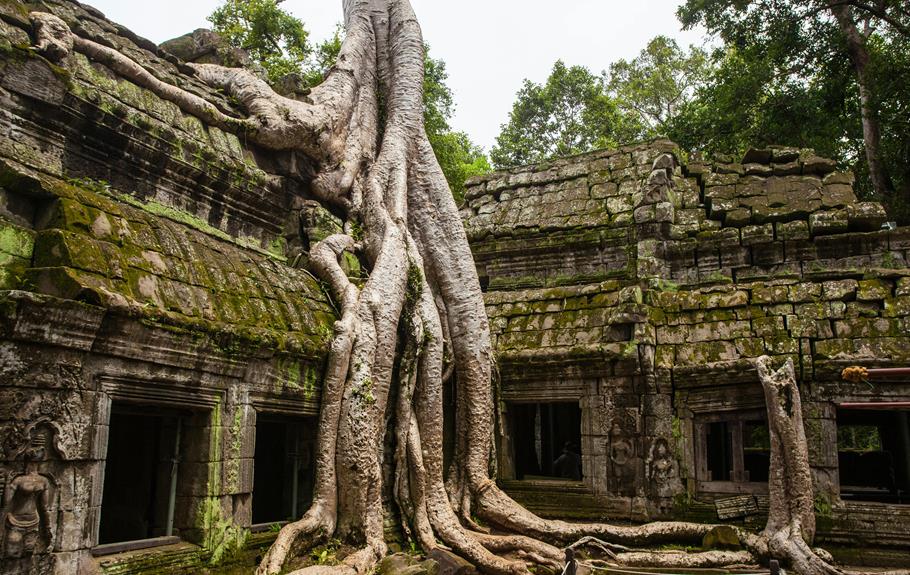
    Cadiz City's Seafood Capital Experience

    As The City of Whales, Cadiz City offers an unparalleled seafood experience, showcasing the freshest catches of the day.

    Food and Drinks Galore

    From food to drinks, the Dinagsa Festival is a haven for foodies and those looking to indulge in a gastronomic adventure. Come hungry and thirsty, and get ready to taste the authentic flavors of Cadiz City!

    Unity in Celebrating Patron Saint

    Unity in Celebrating Patron Saint

    The Dinagsa Festival shifts its vibrant energy to a joyful celebration of faith and community, honoring the city's beloved patron saint, Señor Santo Niño.

    The festival's focus on celebrating the patron saint creates a lively and inclusive atmosphere for all attendees.

    As you immerse yourself in the festivities, you'll witness the vibrant street dancing, colorful parades, and playful Lamhitanay paint war, symbolizing camaraderie and festive energy.

    The celebration brings residents and visitors together, promoting unity and community spirit.

    People from all walks of life come together, united in their devotion to Señor Santo Niño.

    The festival's emphasis on unity and celebration of their patron saint creates a sense of belonging, making you feel like you're part of something special.

    As you join in the festivities, you'll experience the joy and warmth of the Cadiz City community, united in their love for their beloved patron saint.

    Cadiz City's Rich Heritage

    Cadiz City's Rich Heritage on Full Display at the Dinagsa Festival

    Cadiz City, also known as 'The City of Whales,' takes immense pride in its heritage, and the Dinagsa Festival is a testament to that. As you immerse yourself in the vibrant celebrations, you'll discover the depth of this city's cultural identity.

    Historical Roots

    Cadiz City's heritage is rooted in history, with the Hiligaynon language playing a significant role in shaping the city's cultural identity. The festival's origins are steeped in history, making it an essential part of the city's cultural fabric.

    Cultural Traditions

    The Dinagsa Festival is a reflection of the city's rich cultural heritage, with unique traditions such as the Lamhitanay paint war and seafood offerings. These traditions showcase the city's cultural identity and add to the festival's vibrant atmosphere.

    Community Spirit

    The Dinagsa Festival brings the community together, celebrating their Patron Saint, Señor Santo Niño, in a vibrant display of unity and joy. The festival is a testament to the city's strong community spirit, where locals come together to celebrate their heritage.

    As you experience the Dinagsa Festival, you'll come to appreciate the rich tapestry of Cadiz City's heritage, woven from the threads of history, culture, and tradition.

    Festive Atmosphere and Fun

    Immerse yourself in the vibrant atmosphere of Cadiz City during the Dinagsa Festival, where colors, rhythms, and energy come together to create an unforgettable experience. The air is electric, filled with the rhythmic beats of drums and the chatter of excited people, making it impossible to stand still.

    Vibrant street dances are a highlight of the festival, featuring participants in colorful costumes spinning and twirling to the delight of the crowd.

    The streets are a kaleidoscope of colors, with people of all ages laughing and dancing together, smeared with paint in a joyful celebration of unity.

    The Lamhitanay paint war is a festival highlight, where faces and clothes are playfully smeared with colorful paints, creating a mesmerizing display of hues.

    In this festive atmosphere, you'll feel the warmth and hospitality of Cadiz City, surrounded by people from all walks of life, united in their joy and celebration.

    How Does the Dinagsa Festival Compare to the Tuna Festival in Terms of Cultural Significance?

    The Dinagsa Festival and the Tuna Festival both hold cultural significance in their respective regions. While the Dinagsa Festival in Cadiz City celebrates their unique heritage through dance and music, the Tuna Festival in General Santos City honors the local tuna industry with vibrant festivities and culinary showcases celebrating General Santos City’s tuna industry.

    Experience Dinagsa Festival Magic

    Immerse Yourself in the Dinagsa Festival Experience

    The Dinagsa Festival in Cadiz City is a vibrant celebration that combines color, music, and joy, creating an unforgettable adventure.

    Unity in Color

    The festival features a colorful paint war, where participants and visitors come together, covered in paint, celebrating community and unity.

    Rhythms of Joy

    The Ati-atihan performances and street dancing fill the air with lively energy, sweeping you up in a whirlwind of music and movement.

    Flavors of the Sea

    The festival offers a delicious seafood experience, featuring the freshest seafood offerings that will leave you wanting more.
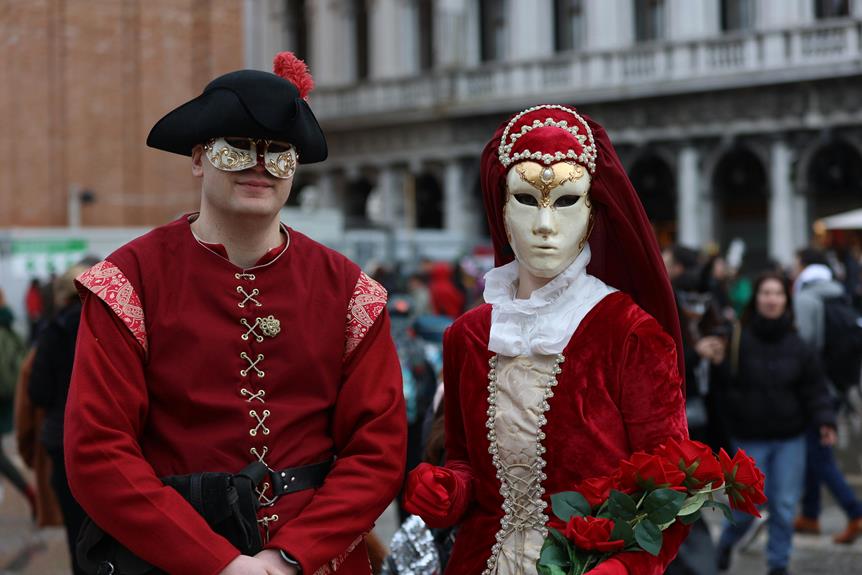
    In Cadiz City, the Dinagsa Festival is a one-of-a-kind celebration that brings people together through vibrant energy, playful traditions, and infectious rhythms, creating an unforgettable experience.

    Frequently Asked Questions

    What Is the Festival in Cadiz City?

    Cadiz City's Vibrant Festival Celebrates Culture and Delights

    Cadiz City's festival is a celebration of cultural significance, showcasing the city's rich heritage through music, dance, and food. Traditional folk music and dance performances fill the streets, while local cuisine delights visitors with its flavors and aromas. The festival's energetic atmosphere, complete with street dances and lively processions, creates an unforgettable experience.

    Is the Dinagsa Festival Religious?

    The Dinagsa Festival is a religious celebration. It honors Señor Sto. Niño, a revered figure in the community. The festival is deeply rooted in cultural significance, devotional practices, and spiritual expressions, making it a profoundly religious event.

    Is a Festival in Cadiz in Honor of Santo Nino?

    Yes, a festival in Cadiz honors Santo Nino. Cadiz Culture celebrates its rich historical significance with vibrant festivities, proudly honoring Santo Nino, its revered patron saint.

    Why Is the Ati-Atihan Festival Celebrated?

    The Ati-Atihan Festival is celebrated to honor the Santo Niño. This festival has historical roots in the Catholic Church, which introduced the devotion to the Santo Niño, or the Child Jesus, in the 17th century. The cultural significance of the festival lies in its vibrant representation of the indigenous Ati people's heritage. The festival showcases the rich cultural traditions of the Ati people, the original inhabitants of the island of Panay in the Philippines.

    Conclusion

    Experience the Vibrancy of Dinagsa Festival

    The Dinagsa Festival is a celebration of Cadiz City's rich heritage, honoring its patron saint, San Sebastian.

    This festive event showcases the city's unity and cultural pride, bringing the community together in a vibrant display of colors, music, and dance.

    Immerse in the Magic of Dinagsa

    As you participate in the festival, you'll be surrounded by intricately designed costumes and lively rhythms that fill the streets of Cadiz City.

    Every step, every beat, and every colorful costume tells a story of the city's history and traditions.

    A Lasting Impression

    As the festival comes to a close, the memories of Dinagsa will resonate in your heart forever, a testament to the city's warm hospitality and cultural richness.

  • Bambanti Festival: A Celebration of Isabela's Resilient Scarecrows and Bountiful Harvest

    Bambanti Festival: A Celebration of Isabela's Resilient Scarecrows and Bountiful Harvest

    Isabela's Scarecrows: A Symbol of Resilience

    In Isabela, colorful scarecrows stand tall, guarding the region's bountiful harvest. These revered guardians of the crops are crafted from local materials, with each municipality presenting its unique design.

    Celebrating Isabela's Harvest

    The Bambanti Festival is a vibrant celebration of Isabela's agricultural prowess and rich cultural heritage.

    Vibrant parades, street dances, and agricultural exhibits showcase the region's resilience and bounty.

    The festival is a kaleidoscope of colors, rhythms, and flavors, immersing visitors in the heart of Isabela's fascinating story.

    History of Bambanti Festival

    The Bambanti Festival originated from Isabela's agricultural heritage. This celebration is rooted in the region's farming traditions, which date back to when farmers used scarecrows to protect their crops from birds.

    Scarecrows were an essential tool for farmers, helping to ensure a bountiful harvest.

    The festival honors the hardworking farmers who tirelessly cultivate the land to produce abundant crops. It showcases the resourcefulness and ingenuity of Isabelinos in agriculture, highlighting their ability to adapt and thrive in the region's agricultural landscape.

    The significance of scarecrows in Isabela's agricultural landscape is undeniable. They've become an integral part of the province's identity, symbolizing the farmers' dedication to their craft.

    The Bambanti Festival is a testament to this heritage, weaving the history and culture of Isabela into a unique and unforgettable experience.

    Cultural Significance of Scarecrows

    Scarecrows are revered guardians of the harvest in Isabela's agricultural landscape, embodying the region's resilience and creative genius.

    Crafted from local materials and dressed in farmers' outfits, these vibrant and ingenious sentinels stand tall, symbolizing diligence and inventiveness in farming, and representing agricultural success and the rich cultural heritage of the region.

    Each municipality presents uniquely designed scarecrows, reflecting town identity and creativity.

    These scarecrows are more than just props; they're guardian spirits of the crops, embodying the farming traditions of Isabelinos. The Bambanti Festival celebrates the cultural importance of scarecrows in Isabela, promoting unity and local products.

    The scarecrows have become an integral part of the region's identity, reminding us of the importance of preserving cultural traditions and promoting agricultural excellence.

    Celebrating Isabela's Harvest

    Celebrating Isabela's Harvest

    The Bambanti Festival is a joyous celebration of Isabela's bountiful harvest. Isabela is a top producer of rice and corn, yielding around 1 million metric tons annually. This festive event acknowledges the hard work and dedication of farmers who toil behind the scenes.

    During the festival, vibrant floats adorned with golden grains and lush greenery parade through the streets of Isabela. The air is filled with the sweet aroma of freshly harvested crops. The atmosphere is electric with excitement, as the community comes together to honor the land's bounty.

    The Bambanti Festival is a testament to the province's agricultural resilience. It recognizes the farmers who work tirelessly to ensure a bountiful harvest. The festival is a celebration of Isabela's rich agricultural heritage, showcasing the province's thriving agricultural community.

    Vibrant Parades and Street Dances

    Vibrant Parades and Street Dances

    The festival's vibrant parades and street dances are a kaleidoscope of colors and rhythms, filling the streets with energy and excitement.

    Vibrant Parades

    The parades feature giant scarecrows, historical figures, and elaborate floats, creating a spectacular display of creativity and cultural heritage.

    Street Dances

    The street dances are a showcase of colorful costumes, cultural presentations, and infectious rhythms, drawing you in with their energy and joy.

    As you watch, the parades and street dances unfold like a vibrant tapestry, woven from threads of music, movement, and joy.

    The festival's infectious energy draws you in, making you want to join in the revelry.

    With every step, every beat, you feel the pulse of Isabela's rich cultural heritage, a testament to the resilience and creativity of its people.

    Agricultural Exhibits and Competitions

    The Bambanti Festival showcases Isabela's agricultural excellence through various exhibits and competitions. The province is a top rice and corn producer in the Philippines, and the festival highlights its farming traditions and products.

    The agricultural exhibits feature a diverse range of fresh fruits, vegetables, and grains, demonstrating the province's agricultural prowess. Sustainable and organic practices are emphasized to ensure a bountiful harvest.

    The festival also hosts cooking contests that highlight locally grown produce. Talented chefs and home cooks create delectable dishes using the province's freshest ingredients, showcasing the flavors of Isabela. The competitions promote sustainable agricultural practices, ensuring a rich harvest for generations to come.

    Tribute to Isabela's Farmers

    The Bambanti Festival: A Tribute to Isabela's Farmers

    The people of Isabela pay tribute to their hardworking farmers, the backbone of their agricultural economy, through the Bambanti Festival. This celebration showcases the resilience and diligence of Isabela's agricultural community.

    Honoring the Backbone of Isabela's Economy

    The festival features giant scarecrow displays that symbolize the farmers' dedication to protecting their bountiful harvest. These scarecrows, of all shapes and sizes, stand tall and proud, just like the farmers who inspired them.

    Giant Scarecrow Displays

    As one of the top rice and corn producers in the country, Isabela's agricultural abundance is on full display during the festival.

    Agricultural Abundance on Display

    The celebration highlights the farmers' contributions to Isabela's agricultural heritage and success.

    A Heartfelt Tribute

    The Bambanti Festival is a heartfelt tribute to the farmers who make Isabela's agricultural economy thrive. It recognizes their hard work and dedication to producing a bountiful harvest.

    Rich Culture and Traditions

    Isabela's Rich Cultural Heritage Unfolds

    The Bambanti Festival showcases the vibrant tapestry of Isabela's rich cultural heritage and traditions, woven from folklore, customs, and creativity.

    Town Identity and Local Products

    Each municipality presents uniquely designed Bambanti scarecrows, reflecting town identities and promoting local products. For example:

    Town IdentityLocal Products
    IlaganRice, corn, and tobacco
    CauayanPineapples, sugarcane, and rice
    SantiagoMangoes, coconuts, and fish

    Celebrating Cultural Identity

    This celebration showcases Isabela's rich cultural heritage, highlighting the creativity and resilience of its people. The Bambanti Festival is more than just a symbol of unity and agricultural achievements – it's a testament to the community's pride and cultural identity. Each scarecrow represents a piece of Isabela's rich cultural tapestry, woven with threads of folklore, customs, and creativity.

    Preparing for the Festival

    The Bambanti Festival in Isabela is a culmination of months of meticulous planning and creativity, showcasing the community's vibrant spirit and agricultural heritage.

    Giant scarecrows are crafted from local materials to represent each town's unique identity and agricultural heritage. These scarecrows take shape in the towns, reflecting the community's creativity and resourcefulness.

    Cultural performances, street dances, and beauty pageants are rehearsed, highlighting Isabela's rich cultural traditions. These performances will be a testament to the province's diverse cultural heritage.

    The Provincial Government of Isabela provides support to ensure a successful festival, promoting the province's agricultural heritage and local pride. This support is crucial in making the festival a success.

    Residents and businesses prepare their agricultural products, delicacies, and crafts for the agri-tourism trade fair, showcasing the best of Isabela's bounty. This fair will be a platform for the community to showcase their products and skills.

    The sense of community and pride is palpable as everyone comes together to make this festival one to remember.

    The Provincial Government of Isabela's support has set the stage for a celebration that will showcase Isabela's resilient spirit and bountiful harvest.

    Exploring Isabela's Hidden Gems

    Discovering Isabela's Natural Wonders

    As you explore Isabela's uncharted territories, you'll uncover a treasure trove of natural wonders. The province is home to a diverse range of outdoor activities that showcase its natural beauty and biodiversity.

    Mountains and Beaches

    The Sierra Madre mountain range is a haven for rare species like the Philippine Eagle. Meanwhile, the Pacific coastline boasts a 113-kilometer stretch of white sand beaches.

    Conservation and Eco-Tourism

    The Northern Sierra Madre Natural Park is a biodiversity hotspot, highlighting the importance of environmental conservation and sustainable farming practices in Isabela. Eco-tourism is an attractive option, with activities like cave exploration, beachcombing, and culinary excursions.

    Festival and Initiatives

    The Festival King's eco-friendly initiatives and emphasis on agriculture and environmental preservation will inspire you to appreciate Isabela's natural wonders even more.

    Get ready to uncover the secrets of this treasure trove and experience the authentic charm of Isabela.

    How Do the Bambanti Festival and Ibalong Festival Celebrate Local Culture and Traditions?

    The Bambanti Festival and Ibalong Festival celebrate local culture and traditions by showcasing traditional dances, music, and arts. The Ibalong Festival highlights mythical heroes in colorful costumes, while the Bambanti Festival features a grand parade and street dancing to honor the local agricultural industry. Both festivals promote cultural pride and unity.

    Beyond the Festival Celebrations

    Beyond the vibrant festival celebrations, Isabela's rural landscapes hold a rich tapestry of agricultural heritage and community spirit waiting to be explored. Venture beyond the Provincial Capitol to discover the essence of Isabela's rich farming traditions that inspire the Bambanti Festival.

    Experience the authentic Isabela:

    Delve into the cultural significance of the giant scarecrows, embodying the resilience and resourcefulness of Isabela's farmers. These giant scarecrows symbolize the farmers' ability to adapt to challenges and protect their crops.

    Explore the rolling hills and verdant fields, witnessing the bountiful harvests that bring the community together in gratitude. These harvests are a testament to the community's hard work and dedication to their agricultural practices.

    Immerse yourself in the folklore and customs that shape the festival's spirit of unity and gratitude. The Bambanti Festival celebrates the community's gratitude for a bountiful harvest and serves as a reminder of the importance of unity and cooperation.

    Uncover the deeper connection between the Bambanti Festival and Isabela's agricultural practices, which have been passed down through generations. The festival is a celebration of the community's agricultural heritage and the traditions that have been passed down from one generation to the next.

    Frequently Asked Questions

    What Is the Significance of Bambanti Festival in Isabela?

    The Bambanti Festival is a celebration of Isabela's cultural heritage. It showcases the region's agricultural pride, folk traditions, and community spirit. The festival features scarecrows, which symbolize the diligent farming practices of the region.

    Who Is the Winner of Bambanti Festival 2024?

    Queen Isabela 2024 from the City of Ilagan won the 2024 Bambanti Festival. This city's winning strategy involved leveraging festival trends and cultural icon status to reign supreme amidst the competition.

    What Is the Festival in Isabela Scarecrow?

    The festival in Isabela that celebrates scarecrows is a tribute to rural folklore. This event honors the agricultural heritage of Isabela's farming community. During the festival, giant scarecrows come alive, symbolizing the region's rich cultural identity.

    What Is Scarecrow Festival in the Philippines?

    The Scarecrow Festival in the Philippines celebrates rural traditions and cultural heritage. This festival showcases creative scarecrow displays, honoring the country's rich agricultural roots and vibrant cultural identity.

    Conclusion

    The Bambanti Festival Leaves a Lasting Impression

    As you leave Isabela, the vibrant rhythms and colorful costumes of the Bambanti Festival remain etched in your memory. The resilient scarecrows, once mere guardians of the fields, have become symbols of the province's rich cultural heritage.

    Celebrating Abundant Harvests

    The festival is a celebration of Isabela's bountiful harvests, showcasing the province's agricultural abundance. The joyful celebrations and rich cultural heritage make the Bambanti Festival an unforgettable experience.

    A Piece of Isabela's Heart

    With memories of the festival, you take with you a piece of Isabela's heart, eager to return and experience the magic of the Bambanti Festival once again.

  • Adivay Festival: Showcasing the Rich Cultural Heritage of Benguet Province

    Adivay Festival: Showcasing the Rich Cultural Heritage of Benguet Province

    Experience the Rich Cultural Heritage of Benguet Province

    The Adivay Festival is a vibrant celebration that honors the traditions and resilience of the Igorot people, proudly showcasing the rich cultural heritage of Benguet Province. This festival is a testament to the province's cultural identity, unity, and creativity.

    Traditional Performances and Crafts

    The festival features traditional dances, music, and handicrafts that reflect the region's indigenous heritage. You'll witness traditional dances, such as the 'Banga' dance, which showcases the Igorot's skill in hunting and warfare. Additionally, you'll have the opportunity to appreciate the craftsmanship of the Igorot people through their handmade textiles, woodcarvings, and other local products.

    Immerse in Local Customs and Cuisine

    The Adivay Festival offers a unique opportunity to immerse yourself in local customs and indulge in the unique flavors of Benguet's cuisine. Try traditional dishes, such as 'Pinikpikan' (a dish made from grilled pork and vegetables) and 'Kiniing' (a sweet potato-based dessert).

    Strengthening Cultural Bonds and Community Pride

    The Adivay Festival strengthens cultural bonds and fosters community pride by celebrating the rich tapestry of Benguet's past. This celebration brings together the Igorot people, promoting unity and cultural preservation.

    Cultural Significance of Adivay Festival

    The Adivay Festival: A Celebration of Cultural Identity

    The Adivay Festival is more than just a celebration; it's a vibrant expression of the rich cultural heritage of Benguet Province, proudly showcasing the unity, resilience, and creativity of the Igorot people.

    The festival highlights the importance of preserving traditions and cultural beliefs. Through rituals, chants, and traditional dances, the Adivay Festival celebrates the rich cultural heritage of Benguet Province, promoting unity among Benguet tribes. For instance, participants engage in activities like hymns, parlor games, and cultural performances, honoring Igorot culture and emphasizing its importance.

    The Adivay Festival is a celebration of cultural identity, symbolizing the Benguet people's resilience and creativity. By participating in the festival, you'll gain a deeper understanding of the cultural significance of Benguet Province and the importance of preserving its rich cultural heritage.

    The festival is a testament to the Benguet people's ability to thrive and adapt while preserving their cultural heritage.

    Benguet's Rich Indigenous Heritage

    Benguet's Rich Indigenous Heritage

    Benguet's rich indigenous heritage is deeply rooted in the cultural practices and traditions of its various tribes. The province's indigenous heritage is reflected in rituals, dances, chants, and traditional attire showcased during the Adivay Festival.

    The festival aims to preserve and promote Benguet's indigenous heritage, emphasizing the importance of cultural identity and traditions.

    The indigenous tribes of Benguet, including the Igorots, Kankanaey, Kalanguya, and Ibaloi, each have their unique cultural practices and traditions. For instance, the Igorots are renowned for their vibrant cultural identity and traditional attire. The Kankanaey are known for their rich cultural practices, rituals, and dances. The Kalanguya are recognized for their traditional chants, unique customs, and beliefs. The Ibaloi emphasize the importance of cultural identity and traditions.

    The Adivay Festival provides a platform to celebrate and honor the rich cultural heritage of Benguet's indigenous communities. Through the festival, one can experience the unique customs, beliefs, and arts of these communities.

    By preserving and promoting Benguet's indigenous heritage, the Adivay Festival ensures the continuation of the province's cultural identity for future generations.

    Traditional Dances and Music

    Traditional Dances and Music Take Center Stage at Adivay Festival

    At the Adivay Festival, traditional dances and music are the main attraction, showcasing the rich cultural heritage of Benguet.

    Three traditional dances, Bendian, Salip, and Banga, reflect the province's cultural roots. These dances depict the daily lives, rituals, and beliefs of the Benguet people through rhythmic movements and storytelling elements. The dancers wear colorful handwoven costumes adorned with beads, shells, and feathers, showcasing the intricate craftsmanship of Benguet tribes.

    Live Music Accompanies the Dances

    Live music featuring indigenous instruments like gangsa (gongs) and bamboo instruments adds a unique touch to the festival. The music performances are a highlight of the festival, immersing attendees in the vibrant cultural heritage of Benguet.

    The fusion of traditional dances and music performances creates an unforgettable experience, making the Adivay Festival a must-attend event for anyone interested in cultural heritage.

    Handicrafts and Local Products

    Discover the Rich Cultural Heritage of Benguet Province

    Beyond the captivating performances, the Adivay Festival showcases the region's exceptional craftsmanship through a diverse array of locally crafted handicrafts.

    The festival offers a unique shopping experience, featuring traditional handmade items that reflect the rich cultural heritage of Benguet Province.

    Explore Local Handicrafts

    • Traditional woven baskets showcase the skill and creativity of local artisans, perfect for decorative or functional use.
    • Intricately designed wood carvings demonstrate the attention to detail and craftsmanship of Benguet's artisans.
    • Vibrant beadwork adds a touch of cultural flair to any outfit or accessory.

    Savor Local Products

    • Sweet strawberry jams, made from fresh strawberries, are a sweet delight.
    • Pure honey, harvested from local bees, is a natural sweetener.
    • Freshly roasted coffee beans, grown in Benguet's rich soil, offer a rich coffee experience.
    • Crisp organic vegetables, carefully cultivated, provide a healthy and flavorful snack.

    Learn Traditional Techniques

    The festival offers interactive demonstrations and workshops where you can learn the traditional techniques and cultural significance behind these handicrafts and products.

    Get hands-on experience and take home a piece of Benguet's cultural heritage.

    Support Local Artisans and the Economy

    The Adivay Festival provides a platform for local artisans and producers to showcase their talents, supporting the preservation of Benguet's cultural heritage and contributing to the local economy.

    By exploring the festival, you'll not only discover exceptional handicrafts and local products but also play a part in sustaining the region's rich cultural legacy.

    Flavors of Benguet's Cuisine

    Benguet's cuisine is a unique blend of traditional recipes and locally sourced ingredients. This blend is shaped by the region's indigenous communities and agricultural abundance.

    Pinikpikan, a traditional chicken dish, is prepared by beating the chicken with a stick before cooking, giving it a distinct flavor and texture. This dish is a perfect example of the region's culinary creativity.

    Highland vegetables like sayote, beans, and cabbage are staples in Benguet's cuisine. These vegetables are often used in a variety of dishes, showcasing the region's expertise in using locally sourced ingredients.

    Traditional preservation methods are evident in local delicacies like etag (smoked pork) and kinuday (smoked meat). These delicacies highlight the province's expertise in preserving food.

    Benguet's coffee is renowned for its rich flavor and aroma. The region's coffee is a highlight of Benguet's gastronomic offerings.

    The Adivay Festival showcases the region's unique flavors and ingredients through cooking contests, food fairs, and demonstrations. This festival is the perfect place to experience the full spectrum of Benguet's cuisine.

    Preserving Cultural Traditions

    The Adivay Festival plays a vital role in preserving the cultural heritage of Benguet Province by safeguarding traditional rituals, chants, and cultural dances. The festival's primary objective is to preserve the cultural beliefs and practices of the Benguet tribes, ensuring their unique customs and traditions are passed down to future generations.

    The festival celebrates the shared cultural identity of Benguet's tribes, showcasing their unity through various activities and performances. This unity is reflected in the coming together of Benguet's tribes as they celebrate their shared cultural identity.

    Notable aspects of the festival include:

    • Traditional hymns and parlor games, which reflect the Igorot people's customs and practices. These activities highlight the importance of preserving cultural traditions and provide a glimpse into the daily lives of the Igorot people.
    • Cultural dances and performances, showcasing the rich heritage of Benguet's tribes. These performances demonstrate the diversity and richness of Benguet's cultural heritage.
    • Rituals and chants, which honor the cultural beliefs and practices of the region's indigenous people. These rituals and chants provide a deeper understanding of the cultural beliefs and practices of the region's indigenous people.

    Community Engagement and Pride

    Community Engagement and Pride

    During the Adivay Festival, community engagement reaches its peak, fostering a sense of pride among participants as they come together to celebrate and showcase Benguet's rich cultural heritage.

    Thirteen municipalities of Benguet actively participate in the festival, showcasing traditional rituals, chants, and cultural dances passed down through generations. This collective effort strengthens cultural bonds and promotes unity among Benguet tribes.

    As you walk through the festival grounds, you'll see booth set-ups and performances that honor and preserve Benguet's cultural traditions.

    The Adivay Festival is a celebration of community engagement, where everyone comes together to celebrate their shared cultural heritage. By participating in the festival, you'll feel a sense of pride and belonging, knowing that you're contributing to the preservation of Benguet's rich cultural heritage.

    Benguet's Historical Landmarks

    Benguet's Historical Landmarks Reveal a Rich Cultural Heritage

    Benguet, a province in the Philippines, is home to a plethora of historical landmarks that showcase its complex and fascinating past.

    These landmarks serve as testaments to the province's rich cultural tapestry.

    The Spanish Trail, a remnant of the Spanish colonial era, is one of the most notable historical landmarks in Benguet.

    This trail showcases the province's historical significance and provides a glimpse into its past.

    Another significant landmark is the Philippine Military Academy, a renowned institution located in Tuba, Benguet.

    This academy has played a crucial role in shaping the country's military history.

    The Bell Church in La Trinidad, Benguet, is another notable landmark that stands as a testament to the fusion of Chinese and Filipino cultures.

    This church serves as a reminder of the province's resilience and adaptability.

    These historical landmarks not only provide a glimpse into Benguet's past but also serve as a reminder of the province's resilience and adaptability.

    Showcasing Local Artistry

    Experience the Rich Cultural Heritage of Benguet

    At the Adivay Festival, local artisans take center stage, showcasing their exceptional craftsmanship in traditional crafts like weaving, carving, and beadwork. Through interactive exhibits and live demonstrations, you'll witness the intricate artistry of Benguet's indigenous tribes.

    Authentic Handmade Products

    You can purchase authentic handmade products directly from local artists, taking a piece of Benguet's cultural heritage home with you. The artisans' creations often incorporate traditional patterns, symbols, and techniques passed down through generations, making each piece truly unique.

    Preserving Cultural Heritage

    The Adivay Festival provides a platform for local artists to promote their work, preserve cultural heritage, and generate income.

    By supporting these local artisans, you're contributing to the preservation of Benguet's rich cultural heritage.

    Take your time to appreciate the intricate details and craftsmanship that go into each piece, and get ready to be amazed by the local artistry on display.

    How Does the Adivay Festival Differ from the Panagbenga Festival?

    The Adivay Festival and the Panagbenga Festival both celebrate the culture and traditions of the Cordillera region in the Philippines. However, the Adivay Festival focuses on showcasing the different municipalities of Benguet and their unique products, while the Panagbenga Festival: Baguio’s Floral Wonders is a grand display of the city’s vibrant flowers and blooms.

    Festival Highlights and Memories

    The Adivay Festival offers an immersive experience that showcases the rich cultural heritage of Benguet Province. This unique event provides a platform for cultural exchange, education, and entertainment.

    Cultural Dances:

    The festival features traditional performances that reflect the distinct traditions and customs of the Benguet tribes. These performances include Kanyaw, a traditional dance of the Kankanaey tribe, and Sallidumay, a ritual dance of the Ibaloi tribe.

    Traditional Rituals:

    The festival offers interactive cultural activities, allowing participants to engage in traditional ceremonies. For instance, Kayanes, a traditional wedding ritual of the Kankanaey tribe, and Pangkalahi, a traditional ritual of the Ibaloi tribe, are reenacted during the festival.

    Arts and Crafts Exhibitions:

    The festival showcases vibrant displays of local artistry, highlighting the province's unique craftsmanship. Exhibits feature handwoven textiles, wood carvings, and metal crafts, all of which are made using traditional techniques and materials.

    Frequently Asked Questions

    What Is the Adivay Festival in Benguet History?

    The Adivay Festival originated in 2005, when the provincial government of Benguet launched the celebration to promote the province's rich cultural heritage. This vibrant festival showcases Benguet's history, arts, and industries by bringing together tribal traditions and mountain legends.

    What Is the Cultural Festival of Benguet?

    The Cultural Festival of Benguet showcases the province's rich cultural significance through vibrant festival activities. These activities proudly highlight traditional practices that define the region's unique identity.

    What Is the Meaning of Adivay?

    Adivay originates from the Ibaloi term, meaning 'coming together'. This reflects the Mountain Origins of Benguet's Indigenous Roots and honors the Tribal Legacy of unity and togetherness among its people.

    What Is the Culture of Benguet?

    Benguet's culture is deeply rooted in tribal traditions. This is evident in the way the community honors its mountain roots. The ethnic identity of Benguet shines through in various aspects, including rituals, attire, and community values. These values emphasize respect, stewardship, and unity, which are essential to the community's way of life.

    Conclusion

    The Adivay Festival: A Celebration of Benguet's Rich Cultural Heritage

    The Adivay Festival is a vibrant celebration of Benguet Province's unique cultural identity.

    This festival showcases the province's rich heritage through traditional dances, local handicrafts, and other cultural expressions. These cultural expressions are rooted in the indigenous roots of Benguet, proudly telling a story that's both nostalgic and forward-thinking.

    The festival's success is a testament to community pride, highlighting the importance of preserving cultural heritage for future generations.

    By embracing its cultural roots, Benguet sets an example for others to cherish and build upon their heritage. This celebration serves as a beacon, illuminating the path for future generations to appreciate and honor their cultural legacy.

  • Kadayawan Sa Dabaw: Celebrating Davao's Indigenous Roots and Bountiful Harvest

    Kadayawan Sa Dabaw: Celebrating Davao's Indigenous Roots and Bountiful Harvest

    Kadayawan Sa Dabaw is a celebration of Davao's rich cultural heritage, honoring its indigenous roots and bountiful harvest. The festival embodies gratitude for nature's abundance, showcasing the city's cultural diversity and unity among its 11 indigenous tribes.

    Traditional rituals, cultural showcases, and vibrant street parades highlight the region's connection to the land and its people. By participating in the festivities, you'll contribute to the local economy and support local communities.

    Ancient Rituals of Gratitude

    Ancient Rituals of Gratitude

    In the history of Kadayawan sa Dabaw, ancient rituals of gratitude played a pivotal role in the celebration. These rituals involved displaying farming implements, fruits, flowers, and grains as offerings to divine protectors for the bountiful harvest. This symbolic act represented the community's appreciation for the land's abundance.

    Villagers would gather to express gratitude through singing, dancing, and acknowledging the blessings they received. This sense of gratitude was at the heart of Kadayawan sa Dabaw and continues to shape the celebration today. The spirit of thanksgiving remains a significant aspect of the festival.

    The ancient rituals may have evolved over time, but their core essence remains unchanged. The celebration's core essence lies in its ability to bring people together, fostering a sense of community and appreciation for the bountiful harvest.

    Honoring Indigenous Roots

    Honoring Indigenous Roots

    During the Kadayawan sa Dabaw festival, Davao City's indigenous roots come alive through traditional rituals and cultural showcases.

    Three ethnic groups, the Ata, Bagobo, and Matigsalug, participate in vibrant events, highlighting their unique traditions and customs.

    The festival honors these indigenous tribes through cultural showcases, which celebrate their distinct traditions.

    The Hiyas ng Kadayawan beauty pageant and the Indak-indak sa Kadalanan street dancing competition are two events that showcase the city's indigenous roots.

    Through music, dance, and art, the festival provides a platform to recognize and appreciate the distinct traditions of Davao's indigenous tribes.

    Celebrating Bountiful Harvest

    The bountiful harvest plays a vital role in Davao's culture, serving as a cornerstone that showcases the city's agricultural abundance. The festival highlights the local produce, fruits, vegetables, and grains that contribute to Davao's rich harvest.

    For instance, during Kadayawan sa Dabaw, you'll see indigenous rituals and offerings that honor nature's gifts and the agricultural blessings of the region.

    Local farmers play a crucial role in the festival, providing fresh and quality produce for the community. By celebrating the bountiful harvest, Kadayawan sa Dabaw reflects the importance of agriculture and sustainability in Davao's culture.

    The festival is a testament to the region's indigenous roots, which have always been deeply connected to the land and its natural resources. As a result, the harvest remains a significant aspect of Davao's cultural identity.

    Festival of Thanksgiving

    Kadayawan sa Dabaw: A Festival of Thanksgiving

    Kadayawan sa Dabaw is a festival that embodies the spirit of gratitude, where Davao's communities come together to celebrate nature's abundance and blessings.

    Rooted in Tradition

    This festival of thanksgiving is rooted in the traditional rituals of the indigenous tribes near Mount Apo, who'd gather to give thanks for the bountiful harvest.

    Celebrating Cultural Wealth

    Today, Kadayawan sa Dabaw continues this tradition, showcasing the city's cultural wealth and diverse heritage. The festival celebrates the city's indigenous roots, recognizing the rich cultural heritage that has shaped the city's identity.

    Unity and Gratitude

    As you participate in the festivities, you'll witness the spirit of gratitude and unity among Davao's communities.

    By coming together to give thanks, the people of Davao reaffirm their connection to the land and their appreciation for nature's gifts.

    This collective expression of gratitude creates a sense of community and belonging, making Kadayawan sa Dabaw a truly unforgettable experience.

    Cultural Diversity on Display

    Davao's Indigenous Tribes Unite

    During Kadayawan sa Dabaw, Davao's 11 indigenous tribes and Moro communities come together to showcase their unique cultural identities.

    Each tribe proudly displays their cultural pride through traditional attire, rhythmic dances, and soulful music.

    The festival celebrates the cultural diversity of Davao, highlighting the unique contributions of each tribe to the city's vibrant cultural tapestry.

    The Ata, Bagobo, and Matigsalug tribes, among others, participate in the celebration.

    By experiencing the sights and sounds of these diverse indigenous groups, you'll gain a deeper understanding of Davao's cultural heritage and the importance of preserving it.

    The city's commitment to celebrating its indigenous roots and promoting unity among its cultural communities is evident throughout the festival.

    Showcasing Local Delicacies

    Indulge in the Flavors of Davao's Rich Harvest

    At Kadayawan sa Dabaw, you'll embark on a culinary journey through the city's agricultural heritage. Local delicacies take center stage, showcasing the region's rich cultural identity.

    Exotic Fruits Take Center Stage

    Davao's bountiful harvest features exotic fruits like durian, mangosteen, marang, and rambutan. These fruits are the stars of the show, highlighting the city's fresh produce.

    Indigenous Tribes Share Traditional Food Preparation

    Indigenous tribes share their traditional food preparation methods, offering a glimpse into the region's rich cultural heritage. You'll learn about their traditional cooking techniques, which have been passed down through generations.

    Farm-to-Table Offerings

    At the agricultural fest, you can savor farm-to-table offerings that highlight the city's fresh produce. This is a unique opportunity to taste the region's flavors in their purest form.

    A Chance to Taste Durian

    For adventurous foodies, Kadayawan sa Dabaw is the perfect chance to taste the famous Filipino fruit, durian. This exotic fruit is a must-try when visiting the region.

    Diverse Local Delicacies

    The festival features a diverse range of local delicacies, showcasing the city's vibrant cultural identity. From traditional dishes to innovative twists, the local delicacies on display are a testament to the region's rich cultural heritage.

    Traditional Dance Performances

    Traditional Dance Performances at Kadayawan sa Dabaw

    Traditional dance performances take center stage at Kadayawan sa Dabaw, showcasing the rich cultural heritage of Davao's indigenous tribes. These performances transport you to a world of vibrant colors, rhythmic beats, and ancient traditions.

    Reflecting History, Beliefs, and Rituals

    Each dance performance reflects the history, beliefs, and rituals of the indigenous communities in Davao. Intricate costumes worn by participants represent the unique traditions and identities of each tribe. Traditional music captivates spectators, making you want to move to the rhythm.

    Celebrating Cultural Richness

    Through these traditional dances, the tribes express their gratitude for nature's blessings and celebrate their cultural richness. You'll witness the richness of Davao's indigenous roots, and the pride with which the tribes share their heritage. This experience will leave you in awe of the beauty and diversity of Davao's cultural landscape.

    Vibrant Street Parades

    Vibrant Street Parades: A Kaleidoscope of Colors and Rhythms

    The most captivating sight in Kadayawan sa Dabaw's vibrant street parades is the explosion of colors, sounds, and movements that come together to create an unforgettable experience.

    The streets transform into a kaleidoscope of colors as colorful costumes shimmer in the sunlight, mesmerizing the audience.

    Intricate Traditional Dances on Display

    The indigenous tribes perform intricate traditional dances with precision and passion, drawing the audience in with their infectious energy.

    The air is filled with the rhythms of lively music, showcasing the rich cultural heritage on display.

    A Celebration of Unity and Diversity

    The street parades are a testament to the unity and abundance that Kadayawan embodies, as tribes from different backgrounds come together to celebrate their roots.

    The parades showcase the unique traditions and customs of Davao's indigenous tribes, highlighting their distinct identity.

    Supporting Local Communities

    Supporting Local Communities Through Kadayawan sa Dabaw

    The Kadayawan sa Dabaw celebration not only showcases Davao's indigenous roots but also gives back to the local communities that make it possible.

    By participating in the festivities, you're contributing to the local economy and promoting community growth.

    The festival emphasizes supporting local communities, particularly indigenous groups, by highlighting their traditions and contributions.

    Local farmers play a crucial role in the festival, showcasing the region's agricultural richness.

    By supporting local businesses during Kadayawan, you're sustaining the local economy and promoting community growth.

    Ways to Make a Positive Impact:

    • Buy local products and handicrafts to promote indigenous entrepreneurship.
    • Visit local farms and agricultural sites to appreciate the region's agricultural richness.
    • Patronize local businesses and restaurants to boost the local economy.

    How Do These Festivals Celebrate Indigenous Roots and Traditions?

    The Sambuokan Festival Maasin Iloilo is a vibrant celebration that honors indigenous roots and traditions. Through colorful parades, traditional dances, and cultural showcases, the festival showcases the rich heritage of the indigenous people, promoting unity and preserving their customs for future generations to appreciate and cherish.

    Preserving Cultural Heritage

    Preserving Cultural Heritage

    At the heart of the Kadayawan sa Dabaw celebration lies the preservation of cultural heritage. This vibrant festival showcases the rich customs and traditions of Davao's 11 tribes, highlighting the importance of heritage preservation.

    The festival's events, such as Indak-Indak sa Kadalanan and cultural exhibits, aim to educate and raise awareness about the unique cultural legacy of Davao's indigenous groups.

    Through Kadayawan sa Dabaw, indigenous tribes share their stories, traditions, and values, ensuring the preservation of their cultural heritage.

    Traditional attire, rituals, and performances serve as a means of safeguarding and passing down the cultural legacy of the indigenous groups in Davao.

    Frequently Asked Questions

    What Is the Main Purpose of Celebrating the Kadayawan Festival?

    The Kadayawan Festival celebrates cultural preservation, community building, and indigenous heritage. This festival showcases the region's traditional practices and folkloric significance, highlighting the importance of preserving cultural identity. By giving thanks for the bountiful harvest, the festival promotes gratitude and appreciation for the land's abundance. Ultimately, it celebrates the region's rich cultural identity, fostering a sense of community and unity among its people.

    Is the Kadayawan Festival the Celebration of Good Harvest in Davao City?

    The Kadayawan Festival is more than just a celebration of a good harvest in Davao City. It is a rich cultural celebration that honors the region's Indigenous Roots, Cultural Significance, Agricultural Abundance, Harvest Traditions, and Folk Heritage.

    Which Festival Happens in Celebration of the Bountiful Harvest?

    Thanksgiving is the festival that happens in celebration of the bountiful harvest. This festive event showcases harvest delights, celebrating the season's fruitful gathering and seasonal jubilee, bringing people together in a vibrant atmosphere.

    What Festival Dance in Davao in Which People Celebrate the Bountiful Harvest of Fruits and Vegetables?

    The Kadayawan Festival is a celebration in Davao where people come together to give thanks for the bountiful harvest of fruits and vegetables. During this festival, locals perform the Indak-Indak sa Kadalanan, a vibrant dance that showcases a blend of traditional Tinikling steps and Indigenous rhythms. The celebration honors the harvest with fruit offerings and highlights the cultural significance of the harvest season. Ultimately, the festival seeks to invoke harvest blessings from the gods.

    Conclusion

    Kadayawan sa Dabaw is a celebration that showcases the importance of cultural heritage.

    This festival is a living, breathing entity that requires nurturing.

    It's not just a celebration of indigenous roots and bountiful harvests, but a testament to the power of community and tradition.

    By embracing cultural diversity, we're not only preserving our past but also shaping a vibrant future.

  • Udyakan Festival: A Festive Display of Tuba's Bountiful Harvest and Cultural Heritage

    Udyakan Festival: A Festive Display of Tuba's Bountiful Harvest and Cultural Heritage

    Experience the Rich Heritage of Tuba at the Udyakan Festival

    The Udyakan Festival is a vibrant celebration of Tuba's cultural heritage and bountiful harvest. Traditional dances, music, and costumes showcase the community's indigenous customs and traditions. You'll witness intricate hand movements, rhythmic beats, and colorful garments that reflect the region's unique cultural identity.

    Savor Local Delicacies and Fresh Produce

    The festival offers a variety of local delicacies and fresh produce, highlighting the region's agricultural abundance. Taste the sweetness of freshly harvested fruits, savor the flavor of locally prepared dishes, and experience the rich flavors of Tuba's culinary heritage.

    Immerse in Cultural Pride and Connection to Nature

    The festival's vibrant decorations and artistic expressions will surround you, showcasing Tuba's cultural pride and connection to nature. Colorful textiles, traditional crafts, and nature-inspired art pieces will immerse you in the community's cultural significance and agricultural heritage.

    Uncover the Stories Behind the Festive Display

    As you experience the sights, sounds, and flavors of this festive celebration, you'll uncover the intricacies of Tuba's cultural significance and agricultural heritage. Discover the stories behind the traditional dances, the significance of local delicacies, and the importance of the harvest.

    Celebrating Tuba's Rich Cultural Significance

    Celebrating Tuba's Rich Cultural Significance

    The Udyakan Festival is a vibrant celebration that showcases Tuba's rich cultural heritage and deep connection with their land and traditions.

    Traditional dances, music, and costumes are on full display, highlighting the community's cultural significance.

    The festival's emphasis on local produce and agricultural abundance celebrates Tuba's bountiful harvest, demonstrating the community's ability to thrive on their land.

    Community Unity and Cultural Identity

    Through the Udyakan Festival, the community comes together to honor their shared cultural roots, preserving and promoting their unique cultural identity and traditions for future generations.

    Traditional rituals and ceremonies reflect the deep connection between Tuba's residents and their land, underscoring the importance of cultural heritage in shaping the community's sense of identity.

    Preserving Cultural Roots

    Colors of Abundance in Compostela Valley

    Colors of Abundance in Compostela Valley

    The Udyakan Festival in Compostela Valley is a vibrant celebration of the region's bountiful harvest and rich cultural heritage. Tuba, a staple crop, has been vital to the local economy for generations. The festival showcases the region's agricultural abundance, with roots dating back to the early days of farming in Compostela Valley.

    Harvest Festivals in Compostela Valley are characterized by:

    Harvest FestivalsCompostela Valley's Abundance
    Vibrant ParadesColorful floats adorned with tuba, fruits, and flowers
    Traditional MusicLively rhythms that echo through the valley
    Agricultural DisplaysFresh produce, handicrafts, and local delicacies on display

    During the festival, local communities come together to celebrate their rich cultural heritage through music, dance, and traditional performances. The Udyakan Festival is a true celebration of Compostela Valley's harvest festivals, showcasing the region's abundance and cultural significance.

    Traditional Dances and Music Galore

    Immerse in the Vibrant Cultural Heritage of Tuba, Philippines

    The Udyakan Festival's Traditional Dances and Music Galore showcases the rich cultural heritage of Tuba, Philippines, featuring an array of colorful costumes, intricate dance movements, and lively musical performances.

    Preserving Authenticity through Traditional Dance

    The dancers perform traditional steps passed down through generations, preserving the authenticity of local dance forms.

    These traditional dances are rooted in the region's history and culture.

    The fusion of traditional and modern dance styles reflects the dynamic cultural evolution of Tuba, creating a unique aesthetic that's both nostalgic and innovative.

    The Synergy of Music and Dance

    The synergy between music and dance creates an immersive experience for both participants and onlookers.

    The infectious beats and rhythms of traditional instruments make it impossible to stand still.

    The Udyakan Festival's Traditional Dances and Music Galore is a true celebration of Tuba's cultural heritage, and attendees are right in the midst of it.

    Preserving Indigenous Customs and Traditions

    The Udyakan Festival in Tuba, Philippines, is dedicated to preserving the indigenous customs and traditions of the region through its vibrant cultural celebrations.

    The festival showcases the rich cultural identity of the indigenous people of Tuba through traditional dances, music, and rituals. This cultural heritage is evident in the intricate costumes, chants, and storytelling that are an integral part of the festival.

    The Udyakan Festival preserves indigenous customs and traditions in several ways:

    Indigenous communities share their cultural heritage through vibrant performances and exhibits, allowing visitors to experience their rich traditions firsthand.

    Traditional practices are passed down to future generations through interactive workshops and demonstrations, ensuring the continuation of these customs.

    The festival celebrates the importance of preserving indigenous traditions and cultural identity, promoting cross-cultural understanding and appreciation of indigenous customs and traditions.

    Visitors and participants are immersed in the rich cultural heritage of the indigenous people of Tuba, fostering a deeper understanding and respect for their traditions.

    Agricultural Abundance on Full Display

    Tuba's farmers showcase their agricultural abundance during the Udyakan Festival. The festival is an opportunity for farmers to proudly display their bountiful harvests, which include a diverse range of fruits, vegetables, and crops.

    Local produce is vibrantly displayed, reflecting the region's rich agricultural heritage. As visitors walk through the festival grounds, they're surrounded by an astonishing array of locally grown produce, each one a testament to the farmers' hard work and dedication.

    The festival highlights Tuba's unique agricultural products, including exotic fruits and staple crops.

    These products are a result of the region's farming practices, which have been passed down through generations. By showcasing their harvests, the farmers aren't only sharing their bounty but also preserving their cultural traditions.

    The Udyakan Festival is a celebration of Tuba's agricultural heritage, emphasizing the importance of farming in the community's culture and economy.

    Visitors gain a deeper appreciation for the region's agricultural abundance and the people who work tirelessly to bring it to life.

    Vibrant Decorations and Creative Expressions

    Vibrant Decorations and Creative Expressions

    As you wander through the festival grounds, you're immediately struck by the kaleidoscope of colors and intricate designs that adorn the streets of Tuba, showcasing the community's creativity and flair for vibrant decorations.

    The festival's decorations are a testament to the residents' artistic talents, with intricate designs and colorful displays that reflect the bountiful harvest and cultural richness of the community.

    Some notable decorations include:

    • Elaborate arches made from locally sourced fruits and flowers
    • Vibrant murals depicting traditional cultural motifs and symbols
    • Intricate lanterns crafted from natural materials like wood and bamboo
    • Traditional decorations infused with modern twists and creative flair
    • Interactive installations that invite visitors to participate and engage with the festival's themes

    The festival's decorations aren't just visually stunning; they're also a celebration of Tuba's cultural heritage and connection to nature.

    Through the creative expressions and artistic talents of the locals, the festival showcases the community's pride and appreciation for their rich cultural traditions.

    Tuba Wine Production and Its Significance

    Tuba Wine Production: A Cultural and Economic Significance

    In the Udyakan Festival, visitors can discover the traditional craft of tuba wine production, a vital part of the region's cultural heritage and a significant contributor to the local economy.

    The production process involves extracting sap from coconut palm flowers, which is then fermented to create a mildly alcoholic beverage. This age-old tradition plays a central role in cultural celebrations and community gatherings, reflecting the heritage and traditions of the region.

    The craftsmanship and skill required for tuba wine production are a testament to the region's cultural identity. The intricate process involves fermenting the sap for several days, followed by filtering and bottling.

    This traditional craftsmanship not only preserves the cultural heritage of the region but also provides a livelihood for many in Tuba, Benguet. The economic impact of tuba wine production is substantial, supporting the local economy and contributing to the community's well-being.

    Tuba wine production is an integral part of the local identity, with its significance extending beyond cultural celebrations. It's a vital source of income for many families, ensuring their economic stability.

    By understanding the intricate process of tuba wine production, one can appreciate the importance of preserving cultural heritage and its impact on the local economy.

    Community Spirit and Togetherness Shine

    Udyakan Festival: A Celebration of Community Spirit and Togetherness

    In Tuba, Benguet, the Udyakan Festival embodies the essence of community spirit and togetherness, bringing people together to celebrate the region's bountiful harvest and rich cultural heritage.

    The festival's vibrant atmosphere fosters a sense of belonging and shared pride among locals and visitors alike.

    Unity in Diversity

    The Udyakan Festival showcases the region's rich cultural heritage, highlighting the town's cultural unity through traditional customs and joyful gatherings.

    For example, traditional dances and vibrant performances bring people together, celebrating the town's diversity.

    Festive Spirit

    The festival's infectious atmosphere is created by vibrant performances, colorful decorations, and lively music, bringing people together in celebration.

    The festive spirit is palpable, with joyful gatherings and lively music filling the air.

    Close-Knit Community

    The Udyakan Festival promotes camaraderie among locals and visitors, fostering a sense of togetherness and shared pride in the region's bountiful harvest.

    Locals and visitors alike come together to celebrate, strengthening community bonds.

    Collaborative Efforts

    The festival's success is a testament to the collaborative efforts of the community, highlighting the close-knit relationships within the town.

    The community comes together to organize the festival, showcasing the power of collaboration.

    Joyful Celebrations

    The Udyakan Festival is a celebration of life, filled with colorful celebrations, joyful gatherings, and a sense of community spirit that will leave you feeling uplifted and inspired.

    The festival is a true celebration of the region's rich cultural heritage and bountiful harvest.

    Unique Festive Experience for Visitors

    Immerse Yourself in the Udyakan Festival's Vibrant Cultural Experience

    The Udyakan Festival offers a unique and festive experience, showcasing the rich cultural heritage of Tuba.

    Vibrant cultural showcases, traditional dances, and lively street parades await your arrival, promising an unforgettable experience.

    Indulge in Local Delicacies and Artisan Crafts

    As you wander through the festival grounds, savor the flavors of local delicacies that highlight the region's agricultural bounty.

    Be sure to explore the artistic creations of skilled local artisans, offering a glimpse into Tuba's cultural traditions.

    Experience Cultural Immersion at Its Finest

    Traditional rituals and performances will transport you to a world of vibrant colors, rhythmic beats, and infectious energy.

    The air will be alive with the sights, sounds, and aromas of Tuba's cultural traditions, inviting you to participate and connect with the community.

    How Does the Udyakan Festival Compare to the Bangus Festival in Celebrating Local Harvest and Culture?

    The Udyakan Festival and the Bangus Festival both play a significant role in celebrating the local harvest and culture. While the Bangus Festival focuses on the bountiful harvest of milkfish, the Udyakan Festival pays tribute to the abundant harvest of fruits, showcasing the rich agricultural culture of the region. Both celebrations highlight the importance of local agriculture and traditional practices in the community.

    Cultural Heritage Preservation Efforts

    The Udyakan Festival plays a vital role in preserving Tuba's cultural heritage by celebrating the community's rich traditions and customs.

    Traditional dances, music, and rituals showcase the community's indigenous heritage. Local artisans and craftsmen are essential to this preservation effort, displaying their artisan craftsmanship and traditional crafts during the festival.

    The festival preserves Tuba's cultural heritage in several ways:

    Educational workshops and programs educate the younger generation about the importance of preserving cultural heritage, ensuring a generational legacy.

    Collaboration with cultural organizations and institutions ensures the sustainability of Tuba's cultural heritage preservation efforts.

    The festival provides a platform for local artisans to showcase their skills, promoting the value of artisan craftsmanship.

    By attending the festival, you contribute to the sustainable preservation of Tuba's cultural heritage.

    The Udyakan Festival demonstrates the power of community-driven efforts in preserving cultural heritage.

    Frequently Asked Questions

    What Is the Festival in Celebration of Bountiful Harvest?

    The festival celebrates the bountiful harvest. This festive celebration revolves around the abundance of farm fresh produce, seasonal delights, and feasts that highlight the harvest season.

    What Is the Tradition of the Harvest Festival?

    The Harvest Festival is a celebration of gratitude for a successful harvest. This tradition acknowledges the agricultural roots of a community through festive rituals. It honors the cycle of life and death in nature, which is essential for a bountiful harvest.

    What Country Is the Harvest Festival Celebrated In?

    The Harvest Festival is celebrated in various countries, including India, China, the United States, and the Philippines.

    What Is the Meaning of Bountiful Harvest?

    A bountiful harvest represents agricultural abundance, ensuring food security through a plentiful yield of crops. This outcome is a direct result of hard work and dedication, symbolizing the culmination of effort invested in farming. A bountiful harvest ultimately leads to seasonal prosperity, where the abundance of crops translates to economic and social well-being.

    Conclusion

    The Udyakan Festival is a vibrant celebration of Tuba's cultural heritage and bountiful harvest. The festival showcases the community's spirit through traditional dances, music, and an abundance of local agricultural products.

    Tuba wine, made from the fermented sap of coconut trees, is a prominent local product promoted during the festival. This highlights the importance of preserving indigenous customs and promoting local goods.

    The festival's emphasis on cultural heritage preservation is essential to the community's identity. By participating in the Udyakan Festival, attendees experience the richness of Tuba's cultural heritage, which will leave a lasting impression long after the celebration ends.

  • Babaylan Festival: Honoring the Ancient Filipino Priestesses in Bago City

    Babaylan Festival: Honoring the Ancient Filipino Priestesses in Bago City

    Uncover the Fascinating World of Ancient Filipino Priestesses

    The Babaylan Festival in Bago City is a vibrant celebration that honors the revered Babaylans, who served as spiritual leaders, healers, and advisors in pre-colonial Philippines.

    Babaylans played a multifaceted role in ancient Filipino society, serving as spiritual guides, healers, and advisors to tribal leaders.

    Experience Rich Cultural Heritage

    The festival showcases the rich cultural heritage of the Philippines through traditional rituals, music, literature, and dances.

    Traditional rituals include the 'Pag-anito', a ritual to honor the gods, and 'Pamalaye', a ritual to heal the sick.

    Traditional music features instruments like the 'Kulibit' and 'Tambuli'.

    Literature includes ancient epics and poems, while dances like the 'Tinikling' and 'Rigodon' are performed during the festival.

    Preserving Ancient Traditions

    The Babaylan Festival preserves ancient Filipino traditions by keeping alive the mystical abilities of Babaylans.

    Babaylans were believed to possess supernatural powers, such as healing and divination.

    The festival also promotes cultural awareness and appreciation for the country's rich cultural heritage.

    Discover the Captivating Story of Ancient Priestesses

    As you explore this cultural treasure, you'll find yourself drawn deeper into the captivating story of these ancient priestesses.

    Learn about their daily lives, their roles in society, and their mystical abilities.

    The Babaylan Festival is a celebration of the rich cultural heritage of the Philippines, and an opportunity to understand and appreciate the country's ancient traditions.

    The Legacy of Babaylans

    The Babaylans: Spiritual Leaders of Pre-Colonial Philippines

    In pre-colonial Philippines, Babaylans were revered spiritual leaders who played multiple roles as healers, mystics, priestesses, and trusted advisers. These enigmatic figures possessed healing powers believed to originate from unseen spirits, acting as custodians of rituals and spirit mediators. Their influence was palpable, evoking both awe and fear in the community as they played crucial roles in maintaining spiritual balance and harmony.

    Significance in Pre-Spanish Period

    In the pre-Spanish period, the Babaylans' significance was unparalleled, making them an integral part of the indigenous cultural fabric. They were essential figures in their communities, playing a vital role in maintaining spiritual balance and harmony.

    Celebrating the Legacy of Babaylans

    Today, the Babaylan Festival in Bago City seeks to honor and reclaim the lost culture and identity of these ancient Filipino priestesses. The festival showcases the rich cultural heritage of the Babaylans, highlighting their importance before the influence of Christianity.

    With indigenous music and vibrant performances, the festival celebrates the multifaceted character of these spiritual leaders, ensuring their legacy endures for generations to come.

    Celebrating Filipino Cultural Heritage

    Embracing Filipino Cultural Heritage

    Filipinos can reconnect with their ancestral roots by embracing the rich cultural heritage of the Babaylans. The Babaylan Festival in Bago City is a prime example of this, showcasing the ancient customs and rituals of the Babaylans, revered priestesses who played a vital role in the pre-Spanish era.

    At the festival, you'll witness vibrant costumes, ceremonial dances, and reenactments of ancient rituals like marriage, healing, and harvest ceremonies. This celebration is more than just a nostalgic trip down memory lane; it's a deliberate effort to promote and celebrate Filipino traditions, history, and the distinct character of the Babaylans before Spanish colonization.

    By honoring the Babaylans, you're also honoring the rich cultural tapestry that makes the Philippines unique.

    Reconnecting with Ancestral Roots

    Immerse yourself in the festivities and let the spirit of the ancient priestesses guide you through the rich cultural heritage of the Filipino people.

    The Ancient Priestesses of Bago City

    The Ancient Priestesses of Bago City

    In pre-colonial Filipino society, the Babaylans were multifaceted spiritual leaders, healers, mystics, and advisers. They played crucial roles in their communities before the spread of Christianity impacted their significance.

    As spiritual leaders, they guided their communities through rituals and ceremonies, often serving as mediators between the physical and spiritual realms. For example, they performed rituals to ensure a bountiful harvest or to ward off evil spirits.

    As healers, they possessed extensive knowledge of medicinal plants and natural remedies, using their expertise to treat ailments and injuries. They knew which plants to use to cure fever, which roots to use for wounds, and which berries to use for skin conditions.

    As mystics, they communed with ancestral spirits, seeking guidance and wisdom for their people. They believed that the ancestral spirits possessed wisdom and knowledge that could guide their communities.

    As advisers, they counseled leaders on matters of war, peace, and governance. They provided guidance on important decisions, such as when to go to war and when to make peace.

    The Babaylan Festival in Bago City aims to reclaim lost cultural identity by highlighting the significance of these ancient priestesses. The festival showcases their multifaceted character through various ceremonies and performances.

    Festival Events and Activities

    Experience the Rich Cultural Heritage of the Filipino People

    The Babaylan Festival offers a diverse range of events and activities that showcase the multifaceted roles of ancient priestesses, providing a glimpse into their significance in Filipino culture.

    Traditional rituals, including those for marriage, baptism, healing, and harvest, are performed by babaylans, highlighting their roles as doctors, herbalists, artists, mediums, and community advisers.

    Rediscover Indigenous Music, Literature, and Dance

    Through the festival, you'll have the opportunity to appreciate indigenous music, literature, and dances that are an integral part of Filipino heritage.

    The festival's emphasis on traditional rituals allows you to understand the significance of these ancient practices in modern times.

    By promoting cultural appreciation and community pride, the Babaylan Festival provides an immersive experience that deepens your connection to Filipino heritage.

    Honoring the Babaylan Tradition

    Honoring the Babaylan Tradition

    Step into the vibrant world of ancient Filipino priestesses at the Babaylan Festival, where modern-day Babaylans perform rituals like marriage, immersion, healing, and harvest, showcasing the customs and traditions of these ancient priestesses.

    Intricate Outfits and Body Paints

    The festival features intricate outfits adorned with vibrant decorations and body paints, highlighting the unique character of the Babaylans before Spanish colonization in the Philippines.

    Preserving Cultural Heritage

    The primary aim of the festival is to honor the historical background of Negros Island and preserve the rich cultural legacy of the Babaylans. By attending the Babaylan Festival in Bago City, you're not only celebrating the ancient Filipino priestesses but also contributing to the preservation of their customs and traditions.

    Appreciating the Babaylans' Role

    As you delve deeper into the festival, you'll gain a deeper appreciation for the Babaylans' significant role in shaping the cultural identity of the Philippines.

    Rich History of Negros Occidental

    Uncovering the Rich History of Negros Occidental

    Negros Occidental, a region in the Philippines, is steeped in history and cultural heritage, waiting to be discovered. As you explore this region, you'll uncover a tapestry of stories woven from the threads of pre-Spanish traditions, colonial influences, and modern-day cultural revival.

    Historical Markers and Their Significance

    The history of Negros Occidental is marked by several significant events:

    Historical MarkersSignificance
    1575Founding of Bago City by Father Geronimo Marin, marking the beginning of Spanish influence in the region.
    Pre-colonial eraBabaylans were revered as healers, spiritual leaders, and advisers, playing crucial roles in community decision-making.
    1966Bago City officially becomes a city, recognizing its growth and development.
    Pre-Spanish timesBabaylans played crucial roles in community decision-making, influencing the social and cultural fabric of the region.

    | Present day | The Babaylan Festival celebrates and preserves cultural heritage, promoting Filipino traditions and honoring the legacy of the ancient Filipino priestesses.

    Celebrating Cultural Heritage

    The Babaylan Festival in Bago City is a testament to the enduring legacy of the ancient Filipino priestesses. The festival serves as a platform to promote Filipino traditions, preserve cultural heritage, and celebrate the rich history of the region. As you explore Negros Occidental, you'll find a region proud of its heritage, eager to share its stories and traditions with the world.

    The Significance of Babaylan Rituals

    Babaylan Rituals: A Window to the Past

    The Babaylan Festival showcases more than just cultural heritage; it's a journey back in time to an era where ancient Filipino priestesses, known as Babaylans, held significant influence.

    The Multifaceted Role of Babaylans

    The Babaylan rituals, including ceremonies for marriage, baptism, healing, and harvest, demonstrate the diverse roles of Babaylans. These rituals highlight their importance in Filipino heritage as doctors, herbalists, artists, mediums, and advisers. They were believed to possess healing powers derived from unseen spirits.

    Preserving Traditional Practices

    The rituals aim to emphasize the importance of traditional practices and cultural preservation, tracing back to the pre-Spanish era. By participating in these rituals, one gains a deeper appreciation for the Babaylans' mystical abilities and their role in preserving Filipino cultural heritage.

    Bago City's Cultural Revival

    Bago City's Cultural Revival

    By embracing the Babaylan Festival, Bago City is spearheading a cultural revival that reclaims its rich history. The city's vibrant atmosphere is a testament to its commitment to preserving its cultural identity.

    Honoring the Babaylan Legacy

    The Babaylan Festival celebrates the ancient Filipino priestesses who shaped the city's history. By showcasing their rituals, customs, and traditions, the city is reviving its cultural heritage and reconnecting with its roots.

    Key Aspects of the Cultural Revival

    Reviving Traditional Practices: The city is revitalizing traditional practices and ceremonies, such as marriage and baptism rituals, to reconnect with its cultural heritage.

    Promoting Cultural Heritage: Bago City is promoting its rich cultural heritage through music, dance, and art, providing a platform for the community to celebrate their shared identity.

    Community Engagement: The festival provides a platform for the community to come together and celebrate their shared identity, fostering a sense of community and belonging.

    Reclaiming Cultural Narrative

    Through the Babaylan Festival, Bago City is reclaiming its cultural narrative and proudly showcasing its unique character to the world.

    Unveiling the Mystique of Babaylans

    Unveiling the Mystique of Babaylans

    The mystique of Babaylans has long been shrouded in mystery, captivating the imagination of many. Babaylans were revered figures in pre-colonial times, acting as healers, mystics, priestesses, and advisers. Their multifaceted character is showcased in the Babaylan Festival in Bago City, which celebrates their rituals and customs, including ceremonies for marriage, baptism, healing, and harvest.

    The Enigmatic Presence of Babaylans

    Babaylans played a significant role in their communities, not just as spiritual leaders but also as healers, mystics, and advisers. They were believed to possess healing powers derived from unseen spirits. The Babaylan Festival aims to reclaim lost cultural identity and heritage by honoring these ancient Filipino priestesses.

    The Multifaceted Role of Babaylans

    Understanding the mystique of Babaylans provides a deeper appreciation for the rich cultural heritage of the Philippines and the importance of preserving it. By exploring the world of Babaylans, we gain insight into the significance of preserving cultural identity and heritage.

    Are there any similarities between the Babaylan Festival and the Binirayan Festival in terms of honoring cultural traditions?

    The Binirayan Festival is a commemoration of the arrival of 10 Bornean Datus in Panay. Meanwhile, the Babaylan Festival also honors the cultural traditions of the indigenous people in the Philippines. Both events celebrate the rich history and traditions of their respective regions, showcasing traditional dances, music, and crafts.

    Preserving Ancient Filipino Traditions

    Experience the Rich Cultural Heritage of the Philippines

    The Babaylan Festival in Bago City is a unique opportunity to immerse yourself in the ancient traditions of the Babaylans, meticulously preserved and showcased in this celebration.

    This festival honors the customs and rituals of the ancient Filipino priestesses, known as Babaylans, who were revered for their healing powers, artistry, and spiritual guidance.

    Delve into the Country's Pre-Spanish Era Heritage

    The Babaylan Festival is a celebration of the country's pre-Spanish era heritage, featuring ceremonies for marriage, baptism, healing, and harvest.

    The festival highlights the importance of preserving indigenous music, literature, and dances, which are essential components of the Filipino identity.

    Preserving Ancient Traditions

    The festival achieves preservation through:

    • Showcasing traditional practices, such as healing rituals and ceremonies, to educate the younger generation about their cultural roots.
    • Providing a platform for local artists to perform indigenous music and dances, promoting cultural appreciation and pride.
    • Encouraging community involvement and participation, fostering a sense of ownership and responsibility in preserving ancient Filipino traditions.

    Frequently Asked Questions

    What Festival Is Celebrated in Bago City?

    The Paraw Regatta Festival is celebrated in Bago City. This festive event honors the cultural significance of ancient priestesses, showcasing local pride and city unity through rituals, traditional attire, and performances.

    What Is the Story of the Babaylan Festival?

    The Babaylan Festival celebrates ancient matriarchy and honors Filipino heritage. This cultural revival focuses on the spiritual leaders who shaped the country's history. The festival preserves their legacy through vibrant celebrations.

    The Babaylan were spiritual leaders who played a crucial role in the Philippines' pre-colonial era. They were highly respected for their wisdom, healing powers, and spiritual guidance. The Babaylan Festival pays tribute to these powerful women who shaped the country's cultural identity.

    The festival showcases the rich cultural heritage of the Philippines through music, dance, and art. It features traditional performances, indigenous games, and authentic Filipino cuisine. By celebrating the Babaylan's legacy, the festival aims to educate and inspire the younger generation to appreciate their cultural roots.

    What Are the Traditions of Babaylan?

    Babaylan embodied ancient wisdom by performing ritual practices that honored the land and community. These spiritual leaders preserved cultural heritage through their multifaceted roles, which included healing, divination, and counseling. In their role as healers, Babaylan would use traditional medicine, such as herbal remedies, to cure illnesses. As diviners, they would interpret omens and dreams to provide guidance to their communities. Additionally, they would offer counsel and advice to individuals and families, helping to resolve conflicts and promote social harmony.

    Why Is the Babaylan Important?

    The Babaylan's importance stems from their embodiment of spiritual power, cultural significance, and ancient wisdom. This importance is multifaceted: the Babaylan were revered spiritual leaders, healers, and mystics in pre-colonial times, representing female empowerment.

    Conclusion

    The Babaylan Festival celebrates the rich cultural heritage of Bago City by honoring the ancient Filipino priestesses. This vibrant festival brings to life the mysterious Babaylans through rituals, performances, and workshops, allowing attendees to experience and appreciate the significance of these ancient priestesses.

    By preserving ancient traditions, the festival inspires a new appreciation for Filipino cultural identity. As a result, participants depart with a deeper understanding of the Babaylans' importance and the value of embracing their cultural roots.

  • Subayan Keg Subanon Festival: a Showcase of Zamboanga Del Norte's Indigenous Roots

    Subayan Keg Subanon Festival: a Showcase of Zamboanga Del Norte's Indigenous Roots

    Experience the Rich Cultural Heritage of the Subanen People

    The Subayan Keg Subanon Festival is a vibrant celebration of the Subanen people's cultural heritage, showcasing their traditional music, dance, and costumes that reflect their deep connection with nature and ancestors.

    Traditional music and dance performances are an integral part of the festival, featuring rhythmic beats and vibrant costumes that highlight the community's cultural identity.

    Immerse Yourself in Authentic Cuisine and Vibrant Displays

    The festival offers a chance to savor authentic Subanen cuisine, which is deeply rooted in the community's traditional cooking methods and ingredients.

    Vibrant displays of traditional crafts, clothing, and accessories are also on show, providing a glimpse into the Subanen people's rich cultural heritage.

    Preserving Cultural Identity

    The Subayan Keg Subanon Festival is a testament to the Subanen people's resilience and dedication to preserving their cultural identity.

    By attending the festival, you will gain a deeper understanding of the community's cultural practices and traditions, and appreciate their efforts to keep their heritage alive.

    Unravel the Hidden Gem of Zamboanga Del Norte

    The Subayan Keg Subanon Festival is a unique opportunity to experience the intricate threads of Zamboanga Del Norte's cultural heritage.

    By immersing yourself in the festival's vibrant atmosphere, you will begin to unravel the complexities of this hidden gem, waiting to be further explored.

    Origins of the Subanon People

    The Subanon people have a rich cultural heritage rooted in a strong sense of tribal identity. This indigenous group's history dates back to before 500 BC, with evidence of trade with Chinese and other indigenous groups in Mindanao.

    Different Subanon groups distinguish themselves by their roots or point of origin. For example, some closer to Zamboanga City identify as Subanen. Additionally, Islamic Subanon groups are known as Kalibugan or Kolibugan, showcasing the diverse cultural aspects within the Subanon community.

    Claims of ethnic mixing with other groups lack evidence, highlighting the uniqueness and preservation of the Subanon heritage.

    The Subanon people have maintained their cultural authenticity over time, preserving their distinct and vibrant indigenous culture.

    Rich Cultural Heritage Unveiled

    Discover the Rich Cultural Heritage of the Subanen People

    The Subayan Keg Subanon Festival offers a unique opportunity to delve into the vibrant cultural tapestry of the Subanen people.

    This indigenous tribe, native to Zamboanga del Norte, showcases their ancient traditions, rituals, and artistic expressions through a kaleidoscope of color, sound, and movement.

    Traditional Rituals and Ceremonies

    The festival features traditional rituals and ceremonies, passed down through generations, which highlight the community's deep connection with nature and their ancestors.

    These rituals demonstrate the Subanen people's respect for their environment and their rich cultural heritage.

    Unique Identity and Traditions

    The festival also highlights the unique identity and traditions of the gbansa Subanon community, providing a deeper understanding of their distinct culture.

    This community is known for their intricate weaving, pottery, and other traditional arts, which are showcased during the festival.

    Preserving Cultural Heritage

    Through the festival, you'll experience the beauty and diversity of the Subanen culture, and appreciate the efforts to preserve it for future generations.

    The Subanen people's commitment to preserving their cultural heritage is a testament to their resilience and dedication to their traditions.

    Traditional Music and Dance

    Traditional Music and Dance Take Center Stage

    The Subayan Keg Subanon Festival is a vibrant celebration of traditional music and dance, showcasing the rich cultural heritage of the Subanon people.

    The festival features traditional instruments like the kulintang, agong, and gabbang, which set the tone for an unforgettable experience.

    As dancers take the stage, their intricate footwork and colorful traditional costumes captivate the audience.

    The performances aren't just entertaining, but also a window into the Subanon people's folklore and rituals.

    The dances tell stories of their ancestors, preserving their oral traditions for generations to come.

    The festival provides a vital platform for the Subanon community to pass down their traditional music and dance to their youth.

    This ensures the continuation of their cultural heritage and reminds us of the importance of preserving the rich cultural diversity of Indigenous Peoples like the Subanon.

    Vibrant Costumes and Accessories

    The Subanen people's vibrant costumes and accessories are a testament to their rich cultural heritage and identity. With every step, the rhythmic jingle of brass bells and the rustle of intricately beaded textiles announce their arrival. Their traditional attire tells a story of creativity and craftsmanship, showcasing their cultural heritage and identity.

    Intricate beadwork adorns their clothing, demonstrating the Subanen people's skill and patience. Accessories like brass bells, anklets, and necklaces add a touch of elegance, completing their traditional look. The Subayan Keg Subanon Festival provides a platform to admire and appreciate the intricate details of Subanen traditional clothing up close.

    The Subanen people's pride and identity radiate as they showcase their vibrant costumes and accessories. As you take in the sights and sounds, you're struck by the sense of pride and identity that emanates from the Subanen people as they celebrate their cultural heritage.

    Authentic Subanon Cuisine Delights

    Authentic Subanon Cuisine Delights

    As you explore the festival grounds, the aroma of fresh seafood and exotic spices draws you in to discover the authentic Subanon cuisine delights.

    Traditional Dishes

    The Subayan Keg Subanon Festival offers a culinary journey through the authentic cuisine of the Subanon tribe, featuring fresh seafood grilled to perfection, steamed rice with exotic spices, sweet potato cakes with honey, grilled pork with Subanon-style marinade, and fresh fruit salad with coconut cream.

    Fusion Delights

    The festival also showcases innovative fusion dishes, blending traditional flavors with modern twists, such as water buffalo meat skewers with tropical fruit salsa, coconut shrimp with Subanon-style BBQ sauce, crispy fried fish with spicy mango chutney, steamed vegetables with Subanon herbs and spices, and Subanon-style halo-halo with water buffalo milk ice cream.

    The Subanon cuisine is characterized by its love for fresh seafood, tropical fruits, and exotic spices, reflecting the tribe's cultural heritage.

    Preserving Subanon Traditions Today

    The Subanen people have successfully preserved their cultural identity despite numerous challenges. They've maintained their tribal unity, language, customs, and traditions to this day.

    Traditional musical instruments like the kulibit (a type of drum) and kulos (a bamboo flute) are still played, echoing through the forest.

    The Subanen communities have managed to balance their connection with the outside world while staying true to their roots. In the 20th century, they broadened their perspectives, yet maintained their cultural heritage.

    Unfortunately, they faced human rights violations, particularly during Martial Law.

    The Indigenous Peoples Rights Act of 1997 has protected their ancestral lands, ensuring their cultural preservation. Today, the Subanen people proudly showcase their traditional dances, music, and crafts, passing down their heritage to the next generation.

    The Subayan Keg Subanon Festival offers a glimpse into the Subanen people's remarkable resilience and dedication to preserving their unique cultural identity.

    Cultural Exchange and Unity

    Beyond their success in preserving their cultural identity, the Subanon people have established a vibrant platform for cultural exchange and unity through the Subayan Keg Subanon Festival. This festival serves as a melting pot, where visitors from diverse backgrounds converge to appreciate the rich cultural heritage of the Subanon tribe.

    Cultural exchange and unity are fostered through cross-cultural dialogue, allowing for a deeper understanding of the Subanon people's customs and traditions. For instance, visitors can engage in open communication with the Subanon community, learning about their unique customs and traditions.

    Shared experiences bring people together, as the festival provides a platform for people to come together and share in the joy of cultural expression. Through traditional dances, music, and crafts, visitors can participate in the celebration of the Subanon people's indigenous roots.

    Mutual respect is inspired by showcasing the Subanon community's unique language, customs, and traditions. This respect and appreciation for their indigenous heritage are reflected in the festival's vibrant atmosphere.

    Through the Subayan Keg Subanon Festival, the Subanon people have created a beacon of cultural exchange and unity, where diversity is celebrated and understanding is fostered.

    Celebrating Subanon Identity

    The Subayan Keg Subanon Festival celebrates the rich cultural identity of the Subanon people.

    This annual celebration showcases the unique traditions and customs of the Subanon community in Zamboanga del Norte.

    Traditional attire is showcased through vibrant displays, highlighting the community's cultural heritage.

    Rhythmic beats of indigenous music fill the air, and authentic cuisine offers a taste of the Subanon's culinary traditions.

    The festival serves as a platform for the Subanon community to share their history, language, and customs with visitors.

    Traditional dances, music, and storytelling provide a deeper understanding of the Subanon people's rich cultural heritage.

    By celebrating the Subanon identity, the festival emphasizes the importance of preserving and promoting the cultural roots of Zamboanga del Norte's indigenous people.

    Zamboanga Del Norte's Hidden Gem

    Uncover the Rich Cultural Heritage of Zamboanga del Norte

    Venturing into the heart of Zamboanga del Norte, you'll discover a hidden gem – the Subayan Keg Subanon Festival. This month-long celebration showcases the region's rich cultural heritage, highlighting the unique customs, rituals, and practices of the Subanon people.

    Experience Authentic Indigenous Culture

    The Subayan Keg Subanon Festival offers a unique opportunity to immerse in indigenous culture. Witness the Subanon people's colorful costumes, lively dances, and traditional music. These authentic traditions provide a fascinating glimpse into the region's rich cultural heritage.

    Savor Local Flavors

    The festival is also a culinary delight, offering a chance to savor local flavors. The region's unique cuisine is a fusion of traditional and modern flavors, tantalizing your taste buds with dishes such as tinagtag, a traditional Subanon dish made from grilled fish and spices.

    Discover Hidden Talents

    The Subayan Keg Subanon Festival is a platform for the Subanon community to showcase their creative skills, from traditional crafts to modern art forms. Witness the community's hidden talents, including woodcarvings, weavings, and traditional pottery.

    How does the Subayan Keg Subanon Festival showcase the indigenous roots of Zamboanga Del Norte compared to the Kaamulan Festival in Bukidnon?

    The Subayan Keg Subanon Festival in Zamboanga Del Norte and the Kaamulan Festival in Bukidnon both showcase the rich indigenous roots of their respective regions. While the Kaamulan Festival showcases Bukidnon’s culture with vibrant dances and rituals, the Subayan Keg Subanon Festival highlights the unique traditions and practices of the Subanon tribe in Zamboanga Del Norte.

    A Festival Like No Other

    The Subayan Keg Subanon Festival is a celebration like no other, offering an immersive experience that's hard to find elsewhere. This vibrant festival showcases the rich cultural heritage of the Subanon people, providing a unique and unforgettable experience.

    Festival Features

    Traditional Music: The rhythmic beats of the Subanon tribe's traditional music will immerse you in their vibrant culture. Feel the energy and passion of the performance as you listen to the dynamic rhythms.

    Colorful Tribal Performances: Witness the vibrant costumes and dynamic dances of the Subanon people, and be mesmerized by the colorful spectacle.

    Interactive Workshops: Learn traditional crafts and practices from the Subanon community, and connect with the artisans and their traditions.

    Exhibits of Subanon Customs: Explore the rich cultural heritage of the Subanon people, and appreciate the depth of their history and traditions.

    Traditional Cuisine: Savor the flavors of the Subanon tribe's traditional dishes, and taste the love and care in every bite.

    As you explore the festival, you'll discover a world of vibrant colors, mesmerizing performances, and warm hospitality.

    The Subayan Keg Subanon Festival is truly a celebration like no other, offering a unique and unforgettable experience that will leave you enriched and inspired.

    Frequently Asked Questions

    What Is the Subayan Keg Subanen Festival About?

    The Subayan Keg Subanen Festival celebrates the rich cultural heritage of the Subanen people. This vibrant cultural revival showcases traditional dances, music, and crafts that preserve the unique identity of the Subanen community for future generations.

    Who Are the Indigenous People of Zamboanga Del Norte?

    The indigenous people of Zamboanga del Norte are the Subanons. They proudly preserve their tribal legacy through their language, customs, and traditions, showcasing their unique cultural identity.

    Where Did the Subanon Come From?

    The Subanon people originated from Mindanao, with evidence suggesting they established themselves there before 500 BC. This is evident in their migratory patterns, which show that they settled in this region before spreading to other areas. Trade contacts with neighboring groups demonstrate their rich cultural heritage, as they exchanged goods and ideas with other communities, shaping their unique cultural identity.

    What Is the Festival of Zamboanga Del Norte?

    The Festival of Zamboanga del Norte is a celebration of the province's rich cultural heritage. It showcases the traditions, music, and crafts of the Subanen people, preserving their unique identity and history.

    Conclusion

    Experience the Rich Cultural Heritage of Zamboanga del Norte

    The Subayan Keg Subanon Festival is a vibrant celebration of the indigenous roots of Zamboanga del Norte.

    Traditional music and dance performances showcase the unique cultural identity of the Subanon people.

    Authentic cuisine and colorful costumes further highlight the rich cultural heritage of the region.

    This festival is a testament to the power of cultural exchange and unity, bringing together people from diverse backgrounds to celebrate the region's indigenous roots.

    By showcasing the Subanon identity, the festival promotes cross-cultural understanding and appreciation.

  • Banaag Festival: Celebrating the Vibrant Culture of Anilao, Iloilo

    Banaag Festival: Celebrating the Vibrant Culture of Anilao, Iloilo

    Experience the Rich Culture of Anilao at the Banaag Festival

    The Banaag Festival is a celebration of Anilao's vibrant culture, born from the town's brave defense against Moro piracy in the 18th century.

    This cultural identity is showcased through mesmerizing performances, tribal dance-drama competitions, and vibrant cultural showcases.

    The festival highlights the values of hope, unity, peace, and hard work, which are deeply rooted in the Anilaonons' way of life.

    These values come alive through the festival's festivities, allowing visitors to immerse themselves in the town's history, cultural heritage, and warm hospitality.

    Beyond the celebration, the Banaag Festival has a significant economic impact on the town.

    As the festival continues to grow, it paves the way for future developments, shaping the story of Anilao and its people.

    History of Banaag Festival

    The Banaag Festival has a rich history dating back to the 18th century, originating from Anilao, Iloilo's defense against Moro piracy in the 1770s. A watchtower was built at Baluarte for protection, which significantly impacted the festival's significance. The Banaag Festival embodies the Anilaonons' battle cry, 'Pangibabaw Anilao,' representing their aspirations for liberation from stagnation.

    The festival has undergone significant transformations, evolving from the Hinugyaw Festival to the vibrant celebration it's today. The festival commemorates the town's history, bravery, and fight for freedom, with its spirit deeply rooted in the town's culture. It symbolizes hope, unity, peace, and hard work. During the festival, tribal performances, including fire play, showcase the town's traditions and culture.

    Celebrating Anilao's Cultural Heritage

    Experience the Vibrant Cultural Heritage of Anilao

    The Banaag Festival in Anilao, Iloilo, is a celebration of the town's rich history and traditions. This festival showcases the unique cultural identity of the Anilao tribe through colorful street dances, performances, and grand events.

    As you explore the festival grounds, you'll be treated to tribal performances that highlight the town's cultural heritage. The rhythmic beats of drums and the rustle of traditional costumes will transport you to a world of vibrant colors and infectious energy.

    The festival's grand opening salvo event sets the tone for a celebration that's both lively and meaningful. Each performance provides a deeper understanding of Anilao's history and traditions, which are woven into the fabric of the festival. The Banaag Festival is a testament to the town's resilience and pride in its cultural heritage.

    The Dance-Drama Competition

    Experience the Thrill of the Dance-Drama Competition

    The Dance-Drama Competition is a high-energy event that brings Anilao's rich cultural heritage to life through mesmerizing performances. This electrifying event is a must-see, and you'll be on the edge of your seat as talented performers take the stage.

    Awards and Recognition

    CategoryDescriptionWinner
    Best PerformanceShowcasing Anilao's vibrant cultureHubon Bulalakaw
    Most CreativeUnique and imaginative storytellingHubon Bulalakaw
    People's ChoiceCrowd favorite performanceHubon Bulalakaw
    Festival AwardRecognizing cultural significance and impactBanaag Festival

    Immersive Experience

    As you watch the dance-drama competition, you'll be transported to a world of vibrant colors, energetic rhythms, and captivating narratives. The festival's rich cultural heritage shines through in every performance, making this event a true highlight of the Banaag Festival. With its win at the 19th Pearl Awards for Best Tourism Event – Municipal Category, it's clear that this competition is a standout feature of the festival.

    Festival Highlights and Winners

    The Banaag Festival: A Celebration of Culture and Community

    The Banaag Festival is a vibrant celebration of Anilao's rich cultural heritage, featuring a range of activities and competitions that showcase the community's passion and commitment to their traditions.

    Standout Winners and Highlights

    This year's festival saw eight talented groups compete in the dance-drama competition, with Hubon Bulalakaw emerging victorious. Their winning performance demonstrated exceptional talent and dedication to preserving Anilao's cultural heritage.

    A Major Tourist Attraction

    The Banaag Festival has become a major tourist attraction, earning the title of Best Tourism Event in the Municipal Category at the 19th Pearl Awards. This recognition is a testament to the festival's success in promoting Iloilo's cultural heritage and attracting visitors from around the world.

    Economic Impact on Anilao

    The Banaag Festival significantly impacts Anilao's economy, with local businesses and vendors benefiting from increased tourism and sales during the festival. As visitors flock to Anilao to experience the vibrant culture and festivities, the local economy receives a significant boost.

    Local vendors see a surge in sales, contributing to Anilao's economic growth. This is because the festival attracts more visitors, resulting in increased demand for local products and services.

    The festival supports job creation and sustainable development in the community. By providing livelihood opportunities, the festival fosters sustainable development in Anilao.

    Providers of accommodation, restaurants, and transportation services benefit from the influx of tourists attending the Banaag Festival. This increased demand leads to increased revenue for these businesses.

    The festival stimulates economic activity in the community by attracting visitors from neighboring towns and provinces. This influx of visitors leads to a boost in economic activity, benefiting the local economy.

    The Banaag Festival isn't only a celebration of Anilao's vibrant culture but also a significant contributor to the local economy.

    Cultural Significance of Banaag

    The Banaag Festival embodies the unyielding spirit of Anilao's heritage, where life, creativity, and bravery converge. This celebration is more than just a spectacle – it's a testament to the town's rich history and collective talents of artists.

    The festival's cultural significance lies in its ability to weave together local and national history, symbolizing hope, unity, peace, and hard work. This is evident in the town's battle cry, 'Pangibabaw Anilao,' which comes alive through tribal performances, fire dancing, jolly drumming, and neon ornaments that light up the streets.

    The Banaag Festival holds deep historical significance, emphasizing glowing aspirations, dreams, unity, and peace for Anilao. It's not just a celebration, but a declaration of the town's bravery and struggle for independence.

    The festival's cultural significance is a powerful reminder of Anilao's unyielding spirit.

    Preparing for the Grand Festival

    Preparations for the Grand Festival

    As the Banaag Festival approaches, the townspeople of Anilao work together to create an unforgettable celebration.

    The town's preparation process involves several key activities.

    Rehearsals are crucial: Local performers rehearse their dance-drama routines tirelessly to deliver mesmerizing performances. They perfect their acts to ensure a flawless show.

    Elaborate costumes are designed and crafted: The townspeople create intricate costumes that showcase their rich cultural heritage. Each costume is a testament to their creativity and attention to detail.

    The streets are transformed: Participants prepare for the vibrant street dances by decorating the streets with colorful decorations and setting up stages for performances.

    Competition fuels passion: Participants from different groups prepare for the dance-drama competition, driven by their passion to win recognition and awards. This competitive spirit motivates them to push their limits and deliver outstanding performances.

    As the festival draws near, the excitement builds up, and the people of Anilao come together to create an unforgettable celebration.

    Anilao's Rich Cultural Tradition

    Experience Anilao's Rich Cultural Tradition at the Banaag Festival

    The Banaag Festival is a vibrant celebration of Anilao's cultural heritage, showcasing the town's history, bravery, and fight for independence.

    This festival is a unique blend of local and national history, presented in a vibrant and engaging way.

    During the festival, you'll be mesmerized by tribal performances involving fire, symbolizing the town's spirit and creativity. These performances are a testament to the Anilaonons' values of hope, unity, peace, and hard work.

    The Banaag Festival is a true celebration of Anilao's rich cultural tradition, and it's an opportunity to experience the warmth and hospitality of the Anilaonons as they share their story with you.

    Banaag Festival's Tourism Impact

    The Banaag Festival has catapulted Anilao, Iloilo, into the spotlight, drawing in visitors from far and wide and injecting new life into the local economy. The festival has won awards, including the Best Tourism Event in the Municipal Category.

    The festival's impact on tourism is multifaceted:

    Increased visitor arrivals have contributed to the local economy and put Anilao on the map as a must-visit destination for cultural experiences in the Philippines. The festival's vibrant cultural showcases have made it a popular tourist attraction in Iloilo, attracting visitors from different regions.

    The festival's cultural experiences, such as the dance-drama competition with various performers, have become a major tourist draw, offering a unique glimpse into Anilao's rich cultural heritage.

    The festival's impact on tourism has led to economic growth, benefiting local businesses and communities. The influx of visitors has generated increased economic activity, boosting the local economy.

    The Banaag Festival has effectively promoted Anilao as a tourist destination, encouraging visitors to explore the town's hidden gems and attractions. As a result, Anilao has become a must-visit event, offering a unique cultural experience that showcases the town's vibrant culture and warm hospitality.

    How Does the Banaag Festival in Anilao, Iloilo Compare to the Kapatiran Festival in Agoo, La Union?

    The Banaag Festival in Anilao, Iloilo and the celebrating Kapatiran Festival in Agoo, La Union both showcase vibrant cultural performances and colorful parades. However, the Banaag Festival is known for its unique light display using bamboo torches, while the Kapatiran Festival highlights unity and brotherhood through street dancing and religious processions.

    Future of the Banaag Festival

    The Banaag Festival is poised to continue its growth and evolution, with organizers and stakeholders working together to ensure its sustained development.

    To expand the festival's reach, plans are underway to attract more tourists and promote local heritage.

    New elements will be introduced to enhance the festival experience, while preserving its historical significance.

    Collaborations with local artists, performers, and community members will be key to evolving and sustaining the festival.

    Sustainability practices and community engagement initiatives are being considered to ensure the festival's future growth and impact.

    As the celebration continues to grow, it will continue to showcase Anilao's unique culture and traditions, making it a vibrant cultural phenomenon.

    Frequently Asked Questions

    What Is the History of Banaag Festival in Anilao Iloilo?

    The Banaag Festival in Anilao, Iloilo, originated from a brave fight against Moro piracy in the 1770s. This festival commemorates the town's struggle for freedom, hope, and unity. The festival features vibrant tribal performances and fiery torches, symbolizing the community's fight against piracy.

    Conclusion

    The Banaag Festival: A Celebration of Anilao, Iloilo's Rich Heritage

    The Banaag Festival is a testament to the rich cultural heritage of Anilao, Iloilo. This vibrant festival showcases the town's captivating traditions through dance-drama performances, delectable local cuisine, and warm hospitality. As the town prepares for the grand festival, the infectious energy of the Anilao people is palpable, as they proudly share their customs with the world.

    The Festival's Kaleidoscope of Colors, Sounds, and Flavors

    The Banaag Festival is an immersive experience, offering a kaleidoscope of colors, sounds, and flavors. Traditional dance performances are a highlight, featuring vibrant costumes and energetic routines.

    Meanwhile, the aroma of local delicacies wafts through the air, enticing visitors to sample the town's culinary specialties. The warm hospitality of the Anilao people adds to the festival's charm, making visitors feel welcome and included.