Category: Festivals and Celebrations
  • Sillag Festival: A Dazzling Display of Lights and Colors in Pampanga

    Sillag Festival: A Dazzling Display of Lights and Colors in Pampanga

    Experience the Sillag Festival's Vibrant Celebrations in Pampanga

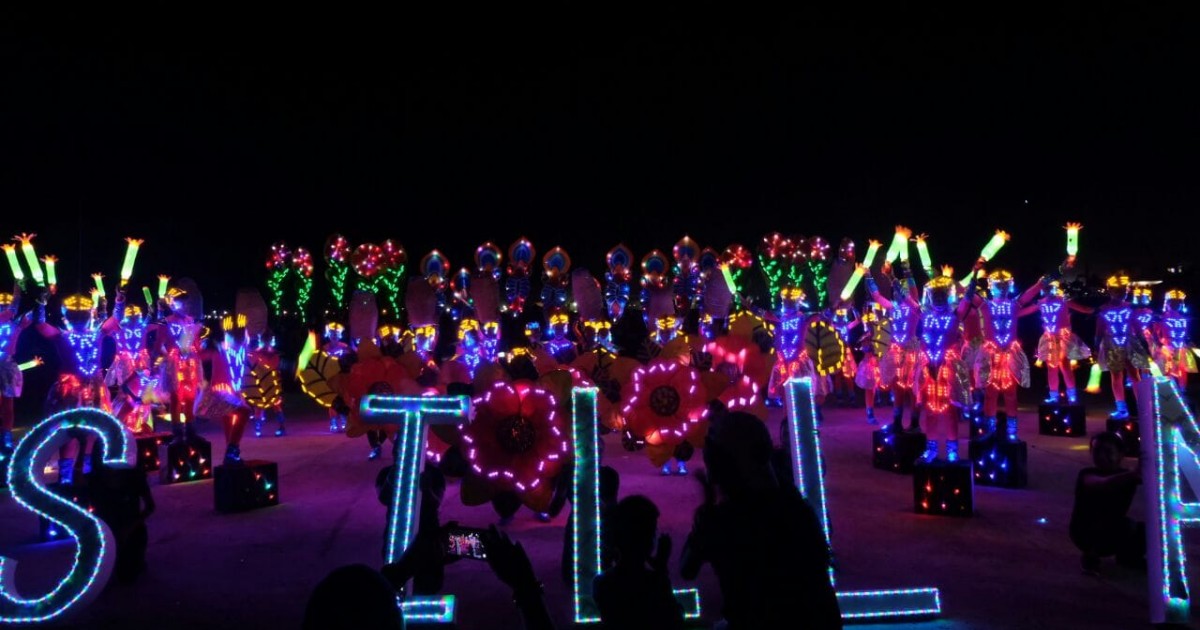
    The Sillag Festival is a dazzling display of lights and colors that takes place in Pampanga, a vibrant city in the Philippines.

    This festival showcases the city's rich cultural heritage through various performances and displays.

    During the festival, vibrant cultural performances take center stage, featuring traditional dances and music.

    Nighttime parades light up the streets with colorful floats and decorations, while lantern displays shine bright with neon stars and LED balloons.

    Street performances, including electrifying dance routines, add to the festive atmosphere.

    As the night unfolds, surprises await around every corner, making the Sillag Festival an unforgettable experience.

    Vibrant Culture and Traditions Unite

    Experience the Vibrant Culture of Pampanga at the Sillag Festival

    The Sillag Festival is a celebration of Pampanga's rich cultural heritage, showcasing the community's pride in their traditions. The festival's dazzling displays of lights and colors are a testament to this pride, with the community coming together to celebrate their local heritage.

    Traditional Performances and Colorful Costumes

    The air is alive with the rhythm of traditional performances, featuring local dancers, musicians, and performers. The streets are filled with colorful costumes and illuminated floats, showcasing the region's vibrant culture.

    Local Artisans and Craftsmen

    Local craftsmen and artisans are an integral part of the festival, proudly displaying their skills and creativity. Traditional crafts and local products are on display, highlighting the region's unique cultural identity.

    A Celebration of Community and Tradition

    As you walk through the festival grounds, you'll feel the sense of community and tradition that permeates every aspect of the Sillag Festival. It's a true celebration of Pampanga's cultural identity, and you're invited to be a part of it.

    Lantern Displays Shine So Bright

    The Sillag Festival's Nighttime Spectacle

    The Sillag Festival's nighttime spectacle is characterized by dazzling lantern displays that shine so bright, illuminating the night sky with a kaleidoscope of colors. These displays feature various types of lanterns, including neon stars, LED balloons, and glowing floats.

    Neon Stars

    The neon stars are a key attraction, shining bright in red, blue, green, and orange. These stars add a touch of magic to the night air, creating a mesmerizing display that surrounds festival-goers.

    Modern Twist with LED Balloons

    The festival has introduced a modern twist by replacing traditional sky lanterns with LED balloons, adding a contemporary touch to the celebration.

    Glowing Floats

    The glowing floats on boats take the celebration to the next level, adding to the charm and vibrancy of the festival. These floats create a unique and unforgettable experience for attendees.

    Lantern Displays: The Highlight of the Festival

    The lantern displays are truly the highlight of the festival, setting the tone for a night to remember. As attendees take in the sights, they can't help but feel the excitement and energy of the Sillag Festival.

    Colorful Parades Light Up Nights

    Vibrant Parades Illuminate the Night

    The nighttime parades at the Sillag Festival are a visual feast that combines creativity, artistry, and technology to create a magical atmosphere.

    Stunning floats adorned with vibrant lights and decorations glide through the streets, showcasing the participants' exceptional craftsmanship. These glowing floats are a testament to the theme 'Explosions of Light' and are a key feature of the festival.

    Crowds of locals and tourists gather to witness the dazzling spectacle, surrounded by vibrant lights and decorations that bring the streets to life. The participants have put in great effort to create eye-catching floats that embody the festival's theme, and it shows in every detail.

    As you take in the sights and sounds of the parade, you'll be struck by the sheer scale and beauty of the decorations, lights, and floats on display.

    Street Performances to Remember

    Vibrant Cultural Displays

    The Sillag Festival showcases vibrant cultural dances and music through street performances, highlighting the rich cultural heritage of Pampanga.

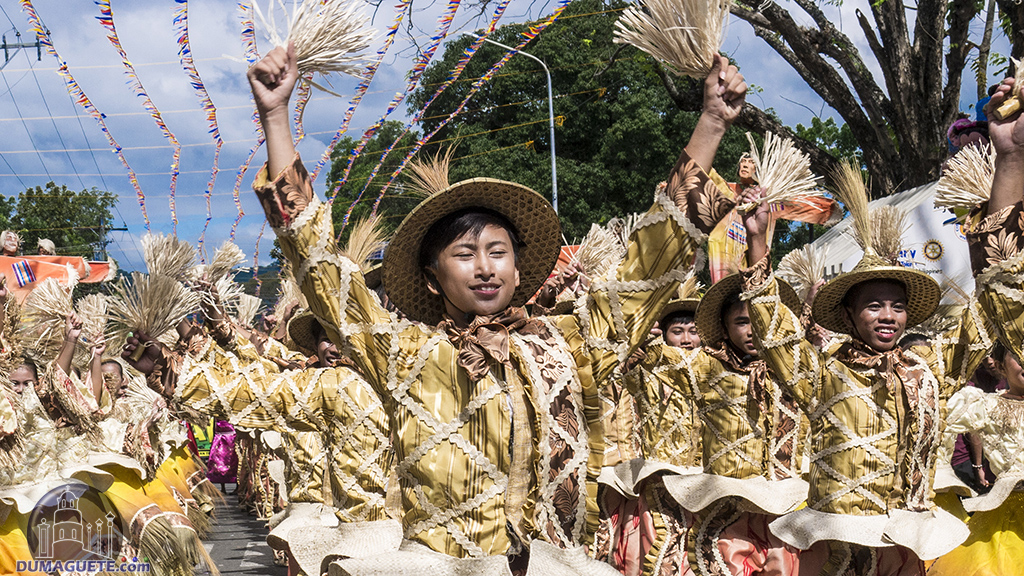
    Participants wear colorful costumes and parade through the festival grounds, mesmerizing spectators with their dynamic display of local traditions.

    Energetic Street Performances

    The air is electric with the rhythmic beats of dynamic music, perfectly synchronized with the vibrant costumes that seem to come alive under the twinkling lights.

    Passionate performers radiate energy and creativity in every step, every gesture, infecting the audience with their enthusiasm.

    Street Dancing Competition

    The street dancing competition is a highlight, with teams pushing the boundaries of creativity and talent.

    Teams showcase their unique styles and choreography, entertaining the crowd with their lively performances.

    Festive Atmosphere

    The festive atmosphere is palpable, with the aroma of local delicacies wafting through the air, enticing spectators to indulge in the local flavors.

    Audiences can't help but clap along to the lively rhythms, swept up in the joy and excitement of the Sillag Festival's street performances.

    Community Spirit on Full Display

    Community Spirit Shines Bright

    As you explore the festival grounds, you're struck by the collective energy of the community. Locals from all walks of life unite to celebrate their heritage, showcasing their unity and cooperation in every corner.

    This sense of togetherness permeates the air, as residents work together to stage vibrant performances, craft colorful floats, and prepare delectable local delicacies.

    Community Involvement is Palpable

    The community's involvement is evident in every aspect of the festival. Locals contribute their time, talent, and resources to create a truly immersive experience.

    Through their collective efforts, the community adds a unique touch to the festival, making it a truly memorable experience for all. The strong community participation in the Sillag Festival is a testament to the pride and enthusiasm of the people in sharing their culture and heritage.

    Artistic Talents Take Center Stage

    The Sillag Festival Celebrates Artistic Talents

    At the Sillag Festival, a kaleidoscope of artistic talents comes alive through drum beats, guitar strums, and brushstrokes. As you walk through the festival grounds, you're treated to a spectacle of creative skills on full display. Local performers showcase their unique talents, leaving you in awe.

    Local performers take center stage, showcasing their unique talents. Drummers enthrall with rhythmic beats, while dancers mesmerize with graceful movements. Every performance is a testament to the rich cultural heritage of Pampanga.

    The Sillag Festival provides a platform for artists to exhibit their skills to a wide audience. You'll witness diverse art forms, including music, dance, and visual arts, all vying for your attention. Participants and teams from different schools and organizations compete in various categories, pushing the boundaries of creativity and innovation.

    As you soak in the vibrant atmosphere, you can't help but be inspired by the artistic talents on display. Get ready to be amazed by the sheer talent and creativity that takes center stage at the Sillag Festival.

    A Festival Like No Other

    Experience the Unique Sillag Festival

    The Sillag Festival is a one-of-a-kind celebration that combines cultural heritage and modern attractions. As you enter the festival grounds, you'll be surrounded by twinkling lights and vibrant colors, evoking the magic of a moonbeam illuminating the night sky.

    Festival Highlights

    The festival features Thunderbird Resorts, known for their luxury amenities. Poro Point is another notable attraction, with its Santorini-inspired design. La Union adds to the cultural heritage of the festival.

    Exciting Activities

    The festival offers a range of activities, including the Sunset Run for Hope and a street dancing competition. The Fluvial parade is another highlight, showcasing the festival's cultural heritage blend.

    A Dazzling Spectacle

    The Sillag Festival is a true spectacle, with sky lanterns soaring into the air, leaving you in awe.

    The festival's unique blend of cultural heritage and modern development showcases the beauty of Poro Point and La Union.

    Get ready to be mesmerized by the Sillag Festival, a celebration like no other.

    Celebrating Pampanga's Rich Heritage

    Immerse yourself in Pampanga's vibrant heritage at the Sillag Festival, where the region's fascinating history and cultural traditions come alive through a kaleidoscope of colors, rhythms, and flavors.

    Traditional dances like the Tinikling are performed with energetic flair, showcasing the region's cultural identity.

    Soulful sounds of local music fill the air, further enriching the cultural experience.

    Savor the flavors of Pampanga's culinary delights, including savory dishes and sweet treats, each bite a testament to the region's vibrant culture.

    Artisans and local craftsmen showcase their talents, offering unique handmade products that reflect the region's rich heritage.

    Intricately woven textiles, hand-painted ceramics, and ornate woodcarvings are just a few examples, each piece a testament to the region's cultural identity.

    The Sillag Festival is a proud declaration of Pampanga's cultural identity, inviting attendees to experience the best of the region's heritage.

    By attending the festival, you're contributing to the preservation and promotion of Pampanga's cultural identity, ensuring its vibrant culture continues to thrive for generations to come.

    Night Sky Illuminated With Joy

    The Night Sky Transformed into a Canvas of Colors

    As you gaze up at the night sky, a kaleidoscope of colors bursts to life, illuminating the darkness with a dazzling display of twinkling lights and vibrant hues.

    The Sillag Festival's fireworks, sky lanterns, and sparkling lights paint the night sky with an array of colors, setting the tone for an unforgettable night of revelry and joy.

    A Marvel of Light and Sound

    The festival transforms the night sky into a canvas of colors, a true marvel of light and sound.

    Synchronized fireworks and sparkling lights create a breathtaking display, mesmerizing spectators with their beauty and precision.

    A Celebration Like No Other

    The dazzling display is a testament to the festival's commitment to showcasing the beauty of Pampanga at night.

    The infectious energy of the festival draws you in with its vibrant atmosphere, making you feel like you're right in the heart of the celebration.

    With every burst of color and light, the Sillag Festival reminds you that this is a celebration like no other.

    The night sky is alive with joy.

    Unforgettable Experience Awaits

    Immerse Yourself in the Sillag Festival

    The Sillag Festival is a vibrant celebration that offers an unforgettable experience, combining stunning visuals, delicious food, and captivating performances.

    A Magical Ambiance Awaits

    As you enter the festival grounds, you'll be surrounded by the soft glow of lanterns and the moonbeam-like lights of the Poro Point lighthouse, creating a magical atmosphere. The dazzling display of colors and patterns in the Festival of Lights will leave you in awe.

    Electric Performances

    The street dancing competition features vibrant costumes and energetic performances that will keep you cheering for more. Meanwhile, the fluvial parade showcases colorful floats and boats adorned with twinkling lights, gliding across the water.

    An Unforgettable Experience

    Throughout the festival, you'll be treated to a series of unforgettable moments that will linger long after the event is over.

    Frequently Asked Questions

    What Is the Sillag Festival Celebrated For?

    The Sillag Festival is celebrated for its cultural significance. This significance is demonstrated through vibrant artistic expression, which strengthens community bonds. The festival also prioritizes heritage preservation, ensuring the continuation of folk traditions. The celebration is characterized by dazzling lights and colors, creating a lively atmosphere.

    What Is the Meaning of Sillag?

    Sillag refers to the Filipino term for 'moonbeam' or 'moonlight.'

    This term holds cultural significance, tracing back to ancient origins. In the Philippines, the moon has played a vital role in the country's fishing traditions. For instance, fishermen would often navigate through the night using the moon's light to guide them. Moreover, local legends have also emphasized the moon's importance, highlighting its illuminating power in their cultural heritage.

    Is There a Floating Lantern Festival in the Philippines?

    Yes, there is a floating lantern festival in the Philippines. This festival is called the Diwali Festival of Lights, which is celebrated in the city of San Fernando, Pampanga. During this festival, hundreds of colorful lanterns are released into the river, creating a stunning display of lights and colors. This event is a unique blend of cultural fusion, vibrant colors, and festive atmosphere.

    Conclusion

    The Sillag Festival leaves a lasting impression. As you depart from the festival, the mesmerizing lights and vibrant colors remain etched in your memory, a testament to Pampanga's rich cultural heritage.

    You've experienced the community's warmth through the street performances and the magic of lantern displays that illuminated the night sky.

    This unforgettable experience will stay with you long after the lights fade.

  • Tawo-Tawo Festival: Celebrating the Unique Woodcarving Tradition of Laguna

    Tawo-Tawo Festival: Celebrating the Unique Woodcarving Tradition of Laguna

    Laguna's Rich Cultural Heritage

    The Tawo-Tawo Festival in Laguna, Philippines, is a celebration of the province's centuries-old woodcarving tradition. This tradition dates back to the 17th century when it originated as a way to protect rice crops.

    Over time, the festival evolved to honor St. Thomas of Villanova. Today, it showcases the unique woodcarving skills of Paete, Laguna, featuring exquisite traditional masks and sculptures.

    The Tawo-Tawo Festival is a celebration of the cultural heritage, artistic expression, and community engagement of the people of Laguna. It highlights the master craftsmen and intricate designs that the province is renowned for.

    Origins of Tawo-Tawo Festival

    The Tawo-Tawo Festival originated in the 17th century as a practical solution to protect rice crops from birds. This celebration, now an integral part of Bayawan City's cultural landscape, was born out of a common problem faced by farmers. The festival's humble beginnings were rooted in a simple yet ingenious solution to protect crops from birds.

    The festival evolved to celebrate the feast day of St. Thomas of Villanova during the colonial era. The vibrant streets of Bayawan were filled with laughter and music as the community came together to rejoice in the harvest season.

    There is no mention of Juan de la or de la in the origins of the festival, suggesting that the celebration remained a grassroots, community-driven event. The Tawo-Tawo Festival is more than just a celebration – it's a testament to the community's resourcefulness and resilience.

    History of Woodcarving in Laguna

    Woodcarving in Laguna: A Legacy of Craftsmanship

    Woodcarving has been an integral part of Laguna's heritage for centuries. Paete town has emerged as a hub for intricate woodcarvings that have gained international recognition.

    During the colonial period, Spanish missionaries like Juan de Salazar introduced Christian imagery. The locals adapted and incorporated this influence into their woodcarvings, resulting in a unique blend of indigenous and European styles.

    Over time, Paete's artisans refined their craft, creating exquisite pieces that adorned churches, palaces, and museums worldwide. They experimented with various mediums, including ice sculpting, showcased on cruise ships and international platforms.

    This artistic diversity is reflected in Paete's stunning baroque architecture, epitomized by the Paete Church, whose floral bas reliefs attract visitors from around the world.

    As you explore Laguna's cultural heritage, you'll uncover the rich history and craftsmanship that have made Paete a legendary center for woodcarving.

    Traditional Masks and Sculptures

    Paete, Laguna, is renowned for its exquisite traditional masks and sculptures, which embody the town's rich cultural heritage. These intricately crafted pieces often depict religious figures, mythical creatures, and symbols significant to Filipino folklore. The woodcarvers of Paete have perfected their art over generations, showcasing intricate designs and carvings that reflect the local culture and traditions.

    The town's cultural identity is deeply rooted in its colonial past, which is evident in the masks and sculptures featuring Catholic saints alongside mythical creatures like the sarimanok, a symbol of good fortune. The artisans' skillful hands bring these figures to life, highlighting the significance of woodcarving in Paete's history.

    Witnessing the creation of these traditional masks and sculptures provides a deeper appreciation for the art of woodcarving and its importance in Paete's heritage. By supporting local artisans, you contribute to the preservation of this unique art form, ensuring the continuation of Paete's rich cultural heritage.

    Tawo-Tawo Dance and Significance

    The Tawo-Tawo Dance is a traditional dance that originated in Bayawan City, Philippines, and is a core part of the Tawo-Tawo Festival.

    This dance symbolizes the resourceful use of scarecrows in agriculture to protect precious rice stalks from birds.

    The choreography reflects the labor and joy in the harvest season, showcasing the farming culture of Bayawan City.

    The grand street dancing event incorporates symbols of agriculture and farming practices,

    celebrating the agricultural industry and the importance of protecting rice crops from birds.

    The dance is a powerful symbol of the resourcefulness and resilience of the community,

    showcasing their cultural heritage and artistic expression.

    The Tawo-Tawo Dance is a testament to the community's farming traditions and their ability to come together to celebrate their heritage.

    Celebrating Cultural Heritage

    The Tawo-Tawo Festival celebrates the cultural heritage of Laguna by showcasing its rich artistic legacy and promoting the preservation of traditional art forms.

    The festival highlights the importance of preserving traditional art forms by featuring live demonstrations by local woodcarvers and handicraft workshops for visitors.

    The festival supports local artisans by providing a platform for them to showcase their skills and sell their handicrafts.

    The festival promotes cultural preservation by showcasing Laguna's artistic legacy and ensuring its continuation for generations to come.

    Through the Tawo-Tawo Festival, visitors can experience the rich cultural heritage of Laguna, where traditional artistry meets modern-day innovation.

    Festival Activities and Events

    Discover the Vibrant Tawo-Tawo Festival

    The Tawo-Tawo Festival offers a diverse range of activities and events that celebrate Laguna's rich cultural heritage.

    Cultural workshops provide an opportunity to learn traditional skills and crafts, such as pottery, weaving, and woodcarving.

    Art exhibitions featuring diverse mediums, including painting, sculpture, and photography, showcase the region's artistic talent.

    Street Dancing and Storytelling

    The festival features choreographed street dancing performances that reflect the joy and vibrancy of the harvest season.

    Storytelling sessions reveal the origins of Bayawan's name and the history of the region, giving visitors a deeper understanding of the local culture.

    Celebrating Farming Culture

    The festival celebrates Laguna's farming culture through demonstrations and exhibits that showcase the region's agricultural heritage.

    Visitors can witness live handicraft demonstrations by skilled artisans, giving them a glimpse into the region's traditional crafts.

    Local Artisans and Their Craft

    Paete, Laguna: A Hub of Artisanal Excellence

    In Paete, Laguna, local artisans have mastered the delicate art of woodcarving, a skill refined through generations of practice and dedication. Their artisan techniques have been passed down through the years, preserving the town's cultural heritage.

    Intricate designs and patterns adorn the woodcarvings, showcasing the artisans' creative expressions.

    Beyond woodcarving, Paete's artistic heritage features TAKA (papier mache) sculptures, highlighting the town's diverse creative expressions.

    Skilled artisans uphold the town's rich cultural traditions through their craftsmanship, ensuring the town's artistic legacy endures.

    By supporting these artisans, you contribute to the preservation of Paete's unique cultural identity.

    Woodcarving Techniques and Designs

    Skilled artisans in Laguna employ traditional woodcarving techniques to create intricate designs on various types of wood. These artisans have mastered the use of woodcarving tools, such as chisels and knives, to bring their designs to life.

    Their designs often feature a mix of cultural motifs, including religious symbols, floral patterns, and depictions of local legends. For example, Narra, molave, and kamagong woods are carefully selected for their durability and unique grain patterns, adding to the cultural significance of each piece.

    The intricate designs and patterns not only demonstrate the artisans' skill but also tell stories of the region's history, beliefs, and traditions.

    The woodcarvings have become an integral part of the cultural identity of the Tagalog people, symbolizing their values, myths, and legends. Through their craft, the artisans of Laguna weave a narrative that transcends generations, preserving ancient techniques and cultural symbolism.

    Paete, Laguna: Festival Hub

    Paete, Laguna: A Hub of Artistic Expression

    Paete, Laguna, a town in the Philippines, is renowned for its exquisite woodcarvings, which showcase the region's unique cultural heritage. The town's rich artistic legacy is reflected in its intricate woodcarvings found in churches, palaces, and museums worldwide.

    Artistic Expression and Cultural Significance

    The town's artistic expression is characterized by:

    • Woodcarvings, which reflect the cultural heritage and artistic tradition of Paete.
    • TAKA (Papier Mache), which adds diversity to Paete's artistic offerings.
    • Baroque Architecture, which attracts visitors with its artistic charm and cultural significance.
    • Local Artisans, who preserve and promote Paete's artistic legacy.

    Paete Church: A Must-Visit Attraction

    Paete Church, with its stunning baroque architecture and floral bas reliefs, is a must-visit attraction. The church showcases the town's cultural significance and features the work of local artists like Jose Luciano Dans, renowned for his paintings, including the original St. Christopher mural.

    As the festival hub, Paete offers a unique blend of woodcarving techniques, artistic heritage, and cultural significance, making it the perfect destination for the Tawo-Tawo Festival.

    How Does the Tawo-Tawo Festival Differ from the Pasaka Festival in terms of Tradition and Culture?

    The Tawo-Tawo Festival in Kalibo and the Pasaka Festival both showcase Lenten traditions in Kalibo, but they differ in how they celebrate them. Tawo-Tawo features street dances with people in colorful costumes mimicking scarecrows, while Pasaka focuses on religious processions and reenactments of biblical events.

    Experience the Tawo-Tawo Festival

    Experience the Vibrant Tawo-Tawo Festival

    The Tawo-Tawo Festival is a celebration of Laguna's rich cultural heritage, showcasing grand street dancing, cultural presentations, and the region's agricultural industry.

    Festival Highlights

    • Savor Local Flavors: Enjoy savory festival food that highlights the region's culinary delights.
    • Vibrant Costumes: Be amazed by the vibrant festive costumes that reflect the town's artistic heritage.
    • Community Spirit: Feel the infectious community spirit that permeates every aspect of the festival.

    Engage with the Local Community

    Throughout the festival, you'll have the opportunity to:

    • Learn about Woodcarving Traditions: Engage with the local community and learn about their woodcarving traditions.
    • Appreciate the Agricultural Landscape: Appreciate the beauty of Laguna's agricultural landscape.

    An Unforgettable Experience

    The Tawo-Tawo Festival is an unforgettable experience that combines art, culture, and community, leaving you with lasting memories of this charming region.

    Frequently Asked Questions

    What Is the Tawo Tawo Festival?

    The Tawo-Tawo Festival is a celebration rooted in agricultural traditions. It showcases cultural significance through street dancing, cultural shows, and workshops. The festival highlights local farming practices and its origins, which are deeply connected to the community's agricultural heritage.

    What Is the Meaning of Tawo Tawo?

    Tawo-tawo originates from the Cebuano word for scarecrow or man-like figure. This term is rooted in folk etymology, holding cultural significance and local legends. It symbolizes protection and agricultural heritage.

    Conclusion

    Discover the Rich Cultural Heritage of Laguna's Woodcarving Tradition

    The Tawo-Tawo Festival showcases the vibrant woodcarving tradition of Laguna, a cultural gem in the Philippines. Laguna's woodcarvings are renowned for their intricate designs and exceptional craftsmanship, demonstrated in the festival's elaborate masks and sculptures. The Tawo-Tawo Festival, held annually in the municipality of Bay, is a highlight of the kaogma festival celebration. During this festive event, locals and visitors alike can marvel at the stunning woodcarvings on display, which depict scenes from folklore, mythology, and everyday life. The festival also features traditional dance performances, live music, and delicious local cuisine, making it a must-see cultural experience in the region.

    Skilled Artisans and Their Craft

    The artisans' dedication and skill are evident in every piece, reflecting the pride and passion of the locals. The rhythmic beat of the Tawo-Tawo dance adds to the festive atmosphere, drawing visitors into the celebration.

    Paete's Craftsmanship: A Lasting Impression

    The beauty of Paete's craftsmanship is a highlight of the festival. The town of Paete is known for its exceptional woodcarvings, which have been a part of the town's heritage for generations. The festival provides a unique opportunity to experience and appreciate this unique cultural tradition.

  • Sayaw Sa Kasingkil: a Lively Dance Festival in Pakil, Laguna

    Sayaw Sa Kasingkil: a Lively Dance Festival in Pakil, Laguna

    Step into the Vibrant Sayaw Sa Kasingkil Festival in Pakil, Laguna

    The Sayaw Sa Kasingkil festival in Pakil, Laguna, is a kaleidoscope of colors, rhythms, and traditions that showcases the Philippines' rich cultural heritage. This lively celebration highlights the importance of storytelling in Filipino culture through mesmerizing dance movements that tell dynamic stories of the community's history.

    Traditional Costumes and Music

    The festival features intricate Maranao costumes with vibrant colors and patterns, which are an essential part of the celebration. The kulintang ensemble provides the infectious beats that keep the energy high throughout the festival. The precision of the performers adds to the overall excitement of the event.

    Celebrating Cultural Diversity and Unity

    The Sayaw Sa Kasingkil festival is more than just a celebration of traditional dance; it's an event that brings people together in a celebration of unity and cultural appreciation. It highlights the importance of cultural diversity and promotes a sense of community among the attendees.

    Unveiling the Rich Cultural Heritage

    Unveiling the Rich Cultural Heritage of Sayaw sa Kasingkil Festival

    Sayaw sa Kasingkil Festival is a traditional dance festival in Pakil, Laguna, that showcases the Philippines' rich cultural identity.

    The festival is a celebration of indigenous traditions passed down through generations.

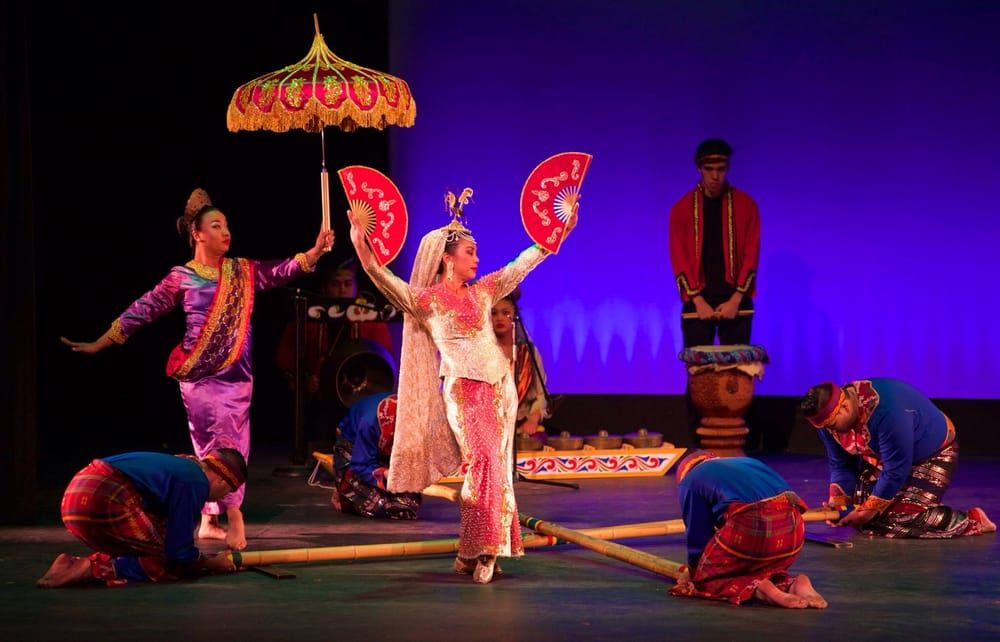
    The Kasingkil dance is a key feature of the festival, characterized by dancers gracefully moving between bamboo poles.

    The dance is a testament to the community's commitment to preserving traditional practices.

    The festival serves as a platform for cultural exchange, community bonding, and artistic expression, highlighting Pakil, Laguna's unique cultural identity.

    It brings together people from the community to celebrate their shared heritage.

    As you watch the dancers' movements, you'll be mesmerized by the energy and passion that fills the air.

    The festival is a true celebration of Philippine heritage, where the beauty of traditional dance takes center stage.

    Traditional Dances of Pakil

    Immerse yourself in the vibrant cultural landscape of Pakil, Laguna, through its traditional dances. These dances are a testament to the region's rich heritage, deeply rooted in the community's history and identity.

    The Sayaw sa Kasingkil, a lively dance festival, showcases the region's cultural richness. This festival features vibrant performances that tell dynamic stories of the community's cultural identity and history through intricate choreography and rhythmic movements.

    The traditional dances of Pakil are a blend of indigenous and foreign influences, reflecting the region's cultural diversity.

    You might be familiar with the Maranao, a traditional Philippine dance that originated in the southern Philippines. Similarly, Pakil's traditional dances are an integral part of the region's cultural fabric, showcasing the community's creativity and artistry.

    Vibrant Costumes and Accessories

    Vibrant Costumes and Accessories

    In the Sayaw sa Kasingkil Festival, dancers wear traditional Maranao costumes and accessories that showcase the region's rich cultural heritage. These costumes are renowned for their vibrant fabrics, beads, and metallic ornaments, which add a dazzling visual appeal to the festival.

    Intricate Details

    The dancers' attire is adorned with intricate details that reflect the Maranao people's cultural identity. Their ankles are adorned with anklets that chime softly as they move, creating an immersive experience. Intricately designed headpieces and jewelry are essential parts of the dancers' attire, showcasing the region's rich cultural identity.

    Craftsmanship and Significance

    These traditional costumes and accessories not only reflect the Maranao people's heritage but also enhance the visual spectacle of the dance festival. The thought and craftsmanship that go into creating these stunning outfits are an integral part of the Sayaw sa Kasingkil Festival's traditional dance adaptations.

    Rhythmic Music and Instruments

    The rhythmic music of traditional Filipino instruments sets the tone for the Sayaw sa Kasingkil Festival. The kulintang and agung, two traditional Filipino instruments, create a lively atmosphere that draws you into the celebration.

    The kulintang ensemble sets the pace for the dancers, creating an infectious beat that's hard to resist.

    The traditional instruments used in the festival showcase the rich musical heritage of the Philippines. The kulintang ensemble, in particular, adds depth to the performances, highlighting the country's rich cultural heritage.

    The rhythmic music played during the festival adds an authentic and dynamic element to the Sayaw sa Kasingkil dance, captivating audiences with its traditional sounds.

    The music is reminiscent of the Maranao people's traditional bamboo dances. The traditional instruments and rhythmic music evoke the energy and vibrancy of the Maranao people's traditional performances.

    The combination of music and dance creates a truly immersive cultural experience, allowing festival-goers to fully immerse themselves in the rich cultural heritage of the Philippines.

    The Significance of Sayaw Sa Kasingkil

    Unveiling the Significance of Sayaw Sa Kasingkil

    Sayaw sa Kasingkil is a vibrant celebration that showcases the rich cultural heritage of the Philippines. This traditional dance festival, held in Pakil, Laguna, is a testament to the country's diverse cultural landscape.

    Cultural Heritage

    The festival preserves the Maranao people's stories from the Darangen epic, highlighting the importance of cultural preservation.

    Artistic Expression

    Sayaw sa Kasingkil showcases the agility and precision of performers navigating bamboo poles, demonstrating the artistic prowess of the Filipino people.

    Community Pride

    The festival unites locals and tourists in celebrating Filipino cultural practices, fostering a sense of community and cultural appreciation.

    Tourism

    Sayaw sa Kasingkil attracts visitors, promoting cultural appreciation and regional tourism, contributing to the local economy.

    Storytelling

    The festival highlights the artistic traditions of the Filipino people, emphasizing the importance of storytelling in Filipino culture.

    Through Sayaw sa Kasingkil, you'll experience the vibrant spirit of the Filipino people, as performers gracefully dance through crisscrossed bamboo poles, recounting the stories of the Maranao people.

    This festival is a living testament to the country's rich cultural heritage, and its significance extends beyond the celebration itself, fostering community pride, cultural appreciation, and tourism in the region.

    Pakil's Cultural Identity Revealed

    Uncovering Pakil's Cultural Identity through Sayaw sa Kasingkil

    The vibrant streets of Laguna come alive with the rhythmic beats of Sayaw sa Kasingkil, echoing Pakil's rich heritage. This festival is a testament to the town's dedication to preserving and promoting their unique traditions.

    Influences from the Maranao People

    Sayaw sa Kasingkil's traditional dance adaptation is influenced by the Maranao people, highlighting the town's rich cultural diversity.

    The Maranao people's influence is evident in the dance's intricate hand movements and vibrant costumes.

    Preserving Heritage through Vibrant Costumes and Energetic Performances

    The vibrant costumes and energetic performances reflect the community's passion for preserving their heritage.

    The colorful attire and lively dances showcase the community's vibrant spirit and dedication to their cultural identity.

    Community Involvement and Social Bonds

    The festival's emphasis on community involvement and participation strengthens social bonds and reinforces a sense of belonging.

    The collective participation of the community in the festival fosters a sense of unity and shared cultural identity.

    Preserving Traditional Dances

    The preservation of traditional dances like the Kasingkil ensures the continuation of Pakil's cultural legacy.

    The continued performance of traditional dances like the Kasingkil ensures the transmission of cultural knowledge to future generations.

    Cultural Exchange and Understanding

    Sayaw sa Kasingkil serves as a platform for cultural exchange, promoting cross-cultural understanding and appreciation.

    The festival provides an opportunity for cultural exchange between communities, fostering mutual respect and appreciation.

    Immersive Experience for Spectators

    Experience the Vibrant World of Filipino Culture

    Sayaw sa Kasingkil transports you to a vibrant world of Filipino culture, immersing spectators in mesmerizing rhythms and dances. The festival showcases traditional dances, colorful costumes, and intricate footwork, creating an unforgettable cultural experience.

    Traditional Dances Take Center Stage

    The festival features traditional dances like Singkil, a traditional dance adaptation from the Maranao people, showcasing the rich cultural heritage of the Philippines. This platform allows local performers to shine, preserving traditional Filipino dances for the next generation.

    Infectious Energy and Vibrant Colors

    The lively atmosphere is infectious, drawing you in with energetic beats and vibrant energy of the performers.

    You'll feel the energy of the crowd, swept up in the infectious rhythms and vibrant colors of the performances.

    With each step, spin, and sway, you'll be immersed in the mesmerizing world of Sayaw sa Kasingkil.

    The Art of Traditional Dance

    The Art of Traditional Dance

    Traditional dance is a vibrant expression of the Philippines' rich cultural heritage, where intricate movements and rhythmic beats come together to tell stories of the country's history and traditions.

    Discovering the Richness of Filipino Culture

    The Sayaw sa Kasingkil festival is a celebration of the Philippines' cultural diversity, featuring a variety of traditional dances that showcase the country's unique heritage.

    These dances are a treasure trove of cultural stories, waiting to be discovered.

    Fascinating Traditional Dances

    Some of the most captivating traditional dances you'll encounter include:

    Tinikling, a lively dance that mimics the movements of the tikling bird,

    characterized by rapid footwork and rhythmic clapping.

    Rigodon, a stately ballroom dance that showcases elegance and poise, highlighting the country's Western influences.

    Pangalay, a mesmerizing dance of the Maranao people,

    characterized by intricate hand movements and ornate costumes, reflecting the country's Asian roots.

    Maglalatik, a high-energy dance that reenacts the Spanish colonization of the Philippines, showcasing the country's complex history.

    Cariñosa, a romantic dance that highlights the beauty of Filipino courtship, emphasizing the importance of love and relationships in Filipino culture.

    These traditional dances, and many more, are woven into the fabric of the Sayaw sa Kasingkil festival, celebrating the rich cultural diversity of the Philippines.

    Cultural Exchange and Unity

    Unity through Cultural Exchange

    Sayaw sa Kasingkil, a vibrant festival, showcases the power of cultural exchange in fostering unity among diverse communities in Pakil, Laguna.

    Traditional dance performances bridge cultural divides by bringing together people from different backgrounds to celebrate their shared heritage.

    The festival highlights the beauty of diversity by featuring performances from various groups, including the Maranao people of Lake Lanao, known for their rich cultural traditions.

    The spirit of Bayanihan, the Philippine National Folk concept, emphasizes cooperation and mutual support, which is embodied through lively dance routines.

    As the crowd comes together to appreciate the rich cultural heritage of the Philippines, unity and cultural exchange are palpable. Sayaw sa Kasingkil serves as a platform for cultural appreciation and mutual understanding, where people from all walks of life celebrate their differences and shared values.

    What is the significance of the vibrant masks in Sayaw Sa Kasingkil festival in Pakil, Laguna?

    The vibrant masks in Sayaw Sa Kasingkil festival in Pakil, Laguna hold great significance as they showcase the rich cultural heritage and traditions of the region. Similar to the masskara festival in Bacolod, these masks symbolize joy, celebration, and the spirit of the community coming together in unity.

    Preserving Filipino Traditions

    Preserving traditional dances like Singkil is crucial in maintaining our cultural heritage.

    Traditional dances are a window to our cultural past, providing a glimpse into the customs and traditions of our ancestors. They allow us to understand our rich cultural history and appreciate the customs of our forefathers.

    Traditional dances promote cultural awareness and appreciation, fostering a sense of national pride and identity. For instance, Singkil, a traditional Filipino dance, showcases the country's rich cultural heritage, encouraging Filipinos to take pride in their roots.

    Traditional dances provide a platform for cultural exchange, allowing us to share our heritage with the world. They offer a unique opportunity for cultural exchange between nations, promoting cross-cultural understanding and appreciation.

    Traditional dances help to preserve our cultural heritage for future generations, ensuring that our traditions continue to thrive. By preserving traditional dances, we can pass on our cultural heritage to the next generation, ensuring that our traditions remain alive.

    Traditional dances contribute to the rich tapestry of Filipino culture, making our cultural heritage more diverse and vibrant. They add to the country's cultural diversity, making Filipino culture more dynamic and fascinating.

    Frequently Asked Questions

    What Is Singkil Dance in the Philippines?

    Singkil is a traditional Philippine dance rooted in Maranao heritage. This dance embodies rich cultural significance, as its graceful movements weave a narrative symbolizing scenes from the Darangen epic. The Darangen epic is a significant part of Maranao literature, telling the story of the Maranao people's history and mythology. Through Singkil, the Philippines showcases its vibrant cultural identity.

    What Is the Popular Folk Dance in Laguna?

    The popular folk dance in Laguna is the Tinikling.

    This traditional dance is rooted in rich Laguna traditions and folk heritage, showcasing the region's vibrant cultural identity through lively movements and rhythmic beats. The Tinikling is characterized by the use of bamboo poles tapped together in rhythmic patterns, requiring dancers to perform intricate footwork in between the poles. This unique and lively dance has been passed down through generations, echoing the rich cultural heritage of Laguna.

    Is Singkil a Festival?

    Singkil is not a festival. It's a traditional dance rooted in Maranao heritage, often showcased at cultural events. This dance celebrates Filipino folk heritage through intricate movements and symbolism.

    What Is a Lively and Popular Festival Dance Introduced in the Philippines by the Spaniards?

    The Tinikling is a lively and popular festival dance introduced in the Philippines by the Spaniards. This traditional dance is a perfect blend of Spanish heritage and Filipino flair, characterized by the tapping of bamboo poles on the ground and rhythmic footsteps.

    Conclusion

    Sayaw sa Kasingkil: A Celebration of Filipino Traditions

    Sayaw sa Kasingkil is a lively dance festival in Pakil, Laguna that showcases the rich cultural heritage of the Philippines.

    This vibrant celebration brings together people from different backgrounds to appreciate and learn from each other's traditions.

    The festival is a testament to the power of traditional dance to unite people.

    Through lively music and colorful costumes, the festival creates an infectious atmosphere that encourages participation and cultural exchange.

    As you watch or participate in the traditional dances, you become part of a community that values unity and cultural diversity.

    This shared experience strengthens bonds among community members and fosters a sense of belonging.

  • Halamanan Festival: Celebrating Guiguinto, Bulacan’s Vibrant Garden Industry

    Halamanan Festival: Celebrating Guiguinto, Bulacan’s Vibrant Garden Industry

    Discover the Vibrant Spirit of Guiguinto's Garden Industry

    Guiguinto, Bulacan is renowned as the Garden Capital of the Philippines, and the Halamanan Festival is a celebration of this reputation. Established in 1998, the festival showcases the town's deep love for plants and artistic talents.

    Vibrant Floral Displays and Botanical Gardens

    The festival features vibrant floral displays that highlight the town's gardening expertise. You'll witness beautifully arranged flowers and plants that demonstrate the community's passion for horticulture.

    The botanical gardens are a testament to Guiguinto's commitment to preserving nature's beauty.

    Cultural Performances and Environmental Stewardship

    The festival includes cultural performances that celebrate the town's gardening heritage. These performances highlight the significance of plants in the community and Guiguinto's dedication to environmental stewardship.

    Through the festival, the town promotes its commitment to preserving the natural environment.

    Experience the Beauty and Spirit of Guiguinto's Garden Industry

    As you explore the festival, you'll discover the beauty and spirit of Guiguinto's garden industry. The festival is a celebration of the town's passion for plants, artistic talents, and commitment to environmental stewardship.

    Discovering Guiguinto's Garden Heritage

    Guiguinto's garden heritage is deeply rooted in its people's love for plants and artistic talents. This heritage has nurtured a thriving garden industry, earning the town the reputation as the 'Garden Capital of Bulacan'.

    The Halamanan Festival, established in 1998, showcases the town's vibrant garden industry and the cultural significance of nature. This festival is a testament to Guiguinto's garden heritage, highlighting the town's appreciation for nature's gifts and commitment to environmental awareness.

    Guiguinto's garden industry has become an integral part of its identity. The town's commitment to sustainable development and environmental stewardship has made it a model for others.

    By embracing its garden heritage, Guiguinto has become a leader in environmental stewardship.

    The Halamanan Festival is a celebration of Guiguinto's garden heritage and its importance in shaping the town's character. Through the festival, visitors can gain a deeper understanding of Guiguinto's garden heritage and its significance.

    Vibrant Floral Displays Abound

    The Halamanan Festival showcases Guiguinto's thriving garden industry through vibrant floral displays.

    The festival features various competitions and events that highlight the town's expertise in gardening.

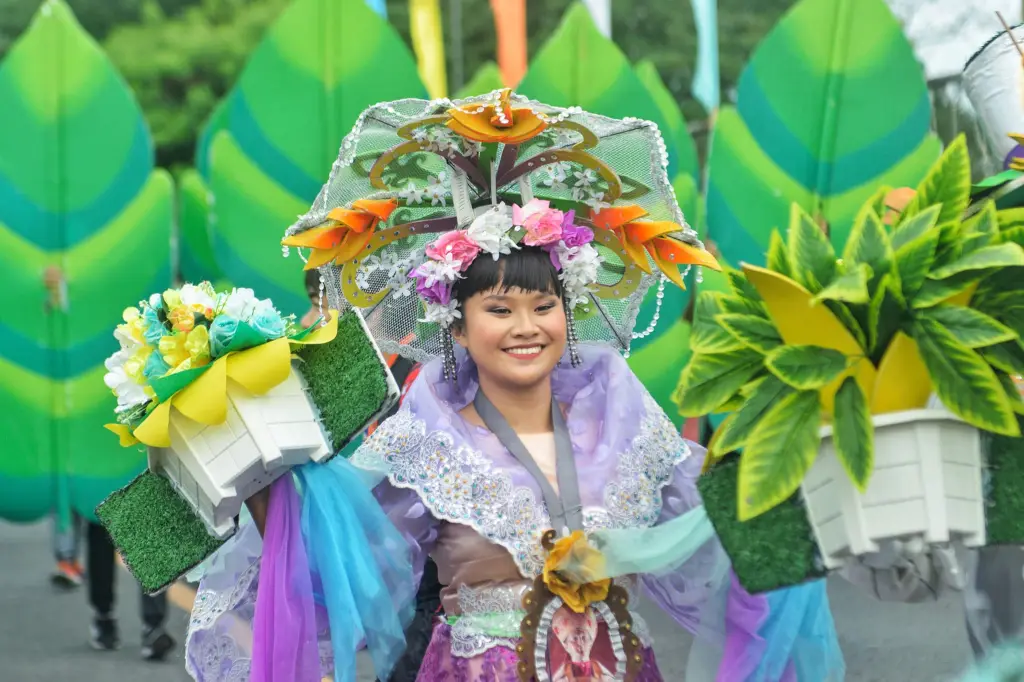
    During the Parada ng Karosa, participants adorn floats with colorful plants and flowers, adding to the festival's floral charm.

    Artistic design competitions feature ornamental plants, bougainvillea, cactus, and succulents, demonstrating the town's diverse plant industry. These competitions include categories like landscape design, topiary, and figure plants, which showcase creativity and innovation in floral arrangements.

    The Halamanan festival celebrates Guiguinto's love for plants and nature, emphasizing the importance of environmental stewardship.

    As you walk through the festival grounds, you'll be surrounded by a kaleidoscope of colors and designs that will leave you in awe. The vibrant floral displays are a testament to the town's thriving garden industry, and you'll surely leave the festival with a newfound appreciation for nature's beauty.

    Cultural Significance of Halamanan

    The Halamanan Festival holds deep cultural significance, honoring Patron Saint San Ildefonso and celebrating Guiguinto's reputation as the Garden Capital of the Philippines. This vibrant event showcases the artistic talents of Bulacanos and emphasizes the importance of plants and trees in the community.

    The festival serves as a reminder to be grateful for nature's gifts and promotes responsible environmental stewardship. It achieves this through several ways:

    The festival highlights the importance of plants and trees in the community, demonstrating the town's love for nature. This is evident in the various activities and exhibits that feature ornamental plants, fresh produce, and other local specialties.

    The event showcases Bulacan's diverse specialties, highlighting the region's unique offerings. From ornamental plants to fresh produce, the festival provides a platform for local farmers and artisans to showcase their products.

    The festival honors Guiguinto's reputation as the Garden Capital of the Philippines, solidifying its position as a hub for all things green and beautiful. This is reflected in the various garden displays, landscaping exhibits, and horticultural competitions that take place during the festival.

    Through the Halamanan Festival, you'll experience the rich cultural heritage of Guiguinto and its people, all while surrounded by the beauty of the Halamanan Garden.

    Guiguinto's Commitment to Nature

    Guiguinto's Commitment to Nature

    Guiguinto reinforces its role as the Garden Capital of the Philippines through sustainable practices and environmental conservation efforts. The town's commitment to nature is evident in its emphasis on responsible stewardship of natural resources.

    The Halamanan Festival promotes gratitude for nature's gifts and highlights the importance of plants and trees. This celebration of Guiguinto's vibrant garden industry showcases the town's dedication to preserving the environment. The festival features lively street dance performances, adding to the festive atmosphere.

    Guiguinto's initiatives focus on sustainable practices, ensuring a healthier environment for future generations. The town's commitment to nature isn't just a slogan; it's a way of life.

    Celebrating the Garden Capital

    Guiguinto, the Garden Capital of the Philippines, celebrates its vibrant garden industry through the Halamanan Festival. This celebration is a testament to the town's commitment to its garden industry, which has earned it the reputation as the Garden Capital of the Philippines.

    During the festival, the artistic talents of Bulaqueños and their love for plants are on full display. The celebration honors the town's patron saint, San Ildefonso, and serves as a platform to demonstrate gratitude for nature's gifts and the importance of plants and trees.

    Some highlights of the festival include:

    Stunning garden displays and flower arrangements showcase the town's horticultural expertise. These displays highlight the town's commitment to gardening and its reputation as the Garden Capital of the Philippines.

    Cultural performances and street dancing celebrate the town's garden heritage. These performances are a testament to the town's rich cultural heritage and its connection to the garden industry.

    Local cuisine and fresh produce from Guiguinto's gardens and farms are available for visitors to savor. This provides a unique opportunity to experience the fruits of the town's garden industry.

    Guiguinto is proud to be called the Garden Capital of the Philippines, and the Halamanan Festival is a joyous expression of the town's love for nature and its commitment to preserving its garden industry.

    A Showcase of Agricultural Pride

    Celebrating Agricultural Pride

    The Halamanan Festival showcases Guiguinto's thriving garden industry, highlighting innovation and creativity in gardening.

    Artistic design competitions featuring ornamental plants, bougainvillea, cactus, and succulent growers take center stage, displaying the latest trends and techniques in plant breeding.

    The festival also includes categories for landscape design, topiary, and figure plants, encouraging participants to push the boundaries of gardening skills.

    A Rich History

    The Halamanan Festival has a rich history, dating back to 1998, when former mayor and current Representative Ambrosio Cruz Jr. initiated this celebration.

    Today, the festival has become an integral part of Guiguinto's identity, generating P30 million for the local government and supporting around 3,000 industry workers and residents annually.

    Preserving Cultural Traditions

    The Halamanan Festival is deeply rooted in cultural traditions, honoring the town's heritage and the Patron Saint San Ildefonso. This festival is a testament to the town's rich history and its people's strong connection to their cultural identity.

    The festival celebrates cultural heritage through various activities, including traditional folk dances, such as the Tinikling and Rigodon, which are performed during the street dance competition.

    Traditional Filipino games are also showcased, like Patintero and Piko, which are enjoyed by both children and adults.

    Intricate Cruz-inspired decorations adorn the streets and festival grounds, showcasing the town's cultural heritage.

    The Halamanan Festival not only celebrates the town's vibrant garden industry but also pays tribute to its rich cultural heritage. By participating in the festivities, you'll gain a deeper appreciation for the town's history and the importance of preserving cultural traditions.

    The Beauty of Botanical Gardens

    Guiguinto's Botanical Gardens: A Showcase of Horticultural Excellence

    Guiguinto's botanical gardens are a vibrant display of ornamental plants and flowers, demonstrating the town's expertise in horticulture. With a diverse array of plant species, these gardens are a must-visit attraction.

    The gardens are divided into sections, each featuring unique plants and flowers that highlight the beauty of nature up close.

    Promoting Environmental Awareness

    The botanical gardens play a significant role in promoting environmental awareness and appreciation for plants. By showcasing the importance of plants in our ecosystem, these gardens educate visitors on the role they play in maintaining a healthy environment.

    A stroll through the gardens offers a chance to breathe in fresh air and marvel at the beauty of nature, leaving visitors with a newfound appreciation for Guiguinto's vibrant garden industry.

    Guiguinto: The Garden Capital of the Philippines

    As the Garden Capital of the Philippines, Guiguinto's botanical gardens are a living testament to the town's reputation for horticulture. These gardens demonstrate the town's expertise in plant cultivation and its commitment to preserving the environment.

    Community Spirit on Display

    The Halamanan Festival showcases community spirit through various activities and competitions celebrating the town's love for plants.

    The festival's community spirit is evident in the participants' passion for plants, artistic talents, and dedication to the town's garden industry.

    Street dances feature colorful plant-inspired costumes and floral floats in the Parada ng Karosa, highlighting the community's creativity.

    The festival's highlights include:

    • The Hari at Reyna ng Halamanan Pageant, where participants demonstrate their skills and love for nature.
    • The Halamanan Garden Competition, where residents display their green thumbs and creativity.
    • Interactive workshops and seminars led by the municipal agriculture officer, providing valuable insights and tips on gardening and plant care.

    These activities bring the community together, fostering a sense of unity and pride in their town's reputation as a hub for garden enthusiasts.

    How Does the Halamanan Festival Celebrate the Vibrant Garden Industry of Guiguinto, Bulacan?

    The Halamanan Festival in Guiguinto, Bulacan celebrates the vibrant garden industry with a colorful display of flowers and plants. The festival also pays homage to the abayan festival: colorful abaca industry, showcasing the rich tradition of abaca production in the region. It’s a lively and colorful celebration of Guiguinto’s agricultural heritage.

    Embracing the Spirit of Halamanan

    Embracing the Spirit of Halamanan

    By participating in the Halamanan Festival, you support Guiguinto's thriving economy, which heavily relies on its garden industry. This festival, a tradition since 1998, showcases the town's passion for plants and artistic talents through various programs and competitions.

    During the festival, you'll see the creativity and skill of ornamental plant, bougainvillea, cactus, and succulent growers as they compete in artistic design competitions. The festival features categories such as landscape design, topiary, and figure plant, highlighting the town's innovative approach to plant design.

    By participating in the festival, you're contributing to the local economy, which significantly benefits from the garden industry. As you immerse yourself in the festival's vibrant atmosphere, you'll experience the community's pride and enthusiasm for their garden industry.

    Come and be a part of this celebration, and let the spirit of Halamanan inspire you!

    Frequently Asked Questions

    Why Is Halamanan Festival Celebrated?

    The Halamanan Festival is celebrated to honor cultural heritage. This festival showcases Guiguinto's vibrant garden industry, which is a significant part of the town's identity. It promotes environmental stewardship by highlighting the importance of nature and its preservation. Additionally, the festival preserves and showcases the town's artistic talents, providing a platform for residents to express their love for nature through various art forms.

    What Is Guiguinto Known For?

    Guiguinto is known as the Philippines' Garden Capital. This title is attributed to its thriving garden industry, which sets it apart from other destinations. The town's ornamental plants are its hidden gems, making it a unique destination.

    What Is the Garden Capital of the Philippines?

    Guiguinto, Bulacan is the Garden Capital of the Philippines. This title is well-deserved, as the area has established itself as a thriving floral hub. Specifically, its ornamental plant industry is valued at P100 million, attracting plant enthusiasts from all over the country.

    Conclusion

    Guiguinto's Vibrant Garden Industry Leaves a Lasting Impression

    The Halamanan Festival showcases Guiguinto's commitment to preserving its cultural heritage and natural beauty.

    The town's stunning floral displays are a testament to its reputation as the Garden Capital.

    Rich cultural significance is woven throughout the festival, highlighting the community's dedication to nature and the environment.

    The spirit of Halamanan is a celebration that will stay with you long after the festival ends, inspiring a deeper appreciation for the beauty of botanical gardens and community spirit.

  • Saging Festival: A Tribute to Baco, Oriental Mindoro's Bountiful Banana Harvest

    Saging Festival: A Tribute to Baco, Oriental Mindoro's Bountiful Banana Harvest

    The Saging Festival celebrates Baco, Oriental Mindoro's bountiful banana harvest. This festival is a tribute to the banana, which is the backbone of the local economy and culture.

    The region is home to various banana varieties, and during the festival, you can indulge in culinary creations that showcase the fruit's versatility.

    Vibrant street dances and cultural traditions are also an integral part of the celebration. As you explore Baco, you'll uncover hidden gems and appreciate the significance of bananas in the community.

    The festival highlights the importance of bananas in the local economy and showcases the rich cultural heritage of the region.

    Celebrating the Banana Harvest

    The Saging Festival celebrates the banana harvest in Baco, Oriental Mindoro. This festival is a tribute to the region's most valuable crop, which is the backbone of the local economy and culture. The banana is the lifeblood of the region, and the festival honors its significance.

    The festival is an opportunity for the community to come together and express gratitude for the bountiful banana harvest. During the celebration, locals showcase their banana harvest, and visitors can indulge in various culinary delights featuring bananas as the main ingredient.

    The Saging Festival showcases the rich cultural heritage of the region, deeply rooted in the banana industry. Through the festival, visitors can experience the pride and joy of the locals as they celebrate their beloved fruit. This experience is a unique and unforgettable celebration of the banana harvest.

    Banana Varieties on Display

    Explore the Diverse World of Banana Varieties

    At the Saging Festival, four prominent banana varieties are showcased: Señorita, Latundan, Lacatan, and Saba. Each variety has unique characteristics and uses.

    Discover the Textures and Flavors

    As you explore the festival, you'll have the opportunity to experience the distinct textures and flavors of each banana variety.

    Culinary Creations Take Center Stage

    Chefs and vendors present innovative takes on traditional recipes, highlighting the unique qualities of each banana variety in various dishes and desserts.

    Indulge in Banana Treats

    You'll be treated to a world of flavors and textures as you sample banana treats made from the showcased varieties. From sweet desserts to savory dishes, the festival's culinary creations showcase the banana's adaptability and deliciousness.

    Learn About the Banana Varieties

    Take your time to explore, taste, and learn about the different banana varieties, and discover why they're the pride of Baco, Oriental Mindoro's bountiful harvest.

    Festival Highlights and Delights

    Experience the Vibrant Saging Festival

    The Saging Festival is a celebration of the bountiful harvest of bananas in Mindoro, Philippines.

    This festival showcases the rich cultural heritage of Mindoro through a kaleidoscope of vibrant colors, cultural traditions, and delightful festivities.

    Immerse in the Cultural Extravaganza

    You'll be mesmerized by the colorful street dances that blend traditional and modern rhythms.

    Get to savor the local delicacy, banana-based treats prepared by skilled vendors.

    The festival's vibrant atmosphere is further enhanced by lively serenades, engaging trade fairs, and stunning beauty pageants.

    Engage with the Locals and Learn

    You'll have the opportunity to engage with the friendly locals, learn about the significance of bananas in Mindoro's economy and cuisine, and take part in the lively parades that wind through the streets.

    The Saging Festival offers a diverse and immersive cultural experience that you won't want to miss.

    Reaching Baco, Oriental Mindoro

    Reaching Baco, Oriental Mindoro is Convenient

    Getting to Baco, Oriental Mindoro is surprisingly convenient, with multiple transportation options available from Manila and nearby provinces.

    You can opt for a scenic bus ride or a faster ferry trip to reach Baco, depending on your preference. The bus ride offers a more leisurely pace, allowing you to take in the scenic views of the countryside. In contrast, the ferry trip is a quicker option for those short on time.

    Accommodations Cater to Various Budgets

    Once you arrive, you'll find a range of accommodations to suit your budget, from budget-friendly options to mid-range hotels.

    With your accommodations sorted, you can focus on exploring the local markets.

    Explore Local Markets and Natural Beauty

    At the local markets, you can find fresh produce, handicrafts, and souvenirs to commemorate your trip.

    With its stunning beaches, waterfalls, and hiking trails, Baco, Oriental Mindoro is a nature lover's paradise waiting to be discovered.

    The Significance of Bananas

    Bananas are a crucial part of Baco, Oriental Mindoro's economy and culture. The region's fertile soil makes it an ideal place for growing various banana species, including Señorita, Latundan, Lacatan, and Saba.

    Bananas are a symbol of prosperity and abundance, and a good harvest is considered a blessing.

    The Saging Festival celebrates the banana harvest, highlighting the importance of bananas in Mindoro's agricultural practices and local cuisine. During the festival, you can experience the diversity and versatility of bananas in local culinary creations.

    From sweet treats to savory dishes, bananas are the star ingredient, showcasing their significance in the region.

    The festival brings the people of Baco together to appreciate the fruit that brings them prosperity and joy. By celebrating the banana harvest, the community acknowledges the importance of bananas in their daily lives.

    Parallel Banana Festivals

    While exploring the Saging Festival in Baco, Oriental Mindoro, you'll discover that it's not a solo celebration, as parallel banana festivals across the Philippines share similar goals and themes. These festivals, scattered across different regions, highlight the diversity of agricultural celebrations in the country.

    Some of the notable parallel banana festivals include:

    • Banana Festival in Davao del Norte: This festival showcases the economic importance and cultural significance of bananas, honoring the abundance of bananas in the region.
    • Kabankalan City's Banana Festival: This festival highlights the city's rich cultural heritage tied to banana cultivation.
    • Lanuza's Banana Festival: This unique celebration features festival highlights that underscore the significance of bananas in the local economy.
    • Nabunturan's Banana Festival: This festival showcases the region's rich cultural heritage and agricultural heritage tied to banana cultivation.
    • Tagum's Banana Festival: This celebration highlights the economic importance of bananas in the region, featuring a rich cultural program.

    These parallel banana festivals demonstrate the significance of bananas in different provinces of the Philippines, making each celebration a unique reflection of the local culture and economy.

    Watercraft Parade and Floats

    The Saging Festival features a visually stunning watercraft parade. This parade showcases creatively decorated boats that highlight the community's creativity and flair.

    The parade's highlight is the float competitions, where local artists and designers create intricate designs depicting banana plants and local culture. Judges evaluate each float based on three key criteria: creativity, adherence to the banana theme, and overall presentation.

    The colorful and vibrant display of banana-themed floats adds a unique and festive element to the festival.

    The watercraft parade and float competitions are a must-see during the Saging Festival, offering a one-of-a-kind experience that celebrates the region's bountiful banana harvest.

    Banana-themed Float Designs

    Banana-themed Float Designs Take Center Stage

    At the Saging Festival, intricate and vibrant banana-themed float designs showcase the essence of the banana harvest celebration.

    Cultural Significance of Bananas

    Floats highlight the cultural significance of bananas in Baco, Oriental Mindoro, incorporating elements like banana leaves, fruits, and trees. These designs represent the local banana industry, agriculture, traditional practices, and the community's deep-rooted connection to bananas.

    Creativity and Craftsmanship

    Float designs exhibit meticulous attention to detail, showcasing creativity and craftsmanship. Judges evaluate the floats based on creativity, craftsmanship, adherence to the festival theme, and overall visual impact, adding excitement and competition to the event.

    Accompanying Costumes and Street Dancing

    Floats are accompanied by colorful costumes and lively street dancing, creating an unforgettable experience for spectators.

    Storytelling through Float Designs

    Each float's design tells a unique story related to the local banana industry, showcasing the community's pride and appreciation for their bountiful harvest.

    Exploring Baco's Hidden Gems

    Baco's Hidden Gems

    Immersive Cultural Experiences

    Beyond the vibrant street performances, Baco offers unique cultural experiences that allow visitors to connect with the local community.

    A charming elementary school showcases students' talents in music, dance, and art.

    The beauty pageant is another highlight, where contestants impress the crowd with their poise and charm.

    Vibrant Evening Performances

    In the evening, the streets come alive with a mesmerizing dance performance featuring intricate costumes and glowing props, set to lively music.

    Local artisans sell handmade crafts, and the aroma of freshly cooked banana treats wafts from food stalls.

    Quaint Neighborhoods and Hospitality

    A stroll through the town's quiet streets reveals quaint homes adorned with colorful decorations, showcasing the locals' warm hospitality.

    By exploring Baco's hidden gems, visitors uncover a rich tapestry of traditions, history, and culture.

    Can Bananas Be Used in Catanauan’s Glutinous Rice Delicacies?

    Yes, bananas can definitely be used in Catanauan’s glutinous rice delicacies, especially during the Bolingboling festival celebration. The addition of bananas can bring a delicious and unique flavor to traditional Catanauan’s glutinous rice dishes, adding an extra layer of sweetness to the already delightful treats.

    Honoring St. Joseph With Fiesta

    The Saging Festival: A Celebration of St. Joseph in Baco

    As the town of Baco prepares to honor St. Joseph, the Saging Festival comes alive with a vibrant fiesta. This celebration showcases the community's rich culture and traditions, culminating on March 19th, St. Joseph's feast day.

    Diverse Events and Activities

    The festival features a range of events, including:

    • Miss Baco Coronation Night: A showcase of local beauty and talent.
    • Field Demo Competition: Elementary schools compete, incorporating banana elements into their creative costumes.
    • Community Engagement Initiatives: Promoting local participation and support for community-driven projects.
    • Baco's Hidden Gems: A showcase of the town's natural beauty and charm.
    • Grand Culmination: A peak celebration on St. Joseph's feast day, marking the highlight of the Banana Festival.

    Experience the Warmth of Baco's Community

    The Saging Festival is a true reflection of the town's vibrant spirit. Join the fiesta and let the warmth of Baco's community envelop you!

    Frequently Asked Questions

    What Is the Banana Festival About?

    The Banana Festival is a celebration of fruitful harvests, rich banana history, and deep cultural significance. This festival honors the abundance of bananas in the region through vibrant festivities and traditions.

    What Is the Festival of Oriental Mindoro?

    The Festival of Oriental Mindoro celebrates Oriental Culture, showcasing Mindoro History and Rural Traditions.

    This festival highlights the region's rich heritage through vibrant events and activities. The festival's cultural showcases and historical reenactments demonstrate the region's history and traditions. Additionally, the festival features rural traditions, such as folk dances, music, and handicrafts, which are unique to the region.

    What Is the Banana Festival in Mimaropa?

    The Banana Festival in Mimaropa celebrates the region's rich fruit production. This festival showcases local traditions, boosts island tourism, and features cultural events, delicious banana-based cuisine, and unique handicrafts.

    What Is the Famous Festival in the Philippines?

    The famous festival in the Philippines is the Masskara Festival in Bacolod.

    You might also be thinking of the Sinulog Celebration in Cebu or the Pintados Festival in Tacloban. However, another notable festival is the Saging Festival in Oriental Mindoro.

    Conclusion

    Celebrating the Bountiful Banana Harvest

    The Saging Festival in Baco, Oriental Mindoro, is a vibrant tribute to the region's abundant banana harvest.

    This celebration showcases the town's prized fruit through colorful floats, cultural performances, and a display of various banana varieties.

    Honoring St. Joseph and the town's agricultural heritage, the festival embodies the community's spirit and resilience.

  • Banig Festival: Showcasing the Intricate Mat Weaving Tradition of Basey, Samar

    Banig Festival: Showcasing the Intricate Mat Weaving Tradition of Basey, Samar

    Discover the Ancient Art of Banig Weaving

    Banig weaving is a traditional craft deeply rooted in the daily lives of Basey, Samar residents.

    Every intricately woven mat tells a story of cultural heritage, community identity, and exceptional craftsmanship.

    A Rich Cultural Legacy

    This ancient art form is a testament to the region's rich cultural legacy.

    Weavers use tikog grass to create beautiful, functional pieces.

    The tradition has been passed down through generations, showcasing the exceptional skills of local artisans.

    Uncover the Fascinating Story

    As you explore the Banig Festival, you'll delve deeper into the fascinating story behind this timeless craft.

    Local artisans showcase a tradition that's been passed down through generations.

    By witnessing their exceptional skills, you'll uncover the story behind this ancient art form.

    Rich Cultural Heritage of Banig

    Banig: A Window into the Cultural Heritage of Basey

    The rich cultural heritage of Banig, a traditional craft, is deeply intertwined with the daily lives of Basey residents. Weaving isn't only a means of artistic expression but also a way to connect with their roots and support their families. This intricate craft has been passed down through generations, with each piece telling a story of the region's history and identity.

    The Significance of Banig Designs and Colors

    The intricate designs and vibrant colors of Banig weaving hold a deep cultural significance that resonates with the community. These designs are more than just aesthetically pleasing; they represent the community's history and identity. Each piece of Banig is a testament to the region's rich cultural heritage, showcasing the community's skill and craftsmanship.

    Preserving Cultural Roots

    For Basey residents, Banig is more than just a craft – it's a way to honor their heritage and preserve their cultural roots. By continuing to weave and pass down this tradition, the community ensures the preservation of their cultural identity.

    The Art of Mat Weaving

    The Art of Mat Weaving

    In Basey, Samar, the traditional craft of mat weaving has been refined over generations, showcasing the community's exceptional craftsmanship and providing a vital source of income for many households.

    The weavers use tikog grass, a locally sourced material, to create vibrant and durable banig mats.

    The process of mat weaving is meticulous and labor-intensive.

    The weavers carefully select and harvest tikog grass, then dye, cut, and weave it into intricate patterns that require great skill and patience.

    This traditional art form is predominantly practiced by skilled women artisans who dedicate themselves to preserving the cultural heritage of Basey.

    The art of mat weaving is a testament to the community's commitment to preserving their traditional art.

    The weavers' passion and craftsmanship are evident in every piece they create, which not only adorn homes but also preserve the community's cultural identity.

    Weaving Traditions of Basey

    The weaving traditions of Basey, Samar, have a rich history and cultural significance. This art form has evolved over time, blending traditional techniques with modern tastes.

    Intricate mats, known as banig, are woven from tikog, a durable sedge grass, showcasing the exceptional skill and craftsmanship of the weavers.

    The weaving tradition in Basey has been passed down through generations, preserving cultural heritage and identity. Today, weavers in Basey have expanded their products to include various items, blending tradition with contemporary tastes.

    Vibrant and colorful banig mats, bags, wallets, and wall decors are highly sought after as souvenirs, reflecting both the traditional essence and modern adaptability of the weaving art.

    The community's commitment to preserving cultural heritage while embracing innovation is evident as you explore the weaving traditions of Basey.

    Diverse Range of Banig Products

    Basey's skilled weavers have expanded their creations beyond traditional mats to include a diverse range of banig products.

    These products showcase the weavers' mastery of this ancient art form and reflect their creative expertise.

    Functional items include bags, wallets, and gadget sleeves, which demonstrate the versatility of banig weaving.

    Decorative pieces like wall decors and miniature vintas also form part of this diverse range.

    The vibrant colors and durability of these banig products are a testament to the rich weaving tradition of Basey.

    These products serve as popular souvenirs, blending contemporary tastes with traditional weaving essence.

    Intricate designs and meticulous attention to detail characterize each product, highlighting the weavers' expertise.

    Whether you're looking for a unique gift or a personal keepsake, Basey's banig products are sure to impress.

    Preserving a Cultural Legacy

    Preserving a Cultural Legacy

    The Banig Festival in Basey, Samar, plays a crucial role in preserving the rich cultural heritage of banig weaving, a tradition passed down through generations.

    This festival showcases the exceptional skill of weavers who craft intricate mats with precision and care.

    Banig weaving isn't only a source of livelihood but also a vital part of community identity.

    By promoting the preservation of this weaving tradition, Basey ensures that the artistry and craftsmanship of its weavers are celebrated and protected.

    During the festival, live demonstrations of banig weaving provide a deeper appreciation for the time and effort that goes into creating these stunning mats.

    By attending the Banig Festival, you contribute to the preservation of this cultural legacy, allowing future generations to appreciate the beauty and significance of Basey's weaving heritage.

    The Significance of Banig Festival

    The Banig Festival is more than just a display of intricately woven mats; it's a celebration of the community's commitment to preserving its cultural heritage.

    Preserving cultural heritage is a crucial aspect of the Banig Festival. By honoring the community's rich cultural legacy, the festival ensures its continuation for future generations. This is evident in the festival's focus on showcasing traditional weaving techniques and promoting the cultural significance of banig weaving.

    Promoting local artisans is another key aspect of the festival. By providing a platform for local weavers to showcase their skills and handmade products, the festival supports the local artisans and helps preserve the traditional craft of banig weaving.

    The Banig Festival also has an economic contribution to the local community. By attracting tourists, the festival generates income and contributes to the local economy.

    Lastly, the festival is a celebration of craftsmanship, recognizing the dedication and expertise of local weavers who work tirelessly to preserve the mat weaving tradition.

    Basey's Rural Charm and Beauty

    Basey's Rural Charm and Beauty

    Located in the heart of Samar, Basey showcases a tranquil rural setting. This peaceful atmosphere provides an ideal backdrop to appreciate the intricate mat weaving tradition, a skill that has been passed down through generations. The traditional architecture and picturesque landscapes transport visitors to a bygone era.

    The Art of Banig Weaving

    Basey is renowned for its banig weaving, a testament to the community's rich cultural heritage. This traditional craft has been practiced for generations, with artisans skillfully weaving vibrant colors and patterns into beautiful mats. Witnessing the art of banig weaving allows visitors to connect with the land and its people.

    A Gateway to Understanding

    Basey's rustic charm is more than just a picturesque facade; it's a gateway to understanding the community's values and traditions. As visitors wander through the rural landscape, they'll discover a sense of tranquility and simplicity that complements the vibrant colors and patterns of the banig mats.

    Revival of a Timeless Tradition

    Reviving a Timeless Tradition

    The Banig Festival in Basey celebrates the rich cultural heritage of mat weaving, a tradition passed down through generations. This festival brings new life to an ancient art form, showcasing the intricate designs, vibrant colors, and skillful hands that weave tikog grass into beautiful mats.

    Skilled Weavers in Action

    Skilled weavers showcase their craft, demonstrating their expertise and creativity in crafting colorful and durable banig mats. These weavers have perfected their skills over the years, and their mastery is on full display.

    Cultural Significance

    The festival highlights the cultural significance of mat weaving, which has been an integral part of the region's heritage for generations. This tradition is a vital part of the region's identity, and the festival celebrates its importance.

    Preserving Tradition

    The Banig Festival preserves the unique weaving heritage of the region, promoting and protecting this valuable cultural asset for future generations.

    Artistry on Display

    Witness the artistry and cultural significance of banig weaving, and take home unforgettable memories of the festival. This is a unique opportunity to experience the beauty and importance of this timeless tradition.

    World Record Mat Weaving Feat

    Basey, Samar, Achieves Guinness World Record in Mat Weaving

    In 2000, the town of Basey, Samar, set a Guinness World Record for weaving the longest mat using tikog grass, showcasing the community's dedication to preserving its cultural heritage.

    This remarkable feat highlights the exceptional mat weaving skills of Basey's weavers, demonstrating their intricate weaving techniques and commitment to preserving their cultural identity. The record showcases the weavers' ability to weave a mat of exceptional length using tikog grass, a traditional material.

    Recognition and Awards

    The town's achievements have been recognized with awards, including the Gawad Ginintuang Award in 2011, which honored Delza Morales' entrepreneurial achievements in the weaving industry.

    Cultural Significance

    The world record mat weaving feat not only puts Basey, Samar, on the global map but also underscores the importance of preserving indigenous knowledge and cultural heritage. This achievement emphasizes the value of preserving traditional crafting techniques and promoting cultural identity.

    Craftsmanship and Dedication

    Basey's weaving tradition is characterized by intricate craftsmanship and dedication. The weavers' attention to detail and commitment to their craft result in exquisite mats that are both functional and aesthetically pleasing.

    How Do Burial Cloths of Banton Relate to the Mat Weaving Tradition of Basey, Samar?

    The haunting beauty of Banton burial cloths is a reflection of the intricate mat weaving tradition in Basey, Samar. The delicate patterns and skillful craftsmanship of both reflect the rich cultural heritage and artistic techniques passed down through generations. The connection between the two traditions is deeply rooted in history and tradition.

    Honoring the Weavers' Craftsmanship

    Honoring the Weavers' Craftsmanship

    The vibrant town of Basey, Samar celebrates the exceptional skills of its weavers during the Banig Festival, a testament to their dedication to preserving the mat weaving tradition. This cultural heritage has been passed down through generations.

    The weavers of Basey showcase their skill and artistry through their craftsmanship, weaving intricate designs and vibrant colors into every banig mat. The Banig Festival serves as a platform to recognize and promote the cultural significance of banig weaving in Basey, Samar.

    Some key highlights of the weavers' craftsmanship include:

    • Intricate designs: Weavers meticulously weave complex patterns, showcasing their attention to detail and creativity. For example, they weave geometric patterns, such as chevrons and zigzags, to create unique and beautiful designs.
    • Vibrant colors: Banig mats come alive with a kaleidoscope of colors, adding a pop of vibrancy to any room. Weavers use natural dyes to create a range of colors, from subtle earth tones to bright hues.
    • Durable materials: Weavers use high-quality tikog grass to create mats that are both beautiful and durable. The tikog grass is carefully selected and prepared to ensure the mats can withstand regular use.
    • Preservation of tradition: The Banig Festival honors the weavers' commitment to preserving the mat weaving tradition, ensuring its continuation for generations to come. The festival provides a platform for weavers to share their skills and knowledge with younger generations, ensuring the tradition continues.

    Frequently Asked Questions

    What Is the Cultural Significance of Banig Festival?

    The Banig Festival embodies community heritage by celebrating the traditional craft of weaving, which is an essential part of the community's identity. This cultural event brings people together, fostering community bonding through activities and workshops that teach the art of weaving. The festival showcases artistic expression through the display of beautifully crafted banig products, which highlights the community's creativity and skill. Moreover, the festival fuels economic empowerment by providing a platform for local artisans to sell their products, thereby supporting the local economy. Ultimately, the Banig Festival preserves cultural identity by promoting and preserving the community's cultural heritage for future generations.

    Why Was the Banigan Festival Celebrated?

    The Banigan Festival was celebrated to foster local pride by promoting the community's unique identity and traditions. It was also a way to boost the local economy by attracting tourists and supporting local businesses. Additionally, the festival helped to preserve cultural heritage by showcasing the community's artisanal traditions and honoring its historical roots. Moreover, the festival strengthened community bonds by bringing people together to celebrate their shared heritage. By doing so, the festival allowed the community to connect with its historical roots and appreciate its cultural identity.

    What Is the Festival in Basey Samar?

    The Festival in Basey Samar is the "Banigan" Festival.

    This vibrant celebration showcases the local crafts, traditional skills, and community pride of Basey, Samar. The Banigan Festival is a cultural exchange that highlights the rich heritage of the region. It is a platform for the local community to come together and showcase their skills, traditions, and cultural practices. The festival features a range of activities, including cultural performances, traditional games, and exhibitions of local crafts. By participating in the festival, visitors can gain a deeper understanding of the local culture and heritage of Basey, Samar.

    What Is the Banig From Basey Used For?

    Banig from Basey serves multiple purposes. It is used for both functional and decorative purposes. As a daily essential, it provides a practical use in daily life. As a traditional craft, it showcases the cultural heritage of the region. As an artistic expression, it adds a touch of charm to any space, making it a beautiful decorative accent.

    Conclusion

    The Banig Festival celebrates the rich cultural heritage of Basey, Samar, and its intricate mat weaving tradition.

    This cultural heritage is a delicate thread, woven from the intricate patterns of tradition and community.

    The artisans of Basey, Samar, have expertly woven a rich tapestry of stories, skills, and artistry through their mat weaving.

    By embracing this legacy, we not only celebrate their craftsmanship but also ensure the continued relevance of this timeless tradition.

  • Boling-Boling Festival: Celebrating Catanauan’s Delectable Glutinous Rice Delicacy

    Boling-Boling Festival: Celebrating Catanauan’s Delectable Glutinous Rice Delicacy

    The Boling-Boling Festival is a vibrant celebration in Catanauan that honors their beloved glutinous rice delicacy, symbolizing unity and abundance. This annual festival is rooted in early Christian traditions and marks the start of the Lenten Season.

    The festival features colorful street dances, lively performances, and vibrant costumes, showcasing the community's rich cultural heritage. Traditional glutinous rice treats like puto, kakanin, and puso are savored during the celebration, highlighting the town's specialty.

    As you explore the festival, you'll discover the strong sense of community and cultural heritage that makes this event truly special. The Boling-Boling Festival is a unique celebration that brings the community together, making it an unforgettable experience.

    Origins of Boling-Boling Festival

    The Origins of Boling-Boling Festival

    The Boling-Boling Festival has its roots in early Christian traditions of Catanauan. This annual celebration takes place before Ash Wednesday, signaling the start of the Lenten Season.

    During the festival, participants wear colorful clown-like costumes called Karnabals, adding a playful touch to the event. Some men take it a step further by wearing undergarments with mud or grease, symbolizing cleansing and creative expression.

    The festival serves a purpose beyond entertainment, as it raises funds for the local Parish Church and civic projects. Moreover, Boling-Boling allows people to engage in cultural imitations, where they can poke fun at despised figures in a lighthearted manner.

    The unique blend of tradition, creativity, and community spirit makes this celebration special.

    Cultural Significance of Glutinous Rice

    Glutinous Rice: A Cultural Staple in Catanauan

    In Catanauan, glutinous rice is a revered staple ingredient, holding a profound cultural significance that resonates deeply with the community. This staple ingredient, locally known as 'malagkit' or 'pilit,' plays a central role in shaping the community's identity.

    Unity and Cultural Identity

    The preparation and consumption of glutinous rice delicacies, such as suman, bibingka, and kakanin, symbolize unity, abundance, and a shared cultural identity that binds the community together. During festivals and celebrations, including the Boling-Boling Festival, these delicacies are prepared and shared, reinforcing the community's cultural heritage.

    Agricultural Practices and Tradition

    Glutinous rice also reflects the community's agricultural practices, highlighting their deep-rooted connections to the land. By embracing this cultural significance, the Boling-Boling Festival celebrates not only the delicious glutinous rice delicacy but also the community's rich heritage and traditions.

    Preparing for the Festival

    The Boling-Boling Festival Preparations

    In the weeks leading up to the Boling-Boling Festival, the residents of Catanauan dedicate themselves to preparing a traditional glutinous rice delicacy called 'puto.' This staple food symbolizes unity and abundance within the community, and its preparation is a labor of love.

    The Puto Preparation Process

    StepDescriptionTime Required
    SoakingGlutinous rice is soaked overnight to soften8 hours
    GrindingRice is ground into a smooth batter30 minutes
    SteamingBatter is steamed in banana leaves1 hour
    ServingFreshly steamed puto is served to the communityOngoing

    The Significance of Puto

    The aroma of freshly steamed puto marks the beginning of the festive celebrations in Catanauan. As families and friends gather to share in the joy of preparing and sharing this beloved delicacy, the sense of community and unity becomes palpable. Puto serves as a symbol of unity and abundance, bringing the community together.

    Street Dances and Performances

    Vibrant Street Dances and Performances

    During the Boling-Boling Festival, colorful street dances and lively performances take center stage, showcasing the creativity and playfulness of Catanauan's residents. Participants don colorful Karnabals and Denoñas costumes, adding to the festive atmosphere. The street dances are a highlight of the festival, with participants showcasing their best moves to the rhythm of lively music.

    Unique Performances

    In addition to street dances, you'll be entertained by men clad in undergarments with mud or grease, performing entertaining and sometimes scary acts to amuse the crowd. Creative performances imitating despised figures leave the audience in stitches, adding a dash of humor to the event. Musicians playing guitars and tambourines accompany donation seekers as they roam the town, soliciting cash donations for community purposes.

    Community Involvement and Creativity

    The street dances and performances at the Boling-Boling Festival are a true reflection of the community's involvement and creativity, making this event a must-experience.

    Vibrant Costumes and Accessories

    Vibrant Costumes and Accessories Add to the Lively Atmosphere

    As you walk through the streets of Catanauan during the Boling-Boling Festival, vibrant costumes and accessories immediately capture your attention, contributing to the lively atmosphere.

    Karnabals, colorful clown-like costumes, are a staple of the festival, worn by participants. Senior women wear traditional Denoñas, brightly colored dresses and hats, as part of their attire. Men clad in creative costumes, often wearing undergarments with mud or grease, entertain and scare young women and children.

    The festival allows participants to express themselves creatively by imitating despised figures through their costumes and performances. Musicians, including guitarists and tambourine players, accompany donation seekers as they make their way through the crowd.

    The vibrant costumes and accessories are an integral part of the festival's charm, making the Boling-Boling Festival a truly unforgettable experience.

    Traditional Food and Delicacies

    Catanauan's Culinary Heritage Takes Center Stage

    The Boling-Boling Festival in Catanauan celebrates the town's rich culinary heritage, particularly its traditional glutinous rice delicacies.

    These treats are made from sticky rice cooked in coconut milk and wrapped in banana leaves.

    Two popular glutinous rice delicacies take center stage during the festival: suman, a steamed rice cake, and bibingka, a baked rice cake. Both are carefully prepared and devoured during the celebration.

    Other Rice-Based Delicacies

    Locals also prepare other rice-based dishes to celebrate the occasion, including puto and palitaw. The aroma of these delicacies fills the air, teasing the senses and leaving you craving for more.

    Celebrating Culinary Identity

    The Boling-Boling Festival is a celebration of Catanauan's culinary heritage, and its glutinous rice delicacies are the stars of the show.

    Sampling these treats helps you understand why they're an integral part of the town's cultural identity.

    Unity and Community Spirit

    Unity and Community Spirit

    The Boling-Boling Festival plays a significant role in fostering unity among the residents of Catanauan, bringing the community together to celebrate their unique cultural heritage. The festival promotes cooperation and collaboration as residents work together to organize and carry out the event, which strengthens their unity and sense of belonging.

    During the festival, the vibrant costumes and lively performances showcase the community's spirit and solidarity. You'll see people from all walks of life coming together, wearing brightly colored dresses, and roaming around the town, celebrating their shared heritage. This celebration serves as a platform for the community to express their shared values and traditions, further strengthening their unity.

    As a prominent figure in the community, you'll notice how the festival brings people together, creating a sense of belonging and togetherness. The Boling-Boling Festival is celebrated annually starting Sunday and culminating on the Tuesday preceding Ash Wednesday, and it's a testament to the community's commitment to preserving their old age practices and traditions.

    Boling-Boling Festival Schedule

    The Boling-Boling Festival is a three-day celebration that takes place from Sunday to Tuesday, preceding Ash Wednesday. The festival showcases the community's vibrant culture and traditions through a packed program of events.

    The Festival Schedule:

    • Sunday: The festival kicks off with opening ceremonies and a parade of colorful Karnabals.
    • Monday: The community participates in self-cleansing activities and prepares for the upcoming Lenten Season.
    • Tuesday: The festival concludes with cash donations solicitation and a final parade in the morning. The afternoon features cultural performances and closing ceremonies, followed by a fireworks display in the evening.

    What to Expect:

    During the festival, participants dress in vibrant attire, including men covered in mud or grease, who entertain and playfully scare young women and children.

    The Boling-Boling Festival symbolizes a time of preparation for the Lenten Season and a period of self-cleansing.

    The cash donations collected during the festival support the local Parish Church's expenses and civic projects.

    Travel Tips for Visitors

    Plan Ahead for a Memorable Boling-Boling Festival Experience

    To navigate the festivities and make the most of your trip to Catanauan's Boling-Boling Festival, consider the following travel tips:

    Immerse Yourself in Local Flavors

    Explore local food stalls and vendors to savor the authentic flavors of Catanauan's traditional glutinous rice delicacy, puso. Try the local puso, a highlight of the festival experience in Catanauan.

    Engage with the Locals

    Take part in puso-making workshops or demonstrations to learn about the preparation and significance of puso in Catanauan's culinary culture. Participate in a puso-making workshop to gain hands-on experience and insight into the local tradition.

    Indulge in the Festival's Gastronomic Traditions

    Don't miss the opportunity to taste this delectable glutinous rice dish, a highlight of the Boling-Boling Festival experience in Catanauan. Savor the flavors of puso and experience the rich culinary heritage of Catanauan.

    What is the significance of celebrating harvest festivals in different cultures?

    Harvest festivals hold great significance in various cultures around the world. They are a time to express gratitude for the bounty of the land and to honor the hard work of the farmers. The tapusan festival: alimodian’s harvest, for example, is a way for the community to come together and celebrate the fruits of their labor. These festivals also often include religious or spiritual ceremonies to ask for continued abundance in the future.

    Catanauan's Culinary Heritage

    Catanauan's Culinary Heritage

    Catanauan's culinary heritage is deeply rooted in its traditional glutinous rice delicacies. These delicacies are a staple in the town's cuisine.

    The town is famous for its glutinous rice treats, particularly Kakanin, a traditional Filipino rice cake made from glutinous rice, coconut milk, and sugar. Kakanin is a standout treat that embodies the town's sweet and savory spirit.

    Other popular glutinous rice delicacies in Catanauan include Puso, steamed glutinous rice cooked in coconut milk and sugar, and Biko, a sweet rice cake made from glutinous rice, sugar, and coconut milk.

    During the Boling-Boling Festival, Kakanin serves as a popular treat enjoyed by locals and visitors alike. The preparation of Kakanin requires intricate cooking techniques passed down through generations in Catanauan. This traditional Filipino rice cake showcases Catanauan's rich culinary traditions and adds a sweet touch to the festive atmosphere of the Boling-Boling celebration.

    Frequently Asked Questions

    What Is the Rituals and Activities of Boling Boling Festival?

    The Boling-Boling Festival features vibrant cultural performances, which include traditional dances and folk music. Rice preparations are a key part of the festival, showcasing the local cuisine. Food stalls and street parties add to the festive atmosphere, offering a variety of local delicacies. Games and activities, such as glutinous games, are also an integral part of the celebration. Additionally, village tours are available, where participants can explore the local area dressed in colorful costumes.

    What Is Niyogyugan?

    Niyogyugan is a vibrant festival in Quezon Province, Philippines. This festival celebrates the benefits of niyog (coconut) in Filipino tradition. It showcases the rich history and cultural significance of coconuts, which are an integral part of Filipino culture. The festival features delicious food culture, highlighting local ingredients and regional specialties.

    Conclusion

    The Boling-Boling Festival is a celebration of Catanauan's rich cultural heritage. This vibrant festival showcases the community's warmth and hospitality through its traditional food and merriment.

    The festival's success lies in its ability to bring people together, highlighting the importance of community bonding and cultural preservation.

    The sweet aroma of glutinous rice is a testament to the festival's significance. The boling-boling, a traditional delicacy made from glutinous rice, is a true culinary treasure of Catanauan.

    The festival celebrates the simple joys of traditional food, emphasizing the importance of preserving cultural traditions.

    Take with you the memories of this unique celebration, remembering the flavors and aromas of Catanauan's beloved boling-boling.

  • Hinugyaw Festival: A Colorful Celebration of Koronadal City's Cultural Diversity

    Hinugyaw Festival: A Colorful Celebration of Koronadal City's Cultural Diversity

    Experience Koronadal City's Cultural Diversity at the Hinugyaw Festival

    The Hinugyaw Festival is a vibrant celebration of Koronadal City's cultural diversity, showcasing the rich heritage of Christian, Muslim, and Lumad communities. This colorful festival features traditional dances, lively performances, and vibrant costumes, symbolizing unity among diverse ethnic groups.

    Discover Koronadal's Unique Cultural Identity

    Koronadal City's cultural identity is shaped by the Blaan, Maguindanao, and Christian cultures. The city's cultural kaleidoscope is reflected in its traditional dances, music, and art. The Blaan people, for example, are known for their expertise in weaving and pottery, while the Maguindanao people are renowned for their skill in metalwork and woodcarvings.

    Uncover More About Koronadal's Cultural Heritage

    As you explore the Hinugyaw Festival, you'll uncover more about Koronadal's cultural heritage. You'll learn about the city's history, traditions, and customs, which are reflected in its art, music, and dance.

    Celebrating Cultural Diversity

    The Hinugyaw Festival showcases the vibrant cultural diversity of Koronadal City. This festival celebrates the rich heritage of the city's Blaan, Maguindanao, and Christian communities, highlighting their unique traditions and customs.

    The festival features traditional dances, colorful costumes, and lively performances that showcase the city's cultural richness.

    The cogon grass is the festival's icon, symbolizing the unity and evolution of Koronadal City's diverse ethnic communities.

    During the festival, Christian, Muslim, and Lumad communities come together to celebrate their differences and similarities. This celebration promotes unity, understanding, and mutual respect among the city's diverse communities.

    Koronadal's Rich Heritage Unveiled

    Koronadal City's Cultural Heritage

    Through festivals like Hinugyaw, Tnalak, and Kawayan, Koronadal City's rich heritage is showcased, highlighting the harmonious coexistence of Christian, Muslim, and Lumad communities.

    Cultural fusion is exemplified as these diverse communities come together to create a unique cultural identity.

    Festivals Unveil Rich Heritage

    Koronadal's cultural heritage is deeply rooted in its agricultural traditions, thanks to the Blaan tribe, an integral part of the city's history.

    The tribe's contribution is evident in festivals like Hinugyaw, which bring people together, highlighting the fusion of diverse cultures.

    Agricultural Traditions

    As you experience the city's celebrations, you'll notice the warmth and hospitality of the people, who proudly showcase their cultural heritage.

    Each festival unveils Koronadal's rich heritage, revealing a city that embodies the spirit of cultural diversity and harmony.

    Celebrating Cultural Diversity

    Traditional Dances and Music

    Traditional Dances and Music at the Hinugyaw Festival

    The Hinugyaw Festival in Koronadal City showcases a rich cultural diversity through its traditional dances, which are a testament to the city's cultural heritage.

    Each dance group presents their unique cultural identity through intricate costumes and captivating movements.

    The vibrant music accompanying the dances adds to the festival's infectious energy, drawing the audience in with its lively rhythms and melodies.

    The traditional dances serve as a window into the city's diverse communities, preserving and celebrating their cultural heritage for future generations.

    With each performance, the audience is treated to a vibrant display of cultural expression, showcasing the best of Koronadal City's cultural diversity.

    The festival's cultural tapestry is woven from the diverse communities that make up Koronadal City.

    The traditional dances are a celebration of this diversity, with each group showcasing their unique heritage through music, costumes, and movements.

    By attending the Hinugyaw Festival, visitors gain a deeper appreciation for the rich cultural heritage of Koronadal City.

    Vibrant Street Dancing Competitions

    The Hinugyaw Festival's Street Dancing Competition is a vibrant display of cultural heritage. During the festival, the streets of Koronadal City come alive with participants dressed in their finest ethnic attire, showcasing the rich cultural heritage of South Cotabato.

    The competition features a kaleidoscope of colors and lively cultural music, drawing spectators in and making them want to move their feet.

    The event showcases diverse cultural influences, with participants performing choreographed moves that highlight Koronadal City's cultural diversity.

    This major festival highlight attracts both locals and tourists, who line the streets to witness the infectious energy of the vibrant celebration. The Hinugyaw Festival's Street Dancing Competition is an unforgettable experience, celebrating the city's cultural diversity in a joyous, exuberant display of music, movement, and color.

    Artistic Expressions on Display

    The Hinugyaw Festival showcases exceptional artistic expressions through various competitions and performances.

    In the Korona Creative Attire Competition, participants display meticulous craftsmanship and attention to detail in their elaborate costumes and creative crowns. Each outfit is a testament to the designers' skill and creativity, blending traditional elements with modern flair. Elaborate headdresses and intricately designed garments take center stage, showcasing the designers' ability to merge traditional and modern styles.

    The Float Competition is another highlight, featuring visually stunning and creative floats that parade through the city streets. These floats demonstrate the participants' imagination and creativity, often incorporating vibrant colors, intricate designs, and cultural symbols.

    The Street Dancing Competition adds to the vibrant atmosphere, with participants dancing to lively cultural music in vibrant ethnic attire. This competition showcases the participants' energy, enthusiasm, and cultural pride.

    The Hinugyaw Festival is a true celebration of cultural diversity, and its artistic expressions are a major part of its appeal. The festival's focus on cultural heritage and creative expression makes it a unique and captivating event.

    Embracing Indigenous Tribal Traditions

    Embracing Indigenous Tribal Traditions

    The Hinugyaw Festival proudly celebrates the rich cultural heritage of the Tboli and Blaan communities, providing a vibrant platform for their indigenous tribal traditions to shine.

    The festival showcases traditional dances, music, and art forms of the Blaan and Tboli communities, taking center stage to honor and showcase their rich indigenous tribal heritage. Indigenous tribal leaders actively participate in preserving and promoting their cultural traditions, ensuring their vibrant heritage and customs are highlighted.

    The festival promotes cultural diversity and inclusivity by embracing these traditions, allowing attendees to experience the authentic essence of Koronadal City's indigenous tribes.

    By emphasizing the preservation of indigenous tribal traditions, the festival reinforces the importance of cultural diversity and promotes a deeper understanding of Koronadal City's rich cultural landscape.

    Fusion of East and West Cultures

    Koronadal City's cultural landscape is a unique blend of Eastern and Western influences. The city's architecture, cuisine, and festivals all reflect this cultural fusion.

    The city's cuisine is a prime example of this blend, offering a mix of Eastern and Western dishes. Local specialties include a fusion of Asian spices and Western cooking techniques.

    Koronadal's vibrant city center is a hub of activity, hosting various festivals and events that showcase the city's cultural diversity. The Hinugyaw Festival, in particular, celebrates the city's cultural heritage.

    During these events, you can:

    Indulge in flavorful dishes that reflect the city's diverse cultural influences.

    Explore the local markets, where you can discover unique souvenirs and immerse yourself in the local culture.

    Immerse yourself in the city's vibrant atmosphere, where traditional festivals and contemporary events come together in perfect harmony.

    Natural Beauty Surrounding Koronadal

    Nature's Gem: Koronadal's Surroundings

    Beyond the bustling city center, Koronadal's natural surroundings offer a tranquil escape. Lush tropical rainforests, majestic waterfalls, and diverse wildlife preserves await exploration. These natural wonders contribute to the city's charm and allure for visitors seeking relaxation and exploration.

    Unique Geological Formations

    Koronadal's natural beauty is characterized by unique geological formations. Cadidang Caves and Barangay Cacub rock formations are popular attractions that showcase the area's distinct geology. These natural wonders provide a glimpse into the region's unique geological history.

    Hidden Gems

    Beyond the popular attractions, Koronadal's natural surroundings hold hidden gems waiting to be discovered. Mambucal Hot Spring, Barangay Caves, and Mtb-Mtb Falls are just a few examples of the area's lesser-known natural wonders. These hidden gems offer unique experiences for visitors willing to venture off the beaten path.

    Rural Municipalities and Villages

    The quiet rural municipalities and charming villages that dot the landscape add to Koronadal's natural beauty and cultural richness. These rural areas provide a glimpse into the region's traditional way of life and offer a tranquil atmosphere for visitors.

    Exploring Koronadal's Natural Beauty

    Take your time to explore Koronadal's natural surroundings, and you'll find that the city's natural beauty is an integral part of its charm. The region's natural beauty is a must-visit destination for anyone seeking relaxation and exploration.

    Cultural Kaleidoscope on Display

    In Koronadal City, the Hinugyaw Festival showcases a vibrant cultural kaleidoscope, celebrating the fusion of Blaan, Maguindanao, and Christian cultures. This festival is a representation of the city's rich cultural tapestry, woven from the diverse ethnic communities and indigenous tribes.

    Traditional dances are an essential part of the festival, with performers dressed in colorful attire bringing the city's cultural heritage to life through mesmerizing dance performances. These dances are a testament to the city's cultural diversity, with each performance showcasing a unique aspect of Koronadal City's cultural identity.

    The festival features soulful music and art forms, which resonate deep within those who experience them. The rhythms and melodies of Koronadal's diverse cultural traditions are on full display, alongside intricate art forms that reflect the city's cultural diversity. These art forms provide a unique insight into the city's cultural heritage, highlighting the rich cultural traditions of the region.

    Traditional cuisine and crafts are also an integral part of the festival, allowing visitors to savor the flavors of Koronadal's cultural melting pot through traditional dishes and drinks. The vibrant marketplace features handmade crafts and souvenirs that showcase the city's cultural heritage, providing a unique opportunity to explore the city's cultural diversity.

    The Hinugyaw Festival is more than just a celebration; it's a representation of Koronadal City's cultural diversity, which thrives on the city's rich cultural heritage.

    How Does the Hinugyaw Festival Differ from the Kalivungan Festival in Celebrating Cultural Diversity?

    The Hinugyaw Festival and the Kalivungan Festival both celebrate cultural diversity, but in different ways. The Kalivungan Festival highlights the rich cultural heritage of the indigenous tribes in the region, showcasing their traditions and rituals. Meanwhile, the Hinugyaw Festival focuses on the unity and harmony among different cultural groups through music, dance, and colorful parades.

    Koronadal's Progress and Achievements

    Koronadal's Progress and Achievements

    Koronadal's transformation from a humble municipality to a thriving city is a significant milestone, marked by its achievement of cityhood status in 2000. This milestone showcases the city's growth and progress, as evident in national and international events highlighting its development.

    The city's growth is symbolized by the inauguration of the new city hall in 2020, demonstrating Koronadal's advancement.

    As a culturally inclusive and welcoming city, Koronadal has become an exciting destination. Its cultural heritage, established in 1939 as a municipality, is a testament to its rich foundation.

    Today, Koronadal takes pride in celebrating its foundation anniversary, honoring its journey towards becoming a competitive city. The city's vibrant atmosphere is a result of embracing diversity and promoting unity, making it a melting pot of cultures.

    The city's progress and achievements are a reflection of its people's resilience and determination to thrive.

    Frequently Asked Questions

    What Is the Purpose of Hinugyaw Festival?

    The primary purpose of Hinugyaw Festival is to facilitate cultural exchange between different communities. This is achieved by fostering community building, where people from diverse backgrounds come together to celebrate their shared cultural heritage. The festival aims to preserve folk traditions, ensuring that the rich cultural diversity of Koronadal City's identity is preserved for future generations.

    What Is Koronadal City Known For?

    Koronadal City is known for its rich cultural heritage. This is evident in its historic landmarks and traditional practices that have been preserved for generations.

    The city is also recognized as an agricultural hub, with its fertile soil and favorable climate making it an ideal place for farming and agriculture. This has led to the production of high-quality crops, fruits, and vegetables.

    Koronadal City is also famous for its scenic landscapes, which include rolling hills, mountains, and valleys. These natural attractions offer a serene and peaceful environment for tourists and locals alike.

    Is January 10 a Holiday in Koronadal 2024?

    January 10, 2024, is not a holiday in Koronadal City. This date is not specifically marked as a holiday in Koronadal City, so you'll need to check the local calendar for potential changes or regional exceptions to holiday traditions.

    Conclusion

    The Hinugyaw Festival is a vibrant celebration of Koronadal City's cultural diversity, showcasing a rich heritage and vibrant traditions.

    The fusion of East and West cultures creates a unique cultural identity. This blend of influences is evident in traditional dances and street dancing competitions, which feature a kaleidoscope of colors, sounds, and movements.

    The city's natural beauty and progress serve as a backdrop to this celebration, highlighting the resilience and creativity of Koronadal's people.

  • Kapatiran Festival: Celebrating the Brotherhood of Agoo, La Union

    Kapatiran Festival: Celebrating the Brotherhood of Agoo, La Union

    Experience the Vibrant Spirit of Agoo

    The Kapatiran Festival is a celebration of the rich cultural heritage and unbreakable bonds of brotherhood in Agoo, La Union.

    This annual event showcases traditional dances, music, and arts that highlight the region's unique identity.

    Discover Local Artisans' Skills

    At the festival, you'll encounter local artisans showcasing their skills in weaving, wood carving, and crafts.

    These traditional crafts are an integral part of Agoo's cultural heritage, and you'll have the opportunity to learn about the process and even try your hand at creating some of these crafts.

    Savor the Flavors of Agoo

    The Kapatiran Festival is also a culinary delight, with a variety of local dishes and delicacies on offer.

    You'll get to taste the unique flavors of Agoo, which are a blend of traditional and modern cuisine.

    Unity Drives the Community

    As you explore the festival, you'll experience the sense of unity that drives this community.

    The Kapatiran Festival is a celebration of brotherhood and unity, and you'll see firsthand how the community comes together to celebrate their cultural heritage.

    Uncover the Rich History of Agoo

    The festival is an opportunity to uncover the rich history of Agoo, with exhibits and displays showcasing the town's history, from its early days to the present.

    You'll learn about the town's cultural and historical significance, and how it has evolved over time.

    Vibrant Cultural Heritage Showcase

    Immerse yourself in the vibrant cultural heritage showcase at the Kapatiran Festival, where traditional dances, music, and arts take center stage.

    This showcase highlights Agoo, La Union's rich cultural identity, demonstrating the town's commitment to preserving its cultural roots.

    Local artisans and craftsmen proudly display their skills in weaving, wood carving, and other traditional crafts.

    As you explore the festival grounds, you'll be surrounded by the sweet sounds of traditional music and the aroma of local delicacies, teasing your taste buds and leaving you wanting more.

    The Kapatiran Festival's vibrant cultural heritage showcase is a true celebration of Agoo's unique cultural identity, making it a standout among other towns and cities in the region.

    Traditions and Folk Dances

    Traditional Folk Dances

    The townspeople of Agoo, La Union, proudly showcase their cultural heritage through traditional folk dances like Pandanggo sa Ilaw and Sayaw sa Bangko. These dances are more than just entertainment; they're a way to preserve the region's rich cultural heritage.

    By performing these traditional dances, the community passes on their folk dance legacy to the next generation. This helps to preserve the region's cultural heritage, ensuring its rich traditions aren't lost over time.

    Folk Dance Descriptions

    Pandanggo sa Ilaw is a traditional dance that originated in the Philippines, characterized by the use of oil lamps.

    Sayaw sa Bangko is a folk dance that involves dancing on a narrow bench, showcasing agility and balance.

    Rigodon is a traditional ballroom dance from the Philippines, often performed during special occasions.

    Subli is a traditional dance that involves intricate hand and foot movements, often performed during festive celebrations.

    As you watch the performances, you'll be struck by the vibrant costumes and the energy of the dancers. The Kapatiran Festival is a true celebration of the region's cultural heritage, and these folk dances are an integral part of that celebration.

    Savoring Local Culinary Delights

    Experience the Rich Culinary Heritage of Agoo

    The Kapatiran Festival in Agoo, La Union, is a culinary journey that showcases the region's diverse flavors and specialties.

    Traditional Filipino dishes and unique regional specialties are among the many delights that await visitors.

    At the festival, local food vendors and restaurants showcase their culinary skills and promote their businesses. Visitors can participate in food tastings, watch cooking demonstrations, and even join culinary competitions. These activities provide a deeper appreciation for the region's gastronomic culture.

    Regional flavors and specialties are the highlight of the festival. By tasting these local delicacies, visitors can experience the rich heritage of Agoo.

    The Kapatiran Festival is the perfect platform to discover the authentic flavors of the region, creating a vibrant and delicious experience for all attendees.

    Unity Through Music and Arts

    During the Kapatiran Festival, the air is filled with the rhythmic beats and melodies of various music genres, setting the tone for a vibrant celebration of unity through music and arts.

    Local artists and musicians come together to showcase their talents, highlighting the rich cultural heritage of Agoo, La Union.

    The festival features a diverse range of music genres, including rock, folk, pop, classical, and R&B. These genres are paired with various artistic expressions, such as live paintings, traditional dances, contemporary music, ballet performances, and poetry readings.

    Through musical collaboration and artistic expressions, the festival promotes unity through diversity, celebrating the brotherhood of Agoo. Witness creative performances that blend different styles, fostering cultural harmony and a sense of community. The festival's vibrant atmosphere showcases the power of unity and togetherness.

    The Kapatiran Festival contributes to the economic growth of the area by promoting local talent and attracting tourists. This makes it a truly special event that celebrates unity, cultural heritage, and community.

    Natural Beauty of Agoo

    Agoo's Natural Beauty Unfolds

    As you explore Agoo, La Union, you'll discover a treasure trove of natural wonders. The municipality boasts picturesque beaches, lush mountains, and diverse marine life, offering a serene ambiance perfect for relaxation and recreation.

    Mountain Retreats for Outdoor Enthusiasts

    Agoo's mountain retreats provide an ideal setting for outdoor enthusiasts. Hiking, bird watching, and taking in breathtaking scenery are just a few activities to enjoy in this natural haven.

    Rich Marine Biodiversity

    Agoo's rich marine biodiversity is a treasure trove for nature lovers. An array of flora and fauna awaits discovery, making it a perfect destination for those who appreciate the natural world.

    Scenic Landscapes and Festivals

    Agoo's scenic landscapes serve as a picturesque backdrop for the Kapatiran Festival, celebrating the unity and brotherhood of the community. The festival showcases the municipality's natural beauty, making it a unique experience for visitors.

    Unwind, Explore, and Connect with Nature

    Whether you're looking to unwind on the beach, explore the great outdoors, or simply connect with nature, Agoo's natural beauty has something to offer. Take a moment to appreciate the stunning vistas, and let the beauty of Agoo leave you in awe.

    Economic Growth Opportunities

    The Kapatiran Festival can significantly boost the local economy of Agoo, La Union, by attracting tourists and engaging local businesses. Tourism brings in new customers, increasing sales and revenue for local vendors and businesses. This, in turn, creates job opportunities for residents, including event staff, vendors, and support services.

    The festival creates various economic growth opportunities, including:

    OpportunityEconomic ImpactBenefit
    Local EntrepreneurshipBoosts local business salesIncreased revenue for local vendors
    Tourism BoostAttracts visitors to AgooCreates job opportunities for residents
    Business EngagementFosters partnerships and collaborationsPromotes local talent and products
    Job CreationProvides employment for residentsSupports community development
    Revenue GrowthGenerates income for local businessesEnhances overall economic growth

    The festival's focus on celebrating brotherhood and unity also fosters a sense of community pride and cooperation, contributing to overall economic growth. By promoting local entrepreneurship, tourism, and business engagement, the festival creates a ripple effect of economic opportunities that benefit the community as a whole.

    Rich History of Brotherhood

    Agoo's Kapatiran Festival: A Celebration of Unity and Brotherhood

    The Kapatiran Festival in Agoo, La Union, takes pride in its rich history, rooted in the community's strong sense of brotherhood and camaraderie. This sense of brotherhood is deeply ingrained in the community, with historical connections that date back generations.

    Community Bonds and Shared Traditions

    The festival celebrates the unity and solidarity that exist among the residents of Agoo, showcasing the community's ability to come together and work towards a common goal. The traditional dances, music, and performances reflect the spirit of brotherhood among the people, highlighting the importance of community bonds and shared traditions.

    A Glimpse into the Community's Rich History

    Community Spirit on Display

    During the Kapatiran Festival, Agoo, La Union's vibrant community spirit is on full display. Locals proudly showcase their talents, traditions, and cultural heritage. As you walk through the festival grounds, you can't help but feel the strong sense of togetherness that defines Agoo.

    Community spirit shines through in various ways:

    Artisan crafts and interactive workshops allow you to gain hands-on experience with traditional crafts and learn from the locals themselves.

    Community service and volunteer projects bring residents of Agoo together to give back to their community through various service projects.

    Storytelling sessions and cultural exchange provide an opportunity to listen to the stories of the town's history and share your own, fostering a deeper understanding and connection with the community.

    Neighborhood potlucks and block parties offer a chance to savor local flavors and enjoy good company at community-organized gatherings.

    The Kapatiran Festival celebrates the bonds that unite the people of Agoo. By participating in these activities, you'll get a glimpse into the heart of this close-knit community and experience the warmth of Filipino hospitality.

    Colors of Agoo's Festive Atmosphere

    Vibrant Colors and Lively Rhythms Define Agoo's Festive Atmosphere

    As you walk through the festival grounds, you're surrounded by vibrant colors and lively rhythms that set the tone for a celebration like no other. Festive decorations adorn the streets, showcasing the town's rich heritage and cultural pride.

    Traditional Music Fills the Air

    Traditional music fills the air, making it impossible to stand still. The energetic beats and lively rhythms get your feet tapping and put you in a festive mood.

    Cultural Performances Take Center Stage

    Cultural performances showcasing the town's rich heritage take center stage, mesmerizing audiences with their energy and passion. These performances highlight the town's history and cultural traditions.

    Lively Parades and Street Celebrations

    Lively parades feature colorful floats and vibrant costumes, adding to the excitement and festive atmosphere. Street celebrations bring the community together, fostering a sense of joy, camaraderie, and community spirit.

    The Essence of the Kapatiran Festival

    As you explore the festival grounds, you'll discover the true essence of the Kapatiran Festival – a celebration of brotherhood, unity, and community spirit.

    What is the significance of celebrating local festivals and how does it promote unity and community in different regions of the Philippines?

    The annual lubilubi festival tribute to San Enrique is a testament to the cultural significance of celebrating local festivals in the Philippines. These festivities bring communities together, fostering unity and a sense of belonging. It’s a time when people come together to honor their heritage, strengthening the bonds that tie them to their region.

    Celebrating Brotherhood and Unity

    Celebrating Brotherhood and Unity

    The Kapatiran Festival is a vibrant celebration that embodies the true spirit of brotherhood and unity, showcasing the community's collective pride and solidarity.

    Unity in Action: The festival features shared performances where local talents come together to showcase their skills, highlighting the community's collective pride. Cultural exhibitions are also showcased, promoting a sense of shared identity and celebrating Agoo's rich cultural heritage.

    Community Service: The festival incorporates community service projects that bring the community together, fostering a sense of solidarity and cooperation. These cooperative efforts demonstrate the community's ability to work together towards a common goal.

    Forging Connections: The festival provides opportunities for people to forge new friendships and strengthen existing ones, solidifying the bonds between community members. This strengthens the sense of unity and brotherhood that permeates every aspect of this celebration.

    Frequently Asked Questions

    What Is the Festival of Agoo La Union?

    The Festival of Agoo, La Union is a celebration of brotherhood rooted in cultural traditions that highlight the town's rich heritage. This festival showcases the local culture through vibrant events and activities, providing an insight into the town's history and values.

    What Is the Sillag Festival in La Union?

    The Sillag Festival in La Union is an annual celebration of lights.

    This festival showcases cultural fusion through vibrant street dancing, performances, and installations, creating a festive atmosphere that illuminates the community with joy and creativity.

    What Is the History of Agoo La Union?

    Agoo, La Union's history began in 1578 with the arrival of Spanish colonizers, who left a lasting impact on the region. The Spanish colonization of Agoo introduced Christianity, replaced the traditional farming system with a more modern approach, and established a new system of governance. Despite this, the town's indigenous roots are still evident, with the native inhabitants' cultural practices and traditions continuing to influence the local way of life.

    What Is "Kapatiran"?

    Kapatiran embodies the essence of Philippine Culture, symbolizing brotherly love and community bonding. This concept emphasizes the importance of unity and togetherness among individuals, making it a vital aspect of Filipino values and social fabric.

    Conclusion

    Immerse yourself in the vibrant cultural heritage of Agoo, La Union through the Kapatiran Festival. This celebration showcases the town's rich traditions and folk dances, which are an integral part of its cultural identity. You'll have the opportunity to witness traditional folk dances and experience the community's passion for preserving their cultural roots.

    Savor local culinary delights that reflect the town's unique flavor profile. The festival offers a variety of traditional dishes and local specialties that will tantalize your taste buds.

    Unity through music and arts is a core theme of the festival. Expect an array of musical performances and artistic showcases that highlight the community's talent and creativity. The festival's vibrant atmosphere is further enhanced by the natural beauty of Agoo, which provides a stunning backdrop to the celebrations.

    The festival celebrates the rich history of brotherhood in Agoo, which is deeply rooted in the town's history and community spirit. By attending the Kapatiran Festival, you'll gain a deeper understanding of the town's heritage and the importance of unity and brotherhood in Agoo.

  • Panaad Sa Negros Festival: a Showcase of Negros Occidental’s Vibrant Culture and Heritage

    Panaad Sa Negros Festival: a Showcase of Negros Occidental’s Vibrant Culture and Heritage

    Experience the Rich Culture of Negros Occidental at the Panaad sa Negros Festival

    The Panaad sa Negros Festival is a vibrant celebration that showcases the rich cultural heritage of Negros Occidental. This festival highlights the province's diverse cultural identity through traditional arts, crafts, music, and dances.

    Immerse in Local Traditions and Cuisine

    You'll experience the unique traditions of local communities and savor authentic Negrense cuisine, which showcases the province's culinary heritage. Discover intricate handicrafts and artisanal products that reflect the skill and craftsmanship of the local artisans.

    Vibrant Performances and Parades

    The festival features traditional performances, vibrant street dances, and colorful parades that showcase the province's cultural richness. These performances and parades are a testament to the province's rich cultural heritage, and they offer a glimpse into the beauty of Negros Occidental's traditions.

    Uncover the Beauty of Negros Occidental's Heritage

    As you explore this cultural extravaganza, you'll uncover the beauty of Negros Occidental's heritage. From traditional arts to local cuisine, every aspect of the festival highlights the province's unique cultural identity.

    A Celebration of Rich Heritage

    Experience the Rich Cultural Heritage of Negros Occidental

    The Panaad sa Negros Festival is a vibrant celebration that showcases the unique cultural identity of Negros Occidental, highlighting the province's rich traditions, arts, and crafts.

    This festival is a true reflection of the province's diverse cultural heritage, where history, tradition, and creativity intertwine.

    A Celebration of Centuries-Old Heritage

    The Panaad sa Negros Festival celebrates the province's rich heritage, which dates back centuries.

    You'll witness traditional arts, crafts, music, and dances that have been passed down through generations.

    The festival provides a platform for local communities to share and preserve their unique traditions, fostering a sense of unity and diversity among the people of Negros Occidental.

    A Kaleidoscope of Colors, Sounds, and Flavors

    As you explore the festival,

    you'll be treated to a vibrant display of traditional crafts, rhythmic beats of local music, and a variety of local flavors.

    Every aspect of the festival is a testament to the province's rich cultural heritage.

    From intricate designs of traditional crafts to the rhythmic beats of local music, each element showcases the province's cultural tapestry.

    Cultural Attractions and Activities

    Immerse yourself in Negros Occidental's rich cultural heritage at the Panaad sa Negros Festival. The festival offers a variety of cultural attractions and activities that showcase the province's traditions and customs.

    Traditional performances are a highlight of the festival, featuring traditional dances and music performances that give you a glimpse into Negros Occidental's rich cultural heritage.

    Art exhibits are also on display, showcasing the province's thriving art scene.

    Local artisans showcase their crafts, offering a unique opportunity to learn about the province's rich cultural heritage. Food stalls serving authentic Negrense cuisine allow you to taste the flavors of Negros, giving you a true taste of the province.

    Vibrant parades are a highlight of the festival, featuring colorful costumes that highlight the unique cultural traditions of Negros. As you explore the festival, you'll have the opportunity to engage with the local community, exchanging stories and learning about their customs.

    The Panaad sa Negros Festival truly is a celebration of Negros Occidental's diverse heritage.

    Local Talents in the Spotlight

    Local Talents Take Center Stage

    At the Panaad sa Negros Festival, local talents are the main attraction, showcasing the rich cultural heritage of Negros Occidental through a variety of performances and exhibits. This festival offers a unique opportunity to experience the vibrant culture of the province.

    Diverse Performances and Exhibits

    You'll discover:

    • Local artists showcasing traditional crafts and modern art, highlighting the province's artistic heritage.
    • Musicians and dancers performing traditional and contemporary pieces, celebrating the province's cultural richness.
    • Talented individuals displaying their creativity, showcasing various forms of artistic expression.
    • Residents of Negros Occidental sharing their unique talents, contributing to the festival's colorful atmosphere.

    A Platform for Local Talents

    The Panaad sa Negros Festival provides a platform for local talents to shine, and you're invited to witness the creativity and skills of the province's residents. Get ready to be amazed by the rich artistic heritage of Negros Occidental!

    Traditional Music and Dance

    Immerse Yourself in Traditional Music and Dance

    During the Panaad sa Negros Festival, experience the vibrant rhythms and movements of Negrense cultural dances, which have been passed down through generations.

    Local musicians and dancers come together to present a colorful display of traditional music and dance, showcasing the rich cultural heritage of Negros Occidental.

    Traditional Dances

    Tinikling: A traditional Filipino dance characterized by tapping bamboo poles.

    Kuratsa: A lively dance originating from the Visayas region.

    Sinulog: A festive dance honoring the Santo Niño.

    Traditional Music and Dance Performances

    The festival's traditional music and dance performances provide a glimpse into the lively and diverse cultural traditions of Negros Occidental.

    You'll be captivated by the energetic beats and graceful movements of the dancers, as they showcase the province's rich cultural heritage.

    Vibrant Street Dances and Parades

    Vibrant Street Dances and Parades Take Center Stage

    During the Panaad sa Negros Festival, vibrant street dances and parades showcase the rich cultural heritage of Negros Occidental. These performances immerse spectators in a festive atmosphere, surrounded by traditional dances, music, and colorful costumes.

    Traditional Dances and Music

    Colorful costumes and lively music characterize the festival's street dancing competitions. Participants dress up in vibrant attire, performing traditional dances to lively rhythms that fill the air.

    Crowd-Pleasing Performances

    Street dances and parades draw large crowds of spectators who gather to witness the energetic and colorful performances. These events provide a platform for communities to express their unique traditions and creativity through dance and music.

    Celebrating Diversity

    The festival's street dances and parades celebrate the diverse culture of Negros Occidental. Dynamic performances showcase the province's rich heritage, allowing spectators to immerse themselves in the festive atmosphere.

    Get ready to be mesmerized by the vibrant street dances and parades that showcase the best of Negros Occidental's culture and heritage.

    Delightful Food and Beverages

    Delightful Food and Beverages

    During the Panaad sa Negros Festival, visitors can savor the rich culinary heritage of Negros Occidental through a diverse array of local delicacies and beverages. Traditional Negrense dishes like chicken inasal, piaya, and batchoy are available to tantalize the taste buds. Local food stands and vendors showcase the region's culinary heritage, offering a unique opportunity to experience the flavors of the region.

    The festival offers a culinary experience like no other, featuring sweet treats like napoleones and pinasugbo, as well as a variety of savory dishes. Visitors can taste and experience the diverse and delicious cuisine of Negros Occidental, which reflects the region's cultural heritage. Whether you're a foodie or just looking to try something new, the Panaad Festival's delightful food and beverages are sure to be a highlight of your festival experience. Come hungry and be prepared to indulge in a culinary adventure like no other!

    Handicrafts and Artisanal Products

    Explore the Rich Cultural Heritage of Negros Occidental

    At the Panaad sa Negros Festival, you'll discover a wide range of handicrafts and artisanal products that showcase the region's rich cultural heritage. These unique items are a testament to the skill and creativity of local artisans, who pour their hearts into each handmade piece.

    Standout Items to Look Out For

    • Intricately woven fabrics that tell stories of the region's history and traditions
    • Delicate pottery that showcases the artisan's attention to detail
    • Exquisite wood carvings that highlight the beauty of natural materials
    • Handmade jewelry and accessories that blend traditional techniques with modern designs

    More Than Just Souvenirs

    These artisanal products are more than just souvenirs – they're a way to take a piece of Negros Occidental's culture back home with you.

    By purchasing these items, you're directly supporting local artisans and helping to preserve traditional techniques and designs.

    Whether you're looking for a unique gift or a memento of your trip, the handicrafts and artisanal products at Panaad sa Negros Festival are sure to impress.

    Agricultural Products on Display

    Discover the Rich Agricultural Heritage of Negros Occidental

    At the Panaad sa Negros Festival, you'll find a vibrant display of agricultural products from Negros Occidental, showcasing the region's rich agricultural heritage.

    The festival grounds feature a variety of locally grown fruits, vegetables, and crops on display, including juicy sugarcane and crunchy vegetables. You can even purchase these fresh produce on the spot, supporting local farmers and producers from different towns and cities.

    The festival provides a platform for promoting and supporting local farmers and their produce, highlighting the province's agricultural prowess.

    By showcasing the region's agricultural products, the festival celebrates the hard work and dedication of Negros Occidental's farmers. You'll have the opportunity to see, touch, and taste the best of Negros Occidental's agricultural products, giving you a deeper appreciation for the region's rich agricultural heritage.

    Unity in Diversity Celebrated

    Experience the Vibrant Celebration of Negros Occidental's Cultural Heritage

    During the Panaad sa Negros Festival, Negros Occidental's rich cultural heritage comes alive through an array of crafts, cuisines, and performances. This celebration of unity in diversity showcases the best of the province's cultural landscape, highlighting its unique identity.

    Immerse Yourself in the Festival Grounds

    At Panaad Park, you'll be surrounded by a kaleidoscope of colors, sounds, and flavors. You'll discover:

    Traditional Performances: Traditional dances, music, and costumes tell stories of the province's rich cultural heritage.

    Local Delicacies: Savor local cuisine that will tantalize your taste buds.

    Artisanal Crafts: Explore handicrafts that showcase the province's rich cultural traditions.

    Vibrant Performances: Watch performances that bring the province's history and legends to life.

    Celebrating Unity and Diversity

    Through this celebration of unity in diversity, the Panaad sa Negros Festival strengthens community identity and pride, promoting cultural preservation and exchange.

    What Cultural and Heritage Aspects are Showcased in Panaad Sa Negros Festival?

    Panaad Sa Negros Festival showcases various cultural and heritage aspects of Negros Occidental, including traditional dances, music, clothing, and food. One example is the Subayan Keg Subanon Festival, which highlights the rich cultural heritage of the Subanon people through vibrant performances and exhibits.

    Preserving the Cultural Legacy

    Preserving the Cultural Legacy of Negros Occidental

    The Panaad sa Negros Festival plays a crucial role in preserving the rich cultural heritage of Negros Occidental for future generations.

    By celebrating the province's cultural traditions, the festival helps to safeguard traditional dances, music, costumes, crafts, and cuisines that are an integral part of Negros Occidental's heritage.

    The festival provides a platform for cultural exchange and celebration, promoting unity and diversity among communities.

    Traditional arts and crafts are showcased through cultural performances and exhibits, helping to preserve and promote them. This, in turn, boosts tourism and the local economy, strengthening cultural identity and pride in Negros Occidental.

    By attending the festival, you'll gain a deeper understanding of the importance of preserving cultural heritage.

    You'll witness vibrant cultural performances, exhibits, and demonstrations that highlight the significance of preserving traditional practices.

    Ultimately, the Panaad sa Negros Festival is a vital step in preserving the province's cultural legacy for generations to come.

    Frequently Asked Questions

    Why Is Panaad Sa Negros Festival Celebrated?

    Panaad Sa Negros Festival is celebrated to preserve and promote Negros Occidental's cultural identity. This is achieved through a vibrant showcase of traditional arts, crafts, and performances. The festival aims to unite communities and boost local pride by sparking a cultural revival.

    What Is the Story Behind the Masskara Festival?

    The MassKara Festival originated in the 1980s as a response to crisis. It symbolizes "Smiling Resilience" as the people of Bacolod City came together, donning masks to hide their struggles and celebrate life with vibrant street performances.

    Why Is Panaad Known as the Religious Festival in Camiguin?

    Panaad is known as the Religious Festival in Camiguin because it embodies Folk Catholicism. This means the festival combines traditional practices with Catholic traditions, resulting in a unique and deeply rooted cultural identity.

    How Does the Masskara Festival Affect the Economy?

    The Masskara Festival significantly impacts the local economy by attracting large crowds, which in turn fills hotels, boosts restaurant sales, and increases shop revenue. This influx of visitors creates jobs and generates income for locals, ultimately injecting money into the local economy.

    Conclusion

    The Panaad sa Negros Festival is a vibrant celebration of Negros Occidental's rich cultural heritage. This festival showcases the region's diverse talents, traditional music, and dance.

    You can marvel at the colorful street dances, handicrafts, and agricultural products on display. Moreover, the festival highlights the unity in diversity that defines this region.

    By experiencing the Panaad sa Negros Festival, you are inspired to preserve and celebrate the cultural legacy of Negros Occidental.