Category: Music and Dance

  • Koyu: The Rhythmic Bamboo Zither Music of the T'boli

    Koyu: The Rhythmic Bamboo Zither Music of the T'boli

    Koyu: The Heartbeat of T'boli Culture

    Ancient Roots and Cultural Significance

    Koyu, the rhythmic bamboo zither music of the T'boli, is rooted in myths and legends. This traditional art form embodies the rhythms of nature and cultural fusion.

    Distinctive Sound and Technique

    Koyu is characterized by distinctive timbres and harmonic patterns, which require precise finger-plucking techniques mastered by skilled musicians.

    Preserving Cultural Heritage

    The Koyu plays a vital role in preserving T'boli cultural heritage and community bonds. It is an integral part of rituals and celebrations, weaving a rich tapestry of cultural identity.

    Cultural Identity and Legacy

    The Koyu's rich resonance echoes through the valleys of the T'boli heartland, echoing the community's history and traditions. As you delve deeper, the significance of Koyu will continue to unfold.

    Origins of the Koyu Tradition

    The Origins of the Koyu Tradition

    The Koyu tradition has its roots in the myths and legends of the T'boli people's ancestors. These stories were passed down through generations of oral tradition.

    The ancient instruments, made from bamboo and strings, evoke the mythical roots of the T'boli people.

    According to tribal legends, the Koyu was created by forgotten heroes who sought to express the rhythms of nature and the pulse of their community. This cultural fusion of music, storytelling, and craftsmanship has been woven into the fabric of T'boli society for centuries.

    The Koyu isn't just an instrument, but a symbol of the T'boli's resilience and creativity. The Koyu's unique sound is a confirmation to the tribe's ability to blend tradition with innovation, creating a distinctive cultural identity that continues to thrive in the modern era.

    Unique Characteristics of the Koyu

    The Koyu's Unique Sound

    The Koyu's distinctive timbre is shaped by its carefully crafted bamboo body and the player's intricate fingerpicking technique. This unique timbre sets the Koyu apart, evoking resonant tones that transport listeners to the lush sonic landscapes of the T'boli's ancestral homeland.

    Cultural Identity

    The Koyu's music reflects the intricate cultural identity of the T'boli people through harmonic patterns woven into the fabric of the music. These patterns are a reflection of the T'boli people's cultural heritage.

    Instrumental Voice

    The Koyu's instrumental voice whispers melodic echoes of the past, while its rhythmic nuances conjure the vibrant energy of traditional T'boli celebrations. The instrument's unique sound is both a window into the past and a tribute to the T'boli's rich cultural heritage.

    Cultural Significance

    The Koyu is not just an instrument, but a vessel for the T'boli's collective memory and cultural identity. As you immerse yourself in the world of Koyu music, you'll find that it's a powerful tool for understanding and appreciating the T'boli people's cultural heritage.

    Mastering the Finger-Plucking Technique

    Precise Fingertip Placement is Crucial

    When mastering the finger-plucking technique on the koyu, precise fingertip placement is essential. This is because the koyu's bamboo strings require a high degree of control to produce the desired tones.

    To achieve this control, you need to develop a keen sense of fingertip placement. Focus on placing your fingertips directly behind the strings to produce clear and resonant tones.

    Fingertip Placement Matters

    Proper Fingertip Placement is Crucial

    Proper fingertip placement on the Koyu's strings directly affects the tone quality and overall expressiveness of your music. To achieve the best sound, it's essential to develop finger independence, hand positioning, and finger stretching exercises, enabling you to pluck the strings with precision and control.

    Three Essential Tips for Optimal Fingertip Placement

    Finger Alignment:

    Align your fingers with the strings to produce a clean, crisp sound. This ensures that the strings are plucked at the correct angle, resulting in a clear tone.

    Finger Curvature:

    Maintain a gentle, relaxed curve in your fingers to facilitate smooth plucking dynamics. This curvature allows for a more natural and expressive sound.

    Finger Strength:

    Build finger strength through exercises like finger bends and extensions to improve your overall technique. Stronger fingers enable more precise and controlled plucking, leading to a richer sound.

    Developing Plucking Control

    Developing Plucking Control

    Mastering the finger-plucking technique requires deliberate practice to develop the subtle coordination and precision needed to coax a wide range of tones from the Koyu's strings.

    Focus on achieving finger independence, where each finger moves with precision and purpose. This will allow you to pluck individual strings with clarity and definition.

    Proper Hand Positioning

    Keep your hands relaxed and curved, with fingers curled gently over the strings. This will enable you to pluck the strings with a smooth, even motion.

    Practice Plucking Individual Strings

    Practice plucking individual strings with each finger, gradually increasing your speed and accuracy.

    Start with slower tempos and gradually increase the pace as your control improves.

    Improved Sound Quality

    As you develop your plucking control, you'll notice a significant improvement in your overall sound quality.

    The Koyu's strings will resonate with clarity and depth, and you'll be able to convey the emotional nuances of T'boli music with greater expressiveness.

    Role in T'boli Cultural Heritage

    The koyu zither is an integral part of T'boli cultural heritage, playing a vital role in preserving cultural identity and tradition.

    Cultural Preservation:

    The koyu zither serves as a vessel for passing down stories, legends, and historical events, ensuring the preservation of T'boli cultural knowledge. Through its melodies, the koyu zither shares the community's history, myths, and legends, allowing the younger generation to learn from the past.

    Community Bonding:

    The koyu zither brings the community together, strengthening social bonds and reinforcing collective identity. During communal gatherings, the koyu zither's rhythmic melodies create an atmosphere of unity and togetherness, fostering a sense of belonging among the T'boli people.

    Artistic Expression:

    The koyu zither's unique sound and playing style reflect the T'boli people's creative spirit, showcasing their rich cultural heritage. The instrument's distinctive melodies, rhythms, and playing techniques are a testament to the community's artistic expression and cultural identity.

    The koyu zither's impact on T'boli cultural identity and community bonding is profound, making it an indispensable part of their cultural heritage.

    Koyu in Rituals and Celebrations

    The koyu zither plays a vital role in T'boli rituals and celebrations, fostering community bonding and strengthening social ties. In these events, the koyu's melodic rhythms and resonant tones evoke emotions, create a sense of togetherness, and connect individuals to their cultural heritage.

    The koyu's ritual significance is evident in ceremonies such as weddings, where it facilitates communication between the living and the ancestors, ensuring the continuation of cultural traditions and the well-being of the community.

    Harvest festivals also feature the koyu, as its music is believed to promote a bountiful harvest and express gratitude for the community's hard work.

    Furthermore, the koyu is an integral part of ancestral veneration rituals, where it helps maintain a connection between the living and their ancestors.

    Stories and Myths of the Ancients

    The T'boli people have a rich cultural heritage, and their stories and myths provide insight into their identity. These ancient legends include creation myths that explain the origins of the world and the T'boli people.

    For instance, their creation myth tells the story of how the world was created by a powerful god who formed the land, sea, and sky.

    The T'boli people believe that their ancestors possessed wisdom and knowledge that was passed down through generations. Through these stories, one can gain a deeper understanding of the cultural context in which the Koyu music thrives.

    Ancient Legends Born

    Immersing in T'boli Culture

    You can delve into the rich cultural heritage of the T'boli people through their ancient legends, where mythical creatures and ancestral heroes come alive in stories passed down through generations. These legends not only entertain but also provide valuable insights into the T'boli's worldview, cosmology, and social norms.

    Music in T'boli Mythology

    Music plays a significant role in T'boli mythology.

    Three ways ancient instruments and forgotten melodies are woven into these legends are:

    The Celestial Song: The goddess of the moon created the first koyu, a bamboo zither, to serenade the stars. The melody was so enchanting that it brought harmony to the universe.

    The Forgotten Melody of the Ancients: T'boli ancestors used to play a mystical melody on their ancient instruments to communicate with the spirits of their ancestors.

    The Magical Flute: A young T'boli hero used a magical flute to charm a fierce dragon, saving his village from destruction. The flute's melody was passed down through generations, with its rhythms and melodies still echoing in the hills and valleys of the T'boli homeland.

    T'boli Creation Myths

    The T'boli creation myths explore the origins of the world, the first humans, and the gods that shaped their destiny. These ancient stories weave together cosmic and ancestral narratives, revealing the intricate fabric of T'boli cosmology.

    The Cosmic Serpent is a powerful symbol of creation and transformation. According to legend, the serpent's primordial dance brought forth the world and all its creatures. This mythic dance is echoed in the rhythmic patterns of the Koyu, the T'boli's ancestral zither.

    Ancestral Dreams, a recurring theme in T'boli mythology, inspired the first humans to create music and instruments, including the Koyu. These dreams, passed down through generations, continue to guide the T'boli in their creative pursuits.

    The T'boli's cultural heritage is deeply connected to their music and ancestral traditions. By exploring these creation myths, you'll appreciate the intricate connections between the T'boli's cultural practices and their rich ancestral traditions.

    Mythic Ancestors' Wisdom

    Mythic Ancestors' Wisdom in T'boli Mythology

    In T'boli mythology, mythic ancestors' wisdom is encoded in stories and myths passed down through generations, offering insights into the ancient T'boli's understanding of the universe and their place within it.

    Significant Stories

    The Legend of the First Koyu tells the story of the first T'boli ancestors who received the gift of the koyu from the gods, using its rhythmic melodies to communicate with the divine.

    The Dreamtime of the Ancients is a collection of stories that recount the T'boli's creation myths, describing a time when humans and animals coexisted in harmony, and the koyu's role in maintaining balance and order.

    The Song of the Ancestors is a forgotten lore that speaks of the koyu's power to summon the spirits of the ancestors, guiding the T'boli in times of uncertainty and turmoil.

    Cultural Significance

    These stories not only provide a glimpse into the T'boli's cultural heritage but also underscore the significance of the koyu in their daily lives, as a symbol of their connection to the natural world and their ancestors' wisdom.

    Skilled Musicians of the T'boli

    Master Musicians of the T'boli

    Among the T'boli, skilled musicians like Tudok and Salung are revered for their exceptional technical skills and deep understanding of the koyu's expressive range.

    These master musicians have spent years mastering the intricacies of the koyu, an instrument that demands precision, patience, and dedication.

    The T'boli Masters have honed their craft through a rigorous process of apprenticeship and mentorship.

    Their musical lineage is a reflection of the community's commitment to preserving traditional practices.

    Each musician has a unique style, shaped by their personal experiences and the stories passed down through generations.

    The koyu's soundscapes are characterized by emotional depth and complexity.

    As you listen to their performances, you'll be struck by the richness of the music.

    The T'boli Masters are more than just musicians – they're custodians of a cultural legacy, weaving together the threads of history, myth, and everyday life into a rich tapestry of sound.

    Preserving the Koyu Legacy

    The T'boli people have developed innovative strategies to preserve the legacy of the koyu, a revered instrument in their culture.

    Recognizing the importance of community engagement, the T'boli have established programs that promote cultural tourism. These programs allow visitors to experience the rich cultural heritage of the region, supporting the local economy and fostering a sense of pride and ownership among the T'boli people.

    To further safeguard the koyu legacy, the T'boli have implemented the following initiatives:

    Digital Archiving: A thorough digital archive of koyu music, oral histories, and cultural practices has been established, ensuring the preservation of the T'boli's cultural heritage for future generations. This archive serves as a valuable resource for researchers, educators, and the general public.

    Community-Based Initiatives: Community-based initiatives have been established to promote the transmission of koyu music and cultural practices from one generation to the next. These initiatives include workshops, apprenticeships, and mentorship programs that pair experienced musicians with young learners.

    Cultural Education: Cultural education programs have been developed to educate both locals and tourists about the significance of the koyu and its importance in T'boli culture. These programs include interactive exhibits, lectures, and hands-on activities that showcase the koyu's cultural significance.

    The Koyu in Modern Times

    The Koyu in Modern Times

    In modern times, the T'boli community is actively working to preserve their cultural heritage and revive traditional practices.

    The community is documenting and teaching Koyu techniques to ensure their musical traditions are safeguarded.

    This effort is crucial in promoting the cultural significance of the Koyu, thereby ensuring its rhythmic beats continue to resonate for generations to come.

    Preserving Cultural Heritage

    Preserving Cultural Heritage

    In today's digital age, traditional practices are at risk of being lost. To preserve the cultural heritage of Koyu, the rhythmic bamboo zither music of the T'boli, it's essential to adopt digital platforms and collaborative projects.

    Digitizing Koyu Performances

    Recording and uploading videos of Koyu performances on digital platforms makes them accessible to a global audience. This allows people worldwide to experience and appreciate the cultural heritage of the T'boli.

    Community Collaboration

    Partnering with local communities to develop heritage tourism initiatives promotes cultural exchange and understanding. This collaborative approach helps to preserve the cultural heritage of Koyu for future generations.

    Digital Archiving of Koyu Music

    Creating a digital archive of Koyu music preserves the traditional melodies and rhythms for future generations. This ensures that the cultural heritage of the T'boli is protected and remains accessible.

    Reviving Traditional Practices

    Reviving Traditional Practices

    In modern times, traditional Koyu practices are experiencing a revival through innovative fusion performances.

    These performances blend traditional rhythms with contemporary styles, breathing new life into this ancient art form.

    This cultural revival is driven by a desire to uphold traditional authenticity, ensuring that the essence of Koyu music remains intact while appealing to a new generation of enthusiasts.

    Community engagement plays a crucial role in this revival.

    Local artisans and musicians come together to share their skills and knowledge, empowering artisans and providing them with a platform to showcase their craft and pass it down to future generations.

    Heritage preservation is at the heart of this movement, as the T'boli people work tirelessly to protect and promote their rich cultural heritage.

    By embracing innovation while honoring tradition, the Koyu is experiencing a renaissance that will secure its continued relevance and popularity.

    As you immerse yourself in this vibrant cultural scene, you'll discover the beauty and significance of the Koyu, and the important role it plays in preserving the T'boli's cultural identity.

    How Does the Rhythmic Bamboo Zither Music of the T’boli Compare to the Sacred Ritual Dance of Batangas?

    The rhythmic bamboo zither music of the T’boli is deeply rooted in their cultural traditions, reflecting their connection to nature and ancestral spirits. In contrast, the sacred ritual dance of Batangas is a vibrant and colorful display of storytelling and religious devotion, integrating movement and music to honor their beliefs and heritage.

    Echoes Through the Valleys

    The T'boli people's ancient valleys, nestled in the mountains of Mindanao, have long resonated with the enchanting melodies of the koyu, which have been passed down through generations of master musicians.

    As you wander through these valleys, you can't help but feel the valley resonances, where the koyu's rhythmic patterns seem to synchronize with the rustling of leaves and the gentle breeze.

    The mountain harmonies, a fusion of traditional T'boli music and the natural environment, create an immersive experience that transports you to a world of tranquility.

    The koyu reflects the T'boli people's connection with nature in three distinct ways:

    Echoes of the Forest: The koyu's melodic patterns mimic the sounds of the forest, from the gentle chirping of birds to the rustling of leaves.

    Riverine Rhythms: The koyu's rhythmic cycles echo the flowing rivers that crisscross the valleys, evoking a sense of continuity and fluidity.

    Mountain Melodies: The koyu's melodic motifs evoke the majestic grandeur of the mountains, with soaring phrases that seem to touch the sky.

    The T'boli people's music is inextricably linked to their natural environment, creating a rich cultural heritage that echoes through the valleys.

    Frequently Asked Questions

    Can Anyone Learn to Play the Koyu, or Is It Restricted to T'boli People?

    Anyone can learn to play the koyu, but it's essential to approach this instrument with cultural sensitivity. The koyu has T'boli roots, and it's crucial to respect its traditional context to avoid cultural appropriation.

    How Many Strings Does a Traditional Koyu Instrument Typically Have?

    Traditional koyu instruments typically have 7-15 strings. The variation in the number of strings depends on the region and cultural significance.

    Is the Koyu Only Played During Traditional T'boli Celebrations and Rituals?

    The koyu is not only played during traditional T'boli celebrations and rituals. It also plays a significant role in casual gatherings, fostering cultural preservation through its melodic presence in everyday life.

    Are Koyu Musicians Allowed to Improvise or Is It Strictly Traditional?

    Koyu musicians traditionally follow strict guidelines, limiting improvisation.

    In traditional Japanese Koyu music, musicians are expected to adhere to established melodies and rhythms, leaving little room for personal creative expression. This adherence to tradition is rooted in the cultural significance of preserving historical accuracy and authenticity. Improvisation is not a prominent aspect of Koyu music, as the focus lies in honoring the traditional compositions.

    Can the Koyu Be Played Solo, or Is It Typically Played in a Group?

    The koyu can be played solo or in a group setting. In traditional music settings, you'll often find the koyu played in ensemble dynamics, where multiple musicians come together to create a rich tapestry of sound. However, it can also be played solo, adapting to various performance settings with ease.

    Conclusion

    The koyu is a traditional instrument of the T'boli people, a rhythmic bamboo zither that plays a vital role in their cultural heritage. This instrument has been an integral part of their traditions, rituals, and celebrations for generations. The koyu's unique sound is a testament to the T'boli's resilience and deep connection to their land.

    Skilled musicians play the koyu with precision and finesse. As they expertly pluck the strings, the melodies evoke stories of the T'boli's history and traditions. These stories are woven into the fabric of their culture, echoing the T'boli people's strong connection to their land and heritage.

    The koyu is more than just a musical instrument; it's a symbol of the T'boli's cultural identity. Its rhythmic melodies have been passed down through generations, serving as a reminder of their rich cultural heritage. As the koyu's haunting melodies linger in the air, they pay tribute to the T'boli people's enduring spirit and traditions.

  • Tagonggo: The Enchanting Nose Flute Music of the Batak People

    Tagonggo: The Enchanting Nose Flute Music of the Batak People

    Tagonggo: A Window into Batak Culture

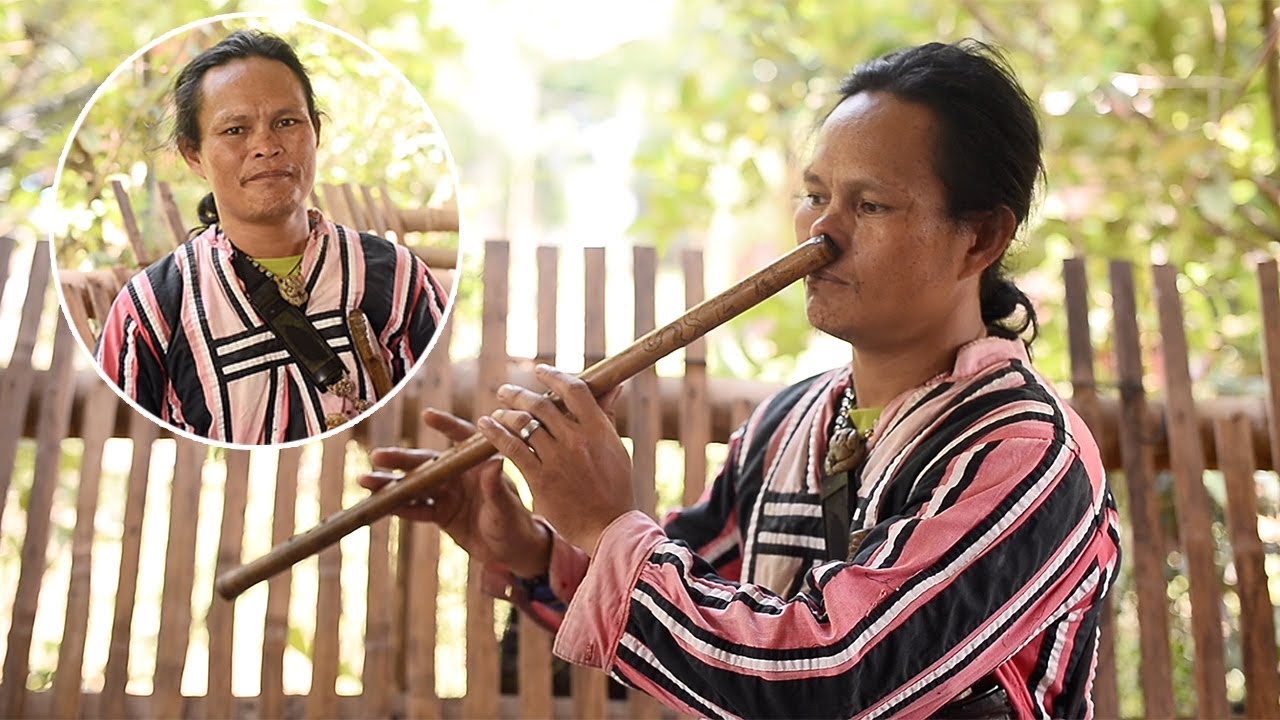
    The nose flute music of Tagonggo has been an integral part of Batak culture in Indonesia's Lake Toba region for centuries.

    This enchanting music is woven from ancestral myths, intricate craftsmanship, and evocative melodies. Skilled musicians spend years mastering the unique nose flute instrument to convey complex emotions and preserve ancient stories.

    The Art of Tagonggo

    Tagonggo musicians undergo rigorous training to master the nose flute, an instrument unlike any other.

    The instrument requires precise breath control and embouchure to produce a range of tones and emotions. By honing their craft, musicians can evoke the vibrant spirit of the Batak people and bring ancient stories to life.

    Cultural Significance and Revival

    Tagonggo is more than just music; it's a cultural treasure that preserves Batak heritage.

    The modern revival of Tagonggo has sparked a renewed interest in Batak traditions, ensuring the continuation of this ancient art form.

    As a result, Tagonggo has become a symbol of cultural pride and identity for the Batak people.

    Origins of Tagonggo Music

    The Origins of Tagonggo Music

    The Batak people's ancestors migrated from mainland Asia to the Indonesian archipelago, bringing with them their musical traditions and mythological stories. These ancient migrations played a significant role in shaping the unique characteristics of Tagonggo music. This blend of historical influences and cultural practices has resulted in a distinct musical tradition that differs from others in the region.

    Cultural Identity and Spirituality

    The Batak people's cultural heritage is a rich tapestry of myths, legends, and historical events that have been passed down through generations. Their ancient traditions and myths have been woven into the fabric of Tagonggo music, infusing it with a deep sense of cultural identity and spirituality. This cultural heritage has played a significant role in shaping the unique characteristics of Tagonggo music.

    The Unique Nose Flute Instrument

    The nose flute instrument is a remarkable example of traditional craftsmanship in Tagonggo music.

    The instrument's body is made from a single piece of carefully selected and hollowed-out bamboo, which produces a rich, resonant sound.

    The instrument's construction involves intricate details, such as the precise hollowing out of the bamboo, to produce its enchanting tones.

    Instrumental Construction Details

    Crafting a Tagonggo Nose Flute

    To create a Tagonggo nose flute, you need a high-quality bamboo stalk, typically 10-12 inches long and 1-2 inches in diameter. The right bamboo produces a rich, resonant sound.

    Selecting the Bamboo

    Choose a bamboo stalk with a consistent diameter and no knots or imperfections.

    Shaping the Bamboo

    Cut and clean the bamboo, removing any nodes or imperfections. Then, hollow out the bamboo, creating a precise, uniform bore using traditional crafting techniques.

    Creating the Mouthpiece

    The mouthpiece, where the player's nose will rest, requires attention. It needs to be smooth and comfortable. Use hand tools and natural adhesives to shape and assemble the instrument's components.

    Tuning the Flute

    Test and refine the flute's pitch and tone, making subtle adjustments to achieve the perfect sound. With skill and dedication, you'll create a beautiful, functional Tagonggo nose flute.

    Sound Production Techniques

    Producing Sound with the Tagonggo Nose Flute

    To produce sound with the Tagonggo nose flute, you need to master a combination of breath control, nasal cavity resonance, and embouchure adjustments. These techniques work together to create the instrument's unique tones.

    Breath Control: Diaphragmatic Breathing

    Diaphragmatic breathing engages your diaphragm to produce a richer, fuller sound. This technique allows for deeper, more resonant tones. By using your diaphragm, you can generate more air pressure, which results in a fuller sound.

    Embouchure Adjustments

    Adjusting the position and shape of your lips and nose alters pitch and timbre. By changing the shape of your lips and nose, you can produce brighter, more agile tones. For example, a smaller lip opening can produce a higher pitch, while a larger opening produces a lower pitch.

    Nasal Cavity Resonance

    Experimenting with different nasal cavity shapes amplifies or dampens specific frequencies. By changing the shape of your nasal cavity, you can create warmer, more complex tones. For instance, a more relaxed nasal cavity can produce a warmer sound, while a more constricted cavity produces a brighter sound.

    Skilled Musicians of the Batak

    The Batak people have a select group of skilled musicians who've mastered the intricate art of playing the tagonggo. These musicians have spent years honing their craft, perfecting ancient techniques passed down through generations.

    Their expertise is evident in the way they coax hauntingly beautiful sounds from the instrument, which evokes the mystical and spiritual essence of Batak culture.

    The subtle nuances in tone and pitch are a testament to the level of mastery these musicians have achieved. They weave intricate patterns and rhythms, creating a rich tapestry of sound that's mesmerizing.

    Their music is a direct reflection of their dedication to perfecting the art of tagonggo playing, transporting listeners to a world where tradition and innovation blend seamlessly, offering a glimpse into the soul of Batak culture.

    Emotions Expressed Through Sound

    The tagonggo, a traditional nose flute of the Batak people, is a masterful instrument that conveys the full range of human emotions through its resonant tones.

    The tagonggo's music evokes feelings that transcend language barriers, resonating with listeners on a deep emotional level.

    The sorrowful melodies convey the pain of losing loved ones, while the ecstatic rhythms celebrate communal festivities like harvest festivals.

    This emotional resonance is a testament to the instrument's ability to express the intricacies of the human experience.

    The Batak people's music is a reflection of their collective psyche, demonstrating the power of sound to evoke emotions and spark memories.

    The tagonggo's emotional resonance reminds us that, despite cultural differences, our emotional landscapes are universally relatable.

    By listening to the tagonggo's haunting melodies, we can tap into the Batak people's emotional topography and experience the world through their ears.

    Storytelling With Every Note

    Every note of Tagonggo tells a story, weaving a rich tapestry of Batak cultural heritage.

    The melodic traditions of the Batak people are infused with narratives that echo their history, myths, and legends.

    The nose flute, a traditional Batak instrument, plays a significant role in conveying these stories.

    Through the hauntingly beautiful sounds of the nose flute, you'll uncover the intricate stories that have been passed down through generations of Batak storytellers.

    Melodic Storytelling Traditions

    The melodic phrases of the tagonggo evoke a sense of communal memory by transporting listeners to the lush forests and majestic mountains of the Batak homeland. Every note and rhythm conjures a shared experience, immersing listeners in a rich cultural heritage where music is a powerful tool for community engagement.

    The tagonggo's melodic storytelling traditions are deeply rooted in Batak life, preserving folk narratives and sonic heritage. Music is woven into the fabric of everyday life, connecting the community through shared experiences and emotions.

    Musical ElementStorytelling FunctionCultural Significance
    Melodic motifsRepresenting ancestral spiritsConnecting with ancestors
    Rhythmic patternsSymbolizing communal workFostering community cohesion
    HarmoniesExpressing emotional depthConveying collective emotions

    In this musical archetype, every note and rhythm is imbued with meaning, conveying the collective experiences and emotions of the Batak people. Listening to the tagonggo is not just about hearing music, it's an immersive experience that weaves you into the vibrant cultural tapestry of the Batak community.

    Cultural Identity Through Sound

    The tagonggo, a traditional nose flute, is a powerful symbol of Batak cultural identity. Its haunting melodies and rhythmic cadences evoke the rich tapestry of the Batak people's collective heritage.

    The instrument's evocative soundscape weaves together the community's roots, connecting listeners to the land, the people, and their shared experiences.

    The tagonggo serves as a conduit to the community's collective memory. With each note, listeners are immersed in the cultural narrative, where stories of ancestors, myths, and legends unfold.

    The music embodies the Batak people's resilience, struggles, and triumphs, inviting listeners to partake in this rich cultural legacy.

    The tagonggo's enchanting melodies form a sonic bridge, connecting listeners to the Batak people's deep sense of community and cultural identity. As the music resonates, listeners are reminded that cultural heritage isn't just a relic of the past, but a living, breathing entity that continues to evolve and thrive.

    Rituals and Ceremonial Significance

    In the rich cultural heritage of the Batak people, the Tagonggo's enchanting melodies play a significant role in various rituals and ceremonies that mark life's milestones. These rituals and ceremonies are infused with emotional and spiritual resonance.

    The Tagonggo is an integral part of several significant rituals and ceremonies, including:

    • Rites of Passage: The Tagonggo's soothing melodies accompany newborns during their introduction to the world and later, as they transition into adulthood.
    • Ancestral Honors: The nose flute's haunting tones pay tribute to revered ancestors, ensuring their legacies live on.
    • Wedding Celebrations: Joyful Tagonggo melodies fill the air as couples start their new life together.
    • Healing Rituals: The Tagonggo's calming sounds facilitate spiritual healing and balance for the community.
    • Funeral Rites: The nose flute's mournful melodies bid farewell to loved ones, guiding their spirits into the afterlife.

    The Tagonggo's significance in Batak rituals and ceremonies lies in its ability to foster spiritual connections with the divine and honor ancestral heritage.

    As you delve deeper into the world of Tagonggo, you'll uncover the profound significance of this enchanting instrument in Batak culture.

    Tagonggo in Modern Times

    The Tagonggo in Modern Times

    The Tagonggo, an ancient instrument, has adapted to the changing rhythms of Batak life, incorporating new melodies and techniques while preserving its cultural essence.

    Digital Revival

    The Digital Revival has played a significant role in the Tagonggo's modern resurgence.

    Online platforms and social media channels provide a global stage for Batak musicians to share their traditional sounds, allowing them to reach a broader audience.

    Urban Fusion

    Urban Fusion has also become a driving force in the Tagonggo's modern adaptations.

    Contemporary artists blend traditional Tagonggo melodies with modern genres like electronic and hip-hop, attracting a new generation of listeners and inspiring a fresh wave of Batak musicians to experiment with innovative sounds.

    Relevance in Contemporary Batak Society

    The Tagonggo's modern adaptations have allowed it to maintain its relevance in contemporary Batak society, ensuring the instrument's rich cultural heritage continues to thrive.

    Cultural Significance in Daily Life

    The Tagonggo, a traditional nose flute, plays a significant role in the daily lives of the Batak people, extending beyond ceremonial contexts.

    The Tagonggo fosters a sense of community and shared identity. In casual gatherings, the nose flute's soothing sounds accompany friends and family as they bond over stories and laughter. During quiet moments of spiritual reflection, the Tagonggo's gentle melodies guide individuals in their introspection and connection with nature.

    The Tagonggo promotes unity and collective joy. At community events, the nose flute's lively tunes bring people together, creating a sense of togetherness. In educational settings, the Tagonggo is used to teach cultural heritage and traditional values to the younger generation.

    The Tagonggo adds depth and meaning to personal milestones. During weddings and birthdays, the nose flute's emotive tones create a memorable atmosphere, making these celebrations more significant.

    The Tagonggo's cultural significance is evident in its integral role in daily Batak life, enriching community building, spiritual reflection, and personal milestones.

    Preservation of the Tradition

    Preservation of the Tagonggo Tradition

    To safeguard the Tagonggo's rich heritage, supporting local initiatives that teach the traditional craft of nose flute making and performance to the younger generation is crucial. This contributes to the preservation of this unique cultural tradition.

    Community Engagement is essential in this endeavor, as it fosters a sense of shared responsibility among the Batak people to protect their cultural legacy.

    Intergenerational Transmission is also vital, as it guarantees that the skills and knowledge are passed down to the next generation, keeping the tradition alive.

    Through community-led programs, young Batak learners are taught the intricacies of nose flute craftsmanship, from selecting the finest bamboo to mastering the delicate fingerwork required to produce the flute's distinctive tones. These initiatives not only preserve the Tagonggo's cultural significance but also provide a platform for intergenerational exchange, where elderly masters share their expertise with interested apprentices.

    What Makes Tagonggo and Pansak Unique in Traditional Music?

    Tagonggo and Pansak stand out in traditional music due to their mastery of the rhythmic bamboo percussion of kalinga. This unique instrument adds a distinct pulsating beat to their performances, creating an electrifying rhythm that sets them apart from other traditional music ensembles.

    The Timeless Allure of Tagonggo

    The Tagonggo's captivating melodies have enthralled listeners for centuries, evoking a sense of mystique that continues to attract audiences like a gentle breeze rustling through the bamboo groves of North Sumatra.

    Tagonggo's Timeless Appeal: This traditional nose flute music has remained a beloved part of Batak culture, and its allure can be attributed to several factors.

    Sonic Escapism: The soothing melodies transport listeners to a world of tranquility, providing a much-needed respite from the chaos of modern life. For instance, the gentle, airy timbre of the Tagonggo creates a sense of calmness, helping to ease stress and anxiety.

    Cultural Revival: The timeless appeal of Tagonggo has inspired a new generation of musicians, ensuring the tradition's continued relevance and popularity. This resurgence has led to the creation of new Tagonggo music, blending traditional sounds with modern styles.

    Unique Timbre: The Tagonggo's instrument produces a distinctive, airy sound that adds an otherworldly quality to the music, evoking the mystical and mysterious. This unique timbre is a result of the instrument's traditional craftsmanship and the player's skilled technique.

    Versatility: The Tagonggo seamlessly blends with modern genres, creating a captivating fusion of traditional and contemporary sounds. For example, Tagonggo music has been fused with modern electronic elements, resulting in a unique sound that appeals to a wide range of audiences.

    Cultural Significance: As you explore the world of Tagonggo, you'll uncover a rich cultural heritage that's both fascinating and beautiful. The Tagonggo is an integral part of Batak cultural identity, and its music reflects the community's history, traditions, and values.

    Frequently Asked Questions

    Can Tagonggo Music Be Played by Anyone, Regardless of Ethnicity?

    Yes, anyone can play Tagonggo music, regardless of ethnicity, but it's essential to acknowledge and respect its cultural roots and the Batak people's heritage. When exploring Tagonggo, be mindful of cultural appropriation and ensure you're promoting cross-cultural understanding and appreciation.

    How Do Batak People Learn to Play the Nose Flute?

    Cultural Transmission Preserves the Nose Flute Tradition

    In Batak culture, the nose flute is passed down through generations by family members and community elders. They teach techniques and traditions to younger generations, ensuring the family legacy of this ancient art form lives on.

    Are There Any Variations of Tagonggo Music Across Different Regions?

    Regional variations of Tagonggo music exist, shaped by cultural fusion with neighboring ethnic groups. For instance, the Tagonggo music in the northern regions is influenced by the indigenous tribes, resulting in a more rhythmic and percussive style. In contrast, the southern regions have a stronger emphasis on melodic instruments, reflecting the cultural exchange with neighboring countries. These variations reflect local traditions and customs, making each regional style unique and distinct.

    Can Tagonggo Be Played on Modern, Western-Style Flutes?

    Yes, tagonggo can be played on modern, Western-style flutes. Although the traditional tagonggo is played on a specific type of flute from the Batak people of Sumatra, Indonesia, the melodies and rhythms can be adapted to fit modern flutes. This fusion of traditional Batak music with Western instrumentation creates a unique blend of old and new.

    Are There Any Similarities Between Tagonggo and Other Traditional Asian Music?

    Traditional Asian music shares a rich cultural heritage. As you explore the diverse musical traditions of Asia, you'll discover that cultural exchange has led to similarities in scales, instrumentation, and rhythmic patterns across borders. For example, the pentatonic scale is commonly used in Chinese, Japanese, and Korean music. Additionally, similar instruments, such as the pipa in China and the biwa in Japan, are found in different Asian cultures. Furthermore, rhythmic patterns, like the use of complex time cycles, are shared among Indian, Chinese, and Southeast Asian music. These similarities reflect a shared cultural heritage, highlighting the significant cultural exchange that has taken place throughout Asian history.

    Conclusion

    Tagonggo: A Window into Batak Culture

    The enchanting world of tagonggo, the traditional nose flute music of the Batak people, offers a glimpse into their rich cultural heritage.

    Every note holds a tale, every breathy whisper a tribute to the cultural heritage of the Batak.

    Tagonggo originated from the Batak people, an indigenous group from the mountainous regions of North Sumatra, Indonesia.

    This traditional music is deeply rooted in Batak culture, reflecting their history, traditions, and values.

    The nose flute, a simple yet expressive instrument, is the backbone of tagonggo music.

    The instrument's unique, haunting sound evokes emotions, echoing the stories and legends of the Batak people.

  • Dayegon: The Soulful Instrumental Music of the Maranao

    Dayegon: The Soulful Instrumental Music of the Maranao

    Dayegon: A Cultural Reflection of the Maranao People

    Dayegon, the traditional instrumental music of the Maranao people, is a reflection of their rich cultural heritage. This music is a blend of Islamic, Indian, and indigenous influences that have shaped the Maranao identity.

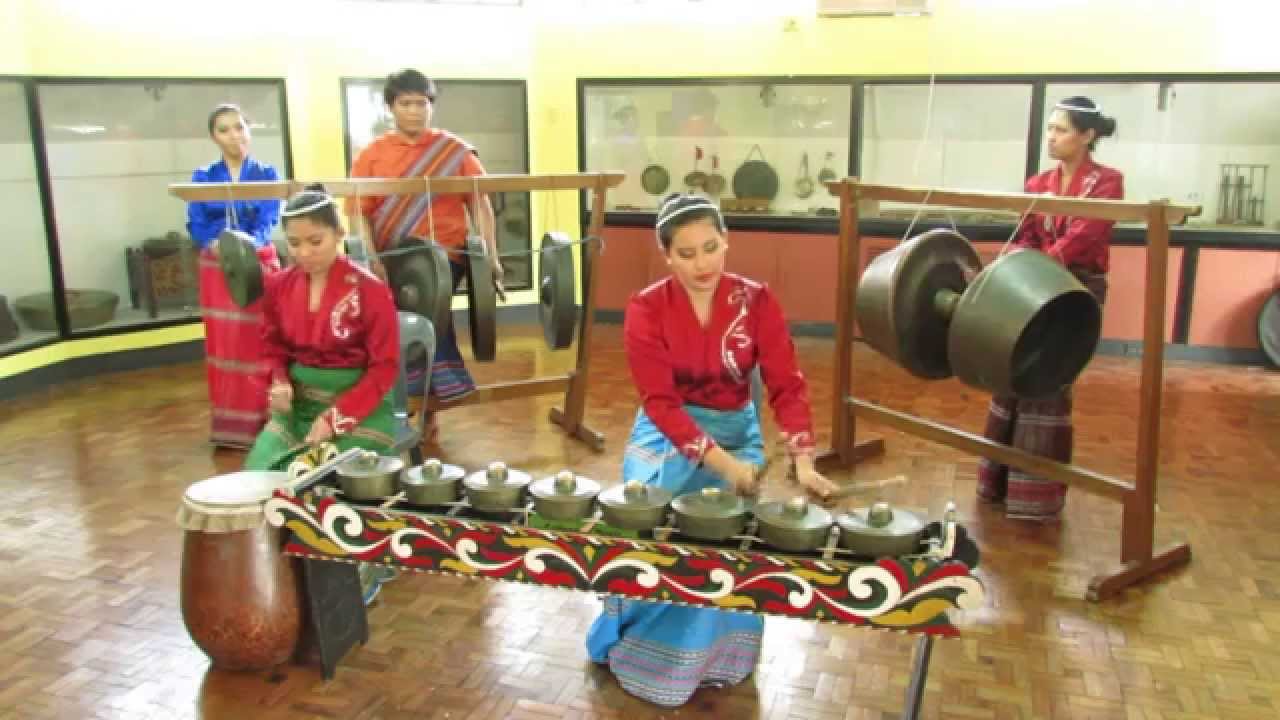
    The unique sound of Dayegon is created by traditional instruments such as the Kulibit, Agung, and Gandingan. These instruments are deeply rooted in Lanao's cultural fabric and play a central role in Maranao celebrations.

    Dayegon evokes emotional resonance and heartfelt melodic expressions. It is an integral part of Maranao celebrations, evoking feelings of joy, sadness, and nostalgia.

    Dayegon's cultural significance lies in its ability to preserve and promote the Maranao culture. By listening to Dayegon, one can unravel the intricate tapestry of the Maranao people's history, traditions, and values.

    Origins of Dayegon Music

    The Origins of Dayegon Music

    The cultural heritage of Dayegon music dates back to the 14th century when Islamic missionaries and traders from the Middle East and India arrived in the Maranao region. These foreign influences merged with the indigenous music of the Maranao people, creating a unique sound.

    Islamic and Indian Influences

    The Impact of Foreign Influences

    The arrival of Islamic and Indian traders and missionaries introduced new musical instruments, scales, and musical concepts to the Maranao people. The ancient influences of Islamic and Indian music can be heard in the melodic patterns and rhythmic structures of Dayegon music. Over time, the Maranao people adapted and incorporated these elements into their traditional music, creating a distinct sound that reflects their cultural identity.

    The Evolution of Dayegon Music

    As a result of this cultural exchange, the Maranao people developed a unique sound that resonated with their community. The historical roots of Dayegon music can be traced back to the arrival of these foreign traders and missionaries. Today, Dayegon music is a soulful instrumental music that reflects the cultural identity of the Maranao people.

    Traditional Instruments Used

    Traditional Instruments Used in Dayegon Music

    The unique sound of Dayegon music is attributed to the traditional instruments used by the Maranao people. These instruments, crafted with ancient craftsmanship, produce a distinct instrumental timbre.

    The Kulibit: A Flute-like Instrument

    The kulibit, a type of flute, is a primary instrument used in Dayegon music. Its gentle, airy tones evoke a sense of longing and nostalgia.

    The Agung: A Set of Gongs

    The agung, a set of gongs, adds a rich, resonant quality to the music.

    The Gandingan: A Xylophone-like Instrument

    The gandingan, a type of xylophone, provides a bright, percussive element.

    The Kobing: A Drum

    The kobing, a drum, provides the rhythmic foundation.

    The Kulibaw: A Stringed Instrument

    The kulibaw, a stringed instrument, adds a haunting, ethereal quality.

    Each instrument is carefully crafted to produce a unique sound, and when played together, they create a rich tapestry of sound that's quintessentially Dayegon.

    Melodic Patterns and Rhythms

    Melodic Patterns and Rhythms

    In Dayegon music, intricately woven melodic patterns and rhythms unfold, reflecting the Maranao people's deep emotional connection with their ancestral homeland.

    The melodic patterns are characterized by a sense of longing and yearning, often conveyed through subtle pitch bends and ornamentations.

    The rhythmic nuances are equally striking, with complex polyrhythms and shifting time signatures that evoke the dynamic pulse of traditional Maranao dances.

    Harmonic Textures

    The harmonic textures of Dayegon music are rich and layered, often featuring a combination of traditional instruments like the kulibit and the koltibas.

    The way these instruments interact creates a sense of tension and release, adding depth and complexity to the overall sound.

    Cultural Significance in Lanao

    Dayegon Music: The Heartbeat of Lanao's Cultural Identity

    Dayegon music is deeply rooted in the cultural fabric of Lanao, serving as a powerful symbol of Maranao identity and resonating deeply with the region's rich history and traditions.

    Vibrant Festivals

    Dayegon music sets the tone for joyous celebrations in Maranao festivals, where vibrant colors and rhythms come alive. For example, the Araw ng Lanao festival features Dayegon music performances, showcasing the region's rich cultural heritage.

    Ancient Traditions

    Traditional Maranao instruments, passed down through generations, evoke a sense of nostalgia and cultural pride. The kulibit, a traditional Maranao drum, is a prime example of the region's rich cultural heritage.

    Cultural Exchange

    Dayegon music is a unique blend of Islamic, Malay, and indigenous influences, reflecting the cultural fusion that defines the Maranao identity. This blending of cultures has resulted in a distinct sound that's both traditional and modern.

    Community Bonding

    Dayegon music brings families and friends together, united by the mesmerizing rhythms and melodies. In Lanao, Dayegon music performances are often accompanied by traditional dances, further strengthening community bonds.

    Unraveling Lanao's Cultural Heritage

    As you delve deeper into the world of Dayegon music, you'll uncover the intricate tapestry of Lanao's cultural heritage, woven from the threads of history, tradition, and cultural fusion.

    Role in Maranao Celebrations

    The Dayegon plays a central role in Maranao celebrations, setting the tone for joyous occasions. In traditional dances, the instrument's soulful melodies accompany the performances, adding cultural significance.

    By creating a festive atmosphere, the Dayegon brings Maranao culture to life, transporting you to the heart of the celebrations.

    Traditional Dance Accompaniment

    Traditional Dance Accompaniment

    The Dayegon's soulful melodies often accompany traditional Maranao dances, such as the Kabasaran and the Tagonggo, which are integral to many Maranao celebrations.

    The Dayegon's rhythmic fusion creates an enchanting atmosphere, drawing you in with its harmonies.

    • The gentle rustling of the dancers' garments, adorned with intricate embroidery, harmonizes with the Dayegon's soothing tones. This harmony is particularly evident in the Tagonggo dance, which tells the story of a lovelorn prince.
    • The Dayegon's lilting melodies perfectly complement the syncopated beats of the Tagonggo. This synchronization creates a captivating performance that showcases the dancers' skill and the Dayegon's melodic beauty.
    • The whirling colors of the dancers' costumes, reminiscent of a Maranao sunset, seem to pulse to the rhythm of the Dayegon. This visual harmony adds to the overall enchantment of the performance.
    • The air is filled with the sweet scent of jasmine, as the dancers' movements weave a narrative of love, loss, and longing, all set to the Dayegon's evocative score. This multisensory experience elevates the performance to a transcendent level.

    In these moments, the Dayegon's soulful music becomes an integral part of the dance narrative, resonating deeply with the Maranao people.

    Festive Atmosphere Creation

    The Dayegon plays a vital role in creating a festive atmosphere in Maranao celebrations. Its vibrant rhythms and melodies skillfully integrate into the fabric of the festivities, guiding the atmosphere into a joyous and lively celebration.

    The instrument's ability to evoke emotions through its melodies sets the mood for the celebration, making it an integral part of Maranao festivities.

    The Dayegon's role in festive atmosphere creation is multifaceted. It creates an energetic and lively ambiance, encouraging participants to let loose and have fun, while its soulful tones evoke a sense of nostalgia and cultural pride, connecting participants to their heritage.

    By maneuvering through these contrasting moods, the Dayegon sets the tone for a celebration that's both joyful and meaningful.

    Emotions Evoked by Dayegon

    Dayegon Evokes Profound Emotions

    Listening to Dayegon's rich tones stirs the soul, evoking a profound emotional resonance.

    This resonance is rooted in the instrument's ability to express heartfelt melodic sentiments, which evoke a sense of cultural nostalgia.

    The Instrument Transports You to Traditional Celebrations

    As you listen to Dayegon, you'll be transported to a world of traditional Maranao celebrations.

    These celebrations are characterized by vibrant cultural expressions, where the past and present intertwine.

    Emotive Depth Unveiled

    Immersive Soundscapes

    Listening to Dayegon's soulful melodies evokes a profound sense of longing, transporting you to the lush landscapes of Lanao del Sur.

    The instrument's mournful tones evoke a deep emotional resonance that transcends cultural boundaries.

    Sensory Experience

    • The rustling of leaves in the tranquil forests of Lake Lanao creates a serene atmosphere.
    • The gentle lapping of waves against the shores of the lake adds to the calming ambiance.
    • The soft whispers of ancient stories shared among the elders evoke a sense of tradition and heritage.
    • The vibrant colors of traditional clothing, worn with pride and dignity, showcase the rich cultural heritage of the Maranao people.

    Emotional Resonance

    Through Dayegon's sonic landscapes, you're invited to experience the emotional resonance of the Maranao people.

    The instrument's evocative tones conjure feelings of nostalgia, hope, and perseverance, weaving a rich tapestry of emotions that resonate deeply within.

    You're not just a passive observer; you're an active participant in the cultural heritage of the Maranao, connected through the universal language of music.

    Heartfelt Melodic Expressions

    Dayegon's Music Evokes Deep Emotional Response

    Dayegon's heartfelt melodic expressions evoke a deep emotional response, echoing the Maranao people's profound emotional experiences.

    These soulful harmonies create a sense of emotional resonance, allowing listeners to connect with the music on a deeper level.

    Emotional Resonance through Intricate Melodies and Rhythms

    As you listen to Dayegon, you can't help but be moved by the heartfelt expressions of the Maranao people, conveyed through intricate melodies and rhythms.

    The emotional resonance of Dayegon is palpable, evoking feelings of nostalgia, longing, and joy.

    Music as a Tribute to Emotional Expression

    The heartfelt melodic expressions of Dayegon are a tribute to the power of music to evoke emotions and create a sense of connection.

    Music plays a crucial role in conveying the depth of human emotion, and Dayegon's music is a prime example of this.

    Cultural Nostalgia Revived

    Cultural Nostalgia Revived

    Dayegon's melodies transport you back to a bygone era, evoking a profound sense of nostalgia that resonates deeply within.

    This cultural revival connects you to your heritage in a profound way.

    The instrumental music of the Maranao people is a key part of this revival.

    The kolitong, a traditional Maranao guitar, echoes in your mind, conjuring images of moonlit nights spent listening to your elders' tales of bravery and love.

    The soft strumming of the kolitong brings back memories of your ancestors' stories and traditions.

    The kutyapi, a bamboo flute, transports you to the banks of Lake Lanao.

    The haunting melodies of the kutyapi evoke memories of fishermen's songs and laughter filling the air.

    This instrument brings back memories of a simpler time, where community and tradition were at the forefront.

    The dabakan, a traditional drum, brings to life the vibrant colors and energy of a Maranao celebration.

    The rhythmic beats of the dabakan evoke memories of lively gatherings and festivities.

    This instrument reminds you of the importance of community and celebration in Maranao culture.

    The agong, a set of gongs, evokes the warmth and hospitality of a Maranao home.

    The lilting harmonies of the agong bring back memories of family and community coming together to share stories and make memories.

    This instrument reminds you of the importance of family and community in Maranao culture.

    In this cultural revival,

    your musical identity is revived, connecting you to your heritage in a profound way.

    Dayegon's melodies stir something deep within, reminding you of who you're and where you come from.

    Historical Influence on Dayegon

    The historical influence on Dayegon, a traditional instrumental music of the Maranao people, has been shaped by Islamic, Spanish, and American colonization.

    Islamic influence is evident in the use of percussion instruments, such as the gong and drum, which were introduced by Arab traders in the 14th century. These instruments have since become integral to the traditional Maranao ensemble, adding depth and rhythm to Dayegon's soulful melodies.

    The Spanish colonization of the Philippines in the 16th century brought Western musical influences, including the introduction of stringed instruments like the guitar and violin. These instruments were adapted and incorporated into Dayegon, expanding its melodic range and complexity.

    The American colonial period, which began in the late 19th century, introduced new musical styles, such as jazz and blues, which subtly influenced the development of Dayegon.

    Modern Interpretations of Dayegon

    Modern Dayegon: A Fusion of Tradition and Innovation

    In modern Dayegon, a new wave of composers is redefining the traditional sound by blending classic instruments with modern elements. These innovators are creating a fresh, contemporary sound while staying true to the genre's soulful essence.

    Pushing Boundaries with Traditional Instruments

    Composers are experimenting with traditional Dayegon instruments, such as the daxi and kulon, by incorporating electronic elements and digital effects. For example, Eira Shadowglow's 'Moonlit Serenade' combines the haunting sounds of the daxi with subtle synthesizer textures, creating a mesmerizing atmosphere.

    Evolution of the Classic Style

    Contemporary Dayegon Composers

    Revitalizing Dayegon: Contemporary Composers Pushing Boundaries

    In the Maranao region, a new generation of composers is revitalizing the traditional Dayegon genre, infusing it with modern sensibilities and innovative instrumentation.

    Fusion of Old and New

    These contemporary composers blend traditional instruments, such as the kolitong, with modern electronic elements, creating a unique sound that resonates with contemporary audiences. For example, a live concert might feature the haunting sounds of the kolitong blending seamlessly with electronic beats and synthesizers.

    Cross-Cultural Collaborations

    Dayegon composers are also collaborating with Western musicians, resulting in a unique soundscape that combines the best of both worlds. This fusion of styles creates a distinctive sound that appeals to a broader audience.

    Nature-Inspired Dayegon

    Some composers incorporate elements of nature, such as the sounds of the Tawi-Tawi Sea or the rustling of leaves, to create an immersive experience. This innovative approach transports listeners to the heart of the Maranao region.

    Immersive Sound Experiences

    Using cutting-edge technology, composers can create immersive, 360-degree sound experiences that transport listeners to the Maranao region. This innovative approach redefines the Dayegon genre and offers a new level of engagement for audiences.

    Redefining Dayegon

    These innovative approaches have given rise to a new wave of collaborative projects and musical innovations that are redefining the Dayegon genre.

    Evolution of Traditional Sound

    Modern Dayegon interpreters are evolving the traditional sound by experimenting with unconventional instrumentations, adapting age-old melodies to contemporary tastes, and pushing the boundaries of this revered genre. This evolution is breathing new life into the classic Dayegon sound, attracting a fresh audience while staying true to its cultural roots.

    Traditional instruments are being blended with modern electronic elements, creating a unique Sonic Identity that's both nostalgic and innovative. For example, the kolitong and kulibit are being seamlessly blended with modern electronic elements to produce a distinctive sound.

    This blending of old and new is allowing Dayegon to transcend generations, appealing to both those who grew up with the traditional sound and those who are discovering it for the first time. By embracing modern production techniques and collaborations, Dayegon isn't only being preserved but also propelled forward, ensuring its continued relevance in the modern music landscape.

    As a result, the genre is experiencing a resurgence in popularity, with a new wave of artists and listeners alike falling in love with the soulful, instrumental sounds of Dayegon.

    Notable Dayegon Musicians

    Notable Dayegon Musicians

    Among the Maranao people, Sapiaya Ingkal and Tambuyong are renowned musicians who've elevated traditional Dayegon music to new heights. These legendary musicians have mastered the art of storytelling through their instruments, transporting listeners to the serene landscapes and vibrant markets of the Maranao homeland.

    Immersive Musical Experience

    As you immerse yourself in the melodies, you can imagine:

    • The soothing sound of Lake Lanao's waters: echoing the rhythmic beats of the kulibit.
    • Vibrant Maranao textiles: woven into the intricate patterns of the gong music.
    • Ancient tales on the wind: carried through the haunting sounds of the kolitong.
    • Joyous celebrations: where the pulsating rhythms of the agung bring people together in dance and laughter.

    Legacy of the Forgotten Masters

    These legendary musicians have crafted a legacy that continues to inspire new generations of Dayegon musicians. Their contributions have preserved the cultural heritage of the Maranao and enriched the world's musical landscape.

    What is the significance of instrumental music in Maranao culture, similar to the vocal music of the Ifugao?

    Instrumental music plays a significant role in Maranao culture, much like the duyog: Ifugao vocal music. It is used in various cultural practices and serves as a means of storytelling and preserving their heritage. Instrumental music also plays a crucial role in religious rituals and traditional ceremonies among the Maranao people.

    Preserving Dayegon's Cultural Heritage

    Preserving Dayegon's Cultural Heritage

    The preservation of Dayegon, a traditional Maranao music, relies on the collective efforts of local communities, cultural institutions, and dedicated individuals.

    Community-led initiatives have been instrumental in revitalizing interest in Dayegon through the Cultural Revival movement.

    Community Engagement plays a vital role in ensuring the continuity of Dayegon. Local youth are encouraged to learn and appreciate this art form, guaranteeing its survival. For instance, community-led programs provide training and workshops, enabling younger generations to master Dayegon.

    Heritage Tourism also contributes to the preservation of Dayegon. Visitors from around the world experience the unique sounds and rhythms of the Maranao people, generating interest and appreciation for this cultural heritage. This, in turn, motivates local communities to continue preserving Dayegon.

    The Intangible Legacy of Dayegon is a testament to the folkloric identity of the Maranao. Efforts are being made to document and preserve its history, ensuring that future generations can appreciate its significance.

    By supporting these initiatives, you can help secure the long-term preservation of Dayegon, allowing future generations to appreciate its beauty and significance.

    Frequently Asked Questions

    Can Non-Maranao People Learn and Play Dayegon Music?

    Yes, non-Maranao people can learn and play Dayegon music, but it's essential to approach this traditional art form with cultural sensitivity. This means recognizing the ethnic identity intertwined with Dayegon music and establishing a personal connection through commitment, musical aptitude, and skill transfer from a qualified mentor.

    Is Dayegon Music Only Played During Special Occasions?

    Dayegon music is not limited to special occasions. While it's true that it's often played during celebrations, its significance extends beyond these events. In reality, Dayegon music is an integral part of daily life, spiritual practices, and cultural heritage.

    Are There Any Similarities Between Dayegon and Western Classical Music?

    Similarities exist between Western classical music and Dayegon in scale comparisons, melodic patterns, and harmonic structures. These similarities are evident in the use of major and minor scales, arpeggios, and chord progressions. For instance, both styles employ the I-IV-V chord progression, a fundamental harmonic structure in music composition. Additionally, melodic patterns in Dayegon, such as the use of sequences and repetition, are also found in Western classical music.

    Can Dayegon Be Played With Modern Electronic Instruments?

    Yes, Dayegon can be played with modern electronic instruments. This fusion of traditional Dayegon with modern electronic elements is known as Digital Fusion. It combines cultural heritage with Electronic Experimentation, but it's crucial to approach this fusion with cultural sensitivity and respect for the Maranao's rich musical legacy.

    Are There Any Efforts to Introduce Dayegon in International Music Festivals?

    Efforts to introduce Dayegon in international music festivals exist, fostering cultural exchange and global recognition. Festival organizers are increasingly seeking unique, culturally rich sounds to enrich their lineups.

    Conclusion

    Dayegon: A Window into Maranao Culture

    Dayegon, a traditional instrumental music, offers a glimpse into the rich cultural heritage of the Maranao people.

    This soulful music is a blend of the past and present, reflecting the region's history, traditions, and celebrations.

    The Cultural Significance of Dayegon

    By exploring Dayegon, you'll gain insight into the vibrant fabric of Lanao's heritage.

    The melodic rhythms and cultural significance of Dayegon provide a unique understanding of the Maranao people's history, traditions, and celebrations.

  • Binalig: The Energetic Courtship Dance Music of Abra

    Binalig: The Energetic Courtship Dance Music of Abra

    Binalig: The Dynamic Courtship Dance Music of Abra

    Binalig is a unique blend of 16th-century indigenous roots, neighboring tribes, and foreign colonizers' influences. This rich cultural heritage is reflected in the energetic courtship dance music of Abra.

    The engaging energy of Binalig comes from a combination of tribal drums, folklore flutes, and rhythmic complexity. Mastering footwork patterns and isolating body parts to accentuate rhythmic beats is key to experiencing Binalig.

    Binalig plays a significant role in preserving Abra's heritage by fostering community bonding and inspiring new generations. It preserves cultural heritage by passing down traditional practices and stories.

    Origins of Binalig Music

    Binalig Music Origins

    Roots in Indigenous Traditions

    Binalig music originated from Abra's indigenous roots, with its earliest recorded existence dating back to the 16th century.

    The province's strategic location made it a cultural melting pot, where interactions with neighboring tribes and foreign colonizers shaped its indigenous traditions.

    Influences on Cultural Heritage

    The early influences of Spanish colonizers, Chinese traders, and American missionaries have left a lasting impact on Abra's cultural landscape.

    These interactions resulted in a unique blend of traditions, which are reflected in the rhythms, melodies, and instrumentation of Binalig music.

    Evolution of Binalig Music

    As you delve deeper into Binalig, you'll appreciate how the region's history and cultural diversity contributed to the evolution of this energetic courtship dance music.

    The province's rich cultural heritage has been woven into the fabric of Binalig, making it a unique and vibrant cultural expression.

    Traditional Instruments Used

    Traditional Instruments Used in Binalig Music

    The unique sound of Binalig music is largely attributed to the traditional instruments used, which have been carefully preserved and passed down through generations of Abra's indigenous communities.

    Tribal Drums: The Heartbeat of Binalig

    The Tribal Drums play an essential role in setting the energetic pace of Binalig. These hand-carved drums, adorned with intricate designs, produce a deep, resonant sound that echoes through the valleys of Abra.

    Folklore Flutes: Adding Whimsy to the Melody

    The rhythmic beats of the Tribal Drums are expertly woven together with the lilting melodies of the Folklore Flutes, creating a mesmerizing harmony that's quintessentially Binalig. The Folklore Flutes, with their airy, whimsical tones, add a touch of playfulness to the music.

    Instruments Evoke Emotional Responses

    Each instrument is carefully selected to evoke a specific emotional response. The Tribal Drums provide the pulsing energy that gets the crowd moving, while the Folklore Flutes add a touch of playfulness.

    The combination of these traditional instruments is what sets Binalig apart from other forms of traditional music, making it a truly exceptional and enchanting experience.

    Dance Moves and Steps

    Mastering Footwork Patterns is Crucial in Binalig Dance

    To execute the energetic courtship dance of Binalig, mastering the fundamental footwork patterns is essential. This involves coordinating your arm and hand movements, which include intricate gestures and flicks that add flair to the overall performance.

    Specifically, you'll need to focus on isolating specific body parts to accentuate the rhythmic beats and embody the vibrant spirit of Abra's traditional dance.

    Basic Footwork Patterns

    Mastering Binalig's Footwork Patterns

    To master Binalig's footwork patterns, synchronizing your steps with the rhythm of the music is crucial. This synchronization enables you to move in harmony with the beat, executing the intricate footwork patterns characteristic of Binalig. For example, when the music has a slow beat, you should slow down your steps, and when the beat is fast, you should quicken your pace.

    Rhythmic Synchronization

    Footwork Fusion

    Combining different footwork styles seamlessly is essential in Binalig. Footwork fusion allows you to create fluid and dynamic movements, conveying the emotions and passion that define Binalig. By practicing footwork fusion, you'll develop a greater sense of musicality and expression. For instance, you can combine slow, sweeping steps with quick, light footwork to create a captivating dance sequence.

    Arm and Hand Movements

    Arm and Hand Movements in Binalig Dance

    In Binalig dance, your arms and hands become extensions of your emotions, expressing passion and energy. As you move to the rhythm, your arms undulate as if embracing an invisible partner.

    Undulating Arms and Hands Convey Emotions

    Your hands come alive, articulating the rhythms with subtle finger tapping and wrist rotations. These movements add texture to your dance and convey the playful, flirtatious nature of Binalig.

    Finger Tapping and Wrist Rotations Add Texture

    Notice how your fingers tap out the rhythm on an imaginary surface, as if beckoning your partner to join in the dance.

    Finger Tapping: Beckoning a Partner

    Meanwhile, your wrists rotate with a fluid, effortless motion, as if swirling a skirt around your hips. These precise, controlled movements are a hallmark of Binalig's energetic courtship dance. Mastering them will elevate your performance to new heights.

    Wrist Rotations: Fluid Motion

    Dynamic Body Isolations

    Mastering Dynamic Body Isolations for a Mesmerizing Performance

    To harness the dynamic energy of Binalig's courtship dance, it's essential to develop flexibility exercises that enhance your range of motion. This allows for more precise control over individual body parts, enabling you to isolate specific muscles and move them independently. Body awareness is key, as it enables you to focus on specific areas of your body and execute movements with precision.

    Developing Flexibility and Body Awareness

    Isolation Techniques and Muscle Control

    Isolation techniques involve disengaging certain body parts while moving others, requiring immense muscle control and core strength. To achieve this, coordinate drills can help you develop the necessary rhythmic timing and movement precision.

    Practicing Dynamic Body Isolations

    As you practice, focus on isolating your arms, legs, and torso to create complex, intricate movements. With dedication and consistent practice, you'll be able to execute dynamic body isolations that showcase the energetic essence of Binalig's courtship dance.

    Cultural Significance Today

    Binalig's Cultural Significance Today

    Preserving Cultural Heritage:

    Binalig, a traditional dance music, plays a crucial role in preserving Abra's cultural heritage. This is evident in the way it continues to pass down stories, customs, and values from one generation to the next, ensuring the community's history and traditions remain alive.

    Fostering Community:

    Binalig brings people together, fostering a sense of community and social bonding.

    During festivals and celebrations, Binalig performances bring the community together, promoting unity and a shared identity.

    Influencing Modern Cultural Expressions:

    Binalig's energetic rhythms and courtship rituals have influenced modern cultural expressions, inspiring new generations of artists and performers.

    For example, contemporary musicians often incorporate Binalig's rhythms and melodies into their music, creating a unique fusion of traditional and modern styles.

    Preservation of Tradition

    Traditional courtship dances like Binalig play a vital role in preserving Abra's cultural heritage in today's modernizing society. They serve as a cultural revival, reconnecting the younger generation with their roots. By performing and learning these dances, the youth develop a deeper appreciation for their cultural heritage, which fuels a sense of responsibility to preserve and pass on these traditions to future generations.

    Heritage education is essential in preserving cultural heritage. Incorporating traditional dances like Binalig into school curricula and cultural programs helps Abra's youth learn about their cultural history and significance in an engaging and interactive way. This not only helps preserve the dance itself but also promotes cultural awareness and understanding.

    By learning about their cultural heritage, the younger generation is more likely to appreciate and preserve it.

    Role in Community Building

    Binalig performances foster a sense of community pride and social cohesion by providing a shared experience that bridges generational and socioeconomic divides. As people gather to watch the dance, neighborhood bonds are strengthened, and kinship ties are reinforced through the shared cultural heritage.

    By celebrating Abra's unique cultural identity, Binalig promotes a deeper understanding and appreciation of the community's history and values. As the energy of the dance infects the crowd, a palpable sense of community pride and social cohesion is solidified, making Binalig a powerful tool for community building.

    Influence on Modern Culture

    Binalig's vibrant rhythms and dynamic choreography have permeated modern Filipino popular culture, inspiring a new generation of artists to infuse traditional elements into contemporary music and dance.

    Binalig's influence is evident on social media platforms, where dancers incorporate its energetic movements and musicians sample its infectious beats. This cultural fusion validates Binalig's timeless appeal and reflects the urban identity of modern Filipino youth.

    By blending traditional and modern elements, young artists express themselves authentically, creating a unique Filipino identity. Through Binalig, youth empowerment is in action, as young people take ownership of their cultural heritage and use it to forge their own artistic expression.

    As a result, Binalig has become an integral part of modern Filipino popular culture, inspiring a new wave of creatives to celebrate their cultural roots while pushing the boundaries of contemporary art.

    Role in Abra's Festivals

    Abra's Festivals Feature Lively Binalig Courtship Dance Music

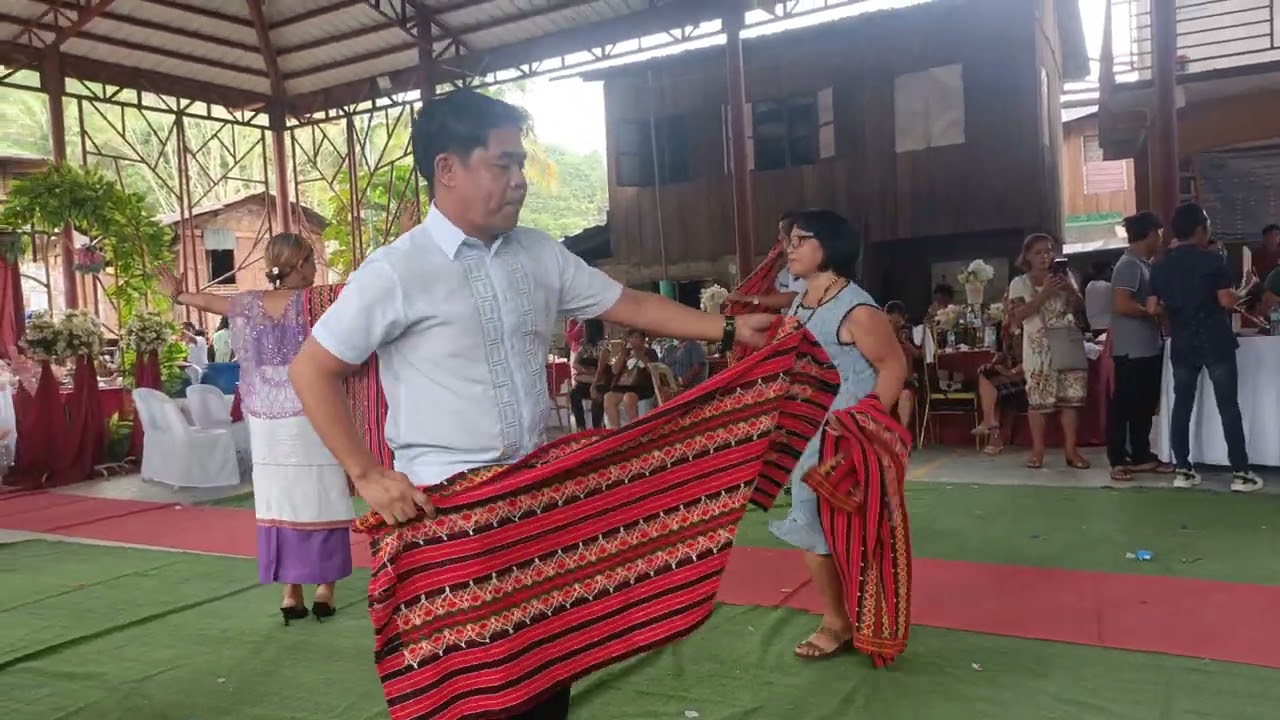
    Abra's vibrant festivals showcase the infectious rhythms of Binalig courtship dance music, drawing participants into the joyful celebration.

    The lively beat of Binalig music echoes through the streets, enticing people to move their feet.

    This reflects Abra's strong cultural identity, which proudly showcases its traditional fusion of indigenous and Spanish influences.

    Community Pride Radiates from Performers and Spectators

    As people join in the celebration, they're struck by the community pride that radiates from both performers and spectators.

    Binalig music is a key element in Abra's folk revival, breathing new life into the province's rich cultural heritage.

    Celebratory Spirit Brings People Together

    The energetic rhythms of Binalig evoke a sense of joyful expression, bringing people together in a shared experience.

    Binalig is an integral part of Abra's provincial heritage, symbolizing the province's vibrant cultural landscape.

    Binalig's Musical Structure

    Binalig Music: A Rich Instrumental Arrangement

    Binalig music, a traditional style from Abra, features a unique instrumental arrangement.

    This arrangement consists of drums, gongs, and lyres, creating a rich, polyrhythmic soundscape.

    The lyres add a complex layer with rapid arpeggios and soaring melodies that dance above the rhythmic foundation.

    Rhythmic Complexity: A Display of Virtuosity

    Binalig music is characterized by remarkable rhythmic complexity, featuring multiple time signatures and polyrhythms.

    The drums provide a driving pulse, while the gongs add a deep, resonant undertone that underscores the entire performance.

    This intricate rhythmic structure creates an infectious energy that draws the listener in.

    History of Binalig Costume

    The Binalig costume holds significant cultural importance as it reflects the values and heritage of the Abra people.

    The intricate designs and vibrant colors have been passed down through generations, telling a story of the community's rich cultural identity.

    Symbolic accessories adorning the dancers provide insight into the role Binalig plays in celebrating the region's history and traditions.

    Cultural Significance Unveiled

    The Binalig Costume: A Cultural Treasure

    Origins and Significance

    The Binalig costume has been an integral part of Abra's cultural heritage since the 16th century. It reflects the community's social identity, showcasing a rich cultural fusion of Spanish, Chinese, and indigenous influences.

    Preserving Folklore and Cultural Identity**

    The Binalig costume is more than just a beautiful garment; it's a symbol of folklore preservation, preserving the stories and legends of the Abra people. The intricate designs and vibrant colors are an artistic expression of the community's creativity and craftsmanship.

    Community Pride and Cultural Resilience**

    When worn during Binalig performances, the costume embodies community pride, showcasing the Abra's cultural heritage to the world. The Binalig costume is a reflection of the Abra's cultural resilience and their ability to adapt and evolve while maintaining their cultural identity.

    Traditional Attire Evolution

    The Evolution of Traditional Attire in Binalig

    The traditional attire of Binalig reflects the dynamic cultural exchange of the Abra people, showcasing their ability to adapt and innovate while maintaining their cultural identity.

    Fabric Revival and Innovation

    The introduction of new fabrics, such as silk and cotton, in the 16th century led to a revival of traditional weaving techniques, resulting in vibrant and intricate designs. This blending of old and new techniques enabled the Abra people to create unique fabrics that were both functional and aesthetically pleasing.

    Cultural Identity and Symbolism

    The Binalig costume has become a symbol of Abra's cultural heritage, with each element carefully crafted to represent the community's history and values. The attire is a visual representation of the Abra people's cultural identity, showcasing their traditions, beliefs, and customs.

    Accessorizing and Resourcefulness

    The incorporation of accessories, such as beads and feathers, reflects the Abra people's resourcefulness and creativity in combining different materials to create striking ensembles. This ability to adapt and innovate has enabled the Abra people to create a unique and distinctive cultural expression.

    The evolution of the Binalig costume is a testament to the Abra people's ability to blend traditional practices with external influences, resulting in a truly unique and enthralling cultural expression.

    Symbolic Accessories Explained

    Understanding Symbolic Accessories in Binalig

    In Binalig, symbolic accessories are more than just aesthetically pleasing; they're Tribal Signifiers that convey the wearer's status, role, and affiliation within the community.

    The Significance of Ritual Adornments

    The headdresses, adorned with feathers, beads, and shells, symbolize the connection between the natural and spiritual worlds. The intricate designs on the cloth and textiles represent the Abra people's rich cultural heritage and their deep connection to the land.

    Headdresses: Connecting the Natural and Spiritual Worlds

    The anklets, which are often made of brass or copper, signify the wearer's social status, with more elaborate designs indicating higher status.

    Anklets: Indicators of Social Status

    The way the accessories are worn holds significance, with certain pieces reserved for specific ceremonies or rituals. This attention to detail highlights the importance of these symbolic accessories in Abra culture.

    The Significance of Wear

    As you explore the world of Binalig, you'll come to appreciate the depth of meaning behind each symbolic accessory, and how they collectively weave a rich tapestry of Abra culture.

    Modernization of Binalig Dance

    The Modernization of Binalig Dance

    The fusion of traditional Binalig steps with modern electronic beats has revitalized the courtship dance, catapulting it into the 21st century while honoring its cultural roots.

    This fusion has attracted a new generation of enthusiasts and sparked pride among the Abra community.

    Fusion Experimentation

    The modernization of Binalig is a result of Fusion Experimentation, where traditional rhythms are infused with contemporary styles.

    This innovative approach has created unique soundscapes that are both nostalgic and fresh.

    Notable Aspects of Modernization

    The incorporation of electronic drum machines enhances energetic beats.

    Traditional instruments, such as gongs and drums, are fused with modern synthesizers to create a distinct sound.

    Modern dance styles, such as hip-hop and contemporary, are integrated with traditional Binalig steps to create a unique dance experience.

    Influence on Local Youth

    Local Youth Embrace Modernized Binalig Dance, Reclaiming Cultural Heritage

    By embracing the modernized Binalig dance, local youth are empowered to reconnect with their cultural roots. This traditional courtship ritual is infused with fresh energy through vibrant beats and dynamic movements. As young Abreños immerse themselves in the dance, they learn a new style while reconnecting with their heritage.

    Social Media Fuels the Resurgence

    Social media platforms have played a significant role in the resurgence of Binalig. Young Abreños share their performances, tutorials, and experiences online, creating a virtual space for community building. This digital presence has helped create a sense of community among local youth, who can now celebrate and learn from each other's interpretations of the traditional dance.

    Cultural Revival and Identity

    As a result, a cultural revival is underway, preserving the past while shaping the future of Abra's cultural identity. By embracing Binalig, young Abreños are contributing to a movement that redefines what it means to be a young Abreño in the modern era.

    How Does Auit Compare to Binalig in terms of Traditional Music in the Philippines?

    Auit and Binalig are both unique in traditional music in the Philippines. Auit, featuring the melodic vocal music, is known for its slow and haunting melodies. Meanwhile, Binalig is characterized by its lively rhythms and vibrant beats. Both showcase the diversity and richness of Filipino musical traditions.

    Preserving Binalig Traditions

    Preserving Binalig Traditions

    To ensure the longevity of Binalig, it's essential to support local dance troupes and cultural organizations that work to preserve and promote the traditional courtship dance. These organizations rely on community support to continue their efforts in preserving the cultural heritage of Abra.

    Attending their performances and workshops helps guarantee the continuation of Binalig's rich tradition.

    Community Outreach: Participating in cultural fairs and festivals featuring Binalig performances allows engagement with the community and promotes the cultural significance of the dance.

    Attend cultural events that showcase Binalig to support its preservation.

    Cultural Revival: Collaborating with local artists and cultural organizations to develop innovative projects that blend traditional Binalig with modern elements can appeal to a wider audience and spark a cultural revival.

    Support projects that fuse traditional and modern elements to revitalize interest in Binalig.

    Heritage Education: Supporting educational programs that incorporate Binalig into their curriculum ensures the next generation understands and appreciates the cultural significance of the traditional courtship dance.

    Incorporate Binalig into educational programs to preserve its cultural importance.

    Frequently Asked Questions

    Can Binalig Dance Moves Be Adapted for People With Disabilities?

    Binalig dance moves can be adapted for people with disabilities by incorporating accessible choreography and inclusive rhythms. This adaptation ensures that everyone, regardless of their abilities, can participate and experience the vibrant cultural essence of the energetic courtship dance.

    Are There Binalig Dance Classes Available for Tourists in Abra?

    Yes, there are binalig dance classes available for tourists in Abra. These classes provide cultural immersion, allowing tourists to learn from local instructors while wearing traditional attire. To ensure a seamless experience, tourist packages often include translation services to overcome language barriers.

    Can Modern Instruments Be Used in Traditional Binalig Performances?

    Yes, modern instruments can be used in traditional Binalig performances. This blending of old and new creates a unique fusion of cultural heritage and modern elements, sparking a cultural revival. For example, incorporating electronic drums or synthesizers into traditional Binalig music can revitalize the art form while maintaining its essence.

    Are There Any Binalig Dance Competitions Held in Abra?

    Yes, binalig dance competitions are held in Abra. These competitions showcase the community's cultural significance through lively performances, with strict competition rules and extensive event promotion, highlighting the festival's vibrant atmosphere.

    Can Binalig Music Be Used in Contemporary Fitness Classes?

    Binalig music can be incorporated into contemporary fitness classes to create a unique cultural fusion that boosts energy and excitement. This fusion blends traditional Filipino rhythms with modern workout routines. For instance, cardio beats from binalig music can be used to create high-energy workout playlists that motivate participants to move and exercise. This blend of traditional and modern elements can add variety and fun to fitness classes, making workouts more engaging and enjoyable.

    Conclusion

    Binalig is more than just a lively rhythm; it's a reflection of Abra's rich cultural heritage.

    This energetic courtship dance music has a significance that extends beyond the dance floor, shaping the identity of the Abra people.

    Binalig inspires a new generation of locals to preserve its legacy by embracing its traditions.

  • Pakiring: The Rhythmic Percussion Music of the Maguindanao

    Pakiring: The Rhythmic Percussion Music of the Maguindanao

    Pakiring: A Cornerstone of Maguindanao Culture

    Pakiring, the traditional rhythmic percussion music of the Maguindanao people, has been an integral part of their community for centuries. Rooted in mythical beginnings, it is tied to the sounds of nature and drumbeats. This significance extends beyond entertainment, serving as an essential form of communication, celebration, and cultural identity.

    The central instrument in Pakiring is the kulibit drum, accompanied by other instruments that have been incorporated over time. Balancing tradition and innovation, Pakiring's evolution is a testament to the dynamic nature of Maguindanao culture.

    Rich emotional expression, storytelling, and community bonding are at the heart of Pakiring. This traditional music form is an integral part of Maguindanao heritage, waiting to be discovered and appreciated.

    Origins of Pakiring Music

    Origins of Pakiring Music

    Pakiring music has its roots in the traditional practices of the Maguindanao people, dating back to the pre-colonial period in the Maguindanao region of the Philippines.

    This traditional percussion music is deeply connected to the cultural heritage of the Maguindanao people, reflecting their history, myths, and legends.

    According to mythical beginnings, Pakiring music is believed to have originated from the sounds of nature, such as the rustling of leaves and the beating of the drums, which were said to have been created by the gods.

    This mythological narrative highlights the significance of Pakiring music in the daily lives of the Maguindanao people, serving as a means of communication, expression, and celebration.

    Instruments Used in Pakiring

    Traditional Instruments in Pakiring Music

    In Pakiring music, a variety of traditional instruments are used to evoke the rich cultural heritage of the Maguindanao people.

    The Kulibit Drum

    The kulibit, a traditional drum, is a central instrument in Pakiring music.

    Its deep resonant beats are produced by its unique construction, crafted from hollowed-out logs and stretched animal hide.

    The Gandingan and Agung

    The gandingan, a set of graduated gongs, adds a bright, metallic sound to the music.

    The agung, a large, suspended gong, provides a deep, resonant undertone.

    These instruments showcase the Maguindanao people's traditional craftsmanship, with each instrument carefully crafted to produce a unique sound.

    Evolution of Pakiring Music

    Over time, new instruments have been incorporated into Pakiring music, while still maintaining its traditional essence.

    This instrumental evolution highlights the people's resourcefulness and creativity.

    The balance of old and new, tradition and innovation, comes together in perfect harmony in Pakiring music.

    Role in Maguindanao Culture

    Pakiring plays a vital role in Maguindanao culture. This rhythmic percussion music is an essential part of the community's identity, allowing the Maguindanao people to express their emotions, values, and traditions.

    Through Pakiring, the community strengthens their bonds with one another, as it brings people together.

    Cultural Identity Formation

    Pakiring: The Rhythm of Cultural Identity

    The traditional music of Pakiring plays a vital role in shaping the cultural identity of the Maguindanao people. Through its rhythmic beats and melodic patterns, Pakiring embodies the essence of Maguindanao culture, fostering a sense of community and shared heritage.

    National Pride

    Pakiring reinforces national identity through traditional rhythms, preserving the rich cultural heritage of the Maguindanao people. It serves as a symbol of national pride, connecting the community to their roots.

    Ethnic Roots

    Pakiring celebrates Maguindanao's rich ethnic heritage, showcasing the unique cultural traditions of the community. By honoring their ethnic roots, Pakiring helps to preserve the cultural diversity of the Maguindanao people.

    Cultural Fusion

    Pakiring blends traditional and modern elements, creating a unique sound that resonates with the community. This cultural fusion allows the Maguindanao people to adapt to changing times while maintaining their cultural identity.

    Identity Crisis

    Pakiring provides a sense of belonging and cultural continuity, helping individuals connect with their heritage. It serves as a powerful tool in shaping individual identities, fostering a sense of community and shared cultural values.

    Historical Roots

    Pakiring honors the Maguindanao people's historical legacy, preserving their cultural traditions for future generations. By honoring their historical roots, Pakiring helps to maintain the cultural integrity of the Maguindanao people.

    Community Bonding Through Music

    Pakiring Fosters Community Bonding

    Pakiring's infectious rhythms and melodies bring the Maguindanao community together, fostering a sense of collective identity and shared experience that transcends generational and social boundaries.

    Neighborhood Gatherings

    Pakiring performances often take place in public spaces, drawing in neighbors and passersby alike, creating an atmosphere of togetherness and shared joy.

    This shared experience creates a sense of unity and understanding among community members.

    Intergenerational Connections

    Pakiring's rich cultural heritage is passed down through generations, bridging the gap between young and old.

    Grandparents teach their grandchildren traditional Pakiring rhythms, while children teach their elders modern variations.

    Cultural Celebrations

    Pakiring is an integral part of Maguindanao cultural celebrations, reinforcing a sense of Sonic Solidarity as the community comes together to celebrate milestones and special occasions.

    During weddings, Pakiring performances bring families together, celebrating the union of two families.

    Through Pakiring, the Maguindanao community experiences a profound sense of belonging, reinforcing social bonds and strengthening community ties.

    This sense of belonging is rooted in the concept of Musical Empathy, where the shared experience of music creates a sense of unity and understanding.

    Expression of Emotions

    Pakiring: A Powerful Outlet for Emotional Expression in Maguindanao Culture

    In Maguindanao culture, Pakiring is a rhythmic pulse that not only brings people together but also serves as a powerful outlet for expressing the full range of human emotions. Through Pakiring, musicians convey emotions with emotional authenticity, creating a sense of community and shared understanding.

    Emotions and Their Expressions in Pakiring

    EmotionPakiring ExpressionCultural Significance
    JoyFast-paced rhythms, vibrant melodiesCelebrations, gatherings
    SorrowSlow, mournful melodies, subtle rhythmsFunerals, mourning
    CourageStrong, bold drumbeats, triumphant melodiesBattles, victories
    LoveSoothing rhythms, gentle melodiesCourtship, weddings

    Pakiring Fosters Empathy and Understanding

    In Pakiring, emotional expression is not only a personal release but also a communal experience, fostering empathy and understanding among the Maguindanao people. By embracing the full spectrum of human emotions, Pakiring reinforces the importance of emotional authenticity and sonic catharsis in Maguindanao culture.

    Storytelling Through Rhythm

    Rhythmic Storytelling in Maguindanao Culture

    The rhythmic percussion music of the Maguindanao people carries stories of their ancestors and community history.

    This ancestral beat echoes through centuries, conveying the pulse of a vibrant culture.

    In everyday life, percussion rhythms reflect the community's history and identity.

    The rhythmic patterns and cadences serve as a narrative thread, weaving together community, history, and identity.

    For instance, the Pakiring's rhythmic language conveys the essence of the Maguindanao people.

    Beat of the Ancestors

    The Pakiring Drums: Preserving the Ancient Roots of the Maguindanao People

    In the heart of Maguindanao's rich cultural heritage, the pakiring drums play a vital role in preserving the Ancient Roots of the Maguindanao people. The rhythmic patterns beaten out on these drums weave intricate stories that echo the voices of ancestors, whispering tales of bravery, love, and struggle.

    The Rhythmic Patterns Tell Stories of Bravery and Love

    The rhythmic patterns evoke the bravery of ancient warriors, who fought for their land and their people. For example, the drums whisper tales of love, of families bound together by tradition and culture. These stories highlight the importance of family and community in Maguindanao culture.

    The Drums Echo the Struggles of a Resilient People

    The beats echo the struggles of a people, who persevered through hardship and adversity, yet remained strong and resilient. This resilience is a testament to the Maguindanao people's ability to thrive in the face of adversity.

    The Pakiring Drums: A Time Capsule of the Maguindanao's Forgotten Legacy

    As you listen to the pakiring drums, you'll find yourself entranced by the stories they tell. You'll feel the pulse of the Maguindanao people, their history, and their culture. The rhythmic patterns will transport you to a world where the past and present blend, where the voices of the ancestors whisper secrets of a forgotten legacy.

    Rhythms of Everyday Life

    The pakiring drums' rhythmic pulse mirrors the daily rhythms of the Maguindanao people. The drums' rhythmic patterns reflect the community's urban pulse, echoing the vibrant energy of the marketplaces, the chatter of the streets, and the bustle of daily life.

    The rhythmic cycles of the pakiring evoke the cycles of nature, mirroring the ebb and flow of the river, the rustling of leaves, and the calls of the birds.

    The pakiring's rhythmic narratives are woven into the fabric of daily life, providing a sonic backdrop for the community's stories, myths, and legends.

    The rhythmic storytelling reflects the Maguindanao people's deep connection to their land, their history, and their cultural heritage.

    Percussion as Narrative

    Percussion as Narrative

    In the Maguindanao culture, percussion is a powerful storytelling tool that conveys stories of their ancestors, myths, and cultural heritage through intricate patterns and polyrhythms.

    Percussion as a Storytelling Tool

    Percussion isn't just a form of entertainment, but a vivid narrative that evokes emotions, sparks imagination, and connects you to the rich cultural legacy of the Maguindanao people.

    Storytelling Techniques

    The Maguindanao people use various techniques to tell stories through percussion, including:

    • Rhythmic Motifs: Recurring rhythmic patterns that represent specific characters, events, or themes, allowing the listener to connect the narrative dots. For example, a particular rhythm might signify a heroic character, while another might represent a mythical creature.
    • Instrumental Dialogue: Different instruments engage in a call-and-response pattern, creating a dynamic conversation that unfolds the story. This technique allows the instruments to have a 'conversation' that reveals the narrative.
    • Polyrhythmic Textures: Multiple rhythms intersect and overlap, generating a rich sonic landscape that mirrors the complexity of the narrative. This technique adds depth and complexity to the story, much like a rich tapestry.

    Sharing Cultural Heritage

    Through percussion, the Maguindanao people share their history, myths, and values, inviting you to experience their vibrant cultural heritage. By listening to their percussion stories, you can gain a deeper understanding of their rich cultural legacy.

    Social Bonding Through Pakiring

    Pakiring Fosters Social Bonding

    Pakiring, a traditional music form from Maguindanao, strengthens social bonds and promotes a sense of community. This is evident in the synchronized beats and rhythmic chants that bring people together, transcending social and cultural boundaries. Pakiring has long been an integral part of Maguindanao village life, promoting Social Harmony and Village Unity.

    Collective Energy Creates Shared Experience

    When attending a Pakiring performance, the collective energy of the musicians and audience creates a shared experience, dissolving individual differences. Infectious beats and synchronized movements create an atmosphere of togetherness, encouraging social bonding and cooperation. In this shared space, villagers set aside their daily worries and conflicts, connecting on a deeper level.

    Pakiring Preserves Cultural Heritage

    Pakiring has been instrumental in maintaining social cohesion and community spirit. By fostering a sense of belonging and shared identity, Pakiring has played a significant role in preserving the rich cultural heritage of the Maguindanao people. This traditional music form has long been an integral part of Maguindanao village life, promoting social harmony and village unity.

    Emotional Expression in Pakiring

    Pakiring Evokes Emotions

    Pakiring's dynamic rhythms and melodic patterns evoke a wide range of emotions, allowing individuals to tap into their feelings and express them in a deeply personal way.

    This emotional expression is rooted in the cultural heritage of the Maguindanao people, where music is an integral part of daily life.

    Immersing in Pakiring

    As you immerse yourself in the rhythms and melodies, you'll discover that Pakiring:

    offers a unique sonic intimacy, where the vibrations of the instruments resonate with your very being.

    This intimacy enables a deeper connection with the music and your emotions.

    Pakiring's Vocal Timbre

    Pakiring allows for a rich vocal timbre, where the human voice blends with the percussion to create a powerful emotional expression.

    This blend of voice and percussion creates a unique sound that conveys complex emotions.

    Cathartic Release

    Pakiring provides a cathartic release, where the dynamic rhythms and melodies help process and express emotions in a healthy and constructive way.

    This release allows individuals to process their emotions in a positive and uplifting manner.

    Pakiring in Rituals and Celebrations

    Pakiring plays a significant role in Maguindanao rituals and celebrations, with distinct rhythms and beats accompanying specific events.

    In wedding ceremonies, the pulsating rhythms of the Pakiring ensemble create an electrifying atmosphere, characterized by fast-paced and energetic beats that match the excitement of the occasion.

    During harvest festivals, the rhythms take on a more jubilant tone, marked by lively and upbeat melodies that reflect the joy and gratitude of the community.

    The dynamic rhythms and melodies of the Pakiring are intricately woven into the fabric of these important cultural events, highlighting their significance in Maguindanao tradition and heritage.

    Wedding Ceremony Beats

    The Rhythmic Pulse of Pakiring Beats in Maguindanao Wedding Ceremonies

    In Maguindanao wedding ceremonies, the pakiring ensemble's rhythmic pulse plays a vital role in elevating the celebration of a couple's union.

    The infectious energy of percussive music resonates deeply, creating an unforgettable atmosphere.

    The Dynamic Rhythms and Polyrhythms

    The pakiring ensemble takes center stage, electrifying the atmosphere with dynamic rhythms and polyrhythms created by the combination of drums, gongs, and other percussion instruments.

    The vibrant colors, bright smiles, and lively chatter of the guests are elevated by the infectious energy of the music.

    Cultural Fusion in Pakiring Performance

    The pakiring performance showcases a unique blend of traditional and modern elements, reflecting Maguindanao's rich cultural heritage.

    This cultural fusion is a hallmark of the region, where indigenous traditions meet external influences.

    The Pakiring Ensemble's Repertoire

    The ensemble's repertoire includes classic wedding beats passed down through generations of Maguindanao musicians.

    Additionally, the incorporation of modern instruments and rhythms adds a fresh twist to the traditional sound.

    The dynamic interplay between the different percussion instruments creates a truly immersive experience.

    Harvest Festival Rhythms

    Harvest Festival Rhythms

    During the harvest festival, the vibrant rhythms of pakiring envelop the streets, evoking a sense of gratitude and abundance.

    The pakiring rhythms are played on the kulintang and agung drums, which are traditional instruments of the Maguindanao people. As you walk through the bustling streets, the infectious beats of these drums draw you into the heart of the celebration.

    The rhythmic pulse of pakiring harmonizes with the joyful chatter of the community, creating an electric atmosphere.

    As the Festival Vibrations build, you can't help but move your body to the rhythmic patterns that underscore the Grain Harvest celebration.

    The pakiring ensemble, comprising skilled musicians, weaves a rich tapestry of sound that honors the bounty of the land. The rhythmic cadence of the drums mirrors the cyclical rhythms of nature, acknowledging the community's reliance on the land for sustenance.

    As the harvest festival reaches its climax, the pakiring rhythms swell, a tribute to the Maguindanao people's deep connection with the natural world and their rich cultural heritage.

    Influence of Islam on Pakiring

    Islam's Influence on Pakiring's Rhythmic Patterns

    Islamic traditions have shaped Pakiring's rhythmic patterns, with the call to prayer, or adhan, influencing the use of percussive beats in Maguindanao music.

    The adhan's rhythmic cadence is echoed in Pakiring's drumming patterns, creating a sense of spiritual harmony. This fusion of Islamic and indigenous cultural heritage has resulted in a unique blend of sounds.

    Examples of Islamic Influence on Pakiring

    • The incorporation of Arabic musical motifs has been adapted to fit the local melodic sensibilities, enriching Pakiring's musical landscape.
    • Communal music-making reflects the Islamic values of unity and collective worship, fostering a sense of community through rhythm and melody.
    • Pakiring's rhythmic cycles mirror the cyclical nature of Islamic prayer rituals, demonstrating the harmonious merger of Islamic principles with indigenous cultural heritage.

    The Enriching Effect of Islamic Traditions

    Islamic traditions have enriched the cultural fabric of the Maguindanao people, fostering a sense of spiritual harmony and community through the power of rhythm and melody.

    Preserving Pakiring Traditions Today

    The Maguindanao people are actively working to preserve their cultural heritage, particularly their Pakiring traditions. This cultural revival is a community effort to protect their intangible heritage.

    Preservation Initiatives: The efforts to preserve Pakiring are multifaceted and include:

    Digital Archives: Digitizing Pakiring recordings and documents to ensure their availability for future generations.

    Community Outreach: Engaging local communities in Pakiring workshops and performances to promote cultural awareness and appreciation.

    Cultural Exchange: Collaborating with international artists to promote cross-cultural understanding and appreciation.

    Education Initiative: Integrating Pakiring into school curricula to educate youth about their cultural heritage.

    Through these initiatives, the Maguindanao people are ensuring that Pakiring remains an integral part of their cultural identity. By fostering a sense of cultural pride and ownership, they're guaranteeing that Pakiring continues to thrive.

    What is the significance of percussion music in Maguindanao culture compared to gong music in Mindanao culture?

    Percussion music holds great significance in Maguindanao culture, as it is used in various ceremonial and social events. The rhythmic beats of the kulintangan music of Mindanao are an integral part of traditional Maguindanao music, enhancing the cultural identity and showcasing the rich musical heritage of the region.

    Revitalizing a Fading Heritage

    The Maguindanao people are actively working to preserve their cultural heritage, which is vulnerable to erosion. They're taking steps to revitalize their fading heritage, including:

    Documenting oral traditions.

    Elders are sharing their stories, and their knowledge is being recorded to secure its preservation for future generations. This ensures that the Maguindanao people's history and cultural practices aren't lost over time.

    Teaching Pakiring in schools.

    The Maguindanao people are integrating Pakiring into their educational curriculum, making it a part of their cultural revival. This introduces the younger generation to their cultural heritage and ensures its continuation.

    Organizing cultural festivals.

    Communities are coming together to celebrate their heritage through vibrant festivals, where Pakiring takes center stage. These festivals promote cultural awareness, community engagement, and pride in their heritage.

    Frequently Asked Questions

    Can Non-Maguindanao People Learn and Perform Pakiring Music?

    Non-Maguindanao people can learn and perform pakiring music, but certain conditions must be met. Firstly, they need musical access, which means having the opportunity to learn from a qualified teacher or having access to resources such as tutorials or instructional materials. Secondly, they need a personal connection to the culture, which can be achieved by developing relationships with Maguindanao people, participating in cultural events, or showing a genuine interest in the culture. Finally, they must overcome learning barriers, such as language differences, cultural nuances, and technical difficulties, to achieve artistic freedom and authenticity in their performance.

    Are There Any Modern Adaptations of Traditional Pakiring Music?

    Modern adaptations of traditional pakiring music do exist. These adaptations blend traditional rhythms with fusion styles, sparking a cultural revival. For instance, young artists merge ancient beats with contemporary genres like electronic dance music or hip-hop, creating fresh sounds that both honor their heritage and appeal to new audiences.

    Can Pakiring Be Used for Therapeutic or Healing Purposes?

    Pakiring can be used for therapeutic or healing purposes. The rhythmic energy of pakiring can be harnessed to reduce stress and promote emotional healing. The pulsing beats and soothing melodies have a calming effect on the mind, soothing the soul and fostering a sense of tranquility and balance.

    Are There Any Similar Percussion Music Traditions in Other Cultures?

    Percussion music traditions exist globally, sharing a universal language that transcends cultural boundaries.

    Similar rhythmic traditions can be found in various cultures. For instance, Japan's Taiko Drums emphasize communal energy, with dynamic performances that involve synchronized movements and powerful drumming. Another example is Afrobeat Rhythms, rooted in African diasporic experiences, which blend traditional Yoruba music with elements of jazz, fuji, and fuji-funk. These global percussion traditions share a common thread, despite their cultural differences.

    Are Pakiring Performances Usually Held Indoors or Outdoors?

    Pakiring performances can be held both indoors and outdoors. Pakiring performances often take place outdoors at social gatherings like weddings and festivals, where the rhythmic beats energize the atmosphere. On the other hand, they can also be held indoors in intimate ceremonies, where the music resonates with ceremonial significance.

    Conclusion

    Pakiring: The Heartbeat of Maguindanao Culture

    Pakiring is a traditional rhythmic percussion music of the Maguindanao people.

    It's a cultural treasure that combines storytelling, social bonding, and spiritual expression.

    This music form plays a vital role in preserving the rich cultural identity of the Maguindanao people.

    The Significance of Pakiring

    Pakiring is more than just a form of entertainment.

    It's a means of preserving history and cultural heritage.

    Through pakiring, the Maguindanao people share stories, myths, and legends that have been passed down through generations.

    It strengthens social bonds by providing a platform for social gatherings and communal celebrations.

    Preserving a Fading Heritage

    Unfortunately, pakiring is a fading cultural heritage.

    Efforts to preserve and promote pakiring are crucial to honoring the rich cultural identity of the Maguindanao people.

    By exploring and understanding pakiring, we can help preserve this valuable cultural treasure for future generations.

  • Sorsogon: The Melodic Lullabies of the Waray People

    Sorsogon: The Melodic Lullabies of the Waray People

    The Waray people in Sorsogon have a rich cultural heritage embedded in their melodic lullabies. These lullabies have been passed down through generations, preserving the history and cultural roots of the ancient Austronesian settlers.

    The melodic patterns and lyrical phrases convey stories of history, myths, and legends, evoking feelings of longing, joy, and nostalgia. For example, the lullaby 'Dandansoy' tells the story of a young warrior who went to war and never returned.

    These lullabies serve as historical records, reflecting the collective resilience and hope of the community, echoing their values and memory.

    Origins of Waray Lullaby Traditions

    The Waray people's lullaby traditions have roots tracing back to the ancient Austronesian settlers who first inhabited the Philippines' eastern coast.

    This ethnic beginning is a reflection of the Waray people's deep connection to their Tribal influences and Ancient folk traditions. The Waray roots of these lullabies are evident in their Melodic origins, which mirror the cultural roots of the Austronesian people.

    The Traditional birth of these lullabies is attributed to Ancient voices that have been passed down through generations.

    The Waray people's lullabies are an integral part of their cultural identity, shaped by their rich history and heritage. For example, the Tribal influences on their lullabies have helped preserve their Ethnic beginnings, allowing their cultural roots to flourish.

    Storytelling Through Melodic Rhythms

    Waray Lullabies: A Rich Tapestry of Storytelling

    The melodic rhythms of Waray lullabies transport listeners into a rich cultural heritage, where each note and lyric weave a narrative deeply rooted in the Waray people's history and traditions.

    The lullabies evoke feelings of longing, joy, and nostalgia through their ebb and flow of melodies.

    The rhythmic patterns and lyrical phrases are carefully crafted to convey the stories of the Waray people's history, myths, and legends.

    For example, the lullaby 'Dandansoy' tells the story of a young woman's longing for her lover who's gone to war.

    The lullabies are more than just soothing sounds; they're a window into the soul of the Waray culture.

    The intricate web of cultural references, symbolism, and metaphors underpin the narratives in the lullabies.

    The storytelling through melodic rhythms is a confirmation of the Waray people's rich cultural heritage, waiting to be discovered and cherished.

    By exploring the melodic rhythms, one can appreciate the Waray people's skill in crafting an immersive experience that transcends language barriers.

    Preserving Cultural Heritage

    Preserving Cultural Heritage through Waray Lullabies

    The Waray people's cultural identity is deeply rooted in their traditional lullabies, which serve as a testament to their history and traditions.

    Each note and phrase in these lullabies embodies the community's traditional practices, fostering social cohesion and a sense of belonging. These melodies have been passed down through generations, and their preservation is essential for maintaining the Waray people's cultural heritage.

    The historical significance of these lullabies lies in their ability to convey the people's history, values, and traditions.

    They provide a window into the past, allowing the Waray people to reconnect with their roots and ensure the continuation of their cultural legacy. Through community engagement, these melodies have been revived, sparking a cultural revival that celebrates the Waray people's artistic expression.

    The preservation of Waray lullabies is crucial for maintaining cultural heritage, as they embody traditional practices and values that have been woven into the fabric of the community.

    Lullabies as Historical Records

    Lullabies as Historical Records

    Waray lullabies are more than just soothing melodies; they are aural archives that chronicle the people's history, myths, and legends. Each melody and lyric functions as a tangible thread that weaves together the fabric of their collective memory.

    Historical Significance of Waray Lullabies

    Waray lullabies hold significant historical value, providing a window into the past and offering a unique perspective on the Waray people's experiences and cultural practices. For example:

    LullabyHistorical Significance
    'Tinikling'Records the introduction of Christianity to the region
    'Dandansoy'Chronicles the struggles of the Waray people during the Spanish colonization
    'Sarung Banggi'Preserves the myth of the creation of the Waray people
    'Kalagkalag'Commemorates the war between the Waray and the neighboring tribe

    Cultural Archiving

    Through these lullabies, the Waray people have been able to archive their cultural heritage, passing it down to future generations. By analyzing these lullabies, we can gain a deeper understanding of the Waray people's history, myths, and legends, and appreciate the importance of cultural archiving.

    Echoes of Ancestral Myths

    The Waray people's melodic lullabies are infused with ancient legends and myths. These songs have been passed down through generations, preserving the cultural heritage of the Waray people.

    The legends tell stories of the birth of ancient Waray myths and the mythical creatures that inhabit their imagination. For instance, the legend of Sarimanok, a mythical bird that symbolizes good fortune and prosperity, is often featured in Waray folk songs.

    Through these melodies, the Waray people have managed to preserve their rich cultural heritage.

    Ancient Waray Legends Born

    Ancient Waray Legends Born

    The Waray people have a rich cultural heritage rooted in ancient legends that originated from their ancestral myths.

    These legends are rooted in Waray Cosmology, which explains the creation of the world and the universe.

    In the misty dawn of Waray history, ancestral myths whispered secrets of a forgotten past, where mythical creatures and demigods roamed the land, shaping the cultural heritage of the Waray people.

    Legendary Heroes, like the brave and powerful Diwata, roamed the Mythic Landscapes of the Waray homeland, interacting with Primordial Beings that shaped the Sacred Geography of the region.

    These ancestral myths have been passed down through generations, influencing the Waray people's worldview and cultural identity.

    By exploring these ancient legends, you'll gain a deeper understanding of the Waray people's rich cultural heritage and their connection to their land and ancestors.

    Whispers of the Past

    Uncovering the Cultural Identity of the Waray People

    The Waray people's cultural identity is deeply rooted in their folklore, which serves as a testament to their timeless voices.

    • Folklore preserves cultural identity: Their ancient myths have been passed down through generations, preserving the essence of their cultural identity.
    • Influence of ancestral myths: The historical shadows of their ancestors continue to influence their customs and traditions.

    Rediscovering Forgotten Lore

    The forgotten lore of the Waray people is a treasure trove of stories, waiting to be rediscovered and shared with the world.

    • Importance of cultural heritage: As you investigate the whispers of the past, you'll discover the importance of the Waray people's cultural heritage, which remains a crucial part of their identity.
    • Understanding cultural roots: Through the whispers of the past, you'll gain a deeper understanding of the Waray people's folklore and the significance of their cultural roots in shaping their identity.

    Mythic Creatures of Old

    Mythic Creatures of Old

    Dragon Lore

    In Waray mythology, dragons are benevolent beings that bring prosperity and good fortune to those who honor them. According to ancestral myths, these mighty dragons possess immense power and wisdom. In the rich cultural tapestry of the Waray people, Dragon Lore is a fascinating journey through enchanting tales of these powerful creatures.

    Mermaid Legends

    In Waray folklore, mermaids possess ancient knowledge and are revered as guardians of the ocean's secrets. These mythical beings are said to possess mesmerizing voices, capable of entrancing even the strongest of wills. According to legend, alluring sea creatures lure sailors to their doom, making Mermaid Legends a significant part of Waray mythology.

    Unraveling the Web of Myths

    As you navigate through the world of mythic creatures, you'll uncover the intricate web of stories, legends, and myths that have been woven into the fabric of Waray culture. These ancestral myths not only provide a glimpse into the past but also serve as a confirmation to the rich cultural heritage of the Waray people.

    Waray People's Everyday Life

    Family Rituals Shape Waray Cultural Identity

    Daily family rituals play a significant role in shaping the cultural identity of the Waray people. Traditional food preparation methods bring families together. For instance, cooking tinola, a traditional ginger-based chicken soup, or sinangag, fried rice, is an essential part of their daily lives.

    Evening Gatherings Foster Community Bonding

    In the evenings, community social gatherings like the 'kantan' or 'pasundayag' are an integral part of Waray culture. Locals come together to share stories, dance, and make music, strengthening community bonds and fostering a sense of belonging.

    Daily Family Rituals

    Waray Families Prioritize Bonding through Daily Rituals

    In the Waray culture, daily family rituals are an integral part of their intimate home life. These rituals emphasize family bonding and togetherness, creating a strong sense of unity and cooperation.

    Morning Routines

    Waray families begin their day with a gentle wake-up call, where family members take turns singing traditional Waray songs to rouse each other from slumber. This ritual sets the tone for a day filled with love, respect, and togetherness.

    Evening Gatherings

    Evening gatherings are a sacred time for Waray families, where they share stories and laughter around the dinner table.

    Family members discuss their daily experiences, fostering open communication and strengthening their bond.

    Mealtimes

    Mealtimes are a sacred tradition in Waray culture, where families take turns preparing and sharing meals together.

    This practice promotes a sense of community and cooperation, as each member contributes to the meal preparation.

    Household Chores

    Waray families divide household chores equally among members,

    promoting a sense of responsibility and teamwork.

    This shared responsibility helps build a strong sense of unity and cooperation within the family.

    Celebrations and Gatherings

    Regular gatherings and celebrations are an integral part of Waray family life, where traditional Waray music and dance play a significant role.

    These events reinforce family bonding, strengthening their relationships and creating lasting memories.

    Traditional Food Preparation

    Traditional Food Preparation in Waray Culture

    In a Waray home, the kitchen is the heart of family bonding, where traditional dishes are prepared and shared with love.

    Mealtimes are sacred bonding experiences that bring family members closer together.

    Food customs are an integral part of Waray culture, with each dish telling a story of the region's history and cultural heritage. Family members take turns in the kitchen, sharing cooking duties and passing down recipes from one generation to the next.

    Kitchen traditions are cherished, with each dish reflecting the Waray people's deep connection to their land and community.

    Traditional dishes in Waray culture include sinangag (fried rice) and biko (rice cakes). These dishes are prepared with love and care, reflecting the importance of mealtimes in Waray culture. When participating in these kitchen traditions, one can appreciate the attention and love that goes into every meal, fostering a sense of belonging among family members.

    Community Social Gatherings

    Community Social Gatherings

    Beyond family mealtimes, the Waray people come together in various community social events that showcase their vibrant cultural heritage. These events strengthen their social fabric, fostering a sense of belonging and community.

    Neighborhood Potlucks and Cultural Festivals

    The Waray people participate in neighborhood potlucks, where they share traditional dishes and exchange recipes. They also celebrate their rich history and traditions through cultural festivals. These events promote socializing, cultural exchange, and a sense of community.

    Local Meetups and Community Outreach

    In addition, they engage in local meetups, which facilitate socializing and networking among community members. They also participate in community outreach programs, promoting social welfare and volunteer opportunities. These initiatives foster a sense of social responsibility and community engagement.

    Event Planning Committees

    The Waray people also form event planning committees, responsible for organizing and executing community events. These committees help strengthen group dynamics and social norms, reinforcing their cultural identity.

    Strengthening Community Bonds

    Through these shared experiences, the Waray people reinforce their cultural identity and create lasting bonds with one another. By participating in community social gatherings, individuals connect with their heritage and contribute to the betterment of their community.

    The Art of Lullaby Composition

    Composing Waray lullabies requires a deep understanding of the cultural nuances that underpin the melodic patterns. To craft a resonating lullaby, you must balance Melodic Harmony and Lyrical Flow. This synergy is essential in evoking the Waray people's collective soul.

    Melodic Elements and Their Cultural Significance

    Soothing Melodies: Evoke feelings of comfort and security, reminiscent of a mother's gentle voice.

    Repetitive Rhythms: Mimic the rhythms of nature, promoting calmness and serenity.

    Harmonious Intervals: Reflect the balance and unity of the Waray community, fostering a sense of togetherness.

    Instrumental Textures: Incorporate traditional instruments, honoring the Waray heritage and cultural identity.

    Vocal Nuances: Convey emotional depth, authenticity, and empathy, creating a sense of emotional connection.

    Rhythms of Resilience and Hope

    Waray lullabies reflect the community's collective resilience and hope, echoing the people's ability to persevere through adversity. These melodies serve as a confirmation of the Waray people's capacity to transform cultural trauma into social healing.

    Waray lullabies often incorporate rhythms that:

    Echo the community's collective memory by recalling stories of struggle and triumph, passed down through generations. For example, a traditional Waray lullaby might recall the story of a family's struggle to overcome poverty, serving as a reminder of their strength and resilience.

    Convey emotions and values such as comfort, love, and hope, instilling these values in the young. The soothing melodies and gentle rhythms of Waray lullabies help to calm and comfort children, teaching them the importance of empathy and compassion.

    Foster community bonding by strengthening social bonds and reinforcing community ties. When families and communities come together to sing Waray lullabies, they strengthen their relationships and build a sense of community.

    Provide solace and comfort by offering a sense of security and reassurance to those experiencing hardship. The gentle rhythms and melodies of Waray lullabies have a calming effect, providing comfort to those who need it most.

    Preserve cultural heritage by incorporating traditional rhythms and melodies, preserving the Waray people's cultural identity and heritage. By passing down these traditional lullabies from generation to generation, the Waray people ensure the preservation of their cultural heritage.

    Through these rhythms, the Waray people have created a powerful tool for social healing, one that transcends generations and cultural boundaries.

    Passing Down the Tradition

    Community Involvement Preserves Cultural Heritage

    The Waray people's rich cultural heritage is largely preserved through oral traditions, highlighting the significance of community involvement in passing down their cultural legacy.

    Oral traditions play a crucial role in preserving cultural heritage. This is evident in the Waray people's melodic lullabies, which are an integral part of their cultural identity.

    Oral Traditions Matter

    Oral Traditions Matter

    As you delve into the world of the Waray people, you'll discover the significance of oral traditions in their culture. Waray elders frequently gather around the fire at night, sharing stories and songs that have been passed down through generations, ensuring the continuation of their rich oral tradition.

    This passing down of traditions is essential in preserving their cultural heritage.

    Oral traditions play a crucial role in language revitalization. By sharing stories and songs, the Waray community keeps their language alive, allowing them to connect with their roots and cultural identity. For instance, the Waray people use their language to share myths and legends, which helps to preserve their cultural heritage.

    Cultural exchange is facilitated through oral traditions. Through song and storytelling, the Waray people engage in cultural exchange, sharing their customs and traditions with neighboring communities. For example, the Waray people share stories about their agricultural practices, which helps to build relationships with neighboring communities.

    Oral traditions serve as a window to the past. They provide valuable insights into the Waray people's history, myths, and legends. For instance, the Waray people share stories about their ancestors' migration patterns, which helps to understand their history.

    Gathering around the fire to share stories and songs fosters community building. This social bonding helps to strengthen relationships among the Waray people. For instance, the Waray people gather around the fire to share stories about their harvest festivals, which helps to build stronger relationships within the community.

    Oral traditions facilitate intergenerational learning. They enable the transfer of knowledge, skills, and values from one generation to the next, ensuring the continuation of Waray customs and practices. For example, the Waray elders share stories about their traditional farming practices, which helps to teach the younger generation about their customs.

    Preserving Cultural Heritage

    Preserving Cultural Heritage

    By sharing stories and songs, the Waray elders not only keep their language alive but also preserve their cultural heritage, passing down the tradition to the younger generation. This is essential in maintaining their cultural identity, which is deeply rooted in their intangible assets, such as traditional practices and oral traditions.

    Preservation Methods and Their Benefits

    There are various methods to preserve cultural heritage, each with its own benefits.

    Digital Archiving protects cultural heritage from loss or damage by creating a digital record of cultural artifacts and documents.

    Community Engagement fosters a sense of ownership and responsibility among community members, encouraging them to take an active role in preserving their cultural heritage.

    Heritage Tourism promotes cultural exchange and understanding by allowing visitors to experience and appreciate the cultural heritage of a community.

    Traditional Practices preserve cultural identity and traditions by continuing to practice and pass down cultural customs and rituals.

    Cultural Education empowers the younger generation to carry on the legacy by teaching them about their cultural heritage and its significance.

    Community Involvement Essential

    Involving the entire Waray community, regardless of age or social status, is crucial in preserving the tradition of melodic lullabies. This collective approach ensures that the responsibility of preservation is shared and valued collectively, fostering a sense of community outreach.

    Community Involvement strengthens Social Bonds and forms a Collective Identity. Village Engagement flourishes as neighbors come together to preserve their cultural legacy. This Cooperative Spirit is essential in maintaining the tradition of Sorsoron, relying on Mutual Support and Neighborhood Networks.

    Some key aspects of Community Involvement include:

    • Organizing community workshops to teach Sorsoron to the younger generation, ensuring the tradition's continuity.
    • Encouraging elderly members to share their knowledge and experiences, providing valuable insights into the tradition.
    • Creating a sense of ownership among community members, motivating them to preserve the tradition.
    • Developing a system of mentorship to ensure the tradition's continuation.
    • Establishing a community-led committee to oversee the preservation efforts, ensuring a collective approach.

    What are the similarities and differences between the melodic lullabies of the Waray people and the epic chants of the Maranao people?

    The melodic lullabies of the Waray people and the epic chants of the Maranao people showcase the rich musical traditions of the Philippines. Both forms of music carry deep cultural significance and are passed down through generations. However, the rhythmic and dynamic elements of the tungga: Maranao epic chants differ from the soothing and calming melodies of Waray lullabies.

    Legacy of Waray Melodies

    Legacy of Waray Melodies

    The rich cultural heritage of the Waray people is reflected in their melodies, which have been passed down through generations, echoing the struggles and triumphs of their ancestors. The Waray Revival movement has played a crucial role in preserving and promoting Waray culture, ensuring the survival of these melodies.

    Waray Melodies and Their Significance

    The Waray people's melodies are a testament to their cultural significance.

    Sorsoron, for instance, reflects the struggles of the Waray people during the Spanish colonization, symbolizing resistance and resilience.

    Tinikling, inspired by the traditional rice planting ritual, promotes unity and cooperation.

    Kuratsa, originating from the Spanish-era courtship dances, exhibits the Waray people's adaptability and creativity.

    Dinahit, derived from ancient Waray lullabies, soothes and calms the mind and soul.

    Preserving Melodic Heritage

    Through Melodic Archiving, efforts have been made to document and preserve these melodies for future generations. This initiative safeguards the Waray people's cultural heritage, allowing us to appreciate the beauty and significance of their melodic legacy.

    Frequently Asked Questions

    Are Waray Lullabies Only Sung by Mothers to Their Children?

    Waray lullabies are not exclusive to mothers; they are shared among family members. This communal singing practice fosters cultural significance and strengthens familial bonds. By involving multiple caregivers, the responsibility of singing lullabies is distributed, breaking the traditional mold of a single caregiver's role.

    Can Anyone Learn to Compose a Traditional Waray Lullaby?

    Yes, anyone can learn to compose a traditional Waray lullaby. This cultural practice is open to anyone willing to understand its cultural significance and infuse it with personal expression, making it a unique, heartfelt creation. To do so, one must immerse themselves in the Waray culture and understand the traditional melodies, lyrics, and rhythms that define a traditional Waray lullaby. By doing so, an individual can create a unique and authentic Waray lullaby that is both rooted in tradition and infused with personal expression.

    Are Waray Lullabies Limited to a Specific Musical Instrument?

    Waray lullabies do not rely on a single musical instrument, showcasing instrumental diversity. This diversity is vital to their cultural significance, as different instruments evoke distinct emotions and storytelling styles.

    Can Waray Lullabies Be Sung in Languages Other Than Waray?

    Waray lullabies can be sung in languages other than Waray, but their cultural authenticity is best preserved when sung in Waray. This is because the Waray language is an integral part of the cultural heritage of the Waray people, and singing lullabies in Waray helps maintain the traditional essence of these soothing melodies.

    Are Waray Lullabies Only Sung During Bedtime Rituals?

    Waray lullabies are not limited to bedtime rituals. They have cultural significance and historical roots that extend beyond sleep time. In fact, traditional lullabies from various cultural backgrounds often transcend bedtime, permeating daily life.

    Conclusion

    The Waray people's melodic lullabies are a rich cultural heritage, woven from storytelling, ancestral myths, and historical records.

    These lullabies are more than just soothing melodies – they're a testament to the resilience and hope of a people.

    By preserving and passing down this tradition, the Waray people ensure their cultural legacy endures, echoing through generations to come.

  • Duplo: The Witty and Humorous Debate Songs of Pampanga

    Duplo: The Witty and Humorous Debate Songs of Pampanga

    Duplo: A Unique Form of Debate Songs

    Duplo is a unique form of debate songs that originated in Pampanga, Philippines. It combines clever wordplay, satire, and social commentary with catchy melodies and storytelling.

    This art form is deeply rooted in Pampanga's cultural heritage, shaped by the Kapampangan people's cleverness and humor.

    Verbal Sparring and Masterful Improvisation

    Duplo emphasizes verbal sparring, masterful improvisation, and debate etiquette. It tackles societal issues with humor and wit, making it an engaging form of entertainment.

    For instance, debaters use clever wordplay to respond to each other's arguments, showcasing their quick thinking and cleverness.

    Cultural Significance and Evolution

    Duplo has a rich cultural significance and has evolved over time. It has been shaped by the Kapampangan people's cultural heritage and their love for clever language and humor.

    As you explore Duplo further, you'll uncover its evolution and the role it plays in Pampanga's cultural identity.

    Origins of Duplo in Pampanga

    Duplo's Roots in Pampanga

    In the 1960s, the unique debate song tradition of Duplo emerged in Pampanga, deeply rooted in the region's cultural heritage. This folk tradition originated from the Kapampangan people's love for witty banter and humorous wordplay.

    Cultural Fusion and Historical Context

    Duplo developed during a time of cultural fusion, influenced by both Spanish and American colonial powers. This blend of cultural influences shaped Duplo, reflecting the region's history and folklore.

    Kapampangan Influences

    The ancient Kapampangan people, known for their cleverness and love for verbal sparring, played a significant role in shaping Duplo. Their pride, humor, and creativity are deeply tied to the region's identity, making Duplo an integral part of Pampanga's cultural heritage.

    Understanding Duplo's Origins

    The Art of Verbal Sparring

    The Art of Verbal Sparring in Duplo

    In Duplo, the art of verbal sparring is at the heart of its witty and humorous debate song tradition. This art form involves clever banter and rhetorical devices to outmaneuver opponents.

    Mastering Debate Etiquette

    To excel in verbal sparring, one must master debate etiquette. This includes employing argumentation strategies that are both persuasive and respectful.

    Effective conversation tactics, such as mindful listening and persuasive storytelling, are essential.

    Navigating Conflicts

    By using these tactics, debaters can navigate complex conflicts and resolve them with emotional intelligence.

    However, it's crucial to avoid logical fallacies, which can undermine one's argument and credibility.

    Engaging in Lively Verbal Sparring

    Music and Melody in Duplo

    Duplo's debate songs masterfully combine clever lyrics with catchy melodies, making them both entertaining and informative. These songs feature a carefully crafted rhythmic flow that enhances the witty banter and clever wordplay.

    The melodies are designed to be catchy and memorable, making it easy to recall the humorous jabs and clever comebacks.

    Duplo's melodic storytelling is a key aspect of their debate songs. The melodies are designed to evoke emotions and add depth to the lyrics, making the songs more engaging and memorable.

    For example, the melody might swell to emphasize a clever comeback or dip to highlight a witty jab. This combination of rhythmic flow and melodic storytelling creates a unique and engaging listening experience, making Duplo's debate songs a true standout in the world of Pampanga's cultural heritage.

    Clever Wordplay and Satire

    Duplo's debate songs are known for their clever wordplay and satire. These literary devices add complexity and humor to the witty repartee, allowing listeners to appreciate the debaters' cleverness.

    For instance, the lyrics are carefully crafted to convey multiple meanings, often using lyrical subversion to convey a message that's opposite of what's explicitly stated.

    The poetic irony in these songs is remarkable. Debaters use irony to highlight the contradictions and absurdities of their opponents' arguments. By employing satire, they poke fun at the opposing side's views, making their own arguments more relatable and persuasive.

    For example, a debater might say, 'Our opponents claim to support education, but their policies suggest otherwise.' This satirical approach makes the debater's argument more convincing.

    Duplo's debate songs have become synonymous with clever wordplay and satire. These techniques have become an integral part of the debate song tradition in Pampanga.

    Social Commentary Through Song

    Social commentary is a prominent theme in Pampanga's debate songs. These songs tackle everyday life issues with humor and wit, offering a reflection of Pampanga's society.

    Through satire, artists comment on pressing issues, making listeners laugh, think, and potentially sparking change.

    Witty Social Observations

    Kapampangan songwriters use satire to critique societal norms. Through their clever lyrics, they expose the absurdities and contradictions of everyday life in Pampanga. These witty songs tackle sensitive topics, poking fun at cultural expectations and highlighting the contradictions that often go unspoken.

    For example, they might mock the superficiality of social media-obsessed culture or lament the commercialization of traditional festivals. By using humor and irony, these songwriters encourage listeners to question the status quo and challenge prevailing attitudes.

    Their cultural critique is both incisive and entertaining, making listeners laugh while also prompting introspection.

    Pampanga's Musical Mirror

    Pampanga's Musical Mirror

    In Pampanga's vibrant music scene, you'll find a reflection of society, with catchy melodies and thought-provoking lyrics that echo the region's joys, anxieties, and contradictions. This musical mirror reflects the cultural identity of the region, woven from folklore roots and regional identity.

    Through Duplo, you'll hear the echoes of a region that's proud of its heritage, yet unafraid to poke fun at itself. Witty lyrics and humorous melodies create a sense of familiarity, making you feel like you're part of the conversation. This music isn't just entertaining; it's a reflection of the community's collective experiences, values, and aspirations.

    Uncovering Nuances of Pampanga's Music Traditions

    As you explore further, you'll uncover the nuances of Pampanga's music traditions, shaped by the region's history, customs, and way of life. By embracing this musical mirror, you'll gain a deeper understanding of the Kapampangan identity and the region's unique cultural pulse.

    Singing Truth to Power

    Kapampangan musicians use their songs to speak truth to power, addressing social issues and sparking conversations. These musicians tackle pressing concerns like corruption, inequality, and social injustice, often with a dash of wit and humor. This fearlessness stems from the region's rich cultural heritage, where music has long been a powerful tool for social commentary.

    They cleverly navigate power dynamics, using satire and irony to critique those in positions of authority. By exercising their artistic license, they challenge the status quo, inspiring listeners to think critically and demand change. For example, a song might criticize corrupt politicians or highlight the struggles of marginalized communities.

    Through their songs, Kapampangan musicians not only entertain but also educate, empowering their audience to become active participants in shaping a better future. By singing truth to power, they inspire listeners to think critically and demand change. As a result, their music serves as a powerful tool for social change.

    Kapampangan Cultural Heritage

    Kapampangan Cultural Heritage

    The rich cultural heritage of the Kapampangan people is woven from the threads of history, folklore, and artistic expression.

    Mythical creatures, such as the Tigmamanukan and Aswang, are significant in Kapampangan folklore. The Tigmamanukan, a bird believed to bring good fortune, and the Aswang, a shapeshifter with supernatural powers, have been passed down through generations, reflecting the Kapampangan people's imagination and creativity.

    Kapampangan architecture, cuisine, and festivals showcase the region's cultural diversity. The ornate churches and ancestral homes reflect the influence of Spanish colonialism.

    The local cuisine is a unique blend of indigenous and foreign flavors. The vibrant festivals, like the 'Fiesta in the Sky,' celebrate the region's rich cultural diversity.

    The Kapampangan people's resilience and adaptability have shaped their distinct cultural identity, which serves as the foundation for the witty and humorous debate songs, or 'duplo,' an integral part of Kapampangan tradition.

    The Role of Improvisation

    Improvisation is the Backbone of Duplo

    Duplo performances rely heavily on the debaters' ability to think on their feet and come up with clever responses in the moment. Unlike scripted performances, duplo debaters don't follow a predetermined script, instead relying on their Spontaneous Creativity to craft witty one-liners and clever comebacks.

    This Improvisational Freedom allows debaters to tap into their creative potential, making each performance unique and unpredictable. As a result, the audience is always engaged, eager to see what clever remark will come next.

    Key Aspects of Improvisation in Duplo:

    • Thinking on your feet: Debaters must be able to come up with clever responses in a split second, such as quickly turning a phrase or wordplay into a humorous remark.
    • Reading the room: Debaters need to be able to read the audience's mood and adjust their tone accordingly, shifting from sarcastic to playful or vice versa.
    • Playing off each other: Debaters must be able to respond to their opponent's remarks and build on each other's ideas, creating a dynamic and engaging performance.
    • Staying in character: Debaters must maintain their character's persona and tone throughout the performance, ensuring consistency and believability.

    Famous Duplo Masters

    Renowned Duplo Masters

    The most skilled duplo masters have made a name for themselves on the debate stage with their exceptional improvisational skills. These duplo legends have perfected the art of wit and humor, effortlessly crafting clever comebacks and humorous one-liners.

    Notable Duplo Masters

    Apung Kiko is a notable duplo master known for his lightning-fast responses and clever wordplay. His debates are highly anticipated, with audiences eagerly awaiting his signature clever quips. Aling Caring, nicknamed 'The Queen of Duplo,' is another duplo legend. Her sharp tongue and quick wit have left many opponents bewildered.

    Learning from the Masters

    These duplo masters have set a high standard for aspiring debaters. By studying their techniques and strategies, you can improve your own improvisational skills and become a formidable opponent on the debate stage.

    Whether you're a seasoned debater or just starting out, learning from these duplo legends can take your skills to the next level.

    Duplo in Modern Times

    Duplo in Modern Times

    Duplo, a traditional form of debate song, has evolved significantly over the years. Today, it has adapted to contemporary themes and styles, while maintaining its witty and humorous spirit.

    In modern times, Duplo has incorporated new musical genres, such as hip-hop and electronic music, to appeal to a younger audience. This fusion of traditional and modern elements has revitalized the art form, making it more accessible and engaging to a broader audience.

    Key aspects of modern Duplo include its ability to address current social issues, such as politics, education, and social justice, through clever wordplay and satire. This has made Duplo a powerful tool for social commentary and a reflection of the times we live in.

    Evolution of Duplo

    Duplo's Evolution: Adapting to Modern Times

    Duplo, a traditional form of Kapampangan folk song, has undergone significant transformations to stay relevant in modern times.

    This evolution is a testament to the adaptability of this traditional art form, ensuring its cultural significance remains intact.

    Fusion with Modern Music Genres

    Duplo has incorporated modern music genres, such as rock and pop, to appeal to a younger audience.

    For example, traditional Duplo lyrics are now being set to modern rock melodies, creating a unique sound that appeals to a broader age range.

    Contemporary Themes and Collaborations

    Duplo's lyrical content has been updated to include contemporary themes, such as social media and technology.

    Additionally, traditional Duplo artists are collaborating with modern musicians, resulting in a blend of old and new styles.

    For instance, Duplo songs now address issues like online relationships and the impact of technology on society.

    Digital Platforms and Global Accessibility

    Duplo music is now being promoted and shared through digital platforms and social media, making it more accessible to a global audience.

    This increased online presence has introduced Duplo to a new generation of listeners worldwide.

    Cultural Significance and Relevance

    These changes have helped Duplo stay relevant in modern times, while maintaining its historical context and cultural significance.

    By embracing change, Duplo continues to thrive, entertaining and engaging audiences of all ages.

    Contemporary Duplo Scene

    The Contemporary Duplo Scene: A Fusion of Tradition and Innovation

    In the contemporary Duplo scene, artists are redefining the traditional form by blending it with modern styles, creating a fresh and vibrant sound that resonates with a new generation of listeners.

    This fusion of old and new has attracted a younger crowd and infused the genre with newfound cultural relevance.

    Artists are exercising their artistic freedom, unapologetically expressing themselves through lyrics and melodies that reflect the realities of modern life.

    For example, they tackle complex issues like social justice and personal identity, making the genre more relatable and engaging.

    The result is a dynamic, eclectic sound that's both rooted in tradition and forward-thinking.

    Duplo artists are pushing boundaries by experimenting with innovative fusions, such as combining traditional rhythms with electronic elements.

    This edgy, bold, and unapologetic approach has revitalized the genre, making it more appealing to a wider audience.

    How Do the Witty and Humorous Debate Songs of Pampanga Compare to the Poetic Love Songs of the Ilocano?

    The witty and humorous debate songs of Pampanga are truly unique, often filled with playful banter and clever wordplay. In comparison, the poetic love songs of Ilocano are deeply emotional and romantic, filled with heartfelt expressions of love and longing. The contrast between the two genres is fascinating.

    Preserving a Cultural Legacy

    Through the witty and humorous debate songs of Pampanga, the Kapampangans have successfully preserved a cultural legacy that continues to resonate with their identity.

    Duplo has contributed to preserving the cultural heritage of Pampanga in several ways. It has played an important role in preserving the oral traditions of the Kapampangans, allowing their stories, myths, and legends to be passed down through generations. This is evident in the way Duplo songs are used to share historical events, myths, and legends, keeping the Kapampangan cultural narrative alive.

    The use of the Kapampangan language and dialect in Duplo has helped to maintain the linguistic heritage of the region. By incorporating the local language and dialect into the debate songs, Duplo has helped to preserve the unique linguistic identity of the Kapampangans.

    Duplo has contributed to the preservation of traditional folk music and dance in Pampanga, keeping alive the rich cultural heritage of the region. The debate songs are often accompanied by traditional music and dance, which are an integral part of the Kapampangan cultural identity.

    Duplo has fostered a sense of community and social bonding among the Kapampangans, strengthening their cultural identity and heritage. The debate songs often bring the community together, promoting social bonding and a sense of belonging among the Kapampangans.

    Frequently Asked Questions

    Can Non-Kapampangans Learn and Participate in Duplo Singing?

    Yes, non-Kapampangans can learn and participate in duplo singing. However, it is essential to be mindful of cultural appropriation and approach the culture with respect and sensitivity.

    To overcome language barriers, building a personal connection with the culture is crucial. Immerse yourself in the Kapampangan culture by learning about its history, traditions, and values. This will help you understand the context and emotions behind duplo singing.

    Musicality matters, and the universal appeal of duplo singing can bridge gaps between cultures. Focus on developing your musical skills, and practice regularly to improve your vocal techniques. This will help you connect with the music on a deeper level and appreciate the cultural nuances of duplo singing.

    Are Duplo Songs Limited to Romantic Relationships Only?

    Duplo songs are not limited to romantic relationships. They also explore themes of friendship dynamics, familial struggles, and other complex aspects of human connections.

    Can Duplo Be Performed in Other Languages Besides Kapampangan?

    Duplo's lyrical wit can transcend language barriers. While traditionally rooted in Kapampangan, there's no reason why cross-cultural fusion can't make duplo songs thrive in other languages. For instance, adapting duplo to languages like Tagalog, Cebuano, or Ilocano could facilitate its spread to diverse audiences, breaking down cultural barriers.

    Are There Any Female Duplo Masters in Pampanga's History?

    Yes, there were female Duplo masters in Pampanga's history. These female pioneers made significant contributions, leaving a lasting impact on the tradition.

    Can Duplo Be Used as a Form of Social Activism Today?

    Duplo can be used as a form of social activism today by leveraging its cultural relevance and artistic expression to raise awareness about pressing issues, sparking meaningful conversations and driving positive change.

    To achieve this, artists and activists can utilize duplo to create thought-provoking installations, sculptures, or murals that highlight specific social and environmental issues, such as climate change, racial inequality, or gender inequality. These visual representations can spark conversations and raise awareness among community members, policymakers, and influencers, ultimately driving positive change.

    Conclusion

    Duplo: A Rich Cultural Legacy of Pampanga

    Duplo, a traditional form of debate song from Pampanga, has been entertaining and educating audiences for generations. This unique blend of wit, humor, and social commentary is characterized by clever wordplay, catchy melodies, and improvisational spirit.

    Duplo's ability to thrive in modern times is a testament to its relevance and appeal, making it a beloved cultural legacy that continues to leave audiences smiling and thinking.

  • Salidummay: The Poetic Love Songs of the Ilocano

    Salidummay: The Poetic Love Songs of the Ilocano

    Salidummay: The Heart of Ilocano Culture

    Salidummay is a treasure trove of poetic love songs that have been an integral part of Ilocano culture for generations. These songs have evolved over time, blending traditional rhythms and folk melodies with heartfelt lyrics that speak directly to the human experience.

    Themes of Love and Longing

    The poetic lyrics of Salidummay convey the complexities of human emotion, focusing on themes of love, longing, and heartache. These emotional and authentic lyrics have captivated listeners for generations.

    A Unique Musical Style

    Salidummay's musical style is distinct and innovative, setting it apart from other cultural traditions. The unique blend of traditional rhythms and folk melodies has contributed to its enduring appeal.

    Emotional Authenticity

    The emotional authenticity of Salidummay's lyrics is a key factor in its ability to connect with listeners. The songs speak directly to the human experience, making them relatable and timeless.

    Origins of Salidummay Love Songs

    The Origins of Salidummay Love Songs

    Salidummay love songs have been an integral part of Ilocano culture for generations. These traditional love songs have their roots in the pre-colonial era, when oral traditions and folk music were the primary means of storytelling. The Ilocano people, an ethnolinguistic group from the Philippines, have been passing down these ancient customs through generations, preserving their rich cultural heritage.

    Salidummay love songs are deeply rooted in folk traditions. They reflect the historical context of the region, shaped by the regional dialects and musical roots of the Ilocano people.

    Cultural exchange has also played a significant role in shaping salidummay, with influences from neighboring regions and ethnic groups. As a result, salidummay love songs are a unique blend of sounds, languages, and customs that reflect the complex history and cultural identity of the Ilocano people.

    Spanish and Indigenous Influences

    The Ilocano people's traditional love songs, salidummay, underwent a transformation as Spanish colonization took hold. This transformation was marked by the absorption of melodic and lyrical influences from their colonizers.

    As a result, the harmonies and instrumentation of salidummay began to reflect the colonial legacy of Spanish music, characterized by the use of guitars and distinct melodic structures.

    Despite this influence, the Ilocano people managed to retain their folk roots. They wove traditional rhythms and poetic forms into their love songs, creating a unique blend of Spanish and indigenous influences.

    This blend is evident in the sound of salidummay, which reflects the complex cultural dynamics of the time. The result is a distinct sound that's both familiar and innovative, echoing a rich cultural heritage.

    Poetic Lyrics and Melodies

    Salidummay's poetic lyrics and melodies masterfully convey the complexities of love.

    The intricate melodic phrases evoke joy and longing, while rhythmic expressions of heartache are woven into the fabric of these songs, evoking powerful emotions in the listener.

    Through harmonious verses of devotion, the Ilocano people express their deepest feelings, inviting listeners to experience the beauty and passion of their love songs.

    Melodic Phrases of Love

    During intimate gatherings, the Ilocano people would often serenade each other with melodic phrases of love, pouring their hearts out through poetic lyrics and melodies that echoed the rhythms of their daily lives.

    Lyrical Intimacy is a hallmark of Ilocano love songs, which often feature gentle, soothing melodies that create a sense of closeness and vulnerability, making the listener feel like they're experiencing the emotions firsthand. For instance, the gentle hum of the kulibit, a traditional Ilocano instrument, adds a layer of tenderness to the melodies, making the songs feel like a warm embrace.

    Ilocano love songs often Tell Stories through Song, recounting tales of love, heartache, and longing, making the listener feel like they're part of a shared experience. These stories are woven into the fabric of the music, allowing the listener to connect with the emotions on a deeper level.

    The Musical Conversations in Ilocano love songs create a sense of dialogue, as if the singer is having a conversation with their loved one. This call-and-response pattern is reminiscent of a gentle back-and-forth, making the listener feel like they're eavesdropping on a private moment.

    As you delve deeper into the world of Salidummay, you'll uncover the intricate web of emotions, melodies, and lyrics that make Ilocano love songs a true reflection of the culture's rich musical heritage.

    Rhythmic Expressions of Heartache

    The Ilocano Love Songs of Salidummay

    In the land of Salidummay, Ilocano love songs are known for conveying heartache through poetic lyrics and melodies that strike a delicate balance between lamentation and longing.

    These songs capture the sorrow of a broken heart, with words that flow like a gentle stream, carrying the pain of lost love.

    The Melancholic Cadence of these melodies echoes the ache of separation, as if the rhythm itself is weeping. The slow and mournful melodies seem to caress the sorrow, as if trying to soothe the pain.

    The poets of Salidummay masterfully weave together words and melody to convey the anguish of heartache. The lyrics are infused with a deep sense of longing, as if the singer's heart is yearning for a love that's lost.

    In these Rhythmic Expressions of Heartache, you'll find a profound exploration of love's darker emotions, where the beauty of the music is tempered by the ache of loss.

    Harmonious Verses of Devotion

    Salidummay's love songs envelop listeners in a sense of tender devotion, characterized by harmonious verses that adorn the beloved with poetic lyrics and melodies. These soulful ballads evoke a deep sense of longing, as if the singer's heart beats in perfect harmony with the listener's.

    Notable aspects of Salidummay's harmonious verses include:

    • Metaphorical language elevates the beloved to an almost divine status, as seen in lyrics that compare the beloved to natural wonders or celestial bodies.
    • Traditional Ilocano instruments add a layer of cultural authenticity, such as the use of the kulibit or the gansa to create a unique sound.
    • Masterful blending of vocal harmonies creates a sense of musical intimacy, drawing the listener into the emotional depth of the song.
    • Poetic exploration of themes like love, nature, and the human experience adds depth and complexity, as seen in songs that explore the intersections of love and nature.

    Immersion in these harmonious verses creates a sense of connection to the music and the emotions that inspired it. Salidummay's love songs are a validation of the power of music to express the deepest, most profound human emotions.

    Heartfelt Emotions in Salidummay

    Salidummay: Traditional Ilocano Love Songs

    In the world of Salidummay, traditional Ilocano love songs are distinguished by their emotional depth. These songs express the poet's innermost feelings, conveying the intensity of emotions that underscore the human experience.

    The lyrics are often raw and honest, providing a glimpse into the poet's heartfelt confessions. This emotional authenticity has captivated audiences for generations.

    Emotional Depth Expressed

    Salidummay's poetic love songs masterfully capture the intense longing and vulnerability that accompany romantic love, allowing listeners to immerse themselves in the emotional nuances of the Ilocano heart.

    Emotional Depth Expressed through Salidummay's love songs is characterized by:

    Lyrical Vulnerability: The lyrics openly express emotions, creating a sense of intimacy and connection with the listener. For instance, the lyrics often describe the pain of longing, making the listener feel seen and heard.

    Sentimental Intimacy: The songs share quiet moments of love, making the listener feel like they're part of a private conversation. This is achieved through the use of gentle melodies and soft vocals, evoking feelings of warmth and closeness.

    Emotional Authenticity: The emotions expressed in the songs are raw and genuine, making it impossible to deny the authenticity of the feelings conveyed. This authenticity is what makes the songs relatable and impactful.

    Heartfelt Sincerity: Every aspect of the songs, from the notes to the lyrics, is infused with a sincerity that touches the heart, making the listener believe in the power of love. This sincerity is what makes the songs memorable and impactful.

    In Salidummay's poetic love songs, listeners will find a reflection of their own emotional journey, a reminder that they're not alone in their feelings.

    Poetic Heartfelt Confessions

    Step into the Intimate World of Salidummay's Poetic Love Songs

    In Salidummay's poetic love songs, heartfelt confessions unfold as intimate whispers, transporting listeners to a private sanctuary where emotions are laid bare. The poet's sincere admissions reveal the depths of their soul, creating emotional intimacy that makes listeners feel seen and understood.

    The Power of Lyrical Language

    The Ilocano's lyrical language weaves a tapestry of emotions, with words infused with longing and desire that create a sense of vulnerability. This vulnerability makes listeners feel connected to the poet's innermost thoughts and feelings, as if they're sharing secrets only with them.

    The Hallmark of Salidummay's Poetic Love Songs

    Emotional intimacy is a hallmark of Salidummay's poetic love songs. The poet's sincere admissions create a sense of closeness, as if listeners are eavesdropping on a private conversation.

    This emotional intimacy allows listeners to connect on a deeper level with the poet's heartfelt emotions, making Salidummay's poetic love songs captivating and relatable.

    Expressing Love and Longing

    The Power of Ilocano Poetry

    When listening to Ilocano poetry, your heart beats faster with every strum of the guitar, as the poet's lyrics transport you to a world of tender affection and yearning. The poet's words echo within you, making you feel the ache of love and longing.

    Transcending Emotions

    The Ilocano poet's salidummay is more than just a poetic expression; it's an intimate conversation between two souls. Every strum of the guitar is a tender touch, evoking the ache of love and longing. The poet's words are a gentle caress, soothing the pangs of separation and yearning.

    Intimate Conversation

    As you listen, the boundaries between the poet's emotions and your own begin to blur. You're left with a sense of deep connection, as if the poet is speaking directly to your heart.

    Deep Connection

    Cultural Significance of Salidummay

    Salidummay is a poetic tradition that has been woven into the very fabric of Ilocano identity. This tradition reflects the values, customs, and history of the Ilocano people, serving as a window into their psyche. The poetic love songs have been passed down through generations, telling stories of love, longing, and everyday life.

    These songs are a celebration of the human experience, offering a glimpse into the complexities of Ilocano culture.

    Salidummay embodies the Ilocano spirit, which is strong, resilient, and deeply rooted in tradition. This poetic tradition is an integral part of their cultural heritage, shaping their sense of self and community.

    Salidummay has played a significant role in preserving Ilocano history, folklore, and mythology. By exploring salidummay, one can gain a deeper understanding of the Ilocano people and their rich cultural legacy.

    This poetic tradition is a treasured part of their identity, and its significance continues to resonate with the Ilocano community today.

    Passing Down Traditions

    Oral traditions have played a significant role in preserving the poetic love songs of the Ilocano people. In Salidummay, these traditions have been shared through generations, with elders passing down stories, melodies, and lyrics to the younger generations.

    The cultural heritage of the Ilocano people has been preserved through this process, allowing the younger generations to understand and appreciate their cultural roots.

    Oral Traditions Preserved

    The Ilocano people have successfully preserved their oral traditions through generations by passing down stories, songs, and cultural practices from elder to younger family members. This preservation of cultural heritage is crucial to the community's identity.

    The community plays a vital role in preserving oral traditions through:

    Folklore preservation: Elders share stories and songs with younger generations, ensuring the continued survival of Ilocano folklore. For instance, the poetic love songs known as salidummay are passed down from generation to generation, preserving the community's rich cultural heritage.

    Community engagement: Neighborhood gatherings and celebrations provide opportunities for the community to come together, share, and pass down their cultural traditions. These communal events allow younger generations to learn from their elders, fostering a sense of community and cultural continuity.

    Musical heritage: The Ilocano people's love for music and poetry is evident in their rich musical heritage, which is carefully preserved and passed down through generations. This heritage is showcased in traditional songs and dances that are performed during community gatherings and celebrations.

    Cultural education: Family members and community leaders take on the responsibility of teaching younger generations about their cultural heritage, ensuring its preservation for years to come. This education is essential in keeping the community's cultural traditions alive and thriving.

    Cultural Heritage Shared

    Cultural Heritage Shared

    In the Ilocano community, family gatherings and celebrations serve as vibrant platforms where cultural heritage is shared.

    Elderly aunts teach traditional dances to their nieces, while uncles pass down the lyrics of salidummay to their young sons.

    These moments foster community bonding by reinforcing the shared identity of the Ilocano people through the transmission of folkloric roots and ancestral ties.

    The salidummay, with its poetic love songs, represents a significant part of this intangible wealth, passed down through generations.

    By participating in these cultural exchanges, individuals learn about the past and contribute to the collective memory of the community.

    This helps preserve the Ilocano heritage, ensuring its continued relevance and significance.

    As a result, the cultural heritage of the Ilocano people remains an essential, thriving force, connecting the community to its rich history and folkloric traditions.

    Themes of Love and Relationships

    Salidummay love songs often revolve around themes of longing, heartbreak, and devotion, which resonate deeply with the Ilocano people's experiences and emotions. These poetic love songs capture the complexities of human relationships, making them relatable and endearing to listeners.

    Common themes in Salidummay love songs include:

    • Love triangles, where hearts are torn between two loves, as seen in songs that express the pain of choosing between two people you love.
    • Unrequited passions, where love remains unreciprocated, like when you love someone who doesn't love you back.
    • Forbidden romance, where societal norms prohibit love from flourishing, such as when two people from different social classes fall in love.
    • Eternal longing, where love persists despite distance or separation, like when you're separated from your loved one due to work or other circumstances.

    These themes are woven into the fabric of Salidummay, evoking emotions that are both intimate and universal.

    The songs whisper secrets of the heart, sharing intimate moments and enduring bonds, speaking to the human experience, where love and heartbreak are intertwined.

    Unique Ilocano Musical Style

    Salidummay's music embodies the Ilocano people's emotional complexity through its unique blend of traditional and modern elements. This distinct sound is deeply rooted in Ilocano culture, combining traditional folk music with modern influences to create a rich tapestry of sound that's both nostalgic and innovative.

    Instrumental storytelling is a hallmark of Salidummay's style, where the melody and rhythm convey the emotional narrative as much as the lyrics. The use of traditional instruments like the kulibit and the tongatong adds a layer of cultural authenticity, while modern instruments like the guitar and keyboards bring a contemporary touch.

    Salidummay's music isn't just a reflection of their cultural heritage but a vibrant expression of their emotions, values, and way of life. By blending traditional and modern elements, Salidummay creates a unique musical style that resonates with the Ilocano people's experiences and emotions.

    What Are the Similarities and Differences Between Salidummay and Urukay?

    Salidummay and Urukay are both traditional joyful harvest songs of Gaddang people. The similarities lie in their celebratory nature, rhythmic beats, and use of traditional instruments. However, Salidummay is more upbeat while Urukay tends to have a more solemn tone, representing the different moods of the harvest season.

    Timeless Appeal of Salidummay

    Salidummay's Timeless Appeal

    Salidummay's music has become an integral part of Ilocano cultural heritage, captivating listeners from diverse backgrounds and age groups. This enduring appeal stems from its masterful blend of traditional and modern elements.

    Cultural Relevance

    Salidummay's lyrics often focus on universal themes like love, longing, and nostalgia, making them relatable to people from diverse backgrounds. For instance, the song 'Pamulinawen' explores the theme of unrequited love, a feeling that transcends cultural boundaries.

    Emotional Authenticity

    The heartfelt emotions conveyed through Salidummay's music create a strong emotional connection with listeners, transcending linguistic and cultural barriers. This emotional authenticity is evident in songs like 'Naglabas nga Agayat,' which conveys the pain of separation.

    Musical Innovation

    Salidummay's unique blend of traditional and modern musical elements keeps the music fresh and exciting. The use of traditional instruments like the kulibit and modern instruments like the guitar creates a distinctive sound that appeals to a wide range of listeners.

    Storytelling Prowess

    Salidummay's poetic lyrics paint vivid pictures in the listener's mind, making the music a true reflection of Ilocano culture and tradition. For example, the song 'Dagiti Ayat ti Kalsada' tells the story of the struggles of daily life, offering a glimpse into the Ilocano experience.

    Salidummay's timeless appeal lies in its ability to strike a balance between cultural heritage and modern sensibilities, making it a truly unforgettable listening experience.

    Frequently Asked Questions

    Are Salidummay Songs Only Sung During Special Occasions?

    Salidummay songs are not only sung during special occasions. These poetic love songs hold deep cultural significance, rooted in historical context, and are an integral part of everyday Ilocano life. They are not just reserved for special events.

    Can Anyone Learn to Write Salidummay Love Songs?

    Yes, anyone can learn to write salidummay love songs. To do so, you need to embrace your personal style and honor the cultural heritage of the Ilocano people. This involves mastering traditional forms such as the "danza" and "kundiman" and lyrical themes like love, nature, and Filipino values. For example, you can explore the works of famous Ilocano poets and songwriters to understand the traditional forms and themes. By doing so, you can develop your skills in writing salidummay love songs that reflect your own unique style while paying tribute to the Ilocano culture.

    Are There Modern Adaptations of Traditional Salidummay Songs?

    Modern adaptations of traditional Salidummay songs can be found in contemporary music scenes.

    In the Fusion Revival, artists blend traditional Salidummay melodies with modern styles, creating a unique sound. For instance, musicians combine traditional instruments with electronic elements, resulting in a fresh take on classic songs. The Digital Reboot is another platform where classic Salidummay tunes are reimagined for the digital age. In this genre, artists use digital tools to recreate and reimagine traditional songs, making them accessible to a new generation of listeners.

    Can Salidummay Be Sung in Languages Other Than Ilocano?

    Yes, salidummay can be sung in languages other than Ilocano. This is possible through cultural fusion, which allows the adaptation of these love songs into other languages. When adapting salidummay, the emotional authenticity of the songs is preserved, while also embracing diverse musical nuances.

    Are There Any Notable Ilocano Artists Who Popularized Salidummay?

    Santiago Suarez and Pedro Flores are notable Ilocano artists who popularized Salidummay. Their artistic legacy and contributions to the musical heritage of the Ilocano people remain unparalleled.

    Conclusion

    Salidummay: A Window into the Ilocano Soul

    Salidummay, the poetic love songs of the Ilocano people, offer a unique blend of Spanish and indigenous influences. These songs are more than just melodies; they capture the essence of love and longing. With heartfelt lyrics and soaring melodies, salidummay provide a glimpse into the soul of the Ilocano culture.

    A Timeless Proof of Enduring Emotions

    Salidummay transcend generations, validating the power of music to express the deepest human emotions. These love songs have stood the test of time, remaining relevant across generations. By listening to salidummay, you'll discover a timeless proof of the enduring power of music.

  • Urukay: The Joyful Harvest Songs of the Gaddang People

    Urukay: The Joyful Harvest Songs of the Gaddang People

    The Gaddang people celebrate Urukay, a joyful harvest festival that reflects their strong connection to the land, ancestors, and rich traditions. This festive occasion is an integral part of their daily lives, showcasing their deep tribal roots nurtured through oral traditions.

    Drums, bamboo percussion tools, and stringed instruments are used to create lively music, which blends seamlessly with mythical tales, moral lessons, and historical accounts. These stories and songs preserve community identity and cultural heritage by sharing important values and historical events.

    The rhythmic quality of Urukay songs is infectious, making it easy to imagine yourself in the midst of the Gaddang people's joyful celebration, where the land, ancestors, and community come alive.

    Origins of Urukay Traditions

    The Origins of Urukay Traditions

    The Gaddang people's cultural heritage is rooted in their ancestral connection to the land and the cycles of nature. This cultural revival is a confirmation of the community's strong tribal roots, which have been nurtured through generations of oral traditions.

    Ancient practices and customs are woven into the fabric of Urukay. For example, Urukay songs often celebrate the harvest season and the cycles of nature, reflecting the community's connection to the land.

    The Gaddang people's cultural heritage is a treasure trove of stories, songs, and practices.

    Instruments Used in Urukay

    Instruments in Urukay's Traditional Music

    In Urukay, instruments play a vital role in creating the distinctive sound of traditional harvest songs.

    Three primary instrument types contribute to this unique sound: drums, bamboo percussion tools, and stringed instruments.

    Drums provide the pulsing rhythms, which serve as the foundation of Urukay's traditional music.

    Bamboo percussion tools add crisp accents, creating a dynamic contrast to the drumbeats.

    Stringed instruments bring rich harmonies, blending with the rhythms and accents to create the characteristic sound of Urukay.

    Understanding the unique characteristics of these instruments is essential to appreciating the beauty of this traditional music.

    Traditional Drumming Beats

    The Foundation of Urukay Music: Traditional Drumming Beats

    The core of Urukay music is built around the rich, resonant sounds of the gimbal, a large, two-headed drum that sets the rhythmic foundation for performances.

    The gimbal's deep tones provide a dynamic foundation for the intricate rhythmic patterns woven throughout the music.

    The rhythmic patterns in Urukay are characterized by a mix of steady, pulsing beats and syncopated accents. Drumming techniques such as heel-toe strokes and finger slaps add texture and nuance to the rhythmic fabric.

    These techniques create complex polyrhythms, showcasing the skilled drummer's swift hand movements.

    As you immerse yourself in the music, you'll begin to appreciate the subtle variations and nuances that define the Gaddang style.

    The interplay between the gimbal and other instruments creates a vibrant, dynamic sound that's both joyful and hypnotic.

    Bamboo Percussion Tools

    Bamboo Percussion Tools in Urukay's Rhythmic Tapestry

    Bamboo percussion tools add an airy lightness to Urukay's rhythmic foundation, introducing subtlety to the music's dynamic base. The Gaddang people's mastery of percussion techniques is evident in their ability to coax a wide range of tones from these humble tools.

    The Taktak: A Crisp, Sharp Sound

    The taktak, a bamboo tube struck with a stick, produces a crisp, sharp sound that punctuates the rhythm. This instrument adds a distinct layer to Urukay's rhythmic tapestry.

    The Kagul: A Soft, Whispery Texture

    The kagul, a bamboo scraper, adds a subtle texture to the music. Its soft whoosh evokes the rustling of leaves, creating a soothing atmosphere.

    The Kalaleng: A Lively Rhythm

    The kalaleng, a bamboo shaker, rattles out a lively rhythm. Its hollow tubes, filled with beads or pebbles, dance in your hands, creating an infectious beat.

    A Tribute to the Gaddang People's Ingenuity

    These bamboo percussion tools not only add depth to the music but also serve as a tribute to the Gaddang people's ingenuity and connection to the natural world. The careful balance of these instruments creates a vibrant, joyful sound that echoes the harvest celebrations of the Gaddang people.

    Stringed InstrumentSounds

    Stringed Instruments in Urukay

    In the world of Urukay, stringed instruments play a vital role in conveying the Gaddang people's deep connection to the land and its harvest cycles.

    The kudlung, a local variant of the guitar, is a key instrument in Urukay's sonic landscape. The kudlung's distinctive vibrato techniques give the music an otherworldly quality. The instrument's unique guitar tunings create a sense of tension and release, mirroring the cyclical rhythms of the harvest.

    The kudlung's melodic lines work in harmony with the rhythm section to craft a sense of communal celebration. This is evident in the way the instrument's melodic lines dance with the rhythm section, creating a lively and festive atmosphere.

    In Urukay, stringed instruments are more than just accompaniments – they're storytellers, conveying the Gaddang people's deep connection to the land and their rich cultural heritage.

    Storytelling Through Urukay Songs

    Storytelling Through Urukay Songs

    Urukay songs are woven together with vivid narratives, transporting listeners to a world of myths, legends, and everyday life. The Gaddang people's melodic narrative preserves cultural heritage and evokes emotions.

    Mythical Tales and Moral Lessons

    Urukay songs share mythical tales of ancestors and supernatural beings, passed down through oral tradition, which share wisdom and moral lessons. For example, the legend of the 'Giant Tree' teaches the importance of respecting nature and the consequences of greed.

    Vivid Descriptions of Everyday Life

    Urukay songs contain vivid descriptions of everyday life, depicting the struggles and triumphs of the Gaddang people. These descriptions include farming practices, such as the 'Rice Planting Song,' and celebrations, like the 'Harvest Festival Song.'

    Historical Accounts and Community Identity

    Urukay songs preserve historical accounts of significant events, such as wars, migrations, and the arrival of outsiders, which have shaped the community's identity. For example, the 'War of the Clans' song recounts the bravery of Gaddang warriors.

    A Unique Sonic Folklore

    Through urukay, the Gaddang people have created a unique sonic folklore, where music and storytelling blend seamlessly. This blend is an integral part of daily life, celebrations, and rituals, showcasing the richness and diversity of the Gaddang culture.

    Harvest Festival Celebrations

    The Gaddang people's Harvest Festival is a vibrant celebration of their agricultural bounty. During this festival, the community comes together to share their freshly harvested crops through music, dance, and feasting. Traditional dishes are prepared using the harvested crops, showcasing the community's agricultural pride.

    Village gatherings are filled with laughter and social bonding. Community members share stories and enjoy folk performances together. The air is filled with the sweet scent of traditional attire, adorned with intricate patterns and vibrant hues, proudly displaying the Gaddang people's cultural heritage.

    Seasonal rituals are performed to honor the land and ancestors, ensuring a bountiful harvest for years to come. These rituals are an integral part of the festival, highlighting the community's connection with the land and their rich cultural heritage.

    The Harvest Festival is a celebration of community bonding, food, and music. It's a vibrant display of the Gaddang people's traditions and customs, where they come together to rejoice in their cultural heritage.

    The Role of Ancestors

    The Gaddang people's ancestors play a vital role in their daily lives. They believe that their ancestors' guidance significantly influences their decision-making and spiritual practices.

    For instance, during the joyful harvest songs called Urukay, the Gaddang people honor their ancestors, fostering a profound sense of connection with the past.

    Ancestral Guidance

    Ancestral Guidance in the Gaddang Community

    In the Gaddang community, ancestors are believed to offer guidance through dreams, omens, and natural signs.

    These ancestral messages are conveyed through symbolic language, requiring a deep understanding of the community's cultural heritage.

    Ancestors as a Source of Wisdom and Protection

    Ancestors are believed to offer wisdom and protection, ensuring the well-being of the community.

    This guidance is essential in guiding daily life and decision-making.

    Developing Guided Intuition

    Guided intuition is developed through generations of oral tradition, allowing community members to tap into ancestral knowledge.

    This tradition enables the community to make informed decisions.

    Significance in Agricultural Practices

    This ancestral guidance is particularly significant during the harvest season, where it influences the timing and approach to agricultural practices.

    For example, ancestors may guide the community to plant crops during a specific phase of the moon, ensuring a bountiful harvest.

    Honoring the Past

    Honoring the Past Shapes the Gaddang Community's Cultural Identity

    The Gaddang community acknowledges the significance of their ancestors' wisdom by respecting their elders, ensuring a continued connection to their rich cultural heritage.

    Elders are revered for their life experience, wisdom, and role in preserving cultural traditions. Younger generations actively seek their guidance, recognizing the value of their wisdom.

    This cultural legacy is evident in the Gaddang people's approach to their harvest songs, or urukay. These songs are infused with stories of their ancestors' struggles, triumphs, and traditions, keeping their memory alive.

    Spiritual Connection

    The Gaddang people's spiritual connection to their ancestors is deeply intertwined with their musical traditions. This connection is palpable during sacred rituals, where the Divine presence is invoked through music and dance.

    In Gaddang spirituality, ancestors are believed to reside in a spiritual dimension, guiding and protecting their descendants. The singing of urukay songs is thought to bridge the gap between the physical and spiritual dimensions, allowing the living to communicate with their ancestors.

    Through music, the Gaddang people honor their ancestors, seeking their blessings and protection for a bountiful harvest.

    The sacred rituals, infused with the Divine presence, become a tribute to the enduring power of ancestral heritage in shaping the cultural identity of the Gaddang people.

    As you explore deeper into the world of urukay, you come to realize that the Gaddang people's spiritual connection isn't just about honoring the past, but also about ensuring a prosperous future.

    Cultural Significance of Urukay

    Urukay: A Symbol of Community Pride and Cultural Identity

    Urukay plays a vital role in the social fabric of the Gaddang people, where communal singing and storytelling are deeply intertwined with their cultural identity.

    It's more than just a lively harvest song – it's a symbol of community pride, a reflection of the Gaddang people's rich cultural identity.

    Through Urukay, the community comes together, fostering social cohesion and emotional expression.

    The songs are a celebration of their historical roots, showcasing the artistic value of their folk traditions.

    The authenticity of their cultural heritage is evident in every note, every lyric, and every gesture.

    When the Gaddang people gather to sing and dance, they're not just celebrating the harvest – they're reaffirming their connection to their land, their history, and each other.

    In Urukay, you'll find a true reflection of the Gaddang spirit: joyful, resilient, and deeply rooted in their cultural traditions.

    Preserving Gaddang Heritage

    Preserving Gaddang Heritage is Crucial in Modern Times

    The rich cultural heritage of the Gaddang people is under threat due to the erosion of their traditional practices and customs. Preserving their heritage is essential for future generations.

    Documenting Oral Traditions is Key

    The stories, songs, and myths passed down through generations must be recorded and transcribed to create a written archive of Gaddang cultural heritage. This archive will serve as a valuable resource for future generations.

    Community-Based Programs Ensure Cultural Continuation

    Local initiatives that teach traditional music, dance, and crafts to Gaddang youth are crucial in ensuring the continuation of their cultural practices. These programs guarantee the preservation of Gaddang heritage.

    Digital Archiving Makes Heritage Accessible

    Collaboration with cultural institutions is necessary to create digital repositories of Gaddang artifacts, songs, and stories. This makes their cultural heritage accessible to a global audience.

    Urukay's Impact on Community

    Urukay Fosters Community Bonding

    Urukay's harvest songs have a profound impact on community bonding and social cohesion among the Gaddang people. These lively tunes bring people together, fostering a sense of community bonding and neighborhood unity.

    This is evident during harvest celebrations, where villagers come together to sing, dance, and feast, sharing in the collective pride of a bountiful harvest.

    Urukay Reinforces Cultural Identity

    Urukay's impact on community is profound, reinforcing social cohesion and cultural identity through shared experiences and traditions. In the village, people from all walks of life come together, united in their love for the land and their heritage.

    Urukay is more than just a harvest song – it's a symbol of collective pride, celebrating the Gaddang people's rich cultural identity.

    The Language of Urukay

    The Language of Urukay: A Glimpse into the Gaddang Lexicon

    The language of Urukay is deeply rooted in the Gaddang dialects, which infuse the harvest songs with unique linguistic characteristics.

    The Gaddang dialects are distinct from one another, each with its own set of phonetic, lexical, and grammatical features. For instance, the Gaddang dialect spoken in the northern regions of Urukay is known for its melodic intonation, whereas the southern dialect is characterized by its complex grammatical structure.

    These differences in dialects contribute to the rich diversity of the language of Urukay.

    By examining the language of Urukay, one can gain a deeper understanding of the Gaddang people's joyful harvest songs.

    The language is a vital component of the harvest songs, as it conveys the emotions, stories, and cultural heritage of the Gaddang people. The unique linguistic characteristics of the Gaddang dialects add a distinct flavor to the melodies, making the harvest songs a true representation of the Gaddang people's cultural identity.

    Gaddang Lexicon

    The Gaddang language is a vital part of the cultural identity of the community in Nueva Vizcaya. It serves as the foundation of the Urukay songs, which are known for their melodic rhythms.

    The Gaddang language has a unique writing system, which reflects the community's resilience and adaptability. This distinct script has undergone significant changes, incorporating loanwords from other languages into the Gaddang vocabulary.

    Some key features of the Gaddang Lexicon include:

    • Agglutinative nature: Words are formed by adding prefixes and suffixes to roots. For example, the root word 'dan' meaning 'to go' can be modified with prefixes and suffixes to create different words like 'pandan' meaning 'to accompany' and 'danan' meaning 'to go frequently'.
    • Syllable repetition: Repeating syllables is used to indicate emphasis or intensity. For instance, 'sali' meaning 'to ask' becomes 'salisali' to emphasize the act of asking repeatedly.
    • Onomatopoeic words: The language incorporates words that mimic the sounds of nature and daily life. Examples include 'tik-tik' for the sound of a dripping faucet and 'kut-kut' for the sound of a knocking on the door.

    Gaddang Dialects

    The Gaddang language consists of several dialects, each with its unique characteristics, shaped by the geographic locations and historical experiences of the Gaddang people.

    The Gaddang people have developed distinct dialects over time, which have contributed to the language's evolution and adaptation to the changing needs of the community. These dialects have been influenced by the interactions between the Gaddang people and their environment.

    There are four main dialects of the Gaddang language, each associated with a specific geographic location:

    DialectGeographic Location
    Northern GaddangMountainous regions of Nueva Vizcaya
    Central GaddangFertile plains of Isabela
    Southern GaddangCoastal areas of Quirino
    Eastern GaddangBordering regions of Ifugao

    These dialects have played a significant role in shaping the development of the Urukay songs, which reflect the rich cultural heritage of the Gaddang people.

    Linguistic Characteristics

    Linguistic Characteristics of Urukay

    The language of Urukay is a vital part of the Gaddang people's cultural identity, characterized by its melodic cadence and lyrical vocabulary.

    Phonological Patterns

    Urukay's melodic quality is due to its vowel harmony, where vowels in adjacent syllables harmonize in pitch and quality. For example, in the word 'kalimatu', the vowels 'a' and 'u' harmonize to create a musical quality.

    Morphological Analysis

    Urukay's morphological structure is characterized by a system of affixes and infixes that convey grammatical meaning. For instance, the infix '-in-' in the word 'ginawa' indicates that the action is performed by the subject.

    Linguistic Rhythm

    Urukay's rhythmic quality is enhanced by its use of repetition and rhyme, creating a sense of musicality. In harvest songs, this rhythmic quality complements the upbeat tempo, making the language a perfect fit for joyful celebrations.

    What are the cultural significance of traditional songs in different indigenous communities in the Philippines?

    Traditional songs hold great cultural significance in different indigenous communities in the Philippines. They serve as a means of passing down stories, traditions, and beliefs from generation to generation. In Sorsogon, the melodic lullabies of Sorsogon are a cherished part of the local culture, representing the deep-rooted traditions of the community.

    Passing Down Urukay Traditions

    Gaddang Elders Safeguard Urukay Traditions

    Gaddang elders have carefully passed down Urukay traditions through generations, preserving the joyous harvest songs as an integral part of their cultural heritage.

    This cultural legacy isn't just about the songs themselves, but about the values, stories, and history that come with them.

    Intergenerational Learning: A Key to Preserving Urukay

    The Gaddang people have employed intergenerational learning, where elders teach the younger generation the intricacies of Urukay.

    By engaging in this cultural exchange, the younger generation not only learns the songs but also develops a deeper understanding of their heritage.

    The Importance of Passing Down Urukay Traditions

    This intergenerational learning process ensures that Urukay traditions continue to thrive, allowing the Gaddang people to proudly claim their cultural legacy.

    Passing down these traditions isn't just about preserving the past, but also about shaping the future.

    Frequently Asked Questions

    Can Urukay Songs Be Sung During Non-Harvest Seasons?

    Yes, traditional harvest songs can be sung during non-harvest seasons. While they originated in festive atmospheres and hold cultural significance, their beauty and meaning can be appreciated year-round.

    Are There Urukay Songs Specifically for Planting Seasons?

    Yes, there are urukay songs specifically for planting seasons, holding ritual significance in synchronizing farming activities with nature's rhythms. These songs are an integral part of agricultural cycles, ensuring that farming activities are in harmony with the natural environment.

    Do Other Filipino Groups Have Similar Harvest Song Traditions?

    Various Filipino groups have rich harvest song traditions. The T'boli people, for example, have their own unique harvest songs, which, although distinct, share similarities with the Gaddang's urukay. Similarly, the Ifugao people have their own harvest song traditions, which reflect the cultural diversity of the Philippines.

    Can Modern Instruments Be Used in Traditional Urukay Performances?

    When blending modern instruments with traditional Urukay performances, striking a balance is crucial. You must weigh the desire to create a fusion sound against the need to preserve cultural authenticity. Innovation should enhance, not compromise, the traditional essence. This balance ensures that the cultural heritage of Urukay performances is respected while still allowing for creative evolution.

    Are Urukay Songs Only Sung in the Gaddang Language?

    Urukay songs are not limited to the Gaddang language. In fact, these traditional songs can be sung in multiple languages. This flexibility allows the preservation of cultural identity while adapting to linguistic diversity. For instance, urukay songs can be sung in languages other than Gaddang, promoting cultural preservation while embracing linguistic differences.

    Conclusion

    Urukay: A Window into Gaddang Culture

    Listening to urukay, the joyful harvest songs of the Gaddang people, is more than just an auditory experience – it's an immersion into their vibrant culture.

    Every strum of the gong and every lyrical phrase weaves you into a rich tradition that celebrates community, ancestors, and the land.

    By embracing urukay, you're contributing to the preservation of the Gaddang people's heritage, stories, language, and melodies, ensuring their cultural legacy continues to thrive for generations to come.

  • Tagulaylay: The Poetic Lamentations of the Palawan People

    Tagulaylay: The Poetic Lamentations of the Palawan People

    Tagulaylay is a poetic lamentation tradition that is deeply rooted in the cultural heritage of the Palawan people. This ancient practice reflects the rhythms of their history, mythology, and connection to the land.

    Through heartfelt melodies and authentic storytelling, Tagulaylay preserves historical significance and resonates with the Palawan people's emotional experiences. It provides a glimpse into their collective emotions, fostering a sense of community and shared cultural heritage.

    The hauntingly beautiful sounds and poetic expressions of Tagulaylay reveal the essence of the Palawan people's soul.

    Origins of the Tagulaylay Tradition

    The Tagulaylay tradition originates from the ancient Palawan people. The Palawan people, residing in the verdant mountains and islands of Palawan, Philippines, developed a rich cultural heritage that eventually led to the creation of this poetic lamentation.

    Their cultural heritage was shaped by their connection to the land and their ancestors. This connection is rooted in their ancient practices and forgotten origins.

    The traditional beginnings of Tagulaylay are deeply embedded in the cultural roots of the Palawan people. The Palawan people drew inspiration from their ancient practices, which were later passed down through generations.

    Their cultural identity was shaped by their connection to the land and their ancestors. This is reflected in the stories, myths, and legends that have been passed down through generations.

    By understanding the cultural context of Tagulaylay, you'll gain a deeper appreciation for this poetic lamentation and its significance in Palawan's cultural heritage.

    Musical Instruments Used in Tagulaylay

    In the world of Tagulaylay, a unique ensemble of traditional instruments brings this poetic lamentation to life. The instrumental texture of Tagulaylay is characterized by a blend of melodic and percussive elements, creating a sonic landscape that resonates deeply with the human experience.

    Three traditional instruments are integral to the Tagulaylay tradition:

    The Kulibit, a stringed instrument, has a sweet, melancholic tone, often used to convey the emotional intensity of the lamentation.

    The Gabbang, a set of bamboo tubes of varying lengths, creates a percussive rhythm that underscores the emotional depth of the Tagulaylay.

    The Kulintang, a set of gongs, adds a rich, resonant quality to the sonic landscape, evoking the cultural heritage of the Palawan people.

    Together, these instruments weave a complex tapestry of sound that's both hauntingly beautiful and deeply moving, capturing the essence of the Tagulaylay tradition.

    Poetic Structure and Themes

    The poetic structure of Tagulaylay features a melodic line structure with rhythmic patterns that evoke a sense of longing and yearning. These rhythmic patterns create an emotional resonance that speaks to the Palawan people's deep-seated emotions and personal struggles.

    The themes of cultural identity expression are woven throughout the verses, reflecting the Palawan people's strong connection to their heritage.

    Melodic Line Structure

    The Melodic Line Structure of Tagulaylay

    The melodic line structure of Tagulaylay is characterized by a repetitive and undulating pattern, echoing the Palawan people's collective longing for their ancestral lands and traditions.

    Three Key Aspects of Melodic Line Structure

    Pitch Contour: The melodic lines of Tagulaylay feature a gentle, soaring quality, evoking the yearning for a lost homeland. This is evident in the song's use of ascending melodic phrases, which convey a sense of longing and nostalgia.

    Rhythmic Patterns: The rhythmic patterns in Tagulaylay are characterized by a slow, deliberate pace, mirroring the deliberate steps of the Palawan people as they navigate their ancestral lands. This slow pace creates a sense of contemplation and introspection.

    Repetition and Variation: The repetitive structure of Tagulaylay's melodic lines, punctuated by subtle variations, creates a sense of longing and nostalgia, echoing the Palawan people's deep connection to their cultural heritage. This repetitive structure also emphasizes the importance of tradition and cultural identity.

    Emotional Resonance Themes

    The Tagulaylay's Poetic Structure Evokes Emotional Resonance

    The Tagulaylay's poetic structure resonates deeply with the Palawan people's collective emotional landscape, evoking feelings of longing, nostalgia, and resilience. This resonance is achieved through the repetitive and rhythmic patterns in the poetic structure, creating a sense of communal empathy that draws the listener into the emotional experience of the people.

    Themes of Love, Loss, and Longing

    The themes of love, loss, and longing are woven throughout the Tagulaylay, speaking directly to the Palawan people's cultural empathy. These themes are reflected in the poetry, allowing the listener to connect deeply with the people and their stories.

    For example, a Tagulaylay poem may express the longing for a lost loved one, evoking feelings of nostalgia and sadness in the listener.

    Emotional Authenticity and Cultural Expression

    The Tagulaylay's emotional resonance is rooted in its ability to capture the complexities of the human experience, making it a powerful tool for cultural expression.

    As the listener engages with the Tagulaylay, they're drawn into a world of emotional authenticity, where the boundaries between poet and listener dissolve, and a deeper understanding of the Palawan people's collective emotional landscape emerges.

    Cultural Identity Expression

    The Tagulaylay, a poetic structure, is a powerful expression of the Palawan people's cultural identity. It converges rhythmic patterns and themes of love, loss, and longing to reflect the community's Cultural Roots and Heritage Quest.

    The Tagulaylay serves as a platform for the Palawan people to express their emotions, thoughts, and experiences, fostering a sense of Community Bonds and National Spirit through its poetic voice.

    The Tagulaylay's themes often revolve around the struggle to maintain cultural identity in the face of modernization and external influences, resulting in an Identity Crisis.

    Through the Tagulaylay, the Palawan people are able to revitalize and celebrate their cultural heritage, ensuring the preservation of their unique identity for generations to come.

    Role in Palawan's Cultural Identity

    Tagulaylay: A Poetic Tradition in Palawan's Cultural Identity

    Tagulaylay, a poetic form in Palawan, holds significant cultural importance as a powerful symbol of community bonding and national pride. This poetic tradition serves as a thread in the intricate tapestry of Palawan's cultural significance.

    A Symbol of Community Bonding and National Pride

    By embracing Tagulaylay, the Palawan people proudly connect with their ethnic roots, celebrating their unique heritage. This poetic form allows the islanders to cherish their past and forge a strong sense of cultural identity.

    Through its poetic lamentations, Tagulaylay preserves the island's collective memory, conveying the historical importance of the island's stories and legends. This tradition transcends generations, ensuring the Palawan people's cultural identity remains strong.

    Connecting with Ethnic Roots

    Preserving Collective Memory

    Tagulaylay plays a profound role in shaping Palawan's cultural identity. By understanding and appreciating this poetic tradition, one can gain a deeper insight into the island's rich cultural heritage.

    Storytelling Through Tagulaylay Performance

    Immersive Storytelling through Tagulaylay Performance

    A Tagulaylay performance is an immersive experience that brings to life the poetic lamentations of the Palawan people, transporting the audience to a world of ancient stories and timeless wisdom. The performers' voices, filled with emotional authenticity, echo through the sonic landscapes, weaving a narrative that's both personal and collective.

    Three Key Aspects of Storytelling through Tagulaylay Performance

    Artistic Fusion: Tagulaylay performances combine traditional and modern elements to create a unique soundscape, reviving folkloric traditions while appealing to contemporary audiences. For instance, traditional instruments like the kulibit and the kudlong are often paired with modern electronic elements to create a distinctive sound.

    Community Engagement: The performance becomes a communal experience, fostering a sense of community and shared cultural heritage among the audience. The audience is encouraged to participate, often through call-and-response chanting or clapping, creating a sense of collective ownership.

    Emotional Resonance: The authentic, heartfelt delivery of the Tagulaylay performances evokes a deep emotional response, transcending linguistic and cultural barriers. The performers' vocal empowerment and emotional authenticity create a sense of connection with the audience, making the experience more relatable and impactful.

    Emotional Resonance and Empathy

    Tagulaylay's Musical Expressions Evoke Emotional Resonance

    Tagulaylay's heartfelt melodic expressions create a deep sense of cultural emotional connection.

    The Palawan people's poetic lamentations evoke emotions that transcend language barriers, allowing listeners to form a profound bond with their cultural heritage.

    As you immerse yourself in the world of Tagulaylay, you'll empathize with the community's joys and struggles, fostering a deeper understanding of their cultural traditions.

    Heartfelt Melodic Expressions

    Heartfelt Melodic Expressions

    Tagulaylay's heartfelt melodic expressions evoke a profound sense of emotional resonance and empathy, as if the melodies themselves were woven from the collective sorrow and longing of the Palawan people.

    These expressions are rooted in the cultural heritage of the Palawan people, conveying emotions that words often struggle to articulate.

    Three Ways Tagulaylay's Melodic Expressions Evoke Emotional Resonance and Empathy:

    1. Melodic Healing: Tagulaylay's soothing melodies have a therapeutic effect, calming the mind and soothing the heart. They provide solace to those who've experienced loss, hardship, or heartache.

    For instance, in times of mourning, Tagulaylay's melodies offer comfort and peace to the grieving.

    2. Cultural Expression: Tagulaylay is an authentic representation of Palawan culture, preserving the community's history, traditions, and values. It's a powerful tool for cultural expression, connection, and preservation.

    By sharing Tagulaylay, the Palawan people can pass down their cultural heritage to future generations.

    3. Empathetic Connection: Tagulaylay's emotional resonance fosters a deep sense of empathy among listeners, creating a shared understanding and connection among the Palawan people and beyond.

    This connection transcends linguistic and cultural barriers, allowing people to connect on a deeper level.

    Cultural Emotional Connection

    Tagulaylay's Cultural Emotional Connection

    Through Tagulaylay's cultural emotional connection, the Palawan people's shared experiences and collective emotions are woven into a rich tapestry of understanding. This shared understanding resonates deeply with listeners from diverse cultural backgrounds. As a listener, you're drawn into their world, where community bonding is strengthened through the shared expression of emotions.

    Emotional Intelligence and Cultural Empathy

    The Palawan people's emotional intelligence is palpable, allowing listeners to connect on a deeper level with their human experience. Their cultural empathy is contagious, fostering a sense of social cohesion that transcends cultural boundaries.

    A Window into the Palawan People's Souls

    As you immerse yourself in Tagulaylay's poetic lamentations, you begin to appreciate the intricate web of personal identities that make up the collective consciousness of the Palawan people. Their artistic expression becomes a window into their souls, offering a glimpse into the complexities of their collective emotions.

    Experiencing the Palawan Cultural Heritage

    Impact on Palawan's Collective Memory

    Tagulaylay's haunting melodies and poignant lyrics have etched themselves into the collective memory of the Palawan people, resonating deeply with their historical experiences and cultural identity.

    This cultural phenomenon has become an integral part of Palawan's collective memory, evoking emotions and memories rooted in the community's shared experiences.

    Tagulaylay preserves historical significance by serving as a window into Palawan's past, preserving the community's historical experiences and cultural heritage. Through its lyrics, echoes of the community's struggles, triumphs, and traditions are reflected.

    Tagulaylay provides a platform for coping with intergenerational trauma, allowing the Palawan people to process and heal from past wounds. This platform enables the community to confront and overcome their historical traumas.

    Tagulaylay fosters community building by sharing emotional resonance, which strengthens bonds within the community. This shared experience fosters empathy, understanding, and a sense of shared identity among the Palawan people.

    Through Tagulaylay, the Palawan people can reclaim their cultural heritage, confront their historical experiences, and build stronger connections with one another.

    Traditional Occasions for Tagulaylay

    Traditional Occasions for Tagulaylay

    In Palawan, traditional occasions like harvest festivals, weddings, and lunar eclipses provide the setting for Tagulaylay performances. These events are infused with emotional depth and cultural significance.

    The vibrant colors and rhythmic beats of traditional dances create a festive atmosphere.

    Tagulaylay's poetic lamentations tell stories of love, loss, and communal resilience.

    During ritual practices, the Tagulaylay's haunting melodies evoke a deep sense of community and shared experience.

    The performances bridge the past and present, linking generations through shared stories and collective memory.

    As you participate in these celebrations, you appreciate the intricate relationships between the Palawan people, their ancestors, and the natural world.

    The Tagulaylay's role in Palawan's cultural heritage is to bring people together in times of joy and celebration.

    Evolution and Adaptation Over Time

    The evolution of Tagulaylay reflects the Palawan people's careful preservation of their cultural heritage.

    As the traditions undergo subtle transformations over time, they adapt to the changing times while retaining their emotional resonance.

    The oral legacy of Tagulaylay has been passed down through generations, with each generation making subtle changes to preserve the cultural heritage.

    Cultural Heritage Preservation

    The Palawan people's cultural heritage, rich in Tagulaylay's poetic lamentations, has evolved over time through a delicate balance of preservation and adaptation. This balance is crucial, as their cultural rights are deeply intertwined with their heritage preservation efforts.

    Community engagement plays an essential role in this process, ensuring that the Palawan people's intangible assets, such as their folklore and traditions, are protected and passed down to future generations. To achieve this, the community has established digital archives to safeguard their cultural heritage. These archives serve as a repository for their rich cultural history, providing a valuable resource for research and education.

    The Palawan people's cultural heritage preservation efforts can be broken down into three key aspects:

    Heritage Policy: A detailed heritage policy outlines the preservation and protection of their cultural heritage. This policy ensures that their cultural rights are respected and protected.

    Digital Conservation: Digital archives and databases have been established to conserve and protect the Palawan people's intangible cultural assets. These archives serve as a repository for their rich cultural history, providing a valuable resource for research and education.

    Community-Led Conservation: The community takes an active role in the conservation of their cultural heritage, ensuring that their cultural rights are respected and protected. This community-led approach ensures that the Palawan people are directly involved in preserving their own cultural heritage.

    Traditions in Transition

    Traditions in Transition

    The Palawan people's traditions have undergone significant transformations over generations, adapting to cultural exchange, migration, and environmental shifts.

    Adapting to Change

    The Palawan people have revitalized their practices by blending old traditions with new innovations.

    This delicate balance between preservation and innovation has allowed the Palawan people to thrive.

    Revival of Ancient Rituals

    The Palawan people have revived ancient rituals, infusing them with modern twists. For example,

    the Tagulaylay, poetic lamentations, now resonate with a new generation, who weave their own stories into the traditional fabric.

    Dynamic Interplay between Tradition and Transformation

    The Palawan people have achieved a dynamic interplay between tradition and transformation.

    They have revitalized their practices, embracing change while honoring their heritage. This cultural synthesis is a tribute to the Palawan people's resilience and creativity, as they navigate the complexities of modernity while remaining true to their roots.

    Oral Legacy Transformation

    The Palawan people's oral traditions have undergone a significant transformation, shaped by the interactions between their traditional way of life and the modern world.

    Digital Archiving has played a crucial role in this transformation, ensuring the preservation of the Palawan people's intangible heritage for future generations. This has been achieved through efforts to digitize their stories, songs, and poems, safeguarding their cultural legacy.

    The transformation has also led to Cultural Revitalization, with community engagement initiatives sparking renewed interest in the Tagulaylay among young Palawans. This has encouraged them to learn and perform their ancestral traditions, thereby keeping their cultural heritage alive.

    Furthermore, Community Engagement has been instrumental in this transformation, as local communities have been involved in the preservation and promotion of their oral legacy. This has enabled the Palawan people to take ownership of their cultural heritage, ensuring its continued relevance and significance.

    This transformation is a testament to the Palawan people's ability to adapt and evolve while remaining true to their cultural roots.

    What are the similarities and differences between Tagulaylay and Ambahan poetry?

    Tagulaylay and Ambahan poetic chants hanunoo mangyan both originate from the Philippines and are traditional forms of poetic expression. They both feature simple and concise verses that are often focused on themes of nature, love, and life. However, Tagulaylay tends to be more introspective and emotional, while Ambahan is more philosophical and reflective.

    Preserving Tagulaylay for Future Generations

    Preserving Tagulaylay for Future Generations

    Community Engagement is Key

    To preserve Tagulaylay, community engagement is crucial. Participating in workshops, cultural festivals, and other events helps keep the tradition alive. By attending these events, you contribute to the continued relevance of Tagulaylay.

    Archival Methods

    Recording and transcribing Tagulaylay performances are essential archival methods to safeguard the tradition. These recordings and transcriptions serve as valuable resources for future generations.

    Digital Platforms

    Digital platforms, such as online archives and social media, can promote and disseminate Tagulaylay to a wider audience. These platforms make the tradition more accessible and increase its visibility.

    Intergenerational Transmission

    Intergenerational transmission is vital to preserve Tagulaylay. Learning from elder poets and passing on knowledge to younger generations ensures the tradition's continued survival.

    Educational Initiatives

    Incorporating Tagulaylay into school curricula is an essential educational initiative. This integration helps ensure the tradition's continued relevance and survival.

    Collaborative Effort

    Frequently Asked Questions

    Can Anyone Learn to Play the Traditional Tagulaylay Instruments?

    Yes, anyone can learn to play traditional Tagulaylay instruments with dedication and a willingness to immerse themselves in the rich cultural heritage of the Palawan people. This requires respecting their traditions and honoring their musical legacy. By doing so, you can develop a deeper appreciation for the instruments and the culture they represent.

    Are Tagulaylay Performances Only Limited to Palawan Province?

    Tagulaylay performances are not exclusive to Palawan Province. Through cultural exchange and regional identity, folk heritage is preserved, transcending geographic boundaries.

    Can Tagulaylay Be Used to Tell Happy Stories or Just Sad Ones?

    Tagulaylay is not limited to sad stories. It's a storytelling style that conveys emotional depth rooted in cultural significance. You can use it to share happy tales as long as they're infused with cultural authenticity.

    Is Tagulaylay Only Performed During Special Occasions or Events?

    Tagulaylay is not limited to special occasions or events. In fact, it is an integral part of daily life, carrying ceremonial significance and preserving cultural heritage in everyday moments.

    Can Modern Technology Be Used to Preserve Tagulaylay Traditions?

    Preserving Cultural Heritage through Digital Archiving

    Digital archiving is a valuable tool in preserving cultural heritage, allowing future generations to access and engage with traditional practices. By digitizing historical documents, images, and videos, cultural institutions can safeguard Tagulaylay traditions from loss or deterioration. This digital repository can be used for educational purposes, providing a rich resource for researchers, students, and enthusiasts.

    Revitalizing Interest through Virtual Immersion

    Virtual immersion experiences can revitalize interest in Tagulaylay traditions, ensuring their rich legacy endures. For instance, virtual reality experiences can transport users to traditional festivals, allowing them to explore and interact with cultural practices in a highly engaging and memorable way. By providing an immersive experience, virtual immersion can inspire a new appreciation for traditional practices and encourage their continuation.

    Conclusion

    Tagulaylay holds a revered place in Palawan's cultural heritage.

    This ancient practice combines music, poetry, and storytelling to preserve the collective memory of the resilient Palawan people.

    Tagulaylay's significance extends beyond its melodies to the heart of Palawan's cultural identity.