Category: Music and Dance

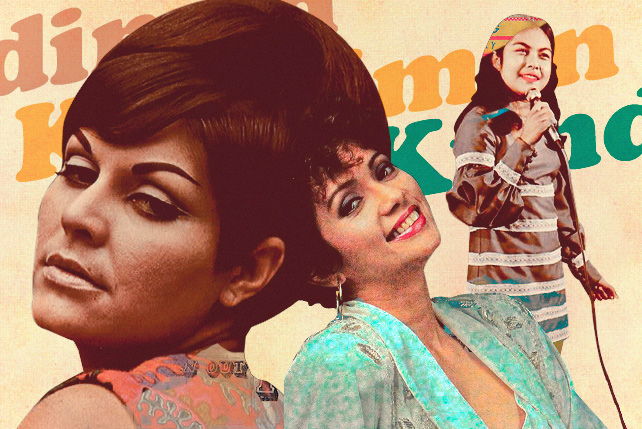
  • Kundiman: The Soulful Love Songs of the Filipino People

    Kundiman: The Soulful Love Songs of the Filipino People

    The evolution of Kundiman, Filipino love songs, originated in Balayan, Batangas, and was shaped by composers Francisco Santiago and Nicanor Abelardo. Santiago formalized Kundiman, while Abelardo integrated Western elements, as in ‘Mutya ng Pasig.’

    These songs blend poetry and music to express love, patriotism, and longing in Tagalog verses. Kundiman reflects Filipino heritage and emotions, resonating with themes of love and national pride.

    Key Takeaways

    Kundiman, originating in Balayan, Batangas, started as love songs and later became expressions of patriotism.

    • Composers such as Francisco Santiago and Nicanor Abelardo guided Kundiman’s evolution by blending poetry and music to convey deep emotions.
    • Themes of longing, devotion, and love are central in Kundiman lyrics, resonating with Filipino heritage.
    • Conservation efforts for Kundiman heritage include organizing concerts, collaborating with institutions, and safeguarding original compositions.
    • Kundiman integrates modern elements while preserving its cultural identity and emotional connection, striking a balance between tradition and modernization.

    Origin and Evolution of Kundiman

    The evolution of Kundiman showcases its deep-rooted significance in Filipino culture. Originally love songs from Balayan, Batangas, Kundiman transformed into expressions of patriotism and nationalistic pride.

    Guided by composers like Francisco Santiago and Nicanor Abelardo, Kundiman became a blend of poetry and music conveying profound emotions. This evolution reflects the changing emotions and aspirations of Filipinos, turning Kundiman into a versatile cultural treasure that resonates with a wide range of sentiments.

    Influence of Francisco Santiago

    Francisco Santiago elevated Kundiman to an art form, formalizing its structure and composing emotive pieces. Known as the ‘Father of Filipino Musical’, he shaped Kundiman Art Songs, showcasing Filipino emotions.

    Santiago’s work popularized Kundiman and showcased Filipino cultural heritage. His legacy endures, influencing Filipino music deeply and shaping Kundiman for future generations.

    Nicanor Abelardo: Kundiman Innovator

    Nicanor Abelardo modernized the Kundiman genre by blending Western musical elements with traditional Filipino melodies. Abelardo’s compositions like ‘Mutya ng Pasig’ and ‘Nasaan Ka Irog’ demonstrate this fusion, elevating Kundiman to new levels of sophistication.

    His innovative approach expanded Kundiman’s reach while maintaining its emotional depth and expressive qualities.

    Themes in Kundiman Lyrics

    Longing, devotion, and love are central themes in Kundiman lyrics, reflecting Filipino cultural values. These songs encompass various forms of love, such as romantic love, patriotism, religious devotion, and the sorrow of lost love.

    The lyrics, primarily in Tagalog, evoke nostalgia and passion, resonating with the Filipino heritage. Kundiman songs capture the essence of love through poetic verses and emotional depth, solidifying their place in Filipino musical tradition.

    Role of Kundiman in Filipino Culture

    Kundiman, a vital part of Filipino culture, is a musical genre enriched by composers such as Francisco Santiago and Nicanor Abelardo. Santiago structured Kundiman music, merging poetry and melody for emotional impact. Abelardo refined Kundiman tunes, encapsulating themes of love, pain, and patriotism.

    Dr. Jose Rizal utilized Kundiman to express his desire for a liberated Philippines. Songs like ‘Nasaan Ka Irog’ and ‘Dahil Sa Iyo’ are still popular, showcasing Kundiman’s enduring cultural importance.

    Modern Interpretations of Kundiman

    Kundiman has evolved by blending traditional melodies with modern sounds, incorporating genres like indie, pop, and electronic music.

    This fusion appeals to a wider audience, showcasing the adaptability of Kundiman.

    The intersection of old and new elements in Kundiman highlights its timelessness in music.

    Contemporary Musical Influences

    Contemporary Filipino artists have revitalized Kundiman by infusing it with modern musical styles like pop, rock, electronic music, and R&B. Artists such as Ben&Ben and Moira Dela Torre have integrated these elements into traditional Kundiman, appealing to a diverse audience.

    This fusion has brought Kundiman to the forefront of the music scene, introducing it to younger generations and broadening its appeal. Collaborations between traditional Kundiman singers and modern musicians have led to innovative and captivating fusions, evolving the genre further.

    Fusion With Other Genres

    Modern interpretations of Kundiman blend traditional Filipino love songs with contemporary pop, R&B, and jazz genres. Artists like Ben&Ben, Clara Benin, and Bullet Dumas incorporate Kundiman melodies and themes into their music, attracting younger audiences while honoring the traditional essence.

    This fusion ensures the continued relevance and accessibility of Kundiman, enriching its legacy.

    Experimental Reinterpretations

    Experimental reinterpretations of Kundiman have been reinvigorating the traditional Filipino music genre by blending it with contemporary styles. These reinterpretations attract a wider audience and spark renewed interest in Kundiman.

    By infusing electronic beats, jazz harmonies, and hip-hop rhythms, artists creatively modernize the genre while maintaining its essence. Ben&Ben and IV of Spades are notable examples of artists successfully incorporating Kundiman into mainstream hits.

    Some reinterpretations even incorporate world music influences, giving Kundiman a unique global appeal. These modern interpretations showcase the adaptability and relevance of Kundiman in today’s music landscape.

    Significance of Tagalog in Kundiman

    Tagalog plays a significant role in Kundiman, showcasing its cultural importance and emotional depth.

    The use of Tagalog lyrics enriches the songs with a strong connection to Filipino heritage. Singing Kundiman in Tagalog helps preserve the traditional language and maintains the genre’s authenticity.

    This practice contributes to keeping the rich cultural heritage alive by encapsulating the essence of Filipino identity through language.

    Tagalog’s Cultural Importance

    Tagalog is the primary language used in Kundiman songs, reflecting Filipino cultural heritage. It conveys traditional values and emotions, creating a strong bond with listeners.

    Through Tagalog lyrics, Kundiman preserves the essence of Filipino heritage and acts as a cultural time capsule for future generations.

    Emotional Depth in Tagalog

    Tagalog lyrics in Kundiman songs enhance emotional resonance and authenticity by capturing Filipino sentiments.

    The use of Tagalog serves as a cultural bridge, connecting listeners to their heritage through rich emotions and historical narratives.

    It conveys love, longing, and patriotism, showcasing Filipino cultural nuances.

    The emotional depth in Tagalog lyrics highlights the language’s significance in preserving and transmitting deep-rooted emotions of the Filipino people.

    Poetry in Kundiman

    Poetry plays an essential role in conveying the essence and emotions of Kundiman songs. Tagalog lyrics in Kundiman encapsulate deep emotions and cultural significance, resonating with listeners on a personal and historical level.

    Tagalog in Kundiman captures themes of love, longing, patriotism, and history, reflecting Filipino identity and heritage. It serves as a powerful medium to express sentiments unique to the Filipino experience.

    Emotional Range of Kundiman Songs

    Kundiman songs are known for their emotional depth, encompassing a wide range of feelings such as love and patriotism. These songs are revered for their ability to evoke intense emotions like passion, longing, and devotion.

    The emotional resonance of Kundiman music is evident in its capacity to move listeners profoundly, resonating with sentiments of love and yearning. Artists utilize Kundiman melodies to express a plethora of emotions such as joy, sorrow, and nostalgia with sincerity.

    Through its soul-stirring tunes, Kundiman encapsulates the broad spectrum of emotions associated with love and patriotism.

    Kundiman’s Impact on Patriotism

    Kundiman was a significant medium during colonial times for Filipinos to express love for their country and desire for freedom. Dr. Jose Rizal, a national hero, composed a nationalistic Kundiman, embodying his vision of Philippine liberation. Songs like ‘Nasaan Ka Irog’ and ‘Dahil Sa Iyo’ were sung at important events, fostering patriotism and unity. The emotional depth and historical themes in Kundiman songs reflect Filipino resilience and spirit during struggles. Filipinos found strength and solace in Kundiman melodies, shaping a strong national identity and pride.

    Kundiman expressed love for the country and yearning for freedom.

    Dr. Jose Rizal’s nationalistic Kundiman symbolized the dream of Philippine liberation.

    Kundiman songs promoted patriotism and unity at significant events.

    How Do Kundiman Songs Differ from Kulintang Music in Terms of Expressing Love and Emotion?

    Kundiman songs and kulintang music offer different ways of expressing love and emotion. Kundiman songs are known for their heartfelt lyrics and soulful melodies, conveying deep emotions through powerful vocals. On the other hand, kulintang ensemble: melodic fusion beautifully expresses love and emotion through its intricate and harmonious blend of traditional gongs and drums.

    Preserving Kundiman Heritage

    Efforts to conserve Kundiman heritage are crucial for preserving the musical traditions of the Philippines.

    Understanding tradition’s role in cultural identity maintenance is essential.

    Modernizing Kundiman music while preserving its essence is key to keeping this heritage relevant.

    Heritage Conservation Efforts

    Efforts to preserve Kundiman heritage include organizing concerts, collaborating with educational institutions, and establishing Kundiman archives.

    The archives safeguard original compositions and historical documents. Initiatives also support emerging Kundiman artists and composers.

    These efforts protect Kundiman’s history and cultivate new talents to carry on the tradition.

    Importance of Tradition

    Preserving Kundiman heritage is essential for safeguarding the traditional Filipino love song genre. Kundiman reflects the emotional connection and cultural identity of Filipinos. This genre embodies love, longing, and patriotism, with poetic lyrics and melodic tunes.

    Modernizing Kundiman Music

    Contemporary adaptations of Kundiman music involve infusing modern elements while preserving traditional roots. To modernize Kundiman, a balance between innovation and preservation is crucial.

    Key approaches include:

    • Fusion with other genres: Integrating Kundiman with pop, jazz, and rock attracts a wider audience while maintaining cultural significance.
    • Educational initiatives: Teaching the younger generation about Kundiman’s heritage and encouraging new compositions ensures its legacy endures.
    • Collaborative efforts: Bridging traditional Kundiman artists with modern musicians fosters a connection between past traditions and contemporary music scenes.

    Frequently Asked Questions

    What Is Kundiman Song in the Philippines?

    Kundiman songs in the Philippines have a historical significance in expressing love and patriotism. These songs have influenced generations and continue to inspire modern interpretations. They embody deep emotions and national pride, creating timeless musical treasures.

    What Is the Kundiman Poem All About?

    Kundiman poems deeply explore emotions such as love, longing, and patriotism. This genre holds cultural significance by effectively conveying Filipino sentiments. Kundiman combines music and poetry to create a soulful and profound musical expression that resonates with audiences.

    What Makes the Kundiman a Love Song?

    The Kundiman is a Filipino traditional love song that embodies deep emotions of devotion. It carries cultural importance by symbolizing love and patriotism within Filipino society. Its musical characteristics, such as lyrical melodies, contribute to conveying its heartfelt message effectively.

    What Is the Most Famous Kundiman?

    ‘Jocelynang Baliwag’ is a renowned Kundiman, resonating with Filipino patriotism and resistance. Its emotional melodies and romantic lyrics embody the Filipino spirit. The song signifies love for country and cultural heritage, serving as a cultural emblem.

    Conclusion

    Kundiman is a genre of music synonymous with love, longing, and patriotism in Filipino culture. Influenced by key figures like Francisco Santiago and Nicanor Abelardo, Kundiman’s emotional lyrics and melodies have resonated with generations.

    Its enduring significance is evident in its preservation and celebration.

  • Tinikling: The Artistry and Athleticism of the Philippine National Dance

    Tinikling: The Artistry and Athleticism of the Philippine National Dance

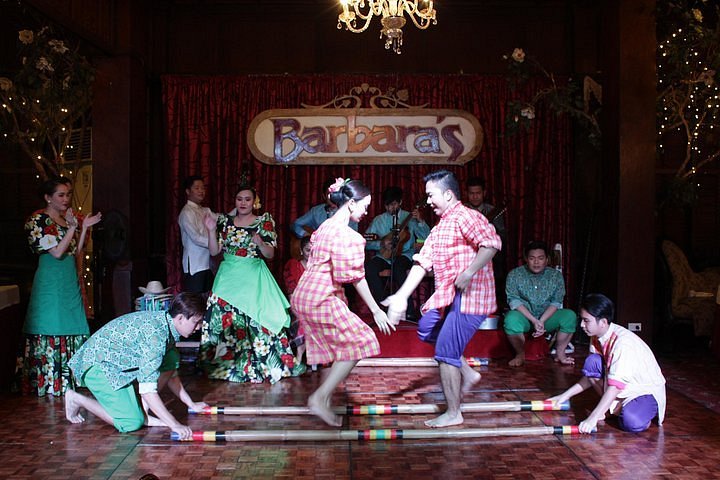
    Tinikling is a national dance of the Philippines that combines artistry and athleticism. This traditional dance showcases Filipino heritage through graceful footwork inspired by the tikling bird. Performers navigate bamboo traps with precision and agility, wearing Balintawak and Barong Tagalog attire.

    The dance requires mastering intricate patterns while evading bamboo traps. Modern interpretations of Tinikling blend tradition with innovation to captivate audiences globally. Tinikling embodies Filipino cultural vibrancy and adaptability.

    Key Takeaways

    • Tinikling, a traditional Filipino dance, originated in Leyte during the Spanish occupation.
    • It features precise footwork and rhythmic patterns.
    • The costumes worn during performances symbolize Filipino culture and heritage.
    • To perform Tinikling, one needs agility, balance, and teamwork.
    • Modern adaptations of Tinikling blend tradition with contemporary artistry.

    Historical Origins and Evolution

    The Philippine national dance, Tinikling, originated during the Spanish occupation era in Leyte. It evolved from a form of punishment into a symbol of Filipino pride and resilience. This dance, inspired by the tikling bird, showcases Filipino ingenuity and endurance.

    Initially used for discipline, Tinikling transformed into a cultural treasure reflecting Filipino identity under colonial rule. The rhythmic patterns and graceful movements on poles symbolize the nation’s history, highlighting the strength and adaptability of the Filipino people.

    Tinikling tells a story of cultural endurance and national pride, illustrating the evolution of a dance form from adversity to admiration.

    Unique Footwork and Rhythmic Patterns

    Tinikling performers showcase precise footwork and rhythmic patterns while dodging bamboo traps. The dance reflects the agility and grace of the tikling bird, challenging dancers’ coordination and quick reflexes.

    The rhythmic footwork includes tapping, sliding, and dodging between bamboo poles.

    Costumes and Symbolism in Tinikling

    The costumes worn during Tinikling performances represent Philippine culture and heritage. Female dancers wear the intricate Balintawak dress, featuring detailed embroidery and butterfly sleeves. This dress symbolizes elegance and grace in every movement.

    Male performers don the Barong Tagalog, representing national pride and masculinity. The Barong Tagalog adds sophistication to the dance.

    These costumes play a crucial role in conveying cultural identity and traditional values to the audience. They embody the grace, strength, and pride intrinsic to Filipino culture.

    Training and Skills Required

    Training in Tinikling requires mastering footwork patterns, coordinating with bamboo poles, and timing movements precisely. Dancers need to develop agility, balance, and endurance for executing intricate steps. Quick reflexes are crucial to avoid getting caught between the bamboo poles.

    Muscle memory is honed through dedicated practice sessions to synchronize with fellow dancers. Teamwork and discipline are essential for flawlessly executing rhythmic patterns. Tinikling training blends traditional artistry with athletic skill, reflecting the cultural heritage of the Philippines.

    What Makes Tinikling Considered as the Philippine National Dance?

    Tinikling is considered the Philippine national dance due to its representation of the country’s cultural heritage and the unique rhythm and movement it showcases. This traditional dance is just one of many that highlights the rich philippine folk dances diversity exploration, making it a significant part of the nation’s identity.

    Modern Interpretations and Performances

    Tinikling in contemporary performance art blends traditional Filipino heritage with modern expressions. Professional dance companies showcase Tinikling in international performances, incorporating contemporary dance styles and music genres. Some adaptations feature innovative choreography, visual effects, and storytelling techniques.

    Tinikling’s integration into fitness and dance classes globally promotes physical activity and cultural appreciation. The evolving nature of Tinikling reflects Filipino cultural creativity and adaptability, ensuring its relevance in the modern world.

    Frequently Asked Questions

    Why Tinikling Is the Philippine National Dance?

    Tinikling is the national dance of the Philippines. It showcases rhythmic footwork, graceful coordination, and traditional music using bamboo sticks. This dance is a cultural symbol that embodies the country’s heritage and pride.

    What Is the Philippine National Dance and Why?

    Our national dance is a symbol of our history and unity. It showcases our cultural importance and artistic expression through rhythmic movements, bamboo sticks, and graceful choreography. Our footwork techniques are deeply rooted in tradition.

    What Is the National Dance of the Philippine Tinikling or Carinosa?

    The national dance of the Philippines is Tinikling. It features rhythmic footwork, bamboo pole maneuvers, and movements inspired by the tikling bird. This dance highlights agility, coordination, and resilience, embodying Filipino heritage.

    What Is the Difference Between Tinikling and Tinikling Ha Bayo?

    Tinikling Ha Bayo features more intricate footwork and incorporates castanets. This dance amalgamates Spanish and Filipino influences, emphasizing hand gestures and speed. The evolution of this national dance highlights its cultural significance.

    Conclusion

    Tinikling, a traditional Filipino dance, embodies the country’s cultural richness with its intricate footwork, rhythmic patterns, and symbolic costumes.

    The dance requires precise coordination as performers move between bamboo poles. It showcases artistic expression and athleticism while emphasizing Filipino heritage.

    As an evolving art form, tinikling remains a potent symbol of Filipino cultural tradition.

  • The Enchanting Melodies of the Philippine Rondalla

    The Enchanting Melodies of the Philippine Rondalla

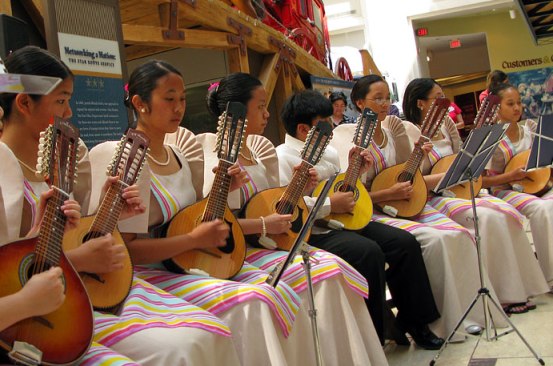
    The Philippine Rondalla combines Spanish and Filipino musical influences through a fusion of string instruments like the Banduria, Octavina, Guitar, and Double Bass. Each instrument adds unique tones and rhythmic support to the ensemble.

    The Rondalla emphasizes plucked instruments and high-pitched melodies, preserving traditional Filipino music. The ensemble’s sound is ensured by the careful maintenance of these instruments.

    The Rondalla showcases a harmonious blend of string instruments like the Banduria, Octavina, Guitar, and Double Bass. This musical tradition encapsulates rich history and cultural exchange, contributing to the preservation of Philippine cultural heritage.

    Key Takeaways

    • Enchanting melodies in Rondalla music fuse Spanish and Filipino traditions.
    • The Banduria features 14 strings, creating distinct high-pitched tones.
    • Octavina complements the Banduria with deeper melodies.
    • Rondalla’s signature sound arises from plucked instruments, not bowed ones.
    • Precise tuning and maintenance are essential for harmonious Rondalla performances.

    Origins of the Philippine Rondalla

    During the Spanish colonial period in the Philippines, the Philippine Rondalla originated as a blend of Spanish and local music. Spanish settlers introduced string instruments like the guitar, forming the basis of the Rondalla ensemble.

    Filipino musicians integrated their own musical elements, creating a unique sound distinct from the Spanish Rondalla. This fusion of Spanish techniques with Filipino music led to the development of a repertoire that’s both nostalgic and authentically Filipino.

    The evolution of the Rondalla showcases cultural exchange between Spain and the Philippines, illustrating how music can transcend boundaries and give rise to new artistic expressions.

    Instruments of the Rondalla Ensemble

    The Banduria produces high-pitched tones, while the Octavina produces deeper sounds in the rondalla ensemble.

    The Guitar provides rhythmic support, and the Double Bass anchors harmonies.

    Each instrument requires meticulous maintenance.

    The Philippine Rondalla demands skill and craftsmanship for enchanting melodies.

    Stringed Rondalla Instruments

    The Banduria and Octavina are integral to the Philippine Rondalla ensemble, contributing distinct sounds.

    The Banduria has 14 strings and high-pitched tones, leading with intricate techniques.

    The Octavina, also with 14 strings but lower sounds, complements the Banduria with deep melodies.

    This diversity enhances performance styles, blending traditional and contemporary elements.

    The Guitar provides rhythmic guidance, while the Double Bass offers foundational support.

    The Rondalla achieves a balanced sound with these instruments.

    Plucked Vs. Bowed

    Plucked string instruments like the banduria, laud, octavina, and guitar are essential to the Philippine Rondalla ensemble, defining its unique timbres and vibrant musical expressions. The Rondalla’s sound is defined by these plucked instruments.

    High-pitched melodies are a characteristic feature of plucked instruments in the Rondalla, showcasing their unique tonal quality.

    Bowed instruments aren’t traditionally part of the Rondalla, emphasizing the focus on plucked strings. The Rondalla doesn’t include bowed instruments.

    This absence of bowed instruments highlights the ensemble’s commitment to preserving traditional Filipino music. The Rondalla’s dedication to traditional sounds is evident in its exclusion of bowed instruments.

    The Rondalla’s emphasis on plucked over bowed instruments sets it apart from more contemporary ensembles and allows for intricate and lively performances that showcase the rich musical heritage of the Philippines.

    Tuning and Maintenance

    The tuning and maintenance of instruments in the Rondalla ensemble are crucial for preserving traditional Filipino music harmonies.

    Each Banduria and Octavina, with 14 strings divided into six sound groups, requires precise tuning for a cohesive blend.

    The Guitar, with six strings providing rhythmic chords, needs careful care.

    The Double Bass (Bajo) has four strings setting the music’s pulse and requires regular maintenance for its resonant tones.

    Instruments like the Piccolo Banduria, Laud, and Mandola contribute uniquely to the Rondalla’s orchestra-like sound.

    Role of Each Instrument in Performance

    In the Philippine rondalla ensemble, each instrument plays a distinct role in creating harmony.

    The banduria and octavina produce intricate melodies alongside the guitar, which establishes the rhythm.

    The bajo contributes deep notes that anchor the ensemble, resulting in a rich tapestry of music reminiscent of an orchestra.

    Instrumental Roles Described

    The Philippine Rondalla features four essential instruments:

    1. The Banduria has 14 strings grouped into six sound groups, symbolizing the rondalla’s voice.
    2. Octavina produces lower sounds than the Banduria and handles low melodies or counter-melodies.
    3. The Guitar provides rhythmic guidance through chord playing.
    4. The Double Bass (Bajo) establishes the music’s foundation and pulse.

    These instruments combine to preserve Philippine music, with the Banduria leading, Octavina supporting, Guitar guiding rhythm, and Double Bass providing a solid base. The interplay of melodies and rhythms creates a distinctive sound unique to the Philippine Rondalla.

    Harmonious Ensemble Dynamics

    The Philippine Rondalla ensemble comprises several instruments. The Banduria, with 14 strings, represents the rondalla’s voice.

    The Octavina, also with 14 strings, plays lower melodies. The Guitar, with six strings, provides rhythmic support with chords.

    The Double Bass (Bajo), the largest instrument with four strings, establishes the foundation with low notes. These instruments create a cohesive musical performance through interplay and rhythmic unity.

    Additional instruments like the Piccolo Banduria, Laud, and Mandola enhance the ensemble’s symphonic blend.

    Repertoire and Musical Influences

    The Philippine Rondalla’s repertoire combines traditional Filipino melodies with international movie themes.

    1. The Rondalla plays traditional romantic music, folk tales, and iconic movie theme songs like ‘The Godfather’ and ‘Beauty and the Beast’.
    2. Instruments like the banduria, laud, octavina, and guitar are used to create mesmerizing melodies blending cultural fusion and global influences in traditional Filipino music.
    3. Performers wear traditional Filipino attire during their performances.
    4. The Rondalla seamlessly merges traditional Filipino music with international movie themes, enchanting audiences worldwide.

    Significance in Philippine Cultural Heritage

    The Philippine Rondalla is a traditional musical ensemble that plays a vital role in preserving the cultural heritage of the Philippines.

    Through emotional storytelling, the Rondalla conveys narratives of love, heroism, and Filipino life, connecting audiences with the past.

    It serves as a powerful medium for transmitting cultural values across generations.

    The Rondalla is crafted by skilled luthiers and performed by dedicated artists who embody Filipino identity through music.

    Evolution and Modern Adaptations

    The Philippine Rondalla has evolved by incorporating new instruments like the guitar and double bass. This evolution has allowed the rondalla to explore diverse musical styles and genres.

    Modern rondalla groups experiment with innovative compositions while maintaining their cultural heritage. The evolution of the rondalla has led to performances that fuse Filipino traditions with global influences.

    Through adapting to new instruments and techniques, the Philippine Rondalla remains vibrant and dynamic in today’s music scene.

    How Does the Rondalla Compare to the Bamboo Organ in Showcasing Philippine Musical Heritage?

    The rondalla and the bamboo organ of Las Piñas both play significant roles in showcasing Philippine musical heritage. While the rondalla is known for its use of strings and plucking techniques, the bamboo organ is revered for its historical significance and unique sound produced from its bamboo pipes. Both are vital cultural symbols.

    Experience a Rondalla Performance

    The Cornell Filipino Rondalla’s live performance combines traditional Filipino music with new instruments and styles, showcasing the rich cultural heritage of the Philippines.

    Through pieces like the Tale of the Pineapple, the ensemble presents engaging folk stories passed down through generations.

    They also re-imagine movie theme songs, like those from the Godfather and Beauty and the Beast, highlighting the versatility of Rondalla music.

    Dressed in traditional Filipino attire, the performers visually represent the deep-rooted cultural traditions of the Philippines.

    Frequently Asked Questions

    What Is the Rondalla Music in the Philippines?

    Rondalla music is a traditional Filipino ensemble known for its intricate melodies, harmonies, and rhythmic patterns. It is commonly used for folk dances and serenades. The Rondalla has gained popularity in educational and cultural settings.

    What Is the Rondalla Answer?

    The Rondalla, a traditional Filipino ensemble, has a rich history and has evolved over time. This musical group showcases cultural diversity and has captivated audiences with its enchanting melodies. The Rondalla plays a crucial role in preserving Filipino heritage through harmonious tunes.

    Which Rondalla Instrument Has an F Hole?

    String instruments like the Banduria feature an F hole design, common in violins and cellos, to enhance acoustic properties. The F hole contributes to distinctive resonance in Filipino music.

    Why Is Rondalla Important?

    The Rondalla is a musical ensemble originating from the Philippines, consisting of 14 to 20 string instruments played with plectrums. It plays a vital role in preserving Filipino musical traditions and cultural heritage. Through captivating melodies, the Rondalla fosters a strong sense of pride and connection to Filipino roots. Its music serves as a form of storytelling, captivating audiences with enchanting tunes and melodies that showcase the rich cultural history of the Philippines.

    Conclusion

    The Philippine Rondalla is a blend of Spanish and Filipino musical influences. It’s a significant part of the country’s cultural heritage.

    The Rondalla continues to evolve, showcasing the rich musical history of the Philippines.

    Experience the mesmerizing melodies of the Rondalla for a journey through the country’s vibrant musical heritage.