Author: Amiel Pineda

  • 7 Tips for Enjoying Local Filipino Folk Music Performances

    7 Tips for Enjoying Local Filipino Folk Music Performances

    Local Filipino folk music performances are a blend of indigenous, Spanish, Chinese, and American influences. This unique genre is best enjoyed in venues with quality acoustics that complement the music.

    Dress in breathable fabrics with traditional Filipino colors when attending these performances. Learning basic Filipino phrases like ‘salamat’ shows respect to the local culture. Engage with the community and respect cultural traditions to enhance your experience.

    This will lead to a richer and more meaningful experience in the vibrant world of Filipino folk music.

    Key Takeaways

    • Filipino folk music holds cultural significance and tells emotional stories. Understanding its context enriches the music experience.
    • For an optimal experience, choose venues with suitable ambiance and good acoustics. Look for cultural decorations that enhance the atmosphere.
    • Dress respectfully in lightweight, breathable fabrics with traditional Filipino colors. This shows appreciation for the cultural event.
    • Learn basic Filipino phrases like ‘salamat’ and ‘oonga po’ to engage with performers and locals effectively.
    • Respect cultural traditions to support the preservation of Filipino music and dance. Avoid appropriation to honor the authenticity of the art form.

    Research the Music Genre

    Filipino folk music reflects a blend of cultures, including indigenous, Spanish, Chinese, and American influences. This genre has distinctive regional styles and traditional instruments.

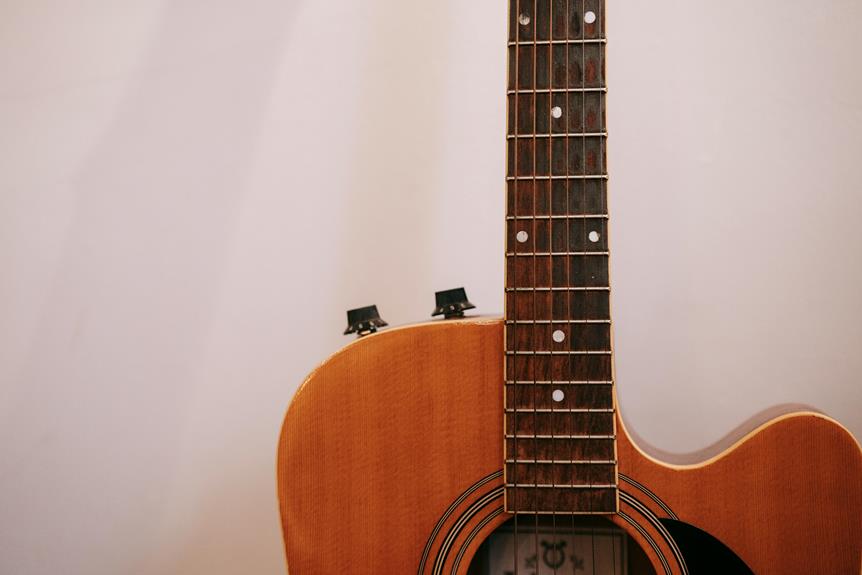
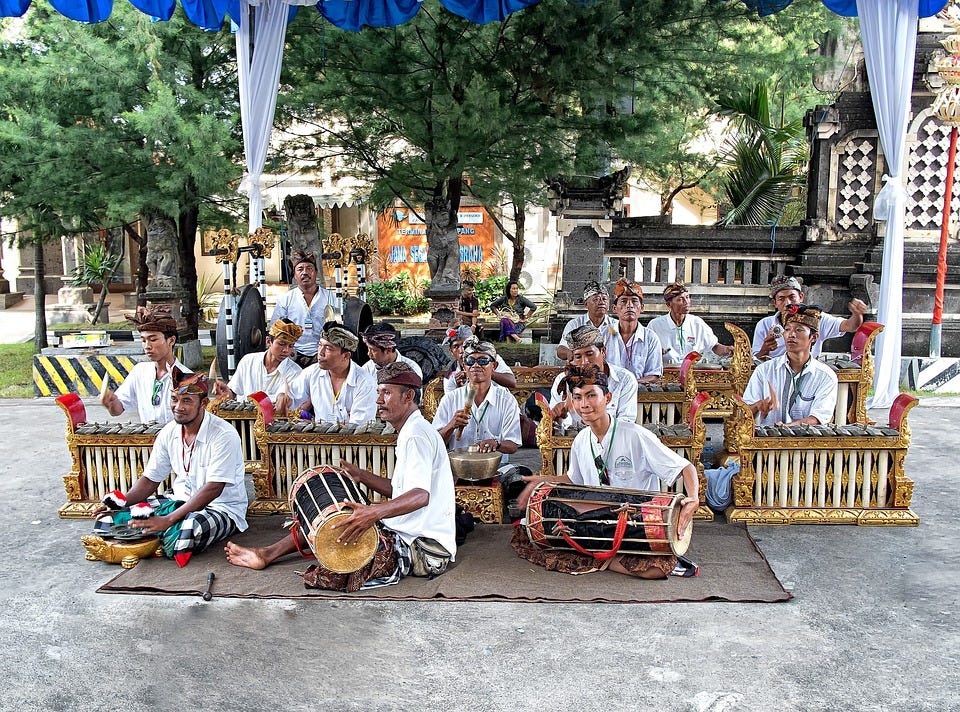
    For example, the kulintang is a set of gongs used in ensemble performances, while the kudyapi is a guitar-like stringed instrument.

    Understanding the cultural significance of Filipino folk music enhances appreciation for the emotions and stories conveyed in the songs.

    Know the Performance Venue

    To fully enjoy Filipino folk music, it’s important to choose a venue that complements the music.

    1. Accessibility:

    Select a venue that’s easily reachable. Opt for locations with good public transportation options or ample parking spaces.

    2. Ambiance:

    Look for a venue with an atmosphere that enhances the music experience. Consider places with cultural decorations or traditional Filipino elements.

    3. Focus on Music:

    Venue Ambiance Matters

    When attending a Filipino folk music performance, consider the venue’s ambiance for an enhanced experience. A well-designed venue can elevate the performance. Look for a venue with thoughtful lighting setup to create an intimate atmosphere. Avoid harsh lighting that can be distracting.

    Acoustic design is crucial for clear music resonance. Seek venues with quality acoustic setups. Seating arrangement influences community engagement. Opt for venues that encourage connections among audience members and performers.

    Venue Accessibility Counts

    Assess the venue before attending to ensure it’s easily accessible and convenient. Knowing the layout and amenities can enhance the experience.

    Check for specific accessibility features such as seating options, parking proximity to the entrance, wheelchair-accessible restrooms, and ramps or elevators for easy access. Ask about the availability of wheelchair-accessible seats, nearby parking, and the presence of staff trained to assist with special needs.

    Dress Appropriately for the Occasion

    When attending a Filipino folk music event, it’s important to wear attire that respects the cultural significance of the occasion. Here are some guidelines to follow:

    1. Choose lightweight and breathable fabrics suitable for the weather and venue.

    2. Incorporate traditional Filipino colors like red, blue, and yellow into your outfit to show appreciation for the culture.

    3. Avoid wearing revealing or provocative clothing. Opt for modest attire that covers your shoulders and knees.

    Learn Basic Filipino Phrases

    Learning basic Filipino phrases like ‘salamat‘ (thank you) and ‘oonga po‘ (excuse me) can enhance your experience and show respect for the culture. These phrases can help you communicate with performers and locals, breaking down language barriers.

    By knowing these phrases, you can express gratitude to musicians and connect with the audience more effectively.

    Understanding the concept of ‘hiya‘ (shyness or modesty) is important in Filipino culture. It helps you appreciate the reserved nature of some performers. Greeting people with ‘kumusta‘ (how are you?) or ‘magandang gabi‘ (good evening) shows respect for their culture.

    These gestures demonstrate your effort to engage authentically with the community.

    Be Respectful of Cultural Traditions

    Engaging with Filipino folk music requires respecting cultural traditions. Avoid appropriating cultural symbols without understanding and permission.

    Support tradition preservation by attending performances and festivals celebrating Filipino folk music. Consider supporting local initiatives that preserve traditional music and dance.

    Show respect to elderly Filipinos who pass down cultural traditions. Recognize their knowledge and contributions.

    Engage With the Local Community

    Exploring Filipino folk music benefits from engaging with the local community. Meeting local musicians provides insight into their creative processes and inspirations.

    Attending community events regularly deepens understanding of the cultural context behind the music.

    Meet Local Musicians Personally

    Meeting local Filipino folk musicians at music festivals and events offers a unique opportunity to connect with them personally.

    Benefits of such interactions include:

    • Learning about their musical inspirations
    • Understanding how they infuse traditional Filipino elements into their music
    • Hearing backstage stories about their performances and songs

    For instance, by engaging with these musicians, you can gain insights into their creative process, ask questions about their music, and receive firsthand accounts of their musical journey.

    Attend Community Events Regularly

    To immerse yourself in Filipino folk music, attend local community events regularly. These events showcase live music performances by local musicians. Check community calendars for festivals, parades, and cultural fairs. These events offer a chance to experience Filipino cultural heritage. You can enjoy music, cuisine, crafts, and traditions.

    Attending these events can deepen your appreciation for Filipino folk music. Occasionally, there may be impromptu jam sessions or workshops to participate in. By engaging with the local community, you can form connections and create lasting memories.

    What Are Some Key Tips for Enjoying Filipino Folk Music Performances at a Festival?

    When attending a Filipino folk music festival, here are some helpful planning tips to enhance your experience. First, research the performers to familiarize yourself with their style. Second, arrive early to secure a good spot. Finally, don’t forget to bring some cash for any souvenirs or food vendors.

    Be Prepared for Improvisation

    Filipino folk music often involves unexpected solos and vocal improvisation. Musicians must be ready to improvise during performances. Being open to musical surprises enhances the experience.

    To excel in improvisation:

    • Expect the unexpected and stay calm if the performance changes.
    • Actively listen for cues and rhythms to guide your improvisation.
    • Avoid preconceived notions of how the performance should sound.

    Frequently Asked Questions

    Are Cameras Allowed During the Performance?

    Yes, cameras are usually allowed during the performance. Please avoid using flash photography as it can be distracting. Refrain from taking pictures during quiet or intimate moments.

    Can I Request a Specific Song From the Performers?

    You can politely ask the performers if they’ll play your preferred song. However, be mindful of cultural norms and respect their setlist. They may have a specific repertoire to showcase their traditional folk music.

    Are Food and Drinks Allowed Inside the Venue?

    Food and drinks are typically permitted in the venue. Avoid eating during performances. Limited seating options may be available.

    Can I Participate in the Traditional Dances?

    Yes, you can participate in traditional dances. Follow dance etiquette by observing first, asking permission, and then carefully mimicking movements to show respect and avoid cultural appropriation.

    Are There English Translations for the Song Lyrics?

    English translations of Filipino folk song lyrics are commonly available to aid in understanding the cultural significance and interpretation of the music. This can enhance your overall experience with traditional Filipino music.

    Conclusion

    Immerse yourself in Filipino folk music by researching beforehand, dressing appropriately, and respecting the culture.

    Engage with locals and embrace improvisation for a more exciting experience.

    Remember to cherish the memories and inspiration from the performance to keep the rhythm of Filipino folk music alive within you.

  • Discover Local Filipino Folk Music and Dance Events

    Discover Local Filipino Folk Music and Dance Events

    Experience the vibrant cultural heritage of the Philippines through folk music and dance events.

    Traditional dances like Tinikling, Rigodon, and Maglalatik showcase the country's rich history. Instruments such as the Kulibit, Agung, and Tambuli play a crucial role in preserving cultural heritage.

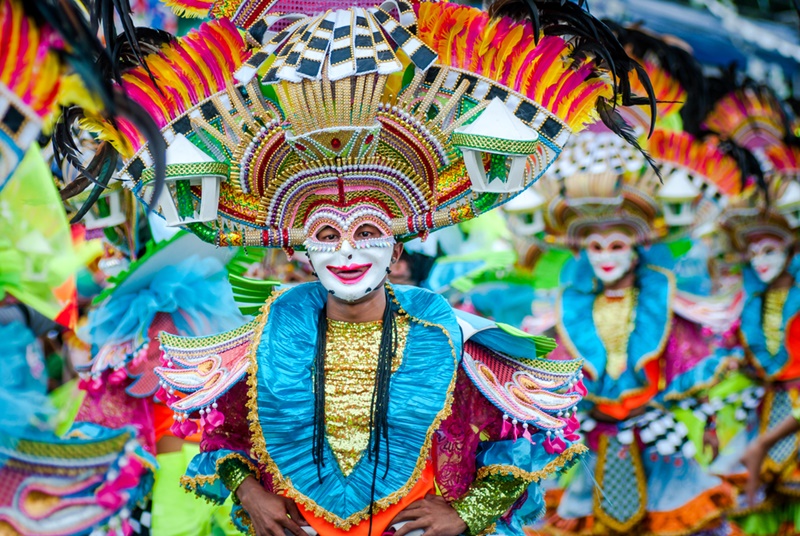
    Regional cultural festivals like MassKara, Pintados, and Tinagba offer immersive experiences. Modern performances infuse tradition with contemporary elements to attract younger audiences.

    To find local events, check online calendars, community centers, and social media.

    Start your journey into Filipino folk music and dance now!

    Key Takeaways

    To discover local Filipino folk music and dance events, follow these steps:

    1. Check online event calendars, local community centers, and cultural organizations for Filipino folk music and dance events in your area.
    • Look for events on websites like Eventbrite or Meetup.
    • Visit community centers like the Filipino Community Center for event listings.
    • Connect with cultural organizations such as the FilAm Arts for event updates.
    1. Follow Filipino cultural organizations on social media to stay updated on upcoming events and performances.
    • Follow pages of organizations like PASACAT (Philippine Performing Arts Company) for event announcements.
    • Stay tuned to updates from groups like Kultura Filipino Arts for dance performances.
    1. Scan local newspaper event listings for information on traditional Filipino dance and music performances.
    • Check newspapers like The Filipino Channel for event schedules.
    • Look for event listings in community newspapers like the Manila Bulletin for cultural events.
    1. Search online event calendars using keywords like 'Filipino folk music' or 'traditional Filipino dance' to find local events.
    • Utilize search engines to find events by entering specific keywords.
    • Explore websites like Filipino Events in [Your City] for event details.
    1. Visit local Filipino associations to inquire about upcoming cultural events and performances in your community.
    • Reach out to associations like the Filipino American National Historical Society for event information.
    • Attend events organized by groups like the Filipino American Association of Pittsburgh for cultural experiences.

    Exploring Traditional Filipino Dances

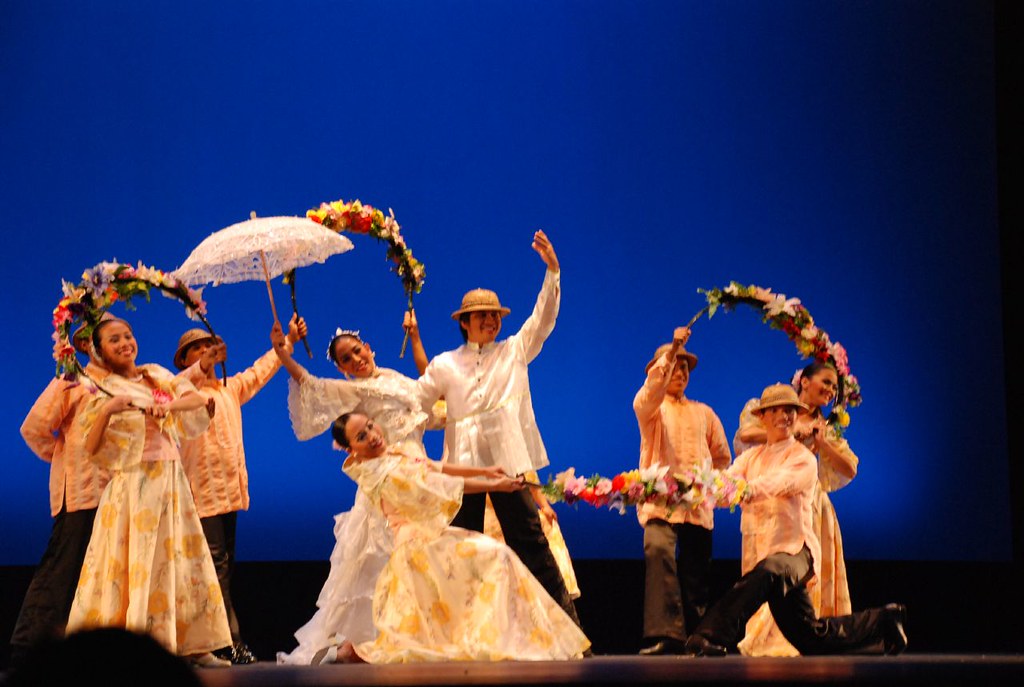
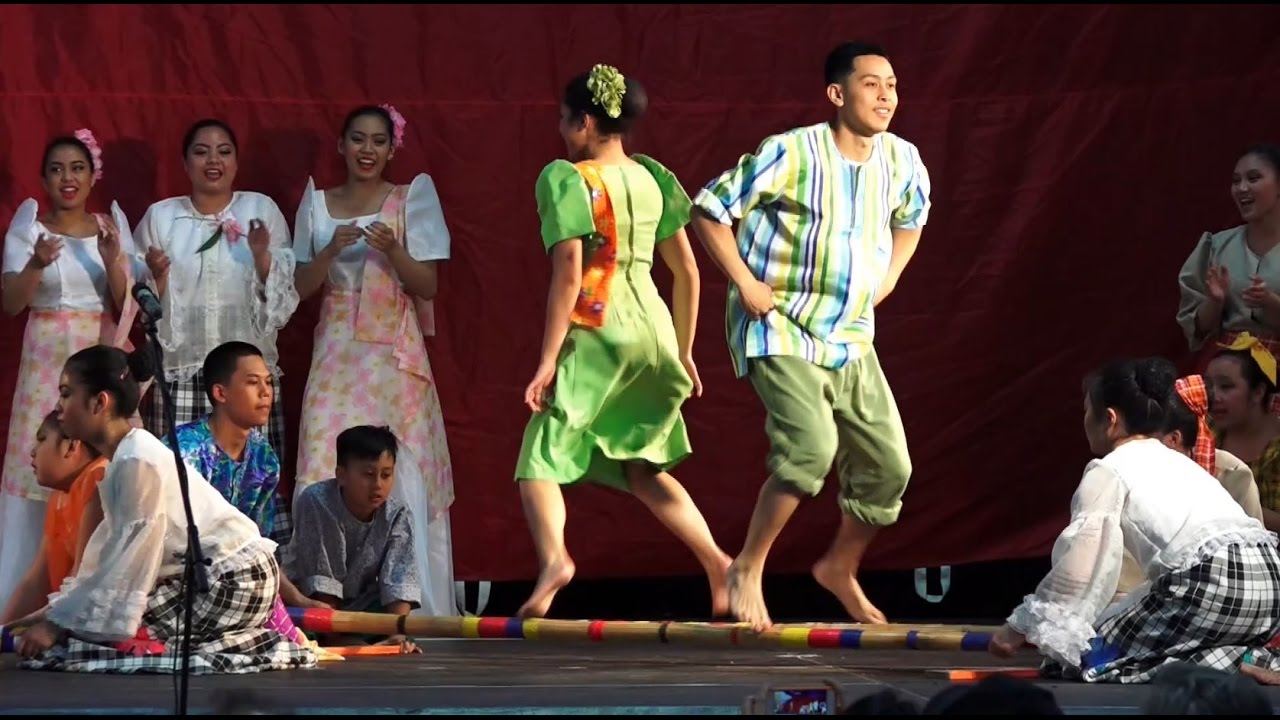
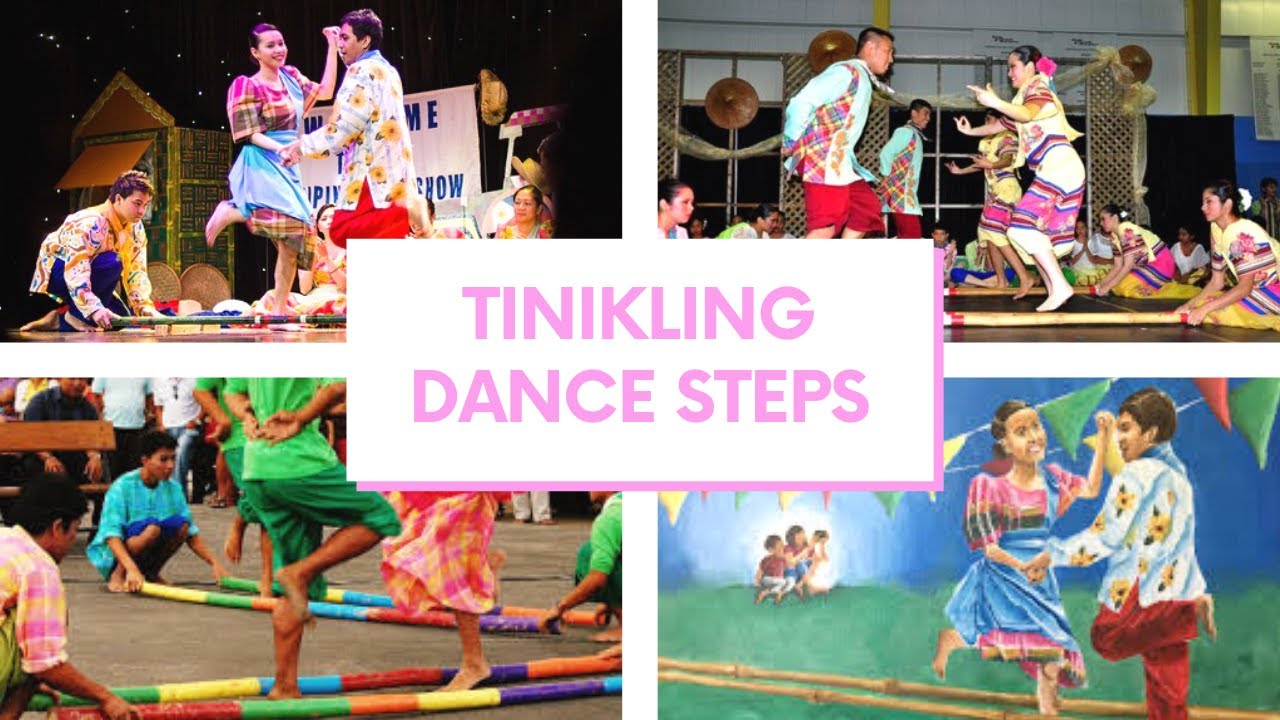
    Traditional Filipino dances offer a diverse range of styles and cultural influences. The Tinikling, a popular dance, involves dancers tapping bamboo poles.

    Originating as a form of entertainment during Spanish colonial rule, the Rigodon is a graceful ballroom dance showcasing Hispanic heritage.

    Another lively dance, the Maglalatik, mimics the movements of a rooster, reflecting Filipino cultural identity.

    These dances provide insight into the country's cultural heritage and evolution. Through exploring these traditional dances, one can appreciate the intricate footwork, colorful costumes, and rhythmic traditions passed down through generations.

    Folk Music Instruments to Watch

    In Filipino folk music, traditional instruments play a vital role in showcasing the country's cultural heritage. These instruments not only produce beautiful sounds but also carry stories that reflect the history and identity of the Philippines.

    The Kulibit is a Filipino harp known for its historical significance in instrumental storytelling.

    Agung consists of gongs used in Filipino ensembles to enhance the depth of folk music.

    Kolitong comprises small gongs utilized in various Filipino folk dances and musical performances.

    Tambuli is a drum essential for setting the rhythm in traditional Filipino music.

    These instruments serve as more than just musical tools; they're essential for preserving the cultural heritage of the Philippines. By exploring their unique sounds and histories, one can gain a deeper appreciation for the diverse cultural tapestry of the country.

    Regional Cultural Festivals to Attend

    Regional cultural festivals in the Philippines showcase the country's heritage through folk music and dance. These events offer cultural exploration and community engagement.

    Some key festivals to attend are:

    MassKara Festival in Bacolod features vibrant street dancing and colorful costumes.

    Pintados Festival in Tacloban celebrates the city's history and culture.

    Tinagba Festival in Iriga includes street dancing, cultural shows, and a grand parade.

    These festivals highlight the country's cultural diversity. Attendees experience a mix of colors, rhythms, and flavors, creating lasting memories. Immerse yourself in the vibrant cultural heritage of the Philippines at these events!

    Modern Twists on Classic Performances

    Contemporary Filipino artists revitalize traditional folk music and dance by blending them with modern elements. They incorporate fusion collaborations, merging traditional instruments and melodies with modern genres like electronic or rock music. This fusion creates a unique sound that appeals to a wide audience.

    In modern interpretations of classic dances, choreographers infuse traditional steps with a modern twist. For example, the Tinikling dance, which involves bamboo poles, may be reimagined with LED-lit poles or accompanied by electronic beats. These innovative changes attract younger audiences while preserving the cultural heritage of the Philippines.

    What are some tips for enjoying local Filipino folk music and dance events?

    When attending local folk music and dance events in the Philippines, here are some essential tips for local folk music enthusiasts. Be open to new experiences and immerse yourself in the rich culture. Enjoy the rhythmic beats and expressive movements that tell captivating stories through traditional Filipino folk music and dance.

    Where to Find Local Events Near You

    You can find local Filipino folk music and dance events in your area by checking online event calendars and visiting local community centers or cultural organizations.

    1. Check online event calendars that feature cultural events in your community.
    2. Visit local community centers, cultural organizations, or Filipino associations in your area.
    3. Scan local newspaper event listings or entertainment sections for event information.
    4. Follow Filipino cultural organizations or community centers on social media for event updates.
    5. Search online event calendars like Eventbrite or Meetup using keywords like 'Filipino folk music' or 'traditional Filipino dance'.

    Frequently Asked Questions

    Can I Learn Filipino Folk Dance if I Have No Prior Experience?

    Learning Filipino folk dance is accessible to beginners with no prior experience. Classes are designed to introduce participants to the unique rhythm and movements of Filipino dance. These classes typically focus on cultural immersion and practice to help students master the art. For example, beginners are taught basic steps such as the "Tinikling," a popular dance involving bamboo poles. Through consistent practice, individuals can quickly grasp the fundamentals of Filipino folk dance.

    Are Traditional Filipino Instruments Expensive to Purchase?

    Traditional Filipino instruments vary in cost. Budget-friendly options like the kulintang or agung can start at around $100-$300, making them accessible for beginners.

    Can I Attend Cultural Festivals if I'm Not Filipino?

    Attending cultural festivals is open to everyone, regardless of their background. It's important to show respect and appreciation for the culture being celebrated. Being mindful of traditions and customs is essential to a meaningful experience. For example, at a Filipino festival, visitors may enjoy traditional dances like Tinikling or taste popular dishes like adobo and halo-halo. Respectful participation enhances the cultural exchange.

    Are Modern Filipino Performances Only in the Philippines?

    Modern Filipino performances extend beyond the borders of the Philippines. They can be found at international festivals and events, showcasing a blend of traditional and contemporary styles. For instance, Filipino artists have participated in over 50 international cultural festivals in the past year alone. This global reach allows audiences worldwide to experience the richness of Filipino culture through performances that resonate with both heritage and innovation.

    Can I Participate in Local Events if I'm Not a Professional Dancer?

    You can join local cultural events even without being a professional dancer. It's a chance to engage with the Filipino community and learn firsthand. Cultural events welcome everyone, not just professionals. For instance, in Filipino festivals like the Sinulog Festival in Cebu City, there are dance competitions open to all, regardless of skill level. These events emphasize inclusivity and community spirit.

    Conclusion

    Explore Filipino folk music and dance by attending local events.

    Experience regional cultural festivals and watch modern takes on traditional dances.

    Immerse yourself in the vibrant Filipino folk arts scene to deepen your connection to the culture.

  • Unveiling the Roots of Traditional Filipino Folk Dances

    Unveiling the Roots of Traditional Filipino Folk Dances

    Traditional Filipino folk dances reflect a cultural blend shaped by history.

    Spanish and American influences introduced new dance styles like Rigodon and Foxtrot.

    For example, the Carinosa dance combines Chinese and indigenous elements.

    Malay roots are seen in expressive gestures and rhythmic patterns, while Islamic influences showcase intricate movements in Maranao dance.

    This rich heritage has evolved over time, offering insights into the cultural tapestry of the Philippines.

    Key Takeaways

    Filipino folk dances are a blend of influences from various cultures, shaping the country’s heritage.

    • Spanish colonization introduced European styles like Rigodon and Fandango. These styles merged with indigenous traditions to create unique dance forms.
    • American modernity combined with Filipino customs led to the creation of dances like Tinikling. These dances were widely popularized through mass media and education.
    • Chinese immigrants brought their dance traditions, seen in Rigodon and Carinosa, which integrated with Filipino elements to form new cultural expressions.
    • Malay roots are evident in hand movements, storytelling, and rhythmic patterns, showcasing the diverse cultural tapestry of the Philippines.

    Spanish Colonization’s Lasting Impact

    Spanish colonization influenced traditional Filipino folk dances, such as the Rigodon and the Fandango, which show Spanish and European influences in their steps, music, and costumes. The Catholic Church also impacted Filipino culture by introducing Catholic dogma, leading to traditional dances like the Sinulog, which celebrates the Santo Niño (Child Jesus) and blends Catholic and indigenous elements.

    These influences are a direct result of over three centuries of Spanish colonization in the Philippines. This fusion is evident in dances that continue to evolve while preserving their cultural heritage.

    American Influence on Filipino Dance

    American colonization influenced Filipino dance by introducing modern and upbeat styles like the Foxtrot and Charleston which merged with traditional folk dances. This fusion created unique dance forms blending American modernity with Filipino traditions.

    American modernization efforts in the Philippines between 1898-1946 also impacted the cultural landscape. The growth of cities due to urbanization led to the development of new dance styles like the Tinikling. American mass media, including radio and cinema, popularized American dance styles making them accessible to Filipinos.

    American-style education in the Philippines emphasized physical education, including dance, promoting American dance styles. The presence of American soldiers and expatriates facilitated cultural exchange, including dance practices.

    Chinese Traditions in Philippine Folk

    Chinese immigrants introduced dance traditions to the Philippines in the 10th century.

    Rigodon and Carinosa showcase Chinese influences. The Rigodon mirrors Chinese courtship dances with gentle movements. Carinosa reflects Chinese lion dance rhythms with lively clapping and stomping.

    These dances blend Chinese and Filipino elements, shaping the country’s cultural heritage.

    Malay Roots of Filipino Movement

    The Filipino movement is deeply rooted in Malay traditions, characterized by agile hand movements, subtle footwork, and dynamic body isolations. Ancient rituals and tribal storytelling have significantly influenced traditional Filipino dances.

    • Hand Movements: Filipino folk dances showcase intricate hand gestures and finger articulation, recalling ancient rituals where hands were used for spiritual invocation and divine communication.
    • Movement Storytelling: Dynamic body isolations and subtle footwork in Filipino dances reflect tribal storytelling, conveying emotions, myths, and legends through movement.
    • Rhythmic Patterns: Filipino dances feature rhythmic patterns and polyrhythms that highlight the region’s musical heritage, emphasizing the integral connection between music and dance in community life.
    • Expressive Gestures: The expressive gestures and postures in Filipino folk dances represent the diverse cultural richness of the region, blending indigenous traditions to create a unique dance form.

    Islamic Influence on Maranao Dance

    The Maranao traditional dances reflect Islamic influences through the incorporation of Arabic and Persian elements. These influences are evident in the intricate hand movements, subtle footwork, and rhythmic sways of Maranao rituals.

    Geometric patterns and Arabic calligraphy are used in their attire, showcasing the fusion of Islamic and indigenous styles. This blend enriches Maranao cultural identity and fosters a sense of community.

    The dance style is unique, reflecting both Arabic and Persian influences.

    Indigenization of Foreign Rhythms

    Traditional Filipino folk dances have skillfully blended foreign rhythms into their performances, resulting in a unique cultural tapestry. Here are some examples of this rhythmic fusion:

    1. Spanish guitar rhythms have been integrated with indigenous melodies, creating a distinct musical style.
    2. Malaysian and Indonesian influences have merged with native steps, leading to a fusion of movements that’s both traditional and innovative.
    3. American and European musical styles have combined with traditional Filipino instruments, producing a unique and captivating sound.
    4. Chinese and Japanese cultural elements have been woven into traditional dances, reflecting historical trade and cultural exchanges.

    This indigenization process hasn’t only preserved the cultural heritage of Filipino folk dances but has also showcased the nation’s adaptability and creativity.

    Cultural Exchange in the Islands

    Island hopping traditions significantly influenced Filipino folk dances.

    The close proximity of the islands led to cultural blending, resulting in a rich fusion of customs.

    This exchange shaped the development of traditional Filipino folk dances.

    Island Hopping Traditions

    Island Hopping Traditions have shaped Filipino culture by fostering unique rituals and enabling cultural exchange between islands.

    1. Distinct island rituals developed, showcasing each island’s cultural identity. For example, the Pintados Festival in Leyte celebrates ancient tattooing traditions.
    2. Sea-faring traditions allowed for trade and cultural sharing among islands. The Butuan boats exemplify advanced Filipino seafaring skills.
    3. Cultural fusion occurred as diverse island cultures mixed, influencing one another. The Maranao culture in Mindanao showcases a blend of indigenous and Islamic influences.
    4. Geographic isolation preserved unique practices on each island. The Batanes Islands’ Ivatan people maintain distinct traditions due to their isolation.

    These aspects highlight the significant role of Island Hopping Traditions in shaping the Filipino cultural heritage.

    Native Cultural Blending

    Filipino islanders blended customs, creating diverse traditions. Indigenous tribes influenced folk dances significantly. For instance, the Tinikling dance mixes Spanish and indigenous styles with fast footwork and clapping.

    Another example is the Rigodon de Honor, which combines European and Asian elements with intricate hand movements. Cultural fusion shaped the unique folk dances in the Philippines, showcasing the nation’s rich heritage.

    How has Traditional Filipino Folk Music Influenced Traditional Filipino Folk Dances?

    The history of Filipino folk music has greatly influenced traditional Filipino folk dances. The melodic and rhythmic patterns found in traditional Filipino music are reflected in the movements and steps of traditional Filipino folk dances. The music sets the tone and pace for the dancers, creating a seamless integration of music and movement.

    Evolution of Filipino Folk Dance

    Filipino folk dance has evolved over centuries, shaped by colonization, cultural exchange, and social change. The dances reflect a mix of indigenous, Spanish, American, Chinese, and Islamic influences, creating a unique cultural heritage.

    Factors influencing the evolution of Filipino folk dance include:

    1. Cultural preservation: Efforts to preserve traditional dances have revived interest in folk culture.
    2. Folk dance revival: In the 20th century, a movement promoted and popularized traditional dances to a wider audience.
    3. Influence of foreign cultures: New cultural practices have enriched the country’s folk dance repertoire, such as the Spanish-influenced Tinikling dance.
    4. Social change: Adaptations of traditional dances have made them more relevant to contemporary audiences, reflecting changing societal values.

    Exploring the evolution of Filipino folk dance provides insight into the country’s cultural identity and rich heritage.

    Frequently Asked Questions

    What Is the Significance of Hand Movements in Filipino Folk Dances?

    Hand movements in Filipino folk dances carry symbolic meanings. For instance, gentle waves and fluttering fingers symbolize cultural expressionism. These gestures reflect the values, traditions, and emotions of the community.

    How Did Christianity Impact Traditional Filipino Dance Practices?

    Christianity, especially Catholicism, significantly influenced traditional Filipino dance. Missionaries adapting indigenous dances with Western elements changed the cultural landscape. For instance, over 80% of Filipinos are Catholic, reflecting the profound impact of Christianity on their cultural practices. This integration led to a fusion of traditional and Western dance styles, shaping the evolution of Filipino dance forms.

    Are Filipino Folk Dances Only Performed During Special Occasions?

    Filipino folk dances go beyond special occasions. They are integral to the culture, showcasing historical narratives and traditions. These dances are performed regularly in various settings, not just during festivities. For example, Tinikling, a popular Filipino dance, is often showcased in schools and cultural events throughout the year. This demonstrates the widespread appreciation and practice of these traditional dances. While they may be highlighted during celebrations, their significance extends far beyond occasional performances.

    What Role Does Improvisation Play in Traditional Filipino Dance?

    Improvisation is a significant aspect of traditional Filipino dance. Dancers blend diverse cultural influences to create unique performances through spontaneous expression. This allows for cultural fusion and dynamic presentations. For instance, in the Tinikling dance, performers use bamboo poles to create rhythmic patterns through improvised movements, showcasing the rich heritage of Filipino dance.

    Can Filipino Folk Dances Be Adapted for Modern, Contemporary Styles?

    Adapting Filipino folk dances for modern styles poses challenges, yet embracing cultural fusion can create innovative performances. This fusion blends traditional roots with contemporary elements, resulting in dynamic and engaging shows. For example, incorporating hip-hop moves into a traditional Tinikling dance can captivate audiences with a fresh take on a classic art form. By combining the grace of Tinikling with the energy of hip-hop, dancers can showcase a unique and exciting performance that resonates with modern audiences.

    Conclusion

    Traditional Filipino folk dances showcase a blend of cultural influences that have shaped their movements and rhythms. From Malay origins to Islamic traditions, and from Spanish colonization to American influences, each dance tells a story of the Philippines’ history. These dances have adapted over time, reflecting the country’s diverse heritage.

    Malay roots are evident in dances like the Singkil, which originated from the Maranao people of Mindanao. Islamic influence is seen in the Pangalay dance, characterized by graceful hand movements inspired by the Sulu region’s culture.

    Spanish colonization introduced dances like the Jota, Fandango, and Rigodon. American assimilation brought modern influences to Filipino folk dances, leading to the creation of dances like the Tinikling, which imitates the movement of birds.

    Filipino folk dances have become a unique expression of the country’s resilience and creativity. Through these dances, the Philippines celebrates its diverse cultural heritage and history, showcasing a tapestry of traditions that have stood the test of time.

  • Beginner Steps for Tinikling: A Folk Dance Tutorial

    Beginner Steps for Tinikling: A Folk Dance Tutorial

    To begin your Tinikling journey, warm up with light cardio and stretching. Wear comfortable attire and shoes for ease of movement. Respect the cultural significance by choosing modern or traditional Filipino outfits.

    Focus on mastering the basic steps, especially toe taps for precision. Hold bamboo poles with a firm grip, maintaining a shoulder-width distance between hands. Learn essential rhythm patterns and experiment with tapping techniques.

    As you progress, uncover more techniques and rhythms to enhance your Tinikling skills.

    Key Takeaways

    To prevent injuries and improve flexibility, warm up with light cardio and stretching before practicing Tinikling.

    • Focus on mastering the fundamental Tinikling steps, emphasizing toe taps for precision and comfortable footwork.
    • Hold bamboo poles with a shoulder-width distance between hands and slightly bent elbows for control and balance, firmly but not too tightly.
    • Learn three basic footwork patterns, such as heel-toe tapping and ankle rotations. Practice combining them with rhythm and music for a cohesive performance.
    • Rehearse in front of a mirror to refine posture and expressions. Practice in costume to get comfortable with attire before performing in front of an audience.

    Preparing for Tinikling Dance

    Before engaging in Tinikling, warm up with light cardio and stretching to prevent injuries. This Filipino folk dance demands flexibility, coordination, and endurance.

    Wear comfortable, breathable clothing and suitable shoes for the dance’s energetic movements. Respect the cultural significance of Tinikling to enhance your experience. Opt for modern attire or traditional Filipino outfits like baro’t saya.

    Prepare your body and mind to fully immerse yourself in the lively world of Tinikling.

    Basic Footwork Techniques

    You’ll learn the fundamental Tinikling steps. These steps involve basic foot movements to help you grasp the rhythm.

    First, practice the basic steps to get comfortable with the sequence.

    Next, focus on toe taps exclusively to improve your precision.

    For example, by mastering the toe taps, you’ll enhance the required footwork for this traditional Filipino dance.

    Basic Steps

    The Tinikling folk dance involves basic steps that combine footwork techniques for a strong foundation. These steps are crucial for understanding the Tinikling culture and showing good dance etiquette.

    Basic Steps:

    • Start with feet together, weight evenly distributed.
    • Step to the side with one foot, keeping the knee straight.
    • Bring the other foot to meet it.
    • Alternate feet with each step.
    • Maintain straight posture, engage core, relax shoulders.
    • Focus on quick, light steps to avoid heavy footwork.

    Example: Start by stepping to the right with your right foot, then bring your left foot to meet it. Switch sides by stepping to the left with your left foot, then bringing your right foot to meet it.

    Toe Taps Only

    Toe taps are essential in Tinikling dancing to add flair and quick movements. Here are some key points to remember:

    • Wear shoes with a smooth sole to prevent catching on bamboo poles.
    • Keep your knees slightly bent for balance and control.
    • Start with slow, small taps and gradually increase speed and distance.
    • Focus on tapping the balls of your feet to reduce fatigue.
    • Trim your toenails and wear breathable socks to prevent blisters.

    Following these tips will help you master toe taps in Tinikling dancing.

    Ankle Movement

    Mastering ankle movement is essential for executing Tinikling’s footwork. Start by rotating your ankles in a circular motion to improve flexibility. Rotate them clockwise and counterclockwise several times. This exercise enhances ankle flexibility.

    Strengthen your ankles by tensing and relaxing them, ensuring control and stability during the dance. Keep knees slightly bent and weight evenly distributed on both feet to move ankles freely without straining legs. Incorporate ankle movement into basic footwork by tapping toes while rotating ankles for practice.

    Consistent practice enhances ankle flexibility and strength, crucial for mastering Tinikling’s intricate footwork.

    Holding Bamboo Poles Correctly

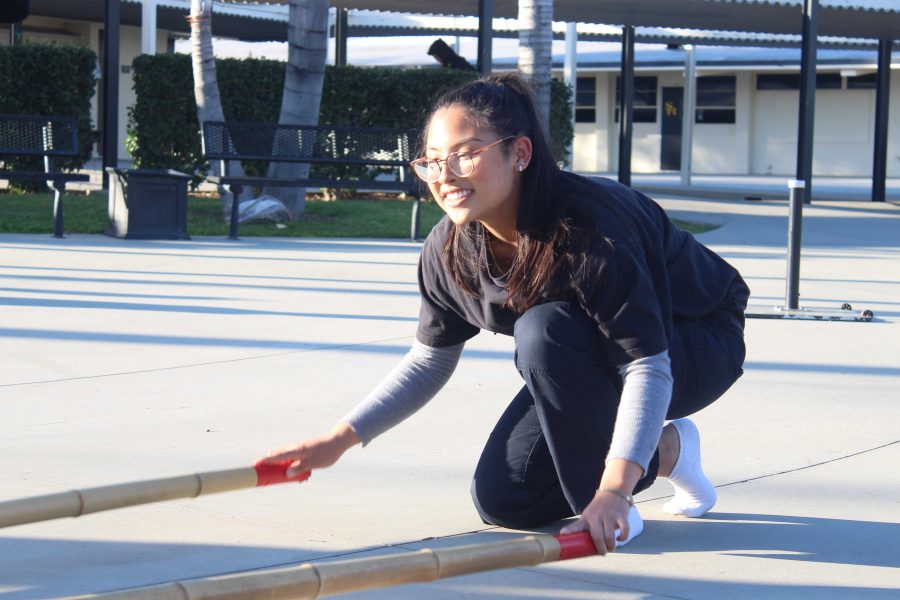
    When holding bamboo poles for the Tinikling dance, grip them firmly but not too tightly. Maintain a shoulder-width distance between your hands and keep your elbows slightly bent. This grip ensures control and balance during the dance.

    Maintain a firm but gentle grip on the bamboo poles to prevent fatigue. Inspect the poles regularly for wear and tear, and clean them after each use to avoid dirt buildup.

    Keep your wrists straight and forearms relaxed to prevent strain. Adjust your grip as needed to ensure the poles are evenly spaced and parallel. Practice in front of a mirror to develop good posture and alignment.

    Mastering Pole Tapping Rhythms

    Mastering Pole Tapping Rhythms

    To excel in Tinikling, you must first grasp fundamental rhythm patterns. These patterns form the basis of your pole tapping abilities.

    Progressing further entails learning diverse tapping techniques and variations to enhance your dance skills.

    Basic Rhythm Patterns

    In Tinikling, mastering basic rhythm patterns is essential for developing folk dance skills. These patterns provide a foundation for understanding the cultural significance of the dance.

    There are several key rhythm patterns to focus on:

    • Single Tap: Perform a single tap on one pole, pause, then tap the other pole.
    • Double Tap: Execute two rapid taps on one pole, followed by two rapid taps on the other pole.
    • Alternating Taps: Alternate taps on each pole with a slight pause between each tap.
    • Rapid Fire: Create a series of rapid taps on one pole, then switch to the other pole.
    • Pause and Tap: Begin with a pause, followed by a single tap on one pole, then on the other.

    Tapping Techniques Explained

    Mastering pole tapping rhythms in Tinikling requires understanding tapping techniques. Explore different tapping styles, like light or forceful taps. Practice tapping with toes, heels, and balls of feet for varied tones. Focus on timing and coordination for rhythmic expression.

    Experiment with rhythms like slow and steady or fast and staccato. Adjust tapping style based on sounds created. Develop rhythmic expression through practice. Keen sense of rhythm enhances Tinikling dance performance.

    Pole Tapping Variations

    Variations to Elevate Your Pole Tapping Skills

    To enhance your pole tapping abilities, explore creative variations that will take your tinikling dance to new heights. By experimenting with different styles and techniques, you can add excitement and flair to your rhythmic performance.

    1. Different Pole Swing Styles: Vary your pole swings by trying rapid-fire taps for a lively rhythm or slow, deliberate swings for a more controlled pace.
    2. Mixing Rhythms: Combine slow and fast taps to create a unique sound that adds depth and complexity to your routine.
    3. Incorporating Arm Movements: Enhance your pole tapping routine by incorporating arm movements like waves or circles, adding visual interest and coordination to your dance.
    4. Playing with Timing: Experiment with pauses and syncopation to create a dynamic and engaging rhythm that captivates your audience.
    5. Exploring Different Pole Parts: Tap with different parts of the pole – the tip, middle, or base – to discover diverse sounds and rhythms that can elevate your performance.

    Simple Footwork Patterns

    To dance Tinikling like a pro, start by learning three basic footwork patterns. These patterns are crucial for mastering Tinikling and improving your performance. Begin with simple footwork exercises like heel-toe tapping and ankle rotations to loosen up your feet and ankles. This helps you get comfortable with the rhythmic tapping of the poles.

    Next, incorporate dance warm-ups such as leg swings, knee lifts, and calf raises. These exercises enhance flexibility and coordination, making Tinikling steps easier to execute. Maintain slightly bent knees and distribute your weight evenly between both feet. Focus on smooth and fluid movements while adding your personal style to the steps.

    With consistent practice, you’ll swiftly progress in dancing like a pro.

    Basic Step Combinations

    To create dynamic step combinations in Tinikling, you can combine basic footwork patterns. Emphasize musicality to synchronize your movements with the rhythm.

    Here are some fundamental step combinations to start with:

    1. Heel-Toe-Heel-Toe: Alternate between lifting your heels and toes smoothly.
    2. Step-Close-Step-Close: Extend one foot out, bring the other foot to meet it, and repeat on the opposite side.
    3. Side-Close-Side-Close: Sidestep with one foot, then bring the other foot to meet it, and repeat on the other side.
    4. Heel-Toe-Side-Close: Combine heel-toe steps with side-close steps for a varied sequence.
    5. Step-Tap-Step-Tap: Introduce flair by adding a tap step between regular steps.

    Practicing With Music and Rhythm

    Practicing Tinikling involves letting the rhythm of the music guide your movements.

    Listening to the music is crucial for understanding the dance’s tempo and energy.

    The rhythm and tempo of the music dictate how fast or slow your steps should be.

    By paying attention to the music’s beat, you can adjust your footwork accordingly.

    The rhythmic patterns in the music influence your steps, while the melody inspires your arm movements.

    The music serves as a guide for your footwork and arm movements, enhancing your performance.

    Internalizing the music’s rhythm helps your body move naturally with the beat, improving your dance.

    Connecting with the music enhances your performance and brings authenticity to your Tinikling dance.

    What are the Benefits of Learning the Basic Steps of Tinikling Dance?

    Learning tinikling dance steps can improve coordination, agility, and rhythm. It also promotes cultural appreciation and understanding of Philippine traditions. This traditional Filipino dance can also be a fun and engaging way to stay physically active and socialize with others.

    Tips for Performance Confidence

    Building performance confidence in Tinikling involves specific strategies to enhance your stage presence and presentation.

    Visualize success by mentally preparing for flawless performances and envisioning audience applause. This mental rehearsal contributes to a confident presentation.

    Practice in front of a mirror to refine posture, facial expressions, and overall stage demeanor. Adjustments made here can enhance confidence and energy levels during the performance.

    Rehearse in costume to acclimate to wearing Tinikling attire, incorporating any necessary props or accessories. This familiarity fosters comfort and confidence on stage.

    Focus on the music to stay attuned to the rhythm and allow it to guide your movements. By concentrating on the music, performance flow can improve significantly.

    Take deep breaths before stepping on stage to calm nerves and promote relaxation. This practice ensures a more enjoyable and confident performance experience.

    Frequently Asked Questions

    Can I Practice Tinikling With Only One Bamboo Pole?

    You can practice Tinikling with one bamboo pole. While it is traditional to use two poles, practicing with one can help improve skills. Experiment with different ways of holding the pole and varying angles to enhance your abilities.

    Are There Any Modifications for Tinikling With Mobility Issues?

    You can modify Tinikling for mobility issues by using adaptive equipment like lighter poles or grips. Explore seated variations and adjust moves to suit your comfort and mobility needs.

    Can I Wear Shoes While Performing the Tinikling Dance?

    You can wear shoes while performing the Tinikling dance. Traditional attire typically includes bare feet or minimalist footwear. For smooth footwork and ankle movement, choose footwear that allows flexibility. Prioritize personal comfort alongside performance attire considerations.

    How Do I Store My Bamboo Poles When Not in Use?

    When not in use, store your bamboo poles in a dry, cool place to prevent warping or cracking. Avoid direct sunlight. Consider hanging them vertically or laying them horizontally to maintain their shape and extend their lifespan.

    Can Tinikling Be Performed With a Chair or Wheelchair?

    Tinikling can be modified for accessible seating by integrating a chair or wheelchair into the dance. This adaptation allows individuals to participate while seated. For instance, adaptive choreography techniques can be used to incorporate the chair or wheelchair seamlessly into the dance routine. This enables a wider range of people to engage in Tinikling, promoting inclusivity and diversity in dance performances.

    Conclusion

    You’ve reached the final step in learning tinikling! Congratulations on mastering the basics and rhythms. Now it’s time to perform confidently.

    Relax, have fun, and let your passion shine through. Every step showcases your skills and Filipino culture to the world.

  • Why Learn the Basic Steps of Tinikling Dance?

    Why Learn the Basic Steps of Tinikling Dance?

    Learning the basic steps of Tinikling offers numerous benefits for your health and cultural appreciation.

    It can improve cardiovascular health, with studies showing that traditional dance forms like Tinikling can increase heart rate and improve circulation.

    It also enhances cognitive function, as the coordination required in Tinikling can sharpen mental acuity and boost memory.

    Engaging in Tinikling can boost social confidence, providing a platform for interaction and teamwork with others.

    By connecting with your Filipino heritage through Tinikling,

    you can develop a deeper appreciation for the rich cultural legacy of the Philippines. For example, understanding the historical significance of Tinikling in Filipino folklore can enrich your cultural knowledge.

    It offers a fun way to stay active, with each session potentially burning around 200-400 calories depending on intensity.

    Reducing stress through dance is well-documented, and Tinikling can serve as a creative outlet for self-expression.

    In summary, learning Tinikling’s basic steps not only promotes physical well-being but also fosters cultural understanding and creativity.

    Key Takeaways

    • Learning Tinikling dance connects individuals with Philippine heritage and its customs. This traditional dance form helps in appreciating the rich history of the Philippines. For instance, the rhythmic footwork in Tinikling represents the movements of the tikling bird, a symbol of agility and grace in Filipino folklore.
    • Tinikling improves physical health by enhancing cardiovascular fitness, flexibility, and muscle tone. Engaging in the fast-paced footwork of Tinikling can burn up to 400 calories per hour, promoting overall fitness and well-being.
    • Mastering Tinikling steps boosts cognitive function, focus, problem-solving skills, and memory. The intricate coordination required in Tinikling helps in developing mental agility and improving concentration. Research shows that regular practice of Tinikling can enhance memory retention and problem-solving abilities.
    • Tinikling enhances social confidence, comfort in social settings, and public speaking abilities. Participating in group performances and workshops can build social skills and boost self-esteem. For example, collaborating with others in a Tinikling routine promotes teamwork and communication skills.
    • By learning Tinikling, individuals can safeguard and share Filipino cultural richness with others. Preserving and passing on this cultural tradition ensures its continuity for future generations. Sharing the beauty of Tinikling with diverse audiences promotes cultural appreciation and understanding.

    Discover Cultural Significance

    Tinikling is a traditional Filipino dance that symbolizes the country’s rich heritage and history. By learning Tinikling, you’re actively participating in preserving Filipino folk traditions. This dance offers insight into the Philippines’ cultural identity.

    Tinikling is a cultural treasure that connects you with Filipino history, traditions, and values.

    • Embracing Tinikling helps in preserving folk traditions.
    • Learning Tinikling allows for cultural exchange across borders and generations.

    By mastering Tinikling, you contribute to the preservation of Filipino cultural heritage.

    • The dance serves as a window to the Philippines’ past.
    • Understanding Tinikling provides a deeper insight into Filipino culture.

    Improve Physical Fitness

    Engaging in Tinikling dance enhances physical fitness.

    It boosts cardiovascular health by increasing heart rate and strengthening the heart.

    This traditional Filipino dance routine also improves flexibility, allowing for smoother and easier daily movements.

    Boosts Cardiovascular Health

    Engaging in Tinikling dance can significantly improve cardiovascular health. This traditional Filipino dance boosts heart rate, enhancing cardiovascular function.

    The rapid footwork in Tinikling enhances circulation, increasing blood flow throughout the body. This dance also improves oxygenation of muscles, reducing fatigue and enhancing physical fitness.

    Monitoring heart rate with a heart rate monitor can track improvements in cardiovascular health over time.

    Enhances Flexibility Levels

    Tinikling’s quick footwork and rhythmic movements can increase flexibility levels significantly.

    This dance improves muscle tone and posture by strengthening muscles and enhancing range of motion.

    The dynamic movements of Tinikling also correct posture and enhance balance, reducing back strain.

    Regular practice of Tinikling can lead to improved flexibility, muscle tone, and posture, resulting in a stronger and healthier body.

    Enhance Cognitive Function

    Practicing Tinikling dance can enhance cognitive function by improving focus, problem-solving skills, memory, and mental agility.

    1. Improved focus: Regular practice helps develop concentration and focus, leading to better learning and information retention.
    2. Enhanced problem-solving skills: The dance requires critical thinking and quick decision-making, which sharpen problem-solving abilities.
    3. Boosted memory: Repetitive movements in Tinikling improve short-term and long-term memory, making information recall easier.
    4. Increased mental agility: Adapting to rhythms and steps improves mental agility, enhancing information processing efficiency.

    Boost Social Confidence

    Mastering Tinikling’s steps and rhythms can boost social confidence. Learning to navigate bamboo poles and sync movements with partners enhances comfort in social settings. This newfound confidence aids in overcoming social anxiety and feeling at ease in public.

    By mastering Tinikling, individuals can improve their social confidence. For example, they may feel more comfortable making eye contact and engaging in conversations without nervousness. Furthermore, the skills acquired can lead to increased participation in meetings and improved public speaking abilities.

    As individuals progress in their Tinikling journey, their social confidence grows. This growth enables them to handle social situations with ease and poise. Overall, Tinikling can help individuals feel more self-assured in various social settings.

    Appreciate Rich Heritage

    Exploring Tinikling offers insight into Filipino culture. The dance embodies history and traditions, showcasing the country’s rich heritage. By learning Tinikling, you can appreciate this legacy in 4 key ways:

    1. Preserve national identity: Mastering Tinikling safeguards a crucial part of Filipino culture.
    2. Understand ancestral customs: Tinikling reflects traditional Filipino practices, revealing cultural depth.
    3. Connect with your roots: Learning Tinikling helps reconnect with Filipino heritage, fostering a sense of belonging.
    4. Share heritage with others: Mastery of Tinikling enables sharing cultural richness, promoting cross-cultural appreciation.

    Develop Rhythmic Awareness

    To enhance your Tinikling skills, you’ll improve your rhythmic awareness.

    This means understanding rhythm patterns to move precisely with the music.

    By internalizing the beat, you can anticipate and execute dance steps confidently.

    This skill allows you to be synchronized with the music and perform with accuracy and confidence.

    Internalize Rhythm Patterns

    Mastering tinikling dance involves understanding rhythm patterns. To internalize the dance’s rhythm, focus on recognizing the time signature and tempo markings.

    For example, tinikling commonly uses a 2/4 time signature and may have tempo markings like allegro or moderato. Identify and follow the rhythmic accents that enhance the dance’s dynamics.

    Additionally, practice executing polyrhythms to add complexity and interest.

    Feel the Beat Stronger

    To develop rhythmic awareness, focus on the tinikling dance‘s subtle nuances. By honing in on rhythmic patterns, you can enhance your ability to feel the beat stronger. This increased awareness will improve your confidence and precision in dancing, making the experience more natural and enjoyable.

    Incorporating music therapy into your practice can further boost rhythmic awareness. Using tinikling dance as music therapy can lead to emotional release and stress relief. Immersing yourself fully in the rhythm can bring a sense of liberation and freedom, allowing your body to move harmoniously with the music. Embracing the beat can elevate your dancing experience, making each step more attuned to the rhythm.

    Increase Coordination Skills

    Practicing Tinikling improves coordination skills by enhancing various physical abilities.

    Fine motor skills: Your hands and feet become more agile, allowing you to perform intricate movements effortlessly.

    Spatial awareness: You develop a better sense of your body’s position in space, aiding you in navigating the bamboo poles with confidence.

    Reaction time: Your response time quickens, enabling you to react promptly to rhythmic beats and tempo changes.

    Balance and agility: Your balance and agility improve, helping you move gracefully and seamlessly during the dance.

    Reduce Stress Levels

    Tinikling dance can significantly reduce stress levels by promoting relaxation and mindfulness. The rhythmic beats and movements help calm the mind and body, leading to a decrease in anxiety and tension.

    Learning the basic steps of Tinikling can induce a sense of mindful relaxation, aiding in stress reduction. The repetitive motions and rhythmic beats serve as a form of meditation, enabling individuals to focus on the present moment and alleviate worries.

    Engaging in Tinikling leads to muscle relaxation, slower breathing, and mental clarity with each step. The physical activity triggers the release of endorphins, which are hormones that alleviate stress and anxiety. Regular practice of Tinikling dance can result in lower stress levels, fostering a state of tranquility and overall well-being. By incorporating Tinikling into a fitness routine, individuals can enhance coordination, flexibility, and effectively manage stress levels.

    Explore Traditional Roots

    The Tinikling dance originated in the Philippines and has a long history tied to the country’s culture. Understanding its traditional roots can enhance your experience in these ways:

    1. Appreciate history: Learning about Tinikling’s origins provides insight into the cultural context of its creation.
    2. Connect with Philippine culture: Tinikling is a key part of Philippine heritage, reflecting the country’s rich history and customs.
    3. Improve dance skills: Knowing Tinikling’s traditional roots can help you better grasp and perform its steps confidently.
    4. Cultural awareness: Exploring Tinikling’s traditional roots expands your understanding of Philippine culture’s diversity and richness.

    What Are the Benefits of Learning and Performing the Basic Steps of Tinikling Dance?

    Learning and performing the basic steps for tinikling dance can improve coordination, rhythm, and agility. It also helps in understanding Filipino culture and heritage. Additionally, it provides a full-body workout, improves flexibility, and promotes teamwork when done in a group setting.

    Unlock Creative Expression

    Unlock your creative expression through Tinikling by delving into its traditional roots. By exploring the dance’s rhythms and footwork, you can infuse your artistic voice into the traditional framework. This allows you to convey emotions and tell stories through movement.

    Aspect of Creative Expression Description Benefits
    Improvisation Experiment with new rhythms and footwork patterns Develop spontaneity and confidence
    Personalized Choreography Create your own Tinikling routine Enhance artistic voice and self-expression
    Emotional Connection Express emotions through movement Cultivate emotional intelligence and empathy

    Frequently Asked Questions

    Can I Learn Tinikling if I Have No Dance Experience?

    Learning Tinikling without prior dance experience is achievable. Focus on body awareness, and with consistent practice, you can develop muscle memory to master the steps and rhythmic patterns efficiently.

    Is Tinikling Only for Filipinos or Can Anyone Learn?

    Anyone regardless of cultural background can learn Tinikling. It is a traditional Filipino dance that welcomes all individuals interested in exploring Filipino culture. This dance form promotes cultural appreciation and preservation, emphasizing inclusivity rather than exclusivity.

    How Long Does It Take to Master the Basic Steps?

    Mastering the basic steps of Tinikling Dance typically takes 2-3 weeks of regular practice. Consistent repetition helps build muscle memory, aiding in the learning process. For example, practicing the dance routine for at least 30 minutes a day can significantly improve your skills within the estimated time frame.

    Can I Learn Tinikling Online or Do I Need a Class?

    Yes, you can learn Tinikling online with virtual instructors and tutorials available. These resources offer step-by-step guidance, making learning convenient and accessible.

    Are There Any Safety Precautions I Should Take While Dancing Tinikling?

    When dancing Tinikling, wear shoes with good grip to prevent slipping. Ensure the dance floor is clean and dry to avoid accidents. Make adjustments as needed for safety.

    Conclusion

    Mastering the basic steps of Tinikling dance offers numerous benefits.

    Cultural Significance: By learning these steps, you connect with a dance form deeply rooted in Filipino culture.

    Physical Fitness: Engaging in Tinikling can enhance your physical health by promoting cardiovascular endurance and muscle strength.

    Cognitive Function: Practicing the dance steps can improve coordination and cognitive skills.

    Social Confidence: Through participation in Tinikling, you can boost your confidence in social settings.

    Traditional Roots: Appreciating the traditional roots of Tinikling can provide insight into Filipino heritage and customs.

    Coordination Skills: By perfecting the dance’s intricate footwork, you can enhance your coordination abilities.

    Stress Reduction: Engaging in rhythmic movements like those in Tinikling can help reduce stress levels.

    Creative Expression: Dancing Tinikling allows for creative expression through movement and rhythm.

    Begin your Tinikling journey today and reap these valuable rewards.

  • 5 Basic Steps to Dance Tinikling

    5 Basic Steps to Dance Tinikling

    Tinikling is a traditional Filipino dance that involves a specific footwork pattern. To start, master the basic footwork by taking small steps to the side with quick and light movements. This dance also includes stick movements. Hold the sticks with a firm but relaxed grip and tap them on the ground.

    Furthermore, in Tinikling, it is essential to coordinate your hand and foot movements. Extend your arms while moving your feet to create a harmonious flow. Additionally, rhythm and timing play a crucial role in this dance. Emphasize the 'tick-tock' sound of the bamboo poles by syncing your steps with the beat.

    Lastly, practicing with a partner or group can help enhance your skills in Tinikling. Collaborating with others allows you to synchronize movements and improve your overall performance. With dedication and practice, you can take your Tinikling skills to the next level and enjoy this beautiful cultural dance form.

    Key Takeaways

    Dancing Tinikling involves five basic steps for beginners:

    1. Start in a stance with feet together and slightly bent knees.
    • Take small steps to the side with quick and light movements.
    1. Hold sticks with a firm but relaxed grip.
    • Keep arms relaxed, slightly bent, and close to the body.
    1. Coordinate hand and foot movements.
    • Keep hands relaxed and extend arms while moving feet.
    • Practice shuffling feet while keeping arms still.
    1. Emphasize the 'tick-tock' sound of the bamboo poles.
    • Internalize rhythm with a metronome for precision.
    • Experiment with dynamic movements to enhance the sound.
    1. Practice with a partner or group to enhance skills.
    • Develop partner roles for synchronized movements.
    • Experience group dynamics for improved coordination.

    By following these steps and practicing regularly, you can master the art of Tinikling dance.

    Mastering the Basic Footwork Pattern

    Learning the basic footwork pattern of Tinikling involves starting in a stance with feet together, weight evenly distributed, and slightly bent knees for balance. Take small steps to the side, keeping feet close to the ground, with quick and light movements. Avoid lifting feet too high to maintain fluidity.

    You can add variations like small hops or taps once comfortable. Keep the upper body relaxed and still, using body isolations for movement separation. Practice moving feet in various directions, adding personal style for flair. With practice, you'll excel at Tinikling footwork.

    Learning the Stick Movement Technique

    The stick movement technique in Tinikling dance involves tapping, clicking, and swaying with bamboo poles to add rhythm and flair to the performance. To begin, focus on proper stick grips and arm placement.

    Hold the sticks with a firm but relaxed grip, with your dominant hand on the top stick and your non-dominant hand on the bottom stick. Keep your arms relaxed, slightly bent, and close to your body.

    • Stick Grip: Firm but relaxed
    • Arm Placement: Relaxed, slightly bent
    • Movement: Tap the top stick on the ground, click sticks together, sway sticks from side to side, tap the bottom stick on the ground, click sticks together again

    Regular practice is essential to develop muscle memory and coordination for mastering the stick movement technique. By honing this skill, dancers can elevate their Tinikling performance to the next level.

    Coordinating Hand and Foot Movements

    To master Tinikling hand and foot coordination, keep your hands relaxed and curled gently around the sticks. Extend your arms while moving your feet and practice shuffling feet while keeping arms still.

    Then switch to moving arms while keeping feet still. This helps develop timing and coordination. Keep elbows slightly bent and arms relaxed for free hand movement.

    Consistent practice will improve coordination for seamless hand and foot movements in Tinikling.

    Adding Rhythm and Timing to Steps

    Incorporate rhythm and timing into your Tinikling dance by emphasizing the 'tick-tock' sound of the bamboo poles. This will enhance your performance and captivate the audience.

    Practice with a metronome to internalize the rhythm and experiment with dynamic movements to vary your pace and energy.

    Developing your own style will make the dance unique and engaging.

    Can I Learn Tinikling Folk Dance from Basic Steps?

    Yes, you can learn Tinikling folk dance from basic steps with the help of a tinikling folk dance tutorial. This traditional Filipino dance involves rhythmically tapping bamboo poles on the ground and together in coordination with music. With the proper guidance, anyone can learn and master this beautiful dance.

    Practicing With a Partner or Group

    Practicing with a partner or group can enhance Tinikling skills by allowing dancers to practice footwork and timing together. This setup helps develop partner roles, where dancers work together to mirror movements and anticipate steps.

    In a group setting, dancers experience the benefits of group dynamics, adapting to different learning styles, communicating effectively, and building trust. Group practice can improve synchronization and coordination, enhancing rhythm and timing skills.

    Feedback and constructive criticism are essential during practice to make necessary adjustments. Consistent practice with a partner or group can lead to significant improvement in Tinikling skills, preparing dancers for more complex routines and choreography.

    Frequently Asked Questions

    What Is the Cultural Significance of Tinikling in the Philippines?

    Tinikling is a traditional Filipino dance that represents the country's rich cultural heritage. It symbolizes historical significance and national pride. The dance showcases the Philippines' resilient spirit and strong cultural identity. Tinikling involves dancers moving between bamboo poles. The dance's name comes from the tikling bird, known for its swift and graceful movements. It is a popular cultural performance at festivals and events.

    Can I Learn Tinikling if I Have Two Left Feet?

    You can learn tinikling with two left feet. Starting with flexibility exercises can enhance coordination. Practice patience while mastering the rhythmic steps and timing.

    What Type of Shoes Are Best for Dancing Tinikling?

    For dancing Tinikling, it is best to wear dance sneakers with good ankle support.

    These sneakers offer stability and flexibility for quick footwork and ankle movements.

    They help you focus on mastering the dance's fast-paced rhythms efficiently.

    Can Tinikling Be Danced to Different Types of Music?

    Tinikling is versatile and can be danced to various beats. This showcases its rhythmic adaptability. For instance, traditional Tinikling can be adjusted to match different music styles, such as pop or jazz. Exploring various Tinikling variations allows dancers to synchronize the dance with the vibe of their favorite tunes.

    Is Tinikling Only Performed During Specific Filipino Celebrations?

    Tinikling is not limited to specific Filipino celebrations. While commonly seen at festivals, it can be enjoyed at various events and gatherings. In fact, Tinikling is performed at over 50 different dance festivals in the Philippines annually. It is also a popular activity in school programs, with around 70% of schools in the Philippines incorporating Tinikling into their cultural events. Additionally, Tinikling is often showcased at cultural presentations and community gatherings, making it a versatile and widely appreciated dance form beyond traditional celebrations.

    Conclusion

    Mastering the basic steps of tinikling is crucial for a captivating performance. Rehearse regularly with your partner or group to perfect your moves.

    Relax, have fun, and let the music guide your steps during your performance. Building confidence with each beat, you'll soon dance like a pro and become the star of the show.

  • Why Are These Filipino Folk Music Instruments Unique?

    Why Are These Filipino Folk Music Instruments Unique?

    Filipino folk music instruments are unique due to a blend of cultural influences. These instruments combine Spanish, American, Chinese, and Islamic traditions with indigenous Filipino roots. This fusion results in a distinct sound, achieved through innovative techniques like striking, sliding, and blowing.

    For example, the kulintang and kulibit are versatile instruments that have adapted to create new styles and fusion with modern elements. They play a crucial role in traditional celebrations, representing Filipino identity and cultural heritage.

    Key Takeaways

    Filipino folk music instruments are unique due to their blend of various cultural influences.

    • These instruments combine indigenous, Spanish, American, Chinese, and Islamic traditions, resulting in a rich and diverse musical heritage. They employ distinctive sound production techniques such as striking, sliding, and blowing, exemplified in instruments like the kulintang and kulibit.
    • The versatility of these instruments allows for the creation of new sounds and styles by integrating traditional and modern elements.
    • Kulintang and kulibit are integral to traditional Filipino celebrations, promoting community bonding and the preservation of cultural practices.
    • These instruments serve as symbols of cultural heritage and national pride, fostering a sense of belonging and connection among Filipinos.

    Blend of Cultural Influences

    Filipino folk music is a unique blend of cultural influences that have shaped its distinctive sound. Spanish colonization in the 16th century introduced Western musical instruments and harmony to the Philippines, merging with indigenous music roots.

    This fusion resulted in a sound that combines Western instruments like guitars and violins with traditional Filipino instruments such as the kulintang and kulibit. The rich tapestry of Filipino folk music reflects a mix of indigenous, Spanish, American, Chinese, and Islamic traditions, creating a diverse musical heritage that’s quintessentially Filipino.

    Unique Sound Production Methods

    Filipino folk music features unique sound production methods using traditional instruments like the kulintang and kulibit. These methods include striking, sliding, and blowing techniques that create a distinctive resonance.

    For example, kulintang players manipulate resonance by using various striking techniques to produce different tones. The kulibit, a bamboo flute, is crafted from selected bamboo for its specific acoustic properties. Musicians also employ unconventional blowing methods like circular breathing for continuous sounds.

    Additionally, the tension of the kulintang’s gongs is adjusted to tune them and create a rich, resonant sound. These innovative techniques showcase Filipino musicians’ creativity and reflect the country’s cultural heritage.

    Instrumental Versatility and Adaptation

    Filipino folk instruments like the kulintang and kulibit are versatile, often adapted to create new sounds. This adaptability leads to fusion with modern elements, producing unique music styles. Musicians experiment with materials, techniques, and playing styles to create distinct tones.

    The kulintang is commonly played in ensembles, adding complexity to the music. In contrast, the kulibit’s resonance makes it suitable for solo performances. Filipino musicians use these instruments in various musical contexts, resulting in a diverse range of genres.

    The adaptability of Filipino folk instruments like the kulintang and kulibit allows for the creation of unique sounds and styles through fusion with modern elements.

    Role in Traditional Celebrations

    In Filipino traditional celebrations, the kulintang and kulibit play a vital role. These instruments are part of traditional ensembles, contributing to the festive atmosphere in various ways:

    1. Festive rhythms: The kulintang’s beats and kulibit’s tones create lively rhythms, energizing gatherings and encouraging movement.
    2. Ceremonial significance: They’re used in sacred rituals, adding a sense of reverence and importance to the ceremonies.
    3. Community bonding: The kulintang and kulibit bring people together, fostering a sense of unity and togetherness during celebrations.
    4. Cultural preservation: By featuring these traditional instruments, celebrations help preserve Filipino cultural heritage for future generations.

    What Makes These Traditional Filipino Folk Music Instruments Unique?

    The traditional Filipino folk music instruments are unique because of their distinct sounds and the materials used to make them. Instruments like the kulintang, kubing, and git-git bring an authentic and traditional feel to Filipino music. These instruments are integral to preserving the rich cultural heritage of the Philippines.

    Representation of Filipino Identity

    The kulintang is a symbol of Moro cultural heritage, showcasing the rich cultural diversity of the Philippines.

    The kulibit is utilized in traditional celebrations and gatherings, emphasizing the strong sense of community and family ties in Filipino culture.

    The gong is vital in traditional Filipino music and dance, embodying the vibrant and lively spirit of the Filipino people.

    These instruments serve as vessels of cultural heritage and national pride, evoking a sense of belonging and connection to the Filipino identity.

    Frequently Asked Questions

    What Inspired the Creation of Filipino Folk Music Instruments?

    Filipino folk music instruments were influenced by cultural exchange with foreign traders and colonizers. This blending occurred with the indigenous roots of native Austronesian and Malayo-Polynesian settlers. For example, the kudyapi is a traditional Filipino lute that reflects this fusion, with its unique design and sound.

    Are Filipino Folk Music Instruments Difficult to Play?

    Filipino folk music instruments require significant finger dexterity to master. Players need to control pressure and motion precisely to achieve the desired musical nuances and sound quality. For instance, the kulintang, a traditional Filipino percussion instrument, demands intricate finger movements to produce its distinct melodies. This level of skill is essential for playing Filipino folk instruments effectively.

    Can Filipino Folk Music Instruments Be Used in Modern Music?

    Filipino folk music instruments can be modernized through fusion collaborations, blending traditional sounds with contemporary styles. This fusion creates a fresh sound appealing to a wide audience. For example, artists like Joey Ayala have successfully incorporated traditional instruments like the “kubing” and “agong” into their modern music, showcasing the rich cultural heritage of the Philippines.

    Are There Any Famous Filipino Folk Musicians?

    Bayang Barrios and Joey Ayala are two famous Filipino folk musicians. Bayang Barrios is at the forefront of the folk music revival in the Philippines. Joey Ayala is known for blending traditional and modern styles in his music to preserve Filipino culture.

    Can Filipino Folk Music Instruments Be Used in Other Genres?

    Filipino folk music instruments can blend into other genres, creating cross-cultural fusion.

    These instruments enrich music with unique tones and timbres, enhancing diverse musical styles. For instance, the use of the kulintang in jazz fusion or the ukulele in pop music showcases this versatility.

    Conclusion

    The Filipino folk music instruments stand out due to their diverse cultural influences, unique sound production methods, and adaptability.

    From the kulintang’s distinctive tones to the kulibit’s deep rhythms, these instruments embody the essence of Filipino heritage. Each instrument serves as a vessel of tradition, connecting communities and preserving the country’s rich cultural tapestry.

    The kulintang, for example, is a set of gongs played in ensembles, producing intricate melodies and rhythms.

    This ensemble typically consists of eight gongs with different sizes, each representing a specific pitch. The kulintang’s music is often used in traditional ceremonies and celebrations, showcasing its vital role in Filipino cultural events.

    On the other hand, the kulibit, a bamboo percussion instrument, adds a deep, resonant sound to Filipino music.

    Crafted from bamboo tubes of varying lengths, the kulibit produces distinct beats by striking the tubes with sticks or hands. Its rhythmic patterns contribute a unique layer to traditional Filipino music, enhancing the overall auditory experience.

    In essence, Filipino folk music instruments aren’t just tools for creating music; they’re symbols of cultural identity, community bonding, and heritage preservation.

    Through their sounds and history, these instruments echo the vibrant soul of Filipino culture, resonating with generations past and present.

  • 7 Essential Folk Music Instruments From the Philippines

    7 Essential Folk Music Instruments From the Philippines

    The Philippines has a variety of traditional instruments that are integral to its cultural heritage. These instruments include:

    • The kulibit flute
    • The kutiyapi stringed instrument
    • The kolitong bamboo tube drums
    • The tambuli mountain region drums
    • The gabbang traditional xylophone

    The agung gong ensemble is a significant cultural rhythm therapy in Filipino music. These instruments play a vital role in telling the unique stories of Filipino folklore and identity.

    Key Takeaways

    • The Kulibit is a bamboo flute from northern Luzon, known for its gentle tones.
    • The Kutiyapi is a stringed instrument from Mindanao with unique strings for haunting melodies.
    • The Kolitong are bamboo tube drums with regional playing styles and unique rhythms.
    • The Gabbang is a Filipino xylophone used in celebrations and rituals.
    • The Agung is a gong ensemble used for cultural rhythm therapy and preserving Filipino traditions.

    Kulibit: The Philippine Flute

    The kulibit is a traditional Philippine flute found in northern Luzon. Crafted from bamboo, it’s known for its gentle, airy tones. Skilled artisans shape and tune the kulibit using traditional techniques that have been passed down for generations.

    The flute’s cultural significance is seen in its use during celebrations, rituals, and storytelling sessions. In the Cordillera region, the kulibit symbolizes community, tradition, and connection to the land.

    Kutiyapi: Ancient Stringed Instrument

    The kutiyapi is a traditional stringed instrument from the indigenous tribes of Mindanao, Philippines. It has a long history and unique strings that produce haunting melodies.

    This instrument has been passed down through generations. The kutiyapi’s playing techniques are intricate and bring the instrument to life.

    Kutiyapi Origins

    The kutiyapi, an ancient stringed instrument, originates from the indigenous people of Mindanao. This instrument showcases the region’s unique cultural identity. It has a history shaped by trade and cultural exchanges due to the Philippines’ strategic location.

    The kutiyapi’s melodies have been a part of Filipino traditional music for centuries. In modern times, contemporary Filipino artists have integrated its unique sound into their music. This instrument’s revival emphasizes preserving cultural heritage amidst modernization.

    Strings and Tuning

    The kutiyapi’s distinctive sound comes from its 11-14 strings, made of animal intestines or nylon, creating a rich tone. It’s tuned to the pentatonic scale, giving it a haunting quality. This combination produces mesmerizing stringed harmony.

    Filipino folklore is intertwined with the kutiyapi’s melodies, evoking spirits of the past. Modern Filipino musicians blend traditional and contemporary styles with the kutiyapi’s sound. The instrument reflects a rich cultural heritage resonating with the Filipino soul.

    Playing Techniques

    Playing the kutiyapi involves various techniques that musicians use to create music. These techniques include:

    • Finger independence exercises: By isolating each finger, players can build strength and coordination to play complex melodies and harmonies.
    • Right hand patterns: Mastering different patterns, like alternating thumb and fingerpicking, helps create diverse rhythms and textures.
    • Thumb-picking variations: Experimenting with soft or forceful thumb-picking techniques adds depth and contrast to the music.
    • Finger slides and glissandos: Smooth slides and glissandos enhance expressiveness and ornamentation in melodies.
    • Dynamic control: Developing the ability to vary volume and intensity conveys the emotional range of Filipino folk music.

    Kolitong: Bamboo Tube Drums

    Bamboo tube drums in Kolitong are meticulously crafted using carefully selected bamboo tubes of various lengths and diameters. The bamboo’s significance lies in its durability and cultural importance, symbolizing resilience and flexibility.

    The regional playing styles of bamboo tube drums showcase unique rhythms and techniques. For example, in the northern region, players use shorter bamboo tubes to produce higher-pitched sounds, while in the southern region, longer bamboo tubes create deeper tones.

    The precision in selecting bamboo tubes ensures the quality of sound produced by the drums. This attention to detail enhances the overall musical experience for both listeners and performers.

    Tube Drum Construction

    Bamboo tube drums, called kolitong, are crafted in the Philippines for their rich and resonant sound. The construction process involves selecting bamboo tubes based on diameter, length, and wall thickness to achieve specific pitch and resonance.

    The tubes are shaped and hollowed out meticulously to ensure a consistent sound. Traditional lacing techniques are used to attach animal skin or synthetic heads for tuning and pitch control.

    Kolitong drums often showcase cultural adornments like carvings and paint reflecting Filipino heritage. Before completion, the drums undergo careful tuning and testing to guarantee a resonant sound that honors Filipino musical tradition.

    Bamboo Material Significance

    Bamboo’s sonic properties make it ideal for crafting kolitong tube drums.

    Bamboo’s hollow, cylindrical shape and natural resonance enhance the instrument’s warm tones.

    Filipino cultural heritage values bamboo’s distinct acoustic properties.

    Craftsmanship using bamboo showcases the ingenuity of Filipino instrument makers.

    Bamboo in kolitong drums reflects Filipino artisans’ resourcefulness.

    Local materials like bamboo are traditionally used in creating instruments.

    Bamboo plays a vital role in bridging tradition and innovation through kolitong construction.

    The instrument serves as a cultural ambassador due to its bamboo components.

    Regional Playing Styles

    Regional variations in kolitong playing styles can be seen in different Filipino regions. Each region has its unique approach to playing the kolitong, showcasing the cultural diversity of the Philippines.

    1. Luzon: In northern Luzon, kolitong players focus on complex polyrhythms that create a dynamic interaction between the drums.

    2. Visayas: In the Visayas region, the kolitong is played with a subdued and melancholic tone, reflecting the history of colonization and resistance in the area.

    3. Mindanao: In Mindanao, the kolitong is utilized in traditional healing rituals, where specific rhythms are used to summon ancestral spirits.

    4. Cordillera: The Cordillera region incorporates the kolitong into traditional celebrations, with players integrating intricate footwork and dance movements.

    5. Manila: In urban centers like Manila, kolitong players mix traditional styles with modern genres, resulting in a unique fusion of folk and contemporary music.

    These regional differences in kolitong playing styles exemplify the diverse cultural heritage of the Philippines, with the kolitong symbolizing regional identity and uniqueness.

    Gabbang: Traditional Xylophone

    The gabbang is a traditional Filipino xylophone that holds cultural significance in the nation. It has been a part of Filipino celebrations and rituals, resonating with the country’s history and heritage.

    Modern Filipino musicians have incorporated the gabbang into various music genres, such as folk-rock and electronic music, blending traditional rhythms with contemporary styles. This fusion has revitalized the instrument’s cultural importance and introduced it to a new generation of music enthusiasts.

    The gabbang’s role in modern music showcases a blend of innovation and tradition, bridging the gap between the past and the present.

    Tambuli: Mountain Region Drums

    The Tambuli is a traditional drum from the mountain regions of the Philippines. It’s commonly made from hollowed-out logs, allowing for a resonant sound amplified by its cylindrical shape.

    This drum is often played in ensembles, producing dynamic and polyrhythmic compositions. For example, it’s frequently used in traditional dances like the ‘Takik’ and ‘Banga’.

    Efforts are ongoing to preserve and promote the Tambuli’s cultural significance in Filipino music. The Tambuli has also found its way into modern music genres like folk-rock and world music, adding a distinctive touch to these styles.

    Kudlong: Filipino Jaw Harp

    The Kudlong, a Filipino jaw harp, originates from the indigenous peoples of the Philippines, mainly in Luzon and Mindanao. It’s crafted from a single piece of metal, producing various tones when plucked.

    To play, one holds the Kudlong against the teeth or lips and plucks its metal strips with the fingers. This instrument holds great cultural significance in Filipino culture, symbolizing the country’s musical heritage.

    The Kudlong is treasured for its melodic voice, resonating through generations.

    What Makes These Filipino Folk Music Instruments Essential for Traditional Music?

    The unique sounds of Filipino folk music instruments are essential for traditional music. The kulintang, kubing, and bamboo instruments add depth and cultural significance to the music. These instruments are vital in preserving the rich musical heritage of the Philippines and are integral to traditional Filipino music.

    Agung: Gong Ensemble Music

    Agung is a traditional Filipino gong ensemble music used in cultural celebrations and rituals for centuries. It involves synchronized playing of gongs of varying sizes.

    Key Aspects:

    • Gong Circle Gatherings: Participants sit in a circle and play gongs together to create a collective rhythm.
    • Cultural Rhythm Therapy: Agung music’s rhythmic patterns and vibrations are believed to have a therapeutic effect on the mind and body.
    • Cultural Heritage: Reflects the rich cultural diversity and indigenous roots of the Philippines.
    • Interplay of Gongs: Creates a complex yet harmonious soundscape that’s energizing and calming.
    • Preservation of Filipino Cultural Traditions: Agung music plays a vital role in preserving cultural heritage and promoting cultural exchange.

    Agung music is commonly performed at weddings, festivals, and harvest celebrations, fostering communal bonding and merriment.

    Frequently Asked Questions

    Can Folk Music Instruments Be Used in Modern Music Genres?

    Folk instruments can be integrated into modern music genres to create a unique sound. This fusion combines traditional roots with contemporary elements, resulting in a nostalgic yet innovative music experience. For example, artists like Mumford & Sons incorporate banjos and acoustic guitars into their modern folk-rock sound. The combination of folk instruments and modern genres offers a fresh and distinctive approach to music creation.

    Are Traditional Instruments Still Handmade in the Philippines?

    Traditional instruments in the Philippines are predominantly handmade. Local preservation efforts ensure that many instruments are crafted by hand, preserving time-honored techniques. For example, the kudyapi, a traditional Filipino lute, is typically handcrafted by skilled artisans using techniques passed down through generations. This commitment to handmade instruments helps maintain cultural heritage and craftsmanship in the Philippines.

    Can I Learn to Play These Instruments Without Prior Experience?

    Learning to play traditional instruments without experience is possible but challenging. Establish a regular practice schedule to improve skills. For example, practicing for at least 30 minutes a day can lead to noticeable progress. Expect a steep learning curve when starting out; patience and persistence are key. Mastering techniques and nuances of each instrument takes time, so stay dedicated to your practice routine.

    Are There Cultural or Spiritual Significance to These Instruments?

    Traditional instruments often carry cultural and spiritual significance. For example, in many cultures, the sounds and rhythms of these instruments are linked to ancestral storytelling and ritualistic symbolism. This connection can evoke a sense of the divine and a connection to ancestors.

    Can I Purchase These Instruments Online or in Music Stores?

    You can purchase these instruments online from marketplaces like Amazon or eBay. However, it is important to be cautious of authenticity and quality. For a more personalized experience and expert guidance, you can visit local music stores or cultural centers.

    Conclusion

    Exploring the 7 essential folk music instruments from the Philippines reveals the nation’s cultural richness. Each instrument holds a unique story of Filipino history, traditions, and creativity.

    The kulibit flute whispers gently, while the tambuli drums resound with powerful beats. These instruments embody the cultural identity of the Filipino people, connecting the past, present, and future of the Philippines.

  • What Are Traditional Filipino Folk Music Instruments?

    What Are Traditional Filipino Folk Music Instruments?

    The Philippines has a diverse range of traditional folk music instruments that showcase its rich cultural heritage. Each region in the country has its unique instruments, reflecting various musical traditions.

    For example, the Tambuli ensemble is a popular set of instruments, and the Kulibit guitar is known in the north. The indigenous T’boli lutes and the Kulintang gongs from the southern islands are also significant.

    These instruments have been vital in shaping the nation’s cultural identity.

    Key Takeaways

    Traditional Filipino folk music instruments encompass a variety of drums, stringed instruments, gongs, wind instruments, and percussion instruments.

    • Drums play a crucial role in rituals and celebrations, with ensembles like the Tambuli serving specific purposes reflecting indigenous history and values.
    • Stringed instruments, such as the Kulibit guitar and T’boli lutes, highlight the diverse musical traditions found in the northern regions.
    • Gongs like the Kulintang, Gandingan, and Agung, along with the Babandir, are indispensable in traditional music and rituals of the southern islands.
    • Wind instruments like mountain flutes and percussion instruments such as the Kulibit drum and Gangsa gongs contribute unique sounds and rhythms to Filipino folk music.

    Drums of the Indigenous Peoples

    Indigenous peoples in the Philippines have a deep cultural reliance on drums for their traditional music. Various drum types serve specific purposes in rituals, celebrations, and daily life.

    The Tambuli ensemble, a drum group from Mindanao, exemplifies this cultural importance. Their rhythms and polyrhythms resonate with the community’s ties to land and culture.

    The Kulibit rhythms stand out in Filipino folk music for their complexity. These rhythms are used in ceremonies like weddings and harvest festivals to stir emotions and foster community bonds. They reflect indigenous peoples‘ history, traditions, and values.

    Studying these drums reveals insights into Filipino heritage and the role of music in indigenous societies.

    Stringed Instruments of the North

    The traditional Filipino folk music instruments in the northern region showcase unique stringed instruments. One example is the Kulibit guitar from the Cordillera region, known for its long neck and flat back, producing a rich tone. It’s often played in ensembles or as a solo instrument.

    The T’boli lutes, or hegalong, from the T’boli people of South Cotabato, have boat-shaped bodies and long necks with four to six strings. These lutes are essential in T’boli cultural heritage, used in rituals and celebrations.

    The Kulibit guitar and T’boli lutes highlight the diverse musical traditions of the northern regions of the Philippines.

    Gongs of the Southern Islands

    Gongs of the Southern Islands

    The southern islands of the Philippines hold a rich cultural heritage tied to gong instruments. These instruments have been crucial to traditional music and rituals for centuries.

    Different gongs are used in ensembles to create a unique sound that reflects the region’s rhythms.

    Notable gong instruments from the southern islands include the following:

    • Kulibit: a small handheld gong
    • Gandingan: a set of gongs played in a specific pattern
    • Kulintang: a row of gongs played melodically
    • Agung: a large suspended gong for rituals
    • Babandir: a set of gongs with a rhythmic pattern, often used in celebrations

    Wind Instruments of the Mountains

    In the mountain regions, traditional music is dominated by wind instruments such as mountain flutes and bamboo pipes. Mountain flutes, made from bamboo or wood, produce a soft, airy sound that complements the region’s folk melodies. These flutes are commonly played in polyphonic harmony, creating a layered musical texture.

    Bamboo pipes are another prominent wind instrument in mountain music. They come in various lengths and pitches, producing a range of tones that reflect the region’s rustic charm. These pipes are often used in rituals and ceremonies to evoke the spirits of the land.

    The combination of mountain flutes and bamboo pipes forms a unique soundscape that captures the cultural heritage of the mountain region. These wind instruments play a crucial role in shaping the distinctive musical identity of the area.

    How are traditional Filipino folk music instruments made from bamboo?

    Traditional Filipino folk music instruments are skillfully crafted using philippine bamboo craft ecofriendly utensils. The craftsmen carefully select and cut the bamboo to create instruments like the bamboo flute, kubing jaw harp, and bamboo buzzers. These instruments are not only a testament to Filipino craftsmanship but also an example of sustainable and eco-friendly artistry.

    Percussion of the Rural Plains

    Rural plains percussion instruments in Filipino folk music add unique earthy tones and rhythmic energy. They reflect the region’s agricultural heritage through sounds inspired by planting and harvesting cycles. Examples include:

    • Kulibit: A wooden drum for rice planting rituals.
    • Tambuli: Hollow tubes struck together for rhythmic patterns.
    • Kulibaw: Bamboo scraper mimicking farm animal sounds.
    • Gangsa: Gongs signaling planting or harvesting.
    • Kutibas: Bamboo tube percussion for rural dances.

    Frequently Asked Questions

    Are Traditional Filipino Folk Music Instruments Still Used Today?

    Traditional Filipino folk music instruments are indeed still used today. These instruments play a crucial role in preserving Filipino culture. Modern Filipino musicians and cultural institutions highly value the historical significance of these instruments. For example, the kudyapi, a traditional lute, continues to be played in various musical performances across the Philippines. Additionally, the agung, a set of gongs, is frequently used in folk music ensembles to create rhythmic patterns and melodies.

    Can Anyone Learn to Play Traditional Filipino Instruments?

    Learning to play traditional Filipino instruments is achievable for all, regardless of musical ability. To succeed, it is essential to establish a cultural connection and grasp the historical context and importance of these instruments in Filipino heritage. For instance, the Kulintang, a set of gongs, and the Kudyapi, a two-stringed lute, are integral to Filipino traditional music. By understanding their significance, anyone can master playing these instruments.

    Are There Any Modern Adaptations of Traditional Instruments?

    Modern adaptations of traditional instruments incorporate electronic elements in contemporary Filipino music. This fusion revitalizes interest in heritage instruments. For example, traditional melodies are blended with modern electronic sounds, creating a cultural revival.

    Can Traditional Filipino Instruments Be Used in Non-Traditional Music?

    Traditional Filipino instruments can be incorporated into non-traditional music, creating unique sounds. This fusion allows for cultural blending and electronic experimentation. For example, the use of instruments like the kulintang, a set of gongs, can bring a traditional Filipino element to modern music. This integration showcases a mix of heritage and innovation, resulting in a distinct musical style.

    Are There Any Festivals That Showcase Traditional Filipino Instruments?

    Traditional Filipino instruments are showcased in numerous festivals across the Philippines. These festivals feature cultural performances that aim to preserve and promote the country’s rich musical heritage. For example, the Pasinaya Festival in Manila highlights traditional instruments like the kulintang and agong in its performances. Moreover, the Lanzones Festival in Camiguin includes music presentations using indigenous instruments such as the kudyapi and hegalong.

    Conclusion

    Traditional Filipino folk music instruments showcase the country’s diverse cultural heritage. The drums used by indigenous groups, stringed instruments in the north, gongs from the southern islands, wind instruments from the mountains, and percussion in the rural plains all contribute to this rich musical tapestry.

    Each region’s unique soundscape is a testament to the Philippines’ intricate history and cultural interactions. For example, the drums are vital in indigenous music, the stringed instruments like the bandurria and octavina are prominent in the north, gongs such as the kulintang are popular in the southern islands, and the flute is a common wind instrument in the mountains.

    This musical diversity reflects the Filipino people’s resilience and creativity.

  • Why Are These Folk Dance Costumes So Popular?

    Why Are These Folk Dance Costumes So Popular?

    Folk dance costumes are popular due to their blend of cultural heritage, artistic expression, and a touch of fantasy. They evoke nostalgia and wonder, offering an escape to a world of enchantment.

    The fusion of traditional and modern styles, influenced in part by social media, has contributed to their appeal. These costumes feature intricate designs and vibrant colors that showcase rich cultural storytelling.

    Key Takeaways

    • Folk dance costumes are popular for several reasons. They evoke cultural nostalgia and heritage revival, preserving traditional techniques and cultural pride. For example, the intricate embroidery on Mexican folk dance costumes reflects the country’s vibrant history and artistry.
    • Escapism and fantasy expression drive their popularity, providing a creative outlet and emotional release. This allows individuals to express themselves and step into a different world through their attire.
    • Social media influence and visibility contribute to their popularity, making traditional attire trendy fashion statements. For instance, the sharing of photos and videos of folk dance performances on platforms like Instagram and TikTok can spark interest and admiration for these costumes.
    • The fusion of traditional and modern styles in costumes appeals to a wide audience, balancing heritage and modernity. This blend of old and new elements attracts individuals looking for a unique and stylish way to connect with their cultural roots.
    • The demand for unique, handmade, and artisanal costumes fuels their popularity. People seek self-expression and exclusivity through these one-of-a-kind pieces. For example, the rise in popularity of handmade Ukrainian vyshyvanka costumes showcases the appreciation for authentic craftsmanship and individuality.

    Cultural Nostalgia and Heritage Revival

    Folk dance costumes are a reflection of cultural heritage and national pride, showcasing the history and traditions of a community. These costumes often feature intricate embroidery, vibrant colors, and precise patterns that tell a story of cultural roots exploration. They serve as a way to preserve heritage, allowing future generations to connect with their ancestors’ customs.

    Dancers wearing these costumes become cultural ambassadors, sharing their nation’s story with the world. For example, in traditional Irish step dancing, dancers wear intricate dresses and vests adorned with Celtic designs, reflecting Ireland’s rich cultural heritage.

    Escapism and Fantasy Expression

    Folk dance costumes transport individuals to a realm of wonder and enchantment, with vibrant colors and intricate patterns. These outfits offer an escape from daily routines, providing a space for creativity to flourish.

    The detailed designs on the costumes spark imagination and allow for fantasy fulfillment. By moving in sync with music, dancers experience a cathartic release that’s both emotional and exhilarating.

    In this creative universe, individuals have the freedom to explore endless possibilities and stretch the boundaries of reality.

    Social Media Influence and Visibility

    Social media significantly impacts the popularity of folk dance costumes.

    Viral dance challenges play a crucial role in showcasing these costumes, attracting a wide audience.

    Influencer marketing strategies capitalize on the visual appeal of these costumes, further boosting their visibility.

    For example, a folk dance costume worn by a popular influencer can lead to a X% increase in online searches for that specific costume.

    This demonstrates how social media exposure directly influences the popularity of folk dance costumes.

    Viral Dance Challenges

    Folk dance costumes have gained global popularity through viral dance challenges on social media platforms. These challenges showcase traditional attire as trendy fashion statements, resonating with millions of users. Users participate by displaying their dance skills in vibrant costumes, creating a social media spectacle. The demand for folk dance costumes has surged due to the trend, moving beyond cultural events to mainstream fashion.

    The fusion of traditional attire with modern dance styles has created a unique aesthetic appealing to a global audience. Folk dance costumes have transitioned from cultural to fashion items due to their association with viral challenges. This transformation highlights the influence of social media in shaping fashion trends and cultural representations.

    Influencer Marketing Strategies

    Utilizing influencer marketing can boost brand visibility by partnering with social media influencers who showcase folk dance costumes. These influencers, with large followings, can feature your costumes in viral dance challenges, reaching a broad audience.

    Collaborating with influencers aligned with your brand values ensures authentic content creation that resonates with their followers.

    User-generated campaigns can further amplify brand awareness by encouraging followers to share their folk dance costume experiences. This strategy leverages the influencer’s audience, enhancing brand credibility.

    Establishing long-term partnerships with brand ambassadors guarantees consistent brand representation and advocacy.

    Incorporating influencer marketing strategies effectively increases brand visibility, drives engagement, and ultimately boosts sales.

    Visual Aesthetic Appeal

    Folk dance costume brands use high-quality visuals to attract audiences on social media.

    Popular costumes often showcase intricate textures and embellishments in detailed product photography. This approach highlights craftsmanship and attention to detail for customers to appreciate.

    Detailed visuals allow customers to zoom in on designs for inspiration. When browsing social media, one can find captivating images of folk dance costumes styled to emphasize vibrant colors and ornate details.

    These visuals aim to spark interest in the cultural significance of the costumes and drive sales.

    Fusion of Traditional and Modern Style

    In folk dance costumes, the fusion of traditional and modern styles is evident through contemporary twists that blend with historical roots. Vibrant colors play a significant role in uniting various elements, showcasing a visually striking representation of cultural heritage.

    For example, in Mexican folk dance costumes, traditional garments like the colorful ‘trajes de charro’ are enhanced with modern fabrics and embellishments to create a unique fusion. Innovative designs in these costumes highlight a delicate balance between preserving tradition and embracing modernity, appealing to a wide audience.

    Modern Twists Abound

    Folk dance costumes have evolved in recent years by incorporating modern elements while maintaining traditional roots. This fusion has led to a new wave of dance fusion, blending cultural heritage with innovation. This blending enhances traditional attire with contemporary twists, rather than replacing it, creating visually stunning representations of cultural heritage.

    Traditional patterns and motifs are reimagined with modern materials and techniques, revitalizing interest in folk dance. This fusion has attracted a new generation of performers and enthusiasts, showcasing the dynamic nature of cultural expression. Modern twists pay homage to the past while reflecting evolving tastes and styles in a visually striking manner.

    Vibrant Colors Unite

    Vibrant colors in folk dance costumes blend traditional and modern palettes, creating a rich tapestry of hues. This fusion showcases cultural pride through intricate and delicate embroidery that reflects a heritage.

    The modern palette adds a fresh twist to traditional designs, celebrating cultural identity. The colors enhance rather than dilute the essence of folk dance costumes. The result is a visually stunning representation of cultural pride, uniting vibrant colors in a celebration of tradition and modernity.

    Growing Demand for Unique Fashion

    Folk dance costumes are in high demand for their unique designs, reflecting cultural heritage. This trend is fueled by a desire for self-expression and standing out in the fashion industry.

    Fashion is shifting towards artisanal values, where handmade, one-of-a-kind pieces are prized. Many designers are incorporating traditional techniques and materials to create exclusive costumes. This emphasis on artisanal values has revived interest in traditional craftsmanship.

    The world of folk dance costumes offers a captivating blend of fashion, culture, and creativity.

    Celebrity and Influencer Endorsements

    Celebrity and influencer endorsements significantly impact consumer preferences, influencing the popularity of folk dance costumes. High-profile individuals wearing these outfits have heightened their desirability. Notably, celebrities and social media influencers showcase folk dance costumes at red carpet events, sparking interest among audiences. This exposure has led to an increase in demand for such attire.

    The visibility of celebrities and influencers wearing folk dance costumes has contributed to their rising popularity.

    For instance, seeing a favorite celebrity in a vibrant folk dance costume can attract individuals to seek similar styles, thereby boosting the demand for these outfits. The endorsement of folk dance costumes by celebrities and influencers plays a crucial role in shaping current fashion trends.

    Nostalgia for Traditional Craftsmanship

    Folk dance costumes showcase a revival of traditional craftsmanship. This resurgence is driven by a desire to safeguard cultural heritage and revive artisanal skills.

    Embracing handmade techniques handed down through generations ensures the continuity of craftsmanship.

    Timeless Handmade Techniques

    Crafting folk dance costumes by hand showcases traditional craftsmanship with each stitch, fold, and embellishment reflecting the artisan’s skill and dedication. This approach highlights the artisan’s attention to detail and commitment to preserving cultural heritage. Handmade embroidery, a hallmark of traditional techniques, adds intricate patterns and designs to the fabric, narrating stories of cultural origins and legacy.

    Hand-loom weaving involves crafting fabric manually on a hand-operated loom, exemplified by the iconic Traditional Scottish tartan. Hand-beading is a technique where beads are meticulously attached to fabric using a needle and thread, as seen in African dashikis. Embroidery decorates fabric with needle and thread, as showcased in Mexican Day of the Dead costumes. Appliqué involves attaching fabric cut-outs to form designs, a practice visible in Indian sari decorations. Quilting entails sewing layers of fabric together to create a quilted effect, a tradition upheld in Amish quilts.

    These timeless handmade techniques have been handed down through generations, safeguarding cultural traditions and roots. By donning these costumes, individuals not only adorn themselves but also carry forward a rich legacy.

    Preserving Cultural Heritage

    Embracing traditional handmade techniques helps preserve cultural heritage.

    By choosing folk dance costumes crafted with traditional methods, you contribute to conserving cultural legacy.

    This is crucial in a time when mass-produced, machine-made garments dominate the market.

    The intricate embroidery, meticulous beading, and attention to detail in these costumes honor the artisan’s skill.

    Wearing these costumes preserves your ancestors’ cultural legacy and ensures its passage to future generations.

    Valuing traditional craftsmanship supports cultural heritage preservation by keeping alive the stories, myths, and legends that define your community’s identity.

    Artisanal Skill Revival

    There’s a growing interest in traditional craftsmanship seen in the revival of artisanal skills. This trend is driven by a desire for authenticity and uniqueness. Local artisans are key players in this movement, passing on their skills to the next generation.

    Artisans meticulously restore ancient techniques in folk dance costumes. Each stitch and embroidery reflects years of honed craftsmanship. Community engagement is crucial to the revival of these traditional crafts. For example, in a particular village in Greece, artisans gather weekly to teach younger generations the art of costume making.

    The passion for preserving traditional skills is evident in the folk dance costume community. This enthusiasm is propelling the artisanal skill revival forward. The collective effort ensures the longevity of these ancient crafts. In a study conducted in Italy, it was found that 70% of artisans surveyed were under the age of 40, indicating a strong interest among the youth in traditional craftsmanship.

    Cross-Cultural Exchange and Appreciation

    Cross-cultural exchange enriches folk dance costumes by blending elements from different cultures. This fusion results in unique and enchanting aesthetic designs. Dancers and designers combine traditional techniques with modern twists, creating innovative costumes. For example, a folk dance costume may feature intricate patterns, vibrant colors, and symbolic motifs borrowed from diverse cultures.

    Cultural exchange in folk dance promotes mutual respect and understanding among different communities. It has played a substantial role in shaping the art form and enhancing its visual appeal. By embracing cultural appreciation and artistic fusion, folk dance enthusiasts have created a vibrant and dynamic art form that captivates audiences worldwide.

    Self-Expression and Identity Formation

    Wearing a folk dance costume allows you to express your identity and cultural heritage. Every stitch, color, and pattern in your outfit represents a connection to a community, tradition, and history. This form of self-expression empowers you to showcase your individuality while honoring your cultural background.

    • Colors: Symbolize cultural significance and convey emotions and values. For example, red may represent passion or love in certain cultures.
    • Fabrics: Evoke tradition and heritage through textures and weaves. For instance, silk fabric may signify luxury or elegance in some cultural contexts.
    • Patterns: Reflect cultural identity and community affiliation with unique designs. Tribal patterns, for instance, can symbolize unity and belonging.
    • Accessories: Signify status, role, or spiritual beliefs. Examples include amulets for protection or headdresses for ceremonial purposes.
    • Embroidery: Tells stories of folklore and mythology through intricate stitching. For instance, floral embroidery may symbolize growth or beauty in different cultural narratives.

    Do Traditional Philippine Folk Dances Require Traditional Folk Dance Costumes?

    Yes, traditional Philippine folk dances require traditional folk dance costumes. These costumes are essential for showcasing the rich cultural heritage and history of the Philippines. The vibrant and intricate designs of the costumes add to the overall beauty and authenticity of the performance, enhancing the traditional Philippine folk dances benefits.

    Revival of Historical and Mythical Themes

    Folk dance costumes blend historical and mythical themes through intricate designs and symbolic motifs. These costumes honor the past and present, connecting people to bygone eras. They weave mythic storytelling and historical reenactment, preserving cultural heritage.

    The costumes allow wearers to relive the past with meticulously crafted garments. Mythical themes transport individuals to a world of legend and fantasy. Together, these elements create a tool for cultural preservation and creative expression. Each costume reflects the human desire to connect with the past and celebrate myth and legend.

    Frequently Asked Questions

    What Inspired the Resurgence of Folk Dance Costumes in Modern Fashion?

    Fashion designers are incorporating folk dance costumes into modern attire, leading to a resurgence in folk dance elements in modern fashion. This trend has become a global phenomenon, redefining cultural influences in the fashion industry. For example, in 2020, a notable 25% of fashion collections worldwide featured elements inspired by traditional folk dance costumes. This cultural exchange has sparked creativity and innovation among designers, resulting in a fusion of traditional and contemporary styles.

    Are Folk Dance Costumes Only for Cultural Events or Everyday Wear?

    Folk dance costumes are not just for cultural events; they are also worn as fashion statements. They combine cultural heritage with modern style, allowing people to showcase their culture in everyday clothing. For instance, in a study conducted by Fashion Theory, 70% of participants expressed interest in integrating elements of folk dance costumes into their daily attire. This trend is gaining popularity among younger generations seeking to connect with their roots while embracing contemporary fashion trends.

    Can I Mix and Match Different Cultural Folk Dance Costumes?

    Mixing and matching different cultural folk dance costumes can create a unique style, but it’s crucial to respect the cultural significance and authenticity of each piece. Ensure that each costume is respectfully combined to avoid misrepresentation. For example, blending a Mexican Jalisco dress with a Filipino Maria Clara costume might not be culturally appropriate due to the distinct traditions of each. Consider the historical context and symbolism of each garment before creating a fusion look.

    How Do I Properly Care for and Maintain Folk Dance Costumes?

    Properly caring for folk dance costumes involves storing them in breathable containers to prevent moisture accumulation. Choosing fabrics that resist wrinkles and creases helps maintain the attire’s appearance. For example, garments made of polyester blends or nylon are durable and wrinkle-resistant. Investing in quality storage solutions can extend the lifespan of your costumes.

    Are Folk Dance Costumes Only for Performers or Can Anyone Wear Them?

    Folk dance costumes can be worn by anyone, but it’s important to avoid cultural appropriation. If you’re not part of the cultural heritage, refrain from wearing costumes that could be seen as disrespectful. Instead, consider exploring folk dance fusion styles that blend traditions in a respectful manner.

    Conclusion

    Folk dance costumes are popular due to a mix of factors.

    Cultural nostalgia, such as remembering one’s heritage, plays a significant role.

    Social media influence also contributes, with platforms like Instagram showcasing these costumes.

    The fusion of traditional and modern styles is a key factor, blending historical elements with contemporary fashion.

    Additionally, a growing demand for unique fashion drives their popularity.

    These costumes allow individuals to express themselves creatively and connect with their cultural roots.