Author: Amiel Pineda

  • Philippine Leather Crafts: From Marikina Shoes to Intricately Carved Bags

    Philippine Leather Crafts: From Marikina Shoes to Intricately Carved Bags

    Philippine Leather Crafts: A Rich Cultural Heritage

    Philippine leather crafts are a testament to the country's rich cultural heritage, where tradition meets modern innovation. Skilled artisans have refined their techniques over generations, perfecting their craft to create exceptional leather goods.

    Marikina's Iconic Shoes: A Legacy of Excellence

    One notable example is Marikina's iconic shoes, renowned for their meticulous craftsmanship and attention to detail. Each pair is a masterpiece, showcasing the artisans' passion and dedication to their craft.

    Intricately Carved Bags: A Story of Cultural Significance

    Intricately carved bags are another testament to the country's rich cultural heritage. Each piece is a tribute to the past, present, and future, telling stories of the country's history and traditions.

    The passion and craftsmanship that goes into creating these exceptional leather goods have captured the hearts of many around the world.

    Key Takeaways

    Philippine Leather Crafts: A Legacy of Excellence

    A Rich Heritage

    Marikina's leather craftsmanship has a rich history, dating back to the early 1900s. Skills and techniques have been passed down through generations, ensuring the preservation of traditional methods.

    Intricate Designs and Patterns

    Philippine leather crafts are renowned for their intricate leather carvings and designs, featuring geometric patterns and nature-inspired motifs. These unique designs reflect the country's cultural heritage and artistic flair.

    Exceptional Quality and Durability

    Marikina's leather goods are renowned for exceptional quality, durability, and timeless appeal, blending heritage skills with modern innovations. This fusion of traditional techniques and modern materials results in products that are both functional and aesthetically pleasing.

    Artisanal Expertise

    The city's artisans dedicate themselves to crafting exceptional leather products, with attention to every stitch, cut, and detail. This commitment to excellence showcases their expertise and pride in their craft.

    Global Recognition

    Philippine leather crafts have gained international recognition, with products sought after by consumers worldwide. This global demand boosts the local economy and cultural preservation, ensuring the continued development of this traditional craft.

    Rich Heritage of Leather Craftsmanship

    Marikina's Rich Heritage of Leather Craftsmanship

    Marikina's leather craftsmanship has a rich heritage that dates back to the early 1900s. This legacy is a result of skills and techniques passed down through generations of skilled artisans. Over the years, these techniques have been refined to produce exquisite leather products.

    Each Piece is a Masterpiece of Human Craftsmanship

    Each piece, from intricately designed shoes to beautifully crafted bags, is a masterpiece of human craftsmanship. Skilled artisans pour their hearts into every stitch, every cut, and every detail, ensuring that each product is a reflection of their expertise and passion. The use of high-quality materials and time-honored techniques results in leather products that aren't only visually stunning but also durable and long-lasting.

    Preserving Traditional Techniques

    The cultural significance of Marikina's leather crafts can't be overstated, as they reflect the city's history, values, and identity. It is essential to preserve traditional techniques for future generations. By doing so, we can ensure that this heritage continues to thrive and inspire future artisans.

    Marikina's Shoemaking Traditions Evolve

    Marikina's shoemaking traditions strike a balance between preserving heritage skills and modernizing techniques. This blend of old and new enables skilled artisans to craft high-quality leather products that are both unique and innovative.

    For instance, traditional techniques such as hand-stitching and leather conditioning are combined with modern materials and designs to create distinct products.

    By embracing both tradition and innovation, Marikina's shoemakers are ensuring a bright future for this iconic industry.

    Preserving Heritage Skills

    In Marikina, a thriving community of skilled artisans has dedicated themselves to preserving the city's rich shoemaking heritage. These artisans are the guardians of a cultural legacy, where the art of shoemaking has been passed down through generations. They employ handmade techniques with meticulous attention to detail, crafting shoes and bags that exude quality and craftsmanship.

    To preserve this heritage, Marikina's artisans focus on three key areas:

    Heritage preservation is crucial, as they're committed to maintaining the traditional techniques and methods that have been passed down through generations, ensuring the city's shoemaking legacy continues. This commitment allows the artisans to maintain the authenticity of their craft.

    Artisan skills development is also essential, as skilled artisans continually hone and refine their skills, ensuring the craftsmanship remains exceptional and true to the city's heritage. For instance, they participate in workshops and training sessions to improve their skills and stay updated on new techniques.

    Cultural legacy evolution is vital, as artisans adapt to new trends and technologies while remaining true to the city's cultural heritage, ensuring the shoemaking tradition remains vibrant and relevant. For example, they may incorporate new materials or designs into their craft while maintaining the traditional techniques that define Marikina's shoemaking heritage.

    Modernizing Shoemaking Techniques

    Marikina's shoemakers have successfully modernized their techniques by embracing technology and innovative machinery. This integration has enhanced the precision and efficiency of shoemaking in Marikina. For instance, the use of computer-aided design (CAD) software and computer-controlled cutting machines has improved the accuracy and speed of the design and production process.

    Sustainable practices and eco-friendly materials are now an integral part of Marikina's shoemaking process. The artisans have adopted environmentally responsible methods, such as using recycled materials and minimizing waste, to reduce their carbon footprint. For example, they use recycled rubber and repurposed materials to create unique shoe designs.

    Marikina's shoemakers have blended traditional skills with modern innovations to create a new generation of high-quality shoes. This fusion of heritage and innovation has resulted in shoes that not only look stunning but also demonstrate exceptional craftsmanship.

    The modernized workshops showcase the perfect blend of traditional skills and modern technologies, ensuring that the reputation for exceptional quality and craftsmanship remains unwavering.

    Art of Intricate Leather Carvings

    The Art of Intricate Leather Carvings

    Philippine leather crafts are renowned for their exquisite intricate leather carvings, where skilled artisans transform leather into stunning works of art.

    These masterpieces are created using various techniques, including traditional methods, such as hand-stamping and hand-tooling, and modern twists, like laser engraving and 3D printing.

    Designers employ a range of patterns and designs to showcase their craftsmanship, from geometric patterns to nature-inspired motifs.

    To fully appreciate these unique, handcrafted pieces, it's essential to understand the attention to detail and skill that artisans bring to the craft.

    Leather Carving Techniques

    Skilled artisans use specialized tools and techniques to create intricate designs on leather, resulting in unique pieces that exude luxury and sophistication.

    Advanced tools, attention to detail, and unique designs are essential components of leather carving techniques.

    Advanced tools are necessary for leather carving. Skilled artisans employ specialized tools, such as swivel knives, bevelers, and mallets, to carefully carve and shape the leather. These tools allow for intricate patterns and designs to be created.

    Leather carving techniques enable the creation of unique designs, ranging from delicate florals to bold geometric patterns. Each design is carefully crafted to ensure that every detail is meticulously represented.

    Attention to detail is crucial in leather carving. Each stroke of the tool requires precision and focus, ensuring that every detail is accurately crafted. This attention to detail results in a work of art that adds a personal touch to luxury leather goods, such as handbags, wallets, and accessories.

    Designing Intricate Patterns

    Intricate Patterns in Leatherwork

    In the skilled hands of Marikina's artisans, leather transforms into a canvas of intricate patterns, where every delicate curve and line tells a story of cultural heritage and craftsmanship.

    The Art of Leather Carvings

    Custom leatherwork is an art form that requires precision and attention to detail. Artisans create intricate designs that adorn shoes, bags, wallets, and accessories, making each piece truly unique.

    Design Elements and Their Cultural Significance

    The artisans' designs are infused with cultural significance, as seen in the following elements:

    Design Element Description Cultural Significance
    Floral Motifs Delicate, intertwined flowers and leaves Symbolizes growth, abundance, and beauty
    Geometric Shapes Intricate patterns of lines, circles, and triangles Represents harmony, balance, and unity
    Cultural Symbols Traditional Filipino designs, such as the 'baybayin' script Honors the country's rich cultural heritage
    Leaf Patterns Intricate, curved lines resembling leaves Embodies nature, renewal, and life
    Abstract Designs Whimsical, free-form patterns Showcases the artisan's creativity and skill

    These artistic engravings not only enhance the aesthetic appeal of leather goods but also reflect the heritage of Marikina craftsmanship.

    Quality Leather Goods Thrive

    Marikina's leather goods have earned a reputation for exceptional quality, thanks to the meticulous craftsmanship that has been refined over generations. The artisans' skilled hands have perfected techniques that exude excellence in every shoe, bag, wallet, belt, and accessory.

    Validation of eco-friendly practices is a key factor in the thriving quality of Marikina's leather goods. The use of eco-friendly materials and community engagement reflect a commitment to environmental stewardship.

    Ethical sourcing is another crucial factor, as only the finest materials are selected to ensure the quality of the leather goods is unmatched.

    Marikina's leather crafts are a cultural significance, with artisanal techniques passed down through generations, validating the country's rich cultural heritage.

    Marikina leather products dominate the local market and are exported to various countries, a testament to their exceptional quality.

    With a focus on sustainability, ethical sourcing, and cultural significance, it's no wonder that Marikina's leather goods continue to thrive.

    Filipino Artisans' Attention to Detail

    Filipino Artisans' Unwavering Commitment to Excellence

    Marikina's skilled artisans dedicate themselves to crafting exceptional leather products, meticulously focusing on every stitch, cut, and detail to create masterpieces that embody excellence.

    Their unparalleled attention to detail is a hallmark of Philippine leather crafts.

    Each handcrafted item showcases intricate designs and precise craftsmanship, reflecting the artisan precision that Marikina is renowned for.

    Traditional techniques are carefully preserved and passed down through generations, ensuring that every stitch and cut is carefully executed with precision and care.

    The result is a product that exudes quality, durability, and style.

    Filipino artisans take pride in their work, and it shows in the detailed craftsmanship that goes into each piece.

    The intricate designs, careful stitching, and overall mastery of the craft are a testament to their expertise.

    It's no wonder that Marikina leather goods have earned a reputation for excellence, both locally and internationally.

    Timeless Designs for Modern Times

    Timeless Designs for Modern Times

    Philippine leather crafts combine traditional techniques with modern designs to create timeless elegance for modern lifestyles. Each piece showcases exceptional craftsmanship, reflecting a rich heritage passed down through generations. From intricately carved bags to stylish shoes, Marikina leather crafts offer a wide range of products that exude sophistication and refinement.

    Contemporary twists on classic designs allow skilled artisans in Marikina to infuse traditional techniques with modern flair, creating unique pieces that are both nostalgic and trendy. For instance, a classic tote bag may be redesigned with modern colors and patterns to appeal to contemporary tastes.

    Attention to detail is crucial in Marikina leather crafts, ensuring each piece is of exceptional quality and durability. Artisans meticulously select and work with high-quality leather, carefully stitching and finishing each piece to ensure it can withstand the demands of modern lifestyles.

    Versatility is a hallmark of Marikina leather crafts, catering to diverse tastes and preferences. From formal wear to casual attire, these leather pieces can be dressed up or down, making them ideal for any occasion. For example, a pair of leather shoes can be worn to a formal event or a casual outing, depending on the outfit.

    Philippine leather crafts bring together timeless elegance and modern practicality, offering the perfect blend of sophistication and durability for modern lifestyles.

    From Humble Beginnings to Global Fame

    The Philippine leather craft industry has undergone a remarkable transformation from humble beginnings to global recognition.

    In the early days, skilled artisans in Marikina developed exceptional craftsmanship, which paved the way for international recognition.

    Their exceptional skills were showcased at local markets and international trade fairs, earning them a reputation for excellence.

    Dedication, innovation, and a commitment to excellence have been the driving forces behind the growth of the Philippine leather craft industry.

    From local markets to international trade fairs, the story of Philippine leather crafts is one of remarkable success.

    Early Strides in Craftsmanship

    Early Strides in Craftsmanship

    In the early 1900s, a spark of entrepreneurial spirit ignited in Marikina, kindling a flame of craftsmanship that would eventually illuminate the global stage. Marikina's leather crafts evolved from humble beginnings to global recognition, built on a rich history of quality and tradition.

    Marikina's craftsmanship is deeply rooted in its heritage, with skilled artisans employing handmade techniques and meticulous attention to detail in creating shoes, bags, wallets, belts, and accessories. This dedication to traditional techniques has contributed to the craftsmanship evolution of Marikina leather crafts.

    Three key aspects have shaped the early steps in Marikina's craftsmanship:

    Preservation of traditional techniques has been crucial, with Marikina artisans retaining traditional methods passed down through generations, ensuring the authenticity and quality of their leather crafts. For instance, traditional techniques like hand-stitching and hand-finishing are still used today.

    Attention to detail is a hallmark of Marikina's craftsmanship, with skilled craftsmen dedicating themselves to meticulous attention to detail, resulting in exceptional quality and durability. This attention to detail is evident in the intricate designs and precise stitching found in Marikina's leather products.

    A passion for innovation drives Marikina artisans to continuously aim to innovate and improve their crafts, incorporating new ideas while maintaining the essence of traditional techniques. This passion is reflected in the modern designs and materials used in Marikina's leather products, which appeal to a wide range of consumers.

    Rise to International Acclaim

    Marikina's leather crafts have gained international recognition, captivating global markets with their exceptional quality, meticulous attention to detail, and distinctive style. This legacy has been years in the making, with artisans perfecting their craft since the early 1900s.

    The export market has taken notice, and Marikina's leather goods are now sought after by consumers from various countries. This global recognition not only boosts the local economy but also contributes to cultural preservation, ensuring that traditional craftsmanship is passed down to future generations.

    Each handcrafted product showcases exceptional skill and dedication, as seen in intricately designed shoes and beautifully crafted bags. Marikina's leather crafts have truly earned their place on the world stage, and you're now part of this remarkable journey.

    The Art of Handcrafted Leather Bags

    Skilled artisans in Marikina create handcrafted leather bags that embody timeless elegance and sophistication through meticulous attention to detail and high-quality materials. Each piece showcases the artisans' mastery of traditional craftsmanship, passed down through generations.

    Intricate designs are achieved through traditional carving techniques, making each bag a unique piece of art. For instance, artisans use precise cuts and careful stitching to create beautiful patterns and shapes.

    Personalized touches can be added to make each bag truly one-of-a-kind. This customization option allows individuals to add their personal style to the design.

    Timeless designs meet modern style when Marikina's artisans combine traditional techniques with contemporary designs. This blend of old and new creates bags that are both classic and trendy.

    In the world of Marikina's handcrafted leather bags, excellent craftsmanship is evident in every stitch, making them stand out in today's fast-paced world of mass production.

    How Are Philippine Buri Palm Products Related to Philippine Leather Crafts?

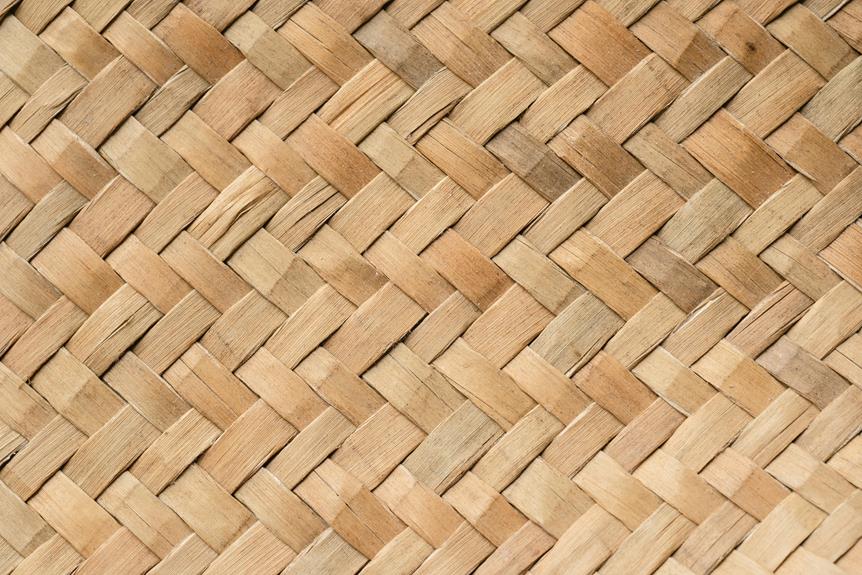
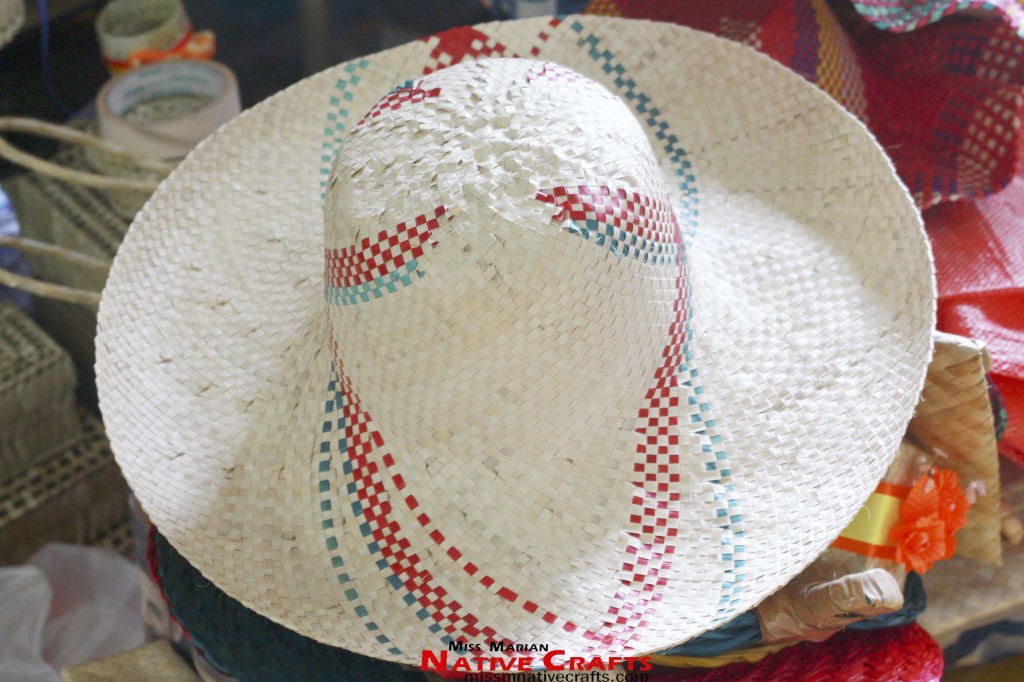
    Philippine leather crafts are closely tied to philippine buri palm uses. The buri palm leaves are used to create various products, including bags, hats, and even jewelry. These traditional crafts are an integral part of Philippine culture and showcase the skill and creativity of local artisans.

    Preserving Tradition Through Innovation

    Marikina's leather craftsmen blend traditional techniques with modern innovations to create exceptional pieces. They preserve time-honored methods while incorporating cutting-edge technology, resulting in products that honor the past and embrace the future.

    Skilled artisans merge traditional skills with modern technology, creating unique designs that exude nostalgic charm and modern sophistication. This fusion is evident in intricate designs and innovative techniques that have become a hallmark of Marikina's leather crafts.

    By modernizing heritage, craftsmen preserve the city's rich legacy and propel it forward. The evolution of intricate craftsmanship is proof of their dedication to excellence and commitment to pushing boundaries.

    As a result, Marikina's leather crafts embody the perfect union of past and present.

    Philippine Leather Crafts Go Global

    Philippine leather crafts have broken free from geographic boundaries, making a stylish splash in the global market with their exceptional quality and craftsmanship. They enchant consumers from Tokyo to New York with their unique blend of traditional techniques and modern designs.

    The global market expansion of Philippine leather crafts is evident in their presence in international trade fairs, where they showcase intricate designs that blend cultural influences with modern twists. Collaborations with global brands have also increased their visibility, introducing these stunning pieces to a wider audience.

    Three key factors drive the global success of Philippine leather crafts:

    1. Strategic online presence: Philippine leather crafts have reached new heights through online sales platforms, making them accessible to consumers worldwide.

    2. Sustainable practices: The industry's adoption of sustainable practices has resonated with eco-conscious consumers, further boosting its global appeal.

    3. Cultural exchange: The fusion of traditional Filipino craftsmanship with international styles has resulted in unique, captivating designs that appeal to a diverse global market.

    Conclusion

    Philippine Leather Crafts: A Rich Cultural Heritage

    When you hold a beautifully crafted Philippine leather bag, you're carrying a piece of history. The art of leather crafting in the Philippines has a long and storied past, with skilled artisans passing down their techniques and traditions through generations. Today, Filipino craftsmen continue to innovate while staying true to their roots, ensuring the world can experience the beauty of Philippine leather craftsmanship.

    Innovative Designs and Techniques

    Filipino artisans are known for their intricate stitching and carved designs, which require great skill and attention to detail. For example, the town of Marikina in Metro Manila is famous for its high-quality leather shoes, which are sought after by locals and tourists alike. Filipino craftsmen are also experimenting with new designs and techniques, such as combining traditional methods with modern materials and styles.

    Supporting Local Artisans

    By purchasing Philippine leather crafts, you're supporting a rich cultural heritage that has been passed down through generations. Your purchase helps to preserve traditional craftsmanship and provides a livelihood for local artisans. When you buy a Philippine leather bag or shoe, you're not just buying a product – you're supporting a community.

  • The Dying Art of Philippine Boat Building: Preserving the Tradition of Paraw and Balangay

    The Dying Art of Philippine Boat Building: Preserving the Tradition of Paraw and Balangay

    The ancient art of traditional boat building in the Philippines is fading away. This cultural heritage dates back to 320 AD.

    The iconic paraw and balangay boats showcase the exceptional craftsmanship of Filipino craftsmen and the sophistication of ancient Filipino maritime technology.

    However, the shift towards motorized boats has led to a decline in sailing traditions, putting the knowledge and skills required to build these vessels in danger of being forgotten.

    The preservation of this cultural heritage is at risk.

    Key Takeaways

    The traditional boat building industry in the Philippines is facing a decline, threatening to erase the cultural heritage of Paraw and Balangay boats. This decline puts at risk the preservation of the country's maritime legacy and national identity.

    The construction of Paraw and Balangay boats requires exceptional craftsmanship, showcasing the resourcefulness and skill of Filipino people. For instance, the construction of these vessels involves intricate carvings, precise woodworking, and a deep understanding of the ocean's dynamics.

    Preserving traditional boat building skills is crucial in safeguarding national identity and upholding the maritime legacy of the Philippines. By preserving these skills, the country can reconnect with its rich maritime heritage and preserve its cultural identity.

    Efforts to revive the tradition of Paraw and Balangay boat building include modernizing designs, collaborating with experts, and training the next generation of boat builders in traditional techniques. For example, modern designs can incorporate sustainable materials while maintaining the traditional aesthetic, and collaborations with international experts can bring in new perspectives and techniques.

    The preservation of Paraw and Balangay boats reconnects Filipinos with their maritime heritage, preserving history and cultural identity. This reconnection can foster a sense of national pride and ownership, encouraging Filipinos to take an active role in preserving their cultural heritage.

    The Fading Legacy of Boat Building

    The Traditional Boat Building Techniques of the Philippines Are Fading

    The revered tradition of boat building, once a cornerstone of the Philippines' maritime identity, is gradually slipping into obscurity.

    The construction of paraw and balangay boats, iconic symbols of the nation's rich cultural heritage, is a fading legacy.

    The decline of sailing traditions and the shift towards motorized boats have led to a loss of interest in traditional boat building.

    This shift has put the cultural and historical significance of paraw and balangay boats at risk of being lost forever.

    As the older generation of boat builders retires, the knowledge and skills required to build these magnificent vessels are in danger of being forgotten.

    Preserving this cultural heritage is imperative.

    If we don't take action, the traditional techniques of boat building will disappear, and the country will lose a vital part of its cultural identity.

    It is crucial to preserve the traditional boat building techniques of the Philippines before it's too late.

    History of Paraw and Balangay

    The history of Paraw and Balangay reveals a rich maritime tradition in the Philippines. This tradition dates back centuries, with evidence of advanced boat-building skills among ancient Filipinos.

    The Balangay boats, in particular, showcase the sophistication of ancient Filipino maritime technology. By examining the design and construction of these iconic vessels, we can gain a deeper understanding of the Philippines' cultural heritage and its enduring connection to the sea.

    Ancient Maritime Traditions

    Delving into the rich cultural heritage of the Philippines reveals that the Paraw and Balangay boats have been integral components of the country's ancient maritime traditions for centuries. These traditional Filipino vessels have played a crucial role in shaping the nation's history, facilitating trade, exploration, and cultural exchange.

    Elegant Design and Wind Power: The Paraw's sleek design and efficient harnessing of wind power have made it a cornerstone of Philippine waters for centuries, showcasing the innovative skills of traditional Filipino boat builders. This design has enabled the Paraw to navigate the waters with ease, making it an essential vessel for trade and exploration.

    Skilled Craftsmanship: The construction of Balangay boats using lashed-lug plank techniques demonstrates the exceptional maritime knowledge and craftsmanship of Filipino ancestors, who've passed down their expertise through generations. This technique has allowed the Balangay to withstand the harsh marine environment, making it a reliable vessel for fishermen and traders.

    Cultural Significance: Both Paraw and Balangay boats hold significant cultural and historical importance, preserving the maritime heritage of the Philippines and underscoring the importance of boat building in the country's ancient maritime traditions. These vessels have played a vital role in shaping the country's identity and continue to be an integral part of its cultural heritage.

    Origins of Boat Building

    The history of boat building in the Philippines is a rich tapestry of cultural exchange, trade, and innovation. This complex interplay of influences shaped the country's maritime identity.

    Traditional boat builders possessed intricate maritime knowledge and mastered ancient boat-building techniques. These skilled craftsmen constructed Paraw and Balangay boats, which played a crucial role in the country's seafaring heritage.

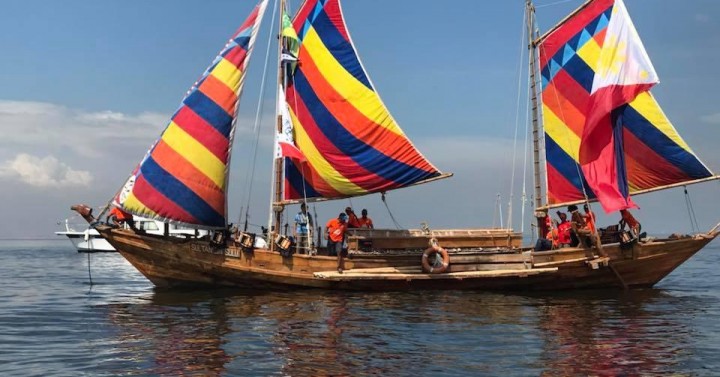
    The Paraw boat, with its iconic two outriggers, was originally used for fishing and transportation along coastal waters. This vessel's unique design allowed it to navigate shallow waters and maintain stability in rough seas.

    The ancient Balangay boats, dating back to 320 AD, facilitated trade, exploration, and cultural exchange. These vessels enabled the exchange of goods, ideas, and cultures between the Philippines and neighboring regions.

    The construction of these vessels required exceptional craftsmanship, showcasing the ingenuity and expertise of Filipino boat builders. The precise woodworking, intricate carvings, and careful assembly of these boats demonstrate the high level of skill possessed by these craftsmen.

    Early Ship Design

    Early Ship Design: Unveiling the Ingenuity of Filipino Boat Builders

    The innovative architecture of Paraw and Balangay boats showcases the resourcefulness and skill of Filipino boat builders. These traditional vessels were more than just modes of transportation; they demonstrated the expertise of the Tagalog people.

    The lashed-lug boat-building method, used in Balangay boats, involved sewing planks together with fibers, creating a sturdy and durable vessel. This ancient construction technique showcased the expertise of Filipino craftsmen.

    Evolution of Design

    Paraw boats were designed for fishing and transportation in Visayan regions, characterized by their distinctive triangular sails and outriggers. In contrast, Balangay boats, like the ancient Butuan boats, were essential for trade and exploration. The design of these boats adapted to the specific needs of different regions.

    Influence of Cultural Heritage

    The dugout canoe, a precursor to these boats, played a significant role in shaping Filipino maritime traditions. The craftsmanship and ingenuity invested in these vessels have been passed down through generations, preserving the cultural heritage of the Filipino people.

    Construction Techniques in Danger

    Traditional Philippine boat-building techniques are in danger of being lost forever. The art of building lashed-lug plank boats, a hallmark of Balangay construction, is one of the techniques that's rapidly disappearing. This method involves using wooden planks that are tied together with ropes, creating a strong and durable structure.

    Only a few master craftsmen still possess the skill of building Paraw boats, which require the use of multiple wood types, carefully selected for their unique properties. For instance, the Paraw's hull is typically made from a strong and durable wood, such as _dungon_ or _bagtikan_, while the mast and other components are made from lighter and more flexible woods, like _bayan_ or _saplit_.

    Ancestral caulking methods, which relied on boiled sap and coconut milk to seal the wooden planks, are being replaced by modern materials like fiberglass. This traditional caulking method isn't only environmentally friendly but also provides a unique aesthetic to the boat.

    The use of pandan leaves, once used for sails and intricately woven into tribal carvings, is also disappearing from traditional boat building. The shift towards fiberglass and motorized boats is accelerating the loss of these ancient techniques.

    It is essential to preserve these construction techniques before they're lost to the sands of time.

    Cultural Significance of Traditional Boats

    Traditional Boats Embody Filipino Seafaring Heritage

    The Paraw and Balangay, two traditional Filipino boats, hold significant cultural value as they represent the essence of Filipino seafaring heritage.

    These vessels symbolize maritime pride, showcasing the resilience and craftsmanship of Filipino people. They're more than just modes of transportation, as they carry the rich history and identity passed down through generations.

    Understanding the Cultural Context

    To appreciate the cultural significance of these boats, it's essential to understand their historical context.

    The Paraw, a lightweight sailboat, was used for fishing and trade, while the Balangay, a wooden boat, was used for transportation and warfare. By examining the design, construction, and uses of these boats, we can uncover the skills and traditions of Filipino ancestors.

    Embodying Resilience and Craftsmanship

    The construction of these boats demonstrates the resourcefulness and skill of Filipino people.

    The Paraw's lightweight design and the Balangay's sturdy build showcase the adaptability and expertise of Filipino craftsmen. These boats have been passed down through generations, preserving the cultural heritage of Filipino people.

    A Window to the Past

    By studying traditional boats like the Paraw and Balangay, we can gain insight into the lives of Filipino ancestors.

    These boats serve as a connection to the past, preserving the history and identity of Filipino people. They remind us of the importance of preserving cultural heritage and passing it down to future generations.

    Sea-Faring Heritage Preserved

    Preserving Maritime Heritage

    Through the preservation of traditional boats like Paraw and Balangay, Filipinos can reconnect with their rich maritime heritage, which has played a pivotal role in shaping the country's history and cultural identity.

    Facilitating Trade and Exploration

    Paraw and Balangay boats facilitated trade and exploration, connecting the Philippines to the world and fostering cultural exchange. These boats enabled the exchange of goods, ideas, and cultures between the Philippines and other nations.

    Enabling Transportation and Migration

    These boats enabled the migration of people, goods, and ideas across the archipelago, shaping the country's demographics and economy. This led to the growth of cities, the establishment of trade routes, and the spread of ideas and cultures.

    Showcasing Cultural Exchange

    The craftsmanship and construction techniques of Paraw and Balangay boats showcase the traditional boat-building skills passed down through generations, highlighting the seafaring heritage of Filipino ancestors. This cultural exchange has contributed to the unique cultural identity of the Philippines.

    Our Ancestors' Maritime Pride

    Your ancestors' maritime prowess is reflected in the majestic Paraw and Balangay boats, which embody their seafaring expertise and craftsmanship.

    These traditional boats are more than just vessels; they symbolize your maritime heritage, showcasing the exceptional craftsmanship and knowledge of your forebears.

    The intricate designs, construction techniques, and materials used in Paraw and Balangay boats demonstrate the exceptional craftsmanship and maritime knowledge of indigenous communities.

    For instance, the Paraw boats are known for their distinctive triangular sails, while the Balangay boats feature a complex system of interlocking planks.

    These traditional boats played significant roles in trade, exploration, and warfare, shaping the course of your nation's history.

    The Paraw boats facilitated trade between islands, while the Balangay boats were used for both trade and warfare.

    The cultural significance of these traditional boats is deeply intertwined with Filipino mythology, rituals, and historical narratives.

    In fact, the Balangay boats are mentioned in ancient Filipino epics, highlighting their importance in the country's cultural heritage.

    Preserving the art of boat building is essential to honoring your rich maritime heritage.

    Symbol of Filipino Resilience

    Traditional Philippine Boats as Symbols of Filipino Resilience

    Beyond their functional roles, traditional Philippine boats like Paraw and Balangay embody the cultural significance of Filipino resilience, reflecting the nation's ability to thrive in the face of adversity.

    Embodying Filipino Resilience

    These boats are more than just vessels – they're symbols of Filipino resilience.

    Three key aspects of Filipino resilience are reflected in these boats:

    Adaptability

    Paraw and Balangay boats have been built to withstand the harsh sea conditions and unpredictable weather patterns of the Philippines. Their designs have been refined over centuries to guarantee the safety of their passengers and crew.

    Perseverance

    The construction of these boats requires meticulous craftsmanship, patience, and dedication. The process of building and sailing them is a token of the Filipino people's ability to endure in the face of challenges.

    Tradition

    The Paraw and Balangay boats are deeply rooted in Filipino tradition and mythology. They evoke a sense of pride and national identity, reminding us of the country's rich cultural heritage.

    As a symbol of Filipino resilience, these traditional boats remind us of the nation's capacity to thrive in the face of adversity, making them an integral part of the country's cultural identity.

    The Impact of Modernization

    The introduction of motor engines in the 1970s has significantly impacted the Philippine maritime landscape.

    Motorized pump boats and fiberglass bangka have replaced traditional sailing practices, leading to a decline in the cultural significance of indigenous Philippine boats.

    Traditional sail-powered navigation is being replaced by motorization, as modern bangka boats rely heavily on motor engines for propulsion.

    The shift to motorized pump boats using gasoline or diesel engines has further altered the maritime heritage landscape. Fiberglass bangka, resistant to shipworms and rot, have become common, replacing traditional boats.

    The cultural significance of paraw and balangay is slowly fading away as larger boats repurpose automobile engines for propulsion.

    It's crucial to acknowledge the impact of modernization on the country's maritime heritage and take steps to preserve traditional sailing practices that define the Filipino identity.

    Preserving Ancient Maritime Skills

    Preserving Ancient Maritime Skills

    Traditional boat building in the Philippines is a crucial part of the country's cultural heritage, and preserving ancient maritime skills is essential to keeping this heritage alive.

    Ancient maritime skills are intricately tied to traditional boat building, and preserving them ensures the continuation of this cultural tradition.

    To truly appreciate the art of boat building, one must understand the intricacies of ancient maritime skills.

    These skills have been passed down through generations, and preserving them requires deliberate effort.

    There are several ways to preserve ancient maritime skills:

    Documenting traditional techniques is crucial to preserving ancient maritime skills. By recording the methods and practices of master boat builders, we can safeguard this knowledge for future generations.

    Apprenticeships and training programs provide opportunities for young people to learn from experienced boat builders, helping to keep the tradition alive.

    Preserving historical boats, such as the Paraw and Balangay, serves as a tangible connection to the past, allowing us to learn from and appreciate the craftsmanship of our ancestors.

    Efforts to Revive the Tradition

    Reviving the Tradition of Philippine Boat Building

    To preserve the cultural heritage of Philippine boat building, modernizing traditional designs is crucial. This involves updating ancient techniques to suit modern needs while maintaining the authenticity of the craft. For instance, incorporating eco-friendly materials and innovative propulsion systems can enhance the sustainability and efficiency of traditional boats.

    Forming collaborations and partnerships is vital in reviving the tradition of Philippine boat building. This can be achieved by teaming up with local communities, boat builders, and maritime experts to share knowledge and resources. For example, the Philippine government has partnered with international organizations to provide training and funding for boat-building projects.

    Training the next generation of boat builders is essential to ensure the survival of this cultural heritage. This can be achieved by establishing apprenticeship programs, workshops, and vocational training courses. For instance, the Philippine Department of Education has introduced boat-building courses in vocational schools to teach young people traditional maritime skills.

    Modernizing Traditional Designs

    Modernizing Traditional Boat Building

    Artisans are merging heritage techniques with modern materials to create durable, sustainable, and culturally rich paraws and balangays. This modernizing of traditional designs is vital in preserving the cultural significance of these iconic vessels.

    Fiberglass in Traditional Boat Building

    Fiberglass is modernizing traditional boat building in three significant ways:

    Durability: Fiberglass hulls combat issues like rotting and shipworm damage, ensuring paraws and balangays remain seaworthy for generations to come.

    Sustainability: The shift towards using fiberglass in traditional boat construction aims to preserve cultural heritage while adapting to modern materials for longevity.

    Efficiency: By modernizing traditional boat designs with fiberglass, the cultural significance and craftsmanship of paraws and balangays are being preserved in a more durable and efficient manner.

    This fusion of traditional techniques and modern materials is a game-changer for the preservation of Philippine boat building heritage.

    Collaborations and Partnerships

    Collaborations and Partnerships

    Through strategic collaborations, the revival of traditional Filipino boat building techniques is gaining momentum. Local communities, skilled artisans, cultural organizations, and maritime experts are working together to preserve the tradition of Paraw and Balangay boat building.

    These collaborations secure the cultural authenticity and sustainability of Paraw and Balangay construction. Local communities ensure cultural authenticity, while skilled artisans provide knowledge transfer. Cultural organizations contribute to the preservation of heritage, and maritime experts enhance the quality and durability of Paraw and Balangay boats through innovation.

    Collaboration Type Objective
    Local Communities Cultural Authenticity
    Skilled Artisans Knowledge Transfer
    Cultural Organizations Preservation of Heritage
    Maritime Experts Innovation and Quality Enhancement
    Educational Institutions Skill Development
    Historical Preservation Groups Knowledge Transfer

    These collaborative projects aim to transfer knowledge and skills to the next generation, securing the continuation of traditional boat building techniques. By engaging with indigenous communities and boat builders, we contribute to the preservation of this cultural heritage.

    Training the Next Generation

    Mastering Traditional Boat-Building Techniques

    To preserve the cultural heritage of Paraw and Balangay boat-building, apprentices gather around experienced craftsmen to learn time-honored skills. Through comprehensive training programs, you'll acquire the expertise needed to carry on this revered tradition.

    Lashed-Lug Plank Construction

    You'll learn the ancient method of building sturdy hulls using wooden planks secured with plant-based fibers. This traditional technique ensures the construction of robust boats that withstand the test of time.

    Sail-Making

    Discover the art of crafting sails that harness the wind, a vital element in traditional Filipino watercraft. You'll learn the intricacies of designing and building sails that optimize wind power.

    Finishing Touches

    Acquire the skills to add the final flourishes to your boat, including meticulously carved decorations and meticulously applied coatings. These details elevate your craft, making it a true masterpiece of traditional boat-building.

    Challenges in Boat Building Today

    Preserving Traditional Philippine Boat Building: Overcoming Challenges

    As enthusiasts strive to preserve the traditional craft of Philippine boat building, they face significant obstacles that threaten the survival of this cultural heritage.

    Securing Funding

    Securing funding for traditional boat building projects is a significant challenge. The high costs of materials and skilled labor make it difficult to secure sufficient funding, leading to delays or abandonment of projects.

    Balancing Tradition and Modernity

    Balancing traditional boat building techniques with modern standards poses a dilemma. Preserving authenticity while ensuring safety and durability is crucial, as compromising cultural integrity isn't an option.

    Climate Change and Environmental Factors

    Climate change and environmental factors threaten the sustainability of traditional boat construction. Affecting wood quality and availability, these factors limit resources and lead to material degradation.

    What Role Do Traditional Philippine Boats Play in Classic Folk Dances?

    Traditional Philippine boats hold a significant role in classic folk dances Philippines. These boats, known as “bangka” or “vinta,” are often featured in dances to depict fishing or sea voyages. The movements and formations in the dances showcase the importance of these boats in Philippine culture and history.

    The Importance of Cultural Heritage

    Cultural heritage preservation is essential to safeguarding the nation's identity. Traditional boat building, specifically the paraw and balangay, is an integral part of this effort. By preserving these traditional boats, we're saving a piece of Filipino maritime heritage and the indigenous craftsmanship that has been passed down through generations.

    Cultural Identity: Preserving traditional boat building ensures the continuity of this aspect of national heritage. The paraw and balangay are iconic symbols of Filipino maritime culture, and their preservation guarantees that future generations can appreciate and learn from this cultural identity.

    Historical Significance: The paraw and balangay boats are living witnesses to the country's rich maritime history. Preserving them allows future generations to learn from and appreciate this heritage. For example, the balangay boats have been used for centuries as a primary mode of transportation and trade, showcasing the resourcefulness and resilience of Filipino ancestors.

    Intangible Legacy: Traditional boat building techniques and skills are an essential part of the nation's intangible cultural heritage. Preserving these skills ensures that this legacy continues to thrive. The mastery of traditional boat building techniques, passed down through generations, is a testament to the ingenuity and craftsmanship of Filipino artisans.

    Sustaining a Maritime Legacy

    Preserving Traditional Boat-Building Techniques

    To uphold the preservation of the Paraw and Balangay boat-building legacy, Filipinos can learn from their seafaring ancestors' ingenuity and traditional techniques. This legacy is an essential aspect of their national identity.

    The Significance of Indigenous Knowledge

    As you explore traditional boat-building, you'll discover the richness of indigenous knowledge passed down through generations of Filipino craftsmen. This knowledge is crucial to preserving the art of building Paraw and Balangay boats.

    Promoting Cultural Awareness

    By sustaining a maritime legacy, you're not only preserving traditional boat-building techniques but also promoting cultural awareness about the significance of these vessels in Philippine maritime history.

    Recognizing the importance of traditional techniques, refined over centuries, is vital to educating future generations about the craftsmanship and ingenuity that goes into building these iconic boats.

    Preserving Filipino Heritage

    By doing so, you'll be contributing to the preservation of a crucial part of Filipino heritage, ensuring that the legacy of Paraw and Balangay boats continues to inspire and educate generations to come.

    Conclusion

    The traditional Philippine boat building industry is at risk of disappearing. The art of constructing paraw and balangay, a testament to the ingenuity of Filipino shipwrights, is slowly fading away. This cultural heritage, which has defined the nation's history, needs to be preserved before it's too late.

    The paraw, a traditional sailboat, is a significant part of Filipino maritime culture. It has been used for centuries for fishing, trade, and transportation. However, the number of skilled craftsmen who can build these boats is dwindling, and the traditional techniques are in danger of being lost.

    The balangay, a wooden boat with intricate carvings, is another important part of Philippine boat building heritage. These boats were used by ancient Filipinos for trading and warfare. Today, only a few craftsmen remain who know how to build these intricate boats, and their skills aren't being passed on to the next generation.

    It is essential to preserve the traditional Philippine boat building industry to maintain the country's cultural heritage. Efforts should be made to document and teach the traditional techniques to young people, ensuring the continuation of this cultural legacy.

  • Philippine Coconut Shell Craft: Turning Waste Into Wonders

    Philippine Coconut Shell Craft: Turning Waste Into Wonders

    Philippine Coconut Shell Craft: Transforming Waste into Functional Art

    In the Philippines, artisans have developed a unique craft that turns discarded coconut shells into stunning works of art. By upcycling waste, artisans create a more sustainable future.

    This innovative approach not only reduces waste but also promotes sustainability and supports local economies. Coconut shells, once considered waste, are now prized materials. Artisans repurpose them into functional pieces, such as decorative items and utensils, showcasing their exceptional craftsmanship and eco-friendliness.

    This craft has a significant impact on the environment and local communities. By using coconut shells, artisans reduce waste and minimize the environmental harm caused by improper waste disposal. Additionally, this craft provides economic opportunities for local communities, empowering them to improve their livelihoods.

    As you explore the world of Philippine coconut shell crafts, you'll discover the magic of transforming waste into functional art and the empowered communities behind them.

    Key Takeaways

    Philippine Coconut Shell Craft: A Sustainable Innovation

    Reducing Waste and Promoting Sustainability

    Philippine coconut shell craft reduces environmental impact by upcycling waste into decorative and functional items. By transforming waste into valuable products, this craft contributes to environmentally conscious communities. For instance, artisans in the Philippines create unique, eco-friendly products like tableware, jewelry, and home decor from coconut shells, supporting local economies.

    Empowering Local Communities and Preserving Cultural Heritage

    This craft preserves cultural heritage and empowers local communities by providing income opportunities for artisans. It also supports eco-friendly practices, reducing carbon emissions and celebrating the creativity and resourcefulness of Filipino artisans.

    Environmental Benefits and Community Impact

    By upcycling coconut shells, this craft reduces waste sent to landfills and oceans. It promotes sustainable living, supports local economies, and provides income opportunities for artisans. Ultimately, Philippine coconut shell craft contributes to environmentally conscious and culturally rich communities.

    Coconut Shells: A Luxury Waste Resource

    Coconut Shells: A Luxury Waste Resource

    In Southeast Asia, artisans are transforming coconut shells into luxurious items that exude elegance and sophistication.

    Coconut shells, once considered waste, are now a prized material. These shells are being repurposed into stunning decorative pieces, utensils, and bowls that add a natural touch to any home. This transformation showcases the ingenuity of local artisans.

    The coconut shell, once a byproduct of the coconut industry, is now being transformed into unique and functional pieces of art. By utilizing coconut waste, artisans are reducing environmental impact and creating a sustainable livelihood for local communities.

    Intricate designs and patterns carved onto the coconut shells reflect the craftsmanship of the artisans. The beauty of coconut shell crafts lies not only in their aesthetic appeal but also in their eco-friendly and sustainable nature.

    Reducing Carbon Footprint Through Craft

    Transforming Waste into Art

    Filipino artisans are reducing waste and promoting sustainability by transforming coconut shells into functional pieces of art. This innovative approach not only reduces the amount of waste that ends up in landfills but also minimizes their carbon footprint.

    Benefits of Coconut Shell Craft

    Reduces Waste:

    Coconut shells are transformed into functional items, reducing waste and promoting sustainability. For instance, artisans create beautiful bowls, vases, and decorative items from coconut shells that would have otherwise ended up in landfills.

    Lowers Carbon Footprint:

    Repurposing coconut shells reduces the need for synthetic materials, leading to a decrease in carbon emissions. This approach reduces the demand for resource-intensive production processes, resulting in a lower carbon footprint.

    Promotes Eco-Friendliness:

    Coconut shell craft offers a sustainable alternative to plastic and synthetic materials, promoting eco-friendly practices. By using natural materials, artisans reduce the reliance on non-biodegradable materials that harm the environment.

    Supports Local Economy:

    The craft contributes to the local economy, providing income opportunities for artisans and their communities. This support enables artisans to continue creating sustainable products, promoting environmental consciousness and community development.

    Showcases Creative Ingenuity:

    Filipino artisans' innovative use of coconut shells highlights their creative approach to reducing waste and promoting sustainability. This creative ingenuity inspires others to adopt sustainable practices, driving positive environmental change.

    The Art of Upcycling Coconut Waste

    Coconut waste can be transformed into valuable resources.

    By upcycling coconut waste, artisans create functional and aesthetically pleasing products, reducing waste and promoting sustainability.

    For instance, discarded coconut shells can be converted into decorative bowls, vases, and planters that add a natural touch to any space.

    This creative process not only reduces waste but also tells a story of innovation and eco-friendliness.

    Coconut Waste Reduction

    Coconut Waste Reduction

    In the Philippines, artisans transform discarded coconut shells into functional masterpieces, reducing waste and showcasing the country's rich cultural heritage.

    Upcycling coconut waste reduces the environmental impact of coconut farming. As a coconut farmer, you know the abundance of coconut husks and shells that go to waste. But what if you could turn that waste into a sustainable livelihood?

    Upcycling coconut waste benefits the environment and local communities in several ways:

    1. Reduces waste: Turning coconut waste into crafts reduces the amount of waste sent to landfills and oceans. For example, in the Philippines, upcycling coconut shells into bowls and decorative items has reduced the number of shells sent to landfills.

    2. Supports local craftsmanship: Upcycling coconut waste provides a sustainable income for artisans and supports local craftsmanship. In the Philippines, artisans earn a living by creating crafts from coconut waste, promoting local craftsmanship.

    3. Promotes eco-friendly alternatives: Coconut shell crafts offer an eco-friendly alternative to plastic and synthetic materials. For instance, coconut shell bowls can replace plastic bowls, reducing plastic waste.

    4. Empowers communities: By utilizing coconut waste, communities can create sustainable livelihoods and promote environmental consciousness. In the Philippines, upcycling coconut waste has empowered local communities to reduce waste and promote eco-friendly practices.

    Creative Material Sourcing

    Transforming Waste into Art

    Discarded coconut shells, a by-product of the coconut oil industry, are being repurposed into unique, functional masterpieces. By collecting and transforming these waste shells, we reduce waste and support local craftsmanship in the Philippines. This creative material sourcing not only minimizes waste but also provides economic opportunities for communities.

    Unlocking Creative Possibilities

    The once-discarded shells are now a treasure trove of creative possibilities. Artisans can carve intricate designs, adding cultural and aesthetic value to the products. For example, coconut shells can be transformed into beautiful bowls, utensils, and decorative items that tell a story of sustainability and innovation.

    The Art of Upcycling

    The art of upcycling coconut waste is a demonstration of human ingenuity, turning something once deemed useless into functional works of art that inspire and delight. By sourcing materials creatively, we can create functional pieces while promoting sustainability and supporting local communities.

    Innovative Design Applications

    Innovative Design Applications of Coconut Shell Waste

    In the Philippines, artisans transform discarded coconut shells into stunning works of art, showcasing their craftsmanship and commitment to sustainability. This upcycling process not only reduces waste but also promotes eco-friendly living.

    Coconut Shell Crafts: A Testament to Innovation

    Filipino artisans breathe new life into coconut shells, creating functional and aesthetically pleasing items.

    These innovative design applications reduce waste, promote sustainable living, and celebrate the beauty of upcycled materials.

    Design Applications of Coconut Shell Waste:

    1. Eco-Friendly Tableware: Coconut Shell Bowls

    Coconut shell bowls are perfect for serving coconut water or other refreshments.

    These bowls are both eco-friendly and visually stunning.

    2. Sustainable Home Decor: Coir-Based Items

    Artisans repurpose coconut fibers, known as coir, to create unique decorative items that add a touch of Filipino culture to any room.

    These coir-based items promote sustainable living and celebrate local craftsmanship.

    3. Carbon Neutral Utensils

    By upcycling coconut shells, artisans reduce carbon dioxide emissions and promote sustainable living.

    These utensils not only reduce waste but also minimize environmental impact.

    4. Sustainable Jewelry: Coconut Shell Accessories

    Coconut shell jewelry is both beautiful and sustainable.

    It reduces waste, supports local economies, and promotes eco-friendly fashion.

    Through their innovative designs, Filipino artisans inspire us to rethink waste and celebrate the beauty of upcycled materials.

    Sustainable Livelihoods Through Craftsmanship

    Philippine coconut shell craft empowers local communities by providing a sustainable source of income and fostering economic growth. Through this craftsmanship, artisans gain a sense of pride and ownership, leading to a more sustainable livelihood.

    Artisans develop valuable skills, such as carving and designing, which increases their confidence and self-reliance.

    Empowering Local Communities

    In the Philippines, the ancient art of coconut shell crafting has become a powerful tool for empowering local communities, fostering sustainable livelihoods that preserve traditional skills and cultural identity.

    Local artisans are at the heart of this movement, transforming discarded coconut shells into functional and decorative pieces that showcase their cultural heritage. This craft supports community empowerment in several ways:

    Artisan collaboration enables local artisans to work together, sharing skills and knowledge to create unique pieces that reflect their cultural identity. For instance, artisans in a particular region may specialize in intricate designs, while others may excel in crafting functional items like bowls and utensils.

    Sustainable income opportunities are created as coconut shell crafting provides a stable source of income, enabling artisans to support their families and communities. For example, a single artisan can earn a decent income by selling their crafted items at local markets or to tourists.

    Cultural preservation is achieved as this traditional craft helps preserve the country's rich cultural heritage, promoting pride and identity among local communities. By continuing to practice this craft, artisans keep their cultural traditions alive, passing them down to future generations.

    Environmental sustainability is promoted as artisans reduce waste by upcycling coconut shells, a biodegradable and abundant material. This eco-friendly practice contributes to a cleaner environment and helps maintain the Philippines' natural beauty.

    Through coconut shell crafting, local communities in the Philippines aren't only preserving their cultural heritage but also building a brighter, more sustainable future.

    Economic Growth Opportunities

    Empowering Local Artisans Spurs Economic Growth

    The Philippine coconut shell craft industry offers a unique opportunity for economic growth by transforming waste into valuable products.

    By utilizing discarded coconut shells, local artisans create unique products that appeal to a global market.

    This artisanal growth creates rural employment opportunities, providing sustainable income for skilled craftsmen and women.

    As a result, local economies are injected with new life, fostering a sense of community pride.

    A Ripple Effect of Sustainable Development

    The coconut shell craft industry not only conserves the environment but also creates a ripple effect that benefits entire rural communities.

    By supporting this industry, you are investing in the livelihoods of local artisans, their families, and the rural communities they call home.

    As the industry continues to flourish, it's clear that the Philippine coconut shell craft is a beacon of sustainable development, illuminating a path towards economic growth and rural prosperity.

    Skill Development Programs

    Coconut Shell Crafting: Empowering Communities

    The world of coconut shell crafting is a transformative force, driving artisan training, sustainable employment, and local empowerment.

    Preserving Traditional Craftsmanship

    Artisan training programs teach traditional techniques to transform coconut shells into intricate bowls, utensils, and decorative items, keeping cultural heritage alive. For instance, artisans learn to create beautiful bowls and utensils that are both functional and decorative.

    Fostering Innovation

    These programs encourage creativity and innovation, showcasing the potential of coconut shell crafts in the global market. By experimenting with new designs and techniques, artisans can create unique products that appeal to a wide range of customers.

    Economic Opportunities

    Sustainable employment opportunities arise from creating value-added products from coconut waste. Local communities benefit from the economic growth generated by these programs, improving their overall standard of living.

    Environmental Conservation

    By utilizing coconut waste, these programs contribute to a more sustainable future, preserving the environment and cultural heritage. This approach reduces waste, promotes eco-friendly practices, and helps maintain a healthy environment.

    Coconut shell crafting is a powerful tool for empowering local communities, promoting sustainable livelihoods, and turning waste into valuable products.

    From Waste to Wonder: Coconut Magic

    Transforming Waste into Art

    A delicate coconut shell bowl isn't just a beautiful piece of craftsmanship, but also a testament to the Filipino artisans' exceptional ability to transform waste into a work of art.

    This upcycling innovation honors the country's rich crafting traditions, where artisans breathe new life into discarded coconut shells.

    Intricate designs and smooth finishes highlight the exceptional craftsmanship that goes into creating each piece.

    Sustainable Creativity

    Filipino craftsmen turn waste into wonders through sustainable creativity, reducing the environmental impact of coconut waste while promoting eco-friendly practices.

    The versatility of coconut shells in crafting reflects the Philippines' commitment to environmental conservation and innovation.

    Delicate curves and patterns of a coconut shell utensil or decorative item showcase the perfect blend of traditional craftsmanship and modern sustainable thinking.

    Empowering Local Communities Through Craft

    Philippine coconut shell craft empowers local communities in meaningful ways. Through community engagement initiatives, local artisans gain economic benefits and develop new skills, ultimately uplifting their lives and those of their families.

    By supporting coconut shell craft, you're contributing to the growth and prosperity of these communities.

    Community Engagement Initiatives

    Empowering Local Artisans through Community Engagement

    Community engagement initiatives empower local artisans to transform discarded coconut shells into stunning works of art, fostering a sense of pride and purpose in their craft. These initiatives focus on sustainable practices and traditional craftsmanship, creating value from waste materials.

    By participating in community engagement initiatives, local artisans gain skills and confidence, taking ownership of their craft. This enables them to develop a sense of pride and self-worth, leading to a more empowered community.

    Community engagement initiatives preserve traditional craftsmanship, passing cultural heritage down to future generations. This ensures that the cultural identity of the community is maintained and celebrated.

    By transforming coconut shells into beautiful crafts, waste is reduced, and a more sustainable environment is promoted. This eco-friendly practice contributes to a greener, more sustainable future.

    Through community engagement initiatives, you not only support local artisans but also contribute to a more environmentally conscious and culturally rich community. By promoting eco-friendly practices, communities contribute to a more sustainable future.

    Economic Benefits Realized

    Economic Benefits of Coconut Shell Crafting

    Coconut shell crafting is a thriving industry in the Philippines, providing new economic opportunities for local artisans, fostering entrepreneurship, and stimulating sustainable growth in rural areas.

    Sustainable Income

    Artisans earn a steady income from crafting coconut shells, which supports local livelihoods. This income enables them to provide for their families and invest in their communities.

    Entrepreneurship

    Craftsmen and women develop innovative products and businesses, fostering economic growth. By creating unique coconut shell crafts, artisans can establish their own businesses, creating jobs and stimulating local economies.

    Community Development

    Coconut shell crafts promote local creativity and cultural heritage, enhancing community pride. As artisans create products that reflect their cultural heritage, they preserve traditional skills and promote community development.

    Skill Development Opportunities

    Acquire New Skills and Contribute to Sustainability

    Mastering coconut shell crafting is an excellent way to develop new skills, empower local communities, and promote sustainable practices. By learning this traditional art, you'll transform waste into functional and beautiful products, just like skilled artisans in the Philippines.

    Benefits of Coconut Shell Crafting

    Artisan Training: Enhance your craftsmanship by learning techniques to create intricate designs and patterns.

    Economic Empowerment: Contribute to the economic growth of local communities by generating income from upcycled materials.

    Sustainable Skill Building: Develop skills that promote environmental conservation and reduce waste.

    Resourceful Craftsmanship: Turn discarded coconut shells into beautiful, functional products that showcase your creativity and resourcefulness.

    The Environmental Impact of Coconut Waste

    The Environmental Impact of Coconut Waste

    Coconut waste, comprising shells, husks, and fibers, piles up in staggering amounts, threatening to overwhelm landfills and pollute coastal ecosystems with its sheer volume.

    Improper disposal of coconut waste contributes greatly to environmental pollution, especially in coastal regions.

    Coastal Pollution

    Coconut waste that isn't disposed of properly can harm marine life and contaminate waterways.

    Sustainable waste management and upcycled products can help mitigate this issue.

    Landfill Overflow

    Coconut waste takes up a significant amount of space in landfills, contributing to waste accumulation and greenhouse gas emissions.

    Craft innovation and environmental conservation can help reduce the amount of coconut waste in landfills.

    Carbon Emissions

    The decomposition of coconut waste in landfills produces methane, a potent greenhouse gas that contributes to climate change and air pollution.

    Repurposing coconut waste and reducing carbon footprint can help minimize this effect.

    Economic Burden

    The cost of disposing of coconut waste can be a significant economic burden on local communities.

    Supporting local economies and job creation through the reuse and recycling of coconut waste can help alleviate this burden.

    Transforming Waste, Transforming Lives

    Transforming Waste, Transforming Lives

    The Philippines' coconut waste is being transformed into a treasure trove of creative possibilities, empowering local communities and redefining sustainability. This transformation of waste is, in fact, a transformation of lives.

    The Coconut Shell Craft Industry's Positive Impact

    The coconut shell craft industry isn't only reducing waste but also providing a source of income for local artisans, allowing them to support their families and contribute to their communities.

    Artisan empowerment is achieved through skills training and job creation, enabling individuals to improve their socio-economic status.

    The industry also promotes sustainable transformation by reducing waste and promoting eco-friendly practices, thereby minimizing its environmental footprint.

    Community development is fostered through the sale of coconut shell crafts, which boosts local economies. Furthermore, the industry showcases waste innovation by transforming coconut shells into functional and beautiful pieces, highlighting the versatility of natural materials.

    How Can Coconut Shell Craft and Philippine Lacquerware Contribute to Sustainable Living?

    Coconut shell craft and Philippine lacquerware are important aspects of sustainable living. The use of coconut shells for creating handicrafts and the traditional art of using secrets of Philippine lacquerware allows for the repurposing of materials and supports local artisans, contributing to a more sustainable lifestyle.

    The Beauty of Coconut Shell Crafts

    Filipino artisans transform discarded coconut shells into exquisite crafts, showcasing traditional craftsmanship and sustainable artistry. These skilled artisans create beautiful bowls, utensils, and decorative items from coconut shells, which radiate natural elegance and eco-friendly appeal.

    The intricate designs and unique texture of coconut shells add a touch of sustainable artistry to any space. Each piece is a testament to the artisans' skill and attention to detail, making them a perfect addition to any home decor.

    By repurposing coconut shells, the Philippines celebrates its cultural heritage while promoting sustainable living practices. These crafts not only showcase the country's rich traditions but also support local artisans and the use of renewable and biodegradable materials.

    With every coconut shell craft, you're supporting sustainable artistry and eco-friendly living. By choosing these crafts, you're promoting a more sustainable lifestyle and celebrating the beauty of traditional craftsmanship.

    Reviving Traditional Craftsmanship

    Preserving Cultural Heritage through Coconut Shell Craft

    In the Philippines, traditional craftsmanship is thriving through the art of coconut shell crafting, which showcases the nation's cultural heritage. This craft combines traditional techniques with modern innovation, ensuring the preservation of cultural heritage.

    Skilled Artisans and Innovative Designs

    Artisans dedicated to preserving traditional techniques work alongside designers who blend heritage with modern flair. This fusion of old and new results in unique pieces of art that reduce waste and promote sustainability.

    Eco-Friendly Practices

    The coconut shell craft industry prioritizes eco-friendly practices, reducing waste by transforming coconut shells into stunning pieces of art. This approach promotes sustainability and reduces the environmental impact of the craft.

    Community Engagement and Cultural Exchange

    Community engagement is fostered through cultural exchange, where artisans, communities, and the environment thrive together. This exchange promotes cultural understanding and ensures the continuation of traditional craftsmanship.

    Weaving a Sustainable Future

    The revival of traditional craftsmanship isn't just about preserving the past; it's about weaving a sustainable future. By combining traditional techniques with modern innovation and eco-friendly practices, artisans, communities, and the environment can thrive together.

    Conclusion

    Transforming Waste into Masterpieces

    When you hold a delicate coconut shell craft, you're holding a testament to human ingenuity and the power of upcycling. From discarded shells to works of art, this journey is a remarkable demonstration of transformation.

    The Craftsmanship Behind the Craft

    Intricate designs and careful craftsmanship are hallmarks of coconut shell crafts. Skilled artisans pour their hearts into each piece, ensuring that every detail is meticulously crafted to create a unique work of art.

    Sustainable Livelihoods and a Greener Future

    The creation of coconut shell crafts not only uplifts communities by providing sustainable livelihoods but also reduces our carbon footprint. By turning waste into wonder, we're reducing the amount of waste that ends up in landfills and promoting eco-friendly practices.

    The Power of Upcycling

    Upcycling coconut shells into crafts is a shining example of turning waste into treasure. It showcases human creativity and resourcefulness, while also promoting a more sustainable future.

  • The Delicate Art of Philippine Paper Cutting: From Pabalat to Papel De Japon

    The Delicate Art of Philippine Paper Cutting: From Pabalat to Papel De Japon

    Philippine Paper Cutting: A Cultural Heritage

    Origins and Evolution

    Philippine paper cutting, also known as pabalat, originated in Bulacan and evolved into the sophisticated papel de japon, blending Japanese aesthetics with Filipino sensibilities.

    Designs and Techniques

    Traditional designs feature geometric patterns and floral motifs, with Japanese origami techniques influencing unique artistry. To master pabalat, artisans need dexterity, precision, and specialized techniques, crafting intricate designs that showcase their creativity and craftsmanship.

    Cultural Significance

    This delicate art form weaves together cultural heritage, artistic innovation, and a community’s passion for preservation, showcasing the importance of preserving traditional art forms.

    By exploring the art of Philippine paper cutting, you’ll uncover a cultural heritage rooted in tradition and identity.

    Key Takeaways

    Philippine Paper Cutting Origins

    Philippine paper cutting originated in Bulacan, Philippines, as a decorative art form for pastillas de leche candies. This art form reflects the country’s rich cultural heritage, showcasing the Filipino’s creativity and artistry.

    Evolution to Papel De Japon

    The evolution to Papel De Japon enabled intricate designs, blending Japanese aesthetics with Filipino cultural sensibilities. This blend elevated traditional paper cutting, allowing for more complex and delicate designs.

    Mastering Pabalat

    Mastering Pabalat requires dexterity, precision, and specialized techniques, including hand-eye coordination, attention to detail, and precision cutting. Artists must develop these skills to create intricate designs and patterns.

    Papel De Japon Characteristics

    Papel De Japon is ideal for creating intricate designs inspired by Japanese origami. This paper allows artists to bring designs to life with precision cuts and folds, creating beautiful and delicate artwork.

    Preserving Philippine Paper Art

    Efforts to revive and preserve Philippine paper art include workshops, exhibitions, and cultural initiatives. These efforts require sustained collaborations and individual appreciation to preserve this traditional art form.

    Origins of Pabalat Paper Cutting

    The Origins of Pabalat Paper Cutting

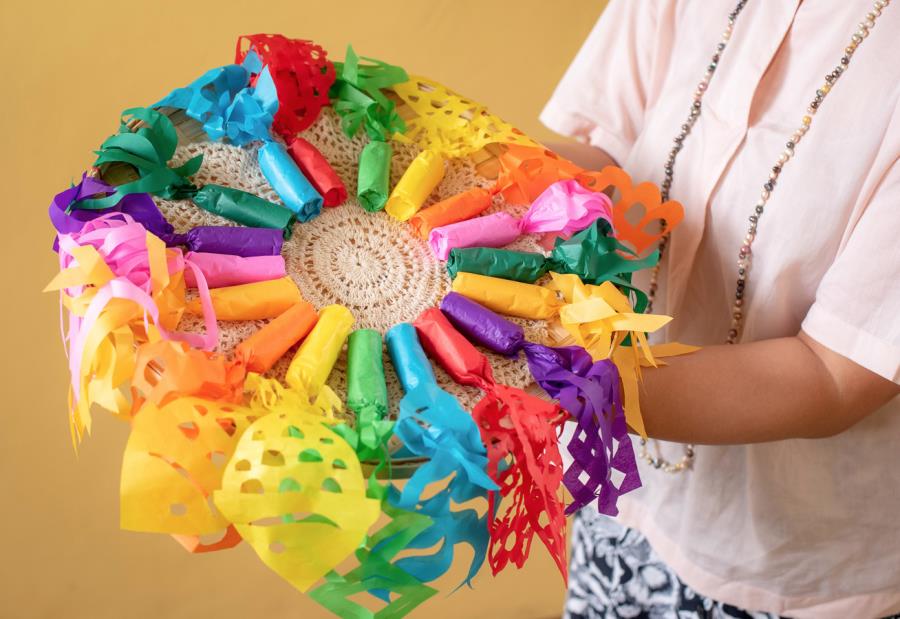
    Pabalat paper cutting originated in Bulacan, Philippines, where it was initially used to adorn pastillas de leche candies with intricate designs and vibrant colors.

    This traditional art form is deeply rooted in the region’s cultural heritage, where artisans carefully crafted delicate papel de japon into beautiful wrappers for these sweet treats.

    The art of Pabalat is a reflection of the region’s rich cultural identity, showcasing the region’s cultural diversity.

    The designs on Pabalat wrappers often feature vibrant colors and patterns reminiscent of Mexican banderitas, a unique blend of cultural influences.

    Papel de japon is the canvas for these intricate designs, which have become an integral part of Bulacan’s cultural heritage.

    Evolution to Papel De Japon

    The introduction of Papel de Japon marked a significant turning point in the evolution of Philippine paper cutting. This new material enabled artisans to create more intricate designs and patterns. It allowed for more detailed and delicate cutting, as well as the incorporation of vibrant colors and textures. As a result, Papel de Japon has become a popular medium for various forms of art, including traditional Filipino crafts such as panolpat (paper lantern making), and even contemporary artistic practices like Philippine glass blowing. This versatile material has undoubtedly expanded the creative possibilities for paper cutting in the Philippines.

    Papel de Japon’s delicate and thin texture allowed for a more refined and intricate style of papercraft in the Philippines. For instance, this shift enabled the creation of more elaborate wrappers for Filipino sweet treats like pastillas through the traditional papercutting tradition of Pabalat.

    The fine texture and durability of Papel de Japon make it an ideal material for showcasing intricate designs and patterns in traditional Philippine papercraft. This unique property of Papel de Japon allowed Filipino artisans to push the boundaries of their craft, transforming the art of paper cutting in the Philippines.

    As a result, artisans were able to create increasingly complex and beautiful designs that continue to captivate audiences today.

    Traditional Filipino Designs

    Traditional Filipino Designs in Pabalat Paper Cutting

    Traditional Filipino designs in Pabalat paper cutting often feature geometric patterns, which bring a touch of modernity to this traditional art form. These geometric shapes are carefully crafted to create visually appealing designs that blend traditional and modern elements.

    Intricate floral motifs, inspired by Filipino culture, are a hallmark of Pabalat paper cutting. These delicate and ornate designs are a testament to the country’s rich cultural heritage. The intricate details of these floral patterns reflect the cultural significance of flowers in Filipino traditions and celebrations.

    Geometric Patterns Emerge

    Geometric Patterns in Papel de Japon Designs

    Traditional Filipino papel de japon designs feature intricate geometric patterns that showcase the artisan’s meticulous craftsmanship.

    These patterns are created using various geometric shapes, including diamonds, triangles, and circles.

    These shapes are expertly arranged to create visually striking patterns that adorn the delicate wrappers for pastillas candies.

    Artisans’ Precision and Skill

    The artisans’ precision and skill are evident in the intricate designs, which are carefully cut out using small scissors.

    Each snip and every fold is a labor of love, reflecting the artisan’s dedication to their craft.

    Cultural Significance

    The geometric patterns not only add aesthetic appeal but also tell a story of cultural heritage and tradition.

    These designs have been passed down through generations, reflecting the country’s rich cultural tapestry.

    With every delicate cut and every fold, the artisans weave a narrative of Filipino identity, one geometric pattern at a time.

    Intricate Floral Motifs

    Intricate Floral Motifs in Papel de Japon Designs

    Papel de japon designs feature intricate floral motifs that evoke a sense of natural beauty and cultural significance. These delicate designs are meticulously hand-cut onto the paper to create stunning patterns for pabalat wrappers. The art of papel de japon cutting requires precision and skill to achieve the intricate details of traditional Filipino floral motifs.

    Cultural Significance of Floral Motifs

    These motifs represent nature’s beauty and hold cultural significance, showcasing the rich heritage of the Philippines. Through the art of papel de japon cutting, traditional Filipino floral motifs are transformed into beautiful wrappers for pastillas candies, adding an artistic touch to this beloved treat.

    Artisanal Dedication to Traditional Craftsmanship

    As you examine papel de japon designs, you’ll appreciate the artisan’s dedication to preserving traditional craftsmanship. The intricate floral motifs in papel de japon cutting are a reflection of the country’s cultural identity, making each piece a masterpiece of Filipino artistry.

    Influence of Japanese Origami

    Japanese Origami’s Influence on Philippine Paper Cutting

    Philippine paper cutting, also known as papel de japon, has been significantly influenced by Japanese origami.

    Filipino artisans adopted precise folding techniques from Japanese origami, blending cultural traditions to create unique papel de japon designs. This cultural exchange is evident in the intricate paper artistry that has emerged from the fusion of these two artistic styles.

    The blending of techniques is a result of cross-cultural exchange, reflecting the historical connection between Japan and the Philippines.

    This exchange has given birth to a distinct and intricate paper artistry, characteristic of Philippine paper cutting.

    Folding Techniques Adopted

    Filipino papel de japon craftspeople employ intricate folding techniques inspired by Japanese origami. These techniques allow them to precision-cut and shape papel de japon into delicate, intricate designs that showcase their remarkable skill and artistry. The meticulous folding techniques used to create symmetrical and detailed designs on papel de japon are reminiscent of Japanese origami.

    The art of pabalat, a traditional Filipino papercraft, also reflects the influence of Japanese origami. This is evident in the similar precision and attention to detail required to create pabalat designs.

    When comparing the folding techniques used in Japanese origami and Filipino papel de japon, the similarities are striking. Both require careful manipulation of the paper to achieve intricate patterns and designs. This cross-cultural exchange highlights the shared appreciation for the art of paper crafting across different traditions.

    The adoption of Japanese origami folding techniques in Filipino papel de japon demonstrates the blending of cultural influences, resulting in unique and exquisite designs.

    Cultural Exchange Impact

    The cultural exchange between Japan and the Philippines has significantly impacted the art of papel de japon. This exchange has allowed Filipino craftspeople to refine their paper cutting techniques and create exquisite designs that reflect a beautiful blend of traditions.

    Japanese origami has influenced Philippine paper cutting techniques, resulting in intricate designs and patterns. The traditional Philippine paper cutting technique, pabalat, showcases the delicate art of paper cutting, featuring intricate designs and precision reminiscent of Japanese origami.

    This cultural exchange hasn’t only refined techniques but also infused new ideas, creating a distinctive artistic tradition that’s quintessentially Filipino. The impact of Japanese origami on Philippine paper cutting is evident in the intricate designs and patterns that adorn papel de japon.

    As a result, papel de japon has become a unique fusion of styles, showcasing the beauty of cultural exchange and the artistry that emerges from it.

    Artistic Fusion Born

    A New Art Form Emerges

    Japanese Origami Meets Filipino Papercutting

    A unique artistic style has emerged from the fusion of Japanese origami techniques with Filipino papercutting traditions. This style is characterized by intricate designs and patterns that reflect the precision and discipline of Japanese origami.

    The Role of Papel de Japon

    Papel de japon, a delicate and thin paper, showcases intricate designs inspired by Japanese origami. This paper is ideal for creating precise cuts and folds, allowing artists to bring their designs to life.

    A Blend of Cultures

    This artistic fusion is a demonstration of the cross-cultural exchange between Japan and the Philippines, resulting in a harmonious blend of Japanese aesthetics with Filipino cultural sensibilities. The precision and attention to detail characteristic of Japanese origami have influenced papel de japon designs, elevating traditional Filipino paper cutting to a new level of sophistication.

    A True Masterpiece

    Paper cutting, once a traditional Filipino craft, has evolved into a unique art form that combines the best of both worlds. The resulting artistic fusion is a true masterpiece, with papel de japon designs that are both delicate and intricate.

    Artisanal Skills and Techniques

    Mastering Pabalat Requires Delicate Skills and Techniques

    Mastering the art of Pabalat requires a high degree of dexterity and precision. Skilled artisans use specialized techniques to cut and shape papel de japon, a delicate paper material, to create intricate designs. The careful manipulation of scissors, gentle touch, and precision cutting are essential skills in crafting these unique designs.

    Exceptional Hand-Eye Coordination and Attention to Detail Are Essential

    Artisans like Nanay Naty Ocampo possess exceptional hand-eye coordination, patience, and attention to detail, which are crucial skills in crafting intricate Pabalat designs. High-quality papel de japon is also essential, as it provides the foundation for the artisan’s creativity to shine.

    Mastering Artisanal Skills Unlocks the Secrets of Pabalat

    Cultural Significance in Philippines

    Philippine paper cutting holds significant cultural value in the country’s national identity formation.

    This traditional art form reflects the country’s rich heritage and history.

    For instance, the intricate designs and meticulous craftsmanship of pabalat, a traditional Filipino paper cutting art, embody traditional Filipino values such as respect for tradition and community.

    The cultural context of paper cutting provides insight into the values and beliefs that shape Filipino culture.

    National Identity Formation

    Pabalat, a Traditional Craft, Shapes the Philippines’ National Identity

    The cultural significance of Pabalat, a traditional paper cutting art form, plays a crucial role in shaping the Philippines’ national identity.

    Pabalat embodies the country’s unique aesthetic sensibilities and artistic heritage.

    This traditional craft is more than just a decorative element; it reflects the Filipino people’s creative spirit and attention to detail.

    Pabalat’s Intricate Patterns Reflect the Filipino People’s Creativity

    The vibrant and intricate patterns on Pabalat pastillas wrappers are a testament to the Filipino people’s creativity and craftsmanship.

    These patterns reflect the country’s cultural DNA, where artistry and craftsmanship converge.

    By preserving this tradition, Papel de Japon ensures that the nation’s cultural heritage is passed down to future generations.

    Pabalat: A Symbol of National Pride and Identity

    Pabalat isn’t just a craft; it is a symbol of national pride and identity.

    As you explore the world of Pabalat, you’ll realize that this paper cutting art form is an essential part of the Philippines’ cultural heritage.

    Traditional Filipino Values

    Traditional Filipino values are woven into the art forms of Pabalat and Papel de Japon.

    Two key values, respect for elders and strong family ties, are demonstrated through these art forms, showcasing the country’s rich cultural heritage. The intricate designs on Pabalat wrappers often depict elements of Filipino culture and history, preserving and passing on traditional Filipino values and stories from one generation to the next.

    The craftsmanship and attention to detail in creating Pabalat and Papel de Japon highlight the patience, dedication, and artistry valued in Filipino culture.

    Through the art of paper cutting in Pabalat and Papel de Japon, the essence of Filipino identity and community bonds is celebrated and shared. These traditional Filipino values aren’t only reflected in the art forms but also lived out in the way the community comes together to create and appreciate these beautiful pieces of art.

    From Pastillas to Papel De Japon

    Pastillas and Papel de Japon: A Celebration of Filipino Craftsmanship

    The traditional Filipino craft of pabalat involves creating intricate designs on papel de japon paper, which is used to wrap pastillas, a popular milk candy in the Philippines. Papel de japon paper is a delicate, textured paper with a subtle sheen, making it an ideal canvas for artistic designs.

    The art of pabalat showcases the country’s rich cultural heritage and reflects Filipino creativity and craftsmanship.

    When you unwrap a pastilla, you’re not just revealing a sweet treat, but also a miniature masterpiece. The pabalat designs on the papel de japon wrapper add a unique touch to the candies, reflecting the cultural significance and artistry of Filipino traditions. Each design tells a story, making every pastilla a unique piece of art.

    The art of pabalat continues to thrive by combining traditional craftsmanship with modern creativity. Filipino artisans skillfully blend traditional techniques with modern designs, ensuring the art form remains vibrant and relevant.

    Preserving a Fading Tradition

    The traditional art of pabalat in Bulacan, Philippines, is in danger of disappearing, leaving a cultural void in the region. This ancient craft is practiced by only a handful of artisans, making its preservation crucial.

    Dedicated individuals like Nanay Naty Ocampo, a second-generation pabalat artisan, are taking steps to pass on the tradition. She conducts workshops, sharing her expertise with others, ensuring the art form doesn’t disappear.

    Each intricate pabalat pastilla, adorned with delicate papel de japon wrappers, requires time and skill to create – around 10-15 minutes per set of five pieces. The cost of these intricate designs reflects the craftsmanship – around P600 for 100 pieces.

    Preserving this tradition is vital. It’s not just about maintaining a cultural symbol; it’s about celebrating Filipino artistry and heritage.

    How is Philippine Paper Cutting Related to Piña Fabric and Philippine Pineapple Fiber?

    Philippine paper cutting and Piña fabric are intricately related through their artistry and tradition. Both crafts exude a sense of timeless elegance, with intricate designs that showcase the beauty of Philippine pineapple fiber. The delicate and fine nature of Piña fabric reflects the meticulous work involved in Philippine paper cutting, creating a harmonious connection between the two art forms.

    Modern Applications and Innovations

    Filipino artisans are revolutionizing papel de japon by incorporating it into modern applications. This fusion of traditional and modern techniques is exemplified in the use of papel de japon designs to create decorative wrappers for traditional candies like pastillas de leche.

    Contemporary artists are pushing the boundaries of papel de japon by incorporating traditional papercutting techniques into modern art forms. For instance, they’re experimenting with combining papel de japon with digital tools and technology to create innovative art pieces.

    Digital tools and technology are being utilized to preserve and promote the delicate art of Philippine paper cutting. This ensures the craft’s beauty endures for generations to come.

    The evolution of papel de japon in modern applications showcases the adaptability and enduring beauty of this traditional craft.

    The Future of Philippine Paper Art

    The Future of Philippine Paper Art

    The traditional craft of papel de japon is facing an uncertain future, and it’s up to the younger generation to learn and appreciate the intricate techniques of Pabalat and Papel de Japon to guarantee their continuation.

    Efforts to Revive and Preserve

    Efforts to revive and preserve the art of paper cutting are underway through workshops, exhibitions, and cultural initiatives. However, sustained interest and support from the community are essential to safeguard the future of Philippine paper art.

    Collaborations for Preservation

    Collaborations between artists, educators, and cultural institutions are essential in promoting and preserving the traditional crafts of Pabalat and Papel de Japon. By engaging with these initiatives, you can contribute to the revival of these traditional crafts and ensure their continuation for generations to come.

    Your Role in Preserving Philippine Paper Art

    The future of Philippine paper art rests in your hands, and it’s up to you to appreciate, learn, and pass on these intricate techniques.

    Conclusion

    The Evolution of Philippine Paper Cutting

    The delicate art of Philippine paper cutting has undergone significant transformations, reflecting the country’s rich cultural heritage.

    From pabalat, a traditional Filipino paper cutting art, to papel de japon, a Japanese-inspired paper craft, this art form has been shaped by foreign influences and local creativity.

    The Blending of Traditional Techniques and Modern Innovations

    As Philippine paper art continues to evolve, the question arises: can modern innovations and traditional techniques coexist?

    Yes, they can. By embracing modern materials and techniques, Philippine paper cutting can be revitalized, ensuring its survival for future generations.

    Incorporating digital tools, for instance, can enhance the precision and intricacy of paper cutting designs.

    Preserving Traditional Techniques

    While modern innovations can enhance Philippine paper art, it is equally essential to preserve traditional techniques.

    By passing down traditional methods from one generation to the next, the cultural significance of this art form can be preserved.

    Workshops, classes, and online tutorials can help ensure the continuation of pabalat and papel de japon.

    The Future of Philippine Paper Art

    As Philippine paper art navigates the intersection of traditional techniques and modern innovations, its future depends on embracing change while honoring its cultural heritage.

    By striking a balance between preserving traditional methods and incorporating modern elements, this unique art form can thrive, ensuring its beauty and significance aren’t lost in the pages of history.

  • Exploring the Rich Tapestry of Philippine Ethnic Textiles

    Exploring the Rich Tapestry of Philippine Ethnic Textiles

    Philippine Ethnic Textiles: A Rich Cultural Heritage

    The traditional textiles of the Philippines are a vibrant representation of the country's rich cultural heritage.

    T'nalak, inabel, and malong are three examples of traditional textiles that hold deep symbolic meanings. These textiles reflect the cultural identities of diverse ethnic groups and are woven with unique styles and motifs that convey social status, cultural affiliation, and spiritual significance.

    Weaving Traditions Date Back to the 13th Century

    The art of weaving in the Philippines has a long history, dating back to the 13th century.

    Traditional textiles are woven with cotton, abaca, or pineapple fibers, using techniques passed down through generations. Each textile is crafted with care, taking into account the choice of fabric, color, and design, which all carry symbolic meanings.

    Colors and Symbols Carry Rich Heritage

    The colors and symbols used in traditional textiles tell stories of ancestral roots, myths, and legends. For example, the t'nalak, a textile from the T'boli people of Mindanao, features geometric patterns and colors that represent the tribe's history and mythology.

    Similarly, the inabel, a textile from the Ilocos region, is woven with intricate designs that symbolize the weaver's skill and creativity.

    Uncovering the Stories Behind the Textiles

    As you explore the rich tapestry of Philippine ethnic textiles, you'll discover that each pattern tells a story.

    The stories behind the textiles are waiting to be uncovered, revealing the cultural heritage and traditions of the Filipino people.

    Key Takeaways

    Philippine Ethnic Textiles: A Window to Cultural Heritage

    Philippine ethnic textiles like t'nalak, inabel, and malong hold deep symbolic meanings and narratives, reflecting cultural heritage. These textiles convey rich cultural meaning through intricate patterns, reflecting social status, cultural affiliation, and spiritual significance.

    Weaving patterns and motifs provide insight into the cultural identity of Filipinos, serving as a form of storytelling and fostering a sense of pride. For instance, the T'boli tribe's textiles symbolize wealth, prosperity, fertility, abundance, protection, and strength. Similarly, the Ifugao, Kalinga, and Blaan tribes have unique textiles that reflect their cultural identity.

    To preserve Filipino weaving culture, modern initiatives aim to empower local weavers economically and promote cultural heritage through sustainable practices. These initiatives ensure the continuation of traditional Filipino textiles, allowing future generations to appreciate the rich cultural heritage of the Philippines.

    Unraveling the Threads of Tradition

    Philippine ethnic textiles reflect the country's rich cultural heritage. The intricate weaving patterns and vibrant colors of fabrics like t'nalak, inabel, and malong hold deep symbolic meanings and narratives tied to community heritage.

    These fabrics showcase the diverse cultural identities that exist within the Philippines, highlighting the rich cultural tapestry of the Filipino people.

    The weaving traditions in the Philippines have been passed down through generations, with each fabric telling a unique story of the community that created it.

    The vibrant colors and unique designs of these textiles carry significant cultural meaning. For instance, the t'nalak fabric, woven by the T'boli people, features geometric patterns that symbolize their connection to nature and their ancestors.

    Similarly, the inabel fabric, woven by the Ilocano people, showcases intricate designs that reflect their history and traditions.

    Weaving Stories of Ancestral Roots

    Unraveling the Cultural Significance of Philippine Ethnic Textiles

    The intricate patterns and vibrant hues of Philippine ethnic textiles weave a rich tapestry of ancestral roots, where every thread and fiber tells a story of community, heritage, and cultural identity.

    A Spiritual Practice with Ancient Roots

    Philippine indigenous weaving dates back to the 13th century, with local materials like cotton, abaca fibers, and pineapple fibers woven together to create intricate designs that carry symbolic meanings.

    Four Ways Indigenous Weaving Reflects Filipino Cultural Identity

    1. Unique Weaving Styles

    Each tribe has its distinct weaving style, reflecting their heritage and ancestral roots. For example, the T'boli tribe from Mindanao is known for their colorful and geometric patterns, while the Kalinga tribe from the Cordillera Mountains is recognized for their bold and intricate designs.

    2. Spiritual Significance

    Weaving is believed to attract good health and protection, and serves as a social activity for tribes to gather and connect with spirits. In many Filipino tribes, weaving is a spiritual practice that brings people together and strengthens community bonds.

    3. Symbolic Meanings

    Colors and patterns in Filipino textiles carry specific meanings, representing aspects like mourning, power, and spiritual beliefs. For instance, the color black is often associated with mourning, while red symbolizes power and strength.

    4. Preservation Efforts

    Modern initiatives like Habi: Textile Council aim to preserve and promote Filipino weaving culture, supporting local weavers and empowering communities economically and culturally. These efforts ensure the continuation of this ancient practice and its significance in Filipino cultural identity.

    Patterns of Identity and Belonging

    Filipino cultural identity and belonging are intricately woven into indigenous textiles. These textiles feature complex patterns and symbolic motifs that reveal the history, traditions, and values of the ethnic group that created them.

    The T'boli t'nalak, for example, features geometric patterns that symbolize the tribe's connection to nature and their ancestral roots.

    Similarly, the Yakan tenun conveys social status, spiritual beliefs, and cultural affiliations through its designs. These textiles serve as a form of storytelling, connecting individuals to their heritage and community, and fostering a sense of pride and continuity in cultural expressions.

    By examining the patterns and motifs, you can gain insight into the cultural identity of the Filipino people and appreciate the significance of indigenous textiles as a symbol of their rich cultural heritage.

    Cultural Heritage on the Loom

    Philippine ethnic textiles weave cultural heritage into every fabric. The traditional narratives within these textiles are a result of ancient symbols revived through meticulous weaving techniques. These symbols convey the rich cultural identity of the Filipino people.

    By examining the threads of identity, you can unravel the complex tapestry of the country's cultural heritage. Every pattern and design tells a unique story.

    For instance, the T'nalak fabric of the T'boli people features geometric patterns that represent their connection to nature.

    Similarly, the intricate designs on the Ifugao textiles symbolize their rich agricultural heritage.

    Weaving Traditional Narratives

    Traditional Filipino textiles convey rich cultural meaning through intricate patterns. These patterns serve as a visual language, telling the stories, legends, and cultural values of the nation's ancestors.

    Weaving is a means of preserving cultural heritage. Traditional weaving is more than just a craft; it's a way to preserve cultural heritage. The art of traditional weaving conveys meaning in several ways:

    Social status is reflected in weaving patterns. In traditional Filipino weaving, patterns can indicate the social standing of the wearer. More intricate designs are reserved for those of higher status.

    Weaving patterns signify cultural affiliation. These patterns can signify membership in a particular ethnic group or region. For example, the T'boli people of Mindanao are known for their distinctive textiles.

    Weaving patterns hold spiritual significance. These patterns can represent the connection between the physical and spiritual worlds. In some cultures, weaving patterns are believed to possess spiritual power.

    Weaving patterns tell stories. These patterns can tell stories of myths, legends, and historical events, passing down cultural narratives from one generation to the next. For instance, the epic poem, the 'Hudhud ni Aliguyon,' is depicted in traditional Ifugao textiles.

    Ancient Symbols Revived

    In the intricate designs of Philippine ethnic textiles, ancient symbols are intentionally woven to revive cultural heritage. These symbols foster a profound connection to the nation's history and identity. Each symbol holds a story, carrying deep cultural significance.

    Weavers meticulously revive ancient patterns on the loom, preserving and promoting indigenous heritage. Symbols like Binanniya, Binituwon, and Tiniktiku represent wealth, fertility, and spiritual beliefs. By incorporating these ancient symbols, weavers honor their ancestors and keep traditional storytelling alive through the art of weaving.

    This revival of ancient symbols serves as a powerful connection to Filipino cultural identity and history, allowing you to connect with the nation's rich cultural heritage. The intricate designs showcase the beauty and significance of Filipino culture, highlighting the meticulous craftsmanship that goes into preserving the nation's cultural legacy.

    Threads of Identity

    Threads of Identity

    Traditional Filipino textiles are woven with intricate patterns that symbolize cultural narratives and traditions passed down through generations. These patterns aren't just aesthetically pleasing, but they also convey cultural identity and artistic heritage.

    Indigenous weaving techniques have been refined over time, reflecting the rich heritage of Filipino communities. For example, the diversity of weaving traditions across different regions is showcased in textiles like t'nalak, inabel, and malong.

    Embodiment of Cultural Heritage

    Filipino ethnic textiles embody cultural heritage in several ways:

    Visual Representation

    Textiles serve as a visual representation of the country's cultural identity and artistic heritage.

    Storytelling

    Weaving isn't just a craft but a form of storytelling, with patterns conveying social status, beliefs, and history.

    Cultural Narratives

    Intricate patterns symbolize cultural narratives and traditions that have been passed down through generations.

    Regional Diversity

    Textiles showcase the diversity of weaving traditions across different regions of the Philippines.

    The Fabric of Filipino Society

    Filipino Traditional Textiles: A Window to Cultural Identity

    The traditional textiles of the Philippines are woven with stories of heritage and cultural identity.

    These intricate patterns and designs convey social status, cultural affiliations, and even mythological tales.

    For instance, the T'nalak, a traditional textile from the T'boli people of Mindanao, features geometric patterns that symbolize the community's connection to nature and their ancestors. Similarly, the Inabel, a textile from the Ilocos region, boasts bold designs that reflect the weaver's skill and creativity.

    Weaving traditions vary across Filipino communities, each with its unique techniques and designs.

    The Ifugao people, for example, are known for their backstrap looms, which produce textiles with complex patterns and symbolic motifs. In contrast, the Tagalog people use foot-powered looms to create textiles with intricate designs and vibrant colors.

    By examining these weaving traditions, you'll uncover the threads of a rich cultural tapestry that has been passed down through generations,

    revealing the history, values, and traditions of the Filipino people.

    Woven Heritage Stories

    Philippine Ethnic Textiles: Weaving Stories of Heritage

    As you delve into the world of Philippine ethnic textiles, you'll discover that the intricate patterns and symbolic motifs woven into their fabrics share stories of their history, mythology, and cultural values. These indigenous traditions aren't just aesthetically pleasing, but they hold deep meanings and significance.

    Traditional weaving patterns carry meanings related to:

    Wealth and prosperity: In the T'boli tribe, intricate patterns of snakes and frogs symbolize abundance and wealth.

    Fertility and abundance: The Ifugao tribe's textiles feature motifs of rice grains and fertility symbols, representing the importance of agriculture in their culture.

    Protection and safety: The Kalinga tribe's fabrics often feature shield-like patterns, signifying protection and strength.

    Cultural identity and heritage: The Blaan tribe's textiles showcase their rich cultural heritage through intricate geometric patterns.

    These stories are woven into the very fabric of Filipino society, showcasing the intricate weaving techniques passed down through generations.

    Weaving is a spiritual practice for many indigenous tribes in the Philippines. Initiatives like the Habi: Textile Council aim to preserve and promote these Filipino weaving traditions, ensuring the rich tapestry of their collective identity remains vibrant for generations to come.

    Cultural Identity Fabric

    Filipino Ethnic Textiles: A Reflection of Cultural Identity

    Filipino ethnic textiles serve as a cultural tapestry, reflecting the diverse heritage, traditions, and beliefs of Filipino society. Each textile is woven with stories of identity, community, and cultural affiliation.

    The textiles showcase intricate designs, vibrant colors, and symbolic meanings that represent the country's complex cultural landscape. The t'nalak of the T'boli tribe is a stunning example of traditional Filipino textiles, with its intricate patterns and colors that embody the cultural identity of the Philippines.

    These textiles convey more than just aesthetics; they also convey social status, identity, and cultural heritage. They serve as a visual representation of Filipino society's fabric, reflecting the country's rich cultural heritage.

    Traditional Craft Revival

    Traditional Filipino Crafts Experience a Revival

    Local weavers, driven by a renewed sense of cultural pride, are meticulously reviving the intricate techniques and symbolic motifs that have been woven into the fabric of Filipino society for generations.

    This revival isn't merely a nostalgic trip back to the past, but a fusion of modern aesthetics with timeless traditions. Local weavers are now experimenting with innovative designs, materials, and techniques, while still honoring the cultural heritage of their ancestors.

    Empowering Local Weavers: Efforts focus on providing economic opportunities and training for indigenous communities, ensuring the preservation of traditional skills. For example, the Philippine government has launched programs to provide weaving training and resources to indigenous communities, enabling them to become self-sufficient.

    Sustainable Practices: The revival promotes eco-friendly materials, reducing waste, and minimizing the environmental impact of textile production. Many local weavers now use natural dyes and sustainable materials, reducing the environmental footprint of their craft.

    Cultural Appreciation: The revival raises awareness about the significance of ethnic textiles, encouraging cultural appreciation and preservation. This increased appreciation has led to the establishment of cultural centers and museums dedicated to showcasing the rich heritage of Filipino textiles.

    Fusion of Modern Aesthetics: Traditional techniques are merged with modern designs, creating unique, contemporary pieces that appeal to a broader audience. Designers are now incorporating traditional motifs and techniques into modern clothing and accessories, making traditional crafts accessible to a wider market.

    As you explore the rich tapestry of Philippine ethnic textiles, you'll discover a vibrant, thriving cultural heritage that's being woven into the fabric of modern Filipino society.

    Symbolism in Ethnic Textiles

    Symbolic Meanings in Philippine Ethnic Textiles

    In the intricate world of Philippine ethnic textiles, every thread and fiber is imbued with symbolic meaning, conveying the rich cultural heritage and traditions of the indigenous communities that weave them.

    Colors and Their Meanings

    Colors in ethnic textiles hold specific meanings. Brown signifies mourning, while red symbolizes power. These colors are woven into fabrics to convey important cultural messages.

    Intricate Symbols and Their Significance

    Intricate symbols like Binanniya, Binituwon, and Tiniktiku adorn indigenous fabrics, each carrying unique significance and cultural relevance. These symbols aren't just aesthetically pleasing but are, in fact, carriers of cultural narratives.

    Traditional Weaving Patterns and Their Meanings

    Traditional weaving patterns, such as Penneh Kaban Buddi, Linuhhung, and Eben Lobun, symbolize cultural identities, spiritual beliefs, and connections to nature. These patterns aren't just visually appealing but are, in fact, representations of cultural values and traditions.

    Understanding Cultural Heritage

    Preserving Cultural Crafts and Artistry

    Preserving traditional weaving techniques is crucial for maintaining cultural identity. These techniques have been passed down through generations and are essential for preserving the cultural heritage of indigenous tribes.

    Supporting artisanal skills development helps preserve cultural crafts and artistry. By doing so, we contribute to the preservation of ancient designs and cultural identity.

    Traditional Weaving Techniques

    Traditional Weaving Techniques in the Philippines

    Filipino weavers have mastered intricate techniques passed down through generations, transforming raw materials into exquisite textiles that embody the soul of their cultural heritage. With a rich history dating back to the 13th century, traditional weaving techniques showcase craftsmanship and artistry. Indigenous weavers use local materials like cotton, abaca fibers, and pineapple threads to create intricate textiles that tell stories of their tribe's beliefs, traditions, and cultural identity.

    Spiritual Significance of Weaving

    Weaving is considered a spiritual practice that brings communities together for social gatherings and cultural exchanges.

    Weaving is a social activity that strengthens community bonds and preserves cultural heritage.

    Symbolic Meanings in Weaving Patterns

    Each weaving pattern carries symbolic meanings and stories, reflecting the tribe's cultural identity.

    For example, the 'kinamon' pattern symbolizes good fortune and prosperity, while the 'binakul' pattern represents protection and strength.

    Use of Local Materials

    Weavers use raw materials sourced from their local environment, showcasing their resourcefulness and connection to nature.

    Abaca fibers, for instance, are sourced from local plantations and woven into durable and sustainable textiles.

    Preservation Efforts

    Modern efforts focus on preserving and promoting indigenous weaving traditions, empowering local weavers economically and culturally.

    Initiatives like the Philippine Textile Gallery and the Weaver's Association provide training, resources, and market access to weavers, ensuring the continuation of traditional weaving techniques.

    Preserving Ancient Designs

    Unraveling the Significance of Ancient Designs in Philippine Culture

    Ancient designs in the Philippines have been preserved through generations of skilled artisans, ensuring the continuation of cultural crafts and artistry.

    Indigenous Weaving Patterns: Symbolism and Meaning

    Indigenous weaving patterns like Binanniya and Binituwon symbolize wealth, nobility, and abundance. Colors hold specific meanings, with brown representing mourning and red representing power. These patterns are woven with intention, showcasing the profound connection between indigenous communities and their heritage.

    Weaving Patterns: Spiritual Beliefs and Guidance

    Patterns like Tiniktiku and Tinaggu embody spiritual beliefs, guidance from ancestors, and protection. These designs highlight the significance of ancestral guidance and protection in indigenous communities.

    Preservation of Ancient Designs

    The preservation of these ancient designs is crucial, and initiatives like the Habi: Textile Council play a vital role in promoting and preserving Filipino weaving culture. By empowering local weavers, these initiatives ensure the continuation of ancient designs for future generations to appreciate.

    The Rich Tapestry of Philippine Culture

    Through the intricate threads of weaving, the rich tapestry of Philippine culture is revealed, where tradition, symbolism, and community converge.

    Artisanal Skills Development

    Philippine Artisanal Skills Development: Preserving Cultural Heritage

    The Philippines is prioritizing artisanal skills development to safeguard traditional crafts like weaving, embroidery, and beadwork. This initiative empowers indigenous communities economically and preserves the Filipino cultural identity.

    Training and Workshops

    Various organizations provide training and workshops to refine artisans' skills in creating intricate and culturally significant textiles. This enables artisans to:

    1. Preserve Ancient Techniques: Passing down heritage skills to future generations, ensuring the continuation of traditional practices.

    2. Enhance Craftsmanship: Improving the quality and detail of traditional textiles, showcasing the artisans' expertise.

    3. Promote Cultural Heritage: Showcasing the rich cultural diversity of the Philippines through traditional textiles, educating people about the country's cultural significance.

    4. Empower Communities: Providing economic opportunities through traditional craftsmanship, enabling artisans to support themselves and their communities.

    The Intertwining of Nature and Culture

    The Intertwining of Nature and Culture

    Indigenous Textiles Reflect the Connection between Nature and Culture

    The intricate patterns and designs of indigenous textiles in the Philippines reveal a profound connection between the natural world and the cultural narrative. Fabrics are woven with stories of the land, reflecting the deep bond between nature and culture.

    For instance, patterns inspired by plants, animals, and landscapes symbolize fertility, abundance, and ancestral guidance. These motifs aren't mere decorations; they're imbued with meanings that enrich the fabric with layers of cultural significance.

    Indigenous Weavers Draw Inspiration from Their Surroundings

    Indigenous weavers draw inspiration from their surroundings, infusing textiles with spiritual beliefs, reverence for natural elements, and agricultural traditions. For example, the use of natural fibers like abaca, cotton, and pineapple leaves showcases the resourcefulness and sustainable practices of indigenous communities.

    This harmonious relationship between nature and culture is a testament to the richness of Filipino identity.

    Preserving Cultural Heritage through Indigenous Textiles

    By preserving and promoting indigenous textiles, we can safeguard cultural heritage, empower local communities, and appreciate the intricate interplay between nature and culture in Filipino weaving traditions.

    As you explore further into these textiles, you'll discover a tapestry that mirrors the intricate connection between the natural world and the cultural narrative.

    What is the significance of Philippine ethnic textiles in the art of Banig weaving?

    Philippine ethnic textiles hold a special significance in the art of Banig weaving. These unique patterns and designs are carefully woven into banig mats, creating a beautiful tapestry of culture and heritage. Through weaving dreams with banig mats, artisans preserve traditional techniques and tell stories of generations past.

    Modern Expressions of Traditional Crafts

    Filipino designers are revitalizing traditional weaving techniques, blending heritage with modern style and sophistication. This fusion is evident in modern accessories, home decor, and lifestyle products that reinterpret indigenous textiles like t'nalak and inabel.

    Filipino artistry is showcased in various forms, including:

    Runway collections that feature modern twists on traditional weaves. For example, designers incorporate traditional patterns and materials into contemporary clothing lines, appealing to a wide range of consumers.

    Art installations that highlight the beauty of indigenous textiles. These installations raise awareness about the cultural significance of traditional textiles and promote their conservation.

    Collaborative projects with local weavers and artisans, preserving traditional techniques. By working together, designers and artisans ensure the continuation of traditional craftsmanship while introducing modern innovations.

    Social enterprises like Rags2Riches, empowering Filipino communities through sustainable livelihoods. These initiatives promote economic growth and social development in rural areas.

    These modern expressions celebrate the country's rich cultural heritage and demonstrate the versatility and relevance of traditional crafts in contemporary society. By merging the old with the new, Filipino designers create unique and engaging pieces that appeal to a wide audience, ensuring the continued thriving of Philippine ethnic textiles.

    The Beauty of Cultural Diversity

    The rich cultural diversity of the Philippines is reflected in its vibrant textile traditions. The country's indigenous tribes have developed unique textile styles, weaving techniques, and patterns that showcase their distinct cultural identities.

    Each tribe has its own distinct textile traditions. For instance, the T'nalak fabric of the Tboli tribe is woven from abaca fiber and features geometric patterns that tell stories of their ancestors. The Inabel fabric of the Ilocos region is known for its bold red and black stripes, symbolizing courage and strength. The Hablon fabric of the Hiligaynon people features intricate designs that reflect their rich cultural heritage.

    These textiles are prized for their exceptional quality and craftsmanship. The Tboli people's T'nalak fabric, for example, takes several months to weave and is highly valued for its beauty and durability. The Inabel fabric is woven on traditional looms, requiring great skill and patience.

    By exploring these textiles, we can gain a deeper understanding of the Philippines' complex cultural landscape. Each textile tells a unique story, conveying the beliefs, values, and traditions of its respective tribe.

    The cultural diversity embodied in these textiles is a valuable part of the nation's cultural heritage.

    Conclusion

    Philippine ethnic textiles are a rich tapestry of tradition and cultural heritage. These textiles weave stories of ancestral roots, identity, and belonging, reflecting the essence of Filipino society.

    For example, the T'nalak cloth of the T'boli people in Mindanao showcases their indigenous culture and skillful weaving techniques.

    Preserving cultural crafts and artistry is essential to pass on the cultural heritage to future generations.

    The intertwining of nature and culture has given rise to modern expressions of traditional crafts, celebrating the beauty of cultural diversity.

    For instance, the use of natural dyes and indigenous materials in textile production helps preserve traditional practices while promoting sustainable fashion.

  • The Intricate Designs of Philippine Silver Filigree Jewelry

    The Intricate Designs of Philippine Silver Filigree Jewelry

    Philippine silver filigree jewelry is a unique blend of Spanish and indigenous influences. This cultural fusion is reflected in the intricate designs, which typically feature delicate threads and geometric patterns.

    These patterns symbolize growth, abundance, balance, and harmony, reflecting the rich cultural heritage of the Philippines.

    Filipino artisans are skilled craftsmen who painstakingly shape silver wire into beautiful designs inspired by traditional Filipino art and culture. Each piece of jewelry is a testament to their exceptional skill and craftsmanship.

    As they weave the silver threads, the artisans share a story of their cultural heritage, passing down traditions and values from one generation to the next.

    The intricate designs in Philippine silver filigree jewelry tell a rich cultural narrative. As you examine each piece, you'll uncover the stories and symbolism woven into every thread.

    By understanding the cultural significance behind each design, you'll appreciate the craftsmanship and heritage that goes into creating these stunning pieces of jewelry.

    Key Takeaways

    Philippine silver filigree jewelry is characterized by nature-inspired motifs that symbolize growth and abundance, as well as geometric patterns that represent balance and harmony. These motifs are often used to create a sense of balance and harmony in the design.

    Delicate patterns are a hallmark of Philippine silver filigree jewelry, with each strand carefully shaped to form beautiful designs. For example, artisans may create intricate flower patterns or swirling shapes that showcase their skill and attention to detail.

    Traditional Filipino art and culture inspire the delicate designs of Philippine silver filigree jewelry. Skilled artisans painstakingly craft each piece to reflect the country's rich cultural heritage. This heritage is a blend of Spanish and indigenous influences that have shaped the skills of Filipino artisans.

    The intricate designs and craftsmanship of silver filigree jewelry are a testament to the unique blend of cultural influences on Filipino artisans' skills. Each piece is a showcase of the exceptional skill and attention to detail of Filipino artisans, preserving a rich cultural heritage.

    History of Philippine Filigree

    Philippine Silver Filigree Originated in the 18th Century

    During the Spanish colonial period in the 18th century, Philippine silver filigree jewelry originated, laying the groundwork for a rich cultural heritage.

    This marked the beginning of a long-standing tradition of creating exquisite, intricate designs that would become symbols of Filipino culture.

    Filipino Artisans Developed Unique Silver Filigree Techniques

    Filipino artisans, known for their exceptional skill and attention to detail, developed their own unique style of silver filigree techniques, blending Spanish and indigenous influences.

    Their unique style featured intricate designs that showcased their technical prowess and cultural heritage.

    Traditional Designs Feature Nature-Inspired Motifs

    Traditional Philippine silver filigree jewelry often features nature-inspired motifs, such as flowers, leaves, and animals.

    These designs not only showcase the artisans' technical skill but also reflect the country's rich cultural traditions.

    The Craft of Making Philippine Silver Filigree Jewelry Has Been Preserved

    The craft of making Philippine silver filigree jewelry has been preserved and passed down through generations, ensuring the continuation of cultural heritage.

    Today, this traditional craft remains an integral part of the country's cultural identity, with each piece of jewelry serving as a tribute to the skill and craftsmanship of Filipino artisans.

    Traditional Craftsmanship Techniques

    Traditional craftsmanship techniques are the foundation of Philippine Silver Filigree Jewelry. These techniques have been passed down through generations, and skilled artisans continue to use them to create intricate designs.

    One of these techniques is ancient tooling, where artisans use specialized tools to shape and mold silver into delicate patterns.

    Another technique is delicate wire weaving, where thin silver wires are carefully woven together to create intricate designs and patterns.

    Ancient Tooling Methods

    Filipino artisans employ traditional craftsmanship techniques to create intricate silver filigree jewelry.

    These skilled artisans use ancient tooling methods, passed down through generations, to shape and solder silver threads into intricate designs.

    Delicate manipulation of silver wire is required to create elaborate patterns, showcasing the artisans' precision and artistry.

    The ancient tooling methods have been refined over centuries, reflecting the country's rich cultural heritage.

    By combining these traditional techniques with their own creativity, skilled Filipino artisans produce one-of-a-kind jewelry pieces.

    The intricate designs and delicate patterns that adorn each piece of Philippine silver filigree jewelry demonstrate the artisans' mastery of ancient tooling methods and their commitment to preserving cultural traditions.

    Delicate Wire Weaving

    Delicate Wire Weaving: The Backbone of Philippine Silver Filigree

    Skilled Filipino artisans employ delicate wire weaving techniques to create intricate patterns and designs. These techniques have been refined over generations, showcasing artisan expertise and traditional craftsmanship.

    Delicate wire weaving is the foundation of this ancient craft, allowing artisans to bring forth intricate designs, floral motifs, and cultural symbols that tell the story of Philippine heritage.

    Artisans weave silver wires into breathtaking pieces with precision and patience. Each delicate strand is meticulously shaped and intertwined to form geometric patterns, flowers, and other motifs that have been passed down through generations.

    For example, a traditional design like the 'calado' pattern, featuring intricate silver wires woven into flowers and vines, showcases the artisans' skill and attention to detail.

    The result is a tribute to the craftsmanship and artistry of the Philippines. Traditional techniques meet modern elegance, as seen in the fusion of classic motifs with contemporary designs.

    When you wear a piece of Philippine silver filigree jewelry, you're not only adorning yourself with beauty but also carrying the legacy of a traditional craft that continues to thrive.

    Skilled Handcrafting Techniques

    Skilled Filipino artisans employ traditional craftsmanship techniques to shape and mold silver into intricate masterpieces. These techniques showcase their expertise in wire weaving, shaping, and molding silver into delicate designs.

    Each piece of silver filigree jewelry is handcrafted with meticulous attention to detail. Skilled artisans manipulate silver into intricate designs, demonstrating their artistry and dedication to their craft.

    The traditional techniques used in creating these masterpieces reflect the rich cultural heritage of the Philippines. They highlight the country's rich history and tradition of excellence in craftsmanship.

    Each handcrafted piece of silver filigree jewelry is a demonstration of the skill and dedication of the artisans who create them.

    The unique and intricate designs that result from these traditional techniques set Philippine silver filigree jewelry apart. Each piece is a true masterpiece of Philippine heritage.

    Delicate Patterns and Designs

    Intricate patterns are a hallmark of Philippine silver filigree jewelry. These patterns are created through a delicate metal weaving process that showcases the exceptional skill of artisans.

    Each thread-like strand is carefully shaped and arranged to form beautiful designs. The mastery of filigree patterns has been refined over generations, and every piece is a demonstration of this expertise.

    Filigree Patterns Emerge

    Delicate Patterns Emerge in Philippine Silver Filigree Jewelry

    Philippine silver filigree jewelry is renowned for its intricate beauty, showcasing the exceptional skill and attention to detail of Filipino artisans. Each piece is crafted using sterling silver, with skilled hands weaving together silver threads to create intricate patterns and designs.

    Traditional Filipino art and culture inspire the delicate designs, which often feature floral motifs, geometric shapes, and symbols of nature. These motifs reflect the rich heritage of Filipino jewelry-making traditions. Filipino artisans painstakingly craft each piece, ensuring that every item is a unique masterpiece.

    When exploring Philippine silver filigree jewelry, you'll discover a treasure trove of beautiful, handmade pieces that embody the essence of traditional Filipino art.

    Delicate Metal Weaving

    Filipino artisans create intricate designs through delicate metal weaving, a hallmark of Philippine silver filigree jewelry. This process requires great skill and attention to detail, showcasing the rich heritage and craftsmanship of Filipino artisans.

    The metal weaving process involves manipulating silver into intricate pieces, often featuring traditional and cultural motifs. Each silver thread is carefully woven to create delicate patterns and designs, demonstrating the artisan's expertise.

    For example, traditional motifs such as the 'kalipay' (a Filipino symbol of happiness) or 'sarimanok' (a mythical bird) are often incorporated into the designs.

    The result is a stunning piece of Philippine silver filigree jewelry that exudes elegance and sophistication. Whether it's a necklace, bracelet, or pair of earrings, each item is a masterpiece that reflects the country's rich cultural heritage.

    Filipino Artisanal Expertise

    Filipino Artisans: Masters of Silver Filigree Jewelry

    Filipino artisans are renowned for their exceptional skill in crafting intricate silver filigree jewelry. Each piece showcases their mastery of delicate designs and patterns. The level of craftsmanship is evident in the detailed patterns and traditional motifs that adorn each piece, reflecting the artisans' skilled hands.

    Exceptional Craftsmanship

    The artisans' expertise is evident in the way they weave silver threads into beautiful, lace-like patterns. Each piece tells a story of tradition, artistry, and meticulous craftsmanship. The cultural heritage of the Philippines is mirrored in every aspect of the jewelry, from the delicate filigree to the intricate designs.

    Traditional Techniques

    When you wear Philippine silver filigree jewelry, you're carrying a part of the country's rich cultural heritage. The artisans' skilled craftsmanship is a reflection of the country's dedication to preserving traditional techniques while pushing the boundaries of innovation.

    Cultural Significance

    Cultural Significance of Filigree

    Filipino artisans have mastered the ancient craft of filigree, passing down their skills through generations. This traditional craftsmanship is deeply rooted in the country's heritage.

    Each intricate design element, from delicate patterns to symbolic motifs, carries a rich cultural meaning. For instance, the use of natural motifs like flowers and leaves symbolize growth and abundance, while geometric patterns represent balance and harmony.

    These symbolic elements are woven into every piece of Philippine silver filigree jewelry, telling a story of the country's cultural narrative.

    Ancient Craftsmanship Traditions

    The Philippines' Rich Cultural Heritage in Silver Filigree Jewelry

    Silver filigree jewelry is a testament to the Philippines' rich cultural heritage, showcasing ancient craftsmanship traditions passed down through generations of skilled artisans. These traditional techniques have been meticulously preserved and refined, resulting in intricate designs that embody the cultural significance of filigree in Philippine jewelry.

    Excellence in Artisanal Craftsmanship

    Each piece of silver filigree jewelry is a demonstration of the artisanal excellence of Filipino craftsmen, who dedicate themselves to perfecting their craft. The delicate threads of silver, carefully woven together, tell a story of cultural pride and heritage. The ancient craftsmanship traditions that have been passed down through generations are a reflection of the country's rich cultural legacy.

    Carrying a Piece of History

    Symbolism in Adornment

    Philippine Silver Filigree Jewelry: A Symbolic Representation of Filipino Culture

    Philippine Silver Filigree jewelry is a testament to the country's rich cultural heritage, conveying abstract concepts and values through intricate designs and patterns.

    Nature-Inspired Designs: A Connection to the Land and Environment

    Intricate patterns inspired by nature, such as leaves and flowers, symbolize the connection between the Filipino people and their environment. These designs represent the country's strong ties to the land and the importance of living in harmony with nature.

    Unity and Harmony through Intricate Patterns

    The intricate patterns woven into Philippine Silver Filigree jewelry represent unity and harmony. Each design element is carefully crafted to convey a sense of togetherness and cohesion, reflecting the Filipino value of bayanihan, or community unity.

    Spiraling Motifs: A Symbol of Prosperity and Growth

    Spiraling motifs in Philippine Silver Filigree jewelry symbolize prosperity and growth. These designs represent the country's aspirations for a brighter future and its people's resilience in the face of adversity.

    Delicate Filigree Work: A Testament to Artistry and Craftsmanship

    The delicate filigree work in Philippine Silver Filigree jewelry showcases the artistry and craftsmanship of Filipino artisans. Each piece is carefully crafted to demonstrate the country's rich cultural heritage and its people's skill in creating beautiful, intricate designs.

    Unique Characteristics of Silver Filigree

    Philippine Silver Filigree Jewelry: A Testament to Traditional Craftsmanship

    Philippine silver filigree jewelry boasts intricate designs that set it apart from other types of jewelry. These delicate patterns are a testament to the handcrafted expertise of local artisans, who've honed their skills over generations.

    Traditional Craftsmanship

    Traditional craftsmanship shines through in every piece, with floral motifs inspired by nature and cultural heritage. The level of detail is astonishing, with each strand of silver carefully woven to create a work of art.

    Elegance and Sophistication

    Philippine silver filigree jewelry embodies elegance and sophistication, making it perfect for those who value fine craftsmanship. By choosing this jewelry, you're not only adorning yourself with beauty but also supporting a rich cultural tradition that's been passed down through generations.

    Exquisite Jewelry Pieces to Admire

    Philippine Silver Filigree Jewelry: Masterpieces of Filipino Artistry

    Philippine silver filigree jewelry is renowned for its intricate designs and exceptional craftsmanship. Among the most stunning examples of this art form are ornate pendants, earrings, brooches, necklaces, and rings that showcase the skill of Filipino artisans.

    Pendants: Delicate Flowers and Leaves

    Pendants are a prime example of Filipino craftsmanship, featuring delicate flowers and leaves intertwined in a beautiful dance. Each piece is handcrafted with precision and attention to detail, making every pendant a masterpiece.

    Earrings: Dainty Vines and Flowers

    Earrings are another testament to Filipino artistry, with dainty vines and flowers dangling from the ear. These intricate designs are a result of skilled craftsmanship and attention to detail.

    Brooches: Elaborate Floral Patterns

    Brooches feature elaborate floral patterns on a silver base, showcasing the timeless craftsmanship of Filipino artisans. Each brooch is a testament to the country's rich cultural heritage.

    Necklaces: Chain Adorned with Flower-Shaped Filigree

    Necklaces are adorned with chain adorned with flower-shaped filigree, highlighting the exceptional skill of Filipino craftsmen. Every necklace is a reflection of the country's rich cultural heritage.

    Rings: Floral Motif Encircling the Finger

    Rings feature a floral motif encircling the finger, showcasing the unique and nature-inspired designs of Filipino artisans. Each ring is a masterpiece of Philippine silver filigree jewelry.

    As you admire these jewelry pieces, you'll appreciate the artistry and expertise that goes into creating each one. From the intricate designs to the delicate details, every aspect of Philippine silver filigree jewelry is a reflection of the country's rich cultural heritage.

    Evolution of Filipino Filigree Style

    The Evolution of Filipino Filigree Style

    Filipino Filigree: A Blend of Cultures

    Filipino filigree jewelry has a unique aesthetic that reflects the country's rich cultural heritage, blending Spanish colonial influences with indigenous design elements. This blend of cultures is evident in the intricate metalwork and local design aesthetics that characterize Filipino filigree.

    Nature-Inspired Motifs

    Traditional Filipino filigree pieces often feature nature-inspired motifs like flowers, leaves, and birds, reflecting the country's rich biodiversity. These motifs are meticulously handcrafted by skilled Filipino artisans, showcasing their expertise and craftsmanship.

    Intricate Patterns and Delicate Details

    The intricate patterns and delicate details in Filipino filigree jewelry highlight the country's rich heritage and cultural traditions. Every detail, from the subtle curves of a flower petal to the delicate wings of a bird, is a testimony to the artisans' skill and attention to detail.

    As a result, Filipino filigree jewelry has gained recognition globally for its unique designs, quality craftsmanship, and cultural significance.

    What Inspired the Intricate Designs in Philippine Silver Filigree Jewelry?

    The intricate designs in Philippine silver filigree jewelry are inspired by the vibrant Philippine bead artistry. The rich cultural heritage and traditional craftsmanship have influenced the creation of stunning jewelry pieces. Each intricate design reflects the intricate and detailed artistry of traditional Filipino craftsmanship.

    Influence of Spanish Colonial Era

    The Spanish colonial era significantly influenced the evolution of silver filigree jewelry in the Philippines. During this period, Filipino artisans learned intricate designs and techniques from their colonizers, which greatly impacted the development of traditional Filipino craftsmanship.

    Filipino artisans mastered the art of filigree under Spanish rule, creating unique and detailed pieces that showcased their skills. Silver filigree jewelry from this era often featured religious symbols and intricate patterns, reflecting the blend of indigenous and Spanish influences.

    The Spanish colonization brought new techniques and designs to traditional Filipino craftsmanship, seen in the silver filigree jewelry of the time. For instance, the craftsmanship of Filipino silver filigree jewelry reflects a blend of indigenous and Spanish influences, with intricate patterns and designs that are both delicate and ornate.

    Preserving a Rich Cultural Heritage

    Philippine silver filigree jewelry is a testament to the country's rich cultural heritage. This intricate art form has been carefully preserved through generations of skilled artisans.

    The jewelry's delicate threads and curves reflect the country's history and craftsmanship.

    Nature-inspired motifs like flowers, leaves, and animals are commonly featured in Filipino silver filigree jewelry. Each piece is unique, with intricate designs and delicate details that showcase the artisans' skills.

    Conclusion

    Philippine silver filigree jewelry is a testament to the country's rich cultural heritage. This ancient art form has evolved over time, shaped by the Spanish colonial era.

    The craftsmanship techniques used are traditional and highly skilled, requiring great precision and patience. The delicate patterns and designs that adorn each piece of jewelry showcase the expertise of Filipino artisans.

    Intricate designs are a hallmark of Philippine silver filigree jewelry, with each piece telling a story of the country's cultural legacy.

  • Philippine Rattan Furniture: A Testament to Sustainable Craftsmanship

    Philippine Rattan Furniture: A Testament to Sustainable Craftsmanship

    Philippine Rattan Furniture: A Model of Sustainable Craftsmanship

    Philippine rattan furniture showcases a unique blend of traditional craftsmanship, sustainable practices, and innovative design.

    Every piece is handcrafted using natural rattan, promoting eco-friendly credentials and timeless elegance.

    Rattan furniture is renowned for its durability, with frames that can withstand daily use.

    The natural, earthy tones and organic patterns of rattan add a touch of sophistication to any space.

    By choosing Philippine rattan furniture, you're supporting sustainable forestry practices and responsible sourcing, which helps preserve the environment.

    This remarkable craft is built on a foundation of responsible sourcing, ensuring that the rattan used is harvested from sustainable forests.

    Philippine rattan furniture is not only a stylish addition to your home but also a testament to sustainable craftsmanship.

    Key Takeaways

    Philippine Rattan Furniture: A Testament to Sustainable Craftsmanship

    Philippine rattan furniture combines traditional craftsmanship with modern innovations, resulting in unique pieces that showcase intricate patterns and earthy tones. The fusion of traditional and modern techniques enables the creation of durable and stylish furniture.

    Rattan furniture is a sustainable choice due to its durability, which supports eco-friendly practices and responsible sourcing. Rattan's long lifespan reduces the need for frequent replacements, minimizing waste and the demand for new materials.

    Artisans weave intricate patterns and sturdy frames using traditional techniques, evoking organic elegance with handwoven pieces. For example, skilled craftsmen use traditional weaving methods to create sturdy and beautiful chairs, sofas, and tables.

    Rattan promotes sustainable development and forest conservation, supporting sustainable livelihoods and biodiversity. By choosing rattan, consumers support local communities that rely on sustainable forest management and biodiversity conservation.

    High-quality rattan used in production creates a unique blend of style and sustainability, ensuring long-term value and appeal. The use of high-quality rattan ensures that the furniture remains durable and visually appealing for years to come.

    Embracing Tradition and Innovation

    Philippine rattan furniture combines traditional craftsmanship with modern innovations. This unique blend of old and new techniques results in exceptional pieces that showcase both cultural heritage and modern sophistication.

    Traditional weaving skills are preserved through the industry's commitment to upholding time-honored techniques. This ensures that every piece of furniture is infused with the rich cultural identity of the region.

    Innovative processing methods are also employed to guarantee durability and quality.

    Intricate patterns and motifs adorn each piece, reflecting the artisans' mastery of their craft. These traditional designs blend seamlessly with modern design sensibilities, resulting in truly remarkable pieces.

    The harmonious balance of old and new has enabled Philippine rattan furniture to thrive in the global market, where its unique blend of tradition and modernity is highly valued.

    Rattan's Eco-Friendly Credentials

    Rattan's Eco-Friendly Credentials

    Rattan promotes sustainable development and forest conservation. Sourced from climbing palms in tropical regions like the Philippines, rattan is a renewable resource that supports eco-friendly practices. By choosing rattan furniture, you're contributing to sustainable livelihoods and biodiversity conservation.

    Harvesting rattan supports sustainable livelihoods and biodiversity. Rattan's high tensile strength makes it an ideal choice for durable, resilient furniture.

    Rattan furniture is a sustainable choice because it's durable and long-lasting. As a conscious consumer, you're part of a movement that values eco-friendly practices and responsible sourcing.

    Strength and Flexibility Matters

    Philippine rattan furniture is built to last. Its frames are designed to withstand the weight and pressure of daily use, ensuring they can resist wear and tear.

    The durability of Philippine rattan furniture lies in its strength and flexibility. For instance, the frames are crafted to absorb shocks and stress, making them less prone to breakage. Moreover, the rattan material is flexible, allowing it to bend and conform to different shapes and styles.

    This flexibility also enables the furniture to adapt to various environments and climates.

    Durable Yet Flexible Frames

    Durable and Flexible Rattan Frames

    Rattan frames are renowned for their exceptional durability, allowing them to withstand the test of time and support the weight and pressure of daily use without compromising their structural integrity. This means you can enjoy your beautifully crafted rattan furniture for years to come, without worrying about it collapsing or losing its shape.

    Key Benefits of Rattan Frames

    1. Exceptional Durability: Rattan frames are built to last, with a natural resistance to wear and tear.

    2. Flexibility for Intricate Designs: The flexibility of rattan enables artisans to create complex patterns and shapes, showcasing their craftsmanship and elegance.

    3. Ideal for Sustainable Furniture Construction: Rattan frames combine strength and flexibility, making them a preferred choice for sustainable and eco-friendly furniture.

    4. Visually Appealing: Skilled artisans weave rattan into beautiful, intricate designs, creating furniture pieces that are both functional and visually stunning.

    The Unique Combination of Rattan Frames

    Rattan frames offer the best of both worlds: durability and flexibility. This unique combination makes rattan an ideal material for sustainable furniture that's both stylish and long-lasting.

    Weight Capacity Matters Here

    Weight Capacity Matters in Rattan Furniture

    When choosing rattan furniture, considering the weight capacity of each piece is crucial. This determines the durability and safety of your investment, as it directly affects how well the furniture can withstand the weight of users and additional items like decorative pieces or accessories.

    Rattan's exceptional durability and resilience make it an ideal material for constructing furniture that can endure everyday use. However, evaluating the weight capacity of each piece is vital to ensure long-lasting and reliable performance.

    Understanding the weight capacity of rattan furniture helps you make informed decisions about its suitability for your needs and spaces. For example, if you're furnishing a living room, dining area, or outdoor space, knowing the weight capacity helps you create a safe and comfortable environment.

    Resistance to Wear

    Philippine Rattan Furniture's Exceptional Durability

    Philippine rattan furniture's remarkable resistance to wear is rooted in its natural strength and flexibility, ensuring your pieces remain sturdy and beautiful over time.

    Key Benefits of Philippine Rattan Furniture's Resistance to Wear

    Withstands Weight and Pressure: Rattan's natural strength supports heavy loads without compromising its structure. This means you can place heavy objects on your rattan furniture without worrying about it collapsing.

    Resilient in Various Environments: Philippine rattan furniture exhibits resilience against wear and tear in different settings, from indoor to outdoor spaces. Whether you place it in your living room or patio, your rattan furniture will maintain its beauty and functionality.

    Flexibility for Longevity: The flexibility of rattan plays a crucial role in its resistance to wear, ensuring longevity in furniture pieces. This flexibility allows rattan to absorb shocks and stresses, reducing the risk of breakage.

    Sustainable Craftsmanship: The sustainable craftsmanship in Philippine rattan furniture results in pieces that maintain their beauty and functionality even with regular use. This means your rattan furniture will remain beautiful and functional for years to come.

    Versatile and Charming Designs

    Philippine rattan furniture features a harmonious blend of natural patterns and earthy tones. Each handwoven piece showcases exceptional craftsmanship and attention to detail, evoking a sense of organic elegance.

    Subtle nuances in color and intricate textures are meticulously woven together to create a unique narrative in every piece.

    The natural world inspires these charming designs, which whisper stories of the earthy tones and beauty of nature.

    Nature-Inspired Patterns Emerge

    Rattan furniture's natural beauty shines through in its intricate weaves and designs, evoking the organic charm of the great outdoors.

    Rattan's natural charm is showcased in several ways:

    • Organic textures enhance the aesthetic appeal of each piece through natural variations in color and texture.
    • Nature-inspired patterns, such as intricate weaves and designs, evoke the organic charm of the great outdoors.

    Rattan accents create a rustic charm, adding organic texture to rooms and creating a welcoming atmosphere.

    • Transformative ambiance is achieved as rattan designs transform the ambiance of a room with their unique charm.

    Handwoven Pieces Tell Stories

    Skilled artisans weave tales of craftsmanship and sustainability into every handwoven piece of Philippine rattan furniture.

    Each handwoven piece tells a unique story of craftsmanship and sustainability. The intricate weaves and designs add visual appeal and warmth to any space, bringing rustic charm and organic texture to interior decor.

    Design Elements and Their Effects

    Handwoven patterns create intricate weaves and designs, adding visual appeal and warmth.

    Natural variations in color and texture create a welcoming atmosphere.

    Rustic charm, derived from organic texture and natural materials, brings coziness to any room.

    Sustainable craftsmanship, which is environmentally friendly and socially responsible, supports local artisans and the environment.

    When you acquire a handwoven piece, you're not only getting a beautiful piece of furniture, but you're also supporting sustainable craftsmanship and the artisans who dedicate their time and skill to creating these masterpieces.

    Earthy Tones Abound Here

    Earthy Tones Abound in Philippine Rattan Furniture

    Philippine rattan furniture embodies the warmth of natural materials, infusing spaces with organic charm. The beauty of rattan lies in its ability to add rustic charm and organic texture to any space. Its natural variations in color and texture enhance the overall decor, creating a unique and welcoming atmosphere.

    Earthy Tones: A Perfect Fit for Your Home

    Rustic charm: Rattan accents create a cozy and inviting ambiance, transforming the mood of a room. For example, a rattan coffee table can instantly create a cozy nook in a modern living room.

    Natural beauty: The natural variations in color and texture of rattan add depth and character to any space. Rattan's organic look blends seamlessly with other natural materials, such as wood and plants, to create a harmonious atmosphere.

    Eco-friendly: Rattan is a popular choice for eco-conscious consumers, offering a sustainable alternative to synthetic materials. By choosing rattan, you're reducing your carbon footprint and supporting environmentally responsible practices.

    Timeless appeal: Rattan's earthy tones help to ensure that your furniture remains stylish and relevant for years to come. Its classic look won't go out of style, making it a worthwhile investment for your home.

    Sustainability in Home Decor

    Sustainability in Home Decor

    When choosing home decor, selecting sustainable materials is crucial.

    Rattan is a highly sustainable material that not only adds a touch of organic charm to any room but also promotes eco-friendly practices.

    Rattan's sustainability benefits include its natural variations in color and texture, creating a welcoming atmosphere. By choosing rattan, you're supporting environmentally responsible practices that benefit the planet.

    Rattan's eco-friendly advantages include:

    • Promoting eco-friendly practices in interior design and decoration
    • Enhancing your home's aesthetic
    • Contributing to a more sustainable future

    The Beauty of Natural Materials

    The Beauty of Natural Materials

    Incorporating natural materials into your home decor adds warmth and character while connecting you to the organic world.

    Philippine rattan furniture brings a piece of nature indoors, showcasing the natural beauty of rattan poles in every intricately woven piece, telling a story of sustainable craftsmanship.

    Natural materials like rattan stand out due to their unique texture and pattern, adding depth and visual interest to any space. For instance, rattan furniture boasts distinct textures and patterns that enrich the aesthetic of a room.

    Sustainably sourced rattan poles promote forest conservation and biodiversity, making them an eco-friendly choice. This is because sustainable harvesting practices ensure the long-term health of rattan forests.

    Natural materials develop a beautiful patina over time, giving your furniture a unique character that only improves with age. As an example, rattan furniture often develops a rich, golden brown color as it ages, adding to its charm.

    Rattan furniture is breathable and durable, making it perfect for indoor and outdoor use. Its breathability allows for airflow, while its durability ensures it can withstand various environmental conditions.

    Craftsmanship in Every Piece

    Craftsmanship is evident in every piece of Philippine rattan furniture. Each piece is a testament to the skilled artisans who carefully weave and shape the rattan, resulting in unique and elegant pieces.

    Intricate patterns and sturdy frames are hallmarks of this craftsmanship, demonstrating the attention to detail and expertise of the artisans.

    Skilled Hands at Work

    Skilled Hands at Work

    Philippine furniture showcases the art of traditional craftsmanship, where generations of expertise come alive in every handcrafted piece of rattan furniture.

    Traditional techniques are used to create unique and intricate designs. Skilled artisans use time-honored weaving methods passed down through generations.

    Attention to detail is paramount in each piece. Every strand of rattan is perfectly in place, showcasing the artisan's expertise.

    Philippine rattan furniture is made with sustainability in mind. It is made from sustainably sourced materials, supporting local communities and promoting eco-friendly practices.

    Every handwoven piece reflects the cultural heritage of the Philippines. It blends traditional techniques with modern flair.

    In every piece of Philippine rattan furniture, you'll find a reflection of the skilled hands that crafted it, blending traditional craftsmanship with sustainable practices to create truly unique and beautiful pieces.

    Attention to Details

    Philippine rattan furniture showcases exceptional craftsmanship. Each piece is a testament to the artisan's skill and attention to detail, as they carefully select and weave rattan strands into intricate patterns and motifs. This attention to detail is evident in every weave, reflecting the artisan's expertise and dedication to their craft.

    Traditional techniques are passed down through generations, ensuring authenticity and quality in every piece. Artisans carefully select sustainable rattan and pay attention to every detail, from the initial selection to the final weave. This meticulous process results in pieces that exude sophistication and elegance.

    Philippine rattan furniture is a masterpiece of sustainable craftsmanship. Whether it's an intricately designed chair or an elegantly crafted table, each piece is a testament to the dedication to craftsmanship and sustainable design principles.

    Every piece is a unique work of art, showcasing the artisan's skill and attention to detail.

    Durability and Long-Lasting Style

    Durability and Long-Lasting Style

    When furnishing your home, you want pieces that will stand the test of time. Philippine rattan furniture promises exactly that, offering durability and style that will last for years to come.

    Resilient Material

    Rattan is a resilient material that can withstand various weather conditions. This means your furniture will remain sturdy and beautiful, even when exposed to outdoor elements.

    Timeless Appeal

    Philippine rattan furniture retains its stylish appeal over time, adding sophistication to any space. Its classic design ensures it will never go out of style, making it a valuable addition to your home.

    Long-Term Value

    Crafted with precision and care, Philippine rattan furniture pieces are designed to last. This means you'll enjoy long-term value and functionality from your investment.

    Eco-Friendly Choice

    The sustainable nature of rattan makes it an eco-friendly choice for furniture. Each piece isn't only durable but also environmentally conscious, ensuring a clear conscience for you and your family.

    With proper care and maintenance, Philippine rattan furniture can last for years, making it a practical and long-lasting investment for any home.

    How Do Philippine Coconut Shell Crafts Contribute to Sustainable Craftsmanship in the Philippines?

    Philippine coconut shell crafts play a significant role in promoting sustainable craftsmanship in the Philippines. By utilizing natural materials like the Philippine coconut shell, local artisans are able to create eco-friendly and biodegradable products. This not only showcases the rich cultural heritage of the Philippines but also contributes to sustainable livelihoods for the craftsmen.

    Comfort and Functionality Unite

    Philippine Rattan Furniture: Where Comfort and Functionality Unite

    Philippine rattan furniture combines timeless charm with modern functionality, creating a harmonious blend that elevates your daily living experience. Each piece is crafted with ergonomic design in mind, prioritizing comfort and practicality.

    Ergonomic Design for Ultimate Comfort

    Philippine rattan furniture features comfort-focused design, ensuring ergonomic shapes and cushioning for ultimate relaxation. This means that whether you're lounging on a plush rattan sofa or dining on a sturdy rattan table, you'll appreciate the attention to detail that goes into every piece.

    Sustainable Craftsmanship for Durability

    Philippine rattan furniture is built to last, boasting sustainable craftsmanship that ensures durability and reduces the need for frequent replacements.

    Versatility in Style and Setting

    With versatile styles, Philippine rattan furniture seamlessly integrates into any setting, from patio furniture to indoor decor.

    Innovative Materials for Style and Sustainability

    High-quality rattan is used to create a unique blend of style and sustainability, making Philippine rattan furniture a standout choice.

    Preserving the Environment's Bounty

    Preserving the Environment's Bounty

    By choosing Philippine rattan furniture, you're not only elevating your space with sustainable style, but also supporting responsible forestry practices that preserve the environment's bounty. This contributes to the conservation of forests, essential for maintaining ecological balance.

    Sustainable craftsmanship in rattan furniture benefits rural communities and promotes economic stability, ensuring that the environment and local economies thrive.

    How Rattan Furniture Preserves the Environment's Bounty

    1. Sustainable Forestry Practices: Rattan furniture production supports responsible harvesting, reducing the risk of deforestation and preserving biodiversity. This ensures that forests remain intact, maintaining their role in regulating the climate, providing habitats for wildlife, and supporting local communities.

    2. Eco-Friendly Craftsmanship: Traditional craftsmanship in rattan furniture making reduces waste and minimizes environmental impact. This approach ensures that resources are used efficiently, and the environmental footprint of production is kept to a minimum.

    3. Conserving Natural Resources: Rattan is a highly renewable resource, making it an eco-friendly choice for outdoor and indoor furniture. This means that rattan can be harvested without causing harm to the environment, and its rapid growth rate ensures a sustainable supply.

    4. Enhancing Outdoor Spaces: Rattan furniture adds a touch of natural elegance to outdoor spaces, promoting a deeper connection with nature. By using rattan furniture, you're not only creating a beautiful outdoor space but also supporting environmentally friendly practices.

    Conclusion

    Sustainable Living through Rattan Furniture

    When you choose Philippine rattan furniture, you're making an eco-friendly choice. Rattan is a highly renewable resource, requiring minimal processing and treatment, which reduces carbon emissions. By opting for rattan, you're reducing your carbon footprint and preserving natural resources.

    Celebrating Filipino Craftsmanship

    Philippine rattan furniture is a testament to the innovative spirit of Filipino artisans. Each piece is carefully crafted using traditional techniques, blending heritage with modern design. By choosing rattan furniture, you're supporting local artisans and preserving traditional craftsmanship.

  • The Art of Banig: Weaving Dreams With Philippine Sleeping Mats

    The Art of Banig: Weaving Dreams With Philippine Sleeping Mats

    The Cultural Significance of Banig

    As you settle onto a banig, you experience a connection to the rich cultural heritage of the Philippines.

    The soft rustle of palm leaves beneath you whispers stories of a cherished tradition that has been passed down for centuries.

    The Art of Weaving

    The intricate designs on the banig are a tribute to Filipino craftsmanship and creativity.

    Each thread is woven with narratives of family ties, identity, and daily life.

    For instance, some banigs feature geometric patterns that symbolize unity and harmony in Filipino families.

    A Connection to the Environment

    As you rest on a banig, you're connected to the environment and the cultural legacy of the Philippines.

    The use of natural materials like palm leaves and bamboo emphasizes the importance of sustainability in Filipino culture.

    This eco-friendly approach to craftsmanship is a vital part of the country's heritage.

    Uncovering Hidden Meanings

    As you gaze at the mats, you sense there's more to uncover, hidden within the threads of these woven dreams.

    The banig is more than just a sleeping mat; it's a reflection of the Filipino people's resourcefulness and resilience.

    By understanding the stories behind the banig, you gain insight into the country's history and cultural values.

    Key Takeaways

    Banig Weaving: A Window to Filipino Culture

    Banig weaving is an integral part of Filipino culture, reflecting cultural identity and preserving heritage through intricate designs and craftsmanship. Filipino artisans dedicate themselves to mastering the craft, which requires great patience and attention to detail. This dedication showcases the country's rich cultural heritage, highlighting the importance of preserving traditional practices.

    The Art of Banig Weaving

    The art of banig weaving is a testament to Filipino love, patience, and dedication. Skilled artisans carefully select mature palm leaves, which are then woven into intricate designs that symbolize Filipino family values. These values are deeply rooted in the country's cultural heritage, emphasizing the importance of family and community.

    Evolution of Banig Design

    Modern innovations in banig design and materials are reinvigorating the traditional craft, making it more appealing to new generations and global audiences. Contemporary designers are experimenting with new materials and techniques, infusing traditional banig weaving with modern flair. This fusion of old and new is revitalizing interest in the craft, ensuring its relevance in today's globalized world.

    Banig Mats: A Symbol of Comfort and Practicality

    Banig mats embody comfort, practicality, and aesthetic appeal, making them an essential part of Filipino daily life and cultural heritage. Lightweight, breathable, and durable, banig mats are the perfect accessory for any Filipino home. They are a testament to the country's rich cultural heritage, symbolizing the warmth and hospitality of the Filipino people.

    The History of Banig Weaving

    The Rich History of Banig Weaving

    Banig weaving has been an integral part of Filipino culture for centuries, with each meticulously crafted mat telling a story of tradition, community, and artistry.

    Filipinos have adapted to the availability of natural resources in their region, using materials such as pandanus leaves, palm trees, and grasses to create unique weaving styles and techniques. This has resulted in a diverse array of mats that reflect the cultural identity of each community.

    The Significance of Banig Weaving

    The skill of weaving is a cherished tradition, with native weavers meticulously crafting each mat to tell a story of love, patience, and dedication.

    Banig mats have played an essential role in Filipino daily life, serving as a comfortable surface for sleeping, dreaming, and socializing. The intricate designs and patterns that have been passed down through generations are a testament to the craftsmanship and creativity of Filipino weavers.

    The Legacy of Banig Weaving

    With every thread and every weave, the history of banig weaving comes alive, weaving a narrative of tradition, community, and artistry.

    This traditional craft continues to captivate and inspire, preserving the cultural heritage of the Filipino people.

    Philippine Palm Leaf Harvesting

    Selecting the Right Leaves is Crucial

    In Philippine palm leaf harvesting, selecting the right leaves is essential.

    Mature leaves from coconut or buri palm trees are carefully chosen by skilled harvesters. These leaves will eventually become the foundation of intricate banig designs.

    Harvesting Best Practices Ensure Sustainability

    To guarantee the sustainability of this traditional craft, harvesters follow specific best practices.

    Skilled harvesters carefully choose mature leaves to ensure the palm trees remain healthy and continue to thrive. By doing so, the craft of palm leaf harvesting remains sustainable for generations to come.

    Palm Leaf Selection

    Selecting the Perfect Palm Leaves for Banig Mats

    When creating durable and long-lasting banig mats, mature leaves from palm trees like buri, pandanus, and tikog are ideal. As a skilled harvester, you know that the right leaves are crucial for producing high-quality mats.

    To select the perfect leaves, examine each leaf's size, color, and flexibility. The right balance of these factors ensures that your banig mats will be both beautiful and resilient.

    Environmental Factors and Seasonal Variations Matter

    In addition to leaf characteristics, consider environmental factors and seasonal variations, as these can impact the quality of the leaves. By taking these factors into account, you can ensure that your selected leaves are of the highest quality.

    Proper Harvesting Techniques Preserve the Ecosystem

    Using proper harvesting techniques not only ensures the quality of your materials but also preserves the ecosystem and sustains palm leaf resources for future generations of weavers.

    With your carefully selected leaves in hand, you're one step closer to weaving your dreams into reality.

    Harvesting Best Practices

    Harvesting Best Practices for Crafting Exquisite Banig

    To ensure the quality and durability of palm leaves for weaving, harvesting typically takes place during the dry season. This is when palm leaves are at their best in terms of quality and durability.

    Skilled harvesting involves precision-cutting palm leaves at specific angles using sharp tools. This technique guarantees a smooth finish and sets the stage for exceptional weaving. Regional harvesting practices vary, with some communities prioritizing sustainable methods to preserve palm tree populations.

    Cutting palm leaves at precise angles is crucial to facilitate weaving and ensure a smooth finish. Sharp tools are essential for this process.

    Post-harvest, proper drying and storage techniques are vital to maintaining the integrity and flexibility of the palm leaves for weaving projects.

    Traditional Dyeing Techniques Used

    Traditional dyeing techniques are used to create vibrant colors in banig weaving.

    Natural ingredients like turmeric, annatto seeds, and indigo are carefully combined to create a palette of hues.

    These ingredients are used to create a range of colors, from yellow to red to blue.

    For example, turmeric produces a bright yellow color, while annatto seeds produce a reddish-brown color. Indigo, on the other hand, produces a deep blue color.

    The art of hand-dyeing involves carefully mixing these ingredients to achieve the desired shade and tone.

    This technique has been passed down through generations of Filipino weavers, who've perfected the art of natural dyeing.

    Natural Dye Ingredients

    Natural Dye Ingredients

    In the Philippines, artisans use natural ingredients to dye banig mats, a traditional craft.

    Three natural wonders bring banig mats to life:

    Turmeric infuses mats with a warm, golden glow, adding a touch of sunshine to each woven piece. This natural dye ingredient adds a warm, golden color to banig mats.

    Indigo is prized for its deep, mysterious blues, bringing an air of sophistication to banig designs. Indigo dye gives banig mats a deep blue color.

    Annatto seeds are rich in reddish-orange hues, injecting a pop of color and evoking the vibrant spirit of Filipino culture. Annatto seeds add a reddish-orange color to banig mats.

    Hand-Dyeing Techniques Used

    Traditional Hand-Dyeing Techniques in the Philippines

    Artisans in the Philippines continue to use traditional hand-dyeing techniques, passed down through generations, to create a vibrant color palette from natural sources. These skilled artisans have mastered the art of extracting colors from plants, roots, and bark using techniques like boiling, soaking, and fermenting.

    Natural Ingredients and Achieved Colors

    Natural Dye Ingredient Color Achieved
    Talisay tree bark Red
    Turmeric Yellow
    Indigo Blue
    Various plants and roots Earth tones and pastels

    The Hand-Dyeing Process

    Hand-dyeing is a complex process that requires patience, skill, and a deep understanding of natural dyes. Artisans carefully select and prepare natural ingredients, applying their expertise to achieve the desired colors. This results in a stunning palette of hues that reflect the rich cultural heritage and deep connection to nature in Filipino weaving traditions. Through their mastery of hand-dyeing techniques, artisans bring the beauty of the natural world to the intricate patterns and designs of the banig mats.

    Ancient Color Recipes

    Ancient Color Recipes

    In traditional dyeing, artisans use natural ingredients to create unique colors for banig weaving, a cultural heritage of indigenous communities in the Philippines.

    Indigo Magic: Crushed indigo leaves simmered in water produce a deep blue hue, reminiscent of a clear summer sky. This process allows artisans to achieve a range of blues, from soft pastels to deep navies.

    Turmeric Gold: Boiling turmeric roots in water produces a vibrant yellow, evoking the warmth of a sunrise. This technique enables artisans to create various shades of yellow, from bright citrus to golden hues.

    Annatto Sunset: Steeping annatto seeds in hot water yields a reddish-orange color, reminiscent of a tropical sunset. Artisans use this method to achieve a range of oranges, from soft peaches to deep burnt oranges.

    These traditional dyeing techniques, passed down through generations, allow artisans to create a wide range of colors using natural ingredients like plant extracts, roots, and barks.

    Weaving Designs and Patterns

    Unique Weaving Styles Across the Philippines

    Each region in the Philippines has its distinctive weaving style, making traditional banig patterns a fascinating reflection of local culture.

    Intricate Patterns and Motifs

    Banig weavings feature a kaleidoscope of intricate geometric patterns and vibrant motifs, showcasing the weavers' skills and creativity.

    Checkered and floral patterns are staples in Filipino banig weaving, each carrying cultural significance.

    Meticulous Weaving Process

    The weaving process demands meticulous attention to detail, ensuring the final design is both visually stunning and culturally meaningful.

    Every thread, knot, and color choice is deliberate, telling a story of the weaver's skill and creativity.

    Appreciating Craftsmanship

    As you explore the world of banig, you'll appreciate the craftsmanship that goes into creating these stunning pieces of art.

    With every weave, you'll uncover the intricate beauty of Philippine culture, woven into the very fabric of these traditional sleeping mats.

    The Cultural Significance of Banig

    Banig: A Symbol of Filipino Culture and Family Ties

    Banig is deeply rooted in Filipino heritage, symbolizing the warmth and love of family ties. These traditional sleeping mats are woven not just from leaves, but from the very fabric of Filipino culture.

    The art of banig is a cultural identity that has been passed down through generations. By embracing banig, you're not just appreciating a craft, but also preserving a cultural identity.

    Traditional Filipino Roots

    In the heart of every Filipino home, banig mats have been woven into the fabric of daily life, silently witnessing laughter, tears, and countless moments of family bonding.

    Banig mats hold a special place in Filipino hearts for three significant reasons:

    Traditional craftsmanship is showcased through the art of banig weaving, passed down through generations, highlighting the skills and artistry of Filipino weavers. This traditional art form is a testament to the country's rich cultural heritage.

    Banig mats are made from raw, natural materials like pandanus leaves, palm, or grass, connecting us to the land and the environment. This emphasis on natural materials reflects the Filipino people's close relationship with nature.

    Family bonding is at the heart of the banig mat's significance. It symbolizes family ties and relationships, serving as a comfortable and intimate space for bonding and sharing moments.

    In many Filipino homes, banig mats are a staple in the living room, bedroom, or even outdoors, providing a cozy space for family members to gather and share experiences.

    Handwoven Family Ties

    Banig mats embody the essence of Filipino family values. These intricately patterned and delicately woven mats symbolize love, respect, and togetherness in Filipino households.

    They serve as a hub for family bonding, where family members share laughter, tell stories, and create lifelong memories.

    The art of mat weaving is a traditional craft that signifies the importance of home and family relationships in Filipino households. Every hand-woven mat reflects the value placed on togetherness and community. Banig mats are used for various activities, such as playing, praying, and even giving birth, which bring families closer together.

    The mats' cool, porous nature provides a comfortable and intimate setting for family bonding. Made from materials like buri, pandanus, or tikog leaves, banig mats offer a cozy atmosphere for families to come together.

    Sitting on a banig mat surrounded by loved ones allows you to feel the warmth and love that's woven into every strand.

    Cultural Identity Preserved

    Banig Mats: Preserving Filipino Cultural Heritage

    When you enter a Filipino home, the vibrant colors and intricate patterns of the banig mat immediately envelop you in a sense of cultural heritage. The mat tells the story of a rich tradition woven into the very fabric of the community.

    Banig Mats as Cultural Symbols

    Banig mats are more than just decorative pieces; they are symbols of Filipino culture and identity. These mats preserve cultural heritage in several ways:

    Storytelling through Design

    The intricate patterns on banig mats tell stories of Filipino heritage and traditions passed down through generations. For example, some patterns depict the country's rich history, while others showcase the beauty of Filipino mythology.

    Family Bonding

    The weaving of banig mats serves as a matrix for family bonding and cherished memories, making it a beloved and essential feature in Philippine households. Family members often gather to weave the mats together, strengthening family ties and creating lasting memories.

    Cultural Preservation

    Banig weaving is considered an old cottage industry in the Philippines, with weaving skills being handed down within families and communities, ensuring the preservation of cultural traditions. This tradition has been passed down through generations, ensuring the continued preservation of Filipino cultural heritage.

    Sitting on a banig mat, surrounded by vibrant colors and intricate patterns, you can't help but feel a deep connection to the rich cultural heritage of the Philippines.

    Modern Twists on Traditional Designs

    Filipino artisans are revolutionizing traditional banig designs by incorporating modern elements.

    To achieve this, they're experimenting with innovative weaving techniques, resulting in unique textures and shapes that redefine the traditional sleeping mat. For instance, designers are merging modern materials with timeless techniques, creating a fusion of heritage and contemporary aesthetics. This blend of old and new is reinvigorating the art of banig weaving.

    Sustainable practices are becoming increasingly important in banig production.

    Designers are opting for eco-friendly materials and practices, appealing to environmentally conscious consumers. This shift towards sustainability is crucial in maintaining the craft's relevance in modern times.

    Social media is playing a significant role in promoting modern banig designs.

    As people scroll through their feeds, they're discovering the evolution of banig designs, characterized by bold colors and geometric patterns. This increased visibility is sparking interest in this traditional craft with a modern twist, attracting a wider audience.

    The Art of Palm Leaf Weaving

    The Delicate Art of Palm Leaf Weaving

    Palm leaf art showcases the exceptional craftsmanship of Filipino artisans, who transform humble palm leaves into intricate designs and stunning works of art. The art of palm leaf weaving is a testament to the superb artistry of these skilled craftsmen.

    Regional Styles and Techniques

    Each region, from the Philippines to Spain and Mexico, boasts its own unique style and technique of palm leaf weaving, often showcased during cultural celebrations like Palm Sunday.

    For example, Filipino craftsmen are known for their delicate and intricate designs, while Spanish artisans are recognized for their bold and colorful patterns.

    Evolution and Adaptation

    The art of palm leaf weaving has evolved to create a variety of products beyond traditional sleeping mats, reflecting the cultural heritage of the community.

    Modern applications of palm leaf art include decorative items, such as placemats, baskets, and even jewelry.

    Preserving Cultural Heritage

    Weaving palm leaves serves as a way to preserve traditions, showcase creativity, and connect people to their cultural roots. This traditional craft helps to pass down cultural knowledge and skills from one generation to the next, ensuring the continuation of this rich cultural heritage.

    In the world of palm leaf weaving, every thread, every fold, and every pattern tells a story of love, devotion, and cultural pride.

    As you touch the intricate designs, you're not just admiring a piece of art – you're experiencing a part of the rich cultural heritage that has been woven with love and devotion.

    Filipino Family Bonding Traditions

    Filipino Family Bonding Traditions

    In Filipino culture, the humble banig mat serves as a central gathering place for families to bond and create lasting memories. The banig mat is more than just a piece of furniture; it's a symbol of unity and togetherness.

    When families gather around the mat, they share stories, laughter, and quality time, strengthening their relationships and passing down cultural heritage.

    Gathering Together

    The banig mat is a focal point for family activities, such as playing games, sharing meals, and spending quality time together. As families sit together on the mat, they create a tapestry of memories that last a lifetime.

    The mat serves as a catalyst for family traditions, fostering a sense of closeness, comfort, and togetherness among family members.

    Creating Lasting Memories

    The banig mat symbolizes the interconnectedness and unity of Filipino families, creating a space for shared memories and traditions. The art of banig isn't just about creating a sleeping mat; it's about weaving a tapestry of love, unity, and family bonding traditions that will be passed down for generations to come.

    Symbolizing Unity

    How Do Banig Weavers Create Their Mesmerizing Patterns?

    Banig weavers in the Philippines create mesmerizing patterns using traditional techniques passed down through generations. The process involves careful placement of dyed fibers to form intricate designs on the palm leaf strips. The result is a beautiful and unique Philippine mat weaving, showcasing the artistry and skill of the weavers.

    The Comfort and Practicality of Banig

    Experience Comfort and Practicality with Banig Mats

    As you settle onto a banig mat, you'll be enveloped in comfort, thanks to its woven fibers gently yielding to your body, providing a cooling respite from the warmth.

    Comforting Features

    Banig mats are designed to provide a restful night's sleep, with a soft, porous surface that cradles your body.

    They are breathable and cooling, allowing for airflow and keeping you cool even on the warmest nights.

    Practical Uses

    Banig mats aren't only comfortable but also incredibly practical. They serve as a multipurpose household item, perfect for lounging, socializing, or even as a makeshift picnic blanket.

    This versatility makes them an essential item in many Filipino homes.

    Aesthetic Appeal

    The intricate designs and skilled weaving techniques used to create banig mats make them a beautiful addition to any room. They add a touch of cultural heritage and style to your home decor.

    An Integral Part of Filipino Culture

    Banig mats have become an integral part of Filipino homes, symbolizing family bonding, cultural heritage, and the start of lifelong relationships.

    They bring comfort and practicality to daily life, making them a cherished possession in many Filipino households.

    Preserving a Cherished Filipino Heritage

    Preserving a Cherished Filipino Heritage

    Banig Weaving: A Timeless Tradition

    Banig weaving is a treasured Filipino heritage that has been passed down through generations, with intricate designs and patterns that weave a rich tapestry of cultural significance.

    Materials Used: A Reflection of Resourcefulness

    The use of natural materials like buri, pandanus, and tikog leaves in banig weaving reflects the resourcefulness and connection to nature that's characteristic of Filipino culture.

    Intricate Designs and Patterns: A Symbol of Cultural Pride

    The intricate designs and patterns woven into banig mats symbolize the skill, artistry, and cultural pride of the Filipino people.

    Traditional Uses: Emphasizing Cultural Importance

    Banig mats have been used for sleeping, dreaming, and cultural practices, emphasizing their cultural importance and heritage.

    The Weaving Process: A Testament to Patience and Craftsmanship

    The labor-intensive process of drying, dyeing, and cutting leaves showcases the patience, dedication, and craftsmanship of Filipino weavers.

    Role in Filipino Homes: Representing Family Bonding and Comfort

    Banig mats have played a significant role in Filipino homes, representing family bonding, comfort, and relationships.

    Preserving a Cherished Heritage

    Conclusion

    The Banig: A Symbol of Filipino Tradition and Community

    The banig, a traditional Philippine sleeping mat, is a powerful symbol of Filipino tradition and community.

    Made from woven palm leaves, the banig is a testament to the resourcefulness and craftsmanship of Filipino artisans. Each thread of the banig tells a story of family bonding and cultural heritage, weaving together generations and cultures.

    The Art of Weaving Dreams

    The gentle rustle of the palm leaves whispers stories of the past, evoking a sense of comfort and security.

    As a piece of Filipino history, the banig cradles its user, providing a sense of comfort and security. The art of weaving dreams into reality is a reflection of the Filipino people's creativity and resourcefulness.

    A Bridge Between Generations

    The banig serves as a bridge between generations, connecting the past to the present.

    It is a symbol of tradition, community, and cultural heritage, bringing people together across generations. As you drift off to sleep on a banig, you're enveloped in a sense of tradition and community, surrounded by the stories and memories of those who came before.

  • Uncovering the Secrets of Philippine Lacquerware

    Uncovering the Secrets of Philippine Lacquerware

    Philippine lacquerware is an ancient craft that dates back to pre-colonial times. Filipino artisans used sap from indigenous trees to create exquisite pieces. This traditional craft is deeply rooted in nature, as artisans drew inspiration from the natural world, lush forests, and diverse flora.

    Intricate designs in lacquerware reflect the connection between nature and Filipino craftsmanship. For example, traditional designs often feature leaves, flowers, and vines, showcasing the artisans' skill in mimicking nature's beauty. Each piece tells a story of cultural significance, with regional variations and styles that reveal the history and craftsmanship behind the craft.

    Ancient techniques and materials were used to create lacquerware. Artisans employed a labor-intensive process, applying multiple layers of sap to achieve the desired finish. The use of natural materials, such as wood and plant-based dyes, adds to the cultural significance of each piece.

    Key Takeaways

    Philippine Lacquerware: A Rich Cultural Heritage

    Philippine lacquerware has a rich cultural heritage dating back to pre-colonial times. Artisans used native materials and techniques to create unique pieces that reflect the country's cultural identity.

    Traditional Designs and Motifs

    Traditional lacquerware designs showcase ancient motifs, symbolic colors, and geometric patterns. These designs reflect the connection between nature and Filipino craftsmanship, highlighting the artisans' skill and attention to detail.

    Indigenous Materials and Techniques

    Artisans employ indigenous materials, natural pigments, and intricate techniques like carving and shell inlay to create exquisite pieces. These techniques have been passed down through generations, ensuring the craft's authenticity and cultural significance.

    Regional Variations

    Regional variations in lacquerware reflect cultural heritage from different regions, such as the Northern Islands, Mindanao, and Luzon. Each region's unique cultural influences are showcased through distinct designs, motifs, and techniques.

    The Future of Lacquerware

    The future of Philippine lacquerware depends on balancing tradition and innovation. Artisans must adopt sustainable practices and collaborate to drive the craft's evolution, ensuring its survival for generations to come.

    Origins of Lacquerware in the Philippines

    Lacquerware in the Philippines has a rich cultural heritage dating back to pre-colonial times. Filipino craftsmen skillfully harnessed the sap of indigenous trees, like the Palawan cherry tree, to create exquisite pieces.

    The natural world has significantly influenced the craft. The Philippines' lush forests and diverse flora have inspired the intricate designs that adorn traditional lacquerware pieces. For example, local flora and fauna have influenced the craft's unique aesthetic.

    The use of natural materials solidifies the connection between the natural world and Filipino lacquerware. Tree sap is one of the natural materials used in the craft, highlighting the importance of the environment in shaping this ancient craft.

    By examining the origins of lacquerware in the Philippines, we can uncover a rich tapestry of cultural and environmental influences. These influences have shaped this remarkable craft, making it a significant part of the country's cultural heritage.

    Ancient Techniques and Materials Used

    Ancient Techniques and Materials Used in Philippine Lacquerware

    Philippine lacquerware's cultural significance is deeply rooted in its use of natural materials and traditional techniques.

    Artisans employ indigenous materials like bamboo, wood, and ceramic as bases for their intricate designs. The lacquer sap, extracted from the native 'Lunok' tree, is meticulously applied and polished to achieve a high-gloss finish.

    Traditional pigments infuse Philippine lacquerware with depth and richness. Artisans rely on indigenous pigments such as indigo, cinnabar, and ochre to achieve the vibrant colors that Philippine lacquerware is renowned for. Ancient techniques like intricate carving and shell inlay add an extra layer of sophistication to these remarkable pieces.

    The process of creating Philippine lacquerware involves multiple layers of lacquer, each meticulously applied and polished to perfection. This painstaking effort is what makes each exquisite piece truly remarkable.

    Intricate Designs and Symbolism

    Philippine lacquerware showcases a rich tapestry of ancient motifs, symbolic colors, and geometric patterns. These intricate designs are a testament to the cultural heritage and traditions that have shaped this unique art form.

    Artisans have rediscovered and reinterpreted traditional designs, infusing them with new meaning and significance. For instance, the sarimanok, a mythical bird, is often depicted in lacquerware, symbolizing good fortune and prosperity.

    Similarly, the okir, an intricate geometric pattern, is used to represent the harmony between nature and humanity.

    By examining these design elements, you'll gain a deeper understanding of the cultural heritage and traditions that shape this unique art form.

    Ancient Motifs Rediscovered

    Ancient Motifs Rediscovered

    In Philippine lacquerware, artisans meticulously craft intricate designs and symbolic narratives that whisper stories of the country's rich cultural heritage. This revival of ancient motifs blends traditional techniques with modern interpretations.

    Preserving Cultural Significance

    Artisans preserve cultural significance through their craft in three ways:

    Reviving Cultural Symbols

    Artisans incorporate cultural symbols like sarimanok birds and sampaguita flowers, breathing new life into ancient traditions. These symbols hold significant cultural meaning, and their inclusion in lacquerware ensures their preservation.

    Innovative Artisan Techniques

    Artisans combine traditional methods with modern innovations, pushing the boundaries of lacquerware craftsmanship. This blend of old and new techniques allows for unique and intricate designs.

    Storytelling through Design

    Intricate designs and symbolic motifs tell stories of the country's history, weaving a rich tapestry of cultural significance. Each design element, from patterns to motifs, conveys a piece of the country's cultural narrative.

    Through their meticulous craftsmanship, artisans not only preserve ancient motifs but also infuse them with modern relevance. This blend of tradition and innovation allows Philippine lacquerware to whisper stories of the past while embracing the present.

    Symbolic Color Palette

    Philippine Lacquerware's Vibrant Hues: Unveiling the Cultural Narrative

    Philippine lacquerware is renowned for its stunning colors, each chosen thoughtfully to convey the country's rich cultural heritage.

    Red symbolizes courage and passion, while black signifies protection and warding off evil spirits. Gold accents represent wealth, prosperity, and success, adding an extra layer of significance to the artwork.

    The intricate designs and motifs in Philippine lacquerware often feature natural elements, animals, and mythological figures. These artistic interpretations are rooted in historical context and traditional techniques, yet resonate with modern influences.

    The color symbolism in Philippine lacquerware represents concepts like unity, abundance, and spirituality, making each piece a reflection of the country's cultural significance.

    As you delve into the symbolic color palette of Philippine lacquerware, you'll uncover the intricate stories and meanings woven into every piece, revealing the nation's essence through its vibrant hues.

    Geometric Patterns Evolved

    Philippine lacquerware's intricate designs feature geometric patterns that have evolved to convey the nation's cultural essence. These patterns, comprising interlocking triangles, diamonds, and squares, symbolize unity, balance, and harmony in Filipino culture and art.

    Geometric patterns are carefully crafted to convey cultural meanings and stories, showcasing the nation's rich cultural heritage. Each pattern is imbued with symbolism, such as unity and balance, which are fundamental to Filipino culture.

    The evolution of geometric patterns in Philippine lacquerware reflects a blend of indigenous artistry and external influences over time, resulting in a unique artistic style. The blend of indigenous and external influences has shaped the unique artistic style of Philippine lacquerware.

    Traditional Filipino lacquerware artisans demonstrate exceptional technique mastery, meticulously handcrafting these geometric patterns to showcase their skilled craftsmanship. The artisans' expertise is evident in the intricate designs, which require great precision and skill to create.

    Through the intricate designs and symbolism of Philippine lacquerware, we gain a deeper understanding of the nation's cultural essence and the artisanal expertise that goes into creating these stunning pieces.

    Regional Variations and Styles

    Philippine lacquerware showcases distinct regional variations that reflect the country's rich cultural heritage.

    The Northern Islands are known for their traditional techniques, which have been passed down through generations.

    In contrast, Mindanao is characterized by vibrant ethnic expressions, showcasing the region's diverse cultural influences.

    Meanwhile, Luzon is famous for its ornate gilded heritage, featuring intricate designs and patterns.

    Northern Island Traditions

    Northern Island Traditions

    In the Cordillera region of Northern Philippines, the Ifugao and Kalinga tribes showcase their rich cultural heritage through intricate lacquerware traditions. These tribes masterfully craft lacquerware using indigenous materials like bamboo, wood, and natural lacquer sap, demonstrating their resourcefulness and connection to nature.

    Three key aspects define the Northern Island Traditions:

    Tribal influences, Modern interpretations: The Ifugao and Kalinga tribes' intricate lacquerware designs reflect their ancestral traditions, while incorporating contemporary twists and innovative techniques. For instance, traditional designs are often infused with modern materials and styles, creating a unique fusion of old and new.

    Sustainability practices, Cultural preservation: The use of natural materials and traditional techniques supports the preservation of cultural heritage, while promoting eco-friendly practices. By using natural resources, the tribes reduce their environmental impact and preserve their cultural traditions.

    Global market, Artisan collaborations: The global demand for Philippine lacquerware has led to collaborations between local artisans and international designers, resulting in a fusion of styles and techniques that appeal to a broader audience. This collaboration has opened up new markets and opportunities for local artisans to showcase their skills.

    Exploring the world of Northern Island Traditions reveals the meticulous craftsmanship, cultural significance, and innovative spirit that define this unique lacquerware style.

    Mindanaoan Ethnic Expressions

    Mindanaoan ethnic expressions in Philippine lacquerware are characterized by intricate geometric patterns and vibrant colors inspired by indigenous cultures. These unique designs reflect the rich cultural heritage of the region, showcasing the artistic expressions of the indigenous peoples in the southern Philippines.

    Traditional Mindanaoan lacquerware styles incorporate symbols and motifs representing nature, spirituality, and community values. For example, the T'boli people of South Cotabato use geometric patterns to represent their connection with nature, while the Maguindanao people of Cotabato use symbols to signify their spiritual beliefs.

    Artisans from Mindanao use techniques like inlaying, carving, and layering to create unique lacquerware pieces that tell stories from local folklore. The Bagobo people of Davao, for instance, use intricate carvings to depict mythical creatures and legends passed down through generations.

    The vibrant colors and geometric patterns used in these designs are reminiscent of indigenous art. The use of bright colors and geometric shapes adds to the rich tapestry of Philippine lacquerware, making each piece a reflection of the region's cultural identity.

    Each piece of Mindanaoan lacquerware is a reflection of the region's cultural identity. By exploring Mindanaoan lacquerware, one can uncover a world of artistic expressions that reflect the diversity and creativity of the region, making it a true treasure of Philippine lacquerware.

    Luzon's Gilded Heritage

    Luzon's Gilded Heritage

    During pre-colonial times, Luzon's lacquerware artisans mastered the art of gold foil application, creating intricately designed pieces that became a hallmark of the region's gilded heritage.

    Luzon's lacquerware holds significant cultural importance, deeply rooted in the region's historical evolution. The gilding technique, which involves meticulously placing gold leaf onto lacquer-coated surfaces, requires immense skill and craftsmanship.

    Three Key Aspects of Luzon's Lacquerware

    1. Fusion of Styles: Luzon's lacquerware combines indigenous Filipino, Chinese, and Spanish influences, resulting in a distinctive fusion of styles. This unique blend of cultural influences is evident in the intricate designs and motifs used in the lacquerware.

    2. Artistic Techniques: Master artisans in Luzon expertly combine gold foil with vibrant colors to depict mythological scenes, religious motifs, and nature-inspired elements. These artistic techniques require immense skill and attention to detail.

    3. Cultural Pride: Luzon's gilded lacquerware heritage serves as a symbol of cultural pride and tradition, showcasing the region's rich artistic legacy and craftsmanship appreciation.

    As you explore Luzon's lacquerware, you'll appreciate the modern interpretations of traditional designs, which continue to inspire new generations of artisans.

    Artisanal Skills and Training

    Mastering Philippine Lacquerware Requires Rigorous Training

    Philippine lacquerware is a delicate art form that demands precision, patience, and attention to detail. Artisans must undergo rigorous training to master the intricate techniques involved. This traditional craftsmanship is passed down through generations, ensuring the preservation of Filipino cultural heritage.

    The Role of Artisans in Preserving Cultural Heritage

    Artisans specializing in lacquerware painting play a vital role in preserving Filipino cultural heritage. Their skills are essential in creating exquisite pieces that showcase the country's rich cultural heritage. The process of creating lacquerware involves precision, patience, and attention to detail, making traditional training essential for mastering the craft.

    Traditional Techniques and Modern Innovation

    Artisanal techniques, such as relief lacquer and gold foil application, are carefully taught and refined through apprenticeships. This traditional training allows artisans to develop evolving skills, blending modern innovation with cultural heritage.

    Impact of Colonization on Lacquerware

    The arrival of Spanish colonizers significantly impacted Philippine lacquerware. The colonization period marked a turning point in the evolution of this traditional Filipino craft.

    The introduction of European styles and techniques led to a decline in traditional Filipino crafts. This blending of cultural influences resulted in a distinct fusion of styles that changed the face of Philippine lacquerware.

    For instance, Filipino artisans began to incorporate European decorative motifs, such as floral patterns and ornate designs, into their lacquerware. This fusion of styles is evident in the intricate designs and ornate patterns that characterize Philippine lacquerware today.

    Spanish Influence Emerges

    Spanish Influence Transforms Philippine Lacquerware

    As Spanish colonization takes hold, Philippine lacquerware undergoes a significant transformation. The introduction of novel materials and aesthetics forever alters the craft, resulting in a unique blend of Spanish and indigenous designs.

    New Materials Introduced

    The Spanish influence brings ivory and mother-of-pearl into the craft, adding a new level of sophistication to Philippine lacquerware.

    European Motifs Emerge

    Lacquerware begins to incorporate European styles and patterns, reflecting the artistic evolution of the craft.

    Color Palette Transformed

    The use of colors and patterns undergoes a transformation, reflecting the fusion of Spanish and Filipino aesthetics.

    This distinctive style of lacquerware art in the Philippines is a reflection of the power of cultural exchange and artistic evolution.

    Native Crafts Decline

    The Introduction of Modern Influences Led to the Decline of Traditional Lacquerware

    The introduction of modern materials like silver and ivory in Philippine lacquerware production shifted the focus away from traditional techniques. This shift eroded the cultural significance of lacquerware and had devastating economic implications. As a result, artisanal challenges mounted, and the demand for handmade lacquerware decreased.

    Global Market Accessibility Overshadowed Local Traditions

    As the global market became more accessible, local traditions like lacquerware were overshadowed by mass-produced goods. Artisans struggled to adapt to new materials, techniques, and consumer preferences. The decline of native crafts was a gradual process, but its impact was profound.

    Efforts to Revive and Preserve Traditional Filipino Crafts

    In recent years, efforts have been made to revive and preserve traditional Filipino crafts like lacquerware. Exploring the world of Philippine lacquerware reveals the beauty of this cultural heritage and the importance of preserving it for future generations.

    Revival of a Traditional Craft

    Philippine Lacquerware Revival

    In the Philippines, artisans are meticulously reviving the ancient craft of lacquerware, blending traditional techniques with modern designs to create exquisite pieces that showcase the country's rich cultural heritage.

    Modern Twist on Tradition

    Skilled artisans are incorporating contemporary designs and patterns into their work, creating unique pieces that appeal to modern tastes. This fusion of old and new allows the craft to stay relevant while preserving its cultural significance.

    Cultural Significance

    The revival of Philippine lacquerware reflects a renewed appreciation for the country's rich cultural heritage and craftsmanship. This resurgence highlights the importance of preserving traditional crafts and promoting the country's cultural identity.

    Innovative Techniques

    Artisans are experimenting with new methods and materials, while still honoring the traditional techniques passed down through generations. This blend of innovation and tradition allows the craft to evolve and stay relevant.

    The Art of Lacquerware

    The meticulous process of handcrafting each piece, from applying multiple layers of resin to polishing, is a testament to the dedication and skill of these artisans. This labor-intensive process requires patience, attention to detail, and a deep understanding of the craft.

    Preservation and Conservation Efforts

    Philippine Lacquerware Preservation: Overcoming Challenges

    Cultural institutions and expert conservators are working together to preserve Philippine lacquerware for future generations. Preservation challenges include environmental factors, material degradation, and lack of resources.

    To address these challenges, conservators employ climate-controlled storage, advanced restoration methods, and sustainable practices and materials.

    Environmental factors, such as humidity and light exposure, can cause damage to the lacquerware. Climate-controlled storage helps maintain a stable environment, slowing down the degradation process. Advanced restoration methods, like meticulous cleaning and repair, are used to restore damaged pieces. Additionally, sustainable practices and materials are adopted to minimize the environmental impact of preservation efforts.

    Collaborative efforts are crucial in preserving Philippine lacquerware. Cultural institutions and expert conservators work together to develop and implement effective preservation strategies. Training programs for future conservators ensure that the knowledge and skills required for preservation are passed on. Collaborative research initiatives facilitate the sharing of knowledge and best practices among experts.

    How is Philippine Lacquerware Connected to Traditional Folk Culture and Costumes?

    Philippine lacquerware is intricately connected to traditional Philippine folk dances and costumes. The vibrant colors and elaborate designs seen in lacquerware often mirror the same patterns and motifs found in the attire worn during traditional Philippine folk dances. This connection highlights the deep-rooted cultural significance of Philippine lacquerware.

    Contemporary Lacquerware Artists

    Redefining Lacquerware: A New Wave of Contemporary Artists

    The traditional art form of lacquerware is experiencing a resurgence in the Philippines, thanks to a new generation of artists who are infusing it with modern twists and innovative techniques.

    Notable Contemporary Lacquerware Artists

    Rico Lascano and Jinggoy Buensuceso are two notable contemporary lacquerware artists who are pushing the boundaries of this traditional art form.

    Contemporary Interpretations

    Rico Lascano's vibrant lacquerware artworks draw inspiration from nature and indigenous Filipino culture, showcasing the beauty of cultural fusion. His unique style blends traditional techniques with modern themes, appealing to a new generation of art enthusiasts.

    Innovative Techniques

    Jinggoy Buensuceso's innovative approach to lacquerware includes experimenting with unconventional materials and textures, exemplifying artistic innovation. By exploring new mediums and techniques, Buensuceso is expanding the possibilities of lacquerware as an art form.

    Preserving Tradition through Innovation

    Through their unique styles and interpretations, modern Filipino lacquerware artists like Lascano and Buensuceso are contributing to the preservation and evolution of this traditional art form. By infusing it with vibrant expressions and indigenous influences, they're ensuring its relevance in the modern art world.

    The Future of Philippine Lacquerware

    Philippine Lacquerware's Future Depends on Balancing Tradition and Innovation

    The future of Philippine lacquerware hinges on striking a delicate balance between preserving traditional techniques and embracing modern innovation.

    Artisans are adopting sustainable practices to ensure the craft's longevity. For instance, local craftsmen are using eco-friendly materials and reducing waste to minimize the environmental impact of their craft.

    Collaborations between local craftsmen and contemporary artists are driving the evolution of Philippine lacquerware.

    These partnerships infuse traditional techniques with modern innovation, resulting in unique and dynamic pieces that appeal to a broader audience. For example, artists are experimenting with new designs, colors, and materials while maintaining the traditional techniques that define Philippine lacquerware.

    International promotion initiatives are creating opportunities for cultural exchange and appreciation, introducing this unique craft to a global audience.

    These initiatives provide a platform for Filipino artisans to showcase their skills and learn from international experts. This exchange of ideas and techniques is essential in promoting Philippine lacquerware globally.

    To secure the art form's continued survival, educational programs and workshops are being developed to pass down the skills to future generations.

    These programs ensure that traditional techniques are preserved and passed on to the next generation of artisans. By doing so, the craft will continue to thrive and evolve.

    By embracing sustainable techniques, contemporary influences, and cultural exchange, you can contribute to the growth of Philippine lacquerware, shaping its future while honoring its rich heritage.

    This delicate balance between tradition and innovation is crucial in ensuring the craft's survival and continued relevance in the modern world.

    Conclusion

    Philippine lacquerware is a traditional craft that showcases the country's rich cultural heritage. This craft has a long history, with techniques and designs passed down through generations.

    From ancient origins to modern-day artisans, Philippine lacquerware has evolved while remaining true to its roots.

    Regional variations are a hallmark of Philippine lacquerware. For example, the island of Samar is known for its vibrant colors and geometric patterns, while the island of Mindanao is famous for its intricate wood carvings.

    These regional differences reflect the country's diverse cultural influences.

    Intricate designs are a key feature of Philippine lacquerware. Artisans use various techniques, such as layering and polishing, to create intricate patterns and designs.

    These designs often symbolize cultural and spiritual beliefs.

    Preserving this ancient art form requires dedication and skill. Modern-day artisans must balance traditional techniques with modern innovations to keep this craft alive.

    Their efforts ensure that Philippine lacquerware remains a vibrant tribute to the country's heritage.

  • The Mesmerizing Patterns of Philippine Mat Weaving

    The Mesmerizing Patterns of Philippine Mat Weaving

    Philippine mat weaving is a rich cultural heritage with unique techniques and designs in each region. These regional differences reflect the connections between nature, human life, and ancestral heritage. Traditional patterns symbolize tribal identity, community affiliations, and the country's deep connection with the environment.

    The Binanniya pattern, for example, conveys cultural narratives and values. This intricate design is not just aesthetically pleasing, but it also tells a story about the community that created it.

    The Binituwon pattern, on the other hand, represents the connection between humans and nature. Similarly, the Tiniktiku pattern embodies the cultural beliefs and values of the Filipino people.

    As you explore Philippine mat weaving, you'll uncover more intricate designs that convey cultural narratives, beliefs, and values. Each pattern has a story to tell, and understanding these stories reveals the beauty and complexity of Filipino culture.

    Key Takeaways

    Traditional Philippine mats boast unique patterns and designs that reflect the country's rich cultural heritage and indigenous communities. These mats often feature region-specific techniques, materials, and symbolic motifs, highlighting the country's cultural diversity. For instance, the T'nalak mats of the T'boli tribe in Mindanao are renowned for their vibrant colors and geometric patterns, which symbolize their ancestral heritage.

    Philippine mats frequently incorporate nature-inspired motifs, such as leaves and flowers, to symbolize the connection between nature and human life. The Banig mats of the Tagbanua tribe in Palawan, for example, feature intricate designs that mimic the patterns found in nature, emphasizing the tribe's harmony with their environment.

    The intricate patterns and designs on Philippine mats convey rich cultural narratives, beliefs, and tribal identities, making each mat a unique work of art. The Kinabayo mats of the Hanunuo tribe in Mindoro, for instance, are adorned with symbols that tell stories of their ancestors' bravery and struggles.

    The art of Philippine mat weaving is a testament to the country's skilled artisans and their ability to preserve cultural heritage through traditional craftsmanship. These artisans have spent generations perfecting their techniques, ensuring that each mat is a masterpiece that showcases the country's rich cultural diversity.

    Origins of Philippine Mat Weaving

    Philippine Mat Weaving: A Rich Cultural Heritage

    Mat weaving has been an integral part of the Philippines' indigenous communities for centuries. Each region boasts its unique techniques and designs, showcasing the country's rich cultural diversity.

    The Cordillera region is known for its intricate patterns, while the Visayas region is famous for its vibrant colors. These regional differences reflect the country's diverse cultural heritage.

    Local materials like pandan, buli, palm, and bamboo are sourced from various regions across the Philippines. The art of mat weaving has been passed down through generations, with techniques and designs unique to each region.

    Mat weaving has played a significant role in Filipino culture, serving not only practical purposes like sleeping mats and wall decor but also ceremonial and decorative functions. Mat weaving reflects the country's complex cultural identity.

    As you explore further into the world of Philippine mat weaving, you'll uncover a rich tapestry of stories, techniques, and designs that reflect the country's cultural identity.

    Symbolism in Traditional Patterns

    Traditional Philippine mat weaving patterns are rich in symbolism. These patterns hold significant meaning, with specific designs representing important aspects of Filipino culture.

    Tribal identity markers are woven into mats to represent community affiliations and ancestral ties, indicating a sense of belonging and connection to one's heritage.

    Nature-inspired motifs, such as leaves and flowers, symbolize the connection between nature and human life, while ancestral storytelling symbols offer a glimpse into the rich cultural heritage of Filipino communities.

    Tribal Identity Markers

    Tribal Identity Markers in Philippine Mats

    The intricate patterns woven into traditional Philippine mats convey a rich cultural narrative, where every thread and design element represents a unique tribal identity marker.

    Triangular Patterns: Strength, Resilience, and Community

    Triangular patterns found in many Filipino mats signify strength, resilience, and community, reflecting the tribe's values and way of life. These patterns are passed down through generations, holding symbolic meanings that represent the unique narratives and beliefs of Filipino tribes.

    Geometric Shapes: Cultural Significance

    Trapezoids and zigzag lines carry specific cultural significance, showcasing the artistic expressions and craftsmanship of Filipino weavers. These geometric shapes aren't just aesthetically pleasing but also convey the diverse cultural influences and artistic traditions of each tribe.

    Vibrant Color Schemes: Cultural Heritage

    The vibrant color schemes and intricate designs in mat weaving reflect the country's diverse cultural heritage. As you explore the world of Philippine mat weaving, you'll uncover a rich tapestry of tribal identity markers that represent the unique cultural narratives and beliefs of Filipino tribes.

    Nature-Inspired Motifs Found

    Nature-Inspired Motifs in Traditional Philippine Mats

    Traditional Philippine mats feature nature-inspired motifs that reflect the Filipino people's deep connection with their environment. These intricate designs and symbols evoke a sense of abundance, fertility, and harmony with nature.

    Beyond their aesthetic appeal, these motifs symbolize aspects of Filipino culture, such as abundance and fertility, which are reflective of the country's rich biodiversity. The mats showcase intricate details of leaves, flowers, and animals, highlighting the beauty and diversity of Philippine flora and fauna.

    Each motif holds symbolic meanings that have been passed down through generations, preserving cultural heritage and traditions. By incorporating these motifs, weavers create not only functional pieces but also visual representations of the close relationship between Filipinos and their environment.

    These traditional mats uncover the deeper significance behind nature-inspired motifs, revealing a profound appreciation for the natural world.

    Ancestral Storytelling Symbols

    Traditional Filipino mat weaving patterns, such as triangles, zigzag lines, and geometric shapes, hold deep symbolic meanings rooted in ancestral storytelling.

    Each design element, from the choice of colors to the intricacy of patterns, conveys a rich narrative that has been passed down through generations.

    These ancestral storytelling symbols are woven into the fabric of Filipino culture, reflecting the community's history, social hierarchy, and identity.

    Trapezoids, for instance, represent the connection between heaven and earth. Multicolored squares signify the diversity and unity of Filipino people. Lace-like edges symbolize the delicate balance between strength and vulnerability.

    Filipino mat weaving patterns are a treasure trove of ancestral storytelling symbols, each one revealing a piece of the country's rich cultural heritage.

    Binanniya: The Ancient Geometric Design

    Binanniya, an ancient geometric design, reflects the Ifugao people's connection to nature and values of abundance and prosperity. Each geometric shape and symbol within the design holds a deeper meaning.

    The design is woven with a narrative unique to each mat, telling a story of the weaver's skill and the community's cultural heritage. By examining the geometric patterns,

    the significance of Binanniya as a symbol of wealth, nobility, and cultural identity is revealed.

    Geometric Symbolism Explained

    Geometric Symbolism in Binanniya

    The traditional Ifugao design, Binanniya, woven into Philippine mats, holds significant cultural importance. This intricate pattern embodies the Ifugao people's deep connection with nature and their reverence for wealth and nobility.

    Nature's Harmony

    The intricate shapes and symbols in Binanniya reflect the Ifugao people's reverence for nature and their connection to the land. This is evident in the design's incorporation of natural elements, such as leaves and vines, which symbolize the tribe's dependence on the environment.

    Wealth and Nobility

    The geometric complexity of Binanniya showcases the tribe's artistic skill and storytelling tradition, highlighting their cultural heritage. The design's intricate patterns demonstrate the Ifugao people's mastery of weaving and their ability to convey cultural values through art.

    Spiritual Beliefs

    Each element of the Binanniya pattern carries symbolic meanings passed down through generations, revealing the tribe's deep spirituality and connection to the natural world. For example, the spiral motif represents the cycles of life and death, while the zigzag pattern symbolizes the connection between heaven and earth.

    In the mesmerizing patterns of Philippine mat weaving, Binanniya is more than just a design – it's a window into the Ifugao people's rich cultural heritage and their deep connection to the natural world.

    Weaving Cultural Heritage

    Unraveling the Significance of Binanniya

    The intricate patterns of Binanniya hold the essence of Ifugao cultural heritage, where every thread and weave conveys a story of their ancient traditions, values, and spiritual beliefs.

    Deciphering the Symbolism

    Symbol Meaning
    Geometric shapes Social status and identity
    Nature-inspired motifs Connection to nature and wealth
    Intricate weaves Spiritual beliefs and values

    Preserving Cultural Heritage

    The Binanniya design has been passed down through generations, reflecting the cultural heritage and traditions of the Ifugao community. The geometric shapes and symbols in Binanniya hold significant meanings related to social status and identity within the tribe. The intricate weaving skills of the indigenous tribes and the importance of preserving their cultural heritage are essential to understanding Binanniya. The mesmerizing patterns of Binanniya serve as a visual representation of the spiritual beliefs and values of the Ifugao people, weaving a rich tapestry of cultural significance.

    Binituwon: Storytelling Through Weave

    Binituwon: A Symbol of Abundance and Fertility

    The traditional Philippine mat weaving pattern of Binituwon tells stories of abundance, fertility, and the deep connection with nature. This intricate design is more than just aesthetically pleasing; it conveys the tribe's spiritual connection to the natural world and their reverence for the elements.

    Symbolism in Binituwon Patterns

    • Abundance and Fertility: The weaving pattern symbolizes abundance and fertility among the indigenous tribes.
    • Celestial Influences: The design reflects the belief in celestial influences on human affairs and the importance of harmony with nature.

    Through Binituwon patterns, weavers in the Philippines express their cultural identity and heritage, preserving ancient narratives in each intricate design.

    Each mat tells a story of the tribe's cultural heritage and their deep connection with the natural world.

    By understanding the stories woven into each mat, you'll gain a deeper appreciation for the rich cultural heritage of the indigenous tribes in the Philippines.

    Binituwon is more than just a pattern – it's a confirmation of the tribe's cultural heritage and their deep connection with the natural world.

    Tiniktiku: The Art of Intricate Borders

    Tiniktiku: A Traditional Philippine Weaving Technique

    Tiniktiku is a traditional Philippine weaving technique renowned for its intricate borders. This ancient art form is characterized by delicate designs and patterns meticulously crafted along the edges of mats.

    Intricate Designs and Patterns

    Tiniktiku weavers showcase their exceptional skill and artistry by creating precise lines, zigzags, and geometric shapes that add an air of elegance to each mat. Each border is meticulously crafted to reflect the weaver's mastery of the craft. The attention to detail is remarkable, with each design element carefully planned and executed to create a stunning visual effect.

    A Hallmark of Filipino Mat Weaving

    Tiniktiku designs have become a hallmark of Filipino mat weaving, setting them apart from other traditional woven mats. The intricate borders are a testament to the Filipino weaver's creativity, patience, and dedication to their craft.

    Cultural Significance

    Tiniktiku is more than just a weaving technique – it's a celebration of Filipino cultural heritage. Each intricately woven mat is a tribute to the rich cultural traditions of the Philippines.

    Tinaggu: Nature-Inspired Motifs

    Tinaggu Patterns: Celebrating the Interconnectedness of Humans and Nature

    Tinaggu patterns, inspired by the natural world, deviate from the intricate borders of Tiniktiku by incorporating leaves, vines, and flowers to symbolize the interconnectedness of humans and the environment in Filipino culture.

    These nature-inspired motifs represent the deep reverence Filipino weavers have for the natural world.

    Delicate Vines: Representing Human Connection to the Land

    In Tinaggu patterns, delicate vines wrap around the edges of the mats, representing the connection between humans and the land.

    Intricately Woven Flowers: Signifying Growth and Abundance

    Intricately woven flowers bloom with vibrant colors, signifying growth and abundance.

    Leaves: Embodying Cycles of Life and Renewal

    Leaves unfold with precision, embodying the cycles of life and renewal.

    Tinaggu Mats: Sacred Objects with Spiritual Significance

    Tinaggu mats, woven with love and care, aren't just functional items but also sacred objects that carry spiritual significance.

    The weavers infuse each thread with the hope of protection, guidance, and blessings from the natural elements, making every mat a reflection of the rich cultural heritage of the Philippines.

    Penneh Kaban Buddi: The Art of Blending

    Penneh Kaban Buddi: A Masterclass in Blending

    In traditional Filipino weaving, Penneh Kaban Buddi is a testament to the Yakan tribe's expertise in combining earthy tones and vibrant colors to create intricate designs that reflect their unique cultural identity. This blending technique is deeply rooted in the tribe's heritage and weaving expertise.

    Penneh Kaban Buddi mats showcase the Yakan tribe's skill in crafting visually stunning mats that tell stories of their ancestors. The intricate designs on these mats hold significant meaning and narratives passed down through generations. The blend of earthy tones and vibrant colors creates a striking contrast that's both mesmerizing and thought-provoking.

    As you explore Penneh Kaban Buddi, you'll uncover a rich cultural identity woven into every thread and fiber of their beautifully crafted mats. This traditional weaving pattern is proof of the Yakan tribe's mastery in creating mats that aren't just aesthetically pleasing but also carry significant cultural meaning.

    Linuhhung: Weaving Cultural Identity

    Linuhhung: Weaving Cultural Identity

    Connection to Nature

    Through Linuhhung, Filipino weavers convey their profound connection to the natural world. This traditional design symbolizes agricultural gods and natural landscapes, reflecting the weavers' reverence for the land and their ancestors. The serene landscapes of Lake Sebu, where the T'boli people have thrived for generations, inspire these stunning creations.

    Cultural Significance

    Linuhhung preserves cultural heritage and ancestral knowledge. It's a demonstration of the deep connection between the Filipino people and their environment. This traditional design is more than just a weaving pattern; it's a representation of the people's spiritual beliefs, highlighting the importance of indigenous tribes' connection to nature.

    Storytelling through Weaving

    Every Linuhhung mat tells a story. The intricate patterns woven into each mat showcase the artistic expressions of Filipino weavers. These stories reflect the weavers' reverence for the land and their ancestors, preserving cultural heritage and ancestral knowledge.

    What Are the Traditional Patterns Used in Philippine Mat Weaving?

    The intricate patterns of Philippine mats often showcase geometric shapes, nature-inspired designs, or cultural motifs. Common patterns include the “anahaw” leaf, “bakya-bakya” (slippers), and “bathala” (supreme deity). These traditional patterns are carefully woven by skilled artisans and reflect the rich heritage and craftsmanship of the Philippines.

    Eben Lobun: The Language of Colors

    Eben Lobun's Vibrant Colors Convey Cultural Significance

    The intricate designs of Eben Lobun, a traditional Filipino mat, tell a rich cultural story through their vibrant colors.

    The colors and patterns woven into these mats convey a narrative of agricultural abundance, spiritual beliefs, and the beauty of the natural world.

    The Weavers' Careful Selection of Hues

    The weavers' deliberate choice of colors and patterns isn't accidental.

    Red symbolizes life, vitality, and courage, while blue represents peace, tranquility, and wisdom.

    These colors, carefully combined with intricate patterns, narrate the cultural heritage and artistic traditions of the indigenous tribes in the Philippines.

    Uncovering Cultural Significance

    By examining the colors and patterns of Eben Lobun, we uncover the cultural significance and artistic traditions of the indigenous tribes in the Philippines.

    The mats serve as a visual representation of their history, spirituality, and connection with nature.

    Colors of Eben's Roots

    Eben Lobun's Color Palette Reflects Harmony with the Environment

    Eben Lobun's color palette, dominated by shades of brown, green, and yellow, evokes a sense of harmony with the environment, reflecting the deep connection Filipino tribes have with the land. These earthy hues convey a sense of grounding, stability, and respect for the earth, which is a core aspect of Filipino weaving traditions.

    Agricultural Heritage and Connection to the Land

    The earthy tones in Eben Lobun's design reflect the agricultural heritage of Filipino tribes and their deep-rooted connection to the land. This is evident in the intricate geometric shapes and forms inspired by natural landscapes that are woven into the mat.

    Key Aspects of Eben Lobun's Colors

    Eben Lobun's colors are characterized by:

    • Earthy hues that evoke a sense of harmony with the environment
    • Shades of brown, green, and yellow that reflect the connection to the land
    • A color scheme that conveys grounding, stability, and respect for the earth

    Weaving Cultural Significance

    Every thread and hue in Eben Lobun's vibrant tapestry tells a story, conveying the weaver's cultural heritage and ancestral traditions through a complex language of colors. Red symbolizes power, yellow represents wealth, and green embodies harmony. These colors aren't just aesthetically pleasing; they're a visual representation of the weaver's cultural identity.

    The geometric patterns and motifs woven into the mat reflect the weaver's connection to nature and ancestral traditions. The Eben Lobun design serves as a form of storytelling, with each thread meticulously crafted to convey the weaver's cultural significance.

    The weaving process itself is a tribute to the weaver's skill and dedication to preserving Filipino weaving traditions.

    Every thread is a symbol of the weaver's cultural heritage, woven with love and care to create a masterpiece that's not just beautiful but also steeped in meaning. As you gaze upon the Eben Lobun mat, you're not just seeing a work of art – you're experiencing a piece of Filipino culture.

    Reviving Indigenous Textile Traditions

    Reviving Indigenous Textile Traditions Empowers Filipino Communities

    By embracing their rich cultural heritage, Filipino communities can reclaim their indigenous textile traditions and weave a brighter economic and cultural future for themselves.

    Philippine mat weaving is a prime example of this revival.

    Reviving indigenous textile traditions has several benefits:

    Preserves Cultural Heritage and Promotes Sustainable Practices:

    This revival helps preserve cultural heritage by promoting sustainable practices that reduce waste and support environmentally-friendly textile production. For instance, traditional weaving methods use natural fibers and dyes, reducing the carbon footprint of textile production.

    Empowers Indigenous Peoples:

    Reviving indigenous textile traditions empowers indigenous peoples to reclaim their cultural identity and strengthen their connection to their heritage. This, in turn, boosts their confidence and self-esteem, enabling them to take pride in their cultural roots.

    Showcases Filipino Artistry and Craftsmanship:

    The revival of indigenous textile traditions showcases the artistry and craftsmanship of Filipino weavers to a global audience. This exposure can lead to increased demand for their products, creating economic opportunities for local communities.

    Conclusion

    Philippine mat weaving is a centuries-old tradition that showcases intricate patterns and designs. These patterns aren't just aesthetically pleasing, but they also tell stories, convey myths, and reflect the cultural identity of indigenous communities.

    Geometric designs are a hallmark of Binanniya mats, which feature ancient patterns that have been passed down through generations.

    In contrast, Binituwon mats are known for their narrative threads, which weave together stories and myths that are central to the cultural heritage of the Philippines.

    Each mat is a testament to the resilience of indigenous traditions, which have been preserved and handed down through generations.

    When you hold one of these exquisite pieces, you are holding a piece of history, woven with love, care, and the stories of the ancestors.