Author: Amiel Pineda

  • Modern Interpretations of Traditional Filipino Wood Design

    Modern Interpretations of Traditional Filipino Wood Design

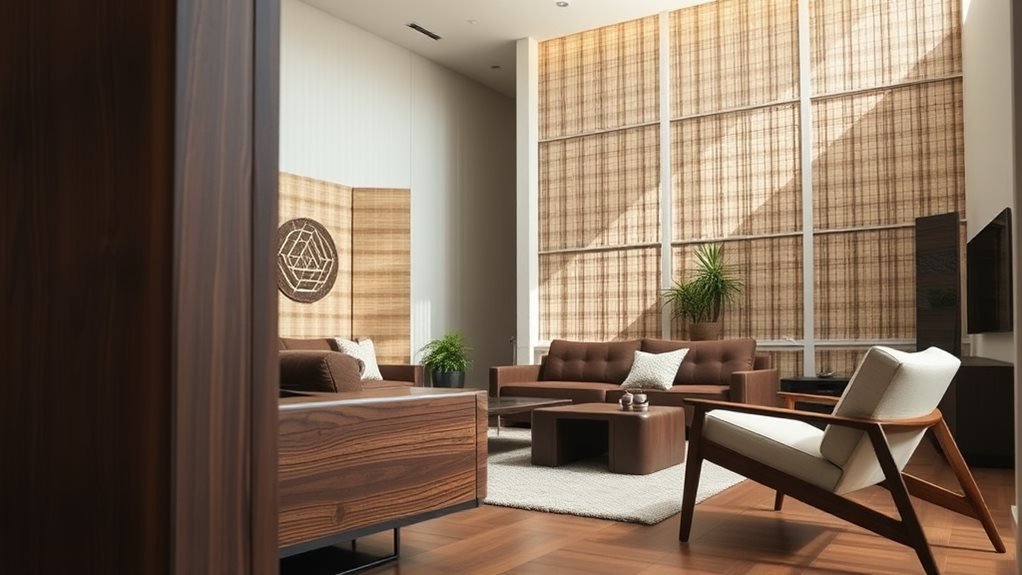
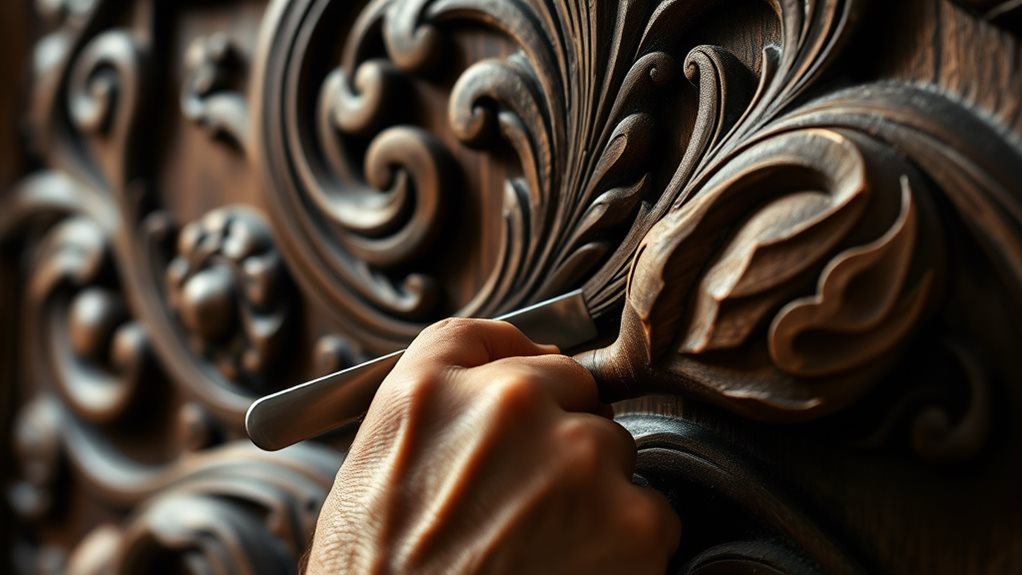
    You'll see how contemporary Filipino design merges heritage with innovation. Native materials like wood, rattan, and bamboo ensure airflow. Notice traditional woodcarvings revived with modern finishes. Observe open floor plans that promote cross-ventilation, plus high ceilings for hot air dissipation. Appreciate bamboo structures' resilience during typhoons, plus soil health benefits from its cultivation. See how motif applications embody cultural values. Discover the blend of ancestral craftsmanship and contemporary aesthetics.

    The Allure of Natural Materials

    Consider the allure of natural materials in Filipino wood design, from aesthetics to structural components.

    You'll find that local wood varieties, such as Mahogany, Acacia, and Ash, aren't just functional; they're canvases displaying unique textures and varied durability. These aren't machine-made surfaces; they're the tangible results of slow growth and varying climate conditions. Filipino homes often integrate woodwork as an essential element, showcasing its importance in Filipino architecture.

    Filipino wood design often emphasizes these natural textures and the inherent wood warmth they bring to interior spaces.

    You're engaging with more than just furniture; you're experiencing cultural values through material expression. From flooring to furniture, wood's versatility anchors the design, while local craftsmanship guarantees that each piece embodies heritage.

    You're connecting with tradition when you value Filipino woodwork's distinct look, made possible by wood's natural beauty.

    Sustainable Practices in Filipino Design

    You'll find sustainable practices in Filipino design integrating materials like reclaimed wood, bamboo, and laterites to minimize environmental impact. Reclaimed wood decreases the carbon footprint and conserves forests, aligning with eco friendly design.

    Bamboo, known for rapid regeneration, is a staple, aiding local economies through sustainable sourcing. You utilize laterites for effective thermal insulation.

    Recycled timber is found in structural components, curtailing demand for new lumber. Wood slats enhance insulation and maintain aesthetic integrity with minimal environmental disruption.

    You're actively reducing methane emissions by diverting wood from landfills. The integration of these materials preserves cultural heritage and fosters community engagement. It supports the recycling culture in the country.

    You also boost local economies as growing consumer demand drives economic growth in sustainable sectors. Buildings with these materials may gain long-term value, demonstrating a commitment to ecological stewardship.

    Weaving Tradition With Modernity

    Beyond sustainable practices, Filipino design intricately weaves tradition with modernity through material selection, techniques, and spatial arrangements.

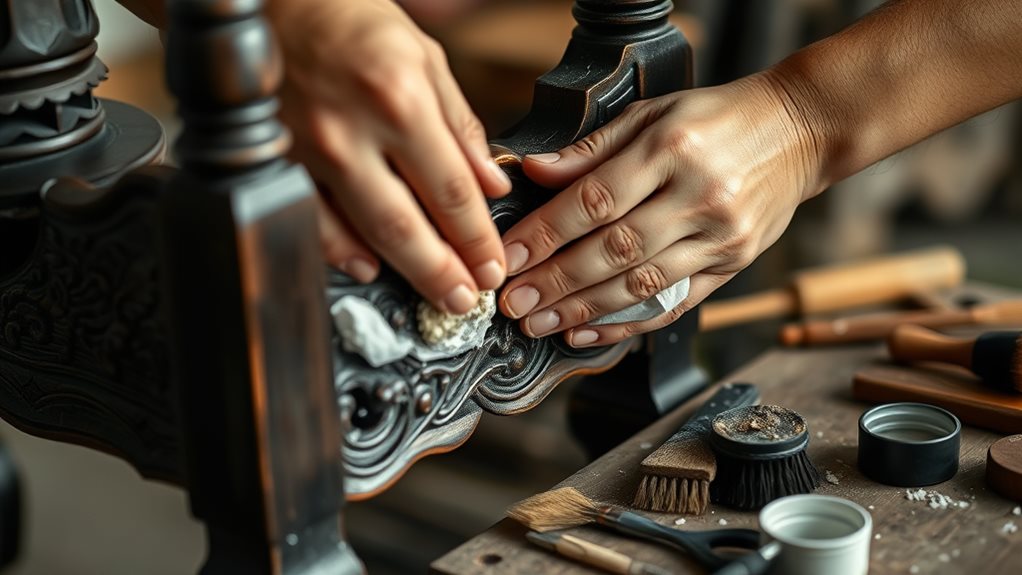
    Observe how designers are combining rattan, bamboo, and wood, ensuring airflow, which is essential for the climate. You'll see the revival of traditional woodcarvings enhanced with innovative wood finishes and metallic accents. This blend, mixing vintage with modern, shows an understanding of spatial cohesion.

    Consider how modern craftsmanship integrates capiz shells into decorative fixtures, seamlessly merging heritage with contemporary style.

    Notice too, how pieces are designed functionally, balancing artistic value with ergonomic considerations. Through integrating local textiles into the decor, you're adding layers of cultural symbolism and authenticity.

    You'll find that these woven elements create not just furniture, but functional art, adding depth to home design.

    Cultural Roots, Contemporary Living

    Rooted deeply in historical influences, Filipino design melds cultural heritage with contemporary living through sustainable materials and artisanal craftsmanship.

    You'll see echoes of indigenous, Spanish, and global trends in everything from the architectural forms to the furniture. Designs honor family dynamics, creating spaces for large gatherings. These functional designs accommodate large groups for social interaction.

    You're not just buying furniture; you're investing in a narrative.

    Think how you can incorporate these elements:

    1. Material Selection: Use native wood, rattan, and bamboo to honor Filipino heritage. You'll connect visually and tactilely with the soul of the culture.
    2. Motif Application: Integrate carvings and designs that respect nature. This creates a harmonious visual palette that's both elegant and meaningful.
    3. Artisan Support: Choosing pieces from local craftsmen supports economic sustainability. You champion skills which preserve tradition by purchasing locally and deliberately.

    You champion cultural values while embracing today's living standards by choosing to include these details.

    Optimized Home Layouts for Tropical Climates

    Because airflow is critical in tropical architecture, you'll optimize residential layouts through strategic natural ventilation and passive cooling techniques.

    Consider open floor plans which promote optimal cross-ventilation. You'll benefit from high ceilings that assist hot air dissipation. Building orientation is vital; you'll align it that maximizes wind, minimizes direct sunlight exposure. The implementation of large windows can greatly maximize the amount of natural light in your home, making the space feel bigger and brighter.

    Strategic window and door placement, opposite each other, aids humidity and heat reduction. Shaded external areas, like wide eaves, mitigate direct sunlight, fostering an environment of comfort.

    Implement innovative measures like rainwater collection systems for sustainability.

    Moreover, elevate structures, a tactic that improves airflow and guards against floods. Space optimization comes from integrating indoor and outdoor spaces seamlessly, providing ventilation and light.

    For effective airflow management, install insulated roofs and vertical shading.

    The Role of Artisans

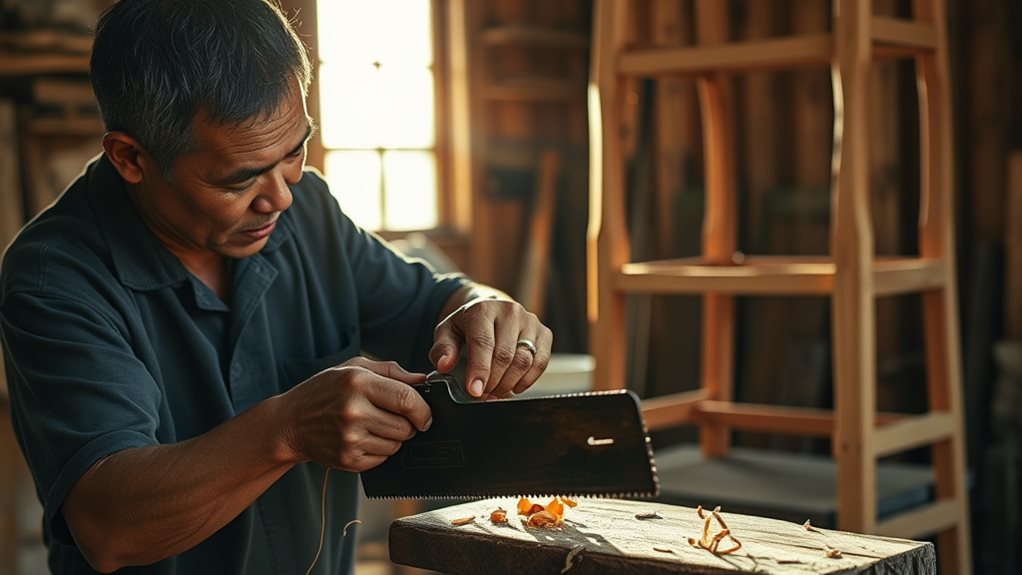
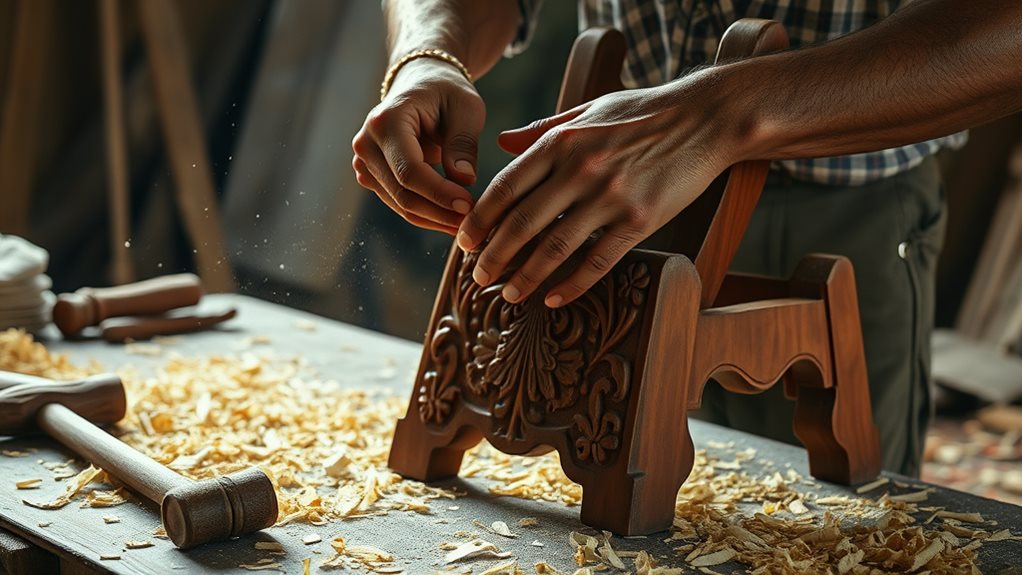
    Artisans are pivotal in Filipino wood design, as they blend heritage with innovation. You'll find that these individuals are integral to skill preservation, maintaining the legacy of techniques like solihiya making and intricate woodcarving seen in places like Paete.

    The artisans' craftsmanship isn't just about replicating old styles; they're innovating, incorporating modern aesthetics into functional pieces, broadening their appeal.

    Here's how you can see their impact:

    • Artisan collaboration boosts economic growth by providing opportunities within their communities, especially since artisans customize designs which will lead to the client's needs being met. Freden Handicrafts, for example, provides "continuous livelihood programs" for both out-of-school youth and local artisans.
    • They carefully select materials—meranti, European pine, Western Red Cedar—focusing on the wood properties optimal for each project.
    • You see skill preservation efforts, often through workshops with the goal of inter-generational engagement.

    You'll note, the artisan's dedication makes Filipino wood design rich in both tradition and modernity.

    Bamboo: A Sustainable Staple

    As you examine materials for sustainable Filipino design, bamboo stands out, offering varied applications, from structural components to decorative accents.

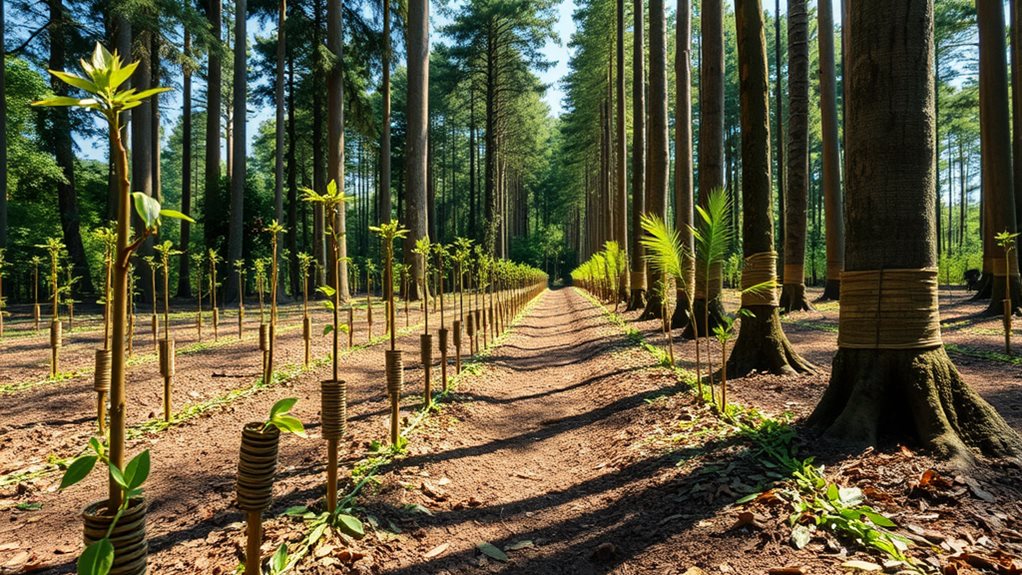
    You'll find its rapid growth, maturing in 3-5 years, beneficial compared to traditional wood. Look into it: half a hectare of bamboo can sequester up to 400 tonnes of carbon.

    Consider how bamboo cultivation promotes soil health and prevents landslides, showcasing ecological benefits. You're helping reverse deforestation because we now have an alternative to traditional wood.

    It's cost-effective; bamboo houses are significantly cheaper than concrete.

    Think about bamboo architecture. Engineered bamboo is as strong as steel and tough as concrete. Because the Philippines faces approximately 20 typhoons annually, the structural integrity of buildings is crucial.

    You'll see it bend without breaking during typhoons, showcasing resilience. Bamboo's adaptability makes it optimal for cyclone-prone areas.

    Structures that use bamboo are lightweight and possess strong insulating properties, too. You're supporting a circular economy.

    Updating Traditional Motifs

    How do contemporary Filipino wood designs adeptly merge heritage with innovation?

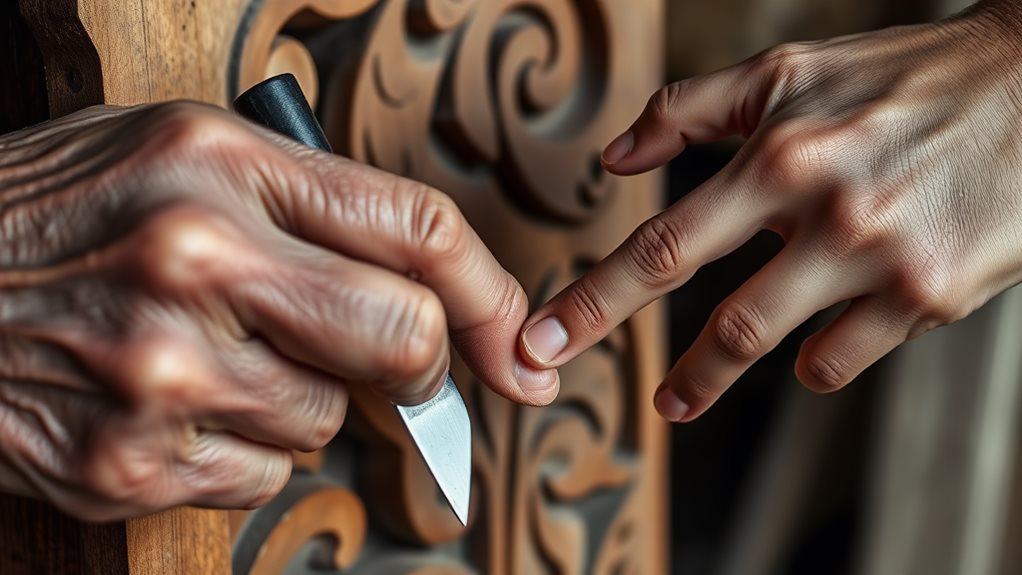
    You'll see traditional motifs retrofitted into modern forms, expressing Filipino values. Traditional craftsmanship isn't lost; it's reimagined. You can see this in how intricate wood carvings from old Filipino designs are now found in modern furniture. The blending of practicality, simplicity in design, and Filipino artistry inspires current architectural trends.

    Updating these motifs involves blending traditional craftsmanship with modern aesthetics that seamlessly integrate into contemporary spaces.

    Consider these key applications:

    • Traditional wood carvings become central features in modern furniture design.
    • Rattan weaving techniques are adapted, ensuring cultural continuity in contemporary styles.
    • Geometric patterns meet traditional wood features, showcasing a unique fusion.

    With adaptable design elements, you get both a visually appealing product and a nod to ancestral crafting techniques.

    You retain the old while achieving the new.

    Blending Openness and Privacy

    Modern Filipino wood designs address the duality of social interaction and personal space by integrating both open and private areas into the structure of homes.

    You'll find this balance through thoughtful architectural planning.

    Consider how open design facilitates airflow and interaction. Large windows and sliding doors, an adaptation to the tropical climate, seamlessly merge indoor and outdoor spaces. The bahay kubo inspires these communal spaces. The incorporation of local textiles enhances authenticity in ways that bring cultural elements to the forefront.

    Yet, personal space remains essential. The designs incorporate subtle privacy solutions: sliding partitions which offer flexibility, allowing you to adjust areas as needed.

    Plants act as natural barriers, delineating shared areas from private nooks. Even within open floor plans, cozy areas provide privacy.

    Modern Filipino homes celebrate communal spirit while respecting individual needs.

    Supporting the Local Economy

    1. Promoting Local Craftsmanship: You help preserve tradition. Local woodcrafters are vital, blending skill with modern needs. They maintain cultural importance through exceptional artisanry, ensuring Filipinos can continue to appreciate the durability and versatility of wood in furniture.
    2. Enhancing Economic Growth: You're boosting job creation in rural areas, helping communities thrive. Wood markets grow, bolstered by investment in technology.
    3. Fostering Market Demand: You're encouraging designers to blend modern innovation with historical context. Local craftsmanship shines through unique, historically relevant artifacts, ensuring they remain competitive.
  • Sustainable Forestry Practices for Philippine Woodcraft

    Sustainable Forestry Practices for Philippine Woodcraft

    You can bolster the Philippine woodcraft sector through sustainable forestry. Prioritize selective logging and replanting to promote natural regeneration. You'll want to limit soil disturbance and enhance wildlife habitats. Implement the Philippine Sustainable Forest Management Strategy. Community-Based Forest Management empowers local communities. It gives them rights and promotes responsible forest stewardship. Reforestation boosts domestic wood production and reduces imports. Stay up to date as you explore policy changes that further promote sustainability and growth.

    The State of Philippine Forests

    As of 2022, the Philippines' forest cover stands at approximately 7.22 million hectares, constituting 24.07% of the nation's land area.

    You're looking at a predominantly open forest landscape, constituting 66.8% of the total, with closed forests at 28.9%, and mangroves at just 4.3%.

    Unfortunately, deforestation remains a critical problem. You should know it's attributable to logging, mining, urbanization, and agricultural expansion. This reality underscores the urgent need for effective forest restoration projects, like the National Greening Program, where over 33 million seedlings have been planted. Logging is a major driver of forest loss, impacting local ecosystems.

    Prioritizing native species, you'll be working toward long-term ecological balance.

    You've got to understand that the Philippines is one of the planet's mega-biodiverse countries, and protecting its forests is essential for biodiversity conservation.

    Protected areas, spanning over 1.6 million hectares, are key, but they aren't enough.

    Community-Based Forest Management

    CBFM, officially adopted in the Philippines in 1995 via Executive Order No. 263, is the principal strategy for sustainable forest management; it aims to democratize access to forest resources while simultaneously improving the socio-economic conditions of upland communities. The program was launched with support from international donors and NGOs.

    You'll find that the implementation of CBFM involves a wide range of concerns related to environmental and natural resources management. As of 2018, more than 1.6 million hectares were under CBFMAs managed by nearly 1,900 People's Organizations.

    Crucially, CBFM emphasizes community rights and responsible forest stewardship.

    It's vital that you understand its broader implications:

    • Imagine the generations of skilled artisans unable to access the resources they need.
    • Picture the forests, once vibrant ecosystems, slowly degraded by unsustainable practices.
    • Envision our heritage of unique Philippine woodcraft disappearing.

    We need to streamline harvesting and community participation, because bureaucratic hurdles complicate access to resources undermining community-based initiatives.

    We should ensure sustainable external support to improve forest-based livelihoods.

    Ecological Benefits of Sustainable Forestry

    You'll see several ecological benefits from sustainable forestry, including maintaining biodiversity, supporting carbon sequestration, and promoting overall forest health.

    Through practices like selective logging and replanting, you ensure continuous forest cover and promote natural regeneration. Sustainable methods limit soil disturbance, support healthy soil conditions, and enhance wildlife habitats. This helps to preserve biodiversity by protecting habitats and minimizing ecosystem fragmentation.

    When you implement sustainable forestry, you directly contribute to climate change mitigation. Forests absorb and store atmospheric carbon dioxide, which is crucial for reducing greenhouse gases.

    Sustainable harvesting methods maintain forest health and maximize natural carbon sequestration capabilities. You also protect against landscape deforestation.

    Consider how riparian buffer preservation filters runoff and protects aquatic habitats. Erosion control from reduced soil erosion preserves overall water quality.

    Sustainable forestry will assist your watershed protection and ensure long-term watershed function.

    Empowering Communities for a Green Future

    Beyond the ecological gains from sustainable forestry, empowering communities is vital for fostering long-term environmental stewardship and economic growth.

    You've likely seen community-based forest management (CBFM) touted as key, and you're right to consider it. Through community education, people gain skills in resource management and forest protection. Over 5,500 CBFM projects exist, yet face unstable policies and funding shortages. With forest cover dwindling to only 24% percent in 2003, the need for effective community involvement is clear.

    You can help address these challenges—the Sustainable Forest Management Act can strengthen forest governance if you champion it. Community capacity building, through training and education, ensures CBFM implementation improves with time.

    Consider the profound impact:

    • Think about families losing their ancestral lands and livelihoods due to unsustainable logging.
    • Imagine communities effectively managing forests, improving biodiversity.
    • Envision the future where your actions ensure thriving forests for generations.

    Increasing formal CBFM involvement in decision-making and bolstering government support ensures community empowerment.

    Your action ensures long-term sustainable forest management.

    Economic Opportunities in Woodcraft

    Transitioning to economic prospects, woodcraft presents considerable opportunities bolstered by sustainable forestry.

    You'll see that the sector's poised for substantial growth, potentially reaching a $20 billion valuation through sustainable practices. Reforestation efforts can boost domestic wood production, cutting down on imports. The local wood industry can grow into a $20 billion sector, which signifies its immense potential.

    Focus on the industry's robust export potential; wooden furniture alone generated $211 million in 2023. Japan constitutes the largest market, though exports to the U.S., Singapore, and South Korea are also significant.

    Favorable trade conditions and low labor costs position the Philippines as an attractive manufacturing hub. Market expansion relies on meeting rising global demand, indicating that as export potential scales, the industry may increasingly rely on sustainably sourced materials.

    Government support, enacted through robust policy and regulation, is vital to industry support, too.

    Balancing Conservation and Livelihoods

    As you've seen, economic viability hinges on sustainably sourced materials; however, policies, funding, and community engagement must all align to safeguard Philippine forests.

    You've got to recognize that the Sustainable Forestry Act empowers community resilience through community-based forest management (CBFM). You must push to ensure sustainable practices through a national forest certification system. With current deforestation rates leading to just 22% forest cover, a national forest certification system will enhance sustainability.

    Limited funding and inconsistent policy impede CBFM's long-term viability, potentially leading to:

    • Families losing access to vital resources.
    • Children facing food insecurity due to dwindling forest products.
    • Communities facing displacement due to unsustainable practices.

    You enhance biodiversity and support local livelihoods by integrating agroforestry.

    Long-term commitment from communities and governments ensures CBFM project sustainability. You'll reduce pressure on forests if you promote community resilience via eco-tourism and sustainable agriculture.

    Despite successes, equity in benefit distribution remains a challenge.

    Addressing Deforestation Challenges

    Addressing deforestation challenges requires multifaceted strategies, as illegal logging, slash-and-burn agriculture, and mining activities deplete Philippine forests. The Philippine Forest Management Bureau plays a key role in overseeing forest management and implementing relevant policies.

    You're seeing forest loss exacerbate soil erosion where deforestation causes landslides. It isn't just about the trees; it's about endangered endemic species losing habitat and potentially facing extinction.

    You contribute to or combat this. You understand that weak law enforcement fails to deter illegal logging. You need alternative livelihoods planned for to reduce pressure; you can't ignore community welfare.

    Recognize conflict between forest conservation, agriculture expansion, and urban expansion which require tough resolutions. Protecting activists is vital, as their safety's paramount for integrity.

    You can mitigate the impact of urban expansion on native forests. Prioritizing certified sourcing limits supporting illegal logging.

    Policy and Funding for Sustainability

    You'll see that policy and funding are critical for ensuring sustainability, so you must thoroughly understand available support mechanisms.

    Policy frameworks, like the Philippine Sustainable Forest Management Strategy (PSFMS) and Community-Based Forest Management (CBFM), guide sustainable practices, supporting key laws such as the National Integrated Protected Area System Act and the Indigenous People Rights Act. Legislative changes aim to promote sustainable forest management.

    You've got to know that the Revised Forestry Code needs updating, driving the push for the Sustainable Forest Management Act.

    These policies won't mean much without funding mechanisms to support them. You can tap into various sources, like Department of Environment and Natural Resources (DENR) initiatives, to drive sustainable forest management.

    Incentives aim to encourage investment in forest plantations and management.

    • Witnessing forests disappear.
    • Struggling to create sustainable livelihoods.
    • Dealing with outdated and unenforced regulations.

    Furthermore, forest certification incentivizes cooperation among stakeholders.

    Training builds crucial capacity for implementing certification systems.

    The Role of International Cooperation

    Explore some programs impacting the Philippines. Through the Forestland Management Project (FMP), the Japan International Cooperation Agency (JICA) collaborates with the Department of Environment and Natural Resources (DENR) to save critical watershed systems in the Philippines. JICA supports the Denr partnership to address climate change and improve livelihoods.

    Program/Agreement Focus Area Key Activities
    AFoCo Regional Collaboration Forest fire prevention, reforestation
    JICA (FMP) Capacity Building Watershed management, expert training
    ITTO Sustainable Management Standards and criteria development
    PEFC Forest Certification NGB establishment, training for stakeholders

    Future of Sustainable Woodcraft

    Having seen the impact of international forestry programs in regions like the Philippines, we now consider the evolving landscape of sustainable woodcraft.

    You'll see an intensified focus on eco-friendly practices, reducing waste and conserving energy. Technological innovations, such as digital transformation and solar-powered tools, are revolutionizing efficiency. Wood's renewable nature is a key reason for its ongoing use as a sustainable material.

    We're entering an era of increasing demand for sustainable products. You must adapt.

    Here's what drives this shift:

    • The raw, palpable loss seeing hectares of forest turned into barren land.
    • The silence of habitats that previously teemed with life.
    • The guilt experienced knowing that our choices affect future generations.

    Consumers increasingly seek sustainable woodcraft driving market trends.

    Expect greater emphasis on customization trends offering bespoke pieces reflecting personal style using materials like FSC-certified wood and bamboo.

    Local workshops cultivate green woodworking communities.

    Prepare for a future where sustainability defines excellence in woodcraft.

  • Religious Iconography in Filipino Wood Sculpture

    Religious Iconography in Filipino Wood Sculpture

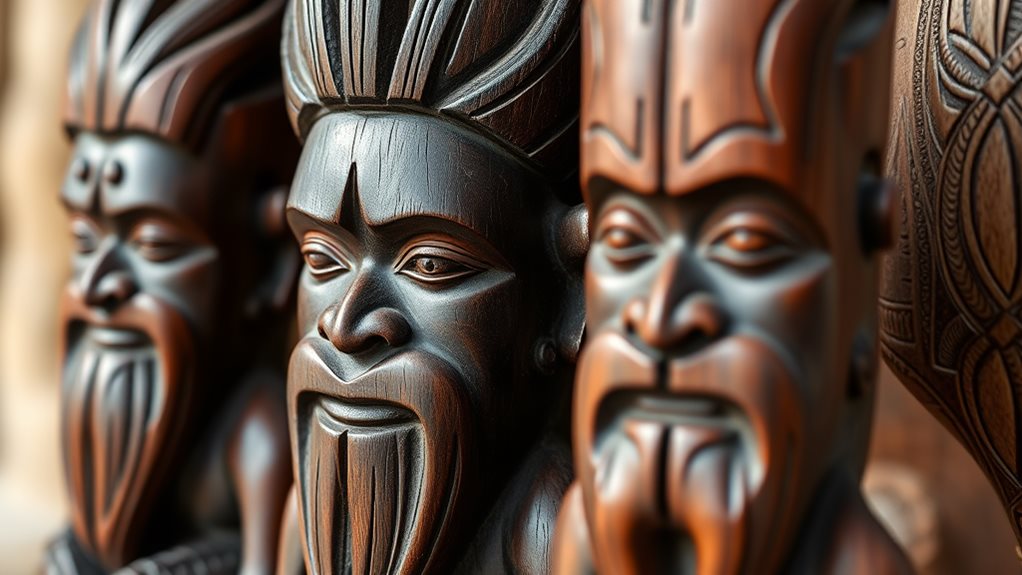
    You'll find religious iconography deep-rooted in Filipino wood sculpture. Santos, depictions of Catholic saints, are central. These figures emerged during Spanish colonization, replacing pre-colonial carvings. Cultural integration and artistic adaptation define their evolution. Local artisans localized European models. Faith and cultural identity are vividly expressed in these carvings. These intricate figures carry sacred spiritual symbolism passed down through generations. Through historical context, discover what's imparted from this unique cultural lens.

    Significance of Wood Sculpture

    Discussing the significance of Philippine wood sculpture goes beyond mere aesthetics to encompass its profound cultural, economic, technological, and historical importance.

    You'll find that these carvings stand as powerful expressions of faith and tradition, serving as visual representations of Filipino culture. Beyond religious iconography, they depict myths and legends, becoming integral to the cultural identity of various regions. The bulul figures, often passed down through generations, are prime examples of this symbolic preservation.

    You also help maintain cultural heritage when you pass down wood carving techniques across generations.

    You'll see Filipino wood sculptures are testaments to artistic prowess, demonstrating creativity, while also providing significant employment opportunities, particularly in places like Paete.

    It benefits immensely from being the "Carving Capital," attracting art enthusiasts and contributing to the national economy through exports.

    The meticulous craftsmanship transforms raw wood into art, with the choice of wood, design, and execution enhancing the aesthetic appeal of each piece.

    You can witness the symbolic representation through artistic storytelling that merges local myths with enduring creativity.

    Origin of Santos

    From the artistic storytelling and symbolic representation found in wood sculpture, let's turn our attention to the origin of Santos.

    You'll discover that these religious images emerged in the Philippines during Spanish colonization. Missionaries introduced them to propagate Catholicism, marking a significant cultural shift.

    Within this historical context, you'll find that the tradition of carving saints, prevalent throughout the Americas and Asia, flourished in the Philippines. It replaced pre-colonial carvings of nature spirits, or anitos.

    Paete, Laguna, became a prominent hub, harnessing local materials like batikuling wood for these creations. You'll see they've endured as a vibrant folk art tradition in the Philippines and other regions.

    Understanding the origin reveals a story of cultural integration and artistic adaptation. You witness how a colonial influence became deeply embedded in Filipino identity, continuously evolving through generations.

    Influences on Style

    Several pathways helped shape the style of Filipino wood sculpture.

    You'll notice pre-Hispanic carvings of deities and ancestors served as a crucial foundation. These early forms, often integral to rituals, contributed to the incorporation of indigenous motifs into later religious imagery.

    The arrival of Spanish colonizers prompted colonial adaptation, where Catholic imagery was integrated and subsequently localized by Filipino artisans. The establishment of the Philippines as a Spanish colony influenced religious practices and artistic expression during this time.

    You see how European models of saints evolved through the incorporation of local styles? The painting classes led by the Jesuit Antonio Sedeño further fostered this fusion.

    The Manila Galleon trade also facilitated an exchange, adding Asian motifs and techniques from other Pacific regions.

    Floral estofado, glass eyes, and repoussé illustrate the blending of local artistry with imported techniques, further enriching the stylistic landscape.

    Wood Selection

    Historically, artisans utilized readily available woods such as acacia.

    However, the scarcity of premium woods like Narra necessitates sustainable sourcing. You'll notice a modern shift toward eco-conscious practices, as artisans focus on conservation. The use of wood aligns with the folk art aspect of Philippine Santos, highlighting the blending of artistry and religious expression.

    Considering the cultural significance tied to these woods, such as Narra representing national identity, you're safeguarding both tradition and natural resources. Over time, wood selection has adapted to cultural values and environmental concerns.

    Carving Techniques

    Woodcarving techniques in the Philippines reflect a rich tapestry of cultural influences and historical evolution. Over centuries, artisans have blended pre-colonial methods with Spanish traditions to achieve distinctive 'carving styles'.

    You'll find that 'tool usage' includes knives, chisels, and hammers, crucial for creating intricate designs. We're going to now examine aspects of method.

    Consider these key aspects:

    • Sketching a design on the wood's surface.
    • Carefully carving the wood with knives and chisels.
    • Sanding to achieve a smooth surface.
    • Staining or painting to highlight features.

    Artisans in workshops, such as those in Paete, dedicate themselves to refining these techniques. The town of Paete, Laguna Province's gem, is known for being the home of many of these artisans. Indigenous influences remain, with tribal motifs and symbols embedded in contemporary works.

    It's also important to appreciate designs often carry symbolic meanings, linking back to spirituality and cultural identity. Modern carvings often integrate traditional methods with innovative designs influenced by globalization.

    Depiction of Saints

    Beyond carving techniques, notice the religious sculptures in the Philippines, particularly the depictions of saints, which stand as remarkable examples of artistic expression intertwined with cultural identity. These sculptures often date to the 18th and 19th centuries, reflecting colonial influences. You'll find that each saint sports symbolic attributes, aiding identification.

    The choice of materials matters. Molave and batikuling woods are favored, and polychrome finishes and bone and glass inserts enhance the realism. Observe how regional styles inform interpretations. Bohol's folk style contrasts Paete's mastery with naturalistic rendering and refined details. Many figures have glass eyes and bone teeth, increasing the naturalism. We see St. Joseph, St. Martin of Tours, or St. Isidore, each carving speaks to the cultural significance and artistic interpretation, showing their reverence.

    Emotion Artistic Style Spiritual Connection
    Reverence Naturalistic Faith
    Awe Regional Styles Devotion
    Piety Symbolic Attributes Prayer

    The Virgin Mary in Sculpture

    • Mary is presented with dark skin and Asian features.
    • You see the employment of elements like pandan leaves and traditional clothing.
    • The image appears in simpler attire, underscoring maternal nature.
    • You'll find materials like coconut shells, emphasizing local craftsmanship; molave wood is often the base material for these sculptures.

    These artistic choices exemplify *Marian symbolism* and *local craftsmanship*.

    These images of Mary show intricate details reflecting the skill of Filipino artisans.

    Polychrome techniques add vibrant colors that enhance the sculptures.

    These historical artworks embody not only religious devotion but cultural expression.

    Look closely, and you'll appreciate the fusion of faith and cultural identity these carvings embody.

    Spiritual Messages

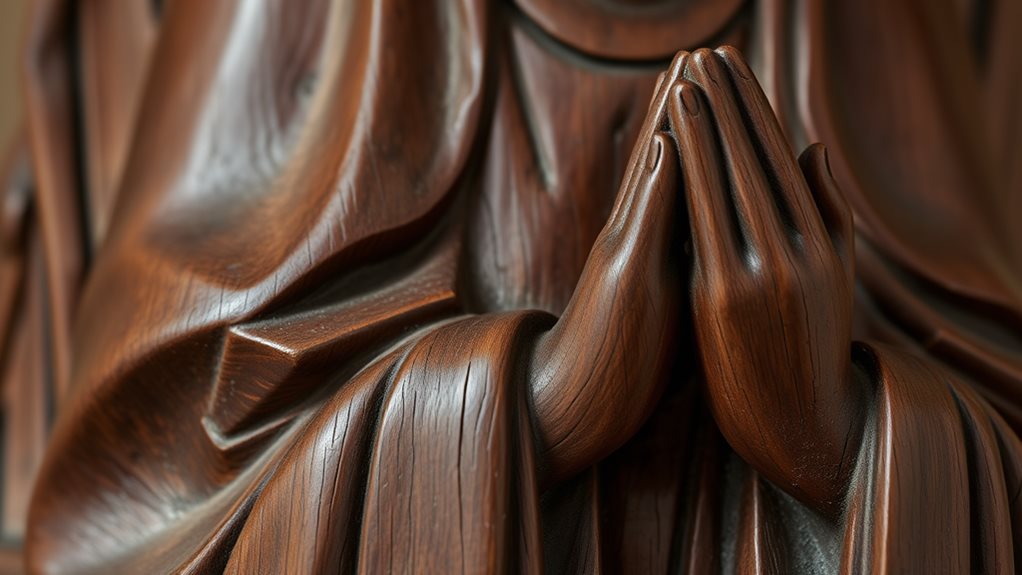
    From depictions of the Virgin Mary, you can observe the spiritual messages embedded within Filipino wood sculpture. You find deep faith and tradition reflected in each carving, acting as a visual cultural representation of Filipino life.

    Saints—Santos—stand out as key to Filipino religious iconography. These intricately carved figures broadcast sacred spiritual symbolism; cherubs give you divine blessings and deliver inspiration. You see faith made tangible through artistic expression. The San Lorenzo wood carved figure, dating back to circa 1800, represents a historical piece of religious art.

    Through these sculptures, you don't just view art; you experience cultural narratives passed down through generations. Artisans use Narra, Molave, and Kamagong woods to root their work in nature.

    You witness folk art traditions come alive, offering you spiritual guidance and comfort. By studying these sculptures, you're not just seeing wood; you're understanding the heart of Filipino artistic inspiration.

    Economic Support for Artisans

    Consider these focal points to imagine the industry:

    1. Partnerships between local governments and universities secure lumber supply.
    2. Interest-free loans aid small businesses. Local governments review and must provide consensus based on the loan requests of small businesses.
    3. Workshops help to adapt to new techniques.
    4. Infrastructure development supports artisans and tourism.

    Despite this, artisans still require long-term help with market access and further opportunities.

    Limited resources and bureaucratic processes can still impede potential progress.

    You'll acknowledge that sustained support is vital for preserving this intricate craft.

    Cultural Preservation

    You enable storytelling through art, expressing the diverse culture of the Philippines.

    It's clear that specific woods and designs symbolize values, reinforcing cultural identity. The meticulous attention to detail found in each piece reflects the artist's dedication and cultural heritage.

    Aren't you preserving Paete's carving legacy?

    By fostering community involvement, you encourage cultural education and awareness.

    You should appreciate how Filipino wood carvings gain global recognition, showcasing craftsmanship and promoting exchange.

  • Paete’s Master Carvers: Profiles of Living National Treasures

    Paete’s Master Carvers: Profiles of Living National Treasures

    Paete's master carvers embody centuries of tradition. You'll find their skills passed down through generations. They use chisels to create intricate designs on narra and batikuling wood. Their carvings reflect faith, Filipino life, and pre-colonial beliefs, boosting the economy. The St. James the Apostle Parish Church showcases their artistry. Community workshops and competitions highlight their brilliance. You'll discover Mariano Madriñan's example, and the role of the Paete Church. Paete sustains its legacy through dedicated artisans. Observe how culture is reflected in artwork.

    A Glimpse Into Paete's History

    Founded in 1580 by Spanish friars Juan de Plasencia and Diego de Oropesa, Paete's early inhabitants came from Borneo.

    During the Spanish colonial era, the town's artisans honed woodcarving skills for churches and artifacts. You'll find that Paete's history is deeply intertwined with its identity as the Carving Capital of the Philippines, a title conferred in 2005. The title acknowledges the exquisite talent in woodcarving that Paeteños are known for.

    As you delve deeper, you'll understand how the town's waterfront position along Laguna de Bay factored into its development, providing resources and trade routes.

    You'll notice the colonial influence shaped Paete's cultural landscape, especially through the historical legacy of the Franciscan Order. The artistic evolution throughout the centuries turned this town into a cultural landmark.

    You've got to appreciate Paete's role as bearer of Philippine history. You might also find out the town's name came from "paet," a chisel.

    Enduring Artisan Skills

    You'll find that the enduring appeal of Paete's artisan skills lies in a rich combination of time-honored techniques, generational knowledge transfer, as well as a blend of traditional artistry with modern adaptations. These skills, passed down through generations, involve using artisan tools like chisels, knives, and hammers to meticulously shape wood. Carvers often choose narra wood for its durability but also batikuling wood due to its soft characteristics. Today, you'll observe that due to scarcity, they're also adapting alternative materials like santol and acacia. Many carvers in Paete have generations of experience honing their craft.

    Technique Material Tool
    Woodcarving Narra Chisel
    Sculpting Batikuling Knife
    Shaping Santol Hammer

    These traditional techniques, honed over generations, are evident in the detailed woodcarvings you'll see. Design planning starts with patterns sketched on cardboard. You'll come to see how workshops and local government initiatives preserve these skills. Paete isn't just preserving techniques; it's evolving. You'll notice how modern innovations coexist with traditional methods, ensuring this cherished art form thrives.

    Cultural and Symbolic Importance

    Beyond enduring artisan skills, carvings are more than aesthetic; they embody Paete's cultural and symbolic importance. As the "Carving Capital," Paete's legacy is woven into the Philippines' heritage. You'll see artistic expressions reflecting pre-colonial beliefs and the shift towards Christian iconography. You connect with history, tracing cultural symbolism in every motif.

    Paete's artistry tells stories. In religious carvings, you perceive Christian traditions. The designs mirror Filipino life. Taka toys express innocence through curvilinear forms. The use of Batikuling adds another dimension, valued for its workability and serving as a natural termite repellent. Acacia and molave woods add layers of meaning. These carvings are tangible pieces of cultural narratives.

    From a friar's misunderstanding shaping the town's name to St. James Church's intricate details, you're seeing the town's timeline. By the 16th century, artisans built retablos for Laguna churches.

    Paete is historical preservation. You witness cultural exchange embedded in taka toy evolution. Each carving shows the story.

    Economic Benefits of Carving

    Paete's woodcarving artistry isn't just culturally significant; it's also a key economic driver. You see the benefits ripple through the community. The woodcarving industry provides crucial employment; many artisans depend on it. We're talking about income generation, ensuring financial stability for countless families; you're helping secure their livelihoods.

    Paete's economy diversifies because of the craft. Its products travel globally, enhancing the town's reach. You contribute to the town's local economic boost. The craft also promotes further engagement by the local community to keep woodworking alive.

    During tough times, like the pandemic, online sales provided a lifeline, showing resilience. The industry's success hinges on artisan earnings and hinges on market growth that promotes financial stability.

    The industry is adapting; embracing new strategies for sustainable income, and that's good for everyone.

    Architectural Marvels in Paete

    Diving into Paete reveals architectural marvels deeply rooted in its history of artistry.

    You'll quickly notice that Paete's historical architecture reflects centuries of artistic heritage, particularly the Baroque and Neoclassical styles merged within St. James the Apostle Parish Church. Franciscan friars constructed it during the Spanish colonial era, and its facade features sculptures of saints, angels, and biblical figures. This construction aligns with the spread of Christianity, influencing architectural designs.

    The church, a centerpiece, showcases:

    1. Ultrathick buttresses characteristic of Baroque design.
    2. Grand chandeliers and retablo inside.
    3. Capiz window panels—a hallmark integrating traditional Filipino architectural elements.

    You'll find that preservation efforts actively sustain Paete's cultural significance.

    Tourism, boosted by the Philippine Experience Program, supports the town's dedication to protecting its artistic heritage.

    Evolving Artistry

    Artistry in Paete evolves, rooted in a rich wood carving tradition dating back to pre-Spanish times, flourishing under Spanish influence as carvers produced religious icons and retablos.

    You'll see how the shift occurred from purely religious pieces to encompass secular art, reflecting changes in society. Paete's wood workshops are prevalent, especially in downtown.

    Paete's carvers adapted, integrating modern techniques while honoring tradition. What was once solely for churches now graces homes and galleries.

    The legend of "paet" underscores the deep connection between the town and the craft.

    We see that artistry also transformed through the lens of artistic collaborations. Carvers are actively seeking opportunities to work with other artists, blending skills to produce carvings, which allows them to explore new themes or styles.

    This blend ensures Paete's wood carving tradition continues to evolve, inspiring future generations. This helps to maintain Paete's legacy as the wood carving capital.

    Mariano Madriñan: A Shining Example

    A testament to Paete's legacy, Mariano Madriñan stands as the town's official hero due to his profound contributions to woodcarving.

    You see, his Mater Dolorosa isn't just a carving; it's a symbol of Paete's artistry. Imagine the recognition—an award from the King of Spain in Amsterdam way back in 1882! This recognition highlights Paete's long history, traced back to 1580.

    Madriñan's Techniques obviously showcases Paete's exemplary craftsmanship.

    The impact extends to today's artisans; they're inspired by his excellence.

    Consider these aspects:

    1. The lifelike quality of his Mater Dolorosa.
    2. His contribution to Paete's international recognition.
    3. How his work epitomizes the town's cultural heritage.

    Madriñan's artistry, fueled by Artistic Inspirations rooted in Paete exemplifies cultural appreciation and skills.

    You'll find hints of these in works exported worldwide, which includes the Vatican.

    He represents a fusion of tradition and skill, solidifying Paete as the "Carving Capital of the Philippines" since 2005.

    His legacy continues to shape Paete's identity as a cultural hub.

    The Role of Paete Church

    Beyond Mariano Madriñan's individual contributions, you'll find Paete Church embodies the town's cultural legacy. Established by Franciscan friars, its history stretches back to the 1600s, solidifying its church significance. You'll see a blend of Baroque and Neoclassical architectural styles featuring detailed carvings by local artisans. Bartolome Palatino designed its nail-less retablos. Founded in 1580, the church has a long history of artistic devotion.

    The church is more than just a building; it's a symbol. You observe how the Spanish friars' introduction of Christianity sparked the development of Paete's wood carving tradition, enhancing its artistic heritage.

    Feature Significance Artisan
    Retablos Intricate Designs Bartolome Palatino
    Walls Witnessed History N/A
    Sculptures Biblical Figures Local Carvers

    It's a testament to the town's past and the enduring craftsmanship. The church showcases carvers' skills, demonstrating how Paete continues to produce amazing artisans. The iconic imagery embodies the community's faith and art.

    Community Involvement

    Recognized as a cultural heritage site for its woodcarving tradition, Paete enhances local identity and community pride.

    You'll see artisans heavily involved in festivals and educational programs that boost local culture. Local government aids this by providing training that hones artisans' capabilities. This involvement goes beyond just practice; it fuels Paete's economic growth through tourism.

    You're likely aware that Paete's cultural preservation weaves through local folklore and historical narratives. Community-led initiatives are pushing you to revitalize traditional techniques, and you're seeing community workshops flourish.

    Artisan collaborations are key, shown in several avenues:

    1. Competitions, like the Jose D. Caancan Memorial Sculpture Competition, foster creativity.
    2. Exhibitions showcase the brilliance of master carvers and their art.
    3. Tourism significantly benefits from your craftsmanship.

    Sustaining the Legacy

    You've probably noted the community's profound commitment; sustaining Paete's legacy requires constant nurturing.

    Considering the historical foundation rooted in Spanish colonial influence, you'll see the significance of tradition preservation. The Philippine Experience Program, a form of institutional support, bolsters these efforts.

    Furthermore, artisan mentorship features prominently, with master carvers, like Ebong Cadayona and Arnold Padol, passing generational skills.

    You'll witness how techniques evolve, yet maintain their core. It's a blend visible even in paper-mache, often combined with wood carvings. Taka symbolizes Filipino folk art.

    To sustain viability, you're going to see that local markets promote Paete's unique artistic flair. Recognizing the crafts as national heritage contributes directly to community recognition.

    Educational programs also help maintain tradition preservation. You're witnessing cultural identity upheld.

  • The Art of Narra Wood Furniture Making in the Philippines

    The Art of Narra Wood Furniture Making in the Philippines

    You'll discover Narra wood furniture making has a rich Philippine history. Influenced by Spanish styles, artisans use techniques like mortise and tenon. Centers such as Batangas excel in detailed work. Narra, the national tree, offers durability and beauty. Craftsmen value its unique grain and rose scent. Demand is high, but sustainability is key due to endangerment from logging. You can see cultural preservation through apprenticeships. More awaits you.

    A Legacy of Woodworking

    Philippine furniture-making's legacy is interwoven with historical influences, like the introduction of new designs and techniques from Spanish colonization.

    You'll find that traditional methods, such as mortise and tenon joinery, share similarities to those used by Chinese migrants, particularly in Batangas.

    As you explore this craft, you'll recognize the "Three B's"—Batangas, Baliuag, and Bohol—as key craftsmanship centers, embodying the nation's cultural heritage. Established in 1987, furniture makers built their reputation on woodworking skill.

    Traditional techniques flourish in these regions. Baliuag stands out with its intricate wood inlay (hilas) and bone inlay (imbute), showcasing beautiful works using kamagong and lanite woods. These materials are often used in embellishments.

    From made-to-order beginnings to international recognition, you see how woodworkers like those at Isabela House of Narra expanded.

    You'll appreciate how local communities are kept alive by the employment and training of young craftsmen; these provide economic growth while maintaining competitive pricing.

    The Allure of Narra

    A symbol of the Philippines, Narra's allure begins with its deep roots in the nation's identity, representing resilience and strength as the national tree. You'll find it captivating due to its majestic presence, with trees reaching impressive heights. The Matic Hub website, built on WordPress, makes accessing information about such national symbols simple.

    Narra aesthetics are a major draw. The wood's heartwood displays a spectrum of golden yellow to reddish-brown, a beauty you can appreciate. Interlocked grain and good natural luster further enhance it.

    For woodworking techniques, the durability, resistance to wear, and decay resistance are what you need. Its resistance to termites makes it highly sought after.

    Its use in various crafts only expands its charm. You can appreciate how easily this wood can be transformed into detailed carvings, musical instruments, or beautiful sculptures.

    You'll find that quarter sawn surfaces reveal patterns like ribbon-stripe and mottled figures, and the rose scent makes it a treasure to have.

    Crafting Timeless Pieces

    Crafting timeless pieces from Narra requires you to understand the wood's characteristics. Its durability guarantees that your pieces will endure. You'll appreciate its workability, making it easy to turn and carve. You can nail or glue it easily, and it takes stains and finishes well. Understanding that tropical woods often have natural oils affecting glue adhesion is essential for a strong bond.

    Shellac helps seal oily surfaces, improving finish adhesion whereas hand-rubbed oil finishes enhance the Narra aesthetics.

    You'll find that Narra woodworking traditions involve careful sourcing. Narra's status as the national tree affects its availability. You need to comply with the law and source only legally obtained wood.

    Here's what you need to think about when sourcing:

    • Ensuring correct origin
    • Complying with local ordinances
    • Ensuring ethical wood harvesting
    • Limiting waste production

    Given these constraints, you need to value sustainably sourced wood. This ensures that crafting your heirloom pieces doesn't contribute to the further endangerment of this culturally significant and beautiful wood.

    Design Versatility

    You'll find design versatility is a hallmark of Narra wood furniture as it effortlessly bridges traditional and modern aesthetics. Its adaptability doesn't stop there; its inherent beauty compliments both indoor and outdoor spaces. Because of its workability, Narra is used in almost all furniture types. Solid construction, a key attribute, ensures the furniture remains stable and durable over the years.

    Furthermore, consider the impact of Filipino culture because it shapes the designs which results in both aesthetic and functionality. This blend of tradition and modernity is highly sought after. You'll appreciate that Narra easily accommodates custom styles, reflecting personal tastes. Its spatial adaptability shines through in creating pieces that fit your specific dimensions. You can mix it with other materials, enhancing both aesthetics and functionality.

    Design Characteristic Influence Application
    Aesthetic Appeal Cultural Heritage Living Room Furniture
    Space Optimization Family-Focused Designs Dining Room Furniture
    Style Adaptability Indigenous Materials Bedroom Furniture
    Customization Options Sustainability Patio and Outdoor Spaces

    From Forest to Furniture

    From forest to furniture, understanding Narra's journey involves navigating its source and sustainability.

    You'll find Narra, the Philippines' national tree, facing endangerment due to illegal logging. Responsible sourcing is vital, as harvesting is now regulated due to its vulnerable status. You'll see reclaimed and legally sourced wood used. The scarcity of Narra trees stands in stark contrast to the immigrant father who arrived in the US in 1931 from the Philippines.

    Then, careful selection takes place. Craftsmen choose only heartwood. Narra wood is generally easy to work with. It's great for nailing and gluing. However, its density can be a challenge. Preparation requires specialized woodworking tools.

    • Selection of Heartwood
    • Careful use of Woodworking Tools
    • Legally Sourced Lumber
    • Application of Traditional Techniques

    You'll notice how it stains and finishes well. However, high oil content might affect the finishing.

    Also, the quality of the wood is there because it's durable and resistant to decay. You're seeing a transformation from raw material to valued cultural symbol.

    Narra in Different Applications

    Understanding Narra's adaptability is next, as it appears in numerous forms across different sectors. Throughout history, you'll see that communities use Narra not just for furniture. They're also applying it in construction, particularly for flooring, because of its Narra durability. Now, you're also seeing Narra in boats, musical instruments, and decorative carvings. I bet you're impressed by the Narra aesthetics, isn't it? Its rich reddish-brown color makes it a visually appealing choice for many applications.

    Application Advantage Benefit
    Furniture Durability, Aesthetics Longevity, Beauty
    Flooring/Construction Resistance to Decay Structural Integrity
    Boat Building Seawater Resistance Lasting Vessel

    However, the demand for Narra, which includes international acclaim and the value of its craftsmanship, puts pressure on this resource. As Narra's utilization grows, you've got to acknowledge the increase in price and its endangered status.

    Sustainability and Sourcing

    Because Narra trees face endangerment from overexploitation, conservation efforts, like the Philippine government's 1987 ban on cutting them in natural stands, have become vital.

    You'll find that ethical sourcing now takes precedence because illegal logging greatly reduces the population of Narra. The high demand coupled with limited availability makes acquiring this wood difficult, so remember that these efforts involve:

    • Regulating the cutting of Narra trees;
    • Supporting the DENR;
    • Planting Narra trees;
    • Conserving the genetic diversity of the Narra population.

    Since 2011, more programs arose, like Executive Order No. 26, making schools participate in tree planting.

    Reforestation projects expand Narra populations, but keep in mind that its high price reflects its scarcity. It's durable and resistant to weathering, but the wood's unique colorations vary from yellowish to purplish hues. Its large size can impact ecosystem biodiversity.

    The historical and cultural value also adds to the economic side. You'll see conservation efforts trying to strike a balance between using this valued wood and preserving this national treasure.

    Addressing the Challenges

    You'll find that crafting furniture from Narra wood presents a series of complex hurdles, compounded by the delicate balance of ecological preservation and cultural heritage. Initially, legal restrictions implemented in 1987 made acquiring Narra a struggle, given its endangered status. Addressing these issues demands robust conservation strategies. Public and private reforestation endeavors, such as those by the Mindanao Baptist Rural Life Center, help, but aren't enough. You've also got density, resin presence, and necessary shellac application to consider.

    To maintain traditional craftsmanship, you need artisan collaborations to pass down knowledge. The high cultural esteem and desires for authentic pieces add pressure, while economic value fuels illegal logging. Given Narra's average weight of 41 pounds per cubic foot, its density makes it a challenging wood to work with, requiring specialized tools and techniques. This table frames the core issues:

    Challenge Category Specific Challenge
    Sourcing Limited Access to Mature Trees
    Technical Wood Density and Resin Content
    Cultural Preservation of Techniques
    Environmental Limited Fire Tolerance
    Socioeconomic Workforce Training

    Market Reach and Impact

    The market reach of Narra wood furniture extends far beyond local artisans, and its impact is multifaceted and significant. You'll find Philippine craftsmanship highly valued globally, opening up significant export opportunities. The reputation for quality and the cultural significance of these pieces drives demand. The industry's growth supports economic stability and job creation. Our competitive designs and pricing allow us to effectively reach various market segments.

    Here's how narra wood furniture maintains its market position:

    • Consistent quality standards attract buyers.
    • Competitive pricing allows for market penetration.
    • Craftsmanship preserves Filipino heritage.
    • The pieces attract collectors of traditional and historical items.

    Digital platforms and international exhibitions are key in expanding reach. Participating in such events will boost visibility.

    Addressing global trends, collaborations with designers can introduce Narra wood to modern aesthetics. This will appeal to a younger, broader audience.

    Nurturing the Craft

    Now, let's delve into nurturing the craft of Narra wood furniture-making, which involves several key aspects that ensure its longevity and relevance.

    You'll see that preserving the art begins with recognizing its rich cultural heritage. The usage of Narra wood in traditional furniture holds profound cultural significance, and preserving this artistry demands dedication.

    You're safeguarding woodworking talents through apprenticeships. Young artisans are learning from experienced Narra wood furniture makers, ensuring essential skill transfer.

    Traditional techniques are still alive. Don't forget the significance of proper maintenance, because cleaning with warm water and mild soap can preserve the wood's finish. Regular waxing protects the pieces. To further protect the finish, furniture should be kept away from direct sunlight to avoid fading.

    The future will require balancing costs and sustainability. You've got to adapt using alternative woods like Molave or Tugas when Narra's unavailable.

    Finally, innovative marketing and regulations adherence play a huge role.

  • Betis Woodcarving: Preserving Pampanga’s Artistic Heritage

    Betis Woodcarving: Preserving Pampanga’s Artistic Heritage

    Betis, Pampanga's woodcarving tradition is an artistic heritage that you'll certainly appreciate. You can see its roots predate Spanish colonization. Cultural exchanges influenced artistry, blending Asian techniques with European styles. Talented families contributed to the craft's evolution. You have seen how it is not just about religious icons. You might be interested to know that export-quality furniture continues to flourish, supporting local economies. You will quickly understand that preservation remains vital amidst challenges. Want to know more about the artisans?

    Historical Tapestry

    Betis, Pampanga, boasts a woodcarving tradition enriched by centuries of cultural and historical developments.

    You'll find that this industry, significantly predating Spanish colonization, highlights the early blacksmithing, shipbuilding, and carpentry skills present in the region. It's a story of locals becoming recognized artisans in woodcraft and furniture-making, sustaining a generational industry.

    As you examine the area, it's clear how the locality became a center for cultural exchange, influencing the art and craftsmanship. The woodcarvers, known as *mandudukit* in Kapampangan, pass down their intricate skills through generations, ensuring the tradition's survival.

    Spanish colonization accelerated woodcarving, with locals adapting traditional techniques to craft religious icons and furniture using European designs. You can observe the merging of indigenous skills with foreign styles shaping a unique artistic identity.

    The persistence of this tradition through adversities underlines its importance to Betis' identity.

    Influences on the Craft

    From the historical tapestry of Betis, woodcarving distinguishes itself through layered influences shaping its unique character.

    You'll find its development owes much to cultural exchange. It isn't simply a local phenomenon; it's an amalgamation of varied artistic traditions.

    Initially, interactions with Chinese artisans introduced Asian Techniques, teaching woodcarving skills to the locals. The Spanish colonizers brought European Aesthetics, commissioning the creation of retablos and other religious artifacts. Local families, like the Adrillanos and Nuguids, contributed to the craft's heritage.

    Betis' prior expertise in blacksmithing and shipbuilding further shaped the craft. Once the Suez Canal opened, it enhanced global trade, introducing new furniture styles you see reflected in the designs.

    Indeed, you witness Betis furniture as a blend of Western and Oriental styles that attracted international clients.

    These influences, combined with local craftsmanship, show the rich heritage that defines Betis woodcarving.

    Artistic Achievements

    It's possible to appreciate woodcarving in Betis, Pampanga, for its contributions to Filipino art, primarily in sculpture and furniture-making.

    Continuously practiced since the 16th century, the craft shows significant *artistic evolution*, moving from strictly religious imagery to include secular furniture and diverse decorative items. You'll notice the blend of Oriental and Western aesthetics in their export-quality furniture. Apung Juan Flores jump-started the modern renaissance, while Wilfredo Layug excels in ecclesiastical art. Boyet Flores preserves traditional methods, and Dante Blanco represents the Philippines internationally. Luisito Cayanan diversifies the art, creating surreal pieces. Contact the Data Protection Officer should any artisan or visitor file a privacy-related complaint.

    The integration of Chinese and Spanish designs exemplifies *cultural exchange*, seen across religious icons and modern pieces.

    Mandukit Anluagi Sta Ursula (MASU) unifies woodcarvers, supporting education for young artisans. Competitions and exhibitions keep the art alive.

    You can see how this tradition strengthens Pampanga's cultural identity.

    Economic Significance

    You can observe the economic significance of woodcarving in Betis through its export-quality furniture, which appeals to international buyers with a fusion of local and European aesthetics. The artistry of the mandukit (woodcarver), who creates intricate designs, is particularly valued in this market.

    This recognition translates to export opportunities, amplified during the Philippines' increased engagement in international trade starting in the 1960s. The industry's revenue reached PHP 38.5 billion, supported by local materials and strategic marketing.

    You'll see that while most businesses are family-run, their custom-made designs capture diverse tastes.

    Despite challenges like the Mount Pinatubo eruption and COVID-19 impacting supply chains and workforce, Betis remains resilient.

    They adapt by leveraging digital platforms to stay competitive with evolving market trends.

    Streamlining operations and developing skills enhances the industry's ability to grow, showing it's important to preserve its contribution to the Philippines.

    Materials and Methods

    Let's examine the essential elements in Betis woodcarving, beginning with the raw materials, where hardwoods like narra and softwoods like baticuling form the primary base, supplemented by rattan, kamagong and various other local woods for furniture construction.

    Non-wood materials like clay and terra cotta also assist in the design, cast-making, and use of decorative elements such as gold leaf. Skilled Betis artisans are well known for creating exceptional pieces using gold leaf finishing.

    When creating intricate designs, you'll find artisans emphasizing careful wood selection. They match the wood's natural grain and texture to the piece they're creating.

    Their carving techniques range from using mallets and chisels for inlays and engravings to saws and sandpaper for surface smoothing. Modern tools like power tools and electric sanders offer increased efficiency to woodcarving tasks.

    The process incorporates designing that starts with clay models, and finishing touches such as 'encarna' and gilding enhance the wood's appeal.

    The Rise of Betis

    Having considered the processes and materials, understanding the ascent of Betis as a prominent woodcarving center requires us to look at its historical, artistic, economic, and cultural dimensions. You'll notice its roots predate Spanish colonization, evolving with Augustinian influence into church furnishings and statues. Apung Juan's revival in the 20th century globally propelled their traditional techniques. The artisan community experienced economic fluctuations; globalization challenged their export-quality products. Yet, woodcarving continues providing employment. Its cultural influence reflects local, Spanish, and Chinese integration. The discovery of the first artesian well in Betis by Father Manuel Camanes offered the town a sustainable water source, symbolizing progress and community support. The table below demonstrates key areas:

    Historical Artistic Economic
    Pre-colonial roots Religious icons Employment source
    Spanish influence Juan Flores' revival Export products
    Mt. Pinatubo survival Wilfredo Layug Globalization impacts
    Church origins Boyet Flores International appeal
    Cultural integration Traditional techniques Artisan community

    The Artistry of Wood

    Delving into Betis woodcarving, you'll find the artistry lies in its historical roots, Kapampangan traditions, and the skills of famous practitioners like Juan Flores. The village of Sta. Ursula faces a decline in artisans, emphasizing the critical need to preserve this artistic heritage.

    You can tell that craftsmanship is extremely important. It requires mandukit skills to guarantee precision; there isn't much room for error.

    When you examine the woodcraft, you see that the artisans carefully select the wood. They choose types like narra, baticuling, and rattan based on hardness and structural integrity.

    The choice of material greatly impacts the final product. Various wood textures define the surface, giving depth to each carving.

    From religious icons to secular furniture, the choice of materials significantly influences the final piece.

    Various carving styles, ranging from traditional Kapampangan to European-influenced designs, showcase the adaptability of Betis artisans.

    Cultural Hub of Luzon

    As the first Spanish colonial province in Luzon, Pampanga is a cultural hub with ancient Malayan settlements influenced by the Rio Grande.

    You'll find a province steeped in history, with traditions echoing through generations. Considering Pampanga's strategic location, it's a major trading hub.

    You'll observe the resilience in Kapampangan culture through various cultural festivals, which mirror their rich heritage, and in its food–the province is the culinary capital. Pampanga also celebrates this heritage through the annual Dúkit Festival, which promotes community involvement.

    Pampanga takes pride in its distinct identity.

    You can see how deeply family ties resonate, affecting many customs.

    Agriculture remains a central element in its economic framework, even today.

    Observe the influence of woodcarving, especially in Betis, where artistic collaborations happen across generations.

    Consider these facets that define Pampanga's cultural depth:

    • Agricultural significance.
    • Prominent culinary tradition.
    • Rich artistic collaborations.
    • Vibrant cultural festivals.

    You've seen Pampanga's cultural importance and history.

    Present-Day Carvers

    You've observed the enduring influence of woodcarving in Betis. Contemporary woodcarvers are blending traditional methods with contemporary techniques. Though religious art is still important, you see many carvers focusing on secular and surreal pieces.

    Present-day, the art form faces challenges due to declining youth engagement. You've noticed modernization and globalization impacting the craft's survival; however, there are ongoing revitalization strategies to spark young people's interest. JB Woodcraft was founded in 1972 by Jose C Bituin and Myrna.

    Organizations like MASU support local artisans, helping preserve Betis's woodcarving tradition. Partnerships with educational institutions promote woodcarving skills. You see international collaborations enhancing the marketability of Betis's handcrafted furniture.

    Workshops, led by experienced carvers, are vital educational platforms for younger generations. Mentorship programs, such as Wilfredo Layug's, focus on inspiring new artists. Educational initiatives aim to foster creativity among young artisans, while innovation gets emphasized.

    You've noticed hands-on training remains key.

    Safeguarding the Legacy

    Safeguarding Betis' legacy necessitates a multi-faceted approach, addressing historical roots, preservation efforts, and challenges to ensure continuity.

    Rooted in the 16th century and refined by figures like Juan Flores, Betis achieved renown, particularly in the 60's and 70's. Their work even graced the interiors of Malacañang Palace.

    Current preservation hinges on initiatives, artisan education, and adapting to contemporary challenges.

    Consider these key elements:

    1. Preservation of historical techniques while adopting modern tools.
    2. Reinforcement through community initiatives like Dukit Festival.
    3. Offering artisan education via CHED and DHVSU.
    4. Supporting groups like MASU.

    You'll have to navigate factors weakening the tradition.

    You're dealing with an aging artisan population and competition from manufacturers abroad.

    It's clear, therefore, that concerted action, involving locals and authorities alike, is indispensable if Betis is to bequeath its woodcarving heritage to succeeding generations.

    You can keep the tradition alive.

  • The Symbolism of Animal Figures in Philippine Wood Carvings

    The Symbolism of Animal Figures in Philippine Wood Carvings

    Animal figures aren't mere decoration; you'll find they embody cultural identity and spiritual beliefs. These carvings connect communities to ancestral spirits and history. What meanings do these figures convey? You'll see specific carvings symbolize agricultural abundance, wisdom, and spiritual power. For example, pigs often represent prosperity and joy in village life sculptures. They also signify fertility and agricultural significance. You'll start to see rituals reinforce community values. There is so much more to uncover.

    Cultural Roots

    Ifugao woodcarvings are deeply entrenched in cultural roots, reflecting a profound connection with nature, ancestral spirits, and agricultural practices. You see it in how they depict mythical creatures, grounding their rich folklore.

    When you observe animal figures, you're witnessing their intimate links to ancestral spirits, revealing deep ancestral connections. These carvings aren't mere decorations; they embody a spiritual dimension.

    You'll note how figures, like the bulul, tie in with rice cultivation, symbolizing protection and wealth. The geometric patterns aren't random; they carry spiritual meaning, reflecting strong cultural significance. Snakes also feature frequently, symbolizing renewal and rebirth.

    In essence, you're exploring a history etched in wood, where each piece tells stories of heritage and spiritual beliefs. Consider how nature influences their forms, emphasizing symbolic value over hyper-realism.

    When you appreciate these carvings, you're touching generations because these figures are integral to their rituals, solidifying the bond between the people and their ancestors.

    Shared Traditions

    Philippine wood carving traditions weave together various pre-colonial practices, Spanish influences, and regional variations across the archipelago.

    You'll discover pre-colonial carvings served practical and spiritual needs, featuring ornamental patterns denoting tribal hierarchies. Remember "Tanod" figures? They acted as village totems, embodying vital community values. These designs, passed down through generations, reflect artistic influences we can still recognize. Native Filipinos also crafted essential items, reflecting their deep connection to the environment.

    During the Spanish era, carvings took on a religious tone with santos from Paete. Catholicism certainly introduced new themes, but wood carving retained decorative functions; the symbolic meanings adapted.

    Today, different regions boast unique styles. Consider the "okir" from the south or the intricate carvings from Paete. These variations, dictated by local wood, highlight Filipino craftsmanship.

    You can't deny how essential wood carving remains in local economies, strengthening community pride and preserving cultural heritage.

    Identity Embodied

    Philosophical embodiments illustrate the cultural significance of animal figures in wood carvings, reflecting beliefs about nature and ancestral spirits.

    You're witnessing more than art; you're seeing cultural identity etched in wood. These aren't just decorations; they're vessels of spiritual embodiment, connecting you to a rich history.

    Understand that through depictions of animals, the carvings reinforce community values. The carvings act as guardians and embody cultural narratives.

    Consider how:

    • Carabao carvings emphasize agricultural abundance.
    • Owls embody wisdom and foresee events.
    • Animal features in ancestral figures like *bulul* augment spiritual power.
    • Carvings guarantee community bonds and traditions.

    You'll appreciate how the abstraction in art emphasizes symbolism. This reinforces the spiritual role of animal figures, ensuring the audience understands the cultural identity.

    Material Choices

    The symbolism carved into animal figures gains materiality through the selection of wood. You're not just choosing any piece of timber; you're choosing to imbue your art with inherent qualities.

    Consider Narra: it's favored for its workability and rich color; you're ensuring durability. Given its prevalence in Paete's woodcarving industry, it's a reliable choice for many artisans. Or think of Batikuling, favored in Paete, it's lending local flavor.

    The wood properties matter profoundly. A durable hardwood, like Kamagong (though increasingly scarce and expensive), guarantees longevity. If you opt to use Molave, expect durability, but you increase costs because it's hard to find.

    The selection impacts your carving techniques: hardwoods demand skilled hands and sharp tools, whereas softwoods allow for finer detail, albeit with a sacrifice of long-term resilience.

    You're balancing material availability and the artistic ideals when choosing wood.

    Ritual Integration

    You witness a harmony between artistic expression and ritual necessity:

    • Ritual offerings, including rice wine, sustain the *bulul*.
    • Placement in granaries positions the figures as guardians. These figures, often carved from narra wood, are believed to bring health, happiness, and prosperity to the community.
    • The pairing of male and female enhances fertility.
    • The patina from sacrifices signifies active ritual engagement.

    Historical Evolution

    Philippine wood carvings evolved through waves of historical influence, merging Spanish and Portuguese colonial styles that introduced detailed gilding techniques with pre-colonial indigenous traditions. The early 20th century saw the decline of wood carving popularity elsewhere, a phenomenon also impacting the Philippines, but with resilient local adaptations.

    You see how local artisans integrated these colonial influences into traditional motifs, elevating the complexity of wooden figures.

    Consider pre-colonial carvings like the *bulul*, guardians of rice crops, where the selection of trees was steeped in ritual. Regions developed unique styles reflecting local myths. You can observe these distinctive carving techniques in areas like Hapao in Luzon.

    Then, modernization arrived. Though machine carving affected traditional craftsmanship, we've seen artisans renew interests in traditional techniques.

    You're observing a continuous interplay between colonial influences and indigenous heritage, adapting and thriving to this day.

    The Owl's Wisdom

    Owls stand as potent symbols of nocturnal wisdom within Filipino wood carvings. Carvings often display detailed features, especially the eyes, to emphasize their association with knowledge. This owl symbolism isn't just artistic; it reflects deeper cultural beliefs.

    You'll find owls frequently linked to vigilance and insight. Ever pondered why the owl holds such significance?

    • It's linked to spiritual guidance.
    • It represents the mysteries of the night.
    • It's connected to ancient mythological tales.
    • It's associated with indigenous legends.

    In Filipino folklore, some believe owls guard forests. The tale of Tiago, who sacrificed his life protecting the forest, reflects this belief. Think about how this ties into the artisan's choice of materials like molave or narra, mirroring resilience.

    Cultural exchange has influenced owl symbolism so their depiction adapts, merging traditional techniques with modern perceptions. The owl's image, deeply woven into the fabric of Filipino artistry, celebrates timeless wisdom.

    They aren't portrayed as evil messengers, but rather, benevolent night watchmen.

    Pig's Prosperity

    Swine, deeply embedded in Philippine culture, aren't just livestock but symbols of wealth in wood carvings. You'll see that the prosperity symbolism of pigs, while not always explicitly represented in standalone carvings, permeates various art forms. You witness their significance through their presence in sculptures depicting village life, emphasizing abundance and joy. The readership may find these carvings accessible via archive.org.

    These carvings underscore the agricultural significance of pigs. Pig figures, though rarer than other animal depictions, are integral to rituals that ensure good harvests. You consecrate objects and safeguard the well-being of your community through these ritual acts.

    In cultural practice, they signify fertility and prosperity, reflecting the importance of family wealth. By sacrificing pigs, you secure good fortune, linking them inextricably to ongoing feasts. You celebrate life together through this ritualistic consumption, and you believe in future abundance.

    Community Bonds

    Beyond their economic and cultural importance, wood carvings in the Philippines weave intricate community bonds, fostering unity, collaboration, and cultural preservation.

    Consider how these carvings impact the artisans themselves in Paete: they aren't just creating art; they're reinforcing community resilience. Given Paete's history for intricate sculptures, it's no wonder the carvings have such community value.

    Through artisan networks, individuals collaborate, producing pieces that reflect shared stories and traditions. You'll find that working together enhances skills and strengthens relationships.

    These artisan networks are sustained via community engagement, enhancing social bonds. Community, thus, becomes intertwined with the artistic process.

    • Cultural pride blossoms, creating a sense of belonging.
    • Skills are passed down, preserving ancestral craftsmanship.
    • Economic opportunities bolster families, securing their livelihood.
    • Artisans network, fostering collaborative projects.

    This collaboration extends beyond individual projects to festivals and exhibitions, showcasing local talent and inviting network-building among members.

    Enduring Heritage

    Philippine wood carvings are more than mere artifacts; they represent an enduring heritage that vividly illustrates the nation's evolving cultural identity through generations of inheritance and tradition.

    You see it in the Ifugao *bulul*, integral to rice rituals, reflecting deep spiritual connections. The Ifugao people, sustained by rice cultivation, carve these figures as a central part of their traditions. Won't you agree that these carvings aren't just art, they're history?

    Recognize that heritage preservation isn't just about saving objects. It's about maintaining cultural identity. Museums curate extensive collections, and digital archives extend accessibility for future generations.

    Do you see artisans, through generational craftsmanship, maintaining traditions, imbuing each figure with cultural meaning while adapting to modern contexts? Each carving links past and present, showcasing the region's artistry.

    The intricate process, involving rituals and careful material selection, ensures spiritual significance endures. This reinforces the preservation of skills and local folklore.

  • Traditional Woodworking Tools of Filipino Craftsmen

    Traditional Woodworking Tools of Filipino Craftsmen

    You'll find chisels crucial for shaping wood in Filipino woodworking. Paete artisans use these with mallets for precise details. Hand planes smooth surfaces for beauty and function. Sharpening methods involve whetstones, vital for maintaining tools. Craftspeople carefully maintain tools to prevent rust and cracking. You adapt these techniques to modern craft; combining artistry with efficiency. Cultural heritage comes alive through woodworking. To understand this creative blending, explore further.

    The Enduring Legacy of Filipino Wood Carving

    Wood carving in the Philippines predates Spanish colonization, with native Filipinos having initially created boats and spears adorned with ornamental patterns for delineating tribal hierarchies.

    You'll find the art flourished during Spanish rule, adapting to include religious statues, a fusion of indigenous artistry and European influence.

    You're seeing generational craftsmanship; techniques passed down connect present to past. Diverse themes span religious figures to daily-use objects. The carvings hold deep cultural symbolism, reflecting traditions and skill. Romblon woodcarvings are living expressions of culture, with their intricacy and beauty reflecting historical significance.

    Regional styles, like Romblon's intricate narra and molave designs, are distinct. Carvers use narra, molave, and kamagong for their durability.

    You're noticing nature motifs like leaves are integrated, showing the country's environment. Wood carvings you see embody Filipino culture.

    Wood carving remains vital, boosting local economies. It's a tourist draw, showcasing hands-on artistry.

    You see it's preserved through education, maintaining heritage. Contemporary adaptations meld tradition with modern innovation, securing its future.

    Paete: A Cradle of Carving Excellence

    Nestled along Laguna de Bay, Paete, Laguna, beckons as a testament to Filipino artistry, a cradle where the legacy of wood carving thrives; its origins, rooted in 1580 through Spanish friars Juan de Plasencia and Diego de Oropesa, evolved into a cultural identity so profound.

    You'll find the name "Paete" originates from "paet," a Tagalog word for chisel, reflecting the town's deep connection to this craft. Designated the "Carving Capital of the Philippines" in 2005, you witness firsthand what makes Paete exceptional.

    As you explore, you'll observe how the Paete heritage thrives through generations of artisans. Wandering through carving workshops, you'll encounter skilled hands shaping local wood—batikuling, Narra, Molave, and Kamagong—into religious statues and intricate murals, reflecting Filipino life.

    These masterpieces aren't confined locally, gracing churches and museums worldwide, including even the Vatican! The industry substantially supports the local economy, offering employment and global recognition.

    The Chisel: An Artisan's Trusty Companion

    Fundamental to traditional woodworking, the chisel is an artisan's trusted companion for shaping wood and creating joints.

    You'll discover that the chisel heavily relies on physical force, often with a mallet. Filipino craftsmen might use hand-forged or imported chisels, favoring carbon steel for lasting performance.

    Influenced by designs like the Japanese Oiire nomi, Filipino chisels use hardened steel edges and softer iron backs. This design allows for a hard cutting edge supported by a softer material.

    You'll see handles made from hardwoods –like Japanese white oak–, but modern synthetic alternatives exist.

    Chisel materials for edges include carbon steels such as Hitachi Blue. Decorative engravings, an artisan's signature, often decorate handles.

    Understanding chisel techniques involves mastering strokes and pressures, developing an intimate feel for the workpiece.

    Whether using an Oiire nomi for general tasks, a Shinogi nomi for fine work, or specialized types like fishtail or mortise chisels, you're adapting an array of tools and techniques.

    Hand Planes and Smoothing Techniques

    An array of hand planes are crucial tools you'll find in woodworking, used to shape and smooth surfaces by muscle power or motorized means. They feature a cutting edge and a body that guides over the wood. The sole keeps a constant cutting angle. For surfaces beyond power tools, hand planes are key. Smoothing planes remove minimal wood for finishing.

    Understanding the parts is essential. The mouth is where shavings pass. The frog adjusts the iron's angle. A lever cap secures the iron. You'll use the depth adjustment knob to control the cut. The sole maintains a flat cut.

    Japanese planes are pulled, not pushed. Small Japanese planes excel on curved surfaces. Ebony bodies and steel blades ensure durability. The style stresses precision. Modern planes can be also made from ductile iron providing both durability and rust resistance.

    With smoothing techniques, you're removing little material for a fine finish. Maintaining a sharp blade and adjusting the frog is vital. Light pressure prevents gouging. You can refine surfaces further with polishing. Inspect the wood often, avoiding over-planing.

    Filipino craftsmen likely use various planes for projects. Their precision demands hand planes for quality. These create detailed surfaces, enhancing beauty and function.

    The Significance of Mallets

    Smoothing surfaces with hand planes is an art, and your next tool of mastery should be the mallet. These tools are integral to Filipino woodworking, aren't they?

    From joiner's mallets with large, rectangular heads for heavy chisel work to carving mallets with smaller, cylindrical heads ideal for carving with gouges, mallet types vary to meet every need.

    You'll find mallets enable delicate adjustment of blades on traditional planes. You should consider them essential for assembling and disassembling joinery without marring your meticulously shaped wood.

    Crafted from hardwoods like ash or beech, mallets underscore a rich woodworking tradition across cultures. Some woodworkers choose hornbeam for their mallets due to its durability.

    Mallet maintenance shouldn't be taken lightly; a simple wax coating can protect the handle. Inspecting for cracks ensures durability.

    You'll learn that how you care for your mallet reflects respect for the craft. They're more than tools; they preserve culture.

    Measuring and Marking Tools

    Accuracy is paramount, and the precision found in metal rulers, particularly the metric ones, is favored within construction. You'll commonly encounter 6 to 12-inch steel rules, meter sticks, and folding rulers, ideal for length measurements and straight lines.

    For inner and outer dimensions, vernier calipers are crucial. You can find inside, outside, divider, and digital calipers, but you've got to handle them consistently for reliable measurements, especially ensuring your measuring techniques are sound. Digital calipers offer quick readings, improving workflow. Calipers with adjustable arms offer versatility in measuring a range of dimensions.

    Levels, critical for ensuring surfaces are perfectly horizontal or vertical, are also crucial; longer levels can enhance leveling accuracy.

    For woodworking, marking gauges are essential, allowing you to scribe lines parallel to edges. They're indispensable in joinery, guaranteeing that your cuts and fittings are precise. Gauges adjust easily, enabling you to mark lines at different distances, so that you can enjoy enhanced marking accuracy.

    Beyond these, plumb bobs, chalk line markers, scriber gauges, center punches, and marking knives expand the arsenal for diverse marking needs.

    Wood Turning Tools and Techniques

    Wood turning introduces a unique set of tools and techniques, distinct from general woodworking and oriented toward creating cylindrical or curved forms.

    Working with these tools requires precision to achieve clean cuts and smooth surfaces. You'll find roughing gouges shape a square blank into a round form efficiently.

    Then, you use spindle gouges for general turning between centers, while bowl gouges, often recommended for beginners, offer more control. Carbide tools, known for their ease of use, can be a great starting point due to their consistent performance.

    Parting tools precisely remove waste material, and skew chisels are essential to produce beads and flat surfaces on spindle projects.

    Material selection is also very important. Softwoods are beginner-friendly, while hardwoods suit elaborate projects. Exotic woods offer you unique aesthetics.

    Consider roughing as the initial shaping, and turning refines the form using various tool techniques.

    Facing cleans the wood, while beading creates rounded details, and fluting adds decorative grooves.

    Traditional Sharpening Methods

    Several time-honored approaches have kept craftsmen sharp and productive, including whetstones, hones, and rubstones, each integral in maintaining the keen edge essential for woodworking, whether you're in the Philippines utilizing local stones or elsewhere adopting methods refined over centuries. Whetstones need proper soaking to enhance sharpening effectiveness.

    You'll find that Filipino craftsmen often use whetstones for their abrasiveness, followed by hones for a finer edge. Rubstones, being coarser, are suitable for initial shaping.

    When sharpening, you're adopting specific sharpening techniques. Hollow grinding creates that characteristic hollow bevel. Craftsmen might add double bevels to enhance sharpness. Selecting appropriate sharpening angles, crucial for different wood types, demands practice.

    You've probably seen influence from other cultures in their adoption of certain sharpening techniques.

    Stone maintenance is critical. You must keep your stones clean and properly lubricated with oil or water.

    Tool Maintenance and Preservation

    Maintaining a sharp edge is one aspect, but proper tool care extends the life and utility of your woodworking implements, safeguarding your investment and preserving cultural heritage.

    For optimal tool longevity, choose the right tool for the job. Utilizing screwdrivers in risk-free operations prevents damage. It's essential you use each tool for its intended purpose. Hand tools are essential, so using the correct one will avoid damage.

    Prevent rust by keeping tools dry and clean. If they do get wet, disinfect and dry them. Coat them with rust inhibitors, especially for long-term storage, boosting tool longevity.

    For handle maintenance, use paste wax to prevent oxidation on your tools. Apply appropriate oils regularly to wood to prevent cracks.

    • Regularly inspect your tools for damage.
    • Implement preventative maintenance techniques.
    • Store everything properly in a toolbox, protecting them from the elements.

    Don't expose your tools to direct sunlight or moisture. Perform repairs promptly. Disassemble when necessary to clean moving parts.

    These maintenance techniques assure tool longevity, while you're preserving Filipino craftsmanship.

    Adapting Traditional Tools for Modern Craft

    As artisans transition into today's woodworking landscape, you'll find adapting traditional tools crucial for blending age-old artistry with current demands.

    Consider how integrating power tools boosts efficiency while retaining hand tool charm. Hybrid woodworking becomes key – you're combining the best of both worlds. You're also using Computer-Aided Design (CAD) to modernize planning. As power tools become more accessible, woodworkers in the Philippines can improve efficiency in their tasks.

    The craftsmanship evolution demands embracing advanced wood processing — you're discovering new material durability for products.

    You'll also see workshops that teach you new skills for adapting older tools. You'll notice programs are available to innovate and train in tool innovation, skills necessary for competition on a global scale.

    Think about the aesthetic diversity that modern materials provide, allowing you to craft new designs. Also, you're making sure to adhere to safety standards.

    The artisans blend old and new, to reach global markets and demand for unique crafts.

  • The Sacred Art of Ifugao Bulul Carving

    The Sacred Art of Ifugao Bulul Carving

    You'll discover Ifugao Bulul carvings, sacred embodiments of ancestral spirits. They're central to Ifugao culture and rice cultivation, reflecting a resistance artistic expression. Crafted primarily from narra wood, they symbolize wealth and status. As guardians of rice crops, Bululs are integral to agricultural rituals, connecting the living and spiritual realms. Mumbaki leaders invoke ancestral spirits through them. Cultural resilience allows Bulul to thrive. There's more to uncover about their cultural role.

    Historical Background

    Dating back to the 15th century, bulul figures originated with the Ifugao people in northern Luzon, Philippines.

    You'll find these figures deeply intertwined with Ifugao culture, especially their rice cultivation practices. Given the isolation of Ifugao Province, you can understand how their rich cultural traditions, sculptural art forms, and agricultural know-how flourished.

    Consider now how Ifugao's early resistance to Spanish colonization protected their way of life. Rice became central to Ifugao culture, and you'll see this is symbolically represented in bulul art. Crafted from a single piece of wood, these stylized figures are usually depicted either standing with their hands resting on their knees or seated with their arms folded.

    The bulul stand as testaments to both artistic expression and cultural resilience. What's represented physically is an ancient cultural expression that you can't deny represents the spirit world for this people.

    Aren't cultural symbols so amazing?

    Spiritual Significance

    Bulul's origins provided a foundation that's interwoven intrinsically into the Ifugao's spiritual practices. You see them as symbolic representations of ancestral spirits and deities, serving as guardians of rice crops and fostering fertility. The people of Ifugao are an indigenous ethnic group located in Ifugao Province within the Cordillera Administrative Region.

    They're more than just carvings; you perceive them as vessels embodying ancestral spirits, emphasizing their spiritual guardianship and significance. Through the Bulul, you strengthen your ancestral connection.

    These sculptures play a vital role in agricultural rituals, involved in every stage of rice production. Granaries become sanctified spaces with Bululs ensuring bountiful harvests.

    During ceremonies such as the tunod, Bululs are touched by hands dipped in animal blood and you place male and female Bululs in specific positions to observe ancient rites.

    You treat Bululs with utmost reverence, avoiding any action that might incur ancestral wrath. Passed down as cultural heirlooms, they're indispensable in preserving Ifugao cultural traditions and are key to your cultural identity.

    Traditional Materials

    Consider the materials used, and you'll find that Ifugao artisans carefully select natural resources that reflect both practical considerations and cultural beliefs.

    Narra, molave, red sandalwood, and ipil are common woods; their resistance to pests makes them suitable choices. Selection hinges on natural form, durability, and regional preferences.

    You'll see that non-wood materials contribute too. Rice straw for headdresses symbolizes agricultural abundance. Rice paste, mixed with lime, creates a traditional white finish. Vegetable fibers adorn some figures, and agate sometimes serve as eyes. You might even see human hair; its presence adds realism. Often, rice deities, particularly bululs, are carved from this wood for harvest assurance.

    Over time, bululs develop a dark patina because they're regularly anointed with animal blood and grease.

    As traditional materials become scarce, you'll note the artisans' use of alternative materials. Maintaining cultural integrity's a challenge amidst modernization, isn't it? Emerging artisans are discovering innovative approaches to create these icons.

    The Crafting Process

    You'll find that the crafting process begins with wood selection, primarily chosen for its natural form and unique features. This process proceeds to the utilization of traditional tools by master carvers to shape the wood with precision. Narra wood, traditionally used, is linked to health and prosperity in Ifugao culture.

    You're observing the start of symbolic details now, such as adding headdresses or earlobes, which sometimes hold rice stalks. Regional variations influence the carvings.

    Cordillera craftsmanship stands out. You'll notice diverse poses; figures stand straight with arms down or seated, with arms resting.

    Look closely, because they utilize tools like bolos and improvised gouges for the initial carving. Then they polish the carvings using leaves from the aplah plant. For that dark, hard gloss, they pass the carvings over burning resin.

    Skilled hands are essential for intricate details. The entire process is dependent on effective crafting techniques. Sizes vary depending on intended use.

    Role in Ceremonies

    In Ifugao culture, spiritual leaders known as Mumbaki conduct key rituals that involve Bululs, and they're integral in bridging communication between the physical realm and the spiritual domain. You'll find that these spiritual leaders possess intricate knowledge of Ifugao cosmology and traditions. During these ceremonial practices, the Mumbaki orchestrate rituals that call upon ancestral spirits within the Bululs. *The carvings depict these figures, reflecting community beliefs and spiritual connections.*

    Baki rituals, central to planting and harvesting seasons, involve offering rice and animals to the Bululs. During these rituals, Mumbaki's chants are essential for speaking to ancestral spirits through the Bululs. You'll see these practices as integral for strengthening the relationship between the living world and the spiritual one, therefore ensuring harvests and prosperity.

    Symbol Meaning
    Bulul Ancestral Spirit
    Rice Abundance
    Baki Invocation
    Mumbaki Intermediary
    Rituals Connection

    In modern Ifugao, Bululs still hold relevance and significance in ceremonial practices.

    Guardians of the Granaries

    Holding profound purpose, Bulul statues stand as guardians of the granaries, embodying the crucial role of watching over the harvest and ensuring continued rice fertility. Carved from durable woods like narra (representing wealth) or ipil, materials, selected by elders, ensure the bulul guardians embody strength.

    Often created at the owner's request, male bululs include pestles while female bululs feature mortars as distinguishing sex-specific symbols. You'll often find them, simplified human figures, seated with arms crossed over their knees at granary entrances. Authentic pieces are highly sought after.

    Positioned in rice granaries, these figures safeguard the harvest, ensuring continued rice fertility, treating them respectfully. Wealthy folks, possessing numerous granaries, might also display bulul guardians in their homes.

    The alwen bulol's ritual empowers the bulul guardians. Over time, expect to see a darkening patina from rituals employing animal blood. These practices highlight the pivotal role bulul guardians assume in upholding harvest success.

    Symbolism and Beliefs

    Bululs stand as more than mere carvings; they're symbolic representations deeply interwoven with Ifugao beliefs. You'll see them as embodiments of ancestral spirits, connecting the physical world with the spiritual realm. They're key players in rituals, ensuring harvests are bountiful and fertility thrives. You're experiencing a practice where each figure passes down through generations, strengthening familial ties to heritage. Remember, consecrated bululs even receive offerings of pig's blood, wine, and rice cakes, boosting their spiritual significance. The practice is a form of cultural identity for the Ifugao.

    Exploring their forms, you'll notice the importance of male and female pairs, which represents harmony and good fortune. You see a stylized human form, focusing on spiritual insight rather than realistic detail. Narra wood, symbolizing wealth, is often their chosen medium. Cultural interpretations suggest loincloths and *tapis* denote gender and status.

    Material Significance
    Narra Wood Wealth, Well-being
    Ipil Wood Durability
    Loincloths Male Status
    Tapis Female Status

    Cultural Adaptation

    As modernization unfolds, you'll observe that Ifugao culture isn't static; it adapts, and you see it in how they manage ancestral customs alongside contemporary life.

    You find that the rituals surrounding Bulul evolve, integrating modern sensibilities while reinforcing their profound significance to Ifugao identity. You'll observe that the placement of Bulul can change to reflect the needs of the community with sitting Bulul sometimes being positioned to promote community healing in modern contexts. This cultural fusion creates fascinating juxtapositions.

    You'll notice Bulul carvings aren't purely ceremonial; they're gaining recognition as art, playing a vital role in preservation, serving as educational tools, and showcasing Ifugao lore to younger generations.

    Modern demand shapes the production and distribution of Bulul figures, presenting both opportunities and challenges.

    Now they've modern interpretations. Bulul functions as ambassadors of Ifugao heritage, shared through tourism, commerce, and interregional exchange.

    You see communities actively participating, ensuring they safeguard Bulul while addressing issues of authenticity in contemporary markets.

    Enduring Legacy

    Continuity is what you'll witness, with Bulul carvings persisting as a testament to Ifugao ingenuity and cultural values. They embody a deep understanding of rice cultivation and symbolize wealth, happiness, and well-being. The Bulul's role hasn't diminished; instead, it's woven into the fabric of Ifugao identity.

    You'll find these stylized figures still vital in Mumbaki and Baki ceremonies. They aren't just static relics; you see artistic evolution in their forms while their fundamental spiritual essence remains unchanged. These ceremonies connect people with ancestral spirits believed to reside in the statues.

    As guardians of the harvest, Bululs still connect the Ifugao people to ancestral spirits, reinforcing their integral role in fertility and prosperity rituals.

    What contributes to their enduring appeal? It's their cultural resilience. You see them evolve beyond purely ritualistic objects to become recognized in modern art circles, demonstrating how tradition can adapt and thrive.

    Preservation Efforts

    To ensure their survival, preservation efforts are essential for Ifugao Bulul carvings, which are facing complex pressures that hinder their longevity. Environmental factors, cultural shifts, economic pressures, climate change, and material degradation all threaten these cultural icons. The digital series, "Humans of the North", by NLEX Corp. aims to highlight the importance of preserving cultural heritage like Bulul carving.

    You'll find community initiatives play a vital role. Local communities actively protect their cultural heritage through traditional practices and cultural education, maintaining the original contexts of Bululs.

    These efforts aren't going it alone; they include hands-on workshops and collaborative projects between communities.

    Government support through the National Commission for Culture and the Arts (NCCA) provides funding and cultural promotion. You'll see regulatory measures to control the sale of artifacts.

    International partnerships improve preservation with advanced techniques. These partnerships enhance local artisan skills and raise awareness globally.

  • Regional Variations in Philippine Backstrap Loom Techniques

    Regional Variations in Philippine Backstrap Loom Techniques

    You'll find remarkable variation in Philippine backstrap loom techniques. In Abel weaving in the Ilocos Region, artisans use a hardwood pedal loom. Kalinga weavers employ backstrap looms, imbuing textiles with cultural meanings, like red for bravery. Ifugao weavers create significant Inabol blankets. Abra highlights Pinilian and Binakol techniques. Though specific details are less documented, Visayas textiles integrate diverse influences. These traditions preserve heritage and support livelihoods, adapting to modern demands. Cultural nuances exist in each region. Appreciate the detailed artistry.

    Ilocos Region: Inabel Weaving

    As Inabel weaving is integral to the Ilocos Region, its very name, derived from the Ilocano word "abel" meaning "to weave," immediately signifies its cultural importance, reflecting the enduring spirit of the Ilocano people. This craft, pre-colonial in origin, initially produced blankets, shawls, and garments. Weaving traditions are meticulously passed down through generations, ensuring the craft's survival.

    You'll see how the weavers draw inspiration from nature. Distinctive Inabel patterns, often geometric, may include stars, fans, or even cat's paws. Land formations, flowers, and ocean waves also make their way into designs. You can recognize patterns like "binakol" which serves to ward off evil spirits.

    The handloom defines Inabel, specifically, the hardwood pedal loom. You'll find that weavers meticulously prepare their threads. Cotton must be harvested, dyed, and spun with care.

    Multi-heddle and suk-suk methods contribute to intricate Inabel Weaving techniques. These techniques contribute to designs, preserving both heritage and livelihood.

    Cordillera Region: Kankana-ey Weaving

    You'll find textiles present during significant Kankana-ey rituals, reinforcing their spiritual importance as they're passed down through generations. The colors symbolize wealth and abundance. These textiles serve not only as attire but also as vibrant expressions of Kankana-ey heritage. As part of the larger Igorot collective, the textiles underscore their shared cultural traits and practices.

    Garment Weave Type Cultural Use
    Tapis Wrap-around Women's skirt
    *Ules* Blanket Decoration
    *Wanes* G-string Men's attire
    *Wakas* Waistband Men's attire
    Textiles Various Ceremonial use

    Kalinga Province Textiles

    Kalinga province textiles can be traced back to the 18th century, influenced some by Indonesian textiles, and they're an integral part of Kalinga culture and identity.

    You'll find traditional Kalinga weaving centered in Mabilong, Lubuagan, where backstrap looms are the primary tools. Both men and women participate, fostering family involvement and community bonding, creating textiles that convey deep cultural meanings. The traditional motifs and colors, red for bravery and black for the earth, enhance the storytelling.

    Traditional Kalinga garments, such as the "ka-in" wraparound skirt for women and "be-e" for men, vary for rituals and special occasions. You will notice the significance of traditional garments in Kalinga culture.

    • "ginamat" design is a notable twilled pattern with silk embroidery.
    • Indigenous materials like abaca and maguey create authentic designs.
    • Beads and embroidery often decorate the clothing for beauty.
    • Symbols in these textiles often mirror environmental elements, linking past with present.

    Kalinga textiles reflect artistic expression, community identity, and cultural ways of life that continue to adapt and thrive.

    Ifugao Weaving Traditions

    While Kalinga textiles narrate tales of valor and earth through their weaves, let's turn our attention to the Ifugao province, where weaving isn't just an art form; it's the very lifeblood of their cultural identity, steeped in ritual and social significance.

    You'll find that Ifugao weavers primarily employ backstrap looms. You're not just observing a craft; you're witnessing an integral part of Ifugao rituals.

    Consider how textiles, like the Inabol blankets used during funerals, reflect social class. You might notice that patterns carry profound textile symbolism, often representing deified ancestors. The intricacy signifies social standing. Understand that the community weaves together, creating bonds that strengthen their traditions.

    Techniques such as binobodan, kinulhuddan, nilihha/pinilli, and balud showcase their artistry. KIWA works hard to continue the weaving tradition.

    You'll also see how Indigenous Peoples Education Center contextualizes Ifugao culture in education. You're seeing a culture actively preserving its heritage.

    Abra's Weaving Heritage

    Shifting our focus, Abra presents a vibrant weaving heritage deeply intertwined with the traditions of the Itneg tribe.

    You'll find that weaving techniques here are more than just crafts; they're expressions of cultural identity and indigenous knowledge passed down through generations since pre-Spanish times.

    Abra's textiles feature distinct weaving techniques like Pinilian, where intricate patterns reflect symbolic meanings. Artisans in Abra master these techniques, preserving ancient traditions and honoring Pinaing, the goddess of women weavers.

    You'll also see the Binakol technique, showcasing fine ceremonial fabrics. Here, weaving contributes to the local economy while preserving ancestral wisdom.

    The use of backstrap and pedal looms demonstrates adaptability, as scattered and continuous supplementary weft further enhances patterns.

    • Weaving connects you to ancestors and spiritual practices.
    • Natural dyes from plants, like the native indigo plant, enhance authenticity.
    • The intergenerational transfer of skills maintains weaving traditions.
    • Fabrics embody the tribe's deep connection to nature.

    As you look at the patterns, remember you're seeing a blend of Filipino and influences interwoven on each thread, symbolizing a rich cultural history and a unique artistic identity.

    Mountain Province Weaving Designs

    You'll discover that younger generations are enthusiastically embracing weaving to retain cultural heritage. Hands-on workshops and school programs integrate weaving into their curricula, guaranteeing these techniques endure. Community initiatives, supported by grants, promote weaving as a sustainable livelihood so that you, too, can appreciate this cultural significance. Understanding these local crafts represents the innate creativity of these communities.

    Mindanao's Backstrap Looms

    Consider these key points, as you observe the backstrap loom techniques:

    • Abaca and cotton are often used, with abaca prevalent in Mindanao, showing the adaptability of the indigenous weaving. Mastery of these techniques often requires years of dedication and practice.
    • Patterns carry cultural or spiritual meanings, with each region reflecting traditions.
    • Ikat tie-dye resist techniques are used by communities like the Mandaya and T'boli so that you'll see the meticulous processes.
    • Weaving serves as a vital income source, strengthening community bonds.

    Natural Fibers in Luzon Textiles

    Beyond Mindanao's intricate backstrap loom traditions, let's turn our attention to Luzon, where textiles are deeply interwoven with history and cultural expression, showcasing the diverse use of natural fibers.

    You'll discover that pre-colonial communities wove abaca and silk. You see, each region developed unique weaving techniques passed down through generations.

    Abaca, known as Manila hemp, provides durability. Did you know pineapple fiber (Piña), soft and lustrous, often gets combined with silk?

    Though not as common, banana fiber's making waves due to its status as a sustainable fiber. Cotton and silk? They've got historical roots in early textile production. The Spanish introduced linen.

    Plus, bamboo fiber's becoming popular for its sustainability and versatility. As you explore Luzon's textiles, you'll notice a commitment to using sustainable fibers and preserving traditional weaving techniques in this dynamic craft.

    Color Symbolism Across Regions

    Color symbolism offers insight into the cultural values and historical narratives embedded in the textiles of Luzon.

    You'll notice red in Kalinga weaves symbolizes bravery, while black embodies the earth. Yellow signifies wealth and fertility, and green echoes the lush mountainsides. Kalinga artisans also use white in their textiles to symbolize the flowers of coffee trees. Ifugao textiles display a wider color palette, maintaining harmony with nature through vibrant dyes.

    • Geometric patterns weave tales of cultural motifs and community identity.
    • You'll discover how natural dyes influence color meanings in different areas.
    • Witness the textile heritage through regional expressions passed down from generation to generation.
    • Marvel at the design evolution where the weaving techniques reflect cultural nuances within the region.

    In Mindanao, Yakan textiles explode with bold, contrasting colors, drawing inspiration from Islamic sacred geometry.

    Travel to Visayas, and you'll observe how diverse cultural influences have impacted the designs. Though specific color symbolism data is less documented, traditional patterns adapt to modern designs.

    It's fascinating how each region's color palette showcases community identity.

    Preserving Tradition in a Modern Market

    As we honor communities through hues and patterns across the Philippine archipelago, you'll also find a deep respect for the preservation of backstrap loom traditions amid an evolving global economy. Traditional techniques, often passed down through generations, are vital for maintaining cultural heritage. Market adaptation becomes essential, weaving together traditional artistry and contemporary consumer demands. These simple looms, comprised of sticks and yarn, allow for the production of breathtaking textiles, some exhibiting very intricate designs that elevate the tradition.

    You'll notice a rising interest in sustainable and ethically sourced products supports artisans and their communities. Artisan collaboration leads to innovative designs that appeal to broader markets. Online presence amplifies sales. However, you must consider challenges like balancing traditional methods with efficiency.

    Aspect Detail
    Tradition Integral to Cultural Heritage
    Economy Supports Livelihoods of Indigenous Communities
    Sustainability Ethically Made: Natural Fibers, Supporting Local Economies

    Ultimately, preserving backstrap loom weaving requires maintaining its slow, labor-intensive beauty while fostering economic viability. Preserving traditional techniques while embracing market adaptation and innovation ensures its continued presence.