Author: Amiel Pineda

  • Holy Week in the Philippines: A Time of Reflection and Rituals

    Holy Week in the Philippines: A Time of Reflection and Rituals

    During Holy Week in the Philippines, a rich blend of rituals and reflections unite community and faith.

    Palm Sunday marks the beginning, where Filipinos bring palm fronds to symbolize protection and commemorate Jesus' triumphant entry into Jerusalem.

    On Maundy Thursday, Filipinos attend the Mass of the Lord's Supper, which reenacts Jesus' Last Supper with his disciples.

    Visita Iglesia, or visiting seven churches, is another popular tradition, where devotees pray and reflect on the Stations of the Cross.

    Good Friday is a day of deep contemplation, as Filipinos participate in the Stations of the Cross, a 14-step devotion that recreates Jesus' journey to Calvary.

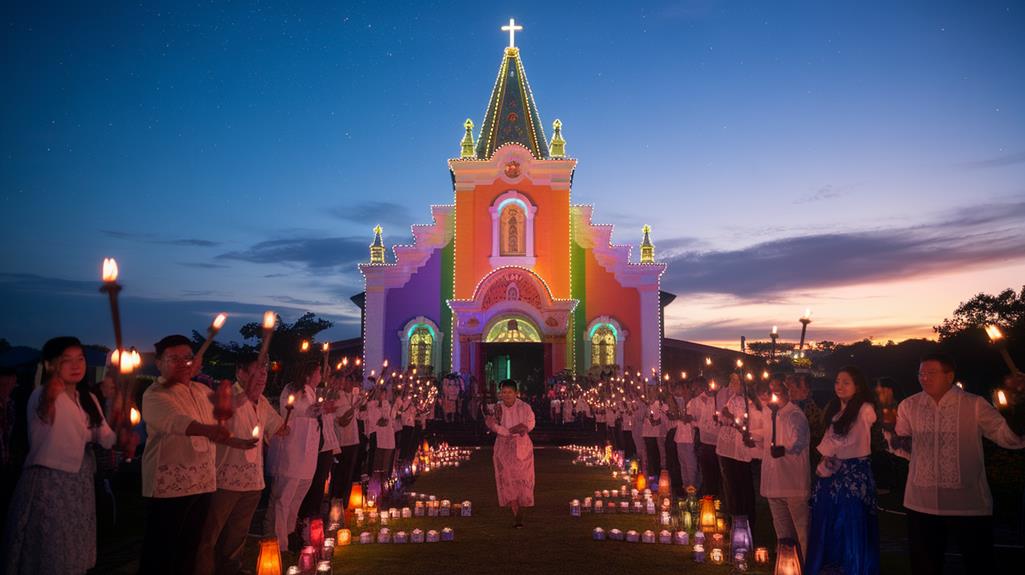
    Black Saturday is a day of quiet reflection, preparing for the Salubong, a joyous Easter Sunday celebration where Filipinos welcome the risen Christ.

    Each ritual echoes emotions and shared experiences, shaping the spiritual journey of Filipinos and revealing the heart of their culture.

    Overview of Holy Week Traditions

    holy week tradition overview

    Holy Week in the Philippines: A Deeply Rooted Tradition

    Holy Week in the Philippines is a significant event that brings communities together in reflection and reverence.

    Palm Sunday marks the beginning of Holy Week, where locals bring palm fronds to church, symbolizing the welcoming of Jesus into Gethsemane. This ritual not only signifies faith but also serves as a protective charm against evil spirits, blending spirituality and cultural heritage.

    Maundy Thursday: A Solemn Reminder

    Maundy Thursday is marked by the solemnity of the Mass of the Lord's Supper, a powerful reminder of the Last Supper.

    The Alay Lakad pilgrimage to Antipolo Cathedral invites individuals to participate in physical and spiritual journeys of penance.

    Good Friday: A Day of Contemplation

    Good Friday is marked by a profound stillness, with Stations of the Cross and the Seven Last Words reflections, urging individuals to contemplate Jesus' suffering.

    Black Saturday and Easter Vigil: Renewal and Hope

    On Black Saturday, the atmosphere shifts into mourning, leading to the Easter Vigil.

    The lighting of the Paschal candle symbolizes renewal and hope, as the darkness of mourning gives way to the promise of new beginnings.

    Easter Sunday: Joy and Celebration

    Easter Sunday erupts in joy with Salubong ceremonies, where the resurrected Christ meets the Virgin Mary, encapsulating the essence of resurrection and the promise of new beginnings.

    Cultural Practices and Beliefs

    Cultural Practices and Beliefs Shape Holy Week in the Philippines

    During Holy Week, Filipinos observe a unique blend of solemnity and community spirit, reflecting the country's rich cultural heritage.

    Black Saturday is a significant day of reflection, particularly for young boys who undergo circumcision, marking their transition into manhood.

    Folk beliefs and traditions also abound during this period. Jumping before the church bells toll on Easter Sunday is believed to promote height and vitality.

    However, since the 1970s, there's been a decline in the solemn observance of Black Saturday, indicating a cultural shift towards modernization.

    The Philippines' 85% Christian population contributes to the complex atmosphere during Holy Week, where solemn rituals coexist with festive activities.

    Cultural admonitions against laughter emphasize the importance of reflection.

    However, as society evolves, some Filipinos reinterpret these traditions, allowing for moments of joy and kindness.

    These cultural practices and beliefs not only shape the observance of Holy Week but also highlight the dynamic nature of Philippine spirituality and community life.

    Key Religious Observances

    significant faith practices observed

    Holy Week in the Philippines: A Celebration of Faith and Tradition

    Holy Week in the Philippines is a vibrant display of religious observances that showcases the country's deep-rooted commitment to faith and tradition.

    Palm Sunday

    Palm Sunday marks the beginning of Holy Week. On this day, Filipinos bring palm fronds to church, symbolizing Jesus' entrance into Jerusalem and offering protection against evil spirits.

    Maundy Thursday

    Maundy Thursday is a significant day in Holy Week. It is commemorated with the Mass of the Lord's Supper, which remembers the Last Supper. Additionally, Filipinos participate in Visita Iglesia, visiting seven churches to reflect on the Stations of the Cross.

    Good Friday

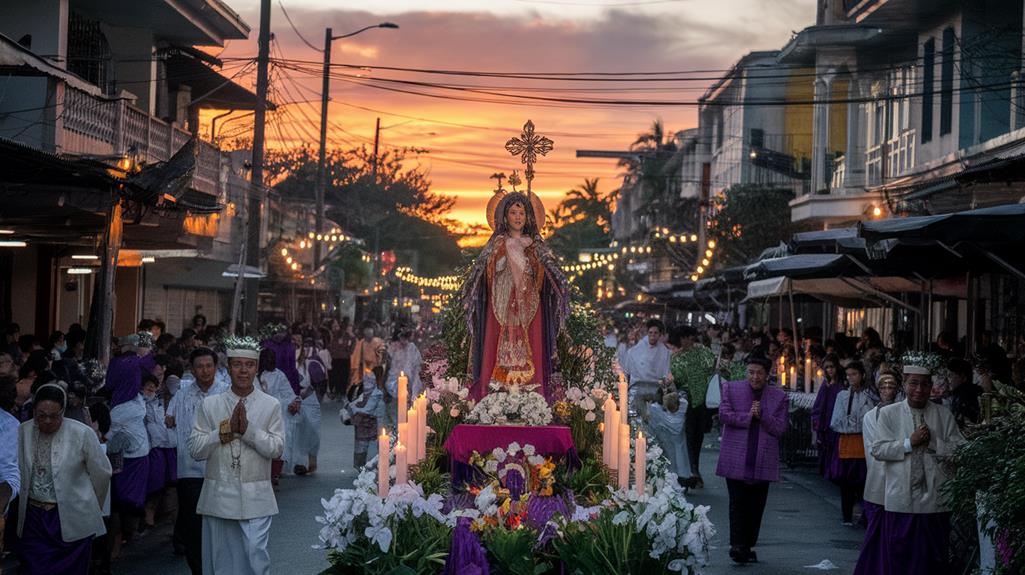
    Good Friday is a solemn day filled with rituals. Filipinos attend the Stations of the Cross and venerate the Holy Cross. The day culminates in the poignant Santo Entierro procession.

    Black Saturday

    Black Saturday is a day of mourning. Filipinos hold a vigil that lights the Paschal candle, symbolizing hope and anticipation of resurrection.

    Easter Sunday

    Easter Sunday is a joyous celebration. Filipinos participate in the Salubong ceremony, where men and women's processions converge, commemorating the triumphant reunion of Jesus and Mary.

    Each observance strengthens the connection to faith, community, and shared history.

    Modern Interpretations of Faith

    Holy Week in the Philippines: A Blend of Tradition and Modernity

    During Holy Week in the Philippines, faith is redefined as a dynamic blend of tradition and contemporary issues. Many believers focus on compassion and social justice, aligning with Pope Francis's progressive views on Christianity. The Catholic Church encourages this shift, promoting the expression of love and joy alongside solemn observances.

    The Tension between Commercialism and Tradition

    However, commercialism threatens to overshadow the religious significance of Holy Week, tempting people with leisure activities like beach trips. This raises questions about the traditional practices of fasting and abstinence, especially when economic realities challenge their feasibility.

    These reflections prompt meaningful discussions about the true meaning of these rituals.

    Diverse Expressions of Faith

    Personal anecdotes from communities reveal that diverse expressions of faith, such as communal gatherings or individual contemplations, can foster a strong sense of connection and spirituality. For instance, some people participate in community service projects, while others engage in personal prayer and reflection.

    A More Inclusive Understanding of Holy Week

    Ultimately, these modern interpretations of faith encourage a more inclusive understanding of Holy Week, making it a time not just for reflection but also for active engagement with the issues that define our lives today.

    This approach promotes a deeper connection with one's faith and community.

    How is the devotion to the Santo Niño connected to the rituals of Holy Week in the Philippines?

    The santo niño devotion is deeply connected to the rituals of Holy Week in the Philippines. Devotees celebrate the Santo Niño’s blessings throughout the Lenten season and reenact the passion of Christ during Holy Week. The Santo Niño devotion is a central part of the country’s religious and cultural traditions.

    Unique Local Celebrations

    distinctive regional festivities

    Holy Week in the Philippines is a vibrant display of local celebrations that reflect deep-rooted traditions and community spirit.

    Each event carries profound meaning, inviting you to witness the collective expressions of faith.

    The Senakulo, a dramatic reenactment of Christ's Passion, takes place in Bulacan, Rizal, and Pampanga on Maundy Thursday. This captivating event unfolds through dramatic performances, showcasing the community's devotion to their faith.

    Visita Iglesia is a tradition where devotees visit seven churches, reflecting on the Stations of the Cross. Some even extend their pilgrimage to 14 churches, demonstrating deeper devotion to their faith.

    In Pabasa ng Pasyon, community members gather at makeshift altars to rhythmically chant Christ's sufferings. This unique tradition echoes the community's reverence for their faith.

    The Moriones Festival in Marinduque is a colorful reenactment of Christ's final moments. Actors don morion helmets, embodying Roman soldiers, and perform in a dazzling display of community spirit.

    On Easter Sunday, the poignant Salubong ceremony takes place. This ceremony marks the joyful meeting of the resurrected Christ and the grieving Virgin Mary, celebrated through distinct processions that highlight the triumph of life over sorrow.

    These celebrations not only preserve cultural heritage but also bind communities together, allowing you to connect deeply with the essence of Holy Week.

    Personal Reflections and Experiences

    Holy Week: A Tapestry of Memories and Rituals

    Reflecting on your own experiences during Holy Week can evoke a rich collection of memories, woven together by family traditions and personal rituals.

    Palm Sunday: A Symbol of Protection and Spiritual Connection

    On Palm Sunday, you may have brought home blessed palm fronds, feeling their significance as a symbol of protection and spiritual connection. This act wasn't just about tradition; it was a moment shared with your family, reinforcing bonds while honoring your faith.

    Family Rituals: Blending Reflection and Joy

    As the week unfolded, you engaged in family rituals that blended reflection and joy. For example, the Pabasa ng Pasyon, a traditional Filipino chant, resonated with you as the community recounted stories of devotion and forgiveness, deepening your understanding of Christ's passion.

    Each verse sung wasn't merely a recitation; it was an emotional journey that connected you with generations before.

    Visita Iglesia: A Journey of Introspection

    Visita Iglesia, a tradition of visiting multiple churches, may have offered you a unique opportunity for introspection. Each visit held a quiet power, enhancing your spiritual journey and sense of community.

    Through these personal reflections, you recognize that Holy Week isn't just a sacred time; it's a mosaic of experiences, where family and faith intertwine, creating lasting impressions on your heart.

    Questions and Answers

    What Is the Reflection of the Holy Week?

    The Reflection of Holy Week: A Time for Spiritual Introspection

    During Holy Week, rituals and ceremonies facilitate personal reflection and introspection, allowing individuals to examine their faith and values. This journey is amplified when shared with others, creating a sense of community and collective devotion.

    Community Involvement Strengthens Spiritual Connection

    Participating in community events, such as the Pabasa ng Pasyon (a traditional chanting of the Passion of Christ) and solemn processions, brings people together in a shared experience of reflection and devotion.

    These communal activities encourage individuals to contemplate sacrifice and redemption, fostering a deeper understanding of their faith.

    Deepening Faith and Connection

    This sacred time encourages individuals to deepen their faith by connecting with others who share similar beliefs and experiences.

    As a result, a rich tapestry of shared values and experiences is created, strengthening the bonds between individuals and their community.

    How Is Holy Week Celebrated in the Philippines?

    In the Philippines, Holy Week is a significant religious celebration that commemorates the passion, death, and resurrection of Jesus Christ.

    During this week, vibrant processions take place in towns, reenacting key events in Christ's journey to the cross. These processions often feature life-sized floats and costumed participants who bring the biblical stories to life.

    Traditional foods are an integral part of the celebration. Bibingka, a rice cake topped with eggs, cheese, and coconut, and puto bumbong, a purple yam cake, are shared among families and friends as a symbol of unity and community.

    Visiting churches is another important custom during Holy Week. Filipinos participate in community prayers and immerse themselves in the solemn atmosphere, reflecting on their faith and the significance of the season.

    This spiritual reflection strengthens bonds within the community and deepens one's connection to their heritage.

    What Not to Do During Holy Week in the Philippines?

    Respect Local Traditions

    During Holy Week in the Philippines, avoid loud celebrations or parties, as they disregard cultural customs.

    This is a time for solemn reflection and spiritual growth.

    Observe Fasting Practices

    Abstain from meat on Good Friday, as it's a common practice among Filipinos.

    This act of self-denial helps to commemorate the sacrifices of Jesus Christ.

    Heed Local Superstitions

    Refrain from making business deals, as locals believe it may invite bad luck.

    It's essential to be mindful of these superstitions to avoid unintended consequences.

    Participate in Solemn Rituals

    Attend Mass and engage in other solemn rituals to deepen your connection to this significant period.

    What Are the 3 Most Important Days During Holy Week?

    The three most significant days during Holy Week are Maundy Thursday, Good Friday, and Easter Sunday.

    Maundy Thursday is a day of reflection, where Christians commemorate the Last Supper and the blessing of oils.

    This day marks Jesus' last meal with his disciples before he was betrayed, and it's a time to think about the significance of his sacrifice.

    Good Friday is a day of solemnity, where Christians contemplate Christ's suffering through the Stations of the Cross.

    This day marks the crucifixion of Jesus, and it's a time to reflect on the sacrifice he made for humanity.

    Easter Sunday is a day of celebration, where Christians rejoice in the resurrection of Jesus Christ.

    This day marks the end of mourning and the beginning of a new life, symbolizing renewal and hope.

  • Simbang Gabi: A Filipino Christmas Tradition of Dawn Masses

    Simbang Gabi: A Filipino Christmas Tradition of Dawn Masses

    Simbang Gabi: A Filipino Christmas Tradition

    Simbang Gabi is a vibrant Filipino Christmas tradition that features nine dawn Masses, which connect people to their cultural roots and community spirit.

    Originating in 1669, this practice evolved from Misa de Gallo, initially designed for farmers who needed to attend Mass before working in the fields.

    Fostering Family Bonds and Community Spirit

    Simbang Gabi fosters deep family bonds through shared experiences, such as enjoying traditional Filipino delicacies like bibingka and puto bumbong after every Mass.

    This tradition also promotes community spirit, as people come together to celebrate the holiday season.

    Participating in Simbang Gabi

    In modern times, people can participate in Simbang Gabi in person or online, blending tradition with contemporary elements.

    This flexibility allows more people to connect with their cultural heritage and community.

    Symbolism and Impact

    Each Simbang Gabi Mass represents hope and unity, especially poignant amidst today's challenges.

    By participating in this tradition, people can experience a sense of connection and belonging to their community.

    History of Simbang Gabi

    tradition of simbang gabi

    Simbang Gabi: A Cherished Filipino Christmas Tradition

    Origin and Purpose

    Simbang Gabi, a beloved Filipino Christmas tradition, has its roots in 1669 during the Spanish colonization of the Philippines.

    It was originally called Misa de Gallo, or Mass of the Rooster, and was created to accommodate farmers who needed to attend early morning Masses before sunrise.

    Challenges and Evolution

    Between 1680 and 1689, a decree from the Holy See halted native hymns, temporarily stifling the celebration.

    However, after Archbishop Felipe Pardo's death, Simbang Gabi regained momentum, evolving into a cornerstone of Filipino traditions by the 19th century.

    The Nine-Day Celebration

    The nine-day Simbang Gabi, culminating in the anticipation of Christmas, became a novena of Masses honoring the Blessed Virgin.

    This devotion reflects the deep spiritual significance of the season, intertwining faith with cultural identity.

    A Historic Milestone

    Pope Francis marked a historic chapter in the tradition's narrative by leading a Simbang Gabi Mass on December 15, 2019, the first papal celebration of this deeply-rooted event,

    further solidifying its importance in the collective consciousness of Filipinos around the world.

    Cultural Significance

    Simbang Gabi: A Cherished Filipino Tradition

    Simbang Gabi, a series of nine dawn Masses, is a vital part of Filipino culture, especially during Christmas. It goes beyond religious observance, fostering a strong sense of cultural identity and community bonding.

    Generational Connection

    Simbang Gabi strengthens family ties as families gather together, passing down traditions to younger generations. This shared experience reinforces common values and creates lasting memories.

    Spiritual Preparation

    The nine Masses serve as a period of spiritual reflection, allowing individuals to prepare themselves for the Christmas celebration. Through prayer and devotion, participants reflect on their values and priorities.

    Culinary Heritage

    After each Mass, traditional Filipino delicacies like bibingka and puto bumbong are savored, enhancing communal bonds and celebrating cultural heritage.

    Acts of Devotion

    Attending all nine Masses is considered a powerful panata, believed to bring blessings and answers to personal prayers. This act of devotion demonstrates commitment and faith.

    Modern Practices

    contemporary techniques and approaches

    Traditional Simbang Gabi Evolves with Modern Practices

    Simbang Gabi, a cherished Filipino Christmas tradition, has adapted to modern times while retaining its spiritual essence.

    In recent years, the integration of technology has transformed how people participate. Traditionally, Simbang Gabi involved a series of early morning Masses at 4 AM, primarily catering to farmers.

    However, with the rise of live broadcasting on radio and TV, virtual participation has become commonplace, ensuring everyone can join in, especially during the pandemic.

    Hybrid Mass options now offer flexibility. You can choose between attending in person or engaging online, fostering a sense of inclusivity.

    This adaptation not only retains the spiritual essence of the Masses but also enhances the experience through contemporary music and choir performances that blend with traditional Filipino hymns.

    Food offerings have also evolved. Traditional delicacies like bibingka and puto bumbong are now merged with modern culinary options, catering to diverse tastes.

    By partaking in these Masses, you're not just honoring the past but actively shaping the future of Simbang Gabi, creating a rich tapestry that resonates with both history and modernity in this Filipino Christmas tradition.

    Community and Family Celebrations

    During the Simbang Gabi season, families come together to celebrate the nine Masses that form the heart of this tradition. This communal experience fosters community bonding, reinforcing shared values and cultural heritage.

    Family Ties and Lasting Memories are strengthened through shared experiences. Attending Masses together creates opportunities for families to bond and create lasting memories.

    Traditional Local Delicacies are an integral part of Simbang Gabi celebrations. After Mass, families savor beloved treats like bibingka and puto bumbong, which enhance the spirit of celebration.

    Agape Meals are hosted by many churches, inviting everyone to share food and fellowship. This promotes warmth and hospitality, bringing the community closer together.

    Cultural Preservation is encouraged through the tradition of Simbang Gabi. The passing down of parol gifts and stories ensures that the rich tapestry of Filipino culture continues through generations.

    These elements intertwine to create a vibrant atmosphere where family celebrations flourish, reinforcing not only individual bonds but also a deep connection to the community at large.

    How is the Simbang Gabi tradition similar to Fiesta celebrations in terms of community and religious significance?

    Simbang Gabi tradition and fiesta celebrations honoring patron saints both bring communities together in celebration. They each hold religious significance, as Simbang Gabi is a novena leading up to Christmas and fiestas honor the patron saint of a particular town. Both traditions foster a sense of community and spiritual devotion.

    Traditional Cuisine

    authentic cultural food experience

    Simbang Gabi's traditional cuisine is a reflection of Filipino culture and heritage. It's characterized by a vibrant array of flavors and aromas that fill the air during the early morning Masses.

    Bibingka and puto bumbong are two traditional rice cakes that are often enjoyed after the services. These treats symbolize the rich culinary heritage of the Philippines and are an integral part of the Simbang Gabi celebration.

    Bibingka is a rice cake baked with coconut milk, giving it a distinct flavor and aroma.

    Puto bumbong, on the other hand, is made from purple rice and is known for its bright colors. These delicacies are typically paired with hot chocolate or salabat, which creates a warm and comforting experience that nourishes both body and spirit.

    Historically, food offerings at Simbang Gabi catered to the farmers who attended the Masses before their workday. This highlights the deep connection between sustenance and community.

    Local vendors set up stalls outside churches, selling various traditional foods that enhance the communal atmosphere. This culinary aspect of Simbang Gabi fosters social interaction and community bonding, allowing people to share in the joy of this Filipino tradition while indulging in the flavors that bring people together.

    Themes of Hope in 2023

    Simbang Gabi, a cherished Filipino tradition, begins on December 16 and serves as a beacon of hope and resilience amidst ongoing societal challenges. Collective Healing is a key theme, as coming together promotes emotional recovery and strengthens bonds. This is evident in the vibrant Christmas lights and parol decorations that symbolize light in the darkness.

    As participants gather for pre-dawn Masses, they reflect on Perseverance and Faith. By counting personal blessings, individuals reinforce optimism for the future. For instance, acknowledging the support of loved ones or personal achievements fosters a sense of gratitude and hope.

    Unity in Prayer is another essential theme, as shared experiences during these gatherings cultivate a sense of belonging. This is particularly important during challenging times, as it reminds individuals that they aren't alone. The collective prayers and songs create a sense of community and togetherness.

    Furthermore, Simbang Gabi emphasizes Support for the Vulnerable, acknowledging those facing unemployment and poverty. This encourages community action and support for those in need. By recognizing these challenges, individuals can work together to create positive change.

    In 2023, Simbang Gabi not only honors tradition but also reinforces the spirit of a brighter future. By participating in this celebration, individuals contribute to a larger narrative of hope, reminding everyone of the power found in togetherness and faith.

    Questions and Answers

    What Is the Tradition of Simbang Gabi for Christmas?

    In the Philippines, Simbang Gabi is a cherished Christmas tradition that combines faith and festive celebrations.

    This nine-day series of dawn masses, which begins on December 16, is a significant part of Filipino culture.

    It emphasizes the religious significance of the season, allowing families and friends to come together and strengthen their bonds.

    During Simbang Gabi, homes are adorned with vibrant decorations, setting a festive mood.

    The tradition also involves indulging in local delicacies, such as bibingka and puto bumbong, which add to the celebratory atmosphere.

    Local variations of the tradition may introduce unique practices, but the core spirit of community and faith remains the same.

    Why Is Simbang Gabi Held at Dawn?

    Simbang Gabi's early dawn gatherings originated as a way to accommodate farmers. In the past, farmers would wake up early to tend to their fields, so the dawn Masses allowed them to attend church before starting their daily work.

    This blending of community involvement with spiritual preparation helped farmers prepare for the birth of Jesus Christ during the Advent season.

    As you participate in Simbang Gabi, you'll notice festive gatherings that reinforce family traditions. Each area has its own unique local variations, showcasing the diversity of the celebration.

    These contemporary practices often carry symbolic meanings, allowing you to connect deeply with your faith and the communal anticipation of celebration during the Advent season.

    What Is Simbang Gabi Mass?

    Simbang Gabi Mass is a nine-day series of evening Masses that begins on December 16 and ends on Christmas Eve.

    This celebration has a rich history and cultural significance in the Philippines. Locals gather together, sharing traditional foods and music, which creates a strong sense of community involvement.

    The Masses serve as a spiritual preparation for Christmas, allowing individuals to reflect on their personal connections to the season.

    Each region in the Philippines has its unique variations of Simbang Gabi Mass, showcasing local traditions and customs.

    Modern adaptations have made the celebration more inclusive, allowing people of all backgrounds to participate.

    Participating in all nine Masses is a significant commitment, but it deepens one's appreciation for this cherished tradition and fosters a sense of belonging and anticipation for Christmas.

    What Happens at Simbang Gabi?

    Simbang Gabi is a celebration of Filipino culture and faith.

    At Simbang Gabi, the nine dawn Masses leading up to Christmas combine history and spiritual significance.

    Each Mass features a festive atmosphere filled with traditional music that resonates deeply with the community.

    Community bonding is a key aspect of Simbang Gabi. You'll gather with your community to share in the experience, fostering family bonding and connection.

    Traditional Filipino cuisine, such as bibingka, is often shared during these gatherings.

    Simbang Gabi is more than just a ritual; it's a celebration of faith and tradition. As you reflect on the experience, you'll come to appreciate the warmth and connection that comes from sharing in these traditions with others.

  • Black Nazarene: Understanding the Fervor and Tradition

    Black Nazarene: Understanding the Fervor and Tradition

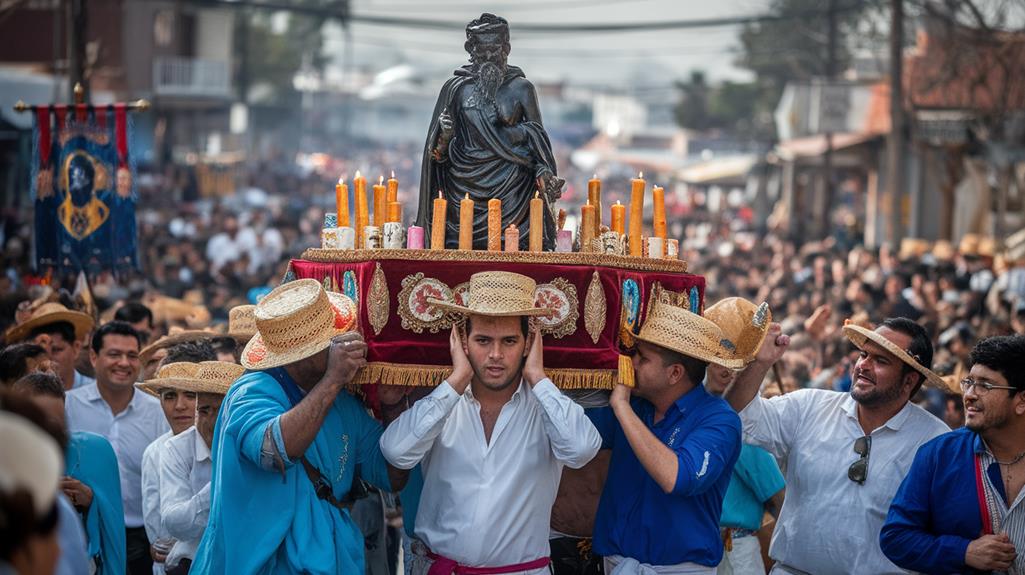
    The Black Nazarene is a revered statue in the Philippines that embodies hope and resilience. Brought to the country in the 17th century, it attracts around 10 million devotees annually, particularly during the vibrant Translacion procession.

    This event showcases a unique blend of indigenous traditions and Spanish Catholicism.

    During the procession, devotees engage in heartfelt rituals, such as kissing the statue for miraculous healing. This practice demonstrates the depth of their faith and the significance of the Black Nazarene in their lives.

    The event ultimately transforms into a unifying experience, highlighting the strong community bonds among the devotees.

    By exploring the history of the Black Nazarene, you will uncover the layers of devotion and cultural significance surrounding this revered statue. This understanding will provide insight into the importance of the Black Nazarene in Philippine culture and its enduring impact on the lives of millions of devotees.

    Historical and Cultural Context

    cultural significance through history

    The Black Nazarene: A Powerful Icon in Filipino Spirituality

    The Black Nazarene is a deeply revered icon in the Philippines, with historical roots dating back to the early 17th century when it was brought from Mexico.

    Carved from mesquite wood, this statue symbolizes hope and resilience for millions of Filipinos, particularly the marginalized.

    The annual Feast of the Black Nazarene, held on January 9th, attracts around 10 million devotees to Quiapo, Manila, showcasing a collective identity rooted in shared rituals.

    The grand Translacion procession exemplifies the blending of indigenous beliefs and Spanish Catholicism, reflecting the adaptability of Filipino spirituality.

    The Black Nazarene serves not only as an object of veneration but also as a unifying force, reinforcing cultural ties and fostering a deep sense of identity among Filipinos.

    This powerful icon enriches the spiritual landscape of the Philippines, uniting devotees across socio-economic challenges and individual struggles.

    Significance of the Black Nazarene

    The Black Nazarene is a cornerstone of Filipino spirituality, embodying hope and faith for millions.

    Beyond mere religious observance, the Black Nazarene holds profound significance as a symbol of faith, unity, and resilience. This statue of Jesus Christ carrying the cross is believed to possess miraculous healing powers, inspiring perseverance amid challenges.

    Each year, millions participate in the Feast of the Black Nazarene on January 9, witnessing the vibrant Traslacion procession.

    The massive turnout, sometimes reaching up to 10 million participants, reflects the statue's role as a unifying force, transcending social and economic divides. The event's massive participation demonstrates the statue's ability to bring people together.

    The Black Nazarene's origins date back to the mid-1600s, symbolizing the resilience of the Filipino people.

    The statue's rich history resonates deeply with the struggles of the Filipino people, inspiring hope and faith in the face of adversity. Its blend of indigenous beliefs and Spanish Catholicism makes it a powerful symbol of cultural identity and community.

    The Black Nazarene serves as a tangible symbol of faith, fostering belonging within the community.

    It encapsulates the shared experience of devotion, connecting individuals to a larger narrative. The statue's significance extends beyond a simple religious icon, becoming a powerful emblem of hope, unity, and resilience.

    Devotional Practices and Beliefs

    spiritual rituals and convictions

    Devotional Practices of the Black Nazarene

    The Black Nazarene devotional practices are rooted in a deep reverence for the statue of Jesus Christ, reflecting the devotees' beliefs and experiences. These rituals demonstrate their spiritual connection and foster a sense of community.

    Pahalik: Transferring Miraculous Healing Powers

    Kissing the statue of the Black Nazarene is believed to transfer miraculous healing powers. This practice is a testament to the devotees' faith in the statue's ability to heal and protect them.

    Pasindi: Illuminating the Path of Faith

    Lighting candles symbolizes prayers and hopes, illuminating the path of faith for devotees. This practice represents their desire for guidance and protection.

    Pabihis: Showcasing Devotion and Personal Investment

    Changing the garments of the Black Nazarene showcases devotees' devotion and personal investment in their faith. This practice highlights their commitment to honoring the statue and its significance in their lives.

    Pagyayapak: Emulating Christ's Suffering

    Walking barefoot during the Translacion Procession emulates Christ's suffering, often resulting in injuries that devotees embrace as part of their penitential practice. This practice demonstrates their willingness to sacrifice and atone for their sins.

    The Power of Touch and Communal Spirit

    The act of touching or wiping the statue is particularly powerful, with numerous testimonies of miraculous cures. This practice highlights the intimate connection between the faithful and the divine, fostering a sense of belonging and purpose within the vibrant community of Black Nazarene devotees.

    The Vigil and Translacion Procession

    The Vigil and Translacion Procession of the Black Nazarene is a vibrant display of faith and community. On January 8, around one million participants gather at Rizal Park for the vigil, where they engage in singing, dancing, and uplifting talks led by clergy members.

    The next day, January 9, begins with a morning Mass at Rizal Park, followed by the Translacion procession, which covers a 6.5 km route to Quiapo Church. During the procession, many devotees walk barefoot as an act of penance, emulating Christ's suffering. The atmosphere is lively, with chants of "Viva, viva," although the large crowd often causes significant delays, sometimes extending late into the night.

    Key Details:

    Event Details
    Vigil Date January 8
    Participants Approximately 1 million
    Procession Distance 6.5 km from Rizal Park to Quiapo
    Common Act Walking barefoot as penance

    The procession features diverse statues brought by various groups, showcasing the deep-rooted devotion to the Black Nazarene and enriching the communal experience.

    Safety Concerns and Attendance

    attendance and safety issues

    Safety Concerns at the Feast of the Black Nazarene

    The Feast of the Black Nazarene attracts an astonishing 5 to 15 million participants, making it a significant safety concern.

    Injuries and fatalities can occur due to the intense and overwhelming atmosphere. For instance, heart attacks and injuries during the procession have been reported, highlighting the need for vigilance.

    Medical Assistance is Available

    Authorities deploy medical teams along the procession route to assist those in distress. These teams are ready to provide immediate medical attention to those who need it.

    Infrastructure and Logistics are Crucial

    The massive crowds necessitate improved infrastructure and logistical measures to manage the event effectively. This includes implementing crowd control measures to prevent overcrowding and ensuring that emergency services can quickly respond to any incidents.

    Emotional Fervor Requires Crowd Control

    The emotional fervor of the devotees sometimes leads to dangerous situations, making crowd control essential.

    Authorities must be prepared to intervene to prevent dangerous situations from escalating.

    Remaining Vigilant is Key

    As you navigate through the massive crowds, it's crucial to remain aware of safety measures.

    Stay informed about the event's safety protocols and follow instructions from authorities to ensure a safe and enjoyable experience for everyone involved.

    Socioeconomic Impact on Communities

    The Black Nazarene Procession: A Symbol of Hope for Local Communities

    The Black Nazarene procession profoundly shapes local communities, particularly among the economically disadvantaged. With an estimated 10 million participants, the procession becomes a powerful symbol of hope for poor people seeking solace in their faith. This shared experience fosters a strong sense of community, allowing individuals to cope with their socioeconomic struggles.

    The procession provides a sense of agency and hope for participants. Many believe that participating in the procession brings miraculous healings, reinforcing their faith and providing a sense of agency in difficult times.

    This deep connection not only helps them face personal hardships but also strengthens their collective resolve against adversity.

    The event has a positive impact on the local economy. The procession stimulates the local economy, as vendors sell food and religious items, creating temporary jobs and boosting livelihoods for many families in Quiapo.

    This economic boost helps many families make ends meet.

    Outreach programs linked to the Black Nazarene devotion further enhance this impact. Organizations like the LBN Foundation address pressing social issues, promote charity, and cultivate a sense of collective responsibility, enriching the community as they navigate life's challenges together.

    These programs provide essential support to those in need, fostering a sense of community and social responsibility.

    Future of the Celebration

    evolving traditions and festivities

    Building on the strong sense of community fostered by the Black Nazarene procession, the future of this vibrant celebration looks promising yet requires thoughtful adaptation.

    Safety First: Ensuring the well-being of millions attending is a top priority. Authorities are implementing measures to prevent overcrowding, improve emergency response systems, and increase security presence.

    Cultural Significance: The celebration will continue to reflect the importance of faith and answered prayers in Filipino culture. For instance, devotees will still carry replicas of the Black Nazarene as a symbol of their devotion, and the procession will remain a testament to the power of collective prayer.

    Social Dialogue: The celebration serves as a platform for addressing pressing social issues. It reminds us of our collective responsibility to tackle concerns such as poverty, inequality, and environmental degradation.

    In the future, the event will continue to amplify the voices of marginalized communities.

    Inclusive Unity: Future celebrations will strive to unite devotees from diverse backgrounds. The church will work to create an inclusive environment, encouraging participation from people of all ages, genders, and socio-economic backgrounds.

    This unity will be reinforced throughout the year, fostering a sense of community beyond the celebration itself.

    Questions and Answers

    What Is the Tradition of the Black Nazarene?

    The Black Nazarene tradition is a unique blend of faith and cultural heritage. This annual event draws millions of devotees who gather to showcase their deep devotion. The procession is a significant part of the tradition, where participants engage in various devotional practices.

    Pahalik and Pagyayapak are two essential devotional practices. Pahalik, which means "to touch," allows devotees to touch the Black Nazarene's image as a symbol of their devotion. Pagyayapak, or "to kiss," involves kissing the image as a sign of reverence. These practices connect devotees with a rich spiritual legacy that has been passed down through centuries.

    The Black Nazarene tradition not only highlights individual faith but also unites the community. It emphasizes the resilience and adaptability of Filipino spirituality, which has endured for centuries despite external influences.

    What Is the Theology of the Black Nazarene?

    The theology of the Black Nazarene combines faith practices with cultural significance, shaped by historical context.

    This unique blend of beliefs reflects the struggles and hopes of marginalized communities, making the Black Nazarene a powerful symbol of suffering and hope.

    Devotion to the Black Nazarene fosters resilience among these communities, as seen in rituals like Pahalik and Pagyayapak. These rituals integrate indigenous beliefs with Catholicism, creating a distinct spirituality that resonates with personal struggles.

    This spirituality emphasizes the transformative power of faith in everyday life, inviting divine intervention to address life's challenges.

    What Are the Negative Effects of Black Nazarene?

    Crowd Control Issues: The Black Nazarene procession attracts millions of attendees, making it challenging to maintain order and ensure public safety.

    This massive gathering increases the risk of injuries from trampling or exhaustion, as well as other health risks associated with large crowds.

    Economic Strains: While the event boosts local economies, the overwhelming number of participants can strain resources, leading to negative economic impacts for the community.

    For instance, local businesses may struggle to accommodate the influx of visitors, resulting in losses and damages.

    Balancing Devotion with Safety: It's crucial to strike a balance between devotion and safety to preserve the spirit of this fervent celebration.

    This can be achieved by implementing effective crowd control measures and providing adequate resources to support the large number of attendees.

    What Does the Nazareno Symbolize?

    The Nazareno represents profound religious devotion and cultural identity for many Filipinos. This is evident in the way devotees interact with the statue, seeking comfort and solace during difficult times.

    For instance, during processions, devotees touch or wipe the statue with cloths, believing that the Nazareno's power can heal their physical and emotional afflictions.

    This shared experience fosters a sense of community and belonging among devotees, bridging cultural and socio-economic divides.

    The Nazareno is a powerful symbol of resilience and faith, reminding Filipinos that their spirituality and traditions can help them overcome life's challenges.

  • The Santo Niño: Exploring the Devotion and Its Significance

    The Santo Niño: Exploring the Devotion and Its Significance

    The Santo Niño is a significant symbol of Filipino spirituality, blending faith and cultural identity. It originated from an image discovered in 1565 and has since evolved through community involvement and vibrant festivals like Sinulog. This devotion represents both religious adherence and local traditions, showcasing a unique cultural syncretism.

    The Augustinian friars played a crucial role in promoting the Santo Niño devotion, which further solidified its importance in the community. The rituals surrounding the Santo Niño involve collective practices that enhance communal ties and spirituality.

    For instance, during the Sinulog festival, people gather to dance and celebrate, strengthening their bonds with one another and with their faith.

    Understanding the Santo Niño devotion reveals deeper insights into the rich tapestry of Filipino spirituality. By exploring its significance, we can appreciate the importance of community and faith in Filipino culture.

    The Santo Niño devotion continues to be a vital part of Filipino identity, serving as a testament to the country's unique cultural heritage.

    Historical Background and Evolution

    development through time

    The Devotion to Santo Niño Evolved Significantly Over the Centuries.

    The discovery of the image of Santo Niño by Juan de Camus in 1565 marked a pivotal moment in the historical background of Christianization in the Philippines. This event catalyzed the formal introduction of Christianity, establishing Santo Niño as a focal point of devotion.

    The Devotion Gained Momentum Over Time.

    As the years passed, the devotion to Santo Niño grew, culminating in the establishment of the Feast of Santo Niño on the third Sunday of January. This strategic move prevented conflicts with Easter celebrations.

    Pope Innocent XIII's approval of the liturgy further solidified its importance.

    A Significant Milestone Was Reached in 1965.

    During the centenary celebration of Christianization, the Minor Basilica del Santo Niño was canonically crowned by Pope St. Paul VI, symbolizing its status as the oldest Christian relic in the Philippines.

    The Devotion Continues to Thrive Today.

    The devotion incorporates daily Novena Masses leading up to the feast day, reflecting its deep-rooted cultural heritage and the ongoing reverence for Santo Niño across the nation.

    The Santo Niño Image and Symbolism

    The Santo Niño Image: A Symbol of Filipino Spirituality

    The Santo Niño image is a powerful symbol in the Filipino spiritual landscape, closely tied to the evolution of devotion to the Child Jesus. This image depicts the Child Jesus as a king, emphasizing his divine authority through his globe and scepter. This representation resonates deeply with the cultural identity of Filipino Catholicism, as the Child Jesus is often adorned in red and gold vestments, embellished with precious gems donated by devotees.

    The Image's Transformations Reflect Cultural Shifts

    Throughout history, the Santo Niño has undergone transformations, including a period when it was painted black. This adaptability reinforces its significance as a religious icon that bridges Catholic faith with indigenous beliefs. The image's role extends beyond mere representation, as it acts as a focal point in numerous religious and cultural celebrations, embodying the rich symbolism inherent in Filipino spirituality.

    Devotion to the Santo Niño: A Blend of Faith and Identity

    The devotion to the Santo Niño encapsulates a unique blend of faith and identity. This devotion is a profound element of the Filipino religious experience, as it brings together the Catholic faith and indigenous beliefs.

    The Santo Niño image serves as a powerful symbol of this blend, reflecting the cultural identity of Filipino Catholicism.

    Role of Augustinian Friars

    influence of augustinian friars

    The Augustinian friars played a crucial role in spreading the devotion to Santo Niño in the Philippines. They established a convent dedicated to promoting this devotion after the Santo Niño was brought to the Philippines in 1565. This convent became a hub for promoting the devotion, and the friars' efforts extended beyond Cebu as they built churches in various regions, significantly influencing the religious landscape across the archipelago.

    The Augustinians fostered community involvement by establishing the Cofradia del Santo Niño de Cebu, the oldest cofradia in Asia. This organization illustrates their commitment to nurturing a collective religious identity among devotees.

    Miguel López de Legazpi, the first hermano mayor, played a key role in promoting this community involvement. The Augustinians also organized elaborate processions marking the novena and the grand feast celebration, which drew around one million participants. These events demonstrate the strong connection between the religious community and the devotees.

    The Augustinian friars not only promoted the Santo Niño devotion but also integrated it into the broader Filipino identity. Through their activities, they made a lasting impact on the spiritual and cultural fabric of the nation.

    Community Involvement and Devotion

    Community Involvement and Devotion

    The devotion to Santo Niño is deeply rooted in the community, thriving through active participation and shared rituals among devotees. The Cofradia del Sto. Niño de Cebu, the oldest cofradia in Asia, plays a pivotal role in fostering community involvement. Its first hermano mayor, Legazpi, emphasized collective devotion, which is evident in the grand procession on the eve of the feast, where around one million participants engage in the communal celebration.

    Daily practices at the Minor Basilica del Santo Niño demonstrate this engagement. Devotees partake in rituals such as touching the glass case, lighting candles, and performing traditional dances as acts of prayer.

    The opening of the novena features a 2-kilometer procession, showcasing local commitment to the Santo Niño celebration. Additionally, personal expressions of faith manifest through individuals carrying their own images of Santo Niño and participating in traditional dances during festivals.

    This vibrant involvement not only strengthens community ties but also reinforces a shared identity rooted in faith, making the devotion to Santo Niño a significant cultural cornerstone.

    Popular Religiosity and Practices

    widespread faith and rituals

    Devotees Express Popular Religiosity

    Devotees express their popular religiosity through various practices centered around the Santo Niño, showcasing a profound cultural connection.

    Daily Holy Mass at the Minor Basilica del Santo Niño attracts large numbers, demonstrating vibrant communal expressions of faith. During these masses, devotees perform rituals such as touching the image for strength and healing or lighting candles, illustrating their deep-rooted devotion to the holy. These practices embody not only individual piety but also collective cultural identity.

    The Sinulog Festival: A Celebration of Devotion

    The Sinulog festival, celebrated annually on the third Sunday of January, exemplifies this devotion through street dancing and fluvial parades.

    Millions participate, demonstrating the cultural diversity within Filipino religious practices and affirming their connection to the Santo Niño. The chant "Pit Señor" resonates during traditional dances and processions, signifying a call to the Lord that fuses folk religiosity with official liturgy.

    Widespread Integration of Santo Niño Veneration

    The existence of over a hundred shrines and chapels dedicated to the Santo Niño across the Philippines highlights the widespread integration of this veneration into various communities.

    These elements collectively illustrate how the Santo Niño serves as a focal point for cultural expression and spiritual devotion among Filipinos.

    Festivals and Cultural Celebrations

    Festivals honoring the Santo Niño in the Philippines are a vital expression of faith and cultural identity. These celebrations intricately weave religious devotion with cultural traditions.

    The Sinulog Festival is a prime example, held on the third Sunday of January in Cebu. It attracts millions of participants in vibrant street dancing, parades, and religious processions.

    Other notable festivals celebrating the Santo Niño include:

    Ati-Atihan Festival, which honors the Santo Niño through rhythmic dances and painted faces, rooted in indigenous Filipino traditions.

    Dinagyang Festival, an adaptation of the Ati-Atihan, features participants in elaborate costumes, celebrating Santo Niño while showcasing Iloilo's rich cultural heritage.

    Fluvial Parades involve devotees carrying the Santo Niño image on boats, symbolizing both the journey of faith and community solidarity.

    These annual celebrations reflect a deep-rooted devotion to the Santo Niño and incorporate various novenas and community events.

    The traditional Sinulog dance, characterized by a two-step forward and one-step backward pattern, embodies the flowing current of Cebu's Pahina River, solidifying the ties between religious practice and cultural expression.

    Cultural Syncretism and Identity

    blending cultures shapes identity

    Cultural Syncretism and Identity

    The Santo Niño: A Symbol of Unity

    The devotion to the Santo Niño in the Philippines is a prime example of cultural syncretism, where indigenous beliefs merge with Spanish Catholicism.

    This unique fusion creates a harmonious coexistence of Catholicism and traditional practices.

    Festivals and Rituals

    Festivals like the Sinulog showcase the Santo Niño devotion and indigenous heritage through traditional dances and colorful costumes, strengthening communal bonds.

    Daily rituals, such as lighting candles and performing dances in honor of the Santo Niño, reveal the deep interplay between faith and everyday life.

    These practices not only highlight individual devotion but also strengthen cultural identity within communities.

    Preserving Spiritual Identity

    The widespread presence of Santo Niño religious objects in homes and churches across the archipelago signifies a profound commitment to this figure, embodying resilience and adaptability in the face of historical change.

    The integration of animistic elements with Catholic rituals underscores how Filipino culture has assimilated foreign influences while preserving its distinctive spiritual identity.

    Defining Filipino Identity

    Through this cultural syncretism, the Santo Niño becomes a symbol of unity, reflecting a rich tapestry of beliefs that define what it means to be Filipino today.

    What are the similarities and differences between the devotion to the Santo Niño and the Black Nazarene?

    The devotion to the Santo Niño and the Black Nazarene both involve strong beliefs and rituals. However, the Santo Niño is associated with joyful celebrations and colorful processions, while the Black Nazarene tradition is marked by intense physical displays of faith, such as the annual barefoot procession in Quiapo, Manila. Understanding the black nazarene tradition helps to appreciate the differences in devotional practices.

    Acculturation and Adaptability

    Acculturation and Adaptability in Filipino Devotion

    Acculturation has played a crucial role in shaping the devotion to the Santo Niño, illustrating how indigenous beliefs have adapted to Spanish Catholicism. This process highlights the dynamic interplay between cultural identities, resulting in a rich tapestry of religious practices that reflect Filipino resilience and adaptability.

    Festivals as Cultural Expression

    The Santo Niño is at the center of vibrant festivals like the Sinulog Festival, which integrates traditional dance and music.

    These celebrations showcase the Santo Niño's importance in Filipino cultural expression, highlighting the successful blending of indigenous and Catholic traditions.

    Merging Local Aesthetics with Religious Iconography

    The Santo Niño is often depicted in native garments,

    merging local aesthetics with religious iconography. This fusion reinforces cultural pride and identity, demonstrating the ability of Filipino culture to adapt and evolve.

    Community Practices and Collective Faith

    Rituals like processions and novenas highlight the collective faith of communities,

    illustrating how these practices have evolved while keeping core Christian tenets intact. These community practices demonstrate the strong sense of community and shared faith that characterize Filipino devotion.

    The Santo Niño serves as a focal point for examining the intersection of these elements,

    revealing how Filipino devotion navigates historical changes. This unique blend of Catholicism and Filipino culture has resulted in a vibrant religious image that honors both traditions.

    Insights From Post-Vatican II Perspectives

    post vatican ii insights unveiled

    Filipino Culture and Catholicism Intertwine

    The devotion to the Santo Niño in the Philippines is a prime example of cultural syncretism, where indigenous practices and Catholic teachings merge to form a unique religious identity. This blending of cultures is a dynamic interplay, illustrating that faith in the Philippines isn't simply a Western import, but a rich tapestry of historical and contemporary expressions.

    The Santo Niño Symbolizes Cultural Resilience

    The Santo Niño embodies the adaptability of Filipino spirituality, and festivals like Sinulog serve as vibrant platforms for community expression, reinforcing the connection between faith and identity.

    The Santo Niño devotion demonstrates cultural resilience, showcasing the ability of Filipino spirituality to adapt and thrive.

    Post-Vatican II Insights Promote Cultural Sensitivity

    Post-Vatican II perspectives urge the global church to acknowledge and embrace diverse Catholic expressions, as seen in the Santo Niño devotion.

    This understanding fosters a deeper appreciation for how local traditions enrich the universal Church. By recognizing the significance of the Santo Niño, we engage with the broader implications of faith that resonate with Filipino communities, promoting a more inclusive and respectful approach to Catholicism in a multicultural world.

    Questions and Answers

    What Is the Significance of the Santo Niño?

    The Santo Niño holds profound cultural and historical significance. This is evident in its role as a symbol of childlike faith, inspiring community gatherings and artistic representations.

    For example, in the Philippines, the image of the Santo Niño is often depicted in colorful and vibrant processions, showcasing the country's rich cultural heritage.

    The Santo Niño is a focal point for pilgrimage and devotion, leading to global celebrations.

    In Cebu, Philippines, the Sinulog Festival is a prime example, where millions of devotees gather to honor the Santo Niño and seek its blessings.

    The Santo Niño serves as a conduit for intercessory prayers, reinforcing its role in spiritual symbolism.

    Devotees believe that the Santo Niño connects them with their heritage and shared beliefs, providing a sense of unity and community.

    What Is the Santo Niño Devotion?

    The Santo Niño devotion is a rich cultural and religious tradition with historical significance.

    Artistic representations of the Santo Niño can be found in various pilgrimage sites across the Philippines, which serve as community gathering places that foster spiritual symbolism.

    This devotion extends beyond the Philippines, influencing both Filipino and non-Filipino communities globally.

    The Santo Niño devotion intertwines faith and culture, reflecting a vibrant heritage that continues to thrive today.

    What Is the Moral Lesson of Santo Niño of Cebu?

    The moral lesson of Santo Niño of Cebu emphasizes humility and simplicity as vital for spiritual growth.

    In this devotion, people come together to participate in rituals, promoting community unity and faith expression. This collective participation reflects the rich cultural heritage of the region, highlighting the importance of charity work and personal reflection.

    The historical context of Santo Niño also showcases a global influence, inspiring believers to embrace a childlike faith in their spiritual journeys.

    What Is the Message of the Feast of Sto. Niño for All of Us Christians?

    The Feast of Sto. Niño teaches valuable lessons for Christians.

    This celebration emphasizes the importance of childlike faith and humility in prayer. It shows that prayer should be sincere and humble, like a child's. For example, when we pray, we should be willing to listen and learn, just as a child listens to their parents.

    Joy in worship is also a key aspect of the Feast of Sto. Niño. This festival encourages Christians to celebrate their community and cultural heritage with enthusiasm and happiness. During the celebration, people come together to honor the Child Jesus, which fosters a sense of community and belonging.

    The Feast of Sto. Niño reminds us of the innocence of the Child Jesus. This innocence represents the values of parental guidance and love for God. As Christians, we're called to emulate these values by seeking guidance from our spiritual leaders and loving God with all our hearts.

    Through this celebration, spiritual growth flourishes. By reflecting on the values embodied by the Feast of Sto. Niño, Christians can deepen their faith and connections with their community.

    This, in turn, fosters a stronger sense of spirituality and belonging.

  • The Catholic Church’s Influence on Filipino Society and Politics

    The Catholic Church’s Influence on Filipino Society and Politics

    The Catholic Church plays a significant role in shaping Filipino society and politics. Its influence dates back to the 16th century when it introduced its teachings, which have since informed moral frameworks and community practices.

    The Church's activism emerged during colonial times. For instance, it supported national movements, such as the People Power Revolution, demonstrating its commitment to social justice.

    The Church advocates for marginalized communities, influencing legislation on human rights and governance issues.

    Recent political endorsements indicate a shift towards active participation in elections. This involvement highlights the complex relationship between the Church and political power, underscoring its lasting influence on the Philippines.

    Historical Background of Catholicism

    origins and evolution of catholicism

    Catholicism's Arrival in the Philippines

    In 1521, Catholicism arrived in the Philippines, marking a significant turning point in the archipelago's history. By 1546, approximately 250,000 conversions were recorded, demonstrating the religion's rapid spread.

    Catholicism's Influence on Filipino Culture

    During the Spanish colonial period (1565-1898), Catholicism became the dominant religion, greatly influencing Filipino culture, traditions, and identity.

    Key religious orders, such as the Augustinians, Franciscans, Jesuits, and Dominicans, established schools, hospitals, and infrastructure, facilitating cultural exchanges and laying the groundwork for the Filipino educational system.

    Criticisms of the Church

    The Church's intertwining with colonial authorities led to critiques from Filipino intellectuals.

    José Rizal's novel "Noli Me Tangere" exposed the corruption and abuses prevalent within the Church, framing them as reflections of colonial oppression.

    Catholicism's Legacy in the Philippines

    Despite challenges posed by emerging religious sects, the legacy of Catholicism in the Philippines continues to shape social and political dynamics.

    The Church remains actively engaged in social justice issues, advocating for the marginalized and influencing community development.

    This historical context underscores Catholicism's profound impact on Filipino society, which persists well into contemporary times.

    Role in Nationalism and Independence

    The Catholic Church's complex relationship with nationalism in the Philippines was rooted in its historical ties to colonial authority.

    The Church's connection to Spanish rule positioned it as both a unifying force and a target of nationalist sentiments. The martyrdom of GOMBURZA (Fathers Mariano Gomez, Jose Burgos, and Jacinto Zamora) in the late 19th century sparked nationalist movements against Spanish rule. This event, combined with José Rizal's critique of the Church's corruption and abuses in "Noli Me Tangere," fueled anti-clerical feelings among Filipinos.

    As the Philippine Revolution of 1898 unfolded, the Church's influence waned, becoming synonymous with oppression in the eyes of many. During the American colonial period, the Church remained influential in shaping societal values and political discourse, despite the government's promotion of church-state separation.

    In 1986, the Church played a crucial role in advocating for human rights and mobilizing the masses against the dictatorship of Ferdinand Marcos during the People Power Revolution. This dual role of the Church – as both a defender of faith and a participant in the struggle for independence and democratic ideals – is a testament to its complex relationship with nationalism in the Philippines.

    Church Relations During the Marcos Era

    religious dynamics under marcos

    The Catholic Church's Role in the Marcos Era

    During the Marcos Era, the Catholic Church navigated a complex landscape of power, dissent, and reform.

    While some clergy maintained an apolitical stance, others actively opposed the regime, inspired by Vatican II's emphasis on social justice.

    Cardinal Jaime Sin's Leadership

    Cardinal Jaime Sin emerged as a crucial figure, advocating for civil liberties and mobilizing masses, particularly during the People Power Revolution in 1986.

    His leadership highlighted the Church's commitment to social justice and democracy.

    The Assassination of Benigno Aquino

    The assassination of opposition leader Benigno Aquino in 1983 galvanized Church support for Corazon Aquino, demonstrating the Church's significant role in political activism.

    This shift showcased the Church's influence on public sentiment against the corruption and repression of the Marcos administration.

    Pope John Paul II's Visit

    Pope John Paul II's visit in 1981, intended to bolster Marcos's image, inadvertently showcased the Church's independence and critical stance toward the regime.

    The visit highlighted the Church's commitment to social justice and human rights.

    The Church's Impact on Philippine Politics

    The Church's involvement in social action was pivotal in fostering a collective movement that ultimately led to the ousting of the dictatorship and the restoration of democratic governance.

    The Catholic Church transformed from a largely passive institution into an active participant in shaping Philippine politics.

    Catholic Traditions and Community Practices

    Catholic Traditions and Community Practices in the Philippines

    Shaping Spiritual Beliefs and Social Interactions

    Catholic traditions and community practices are deeply rooted in the daily lives of Filipinos, influencing not only their spiritual beliefs but also their social interactions. These religious traditions create a framework for moral choices and community life, fostering a sense of belonging among the faithful.

    Unique Celebrations and Devotions

    Major events like Christmas and Holy Week are celebrated with unique local customs, such as the Pahalik, where devotees express their devotion to the Black Nazarene by kissing the statue. Additionally, the widespread veneration of the Virgin Mary is marked by numerous feasts and novenas, which are nine-day prayers dedicated to her.

    Catholic Educational Institutions and Social Activism

    Catholic educational institutions like Ateneo de Manila University and De La Salle University contribute significantly to moral and values formation, often engaging in social activism initiatives for social change. These institutions play a crucial role in shaping the values and beliefs of the Filipino youth.

    Regular Rituals and Community Bonds

    Regular rituals, including Mass, reinforce community bonds and shared identity. The Mass is a central ritual that fosters community connection among the faithful. Confession is another important ritual that strengthens community bonds and promotes a sense of shared identity.

    Syncretism and Cultural Enrichment

    The blending of indigenous beliefs with Catholic practices further enriches Filipino culture, illustrating a unique syncretism. This blending of beliefs has resulted in a rich and diverse cultural heritage that is distinctively Filipino.

    Traditions and Events

    Tradition/Event Description
    Pahalik Devotees kiss the Black Nazarene statue
    Novenas Nine-day prayers dedicated to the Virgin Mary
    Mass Central ritual fostering community connection
    Feasts Celebrations honoring various saints and events
    Social Activism Initiatives led by Catholic schools for social change

    Social Justice and Political Influence

    equity advocacy power dynamics

    The Catholic Church plays a significant role in promoting social justice and political influence in the Philippines. With approximately 80% of Filipinos identifying as Catholic, the Church has a substantial impact on advocating for the poor and marginalized.

    For instance, initiatives like Caritas Philippines demonstrate this commitment by promoting good governance and community support.

    The Catholic Church has historically been involved in political matters. Bishops and clergy have voiced strong opinions on legislation, particularly regarding reproductive health and family planning.

    During the 1986 People Power Revolution, religious leaders mobilized millions against the Marcos dictatorship, showcasing the Church's capacity to drive social change.

    The Catholic Church is shifting towards more active political engagement. Recent political endorsements, such as the support for Vice President Maria Leonor Leni Robredo in the 2022 elections, indicate a notable shift away from the Church's previous stance of neutrality.

    The Church's focus on social justice, particularly in response to pressing issues like poverty and human rights, underscores its significant influence in promoting civic responsibility and ethical governance.

    Political Endorsements and Election Dynamics

    The Catholic Church's Political Endorsements in the Philippines: A Shift in Influence

    The Catholic Church in the Philippines has historically maintained a stance of political neutrality, but it recently departed from this tradition by endorsing Vice President Leni Robredo in the elections.

    This shift was driven by concerns over governance issues, particularly with the candidacy of Ferdinand Bongbong Marcos Jr.

    Despite its significant influence, with approximately 84% of Filipinos identifying as Catholic, the Church's endorsement of Robredo only secured victories in 18 out of 86 dioceses.

    This outcome reflects a decline in the Church's influence as a moral compass for Filipino society.

    The 2022 elections highlighted the need for the Church to reassess its political engagement strategies.

    Collaboration with local communities is essential to restore the Church's relevance in political discourse.

    Challenges of Church Involvement in Politics

    political engagement for churches

    Challenges of Church Involvement in Politics

    The Catholic Church in the Philippines faces significant challenges in navigating the political landscape, particularly with its recent endorsements.

    The Church's political influence raises concerns about undermining the constitutional separation of Church and State. When Catholic priests endorse candidates, it questions voter autonomy and the moral authority of the Church.

    The Church's declining influence is evident in the recent elections. Only 18 out of 86 dioceses backed candidates endorsed by the Church, raising doubts about its effectiveness in guiding political choices.

    In contrast, other religious groups like Iglesia Ni Cristo mobilize their followers with clear political directives.

    The Church must reassess its strategies in light of shifting public perception. As it confronts ongoing social justice issues, it must balance its spiritual guidance with political activism.

    The Church must navigate these complexities to maintain its relevance without compromising its foundational principles.

    Future Directions for Church Engagement

    The Church's Evolving Role in Politics

    The Church is redefining its engagement with political matters, shifting from neutrality to active participation.

    Recent endorsements, such as supporting Vice President Leni Robredo, demonstrate this newfound commitment.

    To strengthen its role, the Church may:

    • Strengthen community governance initiatives, like Caritas Philippines' good governance program, to promote accountability and transparency.
    • Enhance outreach efforts to reconnect with the laity, addressing past detachment and fostering a sense of community.
    • Encourage civic engagement among parishioners, particularly on Election Day, to increase voter turnout and informed decision-making.
    • Balance spiritual guidance with advocacy for political and social reforms, ensuring that moral principles inform policy decisions.

    Guiding Congregations toward Informed Civic Participation

    Church leaders recognize their role in guiding congregations toward informed civic participation, addressing the social, economic, and moral crises faced by the Filipino populace.

    By evolving its engagement approach, the Church helps foster a politically aware community, ultimately aiming to influence governance positively.

    Impact on Governance and Society

    governance and society effects

    Catholicism's Impact on Governance and Society in the Philippines

    The Catholic Church plays a significant role in shaping governance and societal norms in the Philippines, with approximately 84% of the population identifying as Catholic. This significant presence has led to the Church serving as a moral compass during times of political upheaval, such as the People Power Revolution in 1986.

    The Church's Influence on Governance

    The Catholic Church's influence extends to social justice issues, impacting legislation on reproductive health and human rights, which in turn shapes public policy. For instance, the Church has advocated for human rights and supported community welfare through initiatives like Caritas Philippines.

    The Church's Influence on Society

    The Church promotes ethical behavior and supports community welfare through its social justice initiatives. Additionally, Catholic educational institutions shape values education, fostering civic responsibility among Filipinos.

    The Church's Role in Political Engagement

    The Church endorses candidates in elections, encouraging informed citizenry and responsible governance. Through its initiatives, the Church counters misinformation, cultivates active citizenship, and reinforces the intertwined relationship between the Catholic Church and the nation's governance and societal values.

    Questions and Answers

    How Is the Catholic Church Important in the Lives of Filipinos?

    The Catholic Church plays a vital role in the lives of Filipinos by providing spiritual guidance and fostering community support. This guidance helps shape moral values, instilling principles that influence daily actions and decisions. For instance, the Church's teachings on compassion and forgiveness encourage empathy and understanding towards others.

    The Church's rituals and celebrations are deeply rooted in Filipino cultural identity. The Simbang Gabi, a nine-day novena Mass celebration before Christmas, is a beloved tradition that brings families and communities together.

    Similarly, the Fiesta de Santo Niño, a festival honoring the Child Jesus, showcases vibrant processions and cultural performances.

    Through its teachings and community engagement, the Catholic Church helps Filipinos navigate life's challenges. The Church provides counseling services, support groups, and charity programs, which offer emotional and material assistance to those in need.

    Moreover, the Church reinforces a sense of belonging within a larger faith community, providing a network of like-minded individuals who share similar values and beliefs.

    How Did the Catholic Church Influence Politics?

    The Catholic Church influences politics by navigating the delicate separation of church and state relations.

    The Church's political activism often focuses on social justice issues, providing moral guidance to both followers and lawmakers. For instance, it has advocated for the protection of refugees, the poor, and the environment.

    Through endorsements and advocacy, the Church effectively shapes public opinion and policy, urging a focus on ethical governance.

    This engagement reflects a broader trend where religious institutions assert their roles in addressing societal challenges, impacting the political landscape significantly.

    For example, the Church has played a key role in shaping policy on issues like abortion, capital punishment, and healthcare.

    How Did the Catholic Church Influence Society?

    The Catholic Church plays a significant role in shaping society through its various influences.

    The Church's faith practices influence how individuals and communities engage in spiritual life. For instance, the Church's teachings on prayer, sacraments, and sacred traditions guide believers in their daily lives. This moral guidance also helps individuals navigate ethical dilemmas, providing a framework for making informed decisions.

    Through community support initiatives, the Church fosters a sense of belonging among its members. Parish-based programs, such as food banks and charitable organizations, bring people together to support those in need. This collective effort promotes solidarity and social cohesion.

    Moreover, the Church advocates for social justice, encouraging its members to address inequalities and champion the rights of marginalized groups. By promoting values such as compassion, equality, and fairness, the Church reinforces collective values and strengthens community ties.

    How Does Religion Affect the Philippine Society or Culture?

    Religion plays a significant role in shaping Philippine society and culture. It influences the moral values and social norms of the community, guiding daily interactions and fostering unity.

    Through religious practices, vibrant cultural festivals are celebrated, bringing people together. For instance, the Sinulog Festival in Cebu and the MassKara Festival in Bacolod are examples of religious festivals that promote unity and celebration.

    These events often strengthen community support by bringing together families and friends.

    Religious beliefs instill values that guide daily life, promoting compassion and cooperation. For example, the Catholic Church's teachings on kindness, forgiveness, and charity encourage Filipinos to be compassionate towards one another.

    These values ultimately strengthen societal bonds and enhance the rich tapestry of Filipino identity.

  • Hospitality: A Hallmark of Filipino Culture

    Hospitality: A Hallmark of Filipino Culture

    Filipino Culture is Built on Hospitality

    In the Philippines, hospitality is a fundamental aspect of the culture, where strangers are welcomed as friends and guests are treated like family. This warm and inclusive atmosphere is rooted in the value of magiliw na pagtanggap, which translates to treating guests with kindness and generosity.

    When you visit a Filipino home, you can expect to be offered food and drinks, and your comfort is prioritized to make you feel valued and appreciated. This cultural hallmark is deeply ingrained in everyday life, reflecting the rich history and significance of Filipino hospitality.

    In Filipino culture, hospitality is not just a gesture, but a way of life. It's evident in the way people interact with each other, prioritizing relationships and building strong bonds.

    As you explore this beautiful culture further, you'll discover the many ways hospitality is woven into the fabric of Filipino society.

    Defining Filipino Hospitality

    warm welcoming generous spirit

    Filipino hospitality, or magiliw na pagtanggap, is a cultural value that embodies warmth, care, and respect towards guests. This attitude treats visitors like family, making them feel valued and prioritized.

    When entering a Filipino home, guests are immediately offered food and drinks, accompanied by the inviting phrase "Kain na", which means "Let's eat." This gesture demonstrates the importance of nourishment and togetherness in Filipino culture.

    Filipino hosts prioritize their guests' comfort by providing them with cozy accommodations, making them feel at home, just like the phrase "Dito ka na muna" suggests, which means "Stay here for a while." This emphasis on comfort and relaxation creates a sense of belonging, making guests feel seen and heard.

    Filipino hospitality is more than just a gesture; it's a deep-seated cultural value that permeates everyday life. It's evident in the way strangers become instant friends, and guests are treated with genuine care and respect.

    This value is woven into the fabric of Filipino culture, making visitors feel valued and appreciated.

    Historical Roots of Hospitality

    The Filipino tradition of hospitality has its roots in indigenous customs that predate colonial rule. These ancient practices emphasized sharing resources and celebrating the arrival of guests as a vital part of community life.

    The Spanish colonization of the Philippines introduced new customs and technologies that shaped local hospitality practices. For example, early interactions between Filipinos and foreign settlers, such as Malays, involved a culture of hospitality that celebrated sharing resources.

    This cultural exchange lasted for three centuries and had a lasting impact on Filipino identity.

    The influence of American and Japanese occupations added diverse cultural elements to Filipino hospitality. Despite historical challenges, such as economic degradation during colonial rule, the Filipino spirit of hospitality persisted.

    Filipinos maintained core values of generosity and warmth, blending them with modern practices to create a unique cultural identity.

    Cultural Significance of Hospitality

    importance of welcoming traditions

    Filipino Hospitality: A Reflection of Cultural Values

    When you enter a Filipino home, you're immediately enveloped in a sense of belonging, thanks to the warm welcome and aroma of freshly cooked meals. This is more than just a gesture – it's a reflection of the Filipino value of magiliw na pagtanggap, which emphasizes treating guests as family.

    Fostering Social Connection and Harmony

    Filipino hospitality creates an atmosphere that's both inviting and inclusive, fostering social connection and harmony. This is evident in the way Filipinos engage with their guests, making them feel valued and respected.

    Economic Significance

    The significance of hospitality in Filipino culture extends beyond the home, playing a crucial role in the country's tourism industry, which employed over 1.3 million people in 2022.

    This highlights the importance of hospitality in promoting economic growth and development.

    Global Recognition and Cultural Exchange

    The global recognition of Filipino hospitality enhances the country's image as a welcoming destination, attracting international visitors and promoting cultural exchange through authentic interactions.

    This exchange allows people from different cultures to learn from each other and appreciate their differences.

    A Way of Life

    Filipino hospitality is more than just a trait – it's a way of life that embodies warmth, generosity, and a deep appreciation for connection.

    It's a reflection of the Filipino values of respect, kindness, and generosity, which are deeply ingrained in the culture.

    Generosity Across Social Classes

    Filipino families from all social classes prioritize generosity and hospitality. Regardless of their wealth or poverty, they'll open their hearts and homes to guests. In humble bamboo huts, acts of kindness and generosity are a way of life, where sharing food and resources is commonplace.

    This spirit of generosity is expressed through the offering of meals to guests, showcasing a commitment to their comfort and satisfaction, even in times of scarcity. For example, a family may offer a guest a meal, even if it means they've to sacrifice their own food.

    This tradition of hospitality knows no socioeconomic bounds, as families from various backgrounds warmly welcome both locals and foreigners alike into their homes.

    This generosity reinforces the importance of strong family ties and community bonds, creating a supportive environment that serves as a source of strength during challenging times. By sharing resources and offering support, Filipino families demonstrate the value they place on unity and cooperation.

    Legacy of Filipino Hospitality

    filipino warmth and generosity

    Filipino Hospitality: A Timeless Legacy

    Filipino hospitality is a cultural treasure that has been passed down through generations, rooted in the value of magiliw na pagtanggap, or warm welcome. This genuine warmth promotes a sense of family ties, making guests feel like part of the family.

    Prioritizing Kindness and Generosity

    In the Philippines, treating guests with kindness and generosity is a top priority, regardless of socioeconomic status. This value is deeply rooted in cultural practices, where hosts go out of their way to provide comfort and care to their visitors.

    For example, offering a warm meal or refreshing drink is a common gesture of hospitality.

    Historical Influences and Cultural Expressions

    Historical influences, such as Spanish and American colonization, have shaped the evolution of hospitality practices in the Philippines. This blend of cultural expressions is unique and recognizable.

    For instance, the traditional Filipino greeting, "Selamat datang!" (Welcome!), reflects the country's Malay and Spanish heritage.

    National Pride and Tourism

    Filipino hospitality is globally recognized as a source of national pride, significantly contributing to the tourism industry and enhancing the country's image as a welcoming destination.

    The Bayanihan spirit, which embodies acts of kindness and generosity, showcases the community-oriented mindset that persists even in times of scarcity. This spirit reinforces social bonds and connections, making visitors feel at home.

    Expressions of Hospitality Today

    Filipino Hospitality: A Vibrant Tradition

    Filipino hospitality, or magiliw na pagtanggap, is a living tradition that continues to thrive today. It's about making guests feel valued and cared for.

    Warm Greetings

    When you experience Filipino hospitality, you'll be warmly greeted with phrases like "Kumusta po kayo?" (How are you?) and "Tuloy po kayo" (Come on in).

    Delicious Food and Drink

    You'll be treated to a variety of delicious dishes and refreshing drinks, such as Lumpia and Adobo.

    You'll often hear "Kain na" (Let's eat) and "Kumain ka na" (Eat already).

    Invitations to Stay and Share

    Filipinos will invite you to stay and share a meal together, saying "Dito ka na muna" (Stay here for a while) and "Tara, kain tayo" (Let's eat together).

    Acts of Kindness and Generosity

    Filipino hospitality goes beyond words, extending to acts of kindness and generosity that transcend socioeconomic barriers.

    Even in communities with limited resources, the spirit of sharing and caring for guests is very much alive.

    This cultural trait has created meaningful connections and lasting memories for countless visitors.

    Culinary Traditions in Hospitality

    culinary heritage in hospitality

    Filipino Hospitality and Culinary Traditions

    When you enter a Filipino home, the inviting aroma of sizzling food and freshly brewed coffee immediately makes you feel welcome. Food plays a vital role in Filipino culture, reflecting the strong family-oriented values of the Philippines. As a guest, you're offered a variety of dishes, such as crispy lumpia, savory adobo, and sweet treats like halo-halo, showcasing the Filipino people's culinary traditions.

    Sharing a meal is an integral part of Filipino culture, fostering connections and creating memories. The phrase "Kain na" or "Let's eat" signals the start of a shared dining experience, where relationships are built and warmth is exchanged.

    By sharing a meal, you're not just satisfying your hunger, you're experiencing the warmth of Filipino hospitality. Your hosts will often ask about your favorite meals, ensuring you feel satisfied and cared for.

    In Filipino culture, welcoming guests is an integral part of daily life, and culinary traditions are at the heart of it. As you sit down to enjoy a delicious home-cooked meal, you'll realize that food is more than just sustenance – it's a way to connect with others and experience the richness of Filipino culture.

    Comfort and Care for Guests

    Family-Oriented Hospitality

    Three generations of family members work together to ensure a remarkable stay. As a guest, you can expect exceptional comfort and care, with every detail meticulously attended to.

    Fresh towels, toiletries, and home-cooked meals demonstrate the thoughtful touches that make you feel at home.

    Filipino Hospitality Values

    Filipino hospitality is centered on making you feel valued and respected. Your hosts will treat you like family, offering traditional favorites like lumpia and adobo, and ensuring you have everything you need.

    They regularly check in on you, asking if you need anything, and genuinely care about your response.

    This kind of hospitality creates a welcoming atmosphere, making you feel grateful and at ease even after your visit is over.

    Warm Greetings and Friendly Nature

    welcoming attitude and kindness

    Warmth and Hospitality Define Filipino Culture

    Filipino culture is built on a foundation of warmth and genuine interest in others' well-being.

    When you enter a Filipino home, you're immediately greeted with warm gestures and friendly expressions that set the tone for a welcoming stay. These greetings are more than just formalities; they're genuine expressions of interest in your well-being.

    Filipinos ask questions like "Kumusta po kayo?" (How are you?) or invite you to "Tuloy po kayo" (Please come in) to create a sense of connection and belonging.

    These gestures make you feel valued and appreciated from the start. They go above and beyond to ensure you feel comfortable and at ease, inviting you to "Dito ka na muna" (Stay here for a while) and making you feel like part of the family.

    The friendly nature of Filipinos is infectious, making you feel at home in their company. Their hospitality ethos is centered around making you feel like you belong, which is what makes Filipino culture so endearing.

    How does the concept of hospitality in Filipino culture relate to the traditional social structure of barangay?

    Hospitality in Filipino culture is deeply rooted in the traditional social structure foundation of the barangay. The concept of “pakikisama” or communal unity is integral, where members prioritize the welfare of the community over individual needs. This reflects the core values of bayanihan and mutual cooperation within the barangay’s social structure foundation.

    Lasting Impressions and Future of Hospitality

    Filipino Hospitality: A Lasting Legacy

    The Philippines has established itself as a premier travel destination, thanks to the country's warm and gracious hospitality. This unique trait has created lasting friendships and a positive national image. The Filipino spirit, rooted in compassion for others, makes visitors feel welcome and valued.

    As the tourism industry continues to evolve, the future of Filipino hospitality will seamlessly blend traditional warmth with modern amenities. This fusion will ensure that the spirit of generosity remains at its core, upholding cultural pride and catering to the evolving expectations of visitors.

    For instance, hotels and resorts are incorporating local materials and designs into their infrastructure, while also providing state-of-the-art facilities and services.

    Maintaining an exceptional reputation for hospitality is crucial, as it supports the economy and job creation in the sector. By preserving and promoting this hallmark of Filipino culture, we contribute to a legacy that will leave a lasting impression on generations to come.

    As tourism drives cultural exchange, it's essential to uphold the global perception of Filipino hospitality as exceptional.

    Frequently Asked Questions

    Why Is Hospitality Important in Filipino Culture?

    Hospitality is a fundamental value in Filipino culture because it represents respect, kindness, and generosity. This value is deeply rooted in the country's history and social norms. For Filipinos, hospitality isn't just about being friendly; it's about building strong community bonds and upholding family values.

    Filipinos believe that hospitality helps create a sense of belonging. When they open their hearts and homes to guests, they foster lasting connections and memories that transcend borders.

    For example, in Filipino culture, it's common for families to host feasts and celebrations that bring together extended family and friends, strengthening social ties and preserving cultural traditions.

    By practicing hospitality, Filipinos demonstrate their respect for others. They believe that welcoming guests into their homes is a sign of respect and kindness.

    In return, guests are expected to show appreciation and gratitude for the hospitality they receive. This reciprocal respect is essential in Filipino culture, as it helps maintain social harmony and builds trust among community members.

    What Is the Hallmark of Being a Filipino?

    Filipino Culture is Built on Warmth and Generosity

    Being a Filipino is characterized by a strong sense of community and warmth. This is evident in the way Filipinos welcome one another at family gatherings and cultural celebrations.

    For example, the traditional "bayanihan", where neighbors help each other move to a new home, showcases the importance of collective effort and mutual support.

    Traditional Values are at the Heart of Filipino Identity

    Filipino culture places a high value on traditional values such as respect for elders, strong family ties, and generosity.

    These values are demonstrated in everyday life, such as when children are taught to address their elders with respect and deference, using titles such as "Tita" or "Tito".

    Additionally, the concept of "utang na loob", or debt of gratitude, emphasizes the importance of repaying kindness and generosity.

    A Sense of Belonging Defines the Filipino Experience

    At its core, being a Filipino is about feeling a sense of belonging to a community that looks out for one another.

    This sense of community support is evident in the way Filipinos come together to celebrate milestones, such as fiestas and weddings, and in times of need, such as during natural disasters.

    Where Do the Origin of Hospitality in the Philippines Starts?

    The origins of hospitality in the Philippines date back to pre-colonial times. In this era, indigenous practices welcomed foreign settlers with open arms and communal feasts. For instance, the Ifugao people of the Cordillera Mountains would host ceremonies called "cañaos" to celebrate special occasions, which included sharing food and drinks with guests.

    These traditional practices were rooted in cultural influences and historical roots. They varied across regions, but shared a common thread of warmth and generosity. For example, in the Visayas region, the concept of "barangay" emphasized community and cooperation, which extended to welcoming outsiders.

    Over time, these customs blended with new cultural influences. The arrival of Spanish colonizers introduced Western-style hospitality, which merged with existing practices. This blending of cultures shaped the unique hospitality seen in the Philippines today.

    Are Filipinos Kind and Hospitable?

    Filipinos are known for their kindness and hospitality. This is rooted in their cultural traditions that emphasize community bonding and generosity. For instance, when you're a guest in a Filipino home, you're often offered food and drinks, making you feel welcome and cared for.

    They treat you like family, providing a listening ear and genuine interest in your well-being.

    Filipino kindness is contagious, inspiring you to reciprocate with equal warmth. This is because their hospitality isn't just about providing material comforts, but also about making you feel valued and respected as a person.

    Filipinos are known for their warm smiles and genuine gestures, which make you feel at ease and appreciated.

  • Bayanihan: The Filipino Spirit of Cooperation

    Bayanihan: The Filipino Spirit of Cooperation

    Bayanihan is the spirit of cooperation and communal unity that drives the strong social bonds in Filipino culture. This spirit brings individuals together to overcome challenges and celebrate triumphs, fostering a sense of community and shared responsibility.

    In traditional Filipino communities, bayanihan is demonstrated through collective efforts to relocate homes, pool resources, and support local projects. For instance, when a family needs to move to a new home, the entire community comes together to help, sharing the workload and providing necessary resources.

    This collective action emphasizes the importance of helping others and promotes a sense of shared responsibility. Through bayanihan, Filipinos have been able to overcome challenges and achieve common goals, shaping the nation's history and inspiring its people today.

    Understanding Bayanihan Spirit

    embracing community collaboration values

    Bayanihan: A Spirit of Communal Unity and Cooperation

    Bayanihan is more than a cultural tradition; it's a way of life that embodies the Filipino spirit of cooperation. At its core, Bayanihan signifies a spirit of communal unity and cooperation in achieving common goals. This concept is deeply rooted in Filipino culture, reflecting values such as selflessness, hospitality, and solidarity.

    Traditionally, Bayanihan involved neighbors helping one another in tasks like relocating homes. This collective effort showcased the joy of working together towards a common goal.

    Today, the practice has evolved to encompass broader civil efforts that address social issues, emphasizing the importance of community support in contemporary society.

    The Bayanihan spirit encourages collective responsibility, highlighting the significance of unity and cooperation in overcoming modern challenges. By working together, individuals can achieve more than they could alone.

    For example, in times of natural disasters, Bayanihan spirit inspires communities to come together to provide aid and support to those affected.

    Understanding Bayanihan provides insight into the Filipino culture's emphasis on helping one another and the power of collective action. This spirit of cooperation is a beacon of hope, inspiring individuals to work together towards a common good.

    Expressions of Filipino Cooperation

    Bayanihan: A Vibrant Expression of Filipino Cooperation

    Bayanihan, the Filipino spirit of cooperation, is manifested in diverse and vibrant ways.

    When a community comes together to help a family relocate their house, it's a classic example of bayanihan in action. This collective effort not only achieves a practical goal but also creates a festive atmosphere, showcasing the spirit of communal unity.

    Bayanihan goes beyond physical labor. Community groups pool their resources to fund collective causes, demonstrating the spirit of unity in addressing shared challenges.

    For instance, community members may contribute to a common fund to support a local project or initiative. This collective approach fosters a sense of togetherness and cooperation among community members.

    Participation in communal activities like festivals and feasts reinforces bayanihan. These events bring community members together, fostering a sense of collective joy and shared identity.

    Traditional practices like singing and dancing during these events emphasize collective joy and shared identity. Even major projects in villages rely on bayanihan, where collective efforts lead to the successful completion of tasks that benefit the entire community.

    This highlights the importance of teamwork in Filipino culture.

    Bayanihan in Times of Crisis

    community support during adversity

    Bayanihan: The Filipino Spirit of Cooperation in Crisis

    In times of crisis, the Filipino spirit of bayanihan shines brightly, manifesting in selfless acts of unity and solidarity. When natural disasters strike, communities come together, putting aside differences to provide relief and support to those affected.

    Bayanihan in Action

    Volunteers and government agencies collaborate to facilitate recovery efforts, showcasing the resilience and strength of the Filipino community. For instance, during Typhoon Haiyan in 2013, local volunteers and international organizations worked together to distribute aid and rebuild damaged areas.

    The Spirit of Bayanihan

    Selfless assistance without expectation of reward is at the heart of bayanihan, emphasizing the importance of unity during challenging times. This spirit is rooted in Filipino cultural values of hospitality, togetherness, and solidarity, which are crucial for community recovery.

    Historical Examples

    Historical instances of bayanihan in crises highlight the Filipino cultural values of hospitality, togetherness, and solidarity. For example, during World War II, Filipino guerrilla fighters worked together with American forces to resist Japanese occupation.

    Long-term Impact

    The collective efforts during emergencies not only address immediate needs but also foster long-term relationships and trust among community members, enhancing future cooperative initiatives.

    By working together, communities build stronger bonds, making them more resilient in the face of adversity.

    Bayanihan: A Way of Life

    In times of crisis, bayanihan is more than just a concept – it's a way of life, a testament to the power of unity and cooperation in the face of adversity.

    Cultural Significance and Values

    Bayanihan: A Pillar of Filipino Cultural Values

    Bayanihan is a fundamental aspect of Filipino culture, extending beyond its role in times of crisis to shape community interactions and perceptions of collective responsibility.

    The concept is derived from the Filipino word "bayan," meaning community, and embodies a spirit of communal unity and cooperation.

    This cultural value promotes selflessness, emphasizing helping others without expecting material rewards.

    In practice, bayanihan is demonstrated when neighbors come together to assist a family in relocating, highlighting the importance of collective effort and support within the community.

    Beyond physical labor, bayanihan also involves moral and financial support through community funds for collective causes, showcasing its multifaceted nature.

    By embracing bayanihan, individuals become part of a community that prioritizes collective well-being over individualism, fostering a sense of belonging and social responsibility.

    Contemporary Relevance and Challenges

    modern issues and significance

    The Bayanihan Spirit: A Vital Anchor in Modern Times

    As the Philippines faces modern challenges like urbanization and individualism, the bayanihan spirit remains essential in promoting interdependence and collective responsibility.

    Countering the Crab Mentality

    The bayanihan spirit helps counter the Crab Mentality, which fosters selfishness and social fragmentation.

    By prioritizing community well-being over personal gain, individuals can work together to address social issues that affect them directly.

    Building Trust and Collaboration

    Bayanihan is crucial in building trust and collaboration among community members, which promotes mental health awareness and addresses systemic barriers to healthcare access.

    This collective effort leads to stronger, more cohesive communities.

    Inspiring Civic Efforts

    The bayanihan spirit inspires civic efforts and movements, encouraging individuals to engage in volunteerism and collective action.

    This leads to a stronger, more cohesive society where individuals work together to address social issues.

    Mobilizing Communities During Crises

    Bayanihan is essential in mobilizing communities quickly during crises like natural disasters, exemplifying resilience and solidarity.

    Reviving the Bayanihan Tradition

    Reviving Bayanihan: A Tradition of Unity and Cooperation

    The bayanihan spirit, a Filipino custom that promotes collective success, can be revitalized by looking to the past for inspiration.

    In the past, neighbors would come together to help a family relocate by carrying their house using bamboo poles. This tradition can be reinvigorated to counteract the negative effects of Crab Mentality, which prioritizes individual gain over collective success.

    Bayanihan promotes national pride and aspirations. Community events and initiatives that celebrate bayanihan can enhance national pride and aspirations, helping Filipinos to excel globally through unity and cooperation.

    Educational programs and grassroots movements can lead the revival of the bayanihan tradition, fostering a stronger, more cohesive society that values collective well-being over individualism.

    By embracing bayanihan, a sense of community and shared responsibility is created. This emphasizes teamwork and collective success, building a society that's more united, more cooperative, and more resilient in the face of challenges.

    How does the Filipino value of Pakikisama relate to the concept of Bayanihan?

    The Filipino value of pakikisama emphasizes the importance of harmonious relationships within a community. This value is closely related to the concept of Bayanihan, which highlights the spirit of communal unity and cooperation in achieving common goals. Both pakikisama and Bayanihan promote solidarity and mutual support among the members of the Filipino community.

    Path Forward for Filipino Society

    filipino society s future direction

    Bayanihan Spirit: A Path Forward for Filipino Society

    Harnessing Collective Power

    Filipino communities are poised to overcome challenges by reviving the bayanihan spirit, which harnesses collective power to drive progress.

    Benefits of Embracing Bayanihan

    By embracing bayanihan, Filipino communities can:

    Foster Respect and Tolerance

    Embracing bayanihan encourages collaboration among community members, fostering respect and tolerance in various aspects of life.

    For instance, neighborhood clean-up initiatives bring people together, promoting unity and understanding.

    Achieve Greater Success Through Teamwork

    Bayanihan emphasizes teamwork and mutual support, leading to greater achievements for all individuals.

    In a school setting, students working together on projects develop essential skills, such as communication and problem-solving, to achieve better results.

    Prioritize Cooperation Over Individualism

    By prioritizing cooperation over individualism, bayanihan enhances national pride and aspirations.

    For example, local businesses partnering with each other to support a community event promotes a sense of shared ownership and responsibility.

    Counter the Negative Effects of Crab Mentality

    Bayanihan counters the negative effects of the Crab Mentality, improving social trust and collaboration.

    Frequently Asked Questions

    What Is the Bayanihan Spirit in the Philippines?

    The Bayanihan spirit is a cultural heritage in the Philippines that embodies community support and mutual assistance.

    This spirit is about people coming together to help each other in times of need, showcasing the country's values of hospitality, solidarity, and community spirit.

    It's a beautiful display of selfless help, reinforcing resilience and cooperation among Filipinos.

    For instance, during natural disasters like typhoons or earthquakes, neighbors and community members come together to provide aid, shelter, and emotional support to those affected.

    This collective effort helps build a sense of unity and cooperation, enabling the community to overcome challenges more effectively.

    What Does the Bayanihan Symbolize?

    The Bayanihan spirit represents community support and collective action. This concept embodies the idea that individuals come together to help one another, prioritizing the well-being of the community over personal gain.

    In the Philippines, where the Bayanihan originated, it's a testament to the country's rich cultural heritage. By working together towards a common goal, individuals can achieve more than they could alone.

    For example, in times of disaster or crisis, the Bayanihan spirit enables communities to quickly respond and provide support to those in need.

    What Does Bayanihan Literally Mean?

    What does "Bayanihan" literally mean? It translates to "being in a bayan," where "bayan" means town, nation, or community. This phrase originates from the concept's roots, emphasizing communal unity.

    Historically, Bayanihan symbolized collective efforts, like neighbors helping each other relocate.

    Today, its modern applications extend beyond traditional practices, but its essence remains: people coming together to achieve common goals, fostering a strong sense of community and selflessness.

    Is Bayanihan a Filipino Value?

    Bayanihan is a Filipino value. This value reflects the cultural heritage of Filipinos, emphasizing community support and collective action to achieve common goals.

    In the Philippines, Bayanihan is demonstrated through various practices, such as neighborhood cooperation where individuals work together to accomplish tasks like moving houses or repairing roads.

    This sense of unity and cooperation has become an integral part of Filipino identity, shaping the way people interact and respond to challenges.

  • Mano Po: A Gesture of Respect for Elders

    Mano Po: A Gesture of Respect for Elders

    Mano Po: A Gesture of Respect for Elders

    When interacting with elders in the Philippines, you may encounter a traditional gesture of respect called mano po. This gesture involves extending one's hand, which the younger person presses to their forehead, accompanied by a respectful "mano po."

    Mano po is rooted in both Spanish colonization and Eastern customs, conveying reverence for an elder's wisdom and experience. By performing Mano po, you not only show respect but also acknowledge intergenerational bonds and familial loyalty, symbolizing appreciation and gratitude towards elders.

    This meaningful gesture holds significant cultural importance in Filipino tradition, highlighting the importance of respect for elders and their valuable life experiences.

    Definition of Mano Po

    traditional filipino gesture respect

    What is Mano Po?

    When entering an elder's home in the Philippines, you'll likely witness a traditional gesture of respect and deference called "mano po". This gesture involves taking an elder's hand and pressing it to your forehead to show respect and request blessings.

    Meaning of Mano Po

    The term "mano" translates to "hand" in Spanish, while "po" is a Filipino word indicating respect, together meaning "your hand please". This deliberate act conveys reverence and admiration for the elder's wisdom and experience.

    Cultural Significance of Mano Po

    As a gesture, "mano po" is a powerful expression of cultural values, emphasizing the importance of honoring one's elders.

    It's a deliberate display of respect initiated by younger individuals towards their elders, often accompanied by the phrase "mano po" itself. This highlights the value placed on familial loyalty and community respect in Filipino culture and social interactions.

    Cultural Significance in the Philippines

    Respect for Elders: The Significance of Mano Po in Filipino Culture

    In the Philippines, the mano po gesture is a deeply ingrained tradition that reflects the high value placed on honoring the wisdom and experience of elders. This traditional practice involves taking an elder's hand and pressing it to the forehead, seeking their blessings and respect.

    The mano po gesture is rooted in both Spanish colonization and Eastern customs, and has become an integral part of Filipino culture. When initiating the gesture, one says "Mano po," which translates to "your hand, please," and is typically performed with the right hand.

    While primarily practiced among family members, mano po can also extend to acquaintances, highlighting the broader cultural emphasis on respect within the community. This gesture is especially important when entering an elder's home, as it signifies a polite acknowledgment of their status and the cultural norm of familial loyalty.

    Through the mano po gesture, one can gain a deeper understanding of the importance of respect and reverence for elders in Filipino culture. By performing this gesture, individuals demonstrate their respect for the elder's wisdom, experience, and authority, and seek their guidance and blessings.

    Hand-Kissing Across Cultures

    cultural significance of hand kissing

    Hand-kissing is a gesture of respect that transcends cultural boundaries. Many cultures around the world have their unique ways of showing respect through hand-kissing.

    In the Philippines, hand-kissing is known as the "mano" gesture. This involves touching the elder's hand to your forehead to request blessings.

    Hand-kissing is also a common greeting in many Middle Eastern and Asian cultures. It's used to show respect to elders, reflecting social hierarchy and etiquette. Phrases like "Assalamu alaikum" or "Namaste" often precede the gesture.

    Traditionally, hand-kissing was seen as a chivalrous act performed by males towards females. However, contemporary interpretations allow for mutual exchange.

    When performed correctly, hand-kissing conveys sincerity and respect. This is achieved by maintaining gentle lip contact and eye contact.

    Hand-kissing is still observed in formal contexts today. It serves as a powerful symbol of respect and deference.

    Chivalrous Gestures and Etiquette

    Hand-kissing is a timeless expression of respect and admiration. This chivalrous gesture conveys respect and acknowledges the customs and traditions that have shaped it over time.

    To perform a proper hand-kiss, gently touch your lips to the person's hand while maintaining eye contact, which conveys sincerity and thoughtfulness.

    In some cultures, refusing a hand-kiss is considered impolite. In Central European cultures, such as Poland, Austria, and Hungary, hand-kissing is a deeply rooted tradition. Refusing a hand-kiss in these cultures is seen as a sign of disrespect.

    Hand-kissing is still practiced in formal events and diplomatic contexts. It's used as a way to convey respect and honor, particularly when showing deference to elders or individuals of high esteem.

    Religious and Pop Culture Significance

    cultural influence of religion

    The "mano po" gesture holds significant meaning in both religious and pop culture contexts.

    In the Catholic Church, the act of kissing the hand of a priest mirrors the Filipino "mano po," signifying respect and reverence towards authority figures within the faith community. This gesture is also commonly depicted in Filipino films and television shows to highlight family values and the importance of respecting elders.

    The "mano po" tradition has roots in both Spanish colonial practices and European customs of hand-kissing, illustrating a blend of cultural influences in religious and social contexts. For example, in certain Filipino religious ceremonies, the "mano po" gesture is performed to seek blessings from elders, similar to the ceremonial kiss of a Pope's ring, which is a symbol of respect and acknowledgment of spiritual authority.

    The cultural portrayal of "mano po" in media serves to educate younger generations about the significance of respect for elders, creating a dialogue around familial bonds and traditional values in contemporary society.

    When you perform the "mano po" gesture, you're not just showing respect to your elders, you're also acknowledging the rich cultural heritage behind it – a heritage that says "God bless" to those who came before us.

    The Importance of Elder Respect

    Respect for Elders is a Core Value in Filipino Culture

    In Filipino society, respect for elders is a fundamental value that's deeply ingrained in the culture. This value is reflected in the traditional practice of "pagmamano," where younger individuals extend their hand with the palm facing upwards, known as "mano po," as a sign of respect and acknowledgment of their elders' wisdom and experience.

    Elders are Revered for their Life Experiences and Wisdom

    Filipino elders are highly respected for their life experiences and the wisdom they've gained over the years. By performing the "mano po" gesture, individuals demonstrate their appreciation for their elders' guidance and the importance of their role in their lives.

    This gesture isn't limited to family members, but is also extended to acquaintances, emphasizing the significance of respectful interactions across generations.

    The "Mano Po" Gesture is a Meaningful Exchange of Respect

    When an individual presses their elder's hand to their forehead, they engage in a meaningful exchange of respect. This gesture reinforces the importance of elder respect in Filipino society, strengthening intergenerational bonds and familial loyalty.

    The "mano po" gesture is a powerful symbol of respect, appreciation, and gratitude towards elders.

    Practicing Mano in Modern Times

    modern mano practice techniques

    The Tradition of Mano Po

    Mano po, a gesture of respect, remains an integral part of Filipino culture. When greeting their elders, many young Filipinos still perform mano, a time-honored tradition that resonates deeply within the country's cultural fabric.

    Cultural Education and Continuation

    Cultural education plays a crucial role in the continuation of the mano tradition. Children learn to perform the gesture from their parents and grandparents, ensuring its significance is passed down through generations.

    Mano in Modern Settings

    Although mano might be less common in modern settings, its significance remains strong within families who value respect and connection with older relatives. This gesture reinforces familial loyalty and emphasizes the importance of respecting elders, a foundational value in Filipino culture.

    When and How

    Mano is typically initiated by younger individuals when entering an elder's home, often accompanied by the phrase "Mano po" to request a blessing. This gesture is a way to honor and show respect to elders upon greeting them.

    Family Dynamics and Elder Care

    Filipino families prioritize intergenerational unity and elder care. In the Philippines, it's common for elderly relatives to live with their children or grandchildren. This living arrangement reflects the cultural emphasis on family unity and ensures that the elderly receive the care and support they need.

    Family-based care is preferred over institutional care. Unlike in many Western cultures, nursing homes are rare in the Philippines. Instead, families take pride in caring for their elderly relatives in their own homes. This arrangement allows for a deeper sense of connection and respect between generations.

    The "mano" gesture is a symbol of respect and loyalty. Children learn to perform the "mano" gesture from a young age, taught by their parents as a way to show respect to their elders. This practice reinforces the importance of valuing the wisdom and experience of older generations.

    The "mano" gesture involves bending one's right hand to the forehead, a sign of respect and gratitude to one's elders. This practice is a key aspect of Filipino family dynamics, built on a foundation of respect and care.

    How Does the Mano Po Gesture Show Respect During the People Power Revolution?

    During the People Power Revolution in the Philippines, the Mano Po gesture was a common way to show respect towards elders and authority figures. This traditional gesture became a symbol of unity and respect, especially in a time of political unrest during martial law and people power revolution.

    Preserving Cultural Heritage

    cultural heritage preservation efforts

    Preserving Cultural Heritage through the "Mano Po" Gesture

    The "Mano Po" gesture is a vital part of Filipino cultural heritage, serving as a symbol of respect, gratitude, and cultural identity.

    When practicing "mano po," an individual not only shows respect to their elders but also acknowledges the wisdom and experience they've accumulated over the years.

    This gesture plays a significant role in preserving cultural heritage in three ways:

    It strengthens intergenerational bonds and reinforces the community's respect for elders. By performing "mano po," younger generations demonstrate their appreciation for the guidance and wisdom of their elders, fostering a sense of unity and respect within the community.

    It serves as a tangible connection to the country's rich cultural history and traditions. This gesture is a physical representation of the country's cultural heritage, providing a link to the past and preserving traditional values.

    It provides a sense of continuity and belonging, bridging the gap between past and present. By continuing to practice "mano po," Filipinos maintain a connection to their cultural roots, ensuring the preservation of their heritage for future generations.

    Frequently Asked Questions

    What Does Mano Po Symbolize?

    Mano po symbolizes respect, loyalty, and courtesy towards elders in Filipino tradition. This gesture emphasizes the importance of honoring elders and acknowledges their wisdom and life experience.

    By performing mano po, individuals reinforce a strong generational bond, bridging the gap between age groups and fostering a sense of community.

    In Filipino culture, this act highlights the value placed on intergenerational relationships.

    What Is the Pagmamano Gesture?

    The pagmamano gesture involves taking an elder's hand and pressing it to your forehead. This traditional practice holds deep cultural significance in Filipino culture, symbolizing respect, requesting blessings, and valuing wisdom.

    Historical origins are rooted in family traditions, where children would show respect to their elders by performing pagmamano.

    In modern times, this gesture has extended to acquaintances, showcasing respect for elders in the broader community.

    What Is the Mano Po Etiquette?

    The Mano Po Etiquette: A Gesture of Respect

    When greeting an elder, it's essential to know the mano po etiquette. This traditional gesture symbolizes respect for the elderly and a request for their blessings.

    To perform it correctly, say "Mano po" (your hand please) and then press their hand to your forehead. Failing to perform this gesture, especially with family members, is considered impolite.

    By doing so, you show respect for their wisdom and experience, and they'll likely respond with a blessing.

    This strengthens the bond between you and demonstrates your appreciation for their guidance.

    What Is the Mano Po in Spain?

    In Spain, there's no direct equivalent to the "mano po" gesture.

    This is because respect for elders is expressed through polite language and formal greetings, rather than a specific hand-kissing gesture.

    Across different regions in Spain, verbal respect is prioritized over physical displays.

    For example, in formal settings, people use formal titles such as "señor" or "señora" to show respect, rather than relying on physical gestures.

    This cultural emphasis highlights the unique influences that shaped the "mano po" tradition in the Philippines.

  • Funeral Rites in the Philippines: Honoring the Departed

    Funeral Rites in the Philippines: Honoring the Departed

    Funeral rites in the Philippines are a unique blend of Catholic and indigenous traditions. These traditions honor the departed with a deep sense of cultural significance and spiritual reverence.

    A key part of these rites is the wake, which lasts from three to nine days and serves as a gathering for sharing stories, honoring the deceased, and supporting grieving families.

    Regional customs add diversity to these funeral rites. For example, in Sagada, coffins are suspended from cliffs, while in Apayao, bodies are buried beneath kitchen floors.

    These rituals guide the soul's journey to the afterlife and are an integral part of the country's rich cultural heritage.

    Historical Roots of Filipino Funerals

    cultural significance of filipino funerals

    The Philippines had a rich cultural heritage of pre-Hispanic beliefs that shaped the country's funeral practices. These ancient beliefs centered on life after death and ancestral veneration, laying the groundwork for modern funeral customs. For example, the concept of life after death influenced the practice of offering food and drinks to the deceased during wakes.

    The introduction of Catholicism during Spanish colonization significantly influenced Filipino funeral customs. The merger of indigenous beliefs with Christian rituals resulted in unique funeral customs that honor the dead.

    Traditional funerals often involve extended wakes lasting several days, where family and friends come together to share stories and offer communal support.

    Regional variations in burial practices reflect local customs. Specific rites and rituals are integral to the cultural identity of different communities. For instance, in some regions, the deceased is buried with personal belongings and items needed for the afterlife.

    The 40-day period following a death is crucial for the soul's transition. Various observances are aimed at ensuring safe passage to the afterlife.

    During this period, families often hold novenas, a series of nine-day prayer rituals, to guide the soul through its transition.

    Traditional Funeral Practices

    Traditional Filipino Funerals: A Blend of Cultural Heritage and Spiritual Practices

    Traditional Filipino funerals are deeply rooted in the country's cultural heritage, with customs and practices that have been passed down through generations.

    The wake, which typically lasts several days, serves as a time for family and friends to gather, pay respects, and share stories about the deceased. During this period, the deceased is usually placed in an elaborately decorated coffin, accompanied by flowers and a framed photo.

    Key Aspects of Traditional Filipino Funerals

    The Wake: A gathering of family and friends to pay respects and share stories about the deceased, providing community support and connection.

    Spiritual Rituals: Reciting prayers and hymns, including the Rosary, to honor the deceased and seek comfort.

    Food: Relatives and friends bring dishes to share, fostering community support and connection.

    These customs blend indigenous beliefs and practices with Catholic influences, resulting in a unique and meaningful way to honor loved ones.

    Throughout the funeral rites, prayers and spiritual rituals play a central role, providing comfort and solace to the grieving family.

    Regional Burial Customs

    cultural funeral practices variations

    Regional Burial Customs in the Philippines

    The Philippines is home to a diverse array of regional burial customs, reflecting the country's rich cultural heritage.

    Hanging Coffins in Sagada

    In Sagada, the deceased are placed in hanging coffins at high altitudes to aid their journey to the afterlife.

    The coffin's attire and design reflect the deceased person's social class, showcasing the community's respect for the individual.

    Burial Under the Kitchen in Apayao

    In Apayao, the deceased is buried under the kitchen, symbolizing warmth and familial ties.

    Before burial, the family and community wash and dress the body, offering prayers and making offerings.

    Bilaan Burial Custom

    The Bilaan people wrap the deceased in tree bark and keep the body at home for three weeks before burying it in a carved tree trunk hung in the forest canopy.

    "Chair-Turner" Burial Custom in Benguet

    In Benguet, the deceased is blindfolded and tied to a chair, with elders chanting their biography to guide them to heaven.

    This unique custom is a testament to the community's emphasis on honoring the spirit of the dead.

    Funeral Customs in Cebu

    In Cebu, funeral customs include a nine-day rosary recitation, with superstitions surrounding mourning attire and household chores to prevent bad luck.

    These regional burial customs showcase the Filipino culture's emphasis on honoring the spirit of the dead and maintaining connections with the living.

    Cultural Significance of Death

    Death rituals in the Philippines reflect a unique blend of Catholic and indigenous traditions. This blend is evident in the emphasis on the spiritual journey of the deceased and the connection between the living and the dead.

    Filipino funeral traditions prioritize a nine-day mourning period, during which family members and friends come together to support each other in their grief. This communal space allows them to honor the deceased while guiding their spirit to the afterlife.

    Customs like lighting candles and conducting nightly prayers and rituals are essential to ensuring a safe passage for the deceased. These practices are believed to maintain spiritual harmony during mourning.

    Superstitions surrounding death, such as prohibiting sweeping and bathing in the presence of the deceased, highlight the importance of avoiding disruptions to this harmony.

    Festivals like All Souls' Day reinforce the significance of remembering and honoring departed loved ones. These collective remembrances strengthen community bonds and underscore the cultural importance of death in the Philippines.

    Mourning Rituals and Practices

    grieving traditions and customs

    Filipino Funeral Traditions: Mourning Rituals and Practices

    In Filipino funeral traditions, mourning rituals and practices play a vital role in honoring the deceased and supporting the grieving family. A wake lasting several days is a common practice, during which family and friends gather to pay respects, share stories, and engage in nightly prayers to honor the deceased.

    Cultural Practices to Avoid

    During the mourning period, certain activities are prohibited, such as bathing, combing hair, and sweeping, as these are believed to attract bad luck or disturb the spirit of the deceased.

    Signs of Respect

    Mourners often wear black clothing, neckerchiefs, and veils as a sign of respect for the deceased.

    Guiding Spirits to the Afterlife

    In some communities, specific customs like lighting bonfires are practiced to guide spirits to the afterlife.

    Duration of Mourning

    The duration of mourning varies by region, with some communities observing extended periods, like nine days, to connect the living with the spiritual realm.

    Food Offerings and Shared Meals

    During funeral services, food offerings and shared meals among attendees reflect the cultural value of hospitality even in times of grief.

    Historical Artifacts and Innovations

    Filipino Funeral Traditions: A Rich Cultural Heritage

    Filipino funeral traditions are deeply rooted in the country's history and cultural identity.

    Historical Artifacts

    Manunggul Jars are intricately designed pottery that symbolize a spiritual journey, featuring a cover with two men in a boat.

    Maitum Anthropomorphic Pottery are unique burial jars with head-shaped covers and detailed carvings that express various emotions.

    Burial Jars reflect the belief in life after death and continued existence.

    These artifacts highlight the cultural significance of burial customs in the Philippines. The use of anthropomorphic pottery and burial jars is distinct to Southeast Asia, demonstrating the rich historical interplay between indigenous burial practices and spiritual beliefs.

    Innovations in Burial Practices

    Over time, innovations in burial practices have included the transition from using natural materials like tree bark to more elaborate coffins and tombs, often reflecting the deceased's social status.

    The decline in traditional burial artifacts can be attributed to the spread of Catholic influence during Spanish colonization, which introduced new burial customs and religious practices.

    Regional Variations in Customs

    diverse local traditions explored

    Regional Variations in Filipino Funeral Traditions

    Filipino funeral traditions vary across regions, shaped by local beliefs and cultural identities. Each region has its unique twist on honoring the departed.

    In Apayao, the kitchen becomes a sacred space, where the deceased is buried beneath the kitchen floor to symbolize warmth and familial ties. This practice emphasizes the importance of family and the role of the kitchen as a gathering place.

    In Sagada, coffins are suspended on cliffs, a traditional practice known as Hanging Coffins. This is believed to assist the deceased's spirit in its journey to the afterlife. This unique method allows the deceased to be closer to the heavens and is a testament to the community's strong spiritual beliefs.

    In Benguet, the deceased is blindfolded and tied to a chair, a practice known as Dead Sitting Pretty. This emphasizes the ongoing connections between the living and the dead, ensuring the deceased remains a part of the community even in death.

    Other regional variations include the Bilaan people's preservation of the dead in tree bark, which serves as a natural coffin, and the Cebuano's blend of Catholic and indigenous beliefs, marked by reciting the rosary for nine days and prohibiting certain activities.

    These diverse customs showcase the richness of Filipino burial practices, each one honoring the departed in its own unique way.

    Cultural Practices Surrounding Death

    Death is a universal experience, but cultural practices surrounding it in the Philippines are unique and deeply rooted in the country's history and heritage.

    Funeral practices and burial customs are heavily influenced by Catholicism. For example, rituals often include prayers, hymns, and the recitation of the Rosary for nine days following the death.

    A wake is held, typically lasting from three to nine days, providing a communal space for family and friends to gather, share stories, and offer condolences to the bereaved relatives of the deceased.

    Superstitions play a significant role during the wake. For instance, there are prohibitions on bathing and combing hair in the deceased's presence, and avoiding sweeping the home to prevent bad luck.

    The forty-day period following a death is considered crucial for the soul's transition, with specific rituals conducted on the fortieth day to facilitate forgiveness and safe passage to the afterlife.

    Community support is paramount in Filipino funeral practices. Traditions like Abuloy, or financial donations, help alleviate the financial burdens of burial expenses for grieving families.

    Wake and Funeral Rituals

    ceremonial mourning practices explained

    Filipino Funeral Traditions: A Communal Farewell

    In Filipino culture, the wake is a vital transitional phase between life and death, where family and friends gather to pay respects and share memories of the deceased. The deceased's body is displayed in an elaborate coffin, typically placed in a prominent area of the home or funeral parlor, allowing mourners to visit and pay their respects.

    The Wake: A Time for Community and Reflection

    The wake typically lasts from three days to over a week, during which nightly prayers, including the recitation of the Rosary, are conducted to guide the spirit of the deceased towards the afterlife.

    Food plays a significant role in wake customs, with relatives and friends bringing dishes to share, fostering a sense of community support during mourning.

    From Wake to Funeral and Burial

    Once the wake concludes, a funeral Mass is held, culminating in burial.

    Regional burial customs influence the rituals performed, such as the sprinkling of holy water and flower offerings at the grave. These rituals demonstrate the strong sense of community and respect that Filipinos have for their dearly departed.

    What are the similarities and differences between Filipino funeral rites and wedding customs?

    Filipino funeral rites and wedding customs both hold significant cultural importance in the Philippines. Both ceremonies involve elaborate rituals and gatherings with family and friends. However, while funeral rites are solemn and mournful, Filipino wedding customs blend tradition with joyous celebrations, symbolizing the unity of two individuals.

    Perspective on Death and Afterlife

    In Filipino culture, death is viewed as a significant life event rather than an end. This perspective is deeply rooted in the country's cultural identity, shaped by both Catholic teachings and indigenous spiritual perspectives.

    The belief that the soul continues its journey after death is a cornerstone of funeral practices and burial.

    Spiritual connections are maintained between the living and the deceased through rituals and prayers that honor and remember the departed loved one. For example, reciting the Rosary for nine days is a common practice that reflects the belief in the soul's journey and the importance of communal prayers for the deceased.

    The fortieth day following a person's death is crucial, with rituals aimed at ensuring safe passage to the afterlife and forgiveness.

    Superstitions surrounding death highlight cultural beliefs about preventing negative spirits and ensuring respect for the departed. For instance, avoiding sweeping or bathing in the presence of the deceased is a common superstition that reflects these beliefs.

    Frequently Asked Questions

    What Do Filipinos Do to Honor the Dead?

    Honoring the dead is an essential part of Filipino culture. In the Philippines, families gather for memorial gatherings to pay respects to their deceased loved ones.

    They light candles to guide the soul's passage to the afterlife, believing it helps the spirit find its way.

    Prayer rituals, often accompanied by traditional music, are also held to honor the dead.

    Additionally, food offerings are made, such as preparing the deceased person's favorite dishes.

    Grave decorations are set up, with flowers, candles, and personal items.

    Personal tributes are created, like photo displays or memory books.

    These practices strengthen family bonds and keep memories alive, rooted in ancestor worship and cultural symbolism.

    How Does the Philippines Celebrate the Dead?

    The Philippines honors the dead with a vibrant celebration. This celebration, known as All Souls' Day, is a significant event where Filipino traditions come alive to pay respects to the departed.

    Spiritual beliefs are demonstrated through candle lighting, family gatherings, and memorial services.

    Family is at the heart of these celebrations. During this time, families gather together to share stories and memories of their loved ones who've passed away.

    Traditional dishes are prepared in honor of the deceased, a culinary ritual that brings families closer together.

    Grave visits are an essential part of the celebrations. Families visit the graves of their loved ones, cleaning and decorating them with flowers, candles, and food offerings.

    This practice serves as a poignant reminder of the cultural importance of keeping loved ones close, even in death.

    What Is the Philippine Funeral Etiquette?

    Philippine Funeral Etiquette

    When attending a Filipino funeral, it's essential to follow traditional customs to show respect and empathy.

    Dress Code

    Wear mourning attire, typically black or white, as a sign of respect for the deceased and their family.

    Wake and Prayer Rituals

    During the wake, participate in prayer rituals and share grief expressions with family gatherings. This is an essential part of the mourning process in Filipino culture.

    Memorial Services

    Memorial services often involve traditional wake traditions, showcasing cultural beliefs. These customs help families cope with their loss and honor their loved one.

    Death Superstitions

    Avoid sweeping floors during the wake, as it's believed to sweep away the soul of the deceased. Be mindful of other death superstitions to show respect for the family's beliefs.

    Condolence Practices

    Offer abuloy (a monetary gift) to support the family during this difficult time. This is a thoughtful gesture to help them with funeral expenses and other needs.

    What to Do in 40 Days After Death in the Philippines?

    In the Philippines, the 40 days after a loved one's passing are significant for mourning and remembrance. During this period, families participate in various rituals to honor the deceased and facilitate the grieving process.

    Memorial prayers, like the Rosary, are a crucial part of the 40-day rituals. These prayers provide spiritual guidance and comfort to the bereaved family and friends. They're often held at home, in a church, or at a funeral parlor, and may be led by a priest or a family member.

    Family gatherings are an essential aspect of the 40-day mourning period. These gatherings provide an opportunity for loved ones to come together, share stories, and remember the deceased.

    Food is often served during these gatherings, which helps to bring comfort and support to those grieving.

    Candle lighting is a significant tradition during the 40-day mourning period. This ritual symbolizes the soul's journey and is often accompanied by prayers and blessings.

    The lighting of candles is believed to guide the soul to its final resting place.

    Wearing mourning attire is a sign of respect and is commonly practiced during the 40-day mourning period. This attire, often black or dark-colored clothing, is worn to show respect for the deceased and to express grief.

    These 40-day rituals play a crucial role in the healing process. They provide emotional support, spiritual guidance, and cultural significance, helping families to cope with their loss and move forward.

  • Filipino Wedding Customs: A Blend of Tradition and Modernity

    Filipino Wedding Customs: A Blend of Tradition and Modernity

    Filipino wedding customs are a unique blend of indigenous, Spanish Catholic, and modern influences. The country's history and Catholicism have shaped its wedding traditions.

    Pre-colonial ceremonies and Catholicism are the historical roots of Filipino wedding customs. The Pamamanhikan, where the groom's family requests the bride's hand, is a significant part of the tradition.

    Another important part is the Despedida de Soltera, a farewell party for the bride.

    Traditional attire has evolved over time. The Barong Tagalog, a traditional men's garment, and the Maria Clara gown, a traditional women's garment, have modern twists.

    Symbolic elements, such as the Arras and Veil ceremonies, remain vital.

    Filipino wedding customs have a rich cultural heritage that inspires contemporary celebrations. This heritage continues to influence modern weddings, blending tradition and modernity.

    Historical Roots of Filipino Weddings

    cultural significance of weddings

    Filipino weddings are a unique blend of indigenous and Spanish Catholic influences. This blend is a result of over 300 years of colonization, which transformed the country's matrimonial traditions.

    Pre-colonial marriage ceremonies lasted three days and were officiated by a babaylan, a spiritual leader who performed rituals like blood mixing and blessings from ancestors.

    The introduction of Catholicism changed wedding practices, emphasizing the union of families and the importance of public ceremonies sanctioned by religious authorities.

    Traditional customs, such as the pamamanhikan, highlight the importance of familial respect and community involvement. During the pamamanhikan, the groom's family formally requests the bride's hand in marriage, demonstrating respect for the bride's family and community.

    Modern Filipino weddings reflect a fusion of historical traditions and contemporary elements.

    Rituals like the exchange of Arras coins and the Veil and Cord ceremony are still maintained, symbolizing unity and commitment.

    Western attire and practices have also been incorporated, making Filipino weddings a unique blend of old and new.

    Pre-Wedding Rituals and Traditions

    Filipino weddings typically involve a series of pre-wedding rituals and traditions that set the tone for the big day.

    Family involvement is a key aspect of these customs.

    The Pamamanhikan is a formal visit where the groom's family seeks the bride's family's permission for marriage, emphasizing respect and unity. This custom highlights the importance of family approval in Filipino culture.

    The Paalam ceremony marks a significant step in the engagement process, as the groom announces his marriage intentions to the bride's family. This tradition formalizes the groom's commitment to the bride and her family.

    Before the wedding, a Despedida de Soltera farewell party is often held to celebrate the bride's transition to married life. This gathering usually combines with family reunions, honoring her familial ties.

    The Pamanhikan sa Simbahan involves a visit to the church to discuss wedding arrangements with the officiant, highlighting the importance of religious blessings in Filipino marriages.

    In the Paninilbihan tradition, the groom showcases his commitment and respect for the bride's family by serving them before the wedding ceremony. This custom demonstrates the groom's willingness to take care of his new family.

    These pre-wedding rituals and traditions embody the essence of Filipino marriage customs, blending traditional practices with modern values.

    Evolution of Traditional Wedding Attire

    traditional wedding attire evolution

    Filipino Wedding Attire: A Blend of Tradition and Modernity

    The traditional Barong Tagalog and Maria Clara gown are iconic symbols of Filipino cultural identity and heritage in wedding attire. The Barong Tagalog, worn by grooms, is a symbol of cultural pride, while the Maria Clara gown, with its distinctive butterfly sleeves, embodies modesty and grace for brides.

    Evolution of the Terno

    The Terno, a traditional piece of attire, has undergone modern interpretations while maintaining its cultural significance. This evolution showcases Filipino artistry in wedding fashion, with designs that blend traditional and modern elements.

    For example, contemporary designs often incorporate intricate embroidery and vibrant colors, reflecting personal style and cultural pride.

    Sustainable Wedding Fashion

    Today, many Filipino weddings prioritize sustainability in their attire choices.

    Ethically-made and handcrafted garments are increasingly popular, as they celebrate Filipino craftsmanship while promoting environmental responsibility. This shift towards sustainable fashion honors the country's cultural heritage while embracing modern values.

    A Beautiful Blend of Tradition and Modernity

    Filipino wedding attire has evolved to beautifully blend tradition and modernity.

    This fusion of cultural identity, contemporary style, and sustainability results in unique and meaningful attire that reflects the couple's personality and values.

    Symbolic Ceremonial Elements

    Symbolic Ceremonial Elements in a Traditional Filipino Wedding

    In a traditional Filipino wedding, symbolic ceremonial elements play a significant role in reinforcing the couple's unity, commitment, and shared responsibilities.

    The Arras ceremony is a vital element, where the groom presents 13 coins to the bride, symbolizing his promise to provide for their future. This represents financial stewardship and commitment in the marriage.

    The Veil and Cord ceremony is another important ritual, where a veil is draped over the couple to symbolize their unity and protection. The cord, shaped in a figure-eight, represents their everlasting bond.

    During the wedding ceremony, the Unity Candle is often lit to symbolize the merging of the couple's lives and families, emphasizing the theme of togetherness.

    Principal and Secondary Sponsors play vital roles in these rituals, assisting in candle lighting and veil placement, thereby reinforcing the importance of community and family involvement in the celebration.

    Modern Twists on Traditional Practices

    innovative approaches to heritage

    Modern Filipino Weddings Blend Tradition and Innovation

    Filipino weddings have evolved to incorporate modern ideas while preserving traditional practices. Couples are blending traditional attire with contemporary fashion trends, resulting in unique and personalized wedding looks that maintain cultural significance.

    For example, the Barong Tagalog and Filipiniana gown are being paired with modern twists, such as bold colors or non-traditional fabrics.

    Wedding Ceremonies Reflect Individuality and Cultural Diversity

    Modern wedding ceremonies often incorporate diverse cultural elements and personalized touches. Unity ceremonies and personalized vows are becoming increasingly popular, reflecting a trend towards individuality and self-expression.

    Traditional rituals, such as the Arras and Veil ceremonies, are still observed, but couples are adding personal touches, like custom coins or unique veil designs, to make them more meaningful.

    Sustainable Practices Take Center Stage

    Filipino couples are also embracing sustainable practices to reduce their environmental impact. Eco-friendly venues, digital invitations, and locally sourced catering are gaining popularity, allowing couples to celebrate their heritage while minimizing their footprint.

    This shift towards sustainability reflects a growing awareness of the importance of environmental responsibility.

    Filipino Wedding Inspiration and Trends

    Filipino weddings now blend cultural heritage with modern style and social responsibility.

    Modern Filipino weddings incorporate sustainable fashion choices, such as ethically-made jewelry and accessories that highlight Filipino artistry. Traditional attire like the Barong Tagalog and Maria Clara gown gets a modern twist with contemporary design elements that retain cultural significance.

    Inclusivity is key in modern Filipino weddings. Couples use live-streaming technologies to ensure loved ones who can't attend in person can still share in the wedding experience.

    The revival of indigenous practices and traditional rituals, such as the exchange of Arras coins and the Cord and Veil ceremony, allows couples to reconnect with their cultural roots.

    Eco-friendly venues and digital invitations are gaining popularity. This trend reflects a commitment to environmental consciousness while honoring cultural heritage.

    Community Involvement and Celebrations

    local engagement and festivities

    Community Involvement in Filipino Weddings

    In Filipino weddings, community involvement plays a vital role in the celebrations and traditions.

    Family and friends are actively involved in various preparation tasks, such as cooking, decorating, and organizing ceremonies. This collective effort strengthens familial bonds and community ties.

    The Pamamanhikan: A Formal Meeting

    The Pamamanhikan, a formal meeting between the families of the bride and groom, serves not only to discuss wedding plans but also to strengthen familial bonds and community ties.

    This meeting reinforces the collective role of the community in the couple's new life.

    Traditional Practices at the Wedding Reception

    During the wedding reception, traditional practices like the Money Dance, where guests engage in supporting the couple financially, emphasize the collective role of the community in the couple's new life.

    Guests often contribute to the celebration by bringing traditional dishes, showcasing the rich culinary heritage of the Philippines and fostering a sense of community through shared meals.

    Cultural Celebrations and Symbols

    Cultural celebrations, such as the release of doves, symbolize community wishes for peace and harmony in the couple's married life, reinforcing collective support and family ties.

    How Do Filipino Wedding Customs and Traditions Reflect the Community’s Faith and Values?

    Filipino wedding customs and traditions are deeply rooted in the celebration of filipino faith and values. From the pamamanhikan to the exchange of coins and veils, each ritual symbolizes the couple’s commitment to each other and to their community. These customs highlight the importance of family, respect, and unity in the celebration of Filipino faith.

    Blending Heritage With Modernity

    Modern Filipino weddings blend heritage with modernity. This fusion is evident in the attire, where traditional pieces like the Barong Tagalog and Maria Clara gown are paired with modern elements, such as the bride wearing a white gown or the groom donning a tuxedo.

    Sustainable practices are incorporated into wedding planning. Eco-friendly elements, such as sustainable venues and digital invitations, are being used to reduce environmental impact. This shift showcases a growing awareness of the importance of protecting the environment.

    Traditional rituals are merged with modern practices. Ceremonies like the Veil ceremony and Arras are combined with modern elements, such as live-streaming the event for remote family and friends. This allows for greater inclusivity and accessibility.

    The role of Ninongs and Ninangs has evolved. While still maintaining their importance as sponsors, their involvement in wedding festivities has modernized, highlighting the importance of community support and adaptability.

    Filipino weddings today are unique celebrations of individuality and tradition. By blending cultural heritage with contemporary practices, couples create memorable and personalized weddings that honor their roots while embracing modernity.

    Frequently Asked Questions

    What Are the Customs of Marriage in the Philippines?

    Philippine Marriage Customs Combine Love, Family, and Community

    In the Philippines, marriage is a significant event that involves not only the couple but also their families and the community.

    The Pamamanhikan is a pre-wedding ritual where the groom's family visits the bride's family to formally ask for her hand in marriage. This custom emphasizes the importance of family involvement in the union.

    Financial Commitment is Represented by the Arras Ceremony

    During the wedding ceremony, the Arras ritual takes place, where the groom gives the bride 13 coins as a symbol of his commitment to provide for her financially.

    This tradition highlights the importance of financial responsibility in marriage.

    Unity is Emphasized Through the Veil and Cord

    Two important symbols of unity in a Filipino wedding are the Veil and Cord.

    The Veil represents the couple's union, while the Cord symbolizes the bond between them, which can't be broken. These symbols are incorporated into the wedding ceremony to emphasize the couple's commitment to each other.

    Family Involvement is a Key Aspect of Filipino Weddings

    From the pre-wedding preparations to the wedding feast, family members play a significant role in the celebration.

    This involvement strengthens family ties and emphasizes the importance of family in Filipino culture.

    What Happens in a Traditional Filipino Wedding?

    A traditional Filipino wedding is a grand celebration that showcases the couple's commitment to their heritage.

    The ceremony begins with a grand bridal procession, where the wedding party walks down the aisle. This is followed by the unity candle lighting, a symbolic act that represents the couple's bond.

    The wedding entourage, dressed in elegant attire, participates in the veil ceremony, where the bride's veil is placed over the groom's shoulder to symbolize their unity, and the rice ritual, where the bride and groom are showered with rice to ensure a prosperous marriage.

    After the church blessing, the celebration shifts to the reception, where the party atmosphere takes over. One of the highlights of the reception is the money dance, where guests pin money on the bride and groom as a symbol of good luck and prosperity.

    Throughout the celebration, family involvement is strongly emphasized, as the couple's commitment to their heritage is put on display.

    What Is the Concept of Marriage in the Philippines?

    The concept of marriage in the Philippines is deeply rooted in cultural significance. It emphasizes family involvement and communal ties, going beyond just two individuals.

    Marriage in the Philippines blends faith and spirituality with societal expectations. This is evident in engagement traditions like pamamanhikan, where the groom's family visits the bride's family to ask for her hand in marriage.

    Wedding rituals are steeped in tradition, with practices like dowry, where the groom's family gives gifts to the bride's family as a symbol of respect.

    Legal requirements for marriage in the Philippines include age and CENOMAR (Certificate of No Marriage Record). The age requirement is 18 years old for both men and women, while the CENOMAR ensures that neither party has been previously married.

    Filipino marriage is a rich tapestry of marital roles, faith, and cultural heritage. It emphasizes the importance of family, community, and spirituality in building a strong and lasting union.

    What Are Modern Weddings and Traditional Weddings?

    Modern weddings prioritize personalization and flexibility. They often incorporate technology to live-stream the event, allowing guests who can't attend in person to participate.

    Couples also have the freedom to choose unique venues and reception styles that reflect their individual taste. For example, a couple might opt for an outdoor ceremony or a reception with a non-traditional format, such as a food truck festival.

    Traditional weddings emphasize cultural significance and community bonding. They often showcase rich customs and cultural heritage, such as pre-wedding rituals and specific wedding attire.

    For instance, in a traditional Indian wedding, the bride may wear a sari and participate in a henna ceremony, while the groom may wear a turban and ride a horse during the baraat procession.

    Traditional weddings also place a strong focus on family involvement and community bonding, with many ceremonies involving extended family members and close friends.