Author: Amiel Pineda

  • Ati-Atihan: The Vibrant Festival of Kalibo

    Ati-Atihan: The Vibrant Festival of Kalibo

    The Ati-Atihan Festival: A Celebration of Cultural Heritage

    The Ati-Atihan Festival is a vibrant celebration held in Kalibo, Aklan, that honors Santo Niño and the indigenous Ati people.

    This festival blends pre-colonial and Catholic traditions in a unique cultural expression. Recognized by UNESCO as part of the Philippines' intangible cultural heritage, it symbolizes unity and respect for indigenous traditions.

    The Festival's Vibrant Atmosphere

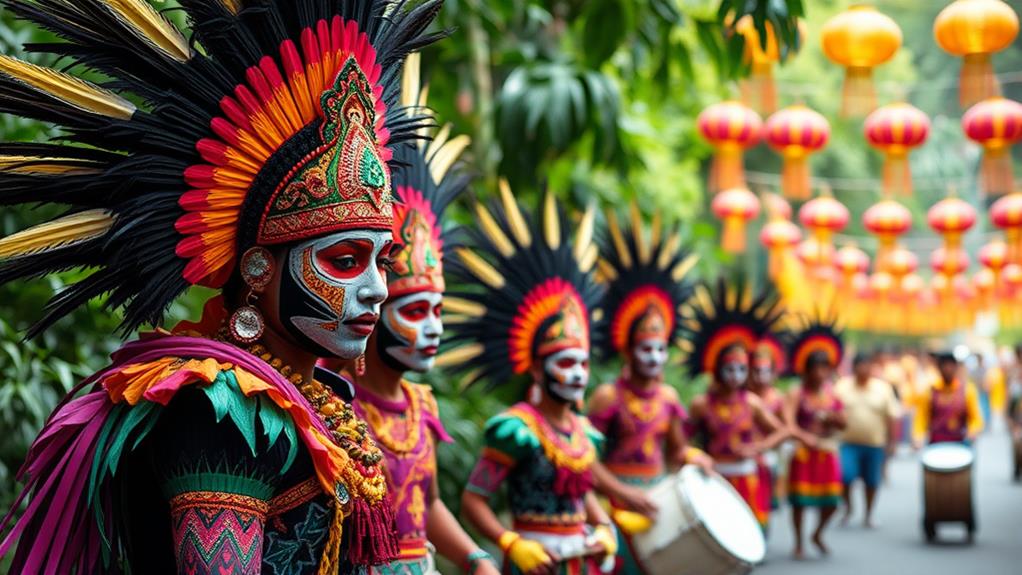
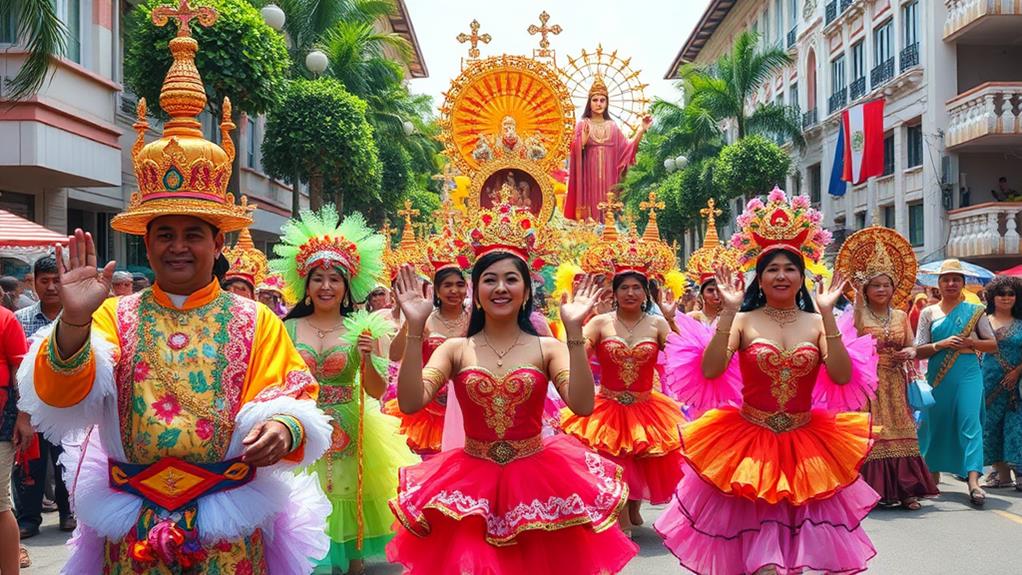
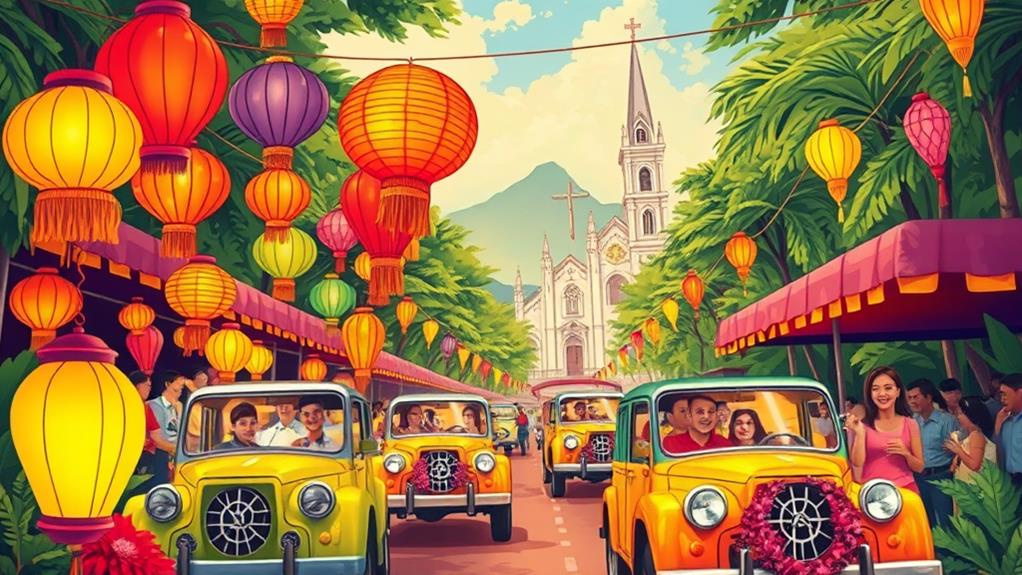
    The streets of Kalibo come alive with lively street dancing, colorful costumes, and rhythmic drumbeats during the Ati-Atihan Festival.

    These elements create an immersive experience that showcases the rich cultural heritage of the region.

    Cultural Significance

    The Ati-Atihan Festival is more than just a celebration; it's a symbol of unity and respect for indigenous traditions.

    By blending pre-colonial and Catholic traditions, the festival promotes cultural understanding and appreciation.

    Unveiling the Ati-Atihan Festival

    celebrating ati atihan festival

    The Ati-Atihan Festival: A Vibrant Celebration of Faith and Culture

    The Ati-Atihan Festival is one of the most vibrant and culturally rich festivals in the Philippines, celebrated annually in Kalibo, Aklan. This festival honors Santo Niño (Infant Jesus) and the indigenous Ati people, showcasing a unique blend of faith and culture.

    The Festival's Rich History

    The Ati-Atihan Festival has its roots in the early 1200s, evolving from a local tradition to a vibrant cultural celebration.

    Today, it features lively street dancing, colorful costumes, and rhythmic drumbeats.

    A Symbol of Unity and Cultural Respect

    During the festival, participants paint their faces black, paying homage to the Ati people.

    This gesture symbolizes unity and cultural respect, rather than blackface.

    A Series of Vibrant Events

    The festival includes a series of events, such as a formal opening mass, processions, dance parades, and tribal competitions, culminating in a grand closing ceremony.

    UNESCO Recognition

    In 2012, the Ati-Atihan Festival was recognized by UNESCO as part of the Philippines' intangible cultural heritage.

    This recognition showcases the country's rich traditions and community spirit.

    Rich Cultural Heritage Revealed

    Immerse in the Rich Cultural Heritage of the Ati-Atihan Festival

    The Ati-Atihan Festival is a vibrant celebration of the Philippines' cultural diversity, showcasing the rich cultural heritage of the Ati people.

    Cultural Elements

    The festival combines indigenous customs, honoring the Ati people's traditions and way of life, with Catholic traditions, celebrating Santo Niño, a symbol of Catholic faith.

    The festival also acknowledges the historical connection to the 1200s when Malay settlers arrived on Panay Island.

    Cultural Expressions

    The festival features vibrant street dancing, traditional music, and colorful costumes, promoting cultural expressions that unite communities and celebrate regional diversity.

    A community mass also takes place, highlighting the importance of community bonding.

    UNESCO Recognition

    The Ati-Atihan Festival was recognized by UNESCO in 2012 as an integral part of the Philippines' intangible cultural heritage, showcasing the country's cultural diversity.

    Vibrant Celebrations and Events

    lively festivities and gatherings

    The Ati-Atihan Festival is a vibrant celebration that brings the rich cultural heritage of the Philippines to life.

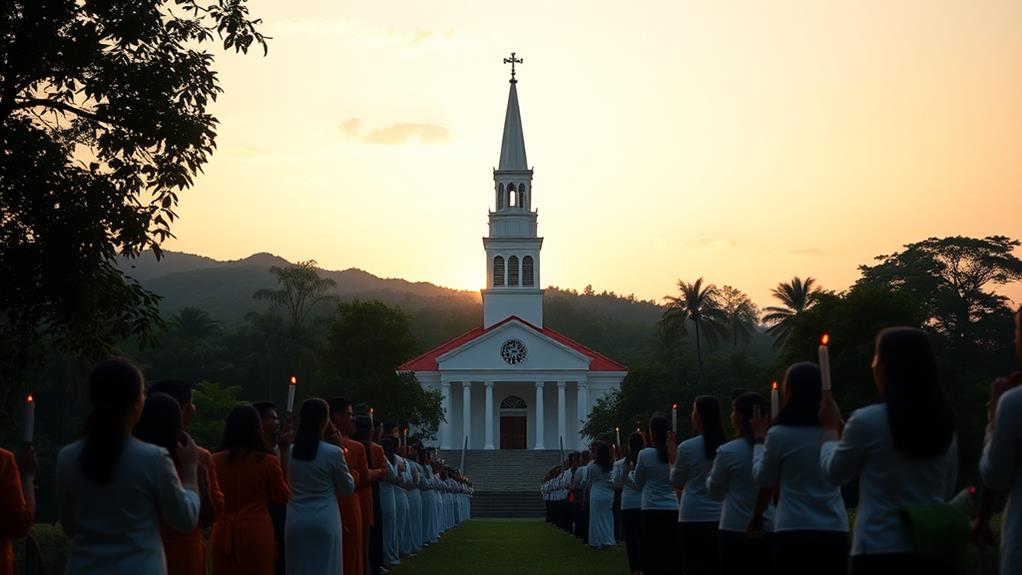
    The festival begins with a formal opening mass, followed by a grand procession where thousands of devotees carry images of Santo Niño. This highlights the festival's religious significance and showcases the community's devotion to the Sto. Niño.

    Daily themed parades feature lively festivities, including snake dancing and vibrant performances at Magsaysay Park. These performances showcase the creativity and energy of the participants.

    The highlight of the festival is the tribal competitions, which attract both local and tourist attention. Prizes are awarded for the best performances, encouraging participants to push their creativity and skills to the limit.

    The festival's vibrant street dancing, colorful costumes, and rhythmic drumming fill the streets, creating an immersive atmosphere that invites community participation and interaction among attendees.

    As the sun sets, the evening festivities come alive with music and entertainment, further enhancing the festive mood.

    Exploring Ati-Atihan's Historical Roots

    The Ati-Atihan Festival's Historical Roots

    The Ati-Atihan Festival has a rich history that dates back to 1212 AD, when Malay chieftains from Borneo arrived on Panay Island and established a land agreement with the indigenous Ati people. This initial agreement marked the beginning of a cultural exchange between the two groups, which would eventually shape the festival's traditions.

    Evolution of the Festival

    Initially, the festival was a local tradition, but it evolved over the centuries, incorporating Christian elements introduced by Spanish colonizers in the 17th century.

    The Spanish influence led to the celebration of the Santo Niño, a significant figure in Christian tradition.

    Name and Significance

    The festival's name "Ati-Atihan" means "to be like the Atis", reflecting the homage paid to the indigenous Ati people through cultural practices and face painting.

    This unique blend of cultural influences has contributed to the Ati-Atihan Festival's significance, now recognized as part of the Philippine intangible cultural heritage.

    Festival Experience and Atmosphere

    vibrant event celebration vibes

    Immerse yourself in the vibrant atmosphere of the Ati-Atihan Festival, where rhythmic drumbeats and lively street festivities create an electrifying experience. The festival's engaging atmosphere is a perfect blend of joy, energy, and cultural homage.

    Daily themed parades are a key aspect of the festival's infectious energy. Over 80 performing groups take to the streets, showcasing elaborate costumes and rhythmic drumbeats that amplify the festival's lively ambiance.

    These parades feature a kaleidoscope of colors, sounds, and movements that draw you in.

    Traditional face paint is another significant element of the festival. Participants don dark face paint to emulate the Ati people, paying cultural homage and adding to the festive spirit.

    This unique tradition allows festival-goers to connect with the rich cultural heritage of the Ati people.

    Unique dance routines are a major highlight of the festival. Tribes compete with intense passion, displaying their one-of-a-kind dance routines and costumes that captivate the audience.

    These performances showcase the rich cultural diversity of the region and leave a lasting impression on the spectators.

    Evening events provide the perfect opportunity to fully immerse yourself in the rich cultural experience. Live music and interactive performances create an electrifying atmosphere that complements the festival's vibrant street festivities.

    Throughout the festival, you'll find yourself swept up in the vibrant street festivities, surrounded by the rhythmic drumbeats, elaborate costumes, and infectious energy of the Ati-Atihan Festival.

    Cultural Significance and Impact

    The Ati-Atihan Festival holds profound cultural significance for the Filipino people. It honors the indigenous Ati people and the Santo Niño, symbolizing the harmonious integration of pre-colonial traditions and Catholic beliefs in Filipino culture.

    By painting their faces black, participants show respect and dedication to preserving the festival's roots. This tradition demonstrates cultural respect for the Ati people.

    The festival's vibrant street dancing, colorful costumes, and traditional music express Filipino identity. These expressions promote awareness and appreciation of regional diversity in the Philippines.

    The Ati-Atihan Festival is a significant event in Philippine intangible cultural heritage, recognized by UNESCO in 2012. It plays a vital role in preserving and promoting local culture and traditions.

    Through this festival, visitors experience the rich cultural heritage of the Aklan region and the unity it fosters among locals and participants.

    How Does Ati-Atihan Festival Showcase the Cultural Diversity of the Philippines?

    The Ati-Atihan Festival is a vibrant celebration that showcases the cultural diversity of the Philippines. This event features colorful costumes, traditional music, and lively dances that highlight the rich heritage of the different regions in the country. It is a testament to the evolution of philippine democracy and the freedom to express cultural identity.

    Beyond Kalibo: Similar Festivals

    exploring festivals beyond kalibo

    Beyond Kalibo: Similar Festivals

    Regional Variations of the Ati-Atihan Festival

    Aside from Kalibo, several towns in Aklan observe their own versions of the Ati-Atihan Festival, each infused with unique local flavors and traditions.

    Ibajay, Lezo, Malinao, Makato, Batan, Altavas, and Malay (Boracay) all celebrate the festival in their own way, reflecting their distinct cultural identities.

    Similar Festivals in Nearby Provinces

    Beyond Aklan, similar festivals can be found in nearby towns in Antique and Capiz, contributing to a vibrant regional celebration of culture and community.

    Dinagyang in Iloilo shares similar themes of gratitude and community, reflecting the widespread cultural significance of the Santo Niño and indigenous heritage.

    Halaran in Capiz highlights local culture through unique customs, music, and dance, while Binirayan in Antique emphasizes the preservation of Philippine cultural heritage.

    Other regional festivals collectively promote regional tourism and celebrate the rich cultural heritage of the region.

    Cultural Significance and Preservation

    These festivals not only showcase the rich cultural diversity of the region but also contribute to the preservation of Philippine cultural heritage, making them a must-visit for anyone interested in experiencing the authentic spirit of the Ati-Atihan Festival.

    Frequently Asked Questions

    What Is the Ati-Atihan Festival Celebrated For?

    The Ati-Atihan Festival celebrates the arrival of Malay settlers on Panay Island and their integration with the indigenous Ati people.

    This significant event in history is commemorated through a vibrant cultural heritage festival.

    The festival showcases traditional costumes, dance rituals, and music influences, highlighting community involvement and cultural preservation.

    Who Won the Ati-Atihan Festival in 2024?

    The winners of the Ati-Atihan Festival in 2024 were announced during the grand closing ceremony.

    The top three contingents were awarded for their stunning costume designs and captivating dance performances.

    The first place winner was the Kalibo Dance Company, followed by the Aklan Performing Arts Group in second place, and the Boracay Cultural Troupe in third place.

    These contingents showcased a perfect blend of traditional and modern dance performances, highlighting the cultural significance of the event.

    What Is the Culture Behind the Ati-Atihan Festival in Kalibo Aklan?

    The Ati-Atihan Festival has its roots in the 1200s.

    This celebration honors the indigenous Ati people and showcases their influences on the culture.

    The festival's cultural significance is reflected in its vibrant traditional costumes, festival rituals, and mesmerizing music and dance performances. These artistic expressions are a testament to the community's involvement and historical background.

    The local cuisine and joyful atmosphere also play a significant role in this unique cultural heritage.

    The festival's origins date back to the 1200s, when the Ati people, the indigenous inhabitants of the island of Panay, welcomed the arrival of Malay settlers.

    This cultural exchange is still celebrated today through the festival's rituals and performances.

    Is the Ati-Atihan Festival Religious or Non Religious?

    The Ati-Atihan Festival is both religious and non-religious. This multifaceted celebration has spiritual significance and historical origins, but it also honors cultural heritage and indigenous roots.

    On one hand, the festival has religious elements, such as rituals and processions, which reflect its spiritual significance. These practices are rooted in the region's historical origins and local beliefs.

    On the other hand, the festival also involves community involvement and festive traditions, which are non-religious in nature. These aspects of the celebration focus on cultural expression and community bonding.

    Ultimately, the Ati-Atihan Festival is a unique blend of local beliefs, symbolism, and cultural expression, making it both religious and non-religious.

  • Sinulog: The Grand Festival of Cebu

    Sinulog: The Grand Festival of Cebu

    Sinulog: A Grand Celebration of Filipino Culture

    Sinulog, a vibrant and historic festival, attracts over a million visitors to Cebu each year. This grand festival honors Santo Niño de Cebu, the oldest Christian artifact in the Philippines, and symbolizes the acceptance of Roman Catholicism in the country.

    A Rich History

    Sinulog's roots date back to 1521, showcasing the rich Filipino culture and heritage. The festival features vibrant street dances, intricate choreography, and cultural events that highlight the country's artistic representations.

    Cultural Significance

    As you explore Sinulog, you'll discover its historical significance, cultural practices, and artistic representations that make it an unforgettable experience.

    The festival is a testament to the country's rich cultural heritage, bringing people together to celebrate their history and traditions.

    Historical Significance of Sinulog

    cultural heritage celebration festival

    Understanding the Historical Significance of Sinulog

    The Sinulog Festival has its roots in 1521 when Ferdinand Magellan arrived in Cebu, introducing Christianity to the Philippines and venerating the Santo Niño. This event marked the beginning of the country's acceptance of Roman Catholicism.

    The Baptism of Rajah Humabon and Queen Juana

    The historical baptism of Rajah Humabon and his wife, Queen Juana, symbolized the acceptance of Christianity. This significant moment in Philippine history is commemorated through the Sinulog Festival.

    Origin of the Name "Sinulog"

    The name "Sinulog" comes from the Cebuano word "sulog," meaning current, which reflects the traditional dance's flowing movements.

    The Evolution of the Sinulog Festival

    Although the first organized Sinulog Festival didn't take place until 1980, it has grown to become one of the largest cultural celebrations in the Philippines.

    It attracts over a million visitors annually.

    Cultural Practices and Celebrations

    The Sinulog Festival: A Celebration of Filipino Culture

    The Sinulog Festival is a vibrant celebration of Filipino culture, showcasing the country's rich heritage and traditions.

    The grand parade is a highlight of the festival, where street dancers wear colorful costumes and perform intricate choreography that mimics the movements of water currents, symbolizing the festival's origins.

    The Traslacion Procession: A Display of Devotion

    During the festival, thousands of devotees participate in the Traslacion procession, carrying the Santo Niño through the streets and demonstrating the Filipino people's deep devotion to their heritage.

    This traditional procession is a testament to the significance of the Santo Niño in Filipino identity.

    Cultural Events and Local Traditions

    Throughout the festival, cultural events and activities highlight local traditions and artistry.

    Modern representations of the Santo Niño are celebrated across the Philippines, reinforcing its importance in Filipino culture.

    The festival culminates in the Hubo rite, a ceremonial stripping of the Santo Niño's vestments by priests, symbolizing reverence and marking the end of the festival.

    A Glimpse into Filipino Devotion and Pride

    Through these practices, the Sinulog Festival provides a glimpse into the Filipino people's strong sense of devotion and cultural pride.

    The festival is a celebration of Filipino identity, showcasing the country's rich cultural heritage.

    Religious Context and Significance

    faith s role in society

    The Sinulog Festival: A Celebration of Faith and Tradition

    The Sinulog Festival is a grand celebration that honors Santo Niño de Cebu, the oldest Christian artifact in the Philippines. This artifact symbolizes the introduction of Christianity by Ferdinand Magellan in 1521.

    The festival features religious rituals, including novena masses and a solemn procession, which reflect the deep devotion of Filipino Catholics to the Santo Niño. The Santo Niño is believed to possess healing powers, which is a significant aspect of the festival.

    The Sinulog Festival showcases the intersection of indigenous and colonial religious practices, highlighting the country's rich cultural heritage. The significance of the Santo Niño is further affirmed by its canonical coronation by Pope Paul VI in 1965, solidifying its role as a national cultural treasure.

    Through the Sinulog Festival, you'll experience the vibrant cultural expressions of Cebu, where faith and tradition come alive in a celebration that's truly unique and unforgettable.

    Patronage and Recognition of Santo Niño

    The Santo Niño's patronage is deeply rooted in Cebu's history and culture. This significance extends beyond the Sinulog Festival, with its influence pervasive in the city's identity.

    In 2002, Our Lady of Guadalupe was declared the principal patroness, but the Catholic Church clarified that intercession comes from God, not saints, ensuring the Santo Niño's continued importance.

    The Santo Niño's image has been granted prestigious titles, including the military rank of Captain-General during the Spanish colonial era. Its current title is Celentísimo Capitán General de las Esfuerzas en Filipinas.

    The Catholic Church has also recognized the Santo Niño's importance through papal decrees. Pope Innocent XIII officially moved the feast date to the third Sunday of January, and Pope Paul VI canonically crowned the image on April 28, 1965.

    This devotion parallels the global veneration of the Infant Jesus of Prague, highlighting its significance in Catholicism beyond the Philippines.

    Contemporary Developments and Artistic Representation

    modern art trends evolving

    The Sinulog Festival's Evolution: A Blend of Tradition and Innovation

    The Sinulog Festival has adapted to modern times by incorporating technology and innovative artistic representations of the Santo Niño. Live broadcasts and social media have increased global participation and reach. This fusion of old and new is also reflected in the artistic interpretations of the Santo Niño, which now showcase unique regional styles and cultural identities.

    Visual Symbolism and Kinesthetic Movements

    The festival's rituals now emphasize spiritual experience and cultural agency through visual symbolism and kinesthetic movements. These elements enhance the participants' spiritual connection and cultural expression.

    Diverse Events and Cultural Significance

    Art exhibitions and digital content are now integral parts of the Sinulog celebrations, highlighting the festival's cultural importance and attracting sponsorships and partnerships.

    These events demonstrate the festival's significance and its ability to evolve while maintaining its cultural essence.

    Contemporary Performances and Traditional Rituals

    The integration of contemporary performances and traditional rituals has become a hallmark of the Sinulog Festival.

    This blend showcases the ongoing evolution of practices surrounding the Santo Niño and Filipino spirituality, ensuring the festival remains vibrant and relevant.

    Are There Similarities Between Sinulog and Ati-Atihan Festivals?

    The Sinulog and Ati-Atihan festivals share several similarities in terms of their vibrant celebration of culture and tradition. Both festivals feature lively street parades, colorful costumes, and rhythmic music that showcase the rich heritage of the Philippines. The vibrant festival of kalibo and Sinulog are both significant cultural events that attract thousands of visitors each year.

    Experiencing the Sinulog Festival

    Immerse yourself in the vibrant Sinulog Festival, a nine-day celebration that showcases the rich culture of Cebu Island.

    The festival's main attraction is the grand parade, which takes place on the third Sunday of January and draws over a million visitors.

    Before the grand parade, catch the Fluvial Parade at 6 AM, followed by the Solemn Procession, which reenacts the historical baptism.

    Throughout the festival, indulge in local delicacies like Lechon at food stalls and enjoy cultural performances, art exhibits, and concerts featuring local artists.

    Discover the Sinulog sa Kabataan, a youth-focused celebration that adds to the festival's vibrancy.

    As you take in the sights and sounds, you'll understand why the Sinulog Festival is a significant cultural event in the Philippines, boosting tourism and the local economy.

    Frequently Asked Questions

    What Is Sinulog Festival Celebrated For?

    The Sinulog Festival celebrates the cultural significance of the Santo Niño, a symbol of the Philippines' historical origins in Christianity.

    This celebration showcases religious devotion through vibrant parades and dance performances that highlight regional variations in artistic expressions.

    The festival features community involvement, with participants showcasing their stunning festival attire.

    Additionally, the festival boosts tourism, culminating in a joyous spiritual celebration.

    What Food Is Served at Sinulog Festival?

    Cebu Delicacies Abound at Sinulog Festival

    Traditional Dishes Take Center Stage

    At Sinulog Festival, you'll find a variety of traditional Cebu dishes, including Lechon, Puso, and Ngohiong.

    These iconic dishes are a staple of the festival, showcasing the city's culinary heritage.

    Festival Snacks and Street Food

    Festival snacks and street food are plentiful, offering a taste of local cuisine.

    You'll find food stalls and vendors serving up regional flavors, including sweet treats like Bibingka and Puto Maya.

    Festive Beverages

    To quench your thirst, try festive beverages that highlight the city's culinary traditions.

    From refreshing drinks to sweet treats, there's something for everyone to enjoy.

    Where Is Sinulog 2024 Held?

    Sinulog 2024 is held in Cebu City, Philippines.

    The festival takes place from January 11 to 26, 2024.

    The grand parade will be held along Osmeña Boulevard and the Cebu City Sports Complex.

    Key events are centered around the Basilica Minore del Santo Niño and Fuente Osmena Circle.

    The main event is scheduled on the third Sunday of January.

    How Is Sinulog Music Described?

    Sinulog music is characterized by its unique rhythms, mimicking the traditional dance steps. These rhythms are a result of combining traditional instruments like gongs and drums with modern ones, creating an energetic sound.

    The dance melodies are infused with cultural significance, making them festival anthems. For instance, the rhythmic beats of the drums and gongs are synchronized with the choreographed dance moves, evoking a sense of cultural pride.

    You'll hear them during street performances, where the festive atmosphere is palpable. During these performances, the music is amplified, and the crowd's energy is electric.

    Over time, the music has evolved, incorporating regional influences, while maintaining its core identity. For example, some Sinulog music incorporates guitar riffs or electronic elements, yet still retains its traditional roots.

  • Fiesta: A Celebration of Filipino Faith and Community

    Fiesta: A Celebration of Filipino Faith and Community

    Filipino Fiestas: A Celebration of Faith and Community

    A Filipino fiesta is a vibrant celebration that showcases the country's rich cultural heritage.

    At its core, a fiesta is a testament to the deep integration of Catholicism in Filipino traditions. These celebrations honor patron saints, highlighting the importance of faith in Filipino culture.

    Fiestas also emphasize the significance of social ties and community participation. They bring people together, fostering a sense of belonging and cultural identity.

    For example, during a fiesta, you'll often see streets filled with colorful parades, lively music, and traditional dances. These events encourage community involvement, with locals participating in the preparations and celebrations.

    A fiesta is also a celebration of Filipino values and practices. It's an opportunity to experience the country's vibrant culture, with its rich flavors, sights, and sounds.

    You'll find traditional Filipino cuisine, such as lechon and adobo, being served during the celebration. You'll also hear traditional music and see folk dances, like the tinikling, being performed.

    In summary, a Filipino fiesta is a celebration that showcases the country's rich cultural heritage, emphasizing faith, community, and tradition.

    It's a testament to the Filipino spirit, which values social ties, community participation, and cultural identity.

    Faith and Cultural Heritage

    cultural faith and tradition

    Faith and Cultural Heritage in the Philippines

    Your Filipino heritage is deeply rooted in your faith, which is predominantly Roman Catholicism. This connection is vibrantly showcased in the country's festive celebrations, known as fiestas.

    Fiestas primarily honor patron saints, reflecting the profound influence of Roman Catholicism in Filipino culture and spirituality. For example, the Sinulog Fiesta celebrates Santo Niño and marks the introduction of Christianity to the Philippines in 1521, embodying hope, faith, and community love.

    Through fiestas, you experience the rich cultural heritage of the Filipino people. Rituals like prayers, novenas, and processions highlight the significance of religious devotion and collective participation among community members.

    These celebrations also serve as a means of cultural expression, showcasing traditional dances, music, and cuisine that celebrate shared heritage and values.

    Many towns have unique fiestas that combine historical events with religious significance, illustrating the adaptation of pre-Hispanic traditions to align with Catholic teachings.

    Celebrating Community Togetherness

    Filipino fiestas are a celebration of community togetherness. At their core, these vibrant events bring people together, fostering stronger bonds and a spirit of unity.

    Families open their doors and share food with guests, regardless of their personal resources, showcasing the warm hospitality of every Filipino community.

    Weeks of collaboration among community members precede the festivities, with locals working together to prepare for the celebrations. During festivals like Sinulog and Ati-Atihan, collective activities like parades and traditional games bring people together, further strengthening communal ties.

    Shared meals featuring signature dishes like adobo and lumpia serve as a central element in building relationships and celebrating cultural heritage.

    Local organizations and volunteers work together to ensure successful celebrations and promote inclusivity, demonstrating community involvement at its best.

    Through these moments, it becomes clear that Filipino fiestas are, indeed, a celebration of community togetherness.

    Traditional Practices and Rituals

    cultural heritage and customs

    Traditional Practices and Rituals

    Filipino communities take pride in preserving their vibrant traditions and rituals, rooted in faith and heritage.

    Altar Adornments

    In every Filipino home, altars are adorned with statues of saints, candles, and rosaries, reflecting faith in daily life and during fiestas. This practice highlights the importance of prayer and devotion, especially during fiesta celebrations centered around patron saints.

    Panata

    Panata involves making votive offerings, representing deep-rooted traditions tied to family and faith. This ritual emphasizes the significance of devotion and commitment to one's faith and community.

    Community Rituals

    Filipino communities come together through donations and volunteering, emphasizing the collective spirit of giving and support.

    These community rituals foster a sense of unity and cooperation, showcasing the strong sense of faith and community that defines Filipino culture.

    Food, Festivities, and Fun

    Filipino Fiestas: A Celebration of Food, Community, and Joy

    In the Philippines, fiestas are vibrant celebrations that delight the senses, with traditional cuisine playing a starring role. The aromas and flavors of Filipino dishes bring people together, fostering a sense of community and togetherness.

    Traditional Filipino cuisine is a highlight of fiesta celebrations. Dishes like adobo, kare-kare, and lumpia are staples that unite people across generations. These dishes are often prepared with love and care by family members and friends, symbolizing the community spirit at the heart of every Filipino fiesta.

    Fiestas are also a time for entertainment and friendly competition. Karaoke sessions often turn into impromptu dance parties, while games and contests showcase local talents and bring out the competitive spirit in everyone.

    Food is more than just something to eat; it's a way to bond with others and strengthen community ties. In every Filipino community, fiestas are a time to come together, celebrate, and create unforgettable memories.

    A Glimpse Into Filipino History

    exploring filipino historical insights

    Filipino fiestas have a rich history that dates back to the Spanish colonial period.

    The history of Filipino fiestas originated from Spanish colonial influences, where missionaries adapted local customs to celebrate Roman Catholic feasts, particularly events in the lives of Jesus and Mary. For example, the Fiesta de Santo Niño honors the Infant Jesus and symbolizes the beginning of Christianity in the Philippines.

    Some Filipino fiestas, however, have pre-Hispanic roots. The Sinulog and Ati-Atihan festivals, for instance, originated from pre-Hispanic rituals. The Sinulog celebrates the Santo Niño (Infant Jesus) and honors the country's patron saint, while the Ati-Atihan commemorates the arrival of Malay settlers in the Philippines.

    Over time, Filipino fiestas have integrated elements from both indigenous practices and colonial influences, creating a unique cultural tapestry.

    A significant event that contributed to this blend of cultures is the gifting of the Santo Niño statue by King Philip of Spain to the Queen of Cebu. This integration has fostered community spirit and identity, making Filipino fiestas an essential part of the country's cultural heritage.

    Embracing Cultural Diversity

    Filipino fiestas showcase the country's rich cultural heritage, where diverse traditions and customs blend in vibrant celebration.

    Each region has a unique identity shaped by its individual history and cultural practices, which you can experience through these festivities.

    Festivals reflect the country's pre-Hispanic and Spanish colonial influences. For example, Sinulog and Ati-Atihan blend local customs with Roman Catholic traditions.

    The Filipino Fiesta of Sacramento, held every January, celebrates Filipino American heritage and brings together diverse cultural organizations.

    Through these celebrations, different cultural groups come together, sharing their traditions and fostering a sense of belonging and cultural pride among attendees.

    Fiestas Across the Philippines

    celebrations throughout philippine islands

    The Philippines is a country with a rich cultural heritage, and its numerous fiestas are a testament to this. Over 100 fiestas take place annually, each unique to its region. These vibrant celebrations primarily honor the patron saint of each city or province.

    Major fiestas like Sinulog in Cebu, Ati-Atihan in Aklan, and Pahiyas in Lucban showcase a blend of religious devotion and cultural heritage. These events attract thousands of attendees and feature parades, traditional dances, and communal feasting, reflecting the strong emphasis on community and togetherness in Filipino culture.

    Many fiestas have historical roots dating back to Spanish colonial influence, adapting indigenous practices to incorporate Christian elements.

    These fiestas bring people together and contribute to local economies through tourism and community participation, promoting local artists and businesses.

    How Does the Sinulog Festival Differ from other Filipino Fiesta Celebrations?

    The Sinulog Festival stands out from other Filipino fiesta celebrations due to its vibrant and energetic atmosphere. This grand festival of cebu features a unique dance ritual that honors the Santo Niño, setting it apart from the traditional religious processions and cultural performances typically seen in other fiestas across the Philippines.

    Passing on Cherished Values

    Fiestas: Preserving Filipino Culture and Values

    Beyond the vibrant colors and lively rhythms of the Philippines' numerous fiestas lies a deeper purpose: to pass on cherished values from one generation to the next. These celebrations play a significant role in promoting and preserving Filipino culture.

    Fiestas Emphasize Faith, Community Bonds, and Hospitality

    Fiestas often involve rituals and traditions that have been passed down through generations, such as panata (votive offerings) and the communal preparation and sharing of traditional dishes like adobo and lumpia. These practices highlight the importance of faith, community bonds, and hospitality.

    Key Aspects of Fiestas

    Events like the Sinulog Fiesta honor religious figures and serve as opportunities for families to come together and pass on cultural heritage to younger generations.

    Involvement in community activities, such as volunteering and participating in parades, fosters a sense of belonging and reinforces shared cultural values among attendees.

    The engagement of diverse cultural groups promotes collaboration and understanding while preserving Filipino traditions and spiritual beliefs.

    Frequently Asked Questions

    What Is Fiesta Celebration in the Philippines?

    Fiesta celebrations in the Philippines are rooted in cultural heritage and honor patron saints. These events reflect the country's Roman Catholic faith and rich cultural traditions.

    For instance, the Feast of Santo Niño in Cebu City is a significant fiesta that commemorates the arrival of Spanish conquistador Ferdinand Magellan in 1521. This celebration showcases colorful parades, traditional dances, and delicious local food, highlighting the country's cultural identity.

    Fiestas foster a sense of community and togetherness. During these celebrations, Filipino communities come together to socialize, share food, and participate in various activities.

    For example, the MassKara Festival in Bacolod City is a popular fiesta that features vibrant street dances, costumes, and masks, promoting unity and camaraderie among residents and visitors alike.

    What Is the Importance to Our Society of the Fiesta Philippines Celebration of Patrons?

    Fiesta Philippines celebrations of patrons play a vital role in maintaining cultural unity. By honoring patron saints, these festivities reinforce community bonds, collective devotion, and a sense of belonging.

    They foster social cohesion, allowing individuals to express gratitude, seek blessings, and strengthen relationships.

    For example, in Filipino diaspora communities, these celebrations help maintain cultural continuity by bridging gaps and nurturing a deeper connection with heritage.

    What Is the Objective of Fiesta Celebration?

    The objective of fiesta celebrations is to honor patron saints and showcase cultural heritage.

    These vibrant events pay homage to faith and celebrate a community's unique identity, traditions, and values. By participating in fiestas, people actively preserve their cultural legacy, ensuring its continuity for future generations.

    For instance, in Mexico, the Fiesta de la Vendimia honors the patron saint of grape harvesters, while in the Philippines, the MassKara Festival celebrates the city's patron saint and showcases the local culture.

    Why Do Catholics Celebrate Fiesta?

    Catholics celebrate fiestas to express their deep-rooted faith and cultural heritage.

    These vibrant events allow them to honor their patron saints, paying tribute to their community's history and strengthening their spiritual bonds.

    Fiestas serve as a time for reflection, gratitude, and renewal of faith, bringing families together in celebration of their shared cultural heritage.

  • The Role of Religion in Filipino Society

    The Role of Religion in Filipino Society

    Religion plays a vital role in shaping Filipino society. For centuries, the country's cultural identity has been influenced by a blend of indigenous beliefs, Catholicism, Islam, and other faiths. This unique fusion has resulted in a distinct cultural identity, values, and daily life practices.

    Approximately 90% of the population identifies with a religious group, making religion an integral part of community life. In this complex web of beliefs and practices, you'll find intersections with psychology, culture, and politics. For instance, the Catholic Church has historically played a significant role in shaping the country's education system, healthcare, and social services.

    Syncretism, the blending of different religious beliefs and practices, is a common phenomenon in the Philippines. For example, the Filipino celebration of All Saints' Day, a Catholic tradition, has incorporated indigenous practices such as offering food and drinks to the spirits of ancestors. This blending of beliefs has resulted in a unique cultural identity that is distinct from its Asian neighbors.

    Religion also influences daily life in the Philippines, with many Filipinos attending religious services regularly and participating in religious festivals and celebrations throughout the year.

    In addition, religious beliefs and values shape personal and social relationships, influencing moral codes and social norms.

    Historical Development of Religion

    evolution of religious beliefs

    The Philippines' religious landscape has been shaped by a mix of indigenous and foreign influences.

    Before foreign religions arrived, indigenous beliefs centered around a pantheon of gods and spirits were practiced.

    The introduction of Islam in 1350 and Catholicism in 1565 significantly altered the religious affiliation of the Filipino people.

    During the Spanish colonial period, Catholicism became the dominant religion and greatly influenced Filipino culture and community life. The Church played a crucial role in shaping the country's social and political structures.

    In Mindanao, Islam established itself as a significant force, particularly in the southern regions.

    Later, American colonization introduced Protestantism, which further diversified the country's religious landscape.

    Today, Catholicism, Islam, and Protestantism are the dominant religions in the Philippines, each with its unique impact on Filipino society.

    Cultural Insights and Syncretism

    Religion plays a significant role in shaping the Filipino cultural identity. This is evident in the syncretism between indigenous beliefs and Christianity, which is reflected in various cultural practices. For example, many festivals in the Philippines blend Catholic traditions with local customs.

    Fiestas celebrating patron saints often include indigenous rituals, showcasing the dynamic nature of Filipino spirituality.

    The intersection of religion and psychology shapes Filipino cultural identity. Historical references, such as Filipino Religious Psychology, explore this intersection and reflect a blend of spiritual influences.

    Local mythological beliefs are preserved and celebrated in works like Creatures of Philippine Lower Mythology, highlighting the persistence of indigenous spirituality alongside dominant religious practices.

    This cultural adaptation promotes community bonding through shared rituals and celebrations, reinforcing cultural identity among Filipinos. The influence of both Catholicism and indigenous beliefs has created a unique cultural tapestry, woven from the threads of spiritual influences, rituals, and celebrations.

    Contemporary Religious Landscape

    modern spirituality and beliefs

    The Philippines is a predominantly Christian country, with approximately 90% of its population identifying with a religious group.

    The Roman Catholic Church is the largest religious group, with around 79% of Filipinos adhering to Catholicism. Other Christian denominations, such as the Iglesia ni Cristo and the Philippine Independent Church, make up about 9% of the population, contributing to the country's religious diversity.

    A significant minority of Filipinos practice Islam, with around 5-6% of the population identifying as Muslim.

    Most Muslims reside in the southern regions of Mindanao, Sulu, and Palawan, where they maintain distinct cultural and religious practices.

    Indigenous religions, such as Anitism or Bathalism, are also present, although practiced by a small percentage of the population.

    These religions are characterized by rituals honoring ancestors and nature.

    The coexistence of traditional beliefs and modern influences has led to a unique syncretism within various communities, highlighting the complexity of the Church and state relationship in the Philippines.

    Current Issues and Socio-Political Context

    The religious landscape of the Philippines is complex and influenced by historical, cultural, and political dynamics.

    The Catholic Church's involvement in political activism, such as the People Power Revolution, has shaped the country's political narrative. This involvement has led to ongoing tensions between the government and Muslim communities in Mindanao, which stem from historical grievances and the impact of colonialism on religious identities.

    The Catholic Church's social justice initiatives focus on addressing poverty, human rights, and environmental protection. These initiatives often lead to friction with government authorities, as the Church's advocacy for social change can be seen as a challenge to the government's authority.

    Since the 1990s, the formal separation of church and state has allowed for greater religious pluralism, but the Catholic Church remains a dominant force in shaping societal norms and values.

    In recent years, emerging fundamentalist groups and small sects, particularly in areas like Cebu City, have challenged the Catholic Church's supremacy. This shift indicates a changing landscape of religious influence and community engagement in contemporary Filipino society.

    How has the history and traditions of Islam influenced the role of religion in Filipino society?

    The rich and diverse tradition of Islam has significantly influenced the role of religion in Filipino society. The historical and cultural impact of Islam in the Philippines has led to the integration of Islamic practices and beliefs into the country’s religious landscape, resulting in a unique blend of traditions and customs.

    Educational Opportunities and Community Engagement

    learning involvement community growth

    The Catholic Church's educational initiatives in the Philippines extend beyond academic learning to instill moral values and principles in students. These initiatives focus on moral education, emphasizing the importance of Christ's teachings and God's love in shaping individuals' values and principles.

    The Church's educational programs promote community engagement and social activism through various initiatives. Faith-based exhibitions and workshops encourage cultural understanding, global learning, and community engagement, fostering harmony among diverse religious communities.

    Interfaith dialogue programs promote understanding, respect, and cooperation among religious groups, strengthening community development and social activism. Disaster relief efforts provide educational resources, support, and aid to affected communities, enhancing the Catholic Church's role in community development and social service.

    Through these initiatives, the Catholic Church demonstrates its commitment to community development, social activism, and disaster relief in Filipino society.

    Frequently Asked Questions

    Why Is Religion so Important in the Philippines?

    Religion plays a vital role in Filipino life because it brings people together and strengthens community bonds. Faith practices and religious festivals unite individuals, reinforcing their spiritual identity and providing moral guidance. For instance, the Filipino tradition of Simbang Gabi, a series of nine dawn Masses before Christmas, is a time for families and friends to come together and celebrate their faith.

    Historical influences have shaped the country's religious identity. The Philippines was colonized by Spain, which introduced Christianity, and later by the United States, which brought Protestantism. These influences have contributed to the country's diverse religious landscape. Today, approximately 86% of Filipinos identify as Catholic, while others practice Protestantism, Islam, and indigenous religions.

    Interfaith dialogue and charitable activities foster unity among Filipinos. For example, the Philippine Interfaith Movement, a network of religious leaders and organizations, promotes dialogue and cooperation among different faith groups. This unity is crucial in times of crisis, such as natural disasters, when Filipinos come together to provide aid and support.

    Religion is a vital part of Filipino culture because it provides a sense of community and social cohesion. By participating in religious festivals and traditions, Filipinos express their cultural identity and strengthen their bonds with one another.

    In the Philippines, religion isn't just a personal belief, but a way to connect with others and build a stronger community.

    What Is the Main Role of Religion in Society?

    Religion provides spiritual guidance and a moral framework for individuals. This guidance helps individuals navigate life's challenges and make informed decisions. For instance, religious teachings often emphasize the importance of honesty, compassion, and fairness, which shape an individual's moral character.

    Religion fosters community cohesion by bringing people together. It creates a sense of belonging among followers, who share common beliefs and values. This shared identity facilitates social support, as individuals can rely on their religious community for emotional support, advice, and assistance.

    Religion plays a significant role in identity formation. It helps individuals understand their purpose, values, and beliefs, which in turn shape their sense of self. For example, a person's religious beliefs may influence their career choices, relationships, and overall lifestyle.

    Religion facilitates conflict resolution by promoting forgiveness and understanding. It encourages individuals to resolve conflicts peacefully, rather than resorting to violence or aggression. This is achieved through teachings that emphasize empathy, tolerance, and compassion.

    Religion promotes cultural preservation through charitable activities. It encourages individuals to engage in acts of kindness, such as volunteering, donating to charity, and participating in community service. These activities help preserve cultural heritage and promote social welfare.

    Religion establishes ethical standards for individuals. It provides a set of principles that guide individuals' behavior, ensuring they act with integrity and respect for others. These standards promote personal fulfillment, as individuals strive to live up to their religious ideals.

    What Is the Cultural Role of Religion in Society?

    Religion plays a significant role in shaping spiritual identity by fostering community bonding through shared moral values and cultural traditions.

    For instance, many religions have customs and practices that bring people together, such as attending church services or participating in religious festivals.

    Religion promotes social cohesion by providing a framework for conflict resolution and inspiring charitable works.

    For example, many religious organizations offer counseling services to help individuals resolve conflicts, and they also engage in charity work to support those in need.

    Religion influences family dynamics by providing guidance on values and morals, which helps to strengthen family bonds.

    Additionally, religious practices and rituals, such as prayer or meditation, can bring families closer together.

    Religion provides a sense of personal fulfillment by giving individuals a sense of purpose and direction.

    For example, many people find comfort and solace in their religious beliefs during difficult times, which helps them to cope with stress and anxiety.

    What Role Did Religion Play in Spanish Colonization in the Philippines?

    Religion played a crucial role in Spanish colonization in the Philippines. The Spanish colonizers imposed Catholicism on the population through missionary activities and conversion efforts. This led to cultural assimilation and religious syncretism, where indigenous beliefs blended with Catholicism.

    As a result, a unique social hierarchy emerged, with the Church holding significant influence over colonial power.

    For example, Catholic friars built churches and established missions, converting many Filipinos to Catholicism.

    The Church's influence extended to education, as Catholic schools and universities were built to spread Catholic teachings. This blending of indigenous beliefs with Catholicism also led to the creation of unique cultural practices, such as the celebration of Catholic holidays like Christmas and Easter, alongside indigenous traditions.

    However, not all Filipinos accepted Spanish colonization and Catholicism. In the Muslim south, resistance movements emerged, pushing back against Spanish dominance.

    These resistance movements left a lasting legacy on the Philippines' cultural identity.

  • Indigenous Religions of the Philippines: Preserving Ancient Beliefs

    Indigenous Religions of the Philippines: Preserving Ancient Beliefs

    Indigenous Religions of the Philippines: Preserving Ancient Beliefs

    The indigenous religions of the Philippines are rooted in ancient beliefs and practices that have been woven into the fabric of daily life. Animism, the concept of multiple souls, and ancestral spirits shape the worldview of indigenous Filipinos. For example, the Tagbanwa people of Palawan believe in the existence of multiple souls, including the "buwan" which is the soul responsible for a person's emotions and the "kaluluwa" which is the soul responsible for a person's wisdom.

    Traditional practices like Pag-anito, a ritual where shamans communicate with spirits to heal the sick or ensure a good harvest, demonstrate the reverence for nature spirits and deities. The Ifugao people, for instance, believe in the spirit "Kabunyan", who is responsible for the fertility of the land and the success of their crops.

    These beliefs are intertwined with the environment and community, with many indigenous groups believing that their ancestors continue to live among them and play an active role in their daily lives.

    However, these unique traditions face challenges such as cultural erosion, urbanization, and the influence of external religions.

    Initiatives are underway to preserve these beliefs, including efforts to document and record indigenous stories, songs, and rituals. The Philippine government has also established programs to support and promote the cultural heritage of indigenous communities.

    By understanding and preserving these ancient beliefs, we can uncover the rich cultural heritage that has been passed down through generations of indigenous Filipinos.

    Ancient Beliefs and Practices

    cultural heritage and traditions

    Indigenous Religions in the Philippines

    In the Philippines, indigenous religions have long been an integral part of daily life, with ancient beliefs and practices forming the foundation of rich cultural traditions. These beliefs are deeply rooted in animism, where spirits, known as anito and diwata, inhabit natural elements and influence every aspect of life.

    Rituals and Offerings

    Rituals like Pag-anito involve communal feasts and offerings to ancestor spirits, underscoring the significance of ancestral guidance during pivotal life events. These rituals demonstrate the importance of honoring ancestors in indigenous cultures.

    Multiple Souls

    The concept of multiple souls is prevalent among various ethnic groups. Practices reflect the understanding that behavior in life affects one's afterlife journey.

    For example, the T'boli people of Mindanao believe in having three souls, each responsible for different aspects of a person's life.

    Sacred Spaces

    Sacred spaces, often constructed from bamboo or rattan, serve as hubs for offerings and worship, highlighting the profound connection between nature and spirituality.

    These spaces demonstrate the importance of nature in indigenous spiritual practices.

    Superstitions and Divination

    Superstitions and divination play a vital role in indigenous practices, with natural signs interpreted as omens.

    Shamans serve as mediums to communicate with the spirit world, providing guidance and wisdom to their communities.

    Nature Spirits and Deities

    Balete trees are revered as abodes of diwata, nature spirits or deities that embody the forces of nature and environmental elements. These majestic trees are believed to be inhabited by diwata, which are integral to the worldview of Filipino ethnic groups, representing the natural world and its elements.

    Diwata can be benevolent and protective, but they can also bring misfortune if disrespected, reflecting the animistic worldview where every aspect of nature possesses a spirit.

    The concept of diwata intersects with the notion of anito, where ancestral spirits are venerated alongside nature spirits. This intersection highlights the interconnectedness of ancestry and the natural world. For example, sacred sites like balete trees and specific mountains are believed to be the abodes of diwata.

    These sites are often marked by rituals and offerings to ensure harmony and respect between humans and nature spirits.

    Honoring diwata through rituals and offerings acknowledges the importance of maintaining a relationship with the spirit world and the natural environment. Rituals and offerings, such as food and communal feasts, are ways to show respect and gratitude to diwata.

    This reciprocity is essential in maintaining balance and harmony between humans and nature.

    Rituals and Shamanic Traditions

    spiritual practices and beliefs

    Shamans in Indigenous Filipino Rituals

    Shamans play a crucial role in indigenous Filipino rituals, serving as bridges between the spirit world and the community. These shamans, often female, specialize in various practices including healing, divination, and counteracting witchcraft.

    Ritual Practices and Their Purposes

    Ritual Practices Purpose
    Healing To cure physical and spiritual ailments
    Divination To seek guidance from ancestor spirits
    Counteracting Witchcraft To protect the community from harm

    During rituals like Pag-anito, shamans communicate with ancestor spirits to facilitate guidance and protection for the community. To appease the spirits, offerings are made, including food like rice, meat, and fish, as well as golden ornaments, which serve as ransoms during times of illness.

    Sacred Spaces and Ancestor Veneration

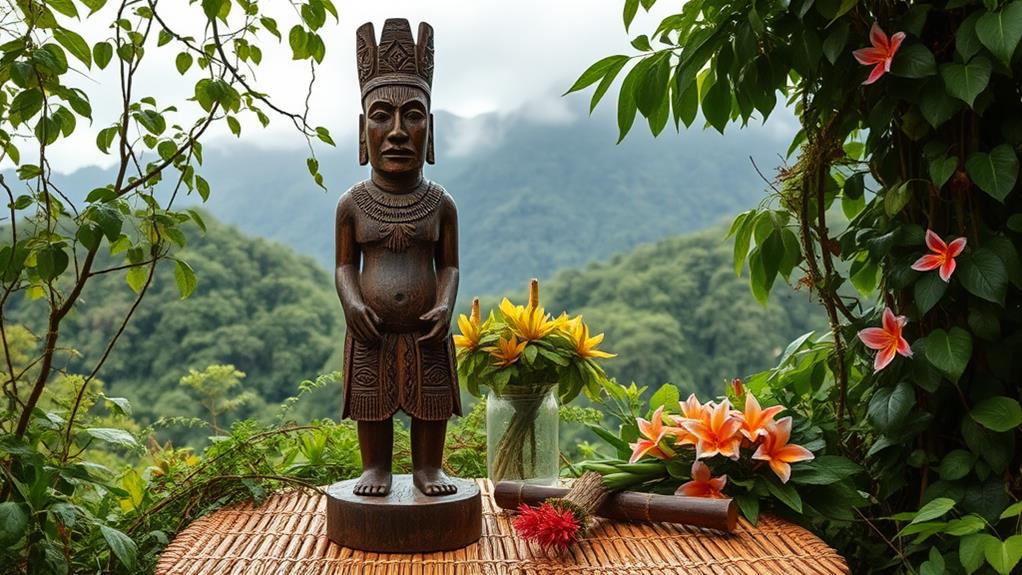
    Sacred spaces for rituals vary from small shrines to larger structures resembling pagodas, often made from bamboo or rattan. These spaces are used for communal feasts and offerings to nature spirits. The use of taotao figures, carved representations of ancestral spirits, underscores the importance of ancestor veneration and their continued presence in the community's spiritual life.

    Sacred Spaces and Spirit Animals

    Sacred spaces and spirit animals hold significant importance in indigenous Filipino spiritual practices. These sacred spaces, often constructed as shrines or spirit houses, serve as altars for offerings to spirits and ancestors. They're typically built in areas of cultural significance, emphasizing the need to respect these spiritual sites.

    Certain natural sites are considered sacred and associated with specific spirits or diwata. For instance, balete trees, anthills, mountains, and waterfalls are revered as sacred.

    The Bakunawa and Minokawa are revered as manifestations of diwata or powerful spirits, with specific cultural taboos regarding interactions with these animals.

    Butterflies are commonly associated with ghosts and the spirit world, highlighting the cultural connections between nature and spirit beliefs.

    Understanding sacred spaces and spirit animals provides insight into indigenous Filipinos' deep connections with their ancestry and the environment. By recognizing the significance of these sacred spaces and spirit animals, we can appreciate the importance of respecting and preserving these cultural heritage sites.

    Cultural Representation and Media

    diversity in media narratives

    Cultural Representation and Media: A Platform for Indigenous Filipino Spiritual Practices

    Indigenous Filipino spiritual practices are increasingly being woven into modern narratives, and cultural representation and media have become essential platforms for showcasing these ancient beliefs. The resurgence of interest in Filipino folklore and mythology is evident in various forms of contemporary media.

    TV Series and Video Games

    The TV series "Amaya" features diwata as goddesses, while the video game "Anito: Defend a Land Enraged" is the first Filipino-developed role-playing game. These examples demonstrate how indigenous beliefs are being reimagined and reinterpreted for modern audiences.

    Influence on Character Design

    The character Titania in the game "Warframe" draws inspiration from Filipino folklore, showcasing the influence of indigenous beliefs on contemporary character design in gaming.

    Technology and Indigenous Cultural Heritage

    The launch of Diwata-1 and Diwata-2, the first Philippine microsatellites in 2016 and 2018, symbolizes the connection between indigenous cultural heritage and advancements in technology.

    Documenting and Promoting Awareness

    The Aswang Project, founded by Canadian-born Jordan Clark, aims to document and promote awareness of Philippine mythology, highlighting significant folkloric beings and their impact on contemporary Filipino culture.

    Through these representations, it's clear that indigenous religions are being reimagined and reinterpreted for modern audiences, highlighting their significance in contemporary culture.

    Indigenous Folk Religions Demographics

    Demographics of Indigenous Folk Religions in the Philippines

    The 2020 census revealed that only 0.23% of the Philippine population identified with indigenous folk religions, a slight increase from 0.19% in 2010.

    Historically, these beliefs were widespread, with nearly 100% of the population practicing them in 1521, before Spanish colonization.

    Today, major ethnic groups like the Tagalogs, Visayans, and Bikolanos have distinct indigenous religious practices and beliefs that reflect their cultural heritage.

    However, the current numbers are concerning. In 2010, approximately 1,846,757 individuals practiced traditional religions, and 177,147 practiced exclusively Tribal Religions.

    If preservation efforts don't take place, current trends indicate that indigenous religions may face extinction by 2078.

    Preserving these minority religions is essential, as they're an integral part of Philippine culture and spiritual beliefs.

    Beliefs and Worldview

    perspectives on values and existence

    Indigenous Philippine folk religions are deeply rooted in spirituality, where the natural and supernatural worlds intersect seamlessly. Their beliefs and worldview shape their daily lives in profound ways.

    An animistic worldview lies at the heart of their beliefs, where every aspect of nature possesses a spirit that can influence human life. This is evident in:

    Their veneration of ancestor spirits, referred to as anito, which play a crucial role in guiding the living during significant life events like illness and death.

    In their multifaceted concept of the soul, various ethnic groups recognize multiple souls per person. For instance, the Tagbanwa attribute souls to deities, and the Ifugao culture acknowledges two distinct souls.

    Traditional practices and rituals, including offerings and pag-anito ceremonies, reinforce the worldview that respect for spirits and ancestors is critical for maintaining harmony and protection within communities.

    They believe in a spirit world, where the souls of the deceased may reincarnate based on their life conduct, rather than a notion of heaven or hell.

    These cultural beliefs and traditional practices are woven into the fabric of daily life, influencing the way indigenous peoples interact with their environment and each other.

    How do Indigenous Religions of the Philippines Impact Filipino Society?

    Indigenous religions play a significant role in Filipino society, shaping cultural practices and beliefs. The role of religion in filipino society is evident in various ceremonies, rituals, and traditions that are deeply rooted in the indigenous spirituality of the Philippines. It impacts all aspects of Filipino life, from family dynamics to community gatherings.

    Preservation Efforts and Challenges

    Preservation Efforts

    Despite significant cultural losses, various initiatives have emerged to preserve indigenous religions in the Philippines. The National Integrated Protected Areas System (NIPAS) Law aims to protect sacred grounds, although implementation remains a challenge.

    Cultural heritage preservation initiatives, such as cultural centers and educational programs, teach indigenous culture to promote recognition and transmission.

    Challenges to Preservation

    Ongoing discrimination against indigenous peoples hinders cultural transmission and recognition. The decline of traditional practices, like tattoo art, is another challenge.

    Historically significant in marking status and identity within indigenous cultures, tattoo art's decline threatens the preservation of cultural practices and symbols. Festivals like the Ati-Atihan, which honor indigenous faiths, have been altered by Spanish colonization, showcasing both the resilience and adaptation of indigenous cultures amid external influences.

    Conversion and Decline

    The continued conversion to Abrahamic religions has led to a decline in traditional practices, from nearly 100% adherence in 1521 to just 2% by 2010.

    It's essential to recognize the importance of preserving indigenous religions as part of the country's cultural heritage.

    Frequently Asked Questions

    What Are the Religious Experiences and Spirituality Indigenous Religions in Pre-Colonial Philippines?

    Indigenous Religions in Pre-Colonial Philippines: A Rich Tapestry of Beliefs

    Ancestral Worship and Nature Spirits

    In pre-colonial Philippines, ancestral worship played a significant role in daily life. Spirits of the land and ancestors guided daily decisions, and people believed that these spirits inhabited every aspect of nature. To ensure favor, ritual offerings were made to appease these spirits.

    Shamanic Practices and Spiritual Hierarchies

    Shamanic practices involved mediums communicating with spirits through communal gatherings. These mediums, known as shamans, would interpret sacred texts, mythical creatures, and dreams to understand the spirit world.

    Spiritual hierarchies were woven into the fabric of daily life, with shamans serving as intermediaries between the physical and spiritual realms.

    Healing Ceremonies and Rituals

    Healing ceremonies and rituals honored the spirit world, with shamans performing rituals to restore balance and harmony. These rituals often involved offerings to ancestral spirits and nature spirits, seeking their guidance and protection.

    What Are the Religious and Spiritual Practices and Beliefs of Early Filipinos?

    Early Filipinos practiced Ancestral Worship, believing that the spirits of their deceased ancestors influenced their daily lives. They revered these spirits, offering food, drinks, and other items to ensure their protection and guidance.

    They also believed in Nature Spirits, which they thought resided in natural elements like trees, rivers, and mountains. To maintain balance and harmony, they made Ritual Offerings such as fruits, flowers, and animals to these spirits.

    Traditional Healing was an essential part of their spiritual practices. They used herbal medicines, rituals, and ceremonies to cure illnesses and injuries.

    Community Gatherings were also crucial, as they brought people together to celebrate important events, resolve conflicts, and strengthen social bonds.

    Agricultural Festivals were held to ensure a bountiful harvest and to thank the spirits for their blessings. These festivals often involved music, dance, and feasting.

    Shamanic Practices played a key role in their spiritual lives. Shamans, or spiritual leaders, communicated with the spirits to diagnose illnesses, predict the future, and provide guidance.

    Oral Traditions were used to pass down stories, myths, and legends from one generation to the next. These stories often taught moral lessons and explained natural phenomena.

    Sacred Sites were considered sacred because of their spiritual significance. These sites could be mountains, caves, or other natural formations believed to be inhabited by spirits.

    Their Animistic Beliefs wove together the natural and spiritual worlds, guiding their daily interactions and decisions. They believed that all living things, including plants and animals, possessed spirits that needed to be respected and honored.

    What Is an Indigenous Belief System or Early Filipinos Worshipped Before Islam Took Hold on the Philippines?

    The indigenous belief system of early Filipinos revolves around ancestral worship and nature spirits. They venerate their ancestors through ritual offerings and community ceremonies, seeking guidance and protection. For instance, they'd hold rituals to honor their ancestors during harvest seasons, asking for their blessings and protection for a bountiful harvest.

    Folk healing practices are also an integral part of their spiritual fabric. They believe in the power of natural remedies and spiritual healing, often seeking the help of traditional healers or shamans.

    In addition, mythical creatures like the aswang and diwata are woven into their spiritual beliefs, often symbolizing both good and evil.

    Sacred places, such as the balete tree, hold great significance in their belief system. They believe that these places serve as a connection between the physical and spiritual worlds, and that they must be treated with respect and care to maintain cosmic balance.

    Oral traditions play a vital role in passing down stories of their ancestors, honoring their legacy. Through stories and legends, they learn about their ancestors' struggles, triumphs, and values, which shape their own cultural identity and sense of community.

    What Is the Religious Belief System in the Philippines?

    Filipino cosmology is rooted in animism, which is the belief that ancestral spirits and nature deities inhabit the natural world. This belief system translates to nature worship, where people show reverence to natural elements like mountains, rivers, and forests.

    In this context, ritual offerings are made to appease these spirits, and community festivals are held to honor sacred places.

    Shamanic practices are an integral part of this belief system, where shamans act as intermediaries between the spiritual and physical worlds.

    Oral traditions are used to pass down stories, legends, and myths from one generation to the next. Totemic symbols, such as animals or objects, are also used to represent ancestral spirits or nature deities.

    Healing ceremonies are conducted to restore balance and harmony in individuals and communities. These ceremonies often involve rituals, prayers, and offerings to ancestral spirits and nature deities.

  • Islam in the Philippines: A Rich and Diverse Tradition

    Islam in the Philippines: A Rich and Diverse Tradition

    Islam in the Philippines dates back to the 14th century. This rich and diverse tradition was shaped by the convergence of Arab, Gujarati, and Malay influences with indigenous cultures.

    Today, approximately 6.4% of the population identifies as Muslim, with significant communities in Mindanao, Palawan, and the Sulu Archipelago.

    The cultural heritage is evident in sites like the Maradika Quran, which showcases the blending of Islamic and local traditions.

    Various Islamic schools of thought coexist alongside unique ethnolinguistic groups, such as the Tausug and Maguindanao. For instance, the Tausug people have a distinct culture that combines Islamic practices with their own customs and traditions.

    The history of Islam in the Philippines is woven from historical roots, cultural practices, and political struggles. Understanding these complex dynamics is crucial to uncovering the rich tapestry of Islamic traditions in the country.

    There is still much more to discover, as the story of Islam in the Philippines continues to evolve and grow.

    Historical Roots of Islam

    origins and evolution of islam

    Islam's Roots in the Philippines Date Back to the 14th Century

    Islam was first introduced to the Philippines in the 14th century by Arab and Gujarati traders.

    The first mosque was established in 1380 in Simunul, Mindanao, marking the beginning of Islamic presence in the region.

    The Sultanate of Sulu and Maguindanao

    By the 15th century, the Sultanate of Sulu was established, becoming a significant Islamic authority in the region, with its first Sultan being Sayyid Al-Hashim Abu Bakr.

    Most of Jolo/Sulu had converted to Islam, and the Sultanate of Maguindanao was founded around 1515, further solidifying Islamic governance in Mindanao.

    Colonial Struggles and the Term "Moro"

    The arrival of the Spanish in 1565 marked the beginning of colonial struggles against the Muslim territories, as they faced significant resistance from local datus and leaders like Rajah Sulayman.

    The term "Moro" was initially used derogatorily by the Spanish to refer to Muslims, but it has been reclaimed by Philippine Muslims, signifying their identity and cultural heritage.

    Demographics and Population Growth

    6.4% of the Philippine population identifies as Muslim, totaling approximately 6.98 million Filipinos. This number has increased from 6.0% in the 2015 census, according to the 2020 census. The National Commission on Muslim Filipinos estimates the Muslim population to be around 11%.

    The Bangsamoro region has the highest concentration of Muslims, with 91% of its 4.9 million residents identifying as Muslim. Other predominantly Muslim ethnolinguistic groups in the Philippines include Iranun, Maguindanao, Maranao, Tausug, and Yakan, with significant communities in urban areas like Zamboanga City and Manila.

    The Muslim population in the National Capital Region has a growth rate that surpasses the national average, standing at 1.29%. This indicates a trend of increasing Muslim presence in various regions.

    Mindanao remains a hub for Muslim communities, with a significant concentration of Muslim populations in the region.

    Cultural Heritage and Practices

    preserving traditions and customs

    Islamic Cultural Heritage in the Philippines

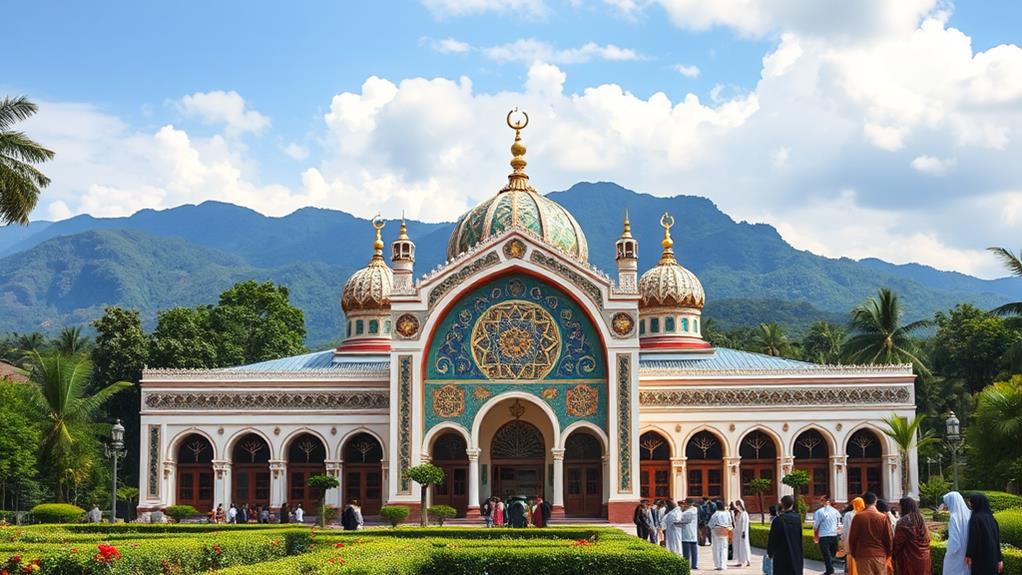
    The Philippines is home to a rich Islamic cultural heritage, with historical significance evident in sites like the Maradika Quran of Bayang, a National Cultural Treasure since 2014. This ancient Quran showcases the importance of Islamic texts in Filipino history.

    Diverse Islamic Schools of Thought

    In the Philippines, various Islamic schools of thought coexist, including Sufism, Shiism, and Sunni traditions.

    Sufism is particularly influential, with key centers like the Darul Abdulqadir Jilani Dergah.

    Islamic Traditions and Cultural Practices

    The cultural practices of predominantly Muslim ethnolinguistic groups, such as the Maranao and Tausug, are deeply intertwined with Islamic traditions.

    These traditions influence their social customs, celebrations, and artistic expressions.

    Festivals and Community Gatherings

    Festivals and community gatherings, like Eid al-Fitr, play a crucial role in the social life of Muslim Filipinos.

    These events reinforce communal bonds and cultural identity among diverse Muslim groups across the archipelago.

    Political and Social Dynamics

    Political and Social Dynamics in Muslim Life in the Philippines

    The Bangsamoro Autonomous Region in Muslim Mindanao (BARMM)

    The establishment of the Bangsamoro Autonomous Region in Muslim Mindanao (BARMM) in 2019 is a significant milestone in the history of Muslim Filipinos.

    This move grants political autonomy to the region's Muslim-majority provinces, acknowledging the historical struggles of Muslim Filipinos who've faced socio-economic marginalization and political neglect.

    Drivers of Autonomy

    The BARMM's creation is a response to the Moro National Liberation Front's (MNLF) long-standing demands for autonomy and self-governance.

    This demand stems from the region's strong Islamic demographic presence, with a 91% Muslim population, which underscores the need for inclusive governance and recognition of Muslim culture.

    Historical Conflicts and Challenges

    Historical conflicts, such as the 1970s clashes between the MNLF and government forces, stem from socio-economic marginalization and political neglect of Muslim communities.

    The emergence of extremist groups, such as the Abu Sayyaf Group, highlights the ongoing challenges and complexities in the region, emphasizing the need for sustained efforts towards peace and development.

    External Influences and Movements

    external factors and dynamics

    Early Trade Interactions Shaped the Spread of Islam in the Philippines

    The 14th-century trade interactions with Arab and Gujarati traders laid the groundwork for the spread of Islam in the Philippines. These interactions led to the establishment of initial Muslim communities that would eventually flourish.

    The Sulu Archipelago became a hub of Islamic learning and culture as a result of these early interactions.

    Chinese Muslim Mariner Zheng He Facilitated Cultural Exchange

    The voyages of Chinese Muslim mariner Zheng He during the Ming dynasty facilitated cultural exchange, contributing to the establishment of Muslim communities in the region.

    This exchange had a significant impact on the development of Islam in the Philippines.

    External Influences Shaped the Trajectory of Islam in the Philippines

    Bruneian influence in the 15th century led to the establishment of alliances and the exertion of control over local powers, impacting the political landscape and Muslim identity in the region.

    This influence shaped the trajectory of Islam in the Philippines, affecting the way Muslim Filipinos practiced their faith.

    Modern Movements Promoted a Return to Islamic Principles

    Modern movements such as the Nurcu and Hizmet have promoted a return to Islamic principles and interfaith dialogue, emphasizing community service and educational excellence within Muslim communities.

    These movements have contributed to the rich tapestry of Islam in the Philippines, shaping the identity and practices of Muslim Filipinos today.

    Muslim Rebellions and Conflicts

    Muslim Rebellions and Conflicts in the Philippines

    The Root of the Conflict

    In 1969, Muslim-led rebellions began in the Philippines as a response to government neglect and marginalization of the Muslim population. The conflict escalated in the mid-1970s between the Moro National Liberation Front (MNLF) and government forces, resulting in significant violence and loss of life.

    Socio-Economic Factors

    Poverty rates exceeding 70% in predominantly Muslim areas contribute to the persistence of these rebellions and conflicts. These socio-economic conditions fuel the ongoing unrest.

    Peace Agreements and Emerging Groups

    A peace agreement was reached with the MNLF in 1996, but it failed to resolve ongoing conflicts. This led to the emergence of other groups like the Moro Islamic Liberation Front (MILF) and the Abu Sayyaf Group (ASG).

    Government Initiatives

    Government initiatives have aimed to promote Islam as part of the national heritage while addressing the historical grievances and socio-economic disparities faced by Muslim communities in Mindanao.

    Consequences of the Conflict

    The ongoing conflicts have led to the displacement of thousands of Muslim Filipinos, who continue to face significant challenges in accessing basic services and opportunities.

    Islamic Schools of Thought

    diverse islamic theological perspectives

    Islamic Schools of Thought in the Philippines

    Diverse Traditions

    The Islamic landscape in the Philippines is characterized by diverse schools of thought, reflecting the country's rich cultural heritage and historical influences.

    Sunni Islam is the most widely practiced, coexisting with Sufism, Shiism, and Salafism, each contributing to a nuanced theological landscape.

    Sufism

    Introduced by early missionaries, Sufism has established centers like the Darul Abdulqadir Jilani Dergah and Maharlika Blue Mosque, promoting a mystical approach to Islam.

    These centers focus on spiritual growth and self-purification, emphasizing the importance of a direct, personal experience of God.

    Sunni Theology

    Mainstream Sunni theology is represented by the Ashari and Maturidi schools, which emphasize rationality and tradition in understanding Islamic teachings.

    These schools of thought provide a framework for interpreting Islamic principles and practices.

    Tablighi Jamaat

    The Tablighi Jamaat movement focuses on community engagement and revitalizing Islamic practices, encouraging Muslims to return to the teachings of the Quran and the Hadith.

    This movement has gained traction among Filipino Muslims, promoting a sense of community and social responsibility.

    Ahmadiyya Community

    The Ahmadiyya community advocates for community service and interfaith dialogue, despite facing challenges due to its distinct beliefs about prophethood.

    This community emphasizes the importance of education, healthcare, and social welfare, while promoting peaceful coexistence with other faiths.

    Cultural Identity and Diversity

    The Philippines' cultural identity is shaped by a blend of Western colonial legacy, Catholic traditions, and Islamic heritage.

    The country's cultural narrative is complex, with these influences intertwined.

    The Philippines is home to approximately 6.4% of Muslims, with significant populations residing in Mindanao, Palawan, and the Sulu Archipelago. This reflects the nation's multicultural identity.

    Muslim Filipinos have distinct ethnolinguistic groups, each contributing to the country's Islamic heritage.

    These groups include:

    The Iranun, known for their seafaring traditions and expertise in boat-building. They're skilled craftsmen who've passed down their knowledge through generations.

    The Maguindanao, who've a strong tradition of storytelling and oral history. Their stories have been shared through generations, preserving their cultural heritage.

    The Maranao, recognized for their skill in weaving and textile production. Their intricate weavings are a testament to their craftsmanship and attention to detail.

    The Tausug, who are known for their expertise in traditional medicine and healing practices. They've developed unique remedies and treatments that are still used today.

    These groups showcase the diversity within the Muslim Filipino community, each contributing to the rich tapestry of Islamic heritage in the Philippines.

    How has Islam influenced or interacted with indigenous religions in the Philippines?

    Islam has interacted with indigenous religions in the philippines for centuries. Islamic traders and missionaries brought their faith to the archipelago, where it merged with local beliefs. Today, many Filipino Muslims integrate elements of indigenous religions into their Islamic practices, creating a unique blend of spirituality.

    Artistic Expressions and Traditions

    cultural heritage and creativity

    Artistic Expressions and Traditions in the Philippines

    The cultural identity of the Philippines is deeply rooted in its artistic expressions and traditions, which play a vital role in shaping the nation's rich heritage.

    Traditional musical forms, such as the kulintang ensemble, are an integral part of Muslim communities in the Philippines. This unique ensemble features a series of gongs played in intricate melodies, reflecting the nation's diverse cultural identity.

    In the visual arts, prominent Filipino painters like Juan Luna and Fernando Amorsolo have made significant contributions to the national identity, depicting everyday life and historical events through their artworks.

    The performing arts continue to thrive through contemporary groups that reinterpret traditional dance forms, preserving cultural heritage and promoting unity.

    Festivals like Eid al-Fitr and local celebrations showcase a blend of religious and cultural traditions, with music, dance, and visual arts playing vital roles in community engagement and cultural pride.

    These artistic expressions and traditions have contributed significantly to the Philippines' rich artistic heritage, reflecting the nation's diverse cultural identity and Muslim communities' unique cultural expression.

    Frequently Asked Questions

    What Kind of Islam Is in the Philippines?

    The Philippines is home to diverse Islamic practices. The majority of Muslims in the Philippines practice Sunni Islam, which adheres to Sharia Law.

    Sufi influence is also present, focusing on spiritual practices and community engagement. This blending of Islamic practices with local traditions promotes interfaith dialogue.

    For example, Islamic festivals are celebrated alongside local customs, demonstrating the country's rich cultural heritage.

    Mindanao is home to a thriving Muslim community, showcasing the diverse tapestry of Islamic identity in the region.

    What Is the Cultural Diversity of the Philippines?

    The Philippines is home to a rich cultural diversity, comprising over 175 ethnic groups. These groups contribute to the country's cultural tapestry through their unique practices, languages, and traditional arts, reflecting the nation's indigenous beliefs and history.

    The country's cultural practices are a kaleidoscope of traditions, with influences from its history. For example, the Ifugao people are known for their traditional rice terraces, while the T'boli people are skilled in weaving traditional fabrics.

    The Philippines is also a melting pot of languages, with over 180 languages spoken across the country. Major languages such as Tagalog, Cebuano, and Ilocano are widely spoken, while regional languages like Bikol and Hiligaynon are also prominent.

    The nation's culinary diversity is a reflection of its cultural heritage, with dishes influenced by Spanish, Chinese, and Malay cuisines. Examples of popular dishes include adobo, a savory stew, and sinigang, a sour soup.

    Community celebrations are an integral part of Filipino culture, showcasing the nation's festive spirit.

    The Sinulog Festival, held in Cebu, is a popular celebration that honors the Santo Niño, while the MassKara Festival, held in Bacolod, is a colorful celebration that showcases the city's vibrant culture.

    What Made the Islamic World Rich Diverse and Creative?

    The Islamic world is rich in cultural diversity and creativity. This diversity is reflected in its unique aesthetic, which combines intricate patterns and calligraphy in Islamic art. For example, the Alhambra palace in Spain and the Taj Mahal in India showcase this distinctive style.

    Trade networks played a crucial role in facilitating intellectual exchange and innovation. These networks allowed for the exchange of goods and ideas between different regions, leading to significant advancements in fields like mathematics, astronomy, and medicine.

    For instance, the Silk Road, a major trade route, connected the Islamic world to Europe and Asia, enabling the exchange of knowledge and goods.

    The Islamic world boasts an impressive architectural heritage. Mosques, palaces, and other buildings demonstrate grandeur and exceptional craftsmanship.

    The architecture of the Mosque of Omar in Jerusalem, with its stunning dome and arches, is a prime example of this heritage.

    Spiritual practices, culinary traditions, and social structures all contribute to the rich cultural tapestry. Spiritual practices, such as the Five Pillars of Islam, unite Muslims worldwide.

    Culinary traditions, like the use of aromatic spices and sweet pastries, vary across regions but share a common Islamic identity.

    Social structures, including family and community ties, are also shaped by Islamic values and principles.

    What Is the History of Muslims in the Philippines?

    The history of Muslims in the Philippines dates back to the 14th century when Arab and Gujarati traders migrated to the region, introducing Islam.

    These early Muslims established historical kingdoms, including the Sultanate of Sulu and Maguindanao, which resisted Spanish colonization's attempts to erase their identity.

    These kingdoms maintained their independence and cultural heritage despite facing colonization.

    Today, modern conflicts and discrimination persist, affecting cultural contributions, religious practices, and educational institutions.

    Despite these challenges, Muslim communities continue to thrive, enriching the country's diverse fabric.

  • Catholicism in the Philippines: A Legacy of Spanish Colonization

    Catholicism in the Philippines: A Legacy of Spanish Colonization

    Catholicism is a fundamental part of Filipino identity, a legacy of Spanish colonization that began with Ferdinand Magellan's arrival in 1521.

    Today, approximately 80% of the Filipino population identifies as Catholic. The Catholic Church plays a significant role in shaping national identity, social justice, and education in the Philippines.

    The Church's influence is evident in vibrant celebrations such as the Feast of the Black Nazarene, a popular festival held annually in Manila.

    The Church also advocates for human rights, demonstrating its commitment to social justice.

    Catholicism's impact is deeply ingrained in Filipino culture and society, with the Church's teachings and values woven into the fabric of daily life.

    Historical Roots of Catholicism

    origins of catholic faith

    The Historical Roots of Catholicism in the Philippines

    Catholicism was introduced to the Philippines in 1521 when Ferdinand Magellan arrived on the archipelago. This event marked the beginning of Christianity in the country, with the first recorded mass held in Cebu on March 31, 1521.

    By 1546, approximately 250,000 Filipinos had converted to Christianity.

    Catholic missions played a crucial role in evangelization and education. Key religious orders such as the Augustinians, Franciscans, Jesuits, and Dominicans facilitated the establishment of these missions.

    During the Spanish colonial period (1565-1898), the Catholic Church became the state religion, deeply embedding Catholic practices into Filipino culture and identity.

    Today, around 80% of the population identifies as Catholic, reflecting the enduring legacy of Catholicism in the Philippines.

    Catholicism has become an integral part of the country's religious traditions, shaping the nation's character and informing its values.

    Catholicism and National Identity

    Catholicism has significantly shaped the Filipino national identity. By the end of the Spanish colonization period, a staggering 85% of the population identified as Catholic. The rapid conversion of indigenous populations, starting from the first recorded mass in 1521, marked the beginning of significant Catholic influence.

    Catholicism has been intertwined with key events in Philippine history. The Philippine Revolution and the People Power Revolution showcased the vital roles of clergy in political activism. During these events, Catholic leaders played crucial parts in shaping the country's identity.

    Catholic traditions are deeply integrated into Filipino culture and societal norms. Celebrations like Christmas, Holy Week, and local feasts reflect this integration.

    These events demonstrate how Catholicism continues to influence Filipino identity.

    Catholicism remains engaged in social justice issues and political matters, underscoring its influence on shaping the modern Filipino national identity. This continued engagement reinforces the significance of Catholicism in the country's identity formation.

    The Church's Social and Political Role

    church s influence on society

    The Catholic Church has played a significant role in the Philippines' social and political landscape.

    The Church has been a vocal advocate for social justice, particularly during the Philippine Revolution against Spanish rule. Clergy like GOMBURZA inspired nationalist sentiments and pushed for reform.

    This legacy continued during the Marcos era, as the Church, led by Cardinal Jaime Sin, became a vocal critic of corruption and human rights abuses, contributing to the People Power Revolution in 1986.

    Today, the Church remains actively involved in addressing poverty, human rights, and environmental concerns, influencing public policy and political discourse.

    Catholic educational institutions, such as Ateneo de Manila University and De La Salle University, serve as hubs for social activism and community development.

    Historically, bishops and clergy have shaped political movements and responses to government actions, often mediating between the state and the populace, thus reinforcing the Church's significant influence in Filipino society.

    Traditions and Practices of Filipino Catholics

    Filipino Catholicism is a unique blend of indigenous beliefs and Spanish colonial influences. This distinct brand of folk Catholicism is reflected in the country's rich cultural heritage and traditions.

    Filipino Catholics celebrate several significant events, including Christmas, Holy Week, and the Feast of the Black Nazarene. These events are marked by vibrant processions and reenactments, showcasing the people's strong Catholic faith.

    Devotional practices are an essential part of Filipino Catholicism. This is evident in the regular mass attendance, novenas, and veneration of saints. For instance, during the Feast of the Black Nazarene, devotees practice "Pahalik," or the kissing of the Black Nazarene, as a sign of devotion.

    Folk Catholicism is a characteristic feature of Filipino Catholicism, where indigenous beliefs are blended with Catholic practices. This blending of beliefs is reflected in the rituals that pay homage to both saints and ancestral spirits.

    The Catholic Church plays a significant role in moral education. In the Philippines, the Church operates numerous schools and universities, emphasizing the importance of moral values in education.

    The Catholic Church's Influence on Education

    catholic church education impact

    The Catholic Church's influence on education in the Philippines has been profound, shaping the country's educational landscape and instilling values that resonate with the Filipino identity.

    Moral education is a key aspect of Catholic schools, where students receive a holistic education that combines academic excellence with moral and values education. This approach fosters spiritual formation and prepares students for life beyond the classroom. For example, Catholic schools often include subjects like Theology and Values Education in their curriculum, which helps students develop a strong moral compass.

    Catholic educational institutions have made education accessible and socially responsible by providing affordable education to millions of students, often from underprivileged communities. This not only bridges the education gap but also instills values of community service and social responsibility. Many Catholic schools offer scholarships and financial aid to deserving students, making quality education more accessible to all.

    The Catholic Church has also promoted the integration of faith and academics, reflecting its commitment to Catholic education that prepares students for life. Many Catholic schools integrate religious teachings with academic curricula, enabling students to make connections between their faith and everyday life. For instance, Catholic schools may incorporate Bible studies into their history or literature classes, helping students understand the historical and cultural context of religious texts.

    Catholic educational programs often prioritize social activism, engaging students in initiatives that address pressing issues like poverty, environmental degradation, and human rights. This reflects the Church's commitment to social justice and encourages students to become active participants in creating positive change. For example, Catholic schools may organize community service projects, such as clean-up drives or charity events, to instill a sense of social responsibility among students.

    Catholicism and Social Justice in the Philippines

    The Catholic Church's Commitment to Social Justice

    The Catholic Church in the Philippines has been a steadfast advocate for social justice, consistently promoting the rights of the marginalized and vulnerable.

    The Church has addressed pressing issues such as poverty, human rights, and environmental concerns.

    Vocal Advocacy for Human Rights

    The Church's commitment to social responsibility is reflected in its initiatives, such as the "Bishops' Pastoral Letter," which has called for the protection of human rights and justice, especially during periods of political unrest and government oppression.

    Community Mobilization and Social Action

    Through community mobilization, the Church has played a significant role in promoting social action, as seen in the People Power Revolution of the 1980s.

    This revolution, led by Corazon Aquino, successfully overthrew the Marcos regime and restored democracy to the country.

    Catholic Educational Institutions as Centers for Social Justice

    Catholic educational institutions serve as centers for social justice advocacy, providing education and resources to underprivileged communities while promoting awareness of socio-political issues, such as reproductive health and family planning.

    These institutions empower individuals to become active participants in addressing social injustices and promoting positive change.

    How Did Spanish Colonization Impact Pre-Colonial Catholicism in the Philippines?

    Spanish colonization significantly impacted precolonial philippines societies, particularly in terms of religion. The introduction of Catholicism by the Spanish missionaries caused a major shift in the spiritual beliefs and practices of the indigenous people. It led to the syncretism of traditional animistic beliefs with Catholicism, shaping the religious landscape of the Philippines.

    The Enduring Legacy of Catholicism

    catholicism s lasting cultural impact

    Catholicism's Lasting Impact on Filipino Society

    Catholicism has left an indelible mark on the Philippines, shaping the country's cultural, social, and political landscape.

    The religion's influence permeates every aspect of life, from grand festivals to quiet moments of devotion.

    Cultural Traditions

    Catholicism has blended with local customs, resulting in unique practices.

    The Feast of the Black Nazarene showcases the country's vibrant cultural heritage, with millions of devotees gathering to celebrate.

    Social Justice

    The Catholic Church plays a vital role in addressing pressing issues.

    It advocates for poverty reduction, human rights, and environmental protection, influencing political discourse and shaping the nation's conscience.

    Education

    Catholic missions and schools established during Spanish colonization have had a lasting impact on literacy and education.

    They fostered a culture of intellectual curiosity and critical thinking, contributing to the country's high literacy rate.

    Ongoing Debates and Reflections

    The legacy of Catholicism continues to be felt in contemporary Filipino society.

    Discussions surrounding traditional teachings and modern values reflect the church's ongoing influence on the nation's identity, as Filipinos navigate the intersection of faith and modernity.

    As you explore the Philippines' complex history, you'll discover that Catholicism's influence extends far beyond mere statistics, shaping the very fabric of Filipino identity and culture.

    Frequently Asked Questions

    What Are the Legacies of Spanish Colonization in the Philippines?

    Cultural Assimilation: The Philippines experienced a blending of indigenous practices with Catholic rituals during Spanish colonization. For example, the traditional Filipino festival of Fiesta de San Juan combines native dances with Catholic processions. This cultural fusion is still evident in the country's many festivals and traditions.

    Land Ownership and Education Systems: Spanish rule shaped the country's land ownership and education systems. The Encomienda System, introduced by the Spanish, granted lands to conquistadors and forced indigenous people to work on them. This legacy continues to influence the country's linguistic and economic structures.

    Additionally, the Spanish introduced a Western-style education system, which emphasized Catholicism and the Spanish language.

    Architectural Heritage: The Philippines' architectural heritage still reflects its colonial past. Intramuros, a historic walled city in Manila, is a prime example of Spanish-era architecture. The country's many churches, forts, and government buildings also showcase Spanish influence.

    Social Hierarchies: Social hierarchies established during Spanish colonization persist to this day. The Principalia, a class of Filipino nobles, was created by the Spanish to govern local communities. This system perpetuated social stratification, with the elite holding power over the masses.

    How Did Spanish Colonization Affect the Philippines' Religion?

    Spanish Colonization Brought Significant Changes to the Philippines' Religion

    When the Spanish colonized the Philippines, they introduced Catholicism, which drastically altered the country's religious landscape. The Spanish missionaries employed a conversion strategy that blended with indigenous beliefs, resulting in religious syncretism. This cultural assimilation led to the adoption of Catholic ritual practices, which were often influenced by the clergy.

    The Fusion of Traditional and Catholic Beliefs

    As a result of this syncretism, a unique fusion of traditional and Catholic beliefs emerged. For example, the Filipino celebration of the Fiesta de Santo Niño, which honors the Christ Child, incorporates indigenous music and dance.

    Similarly, the Simbang Gabi, a series of nine dawn Masses before Christmas, combines Catholic rituals with traditional Filipino practices.

    The Church's Role in Shaping Filipino Identity and Culture

    The Catholic Church played a significant role in shaping modern implications on Filipino identity and culture. The Church's influence can be seen in the country's strong family values, respect for authority, and fiestas, which are an integral part of Filipino culture.

    Today, the Philippines remains one of the most Catholic countries in Asia, with over 80% of the population identifying as Catholic.

    What Religion Is the Greatest Legacy of Spain to the Philippines?

    The Catholic faith is the greatest legacy of Spain to the Philippines. Spanish missionaries introduced Catholicism to the islands, where it took root and thrived.

    Today, this legacy is evident in the country's vibrant religious festivals, such as the Sinulog Festival in Cebu and the MassKara Festival in Bacolod, which showcase a unique blend of Catholic and Indigenous traditions.

    The Catholic faith has also left its mark on the Philippines' architecture, with stunning Churches like the San Agustin Church in Manila and the Miag-ao Church in Iloilo, which are now UNESCO World Heritage Sites.

    Furthermore, the Catholic Church has played a significant role in shaping the country's social hierarchy and education system, with many schools and universities established by Catholic religious orders.

    How Did the Catholic Church Impact Spanish Colonial Life?

    The Catholic Church's Physical Presence

    The Catholic Church established a strong physical presence in Spanish colonial life through its architecture. Church buildings were often constructed in the center of towns, symbolizing the Church's authority and dominance. This physical presence reinforced social hierarchies, with the Church at the top and the indigenous population at the bottom.

    Shaping Local Values

    The Church's education system played a significant role in shaping local values. Moral instruction was emphasized, teaching colonists to prioritize Catholicism and obedience to the Church. This education system helped to create a sense of community and social norms, with the Church at its core.

    Cultural Festivals and Identity

    Cultural festivals, like Christmas, blended indigenous beliefs with Catholic rituals, creating a unique identity in Spanish colonial life. For example, the Virgin of Guadalupe, a Catholic icon, was often depicted with indigenous features, symbolizing the blending of cultures. These festivals helped to create a sense of community and shared identity among colonists.

    Missionary Activities and Economic Structures

    Missionary activities had a significant impact on economic structures in Spanish colonial life. Missionaries often established self-sufficient communities, which contributed to the local economy. These communities also helped to spread Catholicism and further solidify the Church's influence.

    Political Influence and Governance

    The Church exercised significant political influence through parish governance, making it a central authority in daily life. Parish priests often served as local leaders, making decisions on behalf of the community. This governance structure helped to reinforce the Church's authority and control over the colonists.

  • Pakikisama: The Filipino Value of Getting Along

    Pakikisama: The Filipino Value of Getting Along

    Pakikisama: The Filipino Value of Getting Along

    When interacting with Filipinos, you'll encounter pakikisama, a value that prioritizes social harmony and acceptance. This complex value balances harmony and confrontation to nurture relationships, closely tied to kapwa (shared identity) and hiya (social shame).

    Pakikisama promotes group unity over individual achievements, fostering community and cooperation in collectivist Filipino culture. For example, in a Filipino family, individual success is often celebrated only if it brings honor to the family as a whole.

    Pakikisama adapts to modern changes, such as urbanization, migration, and technology, shaping Filipino identity and community. In urban areas, pakikisama is seen in the strong sense of community in neighborhoods, where residents work together to maintain cleanliness and safety.

    Pakikisama continues to influence interpersonal relationships, modern society, and beyond. In the workplace, pakikisama encourages collaboration and teamwork, leading to more effective problem-solving and decision-making.

    By understanding pakikisama, you'll gain insight into the nuances of Filipino culture and community.

    Definition and Cultural Significance

    meaning and cultural importance

    Pakikisama: The Filipino Value of Social Harmony

    Pakikisama is a Filipino value that translates to "get along with" in English. It represents a deep-seated desire for social harmony, friendliness, and acceptance in interpersonal relationships. This value is deeply rooted in Filipino psychology and extends beyond mere getting along.

    It's about yielding to majority decisions to promote a sense of belonging and social acceptance among peers.

    Pakikisama is closely tied to other essential values like kapwa (shared identity) and hiya (social shame). These values are critical in building strong community ties, particularly in youth groups and workplaces.

    By embracing pakikisama, Filipinos strike a delicate balance between harmony and confrontation, ensuring that relationships are nurtured and conflicts are resolved amicably.

    However, pakikisama can be misinterpreted as Filipino submissiveness, which overlooks the complexity and nuance of this value in Filipino culture.

    Pakikisama isn't about blind obedience, but rather about finding a balance between individual opinions and group harmony.

    Historical Development of Pakikisama

    Pakikisama's Evolution Over Time

    Pakikisama, a crucial aspect of Filipino social dynamics, has undergone significant development since its identification in the 1960s. Frank Lynch was the first to recognize pakikisama as a vital component of Filipino social acceptance, highlighting its role in fostering group harmony and yielding to majority decisions.

    Researchers' Contributions

    Several researchers have contributed to our understanding of pakikisama. In the 1960s, Virgilio Enriquez challenged Western interpretations, categorizing pakikisama as a surface value.

    Meanwhile, Lorenzana, Saito, and others explored its implications in social interactions, contributing to a deeper understanding of Filipino cultural values.

    Link to Kapwa and Cultural Significance

    Pakikisama is closely linked with the Filipino concept of kapwa, which emphasizes shared identity and collective social dynamics.

    Over the decades, the importance of pakikisama has been reinforced as a critical element in youth groups, workplaces, and national identity, underscoring its cultural significance in maintaining harmonious relationships in Filipino society.

    Importance in Filipino Interpersonal Relationships

    significance of filipino connections

    In Filipino interpersonal relationships, pakikisama is essential for fostering a sense of community and harmony. This value emphasizes social harmony, respect, and empathy, shaping how Filipinos interact with each other.

    Pakikisama promotes group unity over individual achievements, reflecting the collectivist culture of Filipinos. This sense of belonging is crucial in building strong relationships and navigating social dynamics smoothly.

    Pakikisama enhances cooperation and productivity in workplaces by promoting harmony and avoiding conflict. This leads to better collaboration and results, as seen in successful Filipino businesses.

    Valuing pakikisama strengthens communication and trust, even in challenging situations like healthcare settings. Effective communication is key to resolving conflicts and building strong relationships.

    Pakikisama helps avoid social shame by preventing individuals from being labeled as mayabang (boastful). This is essential for being accepted within social circles and maintaining strong relationships.

    Contextualizing Pakikisama in Modern Society

    Pakikisama in Modern Urban Landscapes

    In modern urban landscapes, pakikisama has evolved to focus on shared interests and experiences, fostering community connections. For instance, co-living spaces like Habitat in Ilo Ilo City and Lyf Cebu City provide communal areas and organized activities to enhance social bonds, exemplifying pakikisama in action.

    Pakikisama in Urban Environments

    Urban environments have given rise to new social networks and urban tribes, where individuals seek connection outside traditional community structures.

    Pakikisama facilitates collaboration and support in these settings, shifting the focus from geographic proximity to community connections based on common values and goals.

    Building Partnerships and Embracing Pakikisama

    When building partnerships with Filipinas, embracing pakikisama helps foster group harmony and collective success. This is because pakikisama promotes a sense of community and mutual support, leading to stronger and more effective partnerships.

    Technology and Pakikisama

    Technology and social media have created new platforms for practicing pakikisama, allowing individuals to maintain connections and support networks across distances.

    This has made it easier to cultivate meaningful relationships and contribute to the well-being of one's community, even in modern urban settings.

    Balancing Individuality and Collectivism

    harmony between self and society

    Pakikisama: Balancing Individuality and Collectivism

    Filipinos constantly navigate the delicate balance between individuality and collectivism, often finding themselves torn between pursuing personal aspirations and conforming to group expectations. Pakikisama, a Filipino trait, emphasizes group harmony and social cohesion, prioritizing collective well-being over individual desires.

    However, it's possible to maintain personal identity while fostering mutual respect and understanding within group settings.

    Cooperative Behavior in the Workplace

    In workplace environments, pakikisama promotes cooperative behavior, where individual contributions are recognized within the framework of group achievements.

    For instance, a team leader acknowledges an employee's innovative idea that contributed to the project's success, highlighting the individual's role in the collective achievement.

    Communal Activities and Personal Growth

    Pakikisama encourages engaging in communal activities that seek consensus while pursuing personal goals and growth.

    For example, a group of friends plan a volunteer event, where each member contributes their skills and expertise to achieve a common goal, while also developing their individual skills and experiences.

    Fostering a Sense of Community

    Pakikisama fosters a sense of community that values collective success without suppressing individual aspirations.

    In a community project, individuals work together to achieve a common goal, such as building a community center, while also pursuing their personal interests and passions.

    Ethical Decision-Making and Assertive Communication

    Pakikisama develops skills in ethical decision-making and assertive communication to ensure both personal integrity and social harmony.

    For instance, an individual learns to express their opinions and concerns effectively, while also considering the impact on the group, leading to more informed and respectful decision-making.

    Pakikisama in Urbanization and Migration

    Pakikisama: A Vital Element in Urbanization and Migration

    As urbanization and migration continue to shape the lives of Filipinos, pakikisama plays a crucial role in fostering community and social cohesion.

    Filipinos who migrate to urban areas in search of better opportunities often strive to balance individual success with contributions to their home communities through practices rooted in pakikisama. This value enables them to maintain harmonious relationships with others, even in the midst of rapid urbanization.

    The growth of co-living spaces, such as Habitat in Ilo Ilo City and Lyf Cebu City, reflects the evolving concept of pakikisama, emphasizing collaboration and social bonding among residents.

    Research indicates that communal living arrangements in urban environments encourage Filipinos to share resources and experiences, thus reinforcing the value of pakikisama in modern contexts.

    In urban settings, new urban tribes are forming, with Filipinos seeking support networks that aren't limited by physical proximity.

    This showcases how pakikisama adapts to changing social dynamics.

    Evolution of Pakikisama in Urban Spaces

    urban pakikisama evolution dynamics

    Pakikisama Evolves in Urban Spaces

    In response to the challenges of urban living, new urban tribes are redefining the concept of pakikisama in metropolitan settings. As city dwellers navigate complex urban life, pakikisama adapts to accommodate their needs.

    Resource Sharing Fosters Social Bonding

    Filipinos in urban areas come together to share resources, such as wifi sharing, which creates opportunities for social bonding and fosters pakikisama. This shared experience strengthens social connections and promotes a sense of community.

    Communal Activities Enhance Interpersonal Relationships

    Urban living encourages communal activities like karaoke nights, which play a significant role in interpersonal relationships and maintaining social bonds. These shared experiences bring people together, reinforcing the value of pakikisama.

    Co-Living Spaces Promote Social Interaction

    The rise of co-living spaces in urban areas exemplifies how urban design promotes social interaction and collaboration, enhancing the value of pakikisama among residents.

    These spaces encourage socialization, mutual support, and a sense of community.

    New Urban Communities Form Around Shared Interests

    New urban communities often form around shared interests rather than geographical ties, demonstrating the dynamic nature of pakikisama in contemporary Filipino society.

    These communities bring together people with common interests, fostering a sense of belonging and social connection.

    Pakikisama Remains Key in Urban Areas

    The ongoing importance of pakikisama in creating supportive networks and maintaining cultural values amidst changing lifestyles is evident in the demand for communal spaces in urban areas.

    These spaces provide opportunities for social interaction, mutual support, and a sense of community, highlighting the continued relevance of pakikisama in urban Filipino society.

    Co-Living Spaces and Community Building

    Co-living spaces are redefining community building and pakikisama in urban Philippines. These communal living arrangements promote collaboration and innovation, often featuring shared amenities and organized activities led by community leaders.

    Spaces like Habitat in Iloilo City and Lyf Cebu City are designed to enhance social interaction and foster community among residents. They target millennials and travelers, providing a platform for like-minded individuals to connect and share experiences.

    These co-living spaces facilitate networking opportunities, allowing residents to share resources and expertise. By living alongside others with similar interests, residents can tap into a collective knowledge base and build meaningful relationships.

    The shift towards community-building reflects the evolving nature of pakikisama. Shared interests and community engagement now take precedence over physical proximity. This new era of pakikisama is characterized by a sense of shared purpose and belonging, redefining the Filipino psyche.

    Co-living spaces provide more than just affordable housing options. They offer a platform for residents to connect, collaborate, and innovate, ultimately contributing to a stronger sense of community and social connection.

    Pakikisama in Healthcare and Wellness

    community spirit in health

    Pakikisama plays a significant role in healthcare and wellness, particularly in the Filipino community. Relatable interactions and trust in clinicians are crucial factors in accessing quality care. In many cases, family members take on the role of navigators in healthcare, highlighting the importance of pakikisama in overcoming barriers to effective care delivery.

    Culturally meaningful interactions are essential in healthcare. Providers who understand pakikisama can deliver more effective care by considering cultural and linguistic nuances that impact health outcomes in the Filipino community. For instance, acknowledging the importance of respect for authority figures in Filipino culture can lead to better patient-provider relationships and improved health outcomes.

    Family-centered care is a prevalent theme in Filipino healthcare experiences. Shared responsibilities and support networks reflect the value of pakikisama, where family members often take on caregiving roles. This approach can lead to better health outcomes and more effective care delivery.

    Pakikisama helps address barriers that hinder access to quality care. By acknowledging the role of pakikisama, healthcare providers can identify and address these barriers, leading to improved health outcomes and better navigation of health services. For example, providers can address language barriers by using interpreters or providing multilingual resources.

    Community-based care is fostered by pakikisama, promoting a sense of community and shared responsibility. This approach can lead to more effective care delivery and better health outcomes in both urban and rural settings.

    For instance, community-based initiatives can provide access to health services and education, improving overall health outcomes.

    How Does the Value of Bahala Na Play into the Concept of Pakikisama in Filipino Culture?

    In Filipino culture, the value of “Bahala Na” plays into the concept of Pakikisama, reflecting the Filipino attitude of resilience. This mindset allows individuals to face uncertainty with a sense of courage and adaptability, fostering a strong community bond and mutual support in times of hardship.

    Preserving Cultural Heritage and Integrity

    Pakikisama and Cultural Heritage

    Pakikisama plays a vital role in preserving Filipino cultural heritage by emphasizing community and interpersonal relationships. This cultural value ensures that traditions and values are passed down to future generations.

    Social Gatherings and Cultural Norms

    In social gatherings like fiestas and family reunions, pakikisama is practiced through shared food, stories, and laughter.

    These events serve as vital platforms for reinforcing cultural norms and enhancing interpersonal relationships. They provide opportunities to pass down cultural heritage and traditions to future generations.

    Culturally Meaningful Practices

    Pakikisama is demonstrated through various culturally meaningful practices. These include:

    • Bayanihan spirit in communal projects, which promotes cooperative efforts, social bonds, and collective identity.
    • Respect for elders and traditions, which upholds ancestral practices and honors heritage.
    • Empathy and cooperation in daily life, which navigates social dynamics while maintaining cultural identity.
    • Community service and volunteer work, which reinforces social bonds and collective identity.
    • Preserving traditional arts and crafts, which passes down cultural heritage to future generations.

    Frequently Asked Questions

    What Are the Values of Pakikisama in Filipino?

    Pakikisama promotes social harmony and community bonding in Filipino culture. This value emphasizes cooperation, consideration, and yielding to maintain harmony, reflecting the collective identity prevalent in Filipino society.

    For instance, in a Filipino family, pakikisama is practiced when a younger sibling yields to an older sibling's decision to maintain peace and avoid conflict.

    Pakikisama prioritizes group progress over personal achievements. By doing so, it promotes a sense of belonging, underscoring the cultural significance of social acceptance and shared identity.

    For example, in a Filipino workplace, pakikisama encourages employees to work together towards a common goal, rather than competing against each other for individual recognition.

    Pakikisama balances cooperation with confrontative values when necessary. This means that while Filipinos value harmony, they also know when to stand up for themselves or their community when confronted with opposing views or interests.

    In a community meeting, for instance, pakikisama allows individuals to express their opinions and concerns while still respecting the opinions of others.

    What Are the Filipino Concepts of Pakikisama Getting Along and Its Impact on Social Relationships?

    Pakikisama: The Filipino Value of Getting Along

    In Filipino culture, pakikisama is a vital concept that prioritizes getting along and harmony in social relationships. This value promotes cooperation and strengthens bonds within community groups and workplaces. By embracing pakikisama, individuals prioritize harmony and avoid conflict to maintain social acceptance.

    Pakikisama in Action

    In community groups, pakikisama is demonstrated when individuals yield to majority decisions to preserve unity. For instance, in a neighborhood organization, members may agree to a decision even if they don't fully support it to avoid conflict and maintain harmony.

    This doesn't mean individuals are submissive; rather, they balance harmony with constructive confrontation when addressing injustices.

    The Impact of Pakikisama

    Pakikisama reinforces community cohesion by encouraging individuals to prioritize harmony over personal interests. This value also promotes a sense of belonging and social acceptance, which is essential in Filipino culture.

    What Is an Example of a Pakikisama Scenario?

    Pakikisama is the value of prioritizing harmony and cooperation over personal interests.

    In a community that values pakikisama, individuals willingly make sacrifices for the benefit of others. For example, at a family reunion, you might share food and resources with others to strengthen social bonds.

    Similarly, at community gatherings like fiestas, you might lend a hand to neighbors to ensure a successful celebration.

    In a workplace setting, pakikisama can manifest as adapting to the team's dynamics to maintain workplace harmony.

    What Are the Positive Effects of Pakikisama?

    Pakikisama promotes community harmony by creating a supportive environment where individuals feel valued. This is achieved when individuals prioritize getting along, leading to a sense of belonging and increased productivity.

    Conflict resolution becomes smoother as individuals become more considerate of others' feelings. For instance, when resolving conflicts, individuals will be more empathetic and understanding, resulting in more effective solutions.

    Cultural connectivity strengthens when mutual respect and empathy are promoted. This leads to a positive organizational culture, where individuals from diverse backgrounds work together harmoniously.

    A harmonious community thrives when individuals prioritize getting along. This is characterized by a sense of belonging, increased productivity, and a positive organizational culture.

  • Hiya: The Filipino Sense of Shame and Dignity

    Hiya: The Filipino Sense of Shame and Dignity

    Hiya: A Complex Aspect of Filipino Culture

    Hiya promotes social harmony and respect for elders. This concept is deeply ingrained in Filipino culture and significantly influences social interactions, emotional intelligence, and relationships. It encourages self-awareness, empathy, and social responsibility, maintaining harmony within communities.

    However, hiya can also have negative consequences. It can hinder open communication, particularly in romantic relationships, and create a culture of silence around personal struggles. For instance, individuals may hesitate to express their feelings or concerns to avoid causing shame or conflict.

    Understanding hiya is crucial for Filipino identity and social dynamics. As you navigate the complexities of hiya, you'll discover its multifaceted nature, shaping your understanding of yourself and your relationships.

    Recognizing both the positive and negative aspects of hiya is key to fostering healthy relationships and personal growth.

    Understanding Hiya in Filipino Culture

    embracing hiya in filipino

    Hiya: A Fundamental Aspect of Filipino Culture

    In Filipino culture, hiya is a complex and multifaceted concept that influences social interactions. It can be loosely translated to "shame" or "modesty," but encompasses a broader range of virtues. Hiya shapes individual behavior, relationships, and decision-making, promoting self-control and consideration for others' feelings.

    Positive Aspects of Hiya

    On the positive side, hiya encourages self-awareness and emotional intelligence. It helps individuals navigate social situations with tact and empathy, avoiding actions that might cause embarrassment or hurt to others.

    For instance, a person with hiya would refrain from boasting about their achievements to avoid making others feel inferior.

    Negative Aspects of Hiya

    On the negative side, hiya can lead to excessive self-consciousness and fear of criticism. It may cause individuals to hesitate or refrain from expressing their opinions or taking risks, fearing ridicule or rejection.

    However, this doesn't mean that having hiya is inherently bad. Instead, it highlights the need for balance and self-reflection.

    Importance of Hiya in Filipino Society

    Having hiya is essential in maintaining social responsibility and upholding family and communal reputation. In Filipino culture, lacking hiya, or being "walang hiya," is considered a serious character flaw, equivalent to social disgrace and loss of honor.

    This emphasizes the importance of cultivating hiya in individuals, particularly in family and communal settings.

    Understanding Hiya in Filipino Identity

    Understanding hiya is crucial in grasping the intricacies of Filipino cultural identity and social dynamics.

    Family and social responsibility play a significant role in shaping individual behavior, and hiya is a key virtue that reinforces these values.

    Historical Development of Hiya

    Hiya's historical roots date back to pre-colonial Filipino society, where social behavior and morality were largely guided by communal relationships and expectations. During this time, hiya was shaped by indigenous practices and values that emphasized communal harmony and respect for authority.

    Colonial influences significantly impacted the understanding and significance of hiya. Scholars like Bulatao and Rafael have shown how Spanish colonization introduced new values and norms that blended with existing indigenous practices, resulting in a complex interplay of shame and embarrassment within social interactions.

    Hiya evolved as a moral compass guiding behavior and interpersonal relationships. As explored by Mercado, hiya's philosophical elements highlight its role in regulating social behavior and promoting harmony within communities.

    For example, hiya can prevent individuals from engaging in behaviors that may offend others or disrupt social balance.

    The meaning and significance of hiya continue to evolve in response to changing societal norms and values. As younger generations challenge traditional interpretations, academic discourse surrounding hiya reflects its ongoing adaptation to new social contexts.

    The Role of Hiya in Social Harmony

    hiya s contribution to harmony

    Hiya: The Social Glue That Holds Filipino Communities Together

    In Filipino social circles, hiya plays a crucial role in maintaining harmony within communities. This cultural value influences how individuals interact with one another and conform to cultural norms, ensuring that individuals conform to societal expectations and fostering cohesive interpersonal relationships.

    Guiding Behavior and Social Interactions

    Hiya serves as a moral compass, shaping the dynamics of family and peer relationships. For instance, in Filipino families, children are taught to show respect to their elders by using polite language and proper manners, such as addressing them with "po" or "opo." This emphasis on respect helps maintain harmony and strengthens family bonds.

    Preserving Family Reputation

    The importance of hiya reinforces the significance of family reputation and communal support in promoting social stability. In Filipino culture, family reputation is a highly valued asset, and individuals are encouraged to behave in a way that reflects positively on their family. This collective responsibility fosters a sense of unity and cooperation within communities.

    Fostering a Culture of Respect

    Hiya encourages individuals to prioritize respect and politeness in their interactions, creating a culture of respect and consideration. For example, in the Philippines, it's customary to use formal titles such as "Sir" or "Ma'am" when addressing authority figures or older individuals, demonstrating respect and deference.

    This emphasis on respect helps build trust and strengthens social relationships.

    Hiya and Personal Relationships

    Hiya's Impact on Romantic Relationships

    In romantic relationships, hiya can prevent open communication about sensitive topics, such as partner abuse, due to fear of causing shame for oneself or one's family. This reluctance to address issues can lead to unresolved conflicts and unhealthy relationship dynamics.

    For instance, a person may hesitate to discuss infidelity or domestic violence because they fear it will bring shame to their family or community.

    Hiya's Influence on Parent-Child Relationships

    In parent-child relationships, hiya reinforces expectations of obedience and respect, emphasizing the importance of maintaining family honor and societal reputation. This can lead to a culture of silence, where personal issues are swept under the rug to avoid causing shame.

    For example, a child may hesitate to discuss their struggles in school or personal problems with their parents because they fear it will reflect poorly on the family.

    Hiya's Role in Gender Dynamics

    Hiya is deeply intertwined with gender roles, influencing courtship and family dynamics. Women are expected to exhibit modesty and restraint, while men face pressure to uphold hiya in public settings.

    For instance, in traditional Filipino culture, women are expected to be reserved and demure, while men are expected to be proud and strong.

    Impact of Hiya on Mental Health

    hiya s influence on well being

    Hiya's Devastating Impact on Mental Health

    Embracing the weight of hiya can have severe consequences on mental health, as individuals prioritize avoiding shame over seeking help or discussing sensitive topics.

    Internalized Shame

    The emotional experience of hiya leads to feelings of inadequacy and low self-esteem, negatively impacting mental well-being.

    For instance, an individual may feel ashamed of their mental health struggles, causing them to doubt their self-worth.

    Silence and Stigma

    Fear of causing hiya inhibits open discussions about sensitive topics, such as partner abuse, leading to a culture of silence that exacerbates mental health issues.

    This silence can prevent individuals from seeking help, allowing their mental health to deteriorate further.

    Social Pressure

    The pressure to conform to societal expectations related to hiya creates anxiety and stress, as individuals prioritize social acceptance over personal well-being.

    For example, someone may avoid seeking therapy to avoid being judged by their community.

    Hiya's Impact on Filipino Culture

    In Filipino culture, the stigma surrounding discussions of mental health is compounded by the concept of hiya, often preventing individuals from seeking help.

    This can have severe consequences, particularly for women, who may experience heightened mental health challenges due to the societal emphasis on modesty and restraint.

    Hiya in Modern Filipino Society

    Hiya's Influence on Interpersonal Relationships

    In modern Filipino society, hiya continues to play a significant role in shaping social interactions. Individuals strive to maintain a good reputation and avoid behaviors that may bring shame to themselves, their family, or community. For instance, you may choose to refrain from expressing your opinions openly to avoid conflict or criticism.

    The Impact of Social Media on Hiya

    The rise of social media has introduced new challenges to traditional standards of behavior. Younger generations are more likely to express themselves individualistically, leading to a redefinition of what's considered shameful. This shift has created a sense of tension between traditional values and modern norms.

    The Dark Side of Hiya

    However, hiya can have negative consequences, such as inhibiting victims of partner abuse from seeking help or speaking out about their experiences due to fear of causing shame.

    Additionally, hiya contributes to the stigma surrounding mental health and personal challenges, leading individuals to prioritize social harmony over open discussion and self-expression.

    Navigating Hiya in Modern Filipino Society

    As you navigate these complex dynamics, hiya remains a powerful force shaping relationships and interactions. Understanding the nuances of hiya is crucial in modern Filipino society, where maintaining a balance between individuality and social harmony is essential.

    Cultural Significance of Hiya

    importance of hiya culture

    Hiya: A Foundation of Filipino Culture

    Hiya is a vital aspect of Filipino culture, emphasizing social responsibility and the importance of maintaining social harmony within communities. This concept is deeply rooted in Filipino values, influencing various aspects of social interactions and relationships.

    Social Consequences of Lacking Hiya

    Being walang hiya (shameless) is considered one of the worst character traits in Filipino culture, leading to social disgrace and ostracism. When individuals lack hiya, they're viewed as irresponsible and disrespectful, causing harm to their reputation and relationships.

    Utang na Loob and Hiya

    Hiya is closely linked to utang na loob (debt of gratitude), which is a moral obligation towards others. Cultural narratives surrounding hiya stress the importance of repaying debts of gratitude, highlighting the significance of shame and moral responsibility in Filipino society.

    Hiya in Interpersonal Relationships

    Hiya fosters politeness, respect, and a strong sense of collective identity among Filipinos, influencing interpersonal relationships and community dynamics. By practicing hiya, individuals demonstrate their commitment to social harmony and responsibility, strengthening bonds within their communities.

    The Duality of Hiya as Virtue and Emotion

    Hiya represents a delicate balance between virtue and emotion in Filipino culture. This balance influences how individuals navigate personal and societal expectations.

    As a virtue, hiya promotes self-control and respect for others. It encourages self-restraint, respect for others, and smooth interpersonal relationships (pakikisama), helping to maintain social harmony and avoid conflict.

    This valued trait is essential for social cohesion.

    As an emotion, hiya can evoke feelings of shame, guilt, and anxiety. If left unaddressed, these feelings can be debilitating.

    Recognizing the distinction between hiya as a virtue and hiya as an emotional experience is crucial for understanding Filipino virtue ethics.

    In Filipino communities, self-esteem (amor propio) and social respect are deeply intertwined. Understanding hiya's duality is essential for addressing the stigma surrounding mental health and personal issues.

    Hiya's Influence on Filipino Identity

    hiya shapes filipino identity

    Hiya profoundly influences Filipino identity, serving as a moral anchor that steers personal behavior, social interactions, and community dynamics.

    Cultural values: Hiya is deeply intertwined with dangal (honor) and kapwa (shared identity), reinforcing a collective sense of identity among Filipinos. For instance, in Filipino culture, respecting elders and authority figures is seen as a way to uphold hiya, which in turn strengthens the sense of community and social bonds.

    Gender roles: Hiya influences gender roles, where women are expected to embody modesty and restraint, while men face pressure to uphold social dignity in public settings. For example, in traditional Filipino families, women are often expected to dress modestly and avoid drawing attention to themselves, while men are expected to be confident and assertive in public.

    Collective sense of identity: A strong emphasis on hiya contributes to a collective sense of identity, where individuals prioritize the group's reputation over personal desires. This can sometimes lead to internalized shame and social pressure, such as feeling embarrassed when a family member makes a mistake in public.

    How does the concept of “Mano Po” relate to the Filipino sense of shame and dignity?

    The “mano po gesture respect elders” is a traditional Filipino custom that reflects the deep-rooted values of respect for elders. The concept of “Mano Po” is intertwined with the Filipino sense of shame and dignity, as it emphasizes the importance of honoring and showing reverence to older individuals within the community.

    The Evolution of Hiya in Contemporary Times

    Hiya's Evolution in Contemporary Times

    Hiya has undergone significant changes in recent years, driven by shifting cultural values and technological advancements. Younger generations are redefining hiya, embracing individualism and challenging traditional notions of shame.

    Social media has played a significant role in this shift. It has created new standards for behavior that sometimes conflict with traditional Filipino values, such as the importance of group harmony over individual expression.

    However, social media has also provided a platform for discussions about personal identity and social issues, allowing for a more nuanced understanding of hiya.

    Urbanization and globalization have contributed to a shift in cultural values. In urban areas, individual expression can take precedence over communal harmony, leading to a more balanced approach to hiya.

    Research shows that younger Filipinos are advocating for greater freedom to express personal truths and experiences while still maintaining cultural identity.

    This evolution reflects a growing awareness of the dual nature of hiya. Hiya plays a crucial role in fostering social responsibility, but it can also hinder open communication.

    Younger generations are recognizing the importance of balancing social responsibility with individual expression.

    Frequently Asked Questions

    What Role Does Hiya Shame Play in Filipino Culture?

    Hiya shame is a vital component of Filipino culture, influencing social expectations and personal identity. It plays a crucial role in shaping community relationships by upholding moral values and family honor to avoid shame and maintain cultural pride.

    For instance, in Filipino families, children are taught from a young age to prioritize family reputation and avoid bringing shame to their loved ones. This emphasis on hiya shame encourages self-control and consideration for others' feelings, which helps maintain harmony within the community.

    Hiya shame also serves as a social regulator, inhibiting open discussions about sensitive topics. As a result, Filipinos often avoid discussing controversial issues, such as politics or personal problems, to prevent conflict and maintain social harmony.

    This cultural norm is deeply rooted in the importance of avoiding shame and preserving community relationships.

    By internalizing hiya shame, Filipinos are motivated to conform to social norms and prioritize harmony and reputation above personal desires. For example, a Filipino individual may choose not to pursue a career in the arts if their family doesn't approve, in order to avoid bringing shame and maintain family honor.

    This cultural value emphasizes the importance of community over individuality, shaping the way Filipinos navigate their personal and professional lives.

    What Is the Filipino Concept of Hiya?

    In Filipino culture, hiya is a complex concept that combines shame, modesty, and self-control.

    Hiya is deeply rooted in moral values, emphasizing personal integrity and respect for others. This cultural value guides daily interactions and relationships, ultimately shaping one's identity as a Filipino.

    Maintaining dignity while avoiding shame is a delicate balance that influences social behavior, emotional expression, and even family dynamics.

    Hiya affects how Filipinos express emotions and interact with others. For instance, it teaches individuals to be humble and avoid boasting about their achievements.

    This humility helps maintain harmony in relationships by preventing conflicts and promoting mutual respect. By understanding hiya, one can better navigate social situations and build stronger relationships within the Filipino community.

    What Is the Shame Culture in the Philippines?

    In the Philippines, a shame culture prevails, where social conformity and familial expectations greatly impact daily life.

    This culture prioritizes public perception, making individuals more concerned with avoiding shame than taking personal accountability.

    When individuals fail to meet expectations, they experience a strong emotional response, leading to feelings of guilt and remorse.

    For example, in Filipino families, children are often expected to pursue careers that their parents deem respectable, such as medicine or law. If a child chooses a different path, they may be viewed as bringing shame to the family, leading to feelings of guilt and pressure to conform.

    This cultural identity is deeply rooted, shaping behavior and interactions to prioritize group harmony over individual desires.

    What Is Hiya for US Filipinos?

    Hiya is a complex emotional response to social expectations that influences relationships and self-perception among US Filipinos.

    It is the delicate balance between personal integrity and communal values, where upholding ethical behavior, avoiding shame, and maintaining dignity are crucial.

    Hiya encourages politeness, respect, and support among family and friends, as individuals strive to conform to cultural norms while staying true to themselves.

    For example, in Filipino culture, hiya can manifest when an individual feels embarrassed or ashamed of their actions, leading them to avoid certain situations or conversations to maintain social harmony.

    This emotional response shapes interactions and self-perception, as individuals navigate their cultural identity and social relationships.

  • Bahala Na: The Filipino Attitude of Resilience and Trust

    Bahala Na: The Filipino Attitude of Resilience and Trust

    Bahala Na: A Filipino Attitude of Resilience and Trust

    When faced with life's uncertainties, embracing the Filipino attitude of "Bahala Na" can be a powerful coping mechanism. This mindset, which translates to "whatever happens, leave it to God," originated from the Tagalog word "Bathala," emphasizing faith's significance.

    By adopting Bahala Na, individuals foster resilience and hope while striking a balance between trust in divine providence and personal responsibility.

    This complex attitude has multifaceted applications, nuances, and implications. For instance, in the face of adversity, Bahala Na allows individuals to navigate challenges with courage and optimism.

    It also encourages them to take responsibility for their actions while trusting in a higher power. By embracing Bahala Na, individuals can grow and find optimism in uncertain times.

    Cultural Roots of Bahala Na

    filipino resilience and acceptance

    Bahala Na: Trust in Divine Providence

    In Filipino culture, faith and resilience are deeply intertwined, giving rise to the concept of Bahala Na. This cultural value reflects a profound trust in divine providence. The phrase "Bahala Na" originates from the Tagalog word "Bathala," meaning God, highlighting the significance of faith in navigating life's uncertainties.

    Bahala Na translates to "whatever happens, leave it to God," illustrating a deep-seated belief that God has a plan, even in the face of unpredictability. As a cultural coping mechanism, Bahala Na allows individuals to confront challenges with a sense of resilience and hope. By embracing this concept, Filipinos can find solace in the idea that their fate isn't entirely in their hands, yet they still maintain a sense of personal responsibility to influence their circumstances.

    This delicate balance is at the heart of Bahala Na, a concept that permeates various aspects of Filipino life and values. For example, in times of crisis, Filipinos often turn to prayer and faith to find comfort and guidance.

    This trust in divine providence enables them to confront challenges with courage and optimism, rather than despair and hopelessness.

    The Duality of Bahala Na

    Bahala Na: A Delicate Balance

    Trust in Divine Providence

    Bahala Na, a Filipino concept, embodies a delicate balance between trust in divine providence and personal responsibility.

    On one hand, it can inspire courage in the face of uncertainty, motivating individuals to take bold steps towards their goals while trusting that everything will work out for the best. For instance, a father might prioritize family togetherness over financial stability, believing that divine providence will provide for their needs.

    Complacency and Fatalism

    On the other hand, Bahala Na can lead to complacency and fatalism, causing individuals to surrender to fate without making an effort to change their circumstances. This mindset can result in cycles of self-neglect and dependency.

    For example, a woman might trust fate for job opportunities abroad without taking proactive steps to improve her skills or network.

    The Balance Between Action and Inaction

    The phrase "Bahala na si Batman" humorously highlights the importance of finding a balance between action and inaction in Filipino culture.

    While Bahala Na can serve as a coping mechanism that fosters resilience, it's essential to avoid misapplying it, which can lead to negative consequences. By recognizing the duality of Bahala Na, individuals can harness its positive aspects while avoiding its pitfalls.

    Real-Life Applications of Bahala Na

    embracing uncertainty with resilience

    Bahala Na's Real-Life Applications

    Influencing Everyday Life

    Bahala Na's real-life applications are far-reaching, influencing the way Filipinos approach everyday challenges and extraordinary crises alike.

    When faced with uncertainty, Filipinos make difficult decisions, trusting that fate will guide them through. For instance, a father may prioritize family togetherness over financial stability, believing that faith will provide for their needs.

    Promoting Resilience and Courage

    As a coping mechanism, Bahala Na promotes resilience and courage in the face of adversity, helping Filipinos navigate unpredictable life events.

    Its societal implications are evident in collective actions taken by communities during crises, demonstrating a shared commitment to support one another and find hope amidst uncertainty.

    Fostering Collective Resilience

    By embracing uncertainty, the Filipino attitude towards Bahala Na fosters a sense of collective resilience, enabling individuals and communities to thrive in the face of adversity.

    This collective resilience is evident in communities that come together to support each other during crises, showcasing the power of Bahala Na in everyday life.

    Balancing Faith and Action

    Striking a balance between faith and action is crucial in embodying the essence of Bahala Na. This delicate balance allows you to acknowledge the unpredictability of life while taking proactive steps to shape your own destiny.

    Your faith in a higher power provides comfort and guidance, but it's up to you to take concrete actions to achieve your goals. This mindset is aptly captured in the Filipino saying "Nasa Diyos ang awa, nasa tao ang gawa," which emphasizes the dual importance of faith and personal responsibility.

    By adopting this approach, you can navigate life's challenges with courage and hope. For instance, when facing a difficult situation, you can pray for guidance and strength, but also take concrete steps to address the problem.

    This balance is key to harnessing the resilience and determination that Bahala Na embodies, enabling you to face uncertainty with confidence and perseverance.

    Critiques and Challenges of Bahala Na

    bahala na criticisms explored

    The Bahala Na attitude can hinder social and economic progress. Critics argue that its passive undertones can lead to complacency, causing individuals to accept social issues without taking action to address them. For example, in communities plagued by corruption and injustice, people may rely on Bahala Na instead of demanding change, thereby perpetuating these problems. This can lead to cycles of hardship and unemployment, as individuals fail to take responsibility for their own lives and futures.

    Relying on Bahala Na can undermine personal accountability. By adopting a fatalistic mindset, individuals may avoid taking necessary actions to improve their circumstances. This can create burdens for their families and hinder their future plans. For instance, a student who relies on Bahala Na to pass an exam without studying may not develop the skills and knowledge needed to succeed in their chosen career.

    The dual nature of Bahala Na can complicate decision-making. While it encourages risk-taking, it also fosters fatalism, leading to ambivalence in personal accountability. This can result in indecision and a lack of initiative, as individuals struggle to balance their desire for action with their reliance on divine intervention.

    Bahala Na can undermine collective efforts to improve societal conditions. When individuals rely too heavily on divine intervention, they may not take initiative to address social problems. This can hinder collective efforts to create positive change, as people fail to work together to address common issues. For example, in the face of environmental degradation, people may rely on Bahala Na instead of taking action to reduce their carbon footprint, thereby perpetuating the problem.

    How does the concept of Utang Na Loob contribute to the Filipino attitude of Bahala Na?

    The Filipino debt of gratitude, known as “Utang Na Loob,” shapes the Bahala Na attitude by emphasizing the importance of returning favors. This concept fosters a sense of reciprocity and community support, contributing to the collective willingness to trust fate and accept whatever comes, a key element of the Bahala Na mindset.

    Embracing Uncertainty With Courage

    Embracing Uncertainty with Courage

    Bahala Na: A Mindset of Courage

    The concept of Bahala Na is about facing uncertainty with courage, trusting that outcomes will unfold as they should.

    This mindset encourages you to take risks with faith in the unknown, rather than avoiding them. By doing so, you develop problem-solving skills, foster hope and optimism, and grow as a person.

    Overcoming Fear and Stress

    Bahala Na means you're not held back by fear or stress, even in high-pressure situations like job loss or health crises.

    Instead, you take control, trusting that the universe has your back. For example, individuals who take jobs abroad despite uncertainties often experience significant personal and communal benefits.

    This mindset leads to remarkable growth and resilience.

    Frequently Asked Questions

    What Is the Bahala Na Attitude in Filipino Values?

    What is the Bahala Na Attitude in Filipino Values?

    The Bahala Na attitude is a mindset that balances proactive behavior with acceptance of life's unpredictability. This attitude has its roots in the Tagalog word "Bathala," meaning God, and is deeply ingrained in Filipino cultural values.

    In everyday life, Bahala Na means taking action while also accepting that some things are beyond one's control. For example, a person with a Bahala Na attitude might study hard for an exam, but also acknowledge that the outcome isn't entirely in their hands.

    Bahala Na inspires resilience and trust in the face of adversity. When faced with challenges, individuals with this attitude are more likely to adapt and find ways to overcome obstacles.

    This mindset also influences personal responsibility and decision-making, as individuals learn to balance their efforts with acceptance of life's uncertainties. By embracing this duality, Filipinos are able to navigate life's challenges with a sense of hope and determination.

    How Does the Filipino Philosophy of Bahala Na Reflect the Attitudes Towards Uncertainty and Decision Making in the Country?

    Filipinos approach uncertainty with a mix of caution and courage. This unique attitude towards uncertainty stems from a cultural resilience that allows them to navigate unpredictable situations with a sense of faith.

    In the Philippines, decision-making processes involve a delicate balance between surrendering to fate and taking proactive steps. For instance, when faced with a natural disaster, Filipinos will prepare for the worst while also having faith that they'll get through it together.

    This approach reflects a trust that whatever comes will be manageable, and that collective action can overcome even the toughest challenges.

    What Is Bahala Na Attitude a Filipino Way of Coping With Uncertainties?

    Bahala Na is a unique Filipino coping mechanism that blends cultural resilience and a positive outlook to navigate life's uncertainties. This attitude allows individuals to accept what's beyond their control while taking proactive steps to mitigate risks.

    For example, during natural disasters, Filipinos often prioritize community and family, focusing on providing emotional support and sharing resources to overcome the challenges.

    By embracing this mindset, individuals can find comfort and hope in the face of adversity, drawing strength from their community and cultural heritage. For instance, the concept of "bayanihan" (communal unity) is deeply rooted in Filipino culture, where neighbors and communities come together to help each other during difficult times.

    Bahala Na isn't about being passive or fatalistic; rather, it's about focusing on what can be controlled and finding ways to minimize the impact of uncertainties.

    Are We Showing Our Faith in God When We Say "Come What May"?

    When you say "come what may," you may be expressing faith in God, but it's crucial to examine your intentions.

    Saying "come what may" can be seen as a faith expression, demonstrating trust that a higher power will guide outcomes. For instance, when faced with uncertainty, a person of faith might say "come what may" to convey their belief that God will work things out for their good. This phrase can indeed be a declaration of trust in God's sovereignty.

    However, "come what may" can also imply an acceptance mindset, where you're surrendering control and acknowledging the unpredictability of life. In this sense, the phrase mightn't necessarily reflect faith in God, but rather a resignation to the fact that some things are outside of human control. It's essential to distinguish between genuine faith and passive resignation.

    Ultimately, when saying "come what may," it's vital to ensure that your trust in God doesn't overshadow your personal responsibility. While faith is important, it shouldn't excuse you from taking action or making decisions.