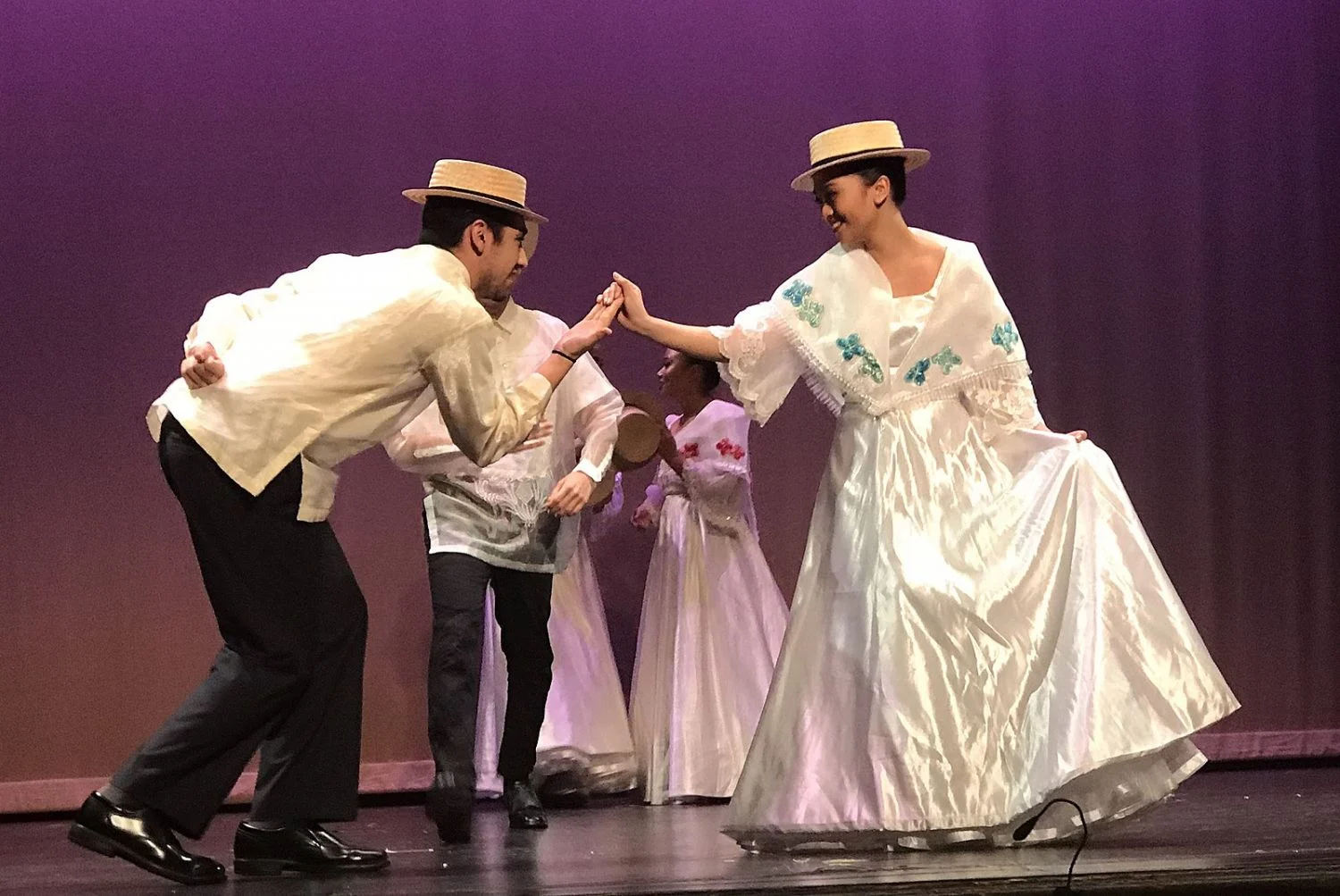
Category: Music and Dance

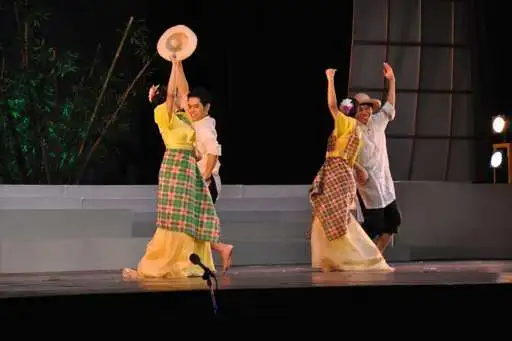
  • Rigodon De Honor: the Elegant Ballroom Dance of the Spanish Era

    Rigodon De Honor: the Elegant Ballroom Dance of the Spanish Era

    Rigodon De Honor: A Majestic Ballroom Dance

    Rigodon De Honor is a majestic ballroom dance that originated in 17th-century European courts. Characterized by elegance and refinement, this aristocratic staple was shaped by cultural and artistic trends emphasizing dignity.

    Performed by Elite Societies

    Performed by elite societies, the dance exudes sophistication, with a stately pace of music complementing dignified movements. Courtly love gestures are woven in for romance and whimsy, adding an extra layer of elegance to the dance.

    Origins and Evolution

    Rigodon De Honor originated in the Spanish Era and later evolved in the Philippines. Its complex history shows how it continues to thrive today, reflecting cultural identity and national pride.

    Origins of the Rigodon De Honor

    The Origins of the Rigodon De Honor

    The Rigodon De Honor originated in the 17th-century European courts, where the aristocracy's passion for grandeur and refinement led to the creation of this elegant ballroom dance.

    The dance was a cultural exchange between European monarchies and nobility, influencing each other's customs and traditions.

    Aristocratic Roots

    The Rigodon De Honor's noble beginnings were deeply entrenched in the imperial influences of the time.

    It was a staple of royal courts, where it was performed by the crème de la crème of society.

    Evolution of the Dance

    The dance's evolution was shaped by the cultural and artistic trends of the era, which emphasized refinement, elegance, and sophistication.

    As a result, the Rigodon De Honor became an iconic symbol of luxury and opulence, reflecting the extravagance and excess of the European aristocracy.

    Characteristics of the Dance

    The Rigodon De Honor is characterized by a distinct dance style and posture that exudes elegance and refinement. This is evident in the stately pace of the music and rhythm, which complements the dignified movements of the dancers.

    Subtle courtly love gestures are also woven into the dance, adding a touch of romance and whimsy.

    Dance Style and Posture

    Mastering the Rigodon de Honor: Essential Posture and Dance Style

    To execute the Rigodon de Honor with elegance and confidence, you must assume an upright posture. This stance is crucial, as it enables effortless movement and poise.

    To perfect your dance style, remember to:

    Maintain a neutral spine: Keep your back straight and your core engaged to support your movements. This will help you move with confidence and stability.

    Keep your arms relaxed: Soften your elbows and keep your arms slightly bent to facilitate fluid movements. This will allow you to move your arms freely and naturally.

    Use your heels: Transfer your weight onto your heels to maintain balance and stability. This will help you move with precision and control.

    Breathe naturally: Avoid stiffening up or holding your breath, as this can disrupt your posture and movement. Instead, breathe naturally and freely, allowing you to focus on your dance moves.

    Music and Rhythm

    The Rigodon de Honor is a traditional Spanish ballroom dance characterized by a lively rhythm. This rhythm is defined by a quick-quick-slow, quick-quick-slow pattern, which requires precise timing and coordination from the dancers.

    The rhythmic pattern is intricately woven with melodic nuances that add depth and complexity to the music.

    The Harmonic structures underlying the dance create a sense of tension and release. As the dancers move in perfect synchrony with the rhythm, they create a sense of anticipation and release.

    The quick-quick-slow pattern creates a sense of anticipation, as the dancers prepare for the next step. The slow beats provide a moment of respite, allowing the dancers to regroup and recharge before launching into the next sequence.

    The music maintains a sense of elegance and refinement throughout the dance. The subtle variations in tempo and dynamics bring the dance to life.

    The Rigodon de Honor perfectly captures the essence of a traditional Spanish ballroom dance.

    Courtly Love Gestures

    In the Rigodon de Honor, dancers use courtly love gestures to convey refinement and gallantry. These elegant movements are characterized by:

    Sweeping arm movements, which add a touch of drama and flair to the dance. For example, dancers use flowing arm gestures to convey emotions, creating a sense of drama and flair.

    Subtle inclinations of the head, which add a touch of sophistication and poise to the dance. A slight tilt of the head or a gentle bow of the neck can convey respect, courtesy, and elegance.

    Romantic flourishes, which create a sense of anticipation and excitement. Quick, light steps and turns are punctuated by dramatic pauses, adding to the dance's emotional impact.

    Chivalrous manners, which are essential to the dance. Partners move in harmony, showing respect and courtesy to one another. This sense of respect and courtesy is a hallmark of the Rigodon de Honor.

    History of the Ballroom Dance

    The Origins of the Rigodon de Honor

    The Rigodon de Honor originated in the Spanish Era, where it was shaped by Spanish influences. These influences introduced elegance and refinement to the dance, which became hallmarks of the Rigodon de Honor.

    Evolution of the Dance

    As the Rigodon de Honor evolved over time, it developed a rich cultural heritage. This heritage is a result of the dance's adaptation to different cultural contexts, leading to its unique character.

    Appreciating the Rigodon de Honor's History

    Origins of the Dance

    Origins of the Rigodon de Honor

    The Rigodon de Honor, a stately and elegant dance, originated in 16th-century Europe as a fusion of Spanish and French courtly traditions. This refined dance form emerged during a time of significant cultural exchange, reflecting the historical significance of European aristocracy.

    Aristocratic Roots

    The Rigodon de Honor was born out of the aristocratic courts of Spain and France, where it was performed by nobility and royalty.

    Cultural Assimilation

    The dance blended the elegance of French courtly traditions with the passion and flair of Spanish dance, resulting in a unique fusion of styles.

    Imperial Legacy

    As a symbol of imperial power, the Rigodon de Honor was often performed at royal courts and grand balls, showcasing the opulence and grandeur of the era.

    Colonial Heritage

    The dance was later introduced to the Americas through Spanish colonization, leaving a lasting legacy in the cultural heritage of these regions.

    The Rigodon de Honor's origins reflect the rich cultural exchange and aristocratic traditions of 16th-century Europe.

    Spanish Era Influences

    The Rigodon de Honor: A Reflection of Spanish Era Influences

    During the Spanish Era, the Rigodon de Honor was a staple of high society in the Philippines. This elegant ballroom dance reflected the grandeur and refinement of the aristocratic class, with intricate steps and ornate movements.

    This dance form, with its European-inspired choreography and ornate costumes, embodies the historical significance of the Spanish Era.

    The Rigodon de Honor is a prime example of cultural assimilation, where Spanish customs and traditions merged with indigenous practices.

    The Rigodon de Honor's stately pace and dignified posture reflect the values of the aristocracy, highlighting the importance of social etiquette and decorum. This dance form demonstrates the importance of social etiquette and decorum in high society during the Spanish Era.

    Evolution Over Time

    The Evolution of Rigodon de Honor

    From its European royal court origins to its modern-day interpretations, the Rigodon de Honor has undergone a transformative evolution shaped by cultural, social, and historical forces.

    Colonial Adaptation

    The Rigodon de Honor was introduced to the Philippines by Spanish colonizers, who brought their own dance traditions.

    Over time, the dance adapted to local tastes and preferences, incorporating indigenous musical instruments and steps.

    Social Significance

    The Rigodon de Honor became a staple of high-society gatherings in the Philippines, where it was performed by the elite.

    Its popularity was fueled by its ability to bring people together, fostering social connections and community building.

    Preservation Efforts

    Efforts have been made to preserve the dance's historical integrity.

    Many Filipino dance troupes and cultural institutions have worked to document and showcase the Rigodon de Honor's evolution.

    Modern Revival

    Today, the Rigodon de Honor is experiencing a resurgence in popularity.

    Modern dancers and choreographers are reinterpreting the dance for new audiences.

    Filipino Elite and the Rigodon

    The Filipino Elite and the Rigodon

    In the late 19th century, the Filipino elite, composed of ilustrados and hacienderos, adopted the Rigodon as a staple of their social gatherings. This adoption was a deliberate attempt to demonstrate their cultural assimilation and proximity to high society.

    The Rigodon as a Status Symbol

    The Rigodon became an integral part of the elite's social calendar, serving as a platform to showcase their refinement, elegance, and sophistication. By mastering the Rigodon, they distinguished themselves from the masses and solidified their position within the social hierarchy.

    The Rigodon essentially became a status symbol, reflecting the elite's aspirations to ascend the social ladder.

    Reinforcing Social Hierarchy

    The elite's adoption of the Rigodon reinforced the social hierarchy, with the dance serving as a means to emulate the colonizer's ways and gain acceptance and prestige. This phenomenon was a manifestation of the colonial mentality, where the elite sought to imitate the colonizer's culture to elevate their social standing.

    Intricacies of the Choreography

    Rigodon De Honor's Choreography: Unraveling the Intricacies

    The Rigodon De Honor's choreography is characterized by precise footwork patterns that define this elegant dance. These patterns involve subtle variations in step and rhythm, creating a nuanced language of movement.

    Footwork Patterns:

    The footwork patterns in Rigodon De Honor are composed of delicate steps, which include forward and backward steps and side-to-side movements. These steps are executed in a specific sequence, creating a harmonious flow of movement.

    Arm Movements:

    The arm movements in Rigodon De Honor are graceful and fluid, complementing the footwork patterns. Soft, flowing arms and controlled gestures add an air of elegance to the dance. The arm movements are synchronized with the footwork, creating a cohesive and refined dance.

    Footwork Patterns Explained

    Rigodon de Honor's Intricate Footwork Patterns

    Rigodon de Honor's intricate footwork patterns require a deep understanding of the underlying structure of the choreography. Mastering these patterns is essential to executing the dance with elegance and poise.

    Four Key Elements of Rigodon de Honor's Footwork

    1. Heel Turns: Precise weight shifts between feet are crucial in heel turns, which require control and precision.

    2. Toe Taps: Light and quick taps of the toe create a sense of lightness and playfulness, adding texture to the dance.

    3. Floor Slides: Smooth and gliding movements across the floor require a strong connection to your partner and a sense of fluidity.

    4. Rhythm Shifts: Sudden changes in rhythm and tempo demand attention to timing and phrasing, keeping you on your toes (literally!).

    Arm Movements Defined

    Arm Movements in Rigodon de Honor

    Arm Angles and Aesthetic

    Subtle variations in arm angles significantly impact the overall aesthetic of Rigodon de Honor. A slight inclination of the arm conveys a sense of poise, while a more pronounced bend adds a touch of drama.

    Hand Placement and Spatial Awareness

    Hand placement is crucial, affecting the trajectory of arm movements. Developing spatial awareness is essential to navigate the complex patterns of Rigodon de Honor.

    Relaxed Posture and Natural Movement

    Maintaining relaxed shoulders and elbows allows arms to move freely and naturally.

    Focus on keeping shoulders and elbows relaxed to achieve natural arm movements.

    Hand Positioning and Refinement

    The way hands are positioned affects the overall refinement of the dance.

    A gentle curve of the fingers conveys refinement and control.

    European Roots of the Dance

    During the 17th and 18th centuries, European aristocratic courts, particularly in Spain, France, and Italy, played a significant role in shaping the evolution of courtly dances that would later influence the development of Rigodon de Honor.

    The aristocratic heritage of these courts is reflected in the dance's refined movements and stately demeanor. The Baroque influences of the time are evident in the dance's ornate and intricate steps, which were often performed in grand ballrooms and royal courts. The dance's elaborate footwork and majestic postures reflect the opulence and grandeur of the Baroque era.

    Courtly love and chivalry influenced the dance's emphasis on elegance and refinement, reflecting the aristocratic values of the time. Influence of French ballet is seen in the dance's intricate footwork and poses, which were inspired by French ballet traditions of the 17th century. The dance's use of dramatic gestures and ornate costumes was inspired by the Italian Renaissance's love of spectacle and pageantry.

    The Dance in Spanish Colonies

    The Dance in Spanish Colonies

    When the Spanish Empire expanded its territories, Rigodon de Honor crossed the Atlantic, adapting to the vibrant cultural landscape of the colonies.

    It merged with indigenous and African rhythms to create a unique fusion of elegance and passion. This blend of styles reflects the rich cultural heritage of the colonies, where the Imperial legacy of Spain merged with local traditions.

    Rigodon de Honor evolved into a distinct style in the colonies, characterized by its own rhythm and flair.

    The dance retained its European roots while incorporating local flavors, resulting in a unique blend of refinement and exuberance.

    The dance floors of the colonies came alive with the sound of castanets, guitars, and African drums, creating a vibrant tapestry of sound and movement.

    Cultural Significance in the Philippines

    In the Philippines, Rigodon de Honor has become an integral part of the country's cultural identity, reflecting the complex interplay of Spanish, American, and indigenous influences that have shaped the nation's history.

    Participating in this elegant ballroom dance embodies the country's rich cultural heritage, evoking a sense of national pride.

    The Rigodon de Honor has contributed to the country's cultural significance in four key ways:

    National Identity: The dance has become a symbol of Filipino culture, reflecting the nation's history and heritage. It represents a shared experience that unites Filipinos across generations.

    Social Hierarchy: Initially reserved for the elite, the Rigodon de Honor has since become a uniting force, bridging social gaps and fostering community building. This shift has promoted social cohesion and inclusivity.

    Cultural Fusion: The dance combines Spanish, American, and indigenous influences, illustrating the country's unique blend of cultures. This fusion is a hallmark of Filipino cultural identity.

    Historical Preservation: By preserving and promoting the Rigodon de Honor, Filipinos secure the continuation of their rich cultural heritage, essential for artistic expression and national identity. This preservation ensures the dance remains a vital part of the country's cultural legacy.

    Rigodon De Honor Today

    The Rigodon de Honor is a traditional Philippine dance that continues to thrive today. It's often performed at cultural events, festivals, and even in modern adaptations that blend traditional and contemporary styles. This resurgence of interest in the dance reflects the Modern Revival of cultural heritage in the Philippines.

    The dance evokes a sense of nostalgia and national pride. It's not uncommon to see Filipino communities around the world coming together to perform the dance, reinforcing their cultural bonds and shared heritage. For example, during Filipino cultural festivals, you can see communities performing the Rigodon de Honor together, showcasing their cultural identity.

    The Rigodon de Honor serves as a symbol of cultural continuity, bridging the past and present. As you experience the dance today, you're not just witnessing a performance – you're participating in a living, breathing cultural tradition that continues to evolve and thrive.

    What is the History and Cultural Significance of Rigodon De Honor?

    Rigodon de Honor, the graceful scarf dance, is a traditional Filipino dance that originated during the Spanish colonial period. It is often performed at social gatherings and special events, showcasing the elegance and grace of the Filipino culture. The dance has become a symbol of national pride and cultural significance in the Philippines.

    Legacy of the Dance

    Legacy of the Dance

    The Rigodon de Honor's impact extends beyond its elegant steps and stately demeanor, leaving a profound cultural legacy that resonates deeply with the Filipino psyche.

    The dance has played a significant role in shaping the country's cultural identity, particularly during the Spanish era.

    It has helped preserve the country's cultural heritage, serving as a window into the Philippines' colonial past. This is evident in the way the dance has been passed down through generations, allowing Filipinos to connect with their ancestors.

    The Rigodon de Honor has inspired a renewed interest in traditional Filipino culture, sparking a cultural revival of sorts.

    This revival is seen in the increased participation in cultural events and festivals, where the dance is often performed.

    As a relic of the Spanish era, the Rigodon de Honor provides a unique glimpse into the country's complex history.

    The dance's origins and evolution reflect the cultural exchange and blending that occurred during the colonial period.

    The dance has become an integral part of the country's cultural fabric, fostering a sense of national pride and identity.

    This is evident in the way the dance is celebrated and performed during national events and celebrations.

    Frequently Asked Questions

    Is Rigodon De Honor Still Performed at Modern-Day Filipino Events?

    Yes, rigodon de honor is still performed at modern-day Filipino events. This traditional dance remains an integral part of Filipino cultural heritage, continuing to uphold its cultural significance, social relevance, and historical importance. In modern times, it is often performed during special occasions such as weddings, galas, and other high-profile events, adhering to traditional practices and event protocol.

    Can Anyone Learn the Rigodon De Honor Dance Steps?

    Anyone can learn the Rigodon De Honor dance steps with dedication and practice.

    To master the intricate steps, it's essential to adapt to your learning style and pace. Start by breaking down the dance into smaller parts, focusing on one step at a time. This approach will help you build confidence and develop muscle memory. Set specific practice goals and track your progress to stay motivated. With persistence and patience, you'll be able to confidently perform the Rigodon De Honor dance steps.

    Is the Rigodon De Honor Similar to Other European Ballroom Dances?

    The Rigodon de Honor shares similarities with other European ballroom dances. It combines the elegance of the Waltz with the lively tempo of the Polka, making it a unique fusion of influences.

    Are There Any Famous Filipino Dancers of the Rigodon De Honor?

    Yes, there are famous Filipino dancers of the rigodon de honor. Two notable examples are Francisca Reyes-Aquino and Lucrecia Kasilag, who are National Treasures and mastered the rigodon de honor.

    Can the Rigodon De Honor Be Danced to Modern Music Styles?

    Yes, the Rigodon de Honor can be adapted to modern music styles. This fusion of traditional dance with modern music can spark a cultural revival, making the dance appealing to new generations. For instance, incorporating modern genres like hip-hop or electronic dance music can revitalize the dance, attracting a younger audience. By blending tradition and innovation, the Rigodon de Honor can be reimagined for the modern era, increasing its relevance and appeal.

    Conclusion

    Rigodon de Honor: A Testament to Elegance and Refined Tradition

    The Rigodon de Honor is a captivating ballroom dance that originated in the Spanish era and has remained an integral part of Filipino heritage. Born in the 16th century, this elegant dance was initially reserved for the elite and has since transcended time, captivating audiences with its intricate choreography and cultural significance.

    A Dance of Refined Movement

    The Rigodon de Honor is characterized by its graceful and deliberate movements, which require great skill and practice to master. The dance involves a series of intricate steps and hand movements, which are carefully choreographed to create a mesmerizing display of elegance and refinement.

    A Legacy of Tradition and Artistry

    The Rigodon de Honor is more than just a dance; it's a testament to the enduring power of tradition and artistry. This dance has been passed down through generations, with each new generation adding its own flair while maintaining the essence of the original choreography. Today, the Rigodon de Honor remains an important part of Filipino cultural heritage, a symbol of the country's rich history and its ability to adapt and evolve over time.

  • Subli: The Sacred Ritual Dance of Batangas

    Subli: The Sacred Ritual Dance of Batangas

    Subli: A Sacred Ritual Dance from Batangas

    Origins of Subli

    Subli is a sacred ritual dance deeply rooted in the cultural heritage of Batangas. This ancient dance originates from the ethnic roots of the indigenous people of Batangas, influencing neighboring islands and regional variations.

    Inspiration and Influence

    Legends of ancestral spirits and supernatural beings inspire the dance, which is believed to have originated from the ancient practices of the Tagalog people.

    Characteristics of Subli

    Subli combines Spanish and indigenous Filipino traditions, featuring intricate attire, dynamic choreography, and subtle body isolations.

    Cultural Significance

    As you explore Subli, you'll uncover the rich history and significance of this sacred dance, including the rituals, chanting, and prayer that bring it to life.

    Origins of the Sacred Dance

    The Origins of Subli: Unraveling the Sacred Dance of Batangas

    Subli's Roots in Indigenous Ethnicity

    The sacred ritual dance of Subli originates from the ethnic roots of the indigenous people of Batangas.

    The dance's historical context is marked by the confluence of ancient influences from neighboring islands and regional variations that have evolved over time.

    Mythical Beginnings and Ancestral Inspirations

    Legends of ancestral spirits and supernatural beings are woven into the fabric of Subli's narrative, inspiring the dance.

    The sacred ritual dance is believed to have originated from the ancient practices of the Tagalog people, who inhabited the region prior to the arrival of Spanish colonizers.

    Enduring Cultural Heritage

    Subli confirms the resilience of Filipino cultural heritage, which has endured despite centuries of foreign influence.

    The Ritual of Subli Dance

    The ritual of Subli dance involves specific dance preparation rituals that hold significant importance in the overall ceremony.

    These rituals, steeped in tradition, set the tone for the spiritual significance that unfolds during the dance.

    The preparation rituals are crucial as they prepare the dancers, the dance floor, and the audience for the sacred dance.

    Dance Preparation Rituals

    Preparing for the Subli Dance

    To prepare for the Subli dance, you need to undergo a series of rituals that combine physical and spiritual preparations. These rituals cleanse and focus your body and mind.

    Under the guidance of experienced Dance Instructors, you'll learn the intricacies of this ancient ritual dance, which originated from the Cultural Fusion of Spanish and indigenous Filipino traditions.

    Understanding the Ancient Origins

    The Subli dance has its roots in the 16th century. As you delve deeper into the dance, you'll discover its rich history and significance. The dance has been passed down through generations, with its essence remaining unchanged despite modern adaptations.

    Ritual Costumes and Festival Atmosphere

    To fully immerse yourself in the ritual, you'll wear Ritual Costumes adorned with intricate designs and vibrant colors, showcasing the rich cultural heritage of Batangas.

    As you prepare to perform, you'll be surrounded by the electrifying Festival Atmosphere that permeates the annual festivities.

    Becoming One with the Dance

    As you master the steps and movements, you'll become one with the dance, and the dance will become one with you. With each step, you'll embody the spirit of the Subli dance, connecting with its history and cultural significance.

    Spiritual Significance Explained

    The Ritual of Subli Dance embodies a profound spiritual significance, allowing participants to connect with the divine and their ancestral heritage. This sacred dance enables individuals to transcend the ordinary and connect with the divine, fostering a profound sense of divine connection.

    Through Subli, you'll experience a spiritual awakening that awakens your inner self, allowing you to tap into the collective unconscious of your ancestors. The dance serves as a bridge between the physical and spiritual worlds, enabling individuals to access the wisdom and knowledge of their forebears.

    As you surrender to the rhythm and let go of your ego, you'll find yourself in a state of spiritual ecstasy, where the boundaries between the self and the divine dissolve.

    In this sacred space, you'll discover a profound sense of unity and oneness with the universe, and your connection to the divine will be rekindled. The Ritual of Subli Dance is a transformative experience that will leave you spiritually renewed, refreshed, and revitalized.

    Devotees' Preparation and Attire

    Devotees undergo a meticulous preparation process to ensure they're spiritually and physically ready for the ritual dance. This process involves meeting specific spiritual readiness requirements, which include a combination of prayer, fasting, and meditation.

    In addition to spiritual preparation, devotees also carefully prepare their traditional attire. Their attire is adorned with intricate designs and symbolic colors that hold deep significance in the ritual.

    Spiritual Readiness Requirements

    Spiritual Readiness Requirements for the Subli Ritual Dance

    To ensure a meaningful and respectful participation in the Subli ritual dance, devotees must undergo a period of spiritual preparation. This preparation is crucial to guarantee spiritual grounding and mental focus.

    Four Key Disciplines for Spiritual Readiness:

    1. Mindfulness Exercises:

    Practice mindfulness exercises to calm your mind and focus your thoughts. This helps devotees quiet their minds and concentrate on the ritual dance.

    2. Meditation:

    Engage in meditation to connect with your inner self and the divine. This connection is essential for a sincere and respectful participation in the ritual dance.

    3. Physical Disciplines:

    Perform physical disciplines such as fasting or abstinence to purify your body and mind. This helps devotees develop self-control and spiritual awareness.

    4. Prayer and Chanting:

    Participate in prayer and chanting to invoke spiritual guidance and protection. This invokes the divine presence and ensures a sacred atmosphere for the ritual dance.

    Reflection and Intention:

    Reflect on your intentions and motivations to ensure that your participation in the ritual dance is sincere and respectful. This reflection helps devotees clarify their purpose and approach the ritual dance with reverence.

    Preparation of Traditional Attire

    Fabric Selection

    Natural, breathable, and earth-toned fabrics are essential for traditional attire in the Subli ritual dance, as they symbolize humility and connection to nature. Avoid synthetic fabrics, which are considered impure.

    Garment Preparation

    To prepare traditional attire, carefully craft a long-sleeved shirt, loose-fitting pants, and a headscarf. Each piece should be carefully embroidered with intricate patterns that hold spiritual meaning.

    Accessory Significance

    Adorn yourself with accessories that hold deep significance, such as a rosary or a sacred amulet. Understanding the significance of each item is crucial, as their meaning is rooted in the ritual's history and symbolism.

    The Significance of Clapping Rhythms

    Rhythmic Clapping in Subli: Expressing Emotions and Identity

    In Subli, rhythmic clapping serves as a vital element, amplifying emotional intensity and fostering a sense of community. Rhythmic expression is used to convey emotions and ideas, as participants use clapping rhythms to express their cultural identity and shared heritage.

    The clapping rhythms in Subli reinforce the cultural identity of the Batangueños, strengthening their sense of community and shared heritage. When participants clap along with others, they become an integral part of the ritual, fostering a sense of kinesthetic connection with the others.

    The collective clapping creates polyphonic patterns, adding depth and complexity to the overall sonic landscape. Polyphonic patterns create a rich sonic tapestry, evoking emotions and conveying meaning that transcends verbal language.

    Through rhythmic clapping, participants engage in a form of aural storytelling, weaving a narrative that's both personal and collective. Sonic symbolism evokes emotions and conveys meaning, allowing participants to express themselves and connect with others on a deeper level.

    Chanting and Prayer in Subli

    Chanting and Prayer in Subli

    During the Subli ritual, chanting and prayer play a vital role, intertwining with the sacred dance to create a spiritual connection among participants, their heritage, and the divine.

    The Significance of Chanting and Prayer

    Chanting and prayer are essential components of Subli, as they invoke mystical incantations and sacred mantras that awaken spiritual energy within the participants.

    Elements of Chanting and Prayer

    Chanting and Prayer ElementsPurposeEmotional Response
    Invocation of the DivineConnect with the divineAwe, reverence
    Sacred MantrasPurify and protectCalm, clarity
    Mystical IncantationsChannel spiritual energyElevation, ecstasy
    Prayer of ThanksgivingExpress gratitudeJoy, appreciation

    Unifying the Community

    Through chanting and prayer, participants unite as one, sharing a profound spiritual experience. The resonant sounds and sacred words evoke a deep emotional response, transporting individuals to a realm of spiritual awareness and connection.

    The Role of Patron Saints

    Patron saints play a vital role in the lives of Subli dancers. They believe these holy figures can intervene on their behalf, bringing them closer to their desired outcomes.

    Saintly Intercessions Sought

    Patron saints play a significant role in the lives of Batangueños, particularly in the performance of Subli. They are believed to provide Divine Guidance, serving as intermediaries between the faithful and the divine.

    Through Faithful Devotion, Batangueños seek the intercession of patron saints to guide them in their daily lives, including their performance of Subli. This devotion is evident in the four key aspects of patron saints' influence on Subli:

    Spiritual Protection: Patron saints are believed to offer protection to the dancers, ensuring their safety and well-being during the performance. This protection allows dancers to focus on their performance, ensuring a more authentic and immersive experience.

    Guided Movement: Dancers often seek the guidance of patron saints to inspire their movements, allowing them to embody the spirit of Subli. This guidance enables dancers to move with grace and precision, infusing their performance with spiritual energy.

    Sacred Inspiration: Patron saints are believed to inspire the creative expression of the dancers, infusing their performance with a sense of reverence and devotion. This inspiration allows dancers to express themselves authentically, resulting in a more captivating performance.

    Community Bonding: The veneration of patron saints fosters a sense of community among Batangueños, strengthening their bonds and reinforcing their cultural heritage. This sense of community enables dancers to come together, creating a cohesive and powerful performance.

    Ritual Significance: The invocation of patron saints lends significance to the ritual of Subli, underscoring its importance as a sacred tradition. This significance elevates the performance, making it a meaningful and transformative experience for both dancers and spectators.

    Devotion to Holy Figures

    In Subli, the devotion to patron saints is a fundamental aspect of Batangueño culture. This devotion is deeply rooted in the belief that patron saints can intercede on behalf of the faithful, providing divine intervention in times of need.

    For example, the veneration of holy icons, often displayed in homes and chapels, serves as a constant reminder of the sacred bond between the people and their patron saints.

    The ritual dance of Subli is a dynamic expression of this devotion. The intricate steps and gestures, infused with symbolism and meaning, reflect the community's collective devotion to their patron saints.

    The dance itself is an active expression of faith, honoring the patron saints through movement and music. This is evident in the way the dancers' movements and gestures are carefully choreographed to convey reverence and respect for their patron saints.

    Batangas' Cultural Heritage

    Batangas' Cultural Heritage

    As you explore Batangas, you'll discover a rich cultural heritage deeply rooted in its historical and religious traditions.

    Folkloric Expressions have been passed down through generations, showcasing the province's cultural identity. Subli, a sacred ritual dance, is a prime example of this heritage.

    Batangas' cultural heritage encompasses various aspects, including:

    • Folkloric Music: Traditional instruments like the guitar and kulibit create an infectious energy with lively rhythms.
    • Textile Weaving: Intricate designs and patterns on fabrics, such as the traditional 'baro't saya,' reflect the province's rich cultural legacy.
    • Culinary Delights: Batangas is famous for its coffee, and its cuisine is a fusion of Spanish, Chinese, and Malay flavors.
    • Festivals and Celebrations: The province is known for its vibrant festivals, such as the 'Parada ng Lechon,' which showcases its rich cultural identity.
    • Oral Traditions: Stories of myths, legends, and historical events have been passed down through generations, keeping the province's cultural heritage alive.

    Subli Dance Steps and Moves

    Mastering the Subli Dance

    The Subli dance is a traditional Filipino dance that requires mastering a series of intricate steps and movements. Cultural influences from Spanish, Malay, and indigenous traditions are evident in the dance. It is characterized by dynamic choreography, quick footwork, intricate arm movements, and subtle body isolations.

    Understanding the Dance

    Basic Steps and Hand Movements

    To execute the dance correctly, you need to practice the basic steps, including:

    • Pintados: small steps
    • Pasos: big steps
    • Tapias: foot stomps

    You'll also need to master the various hand movements, such as:

    • Kosa: hand claps
    • Pawi: hand waves

    Adding Flair and Expression

    As you become more comfortable with the steps, you can focus on adding your own flair and expression to the dance.

    The Dance of Faith and Hope

    The Subli dance is a powerful symbol of spiritual devotion and communal solidarity, showcasing the palpable faith and hope of its performers. As participants engage with the rhythm of the drums, they embark on a spiritual journey that connects them with their community and cultural heritage.

    Community Building:

    The Subli dance brings people together, fostering a sense of belonging and unity among community members. It provides a shared experience, strengthening social bonds and encouraging collective participation.

    Emotional Healing:

    The dance serves as an outlet for emotional expression, allowing participants to process and release emotions in a healthy way. By doing so, it helps individuals cope with stress, anxiety, and other emotional challenges.

    Spiritual Journeys:

    The Subli dance is a powerful tool for spiritual growth, helping participants connect with their cultural identity and devotional practices. Through the dance, individuals can deepen their spiritual connection and find inner peace.

    Cultural Identity:

    The Subli dance celebrates Batangas' rich cultural heritage, preserving traditions and customs for future generations. It showcases the community's history, values, and beliefs, promoting cultural understanding and appreciation.

    Devotional Practices:

    The dance is a form of prayer in motion, demonstrating devotion to a higher power through movement and music. It provides a unique way to express faith and spirituality, transcending verbal communication.

    What Is the Cultural Significance of Batangas Dance and Music Traditions?

    The Kumintang love songs Batangas are deeply rooted in the cultural traditions of the region. The music and dance of Batangas symbolize the rich history and strong sense of community of the Batangueños. These traditions are a way for the people of Batangas to express their emotions and preserve their heritage.

    Preserving the Tradition

    Preserving the Tradition

    To actively contribute to preserving the Subli dance tradition, participate in workshops, cultural festivals, and community programs. These initiatives are essential in ensuring the rich cultural heritage of Batangas continues to inspire future generations.

    Community Engagement is key as it allows the community to take ownership of their Folkloric Pride.

    Artistic Preservation is vital in maintaining the authenticity of the Subli dance. Support local artists and cultural institutions to contribute to the conservation of this sacred ritual dance.

    Additionally, attending cultural festivals and workshops will provide a deeper understanding of the dance's significance, allowing appreciation of its beauty and importance.

    Frequently Asked Questions

    Can Anyone Participate in the Subli Ritual Dance?

    Only those with a deep understanding of its cultural significance and historical roots can truly appreciate the sacredness of the Subli ritual dance. This is because the dance is deeply rooted in tradition and cultural heritage. Its cultural significance and historical roots make it a meaningful experience that requires a certain level of understanding to truly appreciate.

    Are There Specific Shoes Required for the Subli Dance?

    Specific shoes are required for the Subli dance. When performing the traditional dance, you'll need specific footwear; opt for dance slippers or go barefoot, but avoid street shoes. Ankle wraps can provide extra support and comfort during the intricate movements.

    Can the Subli Dance Be Performed at Any Time of Day?

    The Subli Dance can be performed during the day or evening, depending on the desired ambiance and symbolic significance.

    Performing the dance during the day allows the dancer to take advantage of daylight's symbolic significance, which can represent clarity, purity, and hope. On the other hand, performing the dance in the evening can utilize the mystical ambiance to amplify the ritual's emotional impact, as the setting sun can symbolize transformation and renewal.

    Is the Subli Dance Exclusive to the Catholic Faith?

    The Subli dance is not exclusive to the Catholic faith. While it has strong historical roots in Catholicism, its cultural significance extends beyond religious boundaries. This traditional dance originated in the Philippines, where Catholicism was introduced by Spanish colonizers, and has since become an integral part of Filipino cultural heritage. The Subli's cultural importance transcends religious boundaries, making it a shared cultural practice among people of different faiths and beliefs.

    Are There Variations of the Subli Dance in Other Regions?

    Regional adaptations of ritual dances, like Subli, often exhibit cultural fusion, blending indigenous and foreign influences, resulting in unique variations that reflect local customs and traditions.

    Conclusion

    Subli: A Sacred Ritual Dance of Devotion

    Subli is a traditional ritual dance from Batangas, Philippines, that embodies the community's faith and hope.

    This sacred dance is characterized by clapping rhythms, chanting, and prayer, which are woven together to create a powerful expression of devotion.

    Through its intricate steps and moves, Subli transcends a mere dance, becoming an embodiment of the community's spiritual beliefs.

    By preserving cultural heritage like Subli, we can ensure that future generations appreciate and understand the importance of community faith and tradition.

  • Binasuan: The Skillful Wine Glass Dance of Pangasinan

    Binasuan: The Skillful Wine Glass Dance of Pangasinan

    Binasuan: A Traditional Filipino Dance

    Binasuan is a traditional Filipino dance that originated in Lingayen, Pangasinan. It is a unique blend of skill, artistry, and heritage. The dance has evolved over time, influenced by Spanish colonization.

    The Dance Requires Immense Skill

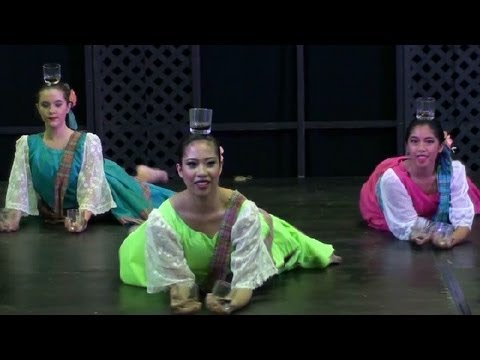
    Binasuan involves balancing wine glasses while performing intricate dance steps. This requires immense skill and practice, as the dancer needs to make subtle adjustments to distribute the weight of the glasses evenly.

    A Reflection of Filipino Culture

    Binasuan symbolizes Filipino tradition and culture, with its unique fusion of traditional music, folk instruments, and enthralling performances. The dance is a true reflection of the Philippines' vibrant cultural identity.

    Origins of the Binasuan Dance

    The Binasuan dance originated in Lingayen, Pangasinan, where it emerged from the festive spirit of the locals. This dance has strong historical roots in the region's ancient traditions, evident in its elegant movements, which were influenced by Spanish colonization. The use of wine glasses in the dance is a nod to the early traders who introduced wine to the Philippines.

    The dance's rhythmic patterns and lively energy are also influenced by the region's indigenous people. The Binasuan dance is often performed during festive occasions, such as the Pangasinan Festival, where it's a crowd favorite.

    The dance's origins are deeply rooted in the region's history and culture, making it a unique expression of the Pangasinan people's creativity and joy for life.

    The Art of Balancing Wine Glasses

    Mastering the Art of Balancing Wine Glasses Requires Skill and Practice

    To balance wine glasses, you need to develop a solid balance technique. Distribute the weight of the glasses evenly and use your fingers to guide and stabilize them. Make subtle adjustments to maintain equilibrium.

    Practice Makes Perfect

    As you practice, your hands will become an extension of your body, moving with a newfound fluidity. Anticipate the movement of the glasses and make subtle corrections to maintain balance. With each successful balance, your confidence grows, and you begin to feel the music in your bones.

    The Art of Balancing Wine Glasses is a Form of Self-Expression

    The art of balancing wine glasses isn't just a skill, but a celebration of movement and music. The wine glasses become an extension of your being, moving in harmony with the rhythm and your body.

    Dancers' Training and Preparation

    Mastering Binasuan Dance Requires Rigorous Training

    To master the intricate dance of Binasuan, you must dedicate yourself to a rigorous training regimen. This includes honing your physical strength, flexibility, and coordination through exercises that increase your range of motion and prevent injuries. Flexibility exercises become an essential part of your daily routine.

    Vital Preparation for Performance

    Managing performance anxiety is crucial. You learn to focus on the choreographed movements and develop strategies to cope with stage fright. Physical conditioning is key, as you build endurance and stamina to perform the demanding dance.

    Effective Rehearsal Strategies

    Rehearsing in front of mirrors and recording yourself helps you perfect your movements. Receiving feedback from choreographers and peers is essential to refine your skills. You also consider costume considerations, ensuring that your attire allows for freedom of movement and enhances your stage presence.

    Collaboration with Choreographers

    Working closely with your choreographer is vital to perfecting the dance and developing your unique style. With dedication and perseverance, you're ready to take the stage and mesmerize the audience with your skillful performance of Binasuan.

    Traditional Music and Instruments

    Traditional Music and Instruments in Binasuan

    Traditional music and instruments are essential components of the enchanting dance of Binasuan.

    Folk melodic instruments, such as the kulibit or the kolitong, set the tone for the dance by producing sweet and soothing sounds.

    Traditional rhythmic beats, created by the tambuli or the gongs, provide the rhythm that makes you want to sway to the music.

    Folk Melodic Instruments

    Folk Melodic Instruments in the Philippines

    The Philippines boasts a rich cultural heritage, with traditional folk melodic instruments playing a significant role in the country's cultural landscape.

    Regional Instrumental Ensembles

    Each region in the Philippines has its unique ensemble of instruments, reflecting the country's cultural diversity. Instruments blend together in perfect harmony, creating a distinctive sound that's characteristic of traditional Filipino music.

    For example, the kulibit, a type of flute, is often paired with the kolitong, a set of gongs, to create a lively and energetic sound.

    Cultural Fusion in Filipino Music

    The cultural fusion of Filipino music is evident in the way traditional instruments are infused with influences from neighboring countries. The kudyapi, a guitar-like instrument with Islamic and Malay roots, and the bandurria, a stringed instrument with Spanish origins, are examples of this cultural fusion.

    This blend of influences has resulted in a unique instrumental harmony that reflects the country's cultural diversity.

    Traditional Rhythmic Beats

    Traditional Rhythmic Beats in the Philippines

    The rhythmic beats in the Philippines reflect the country's rich cultural heritage, shaped by the fusion of indigenous, Spanish, and American influences.

    The Cultural Significance of Rhythmic Beats

    The evolution of beats in the Philippines has been influenced by the cultural fusion of different traditions. This fusion has resulted in a unique musical identity, characterized by intricate rhythm patterns.

    Evolution of Beats

    Traditional instruments, such as the gangsa and kolitong, add depth and complexity to the melodic flow. These percussion types are essential to the harmonic structure of traditional Filipino music.

    Traditional Instruments and Percussion

    The harmonic structure of traditional Filipino music is a blend of Western and Asian influences, creating a distinctive sound that's both familiar and exotic.

    Harmonic Structure

    By immersing yourself in the rhythms of the Philippines, you'll appreciate the skillful fusion of different cultural traditions. Traditional rhythmic beats are more than just a collection of sounds – they reflect the country's rich cultural heritage.

    Appreciating Traditional Rhythmic Beats

    The Significance of Rice Wine

    Rice Wine: A Sacred Component of Binasuan

    Rice wine plays a vital role in Binasuan, embodying the values of hospitality, respect, and community bonding in Pangasinan culture.

    It represents more than just a drink, symbolizing unity and togetherness.

    The art of rice fermentation requires patience, skill, and attention to detail, resulting in a unique flavor profile and intoxicating aroma. This process reflects the region's rich cultural heritage, where wine isn't just a drink, but a spiritual entity that brings people together.

    In Pangasinan, wine is deeply rooted in daily life, with every pour and toast signifying deep respect for tradition and community.

    Rice wine represents the region's history, tradition, and values, making it an integral part of the culture.

    Steps and Movements Explained

    Mastering Binasuan's Intricate Steps and Movements

    To perform the traditional Binasuan dance, you must first understand the significance of rice wine in Pangasinan culture. Every step, sway, and gesture in Binasuan is a tribute to the region's rich heritage.

    The dance starts with a gentle grasp of the wine glass, which requires elegance and poise. Hold the glass delicately, just like you'd hold a precious artifact. Arm placement is vital, as you cradle the glass with refinement.

    As you sway to the rhythm, your arms undulate, mimicking the gentle lapping of waves on the shores of Pangasinan. This movement is crucial in Binasuan, as it showcases the dancer's grace and fluidity.

    In Binasuan, wine etiquette is crucial. You must balance the glass with precision, never spilling a single drop, as you weave through intricate footwork and fluid movements. Mastering wine etiquette is essential to embody the grace and hospitality that define Pangasinan's wine culture.

    As you master the steps and movements, you'll come to appreciate the nuances of this enthralling dance and the rich cultural heritage it represents. Binasuan is a celebration of Pangasinan's wine culture, and every movement is a testament to the region's rich heritage.

    Notable Performances and Events

    Binasuan's Global Reach

    Binasuan has taken center stage at various cultural festivals, showcasing the skill and grace of its performers.

    Local celebrations in the Philippines, such as the MassKara Festival in Bacolod, have featured Binasuan performances.

    Additionally, international stages have been graced by Binasuan dancers, mesmerizing audiences with intricate movements and mesmerizing glass-balancing acts.

    Cultural Festivals Participation

    Binasuan's Captivating Performance

    Binasuan's mesmerizing wine glass dance has been a crowd-pleaser at notable Filipino cultural festivals, including the MassKara Festival in Bacolod and the Sinulog Festival in Cebu. The rhythmic clinking of glasses and the infectious energy of the performers create an unforgettable experience.

    This cultural exchange showcases the power of art in bridging cultural divides.

    Fostering Cultural Pride

    Through community engagement initiatives, Binasuan has become an integral part of these festivals, fostering a sense of cultural pride among locals.

    Community engagement initiatives have contributed to the growth of festival tourism, which has significantly boosted the local economy.

    Behind-the-Scenes Expertise

    Meticulous event management ensures a seamless and safe experience for all attendees.

    Cultural networking opportunities have opened doors for collaborations and knowledge sharing. As you watch the dancers effortlessly balance glasses on their heads and hands, you'll understand why Binasuan has become an iconic symbol of Filipino cultural heritage.

    International Stage Appearances

    International Stage Appearances

    Beyond the Philippines, Binasuan's captivating performances have electrified audiences at prestigious international events. The Singapore Arts Festival and the Vancouver Folk Music Festival are two notable examples.

    Their unique performances, featuring dancers balancing wine glasses on their heads and hands, have mesmerized audiences worldwide. The perfect harmony of movement and pulsing drum rhythm showcases the dancers' skill and cultural heritage.

    Cultural Ambassadors

    As Cultural Ambassadors, the Binasuan dancers have earned Global Recognition, proudly representing the Philippines in international festivals and events.

    Their performances haven't only entertained but also educated audiences about the rich cultural traditions of Pangasinan. The vibrant costumes, intricate footwork, and captivating smiles of the dancers have captured the hearts of spectators from diverse backgrounds.

    Cultural Significance and Heritage

    Binasuan, the traditional Filipino wine glass dance, is often performed at lavish gatherings and celebrations, showcasing vibrant rhythms and intricate movements that reflect the country's rich cultural heritage.

    Rooted in tradition, Binasuan embodies the essence of Filipino cultural identity, emphasizing respect, hospitality, and communal celebration. This dance is more than an artistic expression; it's an intangible legacy that connects generations and preserves historical heritage.

    The cultural significance of Binasuan lies in its ability to:

    • Foster community engagement: The dance brings people together, promoting social bonding and a sense of community.
    • Preserve historical heritage: Binasuan helps preserve the cultural heritage of Pangasinan, keeping its history and traditions alive.
    • Reflect cultural identity: The dance is deeply rooted in Filipino culture, showcasing the country's rich cultural diversity.
    • Celebrate artistic expression: Binasuan showcases the creativity and skill of Filipino performers, highlighting their unique artistic style.

    Evolution of the Binasuan Dance

    The Binasuan Dance Originated in the Philippines

    The Binasuan dance has a rich history that originated in the Philippines. It's believed to have started in the town of Bayambang in the province of Pangasinan, where it was performed during special occasions such as fiestas and celebrations.

    Early Performances Contributed to Its Growth

    Early performances of the Binasuan dance helped it gain popularity and spread to other parts of the Philippines. The dance was often performed during festive events, which showcased the skill and artistry of the dancers. As the dance gained popularity, it also became a symbol of Filipino culture and tradition.

    Adaptation to Modern Times

    Over time, the Binasuan dance has adapted to modern times. While it still maintains its traditional roots, it has evolved to incorporate new elements and styles. Today, the dance is performed not only in the Philippines but also in other countries around the world, showcasing the beauty and richness of Filipino culture.

    Origins of the Dance

    Origins of the Binasuan Dance

    In the Pangasinan region of the Philippines, the Binasuan dance has its roots in ancient traditions and folklore stories. This dance originated as a folk tradition, influenced by the cultural heritage of the Pangasinan people.

    Historical Context

    The Binasuan dance emerged during a time of cultural fusion, when indigenous traditions merged with foreign influences. This blending of cultures shaped the dance into what it is today.

    Ancient Traditions

    The use of wine glasses as props in the Binasuan dance originated from ancient rituals and ceremonies. These rituals were an integral part of the Pangasinan people's cultural practices.

    Folklore Stories

    Local legends tell us that ancestors used dance to communicate with the gods and to celebrate harvest festivals. These stories have been passed down through generations, influencing the development of the Binasuan dance.

    Ethnic Influences

    The dance reflects the blending of cultures, with movements and rhythms inspired by various ethnic groups. This cultural exchange has contributed to the unique style and flavor of the Binasuan dance.

    Early Performances and Growth

    The Binasuan Dance Gains Popularity

    During the early 20th century, the Binasuan dance started to gain popularity in the Pangasinan region. Towns and villages across the region hosted performances, showcasing the dancers' impressive skills of balancing glasses of wine on their heads and hands. These performances brought the community together, filling the air with laughter and chatter as locals of all ages gathered to celebrate their cultural heritage.

    Community Engagement and Cultural Revival

    The sense of community engagement was strong, with families and friends gathering to watch the performances and cheering on the dancers as they navigated the intricate steps. The Cultural Revival movement played a significant role in promoting the Binasuan dance, encouraging the younger generation to learn and appreciate their cultural traditions. The community took pride in this unique tradition, and their energy was infectious, making it hard not to tap your foot along with the rhythm.

    Modernization and Popularity

    Modernization and Popularity of Binasuan

    The traditional Binasuan dance has evolved into a captivating spectacle, blending modern twists with its rich cultural heritage. Dancers now combine traditional wine glasses with contemporary costumes, fusion music, and innovative choreography, making the performance more dynamic and appealing to a broader audience.

    As Binasuan gains popularity, it's common to see performances at urban festivals, cultural events, and on social media platforms. The dance has transcended its regional roots, earning global recognition and attracting enthusiasts from around the world.

    Notable developments in the modernization of Binasuan include:

    1. Collaborations with international artists, blending traditional and modern styles, have introduced the dance to new audiences.

    2. Binasuan-inspired fitness classes combine dance moves with exercise routines, promoting physical activity and cultural appreciation.

    3. Binasuan-themed merchandise, such as apparel and accessories, has become popular among enthusiasts.

    4. Social media platforms are used to promote the dance, share tutorials, and connect with a global community of enthusiasts.

    What are the Traditional Philippine Dance Forms and Their Cultural Significance?

    Traditional Philippine dance forms include the percussive wooden clog dance, also known as “tiklos,” and the graceful “tinikling,” where dancers move between bamboo poles. These dances showcase the rich cultural heritage of the Philippines and are often performed during festivals and celebrations to honor the country’s traditions.

    Preserving the Tradition for Future

    Mastering the intricacies of Binasuan ensures the centuries-old tradition remains vibrant for generations to come. Preserving this tradition is a collective effort that requires a multifaceted approach.

    Community Engagement is crucial for fostering a sense of ownership and responsibility. This is achieved through local festivals and events featuring Binasuan performances, which promote community involvement and appreciation.

    Cultural Immersion provides hands-on learning experiences, allowing individuals to delve deeper into the world of Binasuan. This is made possible through workshops and classes taught by experienced Binasuan practitioners, which offer a unique opportunity for learners to develop their skills.

    Intergenerational Learning ensures knowledge is passed down to younger generations, thereby securing the tradition's future. This is achieved through mentorship programs pairing experienced practitioners with apprentices, which facilitate knowledge transfer and skill development.

    Digital Archiving creates a permanent record of Binasuan's history and evolution. This is achieved through online archives of Binasuan performances, instructional videos, and historical documents, which provide a valuable resource for researchers and enthusiasts alike.

    Educational Outreach reaches a broader audience and promotes cultural understanding. This is achieved through collaborations with schools and cultural institutions to integrate Binasuan into curricula and programming, which help to raise awareness and appreciation for the tradition.

    Frequently Asked Questions

    Can Anyone Learn the Binasuan Dance, or Is It Restricted?

    Anyone can learn the Binasuan dance, but it requires cultural sensitivity and respect. To do so, it's essential to research the dance's roots and acknowledge its traditional ownership. The Binasuan dance originates from the Pangasinan community in the Philippines, and it's crucial to respect its heritage and consider seeking permission from the community before learning the dance. This approach helps to avoid cultural appropriation and ensures a respectful learning experience.

    Are There Any Variations of the Binasuan Dance Outside Pangasinan?

    Regional adaptations of traditional dances often blend with local styles, creating unique cultural fusions. This phenomenon can be observed in various parts of the world. For instance, the Binasuan dance, which originated in Pangasinan, Philippines, has likely undergone changes as it spread to other regions. Variations of the Binasuan dance may exist outside Pangasinan, infused with local flavors and styles.

    Can the Binasuan Dance Be Performed With Other Types of Drinks?

    The binasuan dance is not limited to wine. While traditionally performed with wine, this dance can be adapted to other beverages. For instance, you can incorporate champagne or juice into the dance, maintaining its essence while adding a twist.

    Are Binasuan Dancers Trained to Hold Multiple Wine Glasses?

    No, Binasuan dancers are not trained to hold multiple wine glasses. This misconception likely stems from a misunderstanding of the traditional Filipino dance, Binasuan, which involves balancing and manipulating glasses filled with liquids, typically water or soft drinks, not wine. In this dance, performers showcase their agility, coordination, and dexterity by expertly balancing multiple glasses while dancing.

    Is the Binasuan Dance Performed Only During Special Occasions?

    Yes, the binasuan dance is typically performed during special occasions. This traditional dance, which is steeped in cultural significance and historical roots, is usually showcased during celebrations and festivities to honor its rich heritage.

    Conclusion

    Binasuan: A Cultural Treasure of Pangasinan

    Binasuan is a traditional dance that embodies the rich cultural heritage of Pangasinan. This mesmerizing dance involves skillfully balancing wine glasses while swaying to the rhythm, showcasing the region's creativity and resilience. The dance has been an integral part of Pangasinan's cultural identity for centuries.

    The dance is a testament to the region's community spirit. It brings people together, fostering a sense of unity and social bonding. As the dance evolves, its significance remains unchanged – a tribute to the region's cultural legacy.

    Binasuan is a perfect blend of music, movement, and community. The dance requires delicate steps, precise movements, and perfect balance, making it a true masterpiece of traditional Filipino culture. By experiencing Binasuan, you're immersed in a centuries-old tradition that showcases the best of Pangasinan.

  • Pandanggo Sa Ilaw: the Graceful Candle Dance of Mindoro

    Pandanggo Sa Ilaw: the Graceful Candle Dance of Mindoro

    Pandanggo Sa Ilaw: the Elegant Dance of Mindoro

    Pandanggo Sa Ilaw is a traditional Filipino dance that originated in Mindoro, a fusion of ancient rituals and folk traditions with elegant movements. This 16th-century fishermen's ritual has evolved over time, maintaining its core essence, showcasing Mindoro's unique identity and values.

    Dancers balance candles with ease, moving to traditional Filipino rhythms, displaying poise, focus, and dexterity.

    Each step reveals more of Mindoro's rich cultural heritage. As you immerse yourself in this graceful dance, you'll discover more beauty waiting to be revealed.

    Origins of Pandanggo Sa Ilaw

    Pandanggo Sa Ilaw originated in the 16th century in the Laguna province of the Philippines. This dance has its roots in a fishermen's ritual, where they'd express gratitude for a bountiful catch. During festive gatherings, candles were used to light the way for fishermen navigating through dark waters.

    Pandanggo Sa Ilaw is a fusion of ancient rituals and folk traditions. The dance embodies the spirit of the fishermen's ritual, where flickering candles symbolize the guiding light that led them back to shore.

    The dance's movements, characterized by gentle sways and twirls, evoke the rhythmic motion of the waves.

    Cultural Significance in Mindoro

    Pandanggo Sa Ilaw: A Pillar of Mindoro's Cultural Identity

    In Mindoro, Pandanggo Sa Ilaw is more than just a dance – it's a symbol of the island's cultural heritage. The rhythmic pulse of this traditional dance has woven itself into the fabric of community life, reflecting the resilience and creativity of the Mindoreños.

    Strengthening Community Bonds

    Pandanggo Sa Ilaw brings people together, fostering a sense of community and social bonding. Locals gather to watch performances or participate in workshops, strengthening social ties and promoting a sense of belonging.

    Preserving Cultural Heritage

    The dance is an essential part of Mindoro's cultural heritage, with efforts in place to preserve and promote it for future generations. This ensures that the traditions and customs of the island are protected and passed down to the next generation.

    Island Pride and Identity

    Pandanggo Sa Ilaw is an iconic representation of Mindoro's unique identity, showcasing the island's rich cultural diversity and creative expression. It's a source of pride for the Mindoreños, reflecting their history, traditions, and values.

    As you delve deeper into the world of Pandanggo Sa Ilaw, you'll appreciate the profound impact it has on the lives of the Mindoreños, and how it continues to inspire and unite the community.

    Intricate Dance Movements Explained

    Pandanggo Sa Ilaw: A Dance of Intricate Movements

    Arm Movements: Framing the Body

    Pandanggo Sa Ilaw's dance movements feature intentional, sweeping arm waves that frame the dancer's body. These fluid movements are punctuated by brief moments of stillness, allowing the dancer to freeze in elegant poses that showcase their mastery of body isolations.

    Independent Limb Movement

    The dancer's torso, arms, and legs move independently, as if each limb is performing its own intricate dance. The feet execute a series of quick, light steps that weave together to create a hypnotic rhythm. The arms undulate in sinuous curves, as if tracing the path of a winding river.

    The Interplay of Movement and Stillness

    The dance is characterized by the subtle interplay between movement and stillness, energy and restraint. This interplay combines to create the enchanting essence of Pandanggo Sa Ilaw.

    Balancing Candles With Ease

    Balancing Candles With Ease in Pandanggo Sa Ilaw

    Mastering the intricate dance movements of Pandanggo Sa Ilaw requires balancing candles with ease, which demands a unique blend of poise, focus, and dexterity.

    To balance candles securely, you need to develop the skills to focus on three key aspects: candle safety, weight distribution, and wrist flexibility.

    Candle Safety: Ensure the candles are securely placed and won't topple over, causing accidents or distractions during the performance.

    Verify the candles are firmly positioned on your hands and head to avoid any mishaps.

    Weight Distribution: Distribute the weight of the candles evenly, engaging your core muscles to maintain balance and stability.

    Engage your core by imagining a string pulling your belly button towards your spine, allowing you to maintain poise and balance.

    Wrist Flexibility: Develop flexibility in your wrists to adjust to the movement of the candles, ensuring they remain upright and secure.

    Practice rotating your wrists in circular motions to increase flexibility and maintain candle balance.

    Traditional Filipino Music Influence

    Pandanggo Sa Ilaw's Musical Foundation

    Pandanggo Sa Ilaw's musical foundation is deeply rooted in traditional Filipino rhythms and melodic harmony.

    The dance's gentle swaying of the candles, subtle footwork, and fluid arm movements are all intricately tied to the lilting rhythms and soaring melodies of traditional Filipino music.

    Influence of Kundiman and Tinikling

    The Kundiman, a slow and melancholic musical style, adds a sense of longing and nostalgia to the dance.

    In contrast, the Tinikling, with its fast-paced and lively rhythm, injects a sense of energy and playfulness.

    The fusion of these traditional Filipino music styles with the graceful movements of Pandanggo Sa Ilaw creates a mesmerizing experience.

    The Unifying Power of Music

    As you watch the dancers move in perfect harmony, you'll notice how the music seems to guide their movements,

    as if the rhythms and melodies are an extension of their own heartbeat.

    This fusion of traditional Filipino music with the graceful movements of Pandanggo Sa Ilaw creates a truly enchanting experience.

    Festive Celebrations and Events

    Pandanggo Sa Ilaw is often showcased at festive celebrations and events that celebrate Filipino heritage. These events include Cultural Heritage Nights, where dancers sway to the rhythm of music accompanied by the gentle glow of candles.

    Vibrant street parties and traditional fiestas also bring the community together to honor the rich cultural legacy of the Philippines.

    Cultural Heritage Nights

    During Cultural Heritage Nights, vibrant colors, lively rhythms, and delectable aromas create an atmosphere of joy and revelry. A strong sense of community engagement permeates these events, showcasing folk traditions passed down through generations and highlighting the rich cultural heritage of Mindoro.

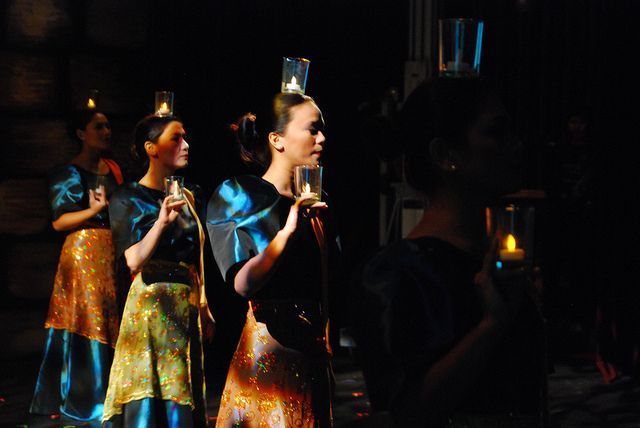
    Traditional Dance Performances are a key part of the festivities, featuring mesmerizing performances like the Pandanggo Sa Ilaw, where dancers balance candles on their heads and hands while performing intricate steps to the rhythm of lively folk music.

    Local Cuisine plays a significant role in Cultural Heritage Nights, with traditional dishes carefully prepared to showcase the region's unique culinary heritage.

    Live Music and Storytelling are also integral to the celebrations, featuring tales of the island's history and legends set to the lively rhythms of traditional instruments and songs.

    These Cultural Heritage Nights are a testament to the community's commitment to preserving their rich cultural traditions.

    Vibrant Street Parties

    Immerse Yourself in the Vibrant Street Parties of Mindoro

    In Mindoro, vibrant street parties await, where the rhythms of folk music and the soft glow of lanterns come together to create an electrifying atmosphere that pulses with energy. As you join the celebration, you can't help but move your body to the infectious beats of party anthems.

    The Elements of a Street Party

    Lanterns and Twinkling Lights: The soft glow of lanterns and twinkling lights creates a sense of whimsy and enchantment, setting the tone for a magical night.

    Folk Music and Party Anthems: The rhythms of folk music and party anthems evoke feelings of euphoria and excitement, making it impossible to stand still.

    Street Fashion and Bold Attire: Revelers of all ages showcase their most dazzling street fashion, from glittering accessories to bold, colorful ensembles, expressing confidence and self-expression.

    Infectious Energy and Laughter: The collective energy of the crowd is infectious, filling the air with joy and belonging.

    As you lose yourself in the pulsating rhythms and kaleidoscope of colors, you'll find yourself swept up in the collective energy of the crowd.

    The vibrant street parties of Mindoro are an unforgettable experience, a symphony of sights, sounds, and emotions that will leave you breathless and yearning for more.

    Traditional Fiestas

    Mindoro's Festive Calendar

    Mindoro's festive calendar is filled with numerous traditional fiestas throughout the year, each offering a unique cultural experience. These vibrant celebrations showcase the island's rich history and cultural heritage.

    The atmosphere during these fiestas is electric, filled with energy and excitement. You'll discover a world of vibrant colors, tantalizing aromas, and infectious rhythms.

    Food is a major highlight, with local delicacies available at numerous food stalls. Savor traditional dishes and sweet treats that will tantalize your taste buds.

    Vibrant costumes are another key feature, with intricate, hand-woven garments adorned with sparkling accessories. These costumes showcase the island's rich cultural heritage.

    Lively street performances are a major attraction, featuring dynamic Pandanggo Sa Ilaw dancers. Their candles and candle holders sway in perfect harmony, mesmerizing the audience.

    As you participate in these traditional fiestas, you'll be swept up in the infectious joy and warmth of the Mindoreños.

    Dancer's Skill and Coordination

    Mastering Pandanggo Sa Ilaw Requires Balance and Coordination

    To execute the intricate steps of Pandanggo Sa Ilaw, a balanced posture is essential. This is because it enables you to maintain the dance's fluidity and prevents awkward movements.

    Precise footwork is crucial, as it allows you to navigate the dance floor with confidence and poise.

    Balanced Posture Essential

    Balanced Posture Essential

    Maintaining a balanced posture is crucial in Pandanggo Sa Ilaw, as it's the foundation of the dance's intricate movements.

    Core strength is essential, allowing you to maintain control over your movements as you rotate around your core.

    To achieve balance, you must also develop body awareness, understanding the position of your body in space and making adjustments as needed. This awareness enables you to maintain center gravity, keeping your movements fluid and controlled.

    Three key elements are vital for maintaining balance:

    Spinal alignment is crucial, as it allows you to move with ease and grace, distributing your weight evenly and preventing strain on your muscles. A straight spine is essential for fluid movements.

    Muscle control is also vital, as engaging the correct muscles enables you to execute movements with precision and control, ensuring a balanced and harmonious performance.

    Gravity awareness is essential, as being mindful of your body's relationship with gravity enables you to move with fluidity and poise, creating a mesmerizing spectacle on stage.

    Precise Footwork Required

    Mastering Pandanggo Sa Ilaw Requires Precise Footwork

    Precise footwork is essential to execute Pandanggo Sa Ilaw, a mesmerizing dance that demands a dancer's full focus. It's not just about executing a series of steps, but about harmonizing every movement to create a seamless flow.

    To achieve this, a consistent practice routine is necessary to build muscle control and refine body alignment.

    Proper Body Alignment Ensures Fluid Movement

    As you practice, pay attention to how your body aligns with each step. Ensure your weight is evenly distributed, and your posture remains upright. This will enable you to move with fluidity and grace, effortlessly gliding across the dance floor.

    Mastering Footwork Unlocks the Beauty of Pandanggo Sa Ilaw

    Precise footwork is the foundation upon which the beauty of Pandanggo Sa Ilaw is built. By dedicating yourself to mastering this essential aspect of the dance, you'll reveal the secrets of this enchanting art form.

    History Behind the Dance Form

    Uncovering the Rich History of Pandanggo Sa Ilaw

    Pandanggo Sa Ilaw, a mesmerizing dance form from the Philippines, has a rich history that's deeply rooted in the country's cultural heritage.

    Origins in Lubang Island

    The dance originated from a traditional folk dance on Lubang Island, where it evolved into a unique form of artistic expression. This dance form is a testament to the Philippines' vibrant cultural landscape, where regional identity and artistic expression blend seamlessly.

    Three Key Aspects of Pandanggo Sa Ilaw's History

    Folk Traditions:

    Pandanggo Sa Ilaw's roots in traditional folk dance have influenced its unique movements and gestures, which are deeply ingrained in the cultural practices of the region. For example, the dance incorporates traditional Filipino gestures, such as the use of candles and oil lamps.

    Dance Evolution:

    Over time, Pandanggo Sa Ilaw has undergone transformations, incorporating new styles and techniques while maintaining its core essence. This evolution has allowed the dance form to stay relevant and fresh, while remaining true to its cultural roots.

    Historical Roots:

    Pandanggo Sa Ilaw's connection to Lubang Island and the surrounding region has fostered a strong sense of regional identity, making it an integral part of the local cultural fabric. The dance has become an important part of the region's cultural heritage, with its history and significance deeply ingrained in the local community.

    Mindoro's Cultural Heritage Preserved

    Mindoro's Cultural Heritage Preserved

    The island of Mindoro takes pride in its rich cultural heritage, and Pandanggo Sa Ilaw is an integral part of this identity. The local community's efforts have been instrumental in preserving the historical significance of this traditional dance form. By doing so, they ensure its continued relevance in modern times.

    Community Engagement and Cultural Significance

    The people of Mindoro take immense pride in their cultural heritage, and this is evident in their community engagement. Local efforts have been crucial in preserving Pandanggo Sa Ilaw, which serves as a window into the island's history, folklore, and values. This dance form extends beyond mere entertainment, reflecting the island's dynamic cultural landscape.

    Tradition and Innovation

    Pandanggo Sa Ilaw is a balance between tradition and innovation, reflecting the island's cultural tapestry woven from artistic expressions handed down through generations. By embracing this dance form, the people of Mindoro not only preserve their cultural heritage but also celebrate their unique identity.

    Are there any similarities between the Pandanggo Sa Ilaw and Pagapir dances?

    The Pandanggo Sa Ilaw and Pagapir dances share a common thread in the skillful fan dance tradition. Both dances showcase the artistry and grace of performers as they manipulate fans with precision and finesse. This traditional dance form unites the two cultural dances in an elegant display of movement and skill.

    Global Recognition and Appreciation

    Cultural Exchange Programs: A Catalyst for Global Recognition

    Pandanggo Sa Ilaw, a traditional Filipino dance, has gained worldwide recognition and appreciation through cultural exchange programs.

    These programs have provided a platform for Filipino dancers to share their rich cultural heritage with international audiences. By participating in these programs, dancers have been able to showcase the beauty and uniqueness of Pandanggo Sa Ilaw, fostering cross-cultural understanding and exchange.

    International Festivals: A Global Stage for Pandanggo Sa Ilaw

    Pandanggo Sa Ilaw has captivated global audiences through its appearances at international festivals. The dance's graceful movements and mesmerizing candle-balancing acts have earned it a well-deserved spot on the world's cultural stage.

    Cultural Exchange Programs

    Through cultural exchange programs, the Pandanggo Sa Ilaw has gained global recognition and appreciation for its unique blend of music, movement, and candle-lit drama. It has charmed audiences worldwide, transcending geographical boundaries.

    Cultural exchange programs have facilitated the dance's global reach in several ways:

    Language barriers are bridged through interpreters and translators who facilitate communication between cultural ambassadors and international hosts. For instance, during international events, interpreters help overcome language barriers, ensuring that cultural ambassadors can effectively communicate with their hosts.

    Homestay experiences allow foreign visitors to immerse themselves in local customs, learning the intricacies of Pandanggo Sa Ilaw from Mindoreños themselves. For example, through homestay programs, visitors can live with local families, participating in daily activities and learning the dance steps, songs, and traditions that underpin this enchanting performance art.

    Cultural immersion is key to these programs, where participants aren't merely spectators but active learners. They learn the dance steps, songs, and traditions that underpin Pandanggo Sa Ilaw, fully immersing themselves in the local culture.

    International Festival Appearances

    Pandanggo Sa Ilaw's Global Recognition

    Pandanggo Sa Ilaw has performed at prestigious international festivals, captivating audiences with its unique blend of music, movement, and candle-lit drama.

    The dance's global recognition stems from its ability to transcend cultural boundaries.

    Immersion in the Festival Atmosphere

    As the dancers take the stage, the audience is immersed in the vibrant festival atmosphere.

    The dancers' confident strides and intricate footwork draw the audience in.

    The warm glow of candles and infectious rhythms of traditional music transport the audience to the Philippines.

    Unforgettable Experience

    Pandanggo Sa Ilaw's performances are an unforgettable experience, leaving a deep appreciation for the rich cultural heritage of Mindoro.

    Whether you're a seasoned festival-goer or a newcomer, the dance's beauty speaks directly to your soul.

    Frequently Asked Questions

    How Many Candles Do Dancers Typically Use in Pandanggo Sa Ilaw?

    Three to five candles are typically used in a traditional candle dance, such as Pandanggo Sa Ilaw. These candles are strategically placed to guarantee precise candle placement and masterful flame control, allowing dancers to weave intricate patterns and rhythmic movements.

    Are There Any Variations of Pandanggo Sa Ilaw Across Mindoro Regions?

    Regional adaptations of traditional dances exist across Mindoro regions. These adaptations are shaped by unique cultural influences, reflecting the distinct character of each region. For example, the Pandanggo Sa Ilaw, a traditional dance originating from Mindoro, has variations across the island. Each region's version has varying rhythms, steps, and gestures that set them apart.

    Can Beginners Learn Pandanggo Sa Ilaw Without Prior Dance Experience?

    Yes, beginners can learn Pandanggo Sa Ilaw without prior dance experience. However, it's essential to acknowledge that mastering this traditional Filipino dance requires patience, dedication, and a willingness to adapt. As a beginner, you may need to overcome flexibility issues and a learning curve. To succeed, focus on practicing intricate movements and timing, and be prepared to make adjustments as you progress.

    Are There Any Specific Costumes Worn for Pandanggo Sa Ilaw Performances?

    Traditional costumes are worn during Pandanggo Sa Ilaw performances to convey cultural significance. These costumes typically feature intricately designed garments made from lightweight, breathable fabrics such as piña or silk, which reflect the dance's cultural heritage.

    Can Pandanggo Sa Ilaw Be Performed as a Solo or Only in Groups?

    Pandanggo Sa Ilaw can be performed both as a solo and in groups. This traditional Filipino folk dance emphasizes expressive movement, which means the focus is on the dancer's skill and artistry, regardless of the number of performers.

    Conclusion

    Pandanggo Sa Ilaw: the Graceful Candle Dance of Mindoro

    Pandanggo Sa Ilaw is a traditional Filipino dance that originated in Mindoro, Philippines. This dance form has gained international recognition for its unique blend of movement and melody. The dance is characterized by delicate steps and balancing candles on the head and hands.

    Pandanggo Sa Ilaw showcases the Filipino spirit's resilience and creativity. The dance is deeply rooted in Mindoro's rich cultural heritage, reflecting the community's resourcefulness and adaptability. For example, the dance has been passed down through generations, with each performer adding their own flair while maintaining the traditional essence.

    The intricate nuances of Pandanggo Sa Ilaw have earned it a rightful place in the global spotlight. The dance has been performed in various international festivals and events, mesmerizing audiences with its harmonious balance of movement and melody.

  • Singkil: The Enchanting Princess Dance of the Maranao

    Singkil: The Enchanting Princess Dance of the Maranao

    Singkil: A Window into Maranao Culture

    The Singkil dance is deeply rooted in Maranao traditions, influenced by Islamic and pre-colonial practices.

    This enchanting princess dance is tied to Princess Gandingan's royal lineage and the Sultan of Maguindanao.

    To master the Singkil, one must master basic footwork, rhythmic body movements, and hand movements that convey elegance and sophistication.

    The kulintang's melodic rhythms and resonant tones, accompanied by the agung, create a rich musical tapestry.

    Traditional Maranao clothing, headdresses, and adornments play a significant role in the dance.

    The fusion of traditional Singkil with modern styles and contemporary twists is a fascinating aspect of the dance.

    Origins of the Singkil Dance

    The Origins of the Singkil Dance

    The Singkil dance is rooted in Maranao culture and is believed to have originated from the epic legend of Princess Gandingan, a heroine celebrated for her bravery and beauty.

    Pre-Colonial Traditions

    The Maranao people, who are mainly Muslim, have been influenced by Islamic traditions, which are reflected in the dance's intricate movements and rhythmic patterns. These influences are a result of the pre-colonial traditions that have shaped the dance.

    Characteristics of the Singkil Dance

    The Singkil dance is characterized by slow, graceful movements, often accompanied by the sound of clashing bamboo poles. This unique feature is a reflection of the Maranao people's resourcefulness and creativity. The dance also features intricate footwork, which is reminiscent of Islamic geometric patterns.

    Cultural Significance

    The fusion of pre-colonial traditions and Islamic influences has resulted in a dance that's both captivating and culturally significant.

    The Royal Roots of Singkil

    The Royal Roots of Singkil

    The history of Singkil is deeply rooted in Princess Gandingan's royal lineage, significantly influencing the dance's majestic and refined movements.

    Royal Ancestors and Their Historical Significance

    Princess Gandingan is a direct descendant of the Sultan of Maguindanao, emphasizing the dance's historical significance in the Maranao culture. The Sultan of Maguindanao established the Maguindanao Sultanate in the 16th century, marking a crucial period in the region's history.

    Rajah Indarapatra, a legendary king of the Maranao people, further solidifies the royal roots of Singkil. Datu Mangubat, a brave warrior, fought against Spanish colonization in the 17th century, showcasing the Maranao people's resilience.

    The Impact of Royal Ancestors on Singkil

    The royal ancestors of Singkil have contributed to the dance's dignified and elegant movements. Princess Gandingan's connection to the Sultan of Maguindanao and Rajah Indarapatra highlights the dance's importance in the Maranao culture.

    The royal roots of Singkil have shaped the dance into a symbol of cultural heritage and national pride.

    The Art of Singkil Footwork

    Mastering Basic Steps is Crucial

    Mastering basic steps is essential to executing intricate foot patterns in Singkil footwork.

    Developing a keen sense of rhythmic body movement is vital to bring the dance to life.

    Mastering Basic Steps

    Mastering Basic Steps in Singkil Dance

    To master Singkil dance, you need to start with fundamental step patterns, which form the foundation of the dance. These basic steps are the building blocks of Singkil's intricate footwork. Consistent practice helps commit these steps to memory, allowing you to execute them effortlessly.

    Practice Basic Steps in Front of a Mirror

    Practice the basic step patterns in front of a mirror, focusing on:

    • Proper alignment: Ensure your body is aligned correctly.
    • Weight transfer: Shift your weight smoothly from one foot to the other.
    • Foot placement: Place your feet correctly, following the step pattern.

    Increase Practice Tempo Gradually

    As you become more comfortable, increase your practice tempo to build speed and agility. However, avoid rushing through the steps, as this can lead to poor technique and bad habits. Practice slowly and deliberately to develop muscle memory.

    Consistency is Key

    Regular practice is essential to develop the muscle memory needed to execute the basic steps with ease. Be patient and stay committed to your practice routine. Mastering the basics takes time, but with consistent practice, you'll lay the groundwork for more complex footwork patterns.

    Intricate Foot Patterns

    Mastering Intricate Foot Patterns in Singkil Dance

    To execute the complex step combinations in Singkil dance, focus on precise execution, coordination, balance, and control. As you progress, footwork patterns will evolve, becoming more intricate and nuanced.

    Visualizing Footwork Patterns

    To perfect your footwork, practice the following scenarios:

    Crossing Paths: Imagine your feet crossing over each other, one foot landing in front of the other, creating a fluid, seamless motion.

    Heel-to-Toe Tap: Envision your heel tapping the ground, followed by your toe, creating a rhythmic pattern that echoes the beat of the kulintang.

    Circle Steps: Picture yourself gliding in a circular motion, your feet moving in a smooth, continuous pattern, as if drawing a circle on the floor.

    Mastering Pattern Variations

    As you master these fundamental footwork patterns, variations will emerge.

    Precision and control are key to executing the intricate foot patterns of Singkil. With consistent practice, you'll develop the skills and confidence to tackle even the most complex step combinations.

    Rhythmic Body Movement

    Synchronizing Body Movement with the Kulintang's Rhythmic Pulse

    To create a mesmerizing visual harmony in the Singkil dance, synchronize your body movements with the rhythmic pulse of the kulintang. This means that every step, gesture, and arm sway is a nuanced response to the kulintang's rhythmic pulse.

    Your rhythmic body movement is a form of musical expression, where every movement is a response to the music.

    Mastering Rhythmic Body Movement through Kinesthetic Awareness

    To master the Singkil's rhythmic body movement, develop kinesthetic awareness, which is the ability to sense the position and movement of your body in space. This awareness allows you to control your movements with precision, ensuring that your body is always in harmony with the music.

    Focus on how your body responds to the kulintang's rhythm, letting your movements become a natural extension of the music.

    Hand Movements in Singkil

    Hand movements are essential in Singkil, as they convey elegance and sophistication.

    These movements include wrist twirls and rotations, which add a touch of whimsy to the performance.

    Finger extensions and bends are also crucial, requiring precision and control to execute flawlessly.

    Wrist Twirls and Rotations

    Wrist Twirls and Rotations in Singkil

    In Singkil, wrist twirls and rotations are executed by rotating your wrists in a circular motion, first clockwise and then counterclockwise, while keeping your forearms still. This fluid motion requires flexibility exercises to achieve the necessary range of motion.

    To master wrist twirls and rotations, focus on maintaining rotational symmetry, ensuring your movements are balanced and harmonious.

    Imagine the following:

    Delicate Petals: Rotate your wrists as if they were delicate petals of a flower, gently swaying in the breeze.

    Rhythmic Circles: Move your hands in rhythmic circles in the air, first in one direction, then the other.

    Whirling Vortex: Visualize your wrists as the center of a whirling vortex, with your hands orbiting around them in a mesmerizing dance.

    Finger Extensions and Bends

    Mastering Finger Extensions and Bends in Singkil Dance

    To execute finger extensions, slowly stretch your fingers away from your palms, and then gently bend them back towards your wrists, creating a fluid, wave-like motion. This subtle yet intricate movement is a hallmark of the Singkil dance, requiring a high level of finger dexterity and hand flexibility.

    Relaxation is key: To perfect this movement, focus on keeping your fingers relaxed and supple. Avoid stiffening your fingers or wrists, as this will disrupt the fluidity of the motion. Instead, imagine your fingers as soft, pliable extensions of your hands, gently swaying to the rhythm of the music.

    Pay attention to subtle variations in finger extension and bending, adjusting your movements to create a seamless, flowing effect.

    Rhythmic Beats and Instruments

    The kulintang, a set of eight graduated gongs, is the central instrument in Singkil performances, producing melodic rhythms and resonant tones that create an enchanting atmosphere. The kulintang's rhythms and tones are woven together to create a captivating sound that complements the dancers' intricate movements.

    The percussion techniques used in Singkil are complex and nuanced, with the kulintang player using a combination of mallets and sticks to produce a wide range of tones from the gongs. The rhythm section also includes the agung, a set of larger gongs that provide a deeper, more resonant sound. The kulintang and agung together create a rich tapestry of sound.

    Three key elements contribute to the enchanting sound of Singkil:

    Rhythmic complexity is achieved through the kulintang player's rapid-fire rhythms and subtle variations in tone, creating a sense of tension and release.

    Timbral depth is created by the combination of the kulintang's bright, metallic sound and the agung's deeper tones, resulting in a rich, layered sound.

    Dynamic range is added through the musicians' skillful use of dynamic contrasts, which adds drama and emotion to the performance.

    Costumes and Adornments

    Costumes and Adornments in Singkil Dance

    The traditional costumes worn by Singkil dancers are an integral part of the dance's cultural significance. The attire is inspired by the traditional Maranao clothing, which is known for its vibrant colors and intricate designs.

    Intricate Headdresses

    The headdresses worn by Singkil dancers are a notable aspect of their costumes. These headdresses are adorned with feathers, beads, and other decorative elements, which add to the overall aesthetic of the performance.

    Colorful Fabric Choices

    The choice of fabric used in Singkil costumes is also significant. Dancers wear clothing made from colorful fabrics, often featuring geometric patterns and vibrant hues. These fabric choices not only add visual appeal to the performance but also reflect the cultural heritage of the Maranao people.

    Traditional Maranao Attire

    The Traditional Maranao Attire: A Reflection of Rich Cultural Heritage

    The traditional Maranao attire is a vibrant and intricately designed garment that showcases the rich cultural identity of the Maranao people.

    Vibrant Fabrics and Intricate Patterns

    The attire features richly colored fabrics adorned with intricate patterns, which reflect the Maranao's love for beauty and craftsmanship. These patterns tell stories of the Maranao's history, mythology, and cultural values.

    Intricate Embroidery and Accessories

    The attire is also characterized by delicate tribal embroidery that tells stories of the Maranao's history, mythology, and cultural values. Additionally, the attire is adorned with beaded necklaces, anklets, and bracelets that add a touch of elegance and sophistication.

    A Representation of Cultural Identity

    The traditional Maranao attire is more than just a beautiful garment; it's a representation of the Maranao people's cultural identity, values, and traditions. Every stitch, every pattern, and every embroidery tells a story of their rich heritage, making the attire a true masterpiece of Maranao craftsmanship.

    Intricate Headdress Adornments

    The Significance of Maranao Headdresses

    Maranao dancers wear intricately designed headdresses adorned with beads, sequins, and other ornaments that shimmer and shine under the light, adding an extra layer of elegance to their already stunning costumes.

    These headdresses are more than just aesthetically pleasing – they're steeped in cultural symbolism and historical significance.

    The intricate designs and patterns on the headdresses represent the Maranao's rich cultural heritage, with each element telling a story of their ancestors' struggles and triumphs.

    The beads may symbolize the tears of their forebears, while the sequins could represent the glittering treasures of their ancient kingdoms. By wearing these headdresses, the dancers aren't only paying homage to their ancestors but also keeping their cultural traditions alive.

    The fusion of movement and adornment is a tribute to the Maranao's mastery of blending art and culture, creating an enchanting spectacle that's truly unforgettable. As you observe the dancers' movements, you'll notice how their headdresses seem to come alive, as if the ornaments are dancing in tandem with them.

    Colorful Fabric Choices

    The vibrant costumes of the Singkil dancers immediately capture attention, showcasing a kaleidoscope of colors and patterns that reflect the Maranao's rich cultural heritage and love for ornate beauty.

    The Maranao's textile traditions are deeply rooted in their cultural heritage, where fabric choices aren't just aesthetically pleasing but also imbued with symbolic meanings.

    The selection of materials, such as silk, cotton, or abaca, is deliberate, as each fiber holds significance. For instance, gold and silver threads woven into the fabric represent wealth and nobility.

    Intricate geometric patterns in the fabric signify the Maranao's connection to their ancestral lands. Vibrant colors like red, blue, and yellow evoke emotions, from passion to serenity.

    The Singkil dancers' costumes are a tribute to the Maranao's mastery of weaving techniques, where every thread, every pattern, and every color is carefully chosen to convey their cultural narrative.

    The Singkil Dance Steps

    Mastering the Singkil Dance Steps

    To master the Singkil dance, you must first learn the basic steps, which involve intricate footwork patterns and precise hand movements that require coordination and control.

    Understanding the Footwork Pattern

    As you practice the steps, pay attention to the way your feet move in a rhythmic pattern, often in a diagonal direction. This unique pattern is a key element of the Singkil dance.

    Coordinating Hand and Foot Movements

    The key to mastering Singkil lies in the coordination of your hand and foot movements, which requires focus, patience, and practice. Your hands will mimic the movement of a princess, with gentle, flowing gestures that add elegance to the dance.

    Maintaining Posture and Fluid Movement

    Remember to keep your posture straight and your movements fluid, as if you're gliding across the floor. With time and dedication, you'll be able to execute the intricate steps with grace and confidence, embodying the beauty and charm of the Singkil dance.

    Cultural Significance of Singkil

    Uncovering the Cultural Significance of Singkil

    The Singkil dance is a traditional dance of the Maranao people, embodying their community's pride, cultural identity, and historical preservation.

    Fostering Unity and Social Bonding

    The Singkil dance brings the community together, fostering a sense of unity and social bonding. During community gatherings, the vibrant colors, lively music, and synchronized movements create a sense of togetherness among the Maranao people.

    Spiritual Expression and Connection

    The elegant hand movements in the Singkil dance symbolize the connection between the physical and spiritual domains. The dancers pay tribute to their ancestors and the divine, showcasing their spiritual expression and connection to their heritage.

    Preserving National Heritage

    The Singkil dance is a vibrant thread in the rich tapestry of Filipino cultural heritage, weaving together the nation's diverse traditions and artistic expressions. It plays a significant role in preserving national heritage and promoting cultural diversity.

    Through the Singkil dance, the Maranao people express their emotional connection to their heritage, showcasing their artistic expression and social status. The dance highlights the importance of preserving cultural traditions, honoring the past, and celebrating the beauty of the Maranao's cultural identity.

    Modern Adaptations of Singkil

    Modern Adaptations of Singkil

    In modern times, choreographers and dancers have creatively adapted Singkil to appeal to diverse audiences, blending traditional movements with contemporary styles and themes. This fusion of styles has given rise to innovative performances that pay homage to the dance's rich cultural heritage while incorporating fresh perspectives.

    For instance, dancers infuse urban influences into traditional steps, creating a unique blend of old and new.

    Contemporary Twists in Choreography

    Experimental choreography has become a hallmark of modern Singkil, with dancers pushing the boundaries of traditional movements to create unique and enthralling performances.

    Examples include incorporating breakdancing, hip-hop, or contemporary dance elements into traditional Singkil steps. The fusion of traditional and modern elements has resulted in a dynamic and engaging dance form that appeals to a broader audience.

    Seamless Blend of Old and New

    As you experience modern Singkil, you'll be struck by the seamless blend of old and new, as dancers seamlessly shift between traditional and contemporary movements.

    This is evident in performances where dancers transition from traditional Singkil steps to modern, abstract movements, creating a captivating visual experience. The result is a mesmerizing dance form that honors the cultural significance of Singkil while embracing the creative possibilities of modern expression.

    What are the similarities and differences between the Enchanting Princess Dance of the Maranao and the Mystical Healing Dance of the Tagbanua?

    The Enchanting Princess Dance of the Maranao and the Mystical Healing Dance of the Tagbanua both showcase the rich cultural heritage of the Philippines. While the former is known for its graceful movements and intricate costumes, the inagta healing dance of Tagbanua is revered for its spiritual healing properties and connection to nature. Both dances celebrate tradition and spirituality in their own unique ways.

    Preserving the Singkil Legacy

    Preserving the Singkil Legacy

    While modern adaptations of Singkil continue to evolve, it's crucial to safeguard the dance's rich cultural heritage. This ensures that its historical significance and traditional techniques are protected for future generations. Preserving the legacy goes beyond mere documentation; it requires a concerted effort to engage with the community and promote cultural revival.

    To achieve this, consider the following steps:

    Establish cultural centers where people can learn about Singkil's history, witness traditional performances, and participate in workshops. These centers will serve as hubs for cultural preservation and education.

    Organize community outreach programs that collaborate with local schools, community groups, and cultural organizations to promote Singkil's significance and encourage active participation. This will help raise awareness and foster a sense of ownership among community members.

    Develop digital archives that create an online repository of Singkil's history, including videos, images, and written accounts. This will make the cultural heritage accessible to a global audience and ensure its preservation for years to come.

    Frequently Asked Questions

    Is Singkil Dance Only Performed by Maranao Royalty?

    Singkil dance was not exclusive to Maranao royalty. Historically, it was reserved for the Maranao elite, reflecting their rich heritage and traditional social hierarchy.

    Are There Any Variations of Singkil Dance Outside the Philippines?

    Yes, there are variations of Singkil dance outside the Philippines. Cultural fusion and global adaptations have influenced Singkil-inspired dances worldwide. For instance, in the US, Filipino-American communities have blended traditional Singkil moves with modern hip-hop and contemporary styles, creating a unique fusion. In Malaysia, the dance has been infused with traditional Malay and Islamic influences, resulting in a distinctive blend of cultural expressions. Similarly, in Indonesia, Singkil-inspired dances have been adapted to incorporate traditional Javanese and Balinese dance styles, adding to the rich cultural diversity of the region.

    Can Men Participate in the Singkil Dance Performance?

    Traditionally, men rarely participate in the Singkil dance performance. This cultural dance is deeply rooted in cultural sensitivity, requiring adherence to traditional attire and specific gender roles.

    Is the Singkil Dance Taught in Philippine Schools?

    Yes, the Singkil dance is taught in Philippine schools. This traditional dance is included in the curriculum to emphasize its cultural significance and educational importance. By teaching the Singkil, schools aim to preserve national heritage and promote cultural awareness among students.

    Are There Any Health Benefits to Performing the Singkil Dance?

    Improved Flexibility: The Singkil dance involves intricate footwork, which requires a range of motion in the legs, hips, and ankles. As you perform the dance, you'll experience increased flexibility in these areas, allowing for more fluid and natural movements.

    Enhanced Coordination: The rhythmic movements in the Singkil dance require coordination between the upper and lower body. Regular practice of the dance will improve your overall coordination, leading to better balance, posture, and overall physical fitness.

    Conclusion

    Singkil: A Window into Maranao Culture

    The traditional dance of Singkil is a cultural treasure of the Maranao people, showcasing their rich heritage through intricate footwork and hand movements. Every step and rhythm in Singkil tells a story, reflecting the royal roots and historical significance of the dance.

    Cultural Significance Beyond Tradition

    Singkil's importance extends beyond its traditional form, with modern adaptations keeping its legacy alive. Modern adaptations of Singkil have helped to preserve the cultural heritage of the Maranao people, ensuring the dance remains relevant and vibrant.

    Appreciation for Maranao Art and Tradition

    As we reflect on Singkil, we develop a deeper appreciation for the art and tradition of the Maranao people. The beauty and complexity of Singkil are a testament to the rich cultural heritage of the Maranao.

  • Kuratsa: The Flirtatious Courting Dance of the Waray People

    Kuratsa: The Flirtatious Courting Dance of the Waray People

    Kuratsa: A 16th-Century Dance of Flirtation and Social Etiquette

    Kuratsa is a traditional dance that originated from the Spanish fandango and merged with indigenous Waray folk traditions in the 16th century. Initially performed at festive gatherings, Kuratsa evolved to include playful gestures and intricate hand movements. This blend of social etiquette, respect, and flirtation makes Kuratsa a unique cultural expression.

    Kuratsa showcases a rich cultural identity rooted in tradition, community, and love. The dance is characterized by playful gestures and intricate hand movements, which convey a sense of social etiquette, respect, and flirtation. As a courting dance, Kuratsa allowed individuals to express their interest in a potential partner while maintaining social decorum. By exploring Kuratsa, we can gain a deeper understanding of the Waray people's cultural identity and traditions.

    Origins of the Kuratsa Dance

    The Kuratsa dance originated from the Spanish fandango in the 16th century. When Spanish conquistadors arrived in the Philippines, they brought with them their cultural traditions, including music and dance.

    The Kuratsa was influenced by the folk music and dance of the Spanish colonizers, which merged with the indigenous folk traditions of the Waray people.

    The Kuratsa was initially performed during festive gatherings, serving as a means of socialization and courtship among young Waray men and women. Over time, the dance evolved, incorporating intricate hand movements, rhythmic footwork, and playful gestures that conveyed subtle messages between the dancers.

    This unique blend of cultural traditions shaped the Philippines' identity.

    Waray Courtship Rituals Unveiled

    Waray Courtship Rituals: A Dance of Romance and Tradition

    In the world of Waray courtship rituals, the Kuratsa dance plays a crucial role in facilitating social interactions and romantic connections among young Waray men and women. This traditional dance is deeply rooted in the cultural identity of the Waray people. During Kuratsa performances, partners engage in subtle yet playful interactions, often leading to blossoming relationships.

    The Kuratsa Dance: A Platform for Social Interactions

    A Delicate Balance: Modesty, Confidence, and Romance

    Waray courtship rituals are a unique blend of social etiquette, respect, and playful flirtation. On the Kuratsa dance floor, young adults showcase their skills, charm, and wit, vying for the attention of their desired partner. This delicate balance between modesty and confidence allows the Waray youth to navigate the complexities of romance and relationships.

    The Heart of Waray Romance: Tradition, Community, and Love

    Through the Kuratsa dance, the Waray people express their cultural identity, showcasing a beautiful fusion of tradition, community, and love.

    The Language of Kuratsa Gestures

    The Language of Kuratsa Gestures

    The intricate steps of the Kuratsa dance involve subtle gestures and movements that convey a language all their own, speaking volumes about the dancers' emotions and intentions. This language is rooted in a deep understanding of Gesture Psychology.

    Every gesture, from a flick of the wrist to a bat of an eyelash, communicates a message to the partner.

    Kuratsa Dance Conveys Emotions and Intentions

    In the context of Kuratsa Etiquette, these gestures are vital in conveying respect, interest, and playfulness.

    Conveying Respect, Interest, and Playfulness

    A gentle touch on the shoulder can signal affection, while a subtle glance can convey interest. The Waray people have mastered the art of non-verbal communication, using their bodies to express emotions and desires.

    Understanding the Intricate Language of Gestures

    By paying attention to these subtle cues, you'll gain a deeper understanding of the dance and the cultural nuances that make it unique.

    The language of Kuratsa gestures is an essential aspect of the dance, and understanding it can enhance your appreciation of the cultural heritage of the Waray people.

    Rhythms and Instruments Used

    The Rhythms of Kuratsa

    The rhythms used in Kuratsa are carefully chosen to enhance the emotional intensity of the dance.

    The rhythmic patterns are often in 3/4 time, creating a lively and upbeat atmosphere. This rhythm is perfect for the flirtatious and playful nature of the dance.

    Instruments Used in Kuratsa

    The primary instrument used in Kuratsa is the drums.

    Skilled drummers employ various drumming techniques to create dynamic and expressive rhythms. The drumbeats are often accompanied by other instruments, such as the guitar or the kulibit.

    Adding depth and richness to the instrumental harmony. The combination of these elements creates a captivating soundscape that complements the dancers' movements, drawing the audience into the emotional intensity of the performance.

    Steps to Master the Kuratsa

    Mastering the Kuratsa: A Step-by-Step Guide

    To master the Kuratsa, start by practicing the basic step, a gentle bounce from one foot to the other. This foundation step is essential for the more complex movements that follow.

    Step 1: Master the Basic Step

    Embracing a Growth-Oriented Mindset

    Focus on progress, not perfection. Adopt a growth-oriented mindset, focusing on progress rather than perfection. This mindset allows you to approach each step as an opportunity to learn and improve, rather than a source of frustration.

    Understanding the Underlying Philosophy

    The Kuratsa isn't just about the steps, but about the playful, teasing interaction between partners. Embody the flirtatious courting dance philosophy to connect with your partner and the music, allowing you to move with confidence and grace.

    Mastering the Kuratsa: A Journey

    Mastering the Kuratsa takes time and patience. Be gentle with yourself and enjoy the process. With consistent practice and a willingness to learn, you'll be well on your way to becoming a skilled Kuratsa dancer.

    The Art of Teasing in Kuratsa

    Mastering the art of teasing is essential in Kuratsa, as it sets the tone for an engaging performance. To balance playful teasing with respectful connection, consider the following strategies:

    Establish a playful gaze: Lock eyes with your partner, but avoid staring too intensely. A gentle, playful gaze can speak volumes. For example, try holding your partner's gaze for a few seconds, then briefly look away and back again to create a sense of playful tension.

    Use subtle whispers: Share subtle, flirtatious whispers with your partner, but be mindful of the tone and volume. Make sure your whispers are soft and gentle, avoiding loud or abrupt sounds that may disrupt the performance.

    Employ teasing touches: Use light, playful touches to build tension and anticipation, but respect your partner's boundaries. For instance, you can lightly brush your partner's arm or shoulder while dancing, creating a sense of intimacy without being too aggressive.

    Convey playful intentions: Flash a sly, playful smile to convey your intentions, but avoid coming on too strong. A subtle, mischievous smile can go a long way in setting the tone for a playful and engaging performance.

    Kuratsa in Modern Waray Culture

    Kuratsa's Evolution in Modern Waray Culture

    In modern Waray society, Kuratsa has transformed into a dynamic blend of tradition and innovation. This cultural fusion is evident in the dance's performance, where dancers combine traditional moves with modern music and choreography.

    Kuratsa's significance extends beyond entertainment, as it plays a vital role in urban revival efforts. Many cities and towns in the Waray region feature Kuratsa performances as a symbol of cultural pride. This is evident in festivals and events that showcase Kuratsa, drawing in crowds and fostering a sense of community.

    The dynamic interplay between heritage and innovation is a hallmark of Kuratsa in modern Waray culture. This fusion is a testament to the ability of traditional practices to evolve and thrive in contemporary society.

    Famous Kuratsa Performances in History

    Spectacular Kuratsa performances have left a lasting impact on the cultural landscape of the Waray people. Through the years, these performances have played a significant role in shaping the identity of the Waray people.

    The 1980s Kuratsa Revival contributed to the dance's widespread popularity among the younger generation. This resurgence of interest in the traditional dance helped to revive its cultural significance.

    The 1995 performance at the Philippine International Folk Dance Festival showcased the Kuratsa to a global audience, highlighting its historical significance. This event introduced the Kuratsa to a broader audience, emphasizing its importance as a cultural symbol.

    The 2002 production of 'Kuratsa: A Love Story' modernized the traditional dance while maintaining its cultural essence. This musical adaptation helped to make the Kuratsa more relatable to modern audiences.

    The 2010 Cultural Heritage Festival celebrated the rich cultural diversity of the Waray people by performing the Kuratsa alongside other traditional dances. This event promoted cross-cultural understanding and appreciation for the region's cultural heritage.

    These performances haven't only entertained but also educated audiences about the cultural importance of the Kuratsa, ensuring its continued relevance in modern Waray culture. By showcasing the Kuratsa, these performances have helped to preserve and promote Waray cultural heritage.

    Symbolism Behind Kuratsa Movements

    Every Kuratsa movement conveys a specific message. When exploring the symbolism behind these movements, you'll notice that hand and arm gestures, body isolations, footwork, and rhythm patterns work together to convey emotions and intentions.

    For instance, a gentle sway of the arm may signify affection, while a quick foot tap may indicate excitement. By examining these elements, you'll gain a deeper understanding of the cultural significance and romantic nuances embedded in this enchanting dance.

    Hand and Arm Movements

    Mastering Hand and Arm Movements in Kuratsa

    To execute the Kuratsa, you must develop flexibility and muscle control techniques to convey emotions and intentions through a choreographed sequence of gestures.

    Your hands and arms become an extension of your emotions, telling a story that's both personal and universal.

    To achieve this, focus on the following key aspects:

    Soft and delicate movements convey vulnerability and sensitivity. For example, gently swaying your arms can express sadness or longing.

    Quick and playful gestures express joy and playfulness. Rapidly tapping your fingers or wrists can convey excitement or enthusiasm.

    Slow and sweeping movements convey passion and intensity. Large, flowing arm movements can express drama or romance.

    Precise and controlled movements showcase skill and confidence. Quick, sharp hand movements can convey energy and dynamism.

    Body Isolation Techniques

    Body Isolation Techniques in Kuratsa

    Incorporating body isolation techniques into your Kuratsa dance allows you to convey distinct emotions and symbolism, adding depth to your storytelling. This technique enables you to convey subtle nuances in your dance, making it more expressive and engaging.

    Isolating Body Parts

    By isolating specific body parts, you can create dynamic tension, adding energy and movement to your dance. For example, isolating your torso can convey a sense of longing, while isolating your hips can convey playfulness.

    Fluid Handover

    Mastering fluid handover is crucial to successfully incorporating body isolation techniques into your dance. This allows you to seamlessly shift between movements, creating a sense of fluidity and control. As you practice body isolation, focus on developing a sense of fluidity and control, allowing your body to become an instrument that tells a story.

    Incorporating Body Isolation Techniques

    Footwork and Rhythm Patterns

    In Kuratsa, the intricate footwork and rhythm patterns are essential elements that enhance the dance's musicality and convey the playful, flirtatious nature of the courting ritual.

    The footwork patterns, characterized by quick steps and gentle sways, create a sense of lightness and carefree spirit. This is further enhanced by the rhythmic patterns, which often feature syncopated beats that add to the dance's playful flair.

    To master Kuratsa's footwork and rhythm patterns, one must develop:

    Kinesthetic awareness: Pay attention to the way your body moves in space and how your feet respond to the rhythm. For example, practice moving your feet in different directions while maintaining a steady upper body posture.

    Musicality nuances: Listen to the music and let its rhythm guide your movements, allowing you to capture the playful essence of Kuratsa. Focus on the rhythmic patterns and let the music dictate your movements, rather than forcing your movements to fit the rhythm.

    Control and coordination: Practice the intricate footwork patterns to achieve a sense of effortlessness and fluidity. Break down complex footwork patterns into smaller, manageable parts, and practice each part slowly before combining them.

    Expression and flair: Don't be afraid to add your own personality to the dance, as Kuratsa is all about conveying a sense of playful flirtation. Experiment with different arm movements and facial expressions to add your own flair to the dance.

    What is the significance of the courting dances in different Filipino cultures?

    The playful courtship dance of the Gaddang people holds great significance in Filipino culture. These traditional dances serve as a way for young people to express their intentions and feelings towards a potential partner. Each dance tells a story and reflects the unique customs and beliefs of different Filipino communities.

    Preserving the Kuratsa Tradition

    Preserving the Kuratsa Tradition

    The Kuratsa, a traditional Waray courting dance, is being preserved for future generations through various initiatives.

    Workshops, cultural festivals, and online platforms are being utilized to educate and engage the community, ensuring the dance remains an integral part of Waray cultural heritage.

    Community Engagement is crucial in this preservation process. By involving local communities in workshops and cultural events, a sense of ownership and responsibility for the tradition is fostered.

    This approach not only guarantees the dance remains authentic but also promotes a deeper appreciation for the Waray people's rich cultural heritage.

    As a result, the Kuratsa can continue to thrive in a vibrant cultural landscape, safeguarding this unique aspect of Waray identity for generations to come.

    Frequently Asked Questions

    Is Kuratsa Dance Only Performed During Special Occasions?

    The Kuratsa dance is not limited to special occasions. While it's often performed during grand celebrations, its cultural significance and historical roots make it an integral part of everyday Waray life. In fact, the Kuratsa dance is a representation of the Waray culture and is often performed during casual gatherings and community events. Its significance goes beyond special occasions, reflecting the daily lives and traditions of the Waray people.

    Can Non-Waray People Learn and Perform the Kuratsa Dance?

    Yes, non-Waray people can learn and perform the Kuratsa dance, but it's essential to do so responsibly and respectfully. When exploring this traditional dance, consider the cultural significance it holds for the Waray community. To avoid cultural appropriation, engage with Waray communities to ensure authenticity and mutual understanding. Dance fusion approaches, which blend styles respectfully, can be a great way to learn and perform the Kuratsa dance while maintaining cultural sensitivity.

    Are There Any Variations of the Kuratsa Dance in Other Cultures?

    Similar courting dance traditions exist worldwide, often influenced by folklore. In various cultures, you'll discover echoes of the kuratsa's flirtatious charm, highlighting the universal language of love and courtship. For instance, Japan's traditional "Soran Bushi" dance involves flirtatious movements, similar to the kuratsa, to attract a mate. Similarly, the traditional "Jarabe Tapatío" dance in Mexico is a lively, flirtatious courtship ritual.

    Is the Kuratsa Dance Only Performed by Young Unmarried Couples?

    Traditional dances often hold deep cultural significance, reflecting societal values on relationships. The kuratsa dance is not exclusive to young, unmarried couples, as its performance actually transcends age and marital status, focusing on playful relationship dynamics.

    Can the Kuratsa Dance Be Performed at a Slow Tempo?

    Yes, the kuratsa dance can be performed at a slow tempo. This is because tempo evolution allows for adjustments, and the kuratsa dance is no exception. Its rhythm can be adapted to a slower pace, making it possible to perform the dance at a slower tempo.

    Conclusion

    Understanding Kuratsa: The Traditional Waray Courtship Dance

    Kuratsa is a traditional courtship dance of the Waray people, originating from the Eastern Visayas region of the Philippines. This enchanting dance is characterized by its unique language of gestures, rhythms, and instruments.

    Origins and Evolution

    The Kuratsa dance has a rich history, with its roots tracing back to the pre-colonial period. Over time, the dance has evolved, influenced by Spanish and American colonial periods, yet maintaining its core Waray essence.

    The Art of Flirtation, Waray-Style

    The Kuratsa dance is a playful and flirtatious courtship ritual, where couples engage in a series of intricate hand movements, footwork, and rhythmic patterns. The dance is characterized by quick finger movements, tapping of the feet, and swaying of the hips, all of which convey subtle messages of affection and interest.

    Preserving Waray Culture

    As a vital part of Waray cultural heritage, the Kuratsa dance plays a significant role in preserving the traditions and customs of the Waray people. By continuing to practice and teach this traditional dance, the Waray culture remains vibrant and alive.

  • Itik-Itik: the Playful Duck-Mimicking Dance of Surigao Del Sur

    Itik-Itik: the Playful Duck-Mimicking Dance of Surigao Del Sur

    The Itik-Itik dance originated in Pangasinan in the 1970s. This lively dance combines fluid arm movements and rapid footwork, showcasing mastery of complex movements.

    The dance is characterized by rhythmic patterns and sudden stops, making it a carefree performance that embodies community spirit and creativity.

    Traditional music and instruments bring the Itik-Itik dance to life. The dance is often accompanied by traditional instruments, which add to the lively atmosphere of the performance.

    Efforts are being made to preserve the dance for younger generations, ensuring its relevance and cultural significance continue to thrive.

    Origins of the Itik-Itik Dance

    The Itik-Itik dance originated in the 1970s in the Pangasinan province of the Philippines. This dance was popularized by a young dancer named Helen Vela.

    The folkloric roots of Itik-Itik can be traced back to the rural areas of Pangasinan, where it reflects the daily lives and traditions of the locals.

    The dance movements are inspired by the ducks that inhabit the rice fields and rivers of Pangasinan. The Itik-Itik dance showcases the resourcefulness and creativity of the Filipino people, who've managed to turn everyday observations into a form of artistic expression.

    By understanding the origins of the Itik-Itik dance, we gain insight into the cultural context in which it emerged and appreciate its significance in Philippine culture.

    Unique Characteristics of Itik-Itik

    Unique Characteristics of Itik-Itik

    Itik-Itik, a traditional Filipino dance, is defined by its distinct blend of fluid arm movements, rapid footwork, and playful gestures that mimic the waddling gait of a duck.

    The dance's rhythmic patterns are characterized by sudden stops and starts, creating an infectious energy. This cultural fusion of indigenous and Western influences is evident in the dance's choreographic elements, which combine traditional Filipino folkloric expressions with modern flair.

    The dance is often performed in a lively, carefree manner, with dancers using their entire body to convey the playful, mischievous spirit of a duck.

    The performance showcases the dancers' mastery of complex movements and rhythmic timing, resulting in a visually stunning and highly engaging display. As an integral part of Filipino cultural heritage, Itik-Itik continues to captivate audiences with its intricate nuances and infectious energy.

    Cultural Significance in Surigao

    Surigao's Cultural Significance

    The Itik-Itik dance is deeply ingrained in Surigao's cultural fabric, reflecting the community's strong sense of identity and connection to their heritage. This unique dance has become an integral part of their Regional Identity.

    Community Pride

    The Itik-Itik dance embodies the community's spirit and creativity, fostering unity and cooperation among its people.

    Local Tourism

    Attracts visitors interested in cultural experiences, boosting the local economy.

    Cultural Fusion

    Blends indigenous and folk influences, enriching regional cultural heritage.

    Artistic Expression

    Provides a unique outlet for creative expression, encouraging innovation and experimentation.

    Historical Roots and Indigenous Influence

    The Itik-Itik dance has its roots in the region's rich cultural history, with influences from indigenous and folk traditions. The Folk Revival movement played a significant role in its preservation and promotion. By embracing and celebrating Itik-Itik, the community is able to preserve its cultural heritage while sharing it with the world.

    Traditional Music and Instruments

    Traditional Surigao Music and Instruments

    The traditional music of Surigao is characterized by fast-paced rhythms and intricate melodies, often improvised during performances. The kulintang, a set of gongs, and the agung, a large gong, are staples of Surigao's instrumental evolution.

    These instruments, often played in ensemble, create a lively atmosphere that complements the playful movements of the Itik-Itik dance.

    The kulintang and agung are expertly played to create a sense of dynamic energy, perfectly capturing the carefree spirit of the Itik-Itik dance.

    Surigao's traditional music is a unique regional fusion of indigenous and foreign influences, resulting in a distinctive musical identity that's both vibrant and enchanting.

    Itik-Itik in Modern Times

    Itik-Itik's Cultural Relevance in Modern Times

    Preserving Cultural Heritage:

    Efforts are being made to preserve the cultural heritage of Itik-Itik, ensuring its relevance in modern times. This is achieved through the preservation of traditional dance moves and the promotion of cultural awareness.

    Digital Revival:

    Social media and online platforms are being utilized to promote and teach Itik-Itik, making it more accessible to a wider audience. This digital revival helps to increase interest in the dance and encourages a new generation to learn and appreciate it.

    Modern Twists:

    A new generation is blending traditional Itik-Itik moves with modern twists, creating a fresh and exciting take on the traditional dance. This fusion of old and new helps to keep the dance relevant and appealing to younger generations.

    Preserving Cultural Heritage

    Preserving Cultural Heritage

    The survival of traditional dance forms like Itik-Itik in the modern era is a testament to the efforts of cultural preservationists.

    Cultural sensitivity and historical preservation are key to the dance's enduring popularity.

    In Surigao Del Sur, the Itik-Itik dance form has been kept alive through various initiatives.

    Locals gathering to perform the dance in rustic streets and museums and cultural centers showcasing its rich history are examples of these efforts.

    Nighttime performances with lanterns add to the dance's appeal, making it a thriving cultural heritage.

    By prioritizing cultural sensitivity and historical preservation, the people of Surigao Del Sur have ensured the Itik-Itik's cultural significance and historical importance are preserved for future generations.

    Digital Revival Efforts

    Digital Revival of Itik-Itik Dance

    Beyond traditional settings, the Itik-Itik dance is experiencing a digital revival. Enthusiasts and cultural ambassadors are leveraging social media, online tutorials, and virtual events to reimagine the traditional dance for modern audiences.

    On platforms like YouTube, Instagram, and Facebook, you can find dance tutorials, reels showcasing the dance's signature moves, and live events celebrating its cultural significance.

    Digital archives are essential for preserving the dance's history, costumes, and music. These online repositories provide an immersive experience, allowing users to explore the dance's cultural context further.

    By embracing digital technology, the Itik-Itik dance is now more accessible, engaging, and relatable to a broader audience. This ensures its continued relevance in modern times.

    A vibrant community is committed to preserving and promoting the Itik-Itik dance. As you navigate digital platforms, you'll discover enthusiasts dedicated to ensuring the dance's continued revival.

    New Generation Revival

    The Modern Revival of Itik-Itik

    The Itik-Itik dance, traditionally associated with older generations, is experiencing a modern revival driven by young enthusiasts.

    Youth Engagement

    Youth engagement is at the forefront of this revival, with young Surigaonons taking ownership of their cultural heritage. They use social media platforms to showcase their creative interpretations of the Itik-Itik dance, sharing mesmerizing videos and vibrant photoshoots that transcend geographical boundaries and reach a global audience.

    Fusion of Traditional and Contemporary Styles

    The dance's cultural significance and aesthetic are being reinterpreted for a contemporary audience.

    Traditional costumes now feature modern twists and bold statements.

    The infectious energy of young performers combines traditional and contemporary styles, blending rhythmic beats of the kulibit with laughter and chatter.

    Famous Itik-Itik Dance Performers

    Itik-Itik Dance Icons

    The Itik-Itik dance has been popularized by several Filipino celebrities who have mastered the dance. Rosa del Rosario, an actress and dancer, is one of them, known for her energetic performances on television in the 1970s.

    Notable Performers

    Some notable performers who have contributed to the dance's enduring popularity include:

    Famous PerformerNotable Performance
    Rosa del RosarioPopularized Itik-Itik on TV in the 1970s
    Manny CastañedaPerformed at the 1980s' Metro Manila Film Festival
    Gina AlajarFeatured in a 1990s TV special showcasing Filipino dances
    Carlitos Siguion-ReynaChoreographed an Itik-Itik-inspired ballet in 2003

    Performance Techniques

    These Dance Icons have showcased exceptional performance techniques, such as exaggerated arm movements and playful footwork, which have become synonymous with the Itik-Itik dance. By studying their techniques, you'll gain a deeper appreciation for the artistry and creativity that goes into mastering this playful dance.

    Learning the Itik-Itik Steps

    Mastering the Itik-Itik Dance Steps

    To master the Itik-Itik dance, you need to develop a strong foundation in dance techniques, including proper posture, alignment, and coordination.

    Mastering the Quacking Hands

    Mimic the quacking motion of a duck by rapidly opening and closing your fingers. Start with slow, deliberate movements and gradually increase your speed and fluidity.

    Perfecting the Waddling Feet

    Practice the distinctive waddling gait of a duck, keeping your knees slightly bent and your weight light on your feet. This will help you master the Itik-Itik's signature step.

    Flapping Arms like Wings

    Emulate the flapping motion of a duck's wings by twirling your arms in a circular motion. This motion is key to capturing the playful essence of the Itik-Itik dance.

    Putting it All Together

    Incorporate these elements into your practice routines, starting with slow, deliberate movements and gradually increasing your speed and fluidity. With consistent practice and attention to detail, you'll be well on your way to mastering the playful and entertaining Itik-Itik dance.

    Itik-Itik in Filipino Folklore

    Unraveling the Cultural Significance of Itik-Itik in Filipino Folklore

    In Filipino folklore, the Itik-Itik dance is often linked to mythical bird origins. According to legend, the dance is said to have originated from the courtship rituals of a bird species called the 'tikling' or 'tikling bird.' This mythical bird is believed to have performed a unique dance to attract its mate, which was then mimicked by the people of the region.

    Symbolic Meanings and Cultural Significance

    The Itik-Itik dance is imbued with symbolic meanings that reflect the Filipino psyche. The dance represents agility, flexibility, and adaptability, which are highly valued traits in Filipino culture. Additionally, the dance is often performed during festive occasions, symbolizing joy, celebration, and community bonding.

    Mythical Bird Origins

    In Filipino folklore, the itik-itik dance has mythical bird origins, deeply rooted in the country's rich cultural heritage. This dance is believed to have been inspired by the movements of a mythical bird said to possess magical powers.

    The itik-itik's avian symbolism is steeped in mystique and wonder. This mythical bird is often depicted with iridescent feathers, which shimmer in the sunlight as it takes flight, leaving a trail of glittering sparks in its wake. Its melodic trills echo through the trees, entrancing all who hear its haunting song. At night, its ethereal form is silhouetted against the starry sky, its wings beating softly as it soars into the unknown.

    The mystical world of folkloric creatures brings the itik-itik's mythical bird origins to life, weaving a spell of enchantment that has mesmerized generations of Filipinos.

    The magic at the heart of this enthralling dance lies in its ability to captivate and inspire, making it an integral part of the country's rich cultural heritage.

    Symbolism and Significance

    The itik-itik dance embodies Filipino values of resilience, adaptability, and joy. Through its mesmerizing movements and avian symbolism, the dance reflects the Filipino people's ability to find beauty in everyday life.

    The itik-itik is deeply rooted in folklore symbolism. This ritual expression of movement and music isn't just a form of entertainment, but a way to connect with the community and the divine.

    The dance fosters community bonding. As you watch the dancers move in perfect synchrony, you'll feel the bonding that this dance fosters.

    The itik-itik is a celebration of life. It's a reflection of the Filipino people's capacity to find joy in the simplest of things.

    Folkloric Storytelling

    The itik-itik dance is deeply rooted in Filipino folklore, with stories of its origins and symbolism woven into the fabric of rural communities. These stories have been passed down through generations, showcasing the power of oral traditions and cultural preservation.

    Folkloric storytelling brings the itik-itik dance to life with vivid imagery:

    • In rural villages, children gather to hear tales of the dance's mythical origins, imagining their ancestors' duck-like movements.
    • Elderly women weave intricate patterns on traditional looms, sharing ancient stories as they work.
    • On moonlit nights, villagers gather to perform the itik-itik dance, celebrating their cultural heritage with laughter and music.

    These stories are proof of the power of oral traditions and cultural preservation, highlighting the significance of the itik-itik dance as a window into the heart of Filipino folklore.

    Surigao Del Sur's Cultural Heritage

    Surigao Del Sur's cultural heritage is a unique blend of indigenous and colonial influences, shaping its vibrant festivals, traditional dances, and time-honored customs.

    The province's cultural identity is a result of the convergence of Spanish, American, and indigenous influences.

    The annual Bonok-Bonok Festival, celebrated in September, showcases the region's cultural heritage.

    The festival features the Itik-Itik dance, a playful, duck-mimicking performance that highlights the region's creative expression.

    The festival also includes street dancing, music, and food, reflecting the region's cultural diversity.

    These cultural expressions provide a deeper understanding of the region's history, traditions, and values.

    What is the cultural significance of the Itik-Itik dance compared to the Singkil dance?

    The Itik-Itik dance holds a special place in Philippine culture, with its lively and fluid movements representing the graceful yet powerful spirit of the Filipino people. In contrast, the Singkil dance is known for its intricate and precise footwork, telling the enchanting story of a princess escaping danger.

    Preserving the Itik-Itik Tradition

    Preserving the Itik-Itik Tradition

    To ensure the survival of the Itik-Itik tradition, it's essential to document and teach the dance to younger generations, thereby preserving its cultural significance.

    Cultural Significance

    The Itik-Itik dance is characterized by colorful costumes and props, which are carefully crafted to resemble ducks and adorn the dancers. The dance is accompanied by rhythmic quacking sounds and energetic footwork, which echo through the streets. The performers' beaming smiles showcase their pride in their heritage.

    Community Engagement

    Community Engagement plays a vital role in preserving the Itik-Itik tradition.

    Cultural Exchange programs facilitate interaction between local dancers and international artists, fostering Artistic Fusion and innovative expressions of the Itik-Itik.

    Festival Revival initiatives can also help revive the dance, attracting Heritage Tourism and generating interest in the region's Intangible Legacy.

    Frequently Asked Questions

    Can I Learn Itik-Itik if I Have No Dance Experience?

    You can learn Itik-Itik even with no prior dance experience. However, flexibility issues may hinder your progress. To overcome this, establishing consistent practice routines is crucial. This will help you build strength, coordination, and technique, ensuring a smoother learning process.

    Are There Any Itik-Itik Dance Competitions in Surigao Del Sur?

    Yes, Itik-Itik dance competitions exist in Surigao Del Sur. These regional dance competitions often celebrate cultural significance, fostering community pride. They showcase the region's unique heritage, providing a platform for participants to showcase their skills.

    Can I Wear Modern Clothing While Performing Itik-Itik?

    Yes, you can wear modern clothing while performing itik-itik, but it's essential to strike a balance between fashion and respect for the dance's heritage.

    When incorporating modern clothing into your itik-itik performance, consider the traditional attire's cultural significance and the dance's historical roots. Ensure that your modern outfit does not overshadow the dance's traditional essence.

    For instance, you could incorporate modern fabrics or accessories into your traditional attire to create a fusion of old and new. This blend of styles will allow you to express your personal style while still paying homage to the dance's rich cultural heritage.

    Is Itik-Itik Only Performed During Special Occasions?

    Itik-Itik is not only performed during special occasions. While it's a traditional dance, its cultural significance lies in its everyday performance. In fact, it's often performed in traditional attire, showcasing the community's vibrant heritage. This highlights the importance of Itik-Itik as a part of daily life, rather than just a reserved performance for special events.

    Are There Any Itik-Itik Classes Available Outside of Surigao Del Sur?

    Itik-itik classes are scarce outside Surigao Del Sur. You might need to search extensively or participate in cultural exchange programs to access classes. Online tutorials and cultural exchange programs offering itik-itik classes are available, but options are limited.

    Conclusion

    Itik-Itik: A Playful Dance from Surigao Del Sur

    Itik-itik is a traditional dance from Surigao del Sur that showcases the playful spirit of the region. This dance is characterized by unique quacking steps and rhythmic arm movements, which have been passed down through generations.

    Discovering the Itik-Itik Dance

    Cultural Significance of Itik-Itik

    Itik-itik is an important part of Filipino folklore, and its preservation is crucial to maintaining Surigao's cultural heritage. By learning and performing itik-itik, individuals contribute to the rich cultural tapestry of the Philippines.

    Embracing Itik-Itik

    Mastering itik-itik involves more than just learning the dance steps. It requires an appreciation for the cultural significance and history behind the dance. By embracing itik-itik, individuals can gain a deeper understanding of Surigao's cultural heritage and its importance in the Philippines.

  • Maglalatik: The Energetic Coconut Shell Dance of Laguna

    Maglalatik: The Energetic Coconut Shell Dance of Laguna

    Maglalatik: A Dynamic Cultural Expression

    In the province of Laguna, Philippines, the Maglalatik dance is a vibrant cultural expression that showcases the region's rich heritage through its energetic movements, colorful costumes, and rhythmic coconut shell instruments.

    Intricate Footwork and Bold Costumes

    This traditional dance is characterized by intricate footwork, which involves quick steps and turns that require great skill and coordination.

    The dancers wear bold costumes, adorned with bright colors and decorative elements that reflect the region's cultural identity.

    Rhythmic Coconut Shell Instruments

    The coconut shell instruments are a unique feature of the Maglalatik dance. Skilled artisans shape and polish coconut shells to precision, creating instruments that produce dynamic rhythms.

    The rhythmic beats are an integral part of the dance, adding energy and excitement to the performance.

    Cultural Significance

    The Maglalatik dance is more than just a performance; it's a window into the complex cultural identity and historical significance of the region.

    As you experience the dance, you'll gain a deeper understanding of the region's rich cultural heritage.

    Origins of the Maglalatik Dance

    The Maglalatik dance originated in the 18th century when Spanish colonization brought about a unique blend of indigenous and Western influences in Laguna, Philippines. This blend of cultures shaped the lively tradition of the Maglalatik dance.

    The dance has significant historical importance, reflecting the region's complex cultural identity.

    The dance is deeply rooted in folklore, with stories of Spanish conquistadors, local chieftains, and mythical creatures woven into its narrative. For example, the dance's energetic rhythms, mesmerizing footwork, and dynamic movements mirror the region's history, folklore, and cultural identity.

    The dance's cultural nuances have shaped this beloved tradition, which is a reflection of the region's cultural resilience and a celebration of its vibrant heritage.

    Traditional Costumes and Props

    Vibrant Attire and Props Bring the Dance to Life

    The traditional costumes and props used in a Maglalatik performance are a testament to the rich cultural heritage of Laguna. The costumes pay tribute to the region's textile traditions, featuring intricate embroidery and beading that adds an air of elegance to the energetic dance. The fabric choices are bold and bright, with a focus on lightweight materials that allow for freedom of movement.

    Ornate Accessories Add to the Spectacle

    The dancers' attire is adorned with ornate accessories, such as sequined headdresses, layered skirts, and intricately designed armlets. These accessories add to the overall spectacle of the performance, creating a visually stunning display of color, texture, and movement.

    Dancers often add personal touches to their costumes, such as shell necklaces or woven belts, which further enhance the cultural significance of the performance.

    Coconut Shells as Instruments

    Coconut Shells as Instruments in Maglalatik Dance

    In the Maglalatik dance, coconut shells serve as instruments, adding a dynamic layer of sound to the performance. The shells, carefully selected and crafted to produce unique sonic properties, are an integral part of the dance.

    As dancers' hands move in perfect synchrony, intricate rhythmic patterns are created by the shells. The shells' hollow bodies resonate with each strike, producing a rich, earthy sound that complements the dancers' energetic movements.

    Skilled artisans shape and polish the shells to bring out their full sonic potential. This attention to detail allows dancers to experiment with innovative percussive techniques, creating complex polyrhythms that add depth to the performance.

    The result is an immersive experience that engages the senses.

    Dynamic Footwork and Routines

    Dynamic Footwork and Routines

    A Maglalatik performance showcases the dancers' exceptional agility and coordination through their quick steps and turns.

    The intricate arm movements add complexity, as the dancers weave together rhythmic patterns with the coconut shells.

    Each step and gesture brings the traditional Filipino dance to life, demonstrating the dancers' skill and finesse.

    Quick Steps and Turns

    Dynamic Movement in Maglalatik Dance

    The incorporation of quick steps and turns makes the Maglalatik dance truly dynamic. This requires a high level of agility, coordination, and rhythm.

    To execute quick steps and turns successfully, three essential elements must be mastered:

    Light Footwork: Quick steps demand a light and nimble approach, enabling swift movements across the floor. This allows dancers to move swiftly and effortlessly.

    Directional Changes: Mastering quick turns requires the ability to change direction quickly and smoothly, adding to the dynamic energy of the dance. This involves fluid movements that seamlessly transition from one direction to another.

    Rhythmic Accuracy: Maintaining a strong rhythmic flow is vital, ensuring that quick steps and turns are in perfect harmony with the music. This requires a deep understanding of the rhythm and timing of the music.

    Intricate Arm Movements

    Intricate Arm Movements in Maglalatik

    Arm movements are an integral part of the Maglalatik dance, beautifully complementing the dynamic footwork and routines. As you watch a Maglalatik performance, you'll notice how the dancers' arms weave in and out of various angles, creating a mesmerizing display of coordination and control.

    The arm movements add depth and emotion to the overall performance, making them essential to the dance.

    Dancers execute precise arm angles, holding their arms akimbo or stretching them out to the sides, all while maintaining a strong, grounded stance. Body isolations are vital in Maglalatik, as dancers learn to move specific parts of their body independently. This isolation of movement allows for a more dynamic and expressive performance, as the dancers can focus on precise arm and hand movements while keeping their upper body still.

    As you learn Maglalatik, you'll develop a deeper appreciation for the intricate arm movements that bring this energetic dance to life.

    Cultural Significance in Laguna

    Cultural Significance in Laguna

    The Maglalatik dance in Laguna holds significant cultural importance, serving as a means to preserve tradition and strengthen community bonds. By participating in Maglalatik performances, locals and visitors can experience the rich heritage of the region.

    This dynamic dance showcases the power of cultural expression in bringing people together. Through Maglalatik, the community comes together to celebrate their heritage and foster a sense of unity.

    Preservation of Tradition

    The people of Laguna take great pride in preserving the cultural heritage of Maglalatik, recognizing it as an integral part of their identity and a symbol of their rich cultural diversity. This cultural significance is deeply rooted in the community, and efforts to preserve the tradition are evident in various aspects of their lives.

    Documentation of the history and evolution of Maglalatik ensures that its intangible heritage is preserved for future generations. This involves recording the origins, development, and cultural context of the dance.

    The community plays a vital role in preserving Maglalatik through community involvement. The people of Laguna come together to participate in the dance, passing on the tradition to younger generations and fostering a sense of community pride. This collective effort helps to keep the tradition alive.

    Cultural festivals also play a significant role in preserving Maglalatik. During these festivals, the dance is showcased, highlighting its historical significance and artistic expression. This provides an opportunity for the community to come together and celebrate their cultural heritage.

    Community Bonding Activities

    Community bonding activities strengthen cultural identity in Laguna. Through vibrant communal gatherings and lively celebrations, the people of Laguna reinforce their cultural identity by participating in community bonding activities that revolve around Maglalatik.

    Maglalatik performances unite the community. Neighborhood events, such as street festivals and fairs, often feature Maglalatik performances, bringing the community together in a shared experience.

    Volunteer opportunities arise from community events. Locals come together to organize and participate in charity initiatives, such as fundraising campaigns and charity runs, as a way to give back to their community.

    Social gatherings foster a sense of community. Social gatherings, like potluck dinners and game nights, often feature Maglalatik as a form of entertainment, fostering a sense of community and togetherness.

    Recreational programs provide a platform for engagement. Recreational programs, such as dance workshops and cultural camps, provide a platform for community members to learn and engage with the dance.

    Festivals and Celebrations

    During the festive celebration of San Juan, the townsfolk in Laguna gather to witness the energetic Maglalatik dance. The dance is an integral part of Laguna's cultural heritage. Performers clad in colorful costumes rhythmically tap coconut shells to the pulsating beat of drums, mesmerizing the audience with their synchronized movements, vibrant attire, and infectious energy.

    Immersion in local culture is a key benefit of witnessing Maglalatik. By attending the festival, you can immerse yourself in the local identity and traditions of Laguna.

    The vibrant atmosphere created by the energetic beats and colorful costumes is another reason to experience Maglalatik. This lively atmosphere is sure to get you moving to the rhythm.

    The uniqueness of the dance is a major draw. Maglalatik is a one-of-a-kind dance that showcases the creativity and talent of the locals, making it a unique experience you won't find anywhere else.

    As you join in the festivities, you'll discover the rich cultural heritage of Laguna and the significance of Maglalatik in the region's local identity. The vibrant atmosphere and infectious energy of the dance will leave you with unforgettable memories of your visit.

    Evolution of the Maglalatik Dance

    Maglalatik's origins are rooted in the cultural traditions of Laguna, where it's believed to have originated as a form of ritual and celebration.

    This dance has a rich history that spans centuries, with its evolution influenced by the unique cultural flavors of different regions.

    Regional adaptations of Maglalatik have shaped its development over time, resulting in a dynamic dance that continues to thrive today.

    Origins of Maglalatik

    The origins of the Maglalatik dance are rooted in a rich cultural heritage. The dance has its roots in indigenous practices, with tales of agricultural rituals and harvest celebrations passed down through generations. This folklore background is evident in the dance's energetic movements and rhythmic beats.

    The arrival of Spanish colonizers brought significant changes to the dance. Spanish musical and dance styles blended with existing folklore, creating a unique fusion. This blending of styles is reflected in the dance's vibrant energy and rhythmic complexity.

    The dance's origins can also be traced back to ancient rituals. The energetic movements and rhythmic beats are believed to have originated from rituals where coconut shells were used as instruments to communicate with the gods. This ancient ritualistic influence is still evident in the dance's dynamic energy.

    The evolution of Maglalatik is a testament to the cultural resilience and creativity of the Laguna people. The dance's unique fusion of influences is a tribute to the resourcefulness and adaptability of the Laguna people.

    Regional Adaptations

    Regional Adaptations of the Maglalatik Dance

    The Maglalatik dance has undergone distinct adaptations across the Laguna region, reflecting the unique cultural nuances and geographical characteristics of each area.

    Coastal Towns

    In coastal towns, the Maglalatik dance incorporates movements that mimic the rhythmic waves and features seafood-inspired costumes. This adaptation showcases the creativity and resourcefulness of the Laguna people in incorporating their coastal environment into their cultural heritage.

    Inland Towns

    In contrast, inland towns incorporate more vibrant colors and intricate footwork into the dance, reflecting the region's rich agricultural heritage. This adaptation highlights the Laguna people's ability to draw inspiration from their surroundings and incorporate it into their cultural practices.

    Geographic Influences

    Geographic influences have also played a significant role in shaping the Maglalatik dance.

    Mountainous areas

    Mountainous areas feature a more dynamic and energetic dance, characterized by rapid-fire footwork and percussive coconut shell tapping.

    In areas near rivers

    In areas near rivers, the dance is often more fluid and graceful, with flowing movements that evoke the gentle flow of water. These adaptations not only showcase the region's diversity but also highlight the resourcefulness and creativity of the Laguna people in preserving their cultural heritage.

    Role of Music and Rhythm

    During a Maglalatik performance, the rhythmic beats of the gongs and drums synchronize with the dancers' dynamic movements, creating an electrifying atmosphere.

    This synchronization is possible due to the crucial role of music and rhythm in this traditional Filipino dance.

    The rhythmic patterns of the Maglalatik are characterized by three key elements:

    Dynamic accents, which are the loud, sharp beats of the gongs and drums that add drama and tension to the performance.

    Syncopated rhythms, which are the unexpected emphasis on off-beat rhythms that create a sense of playfulness and joy.

    Polyrhythms, which are the interweaving of different rhythms that create a rich, layered sound.

    Through musical expression, the Maglalatik dancers convey emotions, tell stories, and connect with the audience on a deeper level. The rhythmic patterns become an extension of their bodies as they move in perfect synchrony with the music.

    Dancer Training and Preparation

    Rigorous Training and Meticulous Preparation are Essential

    To master the intricate footwork, precise hand movements, and expressive gestures of Maglalatik, a traditional Filipino dance, rigorous training and meticulous preparation are essential. This demands developing mental toughness to focus and persevere through the challenges of perfecting the dance.

    Physical Conditioning is Vital

    Maglalatik requires strength, agility, and endurance. Building stamina is crucial to perform the energetic movements, which involve rapid-fire footwork, dynamic arm movements, and quick changes in direction.

    Cultivate Discipline and Dedication

    To master Maglalatik, regular practice is necessary. Start with basic steps and gradually move on to more complex movements. Break down the dance into smaller parts, mastering each component before combining them into a seamless whole.

    Consistent practice and a willingness to learn are key to mastering the dynamic energy of Maglalatik.

    What are the Similarities and Differences Between Maglalatik and Itik-Itik?

    Maglalatik and Itik-Itik are both traditional Filipino dances. The former represents a mock war between the Moros and the Christians, while the latter is a playful duckmimicking dance from Surigao. Both involve intricate footwork, but Maglalatik incorporates coconut shells as part of the costume, while Itik-Itik focuses on mimicking the movements of a duck.

    Preserving a Rich Cultural Heritage

    Preserving a Rich Cultural Heritage

    By embracing Maglalatik, you're not only mastering a traditional Filipino dance, but also helping to preserve a rich cultural heritage that's been passed down through generations. As you learn the intricate movements and rhythms, you become part of a long line of cultural ambassadors, ensuring the tradition's continued relevance.

    Cultural Exchange: Learning Maglalatik facilitates a cultural exchange between the Philippines and the global community, promoting cross-cultural understanding and appreciation. This exchange enriches both parties, fostering mutual respect and cooperation.

    Honoring Historical Significance: By mastering Maglalatik, you're helping to keep alive a tradition that dates back centuries, honoring the ancestors who created and passed down this unique art form. This dance is a window into the past, providing insight into the country's rich cultural history.

    Supporting Heritage Tourism: Your involvement in Maglalatik promotes Heritage Tourism, supporting local communities and encouraging the preservation of cultural sites and traditions. This, in turn, contributes to the economic development of these communities.

    Through your participation, you're fostering Community Engagement, Artistic Expression, and a deeper connection to the rich cultural fabric of the Philippines. By embracing Maglalatik, you're not only mastering a dance, but also becoming a guardian of cultural heritage.

    Frequently Asked Questions

    Can Anyone Learn the Maglalatik Dance, or Is It Limited to Locals?

    Anyone can learn the Maglalatik dance, but it requires cultural sensitivity and respect. To do so, it's essential to approach the dance with a willingness to learn and appreciate its cultural roots. Engaging in dance tourism and learning from locals is an excellent way to foster mutual understanding and appreciation. This approach allows you to learn from the source while promoting cross-cultural understanding and respect.

    Are Coconut Shells the Only Instruments Used in Maglalatik Performances?

    Coconut shells are not the only instruments used in Maglalatik performances. In fact, they blend with other instruments, including gongs, drums, and other percussion instruments, to create complex rhythmic patterns. This instrumental diversity highlights the cultural significance of musical fusion in Maglalatik.

    How Long Does It Take to Master the Maglalatik Dance Routines?

    Mastering Maglalatik dance routines requires dedication and consistent practice. To achieve mastery, it's essential to break down complex steps into manageable parts and rehearse with a metronome to improve timing. With focused practice, you can master the energetic routines of Maglalatik dance.

    Are There Any Variations of the Maglalatik Dance in Different Regions?

    Regional variations of traditional dances reflect local cultural nuances. As you explore adaptations of the Maglalatik dance, you'll discover that each region puts its unique spin on the traditional dance. Local flavors, traditions, and storytelling styles shape the variations. For instance, the Maglalatik dance in the northern region of Luzon incorporates more rapid-fire footwork, whereas in the southern region of Mindanao, it features more intricate hand movements. These regional twists not only add flavor to the dance but also provide a glimpse into the distinct cultural identities of each region.

    Can the Maglalatik Dance Be Performed for Non-Traditional Events?

    Yes, the Maglalatik dance can be performed at non-traditional events. This traditional Filipino dance can be adapted to modern settings, blending cultural heritage with innovative flair. For instance, it can be performed at corporate events, weddings, or cultural festivals, creating a unique and captivating experience. By merging traditional moves with modern twists, the Maglalatik dance can be reimagined to fit various occasions, honoring its roots while embracing creativity.

    Conclusion

    Maglalatik is a vibrant expression of Filipino culture, showcased through the energetic coconut shell dance of Laguna. This traditional dance is more than just a performance; it represents community, tradition, and identity.

    It brings people together, fostering a sense of belonging and pride in one's heritage. By embracing Maglalatik, you become part of a dynamic rhythm that resonates through generations.

  • Pangalay: The Mesmerizing Fingernail Dance of the Tausug People

    Pangalay: The Mesmerizing Fingernail Dance of the Tausug People

    Pangalay: A Traditional Dance of the Tausug People

    Origins and History:

    Pangalay, a traditional dance of the Tausug people, has its roots in the 14th century in the royal courts of the Sulu Archipelago. It was originally performed by royal families and nobilities of the Tausug and Samal tribes.

    Unique Feature:

    This ancient dance is characterized by its unique blend of artistic traditions and intricate fingernail movements.

    Long, ornate fingernails serve as percussive instruments, signifying social identity and beauty standards.

    Cultural Significance:

    Pangalay holds significant cultural importance, reflecting the rich history and traditions of the Tausug people. As you delve deeper into this mesmerizing dance, you'll uncover the depth of its cultural significance.

    Origins of the Pangalay Dance

    The Pangalay dance originated in the 14th century in the royal courts of the Sulu Archipelago. This dance was performed by the royal families and nobilities of the Tausug and Samal tribes.

    The Tausug people's extensive trade connections with neighboring islands and mainland Asia led to the fusion of different artistic traditions, resulting in the unique style and technique of the Pangalay dance. These trade connections were established through the Tausug people's skills as traders and seafarers.

    The Pangalay dance became an integral part of the Sulu Archipelago's cultural heritage, reflecting the region's rich history of cultural exchange and ancient trade.

    Cultural Significance of Fingernails

    Fingernails as a Percussive Instrument in the Pangalay Dance

    In the traditional Pangalay dance, fingernails are an extension of the body, serving as a percussive instrument. This unique aspect of the dance is deeply rooted in the cultural significance of fingernail decoration and adornment in the Sulu Archipelago.

    Social Identity and Beauty Standards in Tausug Culture

    In Tausug culture, long and ornate fingernails signify social identity and beauty standards. The longer and more intricately designed your fingernails, the higher your social status. This cultural significance is reflected in the Pangalay dance, where the sound of the fingernails is an integral part of the performance.

    Cultural Significance of Fingernail Decoration in Tausug Culture

    Fingernail FeatureCultural SignificanceSocial Implication
    Long and curvedHigh social statusRespect and admiration
    Intricately designedCreativity and skillPride and self-expression
    Well-maintainedAttention to detailDiscipline and responsibility

    The Fusion of Art, Music, and Identity

    In the Pangalay dance, the cultural significance of fingernails extends beyond aesthetics, symbolizing the fusion of art, music, and identity.

    Traditional Tausug Dance Costumes

    Traditional Tausug Dance Costumes: A Reflection of Rich Cultural Heritage

    The traditional Tausug dance costumes are a testament to the community's rich cultural heritage, showcasing intricate embroidery, vibrant colors, and ornate accessories that reflect the same attention to detail and creativity found in their fingernail art.

    Fabric Choices: A Deliberate Representation of Cultural Roots

    The fabric choices for these costumes are deliberate and meaningful. Silks, cottons, and other natural fibers are used, symbolizing the Tausug people's connection to the land and their rich cultural roots.

    Intricate Patterns and Adornments: A Story of Cultural Significance

    The fabrics are then adorned with intricate patterns, beads, and sequins, which hold significant cultural meaning. These adornments signify the dancer's status, rank, and spiritual connection to their ancestors. Each pattern, color, and accessory holds a specific meaning, passed down through generations of Tausug people.

    Attention to Detail: A Reflection of Reverence for Heritage

    As you observe the dancers, you'll notice the deliberate placement of each ornament, each stitch, and each fold of the fabric. Every detail is a reflection of the community's reverence for their heritage and their deep connection to their cultural traditions.

    Intricate Hand and Finger Movements

    Intricate Hand and Finger Movements Define the Pangalay Dance

    The Pangalay dance is characterized by intricate hand and finger movements that convey emotion, tell stories, and evoke cultural significance.

    Finger Independence is Key

    Each finger moves independently to create a mesmerizing tapestry of gestures, requiring incredible finger dexterity and hand flexibility. The dancer's fingers seem to come alive, moving in tandem yet independently to create a kaleidoscope of movements.

    Examples of Intricate Movements

    • Flicking fingers quickly flick in and out, like a series of tiny drumbeats, adding percussive rhythms to the dance.
    • Twirling wrists rotate fluidly, as if swirling a miniature whirlpool, drawing the audience into the dance.
    • Tapping fingertips tap out a staccato rhythm, punctuating the dance with sharp, crisp sounds.

    Mastery of Intricate Movements

    These intricate hand and finger movements are the hallmark of the Pangalay dance, requiring years of practice to master. The beauty, elegance, and cultural significance of this traditional Tausug dance are showcased through the dancer's skilled hands.

    The Art of Long Fingernail Maintenance

    Proper Nail Care is Essential for Pangalay

    To achieve the necessary length and strength for Pangalay, dedicate time each week to carefully shaping, filing, and polishing your long fingernails. This is crucial to prevent breaks or damage that can hinder your performance.

    Soften Cuticles and Shape Nails

    Start by soaking your hands in warm water to soften your cuticles, then gently push them back. Use a nail file to shape your nails, taking care not to file too much, as this can weaken them.

    Strengthen and Protect Nails

    Apply a strengthening nail polish to help fortify your nails. For added protection, apply a nail art topcoat to seal in moisture and prevent chipping.

    Maintain Healthy Hands and Fingers

    Regular hand care will help maintain healthy, strong nails. Incorporate hand massages and moisturizing into your routine to keep your hands and fingers supple and flexible.

    Pangalay Dance Steps and Patterns

    Mastering Pangalay Dance Steps and Patterns

    To master Pangalay, focus on developing finger independence and mastering intricate dance steps and patterns. Finger independence is crucial, as each nail must move independently to create complex rhythms.

    Essential Dance Patterns:

    1. Tapping: Alternate tapping your nails on a surface to create a staccato rhythm. Practice tapping different rhythms, such as 3-2-3 or 2-3-2, to develop finger independence and coordination.

    2. Gliding: Slide your nails across a surface to create a smooth, flowing motion. Focus on maintaining control and precision to execute gliding movements smoothly.

    3. Flicking: Flick your nails in quick, light movements to add a playful touch to your dance. Practice flicking with different finger combinations, such as thumb and index finger or middle and ring finger.

    As you master these patterns, you'll develop your own unique dance rhythms, blending traditional Pangalay steps with your personal style.

    Regular practice is essential to develop patience, dedication, and a willingness to perfect your craft. With time and effort, you'll be able to mesmerize audiences with your own Pangalay performance.

    The Role of Music in Pangalay

    Music is the foundation of Pangalay, guiding finger movements and nail tapping to create a harmonious union of sound and motion. As performers execute intricate dance steps, the melodic accompaniment complements their movements, adding depth and emotion to the performance.

    The rhythmic emphasis of the music sets the pace for finger tapping and nail clicking, allowing performers to move in perfect sync with the beat and creating a sense of fluidity and grace.

    The music in Pangalay is characterized by a strong rhythmic emphasis, with the gong and drum beats providing the primary rhythmic foundation. This emphasis enables performers to focus on complex finger movements, ensuring that their nails tap out the rhythm with precision and clarity.

    As performers dance, the melodic accompaniment subtly shifts, responding to the nuances of their movements and adding an emotional layer to the performance. The interplay between music and movement is seamless, creating a mesmerizing spectacle that draws the audience in.

    Modern Adaptations of Pangalay Dance

    Modern Adaptations of Pangalay Dance

    The rhythmic complexities of traditional Pangalay continue to captivate audiences, inspiring modern choreographers to reinterpret this ancient art form. They infuse it with fresh perspectives and styles, appealing to a new generation of enthusiasts. This blend of traditional and contemporary elements creates a mesmerizing spectacle that appeals to a broader audience.

    Digital Platforms

    Pangalay dancers showcase their skills on online platforms, competing against other dancers from around the world. Online dance battles allow dancers to share their talents globally, fostering a sense of community and encouraging innovation.

    Fusion Styles

    Choreographers experiment with fusion styles, merging Pangalay with modern, urban, and experimental dance forms. A fusion of Pangalay with hip-hop, contemporary, or breakdancing creates a unique and enthralling performance.

    Multimedia Performances

    Pangalay dancers perform in front of projection screens displaying vibrant visuals, adding an extra layer of storytelling to the performance. Projection screens enhance the narrative and visual appeal of the dance, captivating audiences.

    These modern adaptations not only preserve the traditional essence of Pangalay but also maintain its relevance in the modern world. By embracing new styles and technologies, Pangalay continues to evolve, captivating new audiences and inspiring a new generation of dancers.

    Tausug People's Cultural Heritage

    The Tausug people, indigenous to the Sulu Archipelago in the Philippines, proudly claim Pangalay as an integral part of their rich cultural heritage, passed down through generations. This cultural heritage is a tapestry woven from their Islamic faith, Malay ancestry, and indigenous customs.

    Their social hierarchy is another essential aspect of their heritage, with the datus (chiefs) and nobles holding significant influence in their society.

    The Tausug people's cultural heritage is characterized by a strong sense of community and respect for authority. Their rich cultural traditions, including Pangalay, are an expression of their history, values, and beliefs.

    Pangalay, with its mesmerizing fingernail movements, is a confirmation of their creativity and skill.

    What is the significance of the Pangalay dance in Tausug culture?

    The Pangalay dance holds great significance in Tausug culture. Originating from the Sulu archipelago, this enchanting boat dance Sulu is a traditional art form that reflects the grace and fluidity of the ocean. It is often performed during celebrations, weddings, and other important events, showcasing the Tausug people’s rich cultural heritage.

    Preserving Pangalay for Future Generations

    Preserving Pangalay for Future Generations

    You can play a crucial role in ensuring the long-term preservation of Pangalay by supporting initiatives that promote its documentation, education, and innovation. These efforts will safeguard Pangalay's cultural significance and make it more accessible to future generations.

    Three Ways to Make a Difference:

    Support Education Programs

    Encourage and participate in workshops, classes, and training programs that teach Pangalay to young Tausug people and enthusiasts. This will ensure the dance is passed down to the next generation and its cultural significance is preserved.

    Advocate for Digital Archiving

    Back initiatives that digitally document and preserve Pangalay performances, costumes, and historical records. This will ensure their availability for research and education, making it easily accessible for future generations.

    Foster Cultural Exchange

    Participate in cultural exchange programs that bring together Tausug people, dancers, and artists from diverse backgrounds. This will promote cross-cultural understanding and appreciation, allowing Pangalay to reach a broader audience.

    Frequently Asked Questions

    What Is the Average Length of a Pangalay Dancer's Fingernails?

    Professional pangalay dancers typically have fingernails averaging 4-6 inches long. These extraordinary nails require rigorous nail care and fingertip strength training to maintain their length and agility.

    Can Men Participate in Pangalay Dance Performances?

    Yes, men can participate in pangalay dance performances. Although traditional roles often restrict male involvement, male empowerment and gender equality efforts are helping to break down these barriers.

    Are There Any Specific Dietary Restrictions for Tausug Dancers?

    Tausug dancers must observe specific dietary restrictions to ensure a respectful performance. These restrictions are influenced by the Tausug cuisine and culture. For instance, fasting rituals may be necessary, which means abstaining from food and drink for a certain period. Additionally, food taboos must be respected, which means avoiding certain foods that are considered forbidden or impure in the Tausug culture. Adhering to cultural norms is also essential, as it shows respect for the Tausug people and their traditions. By following these dietary restrictions, dancers can ensure a respectful and authentic performance.

    Can Pangalay Be Performed With Artificial Nails?

    Yes, Pangalay can be performed with artificial nails, but it is crucial to prioritize fingertip empowerment. This means ensuring your artificial nails do not hinder dexterity and expression.

    Are There Any Known Health Risks Associated With Long Fingernails?

    Growing long fingernails increases the risk of nail infections and fungal growth. This is because the nail plate provides a warm, moist environment that fosters the growth of fungi and bacteria. If not properly maintained and cared for, this can lead to painful, itchy, and unsightly issues. For example, fungal infections can cause nails to become thickened, brittle, and discolored, while bacterial infections can lead to swelling, redness, and pus around the nail.

    Conclusion

    Pangalay: A Dance that Honors Tausug Cultural Heritage

    The pangalay is a traditional dance that showcases intricate hand movements, but it's more than just a mesmerizing display of finger dexterity.

    It's a tribute to the Tausug people's rich cultural heritage. By learning and mastering pangalay, you'll gain a deeper understanding of the community's history, values, and traditions.

    Preserving Cultural Identity

    As you delve into the world of pangalay, remember that you're not only preserving a cultural practice, but also honoring the Tausug people's identity.

    This traditional dance is an integral part of the Tausug people's cultural heritage, and by embracing it, you're contributing to its preservation.

  • Cariñosa: The Charming Courtship Dance of the Philippines

    Cariñosa: The Charming Courtship Dance of the Philippines

    Cariñosa: A Captivating Dance of Love and Courtship

    What is Cariñosa?

    Cariñosa is a traditional Filipino dance that originated in the 17th century. It is a charming courtship dance that showcases the country's rich cultural heritage.

    Characteristics of Cariñosa

    This elegant dance combines Spanish refinement with Filipino energy and vibrancy, reflecting the cultural landscape of the Philippines during the Spanish colonial period. Intricate costumes, lively music, and playful gestures are hallmarks of Cariñosa.

    What does Cariñosa reveal about Filipino culture?

    Through deliberate and flirtatious movements, Cariñosa reveals the country's rich cultural identity. It showcases the blending of Spanish and Filipino cultures, which is a unique aspect of Filipino heritage.

    What can we learn from Cariñosa?

    By exploring Cariñosa, we can uncover a rich tapestry of Filipino culture and traditions. We can learn about the history of the Philippines during the Spanish colonial period and appreciate the country's vibrant cultural identity.

    Origins of the Cariñosa Dance

    The Cariñosa dance originated in the 17th century during the Spanish colonial period in the Philippines. This dance form emerged as a result of the cultural exchange between the Spanish colonizers and the indigenous Filipinos.

    The Spanish brought their own courtship rituals, such as the Rigodon, which involved intricate steps and elegant movements. These European courtship rituals were characterized by refinement and sophistication.

    Meanwhile, the indigenous Filipinos had their own traditional dances, characterized by lively rhythms and energetic movements. These traditional dances were vibrant and full of energy.

    As these two cultures merged, the Cariñosa dance emerged, blending the refinement of European courtship rituals with the vibrant energy of Filipino customs. This cultural exchange resulted in a unique dance form that reflected the complex cultural landscape of the Philippines during the Spanish colonial period.

    The Cariñosa dance serves as a reflection of the complex and dynamic cultural landscape of the Philippines during the Spanish colonial period. By examining the origins of this dance, we gain insight into the intricate web of cultural influences that have shaped the country's identity.

    Meaning Behind the Dance Steps

    The Cultural Significance of the Cariñosa

    The Cariñosa, a traditional Filipino courtship dance, reveals the country's cultural identity through its deliberate and flirtatious movements.

    The dance is rooted in the country's historical significance, where courtship and social etiquette play a vital role.

    The Art of Subtle Flirtation

    The Cariñosa's dance philosophy is centered around the art of subtle flirtation, where dancers engage in a playful game of cat and mouse.

    The dance involves gentle, flowing gestures that convey a sense of carefree joy.

    Rhythmic Expression

    Every step, sway, and hand movement in the Cariñosa is a deliberate expression of rhythmic expression.

    The dancers' body language is relaxed, yet intentional, conveying a sense of mutual attraction and playful teasing.

    Uncovering Filipino Culture

    Through the Cariñosa, we can uncover a rich tapestry of Filipino culture, woven with threads of tradition, social norms, and romantic expression.

    The dance is a reflection of the country's cultural heritage, where courtship and social etiquette are deeply rooted.

    Traditional Cariñosa Dance Costumes

    Traditional Cariñosa dance costumes are a vibrant reflection of the country's rich cultural heritage, with intricate details and bold colors that mirror the lively spirit of the dance itself. The fabric choices for these costumes are deliberate, often featuring lightweight, flowing materials such as silk, cotton, or piña fabric, which allow for a full range of motion.

    Vibrant colors are used to reflect the lively energy of the dance. Bright hues like red, blue, and yellow are commonly used in traditional Cariñosa costumes.

    Intricate embroidery is a key element of traditional Cariñosa costumes. Delicate patterns and designs are often embroidered onto the fabric, adding an extra layer of cultural significance.

    Accessories play a crucial role in traditional Cariñosa costumes. Accessories like fans, parasols, and flowers aren't just decorative – they're integral to the dance, used to convey emotions and tell the story of the courtship.

    Regional influences are evident in traditional Cariñosa costumes. Costumes can vary depending on the region, incorporating local textiles, patterns, and motifs that reflect the country's diverse cultural landscape.

    Music and Instrumentation Used

    Traditional Filipino Instruments Set the Tone

    The lively rhythms of traditional Filipino instruments, such as the kulibit or the bandurria, set the tone for the Cariñosa dance, drawing the audience into the whimsical world of courtship.

    Intricate Rhythmic Patterns Characterize the Cariñosa

    As you immerse yourself in the music, you'll notice the intricate rhythmic patterns that characterize the Cariñosa. The instrumental harmony is a perfect blend of traditional and modern elements, creating a unique sound that's both lively and soothing.

    Instrumentation Used in Cariñosa

    The typical instrumentation used in Cariñosa includes:

    • Kulibit: A traditional Filipino stringed instrument that provides melodic harmony.
    • Bandurria: A type of Filipino guitar that adds rhythmic patterns.
    • Drums: Provides the heartbeat of the music and sets the tempo.
    • Guitar: Adds depth to the melody and harmonizes with the kulibit.
    • Castanets: Adds a touch of whimsy and emphasizes the rhythmic patterns.

    Harmonious Blend

    As you listen to the music, you'll appreciate how each instrument works together to create a harmonious whole, drawing you deeper into the enchanting world of Cariñosa.

    The Role of Partners in Cariñosa

    Partnership in Cariñosa: A Delicate Balance of Trust and Respect

    In the traditional Filipino dance of Cariñosa, the partnership between the gentleman and lady is crucial. The gentleman's assertive yet respectful gestures mirror the lady's playful, flirtatious responses, creating a captivating dynamic.

    Leading and Following

    The gentleman guides the lady through intricate steps, while she responds with grace and poise. For example, he may gently press her hand to signal a turn, and she responds by twirling around him.

    Nonverbal Communication

    Partners rely on subtle cues, such as gentle pressure and body language, to navigate the dance floor. A slight nod or a raised eyebrow can convey a message, ensuring they stay in sync.

    Trust and Surrender

    The lady must trust her partner to lead her safely, while he must be mindful of her comfort and boundaries. This trust allows her to surrender to his lead, creating a sense of security and freedom.

    Playful Teasing

    The dance is characterized by playful, flirtatious exchanges between partners, adding a lighthearted and romantic touch to the performance. For instance, the gentleman might pretend to chase the lady, and she responds by coyly evading him.

    In the Cariñosa, the partnership is a delicate balance of give-and-take, trust, and respect. When executed beautifully, it's a true marvel to behold.

    Symbolism in the Dance Moves

    Every movement in Cariñosa has a symbolic meaning, conveying cultural significance and storytelling. The dance moves aren't just aesthetically pleasing; they express emotional expression, cultural identity, and social norms.

    The gentle swaying of partners' arms represents gentle courtship. This movement is a deliberate expression of the tender and loving aspects of relationships.

    The quick tapping of the feet symbolizes the excitement and energy of young love. This rapid movement conveys the enthusiasm and passion that comes with new relationships.

    The way dancers' hands touch and separate signifies the push-and-pull of relationships. This movement represents the navigation of boundaries and intimacy in romantic relationships.

    The fabrics and colors of the costumes hold symbolic meaning.

    Vibrant hues represent passion, while traditional textiles signify cultural heritage. The choice of colors and fabrics is a deliberate expression of the Filipino culture's values and traditions.

    Regional Variations of Cariñosa

    The Philippines' three main geographic divisions showcase distinct regional variations of Cariñosa.

    The Visayan region is known for its lively energy and playful gestures, which are reflected in its unique style of Cariñosa.

    In contrast, Mindanao's style blends indigenous and Islamic influences, setting it apart from other regional variations.

    Meanwhile, Luzon's traditional Cariñosa is characterized by elegant, refined movements, showcasing the rich heritage of the region.

    Visayan Cariñosa Style

    The Visayan Cariñosa style, prevalent in the Eastern Visayas region, is characterized by a more subdued and reserved approach to the traditional courtship dance. This regional variation is deeply rooted in the cultural heritage of the Visayan people, showcasing a unique blend of indigenous and Spanish influences.

    Cultural Fusion: The dance combines traditional Filipino movements with Spanish-inspired steps, resulting in a distinctive fusion of cultures. This blend is evident in the dance's rhythmic patterns, which reflect the history of cultural exchange between the two nations.

    The Visayan Cariñosa style is deeply connected to the region's folk traditions, highlighting the importance of preserving cultural heritage. Folk Revival is a key aspect of this style, as it emphasizes the need to conserve and promote the region's cultural identity.

    The tempo of the dance is slower and more deliberate, reflecting the reserved nature of the Visayan people. Subdued Rhythms are a hallmark of this style, creating a sense of elegance and refinement.

    The dance is characterized by fluid, elegant movements, emphasizing Elegant Gestures over energetic flair. This focus on grace and poise adds to the overall sophistication of the Visayan Cariñosa style.

    The Visayan Cariñosa style is a reflection of the region's rich cultural diversity, blending traditional and foreign influences to create a unique and enchanting courtship dance.

    Mindanao's Unique Twist

    Mindanao's Unique Twist on the Cariñosa

    In Mindanao, the southernmost region of the Philippines, the Cariñosa takes on a distinct flavor, blending indigenous Muslim and Christian traditions with Spanish and American influences.

    Cultural Fusion

    The dance seamlessly weaves together the intricate hand movements and footwork of the Islamic Tausug and Sama tribes with the lively rhythms of Spanish guitar and American jazz.

    This blend of influences has given rise to a distinctive style that's both familiar and innovative.

    Island Heritage

    Mindanao's island heritage is palpable in every step, every twirl, and every gesture. The dance is a reflection of the region's complex history, where Islamic and Christian traditions coexist in harmony.

    Vibrant Cultural Expression

    The Cariñosa unfolds with vibrant colors, infectious energy, and a sense of community that defines this unique cultural expression.

    You'll be struck by the dynamic fusion of cultures in every performance.

    Luzon's Traditional Flavor

    Luzon's Traditional Flavor

    Luzon, the largest island in the Philippines, is where the Cariñosa's traditional flavor is most pronounced, with its unique blend of Hispanic and indigenous influences shaping the dance's rhythms and movements. This fusion of styles is deeply rooted in the region's rich cultural heritage.

    The dance is often performed during festive occasions, accompanied by traditional Filipino cuisine that reflects the region's culinary heritage. Festive occasions showcase the region's vibrant cultural identity.

    Luzon's Cariñosa stands out in several ways:

    1. Fusion of styles: It combines elegant Spanish steps with lively indigenous rhythms, creating a distinctive fusion of styles. This blend is reflected in the dance's rhythms and movements.
    2. Vibrant costumes: Dancers wear colorful, intricately designed costumes that reflect the region's vibrant cultural identity. These costumes showcase the region's cultural heritage.
    3. Traditional instruments: The dance is often accompanied by traditional instruments like the kulibit and the bandurria, which add to the festive atmosphere. These instruments enhance the overall festive experience.
    4. Regional pride: Luzon's Cariñosa is a proud representation of the region's identity, showcasing its unique cultural heritage and traditions. It celebrates the region's cultural identity.

    As you experience Luzon's Cariñosa, you'll be immersed in a rich cultural tapestry that weaves together history, tradition, and regional identity.

    Cariñosa in Modern Filipino Culture

    Cariñosa remains an integral part of Filipino heritage, with its cultural significance still felt today. This traditional courtship dance continues to enchant new generations with its modernized moves.

    The dance influences the youth, shaping their understanding of Filipino identity and cultural traditions. For instance, Cariñosa is often performed during school events and cultural festivals, allowing the younger generation to connect with their roots.

    Cultural Significance Today

    Cariñosa remains an integral part of Filipino cultural expression, with its significance extending beyond mere entertainment. It serves as a vibrant reminder of the nation's rich heritage.

    Today, Cariñosa continues to make an impact in several ways:

    Preservation efforts are crucial to maintain the nation's cultural heritage. For instance, traditional Filipino dances like Cariñosa are preserved through cultural festivals and events.

    Cariñosa has influenced the development of modern Filipino dance, blending traditional and contemporary styles. This fusion of styles has led to the creation of new and innovative dance forms.

    Cariñosa performances foster a sense of community by bringing people together and promoting a shared cultural identity. This sense of community is especially evident during cultural festivals and events where Cariñosa is performed.

    Cariñosa is a tourist attraction, often featured in cultural shows and festivals that promote the country's rich cultural heritage. This, in turn, contributes to the growth of the tourism industry.

    Modernized Dance Moves

    Modern Filipino dancers are reinterpreting traditional Cariñosa courtship dance moves by fusing them with modern styles. This fusion allows new generations to connect with their heritage in fresh and innovative ways.

    For instance, contemporary Filipino dancers blend traditional Cariñosa steps with modern genres like hip-hop, jazz, and electronic dance music. This results in a unique, high-energy performance that appeals to a broader audience.

    By incorporating contemporary twists, dancers can express themselves in new and creative ways while still honoring the traditional roots of the dance.

    For example, dancers might incorporate intricate footwork, dramatic arm movements, and even acrobatic lifts into their routines. This modernized approach ensures the traditional Cariñosa remains relevant and engaging in modern times.

    Influence on Youth

    Through its modernized adaptations, Cariñosa has become a powerful tool for Filipino youth to reconnect with their cultural heritage and express their identity.

    Cariñosa's Influence on Youth

    Cariñosa is shaping the youth identity in the Philippines in several ways:

    1. Cultural Revival

    Cariñosa's modern adaptations are sparking a renewed interest in Filipino cultural heritage among the youth. For instance, many young Filipinos are now exploring their roots by learning about the traditional dance, its history, and its significance in Filipino culture.

    2. Social Media Buzz

    The rise of social media has made Cariñosa performances and tutorials go viral, inspiring young Filipinos to share their own experiences and connect with others who share their passion. This online buzz has created a sense of community among young Filipinos who are passionate about Cariñosa.

    3. Confidence Boost

    Mastering the intricate steps and movements of Cariñosa is building confidence and self-esteem among young Filipinos. As they perfect their skills, they develop a sense of accomplishment that translates to other areas of their lives.

    4. Community Building

    Cariñosa is fostering a sense of community among Filipino youth as they come together to learn, perform, and celebrate their cultural heritage. This shared passion for Cariñosa creates strong bonds among young Filipinos, promoting unity and a sense of belonging.

    As Cariñosa continues to evolve and adapt to modern tastes, its influence on Filipino youth will only continue to grow, shaping their identity and cultural expression.

    Famous Performances and Adaptations

    Cariñosa's Global Inspiration

    The enchanting rhythms and graceful movements of Cariñosa have inspired numerous famous performances and adaptations.

    Traditional Performances

    The Bayanihan Philippine National Folk Dance Company performed a stunning rendition of Cariñosa in the 1970s, showcasing the dance's traditional beauty.

    Film Adaptations

    The 1959 film 'Cariñosa', starring Philippine cinema legends Rita Gomez and Ric Rodrigo, beautifully showcased the dance's romantic and playful nature.

    Fusion Adaptations

    The 'Tinikling' Dance Company fused Cariñosa with modern Tinikling in the 2000s, creating a unique and captivating performance.

    Ballet Adaptations

    'The Cariñosa Suite' ballet, performed in the 2010s, is a contemporary ballet inspired by the dance's timeless appeal.

    Cultural Significance

    These adaptations demonstrate Cariñosa's influence on various art forms, from film to ballet.

    The dance's beauty and charm have transcended borders, making it a beloved cultural treasure.

    What are the similarities and differences between Cariñosa and Jota Moncadeña?

    Cariñosa and Jota Moncadeña are both traditional Filipino dances that showcase grace and fluid movements. The main difference lies in the music and steps, with Cariñosa being more romantic and slow, while Jota Moncadeña quadrille dance is faster and includes lively footwork. Both dances, however, celebrate Filipino culture and tradition.

    Learning Cariñosa for Beginners

    To learn Cariñosa, establishing a strong foundation in dance fundamentals is crucial. Master the basic steps, focusing on perfecting the 'heel-toe' action and the 'side-close' movement. Practice these steps repeatedly to develop muscle memory.

    Internalize the 3/4 time signature by practicing to the rhythm of the music. Listen to Cariñosa music and practice moving to the rhythm, ensuring your steps align with the beat.

    Maintain good posture, keeping your shoulders relaxed and your core engaged. This will help you move efficiently and avoid fatigue.

    Find a good instructor who can provide personalized feedback and correct any beginner mistakes. A qualified teacher will help you improve faster and avoid developing bad habits.

    Frequently Asked Questions

    Is Cariñosa Only Performed During Special Occasions?

    Cariñosa is not only performed during special occasions. While it's true that Cariñosa is often showcased at festivals, creating a festive atmosphere that highlights its cultural significance, its importance in Filipino cultural heritage extends beyond special events.

    Are Cariñosa Dancers Required to Have Formal Training?

    Formal training is not required for Cariñosa dancers. Cultural significance and traditional practices are often more important than formal dance training. This allows for a more organic, community-driven learning experience, where dancers can learn from each other and pass down traditions.

    Can Cariñosa Be Performed by a Solo Dancer?

    Yes, cariñosa can be performed by a solo dancer. As a solo expression, it can be a powerful way to convey cultural significance and emotional depth, even without a partner.

    Is Cariñosa Similar to Other Traditional Filipino Dances?

    Cariñosa shares cultural significance with other traditional Filipino dances, reflecting the country's rich heritage. This similarity is evident in their evolution, which blends indigenous and Western influences, showcasing the nation's dynamic dance identity.

    Can Cariñosa Be Adapted for Wheelchair-Bound Dancers?

    Traditional dances like Cariñosa can be adapted for wheelchair-bound dancers. This can be achieved by incorporating inclusive choreography, modifying movements to accommodate physical abilities, and embracing diverse expression. For instance, wheelchair-bound dancers can perform Cariñosa by using their upper body movements, such as arm and hand gestures, to convey the dance's energetic and lively spirit. Additionally, dance instructors can modify traditional steps to accommodate wheelchair mobility, allowing dancers to move freely and comfortably within their range of motion. By doing so, dancers with mobility impairments can fully participate in and enjoy traditional dances like Cariñosa.

    Conclusion

    Cariñosa: A Traditional Filipino Courtship Dance

    Rich in History and Symbolism

    Cariñosa is a traditional Filipino courtship dance that's rich in history and symbolism. This dance originated in the Maria Clara period, a time when the Philippines was under Spanish colonization. It was used as a way for men to woo women, showcasing their skills and charm through intricate steps and vibrant costumes.

    Intricate Steps and Vibrant Costumes

    The dance is characterized by intricate hand movements and gentle footsteps, which require a great deal of skill and practice to master. The women wear elegant costumes adorned with flowers and fans, while the men wear traditional Filipino attire, known as barong tagalog. The lively music that accompanies the dance adds to its playful and flirtatious spirit.

    Respecting Traditions and Embodying the Spirit

    As you learn and appreciate Cariñosa, it's essential to respect its traditions and cultural significance. Embody the playful and flirtatious spirit that defines this beloved dance, and remember to appreciate its nuances and historical context. By doing so, you'll be able to truly appreciate the beauty and charm of Cariñosa.