Category: Literature and Poetry
  • The Subversive Poetry of Jose Garcia Villa: A Pioneer of Philippine Modernist Literature

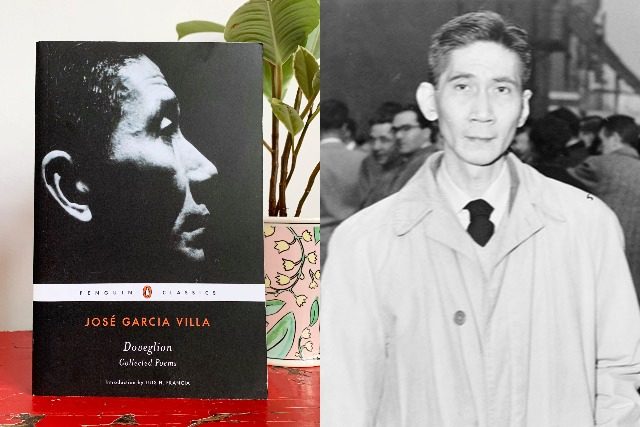
    The Subversive Poetry of Jose Garcia Villa: A Pioneer of Philippine Modernist Literature

    Jose Garcia Villa pioneered Philippine modernist literature by introducing avant-garde techniques like reversed consonance and comma poems.

    These innovations reshaped poetic norms and influenced not only Filipino writers but also Asian American literature.

    Villa’s legacy endures through contemporary poets, highlighting his significant impact on poetic expression.

    Key Takeaways

    • Jose Garcia Villa revolutionized Philippine modernist literature through innovative poetic techniques, solidifying his status as a pioneer.
    • His experimental style influenced a new wave of Filipino writers, leaving a lasting impact on the literary landscape.
    • Villa’s avant-garde approach reshaped Filipino literary expression, inspiring numerous contemporary artists.

    Early Life and Influences

    Jose Garcia Villa’s suspension from the University of the Philippines in 1929 prompted his move to Greenwich Village in New York City, a critical juncture in his poetic journey. This relocation exposed him to a diverse community of artists and thinkers, fostering creativity and innovation.

    In Greenwich Village, Villa engaged with various artistic influences, leading him to experiment with form and language. His interactions with Philippine writers in the area shaped his unique voice in Philippine modernist literature.

    Literary Breakthroughs and Innovations

    Villa introduced innovative poetry techniques like reversed consonance and comma poems, revolutionizing modern literature. His pursuit of originality and avoidance of clichés set a new standard for poetic expression.

    Villa’s experimental language techniques, including the Duo-Technique and Xocerisms, showcased his linguistic prowess and established him as a visionary in artistic innovation.

    Unique Poetic Structures

    Jose Garcia Villa, a pioneer in Philippine modernist literature, introduced innovative techniques like reversed consonance and comma poems to revolutionize poetic structures. He utilized reversed consonance by flipping consonants in words to create a unique rhythm, departing from traditional poetic norms.

    With comma poems, Villa punctuated each line with a comma to induce pauses and enhance the overall structure of his work. His exploration of Duo-Technique and Xocerisms further showcased his commitment to pushing boundaries in poetry.

    Notable works like the Divine Poems and ‘Selected Poems and New’ exemplify Villa’s distinctive use of language and form, establishing him as a subversive poet and a trailblazer in Philippine modernist literature.

    Experimental Language Techniques

    Jose Garcia Villa pioneered experimental language techniques in poetry, including reversed consonance, comma poems, Duo-Technique, and Xocerisms. His unique English language style, influenced by a multilingual upbringing, featured captivating first lines and unconventional structures.

    Villa delved into the mystery of existence through his Divine Poems, using intricate language and imagery. The publication of his ‘Selected Poems and New’ in 1958 solidified his reputation as a trailblazer in Philippine modernist literature, inspiring a new generation of Filipino writers.

    Modernist Poetry Techniques

    Jose Garcia Villa’s innovative use of reversed consonance in modernist poetry techniques challenges traditional norms. By reversing consonants within words, he creates a unique auditory effect that showcases his experimental approach to language.

    Villa’s introduction of comma poems in ‘Volume Two’ in 1949 exemplifies his unconventional punctuation style. Strategically placing commas within verses enhanced rhythm and flow, setting him apart as a pioneer of modernist literature in the Philippines.

    Cultural Impact and Controversies

    Jose Garcia Villa’s poetry challenged traditional literary norms in the Philippines, leading to uproar among critics. His unconventional style sparked backlash and censorship, but also reshaped Filipino literary expression.

    Villa’s work served as an inspiration to writers, influencing future generations and pushing the boundaries of acceptability in Philippine modernist literature.

    Villa’s Artistic Circle and Collaborations

    Jose Garcia Villa was part of an artistic circle in Greenwich Village. He collaborated with renowned writers and artists, such as E. E. Cummings and Wallace Stevens. These collaborations extended to various art forms like visual arts, music, and theater.

    Villa’s circle facilitated intellectual discussions and idea-sharing, contributing significantly to modernist literature and avant-garde movements in the early 20th century. Villa engaged with diverse art forms and various creative minds, emphasizing the importance of collaborative efforts in artistic innovation.

    Legacy in Philippine Literature

    Jose Garcia Villa revolutionized Philippine literature by introducing modernist techniques.

    His use of reversed consonance and comma poems set him apart as a pioneering figure.

    Villa’s work inspired a new generation of Filipino writers to explore unconventional forms.

    His avant-garde approach left a lasting impact on Filipino literature, encouraging poets to push boundaries.

    Analysis of Villa’s Subversive Themes

    Villa’s poetry critiques colonial legacies and cultural impositions on Filipino identity. Through symbolism, he explores themes of freedom, individuality, and artistic defiance.

    Villa’s innovative techniques challenge traditional poetic forms, fostering rebellion. His work reflects the struggles of a nation facing its past and present, illuminating the complexities of Filipino identity.

    Evolution of Villa’s Writing Style

    Villa’s transition from experimental fiction to innovative poetry exemplifies his adaptability and growth in Philippine modernist literature. His use of techniques like reversed consonance and comma poems challenged traditional forms, adding depth to his works.

    Villa’s multilingual background influenced the symbolic imagery in his poetry, distinguishing him from his peers. His commitment to originality and avoidance of repetition in poetry underscored his pioneering role in Philippine modernist literature.

    Reception and Criticism of Villa’s Works

    Villa’s poetry has received high critical acclaim for its innovative techniques and departure from traditional norms. Critics have lauded the subversive nature of Villa’s works and their pioneering impact on Philippine modernist poetry.

    Villa’s writings are continuously analyzed and admired for their lasting influence on modernist poetry in the Philippines.

    Critical Analysis of Villa’s Poetry

    Jose Garcia Villa’s poetry is renowned for its unique communication styles and instinctive genius, influencing a generation of writers and poets. His symbolic imagery drew readers into a world of vivid pictures and deep emotions, with critics praising his ability to imbue simple verses with layers of meaning.

    Villa’s manipulation of language and form challenged traditional conventions, setting new standards for innovation in poetry. His works remain a source of inspiration for scholars and poets, solidifying his legacy as a pioneer of modernist literature.

    Impact on Literary Scene

    Jose Garcia Villa’s poetry sparked a shift in Manila’s literary landscape.

    His innovative techniques, including reversed consonance and comma poems, influenced future poets. Villa’s work initially stirred controversy but later gained critical acclaim.

    He is recognized as a pioneer of modernist literature. Villa’s impact on Philippine poetry is significant, with peers and critics acknowledging him as a key figure.

    His unique style and subversive nature are still studied and celebrated today, solidifying his lasting influence on Filipino literature.

    How Did Jose Garcia Villa’s Poetry Influence the Works of Amado V. Hernandez?

    Jose Garcia Villa’s poetry had a profound impact on Amado V. Hernandez, known as “the poet warrior of Philippine literature“. Hernandez admired Villa’s use of innovative language and metaphors, which inspired him to incorporate similar techniques into his own poetry. Villa’s influence can be seen in Hernandez’s works through his unique and experimental approach to poetry.

    Influence on Contemporary Poetry

    Jose Garcia Villa, a pioneer of Philippine modernist literature, has significantly influenced contemporary poetry. His impact is evident in various aspects of modern poetic expression:

    • Villa’s innovative techniques, such as reversed consonance and comma poems, are still inspiring poets today, leading to the exploration of new forms and boundaries.
    • His emphasis on originality and avoiding repetition has shaped modern poetic styles, prompting poets to experiment with fresh modes of expression.
    • Villa’s unique language and captivating first lines have set a high standard in contemporary poetry, captivating readers right from the start.
    • Contemporary poets draw from Villa’s musicality, imagery, and thematic fusion, enriching their own works with depth and resonance. Villa’s legacy in Asian American literature solidifies his position as a pioneering figure in poetry.

    Frequently Asked Questions

    Who Is Jose Garcia Villa and What Is His Contribution to the Development of Philippine Literature?

    Jose Garcia Villa, a Filipino poet, revolutionized Philippine literature. He introduced innovative techniques such as reversed consonance and comma poems. These methods significantly influenced the literary landscape, showcasing his lasting impact on the craft.

    Who Is the Father of Philippine Literature?

    Jose Garcia Villa is recognized as the Father of Philippine Literature. His innovative style and subversive approach influenced modernist poetry significantly. Villa’s literary legacy continues to shape the landscape of Philippine literature.

    Who Is a Filipino Literary Writer Who Advocated Modernism in His Poetry?

    Jose Garcia Villa, a Filipino literary writer, revolutionized poetry through innovative techniques. He challenged traditional norms and emphasized originality. Villa’s work continues to inspire and shape contemporary literature.

    What Is the Title of the Collection of Short Stories Published by Jose Garcia Villa in 1933?

    Jose Garcia Villa’s short story collection, ‘Footnote to Youth,’ was published in 1933. It showcases Villa’s narrative innovation and thematic depth, exploring themes of youth, love, and societal norms.

    Conclusion

    Jose Garcia Villa’s subversive poetry significantly influenced Philippine modernist literature. His innovative techniques and unapologetic themes challenged norms, sparking both admiration and controversy.

    Villa’s unique contributions continue to resonate in contemporary poetry, inspiring writers to explore new forms of expression. His legacy as a modernist literature pioneer in the Philippines endures, showcasing the transformative power of poetry.

  • Exploring the Richness of Philippine Folklore and Mythologies

    Exploring the Richness of Philippine Folklore and Mythologies

    Philippine folklore and mythologies blend indigenous beliefs with external influences like animistic traditions, Hinduism, Buddhism, and Islam.

    Figures such as Bathala, Tala, and Maria Makiling embody beauty, wisdom, and malevolence, reflecting Filipino cultural values.

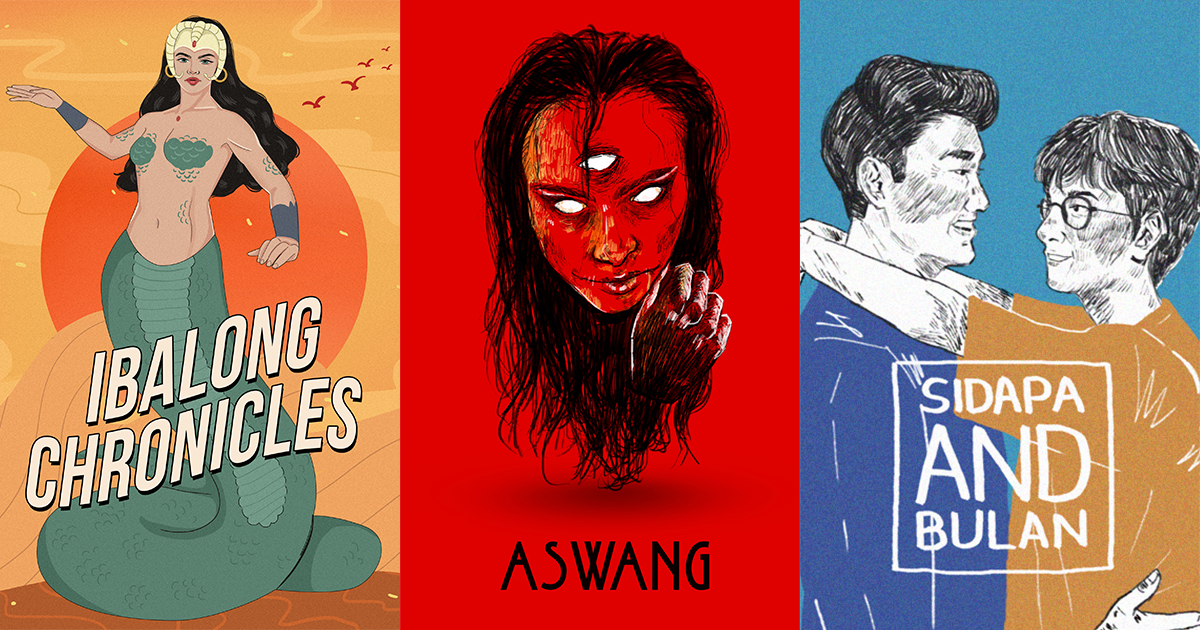
    Mythical beings like the Aswang and Tikbalang add mystique to tales emphasizing nature, heroism, and the eternal battle between good and evil.

    These stories play a significant role in shaping Filipino identity, values, and heritage.

    Key Takeaways

    • Philippine mythologies synthesize indigenous beliefs with external influences like Hinduism and Islam.
    • Notable figures include Bathala, Tala, Maria Makiling, and Aswang, embodying beauty, wisdom, and malevolence, respectively.
    • Supernatural beings such as Tikbalang, Manananggal, Kapre, and Nuno sa Punso enrich the folklore with mystique.
    • Themes in these mythologies revolve around nature, heroism, and the perpetual conflict between good and evil.
    • Filipino folklore, deeply embedded in the culture, shapes identity, values, literature, art, and festivals.

    Origins of Philippine Mythologies

    The origins of Philippine mythologies are a blend of indigenous beliefs and external influences, shaping a diverse cultural narrative.

    The mythology in the Philippines combines pre-colonial animistic traditions with elements from Hinduism, Buddhism, and Islam. This fusion highlights the country’s cultural diversity, forming a unique storytelling tradition.

    One prominent figure in Filipino mythology is Bernardo Carpio, a hero trapped between two mountains symbolizing struggle and resilience. These myths serve as moral lessons and explanations for natural events, passed down orally through generations.

    Filipino myths inspire contemporary literature, art, and film, contributing to the formation of Filipino identity.

    Mythical creatures such as the Aswang, Tikbalang, Manananggal, Kapre, and Nuno sa Punso enrich the cultural narrative, showcasing the complexity of Filipino folklore.

    Key Figures in Filipino Folklore

    Bathala is the supreme god in Filipino folklore, associated with creation and divine power. Tala is the goddess of stars, revered for her beauty and celestial connection.

    Bathala is depicted as the creator of the universe and all living things, embodying supreme authority and wisdom. Tala symbolizes the beauty and mystery of the night sky. For example, her presence is believed to guide travelers and bring good fortune.

    Maria Makiling is a mystical mountain goddess in Filipino folklore known for protecting the environment and healing the sick. She’s a guardian of Mount Makiling, appearing to those in need.

    The Aswang is a malevolent creature in Filipino folklore known for shape-shifting abilities and a hunger for human flesh. It preys on unsuspecting victims under the cover of night.

    Supernatural Beings and Creatures

    Supernatural beings and creatures in Filipino folklore, such as the Aswang, Tikbalang, Manananggal, Kapre, and Nuno sa Punso, play significant roles in shaping cultural narratives.

    The Aswang is known for preying on humans and controlling minds.

    The Tikbalang, a half-horse, half-human being, enjoys playing tricks on travelers.

    The Manananggal can detach its upper body to feed on victims, especially pregnant women and children.

    The Kapre, a peaceful tree-dwelling giant, only acts aggressively when provoked.

    The Nuno sa Punso, a dwarf guardian of mounds, brings misfortune to those who disturb its dwelling.

    Themes in Philippine Mythical Stories

    Philippine mythical stories reflect nature, heroism, and the eternal battle between good and evil, embodying Filipino cultural values. These stories mirror the essence of Philippine mythology through intricate themes.

    • Nature: Philippine stories emphasize a strong connection with nature, advocating for environmental harmony and respect.
    • Heroism: Legends like Bernardo Carpio and Lam-Ang inspire Filipinos with values of bravery, resilience, and selflessness.
    • Good Versus Evil: Philippine folklore symbolizes the eternal struggle between light and darkness, reflecting society’s moral values.
    • Family and Community: Themes of unity, solidarity, and mutual support are central in Filipino culture.
    • Supernatural Beings: Stories with supernatural beings add magic and mystique to the mythical narratives.

    Influence of Folklore on Filipino Culture

    Filipino folklore is deeply ingrained in the culture, influencing identity and heritage. Traditional stories and mythical creatures shape values, beliefs, and understanding.

    This influence extends to literature, art, music, and festivities, showcasing folklore’s impact on Filipino society.

    Cultural Identity Impact

    Filipino folklore preserves ancient beliefs and traditions. Myths and legends in Filipino folklore reflect the diverse cultural heritage of the Philippines.

    Characters like Maria Makiling and Bernardo Carpio embody heroism and community values. Supernatural beings like the aswang and kapre contribute to the richness of Filipino cultural beliefs.

    The influence of folklore on Filipino culture is evident in festivals, rituals, art, and literature, strengthening the connection to heritage and identity.

    Traditional Belief Preservation

    Philippine folklore serves as a conduit for cultural heritage transmission among Filipinos. Myths and legends reflect a connection to ancestral roots and traditions. Creatures like the aswang and kapre embody ancient Filipino fears and beliefs. Saying ‘tabi tabi po‘ is a common practice rooted in mythological origins.

    The integration of mythological figures in Filipino culture blends indigenous beliefs with external influences, notably post-Spanish colonization. Filipino folklore acts as a cultural marker, shaping contemporary beliefs.

    Modern Interpretations of Mythological Tales

    In modern interpretations of Philippine mythological tales, Filipino artists blend traditional folklore with contemporary storytelling techniques. Works like Trese, The Mythology Class, and Mythspace have revitalized age-old myths, making them relevant for today’s audiences.

    These reimaginings introduce Philippine mythology to new generations and highlight the enduring power of these ancient tales in a changing world.

    Artistic Reimaginings of Myths

    Artistic reimaginings of traditional Philippine myths through mediums like komiks and graphic novels have revitalized ancient tales by blending them with modern storytelling techniques, engaging audiences with familiar characters in new contexts.

    Works like Trese, The Mythology Class, and Mythspace bring Filipino folklore into contemporary settings. Modern interpretations bridge the gap between past traditions and present-day interests, helping maintain myths relevant and accessible to a wider audience.

    These reimaginings showcase cultural significance and adaptability through new interpretations, preserving Filipino cultural heritage and resonating across generations.

    Contemporary Relevance of Folklore

    Filipino artists have revitalized traditional myths through mediums like komiks and graphic novels. Works such as Trese, The Mythology Class, and Mythspace have modernized Philippine folklore, making it relevant today.

    These adaptations act as a bridge between the past and present, connecting modern audiences with Filipino mythology. Through innovative storytelling, these modern interpretations ensure that timeless myths continue to captivate audiences.

    How Does Philippine Folklore Influence Contemporary Spoken Word Poetry?

    Philippine folklore has a strong influence on contemporary Philippine spoken word poetry. The rich storytelling traditions, mythical creatures, and cultural beliefs are often woven into the verses and performances of contemporary Philippine spoken word poetry, adding depth and uniqueness to the art form.

    Preservation Efforts for Filipino Folklore

    Efforts to preserve Filipino folklore are supported by the National Commission for Culture and the Arts (NCCA) through documentation, research promotion, and cultural event organization. This preservation work is crucial for safeguarding Philippine folklore for future generations.

    The NCCA focuses on:

    • Documenting oral traditions
    • Promoting research on folk beliefs
    • Organizing cultural events to showcase traditional stories

    Educational institutions like the University of the Philippines (UP) offer courses on Philippine folklore. Local communities are engaged through storytelling sessions, workshops, and festivals to pass down folk tales and uphold traditions.

    Frequently Asked Questions

    Why Is It Important to Study Philippine Mythology?

    Studying Philippine mythology is crucial for understanding cultural preservation, heritage appreciation, and societal values. It sheds light on beliefs, traditions, and identity, showcasing a diverse tapestry of Filipino stories.

    Why Are Folktales Important in the Philippines?

    Folktales in the Philippines play a crucial role in fostering societal unity through shared narratives. They preserve heritage, uphold storytelling traditions, and instill societal values. These tales are integral in shaping Filipino identity.

    What Is the Description of Philippine Mythology?

    Philippine mythology comprises stories of gods, goddesses, and mythical creatures. It serves to explain natural phenomena, impart moral lessons, and reflect cultural values. This mythology is rooted in the diverse cultural heritage of the Philippines.

    What Is the Meaning of Philippine Folklore?

    Philippine folklore comprises stories handed down through generations, reflecting cultural heritage. Symbols in these tales offer insights into history and values. Oral traditions act as a crucial link to the past.

    Conclusion

    The Philippine folklore and mythologies reveal insights into the cultural heritage of the Filipino people.

    Exploring origins, key figures, supernatural beings, and themes in these stories deepens the understanding of Filipino culture.

    The influence of folklore on Filipino society is significant.

    Efforts to preserve and interpret these tales shape modern interpretations.

  • Jose Rizal’s Noli Me Tangere: the Novel That Sparked a Revolution

    Jose Rizal’s Noli Me Tangere: the Novel That Sparked a Revolution

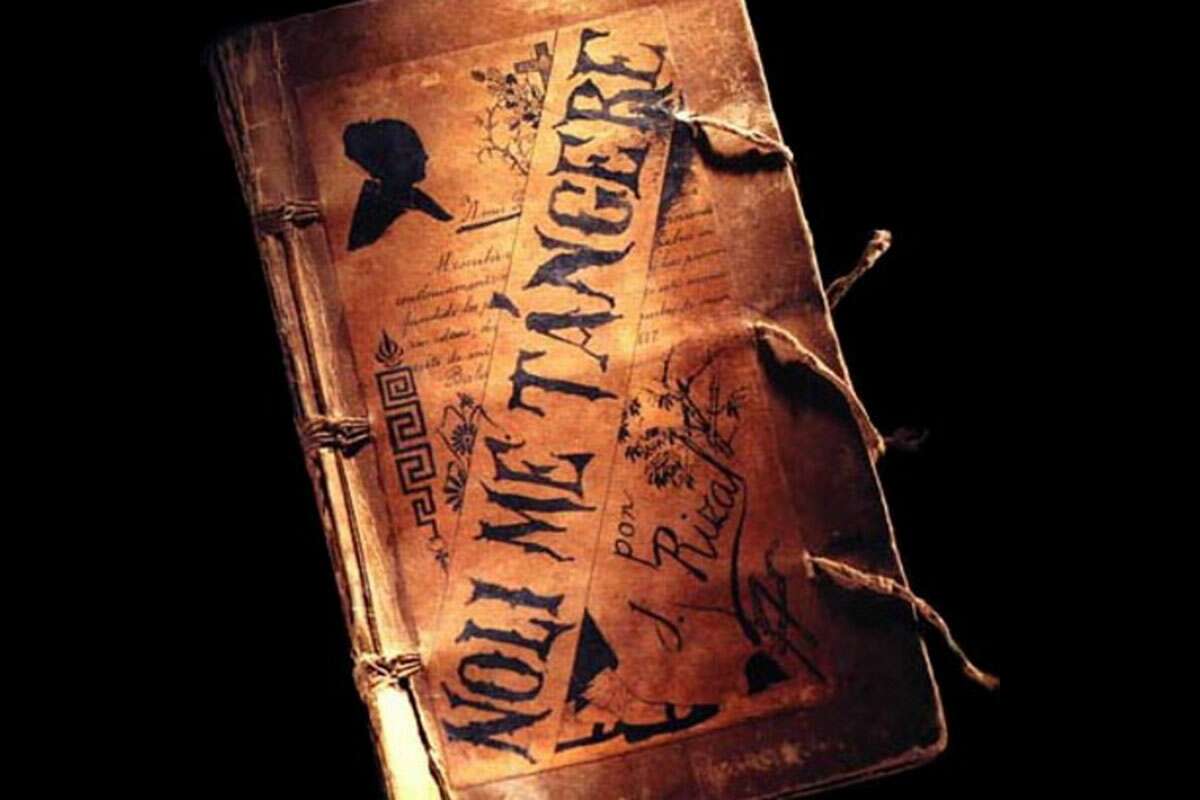
    Jose Rizal’s Noli Me Tangere is a novel that critiques Spanish friars and the injustices faced by Filipinos during colonial rule.

    The character Juan Crisostomo Ibarra represents the educated class in the story.

    This novel sparked Filipino nationalism and inspired resistance against oppression.

    It continues to influence writers worldwide, advocating for societal change and justice.

    Noli Me Tangere is considered a masterpiece that showcases Filipino resilience and spirit.

    Key Takeaways

    • Rizal critiqued Spanish colonial rule in the Philippines.
    • His writings symbolized Filipino nationalism and resistance against tyranny.
    • Rizal’s works inspired anti-colonial sentiments and the fight for independence.
    • His writings fostered a sense of empowerment and national identity among Filipinos.
    • Rizal’s writings played a significant role in sparking the Philippine Revolution.
    • This elevated Rizal to national hero status in the Philippines.

    Historical Context of Noli Me Tangere

    Jose Rizal’s novel, Noli Me Tangere, was written in the late 19th century under Spanish colonial rule in the Philippines. The novel highlighted the injustices and brutalities faced by Filipinos under Spanish colonization. Through vivid characters and events, Rizal depicted the oppressive Spanish friars and the struggles of Filipinos seeking justice and independence.

    Noli Me Tangere sparked Filipino nationalism and resistance against colonial oppression. Rizal’s portrayal of the harsh realities under Spanish rule resonated with the Filipino people, inspiring a desire for societal change and reform. The novel played a significant role in fueling a movement towards liberation and self-determination during a period of upheaval and strife in the Philippines.

    Character Analysis: Juan Crisostomo Ibarra

    In Jose Rizal’s novel ‘Noli Me Tangere,’ Juan Crisostomo Ibarra symbolizes the educated Filipino class advocating for reforms under Spanish colonial rule. Ibarra’s return from Europe signifies enlightenment and a desire for change in the Philippine context. Through his character, Rizal critiques the oppressive colonial system and corrupt friars, highlighting Filipino struggles during that period.

    Ibarra’s experiences reflect Rizal’s critique of Spanish colonial rule and social inequalities in the Philippines. His character embodies hope for progress and the courage to speak out against injustice, resonating with Filipinos aiming for a better future. Juan Crisostomo Ibarra represents the resilience and determination of Philippine society against colonial oppression.

    Themes of Colonial Oppression

    Jose Rizal’s novel ‘Noli Me Tangere’ vividly depicts themes of colonial oppression in the Philippines under Spanish rule. The novel critiques the exploitative power dynamics of the Spanish colonial regime, emphasizing the systemic abuse faced by Filipinos.

    Key themes include exploitation, injustice, and discrimination, showcasing the harsh realities endured by Filipino society. For example, the novel showcases instances of Filipinos being exploited for labor and resources, facing unjust treatment in the legal system, and encountering discrimination based on social status.

    Through these themes, ‘Noli Me Tangere’ serves as a poignant critique of colonial oppression, shedding light on the dehumanizing effects of Spanish rule in the Philippines.

    Impact on Filipino Nationalism

    The novel ‘Noli Me Tangere’ had a significant impact on Filipino nationalism.

    Written by Jose Rizal, it contributed to shaping the Filipino identity and fostering anti-colonial sentiments.

    By exposing the injustices of Spanish rule, the novel inspired resistance and unity among the people.

    This played a crucial role in the movement for independence.

    Filipino Identity Formation

    Jose Rizal’s Noli Me Tangere influenced Filipino national identity by:

    • Revealing Spanish colonization injustices.
    • Fostering Filipino nationalism and resistance to colonial rule.
    • Connecting with readers through Filipino character depictions.
    • Motivating Filipinos to unite for rights and independence.
    • Leaving an enduring mark on Philippine literature, culture, and historical awareness.

    Anti-Colonial Sentiment Influence

    Jose Rizal’s Noli Me Tangere sparked anti-colonial sentiment and nurtured Filipino nationalism. The novel shed light on systemic abuses by Spanish friars and civil authorities, fueling a desire for independence.

    This led to advocacy for political change among the Filipino middle class. Noli Me Tangere was a catalyst for the Philippine Revolution, a pivotal moment in the country’s history. Its impact on Filipino nationalism was profound, driving the fight against colonial oppression and shaping the quest for sovereignty.

    Symbolism and Imagery in the Novel

    Symbolism and imagery in Noli Me Tangere serve to represent societal roles and issues through its characters.

    Crisostomo Ibarra symbolizes the educated Filipino elite, reflecting the aspirations and struggles of his social class in colonial Philippines.

    Elias embodies sacrifice and resistance against oppression, showcasing the resilience of the Filipino people.

    Doña Victorina represents the desire for social climbing and status, while Sisa and Maria Clara depict the challenges faced by Filipino women during that time.

    These symbols deepen the narrative, allowing exploration of societal dynamics and themes in the novel.

    Reception and Controversies Surrounding Noli Me Tangere

    A public outcry emerged over ‘Noli Me Tangere‘ for challenging Spanish colonial rule and the Catholic Church in the Philippines, leading to controversy. The novel faced significant political backlash from colonial authorities and clergy.

    Despite these challenges, ‘Noli Me Tangere’ resonated with Filipinos seeking social change and independence. It became a symbol of resistance and a catalyst for revolution.

    Public Outcry Over Noli

    Noli Me Tangere incited public outcry in the Philippines by criticizing Spanish colonial rule and the Catholic Church. The novel was censored and banned for challenging authority. It garnered praise for exposing social injustices and advocating reforms.

    Controversies around the book fueled nationalist sentiments and anti-colonial movements. Its reception contributed to its recognition as a groundbreaking literary work in Philippine history.

    Political Backlash and Noli

    Jose Rizal’s novel ‘Noli Me Tangere,’ written in 1887, faced resistance and bans in Spanish territories for criticizing colonial rule and the Catholic Church. The novel highlighted social injustice and abuse of power under Spanish colonialism.

    Corrupt friars and abusive colonial officials were depicted, sparking debates and discontent among Filipinos. Despite censorship, the book gained underground popularity as a symbol of resistance.

    This political backlash fueled nationalist sentiment, contributing to the Philippine Revolution and inspiring Filipinos to fight for independence.

    Noli Me Tangere’s Influence on Philippine Literature

    Noli Me Tangere significantly influenced Philippine literature by shaping national identity and resistance against colonial oppression. Here are five key points highlighting its impact:

    • Genre Fusion: The novel blended melodrama, satire, and political discussions to address societal injustices and advocate for reform.
    • Nationalism: By shedding light on colonial abuses and social issues, the novel indirectly fostered nationalism and empowerment among Filipinos.
    • Jose Rizal’s Legacy: Rizal’s execution following the novel’s themes elevated him to a national hero in the Philippines, cementing the book’s significance in the country’s literary and historical heritage.
    • Catalyst for Revolution: Noli Me Tangere’s critique of Spanish colonial rule and the Catholic Church’s exploitation fueled the Philippine Revolution, leading to the fight for independence.
    • Literary Influence: The novel remains a cornerstone of Philippine literature, inspiring generations of writers to address social and political issues in their works.

    How Did Jose Rizal’s Noli Me Tangere Influence Traditional Filipino Tattoo Art?

    Jose Rizal’s Noli Me Tangere has had a significant impact on traditional Filipino tattoo symbolism. The novel’s portrayal of national identity and resistance against oppressors has inspired many tattoo artists to incorporate these themes into their designs, contributing to the rich and meaningful tradition of traditional Filipino tattoo symbolism.

    Legacy of Noli Me Tangere in Modern Society

    The enduring influence of Noli Me Tangere is seen in its resonance with contemporary social issues and adaptation in various media forms. This novel by José Rizal sparked a revolution in the Philippines and continues to be relevant globally, including in the United States.

    The themes of social injustice and colonial oppression in the book reflect struggles in today’s societies, especially in post-colonial and national sovereignty debates. Crisostomo Ibarra represents the ongoing fight against oppression and the pursuit of societal change, inspiring activism in modern times.

    Noli Me Tangere remains a key part of Philippine literature education, conveying powerful messages and advocating against injustice for audiences worldwide.

    Frequently Asked Questions

    What Is the Significance of Noli Me Tangere?

    Noli Me Tangere symbolizes resistance against colonial oppression in the Philippines. It criticizes Spanish exploitation of Filipinos. José Rizal’s execution for revolutionary themes highlights the novel’s significant impact on Philippine history.

    Did Jose Rizal Cause the Spanish Revolution?

    Rizal’s influence on the Spanish Revolution was indirect but significant. His writings, such as ‘Noli Me Tangere,’ stirred controversy and fueled nationalist sentiments among Filipinos. While not directly causing the revolution, Rizal’s impact on Filipino identity and resistance to colonial rule was profound.

    What Is Rizal’s Idea of Revolution?

    Rizal’s perspective on revolution shifted over time. Initially cautious, he later embraced revolutionary ideals. His writings demonstrate a nuanced understanding of societal change, merging nationalism, reform, and the call for transformative action.

    What Is the Main Idea of the Novel Noli Me Tangere?

    The novel ‘Noli Me Tangere’ by Jose Rizal critiques oppressive systems under Spanish colonization. It advocates for social reform and resistance against tyranny through characters and plot.

    Conclusion

    Noli Me Tangere by Jose Rizal sparked a revolution in the Philippines. The novel depicted colonial oppression, featured complex characters, and used symbolic imagery.

    It inspired Filipino nationalism and continues to resonate with readers. Noli Me Tangere is a timeless masterpiece that shapes Philippine literature and society.