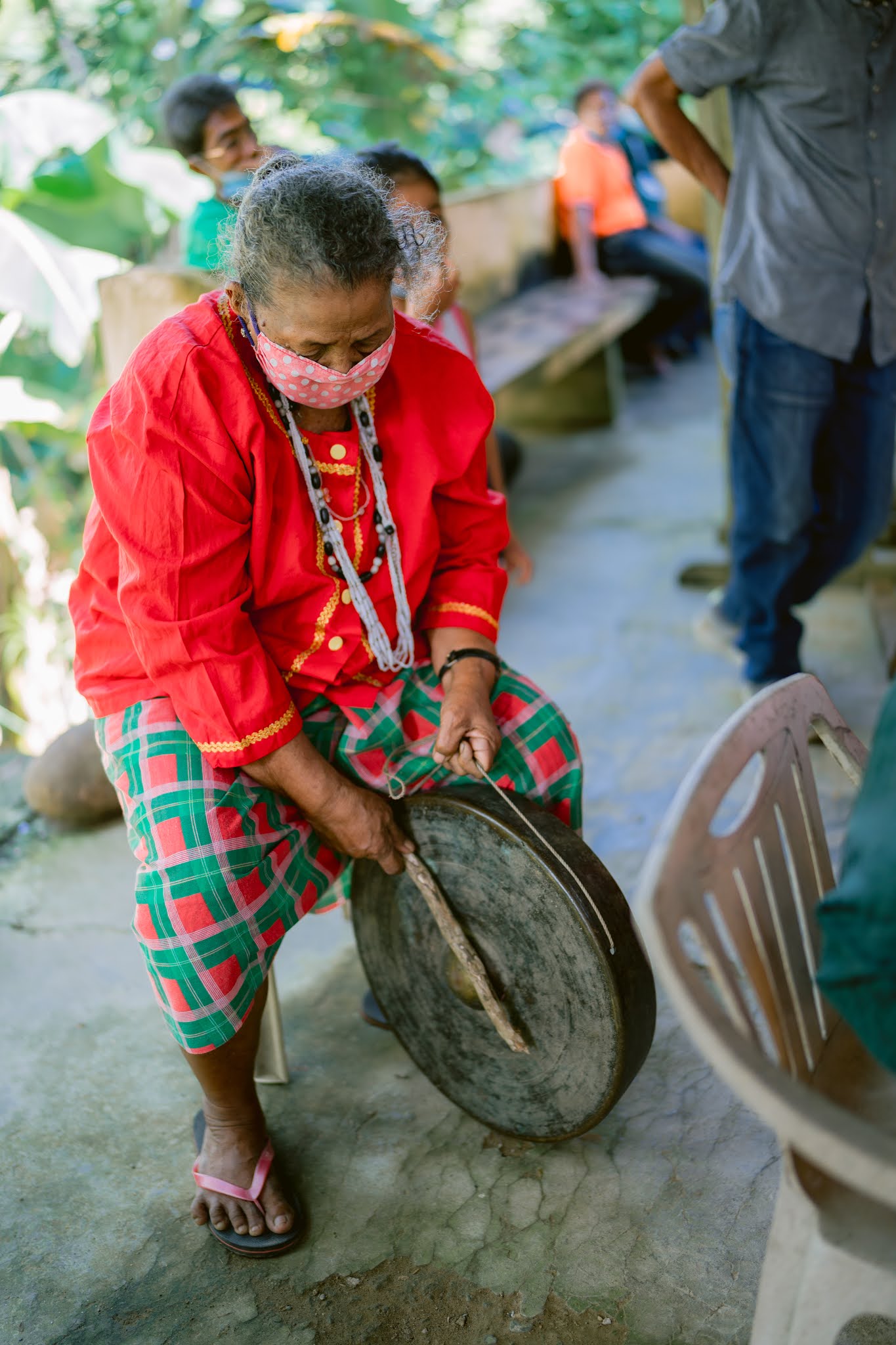
Author: Amiel Pineda

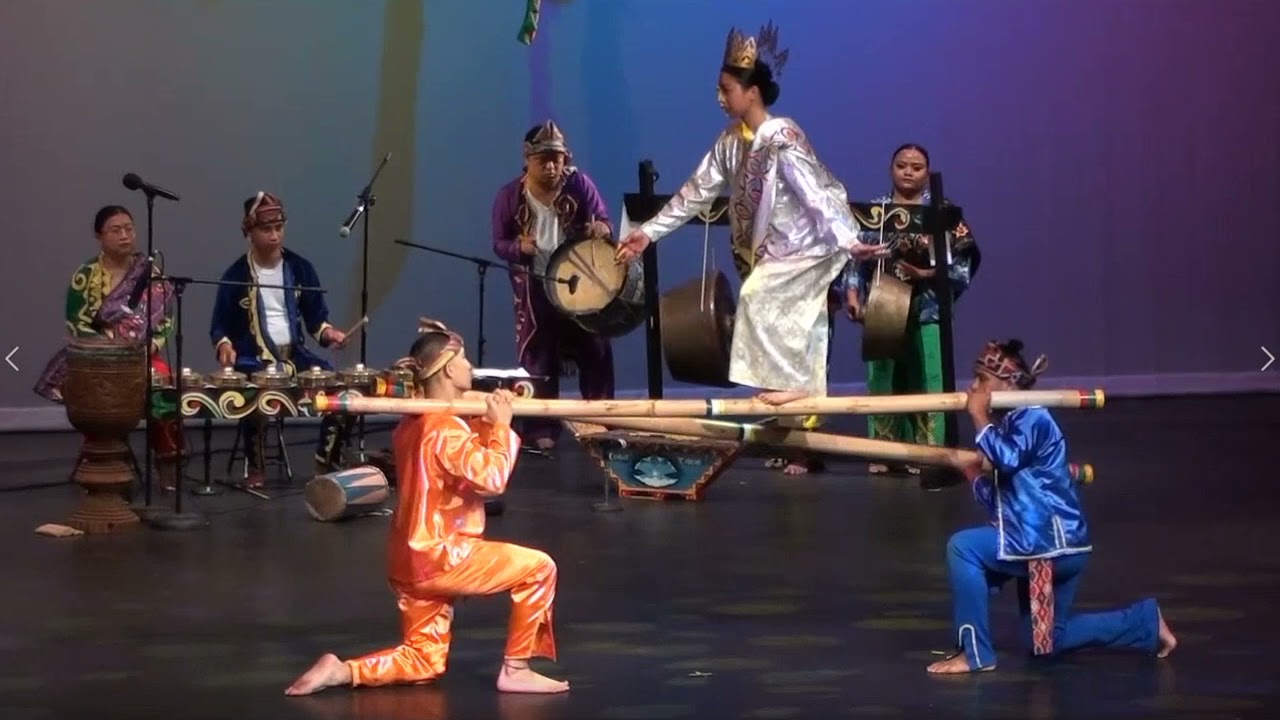
  • Pangalay Ha Patong: The Enchanting Boat Dance of Sulu

    Pangalay Ha Patong: The Enchanting Boat Dance of Sulu

    Pangalay Ha Patong: A Traditional Boat Dance of Sulu

    Pangalay Ha Patong is a traditional boat dance from Sulu that combines Islamic and tribal traditions with captivating hand movements and rhythmic body swaying.

    Origins and Characteristics

    This unique dance form originated in the 14th century and is characterized by intricate hand movements resembling gentle waves and rhythmic body swaying that creates a fluid motion.

    Cultural Significance and Evolution

    Pangalay Ha Patong has been shaped by the maritime influence and cultural exchange, which have deeply rooted it in Sulu's cultural heritage. This dance form has evolved over time, reflecting the cultural dynamics of the region.

    Intricate Hand Movements and Rhythmic Body Swaying

    The dance is distinguished by gentle, wave-like hand movements that mirror the rhythmic motion of the sea. The rhythmic body swaying adds to the overall fluid motion of the dance, creating a mesmerizing visual effect.

    Cultural Heritage and Significance

    Pangalay Ha Patong is an important part of Sulu's cultural heritage, showcasing the region's rich cultural diversity and historical significance.

    Origins of the Pangalay Ha Patong

    The Pangalay Ha Patong originated in the 14th century in the royal courts of the Sulu Sultanate, where it was performed by royal princesses as a form of entertainment for honored guests. This dance has a rich history, deeply rooted in the cultural heritage of the region.

    The Islamic influence is evident in the dance's intricate hand and arm movements, which resemble the Arabic alphabet.

    The dance was also shaped by tribal migrations. The dynamic footwork and rhythmic patterns of the Pangalay Ha Patong were influenced by the indigenous tribes of the Sulu Archipelago.

    The fusion of Islamic and tribal traditions resulted in a unique dance form that's both captivating and graceful.

    Unique Characteristics of the Dance

    The Pangalay Ha Patong dance is characterized by intricate hand movements that resemble the gentle lapping of waves against the boat's hull. These delicate gestures are expertly paired with rhythmic body swaying, creating a mesmerizing display of fluid motion.

    The dance's unique characteristics evoke the sensation of floating on water.

    Intricate Hand Movements

    Intricate Hand Movements in Pangalay Ha Patong

    Pangalay Ha Patong, a traditional dance, showcases intricate hand movements that require precision and control. Finger Isolation is a hallmark of this dance, where each finger moves independently, creating a fluid, wave-like motion. This isolation allows for a range of expressive hand expressions, conveying emotions and telling a story through subtle hand positions and gestures.

    Developing Strength and Dexterity

    Executing these intricate movements develops strength, dexterity, and coordination in the fingers, wrists, and forearms. Precise finger placement and subtle hand rotations require focus and concentration, making Pangalay Ha Patong a mentally engaging and physically demanding dance.

    Conveying Emotions and Narrative

    The dance's emphasis on hand movements enables a high degree of expressiveness, allowing dancers to convey emotions and narrative through their hands alone. With practice and dedication, mastering the intricate hand movements reveals the true essence of Pangalay Ha Patong.

    Rhythmic Body Swaying

    Rhythmic Body Swaying in Pangalay Ha Patong

    Rhythmic body swaying is a distinctive feature of Pangalay Ha Patong. This dance style involves subtle, sinuous movements of the torso and hips that harmonize with intricate hand movements.

    Body isolations are used to create fluid, wave-like motions. Dancers employ gentle tilts, twists, and undulations to convey the rhythmic pulse of the music.

    Body isolations require immense control and precision. Dancers must isolate specific muscle groups to create the desired movement.

    Subtle body swaying isn't just aesthetically pleasing; it's also a demonstration of the dancers' mastery of complex movement techniques. By combining intricate hand movements with subtle body swaying, the dancers create a mesmerizing visual spectacle that captivates the audience.

    Maritime Roots of the Tradition

    The strategic location of Sulu at the crossroads of ancient sea routes significantly influenced the development of Pangalay Ha Patong. This location facilitated maritime trade and cultural exchange, which in turn shaped the dance's unique character.

    The rhythmic patterns and graceful movements of Pangalay Ha Patong reflect the region's rich maritime heritage.

    Ancient Sea Routes

    Ancient Sea Routes Shaped the Pangalay Ha Patong Dance

    The ancient maritime trade networks of Southeast Asia, dating back to the 1st millennium, laid the foundation for the development of the Pangalay Ha Patong dance in Sulu.

    The Silk Road connected China with the Mediterranean region, while the Spice Trade brought exotic goods from the East Indies to the Middle East and Europe. This exchange of goods and ideas facilitated the growth of Maritime Empires, such as the Srivijaya Empire, which thrived in the 7th century.

    Ancient Navigation and Sea Exploration skills were vital for these empires. Sailors navigated the treacherous waters of the Indonesian archipelago, relying on the Trade Winds, which blew from the northeast during the winter months, to travel across the Indian Ocean.

    The rich cultural heritage of this region, shaped by the confluence of maritime trade and cultural exchange, is reflected in the Pangalay Ha Patong dance.

    Sulu's Maritime History

    Sulu's Strategic Location Fostered Maritime Trade and Cultural Exchange

    Sulu's position in the Sulu Archipelago, situated between the Philippines and Borneo, made it a crucial hub for maritime trade and commerce. This strategic location facilitated the convergence of various cultures, influencing the development of the Pangalay Ha Patong dance.

    Naval Battles and European Colonization

    The region was a focal point of naval battles, with European colonizers and local rulers vying for control of the seas. The island's port cities, such as Jolo and Siasi, were pivotal stops for traders and explorers. These ports were bustling with merchants and sailors from all corners of the globe, exchanging goods and stories of their adventures on the high seas.

    Rich Sea Exploration History

    Sulu's sea exploration history is rich, with Chinese, Arabs, and Europeans leaving their mark on the local culture. Maritime trade flourished, with Sulu becoming a key player in the regional economy. The region's cultural heritage was shaped by the exchange of goods, stories, and ideas among these diverse groups.

    Laying the Groundwork for the Pangalay Ha Patong Dance

    This vibrant maritime history laid the groundwork for the development of the Pangalay Ha Patong dance, which would go on to become an integral part of Sulu's cultural identity.

    Cultural Significance in Sulu

    Pangalay Ha Patong: A Symbol of Islamic Identity and Community Empowerment in Sulu

    In Sulu, the Pangalay Ha Patong dance is an integral part of cultural celebrations, fostering a sense of community and pride among the locals. This enchanting boat dance embodies the Islamic identity of the region, showcasing the strong Islamic roots that have shaped the community's values and traditions.

    Community Empowerment through Cultural Preservation

    The Pangalay Ha Patong has been instrumental in community empowerment. By preserving and promoting this traditional dance, the local community is empowered to take pride in their cultural heritage. This sense of ownership and responsibility among the locals ensures the dance's continued relevance and popularity.

    The Pangalay Ha Patong isn't just a dance, but a symbol of community empowerment and Islamic identity in Sulu.

    Traditional Costumes and Adornments

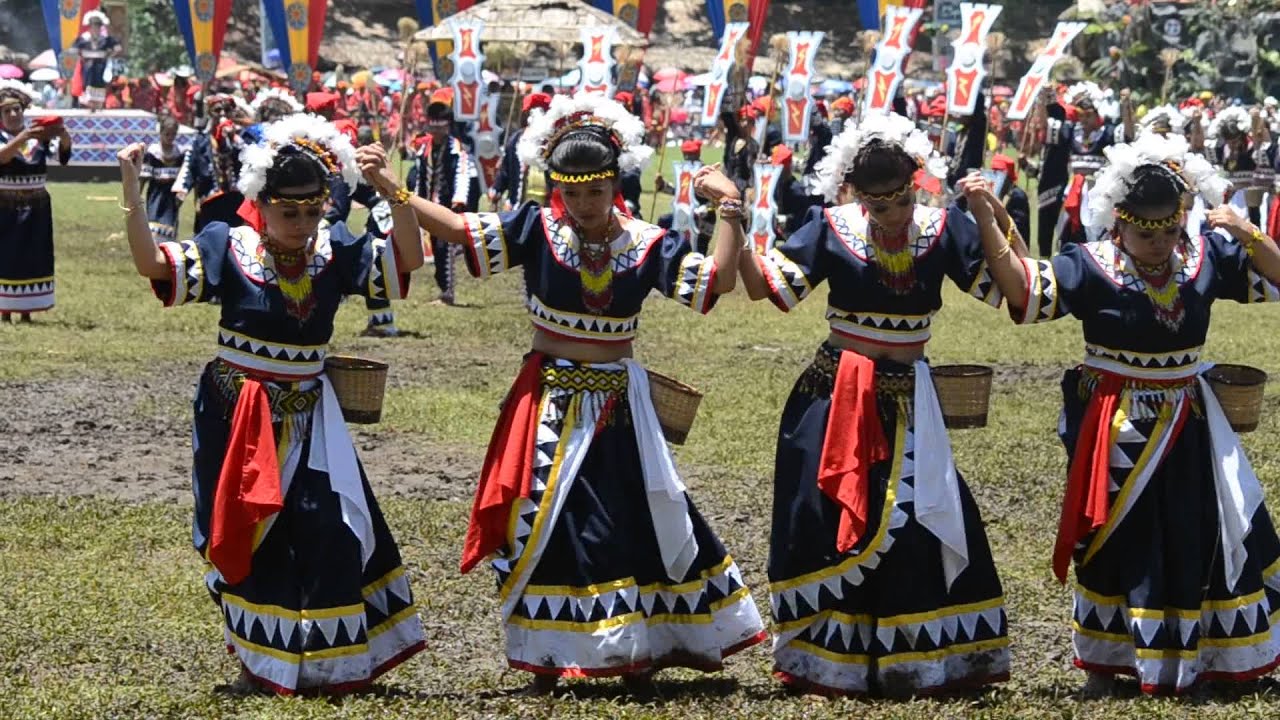
    The traditional costumes and adornments of the Pangalay Ha Patong hold significant cultural meaning. These intricate pieces aren't just aesthetically pleasing, but also reflect the rich cultural heritage of Sulu.

    The intricate fabric patterns, often featuring geometric shapes and floral motifs, are woven with precision and care. For example, the headdresses and accessories that adorn the dancers' bodies are crafted with attention to detail, showcasing the cultural significance of the Pangalay Ha Patong.

    Headdresses and Accessories

    The Pangalay Ha Patong dancers' headdresses are a striking feature of their traditional costumes. These headdresses boast intricate designs, featuring delicate silver filigree and vibrant, hand-beaded ornaments that shimmer under the light.

    Each bead and sequin is carefully positioned to create a mesmerizing display of color and light. The attention to detail is remarkable, with each headdress a tribute to the skill and craftsmanship of the artisans who created them.

    The headdresses add an extra layer of elegance and sophistication to the dancers' movements. As you watch the dancers perform, you can't help but be captivated by the way the headdresses seem to come alive, as if the intricate designs and patterns are dancing alongside the performers.

    Intricate Fabric Patterns

    Intricate Fabric Patterns of the Pangalay Ha Patong Dancers

    The traditional costumes of the Pangalay Ha Patong dancers feature vibrant colors and geometric shapes in their intricate fabric patterns. These patterns aren't just aesthetically pleasing; they convey stories of the community's history, mythology, and values. Each pattern language tells a unique story, woven into the fabric of the dancers' costumes.

    Symbolism in Fabric Patterns

    The fabric patterns are imbued with symbolism, reflecting the community's design anthropology. Every thread and stitch is a deliberate choice, conveying meaning and significance. For example, the geometric shapes may represent the community's connection to their ancestral lands, while the vibrant colors may symbolize the community's resilience and creativity.

    Unraveling the Threads of Cultural Heritage

    As you explore the fabric patterns, you'll uncover woven narratives that reveal the community's history, traditions, and cultural practices. The intricate designs are a tribute to the Pangalay Ha Patong's cultural richness, inviting you to delve deeper into their fascinating textile heritage.

    Intricate Hand and Arm Movements

    Intricate Hand and Arm Movements Define Pangalay Ha Patong Dance

    In the Pangalay Ha Patong dance, precise hand and arm movements are essential. You rotate your hands in small circles while keeping your arms relaxed, showcasing deliberate and calculated gestures. Every wave of the arm and hand gesture conveys fluidity and grace.

    Hand Gestures Tell a Story

    Your hand movements are a language, telling a story of elegance and poise. Subtle finger movements punctuate the rhythm, and curved fingers add sophistication. As you extend your arms, your hands flutter like delicate petals, releasing a burst of energy.

    Arm Waves Create Dynamic Movement

    Arm waves are also integral to the dance. Sweeping arms in wide arcs creates a sense of dynamic movement. The precision and control exhibited in hand and arm movements reflect the beauty and intricacy of the Pangalay Ha Patong.

    The Role of Music and Rhythm

    Music and Rhythm in Pangalay Ha Patong

    Rhythmic beats and melodic phrases harmonize in perfect synchrony, setting the tone for the elegant Pangalay Ha Patong dance. The music creates a sonic tapestry, transporting the audience to the tranquil waters of Sulu.

    The role of music and rhythm in Pangalay Ha Patong is multifaceted, serving as both a melodic expression of the dancers' emotions and a sonic storytelling device. The gentle lapping of the drums against the tambuli's rhythmic beats creates a hypnotic atmosphere, evoking the gentle rocking of a boat on the ocean.

    Traditional Instruments

    The melodic phrases, often played on traditional instruments like the kulibit or the kulintang, add an air of mystique, conjuring images of ancient seafarers traversing the Sulu Sea.

    Crafting a Narrative

    As you listen, you begin to appreciate how the music and rhythm work in tandem, crafting a narrative that's both nostalgic and timeless.

    The Pangalay Ha Patong's musical component is an integral part of its charm, elevating the dance from a mere performance to an immersive experience.

    Evolution of the Dance Form

    Pangalay Ha Patong's Evolution

    Pangalay Ha Patong has evolved over time, blending traditional and modern elements to create a rich cultural tapestry.

    Cultural Influences

    Middle Eastern and Indian traders introduced new musical instruments and rhythms.

    Spanish colonization brought Western instruments like guitars and violins.

    American influence led to the adoption of modern music styles, such as jazz and rock.

    Indigenous Sulu culture preserved traditional movements and costumes.

    Asian cultural exchange incorporated new dance styles, like ballet and modern dance.

    Resulting Unique Dance Form

    This cultural fusion has resulted in a unique and dynamic dance form that showcases the artistic expression of the Sulu people.

    Intricate hand movements, rhythmic footwork, and vibrant costumes reflect the region's rich cultural heritage.

    Preserving the Traditional Dance

    Efforts to Preserve Pangalay Ha Patong

    Cultural institutions and local communities have joined forces to document and teach Pangalay Ha Patong to younger generations. This collaborative approach guarantees the dance's survival and transmission to future generations.

    Documenting and Teaching the Dance

    Community Outreach programs have been instrumental in promoting the dance, making it more accessible to a broader audience. Workshops, demonstrations, and performances have helped raise awareness about the cultural significance of Pangalay Ha Patong, encouraging community members to take pride in their heritage.

    Community Outreach Programs

    The Cultural Revival movement has also played a significant role in preserving Pangalay Ha Patong. By reviving interest in traditional practices, this movement has helped to reinvigorate the dance, making it an integral part of Sulu's cultural identity.

    The Cultural Revival Movement

    Preserving this traditional dance is crucial to ensure its continued survival.

    How Does the Binasuan Dance Compare to the Pangalay Ha Patong Boat Dance?

    The Binasuan dance involves balancing wine glasses on the hands and head while performing graceful movements. Meanwhile, the Pangalay Ha Patong Boat dance showcases the delicate footwork and elegant arm movements of the performers. Both dances require precision and control, showcasing the skillful wine glass dance in different ways.

    Pangalay Ha Patong Today

    Today, Pangalay Ha Patong continues to thrive in Sulu's vibrant cultural landscape, with its mesmerizing movements and rhythmic beats captivating audiences at cultural festivals, weddings, and other celebrations.

    To ensure the dance's continued relevance and preservation, several initiatives have been undertaken.

    Digital Preservation efforts have successfully digitized and documented Pangalay Ha Patong, making it accessible to a wider audience and preserving it for future generations.

    Community Engagement has fostered a sense of ownership and pride in local communities, with active involvement in promoting and performing the dance.

    Cultural Exchange has also enabled Pangalay Ha Patong to be shared with international audiences, promoting cross-cultural understanding and appreciation.

    These initiatives have contributed to the growth and evolution of Pangalay Ha Patong, ensuring its continued significance in Sulu's rich cultural heritage.

    Frequently Asked Questions

    Is Pangalay Ha Patong Only Performed During Special Occasions?

    Pangalay Ha Patong is not only performed during special occasions. Its cultural significance and historical context reveal it's an integral part of everyday life, celebrating community and cultural heritage.

    Can Men Also Perform the Pangalay Ha Patong Dance?

    Men traditionally do not perform the Pangalay Ha Patong dance. This is because the dance has cultural significance and is tied to traditional gender roles, where women are the main performers. The Pangalay Ha Patong dance is a traditional boat dance that showcases the grace and skill of the female dancers.

    Are There Modern Adaptations of the Traditional Dance?

    Modern adaptations of traditional dances often blend cultural fusion and contemporary interpretations. These adaptations breathe new life into ancient art forms. The Pangalay Ha Patong is a prime example, with fresh takes on its rhythmic movements that showcase innovative approaches to this traditional dance.

    Can the Dance Be Learned Through Online Tutorials?

    Online tutorials can provide a solid foundation in dance techniques, but mastering the subtleties of dance requires personalized feedback from an experienced instructor. With online accessibility, you can easily access dance tutorials from anywhere, but it's essential to supplement online learning with in-person guidance to refine your skills.

    Is Pangalay Ha Patong Recognized by UNESCO as an Intangible Heritage?

    Pangalay Ha Patong is not currently recognized by UNESCO as an intangible heritage. This traditional dance from the southern Philippines has cultural significance and is a strong candidate for future consideration by UNESCO authorities.

    Conclusion

    Pangalay Ha Patong: A Window into Sulu's Cultural Heritage

    Pangalay Ha Patong, a traditional boat dance from Sulu, showcases a rich cultural identity that has endured through time. This dance has adapted to changing circumstances while preserving its core essence.

    Distinctive Hand and Arm Movements

    Pangalay Ha Patong is characterized by its unique hand and arm movements, which set it apart from other traditional dances. These movements are a testament to the dance's maritime roots.

    Vibrant Costumes and Cultural Significance

    The vibrant costumes worn during Pangalay Ha Patong performances are an integral part of the dance's cultural significance. These costumes reflect the rich cultural heritage of Sulu, making the dance a vital part of the region's identity.

    Preserving a Treasured Tradition

    As we explore Pangalay Ha Patong, we appreciate the importance of preserving this treasured tradition for generations to come. By doing so, we ensure the continuation of Sulu's cultural legacy.

  • Salip: The Graceful Scarf Dance of the Yakan People

    Salip: The Graceful Scarf Dance of the Yakan People

    Salip: A Sacred Tradition of the Yakan People

    The Salip dance is a revered tradition of the Yakan people, weaving together spiritual connection, ancestral heritage, and community bonding. This graceful scarf dance is set to the rhythmic beat of traditional drums and gongs, showcasing intricate scarf designs that tell stories. The dance involves masterful fabric manipulation and rhythmic patterns that echo centuries of cultural heritage.

    Emotional Intimacy and Social Harmony

    The Salip dance is characterized by emotional intimacy, as it brings the community together, and social harmony, as it strengthens bonds among the Yakan people. This dance is a celebration of Yakan cultural identity, preserving the cultural heritage of the community.

    Unraveling the Threads of Cultural Heritage

    As you explore the Salip dance, you'll unravel the threads of a rich tapestry that showcases the Yakan people's cultural heritage. This dance is a testament to the community's rich cultural identity, which is woven together by centuries of tradition and heritage.

    Origins of the Salip Dance

    The Salip dance has its origins in ancient Yakan rituals, where it was performed to appease the spirits and guarantee a bountiful harvest. This traditional dance has been an integral part of Yakan cultural practices for centuries, serving as proof of the community's strong connection to their ancestors and the land.

    Its historical significance lies in its ability to bring people together, fostering a sense of community and social bonding.

    Today, efforts to preserve and promote the Salip dance are gaining momentum, ensuring the dance's continued relevance and significance in modern Yakan society. By embracing this cultural heritage, the Yakan people are able to reconnect with their roots and pass on this valuable tradition to future generations.

    The Salip dance embodies beauty and elegance, and its preservation is crucial for maintaining the cultural identity of the Yakan people.

    Traditional Yakan Scarf Designs

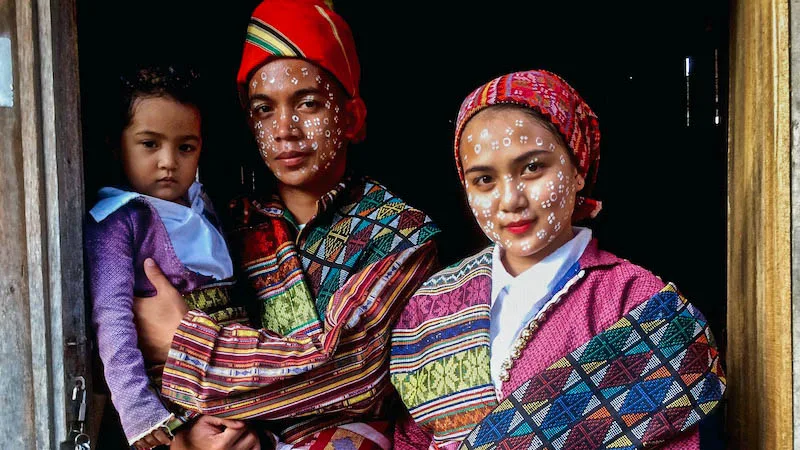
    Wrap yourself in cultural heritage with a traditional Yakan scarf. The intricate patterns and vibrant colors of these scarves tell a story of the Yakan community's history and traditions. The fabric, often a blend of cotton and silk, provides a soft, luxurious feel.

    The colors hold significance: earthy tones symbolize the community's connection to the land, while splashes of bright red and blue represent their connection to the heavens.

    Every thread tells a story: the patterns on the scarf convey stories of the community's history, myths, and legends.

    The weaving techniques showcase the Yakans' skill and patience, with each thread carefully woven to create intricate designs.

    Versatility makes it a perfect accessory: whether you're attending a traditional Salip dance or adding a pop of color to a casual outfit, a traditional Yakan scarf is the perfect choice.

    The Rhythm of Drums and Gongs

    The Rhythmic Pulse of the Salip Dance

    The Salip dance is characterized by the vibrant sounds of traditional instruments, which come together to create a mesmerizing ensemble.

    The rhythmic patterns and beats are underscored by a blend of drums and gongs, which seem to pulse with the heartbeat of the Yakan people.

    Each strike of the drum or gong resonates with centuries of cultural heritage, making the rhythm section a vital component of the dance.

    Traditional Instrument Ensemble

    The traditional instrument ensemble is a cornerstone of Yakan cultural heritage. This ensemble is a symphony of instrumental harmony, where each instrument plays its unique role in creating a rich tapestry of sound.

    The drums provide the foundation with their deep, pulsing rhythms. The gongs add a layer of bright, metallic timbre, weaving together to create a complex sonic texture.

    As the instruments play together, their melodies intertwine in a beautiful dance of sound. The result is a mesmerizing soundscape that's both primal and sophisticated, evoking the ancient traditions of the Yakan people.

    Rhythmic Patterns and Beats

    Immerse Yourself in the Rhythmic Patterns of Yakan Culture

    The rhythmic patterns and beats of traditional Yakan instruments transport you to the heart of Yakan culture, weaving together the rich cultural heritage of the Yakan people.

    Instruments and Their Unique Beats

    Each instrument has a distinct beat pattern, reflecting the cultural significance of the Yakan people:

    InstrumentBeat PatternCultural Significance
    Kulintang3-2-3-2Representation of the three aspects of Yakan life: spiritual, social, and economic
    Gong2-3-2-3Symbolizes the balance and harmony in Yakan society
    Drums4-4-2-2Emphasizes the importance of community and collective effort
    Agung2-2-3-3Reflects the Yakan people's connection with nature and the environment

    The Significance of Rhythmic Patterns

    These rhythmic patterns and beats are more than just a musical composition; they're a reflection of the Yakan people's values, traditions, and way of life. As you let the rhythm guide you, you'll find yourself enveloped in the rich cultural tapestry of the Yakan people.

    Spiritual Significance of Salip

    Salip: A Sacred Tradition of Faith, Culture, and Community

    Salip is more than just a dance performance; it's a spiritual connection to ancestors and divine guidance.

    Through the intricate movements and symbolic gestures of the Yakan dancers, you're witnessing a sacred tradition that weaves together faith, culture, and community.

    The scarf dance is a way for the Yakan people to connect with their ancestors and seek divine guidance.

    Connection to Ancestors

    The Salip dance is a sacred ritual that connects the Yakan people with their revered ancestors. This traditional dance is deeply rooted in the spiritual heritage of the Yakan people, with every movement believed to bridge the gap between the past and the present.

    The dance is a way to honor ancestral wisdom. The Salip dance is more than just a beautiful display of choreographed movements – it's a way to honor the ancestral wisdom that has been passed down through generations. The intricate patterns woven into the scarves, the rhythmic beats of the drums, and the synchronized movements all serve as a validation to the intergenerational ties that bind the Yakan people together.

    The dance is a bridge between the worlds. As you immerse yourself in the vibrant colors and pulsating rhythms, you begin to appreciate the significance of the Salip dance as a bridge between the worlds. You're not just a spectator – you're a participant in a centuries-old tradition that honors the ancestors and celebrates the continuity of Yakan culture.

    Divine Guidance Through

    Divine Guidance Through Movement

    The Salip dancers' graceful movements evoke a sense of reverence, as if they're channeling divine guidance. Their dance isn't just a performance, but a spiritual quest. Every twirl and sway seems to be guided by an inner wisdom, as if they're charting a sacred path.

    Their movements demonstrate an unwavering Ethical Framework, as if their Moral Compass is attuned to a higher power. This Intuitive Sense is palpable, as if they're listening to an Inner Voice that whispers guidance and wisdom.

    The Salip dance becomes a Moral Anchor, grounding them in a sense of purpose and direction. It's as if the dancers are being led by a power greater than themselves, guiding them through life's complexities.

    The Art of Scarf Manipulation

    The Art of Scarf Manipulation in Yakan Dance

    In Yakan dance, the scarf is expertly manipulated to create a mesmerizing display of twists and turns. The dancer's hands move with precision, coaxing the scarf into intricate patterns and shapes that seem to shift and flow like a liquid. This mastery of scarf aerodynamics is achieved through precise wrist movements, allowing the fabric to float and flutter through the air with a life of its own.

    Mastering Scarf Aerodynamics

    The dancer's skillful manipulation of the scarf creates a hypnotic rhythm, swirling and twirling in a mesmerizing display of color and movement. This fluidity is a hallmark of the Yakan dance tradition, showcasing the dancer's artistry and skill.

    Fabric Fluidity and Hypnotic Rhythm

    The Yakan dancer's mastery of the scarf is a tribute to the beauty and elegance of the Salip tradition. Their skill and artistry are a testament to the rich cultural heritage of the Yakan people.

    Salip in Yakan Courtship Rituals

    The Salip Dance: A Mesmerizing Display of Elegance and Emotional Intimacy

    In the intricate courtship rituals of the Yakan people, the Salip dance is a captivating display of elegance and subtlety. This traditional dance is a romantic gesture that showcases the dancer's emotional intimacy and vulnerability.

    Flirtatious Moves and Emotional Intimacy

    The Salip dance involves subtle, flirtatious moves that convey interest and attraction while maintaining social etiquette and respecting personal boundaries. These moves are expertly woven into the dance, conveying the dancer's emotions and intentions to the beloved.

    A Display of Courtly Love

    The Salip dance is a display of courtly love, where the dancer shows devotion and admiration for their beloved, adhering to cultural norms and expectations. This dance is a beautiful expression of romantic gestures, showcasing the dancer's emotional vulnerability and sincerity.

    Celebrating Emotional Intimacy in Relationships

    The Salip dance is a powerful symbol of relationship goals, where emotional intimacy and vulnerability are celebrated as essential aspects of a healthy partnership. This dance is a testament to the importance of emotional connection in romantic relationships, highlighting the value of vulnerability and openness.

    Community Bonding Through Dance

    Community Bonding Through Dance

    The Salip dance is a powerful tool for building and strengthening kinship ties within the Yakan community, fostering a sense of unity and social bonding. It brings the community together in celebration, creating a sense of belonging and tribal unity.

    The Salip dance is more than just a performance; it's a celebration of tribal unity, a demonstration of the power of collective joy. It frequently brings together the Yakan community, fostering a sense of unity and social bonding. The dance is a powerful tool for building and strengthening kinship ties, creating a sense of belonging and tribal unity.

    The Salip dance is an integral part of Yakan culture and heritage, celebrating Yakan culture and heritage. The colorful scarves and rhythmic beats create a mesmerizing display of cultural identity.

    The Salip dance provides emotional release and joy, bringing the community together in joyful gatherings. It's a reminder that, in the Yakan culture, dance isn't just a form of expression, but a way to bring people together.

    The Salip dance fosters social harmony, bringing the community together and strengthening relationships.

    It celebrates Yakan culture and heritage, creating a sense of cultural identity.

    It provides emotional release and joy, bringing the community together in joyful gatherings.

    It strengthens relationships and kinship ties, creating a sense of belonging and tribal unity.

    Preserving Yakan Cultural Heritage

    Preserving cultural heritage is crucial to the Yakan people's identity. Every aspect of their traditions holds deep cultural significance.

    For instance, the intricate patterns on their traditional clothing, the steps in the Salip dance, and the stories passed down through generations all contribute to their unique cultural identity.

    Understanding the importance of these customs is essential to appreciating the Yakan's efforts to preserve their heritage for future generations.

    Cultural Significance Matters

    The Salip dance is deeply intertwined with the Yakan people's sense of identity and community, reflecting their rich cultural heritage. This traditional dance is more than just a beautiful display of movement – it's a powerful symbol of cultural identity and a confirmation to the Yakan people's resilience.

    The Salip embodies the cultural significance of the Yakan people in three ways:

    1. Preservation of tradition:

    The Salip dance has been passed down through generations, serving as a tangible connection to the Yakan people's ancestors and their cultural heritage. This tradition has been maintained through oral tradition and hands-on teaching, ensuring the dance remains an integral part of Yakan culture.

    2. Community building:

    The Salip brings people together, fostering a sense of community and social bonding among the Yakan people, as they gather to perform and celebrate together. This shared experience strengthens social bonds and reinforces community ties.

    3. Cultural expression:

    The Salip is a vibrant expression of Yakan culture, showcasing their unique identity and creative expression through movement and music. The dance incorporates traditional instruments, costumes, and storytelling, making it a rich cultural experience.

    As you experience the beauty of the Salip, remember that you're not just witnessing a dance – you're experiencing a living, breathing part of Yakan cultural heritage.

    Preserving Traditional Practices

    Preserving Traditional Practices is Vital for Cultural Identity

    The Yakan people prioritize preserving traditional practices as an essential part of their cultural identity. This dedication is evident in their efforts to uphold the Salip dance, an integral part of their cultural heritage.

    By embracing this intangible heritage, the Yakan people have managed to preserve traditional practices that might've been lost over time.

    Through community engagement and cultural exchange programs, the Yakan people share their artistic expression with the world while learning from others. The Salip dance isn't only a beautiful form of artistic expression but also a way to connect with their ancestors and honor their cultural roots.

    By preserving traditional practices, the Yakan people have ensured that their cultural heritage remains vibrant and alive, passing it down to future generations.

    Preserving traditional practices isn't just about holding onto the past, but about embracing a living, breathing cultural identity that continues to evolve and thrive.

    Modern Twists on a Classic Dance

    Modern Twists on a Classic Dance

    Traditional Salip dance has undergone a transformation in the hands of innovative Yakan choreographers, blending fresh rhythms and contemporary themes that resonate with younger generations.

    Modern Salip performances combine traditional scarf movements with fusion elements, creating a unique cultural fusion. This blending of styles not only attracts new audiences but also helps to uphold the dance's cultural significance.

    Some notable modern twists on the classic dance include:

    Digital Choreography: Choreographers use digital tools to create immersive experiences, projecting vibrant patterns and colors onto the dancers' scarves, adding an extra layer of visual storytelling. For instance, they can project traditional Salip patterns onto the scarves, creating a mesmerizing display.

    Fusion Elements: Traditional Salip dancers incorporate hip-hop or contemporary moves, creating an exciting blend of old and new. This fusion is evident when dancers seamlessly transition from traditional Salip steps to hip-hop movements, showcasing their versatility.

    Experimental Costumes: Designers experiment with innovative materials and designs, incorporating LED lights, reflective fabrics, or even wearable technology to enhance the visual spectacle. For example, costumes with LED lights can create a dazzling display of colors and patterns, elevating the overall performance.

    These modern twists not only keep the Salip dance fresh and exciting but also maintain its relevance in today's fast-paced world.

    The Salip dance continues to evolve, staying true to its cultural roots while embracing innovation.

    What is the significance of traditional Yakan dances in their culture?

    The significance of traditional Yakan dances in their culture is immense. These dances reflect the community’s history, customs, and values, and serve as a way to preserve their heritage. The graceful women’s dance is a key part of Yakan celebrations and rituals, enhancing the cultural identity of the community.

    Salip's Enduring Cultural Significance

    Salip's Enduring Cultural Significance

    The Salip dance is a vibrant expression of Yakan cultural heritage, weaving a rich tapestry of stories, traditions, and values that connect the Yakan people to their ancestors.

    This traditional dance embodies the weight of history and cultural identity, making it more than just a performance – it's a celebration of community pride and a unique cultural identity.

    The Salip dance has played a significant role in preserving the Intergenerational Legacy of the Yakans, passing down stories, customs, and values from one generation to the next.

    By performing the Salip, the Yakans reaffirm their connection to their ancestors and honor their heritage.

    This shared cultural experience fosters Social Cohesion, strengthening bonds within the community and promoting a sense of belonging.

    Frequently Asked Questions

    Can Anyone Learn the Salip Dance, or Only Yakan People?

    Anyone can learn the Salip dance, but it's essential to acknowledge and respect the Yakan people's cultural ownership and heritage.

    The Salip dance originated from the Yakan people, an indigenous group from the Sulu Archipelago in the Philippines. While it's possible for outsiders to learn and appreciate the dance, it's crucial to recognize the cultural significance and historical context of the Salip dance within the Yakan community. Cultural sensitivity and respect for the Yakan people's cultural heritage are essential when learning and performing the Salip dance.

    How Long Does It Take to Master the Scarf Manipulation Techniques?

    It takes hundreds of practice hours to master the scarf manipulation techniques. To develop the muscle memory required for effortless scarf manipulation, you need to dedicate a significant amount of time to practice. With consistent practice, your hands will be able to weave intricate patterns with ease, similar to a seasoned dancer.

    Are Salip Dancers Required to Wear Traditional Yakan Attire?

    Yes, Salip dancers are required to wear traditional Yakan attire. This attire is not just a costume, but a symbol of traditional authenticity, connecting the dancers to their roots. Wearing traditional Yakan attire during a Salip performance reflects the cultural significance of honoring heritage.

    Can Salip Be Performed at Non-Traditional Events, Like Weddings?

    Salip can be performed at non-traditional events like weddings. This fusion of ancient dance with modern celebrations honors the roots of Salip while embracing new cultural exchange. For instance, incorporating Salip into a wedding ceremony can add a unique and memorable touch to the celebration.

    Are There Any Health Benefits Associated With Performing the Salip Dance?

    Performing the Salip Dance can improve flexibility. As you move to the rhythm, your body increases its range of motion, allowing for more fluid movements. Dancing Salip also reduces stress and anxiety. The repetitive movements and calming music help calm the mind and relax the body, promoting a sense of tranquility.

    Conclusion

    The Salip Dance: A Celebration of Yakan Heritage

    The Salip dance is a traditional ritual of the Yakan people, characterized by the elegant twirling of intricately designed scarves to the rhythm of drums and gongs.

    This dance is a form of storytelling, where every movement and gesture honors the ancestors who first performed the Salip.

    Connecting with the Land and Community

    The Salip dance is deeply rooted in the Yakan people's connection with the land and their community.

    As the dancers sway to the rhythm, they're acknowledging the spirits that are believed to inhabit the land. This ritual strengthens the bond between the community and the natural world, promoting harmony and balance.

    Preserving Cultural Heritage

    The Salip dance is an important part of Yakan cultural heritage, passed down through generations.

    By performing the Salip, the Yakan people are preserving their history and traditions, ensuring their cultural identity is preserved for future generations.

  • Sagayan: The Fierce Warrior Dance of Maguindanao

    Sagayan: The Fierce Warrior Dance of Maguindanao

    Sagayan: A Glimpse into the Fierce Warrior Dance of Maguindanao

    Located in the heart of Mindanao, Philippines, the Sagayan is a centuries-old warrior dance that embodies the unwavering spirit and bravery of the Maguindanao people.

    This traditional dance has been passed down through generations, rooted in folk traditions, Islamic influences, and tribal legends.

    Sagayan reflects the tribe's history, values, and traditions, showcasing a rich cultural heritage. The dance is characterized by intricate costumes, bold choreography, and poetic rhythms, making it a tribute to the tribe's resilience and adaptability.

    Sagayan is an integral part of Filipino culture and national pride, with its cultural significance woven into the fabric of the nation.

    Origins of the Sagayan Dance

    The Sagayan dance originated from the Maguindanao people in Mindanao, Philippines. This traditional dance has been passed down through generations, with its intricacies perfected over centuries.

    The dance is deeply rooted in folk traditions and tribal legends, which are evident in its ancient roots.

    Sagayan is more than just a dance; it's an artistic expression of the tribe's history, folklore, and mythology. Ethnographic studies reveal that the dance rituals, which involve intricate footwork and martial arts-inspired movements, reflect the tribe's rich cultural heritage.

    The dance is characterized by powerful, energetic movements, which reflect the tribe's fierce warrior spirit.

    Historical Significance of Sagayan

    Sagayan's Cultural Significance

    The traditional dance of Sagayan has played a crucial role in preserving the cultural heritage of the Maguindanao people.

    Islamic influences have subtly shaped the dance, reflecting the complex cultural exchange that has characterized the region's history. This cultural exchange is evident in the dance's intricate movements and costumes, which blend Islamic and indigenous elements.

    Preserving Cultural Heritage

    Sagayan has been instrumental in preserving the cultural heritage of the Maguindanao people.

    The dance has helped to pass down stories, legends, and traditions from one generation to the next, ensuring the continuation of the Maguindanao's rich cultural identity. By examining Sagayan's historical context, we can uncover the intricate web of traditions and beliefs that have contributed to its enduring significance.

    Cultural Heritage Preservation

    Preserving Cultural Heritage: The Significance of Sagayan

    The Sagayan, a traditional warrior dance, is a vital part of the Maguindanao people's cultural identity. Preserving this cultural heritage is crucial to maintaining the rich historical significance of the Maguindanao people.

    Why Preserve Cultural Heritage?

    Preserving cultural heritage is not just about safeguarding a dance; it's about preserving a community's identity. The Sagayan dance is an integral part of the Maguindanao people's history and culture, and losing it would mean losing a part of their identity.

    Initiatives for Preservation

    To preserve the Sagayan dance, several initiatives can be taken:

    InitiativesGoals
    Community EngagementFoster a sense of ownership among the Maguindanao people, encouraging them to take pride in their cultural heritage.
    Digital ArchivingPreserve Sagayan's history and cultural significance for future generations, creating a digital repository of the dance's history, significance, and performances.

    | Cultural Mapping | Identify and document the dance's cultural significance, mapping its importance in the Maguindanao culture and its impact on the community.

    Islamic Influence on Dance

    The History of Sagayan: Islamic Influences

    The arrival of Islam in the 14th century significantly impacted the traditional dance of the Maguindanao people, Sagayan. Islamic rhythms and movements merged with indigenous warrior traditions, creating a unique fusion.

    Middle Eastern musical instruments, such as the oud and qraqeb, were incorporated into Sagayan, adding complexity to the traditional rhythms.

    The intricate patterns and geometric shapes found in Mosque Architecture inspired the dance's choreography. Movements mirrored the intricate Arabic Calligraphy found in ancient manuscripts.

    The Sultan's Court played a vital role in promoting Sagayan, fostering a sense of community and cultural identity among the Maguindanao people. The blend of Islamic and indigenous elements created a unique fusion that sets Sagayan apart from other traditional dances in the region.

    Warrior Dance of Bravery

    The Warrior Dance of Bravery, also known as Sagayan, showcases the fearless spirit of the Maguindanao warriors.

    This ancient dance echoes the battle cries of the past, evoking a sense of unyielding martial spirit.

    The dance is a testament to the unwavering courage and bravery of the Maguindanao warriors, who inspired this powerful performance.

    Fearless Tribal Combatants

    The Sagayan Dance: A Testament to Bravery and Strength

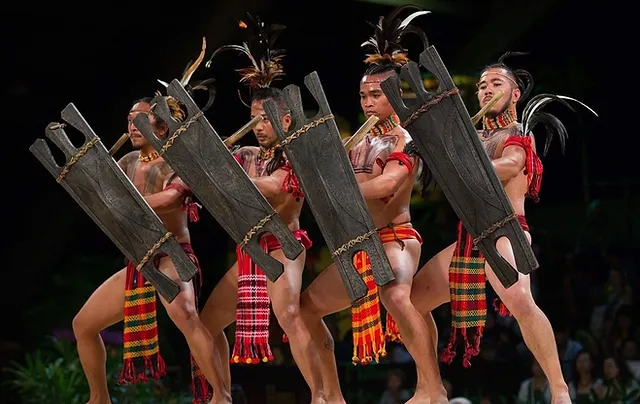
    The fearless tribal combatants of Maguindanao, adorned in traditional attire and armed with spears and shields, burst into the Sagayan dance with fierce battle cries. Their intense footwork and aggressive gestures simulate the ferocity of hand-to-hand combat.

    Tribal Codes and Warlord Dynasty

    The Maguindanao warriors adhere to a strict code of conduct, prioritizing loyalty to the tribe, respect for elders, and honor above all. Their Warlord Dynasty is built on unwavering loyalty, strategic battle planning, and ruthless tactics.

    Fearless Combatants

    The fearless tribal combatants embody unrelenting bravery, unbridled ferocity, and unwavering focus. As they dance, their movements validate the rich cultural heritage of the Maguindanao people, where bravery and honor are the highest virtues.

    The Dance: A Reenactment of Ancestral Battles

    The dancers reenact the battles of their ancestors, simulating the sounds of rustling leaves, snapping twigs, and thundering drums. Their movements are a testament to the bravery and strength of the Maguindanao warriors. As the dance reaches its climax, the sheer intensity and power of the fearless tribal combatants leave the audience in awe.

    Ancient Battle Cry Echoes

    The Sagayan dance is a powerful expression of bravery and strength, rooted in the warrior spirit of the Maguindanao people. This traditional dance is a testament to the tribe's rich cultural heritage and their history of bravery in the face of adversity. The dance involves intricate footwork, precise hand gestures, and dynamic body movements, all of which reflect the tribe's mastery of battlefield tactics.

    Every step, every gesture, and every drumbeat echoes the ancient battle cries of the Maguindanao warriors. The rhythmic pounding of drums, the clang of metal on metal, and the fierce war cries blend together in a symphony of intensity, transporting viewers to the battlefields of old.

    The dance is a visceral expression of the Maguindanao people's unyielding spirit, which continues to inspire generations to come.

    The Sagayan dance is more than just a cultural performance; it's a reflection of the tribe's history and bravery. By watching the dancers' synchronized movements, viewers can experience the primal energy of the Maguindanao people, whose bravery and strength continue to reverberate through the ages.

    The dance is a testament to the tribe's ability to persevere in the face of adversity, and its significance continues to resonate with audiences today.

    Unyielding Martial Spirit

    What fuels the Maguindanao warriors' unyielding martial spirit?

    The Maguindanao warriors' unyielding martial spirit is fueled by their fierce discipline, which is rooted in their ancestors' battles. Every victory in these battles was a confirmation of their unrelenting spirit.

    How does this spirit manifest in the Sagayan dance?

    In the Sagayan dance, the martial spirit is palpable. The dancers' intense footwork and purposeful gestures manifest their ancestors' battles. Every step and gesture declares their unyielding resolve. The battle cry that echoes through the performance is more than just a shout – it's a defiant declaration of their unwavering spirit that resonates through generations.

    Sagayan Dance Steps and Moves

    Mastering Sagayan Dance Steps and Moves

    To perform the Sagayan dance with authenticity and power, you need to master its intricate dance steps and moves.

    Rhythmic Motions are essential, involving rapid footwork and agile movements that evoke the swift strikes of a warrior. To develop Rhythmic Motions, practice shuffling, tapping, and stomping your feet to create a dynamic rhythm that echoes the pulsing energy of the Maguindanao people.

    Embodying the Unyielding Martial Spirit

    To embody the unyielding martial spirit of Sagayan, adopt Dynamic Postures that convey strength and confidence.

    Stand tall with your feet shoulder-width apart, engaging your core and relaxing your shoulders. Keep your arms relaxed and slightly bent, with your fists clenched and ready to strike. Maintain a strong, grounded stance, as if rooted to the earth, and let your movements flow from your center.

    Cultural Significance in Maguindanao

    Sagayan: A Window into Maguindanao's Tribal Identity

    The Sagayan, a fierce warrior dance, holds significant cultural importance in Maguindanao, reflecting the region's tribal identity.

    The dance's intricate moves and rhythmic beats echo the community's history and values. For instance, the dance's rapid footwork and aggressive gestures symbolize the bravery and strength of the Maguindanao warriors.

    Islamic Influences on the Sagayan

    The Sagayan has seamlessly incorporated Islamic influences, creating a unique cultural fusion distinct to the Maguindanao people.

    The dance's rhythmic beats, for example, are often accompanied by Islamic chants and prayers, blending the region's Islamic heritage with its tribal traditions.

    This blend of cultures has resulted in a distinctive dance form that showcases the region's rich cultural diversity.

    Tribal Identity Formation

    Tribal Identity Formation in Maguindanao

    The Sagayan dance is a powerful symbol of tribal identity for the Maguindanao people, evoking a sense of shared heritage and cultural pride.

    This dance embodies the essence of tribal belonging, connecting the Maguindanao people to their ancestors, land, and traditions.

    The Sagayan dance is a testament to the cultural fusion that has shaped the Maguindanao identity over time.

    It blends indigenous and Islamic influences, evident in the dance's intricate movements and vibrant costumes.

    This unique blend of cultural influences has resulted in a distinct tribal identity that sets the Maguindanao people apart from other ethnic groups in the Philippines.

    Tribal identity formation in Maguindanao is a story of how a community has woven together diverse cultural threads to create a rich tapestry of traditions, values, and beliefs.

    As you explore the Sagayan dance, you'll come to appreciate the significance of this tribal identity and how it defines the Maguindanao people today.

    Islamic Influence Integration

    Islamic Influence in Maguindanao's Cultural Heritage

    The Sagayan dance is a testament to the Islamic influence on Maguindanao's cultural heritage, evident in the vibrant costumes adorned with subtle yet distinctive patterns and motifs.

    These intricate designs and geometric patterns reflect the region's rich Islamic history, reminiscent of Mosque architecture.

    The incorporation of Quranic calligraphy and Arabic script into the costumes and props further emphasizes the faith fusion that has shaped Maguindanao's cultural identity.

    The dance itself is infused with subtle influences of Islamic mysticism, weaving a thread of spirituality into the fabric of the Sagayan.

    The poetic rhythms and lyrical melodies evoke the Sufi poetry of the region, adding a layer of depth and emotion to the performance.

    The Islamic influence hasn't only shaped the aesthetics of the dance but has also infused it with a sense of devotion and reverence.

    Traditional Attire and Costumes

    Traditional Attire and Costumes in Sagayan

    The traditional attire worn by Sagayan dancers is a vibrant reflection of the rich cultural heritage of the Maguindanao people. The fabric choices are often bold and bright, with intricate patterns and designs that showcase the dancers' skill and craftsmanship.

    The accessories worn by the dancers hold significant meanings. The traditional headpiece, known as the 'sangkit,' is adorned with feathers and sequins, symbolizing the bravery and strength of the Maguindanao warriors. Each piece tells a story of its own, with accessories symbolizing bravery, strength, and honor.

    The garment designs are a reflection of the dancers' creativity and attention to detail. From the flowing sleeves to the intricately embroidered pants, every aspect of the costume is carefully crafted to evoke the spirit of the Maguindanao warriors. The vibrant colors, intricate designs, and rich cultural heritage come alive through their traditional attire and costumes.

    Costume Elements and Their Significance:

    Costume ElementSignificance
    Fabric choicesReflecting the rich cultural heritage of the Maguindanao people
    Accessory meaningsSymbolizing bravery, strength, and honor
    Headpiece significanceRepresenting the warriors' bravery and strength

    | Garment designs | Showcasing the dancers' skill and craftsmanship

    Sagayan in Modern Times

    Sagayan's Evolution in Modern Times

    Preserving Tradition

    Sagayan, a traditional dance form, continues to pay homage to the Maguindanao warriors' spirit through its costumes and attire. This ancient dance form is adapting to modern times, sparking renewed interest among enthusiasts and cultural preservationists.

    Accessibility and Cultural Fusion

    Digital platforms have made Sagayan more accessible globally, with instructional videos, tutorials, and performances available online. This increased exposure has led to cultural fusion, with modern interpretations of Sagayan emerging. For instance, urban renaissance influences are blending traditional moves with contemporary styles.

    Performance Art and Innovation

    Performance art has become an integral part of Sagayan's modern expression. Dancers incorporate elaborate costumes and props to enhance the overall experience. This vibrant, dynamic dance form honors its roots while embracing innovation and creativity.

    Embracing Change and Creativity

    As Sagayan evolves in modern times, it's clear that community engagement is key. By embracing change and creativity, Sagayan continues to captivate audiences and inspire new generations of dancers.

    Preserving the Warrior Tradition

    Preserving the Warrior Tradition of Sagayan

    Sagayan, an intense dance form, is rooted in the historical legacy of the Maguindanao people. To preserve this tradition, a multifaceted approach is required. This involves educating the younger generation about the significance of Sagayan and its cultural relevance.

    Understanding the Significance of Sagayan

    Community Engagement is Key

    Community engagement is essential to preserving the warrior tradition of Sagayan. This can be achieved through workshops, performances, and cultural events that promote the rich cultural heritage of the Maguindanao people. By supporting local initiatives and engaging with the community, you can help safeguard the warrior tradition.

    Maintaining Authenticity

    It is crucial to maintain the authenticity of Sagayan to ensure the continuation of the folk heritage. This can be achieved by supporting local artists and cultural practitioners who strive to preserve the traditional practices of the Maguindanao people.

    Playing a Role in Preservation

    You can play a role in preserving the warrior tradition of Sagayan by supporting local initiatives, engaging with the community, and promoting the rich cultural heritage of the Maguindanao people. By doing so, you'll be contributing to the preservation of a valuable part of the country's cultural identity.

    Influences on Filipino Culture

    Filipino Culture: A Blend of Influences

    The cultural identity of the Philippines is a unique blend of Spanish, Chinese, and American influences. These influences have shaped the country's heritage, traditions, and way of life.

    Spanish Legacy

    The Spanish colonial period has left a lasting impact on the Philippines. The country's Catholic heritage is a notable example of Spanish influence. The Latin script was introduced, and festivals like the Fiesta de San Pedro y San Pablo are still celebrated today.

    Chinese Traditions

    Chinese immigrants have contributed significantly to the Philippines' cultural fabric. Their business acumen and trading skills have shaped the country's economy. Chinese cuisine has also become an integral part of Filipino food culture.

    American Impact

    The American colonial period has had a profound impact on the Philippines' education system and language. English is an official language, and the American-style education system is still in place. American pop culture has also influenced Filipino entertainment and media.

    Cultural Fusion

    The blend of these influences has resulted in a complex cultural landscape. The Sagayan dance, a symbol of national pride, showcases the resilience of indigenous traditions. Despite the influences, the Philippines has learned to adapt and thrive, making its culture a unique blend of foreign influences and indigenous traditions.

    What is the significance of traditional dances in different Philippine cultures?

    Traditional dances play a crucial role in preserving and celebrating the unique heritage of various Philippine cultures. These dances, such as the “asik: kalinga courtship dance,” are not only a form of entertainment, but also a way to pass down traditions, stories, and values from one generation to the next.

    Keeping the Legacy Alive

    Sagayan's Legacy Lives On

    Sagayan's rich cultural heritage is being preserved through various initiatives.

    Community Engagement

    Local communities are actively involved in preserving Sagayan, ensuring its significance is instilled in the hearts of the young and old alike.

    Community members are working together to teach the dance to the younger generation, ensuring its continuation.

    Cultural Revival

    Efforts are being made to revive the dance, incorporating it into cultural festivals and events, showcasing its beauty to a wider audience.

    For instance, the annual Sagayan Festival features performances, workshops, and exhibitions that promote the dance.

    Digital Archiving

    The dance is being documented and archived digitally, preserving its intricacies and nuances for future generations to learn from.

    A comprehensive online database has been created, featuring videos, photographs, and written descriptions of the dance.

    Frequently Asked Questions

    What Is the Ideal Age to Learn the Sagayan Dance?

    The ideal age to learn the Sagayan dance depends on individual readiness and cultural significance.

    When considering learning a traditional dance like Sagayan, it's essential to evaluate your personal readiness, the cultural significance of the dance, and the learning curve.

    Personal readiness involves physical and mental preparedness to learn complex movements. For example, Sagayan dance involves intricate footwork, rapid hand movements, and strong core strength. Learners should be physically fit and mentally focused to master these skills.

    Cultural significance is crucial in understanding the context and respect required for the dance. Sagayan is a traditional Filipino dance that requires respect for the cultural heritage and traditions it represents. Learners should be aware of the dance's history, significance, and cultural nuances to appreciate its beauty and importance.

    The learning curve involves understanding the complexity of the dance and the time required to master it. Sagayan dance involves complex movements, rhythms, and coordination. Learners should be willing to dedicate time and practice to master the dance, as it requires patience, discipline, and perseverance.

    Can Women Participate in the Sagayan Warrior Dance?

    Women can participate in the Sagayan Warrior Dance, challenging traditional gender roles. Traditionally, this dance was reserved for men, but cultural barriers are breaking down, allowing women to join in. This shift is significant, as it promotes gender equality and breaks away from traditional norms.

    Is Sagayan Dance Only Performed During Special Occasions?

    Sagayan dance is not exclusively performed during special occasions. While traditional dances like Sagayan often create a festive atmosphere and emphasize cultural significance, they are not limited to celebrations and rituals. These dances can be performed during various gatherings and events that bring communities together.

    Are There Any Health Benefits From Performing Sagayan Dance?

    Performing Sagayan Dance Has Cardiovascular Benefits: When you perform high-energy dances like Sagayan, you'll improve your heart health and increase stamina. This is because Sagayan involves intense physical movements that get your heart rate up, strengthening your heart and increasing blood flow.

    Sagayan Dance Tones Your Muscles: The dynamic movements in Sagayan dance also help with strengthening your legs, arms, and core, boosting overall physical fitness. As you perform the dance, you'll engage your muscles, building strength and endurance.

    Can Sagayan Dance Be Performed With Modern Music?

    Yes, Sagayan dance can be performed with modern music. This fusion of traditional and modern elements allows the dance to appeal to new audiences while preserving its cultural essence. For instance, you can combine traditional Sagayan moves with modern Fusion Beats, creating a unique Cultural Revamp. This blend of old and new enables you to perform the ancient dance to modern music, making it more relatable and engaging for contemporary audiences.

    Conclusion

    Sagayan: A Window into Maguindanao's Rich Cultural Heritage

    Sagayan, an ancient warrior dance originating from Maguindanao, embodies the bravery and tradition of the region.

    This traditional dance has been passed down through generations, serving as a testament to the region's rich cultural heritage.

    Origins and Significance

    Sagayan has its roots in Maguindanao, a province in the Philippines.

    The dance is deeply rooted in the region's history and is a powerful symbol of the local warrior tradition.

    It's believed to have originated from the traditional dances of the Maguindanao people, showcasing their martial skills and strength.

    Preserving Tradition

    By embracing Sagayan, we not only connect with the past but also ensure its legacy lives on.

    This traditional dance serves as a bridge between generations, allowing the younger population to appreciate and respect their cultural roots.

    By keeping the warrior tradition alive, Sagayan continues to inspire future generations to appreciate their heritage.

    Modern-Day Relevance

    Sagayan's significance extends beyond its cultural importance, as it also promotes unity and social cohesion.

    The dance brings people together, fostering a sense of community and shared identity among the Maguindanao people.

    As a result, Sagayan remains a vital part of Maguindanao's cultural fabric, ensuring its relevance in modern times.

  • Dugso: The Rhythmic Rice Pounding Dance of Bukidnon

    Dugso: The Rhythmic Rice Pounding Dance of Bukidnon

    Dugso: A Window into Bukidnon's Vibrant Culture

    A Centuries-Old Tradition

    Dugso, a traditional rhythmic rice pounding dance, has been an integral part of Bukidnon's culture for centuries. Rice, a symbol of life, abundance, and community, holds significant importance in this dance.

    Mastering the Pounding Technique

    The powerful sound that drives the energy of the dance is a result of mastering pounding techniques. Skilled hands are essential to create the rhythmic beat that complements the dance movements.

    The Prominent Role of Women

    In Dugso, women play a vital role in preserving cultural heritage. They are the primary practitioners and guardians of this tradition, ensuring its continuation from one generation to the next.

    Economic Empowerment through Cultural Preservation

    Preserving Dugso and other traditional practices can lead to economic empowerment opportunities. By promoting and showcasing this cultural heritage, local communities can benefit from tourism and cultural exchange.

    Preserving Cultural Identity

    Dugso is more than just a dance; it's a connection to the land and a way to express community identity. By preserving this tradition, the people of Bukidnon are able to maintain their cultural identity and sense of community.

    Origins of Dugso Dance Tradition

    The Dugso dance tradition originated in the rugged mountains of Bukidnon, Philippines. This tradition is believed to have evolved from the daily routine of pounding rice, a chore that was transformed into a rhythmic ritual to express gratitude for a bountiful harvest.

    The indigenous people of Bukidnon would gather around the pounding area, their wooden pestles moving in unison as they sang and chanted to the rhythm of the pounding. This rhythmic motion created a sense of community and togetherness, as the people worked together to prepare their staple food.

    The ancient migration of people to the mountains of Bukidnon brought their folklore roots, which eventually merged with the daily task of rice pounding. As a result, the Dugso dance tradition is more than just a ritual – it's a reflection of the resourcefulness and creativity of the indigenous people of Bukidnon.

    Cultural Significance of Rice

    Rice: The Fabric of Indigenous Society

    In Bukidnon, rice is more than just a staple food; it represents life, abundance, and community. Rice symbolizes food security, ensuring the community's well-being and survival. This significance is deeply ingrained in the daily lives of the indigenous people.

    Rice Tradition and Cultural Significance

    Rice TraditionCultural Significance
    Harvest CelebrationsCommemorates the rice harvest, expressing gratitude for the bounty
    Daily MealsNourishment for the body and spirit, fostering community bonding
    Ritual OfferingsUsed in ceremonies, honoring the gods and ancestors

    Rice is integral to the indigenous people's identity, influencing their social structures, traditions, and values. The Rice Tradition is a testament to their resourcefulness and resilience. Through Harvest Celebrations, they come together to rejoice in the fruits of their labor, reinforcing their sense of community and connection to the land.

    The Art of Pounding Rhythms

    Pounding Rhythms in Dugso: The Art of Synchronization

    The way rice is pounded in Dugso affects the overall rhythmic quality.

    The Techniques of Pounding Rice Impact Rhythmic Quality

    The synchronization of the pounders' movements creates a unified beat. This synchronized movement is what resonates with the community.

    By paying attention to the details of pounding rice, you'll appreciate the intricate dynamics that bring people together through the pulsing rhythms of Dugso.

    Paying Attention to Details Reveals Intricate Dynamics

    The rhythmic quality is influenced by the techniques used to pound rice.

    Pounding Techniques Matter

    Mastering various pounding techniques is essential to creating complex rhythms in Dugso. Each strike, slap, or tap on the rice mortar produces a distinct sound that contributes to the overall musicality of the dance.

    Shoulder-led pounding generates more forceful strikes and deeper sounds by using shoulder muscles to produce power. This technique allows for a more powerful sound.

    Wrist-flicking creates a lighter, more staccato sound by flicking the wrists. This produces a distinct rhythmic pattern.

    Finger-tapping involves tapping fingers on the mortar to produce a high-pitched, percussive sound. This technique adds a bright, crisp element to the rhythm.

    Heel-to-toe striking involves striking the mortar with the heel, followed quickly by the toes, creating a dynamic, rolling rhythm. This technique adds complexity to the overall rhythm.

    Body-weight shifting allows for more force and control in strikes by shifting weight to transfer power from the legs to the arms. This technique enables more precise and powerful pounding.

    Rhythmic Beats Unite

    Mastering the Art of Pounding Rhythms in Dugso

    Combining various techniques is essential to create complex, layered beats that resonate with the dancers' energetic movements in Dugso. These beats aren't just about creating a lively atmosphere; they're also a powerful tool for community building.

    The synchronized pounding of rice creates a sense of unity among the dancers, fostering a strong sense of community and social bonding.

    Cultural Exchange and Understanding

    As you master the art of pounding rhythms, you'll have the opportunity to engage in cultural exchange with the indigenous people of Bukidnon. You'll learn about their rich cultural heritage and the significance of Dugso in their traditional practices.

    Through this cultural exchange, you'll gain a deeper understanding of the cultural context of Dugso, and you'll appreciate the dance not just as a form of entertainment, but as a way of life.

    Pulse of the Drum

    The Pulse of the Drum: Dugso's Rhythmic Power

    Dugso's rhythmic pounding of rice is mesmerizing due to the intricate coordination of arm movements, body sways, and drumbeats.

    The synchronized rhythmic flow of the pounding rice and the heartbeat rhythm of the drum creates a sense of unity and harmony.

    The drumbeat meditation aspect of Dugso has a profound impact, as the repetitive beat frequency induces a trance-like state, calming the mind and soothing the soul.

    The sonic waves of the drumming therapy create a sense of communal bonding, connecting the entire community through the rhythmic flow.

    Key Elements of Dugso's Rhythmic Power:

    • The drum circle formation adds to the sense of unity and togetherness.
    • The musical pulse of the drumbeat synchronizes with the pounding of the rice, creating an infectious energy.
    • The performers' body sways and arm movements are perfectly in sync with the drumbeat.
    • The rhythmic pounding of rice creates a sense of anticipation, building up to a climax.
    • The drumming therapy aspect of Dugso has a calming effect on the mind and body.

    Traditional Dugso Dance Costume

    Traditional Dugso Dance Costumes Reflect Bukidnon's Cultural Heritage

    In traditional Dugso performances, dancers wear intricately designed costumes that showcase the rich cultural heritage of Bukidnon. These costumes feature vibrant colors, beads, and ornate headdresses that shimmer and sway to the rhythm of the pounding rice.

    The fabric choices are a combination of cotton, silk, and polyester, providing comfort and durability for the energetic performance. The accessorizing techniques are equally impressive, with dancers adorned with beads, sequins, and shells that add a dynamic touch to their movements.

    Traditional patterns and cultural symbols are always prominent in the embellishment styles, showcasing the rich heritage of the Bukidnon people. The textile designs are intricate, with woven patterns and colors that hold significant meanings.

    For instance, the color red symbolizes courage and strength, while blue represents wisdom and harmony.

    Every aspect of the costume, from the headdress to the footwear, is carefully designed to tell a story and evoke a sense of cultural pride. As you watch the dancers, you'll appreciate the attention to detail and the significance behind each adornment, making the traditional Dugso dance costume a true masterpiece.

    The Role of Women in Dugso

    In the traditional rice pounding dance of Dugso, women take center stage as lead performers, instructors, and cultural custodians.

    Women's Empowerment is evident in Dugso, as they're the driving force behind the preservation and transmission of cultural heritage, showcasing their agency and empowerment. This is demonstrated through their leadership roles in the dance, where they make key decisions about the performance and its cultural significance.

    The prominent role of women in Dugso reflects the Matriarchal Society of the Bukidnon community, where women hold significant social and cultural power. This is evident in the way women are respected as cultural authorities, with men often supporting them as accompanists.

    The dance provides a platform for women to bond and celebrate their shared experiences, fostering a sense of Female Solidarity. This is demonstrated through the collective effort and cooperation required to perform the dance, which strengthens social bonds among the women.

    Dugso Challenges Traditional Gender Roles, as women take on leadership positions and men often support them as accompanists. This reversal of traditional gender roles highlights the unique cultural dynamics of the Bukidnon community.

    Through their involvement in Dugso, women exercise their Cultural Agency, shaping and preserving their community's heritage for future generations. This is evident in the way women are responsible for passing down cultural knowledge and traditions to younger generations.

    Instruments in Dugso Performance

    Instruments in Dugso Performance

    Rhythmic instruments drive the energy of Dugso, a traditional dance.

    The dabakan, a large, shallow drum, provides a deep, resonant sound that complements the pounding of rice.

    Together, these instruments create the infectious rhythms that characterize Dugso.

    Rhythmic Instruments Used

    Rhythmic Instruments Used in Dugso

    The rhythmic pulse of Dugso is driven by a combination of instruments, each playing a vital role in creating the infectious beat.

    Rice Drums: These drums, made from hollowed-out logs, provide the deep, resonant beats that anchor the rhythm, showcasing the percussion history of Bukidnon.

    Gongs: Suspended from wooden frames, the gongs add a bright, metallic tone to the mix, punctuating the rhythm with sharp, crisp sounds.

    Cymbals: Crash cymbals inject a burst of energy into the performance, heightening the sense of excitement and anticipation.

    Shakers: Filled with beads or small pebbles, these handheld instruments add a subtle, rustling texture to the rhythm.

    Bamboo Stamps: Used to pound rice, these bamboo tubes create a staccato beat that complements the drums and gongs.

    Together, these instruments weave a rich tapestry of sound, propelling the dancers forward and creating an unforgettable experience for the audience.

    Traditional Percussion Elements

    Traditional Percussion Elements in Dugso

    In a traditional Dugso performance, percussion elements set the rhythmic foundation for the rice pounding dance. These elements are rooted in the cultural heritage of Bukidnon and showcase the region's rich percussion history.

    Cultural Fusion and Instrumental Evolution

    The instruments used in Dugso performances are a result of cultural fusion, blending indigenous and foreign influences. Over time, these instruments have undergone instrumental evolution, adapting to the changing needs of the community.

    Sonic Identity and Rhythmic Codes

    The unique sonic identity of Dugso is shaped by the rhythmic codes embedded in the percussion elements. These rhythmic codes are woven together to create a complex polyrhythmic fabric.

    Beat Revival and Polyphonic Explorations

    The beat revival in modern Dugso performances has led to a resurgence of interest in traditional instruments, sparking polyphonic explorations and innovative timbre tales. This renewed interest has brought new life to the ancient dance, highlighting the intricate nuances of traditional percussion elements.

    Dugso in Modern Filipino Culture

    Dugso in Modern Filipino Culture

    Modern Filipino communities are revitalizing Dugso, a traditional rhythmic rice pounding dance, by integrating it into contemporary festivals and cultural events. You can experience Dugso performances at urban festivals, cultural fairs, and even music concerts.

    Reimagining Dugso in Modern Times

    Dugso is being reimagined in modern Filipino culture in the following ways:

    • Fusion Performances: Traditional Dugso rhythms are blended with modern electronic beats to create a unique sound.
    • Urban Adaptations: Contemporary instruments replace traditional rice pounding, giving Dugso a modern twist.
    • Contemporary Dance Fusion: Dugso is incorporated into modern dance performances, blending traditional and modern choreography.
    • Cultural Exchange: Dugso is used as a form of cultural exchange, with international artists collaborating to create unique fusion performances.
    • Educational Programs: Dugso is incorporated into educational programs, teaching the cultural significance and historical context of the dance to younger generations.

    Preserving Indigenous Traditions

    Preserving Indigenous Traditions

    As modern Filipino culture evolves, it's essential to preserve traditional practices like Dugso to protect the rich cultural heritage of indigenous communities for future generations. Engaging with indigenous communities and learning about their customs helps keep their cultural pride alive.

    The preservation of indigenous traditions is crucial for several reasons. It ensures the continuation of cultural heritage, allowing future generations to understand and appreciate their roots. By engaging with indigenous communities, individuals can learn about their customs and practices, which helps to keep cultural pride alive.

    Several cultural practices are essential to preserving indigenous traditions. Traditional Dance is vital in preserving cultural heritage, as it allows communities to express their cultural identity through movement and music.

    Storytelling is another crucial practice, as it passes down community history and cultural values to younger generations. Food Preparation shares cultural flavors and traditions, while Music and Instruments keep traditional rhythms alive. Handicrafts showcase community creativity and skill, preserving cultural heritage through art.

    Dugso's Impact on Local Community

    Dugso Preserves Cultural Identity

    Dugso, a traditional dance, plays a significant role in preserving the cultural identity of the Bukidnon people. It promotes a sense of shared heritage, which is essential for the community's cultural preservation.

    This is achieved through the dance's unique movements and rhythms, which are deeply rooted in the Bukidnon culture.

    Economic Empowerment through Dugso

    Dugso also creates economic empowerment opportunities for the local community. Tourism and cultural performances are two significant ways in which Dugso contributes to the local economy.

    Cultural Identity Preservation

    Cultural Identity Preservation through Dugso

    Dugso, a traditional dance in Bukidnon, plays a vital role in preserving the cultural identity of the local community. By continuing to practice and transmit Dugso, the community strengthens its sense of shared heritage and collective ownership.

    Cultural Revival

    Dugso's rhythmic beats and synchronized movements revive interest in traditional practices, encouraging the community to reconnect with their heritage. This renewed interest helps to preserve cultural traditions that might've otherwise been lost.

    Community Engagement

    Participating in Dugso fosters a deeper appreciation for cultural traditions, leading to stronger community bonds and a sense of unity. This shared experience brings people together, creating a sense of belonging and pride in their cultural roots.

    Heritage Protection

    As a crucial part of Bukidnon's folklore, preserving Dugso safeguards the community's intangible legacy for future generations. This ensures that the community's cultural heritage is protected and passed down to future generations.

    Folklore Preservation

    By keeping Dugso alive, the community ensures the continuation of their unique cultural narrative, passing down stories and traditions to their children. This helps to preserve the community's cultural identity and sense of self.

    Intangible Legacy

    Dugso's significance extends beyond the dance itself, representing a connection to the community's collective memory and cultural identity. This intangible legacy is a vital part of the community's cultural heritage.

    Economic Empowerment Opportunities

    By leveraging Dugso as a cultural treasure, local communities can unlock economic empowerment opportunities. This can be achieved by developing microfinance initiatives that support local entrepreneurs, providing them with the necessary funds to turn their ideas into reality.

    Entrepreneurship training is essential in equipping community members with the skills to manage their finances effectively and develop sustainable businesses. This, in turn, fosters skill development and financial literacy, enabling individuals to make informed financial decisions.

    Cooperative development is key to creating sustainable livelihoods that prioritize community welfare. By doing so, local communities can preserve Dugso's cultural heritage while generating revenue and creating jobs.

    Attracting tourists by showcasing Dugso as a cultural centerpiece can stimulate local economies, leading to improved economic outcomes for local communities.

    By embracing Dugso as a cultural treasure, local communities can access economic empowerment opportunities, ultimately improving their overall quality of life.

    How Does Dugso Compare to Rigodon De Honor in Terms of Cultural Significance?

    Dugso and Rigodon de Honor dance both hold significant cultural value in the Philippines. Dugso is a traditional dance of the Manobo tribe, symbolizing fertility and harvest. On the other hand, Rigodon de Honor dance is a Spanish-influenced courtship dance, showcasing elegance and grace. Both dances showcase the rich cultural heritage of the Philippines.

    The Future of Dugso Dance

    The Future of Dugso Dance

    As Dugso, a traditional dance form, continues to thrive, its future is shaped by several factors.

    Digital Revival will play a significant role in its preservation, as online platforms make it accessible to a global audience, inspiring a new generation of dancers. For instance, online tutorials and virtual classes can reach a broader audience, increasing its popularity.

    Cultural Tourism will also contribute to Dugso's growth, as tourists visiting Bukidnon will have the opportunity to experience the dance firsthand. This will foster a deeper appreciation for the local culture, encouraging tourists to learn and participate in the dance.

    To remain relevant, Dugso will undergo Artistic Evolution, adapting to modern tastes and influences. This evolution will ensure the dance form stays dynamic and engaging for new generations. For example, incorporating contemporary music or costumes can revitalize the dance.

    Community Engagement is crucial in keeping Dugso rooted in its cultural heritage. By involving local communities in performances and workshops, the dance form will continue to thrive. This will also ensure the community's involvement in preserving the cultural heritage.

    As Dugso gains Global Recognition and Virtual Performances, it will pave the way for virtual performances, allowing the dance to transcend borders and reach a broader audience. This recognition will also lead to collaborations with international artists, further expanding its global reach.

    Frequently Asked Questions

    Is Dugso Dance Exclusive to the Bukidnon Tribe in the Philippines?

    The Dugso dance is not exclusive to the Bukidnon tribe in the Philippines. While it holds significant cultural importance among the Bukidnon people, neighboring tribes also practice variations of the dance. This shared tradition highlights the rich cultural exchange and similarity among indigenous groups in the region.

    Can Anyone Participate in a Dugso Performance, or Is It Restricted?

    Anyone can learn Dugso, but it's crucial to approach this traditional dance with respect and understanding.

    To participate in a Dugso performance, one must prioritize cultural sensitivity and performance etiquette. This means ensuring authenticity and avoiding cultural appropriation. Approaching Dugso with respect involves understanding its cultural significance and history. For instance, learning about the traditional clothing, instruments, and rituals associated with Dugso helps to show reverence for the culture. By doing so, participants can ensure an authentic and respectful representation of the traditional dance.

    Are There Any Variations of Dugso Dance in Other Filipino Regions?

    Regional variations of traditional dances, including dugso, exist in other Filipino regions. These variations are shaped by regional influences and cultural exchange, reflecting local customs and adapting to surrounding cultural currents. For instance, the Tinikling dance from the Visayas region incorporates bamboo poles, while the Rigodon dance from the Tagalog region features a more elegant and refined style.

    How Does Dugso Dance Contribute to the Local Economy of Bukidnon?

    Dugso dance performances contribute to the local economy of Bukidnon through cultural tourism. This is achieved by generating revenue from ticket sales, food, and souvenir purchases. The revenue earned creates jobs for locals, such as dancers, event staff, and vendors, thereby fostering economic empowerment for the community.

    Are There Any Modern Adaptations or Fusions of Dugso Dance Style?

    Modern adaptations of traditional dances can be found in Fusion Feasts, where contemporary twists blend cultural heritage with modern flair, while still honoring the roots of the rhythmic rice pounding dance.

    Conclusion

    Dugso: Preserving Indigenous Traditions

    Dugso, the rhythmic rice pounding dance of Bukidnon, is an essential part of the region's cultural heritage.

    This traditional dance weaves together community, tradition, and art, showcasing the rich cultural identity of the Filipino people.

    Origins and Cultural Significance

    Dugso originated from the traditional rice harvesting and pounding practices of the indigenous people of Bukidnon.

    This dance form is a celebration of community and tradition, emphasizing the importance of collective effort and cooperation.

    Preserving Indigenous Traditions

    Preserving Dugso and other indigenous traditions is crucial for honoring the past and enriching the present.

    By embracing Dugso, we aren't only celebrating Filipino culture but also keeping its heartbeat strong.

  • Asik: The Playful Courtship Dance of the Kalinga People

    Asik: The Playful Courtship Dance of the Kalinga People

    The Asik Dance: A Celebration of Kalinga Courtship

    The Asik dance is a traditional courtship ritual of the Kalinga people, performed during the harvest season in the Cordillera mountain region.

    This vibrant dance is characterized by rapid footwork, intricate hand movements, and expressive gestures. Dancers wear traditional attire and convey emotions through subtle facial expressions, playful glances, and rhythmic synchronization.

    The rhythmic pace of the dance is set by dynamic drumbeats and melodic call-and-response patterns.

    As you delve deeper into the Asik dance, you'll uncover the significance of the Kalinga people's cultural heritage and the secrets hidden within their playful courtship rituals.

    Origins of the Asik Dance

    The Asik dance is a centuries-old tradition of the Kalinga people, originating from ancient rituals in the Cordillera mountain region. These rituals celebrated the harvest season, where the tribe's ancestors would gather to give thanks.

    The dance is deeply rooted in ancient traditions and folklore, reflecting the Kalinga people's rich cultural heritage.

    The Asik dance is characterized by rapid footwork, intricate hand movements, and playful interactions between dancers. These movements aren't just aesthetically pleasing; they also hold symbolic meanings.

    The dance mimics the movements of birds and animals, highlighting the tribe's connection with nature.

    The Asik dance reflects the Kalinga people's resourcefulness and creativity. It has been an integral part of their cultural identity, bringing people together to celebrate life, love, and community.

    By understanding the roots of the Asik dance, you'll gain a deeper appreciation for the rich cultural tapestry of the Kalinga people.

    The Courtship Ritual Unfolds

    The Asik Dance: A Ritual of Romance and Social Bonding

    The Asik dance is a vibrant courtship ritual in Kalinga culture that combines playful gestures and flirtatious glances to foster social bonding between the couple and their community.

    The couple's body language during the dance reveals their intentions. Gentle touches, teasing smiles, and playful nudges convey mutual interest and affection. These subtle cues are essential in conveying the couple's feelings to each other and the community.

    A Public Declaration of Intentions

    The Asik dance is more than just a romantic display; it's a public declaration of the couple's intentions. The community gathers around, watching with keen interest as the couple navigates the intricate steps and playful interactions. This communal aspect of the Asik strengthens social bonds, as the couple's relationship becomes intertwined with the community's values and traditions.

    Weaving Together Romance, Community, and Cultural Heritage

    The Asik dance beautifully weaves together romance, community, and cultural heritage. This ancient ritual showcases the importance of community involvement in romantic relationships, highlighting the significance of social bonding in Kalinga culture.

    Traditional Attire and Adornments

    Traditional Attire and Adornments Hold Significant Cultural Importance

    During the Asik dance, the vibrant, intricately designed traditional attire and adornments of the Kalinga people immediately capture attention.

    The headdress is a symbol of connection to ancestors, adorned with feathers, beads, and shells, which holds significant cultural importance.

    Intricate Embroidery Techniques Reflect Textile Heritage

    The intricate embroidery techniques used to create these pieces are a testament to the community's textile heritage, passed down through generations.

    Each stitch, pattern, and design element tells a story, conveying the wearer's status, role, and identity within the community.

    Adornments Represent Cultural Identity

    The adornments, too, hold deep meaning, with each piece carefully crafted to represent the wearer's cultural identity.

    The use of specific colors, patterns, and materials is a deliberate choice, reflecting the community's ancestral inspiration and connection to their land and traditions.

    Attention to Detail Reveals Significance

    As you observe the dancers, you begin to appreciate the attention to detail and the significance of each element, from the embroidery on the blouses to the beaded accessories.

    The traditional attire and adornments are more than just decorative elements; they're a symbol of the Kalinga people's rich cultural heritage and their strong connection to their ancestors.

    The Language of Gestures

    The Language of Gestures in the Asik Dance

    As you watch the Asik dance, you're drawn into its rhythmic flow, where every gesture, step, and posture conveys a specific meaning. The Kalinga people's traditional courtship dance is rich in nonverbal cues that convey emotions, intentions, and messages between the dancers.

    Eye Contact: A Window to Emotions

    A fleeting glance or a sustained gaze can convey interest, admiration, or even playful teasing. Eye contact is a powerful tool in the Asik dance, allowing dancers to express their emotions without words.

    Hand Movements: Delicate yet Powerful

    Delicate finger twirls, wrist rotations, or palm gestures can signify affection, respect, or playful banter. Hand movements add depth and nuance to the dance, conveying emotions and intentions.

    Posture and Stance: Confidence and Shyness

    A dancer's posture can convey confidence, shyness, or coyness, while their stance can indicate dominance or submission. Posture and stance are essential aspects of the Asik dance, revealing the dancers' personalities and emotions.

    Facial Expressions: Emotions Unveiled

    Smiles, raised eyebrows, or a tilted head can convey emotions, from joy and excitement to curiosity or playfulness. Facial expressions are a vital part of the Asik dance, adding emotional depth to the performance.

    As you continue to observe the Asik dance, you'll uncover the intricate nuances of the Kalinga people's language of gestures, revealing the rich cultural heritage and emotional depth of this traditional courtship dance.

    Rhythms and Melodies

    The Asik dance is characterized by its dynamic rhythms and melodies. The drums play a prominent role, setting the energetic beat that drives the performance.

    The drumbeat is the foundation of the Asik dance, providing the energy and rhythm that fuels the entire performance.

    The melodic call-and-response patterns are another key element of the Asik dance. The singers engage in a playful exchange of phrases, creating a lively and dynamic atmosphere.

    This call-and-response pattern creates a sense of dialogue between the singers, adding to the lively and engaging nature of the dance.

    Beat of the Drums

    The rhythmic pulse of the drums, accompanied by the resonant clang of gongs, sets the lively tempo for the Asik, drawing attention to the vibrant spectacle unfolding before the eyes.

    The drumming techniques employed by the Kalinga people reflect their rich cultural heritage. The drummers' skilled hands produce a range of tones and rhythms that perfectly complement the dancers' movements.

    The cultural importance of drumming in the Asik can't be overstated, as it serves as a crucial component of the overall performance. Drumming techniques used in the Asik include:

    Polyrhythmic patterns: Drummers create complex, interlocking rhythms that add depth and texture to the performance. For instance, one drummer may play a steady beat while another drummer plays a rhythm that intersects with the first rhythm.

    Dynamic contrasts: Drummers skillfully manipulate the volume and intensity of the drums to create dramatic variations. For example, the drummers may start with a soft, slow beat and then suddenly increase the volume and tempo.

    Call-and-response: Drummers engage in a dynamic call-and-response pattern with the dancers, adding an extra layer of energy to the performance. The drummers may play a rhythm, and the dancers respond with specific movements.

    Improvisation: Drummers often improvise, responding to the dancers' movements and the energy of the crowd. This creates a unique performance each time, as the drummers adapt to the situation.

    The pulsating rhythms of the drums in the Asik will leave you mesmerized and excited to learn more about this captivating cultural tradition.

    Melodic Call-and-Response

    The melodic call-and-response patterns in Kalinga music are woven together with remarkable precision, creating a sense of dynamic tension and release.

    The drumbeats and melodic motifs work in harmony to create a rich tapestry of rhythms and melodies.

    The vocal harmonies add depth and complexity to the music, with intricate relationships between the melodic lines that intersect and diverge to create a vibrant, kinetic energy.

    The melodic motifs are built around repetitive patterns, which serve as a foundation for the vocal harmonies.

    These harmonies create a sense of layered textures, adding richness and nuance to the music.

    For example, the Asik's melodic motifs often feature repetitive patterns, which provide a foundation for the vocal harmonies.

    This layered approach creates a mesmerizing and hypnotic sound that draws the listener in.

    The call-and-response patterns in Kalinga music are characterized by a sense of dynamic tension and release.

    This is achieved through the interplay of melody and harmony, which creates a sense of anticipation and resolution.

    As the melodic lines intersect and diverge, they create a vibrant energy that propels the music forward.

    The Art of Flirtation

    You enter the captivating world of the Kalinga's Asik dance, where subtle gestures and playful exchanges converge in a mesmerizing display of courtship. This ancient ritual showcases the art of flirtation, where dancers employ various tactics to captivate their audience.

    Flirtatious Glances: Dancers use subtle gazes, often accompanied by a slight smile or raised eyebrow, to convey playfulness and interest. These glances are subtle yet powerful, conveying a sense of intrigue and attraction.

    Playful Teasing: Dancers engage in light, playful banter, using humor to break the ice and build a connection. This playful teasing helps to establish a sense of comfort and familiarity between the dancers.

    Body Language: The way dancers move, with subtle hip swivels and hand gestures, conveys confidence and charm. Their body language is relaxed yet expressive, drawing the audience in with its sensuality.

    Rhythmic Synchronization: The dancers' synchronized movements create a sense of unity and togetherness, mirroring the harmony they seek in their romantic pursuits. This synchronization is a testament to the dancers' skill and chemistry.

    Through the Asik dance, the Kalinga people have perfected the art of flirtation, making it an integral part of their courtship rituals.

    Kalinga Tribe's Cultural Significance

    The Kalinga tribe's cultural heritage is deeply rooted in their traditional practices, including the Asik dance. This dance embodies the community's values, traditions, and social norms, offering a glimpse into their rich cultural identity.

    The Asik dance is a demonstration of the community's ability to preserve ancient traditions while embracing cultural fusion, blending indigenous practices with external influences.

    The Kalinga people have a unique tribal identity shaped by their history, language, and customs. Their cultural significance extends beyond their geographical boundaries, offering a window into the complexities of indigenous cultures. By embracing their heritage, the Kalinga people demonstrate a strong sense of self, rooted in their history and traditions.

    The Asik dance is a celebration of ethnic diversity, showcasing the tribe's resilience and adaptability. Through the dance, you'll witness community empowerment in action, as it becomes a symbol of unity and collective pride.

    Asik Dance Moves and Steps

    Mastering Basic Footwork Patterns is Key

    To execute the Asik dance choreography smoothly, mastering basic footwork patterns is essential. This foundation allows you to build upon these patterns and add complexity to your dance.

    Arm and Hand Movements Add Flair

    Developing strong arm and hand movements is crucial to add flair and expressiveness to the dance. For example, a simple arm wave can add a touch of elegance, while intricate hand movements can convey emotion.

    Body Isolation Techniques Enhance Performance

    Incorporating body isolation techniques enables you to add subtle nuances to your performance, making it truly captivating. By isolating specific body parts, you can create dynamic movements that engage the audience.

    Basic Footwork Patterns

    Mastering Asik's Basic Footwork Patterns

    Asik, the traditional courtship dance of the Kalinga people, requires mastering intricate footwork patterns that convey playful, flirtatious energy.

    These patterns blend indigenous Filipino steps with Spanish and American influences.

    To master the basic footwork patterns, focus on the following steps:

    1. Tinikling Steps: Quick, light footwork that mimics the tikling bird's pecking motion. This step involves rapid, light foot movements that evoke the pecking action of the tikling bird.

    2. Pintados Steps: Heavy, grounded footwork that emphasizes strength and stability. This step involves deliberate, heavy foot movements that showcase strength and stability.

    3. Cross-Step Patterns: Alternating feet movements that create a sense of fluidity and playfulness. This pattern involves alternating feet movements that create a sense of fluidity and playfulness.

    4. Turns and Pivots: Quick rotations that add dynamism and energy to the dance. This step involves quick rotations that add dynamism and energy to the dance.

    Arm and Hand Movements

    Synchronize Arm and Hand Movements for Playful Asik Dance

    To master the playful and flirtatious energy of Asik dance, focus on synchronizing your arm and hand movements.

    Loosen up your shoulders and elbows through flexibility exercises to achieve fluid arm waves.

    Pay attention to hand positioning, keeping your palms facing downwards and fingers relaxed.

    Finger control is crucial to create intricate patterns. Practice wrist rotations to add flair to your movements.

    As you move your arms, focus on palm orientations, angling them towards or away from your body to convey emotion.

    Finger spreads and elbow extensions will add drama to your dance. Keep your arms soft and relaxed, allowing them to naturally swing and twirl as you move.

    The goal is to exude playfulness and flirtation, so don't be afraid to add your own flair to the movements.

    With practice, your arm and hand movements will become an integral part of your Asik dance.

    Body Isolation Techniques

    Mastering Body Isolation Techniques

    Breaking down the Asik dance into its constituent parts involves focusing on body isolation techniques, where individual body parts, such as your hips, torso, and legs, move independently to create dynamic movements and rhythmic patterns. This approach allows for greater muscle control, enabling you to execute precise movements with ease.

    Developing Body Isolation Skills

    To develop your skills in body isolation, focus on the following key areas:

    Hip Isolations: Practice moving your hips in different directions, such as circular motions, figure-eights, or side to side. This helps you develop control over your hip movements.

    Torso Isolations: Work on moving your torso independently of your hips and legs, experimenting with twists, turns, and contractions. This allows you to isolate your torso movements.

    Leg Isolations: Develop control over your legs, practicing movements like knee lifts, ankle rotations, and footwork patterns. This helps you master leg movements.

    Arm and Hand Coordination: Integrate your arm and hand movements with your body isolations, creating a seamless fusion of upper and lower body movements. This helps you coordinate your entire body.

    The Role of Music and Instruments

    Music plays a crucial role in the Asik dance, a traditional Philippine courtship ritual. The rhythmic beating of the gangsa, a traditional Philippine gong, synchronizes the steps of the Kalinga dancers, setting the lively tone for the playful courtship ritual.

    The instrumental harmony of the gangsa, drums, and bamboo instruments creates an infectious energy that draws you in. The music isn't just a backdrop; it's a fundamental part of the story being told.

    The Asik dance is a form of sonic storytelling, where the rhythmic patterns and melodic motifs convey the emotions and intentions of the dancers. The gangsa's deep tones signal the start of the courtship dance, while the higher-pitched drums and bamboo instruments add a playful, flirtatious flair.

    The instrumental harmony weaves together to create a rich tapestry of sound, drawing you into the world of the Kalinga people and their joyful celebration of love and courtship.

    What is the significance of courtship dances in different cultures, such as Asik and Cariñosa?

    Courtship dances like Asik in Turkey and Cariñosa in the Philippines hold deep cultural significance, showcasing the unique traditions and values of each society. The charming courtship dance Philippines, Cariñosa, is a captivating display of romance and respect, reflecting the rich heritage of the country.

    Preserving a Rich Heritage

    Preserving Cultural Heritage in Asik

    To preserve the rich cultural heritage of the Kalinga people in Asik, a multifaceted approach is necessary.

    Three key aspects are crucial:

    cultural legacy preservation, reviving traditional practices, and fostering community involvement.

    Cultural Legacy Preservation:

    This involves protecting and conserving historical artifacts, documents, and other cultural materials that are significant to the Kalinga people. For instance, preserving traditional textiles, musical instruments, and artwork helps to maintain the community's cultural identity.

    Reviving Traditional Practices:

    Reviving traditional practices, such as traditional music, dance, and crafts, helps to keep the cultural heritage alive. For example, teaching young generations traditional dances, songs, and crafts ensures their continuation.

    Fostering Community Involvement:

    Encouraging community involvement is vital to preserving cultural heritage. This can be achieved by engaging local communities in cultural events, festivals, and workshops. By doing so, the community takes ownership of their cultural heritage, ensuring its continued relevance.

    Cultural Legacy Preservation

    Cultural legacy preservation is crucial for enriching our understanding of the past, present, and future. To achieve this, several strategies are employed:

    Digital Archiving is a key strategy, which involves digitizing folklore documentation, such as videos, images, and written records, to create a thorough database of cultural heritage. For instance, digitizing Kalinga cultural artifacts and storing them in a database helps preserve their history for future generations.

    Intangible Heritage Preservation is another vital strategy, which focuses on identifying and protecting the intangible aspects of culture, including oral traditions, customs, and rituals. This involves documenting and preserving Kalinga oral traditions, such as folktales and myths, to keep their cultural significance alive.

    Cultural Revivalism is a strategy that aims to revive and promote endangered cultural practices. For example, the Asik dance, a traditional Kalinga dance, can be revived through community engagement and education, ensuring its cultural significance isn't lost.

    Community Engagement is essential for preserving cultural heritage, as it involves local communities in the preservation process, ensuring their active participation and ownership of their cultural heritage. This includes educating local communities about the importance of preserving their cultural heritage and involving them in the preservation process.

    Traditional Practices Revival

    Preserving Cultural Heritage through Traditional Practices Revival

    By reviving traditional practices, we can help preserve the rich cultural heritage of the Kalinga people, including the Asik dance. This cultural revival can be achieved through various initiatives.

    Digital Archiving

    Recording and storing traditional practices, such as the Asik dance, in digital formats helps to preserve cultural heritage for future generations. This initiative ensures that the cultural practices are safe from being lost or forgotten.

    Community Workshops

    Fostering cultural revivalism and community engagement, Community Workshops provide a platform for intergenerational learning. Younger generations can learn from their elders, thereby ensuring the continuation of traditional practices.

    Online Engagement

    Increasing global appreciation for Kalinga culture, Online Engagement promotes heritage tourism and cultural awareness. This initiative helps to share the rich cultural heritage of the Kalinga people with a global audience.

    Community Involvement Efforts

    Preserve Cultural Heritage through Community Involvement

    By engaging in collaborative initiatives, you can actively contribute to preserving the rich cultural heritage of the Kalinga people.

    Intergenerational knowledge sharing and cultural exchange are essential for bridging the gap between generations and fostering a sense of community ownership.

    Mentorship programs pair young Kalinga individuals with elder cultural practitioners to learn traditional practices and skills. This helps preserve cultural heritage by passing on knowledge from one generation to the next.

    Cultural festivals showcase the Asik dance and other traditional practices, promoting cultural preservation and exchange. By organizing and participating in these events, you can help keep the cultural heritage of the Kalinga people alive.

    Workshops and training provide opportunities to learn traditional crafts, music, and dance, promoting cultural preservation. These initiatives help ensure that the cultural heritage of the Kalinga people is preserved for future generations.

    Oral history projects record and document the stories and experiences of Kalinga elders, preserving their cultural heritage for years to come.

    Frequently Asked Questions

    Is the Asik Dance Only Performed During Special Occasions?

    The Asik dance is not reserved for special occasions. It is an integral part of daily traditional practices, reflecting its deep cultural significance in the community's social fabric.

    Can Outsiders Learn and Participate in the Asik Dance?

    It is essential to approach traditional dances like the Asik Dance with cultural sensitivity. When learning and participating in these dances, it is crucial to avoid cultural appropriation and respect the original context. One way to do this is through dance fusion, which involves blending different styles while honoring the original cultural heritage. For example, a dancer could combine traditional Asik Dance moves with modern styles, ensuring that the cultural roots of the dance are still acknowledged and respected.

    Are There Any Variations of the Asik Dance Across Regions?

    Regional variations of the asik dance exist due to cultural fusion.

    These variations are shaped by local traditions and historical influences, resulting in differing rhythms, costumes, and steps across regions. For example, in one region, the asik dance may incorporate African rhythms, while in another, it may reflect European influences in its costumes. These regional differences reflect the unique cultural heritage of each area.

    Is the Asik Dance Only Performed by Unmarried Individuals?

    The Asik dance is traditionally performed by unmarried individuals. This social display showcases their eligibility for marriage and elevated social status.

    Are There Any Modern Adaptations of the Traditional Asik Dance?

    Modern adaptations of traditional dances do exist, incorporating cultural fusion, digital preservation, and innovative choreography. These adaptations blend heritage with contemporary styles, making them relatable to new generations and ensuring their cultural significance endures.

    Conclusion

    The Asik dance is a vital part of the Kalinga people's cultural heritage.

    This traditional courtship dance is more than just a performance – it's a window into the tribe's history, social norms, and values.

    By understanding and embracing this cultural gem, we're helping to secure its survival for generations to come.

  • Bakya: The Percussive Wooden Clog Dance of Leyte

    Bakya: The Percussive Wooden Clog Dance of Leyte

    Bakya: A Traditional Percussive Dance from Leyte

    Rooted in History and Spirituality

    Bakya is a traditional percussive wooden clog dance from Leyte that is deeply rooted in history and spirituality. The percussive beats are believed to summon spirits, which highlights the significance of this dance form in the cultural heritage of the region.

    Intricate Footwork and Techniques

    The dance involves intricate footwork and striking techniques that create complex polyrhythmic expressions. The use of resonant wooden clogs adds to the overall rhythmic beauty of the dance.

    Community Engagement and Celebrations

    Bakya is often performed during festive celebrations, which showcases the strong sense of community engagement that surrounds this traditional dance form. Authentic performances are an integral part of the cultural tapestry of Leyte.

    Balancing Tradition and Innovation

    The Bakya dance style has evolved over time, balancing tradition and innovation to captivate audiences. Its rhythmic beauty and cultural significance continue to make it a unique and valuable part of Leyte's cultural heritage.

    Origins of the Bakya Dance

    The Bakya dance originated in the eastern Visayan province of Leyte. This province in the Philippines is known for its rich cultural heritage, which is reflected in the rhythmic sounds of wooden clogs against the floor.

    The dance has its roots in folklore influences and ancient rituals. It's believed to have originated from the pre-colonial period, when indigenous tribes would perform ritual dances to appease their gods and ancestors.

    The Bakya dance shares similarities with ancient rituals, where the rhythmic pounding of wooden clogs was used to communicate with spirits and ancestors. The percussive beats were believed to have the power to summon the spirits, bringing forth blessings and protection to the community.

    The fusion of folklore influences and ancient rituals has resulted in a unique dance form. This dance showcases the rich cultural tapestry of Leyte, reflecting the province's cultural heritage.

    The Rhythms of Wooden Clogs

    The Rhythms of Wooden Clogs

    In Bakya, the rhythms created by wooden clogs are highly complex and require careful craftsmanship. To produce these intricate patterns, dancers employ various strike techniques, including the 'tap' and 'slap', which yield distinct tones and textures.

    Mastering Techniques for Complex Rhythmic Patterns

    Clog Strikes and Beats

    Mastering Clog Strikes and Beats in Bakya Dance

    To master the Bakya dance of Leyte, you need to understand clog resonance, which refers to how the wood responds to your footwork. The way you strike the clog affects the beat frequency, creating different rhythmic textures.

    By varying the force and speed of your strikes, you can create a rich tapestry of rhythmic textures. As you develop your skills, you'll recognize sonic patterns emerging from the interplay of strikes and beats. These patterns are the building blocks of Bakya's percussive language, conveying emotions and stories underlying the dance.

    Rhythmic Patterns Formed

    Rhythmic Patterns Formed

    The rhythmic patterns formed by the wooden clogs in the Bakya dance are a direct result of mastering clog strikes and beats. These patterns evolve into complex polyrhythmic expressions, weaving together different cultural influences and traditions.

    Cultural Influences on Rhythmic Patterns

    The rhythmic patterns in the Bakya dance are influenced by various cultural traditions. Three distinct rhythmic patterns are evident, each with its unique characteristics:

    Rhythmic PatternCultural InfluenceDescription
    Tinikling-inspiredIndigenous FilipinoQuick, staccato beats, emphasizing the heel-toe strike
    Flamenco-inspiredSpanishDramatic, passionate rhythms, emphasizing the ball-flat strike
    Swing-inspiredAmericanUpbeat, carefree rhythms, emphasizing the heel-toe strike with a bounce

    Mastering Rhythmic Patterns

    As you master these rhythmic patterns, the wooden clogs become an extension of your body, allowing you to express the rich cultural heritage of Leyte. The polyrhythmic expression of the Bakya dance is a true reflection of the region's cultural fusion, transporting your audience to the vibrant streets of Leyte.

    Traditional Attire and Props

    Traditional Attire in Bakya Dance

    In the traditional Filipino dance of Bakya, the attire worn by dancers is an integral part of the performance. Men wear intricately designed Barong Tagalog, while women wear vibrant, flowing terno dresses. These traditional garments are often adorned with embroidery, sequins, or other forms of ornate decoration that reflect the rich cultural heritage of Leyte.

    Filipino Accessories and Fabrics

    Ornate combs and beaded jewelry are examples of traditional Filipino accessories that complement the regional costumes. The cultural embroidery on the fabrics showcases the skillful craftsmanship of the locals. Traditional fabrics like piña and abaca are used to create the garments, which are then embellished with decorative trims and intricate headdress designs.

    Attention to Detail in Design

    Upon closer examination, it becomes apparent that every aspect of the design has been meticulously crafted. From the vibrant colors to the delicate stitching, every element is a reflection of the region's cultural identity. The attire isn't only aesthetically pleasing but also tells a story of the region's history and traditions.

    Footwork and Choreography

    Intricate Footwork and Choreography

    The Bakya dance is characterized by synchronized footwork and choreography, carefully crafted to match the rhythmic beating of the wooden clogs.

    Deliberate Movements

    Every step and movement in the Bakya dance is intentional and deliberate. This is evident in the fluid and expressive arm movements, which complement the rhythmic beats of the clogs.

    Body Isolations

    Body isolations add complexity to the dance, requiring control and isolation of different body parts to create a dynamic visual effect.

    Weight Transfers

    Weight transfers are essential, as dancers shift their weight from one foot to the other, creating a sense of fluidity and control.

    Turn Techniques

    Turn techniques require precision and practice, as dancers learn to rotate their bodies in perfect sync with the music.

    Floor Interactions

    Floor interactions are vital, as dancers use the floor to amplify the percussive sounds of the clogs.

    Spatial Awareness

    Spatial awareness is key, as dancers navigate the performance space, using the clogs to create a dynamic, three-dimensional soundscape.

    With practice and dedication, dancers can master the intricate footwork and choreography of the Bakya dance, creating a truly mesmerizing performance.

    Cultural Significance in Leyte

    Bakya, a percussive dance, is deeply rooted in Leyte's history. This dance has historical roots intertwined with the island's cultural heritage, making it an integral part of Leyte's identity.

    By understanding the historical context of Bakya, you'll gain insight into its contribution to preserving Leyte's cultural legacy.

    Historical Roots of Bakya

    The Historical Roots of Bakya

    Bakya's historical roots are deeply intertwined with Leyte's complex history, dating back to the pre-colonial period when indigenous settlers first inhabited the island.

    The ancient traditions of the island's early inhabitants believed in the power of dance to communicate with the divine. These traditions have been passed down through generations, influencing the development of Bakya.

    The Rhythmic Patterns of Bakya

    The rhythmic patterns and percussive beats of Bakya are deeply rooted in the region's cultural identity.

    The dance is a way to connect with the island's rich cultural heritage, rather than just a form of entertainment.

    The historical roots of Bakya are a blend of cultural influences, including the ancient traditions of the island's indigenous people and the Spanish colonial period, each era leaving an indelible mark on this traditional dance.

    Preserving Leyte's Heritage

    Preserving Leyte's Cultural Heritage through Bakya

    By participating in Bakya, you're contributing to the preservation of Leyte's cultural heritage. This cultural identity is deeply rooted in folk traditions, passed down through generations, and is an essential part of the island's character.

    The island's rich history and traditions continue to thrive for generations to come as you immerse yourself in the percussive rhythms and energetic movements.

    Community engagement is crucial in preserving Leyte's heritage. Local initiatives, such as workshops and festivals, bring the community together to celebrate and learn from one another.

    These efforts promote cultural awareness and foster a sense of ownership and responsibility among the island's residents. By supporting these initiatives, you are helping to safeguard the island's cultural legacy.

    Island preservation is a collective effort, and every contribution, no matter how small, counts.

    Performances and Celebrations

    Vibrant Celebrations in Leyte

    In Leyte, you can experience the dynamic Bakya performances during festive celebrations. These performances feature dancers wearing wooden clogs, which they use to create a rhythmic thudding sound on the pavement. This unique cultural expression showcases the region's rich heritage and strong sense of community.

    During these performances, locals and tourists alike gather around, mesmerized by the energetic beats and vibrant costumes. The festival atmosphere is exhilarating, filled with the smell of street food and the sound of laughter.

    Community Engagement and Cultural Significance

    The authentic spirit of Leyte's culture is on full display, where tradition meets innovation.

    The Captivating Visual Spectacle

    The Bakya dancers, adorned in colorful attire, weave intricate patterns with their wooden clogs, creating a captivating visual spectacle. As you immerse yourself in the celebration, you'll feel the energy of the crowd, united in their appreciation for this unique cultural expression.

    The infectious rhythms and joyful atmosphere will leave you wanting more, and you'll find yourself tapping your feet along with the beat.

    Evolution of the Bakya Style

    The Evolution of the Bakya Style

    As a unique cultural expression, the Bakya style has undergone significant changes over time, adapting to shifting cultural and social contexts while remaining true to its roots.

    Early Influences (1950s-1960s)

    The introduction of Western instruments in the 1950s led to the incorporation of new rhythms and melodies, expanding the Bakya style's musical repertoire. Cultural exchange with neighboring provinces in the 1960s resulted in the adoption of new dance moves and costumes, further enriching the dance form.

    Traditional Revival and Fusion (1970s-1980s)

    In the 1970s, a traditional revival movement focused on preserving traditional Bakya techniques, ensuring the dance form's authenticity. The 1980s saw the emergence of fusion groups, blending Bakya with modern and contemporary styles, creating a unique blend of traditional and modern elements.

    Creative Freedom and Experimentation (1990s)

    With increased creative freedom for dancers in the 1990s, experimentation with new choreography and themes became more prevalent, allowing the Bakya style to evolve while maintaining its core identity.

    Balancing Tradition and Innovation

    Throughout its evolution, the Bakya style has successfully balanced tradition and innovation, ensuring the dance form remains vibrant, relevant, and authentic.

    Notable Bakya Dance Troupes

    Discovering the Impact of Notable Bakya Dance Troupes

    Understanding the Origins and History:

    When exploring the world of Bakya dance, it's essential to learn about the origins and history of notable troupes. This knowledge reveals the motivations and values behind their performances.

    Examining Performance Venues and Recognition:

    Notable troupes have performed at prestigious venues, received awards, and earned recognition, showcasing their impact on the Bakya dance scene.

    Troupe Origins and History

    Kasilak: The Pioneering Troupe of Bakya Dance

    The founders of Kasilak, a Leyte-based troupe, revolutionized the Bakya dance scene in 1985 by blending traditional steps with modern flair. This fusion not only revitalized the folk heritage of Leyte but also propelled Kasilak to become cultural ambassadors, showcasing the region's unique identity to the world.

    The founding members, driven by their community roots, sought to preserve traditional Troupe Dynamics of Bakya while infusing it with modernity.

    As a result, Kasilak's performances became a confirmation of the power of folk heritage, connecting the past with the present.

    Today, they continue to inspire new generations of dancers, fostering a sense of community and cultural pride.

    Notable Performance Venues

    Notable Performance Venues for Bakya Dance Troupes

    The Cultural Center of the Philippines is a premier platform that has showcased the rhythmic energy of Bakya dance troupes, reinforcing the dance form's cultural significance.

    Where to Catch Bakya Dance Troupes in Action

    Bakya dance troupes have performed at various notable venues, including:

    • The National Theater Festival, where they share the stage with other traditional Philippine dances, highlighting the country's rich cultural heritage.
    • Community Centers, which provide an intimate setting for troupes to connect with local audiences and share the story of Bakya.
    • Festival Stages, where the infectious rhythms and dynamic movements of Bakya dance troupes draw in crowds and leave a lasting impression.

    These venues have played a significant role in promoting Bakya as a cultural icon, and watching these performances helps understand why this percussive wooden clog dance has become an integral part of Leyte's cultural identity.

    Awards and Recognition

    Bakya dance troupes have earned prestigious awards and recognition, solidifying their position as cultural ambassadors of Leyte's rich heritage. Several notable troupes have garnered national and international accolades.

    The Leyte Kalipayan Dance Company, for example, won the 'Best Folk Dance Troupe' award at the National Folk Dance Competition.

    Meanwhile, the University of the Philippines Visayas's Bakya Dance Troupe has represented the Philippines in international dance festivals, showcasing the unique percussive wooden clog dance to global audiences.

    These accomplishments haven't only raised the profile of Bakya but have also motivated a new generation of dancers to take pride in their cultural heritage.

    As custodians of Leyte's rich cultural legacy, these troupes aren't just performers but also preservers of the region's cultural traditions.

    Learning the Bakya Dance

    Mastering the Bakya Dance Requires Dedication and Patience

    Mastering the intricate footwork and rhythmic patterns of Bakya requires dedication and patience. As a beginner, understanding that learning Bakya is a journey that demands consistent practice and a willingness to learn is crucial.

    Getting Started with Bakya

    To learn Bakya, take online classes or work with a virtual instructor who specializes in Bakya to learn the fundamental steps and rhythmic patterns. Find a dance floor or a large, open space where you can practice without distractions, and invest in a good pair of wooden clogs.

    Adjusting Your Practice to Your Learning Style

    Identify your learning style and adjust your practice accordingly. For example, if you're a visual learner, watch videos of experienced dancers. On the other hand, if you're an auditory learner, listen to Bakya music and rhythms to improve your skills.

    What are the Traditional Filipino Dance Forms and Their Cultural Significance?

    Traditional Filipino dance forms hold great cultural significance, and one such example is the balancing bench dance Pangasinan. This dance incorporates graceful movements while balancing on a bench, representing the balance and harmony in Filipino culture. It is a captivating display of skill and tradition that has been passed down through generations.

    Preserving a Cultural Legacy

    Preserving a Cultural Legacy

    By mastering the Bakya dance, you're contributing to the preservation of Leyte's cultural heritage.

    The Bakya dance is more than just a form of entertainment; it's a symbol of Leyte's rich cultural identity.

    Your involvement in preserving this cultural legacy has a profound impact on the local community.

    Heritage Tourism is on the rise, and the Bakya dance is an integral part of Leyte's cultural tourism strategy.

    By promoting and preserving this traditional dance, you're supporting the local economy and fostering a sense of community pride.

    As a Bakya dancer, you're part of a larger movement to preserve the cultural identity of Leyte.

    As you continue to learn and grow, remember that your efforts contribute to the preservation of Leyte's cultural legacy.

    Frequently Asked Questions

    Can Anyone Learn the Bakya Dance, or Is It Limited to Leyte Locals?

    Anyone can learn the Bakya dance, regardless of their location or cultural background. This is because dance accessibility is key to preserving cultural heritage, and openness trumps exclusivity. Limiting the dance to Leyte locals would hinder the preservation and promotion of this cultural treasure. By making the Bakya dance accessible to everyone, we can ensure its survival and appreciation for generations to come.

    Are There Any Health Benefits Associated With Performing the Bakya Dance?

    Improved Cardio Fitness is a significant health benefit associated with performing the Bakya dance. This is because the dynamic movements involved in the dance, such as rhythmic stomping and synchronized steps, engage the entire body, stimulating physical activity that raises heart rate and blood flow. As a result, regular practice of the Bakya dance can lead to enhanced cardiovascular health.

    Enhanced Mental Clarity is another benefit of performing the Bakya dance. The synchronized movements and rhythmic patterns in the dance require focus and concentration, which can help improve mental clarity and reduce stress. Additionally, the physical activity involved in the dance can stimulate the release of endorphins, which can further contribute to improved mental well-being.

    Can Bakya Dance Be Performed With Music Other Than Traditional Filipino Rhythms?

    Yes, bakya dance can be performed with music other than traditional Filipino rhythms. You can experiment with modern fusion beats, blending traditional Filipino rhythms with contemporary styles. This fusion promotes cultural exchange and creative innovation while maintaining the dance's essence. For instance, you can combine traditional bakya steps with modern hip-hop or electronic music, creating a unique fusion that appeals to a broader audience.

    Are There Any Variations of the Bakya Dance Outside of Leyte?

    Yes, there are variations of the Bakya Dance outside of Leyte.

    These variations have emerged as a result of cultural fusion, combining traditional and modern elements while maintaining the core essence of the percussive wooden clog dance.

    Can the Bakya Dance Be Performed in Non-Traditional Attire?

    Yes, the Bakya dance can be performed in non-traditional attire. This allows for a fusion of cultural heritage and modernity, giving the ancient art form a fresh, contemporary twist. By incorporating modern attire, performers can reimagine the traditional Bakya dance, blending old and new elements to create a unique cultural fusion.

    Conclusion

    Bakya: A Dance Steeped in Cultural Heritage

    Bakya embodies the resilient spirit and creativity of Leyte. This traditional dance is characterized by intricate footwork, vibrant attire, and dynamic rhythms. By mastering bakya, you'll not only learn its steps but also help preserve a cultural legacy that's uniquely Filipino.

    Intricate Footwork and Vibrant Attire

    Bakya's intricate footwork involves quick steps and rhythmic stomping, creating a lively percussive sound. Dancers wear colorful attire adorned with intricate designs, reflecting the region's rich cultural heritage.

    Dynamic Rhythms and Cultural Significance

    The dynamic rhythms of bakya are created by the wooden clogs, which are an integral part of the dance. Bakya is a testament to the region's cultural resilience, with its origins dating back to the Spanish colonial period.

    Preserving a Cultural Legacy

    By embracing bakya, you'll be contributing to the preservation of a cultural legacy that's uniquely Filipino. Mastering bakya's steps and rhythms is a way to honor the region's cultural heritage.

  • Jota Moncadeña: The Lively Quadrille Dance of Tarlac

    Jota Moncadeña: The Lively Quadrille Dance of Tarlac

    Discover the Lively Quadrille Dance of Tarlac: Jota Moncadeña

    In the vibrant culture of Tarlac, the Jota Moncadeña stands out as a unique and lively quadrille dance. This dance is a blend of Spanish and indigenous rhythms, reflecting the region's rich cultural heritage.

    The quadrille structure of Jota Moncadeña is infused with local rhythmic patterns and instruments, such as the kulibit and kutibeng. These instruments add a distinct flavor to the dance, making it a true reflection of Tarlac's cultural identity.

    Traditional attire plays a significant role in the dance, with performers adorning shell necklaces and colorful fans. These accessories add to the festive atmosphere, immersing the audience in the vibrant culture of Tarlac.

    Jota Moncadeña is a dynamic dance that showcases the region's cultural heritage, where colonial legacies, community spirit, and creative improvisation come together in perfect harmony.

    As you delve deeper into this fascinating dance tradition, you'll uncover the rich cultural legacy of Tarlac.

    Origins of Jota Moncadeña

    The Origins of Jota Moncadeña

    In the 19th century, Spanish colonization in the Philippines led to the fusion of Spanish and indigenous rhythms, resulting in the lively quadrille dance known as Jota Moncadeña.

    This fusion of cultures not only created a unique dance style but also reflected the complex power dynamics between the colonizers and the indigenous people.

    From a dance anthropology perspective, Jota Moncadeña represents a fascinating case study of cultural exchange and adaptation.

    The dance's quadrille structure, typically associated with European courtly traditions, was infused with indigenous rhythmic patterns and musical instruments.

    This blending of styles resulted in a distinctive sound and movement vocabulary that's quintessentially Filipino.

    Spanish Influence on Dance

    The quadrille dance of Tarlac showcases a unique blend of indigenous and European traditions. This fusion style is a result of the cultural exchange that occurred during the colonial era when Spanish influence was prominent.

    The Jota Moncadeña, in particular, has been shaped by this cultural exchange. For instance, the dance's rhythm and steps reflect a mix of European and local influences.

    Understanding the cultural exchange during this period helps explain the distinctive character of the Jota Moncadeña.

    Colonial Era Roots

    The quadrille, a lively dance form, was introduced to the Philippines by Spanish colonizers. This historical event marks the beginning of a cultural imprint that would forever change the country's dance landscape. The Spanish brought with them their own traditions and styles that would eventually blend with native rhythms and movements.

    The Spanish imperial legacy had a profound impact on the development of the Jota Moncadeña. During the colonial era, the characteristics of Spanish dance, such as the emphasis on precise footwork and ornate costumes, merged with the indigenous traditions of the Philippines.

    The result was a unique fusion of styles that would become a hallmark of the Jota Moncadeña.

    The Jota Moncadeña's blend of Spanish and indigenous influences has become an integral part of the country's cultural heritage. This dance isn't just a reflection of the country's colonial past, but also a tribute to the resilience and adaptability of the Filipino people. Its continued popularity is a tribute to the power of cultural exchange.

    Dance Fusion Styles

    Exploring Jota Moncadeña: A Fusion of Spanish and Indigenous Dance Styles

    The Jota Moncadeña dance style is a unique blend of Spanish and indigenous dance styles that originated in Tarlac, Philippines. This fusion reflects the dynamic cultural exchange that defined the colonial era.

    Characteristics of Jota Moncadeña

    The dance style is characterized by:

    • Incorporation of castanets, which were introduced by Spanish influence, adding a lively percussive element to the dance.
    • Indigenous rhythmic patterns, which were infused into the dance by the indigenous people of Tarlac, creating a unique blend of sounds.
    • Vibrant costumes, which reflect the cultural exchange between Spanish and indigenous influences.
    • Energetic footwork, which showcases the fusion of Spanish and indigenous dance styles.
    • Cultural revival, as the Jota Moncadeña dance revival has helped to preserve the cultural heritage of Tarlac, promoting cross-cultural understanding and appreciation.

    Significance of Jota Moncadeña

    The Jota Moncadeña dance style is more than just a fusion of dance styles; it celebrates the rich cultural heritage of Tarlac and promotes cross-cultural understanding and appreciation.

    Cultural Exchange Impact

    The Jota Moncadeña dance style has been significantly impacted by Spanish influence, resulting in a unique blend of indigenous and Spanish rhythms. This cultural exchange is evident in the dance's rhythmic patterns and instrumentation, which feature a mix of traditional indigenous elements and Spanish folk music characteristics, such as guitars, castanets, and hand-clapping.

    The fusion of these two cultural traditions has created a distinctive sound that appeals to people from diverse backgrounds. The Jota Moncadeña's ability to bring people together is a testament to the power of cross-culturalism, highlighting the importance of embracing and respecting different cultural traditions.

    This cultural exchange has fostered a sense of community, as people come together to celebrate and appreciate the beauty of this quadrille dance.

    The Jota Moncadeña has become an integral part of Tarlac's cultural heritage, promoting unity and celebration among its people. This dance style hasn't only enriched the cultural landscape of Tarlac but has also facilitated cross-cultural understanding and community building.

    By embracing this cultural exchange, the Jota Moncadeña has become a symbol of unity and celebration in Tarlac.

    Filipino Twist on Quadrille

    During the American colonial period, Filipino dancers transformed quadrille by infusing it with their own lively rhythms and steps, creating a distinctly Filipino dance experience.

    The fusion of European quadrille steps with indigenous Filipino folk dance movements characterized this new style. For instance, the Jota Moncadeña, a Filipino quadrille, showcases this blending of cultural influences.

    Traditional Filipino instruments, such as the kulibit and the kutibeng, are incorporated into the music, adding to the lively atmosphere. Upbeat rhythms that reflect the Filipino spirit make this quadrille distinctly Filipino.

    Filipino flair is added to the traditional quadrille costumes, and local folklore and mythology are infused into the dance's narrative and symbolism, making this dance truly unique.

    Costumes and Attire Traditions

    Cultural Fusion in Attire

    The attire of the Jota Moncadeña dancers reflects the fusion of European and Filipino influences. Traditional textiles like piña and Abel Iloco fabrics are often used, featuring intricate embroidery designs that tell stories of Filipino heritage. These fabrics are mirrored in the dancers' costumes, which blend baroque-inspired quadrille attire with vibrant Filipino fabrics and accessories.

    Accessories with Cultural Significance

    The dancers' accessories hold significant cultural symbolism. Shell necklaces, wooden combs, and colorful fans add a touch of whimsy to the overall look, while the headdress, adorned with flowers or feathers, represents the connection to the land and the community.

    Regional Representation

    The dancers' attire also showcases the rich cultural heritage of Tarlac. Women's skirts feature vibrant colors and patterns, symbolizing the region's cultural heritage.

    Men's attire, with its ornate embroidery and intricate designs, showcases the region's skilled craftsmanship.

    Instrumental Accompaniments Used

    Traditional percussion instruments drive the rhythm of the Tarlac quadrille dance. These instruments take center stage, providing the rhythmic foundation for the Jota Moncadeña.

    The guitar and string accompaniment add melodic harmony, enriching the dance with a rich texture.

    The combination of these instrumental accompaniments creates the infectious energy that defines this iconic Filipino dance.

    Traditional Percussion Instruments

    In Tarlac's lively quadrille dance, the jota moncadeña, traditional percussion instruments like the tambuli and the kulibit set the rhythmic tone. As you explore further into the vibrant atmosphere, you'll notice how these instruments create a dynamic foundation for the dance. The tambuli, a type of drum, provides a deep, resonant sound, while the kulibit, a set of gongs, adds a bright, metallic timbre. Together, they weave a rich tapestry of rhythmic patterns that inspire the dancers' movements.

    Rhythmic Patterns: The tambuli and kulibit work together to create complex rhythmic patterns that drive the dance forward. For instance, the tambuli provides a steady beat, while the kulibit adds accents and variations to create a dynamic rhythm.

    Instrumental Timbre: The distinct timbres of each instrument add depth and texture to the overall sound. The tambuli's deep resonance complements the kulibit's bright, metallic sound, creating a rich and engaging sound.

    Cultural Significance: These instruments are deeply rooted in Tarlac's cultural heritage, reflecting the region's history and traditions. The use of traditional percussion instruments helps preserve the cultural identity of the region.

    Improvisation: Skilled percussionists often improvise, adding their own flair to the performance. This improvisation allows the musicians to express themselves and add a personal touch to the dance.

    Community Building: The use of traditional percussion instruments helps foster a sense of community among the dancers and musicians. As they work together to create the rhythmic foundation, they build a sense of camaraderie and shared purpose.

    As you explore further into the world of jota moncadeña, you'll discover the crucial role these instruments play in bringing this lively quadrille dance to life.

    Guitar and String Accompaniment

    The guitar and string accompaniment enrich the vibrant rhythms of the jota moncadeña. This combination adds intimacy and expressiveness to the dance.

    The guitar provides a rhythmic foundation and melodic ornamentation. Skilled guitarists use techniques like rasgueado and picado to create a dynamic, percussive sound that drives the dance forward.

    The string harmonies, featuring violins and cellos, add a rich, sonorous quality. The violin adds soaring melodic lines and harmonies, while the cello provides depth and sonority to the overall sound.

    This blend of instruments elevates the entire performance, making the jota moncadeña a truly unforgettable experience.

    Steps and Footwork Techniques

    Mastering Jota Moncadeña: Focus on Footwork Techniques

    To execute the lively rhythms of Jota Moncadeña, you need to master its distinctive footwork patterns, which involve quick weight transfers and light, skipping steps.

    Rhythmic Timing

    Develop a strong sense of rhythm to execute the quick footwork and arm movements in harmony with the music. This is essential for perfecting the dance.

    Footwork Fundamentals

    Master the basic steps, including the pas de basque and the pas de bourrée, to build a solid foundation for more complex movements.

    Body Isolation

    Learn to isolate different body parts to achieve fluid, synchronized movements, particularly in the arms and torso. This will help you execute the dance smoothly.

    Arm Movements

    Practice relaxed, flowing arm movements that complement the footwork and add to the dance's lively energy.

    Posture Alignment and Weight Transfers

    Maintain good posture and master weight transfers to execute steps smoothly and efficiently. This will help you achieve the dance's signature buoyancy.

    Regional Variations and Styles

    Regional Variations of Jota Moncadeña

    Across Tarlac, distinct regional variations of Jota Moncadeña emerge, each with its unique flavor and flair. The dance adapts to local nuances, blending cultural traditions with European quadrille styles. This regional fusion gives rise to a rich tapestry of folk variations, each with its own rhythm and character.

    Northern Styles: Energetic and Vibrant

    In the north, the dance takes on a more energetic pace, with rapid footwork and lively hand clapping. This style is characterized by its bold and vibrant costumes, reflecting the region's lively cultural heritage.

    Southern Styles: Subdued and Intricate

    In contrast, the southern regions bring a more subdued, introspective tone, with an emphasis on intricate footwork and subtle body movements. This style is marked by its more reserved and elegant costumes, reflecting the region's more subdued cultural traditions.

    Evolution and Adaptability

    This style evolution is a reflection of the adaptability of Jota Moncadeña, as it absorbs and incorporates local flavors, creating a unique cultural blending.

    Role in Tarlac's Cultural Identity

    Jota Moncadeña: The Heartbeat of Tarlac's Cultural Identity

    In Tarlac, Jota Moncadeña is an integral part of the region's cultural heritage, reflecting its history and traditions.

    This lively quadrille dance is more than just a folk dance – it's a symbol of the Tarlac people's identity.

    Cultural Heritage Preservation

    Through its preservation, the lively quadrille dance of Jota Moncadeña plays an essential role in safeguarding Tarlac's cultural identity, fostering a sense of community and shared heritage among its people. As an integral part of Tarlac's cultural heritage, Jota Moncadeña contributes to cultural heritage preservation in several ways:

    Community Engagement: Jota Moncadeña brings people together, promoting social cohesion and a sense of belonging among the community. By participating in this traditional dance, individuals develop a deeper connection with their cultural roots, fostering a stronger sense of community.

    Cultural Revival: Preserving Jota Moncadeña helps revive and promote Tarlac's cultural heritage for future generations. This traditional dance is a vital part of Tarlac's cultural identity, and its conservation ensures that future generations can appreciate and learn from it.

    Digital Archives: Efforts to digitize and document Jota Moncadeña safeguard its preservation for years to come, making it accessible to a wider audience. This digital preservation ensures that the dance is protected from loss or deterioration, allowing future generations to access and learn from it.

    Intangible Legacy: As an intangible cultural heritage, Jota Moncadeña's conservation is essential in safeguarding Tarlac's cultural legacy. This traditional dance is an integral part of Tarlac's cultural identity, and its preservation ensures that the community's cultural heritage is protected.

    Folklore Conservation: Preserving Jota Moncadeña contributes to the conservation of Tarlac's folklore, which is an integral part of its cultural identity. By conserving this traditional dance, the community is able to preserve its cultural heritage and pass it down to future generations.

    Folk Dance Significance

    Jota Moncadeña, a lively quadrille dance, embodies the vibrant spirit of Tarlac's cultural identity. This dance evokes a strong sense of pride and belonging among its people. By bringing people together, it transcends age, social class, and cultural background, fostering social cohesion within the community. The lively rhythms and energetic movements of Jota Moncadeña create an atmosphere of joy and celebration, encouraging social interaction and community bonding.

    Jota Moncadeña is a powerful symbol of cultural pride for the people of Tarlac. It reflects their rich cultural heritage, showcasing their history, traditions, and values. By performing and celebrating this dance, the community reaffirms its cultural identity and reinforces its sense of belonging. As a result, Jota Moncadeña becomes an integral part of Tarlac's cultural fabric, weaving together the threads of community, tradition, and identity.

    Regional Identity Marker

    In Tarlac's cultural landscape, Jota Moncadeña stands out as a vibrant beacon, illuminating the region's distinct character and reinforcing its unique identity. As you explore the world of Jota Moncadeña, you'll uncover how this lively quadrille dance embodies the essence of Tarlac's cultural heritage.

    Community Pride: Jota Moncadeña is a symbol of Tarlac's cultural richness, fostering community pride and a sense of belonging among its people. This is evident in the enthusiasm and dedication of the locals who participate in and celebrate this traditional dance.

    Cultural Authenticity: This traditional dance remains true to its folkloric roots, preserving the cultural authenticity of Tarlac's heritage. Jota Moncadeña has maintained its original form and style, despite the influence of modernization and globalization.

    Local Distinction: Jota Moncadeña's unique blend of Spanish and indigenous influences sets Tarlac apart from other regions, highlighting its local distinction. This distinctive fusion of cultural traditions is a hallmark of Tarlac's cultural identity.

    Folkloric Significance: As a living demonstration of the region's history, Jota Moncadeña continues to captivate audiences, conveying the stories and traditions of Tarlac's ancestors. This dance is a window into the past, showcasing the cultural heritage of the region.

    Historical Relevance: By embracing its historical importance, Jota Moncadeña bridges the past and present, connecting Tarlac's cultural identity to its geographic boundaries. This traditional dance serves as a tangible link to the region's rich cultural heritage.

    Modernization and Evolution

    Modernization and Evolution

    The traditional quadrille dance form is evolving, blending its cultural roots with modern expressions. This fusion of old and new is redefining the dance, creating a dynamic tension between preserving heritage and embracing creativity.

    Global Outreach and Digital Presence

    Jota Moncadeña's digital legacy is expanding its global presence through online platforms and social media. This Urban Revival is revitalizing the dance form and injecting new energy into Tarlac's cultural landscape. As a result, the dance is no longer confined to its regional roots, but has transcended borders, embracing diverse influences and perspectives.

    Artistic Freedom and Evolution

    With artistic freedom, Jota Moncadeña is constantly evolving, incorporating fresh styles and techniques while remaining true to its essence. This evolution ensures the dance form's relevance and appeal to new generations.

    Community Engagement and Belonging

    Through community engagement, Jota Moncadeña is fostering a sense of belonging, as people from all walks of life come together to celebrate this vibrant quadrille dance. This shared experience promotes unity and appreciation for the dance form.

    Innovative Spirit and Relevance

    At the heart of Jota Moncadeña's evolution is the innovative spirit, driving the dance form forward and ensuring its relevance and appeal to new generations. This spirit is crucial to the dance form's continued growth and popularity.

    What Makes Jota Moncadeña a Lively Quadrille Dance, Similar to Tarektek?

    The energetic movements and lively beats of the Jota Moncadeña create a vibrant quadrille dance experience, much like the exhilarating rhythms of the tarektek bamboo percussion dance. Both forms of dance showcase the rich cultural heritage and passionate spirit of the Filipino people.

    Preserving Jota Moncadeña Heritage

    Preserving Jota Moncadeña Heritage

    Many generations of Tarlac's residents have played a vital role in preserving the rich cultural heritage of Jota Moncadeña, ensuring its continued relevance and popularity. To appreciate the significance of Jota Moncadeña, it's essential to understand its history, cultural context, and importance.

    Preservation Initiatives

    To preserve Jota Moncadeña's heritage, the following initiatives are crucial:

    Community Engagement: Organizing workshops, festivals, and events brings the community together to learn and appreciate Jota Moncadeña. For instance, hosting dance performances and workshops during cultural festivals can increase community engagement and encourage the younger generation to participate.

    Cultural Revival: Collaborating with local artists, musicians, and dancers helps revive and reinterpret the traditional dance, making it appealing to new generations. For example, local artists can create modern music and costumes inspired by Jota Moncadeña, attracting a younger audience.

    Heritage Tourism: Developing cultural tourism initiatives showcases Jota Moncadeña, allowing visitors to experience the dance and its cultural significance. This can include guided tours, dance performances, and interactive workshops.

    Digital Preservation: Creating digital archives, documentaries, and online platforms documents and showcases Jota Moncadeña's history, music, and dance. This helps preserve the cultural heritage for future generations and increases global accessibility.

    Education and Research: Establishing programs and initiatives promotes research, education, and documentation of Jota Moncadeña's history, ensuring its preservation for future generations. This includes academic research, workshops, and educational programs.

    Frequently Asked Questions

    Is Jota Moncadeña Only Performed During Special Occasions?

    Jota Moncadeña is not only performed during special occasions. Its cultural significance and historical roots reveal a deeper connection to the community, making it a staple in everyday life, not just reserved for celebrations.

    Can People With No Dance Experience Learn Jota Moncadeña?

    Yes, people with no dance experience can learn Jota Moncadeña. To do so, it is essential to start with practice routines to build dance confidence. Begin with short practice sessions, focusing on mastering the basic steps and rhythms. As you progress, you will become more comfortable with the lively steps and rhythms, allowing you to feel the music's energy and joy.

    Are There Any Health Benefits to Dancing Jota Moncadeña?

    Dancing Jota Moncadeña offers numerous health benefits. As you engage in this traditional dance form, you'll improve your cardiovascular fitness by increasing your heart rate and blood flow. This, in turn, will enhance your overall physical well-being. Additionally, the mental focus and coordination required for Jota Moncadeña will stimulate your mind, leading to improved cognitive function and mental acuity. The lively rhythms and energetic movements will also boost your energy levels, leaving you feeling invigorated and refreshed.

    Can Jota Moncadeña Be Performed as a Solo Dance?

    Yes, Jota Moncadeña can be performed as a solo dance. Although it is traditionally a communal celebration, you can adapt it to a solo performance. To maintain its cultural significance, consider incorporating elements that honor its traditional, social essence, such as incorporating traditional steps or rhythms. This way, you can still convey the spirit of the dance even in a solo performance.

    Are There Any Competitions for Jota Moncadeña Dancers?

    Yes, there are regional competitions that showcase Jota Moncadeña, where dancers compete in championship formats. These competitions fuel regional rivalries and highlight the rich cultural heritage of this traditional Filipino dance form.

    Conclusion

    Jota Moncadeña is a traditional Filipino dance originating from Tarlac. This lively quadrille dance has evolved over time, blending Spanish and indigenous influences.

    Tarlac proudly showcases Jota Moncadeña as a symbol of cultural identity.

  • Sayaw Sa Bangko: the Balancing Bench Dance of Pangasinan

    Sayaw Sa Bangko: the Balancing Bench Dance of Pangasinan

    Sayaw Sa Bangko: A Traditional Balancing Bench Dance

    Origins and Cultural Significance

    Sayaw Sa Bangko, a traditional balancing bench dance, originated in Pangasinan, Philippines, and is deeply rooted in folk legends and mythological influences. This ancient art form has been a staple of town fiestas for centuries, showcasing the region's rich cultural heritage.

    The Dance

    Dancers perform on a narrow bench, requiring strength, flexibility, and coordination to move in harmony. Adorned in vibrant costumes and accessories, they showcase the region's cultural heritage.

    The dancers' intricate movements are a testament to their skill and practice.

    Cultural Significance

    Sayaw Sa Bangko is more than just a dance; it's a representation of the region's history and mythology.

    The dance is deeply rooted in folk legends and mythological influences, making it a significant part of Pangasinan's cultural identity.

    Origins of the Balancing Bench Dance

    The Balancing Bench Dance, also known as 'Sayaw sa Bangko,' originated in Pangasinan, a province in the northwest of Luzon, Philippines. This traditional Filipino dance has its roots in the town fiesta celebrations.

    The dance's history dates back to the ancient migration of Austronesian-speaking peoples to the Philippines. Folk legends have played a significant role in shaping the dance's origins. According to local lore, the dance was inspired by the mythical 'Diwatas,' or forest nymphs, who were said to possess magical powers. These mythical beings were believed to have taught the early settlers the art of balancing and movement, which eventually evolved into the Balancing Bench Dance.

    The dance isn't just a form of entertainment, but a tribute to the cultural heritage of the Pangasinan people.

    The Art of Balance and Movement

    The Balancing Bench Dance requires a perfect blend of strength, flexibility, and coordination to execute intricate steps and poses on a narrow bench.

    To master this dance, you'll need to develop:

    Body Awareness

    This involves tuning into your physical sensations to maintain balance and poise. Being mindful of your center of gravity and making adjustments to maintain equilibrium is key.

    Core Strength

    Engaging your abdominal muscles is essential to stabilize your movements, especially when executing intricate steps on the narrow bench.

    Mindful Movement

    Focusing on fluid motion and kinetic energy to generate rhythmic expression is crucial. Being aware of your body's spatial awareness and dynamically adjusting your movements to navigate the bench's narrow surface is essential.

    Traditional Costumes and Accessories

    Traditional Costumes and Accessories in Pangasinan

    In Pangasinan, traditional costumes and accessories play a vital role in showcasing the region's rich cultural heritage. Intricately embroidered fabrics, vibrant colors, and ornate details are carefully selected to reflect the region's textile traditions.

    When preparing for the Sayaw Sa Bangko, hand-woven cotton or silk fabrics in bold colors and patterns are chosen to evoke the region's cultural identity. The headdress, adorned with beads, sequins, or metallic threads, holds significant cultural importance, symbolizing the dancer's status, rank, or occupation.

    Hairstyling is also an essential aspect of the traditional attire, often adorned with flowers or pearls to complement the headdress. Ornate belts and anklets add an air of elegance and sophistication to the overall appearance.

    These traditional fabrics and accessories not only enhance the physical performance but also serve as a visual representation of the region's history, mythology, and cultural values. By donning the traditional attire, one embodies the spirit of Pangasinan, connecting with the rich cultural heritage that underlies the Sayaw Sa Bangko.

    Music and Instrumentation Behind

    The rhythmic patterns in the Balancing Bench Dance of Pangasinan are driven by traditional instruments. The kulibit, tambuli, and gansa are used to create a unique soundscape.

    These instruments are essential to the cultural significance of the dance, which is rooted in the community that brings it to life.

    Rhythmic Patterns Used

    In the rhythmic tapestry of Pangasinan's Balancing Bench Dance, the interplay of drums, gongs, and cymbals weaves a complex rhythmic pattern that resonates with the dancers' swift footwork and synchronized movements.

    The rhythmic patterns used in the dance are characterized by a steady pulse, with accents on the second and fourth beats, creating a sense of tension and release.

    The rhythmic patterns are built upon three key elements:

    Rhythmic ostinati: Repeating patterns played by the gongs and cymbals provide a foundation for the dance. For instance, a repetitive gong pattern sets the underlying rhythm, allowing the dancers to synchronize their movements.

    Polyrhythmic layers: The simultaneous use of different rhythms creates a rich and complex sound. For example, the drums may play a rapid rhythm, while the cymbals play a slower rhythm, generating a dynamic interplay of sounds.

    Crescendo and decrescendo: Gradual increases and decreases in volume add drama and emotion to the performance. During the climax of the dance, the volume may increase to a crescendo, and then decrease to a decrescendo, creating an emotional rollercoaster for the audience.

    The rhythm progression is carefully crafted to build energy and tension, culminating in a thrilling finale. As the dance reaches its climax, the rhythmic patterns converge to create a mesmerizing spectacle that leaves the audience breathless.

    Traditional Instrument List

    Traditional Instruments of Pangasinan's Balancing Bench Dance

    The traditional instruments that form the melodic backbone of Pangasinan's Balancing Bench Dance are the kulibit, gangsa, suling, kudyapi, and tambuli.

    The kulibit, a type of drum, provides the rhythmic foundation of the dance.

    Gangsa, locally known as gongs, add a touch of metallic resonance.

    The suling, a bamboo flute, whispers gentle melodies, while the kudyapi, a stringed instrument, complements it with rhythmic chimes.

    The tambuli, a pair of small drums, adds a dynamic beat to the performance.

    These instruments, honed through generations of musical evolution, have become an integral part of the dance. Each instrument reflects the region's rich musical heritage, weaving a unique sonic narrative that echoes the vibrant spirit of Pangasinan.

    Cultural Significance Unveiled

    The Cultural Significance of Pangasinan's Balancing Bench Dance

    Unraveling the Rich Cultural Heritage

    Pangasinan's Balancing Bench Dance is woven from a rich cultural heritage, where every instrument and melody serves as a reflection of the region's historical and social fabric.

    The dance's cultural significance is rooted in its historical roots and shaped by its unique cultural heritage.

    Three Ways the Music and Instrumentation Evoke the Region's Cultural Essence

    1. Gong Rhythms Reflect Ancient Traditions

    The resonant beats of the gong evoke the rich cultural heritage of Pangasinan's indigenous communities, echoing the region's ancient traditions.

    2. Lyrics of Everyday Life

    The songs accompanying the dance often revolve around themes of love, community, and daily struggles, reflecting the region's agricultural roots and simple, rustic way of life.

    3. Fusion of Western and Indigenous Influences

    The blend of traditional instruments, such as the kulibit and tambuli, with Western instruments like the guitar, reveals the complex cultural dynamics of Pangasinan's historical past, shaped by both indigenous and colonial influences.

    The Dance Embodies the Region's Cultural Identity

    Through its music and instrumentation, the Balancing Bench Dance of Pangasinan embodies the region's cultural identity, rooted in its historical roots and shaped by its unique cultural heritage.

    Bench Construction and Design

    Designing a Durable Bench for the Balancing Bench Dance of Pangasinan

    Material Selection

    A sturdy bench requires durable materials that can support the weight and movements of the dancers. Hardwoods like narra or kamagong are ideal choices, as they're resistant to wear and tear.

    Ergonomic Design

    An ergonomic design is crucial to ensure the dancers' comfort and safety during the performance. The bench's shape and size should be carefully considered to accommodate the dancers' movements, allowing them to balance and perform intricate steps with ease.

    Aesthetic Appeal

    The bench's design should reflect the cultural heritage of Pangasinan, incorporating traditional motifs and patterns that add to the overall visual appeal of the dance.

    Structural Integrity

    A sturdy frame and secure attachments are essential to prevent accidents and ensure a successful performance. The bench must be able to support the weight of multiple dancers.

    Dancer Training and Preparation

    Mastering the intricate steps and movements of the Balancing Bench Dance of Pangasinan requires rigorous training that builds strength, flexibility, and coordination. To overcome the physical and mental challenges of this demanding dance, dancers must develop mental toughness.

    Physical Conditioning is essential to build stamina for the energetic and dynamic movements of the dance. This involves a combination of exercises that improve cardiovascular endurance, enabling dancers to perform complex movements without fatigue.

    Core Strength is crucial for maintaining balance and stability on the balancing bench. Dancers must engage in exercises that target their core muscles, such as planks and crunches, to develop the necessary strength.

    Flexibility and Mobility are also vital components of the training. Dancers must incorporate stretches and exercises that increase their range of motion, allowing them to execute the intricate footwork and body isolations required in the dance.

    Through consistent practice and dedication, dancers can develop the physical and mental skills necessary to master the Balancing Bench Dance of Pangasinan.

    As they progress, they'll build confidence, strength, and agility, ultimately becoming skilled dancers capable of mesmerizing audiences with their performance.

    Regional Variations and Styles

    Regional variations and styles are a hallmark of the Balancing Bench Dance of Pangasinan.

    Different regions exhibit distinct styles, reflecting the cultural diversity of the area.

    For instance, traditional dance forms like the Tinikling, which originated in rural areas, differ from urban influences that have shaped the dance in metropolitan centers.

    Folk fusion styles, blending traditional and modern elements, are also gaining popularity.

    Traditional Dance Forms

    Traditional Dance Forms in the Philippines

    The Philippines is home to a diverse range of traditional dance forms, each reflecting the country's cultural diversity and unique regional characteristics.

    Regional variations of traditional dance forms have evolved in the Philippines, showcasing the nation's rich cultural heritage. These dances are a testament to the country's cultural identity, shaped by its ethnic diversity and historical context.

    Examples of Traditional Dance Forms

    Tinikling is a classic Filipino dance that involves tapping bamboo poles on the ground and dancing in between them.

    Rigodon, a ballroom-style dance, originated in the Philippines and is characterized by its lively rhythm and elegant movements.

    Singkil, a traditional dance from the Maranao people, features intricate footwork and hand movements.

    Cultural Significance

    These traditional dance forms are a demonstration of the artistic expression deeply rooted in the community and folk heritage of each region. Through dance anthropology, we can gain a deeper insight into the cultural identity of the Filipino people. By embracing these traditional dance forms, we can appreciate the creative freedom and rhythmic expression that define the Philippines' rich cultural landscape.

    Urban Influences Emerge

    Urban Landscapes Inspire New Dance Styles

    Urban landscapes have given birth to new dance styles that fuse traditional moves with modern flavors. For instance, in a Manila street festival, you might stumble upon a fusion of breakdancing and Tinikling, a traditional Filipino dance.

    The Emergence of Urban Roots

    This Cityscape Fusion has given rise to a unique Urban Roots movement, where dancers blend traditional Sayaw Sa Bangko steps with contemporary hip-hop and street dance elements. Sayaw Sa Bangko, a traditional Filipino dance, has adapted to the fast-paced city rhythm, incorporating intricate footwork and body isolations.

    Urban Centers: Hub for Dance Innovation

    In urban centers like Manila and Cebu, dance crews experiment with traditional Sayaw Sa Bangko, merging it with global dance styles to create a distinct urban flavor. This fusion hasn't only revitalized the traditional dance but has also attracted a new generation of dancers who see the value in blending cultural heritage with modern expression.

    A Vibrant and Dynamic Dance Scene

    As you explore the urban dance scene, you'll discover a vibrant, dynamic Sayaw Sa Bangko that's both deeply rooted in tradition and boldly innovative.

    Folk Fusion Styles

    Sayaw Sa Bangko, a traditional Filipino dance, exhibits regional variations across the Philippines, showcasing the rich diversity of folk fusion styles.

    Each regional variation reflects the local culture and history, shaped by cultural exchange and artistic evolution over time.

    For instance, in the Cordillera region, the dance is accompanied by the sound of the gangsa, a type of gong, highlighting the incorporation of indigenous instruments.

    In the Visayas region, the dance is influenced by Spanish colonialism, as seen in the use of castanets and other Western-inspired instruments.

    Meanwhile, in urban centers like Manila, Sayaw Sa Bangko is often fused with modern music, such as hip-hop or electronic music, demonstrating the dynamic nature of the dance.

    These regional variations demonstrate the resilience and creativity of Filipino cultural heritage, making Sayaw Sa Bangko a vibrant and evolving traditional dance.

    Cultural Significance in Pangasinan

    The Balancing Bench Dance embodies the cultural heritage of Pangasinan, reflecting its history, social values, and artistic expression. This traditional dance is a testament to the region's cultural identity, showcasing a unique blend of folk and traditional influences.

    The dance plays a vital role in preserving and promoting Pangasinan's cultural heritage. It has been essential in folk revitalization, ensuring the region's traditions and customs are passed down to future generations.

    The dance demonstrates the region's social values, such as community, cooperation, and respect for tradition. The intricate movements and synchronized steps highlight the importance of unity and harmony in Pangasinan's cultural fabric.

    For example, the dance requires participants to work together, emphasizing the value of cooperation and community.

    The Balancing Bench Dance provides insight into the region's history and cultural tapestry. It weaves together threads of history, tradition, and community, showcasing the rich cultural heritage of Pangasinan.

    This cultural significance is evident in the dance's ability to bring people together, promoting unity and respect for tradition.

    Performances and Festivals Today

    The Balancing Bench Dance is a cornerstone feature in Pangasinan's vibrant festival scene, where locals and tourists alike gather to marvel at the dancers' impressive skills and precision.

    As you immerse yourself in the festivities, you'll notice three key elements that make this dance unique:

    Vibrant colors:

    The dancers' costumes are a kaleidoscope of colors, a tribute to the rich cultural heritage of Pangasinan. These colors reflect the region's history and traditions.

    Rhythmic beats:

    The pounding of the wooden benches creates a pulsating rhythm that will have you tapping your feet in time. This rhythmic pounding is the heartbeat of the dance.

    Electrifying energy:

    The air is charged with excitement as the dancers perform their intricate routines with precision and flair. This energy is infectious and will leave you wanting more.

    The Balancing Bench Dance is a major tourist attraction, drawing visitors from all over the world to experience the unique cultural traditions of Pangasinan. For locals, it's a source of immense pride, a celebration of their heritage and a display of the power of community and tradition.

    What is the significance of traditional Philippine dances in preserving cultural heritage?

    Traditional Philippine dances like the pandanggo sa ilaw dance play a crucial role in preserving cultural heritage. These dances showcase the rich history and traditions of the Philippines, passing down stories, customs, and values from one generation to the next. They are a way of connecting with the past and celebrating the unique identity of the Filipino people.

    Preserving a Traditional Art Form

    Preserving Balancing Bench Dance: A Cultural Treasure

    The traditional art form of Balancing Bench Dance is deeply rooted in the history and identity of the Pangasinan people. This cultural significance is what makes preservation efforts crucial to protect its integrity.

    The importance of community involvement in preserving Balancing Bench Dance can't be overstated. Community members are essential in passing down the dance to future generations and ensuring its authenticity.

    By understanding the value of community involvement, we can appreciate the dance's significance and its potential for future generations.

    Preservation efforts are underway to protect the integrity of Balancing Bench Dance. These efforts include documenting the dance's history, teaching the dance to younger generations, and promoting the dance through cultural events.

    By preserving Balancing Bench Dance, we can preserve a vital part of the Pangasinan people's cultural heritage.

    Cultural Significance Explained

    Cultural Significance of the Balancing Bench Dance

    The intricate steps and rhythmic movements of the Balancing Bench Dance of Pangasinan convey significant values about the cultural identity of the Pangasinan people.

    Resilience and Adaptability

    The dance's emphasis on balance and coordination reflects the Pangasinan people's ability to adapt to challenges in their environment. For example, they've learned to cope with typhoons and economic shifts, demonstrating their resilience.

    Community and Cooperation

    The dance's synchronized movements highlight the importance of unity and cooperation in Pangasinan culture. This is evident in the strong community bonds and interdependence that are key to their way of life.

    Pride and Joy

    The vibrant costumes, lively music, and energetic movements of the dance convey the Pangasinan people's love for celebration and joy. This is reflected in their innate hospitality and warm welcomes to visitors.

    The Balancing Bench Dance has a significant impact on the community, particularly in terms of tourism.

    Moreover, the community takes pride in preserving their cultural heritage, as evident in their enthusiasm for showcasing this traditional dance.

    Preservation Efforts Underway

    Preservation Efforts Underway

    The Balancing Bench Dance of Pangasinan is being safeguarded through a collaborative effort by community leaders, cultural institutions, and enthusiasts.

    This collective endeavor aims to protect the dance's cultural significance, ensuring its continued relevance and appreciation.

    To achieve this, digital archives are being established to document and store recordings, images, and written accounts of the dance.

    These archives will serve as a valuable resource for researchers, educators, and practitioners, providing a thorough understanding of the dance's history, techniques, and cultural context.

    Community outreach programs are underway, engaging local schools, community centers, and cultural organizations to promote the dance and its importance.

    These initiatives aim to raise awareness, foster appreciation, and encourage participation among the younger generation.

    Community Involvement Matters

    Community Involvement is Crucial

    By engaging with the community, local residents can play a vital role in preserving the Balancing Bench Dance, ensuring its continued relevance and authenticity. Volunteer engagement is essential to preserving this traditional art form.

    Preserving the Balancing Bench Dance

    Ways to Make a Difference

    1. Participate in Dance Workshops: Learn the intricacies of the Balancing Bench Dance and share your skills with others.

    2. Join Cultural Festivals: Celebrate the rich cultural heritage of Pangasinan and showcase the dance to a wider audience.

    3. Volunteer at Local Events: Help organize and promote events that promote the dance, ensuring its continued visibility and appreciation.

    Frequently Asked Questions

    Can Sayaw Sa Bangko Be Performed on a Regular Bench?

    Sayaw Sa Bangko requires a specific bench design that allows dancers to maintain balance and execute intricate movements. A regular bench lacks the necessary design features, making it difficult to master balance techniques.

    How Old Do Dancers Need to Be to Start Training?

    Dancers can start training as young as 4-5 years old. At this age, they can begin learning simple dance movements, which helps improve their coordination and flexibility. However, formal dance training typically starts around 7-8 years old, depending on individual development and maturity.

    Can Outsiders Learn and Perform Sayaw Sa Bangko?

    Yes, outsiders can learn and perform Sayaw Sa Bangko, but it's crucial to do so responsibly. To guarantee performance authenticity, understand the cultural context of this traditional Filipino dance. This includes respecting traditions and collaborating with indigenous artists to avoid cultural exploitation. By doing so, you can ensure that your performance is respectful and true to the cultural heritage of the dance.

    Are There Any Health Benefits to Performing Sayaw Sa Bangko?

    Improved flexibility is one of the benefits of performing Sayaw Sa Bangko. This traditional dance requires balancing on a narrow bench, which helps increase flexibility. Enhanced coordination is another benefit, resulting from synchronizing movements with a partner.

    Can Sayaw Sa Bangko Be Performed in Other Types of Shoes?

    You can adapt Sayaw Sa Bangko to different shoe materials, but traditional wooden or bamboo sandals are ideal for grip and balance. Experiment with dance adaptations to accommodate other shoes, considering traction and stability.

    Conclusion

    Sayaw sa Bangko: A Cultural Gem of Pangasinan

    Sayaw sa Bangko, also known as the balancing bench dance, is a traditional art form that embodies the rich cultural heritage of Pangasinan.

    This dance form is a testament to the region's vibrant history and the resilience of its people.

    Sayaw sa Bangko is a unique blend of athleticism, artistry, and community spirit.

    The dance requires immense physical strength and balance as performers jump and balance on a narrow bench while performing intricate footwork and hand movements.

    Despite being a traditional dance form, Sayaw sa Bangko continues to thrive in modern times.

    The rhythmic sway of the balancing bench dance is a sight to behold, immersing spectators in a cultural celebration that's both entertaining and enriching.

  • Rigodon De Honor: the Elegant Ballroom Dance of the Spanish Era

    Rigodon De Honor: the Elegant Ballroom Dance of the Spanish Era

    Rigodon De Honor: A Majestic Ballroom Dance

    Rigodon De Honor is a majestic ballroom dance that originated in 17th-century European courts. Characterized by elegance and refinement, this aristocratic staple was shaped by cultural and artistic trends emphasizing dignity.

    Performed by Elite Societies

    Performed by elite societies, the dance exudes sophistication, with a stately pace of music complementing dignified movements. Courtly love gestures are woven in for romance and whimsy, adding an extra layer of elegance to the dance.

    Origins and Evolution

    Rigodon De Honor originated in the Spanish Era and later evolved in the Philippines. Its complex history shows how it continues to thrive today, reflecting cultural identity and national pride.

    Origins of the Rigodon De Honor

    The Origins of the Rigodon De Honor

    The Rigodon De Honor originated in the 17th-century European courts, where the aristocracy's passion for grandeur and refinement led to the creation of this elegant ballroom dance.

    The dance was a cultural exchange between European monarchies and nobility, influencing each other's customs and traditions.

    Aristocratic Roots

    The Rigodon De Honor's noble beginnings were deeply entrenched in the imperial influences of the time.

    It was a staple of royal courts, where it was performed by the crème de la crème of society.

    Evolution of the Dance

    The dance's evolution was shaped by the cultural and artistic trends of the era, which emphasized refinement, elegance, and sophistication.

    As a result, the Rigodon De Honor became an iconic symbol of luxury and opulence, reflecting the extravagance and excess of the European aristocracy.

    Characteristics of the Dance

    The Rigodon De Honor is characterized by a distinct dance style and posture that exudes elegance and refinement. This is evident in the stately pace of the music and rhythm, which complements the dignified movements of the dancers.

    Subtle courtly love gestures are also woven into the dance, adding a touch of romance and whimsy.

    Dance Style and Posture

    Mastering the Rigodon de Honor: Essential Posture and Dance Style

    To execute the Rigodon de Honor with elegance and confidence, you must assume an upright posture. This stance is crucial, as it enables effortless movement and poise.

    To perfect your dance style, remember to:

    Maintain a neutral spine: Keep your back straight and your core engaged to support your movements. This will help you move with confidence and stability.

    Keep your arms relaxed: Soften your elbows and keep your arms slightly bent to facilitate fluid movements. This will allow you to move your arms freely and naturally.

    Use your heels: Transfer your weight onto your heels to maintain balance and stability. This will help you move with precision and control.

    Breathe naturally: Avoid stiffening up or holding your breath, as this can disrupt your posture and movement. Instead, breathe naturally and freely, allowing you to focus on your dance moves.

    Music and Rhythm

    The Rigodon de Honor is a traditional Spanish ballroom dance characterized by a lively rhythm. This rhythm is defined by a quick-quick-slow, quick-quick-slow pattern, which requires precise timing and coordination from the dancers.

    The rhythmic pattern is intricately woven with melodic nuances that add depth and complexity to the music.

    The Harmonic structures underlying the dance create a sense of tension and release. As the dancers move in perfect synchrony with the rhythm, they create a sense of anticipation and release.

    The quick-quick-slow pattern creates a sense of anticipation, as the dancers prepare for the next step. The slow beats provide a moment of respite, allowing the dancers to regroup and recharge before launching into the next sequence.

    The music maintains a sense of elegance and refinement throughout the dance. The subtle variations in tempo and dynamics bring the dance to life.

    The Rigodon de Honor perfectly captures the essence of a traditional Spanish ballroom dance.

    Courtly Love Gestures

    In the Rigodon de Honor, dancers use courtly love gestures to convey refinement and gallantry. These elegant movements are characterized by:

    Sweeping arm movements, which add a touch of drama and flair to the dance. For example, dancers use flowing arm gestures to convey emotions, creating a sense of drama and flair.

    Subtle inclinations of the head, which add a touch of sophistication and poise to the dance. A slight tilt of the head or a gentle bow of the neck can convey respect, courtesy, and elegance.

    Romantic flourishes, which create a sense of anticipation and excitement. Quick, light steps and turns are punctuated by dramatic pauses, adding to the dance's emotional impact.

    Chivalrous manners, which are essential to the dance. Partners move in harmony, showing respect and courtesy to one another. This sense of respect and courtesy is a hallmark of the Rigodon de Honor.

    History of the Ballroom Dance

    The Origins of the Rigodon de Honor

    The Rigodon de Honor originated in the Spanish Era, where it was shaped by Spanish influences. These influences introduced elegance and refinement to the dance, which became hallmarks of the Rigodon de Honor.

    Evolution of the Dance

    As the Rigodon de Honor evolved over time, it developed a rich cultural heritage. This heritage is a result of the dance's adaptation to different cultural contexts, leading to its unique character.

    Appreciating the Rigodon de Honor's History

    Origins of the Dance

    Origins of the Rigodon de Honor

    The Rigodon de Honor, a stately and elegant dance, originated in 16th-century Europe as a fusion of Spanish and French courtly traditions. This refined dance form emerged during a time of significant cultural exchange, reflecting the historical significance of European aristocracy.

    Aristocratic Roots

    The Rigodon de Honor was born out of the aristocratic courts of Spain and France, where it was performed by nobility and royalty.

    Cultural Assimilation

    The dance blended the elegance of French courtly traditions with the passion and flair of Spanish dance, resulting in a unique fusion of styles.

    Imperial Legacy

    As a symbol of imperial power, the Rigodon de Honor was often performed at royal courts and grand balls, showcasing the opulence and grandeur of the era.

    Colonial Heritage

    The dance was later introduced to the Americas through Spanish colonization, leaving a lasting legacy in the cultural heritage of these regions.

    The Rigodon de Honor's origins reflect the rich cultural exchange and aristocratic traditions of 16th-century Europe.

    Spanish Era Influences

    The Rigodon de Honor: A Reflection of Spanish Era Influences

    During the Spanish Era, the Rigodon de Honor was a staple of high society in the Philippines. This elegant ballroom dance reflected the grandeur and refinement of the aristocratic class, with intricate steps and ornate movements.

    This dance form, with its European-inspired choreography and ornate costumes, embodies the historical significance of the Spanish Era.

    The Rigodon de Honor is a prime example of cultural assimilation, where Spanish customs and traditions merged with indigenous practices.

    The Rigodon de Honor's stately pace and dignified posture reflect the values of the aristocracy, highlighting the importance of social etiquette and decorum. This dance form demonstrates the importance of social etiquette and decorum in high society during the Spanish Era.

    Evolution Over Time

    The Evolution of Rigodon de Honor

    From its European royal court origins to its modern-day interpretations, the Rigodon de Honor has undergone a transformative evolution shaped by cultural, social, and historical forces.

    Colonial Adaptation

    The Rigodon de Honor was introduced to the Philippines by Spanish colonizers, who brought their own dance traditions.

    Over time, the dance adapted to local tastes and preferences, incorporating indigenous musical instruments and steps.

    Social Significance

    The Rigodon de Honor became a staple of high-society gatherings in the Philippines, where it was performed by the elite.

    Its popularity was fueled by its ability to bring people together, fostering social connections and community building.

    Preservation Efforts

    Efforts have been made to preserve the dance's historical integrity.

    Many Filipino dance troupes and cultural institutions have worked to document and showcase the Rigodon de Honor's evolution.

    Modern Revival

    Today, the Rigodon de Honor is experiencing a resurgence in popularity.

    Modern dancers and choreographers are reinterpreting the dance for new audiences.

    Filipino Elite and the Rigodon

    The Filipino Elite and the Rigodon

    In the late 19th century, the Filipino elite, composed of ilustrados and hacienderos, adopted the Rigodon as a staple of their social gatherings. This adoption was a deliberate attempt to demonstrate their cultural assimilation and proximity to high society.

    The Rigodon as a Status Symbol

    The Rigodon became an integral part of the elite's social calendar, serving as a platform to showcase their refinement, elegance, and sophistication. By mastering the Rigodon, they distinguished themselves from the masses and solidified their position within the social hierarchy.

    The Rigodon essentially became a status symbol, reflecting the elite's aspirations to ascend the social ladder.

    Reinforcing Social Hierarchy

    The elite's adoption of the Rigodon reinforced the social hierarchy, with the dance serving as a means to emulate the colonizer's ways and gain acceptance and prestige. This phenomenon was a manifestation of the colonial mentality, where the elite sought to imitate the colonizer's culture to elevate their social standing.

    Intricacies of the Choreography

    Rigodon De Honor's Choreography: Unraveling the Intricacies

    The Rigodon De Honor's choreography is characterized by precise footwork patterns that define this elegant dance. These patterns involve subtle variations in step and rhythm, creating a nuanced language of movement.

    Footwork Patterns:

    The footwork patterns in Rigodon De Honor are composed of delicate steps, which include forward and backward steps and side-to-side movements. These steps are executed in a specific sequence, creating a harmonious flow of movement.

    Arm Movements:

    The arm movements in Rigodon De Honor are graceful and fluid, complementing the footwork patterns. Soft, flowing arms and controlled gestures add an air of elegance to the dance. The arm movements are synchronized with the footwork, creating a cohesive and refined dance.

    Footwork Patterns Explained

    Rigodon de Honor's Intricate Footwork Patterns

    Rigodon de Honor's intricate footwork patterns require a deep understanding of the underlying structure of the choreography. Mastering these patterns is essential to executing the dance with elegance and poise.

    Four Key Elements of Rigodon de Honor's Footwork

    1. Heel Turns: Precise weight shifts between feet are crucial in heel turns, which require control and precision.

    2. Toe Taps: Light and quick taps of the toe create a sense of lightness and playfulness, adding texture to the dance.

    3. Floor Slides: Smooth and gliding movements across the floor require a strong connection to your partner and a sense of fluidity.

    4. Rhythm Shifts: Sudden changes in rhythm and tempo demand attention to timing and phrasing, keeping you on your toes (literally!).

    Arm Movements Defined

    Arm Movements in Rigodon de Honor

    Arm Angles and Aesthetic

    Subtle variations in arm angles significantly impact the overall aesthetic of Rigodon de Honor. A slight inclination of the arm conveys a sense of poise, while a more pronounced bend adds a touch of drama.

    Hand Placement and Spatial Awareness

    Hand placement is crucial, affecting the trajectory of arm movements. Developing spatial awareness is essential to navigate the complex patterns of Rigodon de Honor.

    Relaxed Posture and Natural Movement

    Maintaining relaxed shoulders and elbows allows arms to move freely and naturally.

    Focus on keeping shoulders and elbows relaxed to achieve natural arm movements.

    Hand Positioning and Refinement

    The way hands are positioned affects the overall refinement of the dance.

    A gentle curve of the fingers conveys refinement and control.

    European Roots of the Dance

    During the 17th and 18th centuries, European aristocratic courts, particularly in Spain, France, and Italy, played a significant role in shaping the evolution of courtly dances that would later influence the development of Rigodon de Honor.

    The aristocratic heritage of these courts is reflected in the dance's refined movements and stately demeanor. The Baroque influences of the time are evident in the dance's ornate and intricate steps, which were often performed in grand ballrooms and royal courts. The dance's elaborate footwork and majestic postures reflect the opulence and grandeur of the Baroque era.

    Courtly love and chivalry influenced the dance's emphasis on elegance and refinement, reflecting the aristocratic values of the time. Influence of French ballet is seen in the dance's intricate footwork and poses, which were inspired by French ballet traditions of the 17th century. The dance's use of dramatic gestures and ornate costumes was inspired by the Italian Renaissance's love of spectacle and pageantry.

    The Dance in Spanish Colonies

    The Dance in Spanish Colonies

    When the Spanish Empire expanded its territories, Rigodon de Honor crossed the Atlantic, adapting to the vibrant cultural landscape of the colonies.

    It merged with indigenous and African rhythms to create a unique fusion of elegance and passion. This blend of styles reflects the rich cultural heritage of the colonies, where the Imperial legacy of Spain merged with local traditions.

    Rigodon de Honor evolved into a distinct style in the colonies, characterized by its own rhythm and flair.

    The dance retained its European roots while incorporating local flavors, resulting in a unique blend of refinement and exuberance.

    The dance floors of the colonies came alive with the sound of castanets, guitars, and African drums, creating a vibrant tapestry of sound and movement.

    Cultural Significance in the Philippines

    In the Philippines, Rigodon de Honor has become an integral part of the country's cultural identity, reflecting the complex interplay of Spanish, American, and indigenous influences that have shaped the nation's history.

    Participating in this elegant ballroom dance embodies the country's rich cultural heritage, evoking a sense of national pride.

    The Rigodon de Honor has contributed to the country's cultural significance in four key ways:

    National Identity: The dance has become a symbol of Filipino culture, reflecting the nation's history and heritage. It represents a shared experience that unites Filipinos across generations.

    Social Hierarchy: Initially reserved for the elite, the Rigodon de Honor has since become a uniting force, bridging social gaps and fostering community building. This shift has promoted social cohesion and inclusivity.

    Cultural Fusion: The dance combines Spanish, American, and indigenous influences, illustrating the country's unique blend of cultures. This fusion is a hallmark of Filipino cultural identity.

    Historical Preservation: By preserving and promoting the Rigodon de Honor, Filipinos secure the continuation of their rich cultural heritage, essential for artistic expression and national identity. This preservation ensures the dance remains a vital part of the country's cultural legacy.

    Rigodon De Honor Today

    The Rigodon de Honor is a traditional Philippine dance that continues to thrive today. It's often performed at cultural events, festivals, and even in modern adaptations that blend traditional and contemporary styles. This resurgence of interest in the dance reflects the Modern Revival of cultural heritage in the Philippines.

    The dance evokes a sense of nostalgia and national pride. It's not uncommon to see Filipino communities around the world coming together to perform the dance, reinforcing their cultural bonds and shared heritage. For example, during Filipino cultural festivals, you can see communities performing the Rigodon de Honor together, showcasing their cultural identity.

    The Rigodon de Honor serves as a symbol of cultural continuity, bridging the past and present. As you experience the dance today, you're not just witnessing a performance – you're participating in a living, breathing cultural tradition that continues to evolve and thrive.

    What is the History and Cultural Significance of Rigodon De Honor?

    Rigodon de Honor, the graceful scarf dance, is a traditional Filipino dance that originated during the Spanish colonial period. It is often performed at social gatherings and special events, showcasing the elegance and grace of the Filipino culture. The dance has become a symbol of national pride and cultural significance in the Philippines.

    Legacy of the Dance

    Legacy of the Dance

    The Rigodon de Honor's impact extends beyond its elegant steps and stately demeanor, leaving a profound cultural legacy that resonates deeply with the Filipino psyche.

    The dance has played a significant role in shaping the country's cultural identity, particularly during the Spanish era.

    It has helped preserve the country's cultural heritage, serving as a window into the Philippines' colonial past. This is evident in the way the dance has been passed down through generations, allowing Filipinos to connect with their ancestors.

    The Rigodon de Honor has inspired a renewed interest in traditional Filipino culture, sparking a cultural revival of sorts.

    This revival is seen in the increased participation in cultural events and festivals, where the dance is often performed.

    As a relic of the Spanish era, the Rigodon de Honor provides a unique glimpse into the country's complex history.

    The dance's origins and evolution reflect the cultural exchange and blending that occurred during the colonial period.

    The dance has become an integral part of the country's cultural fabric, fostering a sense of national pride and identity.

    This is evident in the way the dance is celebrated and performed during national events and celebrations.

    Frequently Asked Questions

    Is Rigodon De Honor Still Performed at Modern-Day Filipino Events?

    Yes, rigodon de honor is still performed at modern-day Filipino events. This traditional dance remains an integral part of Filipino cultural heritage, continuing to uphold its cultural significance, social relevance, and historical importance. In modern times, it is often performed during special occasions such as weddings, galas, and other high-profile events, adhering to traditional practices and event protocol.

    Can Anyone Learn the Rigodon De Honor Dance Steps?

    Anyone can learn the Rigodon De Honor dance steps with dedication and practice.

    To master the intricate steps, it's essential to adapt to your learning style and pace. Start by breaking down the dance into smaller parts, focusing on one step at a time. This approach will help you build confidence and develop muscle memory. Set specific practice goals and track your progress to stay motivated. With persistence and patience, you'll be able to confidently perform the Rigodon De Honor dance steps.

    Is the Rigodon De Honor Similar to Other European Ballroom Dances?

    The Rigodon de Honor shares similarities with other European ballroom dances. It combines the elegance of the Waltz with the lively tempo of the Polka, making it a unique fusion of influences.

    Are There Any Famous Filipino Dancers of the Rigodon De Honor?

    Yes, there are famous Filipino dancers of the rigodon de honor. Two notable examples are Francisca Reyes-Aquino and Lucrecia Kasilag, who are National Treasures and mastered the rigodon de honor.

    Can the Rigodon De Honor Be Danced to Modern Music Styles?

    Yes, the Rigodon de Honor can be adapted to modern music styles. This fusion of traditional dance with modern music can spark a cultural revival, making the dance appealing to new generations. For instance, incorporating modern genres like hip-hop or electronic dance music can revitalize the dance, attracting a younger audience. By blending tradition and innovation, the Rigodon de Honor can be reimagined for the modern era, increasing its relevance and appeal.

    Conclusion

    Rigodon de Honor: A Testament to Elegance and Refined Tradition

    The Rigodon de Honor is a captivating ballroom dance that originated in the Spanish era and has remained an integral part of Filipino heritage. Born in the 16th century, this elegant dance was initially reserved for the elite and has since transcended time, captivating audiences with its intricate choreography and cultural significance.

    A Dance of Refined Movement

    The Rigodon de Honor is characterized by its graceful and deliberate movements, which require great skill and practice to master. The dance involves a series of intricate steps and hand movements, which are carefully choreographed to create a mesmerizing display of elegance and refinement.

    A Legacy of Tradition and Artistry

    The Rigodon de Honor is more than just a dance; it's a testament to the enduring power of tradition and artistry. This dance has been passed down through generations, with each new generation adding its own flair while maintaining the essence of the original choreography. Today, the Rigodon de Honor remains an important part of Filipino cultural heritage, a symbol of the country's rich history and its ability to adapt and evolve over time.

  • Subli: The Sacred Ritual Dance of Batangas

    Subli: The Sacred Ritual Dance of Batangas

    Subli: A Sacred Ritual Dance from Batangas

    Origins of Subli

    Subli is a sacred ritual dance deeply rooted in the cultural heritage of Batangas. This ancient dance originates from the ethnic roots of the indigenous people of Batangas, influencing neighboring islands and regional variations.

    Inspiration and Influence

    Legends of ancestral spirits and supernatural beings inspire the dance, which is believed to have originated from the ancient practices of the Tagalog people.

    Characteristics of Subli

    Subli combines Spanish and indigenous Filipino traditions, featuring intricate attire, dynamic choreography, and subtle body isolations.

    Cultural Significance

    As you explore Subli, you'll uncover the rich history and significance of this sacred dance, including the rituals, chanting, and prayer that bring it to life.

    Origins of the Sacred Dance

    The Origins of Subli: Unraveling the Sacred Dance of Batangas

    Subli's Roots in Indigenous Ethnicity

    The sacred ritual dance of Subli originates from the ethnic roots of the indigenous people of Batangas.

    The dance's historical context is marked by the confluence of ancient influences from neighboring islands and regional variations that have evolved over time.

    Mythical Beginnings and Ancestral Inspirations

    Legends of ancestral spirits and supernatural beings are woven into the fabric of Subli's narrative, inspiring the dance.

    The sacred ritual dance is believed to have originated from the ancient practices of the Tagalog people, who inhabited the region prior to the arrival of Spanish colonizers.

    Enduring Cultural Heritage

    Subli confirms the resilience of Filipino cultural heritage, which has endured despite centuries of foreign influence.

    The Ritual of Subli Dance

    The ritual of Subli dance involves specific dance preparation rituals that hold significant importance in the overall ceremony.

    These rituals, steeped in tradition, set the tone for the spiritual significance that unfolds during the dance.

    The preparation rituals are crucial as they prepare the dancers, the dance floor, and the audience for the sacred dance.

    Dance Preparation Rituals

    Preparing for the Subli Dance

    To prepare for the Subli dance, you need to undergo a series of rituals that combine physical and spiritual preparations. These rituals cleanse and focus your body and mind.

    Under the guidance of experienced Dance Instructors, you'll learn the intricacies of this ancient ritual dance, which originated from the Cultural Fusion of Spanish and indigenous Filipino traditions.

    Understanding the Ancient Origins

    The Subli dance has its roots in the 16th century. As you delve deeper into the dance, you'll discover its rich history and significance. The dance has been passed down through generations, with its essence remaining unchanged despite modern adaptations.

    Ritual Costumes and Festival Atmosphere

    To fully immerse yourself in the ritual, you'll wear Ritual Costumes adorned with intricate designs and vibrant colors, showcasing the rich cultural heritage of Batangas.

    As you prepare to perform, you'll be surrounded by the electrifying Festival Atmosphere that permeates the annual festivities.

    Becoming One with the Dance

    As you master the steps and movements, you'll become one with the dance, and the dance will become one with you. With each step, you'll embody the spirit of the Subli dance, connecting with its history and cultural significance.

    Spiritual Significance Explained

    The Ritual of Subli Dance embodies a profound spiritual significance, allowing participants to connect with the divine and their ancestral heritage. This sacred dance enables individuals to transcend the ordinary and connect with the divine, fostering a profound sense of divine connection.

    Through Subli, you'll experience a spiritual awakening that awakens your inner self, allowing you to tap into the collective unconscious of your ancestors. The dance serves as a bridge between the physical and spiritual worlds, enabling individuals to access the wisdom and knowledge of their forebears.

    As you surrender to the rhythm and let go of your ego, you'll find yourself in a state of spiritual ecstasy, where the boundaries between the self and the divine dissolve.

    In this sacred space, you'll discover a profound sense of unity and oneness with the universe, and your connection to the divine will be rekindled. The Ritual of Subli Dance is a transformative experience that will leave you spiritually renewed, refreshed, and revitalized.

    Devotees' Preparation and Attire

    Devotees undergo a meticulous preparation process to ensure they're spiritually and physically ready for the ritual dance. This process involves meeting specific spiritual readiness requirements, which include a combination of prayer, fasting, and meditation.

    In addition to spiritual preparation, devotees also carefully prepare their traditional attire. Their attire is adorned with intricate designs and symbolic colors that hold deep significance in the ritual.

    Spiritual Readiness Requirements

    Spiritual Readiness Requirements for the Subli Ritual Dance

    To ensure a meaningful and respectful participation in the Subli ritual dance, devotees must undergo a period of spiritual preparation. This preparation is crucial to guarantee spiritual grounding and mental focus.

    Four Key Disciplines for Spiritual Readiness:

    1. Mindfulness Exercises:

    Practice mindfulness exercises to calm your mind and focus your thoughts. This helps devotees quiet their minds and concentrate on the ritual dance.

    2. Meditation:

    Engage in meditation to connect with your inner self and the divine. This connection is essential for a sincere and respectful participation in the ritual dance.

    3. Physical Disciplines:

    Perform physical disciplines such as fasting or abstinence to purify your body and mind. This helps devotees develop self-control and spiritual awareness.

    4. Prayer and Chanting:

    Participate in prayer and chanting to invoke spiritual guidance and protection. This invokes the divine presence and ensures a sacred atmosphere for the ritual dance.

    Reflection and Intention:

    Reflect on your intentions and motivations to ensure that your participation in the ritual dance is sincere and respectful. This reflection helps devotees clarify their purpose and approach the ritual dance with reverence.

    Preparation of Traditional Attire

    Fabric Selection

    Natural, breathable, and earth-toned fabrics are essential for traditional attire in the Subli ritual dance, as they symbolize humility and connection to nature. Avoid synthetic fabrics, which are considered impure.

    Garment Preparation

    To prepare traditional attire, carefully craft a long-sleeved shirt, loose-fitting pants, and a headscarf. Each piece should be carefully embroidered with intricate patterns that hold spiritual meaning.

    Accessory Significance

    Adorn yourself with accessories that hold deep significance, such as a rosary or a sacred amulet. Understanding the significance of each item is crucial, as their meaning is rooted in the ritual's history and symbolism.

    The Significance of Clapping Rhythms

    Rhythmic Clapping in Subli: Expressing Emotions and Identity

    In Subli, rhythmic clapping serves as a vital element, amplifying emotional intensity and fostering a sense of community. Rhythmic expression is used to convey emotions and ideas, as participants use clapping rhythms to express their cultural identity and shared heritage.

    The clapping rhythms in Subli reinforce the cultural identity of the Batangueños, strengthening their sense of community and shared heritage. When participants clap along with others, they become an integral part of the ritual, fostering a sense of kinesthetic connection with the others.

    The collective clapping creates polyphonic patterns, adding depth and complexity to the overall sonic landscape. Polyphonic patterns create a rich sonic tapestry, evoking emotions and conveying meaning that transcends verbal language.

    Through rhythmic clapping, participants engage in a form of aural storytelling, weaving a narrative that's both personal and collective. Sonic symbolism evokes emotions and conveys meaning, allowing participants to express themselves and connect with others on a deeper level.

    Chanting and Prayer in Subli

    Chanting and Prayer in Subli

    During the Subli ritual, chanting and prayer play a vital role, intertwining with the sacred dance to create a spiritual connection among participants, their heritage, and the divine.

    The Significance of Chanting and Prayer

    Chanting and prayer are essential components of Subli, as they invoke mystical incantations and sacred mantras that awaken spiritual energy within the participants.

    Elements of Chanting and Prayer

    Chanting and Prayer ElementsPurposeEmotional Response
    Invocation of the DivineConnect with the divineAwe, reverence
    Sacred MantrasPurify and protectCalm, clarity
    Mystical IncantationsChannel spiritual energyElevation, ecstasy
    Prayer of ThanksgivingExpress gratitudeJoy, appreciation

    Unifying the Community

    Through chanting and prayer, participants unite as one, sharing a profound spiritual experience. The resonant sounds and sacred words evoke a deep emotional response, transporting individuals to a realm of spiritual awareness and connection.

    The Role of Patron Saints

    Patron saints play a vital role in the lives of Subli dancers. They believe these holy figures can intervene on their behalf, bringing them closer to their desired outcomes.

    Saintly Intercessions Sought

    Patron saints play a significant role in the lives of Batangueños, particularly in the performance of Subli. They are believed to provide Divine Guidance, serving as intermediaries between the faithful and the divine.

    Through Faithful Devotion, Batangueños seek the intercession of patron saints to guide them in their daily lives, including their performance of Subli. This devotion is evident in the four key aspects of patron saints' influence on Subli:

    Spiritual Protection: Patron saints are believed to offer protection to the dancers, ensuring their safety and well-being during the performance. This protection allows dancers to focus on their performance, ensuring a more authentic and immersive experience.

    Guided Movement: Dancers often seek the guidance of patron saints to inspire their movements, allowing them to embody the spirit of Subli. This guidance enables dancers to move with grace and precision, infusing their performance with spiritual energy.

    Sacred Inspiration: Patron saints are believed to inspire the creative expression of the dancers, infusing their performance with a sense of reverence and devotion. This inspiration allows dancers to express themselves authentically, resulting in a more captivating performance.

    Community Bonding: The veneration of patron saints fosters a sense of community among Batangueños, strengthening their bonds and reinforcing their cultural heritage. This sense of community enables dancers to come together, creating a cohesive and powerful performance.

    Ritual Significance: The invocation of patron saints lends significance to the ritual of Subli, underscoring its importance as a sacred tradition. This significance elevates the performance, making it a meaningful and transformative experience for both dancers and spectators.

    Devotion to Holy Figures

    In Subli, the devotion to patron saints is a fundamental aspect of Batangueño culture. This devotion is deeply rooted in the belief that patron saints can intercede on behalf of the faithful, providing divine intervention in times of need.

    For example, the veneration of holy icons, often displayed in homes and chapels, serves as a constant reminder of the sacred bond between the people and their patron saints.

    The ritual dance of Subli is a dynamic expression of this devotion. The intricate steps and gestures, infused with symbolism and meaning, reflect the community's collective devotion to their patron saints.

    The dance itself is an active expression of faith, honoring the patron saints through movement and music. This is evident in the way the dancers' movements and gestures are carefully choreographed to convey reverence and respect for their patron saints.

    Batangas' Cultural Heritage

    Batangas' Cultural Heritage

    As you explore Batangas, you'll discover a rich cultural heritage deeply rooted in its historical and religious traditions.

    Folkloric Expressions have been passed down through generations, showcasing the province's cultural identity. Subli, a sacred ritual dance, is a prime example of this heritage.

    Batangas' cultural heritage encompasses various aspects, including:

    • Folkloric Music: Traditional instruments like the guitar and kulibit create an infectious energy with lively rhythms.
    • Textile Weaving: Intricate designs and patterns on fabrics, such as the traditional 'baro't saya,' reflect the province's rich cultural legacy.
    • Culinary Delights: Batangas is famous for its coffee, and its cuisine is a fusion of Spanish, Chinese, and Malay flavors.
    • Festivals and Celebrations: The province is known for its vibrant festivals, such as the 'Parada ng Lechon,' which showcases its rich cultural identity.
    • Oral Traditions: Stories of myths, legends, and historical events have been passed down through generations, keeping the province's cultural heritage alive.

    Subli Dance Steps and Moves

    Mastering the Subli Dance

    The Subli dance is a traditional Filipino dance that requires mastering a series of intricate steps and movements. Cultural influences from Spanish, Malay, and indigenous traditions are evident in the dance. It is characterized by dynamic choreography, quick footwork, intricate arm movements, and subtle body isolations.

    Understanding the Dance

    Basic Steps and Hand Movements

    To execute the dance correctly, you need to practice the basic steps, including:

    • Pintados: small steps
    • Pasos: big steps
    • Tapias: foot stomps

    You'll also need to master the various hand movements, such as:

    • Kosa: hand claps
    • Pawi: hand waves

    Adding Flair and Expression

    As you become more comfortable with the steps, you can focus on adding your own flair and expression to the dance.

    The Dance of Faith and Hope

    The Subli dance is a powerful symbol of spiritual devotion and communal solidarity, showcasing the palpable faith and hope of its performers. As participants engage with the rhythm of the drums, they embark on a spiritual journey that connects them with their community and cultural heritage.

    Community Building:

    The Subli dance brings people together, fostering a sense of belonging and unity among community members. It provides a shared experience, strengthening social bonds and encouraging collective participation.

    Emotional Healing:

    The dance serves as an outlet for emotional expression, allowing participants to process and release emotions in a healthy way. By doing so, it helps individuals cope with stress, anxiety, and other emotional challenges.

    Spiritual Journeys:

    The Subli dance is a powerful tool for spiritual growth, helping participants connect with their cultural identity and devotional practices. Through the dance, individuals can deepen their spiritual connection and find inner peace.

    Cultural Identity:

    The Subli dance celebrates Batangas' rich cultural heritage, preserving traditions and customs for future generations. It showcases the community's history, values, and beliefs, promoting cultural understanding and appreciation.

    Devotional Practices:

    The dance is a form of prayer in motion, demonstrating devotion to a higher power through movement and music. It provides a unique way to express faith and spirituality, transcending verbal communication.

    What Is the Cultural Significance of Batangas Dance and Music Traditions?

    The Kumintang love songs Batangas are deeply rooted in the cultural traditions of the region. The music and dance of Batangas symbolize the rich history and strong sense of community of the Batangueños. These traditions are a way for the people of Batangas to express their emotions and preserve their heritage.

    Preserving the Tradition

    Preserving the Tradition

    To actively contribute to preserving the Subli dance tradition, participate in workshops, cultural festivals, and community programs. These initiatives are essential in ensuring the rich cultural heritage of Batangas continues to inspire future generations.

    Community Engagement is key as it allows the community to take ownership of their Folkloric Pride.

    Artistic Preservation is vital in maintaining the authenticity of the Subli dance. Support local artists and cultural institutions to contribute to the conservation of this sacred ritual dance.

    Additionally, attending cultural festivals and workshops will provide a deeper understanding of the dance's significance, allowing appreciation of its beauty and importance.

    Frequently Asked Questions

    Can Anyone Participate in the Subli Ritual Dance?

    Only those with a deep understanding of its cultural significance and historical roots can truly appreciate the sacredness of the Subli ritual dance. This is because the dance is deeply rooted in tradition and cultural heritage. Its cultural significance and historical roots make it a meaningful experience that requires a certain level of understanding to truly appreciate.

    Are There Specific Shoes Required for the Subli Dance?

    Specific shoes are required for the Subli dance. When performing the traditional dance, you'll need specific footwear; opt for dance slippers or go barefoot, but avoid street shoes. Ankle wraps can provide extra support and comfort during the intricate movements.

    Can the Subli Dance Be Performed at Any Time of Day?

    The Subli Dance can be performed during the day or evening, depending on the desired ambiance and symbolic significance.

    Performing the dance during the day allows the dancer to take advantage of daylight's symbolic significance, which can represent clarity, purity, and hope. On the other hand, performing the dance in the evening can utilize the mystical ambiance to amplify the ritual's emotional impact, as the setting sun can symbolize transformation and renewal.

    Is the Subli Dance Exclusive to the Catholic Faith?

    The Subli dance is not exclusive to the Catholic faith. While it has strong historical roots in Catholicism, its cultural significance extends beyond religious boundaries. This traditional dance originated in the Philippines, where Catholicism was introduced by Spanish colonizers, and has since become an integral part of Filipino cultural heritage. The Subli's cultural importance transcends religious boundaries, making it a shared cultural practice among people of different faiths and beliefs.

    Are There Variations of the Subli Dance in Other Regions?

    Regional adaptations of ritual dances, like Subli, often exhibit cultural fusion, blending indigenous and foreign influences, resulting in unique variations that reflect local customs and traditions.

    Conclusion

    Subli: A Sacred Ritual Dance of Devotion

    Subli is a traditional ritual dance from Batangas, Philippines, that embodies the community's faith and hope.

    This sacred dance is characterized by clapping rhythms, chanting, and prayer, which are woven together to create a powerful expression of devotion.

    Through its intricate steps and moves, Subli transcends a mere dance, becoming an embodiment of the community's spiritual beliefs.

    By preserving cultural heritage like Subli, we can ensure that future generations appreciate and understand the importance of community faith and tradition.