Category: Fashion and Clothing

  • Learning Traditional Filipino Weaving Online

    Learning Traditional Filipino Weaving Online

    Traditional Filipino Weaving Techniques Can Be Learned Online

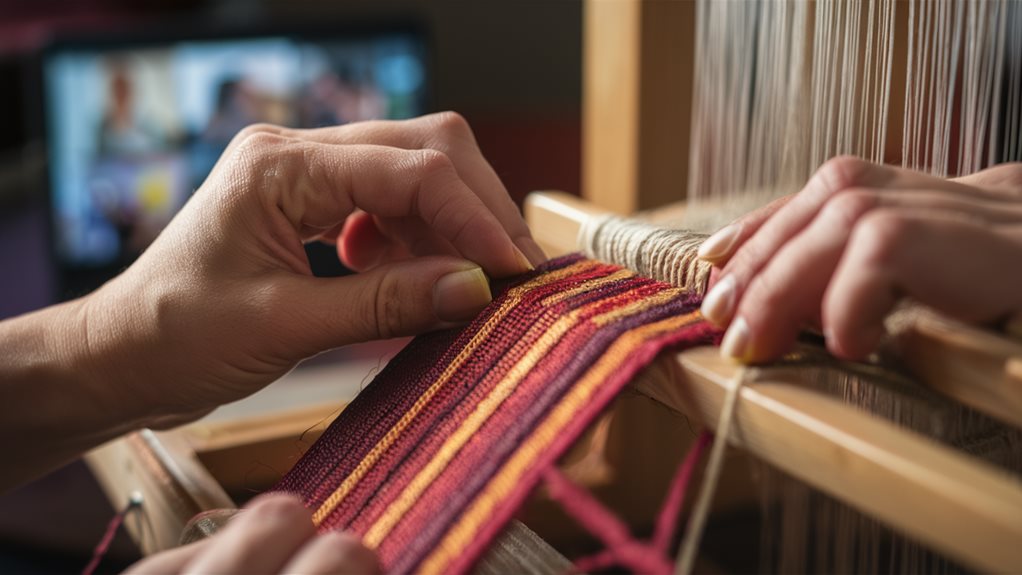
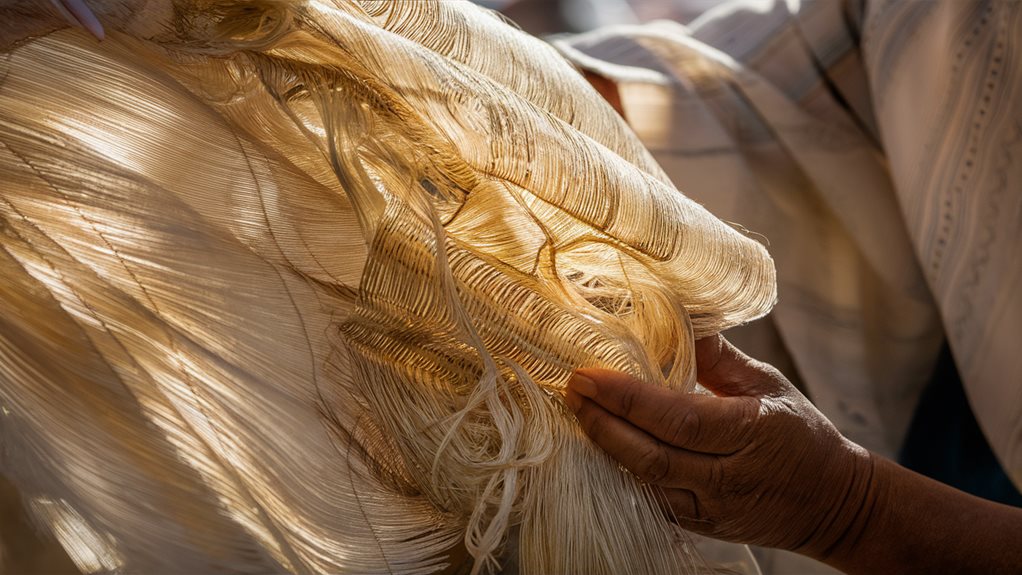
    Numerous online resources offer tutorials on traditional Filipino weaving techniques, including pinilian and Yakan weaving. These resources cover techniques such as material preparation, using abaca or pandan, and vital tools like backstrap looms.

    Online platforms and YouTube channels provide detailed tutorials and virtual classes, offering structured learning and guidance from experienced instructors. These resources cover intricate processes like ikat, which involves understanding warp and weft manipulation.

    Mastering traditional Filipino weaving techniques requires practice and patience. Online resources emphasize the importance of understanding warp and weft manipulation and finishing techniques, such as securing the edges of a woven fabric.

    By learning traditional Filipino weaving techniques, individuals can create unique and authentic products that can be sold online, promoting economic empowerment. This craft offers a wealth of opportunities for those interested in exploring its nuances.

    Online Weaving Resources

    digital weaving tutorials available

    Traditional Filipino Weaving Techniques are Accessible Online

    The internet provides access to numerous online resources dedicated to traditional Filipino weaving techniques. These resources offer detailed accounts of distinct weaving communities and their unique approaches. For example, you can explore the Ilocano *pinilian* and *binakul* techniques using cotton or *kapas*, and contrast them with the intricate Yakan designs from Basilan, which employ abaca and pineapple fibers.

    Variety of Traditional Materials and Fibers****

    Detailed information on traditional materials and fibers is readily available online. The extraction of piña fibers from pineapple leaves in the Visayas, the widespread use of abaca in Bicol and Mindanao, and the prevalence of cotton in Ilocos and Cordillera regions are well-documented.

    You can also find information on the various tools employed in traditional Filipino weaving.

    Regional Distribution of Weaving Tools and Techniques

    The functions of the *pinsel*, *lambitin*, and *tubod* are essential to the weaving process. Back-strap and pedal looms have contrasting uses, with regional distribution varying across the country. For instance, back-strap looms are commonly used in some regions, while pedal looms are more prevalent in others.

    Cultural Significance of Filipino Weaving Traditions

    Exploring online resources allows you to delve into the cultural significance woven into each textile. The generational transmission of Yakan weaving, its deep-rooted connection to their heritage, and the spiritual aspects inherent in Ifugao practices are well-documented.

    You can analyze the storytelling embedded within *dagmay* designs and the symbolic meanings woven into natural dyes.

    Virtual Weaving Classes

    Virtual Weaving Classes Offer Hands-on Learning Experiences****

    Numerous virtual weaving classes provide hands-on learning experiences, going beyond readily available online resources showcasing traditional Filipino weaving techniques. For instance, the Philippine Textile Research Institute (PTRI) and the University of the Philippines Diliman (UPD) host workshops focusing on indigenous textiles such as *binakol*.

    These classes cover basic handloom weaving techniques, including pattern analysis and demonstrations, as well as training on virtual loom technology like the Thread Controller 2 (TC2). Participants engage in community involvement projects, collaborating with local weavers to revive and preserve traditional textiles.

    Course Content and Structure

    The course content includes an overview of indigenous weaving and its cultural significance****.

    Detailed pattern analysis of plain weaves and traditional patterns, such as *binakol*, are also covered. Hands-on demonstrations of basic techniques are provided, and participants engage in project-based learning, creating weaving samples using digital looms.

    Preservation and Propagation of Traditional Techniques

    The primary outcome of these virtual weaving classes is the preservation and propagation of traditional Filipino weaving techniques.

    Participants gain hands-on experience and skills in traditional and digital weaving methods, contributing to community engagement and the revival of traditional textiles. The workshops emphasize the cultural and historical significance of Filipino textiles and are part of broader research projects documenting and analyzing these traditions.

    Finding Online Instructors

    recruiting virtual course educators

    Finding online instructors who specialize in traditional Filipino weaving requires research and consideration of several factors.

    One effective way to find online instructors is to leverage online platforms and communities, such as Kalingafornia Laga, which offers intensive lessons and weekly sessions, including demonstrations and weaving practices. These platforms often provide free participation opportunities, allowing you to gauge the instructor's teaching style and expertise.

    For instance, Kalingafornia Laga's apprenticeships, such as the one between Jenny Bawer Young and Holly Calica, can provide valuable online instructor recommendations.

    When choosing an instructor, consider the following key factors:

    1. Instructors with proven experience in traditional Filipino weaving techniques are ideal. Look for those with documented apprenticeships or established teaching histories.
    2. Active involvement in cultural preservation efforts and community engagement within the Filipino weaving tradition ensures authenticity and cultural sensitivity.
    3. A curriculum that aligns with your learning goals is essential. Determine whether the instructor's curriculum focuses on mastering a specific technique, understanding the cultural context, or both.
    4. A strong online presence is crucial. Evaluate the instructor's student reviews, testimonials, and the clarity of their online teaching materials and communication.

    Researching and selecting the right online instructor is essential for a successful learning journey. Look for programs connected to cultural preservation organizations, such as UCLA's Ifugao Heritage Galleries, or artist-led initiatives showcasing traditional weaving.

    To ensure a high-quality learning experience, verify the instructor's credentials and teaching experience before enrolling in any online course. Additionally, consider online instructor recommendations from others experienced in Filipino weaving.

    Best Online Courses

    Traditional Filipino Weaving Courses are Limited Online****

    Finding online courses specifically dedicated to traditional Filipino weaving techniques is challenging. Currently, there are no readily available options that focus exclusively on these techniques and their cultural significance. General textile courses may cover weaving, but they usually lack the specificity needed to master Filipino styles.

    Alternative Avenues for Learning

    Courses on Domestika, such as those on tapestry weaving or braiding, offer related techniques that can be adapted to Filipino weaving. These courses provide instruction on essential skills, including:

    • Basic weaving techniques: Domestika courses teach fundamental weaving skills that can be applied to Filipino styles.
    • Braiding and knotting: These techniques are used in various Filipino weaving traditions and can be learned through alternative courses.

    While these courses build a foundation, they don't directly teach traditional Filipino techniques or their cultural significance.

    Supplementing Learning

    To supplement learning, consider:

    • Online guides and kits: Self-study materials can provide additional instruction and practice exercises.
    • Online communities: Joining online forums or groups dedicated to Filipino weaving can connect you with experienced practitioners and provide valuable insights.

    Mastering Traditional Filipino Weaving

    To fully master traditional Filipino weaving, a combination of resources and self-directed learning is necessary. This may involve:

    • Combining online courses: Using alternative courses to build foundational skills and supplementing with self-study materials.
    • Future online course creation: The development of dedicated online courses focused on traditional Filipino weaving techniques and their cultural significance.

    Video Tutorials on YouTube

    youtube video learning resources

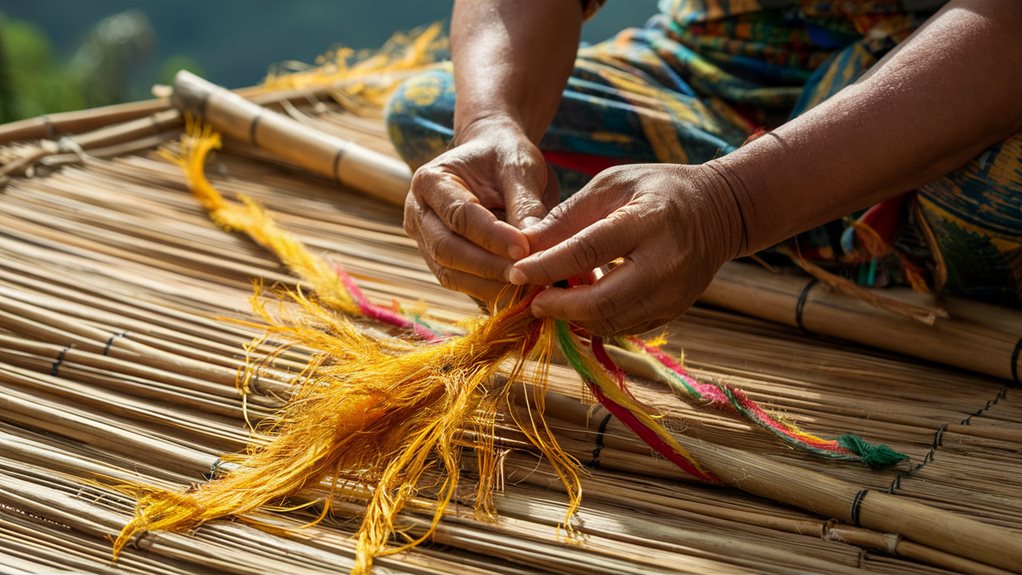
    YouTube offers extensive video tutorials on traditional Filipino weaving, serving as a valuable resource for aspiring weavers. These tutorials cover various techniques, including abaca, pandan, and mat weaving. Each tutorial explores the weaving history and cultural significance embedded within the craft.

    Materials preparation is a crucial step in Filipino weaving. Tutorials detail the meticulous preparation of materials, such as sourcing abaca fibers or selecting pandan leaves. This process involves sourcing high-quality materials, cleaning, and processing them for weaving.

    The weaving process is meticulously detailed in these tutorials, showcasing the use of traditional handlooms and techniques passed down through generations. Step-by-step instructions emphasize precision and accuracy, allowing viewers to learn various weaving techniques.

    Tutorials also discuss the cultural significance and history of each weaving tradition. Viewers can learn about the importance of preserving these crafts, their cultural significance, and economic impact. By watching these tutorials, viewers acquire practical skills and gain a deeper appreciation for the rich cultural heritage behind Filipino weaving.

    Key topics covered in these tutorials include:

    1. Materials preparation: Sourcing, cleaning, and processing materials for weaving.
    2. Step-by-step instructions: Detailed guides for various weaving techniques.
    3. Cultural significance: Discussions on the history and importance of each weaving tradition.
    4. Finished products: Examples of completed projects and their applications in Filipino culture.

    Blogs and Weaving Articles

    Numerous blogs and articles offer thorough explorations of traditional Filipino weaving, providing detailed information on techniques, communities, and cultural significance.

    The techniques include ikat, piña weaving, and abaca cloth production, with extensive guides detailing their intricacies. These resources often trace the weaving history, explaining the evolution of tools like the back-strap and pedal looms, from the simple *tubod* to the more complex *lambitin*.

    Regional variations are a key aspect of Filipino weaving, with distinct styles found among the Ilocanos, Bicolanos, and the diverse communities of Mindanao and the Visayas. Blogs and articles often highlight the cultural significance of weaving, explaining the symbolic meanings embedded in designs and the spiritual context in many indigenous communities.

    Natural dyes and motifs reflect local traditions and beliefs, passing down knowledge intertwined with stories and ancestral practices.

    The historical context of weaving in the Philippines is also explored, with many articles referencing archeological evidence that supports the long and rich history of the craft.

    The connection between weaving and community identity is profound, with efforts underway to preserve this valuable cultural heritage for future generations. Detailed descriptions of tools like the *pinsel* further enrich understanding of the craft.

    Online Communities & Forums

    digital social interaction spaces

    Online platforms provide a space for dynamic interactions and knowledge exchange about traditional Filipino weaving**. These communities facilitate resource collaboration, allowing individuals to access tutorials**, patterns, and valuable artisan connections. By participating in online forums, individuals contribute to the preservation of this craft, ensuring its continued existence.

    Online resources for traditional Filipino weaving are readily available. Dedicated online spaces for knowledge sharing can be found on platforms such as Reddit and Facebook groups. These groups offer a space for individuals to share knowledge and resources, participate in technique discussions, and learn from others.

    Visual inspiration and connections with a global network of weavers can be found on Instagram and Pinterest. These platforms provide a space for weavers to showcase their work, share techniques, and connect with others who share similar interests.

    Twitter facilitates discussions on the cultural importance of traditional Filipino weaving. This platform allows individuals to engage in conversations about the significance of this craft and its impact on culture and society.

    Online workshops and classes provide structured learning opportunities, led by experienced instructors and master weavers. These workshops offer a space for individuals to learn specific techniques, ask questions, and receive feedback from experienced weavers.

    By participating in these online communities, individuals can access a wealth of information and connect with others who share their passion for traditional Filipino weaving.

    This collaborative effort enriches individual weaving practices and strengthens the global community dedicated to this ancient art.

    Digital Pattern Libraries

    Digital Pattern Libraries Preserve Traditional Filipino Weaving****

    Traditional Filipino weaving patterns are being preserved and promoted through the creation of digital pattern libraries. One such example is the CordiTex project, which is digitizing Cordillera weaving patterns for cultural sustainability. Dr. Michelle Stephens' work on translating woven samples from CordiTex and Museo Kordilyera archives demonstrates the significance of this effort.

    Digitization Process

    Digitizing traditional weaving patterns involves more than just scanning. It requires developing a detailed digital rationale and methodology to preserve the intricate designs. This includes creating a Learning Tool Kit with digital tools for teaching and learning weave drafting, such as a weave drafting app, QR code links to online videos, and a small sample loom for apprentice weavers.

    Digital Tools for Weaving

    Computer-controlled looms, such as digital jacquard weaving, allow for the precise reproduction of digitized patterns. Finite state machines can also be used to generate unique patterns. Additionally, the TC2 Digital Loom provides another avenue for translating and producing fabrics based on traditional designs.

    Cultural Sustainability

    Digital pattern libraries contribute to cultural sustainability by empowering weavers to participate in the translation process and ensuring authenticity. The Learning Tool Kit addresses the diminishing knowledge among younger generations by offering a modern, accessible learning method that supports the continuation of oral craft traditions.

    Online access encourages wider participation, and the digital libraries' global reach fosters cultural exchange and preservation.

    Sourcing Materials Online

    online material procurement process

    Sourcing Materials Online for Traditional Filipino Weaving****

    The rise of e-commerce platforms has transformed the way weavers source raw materials for traditional Filipino weaving, enabling them to connect with diverse suppliers across the country and beyond.

    Locating High-Quality Materials****

    To create authentic textiles, high-quality fibers and dyes are essential. Online marketplaces offer a wide selection of these materials, supporting sustainable sourcing and local artisans.

    1. Local Cotton****

    Locally sourced cotton is ideal for creating Inabel**, a textile known for its intricate patterns and natural dyes. Online marketplaces offer a range of colors, from classic indigo to vibrant yellows**, reflecting the rich heritage of Ilocano weaving.

    Classic indigo and vibrant yellows are popular color options.

    2. Abaca Fibers****

    Durable abaca fibers are readily available online, a staple in Bicol and Mindanao weaving traditions. These fibers are known for their strength and versatility, enabling weavers to create strong and long-lasting textiles like T'nalak.

    Information on preparation and use is easily accessible online.

    3. Pineapple Fibers (Piña)

    High-quality pineapple fibers are available online for creating luxurious piña textiles and jusi. These fine fibers require careful processing, and online resources provide information on the extensive process.

    Online tutorials and guides are available for processing pineapple fibers.

    4. Natural Dyes and Materials

    Natural dyes are essential for maintaining traditional methods, and online retailers offer a selection of sustainable and ethically sourced options.

    These dyes allow weavers to imbue their textiles with symbolic meanings inherent in traditional Filipino weaving.

    Balancing convenience with preservation of traditional methods is crucial.

    Setting Up Your Workspace

    Setting Up a Productive Workspace****

    A well-organized workspace is essential for efficient weaving. Prioritize loom placement by positioning it at a stable and comfortable height for ideal workspace ergonomics****. Ensure the loom is on a level surface to prevent it from tipping over.

    Adequate lighting is vital for clear visibility of threads and patterns. Use a combination of natural and artificial lighting sources to achieve optimal visibility. Natural light from a window can be supplemented with a desk lamp or overhead lighting.

    A clean, flat work surface is fundamental for yarn preparation. Designate a specific area for yarn preparation and keep it free from clutter. This area should be large enough to accommodate the yarn, threads, and any other materials needed for the weaving project.

    Efficient storage is crucial for keeping tools and materials within easy reach. Implement a storage system that includes labeled containers and spools or reels. This will prevent tangles and guarantee smooth thread management.

    Yarn Organization

    Careful yarn organization is critical for a smooth weaving process. Implement a color-coding system for different yarns and fibers. For example, use red labels for cotton yarns and blue labels for wool yarns.

    Maintaining a Dry Environment****

    A dry environment is essential for preventing fiber damage. Maintain a humidity level between 40-60% in the workspace to prevent moisture buildup. This can be achieved by using a dehumidifier or ensuring good ventilation in the workspace.

    Workspace Ergonomics

    Workspace ergonomics is critical for maintaining good posture and minimizing strain during prolonged weaving sessions. Position the loom and chair at a comfortable height to prevent straining the back or neck.

    Take regular breaks to stretch and move around the workspace.

    Essential Tools & Equipment

    necessary gear and supplies

    Traditional Filipino weaving relies on specialized tools and equipment to create intricate textiles. A well-assembled weaving toolkit is essential for efficient and effective weaving.

    A loom is the primary tool in traditional Filipino weaving**. There are two main types of looms: backstrap and pedal looms. The choice between these two types depends on the preferred weaving style and regional tradition. The loom's components, including the warp beam, heddles, shuttle, reed, and beater, work together to manipulate the warp and weft threads**.

    Additional tools are necessary for successful weaving. These include the *pinsel* (beater) for compacting weft threads, the *lambitin* (reel) for managing warp threads, and the *tubod* (warping frame) for preparing warp threads. A spindle is necessary for spinning fibers into threads, and a weaving hook guides the warp yarn correctly.

    Regular equipment maintenance preserves tools and ensures a smooth weaving process. This involves consistent cleaning and occasional repairs. Investing in high-quality materials minimizes future maintenance issues.

    Four primary equipment considerations are crucial for traditional Filipino weaving:

    1. The type of loom used determines the weaving style and regional tradition. A backstrap or pedal loom is chosen based on these factors.
    2. A warping frame (*Tubod*) prepares organized warp threads. This frame is essential for efficient weaving.
    3. A beater (*Pinsel*) compacts weft yarns, affecting fabric density and strength. This tool plays a crucial role in the final textile's quality.
    4. A shuttle carries and inserts weft threads across the warp. This tool is necessary for creating the fabric's pattern and design.

    Proper care and maintenance extend the life of weaving equipment. Even small components contribute greatly to the overall weaving process, impacting the final textile's quality.

    Mastering Basic Techniques

    Mastering traditional Filipino weaving techniques requires a deep understanding of the relationship between tools, materials, and regional styles. Each technique holds immense cultural significance, reflecting generations of artistry and knowledge passed down through time.

    To begin, learn the basics of warp and weft manipulation, and practice creating simple plain weaves. The plain weave is the foundation of more complex patterns.

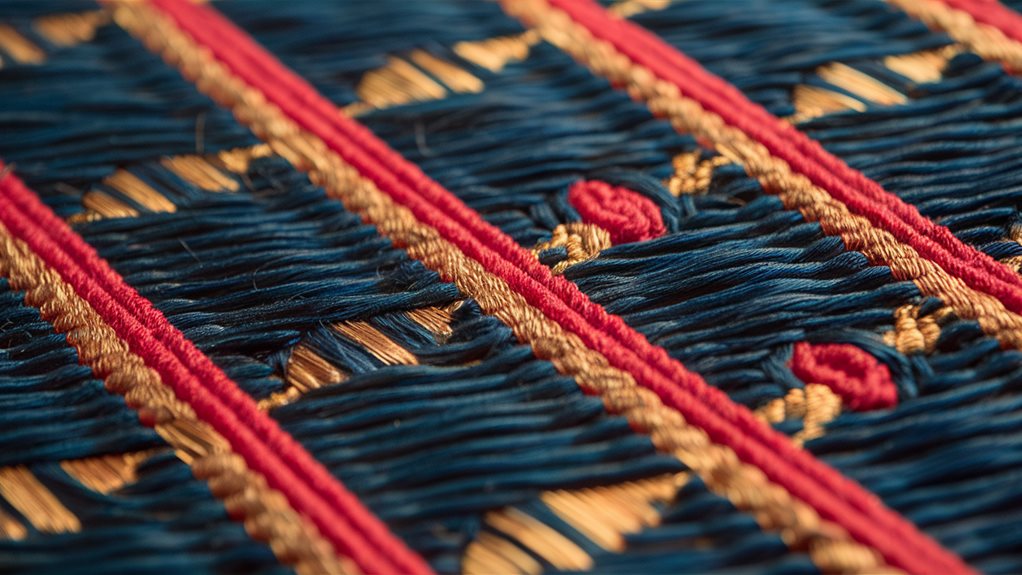
    The Ikat weaving technique is another essential skill to master. This technique involves resist-dyeing to create vibrant designs, as practiced by Mindanao's T'boli for generations.

    Ikat weaving is then built upon with Pinilian weaving, which is characterized by precise warp thread selection for intricate brocades, a hallmark of Ilocano artistry.

    Understanding the tapestry weave, an ancient Yakan tradition, enhances appreciation for its ornamented textiles. This traditional weaving style features intricate designs and patterns, reflecting the unique cultural heritage of the Yakan people.

    Further develop skills with back-strap loom weaving, a versatile technique used by many groups to produce fabrics like the dagmay. This technique allows weavers to create a variety of fabrics using different fibers and patterns.

    Mastering brocade weaving, a Cordillera specialty, requires precision in using supplementary weft threads to create detailed motifs. The key to brocade weaving is the precise use of supplementary weft threads to create intricate designs.

    Experiment with various fibers, including abaca for strength, piña for luxuriousness, and cotton for durability.

    Explore regional specializations, such as the Ilocos' Inabel, the Visayas' piña textiles, and the diverse traditions of Mindanao. Each region has its unique weaving style, reflecting the cultural heritage and traditions of its people.

    Common Weaving Mistakes

    avoid weaving errors effectively

    Traditional Filipino weaving is prone to common mistakes, even among experienced weavers. These errors typically arise from inconsistent warp tension, resulting in warp streaks or fabric defects due to excessive tightness. Weft irregularities and poor loom settings also contribute to these problems.

    Common mistakes in weaving often stem from minor oversights. Key issues include:

    1. Inconsistent warp tension, which affects the overall fabric structure, leading to distortions and an unprofessional finish. Maintaining consistent tension throughout the weaving process is crucial.
    2. Weft irregularities, such as inconsistent density, broken picks, or color variations, which can be avoided by using high-quality yarn and ensuring smooth shuttle movement.
    3. Inadequate preparation, including insufficient pattern planning, can create problems that are difficult to rectify mid-project. Thorough planning before commencing weaving is essential.
    4. Poor finishing techniques, such as incorrect finishing methods, can undo the hours spent on weaving. Mastering these techniques is crucial for producing high-quality woven pieces.

    To minimize fabric defects and produce high-quality woven pieces, careful attention to detail**** is fundamental throughout the entire process, from preparation to finishing.

    This includes addressing yarn quality, loom settings, and careful dye selection.

    Showcasing Your Creations

    Showcasing Your Creations Effectively

    Producing high-quality woven pieces requires attention to detail and effective methods of showcasing your work. To showcase your creations to a wider audience, leverage online platforms like Instagram and Facebook. Use relevant hashtags to boost visibility and create a website or blog with high-resolution photographs. These photographs should showcase intricate patterns and textures using natural lighting and 360-degree views.

    Digital storytelling is essential in showcasing your creations. Craft compelling narratives**** highlighting the cultural significance of each piece. Include details on weaving techniques, materials, and historical context. Share the stories behind each creation, explaining the symbolic meanings of patterns and colors. For example, describe the significance of the "t'nalak" fabric, a traditional Filipino textile, and its intricate patterns.

    Engage your online community actively by hosting live sessions demonstrating techniques and answering questions. Share behind-the-scenes glimpses of your process and collaborate with other artisans to cross-promote your work. This will help build a supportive network and foster connections with your audience.

    Weaving Business Opportunities

    connecting market potential strategically

    Weaving traditional Filipino textiles can be a profitable business, fostering economic empowerment and cultural preservation. To establish a sustainable enterprise, understanding market demands and utilizing innovative sales strategies**** are crucial.

    Key business opportunities in traditional Filipino weaving include:

    1. Reaching a global customer base through e-commerce platforms. Online platforms allow weavers to bypass geographical limitations and showcase unique pieces to a wider audience, increasing sales potential considerably. For example, a weaver can create an online store on platforms like Etsy or Shopify to reach customers worldwide.
    2. Forming strategic partnerships with local businesses. Collaborating with cafes or boutiques can expand a brand's visibility and access new customer segments. This cross-promotion strategy enhances both brand awareness and sales. For instance, a weaver can partner with a local cafe to display their products and offer workshops.
    3. Engaging the local community in traditional weaving techniques. Involving the community in the business fosters cultural preservation while creating employment opportunities. Weavers can teach traditional techniques through workshops or classes, promoting cultural heritage and generating income.
    4. Offering diversified product lines. Creating a variety of products cater to varied preferences, attracting a wider customer base and boosting profit margins. For example, a weaver can create contemporary designs using traditional techniques, such as modern clothing or home decor items.

    Questions and Answers

    Can I Learn Advanced Techniques Online?

    You can learn advanced techniques online. Various online tutorials provide access to advanced techniques, including detailed instructions and patterns for different weaving styles. These resources cover complex methods, such as tapestry weaving or backstrap weaving, and offer step-by-step guides to help you master these techniques.

    Are Online Courses Culturally Sensitive?

    Online courses are now being designed with cultural sensitivity in mind. Many courses prioritize cultural sensitivity by avoiding appropriation and promoting community engagement. This approach ensures that the representation of artisans and their work is authentic. For example, courses on traditional crafts often involve collaborations with local artisans, allowing students to learn about the cultural context and significance of the craft. By doing so, courses promote respect for the artisans and their work, as well as a deeper understanding of the cultural significance behind the craft.

    How Much Does Online Learning Cost?

    Pricing for online courses varies widely. While some platforms offer affordable options, others may have unspecified costs. For example, the Weaving PH Textiles Kit is a budget-friendly choice, priced at ₱2,650.00, which includes online guides to support learning.

    What Fiber Is Best for Beginners?

    Cotton and abaca are the best fibers for beginners. These fibers are ideal for those new to weaving due to their ease of use and manageable properties.

    Cotton is a popular choice for beginners because it is soft and easy to work with. This fiber type is also relatively inexpensive and widely available, making it a great option for those just starting out with weaving.

    Abaca is another strong contender for beginners. It is readily available and easy to work with, making it an excellent choice for those looking to practice their weaving skills without too much difficulty.

    Which Online Platform Is Best?

    Your ideal online platform depends on your preferences and goals. Structured learning is best achieved on PASACAT, which offers a systematic approach to weaving. For market access, Woven is the preferred platform, as it connects weavers with potential buyers and provides opportunities for sales. If cultural immersion is your priority, consider Kalingafornia Laga, which allows you to engage with and learn from other weavers who share similar cultural backgrounds.

  • Sustainable Filipino Craft Practices

    Sustainable Filipino Craft Practices

    Sustainable Filipino craft practices effectively combine traditional techniques with eco-friendly methods. These practices use natural materials, such as bamboo and abaca, to minimize environmental damage. For example, bamboo is used to create durable and versatile products like baskets, furniture, and even musical instruments. Abaca, a type of plant fiber, is used to create ropes, bags, and other textiles.

    These sustainable practices provide essential income for rural communities. Local economies are supported, and cultural heritage is preserved through the continuation of traditional crafts. In the Philippines, rural communities rely heavily on sustainable craft practices as a source of income.

    Innovative techniques transform waste into beautiful and functional art. Traditional skills are enhanced by modern methods, creating unique products with global appeal. For instance, discarded materials like plastic bottles and old CDs are transformed into decorative items, such as wind chimes and jewelry.

    The result is a vibrant tapestry of artistry and sustainability. Sustainable Filipino craft practices showcase the country's rich cultural heritage while promoting environmental responsibility.

    Sustainable Materials

    eco friendly resource alternatives

    Eco-friendly materials are at the core of sustainable Filipino crafts**. This focus on environmentally conscious sourcing results in the creation of stunning pieces with readily available biodegradable alternatives. For instance, eco-friendly resin** derived from renewable plant-based materials is biodegradable, non-toxic, and emits fewer VOCs. This makes it a suitable choice for jewelry, home décor, and mixed media art. Suppliers like RICHSON'S Trading offer this eco-friendly material.

    Bamboo is a highly sustainable material**. As a cornerstone of Philippine culture since pre-colonial times, bamboo offers a versatile and biodegradable option for furniture, home décor, clothing, and construction. Its strength ensures durable, long-lasting products, and its use contributes to sustainable practices**, mitigating flood and soil erosion.

    Recycled materials play a significant role in sustainable crafts. Transforming plastic, metal, paper, glass, and fabric scraps into sculptures, mosaics, installations, and more demonstrates environmental responsibility and creative repurposing. Techniques such as cutting, molding, melting, and assembling highlight Filipino ingenuity and resourcefulness.

    Handmade paper products emphasize eco-conscious sourcing. Using ethically sourced abaca fibers, cogon grass pulp, and pineapple leaves reduces reliance on timber. These biodegradable alternatives create stationery, packaging, and home accents, showcasing design innovations like paper ceramic and paper stitching.

    The global recognition of these products speaks to their quality and sustainability.

    Environmental Advantages

    Filipino craft practices prioritize eco-friendly materials and processes, significantly reducing environmental harm. These practices mainly utilize bamboo and rattan, which are highly renewable resources. The use of these materials leads to a marked reduction in waste. For instance, upcycling initiatives transform waste materials into valuable products, thus diverting them from landfills and minimizing pollution.

    Bamboo has a lower carbon footprint than materials like plastic and metal, contributing to climate mitigation efforts. Compared to traditional materials, bamboo boasts a lower carbon footprint due to its rapid growth rate and minimal processing requirements. The durability of rattan furniture also reduces waste by lessening the need for frequent replacements.

    Furthermore, eco-friendly businesses that support these practices actively implement recycling and waste management practices.

    Sustainable practices contribute to the conservation of natural resources. Bamboo forests act as potent carbon sinks, releasing up to 35% more oxygen than comparable tree stands. Unlike hardwoods, bamboo can be harvested every three to five years due to its rapid growth rate.

    Rattan sourcing from sustainable forests promotes biodiversity, and its cultivation and processing require minimal resources. Additionally, sustainable practices conserve water and enhance energy efficiency in production.

    Bamboo plays a crucial role in climate mitigation. Bamboo processing demands far less energy than traditional materials like concrete and steel. Using bamboo in construction reduces greenhouse gas emissions during production.

    Upcycling lowers raw material demand, fostering a circular economy. Moreover, bamboo's fast growth rate aids carbon sequestration, directly combating climate change. Eco-friendly businesses utilizing energy-efficient processes further reduce their environmental impact.

    Economic Impact

    economic consequences of events

    Sustainable craft practices contribute significantly to economic growth and social upliftment in the Philippines.

    Sustainable Filipino craft practices aren't only environmentally sound but also create income opportunities in rural communities. For example, coconut husk suppliers receive prompt payments upon delivery, while pandan farmers supplement their income through collective efforts.

    Woodcarvers in Paete generate income and create employment opportunities, shaping their own economic destinies.

    The direct impact of sustainable craft practices on poverty reduction and rural economies is substantial.

    Agribusinesses supporting sustainable farming practices enhance economic resilience, while initiatives like the Paete Heritage Crafts Route boost tourism, injecting essential funds into the local economy.

    Locally crafted goods contribute considerably to overall community well-being. For instance, hundreds of people find work in coconut husk processing alone.

    Promoting local crafts increases their market visibility and appeal.

    Collaborations with international brands expand market reach, showcasing the unique appeal of Filipino craftsmanship.

    For example, government support and policies amplify the benefits of sustainable craft practices, shaping a favorable environment for growth.

    This allows local artisans to control pricing and product management, enabling them to shape their economic futures.

    As a result, traditional skills and modern market demands are balanced and supported.

    Cultural Preservation

    Filipino craft practices play a vital role in preserving cultural heritage**. They reflect the unique artistry**, traditions, and beliefs of various indigenous groups, acting as powerful vehicles for heritage transmission. These crafts are tangible expressions of cultural storytelling, allowing cultural practices to be passed down through generations.

    For example, traditional weaving techniques have been revived, with ancient skills being mastered and refined to ensure their continued existence.

    The fusion of traditional and modern designs creates unique textiles****. Ancient weaving techniques blend seamlessly with modern designs, creating unique and culturally noteworthy textiles.

    Similarly, woodcarving techniques creatively fuse traditional folklore with contemporary styles. This blend of old and new is also seen in metalwork heritage projects, which revive ancient techniques like filigree and repoussé.

    Hands-on learning opportunities facilitate heritage transmission. The "Master and Apprentice" initiative and Cultural Heritage Workshops provide a platform for artisans to learn from experienced craftsmen, ensuring the continuation of traditional skills.

    These programs allow for creativity and innovation, enabling the incorporation of traditional skills into modern art forms while preserving cultural identity.

    Preserving cultural heritage contributes to ongoing cultural storytelling**. By supporting these initiatives and learning traditional skills, people contribute to the enduring legacy** of Filipino craftsmanship.

    This, in turn, ensures that the cultural importance embedded within each craft is passed down through generations.

    Community Support

    local assistance and resources

    Community Support is Crucial for Filipino Craft Practices****

    Filipino craft practices rely heavily on strong community support, which provides economic and social benefits to artisans and their communities. This support comes in various forms, including partnerships with organizations that empower local artisans.

    Love, Camille and Boho Manila are examples of such partnerships, which have enabled Ilocos Sur artisans to turn their handwoven inabel into fashionable clothing and created livelihood opportunities for mothers.

    Community engagement also extends to fair trade practices, which ensure that artisans receive fair wages for their work.

    GIFTS & GRACES and KAMAY KRAFTS are two organizations that promote fair trade practices by bridging the gap between skilled communities and markets. They do this by providing mentorship and resources to marginalized communities and facilitating partnerships between them and entrepreneurs.

    Artisan collaboration is another key aspect of community support in Filipino craft practices.

    Initiatives like "Linking landscapes to Cultural Creative Sustainability" enhance skills and market access through digital platforms and craft skill exchanges. This approach has been adopted by organizations like Kultura's Filipino Design Studio, which highlights local craftsmanship and sustainable practices.

    The importance of community support is also evident in the way it promotes sustainable practices.

    Papemelroti's workshops share talents and income generation, including partnerships with organizations aiding dialysis patients. Similarly, the Tina Weaving Community engages in participatory research, supporting sustainable resource management and improved livelihoods.

    Innovative Techniques

    Innovation in Filipino Craft Practices

    Strong community support is crucial for the success of Filipino craft practices. However, innovation in techniques is equally important for their continued growth and sustainability.

    Eco-Friendly Innovation Revolutionizes Traditional Methods****

    Filipino craft practices are witnessing an eco-friendly innovation revolution. Waste materials are being transformed into valuable resources. For instance, coconut shells are turned into decorative items, while bamboo is transformed into musical instruments and textiles.

    Discarded tarpaulins and fabric are also being repurposed into stylish bags and home décor. This creative reuse isn't only eco-conscious but also ingenious.

    Innovative Product Development

    Innovative product development is also taking place alongside this eco-friendly innovation. Coconut shells are being sculpted into bowls and jewelry, showcasing skillful craftsmanship.

    Bamboo is finding new life as reusable straws and food containers. Upcycled materials are being combined to create unique and functional products. Handmade paper, crafted from abaca fibers and cogon grass pulp, is being used to create elegant stationery and lighting fixtures.

    Enhancing Traditional Methods

    This eco-friendly innovation isn't replacing traditional methods but enhancing them. Traditional Filipino motifs are being woven into bamboo designs, preserving cultural heritage while incorporating modern materials.

    Handloom weaving traditions are being revitalized with the integration of bamboo yarns, showcasing a beautiful blend of the old and new. Traditional paper-making techniques are being adapted to create intricate vessels and vases.

    Scientific advancements are further enhancing these processes, improving efficiency and product quality.

    Collaboration for Sustainable Practices

    Collaboration with the Department of Science and Technology and tech-driven brands is guaranteeing sustainable practices.

    This ensures that continued support for these eco-friendly innovations promotes environmental sustainability.

    Artisanal Skills

    craftsmanship and traditional techniques

    Filipino artisanal skills are a rich expression of the country's diverse cultural heritage and regional identities****. These skills have been passed down through generations, reflecting the unique techniques and traditions of different regions.

    Traditional weaving is a prominent artisanal skill in the Philippines. For example, intricate banig weaving is found in the Visayas, where artisans use pandan and buri to create beautiful patterns. Inabel weaving from Ilocos is another notable example, showcasing the cultural significance of these crafts. The vibrant malongs of Mindanao's Maranao people are also a testament to the rich textile heritage of the country.

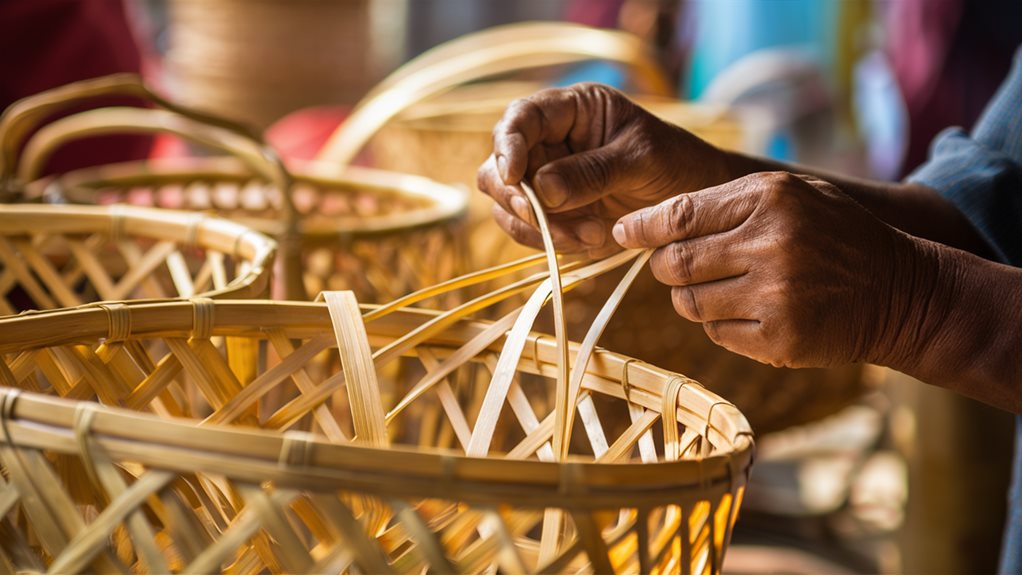
    Bamboo craftsmanship and pottery are other significant artisanal skills in the Philippines. Bamboo is transformed into furniture and baskets, demonstrating the versatility of this material. Pottery techniques, such as coiling, wheel-throwing, and hand-building, are employed to create beautiful and functional pieces. Vigan's distinctive pottery is a notable example of regional specialization.

    Metalwork and woodcarving are also important artisanal skills in the Philippines. Metalwork encompasses filigree and repoussé, adding another layer to the country's rich artistic heritage. Mindanao's metalwork exhibits unique geometric designs.

    Woodcarving, particularly in Paete, Laguna, is renowned for its detailed and intricate designs, often used in religious icons.

    Preservation efforts are underway to ensure the longevity of Filipino artisanal skills**. Artisan workshops dedicated to skill transfer are helping to preserve these traditional techniques. Initiatives reviving traditional weaving**, developing pottery skills, and establishing woodworking apprenticeships are also being implemented.

    Cultural heritage workshops offer immersive experiences, allowing participants to learn these techniques firsthand. These projects aim to maintain the legacy of Filipino artisanal skills by blending traditional methods with modern approaches****.

    Eco-Friendly Practices

    Environmental sustainability is a key component of many successful Filipino craft practices, balancing economic viability with ecological responsibility. Ethical sourcing is at the heart of these initiatives. For instance, Filipino craftspeople use abaca, cogon grass, and pineapple leaves to create tree-free paper. Additionally, they transform upcycled fabric scraps into stylish bags and utilize locally-sourced materials such as seagrass, raffia, and crocheted flowers.

    Effective waste management is also crucial in these eco-friendly practices. Recycling and upcycling are used to minimize waste. Papemelroti and Kamay Krafts, for example, use recycled paper to create high-quality products. INDIGENOUS utilizes a simple fruit blender to produce homemade paper, while Kultura's partner brands focus on efficient material utilization to reduce waste.

    Beyond material selection, energy and water conservation are also essential components. Papemelroti's initiatives demonstrate a broader commitment to environmental stewardship by promoting energy and water conservation. Their Planet Patrol program raises public awareness about ecological concerns, emphasizing the importance of alternative materials and minimizing deforestation to maintain ecological balance.

    This approach ensures continued production while supporting local artisans and their livelihoods through fair wages and empowering underserved communities.

    Filipino Craftsmanship

    exquisite filipino artistry showcase

    Filipino Craftsmanship: A Blend of Tradition and Innovation****

    The Philippines, an archipelago in Southeast Asia, is home to a diverse array of traditional craftsmanship that showcases the country's rich cultural heritage.

    Textiles and Weaving

    Traditional Filipino textiles are known for their vibrant colors and intricate patterns.

    Piña weaving from Aklan and Inabel from Ilocos are two examples of traditional weaving techniques that have been passed down through generations. These textiles are often made from natural fibers such as piña and cotton, and are used to create clothing, scarves, and other accessories.

    The Maranao people's malongs, which are traditional skirts made from colorful fabrics, are another example of the country's rich textile heritage.

    Woodcarvings and Bamboo Crafts****

    Woodcarvings are a significant part of Filipino craftsmanship, with Paete being a renowned hub for intricate woodcarvings.

    Paete's woodcarvings are known for their intricate designs and are often used to create religious icons and furniture. Bamboo, a readily available resource in the Philippines, is also used to create a variety of crafts such as baskets, furniture, and musical instruments like the karaga guitar.

    Metalworking and Jewelry****

    Metalworking is another area where Filipino craftsmanship excels.

    Intricate jewelry, iron-tipped spears, and brass bells are just a few examples of the country's metalworking expertise. Shellwork, particularly in Cebu, transforms mother of pearl into exquisite jewelry and furniture.

    Goldsmithing is also a cherished traditional art in the Philippines, with the Bagobo people creating intricate gold jewelry adorned with geometric motifs.

    Pottery and Basketry****

    Pottery is another traditional craft in the Philippines, with influences from Chinese and other Asian styles.

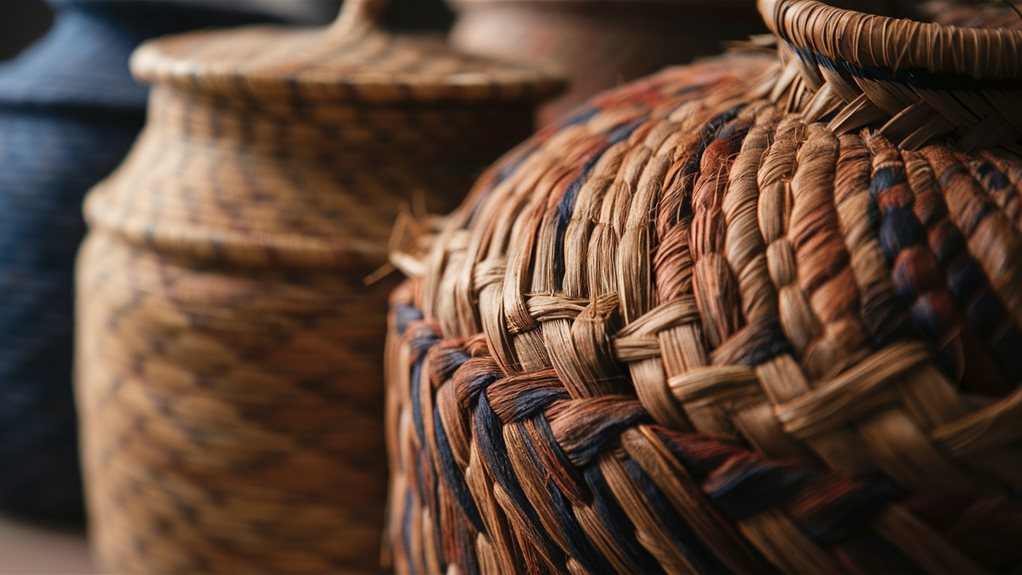
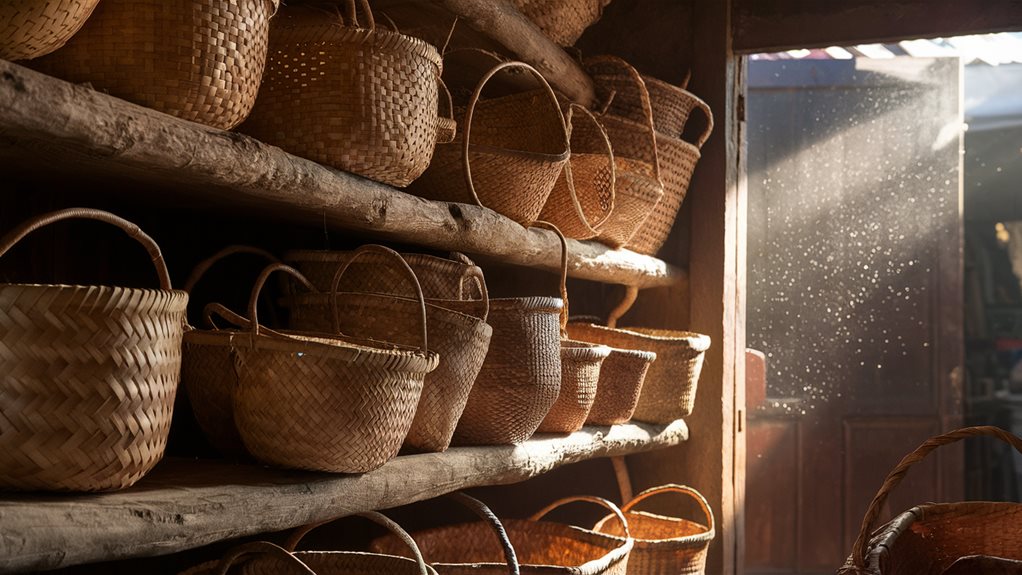
    Vigan and Guimaras are two places in the country known for their pottery traditions. Basketry is also a significant part of Filipino craftsmanship, with grasses, twigs, and other natural materials used to create baskets and other functional items.

    Modern Adaptations

    While traditional craftsmanship remains crucial, modern adaptations of these techniques are also emerging.

    Filipino craftsmen are combining traditional techniques with contemporary designs to create unique and innovative products****. This blending of old and new is helping to keep the country's traditional craftsmanship alive and relevant in the modern era.

    Questions and Answers

    Where Can I Buy These Crafts?

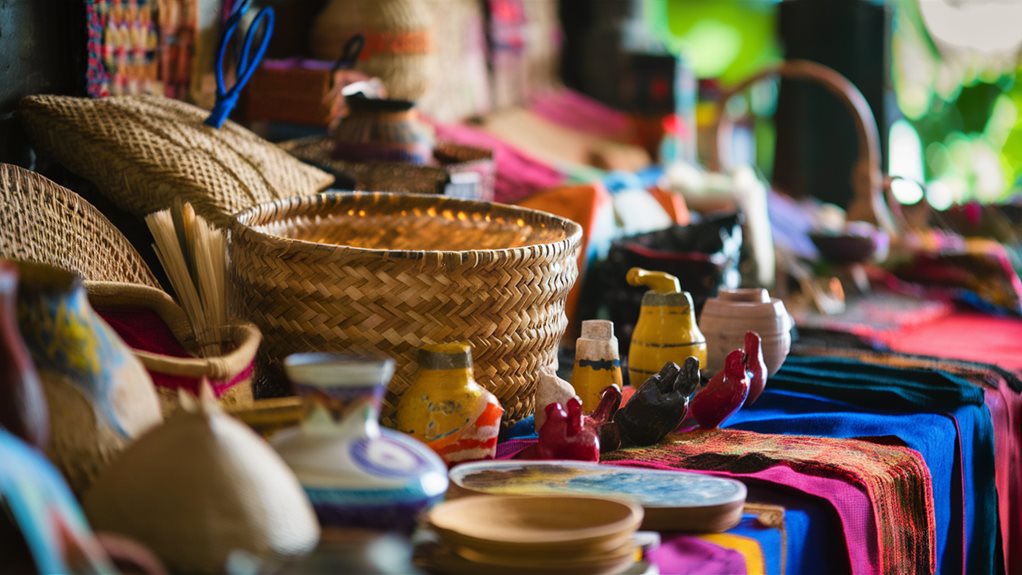
    You can buy these crafts at local artisan markets, online platforms, or select retail stores. These stores include Etsy, eBay, and Amazon. Examples of local artisan markets include farmers' markets, craft fairs, and holiday markets. When shopping, look for eco-friendly materials. Supporting sustainable practices is also key; choose stores that use recyclable packaging and environmentally friendly shipping methods.

    How Are the Crafts Shipped?

    Regional and international shipments prioritize eco-friendly practices.

    Our shipping methods prioritize minimizing carbon footprint through eco-friendly packaging. Regionally, we use local distribution networks to reduce emissions. For international shipments, we partner with sustainable carriers to ensure environmentally responsible transportation.

    Do You Offer Custom Orders?

    Yes, some brands offer custom design options. These options typically involve personalized crafting techniques that cater to individual preferences. For instance, a brand may allow customers to choose specific materials or colors for their products.

    Not all brands offer custom orders, though. In some cases, brands may accommodate bespoke requests, but this is not always the case. To determine if a brand offers custom orders, it's best to contact them directly and inquire about their customization policies.

    What Is Your Return Policy?

    Our return policy is not explicitly stated. We have not established a standard refund process or specific conditions for exchanges. If you need to return or exchange an item, contact us directly to discuss your individual circumstances.

    How Long Does Production Take?

    The length of production time varies. This variation is due to two main factors: the intricacy of the chosen crafting techniques and the sourcing of production materials. For example, a simple design with locally sourced materials might be produced within a few days, while a complex design can take several weeks or even months to complete. This is because intricate crafting techniques often require more time and labor, and sourcing materials from distant locations may involve longer lead times.

  • Unique Woven Gifts From the Philippines

    Unique Woven Gifts From the Philippines

    The Philippines offers a wide variety of stunning woven gifts made from natural materials. Abaca and rattan are the primary materials used for these woven gifts, often crafted into intricately designed bags and baskets.

    One of the unique features of these gifts is the incorporation of beautiful Capiz shell accents and home décor, which add an extra layer of cultural significance. Ancestral designs from various regions are often depicted in these pieces, reflecting the diverse styles and cultural stories of the Philippines.

    These gifts are not only aesthetically pleasing but also ethically made, ensuring fair labor practices. The exceptional craftsmanship guarantees quality and durability, making each piece a testament to the artistry and attention to detail of the Filipino artisans.

    Exquisite Philippine Textiles

    traditional filipino fabric artistry

    The Philippines boasts a rich textile history, with intricate fabrics reflecting the country's cultural heritage.

    Filipino textiles have a centuries-long history, showcasing the ingenuity of local artisans. Pre-colonial Filipinos used abaca, pineapple, and cotton to create practical textiles.

    The Spanish colonial period introduced silk and satin, influencing local techniques and resulting in a unique fusion of indigenous and foreign styles.

    Each region in the Philippines developed its own distinctive weaving style and patterns, reflecting diverse cultural influences.

    These designs tell stories, expressing beliefs and traditions, and often signify social status, cultural affiliation, and spiritual significance. For example, ancestral motifs, animals, and plants are woven into fabrics to connect the present to the past.

    Weaving is deeply rooted in spiritual practices, often serving as a bridge to spirits for protection and good health. Traditional tools like the backstrap loom, foot loom, and pedal loom are still used today.

    The meticulous craftsmanship involved in creating these textiles reflects generations of expertise.

    The use of natural materials and traditional dyeing techniques is essential to the textile-making process.

    Vibrant colors achieved through these techniques add to the beauty and cultural significance of the fabrics. This blend of traditional artistry and modern interpretations guarantees a continued appreciation for this important part of Philippine heritage.

    Woven Bags and Baskets

    The Philippines has a rich tradition of woven bags and baskets crafted from natural materials like rattan, bamboo, abacá, and pandan leaves. These materials are chosen for their durability and versatility, with rattan being a primary material due to its strength and adaptability.

    The craftsmanship of these bags and baskets involves diverse weaving techniques, including wicker, twine, and coiled weaves. These techniques are passed down through generations, reflecting the cultural significance of this traditional craft.

    In the Philippines, woven bags and baskets hold crucial cultural importance as status symbols and vital tools for daily life. In the Cordillera region, different tribes boast unique designs, reflecting their cultural identities. For example, the Bontoc tribe uses the *koppit* bag to carry food, while the Ifugao tribe uses the *sangi* bag for clothing and personal items. The *takba* bag is used for general purposes by various tribes.

    The production of these bags supports local communities, particularly women in rural areas. Brands like Uri and Narra Studio collaborate with these artisans, promoting sustainable practices and empowering communities.

    This collaboration blends traditional techniques with modern appeal, creating functional and fashionable pieces. Each piece is intricately designed and tells a story, reflecting the cultural heritage of the Philippines.

    Capiz Shell Wonders

    beautiful capiz shell creations

    Capiz Shell Origins and Uses

    The capiz shell, derived from the *Placuna placenta* mollusk (also known as the "windowpane oyster"), is a translucent material that has been transforming homes and adorning cultural celebrations in the Philippines for centuries.

    Its use in traditional Filipino architecture dates back centuries, where it served as a substitute for glass, allowing natural light in while maintaining privacy. Capiz shells have been used in crafting intricate lanterns, window panes, and decorative boxes.

    Modern Applications and Decor

    Today, capiz shells are incorporated into various modern applications, including home décor, fashion accessories, and jewelry.

    Examples of modern uses include stunning chandeliers, lampshades, and wall panels. Artisans also create unique wall art, picture frames, and serving trays using capiz shells.

    Harvesting and Processing

    Capiz shells are carefully collected by fishermen. The shells are then cleaned, polished, and sometimes treated with bleach or dye.

    Skilled artisans trim and layer the shells, often adding metal binding for strength. To guarantee the continued availability of capiz shells, responsible harvesting and processing practices are essential, ensuring the livelihoods of those who depend on it.

    Cultural Significance and Sustainability

    In the Philippines, capiz shells hold profound cultural significance, symbolizing prosperity and good luck.

    They enrich festivities and traditions. Supporting capiz shell artisans contributes to fair trade and the preservation of this unique craft.

    Intricate Wooden Crafts

    The Philippines has four distinct styles of woodcarving, each reflecting unique cultural traditions and artistic approaches.

    The Ifugao style from Northern Luzon is known for its spiritual carvings, often featuring bul-ul, granary deities paired with female idols to guarantee bountiful harvests. Ifugao carvers use available woods like ipil, acacia, and gutmu due to restrictions on hardwoods.

    In contrast, the Tagbanua style from Palawan is characterized by sophisticated and highly stylized carvings, almost abstract in nature. These carvings feature the use of alimutyugani wood, blackened with soot and etched with white designs using a pisaw. Common designs include polka dots, v-marks, and triangles.

    The Maranao style, influenced by their Muslim faith, avoids figural representations and focuses on intricate okkil designs inspired by flora, fauna, and local objects. These motifs can be found on musical instruments, kitchenware, and other items.

    The Paete style from Laguna represents a refined art form, with the town's name meaning "chisel." While acacia remains a favorite wood, the logging ban has led many to use paper mache.

    Paete craftsmen create detailed work on various home and kitchen items.

    Philippine-Made Jewelry

    handcrafted filipino jewelry artistry

    Philippine-made jewelry is a vibrant reflection of the country's rich cultural heritage and artistry. This is evident in the diverse traditions of various indigenous groups, which are showcased through intricate designs and meticulous craftsmanship. For instance, the T'Boli tribe collaborates with brands like Nawa to create brass bangles that blend traditional techniques with modern aesthetics.

    Some notable brands focus on specific aspects of Philippine culture. Angkan is known for its traditional *Agimat* necklaces, which hold cultural significance and are believed to possess magical powers. In contrast, Amami focuses on reviving endangered traditions by creating Ivatan silver and gold jewelry.

    Many Philippine jewelry brands prioritize sustainable and ethical practices. They use recycled materials and ensure fair wages for artisans, supporting communities while providing beautiful, ethically-sourced jewelry. This commitment to sustainability is evident in the use of eco-friendly materials and the promotion of fair labor standards.

    The impact of these brands extends beyond the artisans themselves. Many brands donate portions of their proceeds to support education and uplift communities, giving each purchase greater meaning. For example, some brands allocate funds to support local education initiatives, while others focus on promoting cultural heritage preservation.

    Innovative and contemporary designs are also emerging in the Philippine jewelry scene. Designers blend traditional motifs with modern aesthetics, resulting in unique pieces like pearl jewelry, bakunawa-inspired cuffs, and laser-cut necklaces featuring Baybayin script. These designs reflect the creativity and innovation of established and emerging designers who push the boundaries of traditional jewelry-making techniques.

    Brand Style Focus
    Angkan *Agimat* necklaces Traditional, cultural significance
    Nawa Brass jewelry Collaboration with T'Boli tribes
    Amami Ivatan silver & gold Reviving endangered traditions

    Home Decor and Accents

    Philippine Home Decor Combines Traditional Craftsmanship with Modern Design****

    Philippine home decor showcases the unique blend of traditional craftsmanship and modern design. This distinct style is achieved through the use of natural materials, such as Nito vines, which are sustainably harvested from the southern islands.

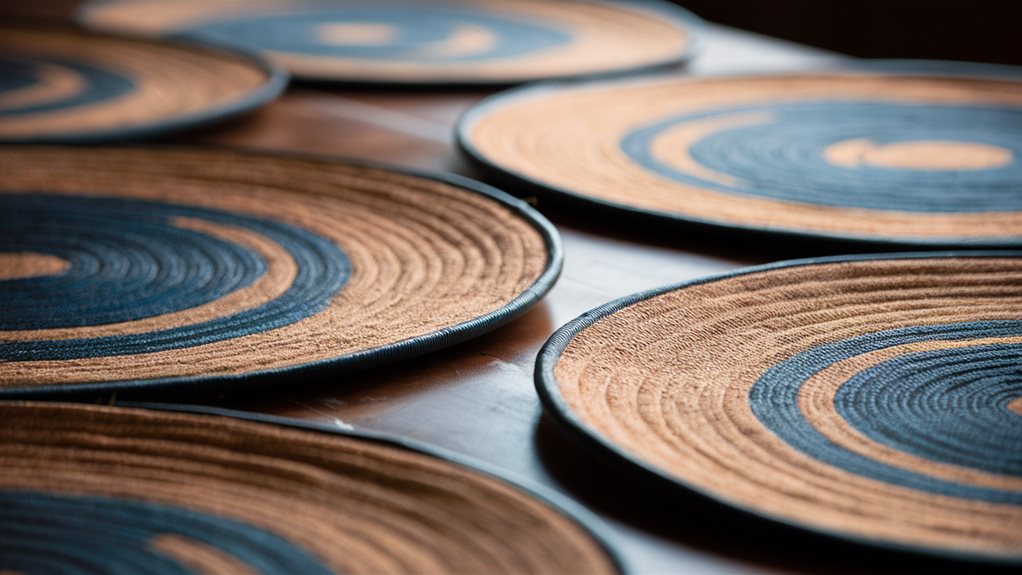
    Nito vines are slender climbing ferns that are stored and prepared meticulously before being split into thin strips and expertly woven into functional and decorative items. These items include placemats, baskets, wine holders, and unique tissue box covers.

    For example, the Cube Nito Tissue Box Cover takes two days to complete, demonstrating the dedication of the weavers. This meticulous craftsmanship is at the heart of sustainable home decor.

    Sustainable Craftsmanship is Key to Philippine Home Accents

    Sustainable craftsmanship is essential to Philippine home accents, which often feature Nito vines, Capiz seashells, and vibrant textiles from Thailand.

    A Capiz Seashell chandelier can illuminate a space, while a set of Nito vine placemats adds natural elegance to a dining table. These items not only showcase beauty but also reflect a commitment to supporting local artisans and preserving traditional techniques.

    Empowering Communities through Fair Wages and Heritage Preservation****

    Businesses like Kouboo and Woven PH empower communities by ensuring fair wages and promoting the heritage of these crafts.

    Each piece undergoes a thorough inspection, guaranteeing high quality and durability. From the careful weaving to the protective varnish, meticulous detail is evident in every item. This ensures that customers can find unique, customized options to perfectly complement their home's style.

    Questions and Answers

    Are These Products Ethically Sourced?

    These products are made with ethical production methods. They work with local artisans, providing them with fair wages. This approach supports the artisans' communities and helps preserve their cultural heritage. By choosing these products, you are contributing to the artisans' sustainable livelihoods and the preservation of their cultural traditions.

    What Are the Shipping Costs?

    Shipping costs vary depending on several factors. Weight and destination are the primary factors that determine shipping costs.

    International shipping rates and options differ significantly. For instance, shipping a 1-pound package from the US to Europe can range from $10 to $30, depending on the shipping carrier and speed of delivery. In contrast, local delivery is generally cheaper. For example, shipping the same 1-pound package within the US can cost between $5 to $15.

    It's essential to note that shipping rates can also vary depending on the shipping carrier and the level of service chosen. Understanding these factors can help you make informed decisions when shipping packages.

    Do You Offer Wholesale Prices?

    We offer wholesale pricing for bulk orders. Our wholesale pricing tiers have minimum order requirements. To get specific pricing information, contact us with the details of your order. Competitive rates are available for large quantities.

    Can I Customize a Design?

    You can explore personalized options for customizing a design. Customization options are available for certain items and are dependent on the artisan. For example, some artisans may allow changes to colors or patterns, while others may have more restrictive options.

    What Is Your Return Policy?

    Our return policy depends on the seller. Each seller has their own exchange process and refund options. To learn more about a specific seller's return policy, contact them directly.

  • Filipino Craft Workshops Near Manila

    Filipino Craft Workshops Near Manila

    Filipino Craft Workshops Near Manila

    Workshops near Manila offer various Filipino crafts, such as pottery at Laro Ceramics, rug tufting at Oh Craft!, and woodworking at Wood Academy. These workshops cater to both beginners and experts.

    Workshop Options and Prices

    Prices vary depending on the craft and duration, ranging from PHP 500 to PHP 9,499.

    Accessibility and Parking

    Check workshop locations for accessibility and parking before visiting.

    Endless Possibilities for Artistic Expression

    These workshops allow participants to create unique items, such as handmade mugs, rugs, and wooden keepsakes, providing endless possibilities for artistic expression.

    Craft Workshops in Manila

    creative crafting sessions manila

    Manila's Craft Scene Offers Various Workshop Options

    Manila offers a diverse range of craft workshops for those looking to explore their creativity.

    Pottery Workshops

    The Laro Ceramics workshop in Quezon City is a great place to learn the art of ceramic creation.

    At this workshop, you can create your own mug or take more advanced pottery classes. The beginner-friendly approach makes it easy for anyone to get started.

    Prices start at PHP 2,800+.

    Rug Tufting Workshops

    In Marikina City, Oh Craft! offers a unique rug tufting workshop where you can master the craft techniques needed to create a customized rug.

    You can choose from an array of yarns and colors to make a truly personal piece of art. The workshop also offers LED neon making classes.

    Prices for a 45x45cm rug start at PHP 2,999.

    Baking Workshops

    IDIM DIY Bakery in SM Megamall and Ayala Malls Manila Bay provides a sweet escape for baking enthusiasts.

    At this workshop, you can learn to bake cookies, pastries, or even elaborate cakes. All equipment and ingredients are supplied.

    Prices start at PHP 799.

    Craft MNL Workshop Offerings

    Craft MNL Workshop Offerings****

    Craft MNL provides a diverse range of classes for various craft techniques. These classes cater to both beginners and experienced artisans, offering group sessions, private instruction, online workshops, and team-building activities.

    Workshop Safety and Location

    For in-person classes, full vaccination is required, and masks are mandatory. The studio is equipped with excellent air filtration and is located in Makati City, providing a relaxing atmosphere conducive to creative expression.

    Examples of Craft MNL's Workshop Offerings

    1. Woodworking for Beginners: This class teaches the basic principles of woodworking, starting with simple projects and progressing to more intricate creations. Students master crucial tools and techniques, transforming raw materials into beautiful, functional pieces.
    2. Screen Printing with Hocus: This workshop focuses on the art of transferring designs onto fabric and paper. Students learn from a renowned screen printing duo and master the techniques to express their unique style.
    3. Machine Sewing: This class starts with simple projects and advances to more complex techniques. Students develop vital skills and confidence to create unique garments and accessories.
    4. Unique Crafts: Other workshops offered include mosaic making, indigo dyeing, and Baybayin writing. These classes allow students to explore various creative techniques and expand their horizons.

    Workshop Flexibility

    Craft MNL offers flexible workshop options, including self-paced and live online sessions. Private sessions and team-building activities can also be booked for special events.

    Laro Ceramics Pottery Classes

    laro ceramics pottery workshops

    Looking for a hands-on pottery experience in Metro Manila? Laro Ceramics offers beginner-friendly pottery classes**** where you can explore your creativity.

    These classes teach essential pottery techniques, including wheel throwing and hand building****. Instructors use a variety of clay tools to guide students through each step.

    The studio offers two course options: a five-week wheel-throwing course for in-depth instruction and three-hour single sessions for those with busier schedules.

    Laro Ceramics is located in Quezon City's Katipunan Avenue, providing a welcoming and accessible studio space. The studio is open Tuesday to Sunday, 9 AM to 6 PM.

    Students can expect a safe and supportive environment where they can express themselves freely. As you master various techniques, you'll transform shapeless lumps of clay into unique creations.

    The studio offers different class options, including mug-making sessions and ceramic painting workshops.

    Prices at Laro Ceramics vary, with mug-making classes starting at ₱500 and beginner wheel-throwing classes at ₱2,700. You can check their website for the full price list and to book your spot.

    Oh Craft Rug Tufting Fun

    Experience Handmade Rug Tufting at Oh Craft

    Oh Craft is a pioneering rug tufting workshop studio where you can create your own personalized rug from start to finish. Located in Marikina, Metro Manila, this studio offers expert guidance throughout the process.

    Key Aspects of the Tufting Experience

    • The satisfying thud of the tufting gun against the fabric helps you feel the texture of your rug as you create it.
    • Vibrant colors of your yarn choices are combined into a unique design, reflecting your personal style.
    • The meticulous process requires creativity and patience, making the end result even more rewarding.
    • The pride of holding your finished, handmade rug is unmatched, knowing it's a one-of-a-kind piece.

    Workshop Packages

    Oh Craft offers various rug tufting workshop packages, catering to different sizes and budgets. You can choose from:

    • A cozy 45x45cm rug
    • A more substantial 60x60cm option
    • A grand 90x90cm masterpiece

    Prices range from ₱2,999.00 to ₱9,499.00 PHP. Gift cards are available for those seeking a unique present.

    Booking Information

    You can book your rug tufting adventure by visiting their website, social media (Facebook, Instagram, TikTok), or by phone at +639952697041.

    Craft Academy's Diverse Crafts

    craft academy s variety showcase

    Craft Academy is a hub for diverse crafts at Ayala Malls Manila Bay**. Located on the second floor of the Filipino Village in Parañaque, it offers a unique hands-on experience** for those who want to explore their creativity.

    There is no entrance fee****; participants only pay for the specific craft workshop they choose, making it a budget-friendly option. This setup caters to both seasoned crafters and beginners, allowing them to experiment with different techniques and discover hidden talents.

    The craft workshops at Craft Academy are diverse, ranging from designing stylish tote bags to crafting tie-dyed shirts and slime-making. Participants can also paint their favorite memorabilia, adding a personal touch to cherished objects.

    To stay updated on the latest workshops and events, follow Craft Academy on Facebook (facebook.com/craftacademymnl) and Instagram (instagram.com/craftacademymnl). This allows participants to engage with the vibrant community and explore their creativity further.

    Wood Academy's Woodworking

    Wood Academy Offers Comprehensive Woodworking Classes in Quezon City****

    Wood Academy, located in Quezon City, provides hands-on woodworking classes for individuals with varying skill levels, from beginner to advanced. The classes are designed to teach essential woodworking techniques, project planning, and execution.

    Basic Woodworking Class: A Foundational Course

    The Basic Woodworking class is a fundamental course that teaches essential woodworking techniques using solid wood and plywood. In this class, students learn basic cuts, safety guidelines, and proper tool handling.

    Upon completing this course, students can progress to advanced classes focusing on joinery, furniture making, or cabinet making.

    Key Skills and Techniques Learned

    • Mastering various woodworking techniques, from basic cuts to intricate joinery
    • Understanding the precision required for creating strong, durable joints
    • Developing project planning skills through designing and executing personal creations
    • Refining project planning abilities with 3D modeling using SketchUp

    The Learning Environment

    The academy fosters a supportive environment where students can collaborate with fellow woodworking enthusiasts. Instructors guide students through each step, ensuring they understand the proper methods and techniques.

    Getting Started

    To begin their woodworking journey, students must first complete the Basic Woodworking class. This foundational course prepares them for more complex projects and incorporates vital aspects of project planning into the learning.

    Wood Academy offers an extensive learning experience, blending practical skills with theoretical knowledge. Interested individuals can contact them at 0965 409 3123 for more information.

    Bloomingails Flower Arranging

    bloomingails floral design studio

    Discover the Art of Floral Design at Bloomingails

    Bloomingails offers a unique opportunity to learn floral design basics in an immersive and hands-on experience. The workshop, which runs from 2:00 PM to 5:30 PM, is held at 71 Santander Lane, New Manila, Quezon City.

    Expert Guidance and Hands-on Learning****

    Experienced instructors guide participants through hands-on floral arrangement classes, demonstrating professional techniques and offering personalized tips.

    These classes cover various aspects of floral arrangement, including color schemes, flower care, and arrangement styles. Some of the specific techniques learned include creating hand-tied bouquets and elegant centerpieces.

    All Materials Provided

    All necessary materials are provided, including flowers, foliage, and tools. This allows participants to focus on learning without worrying about gathering materials.

    Take-Home Experience

    At the end of the workshop, participants take home the stunning arrangement they created themselves, along with a certificate of participation.

    Additional perks include light refreshments and a fun photo session.

    Discounts and Promotions

    Signing up for multiple workshops can result in a discount of ₱1000 off each additional session when enrolling in 5.

    This allows participants to explore various aspects of floral design while saving money.

    Finding the Perfect Workshop

    Finding the perfect craft workshop near Manila can be challenging with numerous options available. To make an informed decision, consider your workshop preferences carefully. You can choose from various crafts like ceramics at Laro Ceramics in Quezon City, rug tufting at Oh Craft in Marikina, screen printing at Craft MNL, or designing tote bags at Craft Academy in Parañaque.

    To narrow down your options, reflect on the following points:

    1. Your skill level determines the type of workshop that suits you. Many workshops cater to all levels, while others specialize in advanced techniques. For example, a beginner can join a basic pottery class at Laro Ceramics, while an experienced crafter can opt for an advanced woodworking class.
    2. The craft type is another crucial factor. Choose a craft that genuinely excites you, such as pottery, woodworking, rug tufting, or screen printing. Research the craft and its requirements to ensure it aligns with your interests.
    3. The workshop environment also plays a significant role. You can choose between a bustling, collaborative atmosphere or a more intimate, personalized setting. Research the studios' vibes by checking their social media for photos and reviews. For instance, Craft MNL offers a collaborative atmosphere, while Craft Academy provides a more personalized setting.
    4. Accessibility is another essential factor. Consider the location's convenience and whether in-person or online workshops better suit your needs. Many studios, such as Oh Craft, offer both options, catering to a broad range of preferences.

    Workshop Costs and Bookings

    workshop pricing and reservations

    Workshop costs vary greatly. Prices depend on the type of project and the provider. For example, Laro Ceramics' pottery classes start at PHP 2,800+.

    Oh Craft offers a wider range, from PHP 849 for a friendship bracelet workshop to PHP 9,499 for a large rug tufting session. Craft MNL and Craft Academy have diverse pricing options as well.

    Booking methods differ among providers. Some, like Laro Ceramics and Craft Academy, require direct contact via social media or in-person.

    Others, such as Oh Craft and Craft MNL, offer online booking options through their websites or social media platforms. Craft MNL also requires a health declaration for in-person classes.

    Payment methods vary. It's best to confirm with each provider, as options include cash, card payments, and online bank transfers.

    Some workshops, like those at Oh Craft, may offer e-gift cards as a convenient payment alternative.

    Securing your spot in advance is essential, especially for popular workshops. Investigate workshop pricing and your preferred booking methods before committing to your creative journey.

    Transportation and Location

    Convenience and Accessibility Options Vary by Workshop Location.

    Workshop locations have different convenience and accessibility options. Most venues offer public transport options, while personal vehicles provide extra convenience. Accessibility is an important consideration to ensure everyone can participate.

    Craft MNL's Accessibility Features.

    Craft MNL, located in Makati's Arnaiz Avenue, offers building parking and wheelchair accessibility. It has a parking area and is wheelchair-accessible. The venue is near Ayala Triangle Gardens and can be easily reached using public transport like jeepneys or taxis.

    Laro Ceramics' Accessibility Features.

    Laro Ceramics, situated near Katipunan Avenue, has building parking and both staircase and elevator access. It has a parking area and both staircase and elevator access. The venue is near Ateneo de Manila University and can be reached using jeepneys or ride-hailing services.

    Oh Craft's Accessibility Features.

    Oh Craft in Marikina City offers street parking and staircase access. It has street parking and staircase access. The venue is near Marikina River and can be reached using jeepneys or tricycles.

    KIT101's Accessibility Features.

    KIT101, located in Bonifacio Global City, provides building parking and elevator access in the Menarco Tower. It has a parking area and elevator access. The venue is within easy reach of BGC's many attractions and can be accessed using taxis, ride-hailing, or public buses.

    Things to Bring to Workshops

    essential items for workshops

    Essential Items to Bring to Workshops

    To make the most of your chosen workshop, it's crucial to pack a few necessities.

    Clothing and Personal Care Items

    Comfortable clothing and shoes are vital for hands-on activities like pottery or woodworking. Bringing water and snacks is also necessary, as long sessions can be tiring.

    Note-taking and Documentation

    A notebook and pen will help you jot down valuable techniques or inspiration. Bring a camera or phone to capture the creative journey and document your finished products.

    Creative Input and Materials

    Bring design sketches or ideas for personalized projects, and consider your color preferences and themes beforehand. If you're personalizing crafts, prepare messages or texts. For sewing classes, bring your chosen fabric. Inspirational images can also spark fresh ideas.

    Practical Workshop Fundamentals

    Bring your payment or proof of payment, your ID, and contact information for registration. Pack small bags for carrying your creations home. Gift cards or vouchers can be handy for additional purchases, and business cards facilitate networking.

    Health and Safety Guidelines

    Craft Workshop Safety Guidelines

    To ensure a safe and productive learning environment in a craft workshop, several vital guidelines must be followed. Careful preparation and adherence to safety protocols reduce the risk of accidents and injuries by 70%. Before starting a project, thoroughly read all instructions****, including product labels and expiration dates, to avoid hazardous mistakes.

    Maintaining a clean and organized workspace is crucial. A clutter-free workspace prevents tripping hazards and guarantees efficient workflow. Arrange necessary materials and tools in a safe and accessible manner, such as in a semi-circle, to avoid frantic searching that could lead to mishaps.

    Familiarizing yourself with the workshop's emergency procedures is essential. Knowing where exits are and how to respond to specific situations is vital. Take note of the location of fire extinguishers, first aid kits, and emergency phone numbers. Appropriate safety equipment, such as eye protection, gloves, or dust masks, should be readily available and used as needed.

    Key Safety Considerations:

    1. Proper tool handling is crucial: Learn the correct techniques for using each tool to minimize cuts, scrapes, or other injuries. For example, when handling scissors, always cut away from your body to avoid accidents.
    2. Material awareness is vital: Understand the properties of the materials you're using and handle them accordingly. Some materials, such as chemicals or sharp objects, may be toxic or flammable.
    3. Workspace maintenance is essential: Keep your area clean and clutter-free at all times to prevent accidents related to tripping hazards or material spills.
    4. Safety equipment use is mandatory: Always use the appropriate safety equipment provided, such as safety glasses or gloves, to avoid exposure to risks.

    Tips for a Great Workshop Experience

    engaging interactive participant focused learning

    Preparation is Key to a Successful Workshop Experience

    Choosing the right workshop is crucial, but preparing for the experience requires careful planning and forethought. To ensure a smooth start, arrive early to settle in and meet fellow participants. This allows you to establish a connection with others and set a positive tone for the workshop.

    Workshop Etiquette and Participation

    Respecting the instructor and classmates is essential. Active participation is vital, so don't hesitate to ask questions or seek clarification on any topics you're unsure about. Collaborating with fellow participants can also enhance the learning process. Share tips and techniques with others to create a supportive and engaging environment.

    Preparation Checklist

    To ensure you're well-prepared, consider the following:

    Preparation Engagement
    Check material lists Arrive promptly
    Confirm attire needs Actively listen to instruction
    Bring personal items Ask questions freely
    Review workshop details Embrace new skills
    Consider snacks Participate in discussions

    Utilizing Workshop Resources

    The workshop environment provides access to specialized equipment and resources. Take full advantage of these resources to deepen your understanding. Utilize online resources or supplementary materials to enhance your learning experience. Note-taking and photography can aid in future projects, so don't hesitate to capture valuable information.

    Networking and Communication

    The workshop environment is an excellent opportunity to network with like-minded individuals. Maintain connections by following the workshop on social media and engaging with fellow participants. Effective communication and a positive attitude are key to a valuable and enjoyable experience.

    The Journey of Learning and Discovery

    Share Your Creations

    Mastering Workshop Participation and Creating Unique Masterpieces****

    After participating in workshops, you can create your own unique masterpieces. For instance, you can make a handcrafted mug at Laro Ceramics or a tufted rug at Oh Craft. These items aren't just objects, but creative expressions and tangible pieces of your journey.

    Sharing Your Finished Creations

    Your finished creations can be used for community engagement. Here are some ways to share them:

    1. Gift handmade items to loved ones, such as handmade soap from Craft MNL.
    2. Showcase your creations to spark conversations and inspire others, like a tie-dyed shirt from Craft Academy.
    3. Use custom-designed items as conversation starters, such as a tote bag from Craft Academy.
    4. Share photos of your creations on social media to encourage others to participate in similar workshops.

    The Benefits of Workshops****

    Workshops are pathways to self-discovery and offer an avenue for creative expressions. They also foster a sense of community engagement.

    Questions and Answers

    Do Workshops Offer Discounts for Groups?

    Group discounts vary by workshop.

    Workshops have different policies on group bookings. Some offer tailored workshop packages for groups. However, discounts aren't uniformly advertised. To find out about group discounts, you'll need to check with individual workshops.

    Can I Reschedule if I'm Sick?

    Rescheduling Due to Illness: Workshop Policies Vary

    If you're sick and need to reschedule a workshop, check the specific workshop's cancellation policy, as health precautions and rescheduling rules may differ. To reschedule, contact the workshop organizers directly and inform them about your situation, allowing them to provide guidance based on their policies.

    What's the Age Range for Each Workshop?

    Workshop age ranges vary. Some workshops welcome all ages, while others target adults or older children. The specific age range for each workshop can be found in the individual workshop details. This allows participants to find workshops that cater to their age group and skill level.

    Are Materials Included in the Price?

    Most workshops include craft materials in their prices. However, some may charge extra for specific supplies. To avoid additional costs, check individual workshop prices beforehand. This will help you understand what materials are covered and what may incur extra charges.

    Do You Offer Gift Certificates?

    Gift certificates are available from certain craft stores. Craft MNL and Oh Craft offer gift certificates, which can be purchased online or in-person. On the other hand, Laro Ceramics and Craft Academy currently do not provide gift certificates.

  • History of Filipino Textile Production

    History of Filipino Textile Production

    The history of Filipino textile production is rooted in ancient weaving traditions. Abaca, cotton, and piña were the primary materials used in pre-colonial techniques. These sophisticated methods were influenced by various regions in the Philippines, showcasing the country's rich cultural heritage.

    The arrival of the Spanish led to the introduction of new materials and designs, which blended with existing styles. For example, the use of silk and wool became more prevalent, and Spanish-style embroidery was incorporated into traditional Filipino clothing****. This blending of styles resulted in unique and intricate textile designs.

    The subsequent American occupation led to a decline in traditional textile production methods, as mass production became the norm. Many traditional weavers were forced to adapt to new machinery and techniques, leading to a decline in the use of traditional materials and methods. This shift had a significant impact on the textile industry.

    In recent years, however, there has been a revival of traditional textile production methods. Modern designers have begun incorporating traditional elements into their designs, resulting in a unique blend of old and new techniques. This revival has helped to preserve the country's cultural heritage and promote sustainable textile production practices.

    Ancient Weaving Traditions

    cultural textile craftsmanship heritage

    The Philippines has a rich history of weaving that spans hundreds, if not thousands, of years. This history is attributed to divine intervention by some indigenous groups, such as the Ifugao and the B'laan of Mindanao. They believe that their deities, Punholda'yan and Furalo, respectively, introduced weaving to their communities. This spiritual connection underscores the symbolic value of textiles in their culture.

    Archaeological evidence confirms the long history of weaving in the Philippines. Excavations have uncovered tools like bark-beating implements and spindle whorls dating back to the Neolithic Period. For example, a clay spindle whorl found in Cagayan Valley is estimated to be from 2610-2130 BC.

    Additionally, pottery imprints and net-like designs on anthropomorphic burial jars in Mindanao demonstrate the use of woven cloths during the Metal Age.

    Regional variations in weaving techniques and designs are distinct and widespread. Different regions, such as Northern Luzon, the Visayas, and Mindanao, have developed unique aesthetics, employing diverse materials and weaving methods.

    For instance, Yakan textiles from Basilan are known for their intricate designs**, while T'boli women are renowned for their abaca ikat (T'nalak). Similarly, Inabel textiles from Ilocanos have had a significant historical impact. These examples reflect the rich diversity of Filipino weaving traditions and the deep-seated cultural identity** they represent.

    Pre-Colonial Textiles

    Filipinos established a sophisticated textile production system before the arrival of colonizers.

    They utilized natural fibers such as abaca, cotton, and piña**. Abaca, also known as Manila hemp, was a strong and durable fiber, while piña, extracted from pineapple leaves, was prized for its softness and luster. Tapa, created from beaten bark, was another readily available material. The mastery of weaving techniques, particularly the backstrap loom**, allowed for intricate patterns and textures.

    Weaving held considerable cultural importance in pre-colonial Philippines. It was often a woman's role, passed down through generations, with each community developing its own unique designs and patterns. These designs narrated myths and histories, imbuing textiles with deep meaning and symbolic representation.

    Regional diversity in styles and materials was prominent in pre-colonial Philippines. The Igorot used plant fibers in the mountainous regions, creating garments suited to their environment. The Tagalogs and Visayans favored cotton or silk for loose-fitting clothing.

    The Yakan, T'boli, and Ilocano peoples developed their own distinctive styles, including vibrant Yakan cloth, intricate t'nalak, and refined inabel. These regional variations highlight the dynamism of pre-colonial textile production.

    Internal trade networks facilitated the exchange of textiles and specialized production amongst various groups. This showcases the sophisticated economic and social systems already in place before colonization.

    Spanish Colonial Influence

    spanish colonial architectural heritage

    The Spanish Colonization of the Philippines Transformed the Country's Textile Industry****

    The arrival of the Spanish in the Philippines introduced new materials and techniques that blended with indigenous styles, resulting in unique textile innovations. New materials like silk, linen, and satin were incorporated into traditional textile production, while the pedal loom replaced some backstrap loom techniques.

    The Impact of Colonial Trade on Textile Production

    The Manila-Acapulco galleon trade played a crucial role in distributing textiles, including silks and cottons from China and India. Provinces like Ilocos, Iloilo, Maguindanao, and Sulu became actively involved in this colonial trade and textile production.

    As a result, the annual export of piña, silk, and other manufactures exceeded the value of other major exports, highlighting the economic importance of the textile industry.

    The Fusion of European and Indigenous Styles

    Spanish influence blended with local craftsmanship, creating distinctive designs reflecting the hybridity of Philippine colonial society. European-style embroidery and decorative techniques were incorporated, enhancing the cultural importance of textiles.

    The barong tagalog, a formal shirt made from piña or silk, is a prime example of this fusion of styles.

    Key Points About the Spanish Impact on Philippine Textiles

    • The introduction of new weaving techniques and materials broadened the scope of textile production.
    • Colonial trade shifted production towards export, increasing economic relevance.
    • A fusion of European and indigenous styles created unique textile designs.
    • The legacy of this era is seen in the exquisite embroidered textiles preserved today.

    Legacy of the Spanish Era in Philippine Textile History

    This period laid the groundwork for future textile developments, demonstrating how colonial trade and textile innovation shaped Philippine textile history.

    Piña Fabric's Rise

    The Origins of Piña Cloth****

    Piña cloth, a unique Philippine textile, originated from the introduction of pineapples by the Spanish in the 16th century. The Red Spanish pineapple, prized for its long leaves, became the crucial source for piña fibers.

    Filipinos adapted existing weaving techniques to utilize the pineapple leaf's fibers, and by the 1570s, piña fabric production had begun, primarily in Kalibo, Aklan, and on Panay island.

    The Labor-Intensive Production Process****

    The production of piña cloth involved a meticulous process. Fibers were extracted using simple tools like porcelain or coconut shells.

    The fibers were then cleaned, pounded, and washed repeatedly before drying. Each fiber was painstakingly hand-knotted, a technique known as *pagpisi*, to create continuous strands.

    These were then warped, spun, and woven on a traditional foot-operated loom. Natural dyes added vibrant colors, reflecting local ingenuity.

    Piña's Golden Age and Decline

    Piña's golden age arrived in the late 18th and 19th centuries, captivating European aristocracy with its airy quality and intricate embroidery.

    The María Clara ensemble, a traditional piña garment, became a symbol of Filipino identity, worn by Filipinas across social classes.

    Piña textiles became luxury items, exchanged as gifts to royalty, representing wealth and status.

    However, the industry declined in the early 20th century due to cheaper textiles and shifting Western fashion trends, compounded by the devastation of World War II.

    American Occupation's Impact

    post war socioeconomic transformations

    The American occupation that followed the 1898 Spanish-American War and the Philippine-American War significantly impacted the Filipino textile industry.

    The introduction of English alongside Tagalog subtly shifted cultural perspectives**. This shift can be observed in the changing attitudes towards traditional attire**, which was once a source of pride but was gradually devalued as Western clothing became a status symbol.

    The occupation also led to the introduction of mass production techniques, transforming handcrafted textiles into readily available consumer goods.

    This shift resulted in cheaper alternatives, undermining traditional industries and creating a dependence on foreign markets****. For instance, the use of cornstarch, an American invention, altered textile production.

    The impact of American occupation on fashion was notable, with the adoption of Western styles influencing designs like the terno.

    Even physical education classes integrated Western fashion, spurring an emulation of Hollywood styles among laborers. This further highlighted the growing economic disparity between those who could afford Western trends and those who couldn't.

    The period saw an increase in apparel exports, but this coincided with a decline in domestic employment.

    Thousands of Filipinos were exposed to Western culture while seeking economic opportunities, but many faced poor working conditions and deepened economic disparity.

    The economic gap between those who embraced Western trends and those who couldn't widened significantly.

    The lasting consequences of this period can be seen in:

    1. The decline of traditional textile production methods.
    2. The emergence of a new fashion landscape dominated by Western styles.
    3. The widening of the economic gap.
    4. The enduring struggle to balance cultural preservation with economic advancement.

    Traditional Textiles Decline

    The decline of traditional Filipino textile production was caused by economic, cultural, and environmental pressures.

    The dwindling availability of raw materials like abaca and cotton significantly impacted the economic sustainability of traditional textile production. The high cost of these natural materials, combined with low demand for traditional textiles, made it difficult for weavers to maintain profitability. For example, the cost of abaca fibers increased, forcing many weavers to look for alternative, cheaper materials. This shift affected the quality of their products and further reduced demand.

    The influx of cheaper, mass-produced imports also contributed to the decline of traditional textile production. These imports undermined local artisans and their unique designs, making it difficult for them to compete in the market. Many local weavers struggled to adapt to the changing market and were eventually forced to abandon their craft. Younger generations, seeking higher-paying jobs, opted to work in urban centers rather than continue their families' traditional weaving businesses.

    The cultural shift towards Western fashion also played a significant role in the decline of traditional Filipino textiles. The preference for global trends, fueled by media's portrayal of Western aesthetics, diminished the appreciation for traditional Filipino clothing. This created a vicious cycle where less demand led to less production, further threatening the survival of the craft. The lack of economic incentives and limited opportunities for growth within the traditional weaving sector made it difficult to support and sustain the craft.

    The lack of domestic support and a preference for imports were the primary contributors to the textile industry's struggle. The absence of robust strategies for community engagement and empowerment further hampered the industry's ability to adapt and thrive in a globalized market.

    To revitalize traditional Filipino textile production, it's essential to address these underlying issues and develop effective strategies to promote and support local artisans.

    Revival Efforts Begin

    renewal initiatives commence soon

    Efforts to revitalize the declining traditional Filipino textile industry are underway, addressing economic, cultural, and environmental challenges that have hampered its growth for decades.

    Social enterprises like ANTHILL Fabric Gallery play a crucial role in empowering communities by training skilled weavers in leadership and financial literacy, enabling them to become self-reliant. This training also leads to increased visibility and credibility through partnerships with businesses.

    Additionally, these social enterprises focus on sustainable practices and circular manufacturing. A significant portion of their sales originates from the global market.

    Community-based initiatives also support artisans by providing them with livelihoods, often targeting women. These initiatives introduce or innovate traditional textile weaving methods.

    The Garments and Textile Industry Roadmap, a three-phased plan (2020-2029) by the government, aims to address challenges and improve the industry's competitiveness.

    Educational and cultural preservation initiatives engage the younger generation through workshops and training programs. Organizations like HABI educate on cultural appropriation and the importance of preserving traditional textile techniques.

    Key aspects of the revival:

    1. Weavers gain financial independence and leadership skills through community empowerment programs that focus on training and financial literacy.
    2. Circular manufacturing and eco-friendly materials are prioritized in sustainable practices, ensuring a reduced environmental impact.
    3. Artisans are connected with both local and international markets through social enterprises and government initiatives, increasing market access.
    4. Traditional weaving techniques and knowledge are guaranteed to continue through educational programs and cultural preservation initiatives.

    Modern Filipino Textiles

    Traditional Filipino Textiles in Modern Fashion****

    Integration of Traditional Techniques in Modern Design

    Traditional Filipino textile weaving techniques have seen a resurgence in modern fashion, showcasing the fusion of these techniques into contemporary designs. Designers pair traditional fabrics like piña and jusi with modern styles, such as asymmetric gowns and palazzo pants****.

    Banig designs are also incorporated into Terno gowns or inspire embroidery on cocktail dresses, blending traditional and modern elements.

    Modern Interpretations of Traditional Patterns

    Classic motifs like the sarimanok and okir are reinterpreted in modern clothing and accessories. Designers create stylish and culturally meaningful pieces, such as handcrafted shoes incorporating traditional textiles.

    These reinterpretations ensure traditional textiles continue to evolve.

    Sustainability in Modern Filipino Textiles

    Sustainability is increasingly important in modern Filipino textiles. Brands like Mestiza Filipina emphasize ecological consciousness by using eco-friendly materials and organic dyes****.

    Sustainable fabrics minimize environmental impact without sacrificing style. The use of natural materials like pandan in banig production aligns with sustainable practices.

    Valuing Authenticity and Craftsmanship

    Handcrafted shoes and premium accessories highlight meticulous attention to detail. Brands like Mariqueño prioritize Filipino craftsmanship, blending traditional textiles into contemporary designs.

    This emphasis on authenticity transforms how consumers perceive fashion, valuing the integrity of materials and cultural relevance****.

    Cultural Preservation Today

    heritage conservation in action

    Traditional Filipino textiles are preserved through a multi-faceted approach**. This approach combines community initiatives, financial support, and educational programs**. For instance, government programs support the textile industry by fostering collaboration between artisans and designers. This collaboration enables the blending of modern aesthetics with traditional techniques.

    Organizations play a vital role in preserving traditional weaving patterns**. Habi: The Philippine Textile Council is one such organization. It provides training** and promotes traditional weaving patterns, ensuring the transmission of knowledge to younger generations.

    Financial support is crucial for preserving traditional weaving. This support comes in various forms:

    1. Direct financial aid is provided to artisans to maintain their craft.
    2. Economic incentives promote the preservation of traditional methods.
    3. Support for sustainable practices using eco-friendly materials is encouraged.
    4. Global exhibitions generate awareness and financial resources.

    Community initiatives are also essential. Workshops and training sessions are conducted in local communities, and schools integrate traditional textile production into their curricula. Cultural events, such as 'Likha 3', showcase Filipino textiles and highlight their beauty and cultural value.

    Documentation efforts record traditional patterns and their associated stories, enriching our understanding of the cultural narratives embedded within these textiles.

    A holistic approach is key to preserving the legacy of Filipino textiles. This approach combines governmental support, organizational initiatives, and community involvement, creating a sustainable framework for preservation.

    Questions and Answers

    What Tools Were Used in Early Weaving?

    Early weaving tools included backstrap and pedal looms, as well as spindle whorls. These tools were crucial in shaping ancient textile creation. The backstrap loom, for example, was a simple frame with a strap that the weaver wore around their waist to keep the fabric taut. The pedal loom, on the other hand, used foot pedals to raise and lower the warp threads. Spindle whorls were small discs or weights attached to a spindle, which helped to spin yarn into thread.

    Early weaving techniques involved ikat dyeing and beaten bark cloth production. Ikat dyeing was a technique where the yarn was dyed before weaving, resulting in unique patterns and colors. Beaten bark cloth production involved pounding the bark of trees to create a soft, fabric-like material. These techniques allowed ancient weavers to create a variety of textiles with distinct textures and designs.

    How Did Trade Impact Textile Production?

    Trade significantly impacted textile production by introducing new materials and techniques. This cultural exchange occurred as various regions traded with one another, sharing their unique methods and resources. For example, the Silk Road brought Chinese silk production techniques to the Middle East and Europe, influencing the development of local textile industries.

    As a result of trade, textile production shifted towards export. This shift led to changes in both the styles of textiles produced and their social status. For instance, the demand for Indian calico in Europe during the 17th and 18th centuries led to an increase in its production, making it a highly sought-after fabric. Similarly, the introduction of new materials like cotton from India and wool from England influenced the production of textiles in other regions, changing the styles and social status associated with these fabrics.

    The economic influence of trade on textile production was substantial. The increased demand for textiles led to the growth of industries and the development of new manufacturing techniques. In addition, the social status associated with certain textiles changed as they became more widely available. For example, the production of intricately patterned fabrics, once reserved for royalty, became more accessible to the general population, reducing their exclusivity and social status.

    Which Fibers Are Most Commonly Used Today?

    Cotton, silk, and sustainable fibers are the most commonly used fibers today. Cotton varieties, such as Egyptian and Pima cotton, are popular for their softness and durability. Silk production, primarily from sericulture, is also widely used for its luxurious texture and natural temperature regulation. Sustainable fibers, including hemp, bamboo, and organic cotton, are gaining popularity due to their eco-friendly properties and reduced environmental impact.

    Are There Any Unique Dyeing Techniques?

    Unique dyeing techniques exist using natural dyes. Natural dyes are derived from plants, insects, and minerals. Traditional methods, such as Shibori, Batik, and Ikat, have been passed down through generations and involve various techniques to create distinctive colors and patterns. For example, the Shibori method involves folding and binding fabric to create unique patterns, while Batik uses wax to resist dye and create intricate designs.

    What Challenges Face Weavers Now?

    Weavers face numerous challenges in the modern era.

    The adoption of modern technology is a significant challenge. Mastering computer-aided design software and automated looms can be costly and time-consuming. This can hinder the ability of weavers to compete with larger, more technologically advanced manufacturers.

    Cultural preservation is another issue. As traditional weaving techniques and patterns are passed down through generations, the risk of cultural heritage loss increases if these traditions are not properly documented and preserved. This can result in the loss of unique cultural identities and the homogenization of textile designs.

    High production costs also pose a challenge. The cost of raw materials, such as high-quality yarns and threads, can be prohibitively expensive for small-scale weavers. Additionally, the time and labor required to create intricate, handmade textiles can drive up costs and make it difficult for weavers to compete with mass-produced textiles.

    Competition is another significant challenge. The rise of fast fashion and mass-produced textiles has led to a decline in demand for handmade, bespoke textiles. This shift in consumer preferences has forced many weavers to adapt their business models and find new markets for their products.

    Limited market access and fluctuating demand also impact weavers. The lack of access to global markets and the inability to adapt to changing consumer preferences can make it difficult for weavers to sustain their businesses.

  • Where to Buy Authentic Filipino Baskets

    Where to Buy Authentic Filipino Baskets

    Authentic Filipino baskets can be found on online marketplaces, specialty stores, directly from artisans, and through importers.

    Online marketplaces like Etsy and 1stDibs offer a wide selection of Filipino baskets, including both contemporary and antique pieces. For example, Etsy features various sellers offering handmade Filipino baskets, while 1stDibs showcases high-end and antique baskets.

    Kultura Filipino is another platform that showcases baskets from local artisans.

    Specialty stores and importers also offer curated selections of authentic Filipino baskets. These stores often work directly with local artisans to source their products, ensuring fair trade practices and high-quality items.

    Buying directly from artisan communities guarantees fair trade practices but requires planning and research.

    Each source offers unique characteristics and price points influenced by material, age, and artisan techniques. For example, baskets made from natural materials like rattan or bamboo tend to be more affordable than those made from rare or exotic materials. Antique baskets can also command higher prices due to their age and historical significance.

    Online Marketplaces for Baskets

    e commerce platforms for baskets

    Authentic Filipino Baskets Can Be Found on Specialized Online Marketplaces.

    To verify the authenticity of Filipino baskets, look for online platforms that prioritize sustainable sourcing and fair trade practices. Kultura Filipino is one such dedicated store specializing in Philippine crafts and supporting local artisans. These platforms showcase various styles, from functional storage baskets to decorative pieces, highlighting the cultural significance of each design.

    When exploring online stores, check for detailed product descriptions that include information on the artisans' techniques and materials used. Customer reviews also provide valuable insights into product quality and seller reliability.

    Specialized Philippine stores often partner with artisan communities to promote their unique basketry traditions. These platforms support preservation efforts and provide educational content about the craft. To ensure a responsible purchase, look for sellers who explicitly mention their commitment to sustainable sourcing and fair trade practices.

    In contrast, general e-commerce sites require more scrutiny. Be cautious of unusually low prices and evaluate the seller's claims regarding origin and materials.

    Verify certifications and partnerships with local artisan communities to protect against counterfeit products and promote responsible consumption****.

    Exploring Etsy's Filipino Crafts

    Etsy Offers Authentic Filipino Baskets****

    Etsy is a platform where you can find authentic Filipino baskets made from natural materials like coco midrib and other organic fibers. These handmade pieces are unique and reflect traditional Filipino craftsmanship.

    Etsy Shops and Sellers

    You can find a variety of shops on Etsy, such as Kahulugan, ColorfulUnique, and NarraStudioNY, that specialize in Filipino crafts, including baskets. These shops offer a range of products, allowing you to explore different Filipino crafts beyond baskets.

    Factors to Consider When Buying

    When purchasing a Filipino basket on Etsy, consider the following factors:

    1. Materials are key to quality. Look for sustainable and natural materials used in the basket's construction.
    2. Craftsmanship reflects tradition. Pay attention to the attention to detail and traditional techniques used by the artisan.
    3. Design showcases cultural elements. Note the unique designs and whether they incorporate cultural elements, making the basket a true representation of Filipino craftsmanship.

    Pricing and Customization

    Prices for Filipino baskets on Etsy range from €20.88 to €162.36, depending on the size, intricacy, and seller. Some sellers offer discounts and sales, with up to 40% off.

    You can also customize your basket to make it a truly unique item.

    Supporting Filipino Artisans

    1stDibs: Antique & Modern Pieces

    unique vintage and contemporary items

    Authentic Filipino Baskets on 1stDibs****

    1stDibs features a curated selection of antique and modern Filipino baskets, showcasing the artistry and craftsmanship of Filipino basket weaving. These pieces represent various styles and materials, including natural fibers like rattan, reed, and abaca.

    Antique and Modern Styles

    The selection includes a range of 19th and early 20th-century handwoven baskets**, crafted from natural fibers like rattan, reed, and abaca. These baskets exhibit a rustic charm** due to their age and use.

    In contrast, modern designs feature contemporary Lubid Abaca Baskets, available in diverse colors and sizes.

    Basket Examples

    • Karagumoy Grain Basket: A 19th-century piece from Yonkers, NY, with a weathered condition.
    • Rattan Grain Basket: An early 20th-century piece from Yonkers, NY, also with a weathered condition.
    • Reed Basket: A mid-20th-century piece from Miami, FL, in good condition.
    • Lubid Abaca Basket: A 21st-century piece from New York, NY, in excellent condition.
    • Leaf Basket: A piece of unknown origin from Miami, FL, in good condition.

    Purchase Details

    Each basket's origin and age are documented, along with detailed descriptions of its condition.

    Experienced sellers on 1stDibs guarantee authenticity and exceptional quality. Global shipping is available, and a 3-day return policy provides peace of mind.

    Kultura Filipino: Local Artisans

    Supporting local artisans is essential to preserving cultural heritage and authenticity in Filipino baskets**. Commercially available baskets are convenient, but they often lack the unique characteristics and techniques that local artisans provide. Each region in the Philippines has its own distinct styles, such as the Pala'wan artisans who use bamboo, nito vine, and enapung for intricate plaiting, and the Ibaloi weavers in Banayakeo who excel in traditional bamboo crafting**.

    Filipino baskets are crafted from natural fibers with diverse properties. Bamboo provides strength, rattan offers flexibility, and nito adds delicacy. Understanding these materials enhances appreciation for the artisan's skill. For example, the bakat, a bamboo lattice basket from Cebu, showcases regional specialization.

    To support local artisans and preserve cultural heritage, consider the following:

    1. Purchasing baskets directly from artisans or cooperatives ensures fair compensation and preserves traditional techniques. This approach bypasses intermediaries and allows for a more direct connection with the artisans.
    2. Attending or supporting weaving festivals celebrates the artistry and cultural significance of Filipino basketry. These events provide opportunities to connect with artisans and learn about their craft.
    3. Participating in or supporting training programs transmits traditional knowledge to younger generations. This helps maintain the cultural heritage embodied in these exquisite creations and ensures the continuation of this valuable craft.

    FEA Home: Antique Basket Selection

    antique basket collection showcase

    FEA Home offers a curated collection of antique Filipino baskets. These handwoven rattan baskets primarily date back to the 19th century and represent a segment of their larger inventory of antique Asian and vintage Chinese goods.

    The baskets showcase Filipino basket history through their intricate designs and traditional weaving techniques. Each basket is a unique artifact, reflecting the craftsmanship and materials inherent to Filipino culture. Natural materials, primarily rattan and wood, are often aged, contributing to their rustic charm.

    Traditional weaving techniques employed in these baskets demonstrate the skill of the artisans.

    These baskets aren't just decorative; they're tangible links to the past. Their construction reveals a deep understanding of natural materials and their properties. Studying these baskets provides insight into the evolution of Filipino weaving styles. A range of styles and sizes are available, each telling a unique story of its creation.

    Prices vary greatly, depending on rarity and historical importance. Some pieces are available for under $250, while others exceed $500. Detailed descriptions and high-resolution images are provided online, allowing for careful examination of each piece before purchasing.

    Filtering by price is also possible to find items within your budget.

    Specialty Stores: Ethnic & Traditional

    Authentic Filipino baskets can be found in specialty stores that focus on ethnic and traditional crafts. These stores offer a diverse range of baskets that reflect the rich cultural significance of this craft. They often showcase the intricate basket making techniques employed for generations.

    TESOROS is a store that specializes in high-quality embroidered crafts, including baskets from traditional materials. They offer baskets made from Piña-Silk, Jusi, and Cocoon, highlighting the cultural significance of these materials and the artistry involved.

    Other stores like Para Sa'Yo offer curated collections of traditional crafts and baskets made by Filipinx artisans. They emphasize the connection between the artistry and the cultural heritage.

    Online platforms like Etsy provide access to numerous independent sellers, such as Kahulugan, ColorfulUnique, and sarisaristoreatibaph, offering handmade baskets with detailed descriptions of materials and techniques used. This adds to the understanding of the cultural significance of the baskets.

    Local Filipino markets and cultural centers are also a good source for traditional baskets. They often stock baskets made with natural fibers like rattan, bamboo, or abaca.

    Look for hand-woven pieces that demonstrate skilled basket making techniques passed down through generations. Consider the functional designs and decorative elements, reflecting the items' use and symbolic meanings.

    Choosing from such sources allows you to directly support the preservation efforts dedicated to safeguarding these traditions.

    Finding Baskets on Marketplaces

    shopping for baskets online

    Locating Authentic Filipino Baskets

    Finding authentic Filipino baskets requires exploring various marketplaces, both online and physical.

    Online marketplaces provide a convenient way to find authentic Filipino baskets. 1stDibs and Etsy offer a curated selection of baskets, often showcasing the artistry of basket weaving and the cultural importance of these pieces. Additionally, Dapitan Arcade's online store directly supports Filipino artisans.

    When shopping online, verifying authenticity is crucial. Carefully examine product descriptions and seller reputations to ensure the basket is genuine.

    Marketplace Type Specific Example Strengths
    Online Marketplaces 1stDibs, Etsy, Dapitan Arcade Online Store Wide selection, convenience, global reach
    Weekend & Specialty Markets Salcedo Market, Dapitan Arcade Direct interaction with artisans, opportunity to inspect quality
    Artisan Platforms Instagram, Facebook Marketplaces Support local artisans, often unique, handcrafted items

    Physical marketplaces offer a different approach. Weekend markets like Salcedo and Sidcor in Manila provide opportunities to directly interact with vendors, evaluating the quality of materials and craftsmanship firsthand. Dapitan Arcade in Quezon City offers access to a wide variety of baskets, allowing comparison of different styles and techniques of basket weaving.

    Exploring local bazaars and craft fairs throughout the Philippines also offers opportunities to discover unique pieces and support local artisans. Social media platforms like Instagram and Facebook can further enhance your search, where many artisans showcase their work.

    The choice of marketplace greatly influences the experience and the level of authenticity you can verify.

    Pala'wan Communities: Bamboo Crafts

    The Pala'wan communities of the Philippines have a long history of producing intricate bamboo crafts, with the *tingkep* basket being one of the most notable examples. The *tingkep* is more than just a container, as it holds deep cultural significance and reflects Pala'wan traditions.

    The creation of the *tingkep* involves several meticulous steps. The process begins with gathering materials such as bamboo, nito vine, and softwood, usually sourced within a short distance of the village. Skilled artisans then split the bamboo stalks into fine strips, requiring considerable expertise.

    Preparation of these materials often takes longer than the weaving itself.

    The *tingkep* has diverse uses, with its varied sizes reflecting its multiple functions. Historically, it has served as rice storage, a hunting tool, and even a spirit house. The basket's patterns, inspired by the forest's flora and fauna, are woven with blackened and natural bamboo strips.

    These designs are passed down through generations, connecting the craft to the spiritual domain. The weaving process, employing single or double overlapping techniques, can take days or even weeks to complete.

    Pala'wan traditions are closely linked to bamboo sustainability. Local ecosystems support the craft, contributing to forest conservation. Organizations like NTFP support sustainable forest management, training community members in wildlife protection.

    The *tingkep* is a reflection of a harmonious relationship between humans and nature, symbolizing Pala'wan identity and generations-old skill.

    Ibaloi Village: Traditional Baskets

    ibaloi traditional basketry art

    The Ibaloi people of the Philippines have a rich history of basketry, employing techniques and materials distinct from those of the Pala'wan. Bamboo is a primary material, meticulously prepared before weaving begins. Harvesting and processing the bamboo, including splitting stalks into fine, uniformly shaved strips using knives, takes considerably longer than the actual basket weaving itself.

    Nito vine and other local materials supplement the bamboo, showcasing Ibaloi culture's resourceful use of readily available resources.

    Basket weaving is a vital source of income for the Ibaloi people. Villagers create baskets, plant holders, and sun hats for market sales, contributing notably to their household economies. The Banayakeo Basket Weavers Association, supported by local government and NGOs, helps organize and promote sales. Proceeds from these sales directly contribute to fundamental purchases, including cooking oil, soap, and school clothing for children.

    This basket weaving tradition is deeply ingrained in Ibaloi culture, serving diverse functions such as rice storage and hunting implements. Baskets sometimes even denote social status or group affiliation within the community.

    Despite challenges like geographical isolation limiting market access, Ibaloi weavers demonstrate remarkable resilience and innovation. They've incorporated new techniques, such as Japanese plaiting methods, and experimented with innovative materials like recycled plastic cargo straps, maintaining the tradition while adapting to modern needs.

    Training programs guarantee the continuation of this time-honored Ibaloi culture and basket weaving techniques for generations to come.

    Visiting Indigenous Communities

    Buying authentic Filipino baskets directly from indigenous communities supports local artisans and preserves cultural heritage****. This practice allows you to experience the rich cultural heritage of various regions in the Philippines. For instance, Palawan is known for its intricately woven *tingkeps*, while Northern Luzon is famous for its unique *pasiking* basket-backpacks. Mindanao also has its own distinct styles and materials.

    Indigenous communities in the Philippines practice sustainable forestry**. Visiting these communities provides insight into their harvesting methods, which involve sustainably collecting materials like bamboo, rattan, nito vine, and enapung from ancestral forests. This approach reflects their deep connection with nature** and respect for the environment.

    Buying baskets directly from indigenous communities contributes to cultural preservation**. By doing so, you learn about the cultural significance of the baskets, their use in rituals, and their role in the community's economy. This approach also ensures that artisans receive a fair price** for their work, bypassing intermediaries.

    To ensure a successful visit, consider the following:

    1. Research is key: Research the accessibility and protocols for visiting specific communities to ensure a smooth experience.
    2. Engage respectfully: Engage respectfully with artisans and learn about their techniques and traditions to deepen your understanding.
    3. Support community initiatives: Support community initiatives that promote sustainable practices and cultural preservation to contribute to their well-being.

    Community Centers & Local Markets

    support local community initiatives

    Community Centers Play a Key Role in Preserving Traditional Weaving Techniques****

    Community centers frequently host artisans, enabling direct community engagement and collaboration.

    These centers often offer training programs, improving the quality of baskets available. This market access helps preserve traditional weaving techniques and supports cultural heritage.

    Some Community Centers Advocate for Sustainable Sourcing****

    Some community centers actively advocate for ancestral land rights, ensuring the sustainable sourcing of raw materials.

    This approach promotes environmental responsibility and contributes to the well-being of indigenous communities.

    Local Markets Provide Direct Access to Authentic Filipino Baskets****

    Local markets offer a diverse range of products, including mats, bags, and other handicrafts, made from materials like pandan, bamboo, and nito vine.

    This direct sales approach increases weavers' earnings and contributes to the local economy.

    Market Demand Influences Product Design Diversification****

    Market demand, particularly for bags, has led to diversification in product design, moving beyond traditional mats.

    This shift allows artisans to explore new ideas while still preserving traditional techniques.

    Purchasing Decisions Support Artisan Collaboration and Community Engagement

    By purchasing authentic Filipino baskets from community centers and local markets, you directly support both artisan collaboration and community engagement.

    This fosters economic growth within these communities and promotes cultural preservation.

    Museum Exhibits on Basketry

    Museums worldwide house substantial collections of Philippine baskets, showcasing the country's diverse weaving traditions. The National Museum of the Philippines offers valuable insights into these artifacts, highlighting the cultural significance of Philippine basketry.

    The museum details various weaving techniques employed across different regions and showcases the artistry and skill involved in their creation. You can examine baskets used for practical purposes, such as carrying or storage, and those with ceremonial or decorative functions.

    The Fowler Museum at UCLA features a compelling display of 20th-century Philippine basketry****. This exhibit primarily showcases baskets from the Luzon Cordillera, highlighting the diverse forms and sizes, and intricate weaving techniques used by different ethnic groups.

    Each piece is accompanied by detailed information exploring the interplay between form and function.

    Museums like the University of Michigan provide historical context to Philippine basketry. Specimens collected during the American colonial period offer glimpses into the past and the historical evolution of the craft.

    These artifacts are meticulously documented, with old tags pinpointing baskets' origins and intended uses.

    Philippine basketry collections worldwide highlight the inherent cultural significance of this craft. Specific materials, such as bamboo, rattan, or nito vine, reflect regional variations in both weaving techniques and resource availability.

    For example, Luzon's intricate designs and Mindanao's unique styles showcase the unparalleled artistry of Filipino weavers. These exhibits showcase not merely artifacts, but living cultural traditions.

    NGOs Supporting Filipino Artisans

    empowering filipino artisan communities

    NGOs play a vital role in supporting Filipino artisans**. Numerous organizations facilitate the creation and distribution of authentic Philippine baskets through fair trade practices**.

    The Community Crafts Association of the Philippines (CCAP) is a notable example. Founded in 1973, CCAP empowers community-based enterprises through fair trade practices. They focus on locally sourced materials like bamboo and rattan, providing development marketing strategies that support artisan communities.

    Other organizations, like SERRV International, offer long-term partnerships and design assistance to Filipino artisans. SERRV International has partnered with Filipino artisans since the late 1970s and expanded their impact to include microfinancing and technical training****. This has benefited 28 producer groups, showcasing their commitment to artisan support.

    Wovencrafts is another organization making a significant impact. Established in 2016, Wovencrafts modernizes traditional crafts by collaborating with women-led associations**. They provide capacity-building seminars** and technical skills training, more than doubling weavers' incomes in the Banig industry.

    The NVC Foundation also plays a crucial role in supporting Filipino artisans. The NVC Foundation trains artisans to create high-value products and oversees design, production, and marketing. Their fair trade model directly benefits artisans and contributes to NVC's community programs.

    These NGOs demonstrate diverse approaches to artisan support, highlighting their commitment to preserving Filipino craftsmanship and promoting fair trade principles.

    Their unique perspectives and contributions have contributed to the sustainable growth of the Filipino basketry industry.

    Specialty Stores & Importers

    Purchasing Authentic Filipino Baskets Beyond NGOs****

    Beyond NGOs, several options are available for buying authentic Filipino baskets. These options include specialty stores, online retailers, importers, and gift basket services that offer diverse selections and levels of customization.

    Established Retailers

    Kultura Filipino is a reliable option for purchasing authentic Filipino baskets. They offer a wide range of products that highlight the artistry of Filipino basket weaving.

    Kultura Filipino provides personal shopping assistance and customizable corporate gifts****, ensuring that customers can find the perfect piece. Additionally, they're committed to quality and offer speedy international delivery.

    Online Retailers

    Online retailers like Para Sa 'Yo offer curated selections of Filipino baskets.

    They feature gift boxes packed with items from Filipinx artists**, supporting local talent and offering unique, thoughtfully curated baskets. These retailers also support women-owned businesses** and offer easy-to-buy and send options.

    Importers and Global Marketplaces****

    Importers and global marketplaces like 1stDibs provide access to a broader selection of Filipino baskets, including antique and contemporary pieces.

    They offer a global reach, shipping vintage and mid-20th-century decorative baskets. These marketplaces also offer a variety of materials, including bamboo, rattan, and other natural fibers, reflecting the rich history of Filipino basket weaving.

    Choosing the Right Basket

    When purchasing a Filipino basket, consider the specific type of basket you seek, whether it's a functional piece for everyday use or a decorative item.

    Examine the materials used in construction and the craftsmanship exhibited, as authentic pieces often showcase intricate details and the skill of artisans.

    Research the seller's reputation and commitment to fair trade practices**** to support ethical sourcing and sustainable practices within the Filipino basket weaving community.

    Buying Directly From Artisans

    support local handmade crafts

    Buying Authentic Filipino Baskets Directly Supports Artisans

    Purchasing authentic Filipino baskets directly from artisans is a powerful way to support the craft and its cultural significance. This direct engagement guarantees fair compensation for the artisans, promoting economic stability and the continuation of this age-old craft.

    Indigenous communities like the Pala'wan in Palawan are known for their intricate weaving traditions. Organizations like the Banayakeo Basket Weavers Association facilitate sales, providing training and enhancing market access. This direct engagement also helps maintain biodiversity by promoting the sustainable harvesting of materials like bamboo, rattan, and nito vine.

    Preserving Traditional Techniques and Cultural Significance

    By buying directly from artisans, you support the preservation of traditional techniques and the cultural significance of these baskets. These baskets aren't merely functional; they are integral to ceremonies and rituals. For example, the Pala'wan community in Palawan uses these baskets in local ceremonies, reflecting their deep cultural ties.

    Benefits of Buying Directly from Artisans

    Buying directly from artisans has several benefits, including:

    • Fair compensation for artisans: Ensuring that artisans receive fair pay for their work, promoting economic stability.
    • Preservation of traditional techniques: Supporting the continuation of traditional weaving techniques and the sustainable harvesting of materials.
    • Cultural significance: Preserving the cultural significance of these baskets and their importance in ceremonies and rituals.

    Examples of Communities and Organizations

    Several communities and organizations are working to preserve traditional Filipino basket-weaving techniques and support artisans. Examples include:

    Community/Group Location Support System Economic Impact Cultural Significance
    Pala'wan Palawan, Philippines Local government, NGOs Enhanced artisan livelihoods Integral to local ceremonies
    Kamantian Mount Mantalingahan Local government, NGOs Increased economic stability Reflects traditional practices
    Banayakeo Weavers Assoc. Various locations in Philippines Local government, NGOs Fair income for artisans Preserves weaving techniques
    Indigenous Communities Multiple locations in Philippines Local government, NGOs Economic resilience Deep cultural ties
    Local Cooperatives Multiple locations in Philippines Various support structures Improved marketing & sales Maintains traditional knowledge

    Questions and Answers

    How Can I Ensure Ethical Sourcing?

    Seeking certifications is key to ensuring ethical sourcing. This can be achieved by looking for certifications such as Fair Trade Certified or B Corp, which verify that brands provide fair wages and decent working conditions. To further guarantee ethical sourcing, prioritize brands that showcase transparent practices. These brands should have clear and accessible information about their supply chains and sourcing processes. Additionally, supporting artisans and small-scale producers can also contribute to ethical sourcing. This can be done by choosing brands that actively work with and support these individuals, providing them with fair compensation and opportunities for growth.

    What Are Common Filipino Basket Materials?

    Filipino baskets are primarily made from natural materials. Traditional Filipino basket weaving often incorporates the following materials: bamboo, rattan, buri palm, pandan, tikog, and coconut. These materials are preferred for their durability and versatility.

    What's the Average Price Range?

    The average price range for baskets is $20 to $500+. This wide range in prices is due to factors like basket quality and age. For instance, antique baskets can be very expensive, often costing hundreds of dollars. On the other hand, contemporary baskets can be more affordable, with prices starting at $20.

    How Do I Care for My Basket?

    Dust your basket regularly to prevent dust buildup. This can be achieved by gently wiping the basket's surface with a soft cloth. For more thorough cleaning, use a damp cloth sparingly to avoid moisture damage.

    When cleaning your basket, avoid harsh chemicals as they can damage the material or cause discoloration. Instead, opt for mild soap solutions or natural cleaning products specifically designed for your basket's material.

    To maintain your basket's condition and prolong its lifespan, store it in a cool, dry place away from direct sunlight. This will prevent fading, warping, or cracking of the material.

    Where Can I Find Basket-Making Classes?

    Local artisans, community centers, and NGOs offer basket weaving classes. These classes can be found through various organizations that focus on traditional skills training programs. For example, the Textile Arts Council of San Francisco is one organization that provides such classes. Additionally, searching online or in local directories can help you find basket weaving classes in your area.

  • Meaning Behind Filipino Weaving Patterns

    Meaning Behind Filipino Weaving Patterns

    Filipino weaving patterns hold a deeper meaning beyond their decorative appeal. Colors like red and yellow symbolize power and prosperity**. These colors are often incorporated into geometric designs and motifs, which are created using traditional looms such as the backstrap loom**.

    The shapes used in these patterns also hold significance. Triangles and zigzags represent balance and the connection between heaven and earth. For example, the Ifugao people use these shapes to depict the harmony between the spiritual and physical worlds.

    The unique cultural heritage of different regions is reflected in the distinct patterns of each area. The Ifugao mountains and the Visayan islands have their own distinct weaving styles, which showcase the diversity of Filipino culture. These patterns tell stories, embodying spiritual beliefs and agricultural practices, and represent a living connection to the past.

    The intricate details woven into these textiles reveal a rich cultural history. By examining these patterns, one can gain a deeper understanding of the Philippines' cultural heritage and the significance of weaving in Filipino tradition.

    Symbolism and Motifs

    themes and recurring elements

    Deciphering the rich meaning in Filipino weaving patterns requires understanding the symbolism of colors and nature motifs.

    Colors have distinct meanings in Filipino weaving patterns: Red often signifies power and bravery, while black represents harmony, and yellow symbolizes prosperity, especially within Yakan traditions.

    Blue denotes peace, and brown, stability. These colors aren't just aesthetic choices; they reflect the cultural understanding of the communities that create these patterns.

    Nature motifs also play a crucial role in the narrative of Filipino weaving patterns. Stars represent bountiful harvests****, echoing the agricultural dependence of communities like the Yakan.

    Mountains symbolize strength and stability**, as seen in the *punoh-punoh* depiction. Serpents represent prosperity and boundaries**, particularly in Ifugao and other traditions.

    Plant motifs, such as rice grains and fertility symbols in Ifugao and Yakan weaves, highlight the harmonious relationship between the communities and their environment, representing abundance and continued fertility.

    The careful selection and placement of these motifs contribute to the complex visual language found in these weavings.

    Geometric Patterns and Shapes

    Filipino weaving patterns incorporate a wide range of geometric shapes and designs. Triangles often represent balance, appearing in mat weaving.

    In Kalinga textiles, zigzag lines symbolize the connection between heaven and earth, mirroring their mountainous landscape. Ifugao Binanniya designs feature trapezoids, also representing this connection. Additionally, multicolored squares symbolize the diversity and unity of the Filipino people.

    The techniques employed in Filipino weaving are diverse. The back-strap loom is used by numerous tribes to create intricate geometric patterns. The *ikat* method, a resist-dyeing technique, produces striking geometric designs in Maranao textiles.

    Materials vary, including abaca fibers, cotton, and silk. Natural dyes, derived from plants, enhance the already rich palette.

    Regional variations in Filipino weaving are notable. Kalinga textiles boast dominant red and black stripes with geometric patterns.

    Yakan fabrics are characterized by bold, contrasting colors in large symmetrical patterns. Maranao weaves feature *okir*, geometric patterns used decoratively.

    Ifugao Binanniya showcases ancient geometric designs. Mandaya *dagmay* textiles feature intricate designs relating to man and nature, such as lace-like edges, chevrons, crosses, star and diamond patterns, or zigzag and lattice designs.

    Cultural and Spiritual Significance

    cultural and spiritual importance

    Filipino weaving patterns hold deep cultural and spiritual significance****. These intricate designs reflect a rich cultural heritage passed down through generations, with each region boasting unique patterns that tell stories of history and craftsmanship.

    For example, the T'nalak fabrics of the T'boli people** symbolize their cultural pride** and indigenous heritage.

    Weaving is deeply intertwined with spiritual beliefs****. Many Filipinos believe that the process connects the spiritual and earthly domains, a belief that predates the arrival of Catholicism.

    Textiles serve as cherished family heirlooms**, bringing protection and good fortune, reflecting deeply held spiritual beliefs. The T'boli people, for instance, believe that Fu Dalu, the guardian of the abacá plant, inspires weavers through dreams**, assuring the perfection of their fabrics.

    Weaving is viewed as a meditative practice****, facilitating a connection to the divine and ancestral roots.

    Offerings to spiritual entities often accompany the weaving process, underscoring its spiritual importance within the cultural heritage. This practice serves as a conduit to cultural and spiritual heritage, rather than just being an art form.

    Materials and Techniques

    The Philippines has a rich tapestry of materials and techniques in its diverse weaving traditions. Regional availability and fiber sourcing practices determine the choice of materials. In Ilocos, weavers primarily use cotton for their Inabel, while in Aklan, they favor piña (pineapple fibers) for high-quality textiles. In Kalinga, weavers incorporate a mix of banana, cogon, maguey, and sometimes polyester or cotton.

    Traditional techniques showcase remarkable skill, with various methods reflecting regional adaptations. Handloom weaving using bamboo and string looms is commonly found in Aklan and Iloilo. Backstrap loom weaving, prevalent in mountain regions, requires coordination and is often attached to trees.

    The Pinilian technique, using sticks and intricate sequences, is a specialty in Ilocos. The Ikat (Bë-bëd) resist dyeing method, used by Ifugao and other Cordilleran groups, creates distinctive blurred patterns. Twill weave adds texture to Kalinga textiles.

    Weavers use various looms, including the pedal loom (Pangablan) in Ilocos, backstrap looms attached to trees, and frame and pit looms. Tools include wooden sticks and braces for backstrap looms and multi-heddles found in some Cordillera communities.

    These practices highlight the ingenuity and resourcefulness of Filipino weavers and their commitment to weaving sustainability.

    Regional Traditions and Challenges

    cultural practices and issues

    Regional Weaving Traditions in the Philippines****

    The Philippines is home to diverse weaving traditions, reflecting unique cultural identities and practices shaped by geographic location, available resources, and historical influences. Each region boasts distinct techniques and designs, making Filipino weaving heritage rich and complex.

    Ilocos Region Weaving Traditions

    The Ilocos Region is known for its intricate *binakul* and *pinilian* weaves, utilizing locally-sourced cotton.

    These techniques showcase the Ilocano people's creative expression and weaving heritage. The Ilocano people's weaving techniques have been passed down through generations, making them an essential part of the region's cultural identity.

    Cordillera Administrative Region Weaving Traditions

    The Cordillera Administrative Region is home to various ethnic groups, including the Ifugao, who are known for their striking ikat textiles.

    These groups utilize back-strap looms, showcasing their mastery of multi-heddle and *pinilian* techniques. The Ifugao people's textiles are essential to their spiritual practices and are often adorned with symbolic designs.

    Visayas and Mindanao Region Weaving Traditions

    The Visayas and Mindanao regions have a distinct weaving style, with the Visayas boasting luxurious piña textiles crafted from pineapple leaves.

    These textiles represent cultural prestige and continuity and are often used in formal wear. The piña textiles are a testament to the region's sophisticated weaving heritage.

    Challenges Facing Filipino Weaving Heritage

    Historical events, such as colonization, have impacted the quality and production of certain textiles.

    However, efforts to preserve and promote Filipino weaving heritage are ongoing through museums and collaborations with modern brands. These efforts aim to safeguard the country's unique regional influences and protect its priceless weaving heritage for future generations.

    Questions and Answers

    How Much Do These Textiles Cost?

    Textile prices vary greatly due to several key factors. Fabric quality, materials, and design complexity play a significant role in determining the cost. For instance, high-quality fabrics like silk and wool are generally more expensive than lower-quality options like polyester.

    Design complexity is another major cost influencer. Textiles with intricate patterns, such as those found in traditional African or Asian designs, command higher prices than simpler ones like solid colors or basic stripes. This increased cost is often due to the time-consuming process of creating these complex patterns.

    Where Can I Buy Authentic Pieces?

    Authentic pieces can be found at traditional markets, online shops, and artisan cooperatives. These platforms offer a direct connection to artisans and weavers, ensuring the authenticity of the pieces. Traditional markets, for instance, provide an opportunity to interact with local artisans and purchase handmade products. Online shops often partner with artisans to showcase and sell their work. Artisan cooperatives, on the other hand, are organizations that bring together local artisans to promote and sell their crafts. Additionally, cultural festivals offer a chance to purchase authentic pieces directly from weavers, allowing buyers to learn about the craftsmanship and cultural significance behind the products.

    Are Weaving Classes Available?

    Weaving classes are available. These classes often focus on teaching traditional techniques and exploring the cultural significance of weaving. You can find weaving classes at various institutions, including those that cater to indigenous communities, as well as workshops and educational institutions that specialize in the craft.

    How Long Does It Take to Weave One?

    The time it takes to weave one item varies greatly, from a few days to several weeks. This variation in time investment is largely due to the chosen weaving techniques and the design's complexity. For instance, a simple scarf might take a few days to complete using a basic tabby weave, while a complex tapestry with intricate patterns and multiple colors could take several weeks or even months to finish.

    What Is the Most Challenging Pattern?

    Determining the most challenging pattern is difficult due to the various complexities involved. The complexity and cultural significance of each pattern make objective comparison nearly impossible. Each design has its unique intricacies, such as the intricate details in traditional Arabic geometric patterns or the precise calculations required for creating fractals. These complexities, combined with the cultural importance and historical context of each pattern, make it challenging to compare them objectively.

  • Best Online Shops for Filipino Crafts

    Best Online Shops for Filipino Crafts

    Filipino Crafts Can Be Found in Online Shops****

    Several online shops offer authentic Filipino crafts. Likhaan showcases regional artistry by featuring products from different parts of the Philippines. Kultura Filipino offers high-quality pieces that reflect the country's rich cultural heritage.

    Online shops also provide necessary materials for crafting. The Craft Central supplies DIY materials for various projects. For a user-friendly experience, FilipinoArt.ph offers a well-designed interface.

    Some online shops focus on natural materials. Kimona Pinoy offers handcrafted items made from natural materials. These online shops support talented Filipino artisans by providing a platform for their products.

    The online shops offer various types of crafts, including textiles and wood carvings. By purchasing from these shops, customers support the preservation of time-honored traditions in the Philippines.

    Top 5 Online Craft Shops

    best online craft stores

    Discovering Authentic Filipino Goods Online

    To find high-quality, exquisitely crafted Filipino goods online, consider the following top options.

    Likhaan: Showcasing Regional Artistry****

    Likhaan is a digital marketplace featuring the artistry of over 18 regions in the Philippines. The platform offers a wide range of handmade products, including jewelry, home décor, and clothing, each piece reflecting the cultural significance of its region.

    Filipino artisans emphasize the use of sustainable materials in their craft.

    Kultura Filipino: Authentic Philippine Products****

    Kultura Filipino is another online shop offering authentic Philippine products, such as pearls, barong, and Filipiniana.

    Their commitment to quality and fast delivery sets them apart from other online shops.

    The Craft Central: A Haven for DIY Enthusiasts****

    The Craft Central is an online haven for DIY enthusiasts, providing a wide range of craft supplies and artist merchandise.

    Their offerings include calligraphy kits, embroidery supplies, and budget-friendly options perfect for gifts or personal projects.

    Supporting Filipino Artisans and Culture

    These online platforms not only offer authentic Filipino goods but also foster a vibrant community that celebrates and empowers Filipino artists.

    By shopping on these platforms, customers directly support the artisans and help preserve the rich tapestry of Philippine artistry.

    Preserving Cultural Significance

    The online shops are more than just marketplaces; they're dynamic environments that promote cultural preservation through the use of traditional techniques and sustainable materials.

    Each purchase contributes to the preservation of cultural significance and the empowerment of Filipino artisans.

    Variety of Filipino Crafts

    The Philippines is home to a diverse array of traditional handcrafted products, reflecting the country's rich cultural heritage.

    Textile techniques showcase regional diversity. The Ilocos region is known for the Pinilian, a textile technique using supplementary weft. Aklan's piña, made from pineapple leaf fibers, is another example of intricate textile craftsmanship.

    Other notable textile techniques include Basilan's Saputangan tapestry weaves and the abaca fiber Dagmay from Eastern Mindanao. The Sulu Archipelago is famous for the Pis Syabit, which features masterful tapestry weaving and embroidery.

    Natural materials are used to create various handicrafts. Rattan, a flexible material, is used to make baskets and furniture. Bamboo is used for building materials and household items.

    Leather crafting produces beautiful bags and accessories, while coconut shells are transformed into unique jewelry and décor. Woodcarving, often using Narra or Acacia wood, adds another dimension to the artistry.

    Regional specialties highlight local ingenuity. Ilocano weaving produces the celebrated *inabel*. Paete woodcarving is known for creating skillful religious figures and furniture.

    Mindoro's Mangyan arts encompass clay sculpture and tattooing. Capiz shell crafts create delicate beauty, illuminating homes. Vigan's Burnay pottery, hand-coiled and fired in open pits, exemplifies the enduring strength of traditional methods.

    Best Online Shopping Experience

    ultimate virtual retail adventure

    FilipinoArt.ph Offers a Simple and Intuitive User Interface

    Online shopping for Filipino crafts can be a diverse and enriching experience. FilipinoArt.ph's user-friendly interface makes browsing and ordering easy.

    This platform also allows customers to visualize artworks in their own home before making a purchase. Positive user feedback consistently praises their unique online experience.

    Likhaan Provides a Personalized Shopping Experience****

    Likhaan offers a personalized shopping experience, with glowing user feedback commending their support for local artisans.

    Their well-organized digitized platform makes navigation effortless. This platform is ideal for customers who value a personalized shopping experience.

    Key Features to Look for in an Online Shopping Platform

    When shopping for Filipino crafts online, consider what matters most to you. A seamless user interface, abundant positive user feedback, and strong community engagement are key features to look for.

    Each platform offers a unique facet of the Filipino crafts online shopping experience.

    Other Notable Online Shopping Platforms

    Kimona Pinoy is known for its clear shop section, detailed descriptions, and fast shipping****.

    Common Room PH offers a blend of online and physical shopping, with engaging community features and customer interactions.

    TESOROS focuses on the authenticity and quality of their embroidered crafts, with easy navigation on their website.

    Showcasing Filipino Talent

    Online Platforms Promote Filipino Artistry****

    Online platforms showcase a diverse range of handcrafted Filipino products, celebrating the country's rich cultural heritage. These platforms not only sell goods but also tell stories about local artisans and traditional techniques.

    By supporting these platforms, you're helping preserve traditional techniques and promote local artisans.

    Examples of Online Platforms****

    Several online platforms stand out for their unique offerings:

    • Likhaan: This platform offers a diverse range of handcrafted goods from across the Philippines, including the Rosa Bomber Barong, Leonor Heels, and Isla Earrings.
    • TESOROS: This platform specializes in authentic embroidered crafts using traditional materials, such as Piña-Silk and Jusi embroidered textiles.
    • Kimona Pinoy: This platform offers handcrafted items using natural Filipino materials, including Hablon face masks and headbands.

    The Significance of These Platforms

    Each platform provides a unique window into Filipino artistry, showcasing intricate embroidery, delicate jewelry, and stunning home décor.

    The dedication to quality and authenticity is evident in every piece. By purchasing from these platforms, you're actively supporting the preservation of Filipino cultural heritage.

    You aren't just buying a product; you're owning a piece of Filipino history.

    Reaching the Global Market

    expanding international business opportunities

    Filipino artistry has reached a global audience through various online platforms. These platforms have made it possible for creators from the Philippines to sell their products worldwide, transcending geographical boundaries.

    For instance, Likhaan digitizes creators from across the Philippines and makes their unique products available worldwide. Similarly, Kultura Filipino offers international shipping and fast delivery, ensuring convenient access to a vast selection of high-quality, authentic Filipino-made goods.

    These platforms have partnered with numerous brands to showcase the diversity of Filipino craftsmanship. For example, Kultura Filipino has partnered with over 100 brands, highlighting the skill and artistry of Filipino creators.

    Additionally, Sukli provides free shipping on orders over $69 to all 50 US states, including APO and FPO addresses, further expanding global accessibility.

    These platforms not only sell products but also share a cultural heritage. Likhaan's partnership with FEdCenter for the 17-82-1 initiative demonstrates this commitment to digitally preserving and promoting Filipino artistry on a global scale.

    For instance, Tesoro's exquisite embroidered crafts, made from Piña-Silk, Jusi, and Cocoon, are a prime example of this dedication to quality and tradition.

    Customer support is readily available, ensuring a seamless and enjoyable global shopping experience. Personal assistance, prompt responses, and well-packed products designed for international shipping are all part of the service.

    This commitment to quality and service helps build trust and strengthens the global reach of Filipino crafts.

    Questions and Answers

    What Are Your Return/Refund Policies?

    Return and Refund Policies Vary by Shop.

    Our return windows differ across specific shops. To determine the return window for a particular shop, check the shop's policy.

    Exchange Procedures Are Not Fully Detailed.

    While we have exchange procedures in place, they are not fully detailed. To improve our processes, we encourage customers to provide feedback on their exchange experiences.

    Do You Offer Gift Wrapping Services?

    Some shops offer gift wrapping services, while others do not. Gift wrapping options vary by shop. To determine if a specific shop offers gift wrapping, check their website for details on their wrapping services.

    What Payment Methods Do You Accept?

    We accept various payment methods for secure transactions. Credit/debit cards, PayPal, and online banking are among the options available.

    How Long Is the Shipping Time?

    Shipping times vary across shops. To determine domestic and international shipping times, check the individual shop policies. If more details are needed, contact customer service for specific shipping information.

    Are Your Products Ethically Sourced?

    Our products are partially ethically sourced. We collaborate with artisans, but the extent of our sourcing transparency varies. While we promote fair partnerships with artisans, we do not consistently provide detailed information about the ethics behind our sourcing practices.

  • Modern Philippine Craft Designs

    Modern Philippine Craft Designs

    Modern Philippine craft designs often blend traditional materials with innovative techniques. Abaca and bamboo are commonly used in these designs. For instance, Inabel textiles feature intricate geometric patterns woven into durable fabrics. Additionally, Capiz shells are transformed into modern lighting fixtures, showcasing the versatility of traditional materials.

    Sustainable practices are a core aspect of modern Philippine crafts. Coconut shell craftsmanship and eco-friendly production methods are widely used. These methods not only reduce waste but also promote environmentally friendly practices.

    Regional specialties contribute to the diversity of modern Philippine craft designs. For example, Cebu is known for its shellwork, while Paete is famous for its woodcarving. These regional specialties reflect the country's rich cultural heritage.

    Modern Philippine crafts are easily accessible through online and offline markets. However, the story behind these evolving crafts is complex and multifaceted, reflecting the country's history and cultural traditions.

    Traditional Filipino Materials

    authentic filipino craftsmanship techniques

    Traditional Filipino Materials

    Filipino artisans rely on various traditional materials to create the country's rich craft heritage. The strong abaca fiber is woven into textiles, bags, and mats, showcasing its versatility. Bamboo, known for its durability, is ideal for furniture and handicrafts. Rattan, abundant in mountainous regions, lends itself to intricate furniture designs.

    Luxurious and Local Fibers

    Two local fibers contribute significantly to the country's craft heritage. Piña, a luxurious fiber from pineapple leaves, creates elegant textiles, demonstrating the resourcefulness of Filipino artisans. Buri, another local fiber, contributes to a wide range of handicrafts and textiles.

    Sustainable Sourcing and Preservation

    Historically, sustainable sourcing practices have been vital in the acquisition of these materials. Traditional fiber preservation techniques, passed down through generations, guarantee the longevity and quality of the crafts produced.

    For example, intricate work with Capiz shells creates stunning lampshades and decorative items. Coconut shells are repurposed into home décor and furniture, highlighting resourceful use of readily available materials.

    Natural Elements in Crafts

    Various natural elements are used in Filipino crafts. Palm leaves are ingeniously woven into salakots, showcasing traditional headgear designs. Agsam fern adds unique textures to accessories, often combined with other natural elements.

    Nipa, traditionally used for roofing, demonstrates the seamless integration of building materials with the environment.

    Woodworking and Furniture-Making

    Durable wood species like narra, acacia, molave, mahogany, and yakal are skillfully used in woodworking and furniture-making. These woods contribute to the longevity and aesthetic appeal of Filipino furniture.

    Natural Dyes and Adornments

    Plant-based, animal-derived, and mineral dyes add vibrant colors and symbolic meanings to textiles. Tortoiseshell and gems, once used on salakots, reflected social status and the use of natural adornments to enhance craft aesthetics.

    Feathers and beads added further embellishments, also signifying wealth and class.

    Modern Craft Techniques

    Philippine Craft Techniques Combine Tradition and Innovation****

    Philippine craft techniques have evolved to blend age-old traditions with contemporary innovations. Traditional weaving, such as Inabel and Malong, now incorporates modern designs while preserving ancient methods. For instance, these textiles have retained their cultural significance while reflecting contemporary tastes.

    Similarly, traditional metalworking techniques like filigree, repoussé, and blacksmithing have been adapted with modern aesthetics.

    Incorporating New Materials and Techniques

    Innovative materials and techniques have become prevalent in Philippine crafts. The use of new materials, such as sea grass with bamboo, has given rise to new products like baskets made from stained rattan splits.

    Additionally, lacquer is being used to enhance traditional materials like buri and rattan. Modern woodworking tools and methods have also been incorporated while maintaining traditional craftsmanship. Furthermore, computerized embroidery methods are now supplementing handmade techniques.

    Preserving Traditional Skills and Techniques

    Training and skill development programs are essential for preserving traditional skills and techniques. Various initiatives, such as embroidery artisan training, woodworking apprenticeships, pottery skill development initiatives, and metalwork heritage projects, are being implemented.

    These programs focus on preserving cultural heritage and ensuring sustainable practices for future generations. Cultural heritage workshops also play a crucial role in educating and preserving this legacy.

    Contemporary Artistic Expression in Philippine Crafts

    Contemporary artistic expression in Philippine crafts is flourishing. Traditional patterns are being reimagined in contemporary textile art, and traditional batik is being adapted with distinct Filipino patterns.

    Local styles are also being incorporated into street art, and modern furniture design is using traditional materials. Moreover, traditional embroidery techniques are being employed in modern fashion, and digital marketing is helping to showcase Filipino craftsmanship globally.

    Regional Craft Specialties

    local artisanal products showcase

    The Philippines is home to diverse regional craft specialties that showcase unique traditions and resources. Cebu's shellwork is a prominent example, transforming mother-of-pearl into exquisite jewelry and furniture. This region is also known for its bkat baskets, which feature intricate hexagonal lattice patterns.

    The Ilocos Region is famous for its Inabel textiles, which display traditional handwoven patterns on durable fabrics used for clothing and home décor. These textiles are characterized by rich, earthy tones and intricate designs. Moreover, Inabel textiles are created using sustainable practices, contributing to the country's rich cultural heritage.

    In Bicol, Abaca baskets are skillfully crafted from abaca fibers, often showcasing modern minimalist designs**. The Abaca fiber used in these baskets is notable for its smooth, strong texture and subtle sheen**. This craft demonstrates the skillful use of natural resources in Abaca weaving.

    Mindanao's rich heritage is evident in its colorful malongs, versatile tubular fabrics used as clothing and more. These malongs are distinguished by bold, vibrant colors and geometric patterns.

    Paete woodcarving in Laguna is another notable regional specialty, demonstrating intricate craftsmanship in producing religious icons and decorative pieces.

    The Philippines' regional craft specialties highlight the country's rich cultural heritage, showcasing both traditional techniques and modern innovations. Each region's unique resources and artistic styles contribute to a diverse and dynamic national craft tradition.

    Online and Offline Markets

    Filipino crafts are marketed and offered through a combination of online and offline channels.

    Online platforms play a significant role in promoting Filipino crafts. Filipino artisans can be found on Etsy and various digital marketplaces, where they showcase traditional techniques with modern aesthetics. Social media platforms, such as Facebook and Instagram, serve as essential tools for promotion and direct sales.

    Dedicated online stores like Kultura Filipino offer curated collections that cater to a global market, influencing trends and increasing international visibility.

    Offline markets also remain crucial for the sale of Filipino crafts. Local markets, such as Quiapo in Manila and the Legazpi Sunday market, offer a platform for artisans to showcase traditional crafts. Specialized shops, including luxury brands like Jewelmer, provide high-end, exclusive items.

    Craft fairs and festivals are also held regularly, featuring both traditional and contemporary designs that attract domestic and international buyers. Towns like Paete and Lumban, known for woodcarving and embroidery, respectively, have thriving local markets that cater to local consumers.

    The combination of online and offline channels contributes to the current market trends, ensuring the continued growth of Filipino craftsmanship.

    Cultural Significance of Crafts

    importance of artistic traditions

    Filipino crafts are deeply rooted in the country's cultural identity and heritage****. They hold significant meaning, extending beyond their practical uses. These crafts are powerful expressions of the Filipino people's history and traditions, connecting the past to the present.

    Each craft tells a unique story through its intricate details and symbolism. For example, the vibrant colors of a Maranao malong reflect the wearer's social status and cultural affiliation. The precise woodcarvings from Paete, Laguna, showcase the community's skill and artistry. The rhythmic motion of a weaver's hands creating Inabel textiles illustrates the importance of traditional techniques. The spirit-infused patterns of T'nalak fabrics demonstrate the Blaan people's connection to their ancestors.

    Traditional crafts play a significant role in Filipino daily life and celebrations. The meticulous weaving techniques used in these crafts reflect generations of knowledge passed down through the years. The choice of natural materials, such as bamboo, abaca, and capiz shells, demonstrates a sustainable relationship with the environment. Traditional crafts are also integrated into clothing and home decor, highlighting their ongoing relevance in modern Filipino society.

    Preserving traditional crafts is essential for maintaining the country's cultural heritage. The continued production of these crafts ensures that traditional skills and knowledge remain alive.

    Supporting local artisans directly contributes to craft preservation and empowers communities to share their unique cultural legacy**. Contemporary artists are adapting traditional techniques, creating modern interpretations while upholding the spirit of these ancestral practices. This fusion of tradition and innovation is crucial for safeguarding cultural identity and securing the future of Filipino crafts**.

    Storytelling Through Designs

    Philippine Crafts: A Blend of Functionality and Cultural Storytelling

    Philippine crafts are more than just functional items; they carry vibrant narratives and deep cultural symbolism. Each piece of art is a reflection of the Philippines' rich history and traditions.

    Design Symbolism and Cultural Storytelling

    Design symbolism plays a crucial role in Philippine crafts. Each pattern, shape, and material choice carries meaning. For instance, Inabel weaving features intricate patterns that reflect Filipino heritage. The T'nalak cloth, on the other hand, boasts dream-inspired designs that showcase the T'boli people's connection to the spiritual world.

    Examples of Philippine Crafts

    Craft Material Design Symbolism Cultural Storytelling Significance
    T'nalak Cloth Abaca Dream-inspired patterns reflect the T'boli people's spiritual connection T'boli spiritual beliefs Connection to the spirit world
    Inabel Weaving Cotton Intricate patterns preserve Filipino heritage Filipino heritage Preservation of tradition
    Malong Cotton, silk Vibrant colors and geometric designs represent Maranao identity Maranao cultural identity Social and ceremonial use
    Banig Pandan leaves Intricate weaving patterns signify Visayan traditions Visayan traditions Daily life and gifting
    Abaca Fiber Crafts Abaca Functional forms and natural beauty showcase resourcefulness Resourcefulness Sustainability and utility

    Sustainable Crafts and Traditional Techniques

    The use of natural materials like bamboo, capiz shells, and pandan leaves in Philippine crafts reflects a deep understanding and respect for the environment. This approach results in unique and sustainable crafts. Paete woodcarving, for example, combines indigenous artistry with Spanish colonial influences to create powerful narratives that speak of faith and artistic prowess.

    The Fusion of Traditional and Contemporary Techniques

    The fusion of traditional and contemporary techniques creates new narratives in Philippine crafts. This dynamic interplay between cultural storytelling and design symbolism is evident in the blending of ancient skills with modern aesthetics. By combining traditional techniques with modern styles, Filipino artists create innovative and meaningful crafts that celebrate cultural heritage.

    Contemporary Uses of Crafts

    modern crafting practices today

    Traditional Philippine crafts have adapted to modern settings while retaining their cultural significance**. Artists like Lenore RS Lim incorporate traditional weaving techniques into contemporary textile art, reimagining patterns for modern designs. This fusion is seen in Inabel and Malong textiles**, now used in modern clothing, blankets, and home decor, showcasing their versatility.

    Materials from traditional crafts have found new uses in contemporary design. Capiz shells are used in modern lamps and jewelry, while mother of pearl adds elegance to kitchenware. Abaca fiber is now used in lamps and baskets, and woodcarving continues, often combining Narra or Acacia wood with other materials.

    The fusion of traditional and contemporary design is evident in various crafts. Agsam Fern weaving incorporates pearls and metalwork into traditional techniques, while fashion designers like Lenora Cabili blend ancient embroidery with modern aesthetics. The result is visually striking, with vibrant colors and intricate details.

    Examples of this integration include T'nalak-inspired dresses, Capiz shell lampshades, abaca fiber baskets, and wood carvings incorporating shells and stones. These crafts not only showcase aesthetic appeal but also contribute to craft sustainability and the economic well-being of Filipino artisans.

    Craft sustainability is supported by brands like Jewelmer, which utilize South Sea pearls to create high-value products while supporting local communities. Online platforms and local markets provide access to these contemporary crafts, fostering growth and international reach.

    As a result, a thriving, dynamic landscape has emerged, where tradition and modernity coexist****.

    Bamboo's Modern Applications

    Bamboo is a versatile and sustainable material with numerous modern applications. Bamboo architecture is one such application, where treated bamboo poles and panels meet construction-grade standards, replacing traditional materials. This is particularly evident in affordable housing projects that collaborate with organizations dedicated to sustainable building practices.

    For instance, structures engineered for durability and mold resistance are suitable for humid climates.

    In addition to construction, bamboo is widely used in furniture and home décor items. Its breathability and moisture-absorption properties make it ideal for tropical environments.

    Solid bamboo flooring is another notable application, offering superior resistance to water damage and warping compared to hardwood. Furthermore, bamboo is used in cladding, decking, and veneer, with refinishing involving sanding and applying a new finish.

    Bamboo's innovative applications extend to the textile industry, where bamboo textiles create breathable clothing and accessories. It's also used in paper production as a sustainable alternative to traditional methods.

    Moreover, bamboo is found in everyday items like lightweight, durable smartphone cases. DIY bamboo dome kits, grill caddies, and bicycles showcase its adaptability.

    The environmental appeal of bamboo lies in its rapid growth cycle and low carbon footprint.

    Bamboo's natural pest-resistant properties**** further enhance its sustainability. As a renewable resource, bamboo is an essential element in creating a greener future, driving further innovation in its use and cultivation.

    Rattan in Modern Designs

    contemporary rattan furniture trends

    Rattan is a unique material that combines traditional craftsmanship and modern aesthetics in its use in modern design. Skilled artisans employ age-old weaving techniques, resulting in intricate and unique designs. This approach reflects a commitment to sustainable practices, as rattan's durability minimizes waste, and ethical sourcing guarantees fair compensation for workers.

    Rattan's natural golden hue and versatility contribute to its widespread appeal. The material's adaptability allows for incorporation into diverse styles, from minimalist to elaborate. Examples of rattan designs include handcrafted chairs with elegantly curved backs, intricately woven screens, stylish lamps, and durable outdoor furniture.

    Rattan's durability is a key factor in its enduring popularity. Its inherent strength and flexibility contribute to the creation of long-lasting furniture pieces**. Additionally, its inherent lightness makes it easy to work with, allowing for intricate detailing**.

    The global appreciation for Filipino rattan demonstrates the country's rich craft tradition. Rattan furniture can be found in various settings, from high-end hotels to modern urban homes.

    The fusion of traditional skills and contemporary design has solidified rattan's position as a leading material in modern design. The versatility and sustainable nature of rattan combine to captivate a global audience.

    Capiz Shell Innovations

    Capiz Shell Innovations: A Diverse Range of Designs

    Capiz shell craftsmanship has evolved beyond traditional applications, now incorporating various shapes and designs. Examples include pendants, chandeliers, and wall sconces. Today's capiz shell trends feature intricate designs, geometric patterns, and cascading tiers. Drum-like shapes with rectangular panels or honeycomb designs also exist, mimicking natural forms. Scalloped edges, inspired by scallop shells, create unique round or dome-shaped fixtures.

    Valued Qualities and Finishes

    The translucent, pearlescent quality of capiz shells is highly valued. Available finishes include natural, dyed, polished, and matte. Options range from polished to matte, influencing light diffusion. Luxurious finishes, such as gold-plating, and natural wood combinations are also available. Innovative patterns and shapes continue to emerge, adding to the versatility of this material.

    Innovative Patterns and Shapes

    Capiz shell designs now incorporate a variety of patterns and shapes. Examples include mosaics, petal-like designs, and bowl-shaped pendants. Textured surfaces, mimicking pinecones or scales, also exist. Inside shades may be coated with contrasting finishes, such as gold, adding an extra layer of complexity to the design.

    Design Variations and Options

    Design Variation Material & Finish Options Innovative Patterns & Shapes
    Cascading tiers Natural, dyed, polished, matte Mosaics, petal-like designs
    Geometric patterns Gold-plated, frosted Bowl-shaped pendants, textured surfaces
    Drum-like shapes Wood combinations Pinecone or scaled creature mimics
    Honeycomb designs Contrasting inner shade finishes

    Integration into Various Settings

    Capiz pendant lights seamlessly integrate into contemporary and modern settings. Their sculptural designs and warm glow add sophistication. These lights can create a vintage or coastal vibe depending on the patterns and finishes. The natural shimmer of the capiz shells enhances the lighting effect in any space.

    Abaca Fiber Crafts Today

    contemporary abaca fiber creations

    Abaca Fiber Crafts Today: A Blend of Tradition and Innovation****

    Abaca fiber crafts represent a rich tapestry of tradition and innovation, reflecting the transformation of the abaca plant from its harvesting to its final woven form. The abaca plant is harvested, and its stem fibers are extracted, dried, and softened by hand. These fibers are then skillfully woven into a diverse array of products using ancient techniques and modern applications.

    The Craftsmanship****

    The meticulous process of creating abaca fiber products involves several steps.

    The fibers are extracted from the plant's stem, dried, and softened by hand. These fibers are then woven on backstrap looms or other traditional tools into various products, such as rugs, handbags, and clothing.

    Abaca Products

    Abaca fiber products showcase the fiber's natural strength and versatility.

    Examples include handwoven abaca rugs that warm floors, stylish abaca handbags with natural texture, and elegant abaca fashion items like flowing skirts.

    Sustainability

    Abaca sustainability is central to this craft.

    The production methods are inherently eco-conscious, using minimal resources. By choosing abaca products, you're not only acquiring beautiful, durable items but also supporting traditional craftsmanship and fostering abaca sustainability.

    Abaca's versatility extends beyond clothing to home decor, featuring prominently in rugs, wall coverings, and other items.

    Coconut Shell Craftsmanship

    Coconut shell craftsmanship in the Philippines is a prime example of sustainable artistry. This initiative transforms discarded coconut shells from the coconut oil industry into beautiful, functional products, minimizing environmental impact by upcycling waste. The practice supports local craftsmanship and contributes to environmentally conscious communities.

    Artisan empowerment is at the heart of this craft. It preserves cultural heritage and provides income opportunities for artisans, fostering sustainable livelihoods. Local artisans collaborate, creating pieces that reflect their unique cultural identities.

    Different regions in the Philippines specialize in particular designs or functional items, promoting community empowerment. For example, the town of Taal in Batangas is known for its intricate wood and shell carvings, while the island of Cebu is famous for its shell jewelry.

    Coconut shells have various creative applications. Artisans transform them into tableware, serveware, jewelry, and home decor. They intricately carve designs, adding cultural and aesthetic value. The natural beauty of the shells, with their smooth surface and rich brown tones, lends itself to modern home décor.

    The techniques used in coconut shell craftsmanship are fascinating. Artisans use specialized tools like knives, chisels, and sandpaper to create intricate designs, sanding to a smooth finish and sometimes adding color or paint.

    This process reflects centuries of evolution, with each culture adding its own unique style.

    The Future of Filipino Crafts

    reviving filipino craftsmanship tradition

    The future of Filipino crafts is shaped by multiple factors, including the balance between tradition and innovation, economic viability, and community engagement. A multifaceted approach is required to ensure the continued flourishing of these art forms.

    To ensure sustainability, Filipino crafts must adopt responsible practices. Embracing sustainable practices, sourcing materials responsibly, and minimizing environmental impact are essential. For instance, exploring the use of recycled materials and promoting ethical production methods can make a significant difference.

    Effective collaborations between artisans, designers, and businesses are crucial for the growth of Filipino crafts. These partnerships can create new markets, introduce innovative designs, and strengthen brand recognition. By working together, artisans can gain exposure to new audiences and designers can learn from traditional techniques.

    Fair compensation and equitable market access for Filipino craftspeople are vital for economic sustainability. Prioritizing fair compensation and equitable market access guarantees the economic sustainability of traditional crafts, empowering artisans and communities. This can be achieved by ensuring that craftspeople receive a fair price for their work and have access to markets where they can sell their products.

    Education and community engagement are essential for the preservation of traditional skills and knowledge. Integrating craft education into local communities ensures the longevity of traditional skills and knowledge. This can be achieved by supporting initiatives that nurture young talent and connect artisans with broader audiences. For example, workshops and training programs can be established to teach young people traditional crafts.

    Documenting and educating future generations about the cultural significance of Filipino crafts is vital for their preservation. Learning to balance the need for economic sustainability with the preservation of traditional techniques and cultural heritage is essential for the future of Filipino crafts. By documenting traditional techniques and cultural heritage, future generations can learn from and build upon the past.

    Questions and Answers

    How Are Filipino Crafts Priced?

    Filipino craft prices are determined by various factors. These factors include the cost of materials, the amount of labor required, and the current market demand for the item. The prices of Filipino crafts can vary widely depending on the market channel. For example, traditional items sold at local markets may be priced lower than those sold at specialty stores or online. Additionally, the complexity and brand reputation of the item also impact its price.

    Where Can I Learn Traditional Techniques?

    Traditional techniques can be learned through various channels. Workshops offered by cultural institutions, such as museums and historical societies, provide hands-on experience. Artisan communities, like craft guilds and folk art organizations, also offer training in traditional techniques. Additionally, online resources focused on cultural preservation, including websites and online courses, make it possible to learn these techniques remotely.

    What Are the Best Craft Workshops?

    The best craft workshops are those that align with your interests and values.

    When searching for a meaningful experience, consider workshops that incorporate sustainable materials. For example, a woodworking workshop that uses reclaimed wood or a textile workshop that utilizes repurposed fabric.

    Another important factor to consider is the community impact of the workshop. Look for workshops that provide opportunities for social interaction, skill-sharing, and collaboration among participants. This could include a ceramics workshop that partners with local artists or a jewelry-making workshop that supports local artisans.

    Are There Any Craft Apprenticeships?

    Craft apprenticeships are available, offering mentorship programs and hands-on training. These programs focus on building skills through practical experience with master artisans. This approach allows individuals to learn traditional techniques while working alongside experienced professionals.

    How Can I Support Filipino Artisans?

    Supporting Filipino artisans involves buying handcrafted goods directly from them. This approach ensures that they receive fair wages for their work. By doing so, you are helping preserve the country's cultural heritage and promoting the continuation of traditional craftsmanship.

    Buying directly from artisans also allows you to appreciate the story behind each handcrafted item. For example, you might purchase a handwoven basket made from local materials, such as tikog or buri, which are native to the Philippines. By supporting the artisans who create these baskets, you are helping to keep alive the traditional weaving techniques that have been passed down through generations.

    Another way to support Filipino artisans is through organizations that prioritize artisan empowerment and ethical sourcing. These organizations work to provide artisans with the resources and training they need to succeed in the market. They also ensure that artisans receive fair wages for their work and that their products are sold in a way that is respectful of their cultural heritage.

  • Traditional Filipino Weaving Techniques

    Traditional Filipino Weaving Techniques

    Traditional Filipino Weaving Techniques

    Filipino weaving techniques vary across regions, employing diverse materials and methods.

    One common technique in the Cordillera region is the use of backstrap looms, which allow for manual control over the weaving process. In contrast, the Ilocos region primarily utilizes pedal looms, which enable faster production.

    Filipino weavers use various materials, including abaca, pineapple fiber, and cotton, to create distinct textiles like piña and t'nalak.

    Two essential methods in Filipino weaving are ikat dyeing, which creates intricate patterns by binding and dyeing threads before weaving, and brocade weaving, which produces richly textured fabrics by interweaving different colors and materials.

    Regional variations in design motifs are influenced by cultural beliefs and environmental factors. For example, geometric patterns are prevalent in some regions, while nature-inspired patterns are common in others. These patterns reflect the unique cultural identity and environmental context of each region.

    Regional Weaving Traditions

    cultural fabric craftsmanship heritage

    The Philippines boasts a rich tapestry of weaving traditions, varying considerably by region. Ilocano people of the Ilocos Region use pedal looms to create intricate designs like binakul and pinilian. Their weaving techniques are passed down through community involvement, although the symbolism behind them isn't extensively documented.

    In the Cordillera Administrative Region, diverse ethnic groups like the Itneg, Ifugao, and others employ both back-strap and pedal looms. The Ifugao showcase their mastery of multi-heddle and pinilian weaving, imbuing their prestige ritual blankets with deep symbolism connected to deities like Punholda'yan.

    Bicolano weavers in the Bicol Region utilize suk-suk for figurative designs**, while Mangyan weavers on Mindoro Island create textiles with characteristic warp float patterns. The sinamay tradition of Catanduanes reflects the impact of colonization**.

    The Visayas and Mindanao regions are home to a vast array of weaving traditions. The T'boli people's t'nalak, with its rich symbolism representing life's cycle, is a prime example. Community involvement is central to the creation of these textiles, which are integral to their cultural practices.

    The Mandaya and Bagobo weave using abaca fiber, reflecting strong regional identities and expertise.

    These diverse styles, ranging from simplified geometric designs to complex figurative representations, demonstrate the depth and breadth of Filipino weaving traditions. Each region's unique approach to weaving reflects its cultural identity and the community involvement that sustains these practices.

    Key Materials and Fibers

    Filipino Weaving Traditions Rely on Diverse Materials and Fibers

    Filipino weaving traditions utilize a diverse range of materials and fibers, reflecting regional availability and cultural significance. These materials include abaca, pineapple fibers, cotton, banana, cogon, and maguey fibers. Abaca, a strong fiber from the abaca plant, is used by groups like the T'boli and Bagobo. Pineapple fibers, extracted from pineapple leaves, contribute to the delicate piña textiles of the Visayas. Ilocano weavers use cotton for their Inabel fabrics, often locally sourced.

    Extraction and Processing of Fibers Vary

    The extraction and processing of these fibers vary. Abaca processing involves stripping, cleaning, drying, and separating fibers. Pineapple fiber extraction is more delicate. Cotton preparation includes harvesting, spinning, and dyeing. Cleaning and drying are essential steps, followed by combing and sorting fibers by thickness before spinning.

    Natural Dyes Add Color and Symbolic Meaning

    Natural dyes, derived from plants, fruits, and minerals, add color and symbolic meaning to Filipino textiles. Vegetable-based dyes are used in T'nalak fabrics, while Inabel uses a distinct palette. The adoption of chemical dyes has impacted some practices, but weaving innovations continue to explore new possibilities.

    Key Materials and Fibers Used in Filipino Weaving

    Fiber Type Region Textile Example
    Abaca Luzon, Visayas Various fabrics
    Pineapple Fiber Visayas Piña
    Cotton Ilocos Inabel

    Filipino Weaving Traditions Represent a Rich Cultural Heritage

    These traditional materials, combined with evolving techniques, represent a rich tapestry of Filipino cultural heritage.

    Essential Weaving Techniques

    fundamental textile craft skills

    Traditional Weaving Techniques in the Philippines****

    The Philippines is home to a diverse array of weaving techniques that reflect regional specialization and innovation. Mastering these techniques requires skill and dedication, as well as the use of specific tools such as the *pinsel* (a wooden beater) and the *lambitin* (a reel for unwinding warp threads).

    Regional Specialization and Looms****

    Different regions in the Philippines utilize various looms, each with its unique characteristics. The back-strap loom is commonly used in the Cordillera and Mindoro regions, while the pedal loom is more prevalent in Ilocos and Bicol. The *tubod*, a warping frame, is used to prepare warp threads before weaving begins.

    Weaving Techniques

    Several weaving techniques are used in the Philippines, each with its distinct characteristics. Pinilian is a brocade technique that uses sticks to create floating designs. Ikat is a resist-dyeing method that creates intricate patterns before weaving.

    Brocade weaving, which employs supplementary weft threads for detailed motifs, and tapestry weave, such as the Yakan's *saputangan*, are also important techniques.

    Back-Strap Loom Techniques

    Back-strap loom techniques produce coarsely textured fabrics like the Mandaya's *dagmay*. These techniques involve synchronized hand and foot movements, precise warp and weft preparation, and often the insertion of supplementary weft threads.

    Resist-dyeing adds vibrancy and complexity to the fabric.

    Key Aspects of Weaving Techniques

    • The rhythmic precision involved in operating a loom is essential for producing high-quality fabrics.
    • Intricate patterns created using resist-dyeing and supplementary weft threads are a hallmark of traditional Philippine weaving.
    • The enduring legacy of traditional weaving practices continues to inspire innovation and adaptation in the industry.
    • Ingenious adaptations and weaving innovations across different regions have contributed to the richness and diversity of Philippine weaving.

    Common Design and Patterns

    Traditional Philippine Textile Designs

    Traditional textile designs across the Philippine archipelago reflect a rich tapestry of cultural beliefs, environmental influences, and regional styles. Each region in the Philippines has its own unique design style, often inspired by nature and the environment.

    Ilocos Region

    The Ilocos region is known for its binakul and pinilian weaves using kapas, which incorporates nature-inspired designs such as flowers, leaves, and celestial bodies within a muted color palette. This design style reflects the region's deep connection with the landscape.

    Mindanao Region

    In Mindanao, the T'boli people have a rich tradition of ikat weaving, particularly in creating the t'nalak. This style showcases vibrant colors and intricate patterns created through resist-dyeing before weaving. The design symbolism in T'boli textiles is culturally meaningful, often reflecting narratives and beliefs.

    Cordillera Region

    The Ifugao people in the Cordillera region employ ikat and tie-dye techniques to weave intricate motifs representing their cultural stories and beliefs into prestige ritual blankets and garments. Geometric and nature-inspired elements are prominently featured in their designs.

    Visayas and Other Regions

    Other regions in the Philippines, such as the Visayas, display diverse techniques in their textile designs. Piña textiles often feature inlaid supplementary weft designs or embroidery.

    The Aklanon people are known for their floral designs, while the Yakan people are known for their supplementary weft techniques. The Mandaya dagmay showcases coarsely textured fabrics with designs centered around humanity's relationship with nature.

    Regional Variations

    These regional styles illustrate the rich diversity and pattern evolution within Philippine weaving traditions, showcasing both design symbolism and the ingenuity of Filipino artisans. Each region's unique design style reflects its own cultural identity and connection to the environment.

    Traditional Tools and Implements

    heritage craftsmanship and techniques

    The art of Philippine weaving is deeply rooted in the tools and implements used by weavers. Traditional weaving relies on ingenious tools that have been passed down through generations. These tools are integral to the weaving process, shaping the texture and character of the finished product.

    There are various types of looms used in traditional Philippine weaving, each reflecting regional variations. Handloom weaving uses simple bamboo and string structures, while the backstrap loom, prevalent in Luzon and Mindanao, uses a different approach. The Ilocanos' pedal loom, or *pangablan*, is an example of technological innovation. These looms, whether frame or pit looms, maintain warp thread tension, which is vital for interweaving weft threads.

    In addition to the loom, weavers use a range of specialized tools. Tapestry needles with wide eyes and blunt edges facilitate the careful insertion of weft threads. The shed stick ensures a smooth, straight weave. Scissors, including embroidery scissors, are used for precise cutting of various materials. Spindle whorls, crafted from stone and baked clay, were fundamental for yarn spinning.

    The traditional implements used in Philippine weaving reflect a sophisticated understanding of material properties and craftsmanship. The backstrap loom's portability suited the mobile lifestyle of many communities, while the *pangablan*'s foot-powered mechanism increased weaving efficiency. The use of tapestry needles allowed for intricate detail in woven designs. Spindle whorls represent ancient technology for yarn production.

    The careful selection and use of these traditional implements highlight the deep connection between the weaver and the materials. The tools used in Philippine weaving are evidence of sophisticated tool-making skills from ancient times.

    Cultural and Historical Significance

    Philippine Weaving Holds Deep Cultural and Historical Significance****

    Philippine weaving is deeply interwoven with the country's history and identity. Its origins are attributed to deities like Punholda'yan by the Ifugao and Furalo by the B'laan, reflecting a deep-seated spiritual symbolism. Indigenous beliefs consider weaving a bridge between the spiritual and earthly domains, bringing protection and good fortune.

    The origins of Philippine weaving date back to the Neolithic era, as confirmed by imprints on clay pots and archaeological findings like spindle whorls** dating back to 2610-2130 BC**. Despite Spanish attempts to suppress indigenous traditions, weaving survived and evolved, showcasing its resilience.

    Regional variations in mythology and practice highlight the rich diversity of Philippine ethnolinguistic groups. For example, the T'boli believe the goddess Fu Dalu guides their weaving, highlighting its spiritual connection.

    Symbolic designs, often depicting nature, further emphasize this deep connection to the land and its resources. Woven fabrics served as family heirlooms, cherished for their protective qualities. Their ceremonial use in religious and cultural events perpetuated ancestral wisdom and guaranteed the continuation of these traditions.

    Designs often symbolize order, balance, and unity within communities, reflecting their social and spiritual significance. The continued practice of weaving across generations maintains its important place within Philippine culture.

    Ilocano Weaving Practices

    traditional ilocano textile techniques

    Ilocano Weaving Practices: A Rich Cultural Tradition****

    Northern Luzon's Ilocano region boasts a distinct weaving tradition that holds deep cultural importance. Ilocano textiles are created using a hardwood pedal loom called a pangablan.

    These textiles are renowned for their intricate designs and exceptional craftsmanship. To prepare the thread, weavers use a wooden spindle called a pulipol. Three main techniques employed in Ilocano weaving are plain weave, double-toned basket weave (binakul), and multi-heddle weave (binetwagan or tinumballitan). The pinilian brocade weave, which uses a heddle bar (sikwan) and the insertion of sticks into warp threads, allows for complex patterns.

    Ilocano motifs are deeply symbolic, reflecting the community's connection to nature. Common motifs include geometric patterns like binakol and inuritan, spirals (kusikus), and representations of land formations, flowers, and ocean ripples. Ilocano textiles also feature cat's paws, fans, stars, and windows, while intricate pinilian designs often feature human figures, animals, stars, and eye symbols.

    The creation of Ilocano textiles is a labor-intensive process, demanding mathematical precision and meticulous attention to detail. Vibrant colors, achieved through hand-arranged dyes, contribute greatly to the aesthetics of the final product.

    Four stages are involved in the process: aggan-ay, agpulipol, agpili, and agabel. These stages highlight the time and skill invested by Ilocano artisans in each piece, often taking days or weeks to complete.

    The pinilian technique is notable for its complexity, allowing for designs rarely found elsewhere. The use of nature imagery, such as flowers and ocean ripples, highlights the strong connection between Ilocano weaving and nature. Geometric patterns are prevalent in the textiles, showing a sense of order and simplicity.

    The vibrant use of color enhances the overall appeal of individual pieces.

    Visayas Piña Textiles

    Visayas Piña Textiles

    Visayas piña textiles are renowned for their exquisite delicacy and Filipino craftsmanship. The fibers used in these textiles come from the inner leaf layer of the Red Spanish pineapple plant. These fibers are extracted using a porcelain shard and coconut shell, then meticulously cleaned and dried. The finer liniwan fibers are used for hand-knotting****, while the rougher bastos fibers are used for twine.

    Piña Production Process

    To create piña textiles, the finer fibers are hand-knotted into continuous strands, a process known as pagpanug-ot. These strands are then spooled onto bamboo bobbins and warped for weaving on a foot-operated loom.

    Piña fibers can be combined with silk or cotton for added strength. Natural dyes, such as indigo, are also used to lend vibrant colors to the fabric.

    Piña Craftsmanship Techniques

    Piña craftsmanship involves intricate techniques like ringgue, pili, and tablero weaves. Embellishments such as calado and sombrado, alongside detailed embroidery, are often used to add beauty to the fabric. The resulting piña fabric, sometimes blended with silk to create piña-seda, is used in formal wear.

    Cultural Significance and Sustainability****

    The tradition of piña textiles is centered in Aklan and Palawan and boasts a history spanning centuries.

    Piña's historical significance is undeniable, as it was once favored by both European aristocracy and Filipino elites. The use of natural materials and traditional methods in piña production also suggests a degree of textile sustainability.

    Piña's recent inscription on UNESCO's intangible cultural heritage list underscores its enduring value.

    Cordillera Weaving Traditions

    cultural heritage of weaving

    Cordillera Weaving Traditions: A Rich Cultural Heritage

    The Cordillera region in northern Luzon, Philippines, is home to a diverse array of weaving techniques practiced by ethnic groups such as the Ifugao, Kalinga, and Bontoc. Each group has unique styles, passed down through generations of community artisans, primarily elderly women.

    Weaving Techniques and Materials

    The backstrap loom technique is a hallmark of Cordillera weaving, producing textiles with intricate patterns.

    This technique involves a simple, portable loom that's secured to the weaver's waist with a strap, allowing for flexibility and control. Additionally, natural dyes from local flora are used, adding another layer of cultural significance. For example, the Ifugao people use the leaves of the indigo plant to create a range of blue hues.

    Symbolism and Cultural Significance

    The patterns on Cordillera textiles carry symbolic weight, reflecting the worldview of the region's people.

    For instance, the Bontoc people use geometric patterns to represent their connection to the land and their ancestors. The textiles aren't just a product of skilled craftsmanship but also a deeply rooted cultural practice woven into their rituals and beliefs.

    Preservation and Promotion

    Modern efforts, such as weaving workshops, aim to preserve and promote Cordillera weaving traditions.

    The Cordillera Textiles Project is one initiative that provides training and support to community artisans, helping to safeguard their knowledge and skills. However, the dwindling number of master weavers threatens this living heritage, making community efforts essential for its survival.

    Supporting the Tradition

    To participate in preserving Cordillera weaving, one can support community artisans by purchasing their products and participating in initiatives designed to promote their craft.

    By doing so, you contribute to the protection of not just the textiles but also the cultural legacy embodied within them. The future of Cordillera weaving depends on the collaborative efforts of all involved.

    Bicol Abaca Cloth Production

    Abaca Fiber Production in the Bicol Region****

    The Bicol region in southeastern Luzon is home to a rich textile tradition centered around abaca, a robust fiber derived from the *Musa textilis* plant. Abaca sustainability begins with harvesting techniques that prioritize the plant's life cycle. Harvesting involves cutting the leaf-stems after flowering but before fruiting, followed by "tuxying," the separation of primary and secondary sheath layers. The outer layer yields primary fibers, while the inner layers contain secondary fibers and pulp.

    Fiber Extraction and Processing

    Fibers are extracted by hand using a stripping knife, then combed and sun-dried using traditional methods. The fibers are graded according to international standards and bundled together. Washing and drying impart a pale, lustrous appearance, and spinning the fibers into threads can be done manually or mechanized. Lighter-colored fibers are more expensive due to their rarity.

    Weaving and Finishing Techniques****

    Abaca cloth is created by weaving the fibers on traditional looms or modern steel handlooms, which increase production speed. Pounding the fibers produces finer, softer "pinukpok" fabric. Boiling, bleaching, and dyeing enhance the fabric's sheen and texture. Natural dyes add color and symbolic meaning, and techniques like resist, ikat, and overdyeing can be used to create patterns. A beeswax coating can also be applied for waterproofing.

    Modern Innovations and Cultural Significance****

    Modern innovations have integrated pinukpok into high fashion, showcasing its elegance and cultural heritage while promoting abaca sustainability and the preservation of traditional textile techniques.

    Mindanao's Diverse Weaves

    mindanao s rich cultural tapestry

    Mindanao's Rich Weaving Traditions

    Mindanao, a major island in the southern Philippines, is home to diverse ethnic groups, each with its own unique weaving traditions. These traditions reflect the unique cultural heritage of these groups.

    Mindanao's textiles showcase Indigenous craftsmanship across various communities. Traditional patterns, developed over generations, are integral to the identity of these groups. Artisanal techniques, passed down through families, have resulted in breathtakingly intricate designs. Regional influences and cultural exchange between groups have contributed to the diversity of styles across Mindanao.

    In Eastern Mindanao, the Mandaya, Bagobo, and Kulaman peoples use abaca and cotton, employing ikat dyeing techniques and back-strap looms to create distinctive textiles. Their designs often feature embroidery and beadwork. For example, the Mandaya use ikat dyeing techniques to create intricate patterns on their textiles.

    In South Cotabato, the T'boli and B'laan weave abaca into vibrant cloths using a tri-color scheme, reflecting their unique folklore.

    In Western Mindanao, the Maranao and Maguindanao employ silk, cotton, and abaca to produce elegant malongs, often incorporating langkit strips. The Subanen utilize back-strap looms, while the Yakan and Tausug of the Sulu Archipelago continue their rich tapestry and embroidery traditions.

    Notable textile examples include:

    • The striking tri-color schemes of the T'boli and B'laan textiles
    • The intricate tapestry weaves and multi-heddle techniques of the Yakan
    • The magnificent malongs of the Maguindanao and Maranao people
    • The use of natural dyes and abaca fibers in Eastern Mindanao

    These weaving communities' shared skills and diverse aesthetics illustrate the remarkable depth and complexity of textile symbolism within Mindanao's rich cultural landscape.

    Weaving techniques, materials, and patterns represent not just utilitarian objects, but also powerful statements of cultural identity, history, and beliefs.

    Mindoro Mangyan Textiles

    Mindoro Mangyan Textiles' Unique Weaving Process****

    The weaving process of Mindoro's Mangyan communities involves using a backstrap loom, known as a "habilan," which is often attached to a house wall or tree. This traditional loom allows weavers to meticulously align threads between bamboo sticks, creating the textile's foundation, referred to as "han-ay" and "habihin."

    This painstaking work can last up to a month, resulting in intricate textiles with geometric patterns.

    Materials Used in Ramit Textiles****

    Ramit textiles' materials are carefully sourced. Traditional materials include indigenous cotton, while modern Ramit weaving incorporates cotton from industrial sources.

    In addition to cotton, Ramit textiles may also be made from recycled commercial threads. Indigo dye is used to create distinctive blue hues. Gathering and processing these materials often takes days, and in the past, other crafts used Buri leaves and nito vine strips.

    Cultural Significance of Ramit Textiles

    Ramit textiles hold significant cultural importance for the Mangyan communities. They are a vital source of livelihood and central to Mangyan identity.

    Women wear Ramit skirts, known as "balukas," and men wear loincloths, referred to as "ba-ag." The intricate patterns, such as "pakudos," symbolize tribal affiliation. These textiles also serve practical purposes, including carrying babies. Each of Mindoro's eight Mangyan tribes possesses a unique weaving style, reflecting their distinct artistic expression.

    Preserving Ramit Textiles' Tradition

    The preservation of Ramit textiles relies on sustainable practices, partnerships, and education. Efforts by the Hanunuo and Buhid tribes to manage and design these textiles are crucial in maintaining this tradition.

    The Art of Ikat Dyeing

    mastering ikat dye techniques

    Ikat dyeing involves meticulously dyeing yarns before weaving to create intricate patterns. This pre-weaving dyeing process is essential to achieving the desired designs and colors in the finished textile. To create these patterns, different binding methods such as knotting or wrapping are employed to resist the dye. As a result, the characteristic ikat patterns are formed.

    The dyeing techniques used in ikat dyeing vary regionally, with unique approaches adopted by different communities. For example, the T'boli of Mindanao and the Ifugao of Luzon**** utilize distinct methods to create their traditional textiles. These regional variations add to the rich tapestry of Filipino textile traditions.

    Ikat symbolism is deeply embedded in these textiles, with colors and patterns often carrying important meanings related to nature, spirituality, and cultural identity. Understanding the dyeing process is also essential to appreciating the artistry involved in creating these textiles.

    Natural dyes are used to create vibrant colors in ikat textiles. For instance, the colors derived from these natural dyes reflect the ingenuity of Filipino weavers. The binding techniques used to produce distinctive patterns are also intricate. Knotting and wrapping are examples of these techniques.

    The tools used in ikat dyeing are equally fascinating. Depending on the community, backstrap looms or pedal looms**** may be used alongside specialized tools for tying and dyeing. These traditional methods are integral to the creation of unique textiles.

    Each community's unique methods contribute to the diverse landscape of Filipino ikat textiles.

    Filipino ikat textiles are repositories of history, tradition, and cultural narratives. They aren't merely cloth but represent the stories and beliefs of the communities that create them.

    Preserving Weaving Heritage

    Preserving the Rich Heritage of Filipino Weaving

    Preserving the vibrant tapestry of Filipino weaving traditions requires a multi-faceted approach. This approach includes the preservation of traditional techniques, recognition of cultural significance, and provision of economic and social support.

    Traditional Techniques and Materials

    Filipino weaving relies on the use of natural materials like abaca, cotton, piña, and silk. Traditional looms and intricate designs are also essential for maintaining this cultural heritage.

    Techniques such as pinilian, binakul, and ikat must be transmitted from older to younger generations to ensure their survival.

    Natural dyes are crucial for continued cultural expression through textile art, as they carry rich symbolic meanings.

    Cultural Significance and Community Involvement****

    Weaving is fundamental to Filipino cultural identity, reflecting worldviews and belief systems. Each woven piece tells a story, carrying symbolic meanings tied to nature and local traditions.

    Community involvement in weaving strengthens social bonds, and its use in rituals and ceremonies further enhances its significance. This highlights the importance of cultural revitalization through the support of this indispensable practice.

    Economic and Social Support

    Weaving provides economic sustenance for many communities, with local and international markets creating demand and generating income.

    It empowers women and creates jobs, bolstering local economies. Cultural tourism, driven by the allure of traditional weaving, further contributes to its preservation.

    Supporting initiatives like educational programs, documentation efforts, and historical research is crucial for a deeper understanding and appreciation of this rich heritage.

    Questions and Answers

    What's the Average Weaving Time for a Textile?

    The average weaving time for a textile varies greatly depending on several factors. The time can range from a few days for simple textiles to several weeks for intricate ones.

    The complexity of weaving patterns is a significant factor in determining the weaving time. For example, a simple scarf with a repeating pattern can be woven quickly, while a complex piece of fabric with multiple colors and patterns can take much longer to complete.

    The type of loom used also affects the weaving time. Hand looms typically take longer than power looms, as they require manual effort to weave each thread. However, hand looms can produce more intricate and unique patterns, which may be desirable for certain types of textiles.

    The preparation of the fiber is another factor that influences weaving time. Fibers that require extensive preparation, such as wool or silk, can increase the overall weaving time. Conversely, fibers that are easy to prepare, such as cotton, can speed up the weaving process.

    How Much Do Filipino Textiles Typically Cost?

    Filipino textiles vary widely in price.

    The prices of simpler pieces can be relatively affordable, while intricate ones can be expensive. For example, a simple 'malong' textile, a traditional Filipino garment, may cost between $10 to $30. On the other hand, an intricate 't'nalak' textile, a sacred fabric woven by the T'boli tribe of South Cotabato, can cost $100 to $500 or more, depending on the complexity of the design and the expertise of the weaver.

    Materials and labor are key factors in determining the cost. Textiles made from high-quality materials, such as silk or cotton, and those that require more time and skill to create can be more expensive. For instance, a 'piña' textile, made from pineapple fibers, can be $50 to $200 or more, due to the time-consuming process of extracting and weaving the fibers.

    Cultural significance also plays a role in pricing. Textiles with cultural or historical significance, such as those used in traditional ceremonies or rituals, can be more valuable and expensive. For example, a vintage 't'nalak' textile can be $1,000 to $5,000 or more, depending on its rarity and cultural importance.

    Where Can I Buy Authentic Filipino Textiles?

    Authentic Filipino textiles can be found through various channels. Online marketplaces like Anthill Fabrics and Malingkat Weaves offer a diverse range of handwoven materials and unique designs. In addition to these platforms, you can also purchase textiles directly from local artisans, supporting the local community and ensuring the product's authenticity.

    Are There Weaving Apprenticeships Available?

    Weaving apprenticeships are not formally structured, but they exist within weaving communities.

    These apprenticeships focus on hands-on learning, which allows individuals to develop skills by working directly with experienced weavers. This type of learning preserves the history and cultural significance of weaving traditions. For example, a weaving apprentice might learn from a master weaver in a Native American community, where they would learn specific techniques and patterns that have been passed down through generations. By working closely with experienced weavers, apprentices gain a deeper understanding of the cultural and historical context of weaving, while also developing their own skills.

    How Is Textile Sustainability Ensured?

    Textile sustainability is ensured through three key methods: using eco-friendly materials, supporting artisans, and preserving cultural heritage.

    Eco-friendly materials play a crucial role in minimizing the environmental impact of the textile industry. Natural fibers such as organic cotton, hemp, and bamboo reduce the need for pesticides, synthetic fertilizers, and excessive water usage. Additionally, natural dyes derived from plants and minerals – like indigo, turmeric, and pomegranate – offer an alternative to synthetic dyes that pollute waterways.

    Supporting artisans and preserving cultural heritage are also essential components of textile sustainability. Artisans use traditional techniques and local materials, helping to preserve cultural practices and promote community development. By supporting these artisans, textile companies can ensure that their products have a positive social and environmental impact. Cultural preservation also involves promoting and respecting traditional textile-making techniques, such as hand-weaving and embroidery, which help to maintain cultural identity and promote cultural diversity.