Category: Visual Arts and Architecture
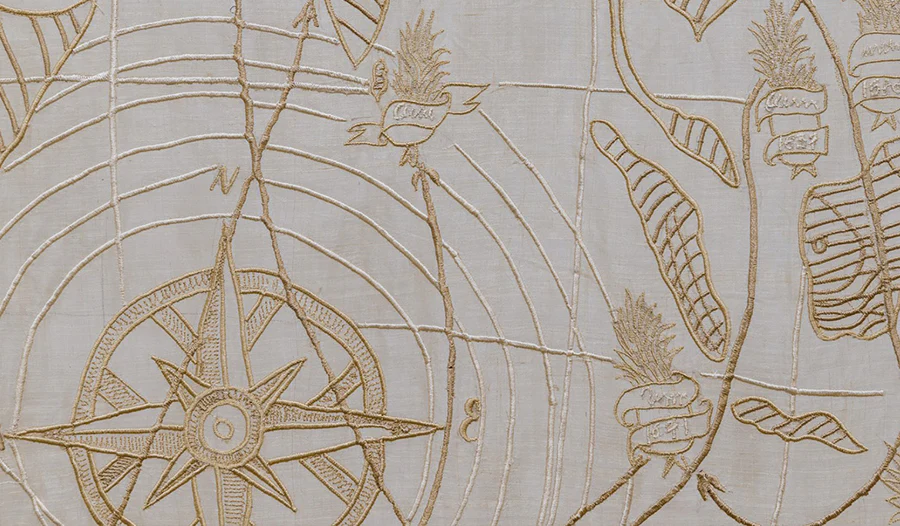
  • Intricate Pineapple Fiber Weaving of Aklan

    Intricate Pineapple Fiber Weaving of Aklan

    Aklan's pineapple fiber weaving is a centuries-old tradition that's deeply rooted in the region's cultural heritage. This tradition involves skilled artisans extracting fibers from pineapple leaves, which are then meticulously cleaned, pounded, and washed to create sustainable, eco-friendly textiles.

    The process requires great skill and patience, as the fibers are carefully extracted and processed to create durable and high-quality fabrics.

    Each piece of pineapple fiber textile tells a story of tradition, pride, and identity. The intricate designs and patterns woven into the fabric reflect the region's rich history and cultural heritage.

    The use of pineapple fibers also promotes sustainability in modern fashion, as it provides an eco-friendly alternative to synthetic materials.

    This ancient craft has been passed down through generations, with artisans continuing to refine their skills and techniques.

    The result is a unique and timeless craft that not only honors the region's history but also contributes to a more sustainable future.

    Aklan's Rich Cultural Heritage Revealed

    Aklan's Rich Cultural Heritage Revealed

    Piña Handloom Weaving: A Reflection of Aklan's Cultural Legacy

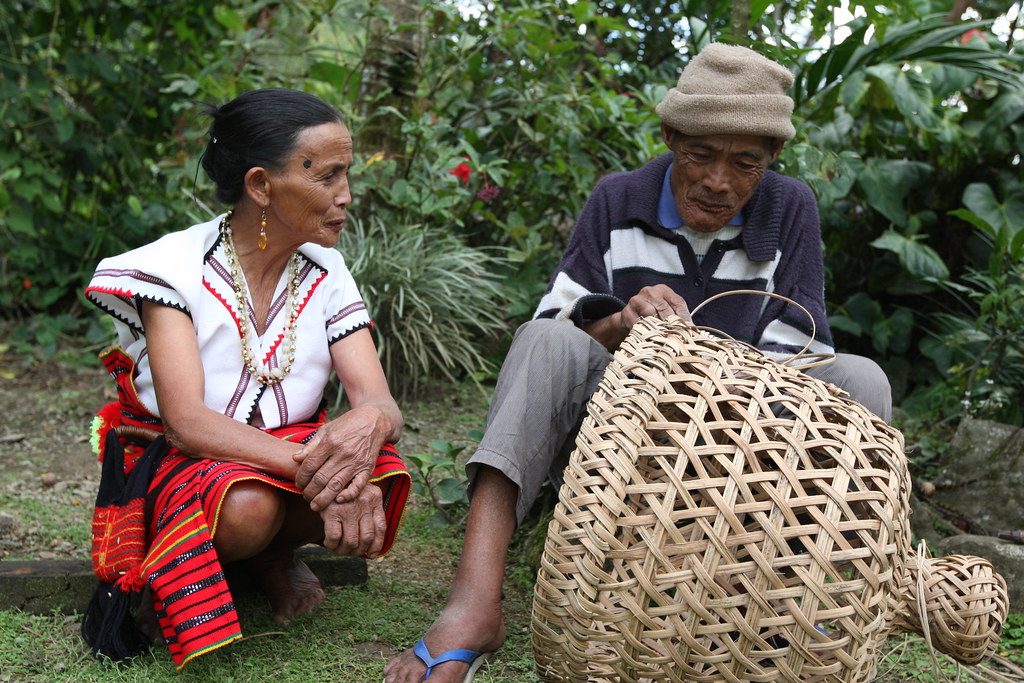
    The craft of piña handloom weaving is deeply intertwined with Aklan's cultural heritage. This traditional craft has been passed down through generations, reflecting the commitment to quality and tradition in Aklan's communities. For many women in Kalibo, Aklan, piña handloom weaving is a primary livelihood.

    Piña Handloom Weaving: A Source of Pride and Identity

    Piña handloom weaving is more than just a skill – it's a source of pride and identity for the people of Aklan. Recognized as an Intangible Cultural Heritage, this craft is a reflection of the region's rich cultural legacy. Each intricate pattern and design tells a story and tradition that has been woven into every thread.

    Uncovering the Stories and Traditions

    As you explore the world of piña handloom weaving, you'll uncover the stories and traditions that have been woven into every thread.

    With each intricate pattern and design, you'll discover the soul of Aklan's cultural heritage, carefully crafted into every piece of textile.

    Pineapple Fiber Extraction Process

    Pineapple Fiber Extraction Process

    The pineapple fiber extraction process begins with the harvesting of mature pineapple leaves in Aklan's countryside.

    Mature leaves are chosen because they contain the prized bastos and liniwan fibers. These fibers are extracted through a meticulous process.

    Manual Cleaning and Processing

    The leaves are manually cleaned, pounded, and washed to remove the green epidermal layer.

    This labor-intensive process requires skilled craftsmanship and attention to detail. Each fiber is carefully coaxed out of the leaf, revealing the soft, silky strands beneath.

    Sustainable and Eco-Friendly Material

    The result is a sustainable and eco-friendly material, perfect for weaving into intricate textiles.

    This material is sustainable because it utilizes a byproduct of pineapple harvesting, reducing waste. The pineapple fiber extraction process honors traditional practices while embracing modern sensibilities.

    Dedication and Precision

    The pineapple fiber extraction process is an art form that requires dedication and precision.

    Each fiber is carefully extracted and cleaned to produce high-quality material. This process results in unique, handwoven treasures that showcase the craftsmanship of Aklan's artisans.

    Centuries-Old Weaving Traditions Preserved

    Aklan's weaving traditions date back centuries. These traditions are a rich cultural heritage, showcasing the skills of local artisans.

    Skilled artisans have mastered the art of pineapple fiber weaving, using techniques passed down through generations.

    Each thread tells a story of dedication and pride, reflecting the craftsmanship of Aklan's people.

    Preserving Ancient Techniques

    In the heart of Aklan, families have been carefully preserving centuries-old piña weaving techniques, passing down intricate traditions from generation to generation like precious heirlooms. This intangible cultural heritage is woven into the fabric of the community, where piña weaving is an integral part of daily life.

    The community is safeguarding this cultural treasure in several ways.

    Families pass down piña weaving techniques from one generation to the next, ensuring the tradition remains alive through intergenerational learning.

    Schools of Living Traditions provide a platform for learning and growth, safeguarding ancient piña weaving techniques for future artisans.

    The art of piña handloom weaving in Aklan reflects a community commitment to quality and tradition spanning centuries, with artisans dedicated to preserving cultural heritage.

    Piña weaving in Aklan is deeply rooted in the community, with artisans taking pride in their artisanal craftsmanship, preserving cultural heritage through their work.

    Skilled Artisan Hands

    Skilled Artisan Hands

    In Aklan, the centuries-old weaving traditions of piña fiber are carefully preserved through skilled artisan hands. Each delicate thread and intricate pattern tells a story of cultural heritage and dedication. The artisans' meticulous attention to detail is evident in the weaving process, showcasing their exceptional craftsmanship.

    Centuries-Old Weaving Traditions

    Artisans meticulously hand-weave piña fibers on traditional looms, employing intricate weaving techniques passed down through generations. This ensures the artistry remains authentic and reflects the precision and expertise required to create exquisite textiles.

    Meticulous Weaving Techniques

    With every thread and pattern, artisans aren't just creating beautiful fabrics, but also preserving the history and traditions of their ancestors. Through their skilled hands, artisans in Aklan continue to uphold the centuries-old weaving traditions of piña fiber, creating masterpieces that are both functional and breathtakingly beautiful.

    Cultural Heritage Lives

    Aklan's cultural heritage comes alive through the centuries-old tradition of piña fiber weaving. This vibrant craft is woven into the fabric of the community's identity, symbolizing the region's history and tradition.

    Family Ties: Weaving techniques are passed down through generations within families, preserving the traditional craft. For instance, in Kalibo, many women learn the art of piña weaving from their mothers and grandmothers, ensuring the craft's continuation.

    Sustainable Livelihood: Piña handloom weaving provides a primary source of income for many women in Kalibo. This economic benefit ensures the craft's sustainability and encourages its preservation.

    Commitment to Quality: The artisanal craftsmanship of piña weaving reflects a dedication to quality, tradition, and cultural significance. Artisans carefully select high-quality piña fibers and meticulously weave them into intricate designs, showcasing their skill and attention to detail.

    Historical Significance: The historical importance of piña handloom weaving in Aklan highlights the importance of preserving and celebrating these centuries-old traditions. The craft's historical significance is a testament to the region's rich cultural heritage.

    In Aklan, the piña fiber weaving tradition is more than just a craft – it's a celebration of the region's cultural heritage, woven into the very fabric of the community's identity.

    The Art of Piña Fiber Weaving

    Piña fiber weaving is a traditional craft from Aklan, Philippines, that showcases the region's rich cultural heritage. This ancient art form involves skilled artisans extracting fibers from Spanish Red pineapple leaves and weaving them into exquisite fabrics.

    The process is labor-intensive, with artisans meticulously extracting fibers, then hand-knotting and trimming them on a two-treadle loom.

    The resulting fabric is prized for its unique texture and luminous quality. The traditional Barong Tagalog, a garment made from piña fabric, is a testament to the artisans' skill and craftsmanship.

    Piña weaving is an art form that reflects the cultural identity of Aklan's communities, demonstrating the artisans' dedication to preserving their heritage.

    Sustainable Fashion in Modern Times

    Pineapple Fiber Weaving: A Beacon of Sustainable Fashion

    In modern times, pineapple fiber weaving in Aklan is a reflection of the region's rich cultural heritage and a prime example of sustainable fashion.

    Natural and Biodegradable

    Pineapple fibers are derived from pineapple leaves, making them a natural, biodegradable, and renewable resource. This means that pineapple garments can easily decompose at the end of their life cycle, reducing waste and the environmental impact of the fashion industry.

    Low Environmental Impact

    The production process of pineapple garments has a minimal carbon footprint. This is because pineapple fibers require minimal processing and treatment, reducing the energy and resources needed to produce them.

    Supports Local Communities

    The revival of pineapple fiber weaving supports local artisans and communities, promoting cultural heritage and fair labor practices. By supporting pineapple fiber weaving, consumers are directly contributing to the preservation of traditional craftsmanship and the economic development of local communities.

    Timeless Style

    Pineapple garments aren't only sustainable but also exude a timeless elegance, making them a coveted piece in any fashion enthusiast's wardrobe. The unique texture and natural color of pineapple fibers create a distinct aesthetic that's both stylish and environmentally friendly.

    Preserving Fading Art Forms Matters

    Preserving Traditional Art Forms Matters

    The art of piña weaving is a testament to the region of Aklan's commitment to preserving its cultural heritage. This traditional craft is more than just a livelihood; it's a symbol of quality, tradition, and sustainable practices.

    In Kalibo, Aklan, women artisans dedicate their skills to weaving piña cloth, a craft that has been passed down through generations. By preserving this fading art form, we save a piece of cultural history and empower the community.

    Schools of Living Traditions play a crucial role in safeguarding the knowledge of piña handloom weaving, ensuring the craft continues to thrive.

    When you wear piña cloth, you're wearing a piece of Aklan's pride, deeply rooted in the community and deeply loved in the Philippines. By embracing this traditional craft, you contribute to the preservation of Aklan's rich cultural heritage.

    The Aquilizans' Labor of Love

    The Aquilizans' Labor of Love: Revitalizing Traditional Piña Weaving

    Alfredo and Isabel Aquilizan's collaborative efforts breathe new life into the traditional art of piña weaving, masterfully blending the skills of Aklan's weavers and Laguna's embroiderers to create exquisite, globally acclaimed artworks.

    Preserving Cultural Heritage

    The Aquilizans' collaboration is a deliberate attempt to combat the influx of cheap imports and revitalize the fading art form of piña weaving. This labor of love demonstrates the power of cultural preservation.

    The Intricate Process of Piña Weaving

    Hand-scraping leaves is a labor-intensive process that extracts fibers from the piña plant, limiting weaving to half a meter per day. Weaving piña fiber takes four months to produce 20 meters of fabric. Intricate stitching using the suk-suk technique adds detailed designs to the piña cloth. The Aquilizans' collaboration aims to preserve traditional weaving techniques, showcasing the cultural importance of piña work.

    Celebrating Cultural Heritage

    Through their work, the Aquilizans celebrate the rich cultural heritage of Aklan, weaving a tapestry of tradition, innovation, and beauty.

    UNESCO Recognition for Aklan Weavers

    Aklan's Piña Handloom Weaving Earns UNESCO Recognition

    Aklan's piña handloom weaving tradition has earned a prestigious spot on the UNESCO Representative List of Intangible Cultural Heritage, acknowledging the dedication and craftsmanship of Aklan's weavers. This recognition is a testament to the community's commitment to preserving their cultural heritage.

    UNESCO Recognition Announced in Botswana

    The announcement was made during an international convention in Botswana, solidifying the global significance of Aklan's piña handloom weaving tradition. This recognition highlights the importance of preserving cultural heritage and promotes cross-cultural understanding.

    Government Support for the Industry

    The local government in Kalibo, Aklan, has allocated P5 million to support the piña handloom weaving industry, demonstrating its commitment to preserving this cultural heritage. This investment will help sustain the tradition and promote its global significance.

    Global Significance

    The Department of Foreign Affairs in France has also highlighted and celebrated this achievement, showcasing the global significance of Aklan's piña handloom weaving tradition. This recognition reinforces the importance of preserving cultural heritage and promoting cross-cultural understanding.

    A Rich Cultural Tapestry

    Aklan's piña handloom weaving tradition is a rich cultural tapestry woven with love, dedication, and a deep respect for tradition. The community's commitment to preserving their cultural heritage has earned them a well-deserved spot on the UNESCO Representative List of Intangible Cultural Heritage.

    Piña Fiber's Global Fashion Impact

    Piña Fiber's Global Fashion Impact

    As you explore the world of contemporary fashion, you'll discover that piña fiber weaving from Aklan hasn't only made a statement but has also woven its way into the hearts of global style enthusiasts. This traditional craft has transcended cultural boundaries, evolving into a symbol of innovation and creativity.

    Piña fiber has been showcased in international art spaces, highlighting its cultural significance and beauty.

    Collaborations with artists have led to the exhibition of piña weaving in global art spaces, further solidifying its cultural importance.

    Piña clothing is now being incorporated into modern Filipino attire, blending heritage with contemporary style.

    Traditionally worn for special occasions, modern interpretations of piña clothing have made it a staple in modern Filipino fashion.

    The revival of piña fiber weaving has led to sustainable practices and support for local artisans in Aklan and beyond.

    By promoting sustainable practices, the piña fiber industry has created a positive impact on the environment and local economies.

    Piña fiber work represents a symbol of colonialism and global connections, as exhibited in contemporary art spaces.

    The intricate designs and patterns woven into piña fabric tell a story of cultural exchange and historical significance, making it a powerful symbol in contemporary art.

    Piña fiber's global fashion impact is undeniable, and its influence continues to inspire and captivate audiences worldwide.

    How Does Aklan’s Pineapple Fiber Weaving Compare to the Visionary Artworks of Macario Vitalis in terms of Filipino artistic expression?

    Aklan’s pineapple fiber weaving showcases the intricate craftsmanship of Filipino artisans, reflecting the rich cultural heritage of the region. Similarly, the visionary artworks of Macario Vitalis embody the essence of Filipino artistic expression, with their vibrant colors and abstract compositions capturing the spirit of the nation’s artistry.

    Weaving a Sustainable Future

    Sustainable Fashion Takes Root in Aklan

    In Aklan, the traditional craftsmanship of pineapple fiber weaving is experiencing a revival, giving birth to an eco-friendly fashion movement.

    This industry's commitment to sustainability benefits both the environment and the local community. By supporting this sustainable approach, you're promoting a movement that isn't only fashionable but also culturally rich and responsible.

    This commitment to sustainability is multifaceted.

    It reduces waste and pollution by utilizing pineapple leaves, which would otherwise be discarded. Additionally, the production process is designed to minimize environmental impact, ensuring a cleaner and healthier environment for the community.

    The local community also benefits from job creation and skill development opportunities, empowering them to thrive.

    Traditional Craftsmanship Revived

    In the heart of Aklan, the revival of piña handloom weaving breathes new life into a treasured tradition, intertwining economic empowerment with cultural preservation.

    Preserving cultural heritage is a primary goal of piña weaving, ensuring the continuation of Aklan's rich cultural legacy. This traditional craft has been passed down through generations of artisans, with intricate craftsmanship evident in every weave.

    Empowering women is another key aspect of piña weaving, as it provides primary livelihoods for women in Kalibo, promoting economic empowerment and community involvement. For instance, women artisans can now support their families and contribute to their communities' development.

    Intergenerational knowledge transmission is vital in piña handloom weaving. Efforts to support this traditional craft aim to pass on traditional skills and knowledge to the next generation, ensuring the craft's survival. This transmission of knowledge is crucial in keeping the cultural heritage alive.

    Fusion of tradition and innovation is what makes piña handloom weaving sustainable. The revival of this traditional craft combines artisanal craftsmanship with modern innovation, paving the way for a sustainable future. For example, modern looms and techniques are now used to improve efficiency while maintaining the traditional essence of the craft.

    The revival of piña handloom weaving is a demonstration of the power of preserving cultural heritage while embracing innovation.

    Eco-Friendly Fashion Emerges

    Eco-Friendly Fashion Emerges

    The fashion industry is becoming increasingly conscious of its environmental impact, and one innovative solution is piña fiber weaving. This sustainable textile is made from pineapple leaf fibers, providing an eco-friendly alternative to traditional materials.

    Piña Fiber Weaving Supports a Sustainable Future

    By incorporating piña fiber weaving, fashion brands contribute to a more sustainable industry.

    This innovative textile promotes environmentally friendly practices in several ways:

    Sustainable Materials: Piña fiber weaving utilizes pineapple leaf fibers, reducing waste and promoting eco-friendliness.

    Environmental Impact: This textile lowers the carbon footprint, contributing to a greener fashion industry.

    Fashion Industry Shift: Piña fiber weaving aligns with the growing demand for eco-conscious fashion, supporting sustainable fashion choices.

    Cultural Significance: This textile preserves traditional craftsmanship, celebrating cultural heritage.

    Industry Growth: Piña fiber weaving encourages innovation and creativity, fostering growth in the fashion industry.

    As piña fiber weaving gains popularity, it's clear that eco-friendly fashion is here to stay.

    With its unique blend of sustainability and cultural significance, piña fiber weaving is revolutionizing the fashion industry, one pineapple leaf at a time.

    Frequently Asked Questions

    What Is the Weaving of Piña Cloth in Aklan?

    The weaving of piña cloth in Aklan is a traditional craft that showcases the region's rich cultural heritage. This intricate process combines artisanal techniques with local materials, resulting in a unique and valuable fabric. Skilled artisans in Aklan use piña fibers, extracted from the leaves of the pineapple plant, to create this exceptional cloth. The weaving process involves several stages, including harvesting and processing the piña fibers, dyeing, and finally, weaving the fibers into a beautiful fabric. The end product is a soft, lightweight, and translucent cloth that is highly prized for its durability and elegance.

    What Is the Variety That Is Planted in Producing the Pineapple Fibers in Aklan?

    The Spanish Red pineapple variety is cultivated in Aklan for its strong fibers, which are carefully extracted for thread production. This variety is prized for its fibers, making it a crucial crop for pineapple cultivation and fiber extraction.

    What Is the History of Pineapple Textile Weaving?

    Pineapple textile weaving has a rich history that spans centuries. This ancient craft originated in the Philippines, where pineapple leaves were first used to create a strong and durable fabric. The leaves of the pineapple plant, a member of the bromeliad family, contain strong fibers that can be harvested and woven into a versatile textile. The pineapple textile industry thrived in the Philippines from the 17th to the 20th century, with the fabric being highly prized for its softness, durability, and luxurious feel. During this period, pineapple fabric was used to create intricate and ornate garments, as well as functional items like bags and slippers. The art of pineapple textile weaving was also influenced by Spanish colonization, which introduced new weaving techniques and design patterns to the Filipino craftsmen. Today, pineapple textile weaving continues to be an important part of Filipino cultural heritage, with many artisans working to preserve and promote this traditional craft.

    What Is the Queen of the Philippine Fabrics?

    The Queen of the Philippine Fabrics is piña cloth. This cultural icon embodies the nation's fabric heritage, characterized by its delicate sheen and intricate embroidery. Piña cloth symbolizes the country's rich cultural significance and craftsmanship.

    Conclusion

    Pineapple Fiber Weaving: A Symbol of Aklan's Rich Cultural Heritage

    As you hold a pineapple fiber piece, you're not just admiring a beautiful fabric – you're touching a piece of Aklan's rich cultural heritage.

    The Significance of Intricate Patterns

    The intricate patterns woven into the fabric reflect the weavers' skill and dedication.

    A Centuries-Old Tradition

    Every thread in a pineapple fiber piece is a thread of love, every weave a labor of love.

    This tradition has been passed down for centuries, with each generation contributing to its preservation.

    Wearing a Piece of History

    When you wear or own a pineapple fiber piece, you're wearing a piece of history, and it's a privilege.

    Each piece is a testament to the craftswomen's hard work and dedication to their art.

  • Whimsical World of Damian Domingo’s Tipos Del Pais

    Whimsical World of Damian Domingo’s Tipos Del Pais

    Damian Domingo's Tipos del Pais: A Window to 19th-Century Philippines

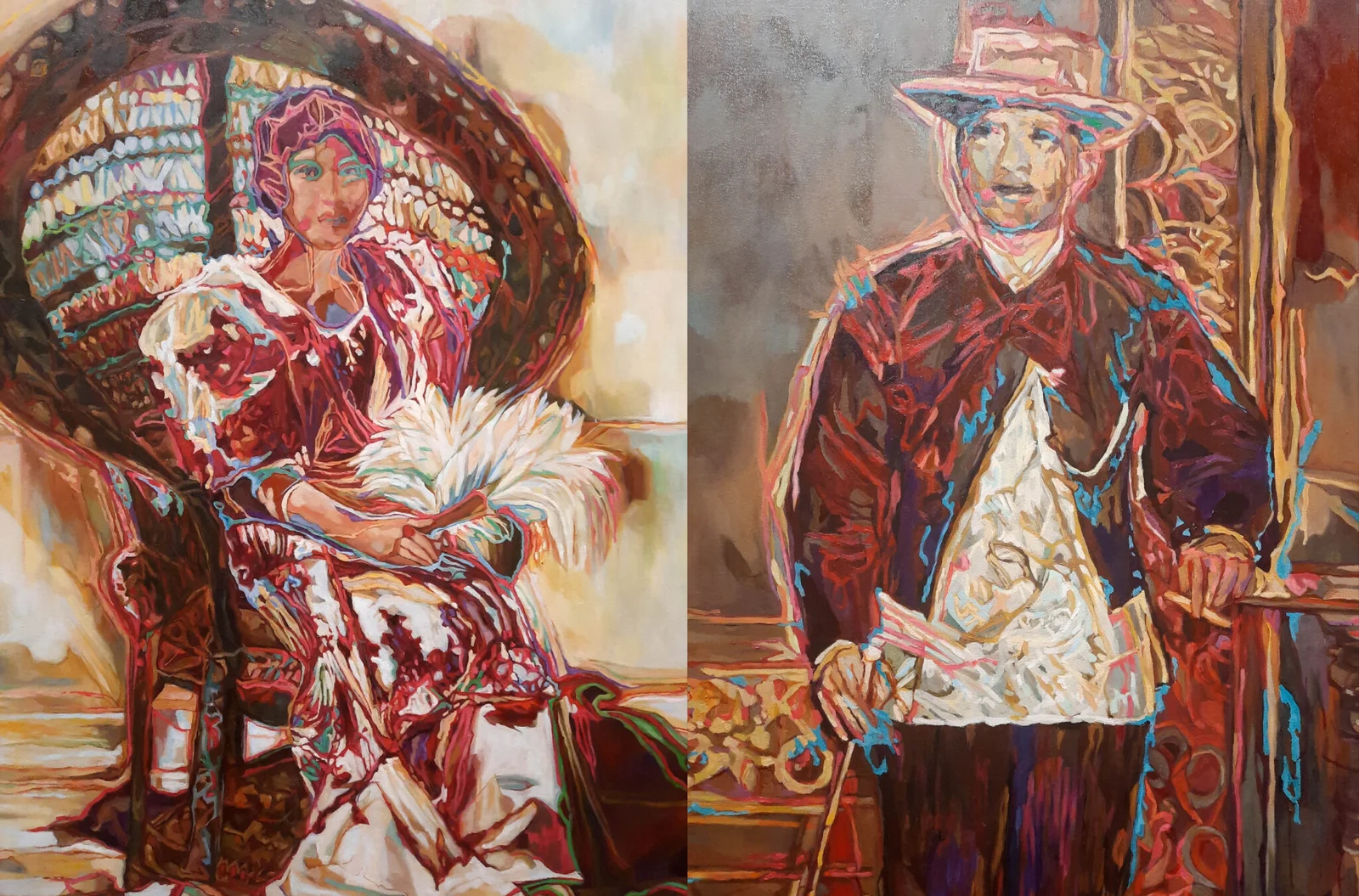
    Damian Domingo's Tipos del Pais is a collection of watercolors that transport you to 19th-century Philippines.

    The artworks showcase ordinary Filipinos' daily lives, blending Filipino and Western influences.

    Domingo's unique vision captures the country's cultural heritage and provides social commentary on the era.

    Filipino Identity and Cultural Heritage

    Domingo's artistic mastery preserves Filipino identity through intricate details and vibrant colors.

    Traditional clothing, architecture, and everyday experiences come alive in his artworks.

    For example, his watercolors feature Filipinos wearing traditional clothing, such as the barong tagalog and tapis, showcasing the country's rich cultural heritage.

    Social Commentary and Lasting Impact

    Domingo's artworks provide social commentary on 19th-century Philippines.

    His watercolors highlight the intricacies of Filipino society, revealing the complexities of the era.

    Domingo's artistic contributions have had a lasting impact on Philippine art history.

    His works continue to inspire artists and provide a window to the country's past.

    Unveiling Filipino Life and Culture

    Damian Domingo's Tipos del Pais: A Glimpse into 18th-Century Filipino Life

    Damian Domingo's watercolor paintings, Tipos del Pais, offer a unique window into the daily lives of 18th-century Filipinos. These artworks capture the nuances of a bygone era with remarkable accuracy, providing a fascinating glimpse into historical Filipino society.

    Social Hierarchy and Cultural Diversity

    The paintings reveal the complexities of social status and cultural diversity in 18th-century Philippines. The stark contrasts between the lives of the elite and the working class are evident, as well as the blending of cultures that defined the era.

    Everyday Life and Occupations

    Domingo's meticulous attention to detail allows us to appreciate the intricacies of everyday life, including the attire and occupations of the time. We can see how people lived, worked, and interacted with each other.

    Social Status and Individual Experiences

    Social status played a significant role in shaping individual experiences in 18th-century Philippines. By examining these artworks, we can gain a deeper understanding of the intricate social fabric of the time and appreciate the country's cultural heritage.

    Influences on Western Art in Philippines

    The Spanish colonial legacy has had a profound impact on the Philippines' artistic landscape. During this period, European artistic traditions like realism and romanticism were introduced, influencing not only the style of Filipino artists but also the themes and subjects they depicted.

    For example, the works of Filipino artist Félix Hidalgo, who was trained in Spain, showcase a blend of European techniques and Philippine themes.

    Spanish Colonial Legacy

    The Spanish colonization of the Philippines had a profound influence on the country's artistic landscape. This influence is evident in the work of Filipino artists, including Damian Domingo.

    Domingo's Tipos del Pais series reflects a unique blend of Western and indigenous Filipino artistic traditions. The series showcases a fusion of cultural influences, with the Spanish colonial legacy evident in the subject matter and style of the paintings.

    Domingo's work, in turn, influenced the development of Western art in the Philippines, paving the way for future generations of Filipino artists.

    The Spanish colonial legacy had a noteworthy impact on Filipino artists, shaping the country's artistic identity through a complex cultural exchange. By examining this legacy, we gain a deeper understanding of the cultural exchange that shaped the country's artistic identity.

    European Artistic Traditions

    During the 19th century, European artistic traditions greatly influenced the development of Western art in the Philippines. This influence introduced new techniques and styles that reshaped the country's artistic landscape.

    Spanish colonization brought about a notable shift in Filipino art, introducing realistic rendering, light, and shadow – defining features of European art. For example, artists like Damián Domingo and Justiniano Asuncion combined local traditions and indigenous art forms with foreign influences in their works.

    The Art Academy, established during this period, further solidified European artistic traditions in the Philippines. As a result, a unique blend of Eastern and Western influences emerged, giving birth to a distinct Filipino artistic identity.

    The European artistic traditions not only introduced new techniques but also paved the way for Filipino artists to express themselves in a unique and innovative manner.

    The Artistic Vision of Damian Domingo

    Damian Domingo's Artistic Vision

    Damian Domingo's artistic vision was deeply rooted in his fascination with the everyday lives of Filipinos. He meticulously captured these scenes through vibrant colors and meticulous details, showcasing the country's rich cultural heritage.

    Key Artistic Elements

    Artistic ElementDescriptionImpact
    Vibrant ColorsCaptured the essence of Filipino cultureEnhanced the visual appeal of his artworks
    Meticulous DetailsShowcased everyday life in the PhilippinesCreated a sense of realism and authenticity
    Everyday ScenesFeatured ordinary Filipinos in their daily livesMade art more relatable and accessible

    Beyond Artworks: A Lasting Legacy

    Domingo's artistic vision extended beyond his artworks. He established the first Philippine art academy, nurturing a new generation of artists. His influence on Western art in the Philippines was profound, paving the way for future artists to explore and express their own unique visions.

    Captivating Depictions of Filipino Lifestyles

    Damian Domingo's vibrant watercolor paintings provide a unique window into the intricacies of Filipino lifestyles in the early 19th century, showcasing the social hierarchy, cultural diversity, and everyday life during Spanish colonization.

    Domingo's artworks are notable for their attention to detail and realism, which brings the scenes to life. For instance, his use of vibrant colors and expressive faces adds depth and emotion to the paintings, highlighting the beauty and complexity of Filipino culture.

    Some essential aspects of Domingo's depictions of Filipino lifestyles include:

    • Vibrant colors and attention to detail: Domingo's use of bright, bold colors and meticulous attention to detail brings the scenes to life, as seen in his depiction of traditional Filipino clothing and architecture.
    • Realistic portrayals of everyday life: The artworks showcase the daily experiences of Filipinos during the 19th century, such as farming, trading, and social gatherings, providing a glimpse into their lives.
    • Cultural diversity and social hierarchy: The paintings highlight the cultural diversity and social hierarchy of the time, offering a nuanced understanding of Filipino society, as seen in his depiction of different social classes and ethnic groups.
    • Preservation of cultural heritage: Domingo's artworks help preserve the cultural heritage of the Philippines, allowing us to see our cultural identity reflected in these vibrant paintings, and understanding our roots and traditions.

    The Cultural Heritage of Tondo

    Tondo's Cultural Heritage: A Rich Tapestry of Traditions

    The cultural heritage of Tondo is a vibrant and diverse blend of customs, artistic expressions, and traditions that have shaped the Filipino identity.

    Damian Domingo's artworks provide a window into Tondo's cultural heritage, capturing the essence of Filipino lifestyles in the 19th century.

    Domingo's Tipos Del Pais: A Reflection of Tondo's Traditions

    Domingo's series of watercolor paintings, Tipos Del Pais, showcases the district's traditions, from festive celebrations to everyday scenes of people going about their daily lives. His artworks highlight the district's vibrant daily life, with bustling streets and colorful markets that have inspired generations of artists.

    The Significance of Tondo's Cultural Heritage

    Tondo's cultural heritage continues to influence Filipino art and identity to this day. By examining Domingo's works, we gain a deeper understanding of Tondo's cultural heritage and its significance in shaping the country's artistic landscape.

    Dr. Luciano P.R. Santiago's Expert Insights

    Dr. Luciano P.R. Santiago's Expert Insights

    Dr. Luciano P.R. Santiago's book provides a comprehensive understanding of Damian Domingo's art by examining the historical context, artistic vision, and cultural heritage that influenced his work.

    Domingo's art reflects the cultural landscape of his time, and Santiago's expert insights reveal how the artist's pioneering spirit shaped the Filipino art scene.

    Historical Context Matters

    Dr. Luciano P.R. Santiago's research highlights the significance of historical context in understanding Damian Domingo's art. To comprehend Domingo's unique style and contributions to Western art in the Philippines during the early 19th century, it's essential to consider the cultural, social, and historical landscape of his time.

    Historical context is vital in understanding cultural representation in art. For instance, Domingo's art often depicted the daily lives of Filipinos, revealing the cultural norms and values of his era.

    His artworks mirrored the societal norms of his time, showcasing the importance of historical context in artistic interpretation.

    Domingo's style was a blend of traditional and modern influences. His Filipino heritage merged with modern perspectives, resulting in a distinctive style that captivated audiences.

    This blend of influences is evident in his artworks, which reflect the Philippines' complex cultural identity during the early 19th century.

    The intersection of historical context and artistic expression is where Domingo's true genius lies. By considering the historical context in which Domingo created his art, we gain a deeper understanding of the Philippines' cultural identity during that period.

    Artistic Vision Unfolds

    Damian Domingo's Artistic Vision Was Shaped by His Cultural Heritage

    Dr. Luciano P.R. Santiago's expert analysis reveals that Domingo's artistic vision was deeply rooted in his cultural heritage. As a pioneering Filipino artist and director of the first Philippine art academy, Domingo's experiences greatly influenced his artistic techniques and symbolic representations.

    Domingo's Artistic Techniques Reflected His Cultural Influences

    Domingo's use of watercolors and lithography reflected his cultural influences. For example, his watercolor paintings often featured traditional Filipino clothing and accessories, showcasing his cultural pride. His lithographic prints, on the other hand, typically depicted scenes from everyday Filipino life, highlighting his connection to his community.

    Domingo's Role as an Art Academy Director Shaped the Country's Art Scene

    As the director of the first Philippine art academy, Domingo played a crucial role in shaping the country's art scene. He was able to promote Filipino art and provide opportunities for aspiring artists, further solidifying his cultural heritage.

    Domingo's Masterpieces Demonstrated His Mastery of Various Mediums

    Domingo's artistic vision wasn't only rooted in his cultural heritage but also showcased his mastery of various mediums. His works displayed a delicate balance between artistic techniques, cultural influences, and symbolic representations, defining his unique style.

    Cultural Heritage Revealed

    Damian Domingo's Tipos del Pais is a window into the cultural heritage of the Philippines during the early 19th century. Dr. Luciano P.R. Santiago's expert analysis reveals the profound significance of Domingo's artwork, showcasing the artist's unique style and social commentary.

    Domingo's artwork provides a glimpse into the Filipino society of the time. His artwork blends Filipino and Western influences, paving the way for future Filipino artists. This blend of styles not only showcases Domingo's artistic interpretations but also provides social commentary on the Filipino society during the early 19th century. For example, his artwork highlights the social hierarchy and cultural norms of the time.

    Domingo's art had a significant impact on Western art in the Philippines. His artwork played a pivotal role in shaping the Filipino art scene during the early 19th century. This is evident in his artwork, which provides a window into the historical importance of his art.

    Domingo's legacy continues to influence Filipino art today. His enduring legacy invites readers to explore his continued influence on Filipino art. Dr. Santiago's book is an essential resource for understanding Domingo's cultural heritage and its significance in Filipino art.

    Masterpieces of Damian Domingo's Collection

    Damian Domingo's Tipos del Pais collection is a treasure trove of masterful watercolor portraits that transport viewers to 19th-century Philippines. These portraits intertwine historical narratives with artistic techniques, offering a glimpse into the everyday life of Filipinos during the Spanish colonization.

    Four notable masterpieces in the collection stand out:

    Tipos del Pais MasterpiecesCharacteristics
    La MestizaVibrant colors, intricate details, and realistic portrayal of Filipino-Spanish mix
    El Cabeza de BarangayWhimsical depiction of a local chief, highlighting cultural diversity
    La VendedoraEveryday life scene of a vendor, showcasing the occupation's importance
    La FamiliaHeartwarming portrayal of a Filipino family, emphasizing cultural heritage

    Domingo's masterpieces serve as a visual record of historical Filipino heritage, offering insights into the impact of colonization and the preservation of traditional art forms.

    A Glimpse Into 19th-Century Filipino Art

    Tipos del Pais: A Window into 19th-Century Filipino Life

    Tipos del Pais, a collection of watercolor paintings, offers a unique glimpse into the everyday lives of Filipinos during the Spanish colonization period. This 19th-century art form is characterized by vibrant colors, realistic scenes, and meticulous attention to detail, providing a nuanced understanding of the period's societal dynamics.

    Cultural Diversity and Social Classes

    The art of Tipos del Pais reveals the blending of indigenous, Spanish, and Chinese influences in Filipino culture. For example, traditional attire worn by Filipinos during this period showcased a mix of these cultural influences. The contrast between the lives of wealthy colonizers and the native population is also evident, highlighting the social classes of the time.

    Everyday Occupations and Traditional Attire

    Tipos del Pais highlights the importance of traditional occupations, such as farming and craftsmanship. These occupations were essential to the daily lives of Filipinos during this period.

    Additionally, the art form showcases the vibrant and diverse traditional attire worn by Filipinos, which was often reflective of their social status and cultural background.

    The Unique Style of Damian Domingo

    Damian Domingo's artistic style in Tipos del Pais is characterized by vibrant colors that bring his subjects to life. His use of color is nuanced, conveying subtle emotions and social nuances of 19th-century Filipino society.

    Domingo's expressions are subtle yet evocative, revealing the complexities of the people he depicts. Cultural inspiration is evident in his work, drawing from the rich heritage of the Philippines to create a unique visual language.

    Vibrant Colors Used

    Damian Domingo's masterful use of vibrant colors in his Tipos del Pais paintings injects a sense of dynamism and energy, captivating viewers and immersing them into the intricate world of 19th-century Filipino society.

    Vibrant colors evoke emotions and create a sense of connection with the scenes depicted, drawing you into the world of 19th-century Filipino society. For instance, the warm tones used in his paintings evoke a sense of comfort and familiarity, while the cool tones convey a sense of calmness and serenity.

    Domingo's color choices reflect the cultural richness of the Philippines during the Spanish colonial period, offering a unique window into the country's historical context. For example, his use of bright colors and intricate patterns reflects the cultural exchange and blending of traditions during that era.

    The vibrant colors help narrate the story of everyday life in 19th-century Philippines, making the artworks feel more immersive and engaging. By using colors that evoke emotions and convey cultural nuances, Domingo's paintings provide a glimpse into the daily lives of Filipinos during that time.

    Domingo's skillful use of color showcases his mastery of artistic techniques, distinguishing his works and contributing to their enduring charm. His thoughtful application of color symbolism is a hallmark of his artistic techniques, making his paintings a true masterpiece of Filipino art.

    Artistic Expressions Shown

    Domingo's Unique Style

    Domingo's artistic expressions in Tipos del Pais showcase his distinct style, characterized by vibrant colors, intricate details, and expressive scenes. This unique style brings to life the everyday experiences of 19th-century Filipinos, providing a glimpse into their daily lives.

    Social Classes and Cultural Diversity

    His artworks depict a wide range of social classes and cultural diversity during Spanish colonization. Domingo's attention to detail reveals the intricacies of Filipino life, showcasing the expressive brushstrokes that add texture and emotion to each scene.

    Vibrant Color Palette

    The vibrant color palette is particularly striking, evoking a sense of warmth and energy that draws the viewer in. This visual representation of historical Filipino society offers a unique perspective on the daily lives of people from all walks of life.

    Lasting Impact on Philippine Art History

    Domingo's unique style has made a lasting impact on Philippine art history, and his contributions continue to inspire and captivate audiences to this day.

    Cultural Inspiration Found

    Damian Domingo's Artwork: A Window into 19th-Century Philippines

    Damian Domingo's unique style masterfully combines vibrant colors, intricate details, and expressive scenes to bring 19th-century Philippines to life. His Tipos del Pais watercolor paintings are a visual representation of historical Filipino society, showcasing cultural diversity and social classes of the past.

    Cultural Diversity and Social Hierarchy

    Domingo's artworks reflect cultural diversity in the everyday life and social hierarchy portrayed in his paintings. For example, his paintings depict people from different social classes, highlighting their distinct clothing, accessories, and activities.

    Social classes are highlighted through the intricate details and expressive facial features in his artworks, providing a glimpse into the lives of people from different backgrounds.

    Influence on Contemporary Artists

    Domingo's artistic legacy continues to inspire contemporary Filipino artists, contributing to the study of Philippine art history and fostering an appreciation of traditional art forms. His artworks serve as a testament to the power of art to capture the essence of a bygone era.

    Preservation Efforts

    Preservation efforts aim to safeguard and promote the artistic legacy of Tipos del Pais for future generations, ensuring that Domingo's artworks remain an essential part of Philippine cultural heritage.

    How does Damian Domingo’s Tipos Del Pais relate to the cultural celebration of the Turumba Festival in Pakil, Laguna?

    Damian Domingo’s Tipos Del Pais pays homage to the diverse Filipino culture, including the turumba festival celebration in Pakil, Laguna. The vibrant artwork captures the essence of this cultural celebration, depicting the colorful costumes and lively dances that are central to the festival’s traditions in Pakil, Laguna.

    Filipino Identity Through Art

    Damian Domingo's watercolor paintings, Tipos del Pais, offer a vibrant representation of Filipino identity. Through his artwork, Domingo captures the essence of everyday life in historical Filipino society, showcasing the complexities and contrasts of social classes.

    The paintings provide a glimpse into the lives of the common folk, highlighting their struggles and triumphs.

    Domingo's artwork serves as a window into the country's art heritage, revealing the influence of colonization and the artistic traditions that emerged as a result.

    His paintings display the intricate tapestry of Filipino cultural heritage, weaving together the complexities of everyday life.

    Frequently Asked Questions

    What Is the Meaning of Tipos De Pais?

    Tipos de Pais: A Window into the Past

    Tipos de pais is a genre of art that reflects cultural identity through artistic representation. This art form holds historical significance by capturing the essence of a bygone era. Tipos de pais is a visual representation of a nation's cultural identity, encapsulating its history, traditions, and values.

    Through the lens of tipos de pais, artists have managed to immortalize the spirit of their time, providing a glimpse into the past. These artworks often depict everyday life, landscapes, and cultural practices, offering a unique insight into the lives of people from a bygone era.

    What Is Damian Domingo Known For?

    Damian Domingo is known for his pioneering artistic innovations, which have left a lasting cultural legacy and substantial historical impact on Filipino art. Through his portraits, paintings, and teachings, he shaped the country's visual identity, contributing significantly to the development of Filipino art.

    What Is the Name of the First Art School in the Philippines?

    The first art school in the Philippines was founded in 1821 by Damian Domingo.

    Who Is the Father of Modern Philippine Painting?

    Damián Domingo is considered the Father of Modern Philippine Painting. He played a crucial role in shaping the nation's artistic identity through his cultural revival, which blended different artistic influences to forge a distinct national identity.

    Conclusion

    Damian Domingo's Tipos del Pais: A Window into 19th-Century Filipino Life

    Damian Domingo's masterpieces, known as Tipos del Pais, offer a unique glimpse into 19th-century Filipino life. By blending Western art influences with indigenous traditions, Domingo's art captures the essence of Filipino identity. His work reveals the intricacies of Tondo's cultural landscape, showcasing the nuances of Filipino lifestyles.

    Through his art, Domingo weaves a tapestry of stories that continue to captivate and inspire. His unique style provides a nuanced portrayal of Filipino lifestyles, allowing viewers to discover the complexities of the Filipino experience.

    Domingo's art is a testament to the country's rich cultural heritage, blending different influences to create a distinctive Filipino identity.

  • Symbolic Motifs in T’boli Dreamweaving

    Symbolic Motifs in T’boli Dreamweaving

    Symbolic Motifs in T'boli Dreamweaving

    T'boli dreamweaving is rich in symbolic motifs that reflect the cultural identity, spirituality, and connection with nature and spirits of the T'boli people.

    Colors and Their Meanings

    Black represents ancestral lands, while red symbolizes the blood of ancestors. These colors hold deep significance in T'boli dreamweaving, conveying respect for their heritage and ancestors.

    Geometric Patterns and Their Significance

    Geometric patterns in T'boli dreamweaving signify a connection to the divine. These patterns are intricate and complex, reflecting the T'boli people's spiritual connection with the universe.

    Floral Motifs and Their Meaning

    Floral motifs in T'boli dreamweaving represent growth and abundance. These motifs depict the T'boli people's appreciation for nature and their dependence on it for survival.

    Animal Motifs and Cultural Heritage

    Animal motifs in T'boli dreamweaving preserve cultural heritage. These motifs often depict animals that are significant to the T'boli people, such as the monkey or the bird, and represent their cultural identity.

    Intricate Patterns and Emotions

    Intricate patterns in T'boli dreamweaving convey complex ideas and emotions. These patterns are woven with great care, reflecting the emotions and thoughts of the weaver.

    Dreamweaving Traditions of the Tboli

    Tboli Dreamweaving: A Rich Cultural Heritage

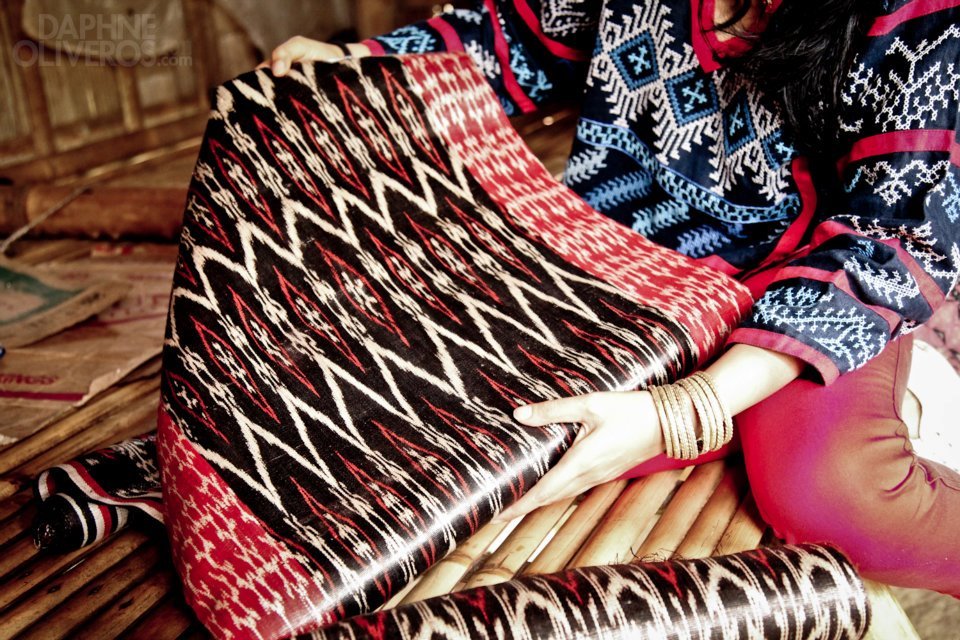
    The Tboli people of Mindanao have a rich cultural heritage woven into their daily lives, where women have been interpreting visions from the goddess Fu Dalu into intricate textile patterns for over three centuries. These visions are the foundation of the Tboli dream-weaving tradition.

    The Weaving Process

    Master weavers skillfully translate divine inspiration into stunning textiles using natural fibers from the abaca plant. Each thread is imbued with symbolic meaning, making every textile a unique piece of art. The women of the Tboli community take a central role in this sacred process, expertly weaving the fibers into intricate patterns.

    The Legacy of Lang Dulay

    The Lang Dulay Tnalak Weaving Centre in TBong village is a testament to the legacy of master weaver Lang Dulay, now carried forward by Sebulan Dulay. This centre preserves the ancient tradition of Tboli dream-weaving, ensuring its continuation for generations to come.

    The Role of Men in Dream-Weaving

    While women are at the forefront of the weaving process, men in Tboli communities also play important roles. They contribute to the dream-weaving process by planting, stripping abaca fibers, and assisting in various aspects of the weaving process alongside women. This collaboration is essential to the creation of these stunning textiles.

    Colors and Their Symbolic Meanings

    Colors Hold Symbolic Meanings in T'boli Dreamweaving

    In the intricate world of T'boli dreamweaving, colors are intentionally selected to convey symbolic meanings. Three colors hold significant importance in the T'boli culture: black, white, and red.

    Black Represents the Ancestral Lands

    Black symbolizes the background and the earth, representing the connection to their ancestral lands. This color is carefully woven into intricate designs with spiritual significance, telling stories that transcend generations.

    White Represents Purity

    White represents purity and is often used to depict motifs like humans, crabs, and lizards. These motifs are woven into the Tnalak fabric, creating a visual narrative that's both beautiful and meaningful.

    Red Symbolizes the Blood of Ancestors

    Red, a color that signifies the blood of ancestors, is used to highlight patterns like diamonds, adding a sense of vitality and energy to the fabric. The deliberate use of these colors allows the dreamweavers to convey complex ideas and emotions, weaving a rich tapestry of meaning that's both personal and collective.

    Colors Convey Complex Ideas and Emotions

    The colors are more than just aesthetic choices – they're a language that speaks to the soul. As you explore further into the world of T'boli dreamweaving, you'll discover that the colors are carefully chosen to convey symbolic meanings, telling stories that transcend generations.

    The Significance of Tnalak Textiles

    Traditional weaving methods are deeply rooted in the Tboli people's cultural identity. The intricate patterns and motifs on Tnalak textiles are inspired by the weavers' dreams and visions, which embody the community's history, myths, and values.

    For example, the Tboli people believe that their ancestors communicate with them through their dreams, guiding their weaving patterns. By examining the weaving techniques and symbolic motifs, you'll gain insight into the Tboli people's rich cultural heritage.

    The Tboli people's weaving techniques have been passed down through generations, with each generation adding their own unique twist to the traditional methods.

    Traditional Weaving Methods

    Traditional Weaving Methods

    Tnalak textiles are woven by the Tboli people using traditional methods passed down through generations.

    Every thread and fiber is imbued with cultural significance. The weaving process involves intricate patterns and designs inspired by dreams and visions.

    The textiles are made from abaca fibers, carefully dyed using natural materials like tree roots and leaves. Each color used in Tnalak textiles carries symbolic meaning, reflecting the Tboli culture and beliefs.

    Red symbolizes courage, while blue represents wisdom.

    Tnalak weaving is a sacred tradition that holds spiritual significance for the Tboli community. The level of craftsmanship and attention to detail that goes into creating each textile is a tribute to the Tboli people's connection to their land, their culture, and their ancestors.

    Cultural Identity Embodied

    Tnalak Textiles: Embodiment of T'boli Cultural Identity

    In the heart of Mindanao, Philippines, Tnalak textiles embody the cultural identity of the T'boli people. These vibrant textiles weave together the T'boli people's spirituality, connection to nature, and rich traditions into symbolic motifs.

    The Symbolism Behind Tnalak Motifs

    Each intricately designed pattern holds deep meaning, reflecting the T'boli people's connection to nature and the spiritual world.

    Geometric patterns represent the spiritual dimension, signifying a connection to the divine.

    Floral patterns symbolize growth and abundance, reflecting the natural world.

    Animal motifs tell stories of myths and legends, preserving cultural heritage.

    The Role of Tboli Women in Preserving Traditions

    Tboli women play a crucial role in preserving and continuing the Tnalak weaving traditions, using abaca textile to create stunning pieces of art.

    These textiles aren't just aesthetically pleasing; they hold significant cultural value, used in various ceremonies and rituals.

    Understanding the Significance of Tnalak Textiles

    By understanding the symbolism behind these textiles, you'll gain a deeper appreciation for the richness of T'boli cultural identity.

    Tnalak textiles showcase the importance of preserving cultural heritage and the significance of traditional practices.

    Tboli Women and Their Ancestral Stories

    Tboli Women and Their Ancestral Stories

    Through the intricate threads of T'boli dreamweaving, Tboli women meticulously weave their ancestral stories, preserving the rich cultural heritage of their community. These women are the guardians of their people's history and mythology.

    Cultural Preservation

    Tboli women safeguard their community's cultural heritage by weaving ancestral stories into their dreamweavings. This tradition allows them to preserve their history and cultural identity.

    Symbolic Storytelling

    Each motif in T'boli dreamweaving carries deep symbolic meaning, reflecting the Tboli people's connection to nature and spirits. For example, the star symbol represents the connection between heaven and earth, while the crescent moon symbolizes the cycle of life and fertility.

    Dream-Inspired Designs

    Tboli women draw inspiration from their dreams to create unique patterns and designs that honor their heritage. These dream-inspired designs are often a reflection of their ancestral stories and cultural traditions.

    Intergenerational Transmission

    Through T'boli dreamweaving, Tboli women pass down their ancestral stories and cultural traditions to future generations. This ensures the continuation of their cultural heritage and preserves their community's history.

    Weaving Cultural Identity and Spirituality

    T'boli dreamweaving is rooted in ancient storytelling traditions passed down through generations. These traditions are woven into symbolic motifs that convey the spiritual fabric of life, showcasing the T'boli people's deep connection with nature and their ancestors.

    The intricate patterns in their weaving reflect the community's history, values, and reverence for the natural world, highlighting the rich cultural identity and spiritual beliefs that are intricately intertwined.

    Ancient Storytelling Traditions

    Ancient Storytelling Traditions in T'boli Dreamweaving

    The Tboli people's collective memory is woven into intricate motifs of T'boli dreamweaving, masterfully blending cultural identity and spirituality. Each motif holds symbolic significance, representing aspects of nature, animals, and ancestral spirits.

    Inspirations from Dreams and Visions

    Motifs in T'boli dreamweaving are inspired by the weavers' dreams and visions, passed down through generations as a form of storytelling. For example, a weaver may have a dream about a specific animal, which is then incorporated into the design of the dreamweaving.

    Visual Language

    Dreamweaving motifs serve as a visual language, communicating the Tboli people's beliefs, values, and history. These motifs can convey stories, myths, and legends, allowing the Tboli people to share their cultural heritage with future generations.

    Interconnectedness with Nature and Spirits

    The intricate motifs in T'boli dreamweaving reflect the interconnectedness of the Tboli community with nature, spirits, and their cultural heritage. This interconnectedness is demonstrated through motifs that depict the natural world, such as animals, plants, and natural elements.

    Cultural Identity and Spirituality

    Ancient storytelling traditions in T'boli dreamweaving weave together cultural identity and spirituality, creating a rich tapestry of meaning and significance. This blending of cultural identity and spirituality is essential to the Tboli people's sense of self and their connection to their heritage.

    Spiritual Fabric of Life

    Dreamweaving: The Spiritual Fabric of T'boli Culture

    In the vibrant tapestry of T'boli culture, dreamweaving embodies the spiritual fabric of life, where every thread and motif intricately weaves together cultural identity and spirituality.

    Symbolic Motifs and Cultural Heritage

    Each symbolic motif in T'boli dreamweaving holds a deeper meaning, reflecting the spiritual beliefs and cultural heritage of the Tboli people.

    These motifs represent aspects of Tboli mythology, rituals, and daily life. The intricate patterns and designs aren't just aesthetically pleasing, but they also carry significant cultural significance.

    The Role of the Dreamweaver

    As a dreamweaver, Lang Dulay's role is to interpret spiritual visions into tangible designs, infusing each tnalak fabric with cultural symbolism.

    This ancient craft serves as a way for the Tboli people to connect with their ancestors, spirits, and the natural world.

    Cultural Identity and Spirituality

    The Tboli culture is deeply intertwined with the spiritual fabric of life, and dreamweaving is an integral part of this rich cultural tapestry.

    By examining the symbolic motifs in T'boli dreamweaving, you'll gain a deeper understanding of the intricate relationship between cultural identity and spirituality in Tboli culture.

    The Story Behind the Dreamcatcher

    The Story Behind the Dreamcatcher

    The dreamcatcher, a ubiquitous symbol of mystique and spirituality, is revered as 'Fu Dalu', a guardian spirit that guides the weavers through the intricate process of bringing their dreams to life in T'boli dreamweaving.

    Guardian spirit: The dreamcatcher is believed to be a guardian spirit that guides the weavers through the weaving process. This spiritual guide is essential in T'boli dreamweaving, as it helps the weavers to navigate the complexities of their craft.

    Intricate patterns: The intricate patterns on the dreamcatcher represent visions seen in dreams and are crucial to the cultural and spiritual significance of T'boli weaving. These patterns aren't just aesthetically pleasing; they hold deep spiritual meaning and are a testament to the weaver's connection to the divine.

    Symbolic motifs: Each motif on the dreamcatcher holds a specific meaning, such as protection, fertility, or prosperity, reflecting the weaver's connection to the spiritual world. These motifs are carefully chosen to convey the weaver's intentions and desires.

    Spiritual significance: The dreamcatcher serves as a tangible representation of the weaver's spiritual beliefs and connection to the divine, making it a noteworthy part of T'boli culture and heritage. This spiritual significance is what sets the dreamcatcher apart from a simple decorative piece.

    Tboli Dreamweaving in Modern Times

    Traditional Tboli dreamweaving faces a modern challenge: preserving cultural significance amidst contemporary design influences.

    The Tboli people, an indigenous group, have revered dreamweaving as a sacred tradition for generations. Every thread and fiber in Tboli textiles holds spiritual symbolism, making each piece a meaningful cultural artifact.

    The preservation of Tboli dreamweaving is crucial for safeguarding this unique cultural heritage.

    Despite modern influences, contemporary Tboli weavers continue to use traditional motifs and techniques to create intricate designs.

    These designs are imbued with cultural significance, telling stories and conveying symbolism that must be preserved for future generations.

    By embracing this cultural legacy, we can ensure the continuation of Tboli dreamweaving's cultural significance.

    Supporting Tboli weavers and their traditional craft helps to educate and inspire future generations about this unique cultural heritage.

    Preserving Ancient Tboli Traditions

    Preserving ancient traditions is crucial to maintaining the cultural identity of the Tboli people.

    The Tboli people are working to preserve their cultural heritage by establishing schools of living traditions, where young weavers can learn the intricate art of dream-weaving.

    Dream-weaving is an essential part of Tboli cultural heritage, and by preserving this tradition, the Tboli people can pass it down to future generations.

    Cultural Heritage Preservation

    Preserving the Ancient Tradition of Dreamweaving

    As you delve into the world of T'boli dreamweaving, you'll discover the significance of preserving ancient traditions.

    The T'boli people have a rich cultural heritage, and dreamweaving is an integral part of it. This tradition has been intricately woven into the fabric of their history and identity for over three centuries.

    Preservation Efforts

    Community-led initiatives are essential in preserving Tboli traditions. For instance, advocates like Maria Todi, a Manlilikha ng Bayan (National Living Treasure), have played a vital role in safeguarding Tboli cultural heritage.

    Documentation and education are crucial in preserving dreamweaving. Documenting and educating people about the significance of dream-weaving can help secure its continuation. This can be achieved through workshops, lectures, and exhibitions that showcase the art of dreamweaving.

    Supporting local artisans is vital in maintaining traditional skills. Providing assistance to local artisans can help maintain the traditional skills and techniques involved in dream-weaving. This can be achieved through apprenticeships, training programs, and financial support.

    Cultural revitalization is key to securing the continuation of Tboli traditions. Reviving interest in Tboli traditions among the younger generation can help secure their continuation. This can be achieved through cultural festivals, exhibitions, and workshops that promote Tboli heritage.

    T'boli Weaving Traditions Today

    The T'boli people of Mindanao continue to preserve their rich cultural heritage through their traditional weaving practices.

    Traditional Materials

    The T'boli weavers use indigenous materials such as abaca fibers, which are derived from the leaf stalks of the abaca plant, to create their textiles. They also use natural dyes to give their fabrics a distinct earthy tone. These materials are chosen for their durability and sustainability.

    Weaving Techniques

    The T'boli weavers employ traditional techniques such as hand-loomed and Tnalak weaving, which involve intricate patterns and designs. Lang Dulay, a renowned T'boli weaver, has played a significant role in preserving and promoting these techniques.

    Cultural Significance

    T'boli weaving is more than just a craft; it's a way to connect with ancestors and preserve cultural heritage. The intricate motifs and designs tell stories of the T'boli people's history and their connection to the land. Weaving is also a spiritual practice that brings the community together.

    Today, the Lang Dulay Tnalak Weaving Center is dedicated to promoting and sustaining the art of T'boli weaving. By incorporating traditional designs into modern products, the T'boli weavers can share their cultural heritage with a wider audience while keeping their traditions alive.

    Ancient Practices Revival

    Through their commitment to reviving ancient practices, the Tboli people are breathing new life into their rich cultural heritage, ensuring the intricate art of dreamweaving remains a vibrant thread in the fabric of their community's identity.

    Preserving Cultural Heritage

    The revival of ancient practices allows the Tboli people to preserve their cultural heritage by passing down traditions, maintaining authenticity, and showcasing uniqueness.

    Passing Down Traditions

    Tboli artisans continue to transmit intricate weaving techniques and symbolic motifs to future generations, ensuring the continuation of their unique artistry. This transmission of knowledge ensures that the Tboli people's cultural heritage is preserved for generations to come.

    Authenticity and Richness

    By reviving ancient practices, Tboli communities aim to maintain the authenticity and cultural richness of their traditional art forms. This preservation of authenticity is crucial in preventing the loss of cultural heritage and ensuring that the Tboli people's unique identity is preserved.

    Pride and Identity

    The preservation of ancient Tboli traditions, including symbolic motifs in dreamweaving, serves as a source of pride and identity for the indigenous community. This sense of pride and identity is essential in fostering a sense of community and belonging among the Tboli people.

    Showcasing Uniqueness

    The revival of ancient Tboli traditions helps to highlight the unique artistry and spiritual significance embedded in Tnalak weaving. This showcasing of uniqueness allows the Tboli people to share their cultural heritage with the world, promoting cross-cultural understanding and appreciation.

    Through this revival, the Tboli people aren't only preserving their cultural heritage but also sharing it with the world, allowing us to appreciate the beauty and significance of their traditional art forms.

    The Art of Tboli Weaving Techniques

    The Tradition of Tboli Weaving

    Tboli weavers are skilled artisans who use the traditional backstrap loom to create intricate patterns that reflect their cultural heritage. The backstrap loom is a traditional tool that enables weavers to craft complex designs. To create these intricate patterns, weavers use natural materials like abaca fibers, chosen for their durability and texture. The ikat dye-resist technique is used to color the threads before weaving, adding an extra layer of complexity to the process.

    The Weaving Process

    The weaving process involves three key steps:

    StepDescription
    1Preparing the threads using the ikat dye-resist technique
    2Winding the threads onto the backstrap loom
    3Weaving the intricate patterns and motifs

    Cultural Significance of Tboli Weaving

    The weaving process is a sacred tradition passed down through generations in Tboli culture. Motifs symbolize cultural beliefs, dreams, and spiritual connections. The intricate relationship between the weavers, the loom, and the natural materials they work with is a crucial aspect of Tboli weaving techniques.

    What are the Symbolic Motifs in T’boli Dreamweaving and how do they compare to the Enigmatic Symbolism in Cordillera Bulul Figures?

    The symbolic motifs in T’boli dreamweaving are deeply rooted in their culture and traditions, representing their connection to nature and spirits. On the other hand, the enigmatic symbolism in Cordillera Bulul figures reflects the mysterious beliefs and rituals of the indigenous people, often depicting deities and ancestral spirits.

    Unraveling the Mystery of Tboli Dreamweaving

    Unraveling the Mystery of Tboli Dreamweaving

    The Tboli people's dreamweaving art form is deeply rooted in their cultural and spiritual heritage, reflecting their connection to nature and their ancestors.

    Nature's Influence

    The Tboli people incorporate natural elements, such as leaves, flowers, and animals, into their weaving motifs. These elements symbolize the tribe's harmony with nature and their dependence on the natural world.

    Ancestral Guidance

    The Tboli people believe that ancestral spirits guide and protect them. These spirits are woven into the fabric of their dreamweaving, honoring their rich cultural heritage.

    Personal Expression

    Each Tboli weaver's unique motifs reflect their personal experiences, emotions, and stories, making every piece a reflection of the weaver's individuality.

    Cultural Preservation

    The passing down of motifs through generations ensures the preservation of the Tboli people's cultural heritage, keeping their history and traditions alive.

    As you delve deeper into the world of Tboli dreamweaving, you'll appreciate the richness and complexity of these symbolic motifs, woven into the very fabric of Tboli culture.

    Frequently Asked Questions

    What Does the T-Nalak Pattern Symbolize?

    The T'nalak pattern symbolizes elements of nature, reflecting cultural identity and connection to the environment. This pattern is reminiscent of a dreamcatcher's web, which filters out negativity and preserves ancestral wisdom.

    What Is the Most Distinctive Characteristic of T-Boli Cloth?

    The most distinctive characteristic of T'boli cloth is its intricate weft patterns. These patterns are carefully crafted with deliberate fiber choices, which set T'boli cloth apart from other textiles. This unique feature showcases the T'boli's exceptional weaving skills and cultural heritage.

    What Is the Meaning of T-Boli Accessories?

    T'Boli accessories hold profound cultural significance, symbolizing wealth, status, and identity. Each piece tells a story of the community's rich spiritual beliefs and traditions.

    What Makes Tinalak Shine?

    What makes Tinalak shine?

    Tinalak's exceptional shine is attributed to three key factors:

    High-quality threads, which provide a strong foundation for the fabric's luster.

    Masterful weaving techniques, passed down through generations of Tboli artisans, that carefully intertwine these threads to create a radiant effect.

    Cultural significance, infused into every strand, which honors the Tboli people's heritage and adds an intangible yet vital layer to the fabric's brilliance.

    Conclusion

    Unraveling the Symbolic Motifs in T'boli Dreamweaving

    The T'boli people of the Philippines have a rich cultural heritage, and their dreamweaving tradition is a testament to their ancestral wisdom and spirituality.

    The Significance of Colors

    In Tnalak textiles, red symbolizes bravery and courage, while blue represents serenity and calmness. Yellow signifies wealth and prosperity.

    These vibrant colors are woven together by skilled dreamweavers, breathing life into the fabric of T'boli tradition.

    Weaving Cultural Identity

    The dreamweavers' skilled hands intertwine threads of red, blue, and yellow, creating a narrative of a people who continue to weave their cultural identity into the fabric of modern times.

    The T'boli people's cultural heritage is a testament to their ability to preserve their traditions in the face of modernization.

  • Maranao Okir: The Mesmerizing Geometric Patterns in Philippine Islamic Art

    Maranao Okir: The Mesmerizing Geometric Patterns in Philippine Islamic Art

    Maranao Okir: A Timeless Tradition of Philippine Islamic Art

    Defining Okir: A Blend of History, Symbolism, and Artistry

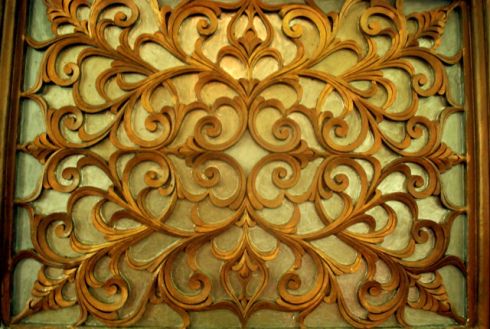
    Maranao Okir is a centuries-old tradition that combines history, symbolism, and artistry to create a unique form of Philippine Islamic art. Characterized by curvilinear lines and symbolic elements, Okir motifs adorn various mediums, showcasing the Maranao people's exceptional skill and creativity.

    Mediums and Expressions of Okir

    Okir patterns are showcased on different mediums, including intricate carvings on hardwood and delicate textile designs. These patterns reflect the beauty and complexity of Islamic culture, highlighting the richness of Maranao artistry.

    Uncovering the Symbolism Behind Okir

    The geometric patterns in Okir art hold significant cultural and symbolic meaning. As you delve deeper, you'll uncover the rich cultural heritage and symbolism behind these mesmerizing patterns, revealing the secrets of this ancient art form.

    Unveiling Maranao Okir's Rich Heritage

    Unveiling Maranao Okir's Rich Heritage

    Maranao Okir is a centuries-old tradition of geometric patterns in Philippine Islamic art that showcases the Maranao's remarkable skill and creativity.

    This cultural heritage is woven from the intricate threads of history, symbolism, and artistry.

    The Okir Motif: A Hallmark of Maranao Artistry

    The Okir motif is characterized by curvilinear lines, Arabic geometric figures, and symbolic elements that reflect the community's cultural identity.

    This unique motif has been an integral part of the Maranao's artistic heritage, dating back to the early 6th Century C.E.

    Okir Designs: A Testament to Maranao Skill and Originality

    Maranao Okir designs adorn various mediums such as hardwood, brass, silver, and wall paintings.

    These intricate designs not only highlight the Maranao's originality and skill but also serve as a testament to their ability to preserve their artistic heritage.

    Unraveling the Significance of Maranao Okir

    As you delve deeper into the world of Maranao Okir, you'll discover a mesmerizing array of geometric patterns that reflect the community's values, traditions, and history.

    These patterns are carefully crafted to showcase the Maranao's cultural identity and artistic prowess.

    Geometric Patterns in Islamic Art

    Geometric Patterns in Islamic Art: A Visual Language

    In Islamic art, geometric patterns emerge as a visual language, where intricate designs and mathematical precision converge to convey the beauty and spirituality of Islamic culture.

    Symbolism Behind Geometric Patterns

    These patterns hold deep symbolic meaning, representing unity, infinity, and spirituality in Islamic culture. Unity is reflected in the interconnectedness of geometric shapes, infinity is symbolized by the repetition of patterns, and spirituality is conveyed through the use of sacred geometry.

    Types of Geometric Patterns

    Pattern TypeDescription
    ArabesqueIntricate, flowing designs that evoke a sense of movement
    TessellationRepeating patterns of geometric shapes that fit together seamlessly
    CalligraphyBeautiful, ornate script used to adorn manuscripts and architectural structures
    Geometric MotifsRepetitive patterns used to decorate mosques, ceramics, and textiles
    Interlocking PatternsComplex designs that showcase mathematical precision

    Cultural Significance in Maranao Okir

    In the context of Maranao okir, these geometric patterns reflect the rich cultural heritage of the Maranao people. By incorporating these patterns into their art, Maranao artists convey the beauty and complexity of Islamic culture.

    Intricate Carvings and Designs

    Intricate Carvings and Designs

    Maranao okir's intricate carvings and designs showcase the exceptional skill of Maranao artisans, who've mastered traditional techniques to create unique artistic expressions.

    Flowing Designs

    Okir's flowing designs feature curvilinear lines, leaf motifs, and arabesque elements, which together create a visually striking tapestry.

    Intricate Patterns

    Maranao okir's intricate patterns demonstrate the artisans' mastery of traditional techniques, showcasing their ability to balance complexity with elegance.

    Delicate Carvings

    Okir's delicate carvings, including hardwood carvings and brass ornaments, display the artisans' precision and attention to detail.

    As you appreciate the intricate carvings and designs of Maranao okir, you'll gain insight into the cultural significance of this unique artistic expression, rooted in traditional techniques and Islamic art.

    Leaf and Vine Motifs in Okir

    Leaf and Vine Motifs in Okir

    In the intricate world of okir, leaf and vine motifs occupy a prominent position, weaving together a rich tapestry of flowing patterns and symbolic meanings. These motifs are expertly intertwined, showcasing the Maranao people's exceptional craftsmanship.

    Characteristics of Leaf and Vine Motifs

    These motifs are characterized by intricate, curvilinear lines and arabesques that reflect the artistic originality of the Maranao people.

    Representation of Motifs

    These ornate patterns often feature elaborate representations of plants, animals, and mythical creatures, skillfully rendered on various mediums, including hardwood, brass, and silver objects, as well as in wall paintings and textiles.

    Role of Leaf and Vine Motifs

    The leaf and vine motifs play a substantial role in okir designs, adding depth and complexity to the overall aesthetic.

    Symbolic Meaning

    These motifs symbolize power and prestige in Maranao society, conveying the social and psychological identity of the Maranao people.

    Symbolism in Maranao Artistry

    Symbolism in Maranao Artistry

    In Maranao artistry, symbolism plays a vital role in conveying cultural identity and values. The intricate geometric patterns and motifs in Okir artistry aren't only aesthetically pleasing but also carry deep symbolic meanings. Maranao artisans carefully craft each design to communicate specific messages, values, and beliefs.

    Nature-inspired motifs symbolize growth, renewal, and the connection between nature and human life. For example, leaf and vine patterns represent the cyclical nature of life and the importance of living in harmony with nature.

    Geometric shapes represent harmony, balance, and unity. Triangles, squares, and circles are used to reflect the Maranao values of community and cooperation, emphasizing the importance of working together for the greater good.

    Floral motifs signify abundance, fertility, and prosperity. Flowers and foliage motifs reflect the Maranao people's connection to the land and their agricultural heritage, highlighting the importance of living off the land and being grateful for its bounty.

    Through their masterful use of symbolism, Maranao artisans create artworks that provide a window into the cultural soul of the Maranao people. Their artworks showcase not only their technical skill but also their deep understanding of their cultural heritage.

    Artisan Traditions of Tugaya

    Tugaya's artisan traditions are deeply rooted in ancient craftsmanship, where master artisans have refined their skills over generations. The intricate textile designs reflect the rich cultural heritage of the Maranao people, showcasing their unique aesthetic.

    The weaving traditions of Tugaya are characterized by intricate patterns and symbolic meanings that underpin Maranao artistry.

    Tugaya's Ancient Craftsmanship

    Tugaya's Ancient Craftsmanship

    Tugaya's artisans, renowned for their exceptional skill in okir carving, have perfected their craft over generations, imbuing their creations with intricate geometric patterns and flowing designs that reflect the community's dedication to preserving its cultural heritage.

    Masterful Okir Carving

    Tugaya's artisans skillfully carve okir designs on hardwood, creating stunning pieces that showcase their expertise.

    Intricate designs on hardwood exemplify their attention to detail and mastery of the craft.

    Versatility in Materials

    Tugaya's artisans also demonstrate their skill in intricate brass and silver work, meticulously crafting okir designs on these metals.

    This versatility showcases their expertise in adapting traditional techniques to various materials.

    Preserving Cultural Heritage

    Tugaya's okir carving traditions have been passed down through generational techniques, ensuring that the community's cultural heritage is preserved.

    This dedication to preserving traditional craftsmanship is a testament to the community's commitment to its cultural roots.

    A Legacy of Originality and Skill

    Tugaya's ancient craftsmanship in okir carving is a confirmation of the originality and skill of Maranao artists in the Southern Philippines.

    As you explore the world of Tugaya's okir, you'll appreciate the dedication and craftsmanship that goes into creating these mesmerizing geometric patterns.

    Weaving Cultural Heritage

    The Artisans of Tugaya: Weaving Cultural Heritage

    The artisans of Tugaya create vibrant textiles that tell a story of tradition, community, and identity through intricate patterns and hues.

    Every thread and fiber in these textiles reflects the rich cultural heritage of the Maranao people.

    Tugaya's artisan traditions are deeply rooted in the Maranao okir, a unique blend of Islamic and indigenous influences.

    The okir is characterized by geometric patterns in hardwood, brass, and other materials, showcasing the artisans' exceptional craftsmanship. This expertise has been passed down through generations, ensuring the preservation of okir craftsmanship.

    The okir designs from Tugaya reflect the unique artistic identity and cultural significance of Maranao heritage in the Philippines.

    These designs are a testament to the artistic excellence and cultural pride of the Maranao people. As you delve deeper into the world of Tugaya's artisans, you'll gain a deeper appreciation for the intricacies of Maranao okir and its significance in Philippine Islamic art.

    Intricate Textile Designs

    Intricate Textile Designs

    The intricate textile designs from Tugaya showcase the artisans' mastery of traditional Maranao Okir patterns, skillfully woven into mesmerizing geometric motifs that tell a story of cultural heritage and exceptional craftsmanship.

    Traditional Okir Patterns

    Tugaya artisans incorporate traditional Okir patterns into their handwoven textiles, creating a visual feast of geometric motifs that demonstrate the Maranao people's artistic traditions. These patterns are characterized by intricate geometric shapes, such as spirals and curvilinear designs, which are woven into fabrics using traditional techniques.

    Cultural Significance

    The textile designs from Tugaya reflect the unique cultural heritage of the Maranao people, telling a story of their history, values, and artistic expression. The Maranao people's cultural heritage is rich in tradition and history, and their textiles are a testament to their craftsmanship and attention to detail.

    Exceptional Craftsmanship

    The intricate designs and patterns woven into Tugaya's textiles demonstrate the exceptional skill and craftsmanship of the artisans, who've perfected their craft over generations. Each textile is a testament to the artisans' dedication to their craft, requiring hours of meticulous work to create a single piece of fabric.

    Lanao Del Sur's Cultural Hub

    Lanao Del Sur: The Epicenter of Maranao Okir Art

    Lanao Del Sur, a province in the Autonomous Region in Muslim Mindanao, is renowned for its rich cultural heritage, particularly in Maranao Okir art.

    Okir art is a unique form of Islamic art that originated from the Maranao people, characterized by intricate geometric patterns and leaf-and-vine motifs.

    The province is home to skilled artisans who specialize in crafting these intricate designs in hardwood and brass. These artisans have mastered the art of Okir, weaving together elaborate patterns that symbolize nature and spirituality.

    The region's cultural identity shines through in the intricate patterns, showcasing the Maranao people's craftsmanship and attention to detail.

    Lanao Del Sur's influence on Islamic art in the Philippines and Southeast Asia is undeniable, making it a hub for artistic innovation and cultural preservation.

    The region's unique cultural identity is reflected in the intricate patterns, which are a tribute to the region's vibrant artistic heritage.

    Fusion of Art and Spirituality

    In the realm of Maranao Okir, art and spirituality converge as intricate geometric patterns and leaf-and-vine motifs reflect the Maranao people's cultural identity and faith.

    The fusion of art and spirituality in Maranao Okir manifests in three ways:

    Symbolism in patterns: Maranao Okir patterns feature curvilinear lines and geometric shapes that symbolize the Maranao people's deep connection with nature and their Islamic faith. For instance, the spiral motif represents the cyclical nature of life and the connection to the divine.

    Spiritual storytelling: The intricate designs and motifs in Maranao Okir art tell stories of mythical creatures, animals, and the natural world, reflecting the Maranao people's rich cultural heritage. The sarimanok, a mythical bird, is often depicted in Okir art, symbolizing good fortune and prosperity.

    Artistic devotion: The skillful craftsmanship and attention to detail in Maranao Okir art reflect the artisans' devotion to their craft and their faith, creating a sense of reverence and awe. The artisans' dedication to their craft is a testament to their commitment to their faith and cultural heritage.

    As you explore Maranao Okir, you'll appreciate the intricate dance between art and spirituality that defines this unique form of Philippine Islamic art.

    Okir's Influence on Modern Culture

    Okir's Influence on Modern Culture

    Okir's geometric patterns and intricate designs have significantly influenced modern culture. This influence is evident in various art forms, including contemporary art, fashion, and design.

    For instance, Okir's unique aesthetic has inspired avant-garde installations, where artists incorporate traditional patterns into their work.

    In fashion, haute couture designers incorporate Okir patterns into their designs, creating stunning and innovative pieces.

    The cultural impact of Okir extends beyond the Philippines, shaping the global cultural landscape.

    Contemporary Art Inspiration

    Okir's Enduring Influence on Contemporary Art

    Okir's intricate geometric patterns haven't only endured but also evolved, inspiring a new wave of artists and designers to reinterpret traditional Maranao craftsmanship through a modern lens.

    This fusion of traditional and contemporary elements has given birth to a vibrant and dynamic form of contemporary art.

    Innovative Interpretations

    Okir's timeless appeal continues to inspire innovative interpretations, reflecting the enduring significance of Maranao cultural heritage.

    Mixed media installations combine traditional Okir motifs with modern materials and techniques to create immersive and thought-provoking installations.

    Digital art incorporates Okir patterns into digital art, blending traditional craftsmanship with cutting-edge technology.

    Street art inspired by Okir's geometric patterns brings the ancient art form to urban landscapes, infusing public spaces with a touch of Maranao cultural heritage.

    Contemporary Art Inspiration

    As you explore the world of contemporary art, you'll discover how Okir's intricate patterns continue to inspire and influence modern creative expressions.

    Fashion and Design

    Okir Patterns in Modern Fashion and Design

    The Okir patterns, inspired by Maranao Islamic art, are influencing modern fashion designers and artists. These intricate, symbolic designs are being incorporated into clothing and accessories, adding a unique cultural flair to contemporary creations. For example, flowing hijabs and stylish scarves feature Okir patterns, bringing elegance and sophistication to any outfit.

    Cultural Heritage in Fashion

    Okir-inspired textiles and accessories are also being used in home decor, adding a pop of cultural flair to modern spaces. These designs blend traditional motifs with modern aesthetics, creating visually stunning pieces.

    Okir Inspiration in Home Decor

    Jewelry designers are drawn to the geometric patterns of Okir, combining traditional motifs with modern aesthetics to create unique pieces. This fusion of Okir patterns with modern fashion and design showcases a harmonious blend of tradition and innovation, captivating audiences with its timeless beauty.

    Jewelry Design Meets Tradition

    How do the Geometric Patterns in Maranao Okir Compare to the Designs on the Manunggul Jar?

    The ancient Philippine pottery mysteries are evident in both Maranao Okir and the designs on the Manunggul Jar. The intricate geometric patterns of the Maranao Okir reflect the richness of culture and tradition, while the exquisite designs on the Manunggul Jar showcase the skillful artistry of ancient Filipino artisans.

    Preserving Maranao's Artistic Legacy

    The Maranao community has successfully preserved its artistic legacy of Okir through deliberate efforts to document, teach, and promote traditional techniques, ensuring its continued relevance and authenticity for future generations.

    The Maranao people have meticulously recorded traditional techniques of Okir craftsmanship, allowing for the preservation of their cultural heritage.

    Skilled artisans have been trained to pass on their knowledge to the next generation, ensuring the ongoing relevance of Okir in modern times. This has enabled the community to maintain the authenticity of their art form.

    The Maranao community has come together to promote and celebrate their cultural heritage, fostering a sense of pride and identity among its people. This collective effort has been instrumental in preserving the artistic legacy of Okir.

    Frequently Asked Questions

    What Kind of Art Is the Okir Design of Maranao?

    The okir design of Maranao is a unique cultural fusion of Islamic, Malay, and indigenous influences. This blend of styles results in intricate geometric patterns, foliage, and mythical figures that create a distinctive form of artistic expression.

    What Is the Concept of Okir in Relation to Islamic Art?

    Okir is a unique artistic style that embodies cultural synthesis, blending Islamic geometric patterns with indigenous plant-based motifs. This fusion of cultural influences reflects the rich artistic heritage of the Maranao region.

    What Does the Okir Symbolize?

    The Okir symbolizes power and prestige in the rich cultural heritage of the Maranao people, reflecting their deep cultural identity. This significance is deeply rooted in their history and traditions.

    What Are the Patterns of Okir?

    Okir patterns are characterized by intricate geometric codes. These codes feature long curvilinear lines and secondary arabesques. Additionally, they showcase stylized representations of animals, plants, and mythical figures. This level of detail demonstrates the artisans' mastery of geometric precision.

    Conclusion

    Maranao okir is a unique blend of art and spirituality in Philippine Islamic art.

    This traditional art form, originating from Lanao Del Sur, is characterized by intricate geometric patterns, symbolic leaf and vine motifs, and other design elements that reflect the Maranao people's rich cultural heritage.

    The intricate designs and patterns in okir aren't just aesthetically pleasing, but also hold deep spiritual significance.

    For instance, the geometric patterns often represent the infinite and the divine, while the leaf and vine motifs symbolize growth and harmony.

    As okir's influence extends to modern culture, it's essential to preserve this artistic legacy and honor the cultural hub of Lanao Del Sur.

  • Ifugao Hudhud: Chants and Weaving Traditions

    Ifugao Hudhud: Chants and Weaving Traditions

    Uncovering the Cultural Significance of Ifugao Hudhud

    The Ifugao Hudhud is a rich cultural heritage that is deeply rooted in the daily lives of the Ifugao people through chants and weaving traditions.

    UNESCO-recognized Hudhud chants are led by female narrators during important events, preserving ancestral knowledge and cultural richness.

    These chants serve as a way to preserve ancestral knowledge and cultural richness by passing down stories of ancestral heroes, customary laws, and religious beliefs. The Hudhud chants are an integral part of the Ifugao people's identity and are often performed during important events such as weddings, harvest festivals, and rituals.

    Ancient weaving techniques have been revived, reflecting the community's connection to the land and sustainable farming practices. The intricate designs and patterns woven into the fabric reflect the majestic rice terraces and the community's deep connection to their environment.

    Through the Hudhud chants and weaving traditions, the Ifugao people are able to unravel the intricate threads that weave together their history, traditions, and identity.

    Cultural Significance of Hudhud Chants

    The Hudhud chants are a vital part of the Ifugao people's cultural heritage, embodying their history, beliefs, and traditions. These chants are an integral part of the Ifugao oral tradition, comprising over 200 stories divided into 40 episodes. This rich cultural legacy has been recognized by UNESCO as a Masterpiece of the Oral and Intangible Heritage of Humanity.

    The Hudhud chants are performed during significant events, such as rice sowing, harvesting, funeral wakes, and bogwa rituals. These events showcase ancestral heroes, customary laws, religious beliefs, and rice cultivation practices.

    Female narrators lead the chants, playing a vital role in preserving Ifugao oral traditions.

    The cultural significance of Hudhud chants lies in their ability to convey the Ifugao people's values, myths, and customs. They provide a window into the rich cultural heritage of the Ifugao people, highlighting their history, beliefs, and traditions.

    The Hudhud chants complement the Ifugao Rice Terraces as a World Heritage Site, further emphasizing their importance in the cultural landscape.

    Traditions Weaved Into Daily Life

    Traditions Weaved Into Daily Life

    In the picturesque village of Batad, Ifugao, weaving traditions are deeply rooted in daily life. The last known weaver, Rita, is fighting to preserve this cultural practice. Her weaving skills attract tourists, showcasing the artistry and heritage of Batad's weaving tradition.

    The decline of traditional practices like weaving in Batad reflects the broader trend of cultural erosion due to modernization. The clash between tradition and progress is evident in Batad, where the pursuit of modernity threatens the preservation of cultural heritage.

    Ifugao hudhud chants, an integral part of the weaving traditions, are also at risk of being lost.

    Balancing tradition with modernity is crucial for maintaining the cultural identity of Batad and preserving weaving traditions. As you immerse yourself in the village's daily life, you'll realize that the preservation of cultural heritage is a delicate balance between embracing progress and honoring the past.

    Preserving Ancestral Knowledge Systems

    Preserving Ancestral Knowledge Systems

    The Importance of Preserving Ancestral Knowledge Systems

    Preserving ancestral knowledge systems is crucial for understanding and appreciating the rich cultural heritage of indigenous communities like the Ifugao people.

    The Hudhud chants and weaving traditions of the Ifugao people serve as important links to their history, customs, and religious beliefs.

    These traditions are more than just cultural practices – they're a window into the community's collective memory.

    Threats to Ancestral Knowledge Systems

    The decline of traditional practices like weaving poses a notable threat to the preservation of ancestral knowledge systems.

    Modernization is influencing younger generations, making it challenging to pass down these traditions.

    Preservation Efforts

    Efforts to preserve Hudhud chants and weaving techniques, as exemplified by master weaver Rita in Batad, are essential for the continuity of Ifugao cultural traditions.

    Community engagement and cultural tourism play a crucial role in promoting and preserving ancestral knowledge systems.

    Supporting Preservation Initiatives

    Hudhud's Role in Harvest Celebrations

    Hudhud's Role in Harvest Celebrations

    During Ifugao harvest celebrations, Hudhud chants are an integral part of the festivities, echoing through the rice fields and weaving a rich tapestry of stories, myths, and cultural heritage. These chants underscore the community's deep connection to their land and traditions.

    The lush green rice fields, which have been the lifeblood of the Ifugao people for generations, provide a vibrant backdrop for the celebrations.

    The Hudhud chants are performed mainly by elderly women, who bring to life the stories of ancestral heroes, customary laws, and religious beliefs. These narratives are woven into the fabric of the harvest celebrations, highlighting the significance of rice cultivation in Ifugao culture.

    The importance of women in Ifugao society is evident, as wives play a crucial role in preserving tradition.

    The Hudhud performances during harvest celebrations are a tribute to the community's commitment to preserving their cultural heritage, connecting them to their ancestral roots. The richness of the Ifugao Hudhud embodies the essence of their identity.

    Ancient Weaving Techniques Revived

    Preserving Ancient Weaving Traditions

    In the Ifugao region, a dedicated weaver named Rita from Batad has played a crucial role in preserving the ancient Ifugao weaving tradition, which was at risk of disappearing due to modernization and health issues affecting elderly weavers.

    Rita's Efforts to Revive Ancient Techniques

    Rita's dedication has been instrumental in reviving the ancient techniques that were once at the edge of being lost forever.

    Her efforts have upheld the traditional culture of the Ifugao people and enhanced cultural tourism in Batad, showcasing the community's rich heritage.

    Traditional Weaving Practices

    Traditional looms, passed down through generations, are still used to weave vibrant fabrics that tell stories of the Ifugao people's history and mythology.

    The intricate designs and patterns woven into the fabrics reflect the Ifugao people's rich cultural heritage.

    Rita's Weaving Skills

    Rita's weaving skills have become a major attraction, drawing visitors from around the world who are fascinated by the ancient techniques and traditional culture.

    Despite the challenges, Rita remains dedicated to preserving the Ifugao weaving traditions, ensuring that this integral part of their cultural identity is passed down to future generations.

    Ifugao's Rich Cultural Landscape

    Ifugao's rich cultural landscape is characterized by its vibrant traditional practices and strong community heritage.

    The Hudhud chants, a UNESCO-recognized oral tradition, are a central part of this cultural landscape. These chants, which total over 200 stories and 40 episodes, showcase the community's deep cultural heritage. The Hudhud chants are deeply rooted in the Ifugao people's matrilineal culture, where women play a significant role in the performance of these chants.

    The chants tell stories of ancestral heroes, customary laws, and religious beliefs, all intertwined with the importance of rice cultivation.

    For example, the Hudhud chants often describe the importance of rice cultivation and the role it plays in the community's daily life. The chants also highlight the community's history and cultural values, such as respect for elders and the importance of family ties.

    However, the decline of traditional practices like weaving is a challenge faced by the community.

    Rita, the last known weaver in Batad, is an example of this decline. Fortunately, community engagement and cultural tourism are helping to promote and preserve Ifugao's cultural traditions.

    Efforts to preserve the Hudhud chants and other cultural practices are underway, ensuring that Ifugao's rich cultural heritage is preserved for future generations.

    Passing Down Indigenous Knowledge

    Elder Women: Guardians of Indigenous Knowledge

    In the Ifugao community, elder women are responsible for passing down indigenous knowledge to younger generations. They meticulously teach the intricacies of the Hudhud chants and weaving traditions, ensuring the continuation of this cultural practice.

    Oral Transmission: Preserving Cultural Heritage

    The oral transmission of Hudhud chants and weaving techniques is essential to preserving Ifugao's cultural heritage.

    Elder women play a significant role in teaching younger generations the Hudhud chants, ensuring the continuation of this oral tradition.

    The intricate weaving techniques practiced in Batad are passed down through generations, preserving the community's unique cultural identity.

    Preserving Cultural Richness and Traditions

    The transmission of indigenous knowledge ensures the Ifugao community's cultural richness and traditions are preserved for future generations.

    Efforts to preserve indigenous knowledge involve teaching younger community members the significance of the Hudhud chants and weaving techniques, ensuring the continuation of Ifugao's cultural heritage.

    Hudhud's Connection to Rice Terraces

    The Hudhud chants and rice terraces are interconnected in Ifugao culture. The ancient farming practices of the Ifugao people shaped the formation of these iconic landscapes. For instance, the rice terraces were built to ensure food security and provide a sustainable livelihood for the community.

    The cultural significance of the rice terraces has endured to this day, with the Hudhud chants continuing to play an essential role in the community's spiritual and cultural practices.

    By examining the intricate relationship between the Hudhud chants and the rice terraces, we gain a deeper understanding of the Ifugao people's profound connection to their land and traditions.

    Rice Terraces Formation

    The Formation of the Iconic Rice Terraces

    The Ifugao people carefully crafted the iconic rice terraces, showcasing their ingenuity and harmony with the Cordillera Mountains landscape.

    The terraces hold deep cultural significance, reflecting the community's close relationship with the land and their sustainable farming practices.

    Selecting and Preparing the Land

    The Ifugao people carefully select and prepare the land, considering soil quality, water sources, and sunlight exposure.

    Constructing the Terraces

    The terraces are built using stone and mud, often with the help of entire communities coming together to share knowledge and labor.

    Irrigating the Terraces

    The terraces are carefully irrigated using a sophisticated system of canals and waterways that distribute water efficiently.

    Tending to the Terraces

    The Ifugao people tend to the terraces with care, using traditional farming practices passed down through generations.

    Cultural Significance

    As you experience the Hudhud chants during rice planting or harvesting, you'll gain a deeper understanding of the cultural significance of these rice terraces and the Ifugao people's deep connection to the land.

    Ancient Farming Practices

    The Ifugao Hudhud chants are deeply rooted in ancient farming practices, particularly in the cultivation of rice terraces. These chants are an integral part of the Ifugao's farming culture, as they're sung during rice sowing, harvesting, and other agricultural activities.

    The chanting of Hudhud during these events reflects the intimate relationship between the epic tradition and the Ifugao's farming culture.

    The performance of Hudhud chants serves as a cultural marker during important farming events. For instance, the chants are sung during the preparation of the rice fields, planting, and harvesting.

    This highlights the significance of oral tradition in agricultural rituals. The Hudhud tradition provides a unique insight into the community's deep-rooted agricultural traditions, emphasizing the interconnectedness of storytelling and farming practices.

    Through Hudhud, we can gain a deeper understanding of the Ifugao's rice cultivation methods, which have been passed down through generations. For example, the chants often describe the process of preparing the rice fields, the importance of irrigation, and the role of the community in harvesting.

    By examining the Hudhud's connection to rice terraces, we can appreciate the Ifugao's commitment to preserving their cultural heritage and oral tradition, which are deeply intertwined with their farming practices.

    Cultural Significance Today

    Today, the Hudhud chants remain an integral part of Ifugao's cultural identity, with their connection to rice terraces continuing to resonate deeply within the community.

    The Hudhud chants are performed during rice sowing and harvesting seasons, highlighting the deep connection between the tradition and agricultural practices.

    The chants narrate stories of ancestral heroes, customary laws, and religious beliefs, embodying the cultural significance of rice cultivation in the community.

    The decline in Hudhud performances is partly attributed to the modernization of rice agriculture, impacting the practice's connection to traditional rice terraces.

    Observing a live performance of the Hudhud chants during rice planting or harvesting events offers a profound experience of the cultural heritage and traditions surrounding the Ifugao rice terraces.

    Weaving Stories of Ancestral Roots

    Unraveling the Cultural Significance of Ifugao Textiles

    When examining the intricate patterns and colors of Ifugao textiles, you're not just admiring a beautiful craft – you're uncovering threads of ancestral ties that weave together family history and cultural heritage. Each weaving tells a story of the Ifugao people's connection to their land and traditions.

    Deciphering the Ancient Ancestral Ties

    The Ifugao people's strong sense of cultural identity is deeply rooted in their ancestral ties. Every strand of the textile is woven into a rich tapestry of cultural heritage, reflecting the community's history and traditions. By examining the textiles, you'll gain a deeper understanding of the Ifugao people's connection to their land and traditions.

    Uncovering Family History Through Weaving

    The Ifugao textiles are more than just a beautiful craft – they're a visual representation of family history, with each strand telling a story of the community's ancestors. By examining the textiles, you'll discover how each weaving tells a story of family history, cultural heritage, and the Ifugao people's connection to their land and traditions.

    Ancient Ancestral Ties

    The Cultural Significance of Weaving in Batad

    The people of Batad have long revered their rich cultural heritage, and traditional weaving plays a crucial role in preserving their ancestral ties.

    Every thread and pattern serves as a tribute to their ancient ancestral roots.

    Weaving as a Link to the Past

    Traditional weaving practices in Batad reflect the rich cultural heritage and historical significance of the Ifugao people.

    Weaving serves as a tangible link to the past, connecting present generations to their ancestors in Batad.

    The Importance of Preserving Weaving Traditions

    However, the decline in traditional weaving skills poses a challenge to preserving the ancestral stories and cultural identity of Batad.

    Rita, the last known weaver in Batad, played a crucial role in preserving the weaving stories of ancestral roots.

    Uncovering the Significance of Batad's Weaving Traditions

    As you explore the world of traditional weaving in Batad, you'll uncover a deep connection between the intricate designs and the community's historical significance.

    The weaving traditions in Batad are deeply intertwined with ancient ancestral ties, passed down through generations.

    Weaving Family History

    Rita's Weavings Preserve Ifugao Heritage

    Through her vibrant and intricately patterned weavings, Rita shares stories of her ancestors, preserving the family history and cultural heritage of Batad. As she works the loom, you're witnessing a piece of Ifugao tradition come alive. Rita's weaving is more than just a craft – it's a window into the past, a confirmation of the rich cultural heritage of the Ifugao people.

    Each Thread Tells a Story

    With each thread, Rita weaves a narrative of her family's history, passing down stories of her ancestors and their struggles, triumphs, and traditions. You're not just seeing a beautiful piece of fabric take shape – you're experiencing the essence of Ifugao culture.

    A Symbol of Resilience

    Rita's weaving is a symbol of resilience, an affirmation to the power of tradition in the face of modernization. By preserving this ancient craft, Rita is ensuring that the stories of her ancestors continue to inspire future generations, keeping the Ifugao heritage alive and vibrant.

    Can the Symbolic Motifs in Yakan Weaving Traditions be Compared to the Chants and Weaving Traditions of Ifugao Hudhud?

    The symbolic motifs in Yakan weaving traditions showcase the tribe’s rich cultural heritage and beliefs. Similarly, the chants and weaving traditions of Ifugao Hudhud are infused with symbolic significance, reflecting the community’s values and traditions. Both traditions demonstrate the deep-rooted connection between art, culture, and spirituality in indigenous communities.

    Enduring Legacy of Ifugao Weavers

    The dwindling number of skilled Ifugao weavers, like Rita, poses a significant threat to the preservation of this ancient cultural practice in Batad. The decline of skilled weavers is attributed to modernization and health issues, making it challenging to pass down Rita's weaving skills to the younger generation.

    The challenges facing Ifugao weaving traditions are multifaceted:

    The lack of interest from the younger generation threatens the continuation of this cultural practice. This is because many young people are more interested in modern pursuits than in learning traditional weaving skills.

    Rita's weaving skills attract tourists, highlighting the importance of community engagement in preserving cultural practices. This is evident in the fact that tourists are drawn to Batad specifically to learn from skilled weavers like Rita.

    The clash between tradition and progress in Batad reflects broader challenges in balancing cultural heritage with modernization. This is a common dilemma faced by many cultural communities around the world.

    Efforts to preserve the Ifugao weaving tradition must navigate the tension between preserving heritage and embracing progress. This requires a delicate balance between preserving cultural practices and adapting to modern times.

    Preserving this cultural practice requires a delicate balance between heritage preservation and community engagement. This can be achieved by engaging the younger generation in traditional weaving skills and promoting community involvement in preserving cultural practices.

    Frequently Asked Questions

    What Are the Traditions of Ifugao?

    Ifugao traditions reflect the community's strong cultural heritage and ancestral roots. These traditions include wearing traditional clothing, such as the tinikal, a handwoven textile made from cotton or abaca fibers, which is worn during special occasions. Ancient rituals are also an integral part of Ifugao traditions, such as the honga, a ritual to ensure a bountiful harvest, and the begnas, a ritual to celebrate the birth of a child. Additionally, village customs, like the magbobaya, a communal work system, and the habal, a traditional way of resolving conflicts, are essential to Ifugao traditions.

    What Are the Threats of Hudhud Chants of the Ifugao?

    The traditional Hudhud chants of the Ifugao are threatened by cultural erosion. This occurs as elderly narrators, who are the primary keepers of this cultural heritage, age and pass away, taking their knowledge with them. Language barriers hinder the transmission of these chants to younger generations, making it difficult for them to learn and preserve this cultural tradition. Climate displacement also poses a significant threat, as it forces communities to relocate, disrupting the continuation of cultural practices. Furthermore, digital neglect and modernization contribute to the decline of the Hudhud chants, as younger generations become more interested in modern technologies and lifestyles. As a result, the Hudhud chants are on the brink of extinction, highlighting the urgent need for preservation efforts.

    What Is the Function of Hudhud?

    Hudhud is a vibrant cultural expression that preserves traditional practices and fosters community building. It achieves this by passing down oral traditions, which are essential in weaving together the fabric of Ifugao identity.

    What Is the History of Hudhud?

    The Origins of Hudhud

    Hudhud's roots date back to the 7th century, when it was deeply rooted in tribal culture. This ancient tradition holds immense cultural significance, reflecting the values and practices of the time. Despite its rich history, Hudhud faces a forgotten legacy that is slowly fading away.

    Conclusion

    The Ifugao Hudhud: A Window into Cultural Significance

    The Ifugao Hudhud, a traditional chant, plays a vital role in the daily lives of the Ifugao people. It is an integral part of their daily routines, harvest celebrations, and ancestral knowledge.

    The rhythmic beats of the Hudhud chant are intertwined with the community's social and cultural fabric.

    Weaving Traditions: A Legacy of Indigenous Wisdom

    The Ifugao people are also renowned for their ancient weaving techniques, which have been passed down through generations. The revival of these traditional methods has helped preserve indigenous wisdom and cultural heritage.

    The weavers of Ifugao have mastered the art of weaving, which isn't only a testament to their skill but also a reflection of their cultural identity.

  • Intricate Pis Syabit Embroidery of the Tausug People

    Intricate Pis Syabit Embroidery of the Tausug People

    The Pis Syabit embroidery of the Tausug people is a centuries-old craft that symbolizes resilience, creativity, and pride.

    This vibrant art form is characterized by geometric patterns, vibrant colors, and mandala-like motifs that reflect the stories of the Tausug's history and heritage.

    Worn as headgear and accessories, Pis Syabit's intricate designs hold important cultural meanings.

    For example, the intricate patterns and colors used in Pis Syabit embroidery convey messages about the Tausug people's history, traditions, and values.

    As you explore Pis Syabit embroidery, you will uncover the extraordinary artistry and symbolism behind this stunning craft.

    Origins of Pis Syabit Embroidery

    Pis Syabit Embroidery Origins

    The Pis Syabit embroidery has its roots in the Sulu Archipelago, where it has been an integral part of the Tausug people's cultural heritage for generations.

    Cultural Significance

    This traditional embroidery is an essential part of the Tausug's cultural identity, worn as headgear by men and used in various accessories. The intricate geometric patterns and designs woven into the silk fabric hold important cultural meaning, telling stories of the Tausug's history and heritage.

    Design Characteristics

    The embroidery features vibrant colors and mandala-like motifs, reflecting the Tausug's skillful adaptation of Chinese textile methods over the generations.

    Cultural Importance

    Pis Syabit embroidery is a symbol of the Tausug people's resilience and creativity, holding rich cultural importance for the community.

    Tausug People's Cultural Heritage

    The Tausug people's cultural heritage is a rich tapestry of traditions and ancestral roots. This cultural treasure is intricately woven with the threads of Pis Syabit embroidery, reflecting their resilience and artistic expression.

    Pis Syabit embroidery is a symbol of Tausug pride and identity, and its history and customs are intertwined with the stories behind this cultural treasure.

    Rich Cultural Traditions

    Delving into Tausug Cultural Traditions

    The Tausug people's rich cultural heritage is woven into the intricate designs of Pis Syabit embroidery, which tells stories, myths, and legends passed down through generations.

    Skilled Craftsmanship

    Tausug women are skilled artisans who weave Pis Syabit tapestries with precision and artistry, showcasing their craftsmanship and creativity.

    Resilience and Heritage

    Pis Syabit embroidery has withstood the test of time and historical challenges, reflecting the resilience of the Tausug people. It is a symbol of Tausug heritage, passed down through generations to preserve cultural traditions and identity.

    A Vibrant Cultural Landscape

    The vibrant colors, geometric patterns, and intricate designs of Pis Syabit embroidery tell the story of the Tausug people's rich cultural heritage.

    Tausug Ancestral Roots

    The Tausug people's ancestral roots are deeply intertwined with their seafaring traditions and Islamic influences.

    The Tausug people, an ethnic group from the Sulu Archipelago, have a rich cultural heritage shaped by their maritime heritage and Islamic faith.

    Their craftsmanship, particularly in embroidery, reflects their seafaring traditions, with intricate designs and patterns inspired by the ocean's waves and Islamic geometric motifs.

    The Pis Syabit embroidery serves as a demonstration of their rich cultural heritage, with vibrant colors and meticulous stitching that symbolize Tausug identity and cultural heritage.

    The Tausug people's ancestral roots are a confirmation of their resilience and adaptability, having navigated the complex waters of cultural exchange and trade.

    As a result, their unique identity has been shaped by a rich tapestry of traditions, craftsmanship, and cultural exchange.

    Backstrap Loom Weaving Techniques

    Tausug Weavers and Backstrap Loom Weaving Techniques

    Tausug weavers expertly use the backstrap loom to create intricate geometric patterns in Pis Syabit tapestries, a tradition passed down through generations.

    These patterns breathe life into the textiles, showcasing the significance of backstrap loom weaving techniques in Tausug embroidery.

    The backstrap loom enables Tausug women to craft Pis Syabit tapestries that exude elegance and sophistication.

    The loom allows for intricate weaving of geometric patterns, a characteristic of Pis Syabit embroidery.

    Key Aspects of Backstrap Loom Weaving Techniques:

    • Mastering the backstrap loom requires great skill and patience.

    Tausug weavers must develop this skill to create high-quality Pis Syabit tapestries.

    • Intricate weaving of geometric patterns results in durable and detailed designs.

    This technique is essential for creating the characteristic patterns of Pis Syabit embroidery.

    • Traditional techniques ensure the authenticity and quality of Pis Syabit embroidery.

    Geometrical Motifs and Symbolism

    Geometric Motifs and Symbolism in Pis Syabit Embroidery

    In Pis Syabit embroidery, geometric motifs and patterns are intentionally woven to convey symbolic meaning, reflecting the cultural traditions and religious beliefs of the Tausug people. Each geometric motif holds a specific significance, such as the triangle, which represents the three aspects of life: birth, growth, and death.

    The Tausug people's embroidery is a form of storytelling, where every stitch, thread, and shape conveys a deeper significance. Geometric patterns demonstrate the craftsmanship and artistry of Tausug women, who weave their cultural heritage into every piece. For example, the octagon symbolizes the eight points of the compass, representing the Tausug people's connection to the natural world.

    The symbolism woven into Pis Syabit embroidery offers a profound understanding of the Tausug community's values, traditions, and way of life. Each intricate design tells a new story and conveys a new layer of meaning, providing a window into the soul of the Tausug community.

    Spiritual Significance of Pis Syabit

    Beyond the intricate patterns and geometric motifs, Pis Syabit embroidery holds a profound spiritual significance, weaving together the threads of the Tausug people's faith, cultural identity, and ancestral heritage.

    Pis Syabit embroidery is a visual representation of the Tausug people's spiritual beliefs and cultural identity. Each stitch, thread, and design element carries a deeper meaning, reflecting the Tausug people's connection with their faith and ancestors.

    Symbolism and storytelling are embedded in every geometric pattern and design element. The intricate designs and thread colors in Pis Syabit embroidery convey the Tausug people's religious beliefs, cultural traditions, and ancestral heritage. For example, the use of red threads symbolizes courage and bravery, while geometric patterns represent the balance and harmony in the universe.

    Pis Syabit embroidery serves as a visual representation of the Tausug people's cultural identity. It showcases their unique traditions, customs, and values. The embroidery's intricate designs and patterns reflect the Tausug people's cultural heritage, preserving their history and traditions for future generations.

    Each design element in Pis Syabit embroidery holds spiritual connotations. The intricate designs and patterns reflect the Tausug people's deep connection with their faith and ancestors. The embroidery's spiritual significance is a testament to the Tausug people's strong religious beliefs and their rich cultural heritage.

    Preserving Traditional Craftsmanship

    Preserving traditional craftsmanship is crucial to maintaining cultural heritage.

    In the context of Pis Syabit embroidery, this means supporting local artisans, such as the Tausug women who weave intricate tapestries.

    Initiatives that promote these artisans are essential for the craft's survival.

    Cultural Heritage Preservation

    Preserving the Cultural Heritage of the Tausug People

    Through careful preservation, Pis Syabit embroidery safeguards the rich cultural heritage of the Tausug people, ensuring their traditional craftsmanship thrives for generations. This intricate embroidery is woven into the fabric of Tausug identity and resilience.

    Supporting Tausug Weavers

    Directly contributing to the continuation of artistic traditions, supporting Tausug weavers helps preserve their cultural heritage. This support enables weavers to maintain their unique embroidery skills, passing them down to future generations.

    Collaborations in Art and Culture

    Promoting and preserving Tausug culture, collaborations between artists like Ann Ong and Shernee Tan-Tambut showcase Pis Syabit art, highlighting its beauty and uniqueness to the world.

    Appreciating Pis Syabit Embroidery

    Keeping the Tausug people's cultural heritage alive, learning about and appreciating the intricate embroidery of Pis Syabit tapestries helps preserve their cultural identity.

    Guaranteeing Cultural Preservation

    Through these efforts, Pis Syabit embroidery remains an integral part of Tausug identity, symbolizing their resilience and artistic prowess.

    Traditional Artisan Support

    Empowering Tausug Artisans, Preserving Cultural Heritage

    By supporting traditional artisans, you are preserving the cultural significance of Pis Syabit embroidery. In Sulu, female artisans are at the forefront of this preservation effort. Training and resource initiatives empower these talented weavers to continue the legacy of Pis Syabit embroidery.

    Sustaining Traditional Weaving Techniques

    Support programs focus on sustaining traditional weaving techniques, ensuring the cultural heritage of the Tausug people remains vibrant. Fair trade practices guarantee artisans receive fair compensation for their intricate creations.

    Collaborations and Sustainable Markets

    Collaborations with designers and organizations raise awareness and create sustainable markets for Pis Syabit tapestries. By supporting these artisans, you aren't only preserving a cultural treasure but also contributing to the economic empowerment of the Tausug community.

    Pis Syabit in Modern Fashion

    Pis Syabit Embroidery: A Cultural Legacy in Modern Fashion

    In modern fashion, Pis Syabit embroidery is experiencing a stylish revival, transforming traditional Tausug headgear into sleek, statement-making accessories that add a touch of cultural flair to your outfit.

    Collaborations Pioneering the Fusion of Pis Syabit with Modern Fashion

    Exciting collaborations, such as Ann Ong & Shernee Tan-Tambut, are pioneering the fusion of Pis Syabit with modern fashion.

    The result is a mesmerizing blend of traditional craftsmanship and contemporary style.

    Reimagining Pis Syabit in Modern Fashion

    Pis Syabit embroidery is being reimagined in various ways, including:

    • Bags and belts adorned with geometric patterns, bright colors, and metallic threads that shimmer in the light, adding a touch of sophistication to any outfit.
    • Accessories featuring beads and light gold hardware that elevate the overall look.
    • Luxurious pink satin linings that give accessories a soft, sumptuous feel.

    As you wear these stunning pieces,

    you'll be carrying on a rich cultural legacy while making a bold fashion statement.

    Get ready to turn heads with the vibrant, eye-catching beauty of Pis Syabit embroidery!

    Promoting Tausug Artistic Identity

    Preserving Cultural Heritage

    Preserving cultural heritage is crucial for promoting Tausug artistic identity.

    Supporting the recognition of traditional art forms, like Pis Syabit embroidery, empowers Tausug weavers and ensures the continuation of their ancestral techniques.

    This art form is more than just intricate patterns; it's a celebration of the rich cultural expression of the Tausug people.

    Cultural Heritage Preservation

    Pis Syabit Embroidery: A Window to Tausug Cultural Heritage

    Pis Syabit embroidery is an ancient art form that embodies the cultural identity of the Tausug people. By exploring this intricate art, we can preserve the cultural heritage of the Tausug and appreciate the unique craftsmanship that defines their community.

    Preserving Traditional Techniques

    Pis Syabit weaving is a testament to the skill and patience of Tausug women, who've mastered this art form over generations. This traditional technique requires great attention to detail and precision, making each piece a true masterpiece.

    Celebrating Tausug Identity

    Pis Syabit tapestries serve as a symbol of Tausug identity, craftsmanship, and resilience, reflecting the rich cultural heritage of the community. These intricate designs and patterns woven into the fabric of their identity are a testament to their rich cultural heritage.

    Promoting Cultural Exchange

    Collaborators like Ann Ong and Shernee Tan-Tambut play a crucial role in promoting and preserving Tausug culture through Pis Syabit art, fostering cultural exchange and appreciation. This exchange helps to promote cross-cultural understanding and appreciation for the unique cultural heritage of the Tausug people.

    Tausug Artistic Expression

    Tausug Artistic Identity

    The vibrant threads and intricate patterns of Pis Syabit embroidery reflect the rich tapestry of Tausug artistic identity. Every stitch tells a story of resilience, creativity, and cultural pride. This unique form of artistic expression is woven together by skilled Tausug women who embody the essence of creativity and heritage.

    Geometric Designs

    Intricate patterns in Pis Syabit embroidery reflect Tausug cultural identity. These designs are a representation of Tausug artistic expression, showcasing their rich cultural heritage.

    Master Weavers

    Tausug women are the master weavers behind these intricate designs. They embody the essence of skill and creativity, making their artistry a reflection of their heritage and resilience.

    Preserving Tradition

    Pis Syabit embroidery is more than just a form of artistic expression; it's a way to preserve Tausug artistic traditions. Collaborations and partnerships promote the preservation of this traditional art form, ensuring its continuation for future generations.

    Through Pis Syabit embroidery, the Tausug people proudly showcase their artistic identity, weaving together threads of creativity, skill, and cultural pride.

    Cultural Exchange and Collaboration

    Cultural Exchange and Collaboration Revitalize Pis Syabit

    Cultural exchange and collaboration have played a crucial role in the revival of Pis Syabit, a traditional Tausug weaving art.

    Trailblazers like Ann Ong and Shernee Tan-Tambut have promoted Pis Syabit, fostering a sense of community and cultural understanding between the Tausug people and the global community.

    Through their collaborative efforts, Pis Syabit patterns have gained international recognition, showcasing the Tausug people's rich cultural heritage. The intricate geometric designs have captured the attention of a global audience, elevating the cultural significance of Pis Syabit.

    The traditional weaving industry in Sulu has received a much-needed boost, providing economic opportunities for Tausug families and helping to combat poverty. This revitalization has ensured the preservation of Tausug culture for generations to come.

    The fusion of cultural exchange and collaboration hasn't only revitalized Pis Syabit but has also forged a deeper understanding between cultures, celebrating the beauty and intricacy of Tausug artistry.

    How Do the Techniques of Pineapple Fiber Weaving Compare to Pis Syabit Embroidery?

    The intricate pineapple fiber weaving technique involves creating beautiful and strong fabric from pineapple leaves. On the other hand, Pis Syabit embroidery is a traditional Malaysian craft that involves intricate stitching to create stunning patterns. Both techniques require a high level of skill and attention to detail.

    Revitalizing Traditional Art Forms

    Pis Syabit Embroidery: A Window to Tausug Cultural Heritage

    Pis Syabit embroidery is a traditional Tausug art form that showcases the community's rich cultural heritage. Every intricate stitch and pattern tells a story of resilience and creativity. By revitalizing this traditional art form, we help preserve the Tausug cultural heritage for future generations.

    Unique Geometric Patterns and Designs

    Pis Syabit embroidery is distinct to the Tausug people and features unique geometric patterns and designs. Tausug women painstakingly handweave these masterpieces using cotton, silk, and sometimes gold thread, creating breathtaking pieces of art.

    Global Promotion and Cultural Preservation

    Collaborations like Ann Ong & Shernee Tan-Tambut promote Pis Syabit globally, introducing this traditional art form to a wider audience. By supporting Pis Syabit weavers, we not only preserve cultural heritage but also help combat poverty in the Sulu region of the Philippines.

    Preserving Cultural Heritage for Generations to Come

    As we explore further into the world of Pis Syabit embroidery, we discover the beauty and significance of this traditional art form, and the importance of revitalizing it for generations to come.

    Frequently Asked Questions

    Who Started the Intricate Pis Syabit Weaving?

    Darhata Sawabi, a legendary craftswoman, started the intricate Pis Syabit weaving process, leaving a lasting legacy among ancient masters and cultural heroes.

    What Is the Purpose of Pis Siyabit?

    Pis Siyabit represents cultural identity, showcasing social status through traditional clothing that holds spiritual significance. This traditional clothing is a form of artistic expression, bringing people together and creating emotional connections. When worn, Pis Siyabit conveys symbolic meaning in personal adornment, highlighting the importance of community bonding.

    What Kind of Art Is Pis Syabit?

    Pis Syabit is a vibrant, geometric art form. It expertly combines thread count, fabric choice, and cultural significance, merging artistic expression with symbolic meanings, rich color palettes, and intricate design elements.

    What Are the Characteristics of Pisyabit?

    Pisyabit's visual appeal stems from its vibrant thread colors. These colors are carefully chosen to create stunning designs that are rich in symbolic meanings and cultural significance. Intricate stitch patterns are another key characteristic of Pisyabit, showcasing geometric shapes and traditional motifs. The thoughtful selection of fabrics also contributes to the overall aesthetic, highlighting the artisan's attention to detail and mastery of artistic techniques.

    Conclusion

    Pis Syabit Embroidery: A Tangible Piece of Tausug Cultural Heritage

    Holding a piece of pis syabit embroidery connects you to the Tausug people's rich cultural heritage.

    Every intricate stitch represents the weavers' dedication and craftsmanship.

    The geometrical motifs woven into the fabric reflect the rhythmic motion of the backstrap loom, echoing ancient stories of the Tausug people.

    This delicate balance of tradition and innovation invites you to wear a piece of their cultural identity.

    Let me know if you need further modifications!

  • Exploring the Symbolic Motifs in Kalinga Tattooing Tradition

    Exploring the Symbolic Motifs in Kalinga Tattooing Tradition

    Kalinga tattoos embody a rich cultural narrative that combines personal achievements, tribal beliefs, and spiritual connections with nature. Each tattoo visually represents the wearer's cultural identity, and design elements hold specific meanings that reflect achievements, bravery, and victories.

    Shields symbolize protection, while spiraling vortex motifs and interlocking tribal bands create a powerful symbolic armor that protects the wearer from harm.

    Deciphering these symbolic motifs provides insight into the tribe's cultural heritage and values, showcasing the beauty and significance behind each design. For instance, tattoos featuring centipede designs signify bravery and strength, as centipedes are revered for their tenacity. Similarly, tattoos with snake motifs represent rebirth and renewal, reflecting the tribe's connection with nature.

    By understanding the symbolism behind Kalinga tattoos, one can appreciate the cultural significance and importance of tradition in the Kalinga community.

    Unveiling the Symbolic Language

    Unveiling the Symbolic Language of Kalinga Tattoos

    Kalinga tattoos convey a rich cultural narrative through a symbolic language that intertwines nature, tribal beliefs, and personal achievements. These tattoos are a visual representation of the wearer's cultural identity. Each design element holds a specific meaning that reflects the wearer's achievements, bravery, and victories.

    Traditional symbolism embedded in these motifs is a tribute to the Kalinga people's deep connection with nature and their tribal beliefs. Eagle motifs symbolize strength and protection, while centipedes represent agility and resilience. These symbolic motifs are woven together to create a unique narrative that showcases the wearer's cultural identity.

    Geometric Patterns of Protection

    Geometric Patterns of Protection in Kalinga Tattoos

    Kalinga tattoos feature three distinct geometric patterns of protection: ancient symbolic shields, spiraling vortex motifs, and interlocking tribal bands. These intricate designs combine to create a powerful symbolic armor that protects the wearer from harm.

    Ancient Symbolic Shields serve as a protective barrier, deflecting negative energy. For example, a shield motif with eight points may represent the eight directions, symbolizing complete protection.

    Spiraling Vortex Motifs evoke the cyclical nature of life and death, reminding the wearer of the eternal cycle of transformation. The spiraling pattern may also represent the connection between the physical and spiritual realms.

    Interlocking Tribal Bands signify unity and solidarity among tribe members. These bands often feature repetitive patterns, emphasizing the importance of community and cooperation.

    Ancient Symbolic Shields

    Ancient Symbolic Shields in Kalinga Tattoos

    The Kalinga tribe's warrior tradition features symbolic shields with intricate geometric patterns, embodying protection and strength.

    These shields convey a powerful message of resilience and spiritual fortitude in the face of challenges.

    Each geometric design within the shield motifs holds symbolic significance, showcasing the wearer's courage and valor.

    The shields symbolize defense against enemies and adversity, reflecting the cultural heritage and warrior traditions of the Kalinga tribe.

    The intricate patterns in these shield motifs add an aesthetic appeal and convey a deeper meaning.

    By wearing these tattoos, Kalinga warriors proudly display their strength and bravery, showcasing their ability to withstand adversity.

    The ancient symbolic shields in Kalinga tattooing tradition are more than just decorative patterns;

    they embody the tribe's values and beliefs.

    These shields have been passed down through generations, preserving the tribe's rich cultural heritage.

    Spiraling Vortex Motifs

    The spiraling vortex motifs in Kalinga tattoos are believed to provide protection and ward off evil spirits. These intricate, energy-filled designs are more than just visually striking; they're thought to create a shield of strength and resilience for the wearer.

    The geometric patterns in these motifs create a sense of movement and energy, evoking a connection to the natural world and the cyclical nature of life.

    Each motif is uniquely crafted by the mambabatok to reflect the individual's personal journey and experiences. This customization is what makes the spiraling vortex motifs so powerful, as they're tailored to the individual's specific needs and circumstances.

    By incorporating these motifs into their tattoos, Kalinga warriors and elders are thought to be protected from harm. The spiraling vortex serves as a powerful talisman against evil spirits, providing a sense of security and confidence to those who wear them.

    Interlocking Tribal Bands

    Intricate Tribal Bands Symbolize Unbreakable Bonds

    In Kalinga tattooing, interlocking tribal bands represent the unbreakable bonds of community and protection. These geometric patterns, woven together on the skin, symbolize strength, resilience, and interconnectedness among tribe members. Skilled mambabatoks carefully hand-tap these designs using traditional tools, infusing each band with unique meaning. Some reflect personal achievements, while others symbolize spiritual beliefs.

    The Cultural Significance of Interlocking Bands

    The Kalinga tribe's rich cultural heritage and artistic skills are showcased through these intricate patterns. Each band tells a story, weaving together to form a complex narrative of community and protection.

    The interlocking tribal bands are a reflection of the tribe's strong social bonds, showcasing the tribe's values and traditions. By understanding the symbolism behind these interlocking bands, one gains a deeper appreciation for the Kalinga tribe's traditional tattooing practices and their significance in the tribe's cultural heritage.

    Courage in Every Line

    Every element of a Kalinga tattoo tells a story of courage and strength.

    These traditional tattoos feature tribal markings that symbolize bravery, unwavering lines that represent strength, and fearless patterns that embody honor.

    The intricate designs are woven together to showcase the rich cultural significance of the Kalinga people's courageous heritage.

    Tribal Markings of Bravery

    Kalinga Tattoos: Symbols of Bravery and Courage

    The intricate patterns and bold lines of Kalinga tattoos tell stories of bravery and courage on the skin of the wearer. Each tribal marking on a Kalinga warrior's body represents a proof of their strength, honor, and resilience.

    These tattoos aren't just decorative; they're a visual representation of the wearer's acts of bravery and courage. Each line symbolizes a battle won, a victory achieved, or an important life event.

    For instance, a warrior who's fought in a battle may have a tattoo of a sword or a shield, signifying their bravery in combat.

    The patterns and symbols in Kalinga tattoos hold deep cultural meanings passed down through generations. Skilled artists like Whang-Od infuse every line with the spirit of bravery and warrior ethos. The bold lines and intricate designs aren't just aesthetically pleasing; they're a window into the wearer's soul, revealing their character, values, and accomplishments.

    Unwavering Lines of Strength

    Unwavering Lines of Strength

    The unwavering lines in Kalinga tattoos are a potent symbol of courage because they are earned, not given, and each stroke tells a story of resilience and valor.

    MotifMeaning
    Unwavering linesCourage, strength, and resilience
    Intricate patternsHonor, respect, and connection to tribe's history
    Bold strokesPhysical strength, valor, and bravery

    Each line in a Kalinga tattoo represents a battle won or a noteworthy achievement, showcasing the wearer's courage and strength. The meticulous hand-tapping by the mambabatok, like Whang-Od, using traditional tools and techniques passed down through generations, adds to the significance of these symbolic motifs. The unwavering lines in Kalinga tattoos convey a sense of honor, respect, and a connection to the tribe's history and traditions, making them powerful symbols of courage and identity.

    Fearless Patterns of Honor

    Kalinga Tattoos: Embodiment of Courage and Strength

    In Kalinga tattoos, bold strokes and intricate designs come together to celebrate the wearer's unyielding spirit and courage. These traditional tattoos embody the strength and resilience of ancestors, telling a story of triumph and valor through symbolic motifs like centipedes and rice terraces.

    Each design is a unique declaration of a warrior's journey, with every line reflecting acts of bravery and victories achieved. The symbols in Kalinga tattoos represent personal achievements blended with cultural significance, celebrating the warrior spirit within the wearer. Fearless patterns of honor are woven into every design, signifying courage and unwavering determination.

    When looking at a Kalinga tattoo, you see a reflection of your own strength, a symbol of your unyielding spirit. The intricate designs and bold strokes tell a story of who you're – a warrior, a hero, and a champion.

    With every glance, you're reminded of the bravery and resilience that defines you, and the fearless patterns of honor that set you apart.

    Beauty in Tribal Heritage

    The Beauty of Tribal Heritage Lies in Symbolic Motifs

    The Kalinga tattoos' beauty stems from their intricate, symbolic motifs that adorn the body, each telling a story of strength, cultural pride, and harmony with nature. These motifs represent the tribe's deep connection to the natural world, with designs inspired by centipedes, rice terraces, and python scales.

    Each Motif Holds Deep Significance

    In the Kalinga tattoo tradition, each symbolic motif conveys messages of protection, ancestral wisdom, and personal achievements. The beauty of these motifs lies in their rich cultural heritage, blending mythology, history, and personal narratives into unique body art expressions.

    Understanding Symbolic Motifs

    As you explore the world of Kalinga tattoos, you'll appreciate the intricate patterns and designs that showcase the tribe's cultural pride and identity. By understanding the symbolic motifs, you'll gain a deeper appreciation for the beauty and significance of the Kalinga tattoo tradition and its importance in preserving cultural heritage.

    Whang-Od's Legacy of Art

    Whang-Od's Legacy of Art

    Whang-Od, the last Kalinga tattoo artist, has perfected her craft of traditional hand-tapped tattooing for over 80 years. Her tattoos symbolize bravery for warriors and beauty for women, reflecting cultural significance. Whang-Od's unique artistry involves using a charcoal and water mix, tapped with a citrus tree thorn attached to a bamboo stick.

    Preserving Cultural Heritage

    Whang-Od's legacy extends beyond her own remarkable career. She is training her grandniece, Grace Palicas, to sustain the tattooing tradition within their bloodline. This guarantees the preservation of the traditional hand-tapped tattooing technique, an integral part of the Kalinga cultural heritage. Her dedication to preserving the traditional tattooing technique is a proof of her commitment to her people's cultural heritage.

    Impact on the Community

    As you explore Whang-Od's world, you'll uncover the significance of her art and its impact on the community. Her unique artistry is a testament to the importance of preserving cultural heritage.

    The Art of Storytelling Skin

    The Art of Storytelling Skin

    In the Kalinga culture, traditional tattoos are a visual language that preserves the tribe's history, traditions, and identity. Each tattoo design tells a unique story, showcasing individual achievements, status, and spiritual protection within the community.

    Motifs and Their Meanings

    The intricate patterns and symbolic motifs etched onto the skin of Kalinga warriors and individuals convey stories of bravery, ancestral heritage, and spiritual connection to the environment.

    MotifMeaningCultural Significance
    CentipedeProtection, StrengthSymbolizes the warrior's bravery and ability to protect their community
    Rice TerracesFertility, AbundanceRepresents the community's connection to their land and ancestors
    EagleSpiritual Connection, FreedomEmbodies the tribe's spiritual connection to the environment and their ancestors

    Tattoos as a Visual Language

    In Kalinga culture, traditional tattoos are more than just body art – they're a visual language that preserves the tribe's history, traditions, and identity. For example, the centipede motif symbolizes protection and strength, while the rice terraces represent fertility and abundance.

    Spiritual Significance of Design

    Spiritual Significance of Kalinga Tattoos

    In the Kalinga tattooing tradition, spiritual motifs are deliberately woven into intricate designs to channel positive energy, spiritual blessings, and ancestral guidance for the wearer.

    Centipedes, for example, symbolize protection and guidance from ancestral spirits. Tribal designs like rice terraces represent fertility and abundance in Kalinga culture, reflecting a connection to the land and nature.

    Whang-Od's tattoos incorporate mythological motifs like python scales, believed to offer strength and ward off evil spirits.

    Each tattoo design holds deep spiritual significance, serving as a form of spiritual armor and identity for the wearer in Kalinga tradition. The intricate patterns and symbols in Kalinga tattoos are believed to channel positive energy and spiritual blessings for the individual, making them more than just aesthetic designs.

    They're a testament to the rich cultural heritage and spiritual significance of Kalinga tattooing.

    Cultural Heritage in Ink

    Kalinga tattoos are more than just aesthetic expressions; they're tribal identity marks that proudly declare one's heritage and cultural roots.

    These intricate designs serve as a testament to the tribe's resilience and dedication to preserving their cultural traditions.

    For instance, the symbolic motifs etched onto the skin of the Kalinga people represent their rich cultural heritage.

    Tribal Identity Marks

    Tribal Identity Marks in Kalinga Tattoos

    Kalinga tattoo artists intricately weave symbolic motifs into their designs, encoding tribal identity marks that proudly proclaim an individual's cultural heritage.

    Motifs and Their Meanings

    Centipedes symbolize bravery, representing courage and strength, reflecting an individual's accomplishments in battle or hunting. In Kalinga culture, centipedes are a testament to one's bravery and strength.

    Rice terraces represent abundance, symbolizing the tribe's connection to the land and their agricultural heritage. These designs often feature intricate patterns of rice terraces, highlighting the importance of agriculture in Kalinga culture.

    Geometric patterns denote status, with specific patterns and motifs indicating an individual's status within the tribe, such as their role in the community or their achievements. These patterns serve as a visual representation of one's standing within the tribe.

    Personal achievements are etched in ink, as Kalinga tattoos serve as a permanent record of an individual's accomplishments, proudly showcasing their cultural heritage. These tattoos are a visual representation of one's experiences and achievements.

    Through these symbolic motifs, the Kalinga tattooing tradition creates a visual language that celebrates the tribe's unique cultural identity and traditions.

    Ancient Art Revival

    Ancient Art Revival

    The revival of traditional Kalinga tattoo artistry is a vibrant celebration of cultural heritage, where ancient designs and symbolic motifs are crafted to convey the tribe's history, spirituality, and connection to nature.

    Conveying Cultural Significance

    Kalinga tattoos feature intricate motifs that reflect the blend of nature, history, and spiritual beliefs. Centipedes represent bravery, rice terraces symbolize achievements, and eagle imagery embodies cultural identity. These motifs have been passed down through generations, telling stories of the tribe's history and cultural heritage.

    Preserving Tribal Heritage

    The revival of Kalinga tattoo artistry preserves tribal heritage and storytelling through unique symbolic motifs. By embracing this ancient art form, you aren't only adorning your body with beautiful designs but also carrying on the tribe's legacy.

    Connecting with Cultural Heritage

    Through this cultural revival, you're connecting with the tribe's history, spirituality, and connection to nature, ensuring that their cultural heritage continues to thrive.

    Ancient Traditions Revived

    Reviving ancient Kalinga tattooing traditions is a way to reclaim a cultural heritage that has been passed down through generations. This revival is a tribute to the cultural resilience of the Kalinga people, who've managed to preserve their unique traditions despite centuries of colonialism and modernization.

    Cultural Importance: Kalinga tattoos hold deep cultural importance, reflecting the wearer's achievements, bravery, and social status. For example, a tattoo of a centipede can signify a warrior's bravery in battle.

    Symbolic Motifs: Traditional Kalinga tattoo motifs are rich in symbolic meaning, telling unique stories about the wearer's life and experiences. The rice terraces motif, for instance, represents a person's connection to their land and community.

    Community Heritage: The revival of ancient Kalinga tattooing traditions showcases the cultural heritage of the community, highlighting their history, values, and traditions. This preservation of cultural heritage is essential for the community's identity and sense of belonging.

    Artistic Expression: Kalinga tattoos are a form of artistic expression, blending traditional designs with modern techniques, creating a unique and vibrant art form. The blend of traditional and modern techniques allows for a fresh perspective on cultural heritage.

    What Are the Symbolic Meanings of the Motifs in Kalinga Tattooing Tradition?

    In Kalinga tattooing tradition, motifs hold symbolic meanings that represent the individual’s identity, social status, and spiritual beliefs. Each intricate Pis Syabit embroidery Tausug design conveys a unique story and cultural significance, allowing the wearer to connect with their heritage and ancestral roots.

    The Kalinga People's Visual Narrative

    The Kalinga People's Visual Narrative

    In the Kalinga culture, tattoos are an integral part of a person's life story. Each design is a chapter in their narrative, revealing their identity, strength, and social status within the community.

    Tattoos as Personal Storytelling

    Kalinga tattoos serve as a form of personal storytelling, showcasing the wearer's journey, honors, and cultural pride. Each design carries symbolic significance, representing battles won, bravery, and personal achievements.

    Symbolic Motifs in Kalinga Tattoos

    Specific designs in Kalinga tattoos hold deep symbolic meaning. For example:

    MotifSymbolic Significance
    CentipedesRepresent strength, resilience, and adaptability
    Rice TerracesSymbolize fertility, abundance, and community

    | Eagle Designs | Represent bravery, courage, and protection

    Frequently Asked Questions

    What Does the Kalinga Tattoo Symbolize?

    Kalinga tattoos symbolize ritual identity, reflecting ancestral wisdom and cultural heritage. This means that they represent a person's connection to their tribe and their ancestors. By having a Kalinga tattoo, an individual earns a sense of pride, honor, and belonging within the tribal community.

    Why Do You Think the Kalinga People Engage in Tattooing?

    The Kalinga people engage in tattooing to affirm their cultural identity. This ancient practice is a spiritual expression and a rite of passage that signifies bravery, strength, and social status within their community. By getting tattooed, they reflect their accomplishments and connection to their ancestral roots.

    What Is the Tradition of Kalinga?

    The Tradition of Kalinga: A Rich Cultural Heritage

    The tradition of Kalinga is rooted in tribal customs, where cultural identity is intricately connected with ancient practices. This cultural identity is reflected in symbolic tattoos that demonstrate bravery, strength, and social status.

    In Kalinga, tattoos are an essential part of tribal roots and cultural heritage. These tattoos signify a person's status, bravery, and strength within the tribe. For instance, a person with a tattoo of a snake may indicate that they have gone through a painful ordeal, while a tattoo of a centipede may signify their strength and agility. These tattoos are not just mere decorations; they tell stories of the wearer's experiences, achievements, and social standing within the tribe.

    What Is the History of Kalinga Tattoo?

    The Kalinga tattoo tradition has its roots in ancient practices shaped by tribal migration and geographical isolation. This unique blend of cultural influences has contributed to the distinctive cultural identity of the Kalinga people throughout history. The Kalinga people, an indigenous tribe, inhabit the northern Philippines, where their geographical isolation allowed them to maintain their traditional practices, including tattooing. Tattoos played a significant role in Kalinga culture, signifying strength, courage, and beauty. In Kalinga tradition, tattoos were a rite of passage, earned through accomplishments such as bravery in battle or successful headhunting expeditions.

    Conclusion

    The Kalinga tattooing tradition is rich in symbolic motifs that reflect the tribe's history, spirituality, and cultural identity. These motifs are woven into the tribe's visual narrative, conveying meaning beyond the tattoos themselves.

    Geometric patterns, for instance, are believed to ward off evil spirits. The bold lines and intricate designs also embody courage and strength, which are highly valued in Kalinga culture.

    Furthermore, beauty is deeply rooted in tribal heritage, with tattoos serving as a symbol of beauty and cultural pride. The legacy of Whang-Od, a renowned Kalinga tattoo artist, continues to inspire new generations, infusing ancient traditions with modern significance.

    Ultimately, Kalinga tattoos are more than just ink – they represent a living, breathing culture.

  • Petroglyphs of Angono: Unraveling the Mysteries of Ancient Philippine Art

    Petroglyphs of Angono: Unraveling the Mysteries of Ancient Philippine Art

    Uncovering the Secrets of Ancient Philippine Art

    The Petroglyphs of Angono, dating back to 3000 BC, offer a fascinating glimpse into pre-colonial Filipino culture.

    A Window into Daily Life and Rituals

    These 127 figural carvings depict daily life, rituals, and animistic beliefs of ancient Filipinos. The carvings provide insight into the daily lives of ancient Filipinos, showcasing their hunting practices, agricultural activities, and ceremonial rituals.

    Preserving a National Cultural Treasure

    Declared a National Cultural Treasure in 1973, the site is now protected by the National Museum of the Philippines. Conservation efforts and responsible tourism practices are essential to preserve these ancient artworks for future generations.

    Deciphering the Symbols

    Each symbol and carving holds a story, waiting to be deciphered. By examining these ancient artworks, we can gain a deeper understanding of the beliefs, traditions, and values of ancient Filipinos.

    Unveiling the Ancient Art of Angono

    Unveiling the Ancient Art of Angono

    The Angono Petroglyphs, located in the Philippines, are the oldest known artworks in the country, dating back to around 3000 BC. This ancient art form consists of 127 drawings of animate and static figures, offering a glimpse into the daily lives, rituals, and animistic beliefs of ancient Filipinos.

    The intricate designs and symbolic representations in the petroglyphs showcase the artistic skills and creativity of ancient Filipinos. The scenes depicted in the petroglyphs provide a unique window into the past, enabling us to comprehend the cultural and social norms of the time.

    For instance, some drawings depict hunting scenes, while others illustrate ritual dances.

    The National Museum of the Philippines takes pride in preserving and managing this cultural treasure, showcasing the country's rich artistic heritage. Through guided tours, visitors can explore the Angono Petroglyphs and gain a deeper appreciation for the Philippines' prehistoric cultural heritage.

    Site Discovery and Historical Significance

    The Angono Petroglyphs: Unveiling the Oldest Known Artworks in the Philippines

    Discovery and Historical Significance

    In 1965, Carlos V. Francisco stumbled upon the Angono Petroglyphs, a groundbreaking discovery that reshaped the nation's cultural narrative.

    The Angono Petroglyphs date back to around 3000 BC, making them the oldest known artworks in the Philippines.

    Ancient Rock Art and Cultural Insights

    This ancient rock art features 127 figural carvings, offering a glimpse into pre-colonial Filipino culture and artistic skills.

    The carvings depict scenes of daily life, rituals, and early Filipino animistic beliefs.

    National Cultural Treasure and Protection

    In 1973, the site was declared a National Cultural Treasure, recognizing its importance in showcasing the nation's rich heritage.

    Today, the National Museum of the Philippines manages the site, protecting it under the National Heritage Act of 2009.

    Preserving the Petroglyphs for Generations

    Preserving the Petroglyphs for Generations

    The Angono Petroglyphs, a National Cultural Treasure, require meticulous conservation efforts to secure their longevity. The National Museum of the Philippines leads these endeavors, implementing measures to protect the site from vandalism and other potential threats.

    Ongoing research and collaborative initiatives with local communities are vital in understanding and preserving the ancient art.

    Studying the petroglyphs provides valuable insights into prehistoric Filipino culture, highlighting the artistic legacy and skills of early Filipinos. The Presidential Decree No. 260 designation emphasizes the need for preservation and promotion of this cultural treasure.

    As you explore the site, you're not only witnessing a piece of history but also contributing to its preservation.

    By supporting conservation efforts, you're helping to safeguard the petroglyphs for future generations to appreciate and learn from.

    Ancient Symbols and Their Meanings

    Unraveling the Mystery of Ancient Symbols

    The ancient symbols etched into the tuff rock at Angono offer a fascinating glimpse into the artistic expression and spiritual beliefs of early Filipinos. These intricate carvings combine zoomorphic and geometric figures, leaving visitors to wonder about the stories they tell.

    Despite extensive research, the meaning and symbolism behind these ancient symbols remain unknown, adding to their mystique.

    Scholars are still uncertain about the tools used to create these enigmatic symbols, a testament to the ingenuity of our ancestors.

    The National Museum has carefully preserved these rock art treasures, ensuring their protection for generations to come. The rock art is a proof to the ingenuity and creativity of our ancestors, leaving us to ponder the secrets they still hold.

    Daily Life in Pre-Colonial Philippines

    The petroglyphs of Angono provide a unique window into daily life in pre-colonial Philippines. They offer a glimpse into the everyday activities of ancient Filipinos, showcasing their skills and creativity. Hunting and fishing scenes reveal the importance of food gathering, while communal gathering scenes highlight social and economic aspects of ancient Filipino society.

    These ancient carvings provide a visual record of early Filipino life, highlighting their cultural expressions and artistic legacy. Rituals, ceremonies, and interactions with nature were essential parts of ancient Filipino culture, as depicted in the petroglyphs. This artistic heritage is a reflection of the country's rich cultural history, offering a deeper understanding of the Philippines' ancestral roots.

    By studying these ancient artworks, we can uncover the intricacies of pre-colonial Filipino life, contributing to a greater appreciation of the nation's cultural heritage.

    Cultural Practices and Spiritual Beliefs

    Delving into the cultural practices and spiritual beliefs of ancient Filipinos, the Angono Petroglyphs reveal a complex and intricate system of rituals, ceremonies, and mythological narratives that underscore the people's profound connection with nature and the supernatural.

    The petroglyphs demonstrate that ancient Filipinos' beliefs were deeply rooted in animism, with a strong emphasis on the supernatural and the natural world. This is evident in the depiction of a deep connection between humans and the natural world, highlighting the importance of nature in ancient Filipino spirituality.

    Three key aspects of ancient Filipino cultural practices and spiritual beliefs are:

    Spiritual Connection: The petroglyphs depict humans living in harmony with nature, emphasizing the significance of the natural world in their spiritual lives. For example, carvings of animals and plants illustrate the interconnectedness of humans and nature.

    Rituals and Ceremonies: The carvings showcase various rituals and ceremonies, such as initiation rites, harvest festivals, and ancestor worship, offering a glimpse into the rich cultural heritage of the Philippines.

    Mythological Narratives: The petroglyphs feature mythological creatures and narratives, demonstrating the significance of storytelling in ancient Filipino culture. For instance, carvings of mythical creatures like the asarau, a dragon-like creature, highlight the importance of mythological storytelling.

    Today, the Angono Petroglyphs are a national treasure, housed in the National Museum, where they continue to inspire and educate visitors about the rich cultural and spiritual heritage of the Philippines.

    Artistic Techniques of Ancient Filipinos

    Ancient Filipinos employed a range of artistic techniques to create intricate designs on the Angono Petroglyphs. The softness of the tuff rock allowed for easy markings, contributing to the preservation of the petroglyphs over thousands of years.

    It is likely that ancient Filipinos used stone tools, as suggested by the fossilized leaves, wood bits, and teeth fossils found in the area, dating back to the Pleistocene age. The absence of clear evidence about the tools used adds to the enigma surrounding the petroglyphs.

    Despite this, the ancient artists possessed remarkable skill, precision, and creativity, as demonstrated by the intricate designs and patterns on the petroglyphs. These designs showcase a sophisticated understanding of art in the Philippines, rivaling other ancient rock art worldwide.

    The Petroglyphs' Place in History

    The Angono Petroglyphs hold a significant place in history as ancient artistic expressions that showcase the cultural heritage of the Philippines.

    These ancient artworks provide a window into the daily lives and beliefs of ancient Filipinos, highlighting their artistic skills and legacy.

    By examining the petroglyphs, one can gain a deeper understanding of the cultural heritage significance of these ancient artworks, which offer a unique glimpse into the past.

    Ancient Artistic Expressions

    Uncovering the Secrets of Ancient Philippine Art

    The Angono Petroglyphs, dating back to around 3000 BC, occupy a unique place in history as the oldest known artworks in the Philippines. These rock carvings are more than just mere decorations – they're a window into the lives of early Filipinos.

    Cultural Importance

    The petroglyphs showcase the cultural practices and beliefs of prehistoric Filipinos, providing valuable insights into their daily lives and rituals. For example, the drawings depict humans, animals, and geometric shapes, revealing the spiritual connection early Filipinos had with nature and their environment.

    Artistic Abilities

    The intricate drawings demonstrate the artistic prowess of early Filipinos, highlighting their ability to convey stories and ideas through visual representations. The petroglyphs showcase a range of techniques, from simple to complex designs, indicating a high level of skill and creativity.

    Archaeological Significance

    The discovery of the petroglyphs has led to important archaeological excavations, shedding light on the history of human settlement in the Philippines. These excavations have uncovered artifacts and relics that provide a deeper understanding of the lives and traditions of early Filipinos.

    Through the Angono Petroglyphs, we gain a deeper understanding of the cultural and artistic heritage of the Philippines, and the importance of preserving these ancient artistic expressions for future generations.

    Cultural Heritage Significance

    The Angono Petroglyphs are a significant part of the Philippines' cultural heritage. As the oldest known artworks in the Philippines, they serve as a tangible link to the nation's rich artistic legacy.

    These ancient artworks are a tribute to the country's vibrant cultural past and a valuable resource for understanding the lives of early Filipinos.

    The petroglyphs are recognized as a National Cultural Treasure, and the National Museum of the Philippines has undertaken conservation efforts to safeguard them for future generations.

    The World Monuments Fund has acknowledged the importance of these ancient artworks, highlighting their significance in the global cultural landscape.

    Visiting the Angono Petroglyphs provides a deeper understanding of the country's artistic roots and cultural heritage, which shapes the nation's identity.

    By visiting this site, you contribute to the preservation of the Philippines' rich cultural legacy, ensuring that these ancient artworks continue to inspire and educate future generations.

    Threats to the Petroglyphs' Survival

    The Angono Petroglyphs face numerous threats to their survival, emphasizing the urgent need for conservation efforts.

    Vandalism poses a significant threat to the preservation of the petroglyphs. Malicious individuals can cause irreparable damage to these ancient artworks, highlighting the importance of implementing measures to prevent such incidents.

    Environmental degradation is another major threat to the petroglyphs' survival. Fluctuations in humidity, rainfall, and temperature can cause erosion and damage to the rock art. This underscores the need for a controlled environment to preserve the artworks.

    Human activity also imperils the petroglyphs. The increasing number of visitors to the site can cause wear and tear on the fragile artworks, while nearby urban development and construction projects may impact the stability and integrity of the rock shelter housing the petroglyphs.

    The lack of adequate funding and resources for conservation efforts puts the very survival of these ancient artworks at risk. It's imperative to address these threats through concerted conservation efforts to ensure the preservation of the Angono Petroglyphs for future generations.

    How Do the Petroglyphs of Angono Compare to the Baroque Splendor of Paoay Church in terms of Ancient Philippine Art and Architecture?

    The petroglyphs of Angono showcase the ancient rock art of the Philippines, giving a glimpse into the country’s pre-colonial history. On the other hand, the baroque splendor Paoay Church represents the grandeur of Spanish colonial architecture, blending European and local influences. Both are significant in Philippine art and architecture.

    Conservation Efforts and Tourism

    Conservation Efforts Protect the Petroglyphs of Angono

    The National Museum of the Philippines is at the forefront of preserving the ancient Petroglyphs of Angono, ensuring their survival for generations to come. This national cultural treasure is protected through concerted conservation efforts, which include preservation initiatives and sustainable tourism practices.

    Supporting Conservation Initiatives

    By supporting conservation initiatives, you can contribute to the long-term preservation of the Petroglyphs of Angono. This can be achieved by adopting environmentally friendly practices, respecting the site's rules and regulations, and reporting any damage or concerns to the authorities.

    Sustainable Tourism Practices

    Sustainable tourism practices are essential in preserving the Petroglyphs of Angono. This can be achieved by choosing tour operators that follow environmentally friendly practices, not touching or damaging the petroglyphs, and not littering or polluting the site.

    Preserving Cultural Heritage

    The National Museum leads conservation initiatives to safeguard the Angono Petroglyphs, ensuring these ancient relics remain intact for future generations.

    These prehistoric carvings are significant cultural artifacts that require preservation.

    To contribute to the preservation of the Angono Petroglyphs:

    • Participate in guided tours to promote responsible tourism and support conservation efforts.
    • Stay updated on the latest research and initiatives led by the National Museum to ensure the protection of these ancient relics.
    • Respect the site by avoiding any actions that could damage the petroglyphs when visiting the Angono Petroglyphs.

    Protecting the Petroglyphs

    Preserving the Angono Petroglyphs

    The National Museum leads conservation efforts to protect the Angono Petroglyphs, a National Cultural Treasure, from vandalism and degradation. The site is preserved under the National Heritage Act of 2009.

    Ongoing research and collaborative initiatives with local communities contribute to the conservation and understanding of the petroglyphs, highlighting their cultural significance.

    Responsible Tourism Supports Preservation

    By participating in guided tours, you promote cultural tourism and raise awareness of the Philippines' artistic legacy. Your support contributes to the preservation of the intricate stone carvings.

    Conservation efforts have included installing drainage systems, clearing invasive vegetation, addressing stone wall deterioration, and securing support from organizations like the American Express and the World Monuments Fund.

    Sustainable Tourism Practices

    Sustainable Tourism Practices Support the Preservation of the Petroglyphs of Angono

    Adopting sustainable tourism practices is crucial in preserving the Petroglyphs of Angono, an ancient Filipino art form. The National Museum of the Philippines, Department of Tourism, and local communities have collaborated to promote responsible tourism.

    Guided Tours Promote Responsible Exploration

    Joining a guided tour is essential to ensure responsible exploration of the site while learning about the cultural significance of the petroglyphs.

    Guided tours prevent damage to the site and provide valuable insights into the history and importance of the petroglyphs.

    Local Engagement Supports the Local Economy

    Engaging with local communities is vital in supporting their economy and promoting the preservation of the site.

    By engaging with local communities, visitors can contribute to the local economy and encourage the preservation of the petroglyphs.

    Responsible Exploration Protects the Site

    Visitors must be mindful of their impact on the site.

    Take nothing but memories, leaving nothing but bubbles is a crucial principle to follow to prevent damage to the site.

    Frequently Asked Questions

    What Is the Significance of the Angono Petroglyphs in Philippine Art?

    The Angono Petroglyphs: A Window to Philippine Cultural Identity

    The Angono petroglyphs, a collection of ancient drawings on volcanic tuff, hold significant importance in Philippine art as they provide a glimpse into the country's rich cultural heritage. These ancient drawings, estimated to be around 3,000 years old, are a testament to the creativity and storytelling abilities of the early Filipinos.

    Storytelling through Ancient Art

    The petroglyphs, composed of 127 human and animal figures, depict everyday life, rituals, and mythological creatures. These drawings tell stories of the daily lives of the ancient Filipinos, showcasing their social structures, belief systems, and interactions with their environment. For instance, the drawings of humans with elaborate headdresses and ceremonial attire suggest a complex social hierarchy.

    A Glimpse into Artistic Evolution

    The Angono petroglyphs also demonstrate the artistic skill and creativity of the early Filipinos. The use of simple yet bold lines, geometric shapes, and stylized forms showcases their unique artistic style, which has influenced the development of Philippine art. The petroglyphs have inspired contemporary Filipino artists, ensuring the continuation of the country's rich visual heritage.

    Are Angono Petroglyphs in Danger of Disappearing?

    The Angono petroglyphs are being protected from threats. Conservation efforts are in place to safeguard the site from natural erosion and vandalism, ensuring their preservation for future generations.

    Who Discovered the Angono Petroglyphs and How Was It Discovered?

    The Angono Petroglyphs were discovered in 1965 by Carlos V. Francisco. This Filipino explorer stumbled upon the ancient artwork, which echoes tribal legends.

    What Is the Oldest Petroglyph in the Philippines?

    The oldest petroglyph in the Philippines dates back to around 3000 BC. This remarkable example of Rock Art was created by ancient civilizations, showcasing their artistic skills and cultural heritage.

    Conclusion

    The petroglyphs of Angono are more than just ancient symbols; they offer a glimpse into the daily lives, artistic techniques, and symbolic language of pre-colonial Filipinos. These ancient artworks provide valuable insights into the past, revealing the cultural and artistic practices of the Philippines' early inhabitants.

    For instance, the petroglyphs depict various human figures, animals, and geometric shapes, showcasing the artistic skills and creativity of the people who created them.

    The survival of these cultural treasures is under threat. Environmental factors, human activities, and lack of preservation efforts put the petroglyphs at risk of damage or destruction. It's essential to take immediate action to preserve these valuable cultural artifacts, ensuring their protection for future generations to study and appreciate.

    Preserving the petroglyphs of Angono is crucial for understanding and appreciating the Philippines' rich cultural heritage. By protecting these ancient artworks, we can continue to unravel the mysteries hidden within them, gaining a deeper understanding of the country's pre-colonial past.

  • Uncovering the Hidden Gems of Philippine Street Art

    Uncovering the Hidden Gems of Philippine Street Art

    Philippine street art showcases intricate techniques and mesmerizing artworks. Local artists utilize stencil art, spray painting, and freehand drawing to convey cultural heritage and social issues.

    Baguio City features over 200 murals and numerous graffiti pieces, enriching the urban landscape and promoting cultural awareness. Street art in the Philippines acts as a platform for social commentary, initiating conversations and challenging mainstream narratives.

    Filipino artists blend urban culture with traditional practices, democratizing art in public spaces. These street art treasures highlight the diverse styles and rich heritage of the Philippines.

    Key Takeaways

    • Baguio City features over 200 murals and various graffiti pieces, enriching its urban environment.
    • Filipino street art engages with politics, culture, and environmental issues through vivid expressions. Street artists in the Philippines utilize public spaces to communicate social, political, and cultural messages effectively.
    • Hila-Bana, for instance, fosters cultural pride and inclusivity by organizing community-involved street art ventures.
    • Filipino street art blends indigenous patterns with urban aesthetics, showcasing a wide array of styles and techniques.

    Intricate Murals and Graffiti Techniques

    Philippine street art showcases various techniques like stencil art, spray painting, and freehand drawing. Local artists in the Philippines use these methods to create visually stunning pieces that convey themes such as cultural heritage, social issues, and environmental awareness.

    Captivating Artworks in Urban Settings

    Hidden alleys and parks in Baguio City feature mesmerizing murals and inspiring graffiti. These artworks not only enhance the urban landscape but also promote cultural education and awareness.

    The city boasts over 200 murals and countless graffiti pieces, showcasing its rich heritage and artistic prowess.

    Vibrant Murals in Alleys

    In urban areas, Filipino street artists have created vibrant murals in alleys. These murals serve as artworks that reflect Filipino creativity and talent. They add color and culture to city alleys, offering a form of expression and storytelling.

    The murals showcase the Filipino community’s identity and values. These alleys act as outdoor galleries, providing a platform for artists to display their work. Exploring these murals not only beautifies the environment but also fosters a connection with local artistic talent.

    Inspiring Graffiti in Parks

    Graffiti in parks adds to urban creativity by showcasing local street artists’ artistry. In the Philippines, these artworks often reflect Filipino culture, history, and social issues. Incorporating traditional motifs, local heroes, and cultural symbols, graffiti sparks community discussions and fosters pride.

    These pieces serve as public galleries, engaging visitors in reflection. Ultimately, inspiring graffiti in parks enriches Filipino cityscapes by enhancing visual appeal and cultural richness.

    Social Commentary Through Street Art

    Street art in the Philippines serves as a platform for social commentary on various issues. It addresses politics, culture, and environmental concerns in public spaces. This sparks conversations and challenges mainstream narratives.

    Through visual expressions, street art gives a voice to marginalized communities. It sheds light on their struggles and advocates for change. The vibrant Philippine street art scene showcases a diverse range of styles and techniques. It reflects the country’s rich cultural heritage and artistic talent.

    Street artists in the Philippines actively engage with local communities. They address critical societal concerns and play a vital role in shaping the cultural landscape.

    Cultural Expression in Public Spaces

    The street art scene in the Philippines showcases local artistic narratives and societal reflections through public spaces. Filipino street artists utilize public walls and buildings to convey a wide array of social, political, and cultural messages.

    By integrating indigenous motifs and symbols into their artwork, these artists foster a visual dialogue that merges contemporary urban culture with traditional practices. This form of expression democratizes art, reaching a wider audience beyond traditional art venues.

    The street art initiatives in the Philippines highlight the creativity and diversity of Filipino artists, adding a vibrant dimension to the urban landscape.

    Community Engagement and Artistic Expression

    In Philippine street art, local artist collaborations are essential for community engagement and artistic expression. Public mural projects are key in transforming urban landscapes and promoting cultural pride.

    For instance, Hila-Bana has successfully used street art to foster dialogue and inclusivity among diverse communities. This initiative showcases the power of street art in capturing Philippine heritage through vibrant visual narratives.

    Local Artist Collaborations

    In Baguio City, street artists collaborate with local communities to incorporate cultural expressions in public spaces. Dia Marian Magculang and Patricia Rico work together to showcase diverse tribes and cultures through art.

    Projects like Hila-Bana beautify streets and promote cultural representation in the Philippines. These collaborations aim to highlight the rich heritage of the country through artistic initiatives.

    The streets of Baguio City are transformed into vibrant canvases celebrating tradition and community spirit.

    Public Mural Projects

    Collaborating with local communities, street artists in Baguio City utilize public mural projects as a powerful medium for storytelling and preserving the rich heritage of the Philippines.

    Public mural projects in Baguio City showcase traditional Filipino cultural elements. These murals not only beautify public spaces but also foster a deeper connection between the community and their heritage.

    Street artists collaborate with residents to ensure cultural accuracy and relevance in their mural designs. The collaborative nature of these projects instills a sense of pride and belonging among locals, contributing to the preservation of traditional Filipino art forms.

    Cultural Storytelling Through Art

    Filipino street artists incorporate traditional art forms into their murals, preserving cultural heritage.

    Community involvement in street art projects fosters pride and ownership among residents.

    The diverse heritage of the Filipino people is showcased through artistic expression, educating the community about their roots.

    Street art bridges communities, enhancing understanding and appreciation for Filipino culture.

    Street Art as a Platform for Storytelling

    Street art in the Philippines serves as a medium for storytelling, capturing cultural narratives effectively. Artists depict social issues, traditions, and historical events through street art. This fosters understanding of local culture.

    Street artists utilize public spaces to create accessible narratives that resonate with diverse audiences. This enriches the community’s identity. The art reflects people’s struggles and triumphs, adding vibrancy to urban landscapes. Street artists reclaim public spaces, challenging societal norms.

    Street art initiates dialogues on various aspects of Filipino society, making it a dynamic storytelling platform.

    Beauty and Meaning in Street Art

    In Baguio City, street art interweaves beauty and meaning through vibrant murals and cultural representations. These artworks not only showcase the beauty of various tribes but also convey rich cultural messages.

    Initiatives like Hila-Bana educate the public about the Philippines’ cultural heritage through street art.

    Artists in Baguio City promote art and culture through murals, challenging conventional notions of success.

    Philippine street art fosters a deeper appreciation for cultural diversity and artistic expression, enriching the local community.

    How Does Philippine Political Cartoon Art Influence or Intersect with Street Art?

    Philippine political cartoons satire has a strong influence on street art in the country. Both forms of art use bold imagery and biting commentary to make powerful statements about political and social issues. Street artists often incorporate elements of political cartoon satire into their work, creating a powerful intersection of visual activism.

    Essential Role of Street Art in the Philippines

    Street art in the Philippines serves as a transformative tool for education and cultural representation through community engagement, artistic movement, resourceful promotion, and cultural heritage.

    Community Engagement: Street art involves diverse community members, such as taxi drivers, promoting inclusivity and cultural pride.

    Artistic Movement: Street art has sparked a creative movement in cities like Baguio, shifting from studio painting to vibrant public displays.

    Resourceful Promotion: Despite limited resources, street artists effectively promote art and culture through community murals and educational initiatives.

    Cultural Heritage: Baguio City’s street art contributes to its UNESCO Creative City status, showcasing its rich artistic heritage and growth potential.

    Frequently Asked Questions

    How Do Street Artists Ensure the Longevity of Their Murals?

    Street artists ensure mural longevity through specific maintenance strategies. They use high-quality materials, such as fade-resistant paints, to enhance durability. Additionally, applying protective coatings like UV-resistant sealants helps safeguard against weather damage. Regular inspections for damage are conducted to address any issues promptly. Collaboration with local communities is crucial for ongoing maintenance efforts, ensuring quick response to any vandalism or wear.

    What Inspires Street Artists to Choose Specific Urban Locations?

    Street artists select locations based on factors such as visibility, community relevance, and architectural features. These elements help create art that resonates with the urban landscape. For instance, visibility ensures that the art reaches a wider audience, community relevance fosters a sense of connection, and architectural features provide a unique canvas for artistic expression.

    How Do Street Artists Navigate the Fine Line Between Art and Activism?

    Mastering the balance between artistic expression and activism requires understanding social issues, strategic messaging, and creative execution. Street artists must carefully create pieces to convey powerful messages while maintaining artistic integrity.

    What Cultural Influences Shape the Street Art Scene in the Philippines?

    Cultural diversity significantly influences the Philippine street art scene. Indigenous traditions, colonial history, and contemporary pop culture blend to form a vibrant and dynamic artistic environment. For instance, indigenous traditions such as the use of intricate patterns and tribal motifs can be seen in street art across the country. Colonial history also plays a role, with murals depicting significant events and figures from the Philippines’ past. Moreover, contemporary pop culture influences street art through references to local celebrities and global trends.

    How Can Communities Actively Participate in Street Art Projects?

    Community engagement in street art projects includes participatory events, workshops, and collaborations. Residents are involved in co-creating murals, installations, and performances. This involvement transforms neighborhoods into vibrant cultural hubs, giving voice to the community’s stories and perspectives.

    Conclusion

    The world of Philippine street art is rich in creativity and cultural significance. With over 2,000 murals adorning urban spaces, this art form serves as a platform for storytelling and community engagement.

    These murals often convey powerful social commentary, captivating audiences and leaving a lasting impact on the artistic landscape of the Philippines.

  • The Intramuros of Old Manila: A Bastion of Philippine Colonial Architecture

    The Intramuros of Old Manila: A Bastion of Philippine Colonial Architecture

    Intramuros in Manila showcases over 400 years of Spanish colonial architecture. Iconic structures like San Agustin Church and Manila Cathedral stand within its walls. The district’s fortifications, with walls covering 64 hectares, reveal its defensive past.

    Today, Intramuros combines modern elements with historical charm, drawing a growing number of visitors annually. Preservation efforts and educational institutions within highlight its ongoing significance.

    Explore Intramuros for a fascinating blend of past and present narratives.

    Key Takeaways

    • Intramuros embodies 400 years of Spanish architectural influence with 8-foot-thick walls and 22-foot height, spanning 64 hectares.
    • Fort Santiago, part of Intramuros, holds military and cultural significance.
    • Intramuros signifies the lasting colonial heritage in the Philippines.
    • San Agustin Church stands as an iconic symbol of Filipino resilience within Intramuros.

    History of Intramuros

    Intramuros was established in 1571 by Miguel López de Legazpi, making it the oldest district in Manila. It showcases over 400 years of Spanish influence in its architecture. Iconic structures like San Agustin Church and Manila Cathedral exemplify this Spanish colonial architecture. These buildings not only hold historical significance but also represent the cultural heritage of the Philippines.

    Intramuros’ urban planning features stone walls and fortifications, reflecting a past era of defensive structures. Walking through this district offers a glimpse into the legacy of Spanish colonization and the fusion of architectural styles that define Intramuros as a historical treasure.

    City Walls and Defense Structures

    Intramuros’ city walls cover 64 hectares, with walls 8 feet thick and 22 feet high, showcasing Spanish colonial architecture.

    Fort Santiago, near the Pasig River, includes Baluarte de Santa Barbara and Plataforma de Santa Barbara. Construction began in the late 16th century under Governor-General Santiago de Vera and Jesuit Priest Antonio Sedeno.

    Intramuros features bastions, ravelins, and redoubts for defense, with restored gates like Isabel II Gate, Parián Gate, and Postigo Gate.

    Gates of Intramuros

    The gates of Intramuros are iconic symbols of the city’s colonial past. Puerta Real, known as the King’s Gate, was the main entrance for Spanish royalty and dignitaries.

    Puerta de Santa Lucia was a river gate leading to the Pasig River, facilitating trade.

    Puerta del Parian was significant for commerce between Spanish and Chinese residents.

    Puerta de Isabel II was reconstructed in 1861 after a fire, symbolizing resilience.

    Each gate in Intramuros embodies a unique historical narrative.

    Present-day Intramuros

    Present-day Intramuros seamlessly blends modern features with historic architecture, attracting visitors globally.

    In recent years, tourism in Intramuros has seen a significant increase, with a 20% rise in visitors annually. The preservation efforts and strategic partnerships have revitalized Intramuros, turning it into a vibrant hub of cultural activity.

    The colonial heritage and cultural tapestry draw tourists seeking an immersive experience. The convergence of past and present in Intramuros offers an unparalleled experience for all visitors.

    Modern Intramuros Features

    Present-day Intramuros in Manila combines Spanish colonial grandeur with modern vibrancy, managed by the Intramuros Administration and the city government of Manila.

    The Intramuros Administration oversees the preservation of Spanish-era monuments, museums, churches, and educational institutions.

    This historical landmark hosts various cultural events and activities, attracting visitors to experience Manila’s colonial past firsthand.

    Collaborative efforts between the Intramuros Administration and the city government ensure the continuous development and maintenance of this heritage site.

    Tourism in Intramuros

    Intramuros in Manila attracts over 2 million visitors annually. Key attractions include Fort Santiago, San Agustin Church, and Casa Manila. Guided tours, cultural shows, and interactive exhibits enhance the visitor experience.

    Visitor spending significantly boosts the local economy, benefiting accommodations, dining, and souvenir shops. The Intramuros Administration ensures sustainable tourism practices for historical preservation.

    Education in Intramuros

    Education in Intramuros showcased a blend of European, American, and Filipino influences. Institutions like the University of Santo Tomas and Ateneo de Manila University were prominent during the Spanish colonial period.

    After World War II, Pamantasan ng Lungsod ng Maynila was established. Today, Intramuros remains an educational center, combining European, American, and Filipino traditions.

    It played a crucial role in shaping early European education in Southeast Asia.

    Churches in Intramuros

    In Intramuros, the colonial walled city of Manila, San Agustin Church and Manila Cathedral exemplify the rich history of colonial Philippines.

    San Agustin Church, constructed in 1589, is the oldest stone church in the Philippines.

    Manila Cathedral, built in 1571, serves as the seat of the Archbishop of Manila.

    These churches illustrate the enduring religious influence in the region during the Spanish colonial era.

    Architectural Gems in Intramuros

    Within Intramuros, there are notable churches showcasing colonial architecture:

    • San Agustin Church: The oldest stone church in the Philippines, displaying Baroque-style architecture.
    • Manila Cathedral: Rebuilt multiple times due to natural disasters and war, retaining its grandeur.
    • Santo Domingo Church: Known for its Baroque design and housing the shrine of Our Lady of La Naval de Manila.

    These churches highlight the colonial heritage and architectural mastery of Intramuros.

    Historical Significance of Churches

    In Intramuros, the churches showcase the enduring legacy of Philippine colonial architecture. Among them, San Agustin Church stands out as the oldest stone church in the Philippines, completed in 1607.

    Manila Cathedral, rebuilt several times, symbolizes resilience and faith.

    San Ignacio Church and Lourdes Church were destroyed in World War II and later reconstructed outside Intramuros.

    San Nicolas de Tolentino Church, once a chapel in Fort Santiago, served soldiers and prisoners, exemplifying the diverse religious significance within the walls of Intramuros.

    Monuments and Statues

    In Intramuros, several significant monuments and statues reflect its historical legacy. The Anda Monument, Benavides Monument, and King Charles IV Monument are prominent structures showcasing the area’s colonial history.

    The Legazpi-Urdaneta Monument experienced theft of metal ornaments in 2012.

    The Queen Isabel II Statue was relocated to Puerta Isabel II in 1975.

    The Memorare – Manila 1945 Memorial was established in Plazuela de Santa Isabel in 1995.

    Barangays of Intramuros

    The barangays of Intramuros, including Baluarte, San Agustin, San Nicolas, and two others, are vital to the district’s heritage.

    San Agustin is renowned for the historic San Agustin Church.

    Baluarte offers a mix of residential and commercial spaces.

    San Nicolas combines institutional and residential areas.

    Together, these barangays preserve Intramuros’ cultural legacy, fostering a vibrant community spirit.

    Intramuros Administration

    The Intramuros Administration oversees and preserves the historic walled city of Manila. They manage the conservation of 27 architectural heritage sites, historical locations, and cultural landmarks within Intramuros. The administration addresses issues like unauthorized constructions and promotes sustainable tourism.

    A Conservation Management Plan is actively enforced to maintain the district’s authenticity and integrity. The Intramuros Administration keeps an inventory of 143 cultural and historical properties to safeguard its unique heritage.

    These efforts sustainably preserve and promote the rich historical legacy of Intramuros.

    How Do Baroque Churches in the Philippines Compare to the Colonial Architecture of Intramuros?

    The enigmatic charm of Philippine Baroque churches stands in contrast to the colonial architecture of Intramuros. While both showcase intricate details and ornate designs, the Baroque churches exude a mystical and captivating allure that sets them apart from the more structured and regimented style found in Intramuros.

    Fort Santiago in Intramuros

    Fort Santiago in Intramuros served as a defensive fortification against foreign threats. It symbolizes Spanish colonial power in the Philippines.

    The fort’s stone walls and dungeons reflect a historical era of resistance and resilience.

    The Rizal Shrine within Fort Santiago is a significant historical site.

    Historical Significance of Fort Santiago

    Fort Santiago in Intramuros, Manila, witnessed key moments in Philippine history. This colonial fort served as a prison for political dissenters and Allied soldiers. It housed the Spanish Dungeon and the Well of Sta. Isabel.

    The fort’s walls include the Baluarte de San Diego and other military structures, emphasizing its defensive significance. Fort Santiago stands as a symbol of colonial architecture’s strategic importance.

    Beyond its military function, it symbolizes the struggles and triumphs of the Filipino people. Its location in Intramuros underscores the enduring legacy of colonial rule and Filipino resilience.

    Architectural Features of Fort

    Fort Santiago in Manila, located in Intramuros, is a historic citadel showcasing a blend of military and cultural significance. This fortress stands at the mouth of the Pasig River. The Rizal Shrine within the complex serves as a prison for political dissidents and Allied soldiers.

    The Puerta Real gate is the iconic entrance to the stronghold. Additionally, the Baluarte de San Miguel, the White Cross, and the Well of Sta. Isabel are notable features.

    Strategically positioned, Fort Santiago played a crucial role in safeguarding Manila.

    Frequently Asked Questions

    Why Is Intramuros Considered a Bastion of History?

    Intramuros is a significant historical site known for its cultural and architectural importance. Influenced by Spanish heritage, it features iconic landmarks that reflect colonial influences and urban development. This walled city in Manila, Philippines, covers an area of 0.67 square kilometers and is home to well-preserved historical structures dating back to the 16th century. Notable attractions include Fort Santiago and San Agustin Church, both UNESCO World Heritage sites.

    What Is Special About Intramuros?

    Intramuros uniquely blends Asian, European, and American cultures in its architectural features, reflecting Spanish influence. Its urban planning attracts over 2 million tourists annually, showcasing its historical significance. The site is meticulously preserved through collaborative efforts.

    What Type of Architecture Is in Intramuros?

    In Intramuros, the Baroque style of colonial buildings reflects Spanish influence.

    These structures feature fortifications, ornate architectural details, and local craftsmanship.

    Preservation efforts are ongoing to maintain the historical significance of these buildings.

    What Is Intramuros History of Old Manila?

    Intramuros in Manila, a blend of Spanish and Asian cultures, features historical landmarks like Manila Cathedral and San Agustin Church. Its urban planning and architectural marvels highlight its colonial legacy. This area attracts tourists and drives preservation efforts.

    Conclusion

    Intramuros showcases the colonial history of the Philippines. It features well-preserved architecture, historic landmarks, and cultural significance. The city walls, gates, and structures offer a glimpse into the past, highlighting Spanish influence on Filipino heritage.

    Intramuros houses educational institutions, monuments, and statues, making it a hub of learning and appreciation for the country’s colonial past.